The thing nobody tells you about a tall cabinet is how much its sound changes over the first year. New, the door clicks shut with that slightly hollow, slightly plasticky snap. Give it eight months of actual use, swelling a little in summer, settling back in winter, and that click turns into a soft, solid thud, the kind you feel in the floor more than hear. That's the wood moving the way wood is supposed to move. If it never changes at all, you probably own a very tall, very expensive box of particleboard.
Solid wood cabinets age the best by a wide margin, but they ask for something back. Wipe up spills fast, keep it out of direct sun unless you want one side a shade lighter than the other in two years, and give it an oil or wax pass once or twice a year if it's not lacquered. The payoff is that scratches and dings become character instead of damage, and you can sand and refinish the thing in a weekend decades from now. Veneer over a real wood frame is fine, genuinely, I'm not a snob about it as long as the edges are solid and the carcass doesn't flex when you lean on it. What I won't live with is a cabinet that's basically printed paper over cardboard core, because those corners chip the first time a vacuum cleaner gets ambitious, and once the print layer goes, there's no fixing it, only replacing it.
On color, I'd steer toward something closer to the wood's natural tone, or a flat matte paint in a quiet shade, charcoal, soft white, a muted green if you're feeling brave. Both age gracefully and hide the small scuffs that come with a piece this tall getting bumped by doorframes and moving boxes. High gloss finishes look sharp in a showroom and then show every fingerprint and dust mote forever, which is a strange tradeoff to sign up for voluntarily. A tall cabinet in a loud wood grain next to a lot of other loud wood grain is where rooms start looking like a furniture showroom rather than someone's home, so give it room to be the one strong piece of grain in the space, not one of four competing for attention.
Where it struggles is in a room with a low ceiling or a narrow hallway, where instead of reading as storage it reads as a wall closing in, so measure the width of your doorway before you fall in love with anything over seven feet. If you're starting from nothing, go simple: a single tall cabinet with a couple of adjustable shelves and real hinges you can tighten, nothing with built in drama, because the drama wears off fast and the storage doesn't.
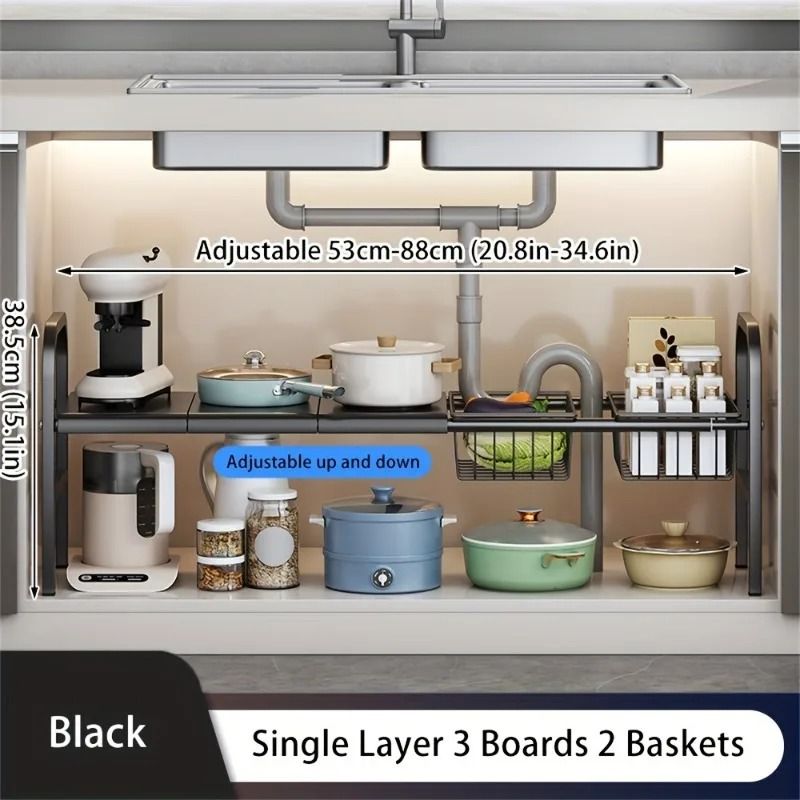 Aisha's pickTall Kitchen Cabinets That Cope With Steam and Splashes
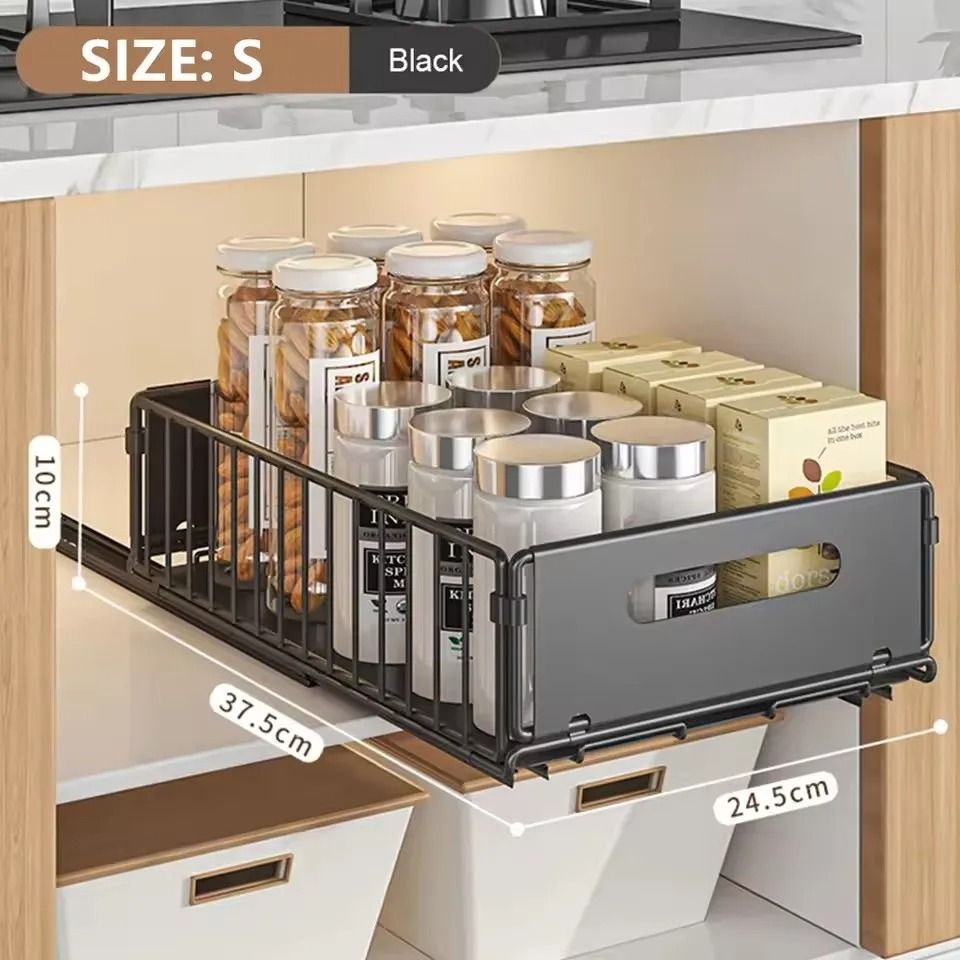
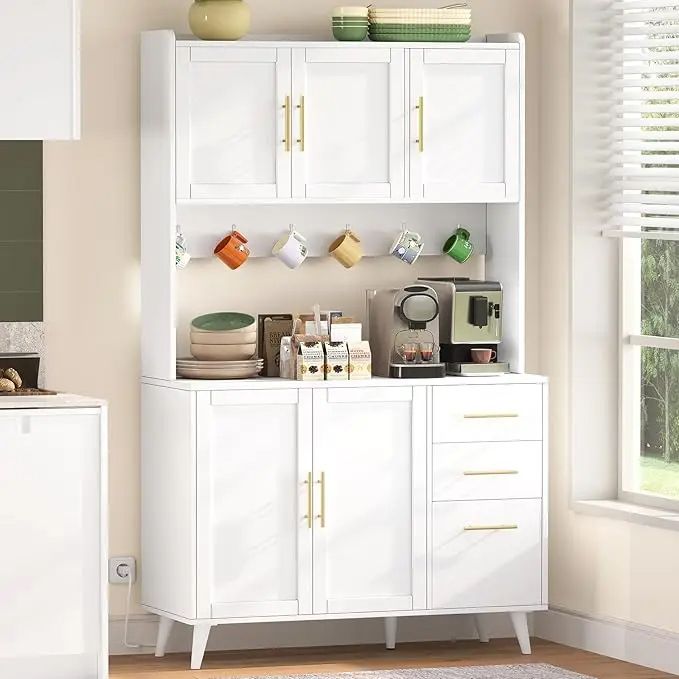 Aisha's pickTall Kitchen Cabinets with Doors That Don’t Need Babying
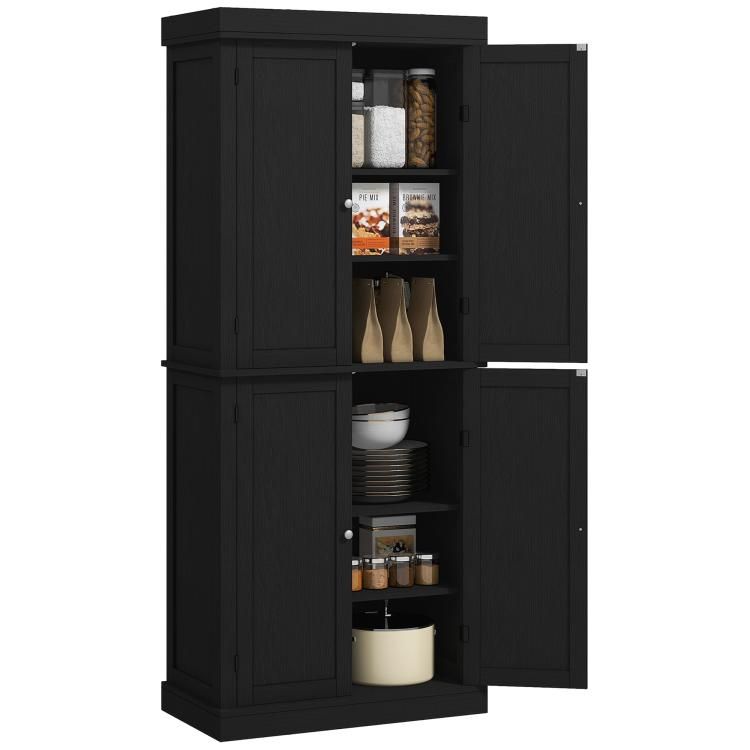
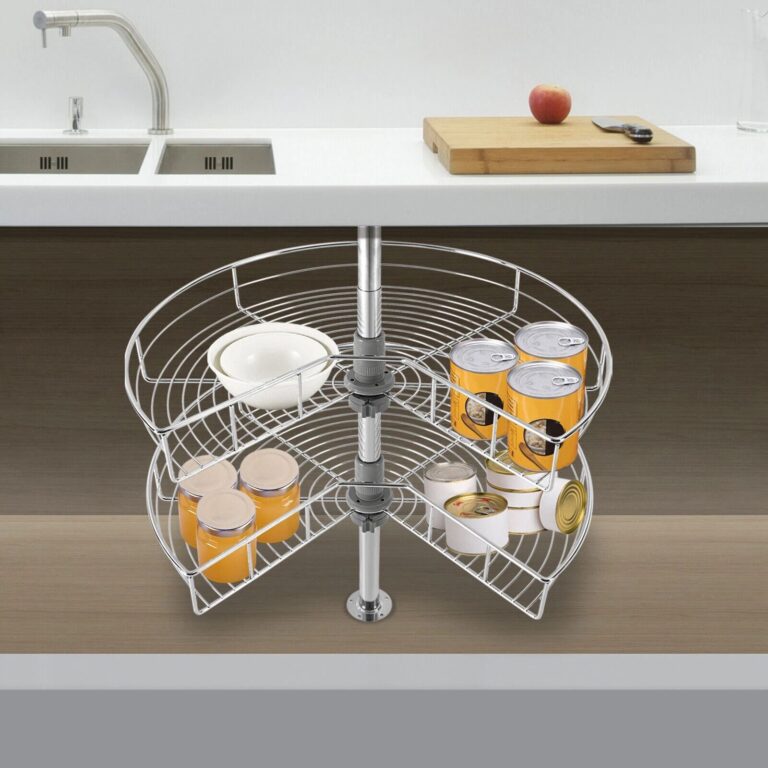 Aisha's pickTall Kitchen Cabinets with Shelves That Make Cooking a Bit Nicer
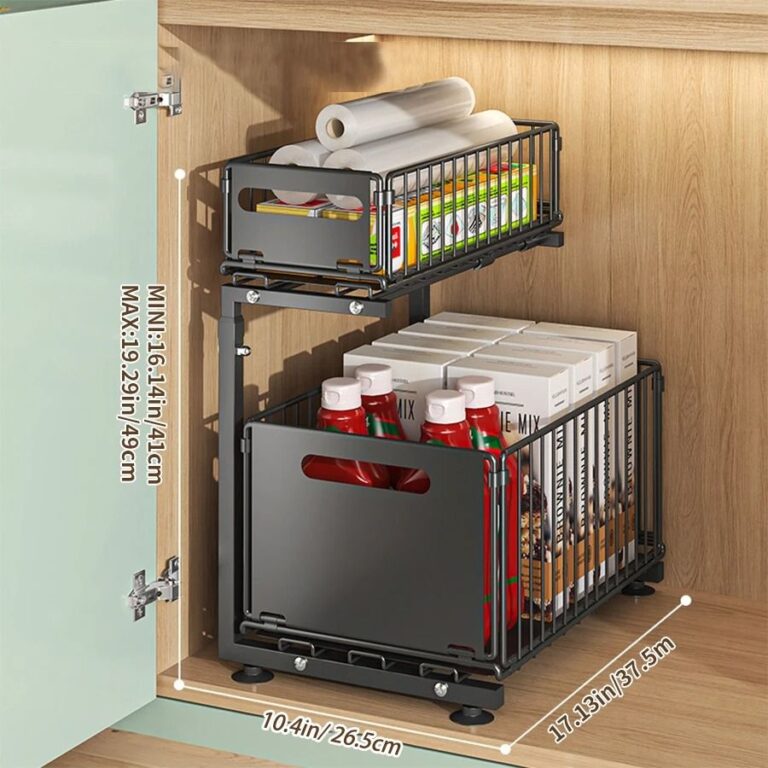
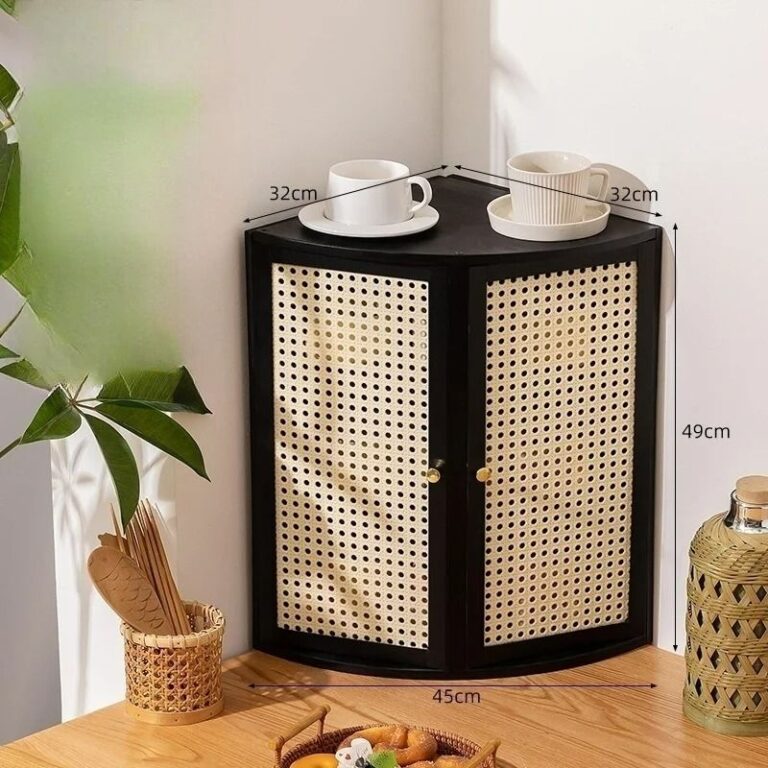 Aisha's pickTall Kitchen Cabinets That Look Good Even When Full
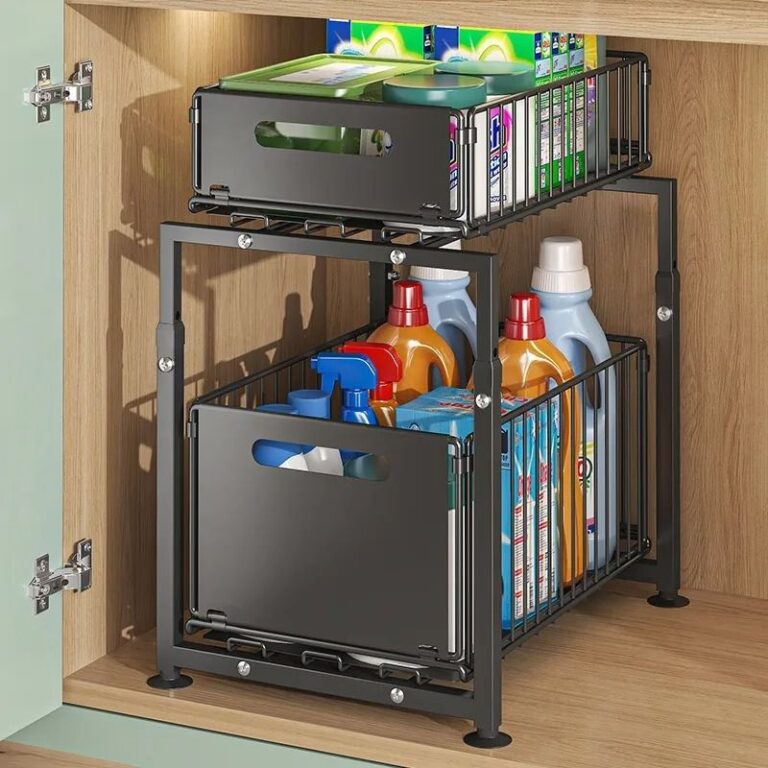
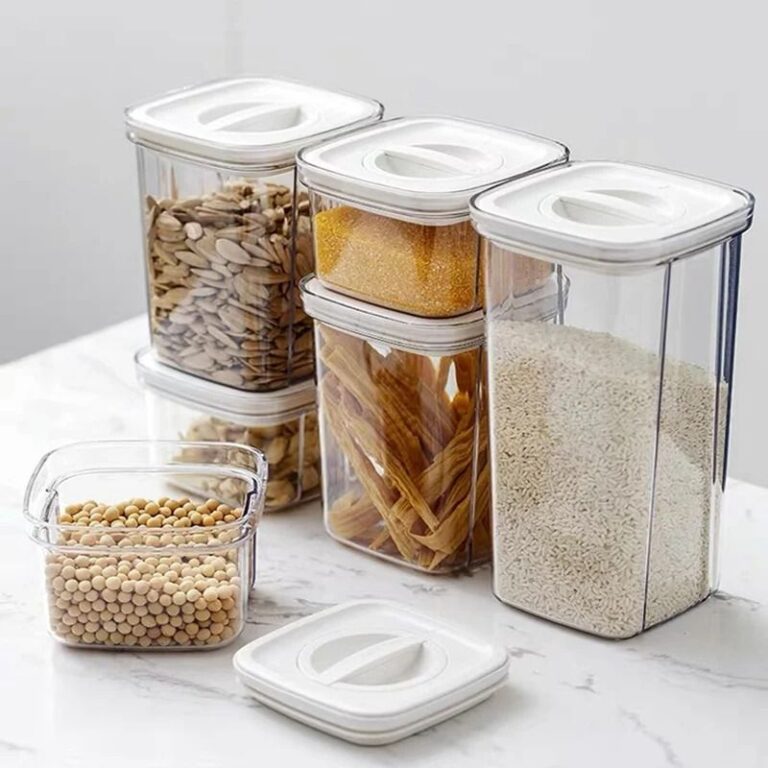 Aisha's pickTall Kitchen Pantries for People Who Know What They Like
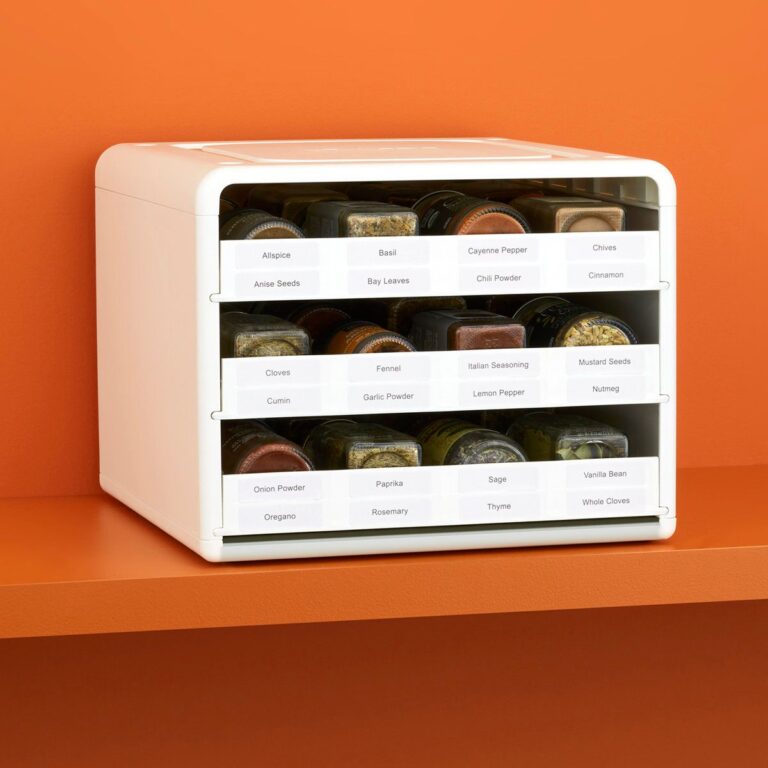
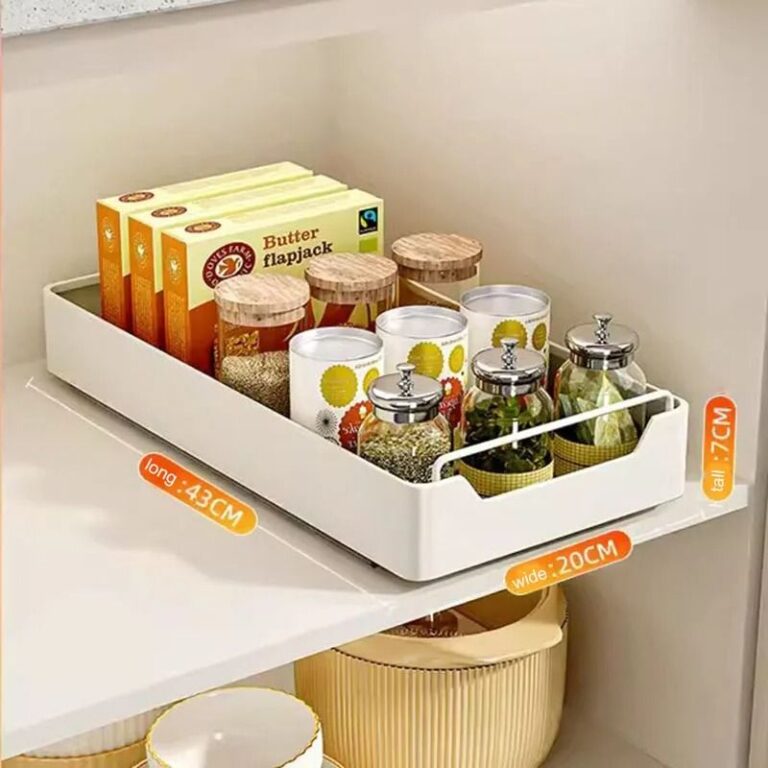 Aisha's pickFreestanding Tall Kitchen Cabinets Pulled From Dozens of Stores
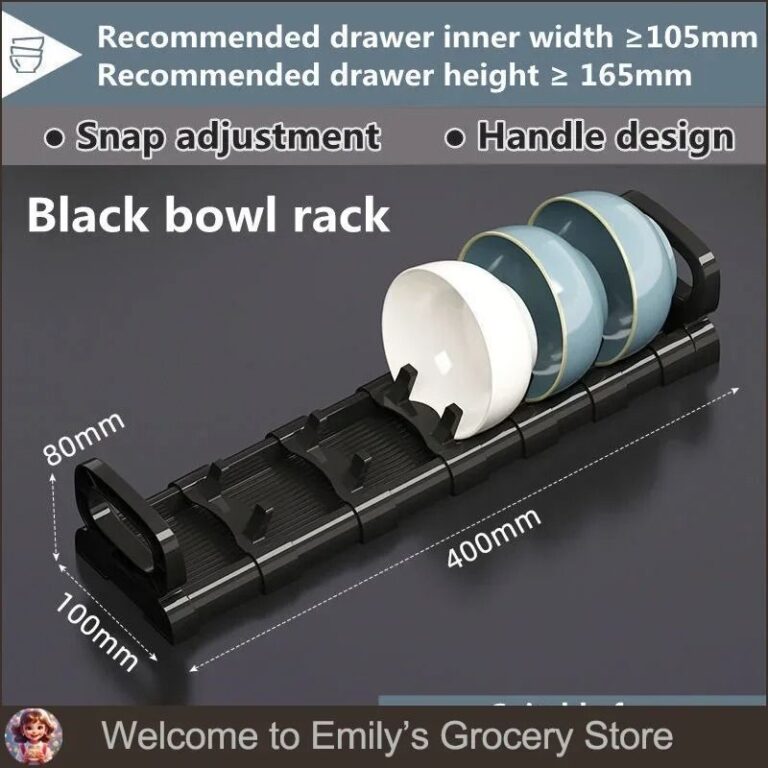
 Aisha's pickTall Kitchen Storage Cabinets You Won’t Want to Hide Away
 Aisha's pickTall Bathroom Cabinets That Are Easy to Keep Clean
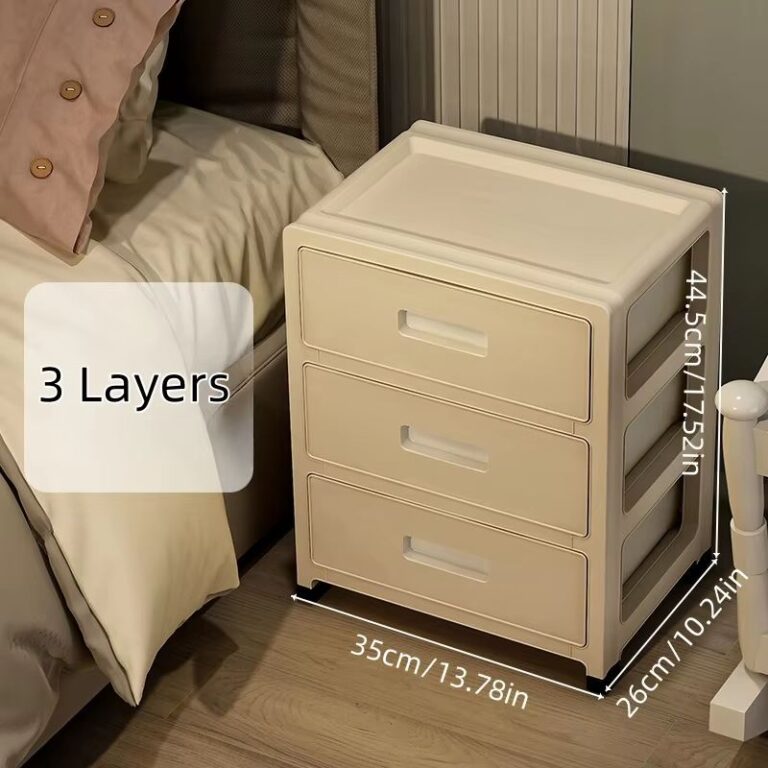 Aisha's pickTall Living Room Cabinets for Movie Nights and Slow SundaysAlso worth a lookStorage CabinetsThe hallway closet in my first apartment had exactly one shelf and a bar for coats, and every…See the collections →
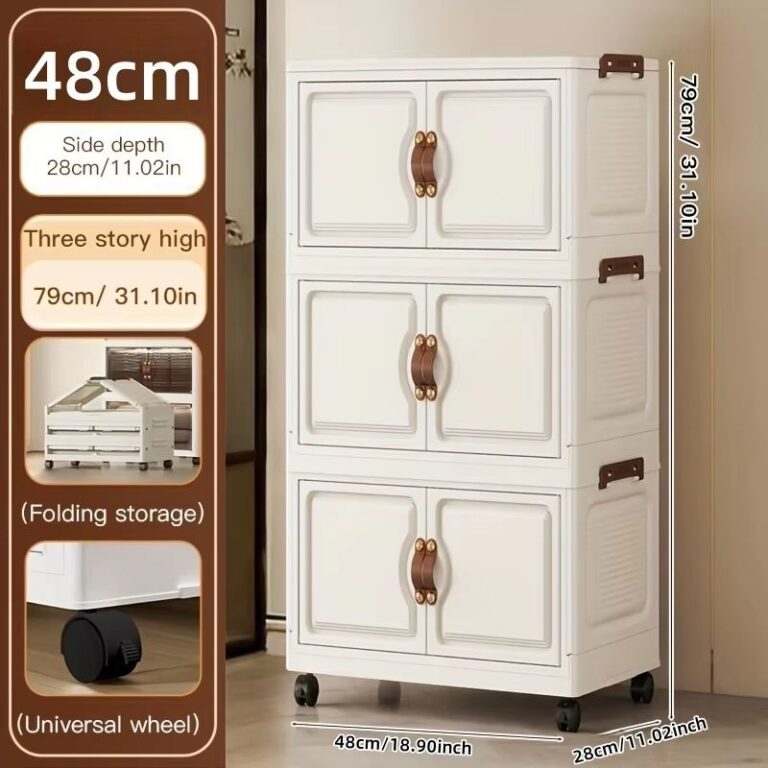
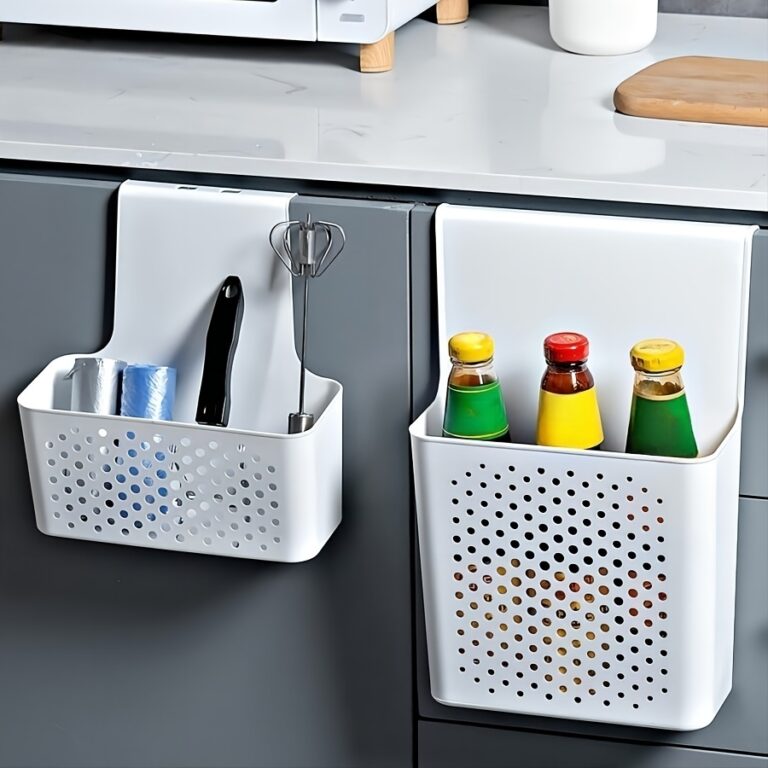 Aisha's pickTall Bathroom Cabinets with Doors That Make Mornings Easier
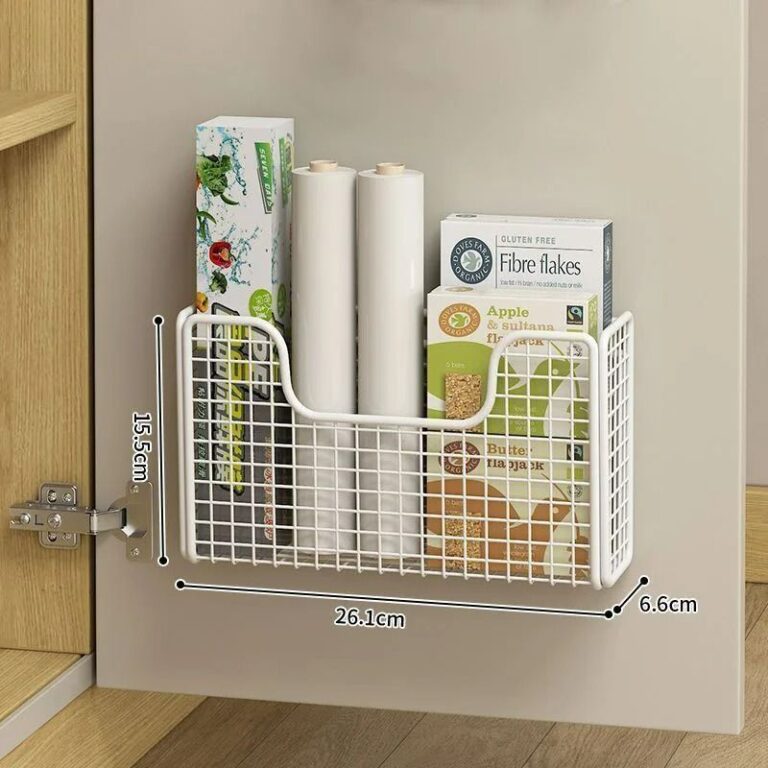
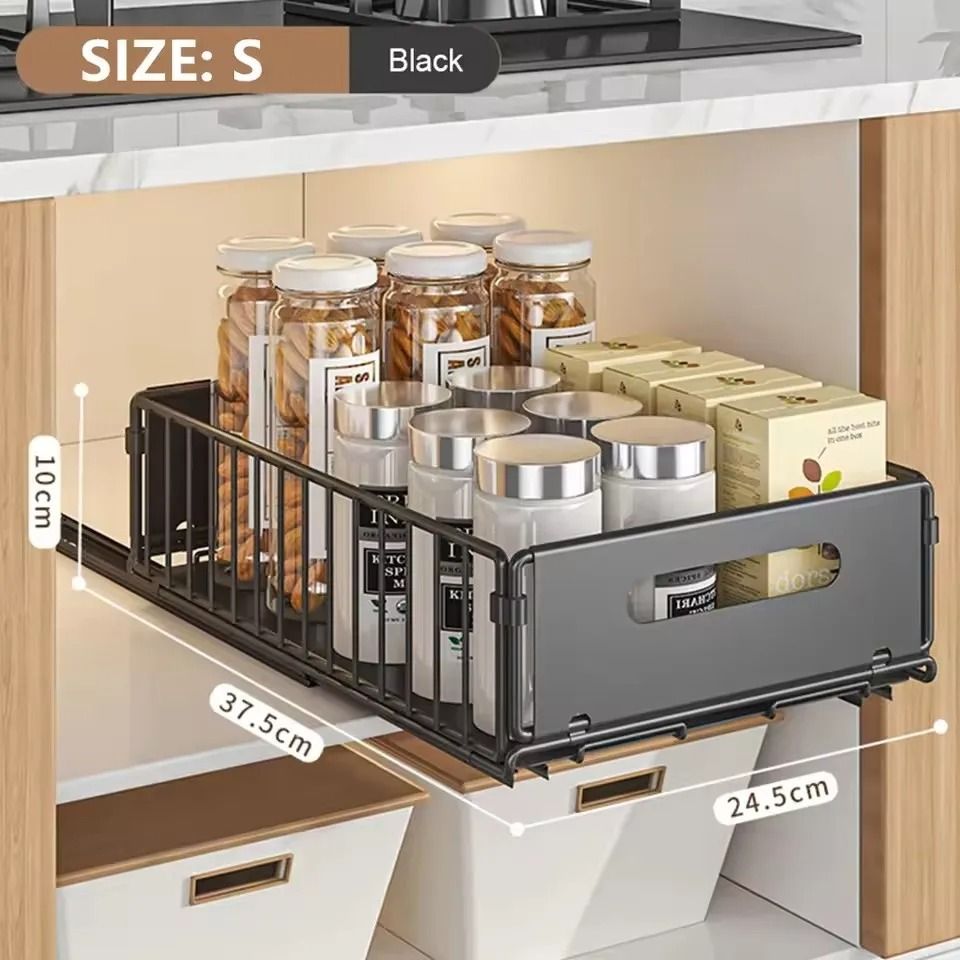 Aisha's pickTall Pantry Cabinets for Kitchens of Every Size
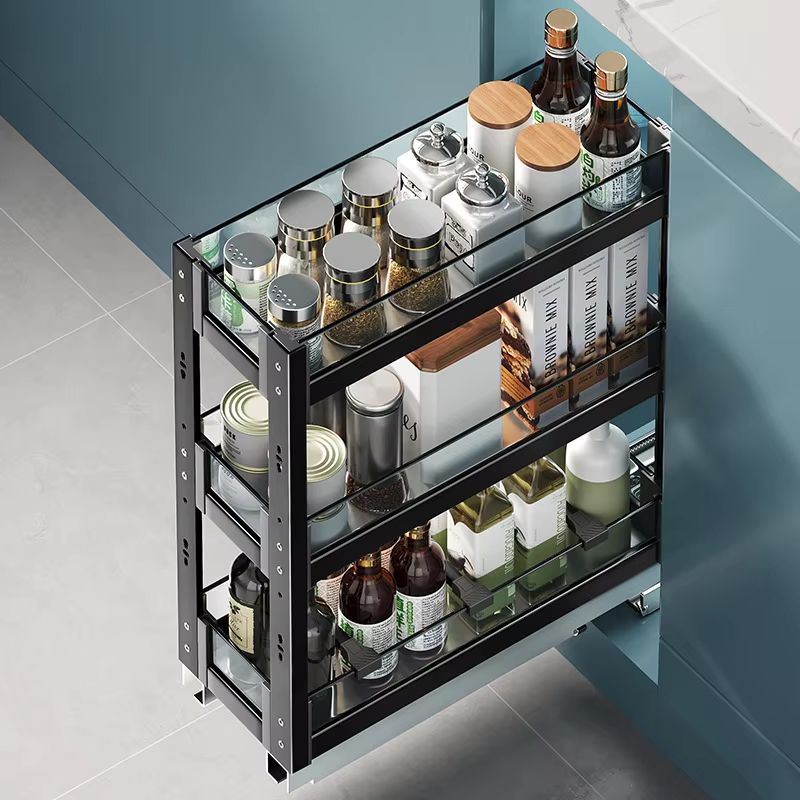
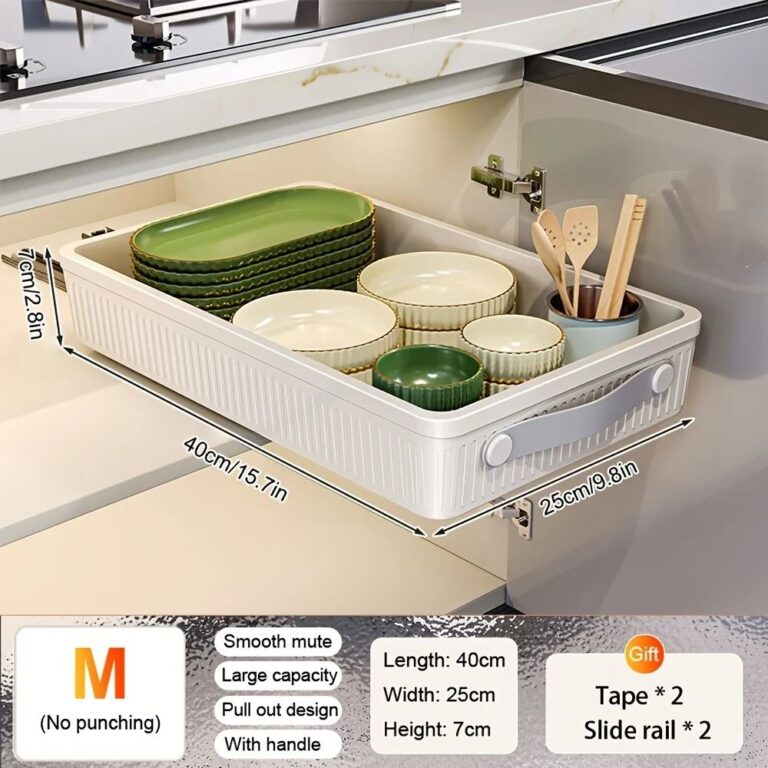 Aisha's pickTall Bathroom Cabinets with Shelves That Don’t Look Mass Produced
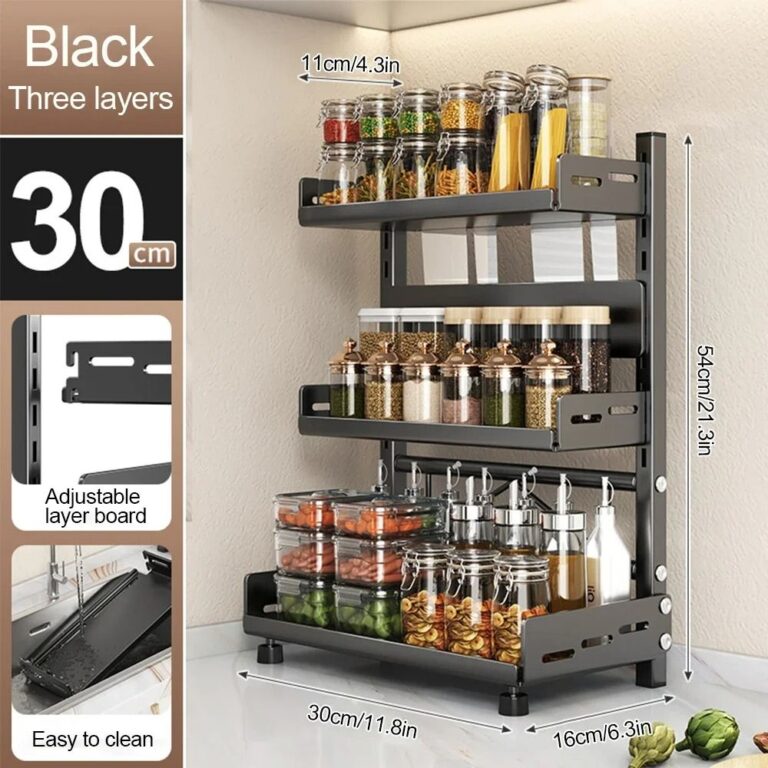
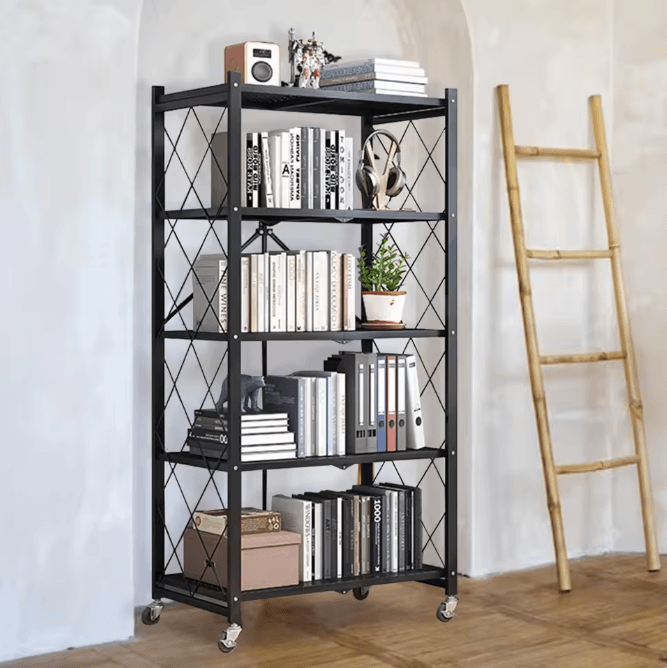 Aisha's pickTall Shelving Units With Room for More Than You’d Think
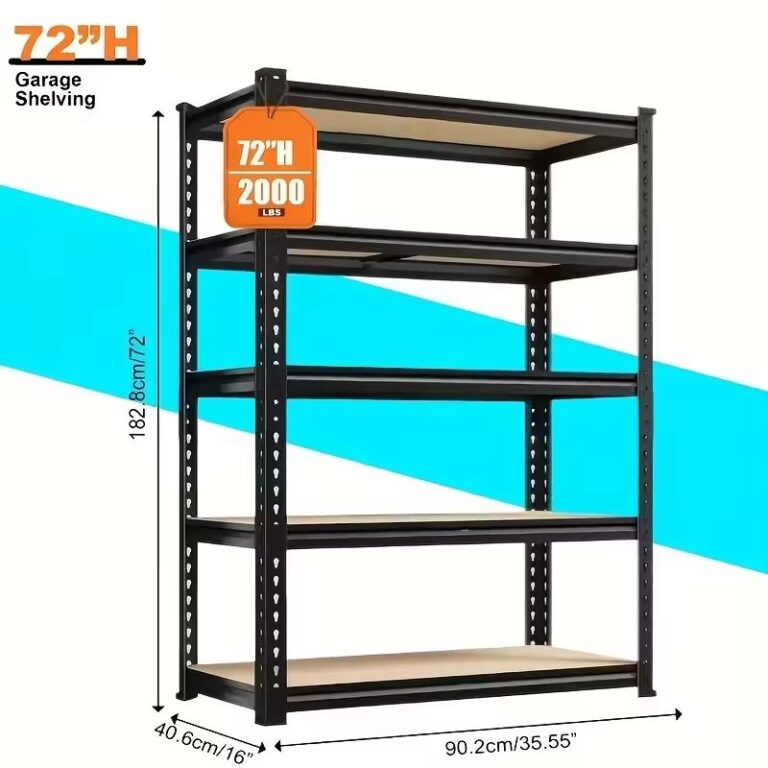
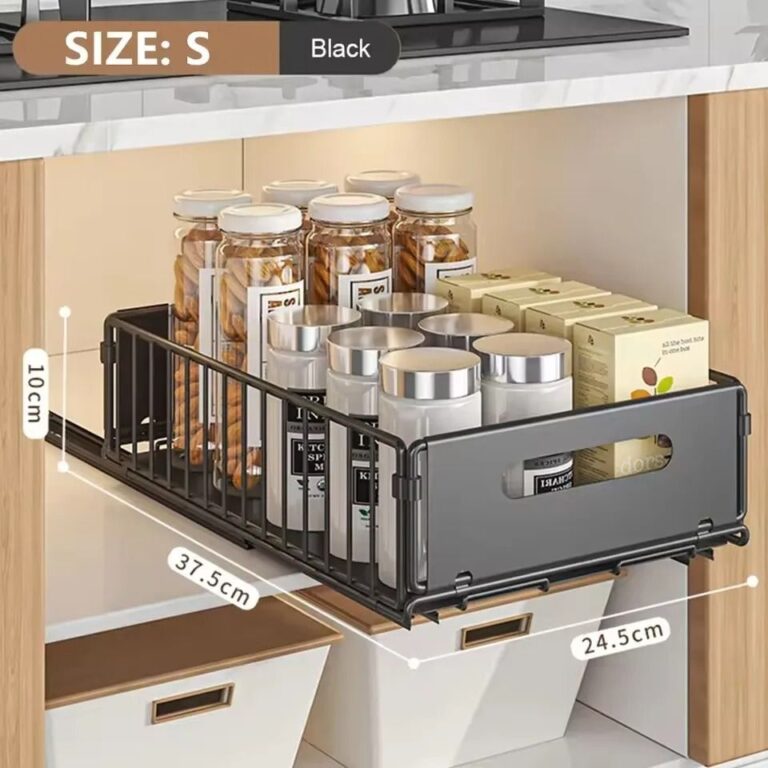 Aisha's pickTall Bathroom Storage Cabinets That Look Good Next to Old Tiles
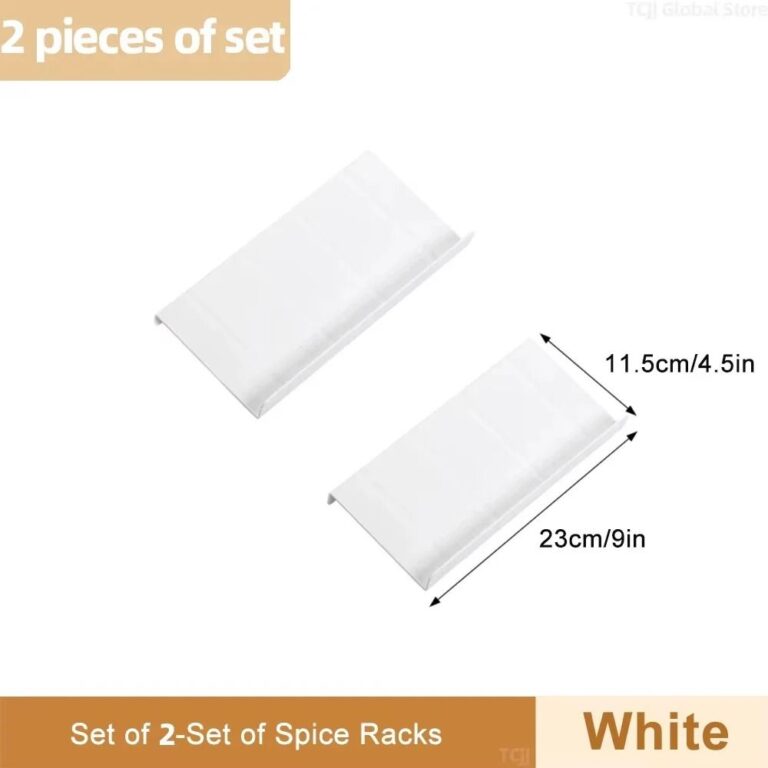
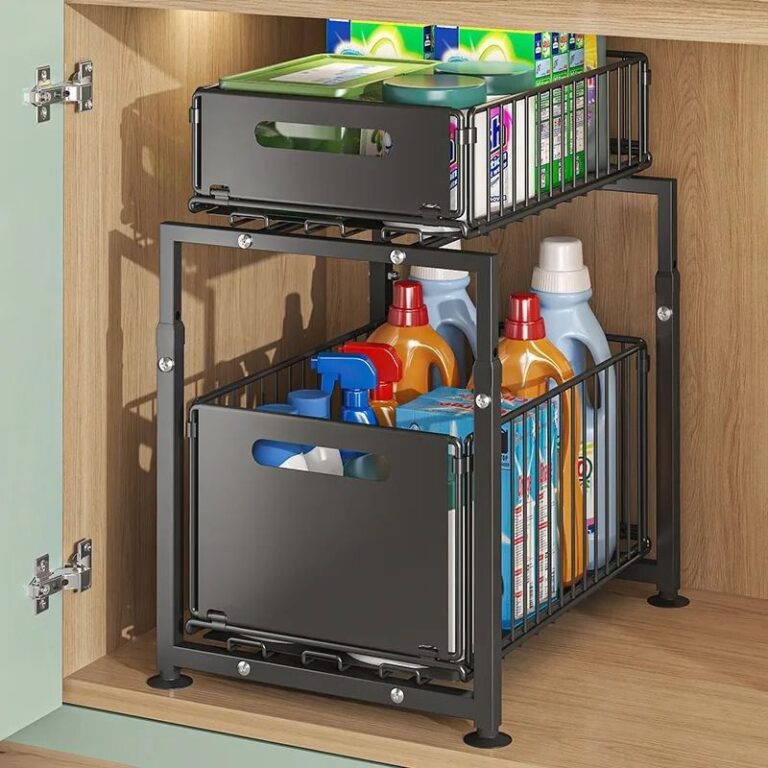 Aisha's pickTall Storage Cabinets Without the Silly Price Tag
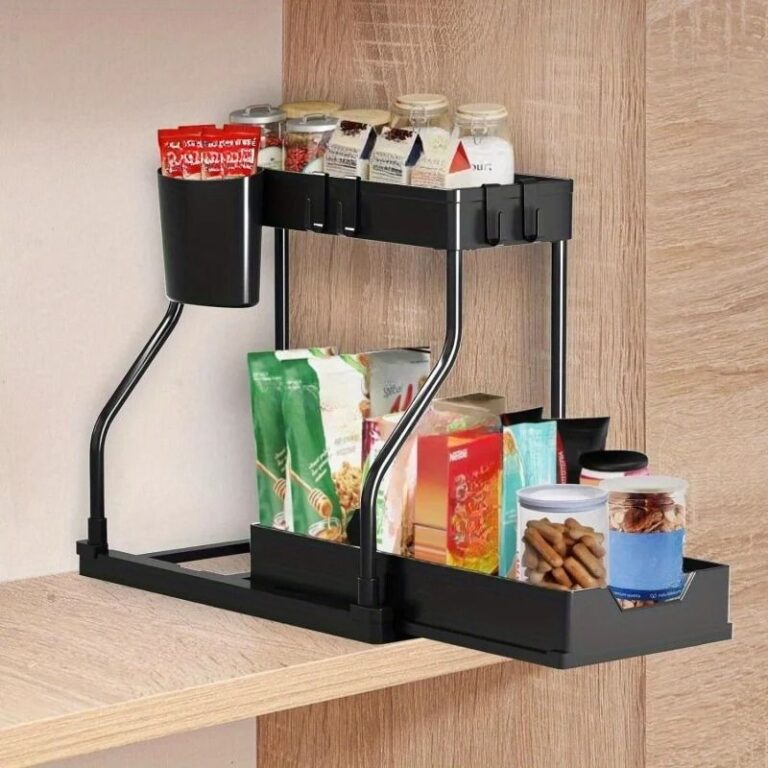
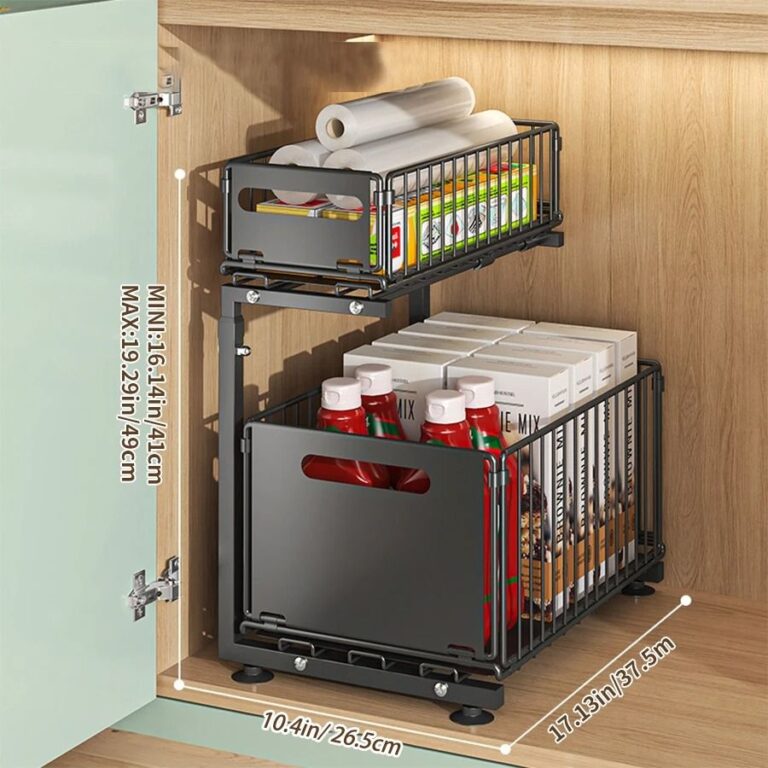 Aisha's pickTall Black Storage Cabinets We Wish We’d Bought Sooner
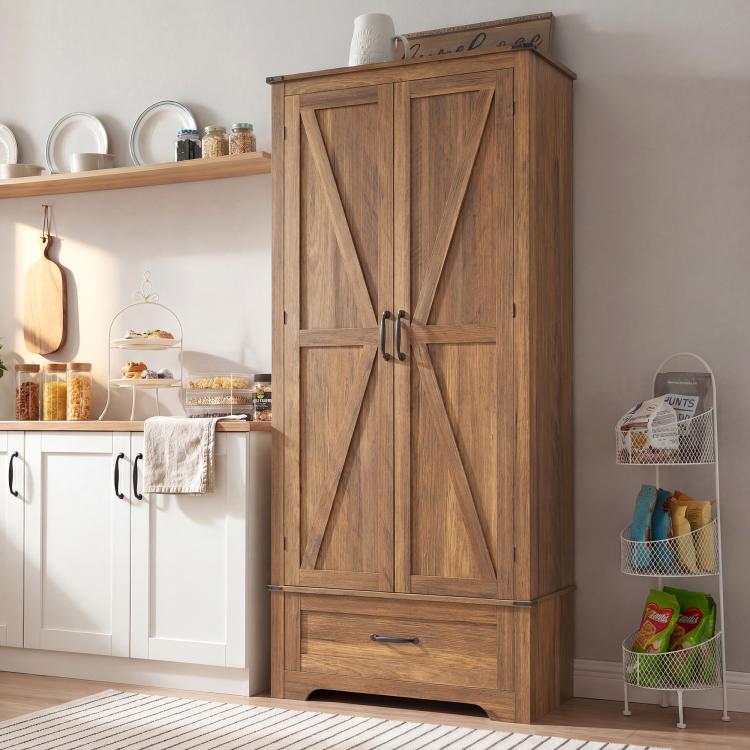
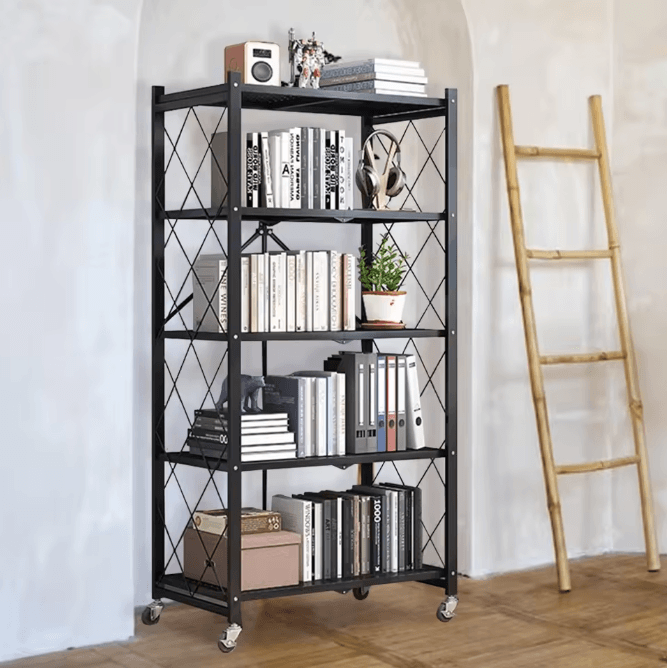 Aisha's pickTall Storage Units for Homes With Too Much Stuff
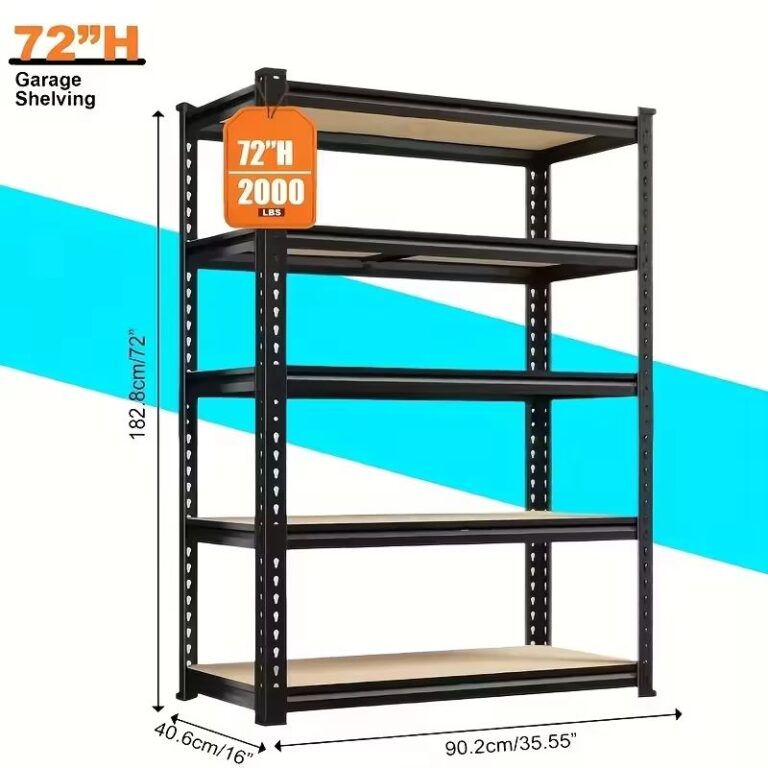
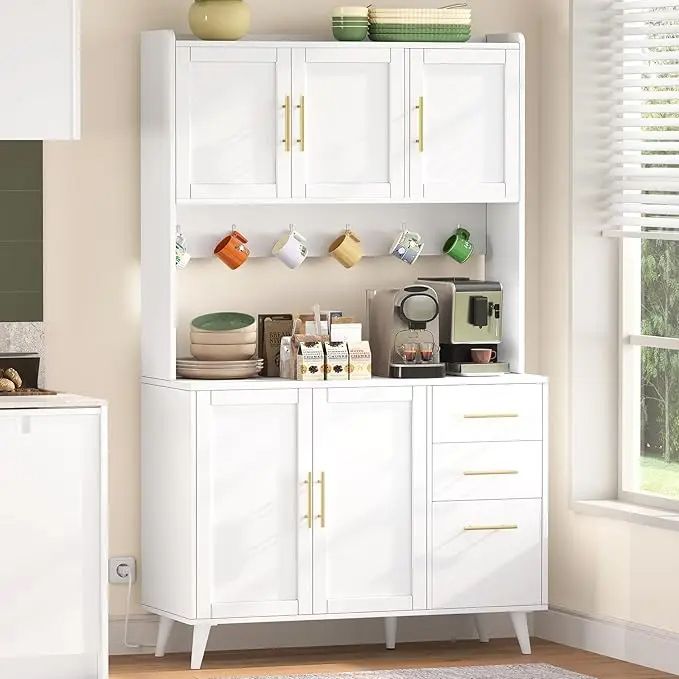 Aisha's pickTall Dining Room Cabinets for Homes With Too Much StuffAlso worth a lookOffice CabinetsBefore you buy anything, measure your doorways, not just the room.See the collections →
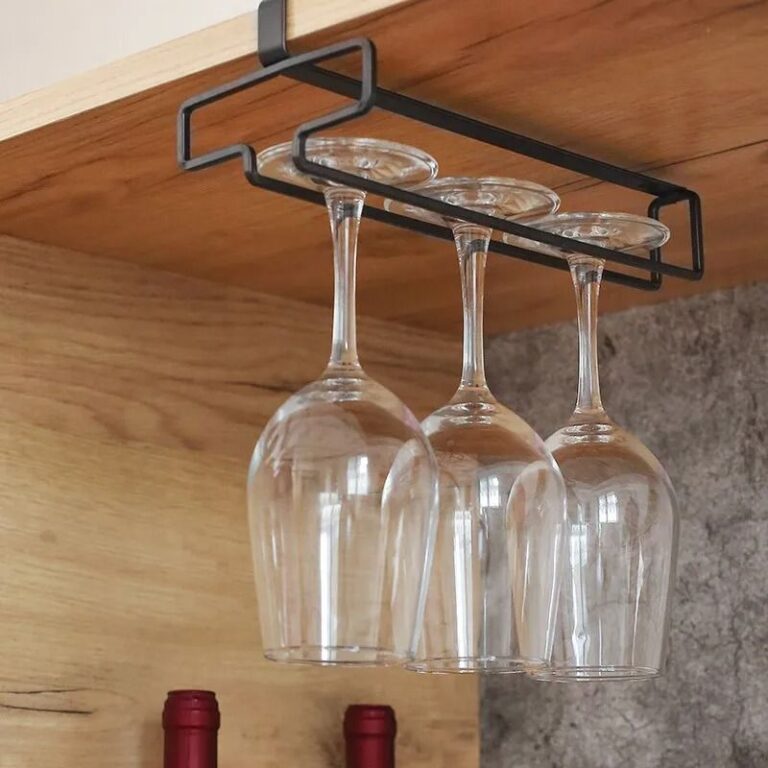
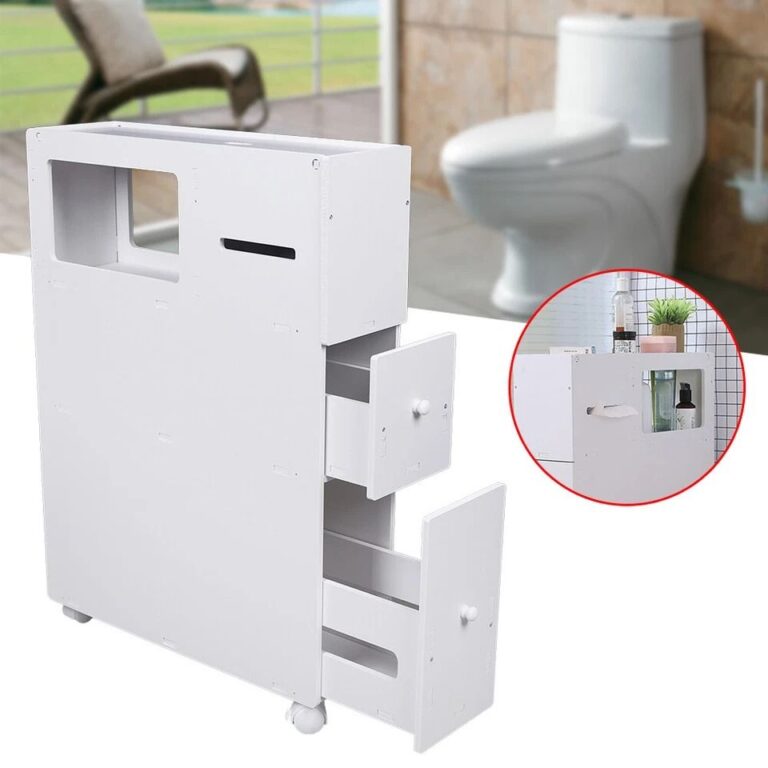 Aisha's pickTall White Bathroom Cabinets That Are Easy to Keep Clean
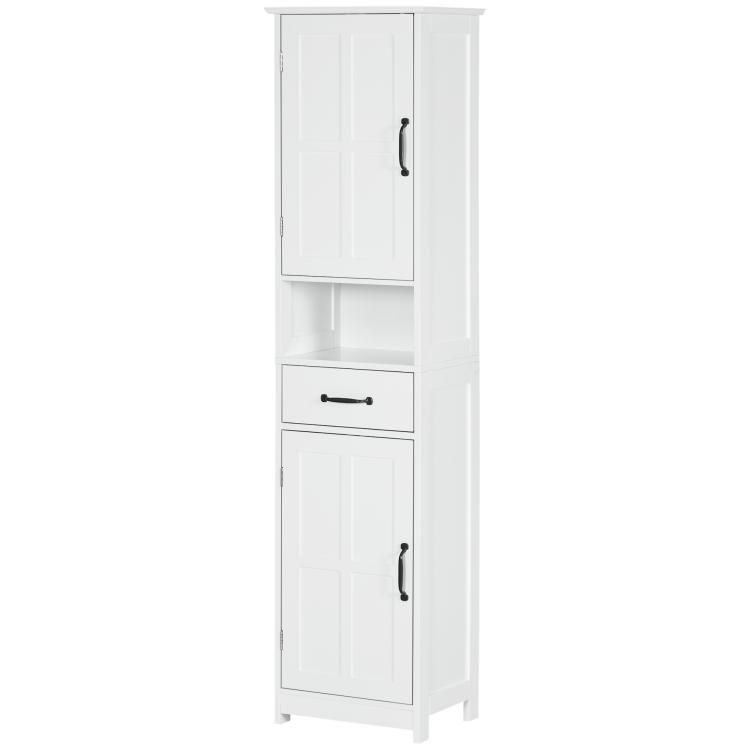
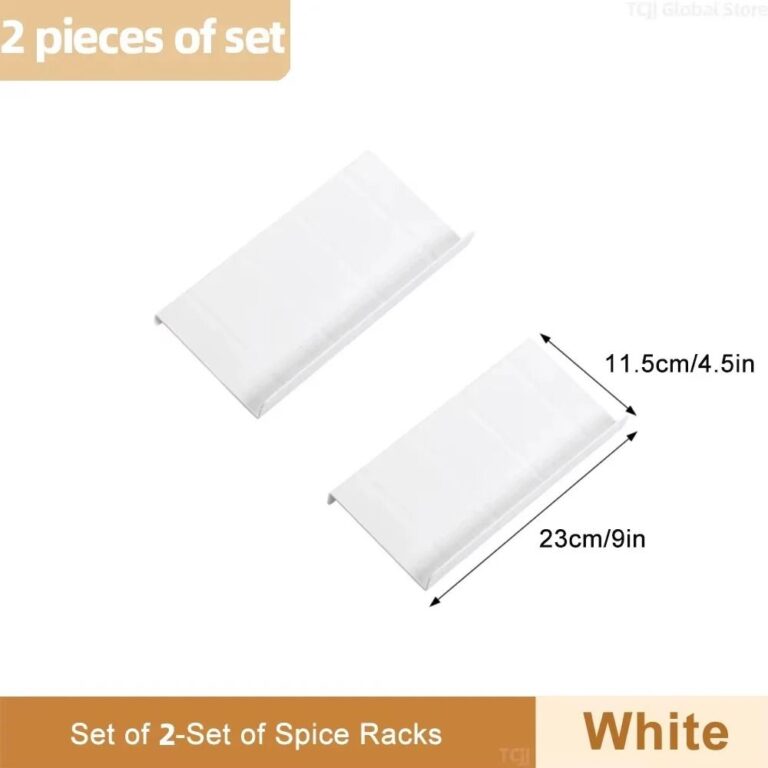 Aisha's pickTall Display Cabinets That Sort Out the Chaos
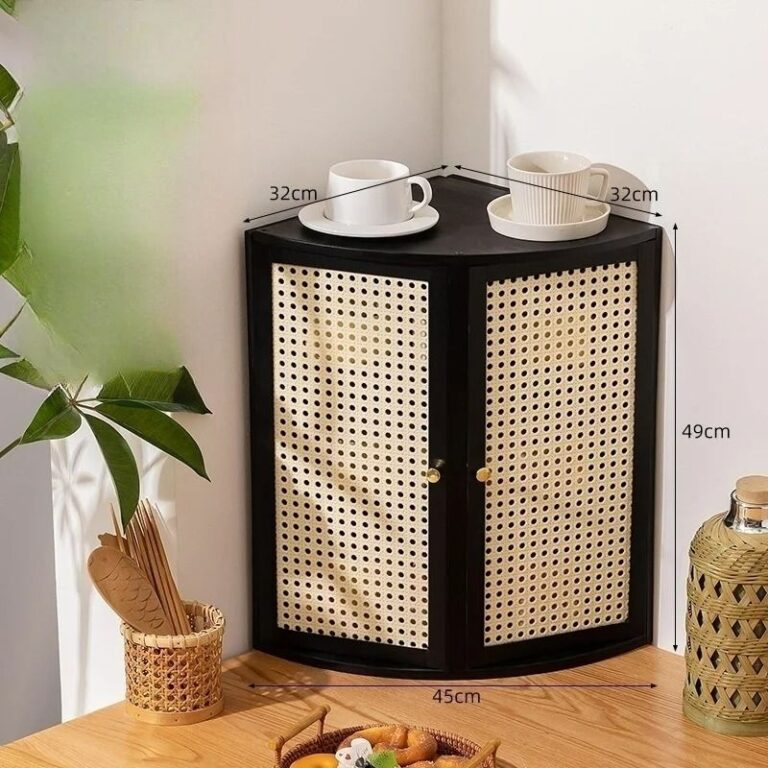
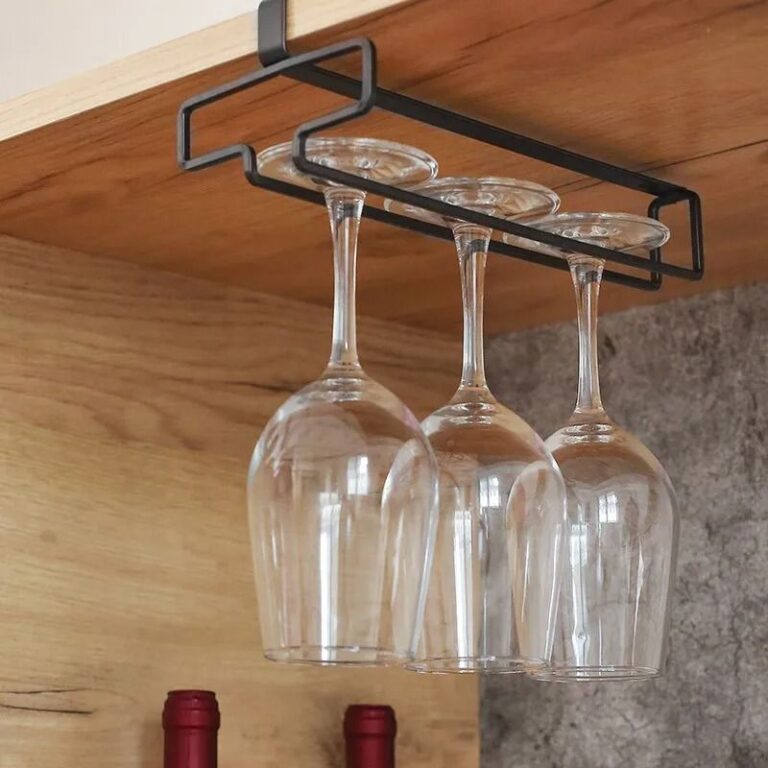 Aisha's pickTall White Kitchen Cabinets Worth Knowing About
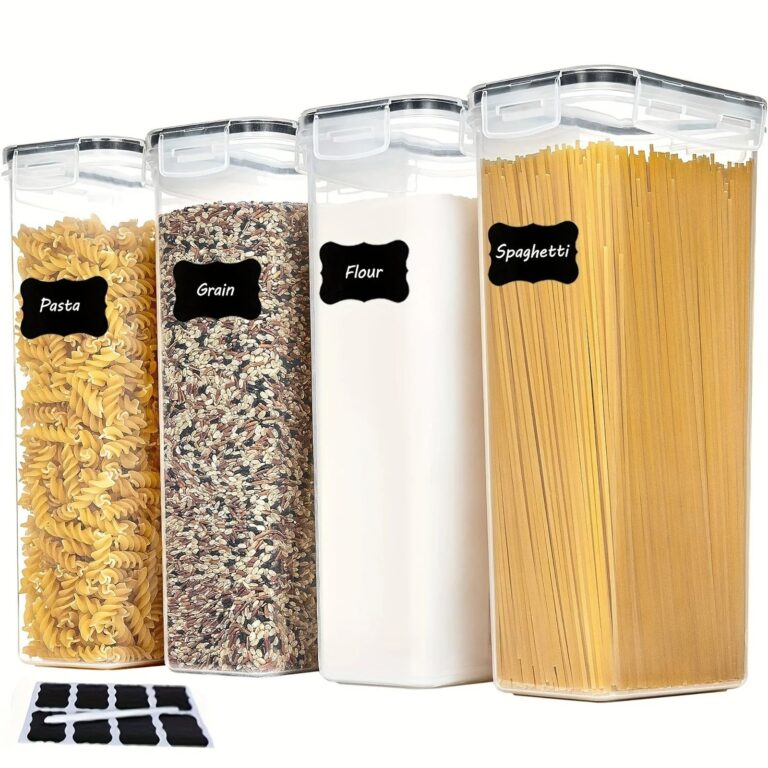
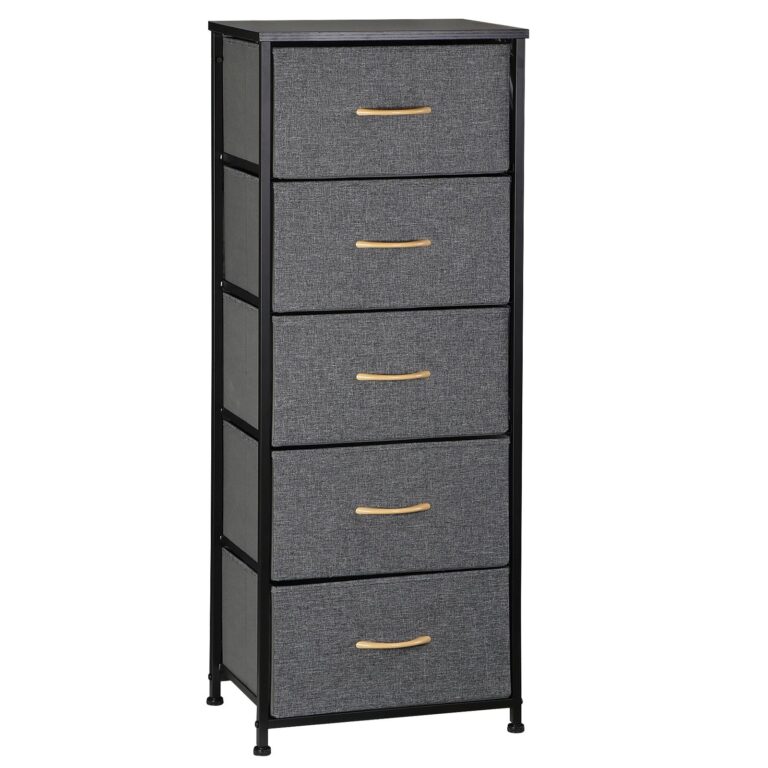 Aisha's pickTall Drawer Units That Squeeze Into Awkward Corners
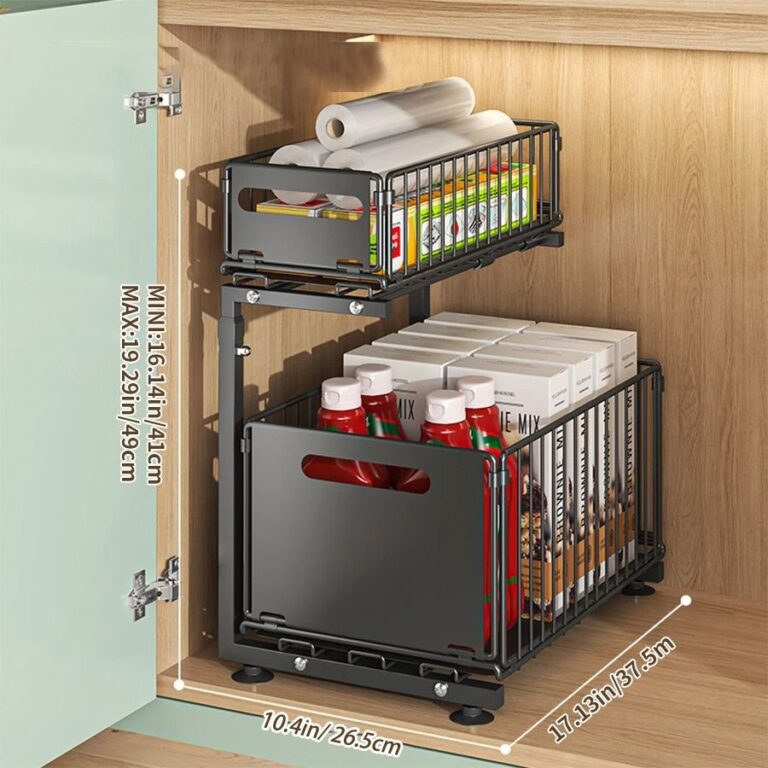 Aisha's pickTall White Storage Cabinets That Swallow the Clutter
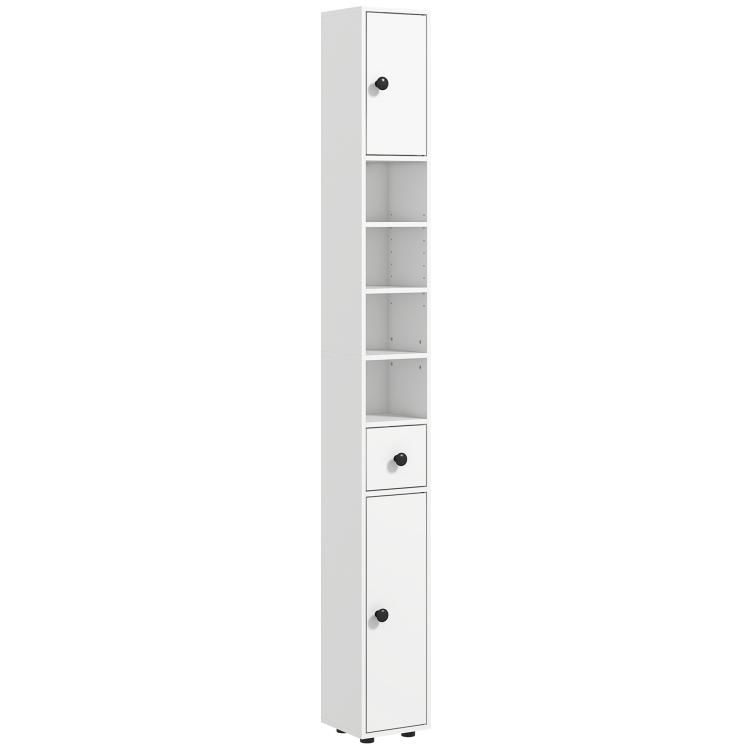
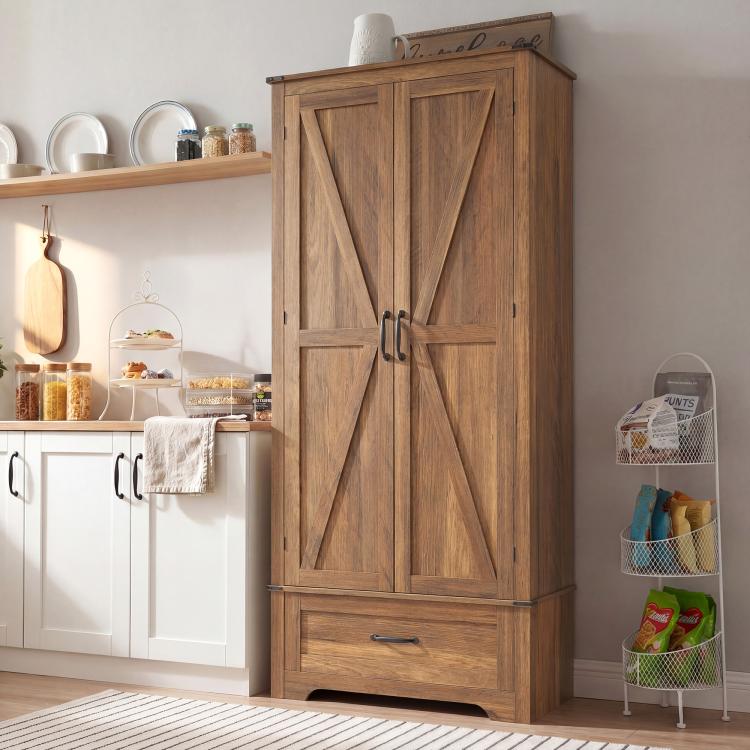 Aisha's pickTall Freestanding Kitchen Storage Cabinets That Make Small Changes Feel Big