The thing nobody tells you about small cabinets is that the word "small" is doing a lot of lying. A cabinet that looks neat and compact in a showroom or a photo can turn out to be eighteen inches deep, and suddenly it's eating half your hallway. Measure the actual floor space, not just the wall, before you fall for one. That said, a good small cabinet solves more storage problems than almost anything else you can fit into a tight room, and it's worth the hunt.
On color, I'd steer toward mid tones and natural wood finishes over anything stark white or glossy black. A warm oak or walnut veneer hides scuffs and dust in a way white lacquer simply doesn't, and it sits comfortably whether your room leans modern or more worn in and lived with. Soft sage, muted blue or a chalky off white work too, as long as the finish is matte rather than shiny. Shiny finishes show every fingerprint and every ring left by a mug, and in a small piece that gets touched constantly, that adds up fast.
Where it goes matters as much as what it looks like. A small cabinet with a lot of visual detail, carved fronts, ornate handles, strong grain, can fight with a room that already has a patterned rug or busy tile nearby. Keep it plain if the room around it isn't. And be careful putting a delicate looking piece somewhere it'll take real daily impact, like a mudroom or behind a front door that gets kicked open with an armful of groceries. Thin legs and light frames aren't built for that kind of knock.
When you're looking at one in person, or standing over it the day it arrives, open every door and drawer slowly and listen. A good one closes with a soft, slightly weighted clunk, not a hollow rattle. Push on the top corners and see if it rocks even slightly, that tells you more about the frame than any spec sheet. Check the back panel too, thin hardboard backs tend to bow over time if you stack anything heavy on top. Hinges should feel stiff enough to hold a door half open without swinging shut on their own.
The drawers are where cheap pieces give themselves away fastest. Pull one all the way out and see if it still feels steady, not like it's about to tip forward into your hands. Good runners glide with a bit of resistance and a quiet sound, not a screech or a dead silent slide that feels flimsy. A drawer that already wobbles in the shop will only get worse with daily use.
Would I be happy opening this thing every single day for the next ten years, or am I just liking how it looks standing still?

 Aisha's pickCompact Changing Units You’ll Still Like in Five Years
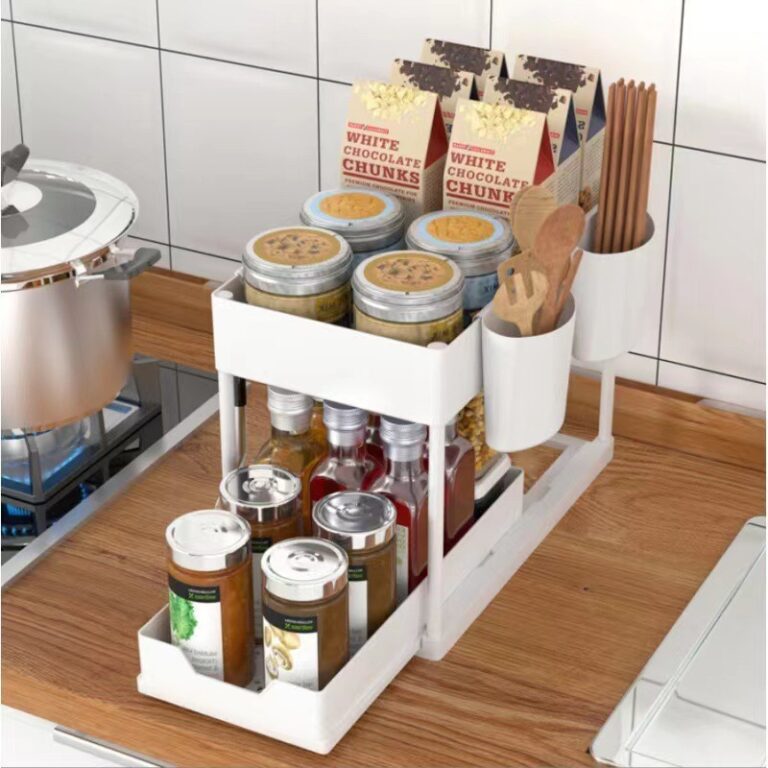 Aisha's pickCompact Storage Cabinets That Won’t Let You Down

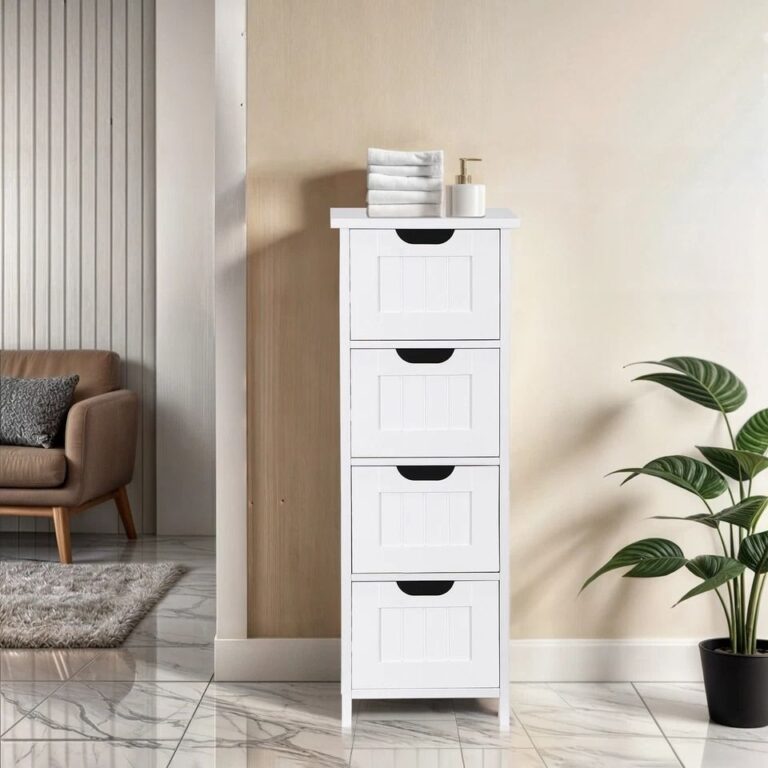 Aisha's pickSmall Storage Units That Don’t Look Mass Produced
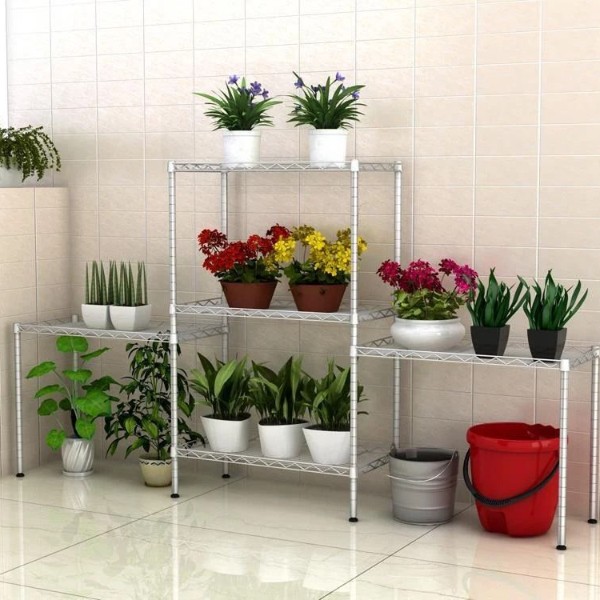
 Aisha's pickCompact Display Cabinets That Make a Room Feel Finished
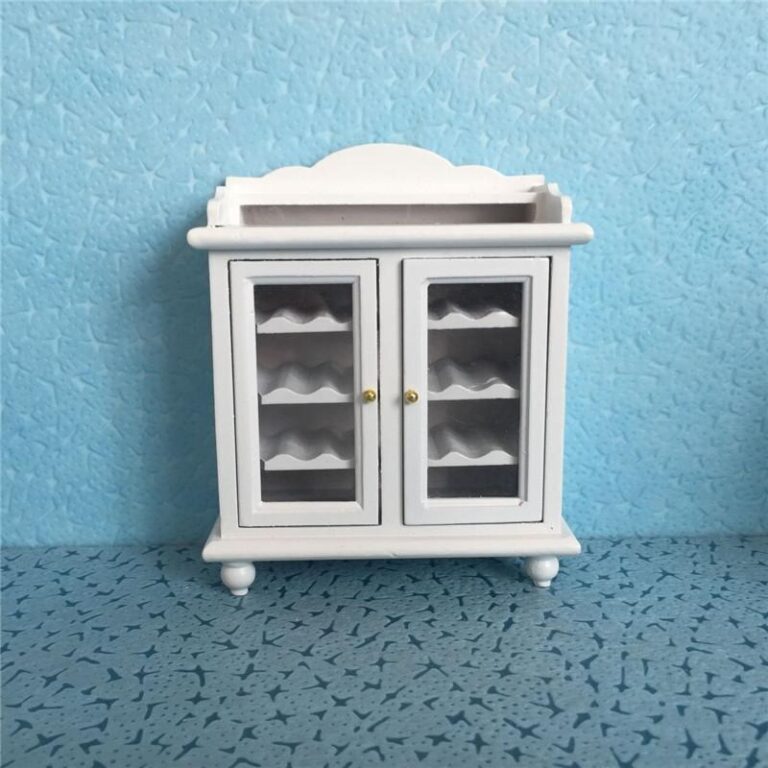
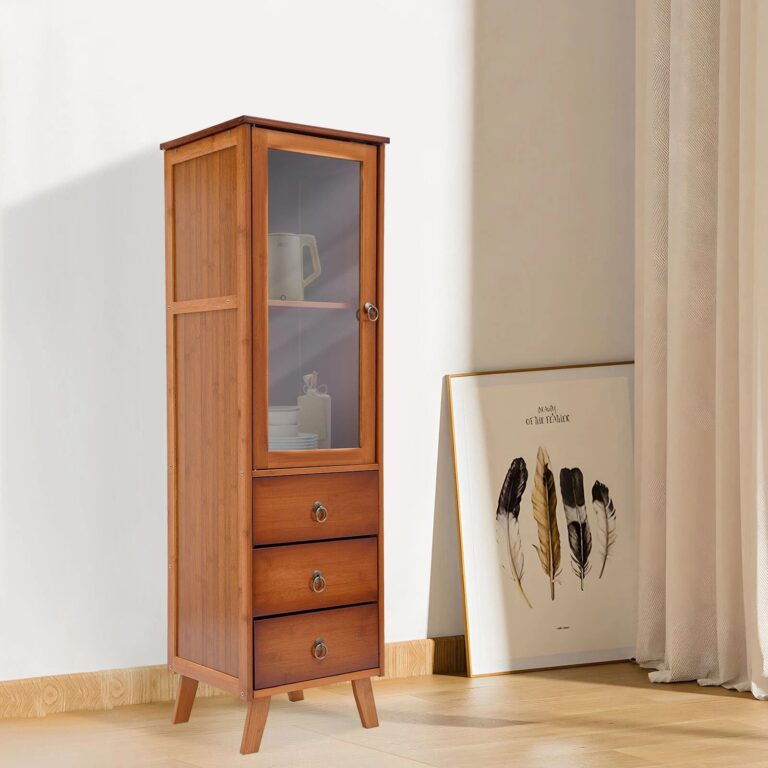 Aisha's pickCompact Storage Cupboards That Make Tidying Up Quicker

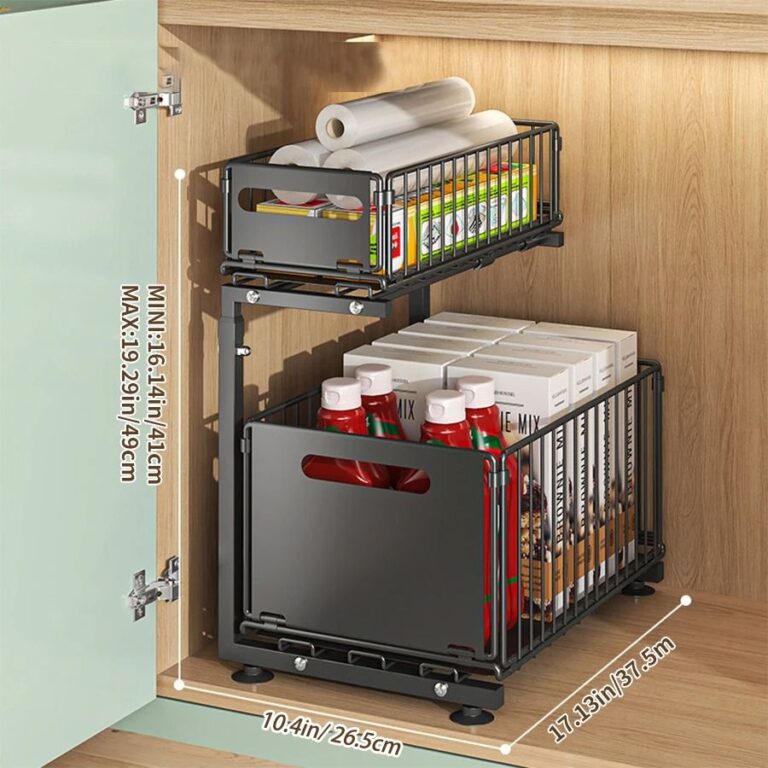 Aisha's pickSmall White Storage Cabinets Worth Knowing About
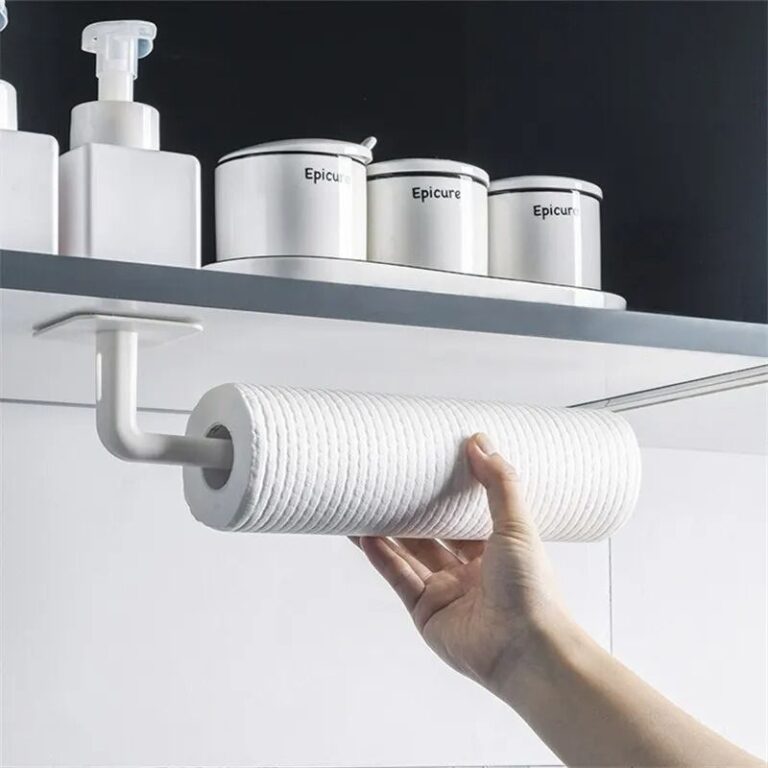
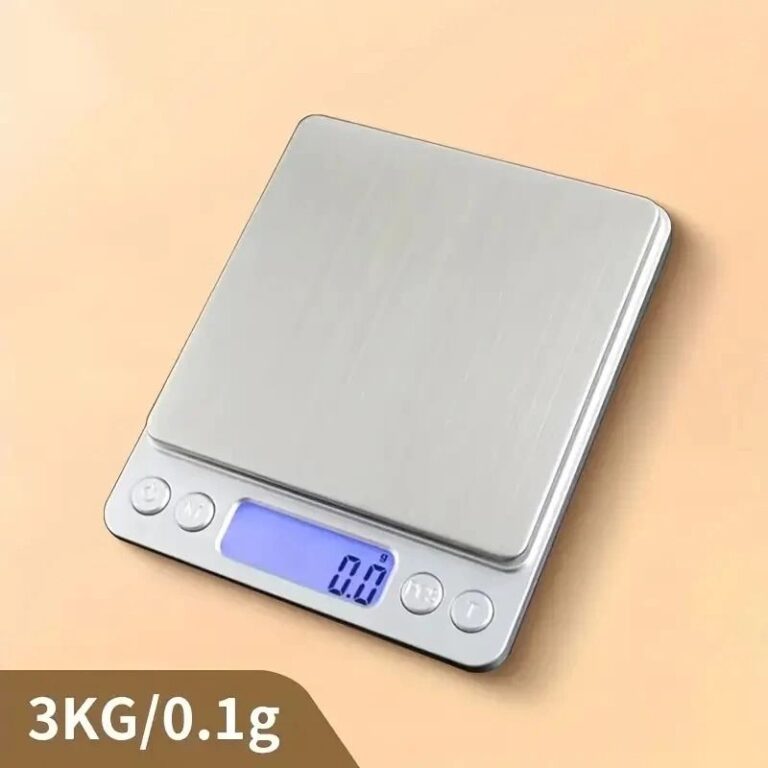 Aisha's pickCompact Display Units That Look Good Even When Full

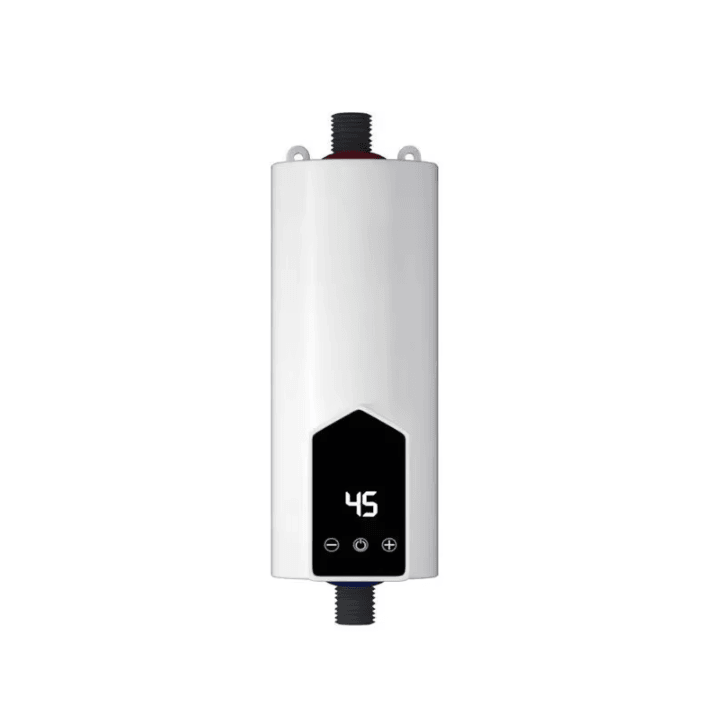 Aisha's pickCompact Storage Units That Squeeze Into Awkward Corners
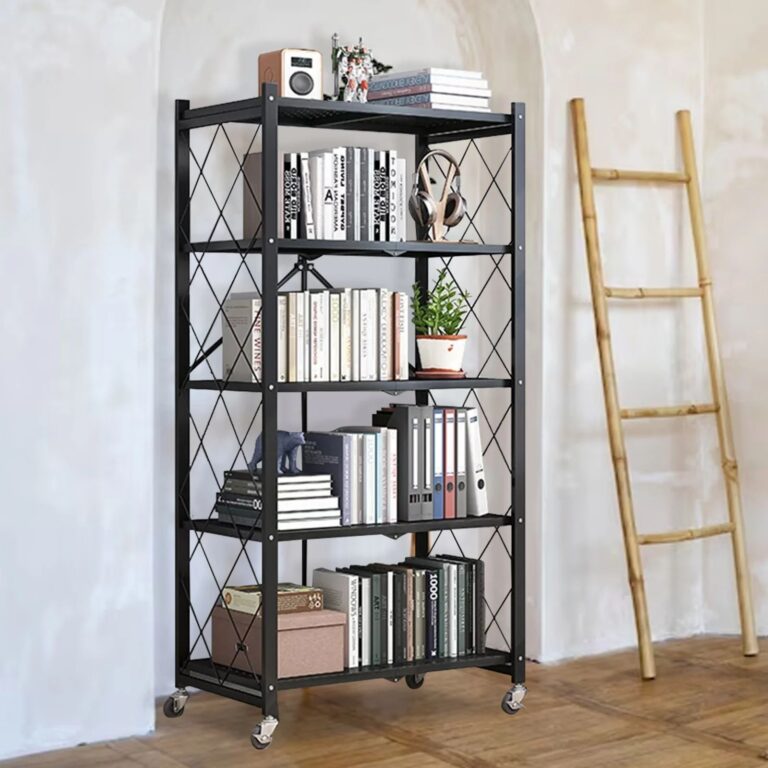
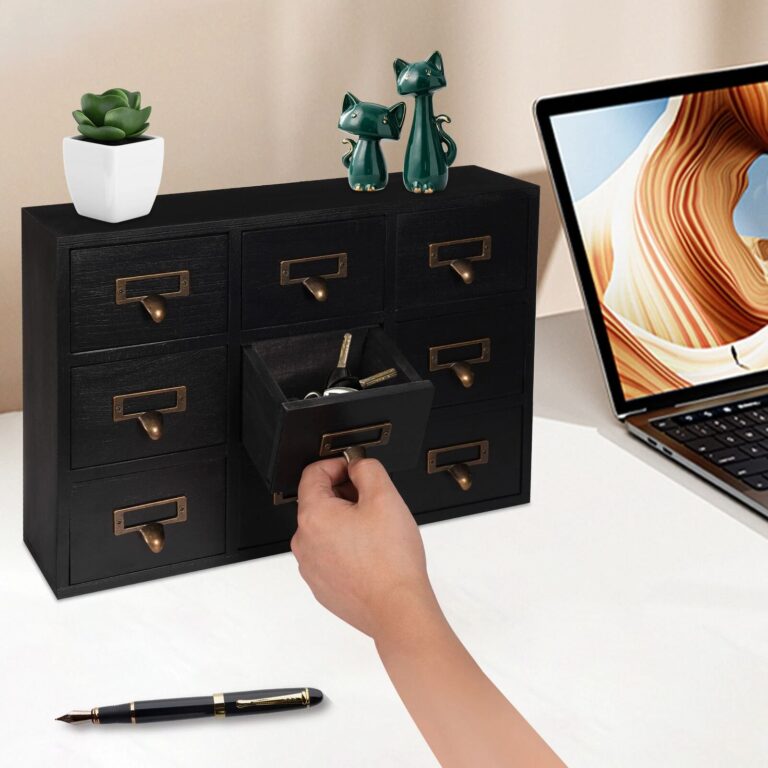 Aisha's pickSmall Wooden Storage Cabinets That Squeeze Into Awkward CornersAlso worth a lookSmall Storage CabinetsA good small storage cabinet has a little weight to it even when it's not full, a drawer…See the collections →
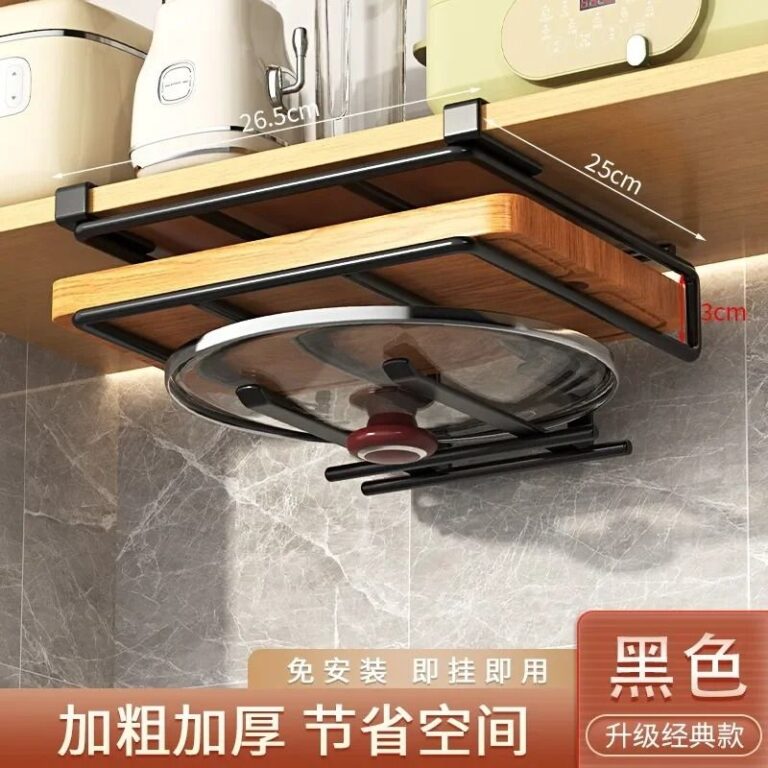
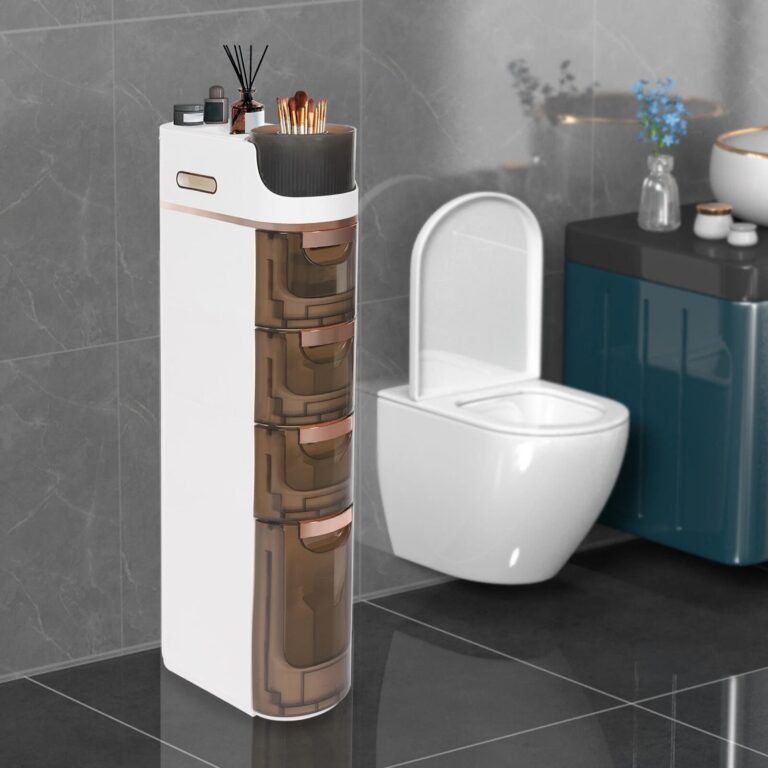 Aisha's pickCompact Drawer Units That Sort Out the Chaos
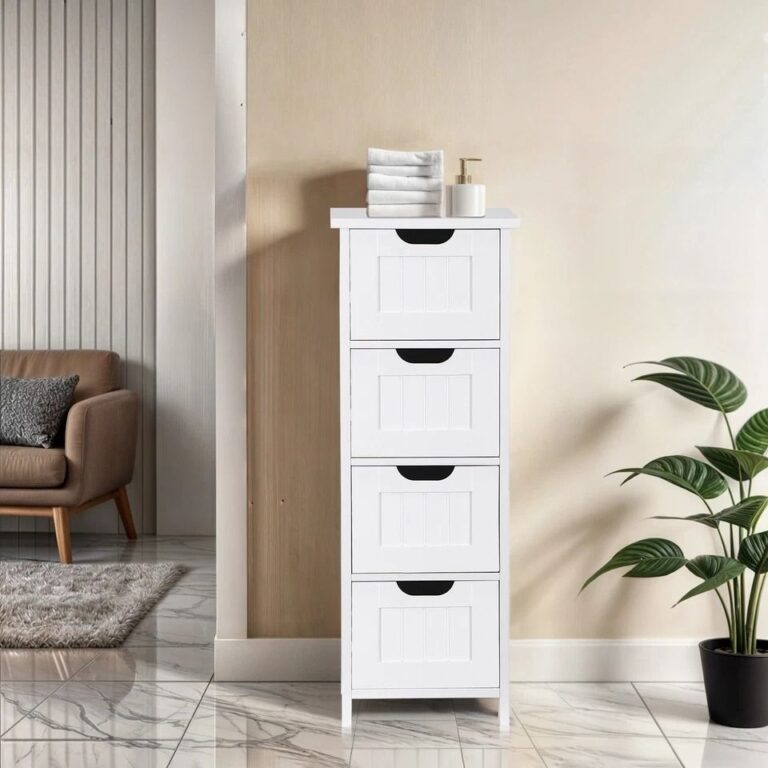
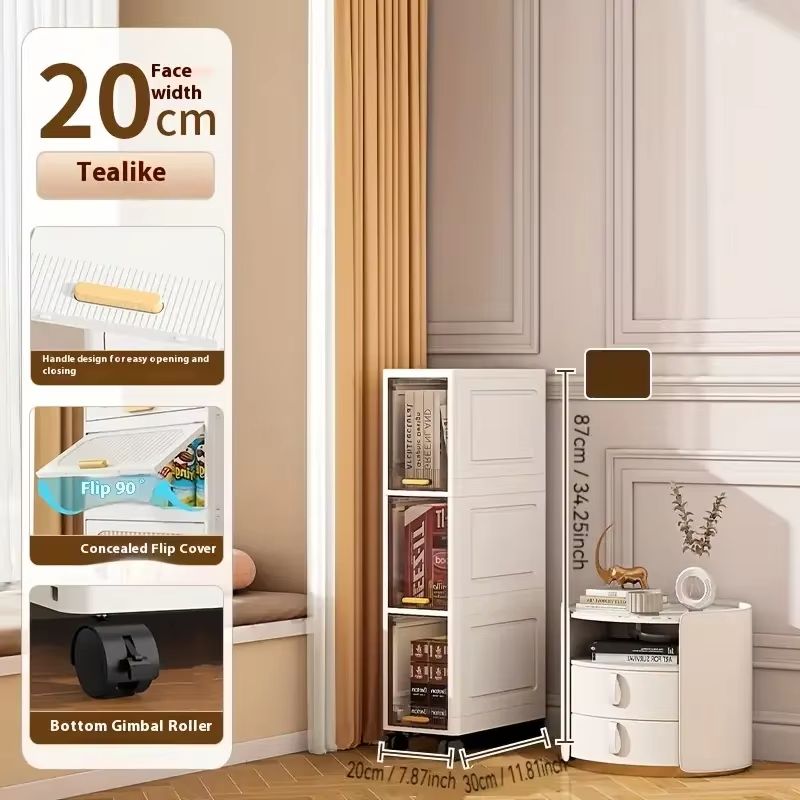 Aisha's pickSmall Bathroom Storage Cabinets That Make Mornings Easier
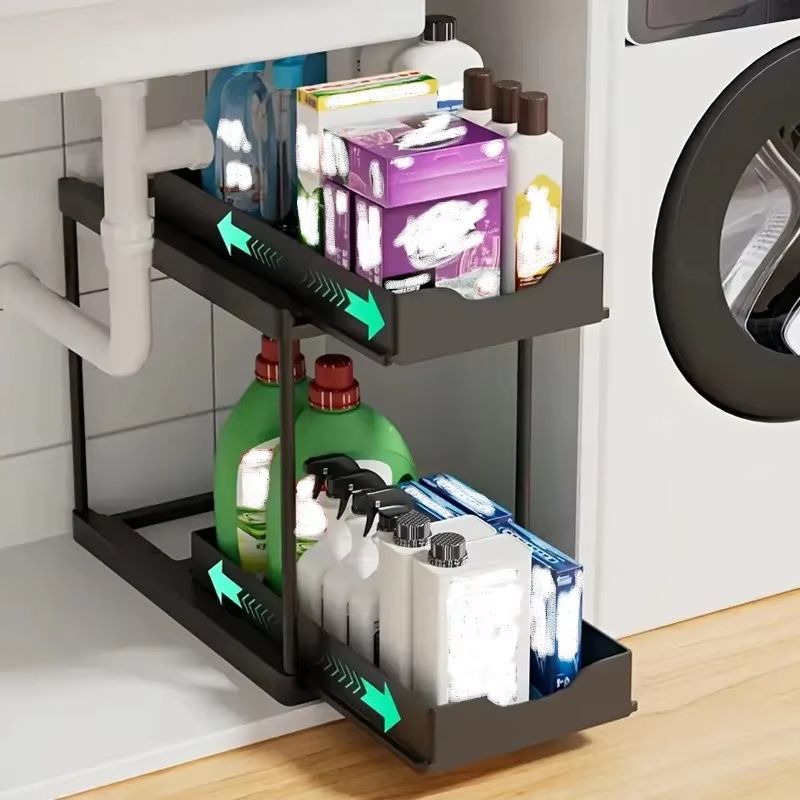
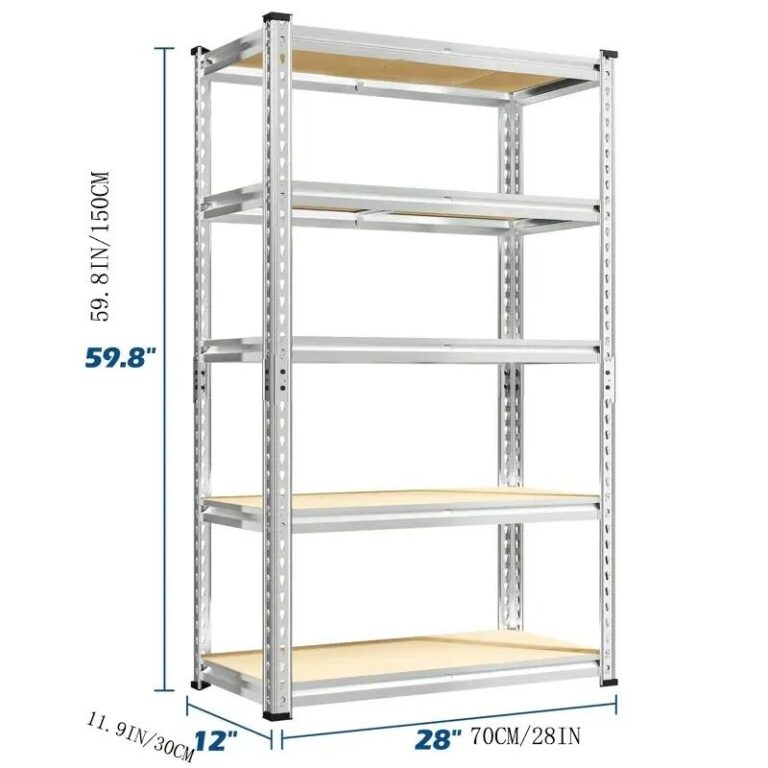 Aisha's pickSmall Wooden Storage Units for Homes With Too Much Stuff
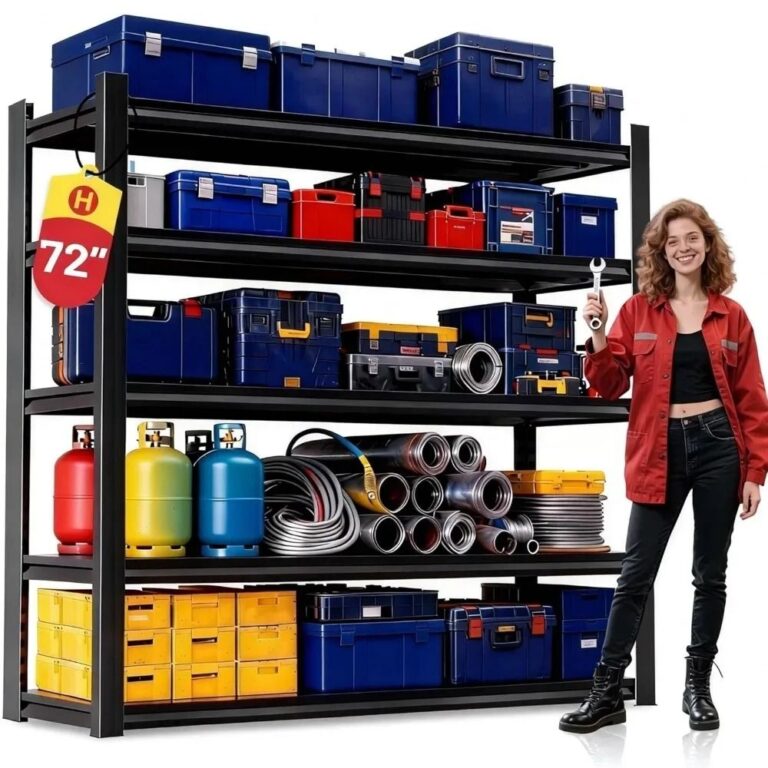
 Aisha's pickCompact Kitchen Cabinets We Wish We’d Bought Sooner
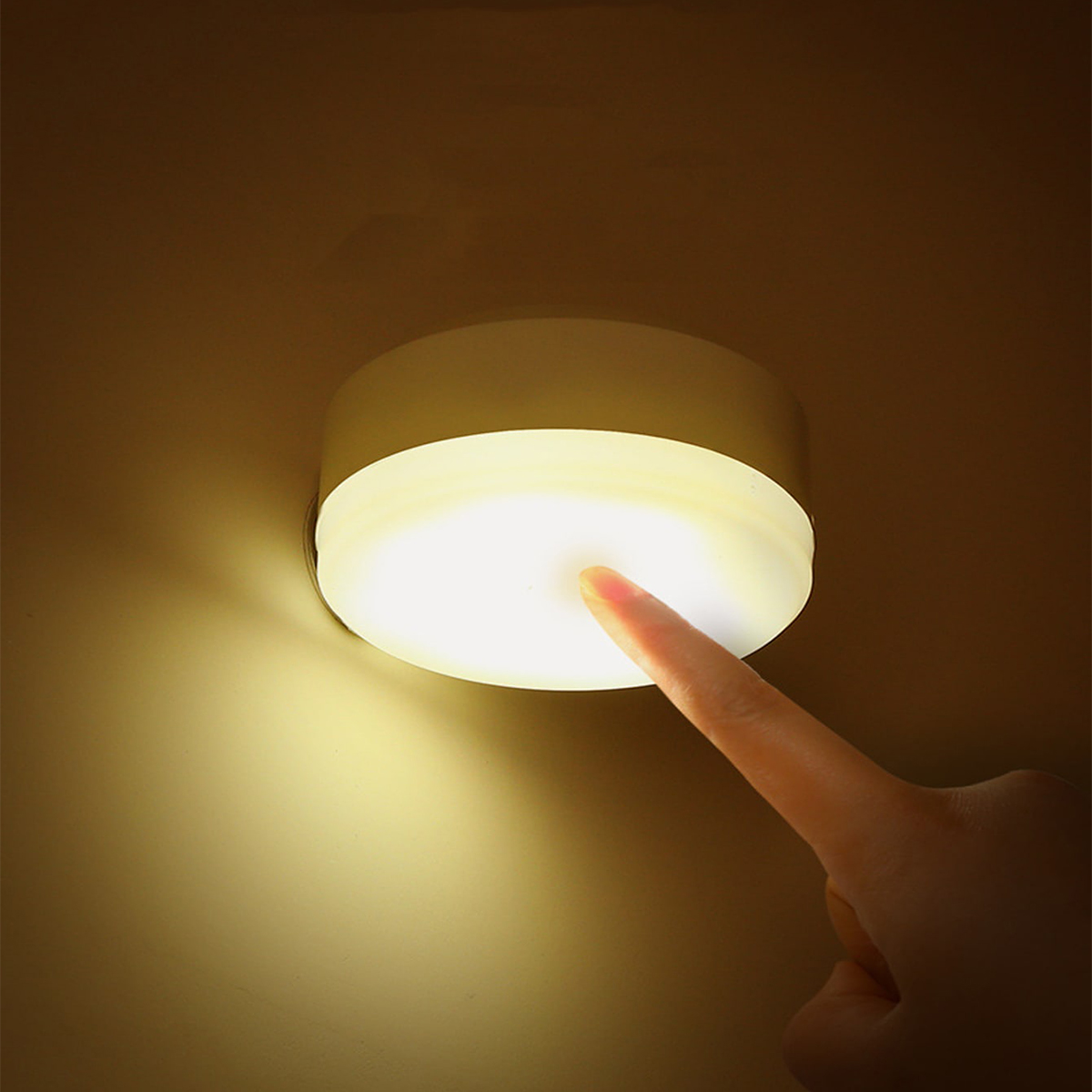
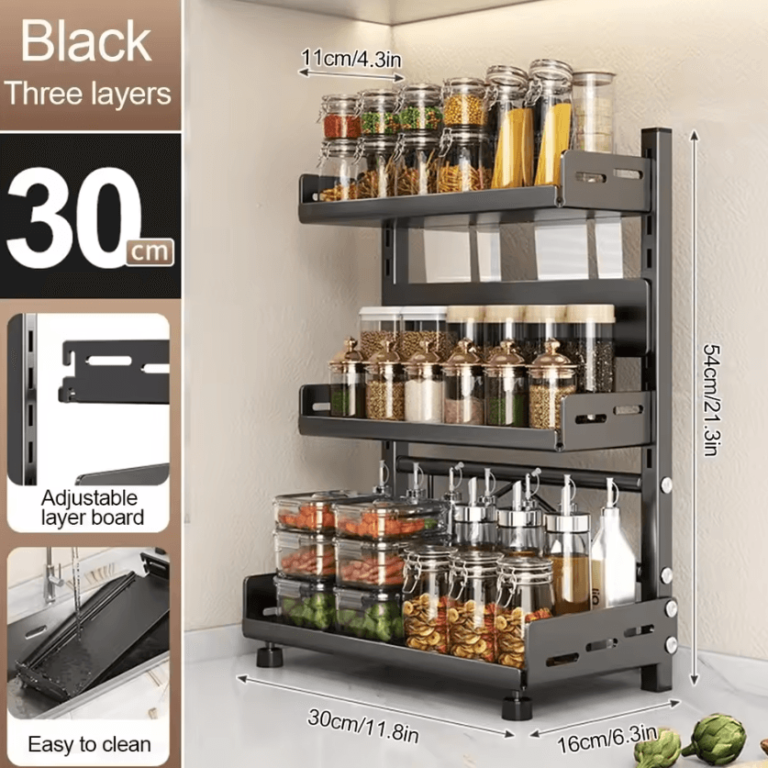 Aisha's pickSmall Black Storage Cabinets That Sort Out the Chaos
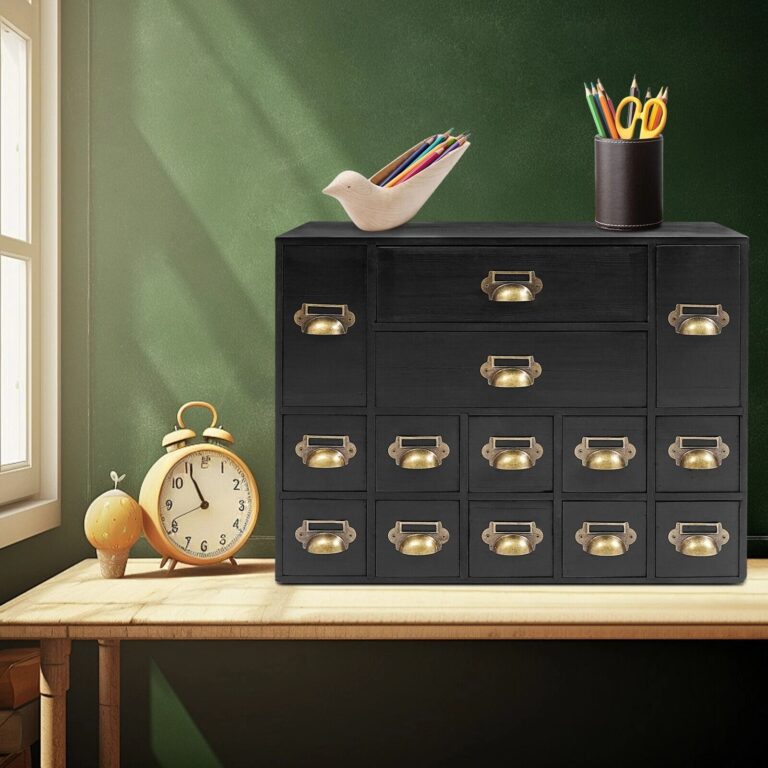
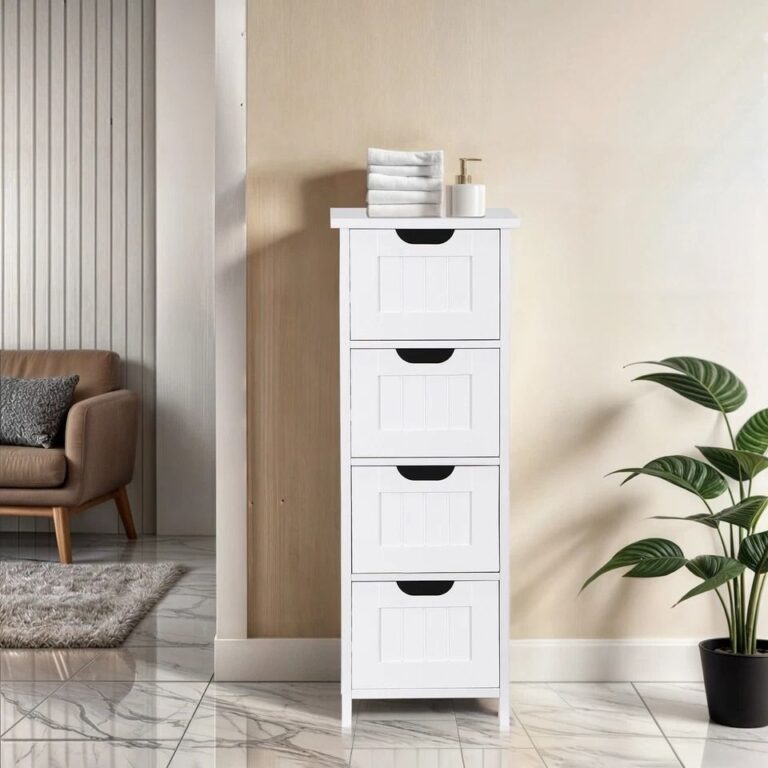 Aisha's pickCompact Shelving Units That Fit Where Nothing Else Will

 Aisha's pickCompact Kitchen Cabinets That Hide the Mess for Good

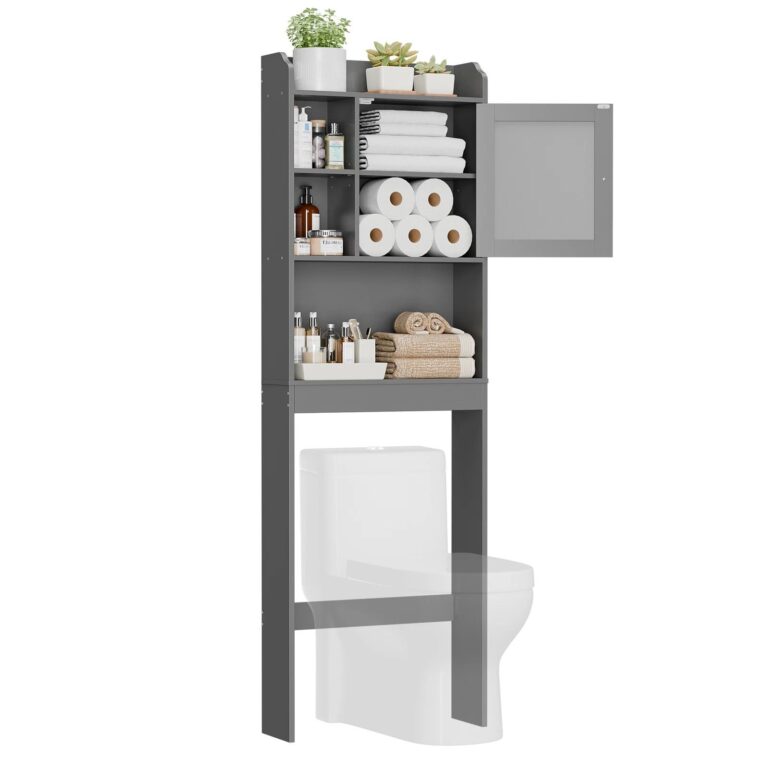 Aisha's pickSmall Gray Storage Cabinets That Squeeze Into Awkward Corners
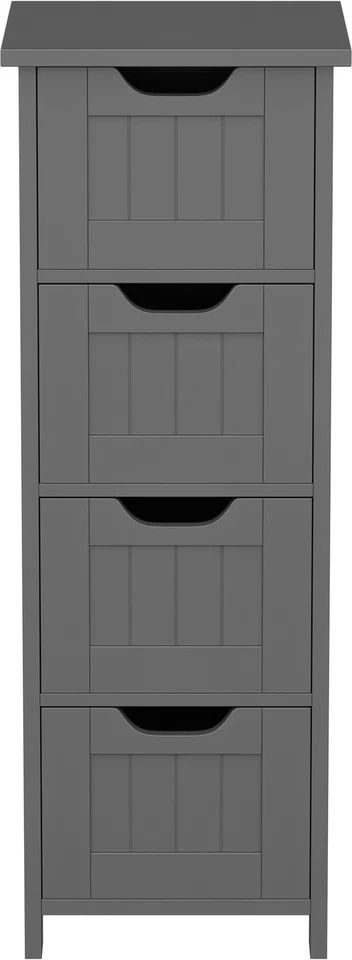
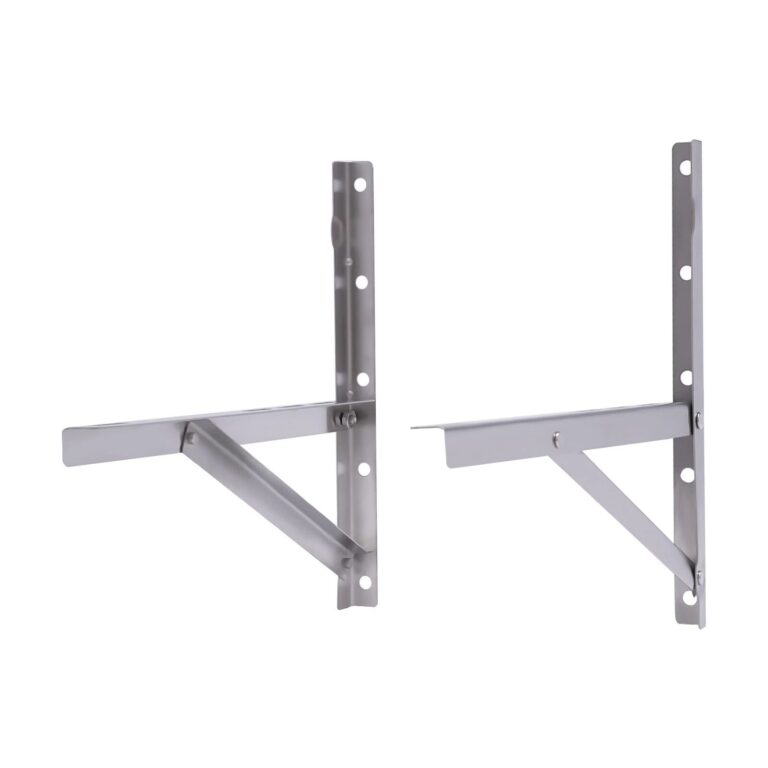 Aisha's pickCompact Wall Units That Won’t Date in a YearAlso worth a lookSmall UnitsSmall units get treated like an afterthought, the thing you buy to fill a gap rather than a piece you actually chose, and I get why.See the collections →
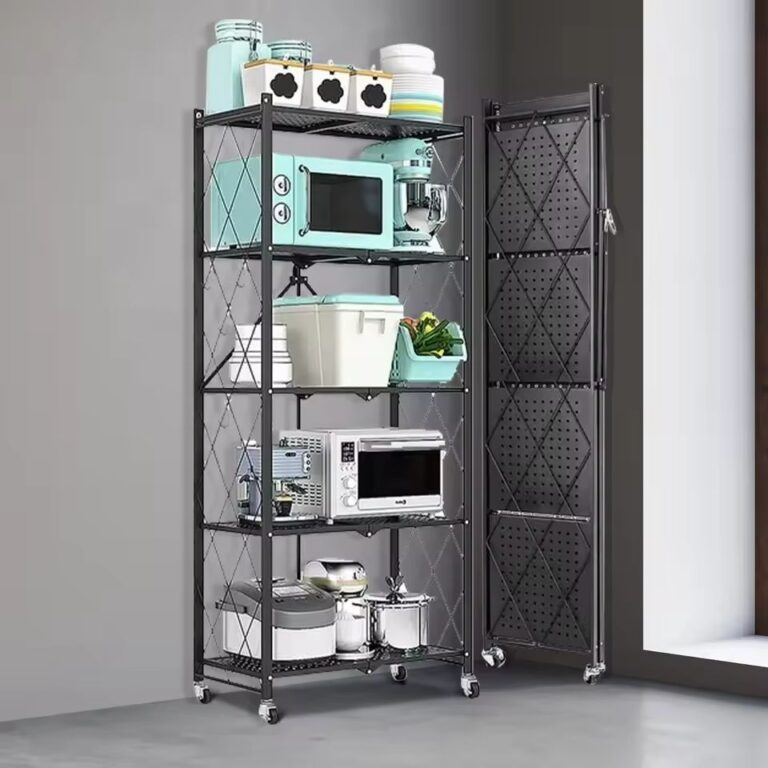
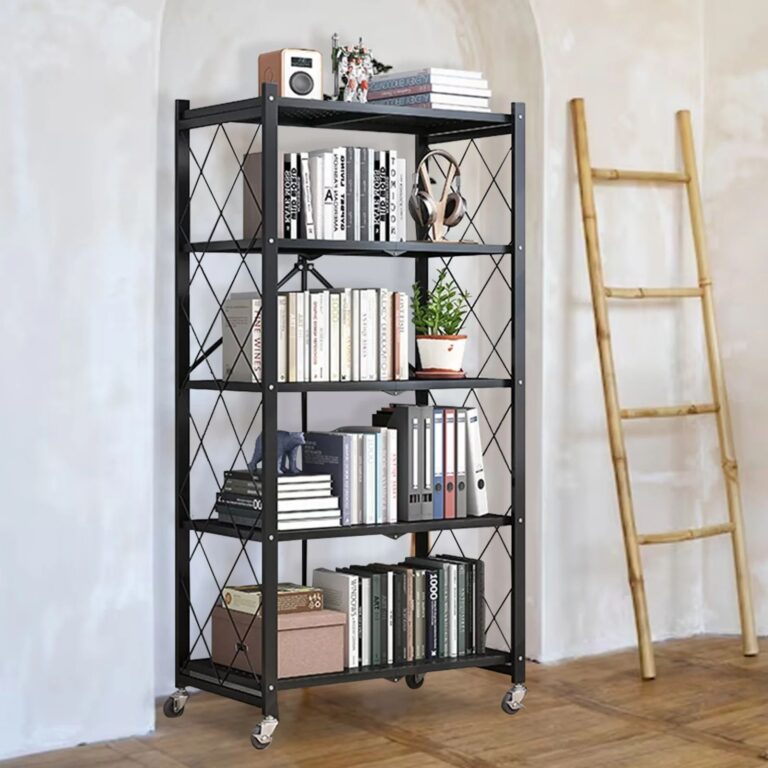 Aisha's pickCompact Kitchen Units That Go With Most Rooms
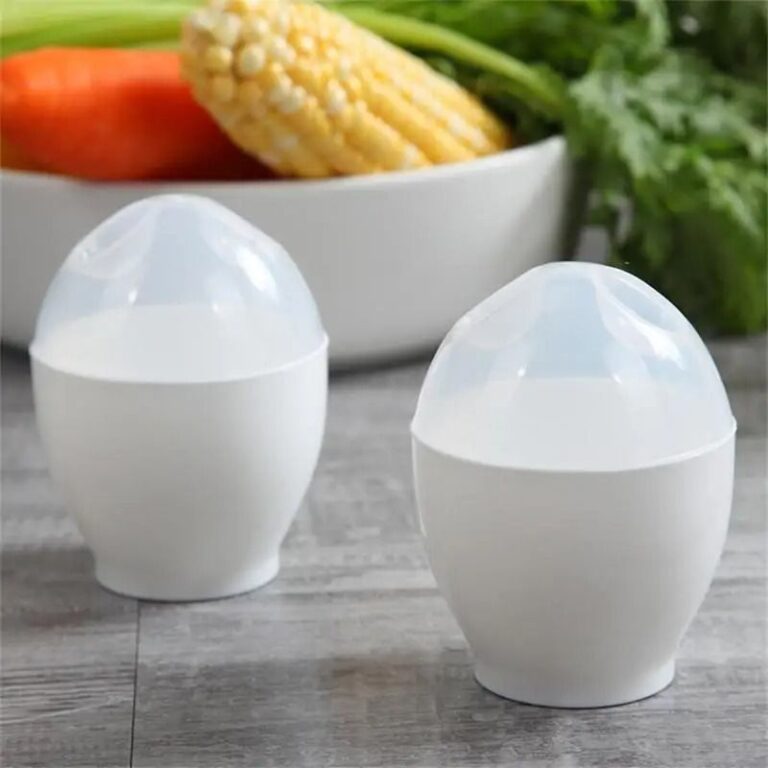
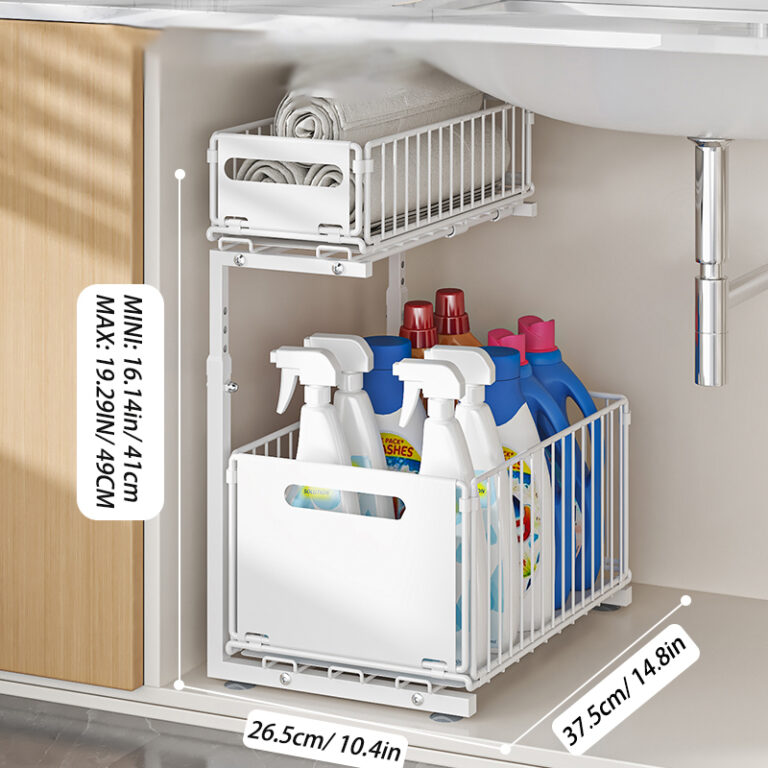 Aisha's pickSmall Kitchen Storage Cabinets That Make Rented Places Feel Like Home
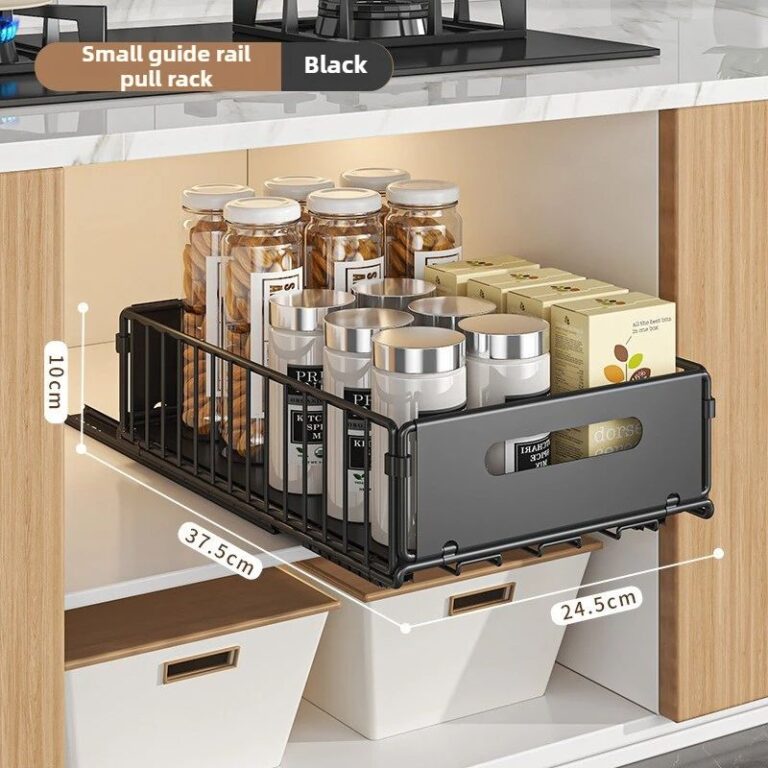
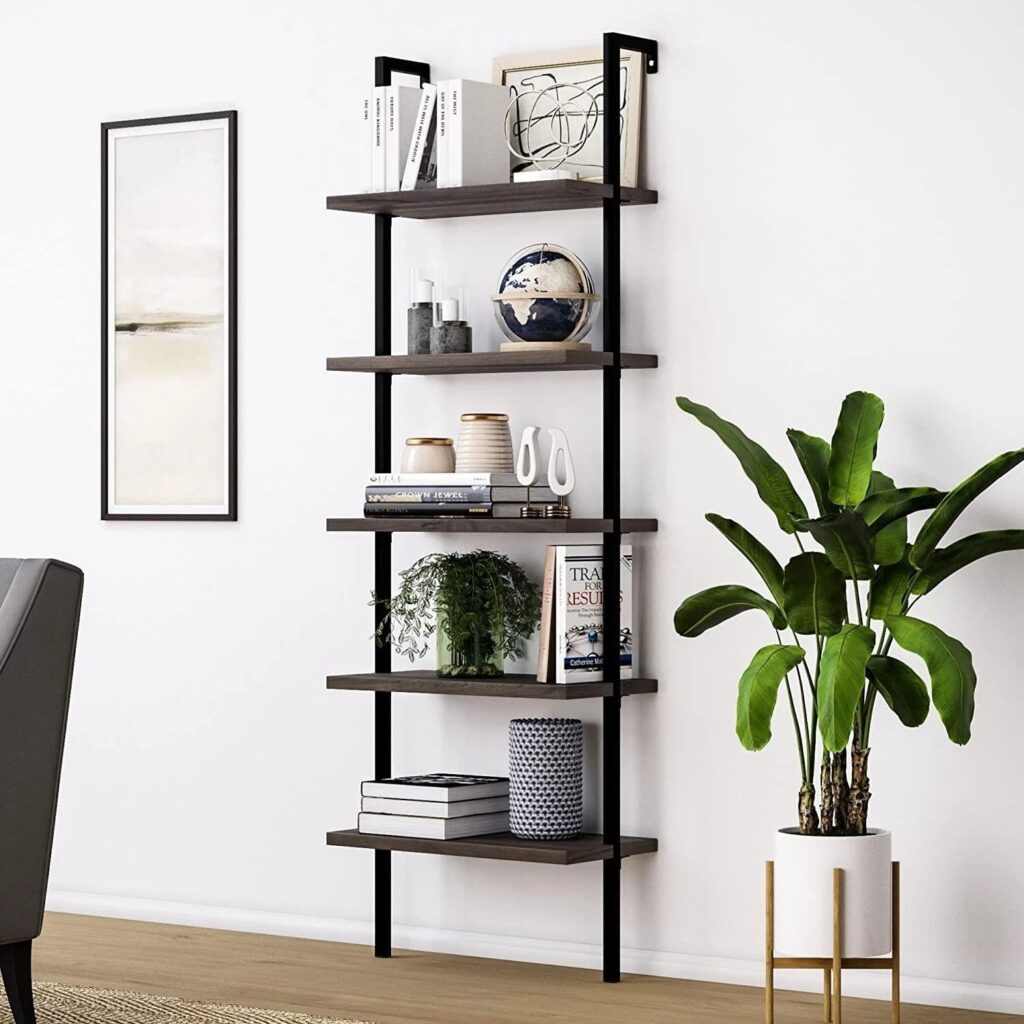 Aisha's pickSmall Display Units for the Bits That Never Have a Home
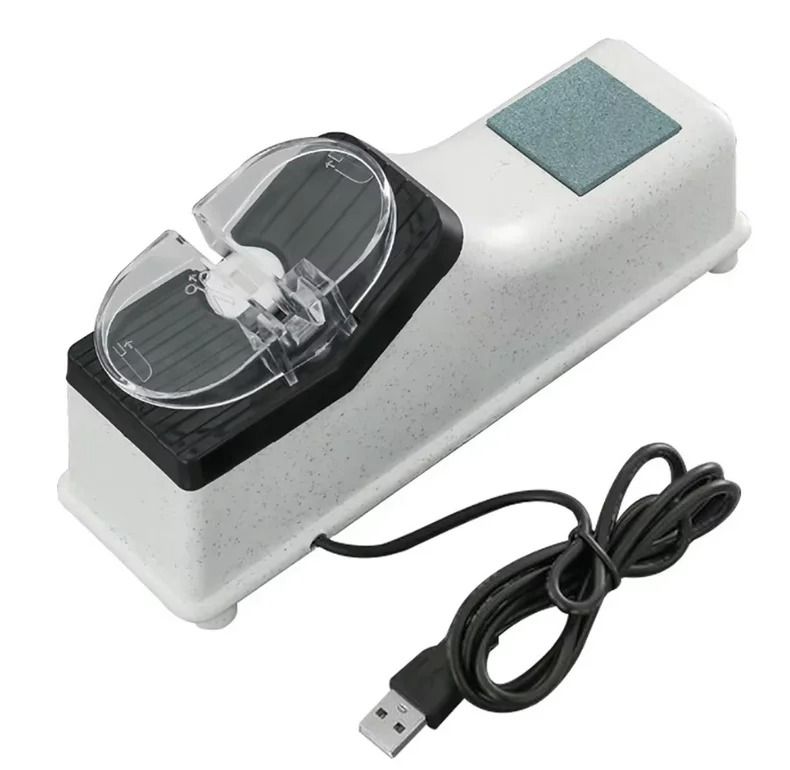
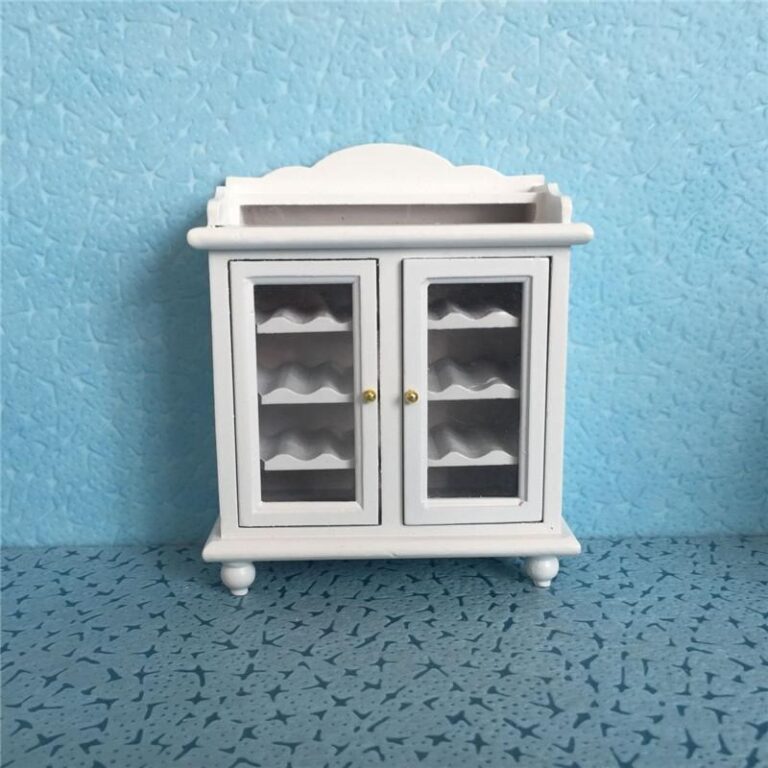 Aisha's pickCompact Living Room Cabinets for Movie Nights and Slow Sundays
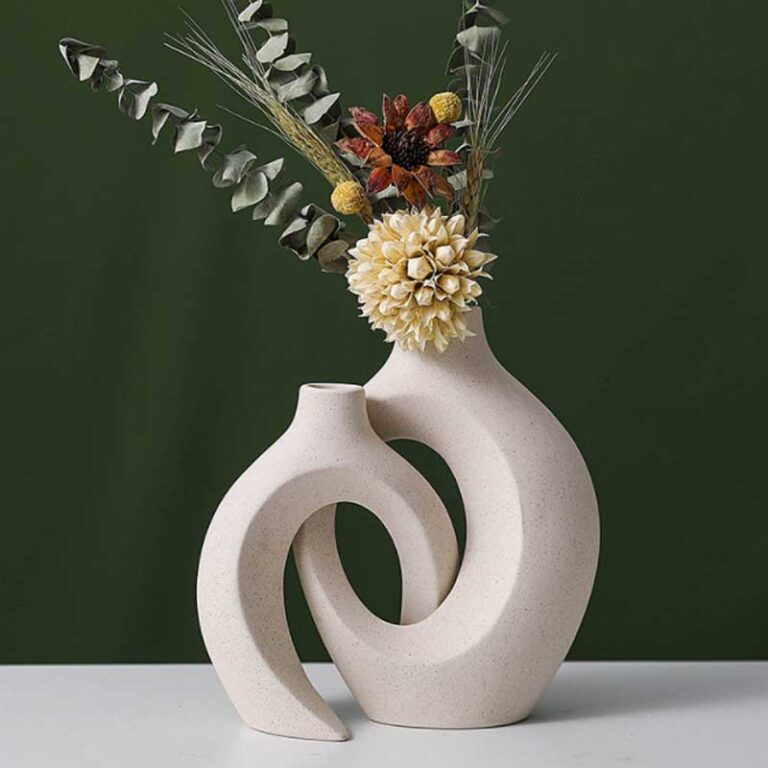
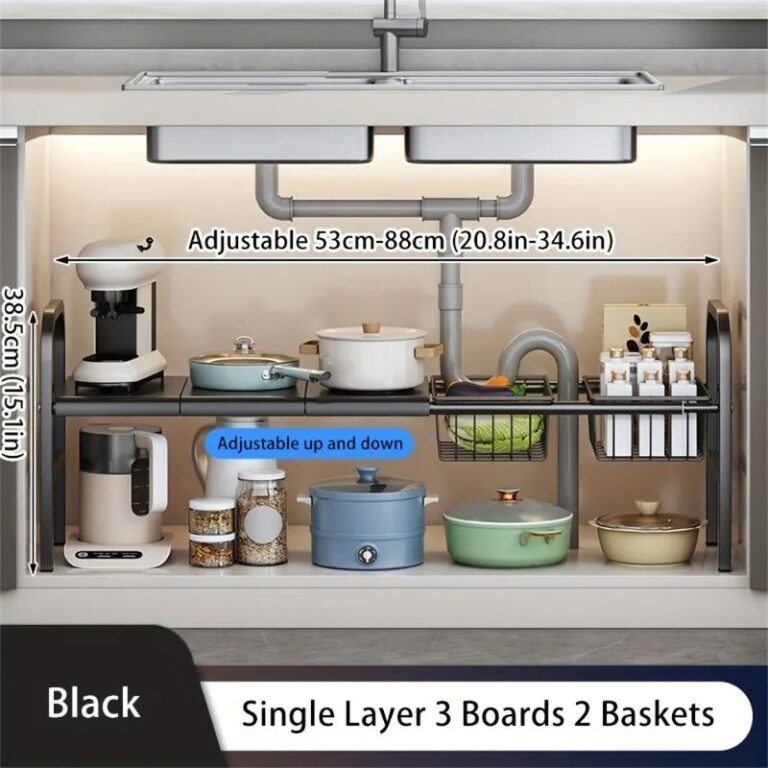 Aisha's pickSmall Metal Storage Cabinets Worth Knowing About
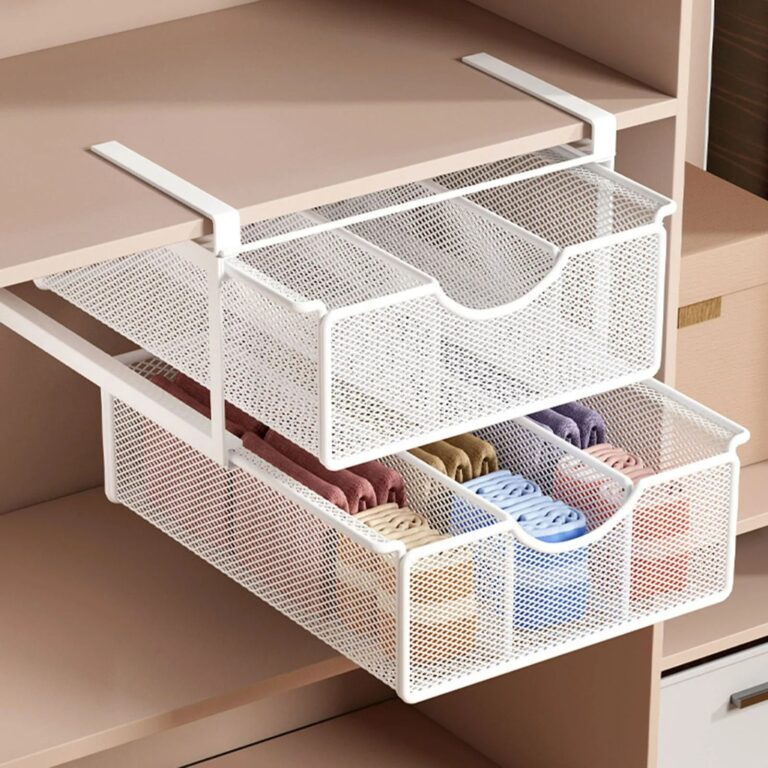
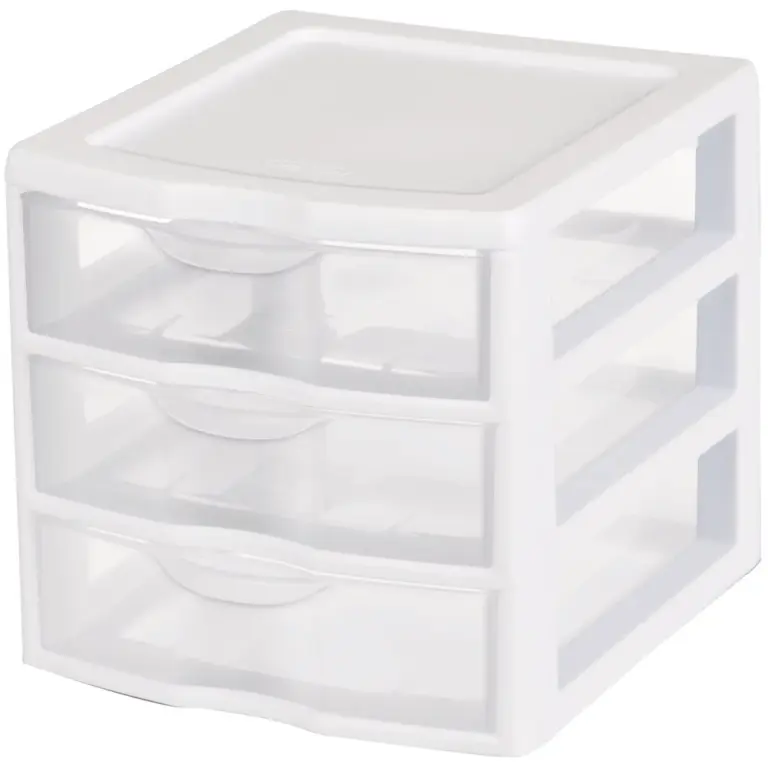 Aisha's pickSmall Drawer Units Worth Knowing About
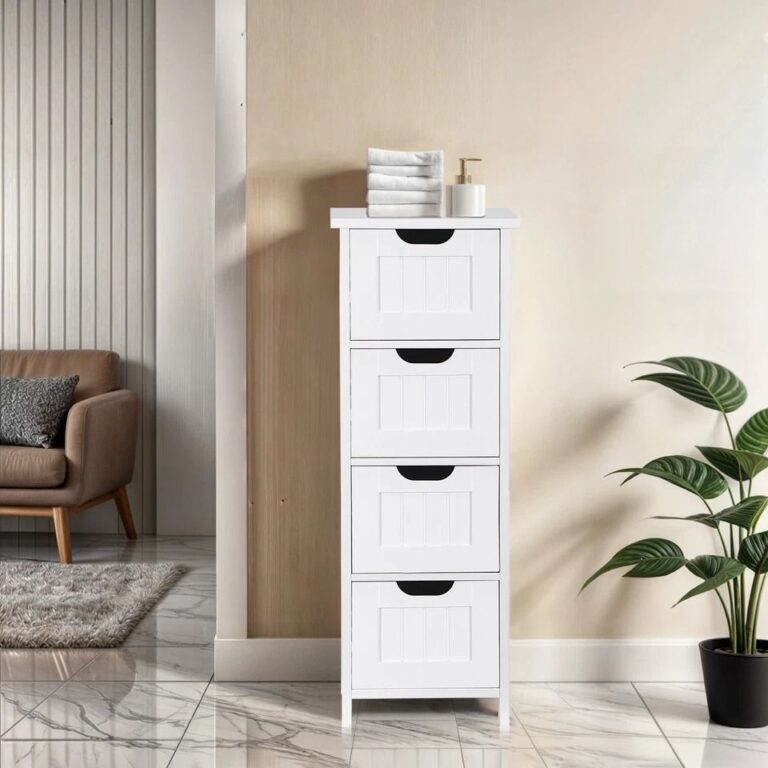
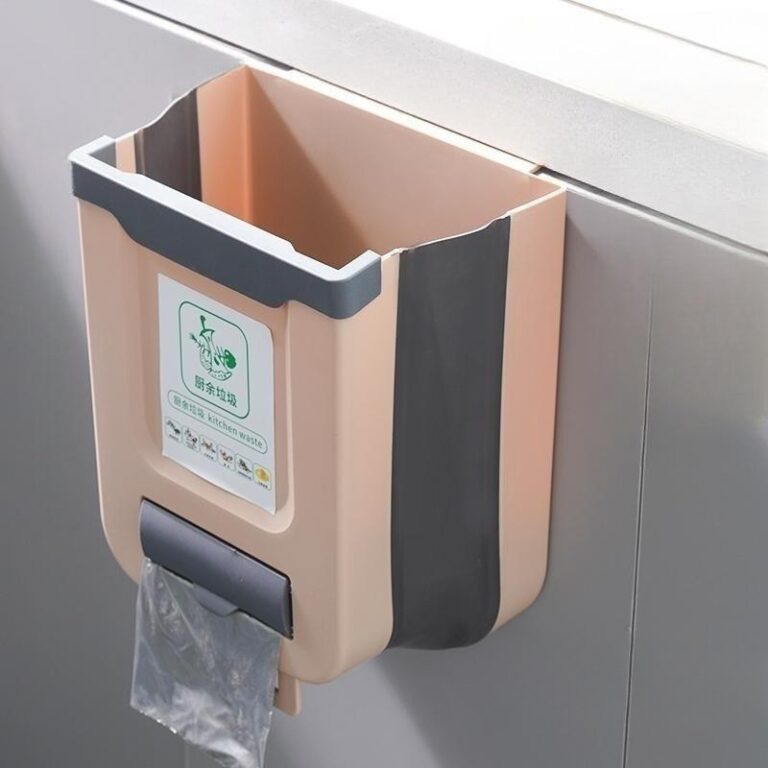 Aisha's pickCompact Office Cabinets for Working From Home Without the Backache
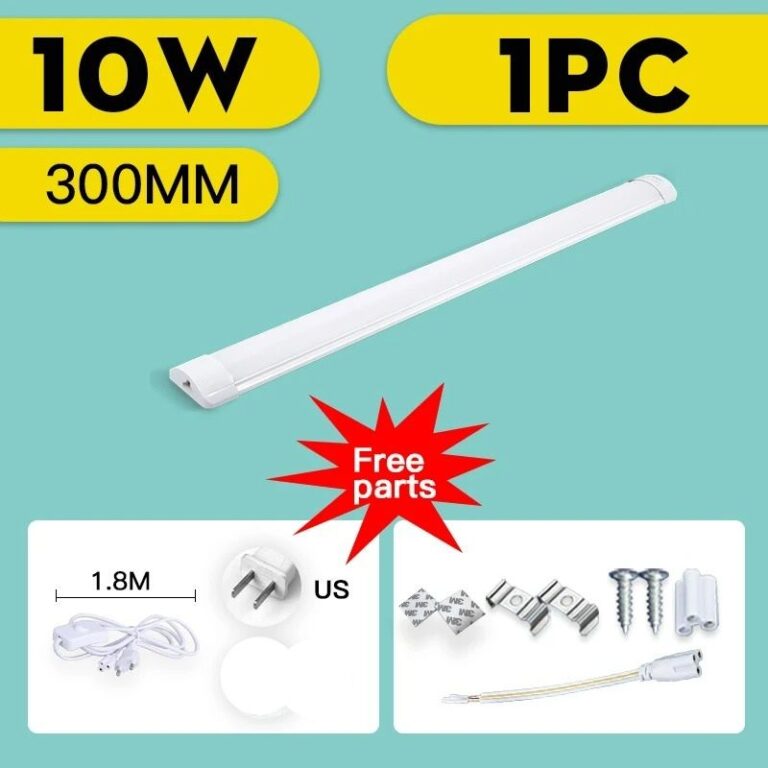
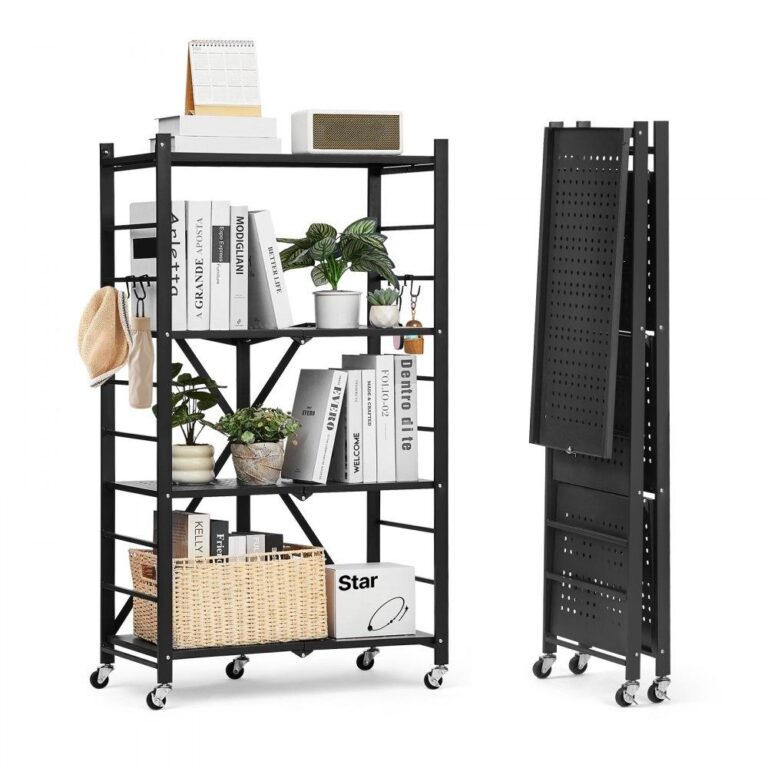 Aisha's pickSmall Metal Storage Units That Look Better in Real Life
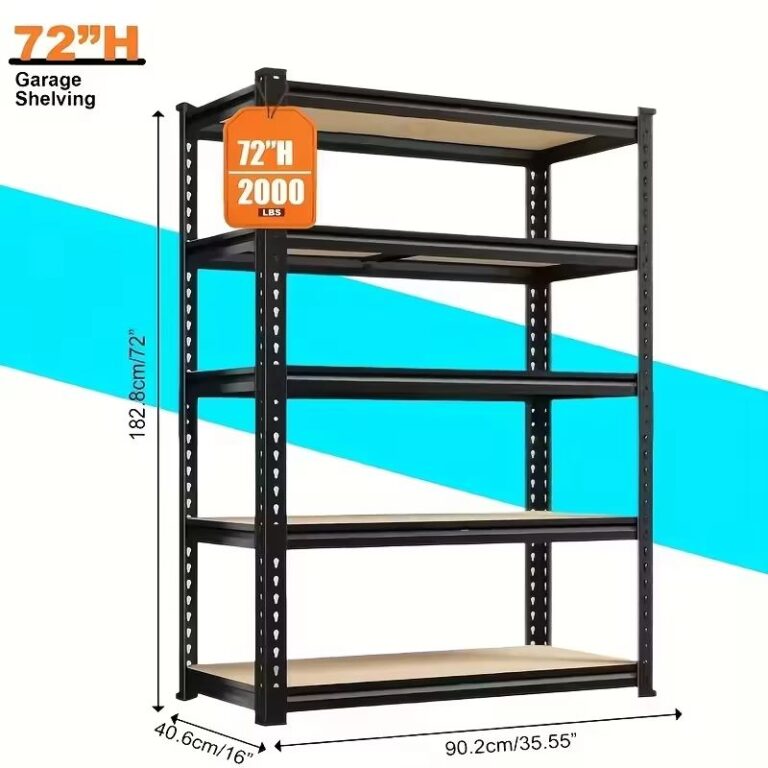
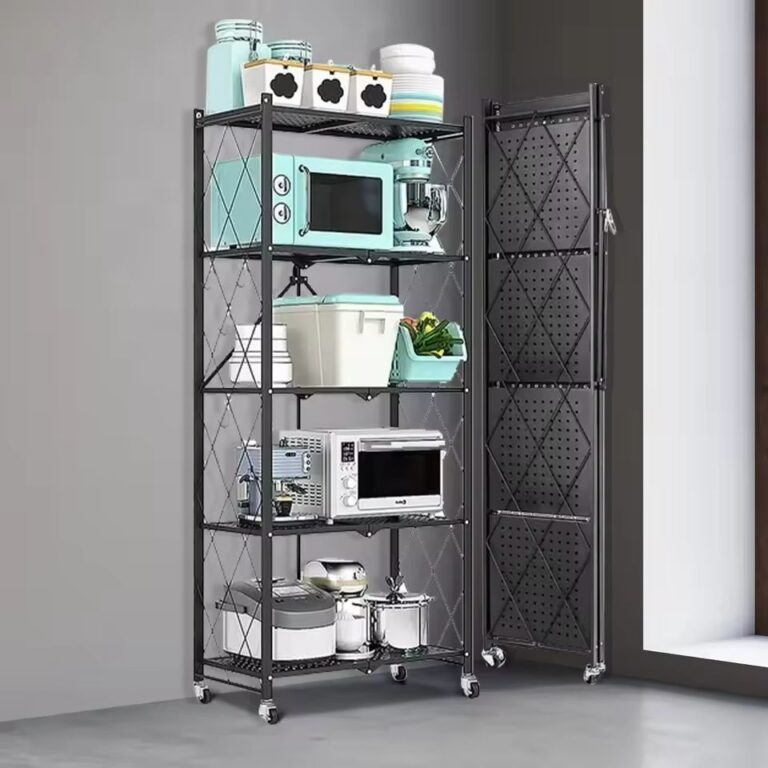 Aisha's pickSmall Shelving Units for Making a House Feel Like YoursAlso worth a lookStorage CabinetsThe hallway closet in my first apartment had exactly one shelf and a bar for coats, and every…See the collections →
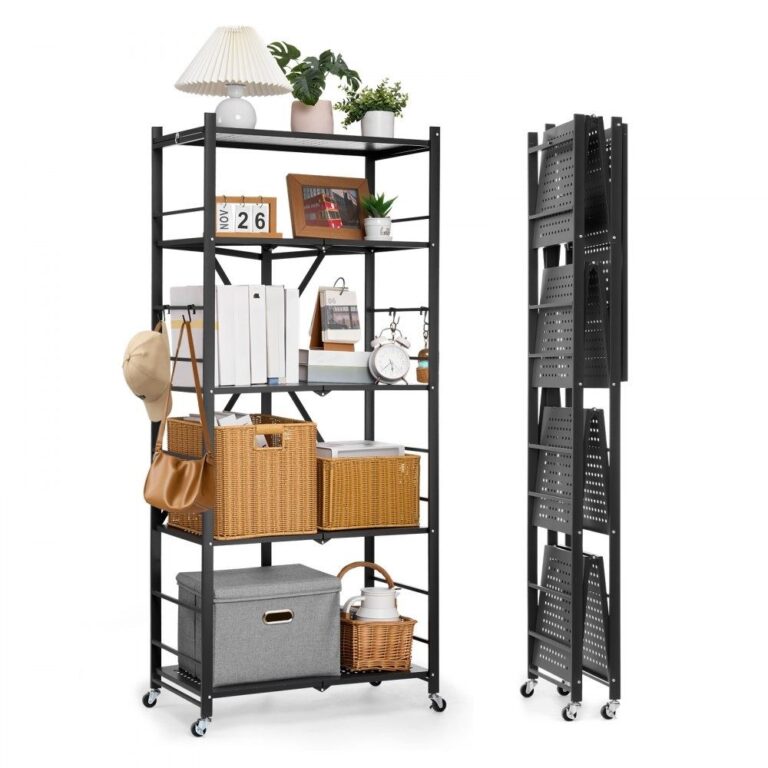
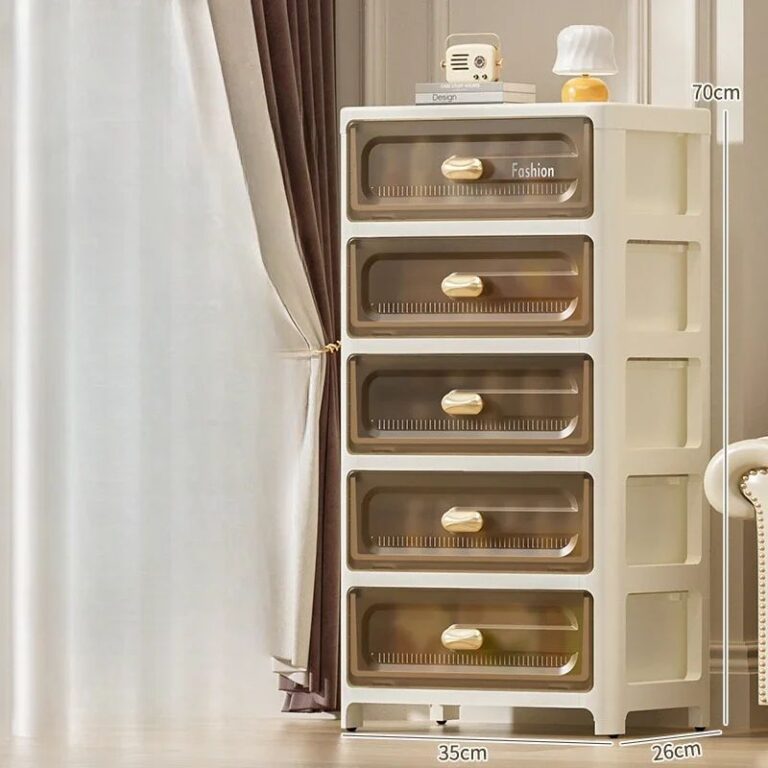 Aisha's pickCompact Office Storage Cabinets That Keep the Desk Clear
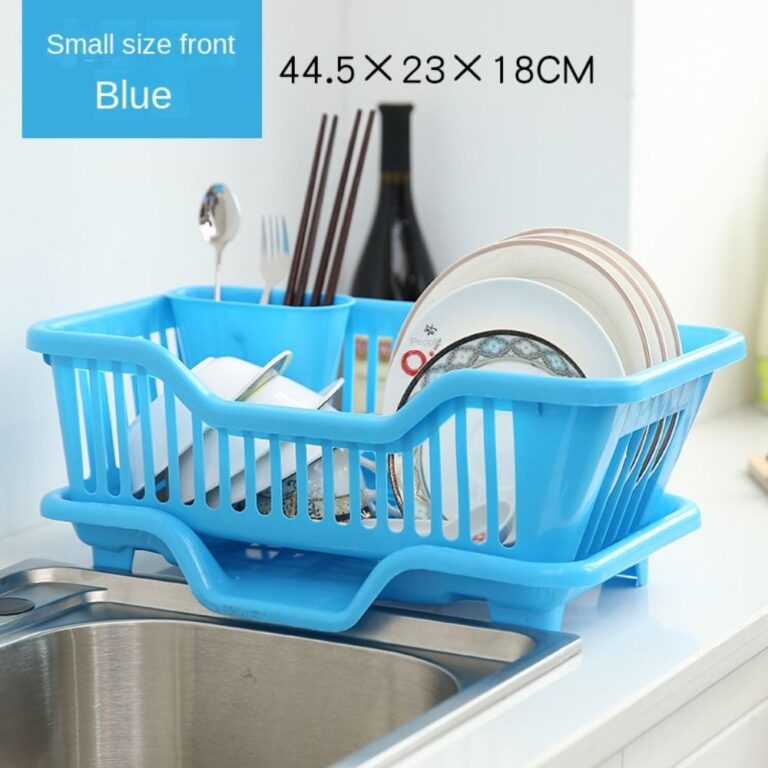
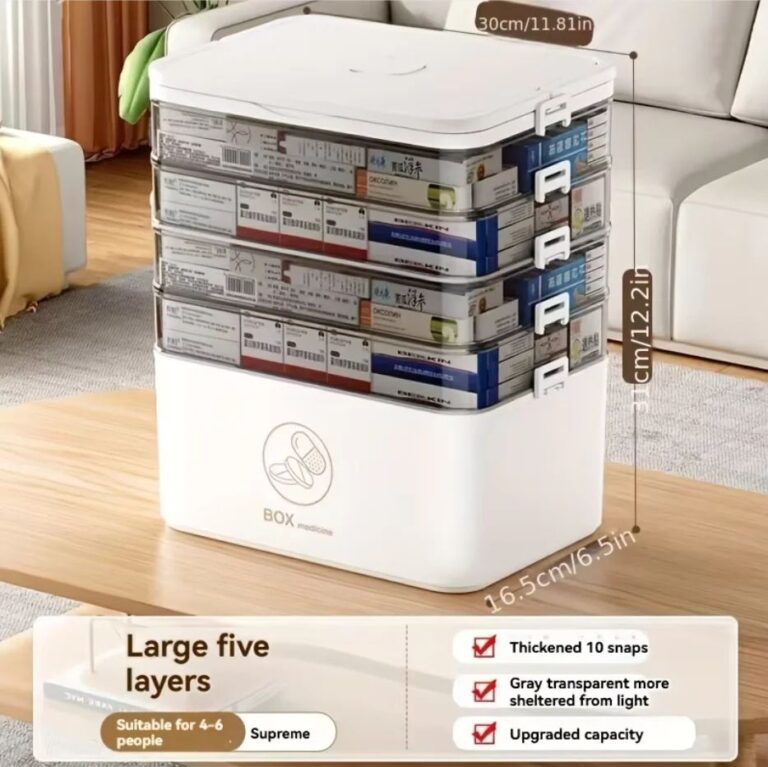 Aisha's pickSmall Office Storage Cabinets You Won’t Regret Buying
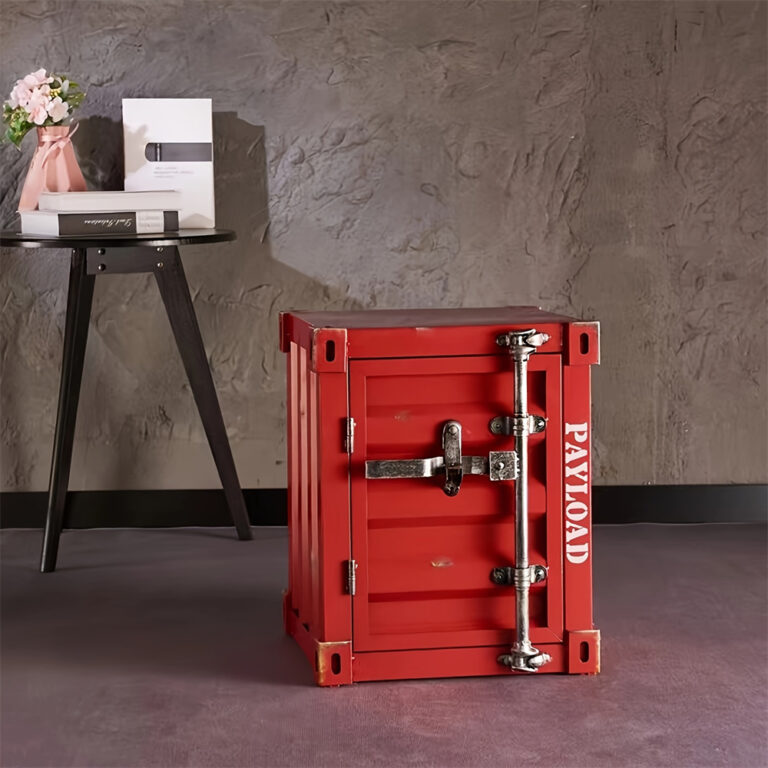
 Aisha's pickSmall Wall Units That Visitors Always Ask About
 Aisha's pickSmall Bathroom Cabinets That Don’t Look Mass Produced
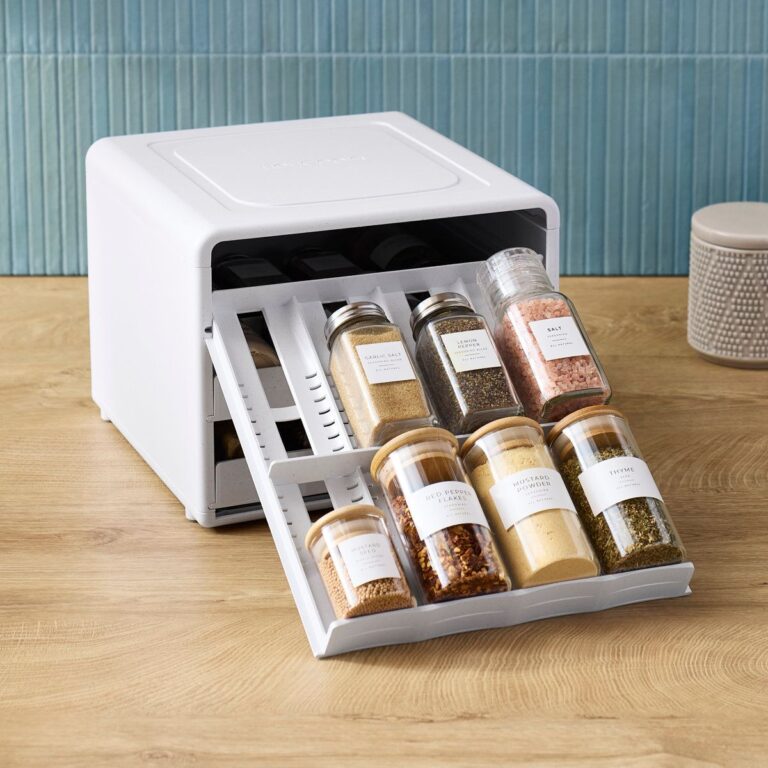 Aisha's pickSmall Plastic Storage Cabinets You’ll Keep for Years
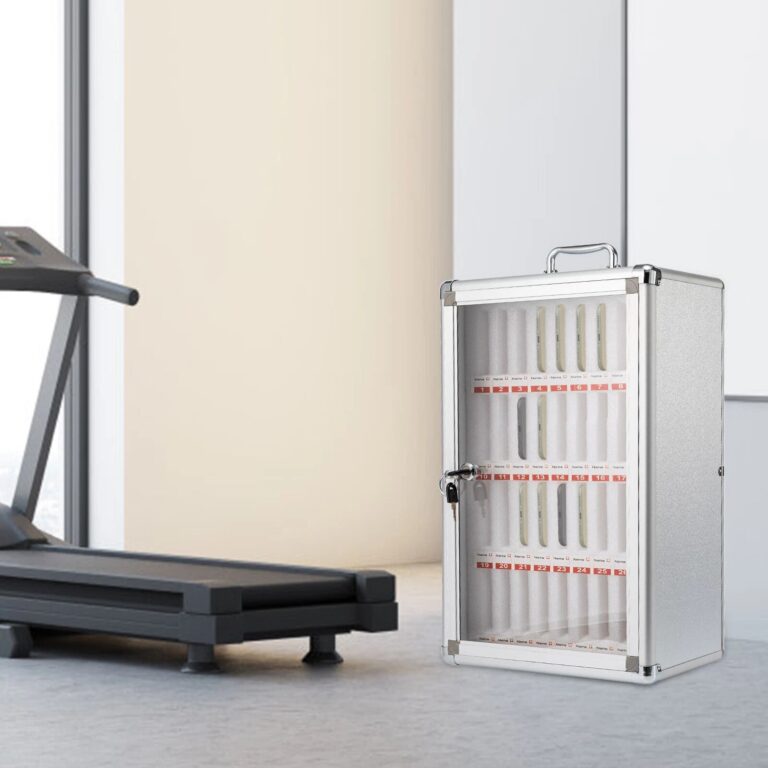
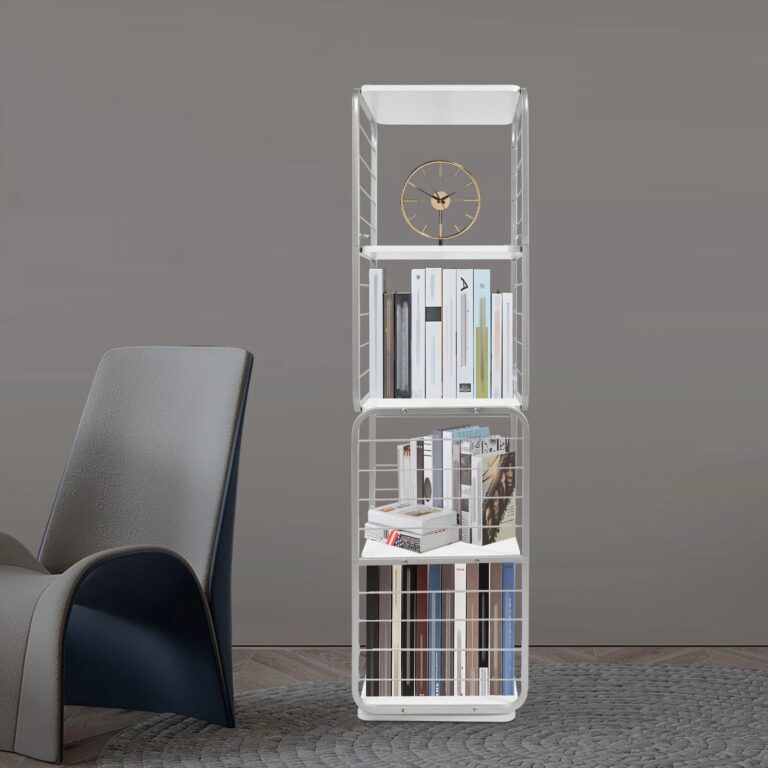 Aisha's pickSmall Book Displays That Look Good Up Close

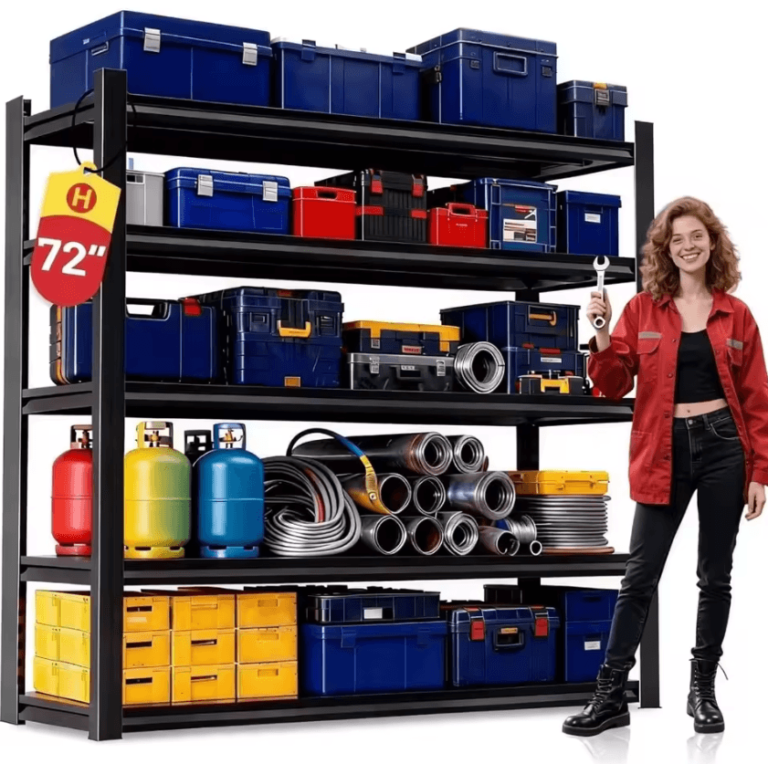 Aisha's pickSmall Plastic Storage Units With Some Character
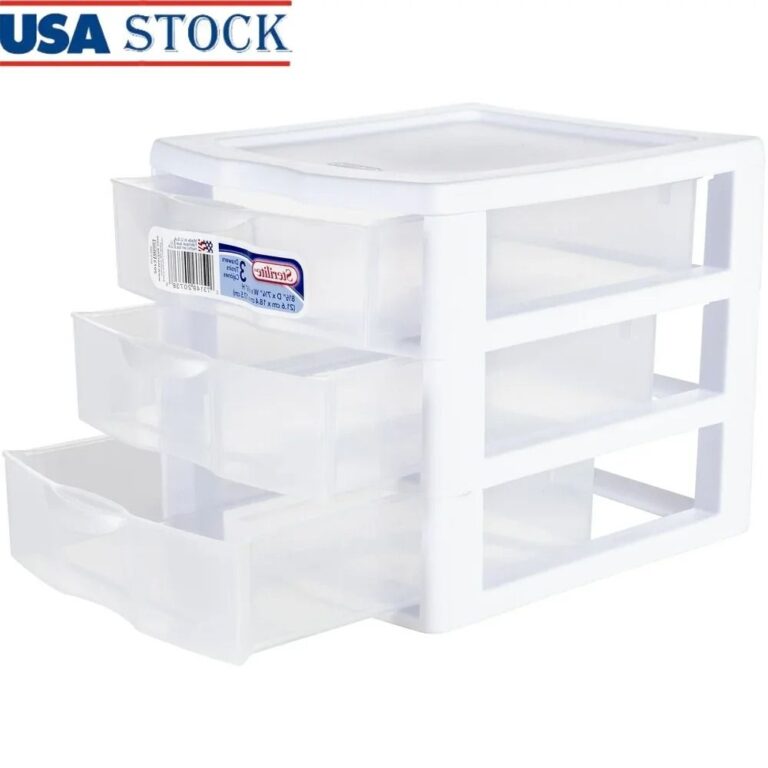
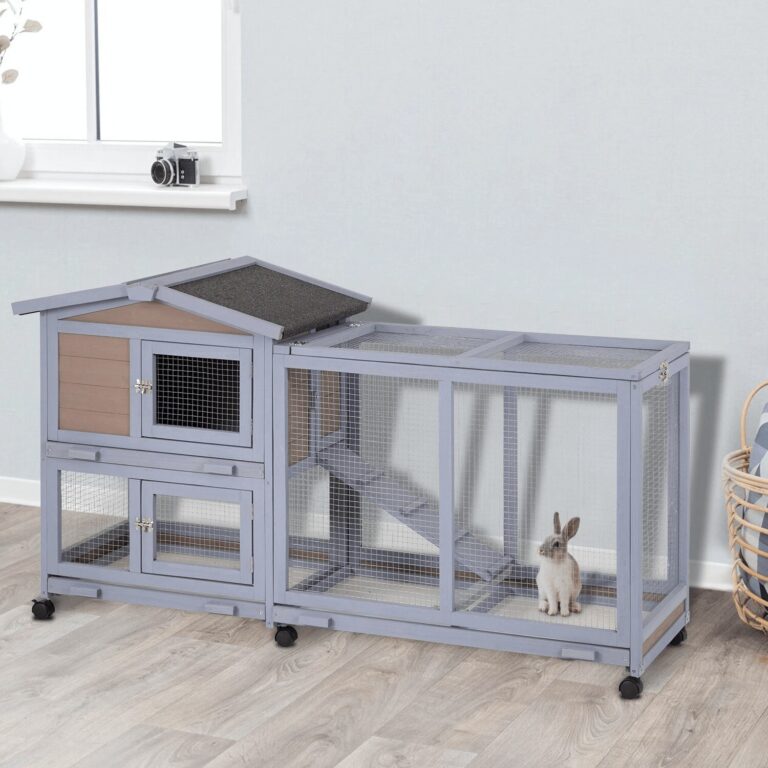 Aisha's pickSmall Hutches That Keep Surfaces Clear