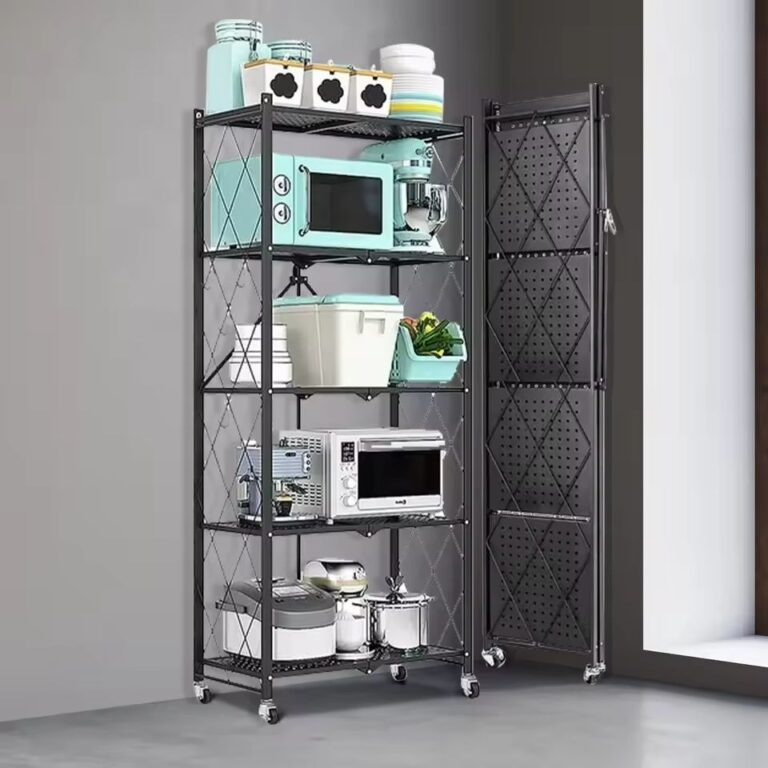
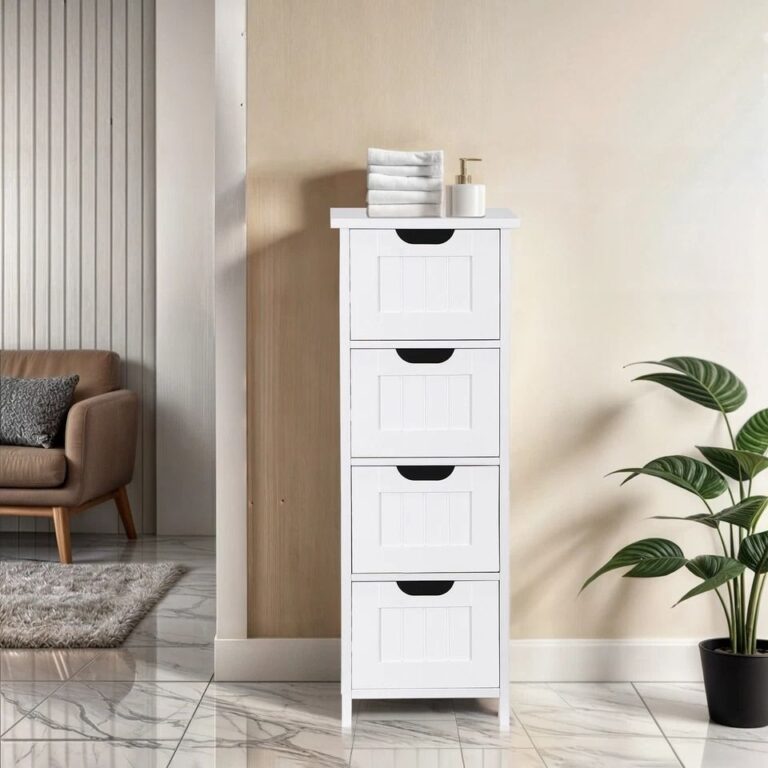
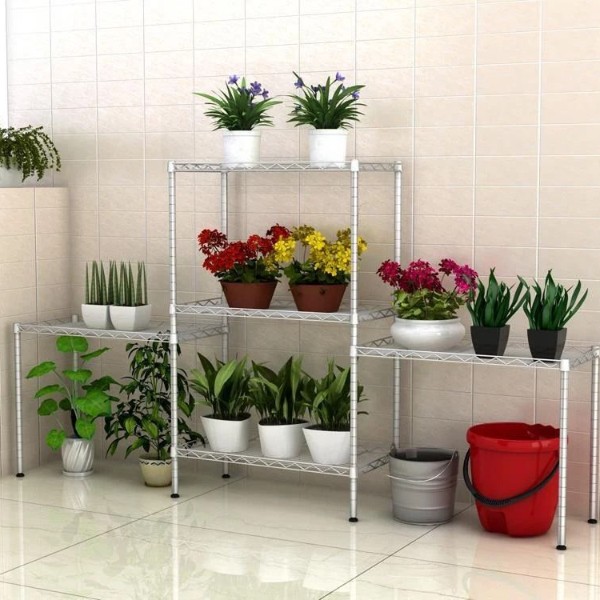
Small units get treated like an afterthought, the thing you buy to fill a gap rather than a piece you actually chose, and I get why. But I landed on them being some of the hardest working furniture in a small space, because a narrow cabinet that fits an awkward corner and actually looks good there is worth more than a big statement piece you had to compromise the room to fit around.
A cheap small unit tells on itself fast. The veneer lifts at the corners within a year, the back panel is thin enough to flex when you push a book against it, and the drawer runners start sticking by month eight. A well made one ages the other way, the wood gets a little richer, the hardware stays tight, and you can tighten a hinge yourself instead of replacing the whole thing. Wipe it down, keep it out of direct sun if it is a stained wood that can fade unevenly, and check the levelers every so often if your floors aren't perfectly flat, which, in most real houses, they are not. When it arrives, open every drawer and door before the delivery person leaves. Check the back is solid, not stapled cardboard. Run your hand along the underside of the top for rough edges. Small units get knocked and bumped more than big furniture because they live in tight spots, hallways, the end of a sofa, so the finish needs to actually hold up to contact, not just look good in a photo.
These work best in the rooms where space is already spoken for, a studio apartment, a narrow entryway, a rental with a weird nook nobody designed for. They are quietly brilliant in bedrooms as a nightstand substitute with actual storage, and in living rooms where you need a surface without committing to a full console. Winter makes them earn their place even more, when everyone is layering coats and scarves and you need somewhere for them that is not the floor.
Color is where a small unit either disappears or does something. A plain wood or white one is fine, but a unit in a deep color, forest green, a warm terracotta, even a glossy navy, turns a boring corner into the thing people actually notice. My mother has three beige small cabinets in her hallway and has never once been asked about them. Pair one with a single piece of art above it and a lamp that throws warm light, and it stops being storage and starts being a little moment in the room.
What it won't do is replace real storage for a family home. For one or two people in a tight space, it is close to perfect. For a house full of coats, shoes and sports gear, it is a nice extra, not the whole answer.
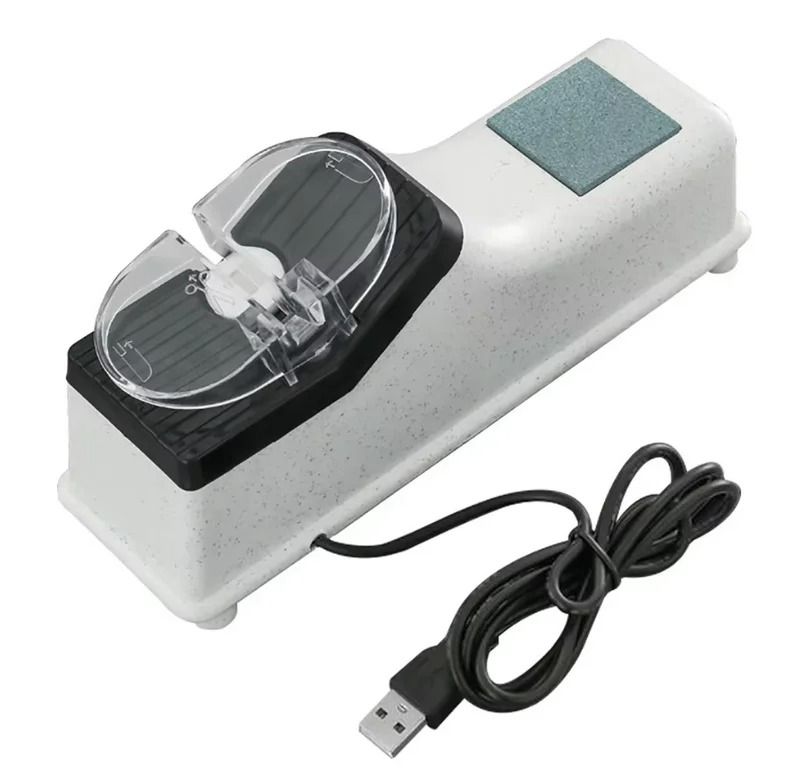 Aisha's pickSmall Wall Units That Visitors Always Ask About
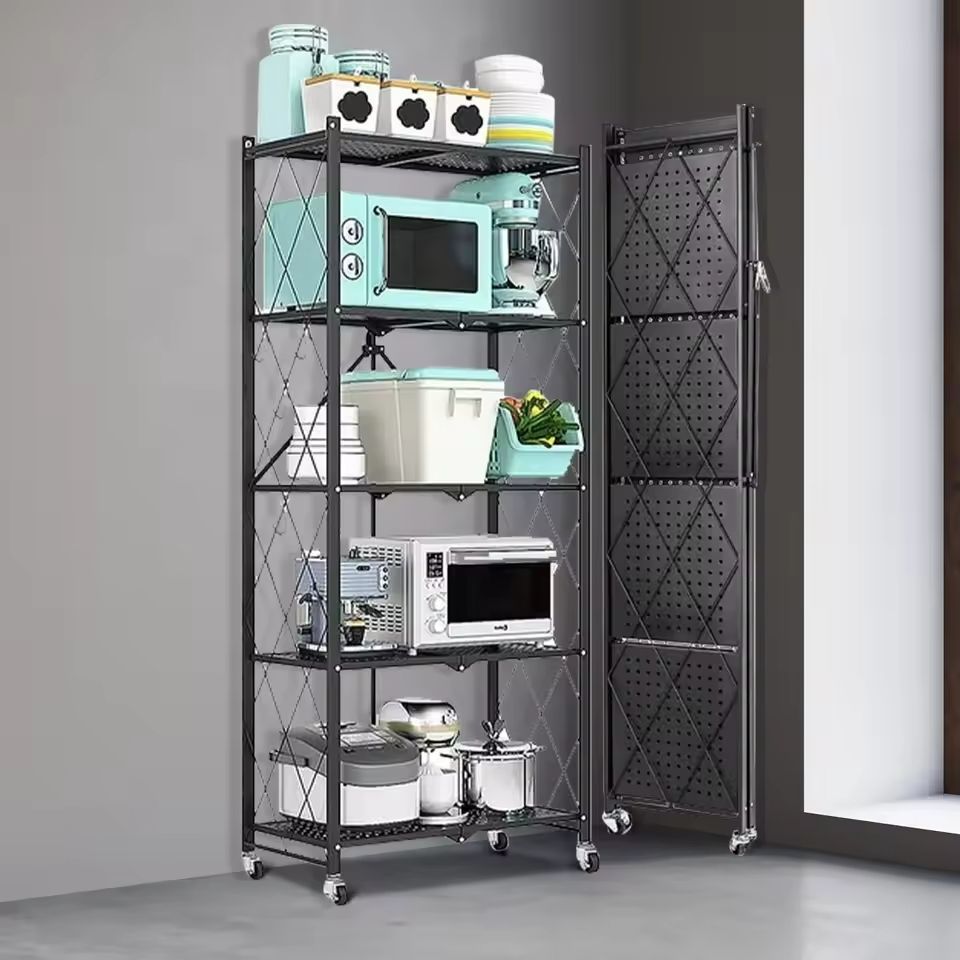
 Aisha's pickCompact Bar Units That Earn Their Keep
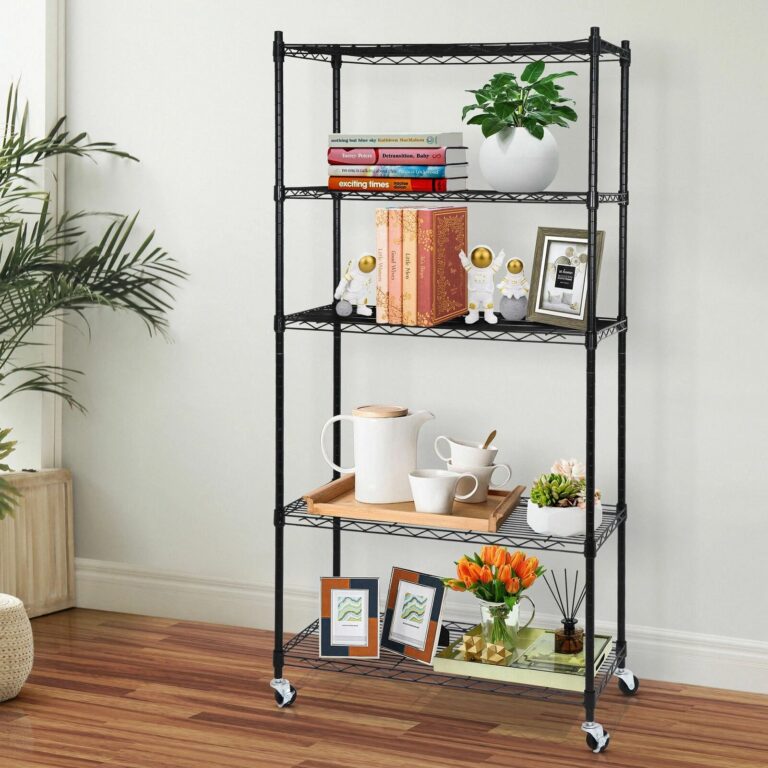
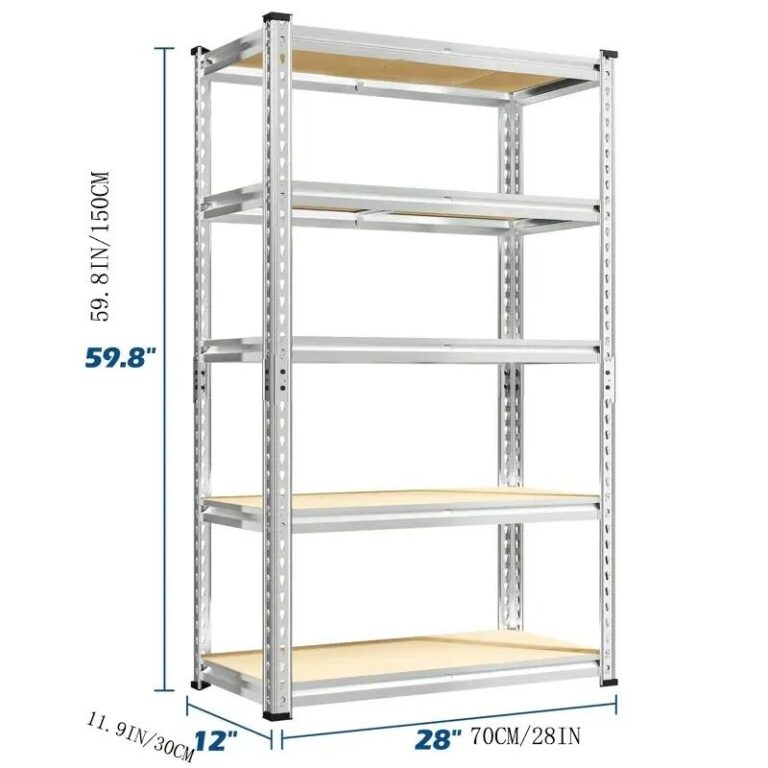 Aisha's pickSmall Wooden Storage Units for Homes With Too Much Stuff
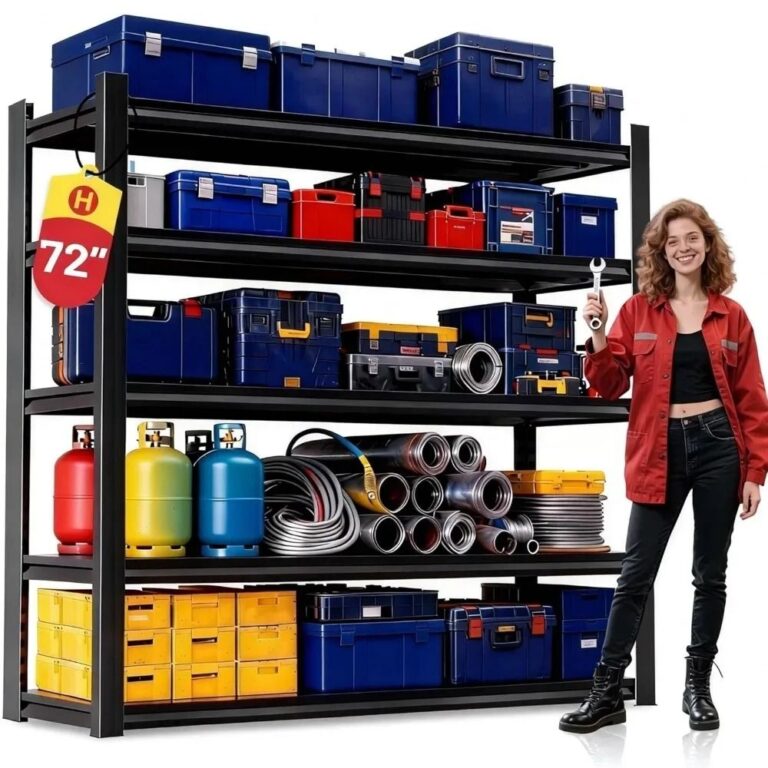
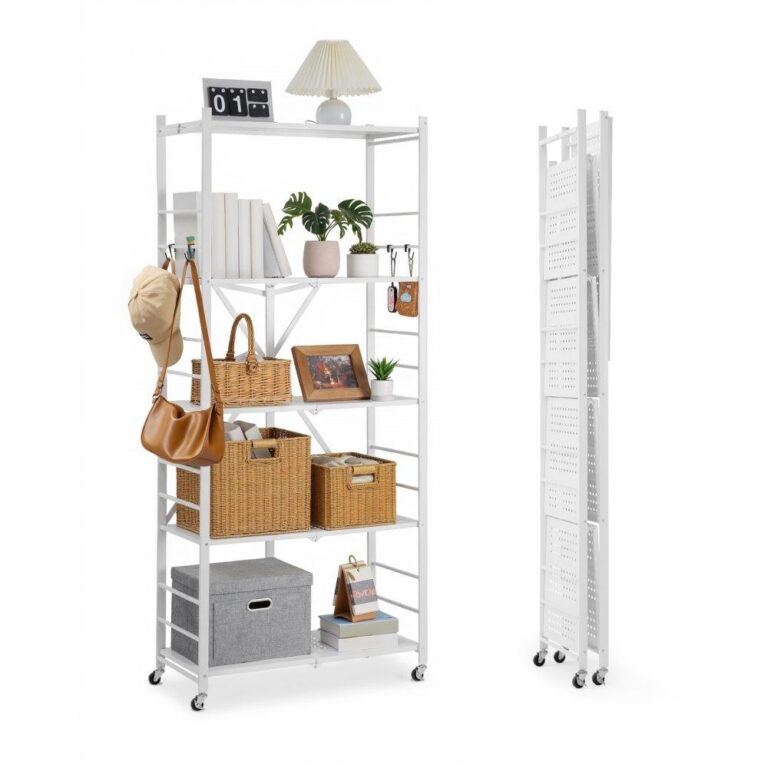 Aisha's pickCompact Changing Units You’ll Still Like in Five Years
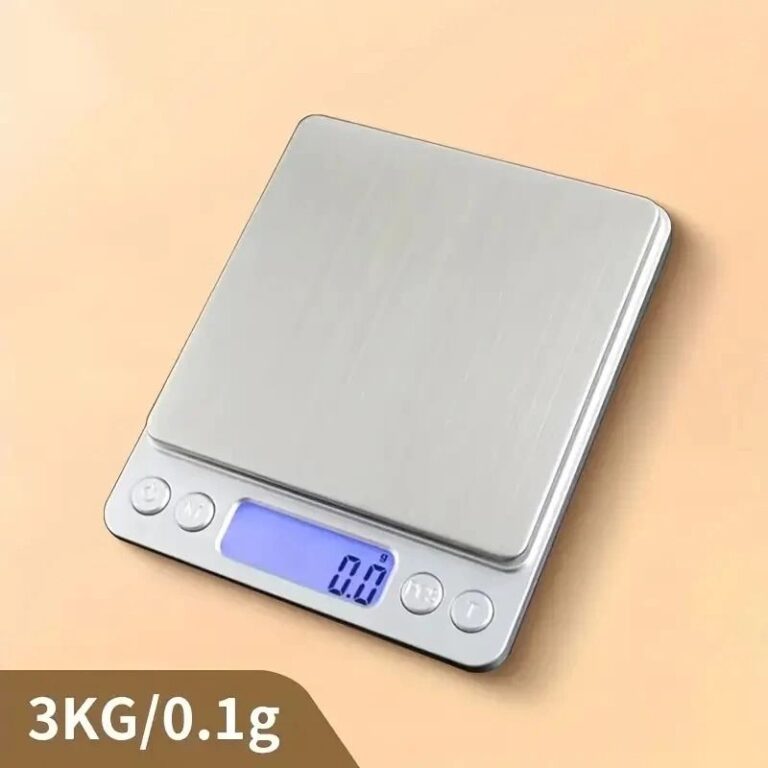 Aisha's pickCompact Display Units That Look Good Even When Full

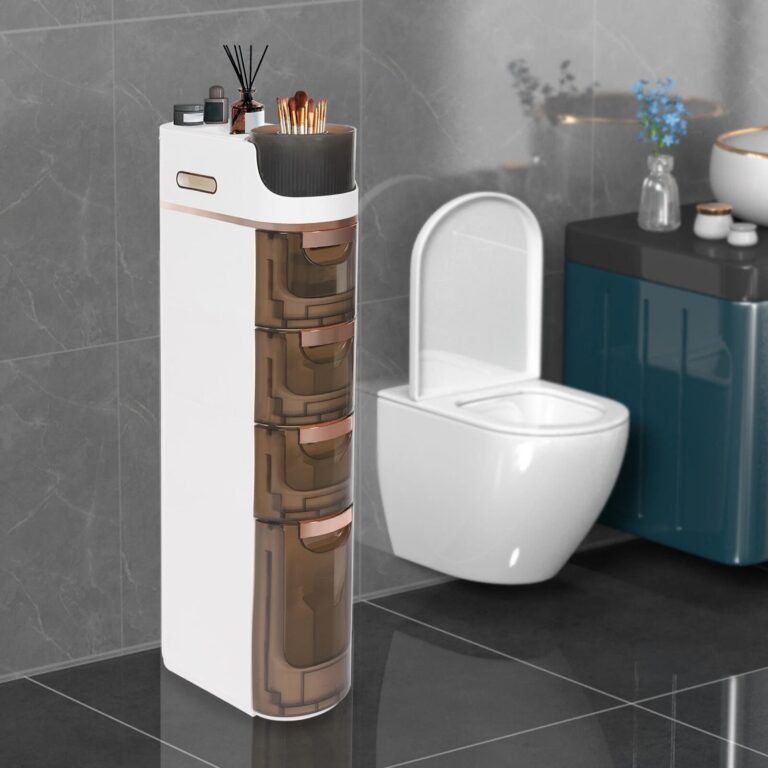 Aisha's pickCompact Drawer Units That Sort Out the Chaos
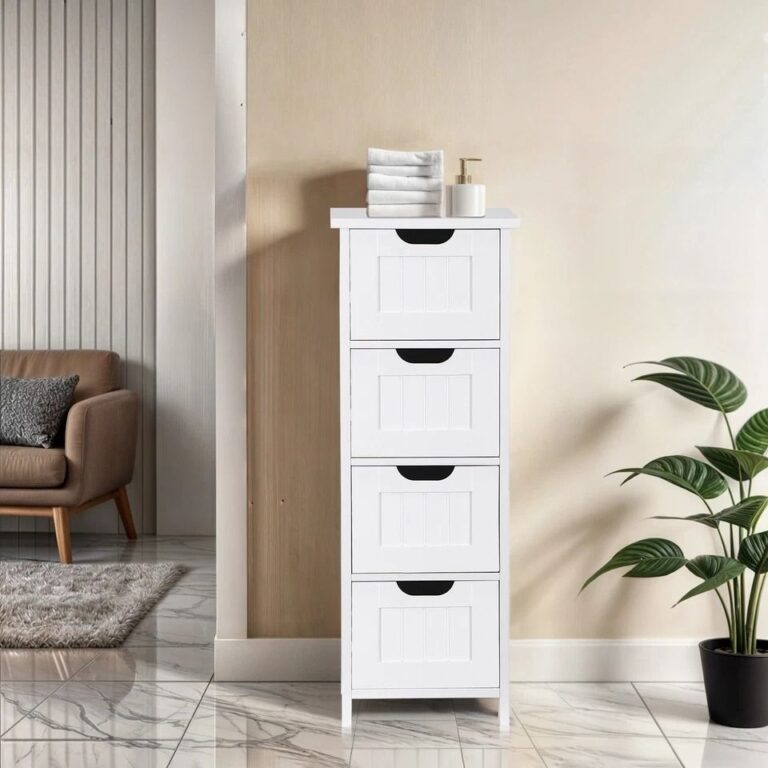
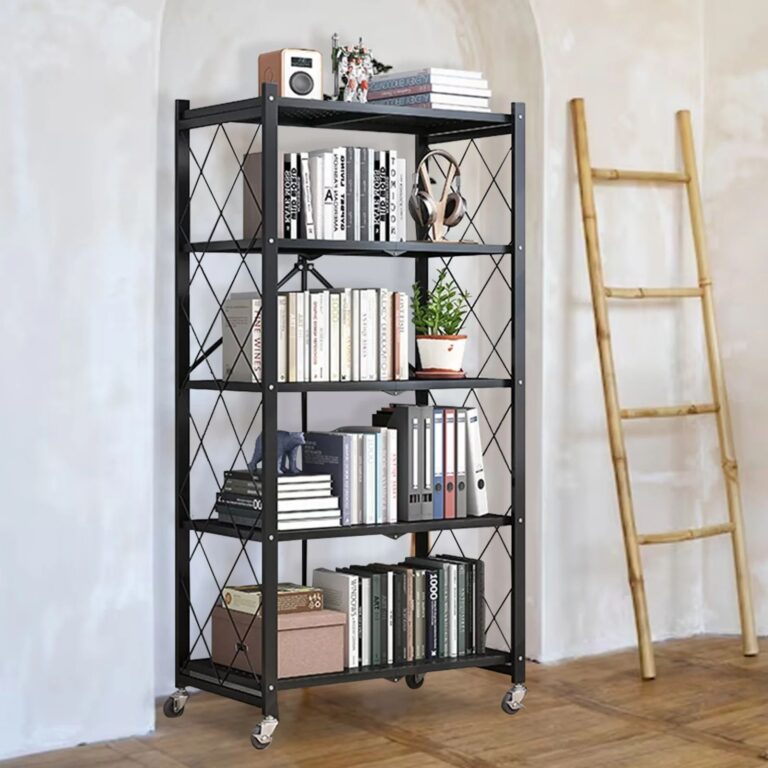 Aisha's pickCompact Kitchen Units That Go With Most Rooms
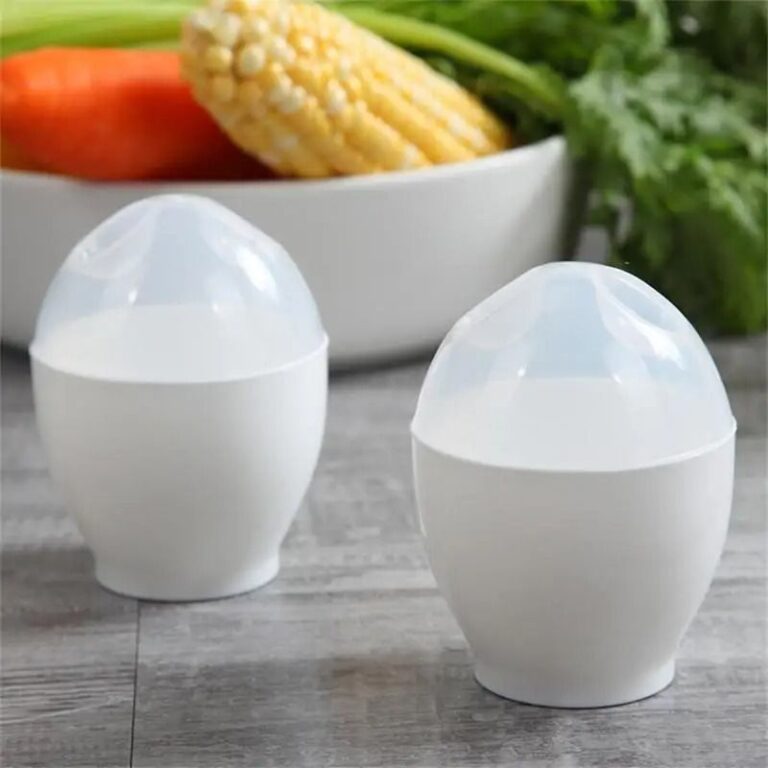
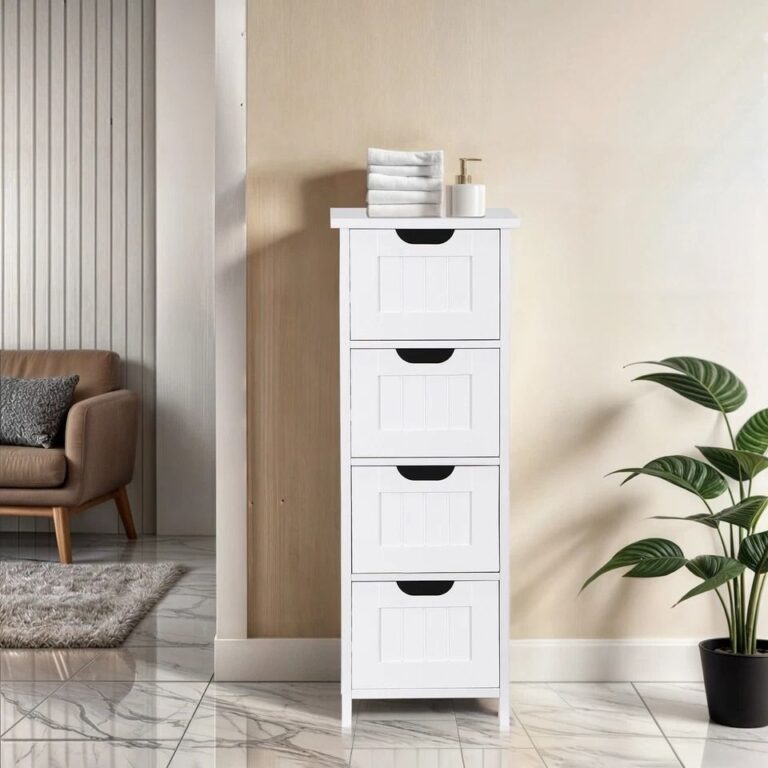 Aisha's pickCompact Shelving Units That Fit Where Nothing Else Will

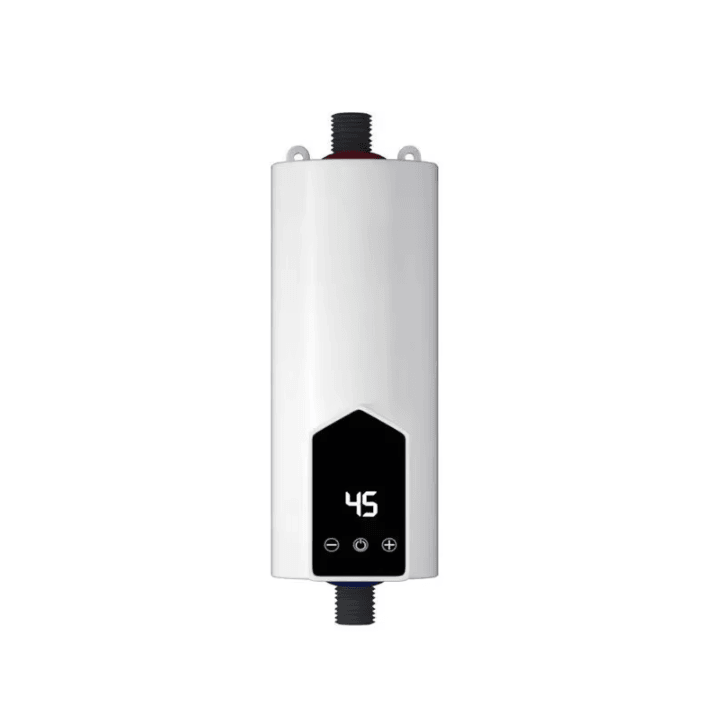 Aisha's pickCompact Storage Units That Squeeze Into Awkward CornersAlso worth a lookSmall Storage CabinetsA good small storage cabinet has a little weight to it even when it's not full, a drawer…See the collections →
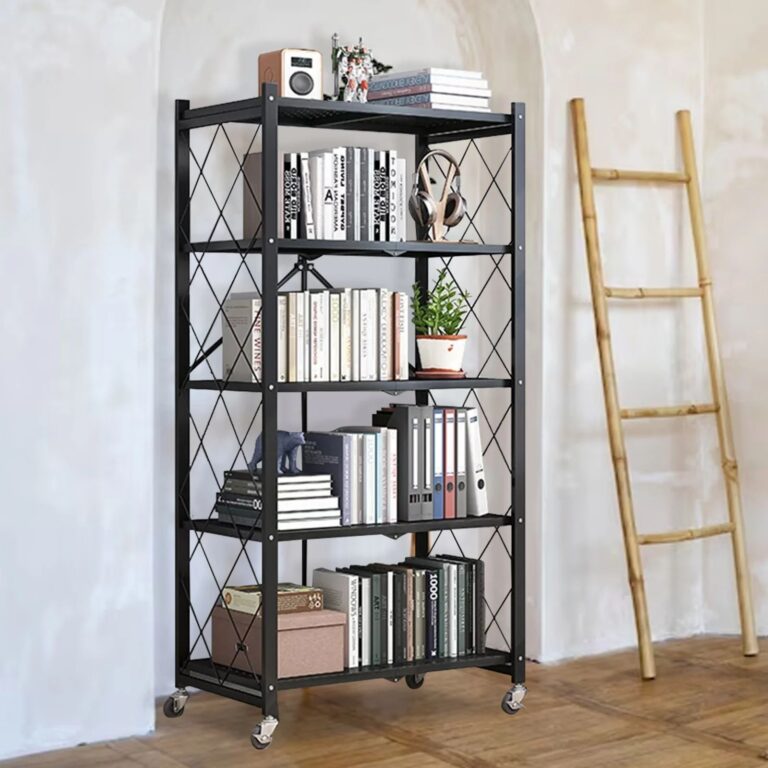
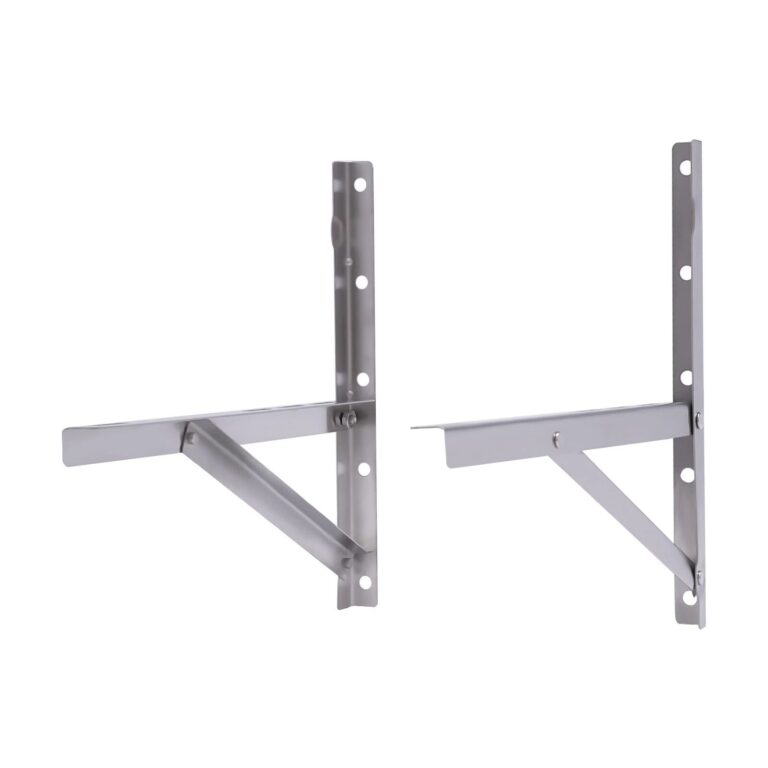 Aisha's pickCompact Wall Units That Won’t Date in a Year
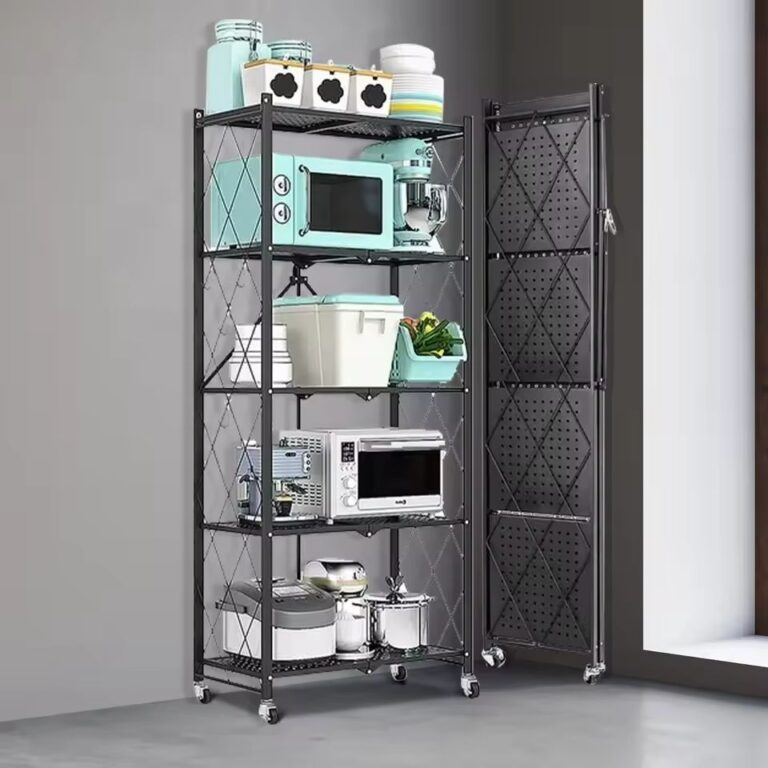
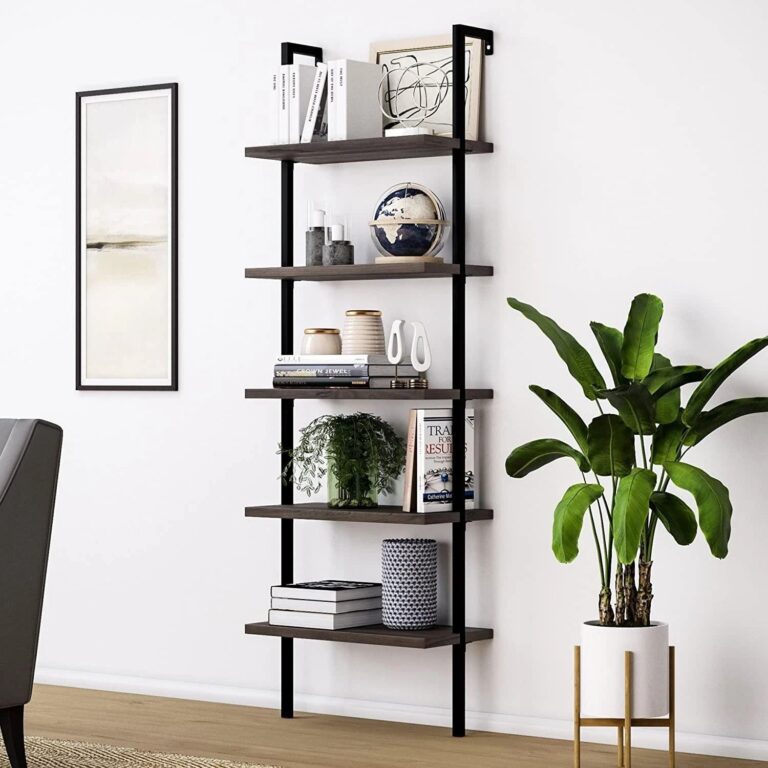 Aisha's pickSmall Display Units for the Bits That Never Have a Home
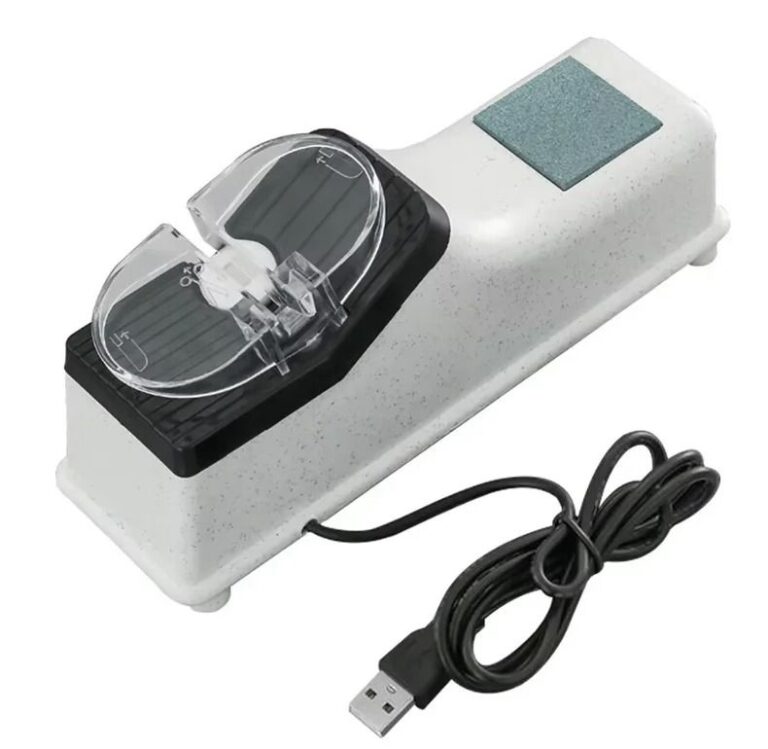
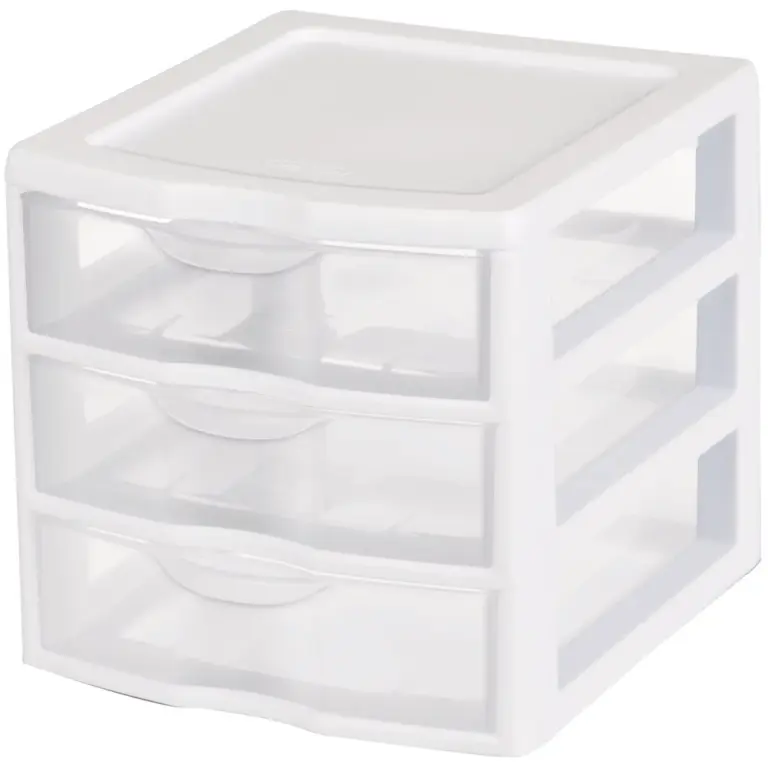 Aisha's pickSmall Drawer Units Worth Knowing About
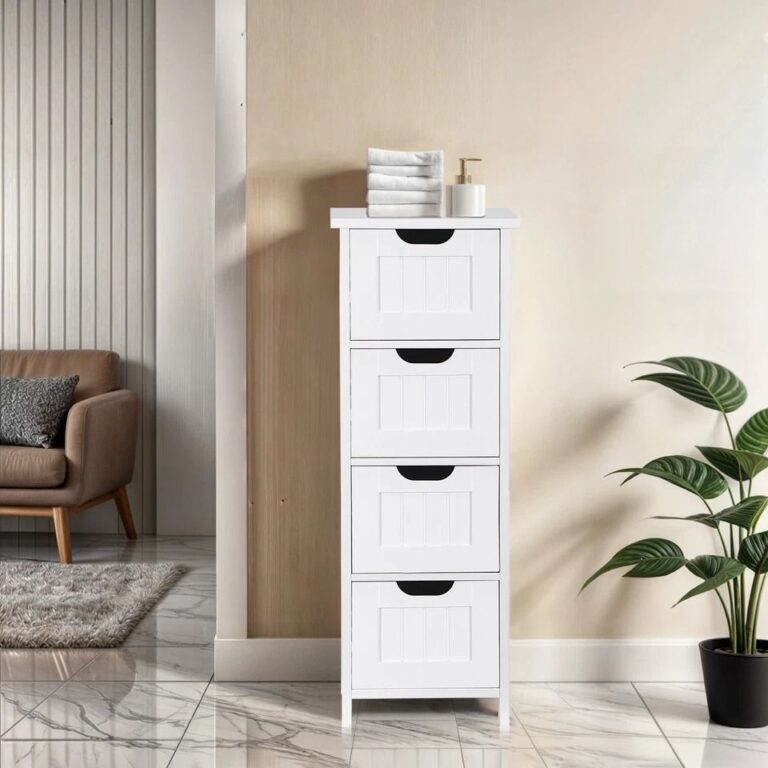
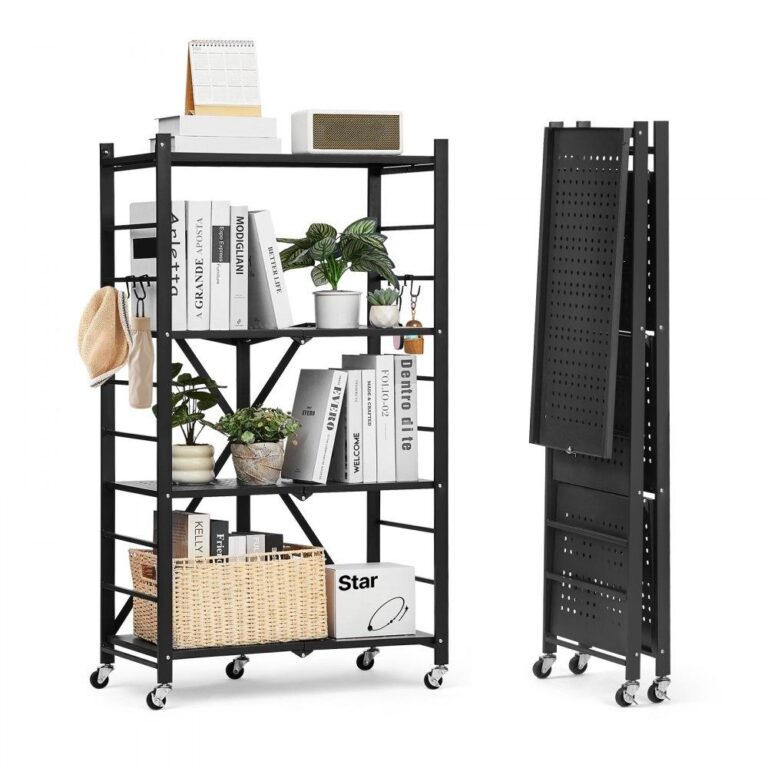 Aisha's pickSmall Metal Storage Units That Look Better in Real Life
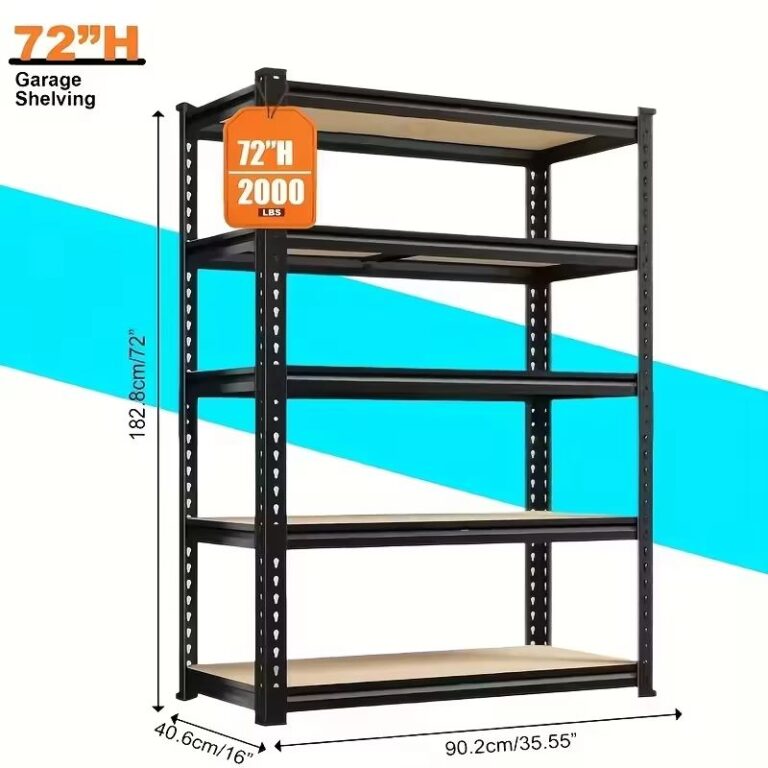
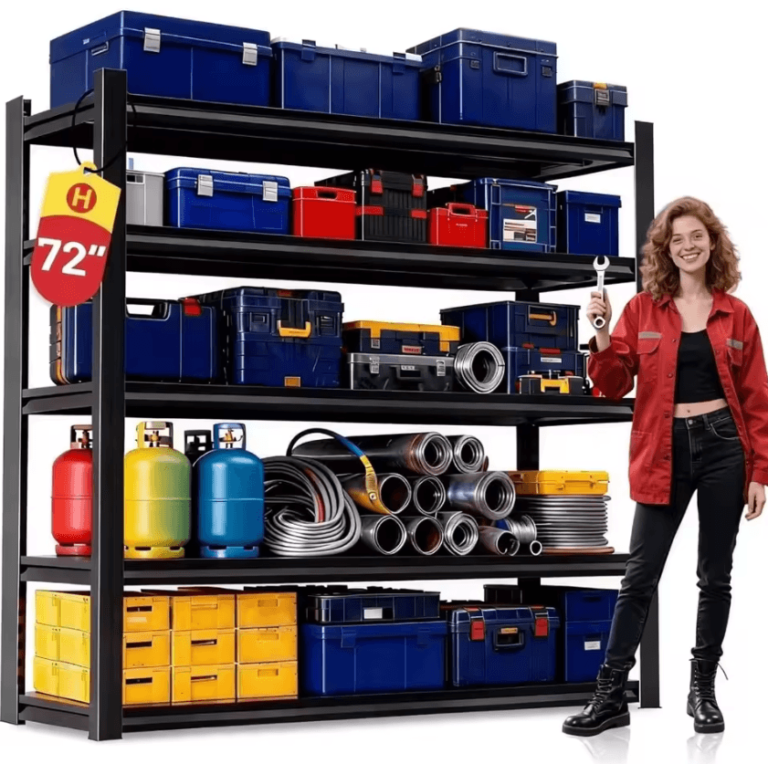 Aisha's pickSmall Plastic Storage Units With Some Character
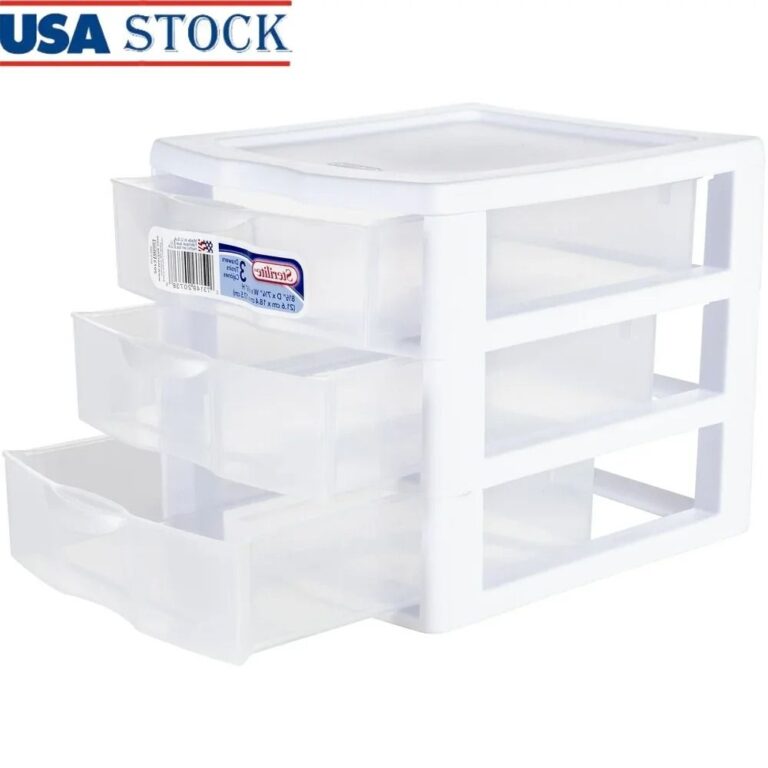
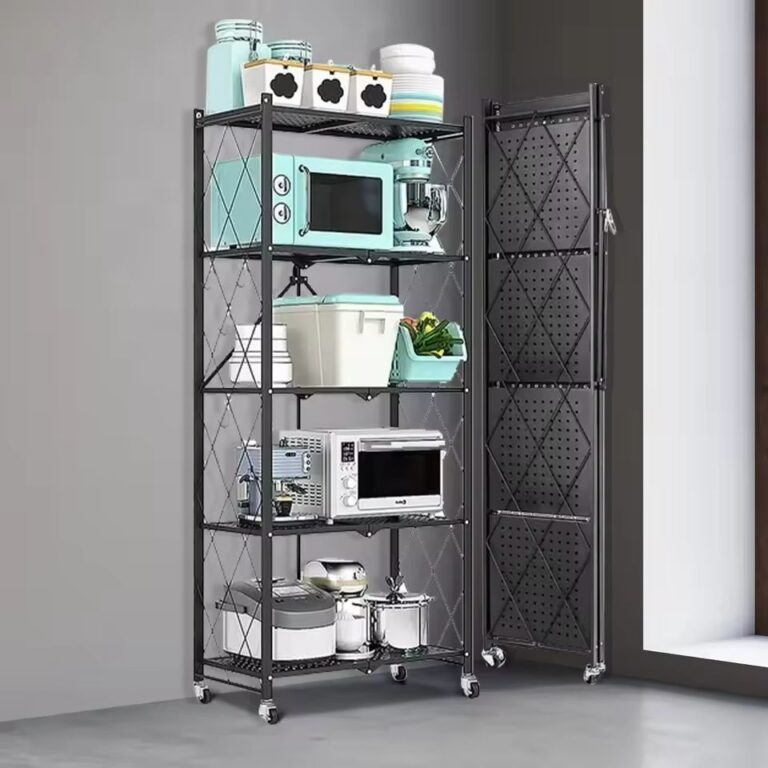 Aisha's pickSmall Shelving Units for Making a House Feel Like Yours
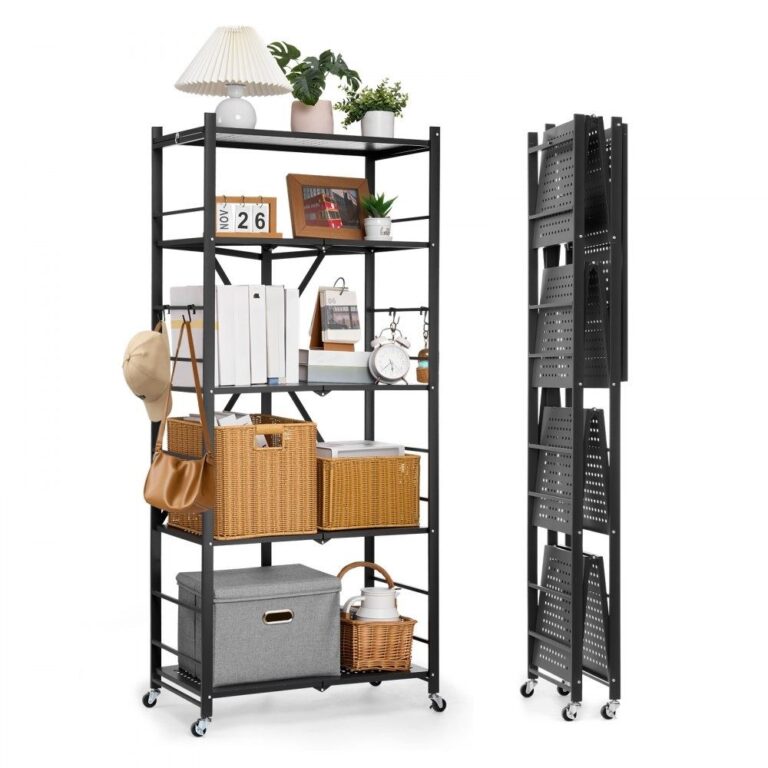
 Aisha's pickSmall Steel Storage Units That Don’t Need Babying