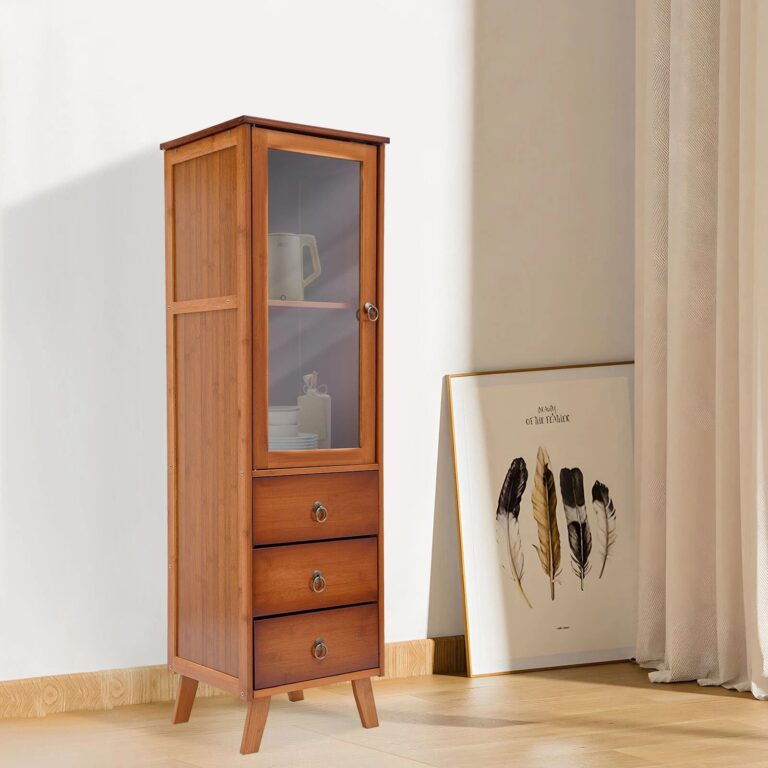
A good small storage cabinet has a little weight to it even when it's not full, a drawer that doesn't rattle when you close it, a door that shuts with a soft click instead of a bang. Open one up and it should smell like nothing, not glue, not particleboard trying to pretend it's oak. Run your hand along the top and you want a surface that can take a stack of mail and a coffee ring without flinching.
Before you buy, measure the actual wall, not the gap you think is there, because an entryway that looks roomy in your head is often twenty eight inches of clearance once you account for a light switch and a door swing. I've sent back two cabinets for being three inches too deep for a hallway that I swore was wider than it was. Height matters just as much, maybe more, since a cabinet that's too tall in a low ceilinged room or beside a window makes the whole wall feel cramped, while one that's too short just reads as a side table wearing a disguise. A good rule is to let it sit a few inches below the nearest switch plate or window sill so it looks placed, not squeezed in.
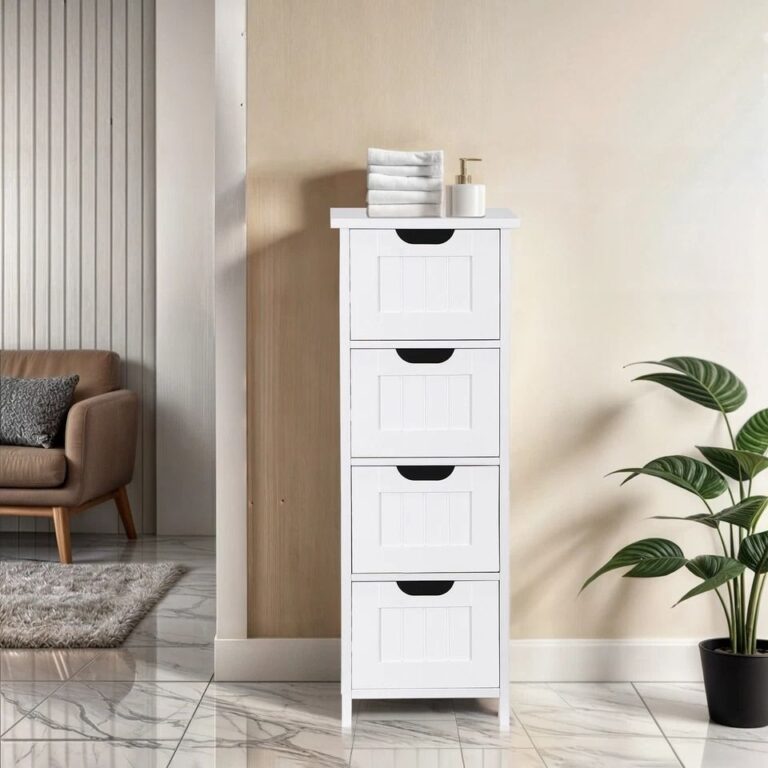
In an ordinary room, these sit well next to things that already have a job, a reading chair that needs a lamp and a spot for the remote, a bathroom with nowhere to put towels, a hallway that's all coats and no drawers. They pair easily with plain painted walls, a worn rug, a basket of shoes, nothing fancy required. They make the most sense as backup storage, the place for chargers and batteries and the extra roll of tape, not as the main event in a room that's already busy with a bookcase and a buffet. Where they fall short is anywhere you need real volume, linens for a whole house, serving pieces for a big family dinner, because a small cabinet by definition can't hold much, and asking it to do a dresser's job just means you overstuff it and the drawers stop sliding.
What I like most is how they change once they've had a year of actual use. The top picks up a faint ring or two no matter how careful you are, the drawer pulls get that slightly duller shine from hands reaching in every day, and somehow that wear makes the thing look more like it belongs, not less. A cabinet that still looks showroom new after a few years probably hasn't been doing much work.
 Aisha's pickCompact Storage Units That Squeeze Into Awkward Corners
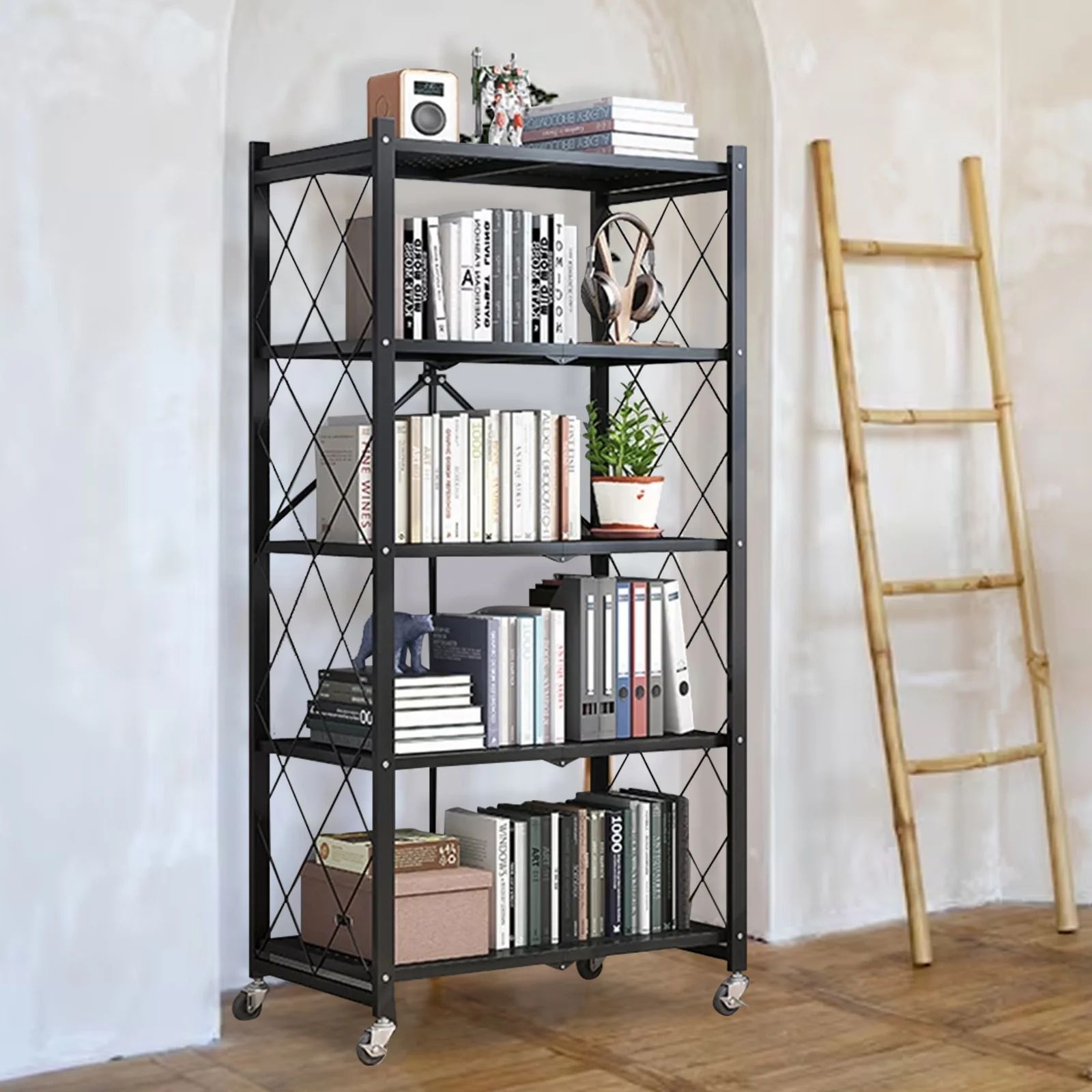
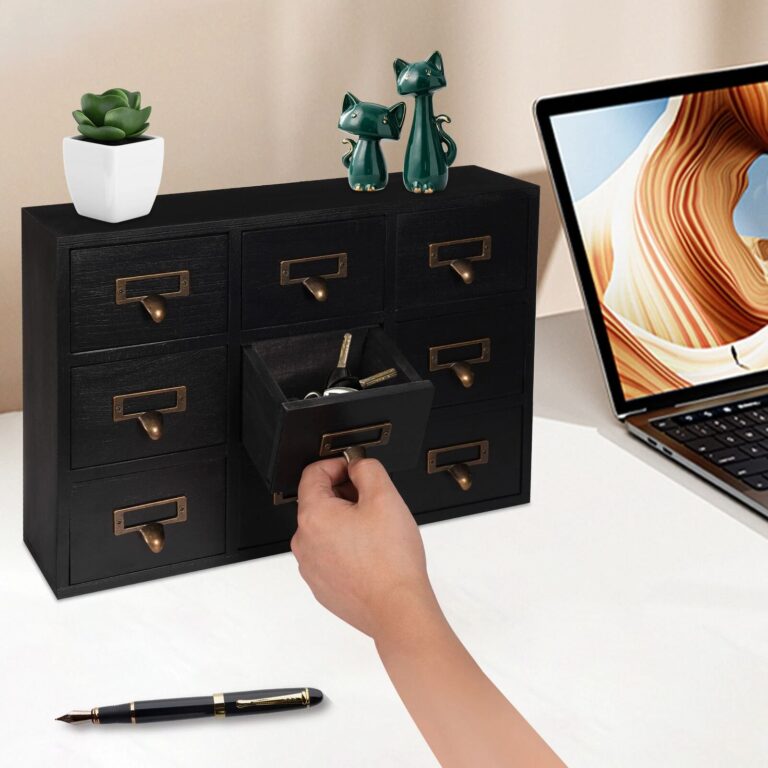 Aisha's pickSmall Wooden Storage Cabinets That Squeeze Into Awkward Corners
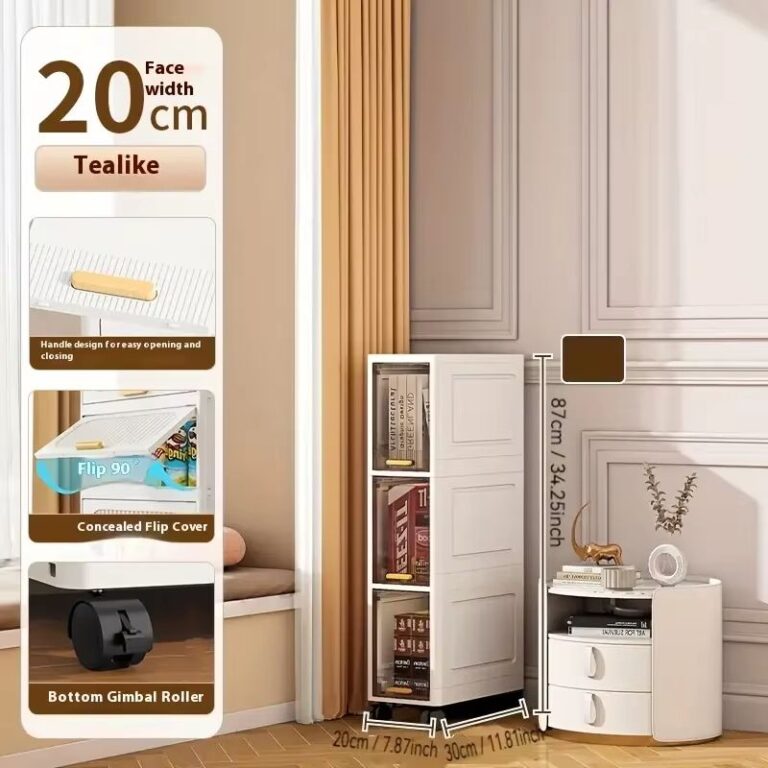 Aisha's pickSmall Bathroom Storage Cabinets That Make Mornings Easier
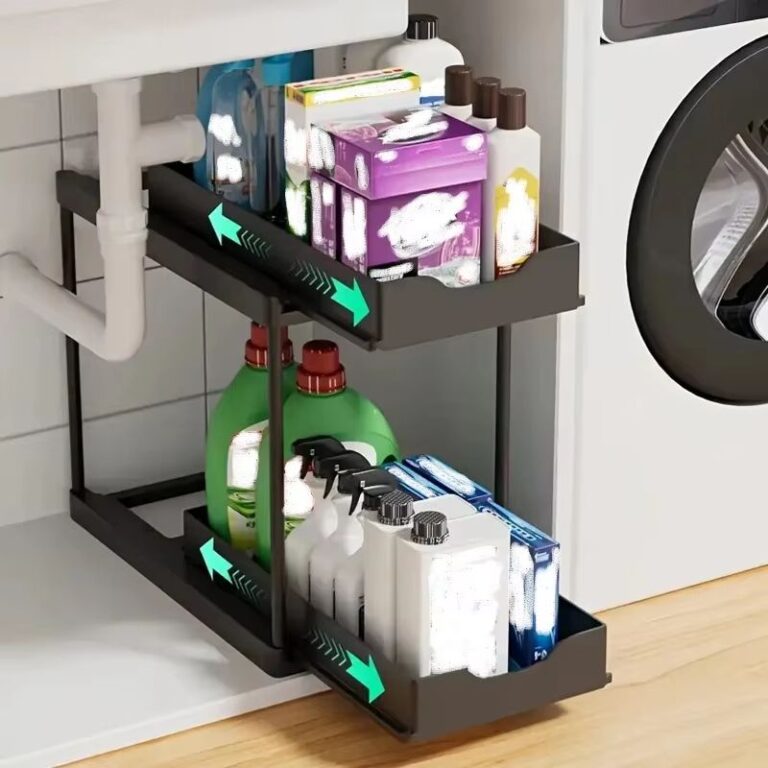
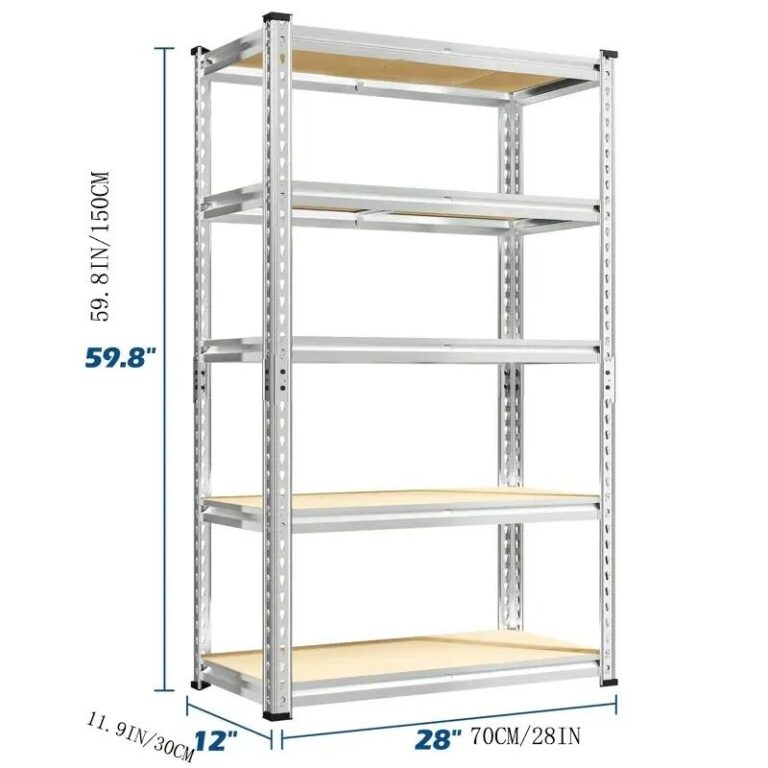 Aisha's pickSmall Wooden Storage Units for Homes With Too Much Stuff
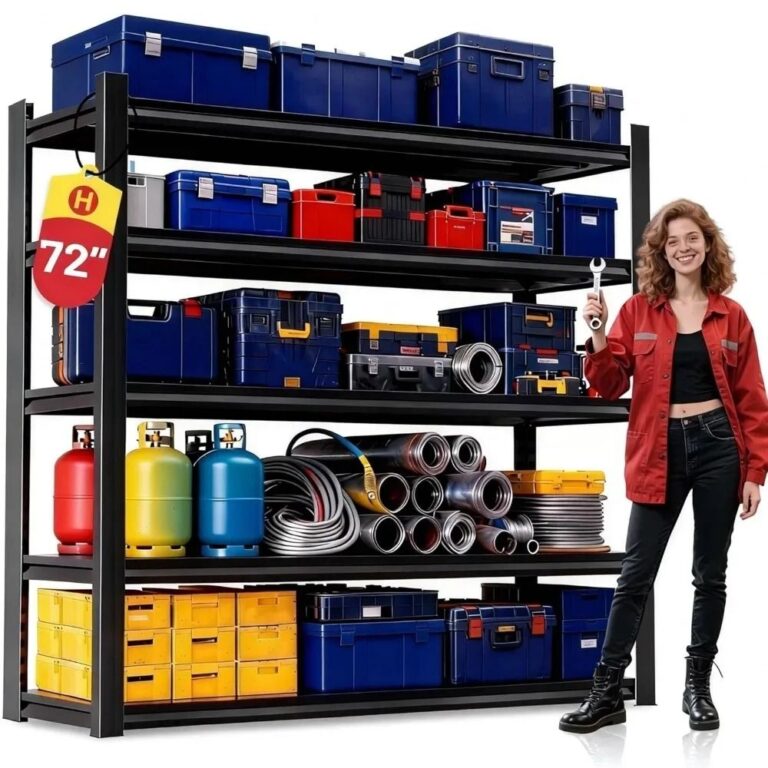
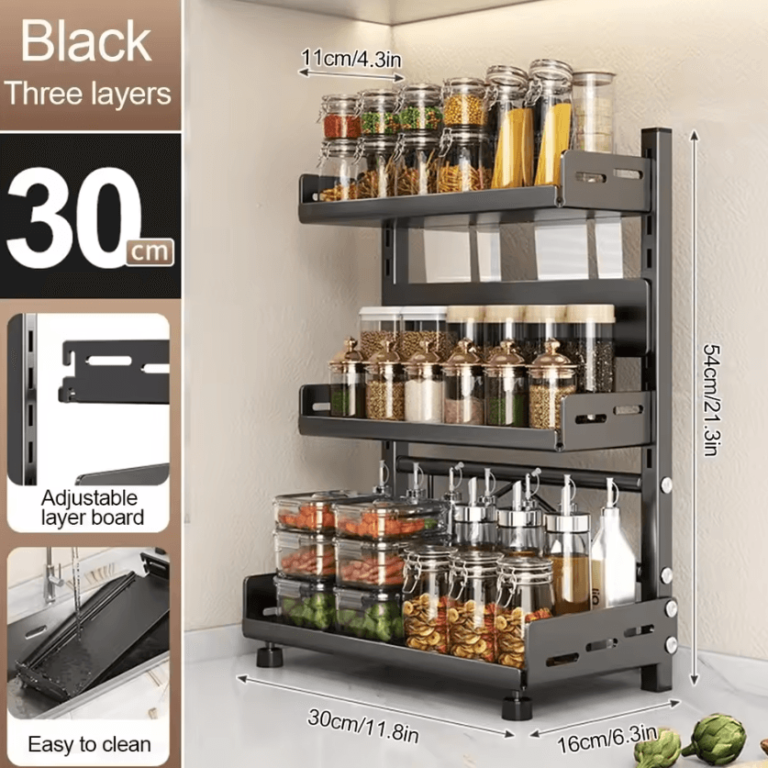 Aisha's pickSmall Black Storage Cabinets That Sort Out the Chaos
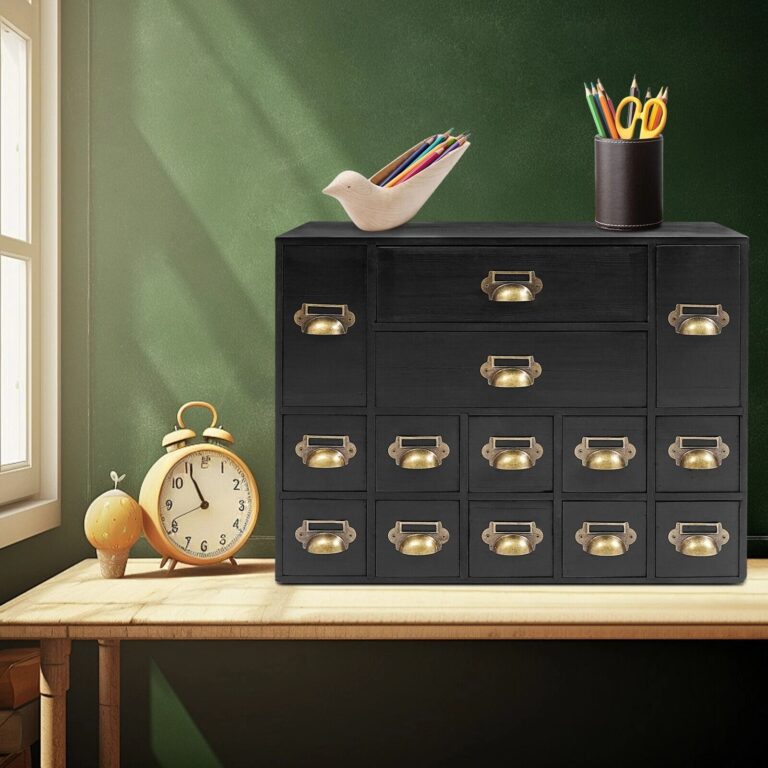
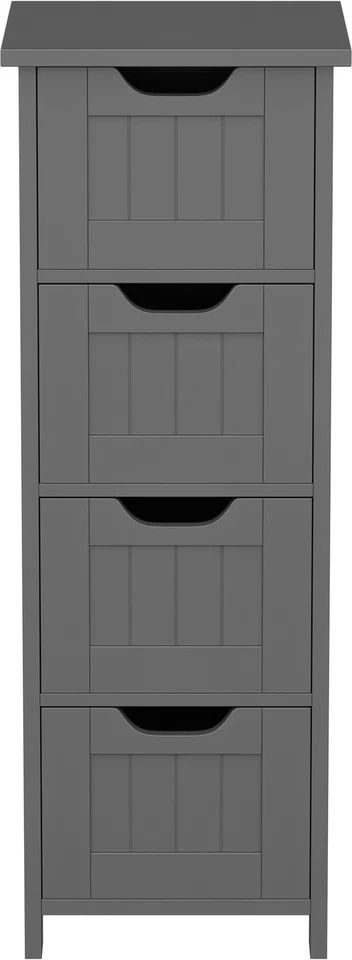
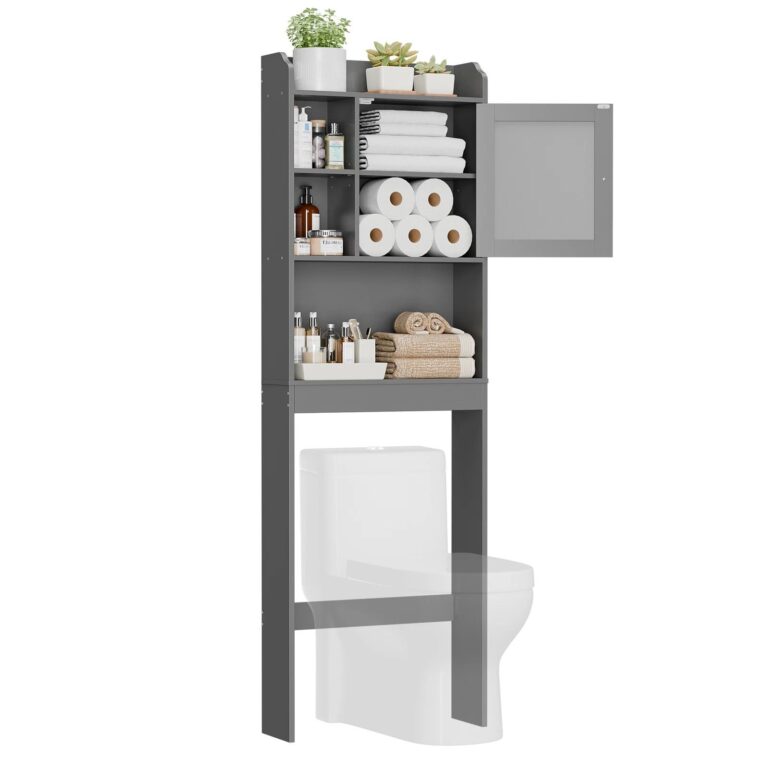 Aisha's pickSmall Gray Storage Cabinets That Squeeze Into Awkward Corners
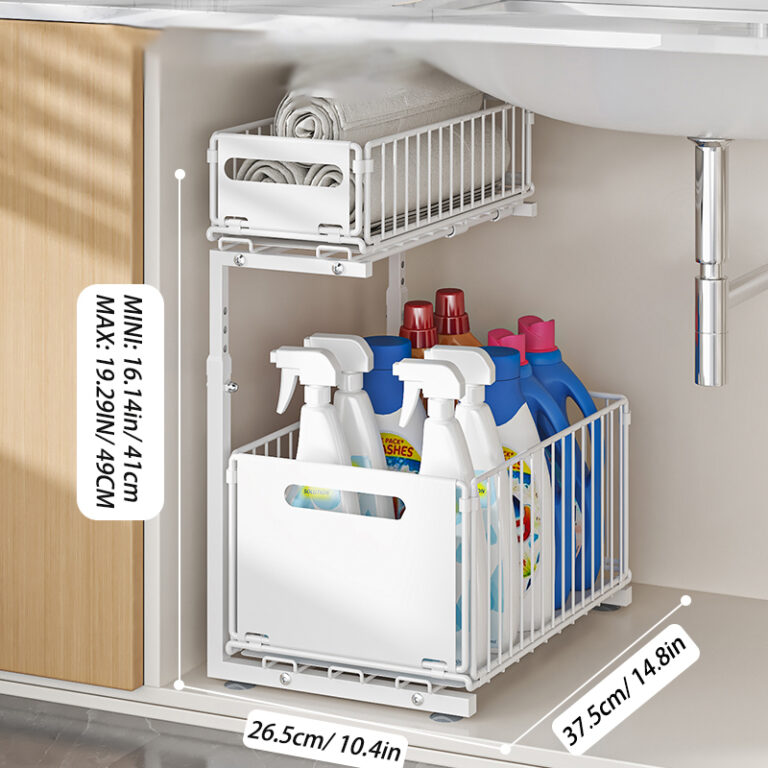 Aisha's pickSmall Kitchen Storage Cabinets That Make Rented Places Feel Like Home
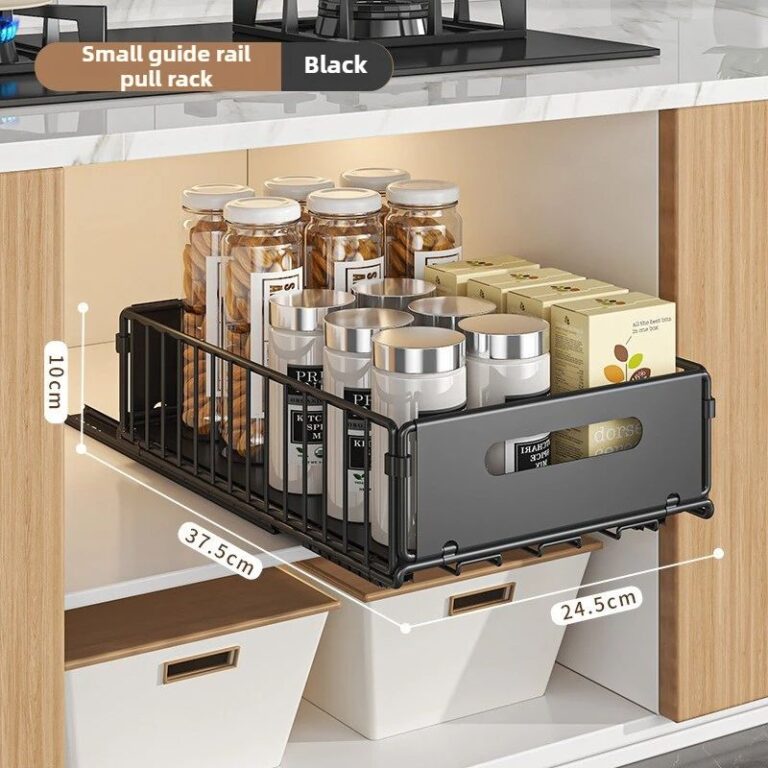
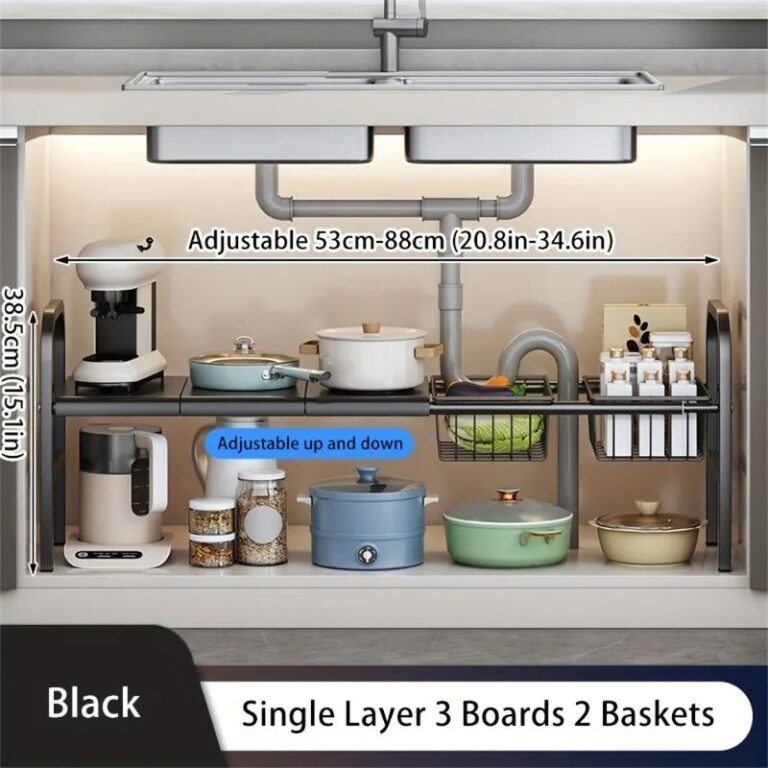 Aisha's pickSmall Metal Storage Cabinets Worth Knowing About
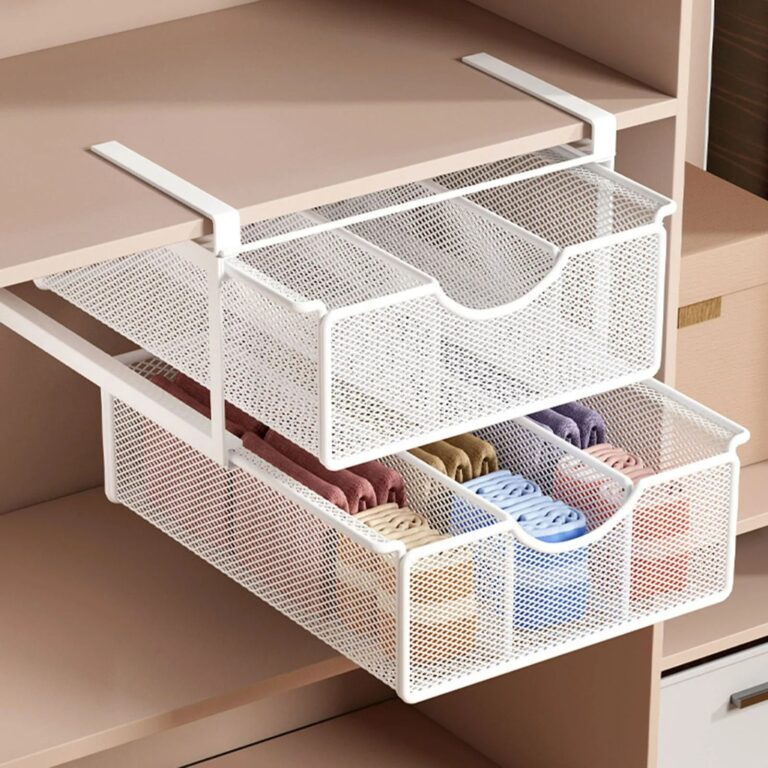
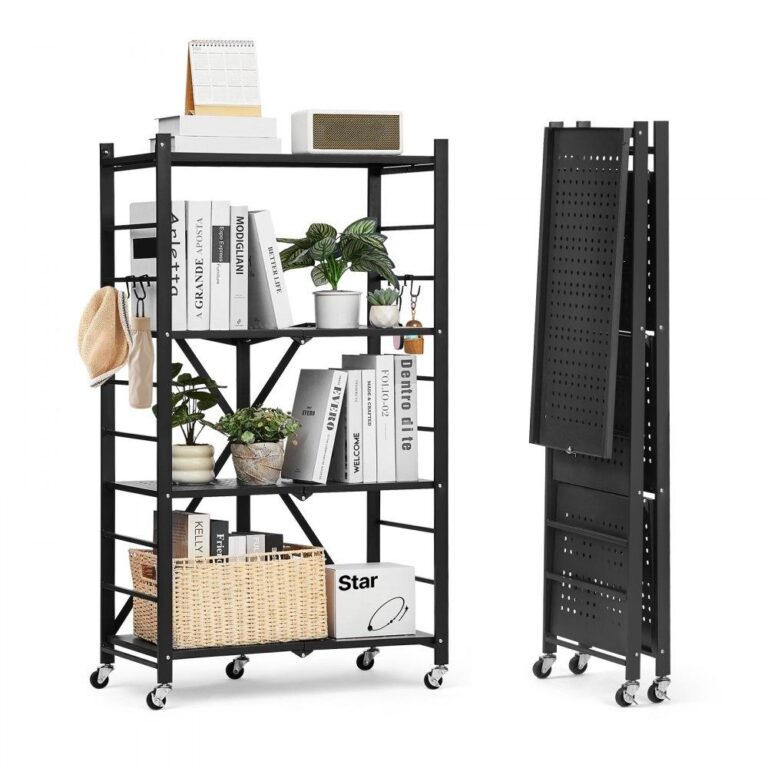 Aisha's pickSmall Metal Storage Units That Look Better in Real LifeAlso worth a lookSmall UnitsSmall units get treated like an afterthought, the thing you buy to fill a gap rather than a piece you actually chose, and I get why.See the collections →
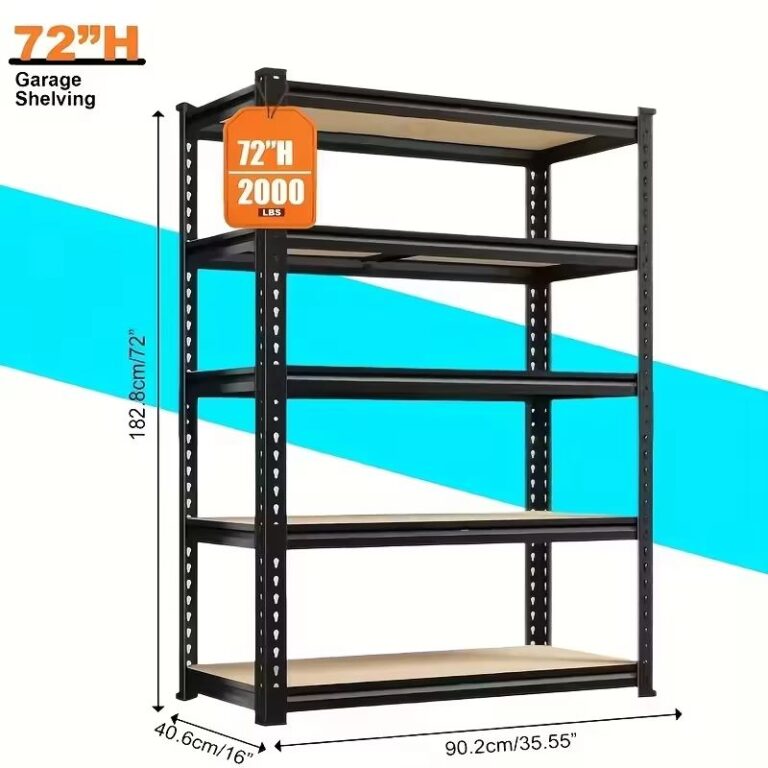
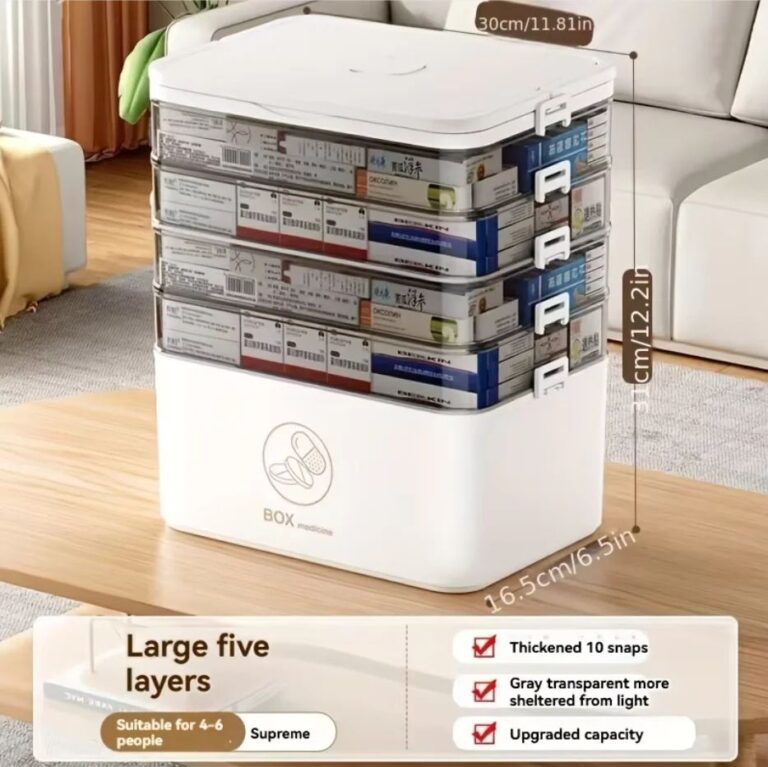 Aisha's pickSmall Office Storage Cabinets You Won’t Regret Buying
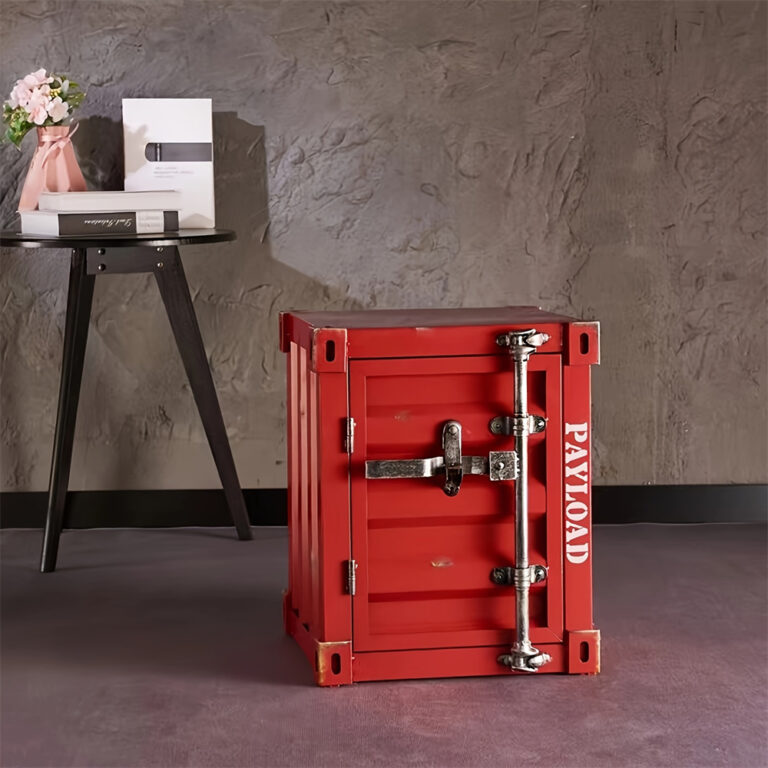
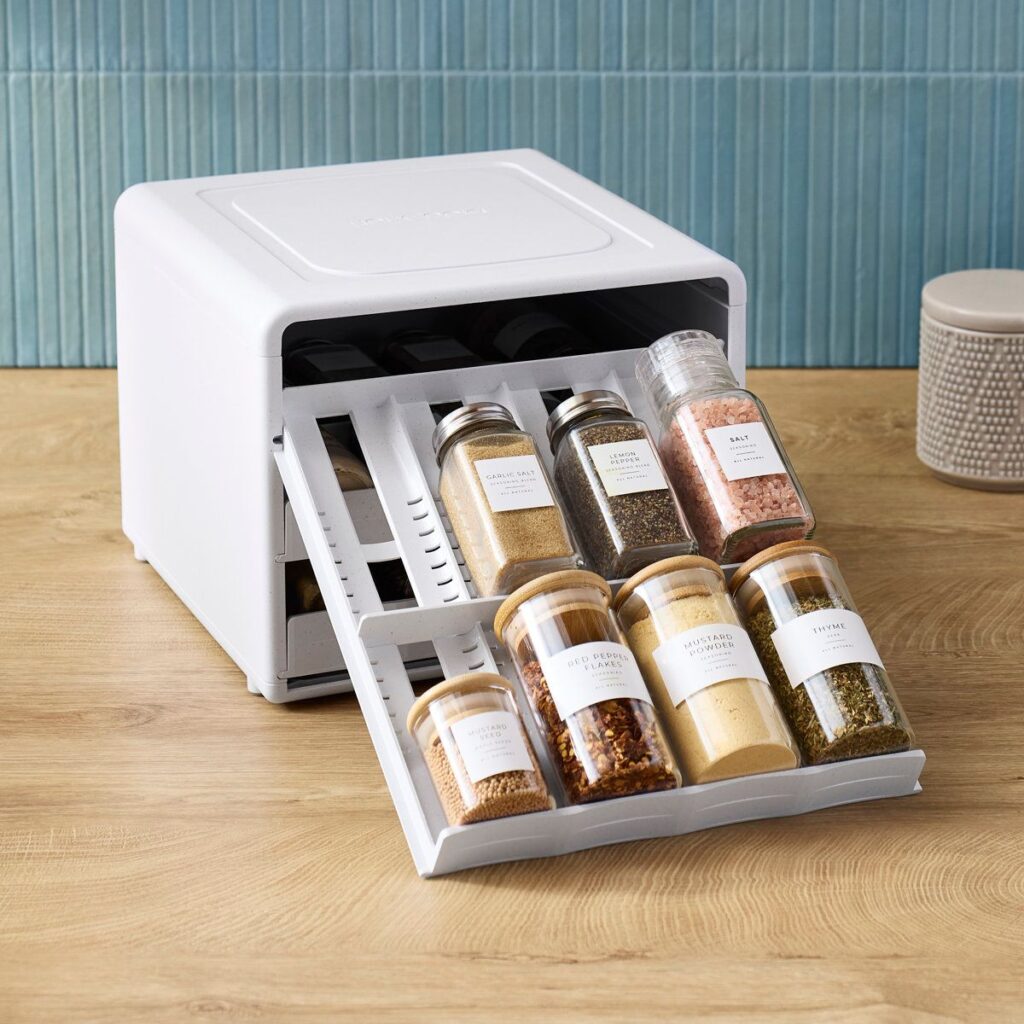 Aisha's pickSmall Plastic Storage Cabinets You’ll Keep for Years
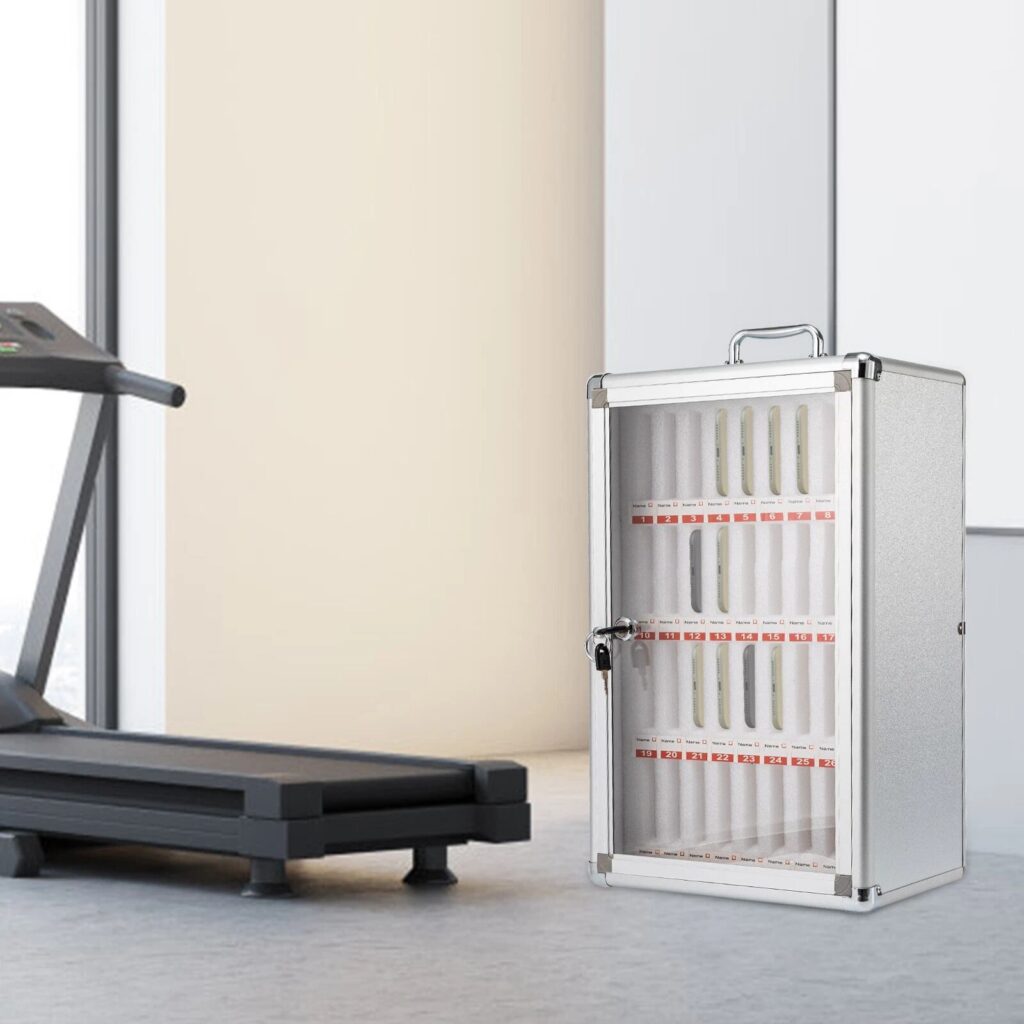
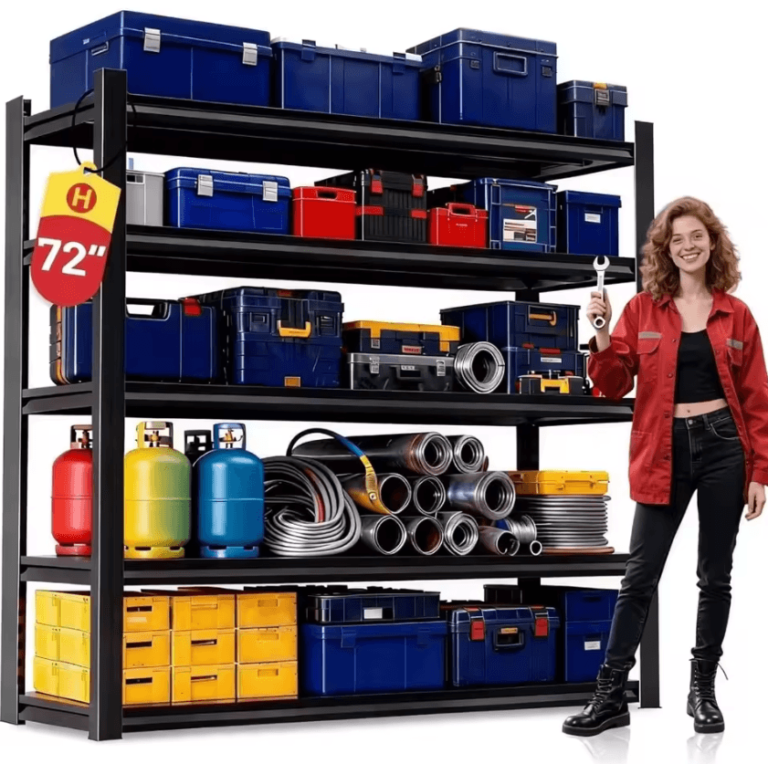 Aisha's pickSmall Plastic Storage Units With Some Character
 Aisha's pickSmall Steel Storage Cabinets for When the Old Ones Give Up
 Aisha's pickSmall Steel Storage Units That Don’t Need Babying
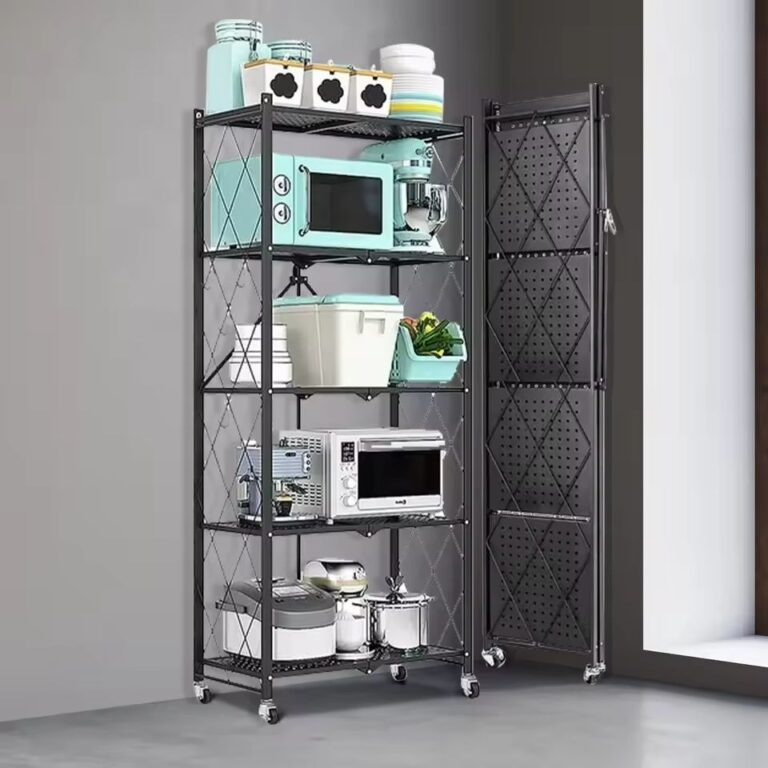
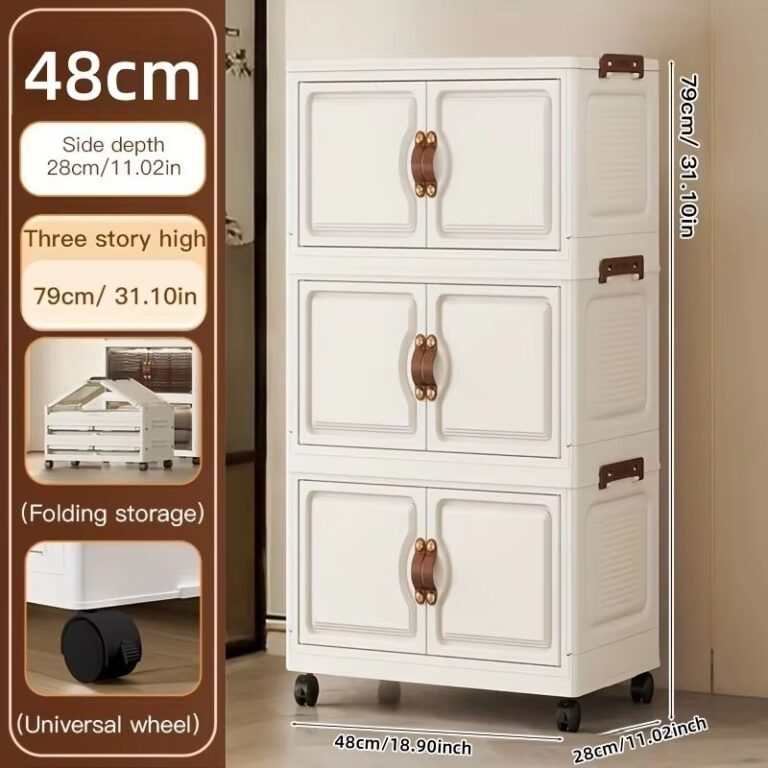 Aisha's pickSmall Storage Cabinets That Keep Surfaces Clear
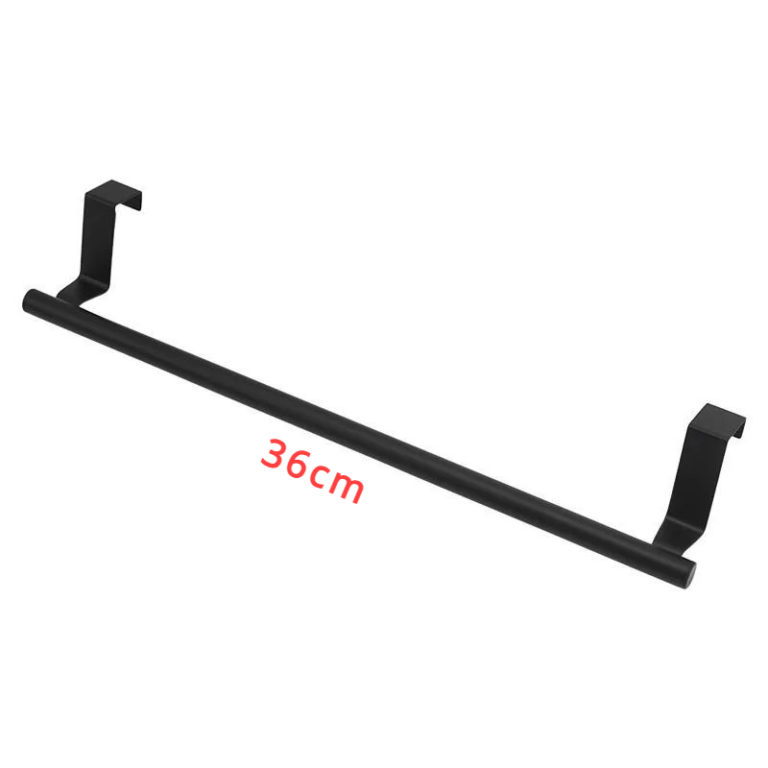
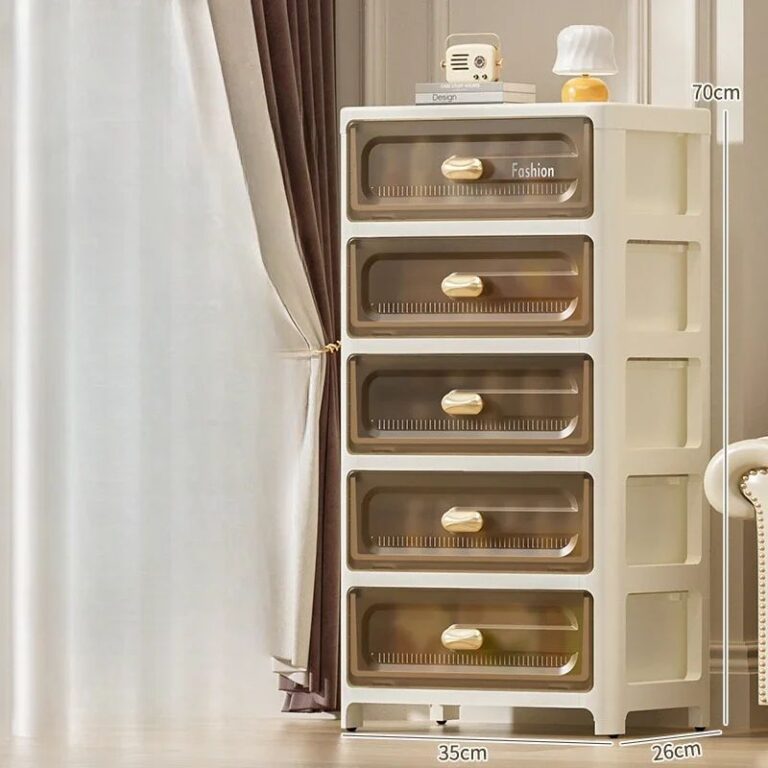 Aisha's pickCompact Office Storage Cabinets That Keep the Desk Clear
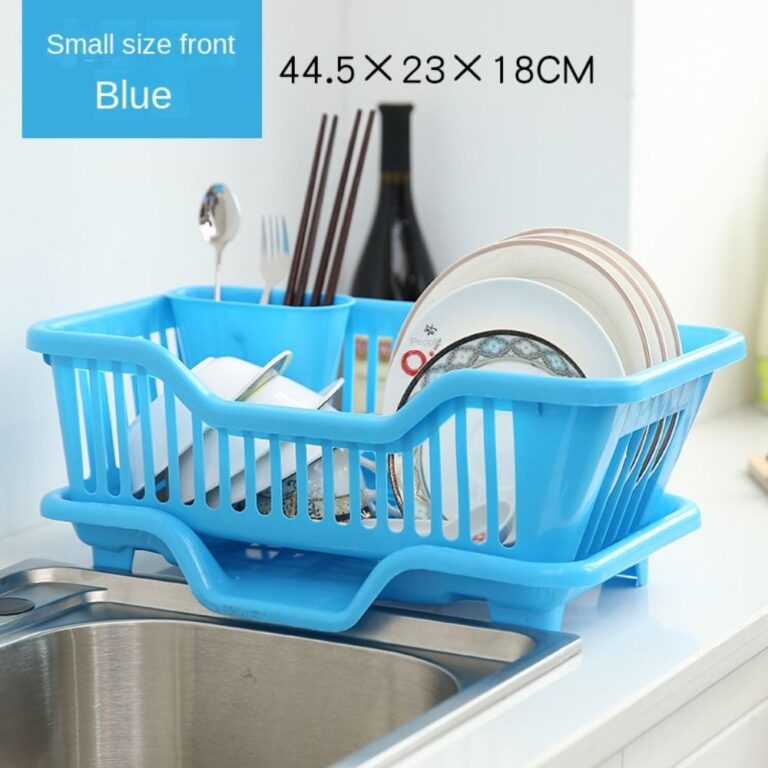
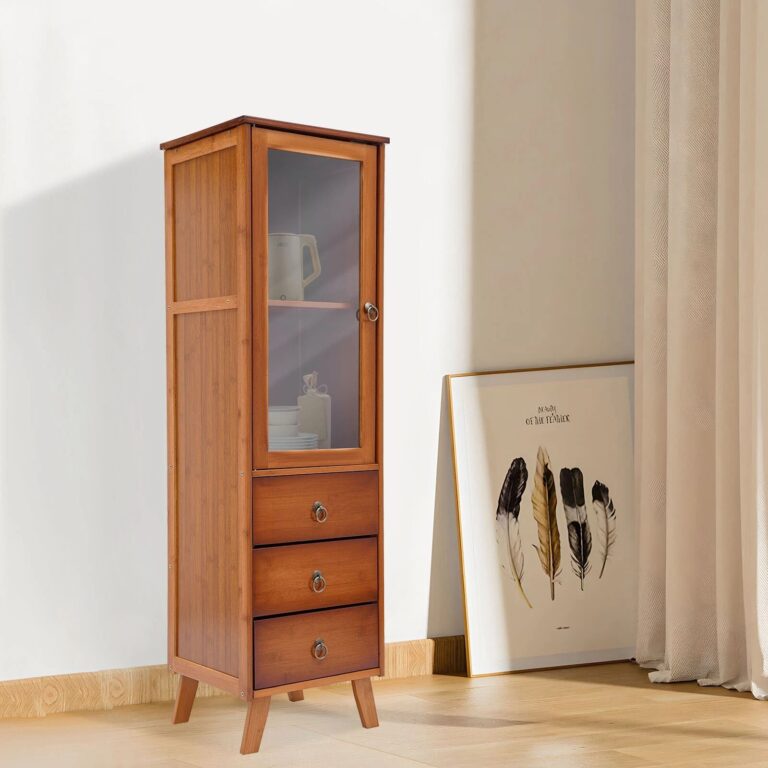 Aisha's pickSmall Storage Cupboards for Homes With Too Much Stuff
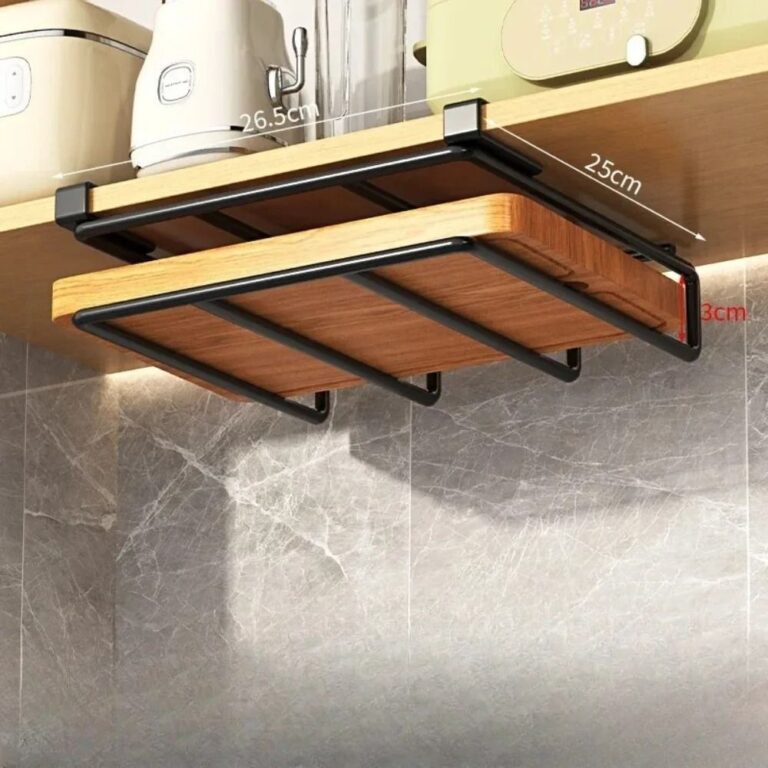
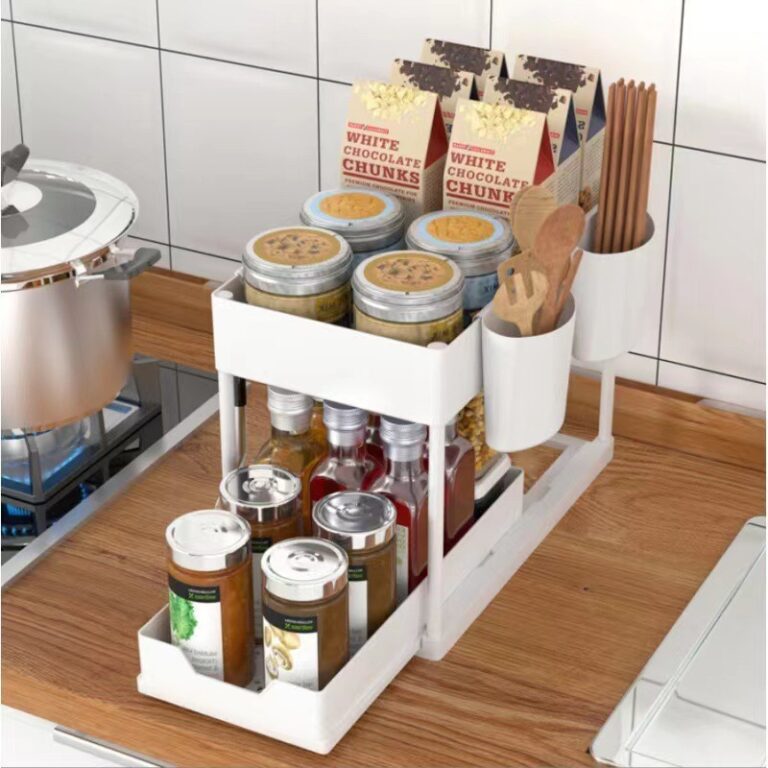 Aisha's pickCompact Storage Cabinets That Won’t Let You DownAlso worth a lookSmall CabinetsThe thing nobody tells you about small cabinets is that the word "small" is doing a lot of lying.See the collections →

 Aisha's pickSmall Storage Units That Don’t Look Mass Produced