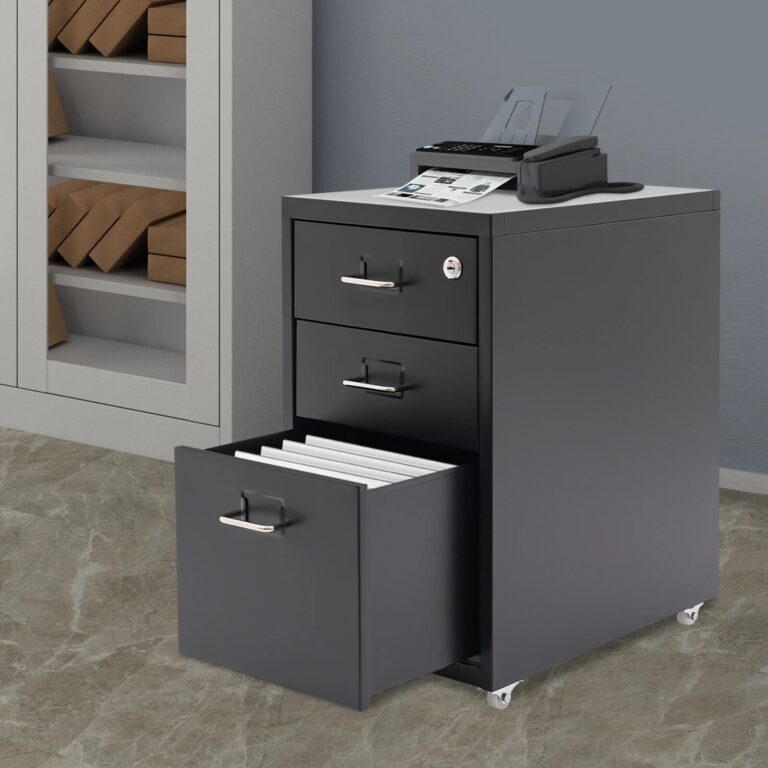
The moment I'm glad I own one is unloading a dishwasher of hot pans straight into a cabinet without a second thought, or wiping up red wine that's been sitting on the top for an hour and watching it come off with nothing but a cloth. Nothing to swell, nothing to stain. That's steel for you.
If you've got none of these yet, start with a single sideboard or a small storage cabinet somewhere that gets real use, a kitchen, a laundry space, a bathroom where humidity wrecks everything else. That's where steel proves itself fastest and where you'll feel the difference compared to whatever you had before. Don't start with a big statement piece in a room you haven't lived with steel in yet, you want to know how it reads in daylight before you commit a whole wall to it. As for where it goes wrong, steel next to a lot of other cold, hard surfaces, think a glossy marble kitchen with chrome everything, can tip a room into looking like an operating theater. It wants warmth around it. Wood floors, a linen rug, something soft on the wall, a plant that's actually alive. Pair it with warm color and texture and it stops looking clinical and starts looking sharp.
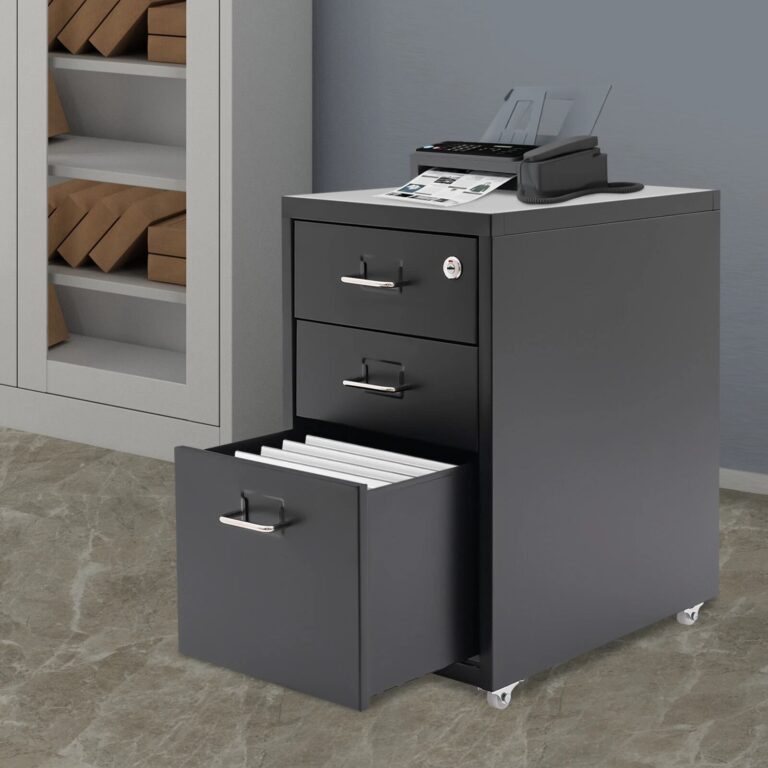
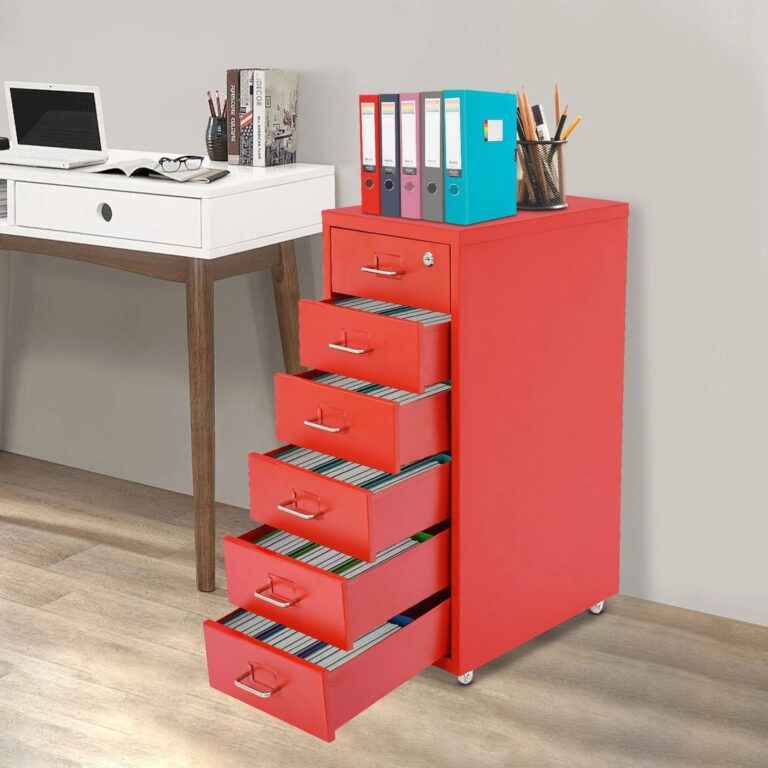
The difference between a steel unit you'll love in ten years and one you'll regret is almost entirely in the gauge of metal and how the thing is put together. Thin steel oil cans at you when you lean on it, the doors sound tinny, and dents show up if you so much as tap it moving house. Good steel has weight, a proper thickness, and the seams and corners are welded or folded cleanly, not just screwed together with visible brackets everywhere. Check the finish too, powder coating wears a lot better day to day than paint, and it should feel smooth and even, no orange peel texture or patches where it's thinner. Hinges matter more than people think, a cheap hinge on a heavy steel door will sag within a year.
For sizing, measure the full run of wall and then take off a few inches on each side so the piece doesn't look wedged in. Steel units read larger and heavier visually than wood ones of the same dimensions, so if you're between two sizes, go smaller than you think, especially in a rented apartment with a narrow hallway you'll need to get it through. The common mistake is buying one so deep it eats half the room, measure the depth against your actual walking path, not just the wall.
Drop one into a room full of soft, forgettable furniture and suddenly the whole space has a spine.
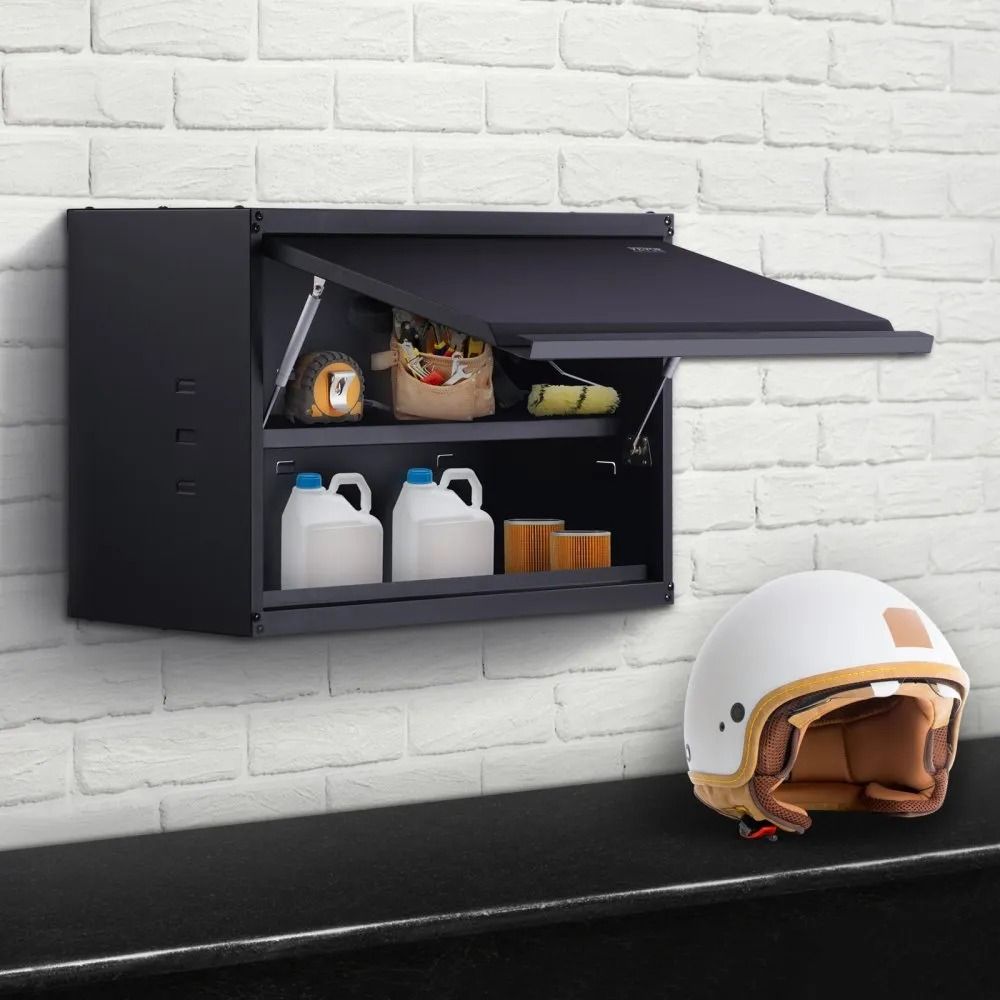 Aisha's pickSteel Garage Cabinets That Get Better With Age
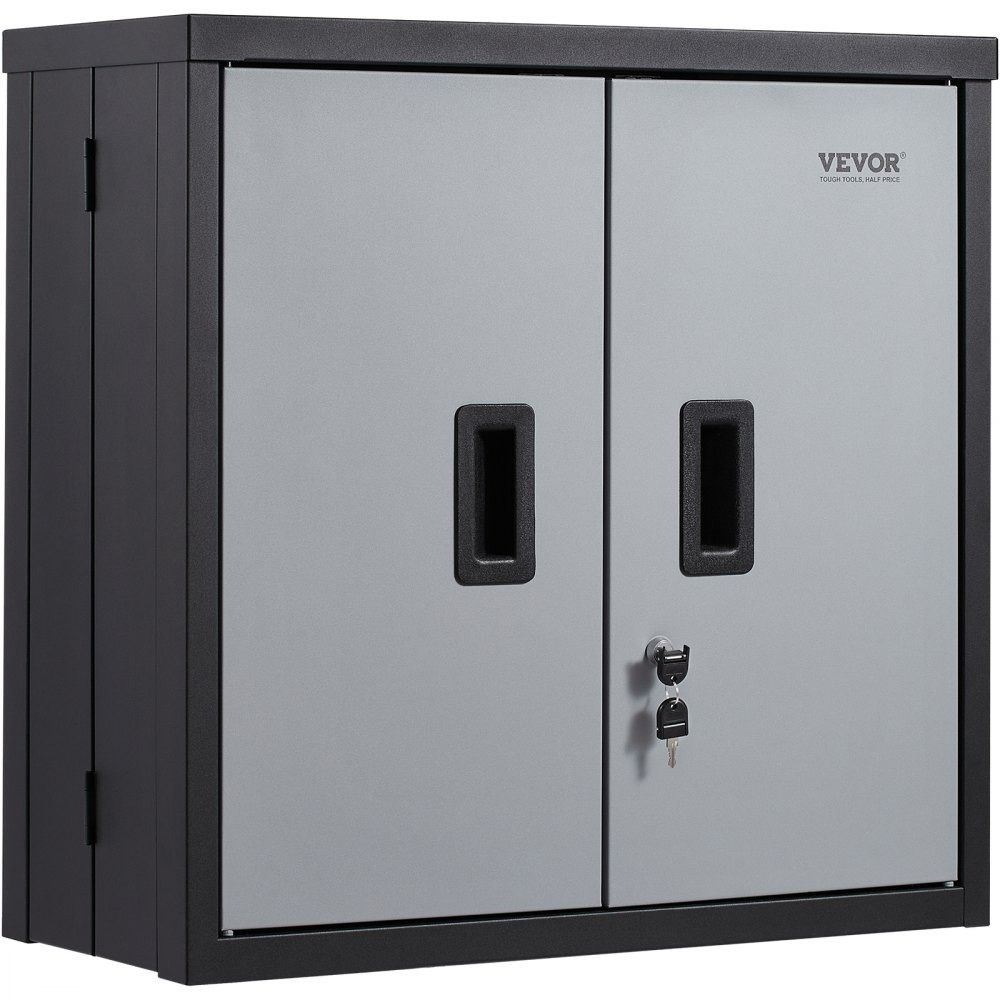
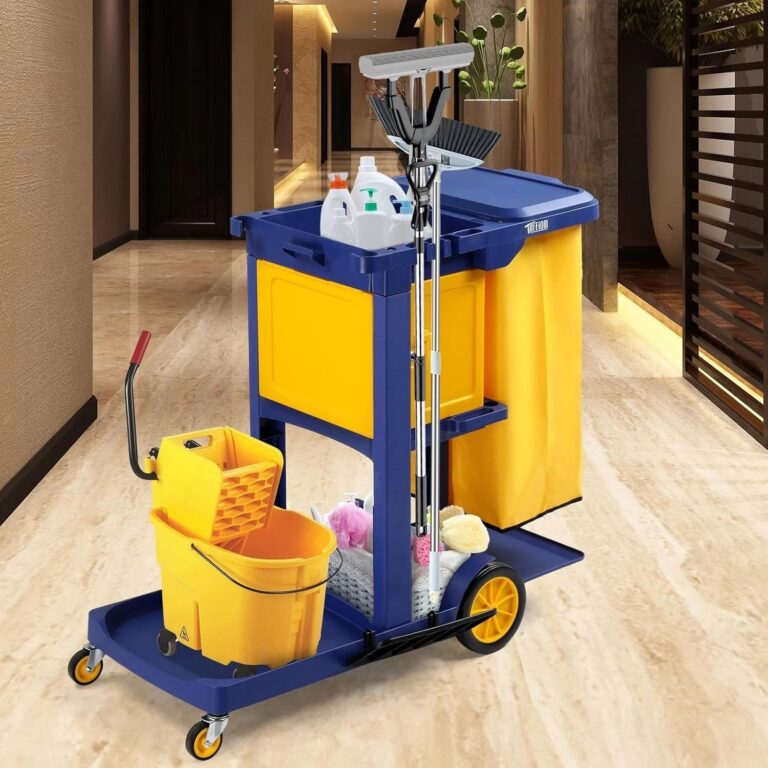 Aisha's pickSteel Office Cabinets That Visitors Always Ask About
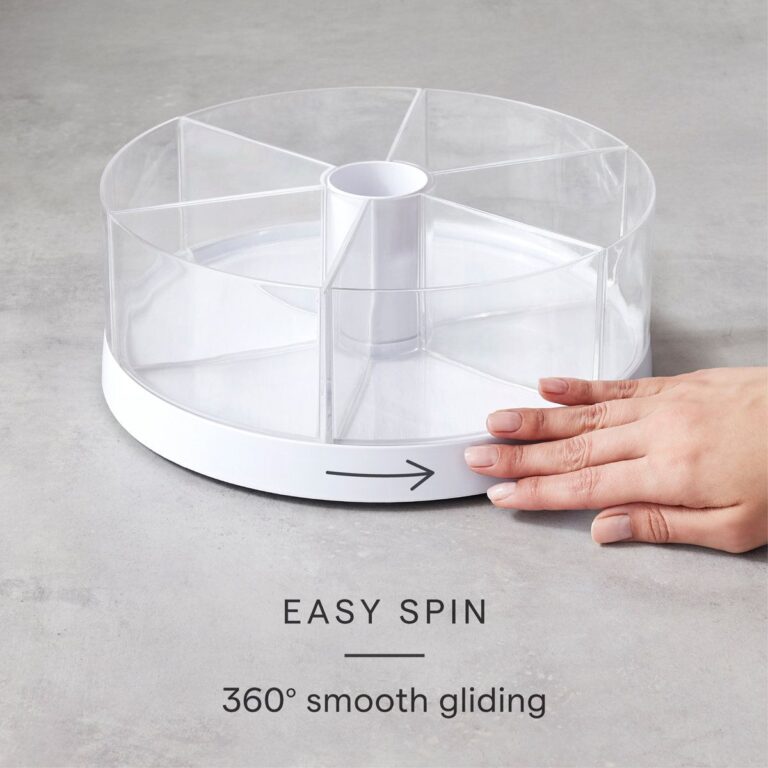
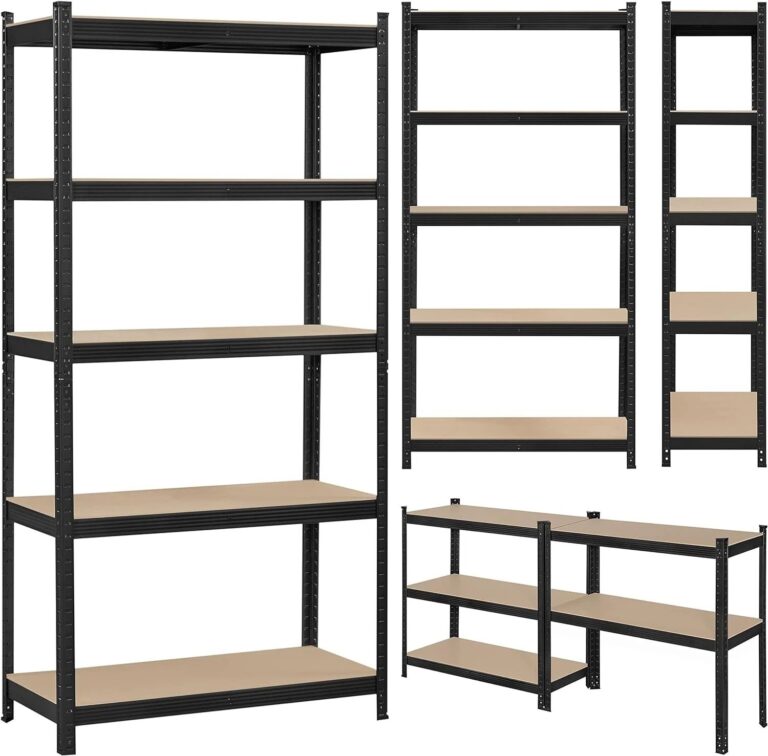 Aisha's pickSteel Office Shelving Units We’d Buy Again
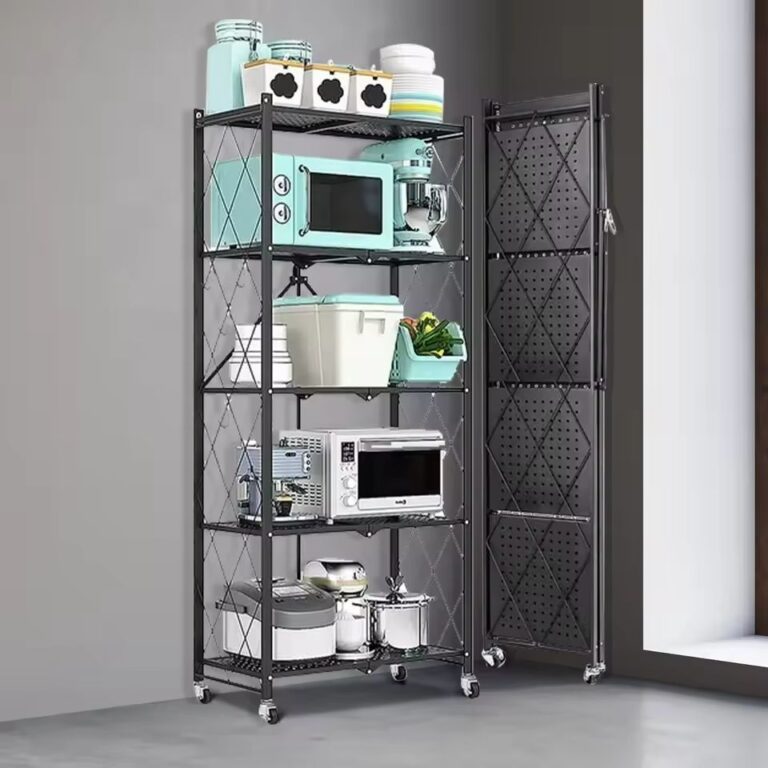
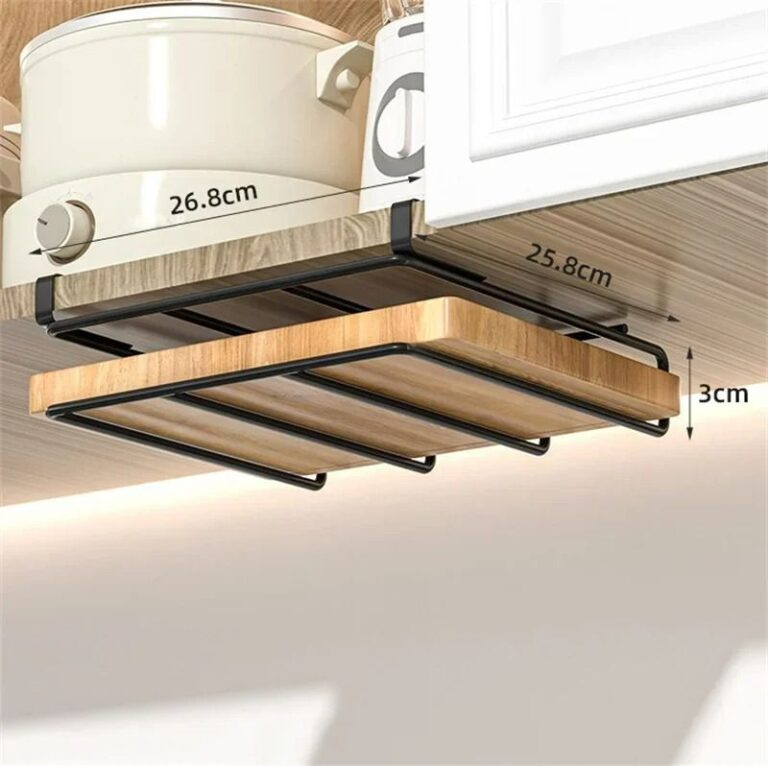 Aisha's pickSteel Office Storage Cabinets That Make a Room Feel Finished
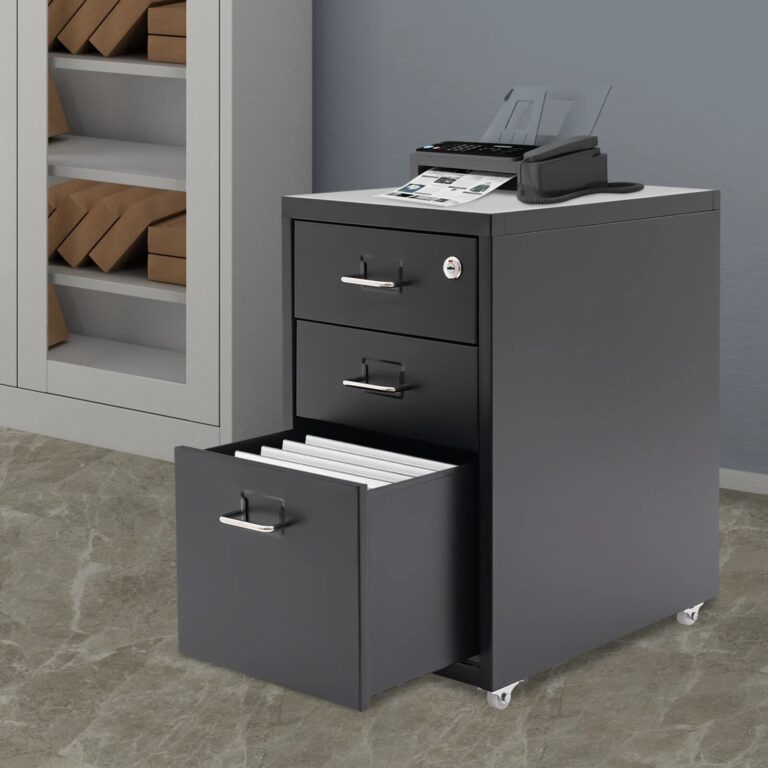
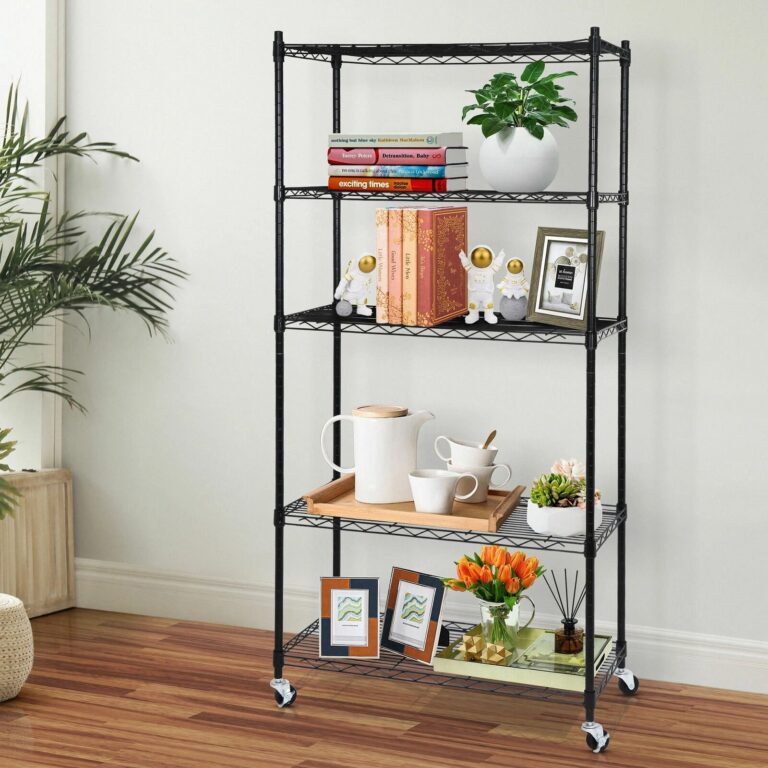 Aisha's pickSteel Shelving Units for the Bits That Never Have a Home
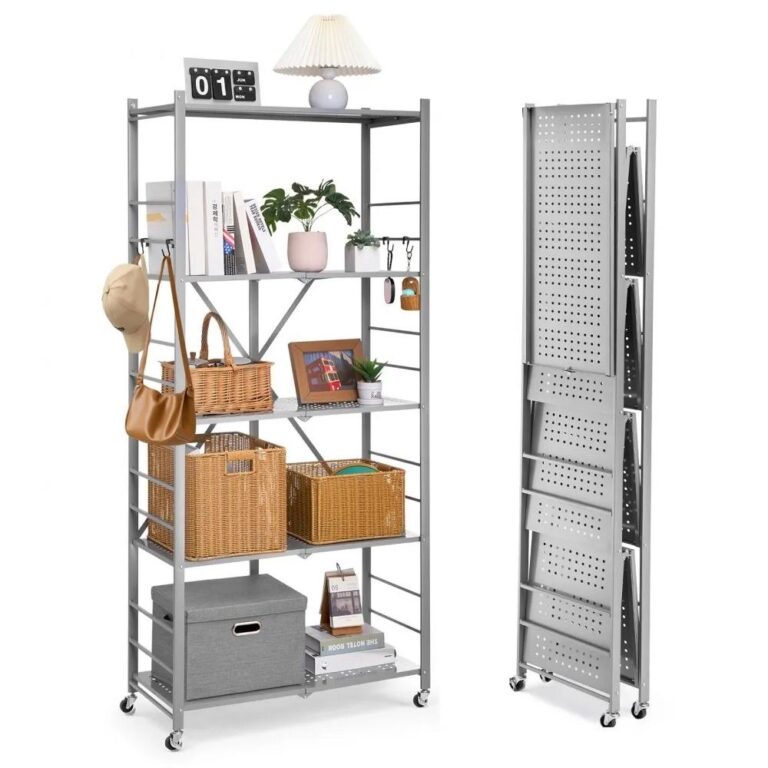
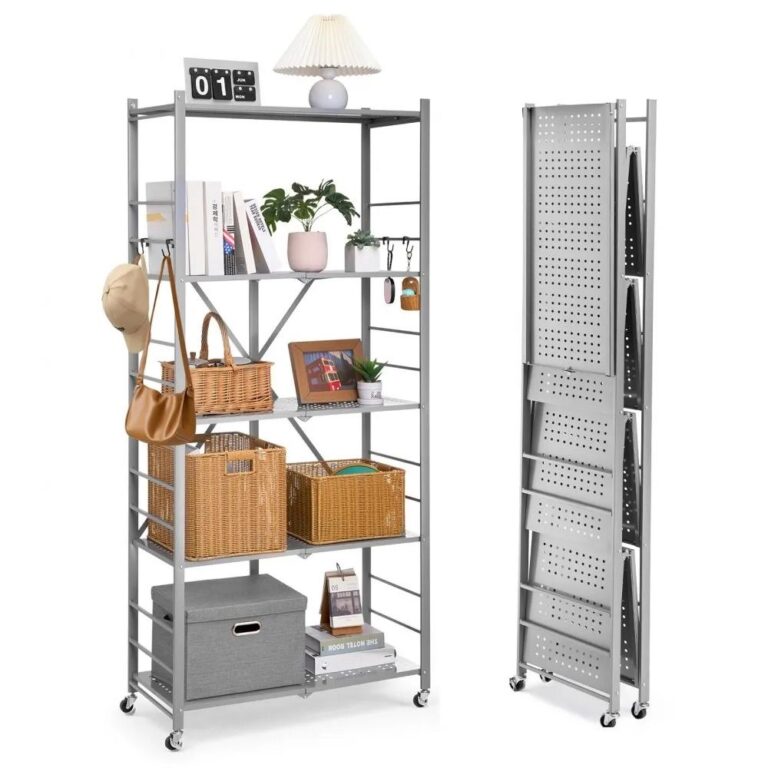 Aisha's pickSteel Shelving Units with Shelves That Squeeze Into Awkward Corners
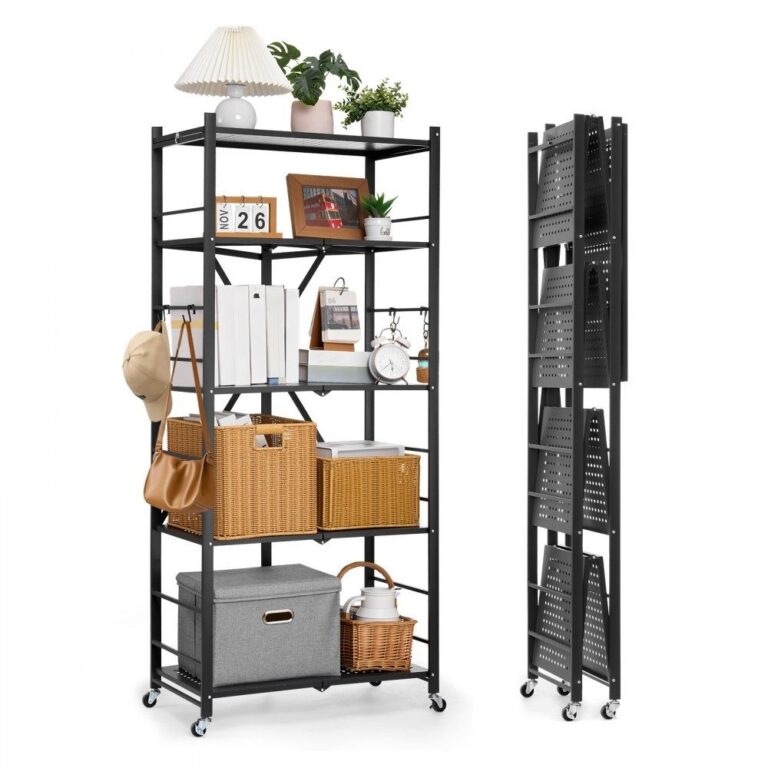
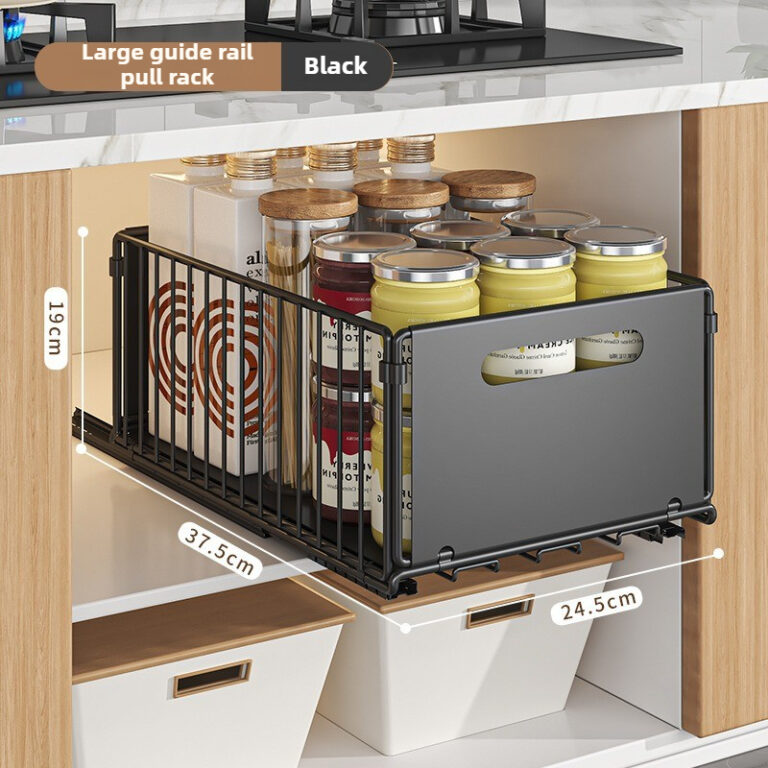 Aisha's pickSteel Storage Cabinets Picked by People Who Care Too Much
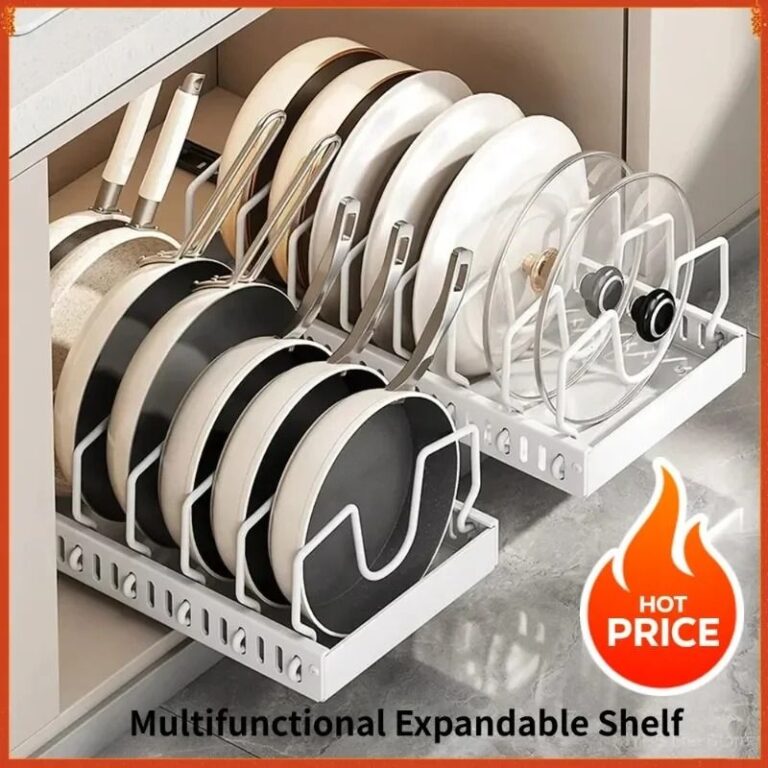
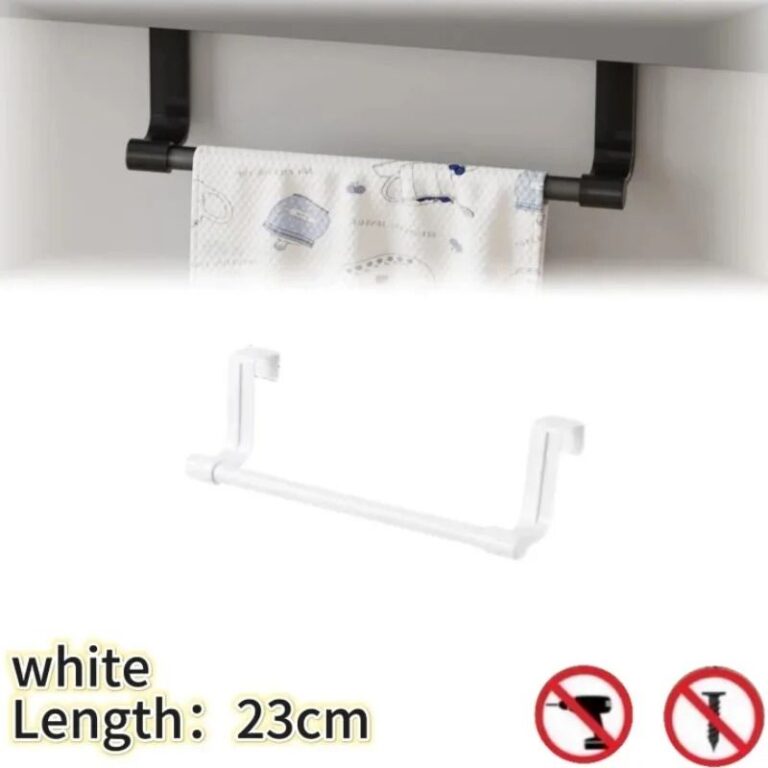 Aisha's pickSteel Storage Cabinets with Doors That Make Rented Places Feel Like Home
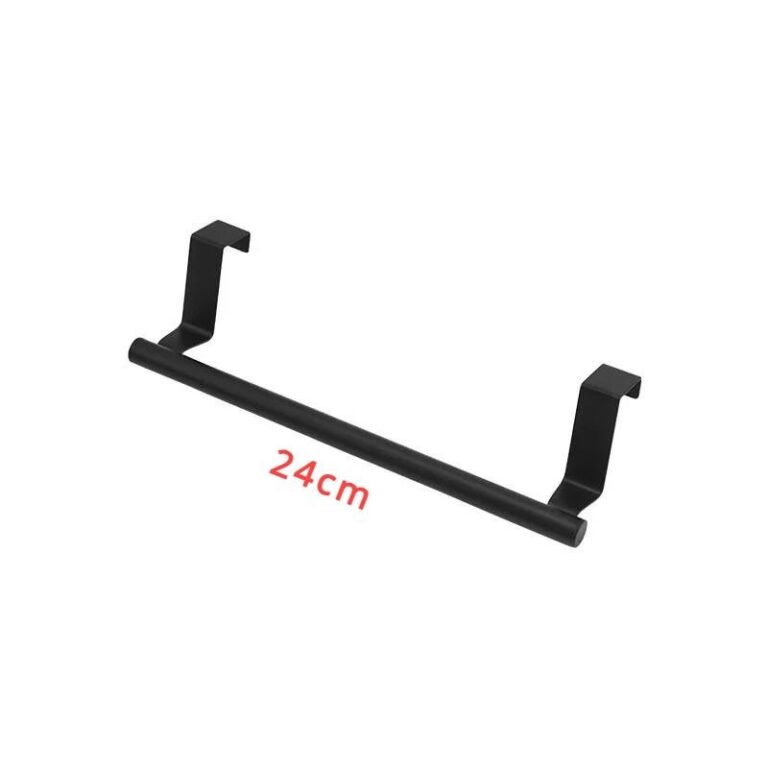
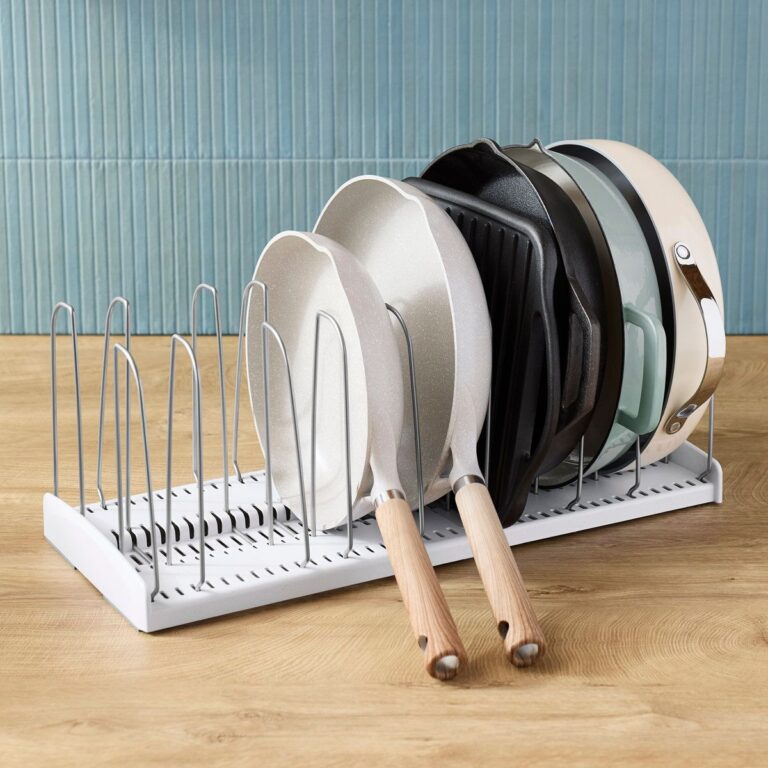 Aisha's pickSteel Storage Cabinets with Drawers That Hold Up to Everyday LifeAlso worth a lookStorage CabinetsThe hallway closet in my first apartment had exactly one shelf and a bar for coats, and every…See the collections →
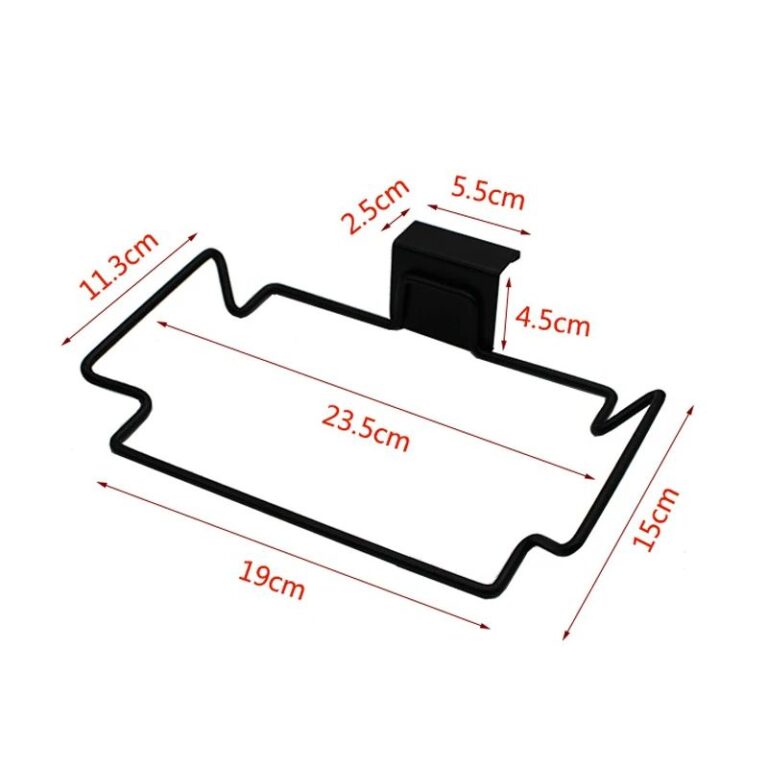
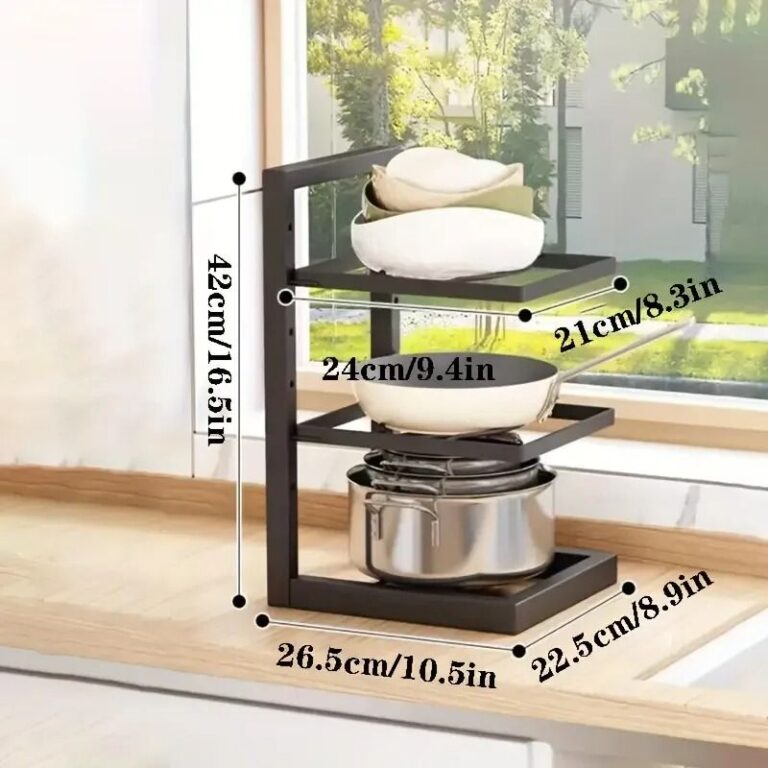 Aisha's pickNo Fuss Extra Large Steel Storage Cabinets
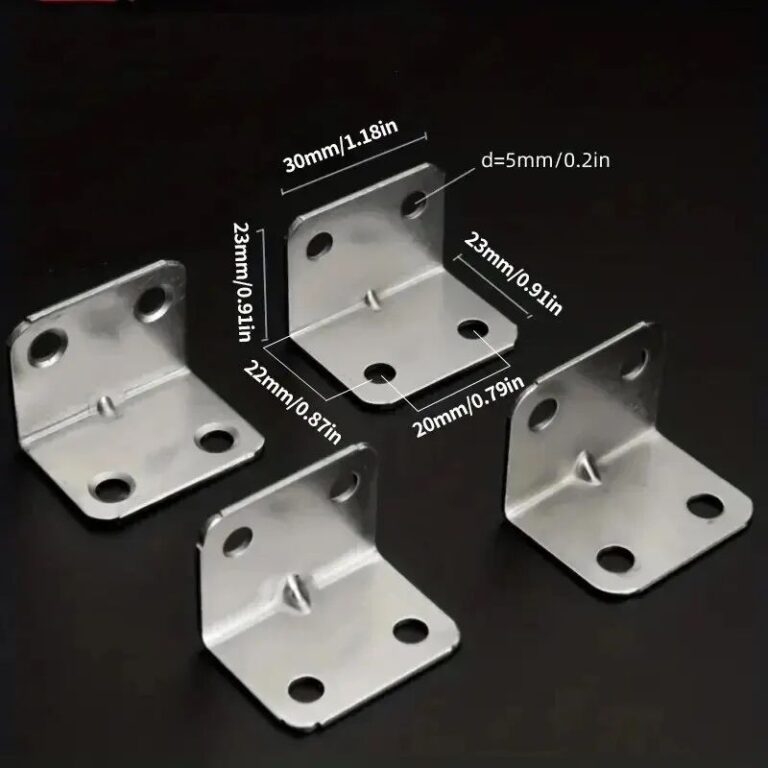
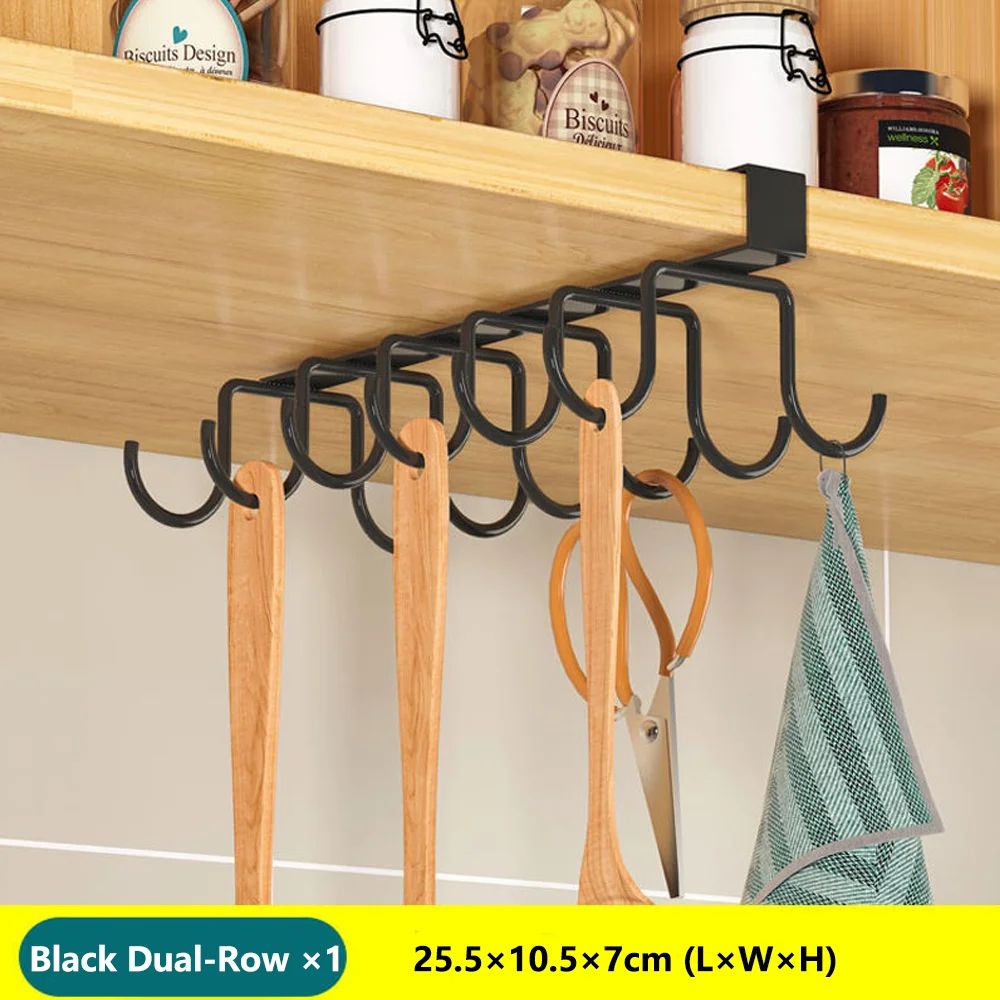 Aisha's pickSteel Storage Cabinets with Shelves That Look Good Even When Full
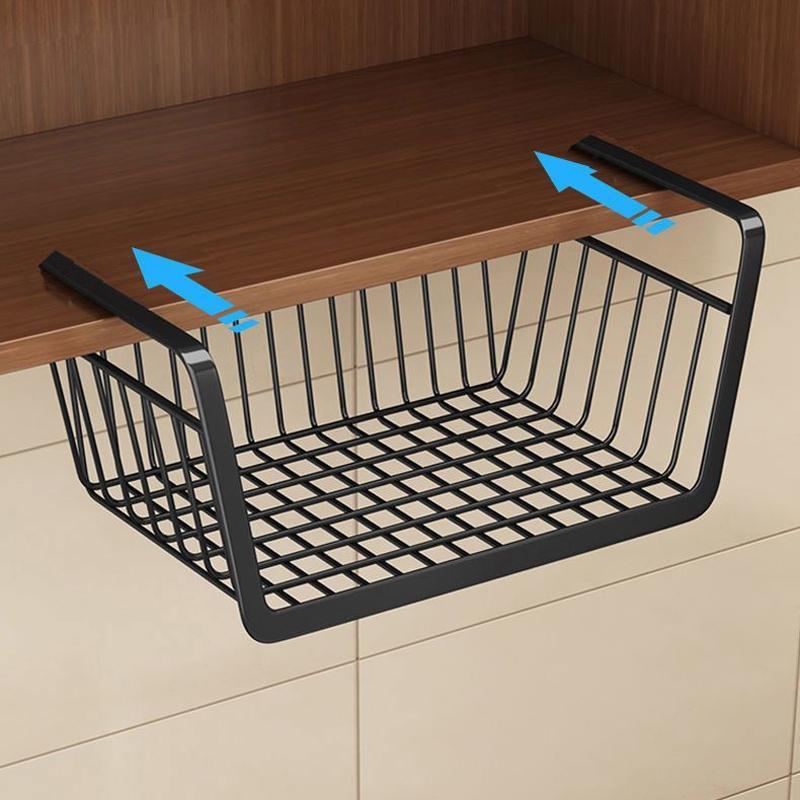
 Aisha's pickLarge Steel Storage Cabinets That Sort Out the Chaos

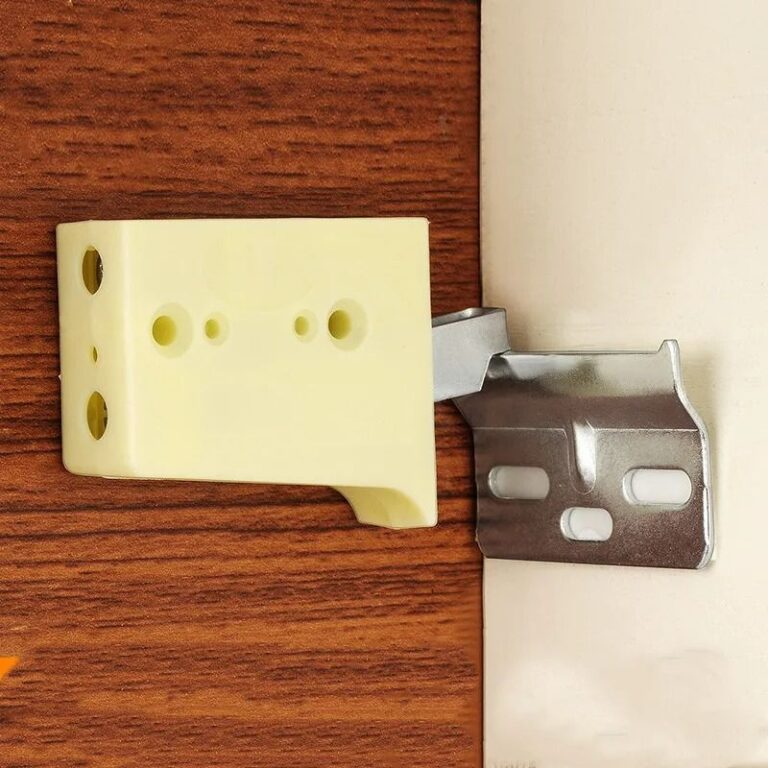 Aisha's pickSteel Storage Cupboards We Wish We’d Bought Sooner
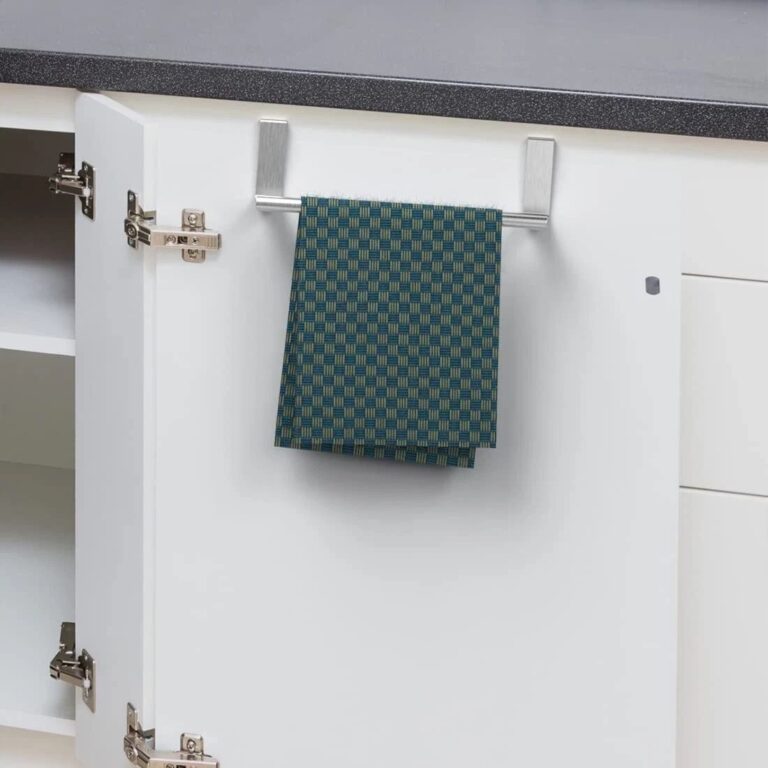
 Aisha's pickLarge Steel Storage Units for the Bits That Never Have a Home

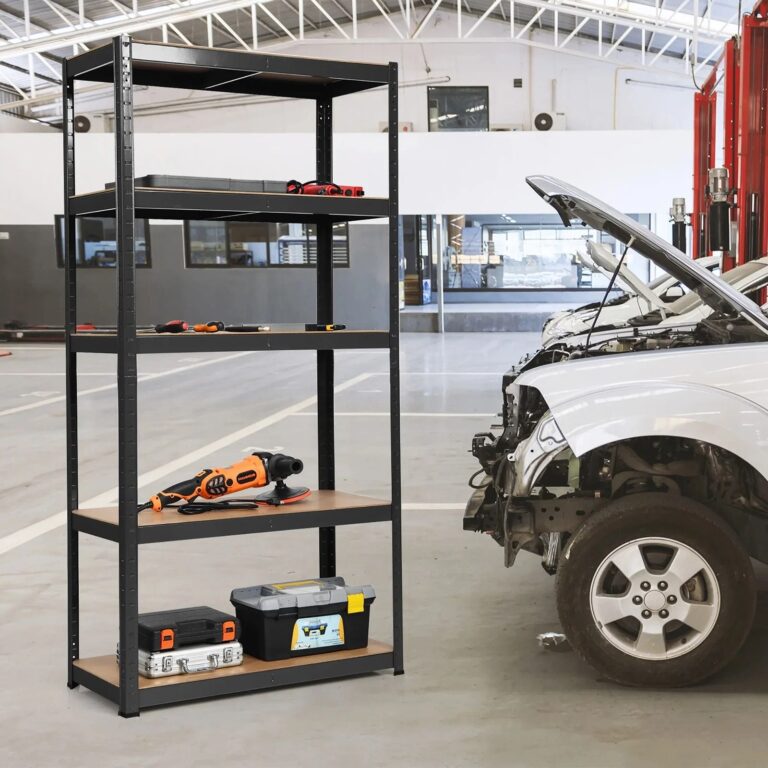 Aisha's pickSteel Storage Units With Room for More Than You’d Think
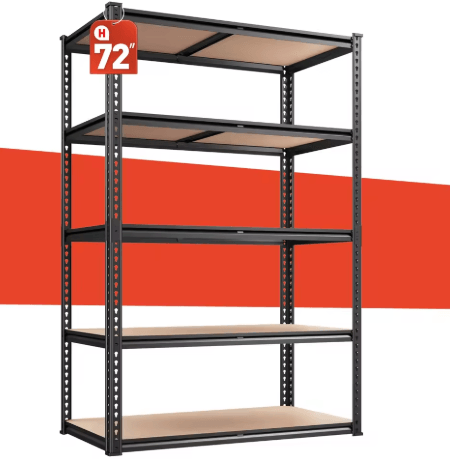
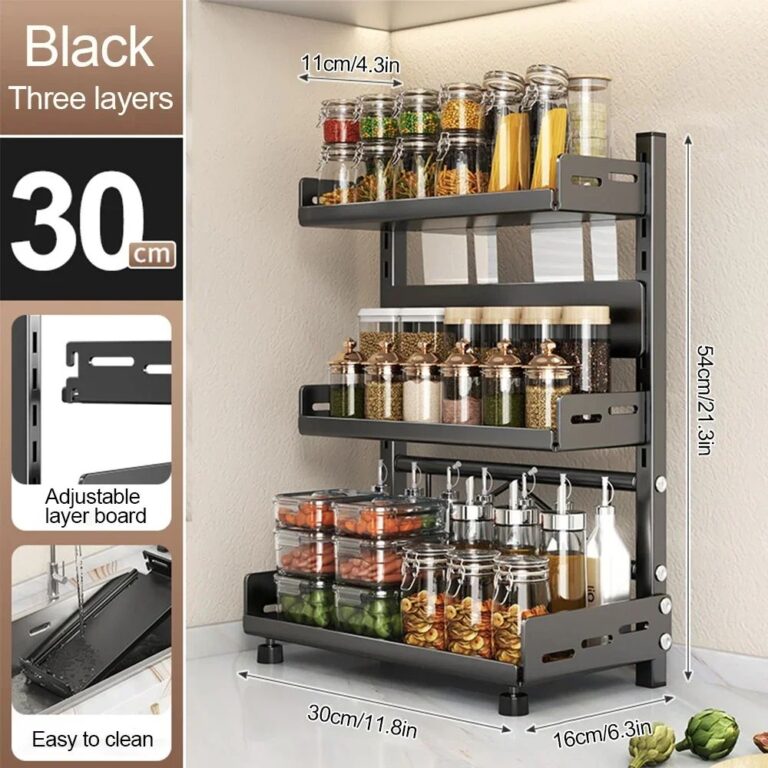 Aisha's pickSmall Steel Storage Cabinets for When the Old Ones Give Up
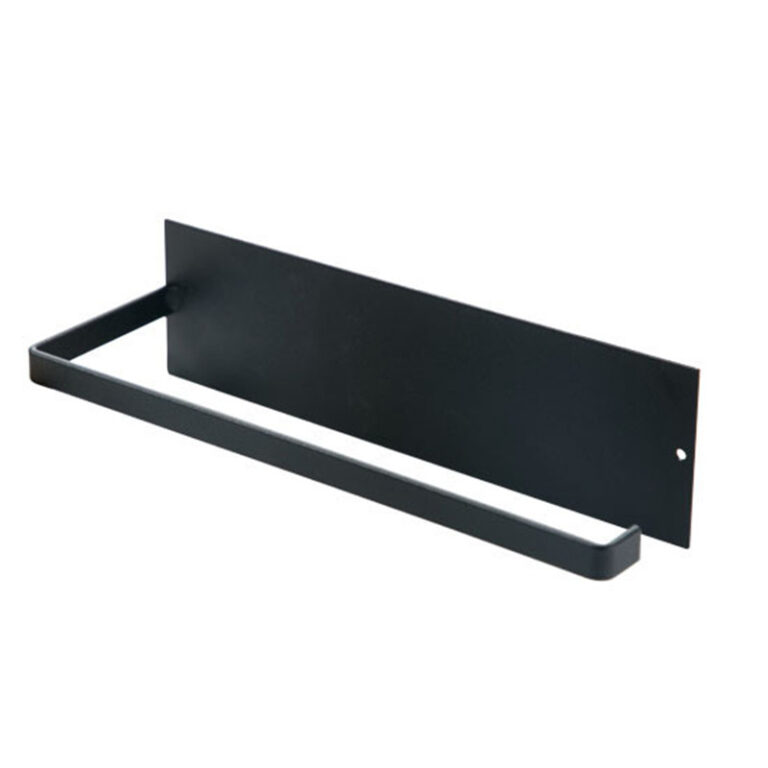
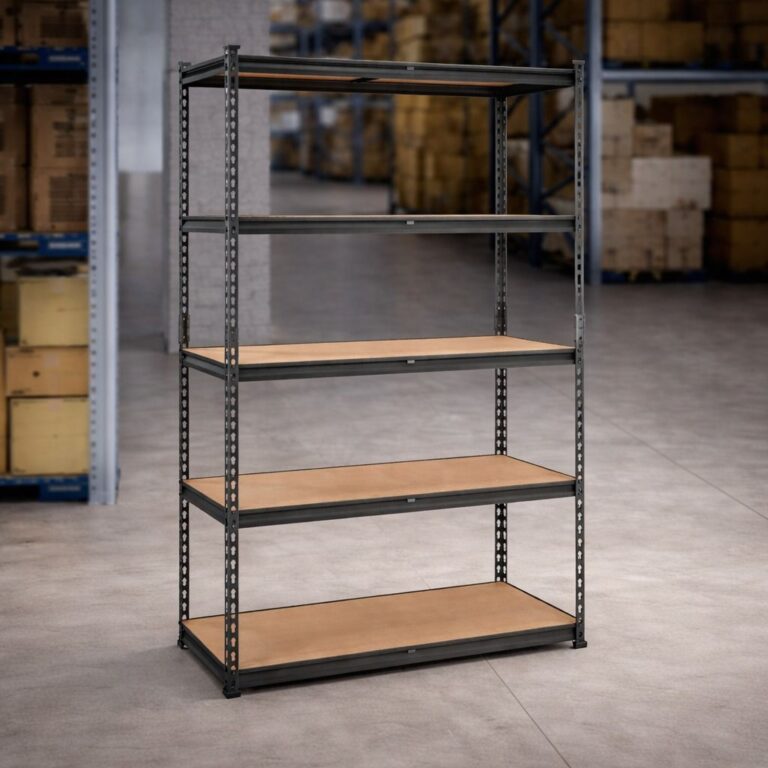 Aisha's pickSteel Storage Units with Shelves That Hide the Mess for Good
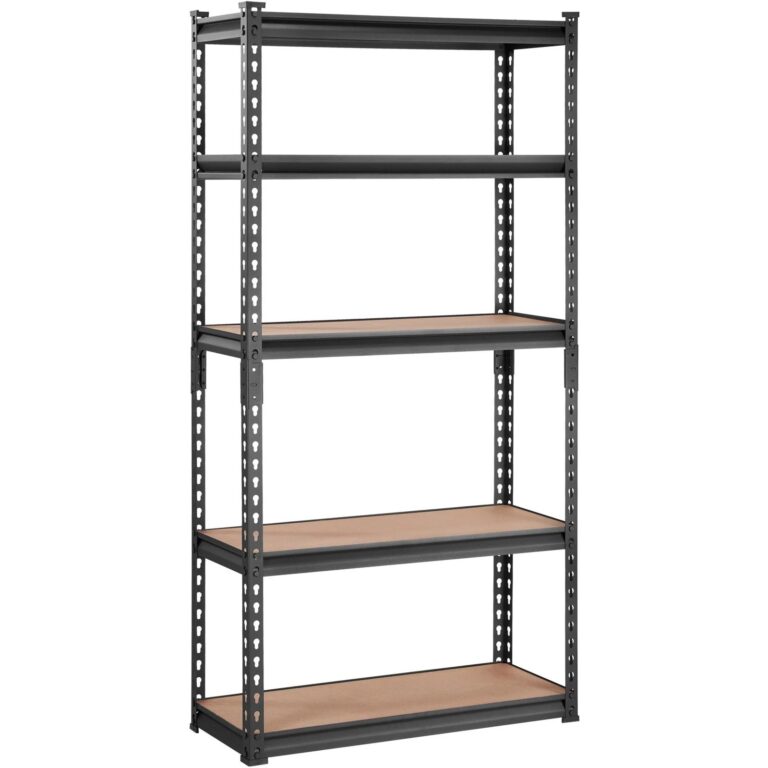
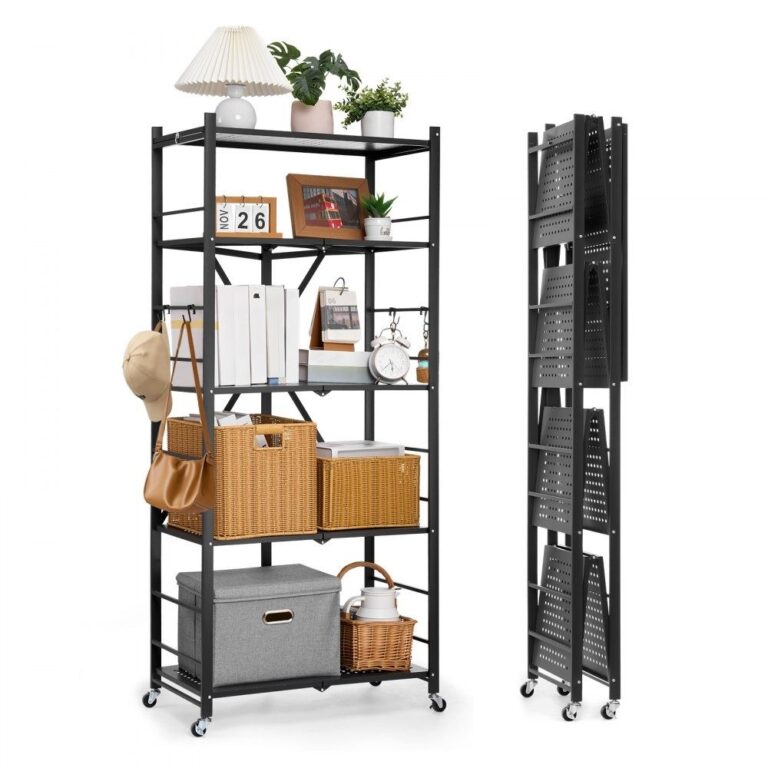 Aisha's pickSmall Steel Storage Units That Don’t Need BabyingAlso worth a lookOffice CabinetsBefore you buy anything, measure your doorways, not just the room.See the collections →
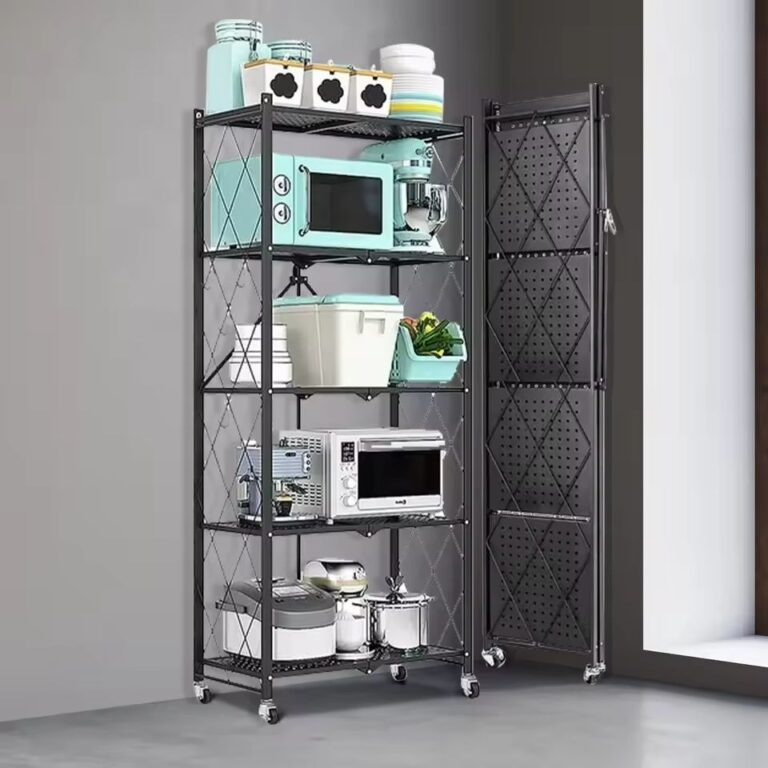
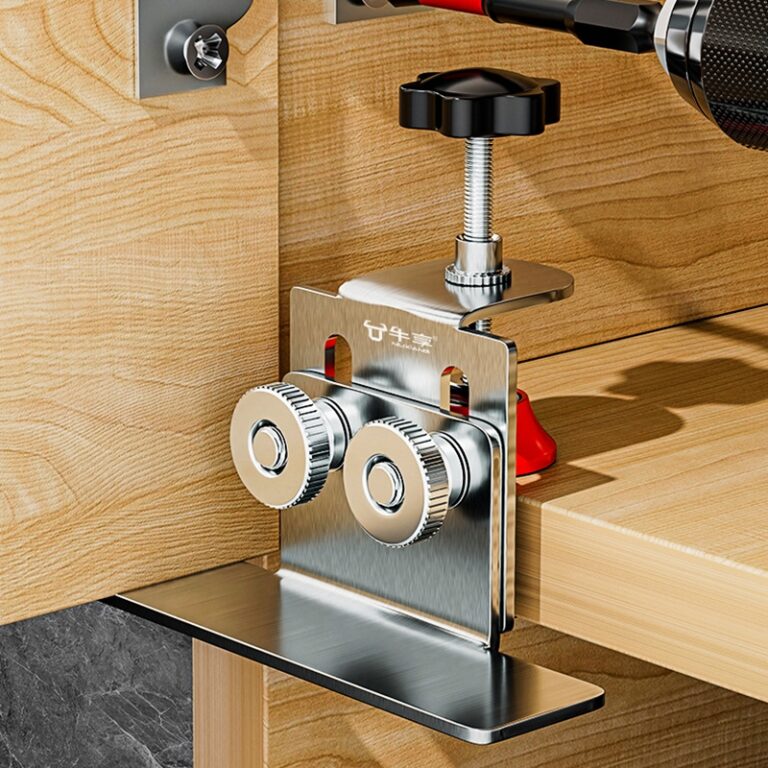 Aisha's pickShopping for Steel Tool Cabinets? Start Here