Stand in front of one of these in a showroom and the first thing to check is the door swing, not the finish. Open both doors all the way and picture where that cabinet actually goes at home, because a foot and a half of clearance looks generous in a shop aisle and disappears fast in a mudroom or a narrow hallway.
Metal cabinets sit well against things you already own without much fuss, which is part of why they work in ordinary rooms. Put one next to a wood dresser or a fabric sofa and the contrast does more for the room than matching ever would. They look at home in a laundry room beside a washer and dryer, in a garage corner where everything else is plastic bins, in a home office next to a plain desk, or along a kitchen wall under open shelving. The metal reads as a bit industrial, a bit utilitarian, and that plainness is useful, it doesn't ask the rest of the room to dress up to match it. If you've got none yet, start with a plain two door storage cabinet in a single flat color, white, black or a muted gray, rather than anything with a locker look or a bold patterned front. It's the one that goes anywhere first, and you can always add a louder piece once you know how you actually use it.
Measuring is where most of the disappointment happens, and it's rarely about the width. People measure the wall and forget the door swing, the drawer pull sticking out, or the ceiling height if there's a light fixture or a sloped roof above it. Measure the full footprint with doors open, measure the path it has to travel through doorways and around corners to get there, not just the final spot, and leave at least a few inches of breathing room on either side so it doesn't look jammed into a gap. A common mistake is buying one scaled for a showroom, where everything looks smaller because the ceilings are tall and the space is open. In a regular room with an eight foot ceiling, a cabinet that looked modest in the shop can suddenly dominate a wall.
On delivery day, check the doors actually sit flush and close without catching, run a hand along the edges for sharp corners or rough welds, and make sure any shelves inside are adjustable rather than fixed at a height that won't suit what you're storing. Check the base too, metal cabinets can rock on an uneven floor more than wood ones do.
If I were placing the first one, I'd put it in the laundry room.
 Aisha's pickMetal Display Cabinets That Hide the Mess for Good

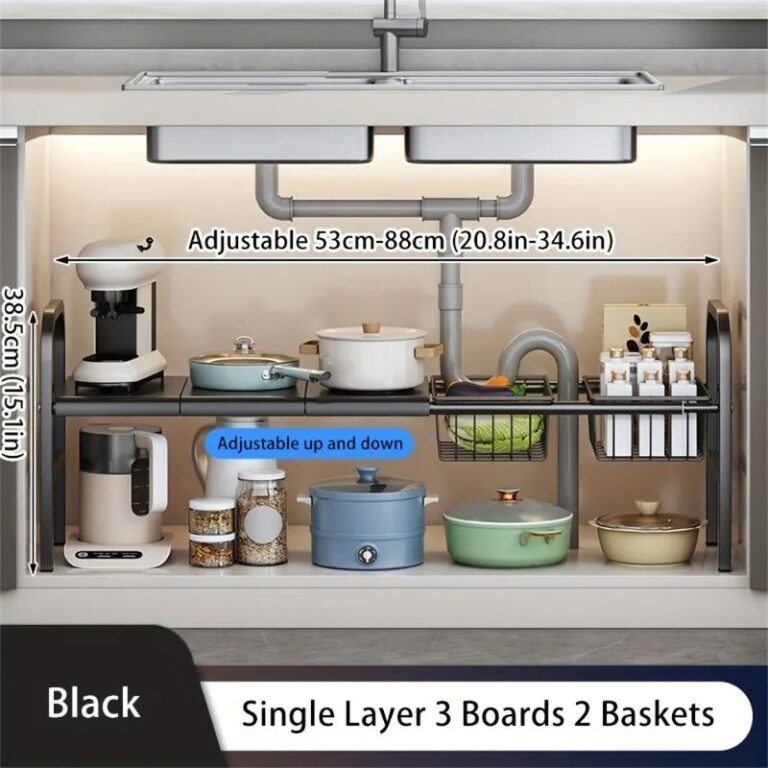 Aisha's pickSmall Metal Storage Cabinets Worth Knowing About
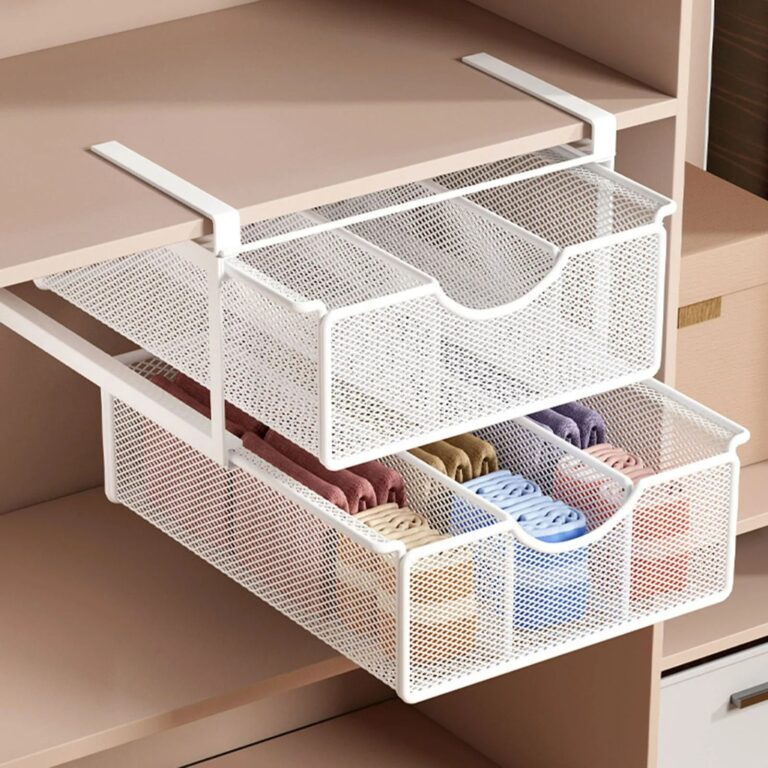
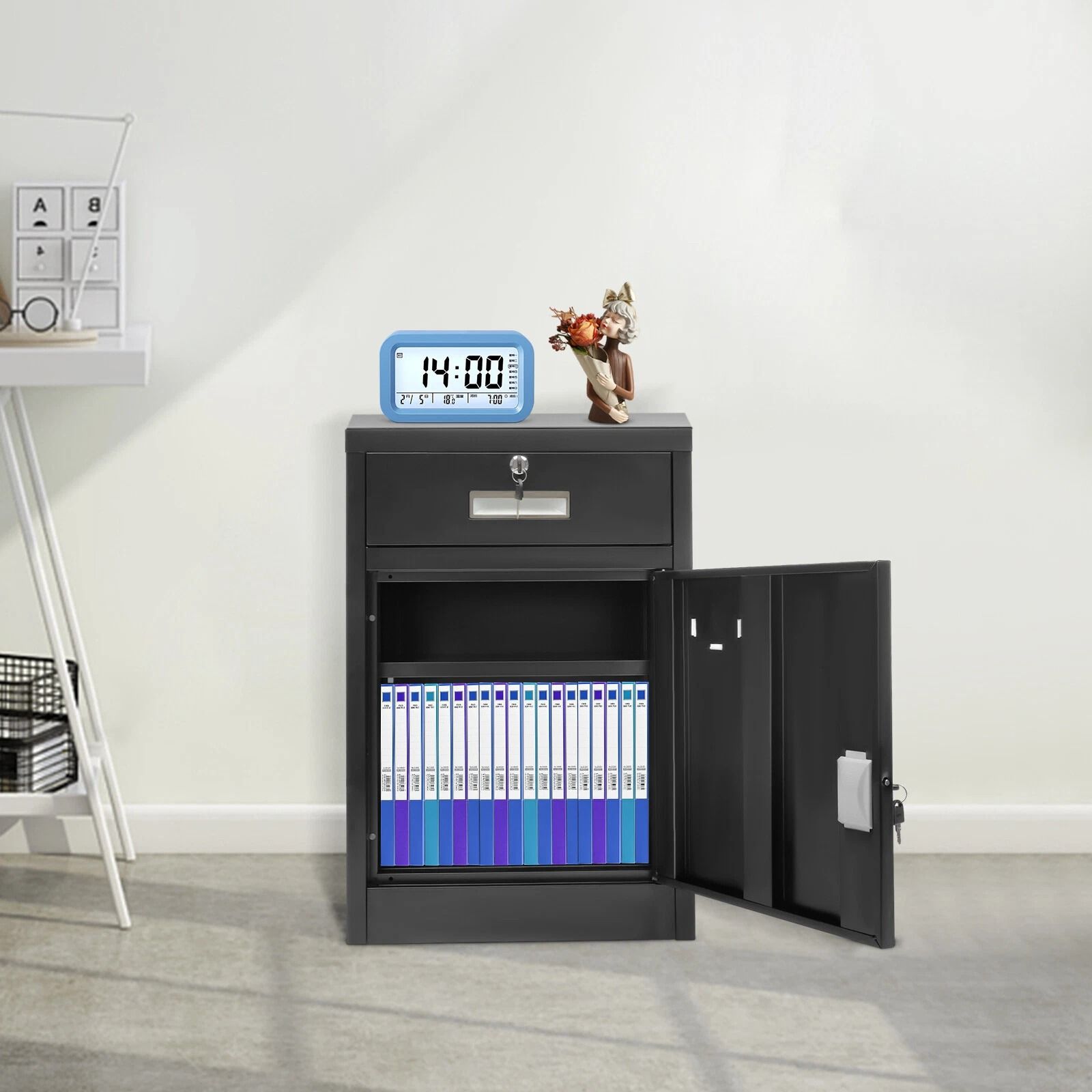 Aisha's pickMetal File Cabinets With Room for More Than You’d Think

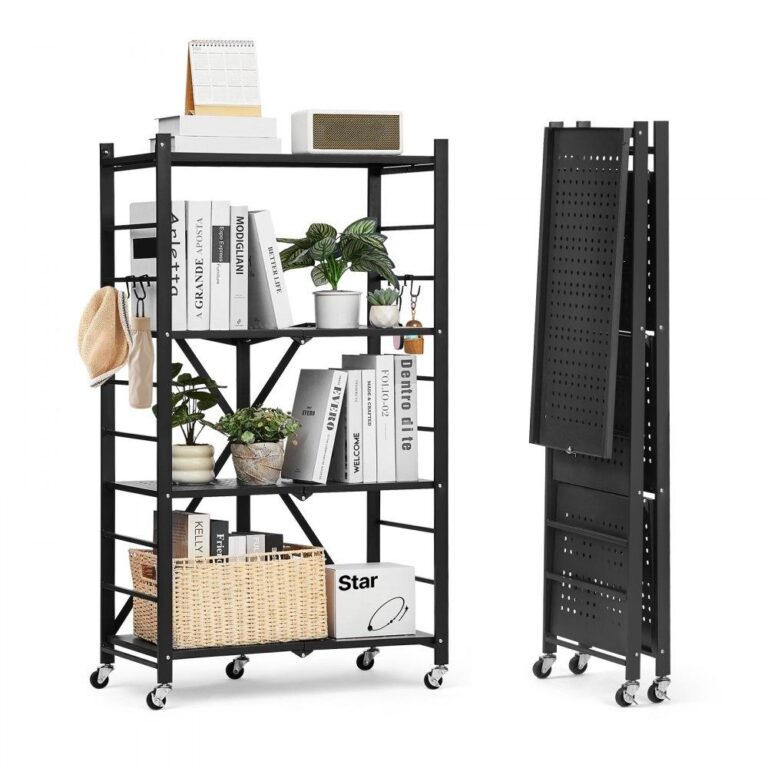 Aisha's pickSmall Metal Storage Units That Look Better in Real Life
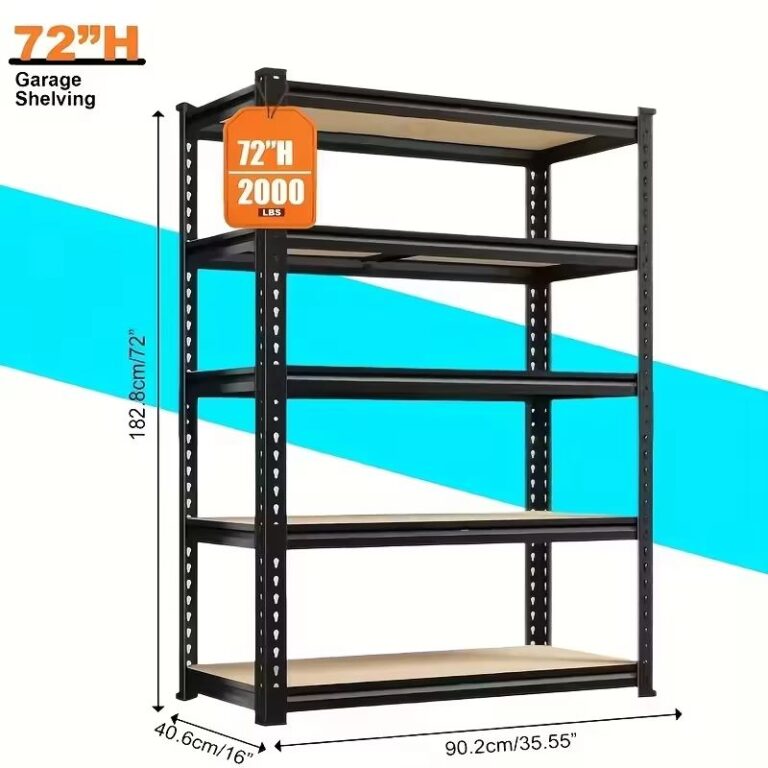
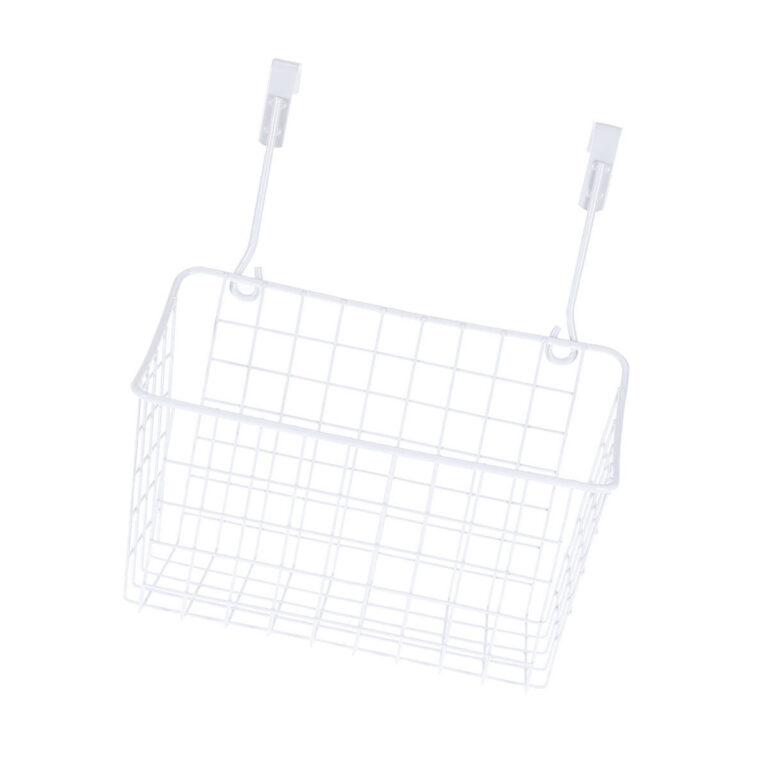 Aisha's pickMetal Filing Cabinets That Make Small Changes Feel Big
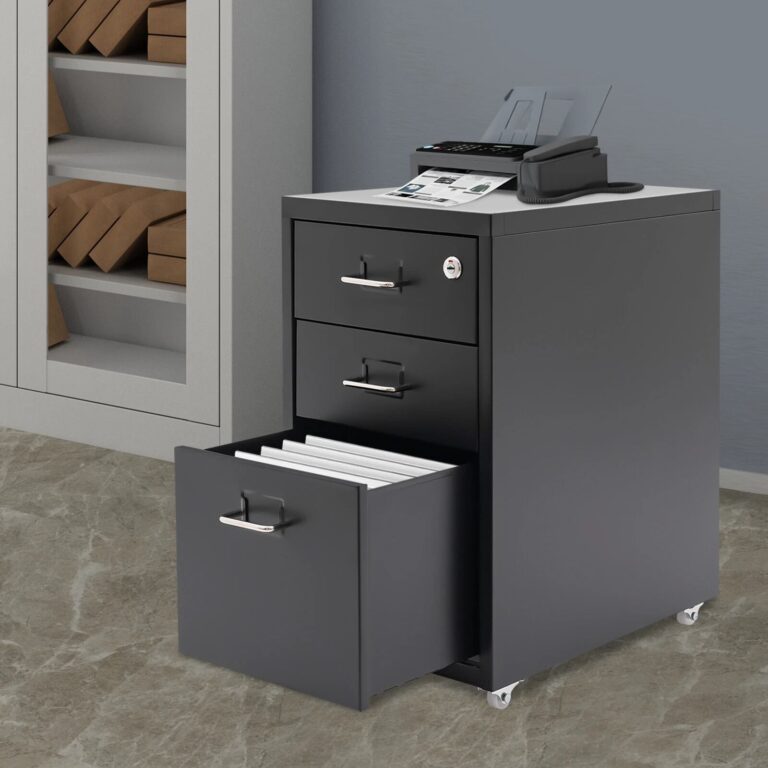
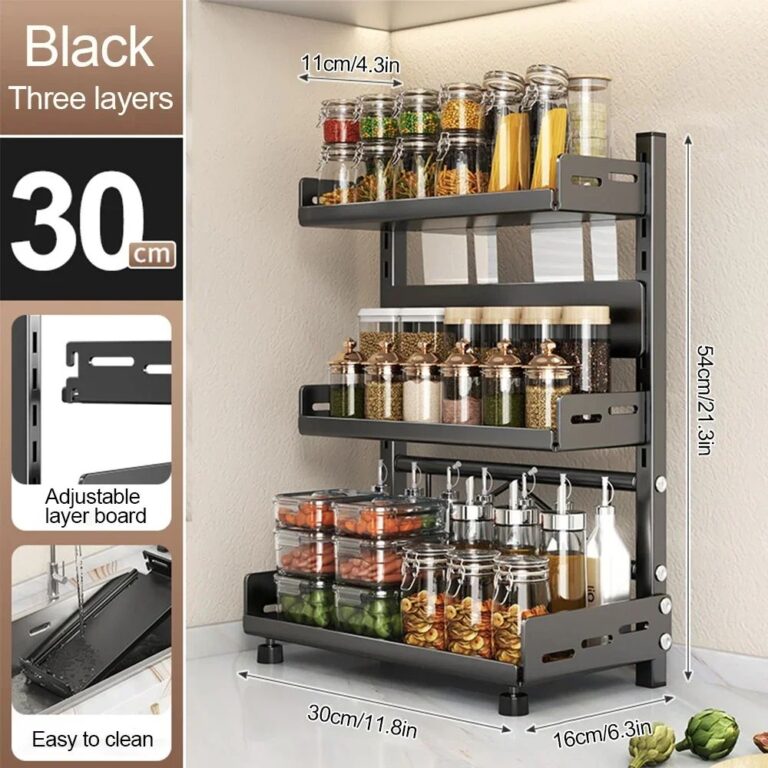 Aisha's pickSmall Steel Storage Cabinets for When the Old Ones Give Up
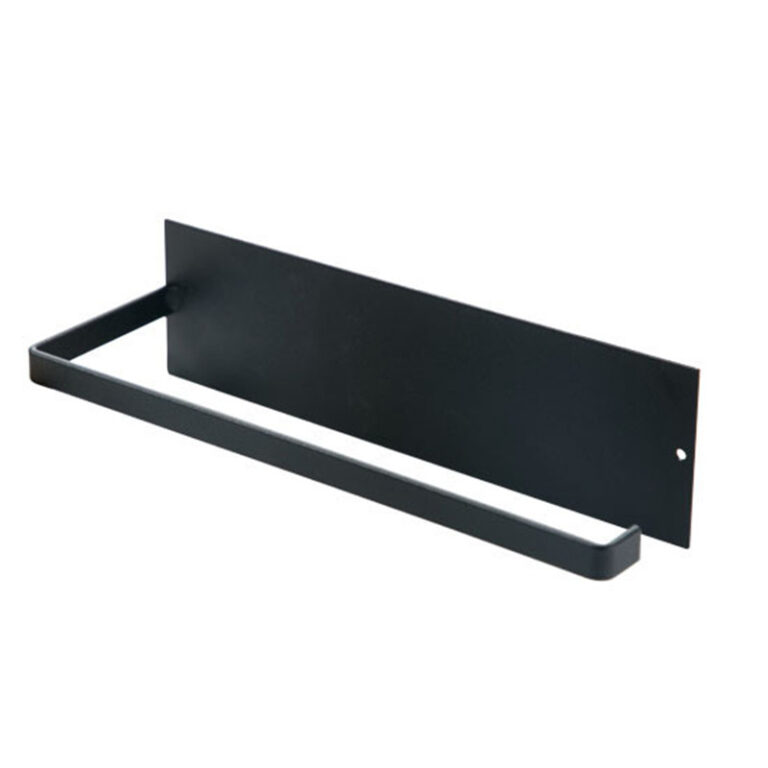
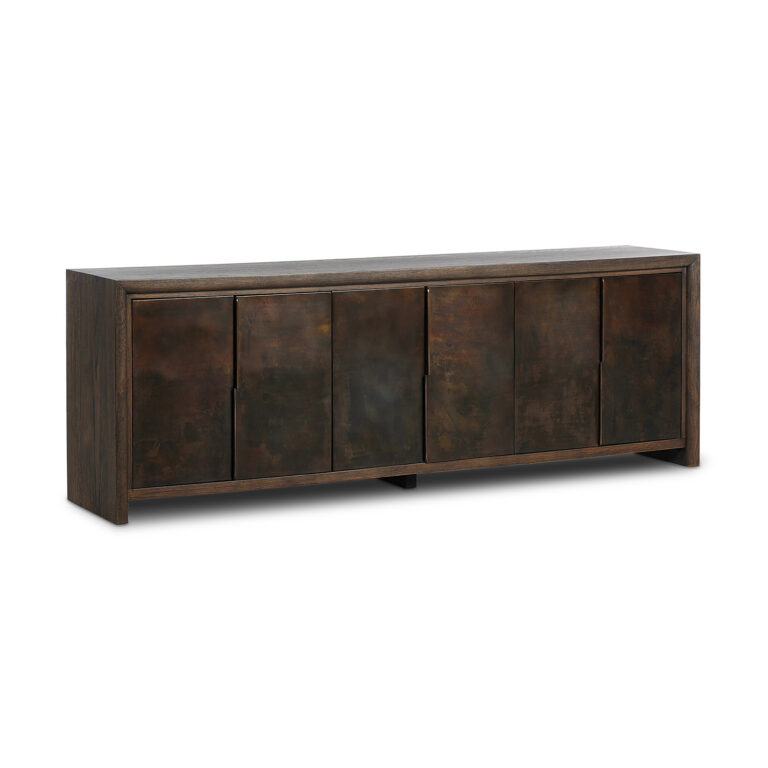 Aisha's pickMetal Sideboards That Make Tidying Up Quicker
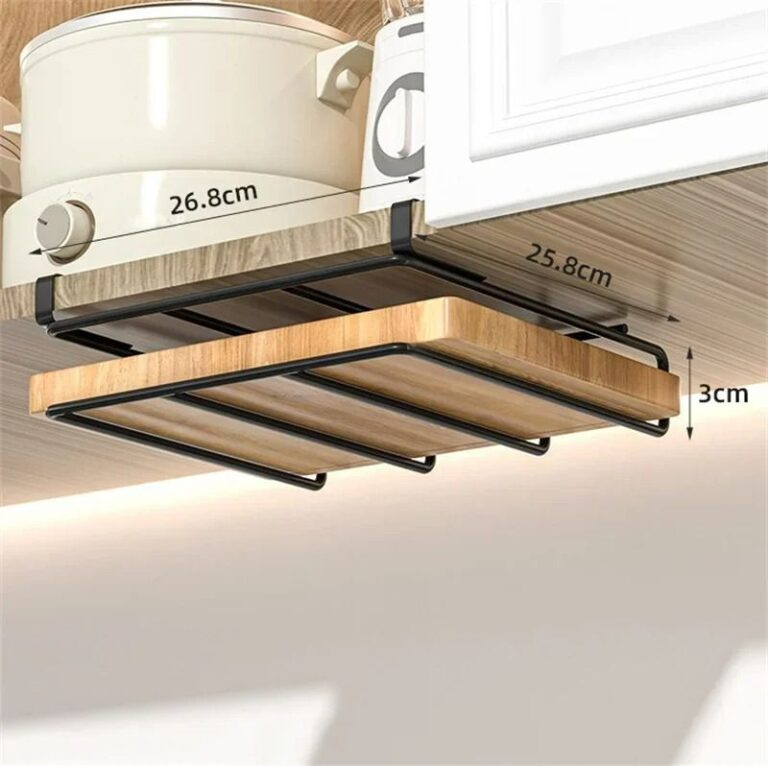 Aisha's pickSteel Office Storage Cabinets That Make a Room Feel Finished
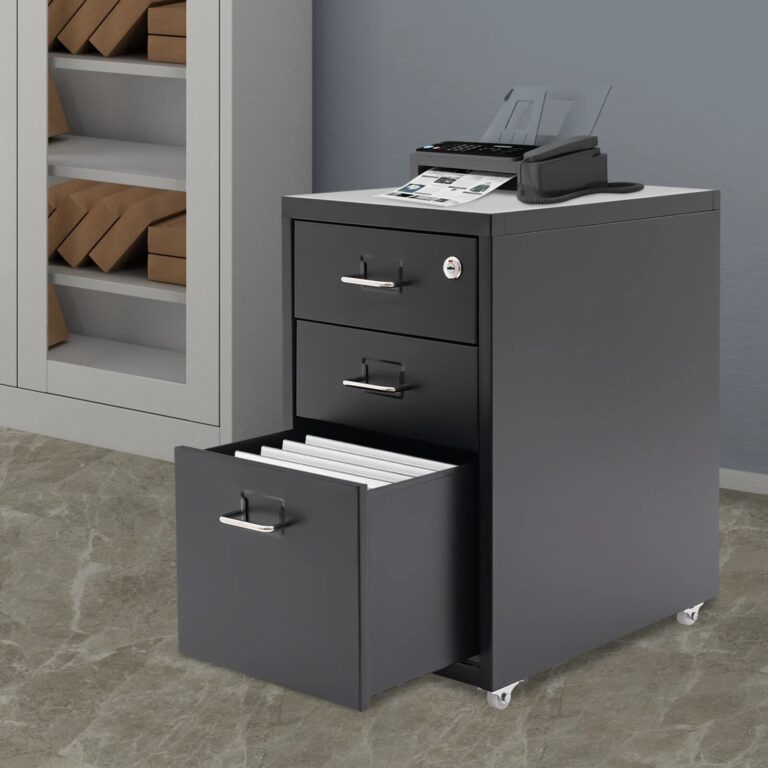
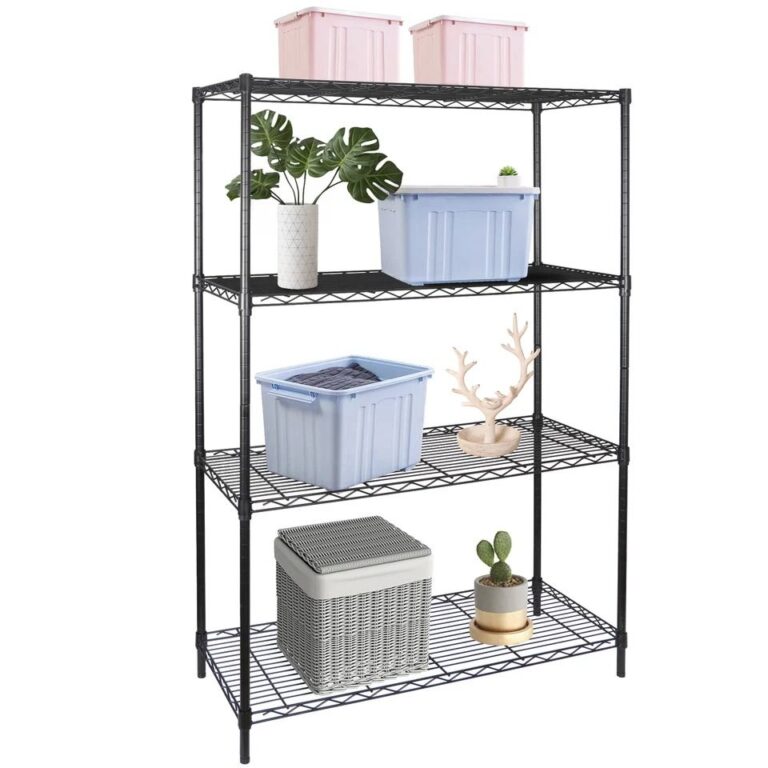 Aisha's pickBlack Metal Storage Units That Don’t Shout About ItAlso worth a lookMetal Storage CabinetsA metal storage cabinet should look like furniture, not like something that escaped a school gym.See the collections →
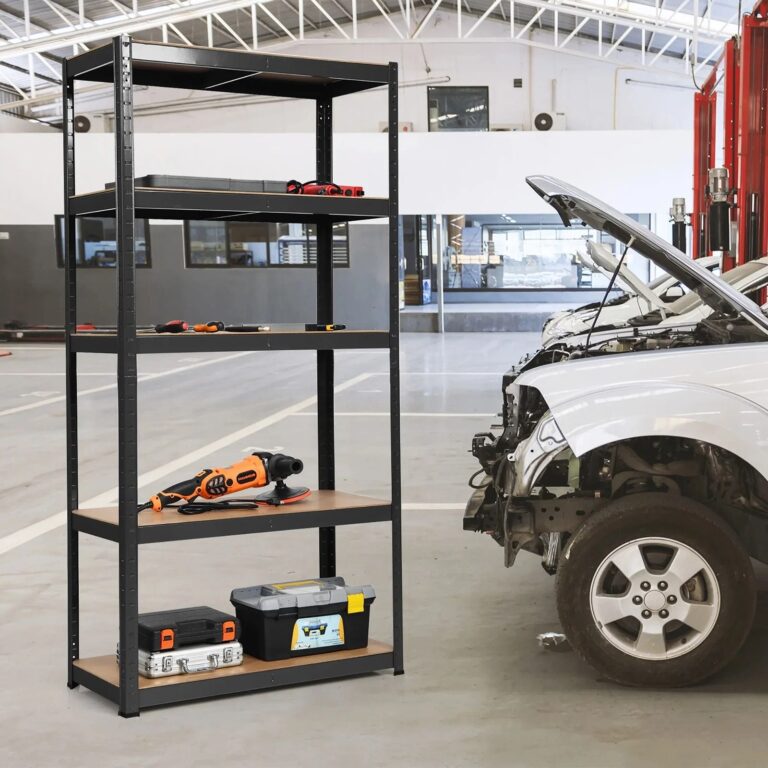
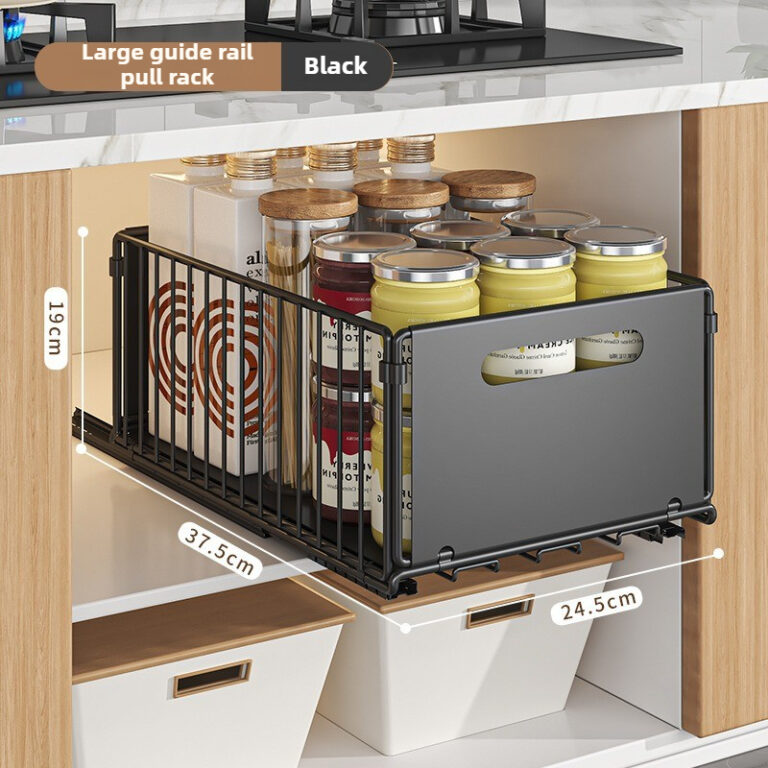 Aisha's pickSteel Storage Cabinets Picked by People Who Care Too Much
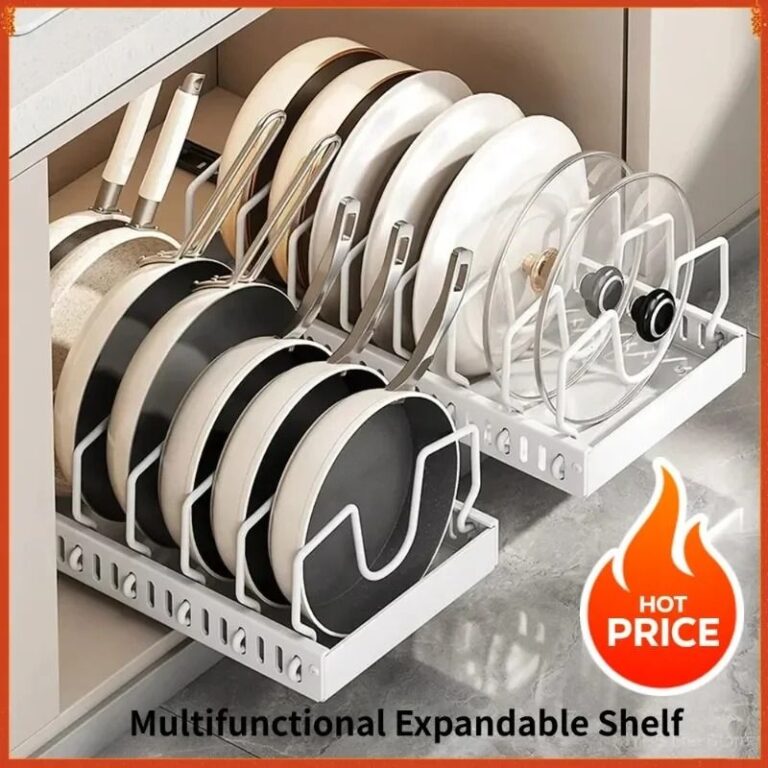
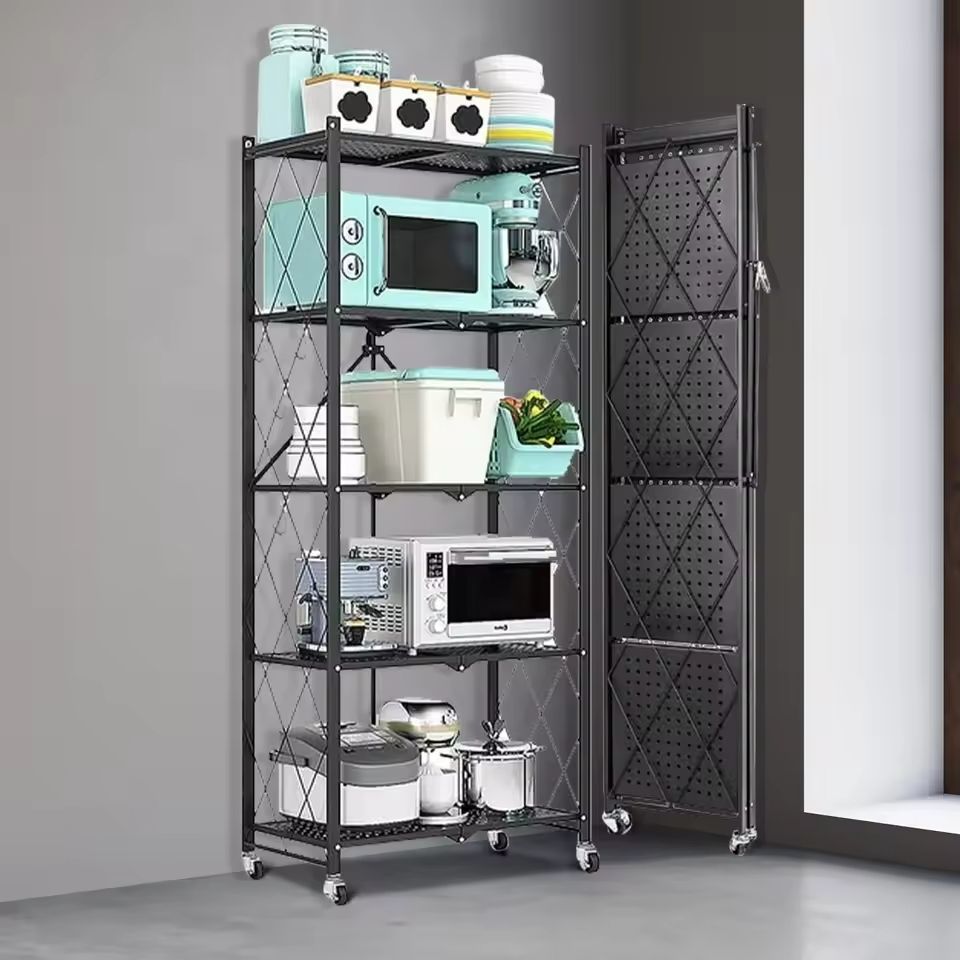 Aisha's pick5 Shelf Metal Shelving Units for Homes With Too Much Stuff
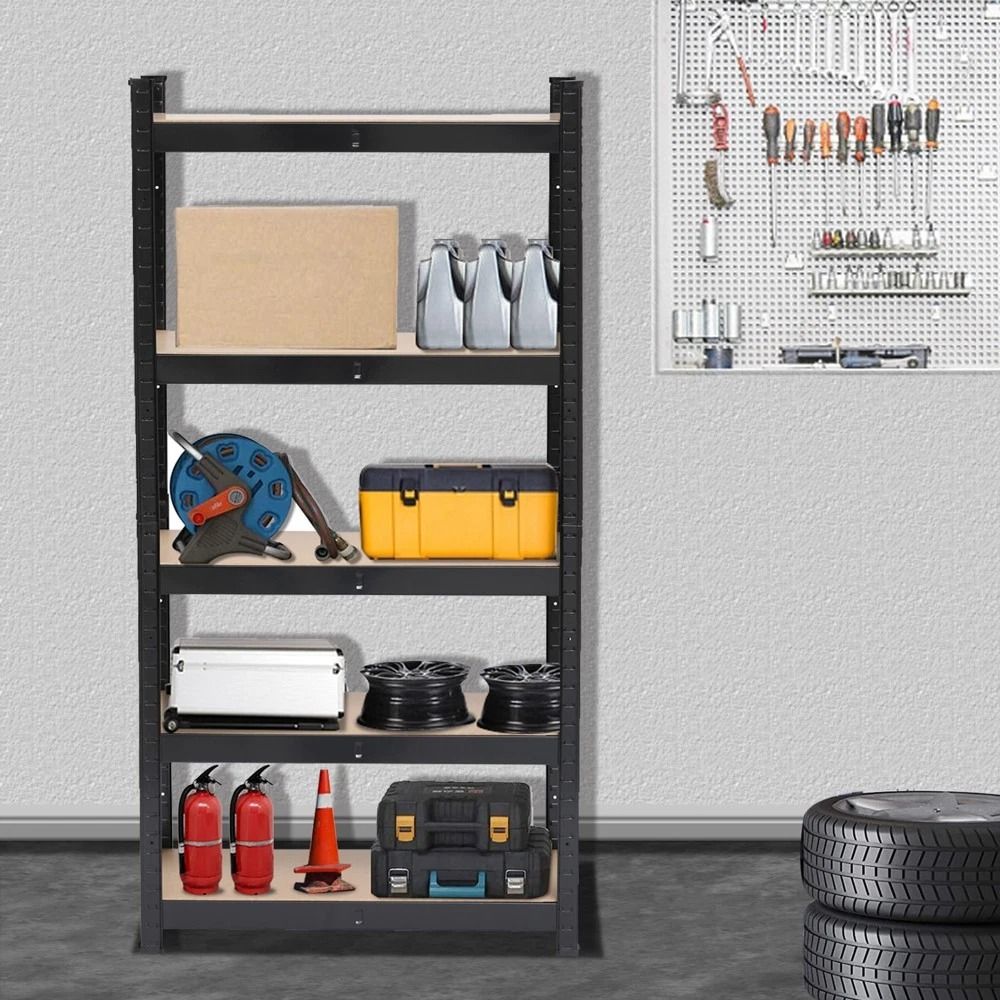
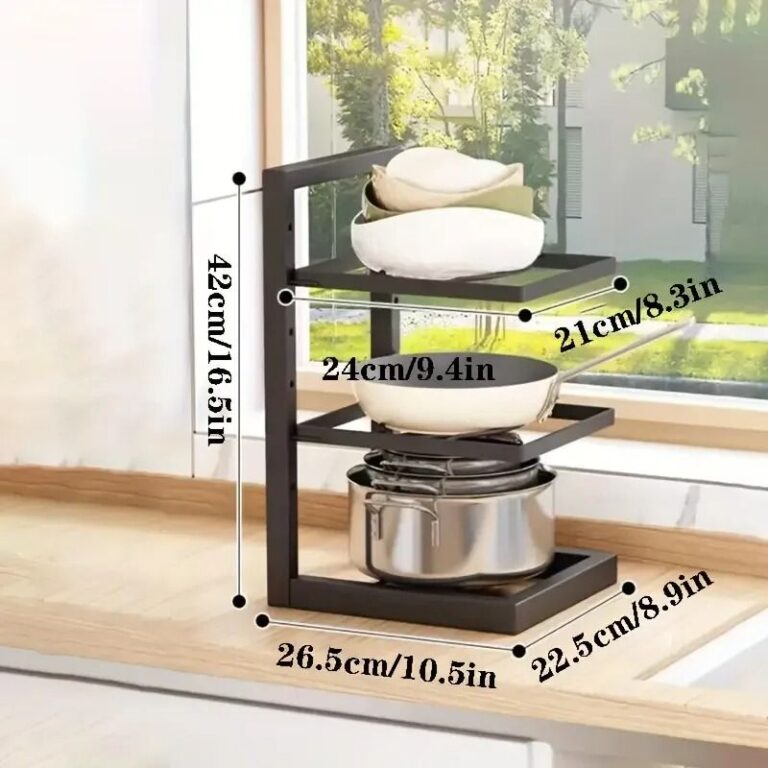 Aisha's pickNo Fuss Extra Large Steel Storage Cabinets
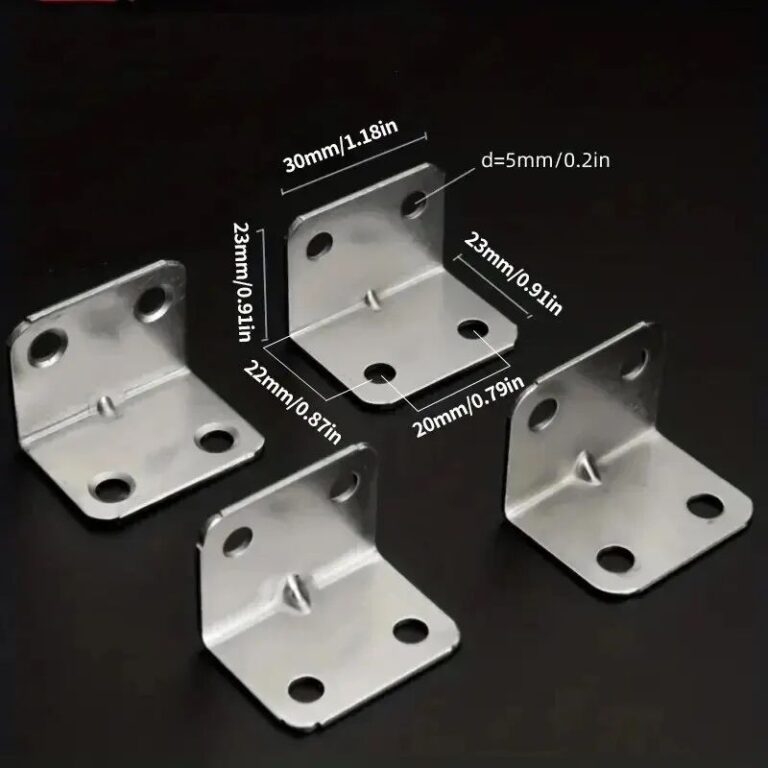
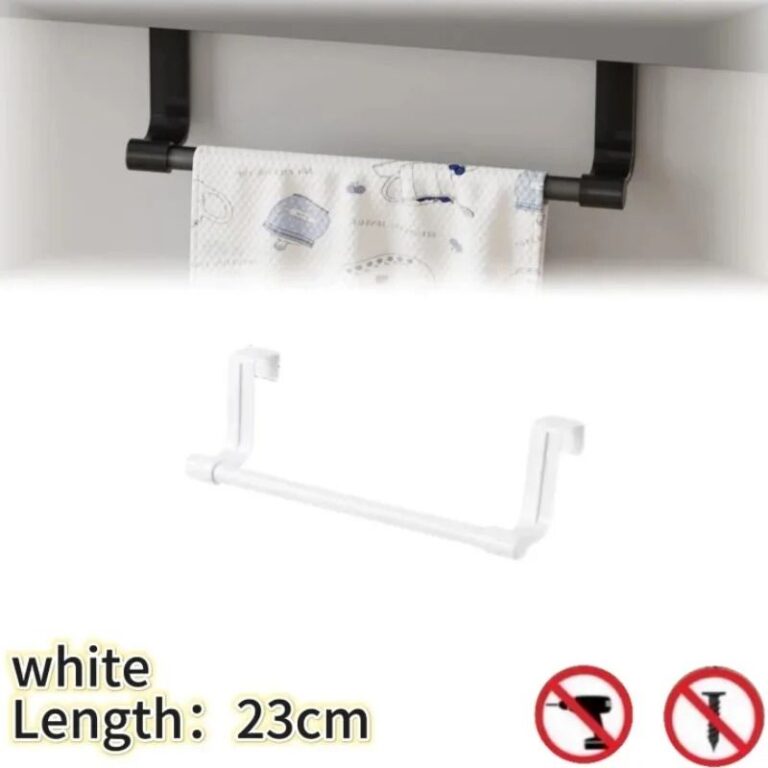 Aisha's pickSteel Storage Cabinets with Doors That Make Rented Places Feel Like Home
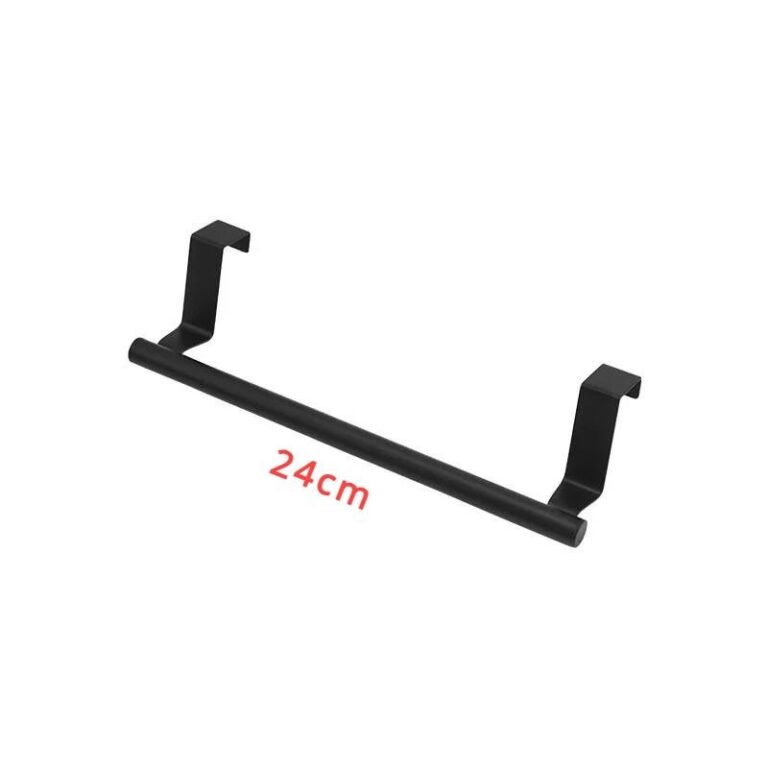
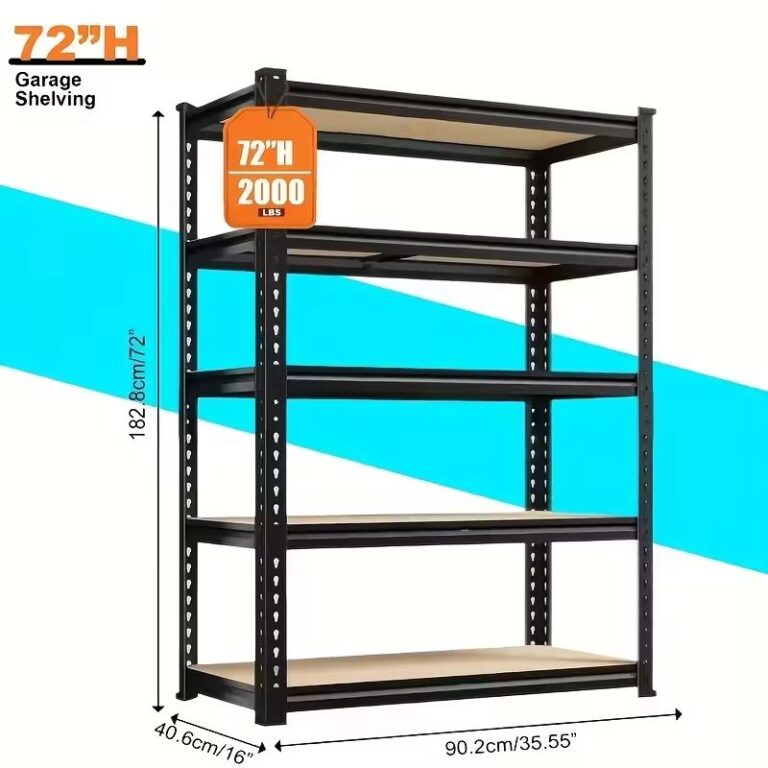 Aisha's pickAdjustable Metal Shelving Units Picked by People Who Care Too Much
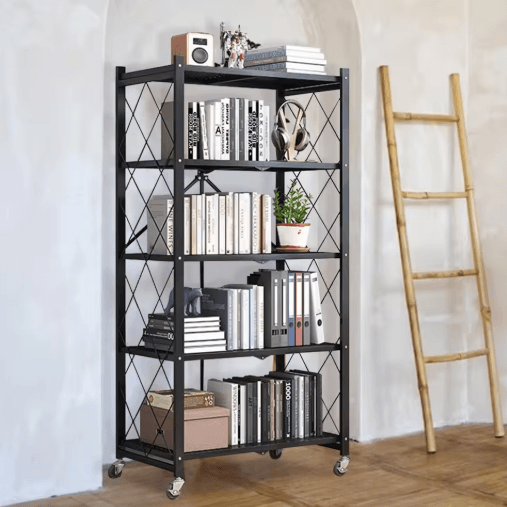
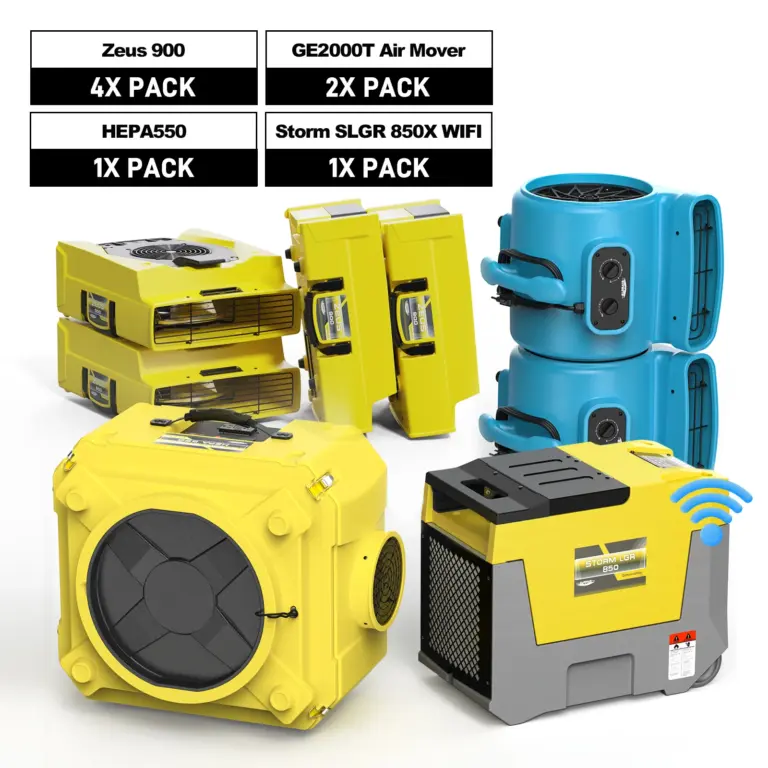 Aisha's pickLarge Metal Storage Units You’ll Still Like in Five Years
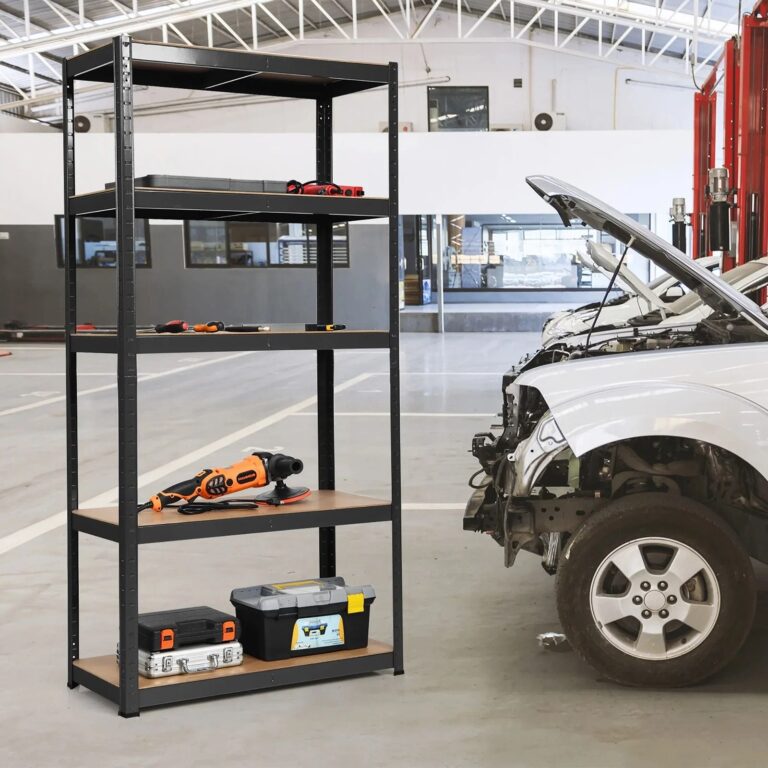
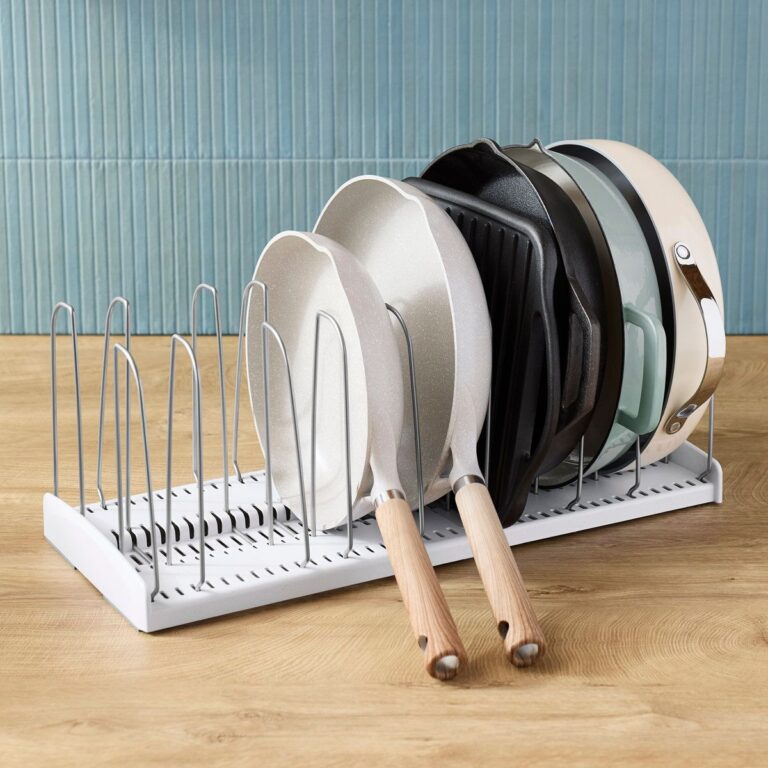 Aisha's pickSteel Storage Cabinets with Drawers That Hold Up to Everyday Life
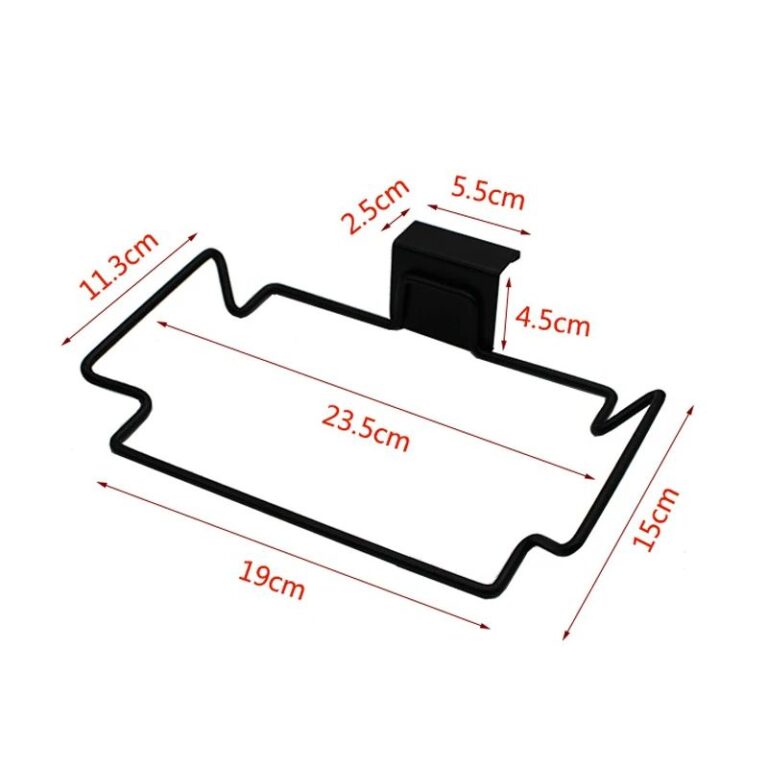
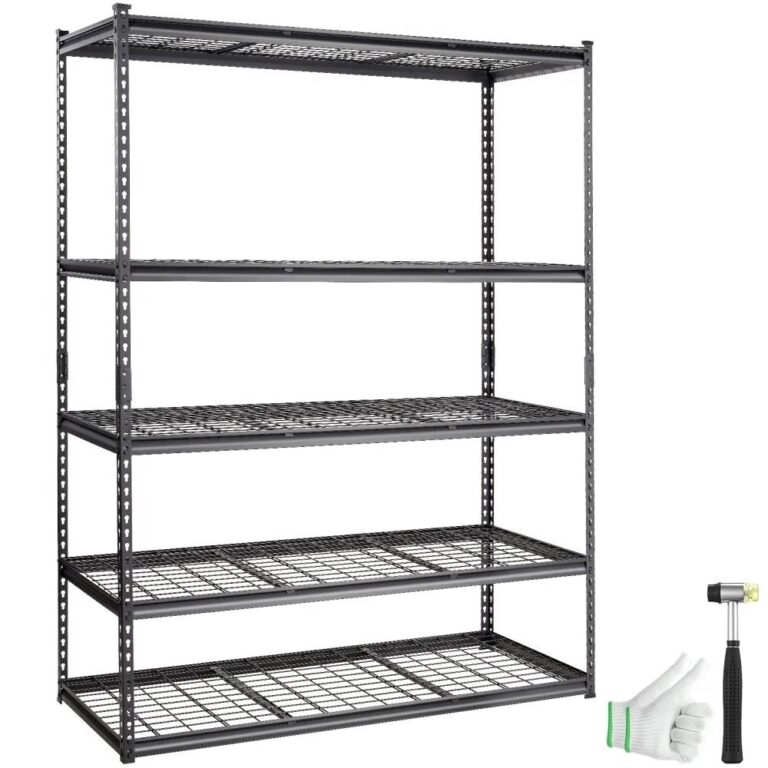 Aisha's pickBlack Metal Shelving Units for the Bits That Never Have a Home
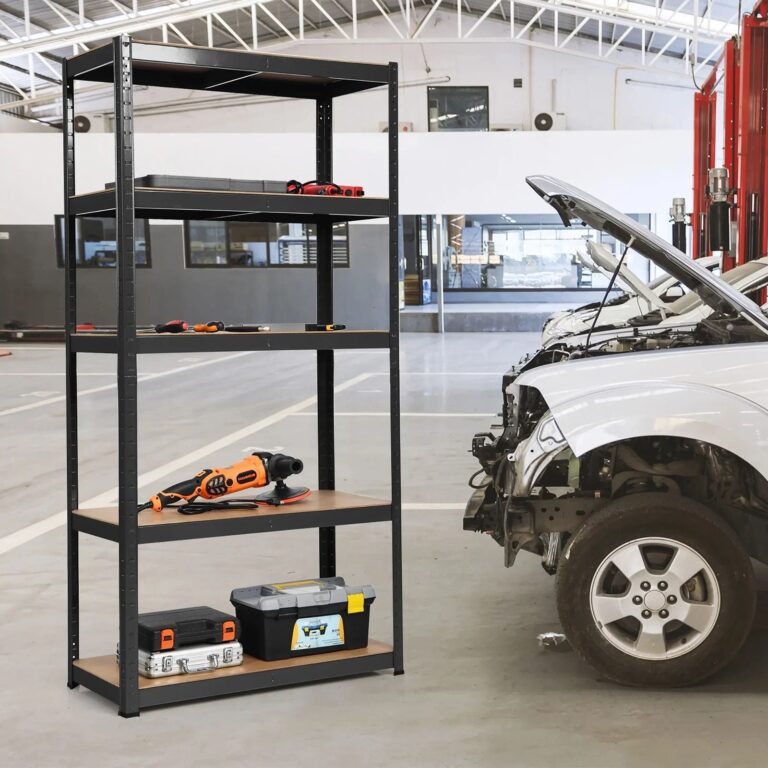
 Aisha's pickLarge Steel Storage Cabinets That Sort Out the ChaosAlso worth a lookMetal UnitsFor years I thought metal cabinets belonged in a garage next to a shop vac, not in a house I was trying to make feel like a home.See the collections →

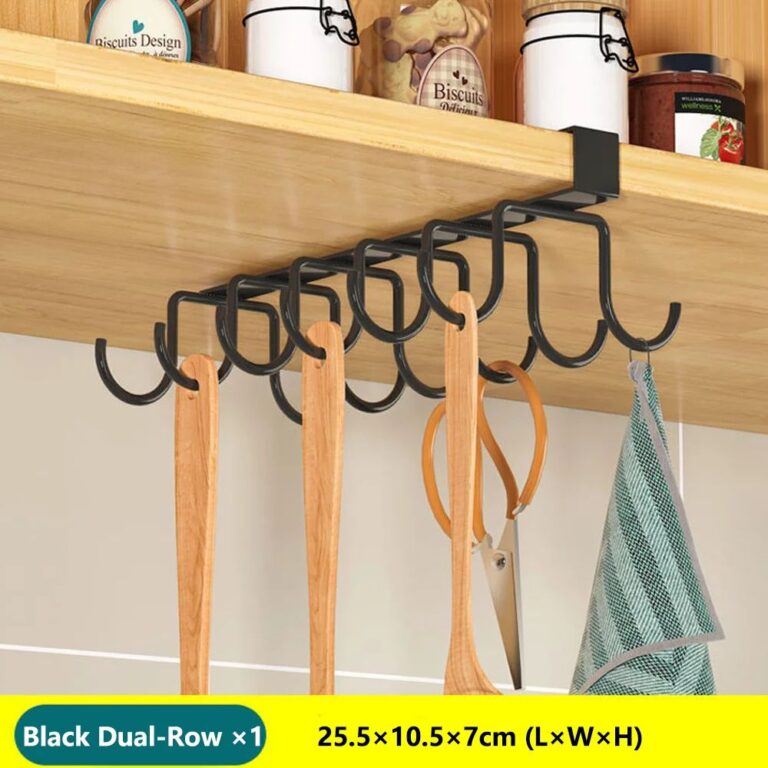 Aisha's pickSteel Storage Cabinets with Shelves That Look Good Even When Full
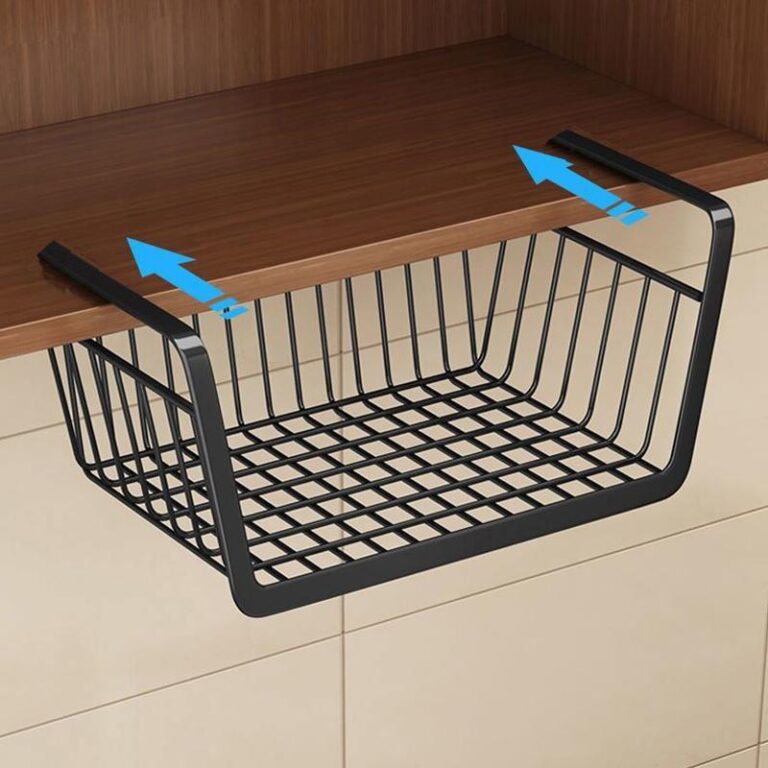
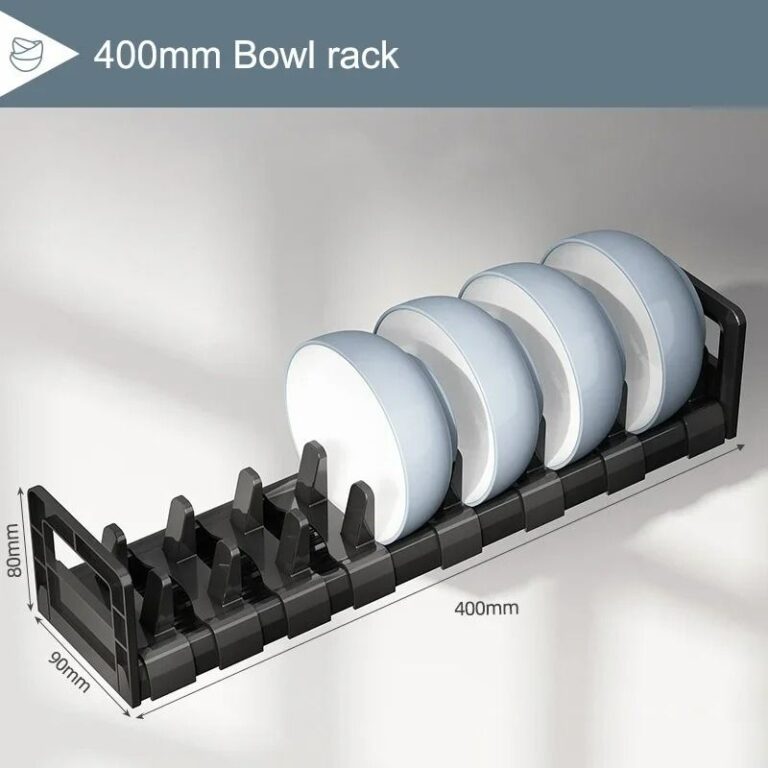 Aisha's pickBlack Metal Storage Cabinets Pulled From Dozens of Stores
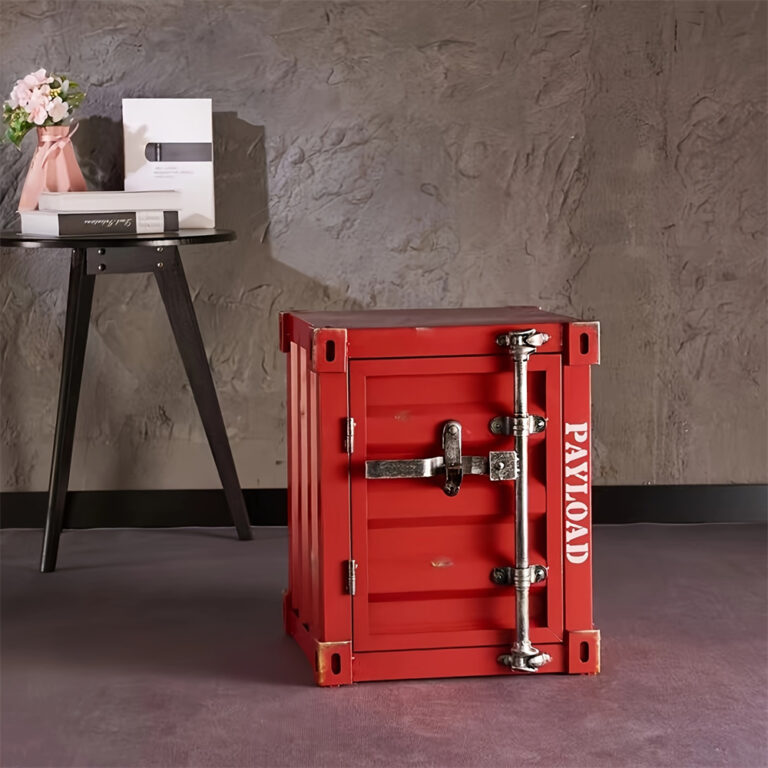
 Aisha's pickMetal Office Storage Cabinets We Work Beside Every Day

 Aisha's pickSteel Storage Cupboards We Wish We’d Bought Sooner
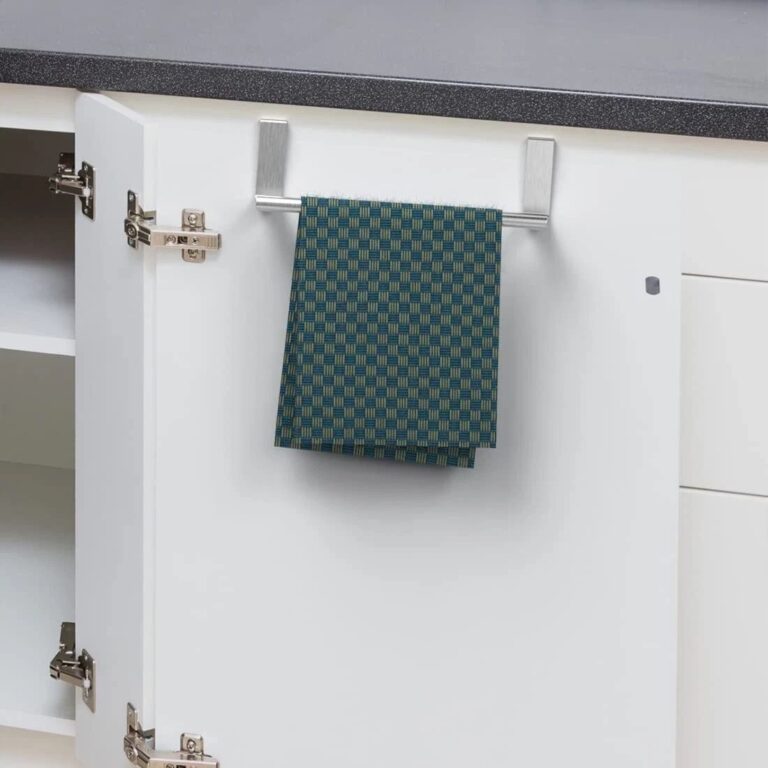
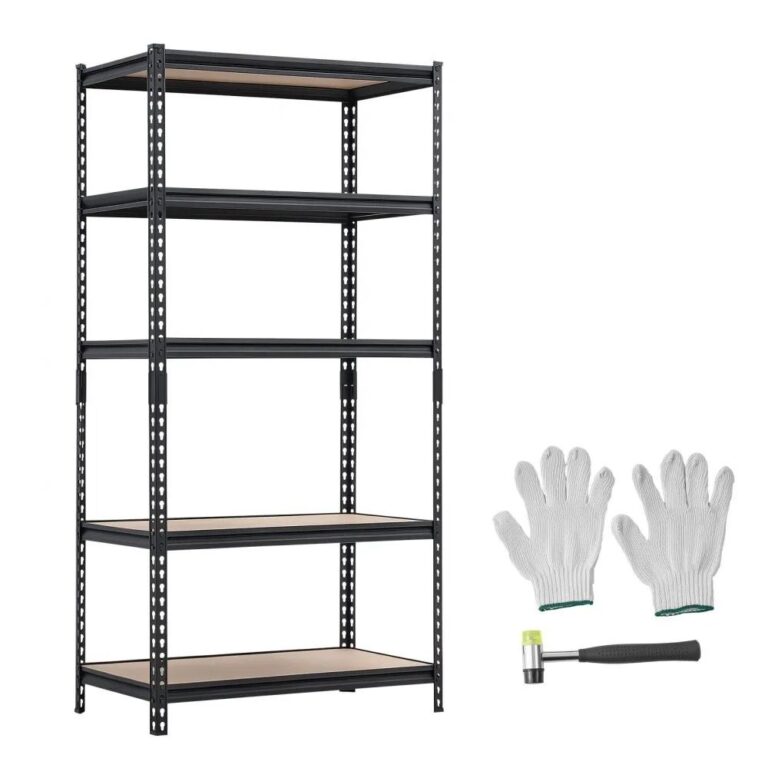 Aisha's pickHeavy Duty Metal Shelving Units That Visitors Always Ask About
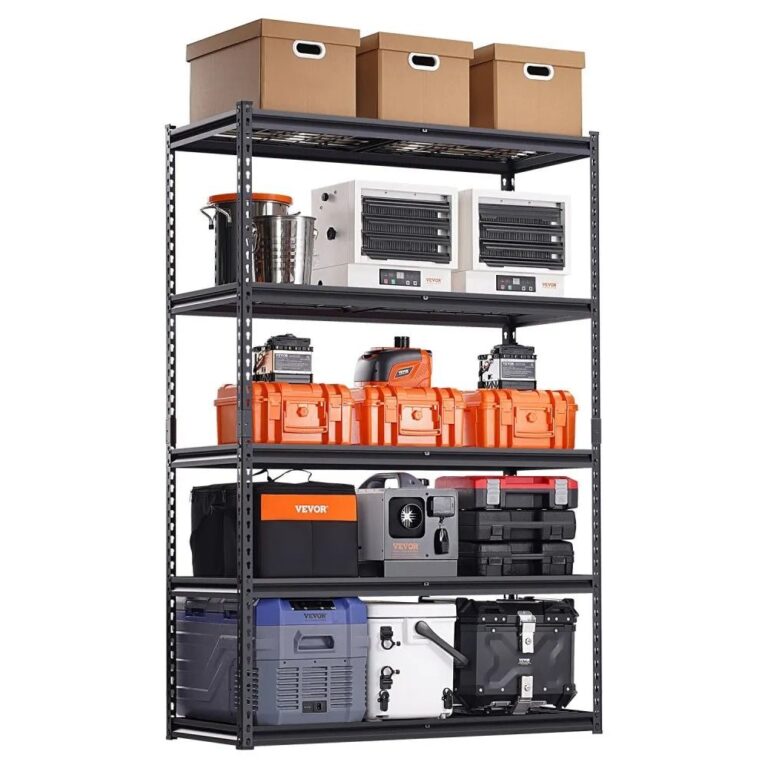
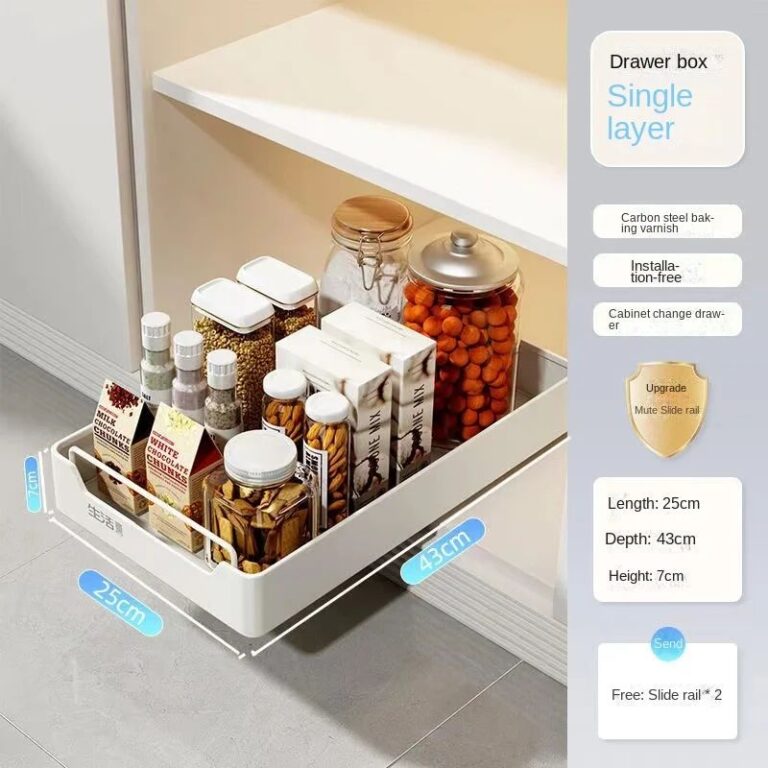 Aisha's pickMetal Storage Cabinets That Sort Out the Chaos
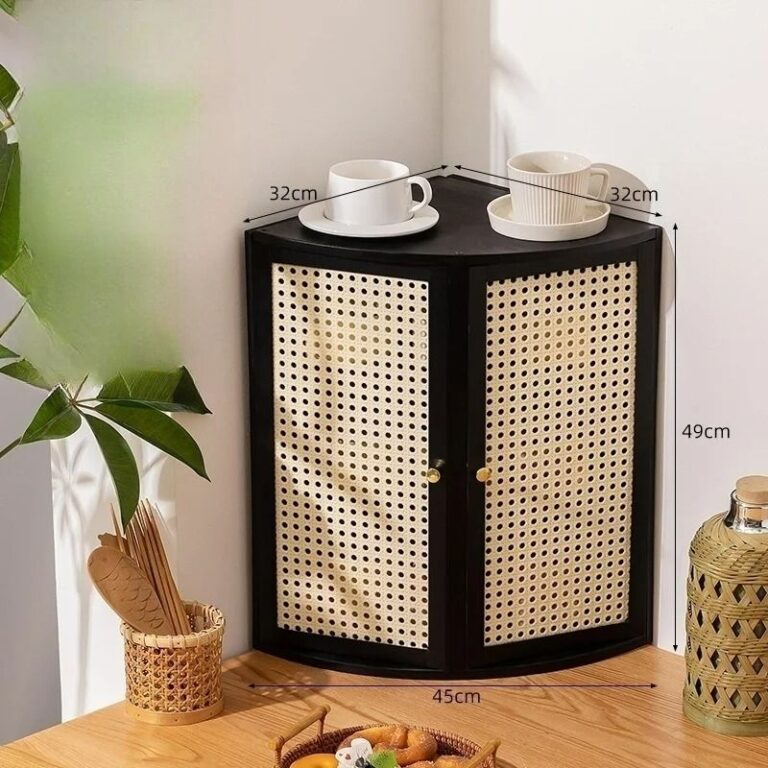
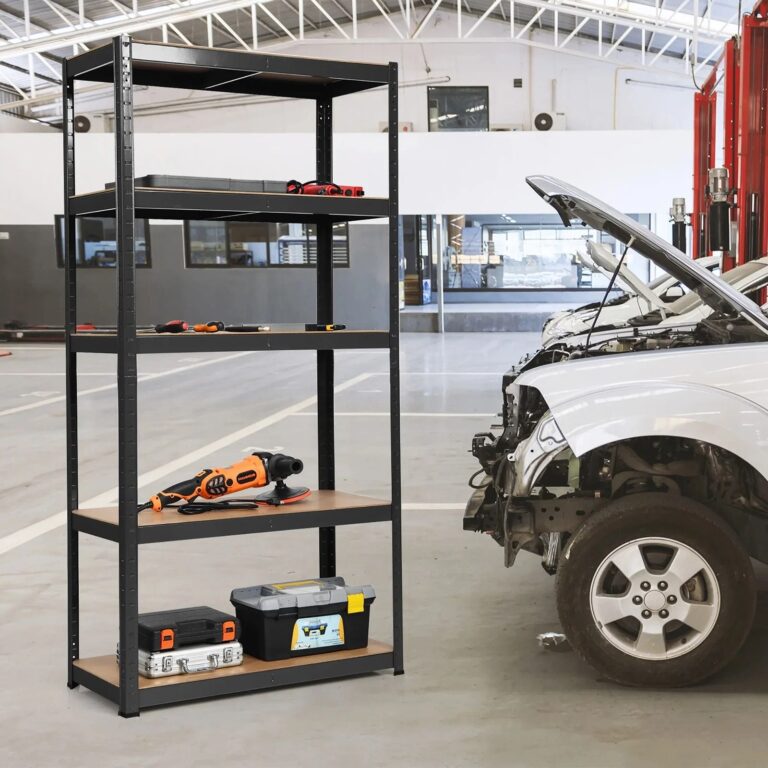 Aisha's pickSteel Storage Units With Room for More Than You’d Think
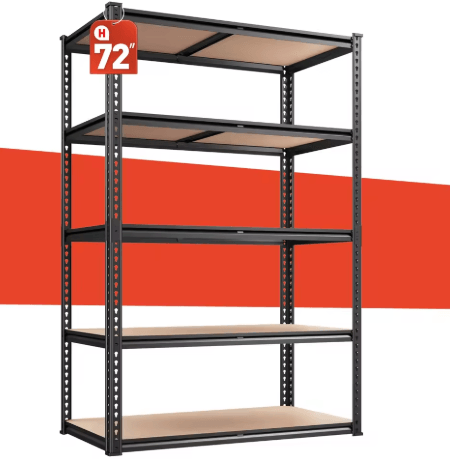
 Aisha's pickLarge Metal Storage Cabinets That Hide the Mess for Good
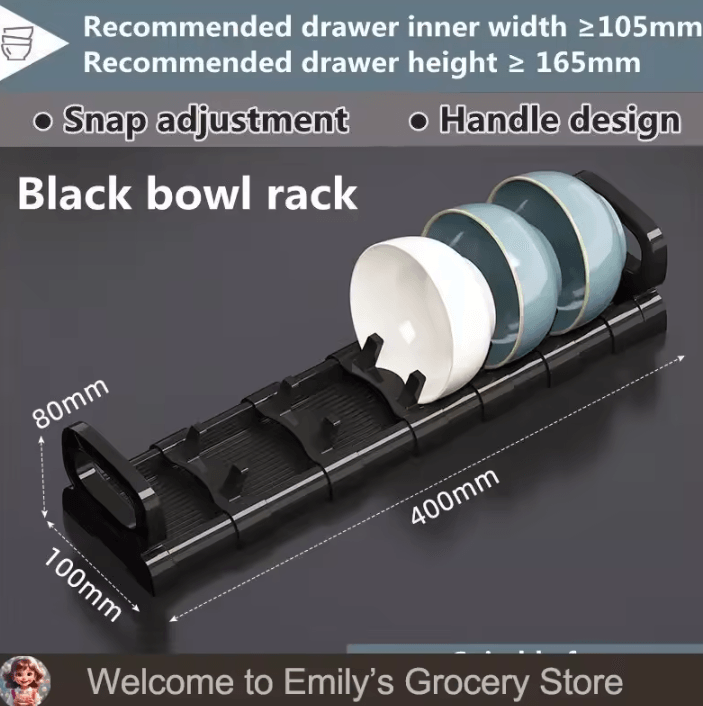
 Aisha's pickMetal Storage Cabinets with Doors That Look Good Even When FullAlso worth a lookStorage CabinetsThe hallway closet in my first apartment had exactly one shelf and a bar for coats, and every…See the collections →

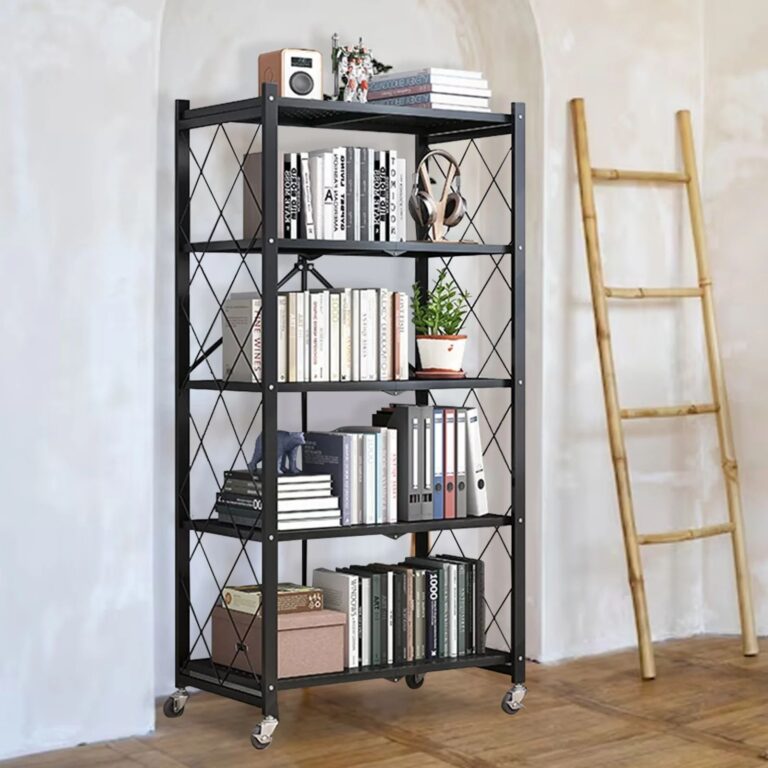 Aisha's pickMetal Shelving Units That Squeeze Into Awkward Corners
 Aisha's pickMetal Bar Cabinets That Don’t Look Mass Produced
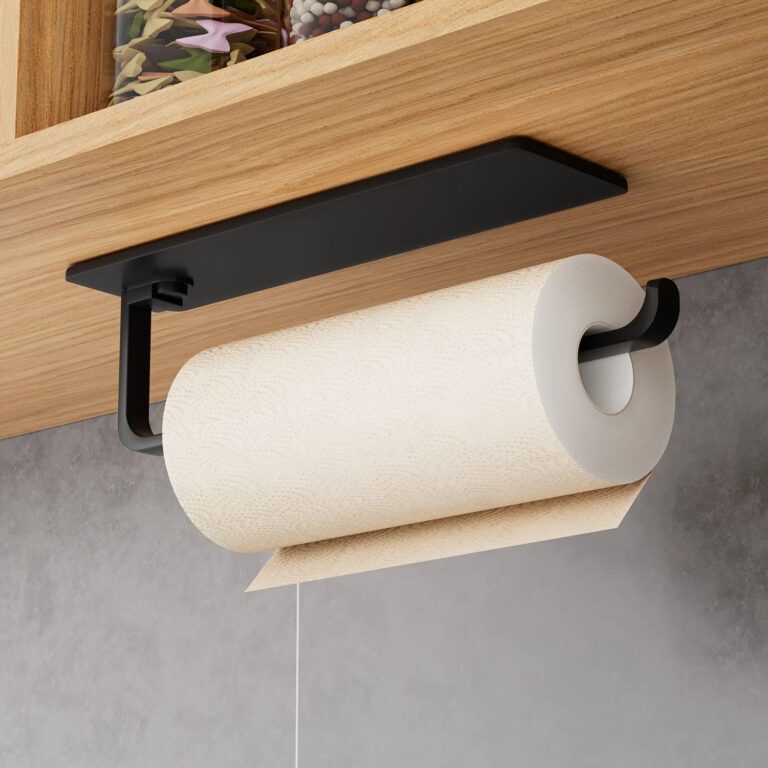
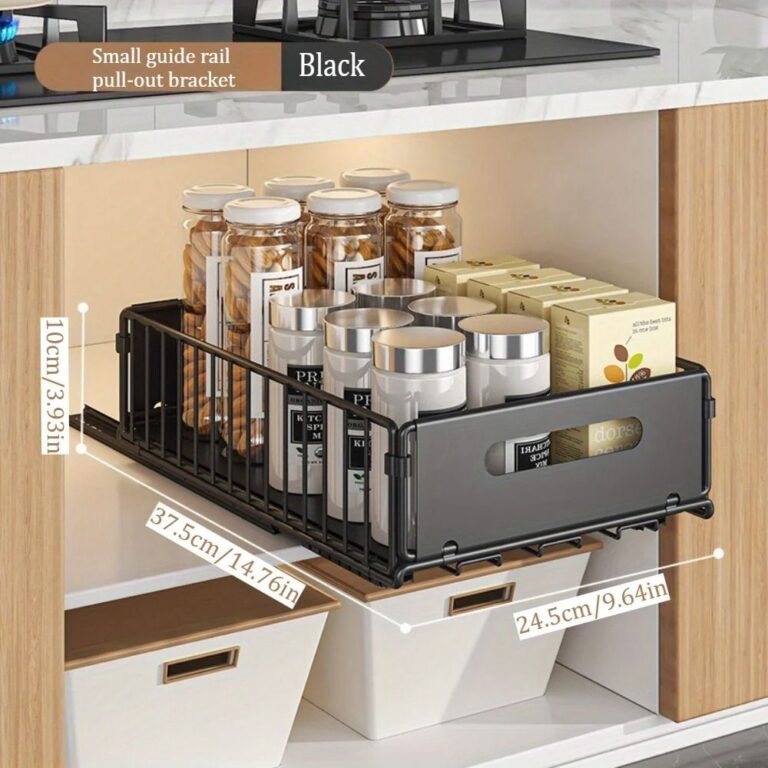 Aisha's pickMetal Storage Cabinets with Drawers That Make Small Changes Feel Big
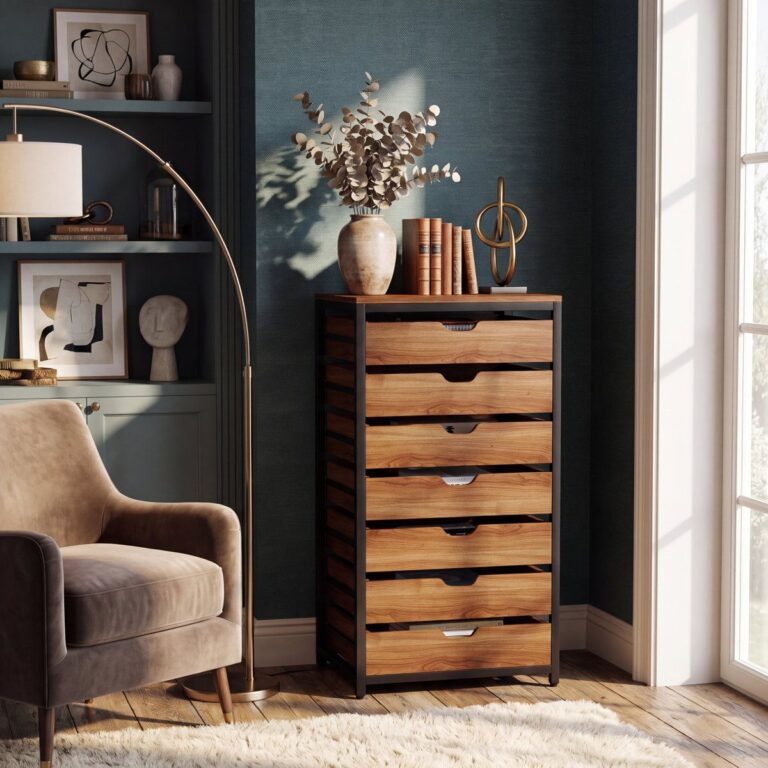
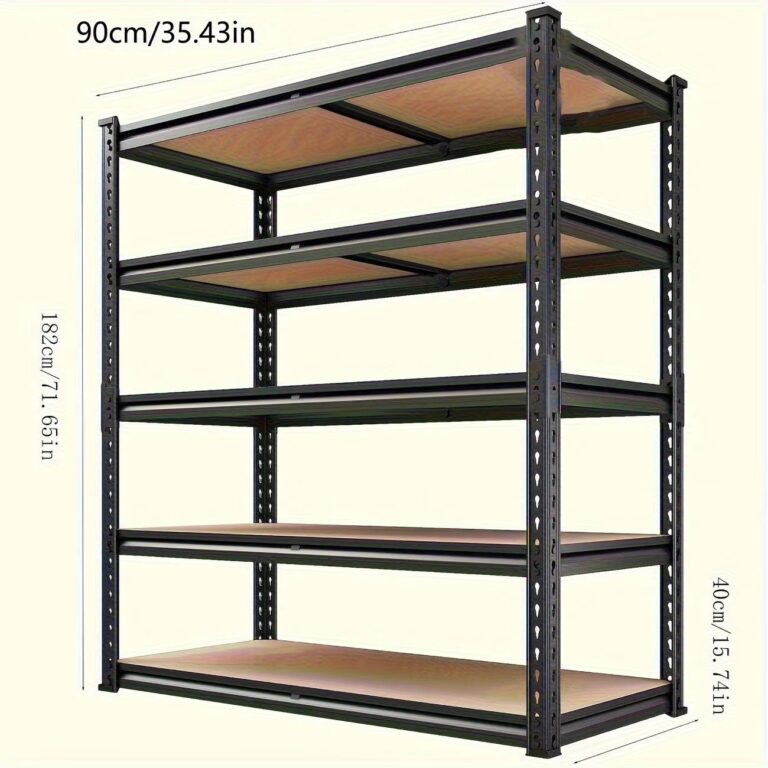 Aisha's pickMetal Shelving Units for Garage Hunted Down So You Don’t Have To
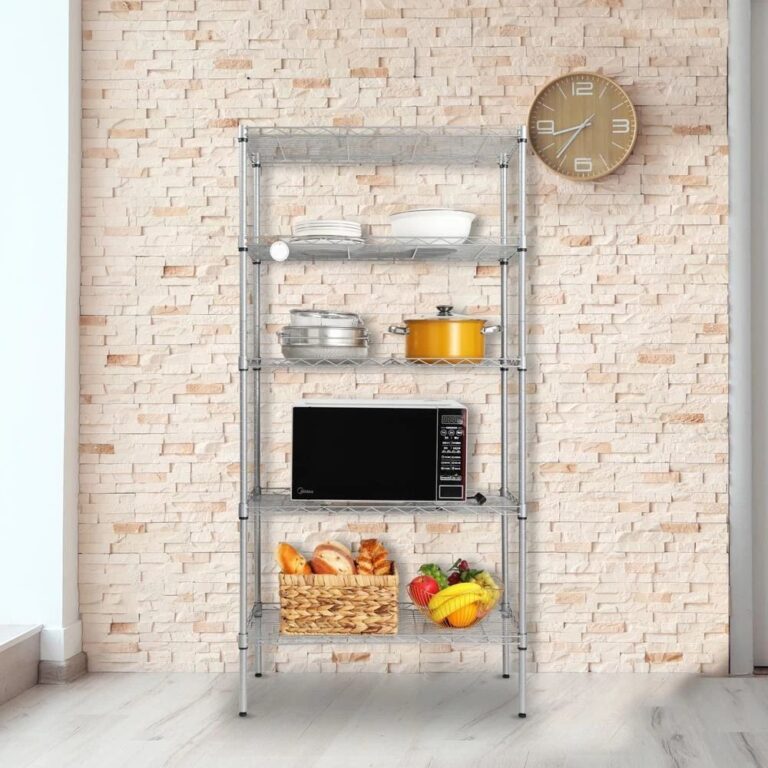
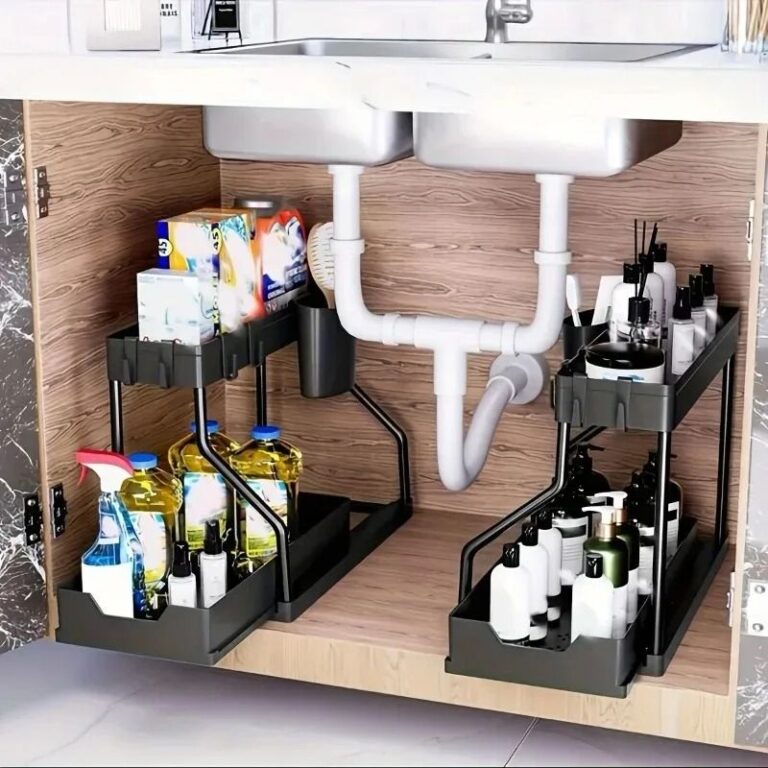 Aisha's pickMetal Bathroom Cabinets With a Bit More About Them
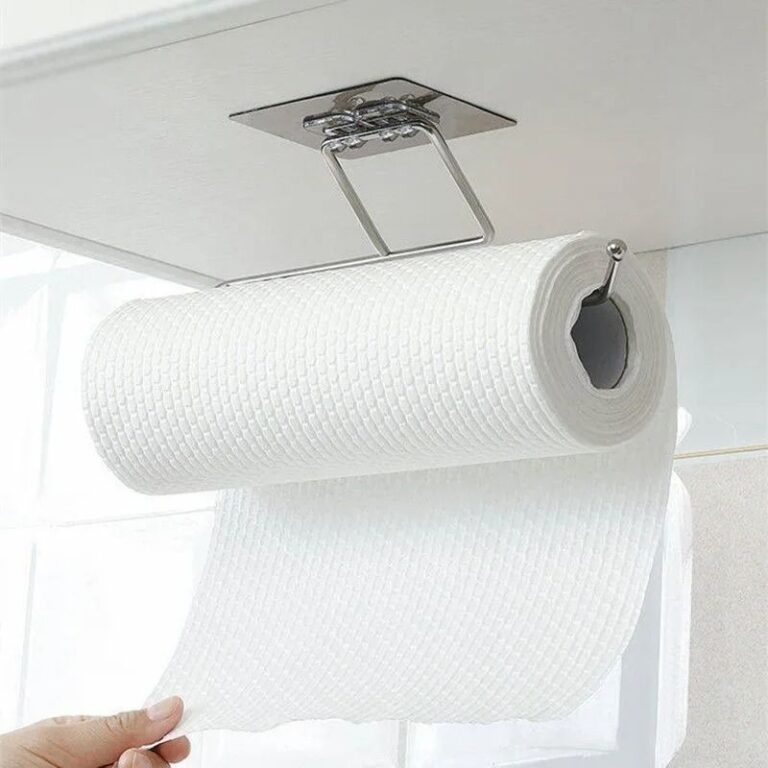
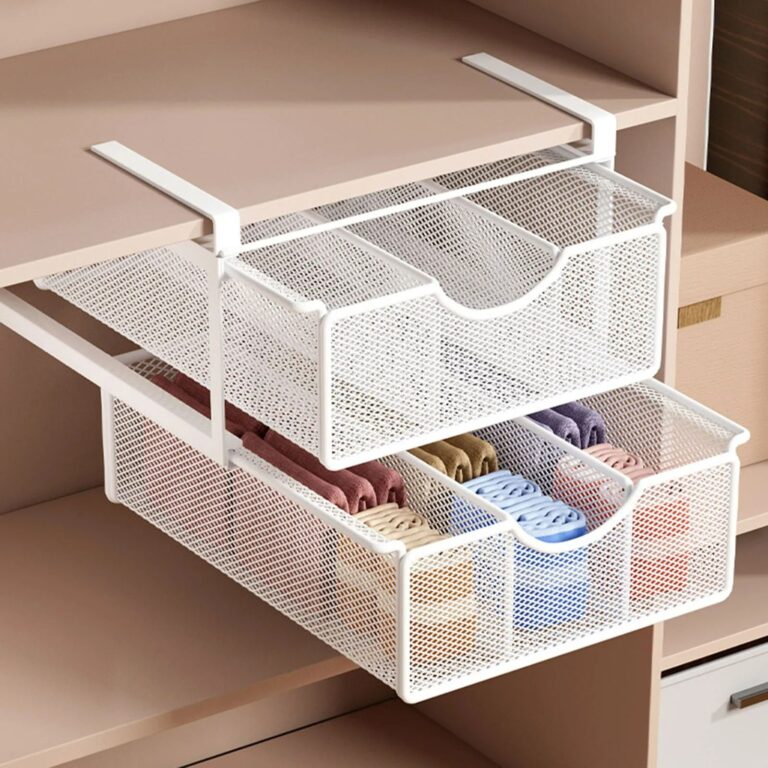 Aisha's pickMetal Storage Cabinets with Shelves From Stores Big and Small

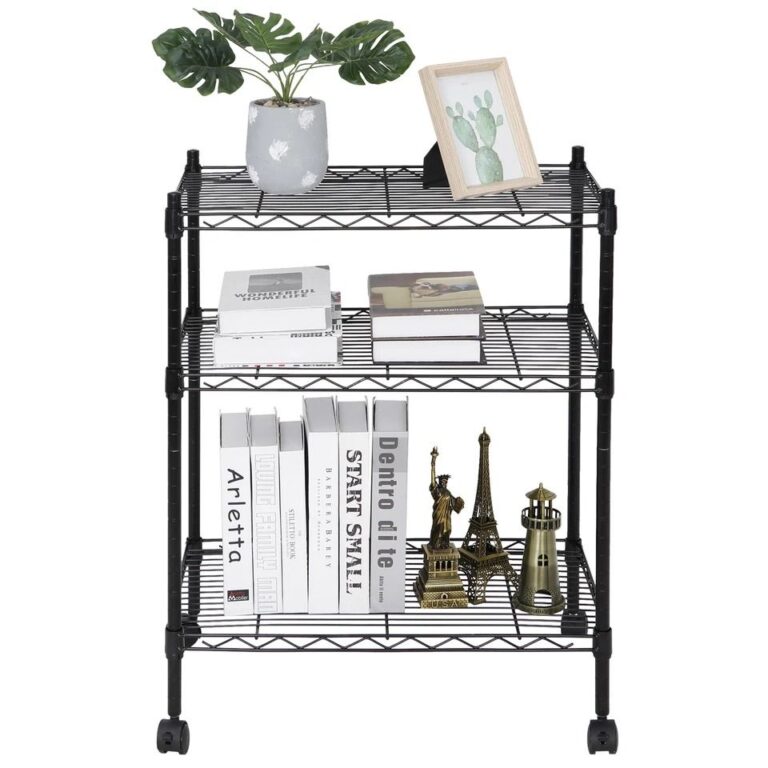 Aisha's pickMetal Shelving Units with Shelves That Keep Surfaces Clear
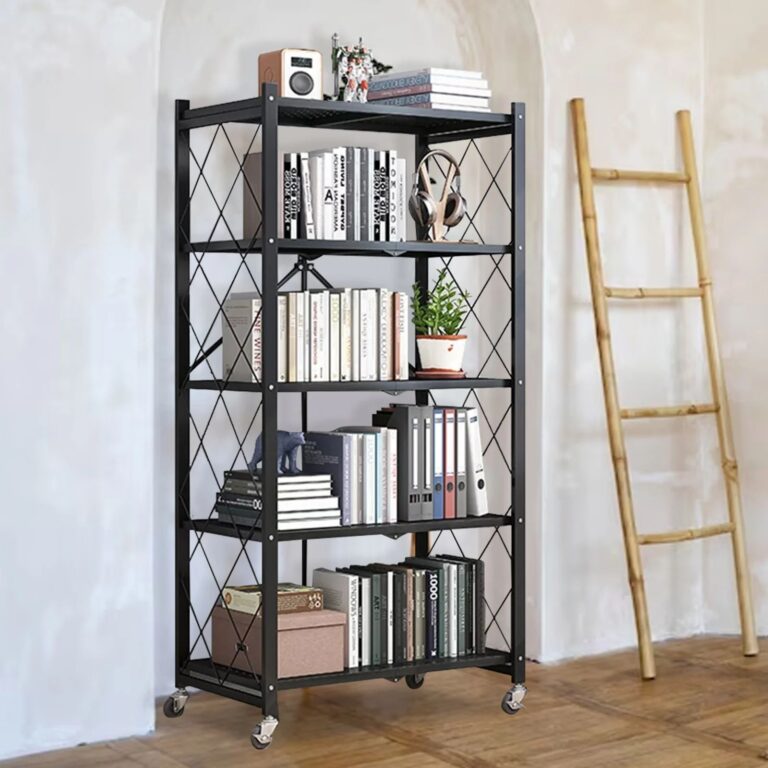
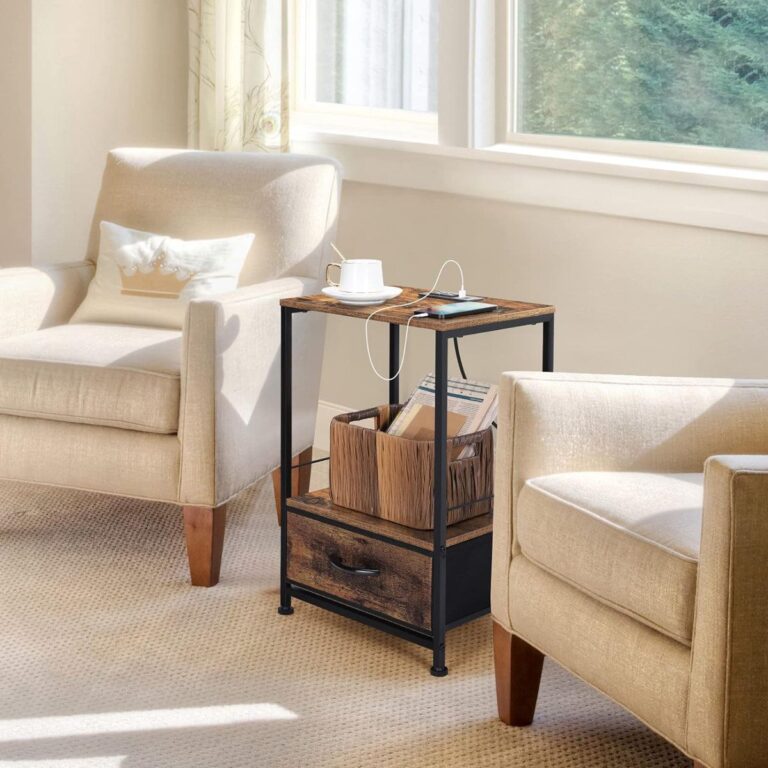 Aisha's pickMetal Nightstands for When the Old Ones Give Up