Wooden cabinets have a reputation for being the grown up choice, the thing you buy once you are done with flat pack furniture that wobbles if you lean on it. I think that reputation is mostly earned, but only once you have handled a few of the disappointing ones and felt the difference in your hands.
A well made cabinet announces itself before you even open a door. Pull a drawer and it should glide without rattling, with some kind of runner doing the work rather than the wood just scraping on wood. Solid timber or a good plywood carcass has a certain density to it, you knock on the side and it sounds full, not hollow like a drum. Joints matter more than people think to check, dovetails or mortise and tenon at the corners hold up for decades, while cabinets held together mostly with glue and staples start to loosen within a year or two of normal use, doors drooping slightly on their hinges. The finish tells you a lot too, a proper oil or lacquer feels smooth and slightly warm, while a thin varnish over cheap board often has a plasticky coolness and shows every water ring. Hinges should feel weighted when you open a door, with a soft close rather than a clatter, and that alone tells you whether someone thought about daily use or just about how the cabinet looks closed.
Where wooden cabinets stop making sense is anywhere damp or humid, a poorly ventilated bathroom or a basement that gets condensation, since timber swells and doors stop closing right, and in rooms where you need to move furniture around constantly, since solid wood pieces are heavy and not forgiving of being dragged across a floor. They are also not the answer if you need a lot of storage in a small footprint on a tight budget, because the honest, well built versions cost more than particleboard alternatives and a flimsy wooden cabinet is worse than an honest laminate one. The day it arrives, check that doors sit flush and close evenly on both sides, open every drawer fully to feel for sticking, run a hand along the back panel to see if it is actually attached with screws rather than just stapled on, and look underneath for feet or a plinth that keeps the base off a damp floor.
If you own none yet, start with a simple storage cabinet with solid doors and adjustable shelves inside, nothing with glass or elaborate detailing, since that plain version earns its keep in almost any room and teaches you what good construction feels like before you spend more on something fancier. I would put the first one in a hallway or a living room, somewhere it holds everyday things and takes daily knocks without complaint.
 Aisha's pickWood Nightstands You’ll Still Like in Five Years
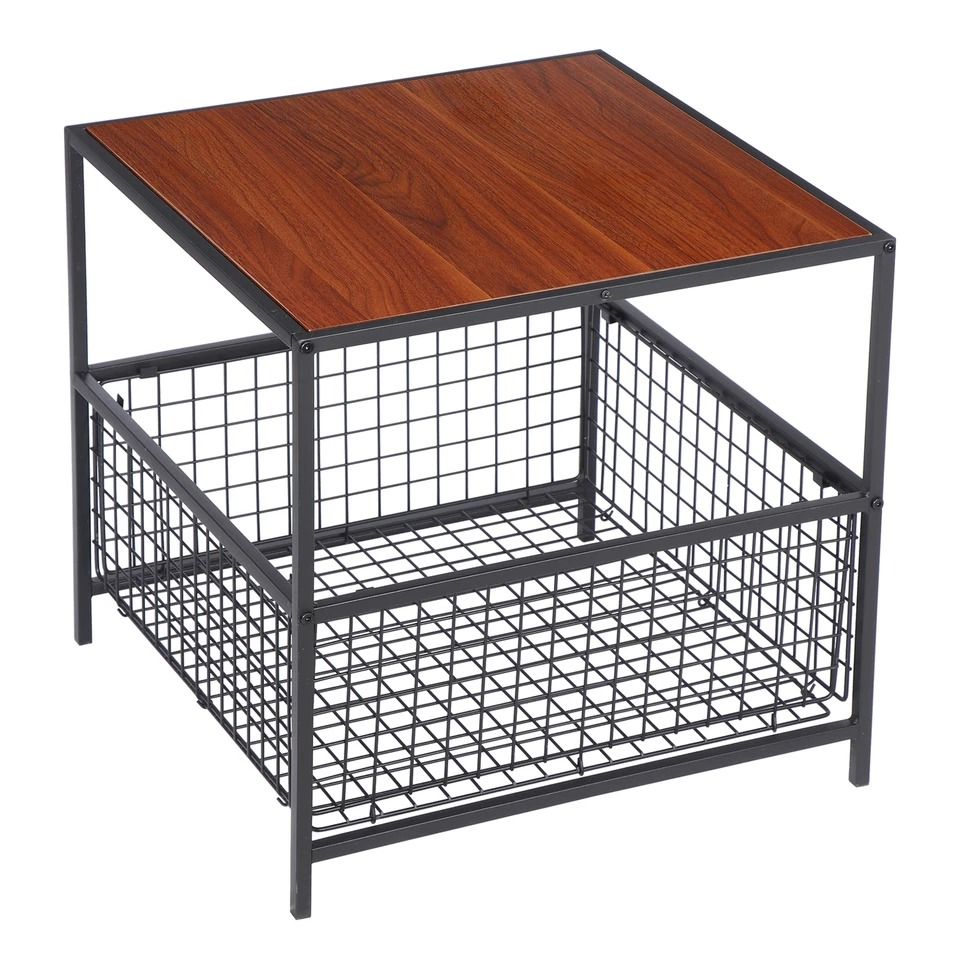
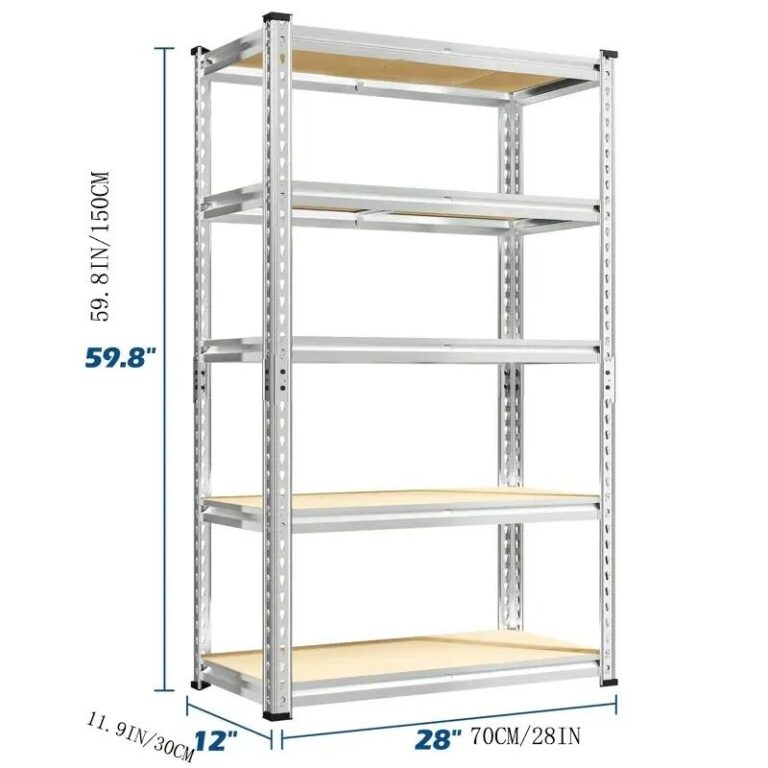 Aisha's pickSmall Wooden Storage Units for Homes With Too Much Stuff
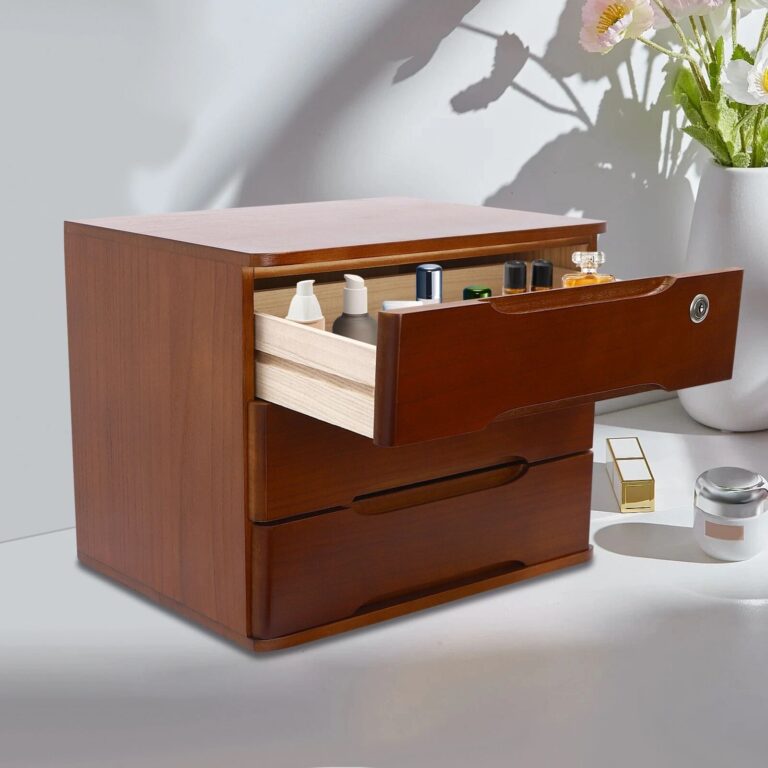 Aisha's pickThe Wood File Cabinets Worth Your Cash
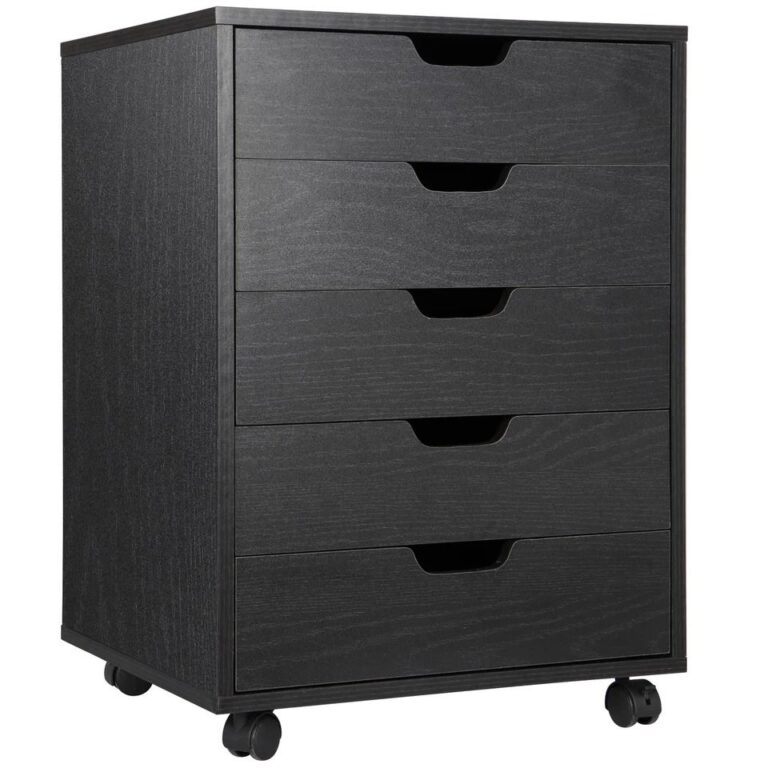
 Aisha's pickSolid Wood Storage Cabinets With Some Character
 Aisha's pickWood Hallway Cabinets That Make a Good First Impression
 Aisha's pickWalnut Storage Cabinets That Don’t Look Mass Produced
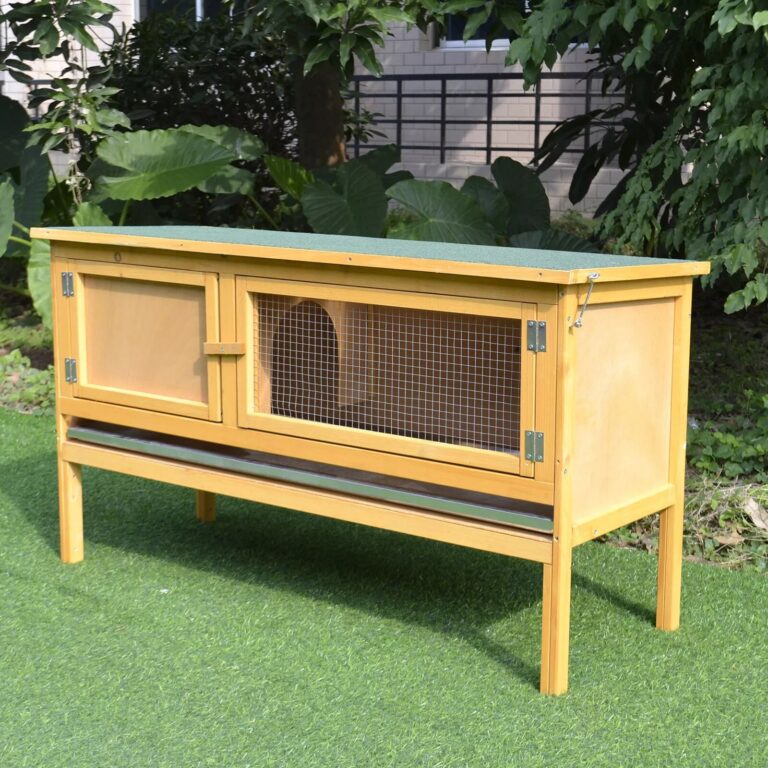 Aisha's pickWood Hutches That Look Good Even When Full
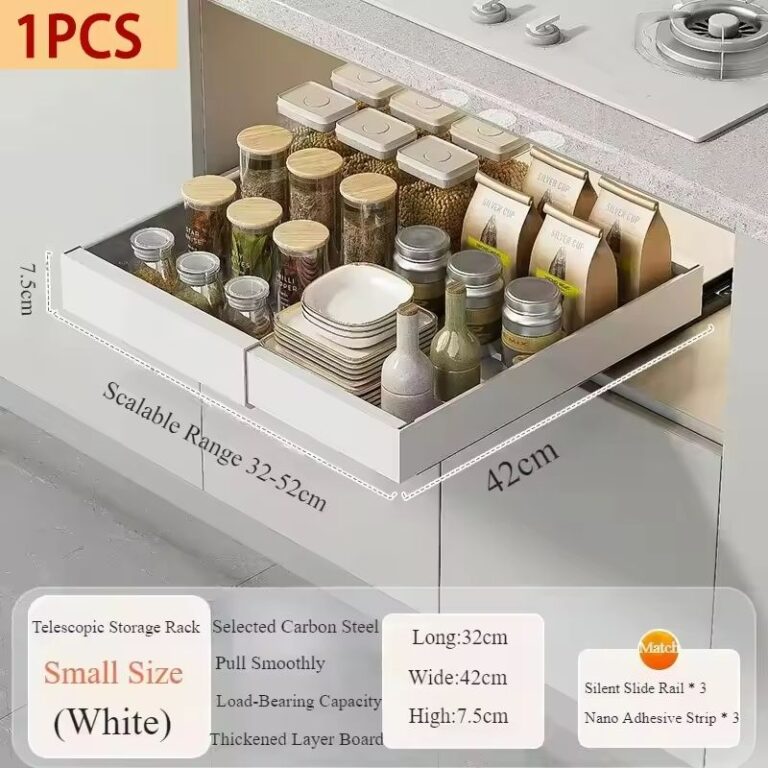 Aisha's pickWood Kitchen Storage Cabinets That Sort Out the Chaos
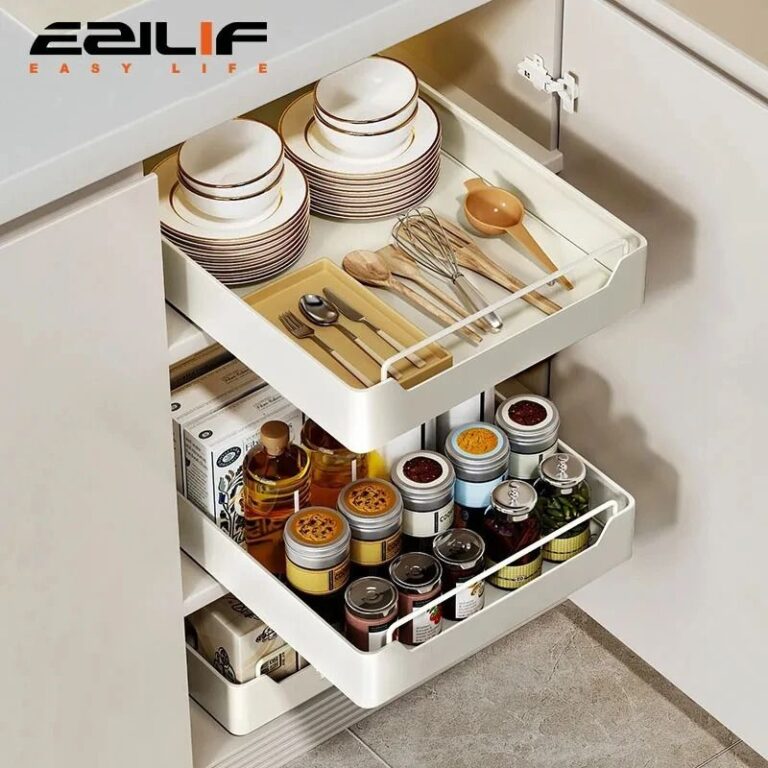
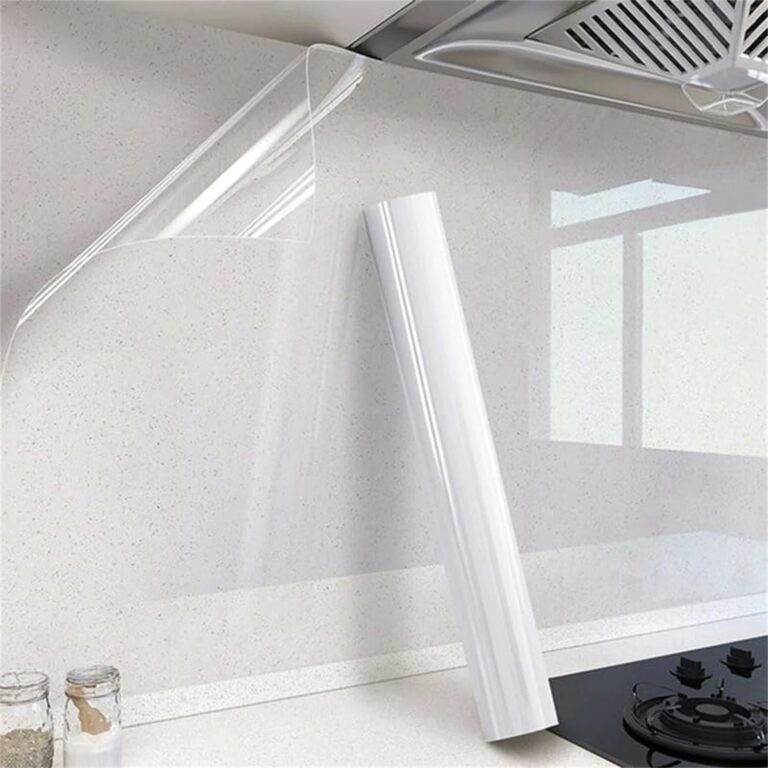 Aisha's pickWood Kitchen Cabinets for Homes With Too Much StuffAlso worth a lookWooden Storage CabinetsStorage cabinets used to mean one thing, a dark, heavy piece shoved against a wall because you had…See the collections →
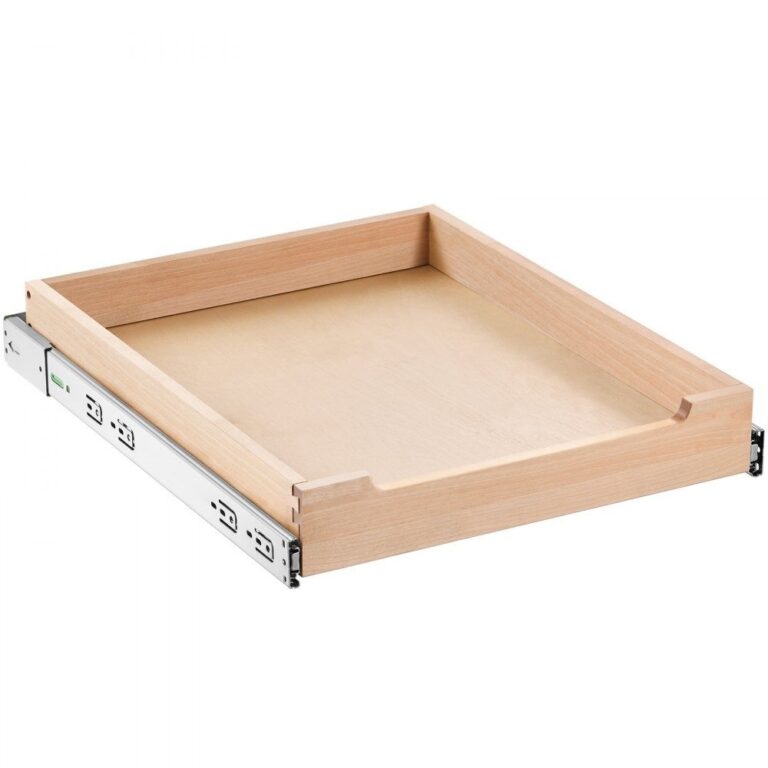
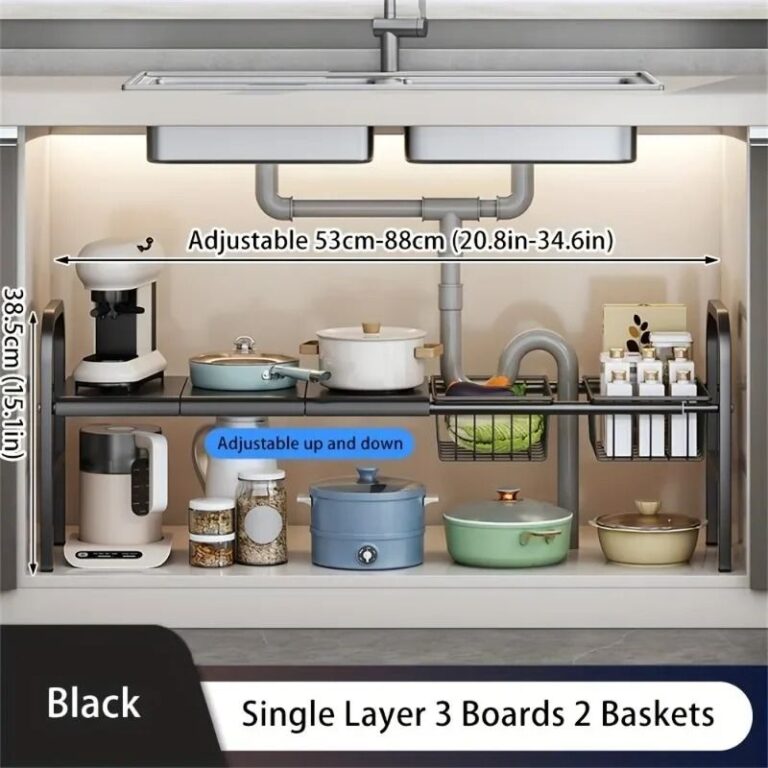 Aisha's pickWood Storage Cabinets That Go With Most Rooms
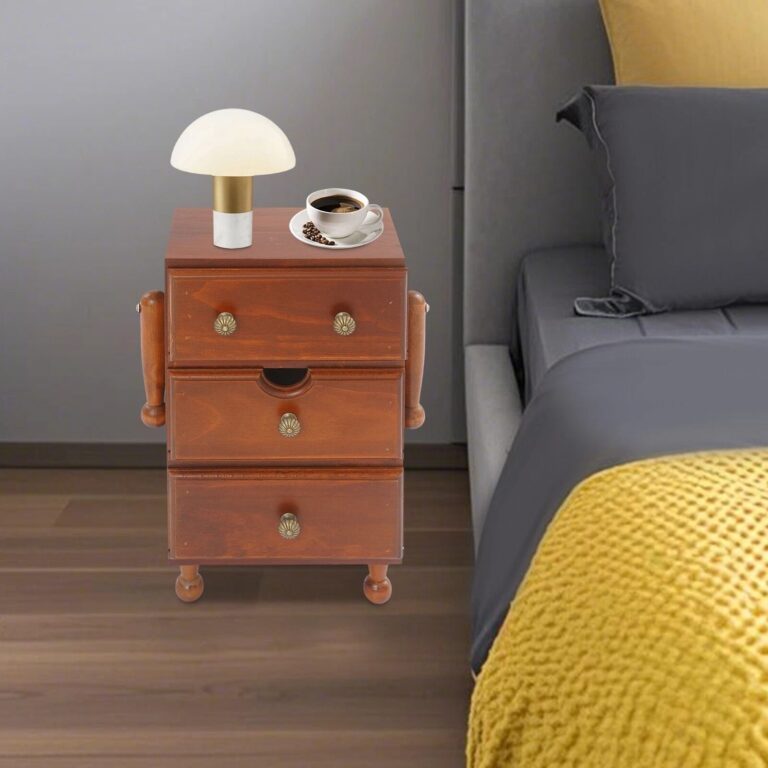
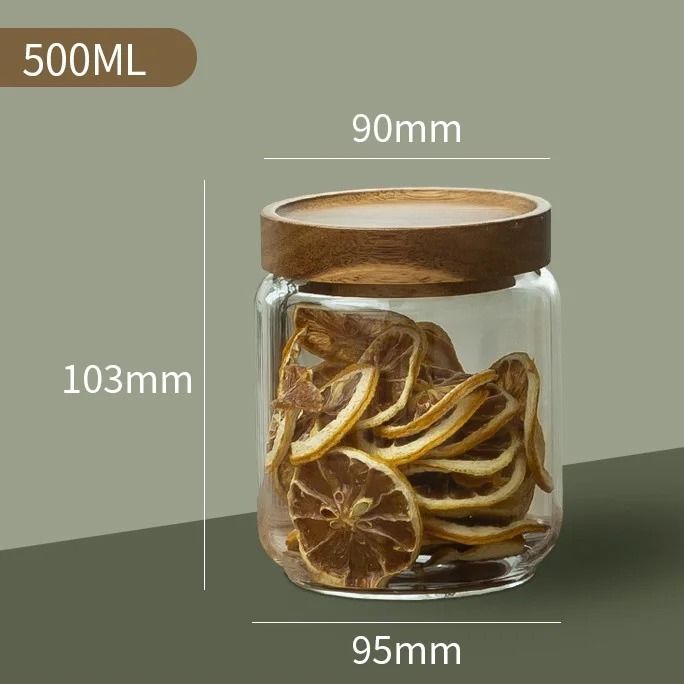 Aisha's pickWood Kitchen Pantries That Make Cooking a Bit Nicer
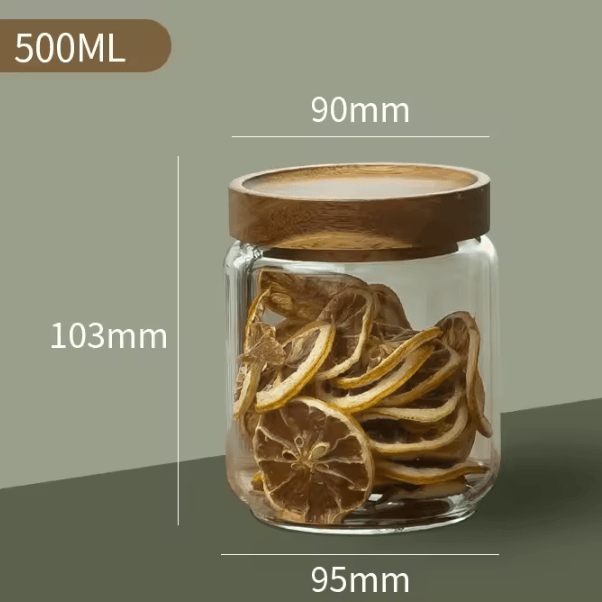
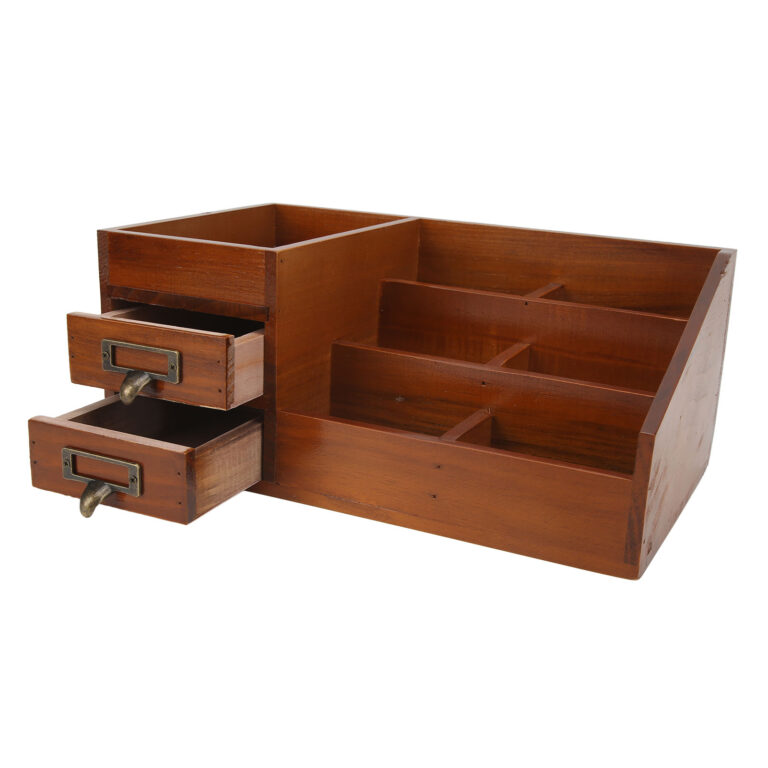 Aisha's pickWooden Office Storage Cabinets That Make Small Changes Feel Big
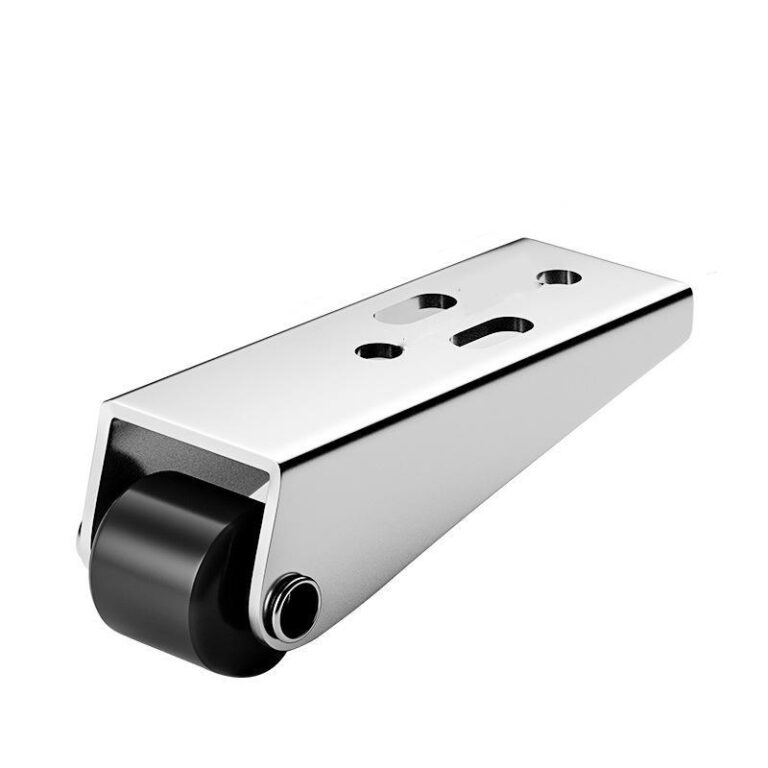
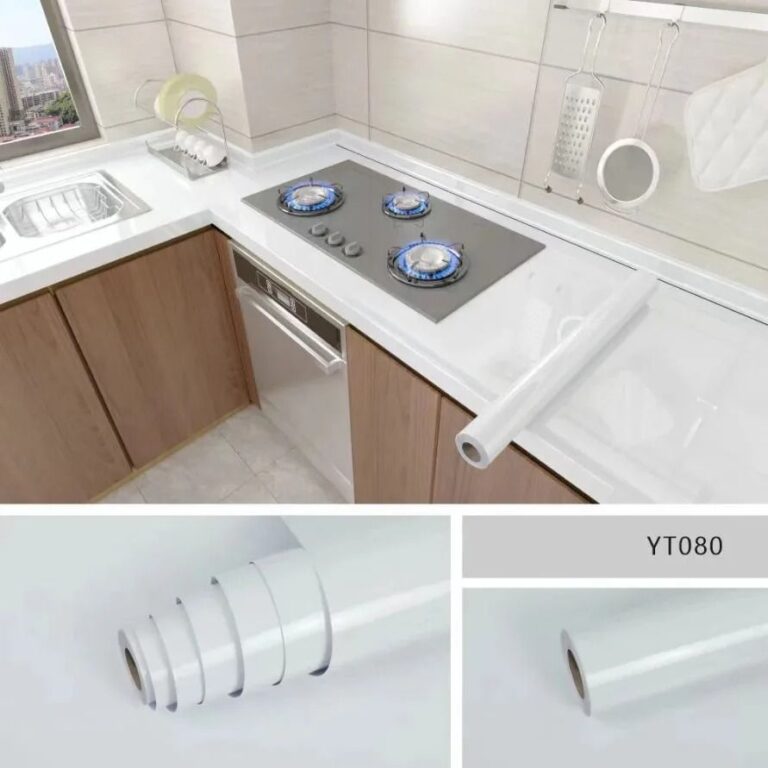 Aisha's pickWood Mirror Cabinets Without the Silly Price Tag

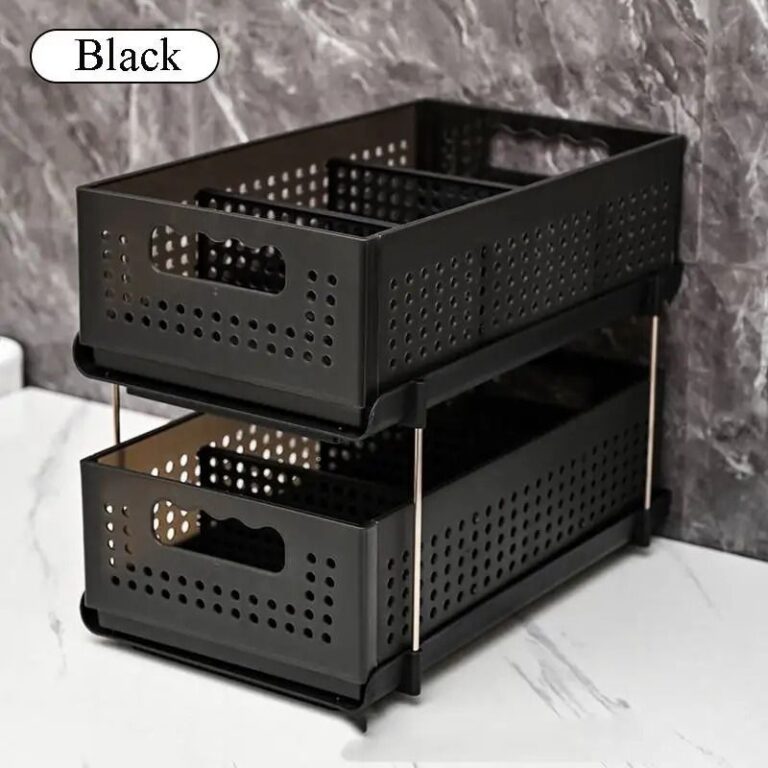 Aisha's pickWhere to Start With Wooden Storage Cabinets
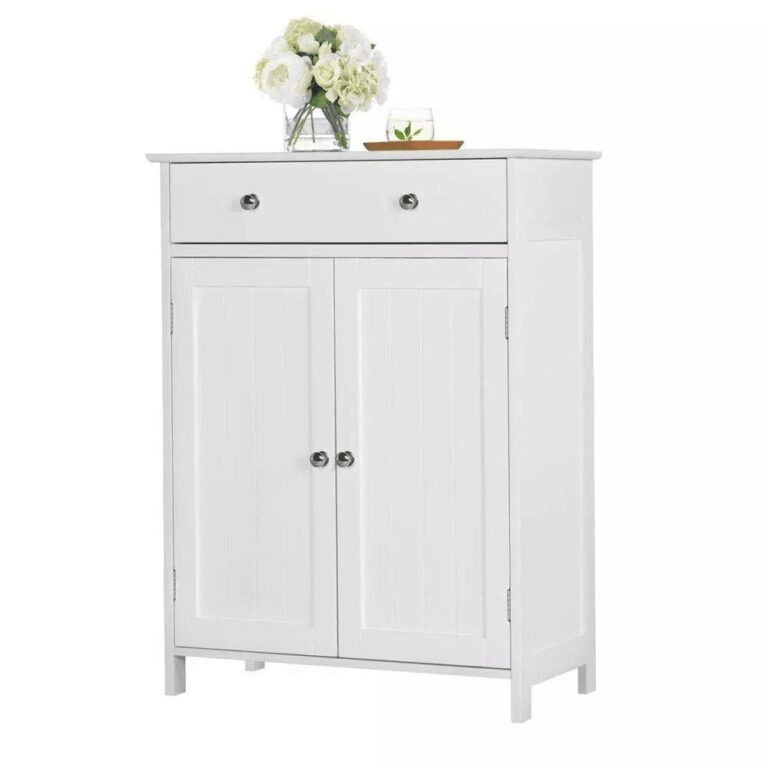
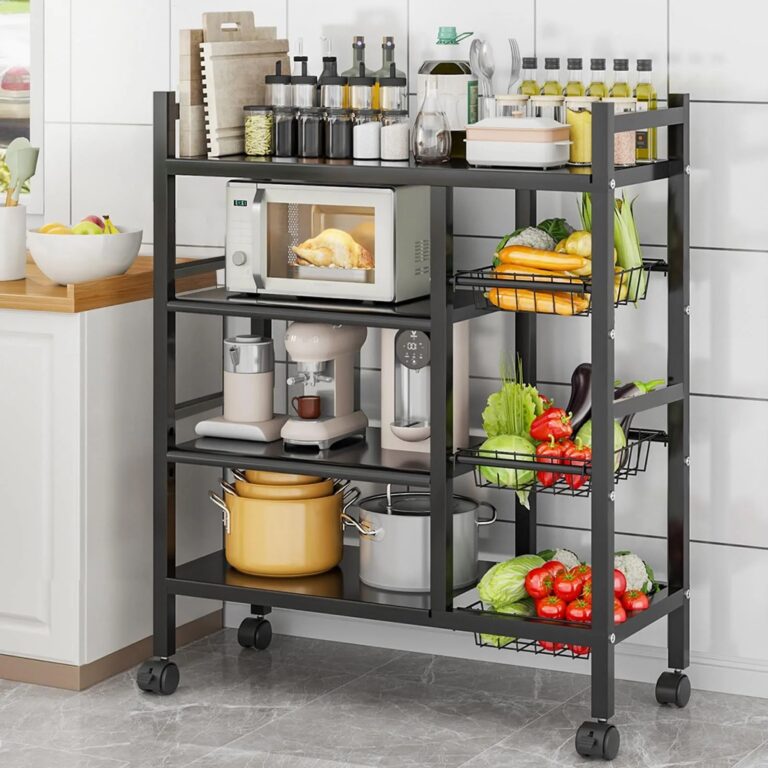 Aisha's pickWood Pantry Cabinets for Busy Kitchens
 Aisha's pickWooden Storage Cabinets with Doors That Don’t Shout About It
 Aisha's pickWooden Book Displays That Keep Surfaces Clear
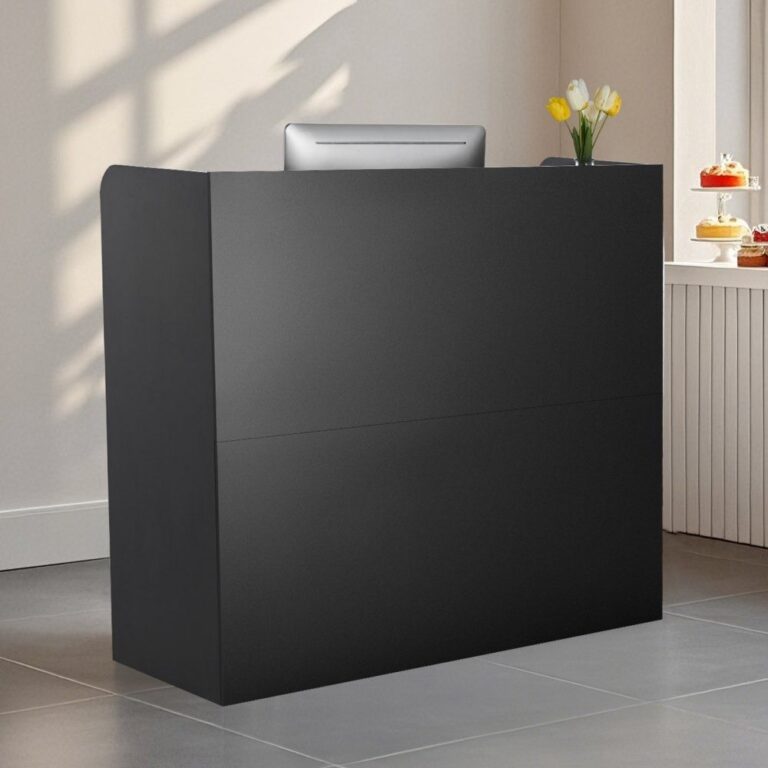 Aisha's pickWooden Storage Cabinets with Drawers That Keep Surfaces ClearAlso worth a lookWooden UnitsThe first thing I do with a wooden unit is open and close a drawer or door twice.See the collections →
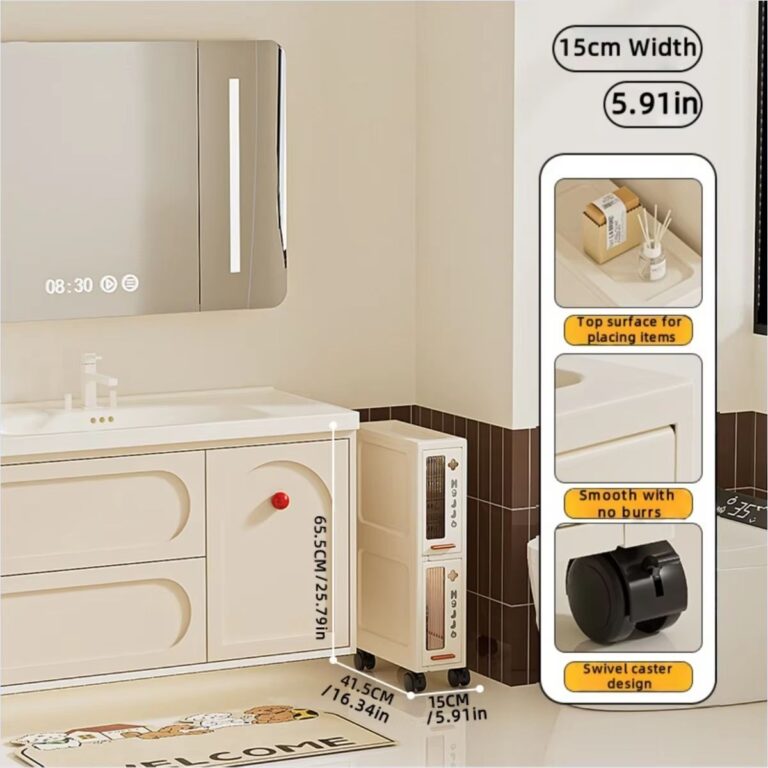
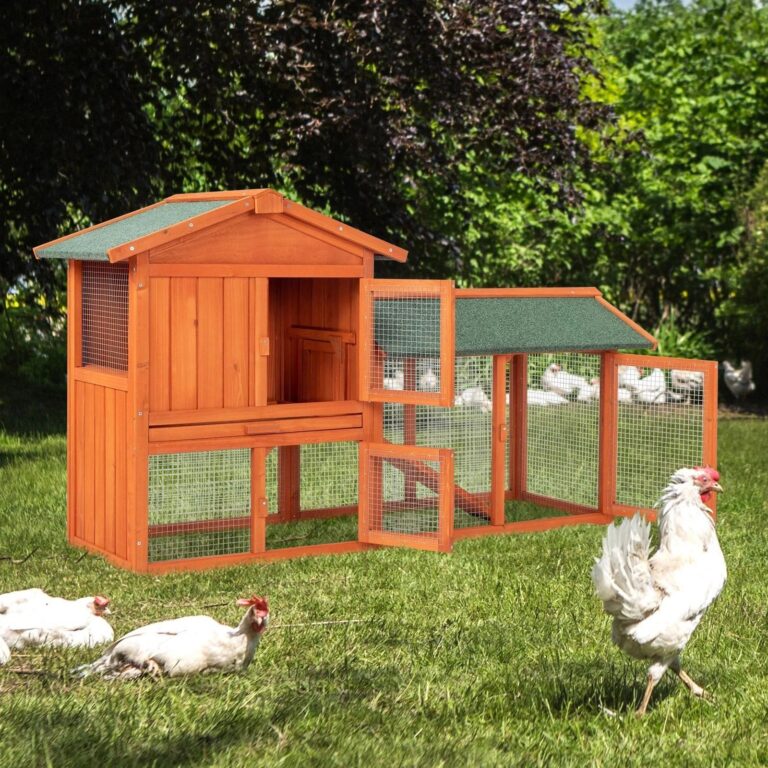 Aisha's pickWooden Hutches for Homes With Too Much Stuff
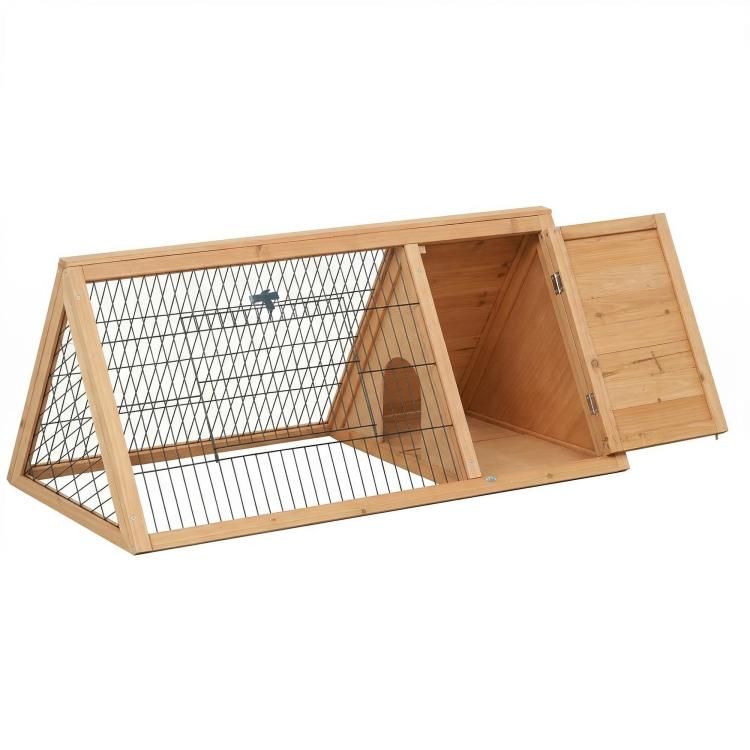
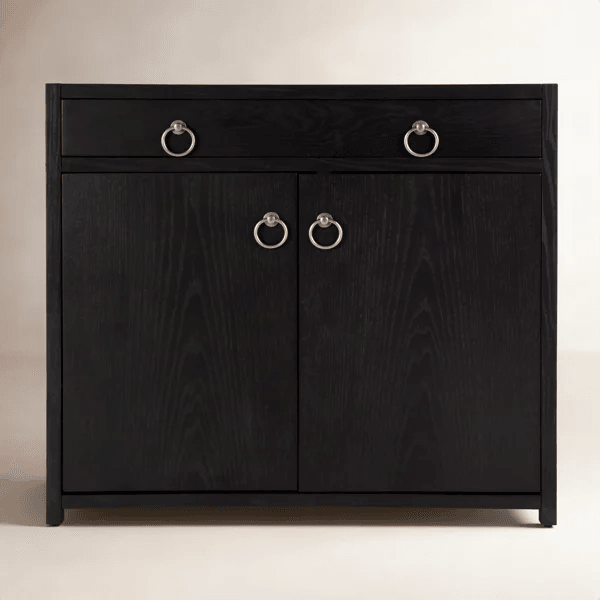 Aisha's pickSimple Wooden Storage Cabinets with Shelves Done Well
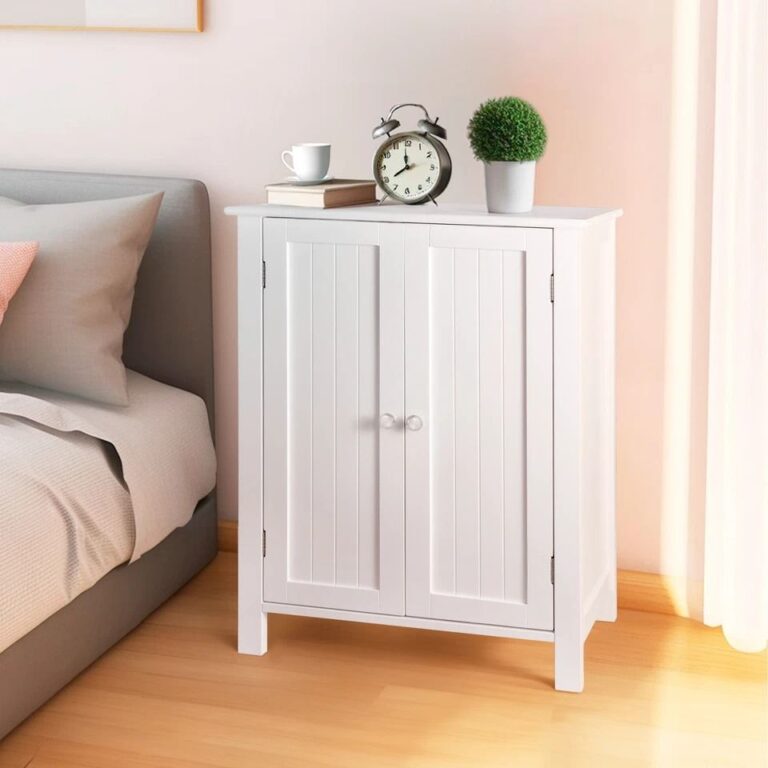
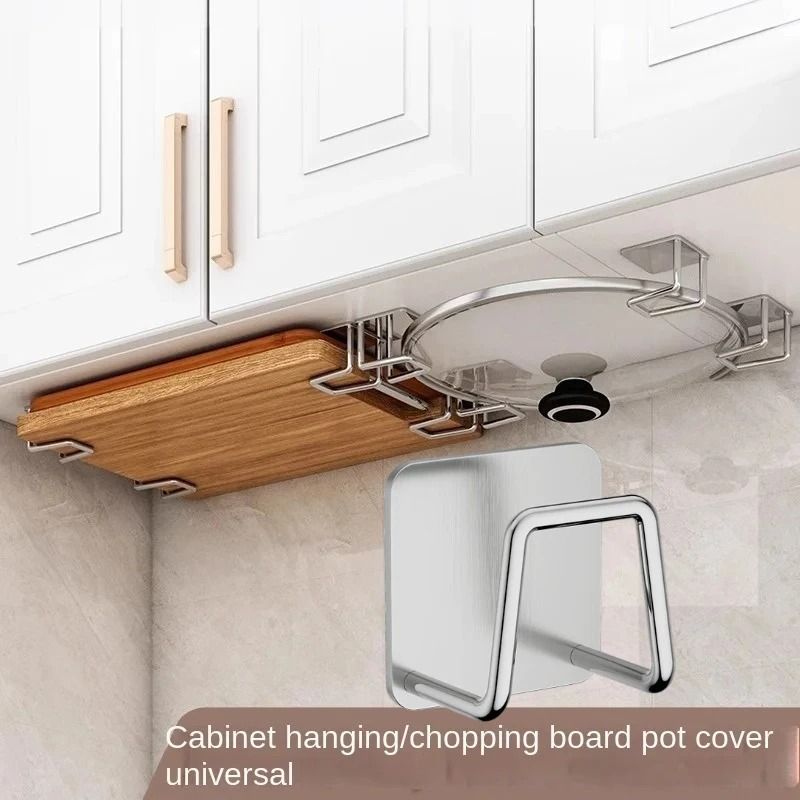 Aisha's pickWooden Kitchen Cabinets That Cope With Steam and Splashes
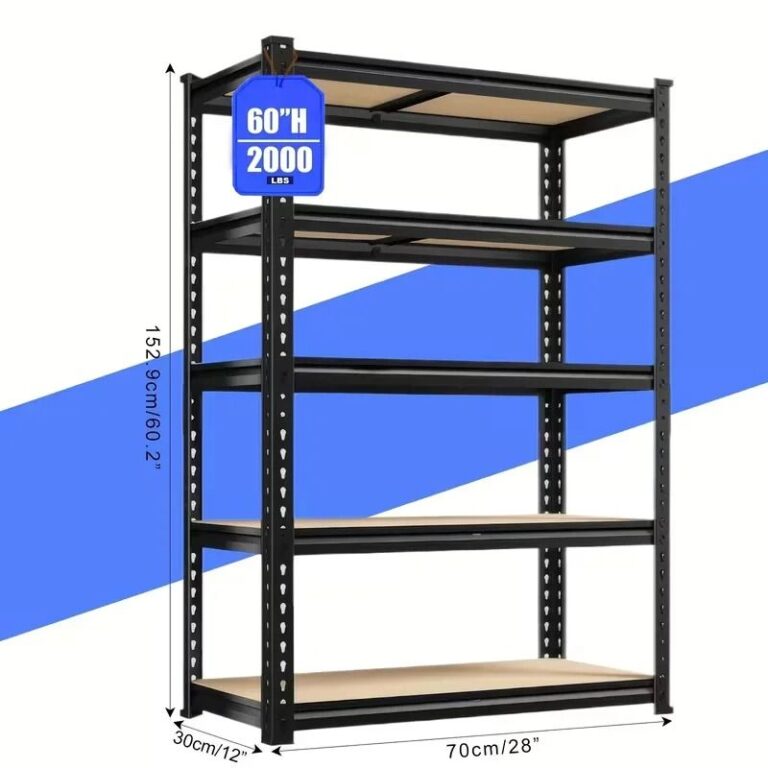 Aisha's pickWood Shelving Units That Swallow the Clutter
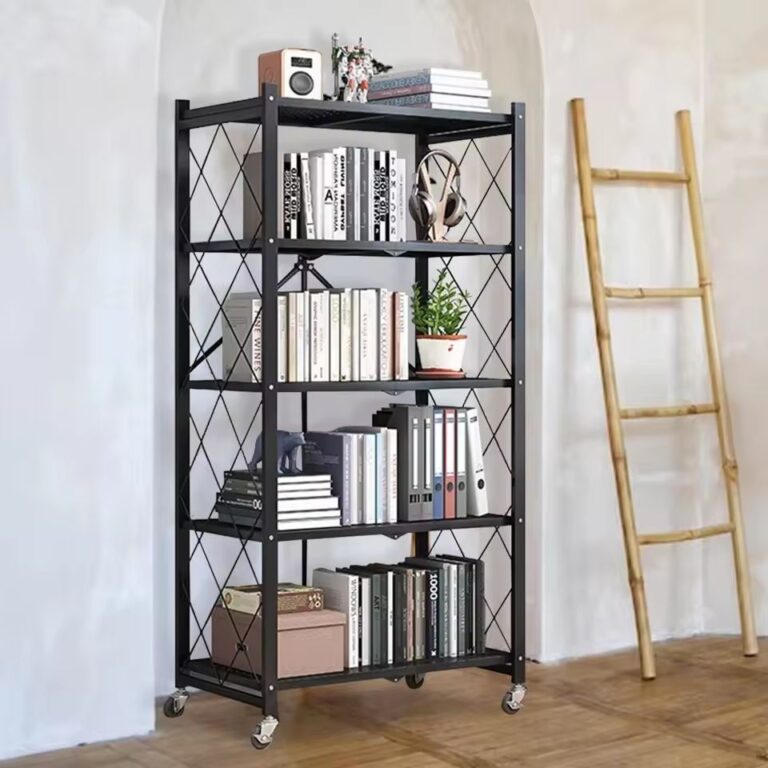
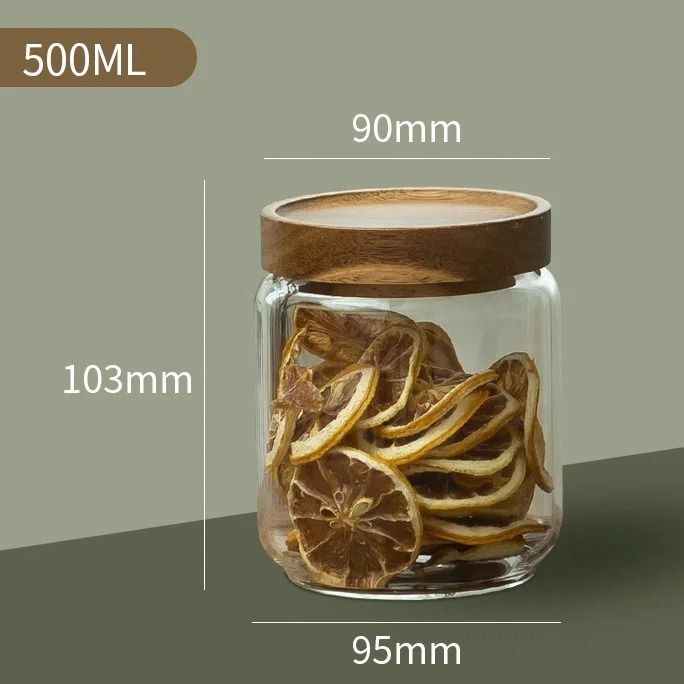 Aisha's pickWooden Kitchen Pantries That Earn Their Keep
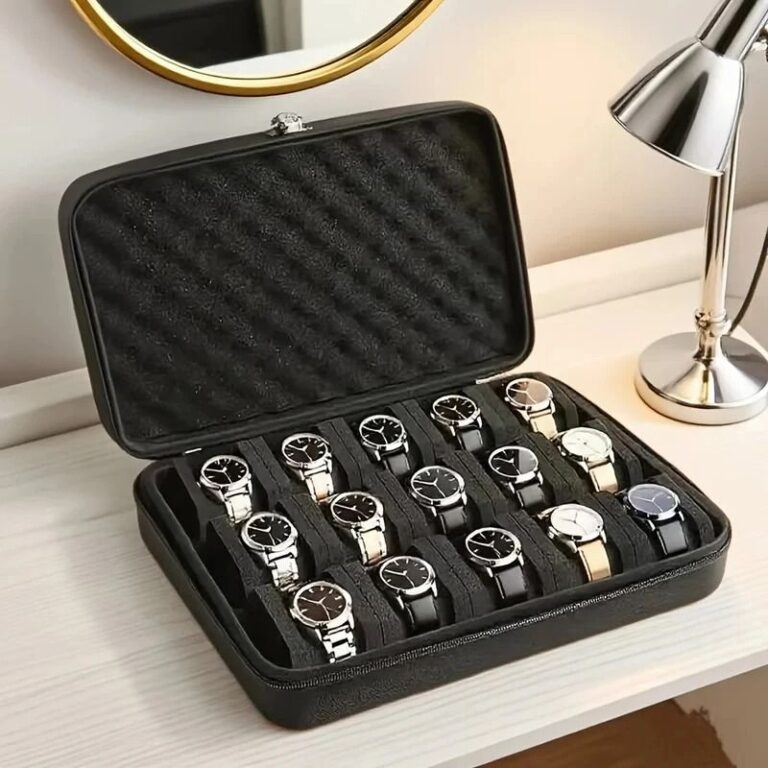 Aisha's pickLarge Wooden Storage Cabinets That Work in Old Houses and New Ones
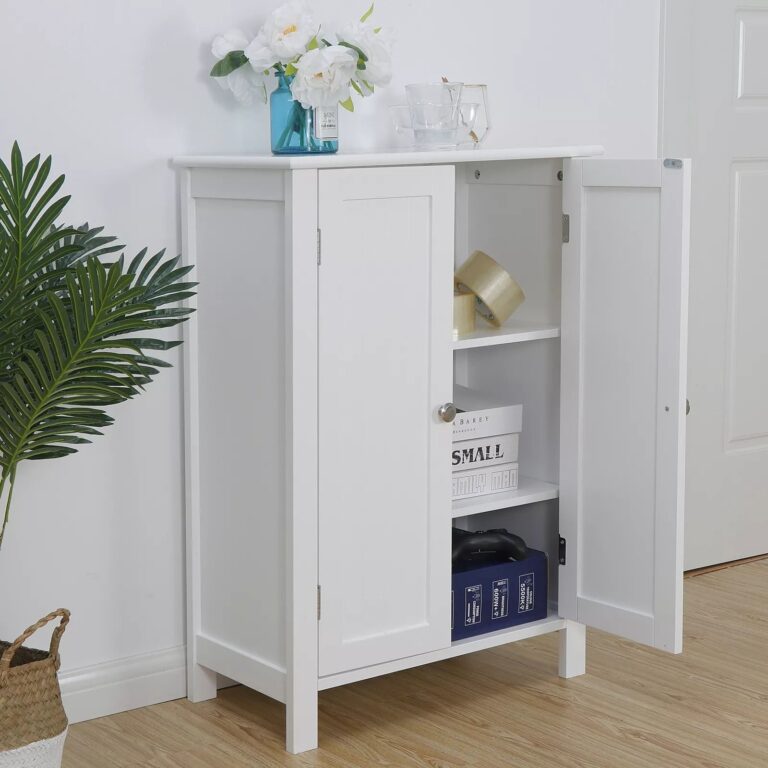
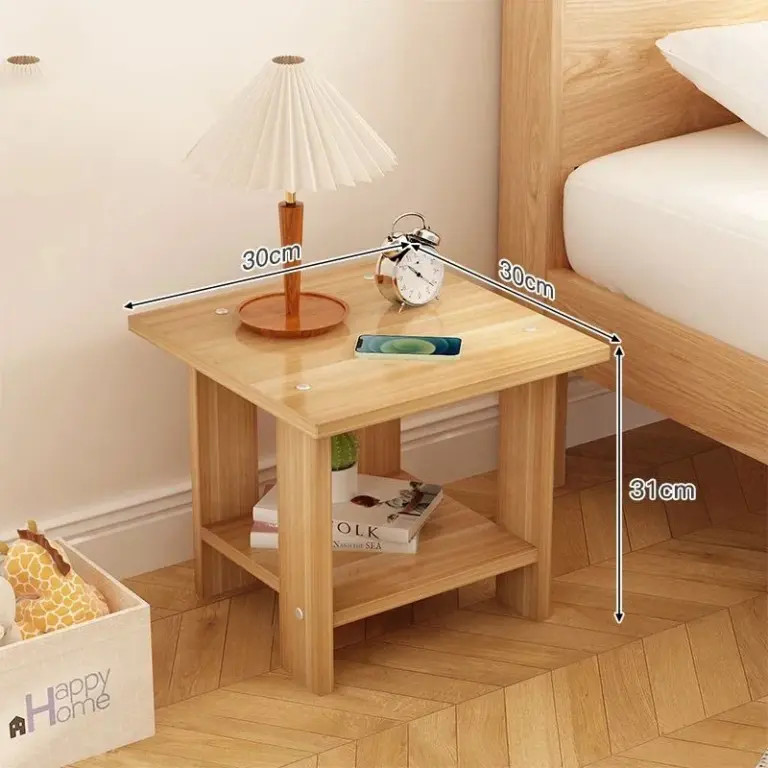 Aisha's pickSolid Wood Nightstands That Sort Out the Chaos
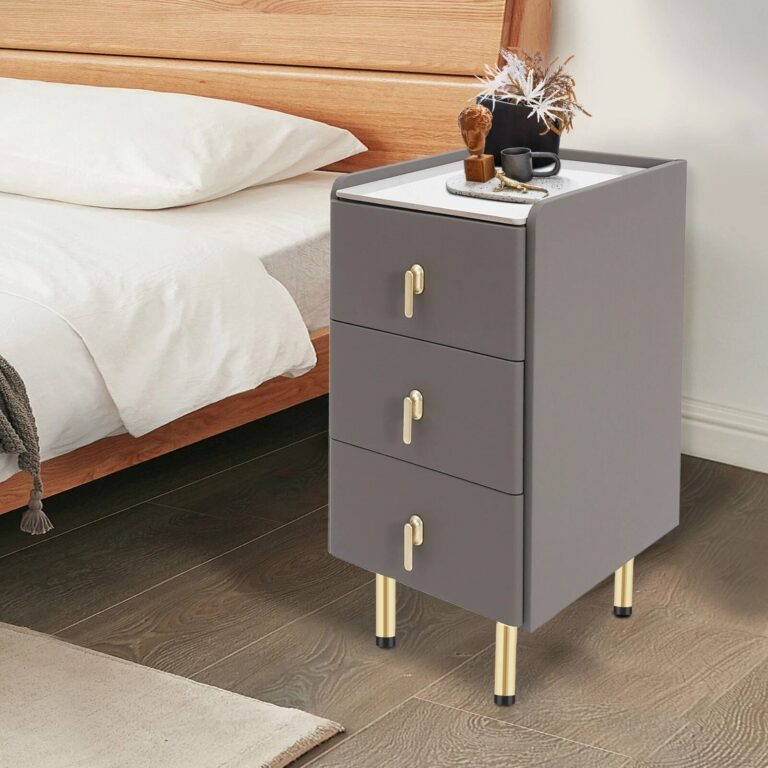
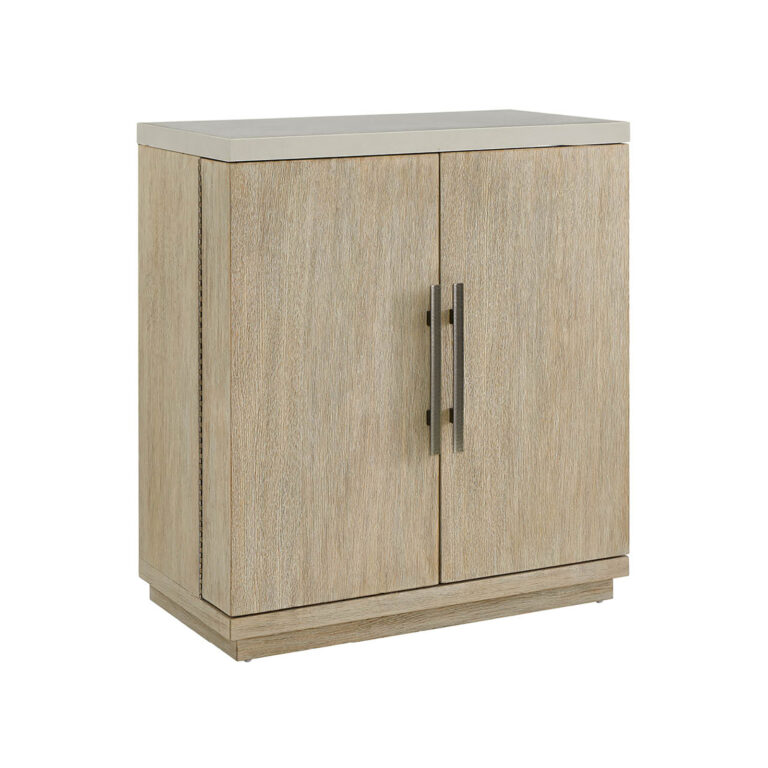 Aisha's pickOak Storage Cabinets With Room for More Than You’d Think
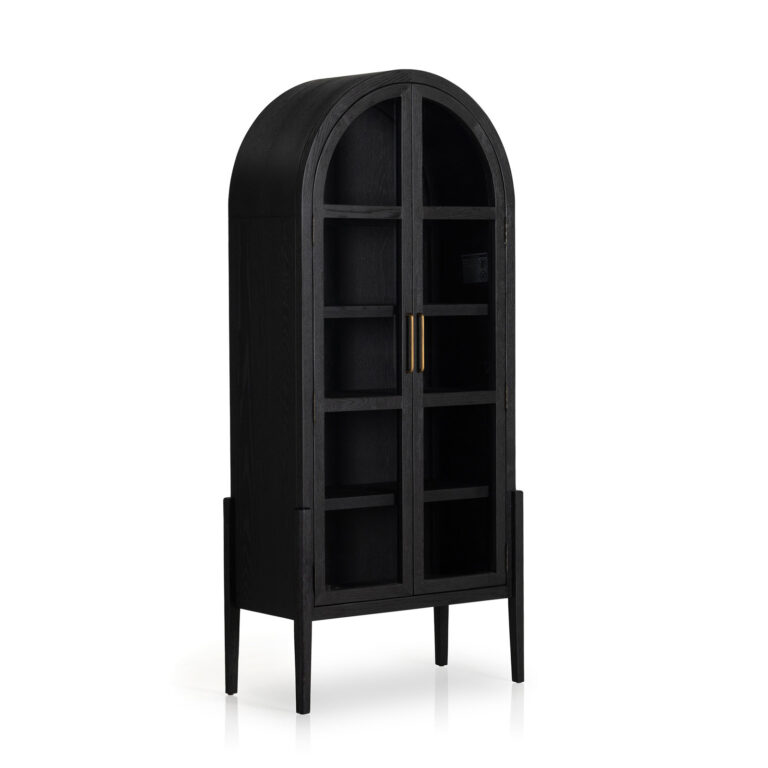
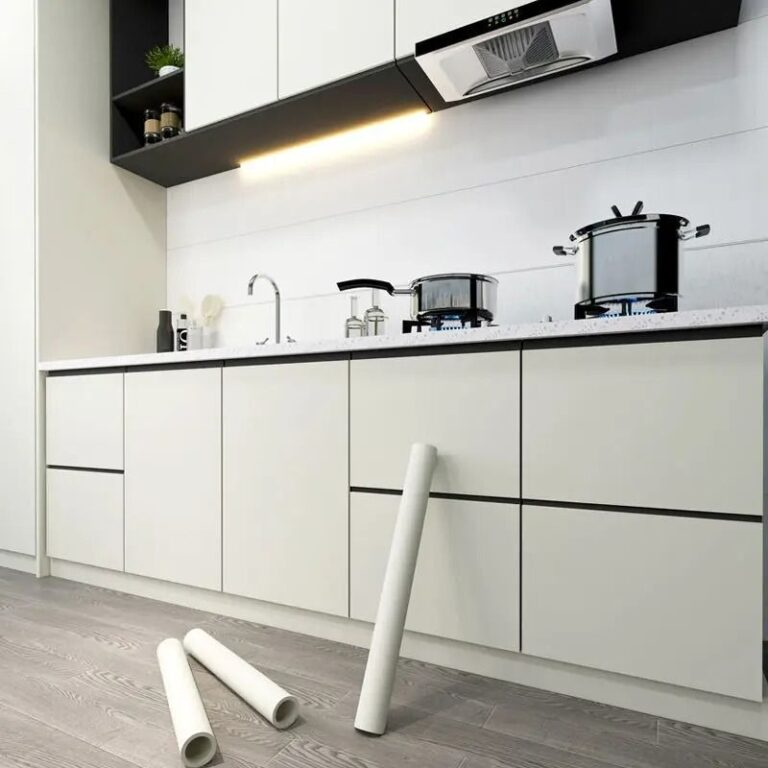 Aisha's pickSolid Wood Kitchen Cabinets That Hide the Mess for GoodAlso worth a lookStorage CabinetsThe hallway closet in my first apartment had exactly one shelf and a bar for coats, and every…See the collections →
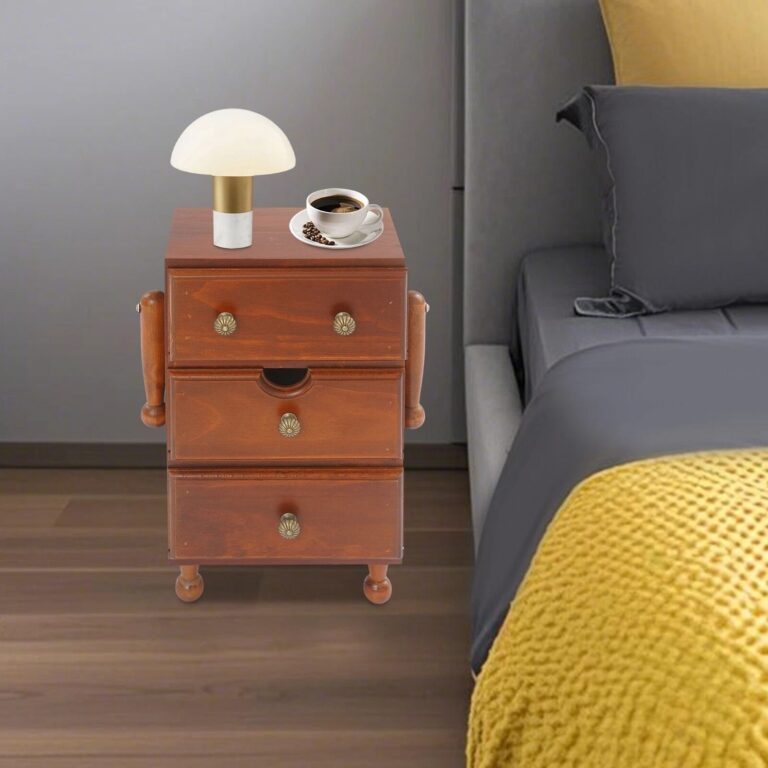 Aisha's pickPine Storage Cabinets You’ll Keep for Years