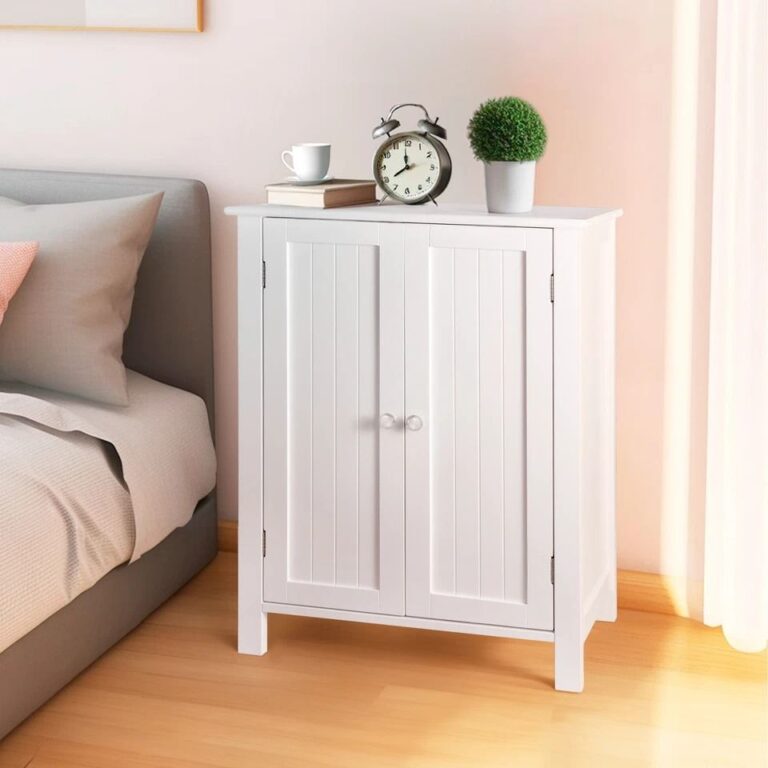
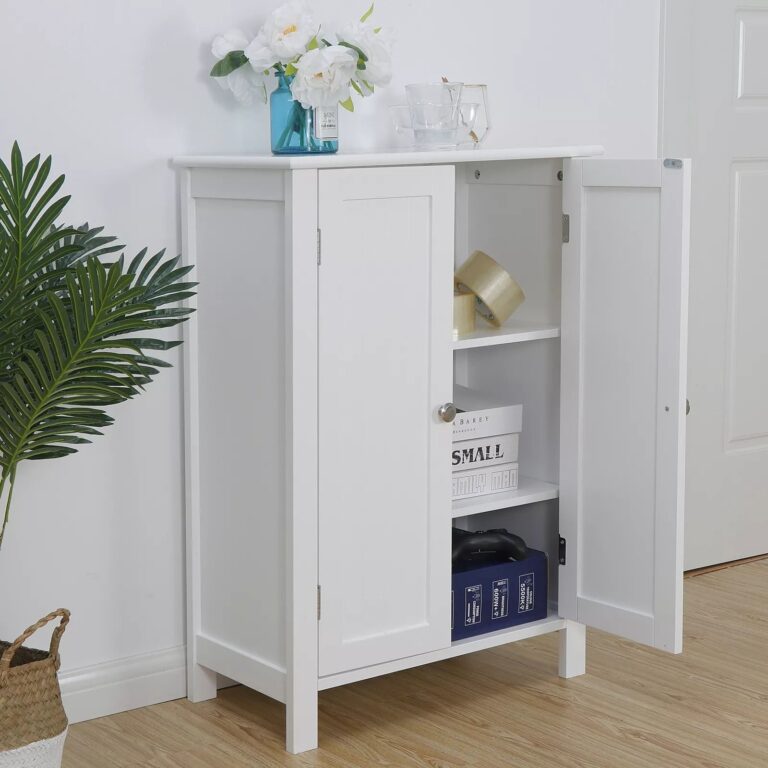
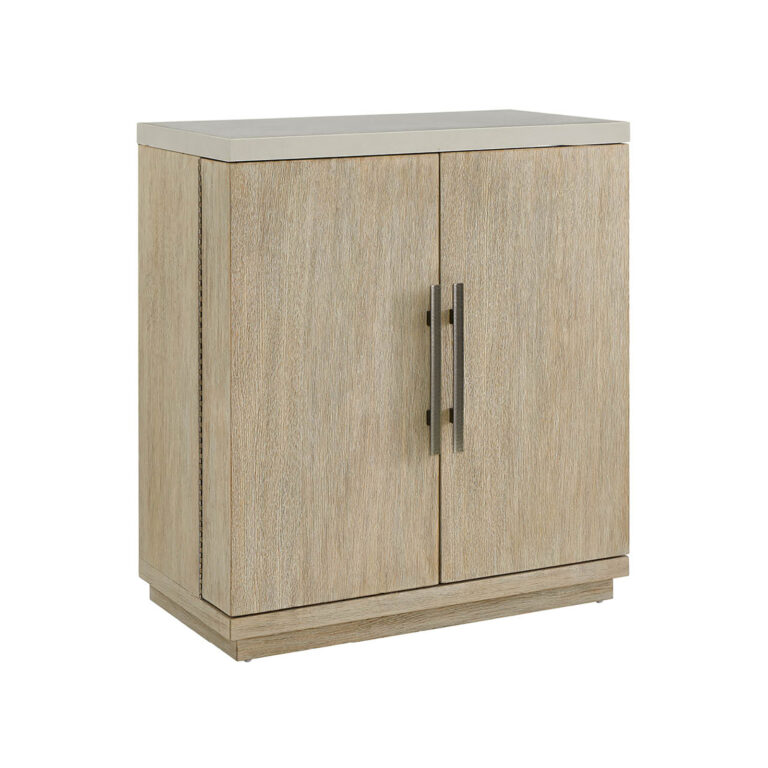
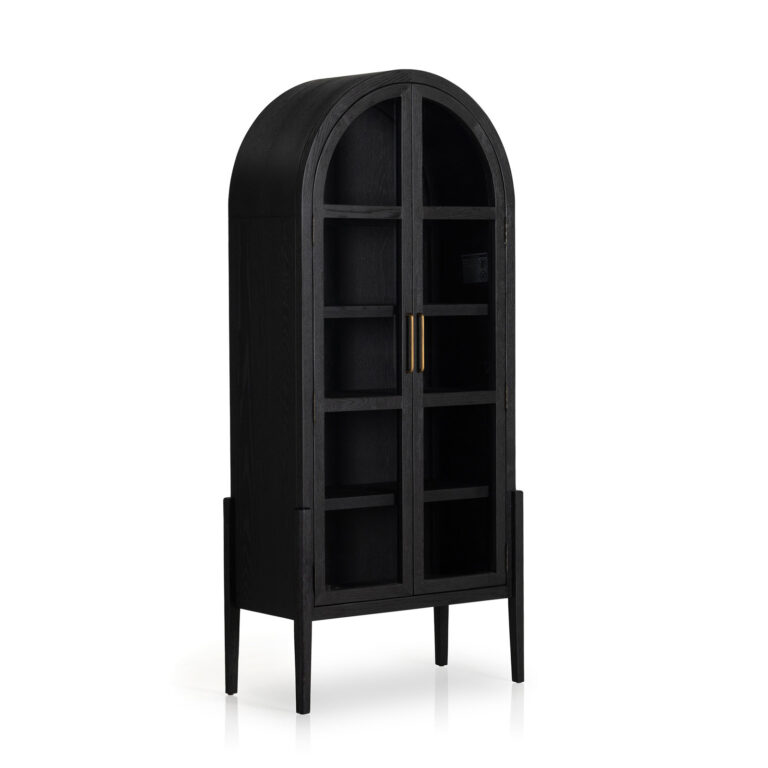
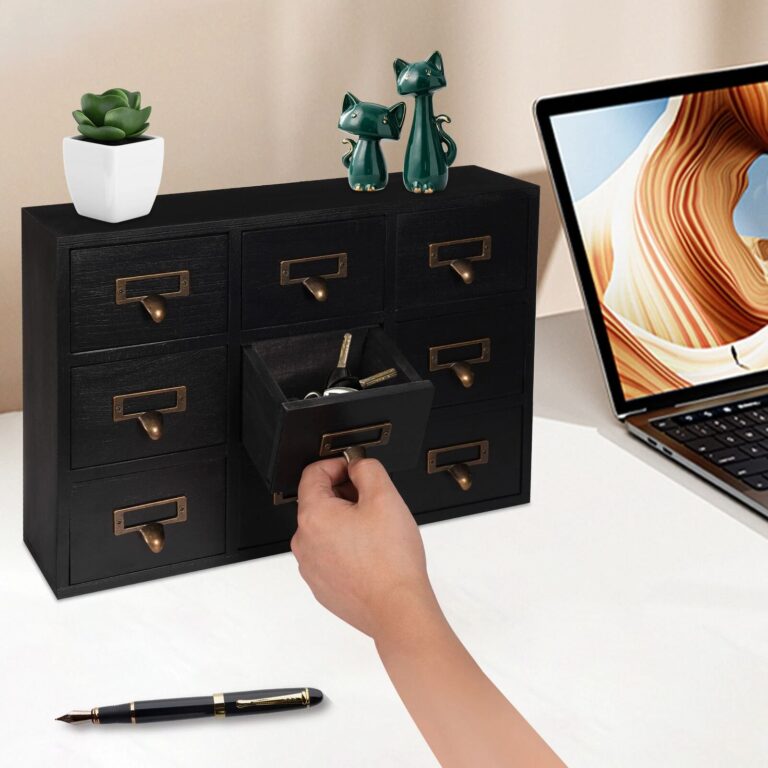
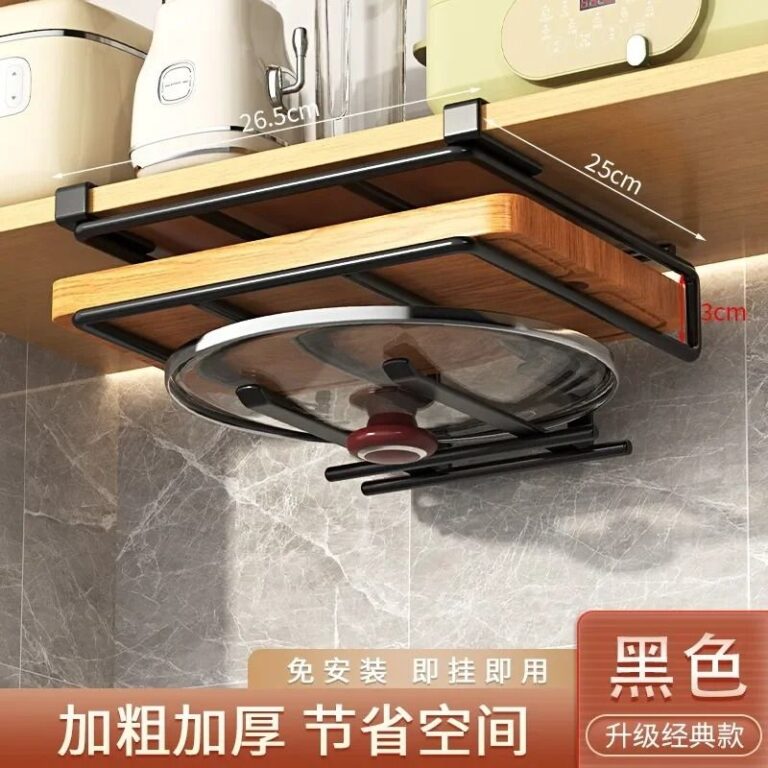
Storage cabinets used to mean one thing, a dark, heavy piece shoved against a wall because you had to put it somewhere, not because you wanted to look at it. That has shifted. The better ones now are built with a lighter hand, real attention to the wood grain, proportions that actually fit a regular sized room instead of a lodge. I think that is an improvement, though I will say I have a mudroom cabinet from years back that is basically a plywood box with a door, and it still bugs me every time I walk past it.
In an ordinary room, a wooden storage cabinet works best as the quiet anchor rather than the thing you notice first. Put it behind a sofa, under a window, along a hallway with too much empty wall. It pairs well with a woven basket or two on top, a lamp, maybe a stack of books, nothing that competes with the wood itself. What it should not sit next to is a lot of high gloss or chrome, that contrast makes a nice cabinet look like it wandered in from a different house.
The difference between a good one and a bad one shows up fast once you own it. A disappointing cabinet has drawers that stick in humidity, hinges that loosen within a year, and a finish that is really a photograph of wood grain printed onto something pressed and glued. A well made one has solid joints, usually dovetailed or at least properly doweled, drawers that glide without you having to lift the front, and a finish you can feel, some texture, some variation panel to panel, because real wood is never perfectly uniform. Open the doors before you decide. If they smell like glue, walk away.
If you own none of these yet, start with something midsized, around waist height, with doors rather than open shelving. That one piece will handle linens, board games, the tangle of cables and chargers nobody wants on display, and it will not demand a whole room be built around it. It is the most forgiving size to place and the easiest to live with while you figure out what else you actually need.
These cabinets suit almost any home, but they do best in rooms that get regular use, a living room, a hallway, a bedroom with not enough closet space, and they hold up through every season since wood does not care about summer humidity the way some finishes do. If I were choosing a finish to start with, I would pick a warm, medium toned wood, something that shows the grain without going too dark for a small room.

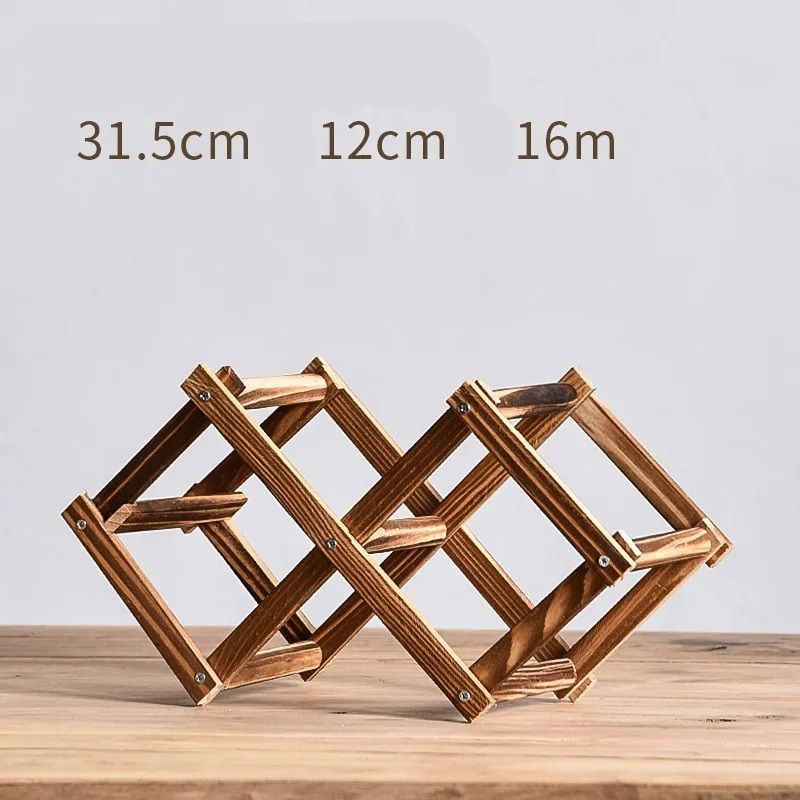 Aisha's pickSolid Wood Storage Cabinets With Some Character
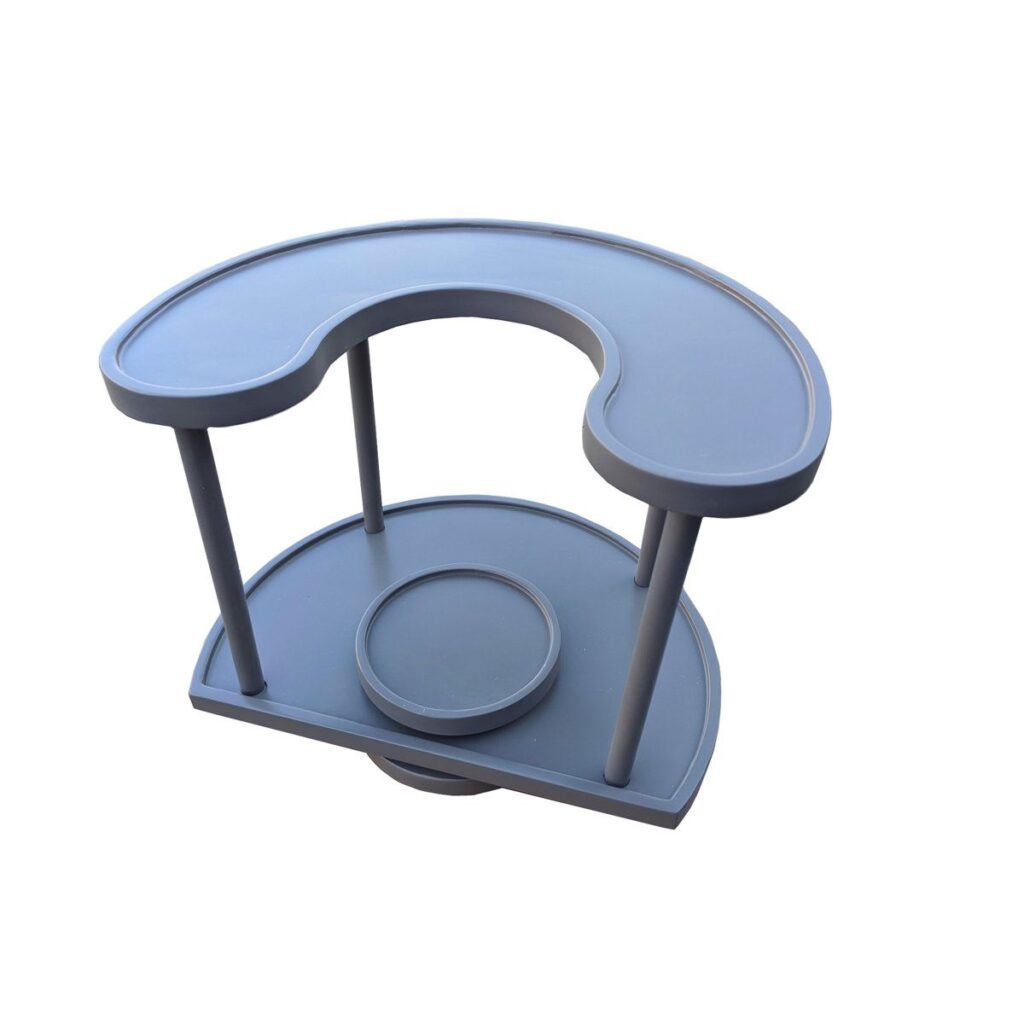
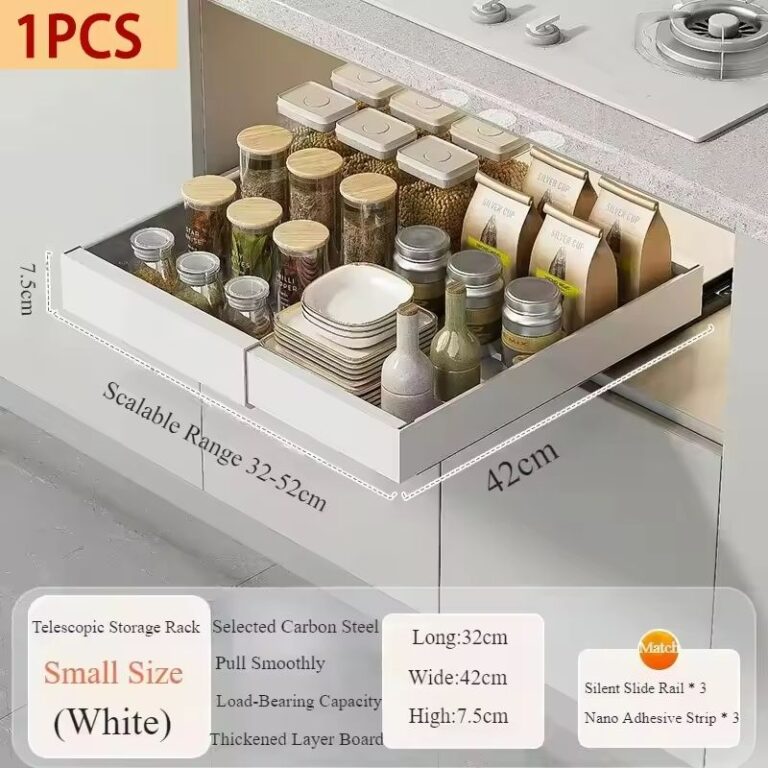 Aisha's pickWood Kitchen Storage Cabinets That Sort Out the Chaos
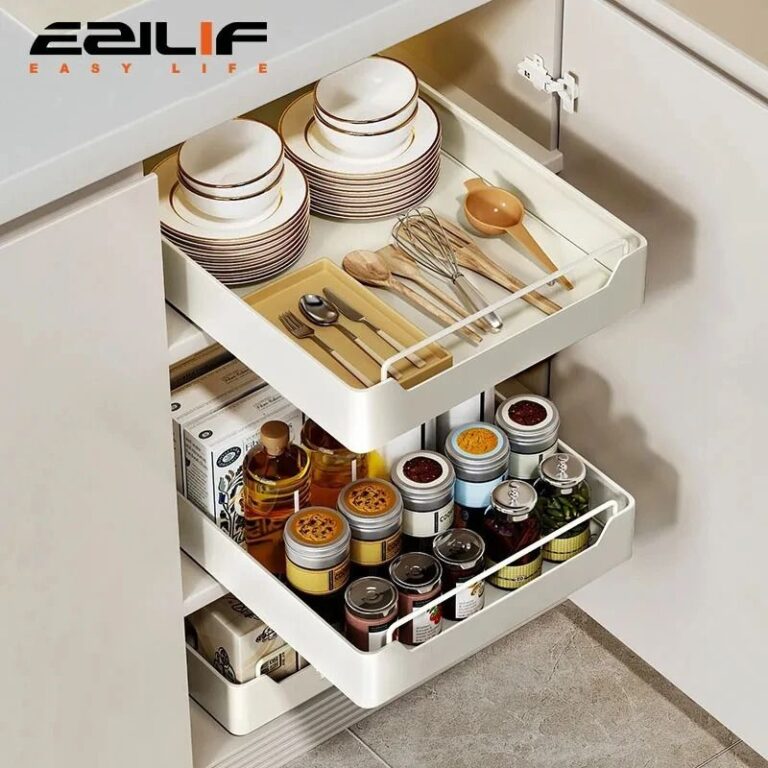
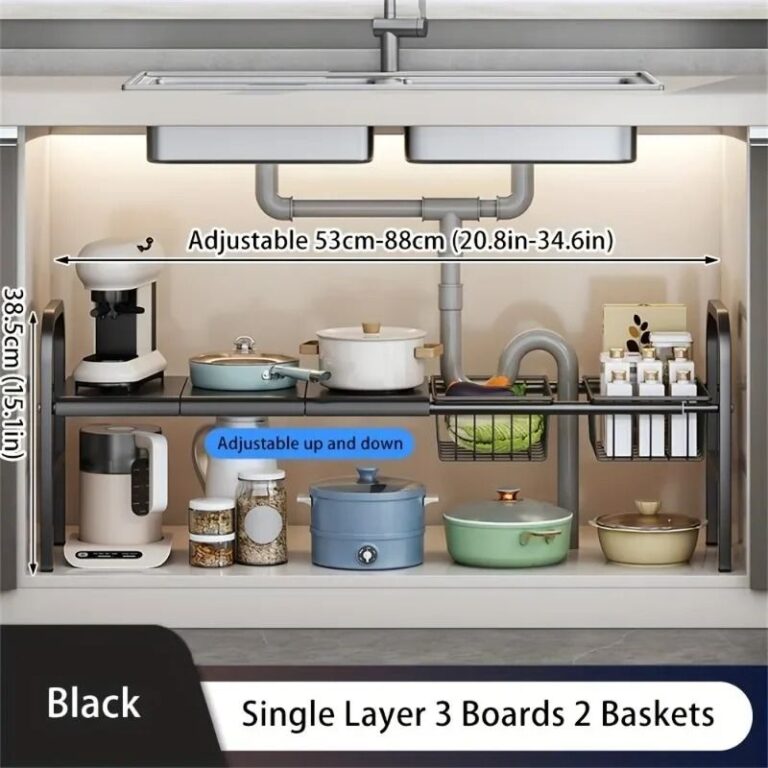 Aisha's pickWood Storage Cabinets That Go With Most Rooms
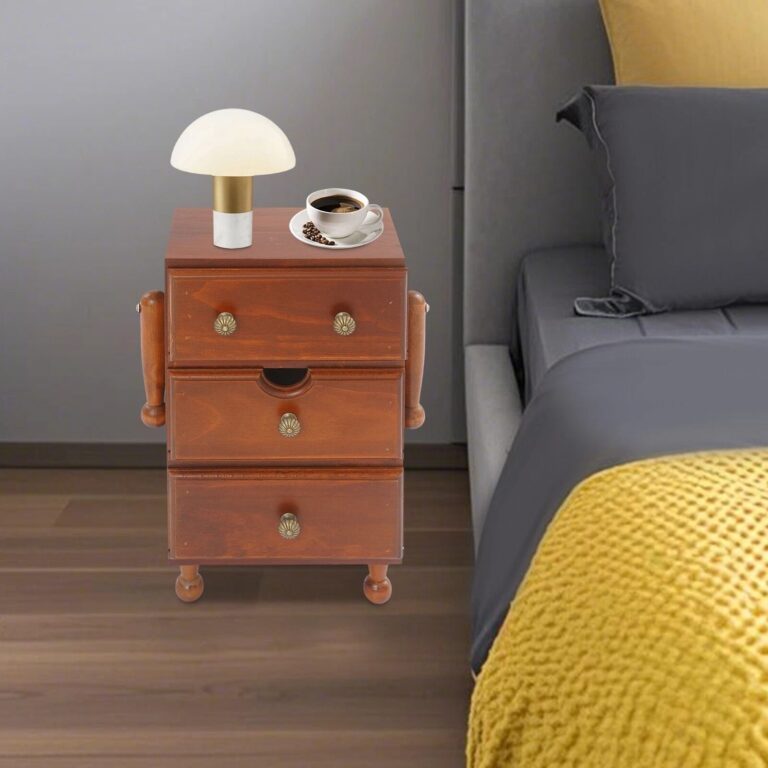
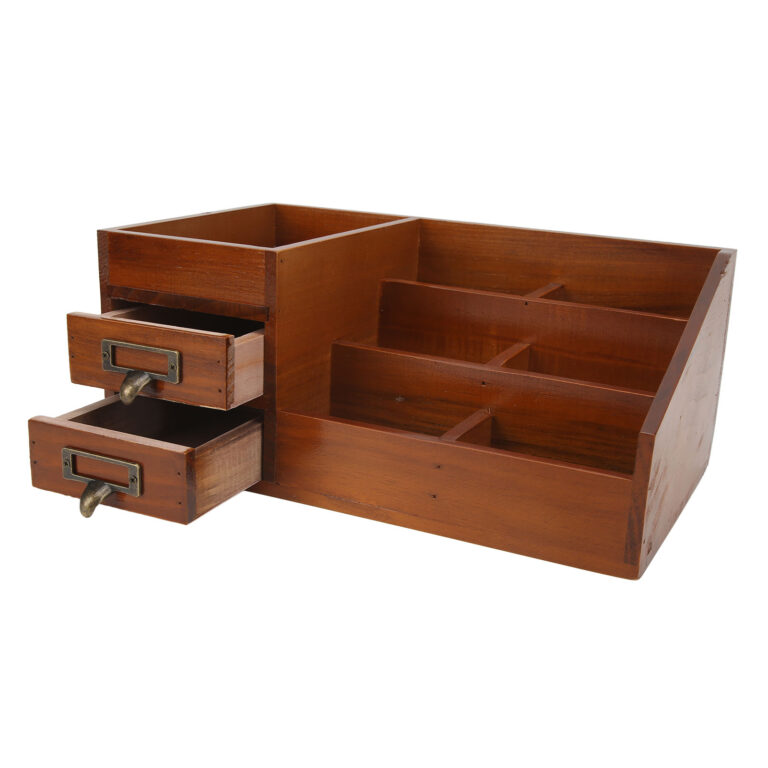 Aisha's pickWooden Office Storage Cabinets That Make Small Changes Feel Big
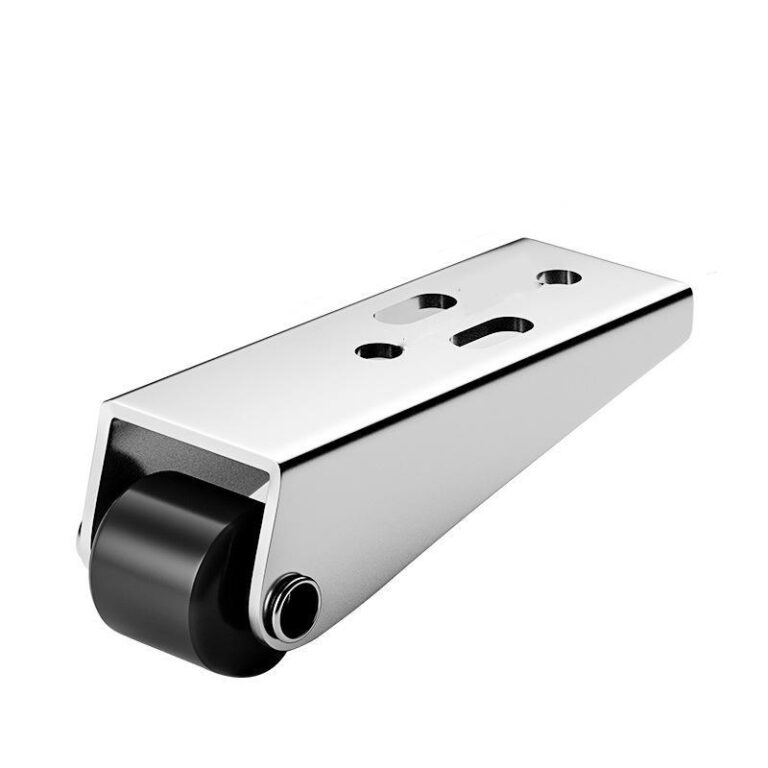
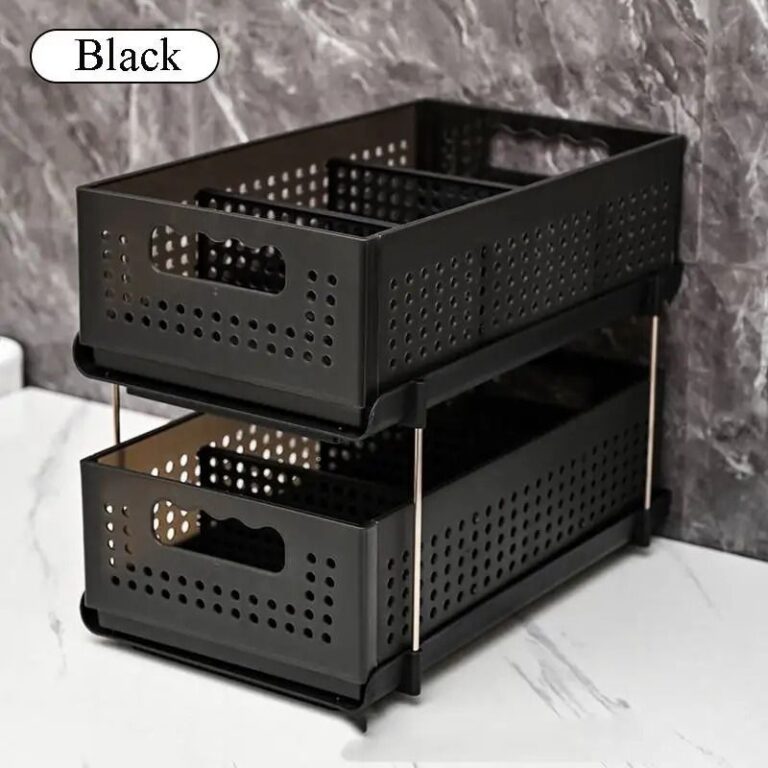 Aisha's pickWhere to Start With Wooden Storage Cabinets
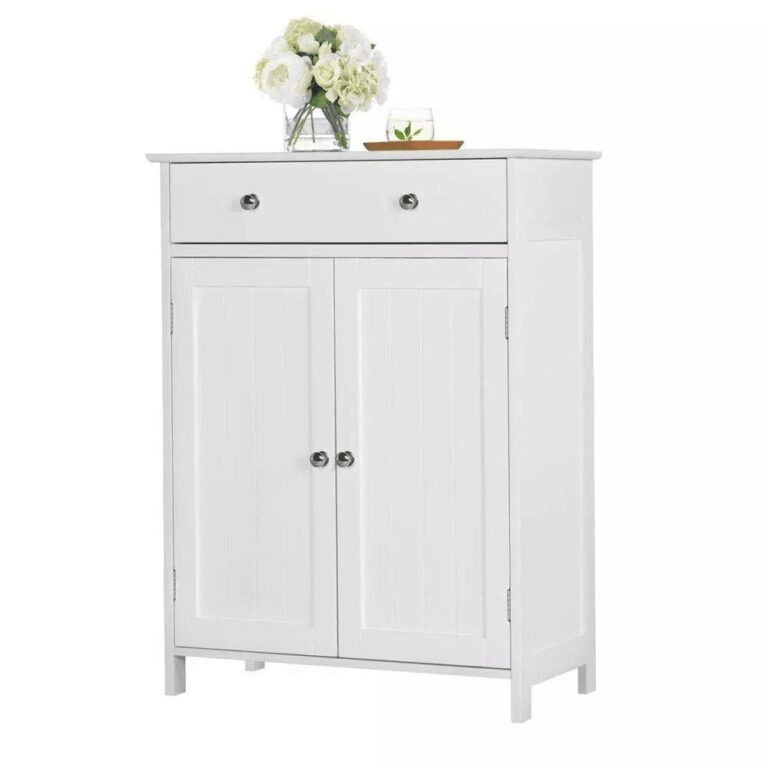
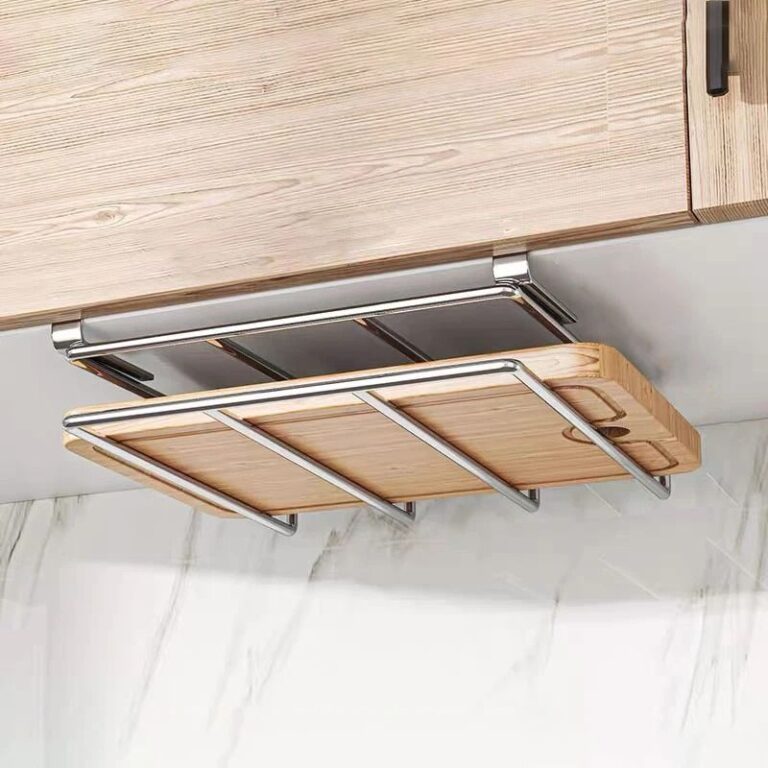 Aisha's pickWooden Storage Cabinets with Doors That Don’t Shout About It
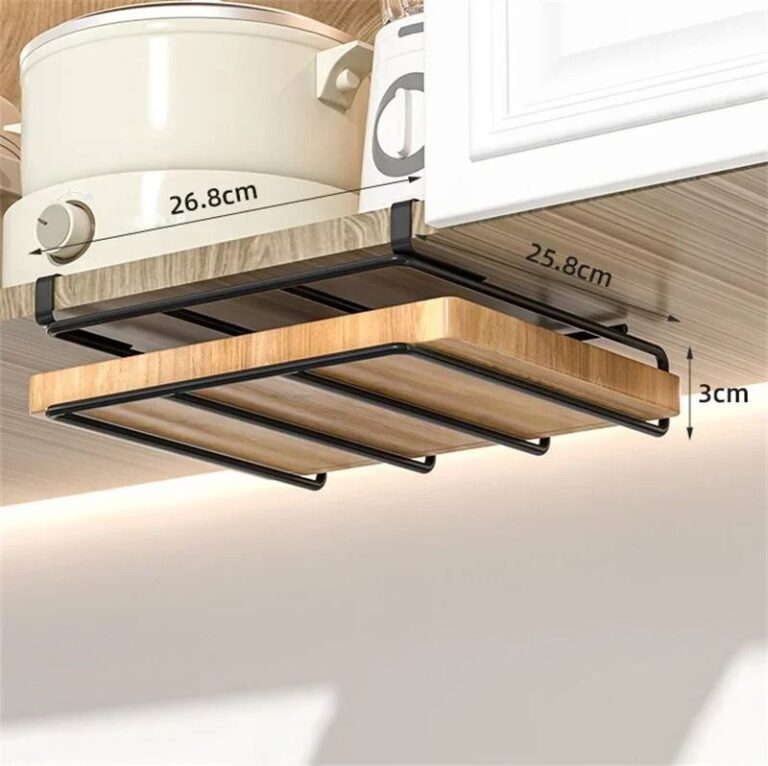
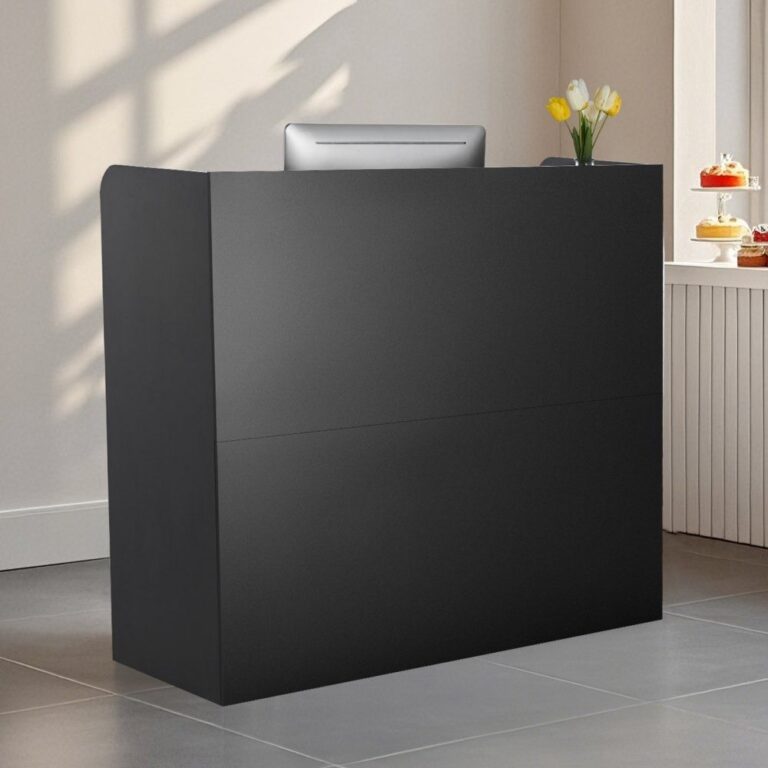 Aisha's pickWooden Storage Cabinets with Drawers That Keep Surfaces Clear
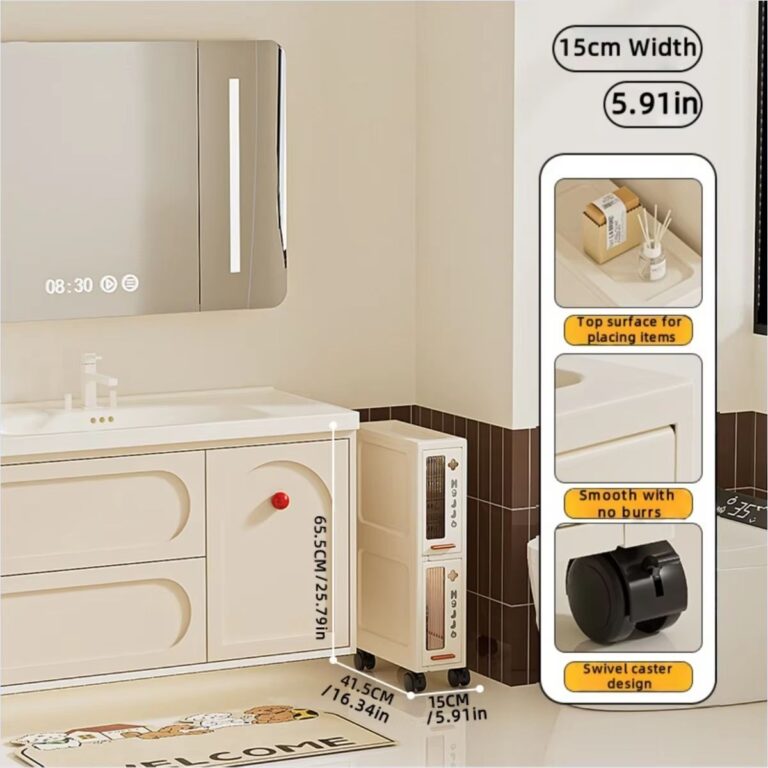
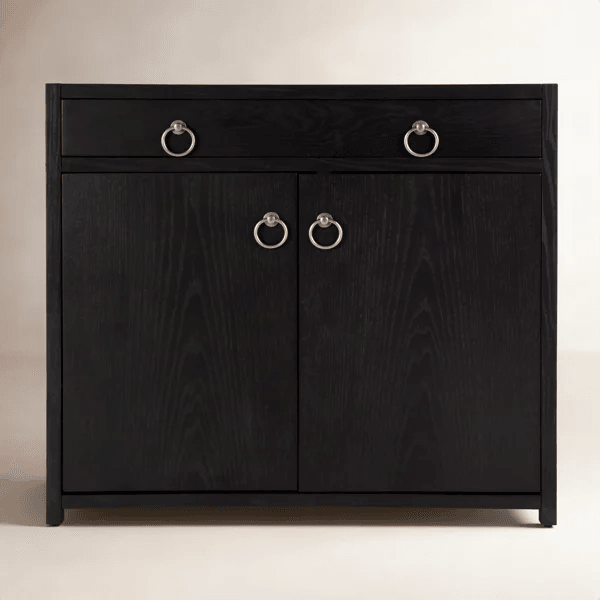 Aisha's pickSimple Wooden Storage Cabinets with Shelves Done WellAlso worth a lookWooden UnitsThe first thing I do with a wooden unit is open and close a drawer or door twice.See the collections →