A good key cabinet sits on the wall by the door and disappears into the routine of leaving and coming home. You open it without looking, because your hand already knows where it is, and the hooks hold the keys still instead of letting them slide into a jumbled heap every time the door swings. The latch should close with a small, solid click, not a rattle, and the door shouldn't bang against the wall paint every single time someone grabs their keys in a hurry.
Where it falls short is obvious once you've lived with a cheap one. Thin metal dents if a bag strap catches it wrong, the hooks are often fixed in a single row so you run out of room after six keys even though the box claimed space for twelve, and the paint finish on the budget ones chips at the corners within a few months, showing bare metal underneath. If you have more than a couple of sets of keys, bikes, sheds, a second car, you'll want more hooks and a layout that lets you label them, not just a row of pegs with no system.
In a shop, open the door a few times before you decide. Check the hinge doesn't sag or feel loose, check the lock, if there is one, actually turns smoothly rather than catching halfway, and look at the back panel, it should be solid enough that the mounting screws don't just bite into thin sheet metal that will eventually work loose. On delivery day, check the hooks are evenly spaced and properly fixed, not glued on and wobbling, because that's the first thing to fail and the main reason people give up on these and just leave keys on the kitchen counter.
It clashes with busy entryways that already have coat hooks, a shoe rack and a mirror competing for the same stretch of wall. A key cabinet needs its own six inches to breathe, somewhere it won't get knocked by a swinging door or buried behind jackets. It also looks wrong mounted at a height where you can't see into it properly, which sounds obvious but I've seen it fixed above eye line in more than one rental, which defeats the entire point.
Over time the better ones earn a kind of patina, the paint dulling slightly where hands brush past it daily, the hinge loosening just enough to swing open silently instead of with that first stiff resistance. The cheap ones just get worse, hook by hook, until you're back to a bowl on the counter and a search for your keys every morning.
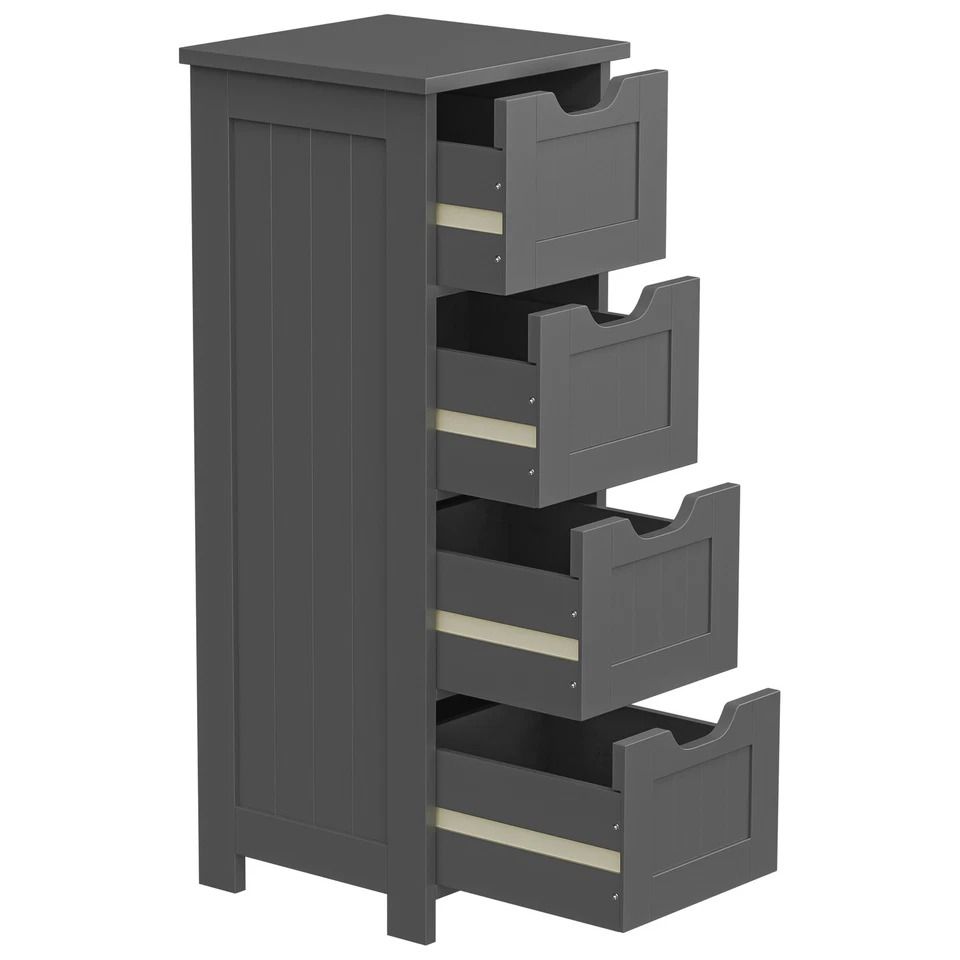
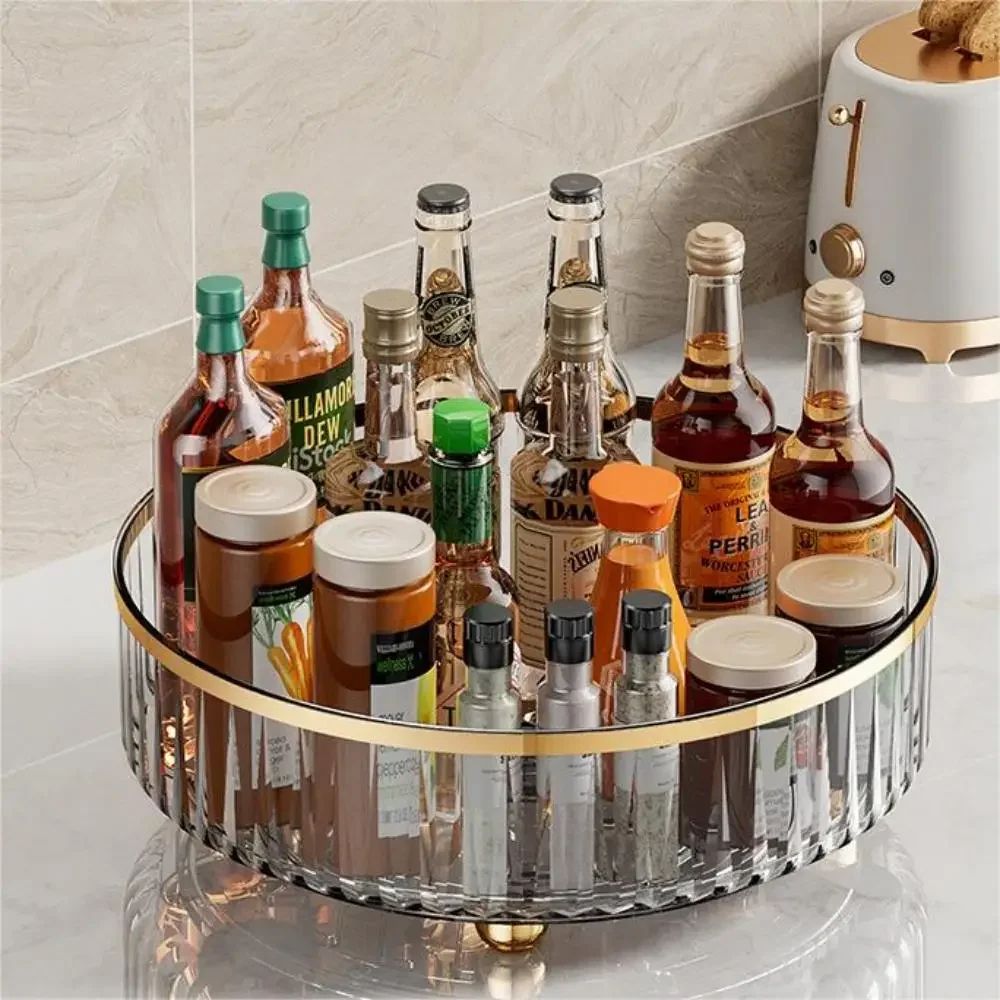 Aisha's pickGray Key Cabinets We Wish We’d Bought Sooner
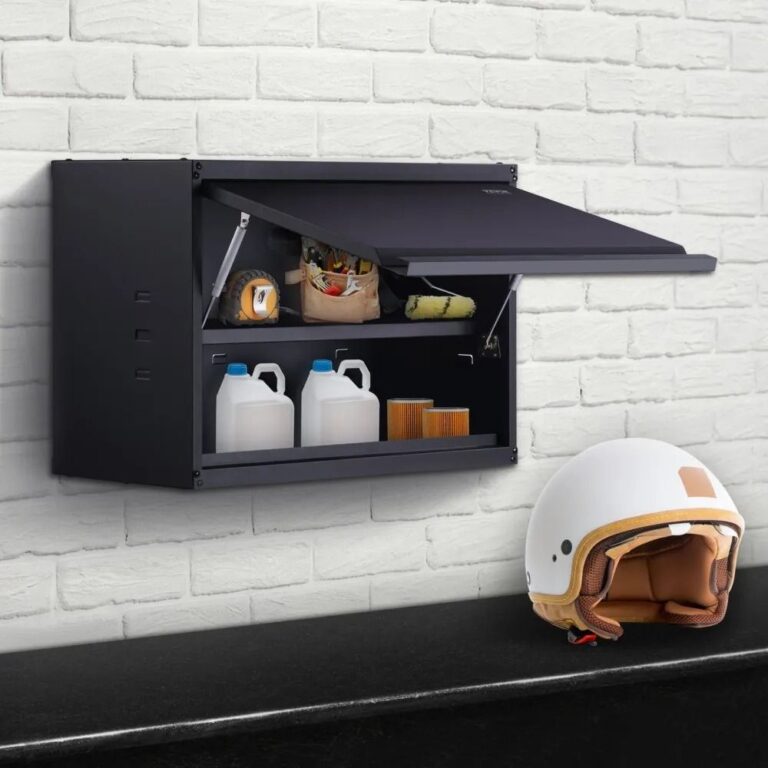 Aisha's pickWall Mounted Key Cabinets That Make Tidying Up Quicker
 Aisha's pickHeavy Duty Key Cabinets We Keep Coming Back To
 Aisha's pickShopping for White Key Cabinets? Start Here
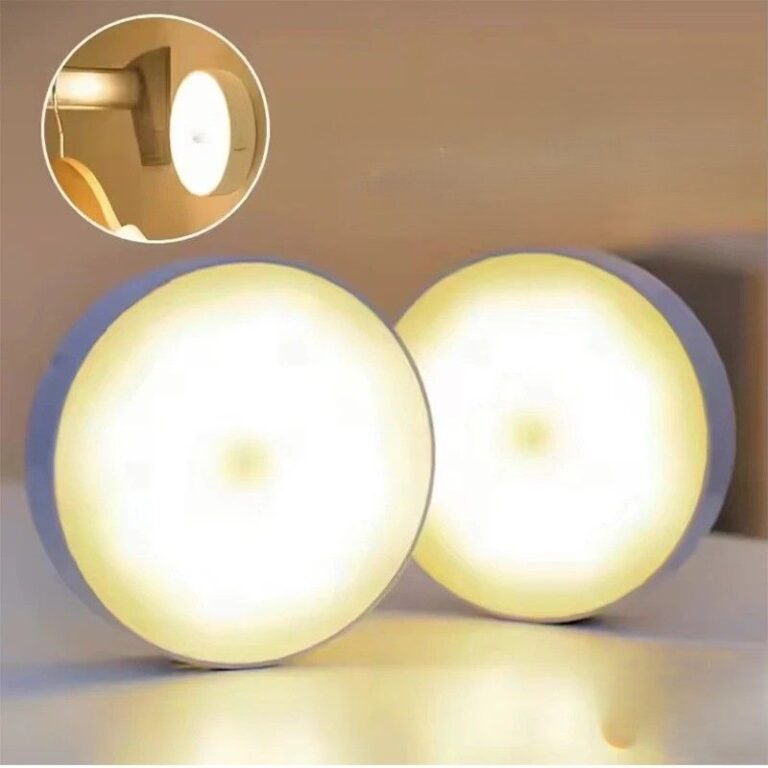
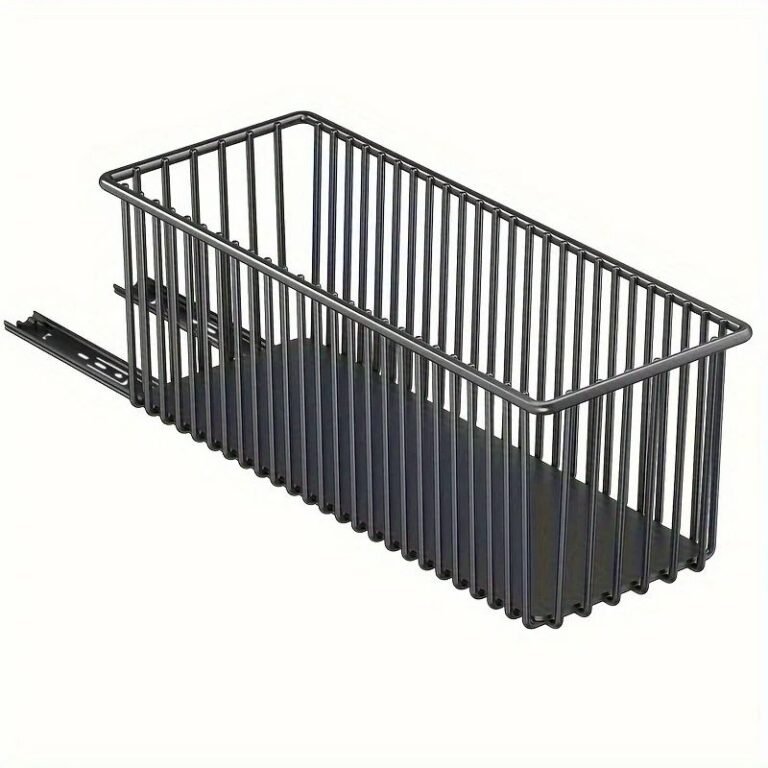 Aisha's pickNo Fuss Industrial Key Cabinets
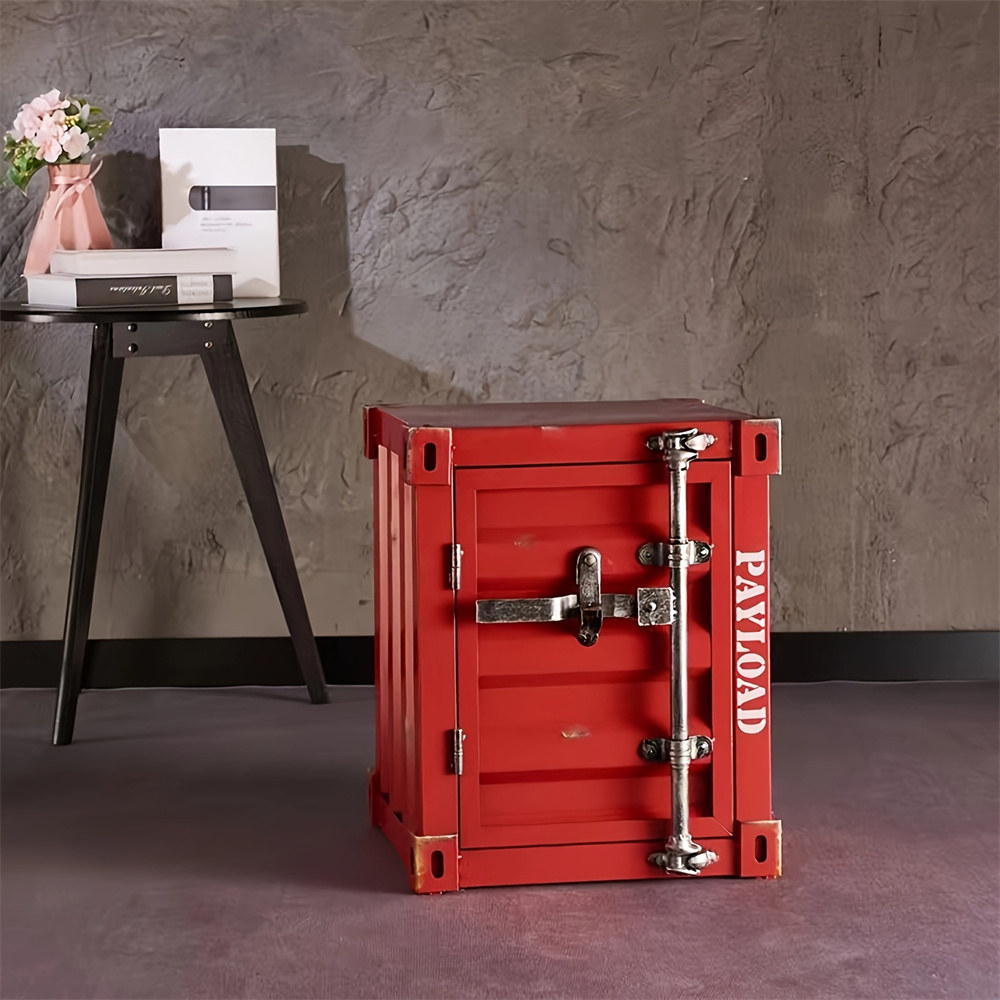
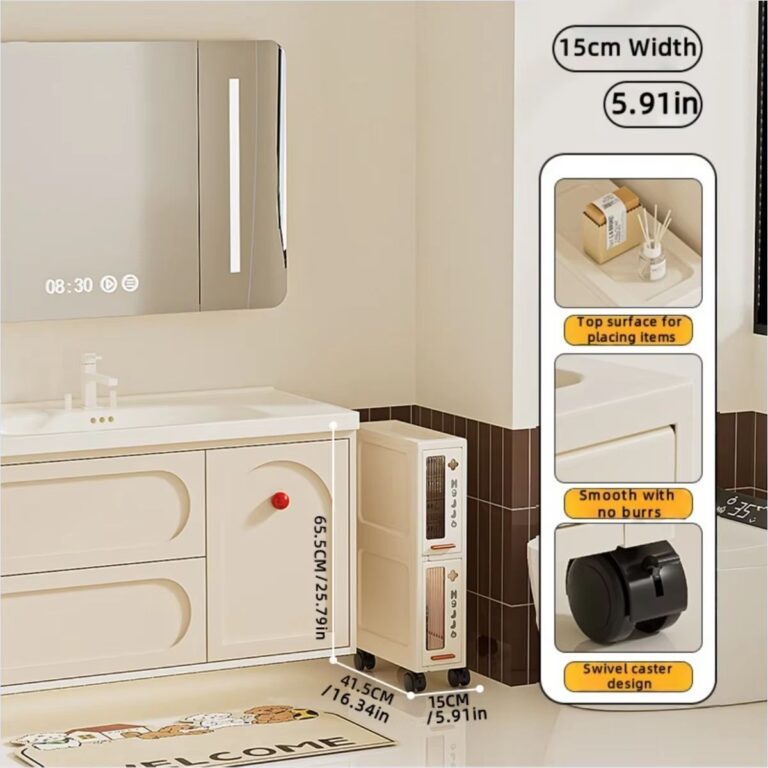 Aisha's pickWooden Key Cabinets Worth Knowing About
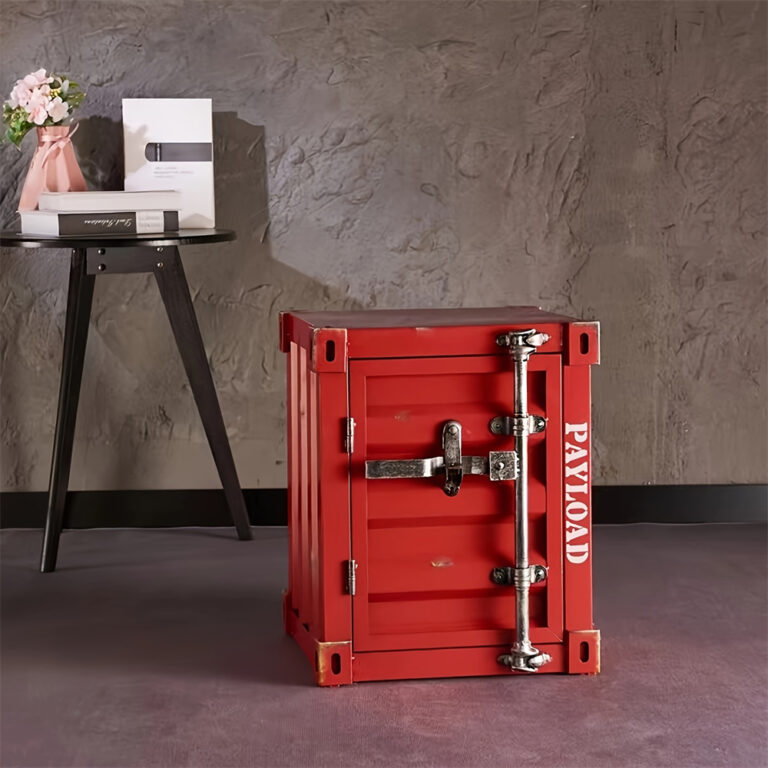
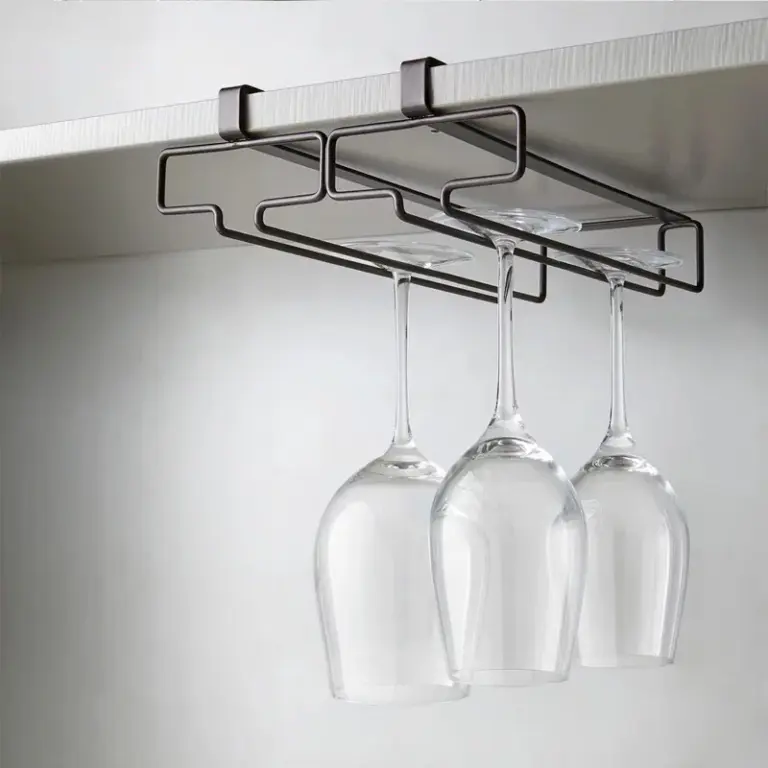 Aisha's pickKey Cabinets for the Bits That Never Have a Home
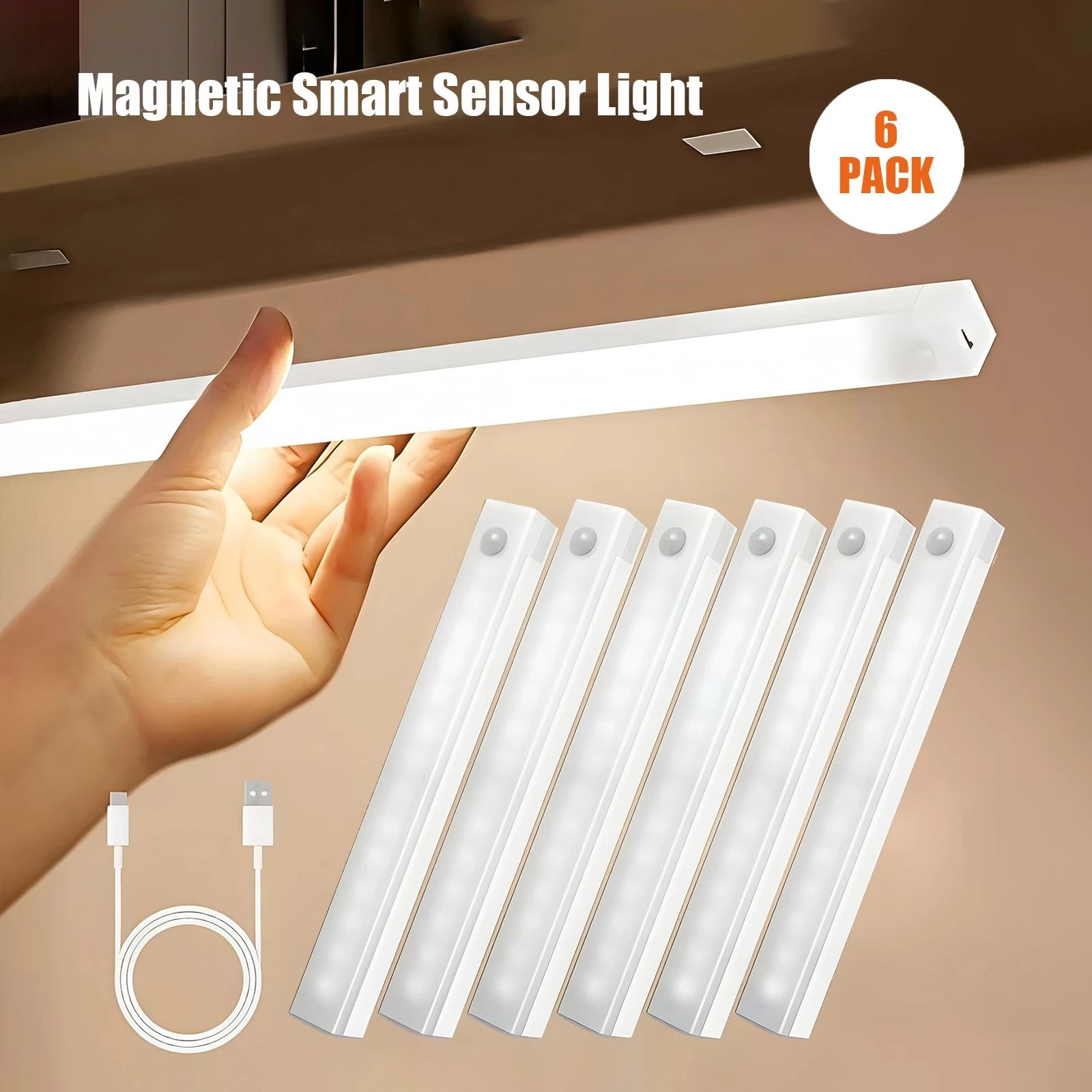
 Aisha's pickKey Cabinets with Hooks We Wish We’d Bought Sooner

 Aisha's pickKey Cabinets with Lock That Sort Out the ChaosAlso worth a lookStorage CabinetsThe hallway closet in my first apartment had exactly one shelf and a bar for coats, and every…See the collections →
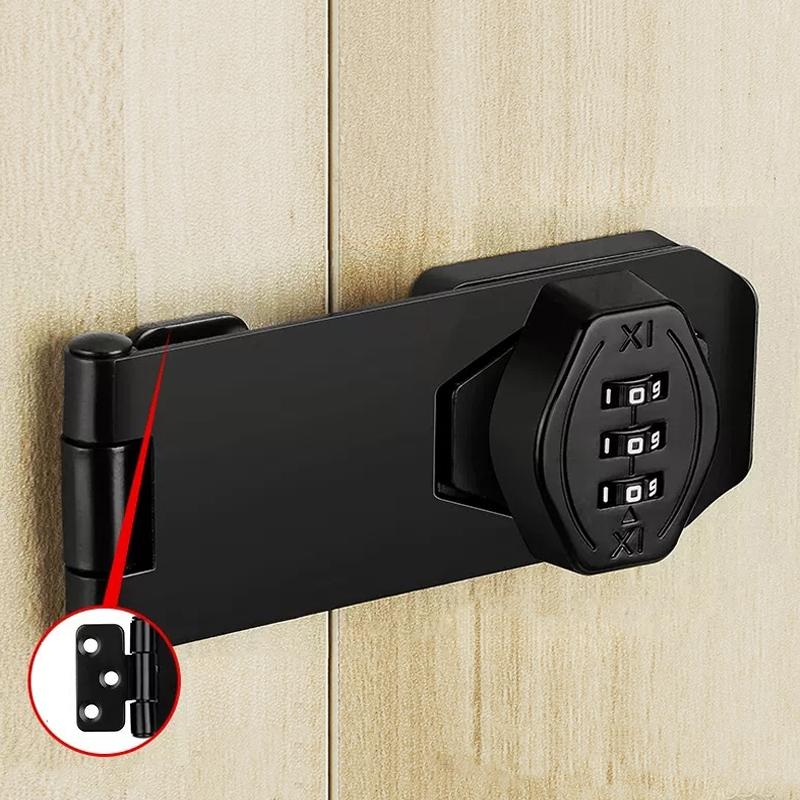
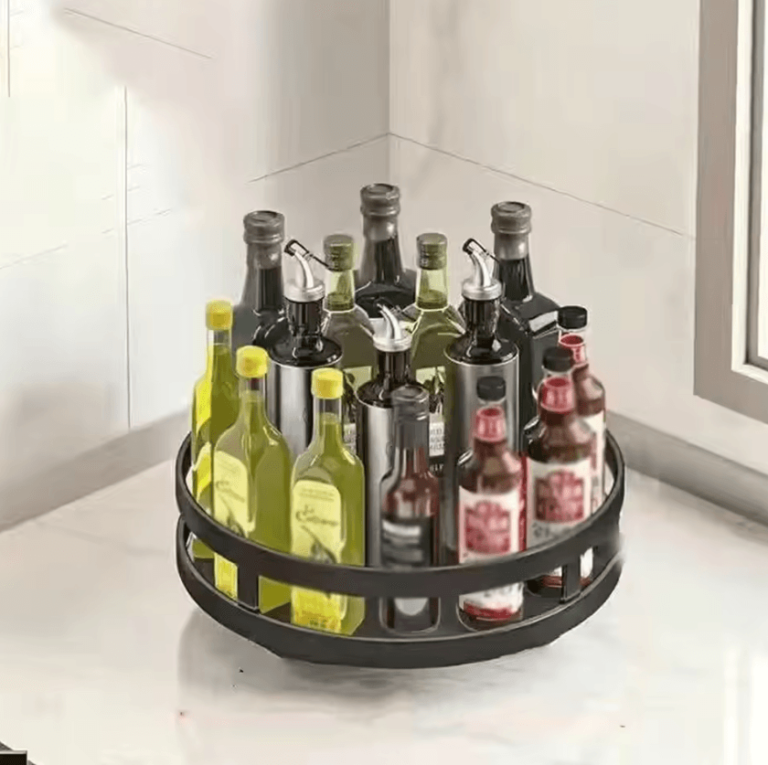 Aisha's pickKey Cabinets with Shelf Worth Knowing About

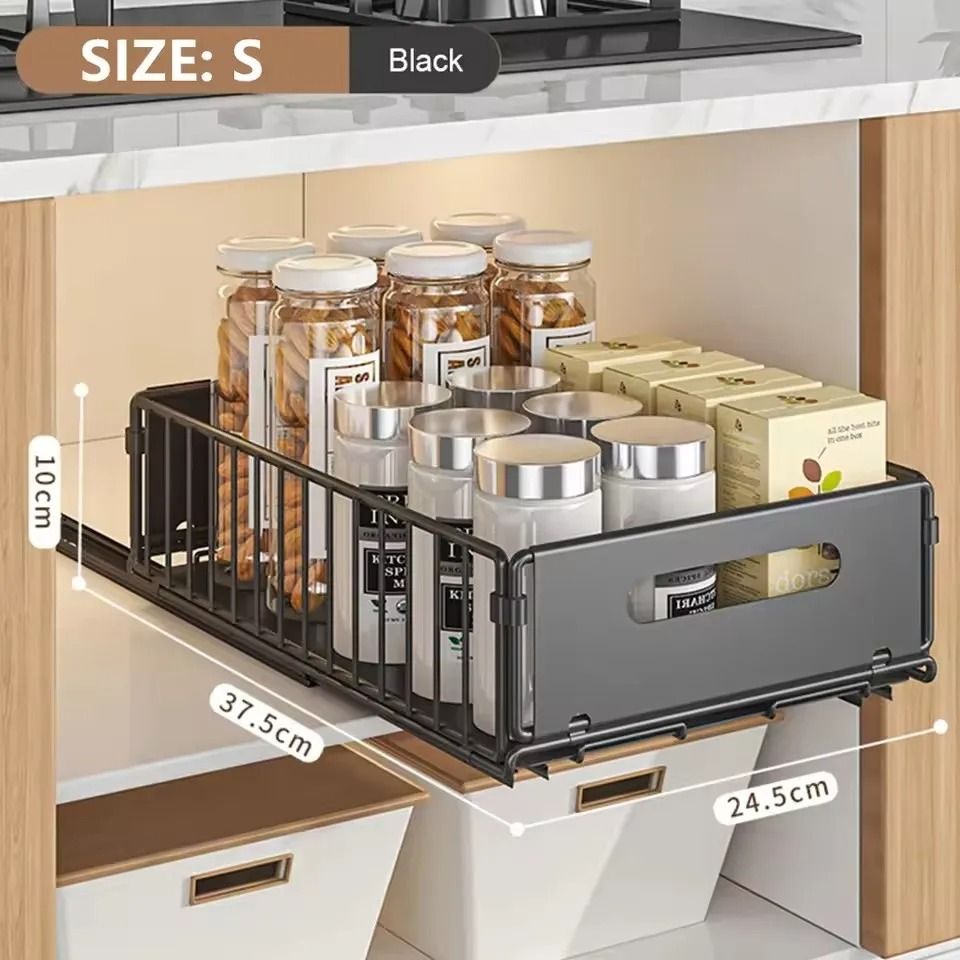 Aisha's pickKey Cabinets with Storage Picked by People Who Care Too Much
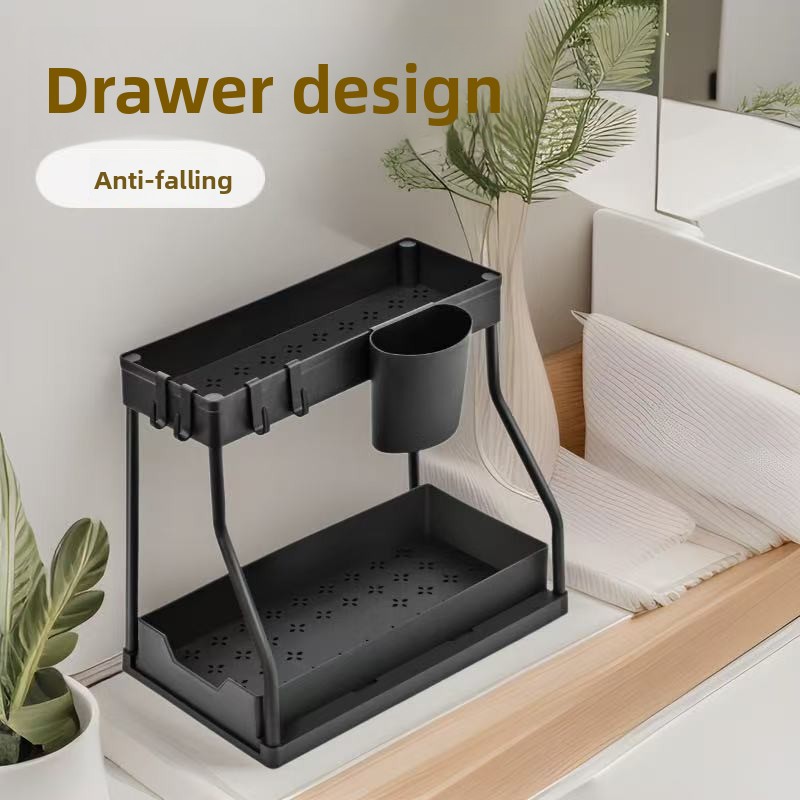
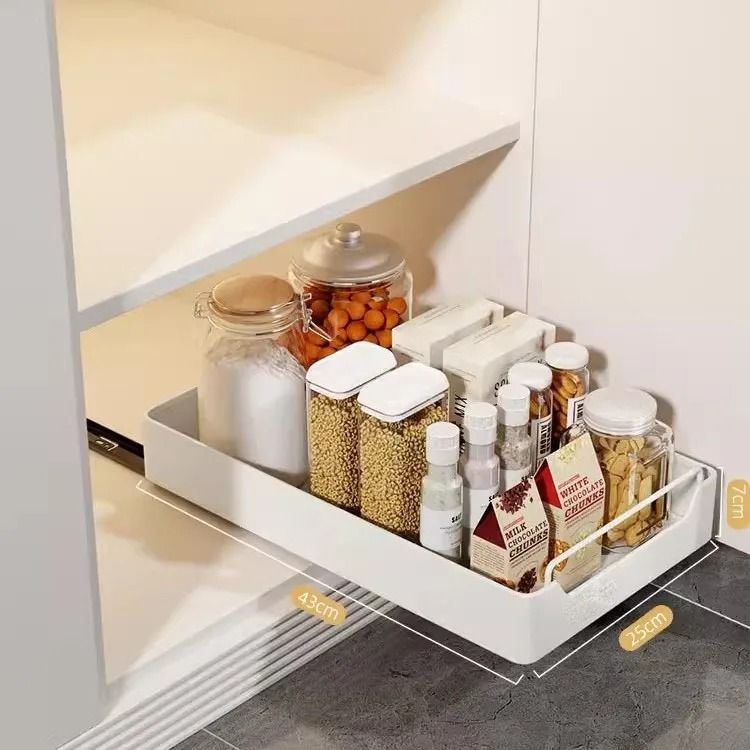 Aisha's pickLarge Key Cabinets We Wish We’d Bought Sooner

 Aisha's pickLockable Key Cabinets That Fit Into Real Life

 Aisha's pickLong Key Cabinets That Hold Up to Everyday Life

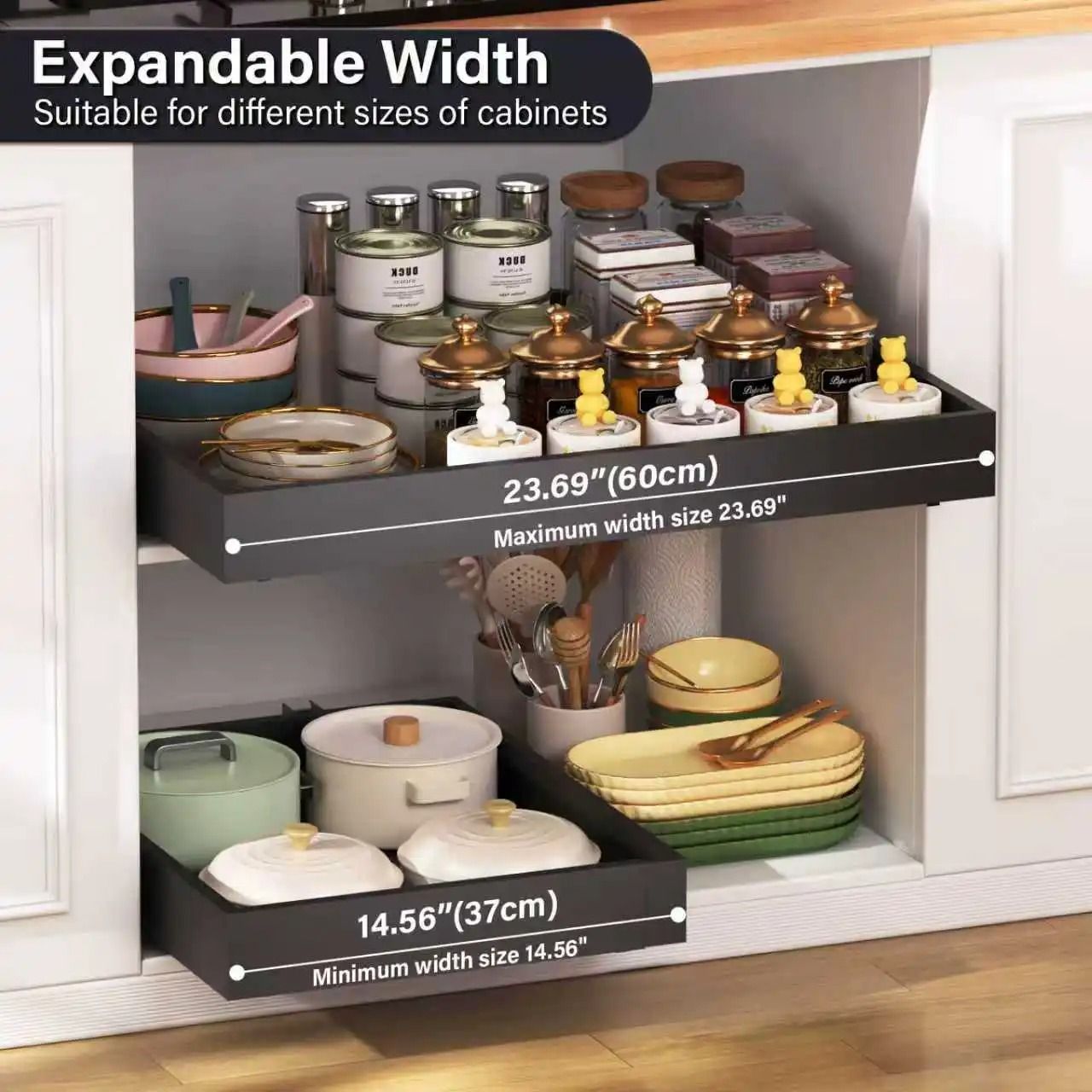 Aisha's pickMetal Key Cabinets That Make Tidying Up Quicker

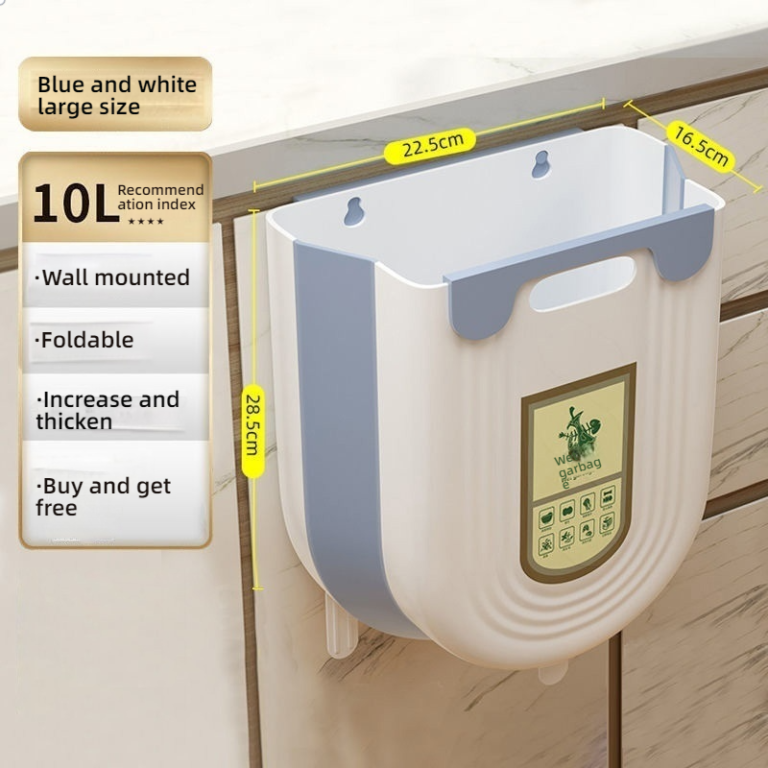 Aisha's pickModern Key Cabinets That Squeeze Into Awkward Corners
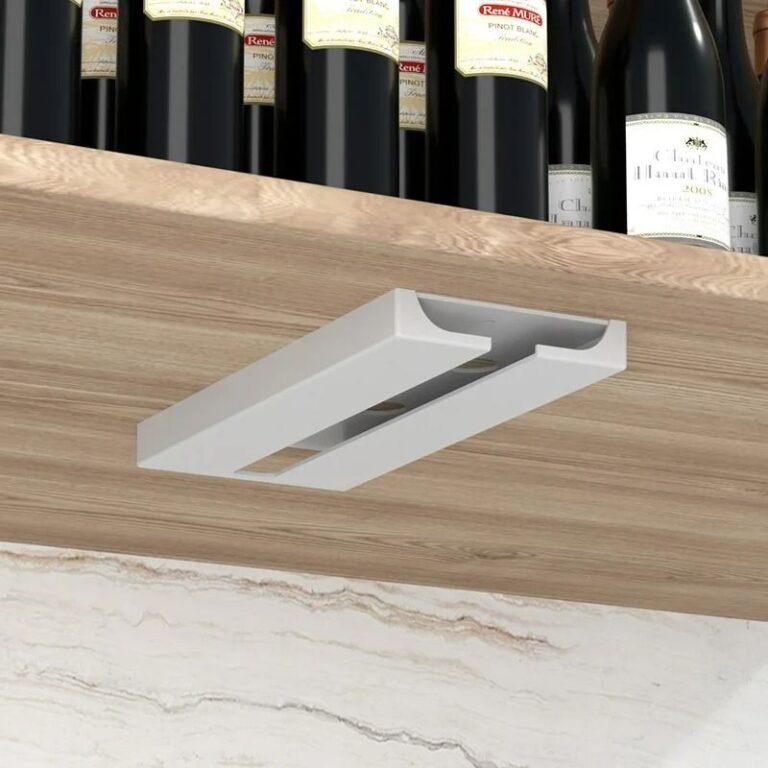
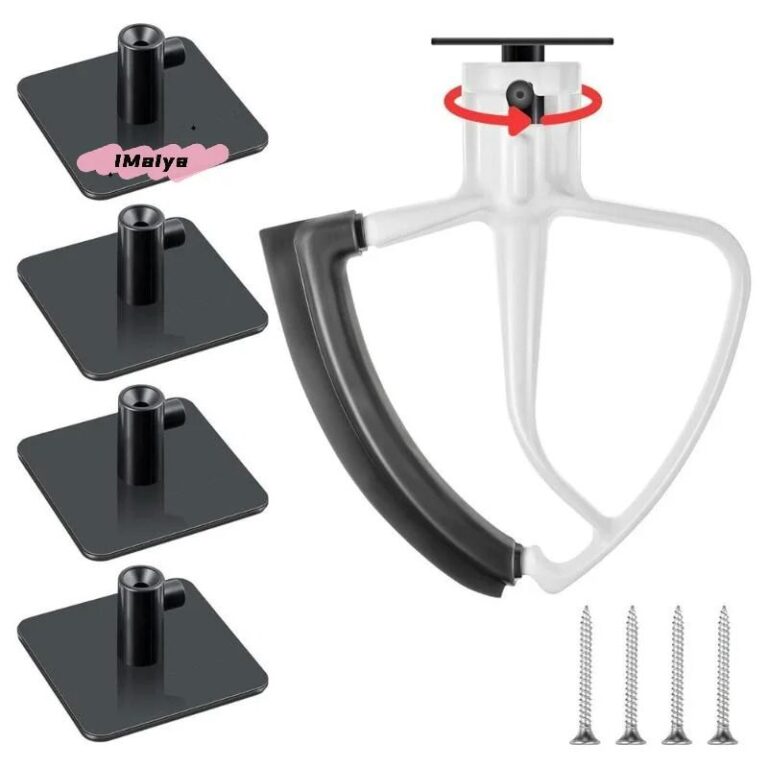 Aisha's pick4 Hook Key Cabinets That Sort Out the Chaos
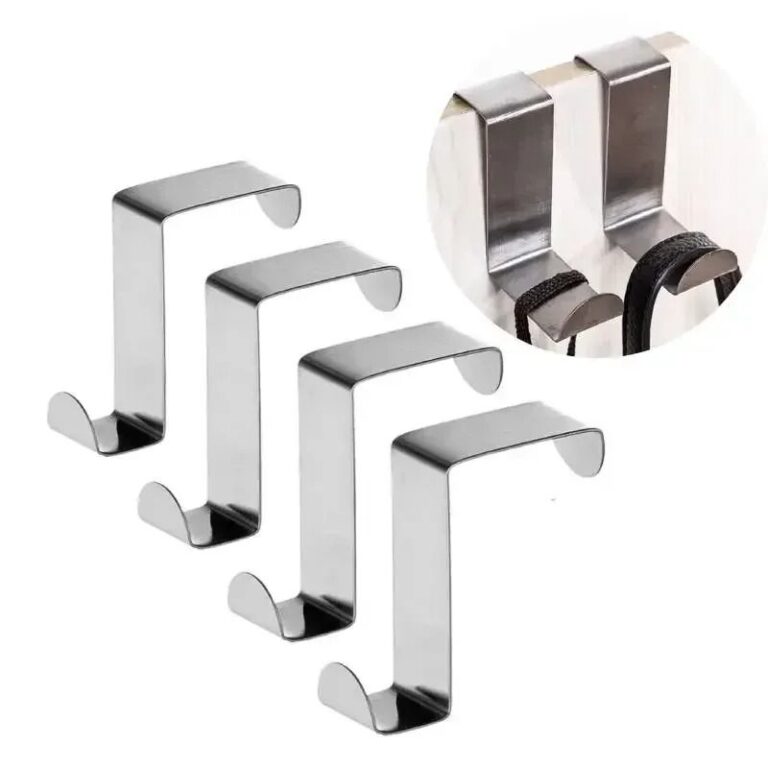
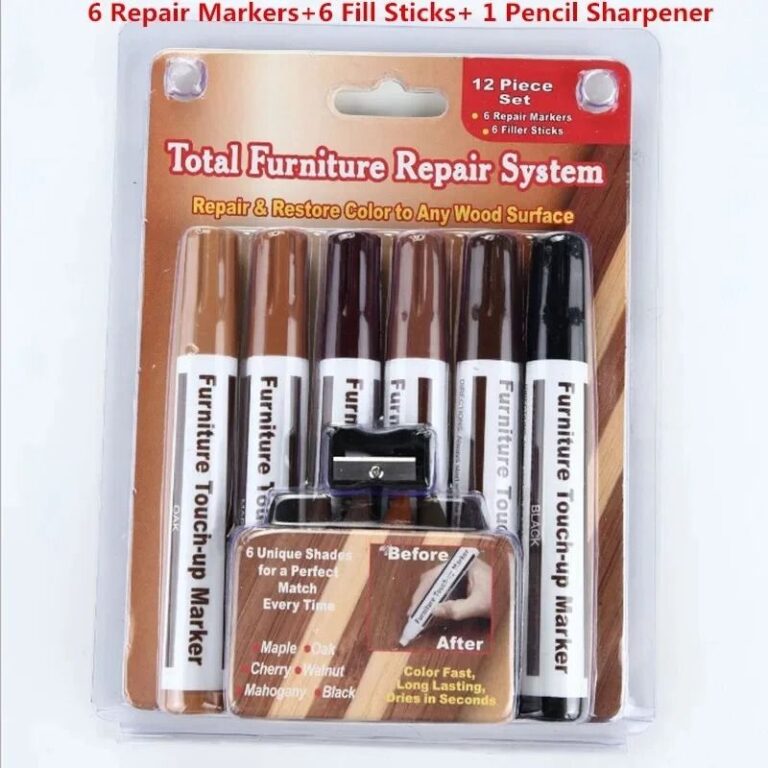 Aisha's pickOak Key Cabinets for the Bits That Never Have a HomeAlso worth a lookOffice CabinetsBefore you buy anything, measure your doorways, not just the room.See the collections →
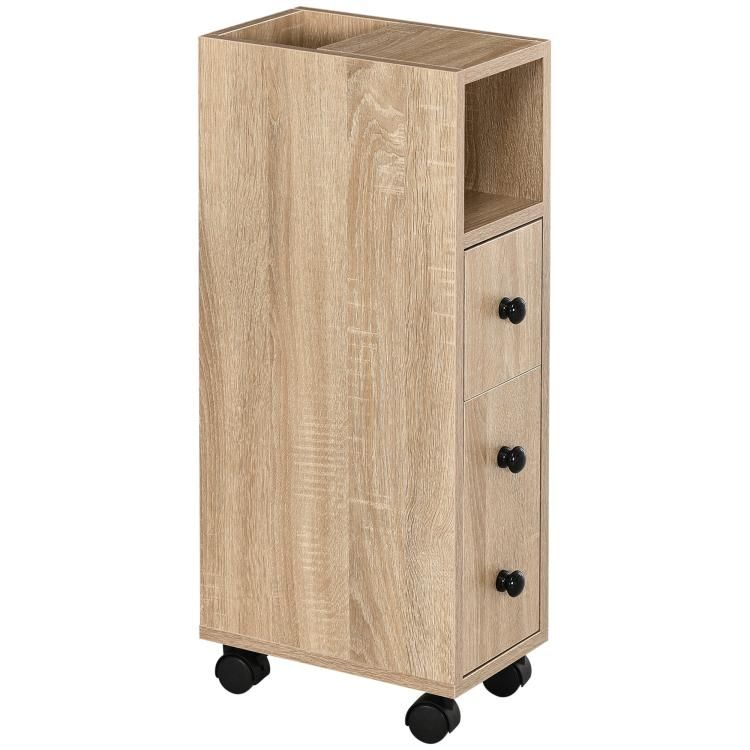
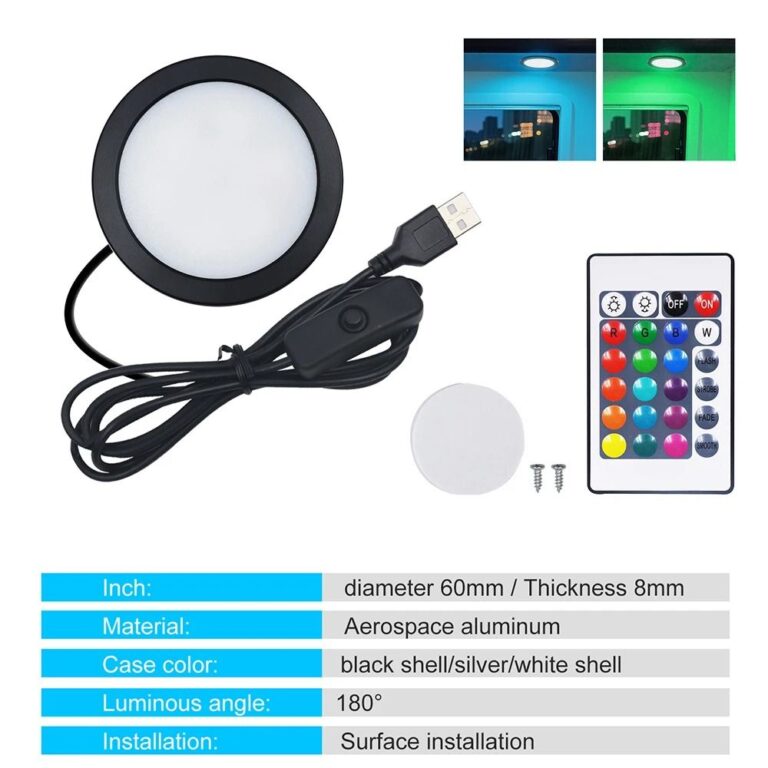 Aisha's pickBlack Key Cabinets That Look Good Up Close
 Aisha's pickSilver Key Cabinets for Homes With Too Much Stuff