There's a particular kind of evening that calls for a rustic table, the ones in late fall when it gets dark by five thirty and you end up eating dinner by lamplight because the overhead light in your dining area is doing nobody any favors. Or a Sunday in January when the only plan is soup and bread and maybe a jigsaw puzzle spread out afterward. A table with some texture and history to it, real or faked, makes that kind of night feel intentional instead of just quiet because you're broke and it's cold out.
These tables make sense almost anywhere you actually live, not just a farmhouse with ten acres attached. A small kitchen nook with two mismatched chairs, a studio apartment where the dining table doubles as a desk, a family room where kids do homework and someone else is shelling peas at the other end, all of it works. What separates a good one from a sad one comes down to the wood and the joints, honestly. Solid wood, something with visible grain and a few knots left in rather than sanded into oblivion, will take knocks and still look better for it. Cheap versions use a thin veneer over particleboard, and the second a mug sweats on it or a kid drags a toy across the top, you see the real material underneath, and it's not pretty. Check how the legs attach, actual mortise and tenon or at minimum solid dowels and glue, not just screws into soft wood that'll wobble within a year. A finish that's oil or wax rather than a thick plastic looking lacquer will age instead of just scratching.
If you've got nothing to start from, go for a plain rectangular table in a mid toned wood, something that isn't trying too hard with the distressing, because an overly aggressive fake wash looks like a prop in five years. Simple and sturdy beats elaborately weathered every time. Over months it'll pick up its own marks anyway, little rings, a scuff where someone's always leaned their elbow, and that's the point, it's supposed to look lived in rather than preserved under glass. Wipe up spills before they sit, use coasters for anything hot, and give it a coat of beeswax or furniture oil every six months or so to keep the wood from drying out. Skip harsh chemical cleaners, a damp cloth and mild soap handle almost everything a table like this will ever need.

 Aisha's pickFarmhouse Kitchen Tables That Fit Where You Need Them
 Aisha's pickRustic Dining Table Sets That Fit Where You Need Them

 Aisha's pickWhite Farmhouse Tables That Take a Knock
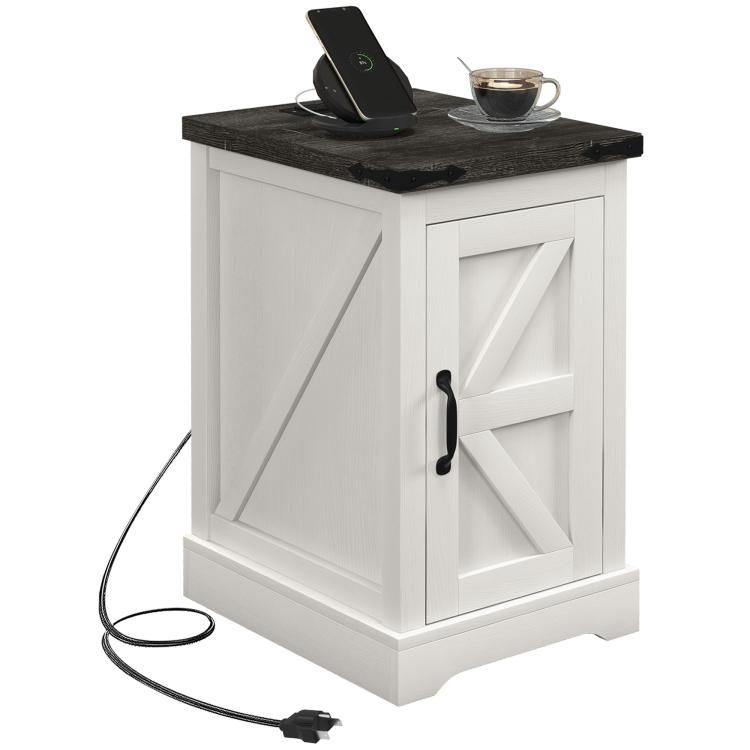
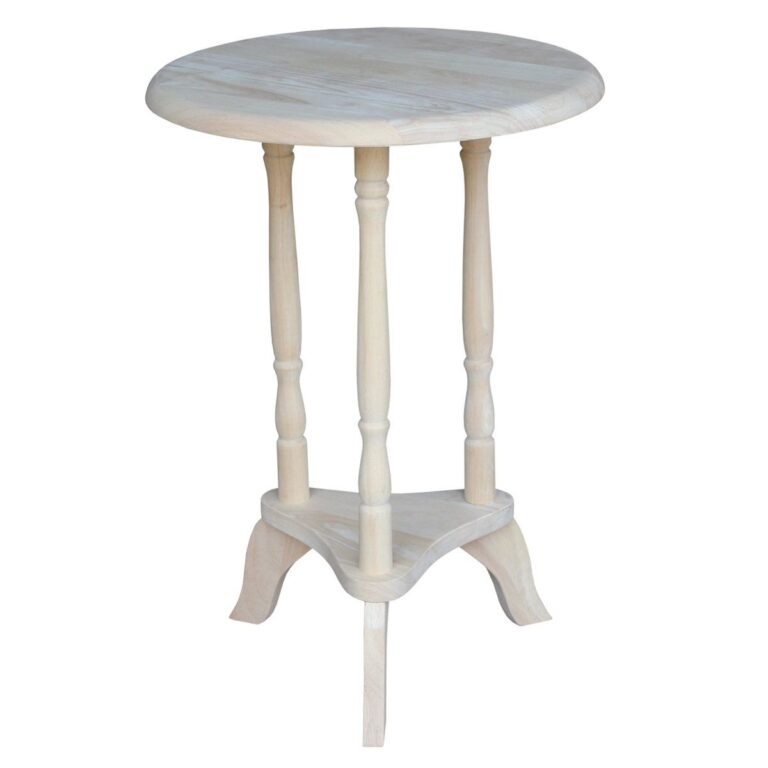 Aisha's pickFarmhouse Tables at Just the Right Height
 Aisha's pickRustic Entryway Tables With Room for Everything You Put Down
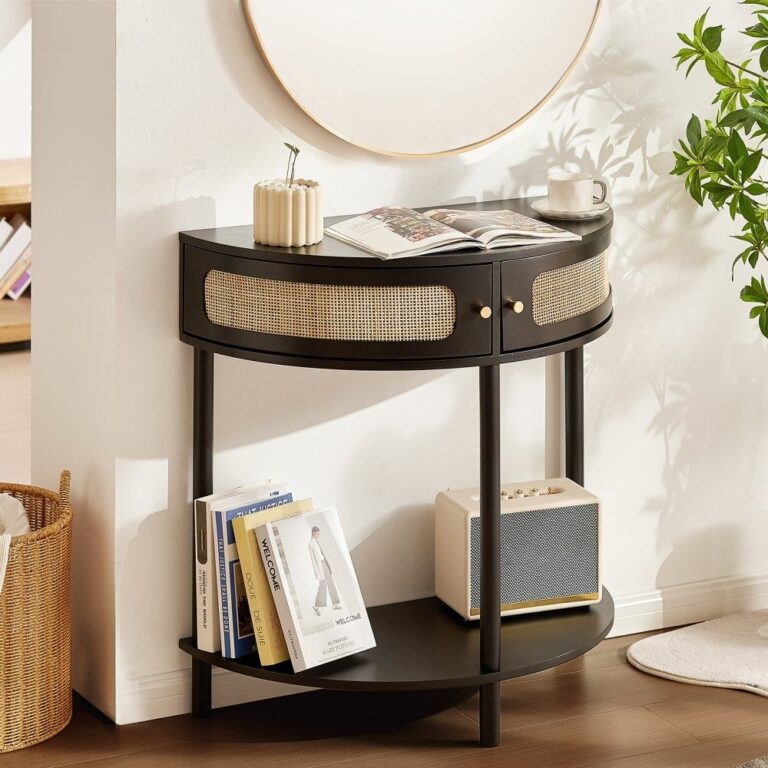
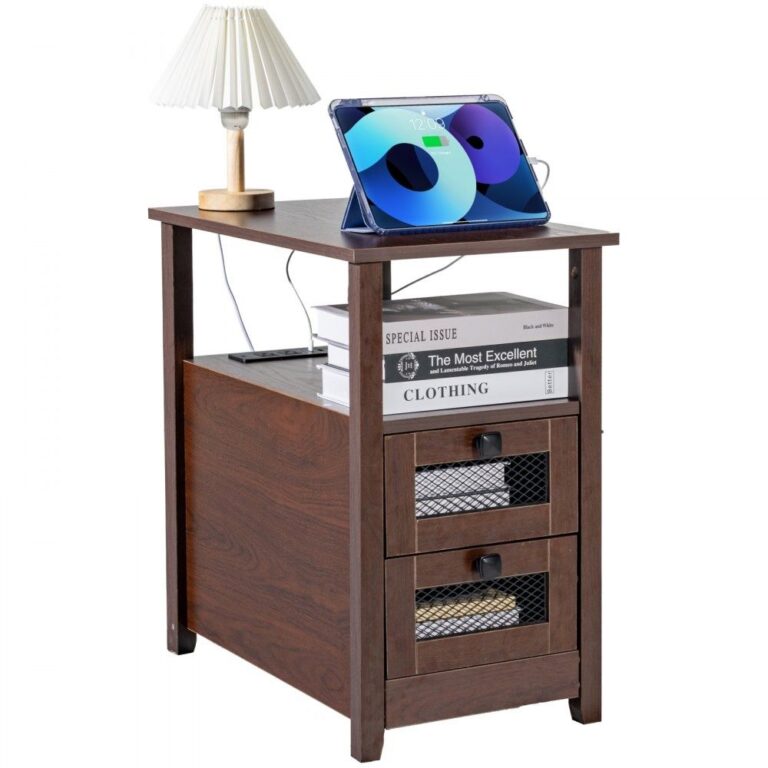 Aisha's pickWood Farmhouse Tables That Fit Into Real Life
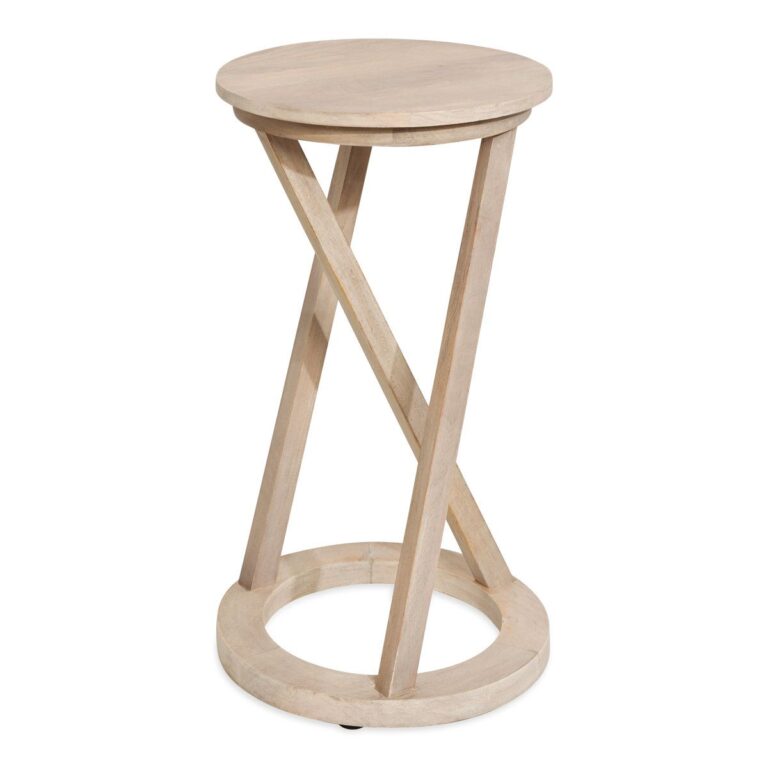
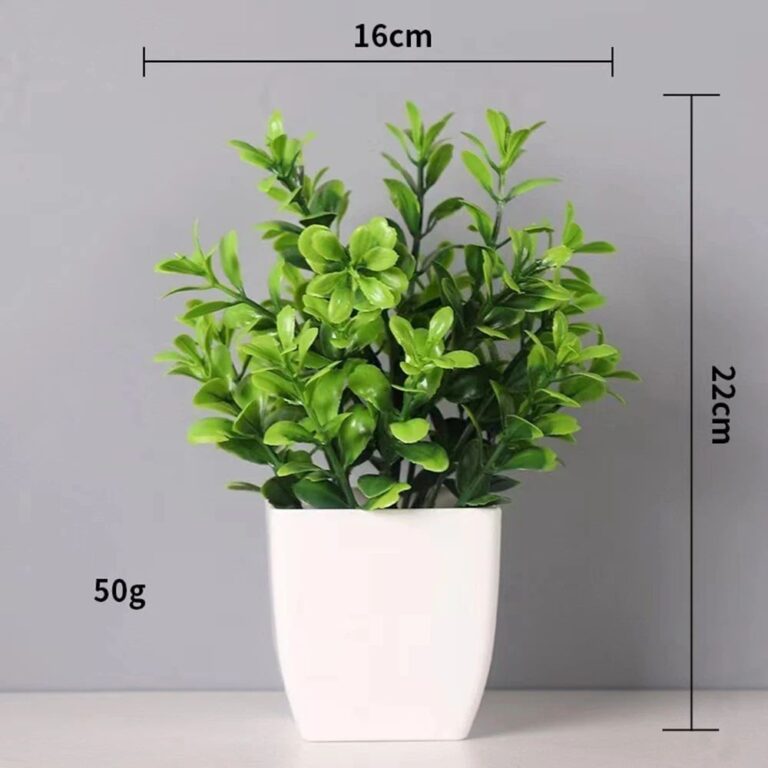 Aisha's pickGreen Farmhouse Tables That Survive Hot Mugs and Spills

 Aisha's pickRustic Farmhouse Dining Tables We Use Every Single Day
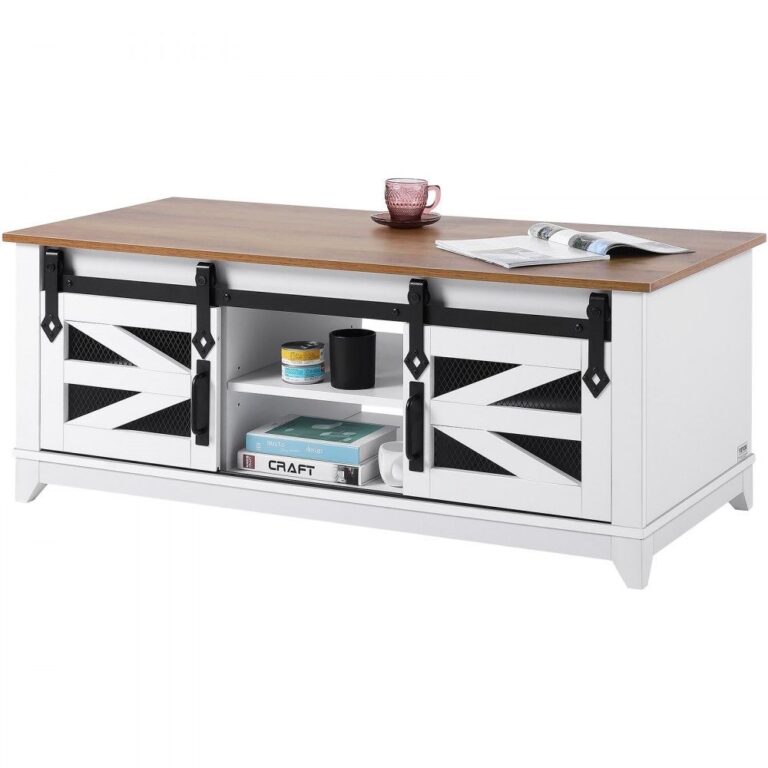
 Aisha's pickModern Farmhouse Dining Tables Big Enough for Sunday DinnerAlso worth a lookVintage TablesThere's a particular kind of late fall afternoon, light going gold and low through the windows, when an…See the collections →
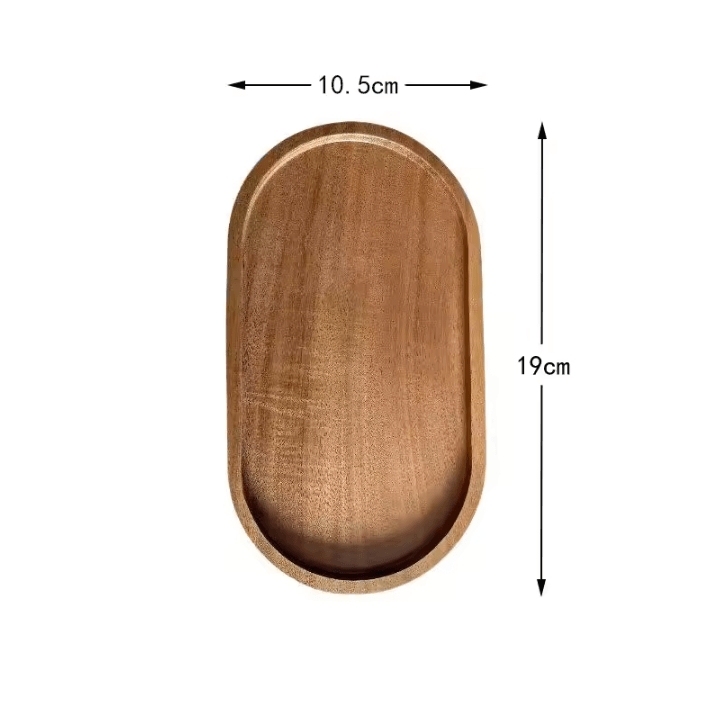
 Aisha's pickRustic Farmhouse Tables That Work in Old Houses and New Ones
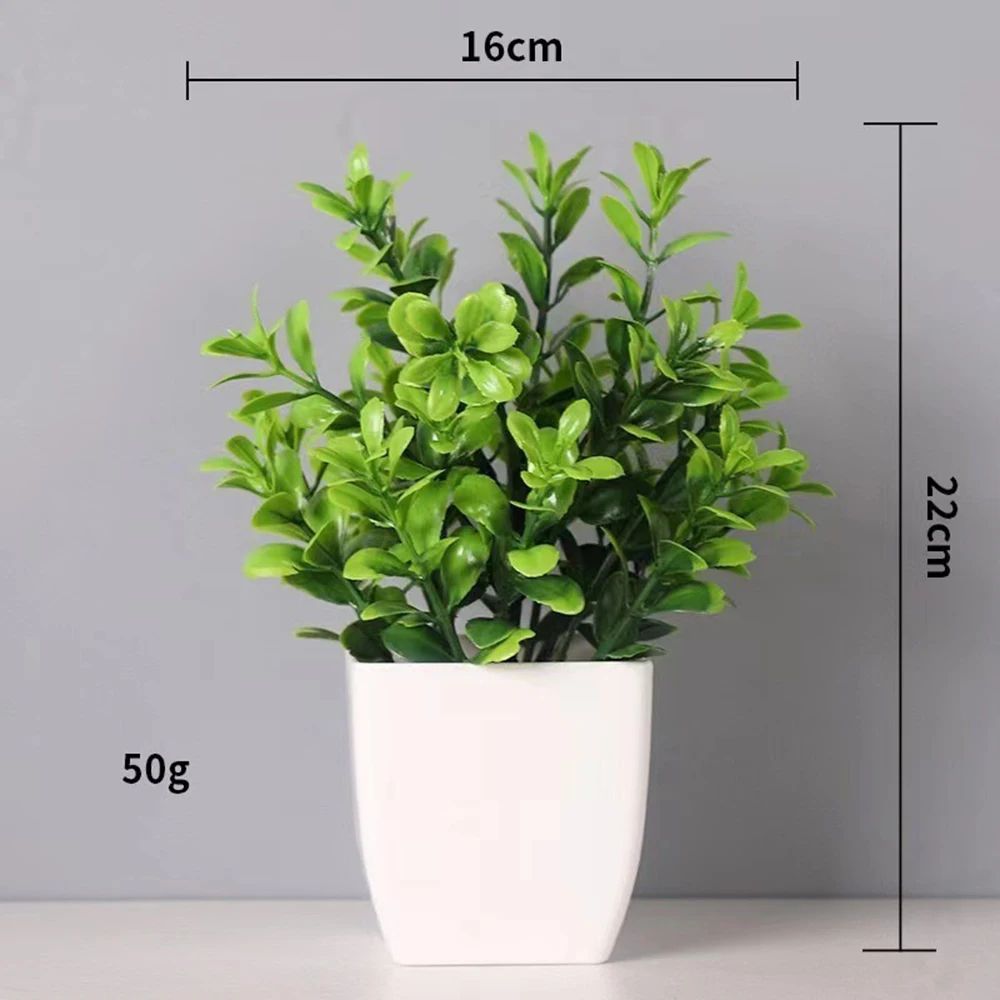 Aisha's pickModern Farmhouse Tables That Fit Into Real Life
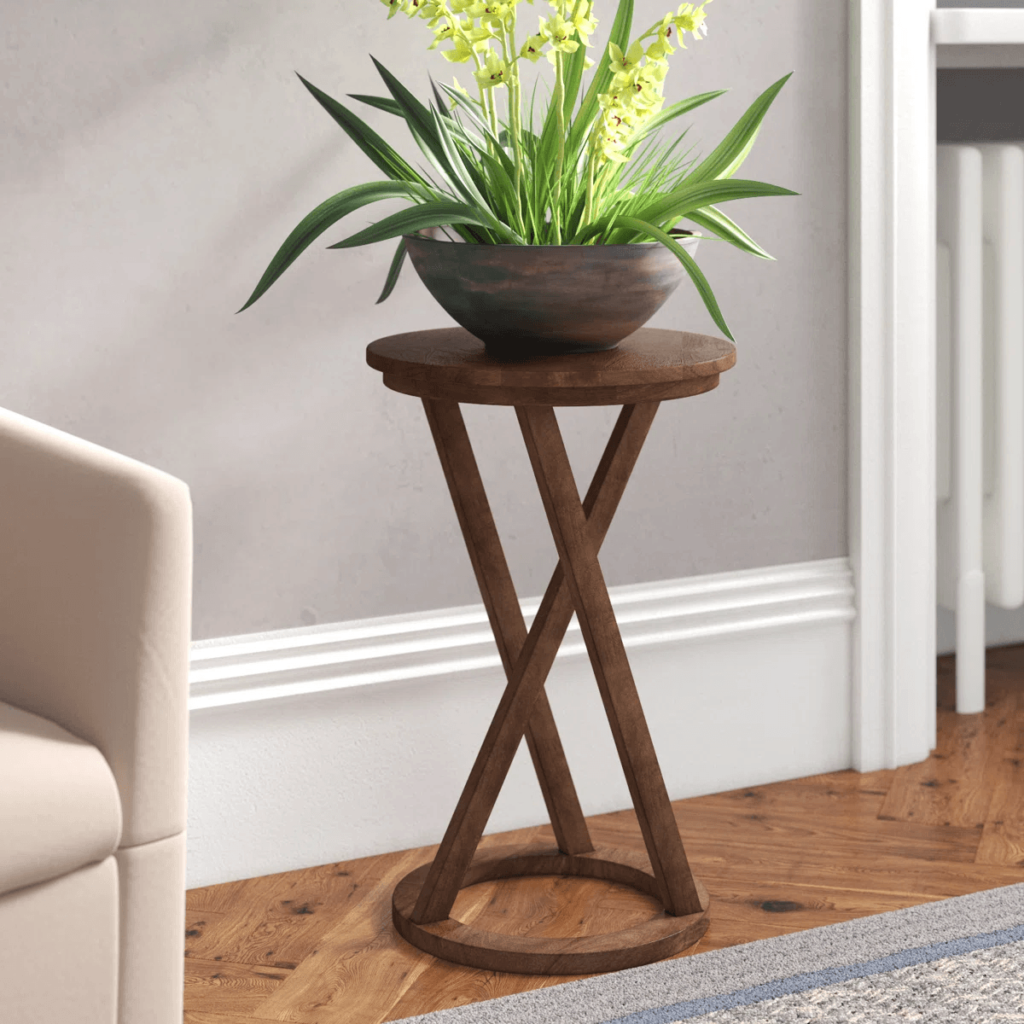
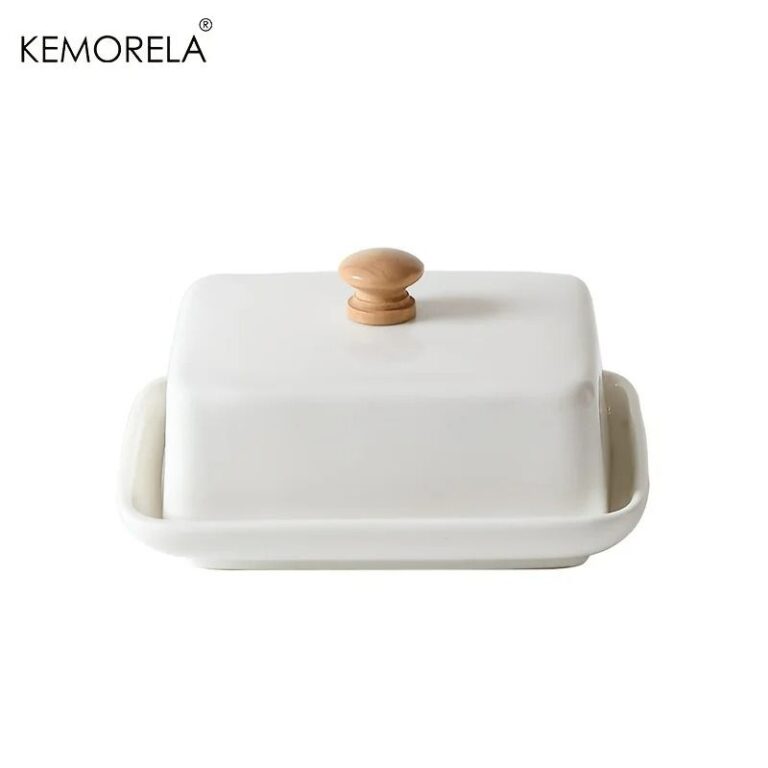 Aisha's pickRustic High Dining Tables That Survive Hot Mugs and Spills
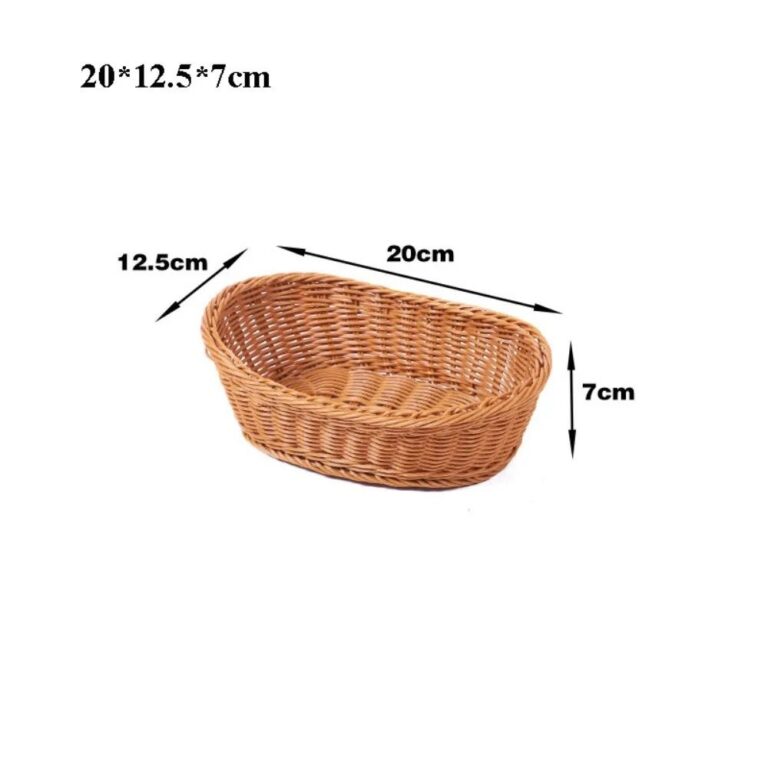
 Aisha's pickRound Farmhouse Tables for Making a House Feel Like Yours
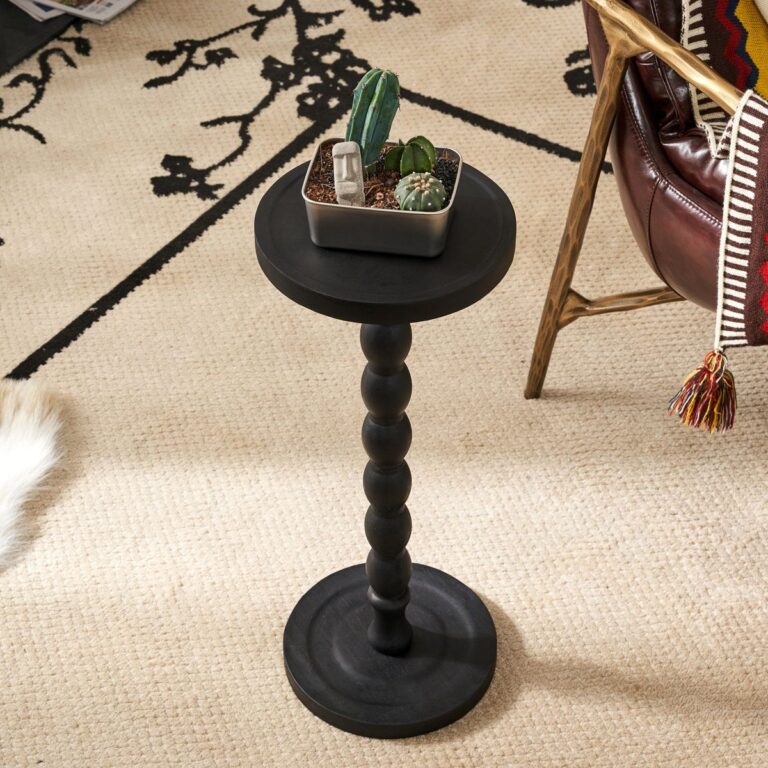
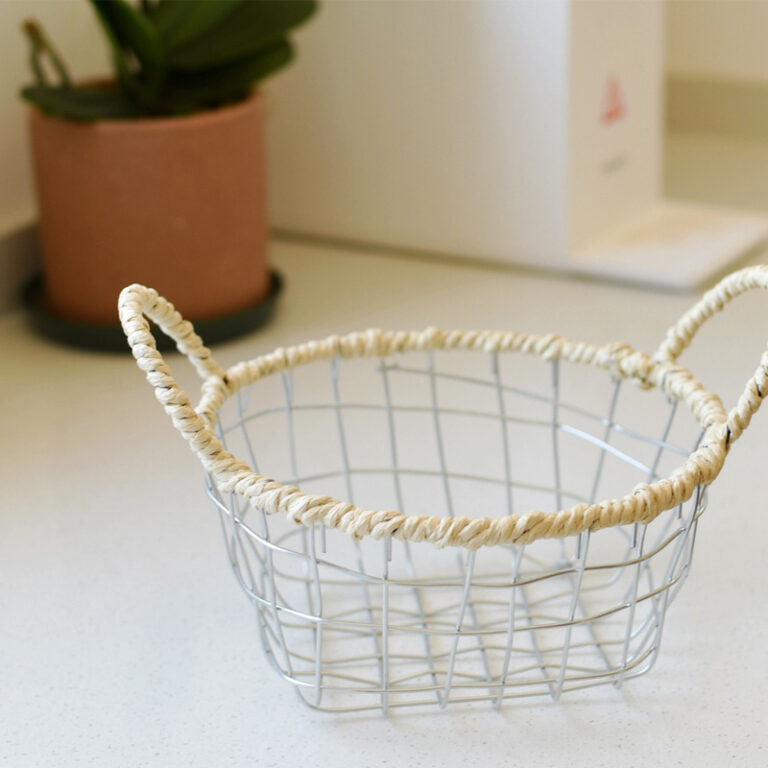 Aisha's pickRustic Kitchen Dining Tables You Won’t Want to Hide Away
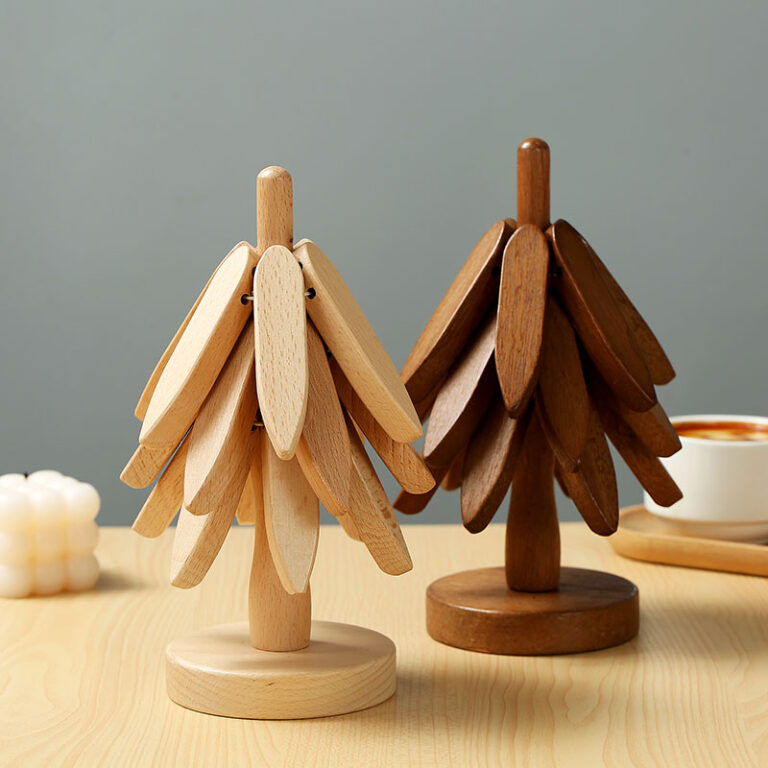
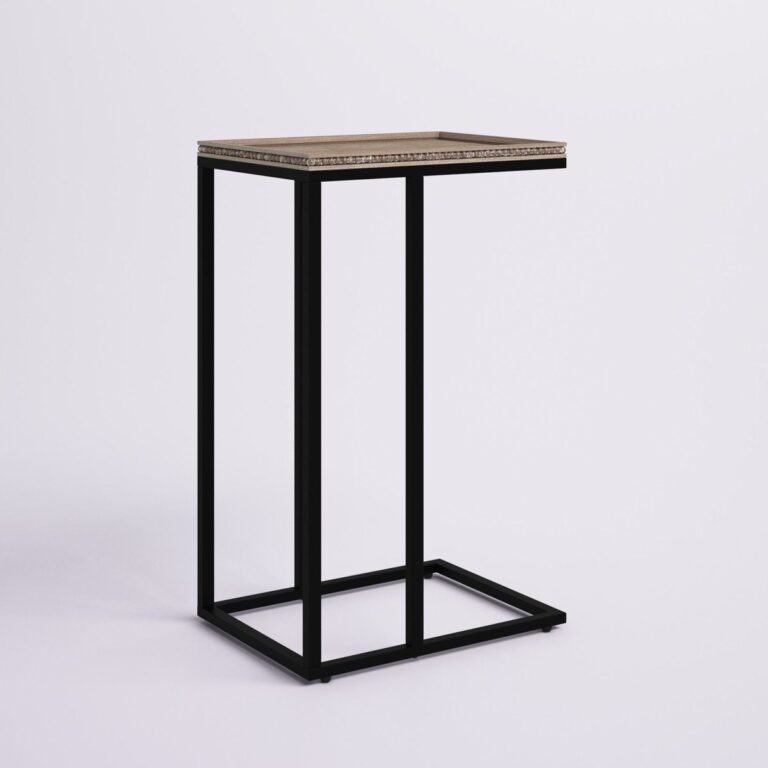 Aisha's pickRustic Accent Tables Without the Silly Price Tag

 Aisha's pickRustic Kitchen Tables That Make Cooking a Bit Nicer
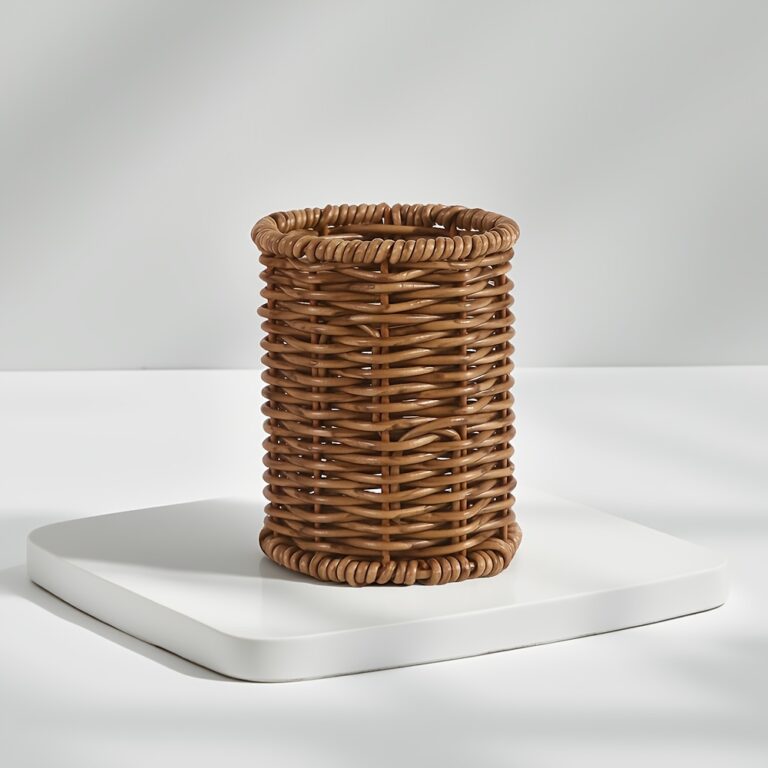
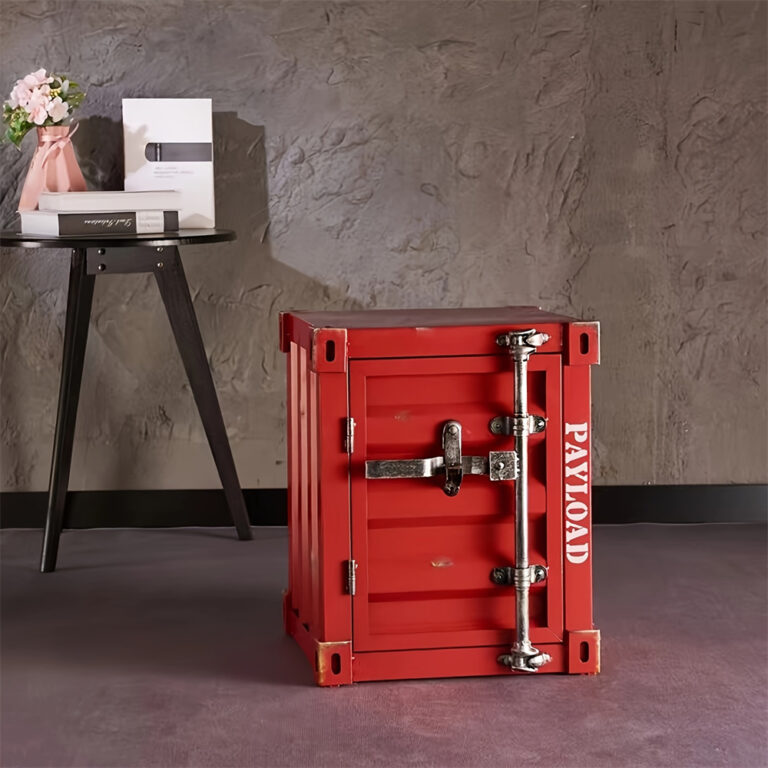 Aisha's pickRustic Nightstands for Bedrooms Big and Small
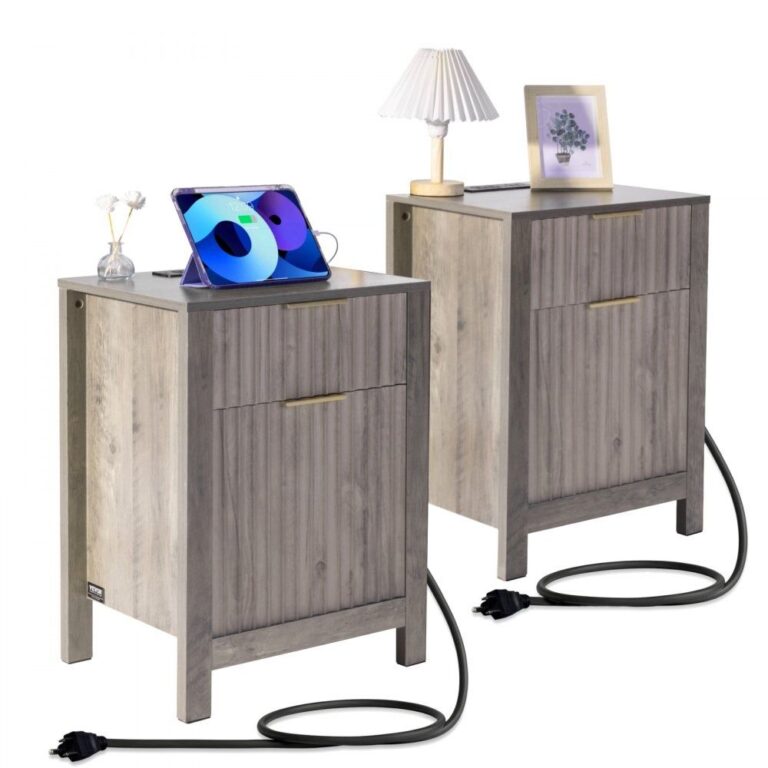
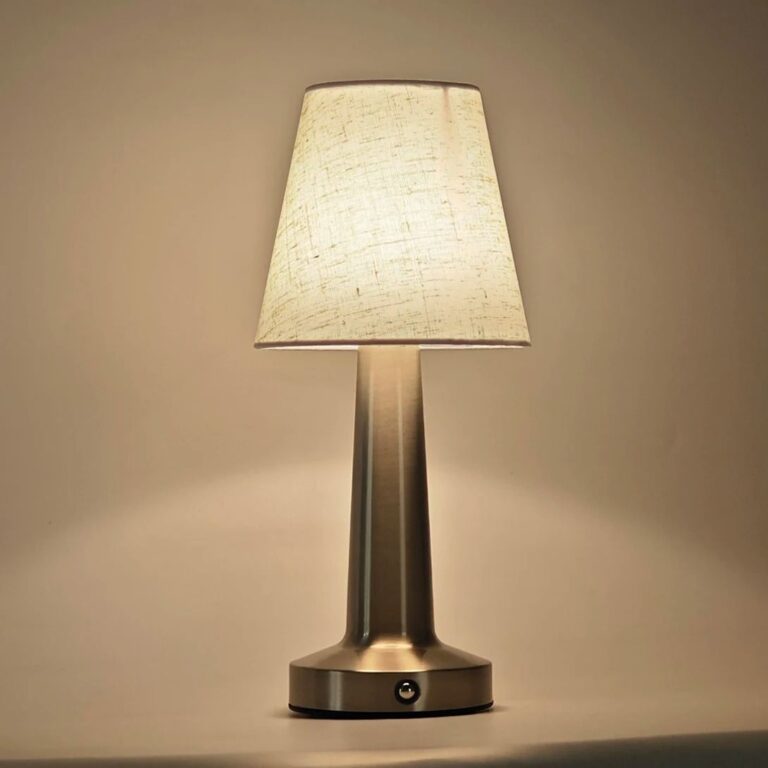 Aisha's pickRustic Lamp Tables That Don’t WobbleAlso worth a lookEnd TablesThe first one I bought looked perfect in the store and then came home to a sofa it…See the collections →
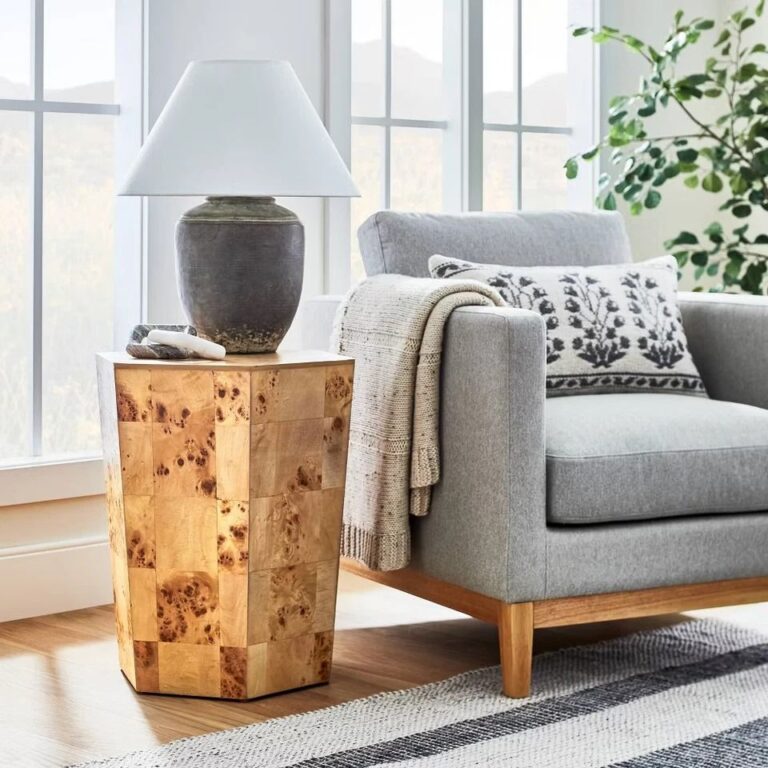
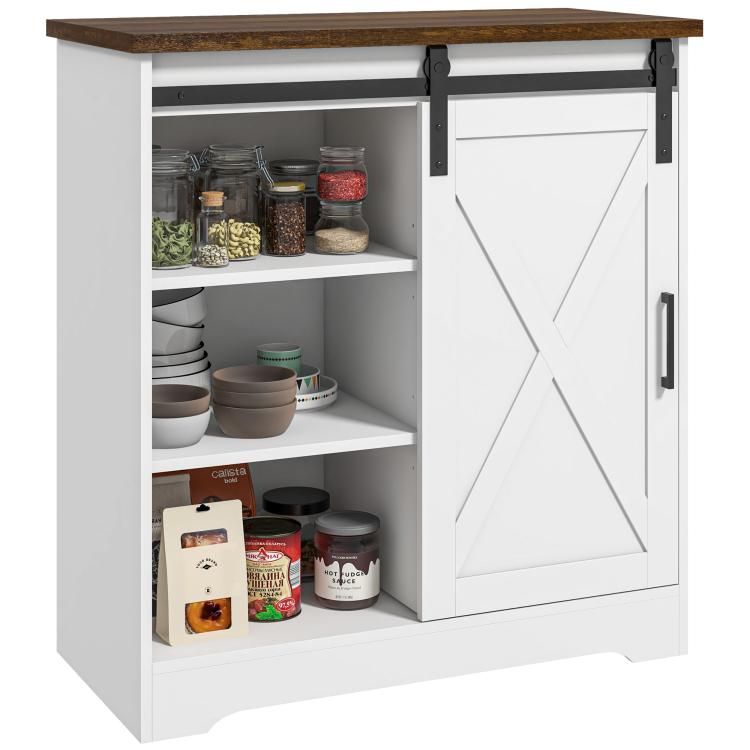 Aisha's pickThe Rustic Buffets Worth Your Cash
 Aisha's pickRustic Living Room Tables That Clean Up With a Wipe

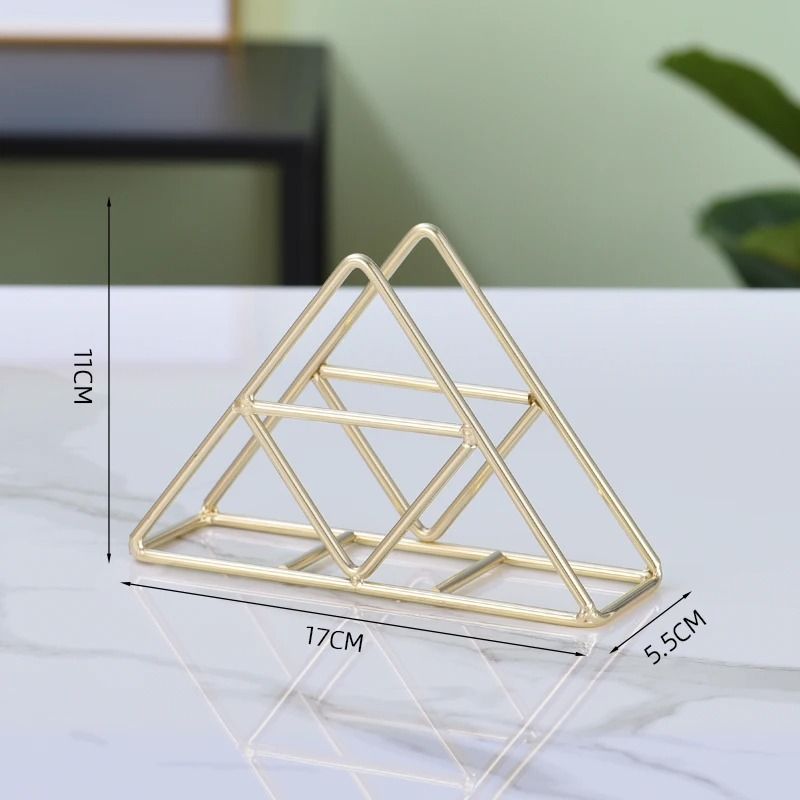 Aisha's pickBlack Farmhouse Tables at Just the Right Height

 Aisha's pickRustic Coffee Tables That Hide the Odd Scratch
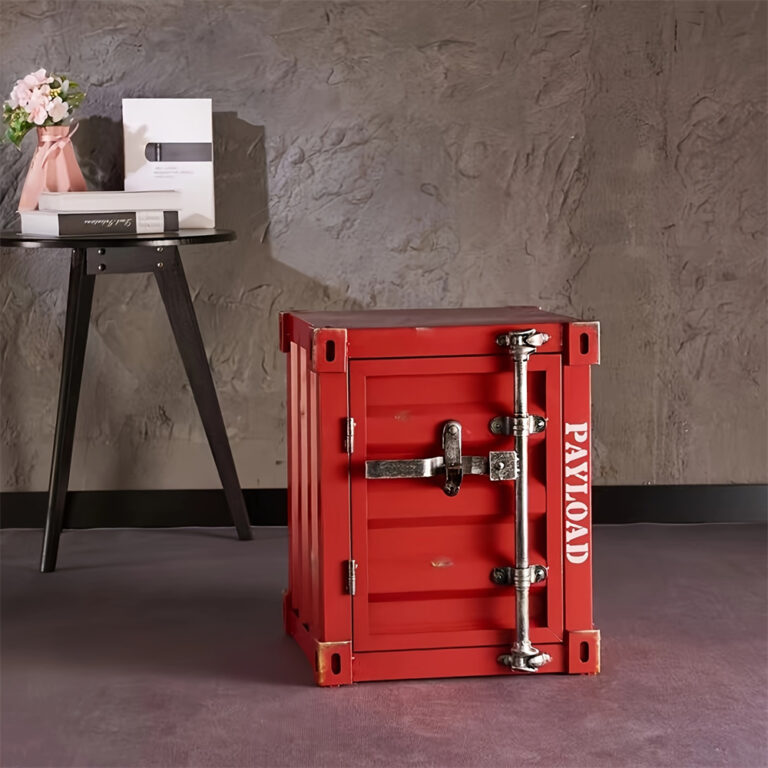
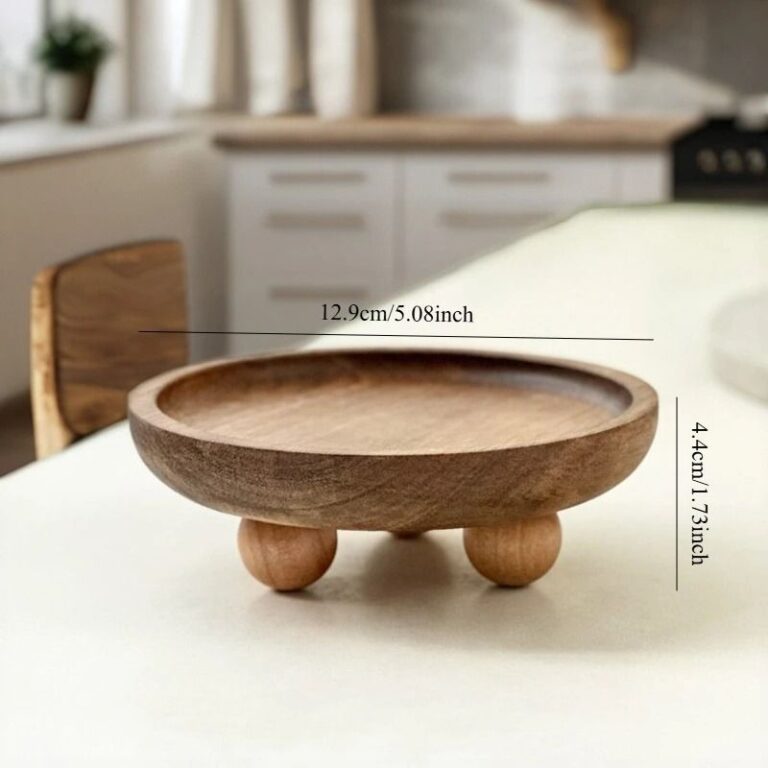 Aisha's pickRustic Metal Dining Tables That Visitors Always Ask About
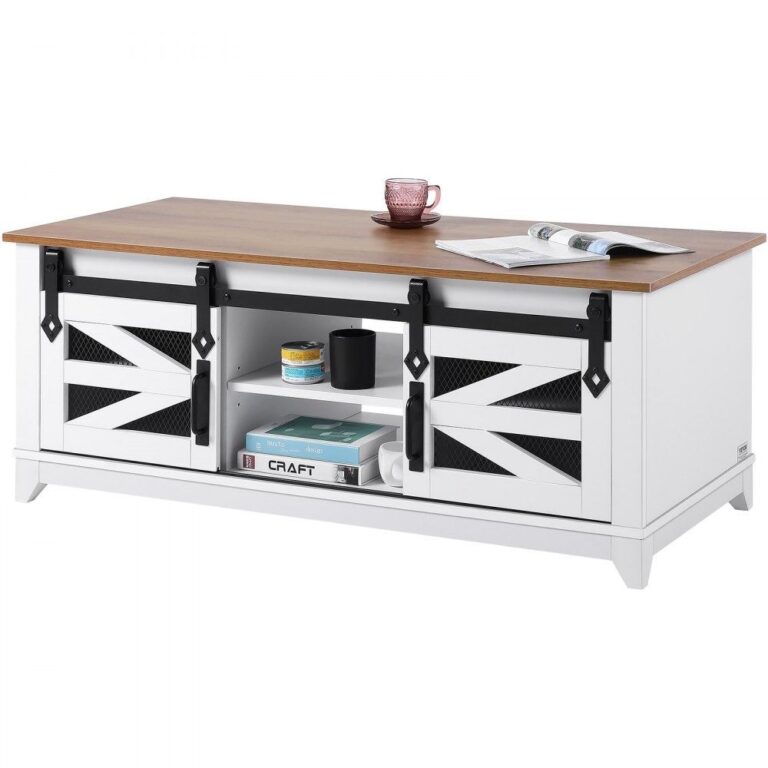
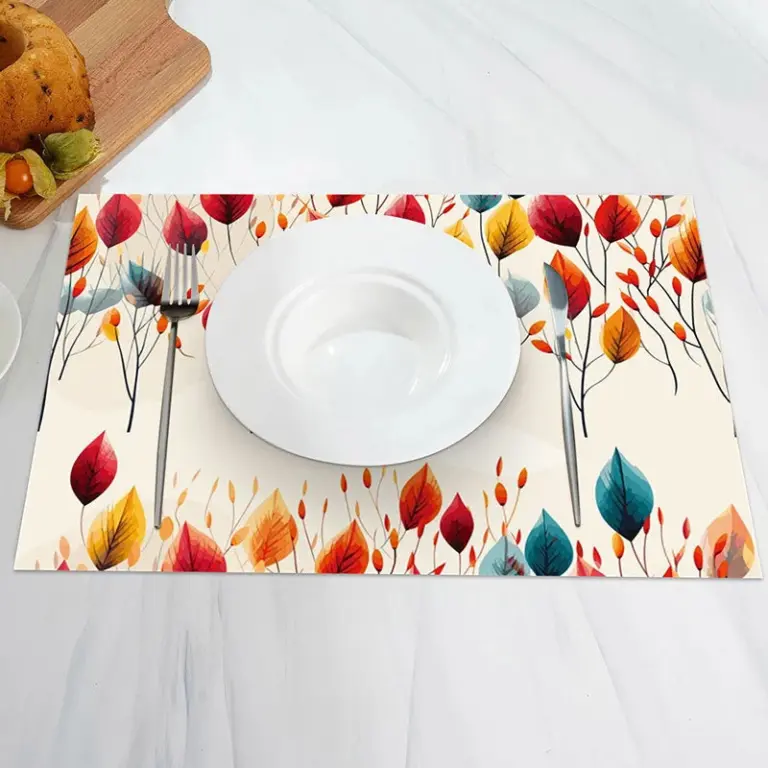 Aisha's pickCountry Dining Sets That Hide the Odd Scratch
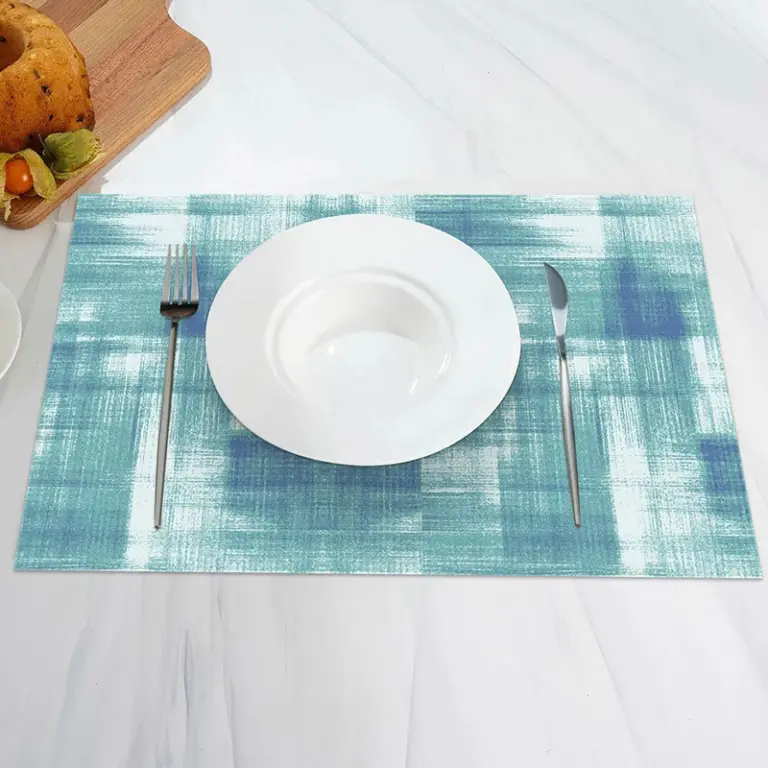
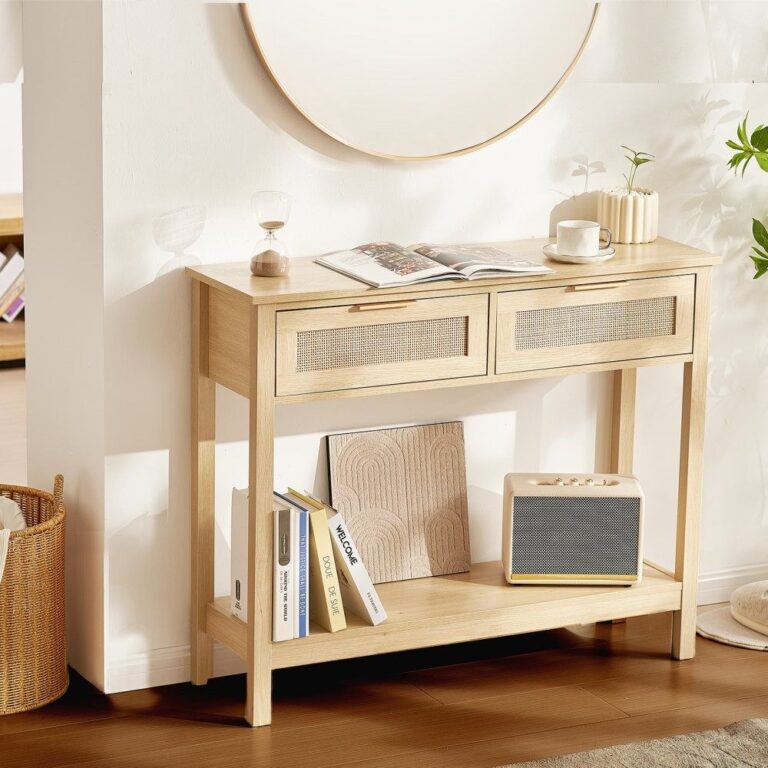 Aisha's pickRustic Console Tables From Brands You Know and a Few You Won’t
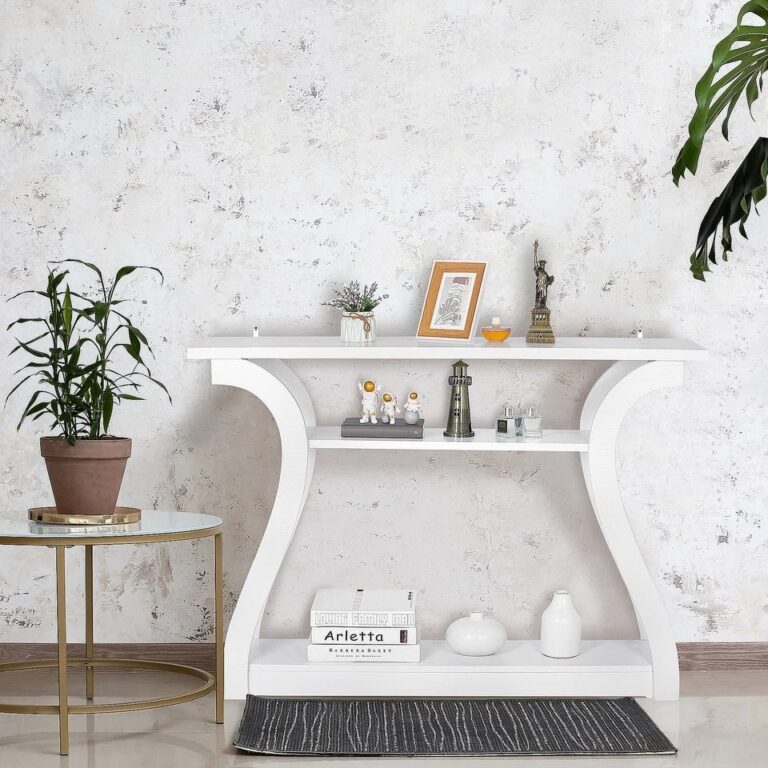
 Aisha's pickRustic Serving Tables That Take a Knock
 Aisha's pickCountry Dining Tables That Visitors Always Ask AboutAlso worth a lookTables with StorageTables with storage have a reputation for being the cleverest piece in a small room or the most…See the collections →
 Aisha's pickOur Shortlist of Rustic Dining Room Sets
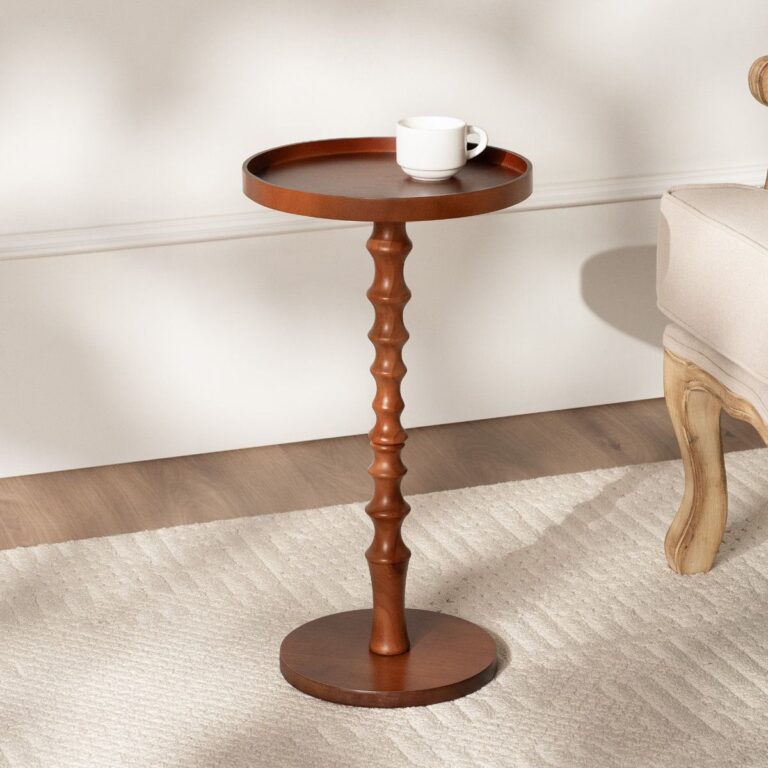
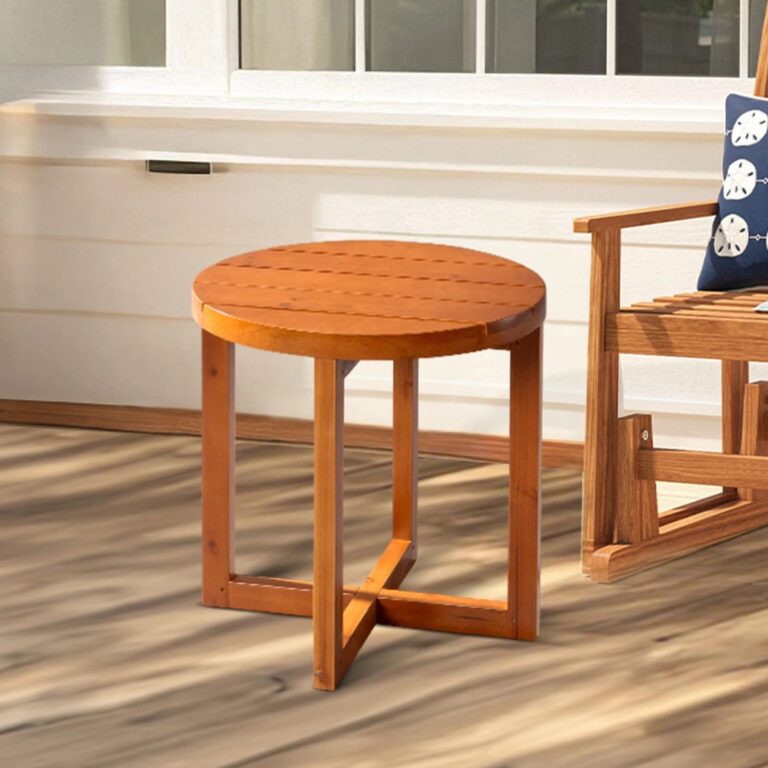 Aisha's pickRustic Side Tables You Won’t Regret Buying
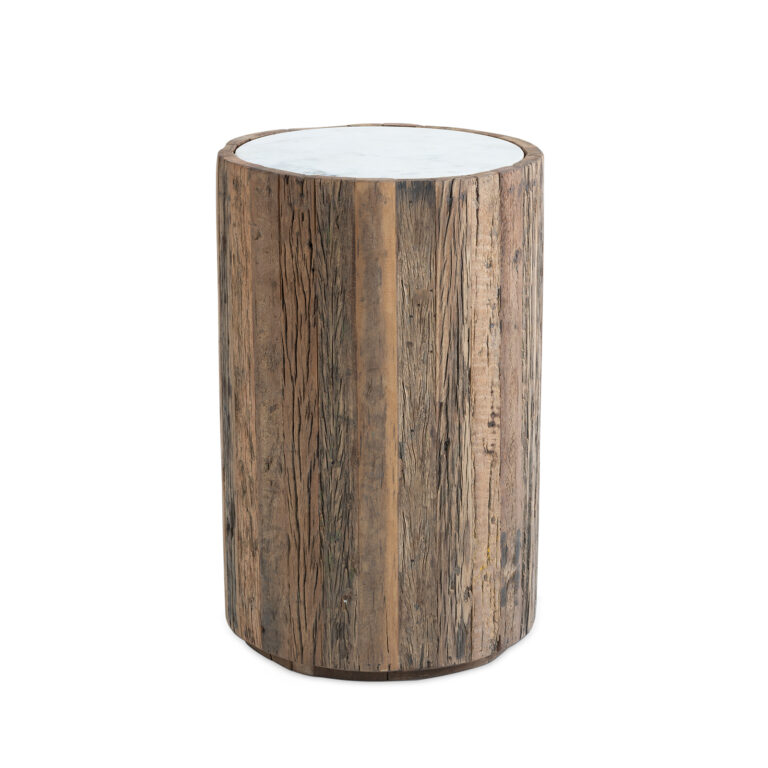
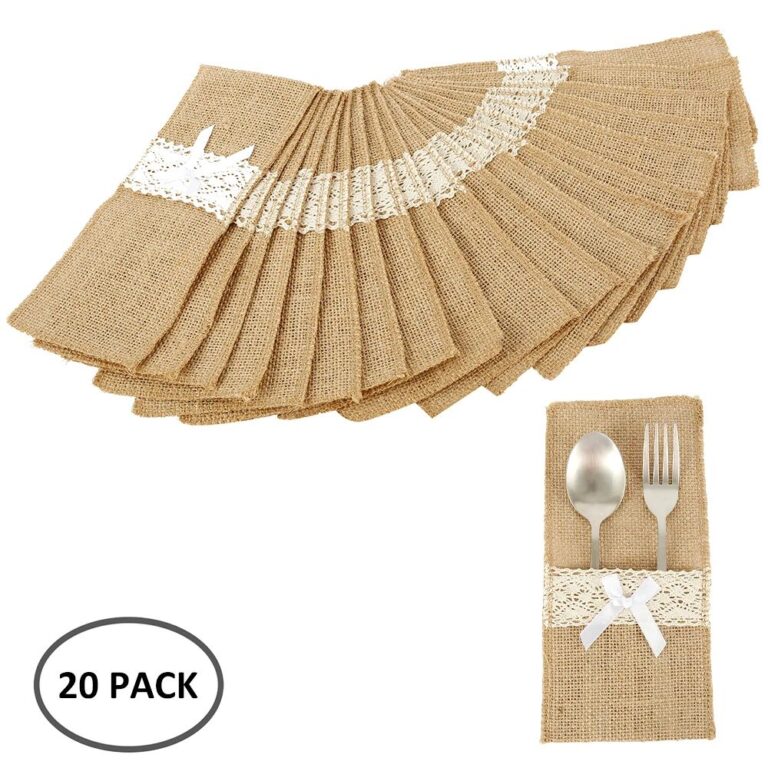 Aisha's pickCountry Farmhouse Tables That Hold Up to Everyday Life

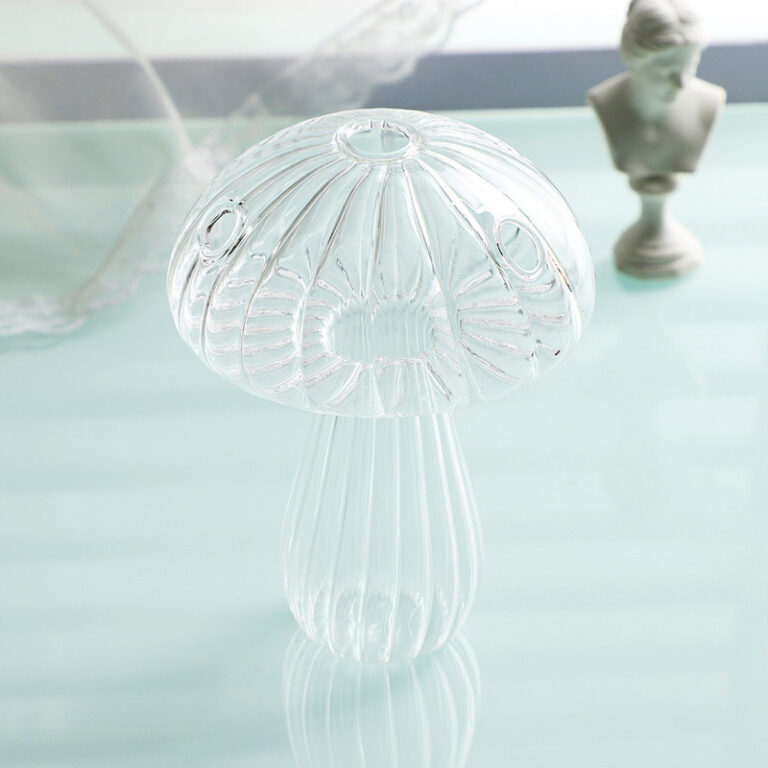 Aisha's pickRustic Dining Room Tables at Just the Right Height
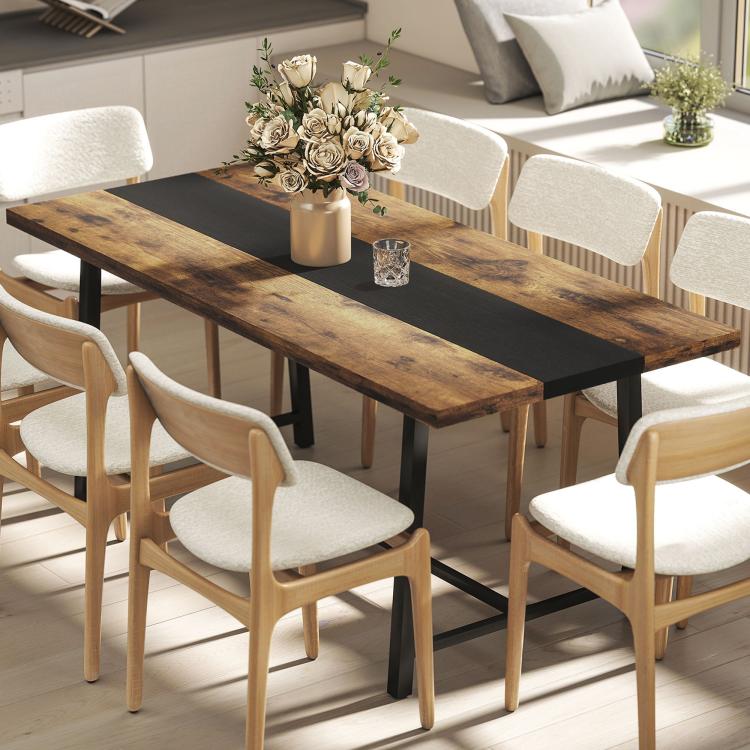
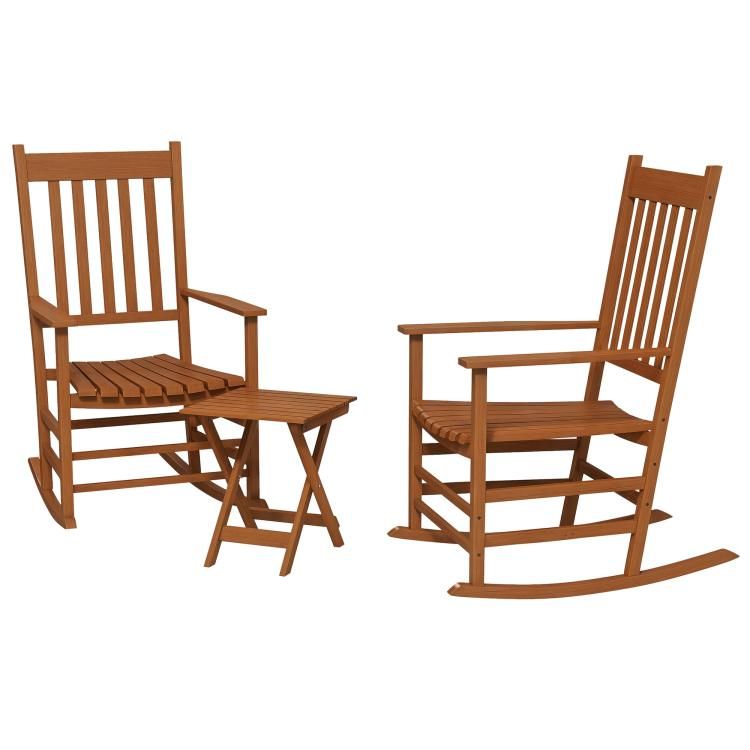 Aisha's pickRustic Table and Chair Sets That Are Easy to Keep Clean
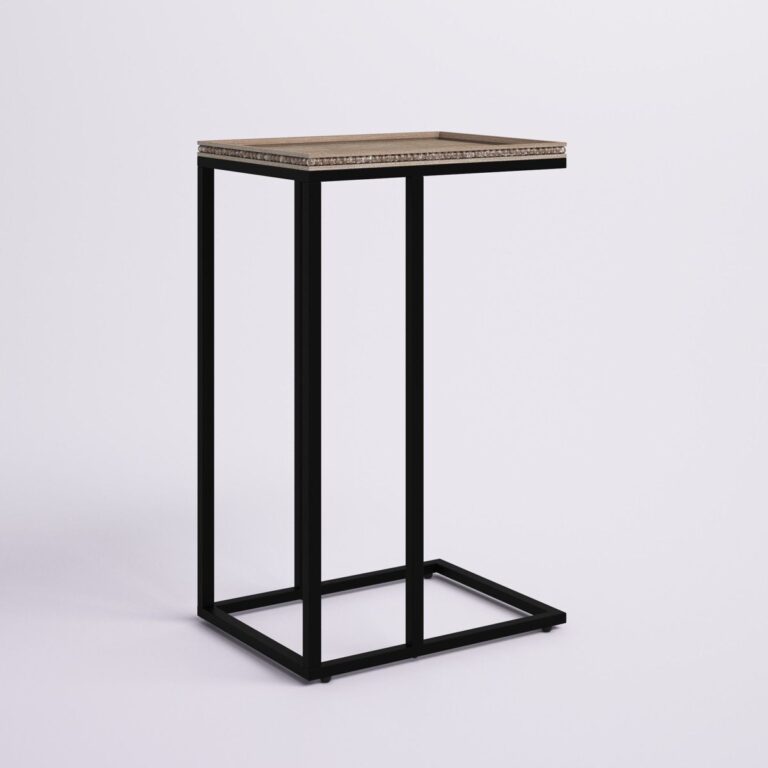
 Aisha's pickFarmhouse Coffee Tables That Make the Living Room Feel Cozier
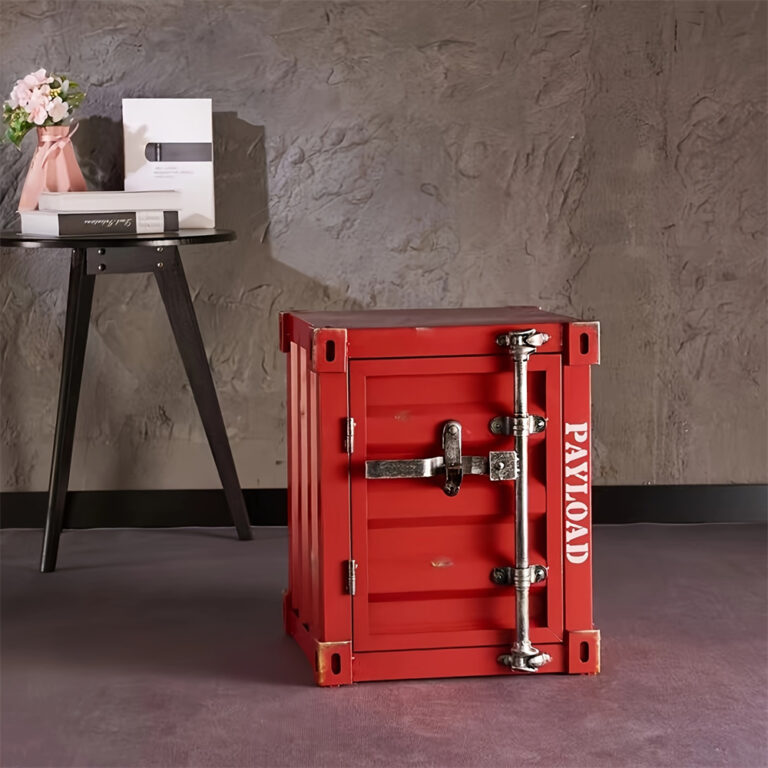
 Aisha's pickRustic Dining Sets That Get the Family Around the Table
 Aisha's pickRustic Wooden Dining Tables That Look Good Up Close