The thing nobody tells you in the shop is what happens after about eight months, when the mechanism starts to tell on itself. You hear it before you feel it, a slight looseness in the fold, and that's the moment you find out whether the frame underneath was built to take the weight of a mattress and a mechanism and a person, or whether it was built to look fine for a season and then sag. Check that before anything else. Unfold it, sit on the open bed, and bounce a little near the middle. If it dips or creaks where the two halves meet, that's the spot that will give out first, usually around month ten, usually on the night you actually have a guest in it.
If you've never owned one, start with the simplest mechanism you can find, a pull out with a metal bar frame rather than anything with extra folding panels or gimmicks. Fewer moving parts means fewer things to wear out, and a basic bar mechanism is easy to get serviced or replaced if it ever seizes up, which the fancier ones often aren't. Pull it open in the shop, not just halfway, all the way, and see if it locks with a definite click rather than a vague settle. That click is doing more work than any spec sheet.
These earn their keep in rooms that have to pretend to be two rooms at once, a home office that becomes a guest room twice a year, a studio apartment where the sofa is also the bed every single night, a cabin that only fills up in summer. For occasional guest use, a lighter frame is fine. For nightly use, you want the heavier commercial feeling mechanism even if it makes the sofa harder to move on your own.
Color wise, go duller than you think you want. Pale neutrals show the crease lines from the folded mattress within a year, dark solids show every bit of dust and pet hair, and the finishes that age best are the mid toned textured weaves, something with a bit of fleck in it that hides both. A tight weave also survives a mattress being folded into it thousands of times without pilling at the fold line, which smooth fabrics do almost immediately.
In a normal room it sits happiest next to a low side table that can be moved out of the way in ten seconds, because you will be moving it at eleven at night with a sleepy houseguest standing there. It also likes a rug underneath it, something that forgives the extra scuffing from the legs sliding during the fold.
What it does, at its best, is let one ordinary room quietly cover for two.

 Aisha's pickCotton Sofa Beds That Get Better With Age

 Aisha's pickSofa Beds for Small Spaces That Don’t Creak
 Aisha's pickExtra Large Sofa Beds That Get Better With Age
 Aisha's pickSofa Beds with Storage That Won’t Let You Down
 Aisha's pickFabric Sofa Beds That Make Small Changes Feel Big

 Aisha's pickVelvet Sofa Beds for a Better Night’s Sleep
 Aisha's pickGray Sofa Beds for People Who Know What They Like
 Aisha's pickWashable Sofa Beds That Make a Room Feel Finished
 Aisha's pickHigh Back Fabric Sofa Beds for When the Old Ones Give UpAlso worth a lookFabric SofasI put off buying a fabric sofa for years because the one I grew up with was a…See the collections →

 Aisha's pickHigh Back Sofa Beds That Go With Most Rooms

 Aisha's pickLarge Sofa Beds for Making a House Feel Like Yours
 Aisha's pickLinen Sofa Beds You Won’t Regret Buying
 Aisha's pickLuxury Sofa Beds That Make the Bedroom Feel Like a Hotel
 Aisha's pickBeige Sofa Beds for When the Old Ones Give Up
 Aisha's pickModern Fabric Sofa Beds From Stores Big and Small
 Aisha's pickBlack Sofa Beds for People Who Know What They Like
 Aisha's pickModern Sofa Beds for a Better Night’s Sleep
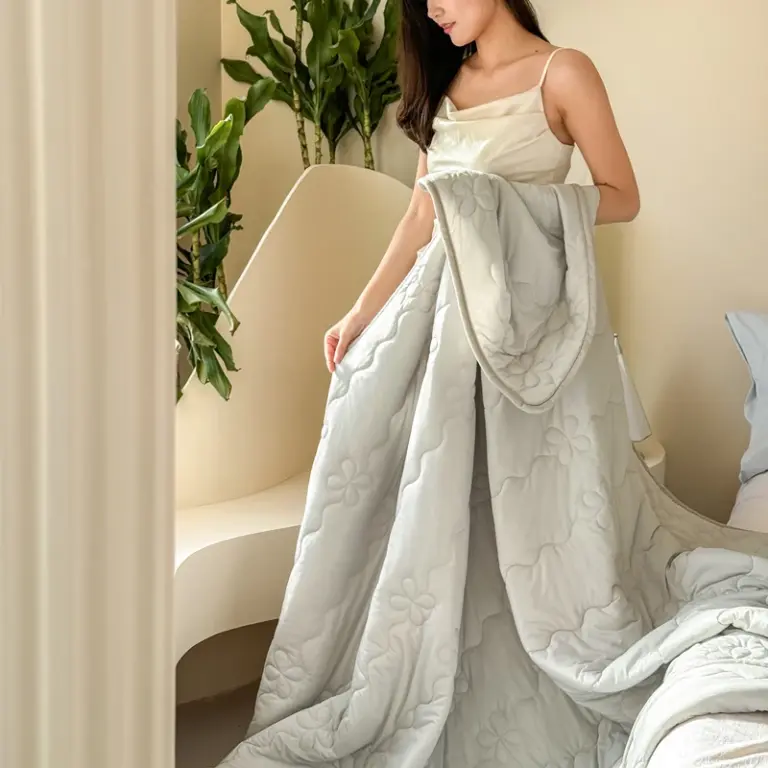
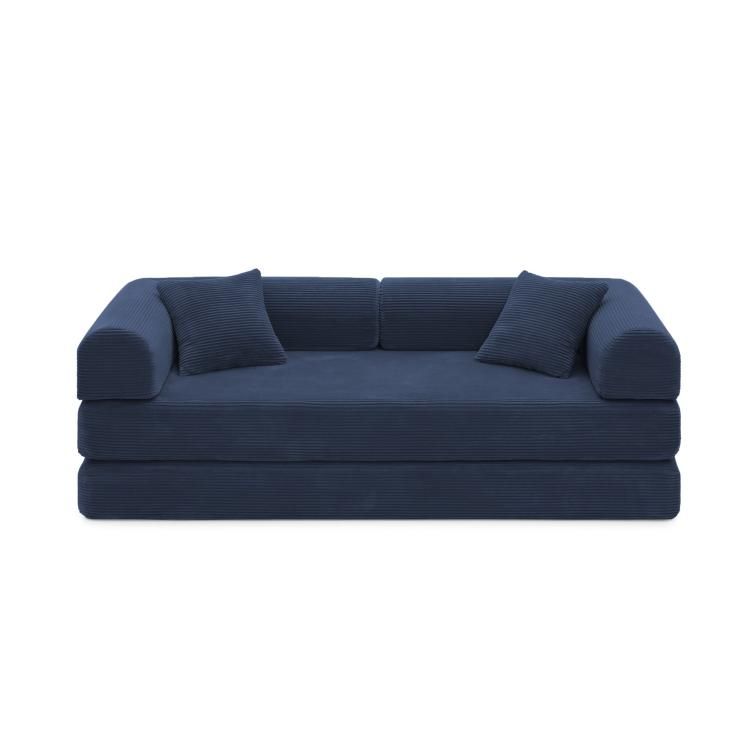 Aisha's pickBlue Sofa Beds That Earn Their KeepAlso worth a lookCorner SofasThe question I get most is whether a corner sofa will actually fit, or whether it just looks…See the collections →
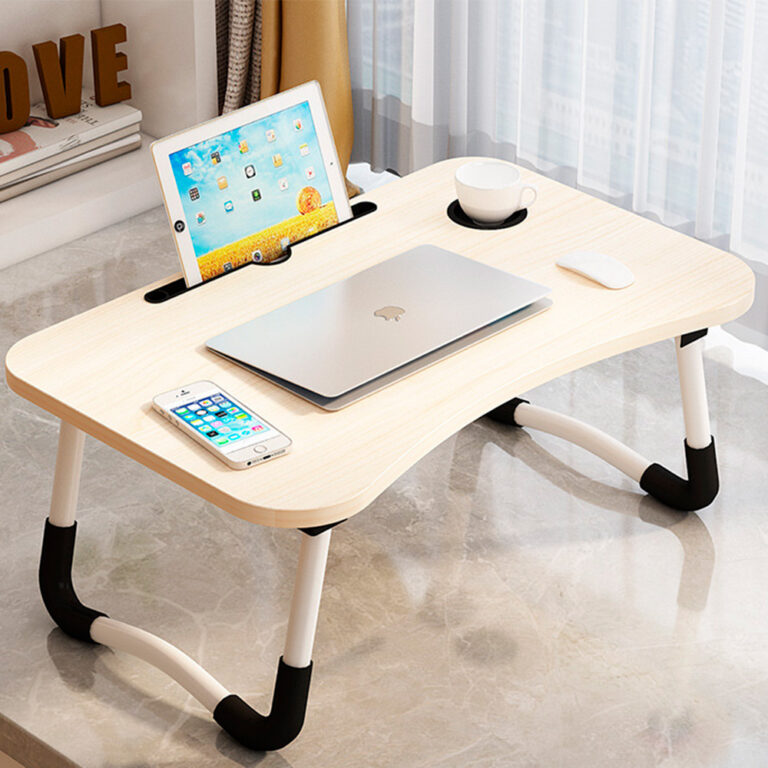
 Aisha's pickNatural Sofa Beds You’ll Still Like in Five Years
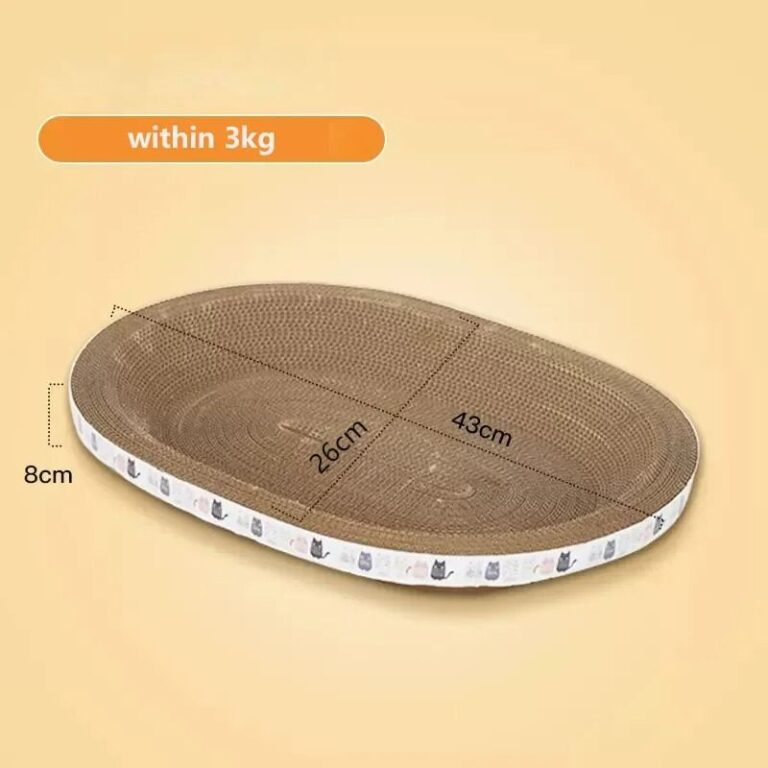
 Aisha's pickClassic Sofa Beds That Survive Kids and Pets
 Aisha's pickPillow Back Sofa Beds That Don’t Shout About It
 Aisha's pickCompact Sofa Beds for Apartments and Small Houses

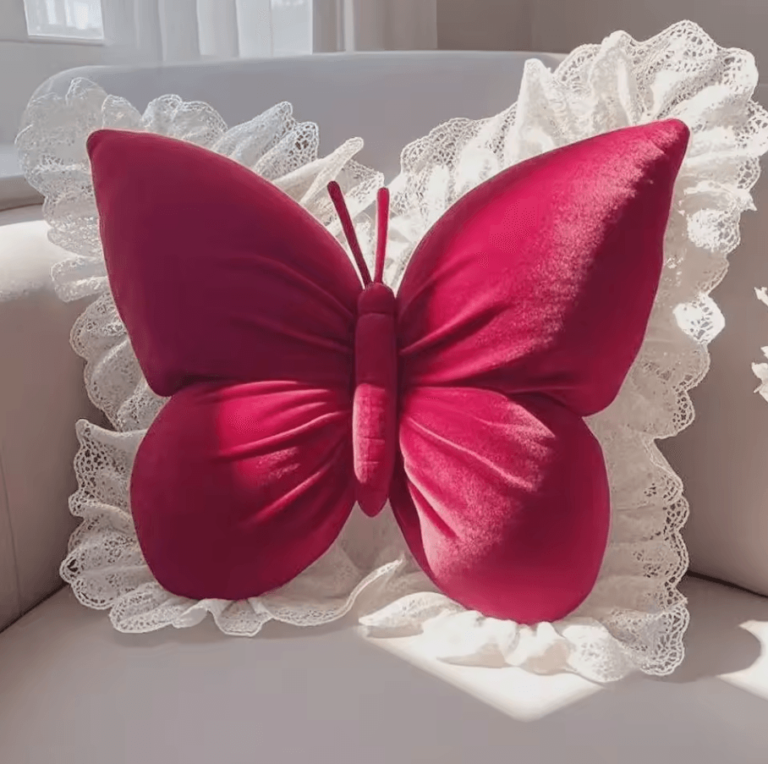 Aisha's pickPink Sofa Beds That Don’t Creak
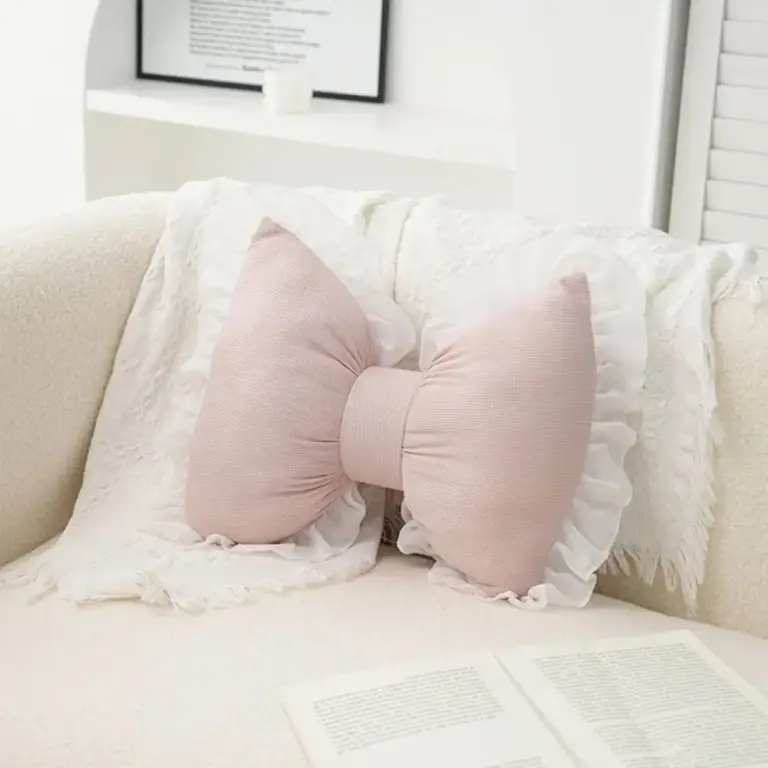
 Aisha's pickContemporary Sofa Beds We Keep Coming Back To