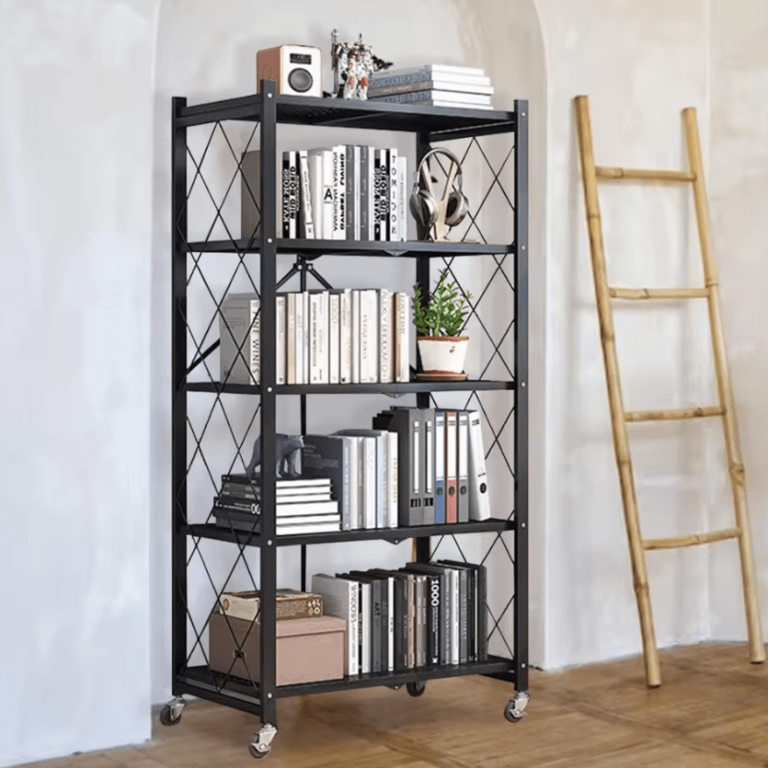
Late winter is when I notice metal shelves doing their best work, those gray afternoons when the light coming through an old window is flat and a little unkind, and you want something in the room that doesn't ask to be softened. A set of metal shelves against a plaster wall that's seen a hundred years of this kind of light looks like it's always been there, even if you put it up on a Tuesday afternoon with a cordless drill you borrowed from your neighbor.
I'll say plainly where they're the wrong call. If you've got a nursery, or a bedroom you want to feel like a place you actually sleep rather than a place you store things, metal shelves read cold fast, especially the thinner gauge ones that ring a little when you set a mug down on them, a sound I never love hearing at six in the morning. They also don't forgive a crooked wall the way wood does, a warped old house wall will show every gap at the back where the unit doesn't sit flush, and in a house like mine, built when plumb lines were more of a suggestion, that matters. Measuring is where most people go wrong with these, I've done it myself, bought a unit built for a modern ceiling height and ended up with eight inches of dead air above it that just collected dust and regret. Measure your actual clearance, not the room's advertised ceiling height, leave at least three inches above the top shelf for breathing room, and before you buy, figure out what you're actually putting on it, books want shelves closer together than you think, a stack of serving platters wants the opposite, and a unit with fixed shelf spacing will punish you either way. Depth matters more than most people plan for too, anything deeper than fourteen inches in a small room starts eating floor space you didn't know you needed until it's gone.
Where they genuinely sit well is in a room with some age already doing the talking, old brick, bare wood floors, a worn leather chair nearby, because the plainness of the metal gives the old stuff somewhere to rest its eyes, so to speak. They look wrong next to anything fussy, carved frames, ornate lamps, a lot of gilt, the two styles just argue with each other across the room. Put a stack of linen next to a cast iron pot on one shelf, a few books leaning sideways on another, and the whole thing starts to feel lived in rather than assembled.
For a kitchen, a mudroom, or a workroom where you want to see what you own and trust it'll hold, I'd take a good metal shelf over almost anything else in the house.
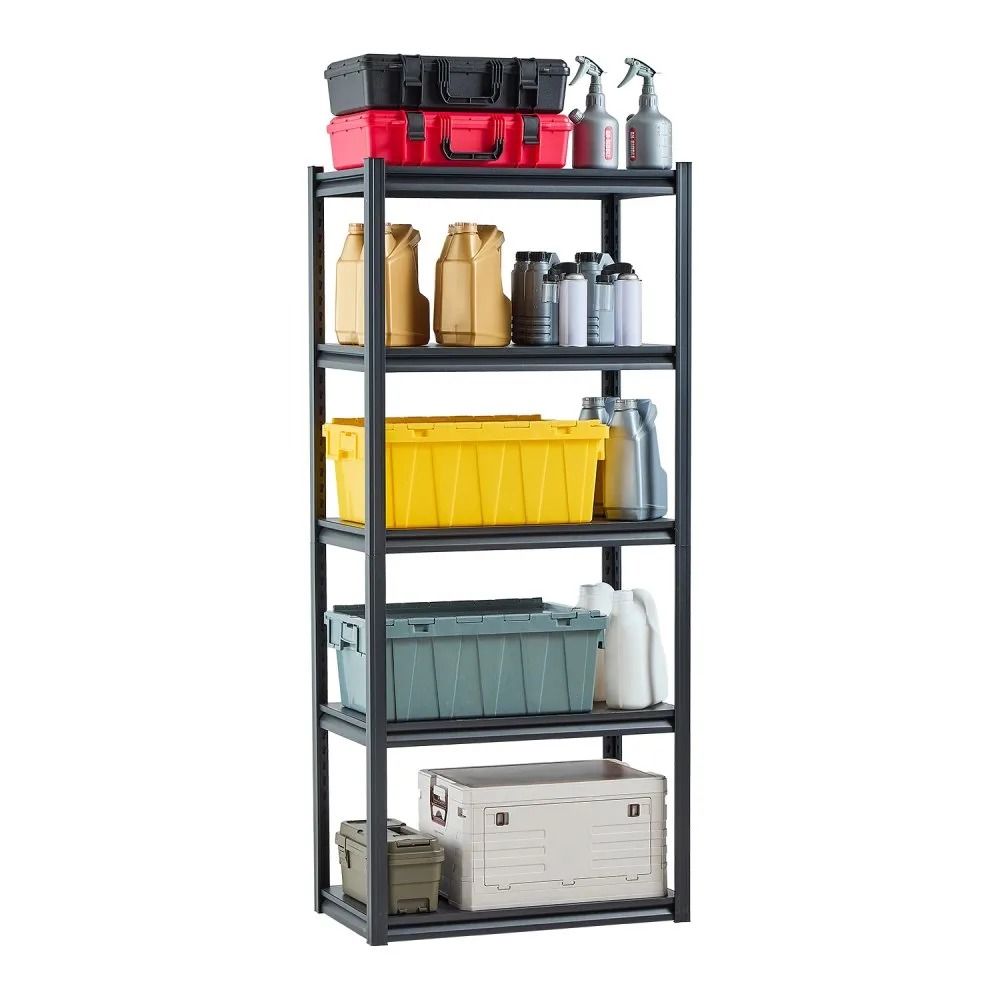 Aisha's pickNo Fuss Metal Garage Shelving
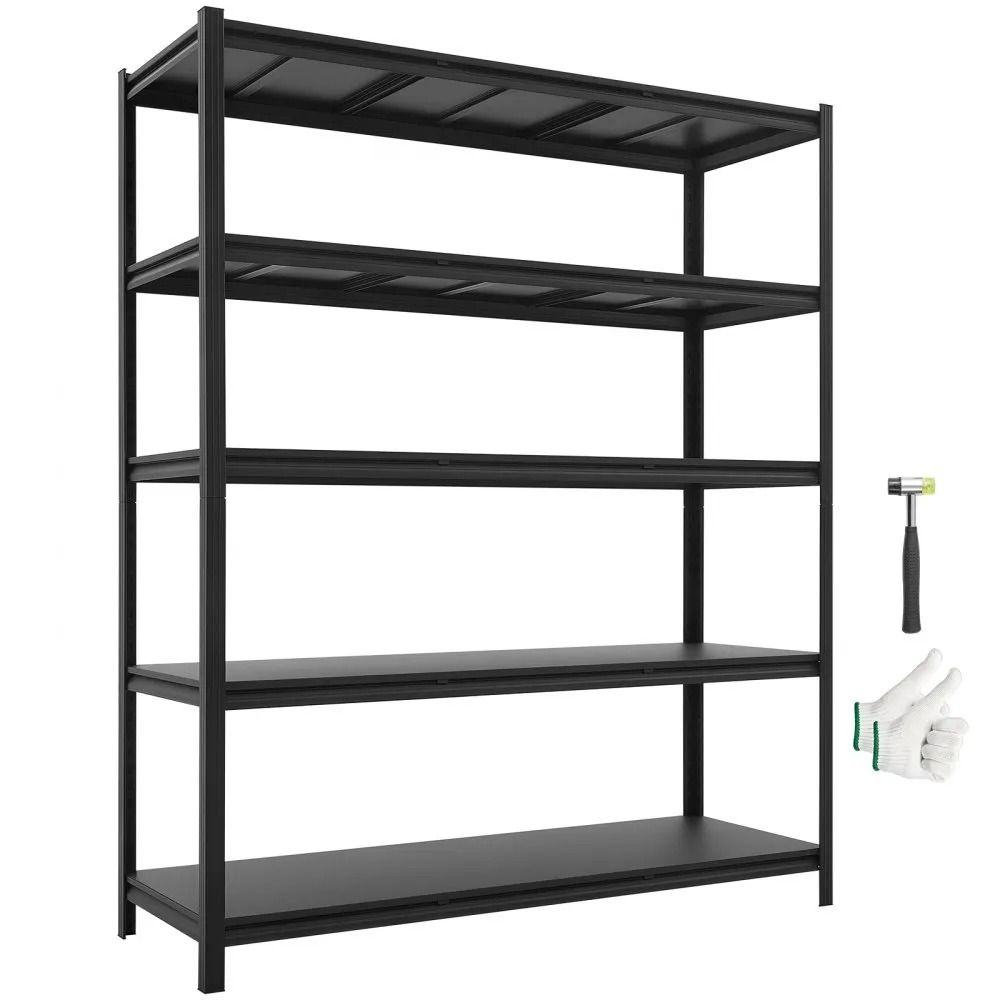
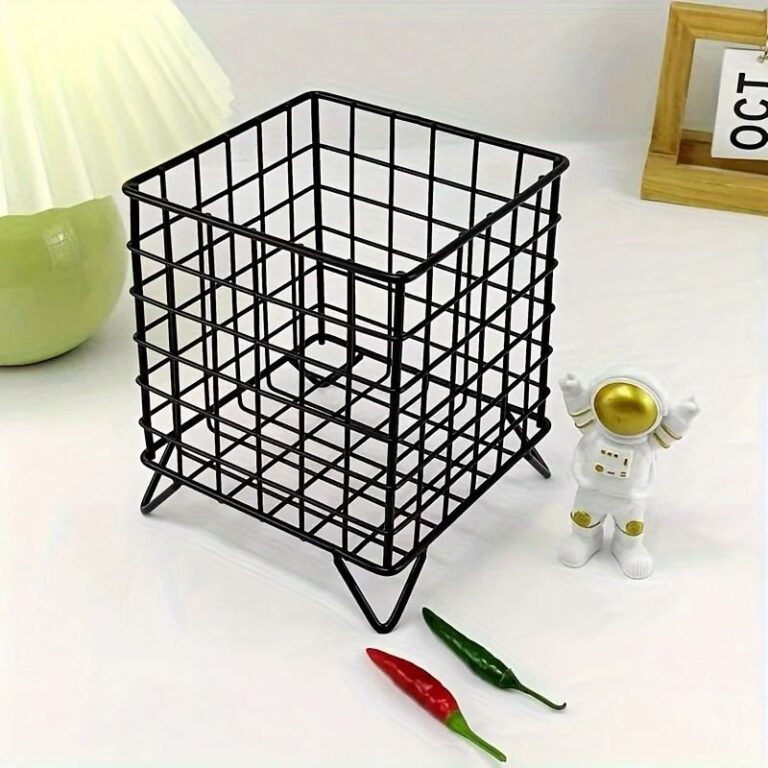 Aisha's pickSteel Desk Shelves for a Home Office That Works
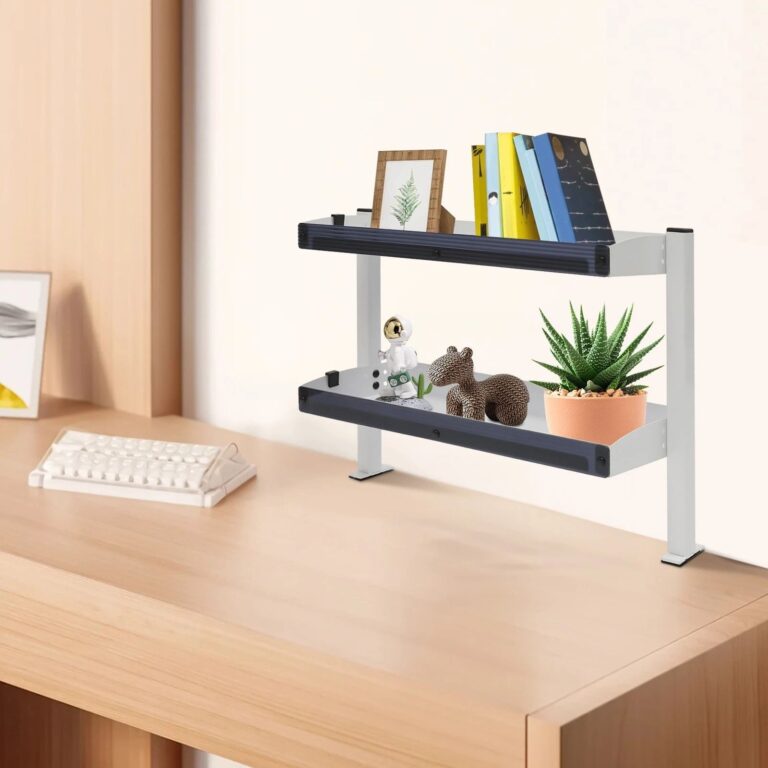
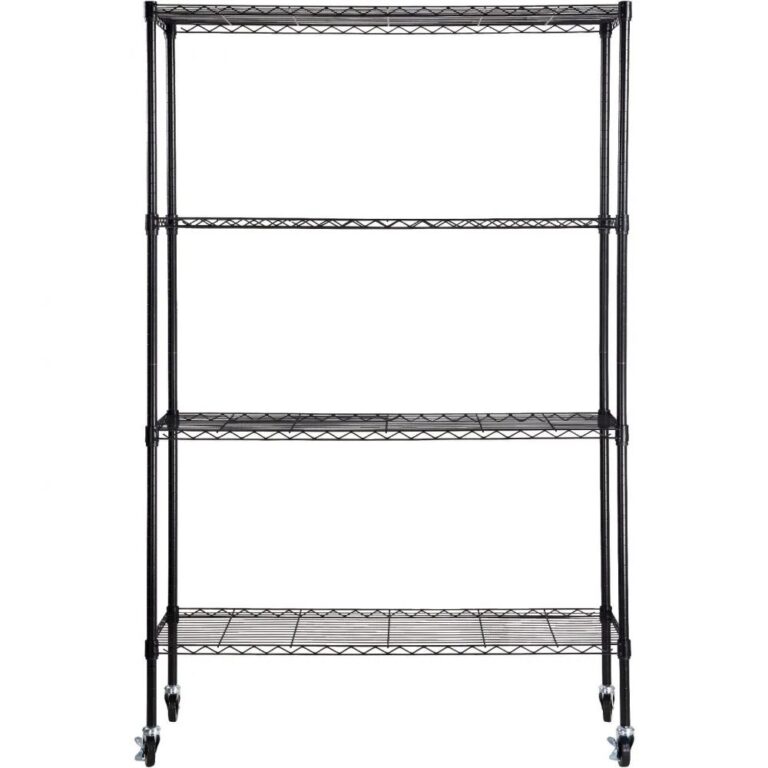 Aisha's pick4 Shelf Metal Shelving From Stores Big and Small
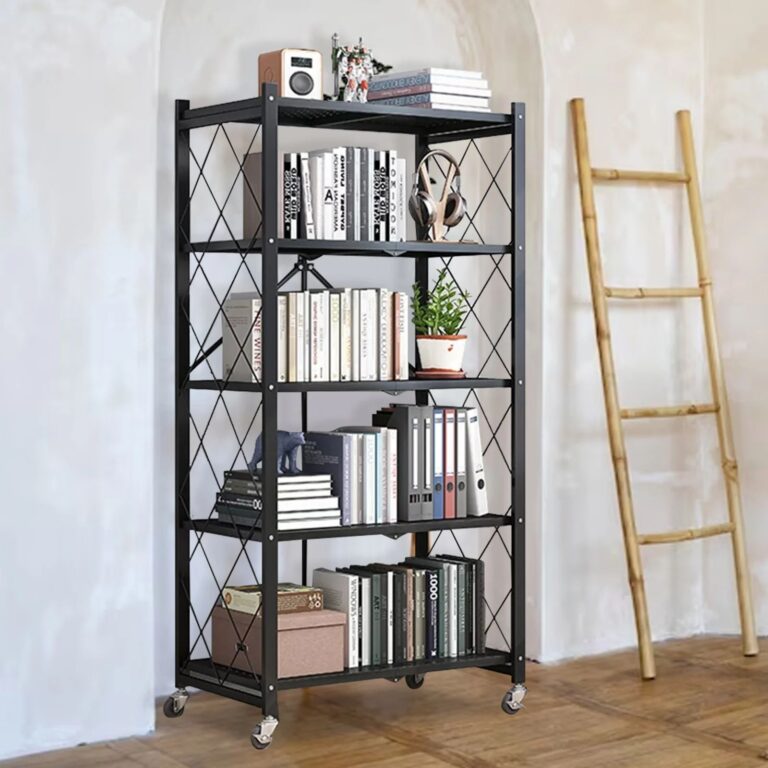
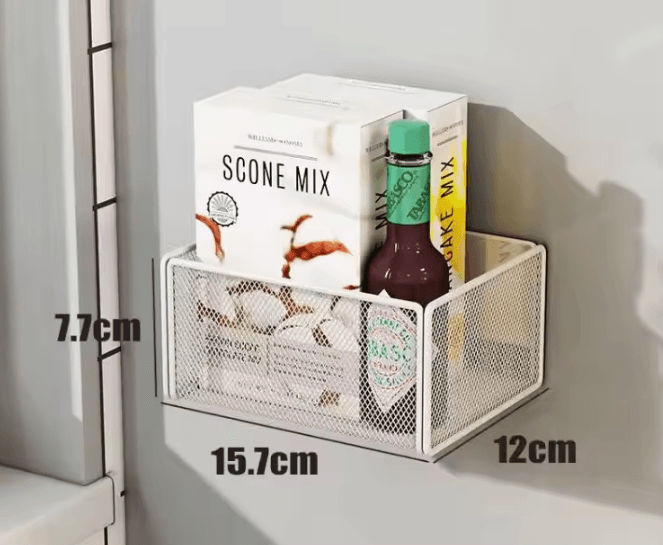 Aisha's pickMetal Hanging Shelves Picked From the Stores We Trust
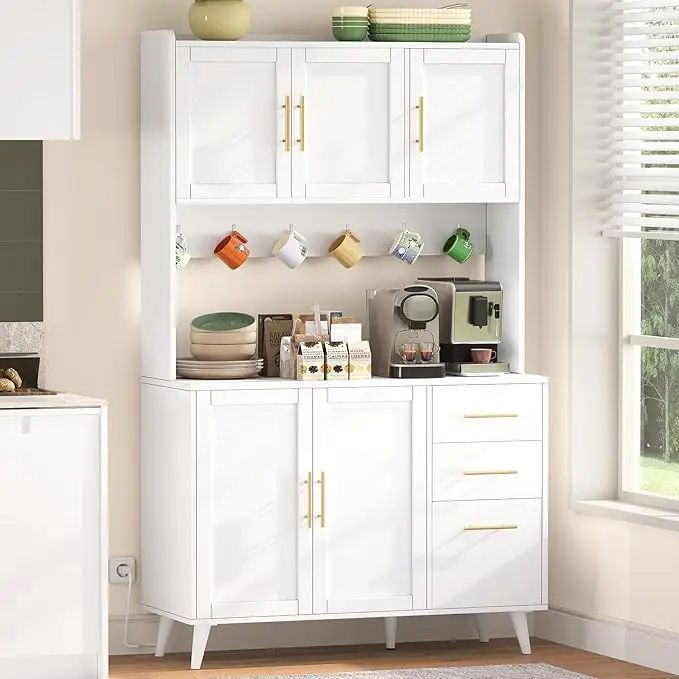
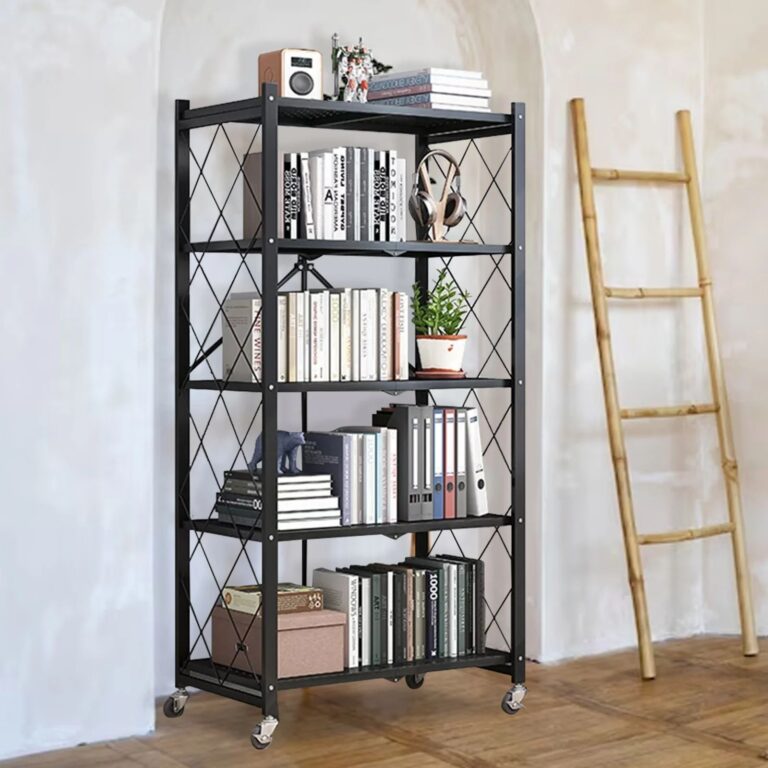 Aisha's pickSteel Garage Shelves for Homes With Too Much Stuff
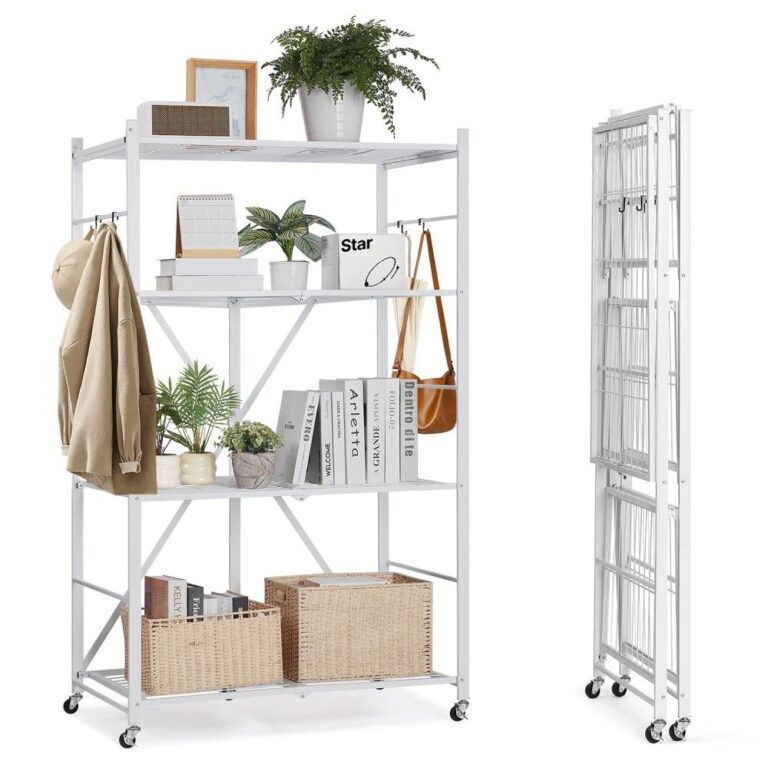
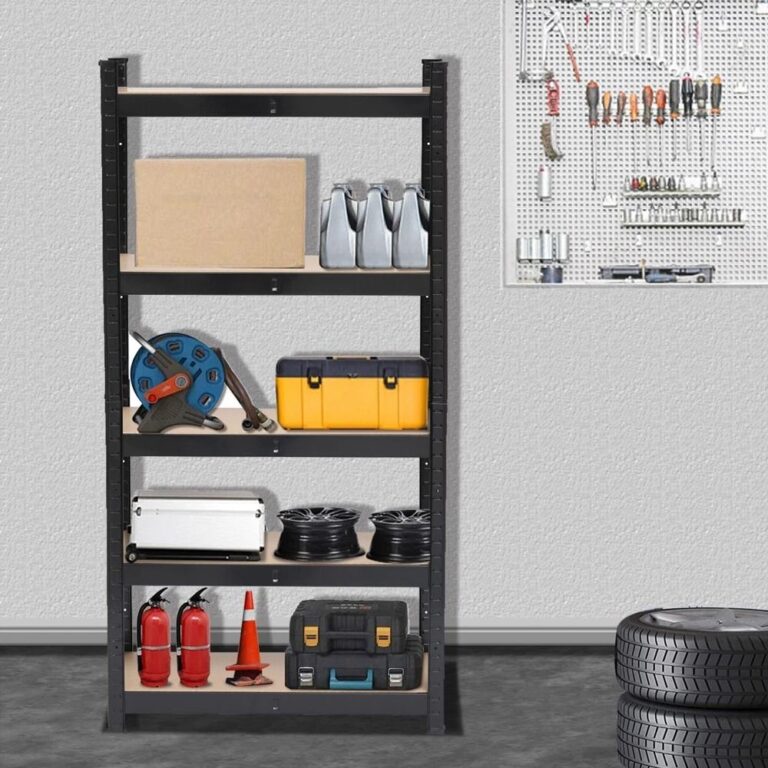 Aisha's pick5 Shelf Metal Shelving With Some Character
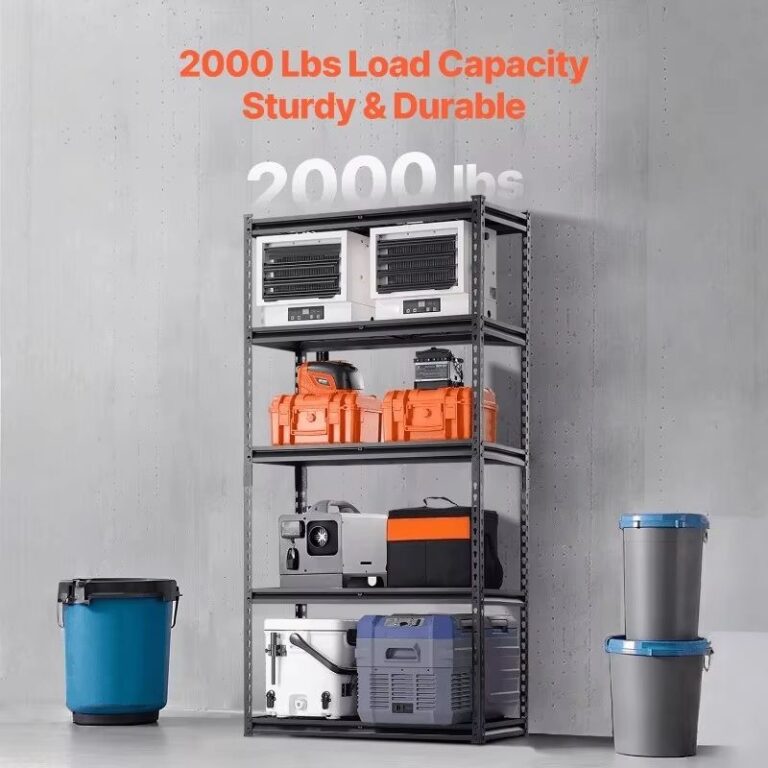
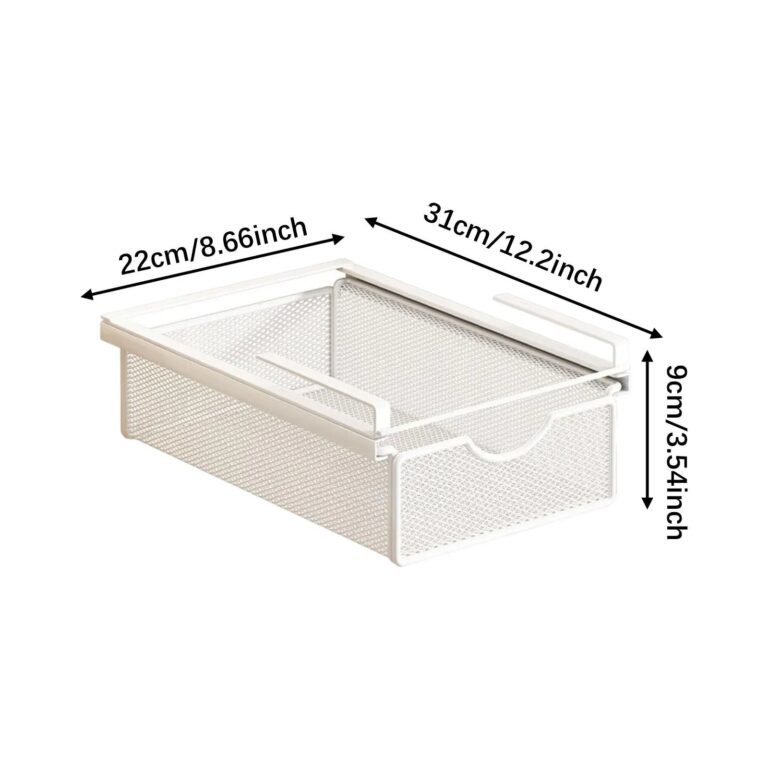 Aisha's pickMetal Kitchen Shelves That Hide the Mess for Good
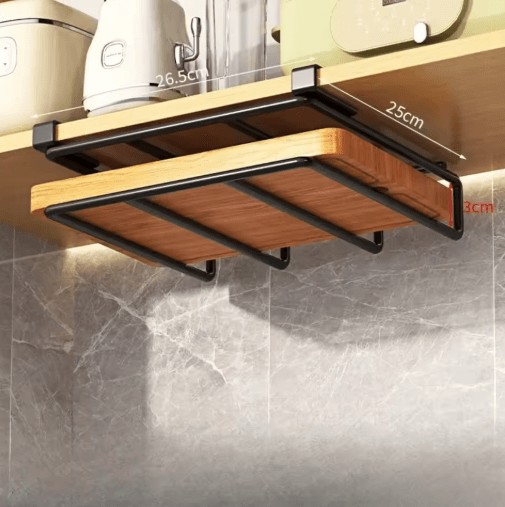
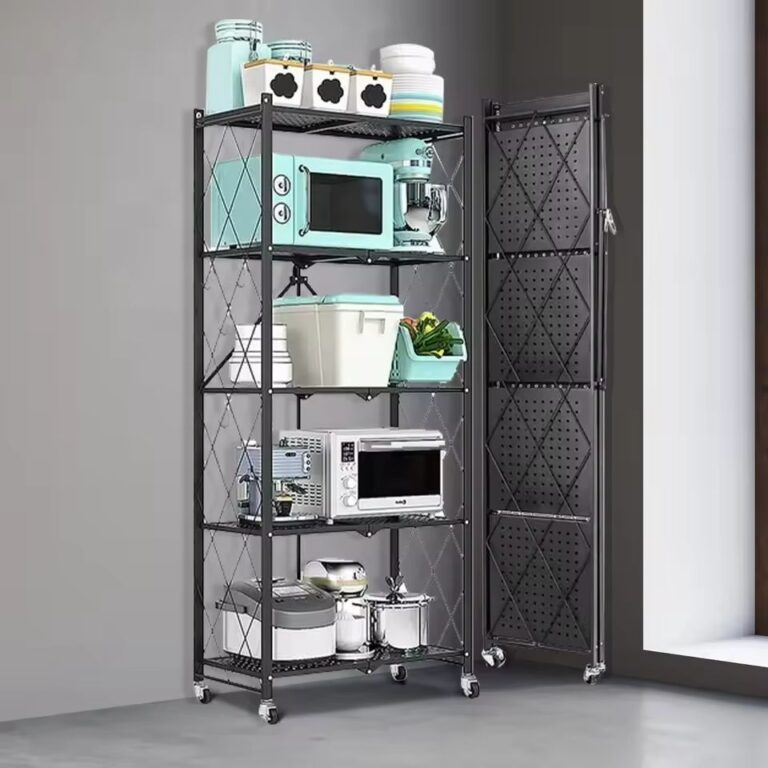 Aisha's pickSimple Steel Garage Shelving Done Well
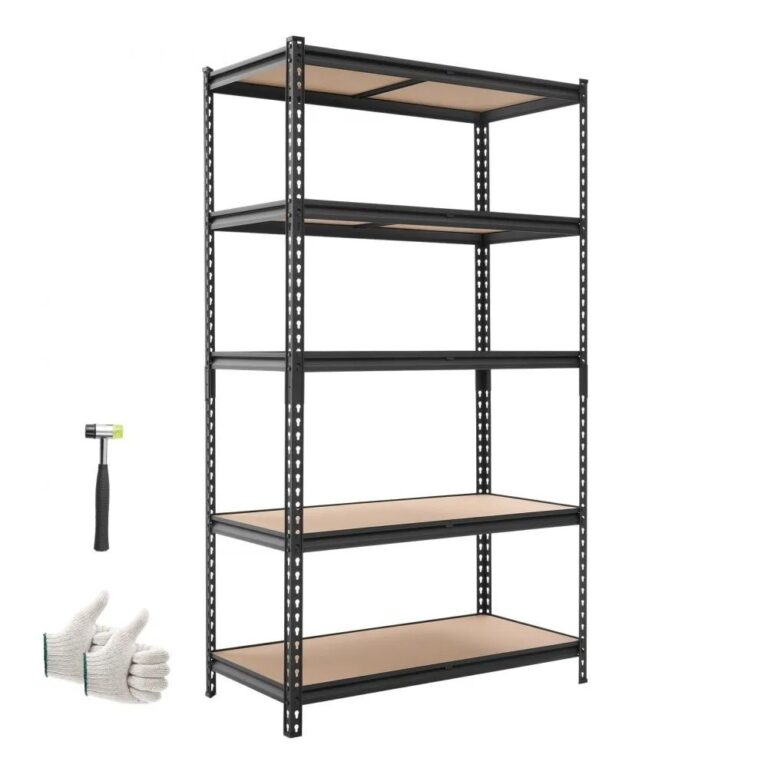
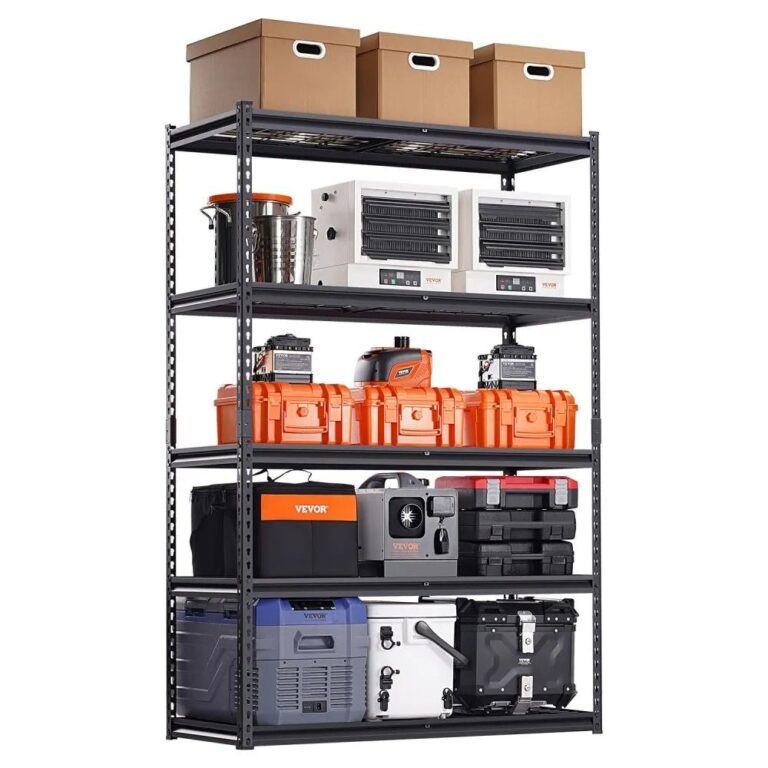 Aisha's pickAdjustable Metal Shelving With a Bit More About ItAlso worth a lookWall ShelvesFor years I thought the bracket was the whole story with wall shelves, buy the beefiest looking one and you're set.See the collections →
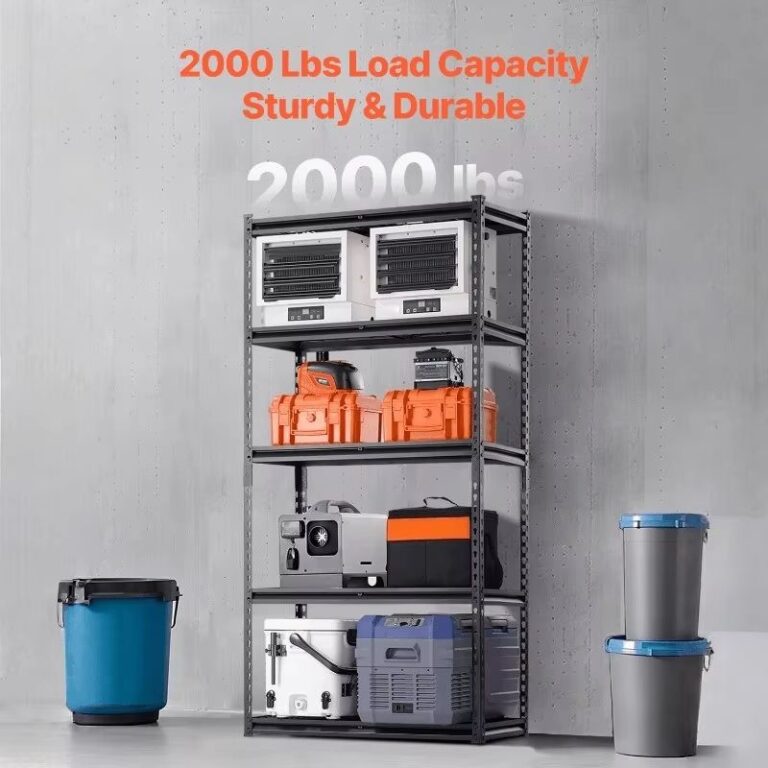
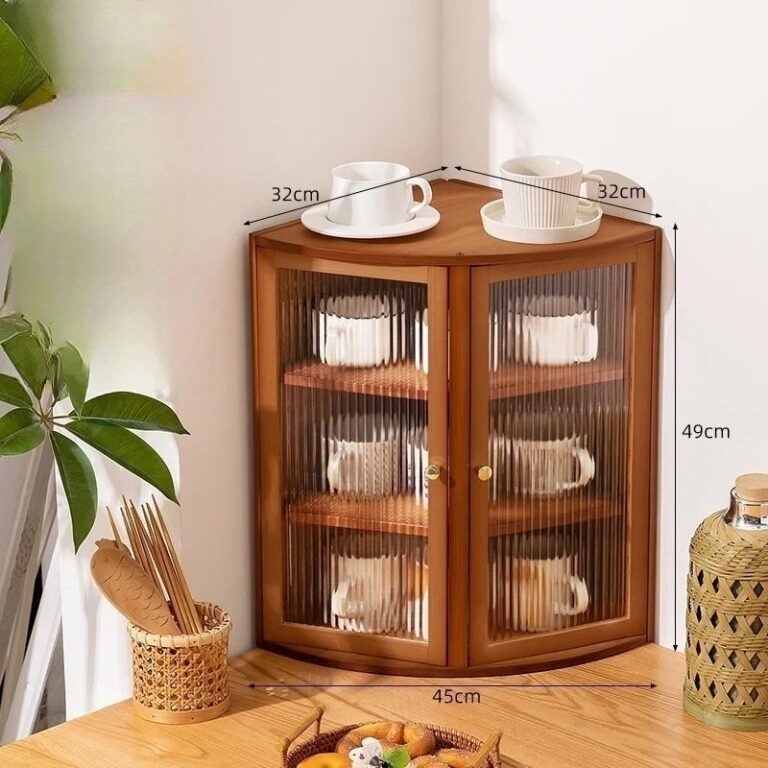 Aisha's pickMetal Kitchen Shelves That Make a Room Feel Finished
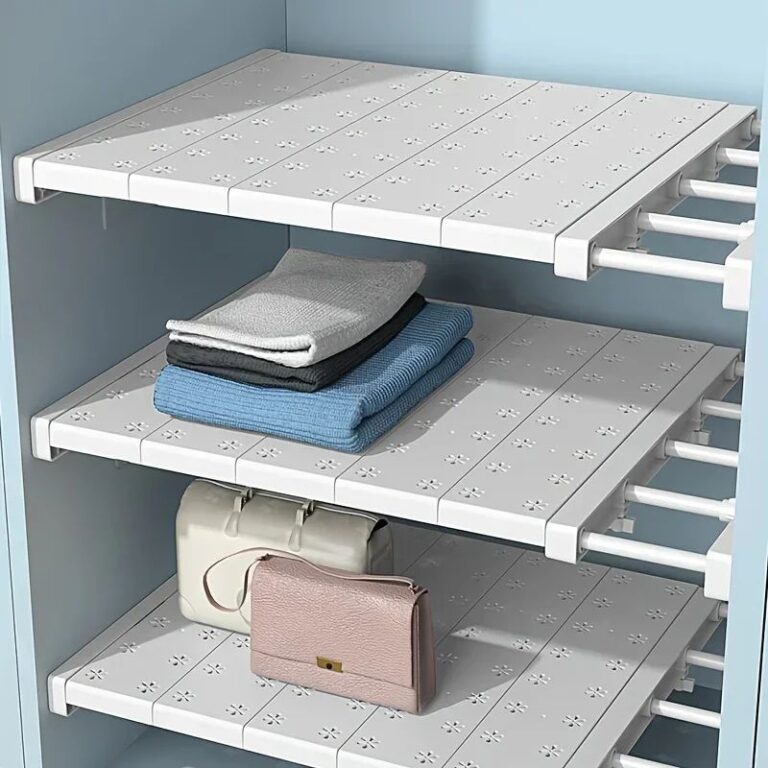
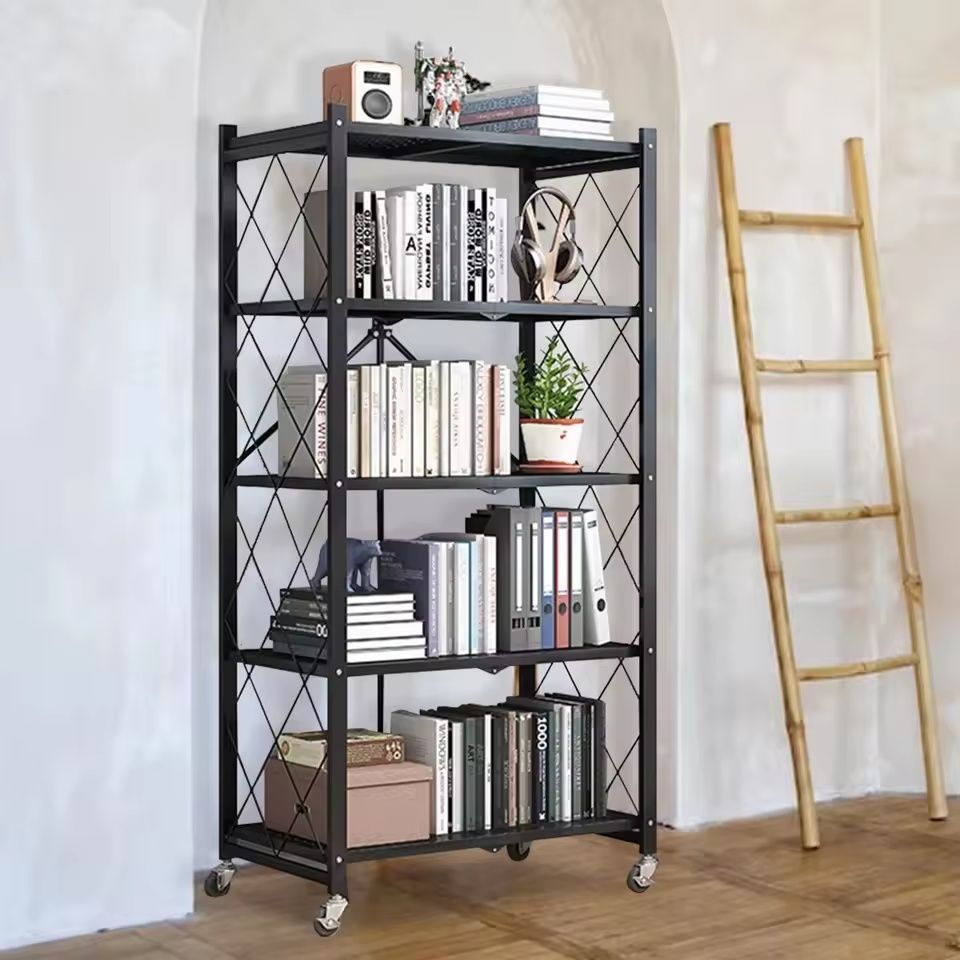 Aisha's pickSteel Garage Shelving with Shelves That Earns Its Place
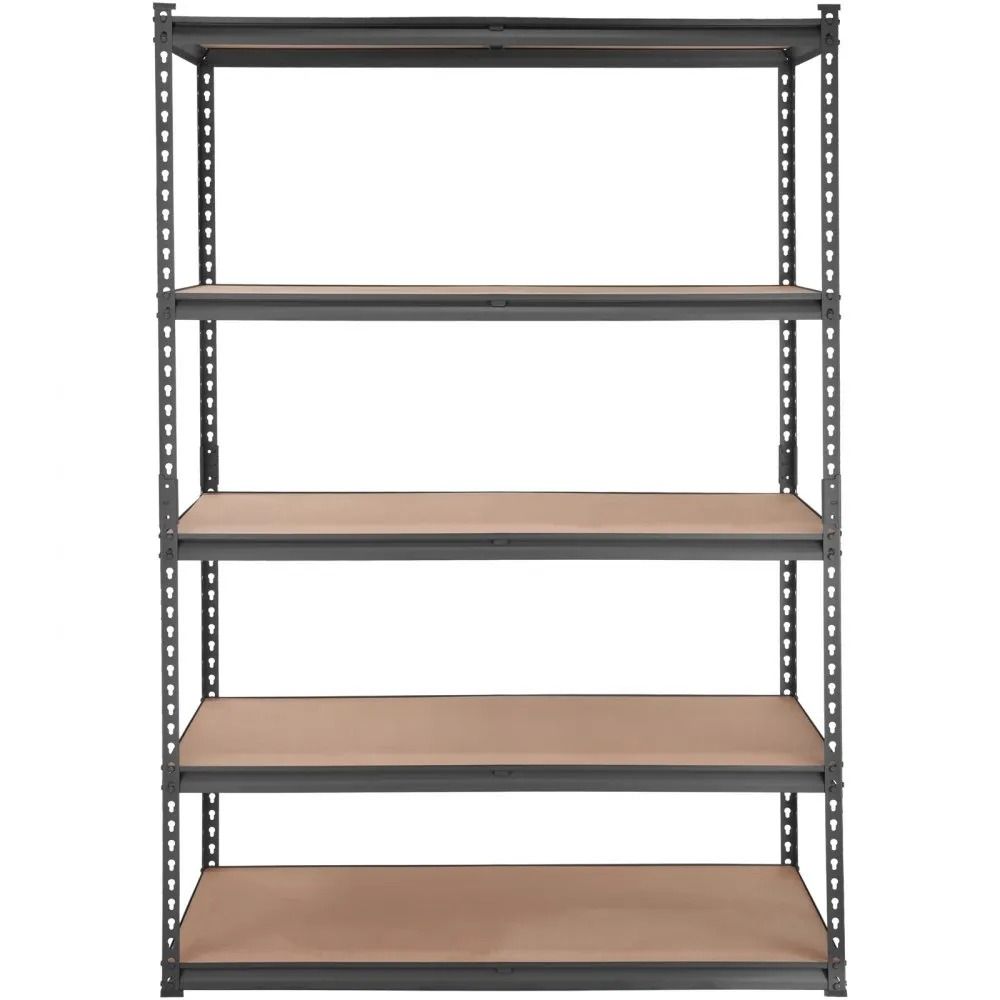
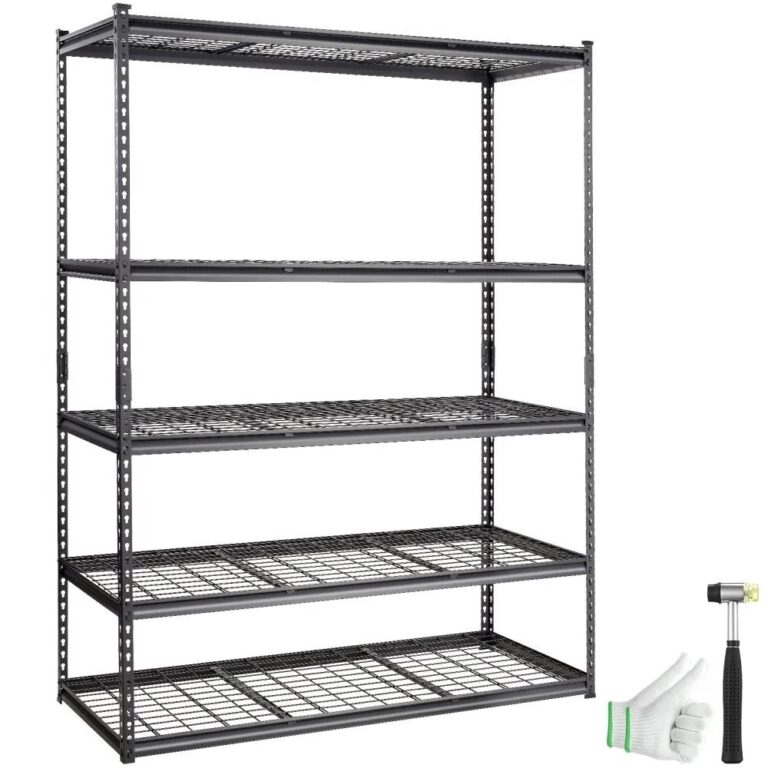 Aisha's pickBlack Metal Shelving Hunted Down So You Don’t Have To
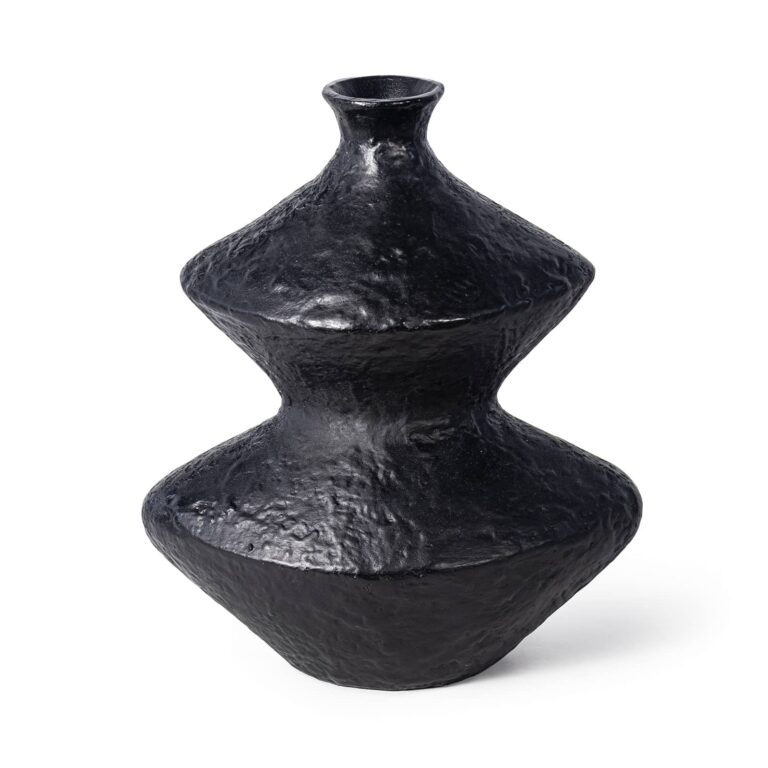
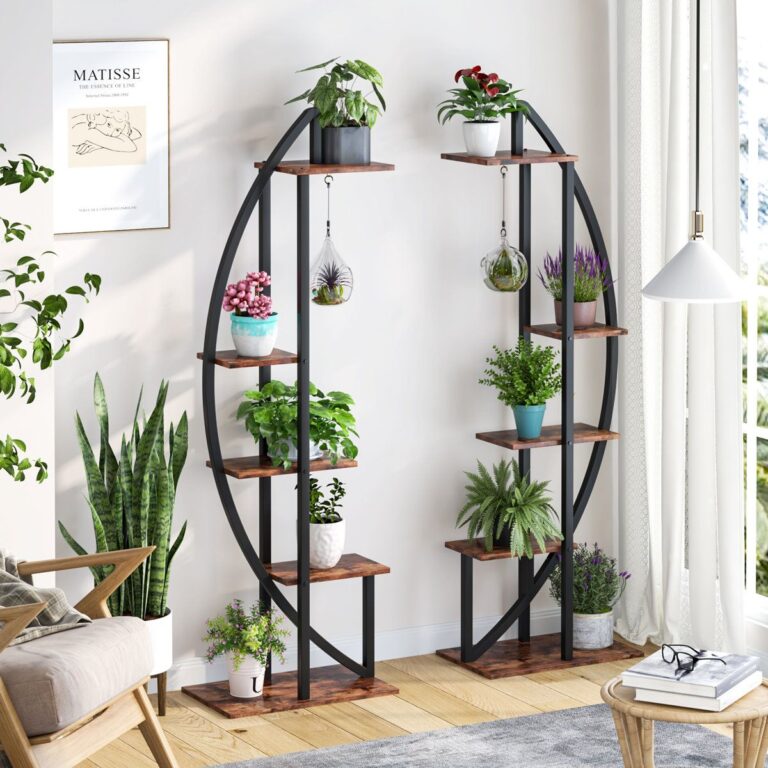 Aisha's pickMetal Plant Shelves From Stores Big and Small

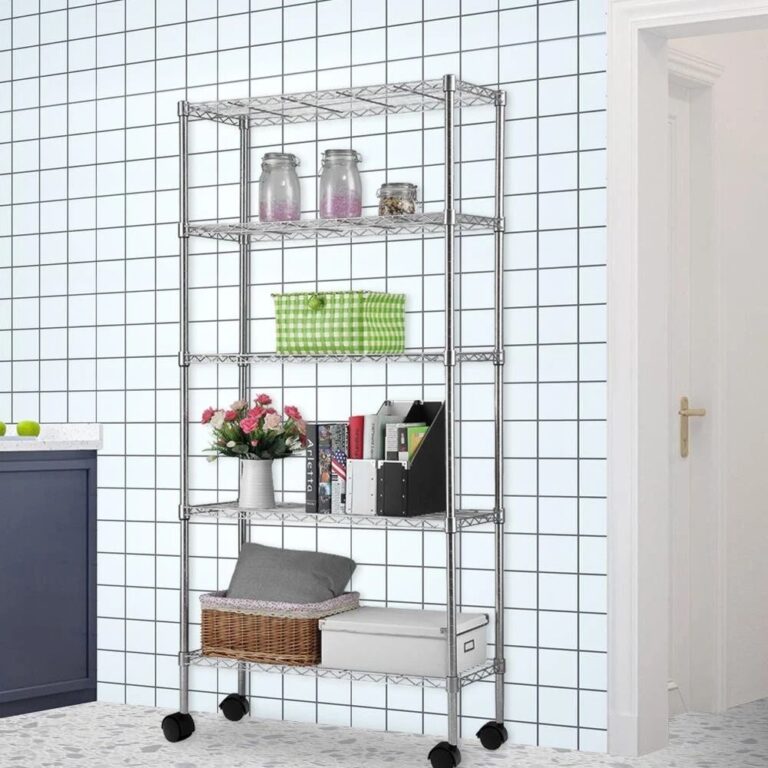 Aisha's pickSteel Heavy Duty Shelving That Holds Up
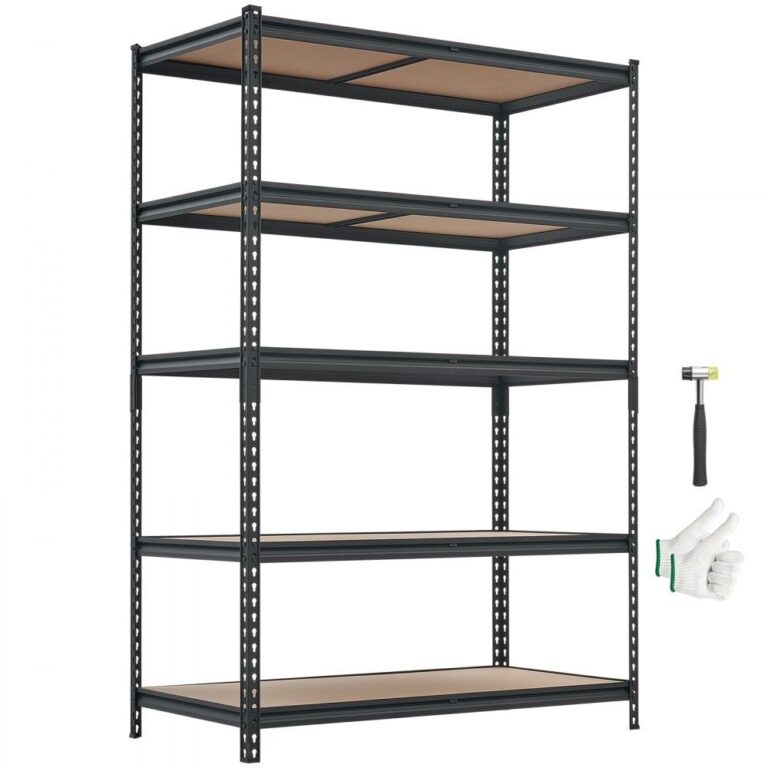
 Aisha's pickBlack Metal Wall Shelves That Look Good Even When Full
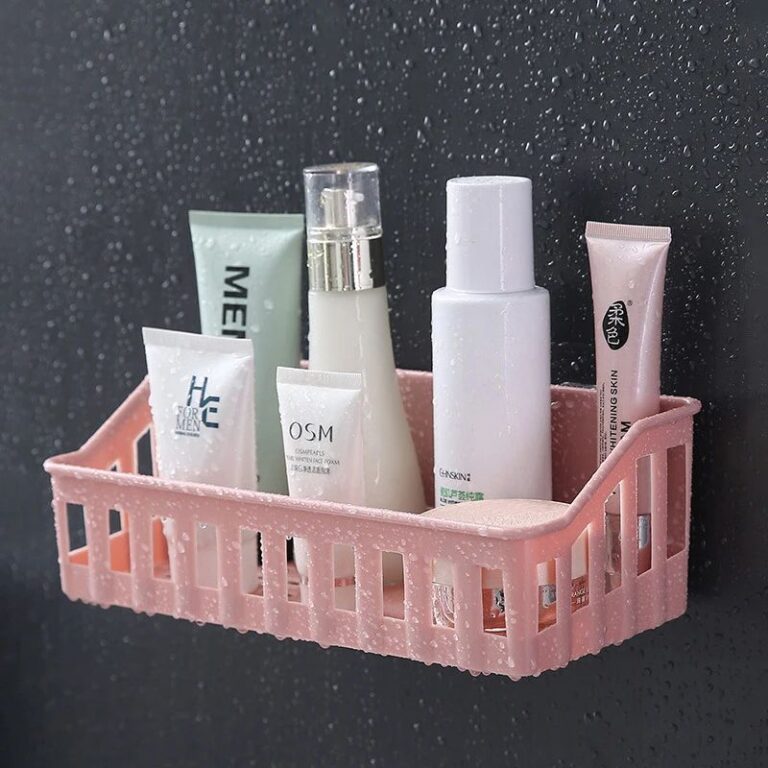
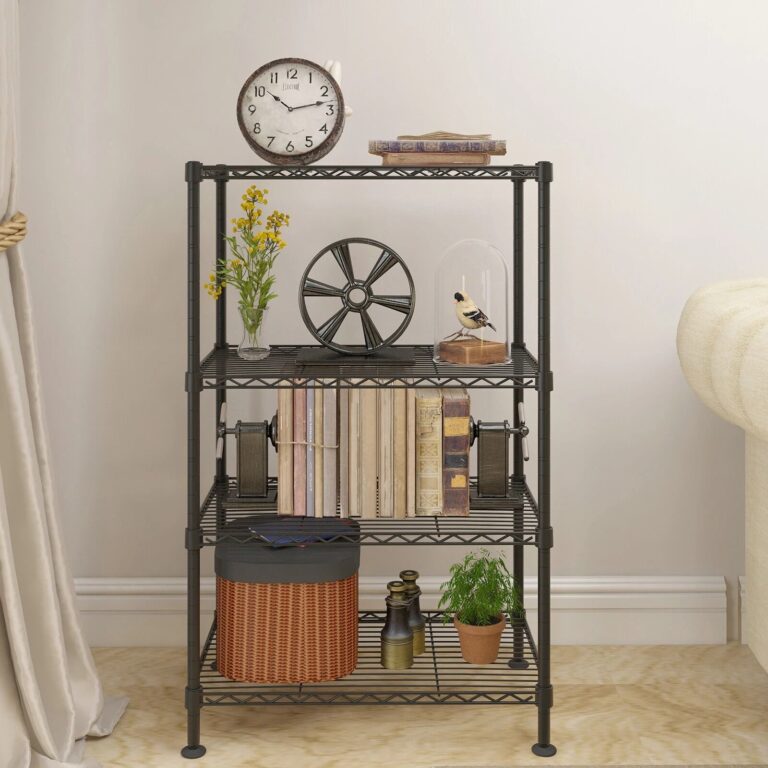 Aisha's pickMetal Shelving Worth Your Money
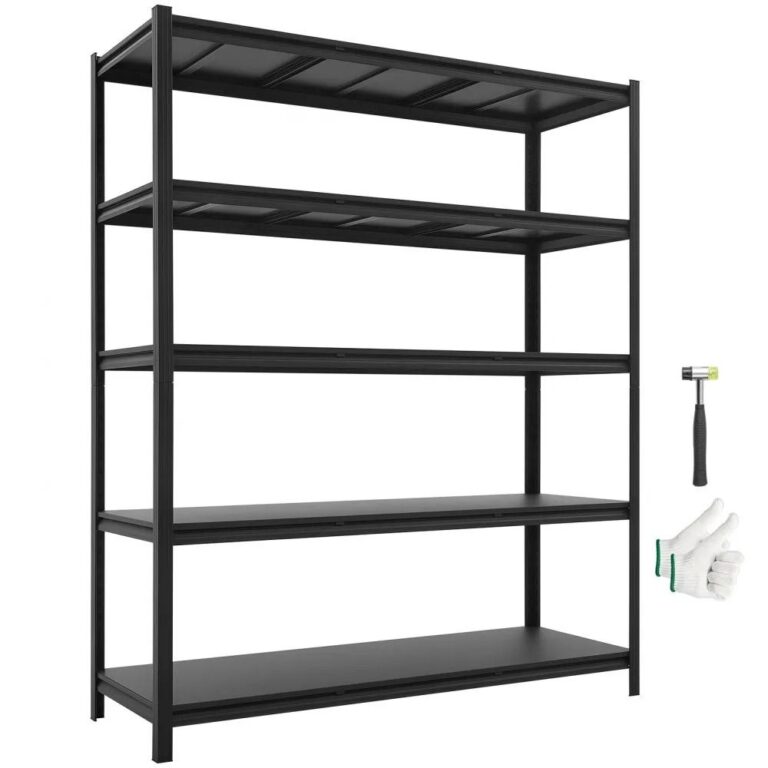
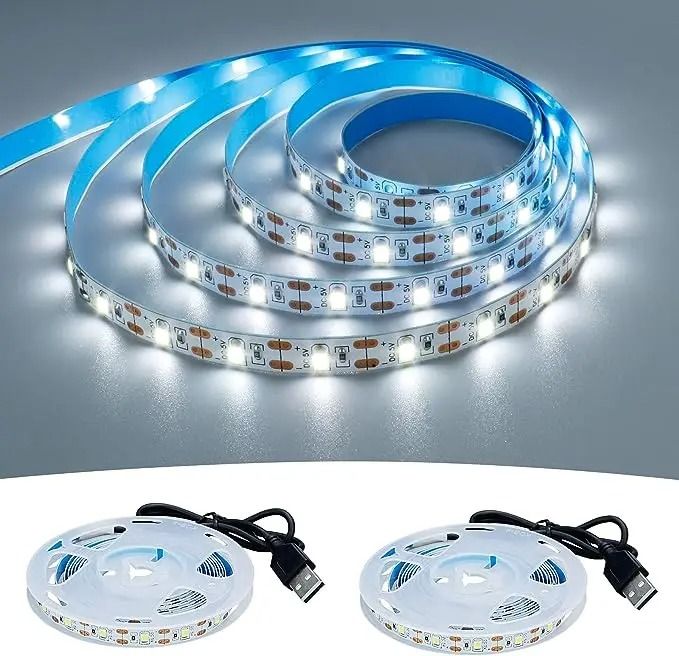 Aisha's pickWood Metal Shelving That Holds Up
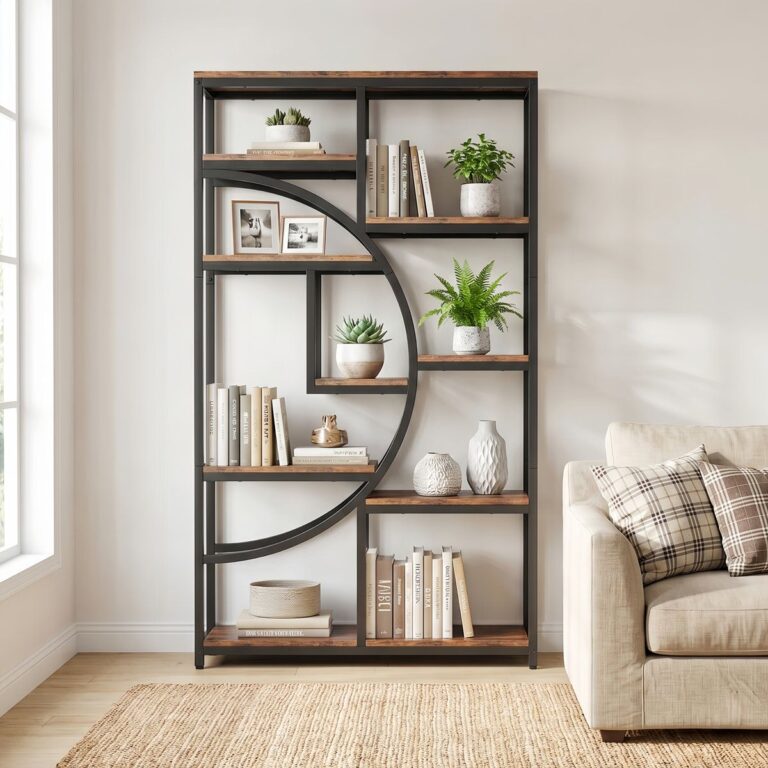
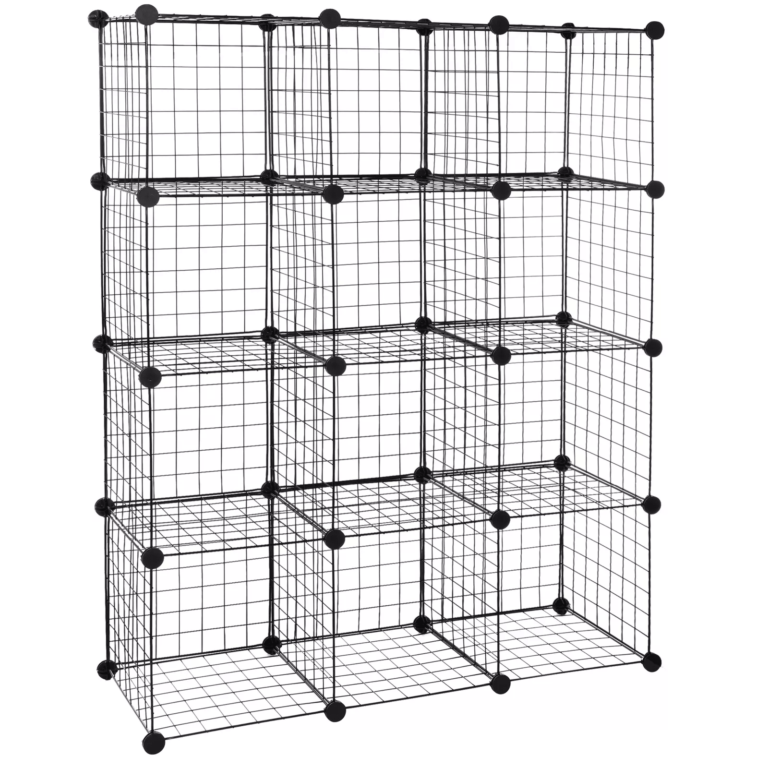 Aisha's pickClear Metal Shelving You’ll Live With Happily for YearsAlso worth a lookShelvingThe warning first: most people buy shelving the way they buy a lamp, grab something roughly the right size and hope.See the collections →
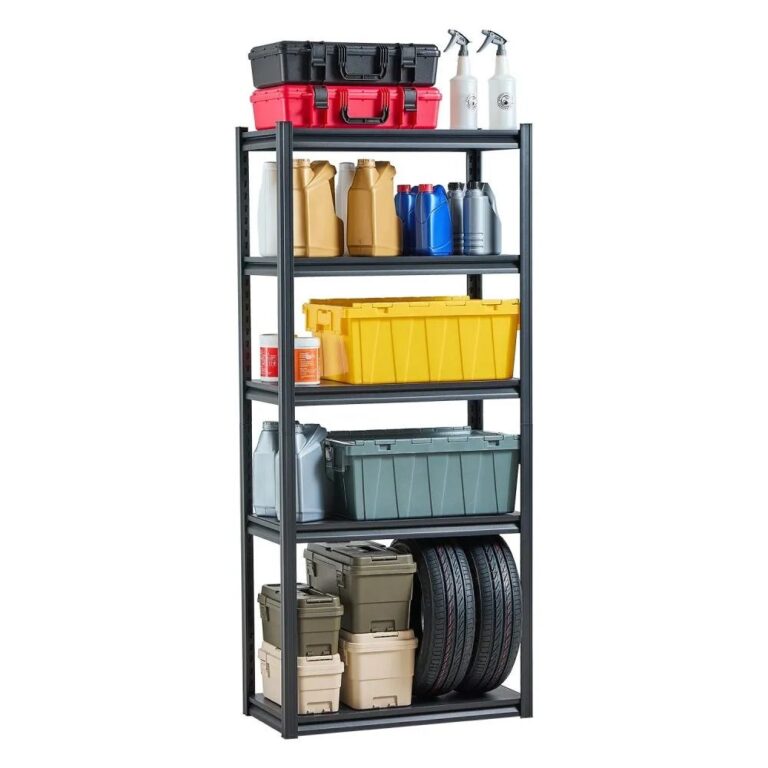 Aisha's pickMetal Shelving for Garage We Keep Buying
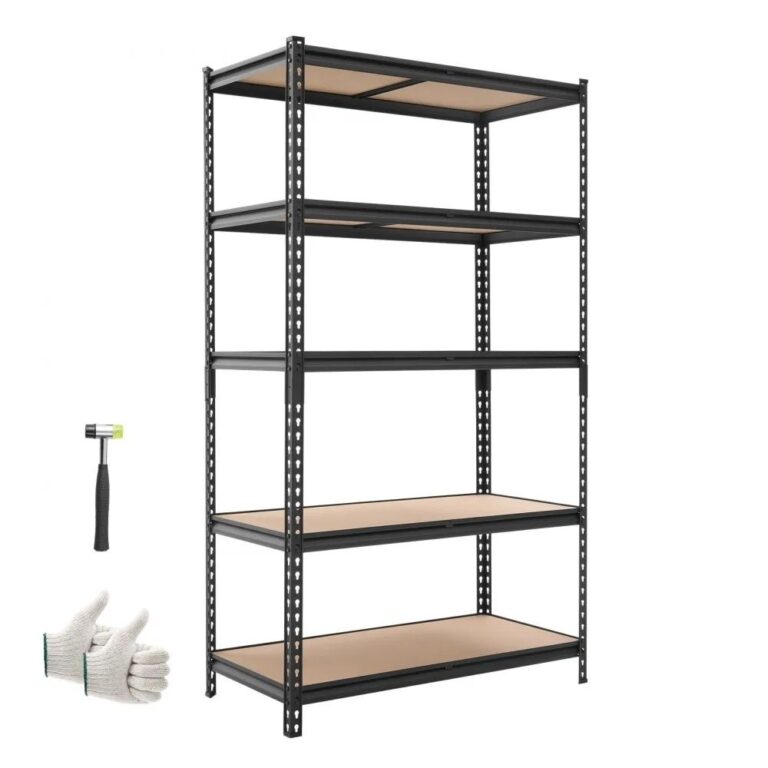
 Aisha's pickHeavy Duty Metal Shelving for When the Old Ones Give Up
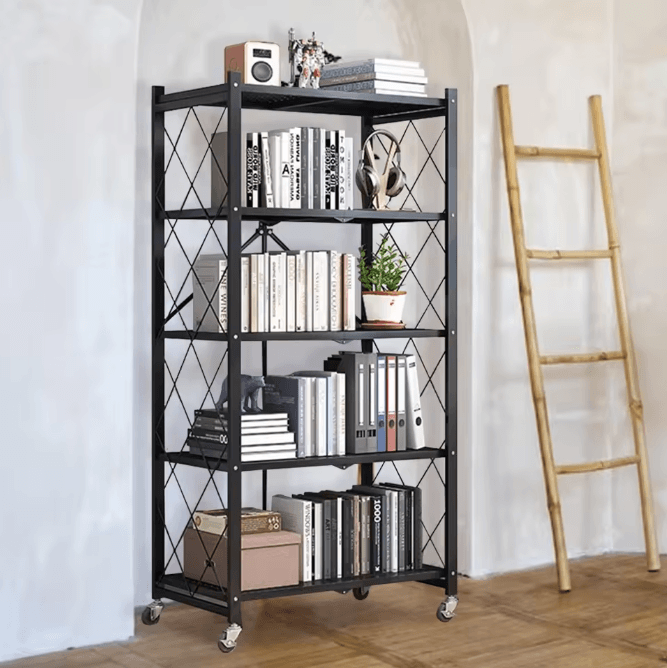
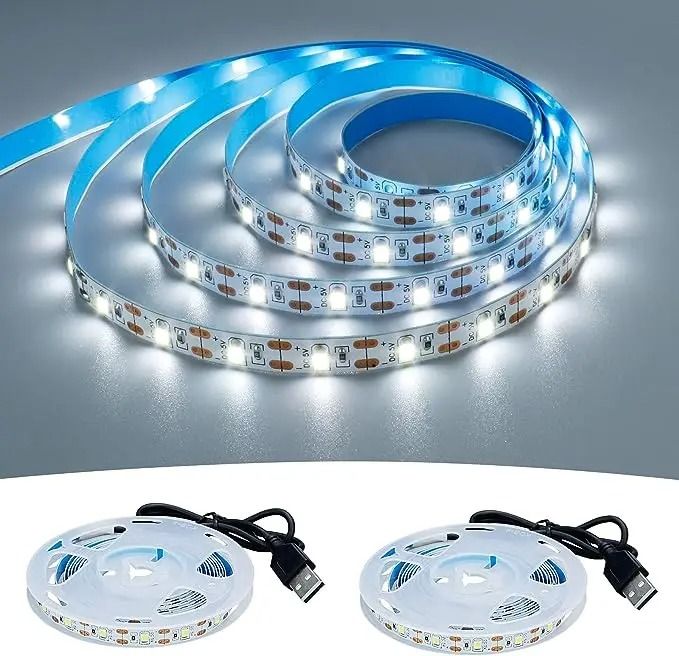 Aisha's pickGood Metal Shelving with Shelves That Don’t Cost a Fortune
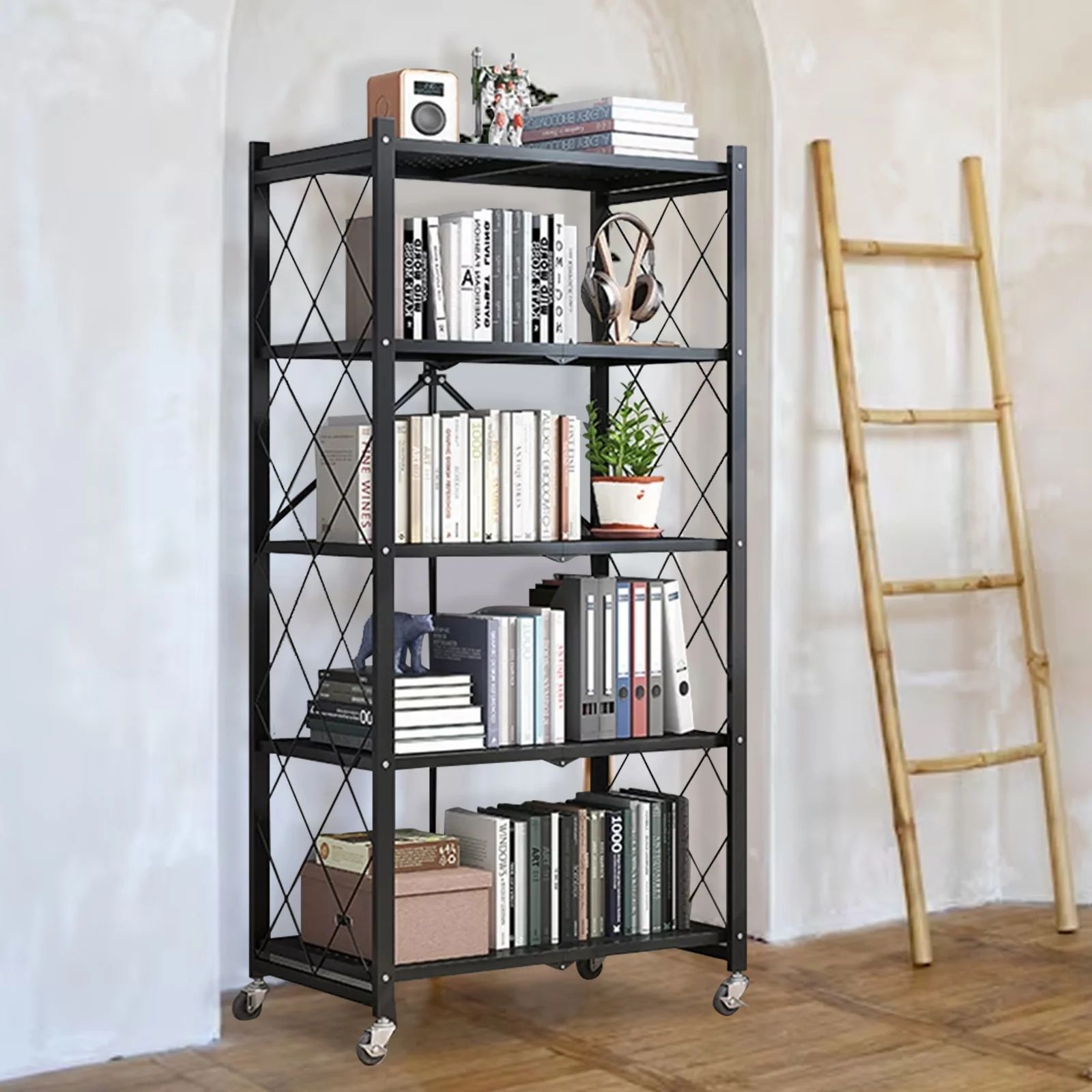
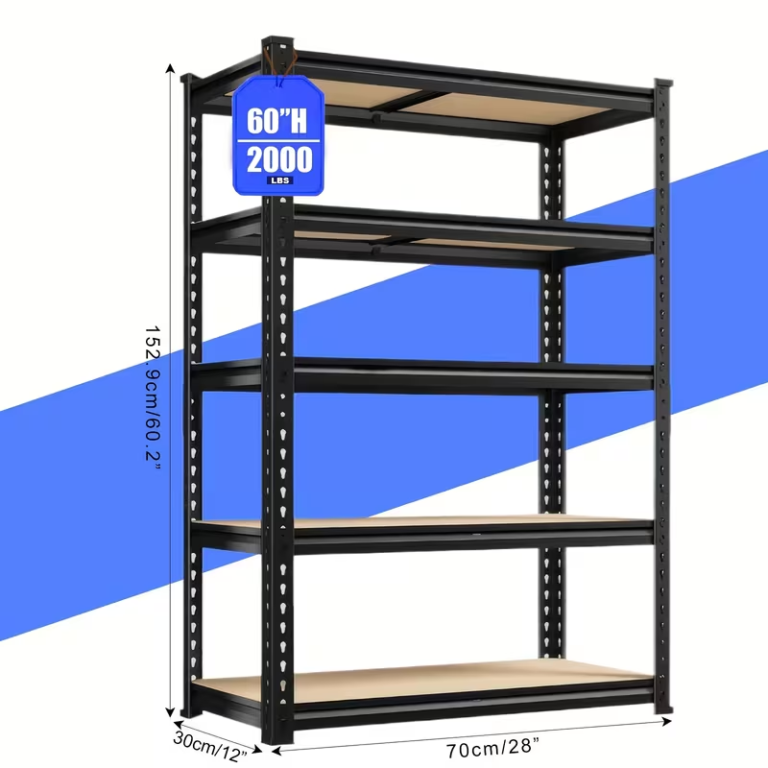 Aisha's pickLarge Metal Shelving That Doesn’t Cost a Fortune
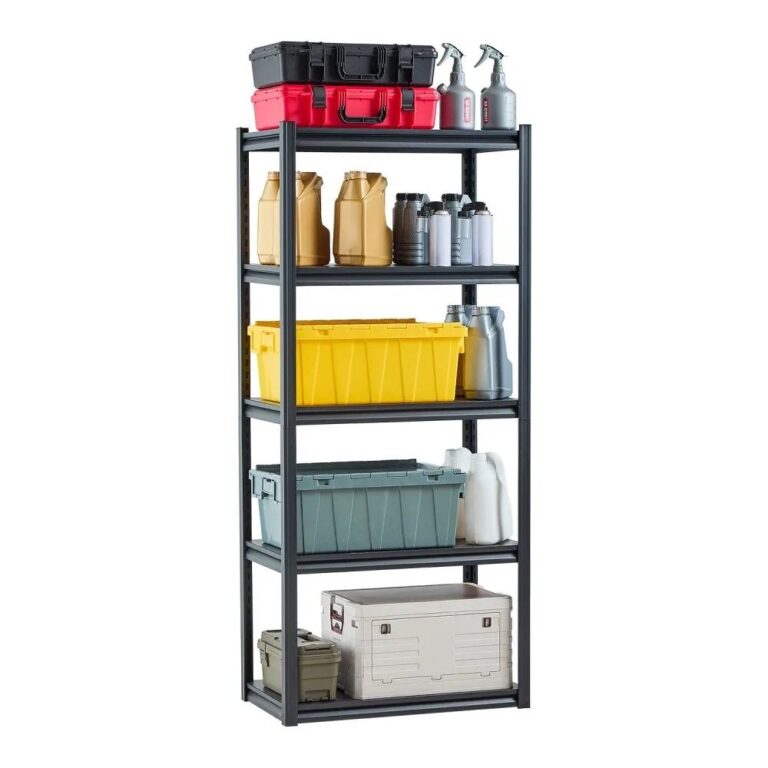
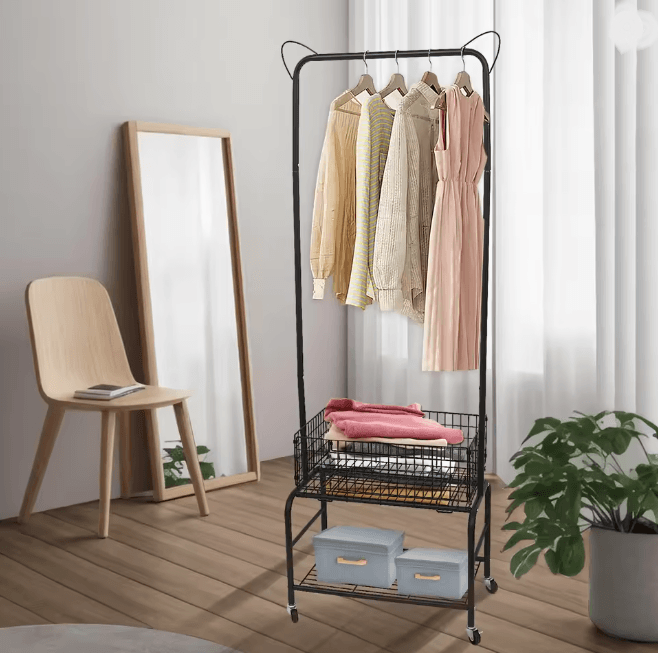 Aisha's pickMetal Shoe Shelves That Sort Out the Pile by the Door

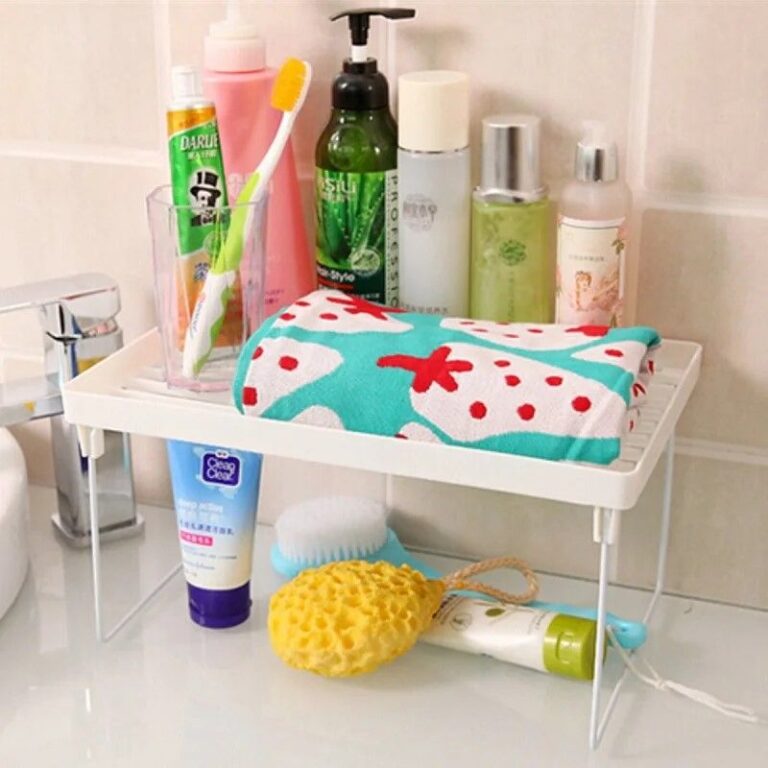 Aisha's pickMetal Bathroom Shelves That Fit Into Real Life
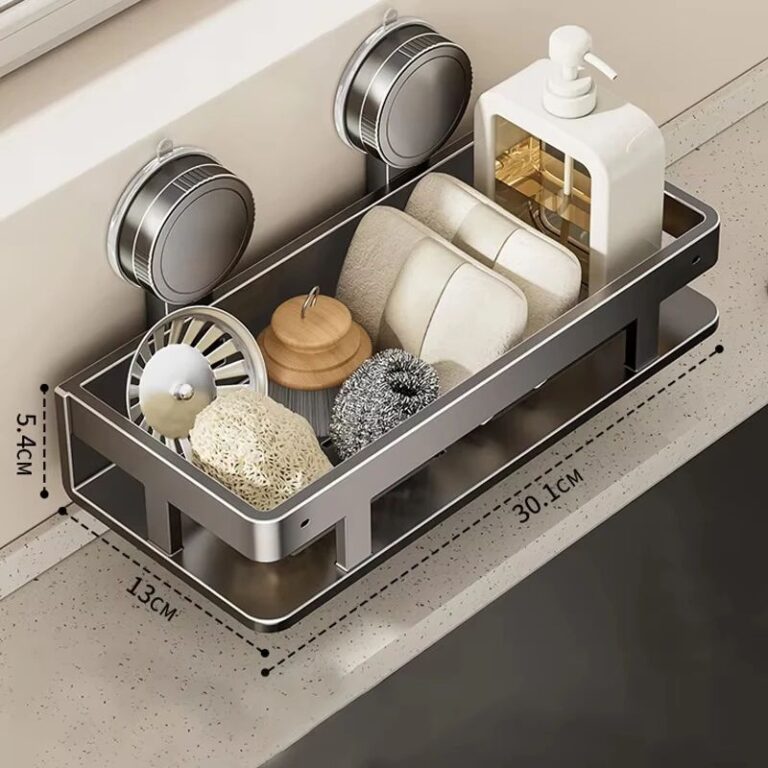
 Aisha's pickMetal Storage Cubes With Room for More Than You’d Think

 Aisha's pickMetal Bookcases for Homes With Too Much Stuff
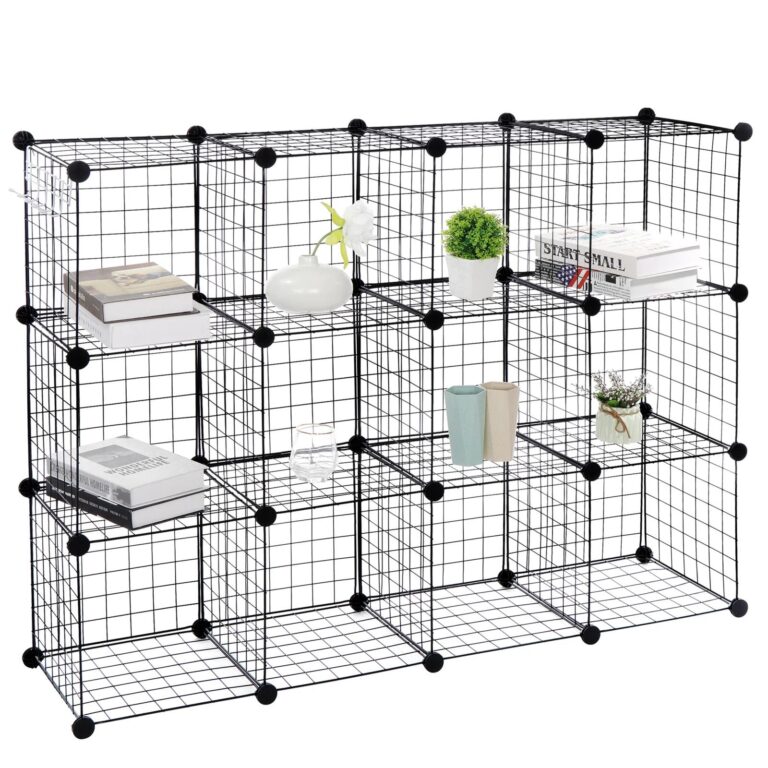
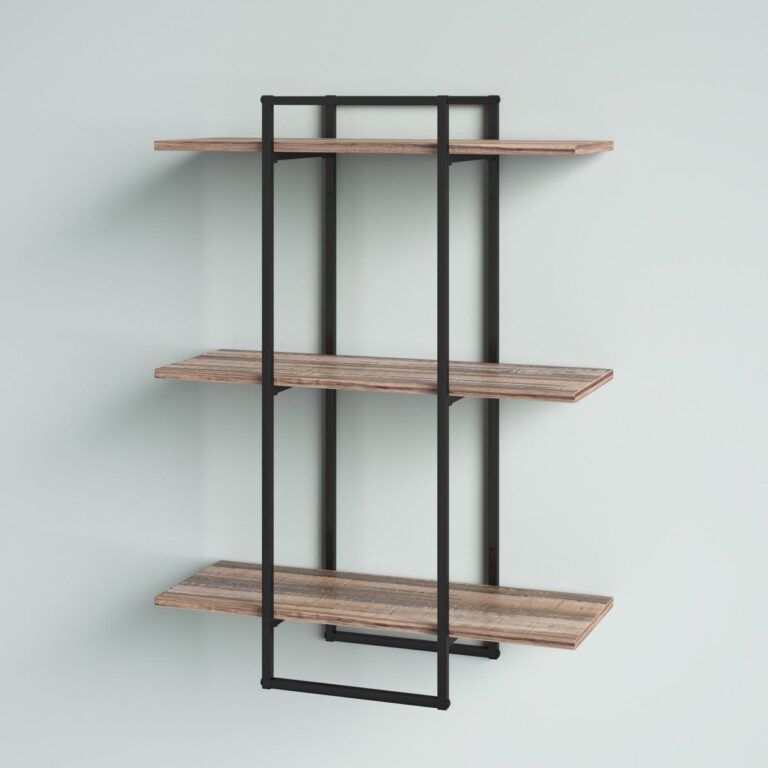 Aisha's pickMetal Wall Shelves for the Bits That Never Have a HomeAlso worth a lookBookcasesI put off buying a real bookcase for ages because every one I looked at online seemed like…See the collections →

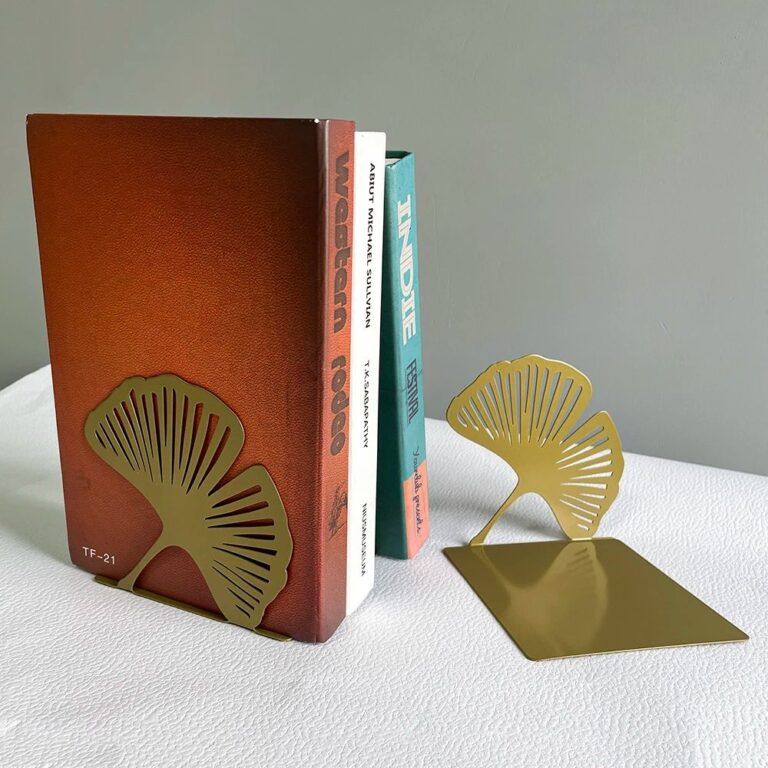 Aisha's pickMetal Bookshelves That Sort Out the Chaos
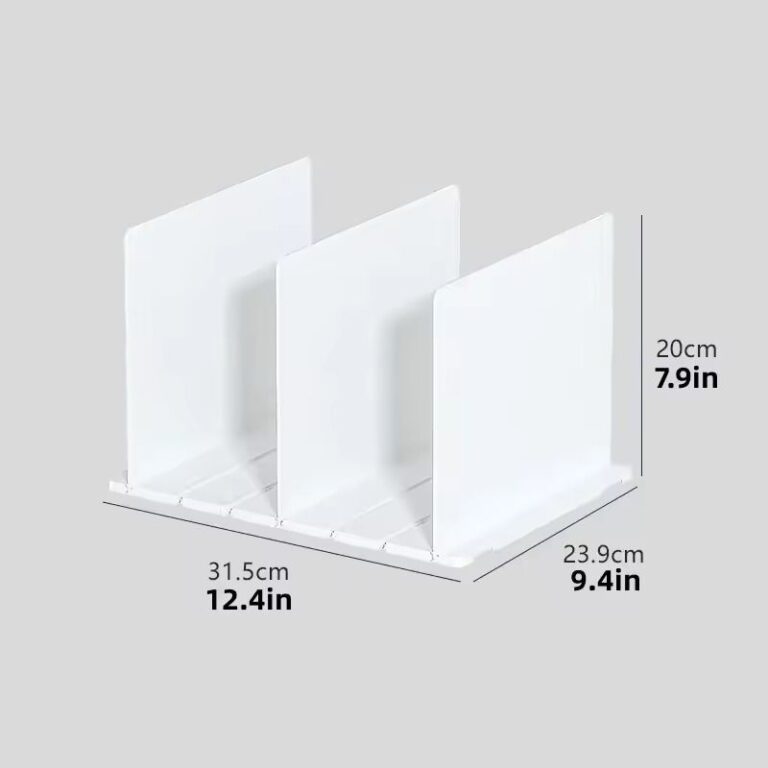
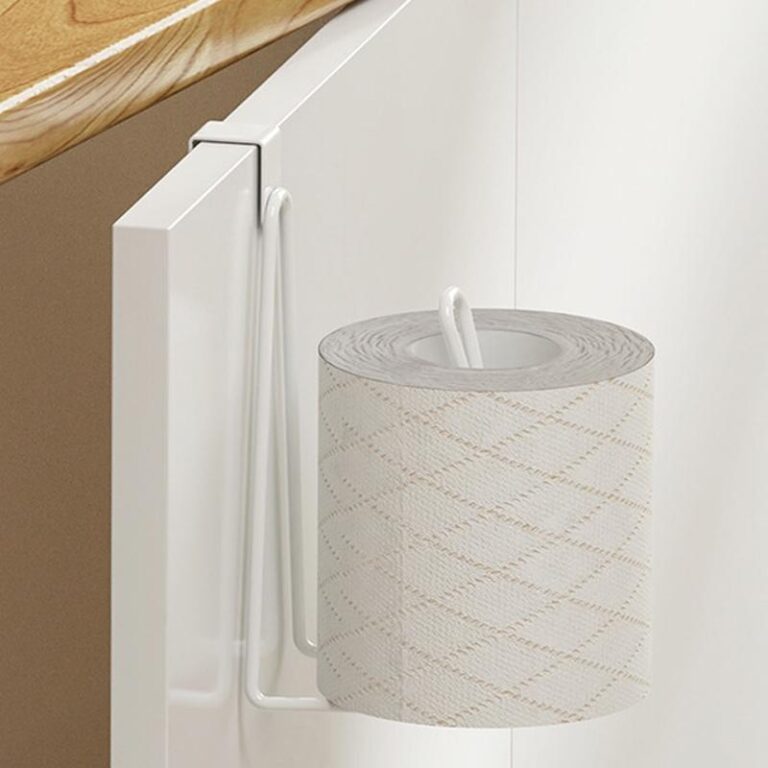 Aisha's pickMetal Wall Shelves with Doors We Wish We’d Bought Sooner
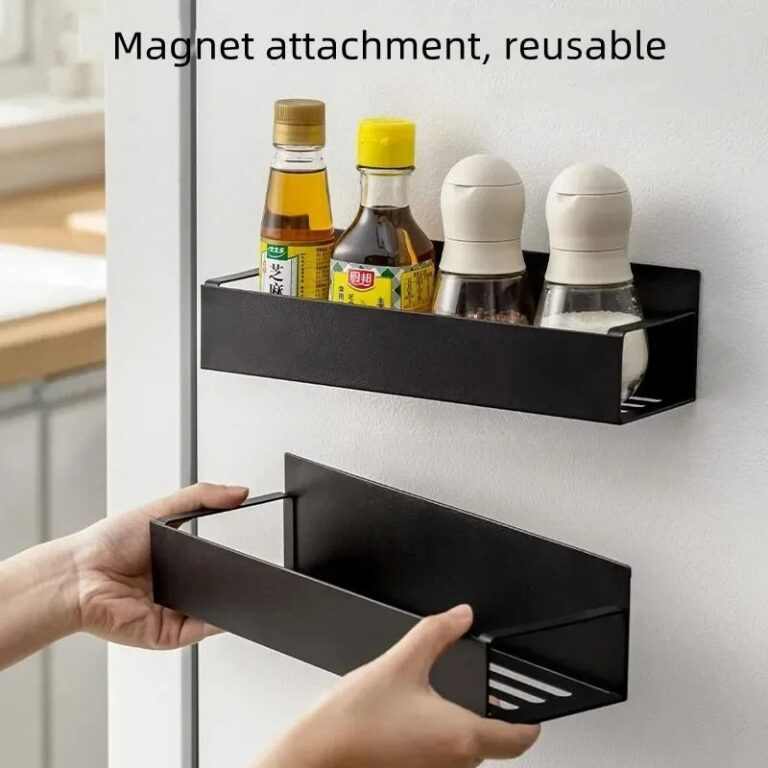
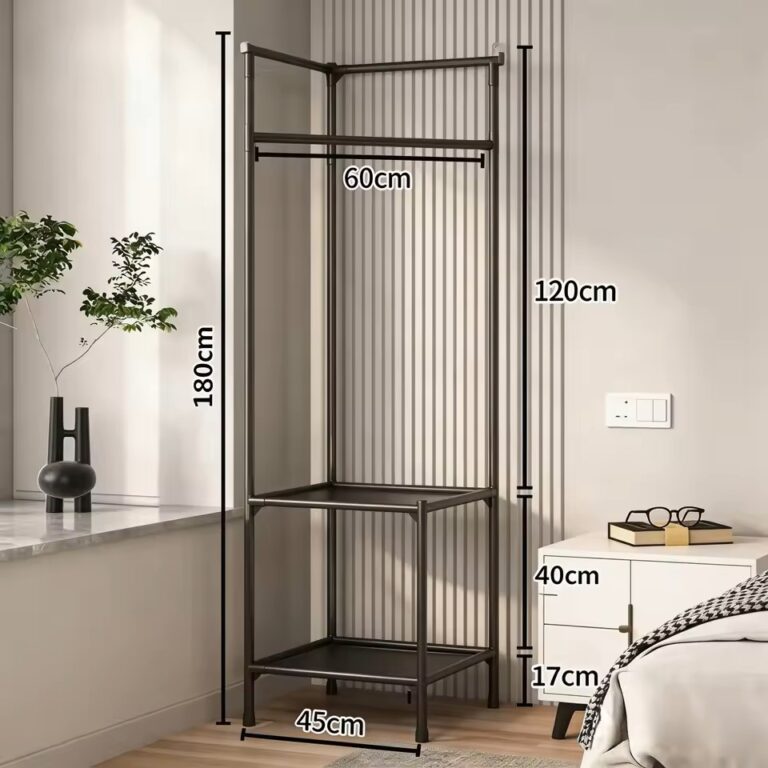
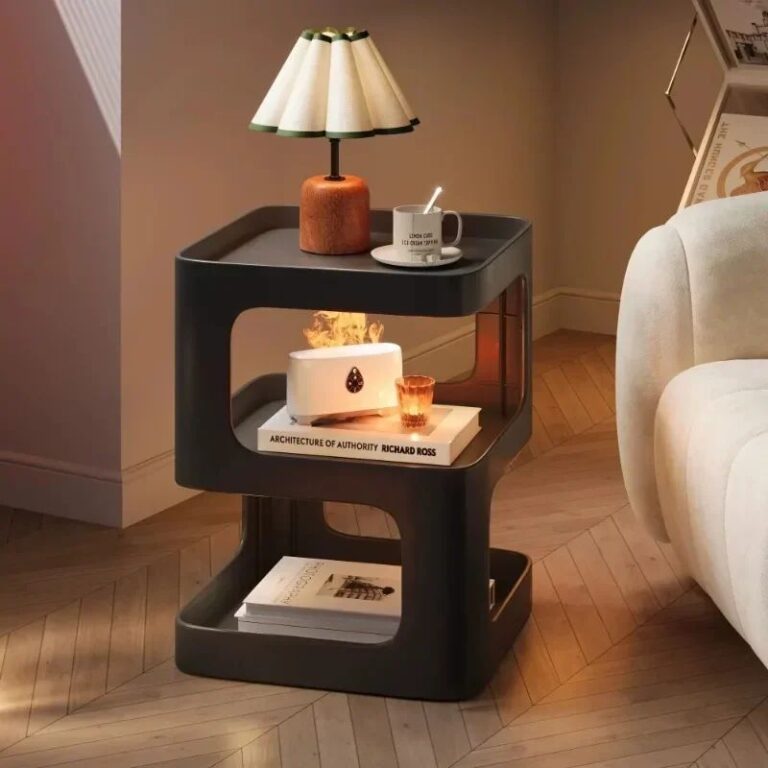 Aisha's pickMetal Corner Shelves for the Bits That Never Have a Home
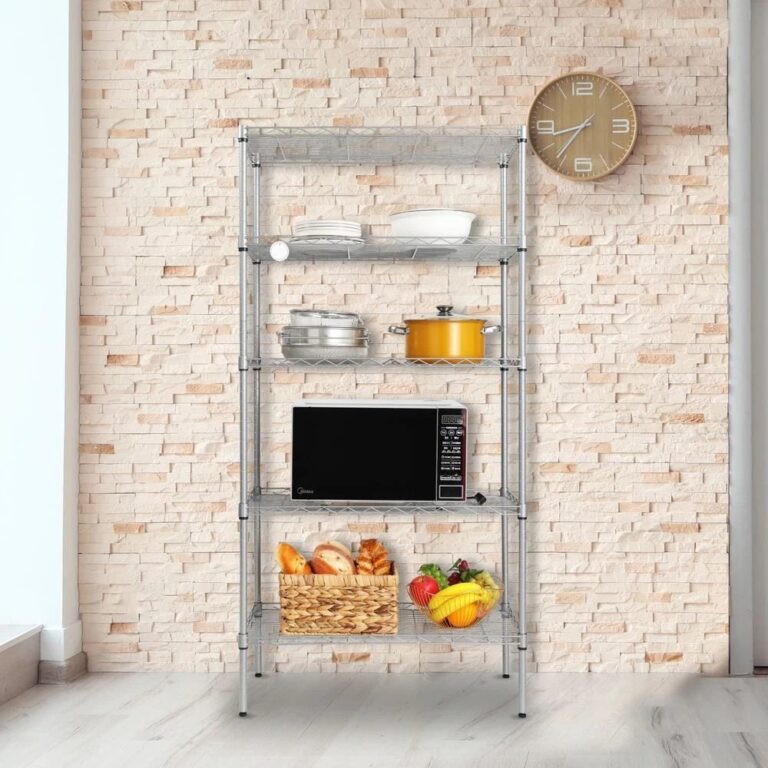 Aisha's pickMetal Wire Shelving Worth Your Money
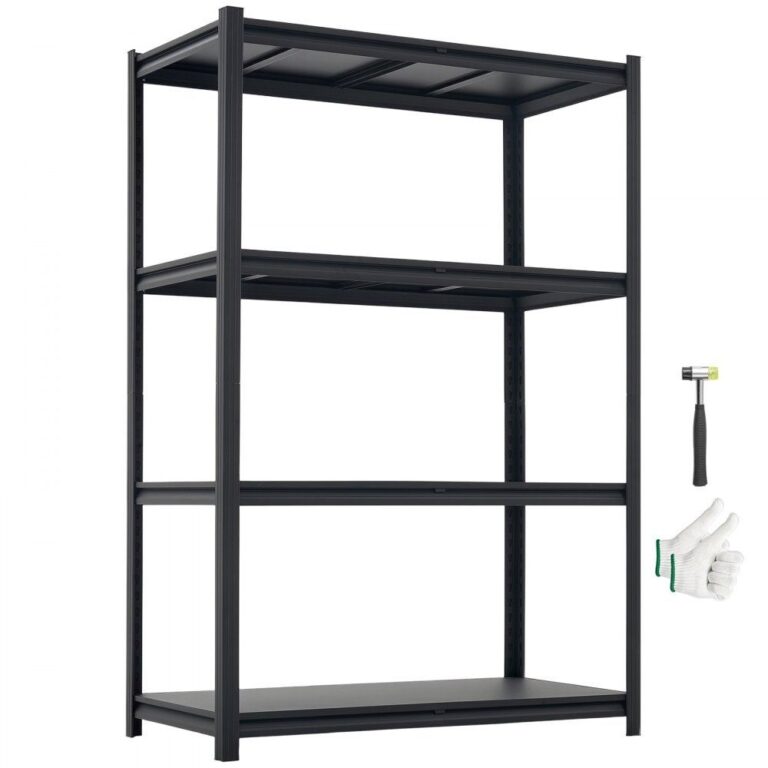
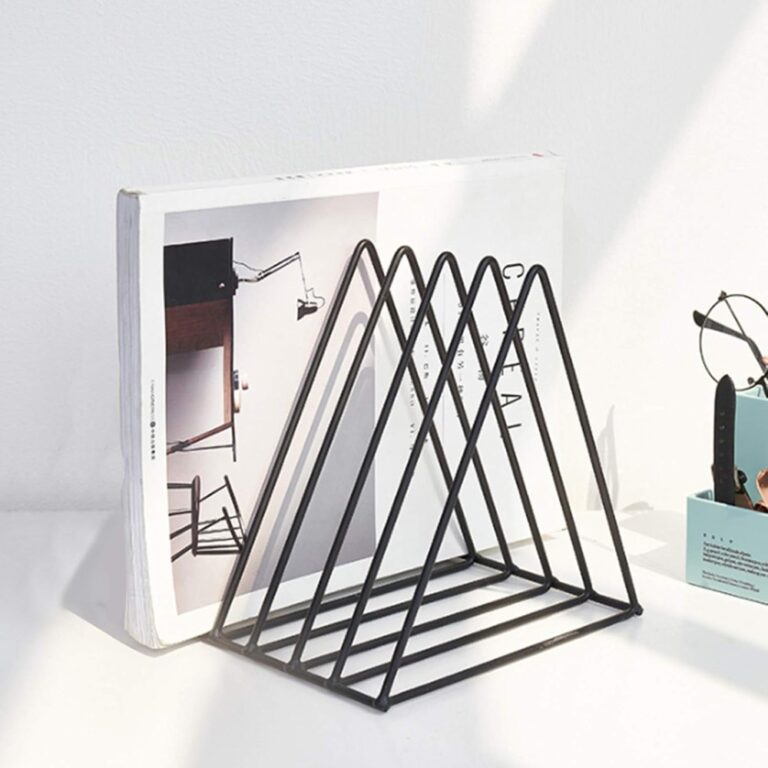 Aisha's pickMetal Desk Shelves That Go With Most Rooms
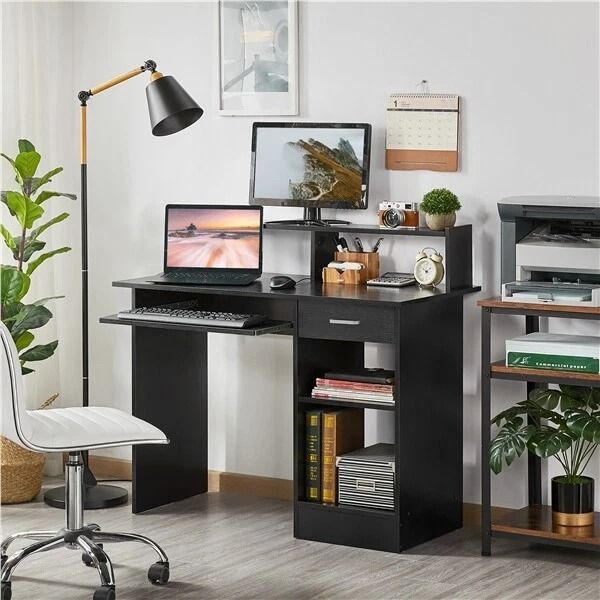
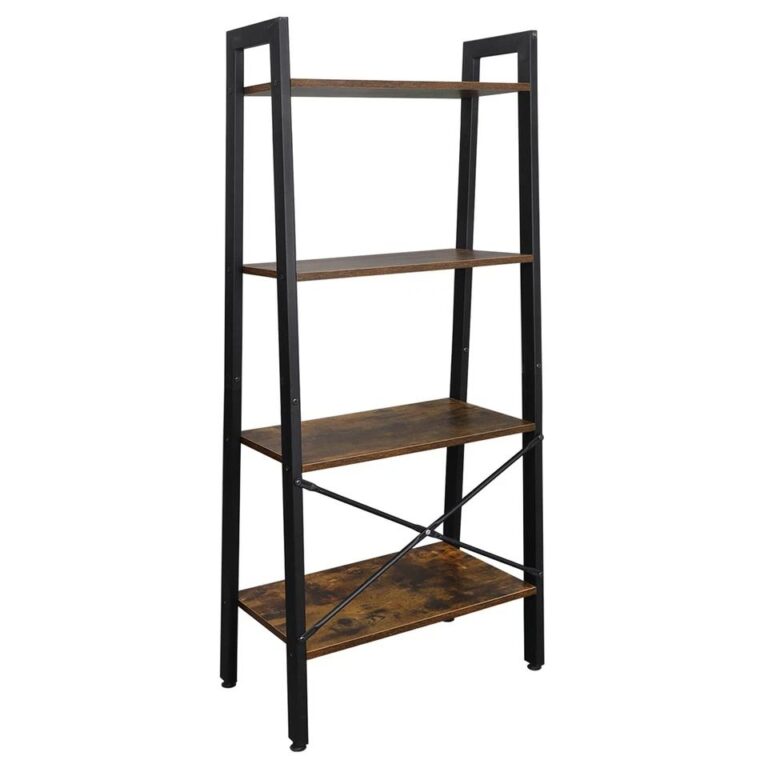 Aisha's pickModern Metal Bookcases That Look Good Even When Full
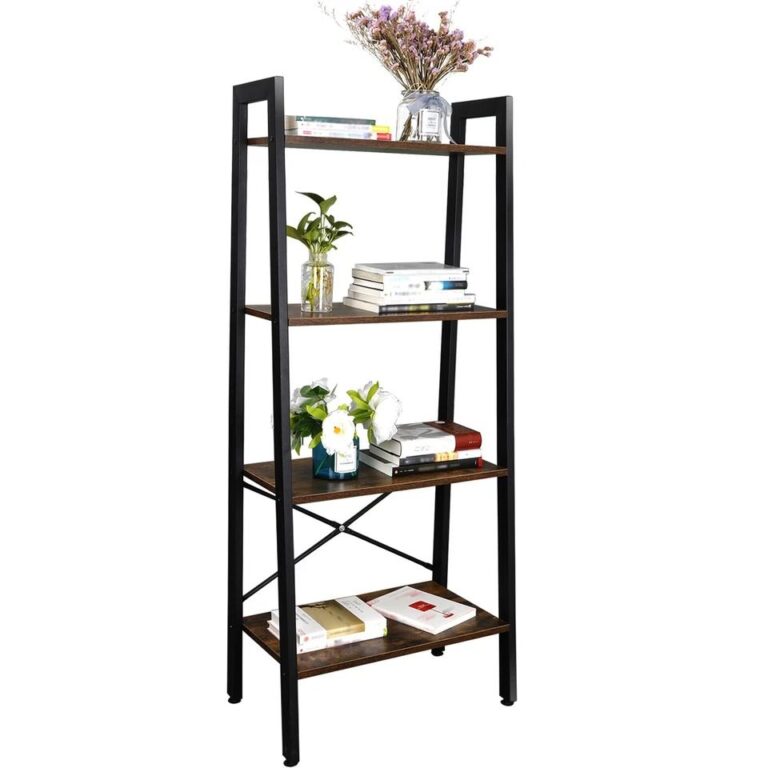
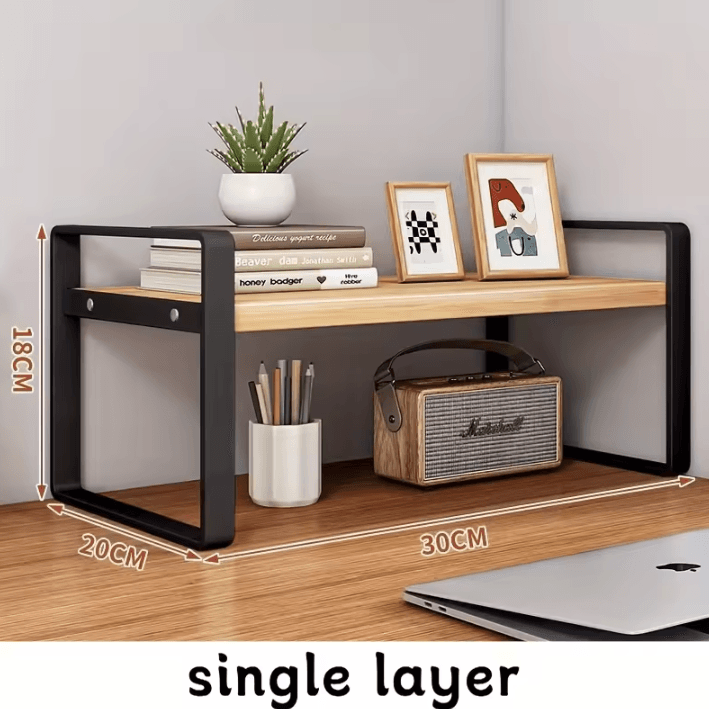 Aisha's pickMetal Display Shelves That Keep Surfaces Clear
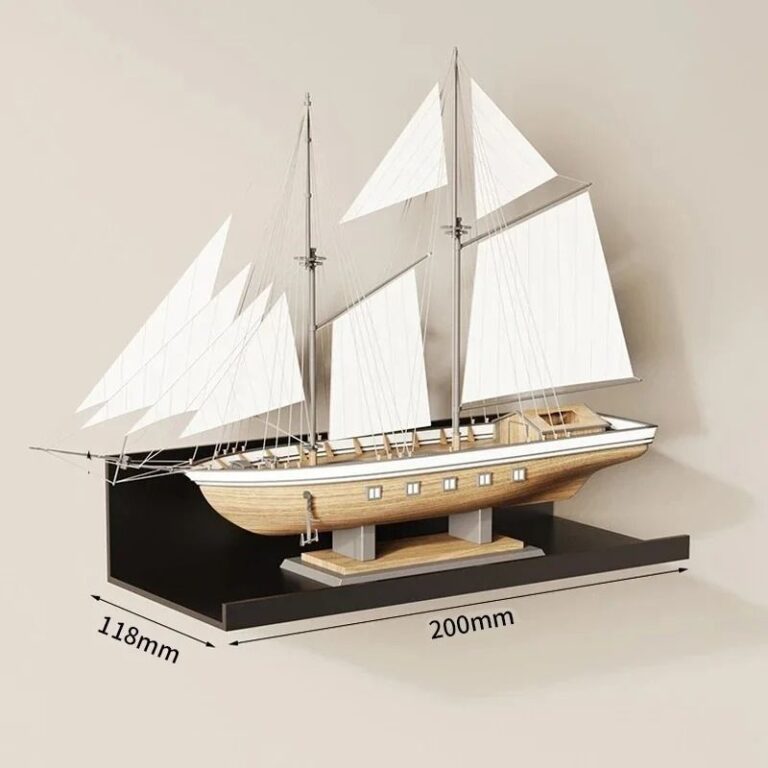
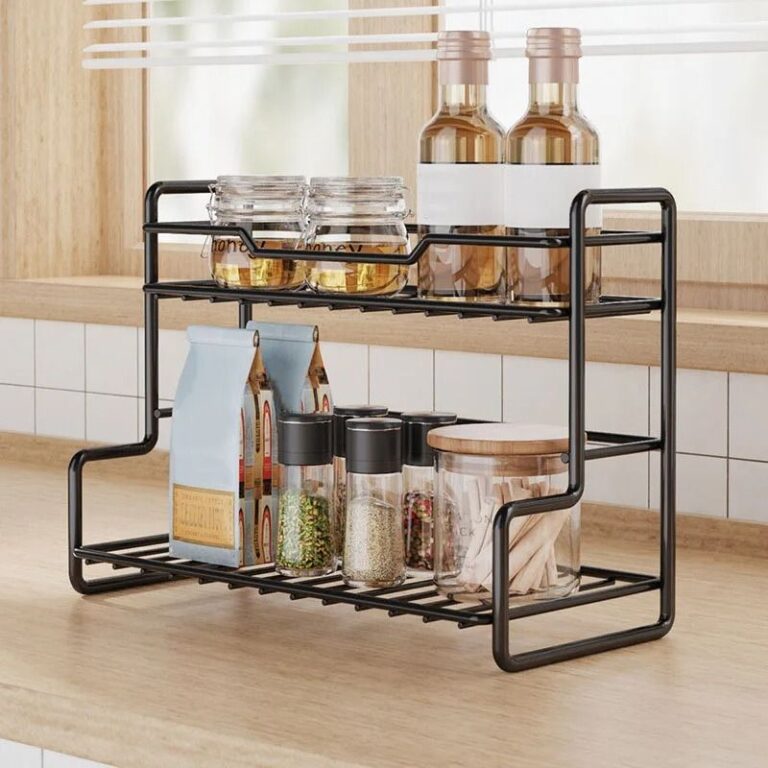 Aisha's pickSmall Metal Wall Shelves That Swallow the Clutter