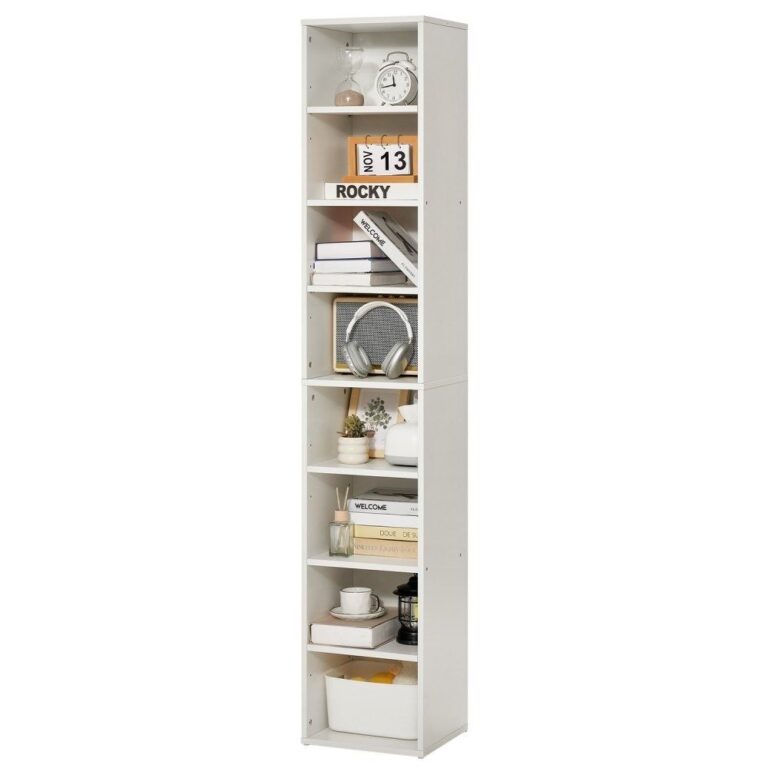
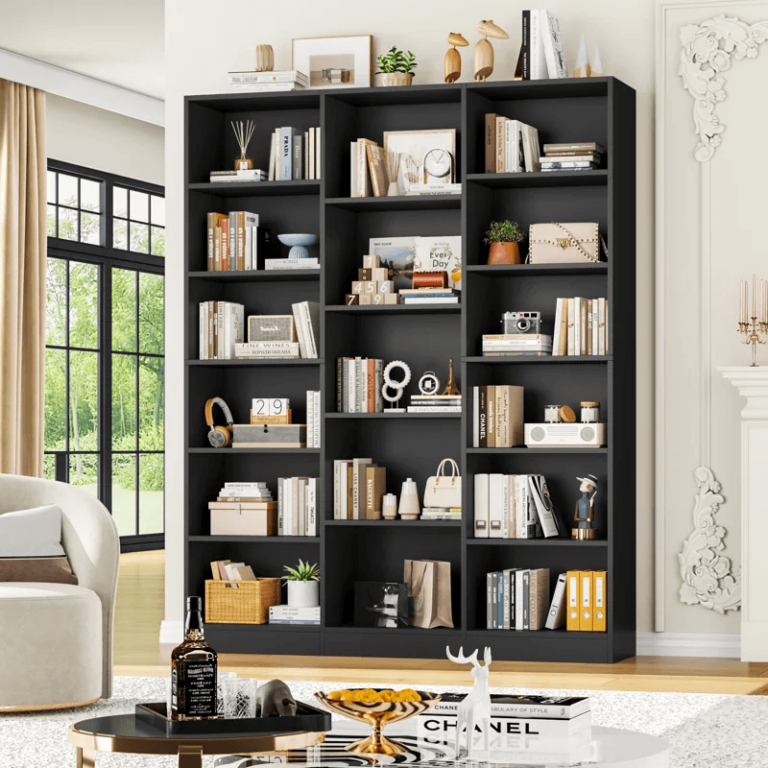
I put off buying a real bookcase for ages because every one I looked at online seemed like it was either going to cost as much as a used car or fall apart if I looked at it wrong. What changed my mind was unpacking the fourth box of books onto the floor of the office and realizing stacking them against the wall was not, in fact, a long term system.
If you have none right now, start with one tall, plain bookcase in a single room, probably the one where you actually sit and read or where the clutter piles up worst. Don't try to solve every room's storage with one trip. Get one good one, live with it, see what you actually need more of, whether that's more shelves, more width, or a second one entirely. I made the mistake of buying three cheap ones at once for three different rooms and ended up with three slightly wobbly regrets instead of one solid win.
Where it shouldn't go is anywhere already busy. A heavily patterned room, a wall with a gallery of frames, a space that already has a big armoire or media unit doing visual work. Bookcases want to either blend into the wall color and go quiet, or stand out as the one tall piece in an otherwise simple room. Put one in a room that's already loud and it just adds to the noise, and you stop noticing any of it, including the books.
The difference between a good bookcase and a disappointing one shows up fast once there's weight on the shelves. Cheap ones are usually particleboard with a printed wood veneer, held together with cam locks and glue, and the back panel is a sheet of cardboard stapled on. Load it with hardcovers and you'll see the middle shelves bow within a year, sometimes less. A well made one uses real plywood or solid wood, shelves that are either fixed with proper joinery or adjustable on sturdy pins, and a back panel that's actually attached, not just resting there. Run your hand along the edges in a store or look closely in photos online. Sanded and finished edges, square corners, no visible staples, that's the tell.
Weight capacity matters more than people admit when they're buying one. A shelf rated for 20 pounds is going to look sad and sloped under a full run of hardcovers within a few months.
Give it a flat wall, good light if you can manage it, and don't crowd it with too much else nearby. A bookcase that's allowed to just stand there and hold what it's supposed to hold tends to look right without any extra effort on your part.
 Aisha's pickBookcases That Visitors Always Ask About

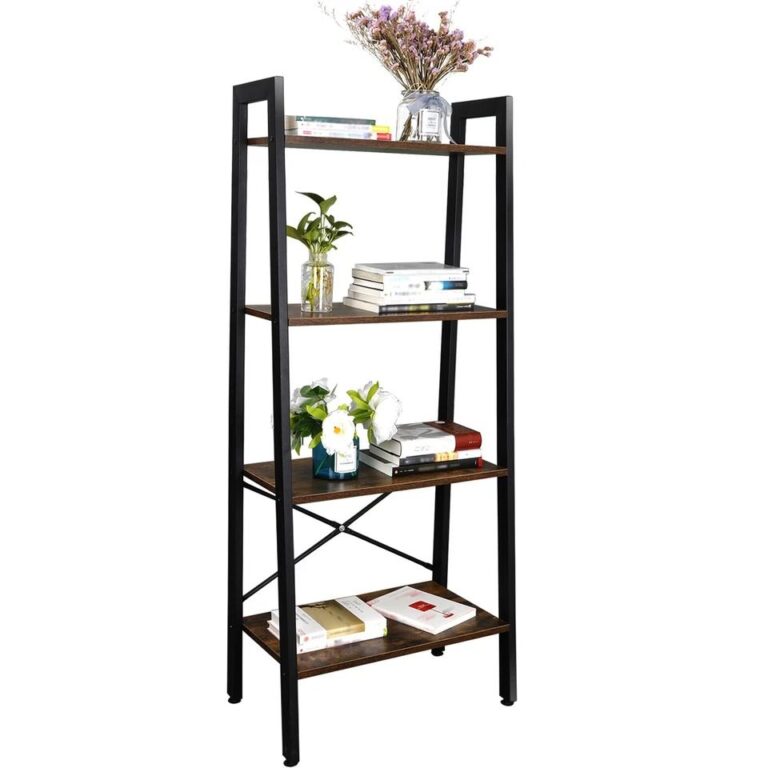 Aisha's pickOffice Bookcases with Shelves You’ll Still Like in Five Years
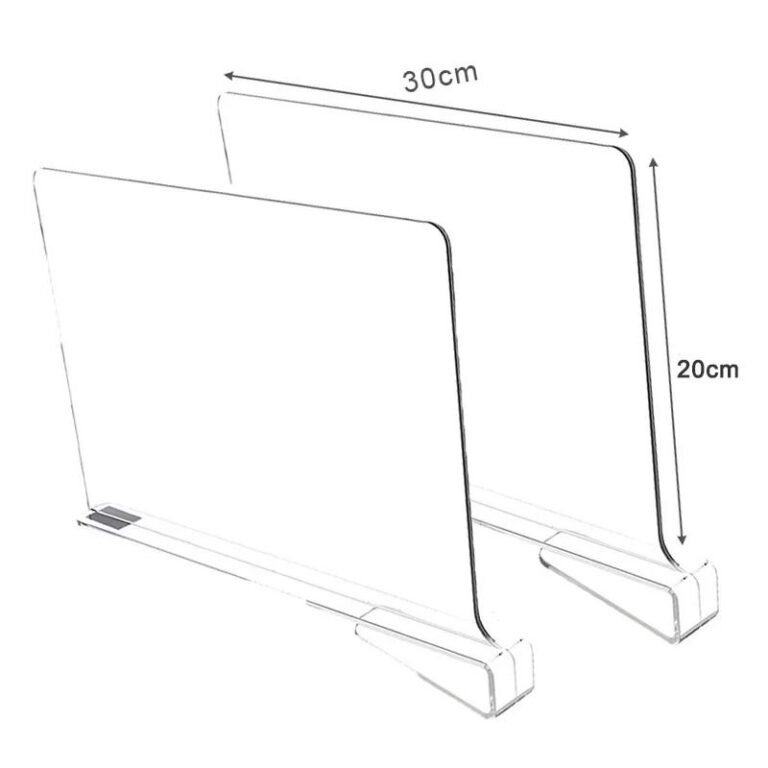
 Aisha's pickBookcases for Living Room You’ll Keep for Years

 Aisha's pickPainted Bookcases for When the Old Ones Give Up
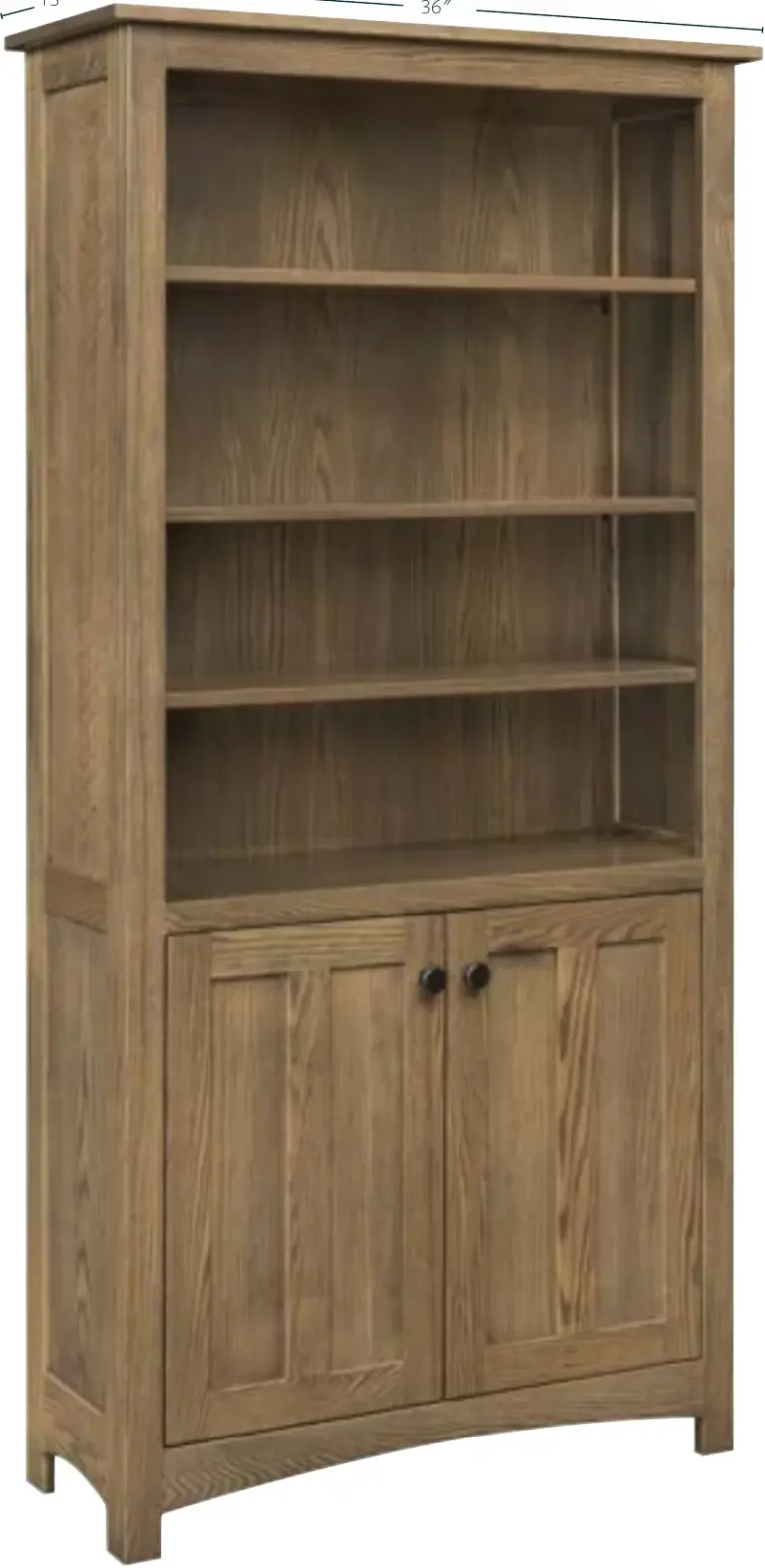 Aisha's pickBookcases with Doors That Look Better in Real Life
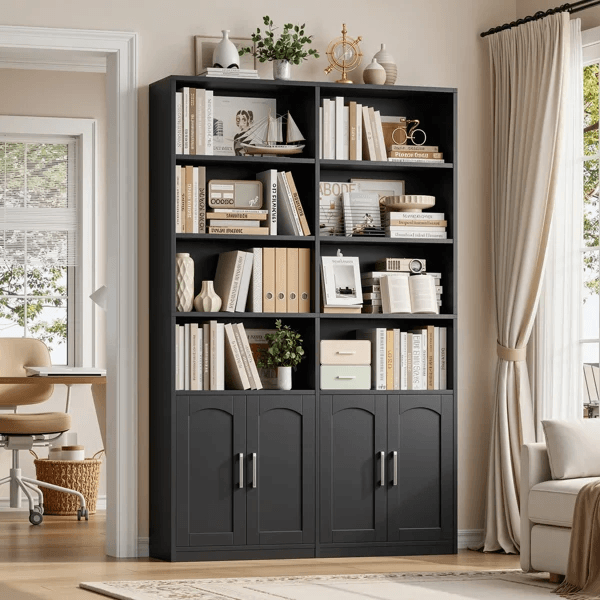
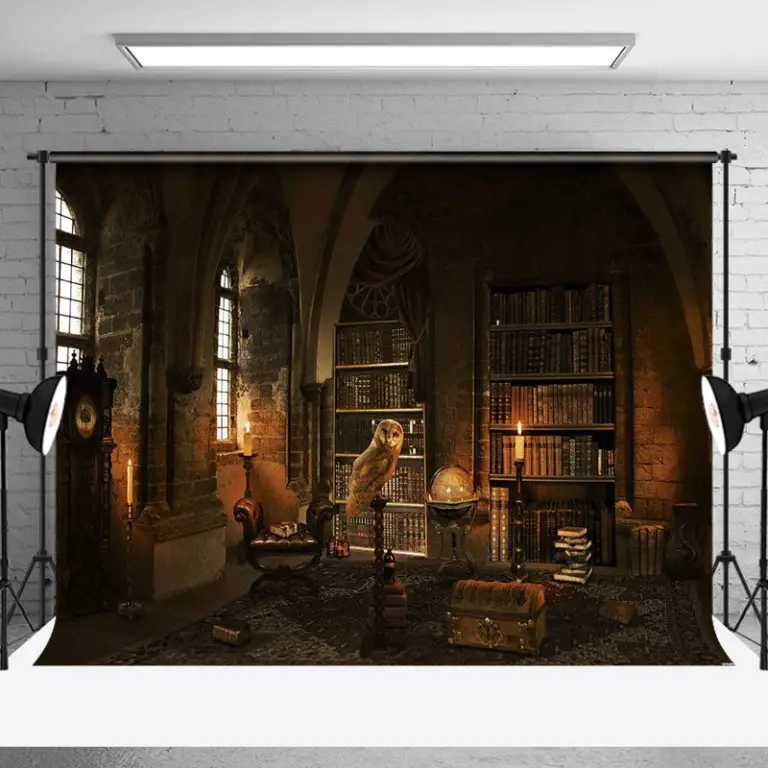 Aisha's pickRetro Bookcases That Look Good Even When Full
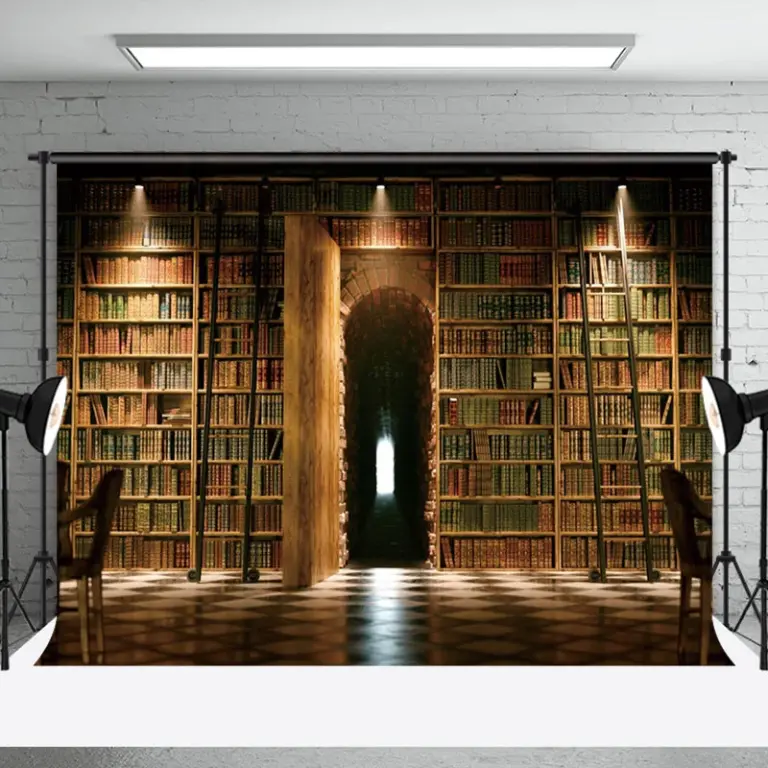
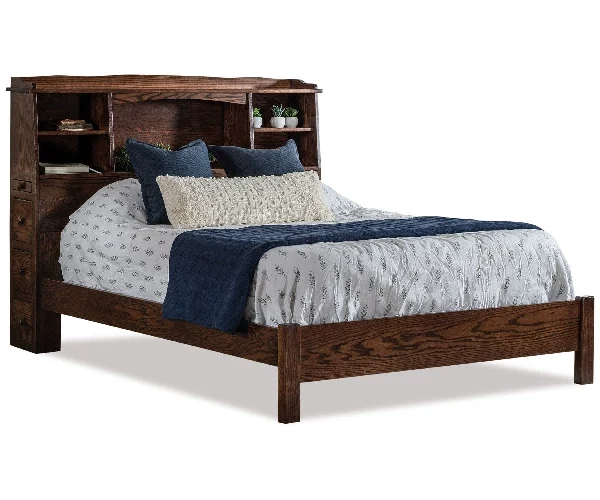 Aisha's pickOur Shortlist of Bookcases with Drawers
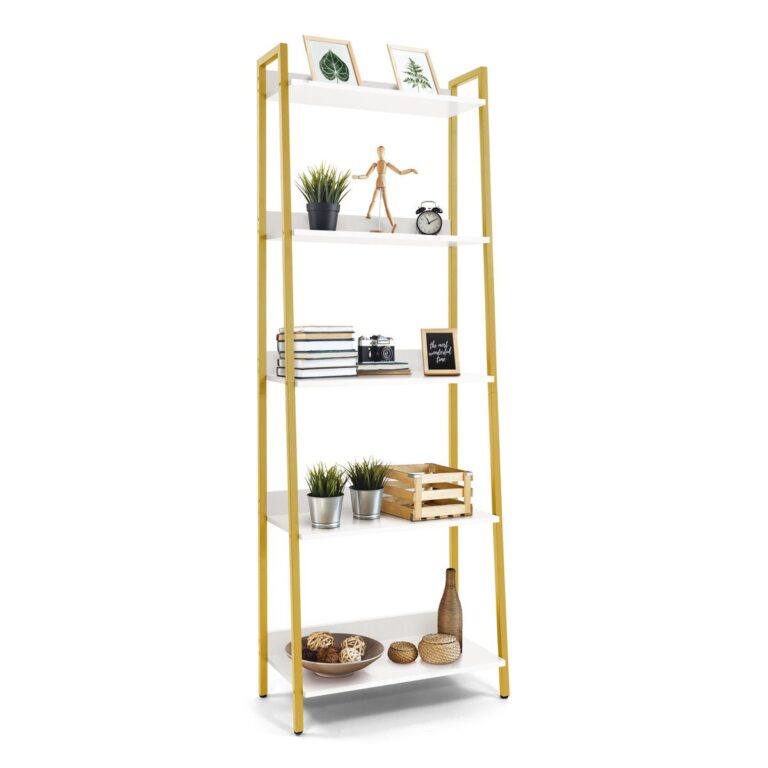 Aisha's pickRustic Bookcases That Sort Out the Chaos
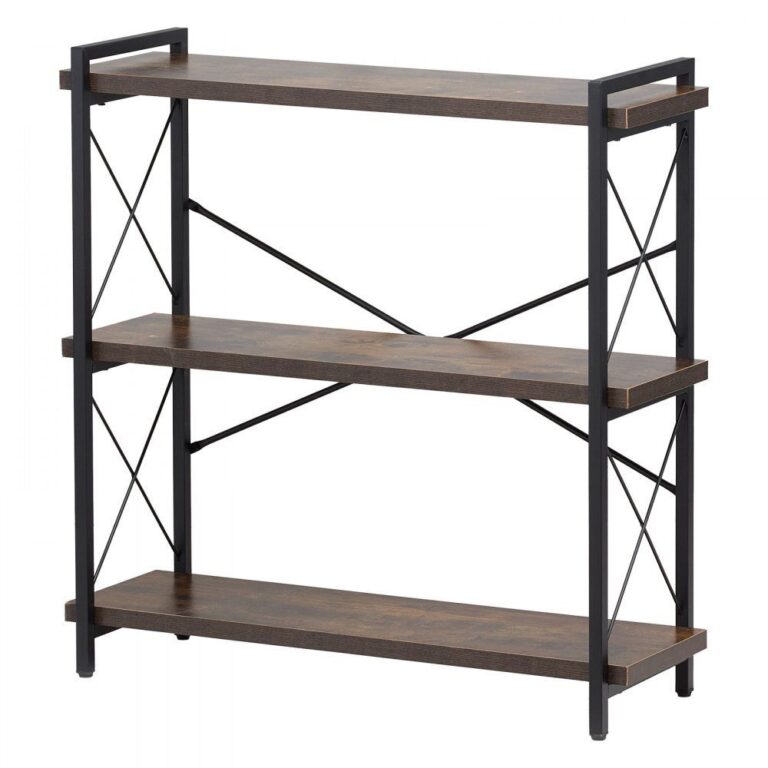
 Aisha's pickBookcases with Storage From Brands You Know and a Few You Won’tAlso worth a lookWall ShelvesFor years I thought the bracket was the whole story with wall shelves, buy the beefiest looking one and you're set.See the collections →
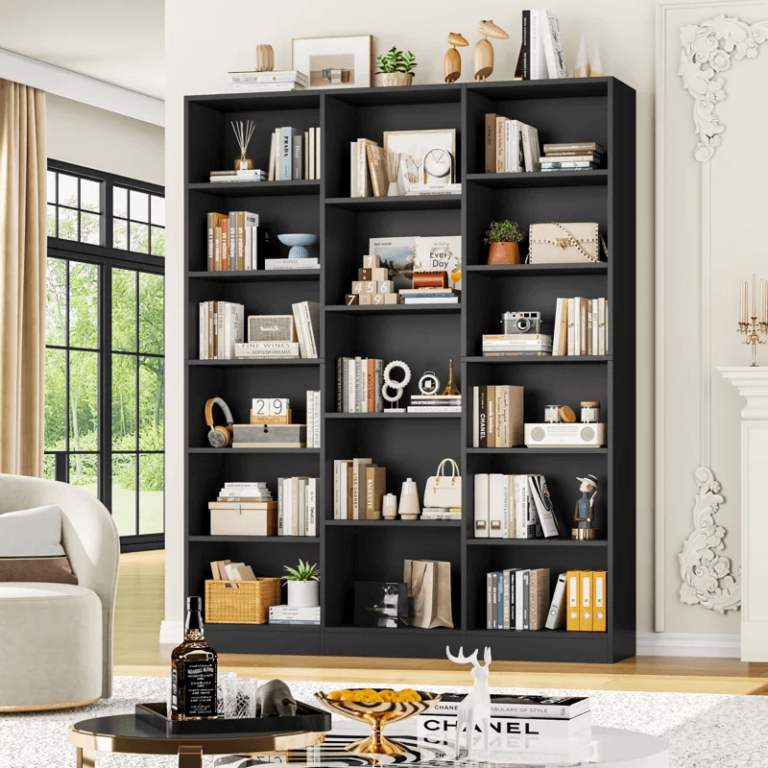
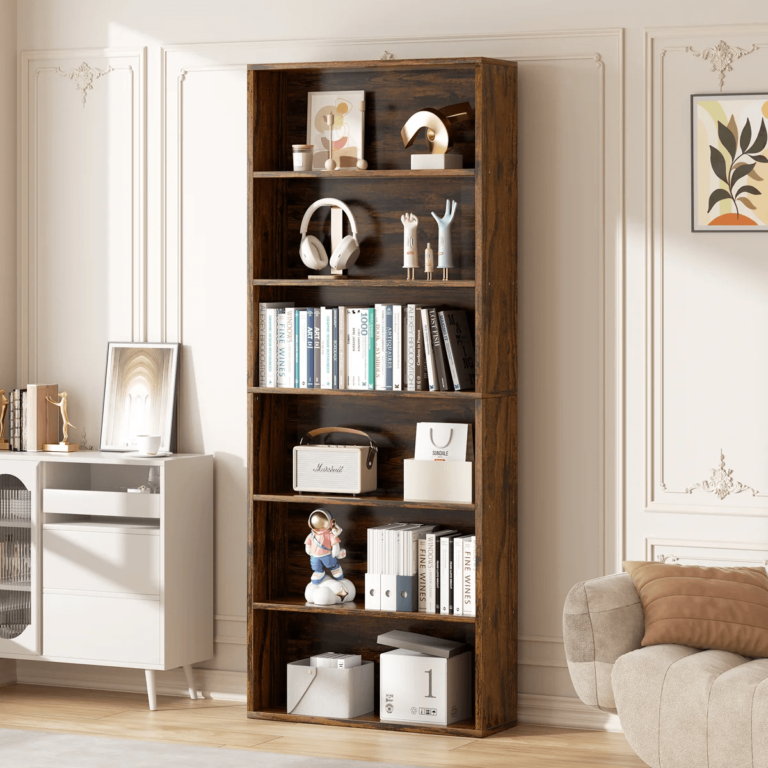 Aisha's pickSlim Bookcases You Won’t Want to Hide Away
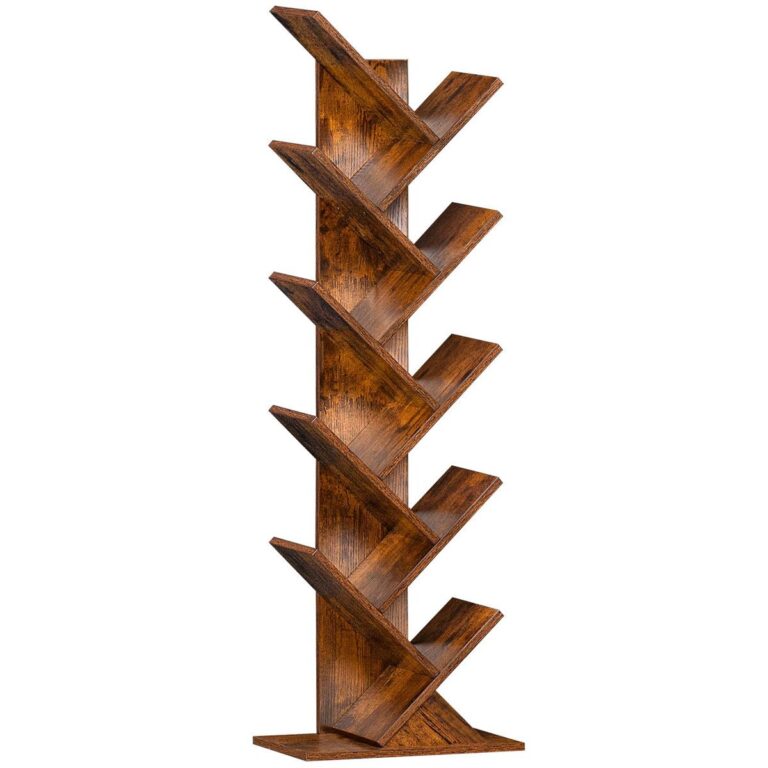
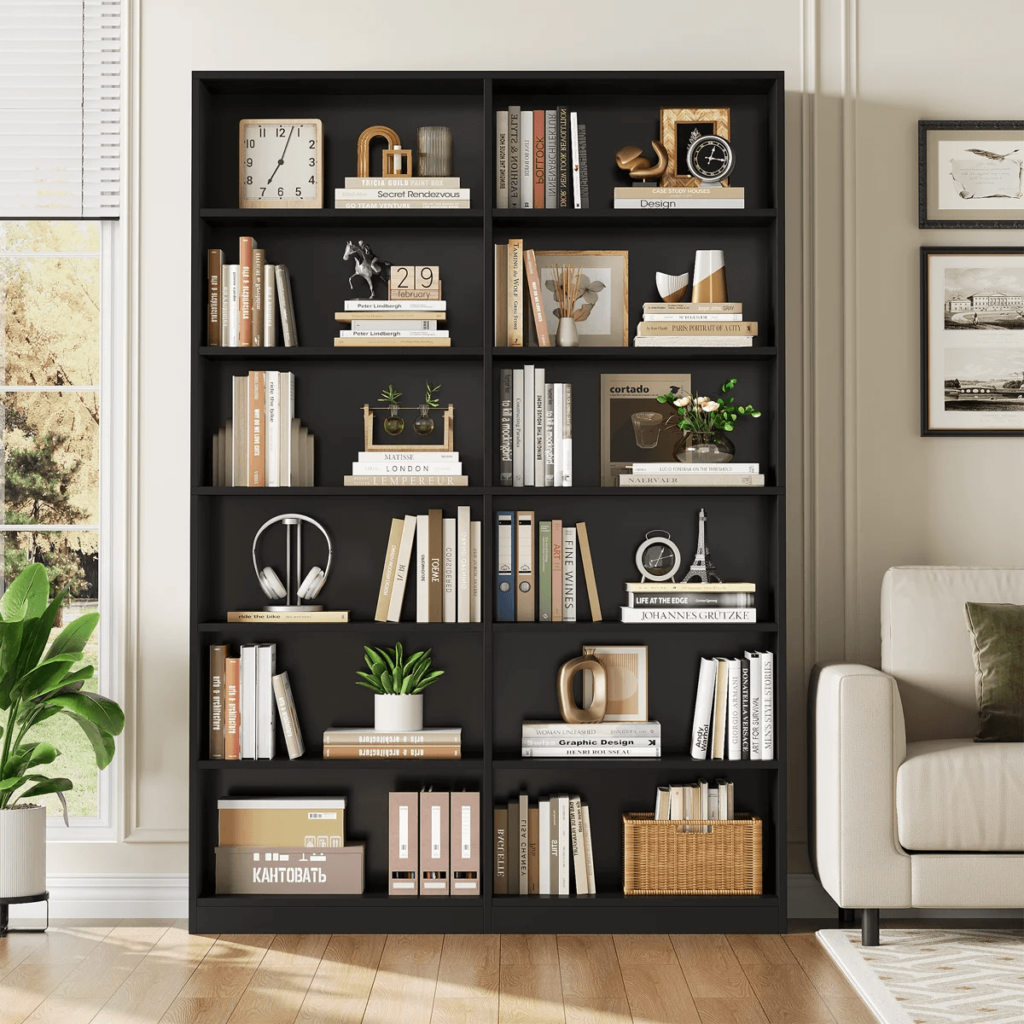 Aisha's pick2 Shelf Bookcases We Wish We’d Bought Sooner
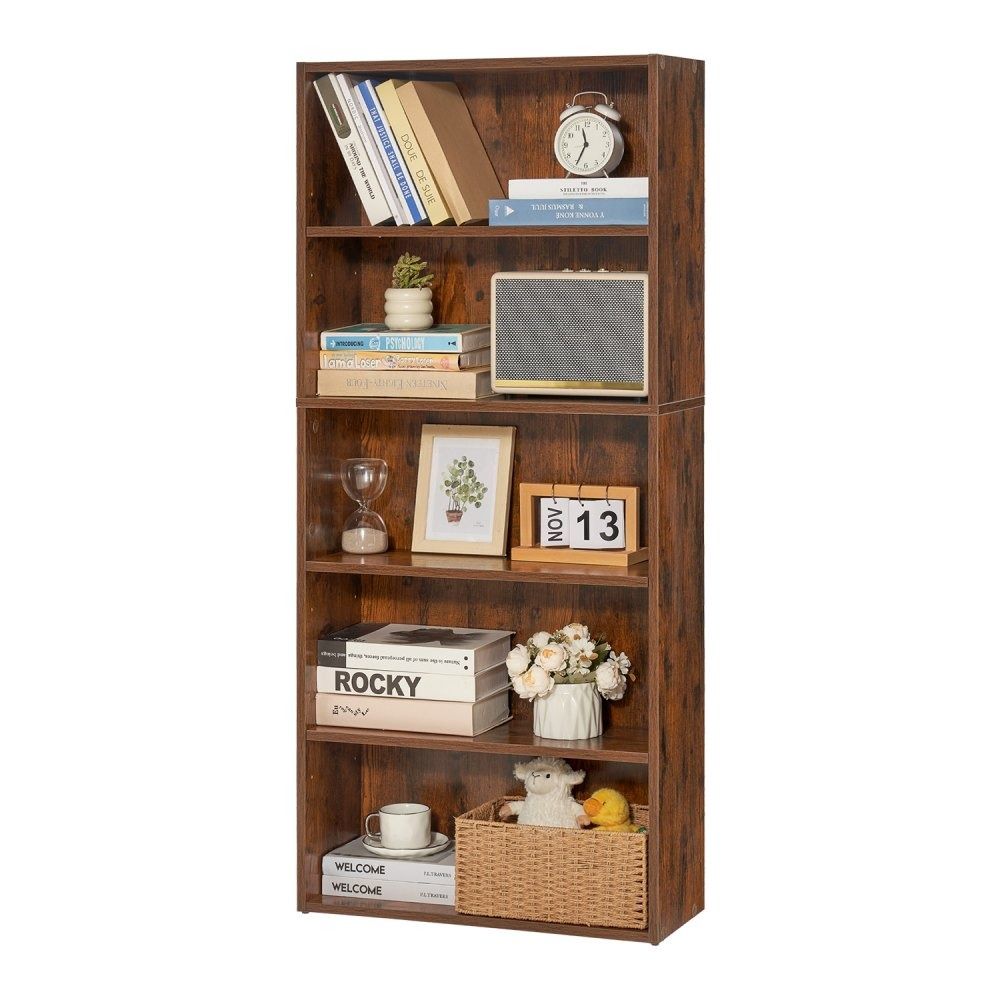
 Aisha's pickClassic Bookcases With Room for More Than You’d Think
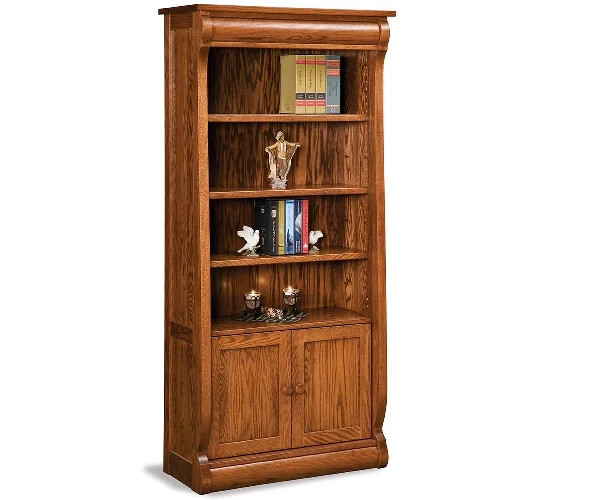
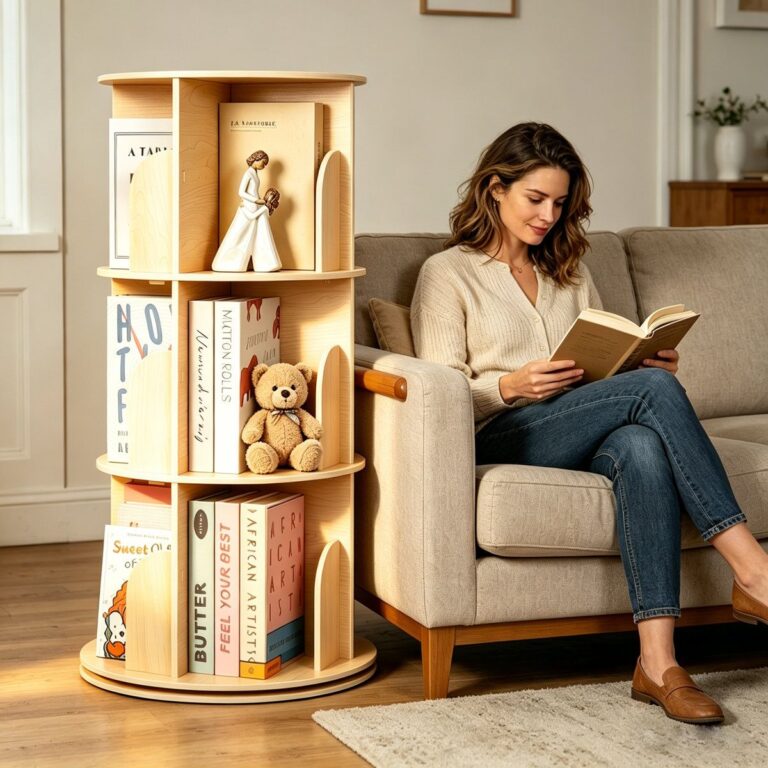 Aisha's pickGood Small Bookcases That Don’t Cost a Fortune
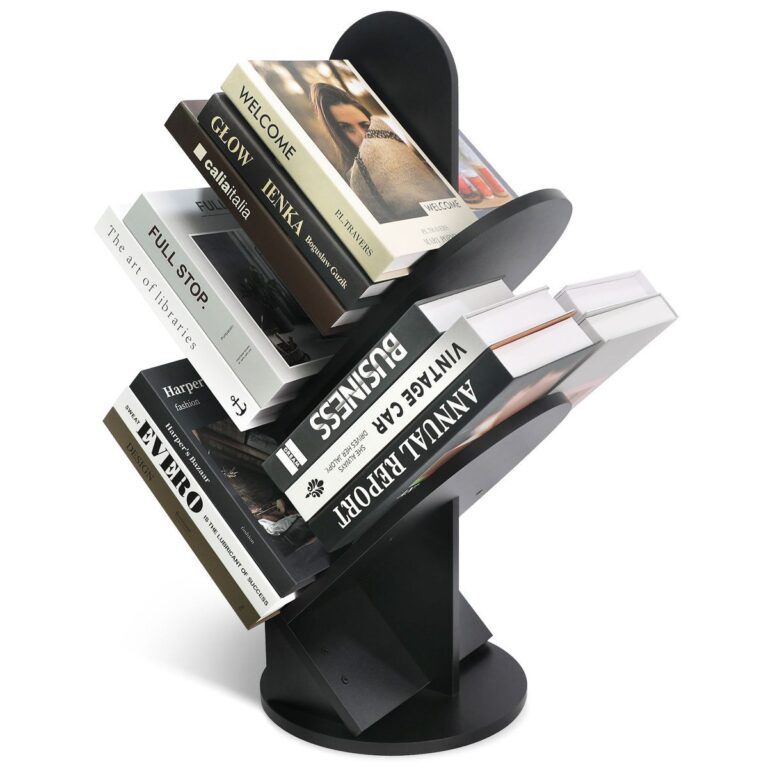
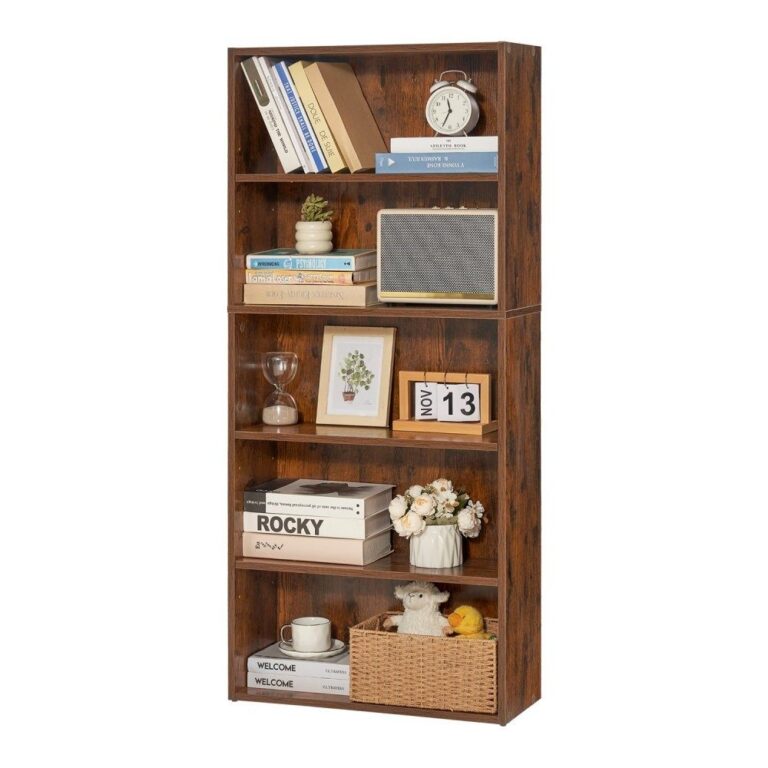 Aisha's pick2 Shelf Bookcases with Storage That Squeeze Into Awkward Corners
 Aisha's pickCorner Bookcases That Make Rented Places Feel Like Home
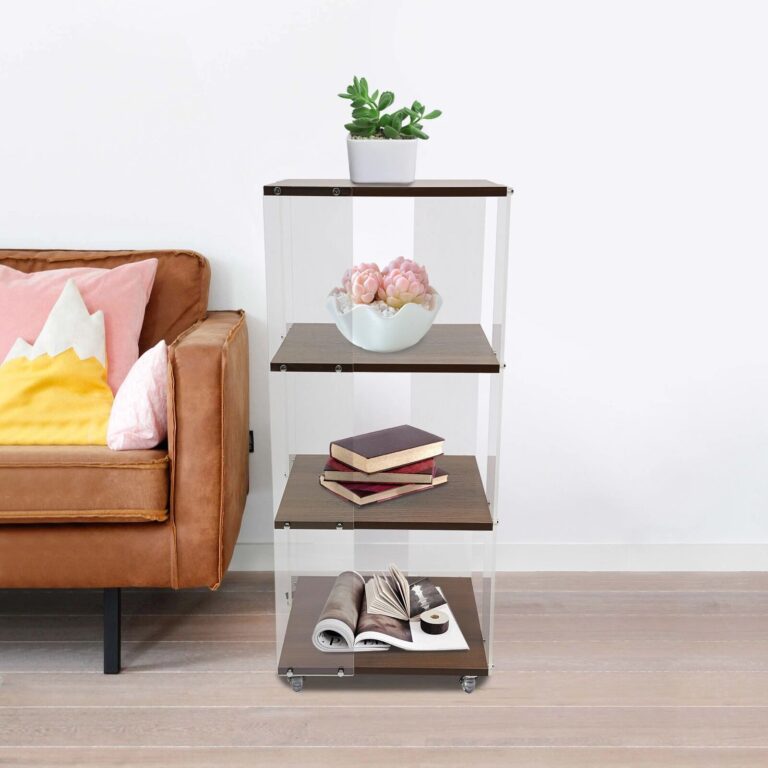
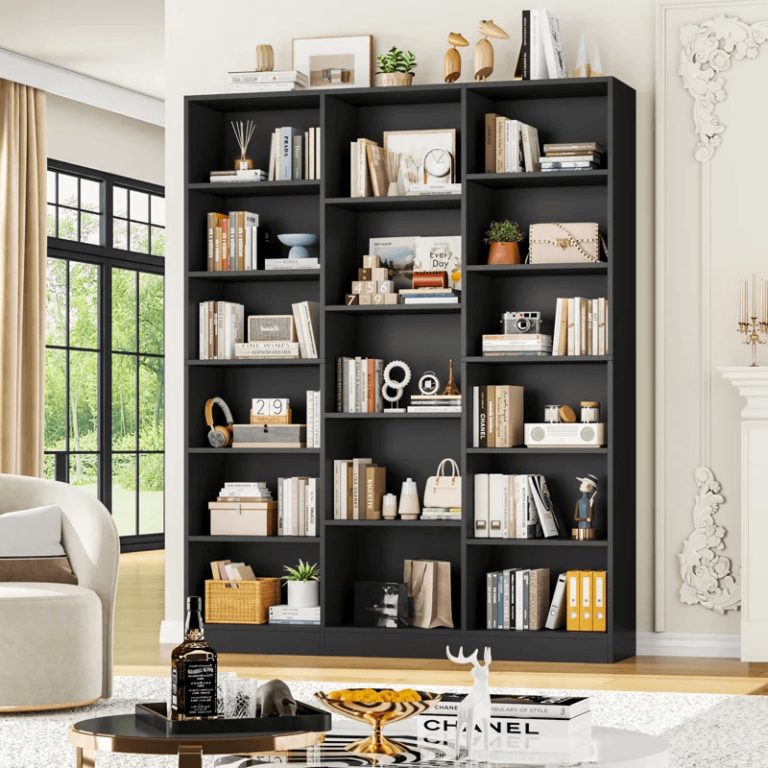 Aisha's pickTall Bookcases for Making a House Feel Like Yours
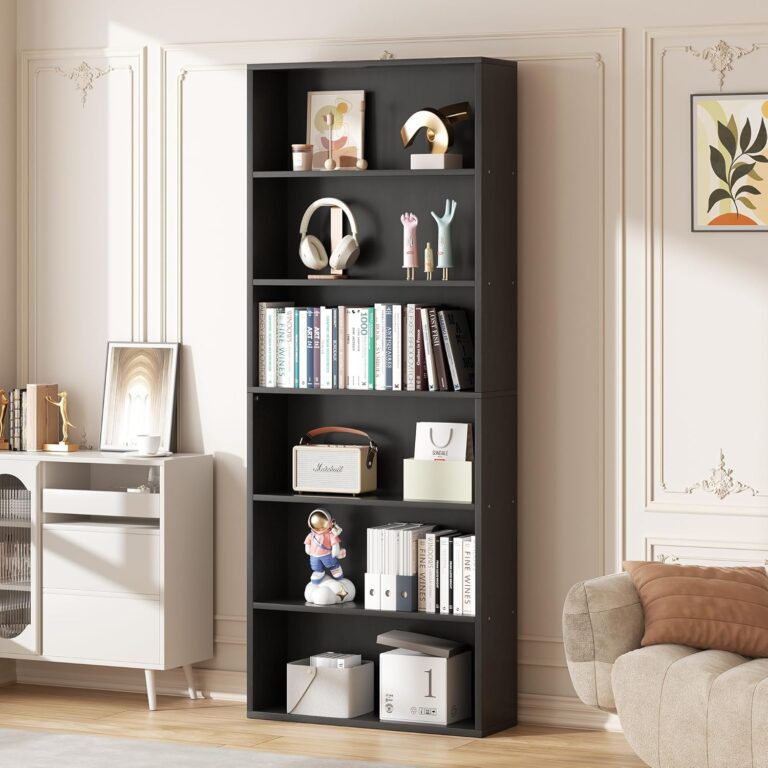
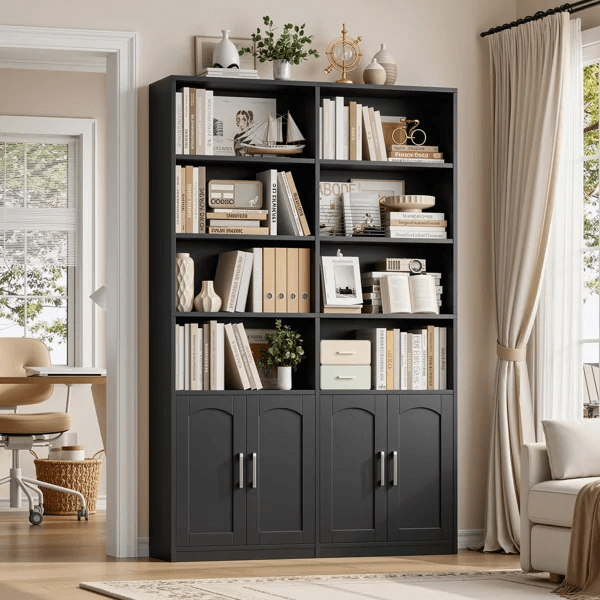 Aisha's pick3 Shelf Bookcases With a Bit More About Them
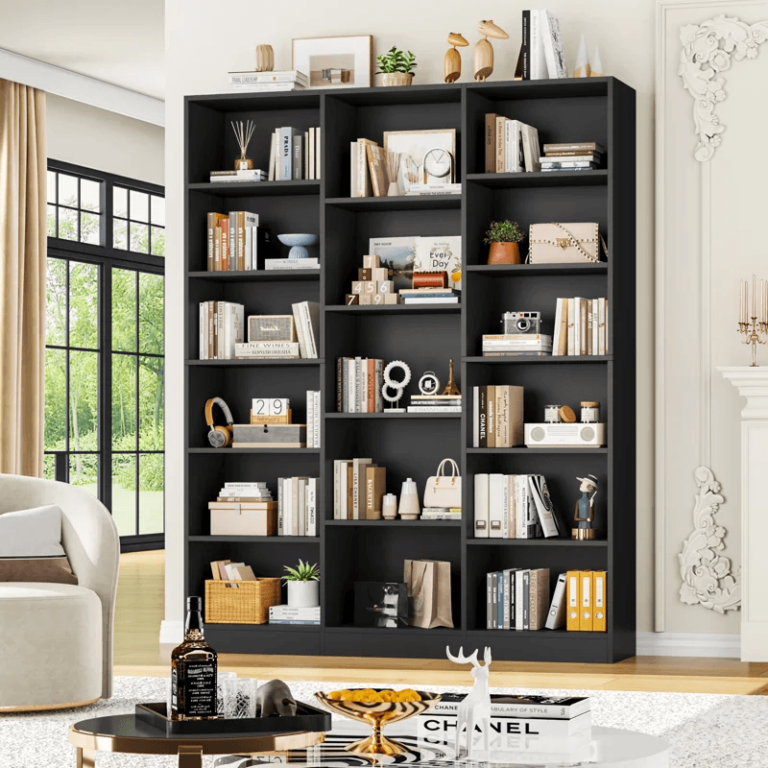
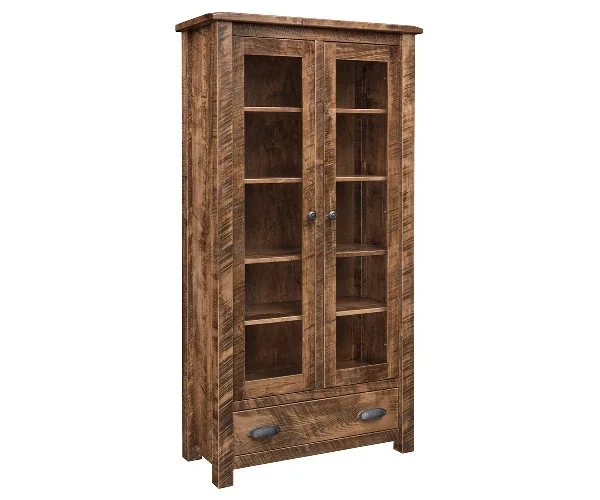 Aisha's pickGlass Bookcases We Wish We’d Bought SoonerAlso worth a lookShelvingThe warning first: most people buy shelving the way they buy a lamp, grab something roughly the right size and hope.See the collections →
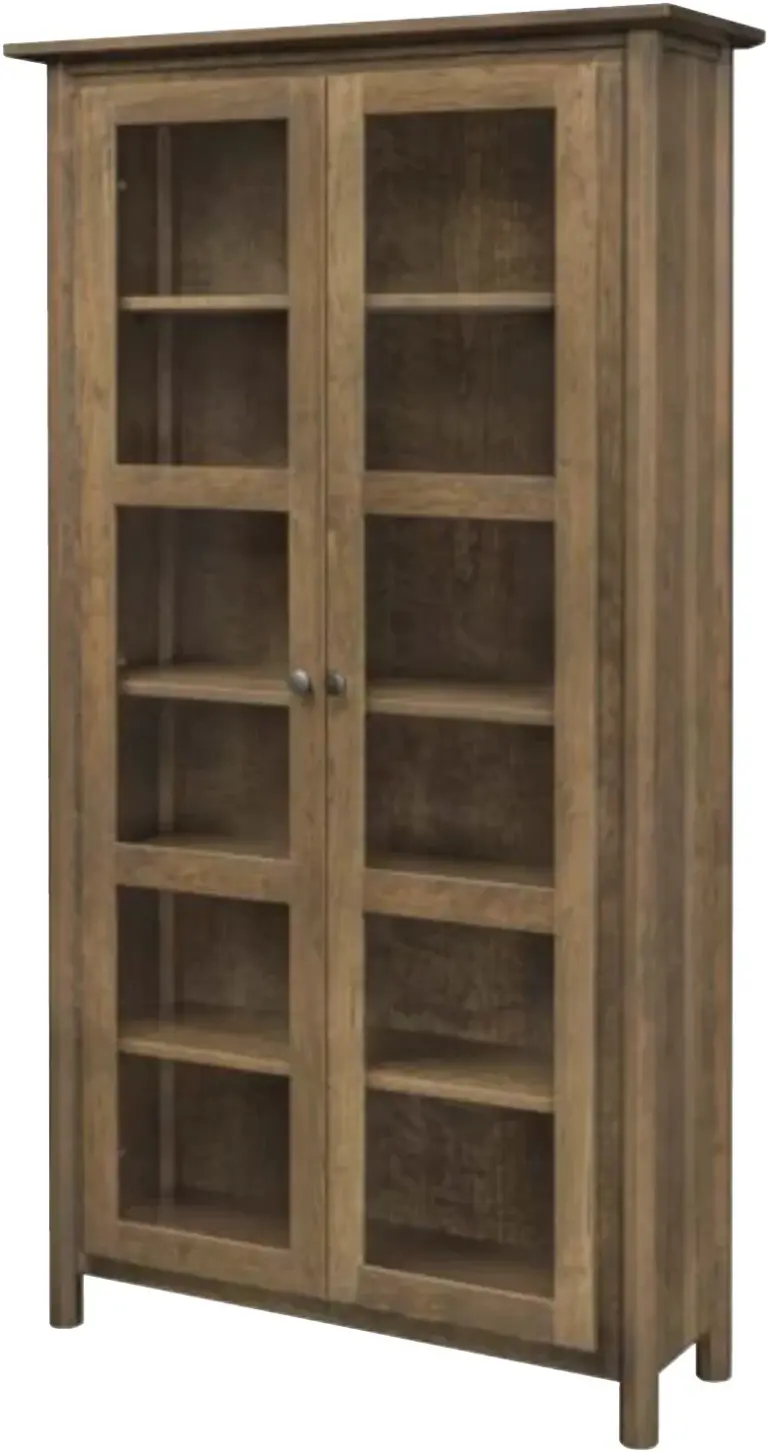
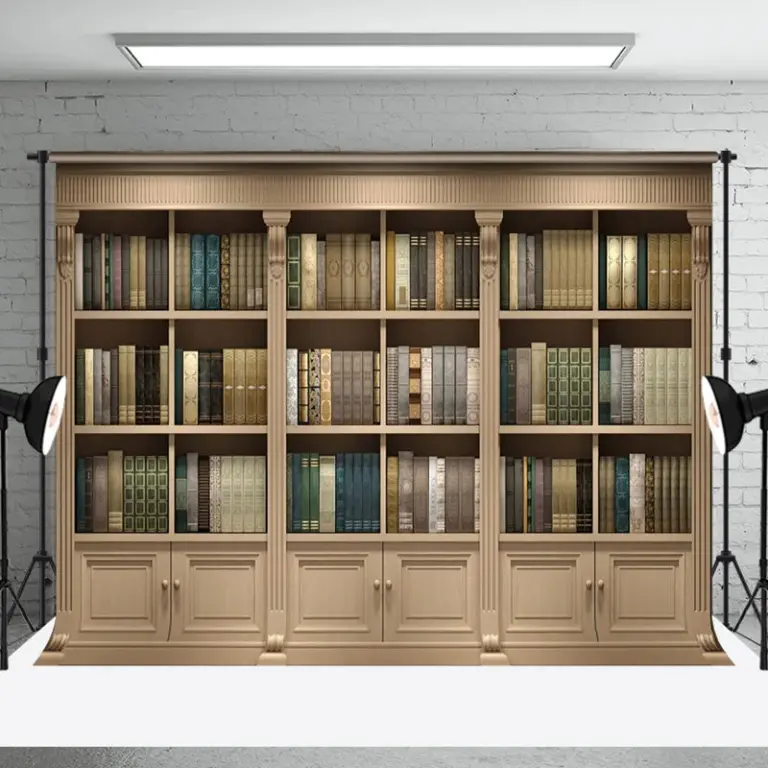 Aisha's pickTraditional Bookcases for the Bits That Never Have a Home
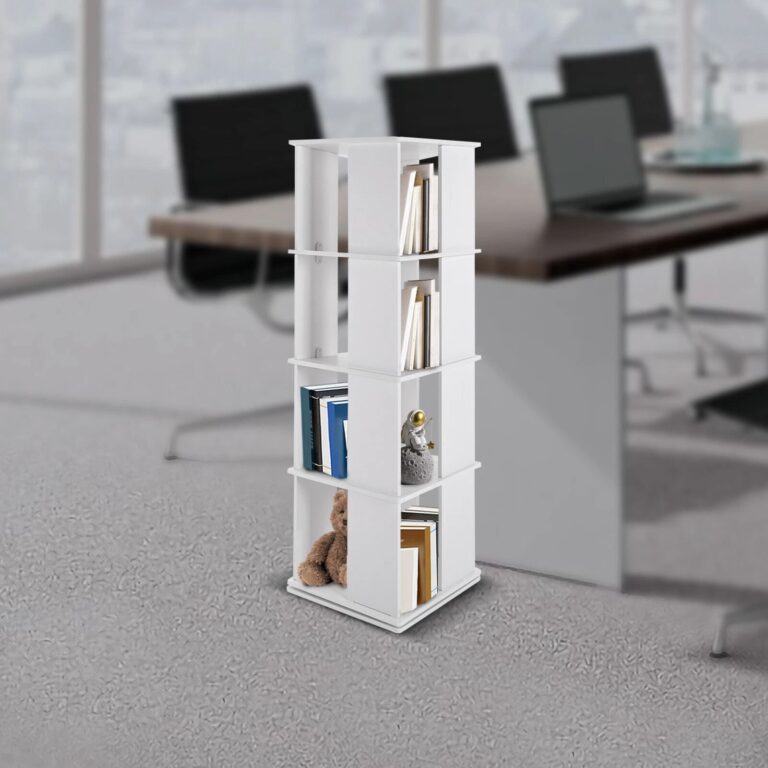
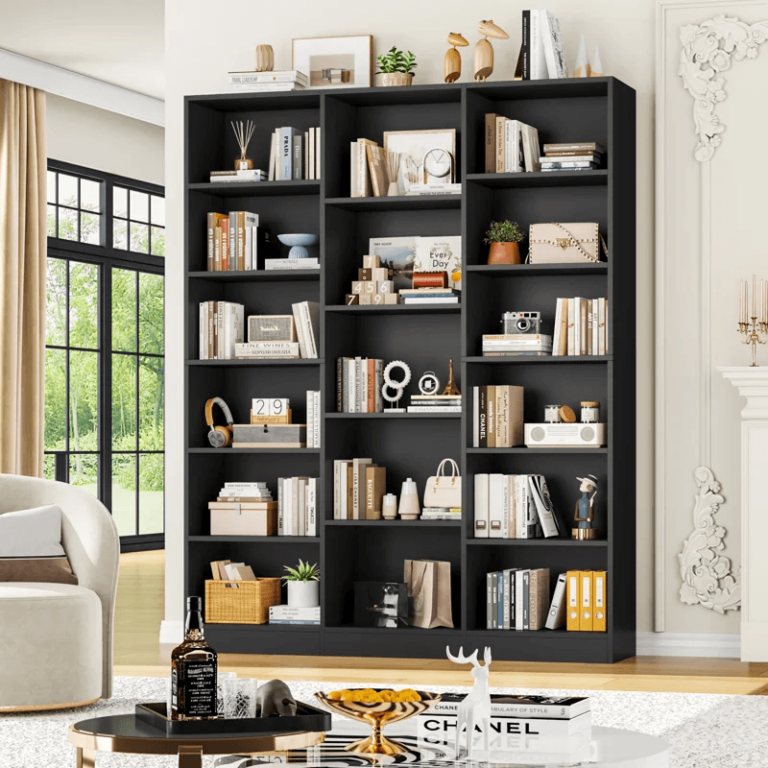 Aisha's pick3 Shelf Bookcases with Storage Worth Knowing About
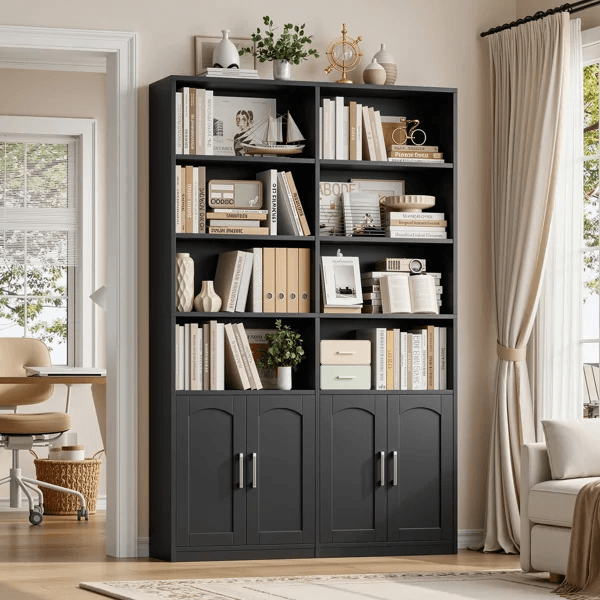
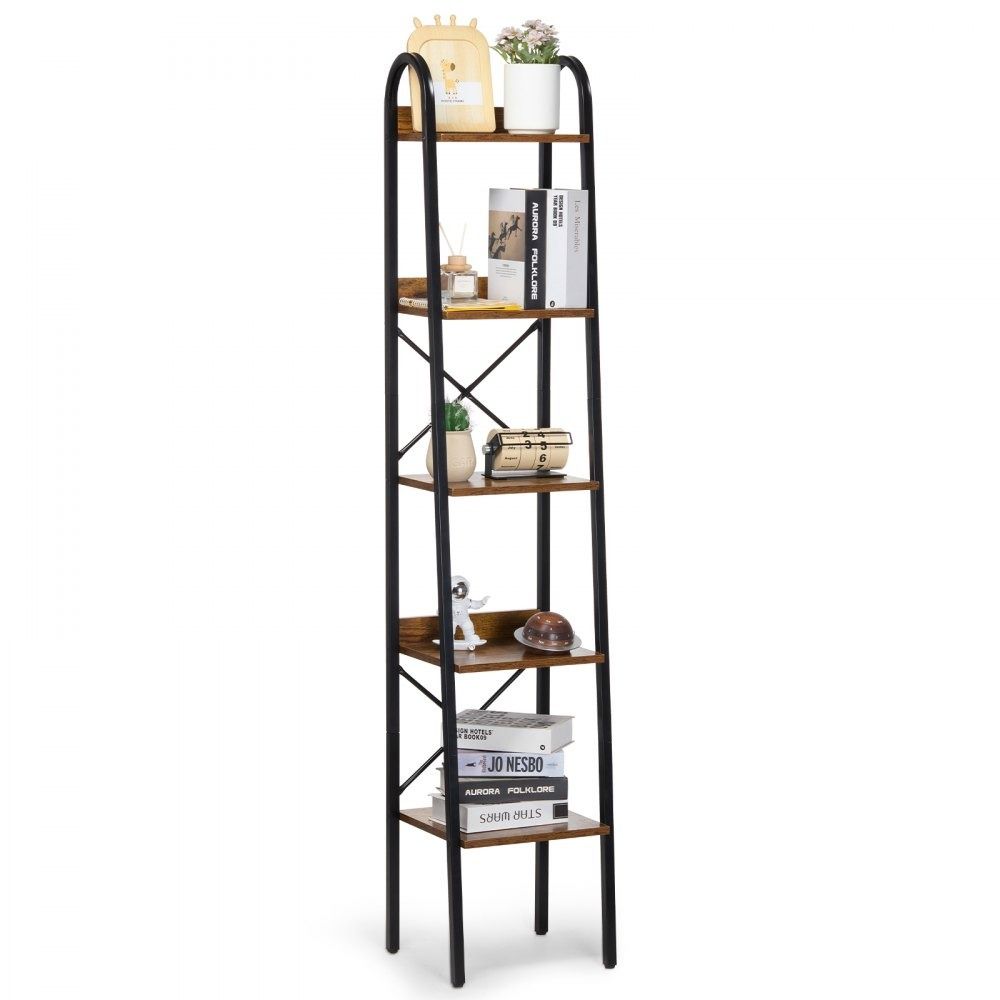 Aisha's pickIndustrial Bookcases That Won’t Date in a Year
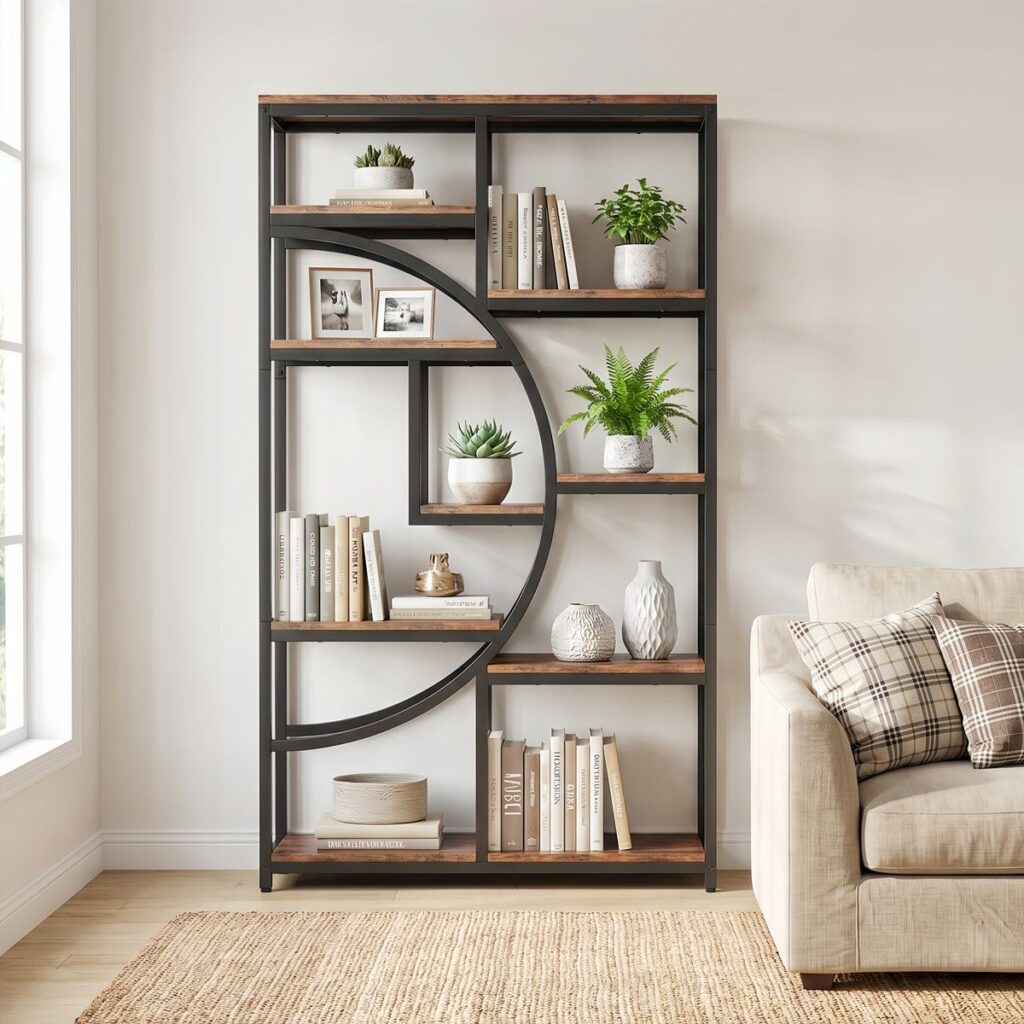
 Aisha's pickVintage Bookcases That Squeeze Into Awkward Corners
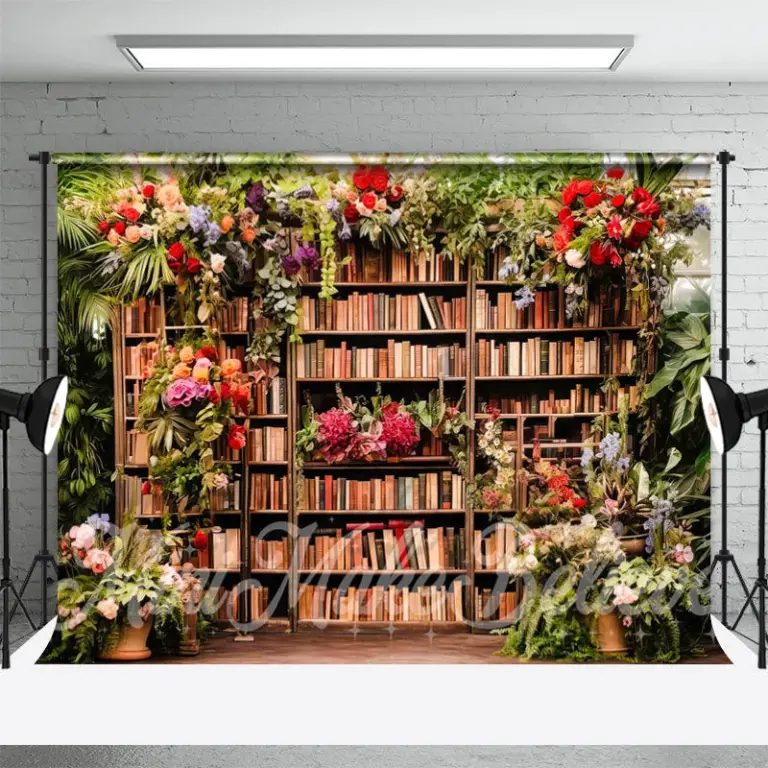
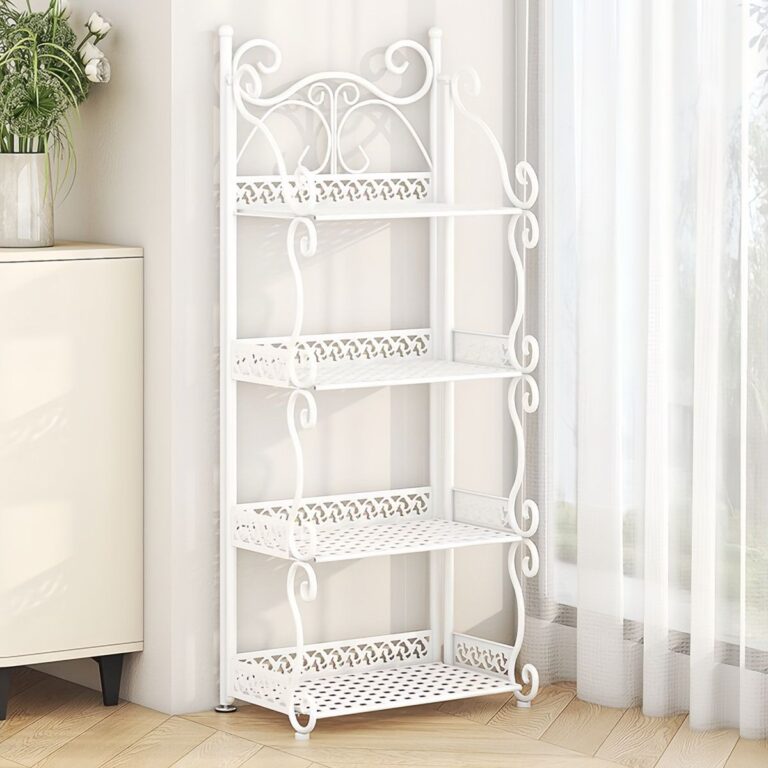 Aisha's pickOur Shortlist of 4 Shelf Bookcases
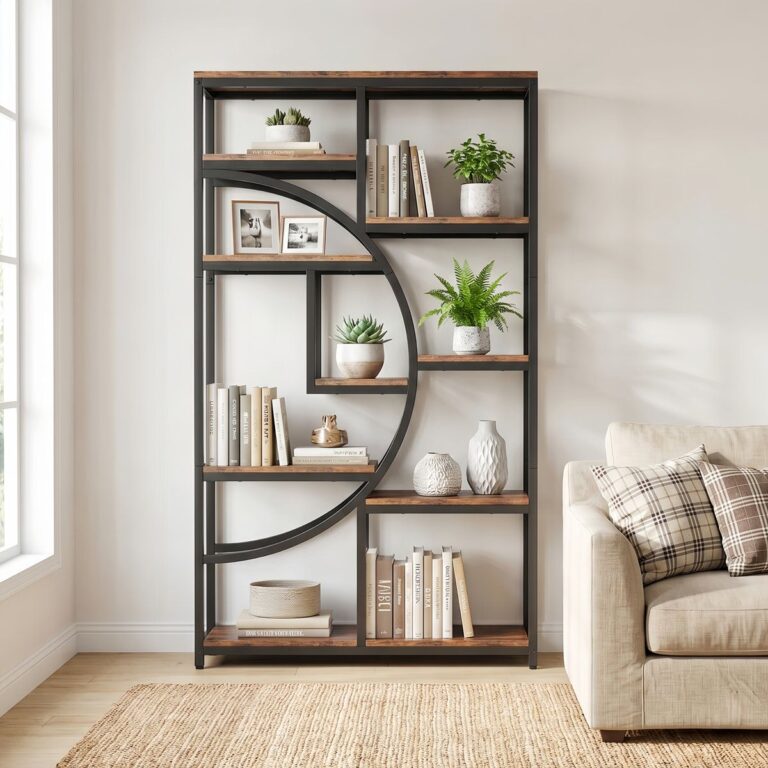
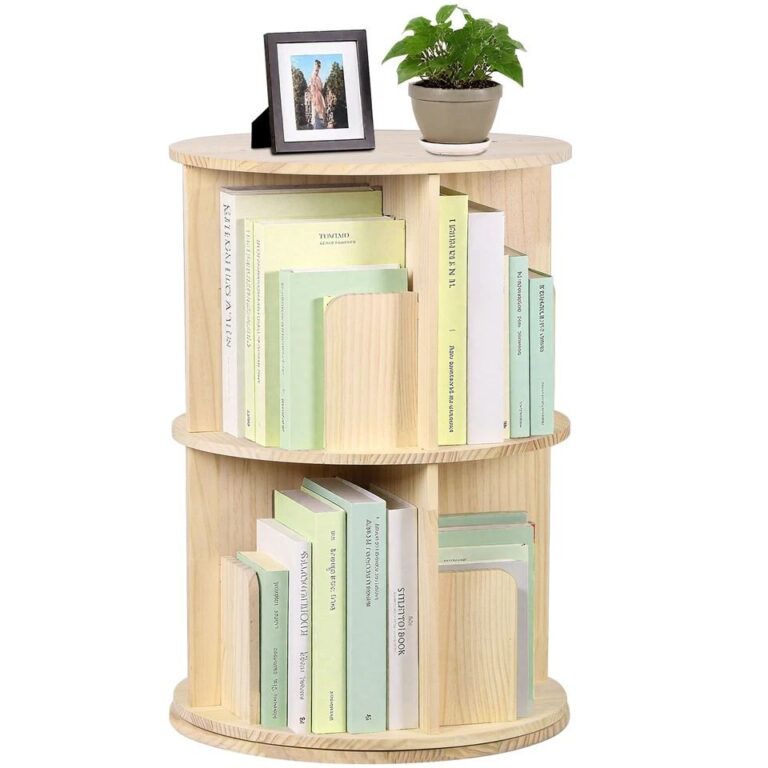 Aisha's pickLarge Bookcases That Make Rented Places Feel Like Home
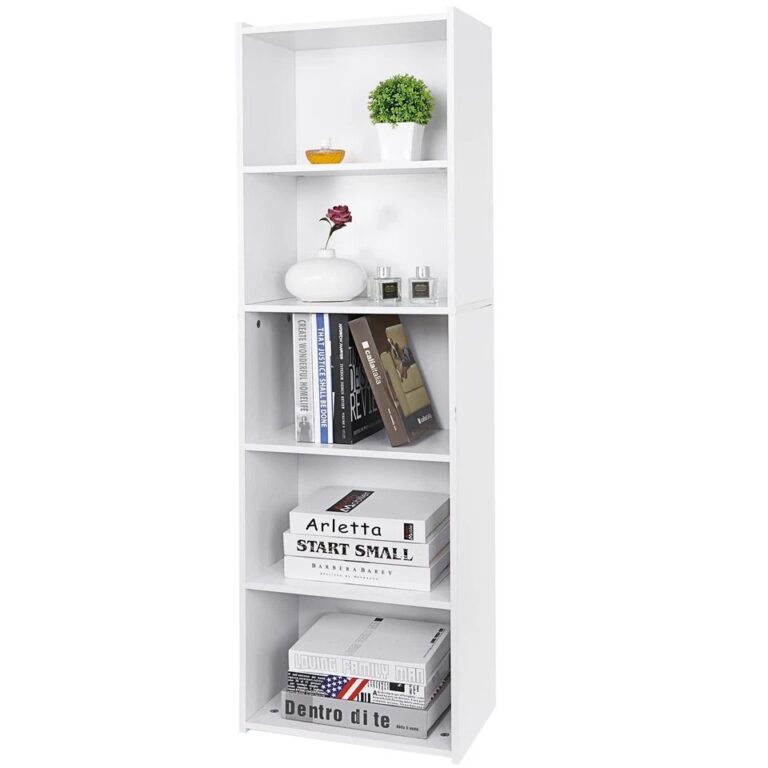
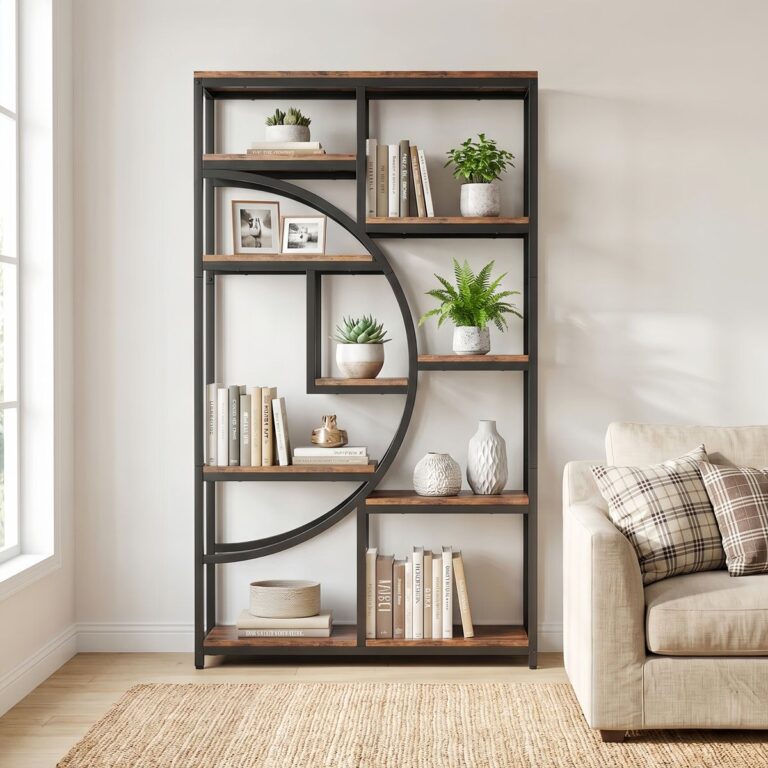 Aisha's pickSimple Wide Bookcases Done Well
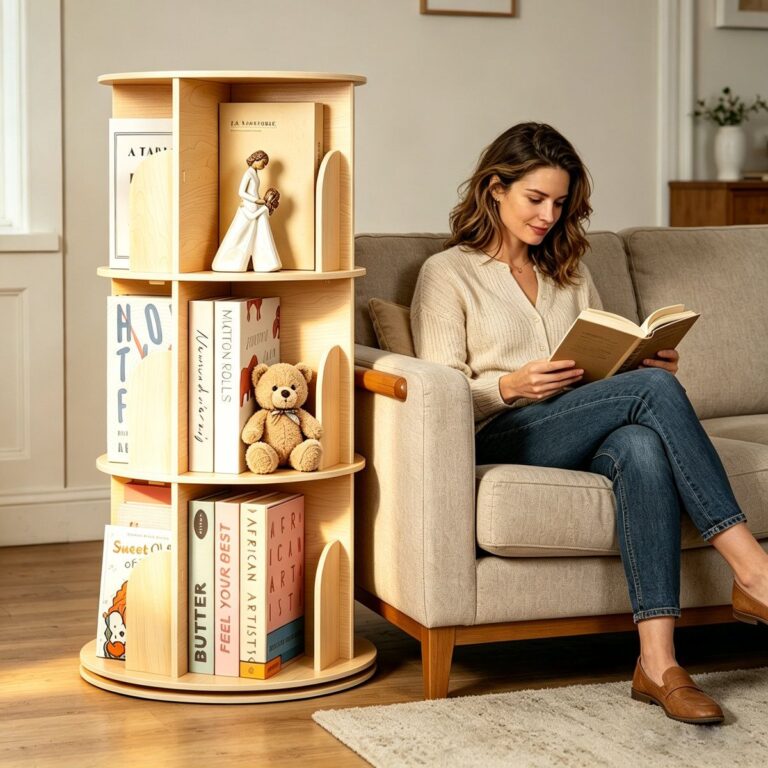
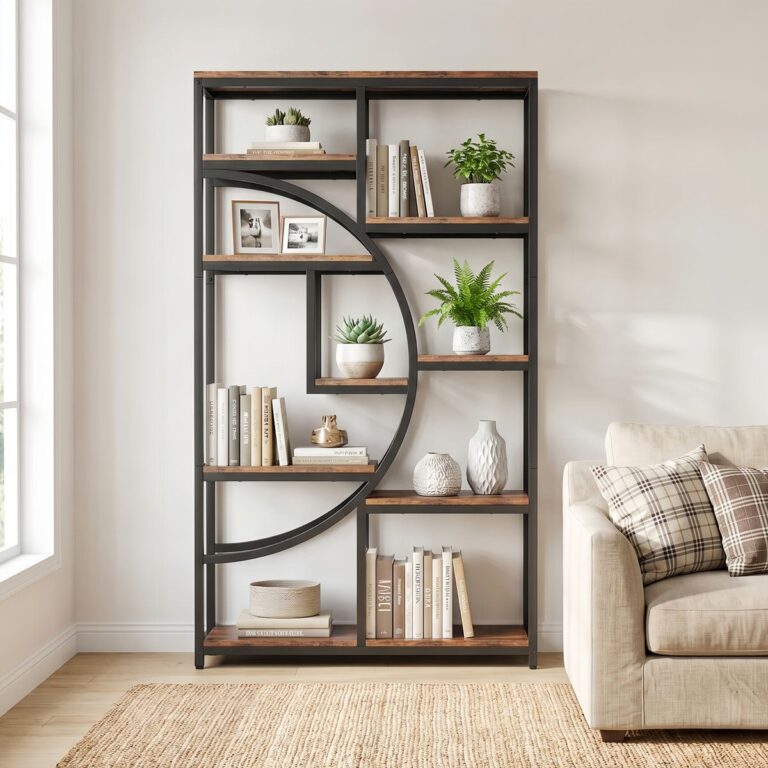 Aisha's pick4 Shelf Bookcases with Storage That Make Tidying Up Quicker
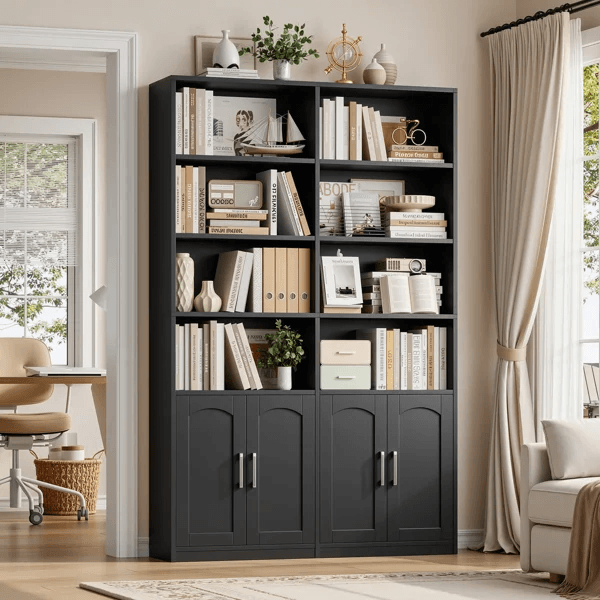
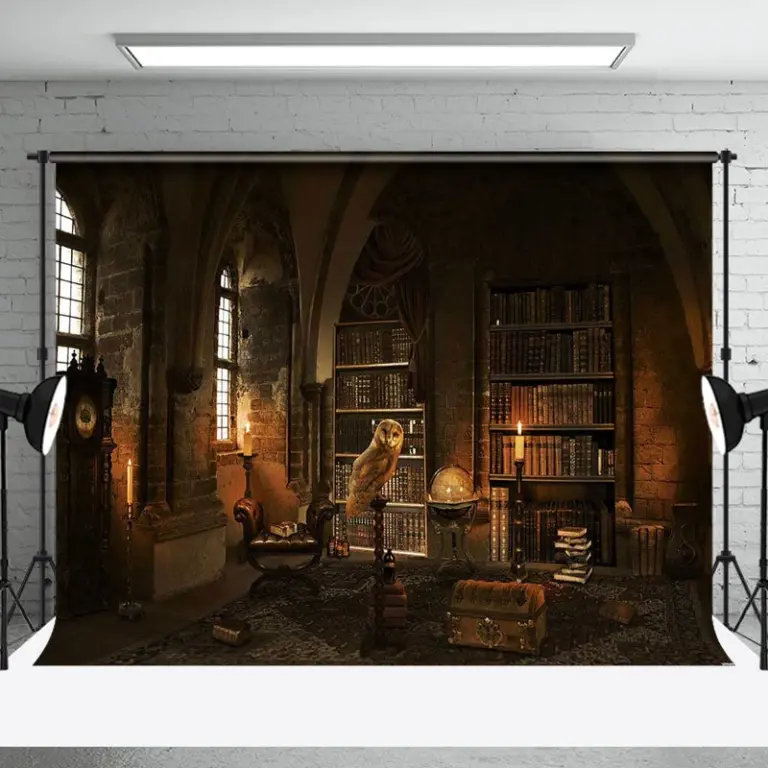 Aisha's pickLibrary Bookcases With Room for More Than You’d ThinkAlso worth a lookMetal ShelvesLate winter is when I notice metal shelves doing their best work, those gray afternoons when the light…See the collections →
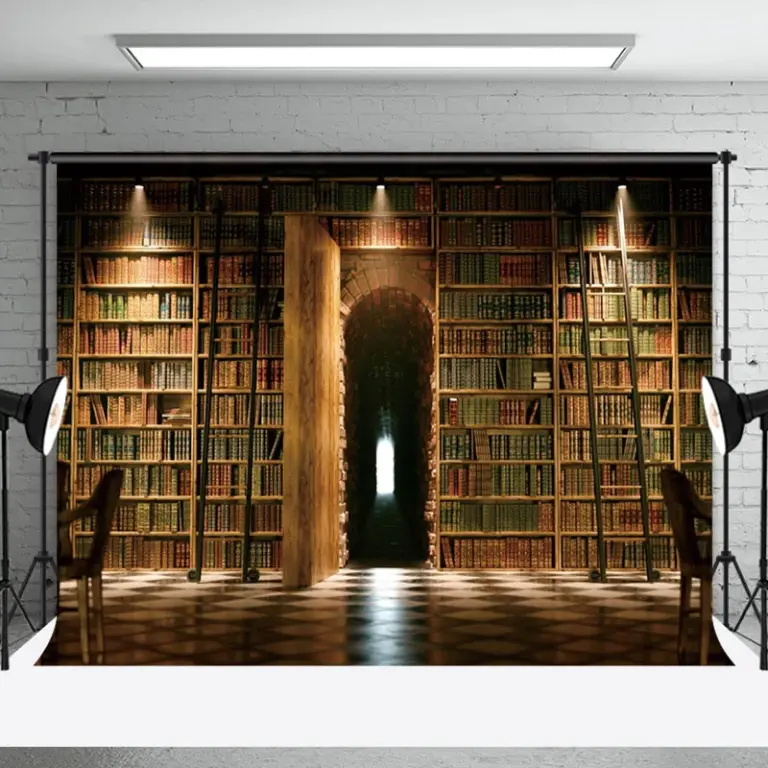
 Aisha's pick5 Shelf Bookcases That Sort Out the Chaos
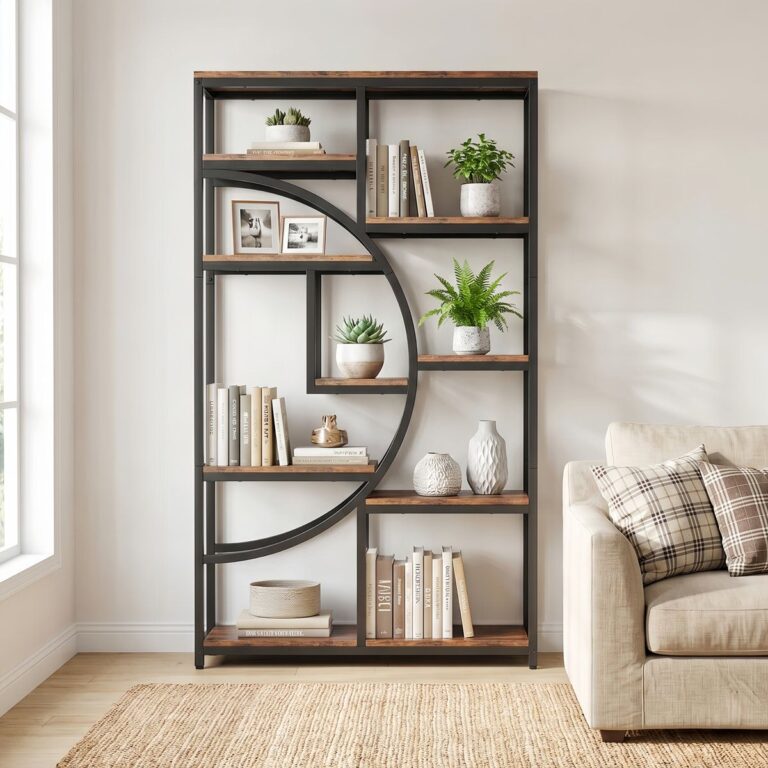
 Aisha's pickMinimalist Bookcases That Squeeze Into Awkward Corners
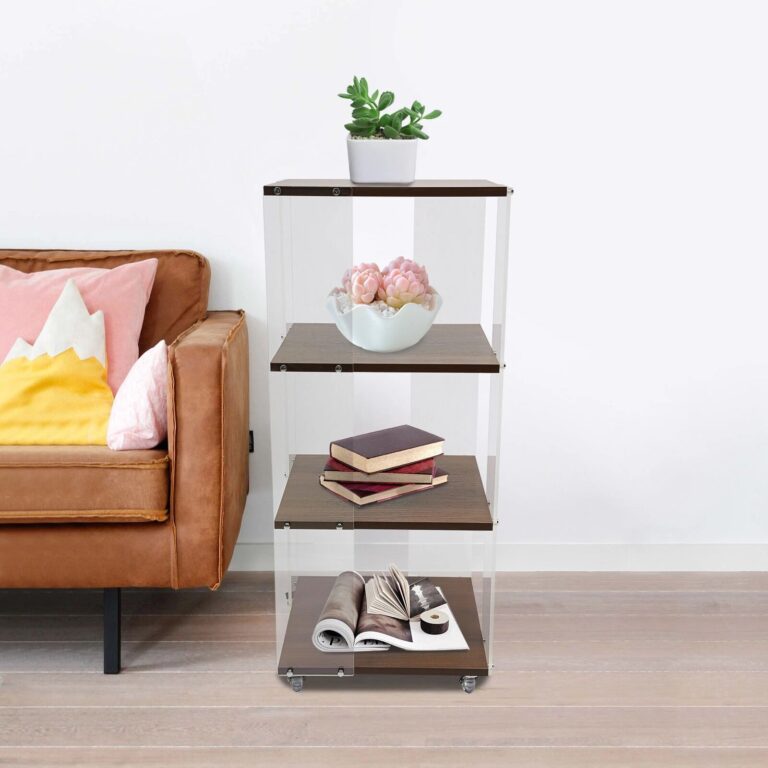
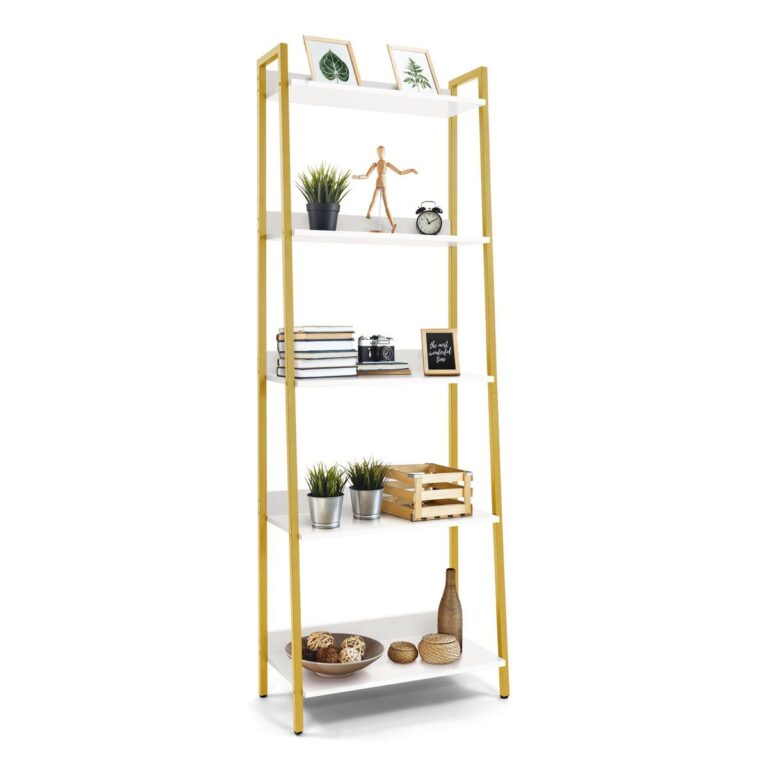 Aisha's pick5 Shelf Bookcases for Living Room You’ll Still Like in Five Years
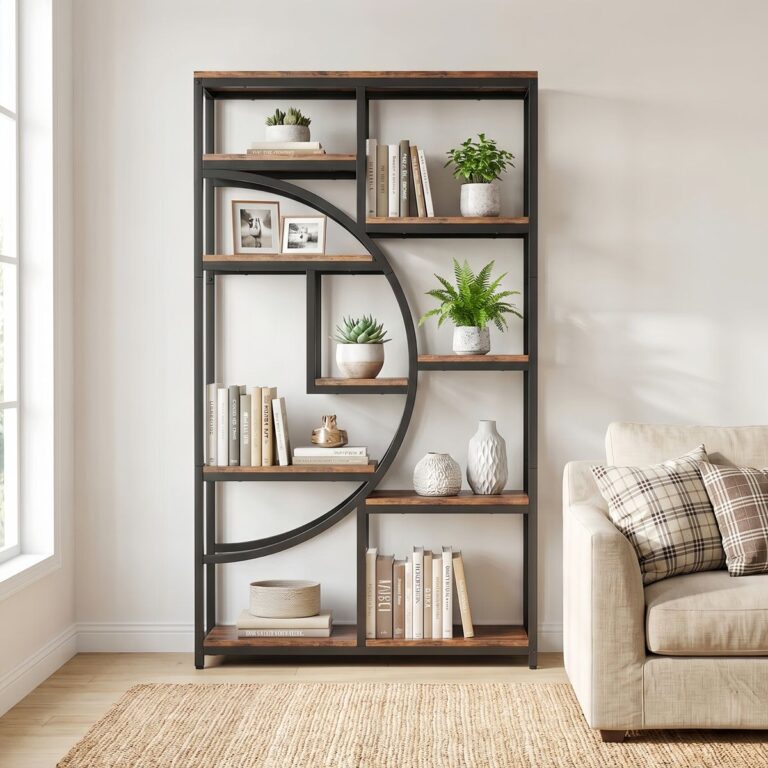
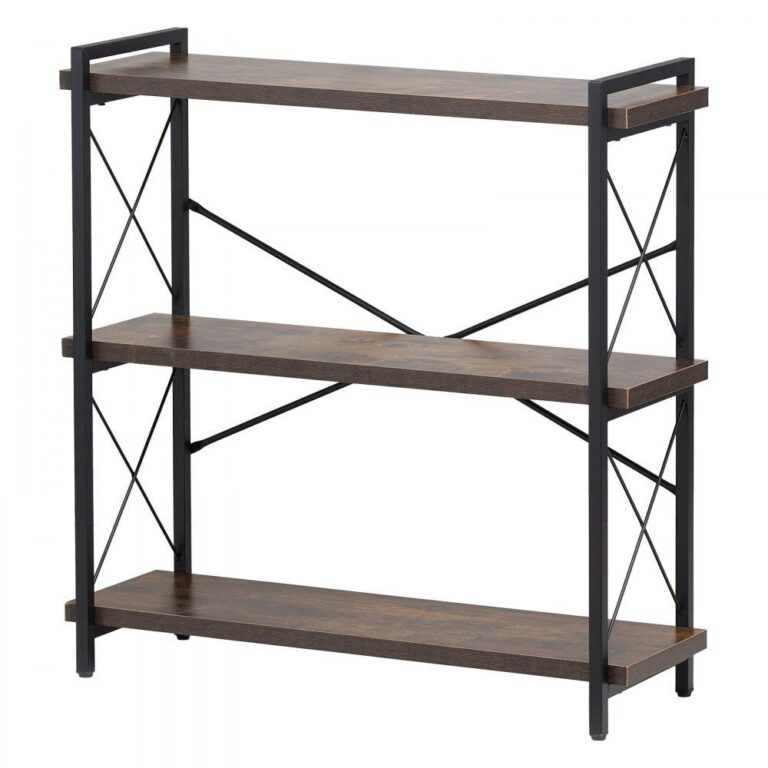 Aisha's pickModern Bookcases That Hide the Mess for Good

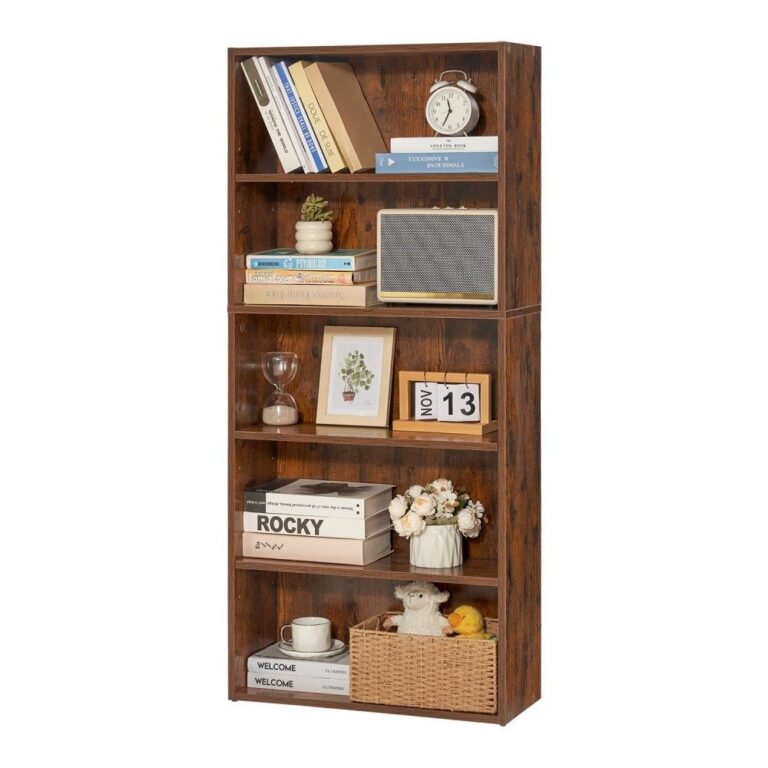 Aisha's pick5 Shelf Bookcases with Storage That Make Tidying Up Quicker
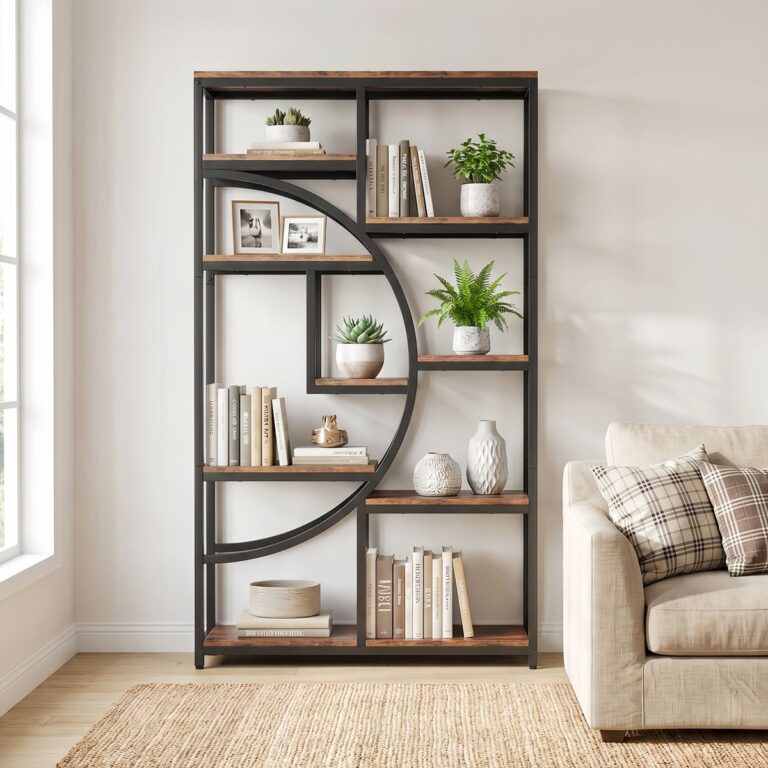
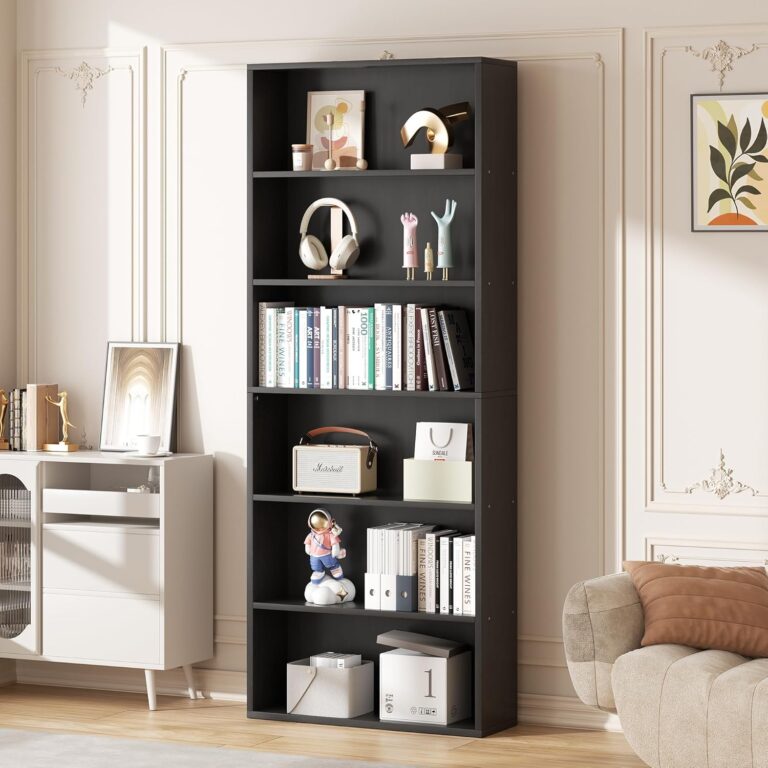 Aisha's pickModern Office Bookcases for Working From Home Without the Backache

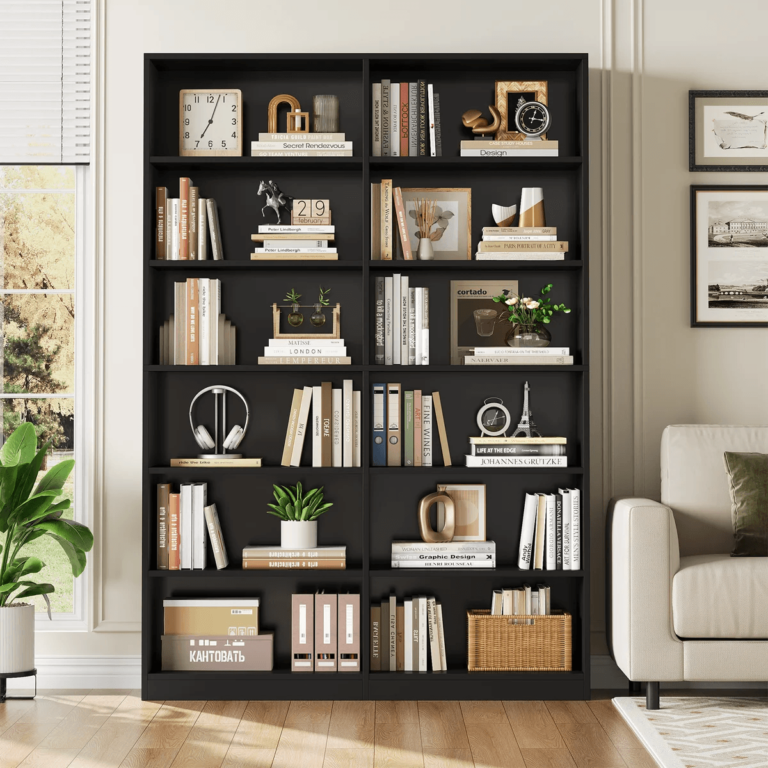 Aisha's pick6 Shelf Bookcases That Make Tidying Up Quicker
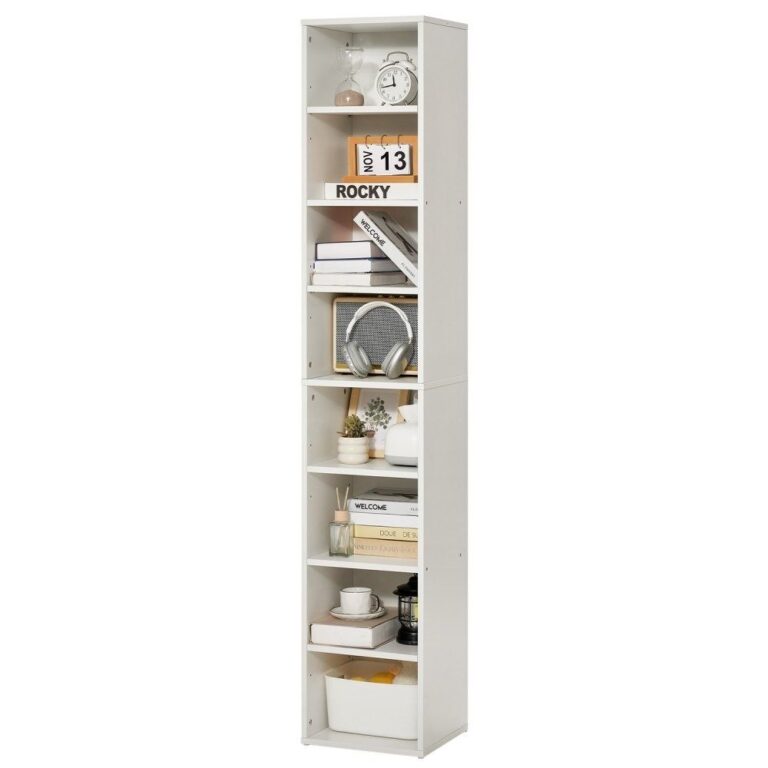
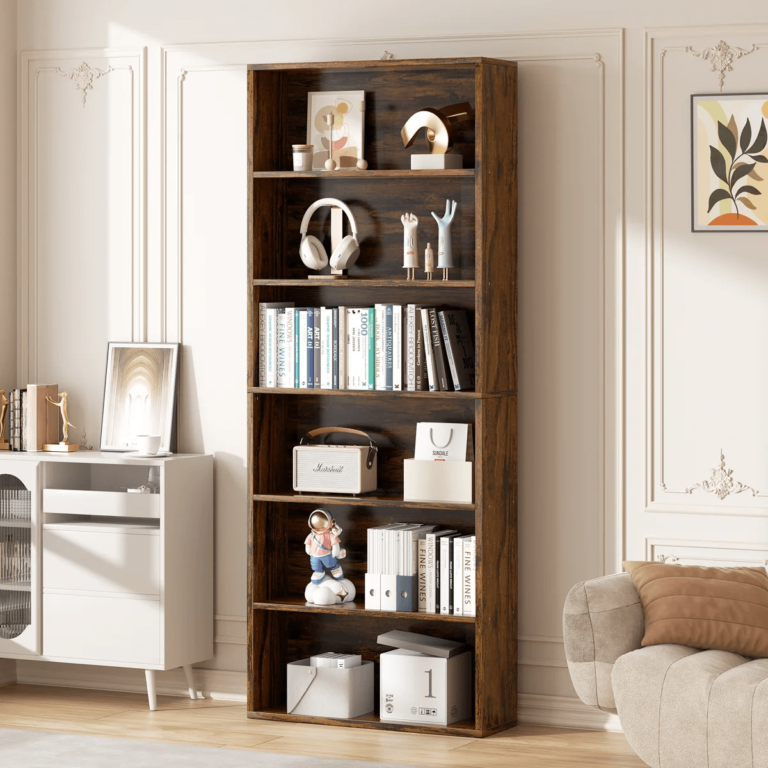 Aisha's pickNarrow Bookcases for Apartments and Small Houses