For years I thought the bracket was the whole story with wall shelves, buy the beefiest looking one and you're set. Then I watched a shelf stay perfectly level while the wall around it slowly crumbled into dust, because the real weak point was never the bracket, it was what I screwed it into.
These are wrong for the job in a couple of obvious situations. If you're renting somewhere with plaster over lath, or anywhere you can't locate a stud without an electrician's level of patience, floating shelves rated for real weight are going to fight you the whole way, and a freestanding bookcase will save your weekend. They're also the wrong call for anything you need to be load bearing and casual at once, like a shelf you want to lean cookbooks against sideways. Shelves hold weight best straight down. Lean things on them wrong and they'll bow, even the good ones, given a year or two. I've got a pine shelf in my garage that's held a permanent smile for three years now because I stacked paint cans on one end and left them there through two house moves.
Measuring up is where most of the damage gets done before the shelf's even on the wall. People eyeball the spot above a sofa and guess, and a shelf that's six inches too short or too long just looks like an accident, not a choice. Measure the piece of furniture underneath it, mark the midpoint, and let the shelf run no more than about three quarters of that width, sitting centered. Depth matters more than people think too, a shelf deep enough for actual books will stick out further than you expect over a narrow hallway, and you'll catch your shoulder on it within the first week, I guarantee it. Always find the studs before you drill, even for a shelf that's "just decorative," because decorative becomes load bearing the moment someone sets a plant on it, and drywall anchors alone will hold for a while and then let go all at once, usually when you're not home.
Wood shelves age the best of any version of this, they take a scuff and a sand and a fresh coat of oil without complaint, and real wood doesn't sag under steady weight the way cheaper composite boards eventually do, especially over longer spans. Wipe spills quickly, keep them out of direct sun if you care about even color, and check the brackets are still tight about once a year, because walls settle and screws work loose slowly, not all at once.
Get the wall and the width right, and a good shelf will quietly hold its shape for longer than most furniture in the room.
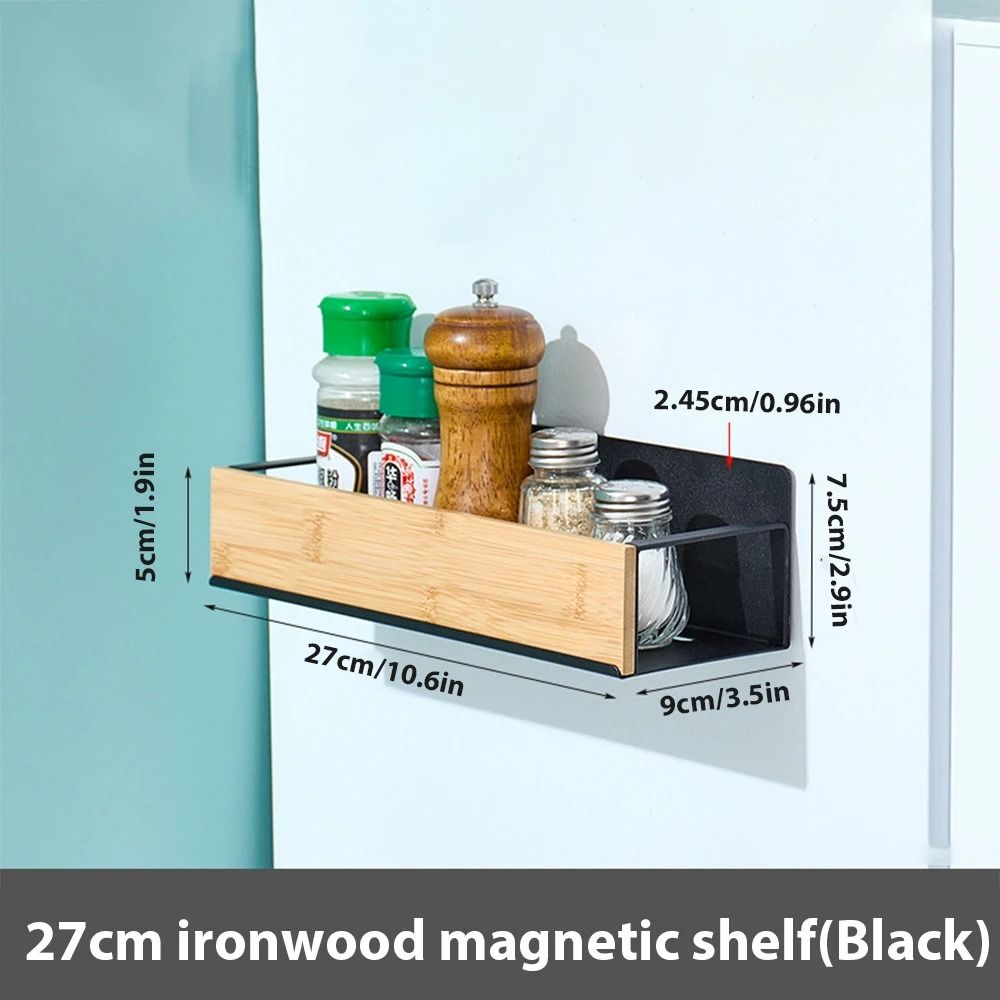 Aisha's pickBlack Wall Shelves with Drawers Pulled From Dozens of Stores
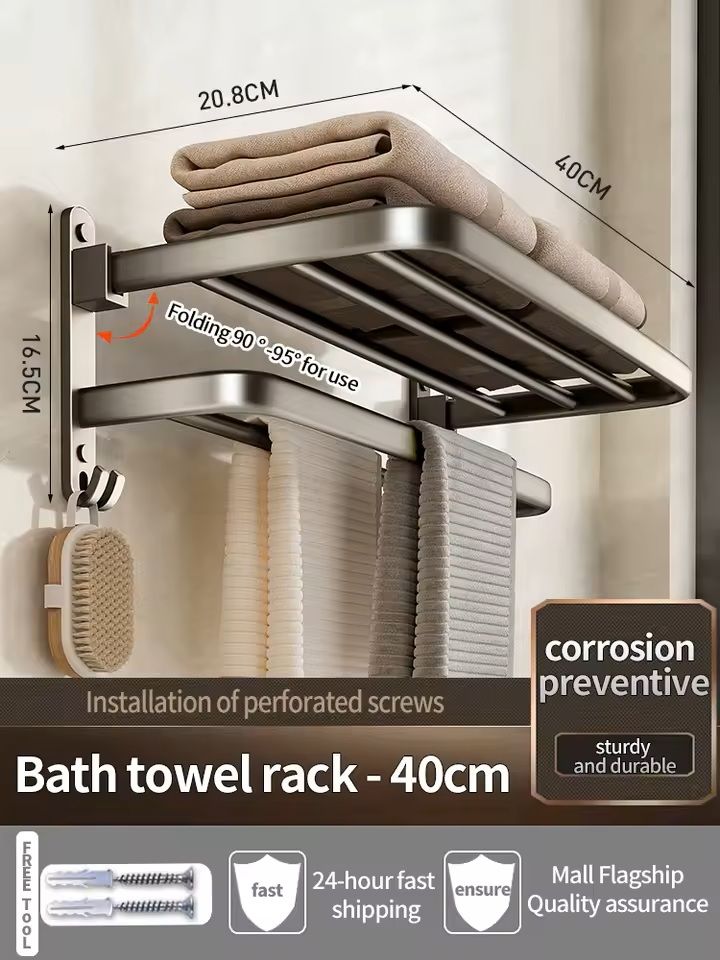 Aisha's pickMinimalist Wall Shelves Pulled From Dozens of Stores
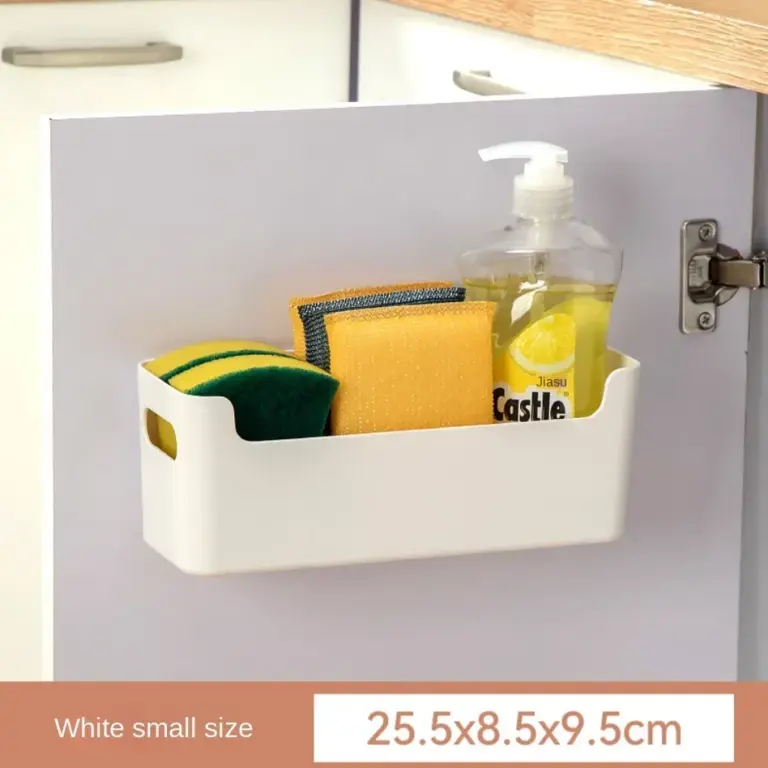
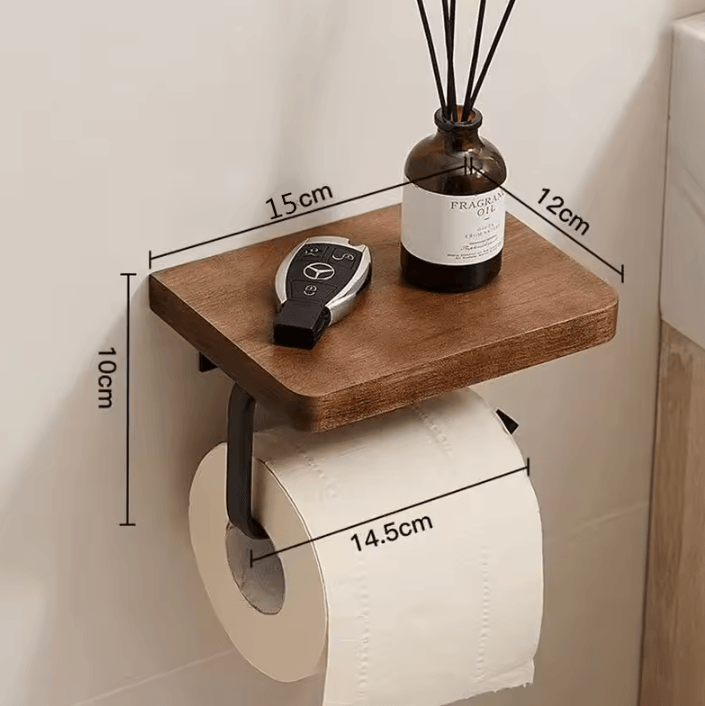
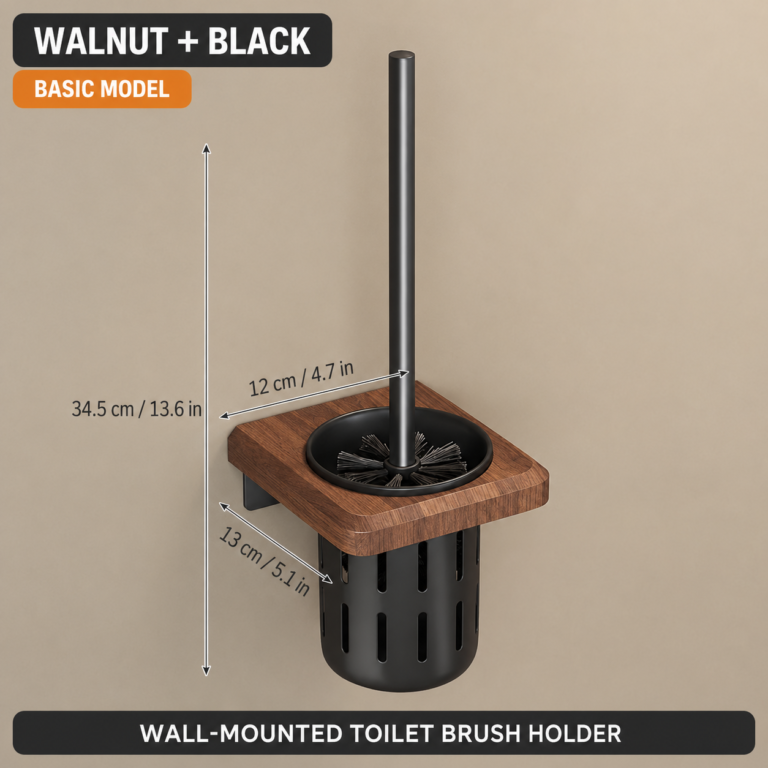 Aisha's pickWalnut Wall Shelves That Keep Surfaces Clear
 Aisha's pickBlue Wall Shelves That Sort Out the Chaos
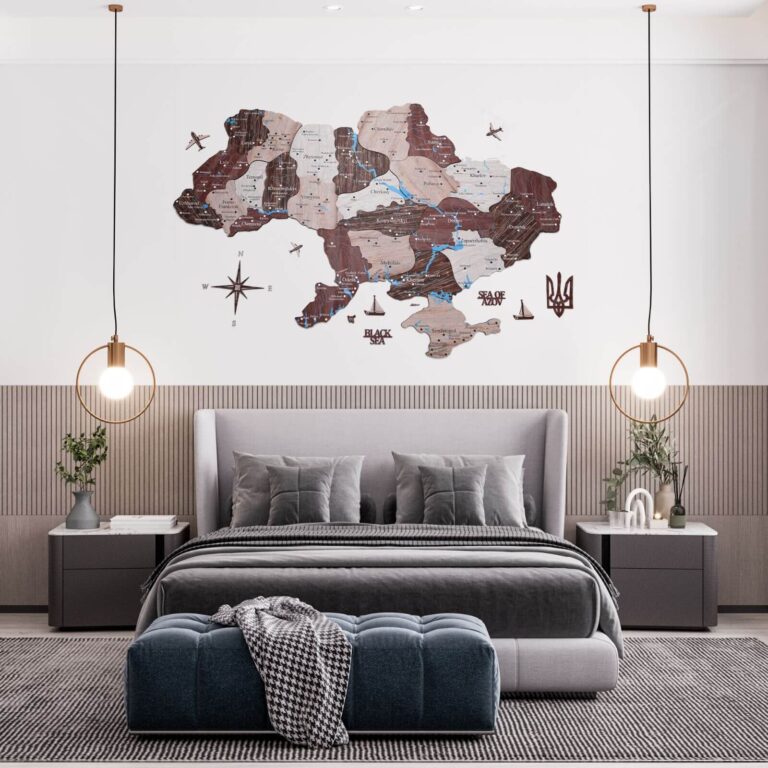 Aisha's pickModern Wall Shelves That Go With Most Rooms
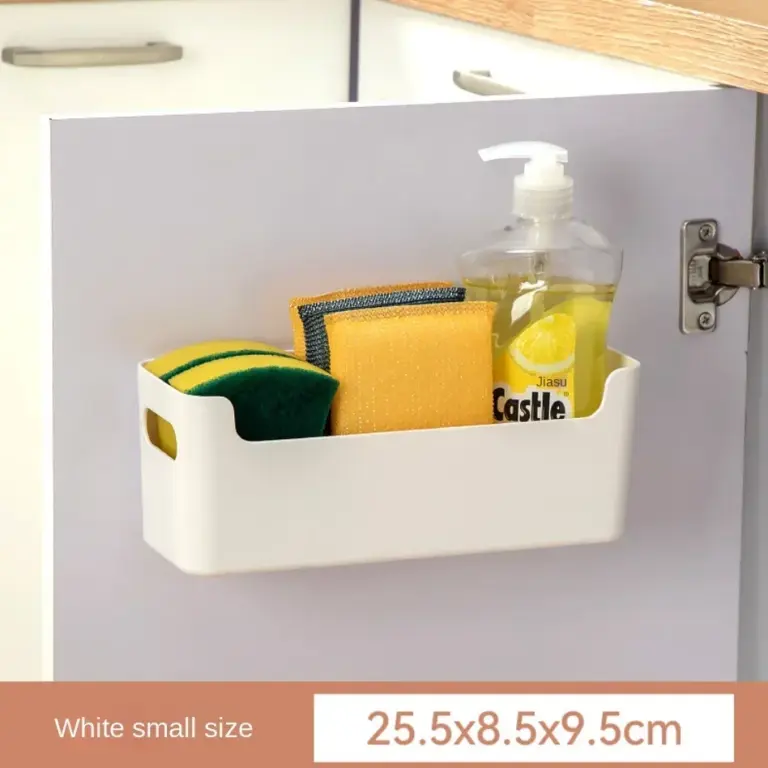
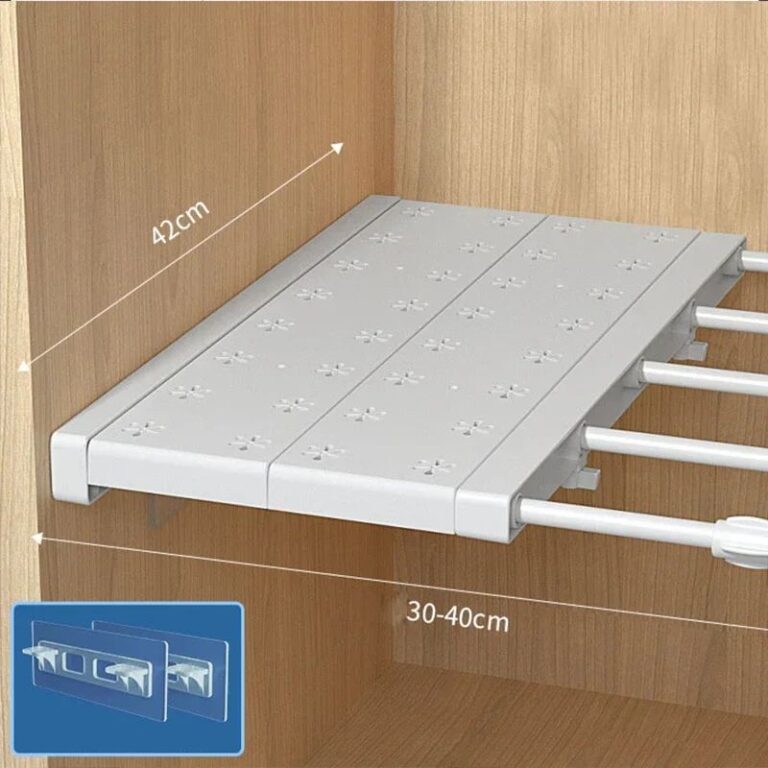 Aisha's pickWhite Kitchen Wall Shelves Hunted Down So You Don’t Have To
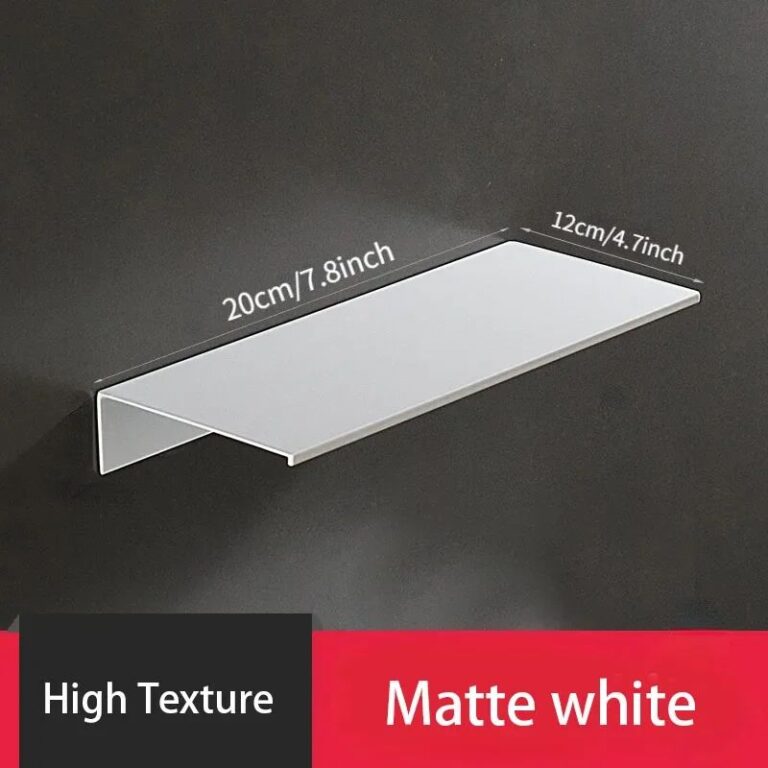
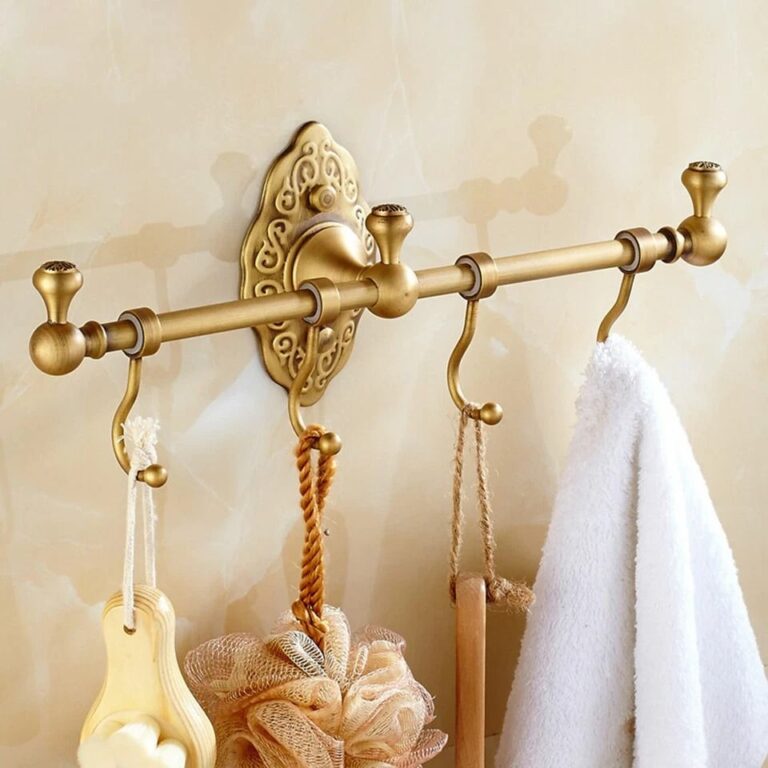 Aisha's pickChrome Wall Shelves for the Bits That Never Have a Home
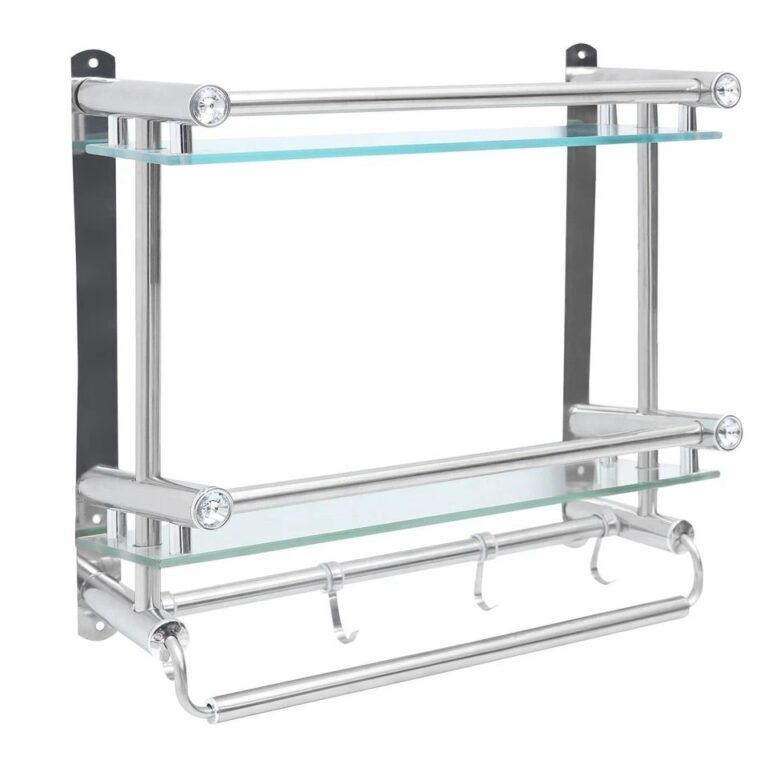
 Aisha's pickModular Wall Shelves for the Bits That Never Have a Home
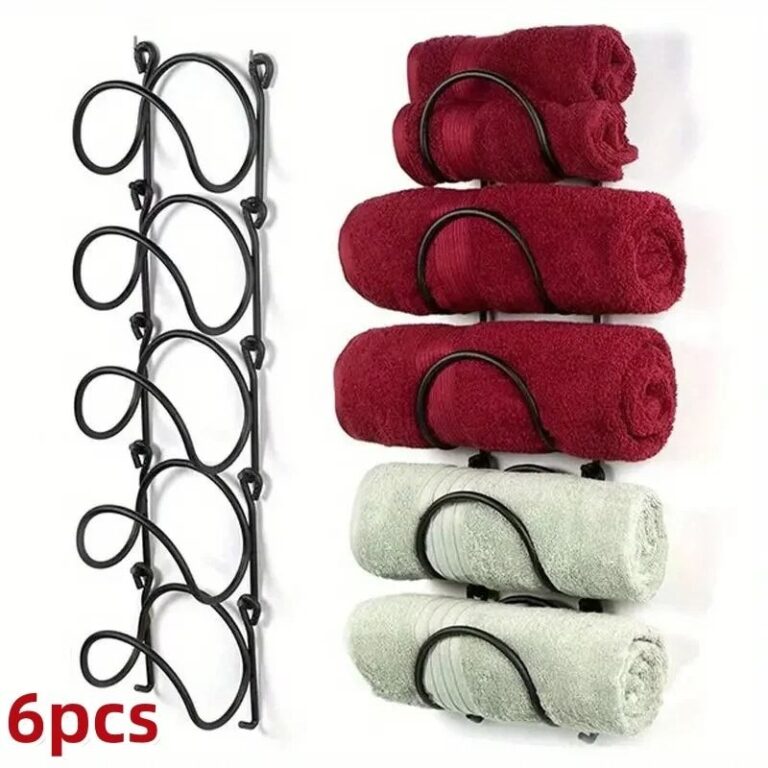
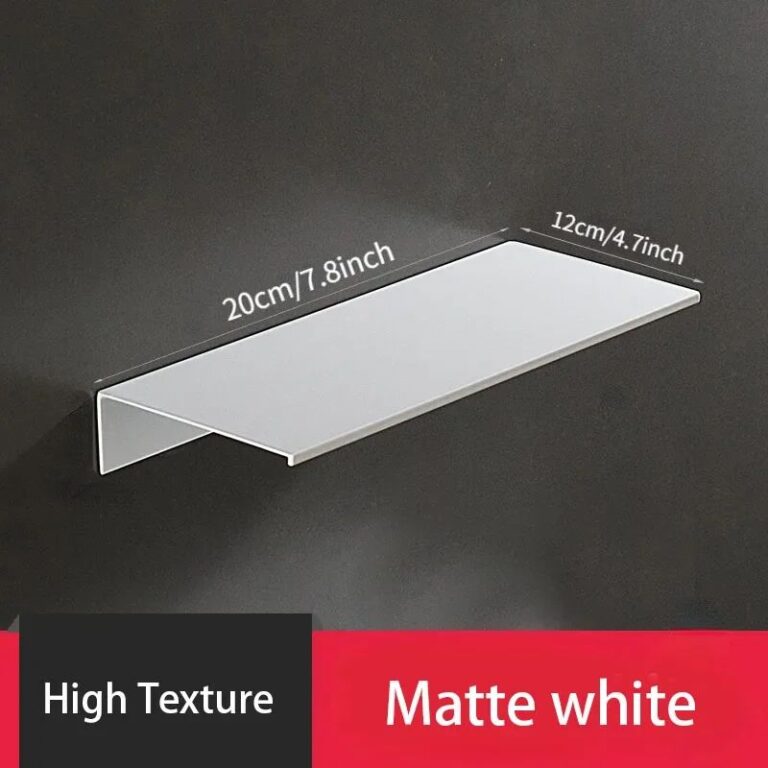 Aisha's pickWhite Wall Shelves We’d Buy AgainAlso worth a lookShelvingThe warning first: most people buy shelving the way they buy a lamp, grab something roughly the right size and hope.See the collections →
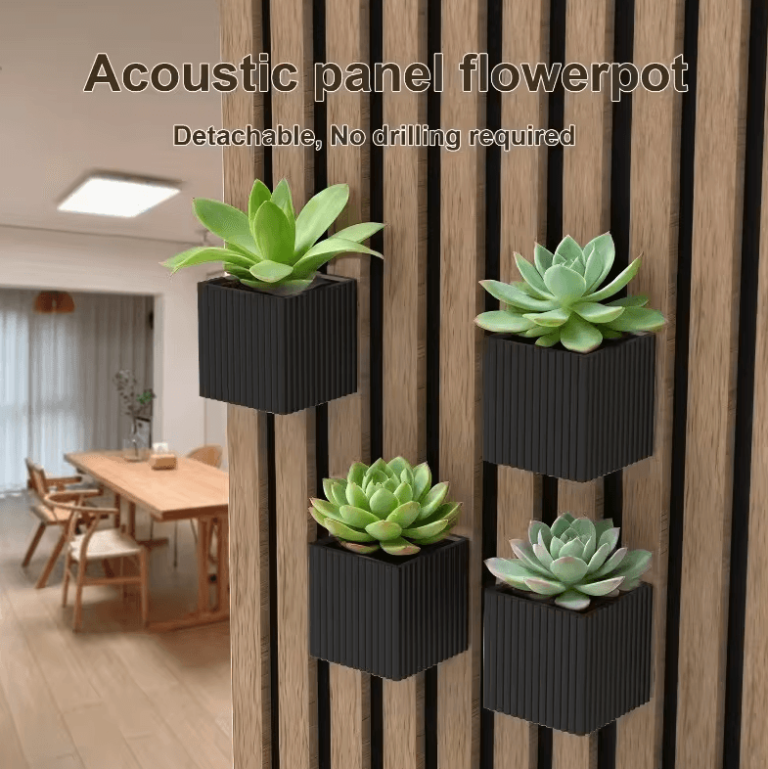
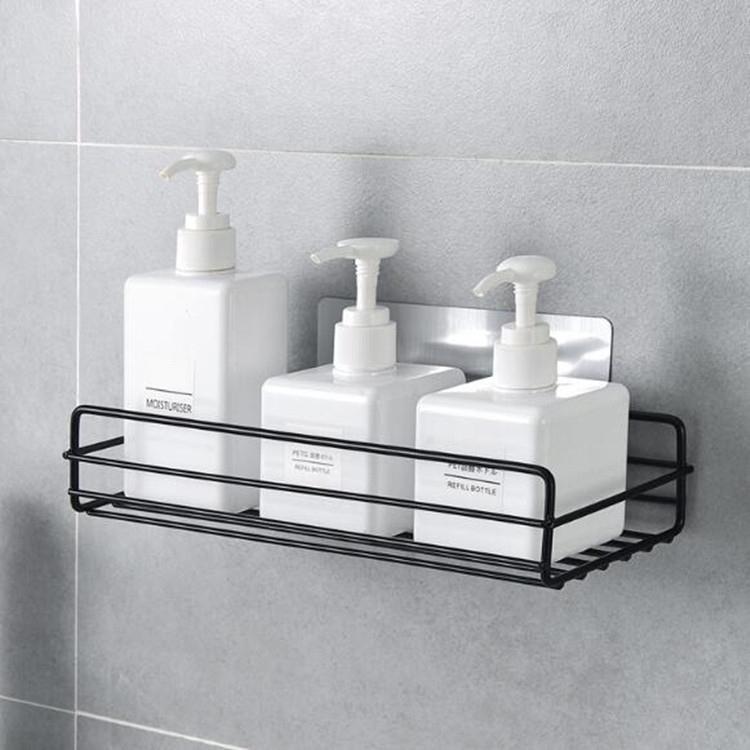 Aisha's pickGood Classic Wall Shelves That Don’t Cost a Fortune
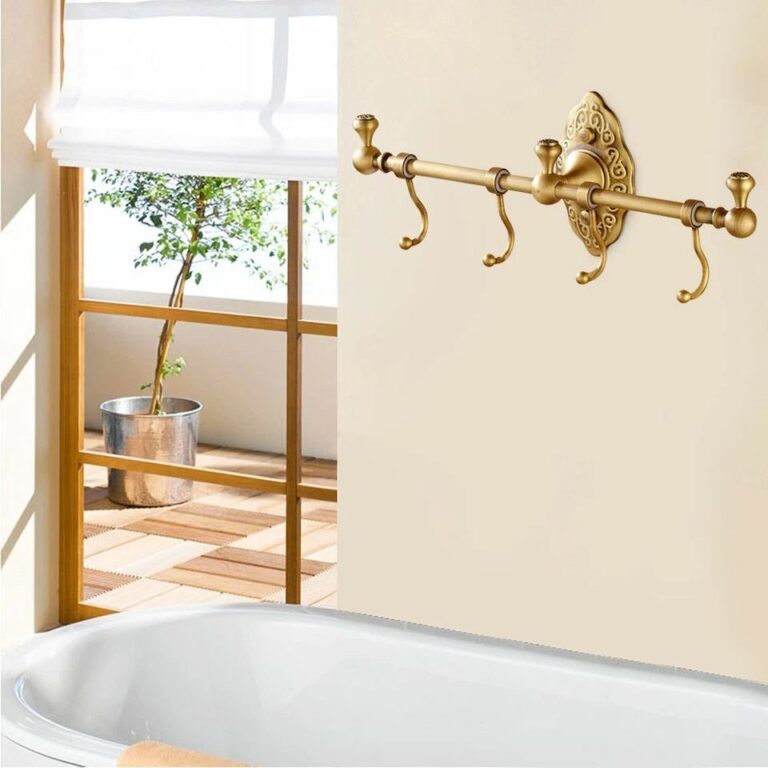
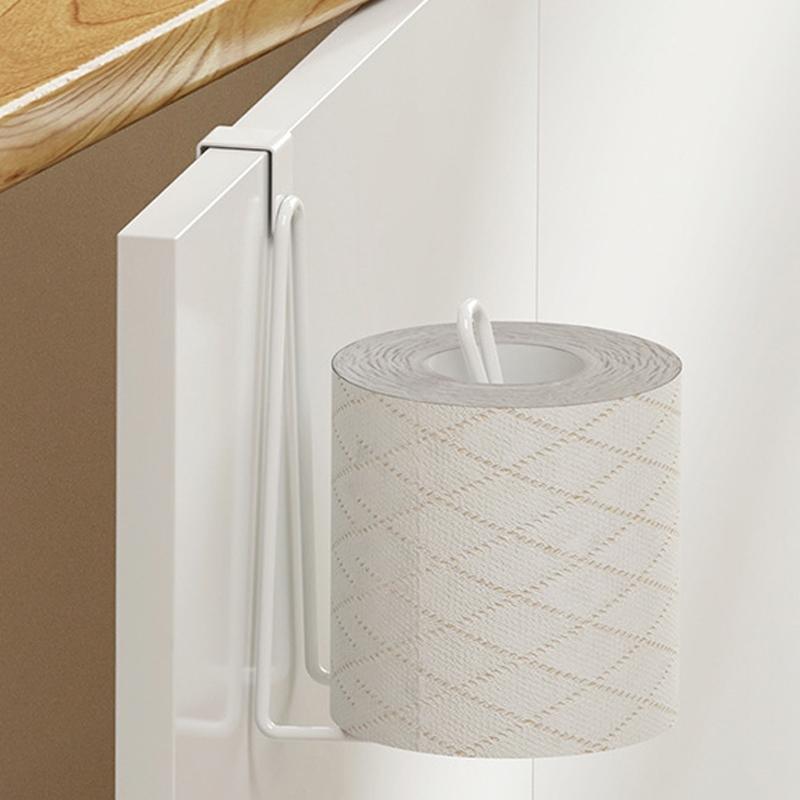 Aisha's pickPainted Wall Shelves That Make Rented Places Feel Like Home
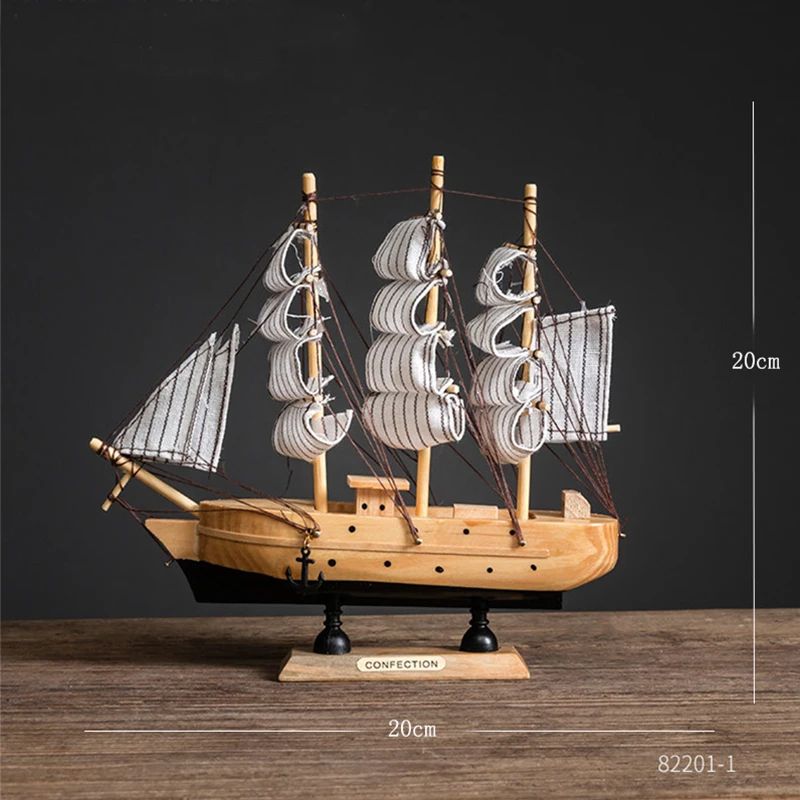
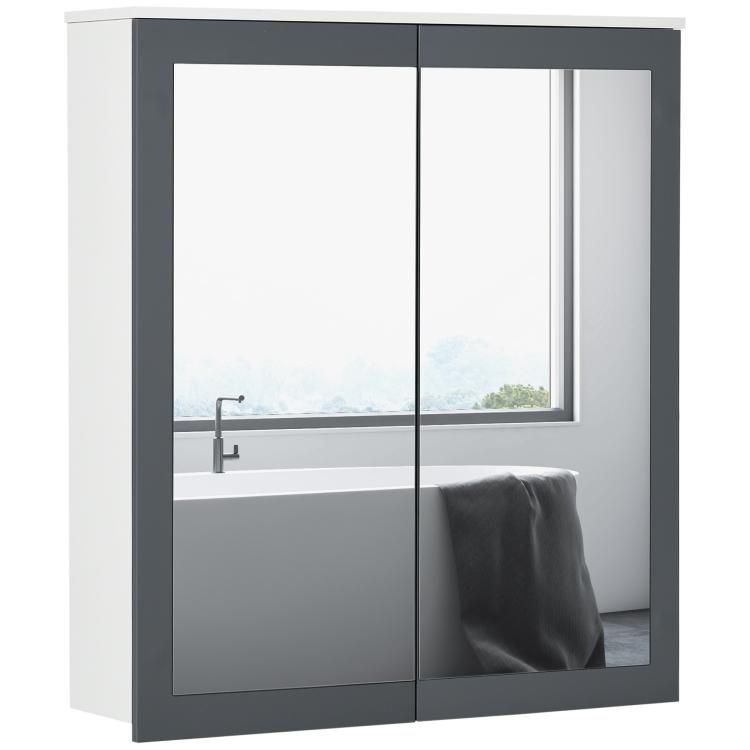 Aisha's pickWhite Wall Shelves with Doors That Look Good Even When Full
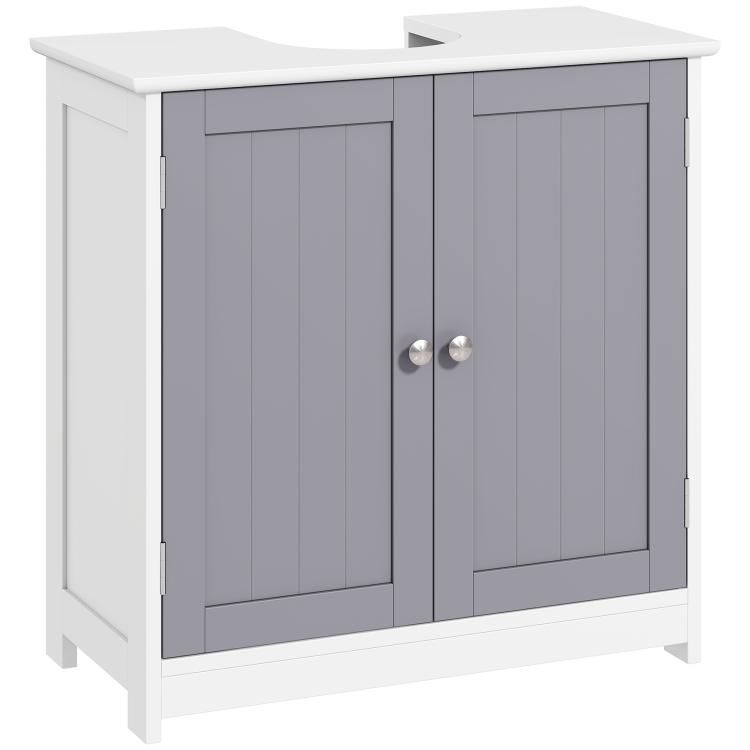
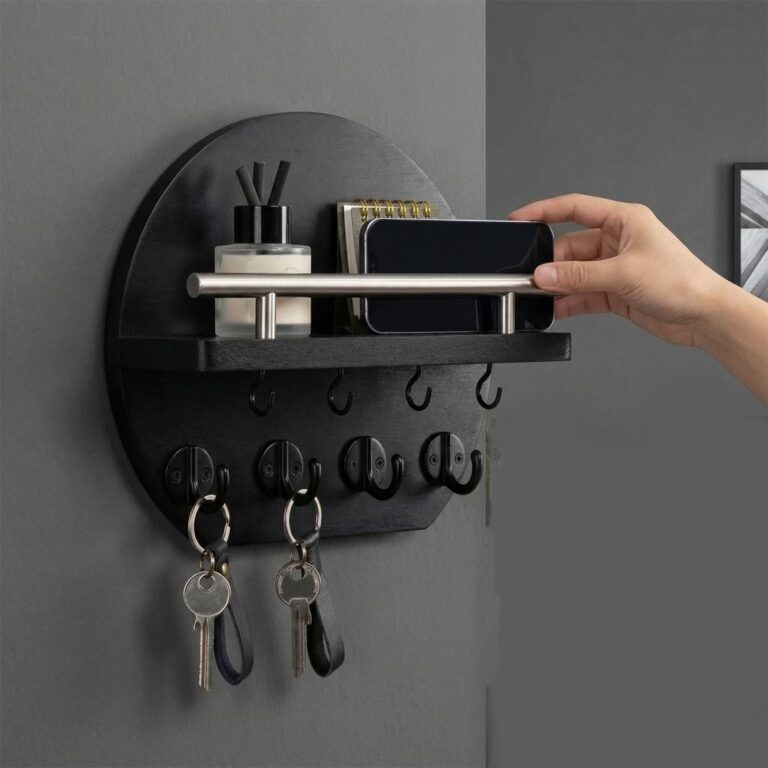 Aisha's pickCompact Wall Shelves That Look Like They Cost More
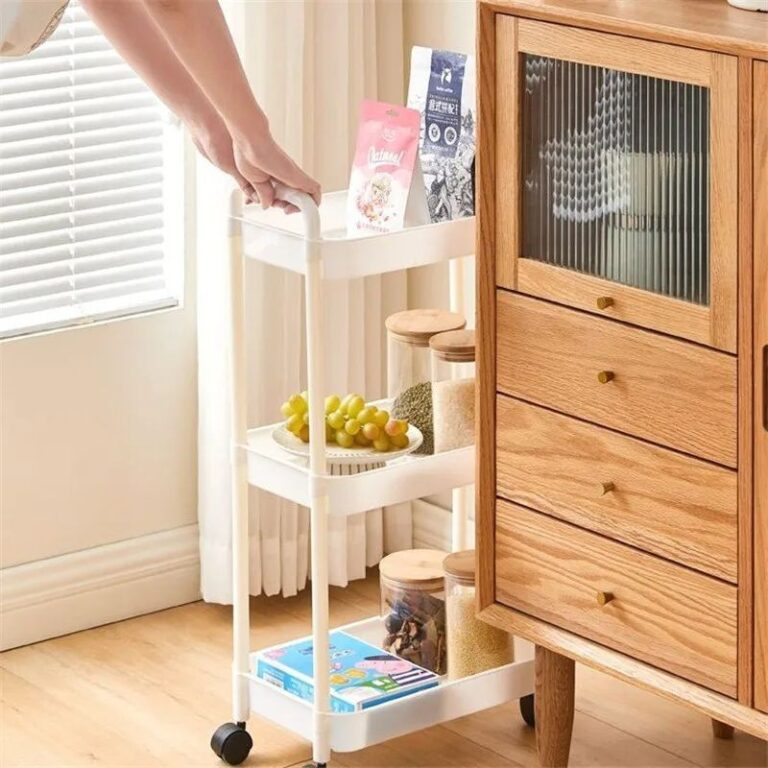
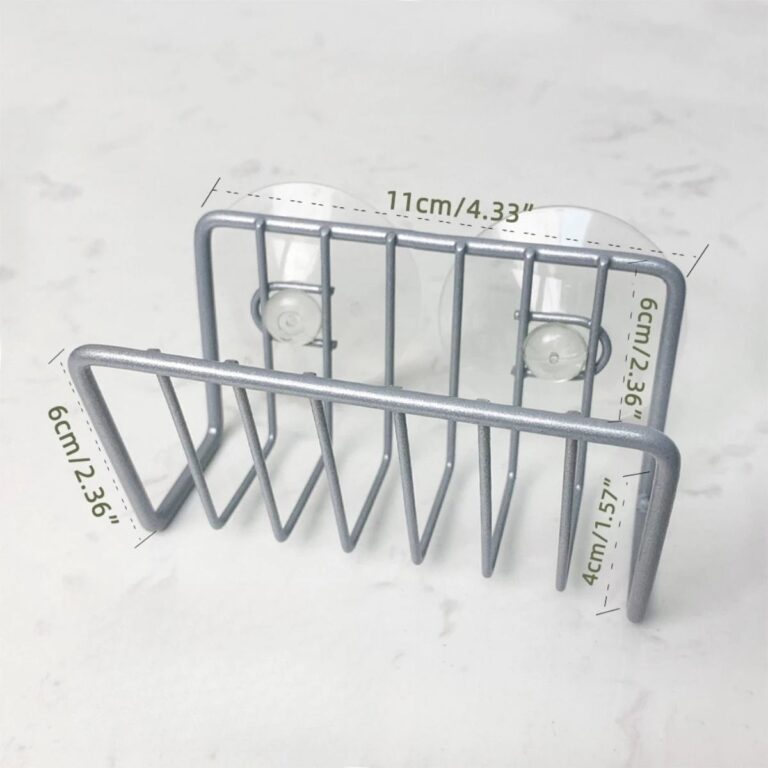 Aisha's pickSlim Wall Shelves That Keep Surfaces Clear
 Aisha's pickWide Wall Shelves That Hide the Mess for Good
 Aisha's pickFolding Wall Shelves That Make Small Changes Feel Big
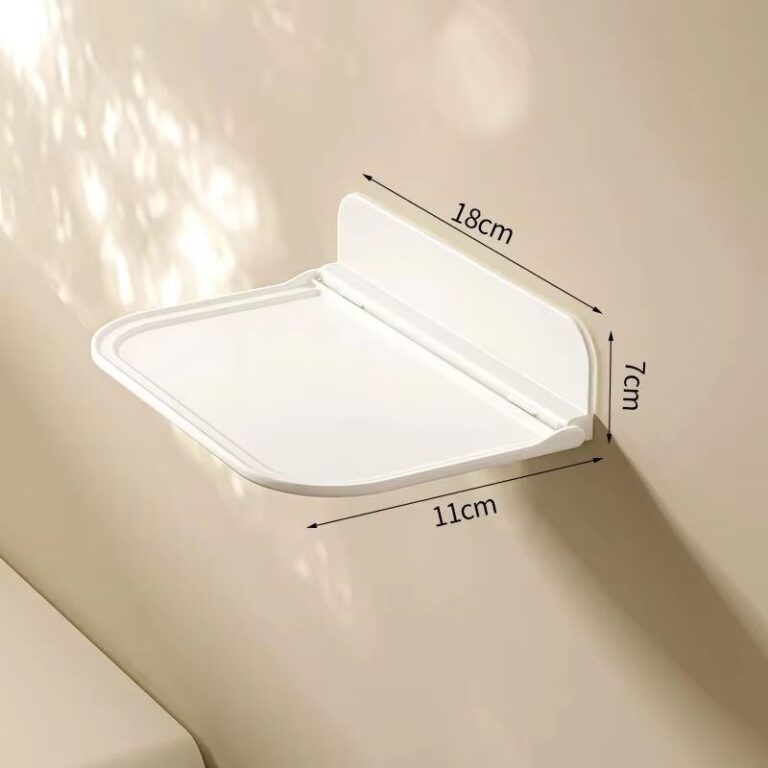
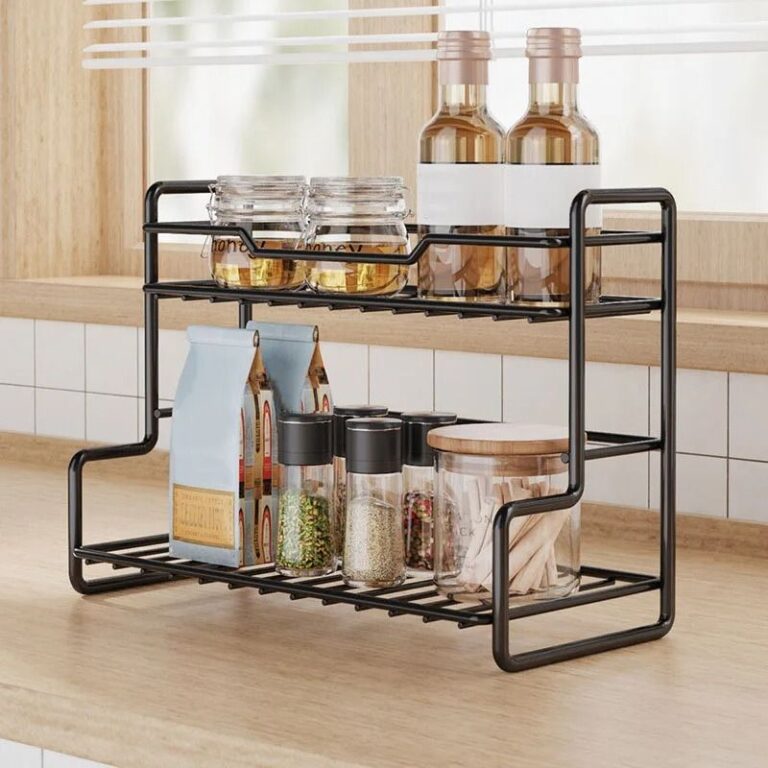 Aisha's pickSmall Metal Wall Shelves That Swallow the Clutter
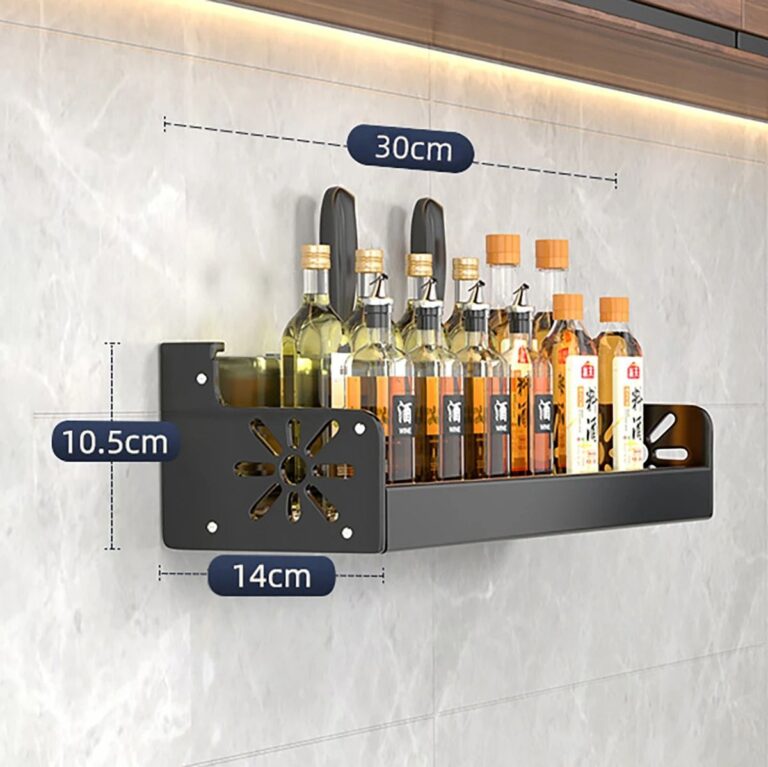
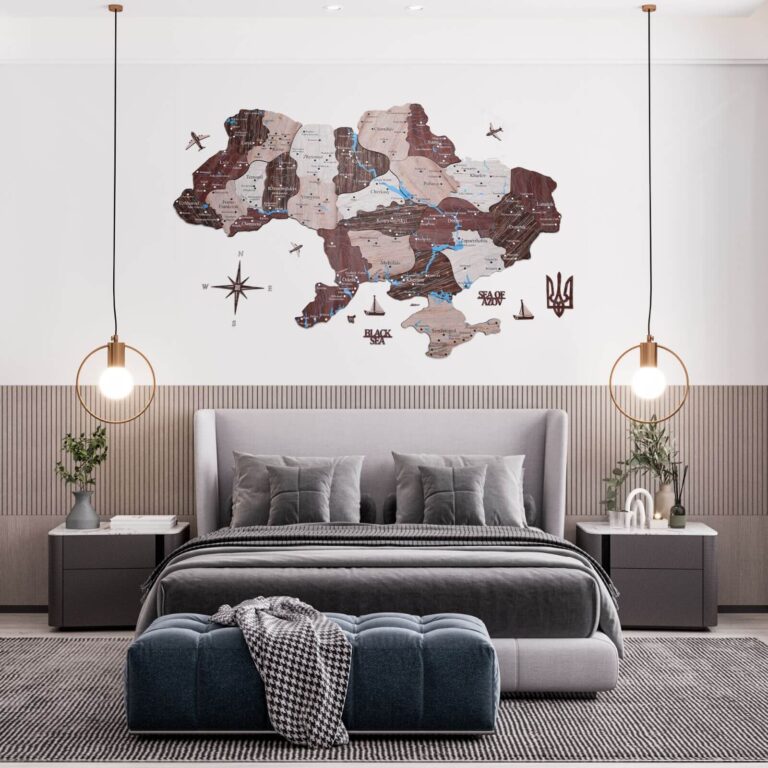 Aisha's pickWood Wall Shelves That Hide the Mess for GoodAlso worth a lookBookcasesI put off buying a real bookcase for ages because every one I looked at online seemed like…See the collections →
 Aisha's pickFreestanding Wall Shelves That Visitors Always Ask About
 Aisha's pickSmall Wall Shelves That Swallow the Clutter
 Aisha's pickWooden Wall Shelves That Look Like They Cost More
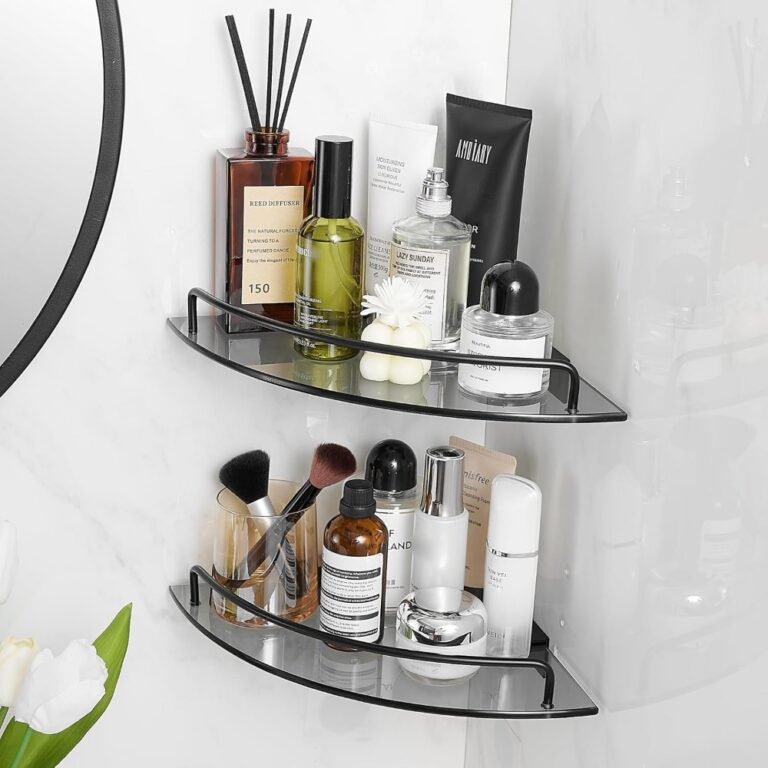 Aisha's pickGlass Wall Shelves That Earn Their Keep
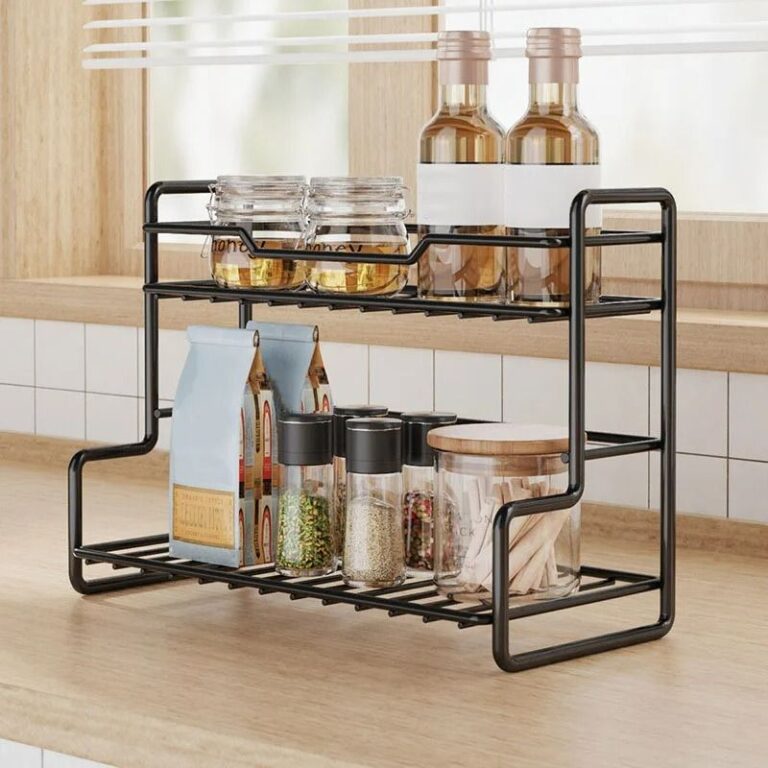
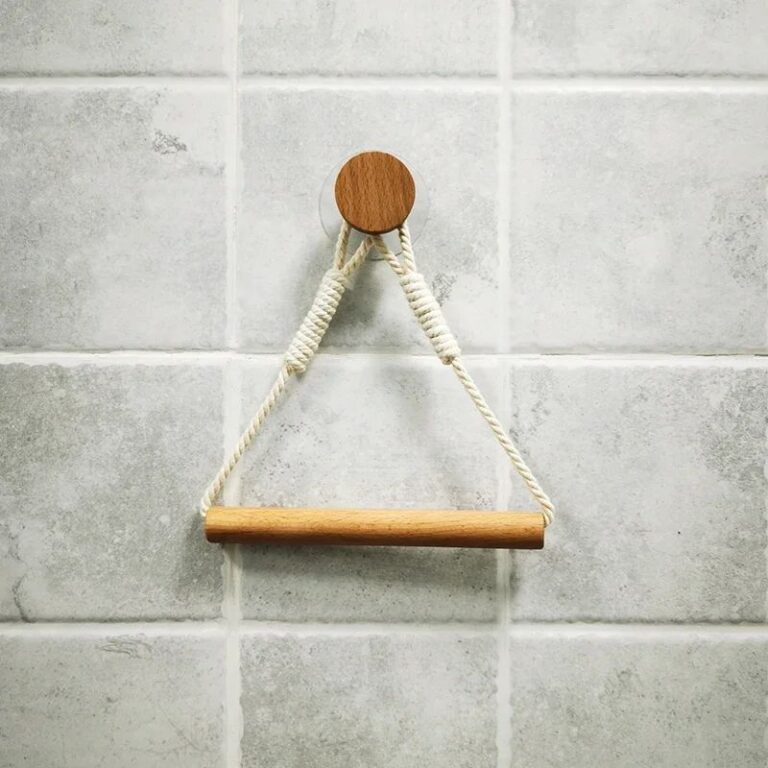 Aisha's pickSolid Wood Wall Shelves That Squeeze Into Awkward Corners
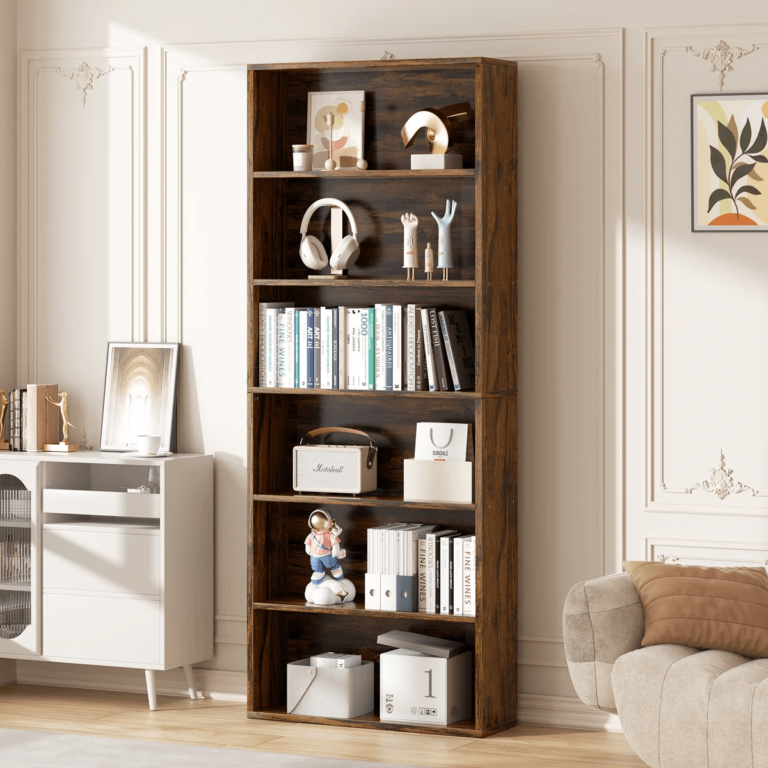
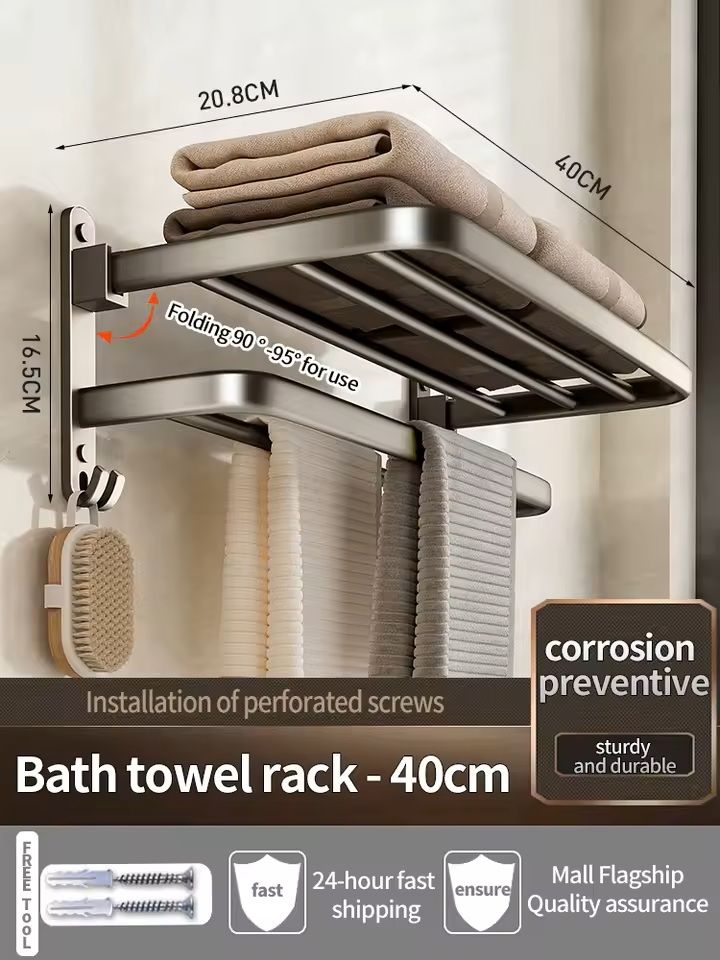 Aisha's pickGray Wall Shelves From Stores Big and Small
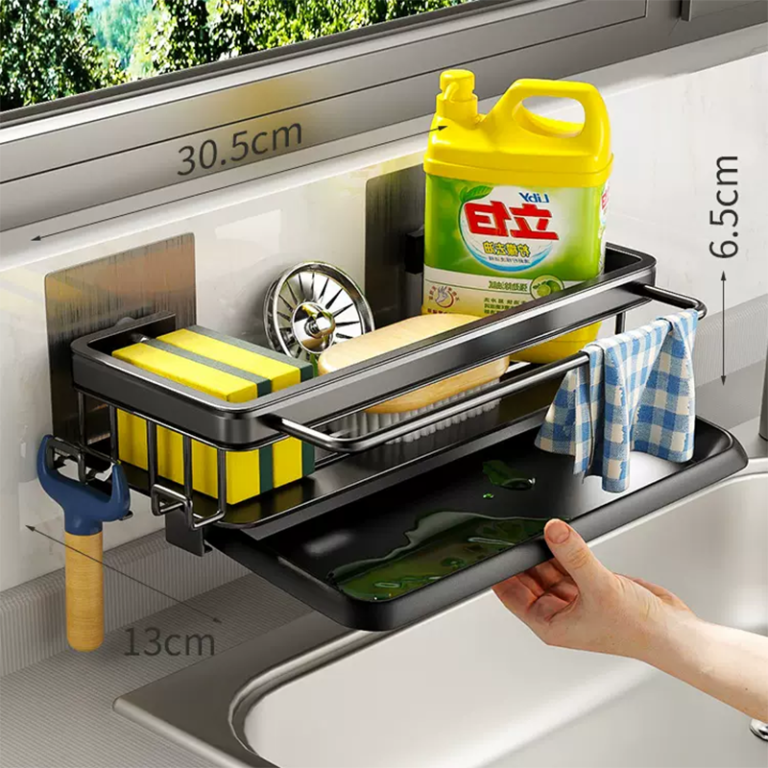
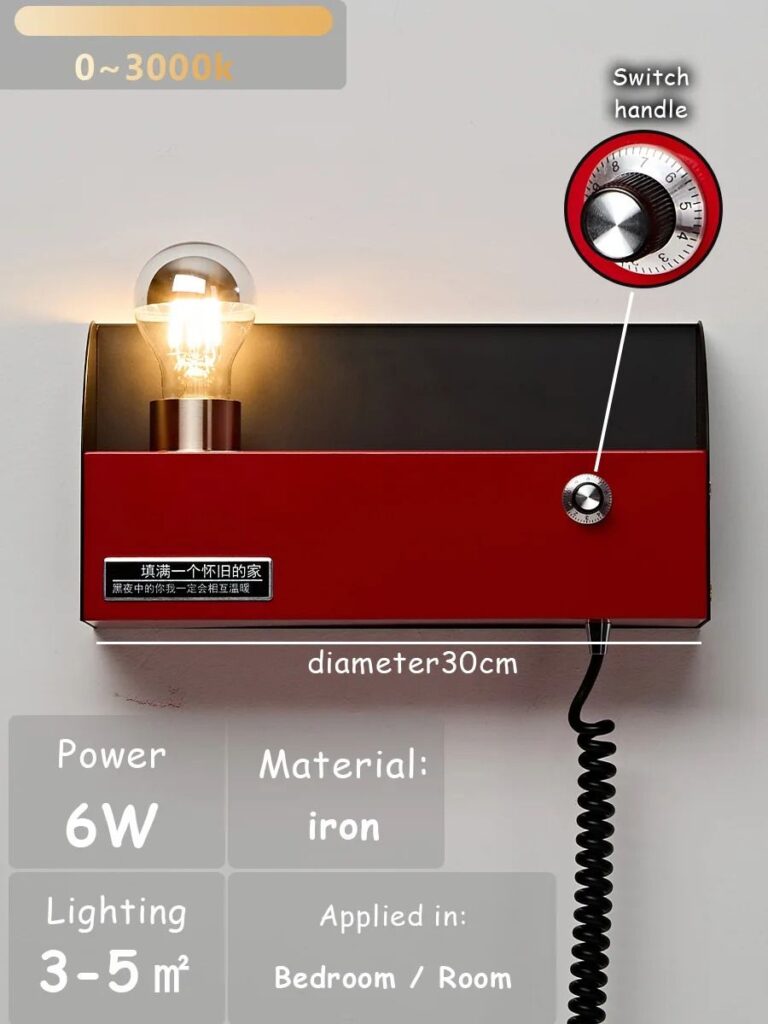 Aisha's pickGood Vintage Wall Shelves That Don’t Cost a Fortune
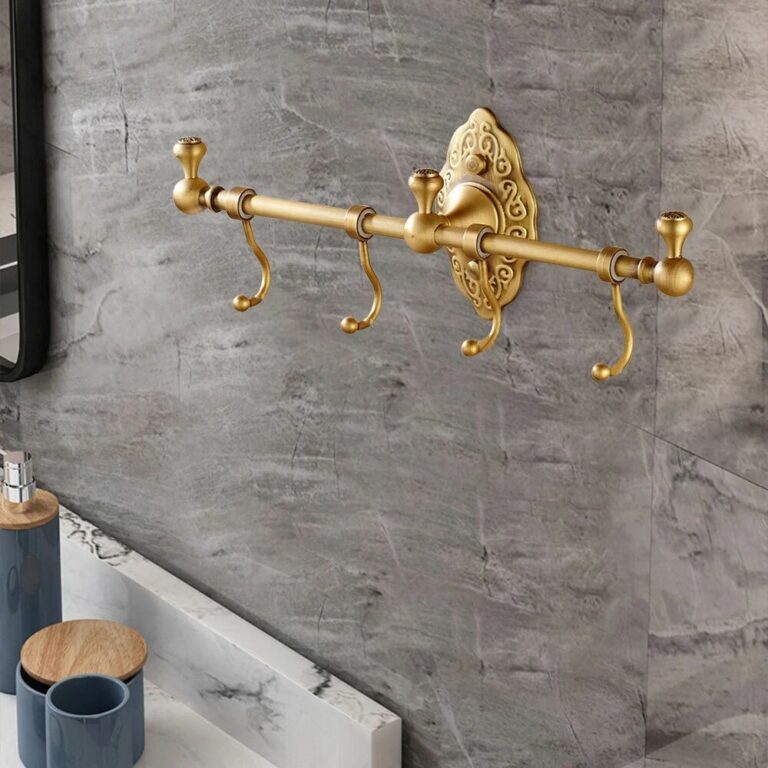
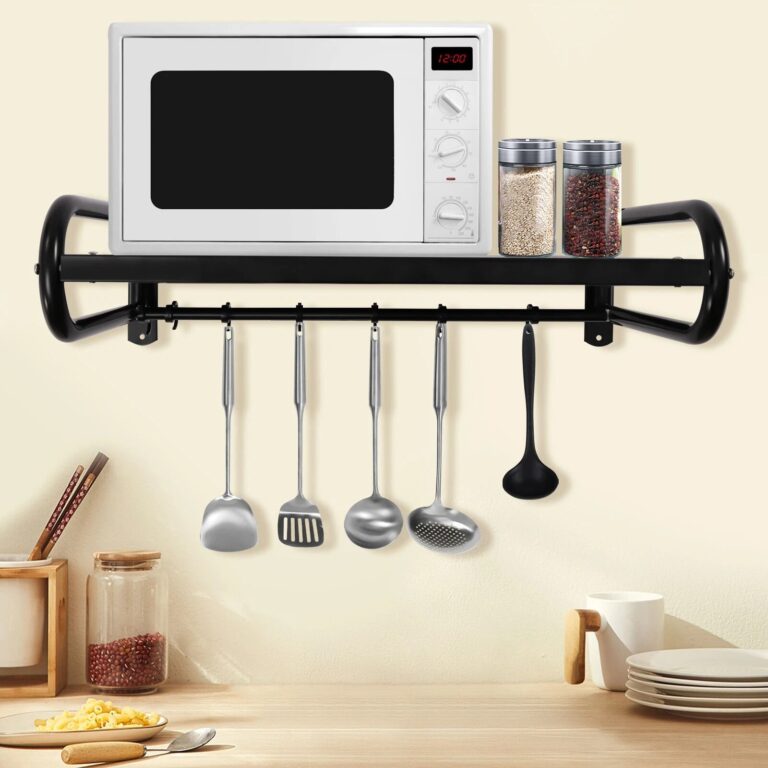 Aisha's pickHanging Kitchen Wall Shelves That Make Cooking a Bit Nicer
 Aisha's pickWall Shelves That Look Good Even When FullAlso worth a lookMetal ShelvesLate winter is when I notice metal shelves doing their best work, those gray afternoons when the light…See the collections →
 Aisha's pickIndustrial Wall Shelves That Swallow the Clutter
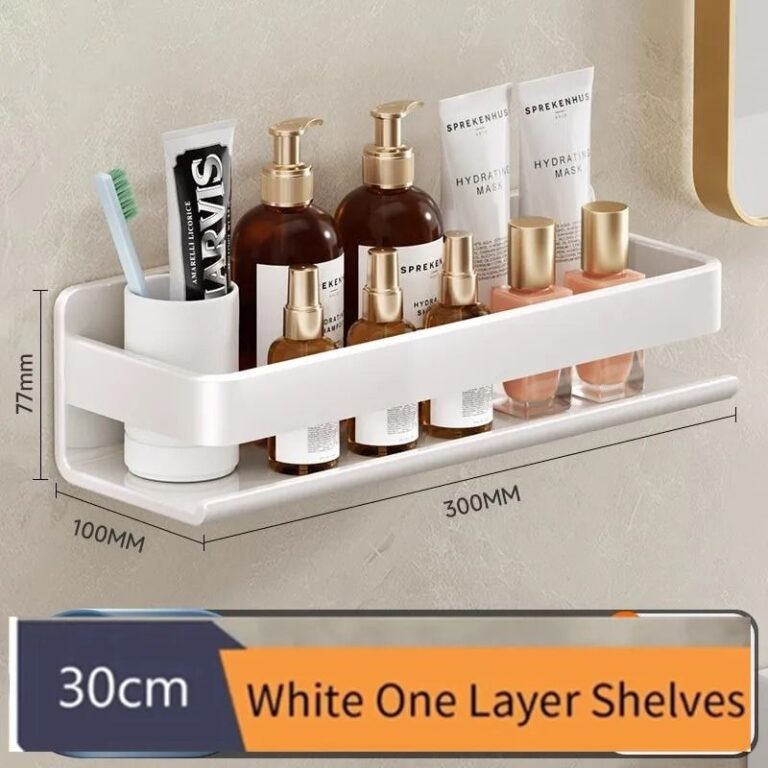
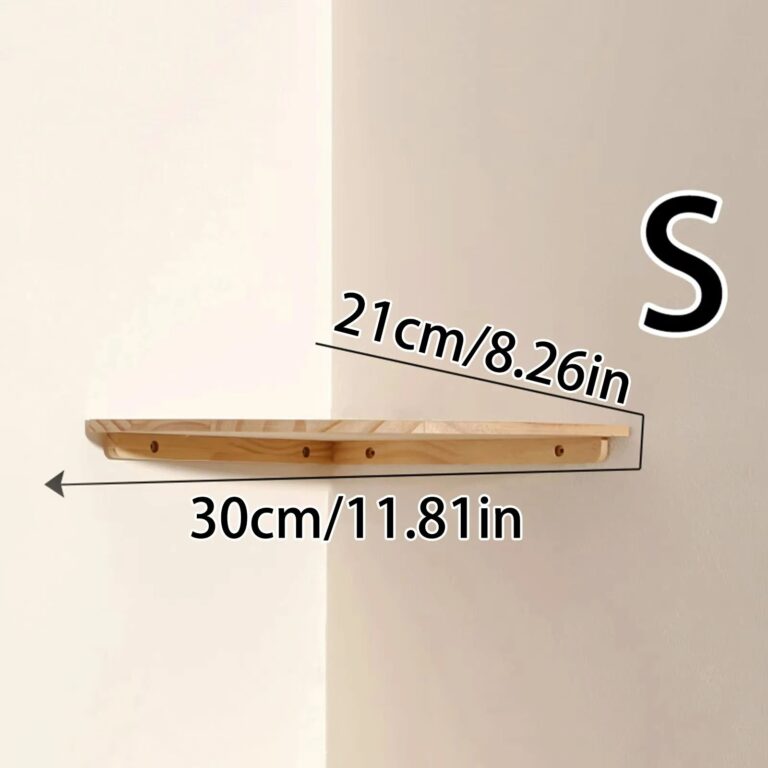 Aisha's pickGood Wall Shelves for Living Room That Don’t Cost a Fortune
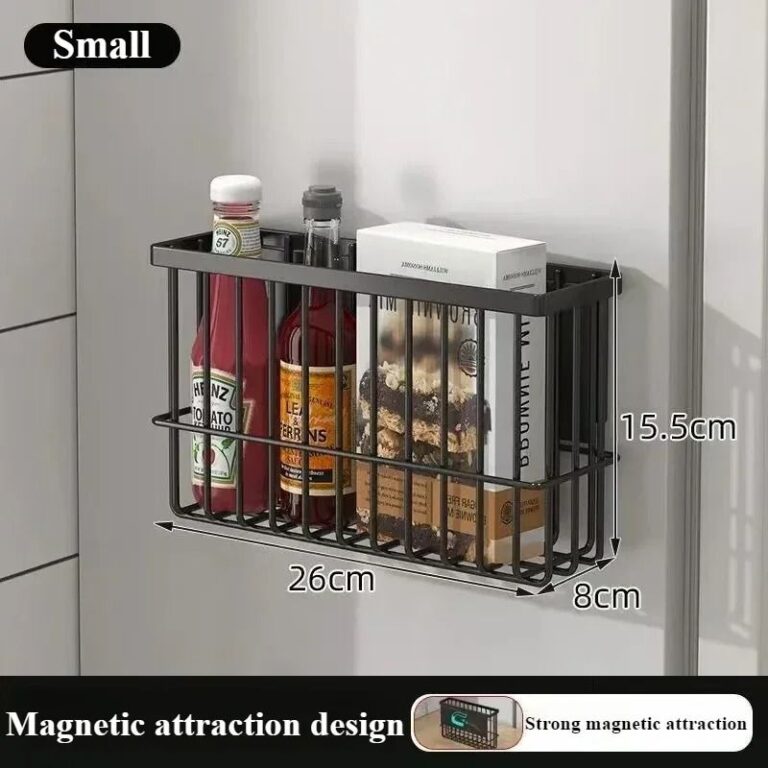
 Aisha's pickKitchen Wall Shelves Picked by People Who Care Too Much
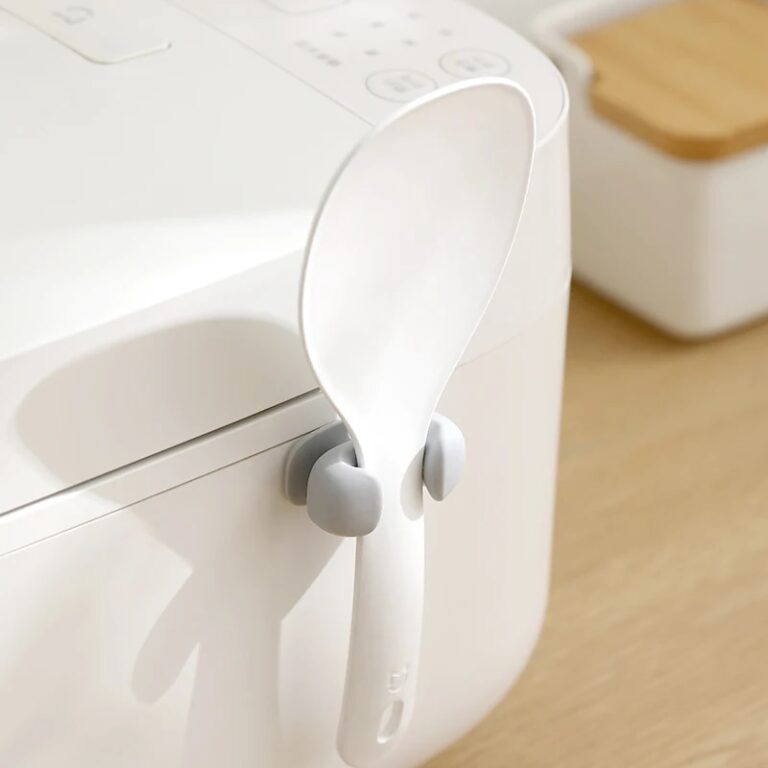
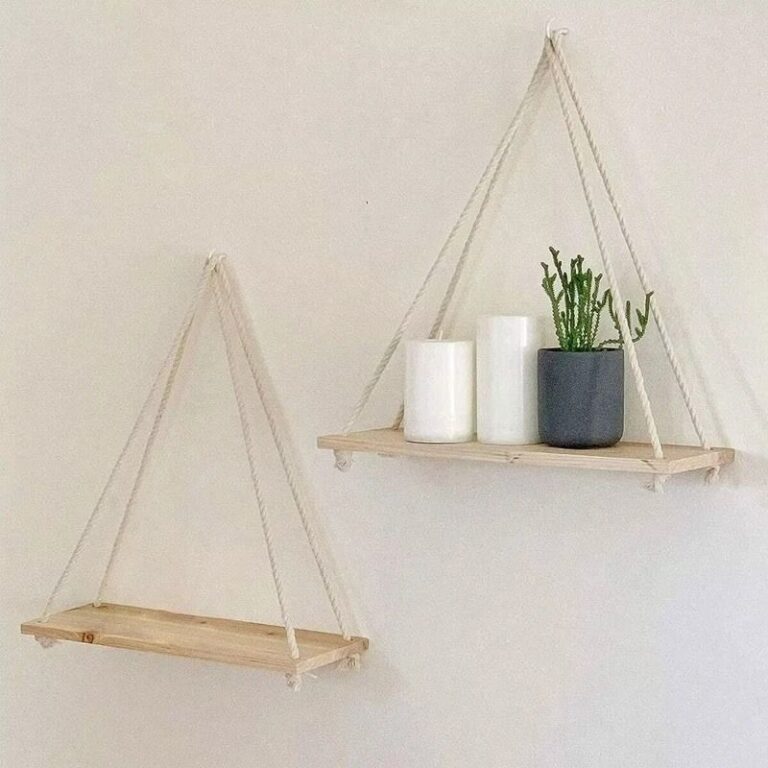 Aisha's pickWall Shelves for Small Spaces That Fit Where Nothing Else Will
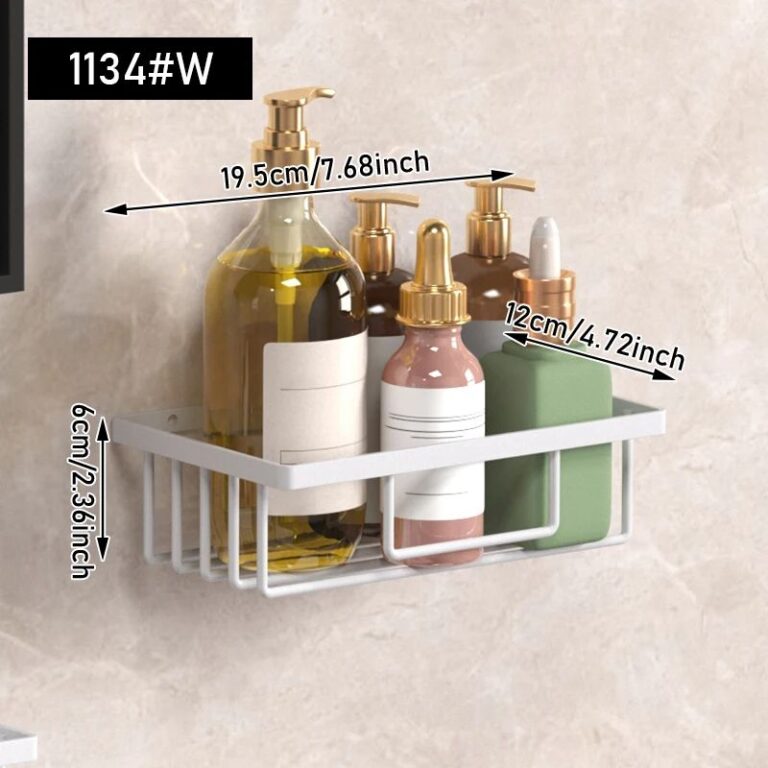
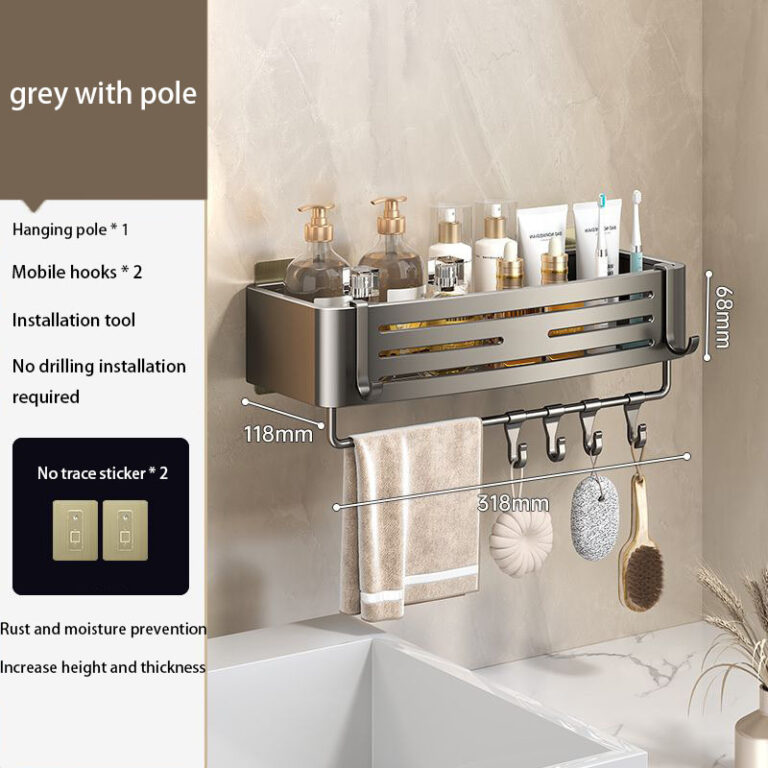 Aisha's pickWhere to Start With Large Wall Shelves

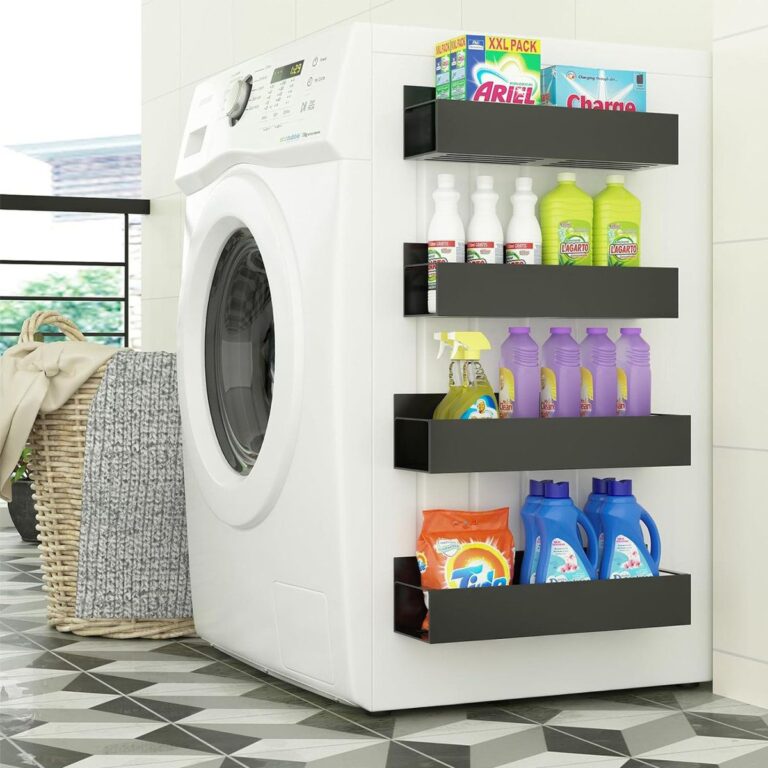 Aisha's pickShopping for Wall Shelves with Doors? Start Here
 Aisha's pickAdjustable Kitchen Wall Shelves We’d Buy Again
 Aisha's pickLow Wall Shelves for Homes With Too Much Stuff