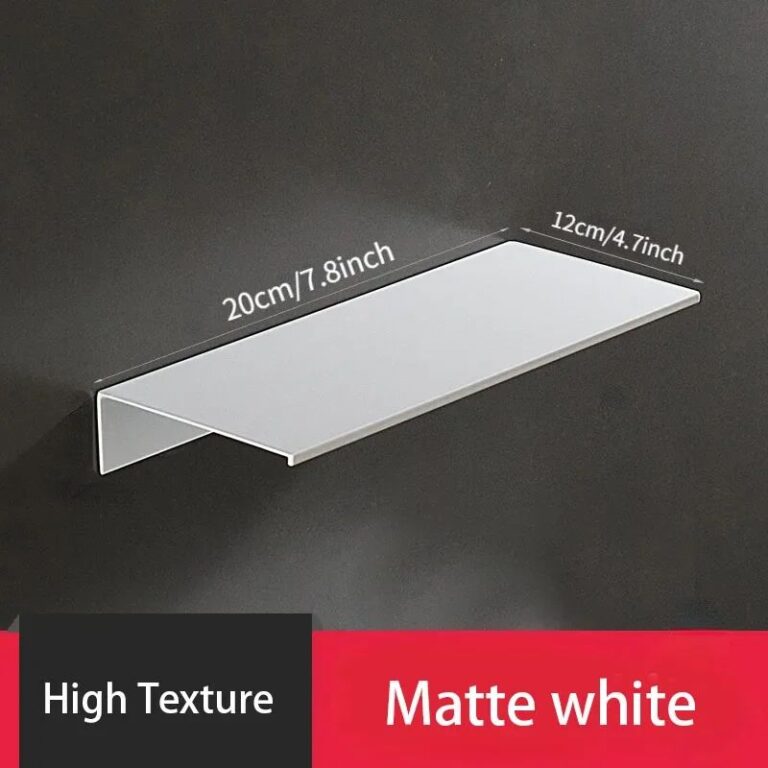
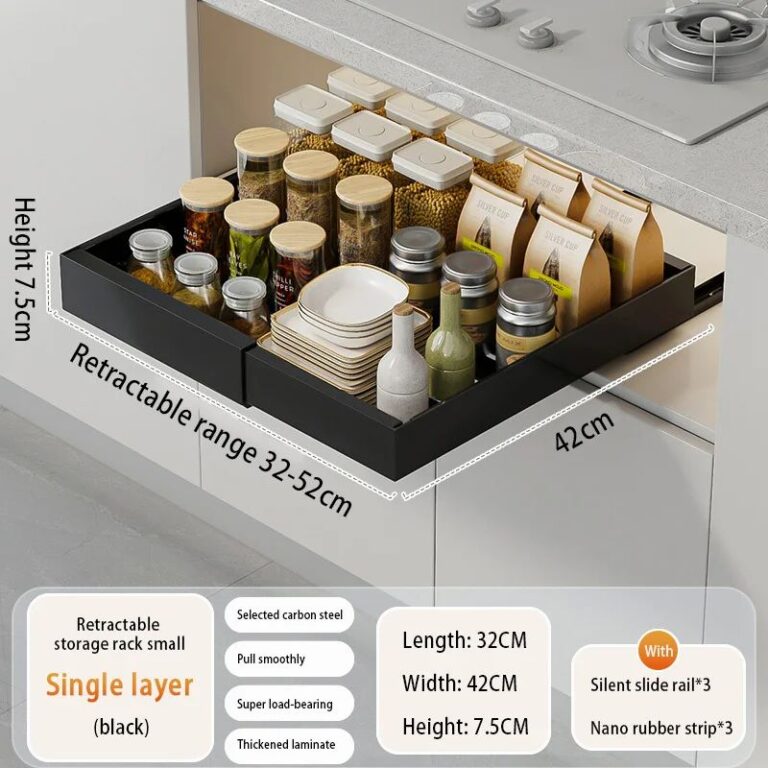
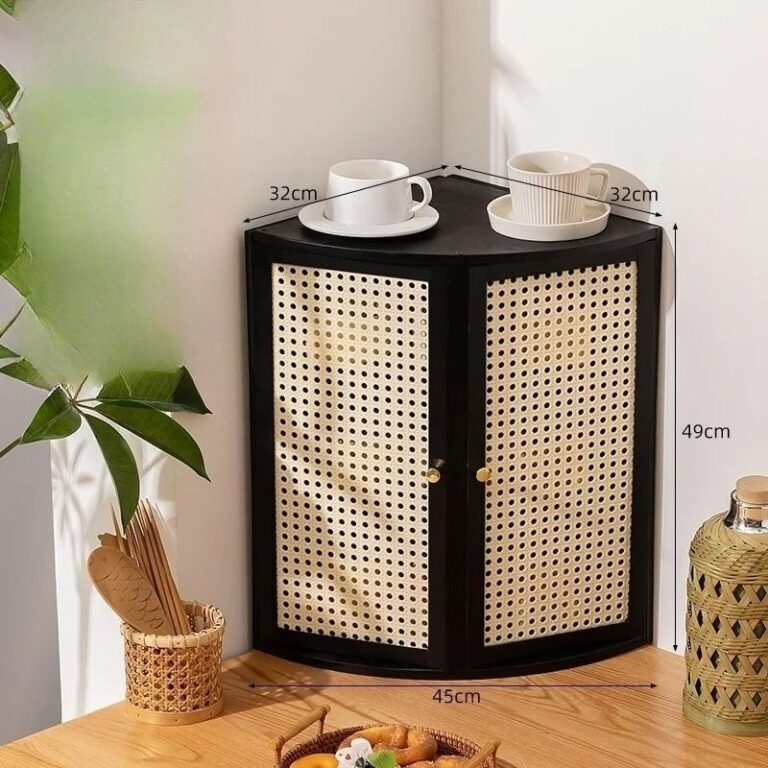
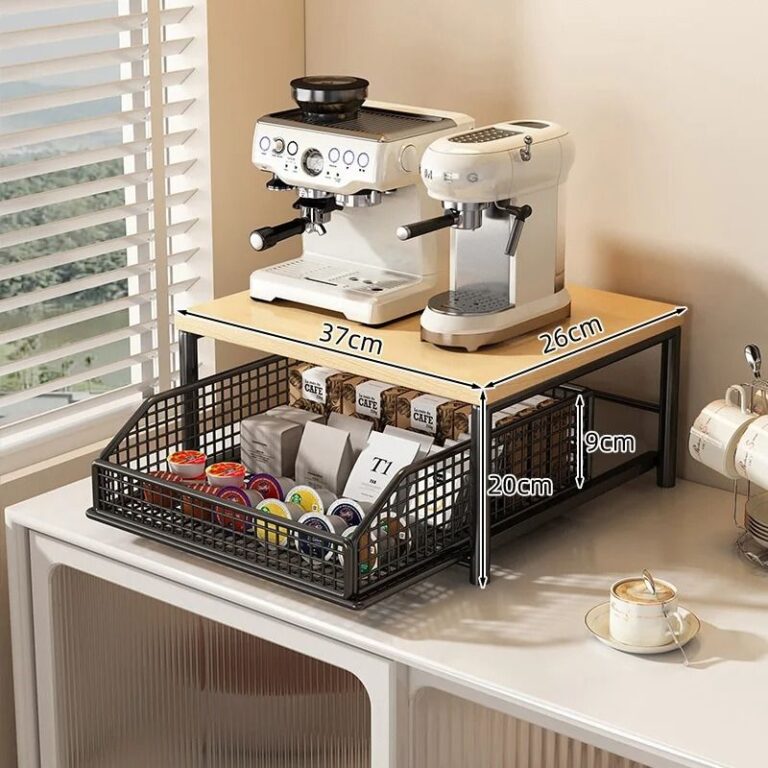
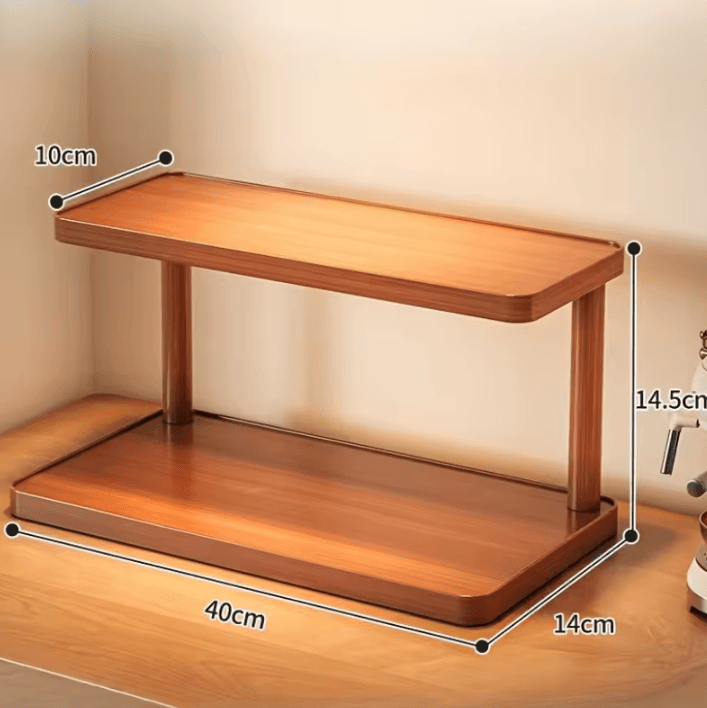
Open shelving in the kitchen went from a niche renovation choice to something almost everyone has tried at least a corner of, and I think it's mostly for the better. The pull used to be purely visual, a way to show off nice plates, but the better reason has caught up with it since: cheap cabinet boxes have gotten worse, and a run of solid shelving is often sturdier and easier to actually use than another flimsy door you have to wrestle with one handed while holding a pan.
A shelf earns its spot in a kitchen that gets used daily, where you want the everyday stuff, the mugs, the oils, the bowls you reach for without thinking, somewhere your hand can land without a hinge in the way. It suits a kitchen with decent natural light and a bit of personality already going on, since everything on the shelf is on display whether you planned that or not. Where it struggles is in a small, steamy kitchen with no range hood and heavy daily cooking, because grease and dust settle on open shelves the way they never do behind a door, and in a kitchen that's already visually busy, patterned tile, a bold backsplash, a lot of color, since a crowded shelf on top of that just reads as clutter rather than character.
If you're starting from nothing, go with a single long shelf over the counter rather than a stacked set of three, and start with wood rather than metal or glass. One shelf is forgiving, it holds the stuff you use most and doesn't demand you fill a whole wall with styling you haven't figured out yet, and wood warms up a kitchen in a way metal brackets alone don't.
The difference between a shelf that holds up and one that sags into a frown after six months of cookbooks and cast iron is almost entirely in the thickness of the board and how it's attached to the wall. A shelf under an inch thick will bow eventually, no matter how nice the finish looks in the store. You want solid wood or a proper plywood core, not a hollow particleboard shelf with a veneer wrap, and brackets that hit a stud or come with real anchors, not the little plastic toggles that make a popping sound when they finally give up. Run a hand along the underside before you buy, a good one feels dense and cool, a bad one feels light and a little hollow, like a drum.
I'd start with a simple oak or ash shelf left natural, nothing stained too dark, so it doesn't fight whatever cabinet color you land on later.
 Aisha's pickKitchen Shelves with Drawers That Earn Their Keep

 Aisha's pickWood Kitchen Shelves That Cope With Steam and Splashes
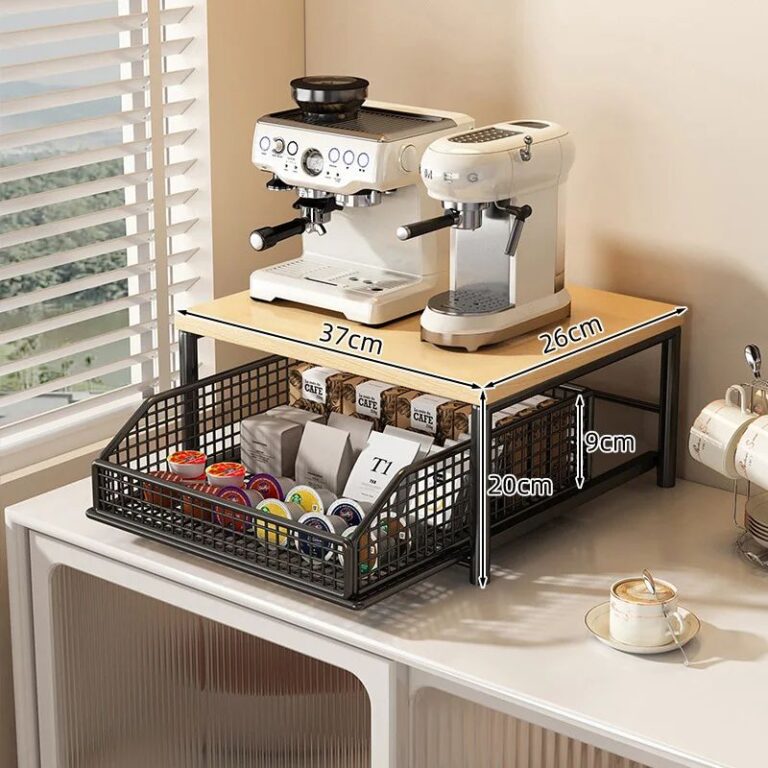
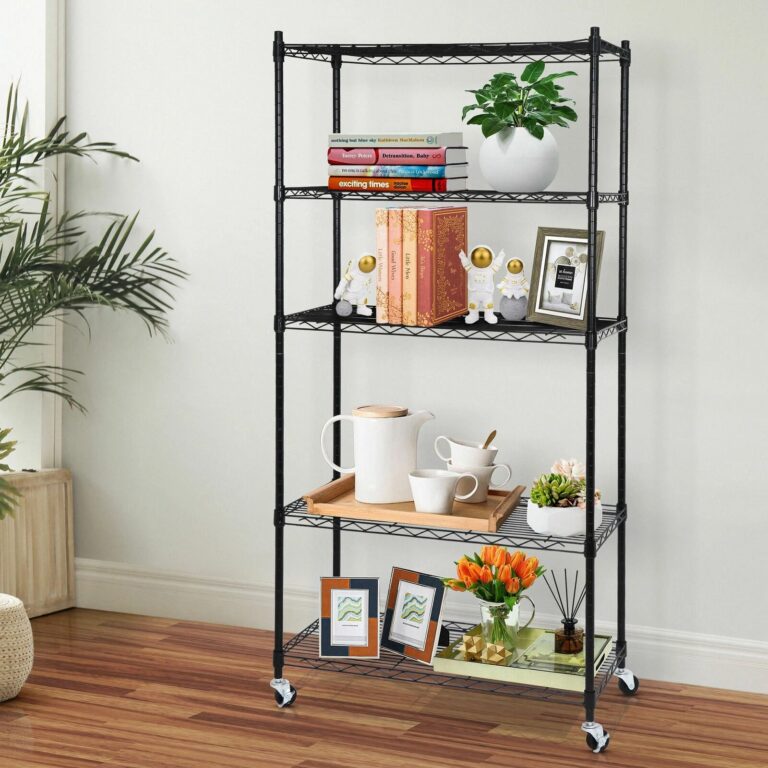 Aisha's pick2 Tier Kitchen Shelves for the Bits That Never Have a Home
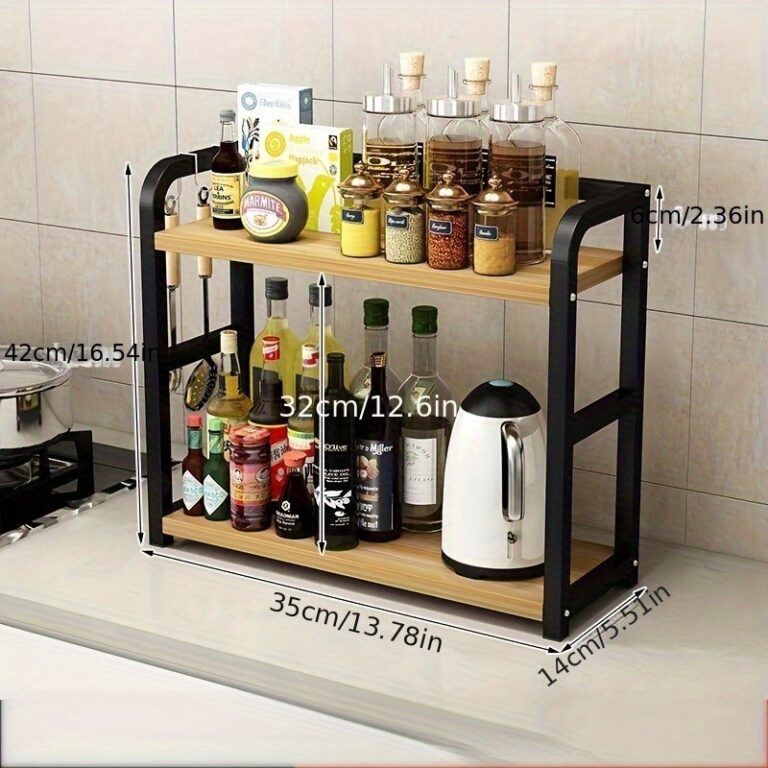
 Aisha's pickKitchen Wall Shelves Picked by People Who Care Too Much
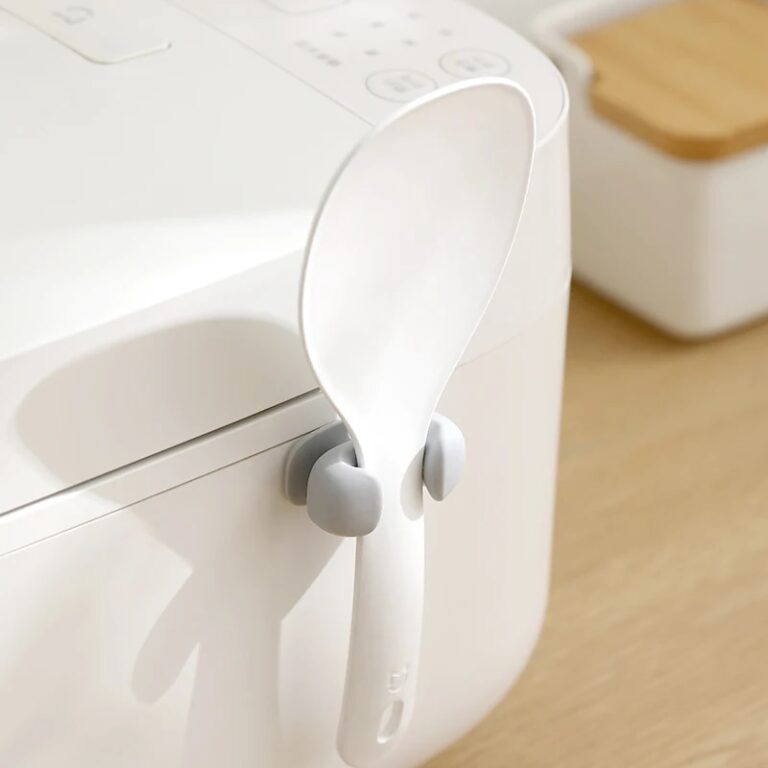
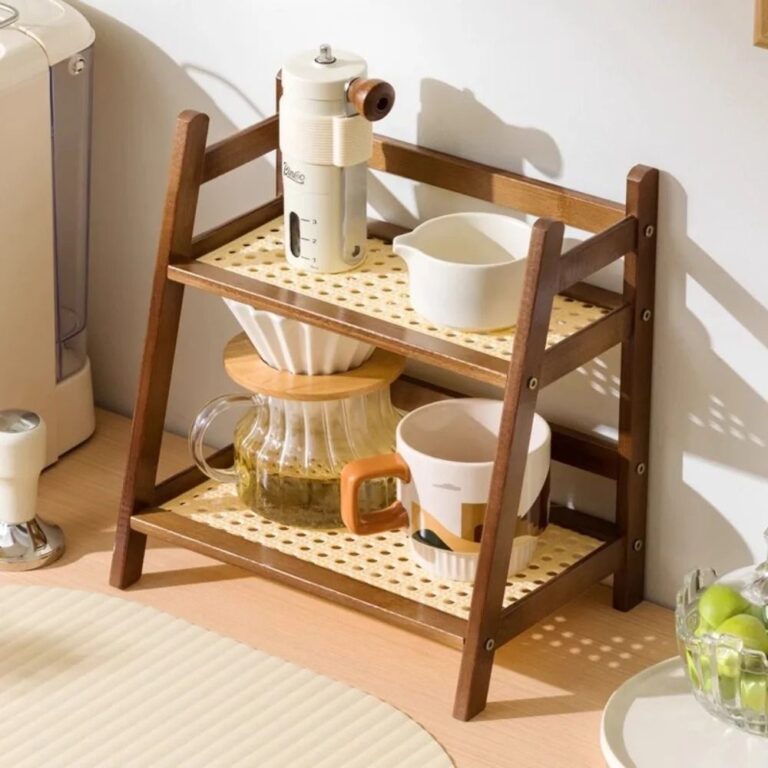 Aisha's pickWooden Kitchen Shelves Pulled From Dozens of Stores
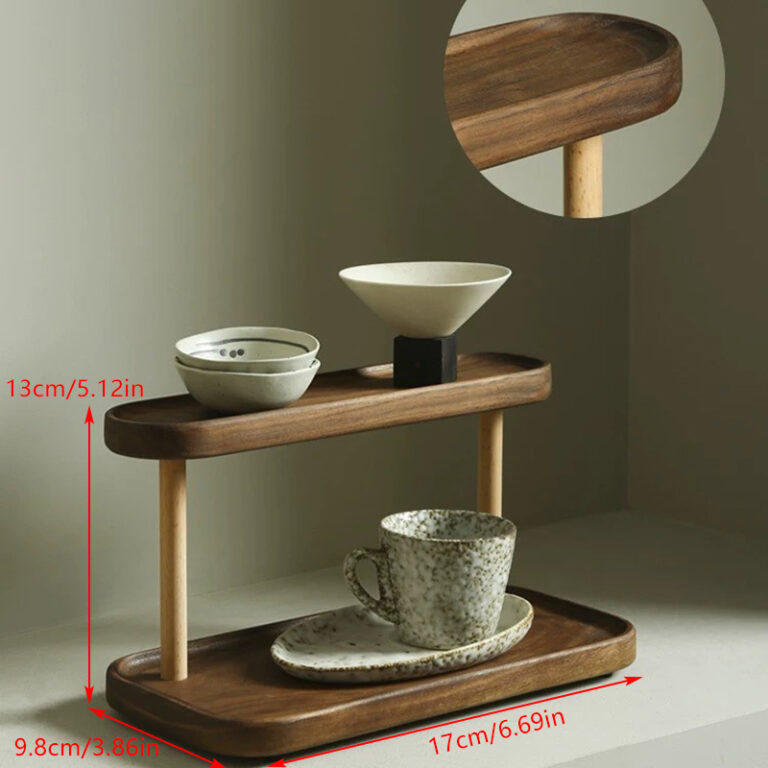
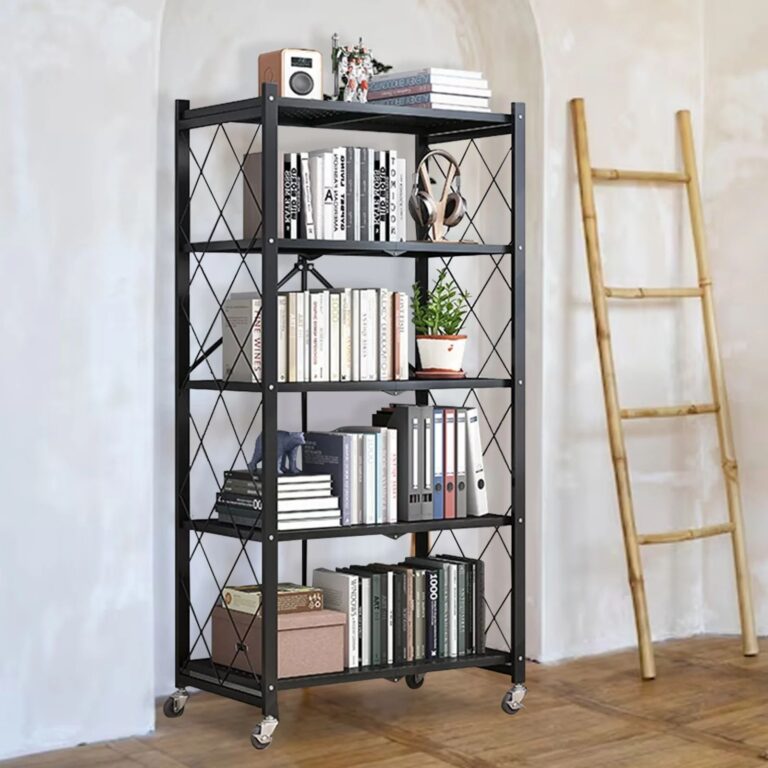 Aisha's pick4 Tier Kitchen Shelves for People Who Know What They Like
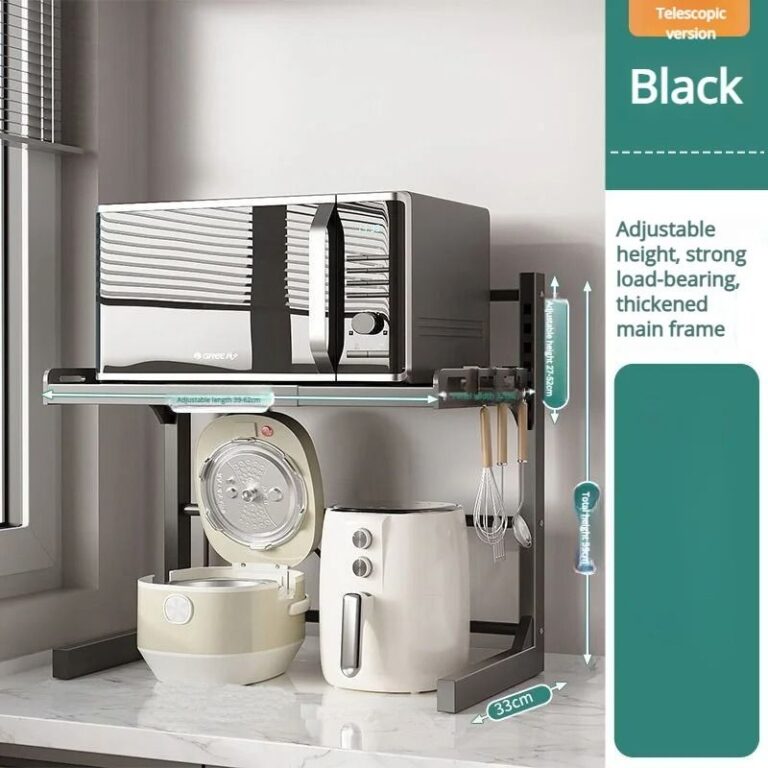
 Aisha's pickLarge Kitchen Shelves for the Bits That Never Have a Home
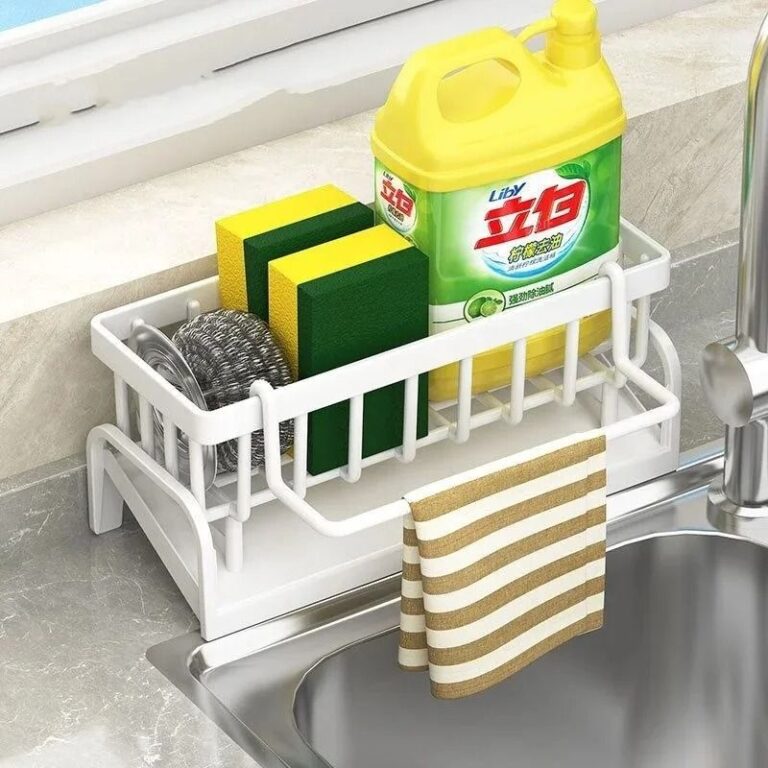
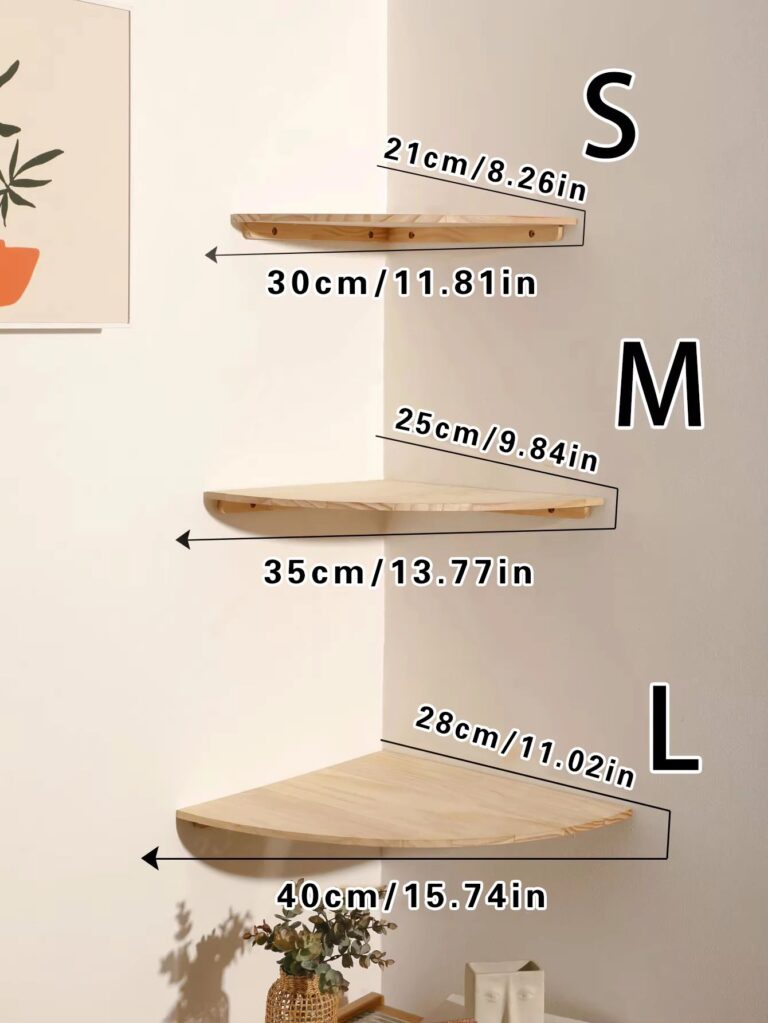 Aisha's pickWooden Kitchen Shelves We Wish We’d Bought Sooner
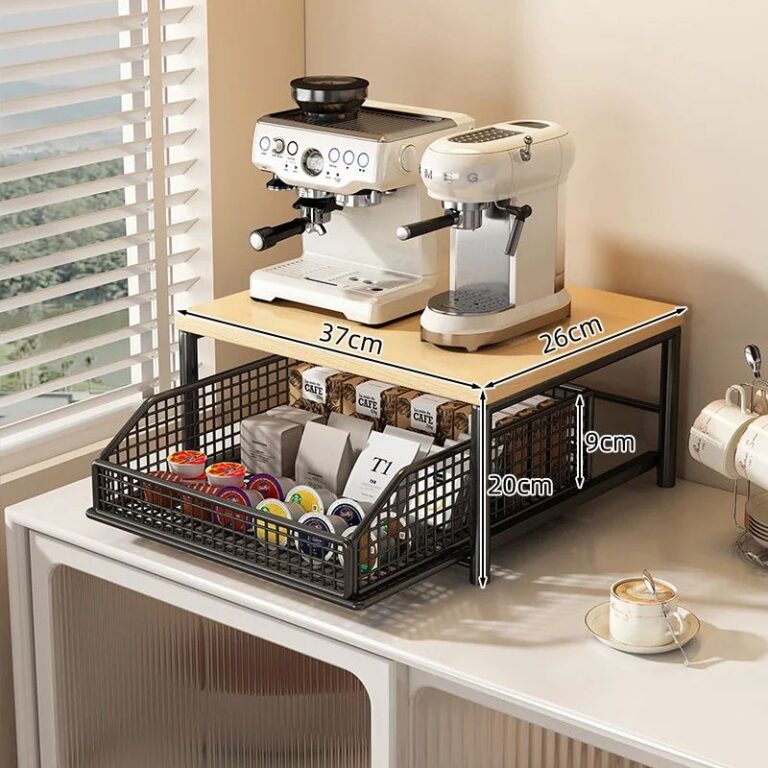
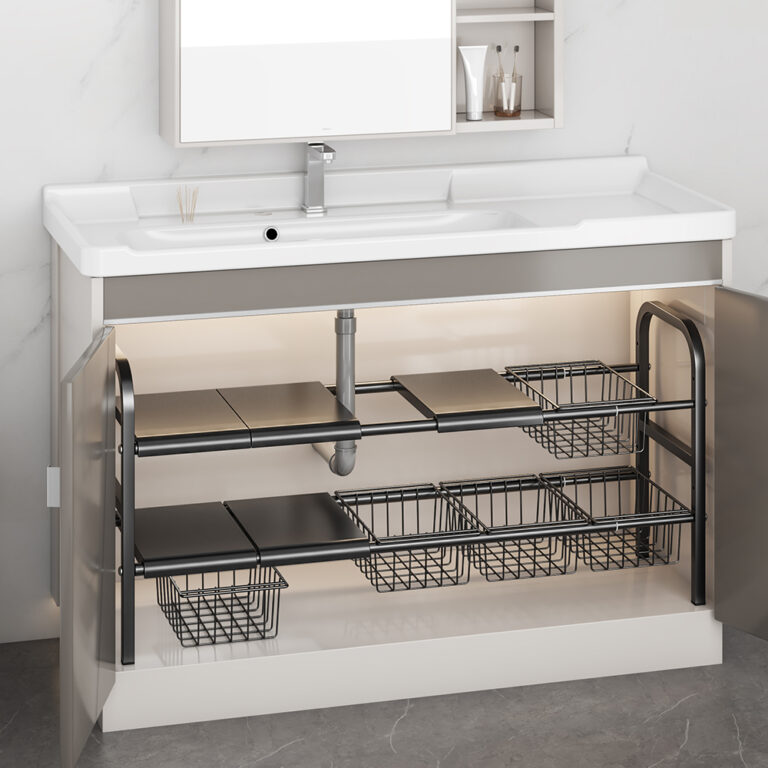 Aisha's pickAdjustable Kitchen Shelves for Homes With Too Much StuffAlso worth a lookWall ShelvesFor years I thought the bracket was the whole story with wall shelves, buy the beefiest looking one and you're set.See the collections →
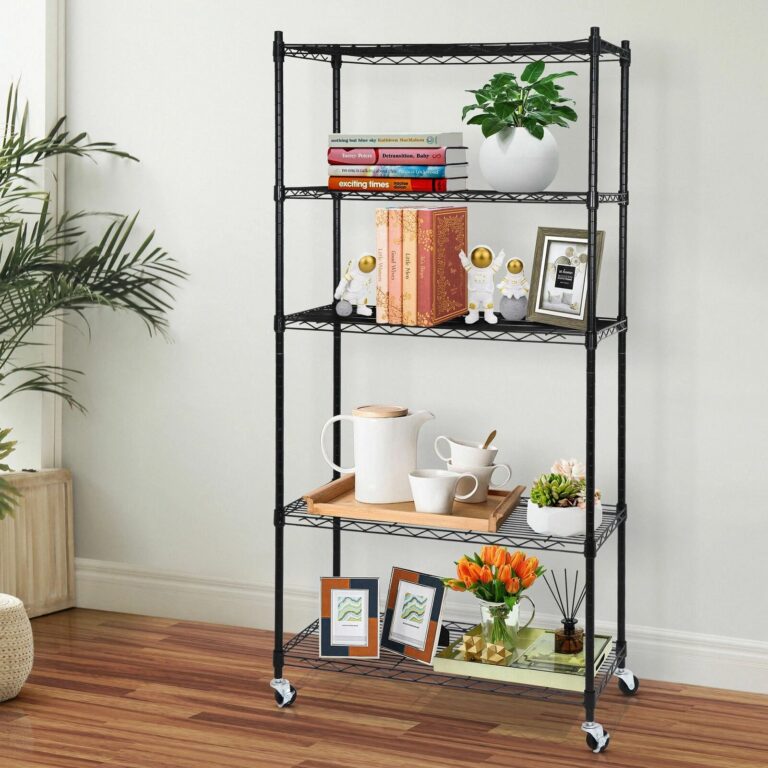
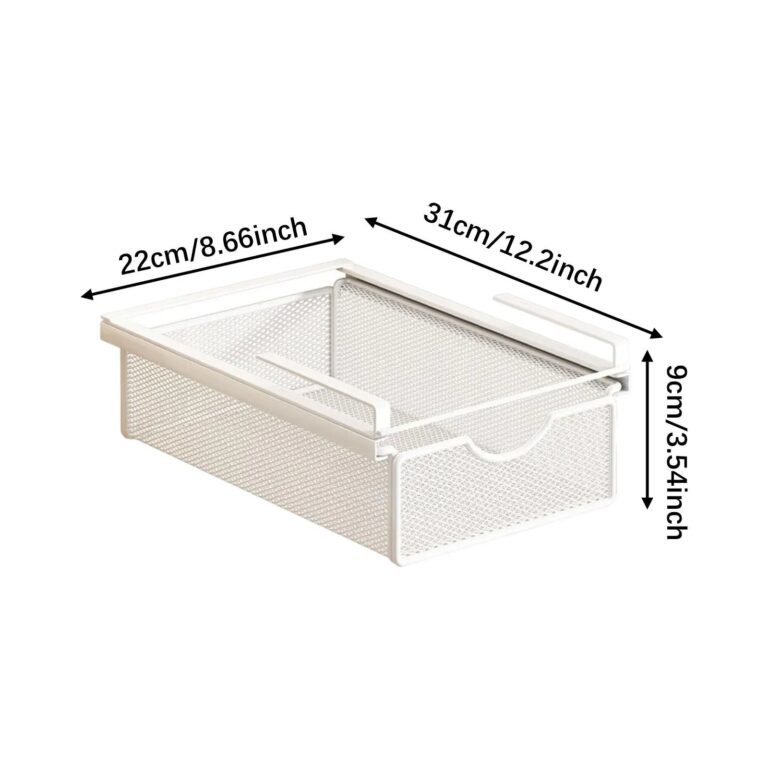 Aisha's pickMetal Kitchen Shelves That Hide the Mess for Good

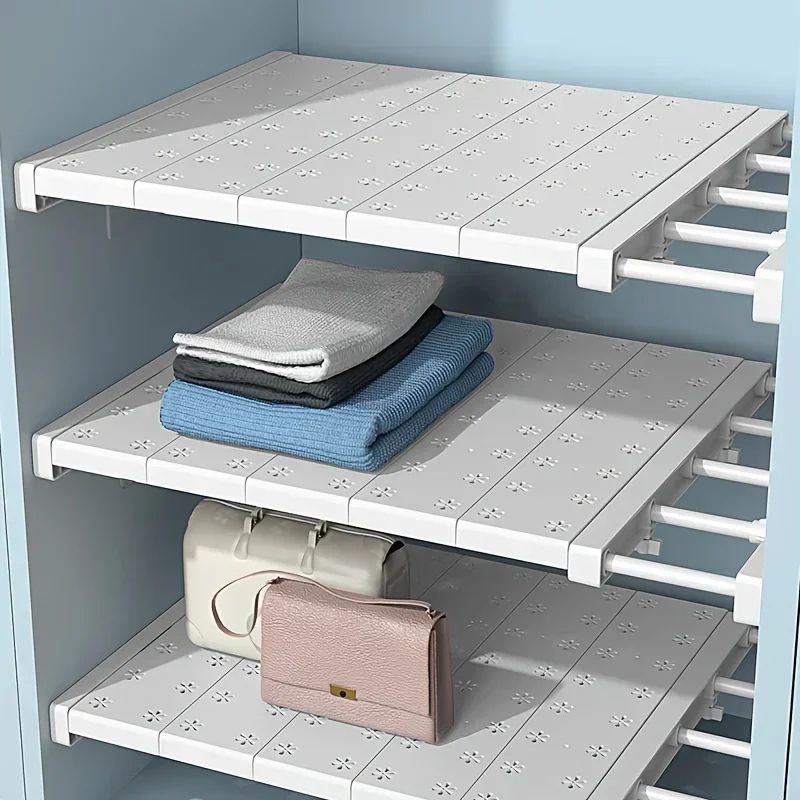 Aisha's pickAdjustable Kitchen Shelves That Go With Most Rooms
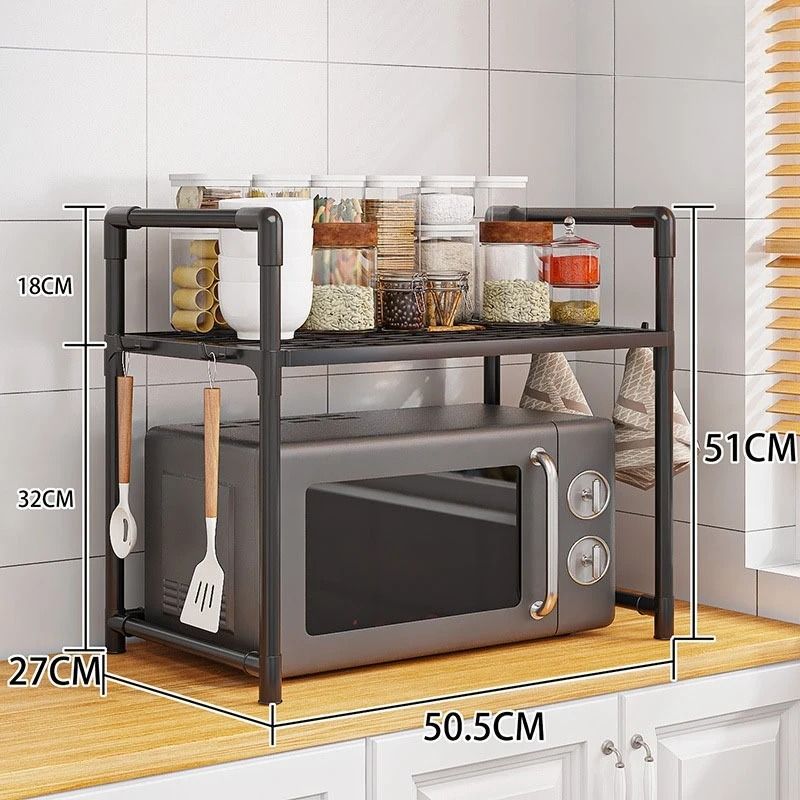
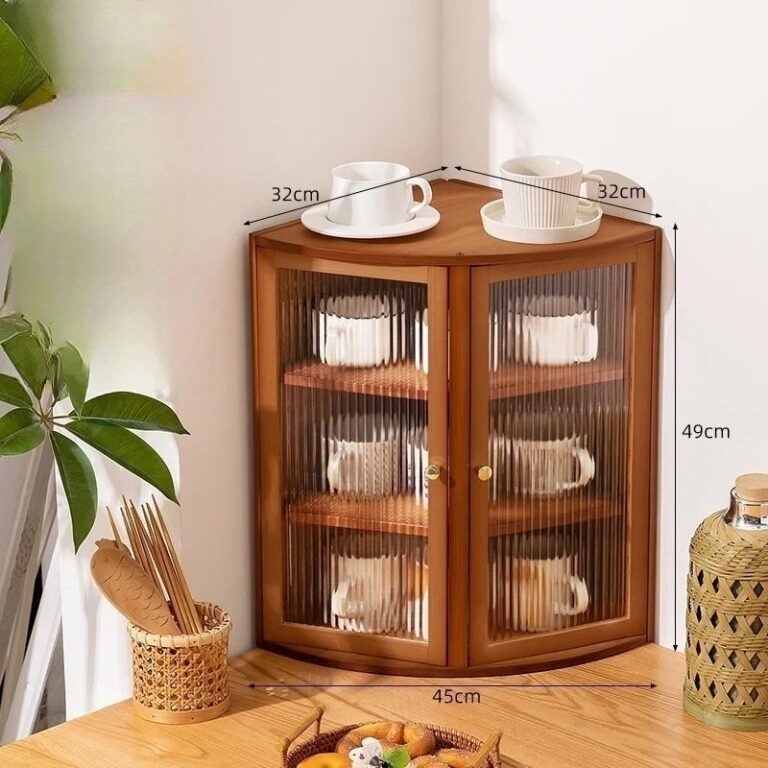 Aisha's pickMetal Kitchen Shelves That Make a Room Feel Finished
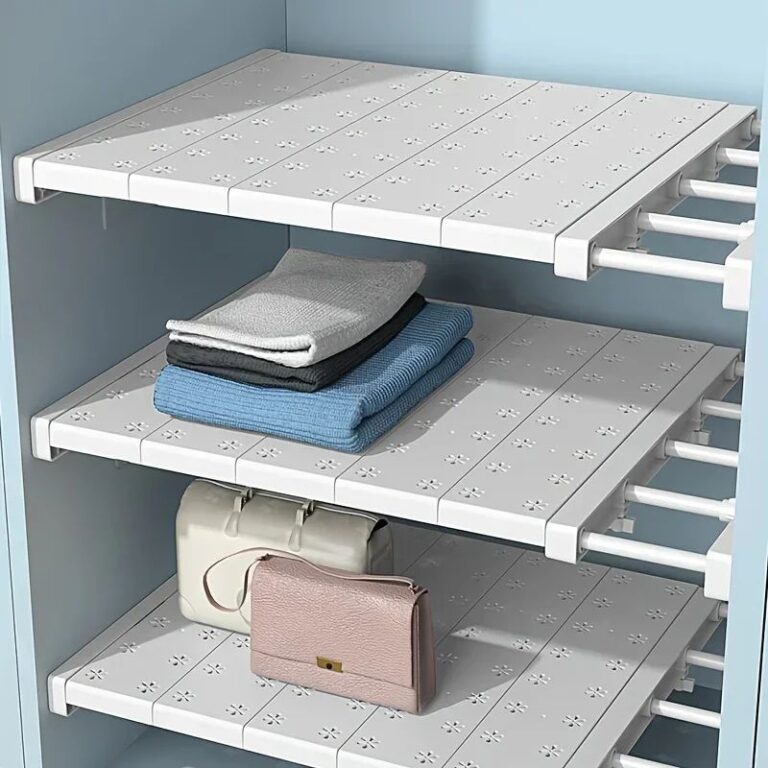
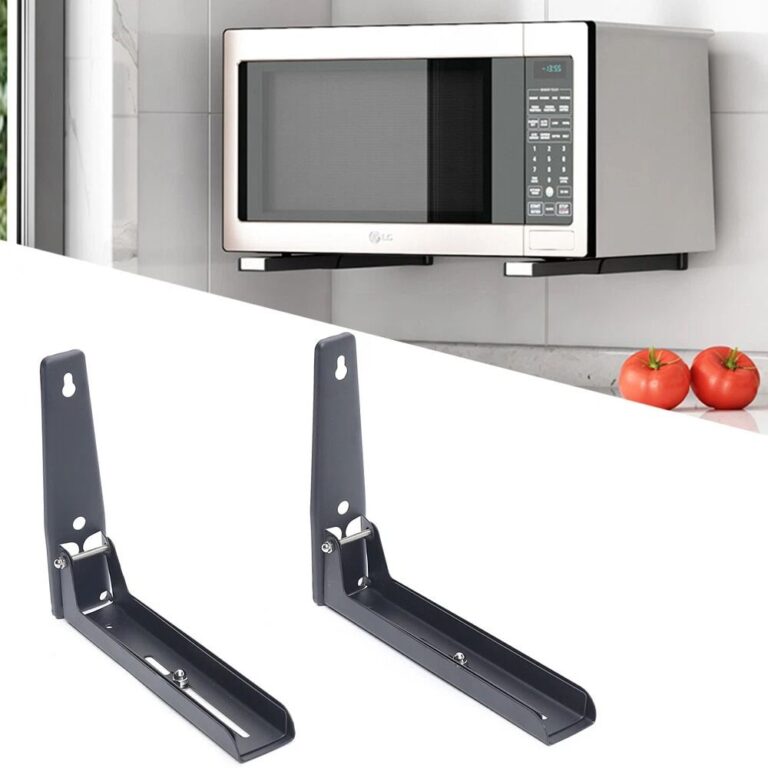 Aisha's pickAdjustable Kitchen Wall Shelves We’d Buy Again
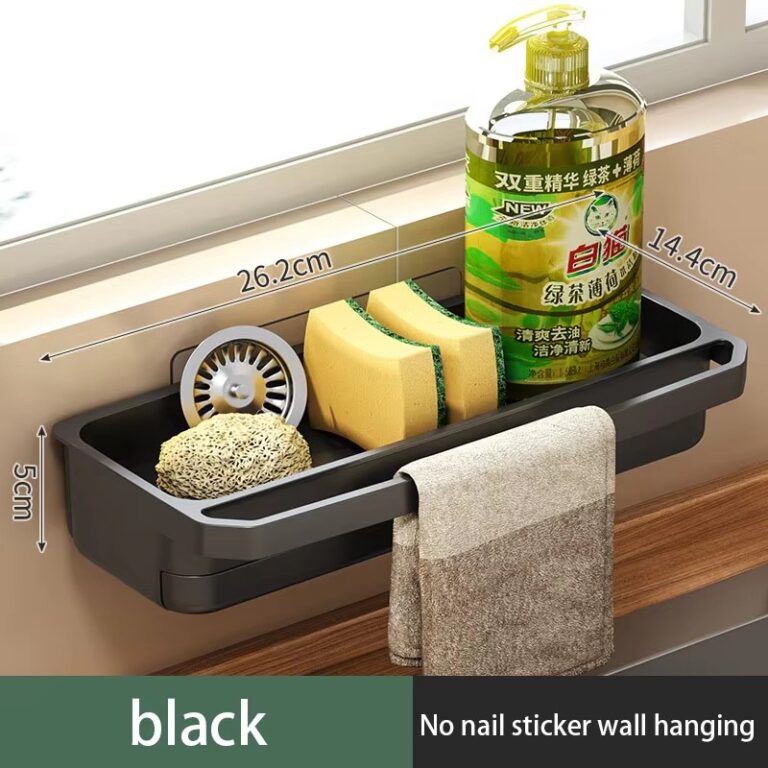
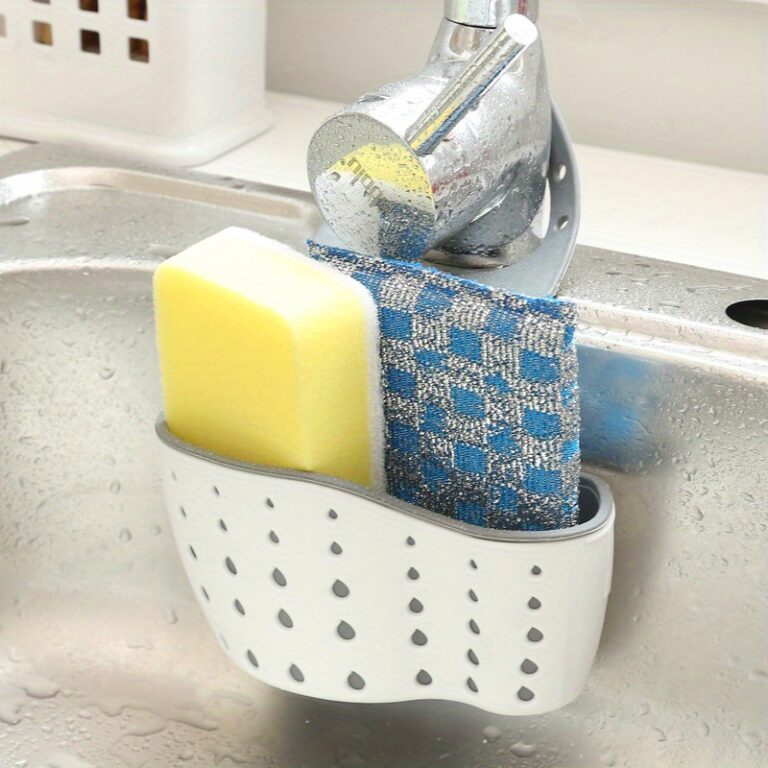 Aisha's pickModern Kitchen Shelves That Hide the Mess for Good
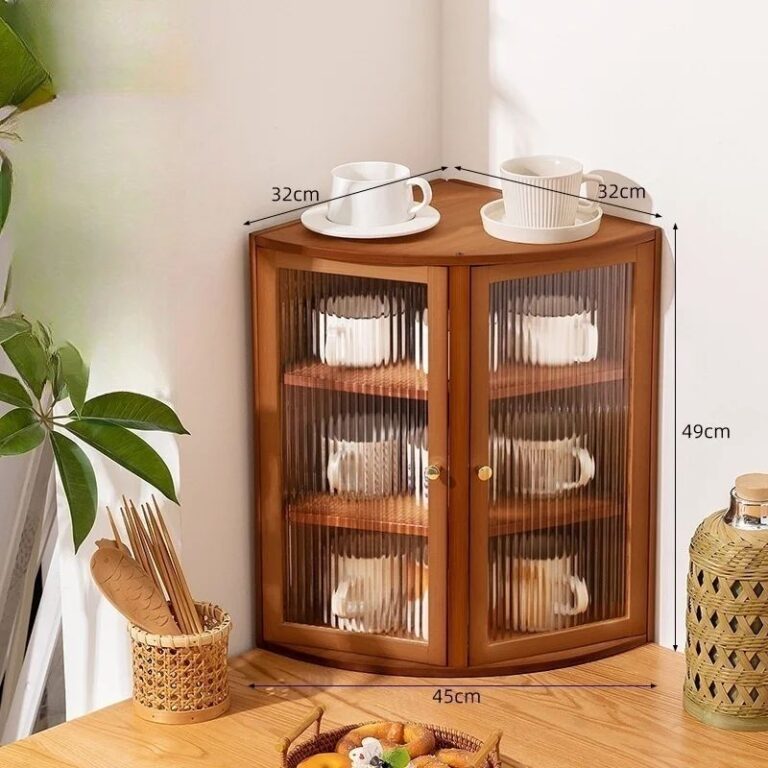
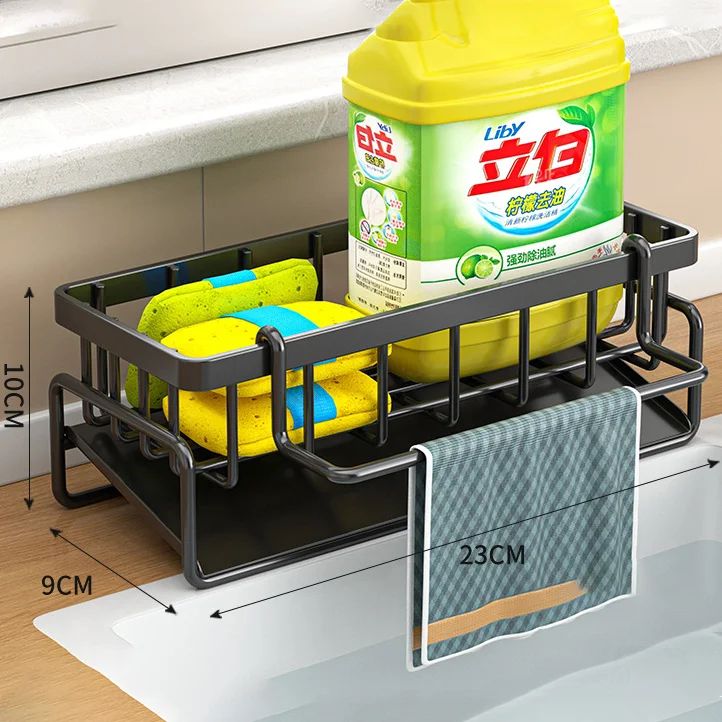 Aisha's pickBlack Kitchen Shelves for Homes With Too Much Stuff
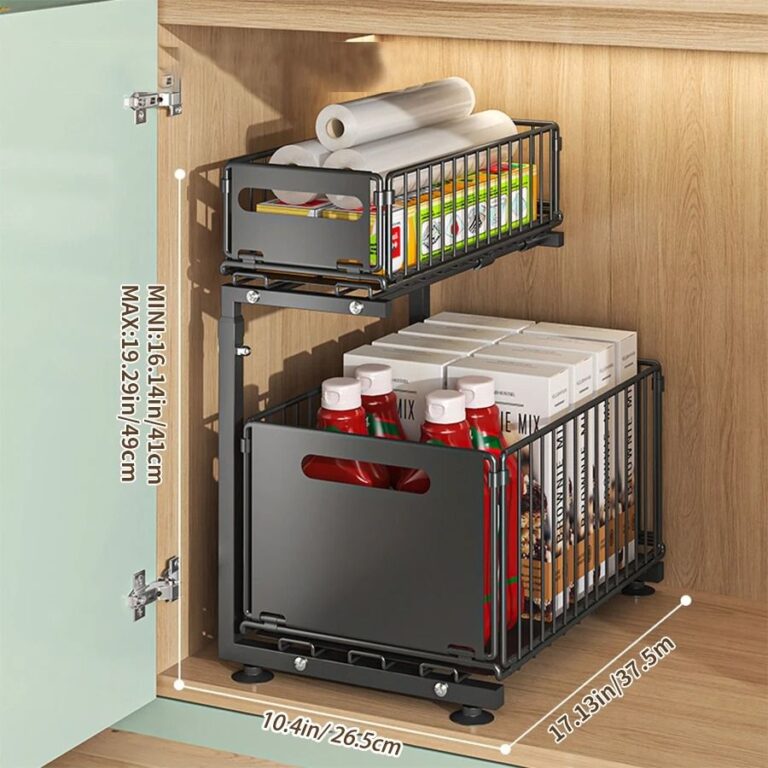
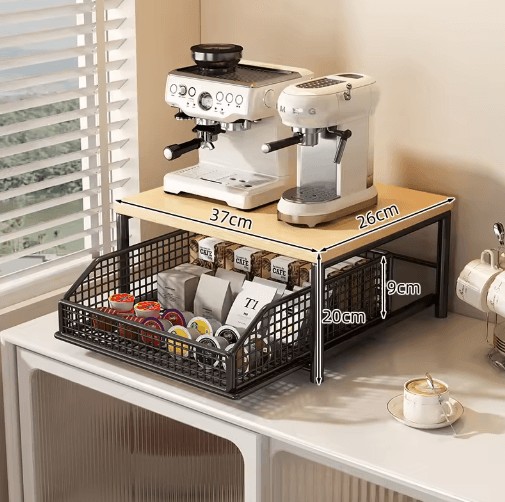 Aisha's pickModern Kitchen Shelves That Survive Kids and Pets
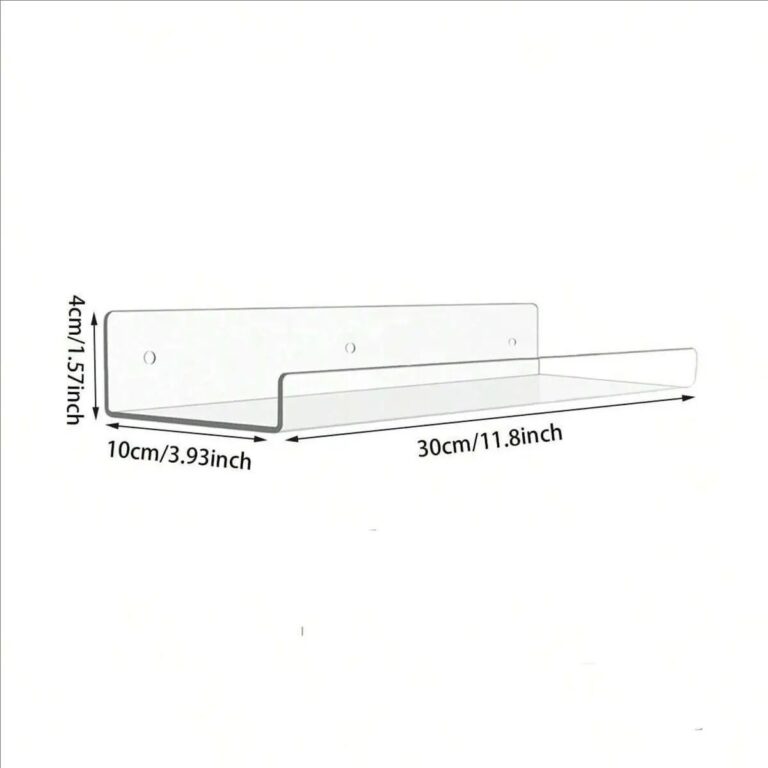
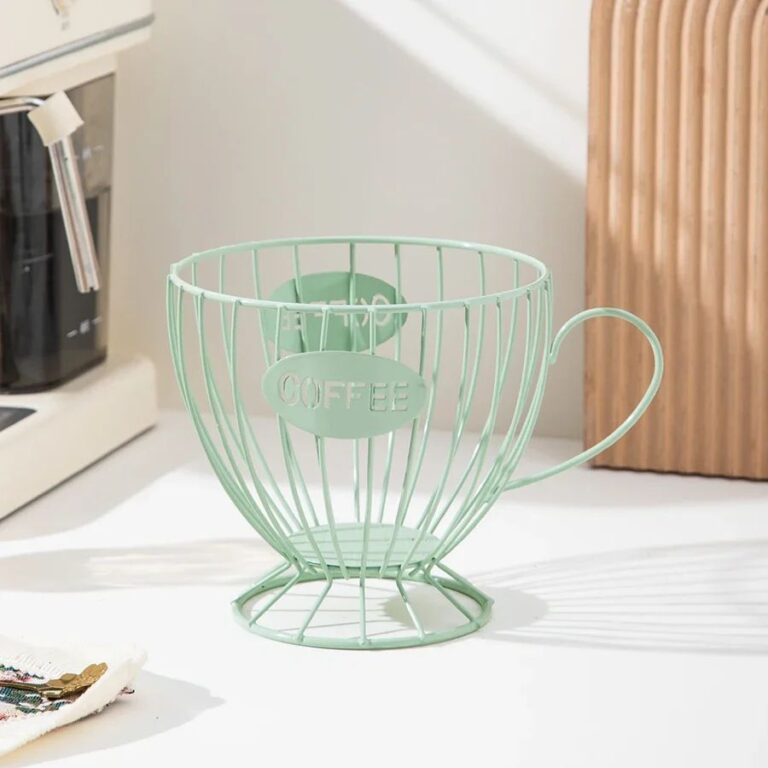 Aisha's pickFreestanding Kitchen Shelves Picked From the Stores We Trust
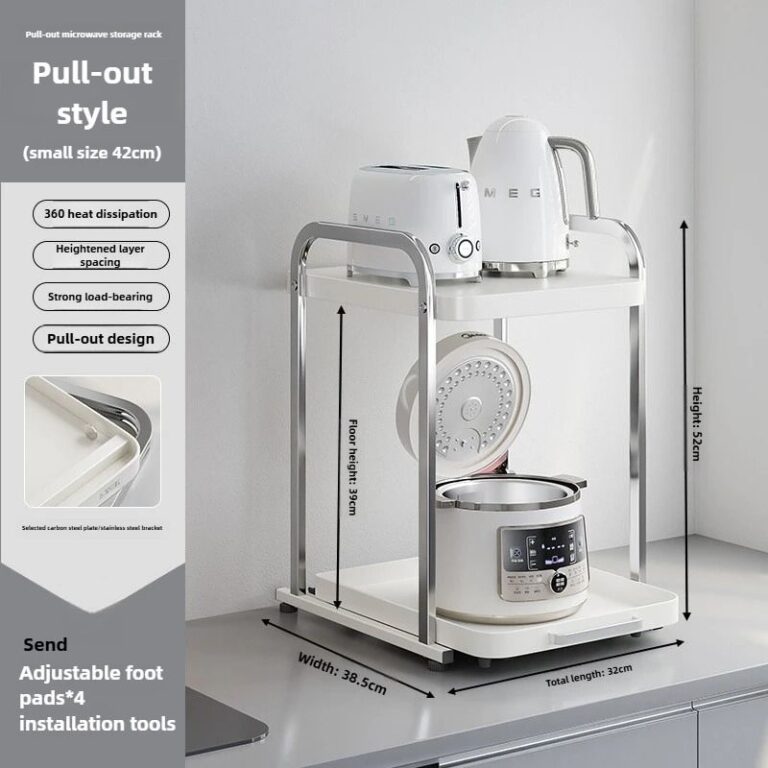
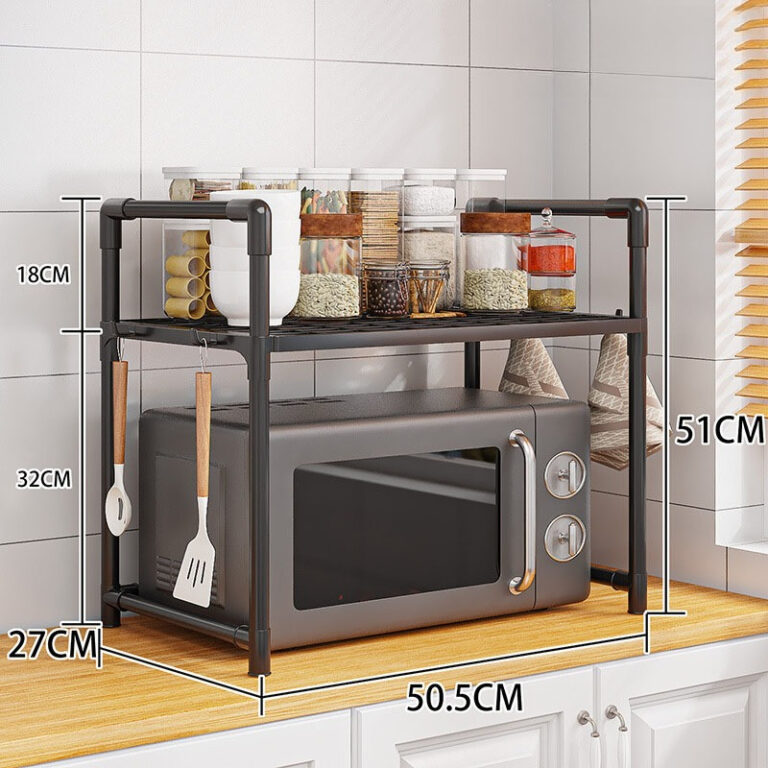 Aisha's pickPlastic Kitchen Shelves That Cope With Steam and SplashesAlso worth a lookShelvingThe warning first: most people buy shelving the way they buy a lamp, grab something roughly the right size and hope.See the collections →
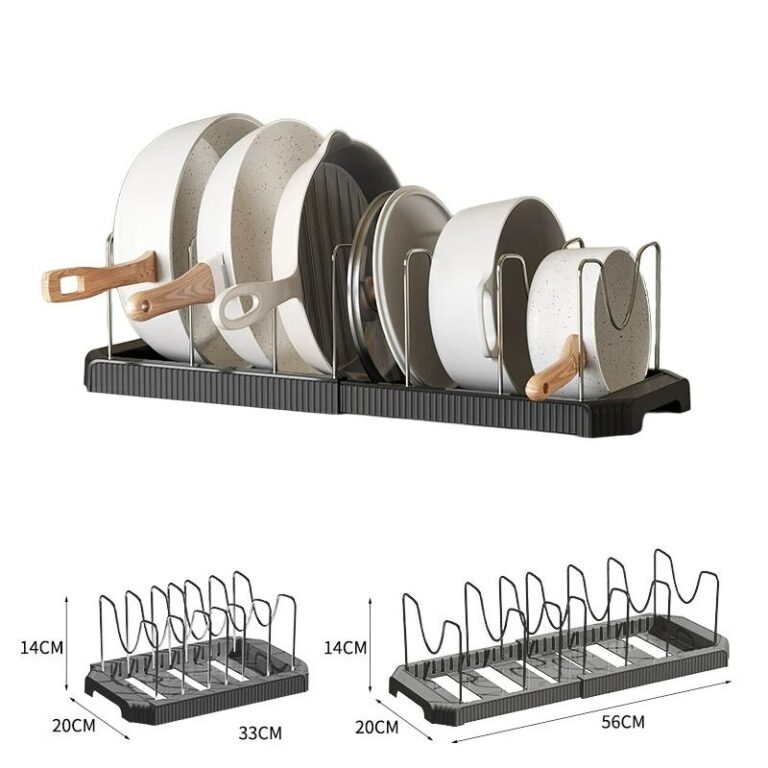
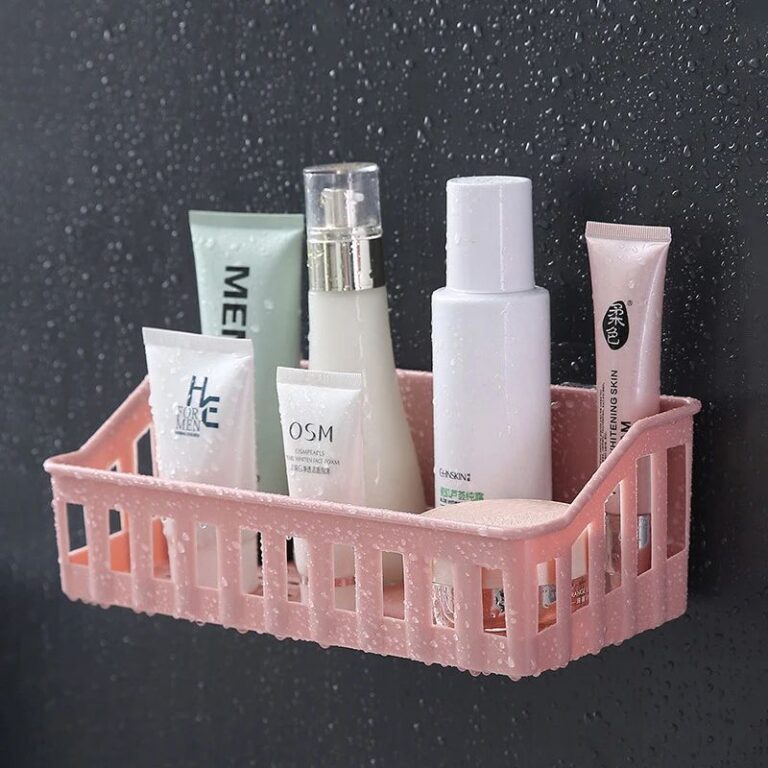 Aisha's pickFreestanding Kitchen Shelves That Sort Out the Chaos
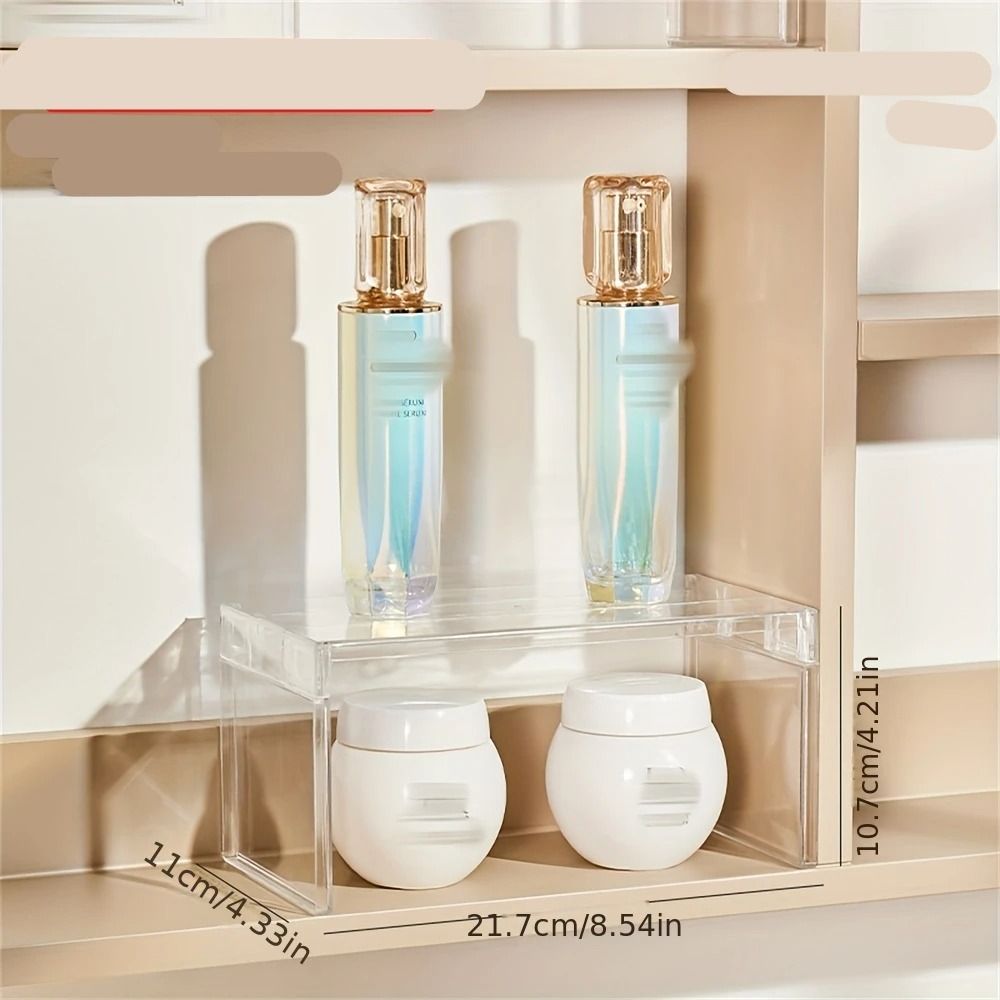
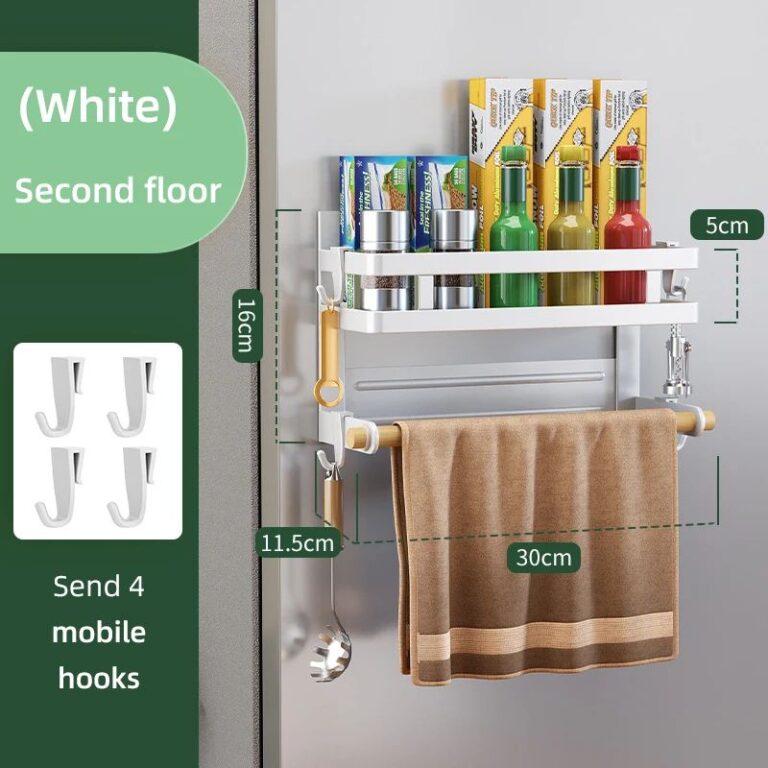 Aisha's pickSmall Kitchen Shelves Picked by People Who Care Too Much
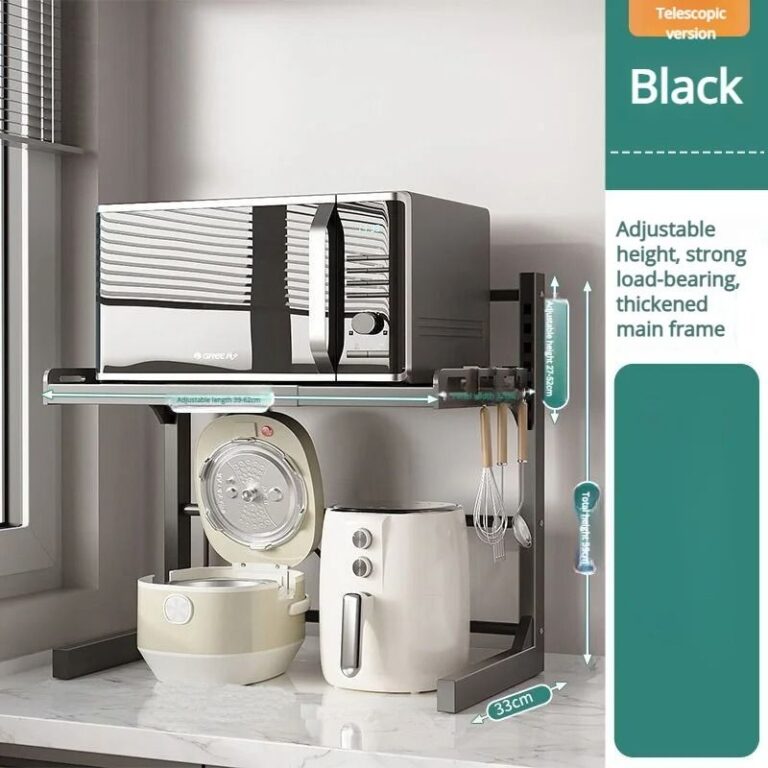
 Aisha's pickGlass Kitchen Shelves With Some Character
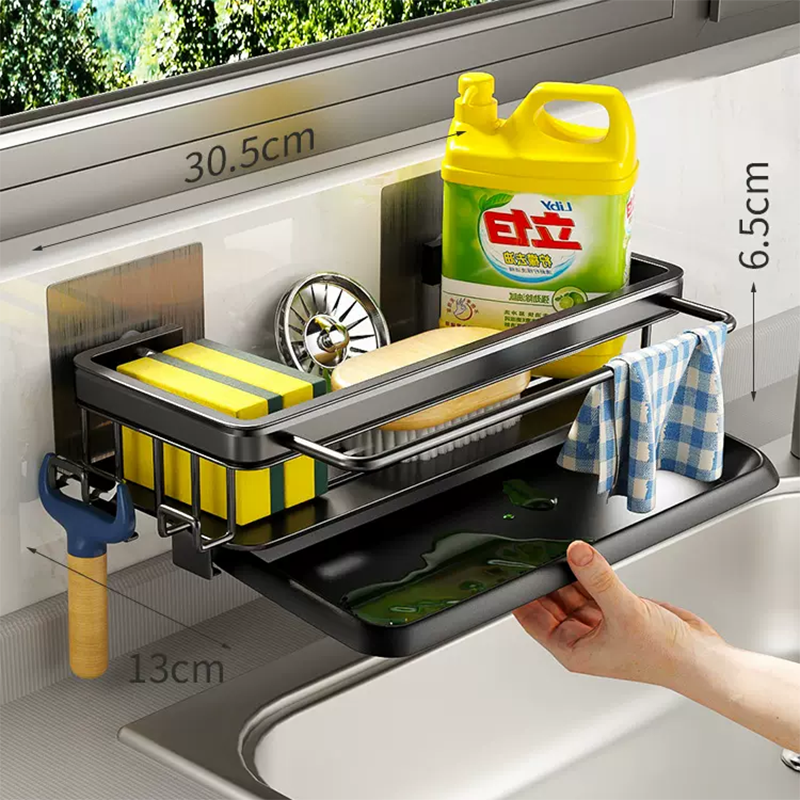
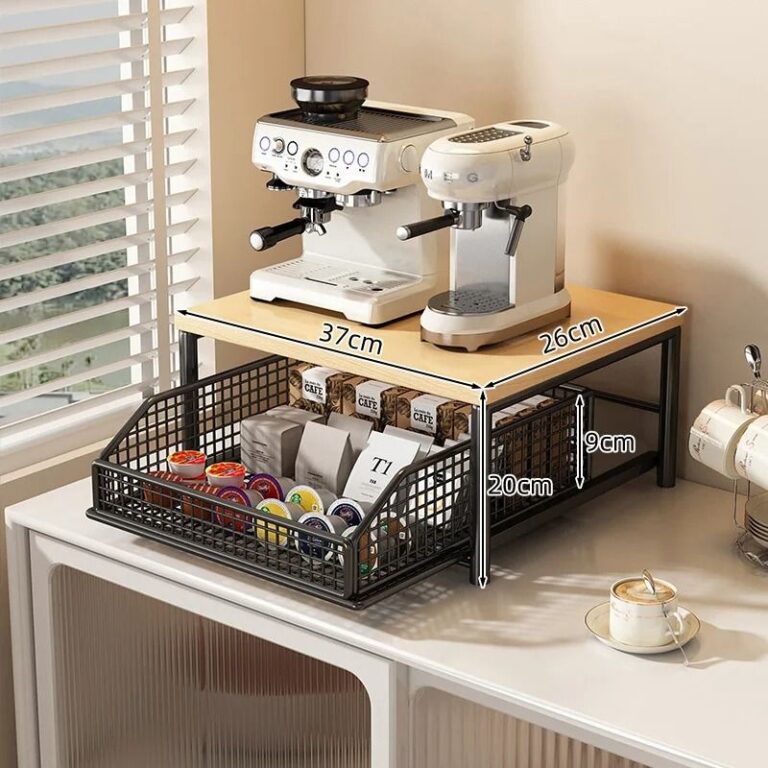 Aisha's pickSolid Wood Kitchen Shelves That Keep Surfaces Clear
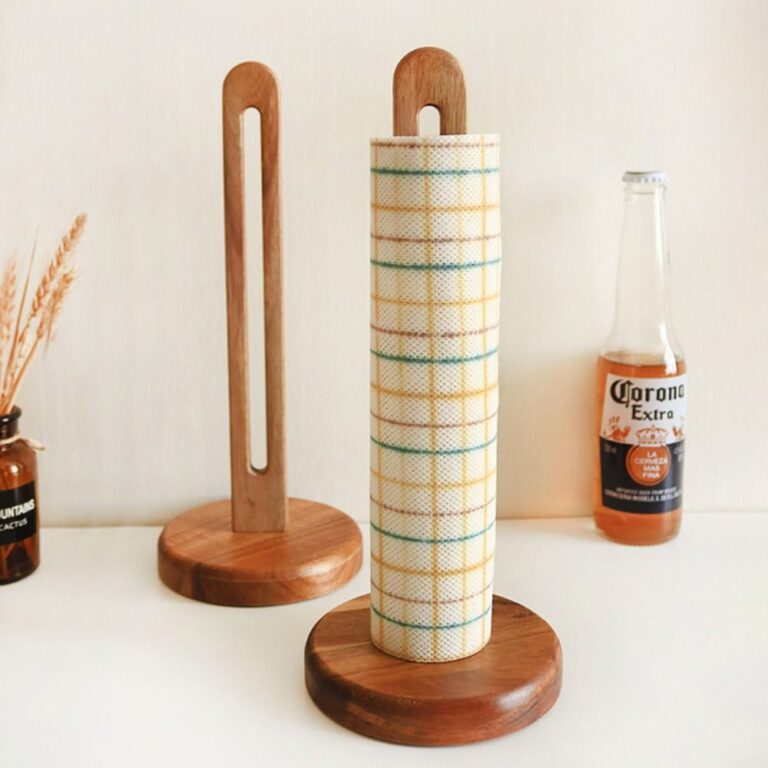
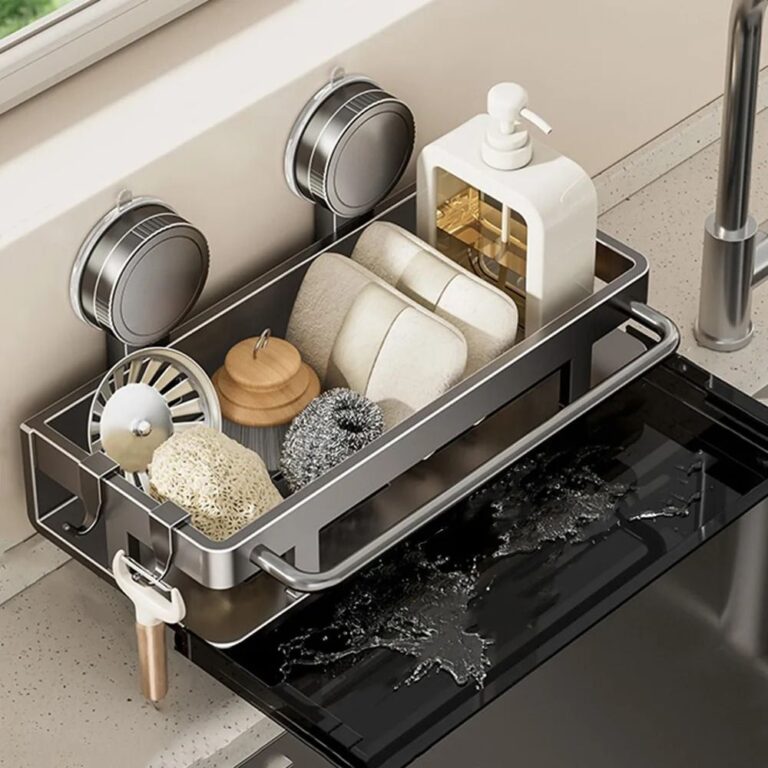 Aisha's pickGlass Kitchen Shelves at Every Price Point
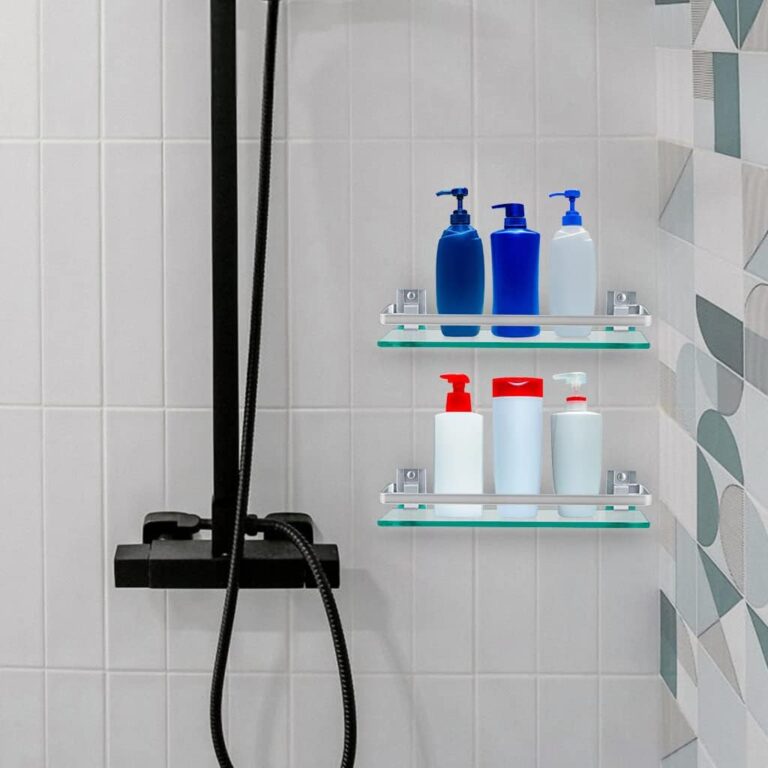
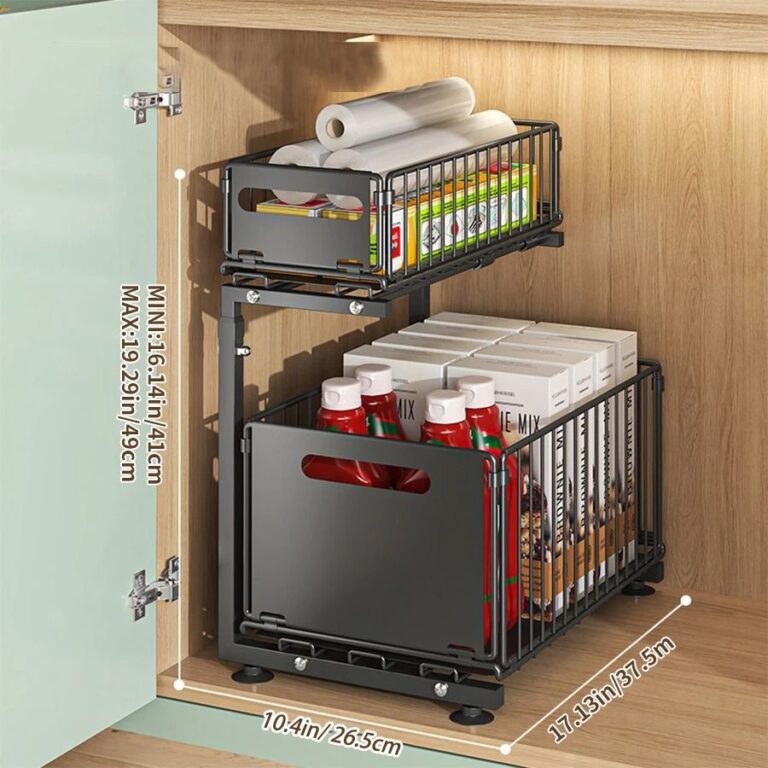 Aisha's pickTall Kitchen Shelves That Look Better in Real Life
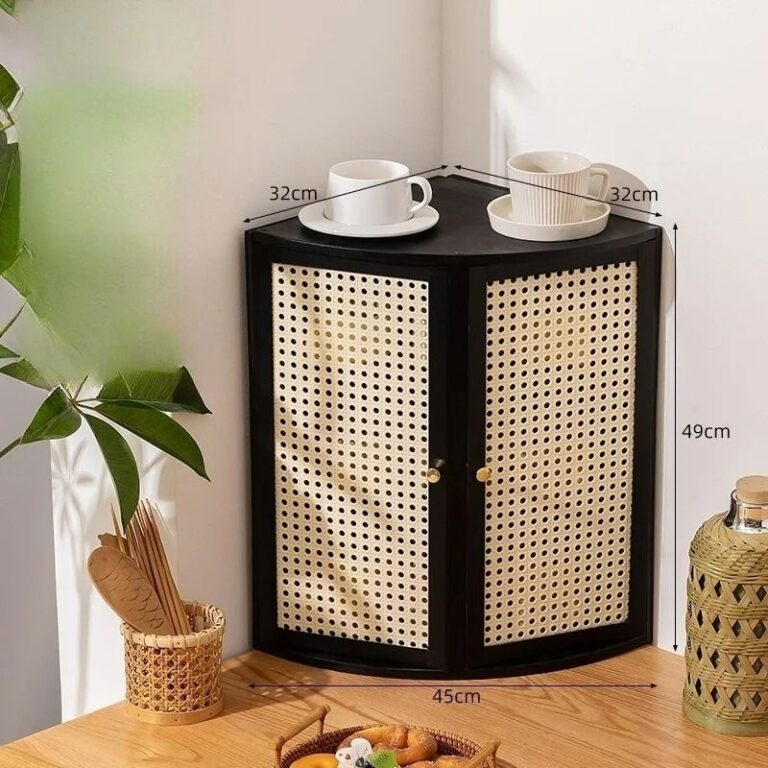
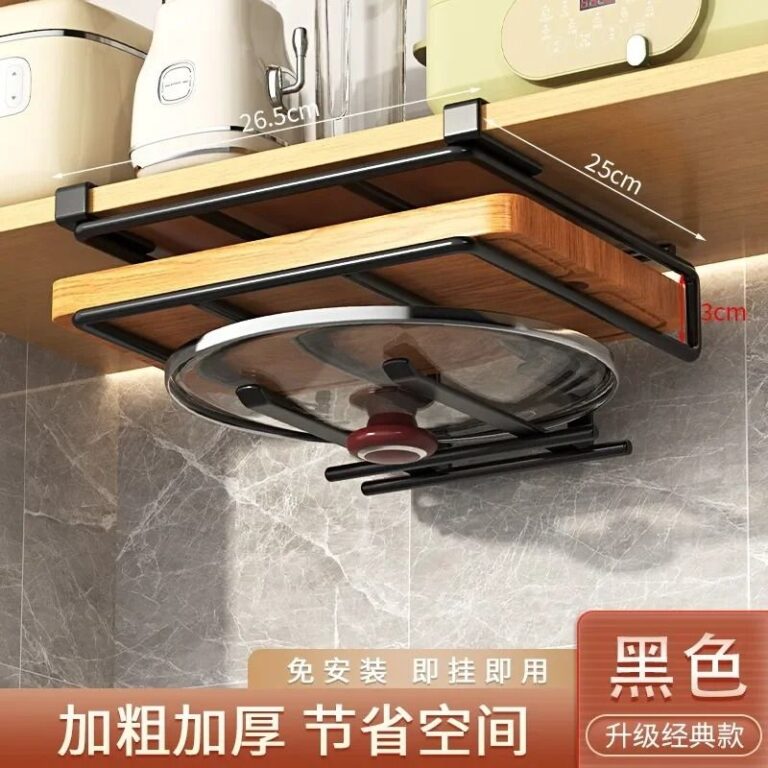 Aisha's pickHanging Kitchen Shelves That Cope With Steam and Splashes
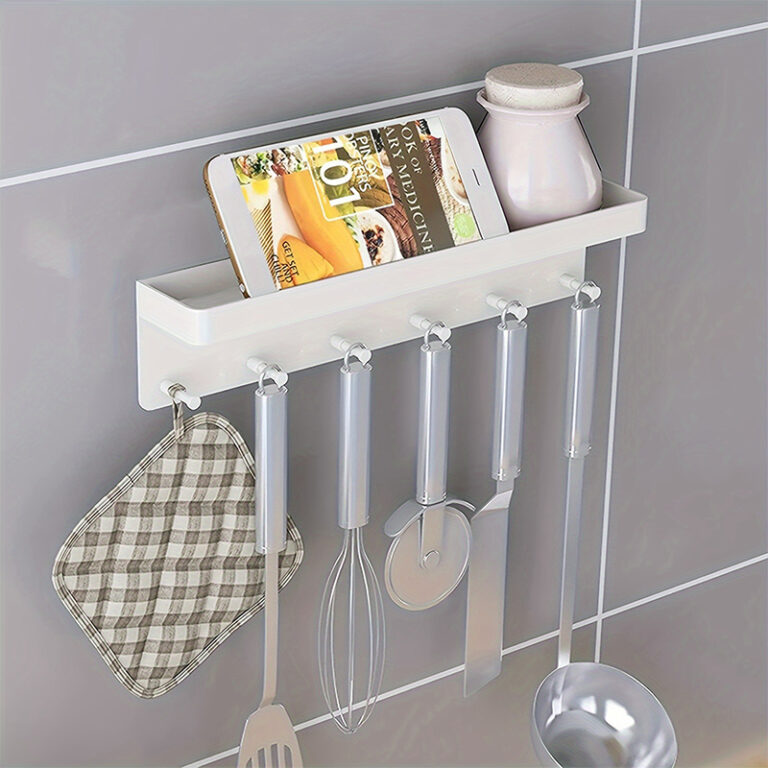
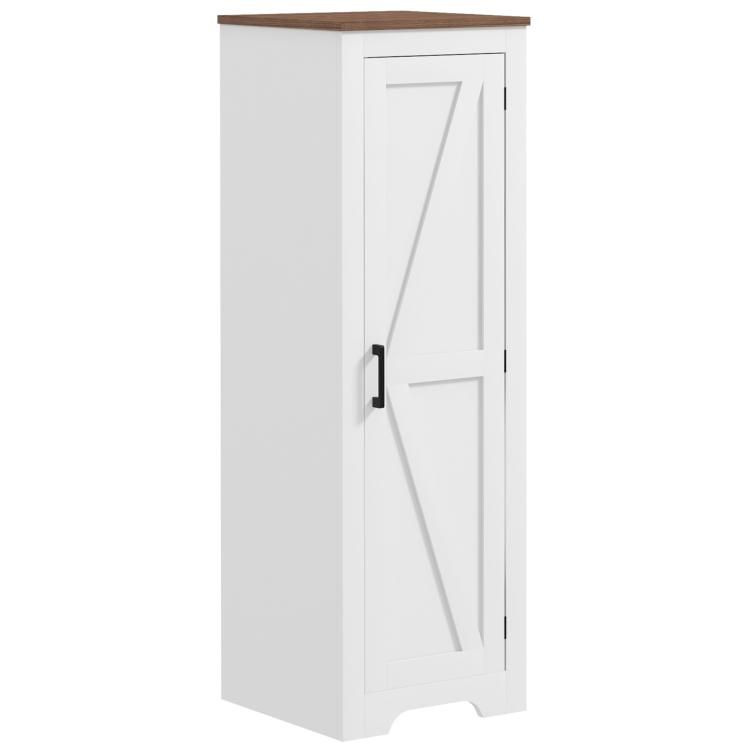 Aisha's pickWhite Freestanding Kitchen Shelves With Room for More Than You’d Think
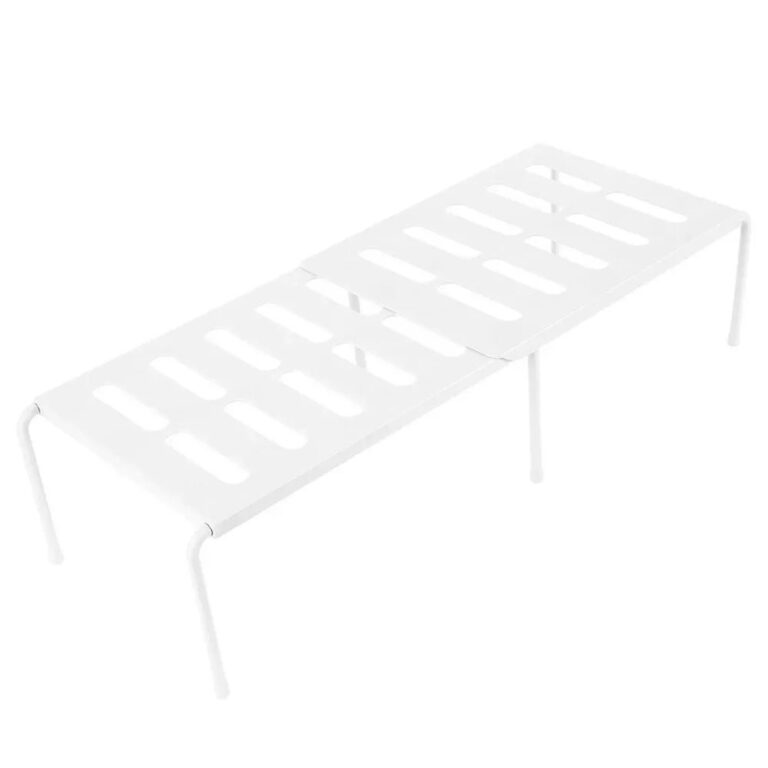
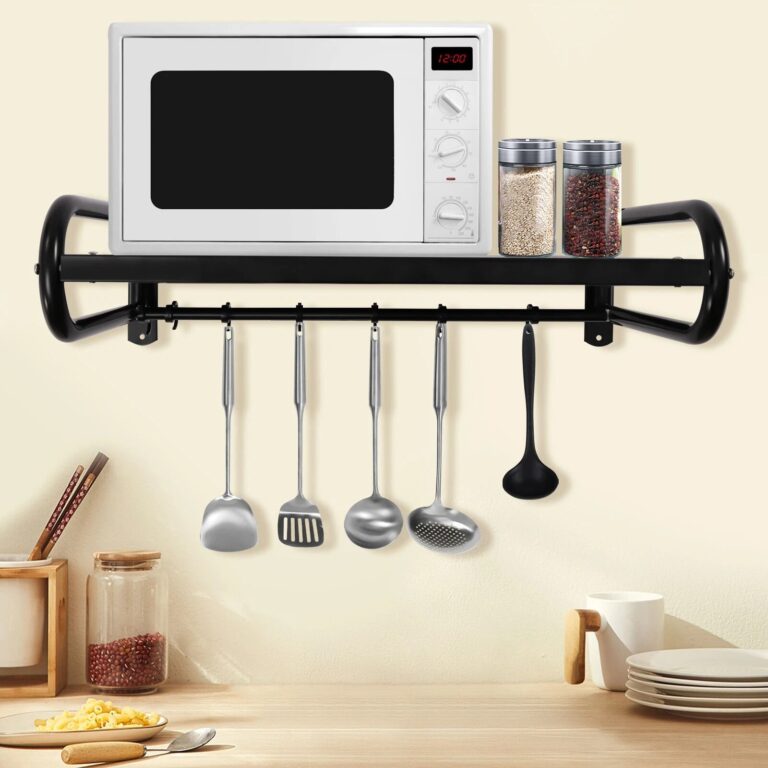 Aisha's pickHanging Kitchen Wall Shelves That Make Cooking a Bit NicerAlso worth a lookBookcasesI put off buying a real bookcase for ages because every one I looked at online seemed like…See the collections →
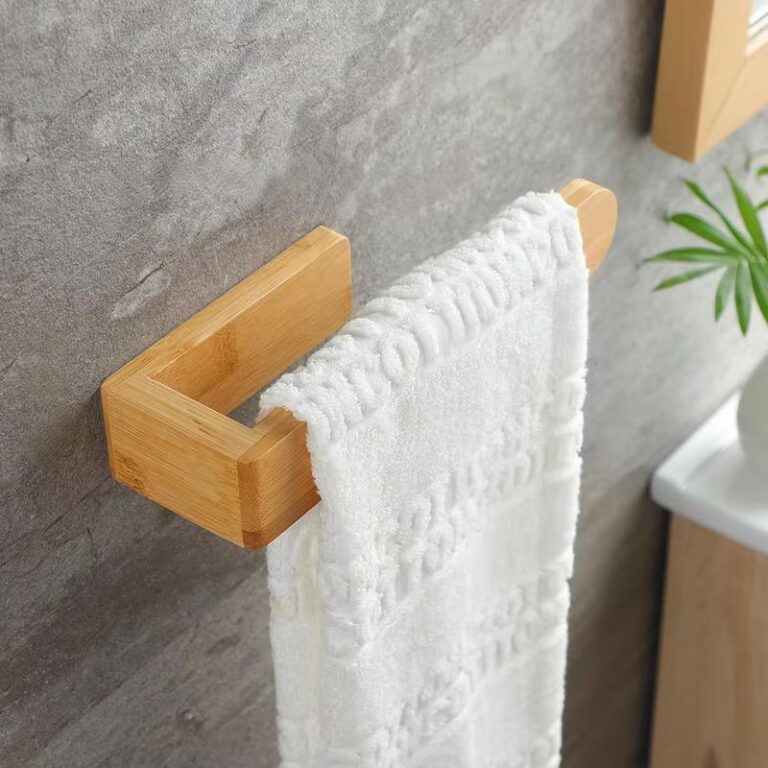
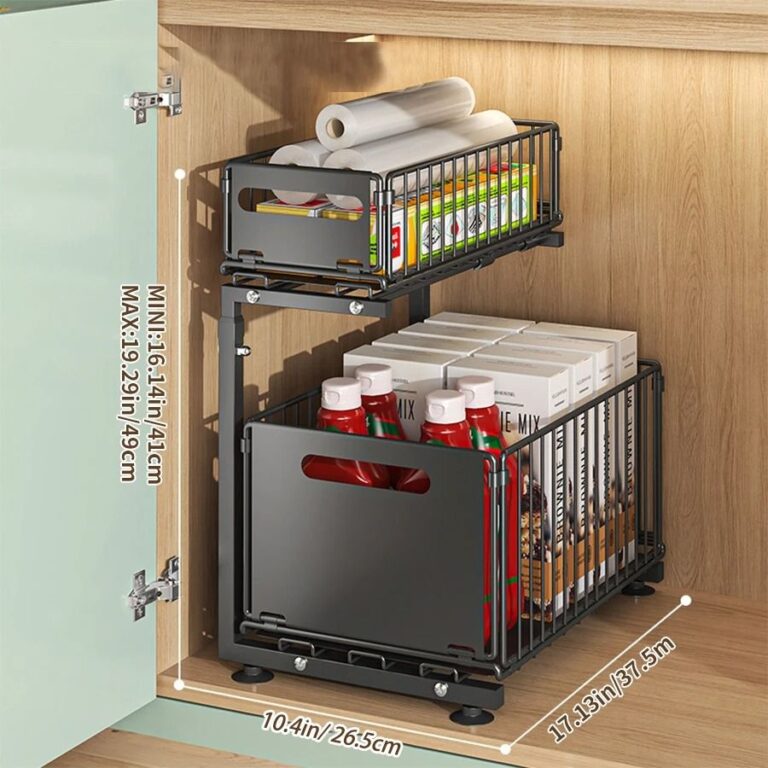 Aisha's pickWhite Kitchen Shelves That Look Good Even When Full
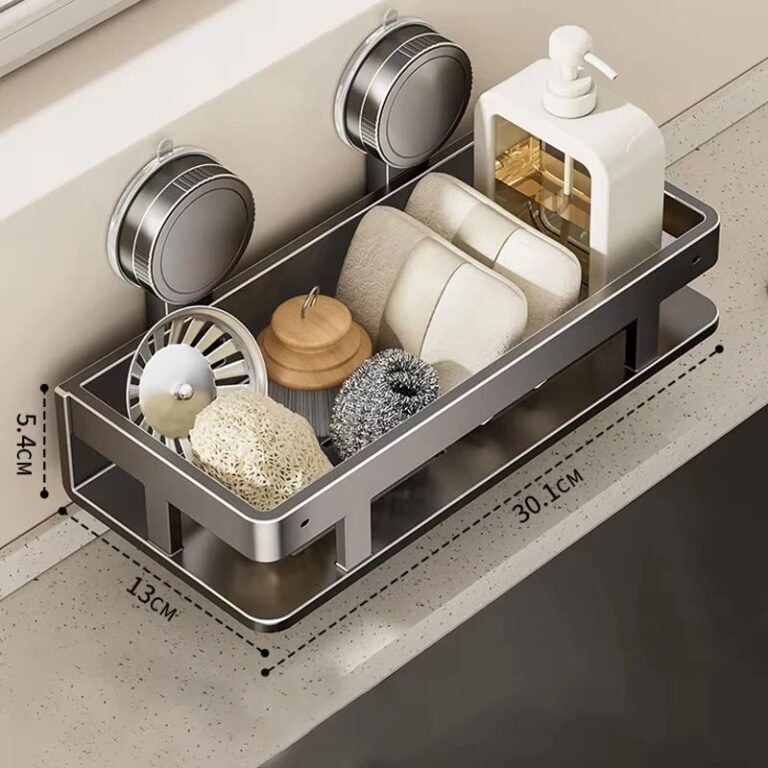
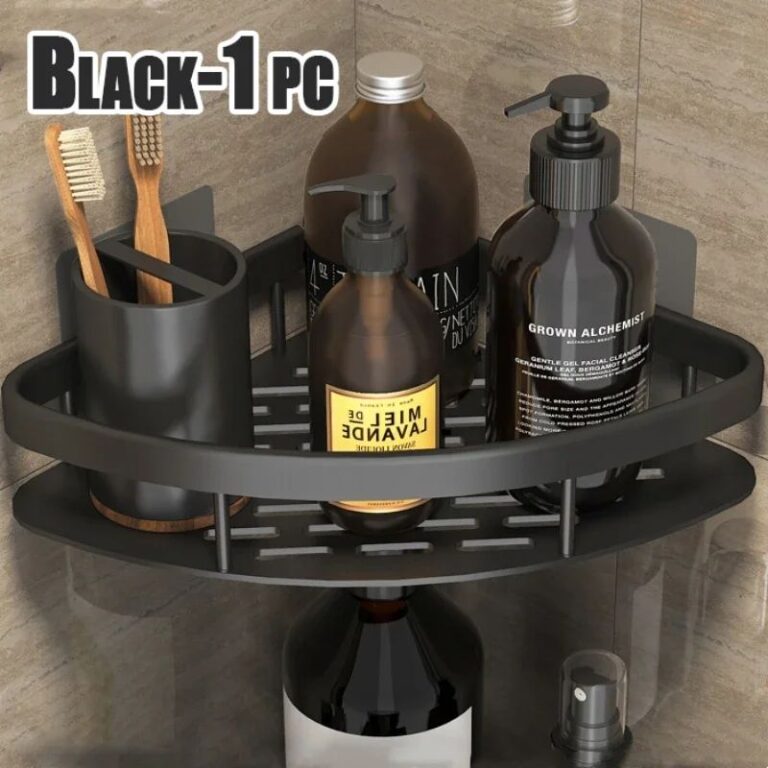 Aisha's pickKitchen Shelves That Get Better With Age
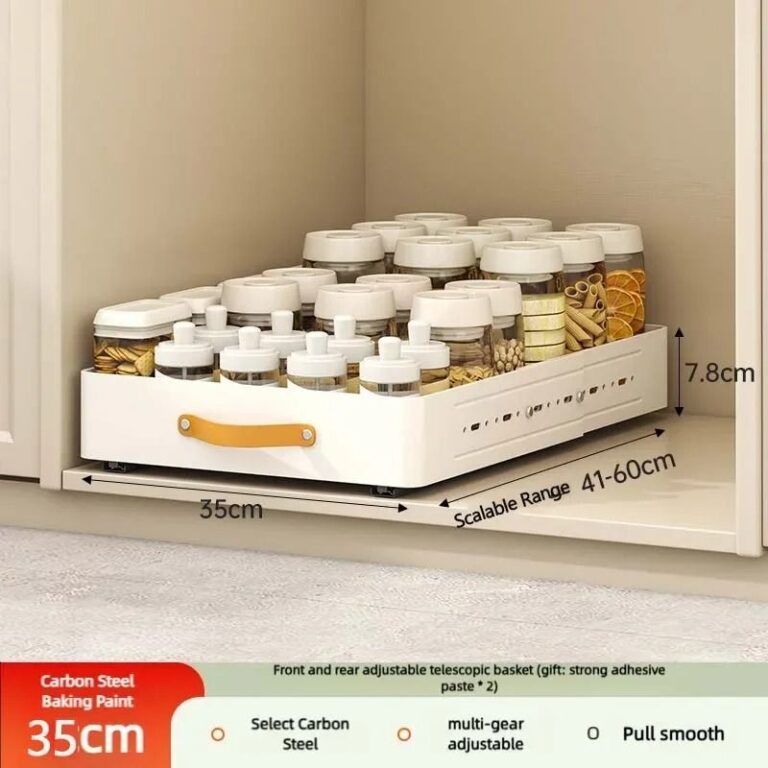
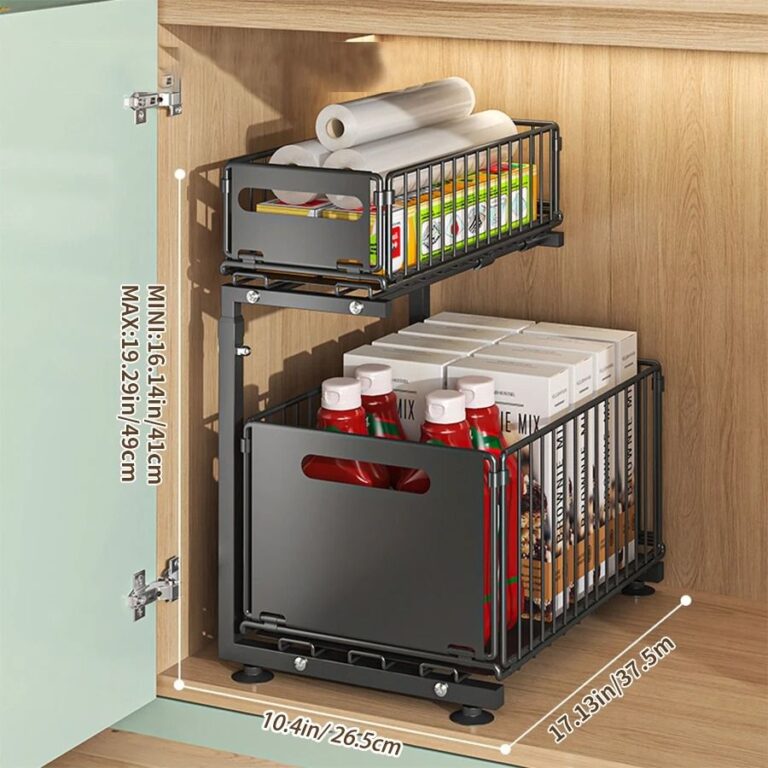 Aisha's pickWhite Kitchen Shelves From Stores Big and Small
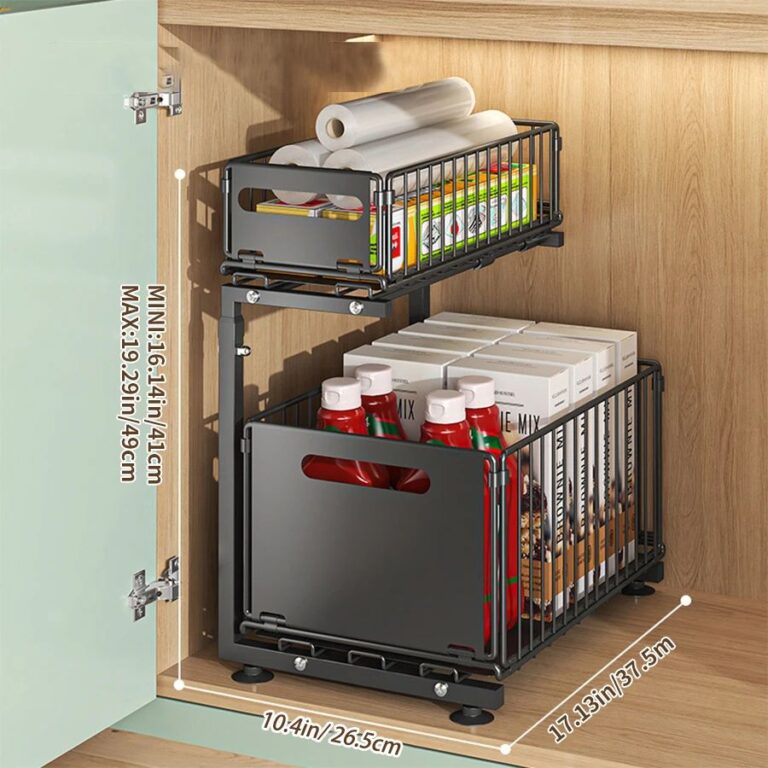
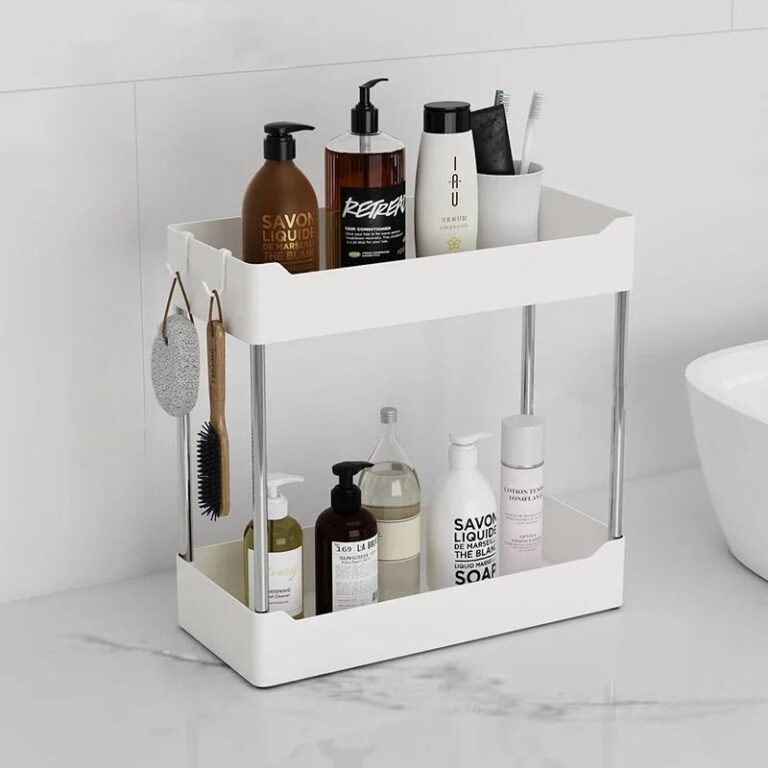 Aisha's pickNo Fuss Kitchen Shelves with Drawers
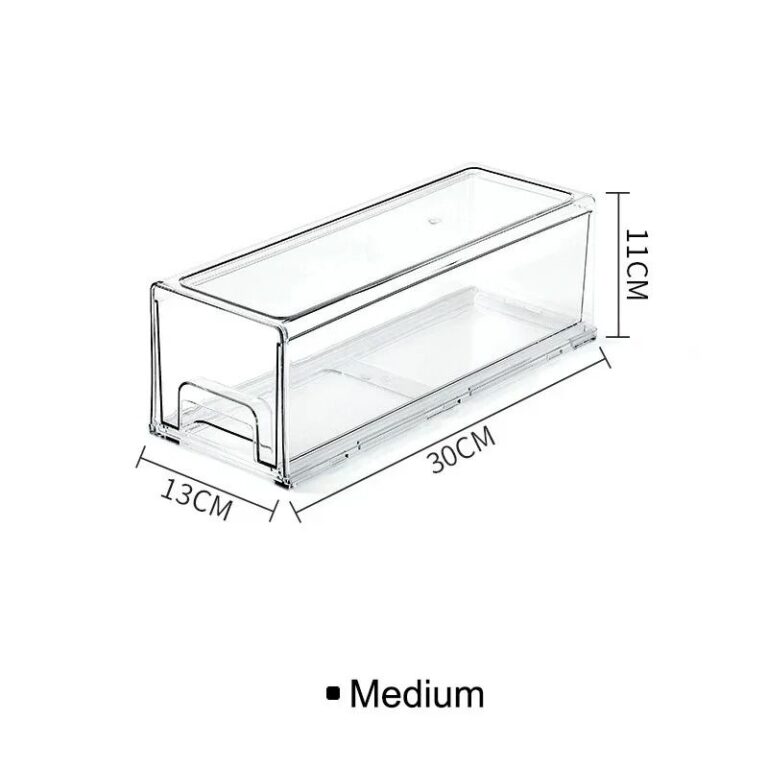
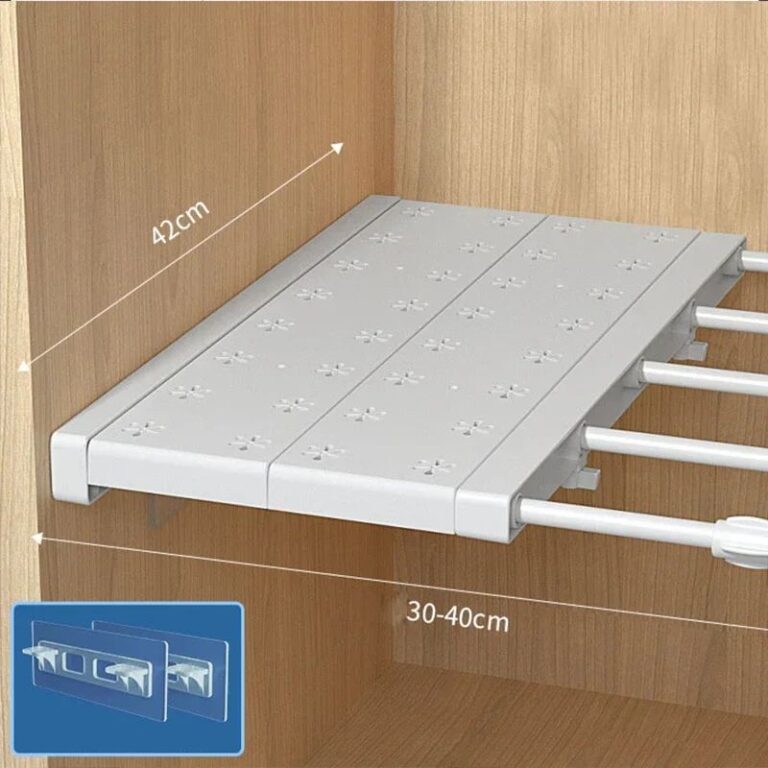 Aisha's pickWhite Kitchen Wall Shelves Hunted Down So You Don’t Have To