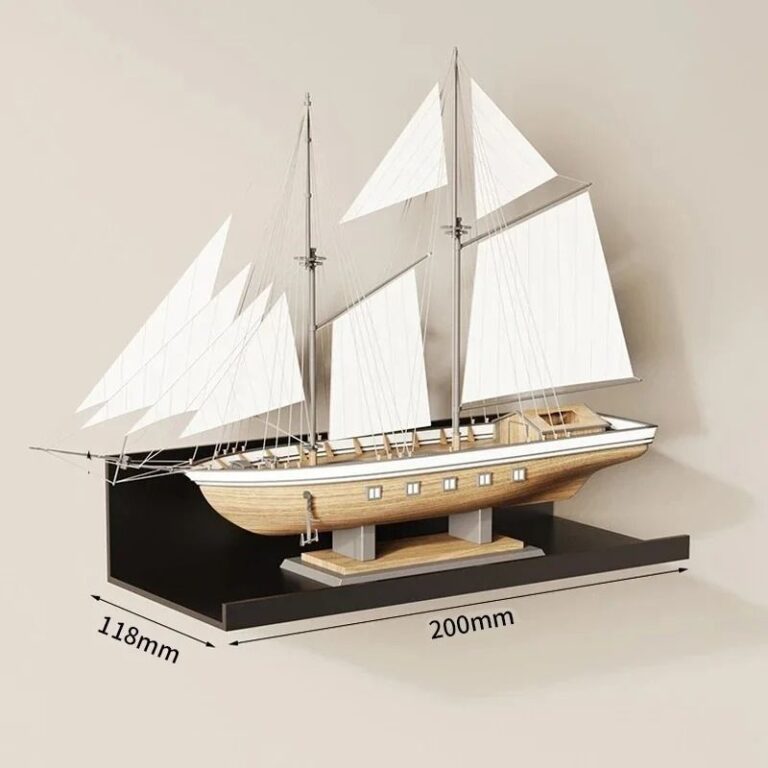
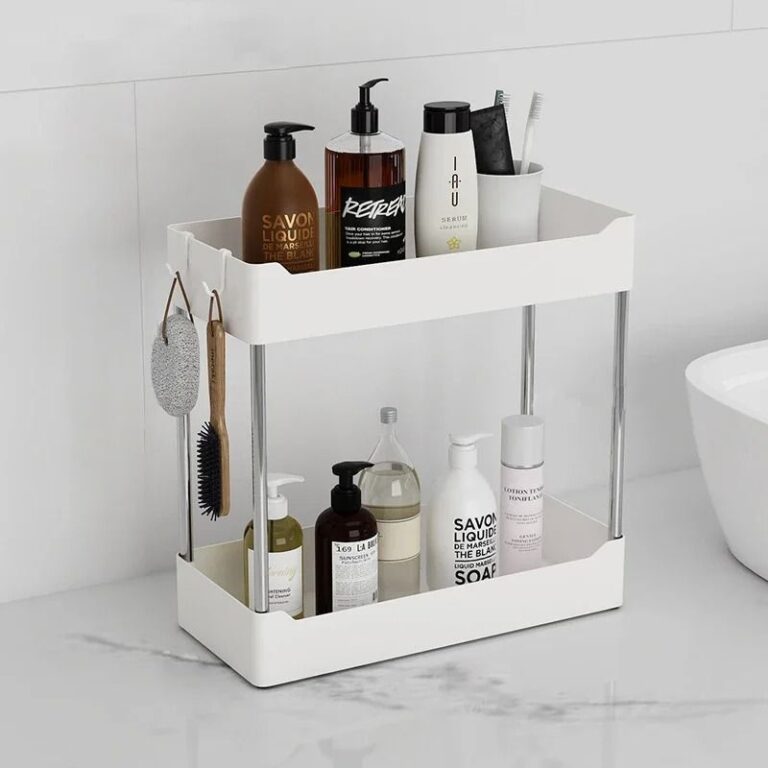
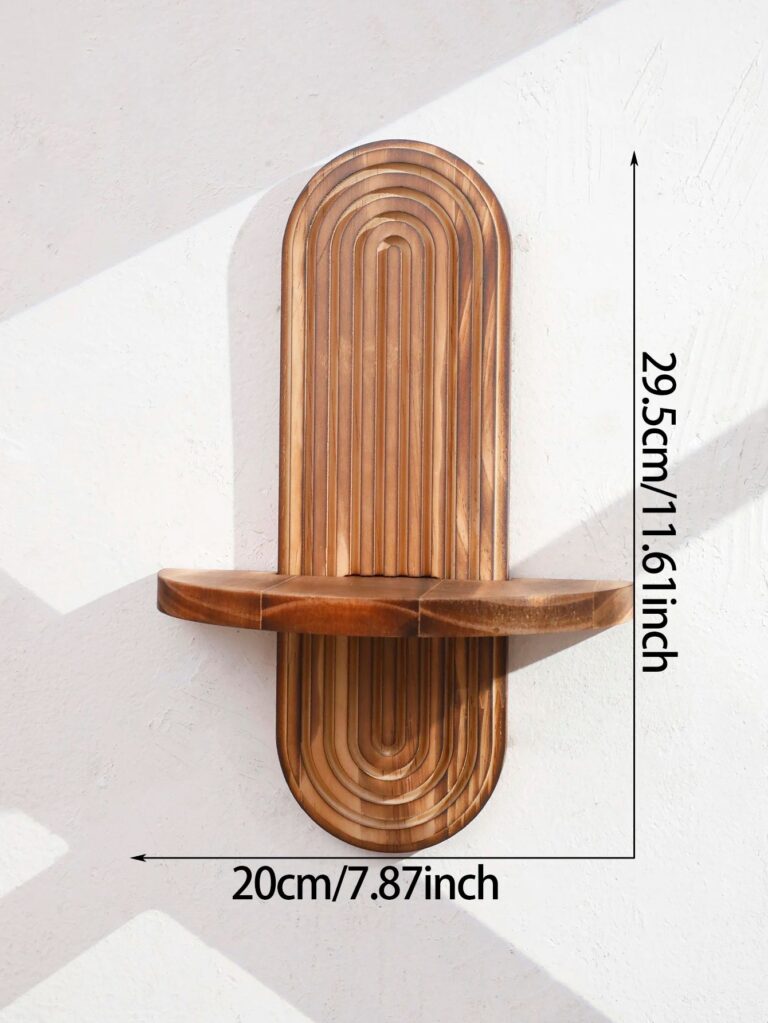
The one thing that actually matters with display shelves is depth before anything else. Anything under about seven inches deep will leave you stacking books flat or turning plates into decoration you can't actually use, and anything over twelve starts eating the room. Measure what you actually own first, the stack of cookbooks, the plant pots, the framed photos nobody's hung yet, and buy to fit that, not to fit a picture you liked.
For color and finish, the easiest shelves to live with are the ones that disappear a little. A warm wood tone or a plain white blends into almost anything you already own, and black works surprisingly well too, since it reads more like a frame for your stuff than furniture in its own right. Where people go wrong is picking a bold color or a busy wood grain, then realizing every object they put on it now has to fight the shelf for attention. Plain backgrounds let the objects do the talking, which is really the whole point of a display shelf in the first place.
These earn their place in rooms where you actually look up, which sounds obvious but isn't. A hallway, a staircase wall, above a sofa, the dead space next to a window, those are the spots where open shelving does real work. They're also forgiving in rentals, since most styles mount with just a few small holes rather than needing a full wall unit. Where they struggle is in rooms that already have a lot going on visually, a busy kitchen with open cabinets, say, or a kid's room where open shelves just become open storage for whatever got thrown up there in a hurry. If you've got pets or toddlers who treat every surface as fair game, open shelves at low height are basically an invitation, and I say that from watching a cousin's cat clear an entire shelf of ceramics in one dramatic sweep.
The honest limit is that display shelves are not real storage. They hold the five or six things you actually want to see, not the twenty things you're trying to hide. I made that mistake early on, tried to use a narrow floating shelf as overflow for paperbacks, and it just looked like a shelf having a bad day. Keep the number of objects low, vary their height a little, and leave actual breathing room between them.
The mistake to avoid is mounting them before you've decided what's going on them. Hang first, style later, and you'll spend the next six months staring at three sad candles wondering what went wrong.
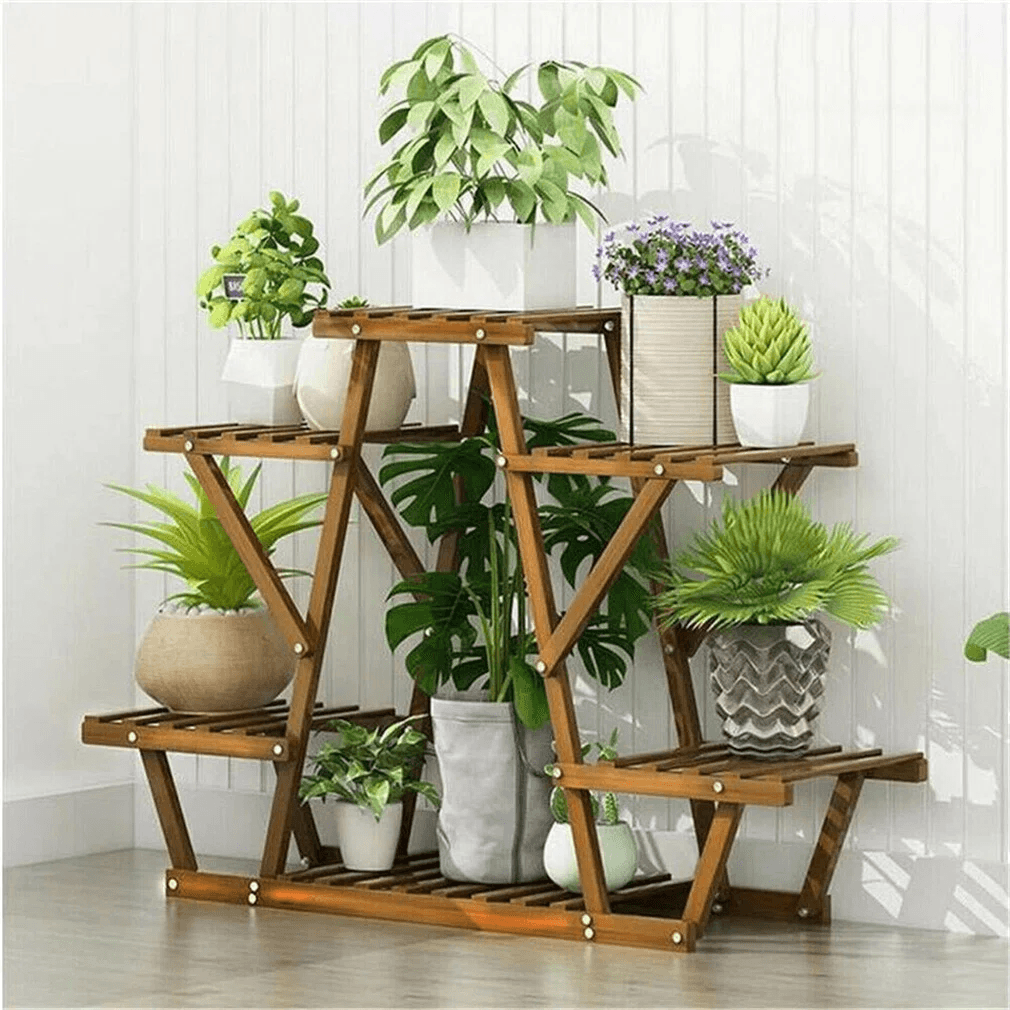 Aisha's pickThe Solid Wood Display Shelves Worth Your Cash
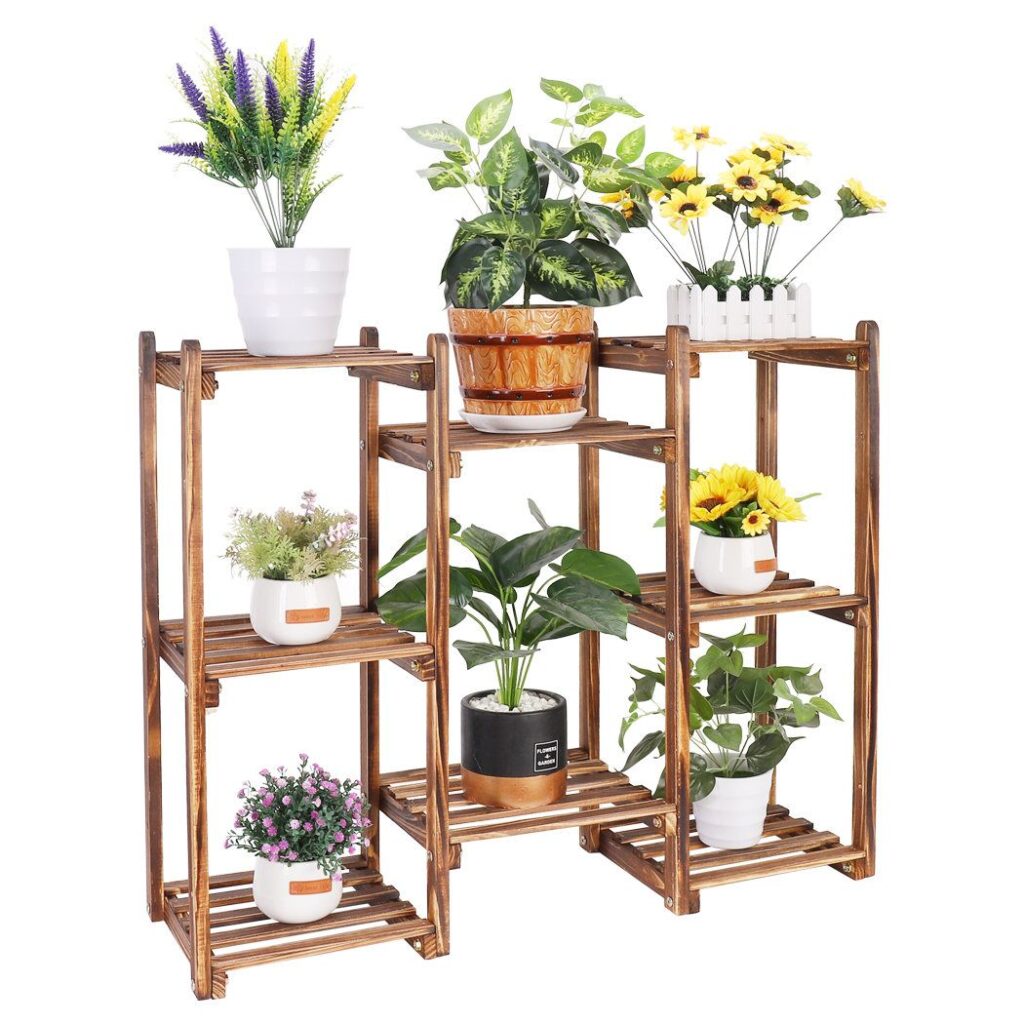
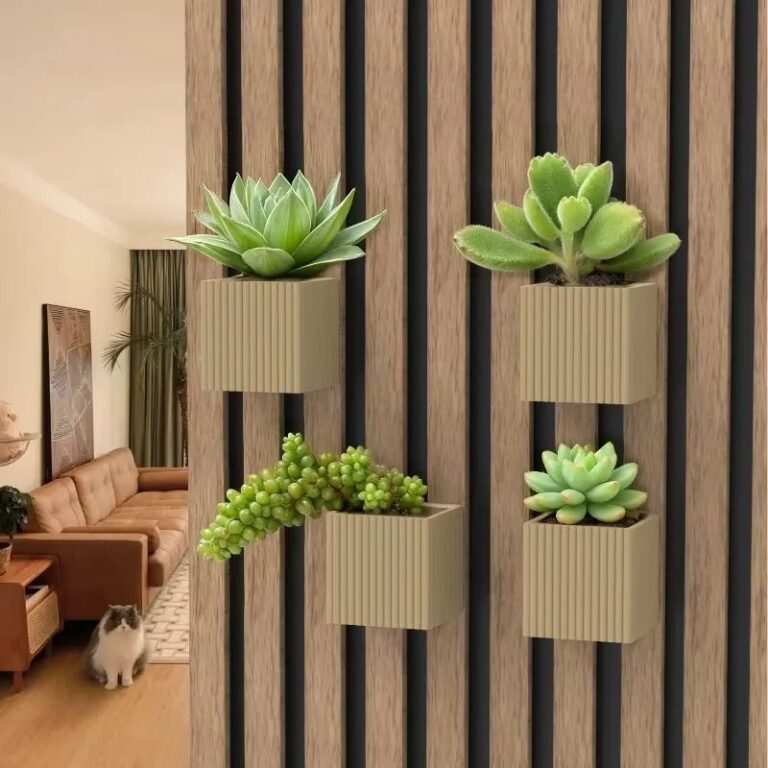 Aisha's pickBlack Display Shelves That Keep Surfaces Clear
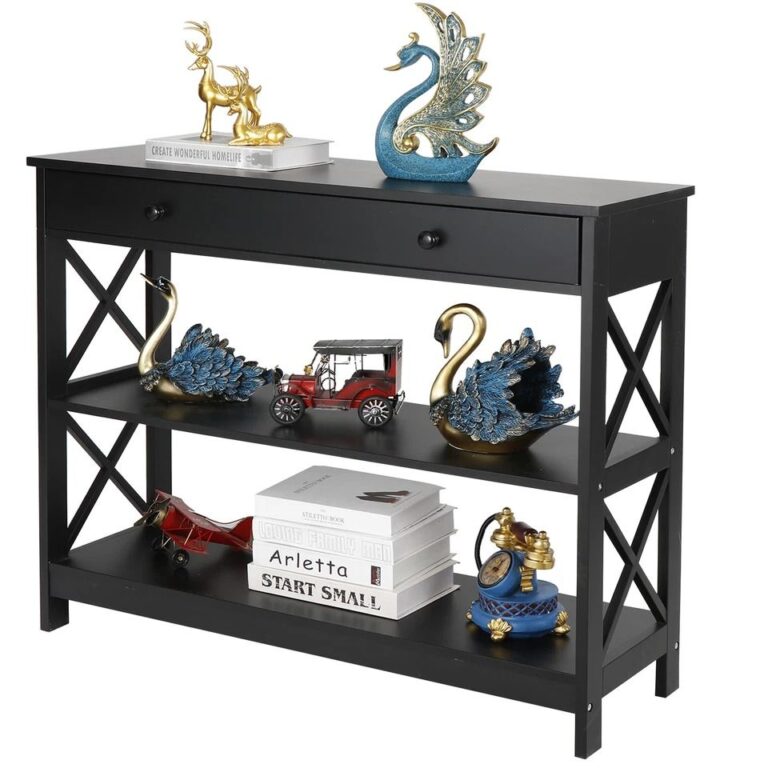
 Aisha's pickSpace Book Display Shelves for Making a House Feel Like Yours
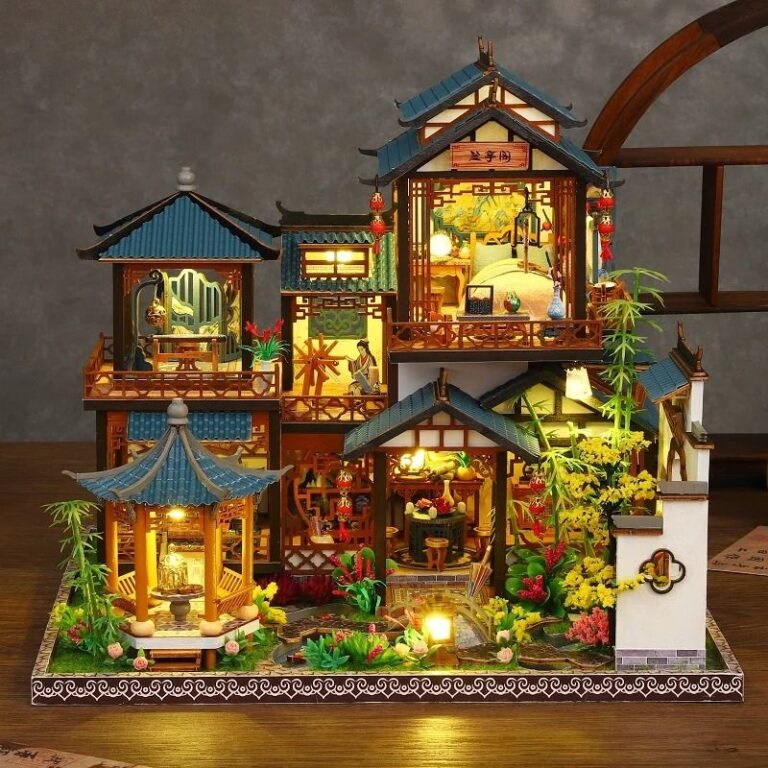
 Aisha's pickBook Display Shelves We Wish We’d Bought Sooner
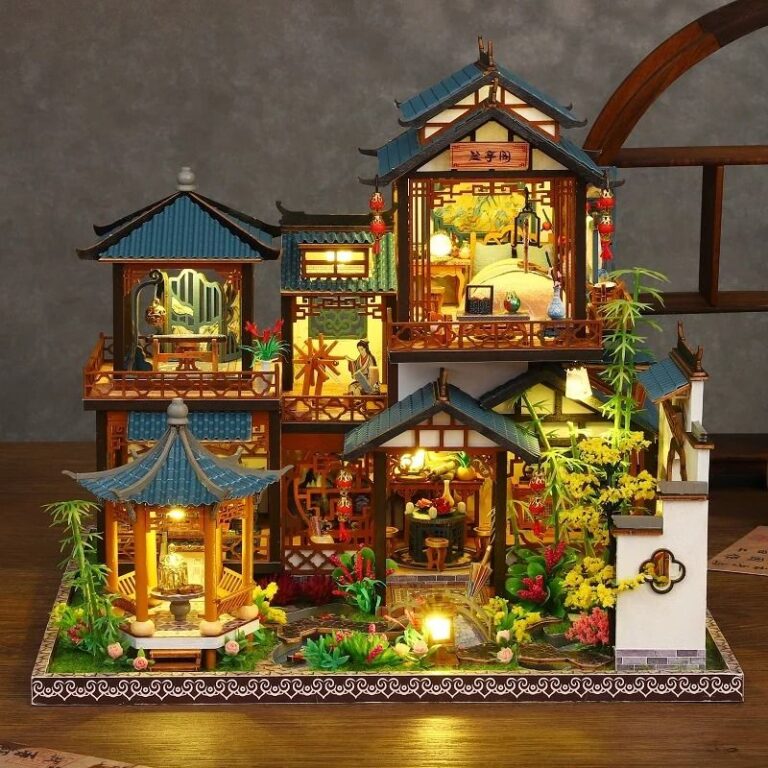
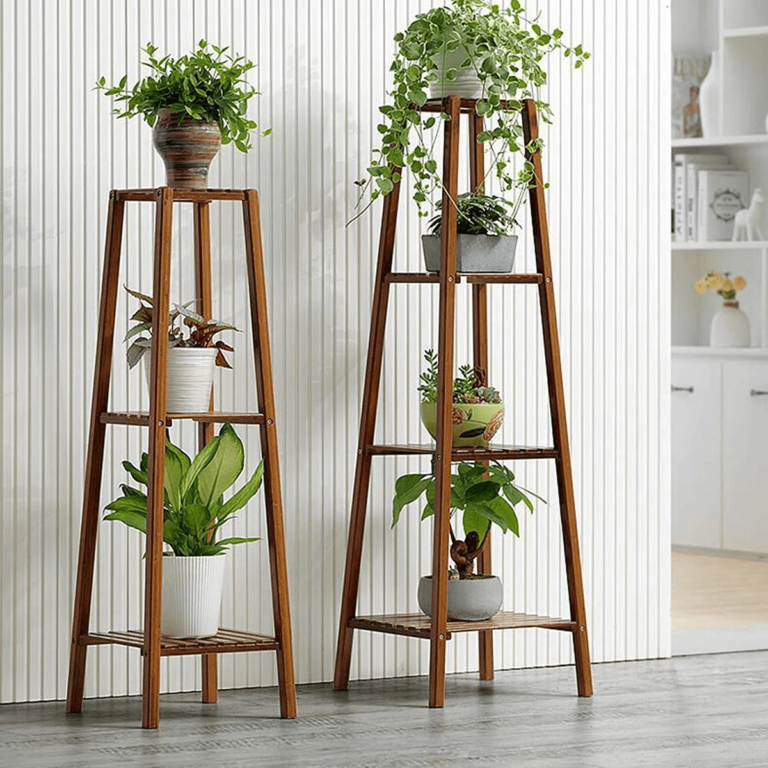 Aisha's pickTall Display Shelves That Swallow the Clutter

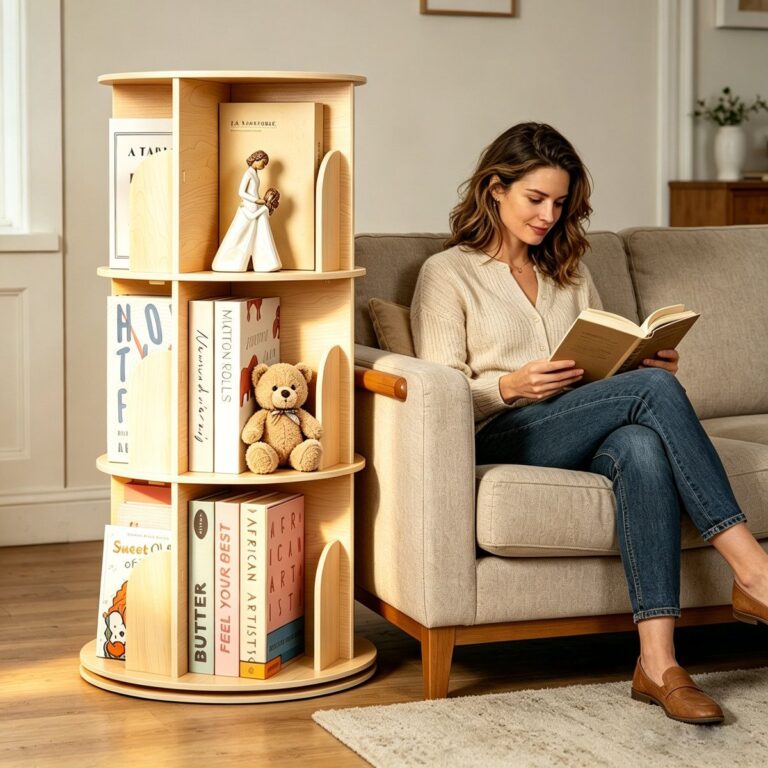 Aisha's pickBook Display Shelves with Storage That Squeeze Into Awkward Corners
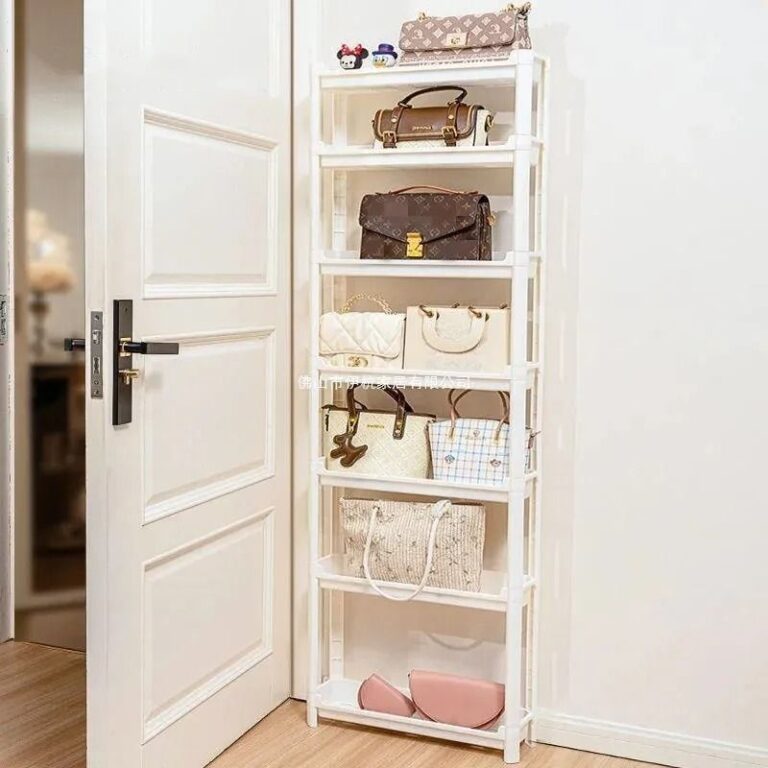
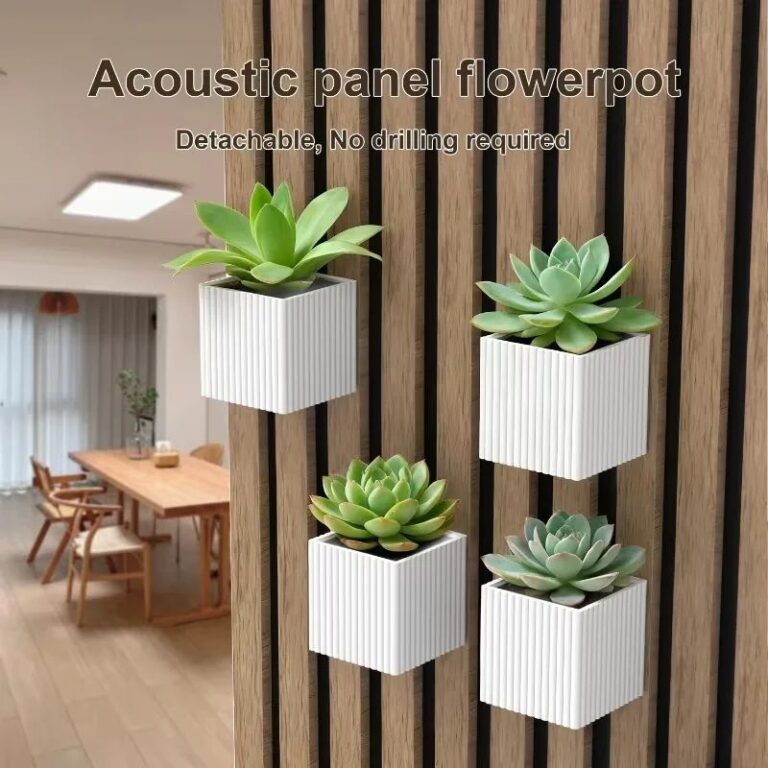 Aisha's pickWhite Display Shelves You Won’t Regret Buying
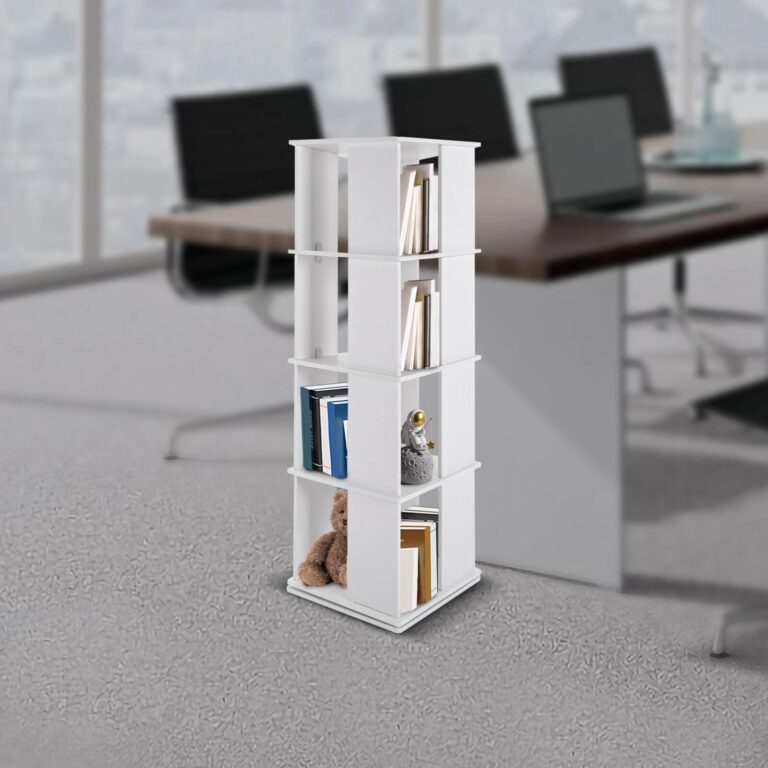
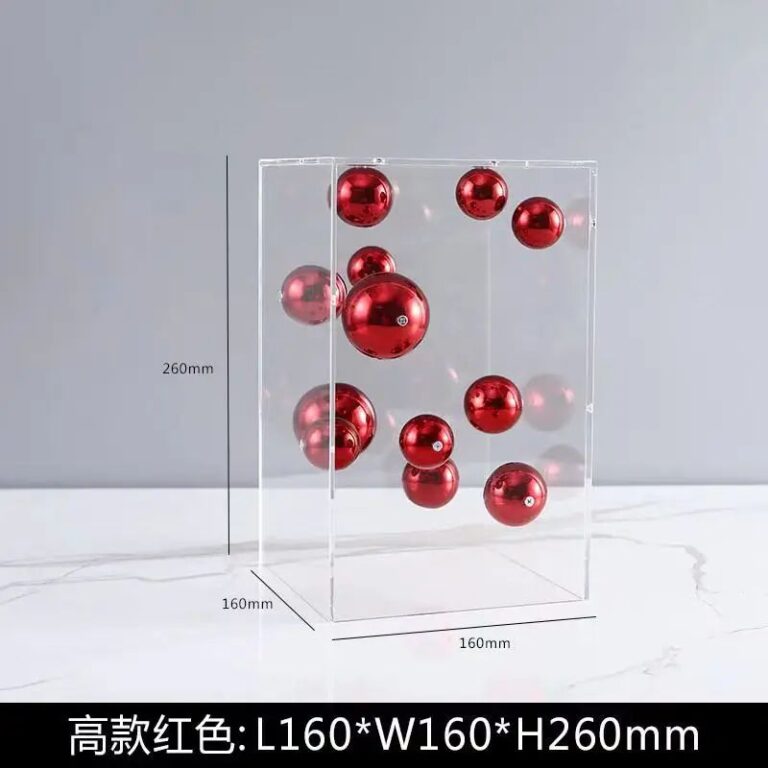 Aisha's pickContemporary Display Shelves We Wish We’d Bought Sooner
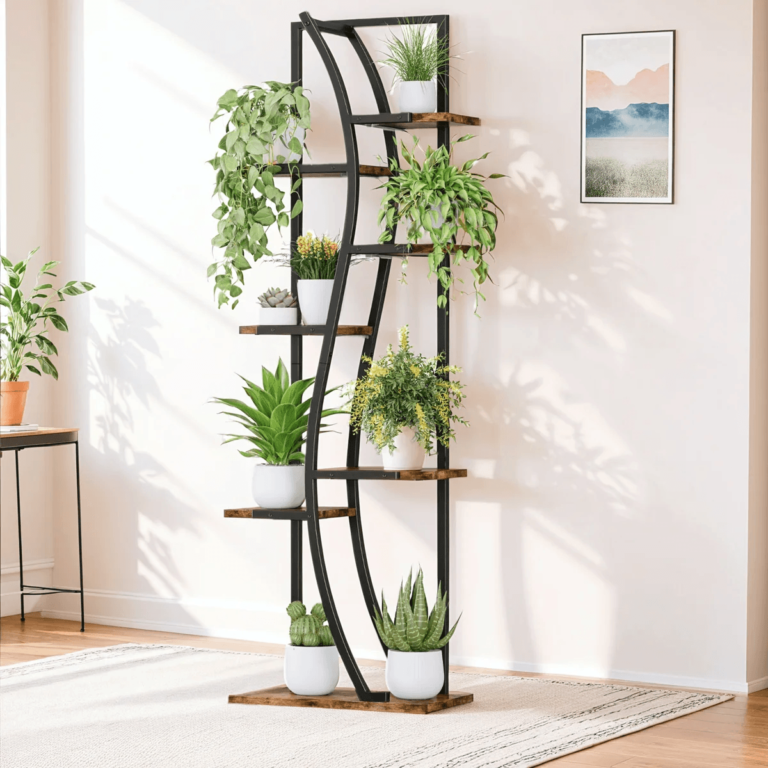
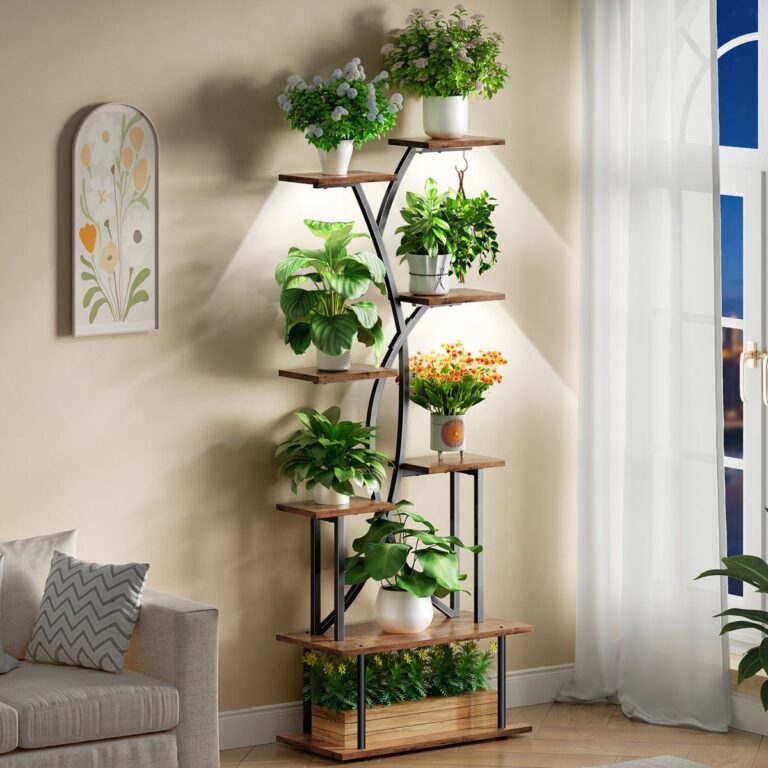 Aisha's pickWide Display Shelves That Hide the Mess for GoodAlso worth a lookWall ShelvesFor years I thought the bracket was the whole story with wall shelves, buy the beefiest looking one and you're set.See the collections →
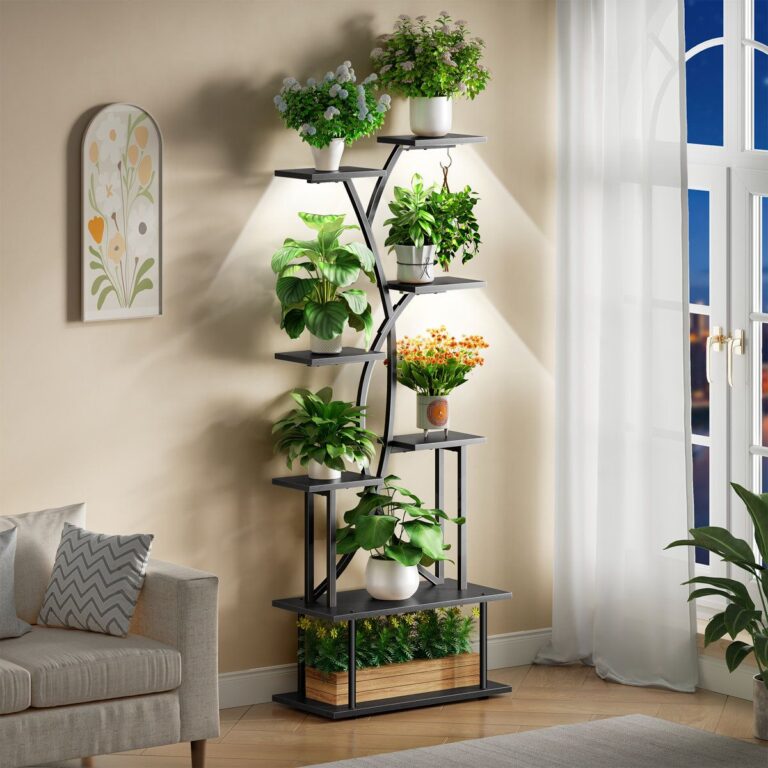
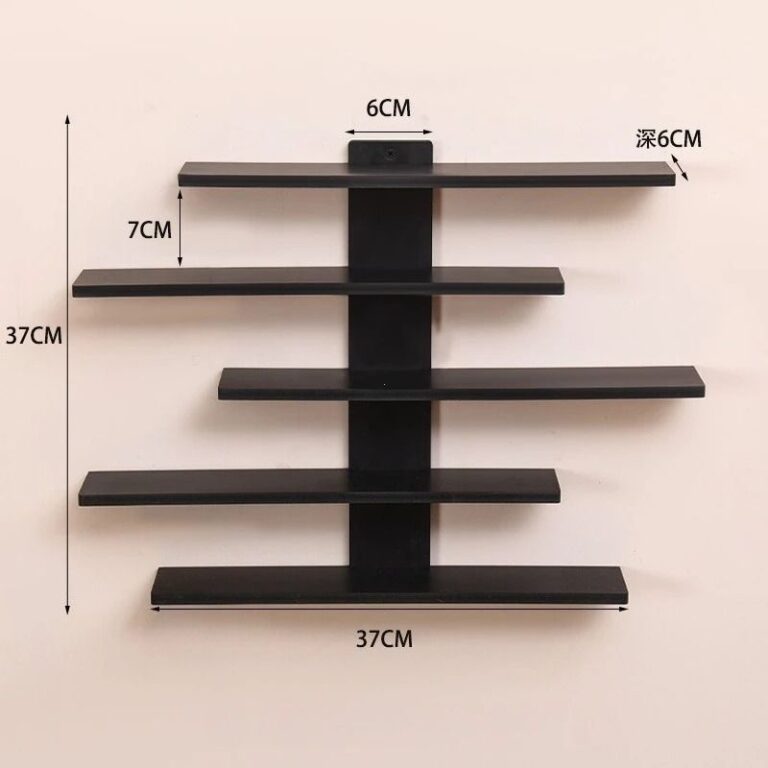 Aisha's pickDisplay Shelves That Sort Out the Chaos
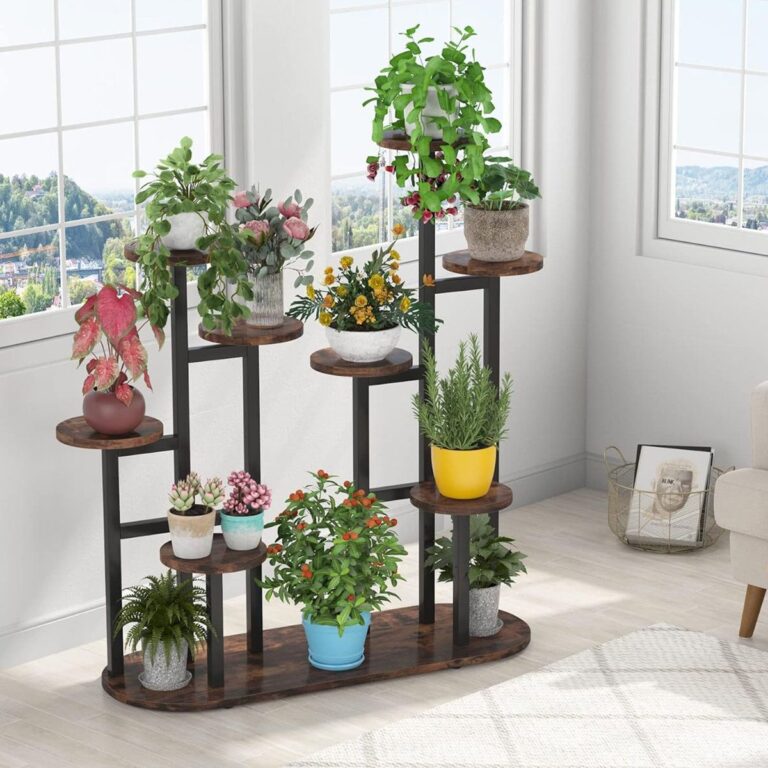
 Aisha's pickWooden Display Shelves That Look Good Even When Full
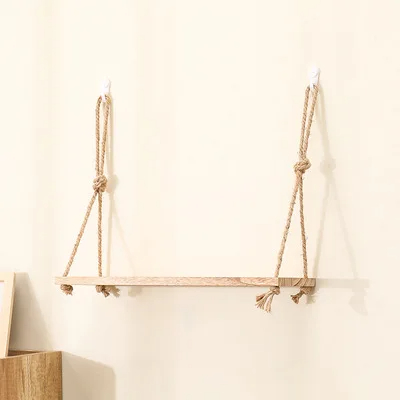
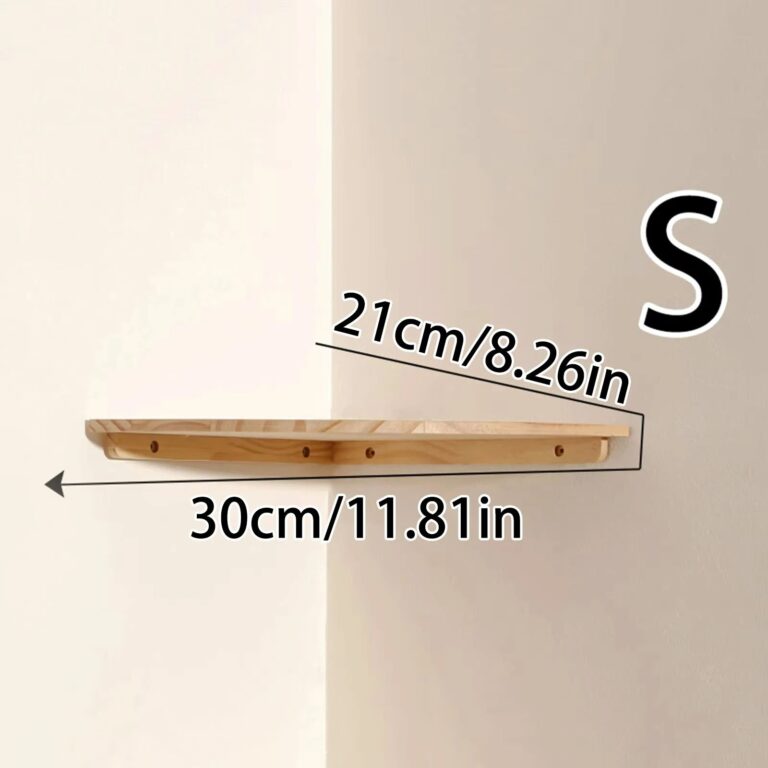 Aisha's pickDisplay Shelves for Living Room That Fit Into Real Life
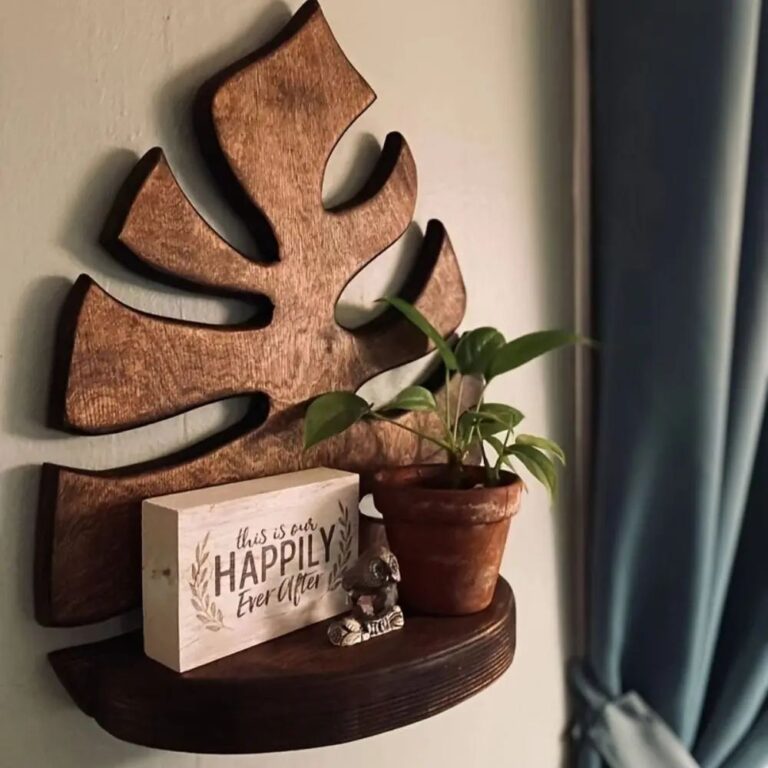
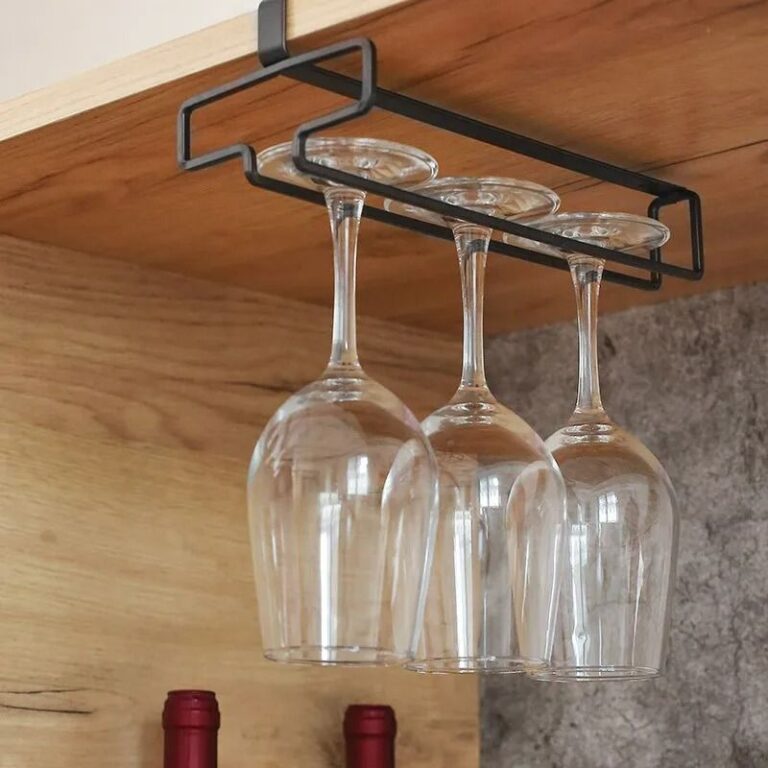 Aisha's pickDecent Display Shelves with Doors Without the Hassle
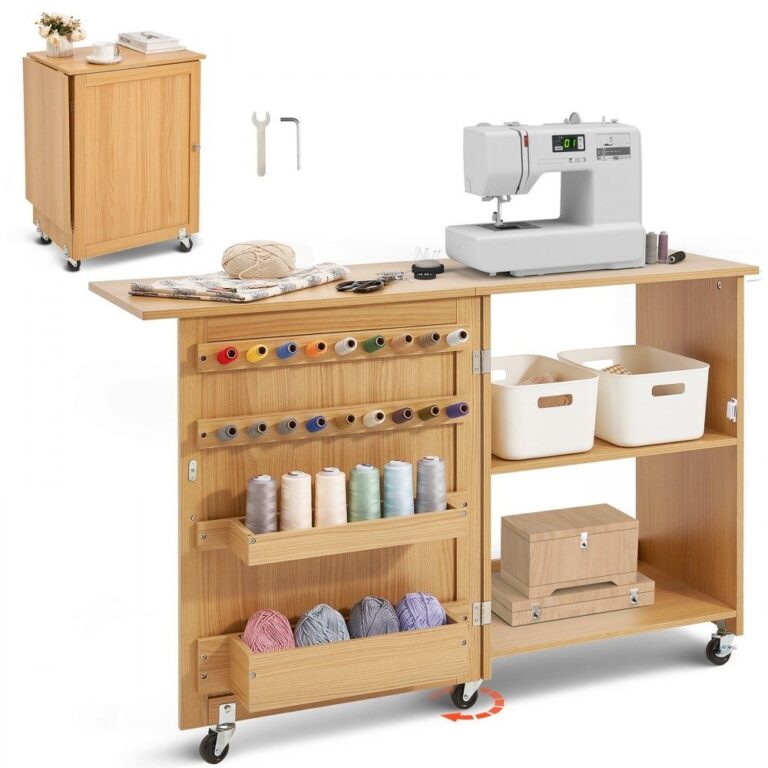
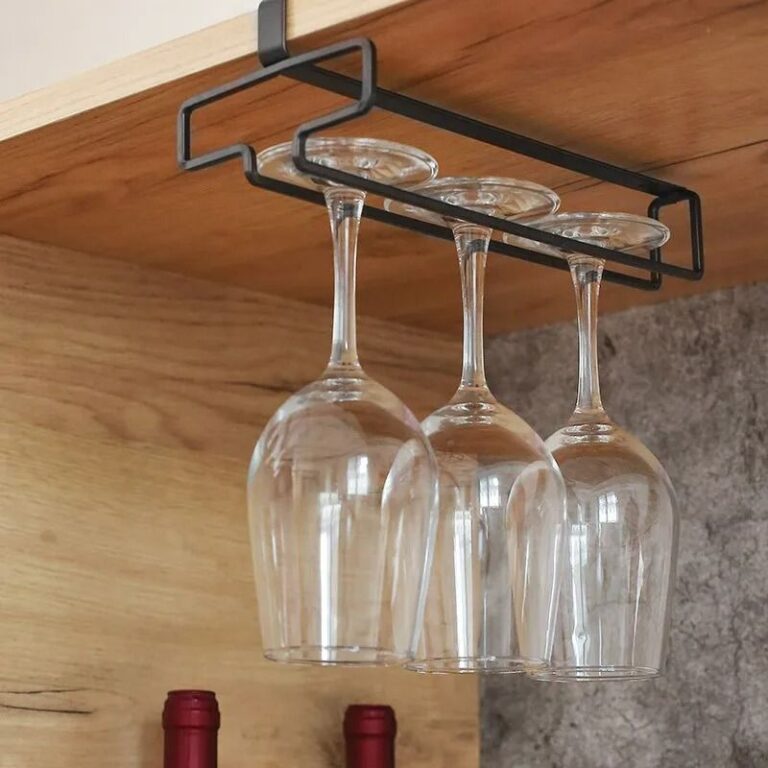 Aisha's pickDisplay Shelves with Glass Doors Pulled From Dozens of Stores
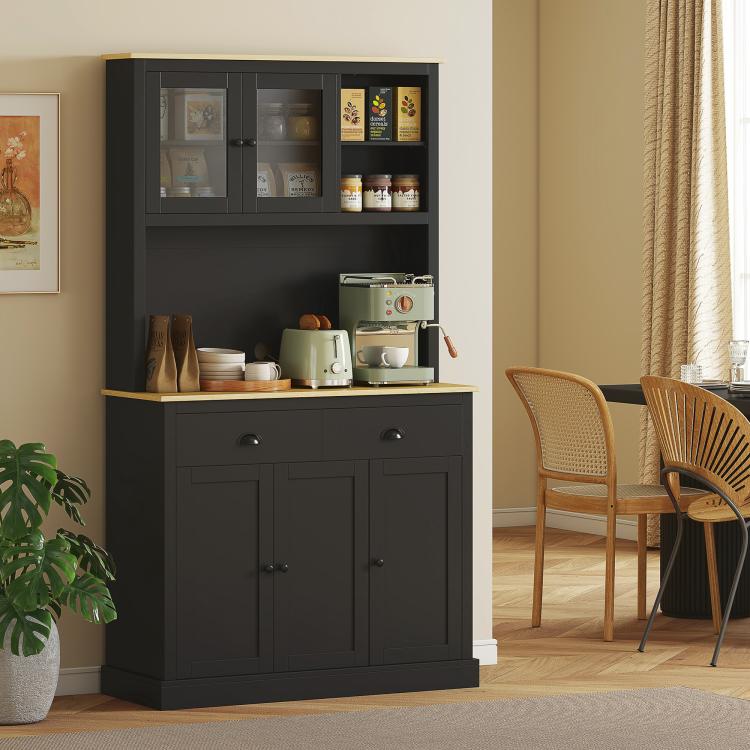
 Aisha's pickDisplay Shelves with Lights That Keep Surfaces Clear
 Aisha's pickDisplay Shelves with Storage That Swallow the Clutter
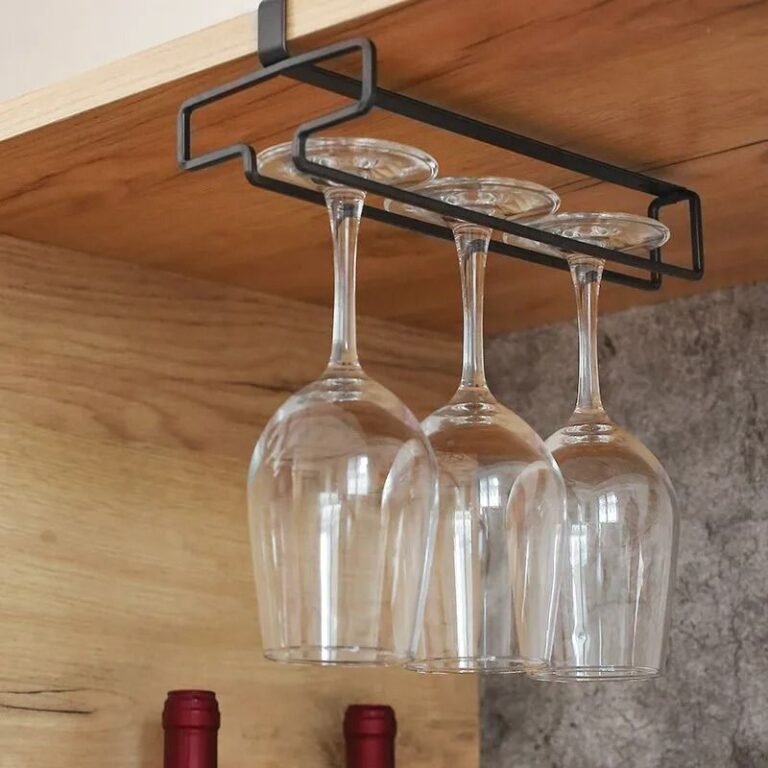 Aisha's pickDecent Glass Display Shelves Without the Hassle

 Aisha's pickLarge Display Shelves That Won’t Let You DownAlso worth a lookShelvingThe warning first: most people buy shelving the way they buy a lamp, grab something roughly the right size and hope.See the collections →
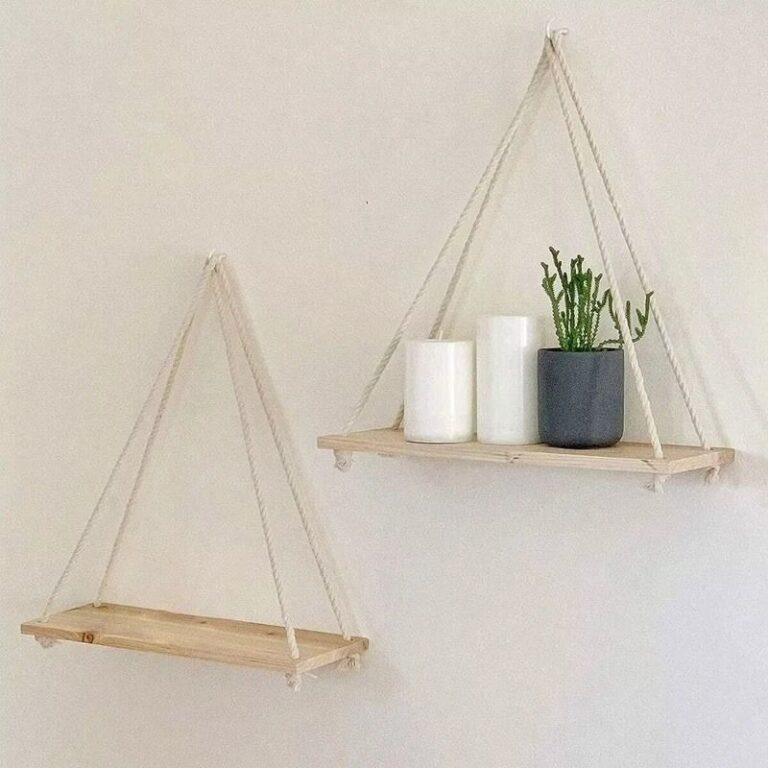
 Aisha's pickMetal Display Shelves That Keep Surfaces Clear