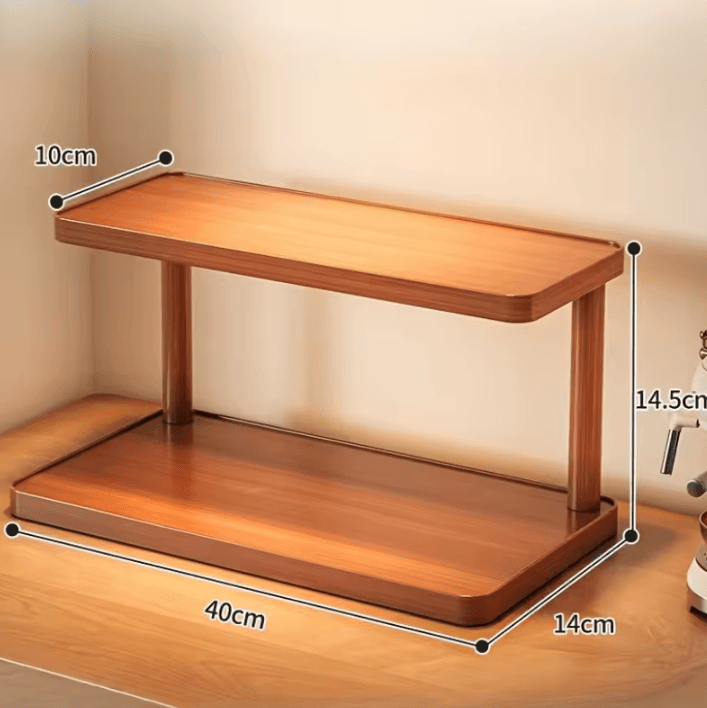
Wooden shelves are just a flat surface fixed to a wall to get stuff off the floor and off the counters, books, plants, the good mugs you never use, framed photos you're tired of eye level. That's the whole job. No moving parts, nothing to assemble beyond brackets, and if they're installed right they'll outlast most of what you put on them.
The finishes that are easiest to live with are the ones that read as wood rather than as a statement about wood, a light oak, a plain pine, a mid brown walnut tone, something with visible grain but no heavy varnish shine. Those sit quietly in a room and age fine. A dark espresso stain or anything with a glossy lacquer finish looks sharp on day one and dated within a couple of years, and scratches show up worse on dark gloss than on anything else. Run your hand across the surface before you buy, if it feels sticky or plasticky under a thin stain, that's not real wood doing the work, that's a veneer wearing a costume, and it won't take a scratch or a water ring without showing it. The honest limit here is weight. A single wooden shelf on two brackets is not built for a stack of hardcover books three feet wide, it's built for a plant, a lamp, a row of paperbacks, maybe one. If you need serious load bearing, you want a proper bookcase with a frame doing the structural work, not a floating board and good intentions. Wooden shelves also don't belong anywhere wet, a steamy bathroom will warp a cheap one within a year and even a good one needs a sealed finish to survive it, so check the label or ask before it goes anywhere near a shower.
They clash with rooms that are already busy with pattern, a floral wallpaper under a chunky wood shelf starts looking like a craft fair. They sit well against plain painted walls, next to metal lamps, alongside fabric that's got some texture but not much print, linen cushions, a plain rug, that kind of thing. Wood plus wood plus metal accents is a safe combination that almost never goes wrong, and it's forgiving if your furniture doesn't all match, which in most houses it doesn't.
First place I'd put a run of them is a living room wall that's doing nothing, above a console or either side of a window, where you can keep the weight sensible and let the wood do something a bare wall never will.
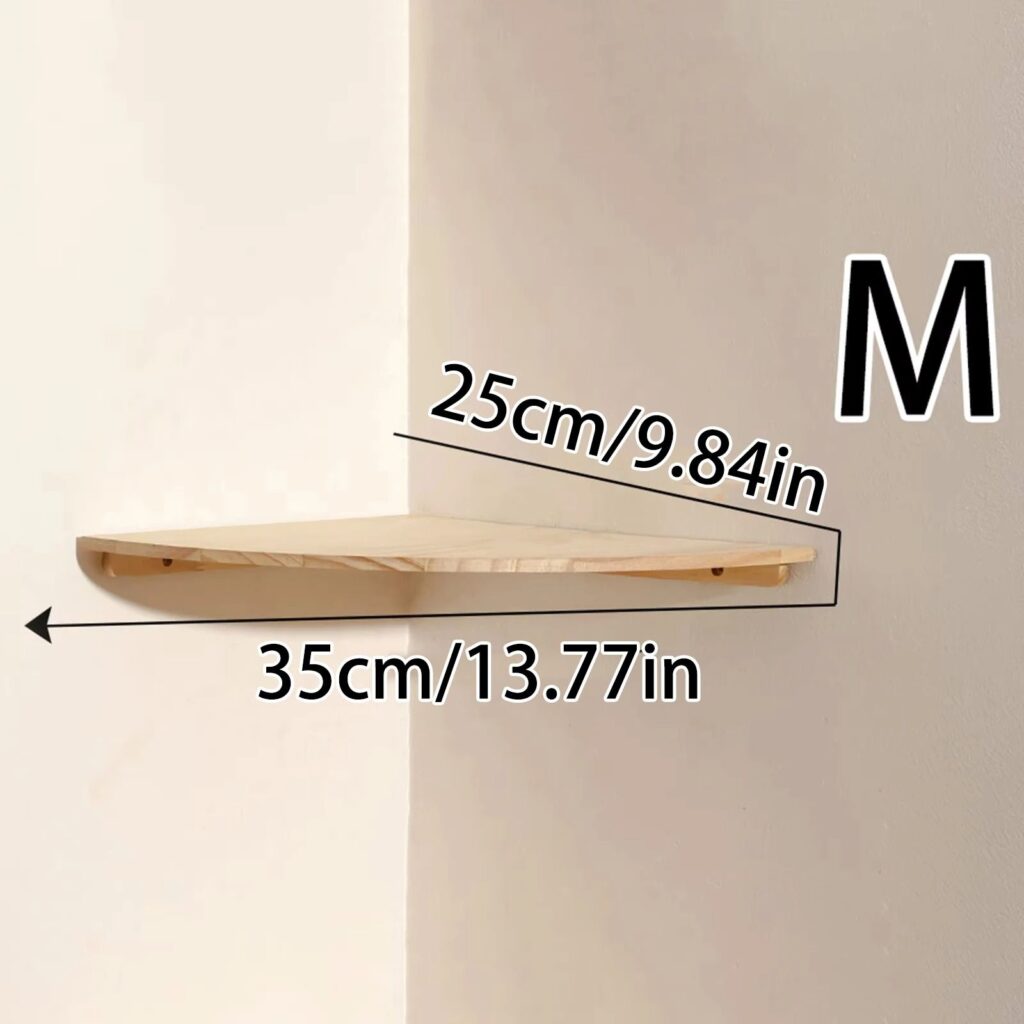 Aisha's pickWood Kitchen Shelves That Cope With Steam and Splashes
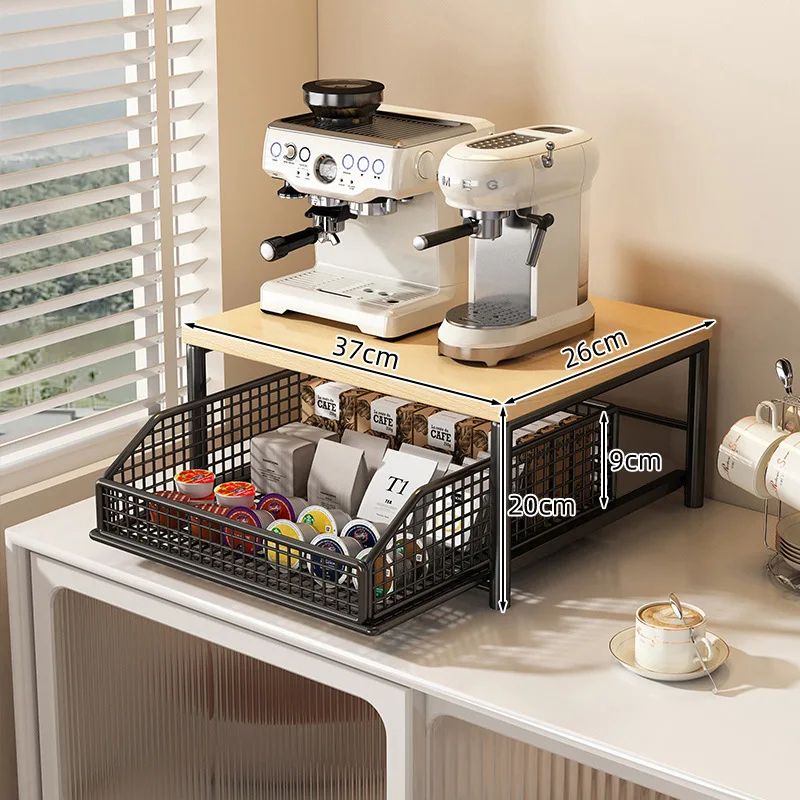
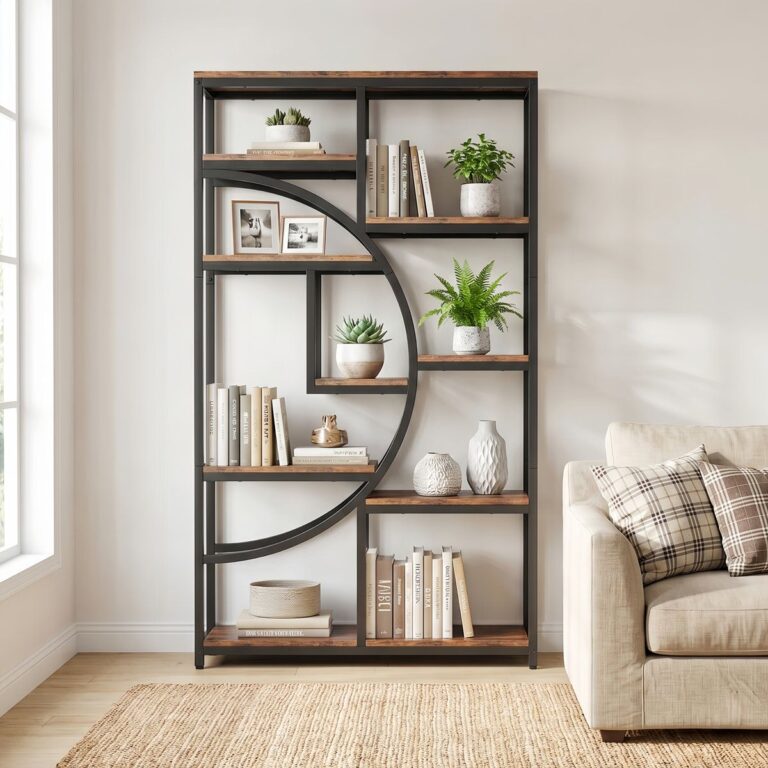
 Aisha's pickWood Metal Shelving That Holds Up
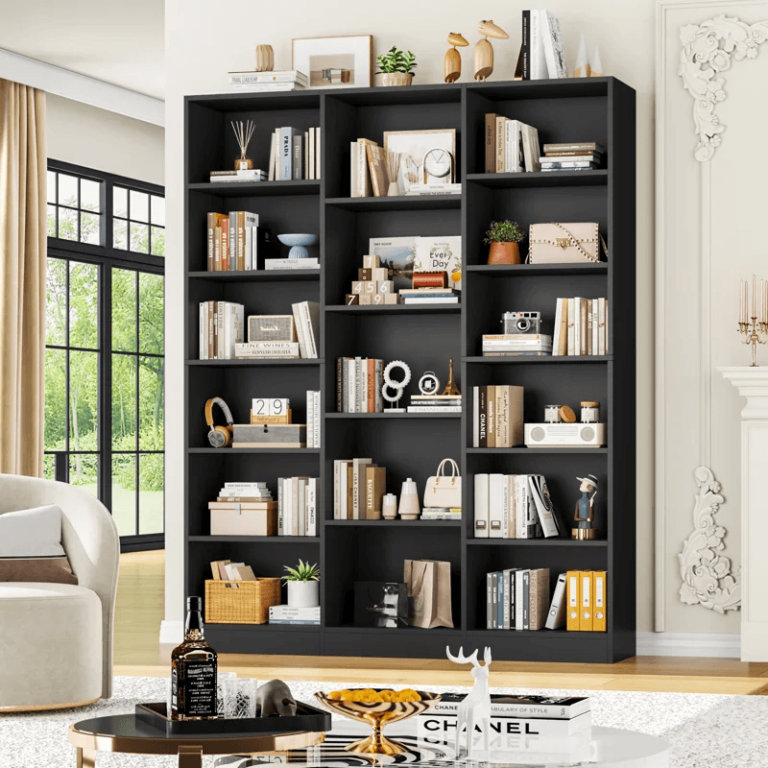
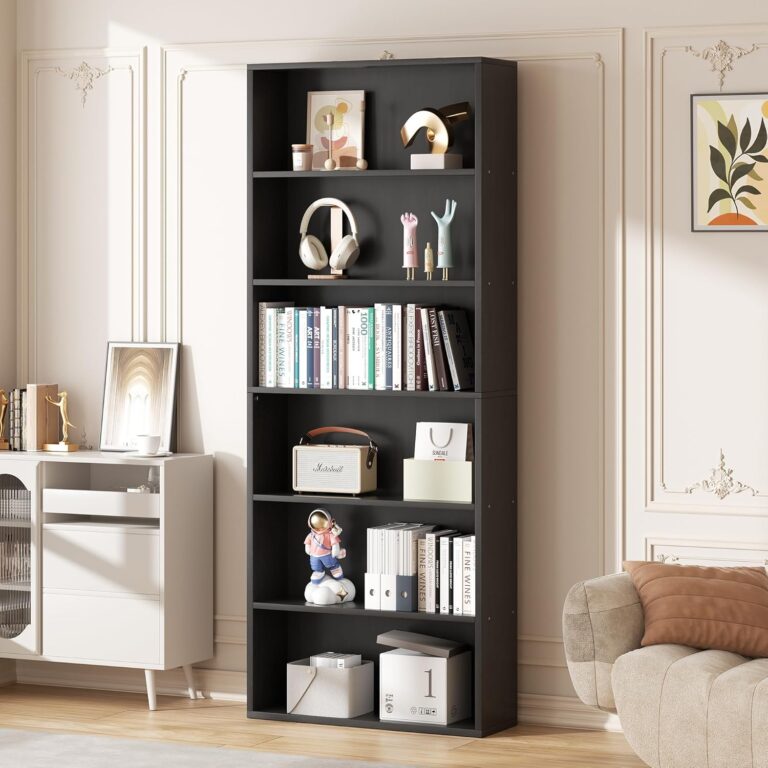 Aisha's pickWood Office Bookcases for Working From Home Without the Backache
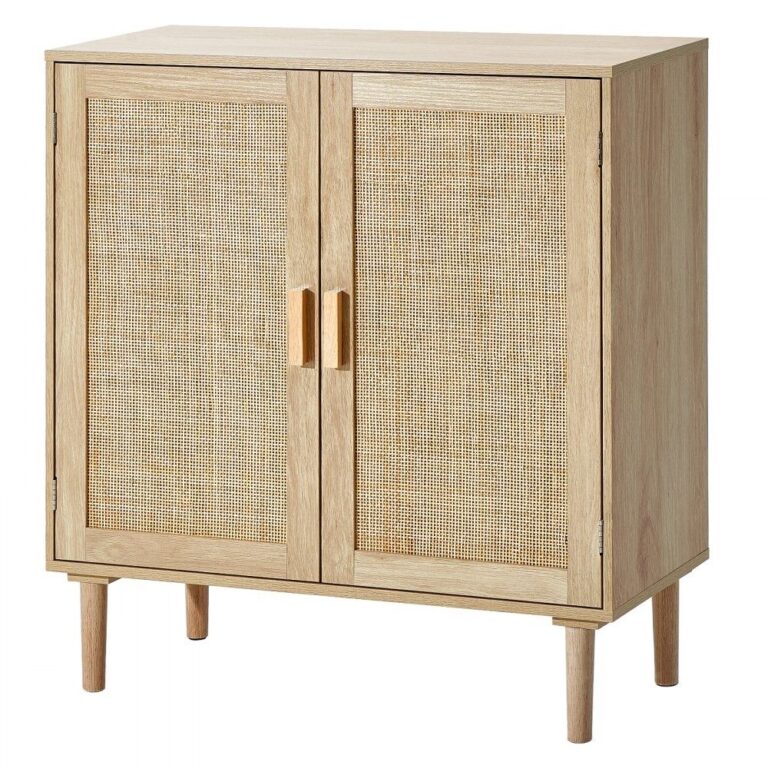 Aisha's pickWood Shoe Shelves for Narrow Hallways
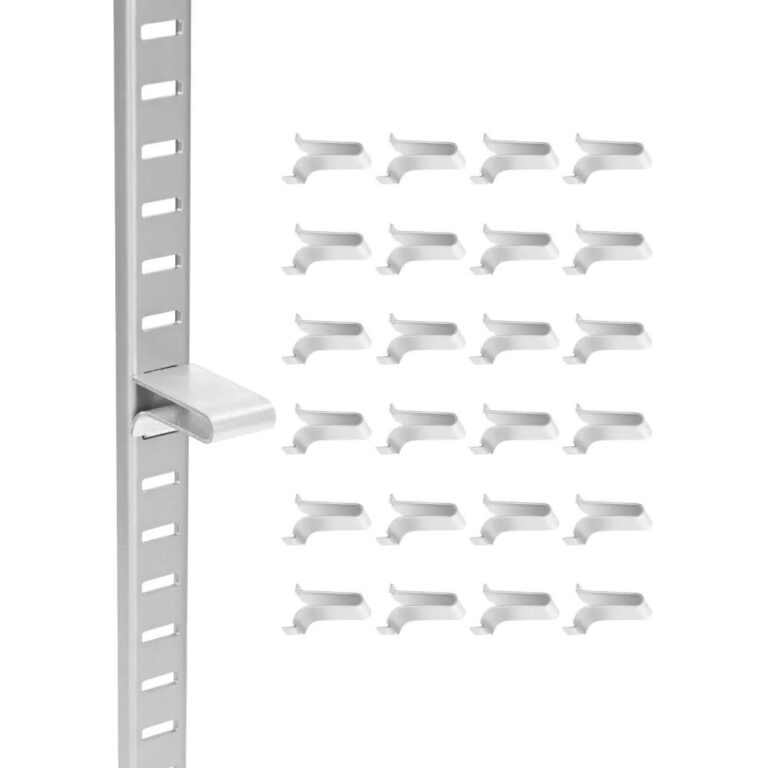
 Aisha's pickWood Wall Shelves That Hide the Mess for Good
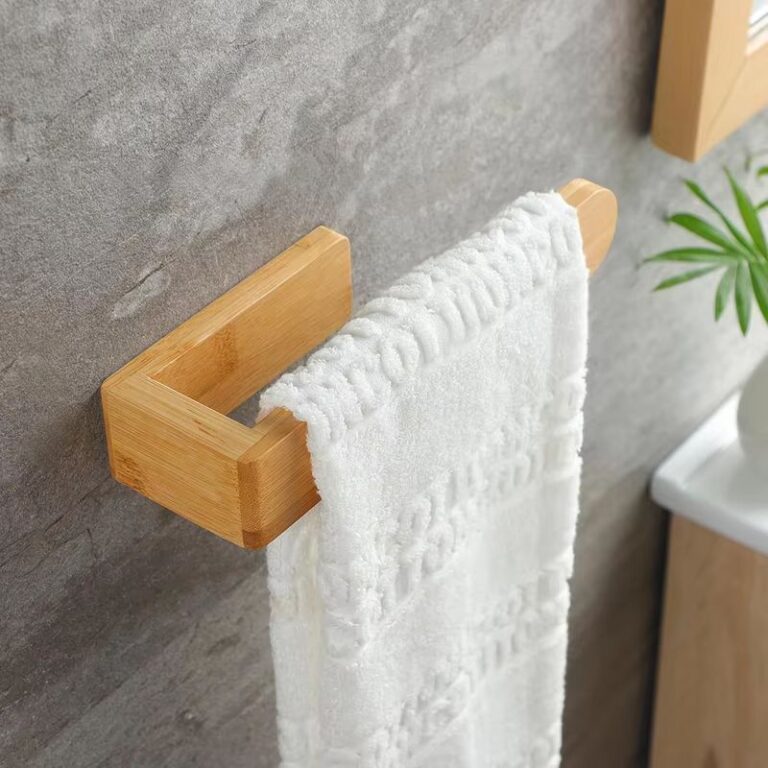
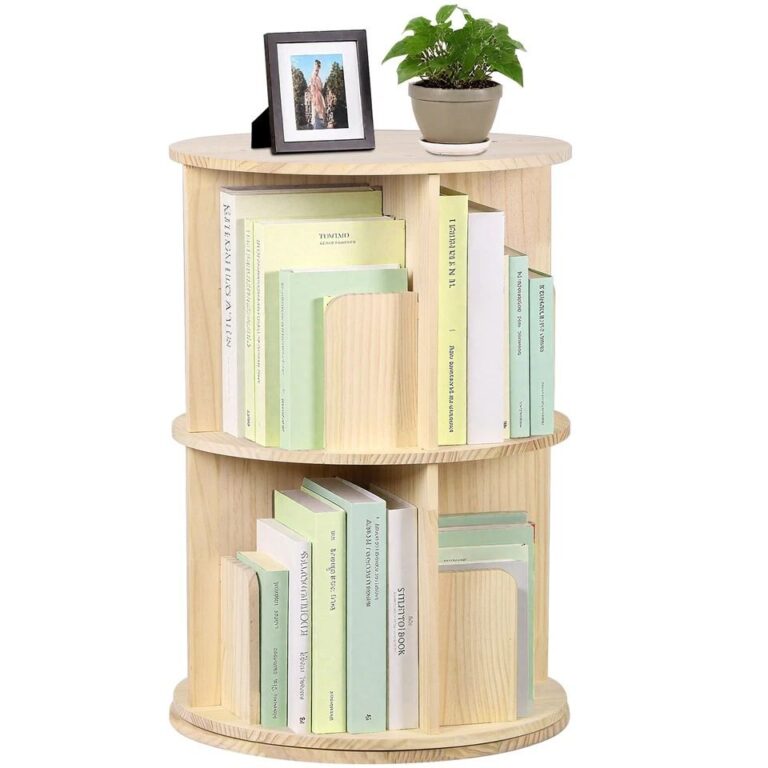 Aisha's pickSolid Wood Bookcases From Brands You Know and a Few You Won’t
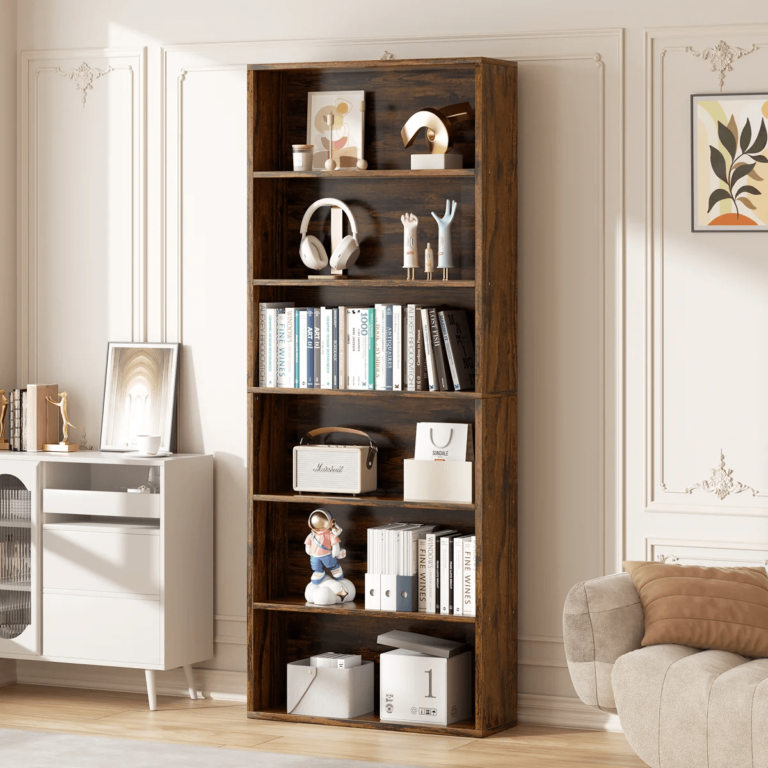
 Aisha's pickShopping for Wooden Bookcases? Start Here
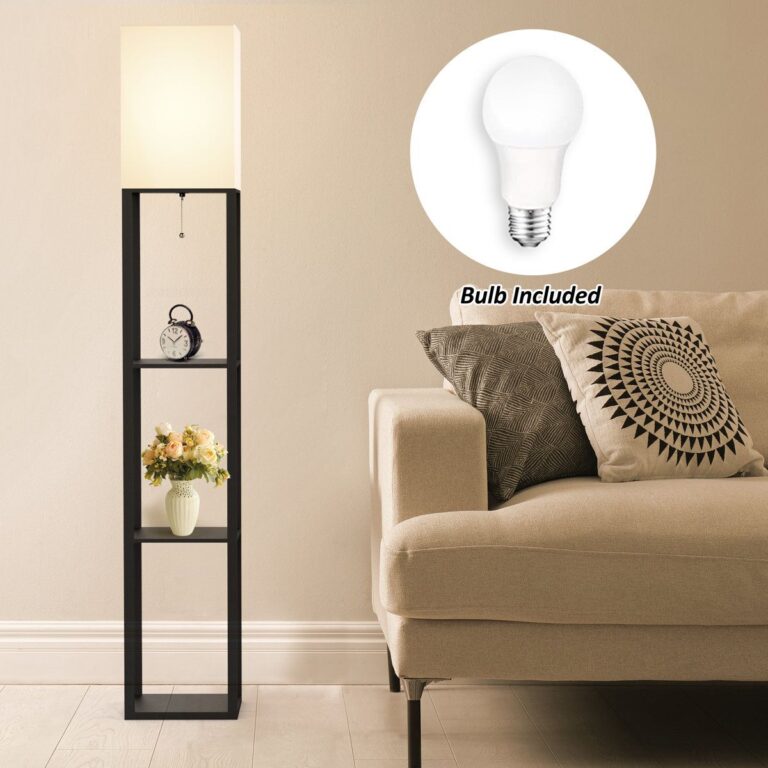 Aisha's pickSolid Wood Corner Shelves Picked From the Stores We Trust
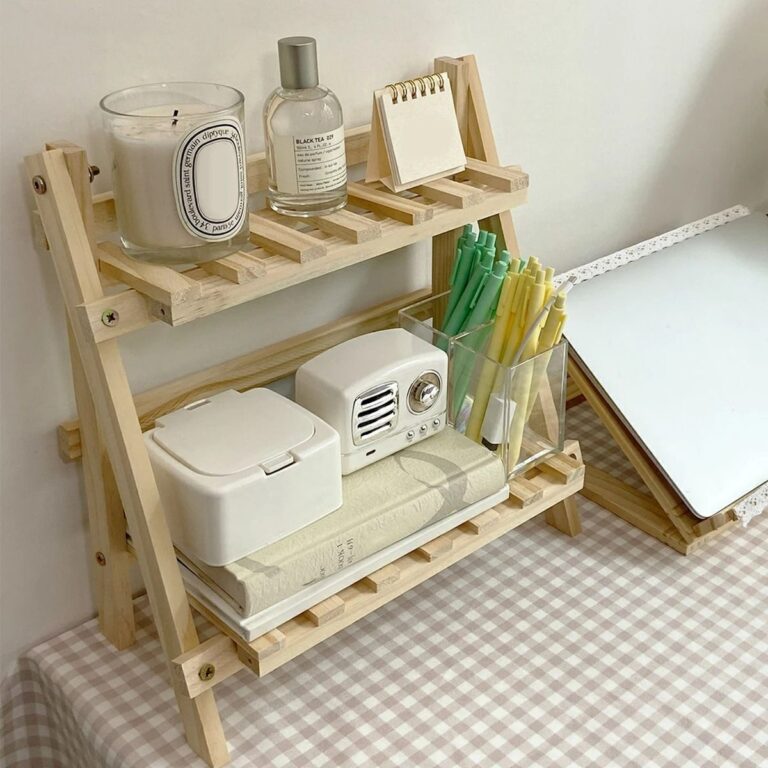
 Aisha's pickThe Wooden Bookshelves Worth Your CashAlso worth a lookWall ShelvesFor years I thought the bracket was the whole story with wall shelves, buy the beefiest looking one and you're set.See the collections →
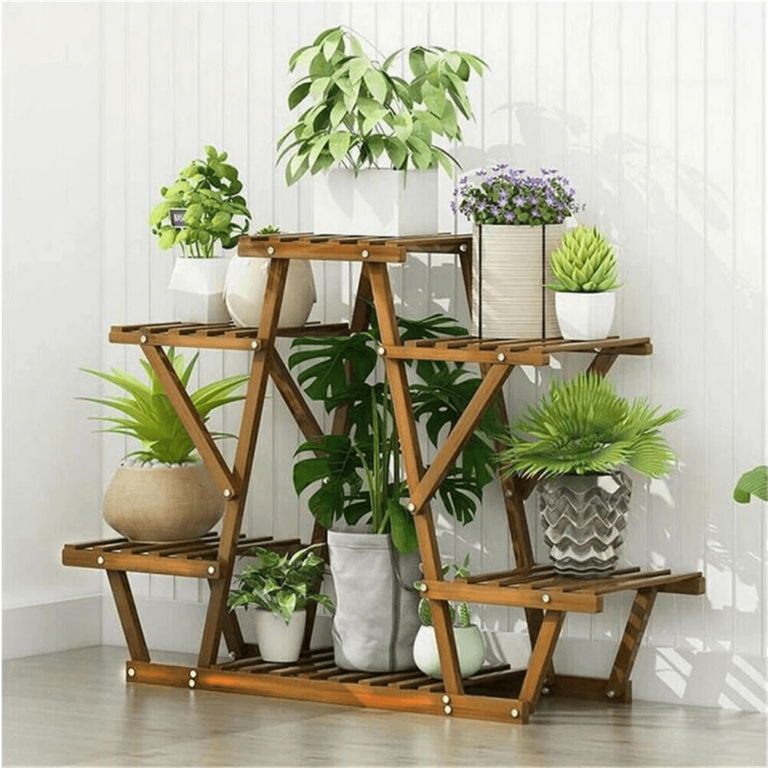 Aisha's pickThe Solid Wood Display Shelves Worth Your Cash
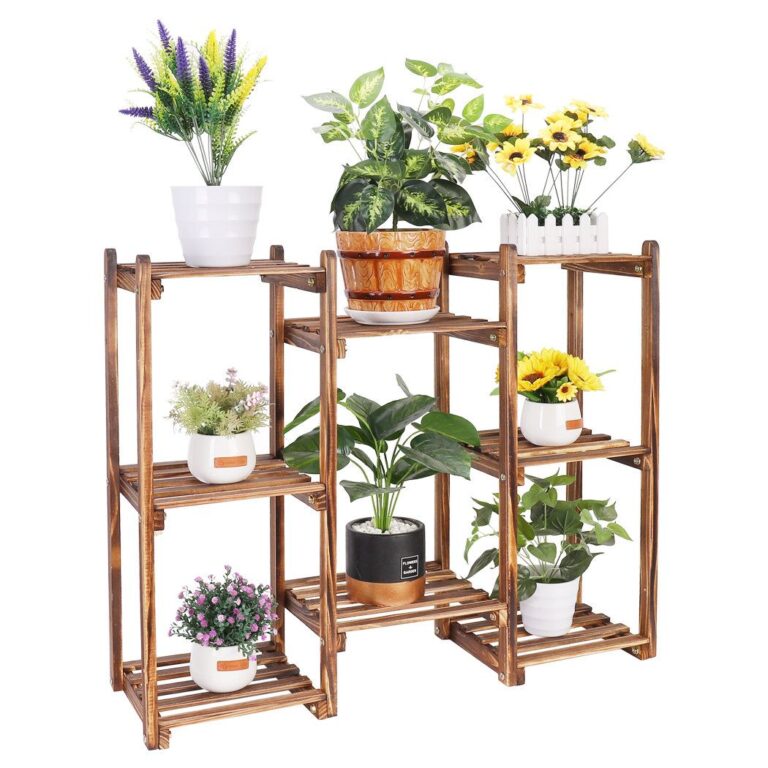
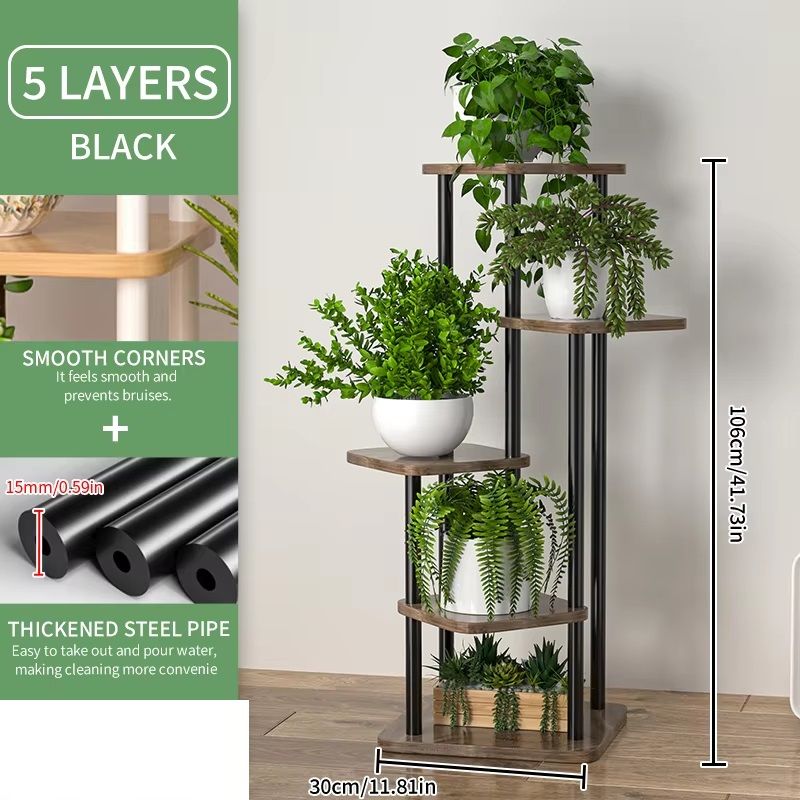 Aisha's pickWooden Corner Shelves That Make a Room Feel Finished
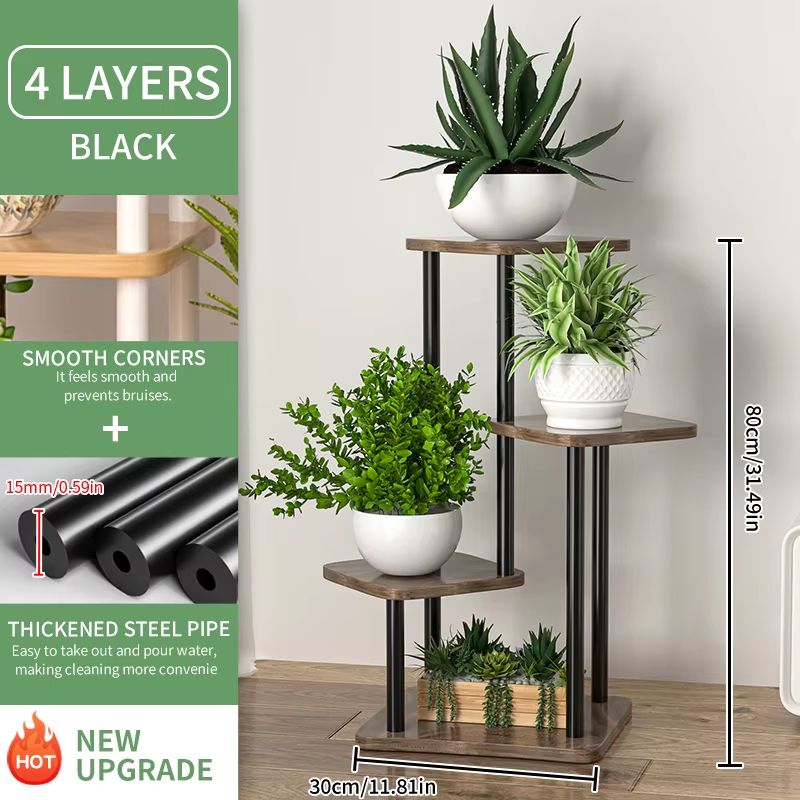
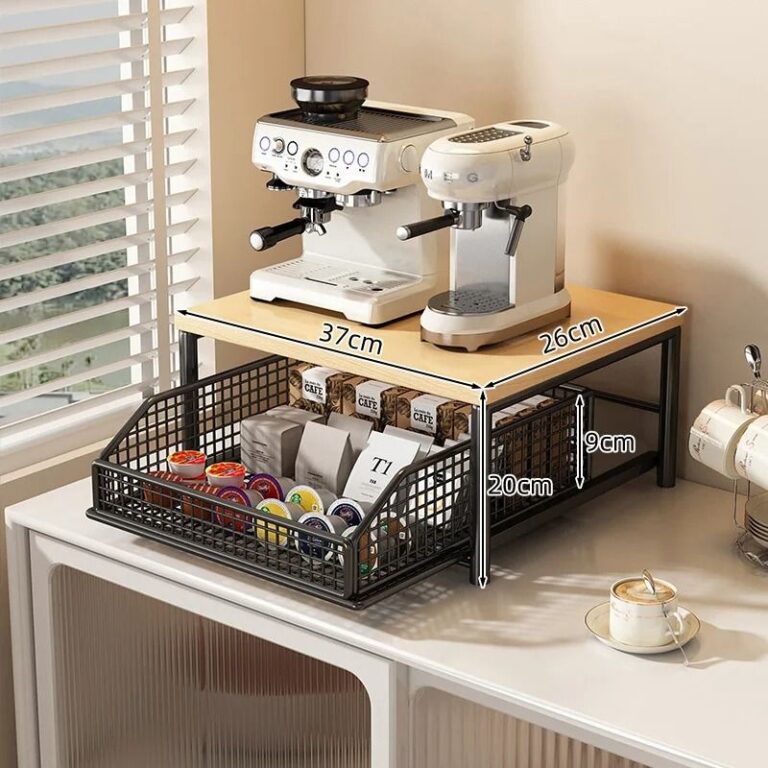 Aisha's pickSolid Wood Kitchen Shelves That Keep Surfaces Clear
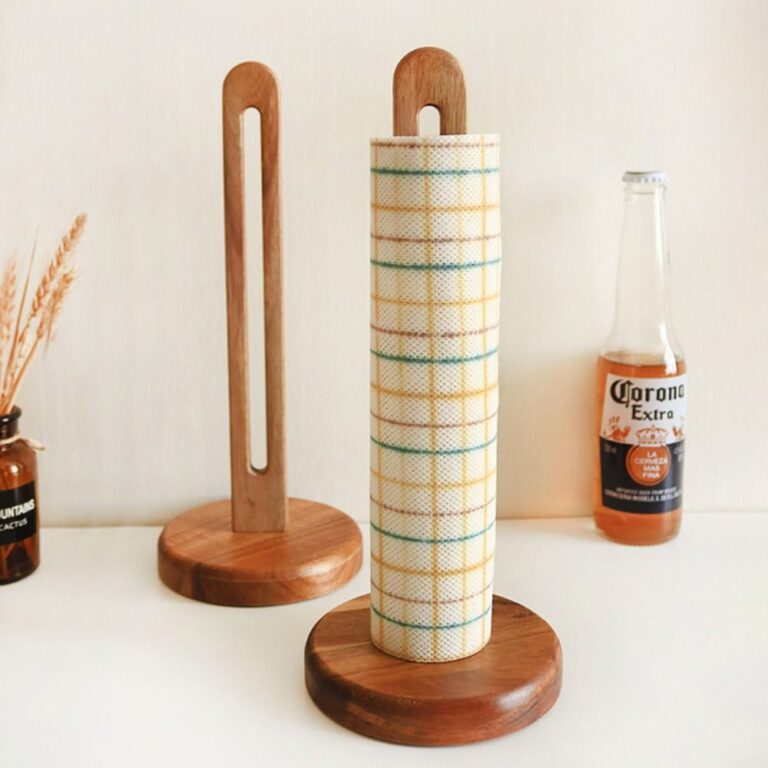
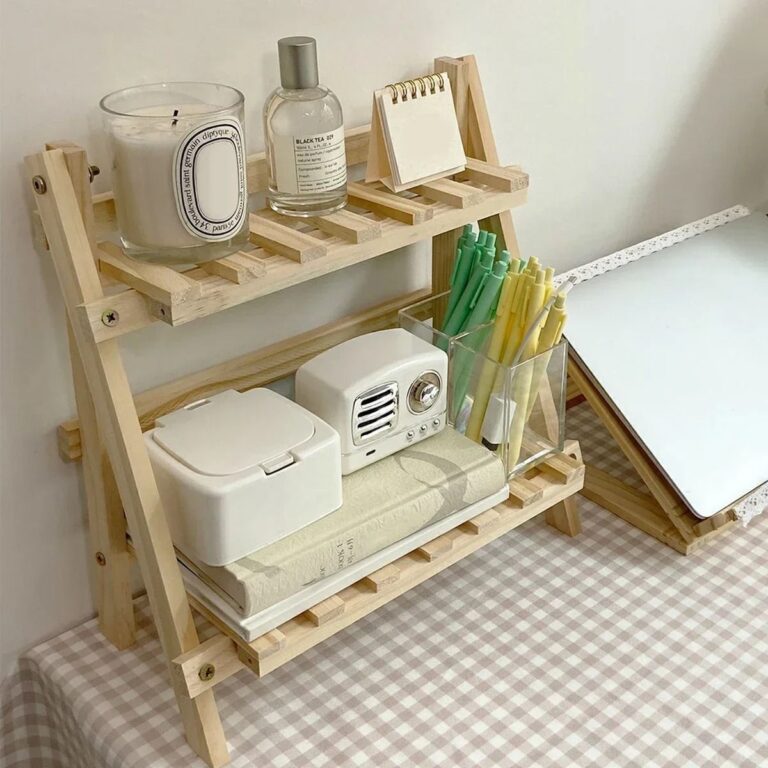 Aisha's pickWooden Desk Shelves We Work Beside Every Day
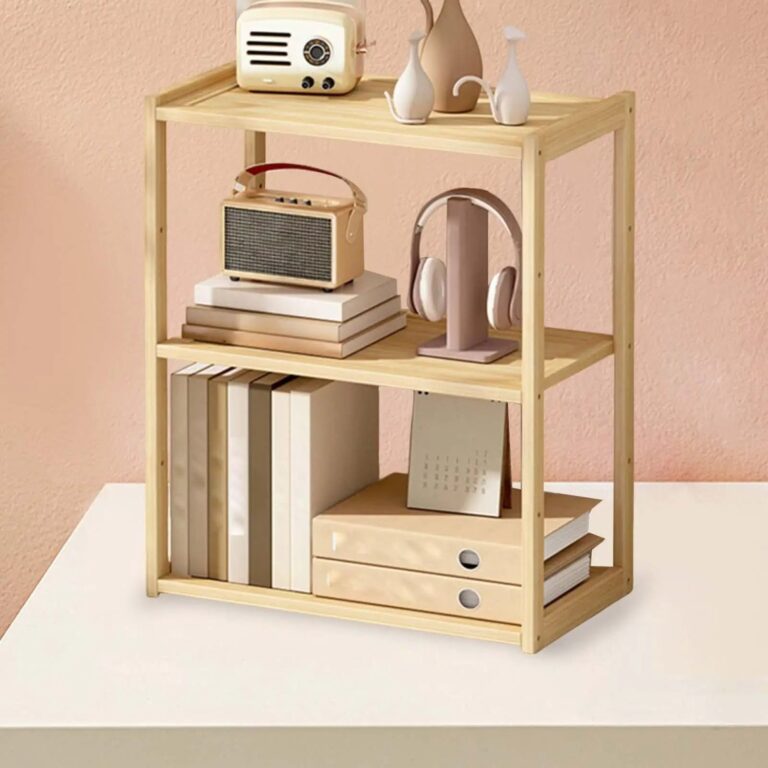
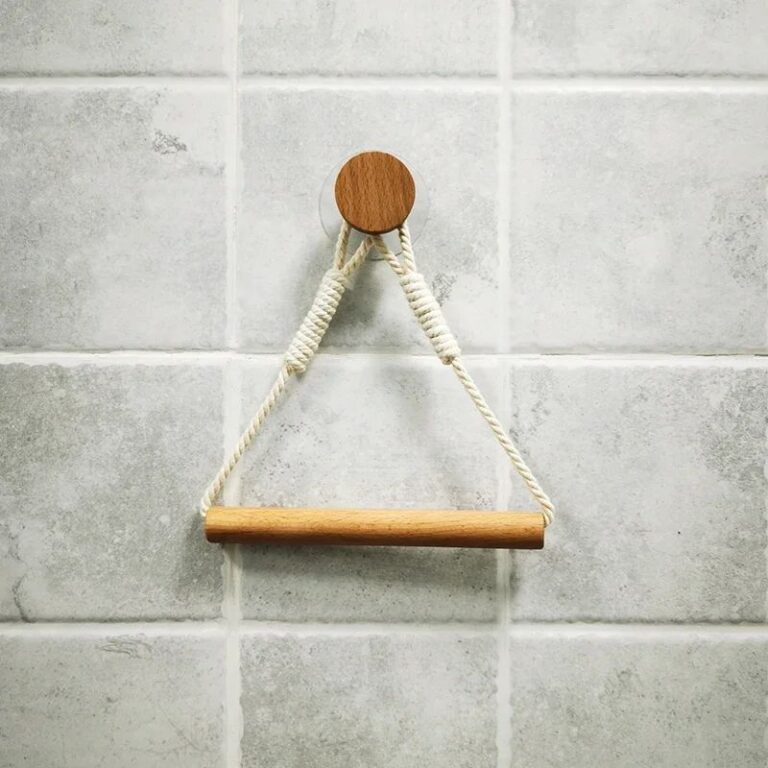 Aisha's pickSolid Wood Wall Shelves That Squeeze Into Awkward Corners
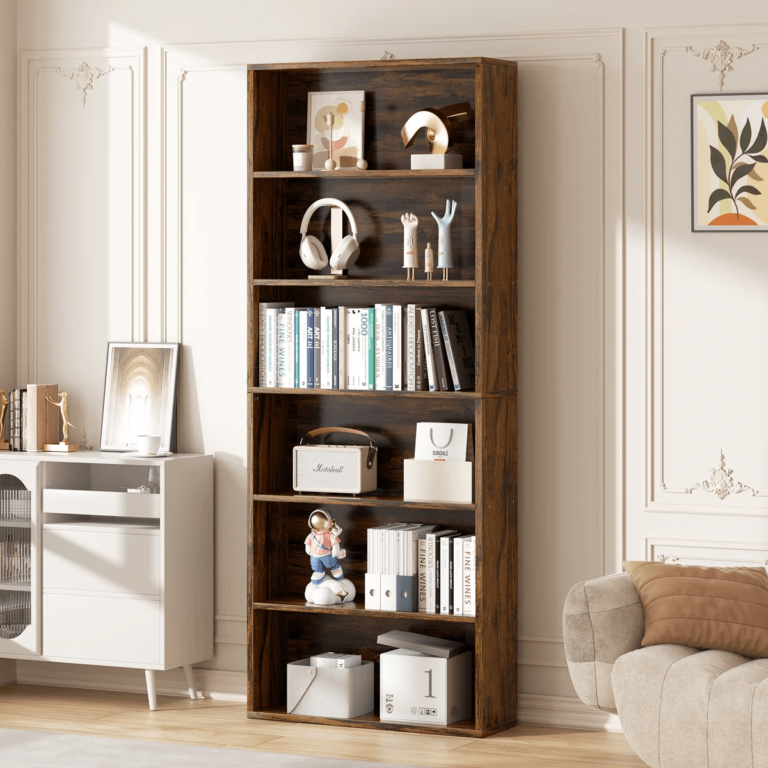
 Aisha's pickWooden Display Shelves That Look Good Even When Full
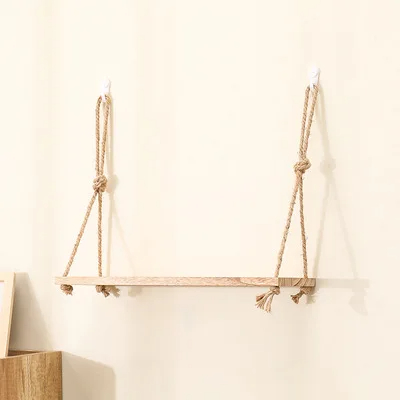
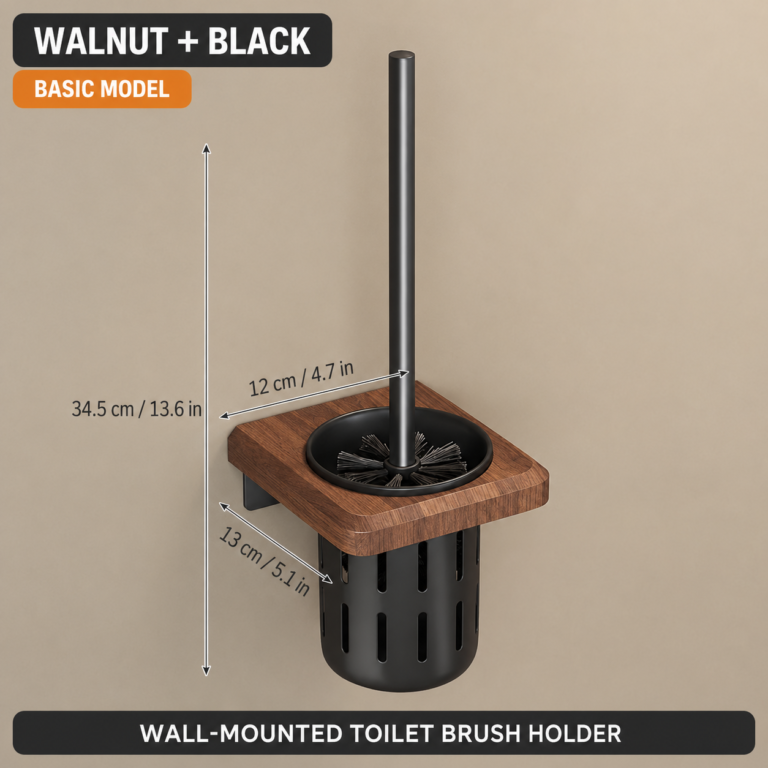 Aisha's pickWalnut Wall Shelves That Keep Surfaces Clear
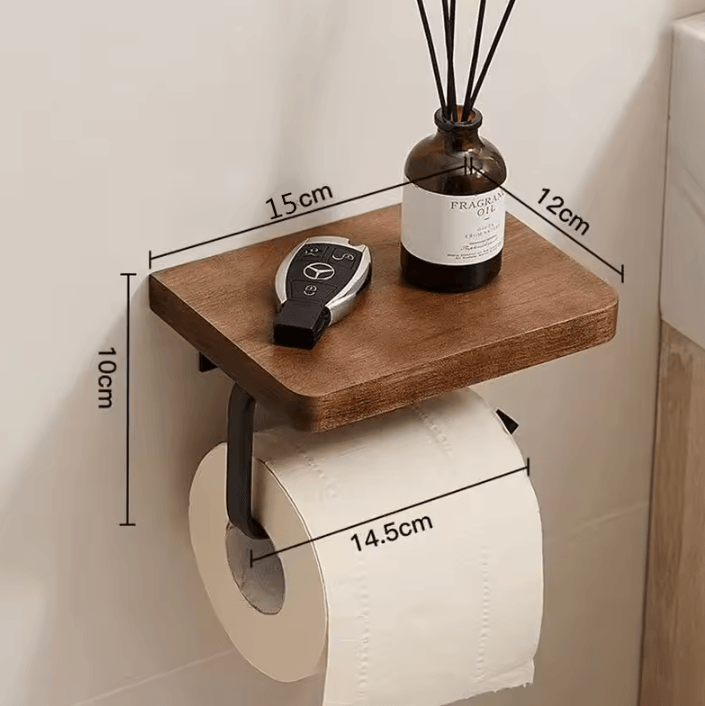
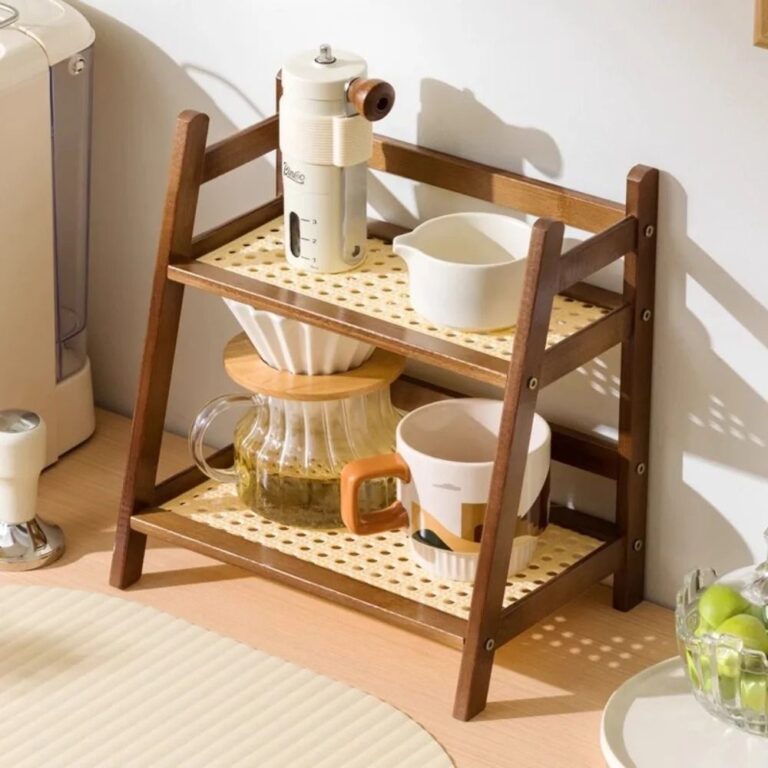 Aisha's pickWooden Kitchen Shelves Pulled From Dozens of Stores
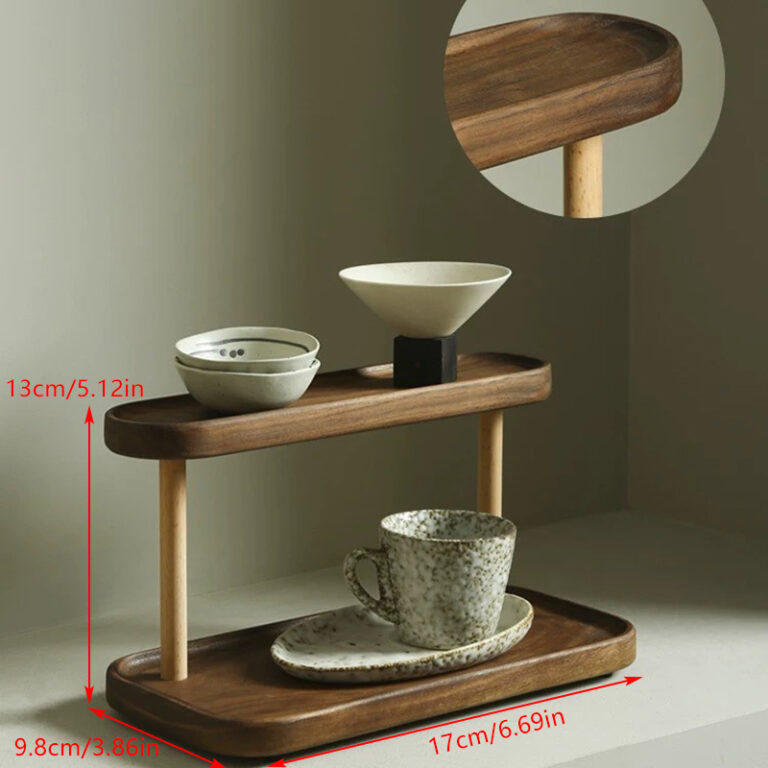
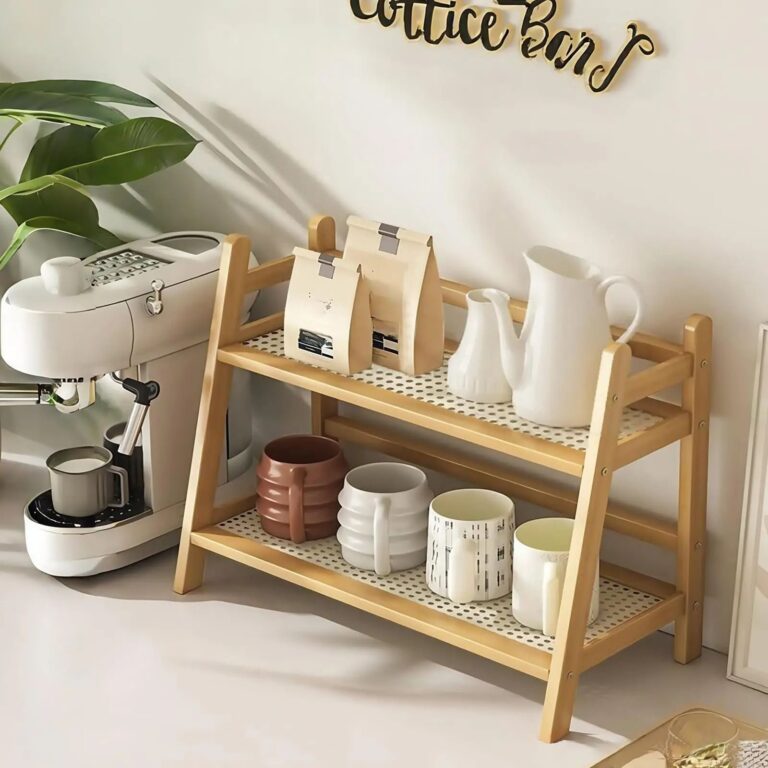 Aisha's pickWood Bathroom Shelves That Make Mornings EasierAlso worth a lookShelvingThe warning first: most people buy shelving the way they buy a lamp, grab something roughly the right size and hope.See the collections →
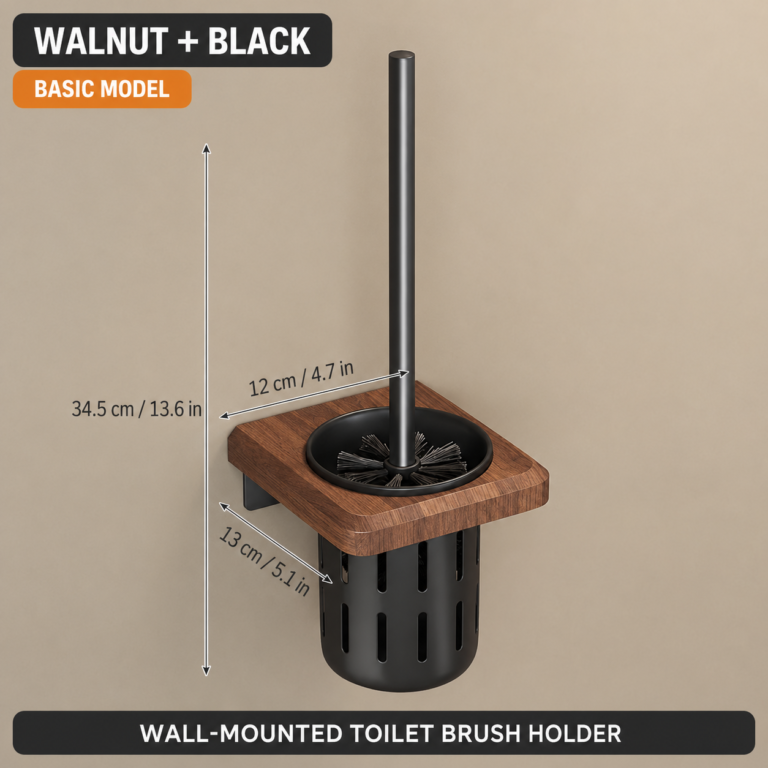
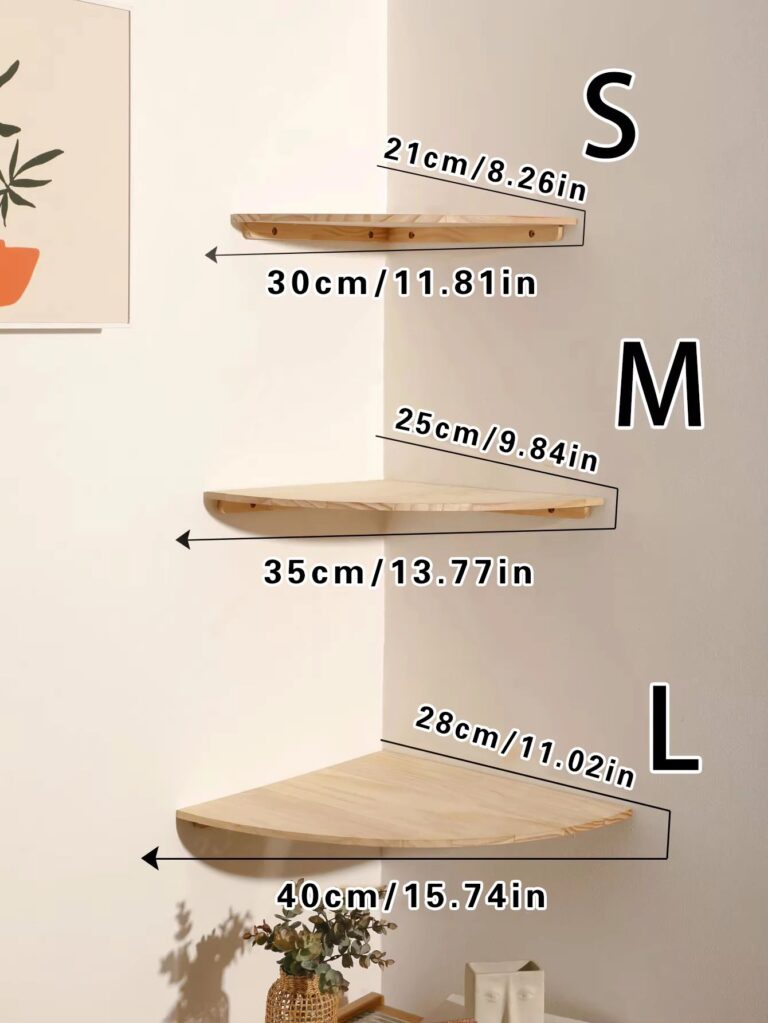 Aisha's pickWooden Kitchen Shelves We Wish We’d Bought Sooner
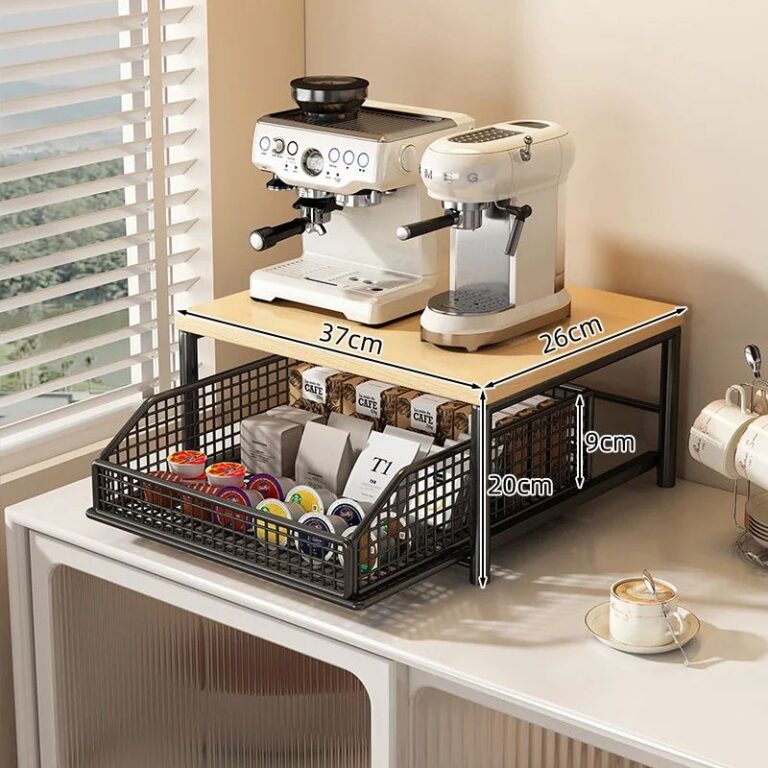
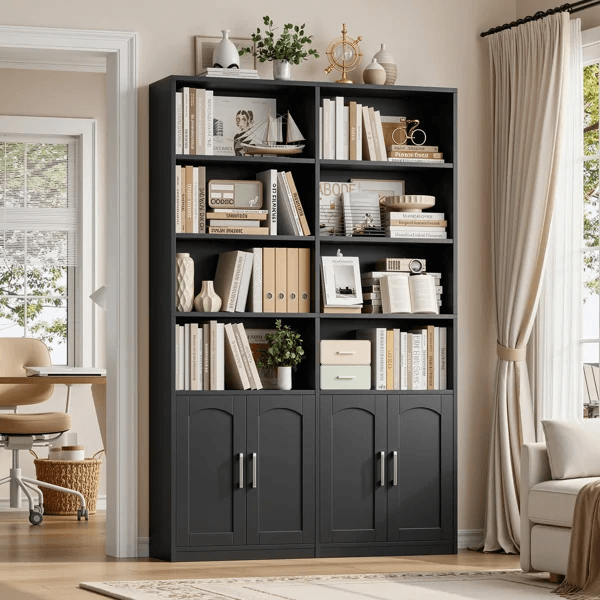 Aisha's pickWood Bookcases That Make Tidying Up Quicker
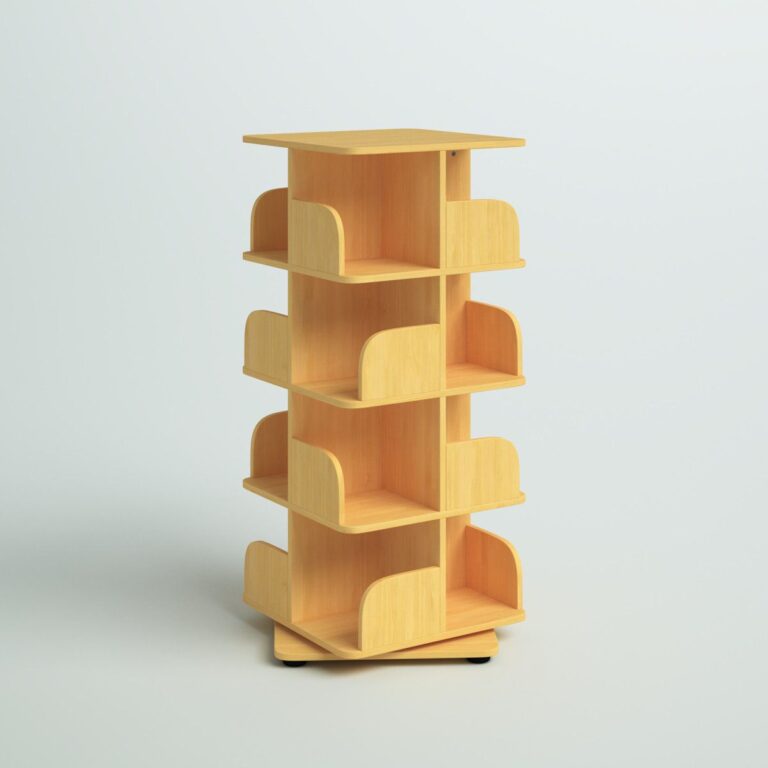
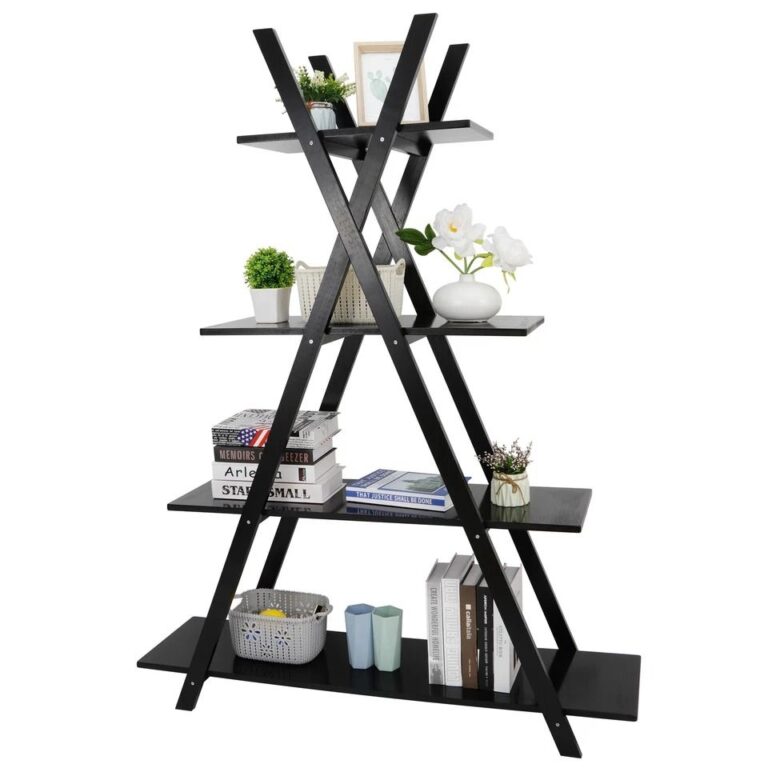 Aisha's pickWooden Office Bookcases for Working From Home Without the Backache
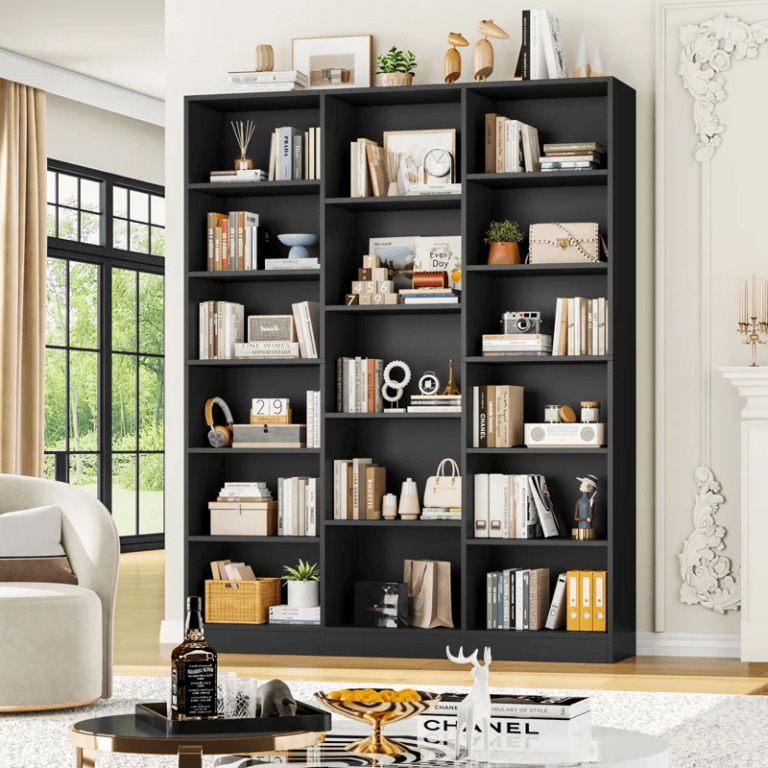
 Aisha's pickWood Bookshelves for the Bits That Never Have a Home
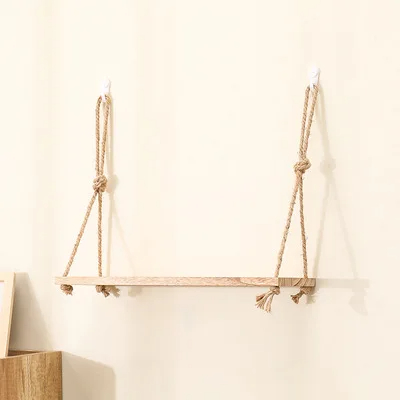 Aisha's pickWooden Plant Shelves That Swallow the Clutter

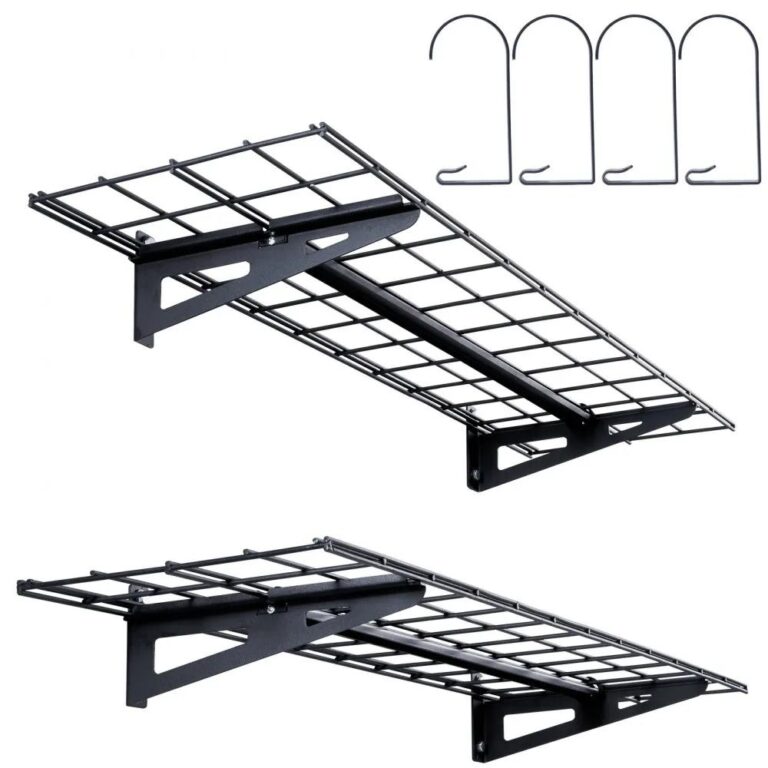 Aisha's pickWood Garage Shelves That Get Better With Age