Fencing used to mean one trip to a hardware store and one option, basically a wall of identical pressure treated boards that went silver gray within a year whether you wanted it to or not. That has loosened up a lot. There's more range now in panel styles, trellis tops, and finishes that actually hold their color, and for the most part that shift has been a good one, even if it means standing in an aisle for twenty minutes trying to figure out what you actually want.
Where it gets tricky is right at the boundary between your yard and your neighbor's. A fence or trellis that looks great alone can look strange against whatever is already there, a different style, a different height, a different wood tone weathered a different way. Before you commit to anything, walk the line and look at what it's going to sit next to, not just what it's going to sit in front of. A crisp white trellis next to a leaning, graying privacy fence reads less like a design choice and more like an argument nobody won.
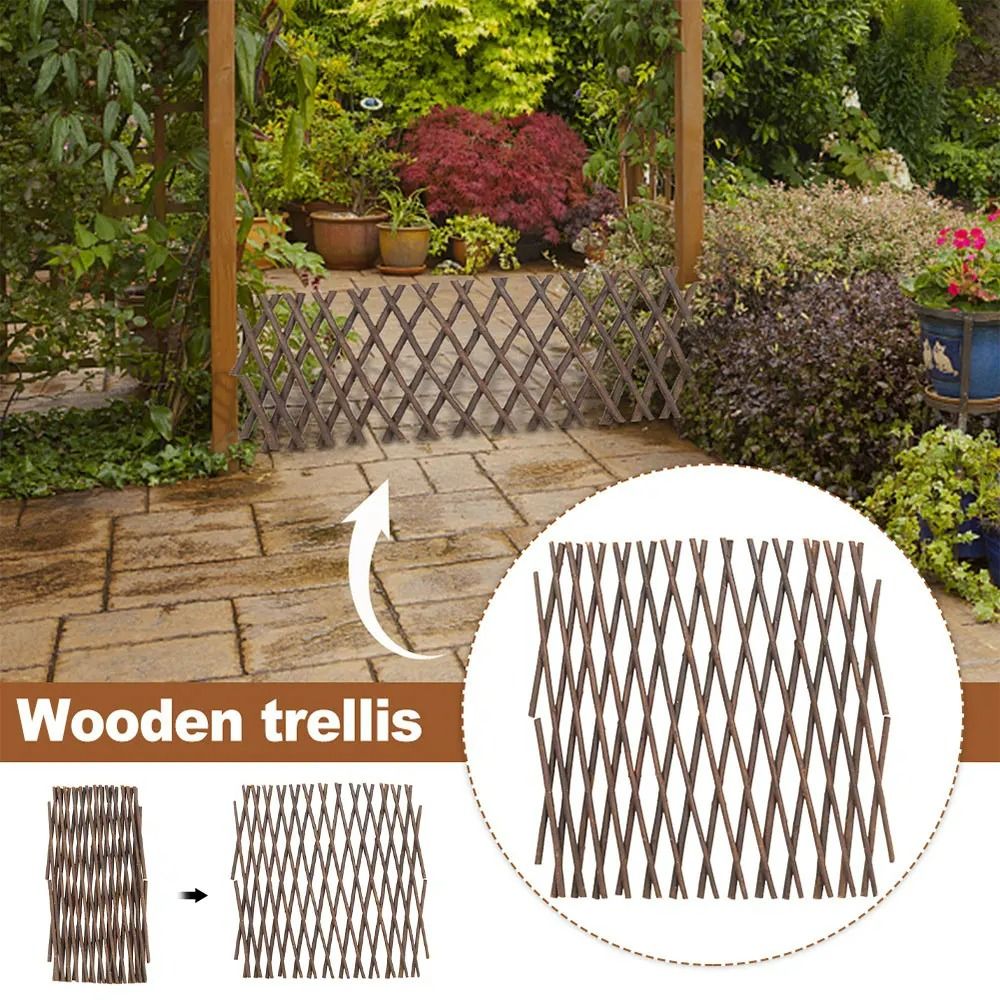
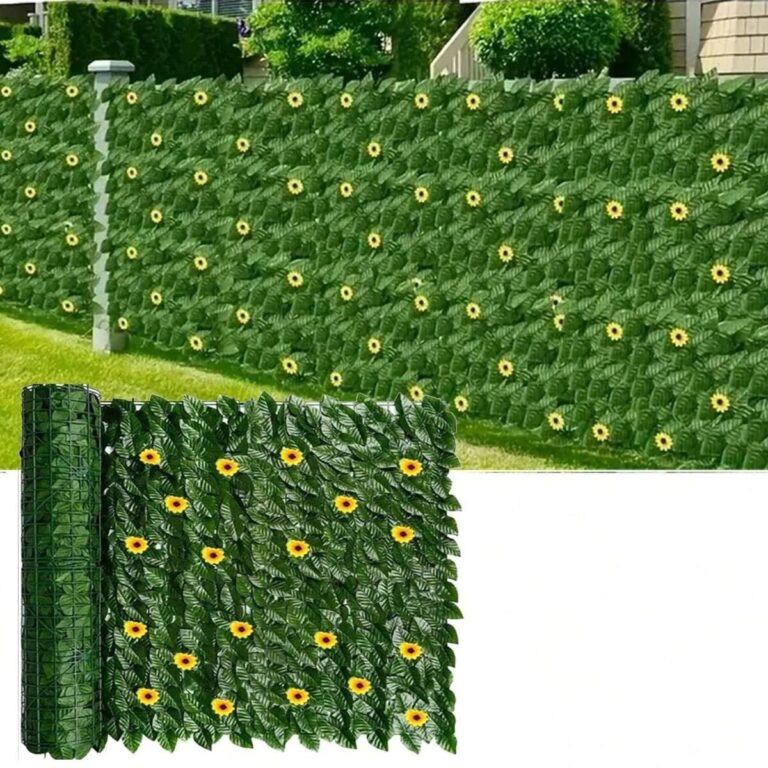
There are honest limits here too. Trellis panels are not a privacy solution, they're a support structure with gaps built in on purpose, so if what you actually need is to block a sightline, you're shopping the wrong category and you'll figure that out about two weeks after installation, standing in your yard, fully visible. And thinner fencing that looks solid in a listing photo can turn out to flex under real wind the first time a storm comes through, so give any panel a firm push with your hand before you buy it, not after it's in the ground.
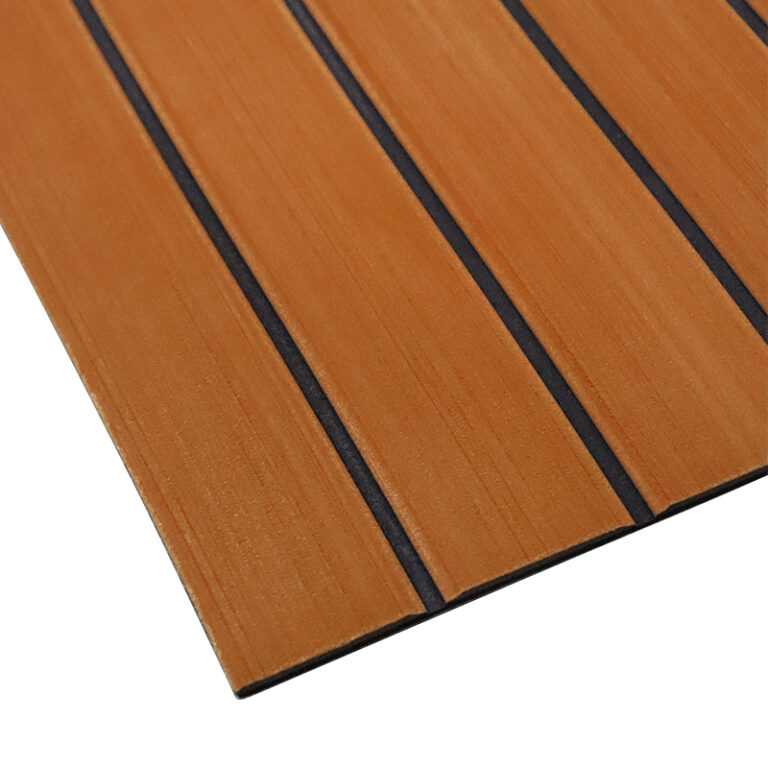
On color and finish, the ones that age well are the ones that don't pretend. A natural wood tone or a muted stain that's meant to weather is far easier to live with long term than a bright painted finish that will chip and need redoing, usually right before you have people over. Untreated cedar going silver is a look. A white panel going patchy is just upkeep you didn't sign up for.
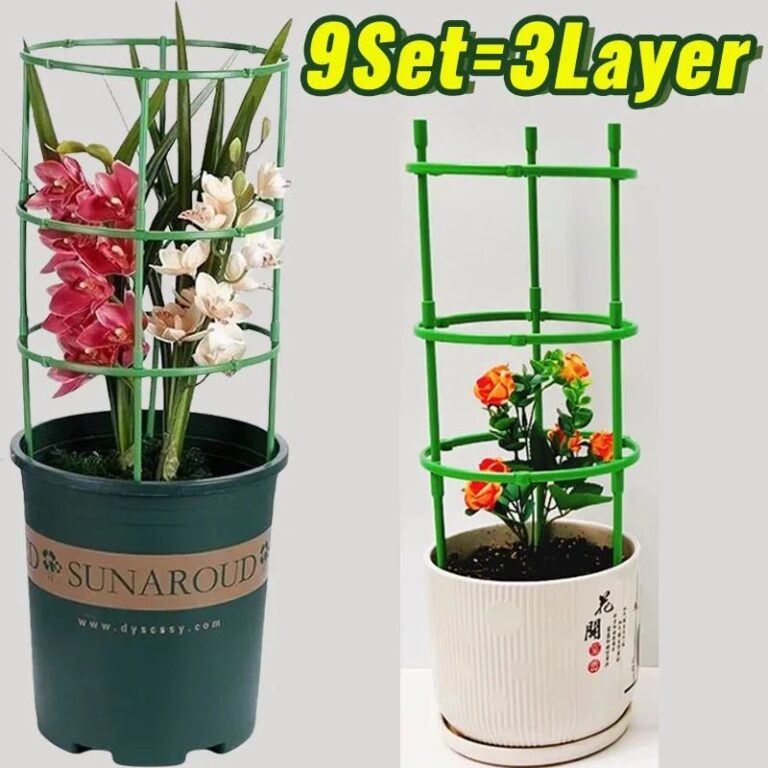
In an ordinary yard, fencing and trellis sit best with plants doing a little more of the work than the structure itself, climbing vines, a raised bed nearby, something softening the lines. It's a backdrop, not the main event. What it can't do, no matter how nice it looks, is replace a wall when privacy is actually the point.

 Aisha's pickOutdoor Trellises That Fit Into Real Life
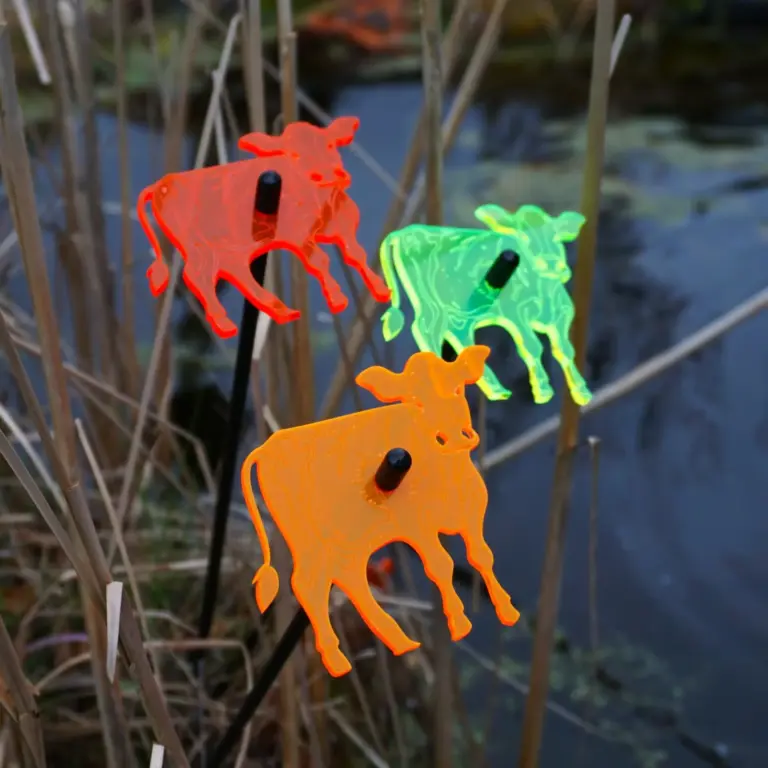
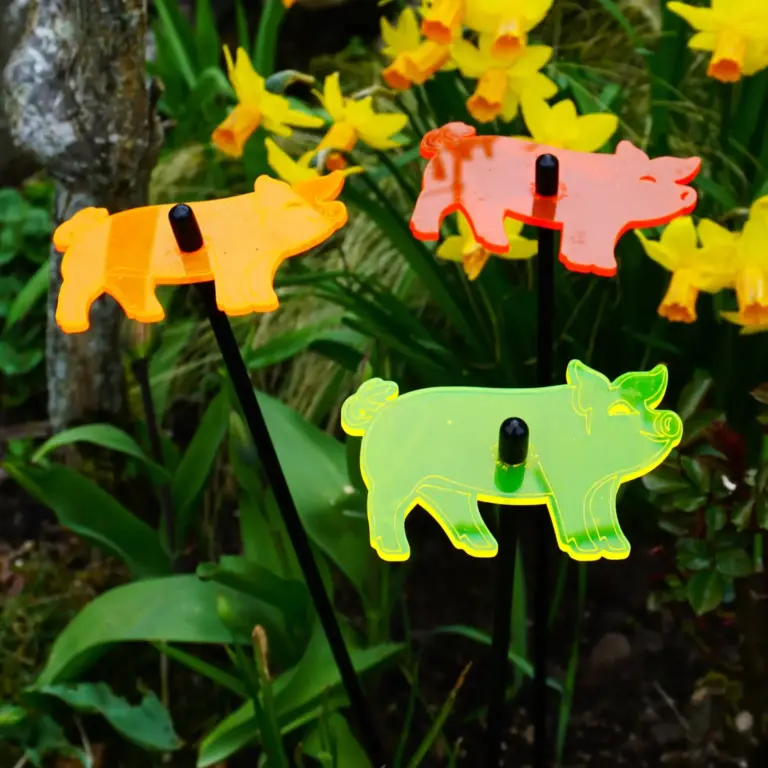 Aisha's pickNatural Outdoor Stakes That Stand Up to the Weather
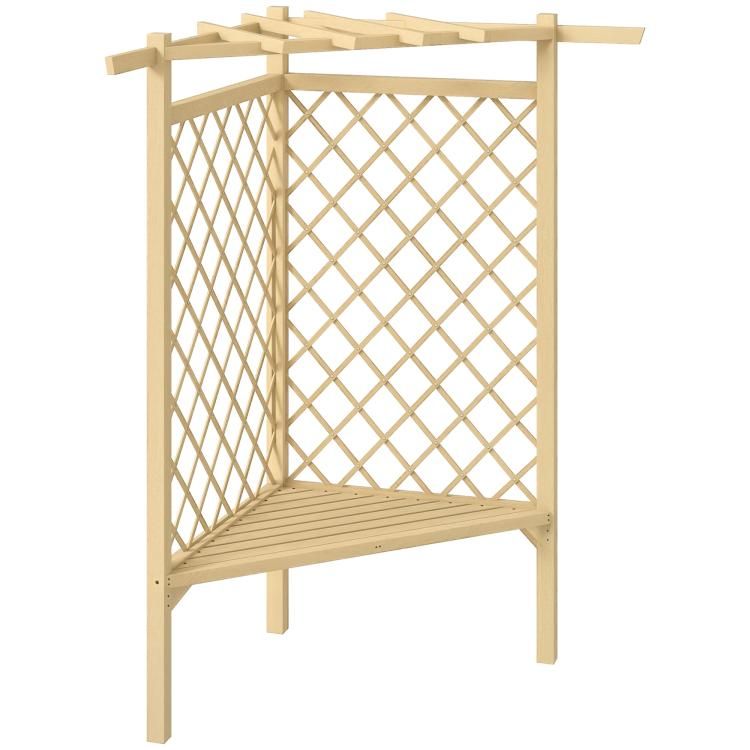
 Aisha's pickGood Wooden Outdoor Arches That Don’t Cost a Fortune

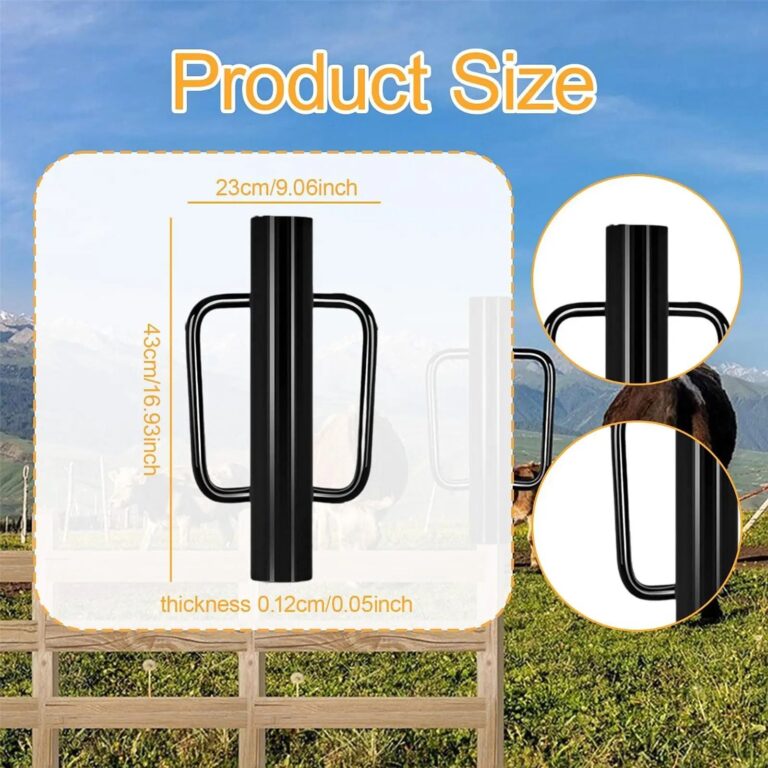
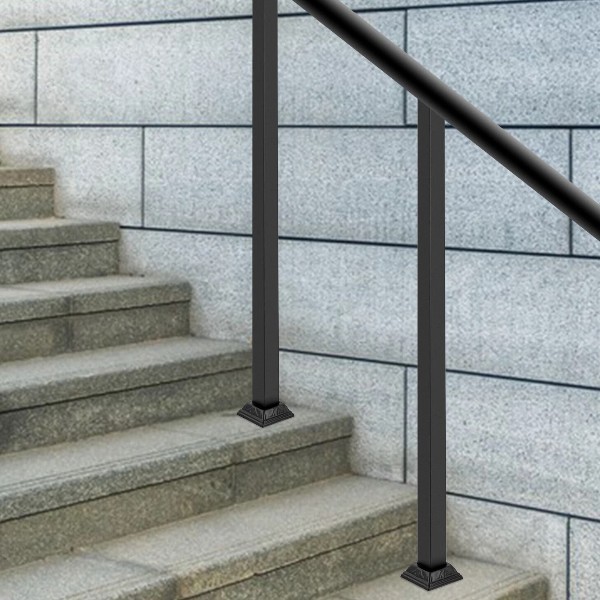 Aisha's pickMetal Fence Posts for Weekend Projects Outside
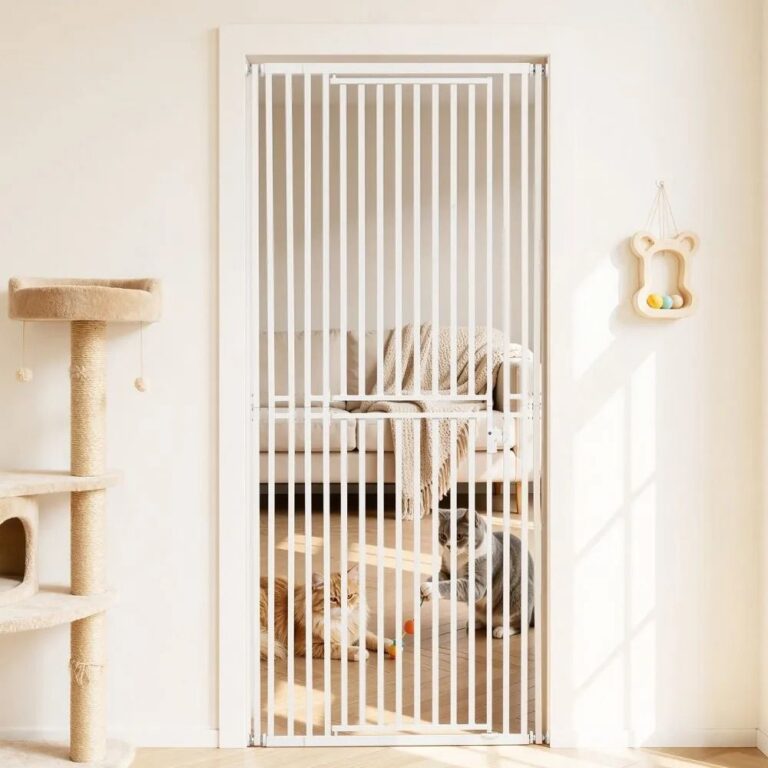 Aisha's pickSide Gates for Weekend Projects Outside

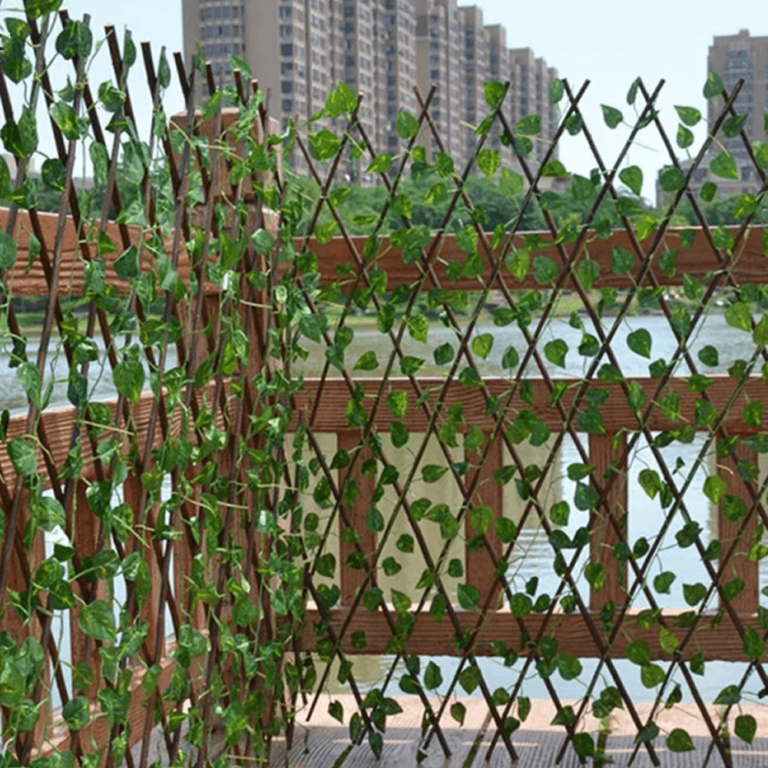 Aisha's pickWooden Outdoor Trellises That Are Easy to Put Up
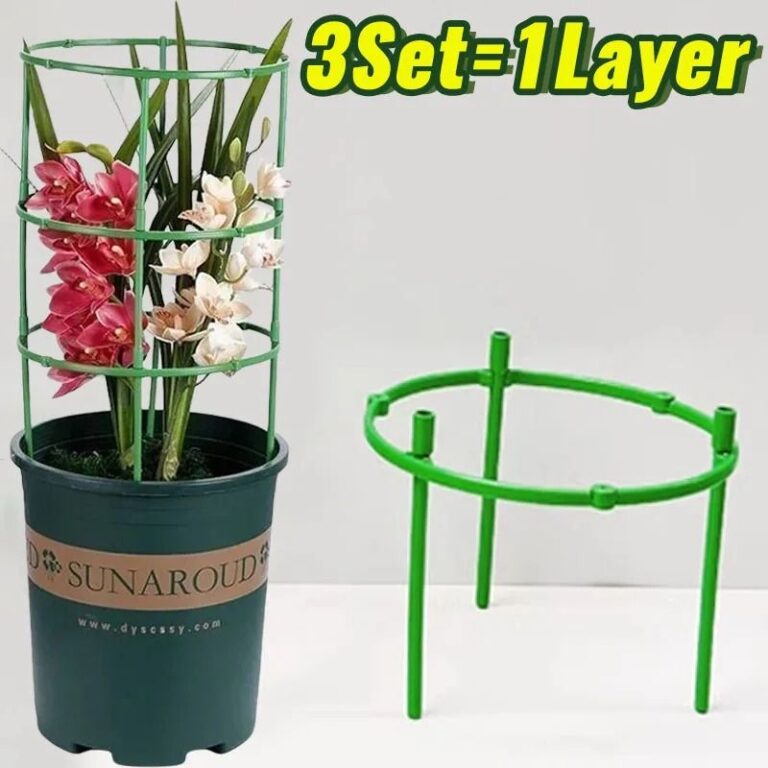
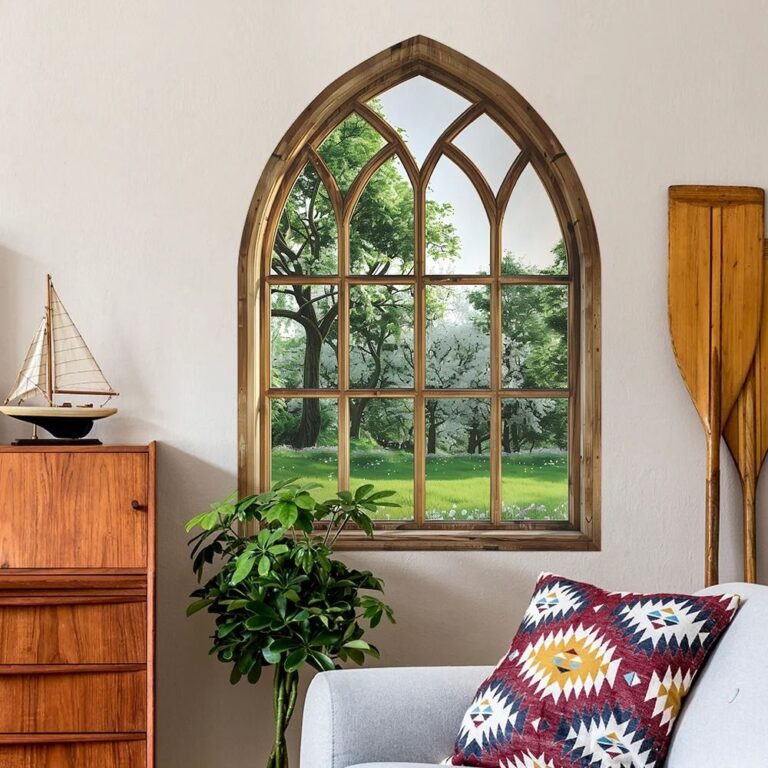 Aisha's pickGreen Outdoor Arches That Earn Their Keep

 Aisha's pickRust Outdoor Stakes That Fit Into Real Life
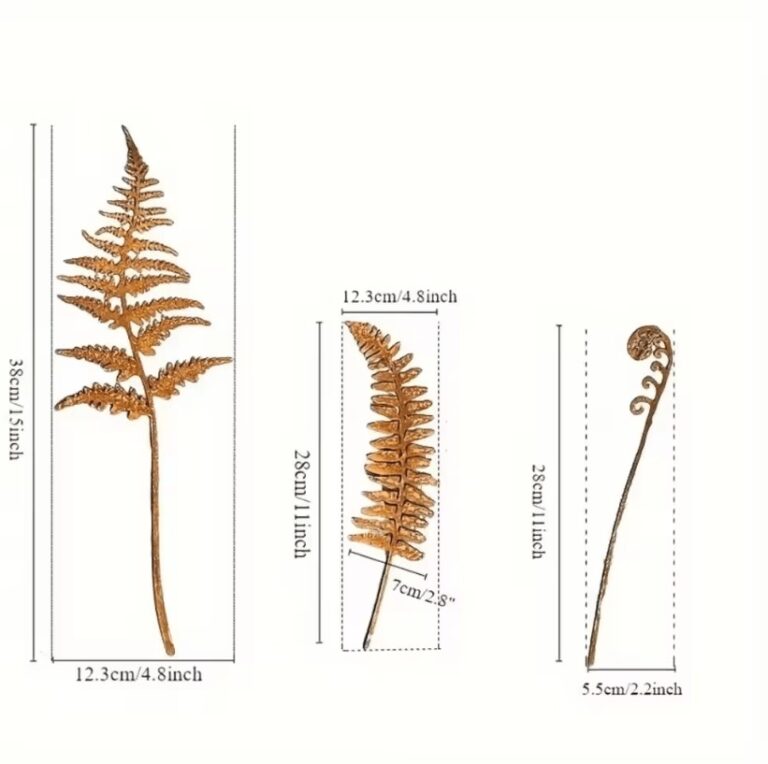
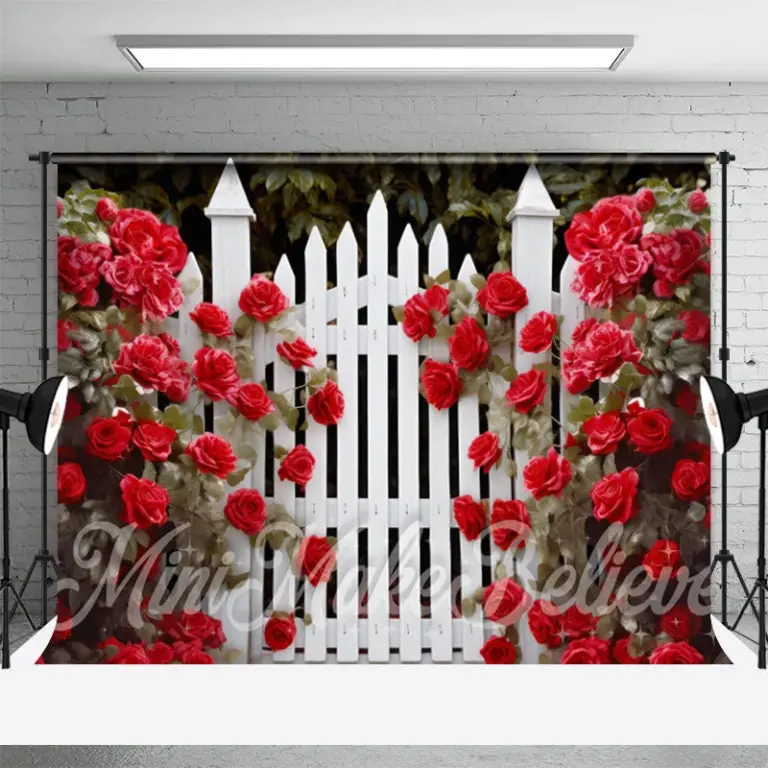 Aisha's pickWooden Outdoor Fences That Visitors Always Ask AboutAlso worth a lookOutdoor FencingFencing has a reputation for being the last thing you think about and the first thing you regret cutting corners on.See the collections →
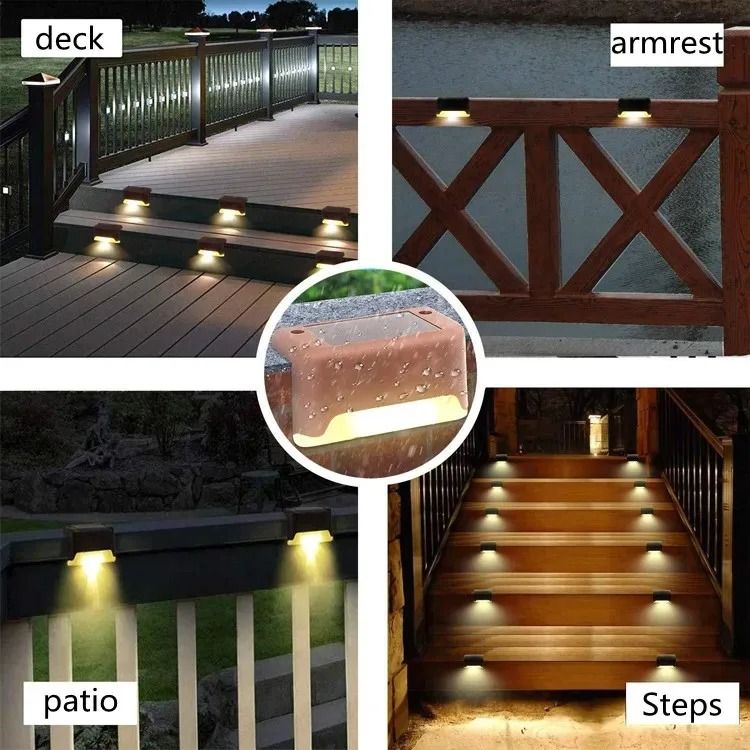
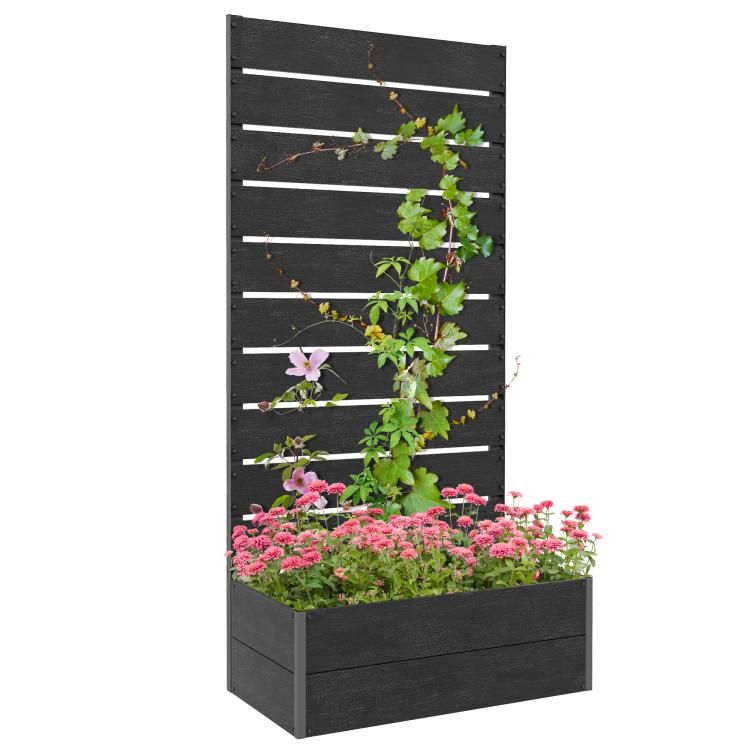 Aisha's pickBlack Trellises That Hold Up to Everyday Life
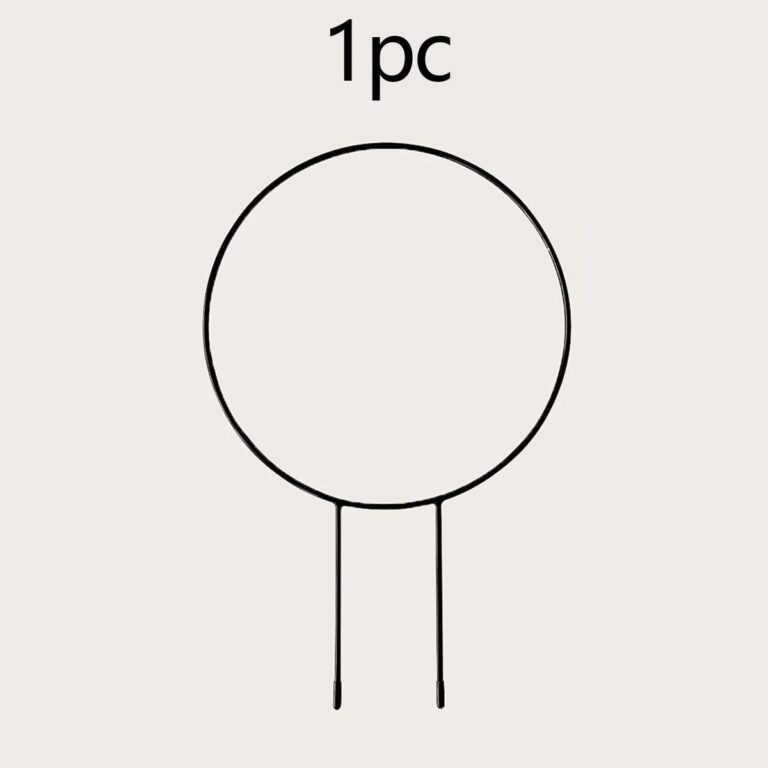
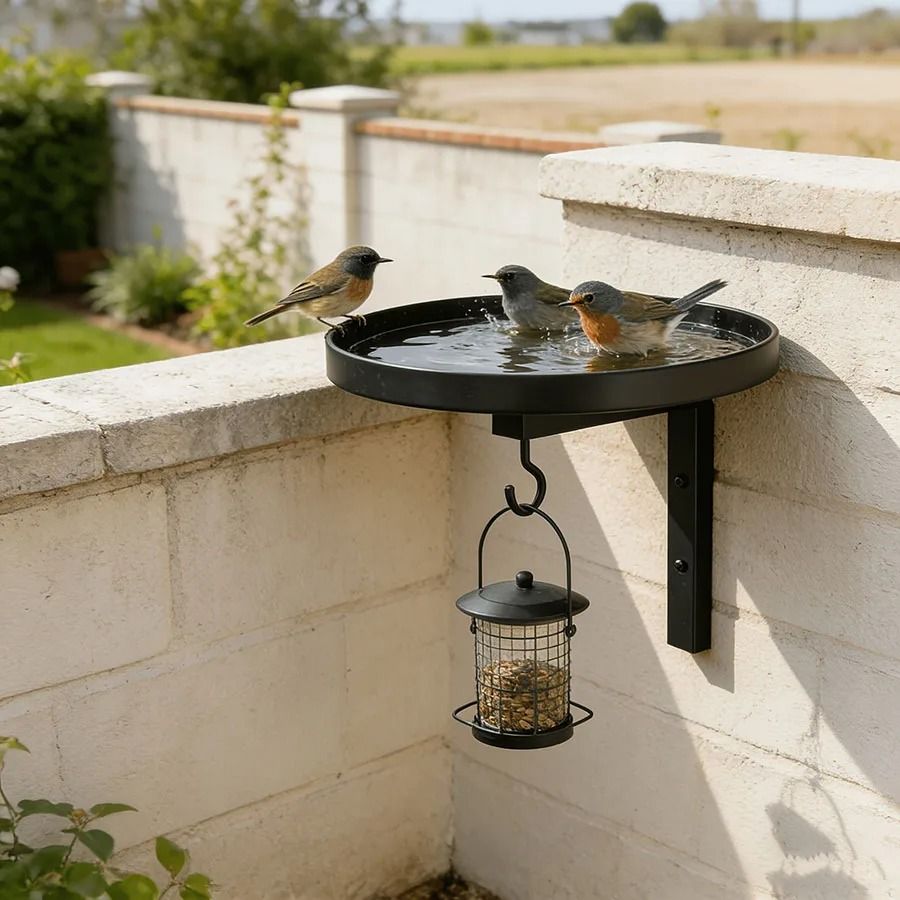 Aisha's pickMetal Fence Posts That Make the Yard Feel Like Another Room

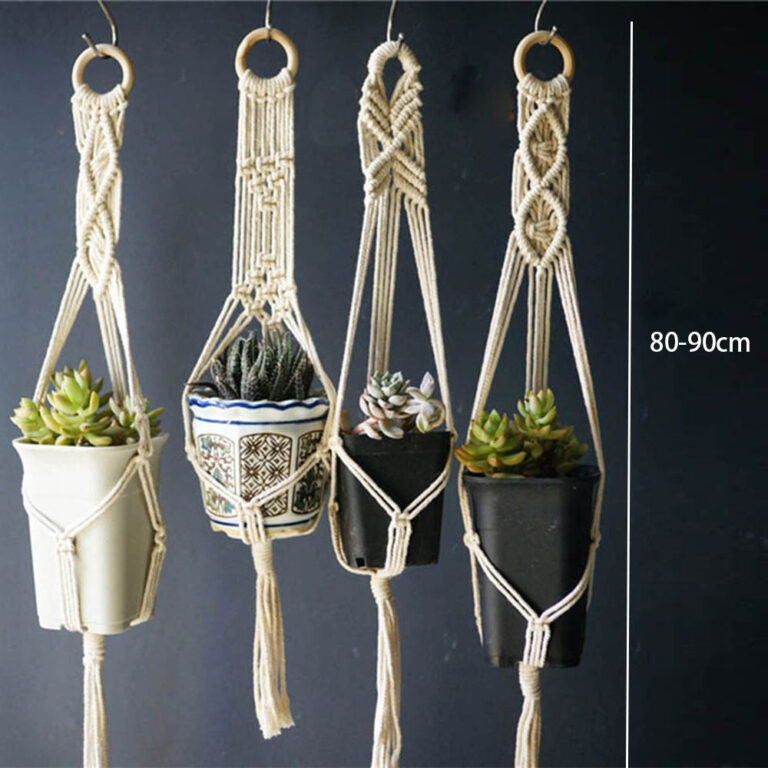 Aisha's pickSmall Plant Supports That Look Like They Cost More

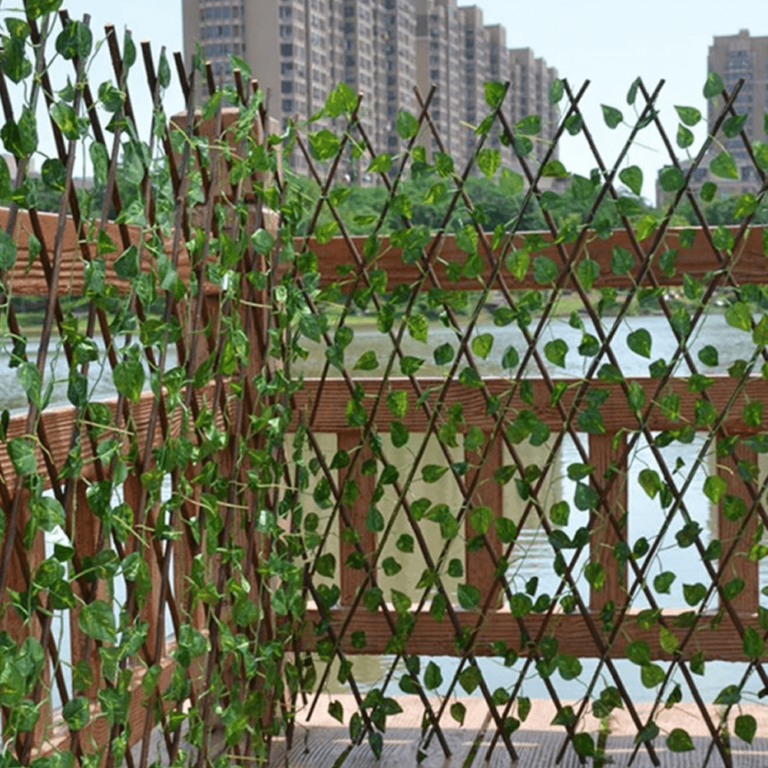 Aisha's pickWooden Trellises for Weekend Projects Outside
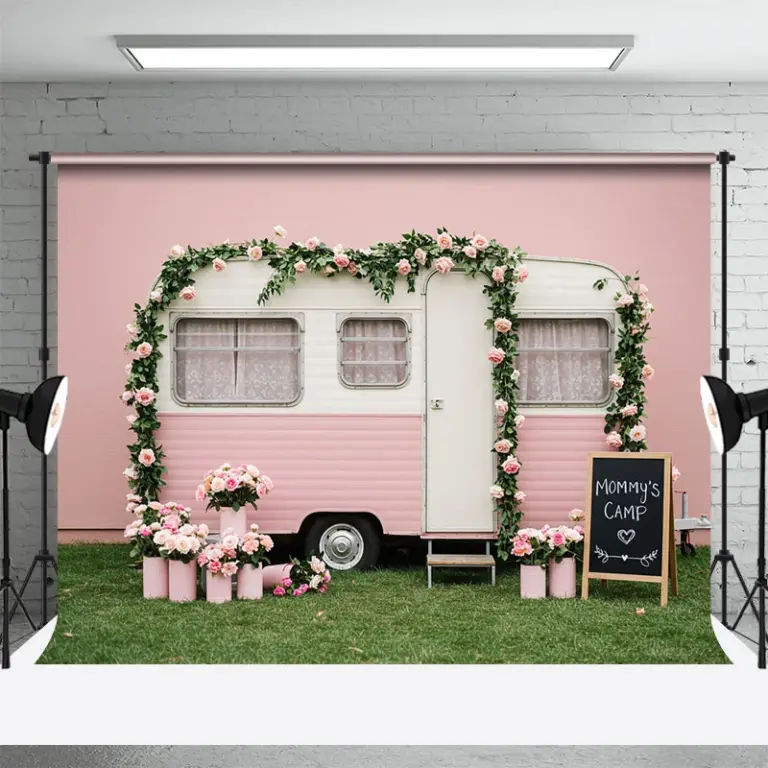
 Aisha's pickGreen Outdoor Stakes That Get Better With Age

 Aisha's pickRustic Outdoor Stakes From Stores Big and Small

 Aisha's pickBrown Trellises That Make the Yard Feel Like Another Room

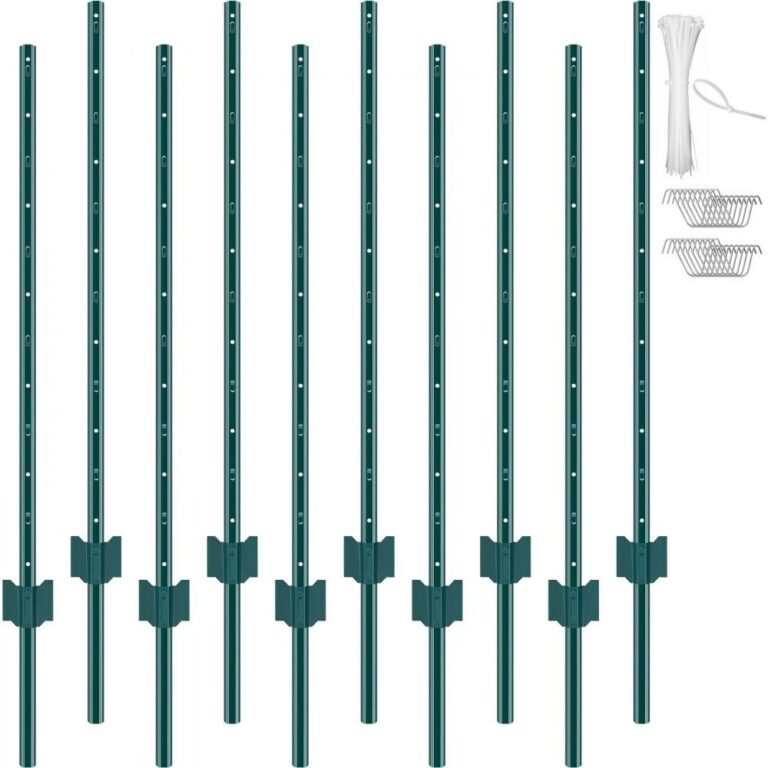 Aisha's pickDecent Metal Fencing Without the Hassle
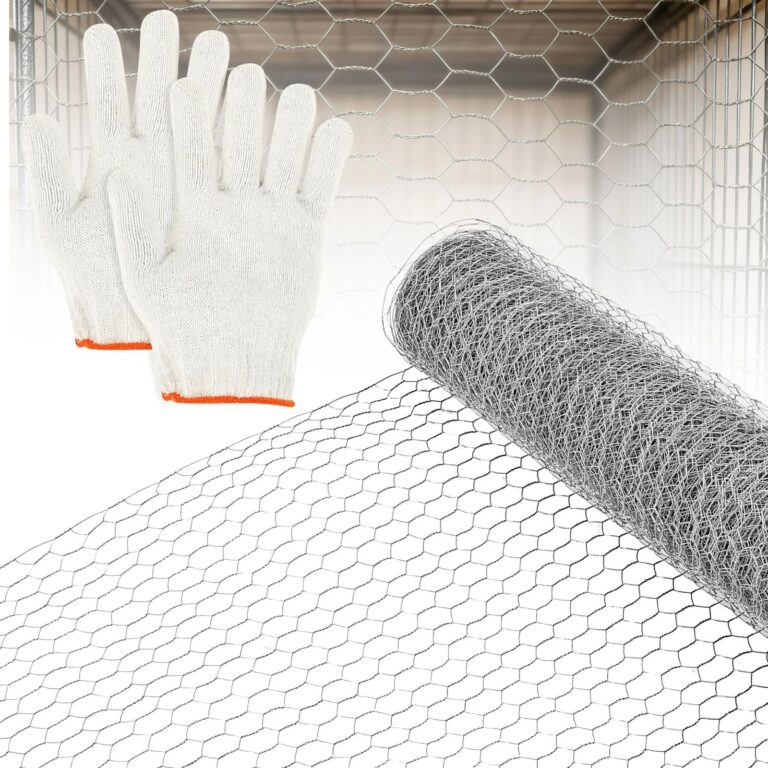
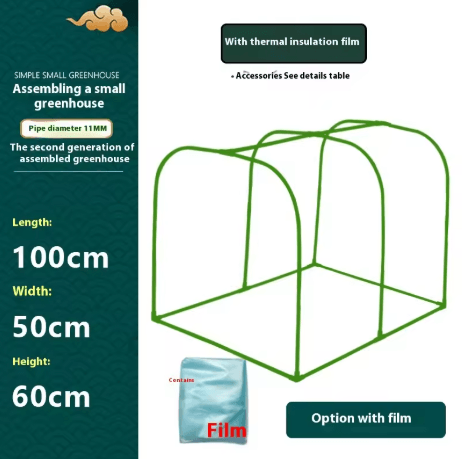 Aisha's pickSquare Plant Supports That Earn Their KeepAlso worth a lookOutdoor LightsOutdoor lights have a reputation for being the thing you buy in a hurry at the end of…See the collections →
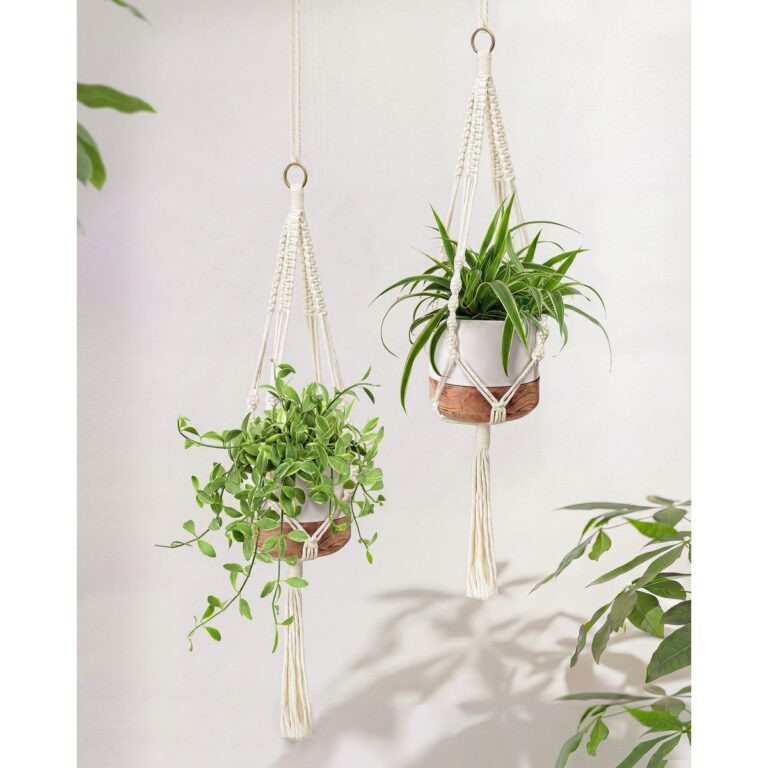
 Aisha's pickBlack Outdoor Arches That Are Easy to Put Up

 Aisha's pickWhere to Start With Heavy Duty Outdoor Fences

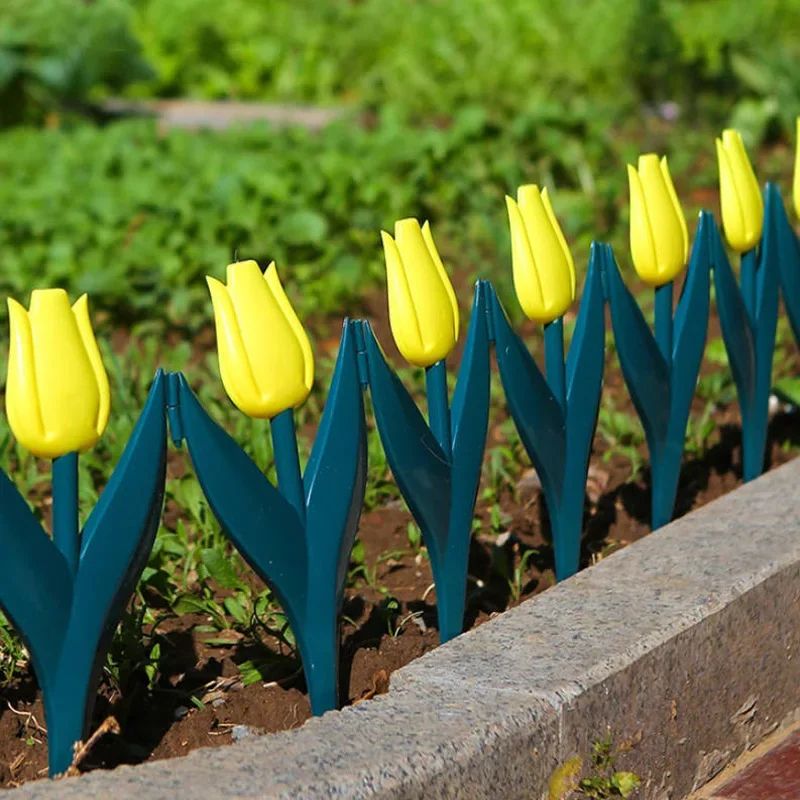 Aisha's pickSmall Outdoor Fences for Making a House Feel Like Yours
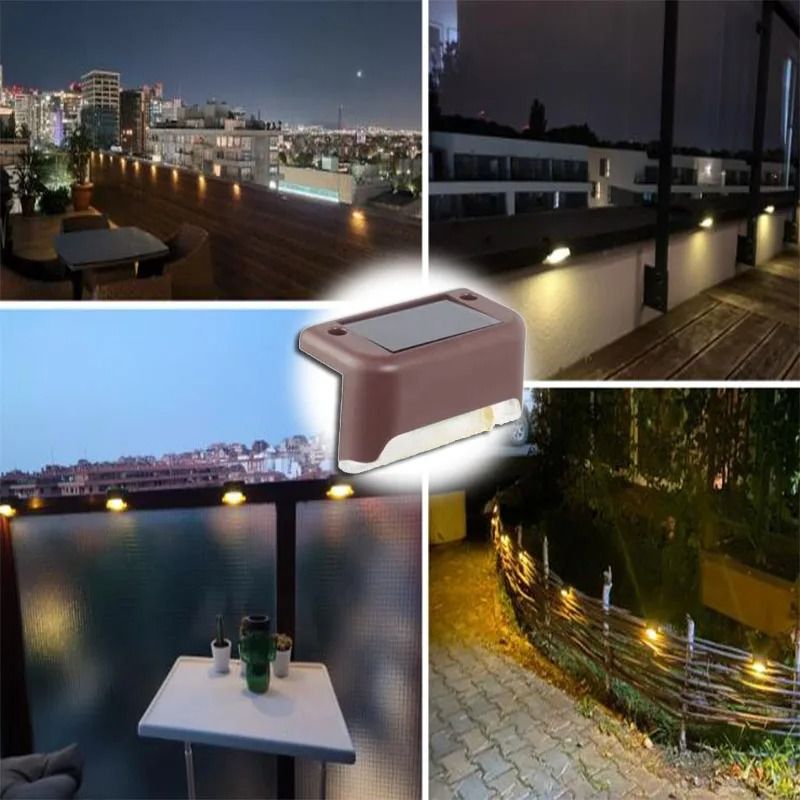
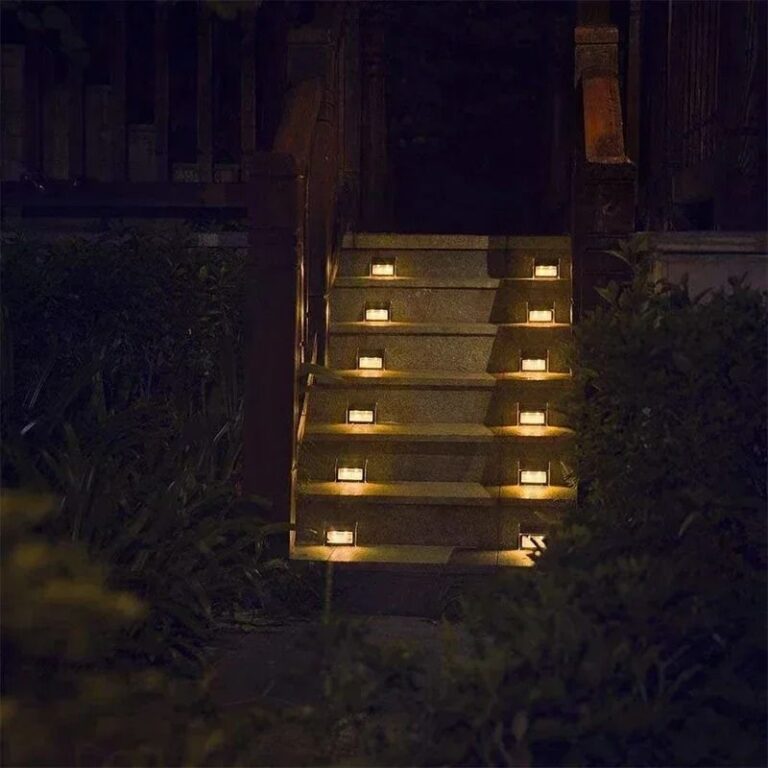 Aisha's pickConcrete Fence Posts Picked by People Who Care Too Much
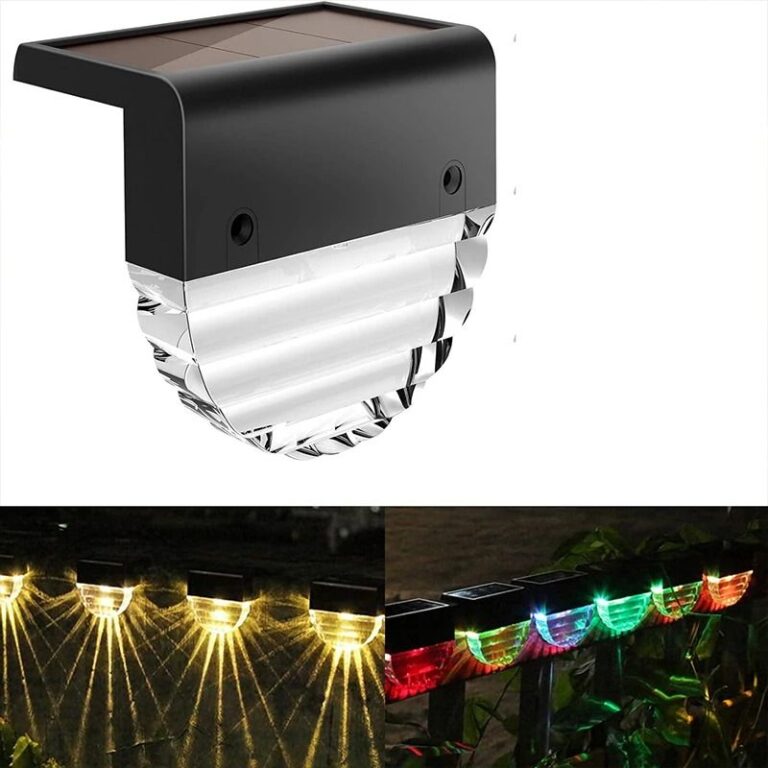
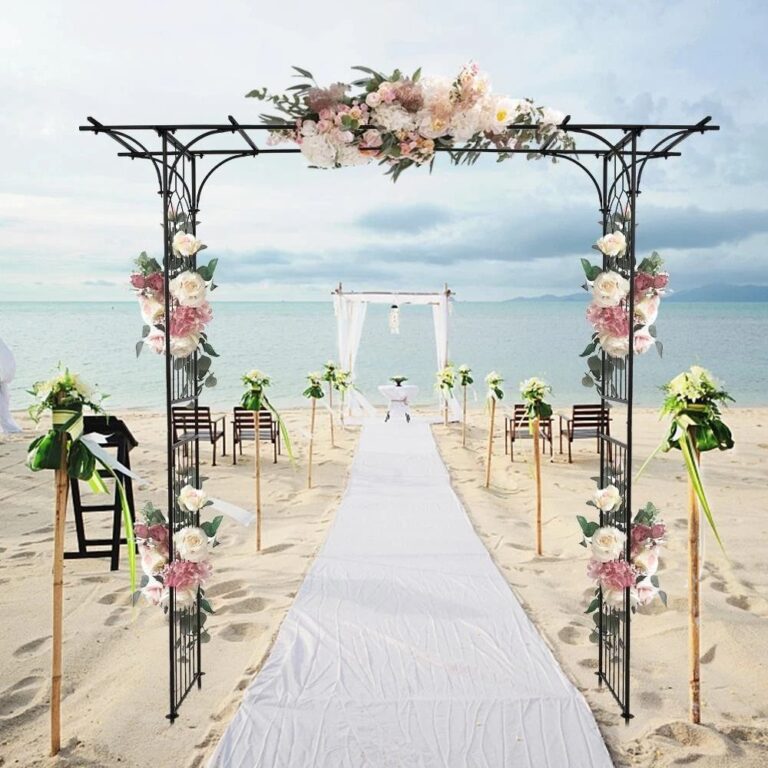 Aisha's pickMetal Plant Supports That Won’t Date in a Year
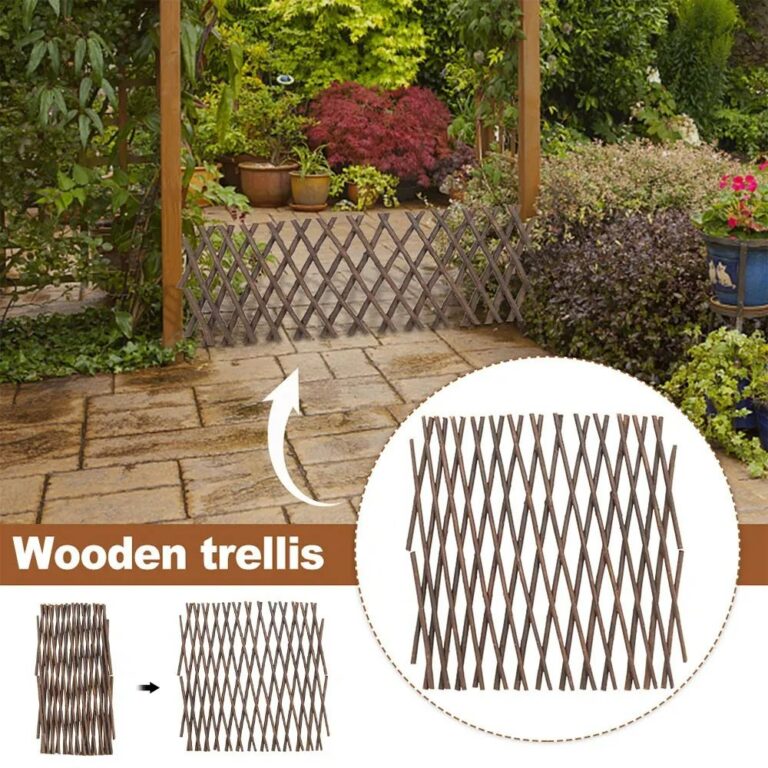
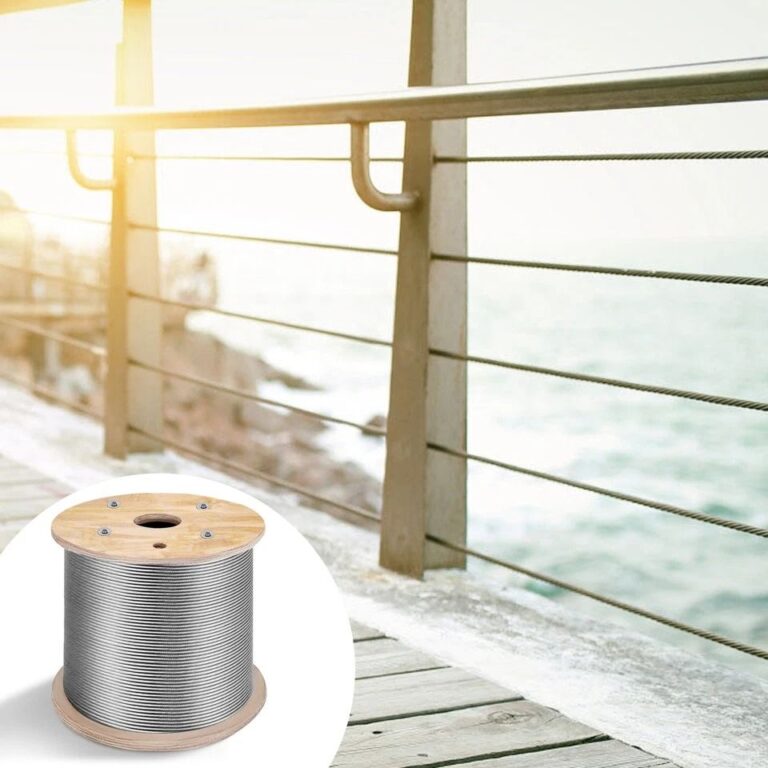 Aisha's pickSteel Fencing at Every Price Point
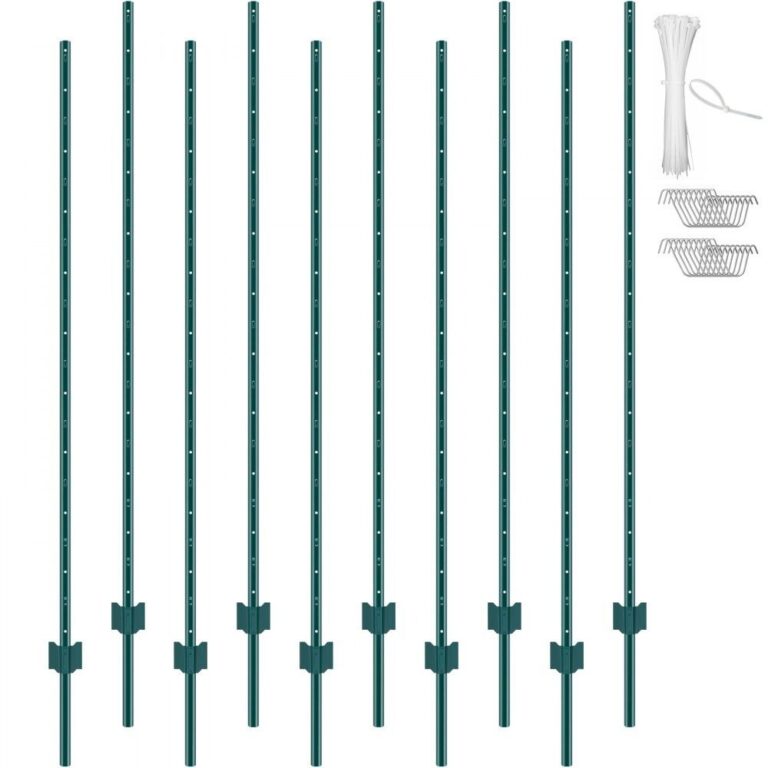
 Aisha's pickBlack Outdoor Fences From Brands You Know and a Few You Won’t

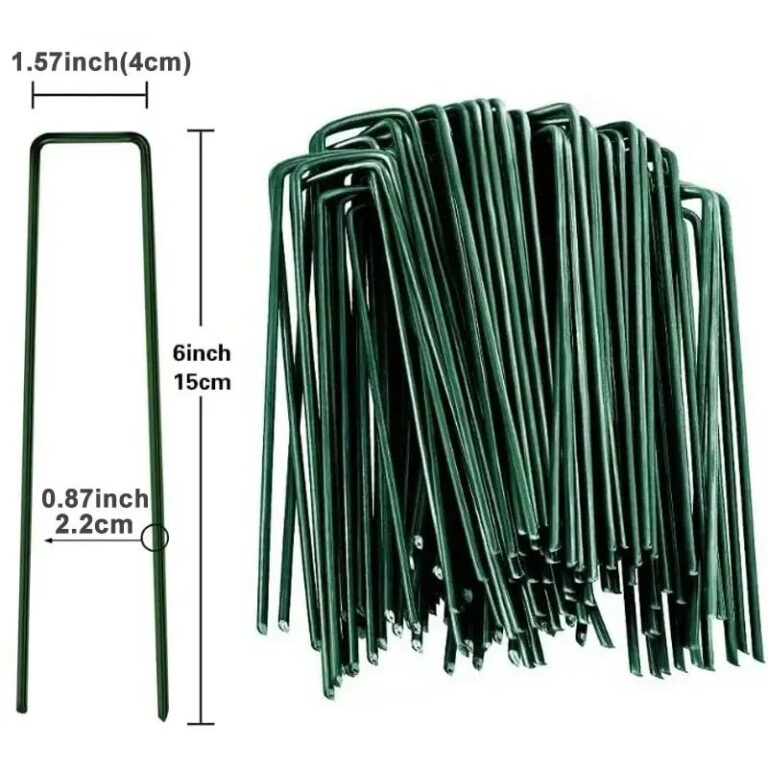 Aisha's pickHeavy Duty Outdoor Fencing That Looks the Part
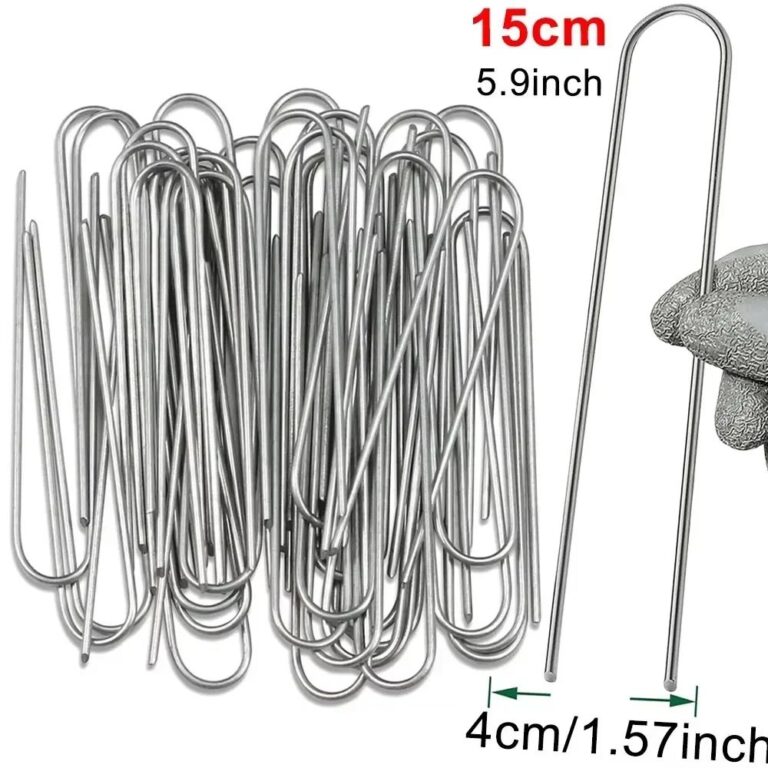
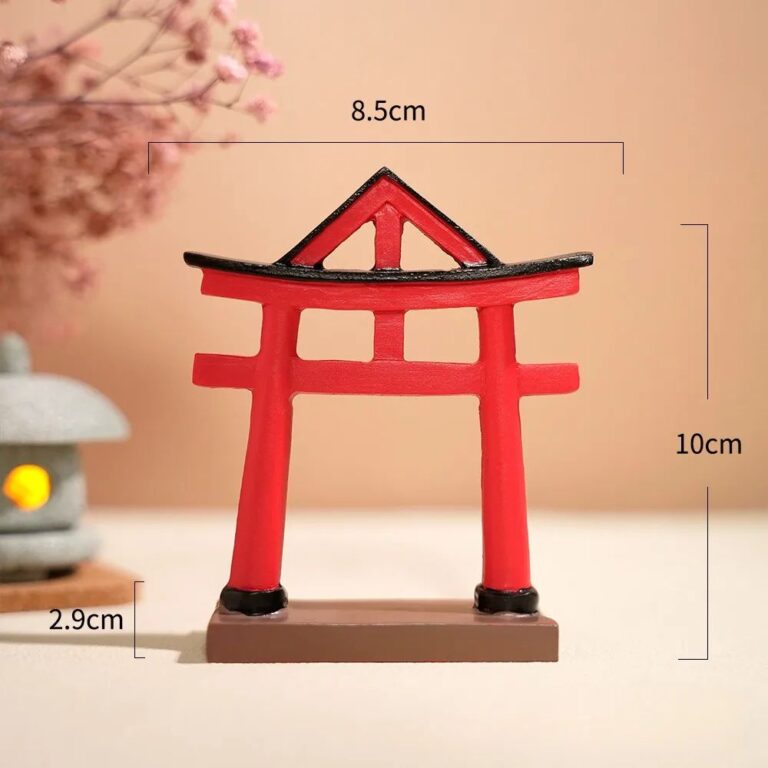 Aisha's pickSmall Outdoor Gates That Work in Old Houses and New OnesAlso worth a lookOutdoor TablesA good outdoor table has some weight to it before anything else.See the collections →
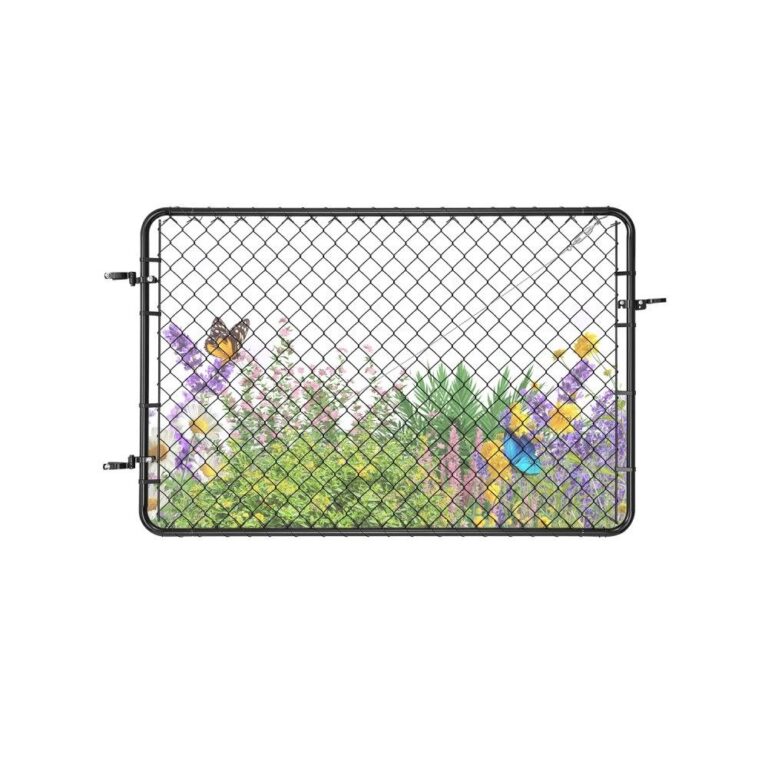
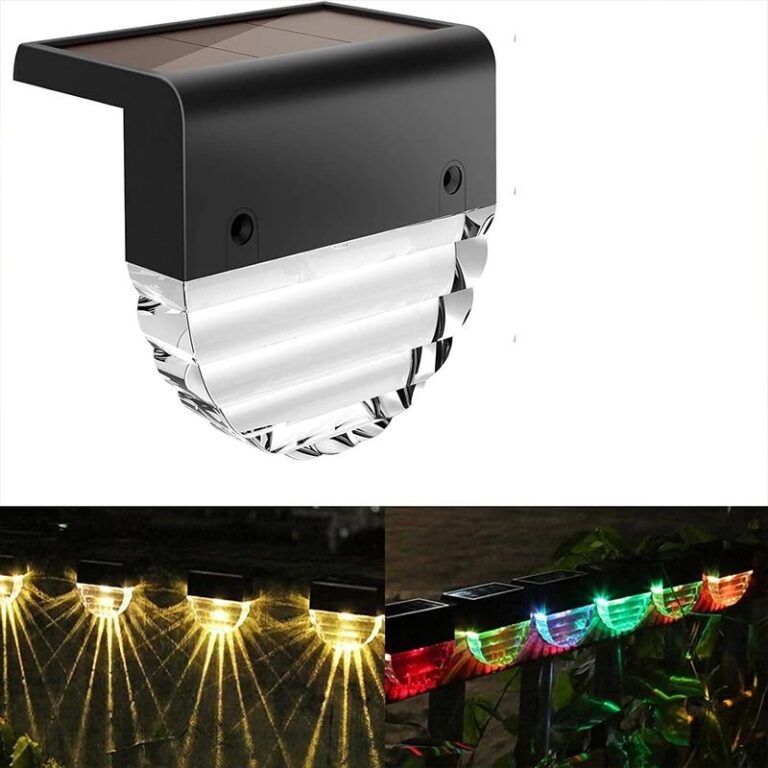 Aisha's pickConcrete Fence Posts That Earn Their Keep
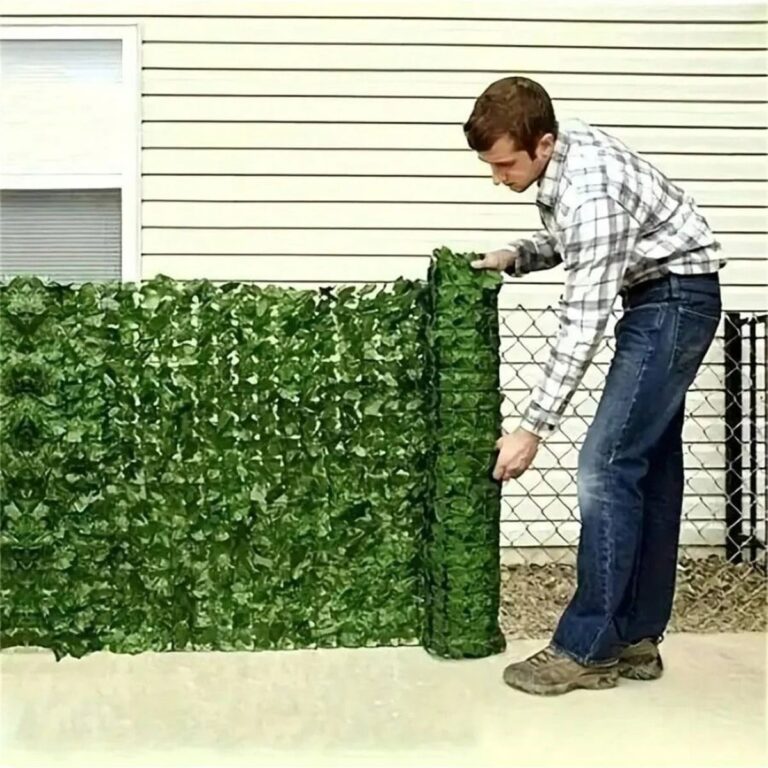
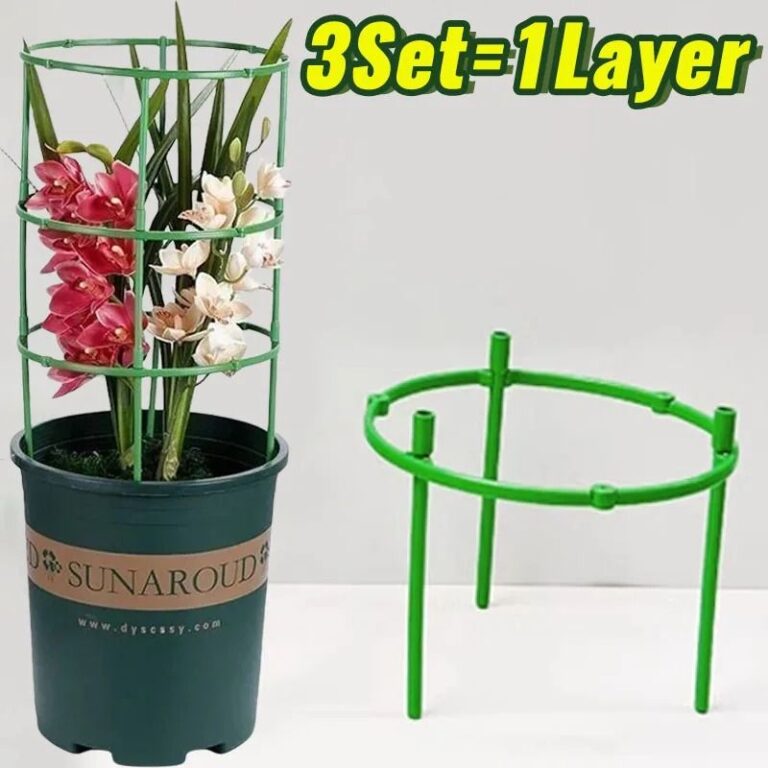 Aisha's pickMetal Trellises From Stores Big and Small

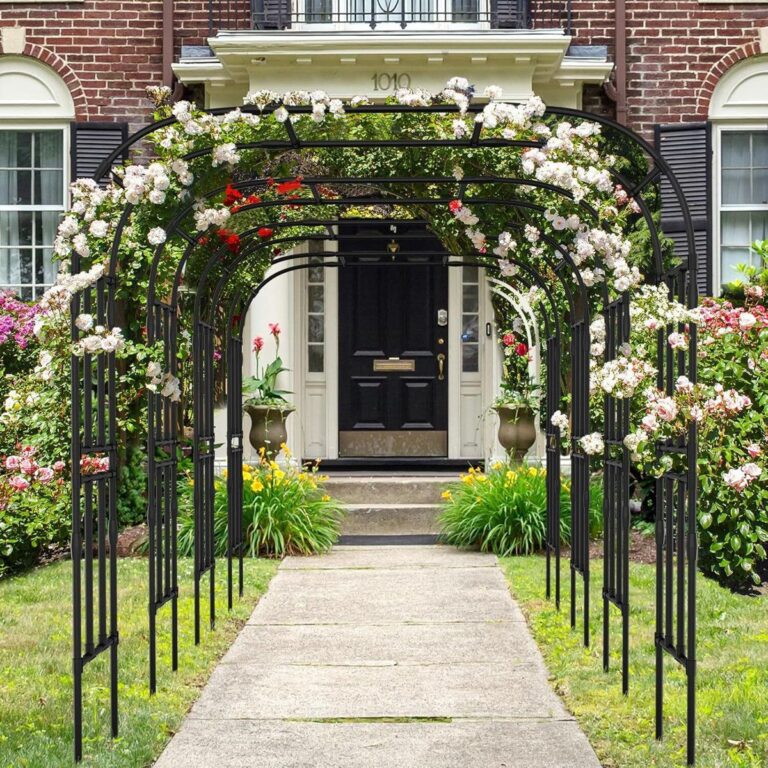 Aisha's pickSteel Plant Supports for Weekend Projects Outside
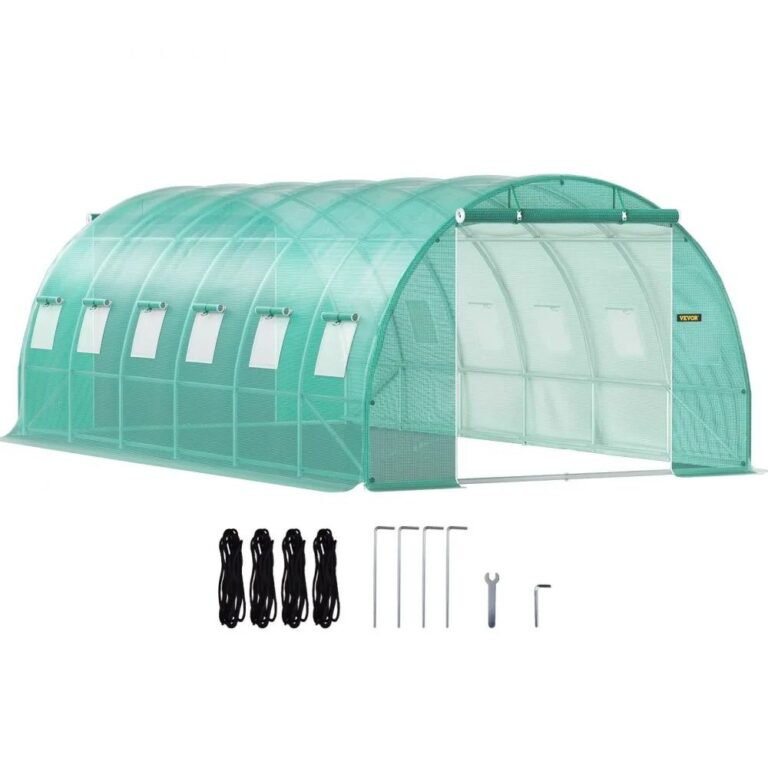
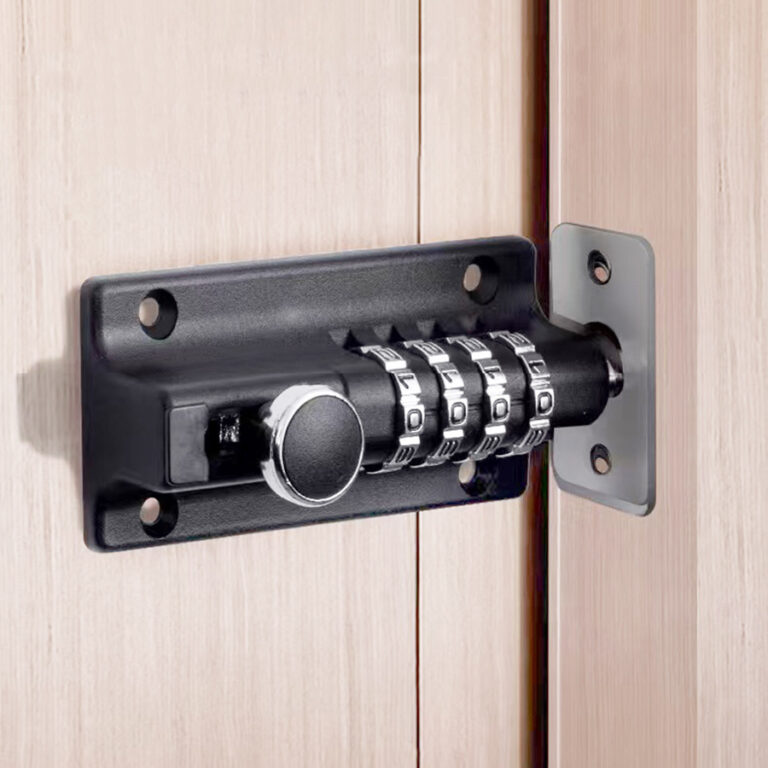 Aisha's pickBlack Outdoor Gates That Make a Room Feel Finished
 Aisha's pickHeavy Duty Outdoor Gates That Do the Job Right
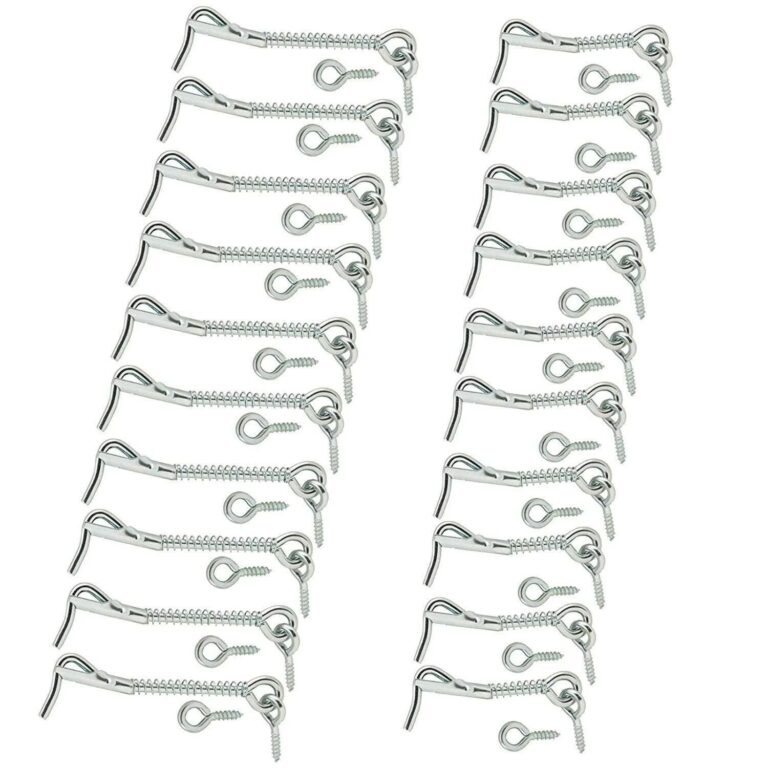
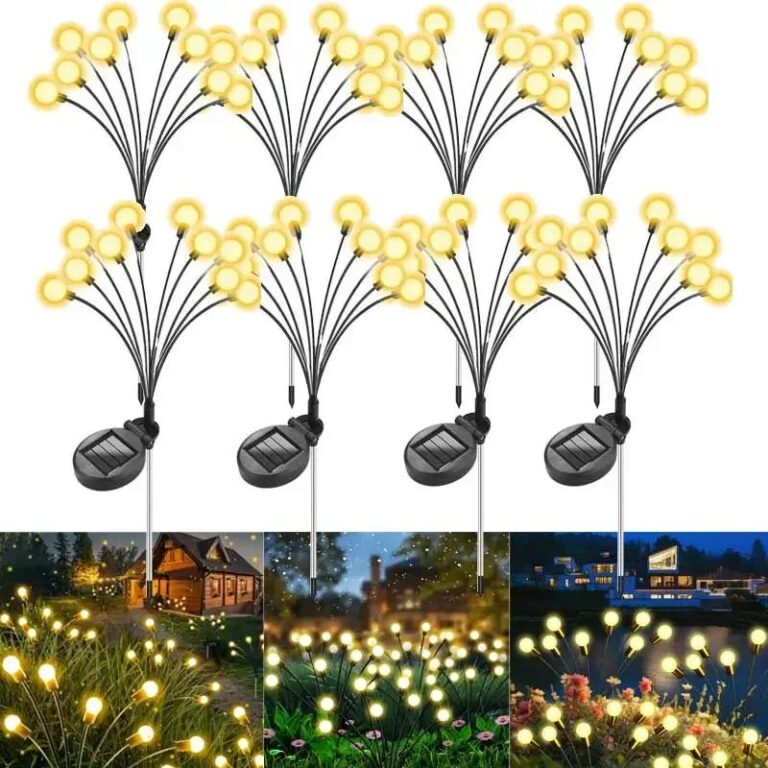 Aisha's pickOur Shortlist of Small Outdoor Stakes
 Aisha's pickDecking We Keep Buying
 Aisha's pickModern Fencing Worth Knowing About