Fencing has a reputation for being the last thing you think about and the first thing you regret cutting corners on. I land firmly on the side of spending more time choosing it than you want to, because it is doing two jobs at once, privacy and structure, and a bad one makes a whole yard feel unfinished no matter what you plant in front of it.
If you are starting from nothing, go with a simple wood picket or a basic panel fence before you reach for anything with a pattern or a stain already baked in. It is the easiest to patch, the easiest to paint over when you change your mind, and it gives you a plain backdrop while you figure out what the rest of the yard actually needs. Full privacy fencing and anything metal or vinyl are better second purchases, once you know your sightlines and where the sun actually falls at six in the evening in July versus six in the evening in January, because that light tells you more about where a fence should go than any diagram will. Wood will silver and soften over a couple of seasons unless you stain it, which you should do every two to three years or it starts looking tired fast, especially on the side that takes the weather. Metal holds its line and its color for years but shows rust at joints and screws before anywhere else, so that is where to look when you are checking on it. Vinyl barely ages at all, which some people love and some find a little flat and cold looking after a while, especially in a yard with a lot of natural materials around it.
Where it goes wrong is mixing styles along one boundary, a crisp modern horizontal slat fence next to a rustic picket section looks like two different houses decided to share a yard. It also struggles in deep shade, where damp sits against wood and speeds up rot, and in very exposed, windy spots, where tall solid panels act like sails and put a lot of strain on the posts. Low chain link still has its place for keeping a dog in without blocking the view, but it does nothing for privacy and looks thin and institutional in a front yard that wants to feel welcoming.
The day it arrives or goes in, check the posts are set in concrete and not just packed dirt, check panels sit level rather than following a slope in a way that leaves gaps at the bottom, and run a hand along any cut edges for splinters or sharp metal before kids or pets get near it.
I would put this in the backyard first, where it has the most work to do and the fewest people judging it from the street.

 Aisha's pickGreen Outdoor Arches That Earn Their Keep
 Aisha's pickRust Outdoor Stakes That Fit Into Real Life

 Aisha's pickWooden Outdoor Fences That Visitors Always Ask About
 Aisha's pickBlack Outdoor Arches That Are Easy to Put Up

 Aisha's pickGreen Outdoor Stakes That Get Better With Age

 Aisha's pickRustic Outdoor Stakes From Stores Big and Small

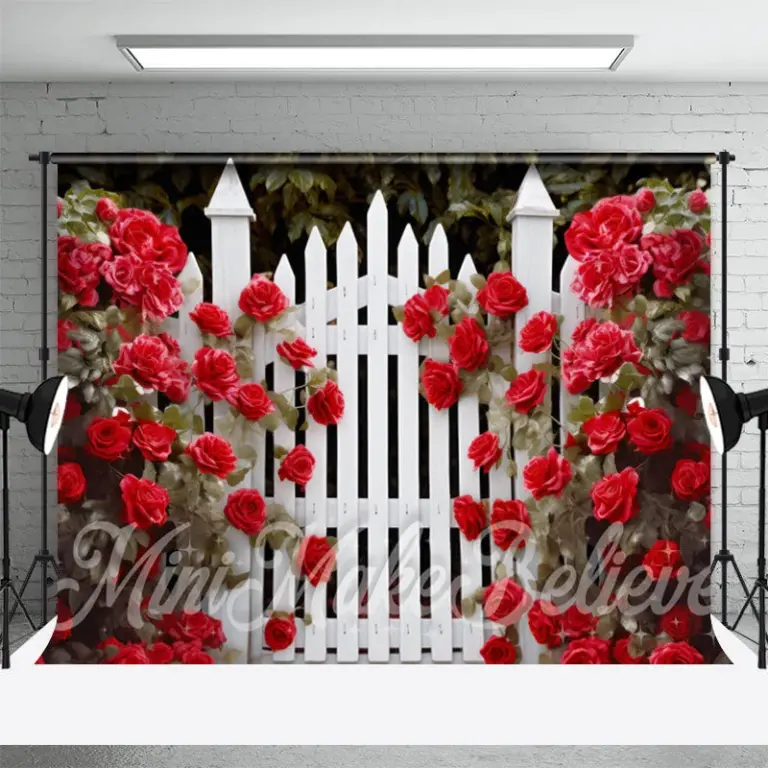 Aisha's pickBlack Outdoor Fences From Brands You Know and a Few You Won’t
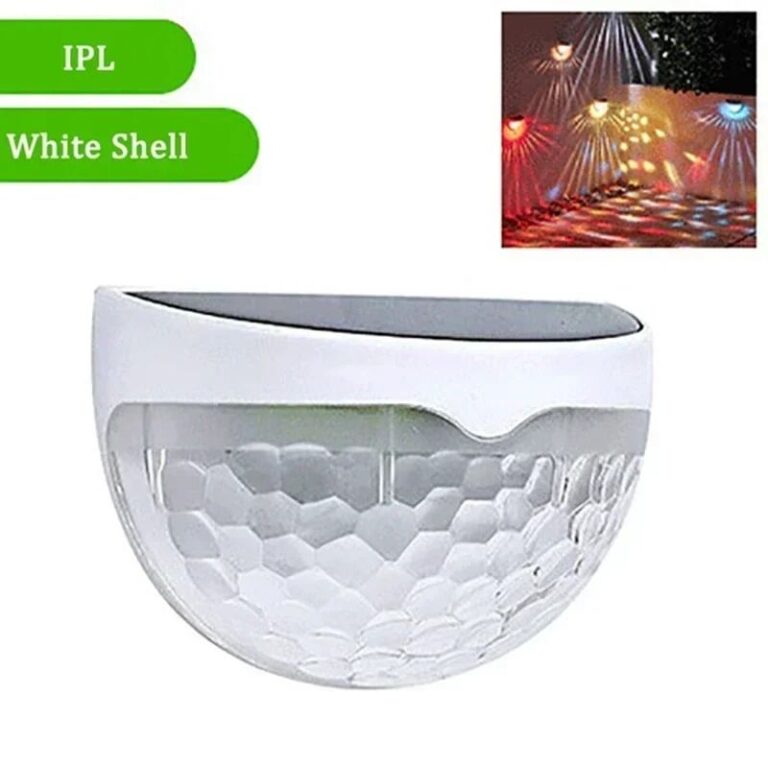
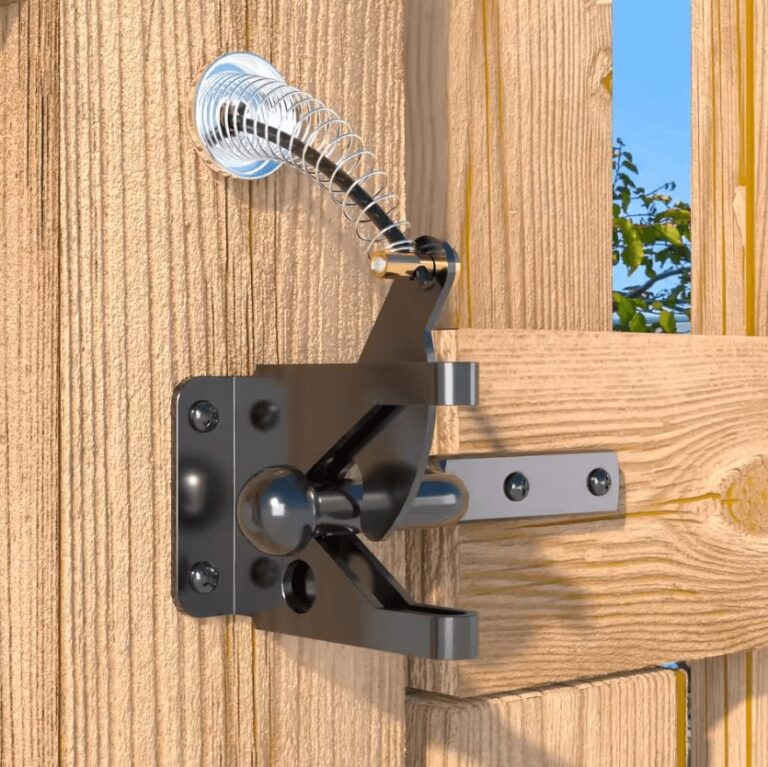 Aisha's pickWhere to Start With Heavy Duty Outdoor Fences
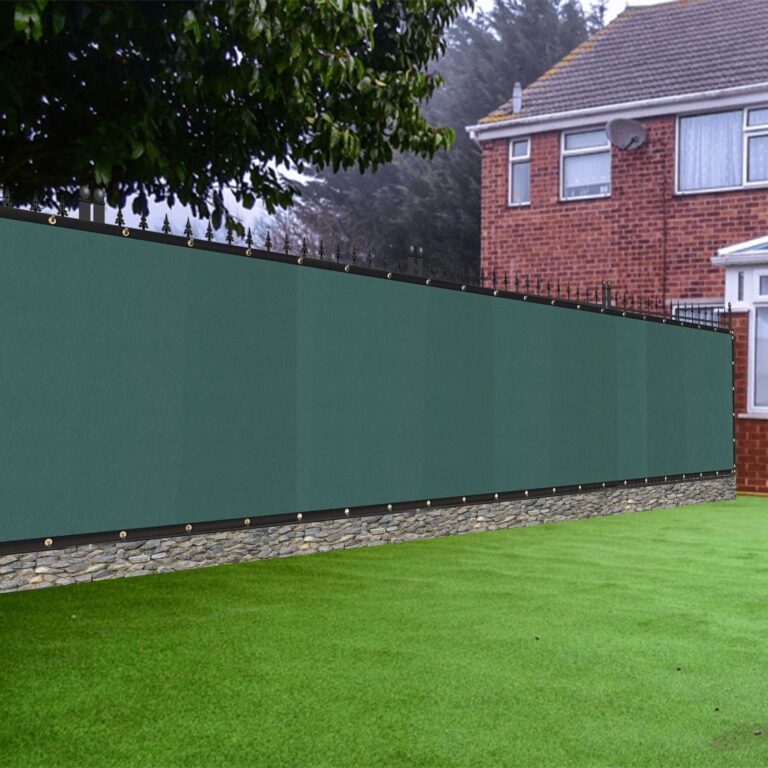
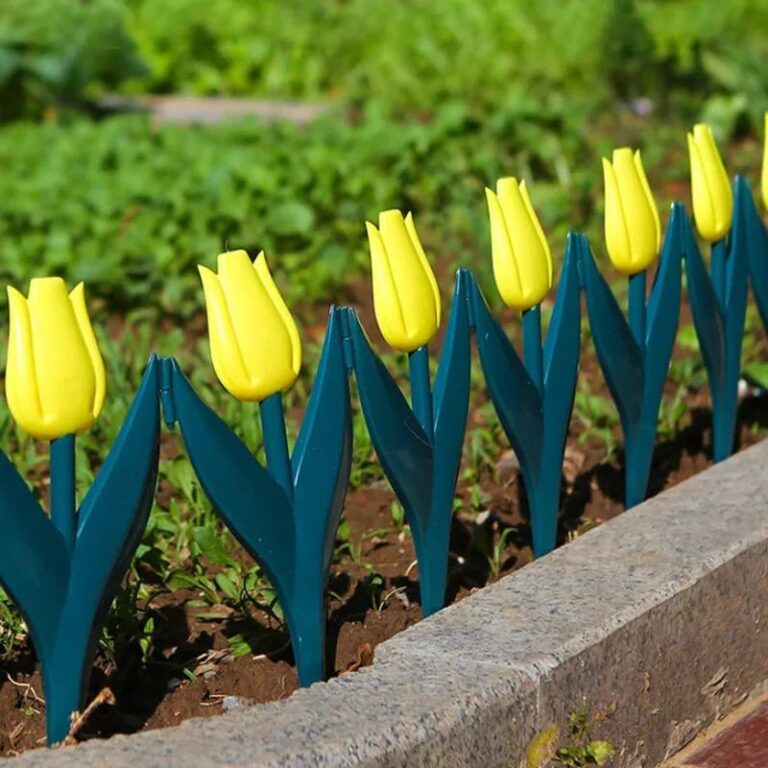 Aisha's pickSmall Outdoor Fences for Making a House Feel Like YoursAlso worth a lookFencing & TrellisFencing used to mean one trip to a hardware store and one option, basically a wall of identical…See the collections →
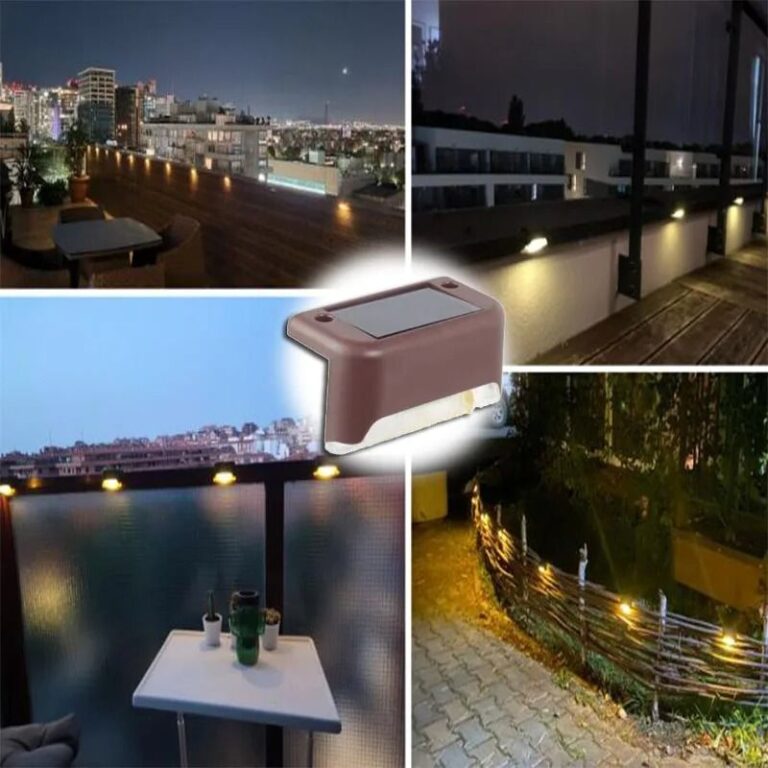
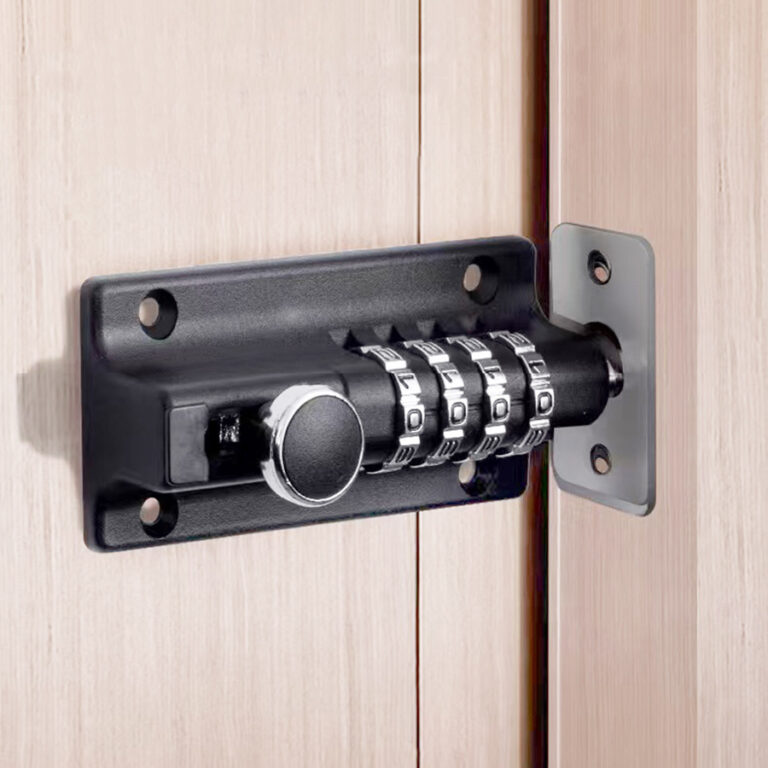 Aisha's pickBlack Outdoor Gates That Make a Room Feel Finished
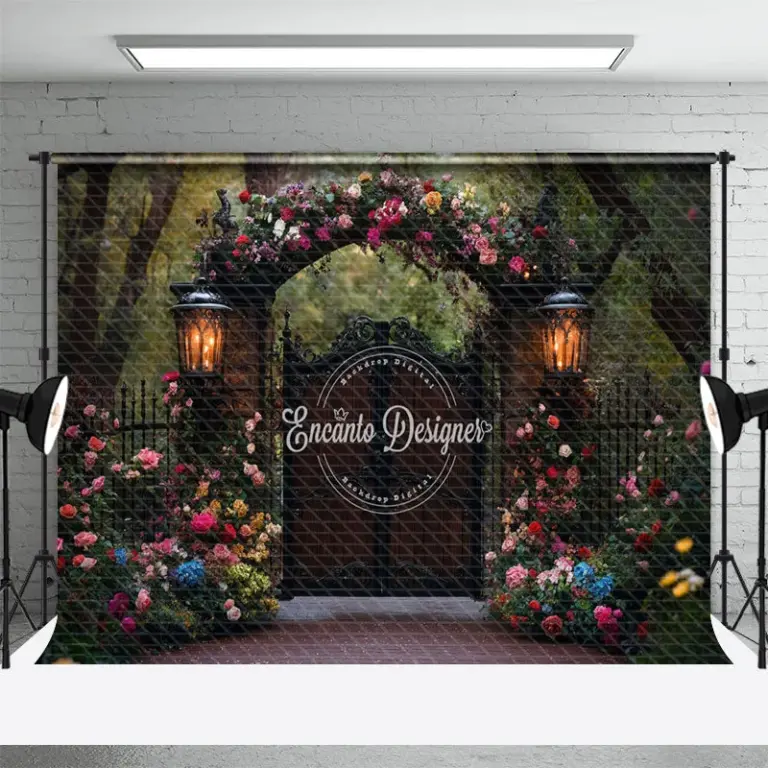
 Aisha's pickHeavy Duty Outdoor Fencing That Looks the Part
 Aisha's pickSmall Outdoor Gates That Work in Old Houses and New Ones
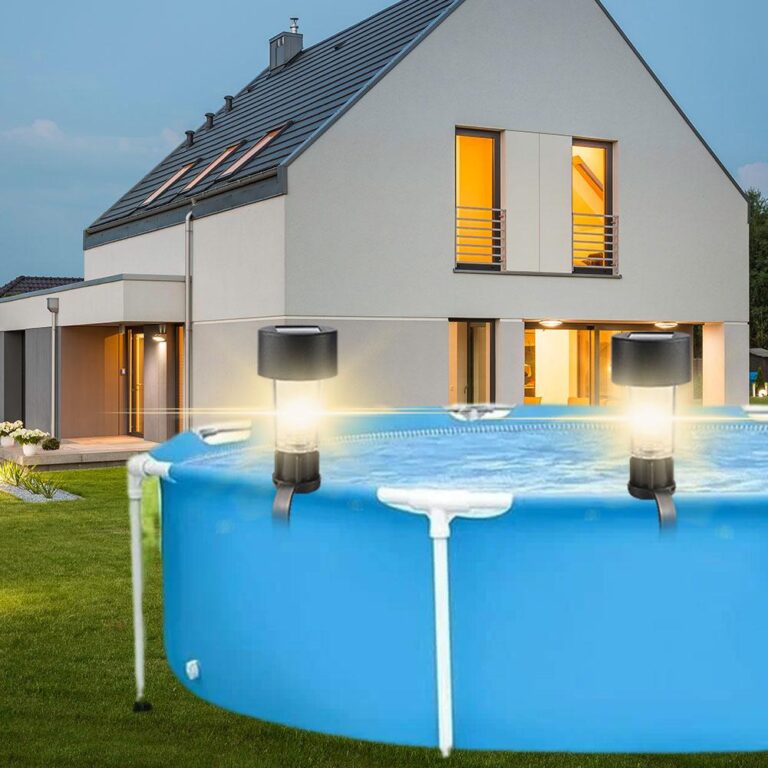 Aisha's pickDecorative Outdoor Fences Pulled From Dozens of Stores

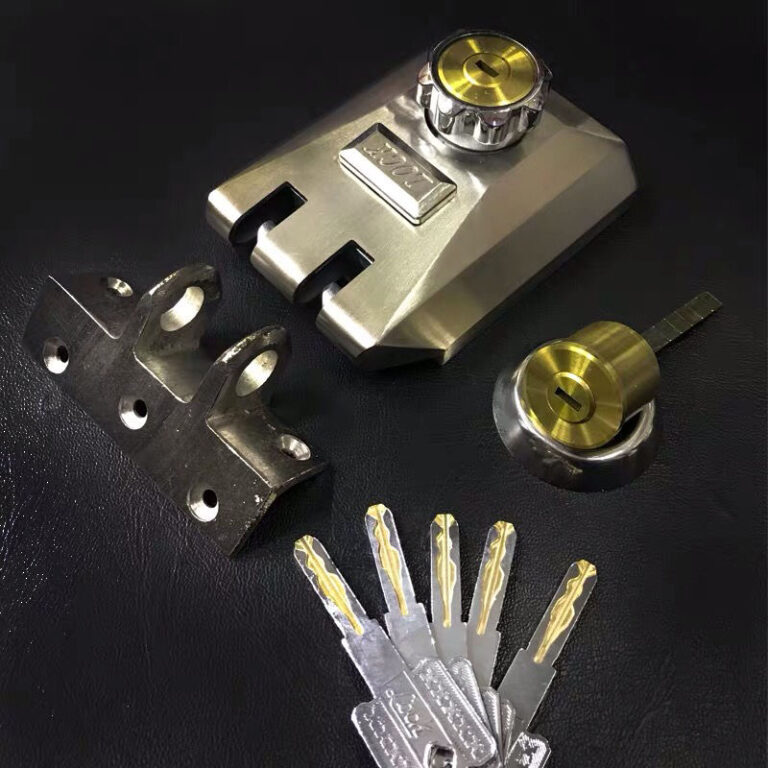 Aisha's pickHeavy Duty Outdoor Gates That Do the Job Right
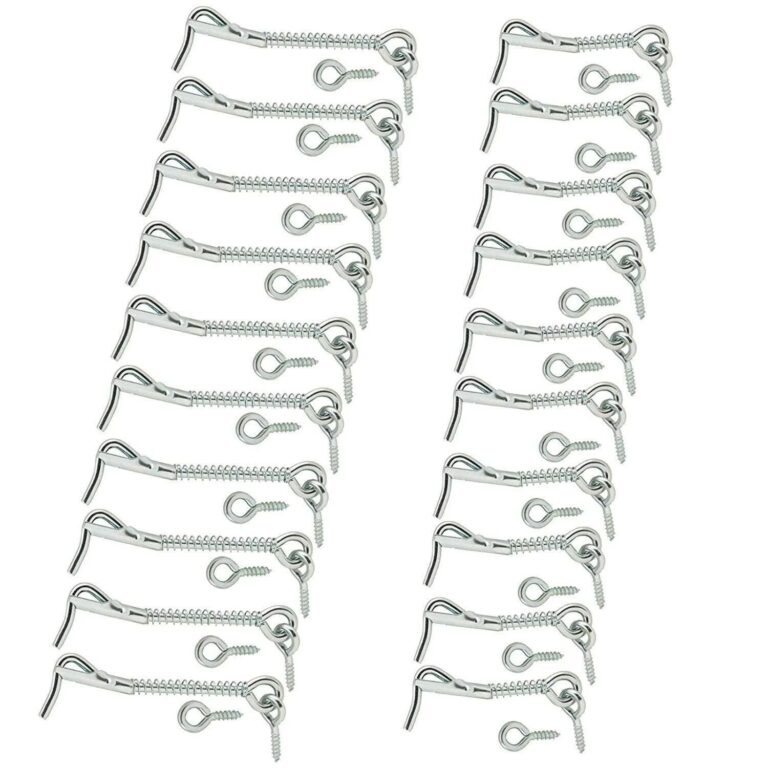
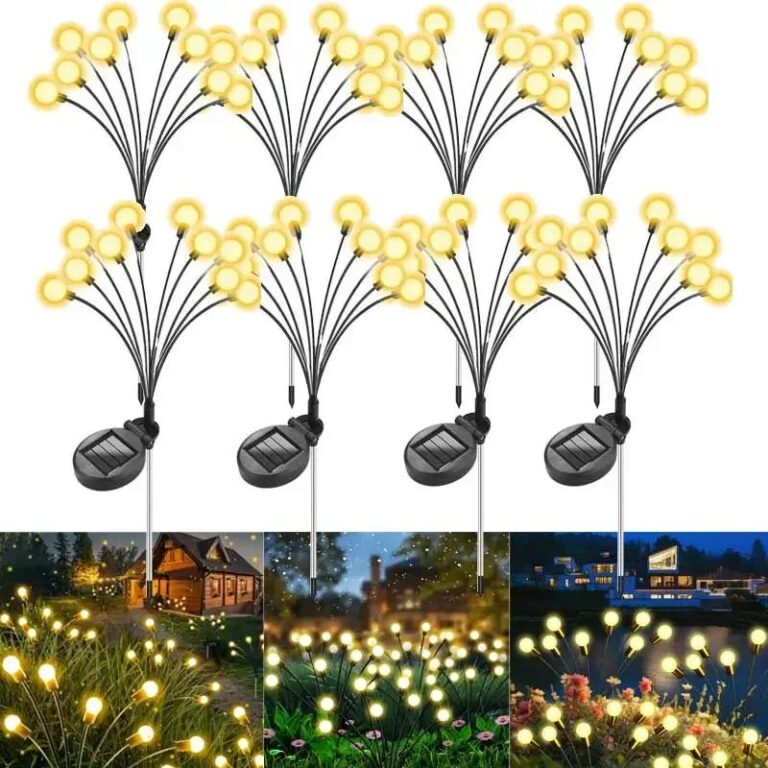 Aisha's pickOur Shortlist of Small Outdoor Stakes
 Aisha's pickDecorative Outdoor Gates That Stand Up to the Weather
 Aisha's pickLarge Outdoor Fences Pulled From Dozens of Stores
 Aisha's pickSolar Outdoor Stakes That Get Better With Age
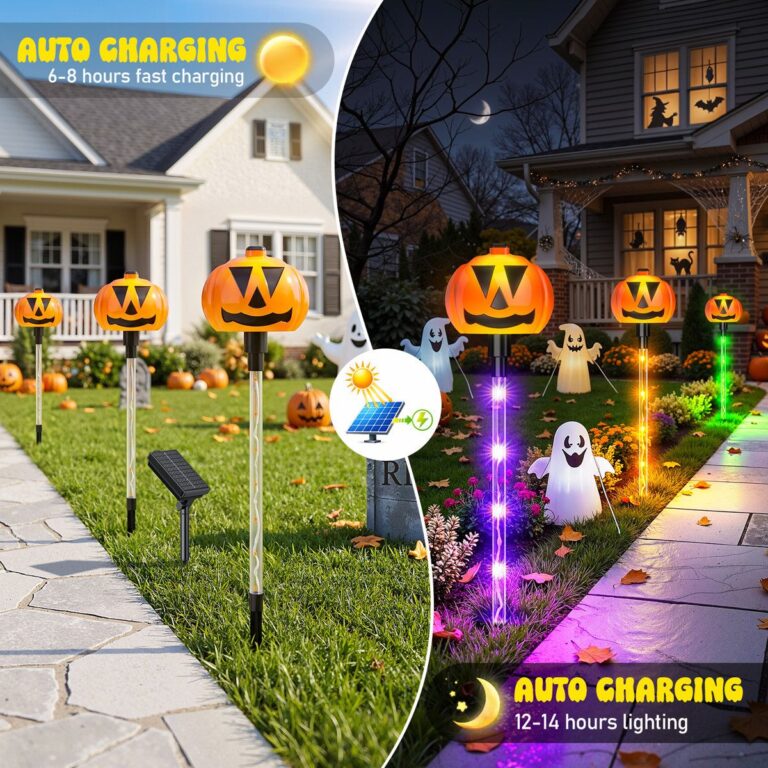
 Aisha's pickOutdoor Arches From Brands You Know and a Few You Won’t

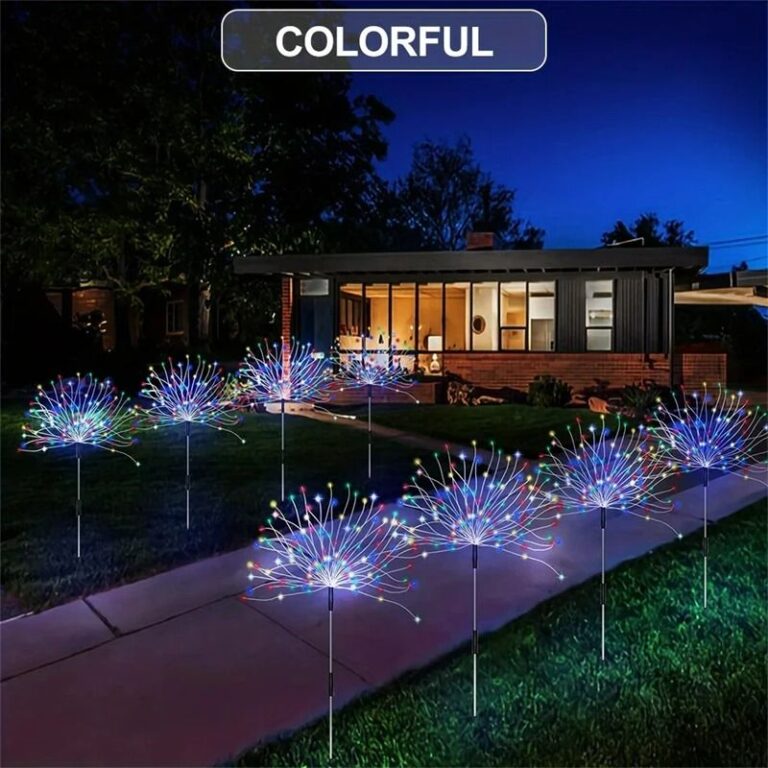 Aisha's pickLarge Outdoor Stakes That Don’t Need Much Upkeep

 Aisha's pickSolar Powered Outdoor Stakes for When the Old Ones Give Up

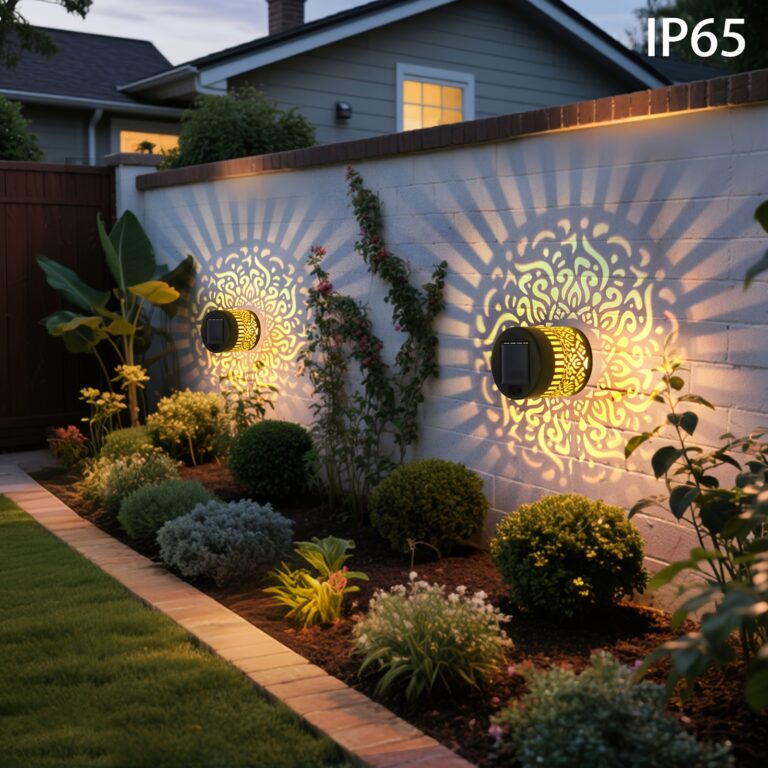 Aisha's pickOutdoor Fences That Go With Most Rooms
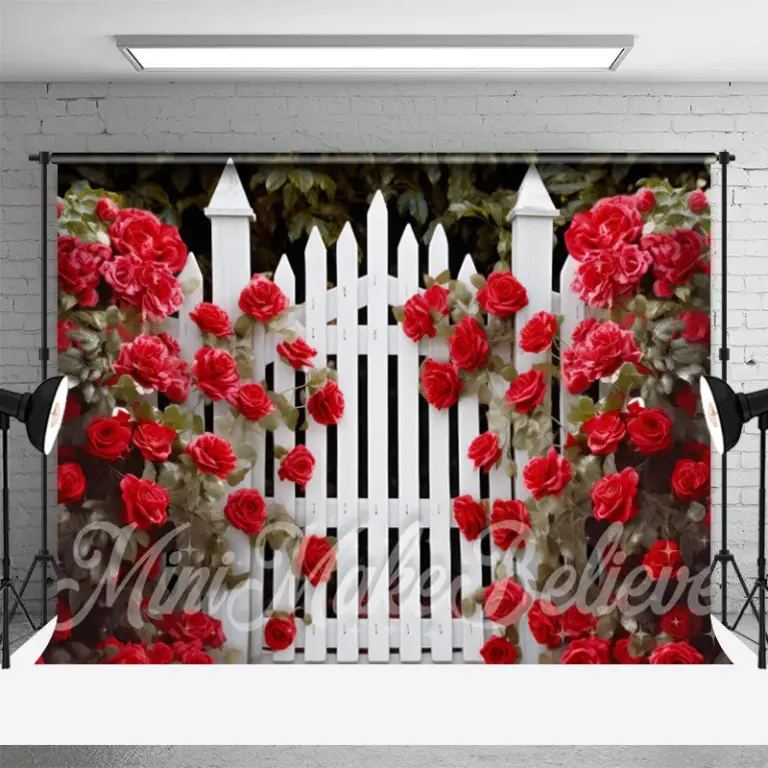
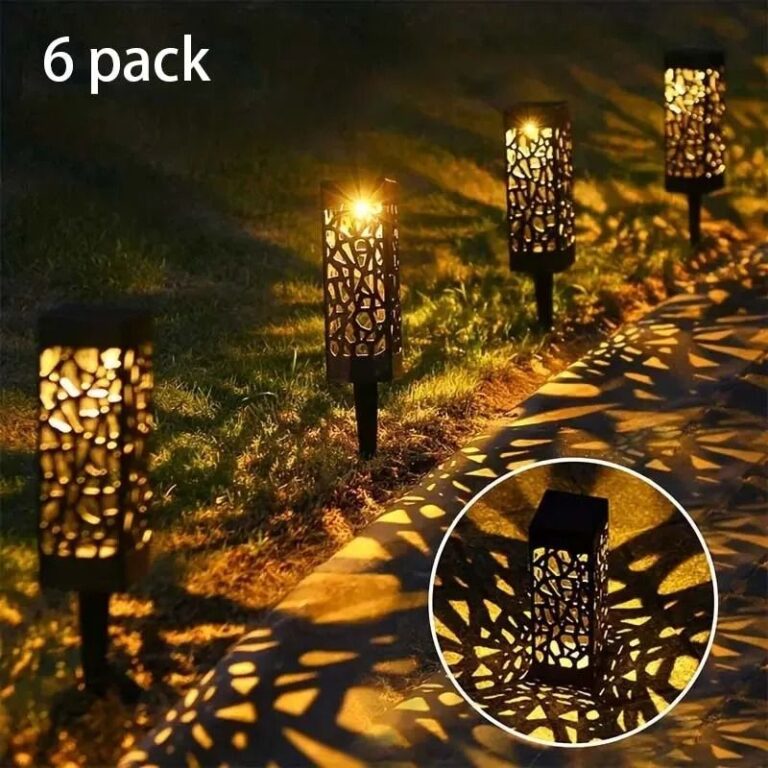 Aisha's pickLED Outdoor Stakes You Won’t Regret Buying
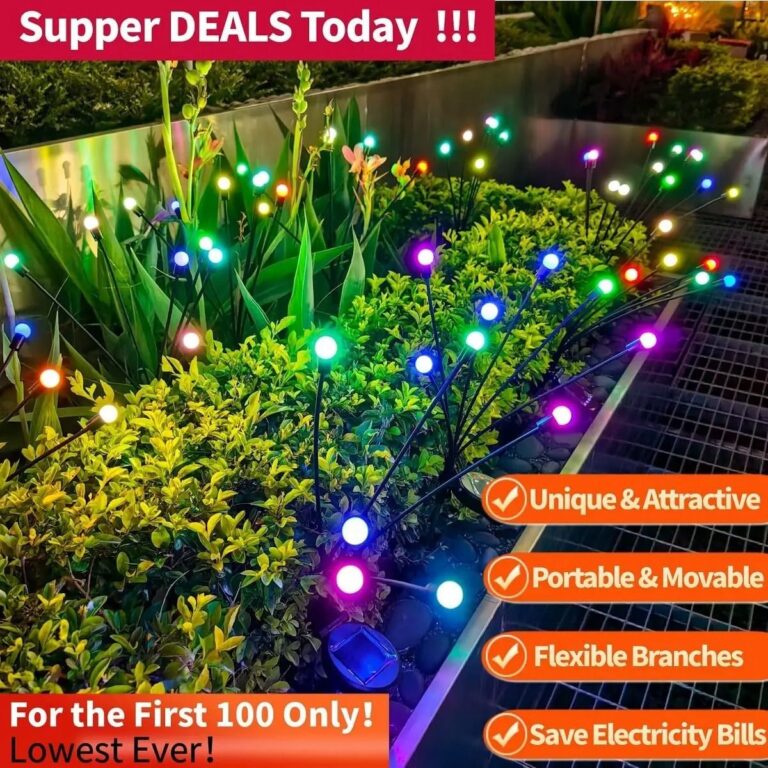
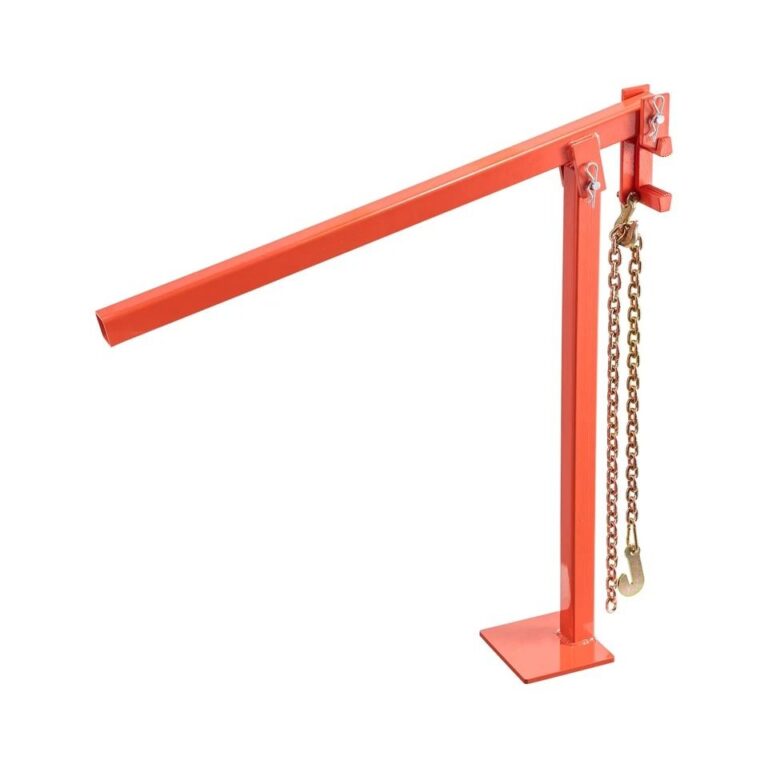 Aisha's pickSteel Outdoor Fences That Don’t Need Babying
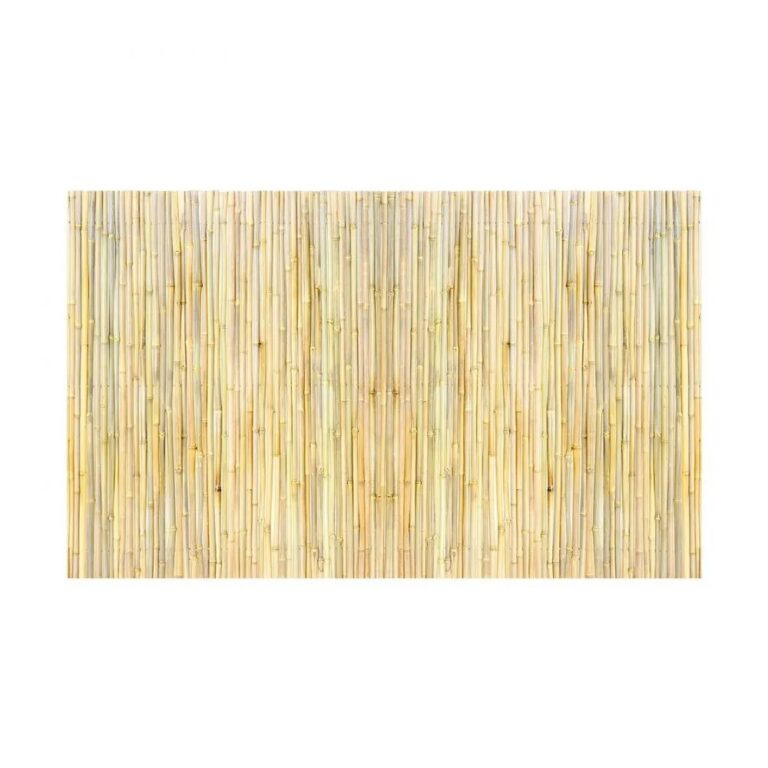
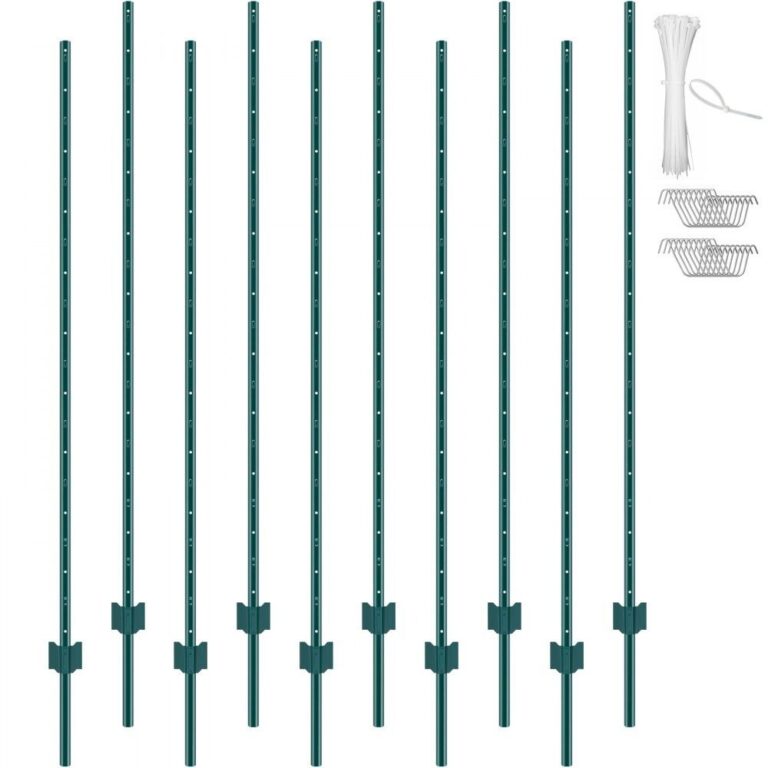 Aisha's pickOutdoor Fences with Posts That Make a Room Feel Finished

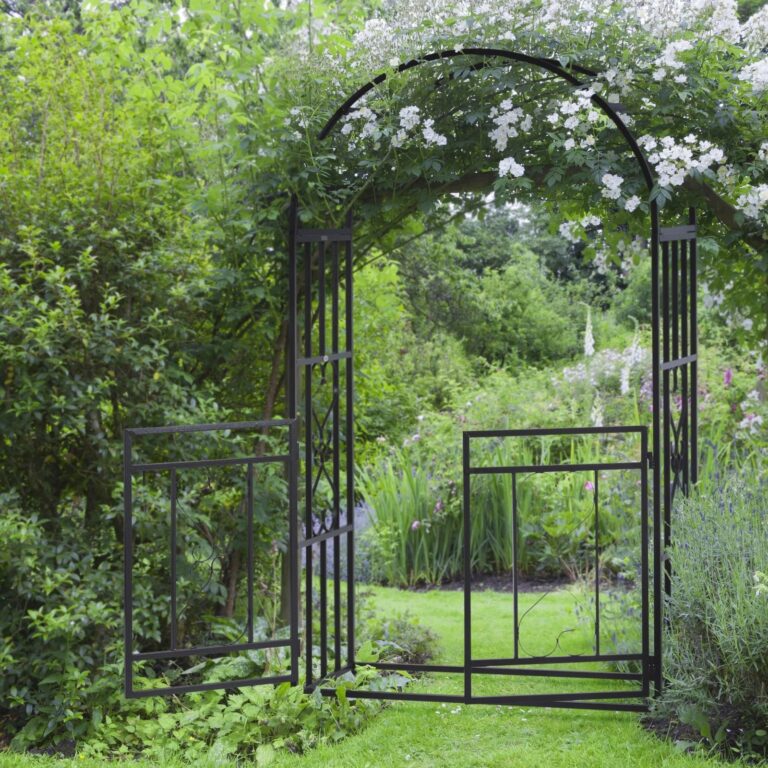 Aisha's pickMetal Outdoor Arches Built to Last More Than a Few Summers

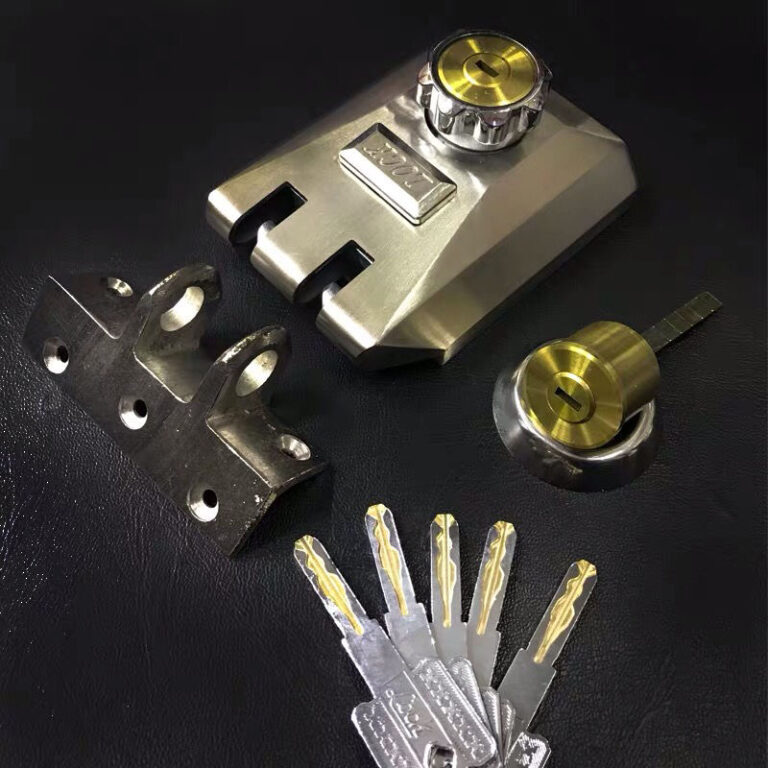 Aisha's pickSteel Outdoor Gates That Won’t Date in a Year
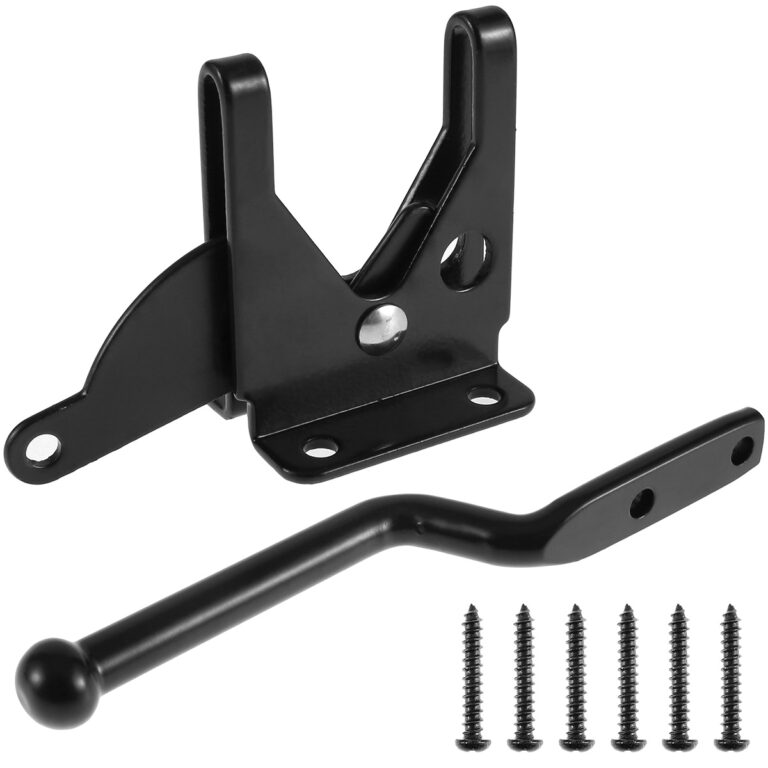
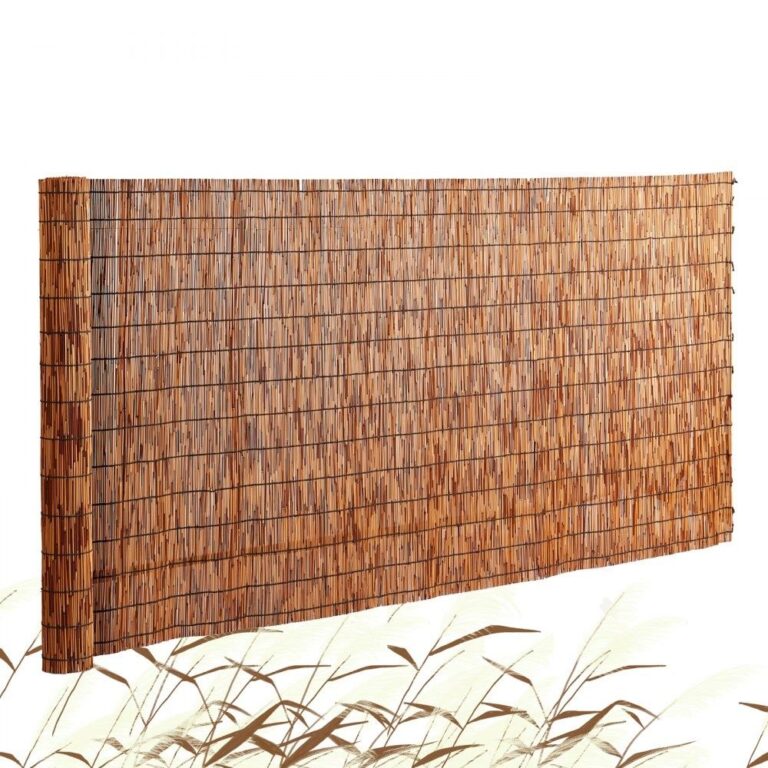 Aisha's pickOutdoor Fencing for Making a House Feel Like Yours
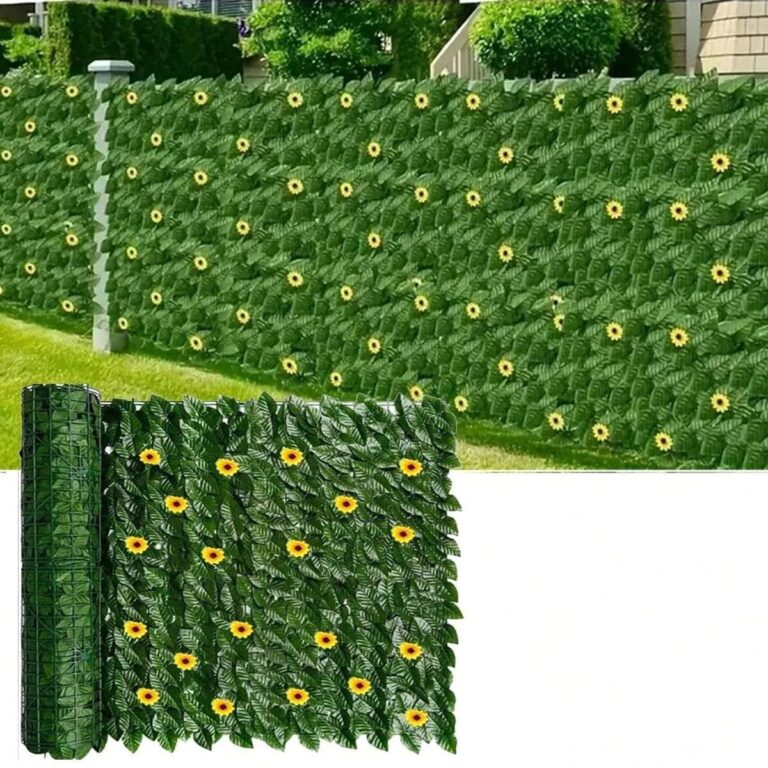
 Aisha's pickMetal Outdoor Fences That Hold Up to Everyday Life

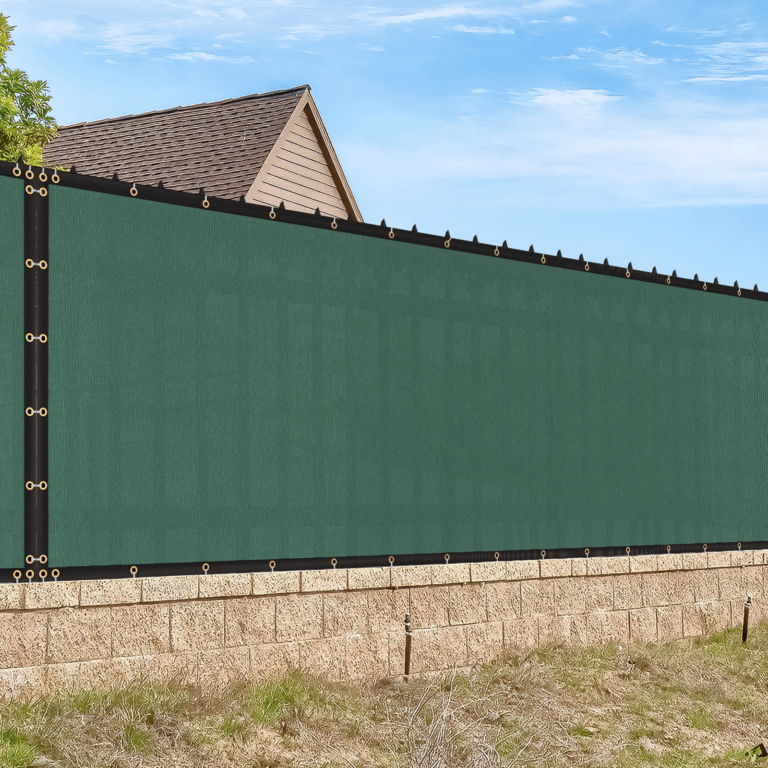 Aisha's pickTall Outdoor Fences Picked by People Who Care Too Much

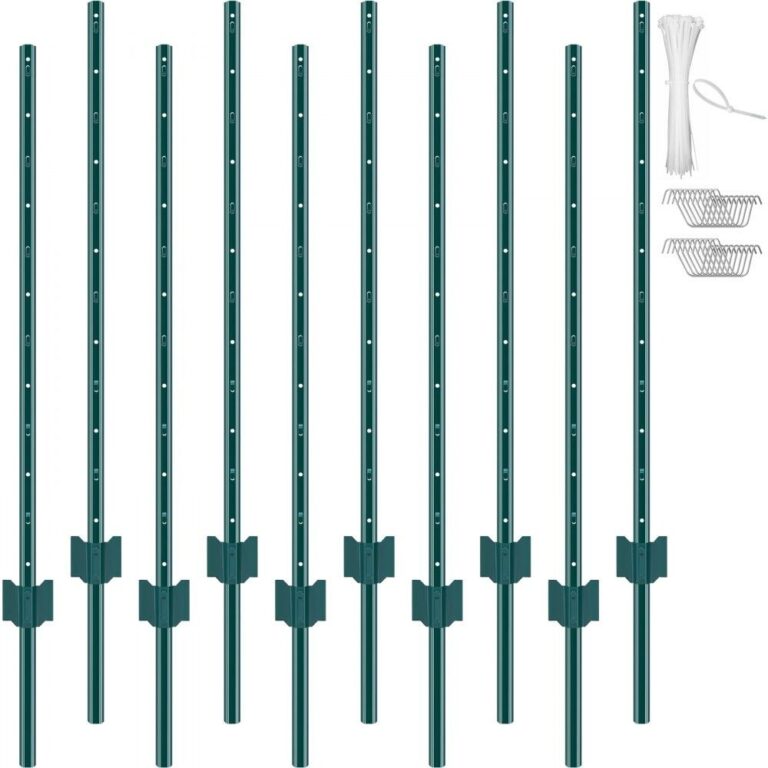 Aisha's pickOutdoor Fencing with Posts That Earns Its Place
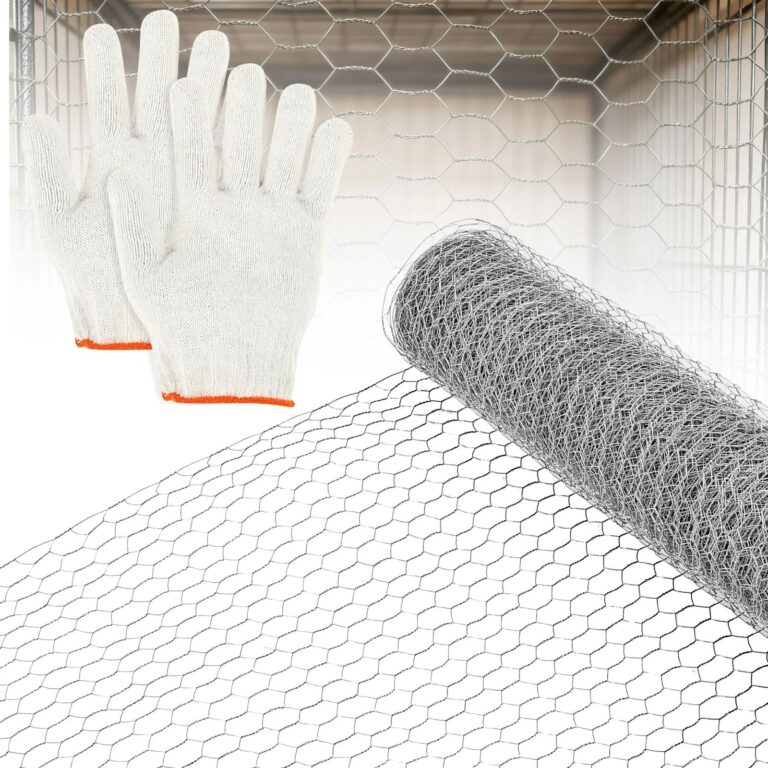
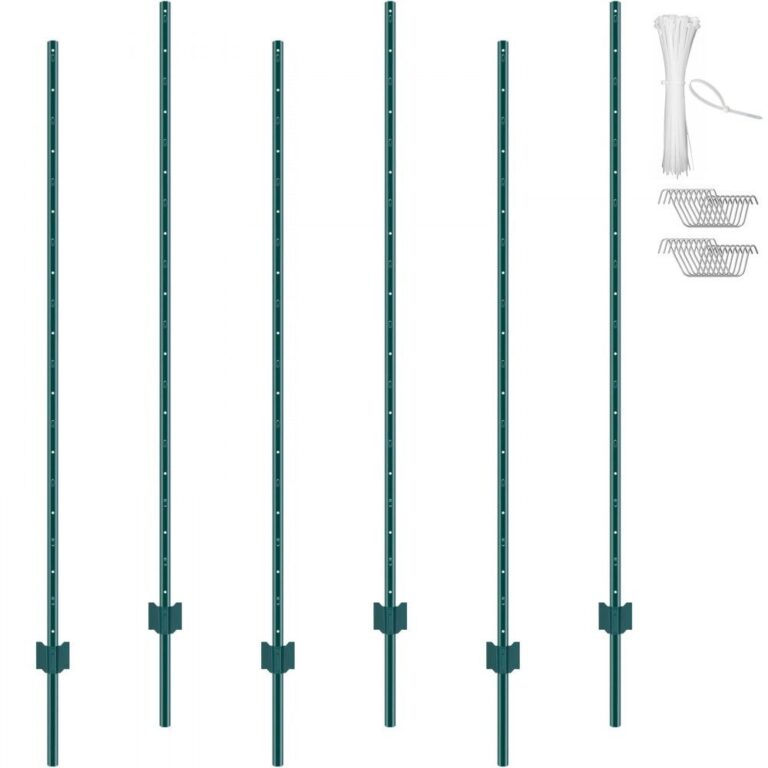 Aisha's pickMetal Outdoor Fencing That Looks the Part
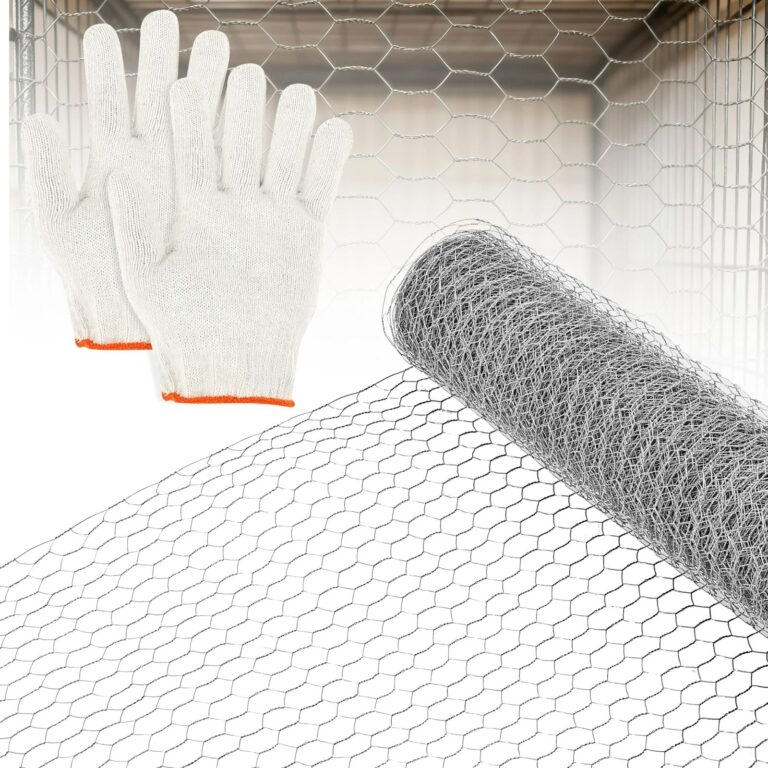
 Aisha's pickTraditional Outdoor Gates Hunted Down So You Don’t Have To
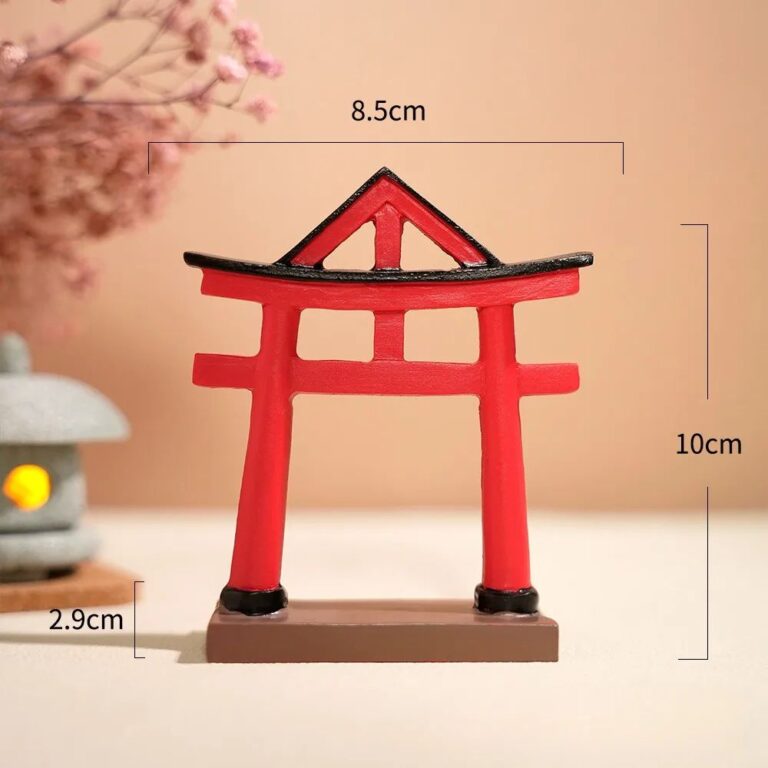
 Aisha's pickOutdoor Gates That Earn Their Keep