These are the small things that make an outdoor space feel like someone actually lives there rather than just mows it: planters that aren't the ones the plant came in, a bird bath, lanterns for the table, a weathervane, a sundial nobody actually uses to tell time, stakes and figures that sit among the plants. None of it holds up a fence or keeps the rain out. The job is purely to make a patio or a yard look considered instead of accidental, and that is a real job, it just isn't a structural one.
The honest limit is that most of this stuff is decorative, so if you're hoping a resin statue or a set of solar lanterns will fix a yard that has bigger problems, bad drainage, no shade, a fence falling over, it won't, and spending on ornaments before the bones of the space are sorted is a classic case of buying the picture frame before you've got the photo. It's also the wrong choice if you want something that survives being walked into by a dog at full speed, because most of it is lightweight by design, which is great for moving it around and bad for staying put in wind or getting knocked. And a lot of outdoor decor that looks like stone or metal is actually a resin or composite cast, which is fine, but only if you know that going in rather than finding out when it chips.
When you're checking something in a shop or the day it arrives, pick it up. Weight tells you almost everything: a genuinely heavy piece will sit still in weather, a light one needs to be tucked somewhere sheltered or it becomes a projectile in the first real gust. Look at the base or the seams where two molded halves meet, a cheap cast often has a visible ridge of flash along the join that nobody bothered to sand off. If it's metal, check for a powder coat finish rather than bare paint, since bare paint on anything left outside is rust within a season, I learned that one the hard way with a planter that looked great in April and looked like a tetanus risk by August. For anything with a plug or a solar panel, check the cord gland and the panel seating are actually sealed, not just pushed together, because water finds its way into gaps that look fine in a showroom.
On color, the finishes that stay easy to live with over years are the muted ones, weathered bronze, aged stone gray, matte black, anything that reads as a material rather than a paint job. Bright glazed ceramics and anything metallic gold look sharp for one season and then fight with everything you plant around them once the garden fills in and starts doing its own thing in July. The difference between a piece that earns a permanent spot and one that ends up in the garage by October almost always comes down to that finish and whether the base was ever meant to live outdoors full time rather than just survive a weekend on a porch.
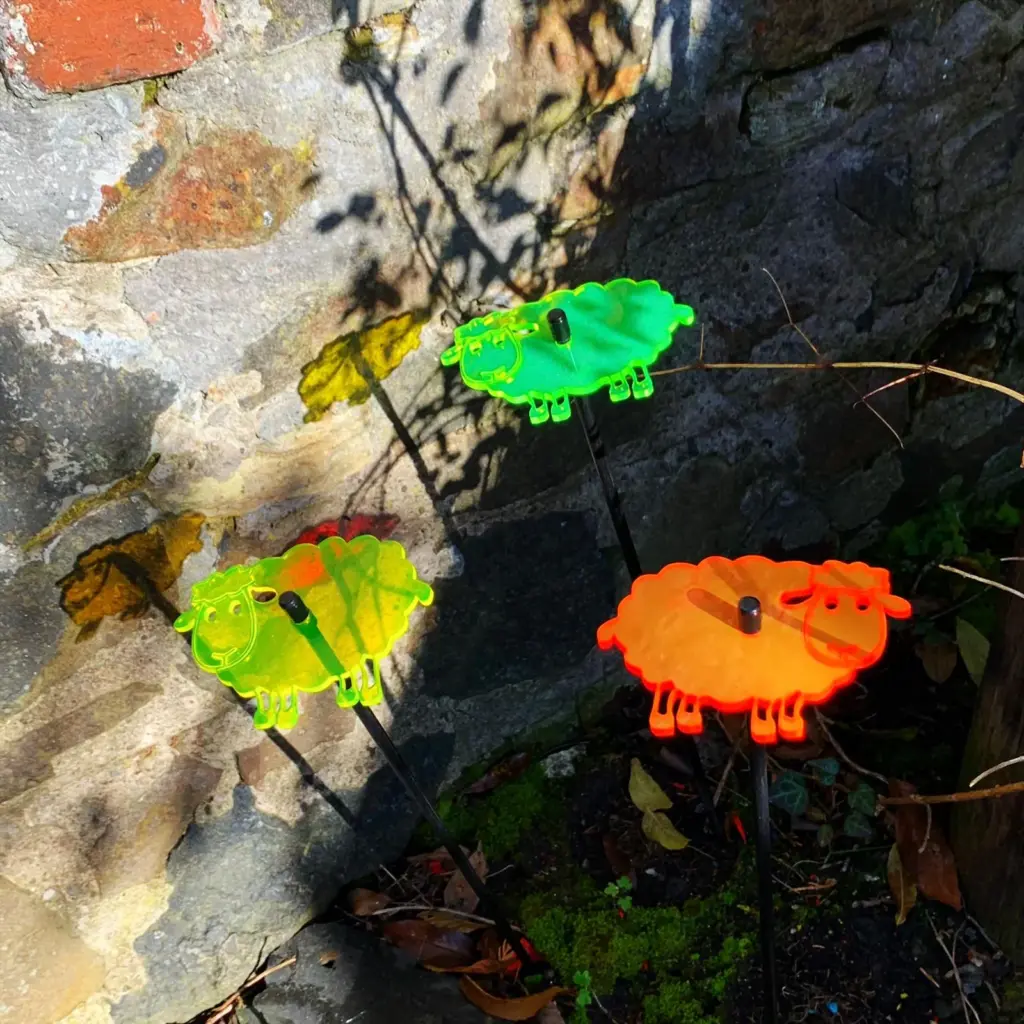 Aisha's pickOutdoor Ornaments for Patio That Stand Up to the Weather
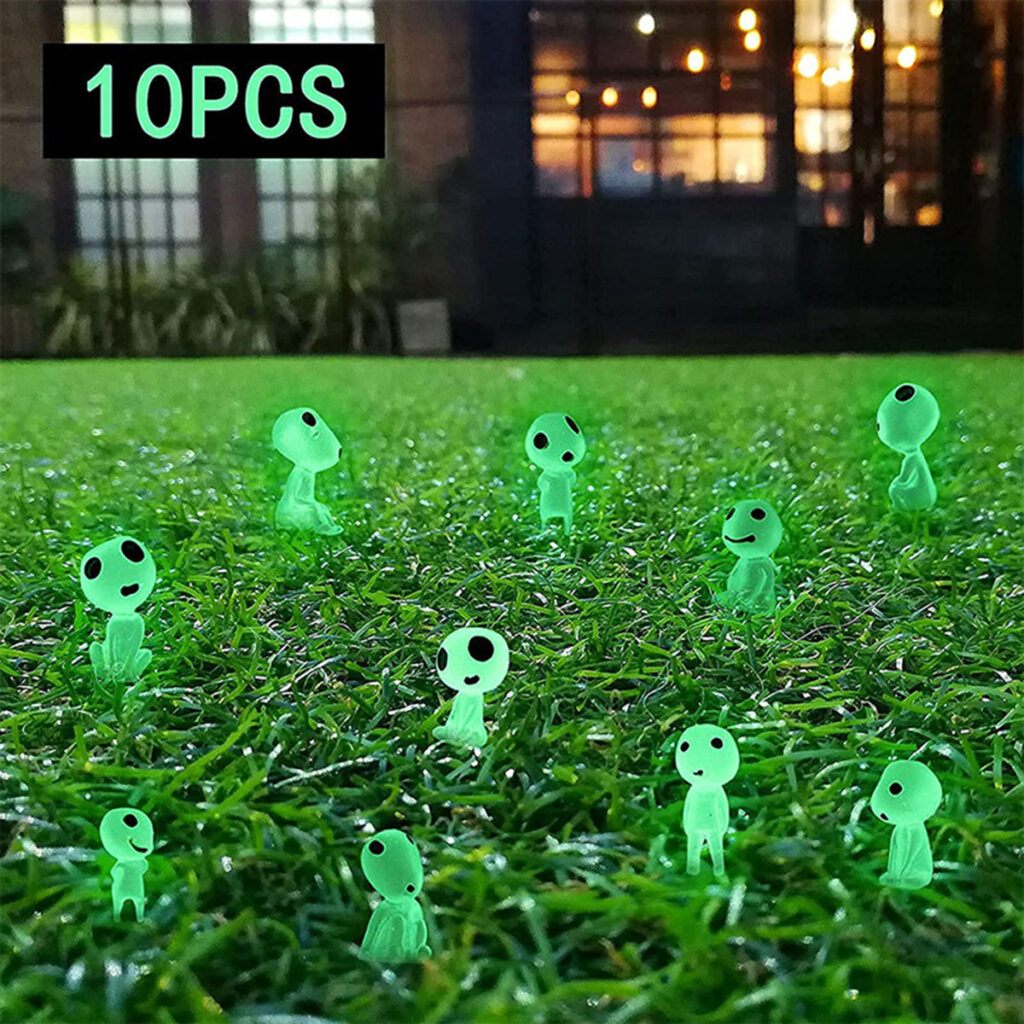
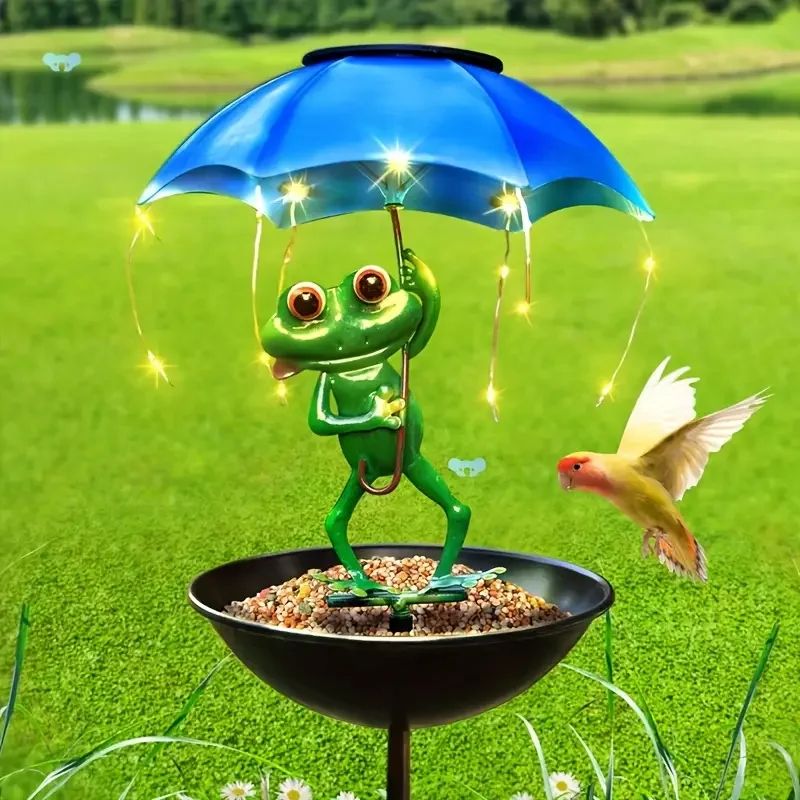 Aisha's pickLED Outdoor Ornaments for Long Summer Evenings Outside
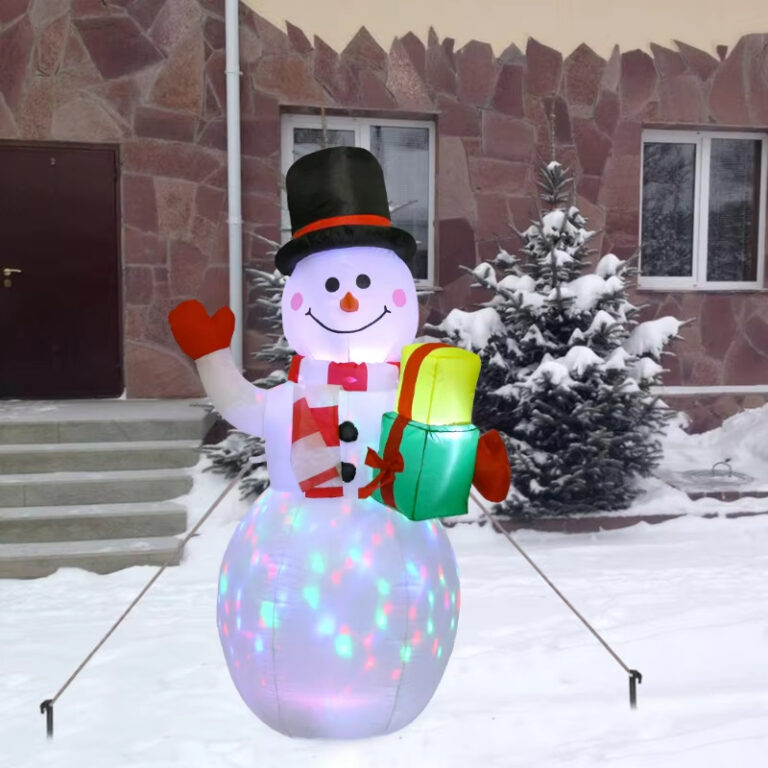
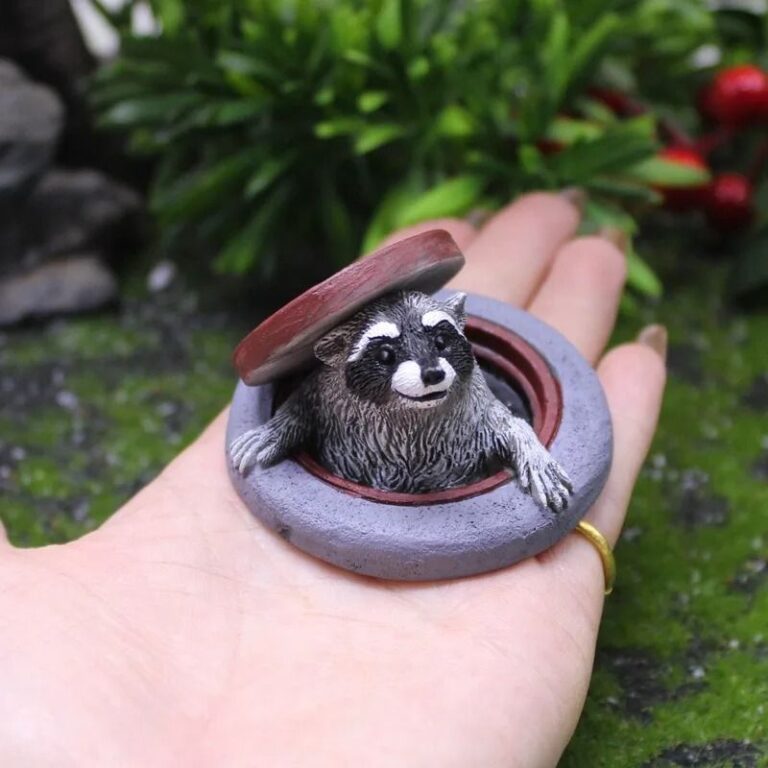 Aisha's pickResin Outdoor Statues for Long Summer Evenings Outside
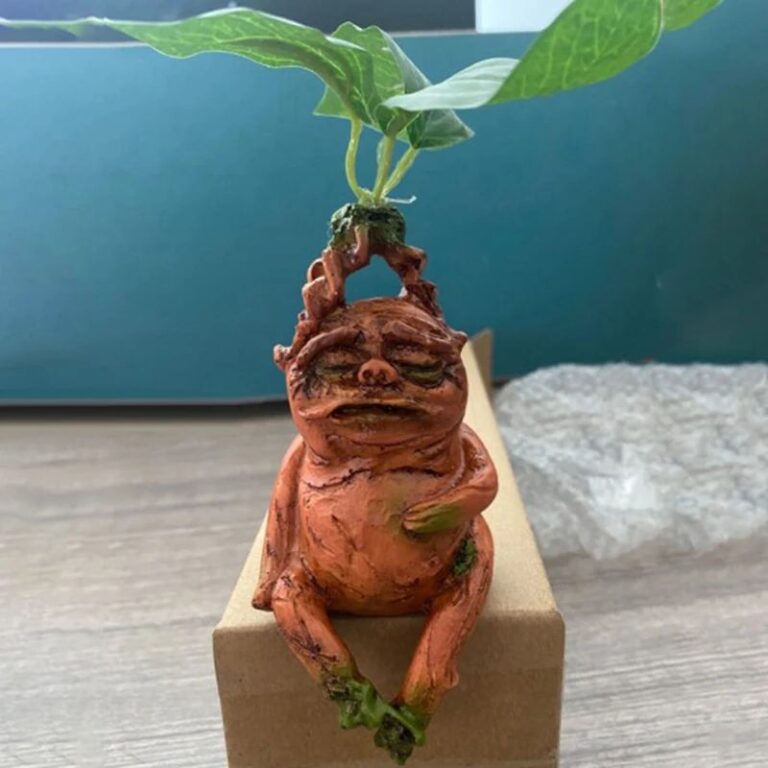
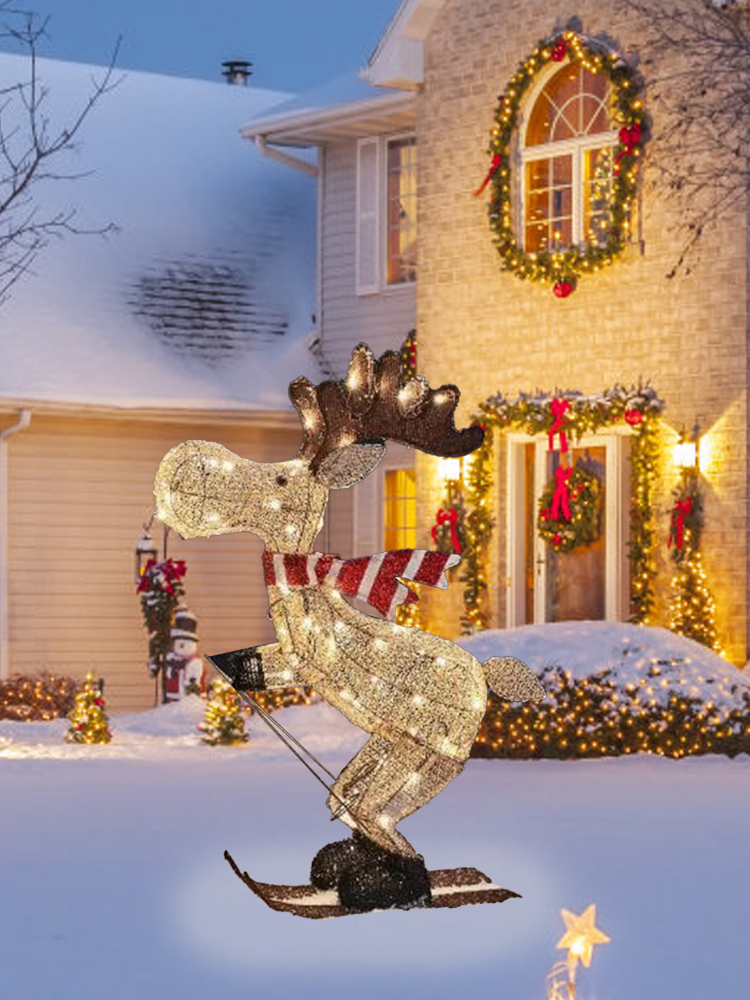 Aisha's pickSimple Outdoor Ornaments with Lights Done Well
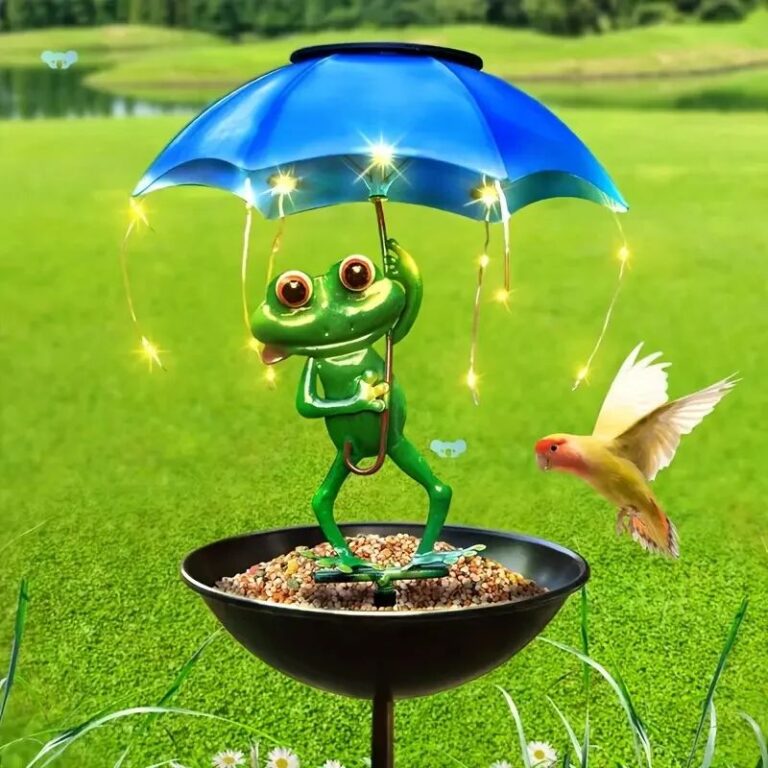
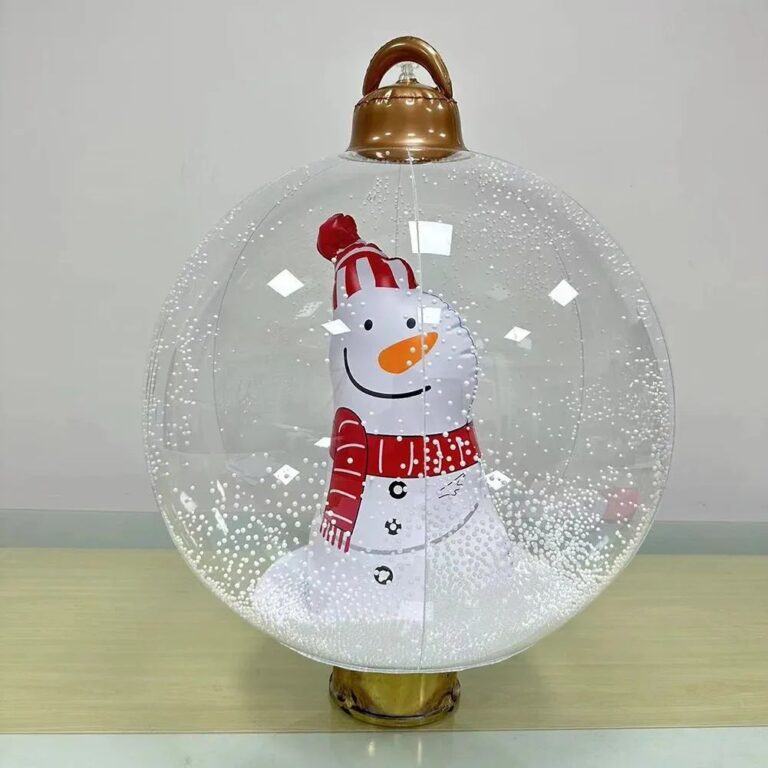 Aisha's pickLED Outdoor Ornaments That Stand Up to the Weather
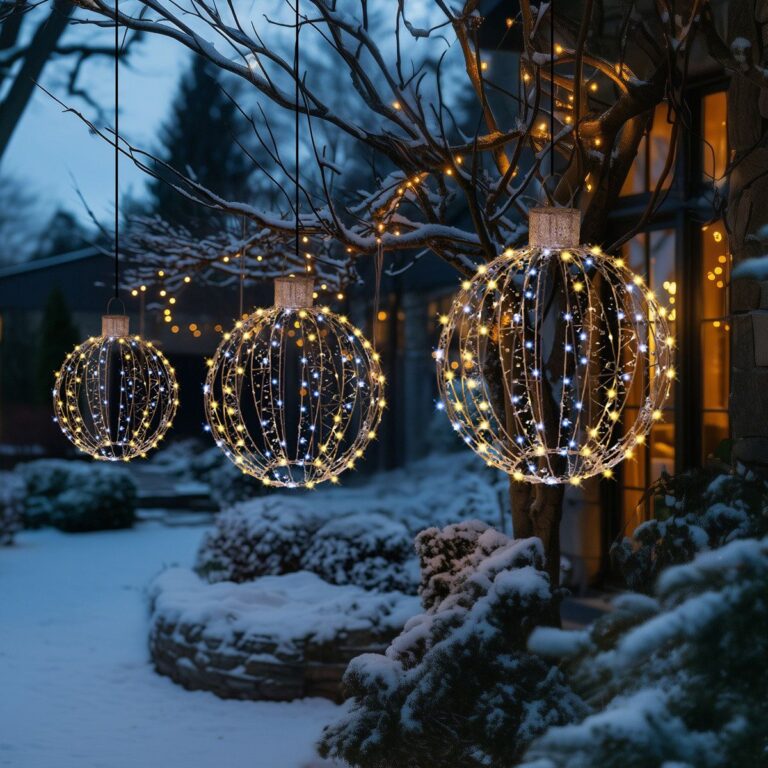
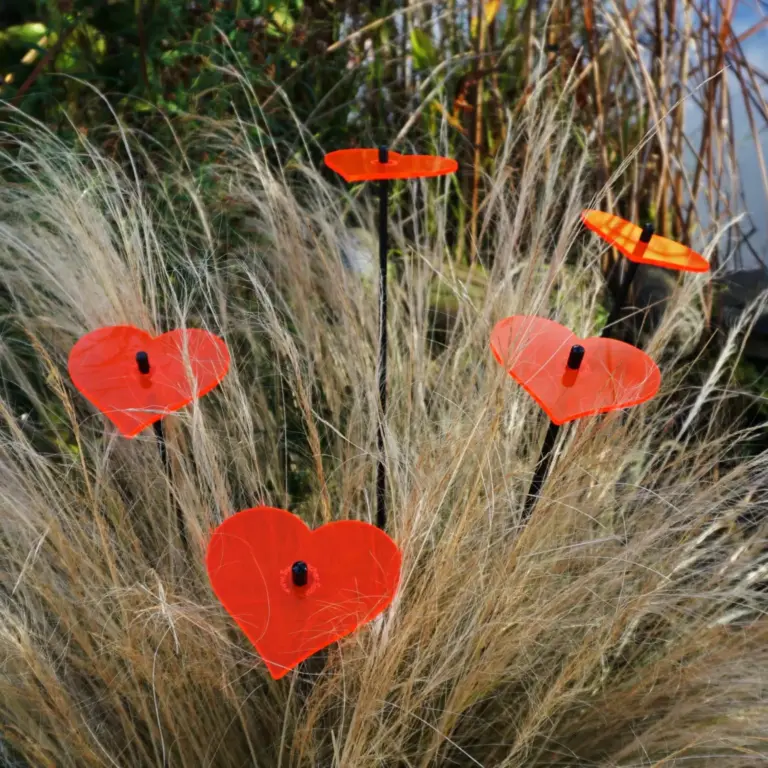 Aisha's pickSmall Outdoor Ornaments That Shrug Off the Rain
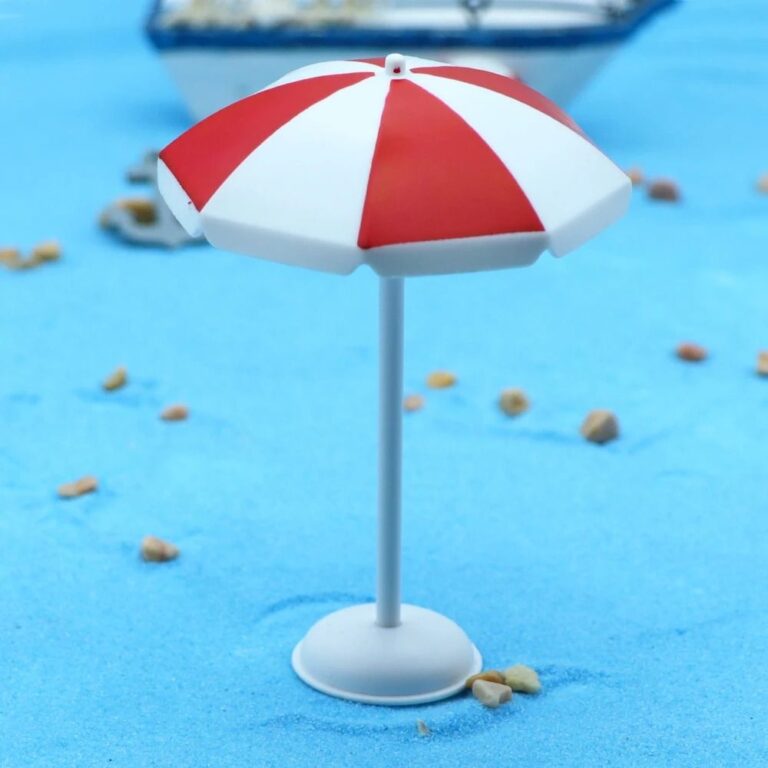
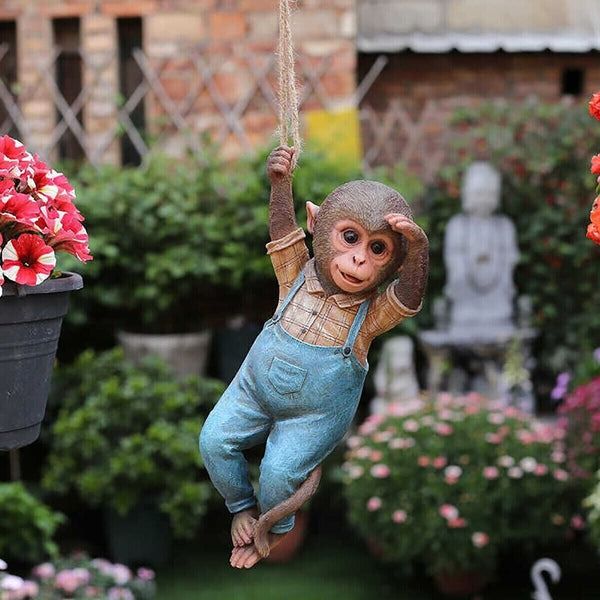 Aisha's pickOutdoor Sculptures for Making the Most of the Patio
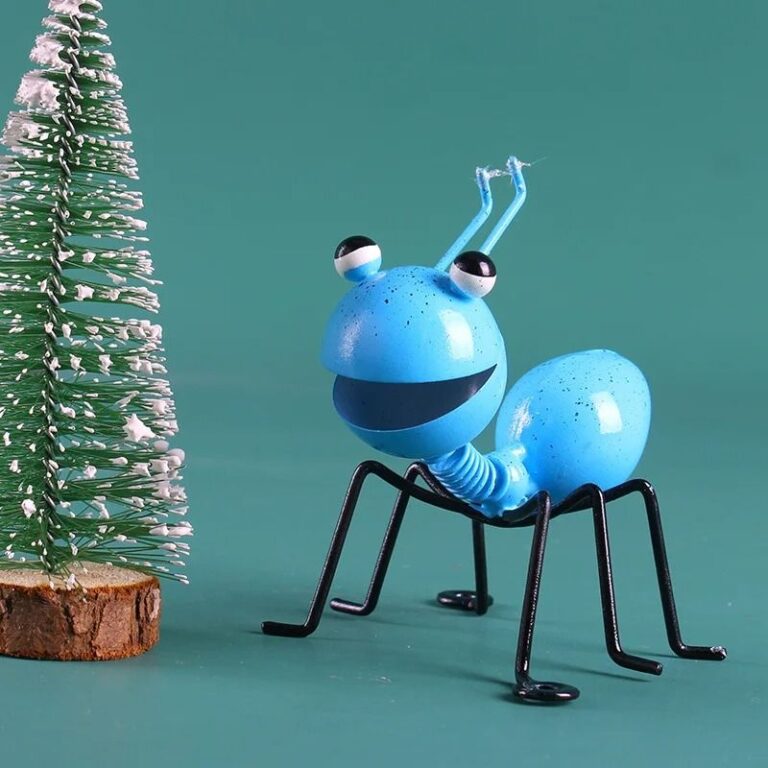
 Aisha's pickMetal Wall Decor for the Yard From Stores Big and Small

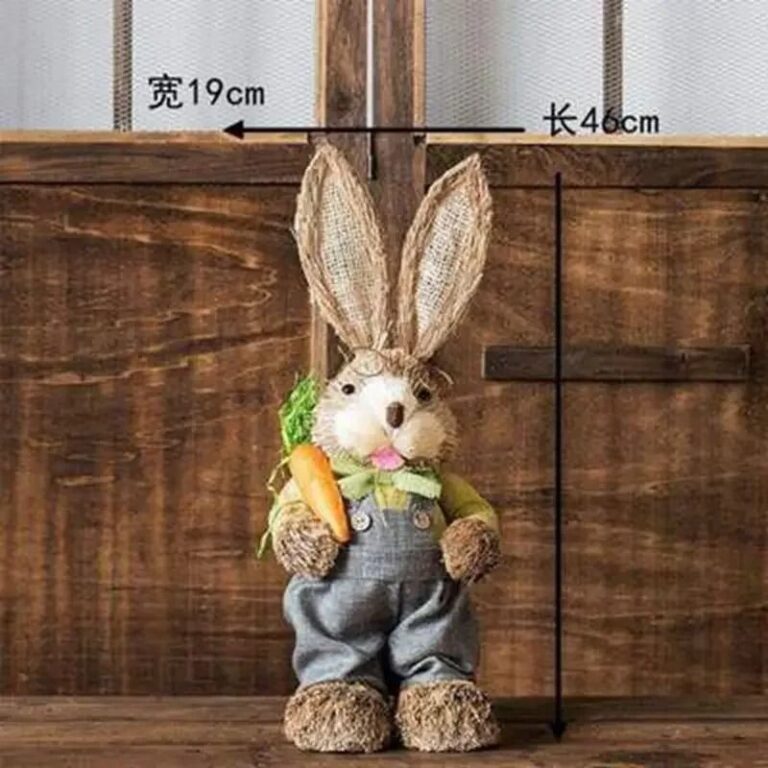 Aisha's pickSmall Outdoor Ornaments for Barbecues and Lazy WeekendsAlso worth a lookOutdoor LightsOutdoor lights have a reputation for being the thing you buy in a hurry at the end of…See the collections →
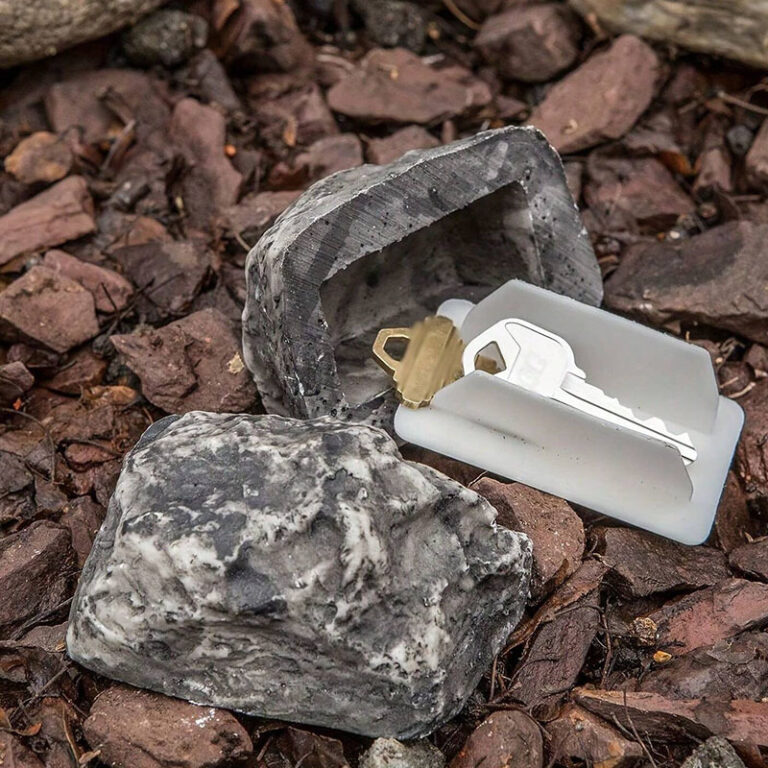
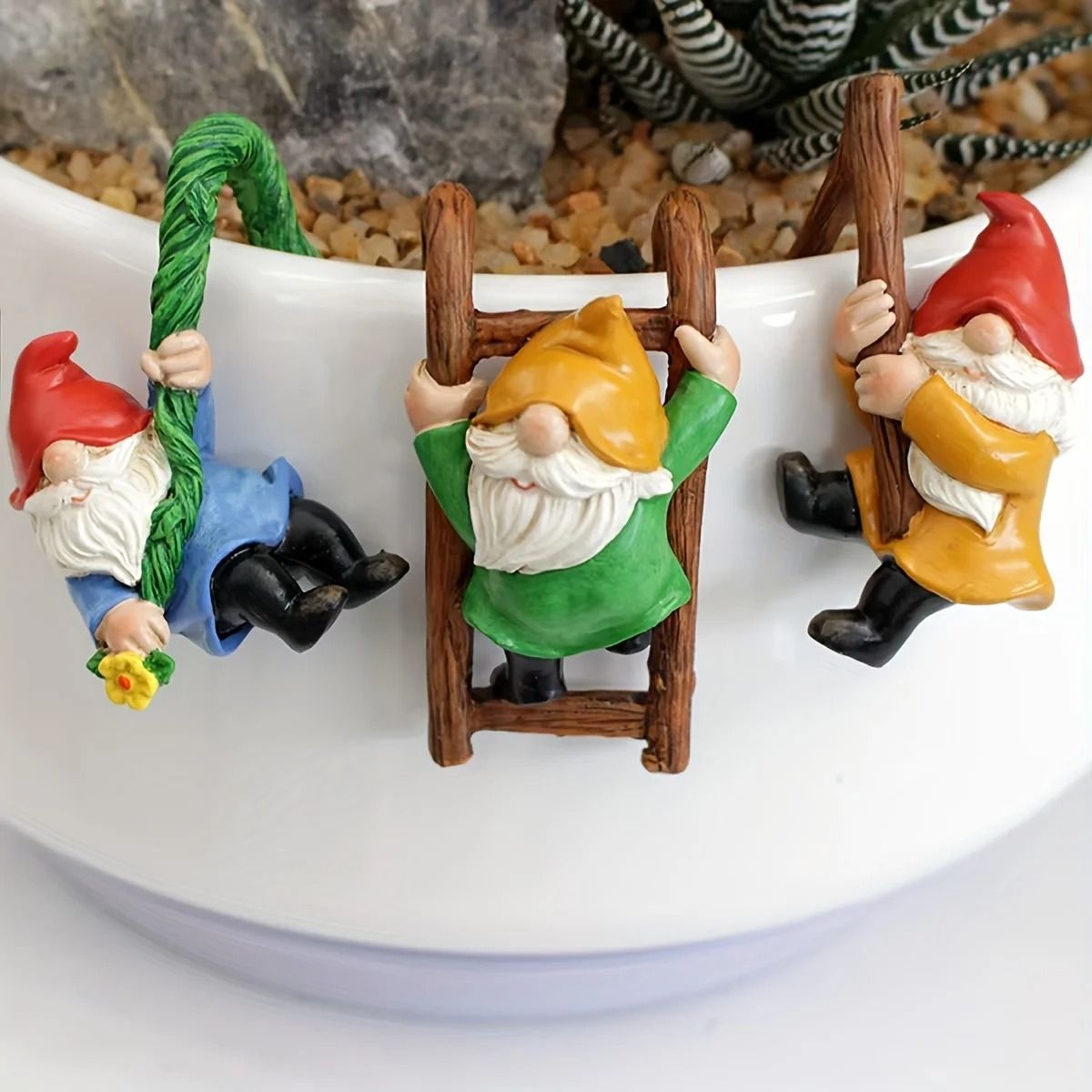 Aisha's pickOutdoor Statues That Work in Old Houses and New Ones
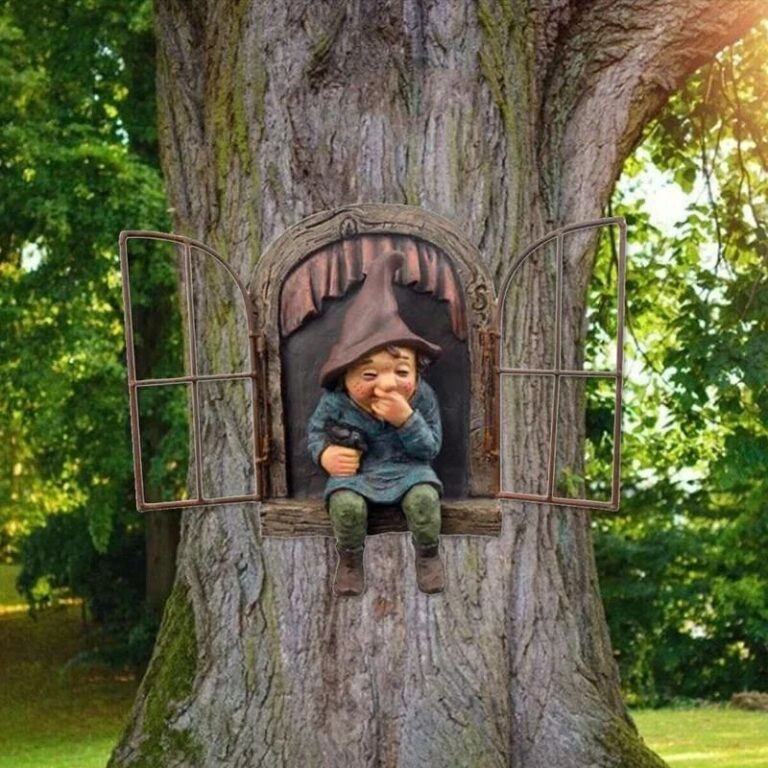
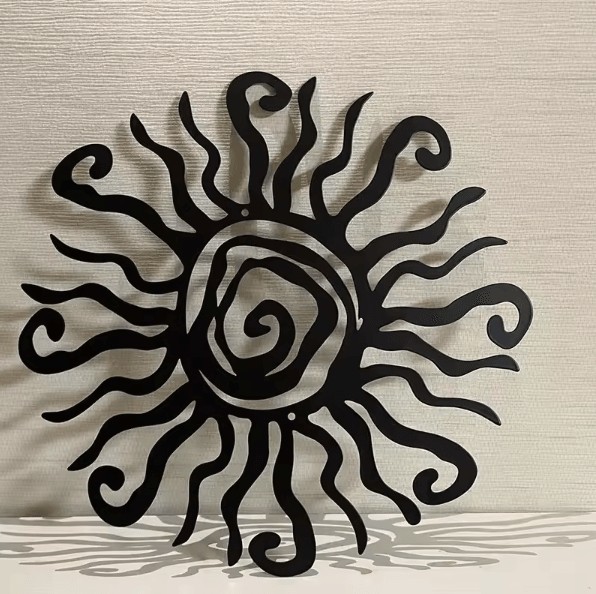 Aisha's pickMetal Wall Decor for Outdoors That Holds Up

 Aisha's pickThe Small Outdoor Ornaments Worth Your Cash
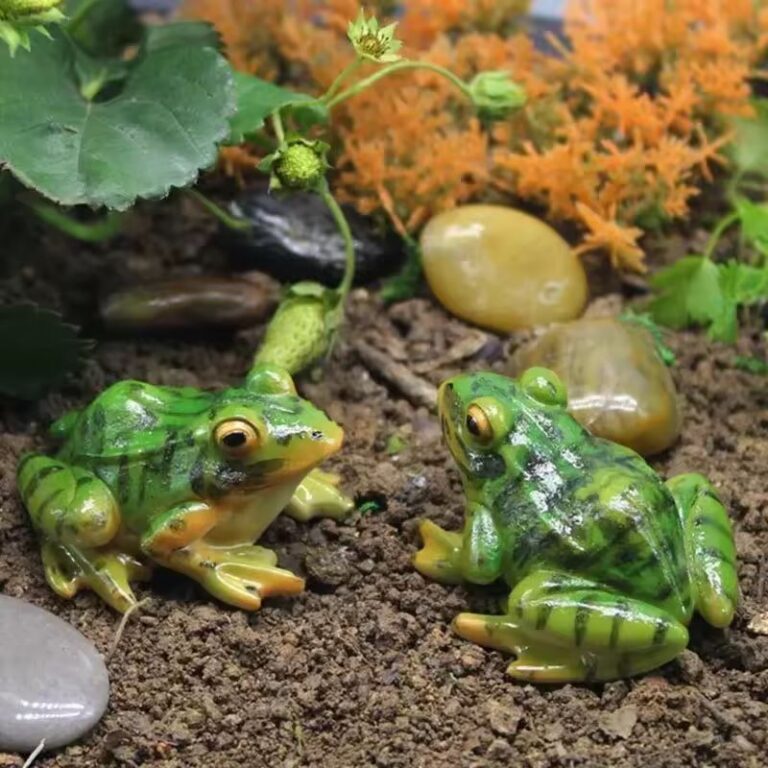
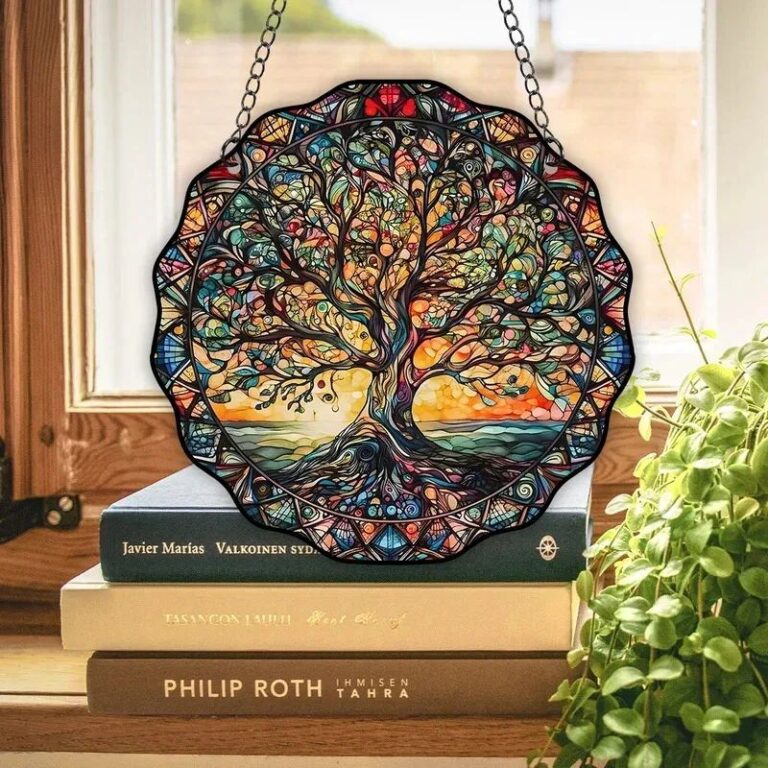 Aisha's pickGlass Outdoor Ornaments for When the Old Ones Give Up
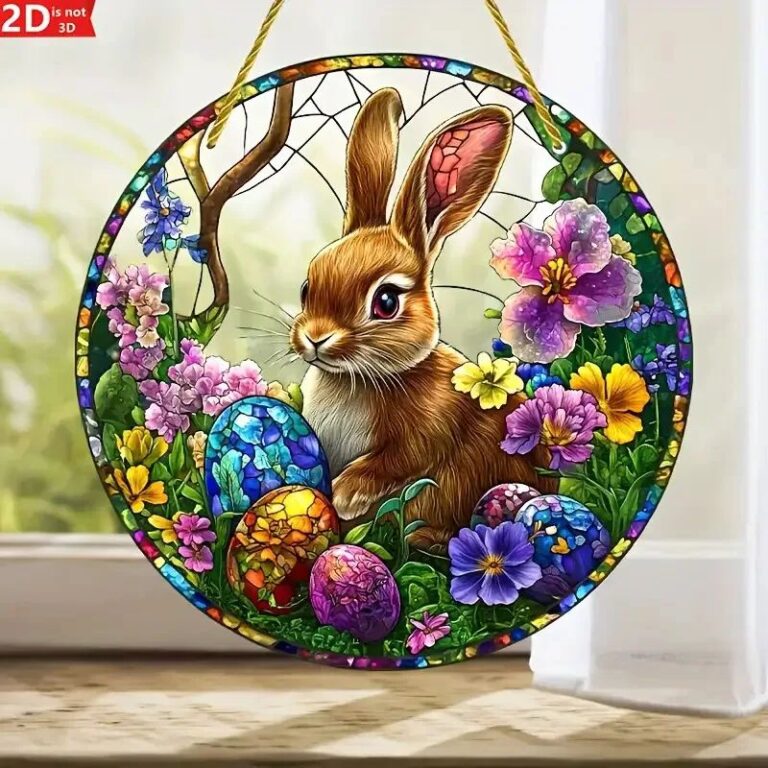
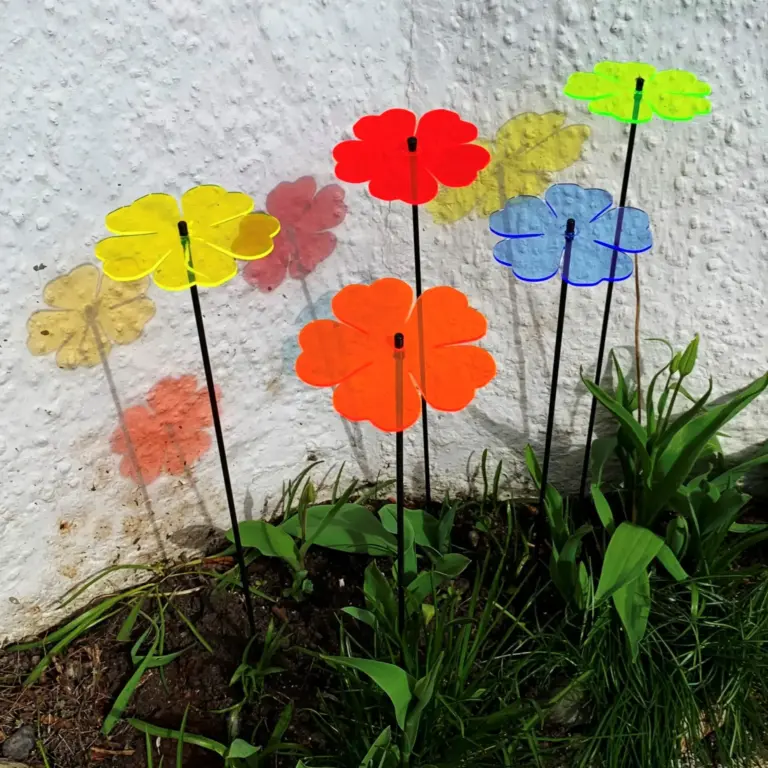 Aisha's pickNatural Outdoor Ornaments for Long Summer Evenings Outside
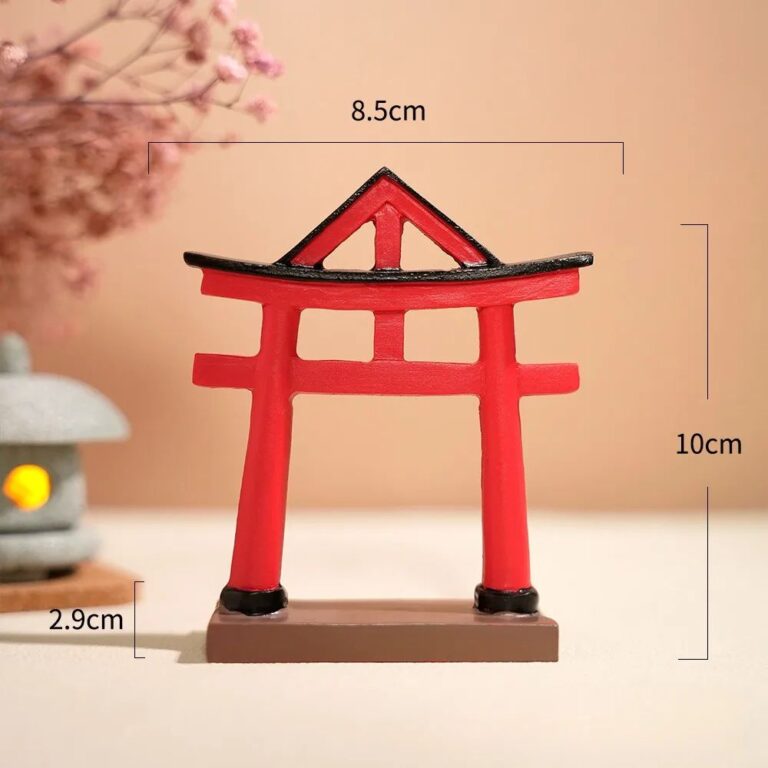
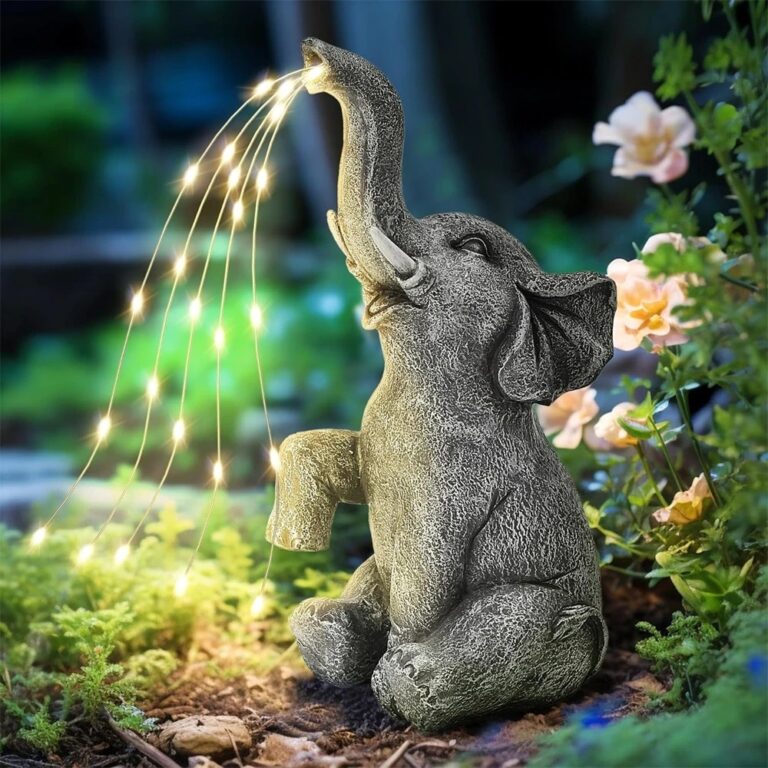 Aisha's pickSolar Outdoor Ornaments That Shrug Off the Rain
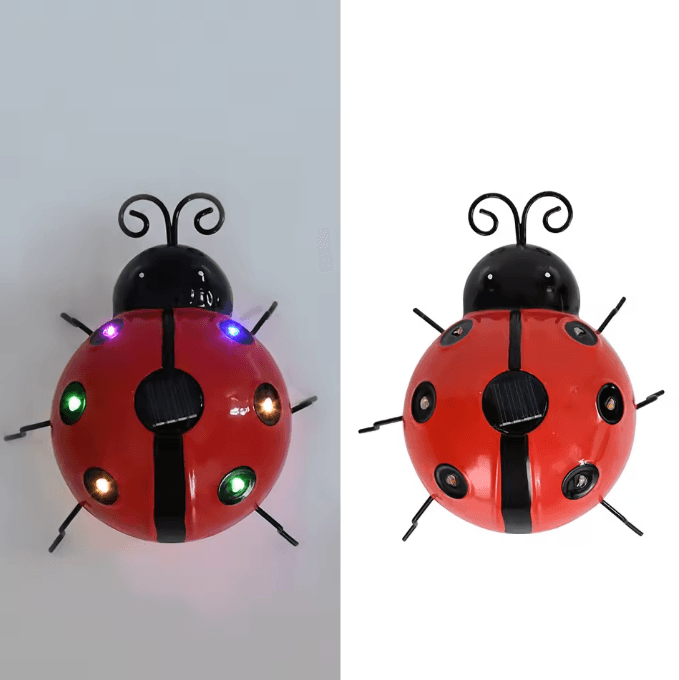
 Aisha's pickGlass Outdoor Ornaments That Shrug Off the Rain
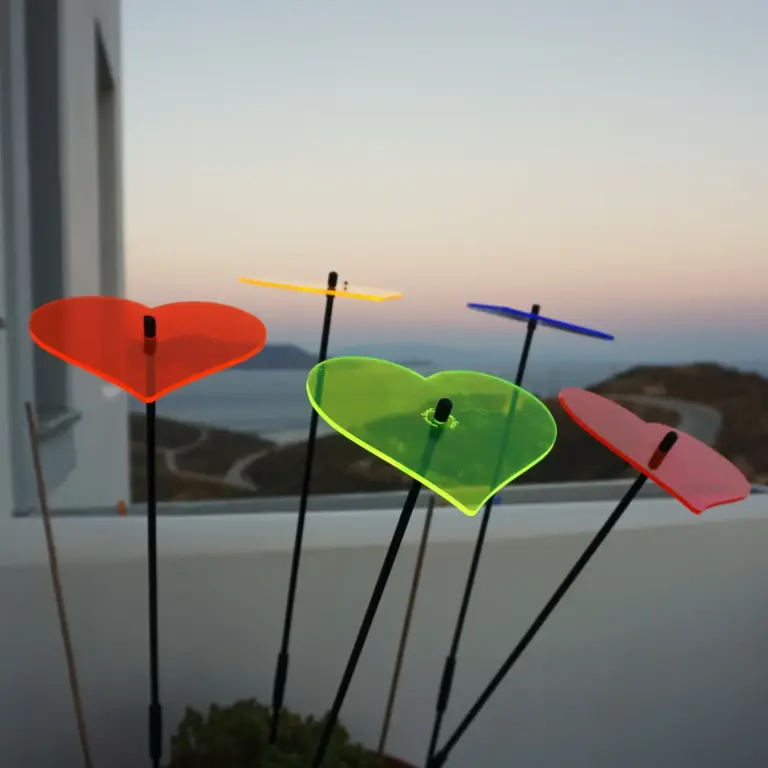
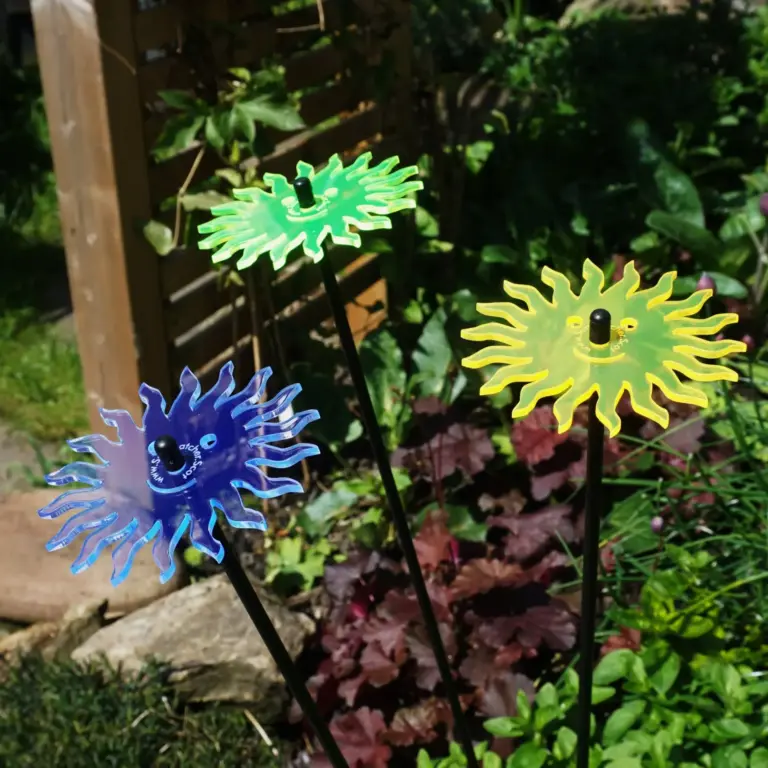 Aisha's pickNatural Outdoor Ornaments That Won’t Let You Down
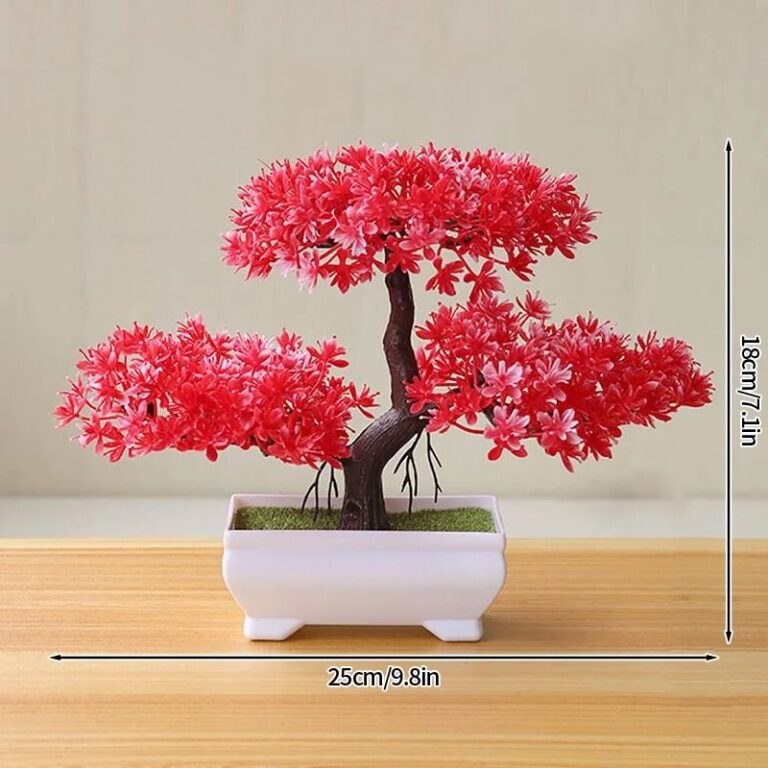
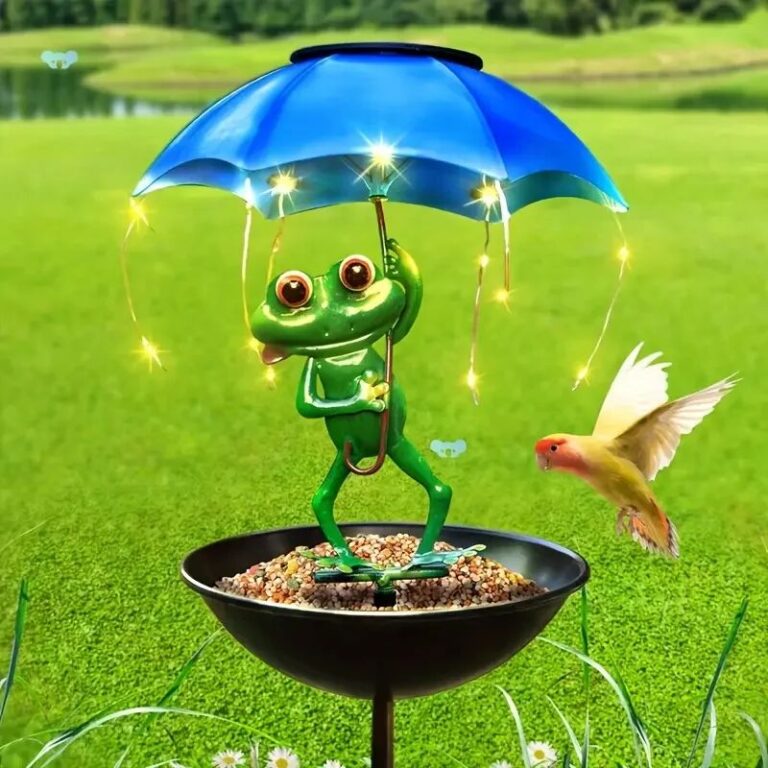 Aisha's pickSolar Outdoor Ornaments for Barbecues and Lazy WeekendsAlso worth a lookOutdoor TablesA good outdoor table has some weight to it before anything else.See the collections →
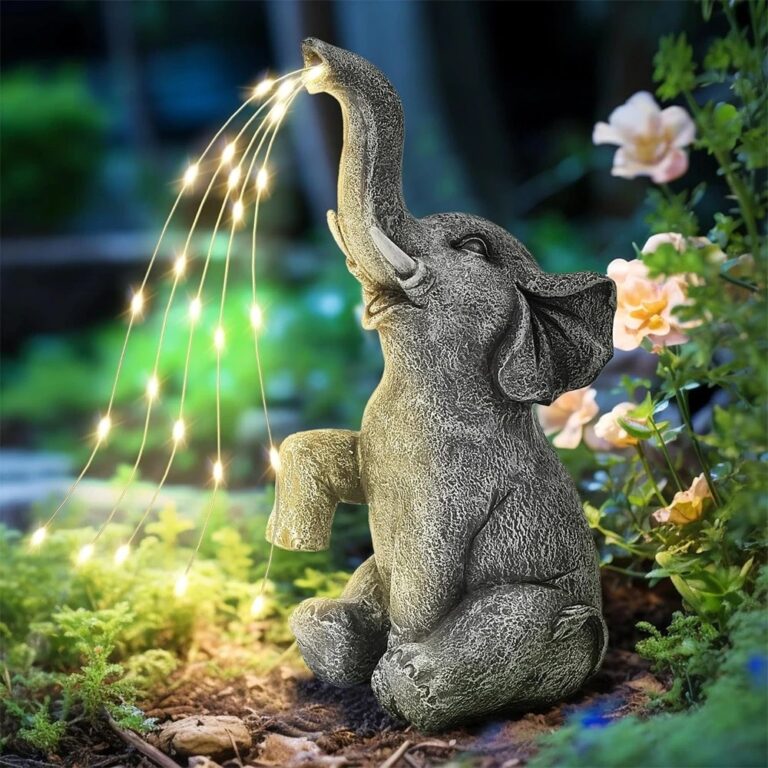
 Aisha's pickGlass Outdoor Ornaments That Make the Yard Feel Like Another Room

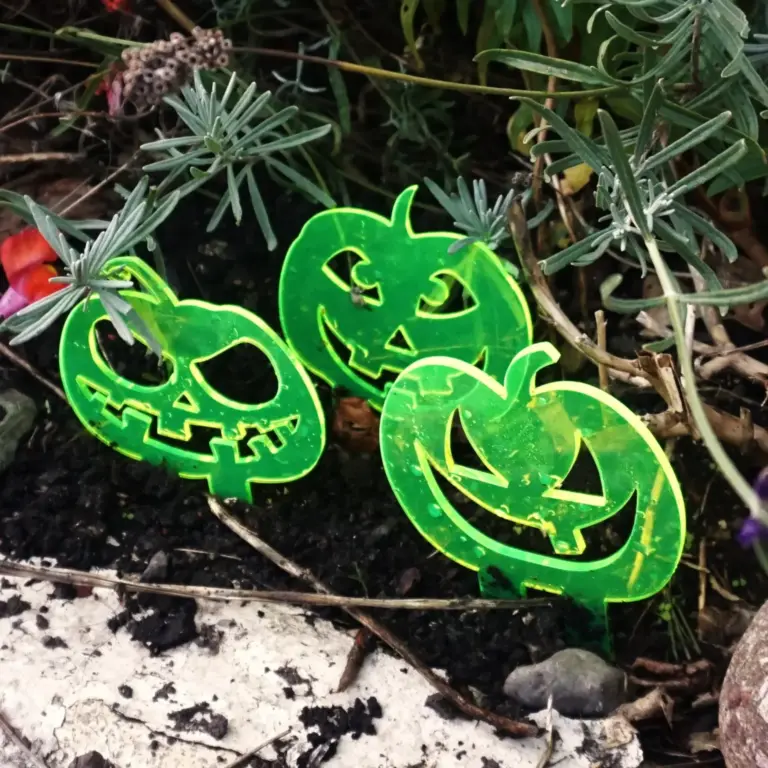 Aisha's pickOutdoor Ornaments That Earn Their Keep
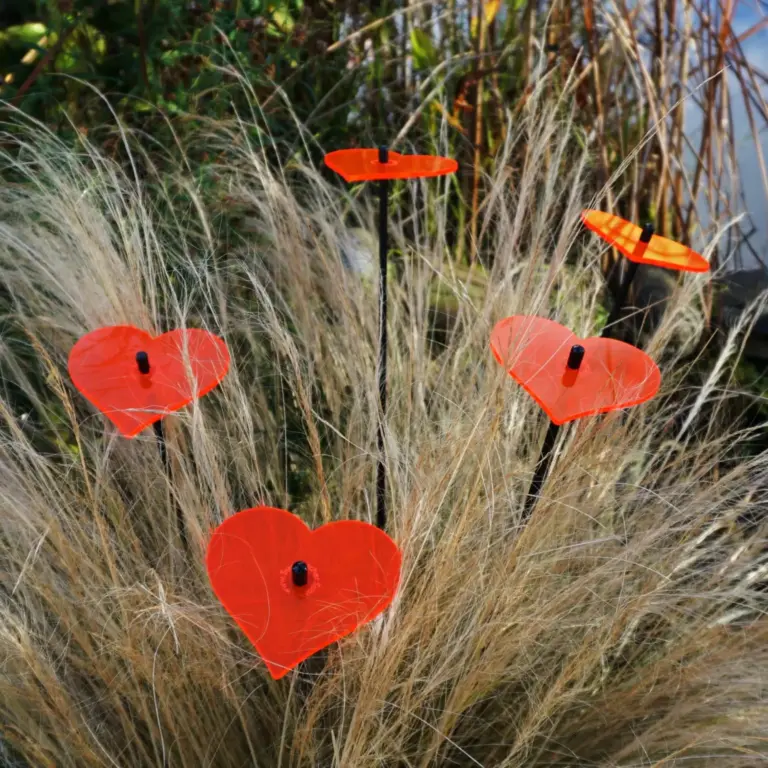
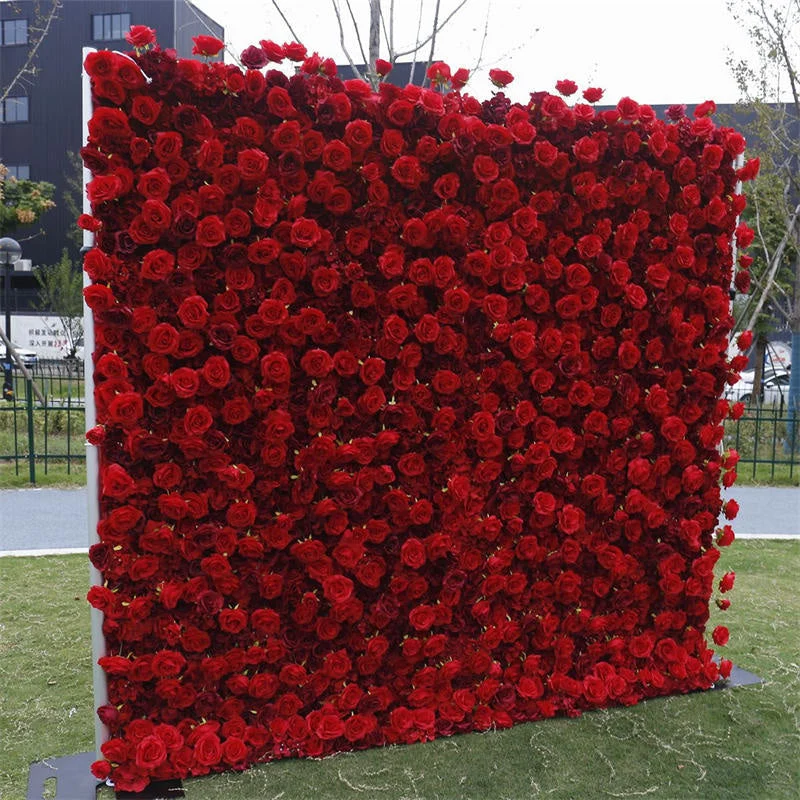 Aisha's pickWall Decor for the Yard Worth Your Money
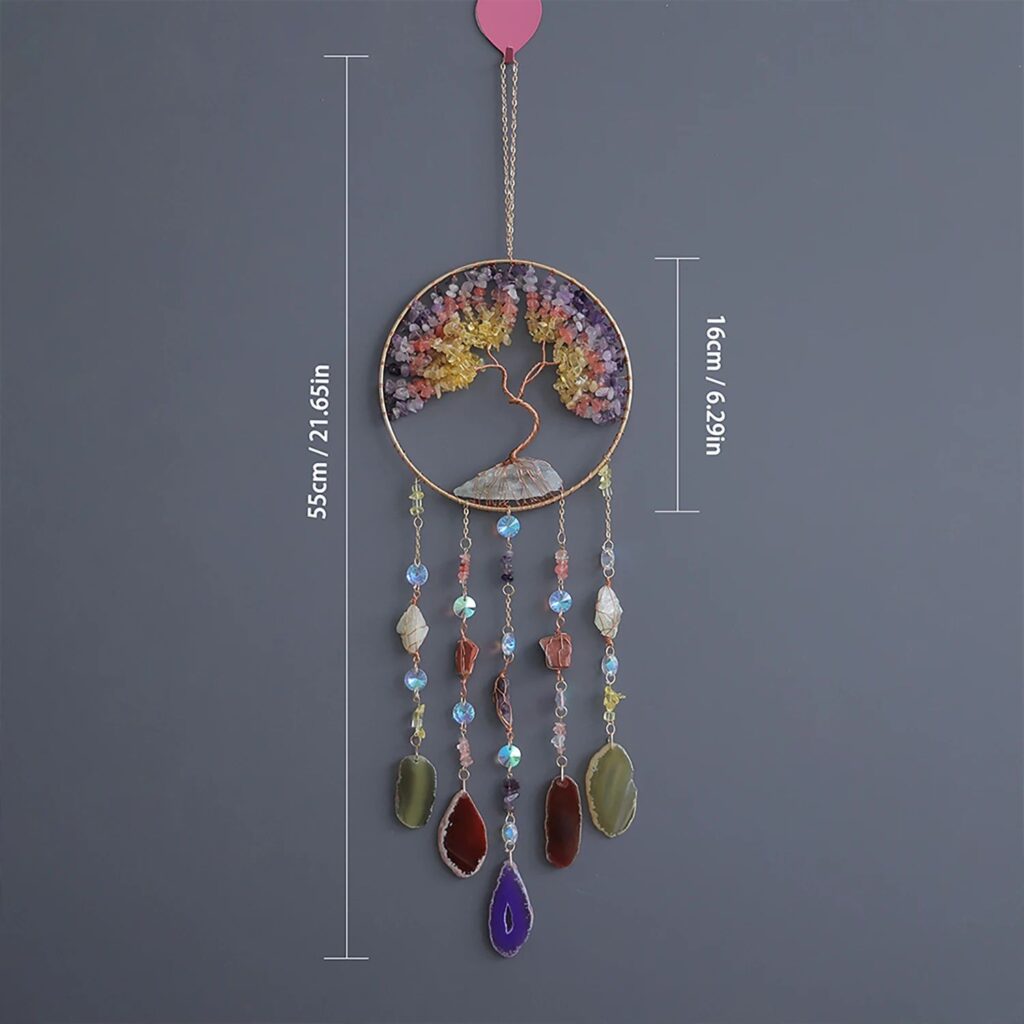
 Aisha's pickGreen Outdoor Ornaments That Shrug Off the Rain
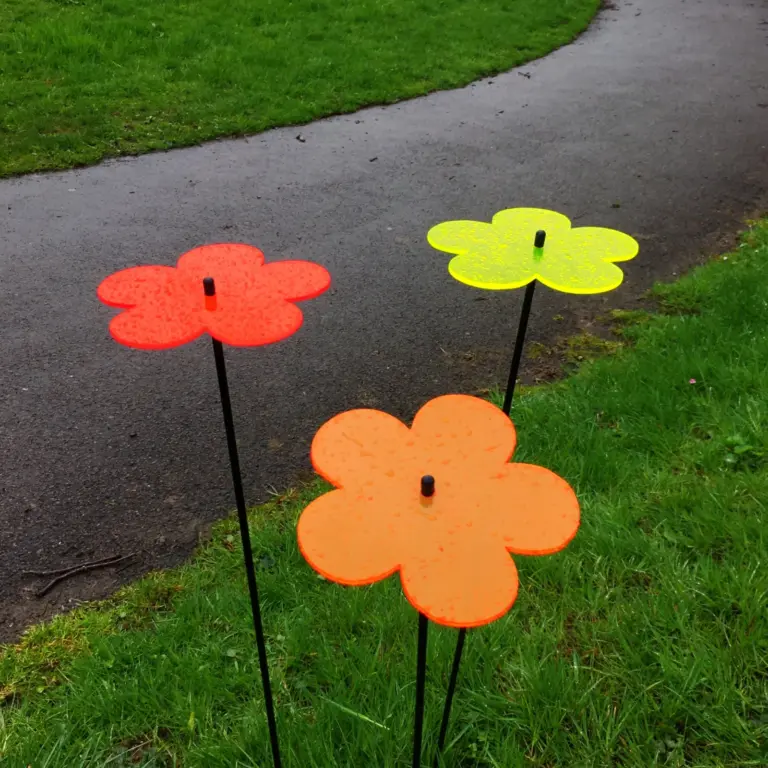
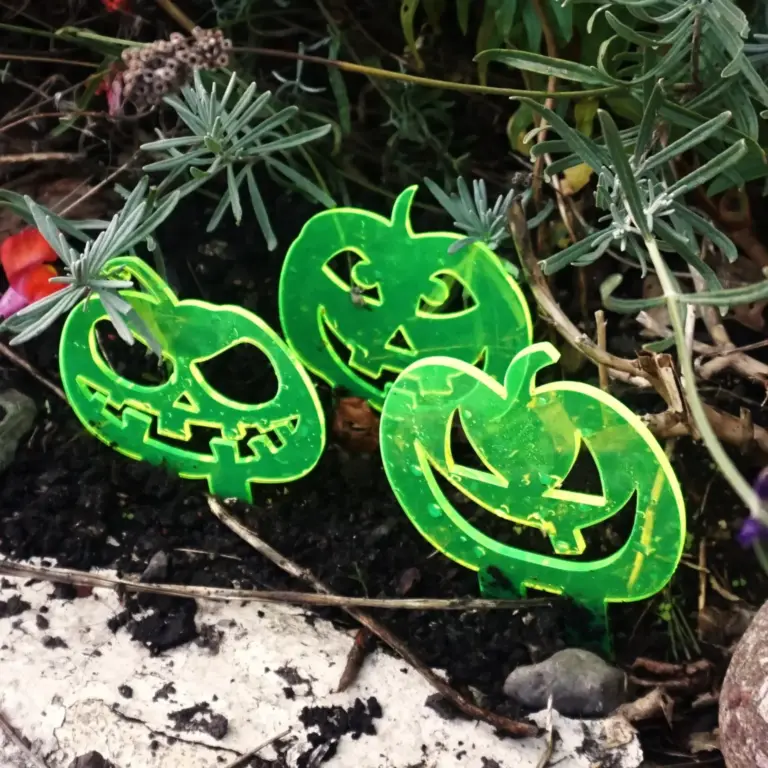 Aisha's pickOutdoor Ornaments for the Yard That Won’t Date in a Year
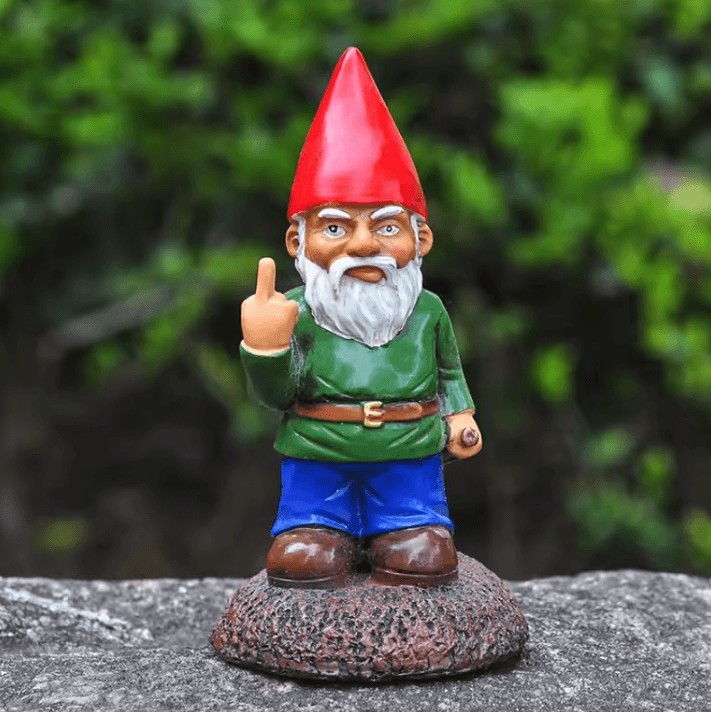
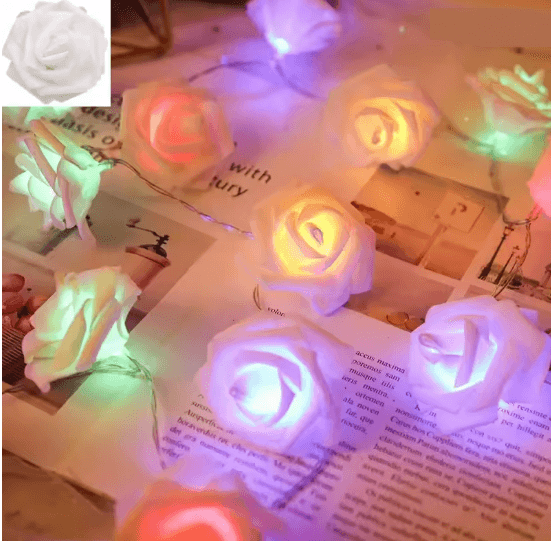 Aisha's pickWall Decor for Outdoors That Looks the Part
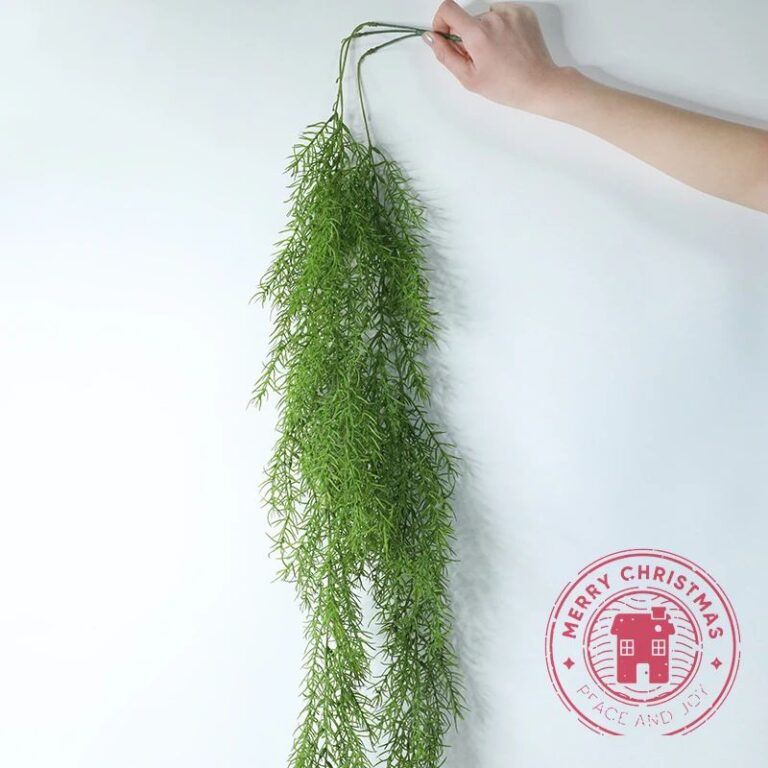
 Aisha's pickGreen Outdoor Ornaments for Barbecues and Lazy Weekends

 Aisha's pickDecent Outdoor Ornaments for Patio Without the Hassle
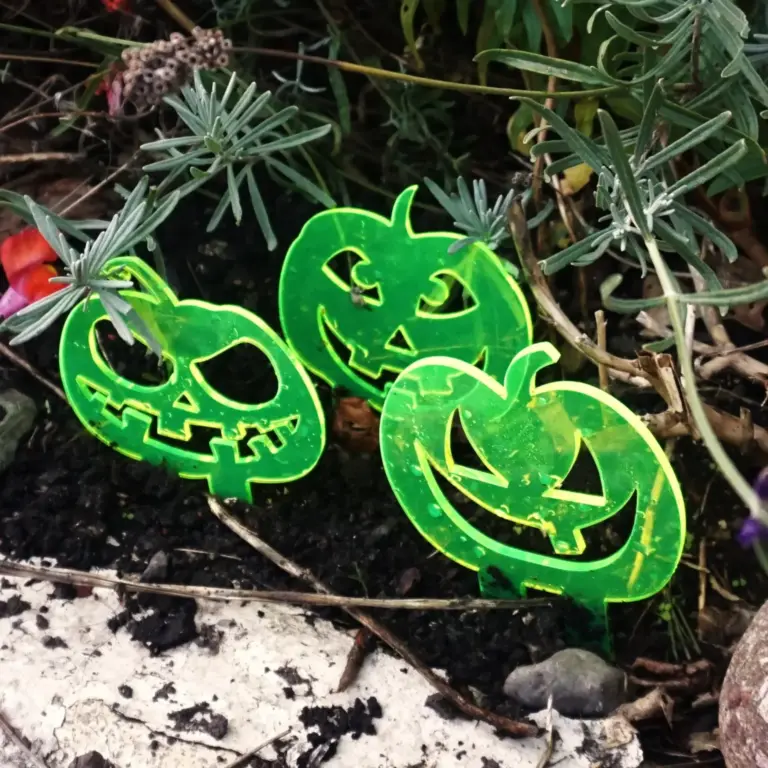
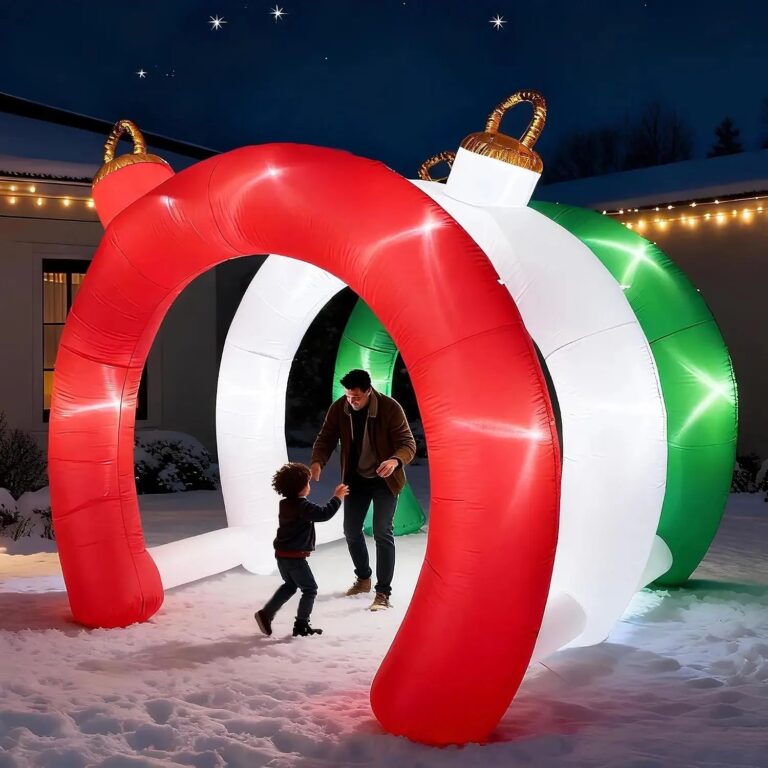 Aisha's pickWhite Outdoor Ornaments for Barbecues and Lazy WeekendsAlso worth a lookOutdoor ChairsOutdoor chairs used to mean two choices: cheap plastic that went brittle and cracked after a couple of…See the collections →
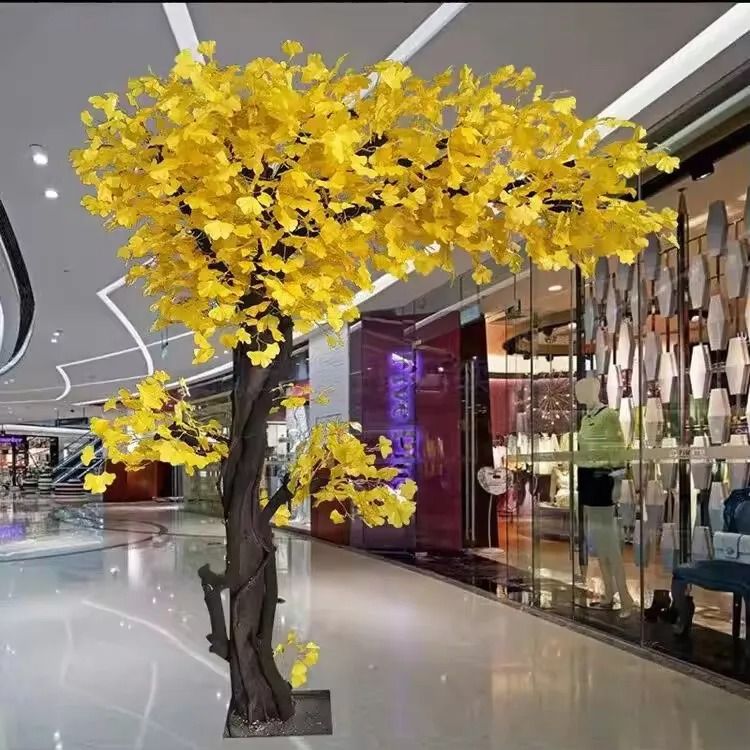
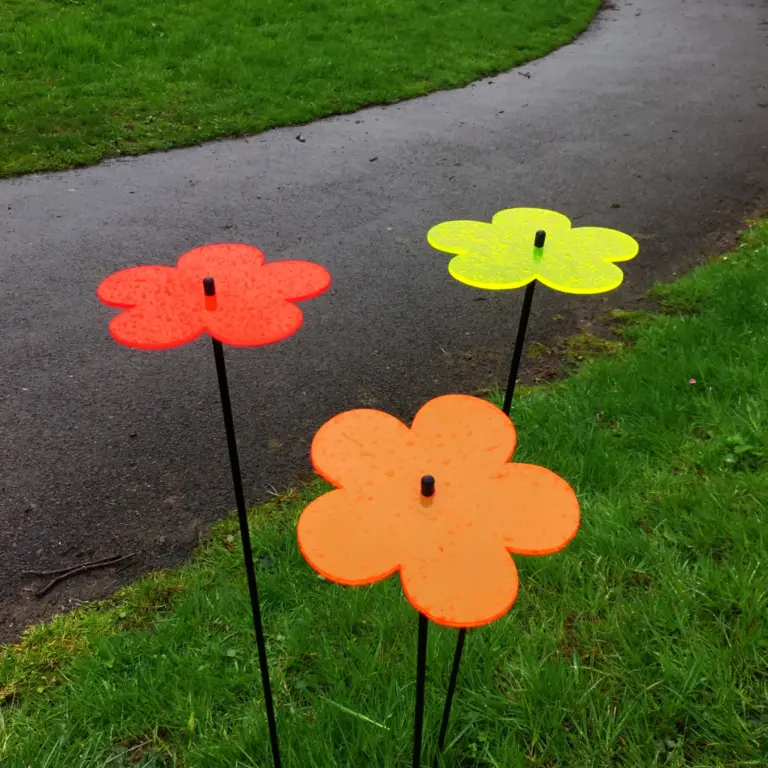 Aisha's pickBlack Outdoor Ornaments for Barbecues and Lazy Weekends
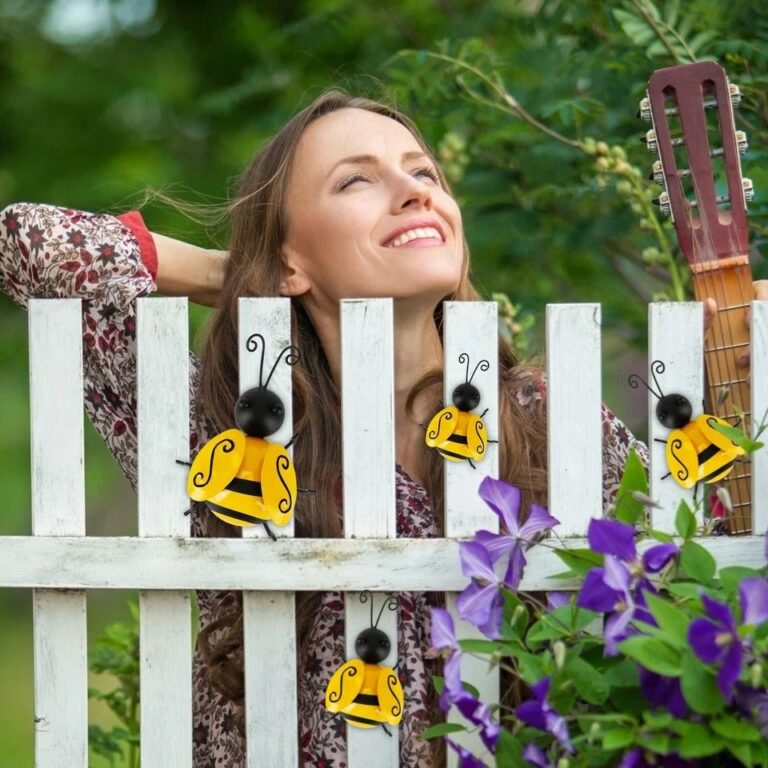
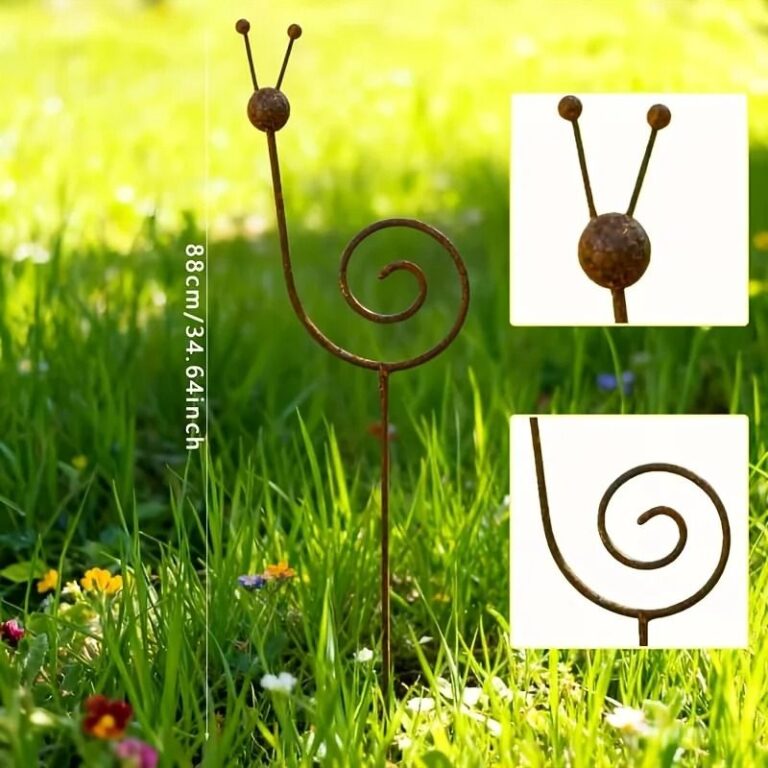 Aisha's pickGreen Outdoor Ornaments We’d Have Out From May to September

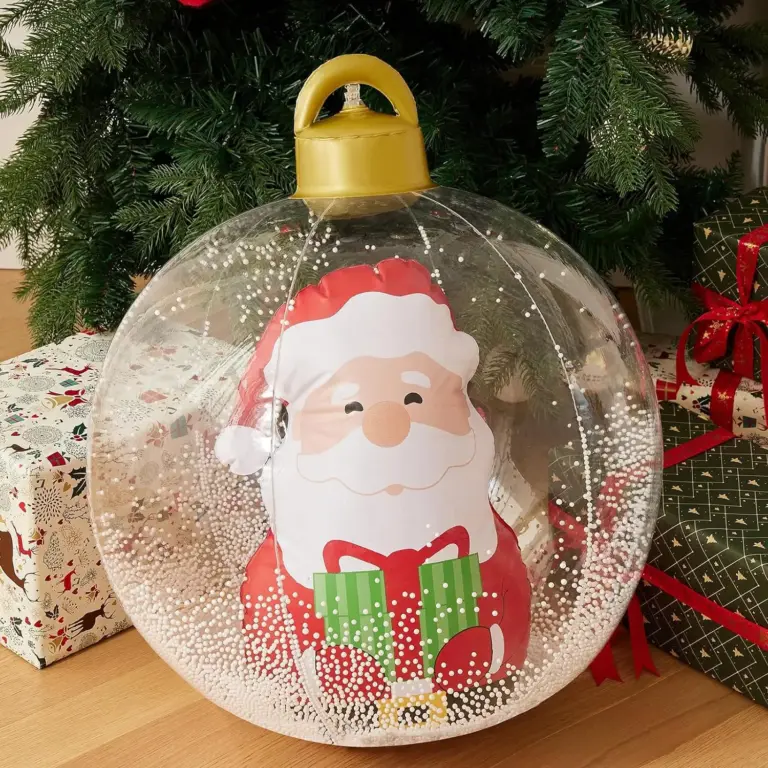 Aisha's pickOutdoor Ornaments with Lights That Don’t Shout About It
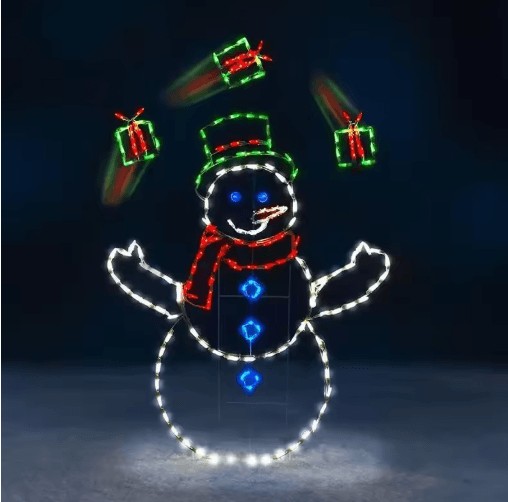
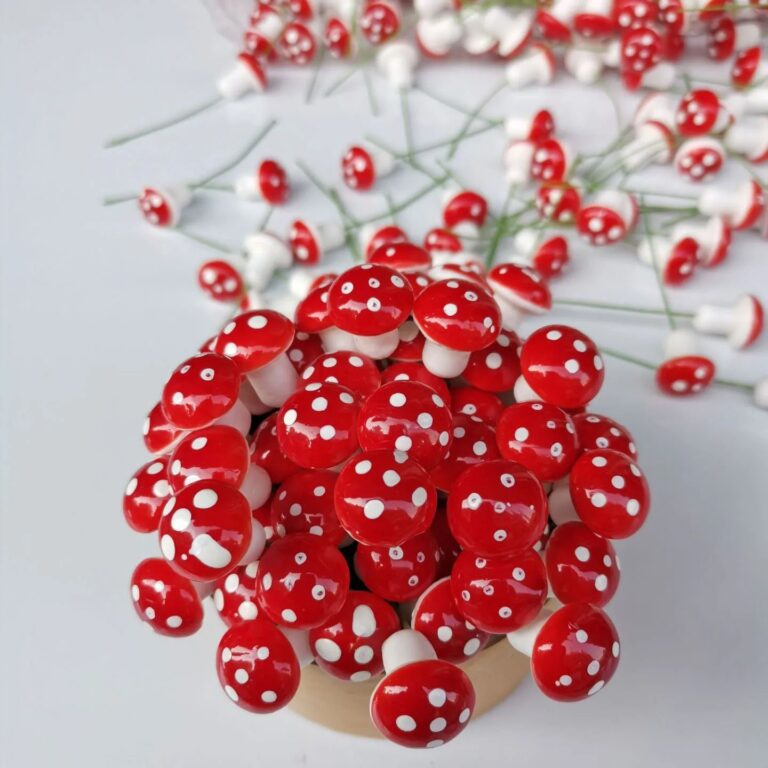 Aisha's pickWhite Outdoor Ornaments for Making the Most of the Patio
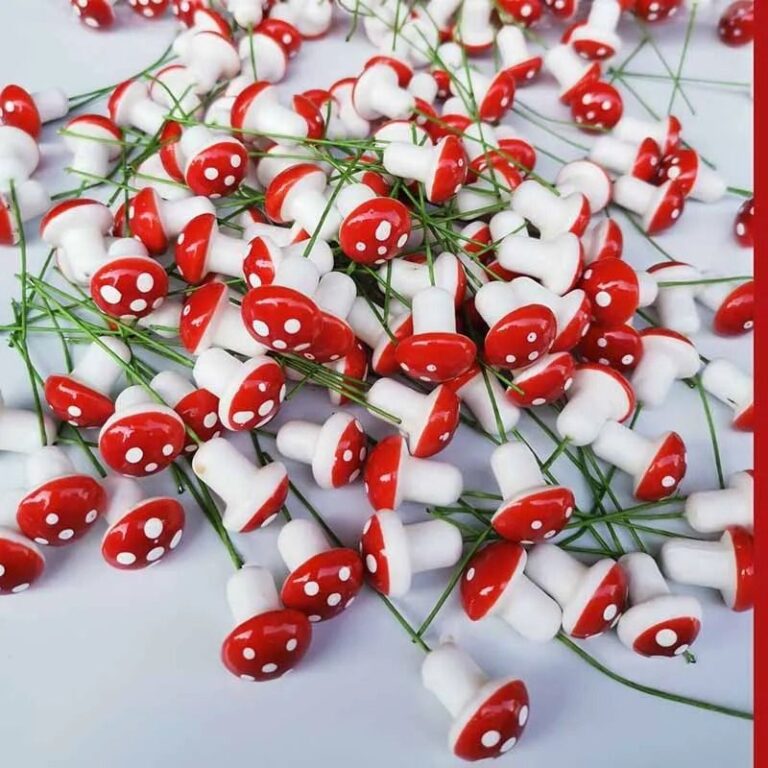
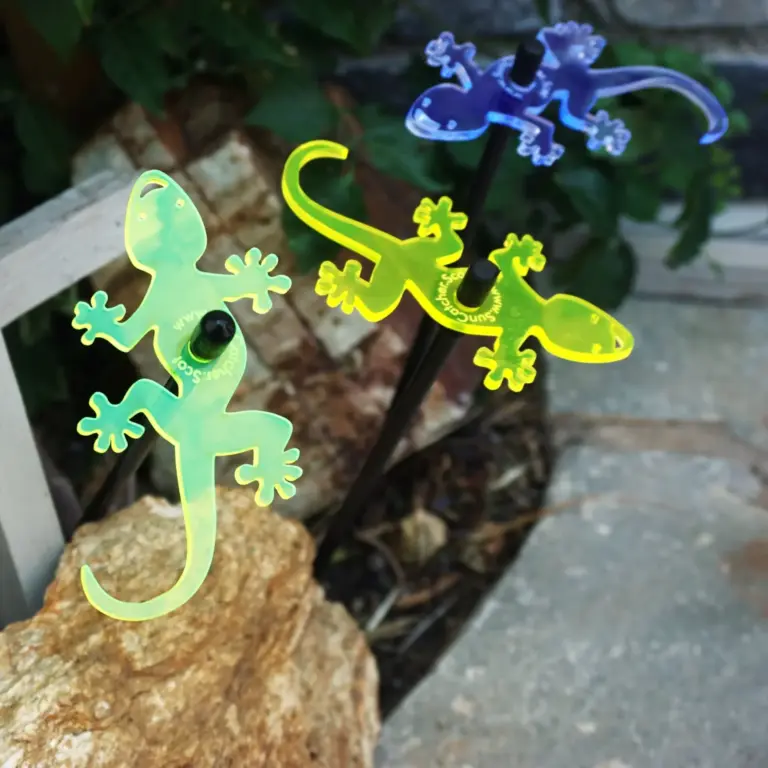 Aisha's pickBlack Outdoor Ornaments for Making the Most of the Patio
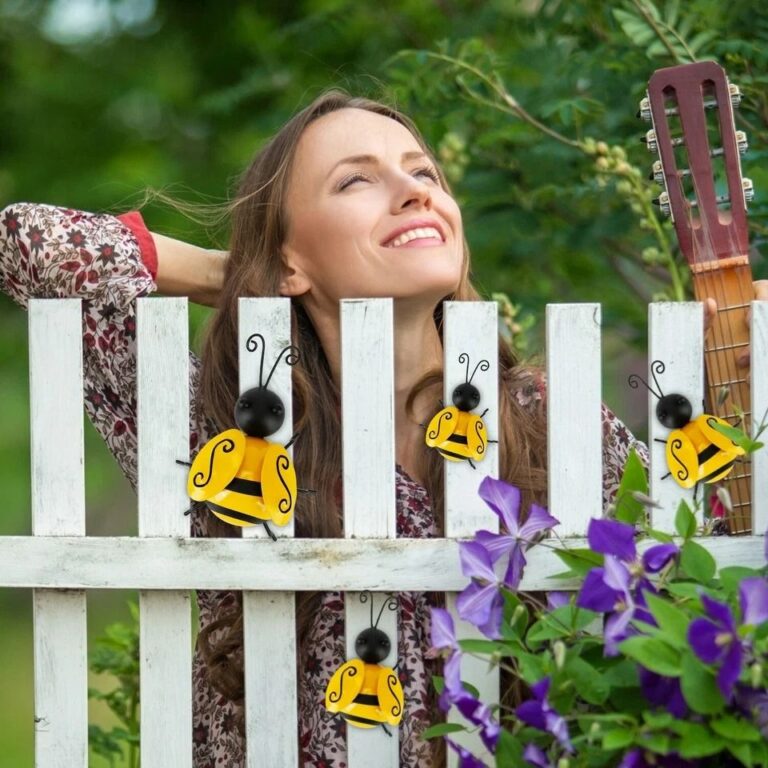
 Aisha's pickHanging Outdoor Ornaments That Shrug Off the Rain

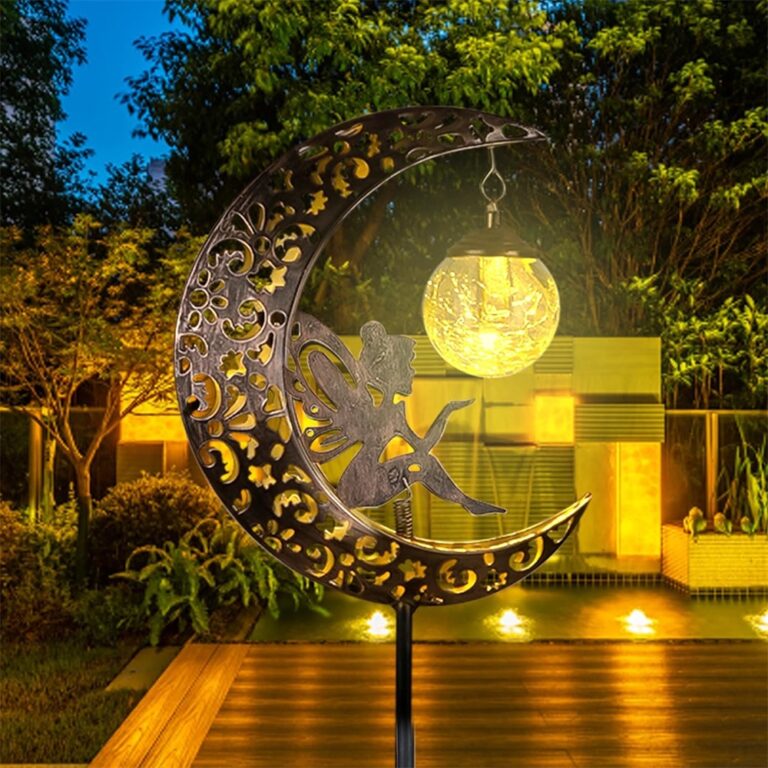 Aisha's pickOutdoor Statues That Stand Up to the Weather
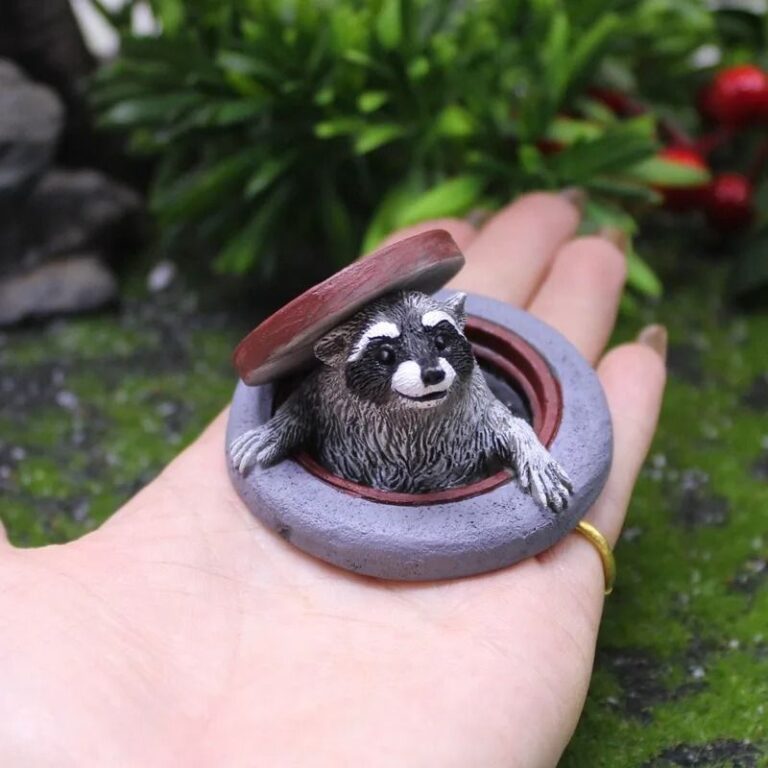
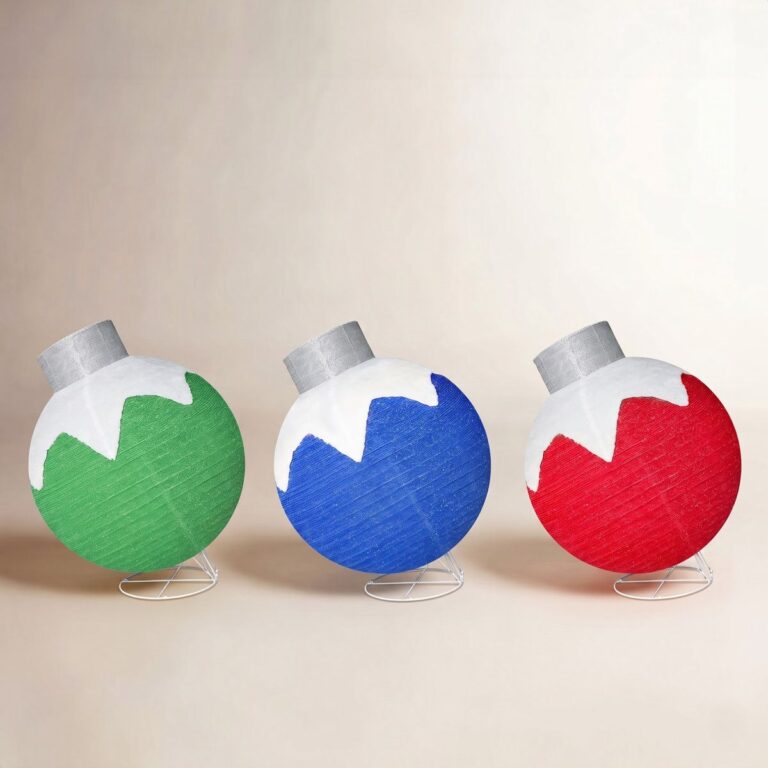 Aisha's pickWhite Outdoor Ornaments That Survive a Hard Winter