I avoided outdoor wall art for years because every piece I saw at a garden center looked like it would peel, fade, or rust into a stain on the fence within one Colorado summer. What changed was seeing a metal panel at a neighbor's place that had been outside for six years and still looked sharp. Turns out the category has moved past the printed tin signs I was picturing.
The big mistake is treating a patio wall like an indoor wall. Anything with a painted finish that isn't rated for weather will chalk and streak the first time it gets rained on sideways, and anything framed behind glass is just a science experiment in condensation. It also clashes hard with a lot of hardscaping that already has its own busy texture, a stacked stone wall or a heavily grained cedar fence doesn't need another pattern fighting it, so a simple metal cutout or a single bold shape reads better than a cluttered print in those spots. Stucco and painted siding are more forgiving backgrounds and can take something with more detail. As for where it earns a place, I'd put it on a covered porch or under a deep eave before I'd put it on a wall that takes direct sun and rain with nothing over it, and I'd think about the season too, because a piece that looks right against bare winter branches can look busy once everything greens up around it in June. Smaller bungalow patios do better with one piece sized to the wall rather than a cluster, while a bigger backyard with a pergola or an outdoor kitchen can handle a grouping without it looking like a yard sale.
Sizing it is the same math as inside, just more forgiving of boldness because you're viewing it from farther back, across a patio table or from a lounge chair rather than three feet away. I measure the wall, then aim for the art to cover somewhere between a third and two thirds of that width, and I always mock it up with painter's tape outside before drilling anything, because what looks right on a laptop screen looks tiny once it's thirty feet away against a whole elevation of brick. The other mistake is mounting hardware that isn't rated for exterior use, stainless or coated screws into a proper wall anchor, not whatever came in the box for drywall.
Good outdoor pieces actually improve with age in a way indoor art never does. Metal develops a real patina, wood grays out and softens, and a piece that looked a little stark and new the first spring starts to look like it belongs to the house by the third.

 Aisha's pickOutdoor Wall Art That Doesn’t Cost a Fortune
 Aisha's pickOutdoor Wall Art Picked by People Who Care Too Much

 Aisha's pickOutdoor Wall Art for Bedroom Worth Knowing About

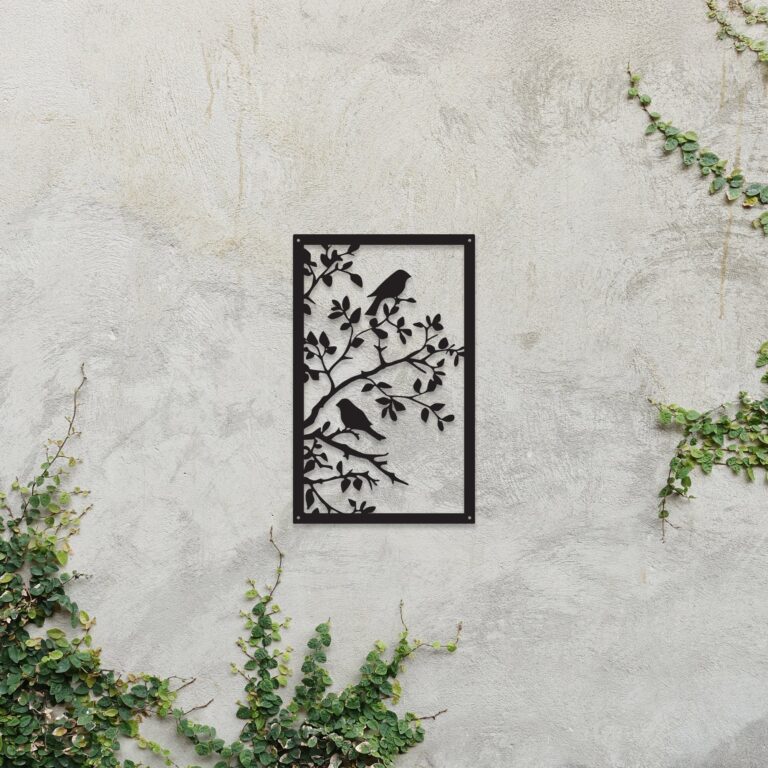 Aisha's pickGood Outdoor Wall Art for the Yard Without the Big Price Tag

 Aisha's pickShopping for Outdoor Wall Art for Kitchen? Start Here

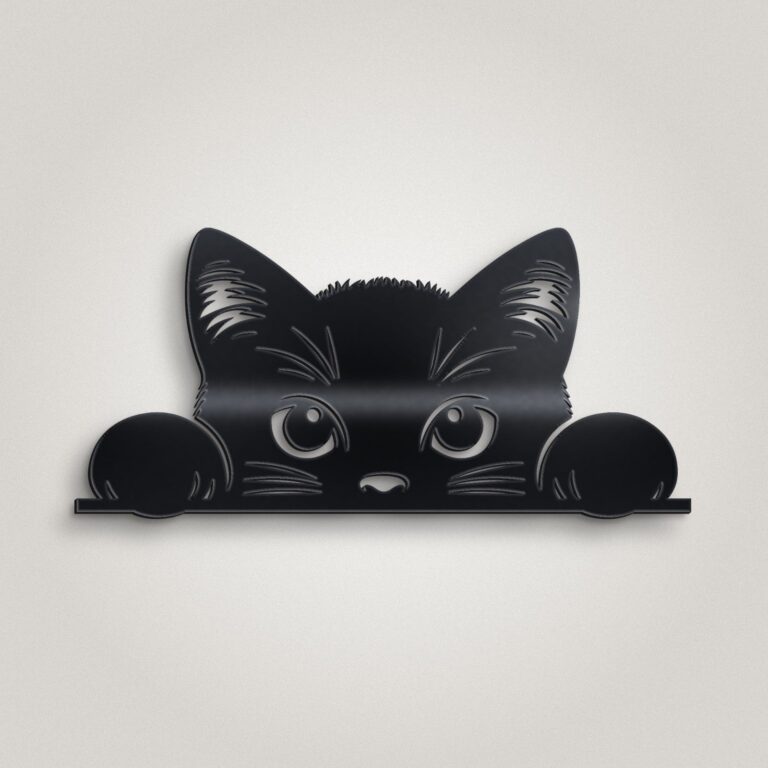 Aisha's pickOutdoor Wall Art for Kitchen That Does What It Should

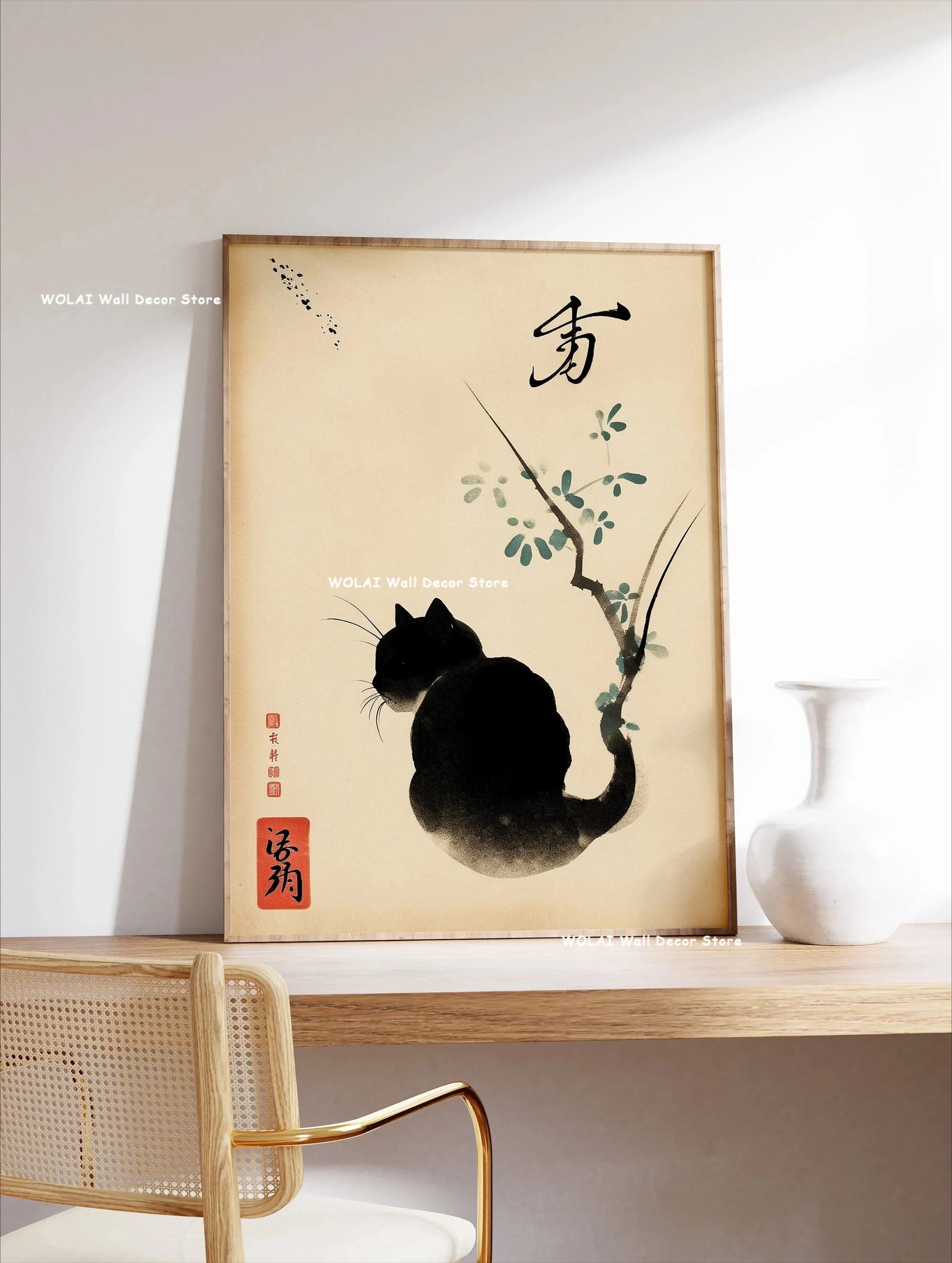 Aisha's pickOutdoor Wall Art for Living Room Hunted Down So You Don’t Have To
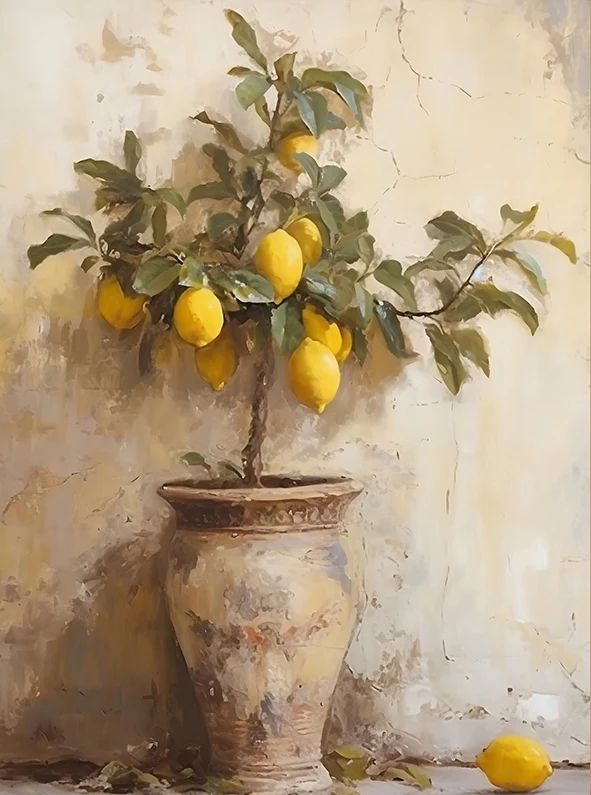
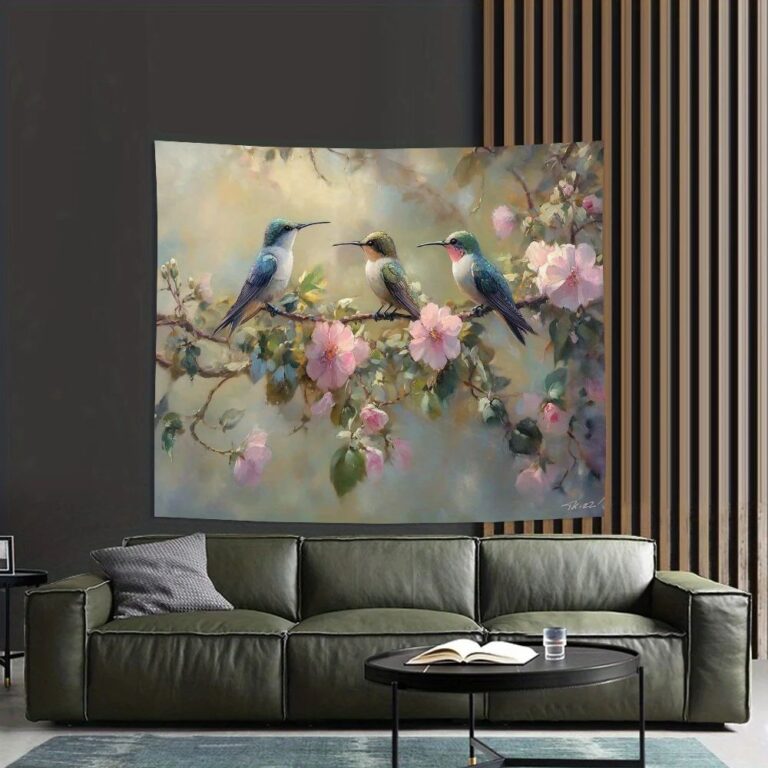 Aisha's pickOutdoor Wall Art for Office That Holds Up
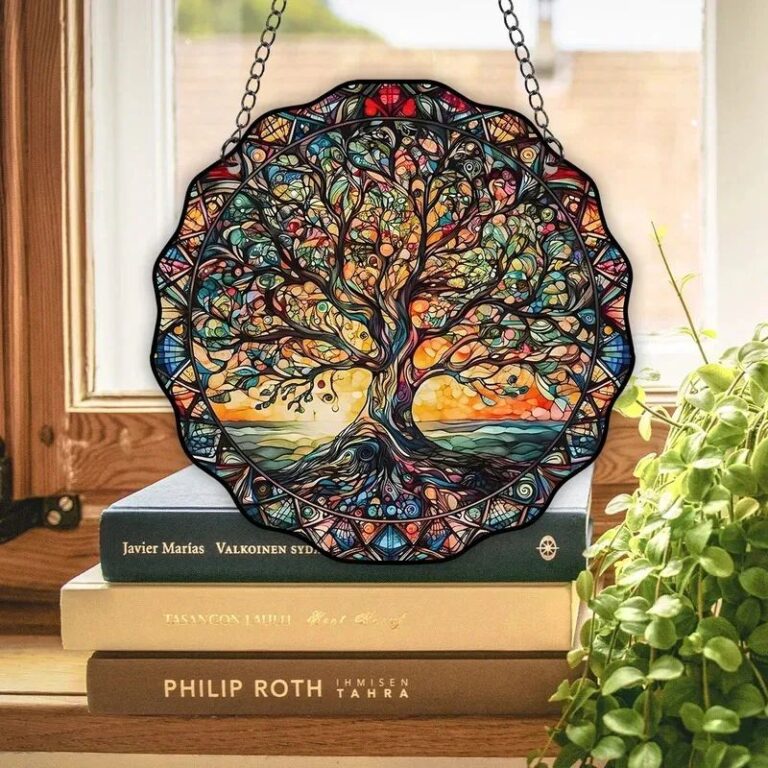
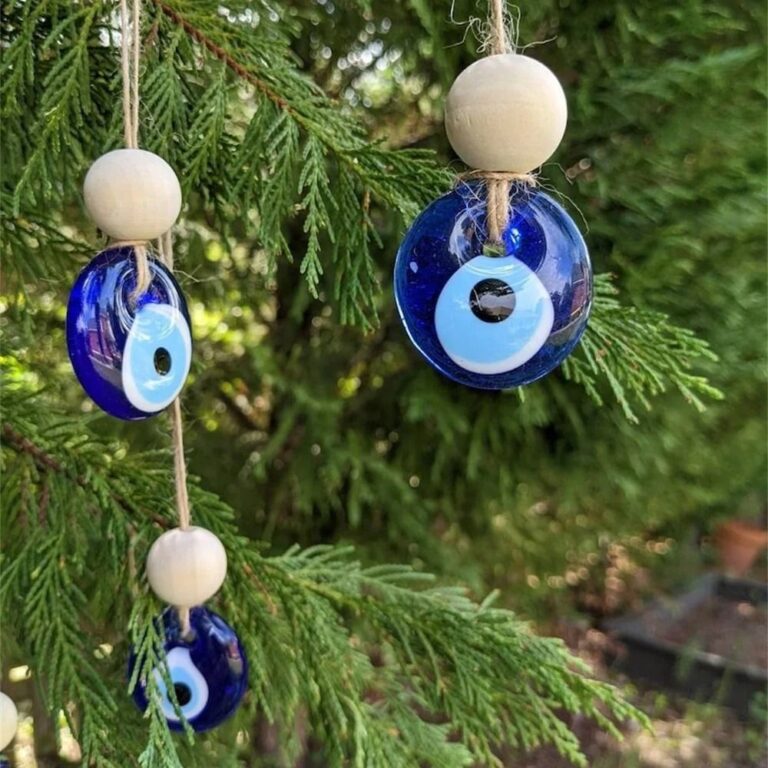 Aisha's pickOutdoor Wall Art for Office Worth Your MoneyAlso worth a lookOutdoor LightsOutdoor lights have a reputation for being the thing you buy in a hurry at the end of…See the collections →
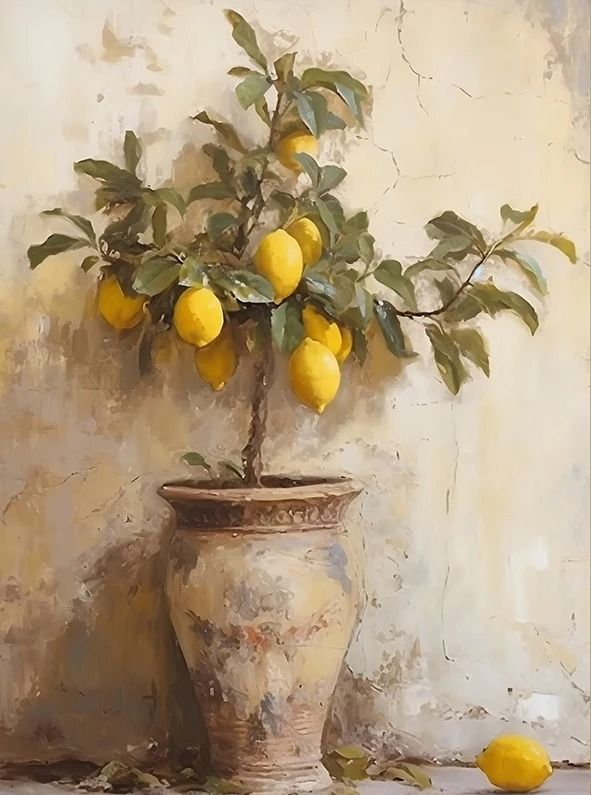
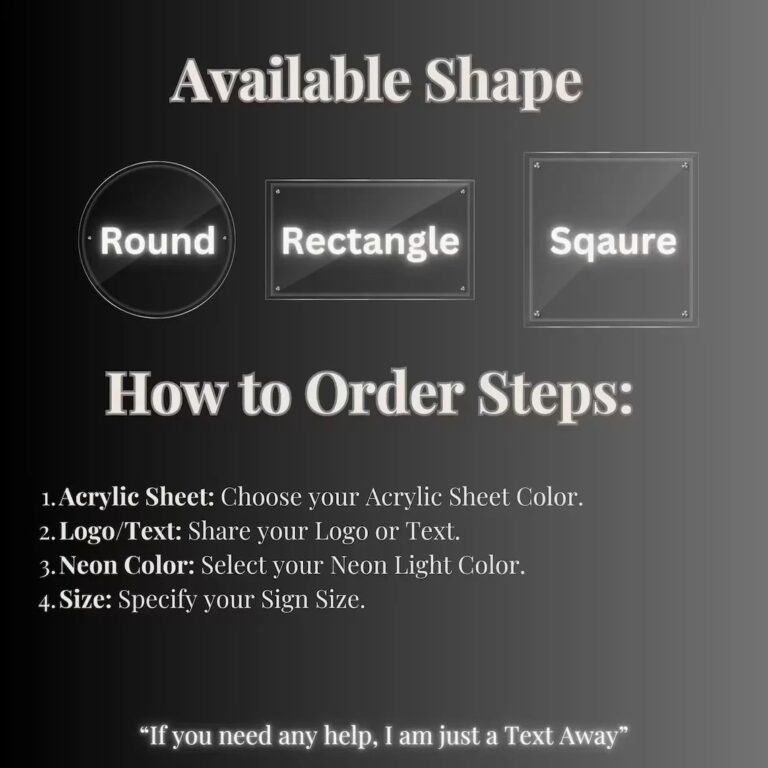 Aisha's pickPersonalized Signs for Outdoors That Make the Yard Feel Like Another Room
 Aisha's pickOutdoor Wall Art for Outdoors That Does What It Should

 Aisha's pickTree Outdoor Wall Art You’ll Live With Happily for Years
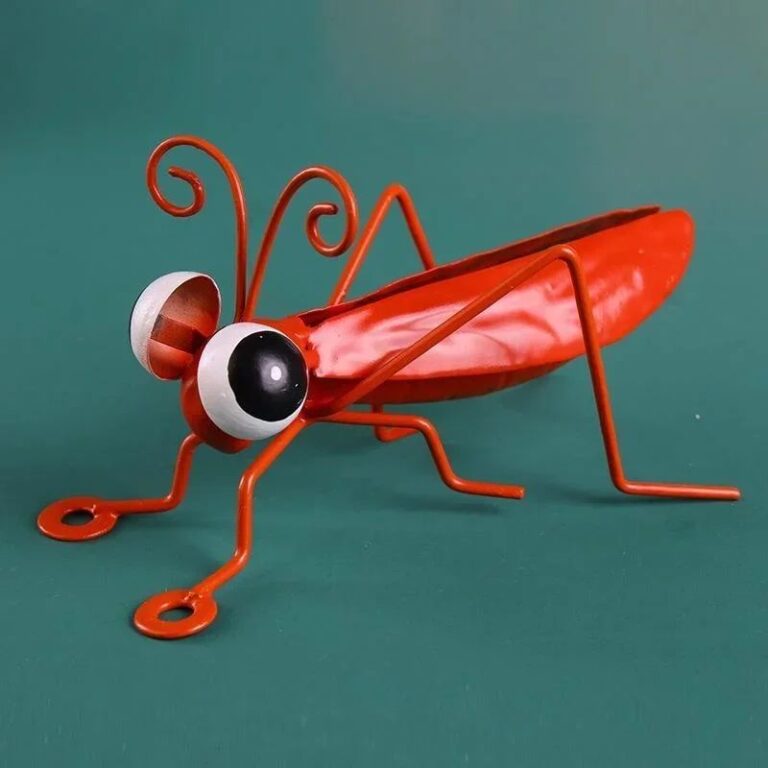
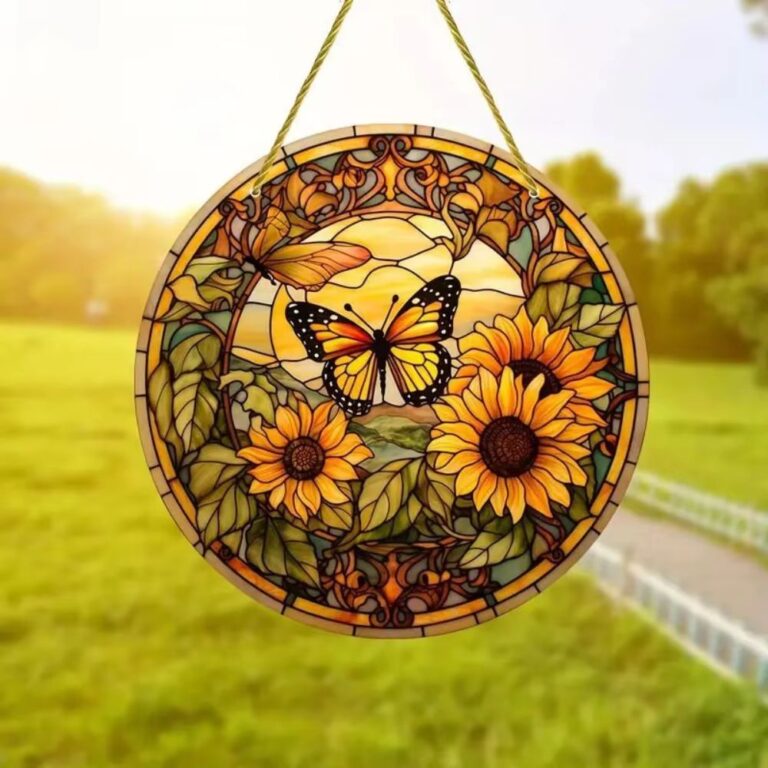 Aisha's pickGlass Wall Art for the Yard From Brands You Know and a Few You Won’t
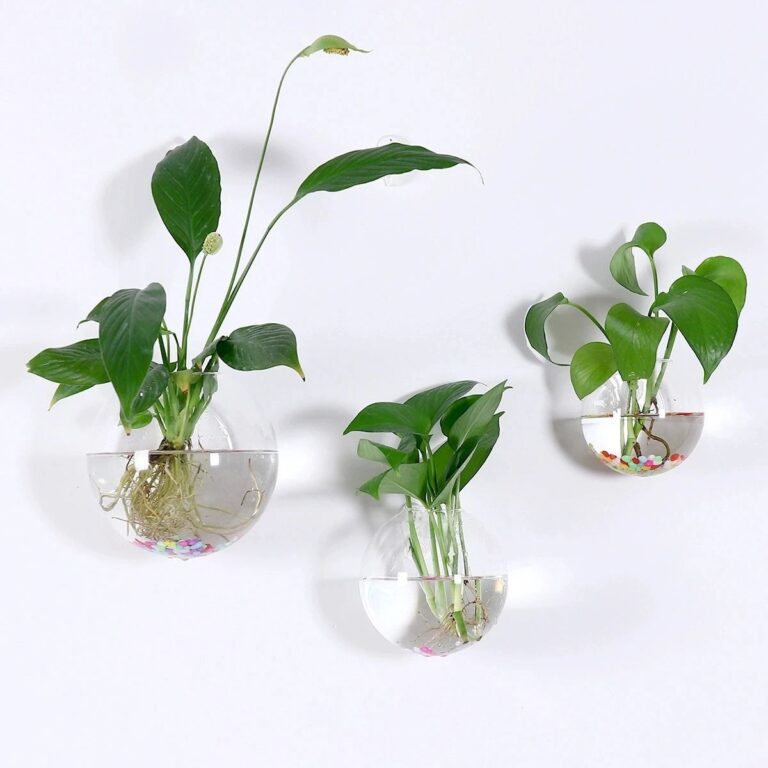
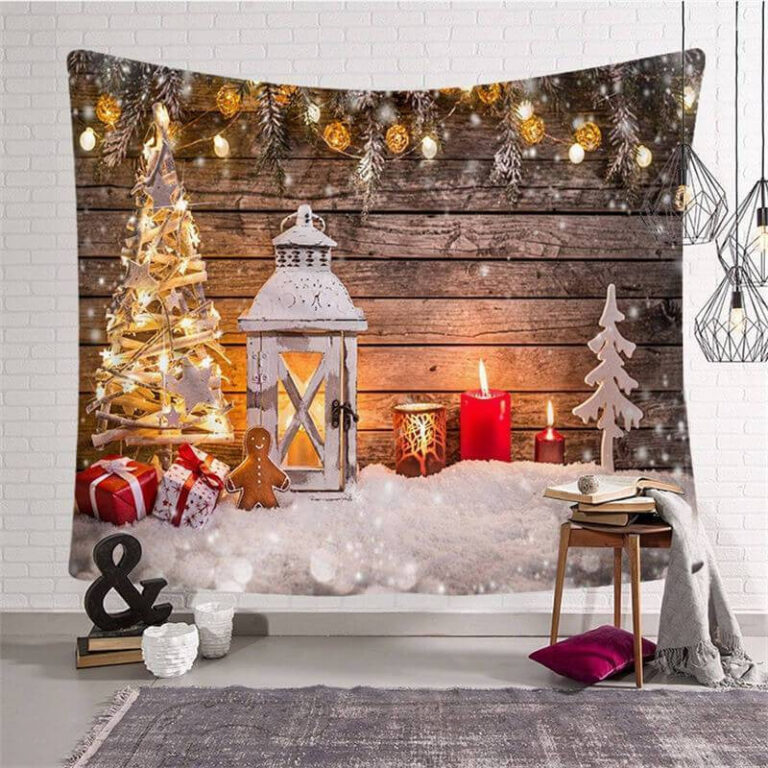 Aisha's pickTree Outdoor Wall Art That Does What It Should
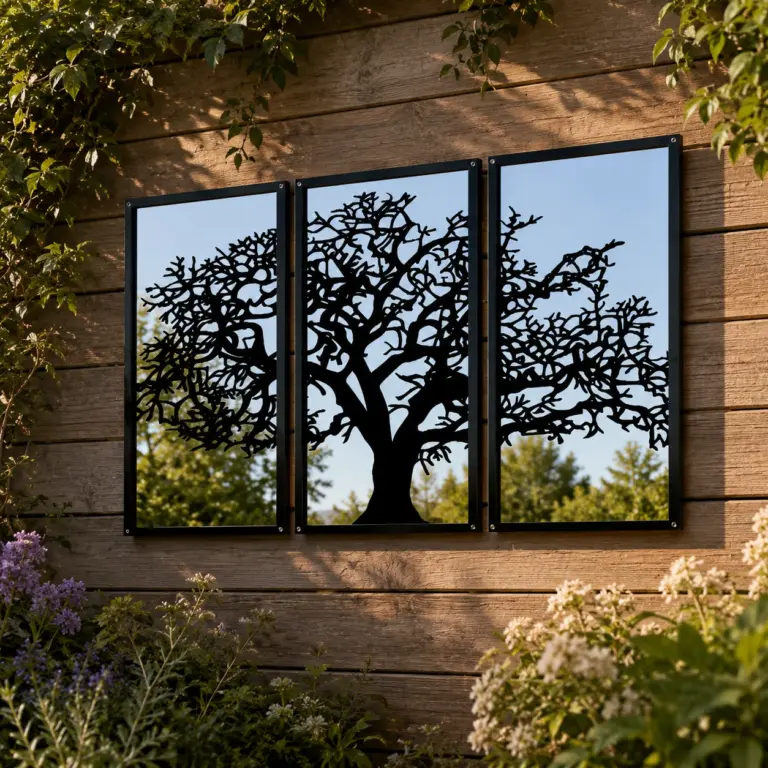
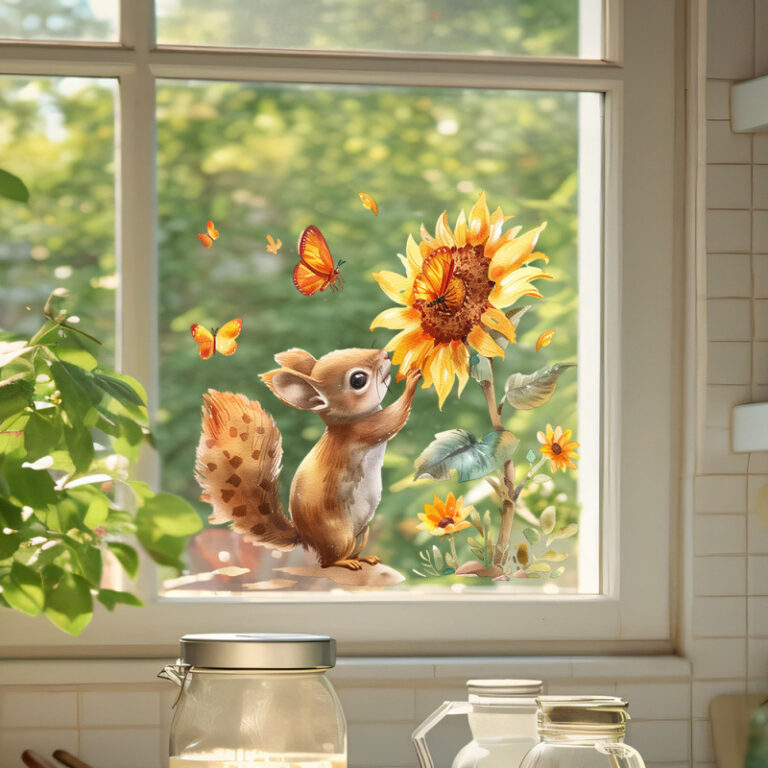 Aisha's pickGood Glass Wall Art for Outdoors Without the Big Price Tag

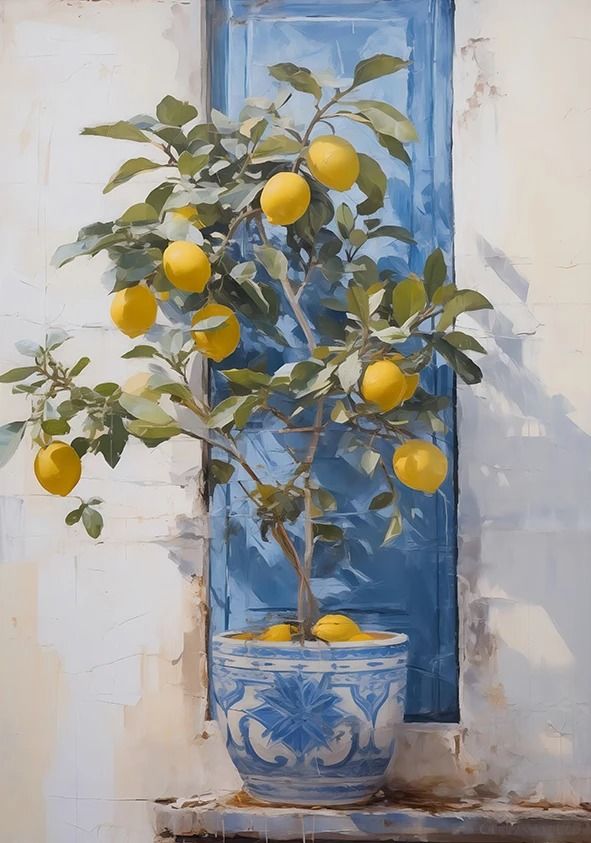 Aisha's pickVintage Outdoor Wall Art for Long Summer Evenings Outside
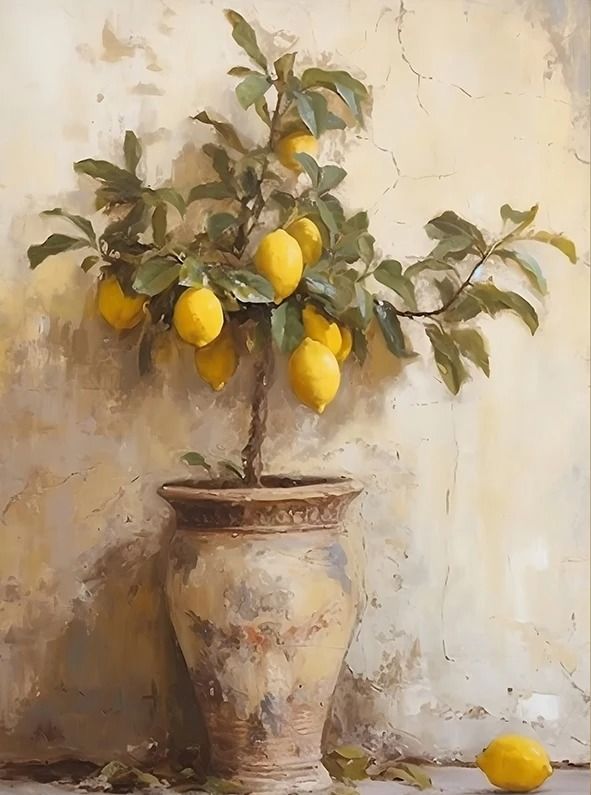
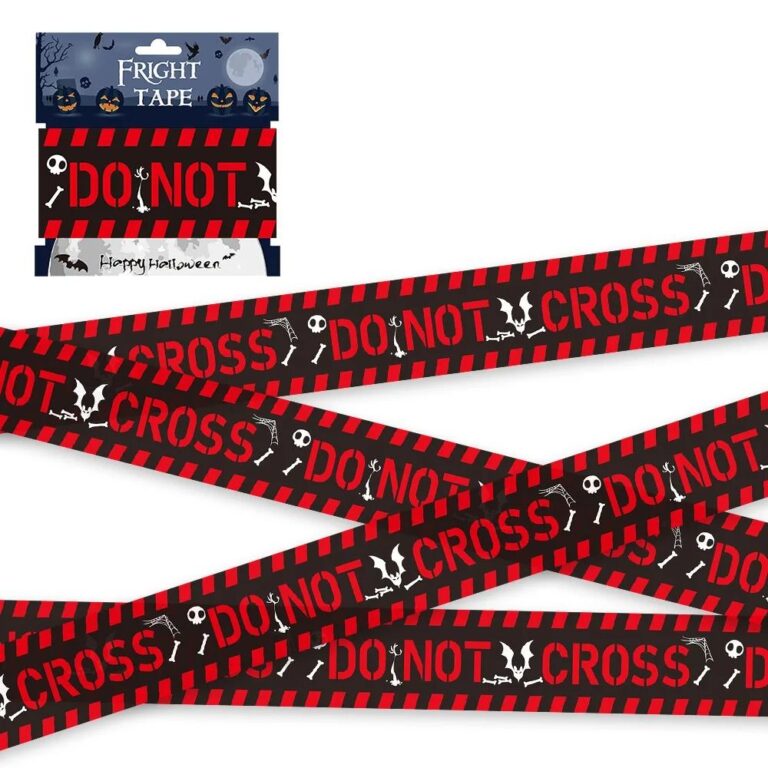 Aisha's pickHouse Signs for Outdoors That Shrug Off the Rain
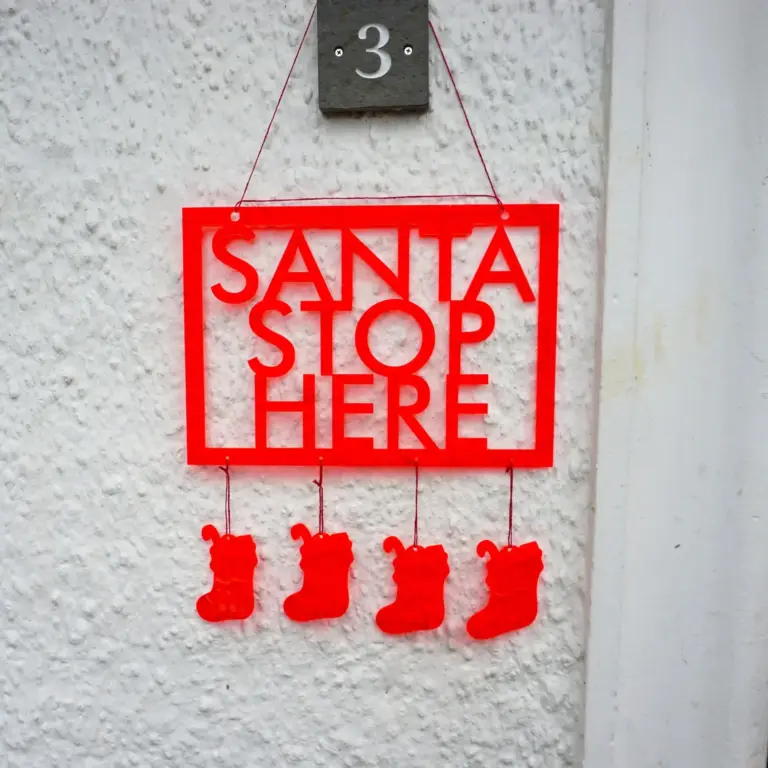
 Aisha's pickVintage Outdoor Wall Art for Barbecues and Lazy WeekendsAlso worth a lookOutdoor TablesA good outdoor table has some weight to it before anything else.See the collections →
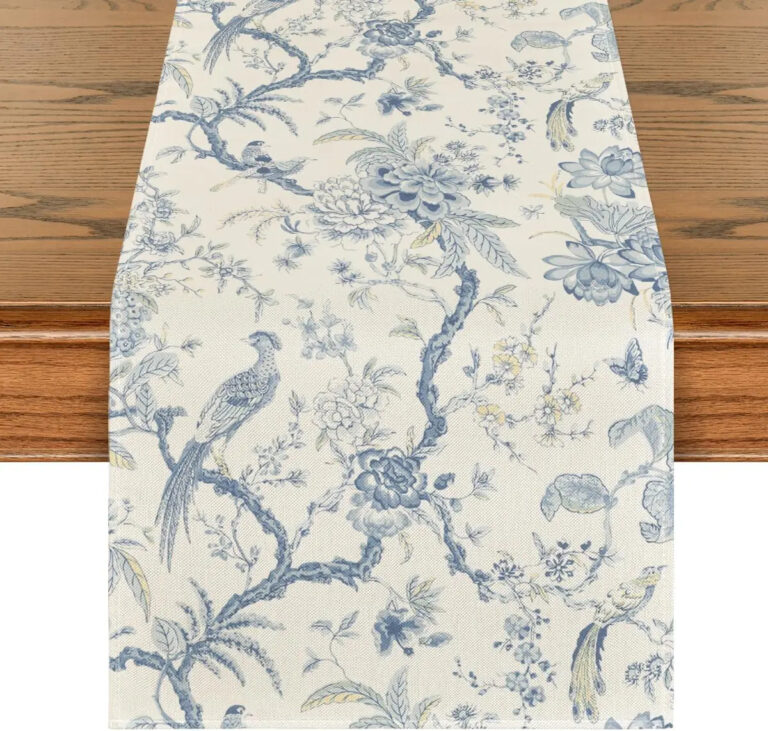
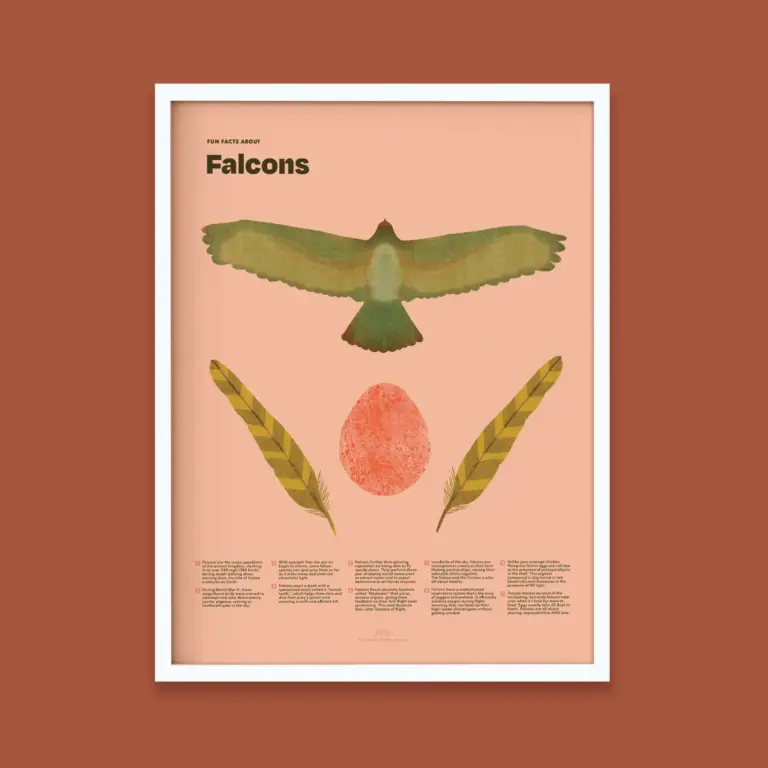 Aisha's pickBird Prints With Some Character
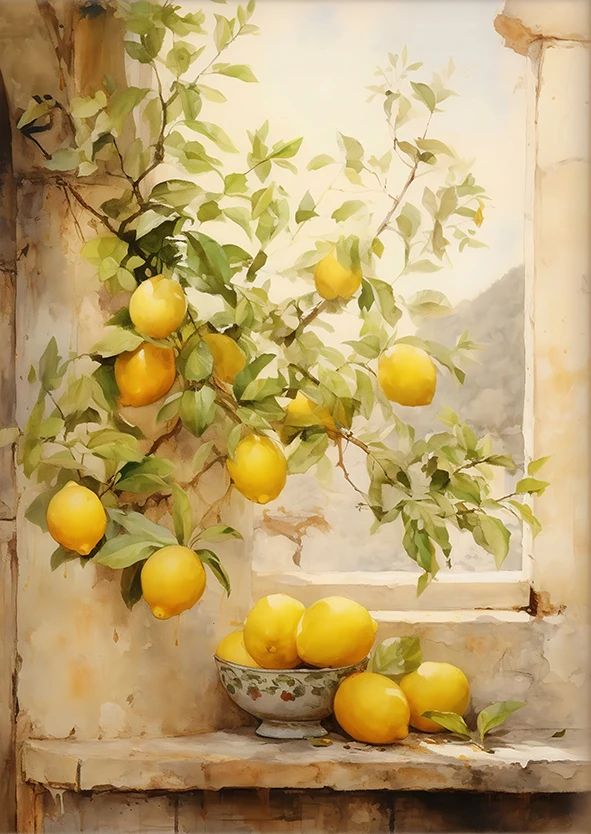 Aisha's pickLandscape Outdoor Wall Art Worth Your Money
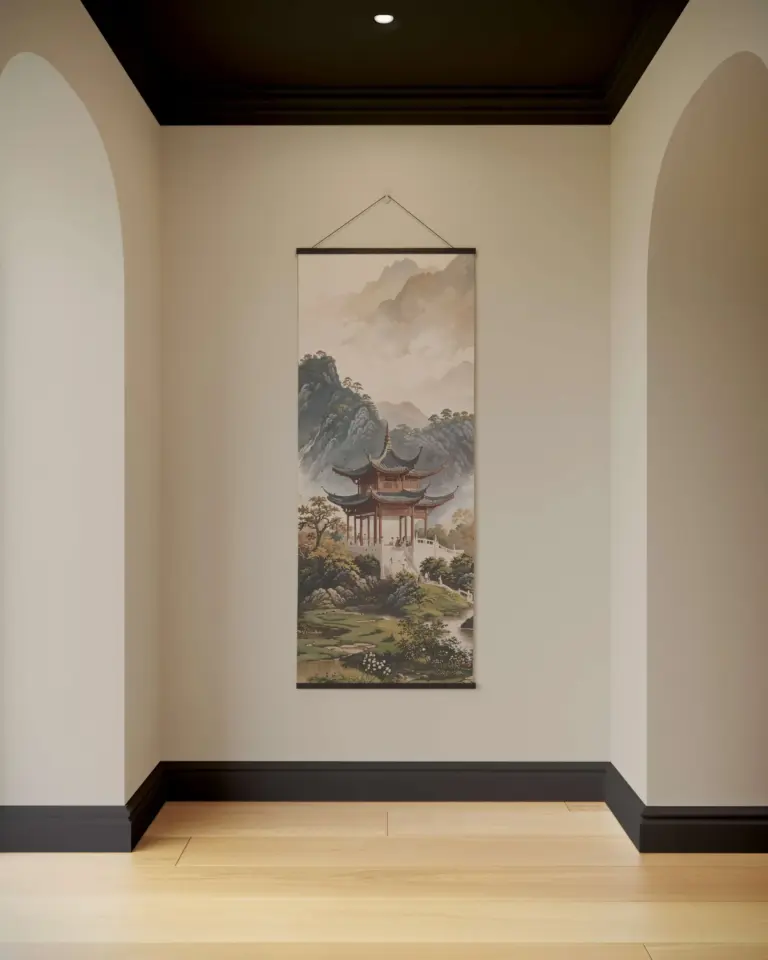
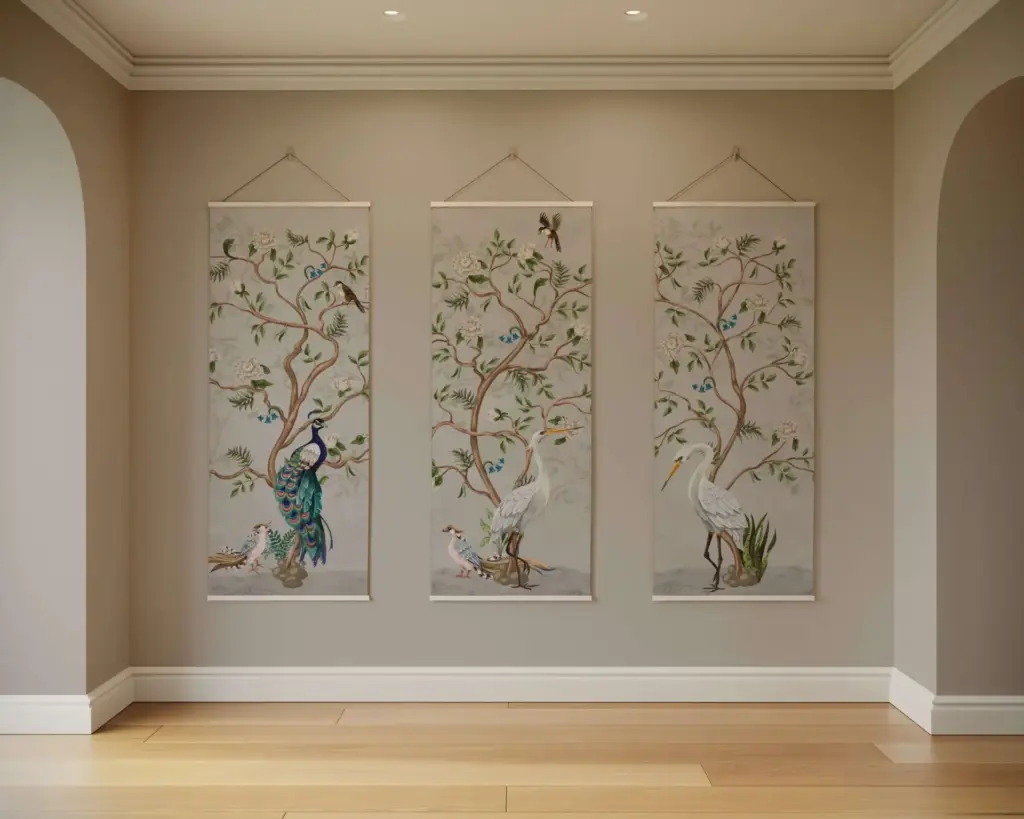 Aisha's pickBird Wall Art From Stores Big and Small
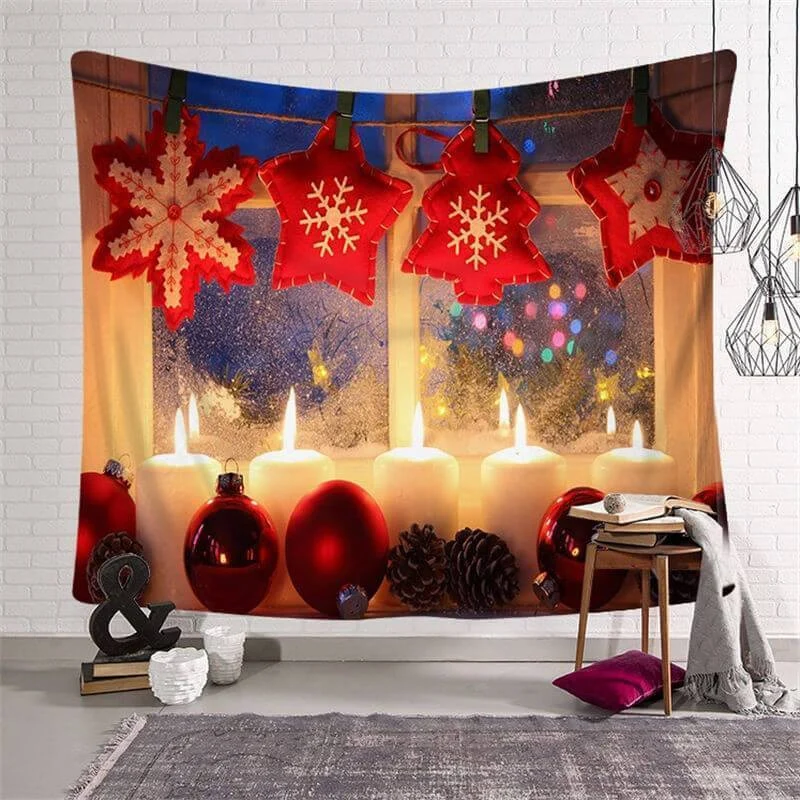
 Aisha's pickLarge Outdoor Wall Art Worth Your Money
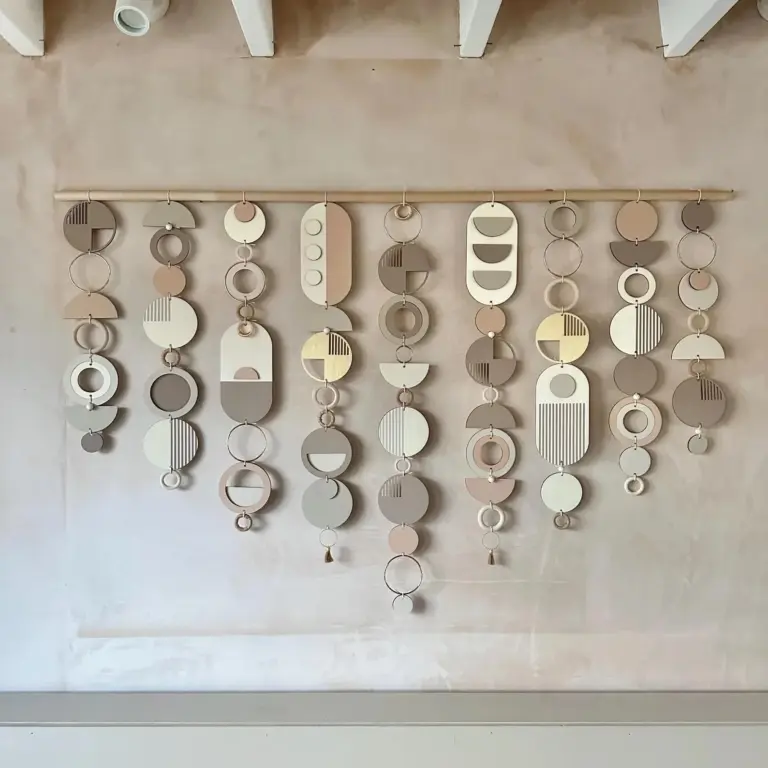
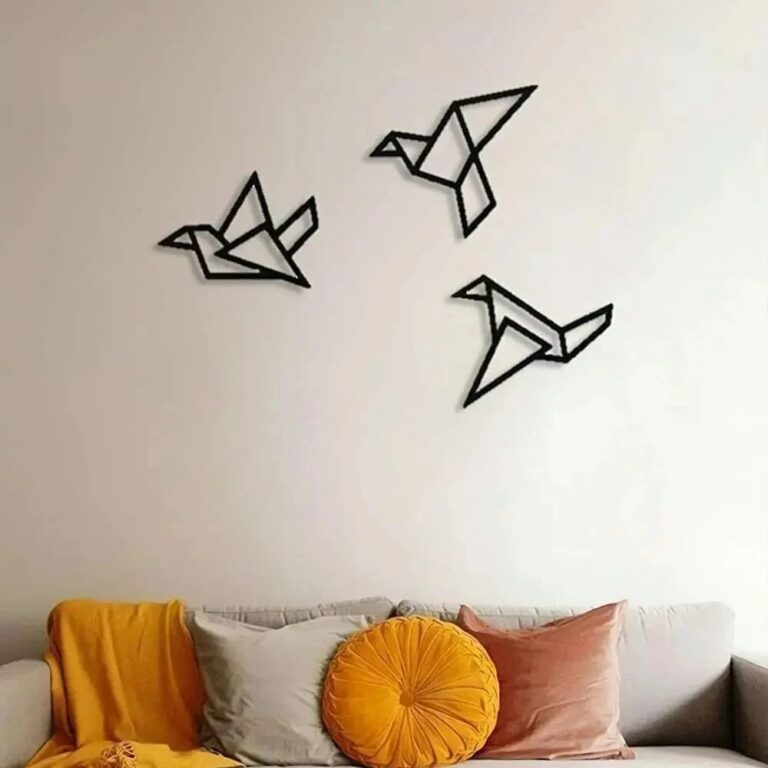 Aisha's pickBird Wall Art for Bedroom That Doesn’t Cost a Fortune
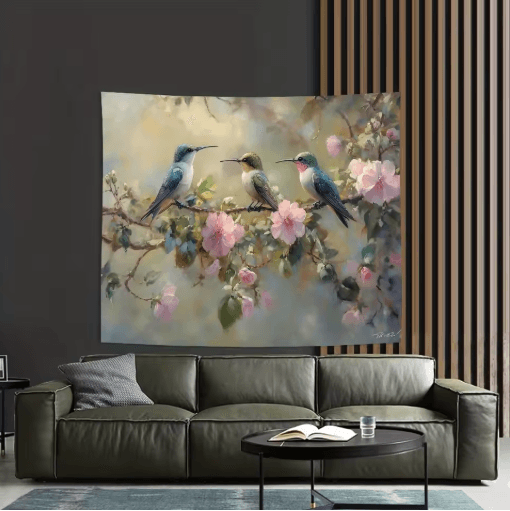
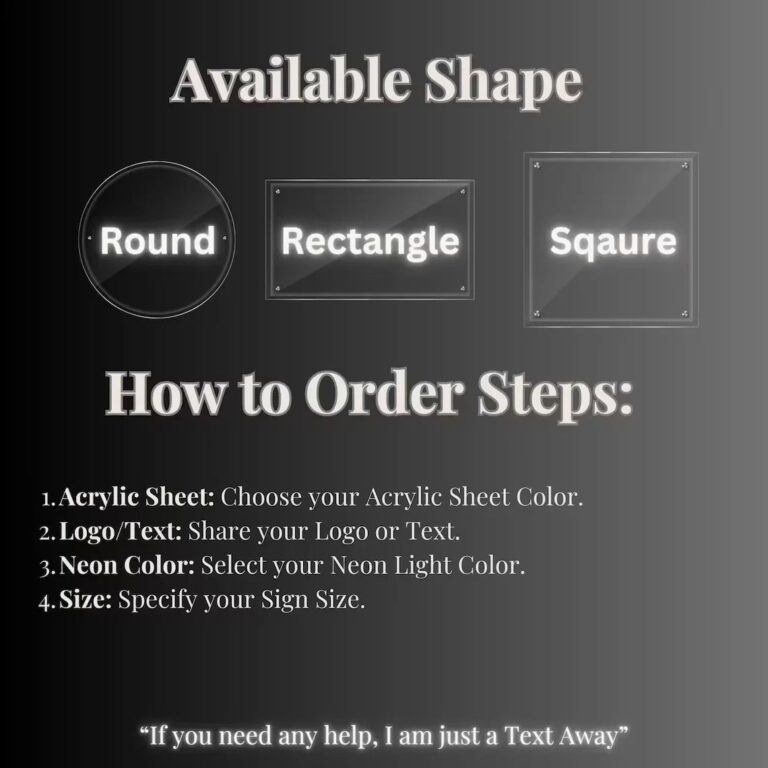 Aisha's pickMetal Signs for Outdoors That Stand Up to the Weather

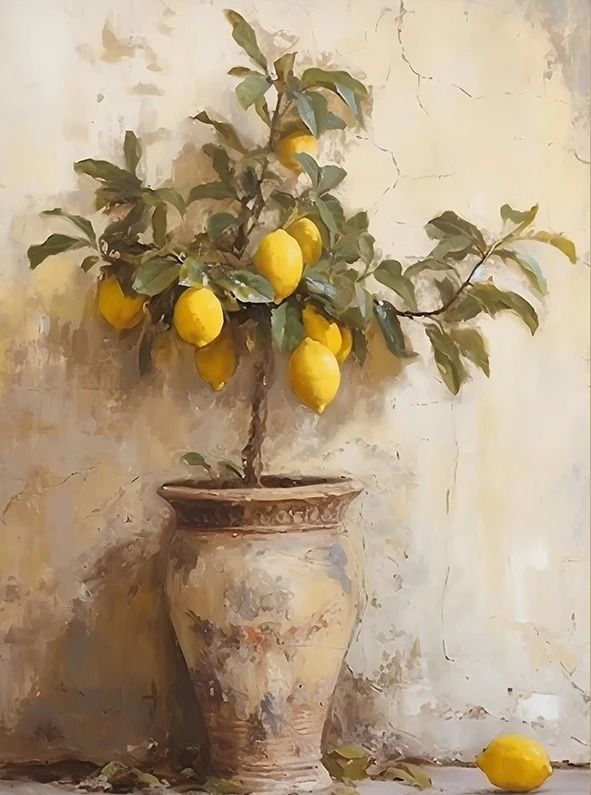 Aisha's pickBlack Outdoor Wall Art for Sunny Afternoons and Chilly Nights
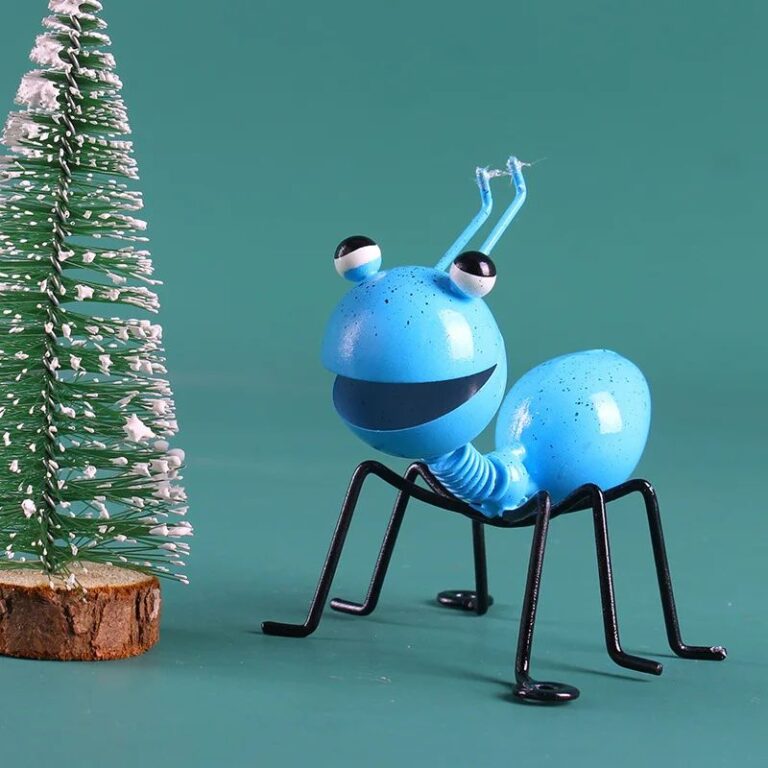
 Aisha's pickShopping for Metal Wall Art for the Yard? Start Here

 Aisha's pickBlack Outdoor Wall Art at Every Price PointAlso worth a lookOutdoor ChairsOutdoor chairs used to mean two choices: cheap plastic that went brittle and cracked after a couple of…See the collections →

 Aisha's pickMetal Wall Art for Outdoors That Looks the Part

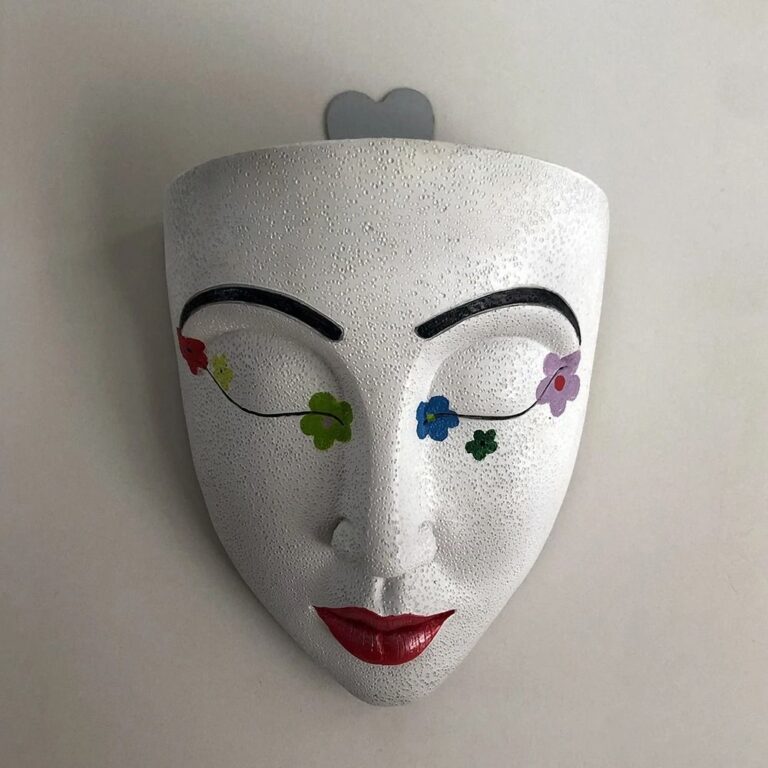 Aisha's pickFlower Outdoor Wall Art Hunted Down So You Don’t Have To
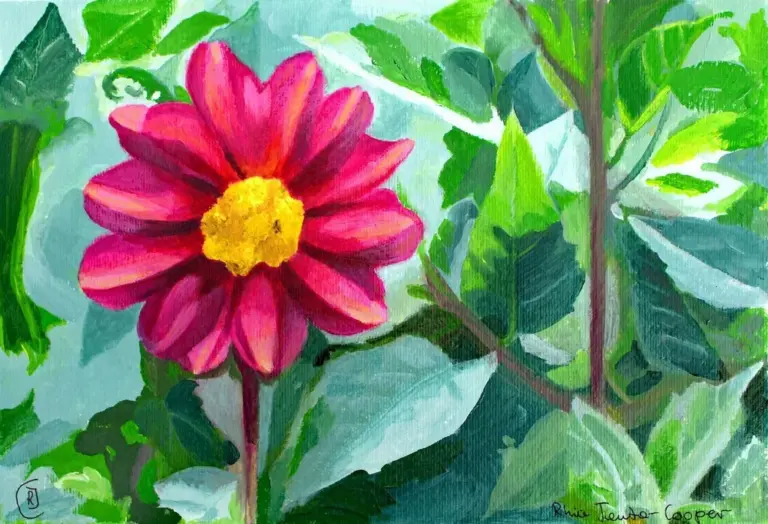
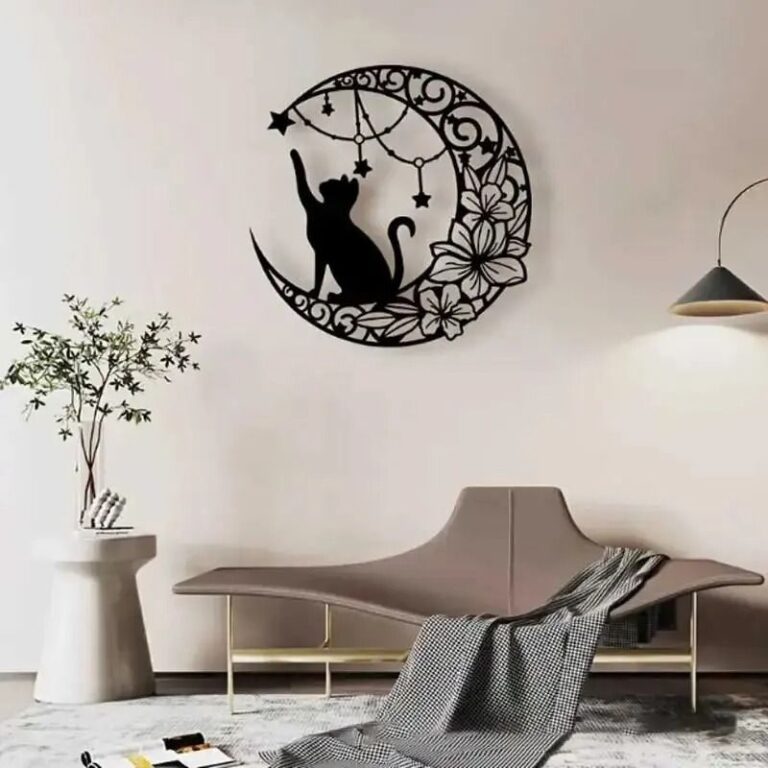 Aisha's pickOur Shortlist of Modern Outdoor Wall Art