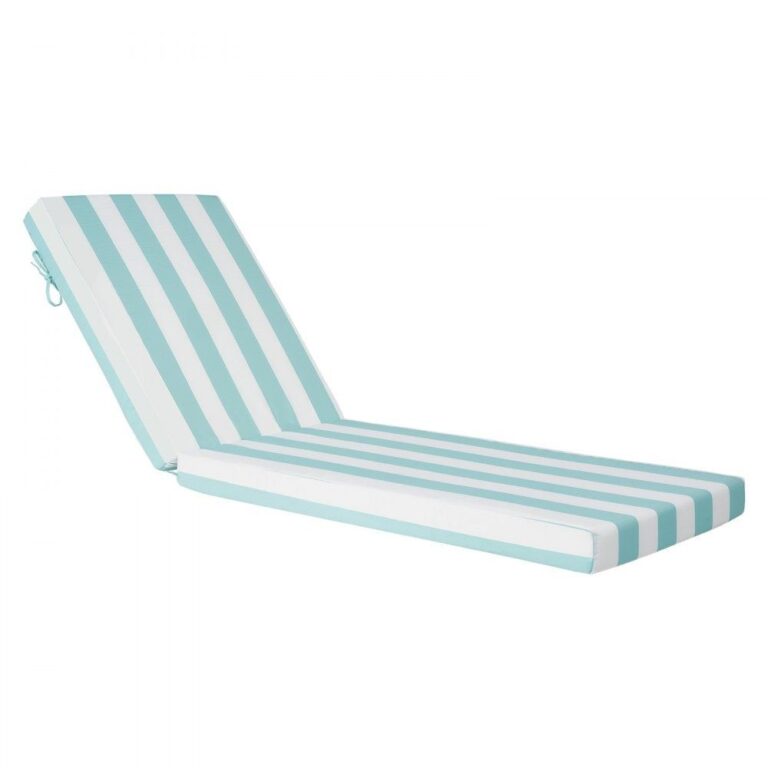
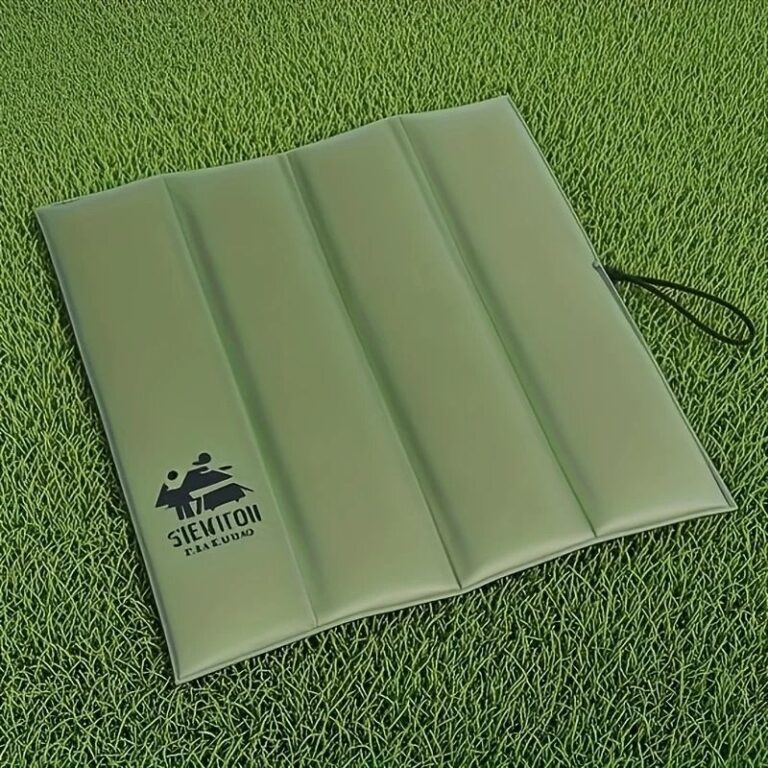
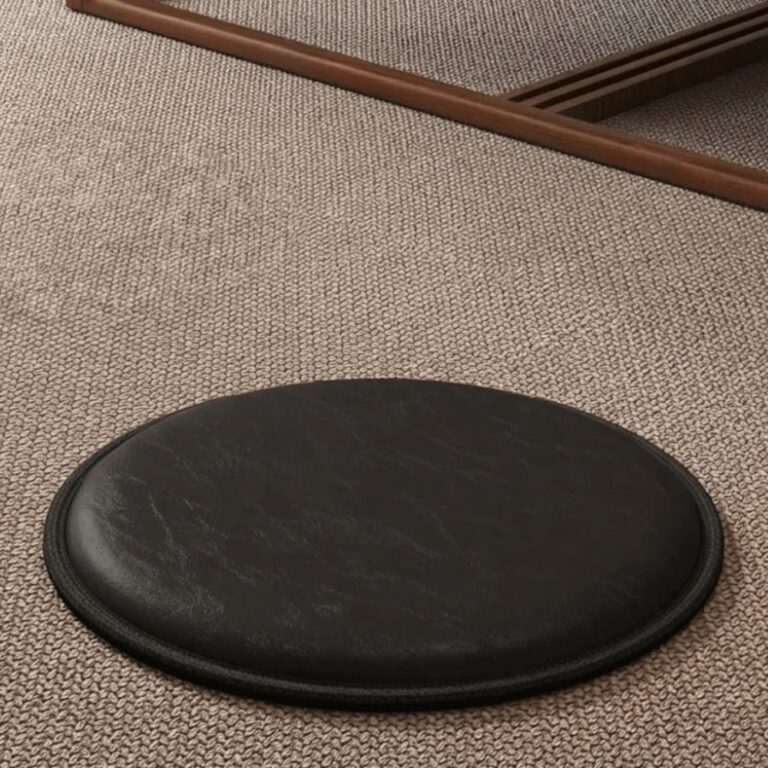
Outdoor cushions live or die on the fabric, not the look, and most people buy the opposite way around. You find a pattern you love, drag it home, and three weeks later it's grown a faint gray bloom of mildew in the piping because the fill inside is the same foam you'd find in a sofa cushion, just sitting there holding water after every sprinkle. The ones worth having are made to get rained on and shrug it off, so check what's inside and what the cover is doing, not just the print.
Where they go wrong is less about clashing with other things outside, since most patios already mix teak and plastic and whatever chair survived the move, and more about clashing with the weather you actually have. A heavily textured woven cushion looks lovely in a magazine and then holds grit and pollen in every ridge until you're basically shaking out a doormat. Smoother, tighter weaves wipe clean with a hose and a rag, which matters more than the pattern after the first month. As for aging, expect some fading no matter what the tag promises, especially on anything in a deep navy or a bold print left in full sun all summer. Bring cushions in during stretches of heavy rain if you can, prop them on their sides so water drains rather than pools, and give them a scrub with mild soap and water once a season rather than waiting until they look bad. The ones that get stored over winter, even just in a bin with a lid, last years longer than the ones left out to tough it through snow.
They earn their keep on anything you actually sit on outside with regularity, a porch swing, a deck chair where you have coffee, a dining set you eat at more than twice a summer. Covered spaces, porches with an overhang, patios under a pergola, let you get away with softer, less technical fabrics since they're sheltered from the worst of it. Fully exposed spots, open decks, pool surrounds, need the properly outdoor rated kind even if the price gap annoys you at checkout, because replacing a faded, mildewed cushion every June costs more over time than buying the right one once.
For color, mid tones are the easiest to live with long term, a faded terracotta, a soft olive, a gray that already looks a little weathered on day one so it never looks like it's declining. White looks sharp in photos and dingy by August. Solid colors show fading evenly, which reads as sun bleached and fine, while busy patterns fade unevenly and start to look patchy and a little sad. Either way, a couple of good cushions can make a plain metal chair or a hand me down bench feel like somewhere you'd actually choose to sit.

 Aisha's pickGood Breathable Outdoor Cushions That Don’t Cost a Fortune
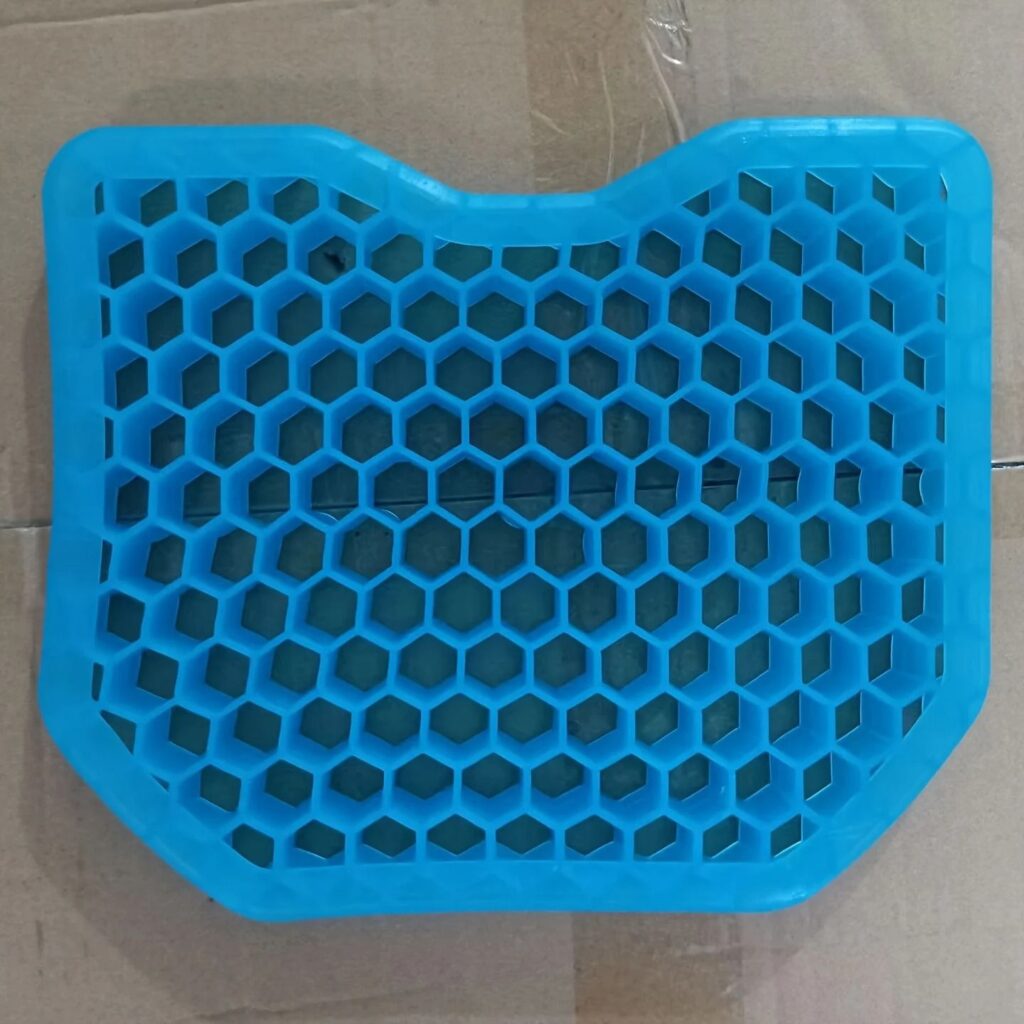
 Aisha's pickLong Outdoor Cushions That Make the Yard Feel Like Another Room
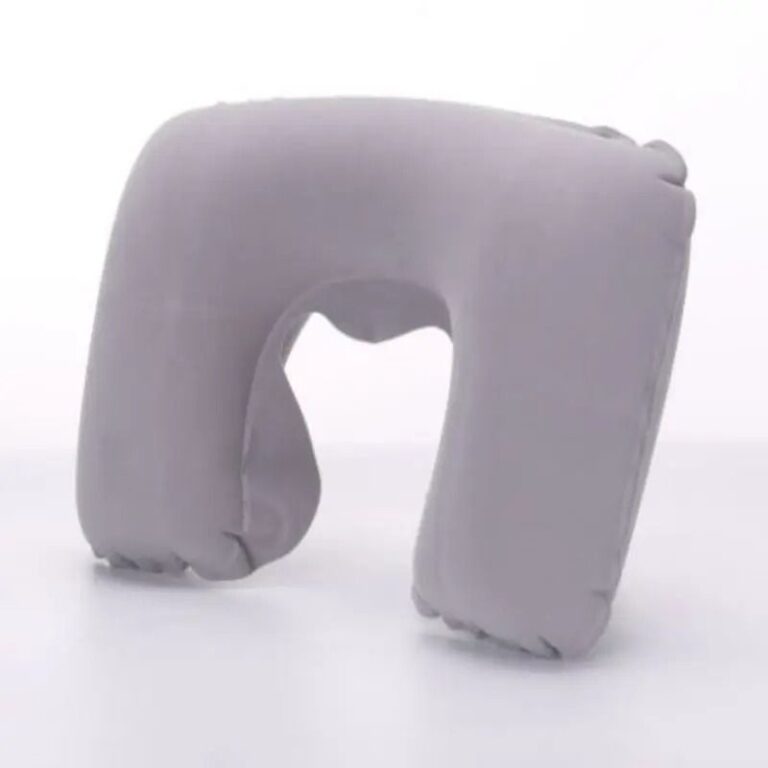
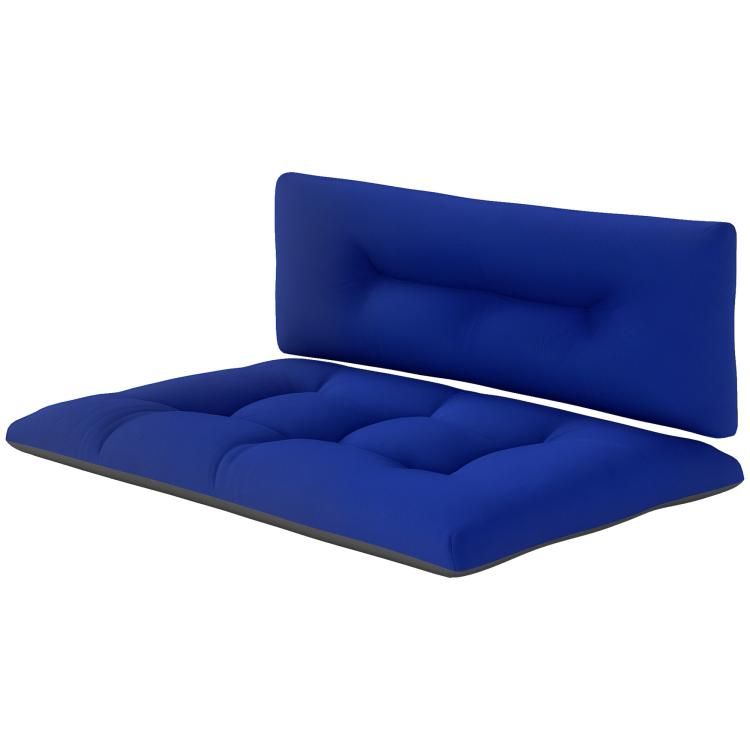 Aisha's pickOutdoor Sofa Cushions You’ll Keep for Years
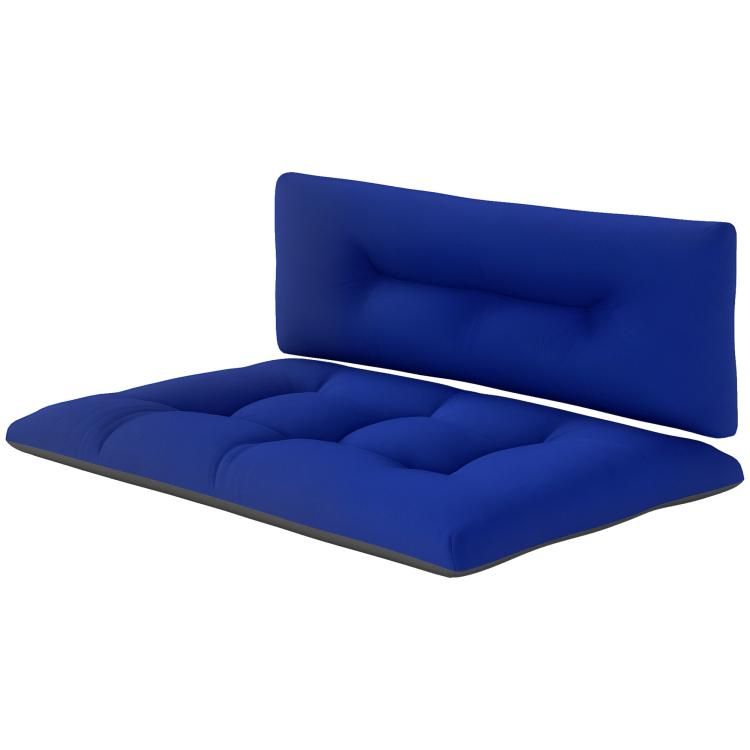
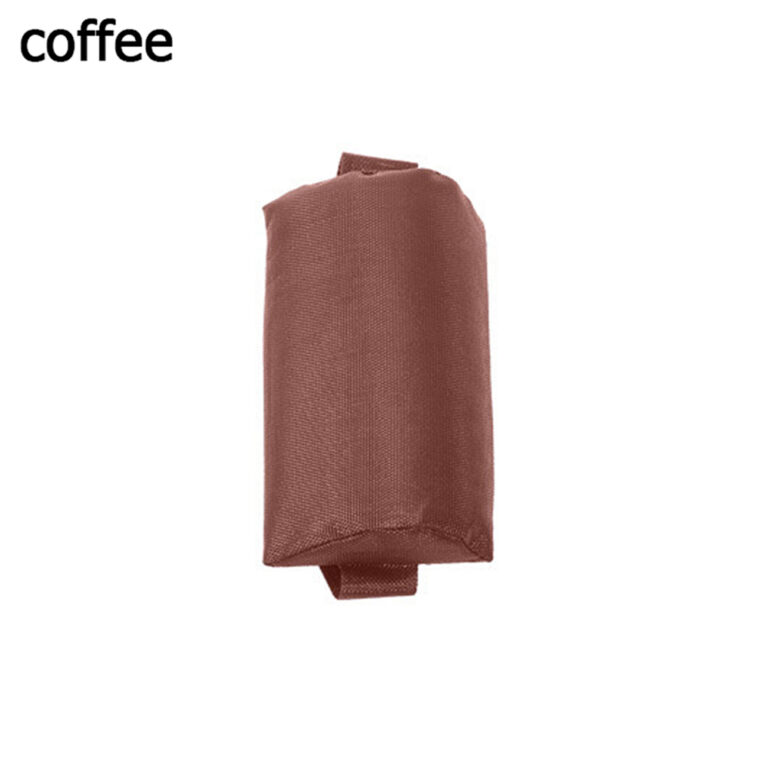 Aisha's pickLong Patio Chair Cushions for Sunny Afternoons and Chilly Nights
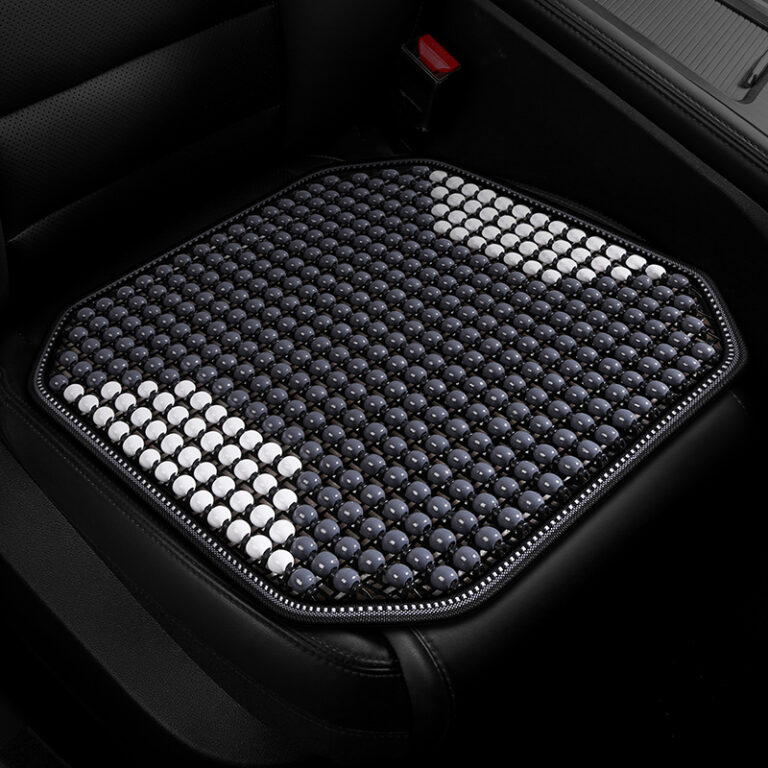
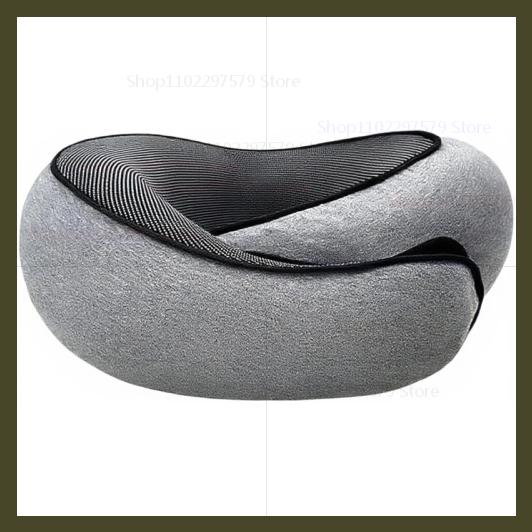 Aisha's pickBreathable Outdoor Cushions That Make the Yard Feel Like Another Room

 Aisha's pickLong Outdoor Seat Pads for Barbecues and Lazy Weekends

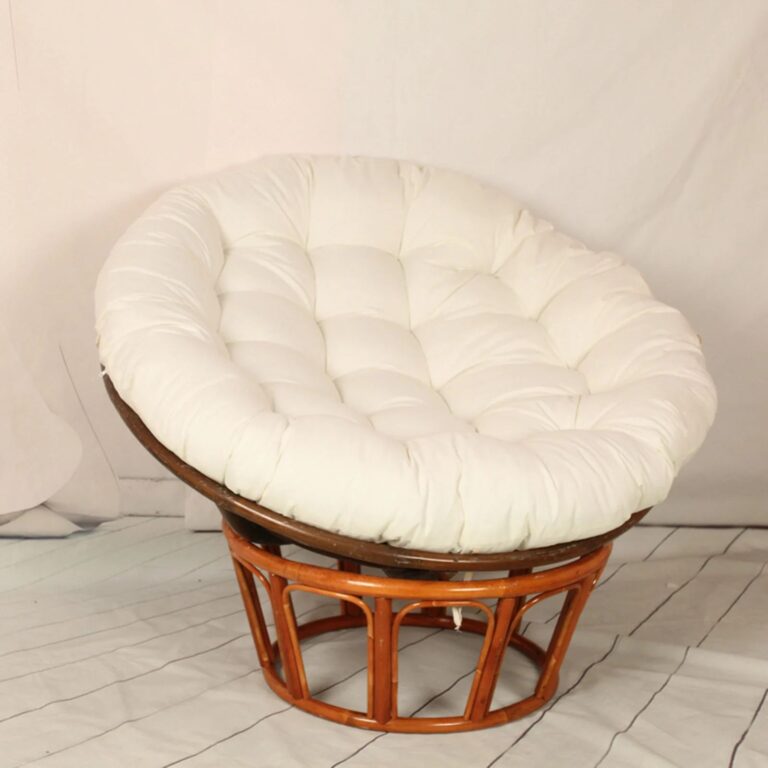 Aisha's pickPolyester Outdoor Chair Cushions for Making the Most of the Patio
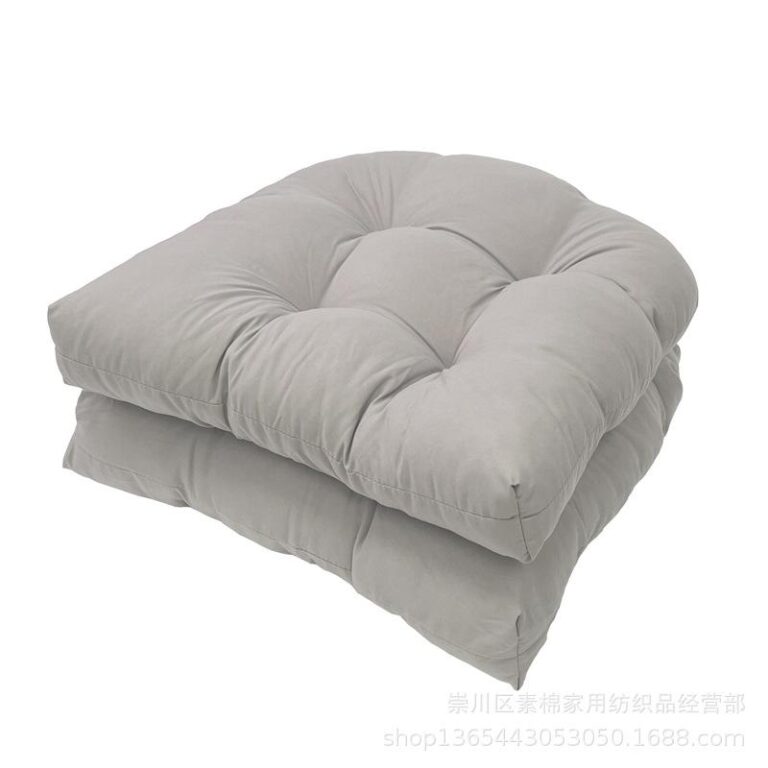
 Aisha's pickPatio Chair Cushions for Long Summer Evenings Outside
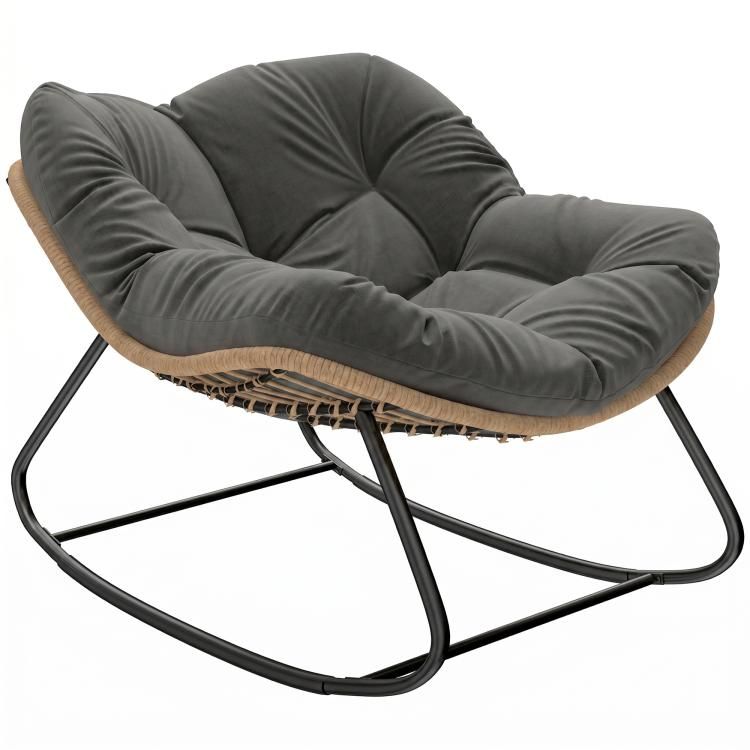
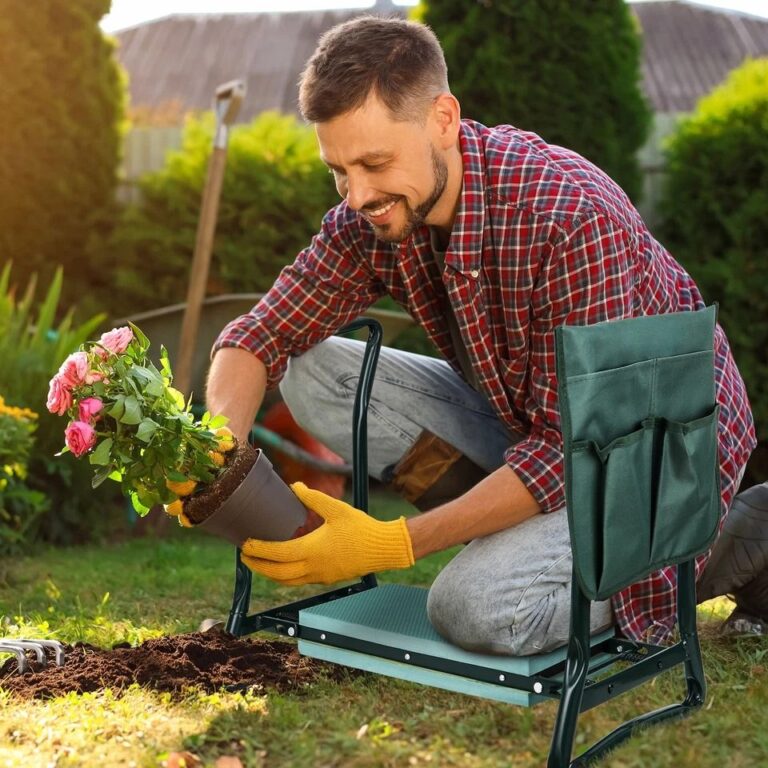 Aisha's pickOutdoor Bench Cushions for Making the Most of the PatioAlso worth a lookPatio CushionsI used to grab whatever cushions matched the chair and figure the sun couldn't do much damage in a season or two.See the collections →
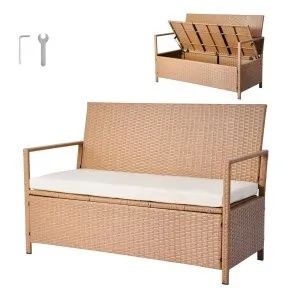
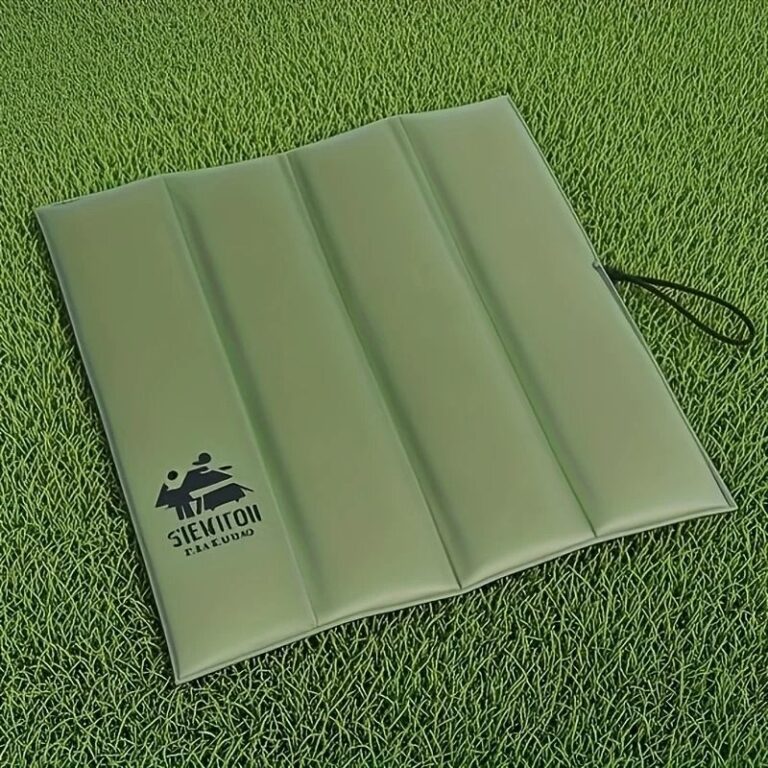 Aisha's pickModern Outdoor Cushions at Every Price Point
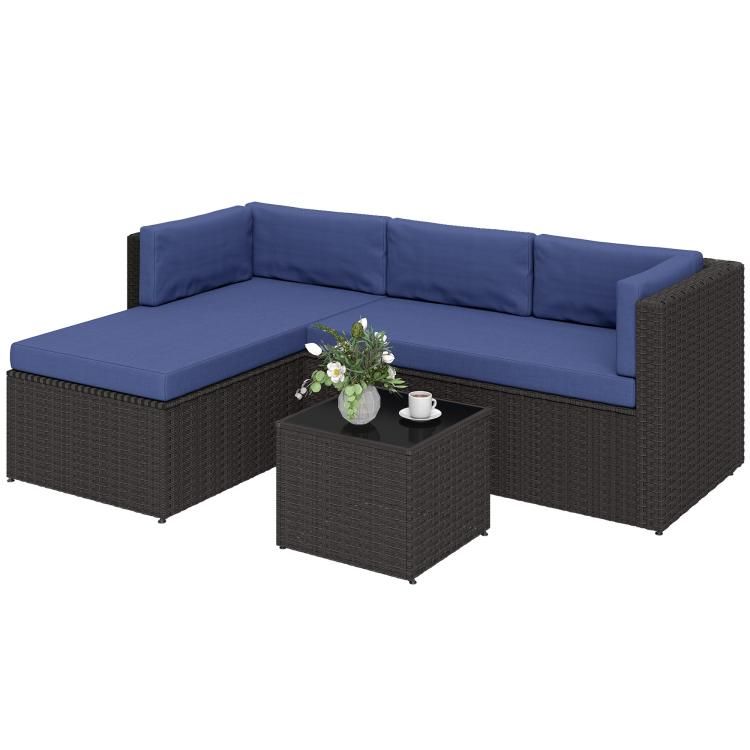
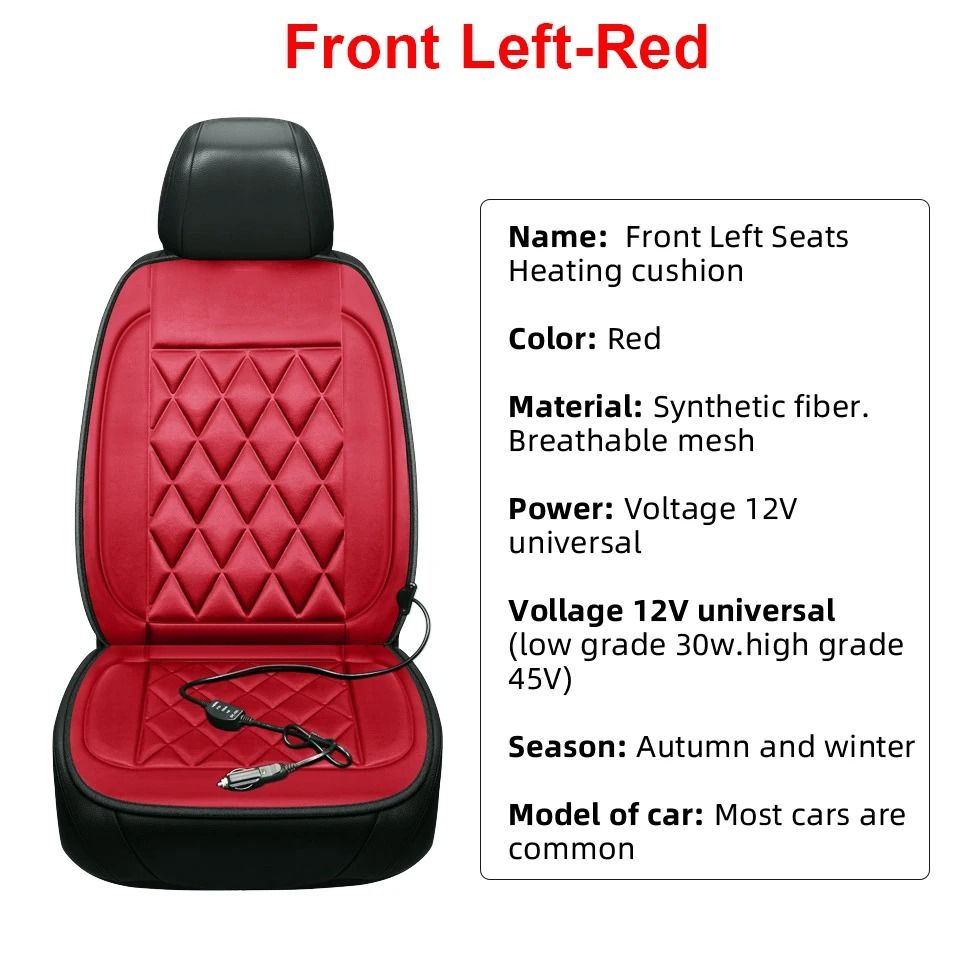 Aisha's pickPolyester Outdoor Cushions That Make a Small Yard Work Harder
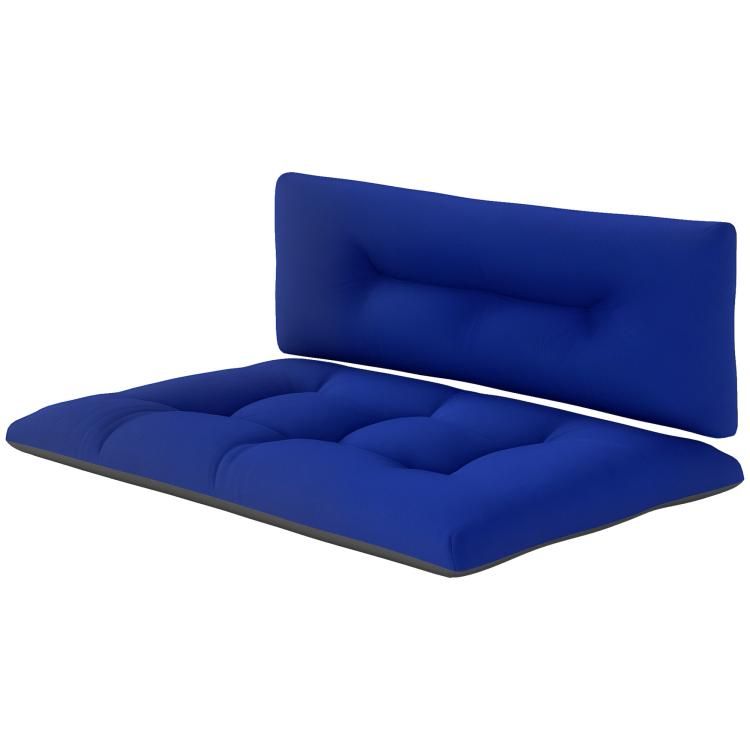
 Aisha's pickPatio Cushions for Sunny Afternoons and Chilly Nights
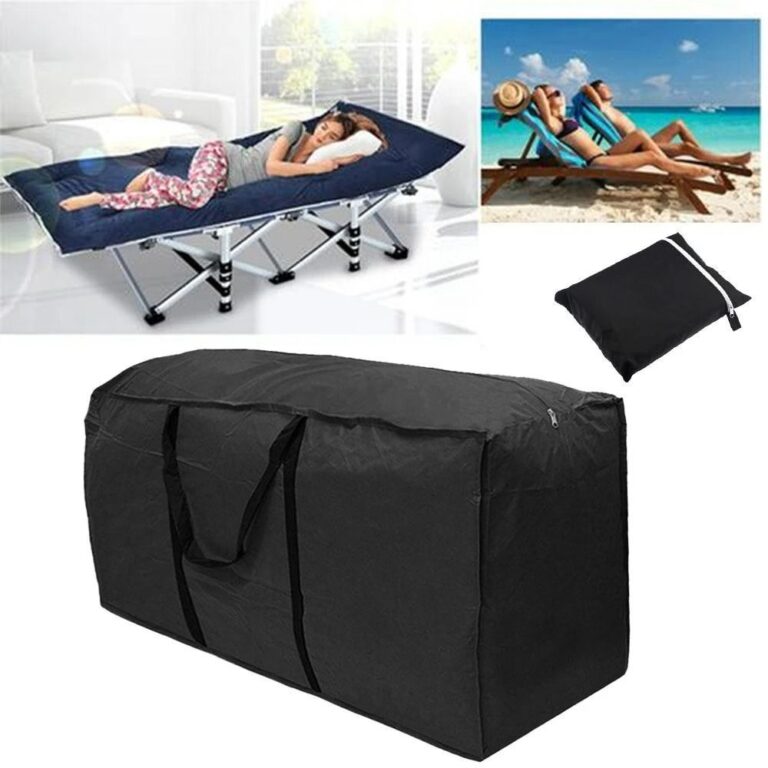
 Aisha's pickOutdoor Chair Cushions From Brands You Know and a Few You Won’t
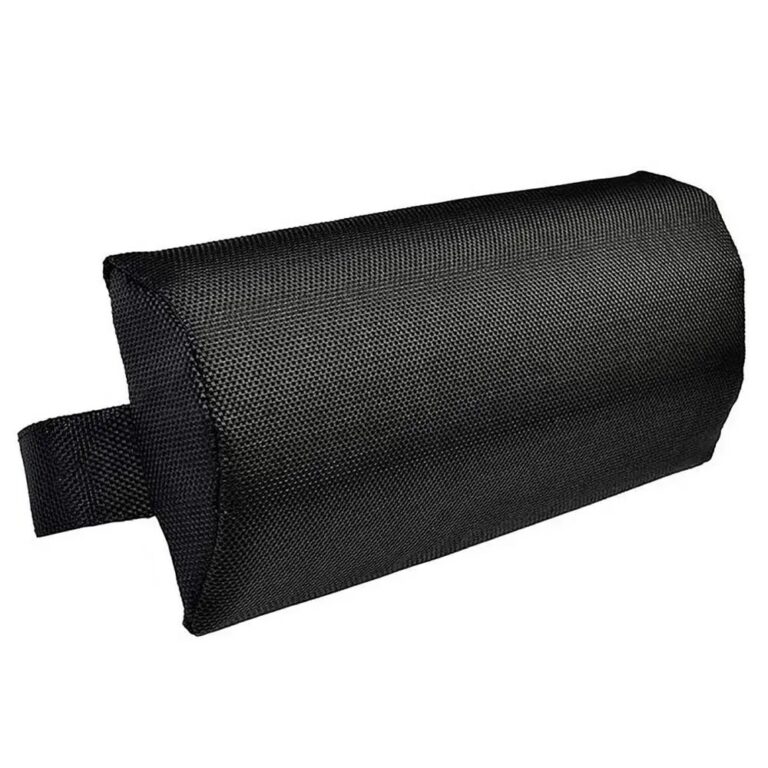
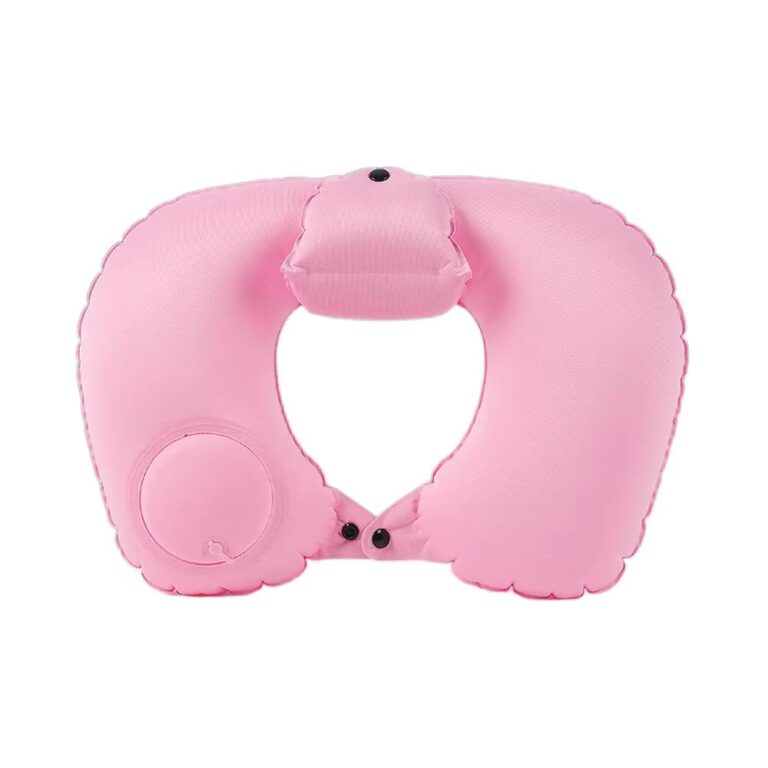 Aisha's pickModern Outdoor Cushions That Make Small Changes Feel Big
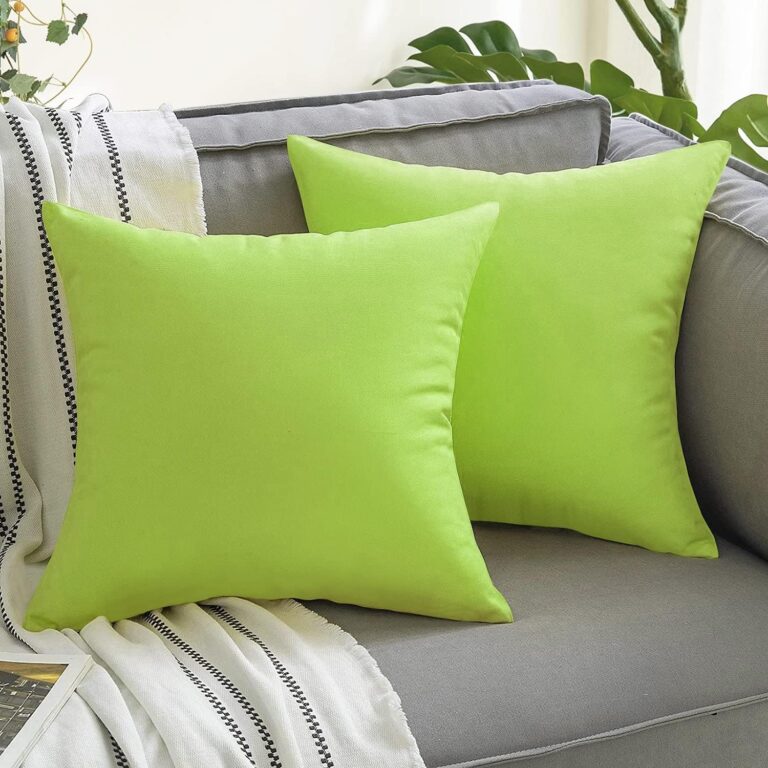
 Aisha's pickPolyester Outdoor Cushions We’d Buy Again
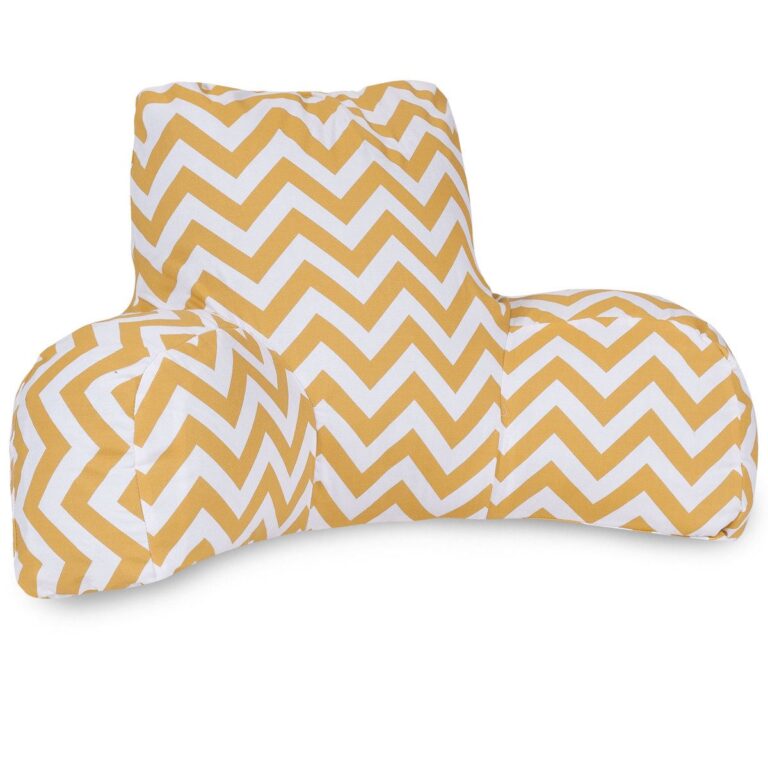
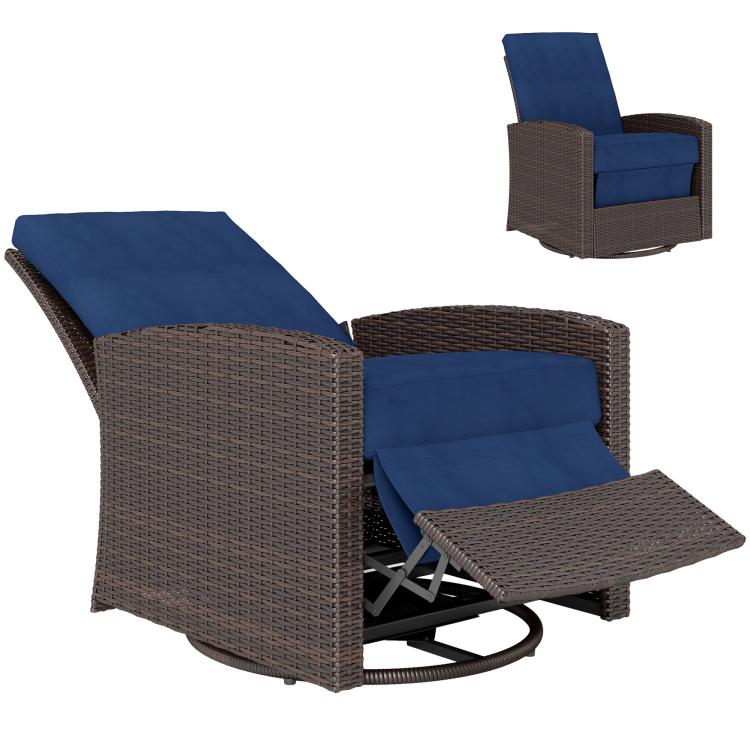 Aisha's pickPolyester Patio Chair Cushions That Stand Up to the Weather
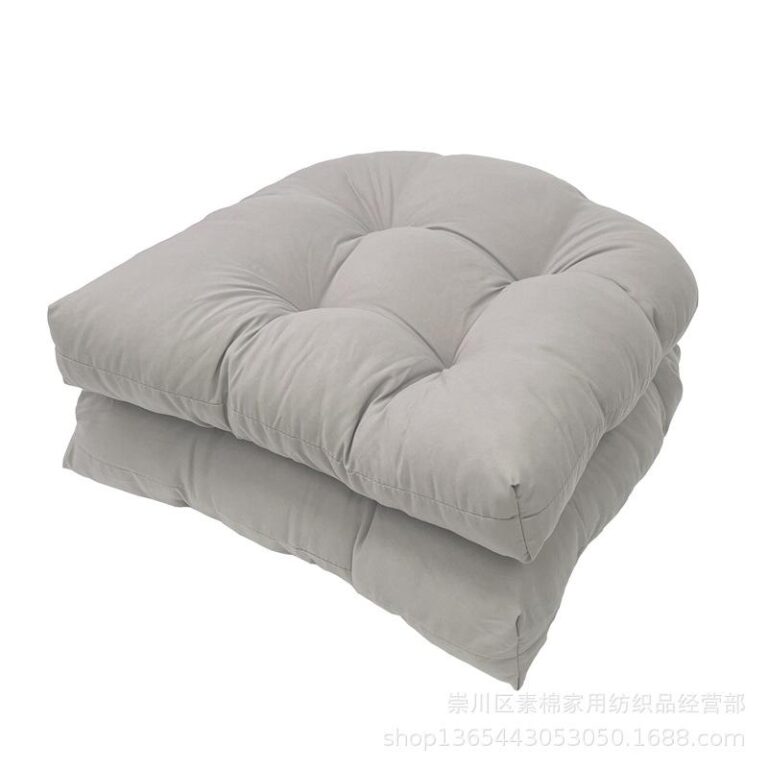
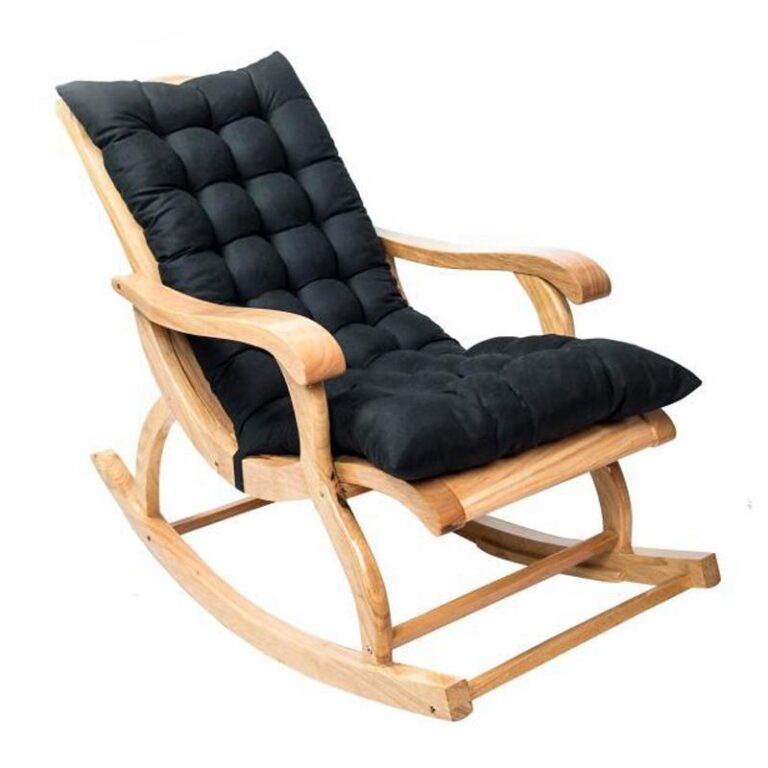 Aisha's pickOutdoor Chair Cushions for Bench That Stand Up to the Weather
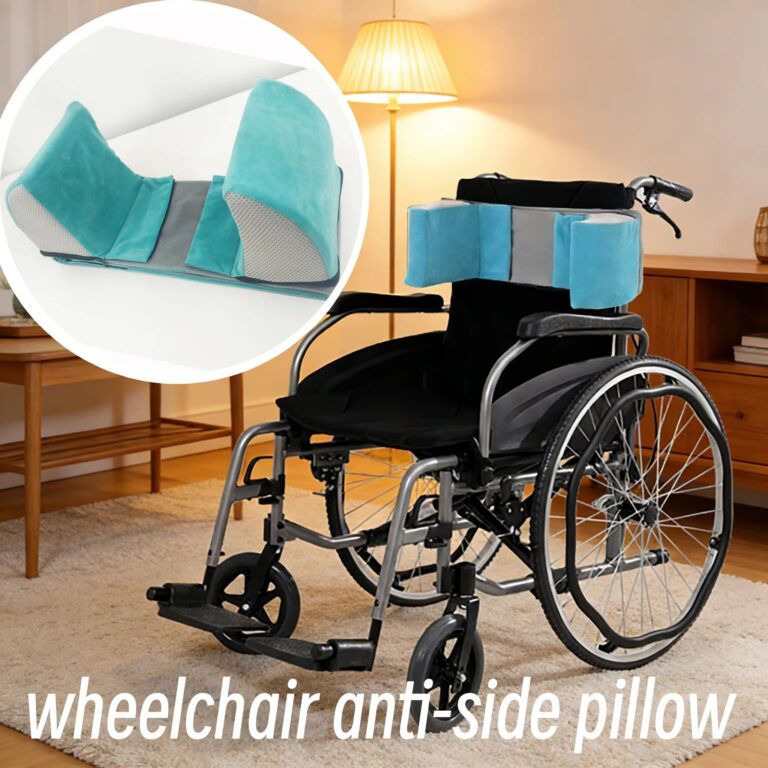 Aisha's pickNatural Outdoor Cushions That Make a Small Yard Work HarderAlso worth a lookWaterproof Outdoor CushionsYou can tell a good waterproof cushion from a bad one before you even sit down.See the collections →
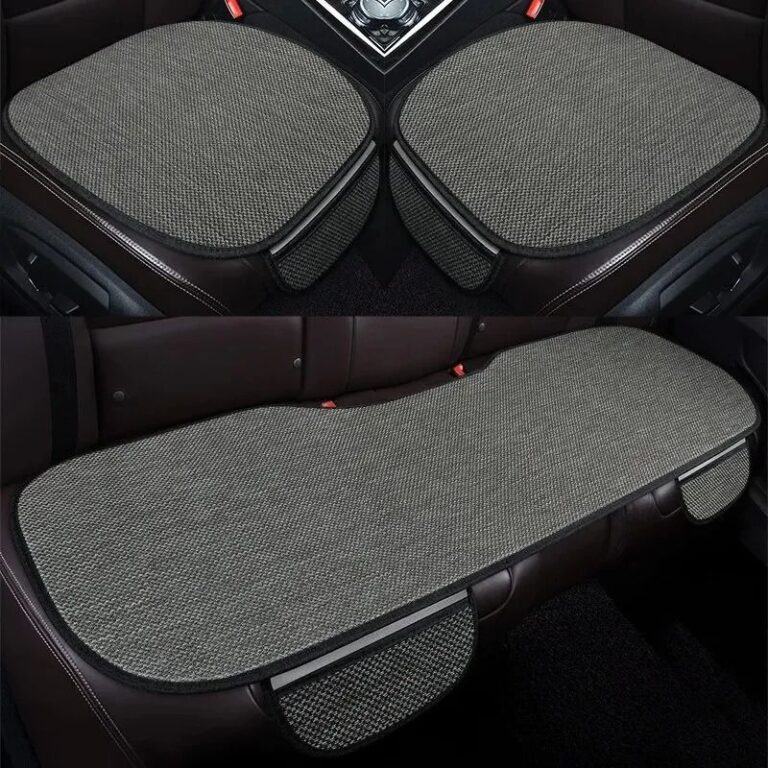
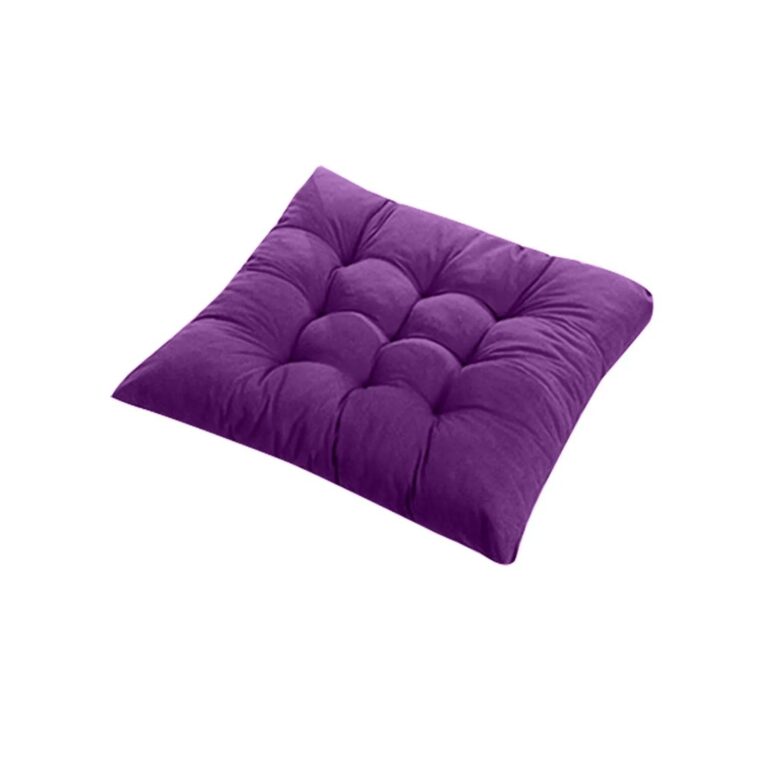 Aisha's pickPolyester Outdoor Seat Pads That Shrug Off the Rain
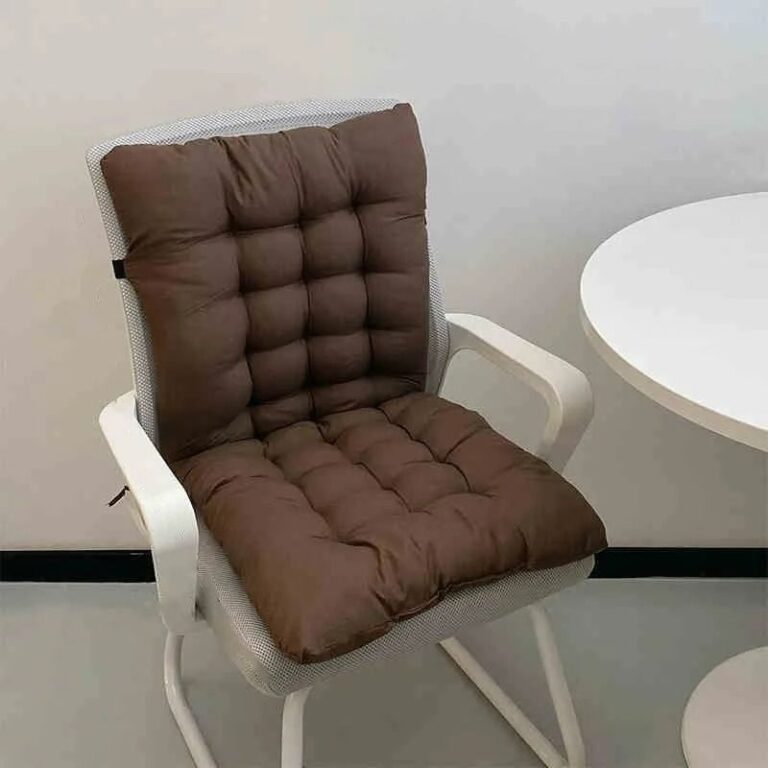
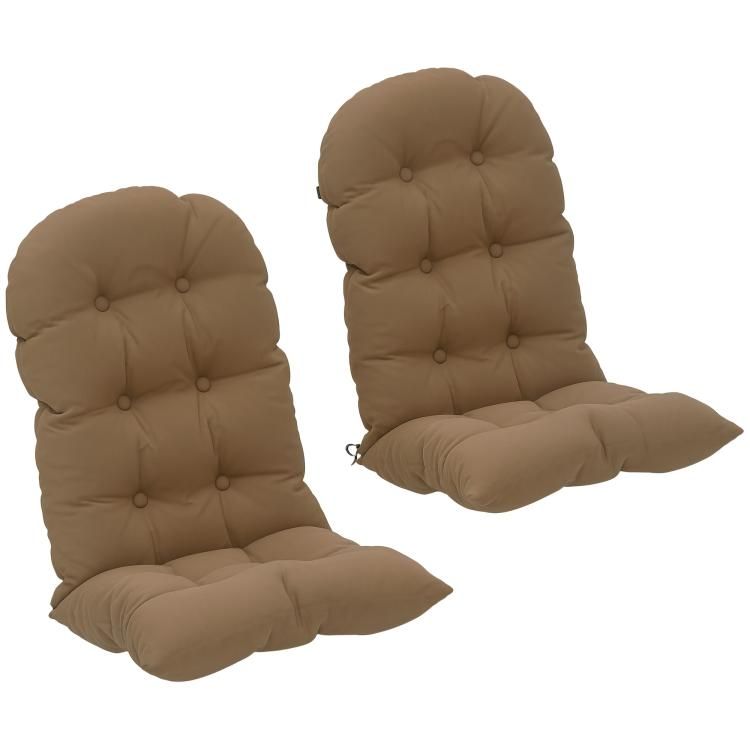 Aisha's pickWhere to Start With Polyester Patio Cushions
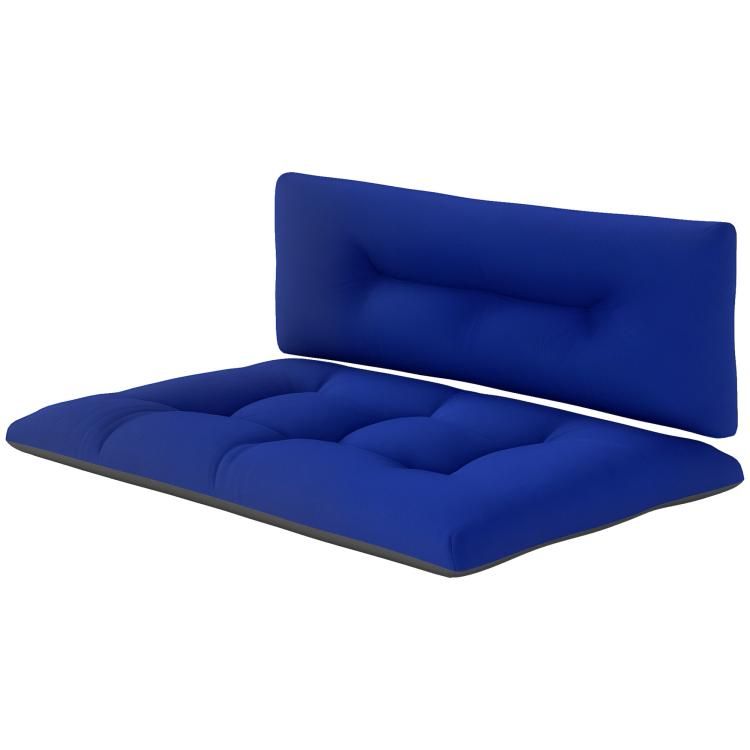
 Aisha's pickOutdoor Cushions That Won’t Date in a Year
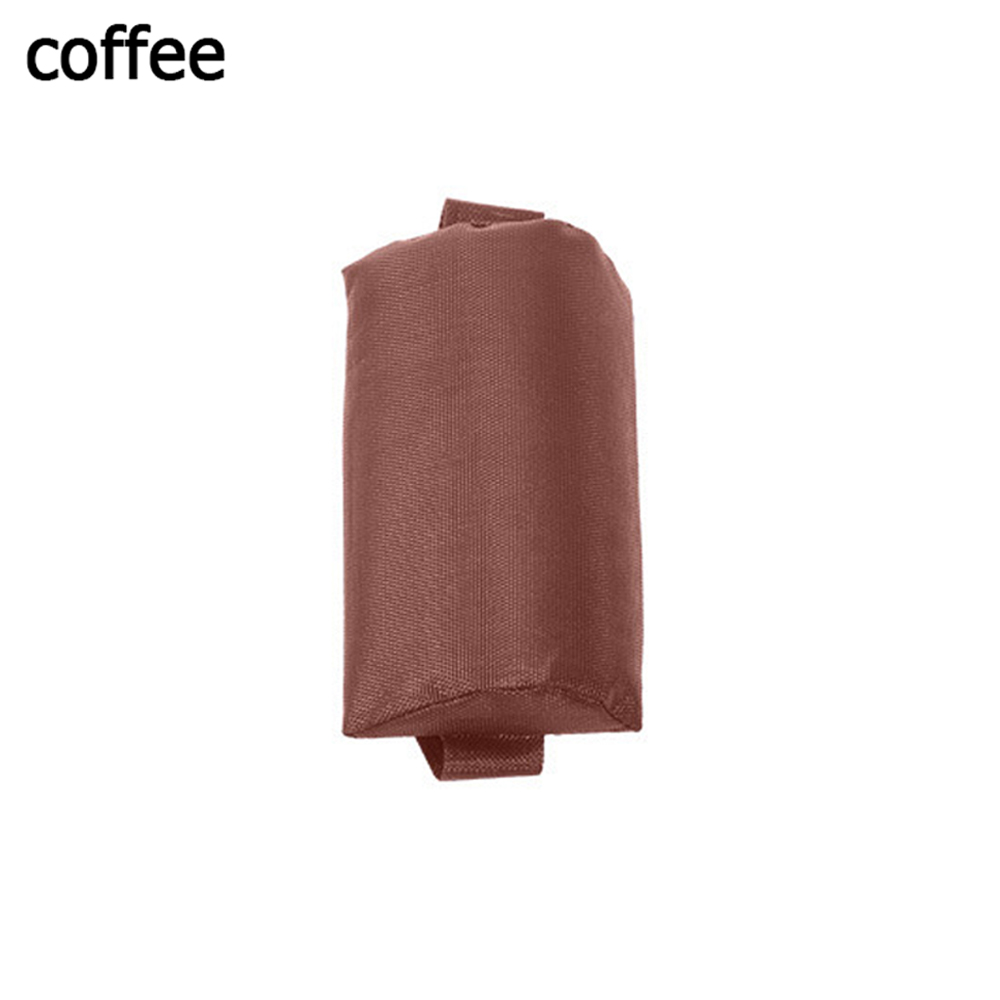
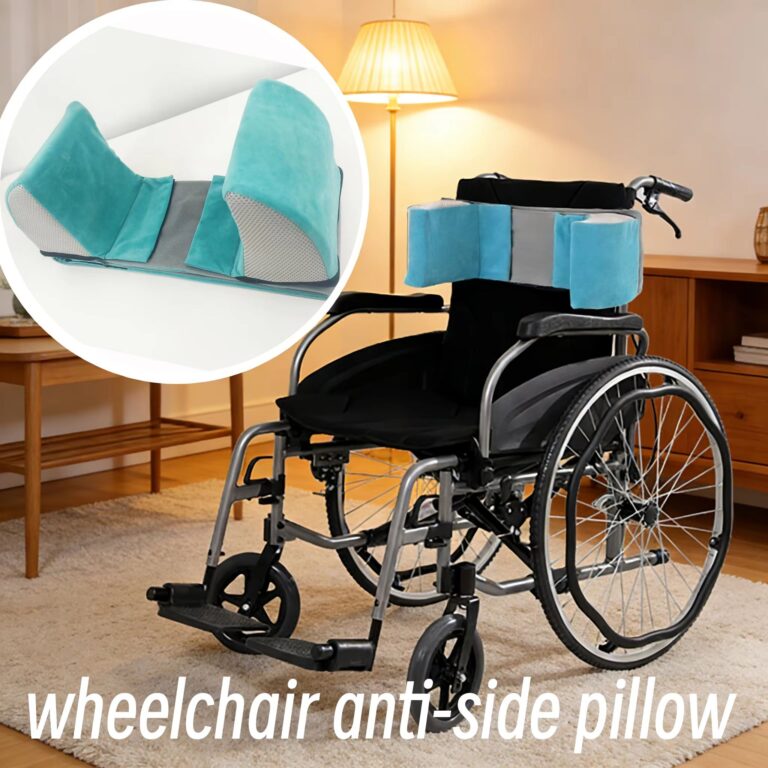 Aisha's pickShopping for Natural Outdoor Cushions? Start Here
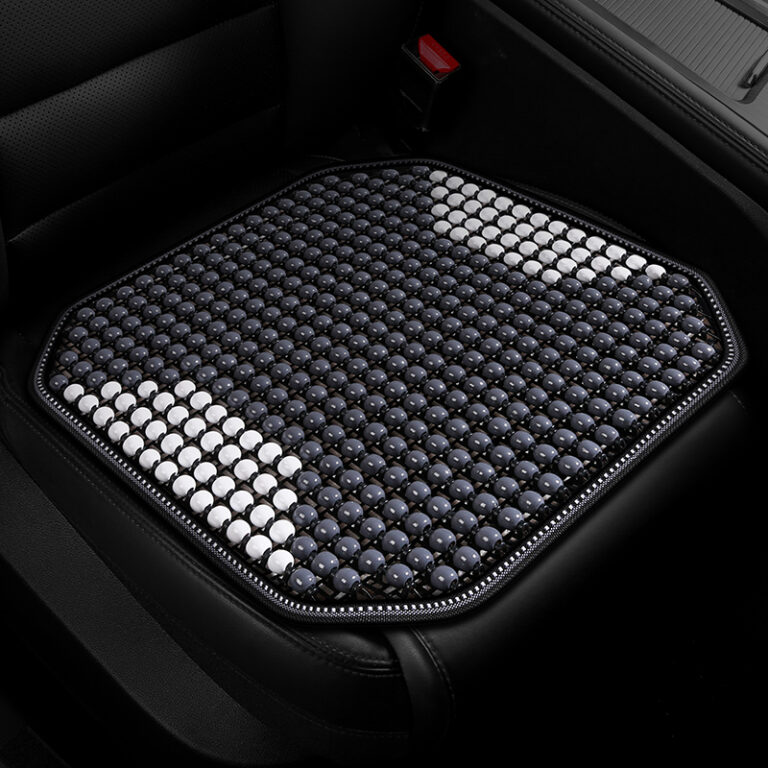
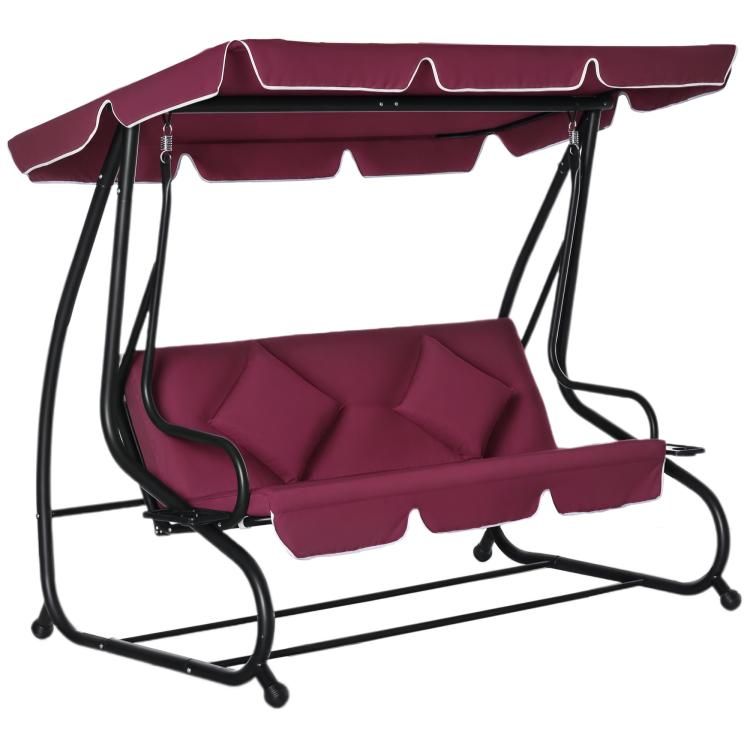 Aisha's pickRed Outdoor Cushions That Stand Up to the Weather
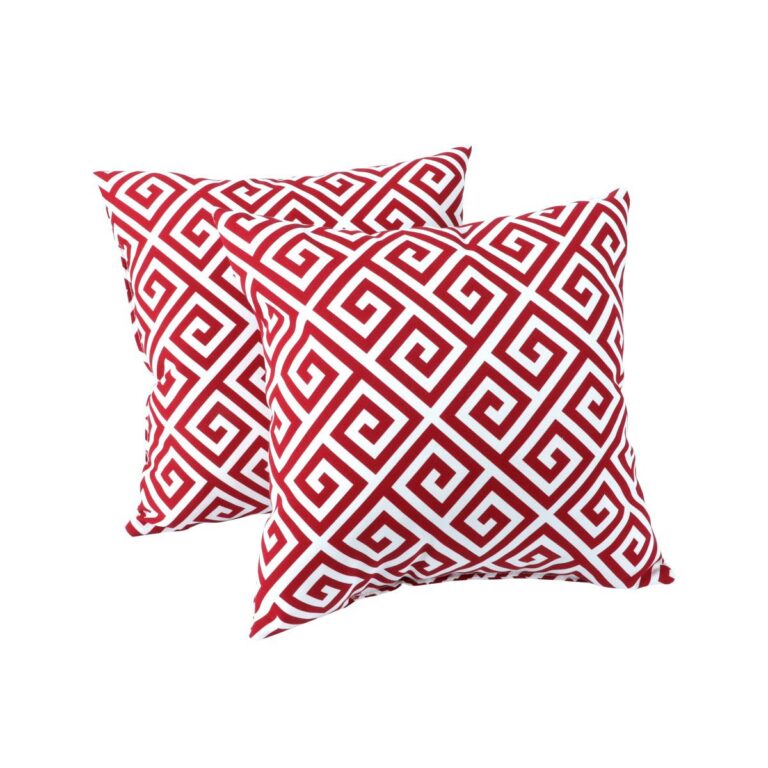
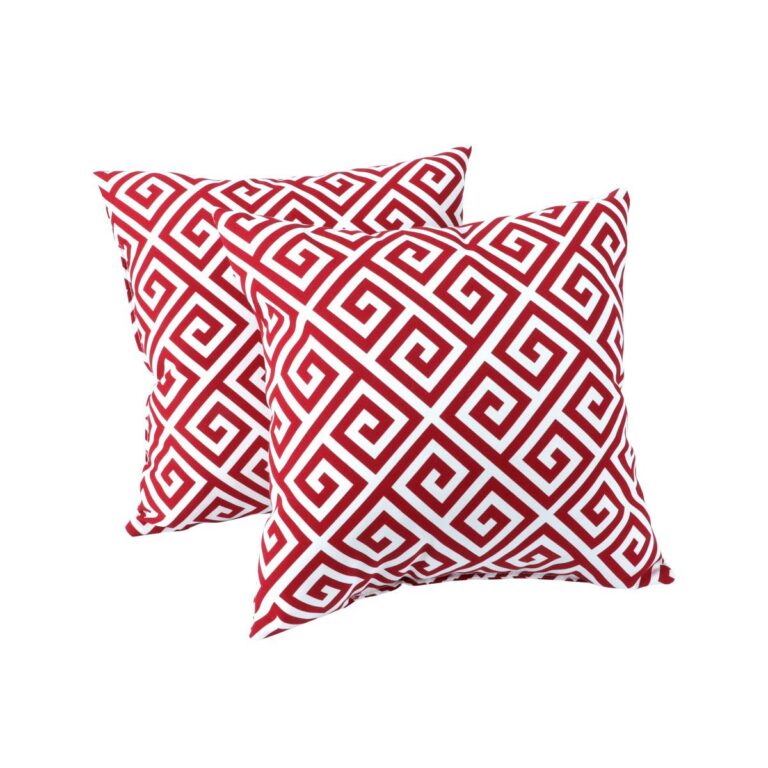 Aisha's pickWater Resistant Outdoor Cushions That Don’t Shout About It
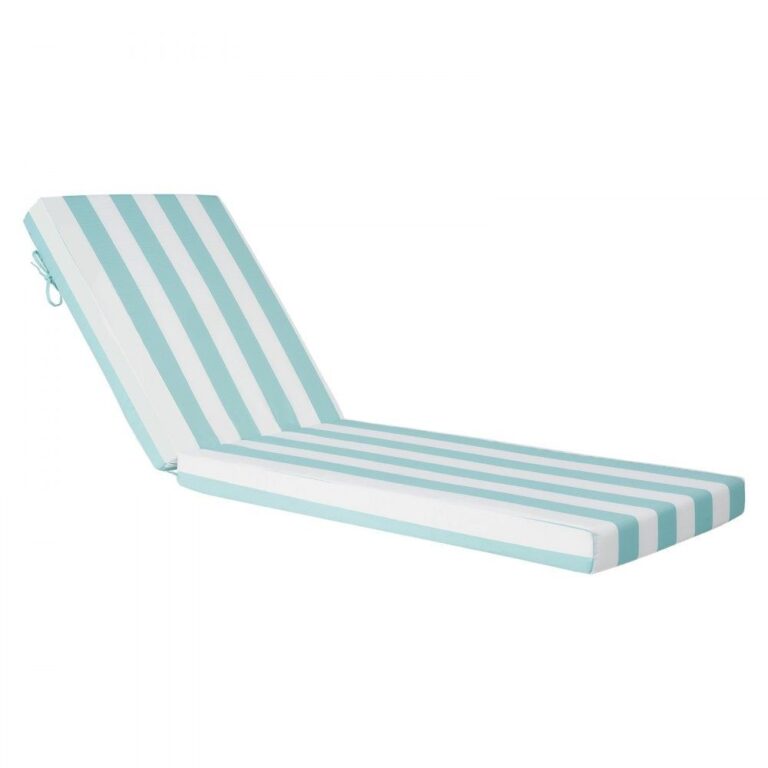 Aisha's pickSimple Outdoor Cushions with Ties Done Well
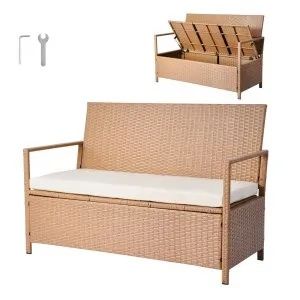 Aisha's pickOutdoor Bench Cushions for Sunny Afternoons and Chilly Nights
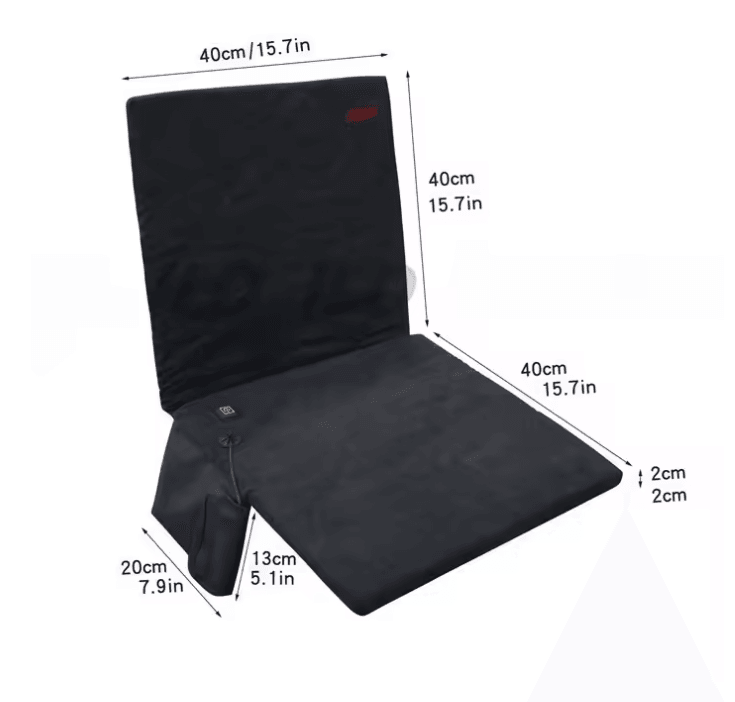
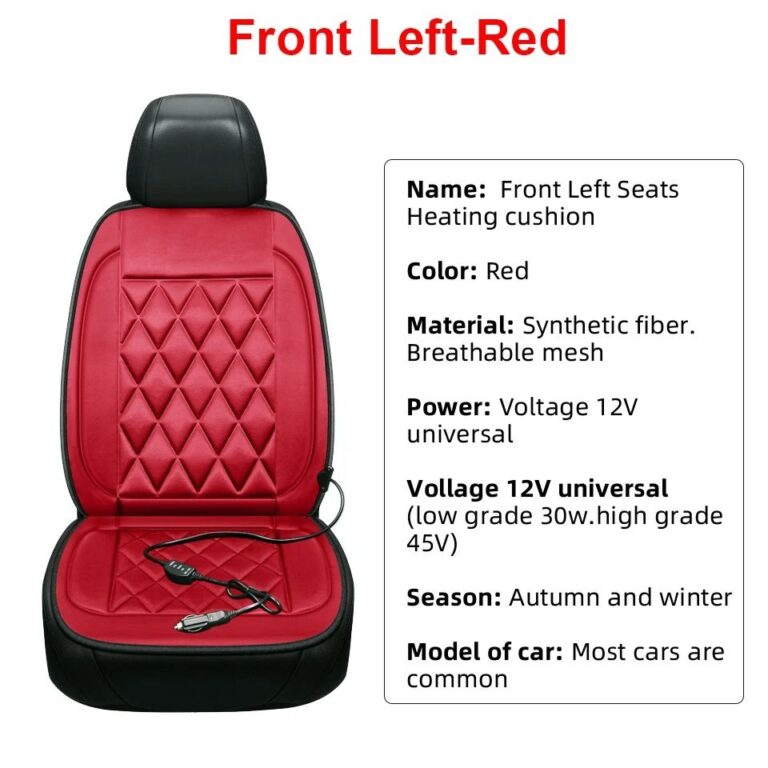 Aisha's pickSimple Red Outdoor Cushions Done WellAlso worth a lookOutdoor LightsOutdoor lights have a reputation for being the thing you buy in a hurry at the end of…See the collections →
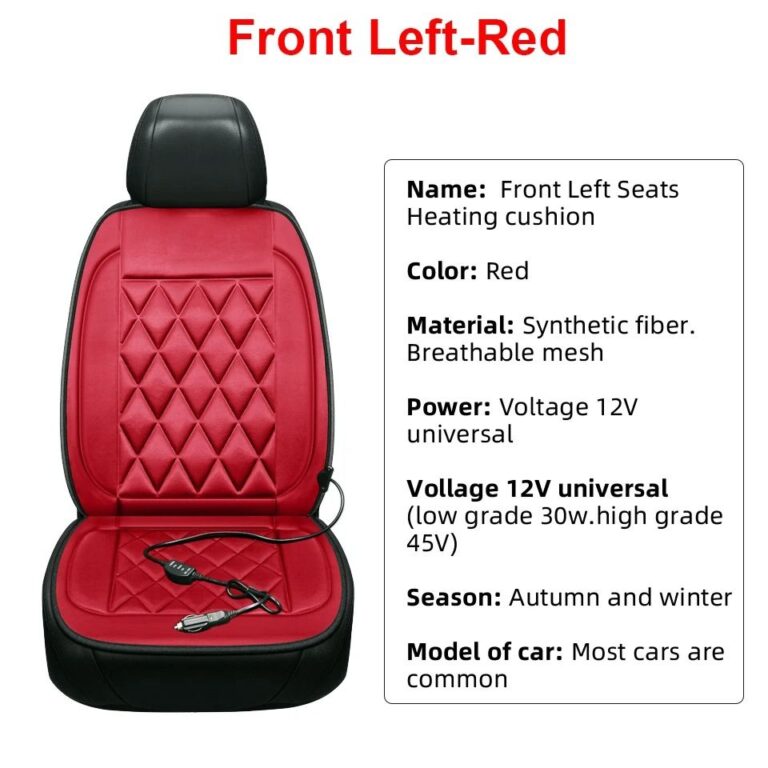
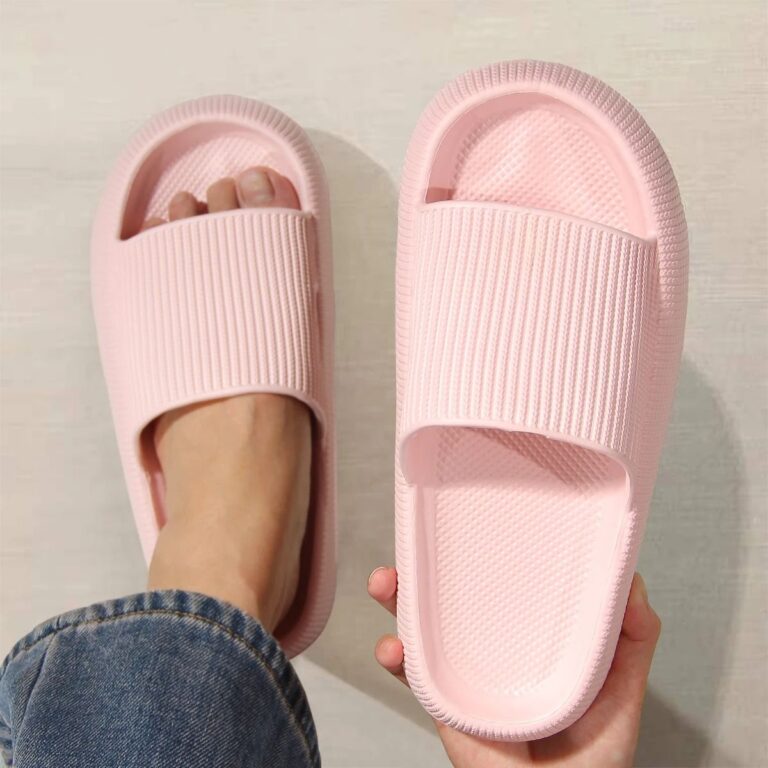 Aisha's pickWater Resistant Outdoor Cushions That Go With Most Rooms
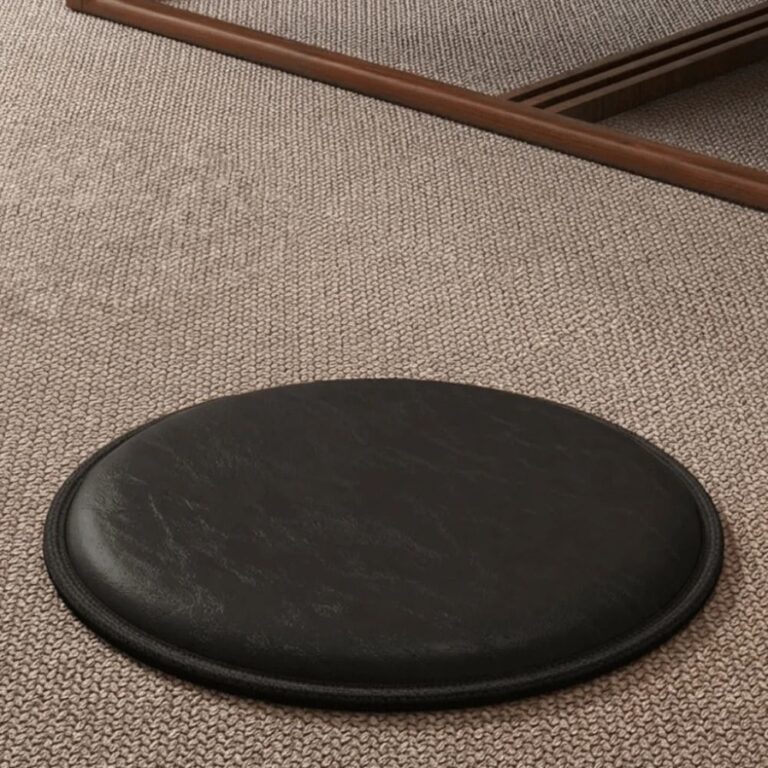
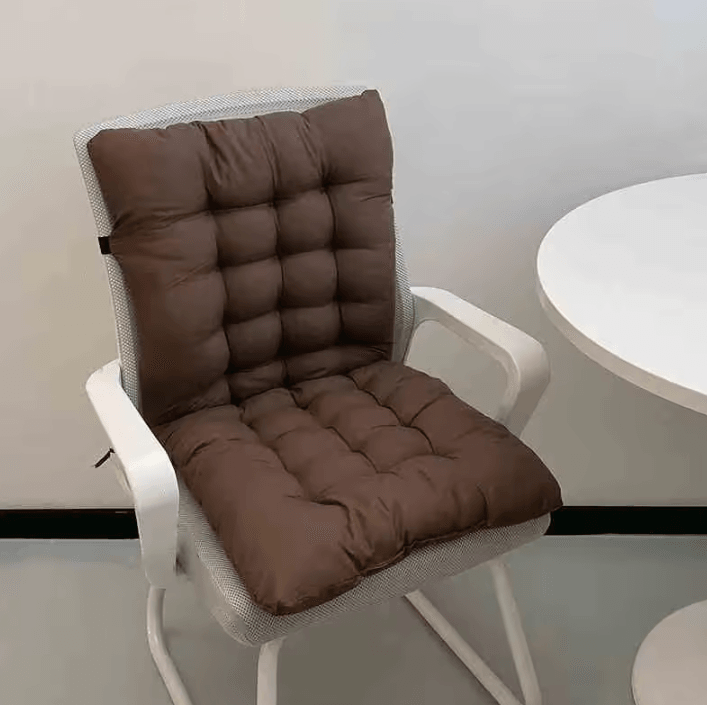 Aisha's pickOutdoor Seat Pads We’d Have Out From May to September

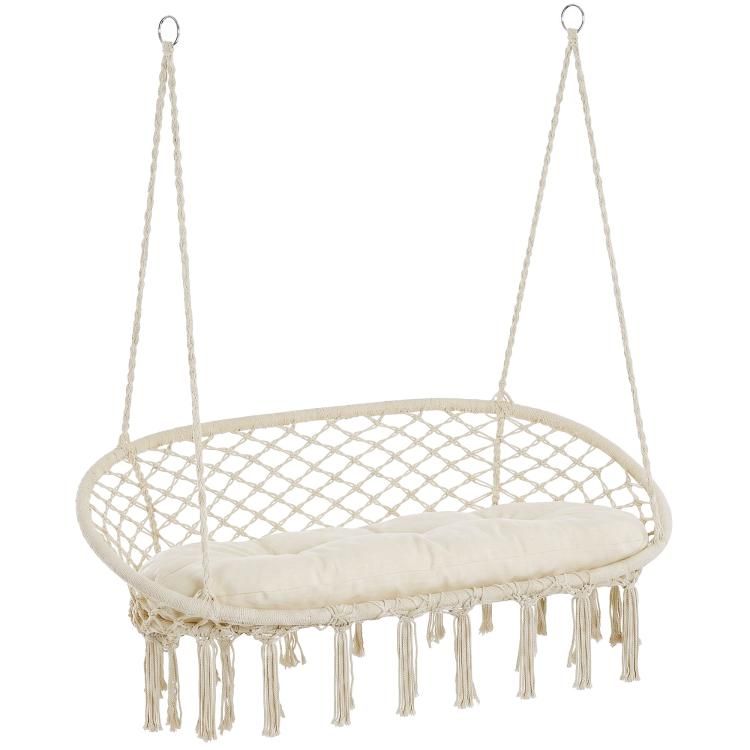 Aisha's pickOutdoor Chair Cushions That Survive a Hard Winter
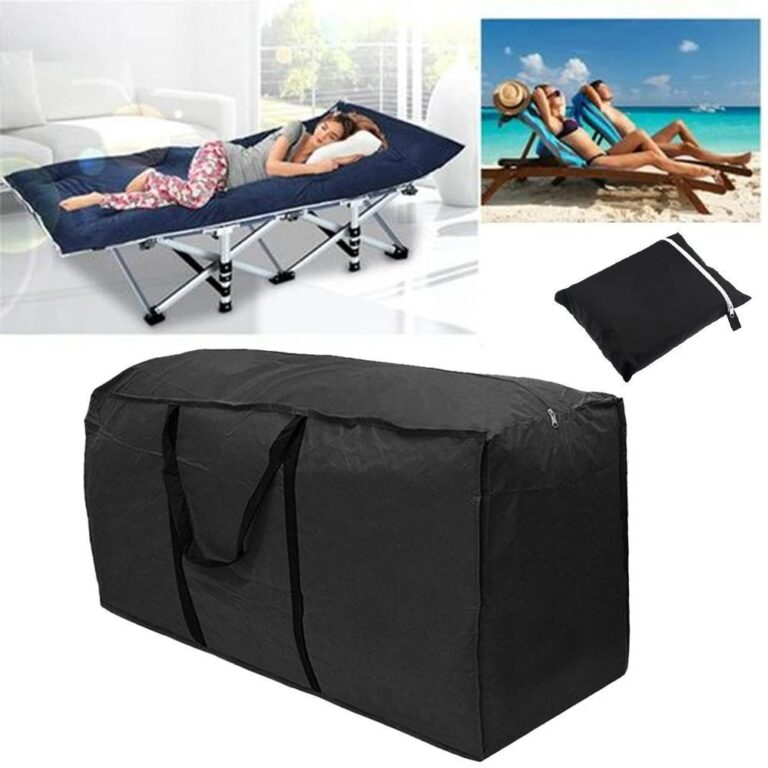
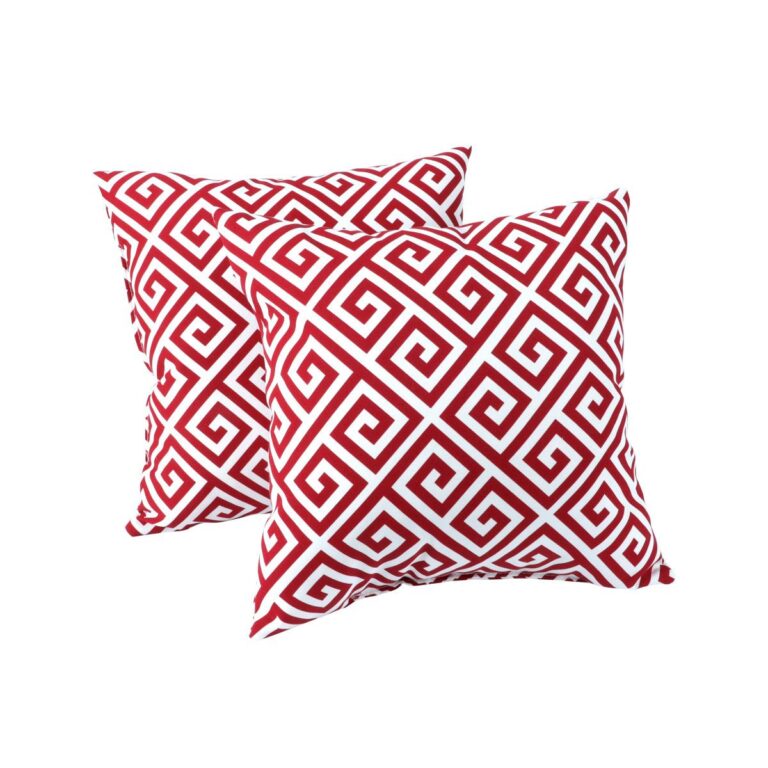 Aisha's pickRed Outdoor Cushions for When the Old Ones Give Up
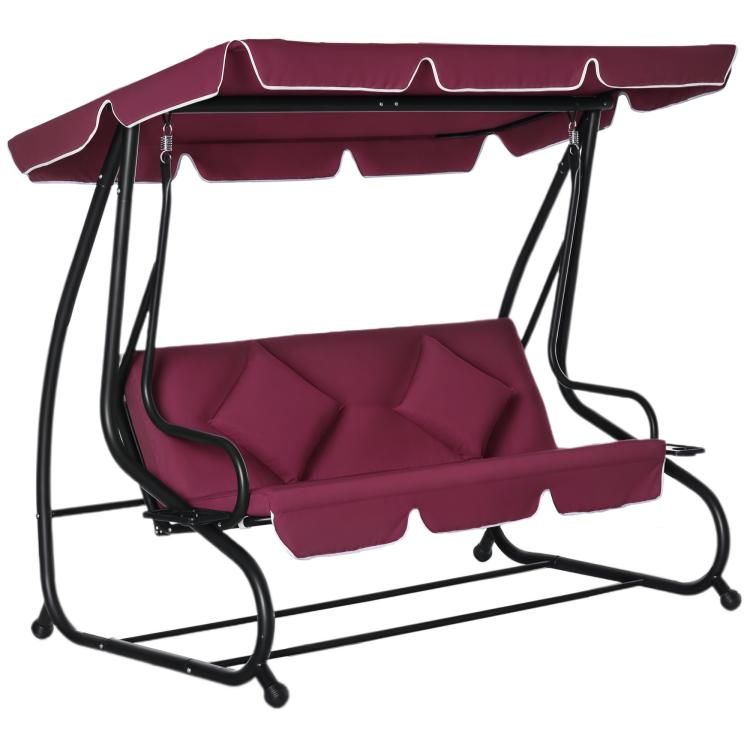
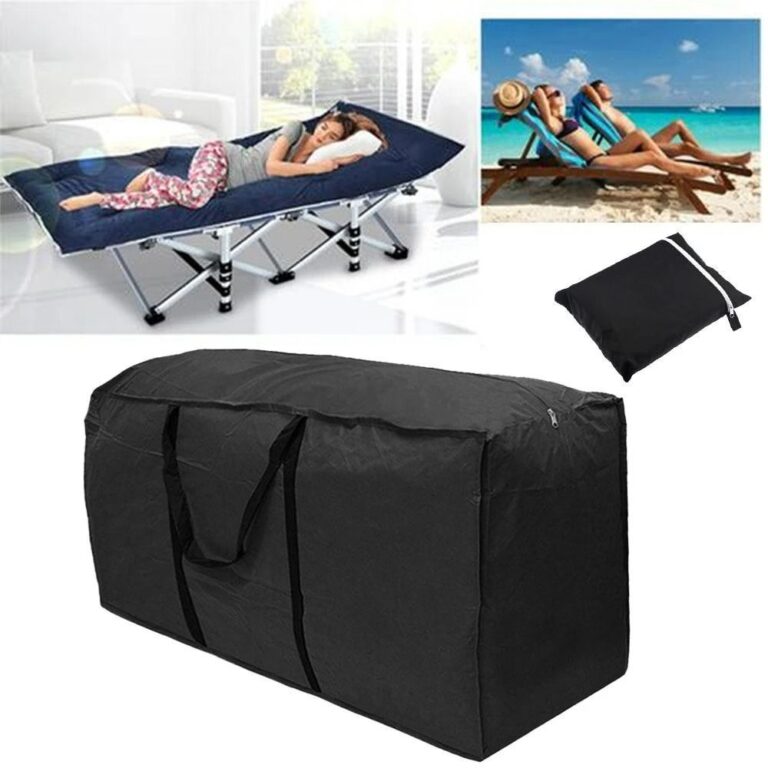 Aisha's pickWaterproof Fabric Outdoor Cushions for Making the Most of the Patio
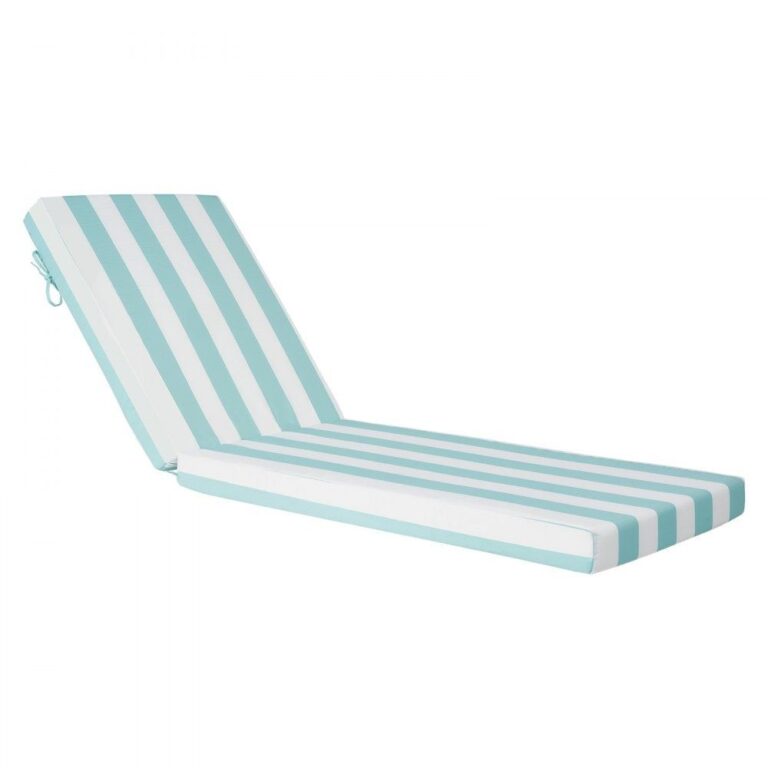
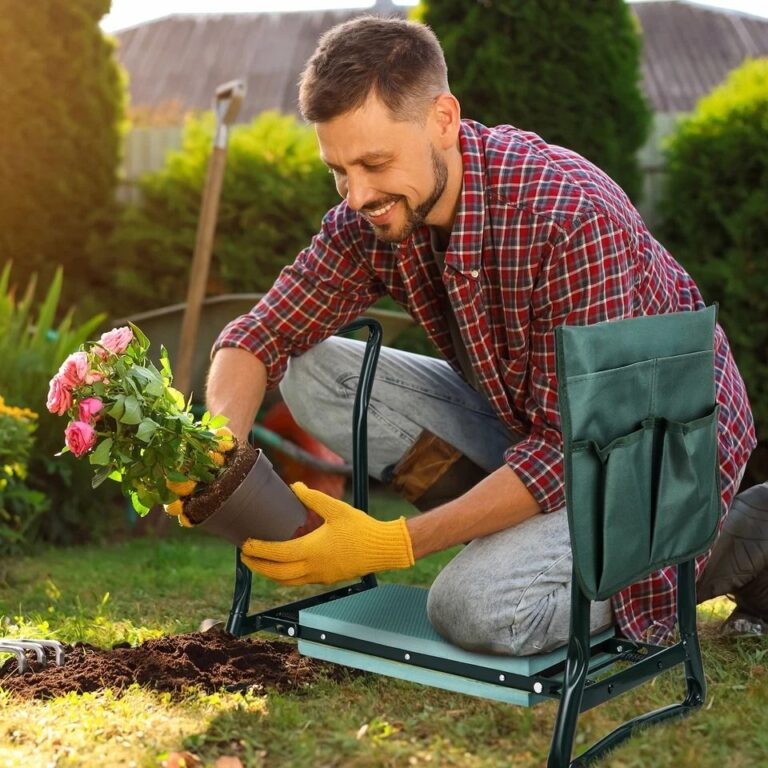 Aisha's pickOutdoor Seat Pads for Bench Pulled From Dozens of Stores
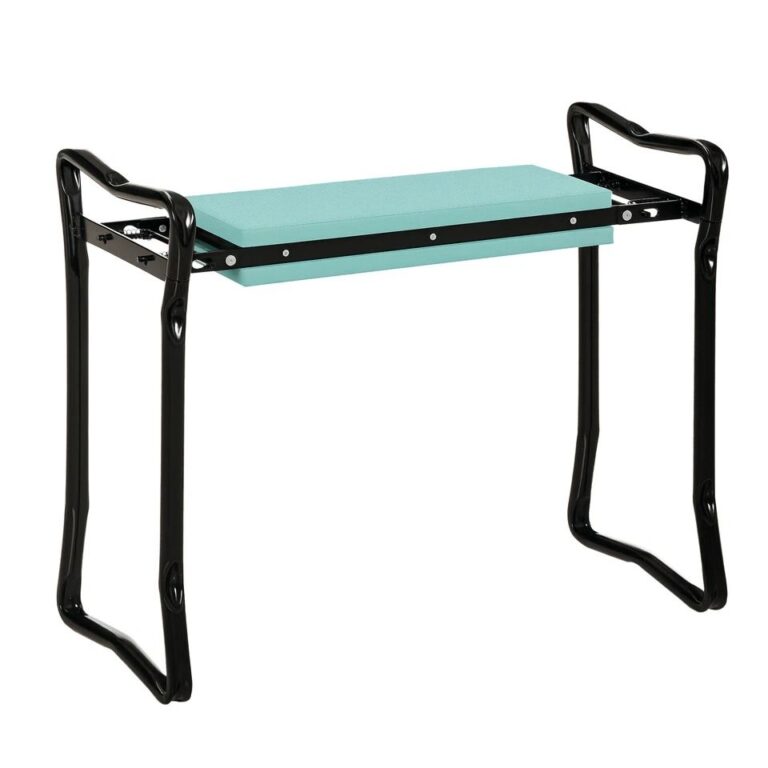
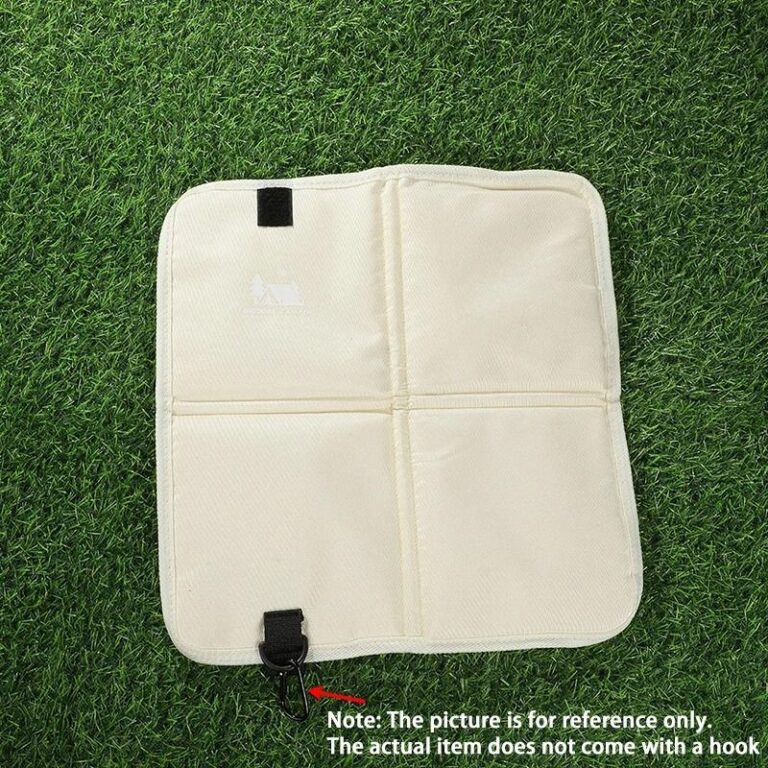 Aisha's pickOutdoor Cushions That Don’t Need Babying
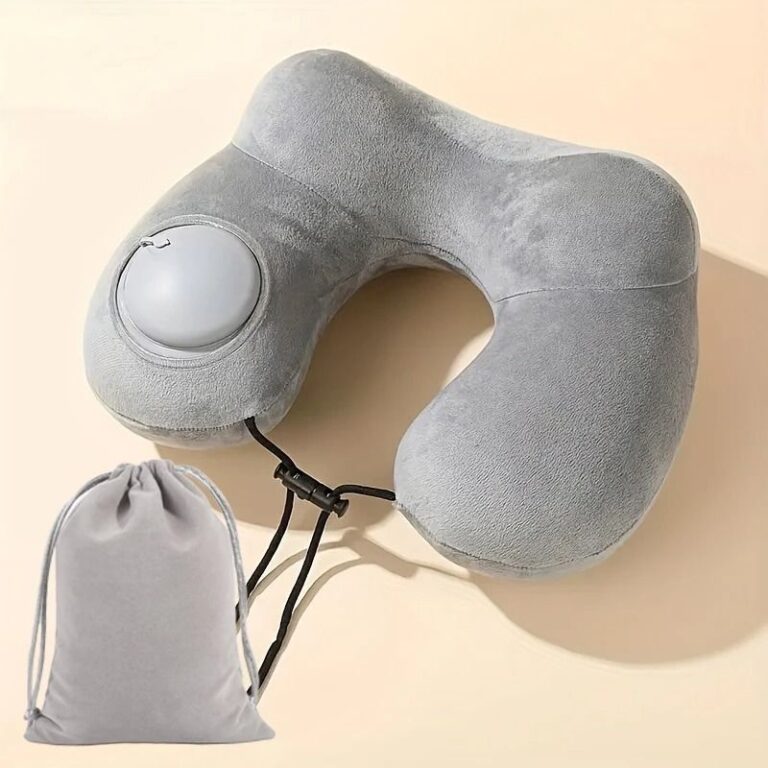
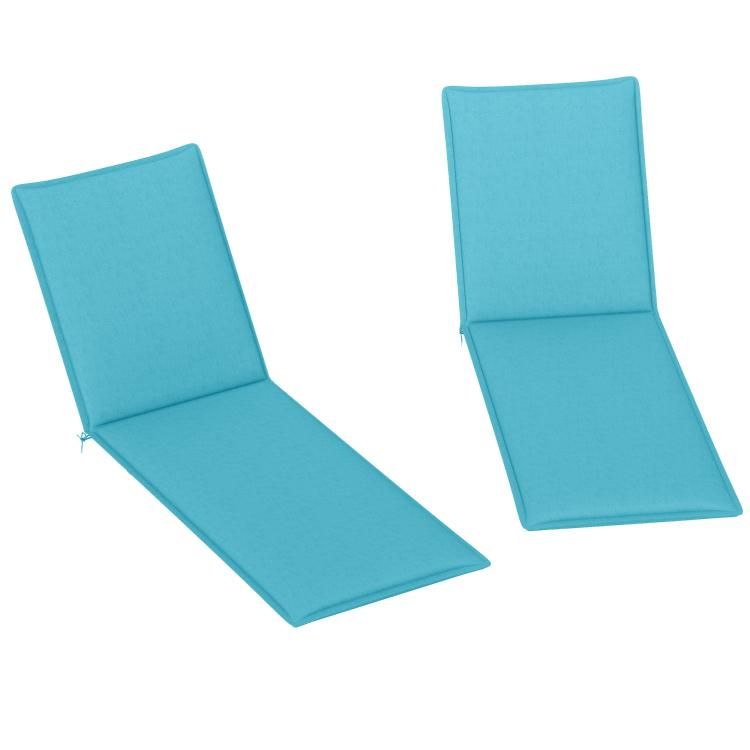 Aisha's pickSets of 2 Outdoor Cushions Picked From the Stores We Trust