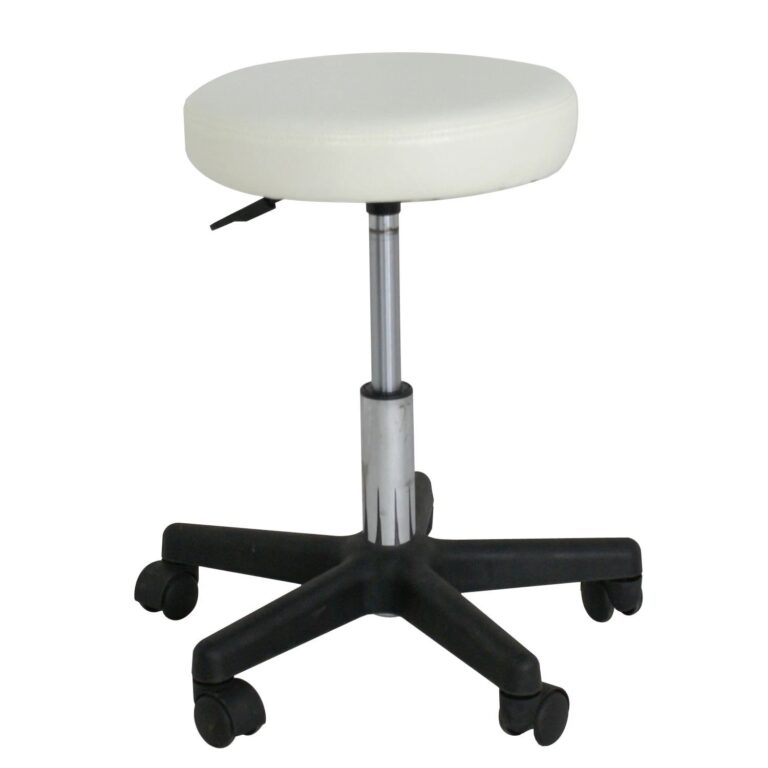
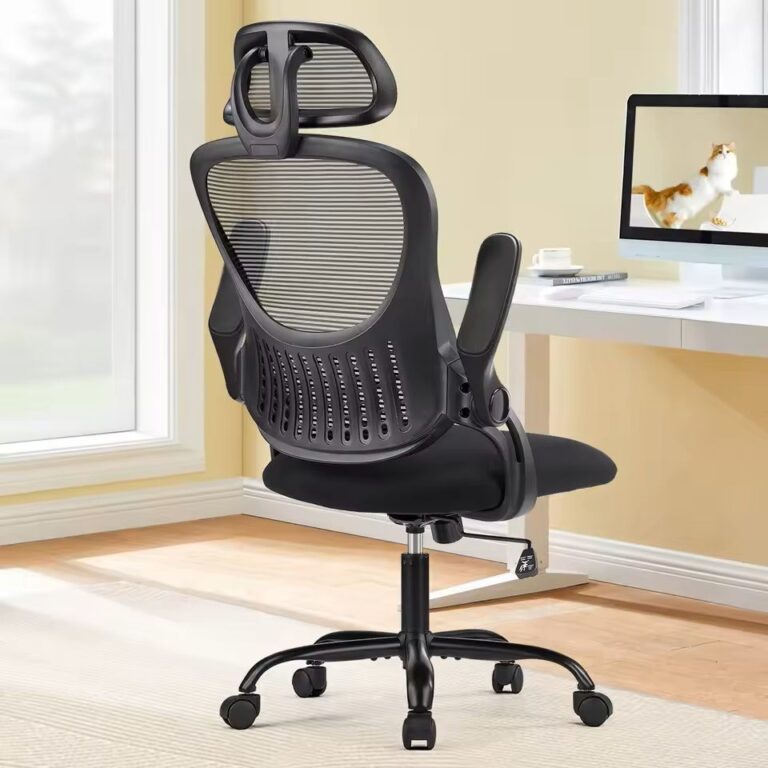
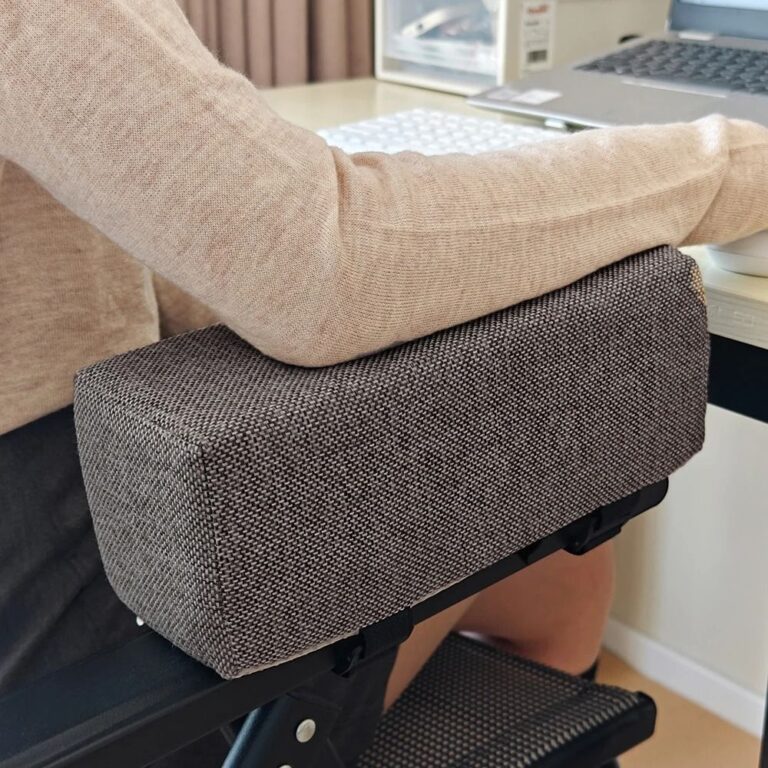
The thing nobody mentions is that an ergonomic chair looks ridiculous for the first two weeks. You adjust the lumbar support, the seat depth, the armrests, and you sit there feeling like you're piloting something. Then one day around week three you realize you haven't thought about your lower back once, and that's when you know it was worth the fuss. The good ones disappear into your day. The bad ones just rearrange where it hurts.
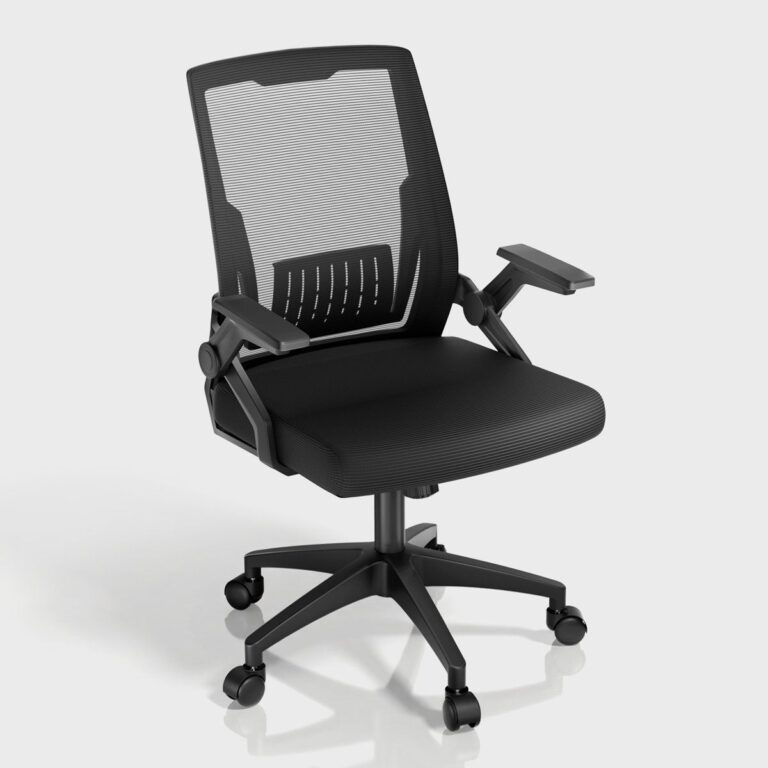
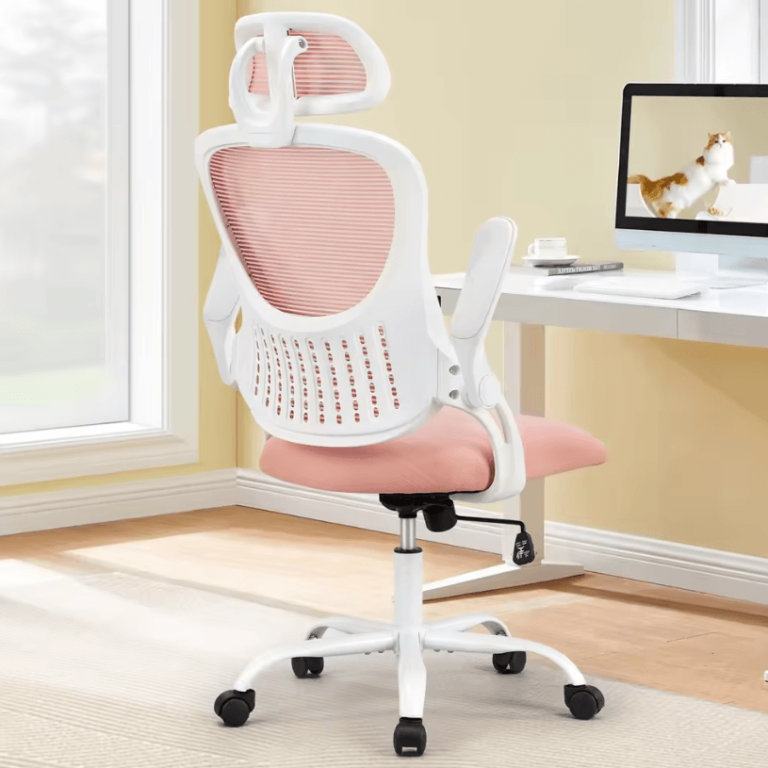
Stick to the plainer finishes if you want this to blend into a room rather than announce itself. Charcoal mesh, black, graphite, a muted gray fabric, these sit fine next to a wood desk or tucked into a corner of a living room without turning the whole space into an office supply catalog. White mesh looks sharp for about a month before it grays at the headrest and the armrest edges, so skip it unless you enjoy scrubbing foam with a toothbrush. Where this kind of chair really falls short is anywhere you want softness or warmth, it will never look right next to a velvet sofa or in a cozy reading nook, because the whole design is function first, and the visible adjusters and exposed mechanisms underneath read as equipment no matter what color you get. It's also overkill for a chair you use twenty minutes a day. If you're sitting down to pay bills or scroll on your phone, a regular chair is fine and this is a solution to a problem you don't have yet. But if you're at a desk for six, seven, eight hours, working from a spare room or a kitchen table that became an office sometime in 2020, this is where the money is well spent, because your spine doesn't know the difference between a home office and a corporate one.
It suits home offices obviously, but also craft rooms, sewing setups, anywhere you're hunched over something for long stretches. Apartments with open plan living benefit especially, since the desk chair is often visible from the couch, so a plain dark mesh one tucked under a desk reads as furniture rather than hospital waiting room seating. It's a genuinely good fit for older houses with a dedicated study too, where the chair can just live there and not have to coexist with anything else. Keep it away from dining rooms, away from anywhere with a farmhouse or cottage look going on, and away from small rooms where the bulk of the headrest and arms will make the whole space feel more crowded than a simple chair would.
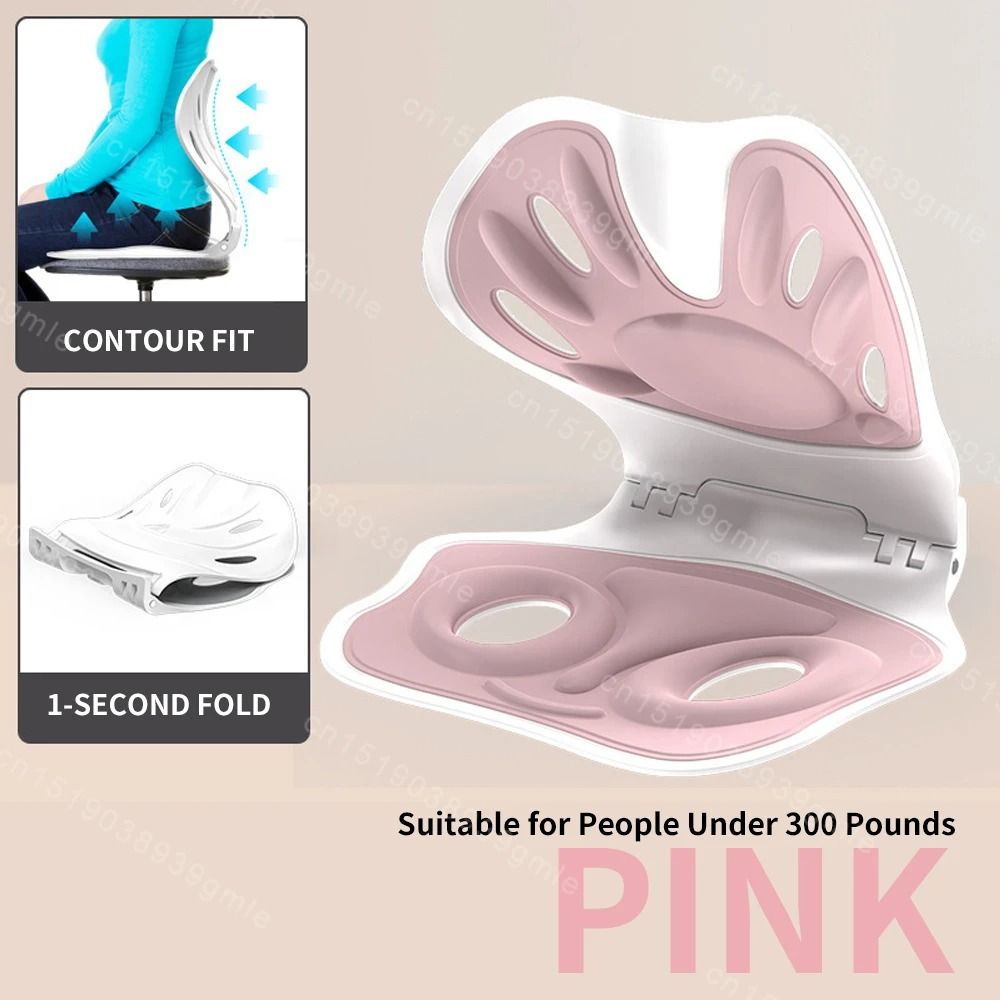 Aisha's pickErgonomic Desk Chairs for a Home Office That Works
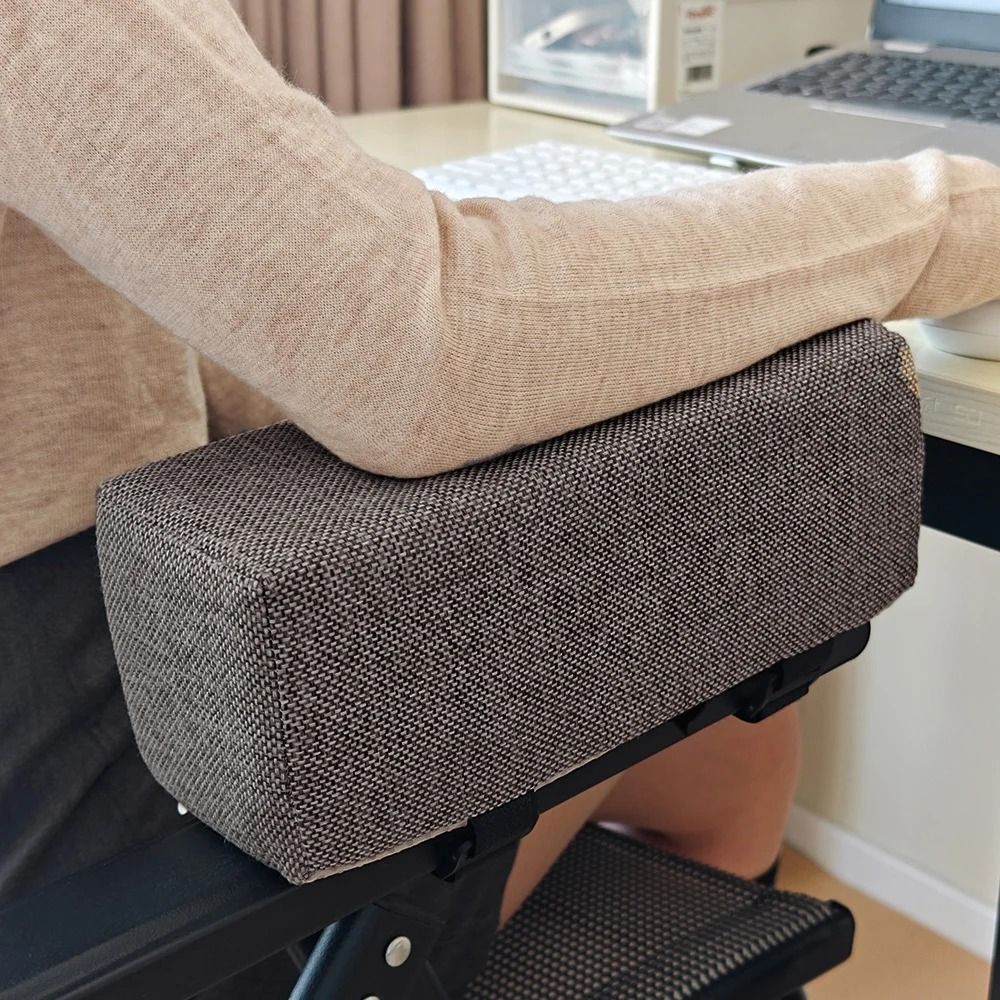
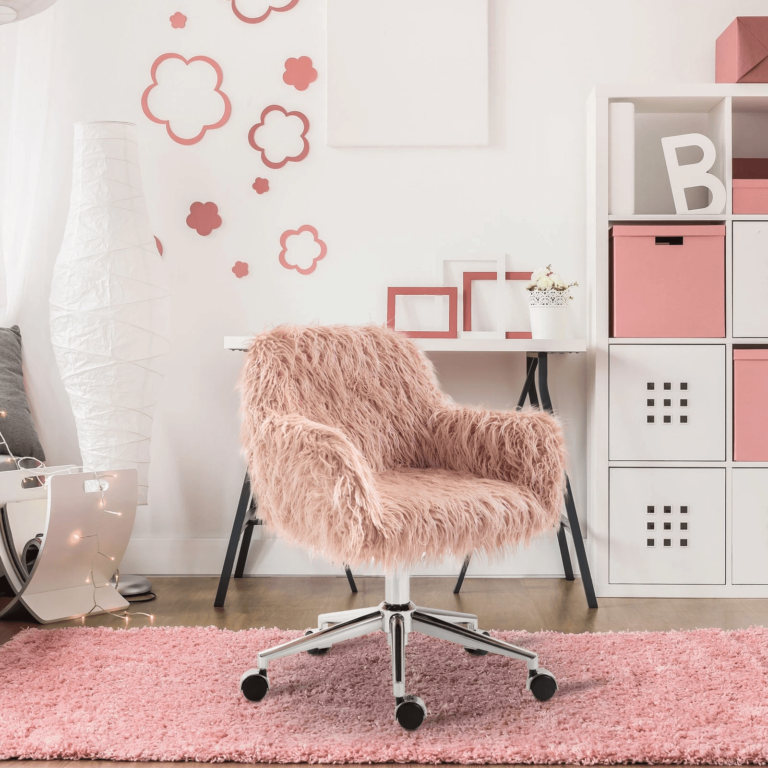 Aisha's pickThe Height Adjustable Ergonomic Office Chairs Worth Your Cash
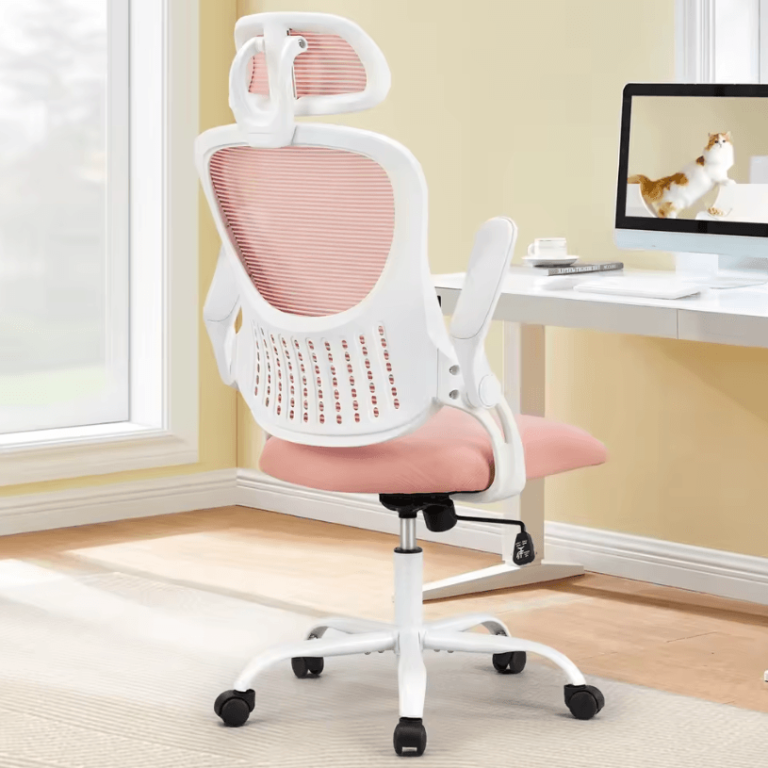
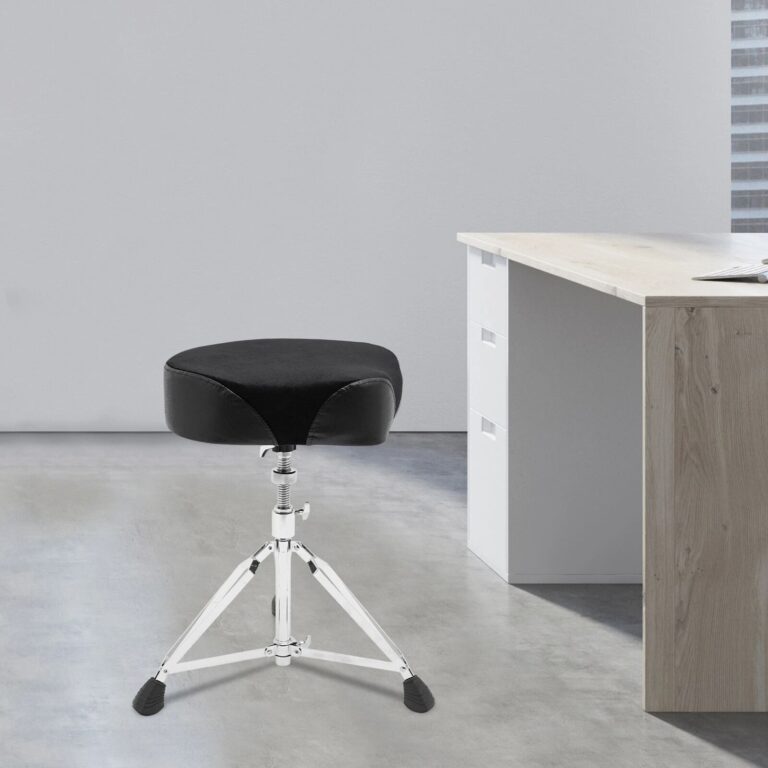 Aisha's pickAdjustable Ergonomic Chairs You Won’t Regret Buying
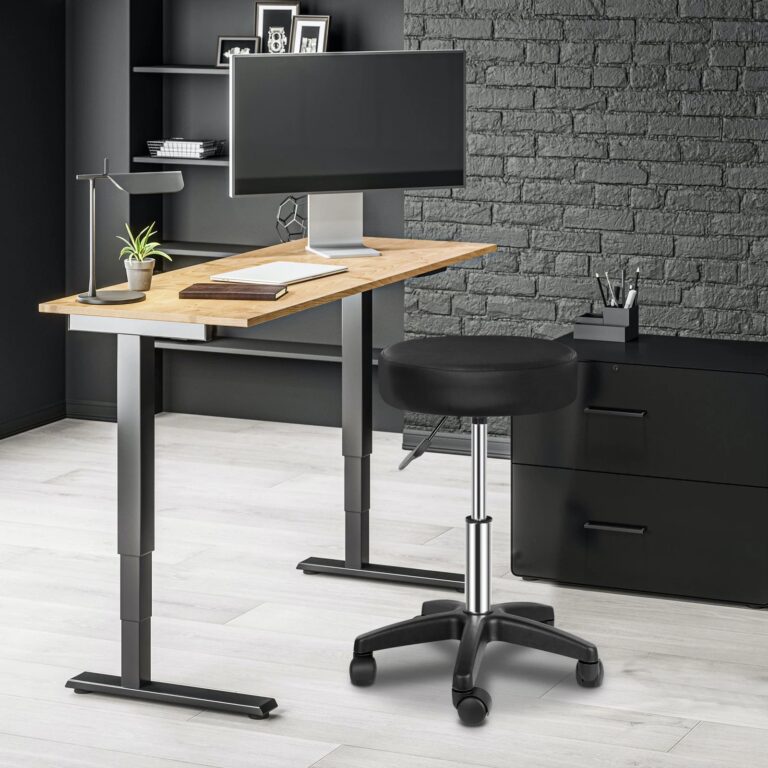
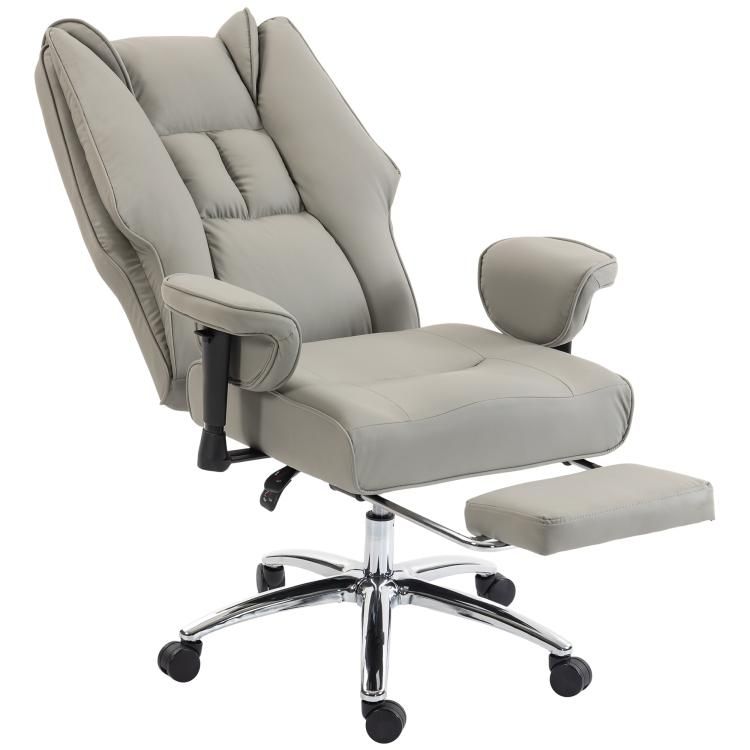 Aisha's pickErgonomic Executive Chairs for Making a House Feel Like Yours
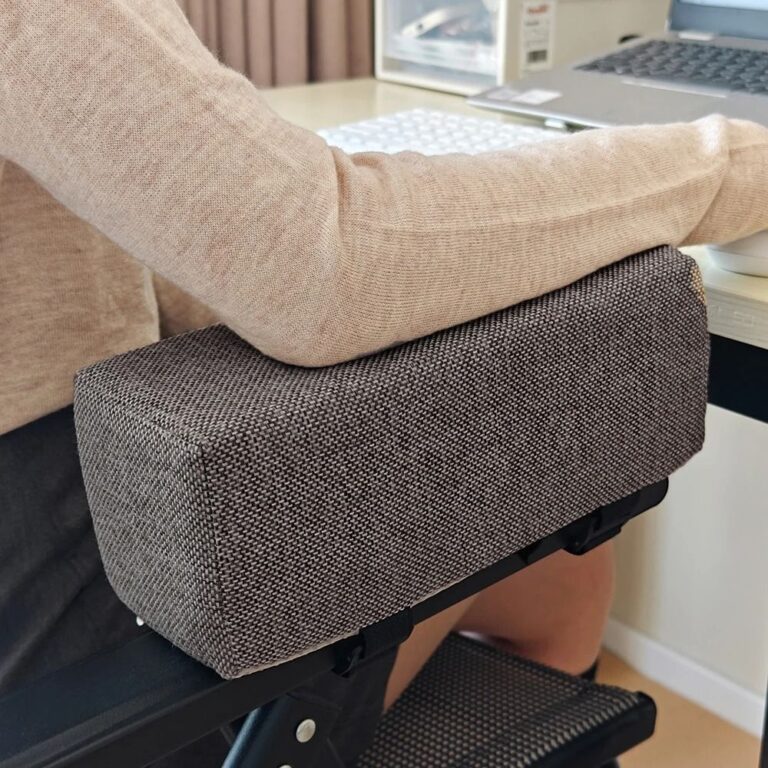
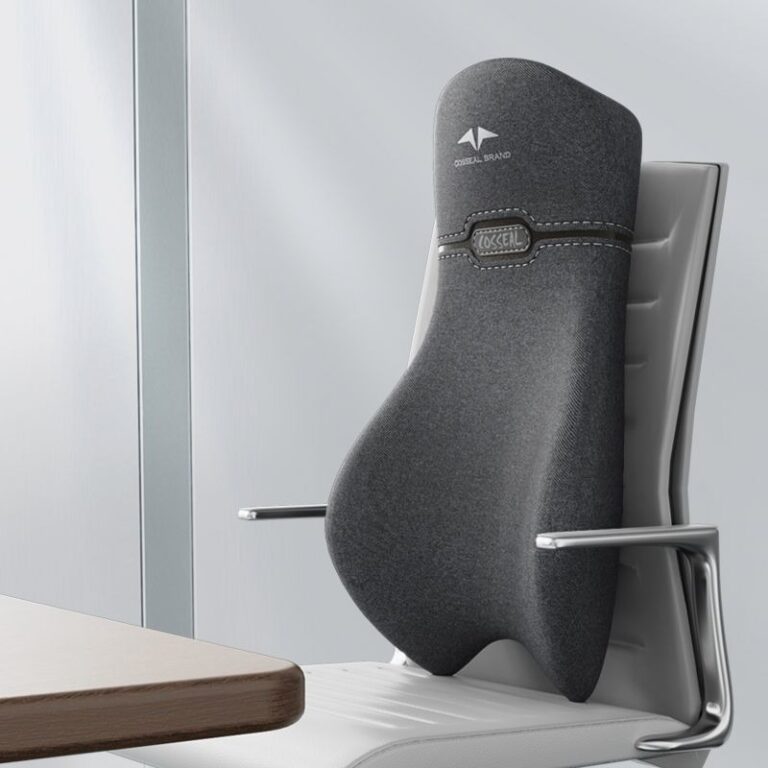 Aisha's pickHigh Back Ergonomic Chairs That Make the Spare Room Feel Like an Office
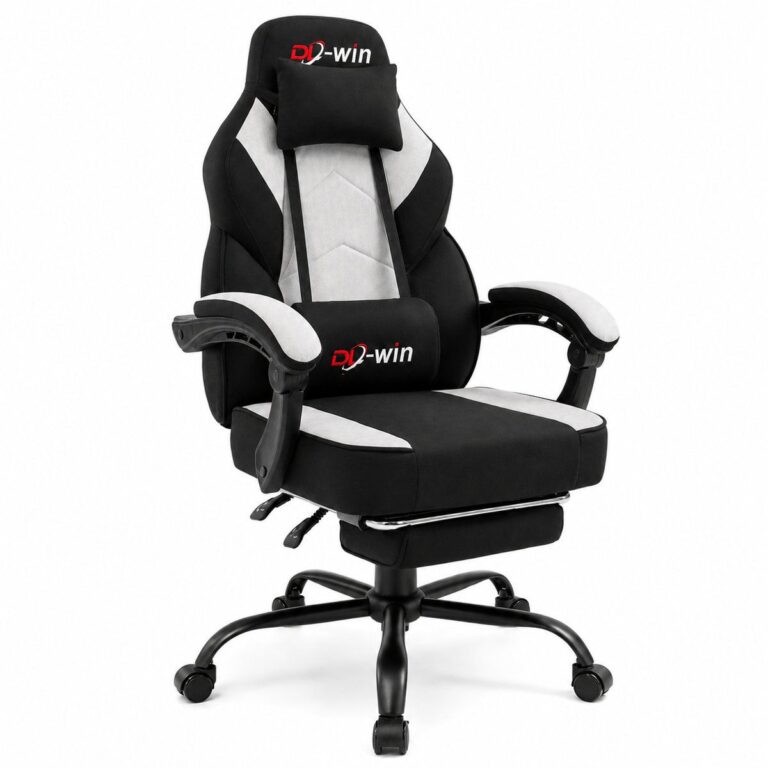
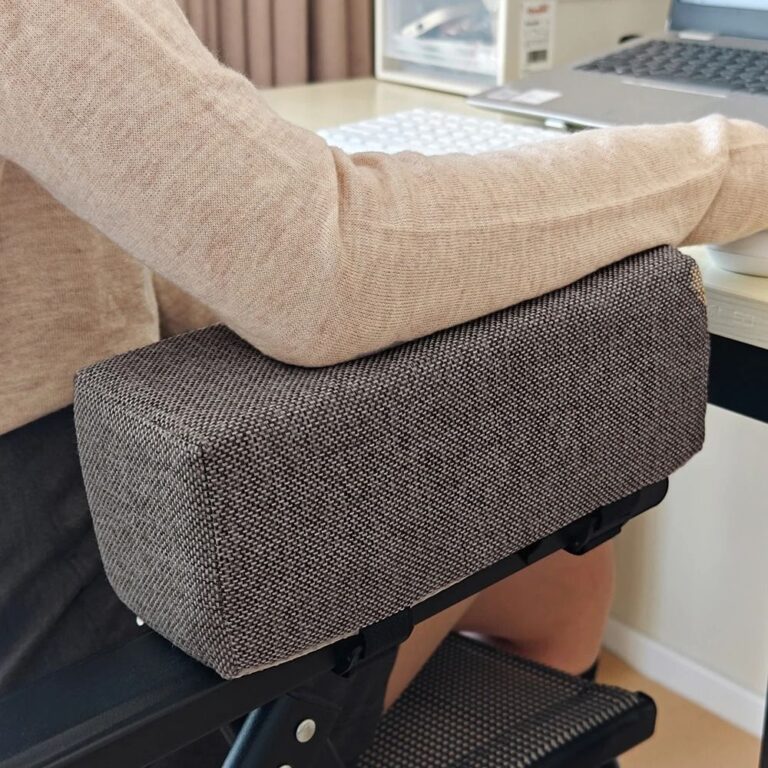 Aisha's pickAdjustable Ergonomic Desk Chairs That Look Like They Cost More
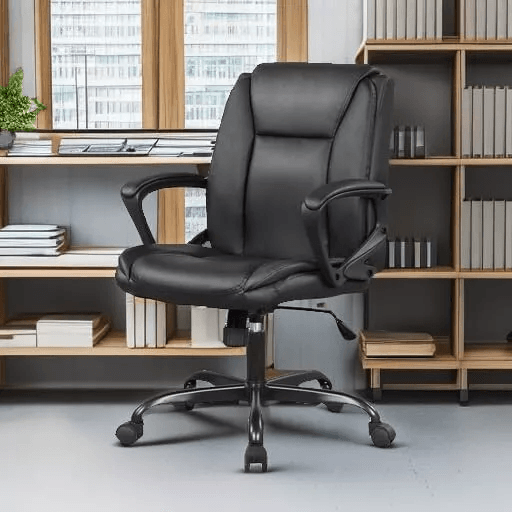
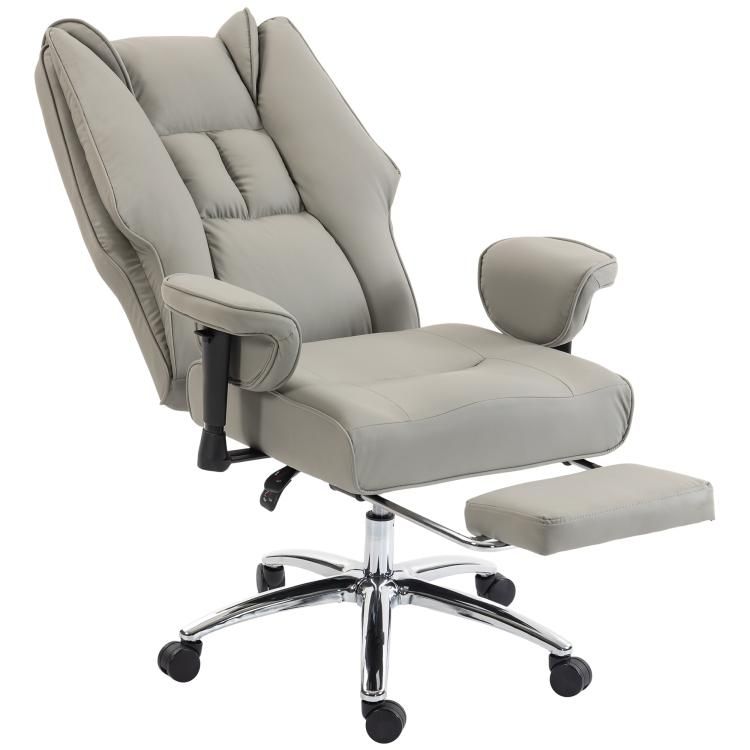 Aisha's pickErgonomic Executive Office Chairs at Every Price Point
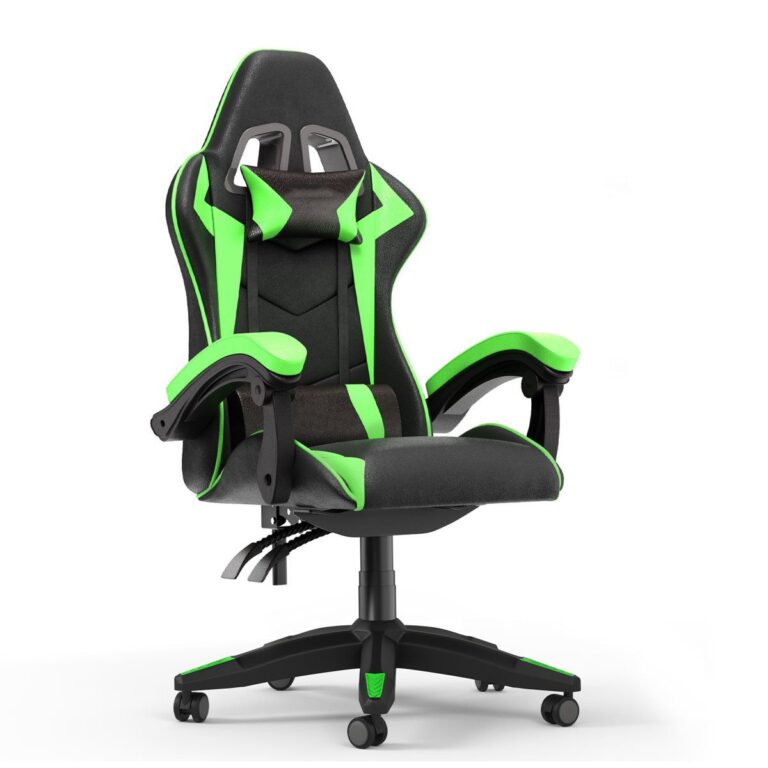
 Aisha's pickOur Shortlist of High Back Ergonomic Office Chairs

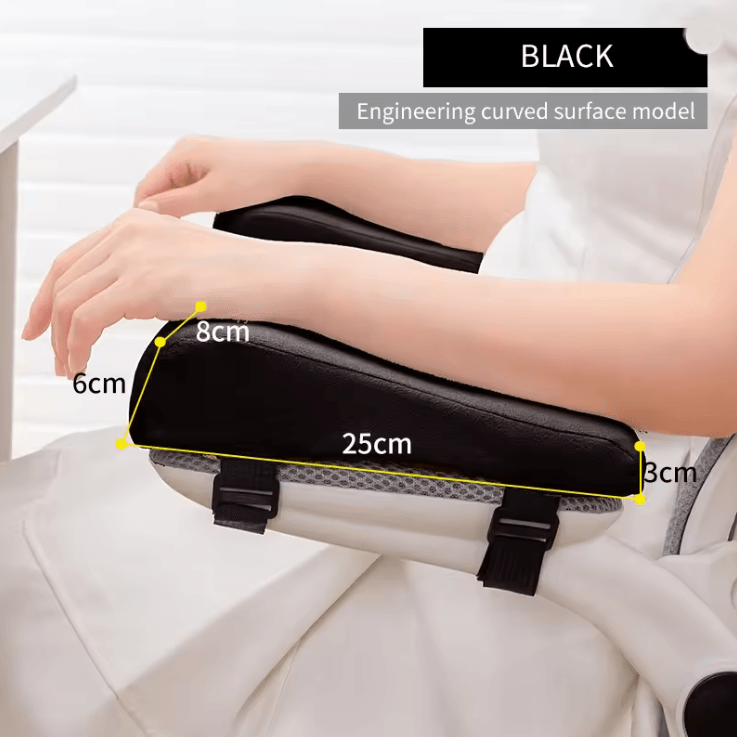 Aisha's pickAdjustable Ergonomic Office Chairs That Keep the Desk ClearAlso worth a lookSeatsStanding in a showroom trying to decide on seats, the first thing I'd tell you is to sit in it for longer than feels normal.See the collections →
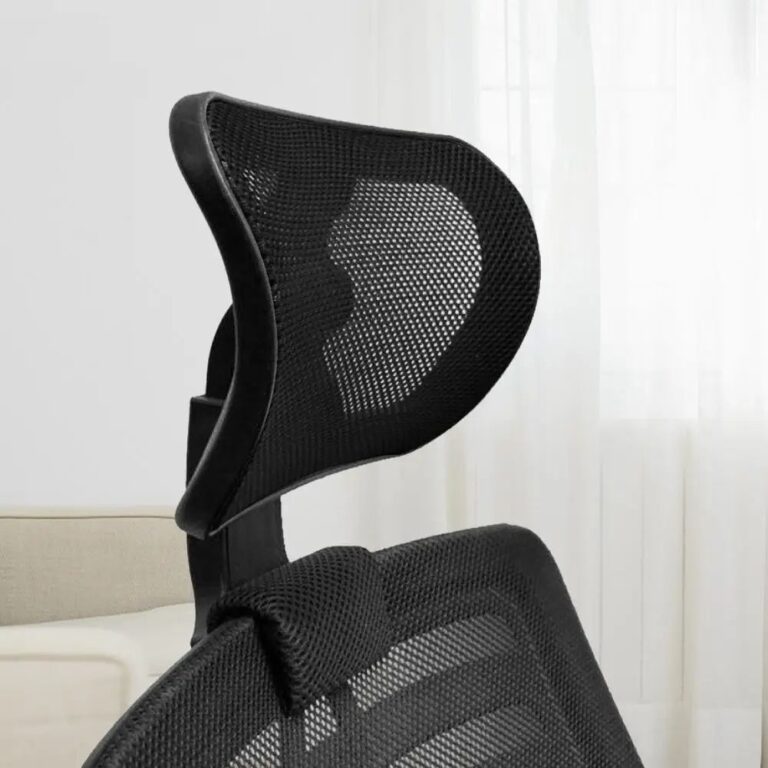
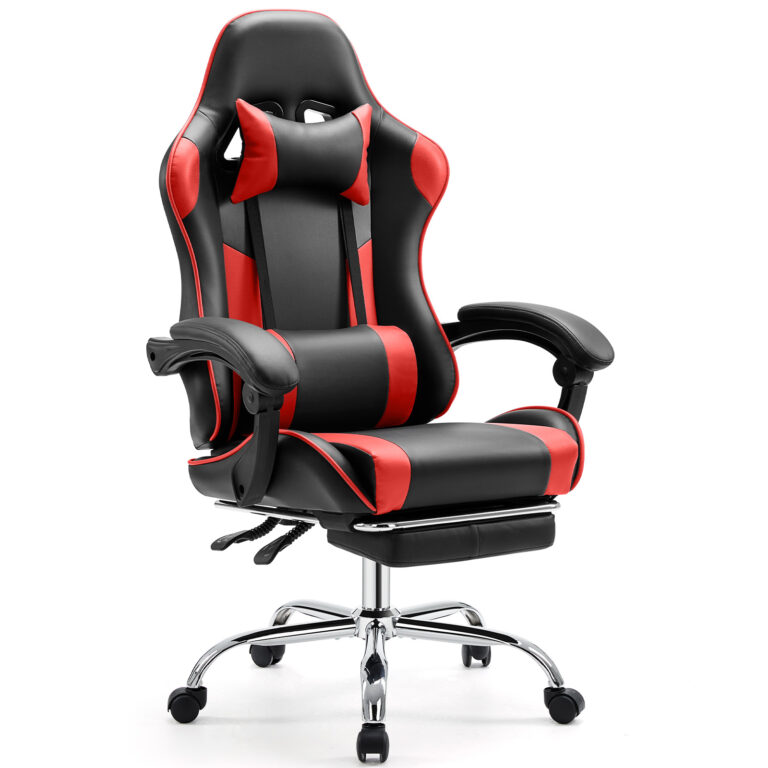
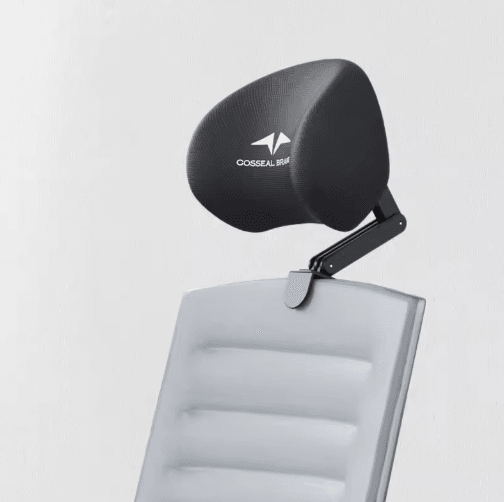 Aisha's pickErgonomic Gaming Chairs Picked From the Stores We Trust
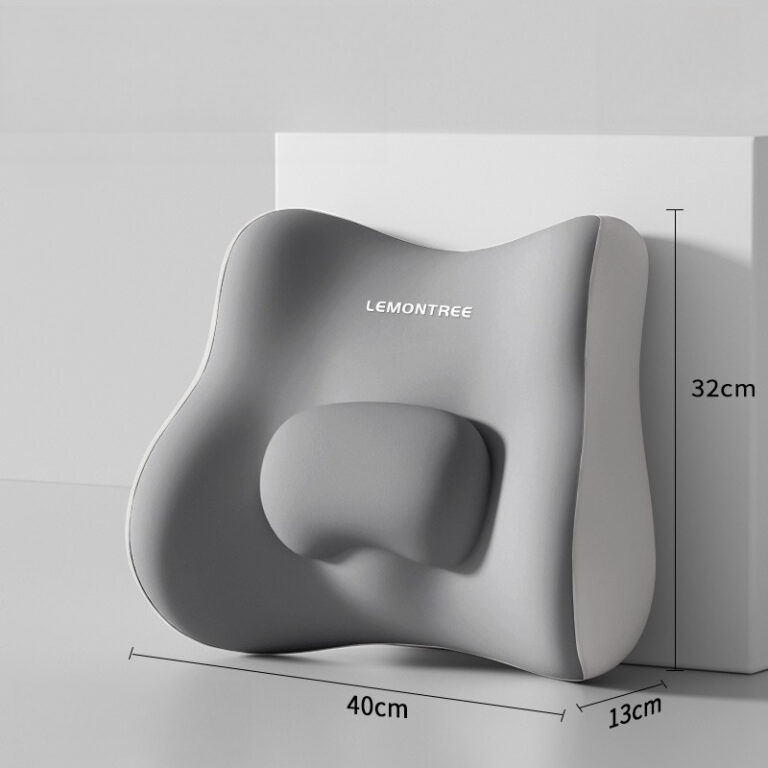
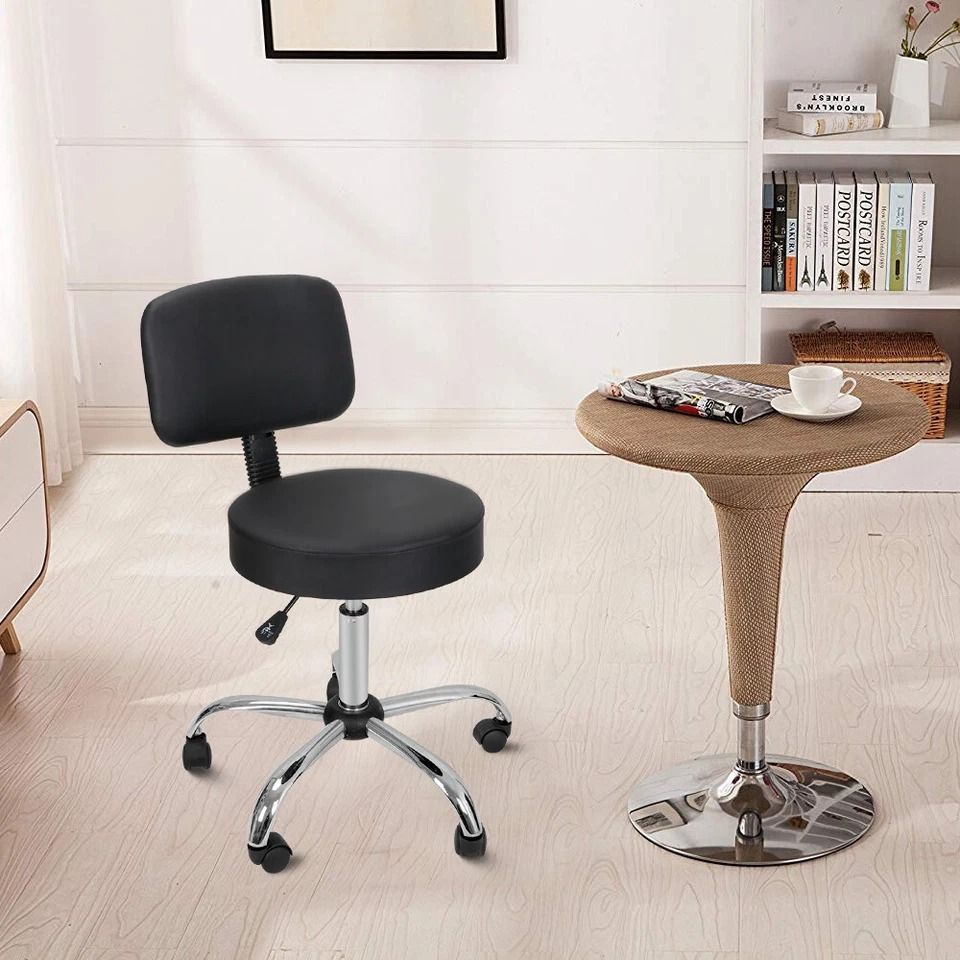 Aisha's pickLeather Ergonomic Chairs That Keep the Desk Clear
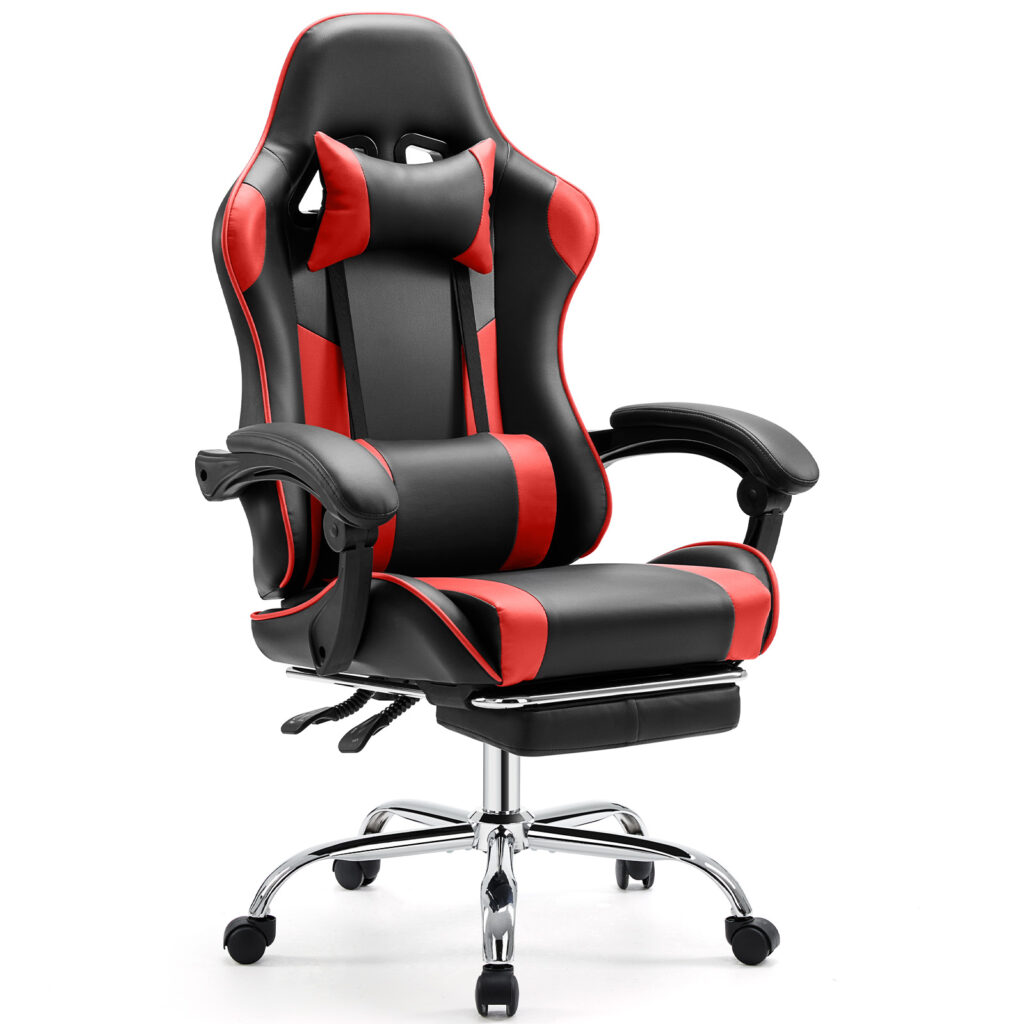
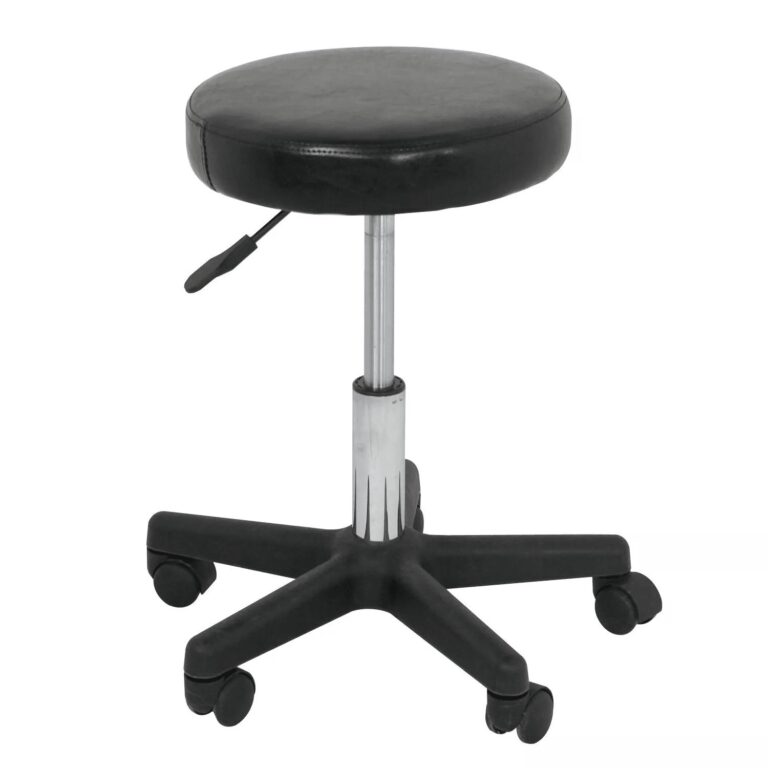 Aisha's pickBlack Ergonomic Chairs We’d Buy Again

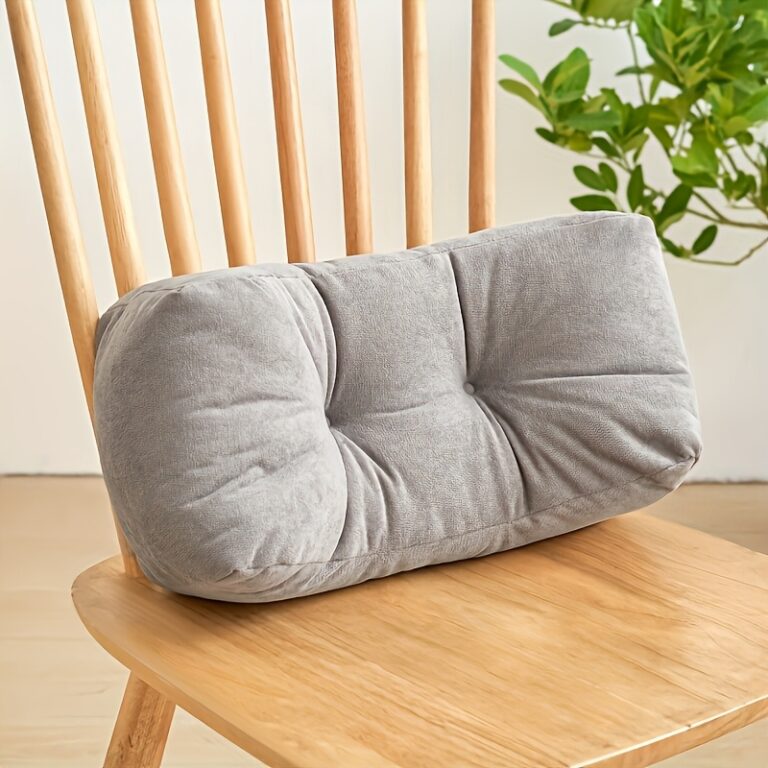 Aisha's pickErgonomic Home Office Chairs We’d Buy Again
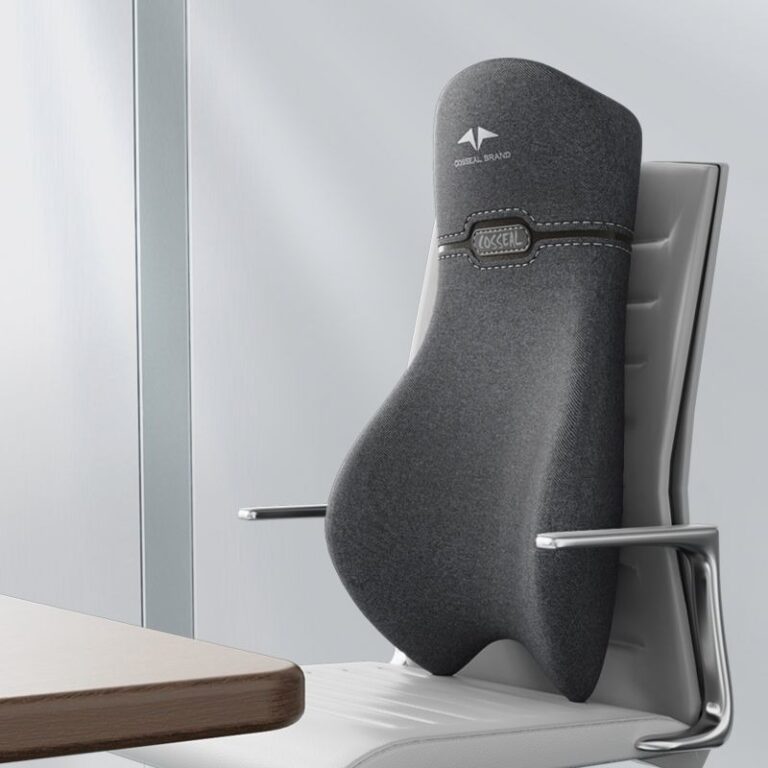
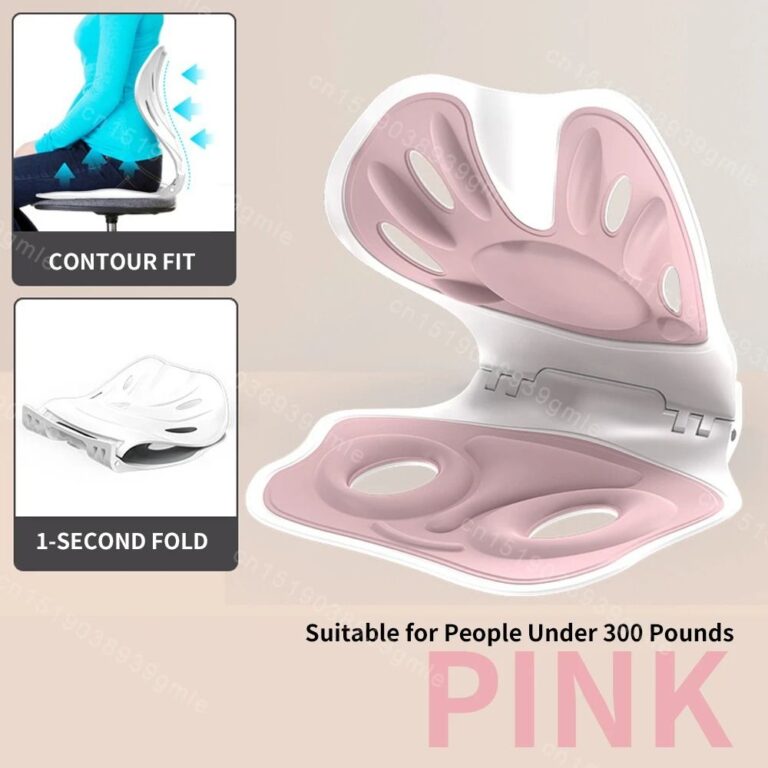 Aisha's pickLumbar Support Ergonomic Chairs for a Home Office That Works
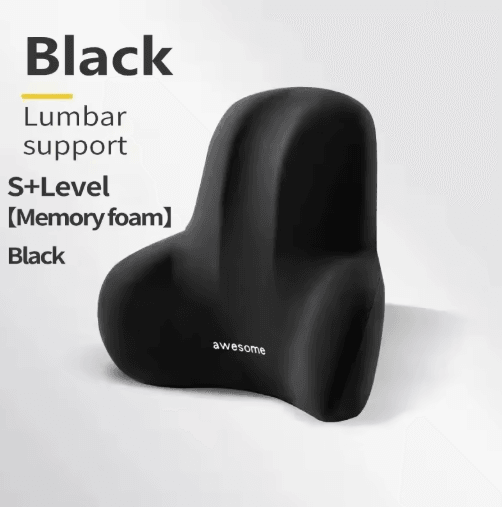
 Aisha's pickBlack Ergonomic Office Chairs That Keep the Desk Clear
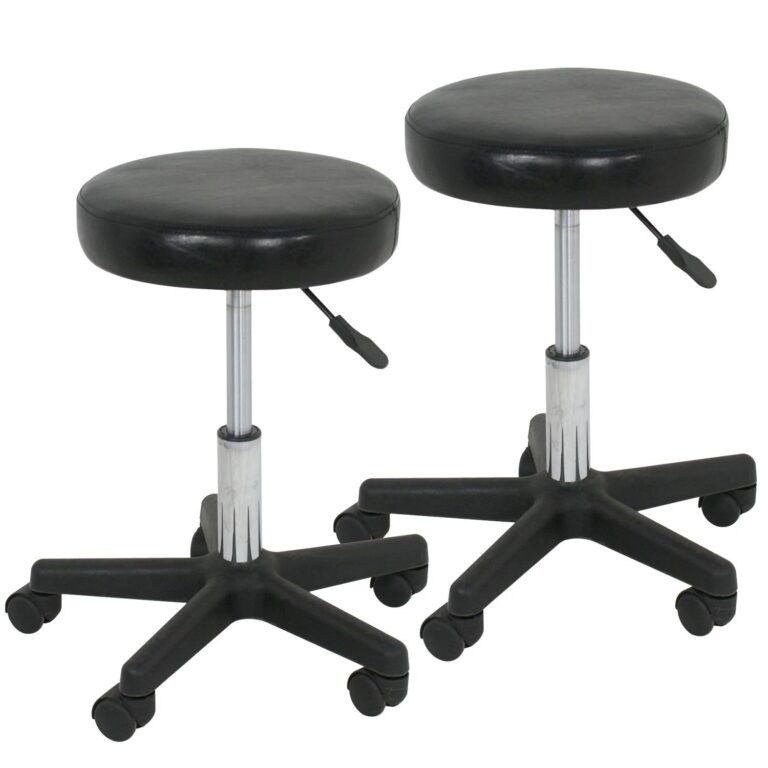
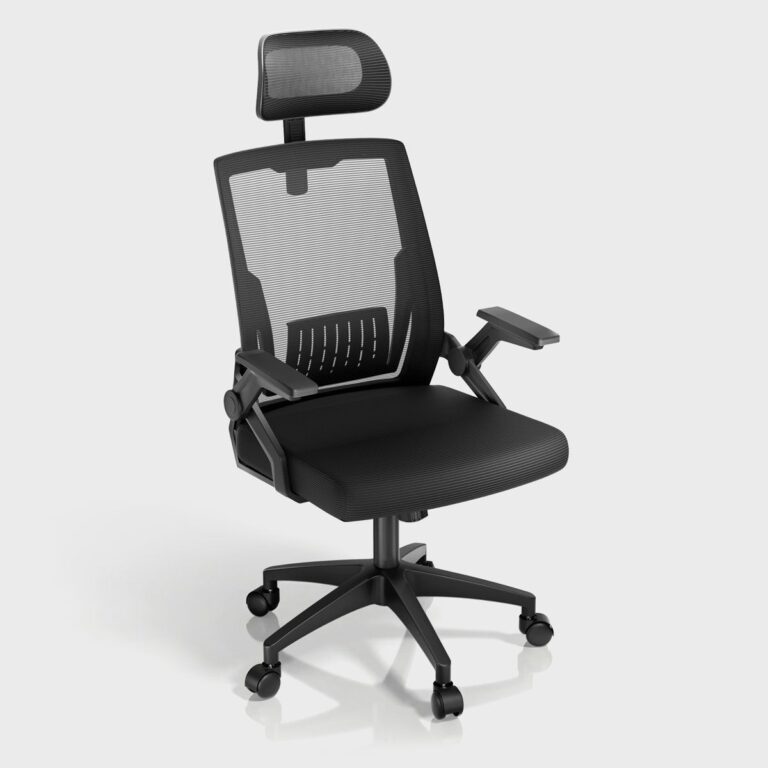 Aisha's pickErgonomic Mesh Office Chairs That Visitors Always Ask About
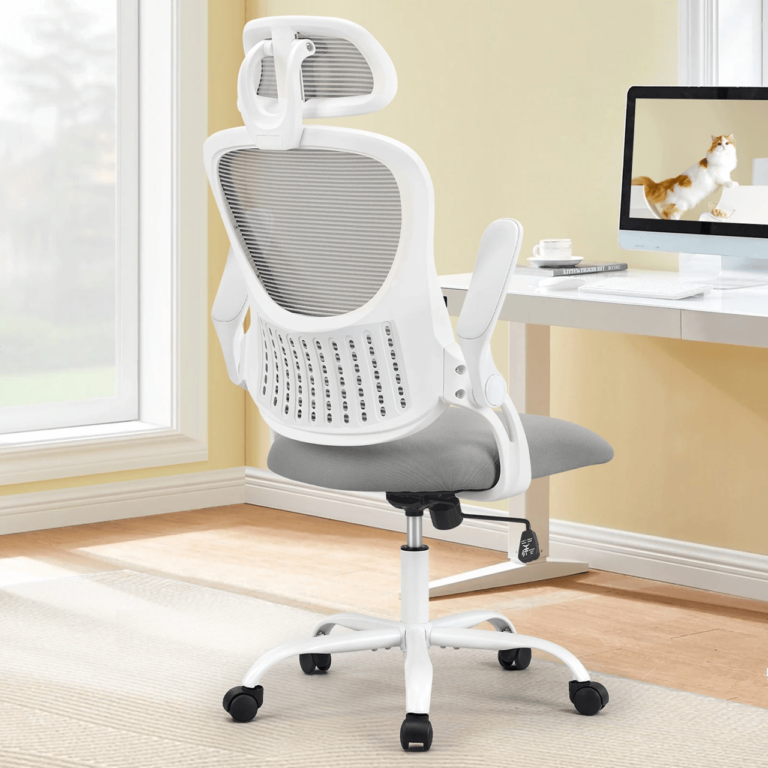
 Aisha's pickLumbar Support Ergonomic Office Chairs That Keep the Desk Clear

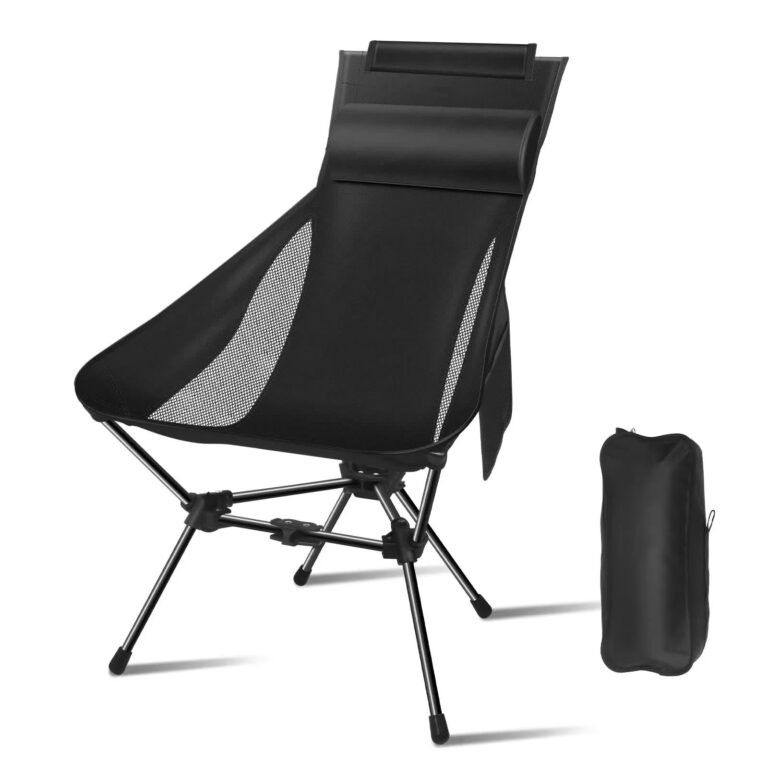 Aisha's pickBlue Ergonomic Chairs That Keep the Desk ClearAlso worth a lookAccent ChairsAn accent chair is the one seat in the room that doesn't have to agree with anything else.See the collections →

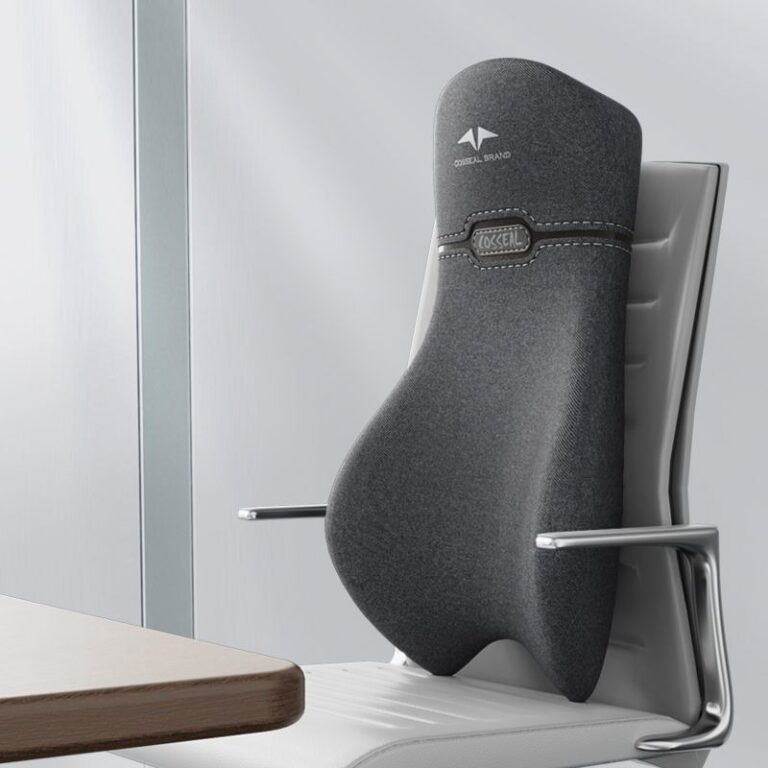 Aisha's pickErgonomic Office Chairs for People Who Know What They Like
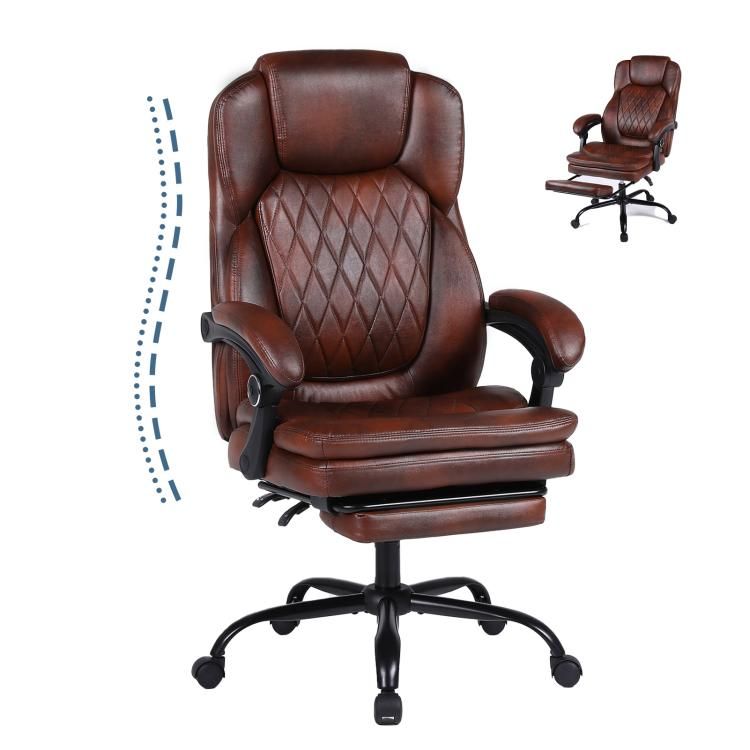
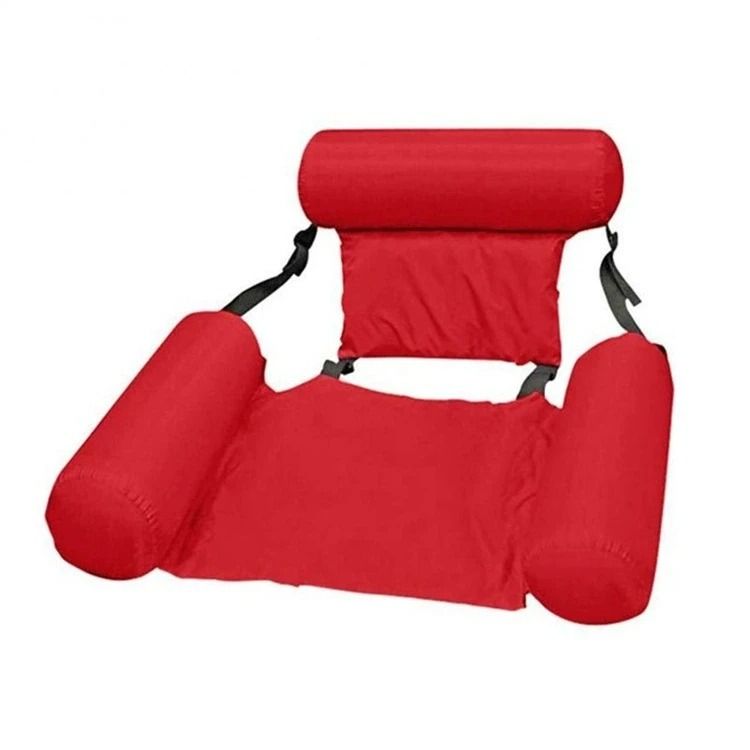 Aisha's pickMesh Ergonomic Chairs for Long Days at the Desk
 Aisha's pickBreathable Ergonomic Chairs That Get Better With Age
 Aisha's pickGood Ergonomic Office Chairs for Back Pain That Don’t Cost a Fortune
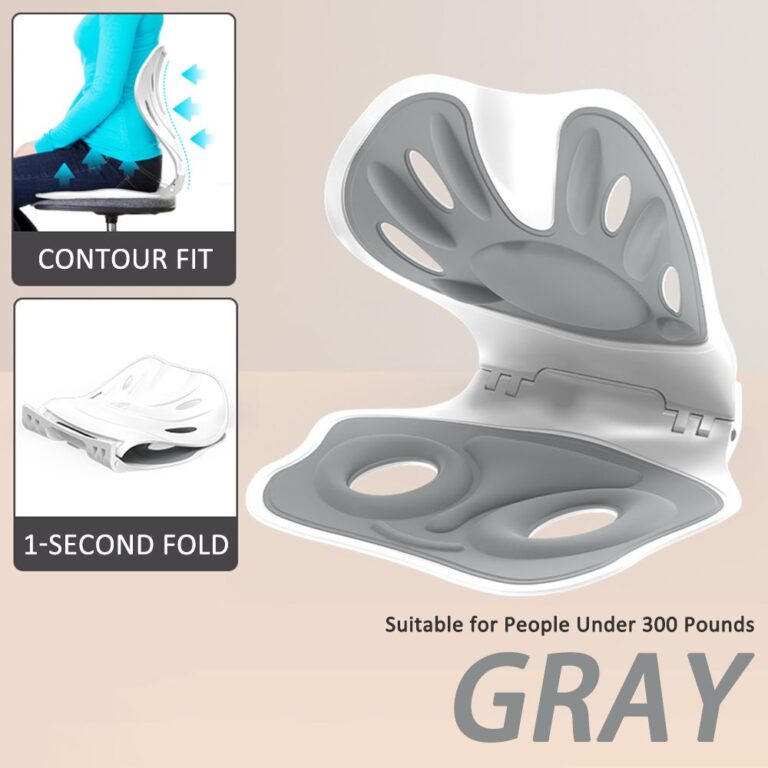
 Aisha's pickModern Ergonomic Chairs for Working From Home Without the Backache
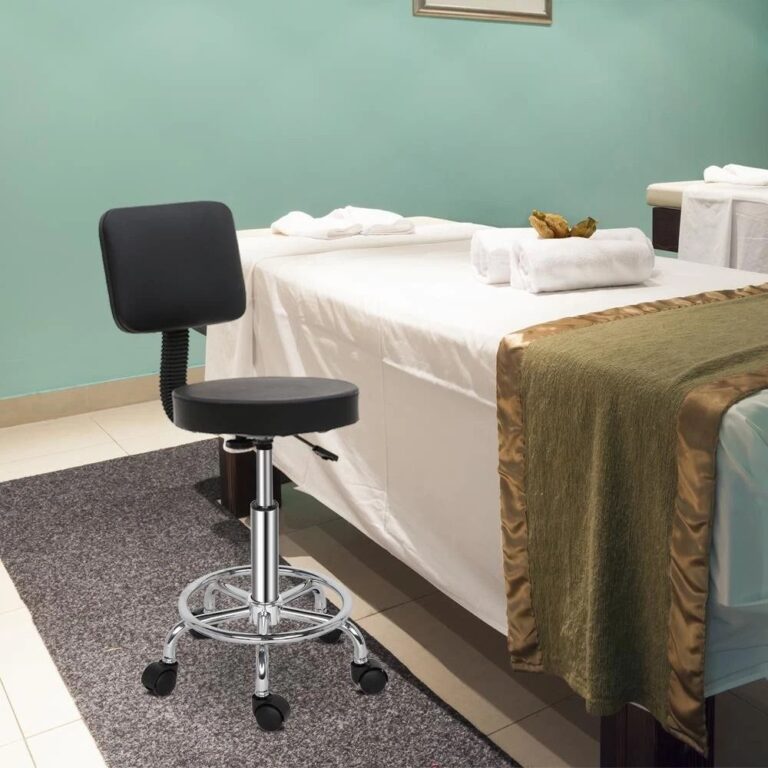
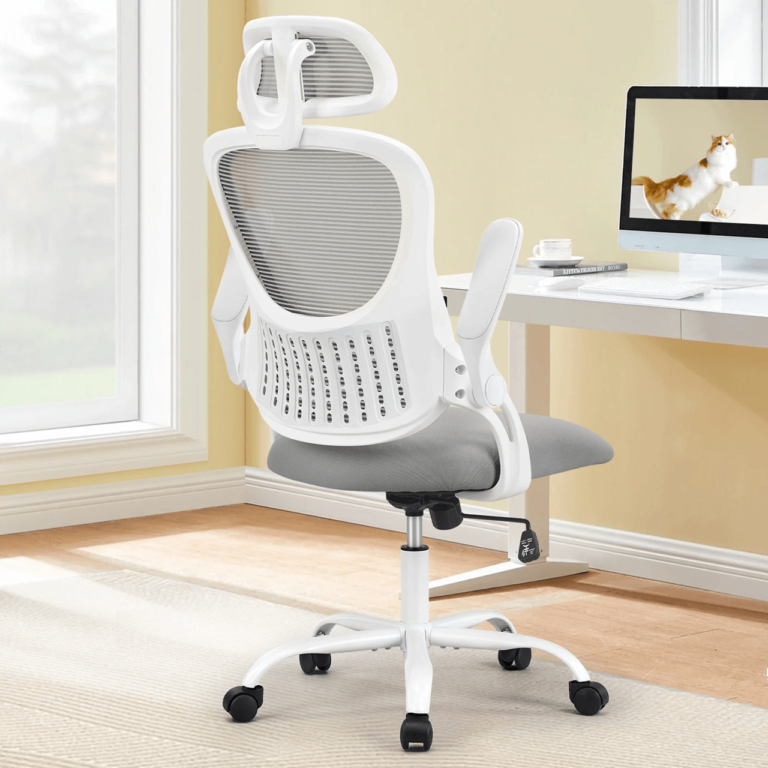 Aisha's pickBreathable Ergonomic Office Chairs That Earn Their Keep
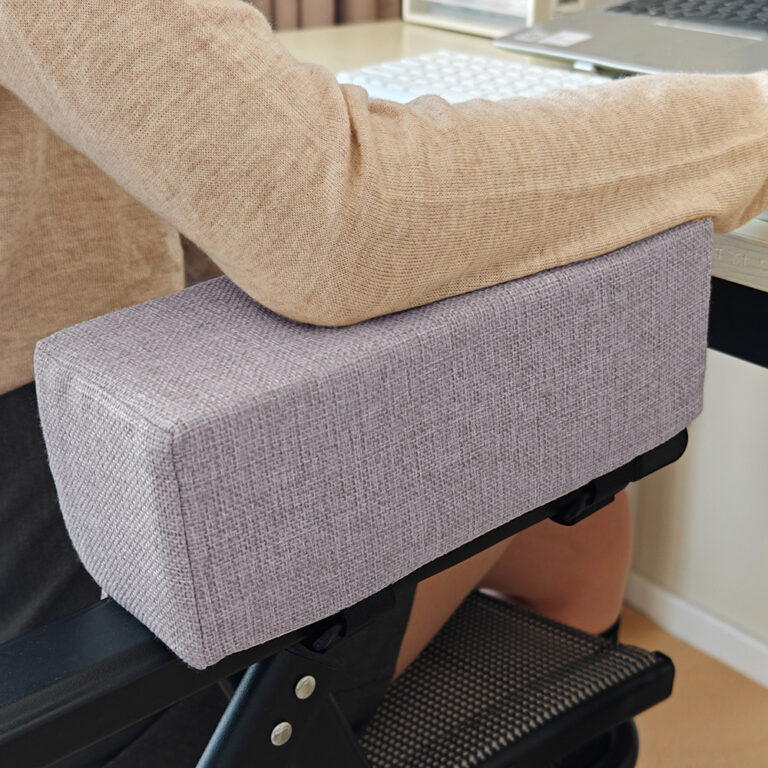
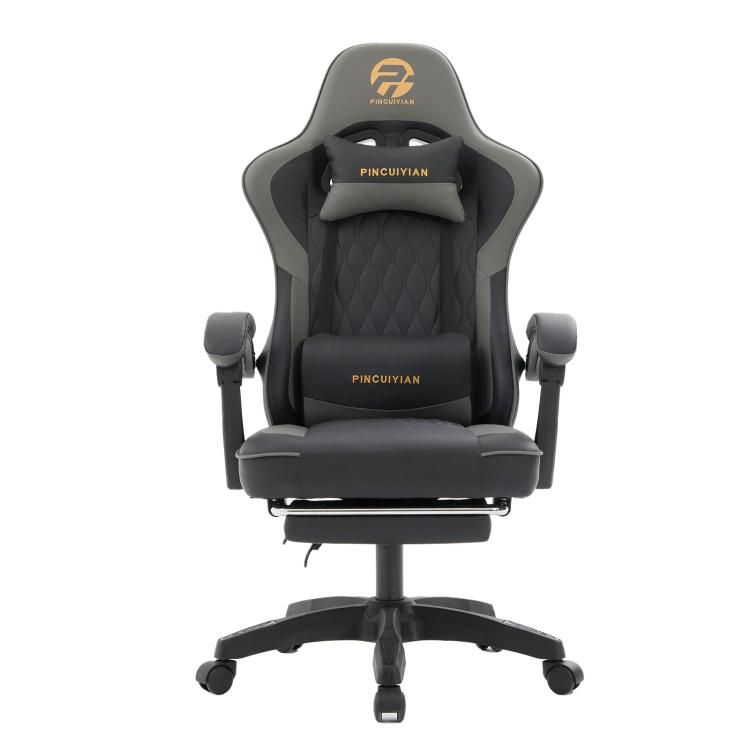 Aisha's pickShopping for Ergonomic Office Chairs with Headrest? Start Here
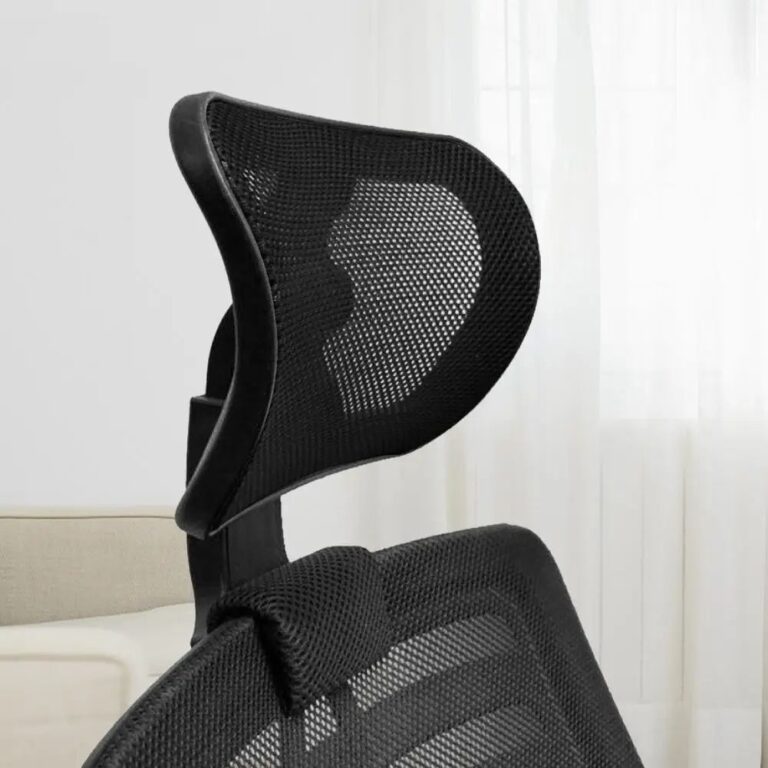
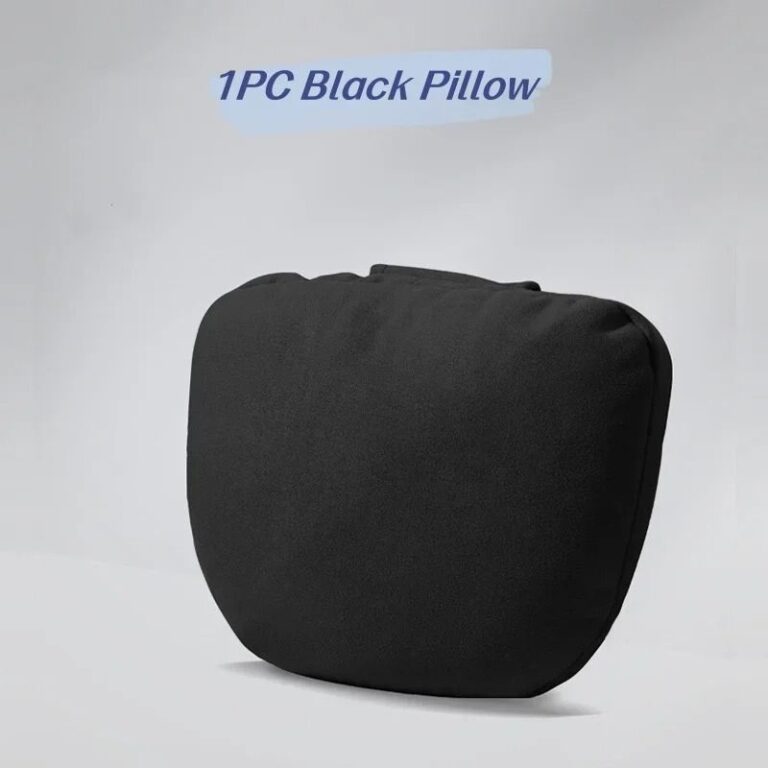 Aisha's pickModern Ergonomic Office Chairs for Long Days at the Desk
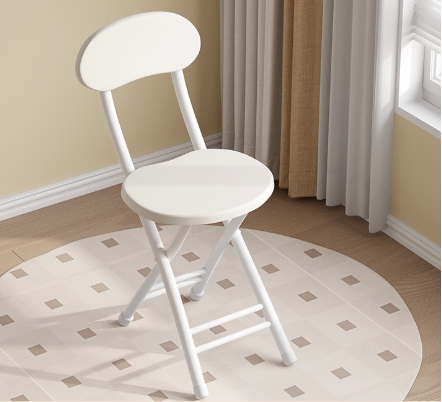
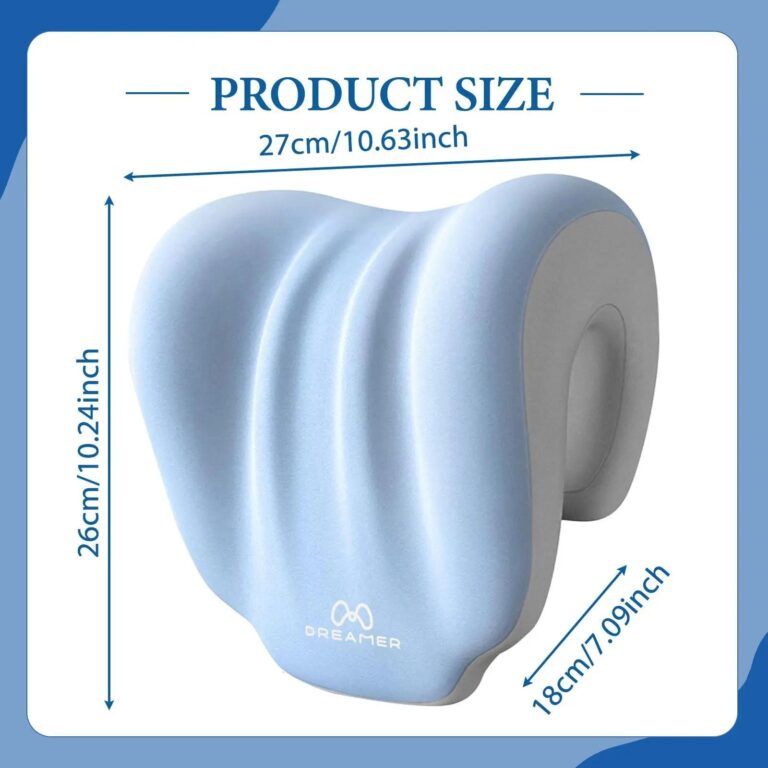 Aisha's pickErgonomic Chairs for Long Days at the DeskAlso worth a lookLiving Room ChairsLiving room chairs get treated like an afterthought, the thing you add once the sofa's in place and there's an awkward gap by the window.See the collections →

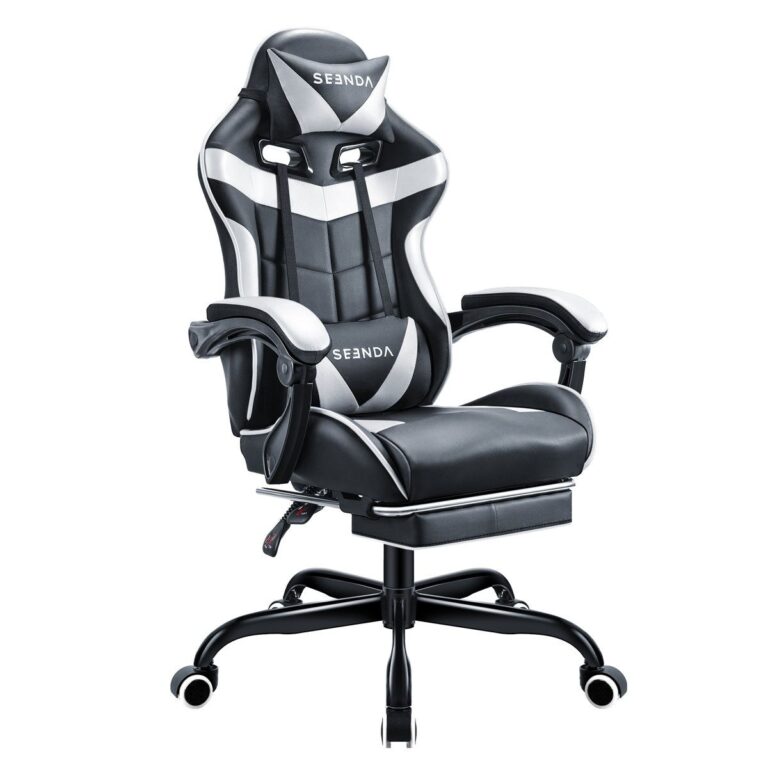 Aisha's pickErgonomic Office Chairs with Lumbar Support That Look Good Up Close
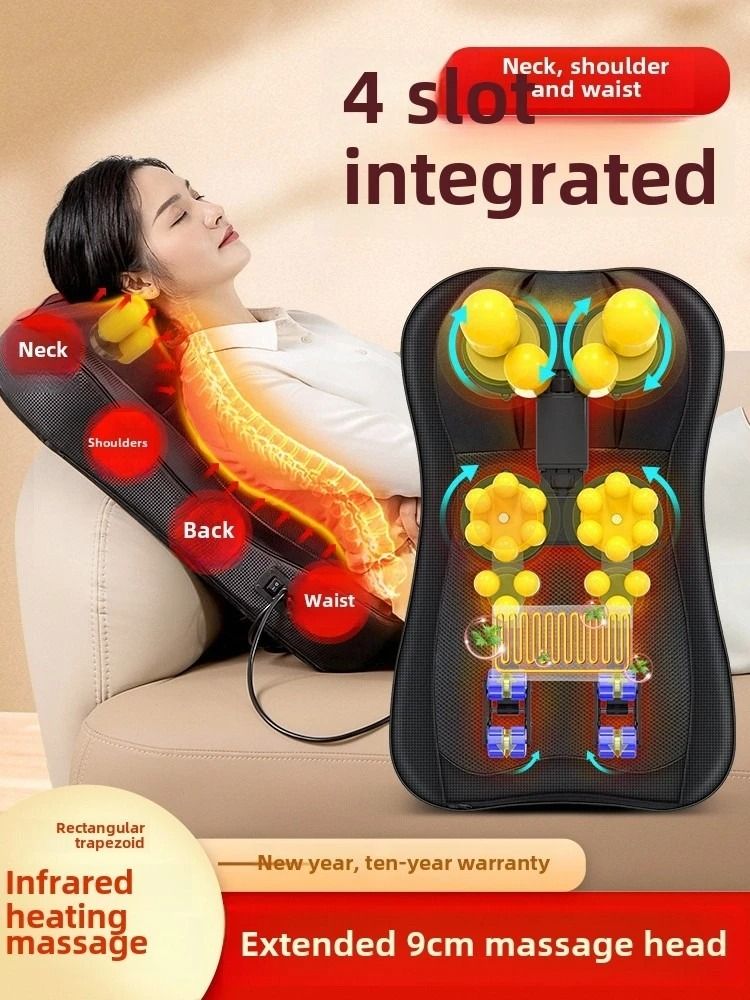
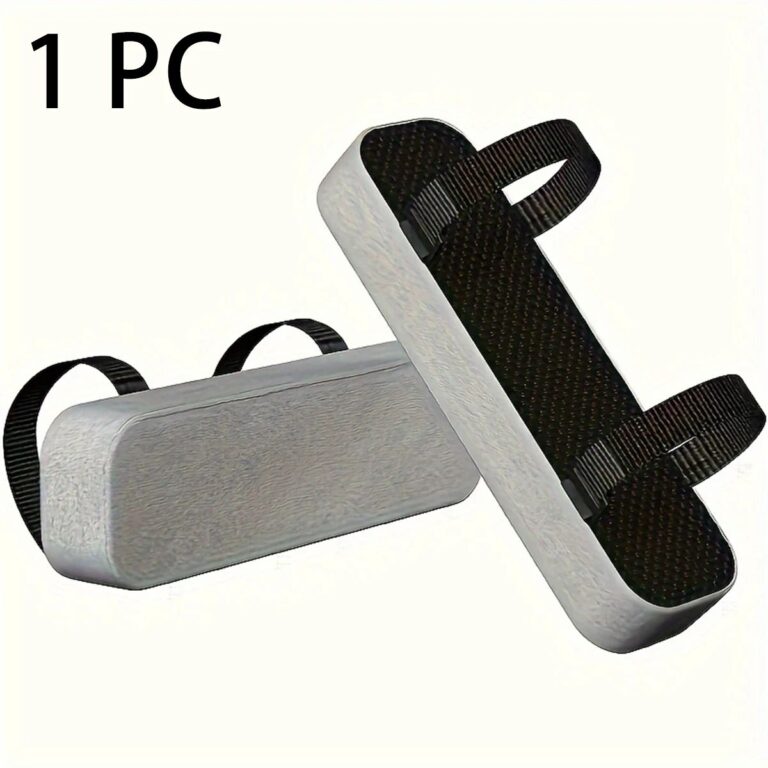 Aisha's pickPadded Ergonomic Chairs for a Home Office That Works
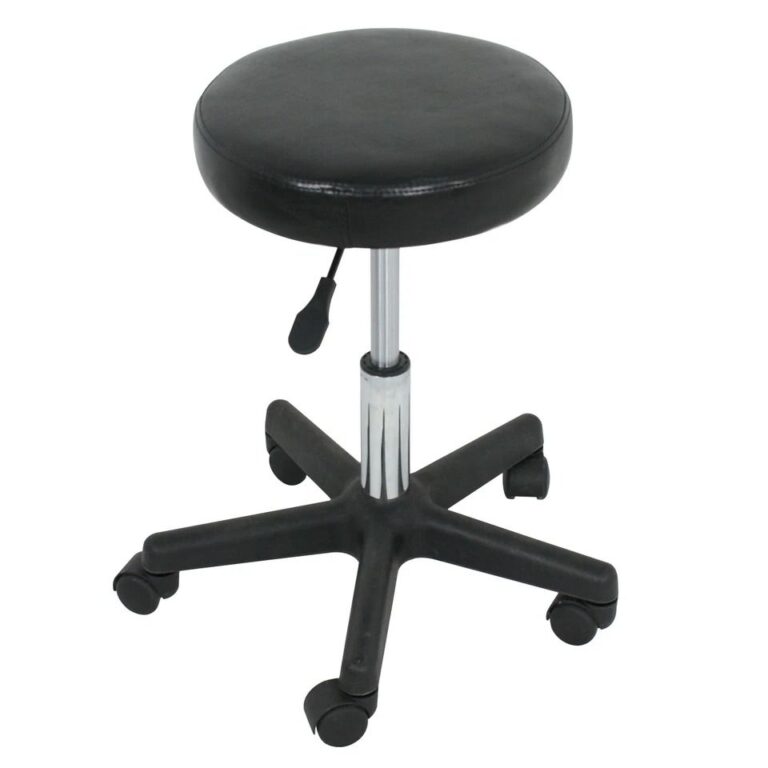
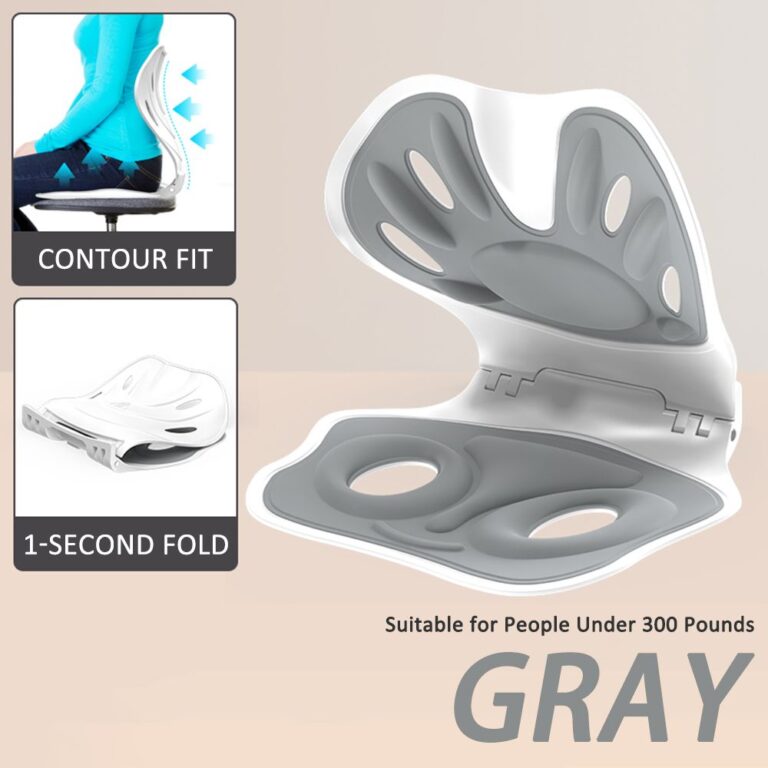 Aisha's pickErgonomic Chairs for Back Pain That Make the Spare Room Feel Like an Office
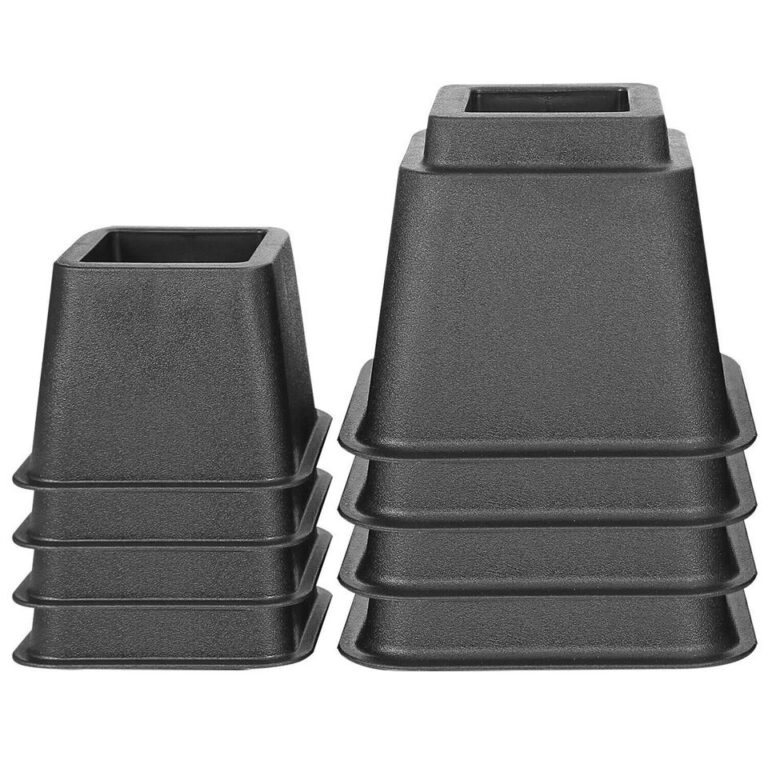
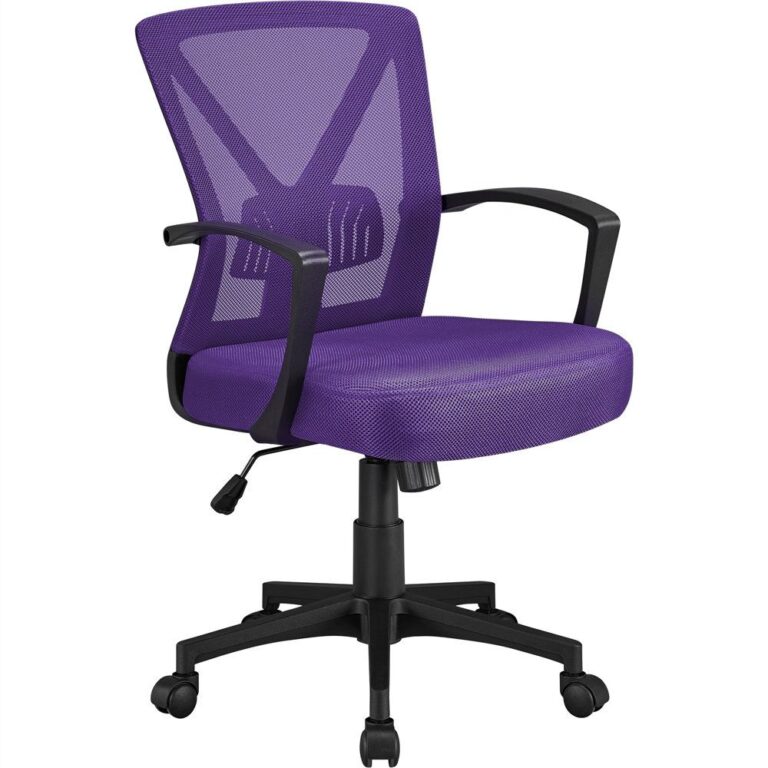 Aisha's pickSimple Ergonomic Swivel Office Chairs Done Well
 Aisha's pickReclining Ergonomic Chairs That Earn Their Keep
 Aisha's pickErgonomic Chairs for Long Hours From Brands You Know and a Few You Won’t
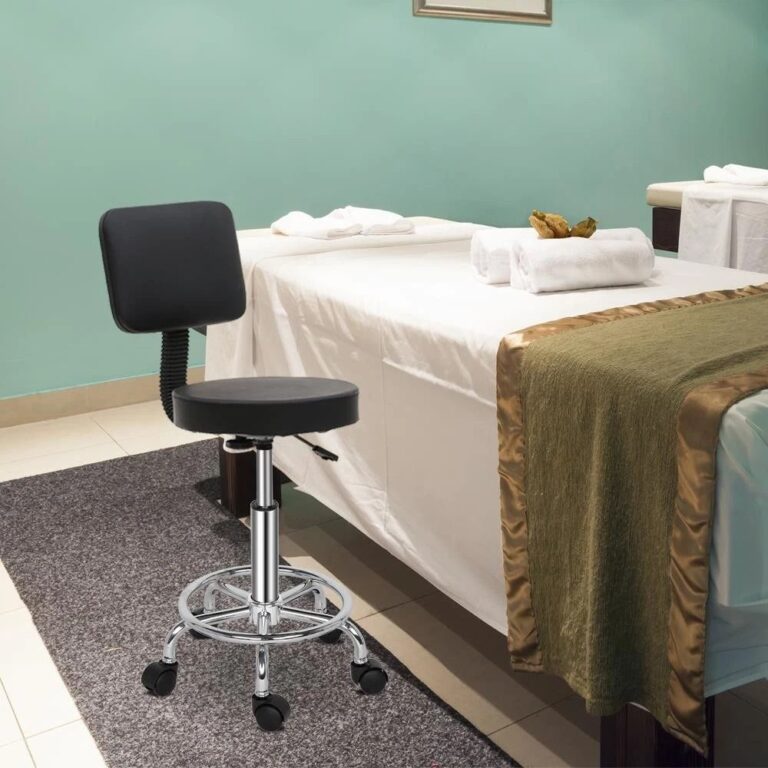 Aisha's pickErgonomic Task Chairs That Earn Their Keep
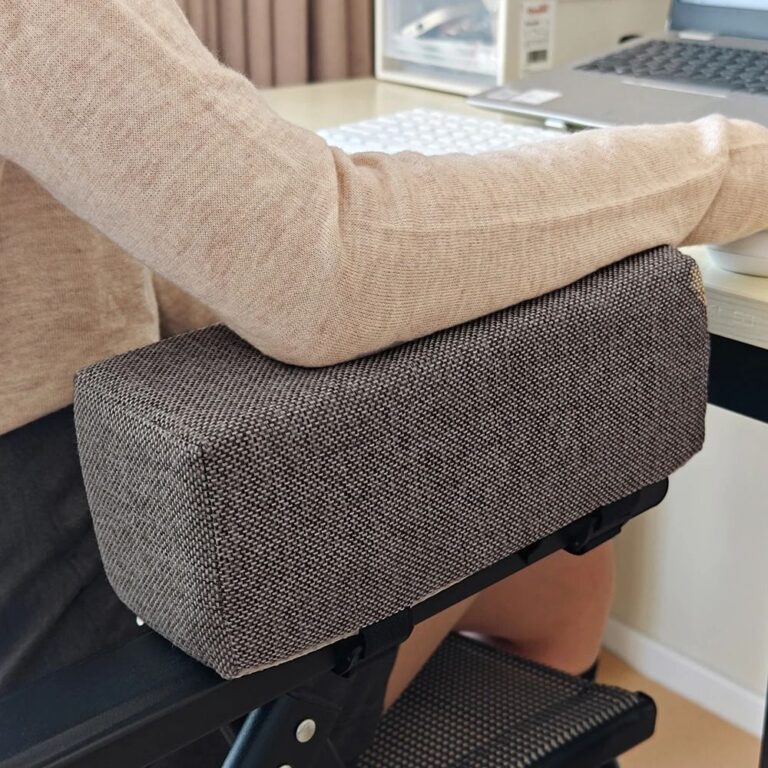
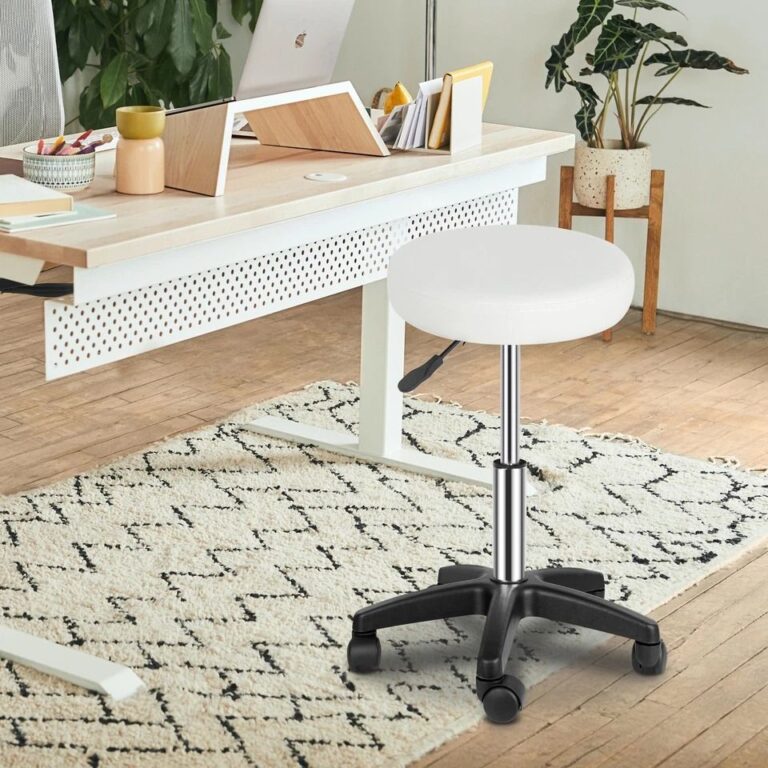 Aisha's pickWhite Ergonomic Chairs for Long Days at the Desk