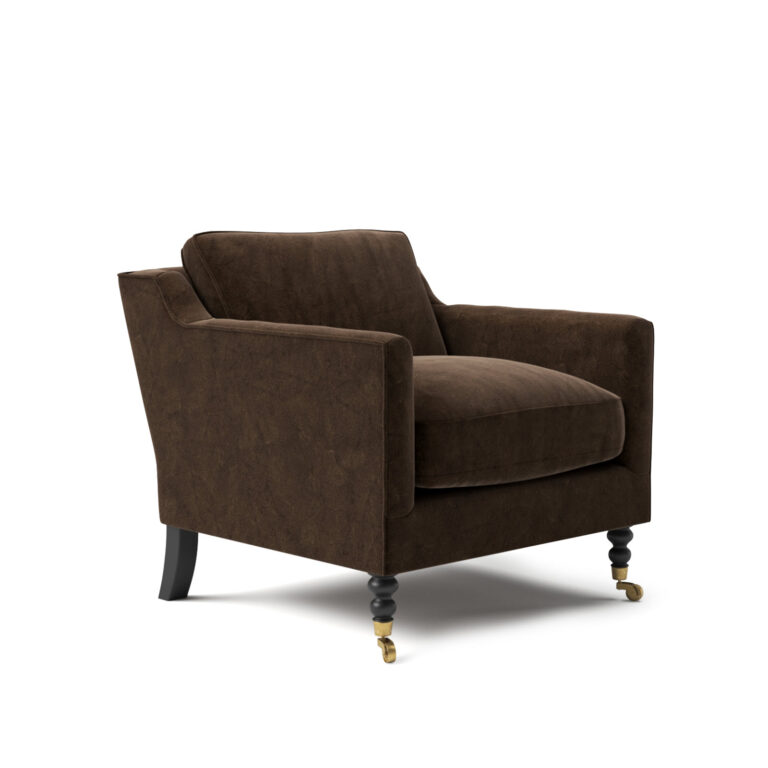
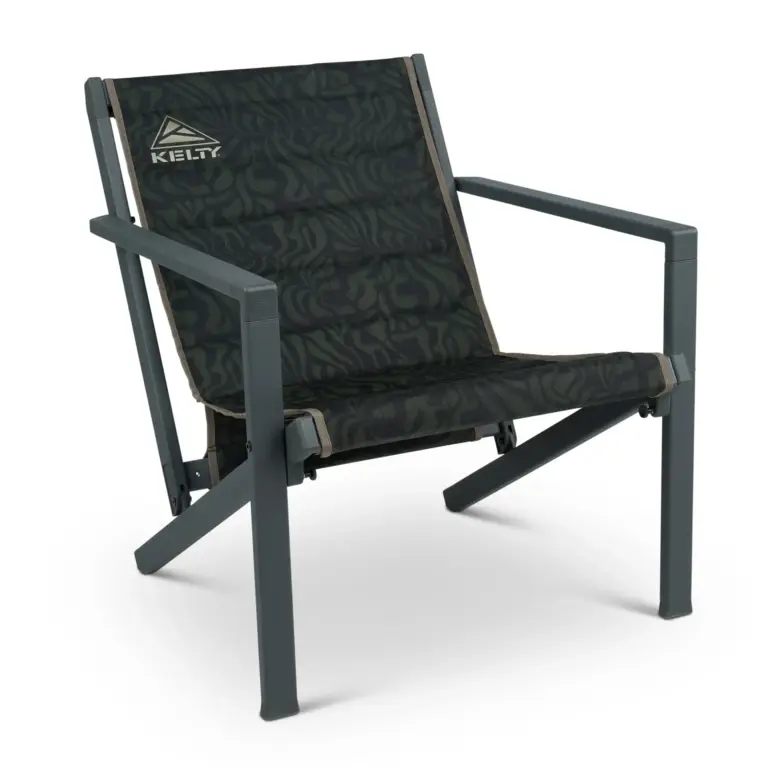
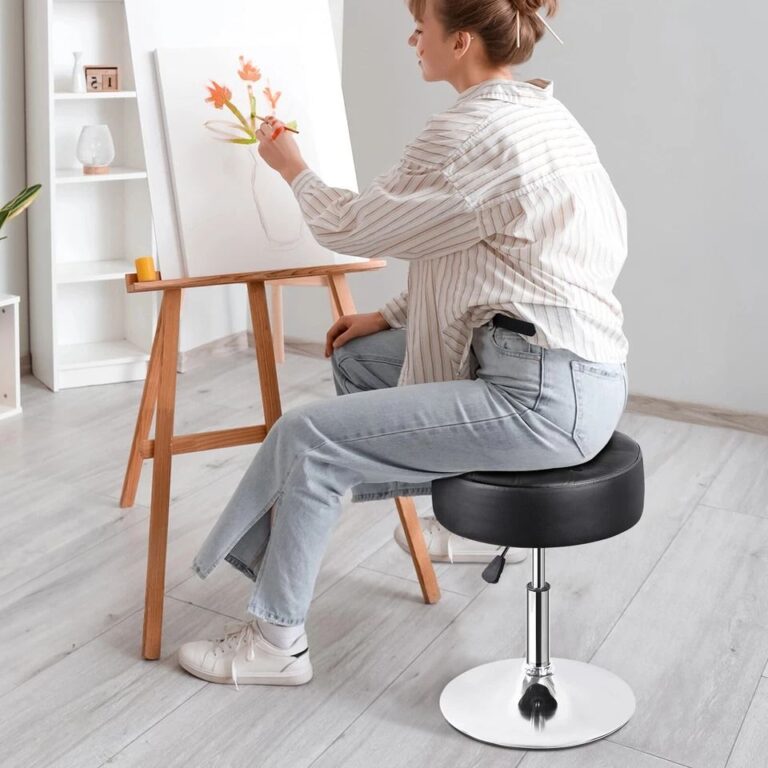
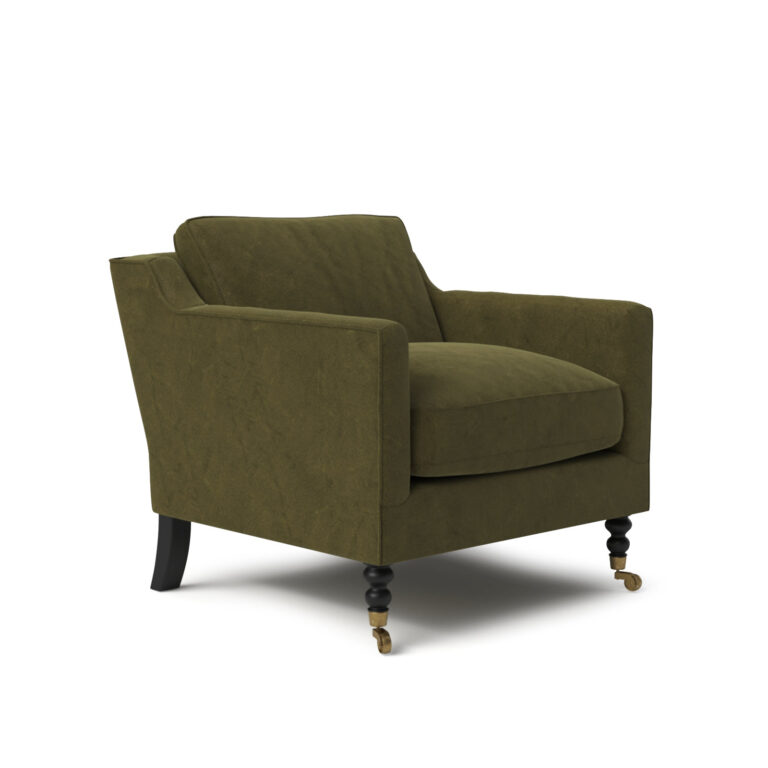
Living room chairs get treated like an afterthought, the thing you add once the sofa's in place and there's an awkward gap by the window. I think that's backward. A good chair is often the piece that actually gets used, the one spot nobody has to share, and it deserves more thought than the leftover corner it usually ends up in.
Size is where most people get it wrong, and it's almost always in the same direction: too big. Measure the actual gap you're filling, not the room as a whole, and leave at least a couple feet of walking space on whichever side people pass through. Check the arm height against your own forearm when you sit somewhere similar, and check the seat depth too, since a deep seat looks generous in a store but leaves shorter people with their feet barely touching the floor at home. If you can, sit in it for a solid two minutes, not the ten second perch most of us do out of politeness. Pay attention to what's under the upholstery while you're at it: give the frame a gentle twist, if it racks or creaks you're feeling the frame, not just the cushion, and that's a chair that'll loosen up fast.
Where it goes matters as much as the chair itself. A heavily patterned or sculptural chair next to a sofa that's already doing a lot visually, a tufted back, a loud print, chunky rolled arms, just turns the corner into noise, and nobody can tell what they're supposed to look at. If you've got ornate or curved furniture elsewhere, a very geometric chair will look like it wandered in from another delivery. For a first chair, I'd start plain: a solid frame, a simple silhouette, a neutral or textured fabric that can take a throw pillow or a blanket without a fight. You can always add a strange, wonderful second chair later once you know what the room actually wants. That's the forgiving one to live with while you figure the rest out.
Smaller rooms and rental apartments do well with something light enough to move for a yoga mat or a dinner table extension, while bigger family rooms can carry a heavier, more settled piece that isn't going anywhere. Winter rooms want fabric with some weight and texture, summer ones breathe better in a lighter weave or leather that doesn't trap heat.
Vacuum the seams and rotate loose cushions every few weeks so the wear and fading happen evenly instead of all in one spot.
 Aisha's pickGood Blue Living Room Chairs That Don’t Cost a Fortune
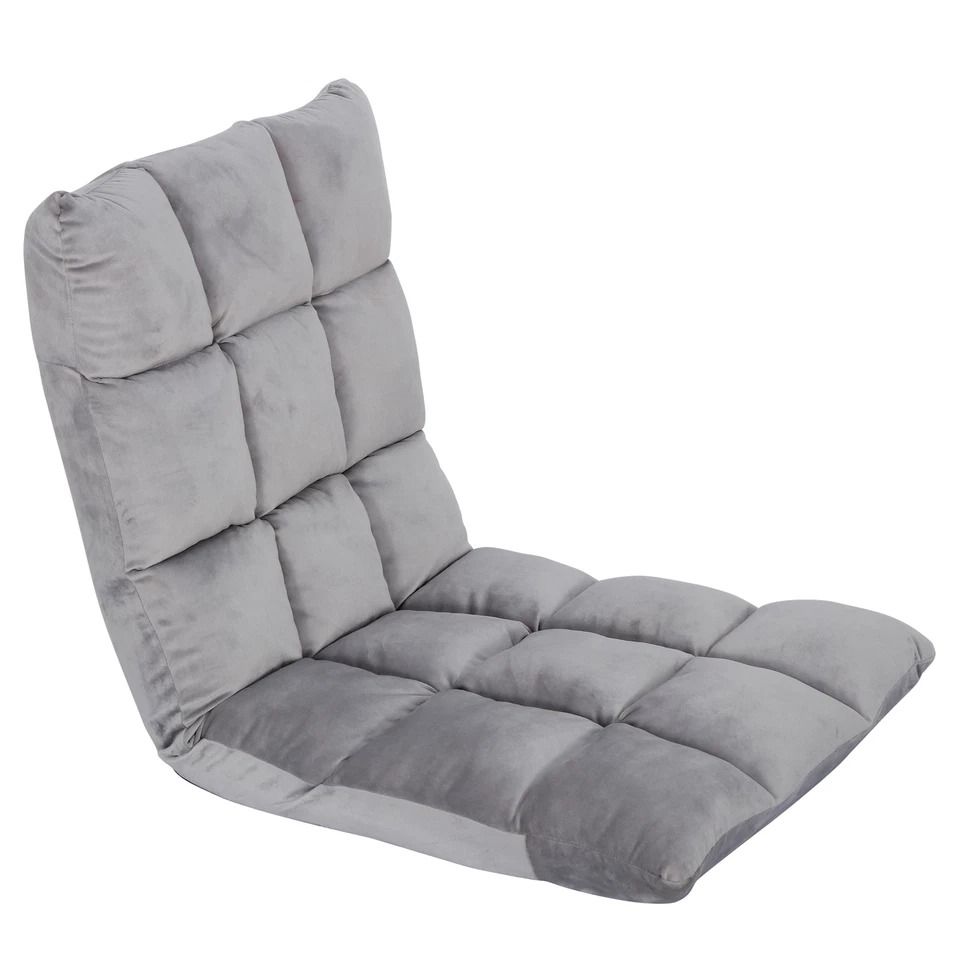
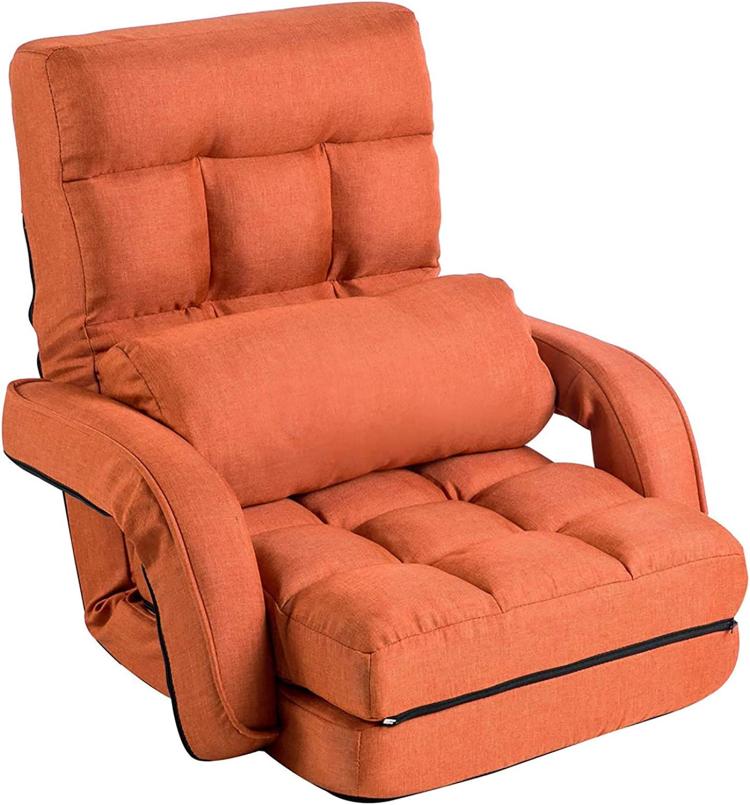 Aisha's pickLounge Chairs for Living Room That Make Rented Places Feel Like Home
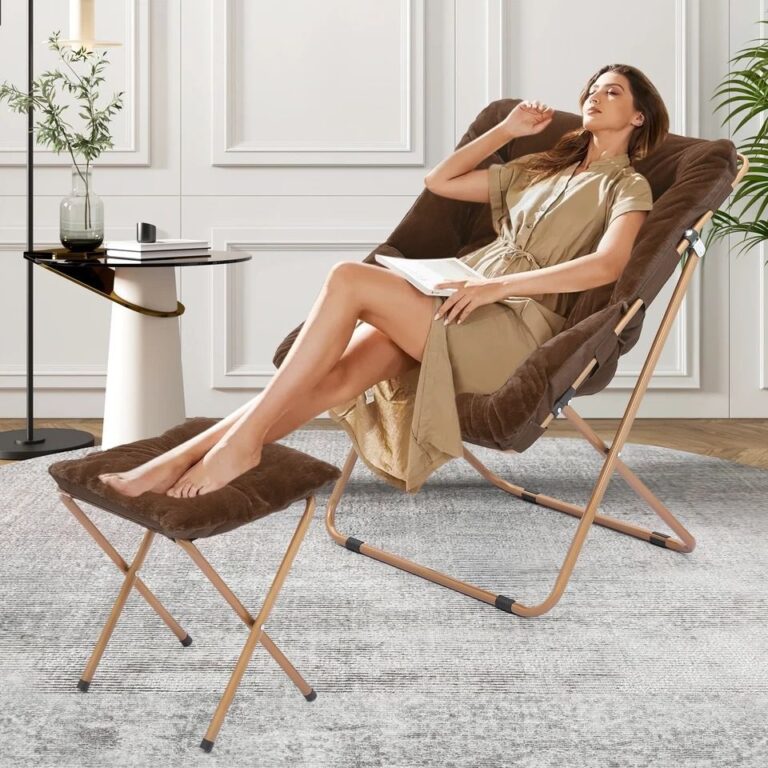
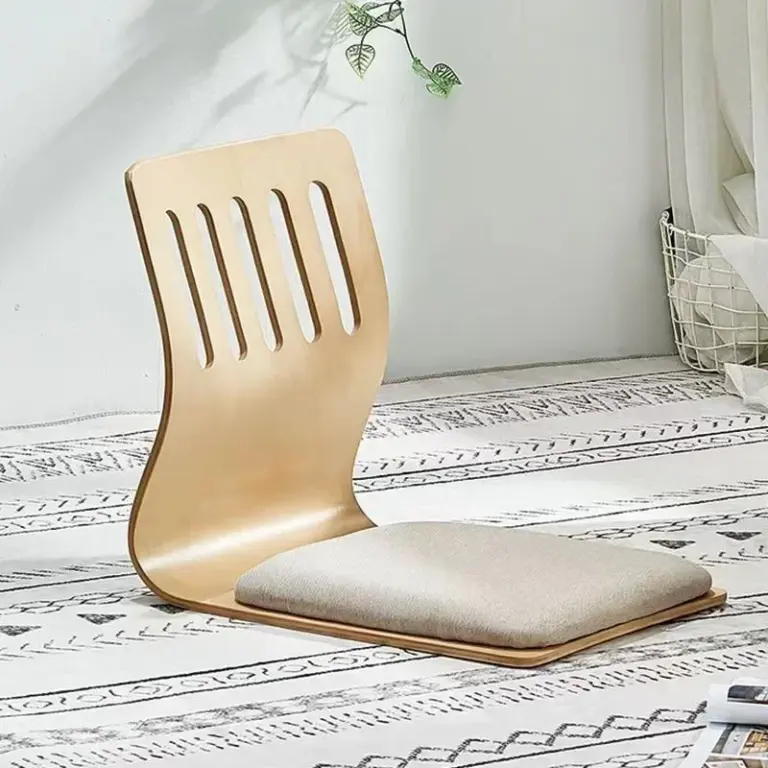 Aisha's pickCompact Living Room Chairs That Hold Up to Everyday Life
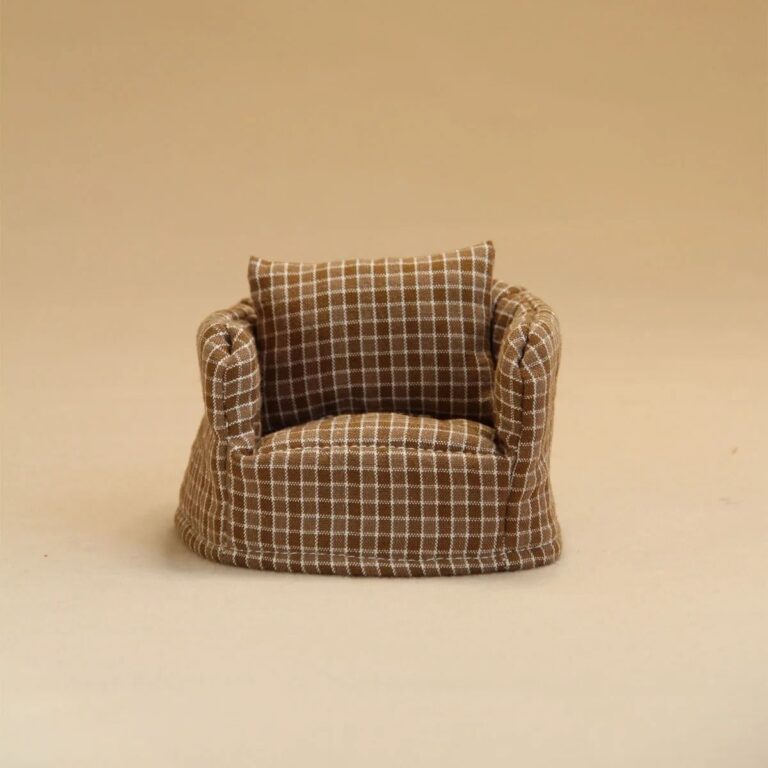
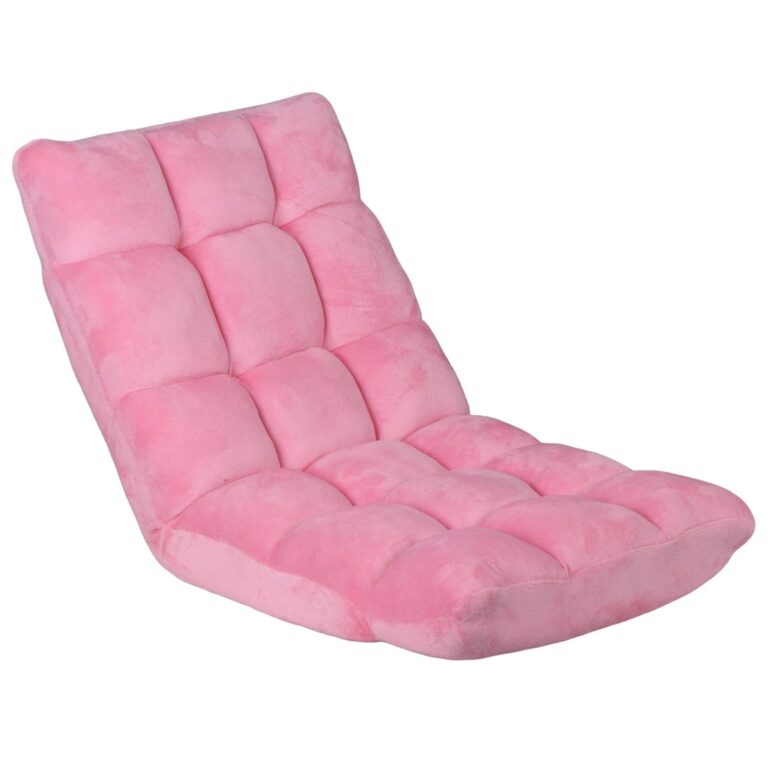 Aisha's pickLow Living Room Chairs That Don’t Sag After a Year
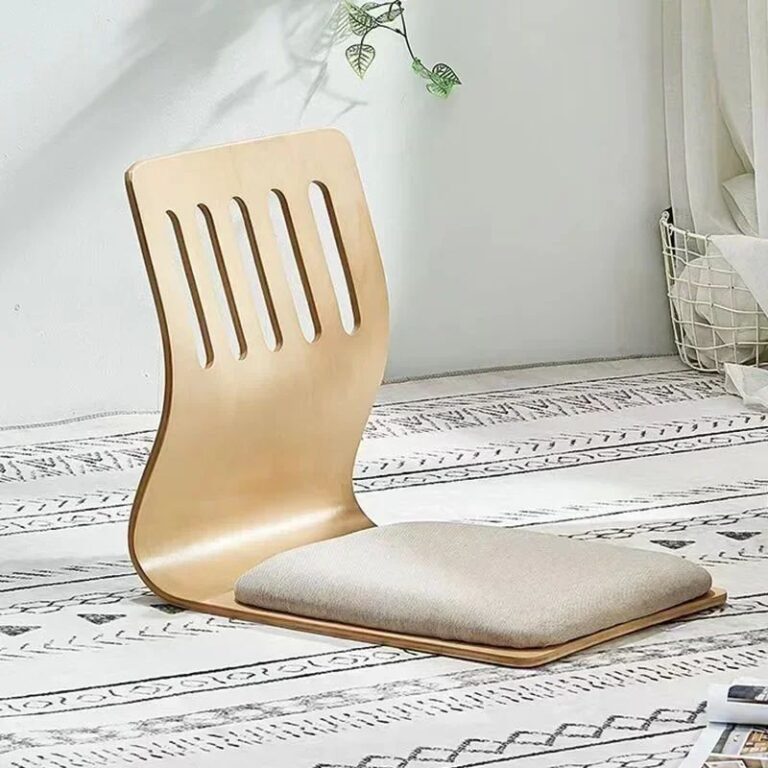
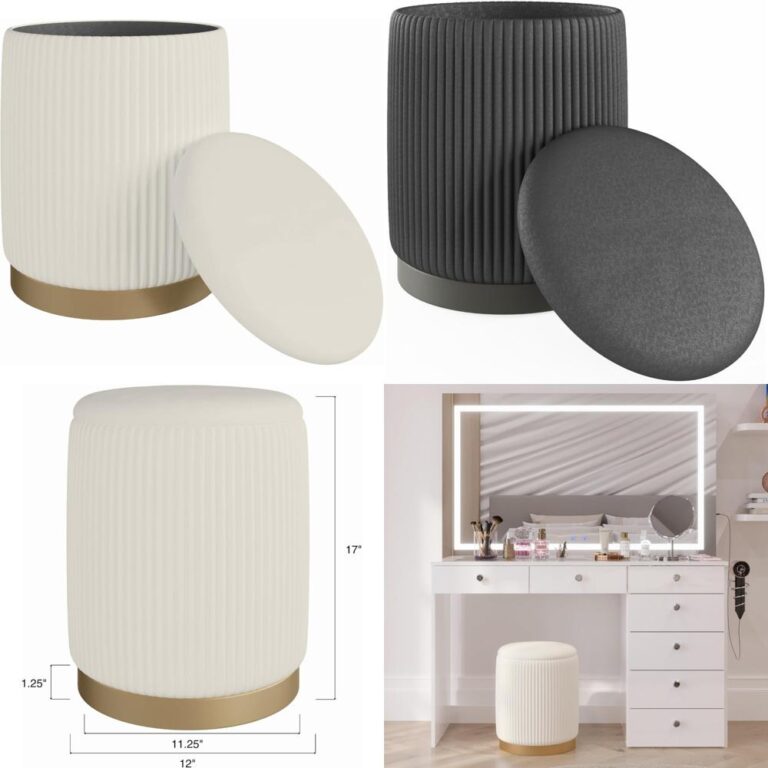 Aisha's pickContemporary Living Room Chairs for Movie Nights and Slow Sundays
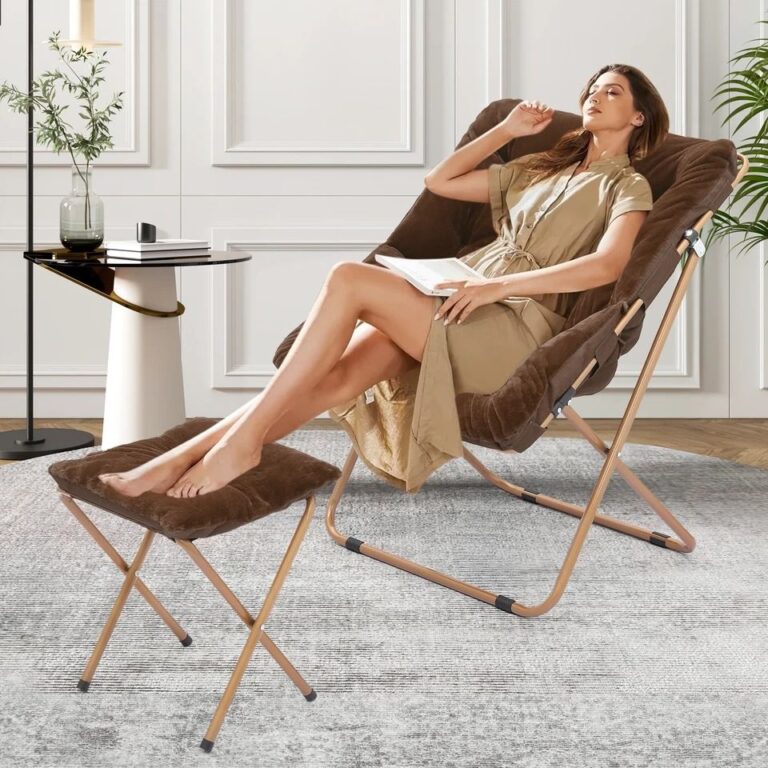
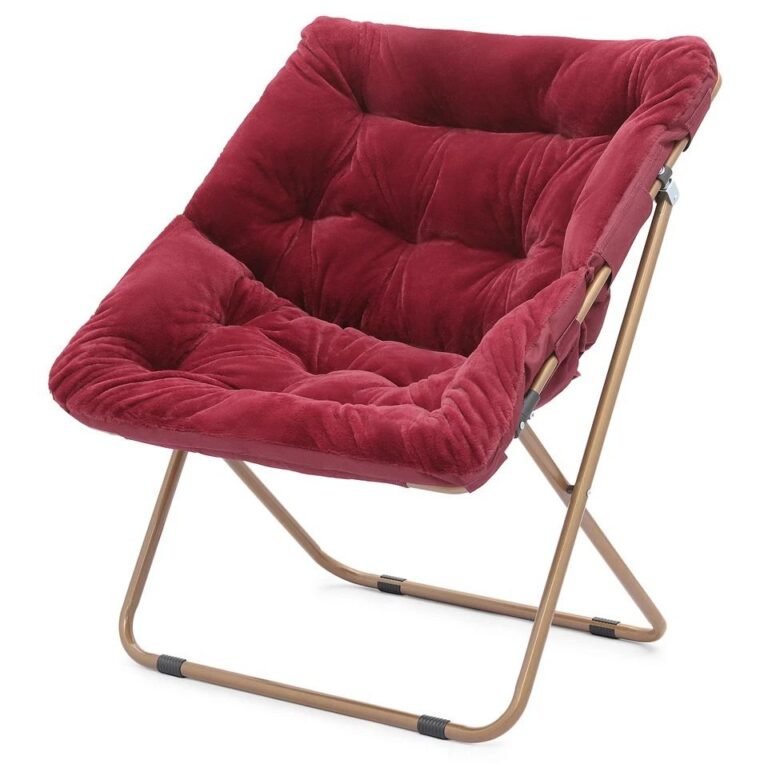 Aisha's pickLuxury Living Room Chairs That Won’t Date in a Year
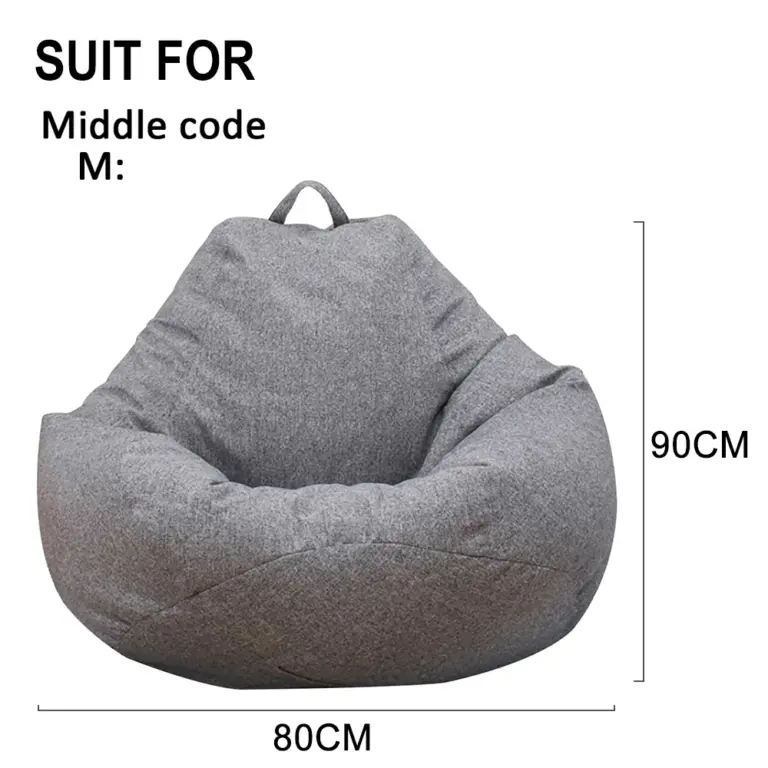
 Aisha's pickCurved Living Room Chairs That Don’t Sag After a Year
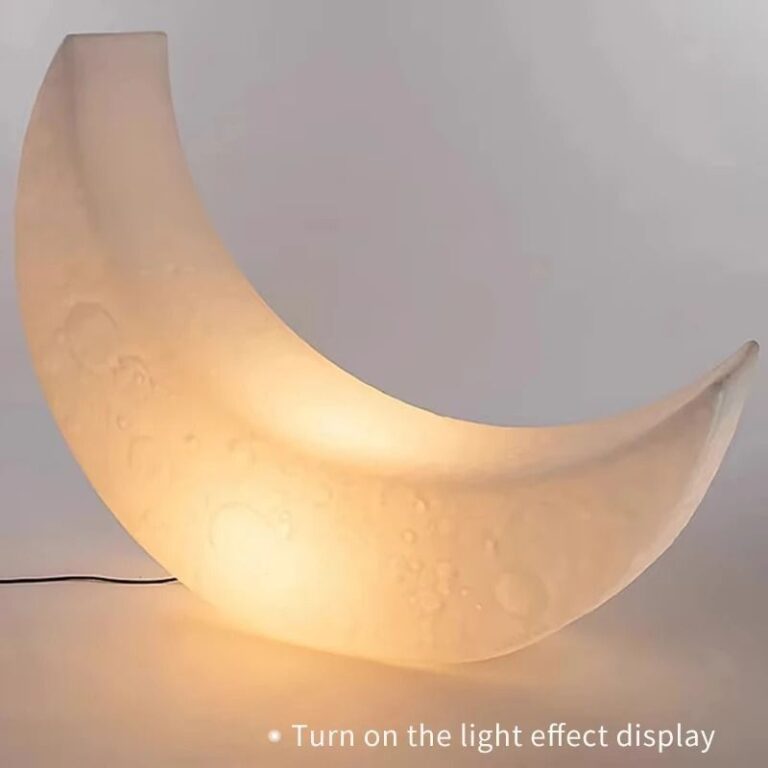
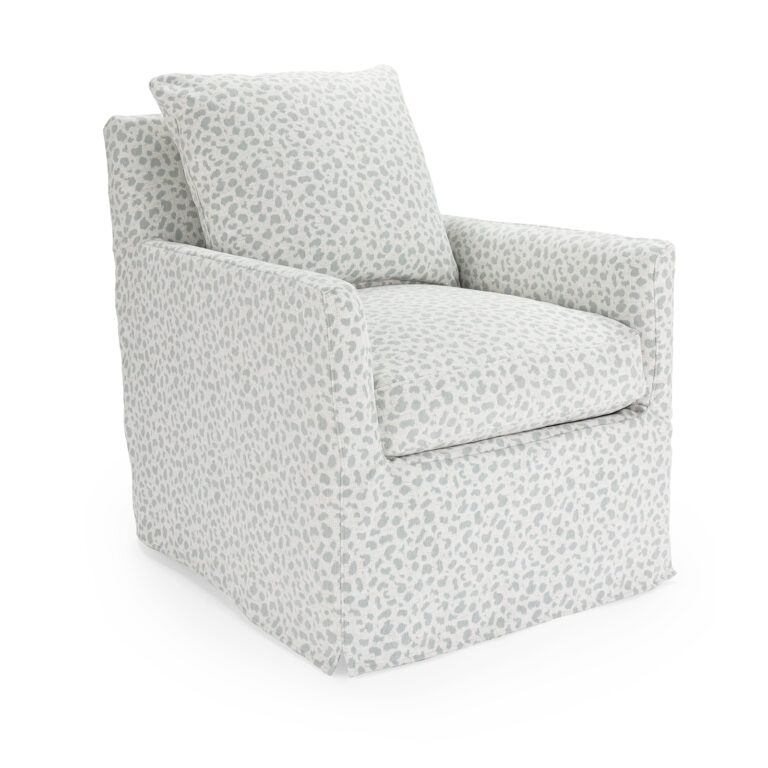 Aisha's pickModern Living Room Chairs From Stores Big and Small
 Aisha's pickElectric Living Room Chairs That Fit Into Real LifeAlso worth a lookErgonomic ChairsThe thing nobody mentions is that an ergonomic chair looks ridiculous for the first two weeks.See the collections →

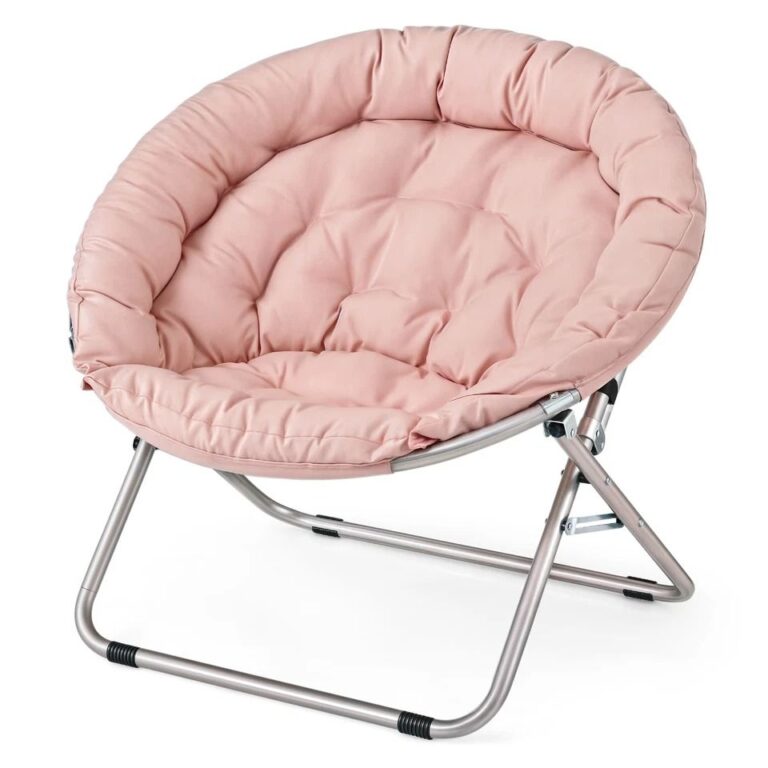 Aisha's pickPink Living Room Chairs for Movie Nights and Slow Sundays

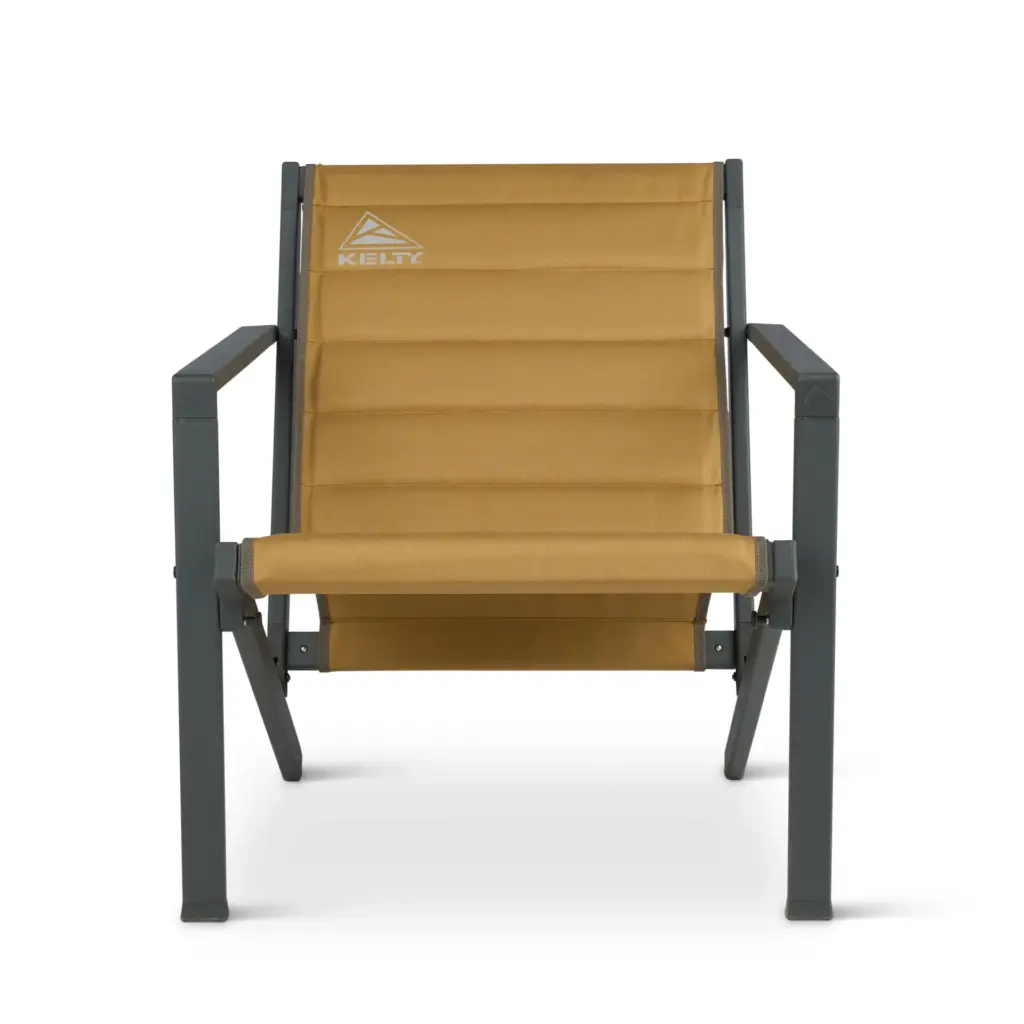 Aisha's pickFabric Living Room Chairs That Don’t Sag After a Year

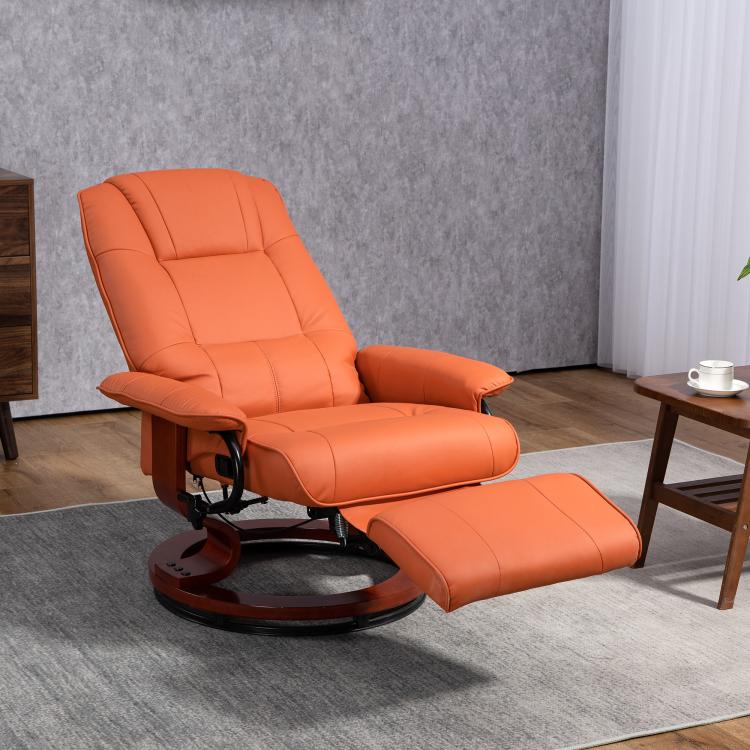 Aisha's pickReading Chairs for Living Room That Seat Guests Without the Squeeze
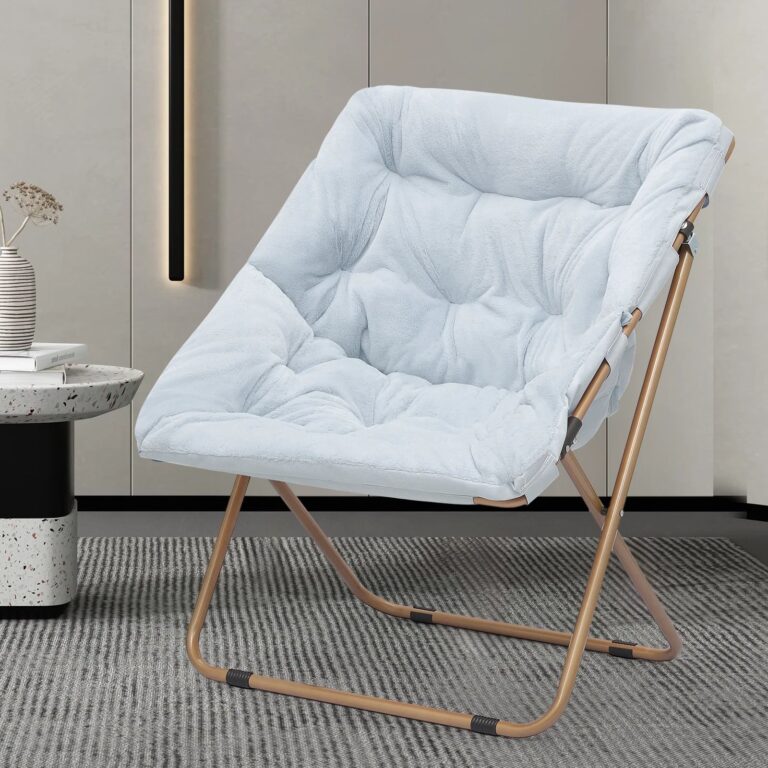
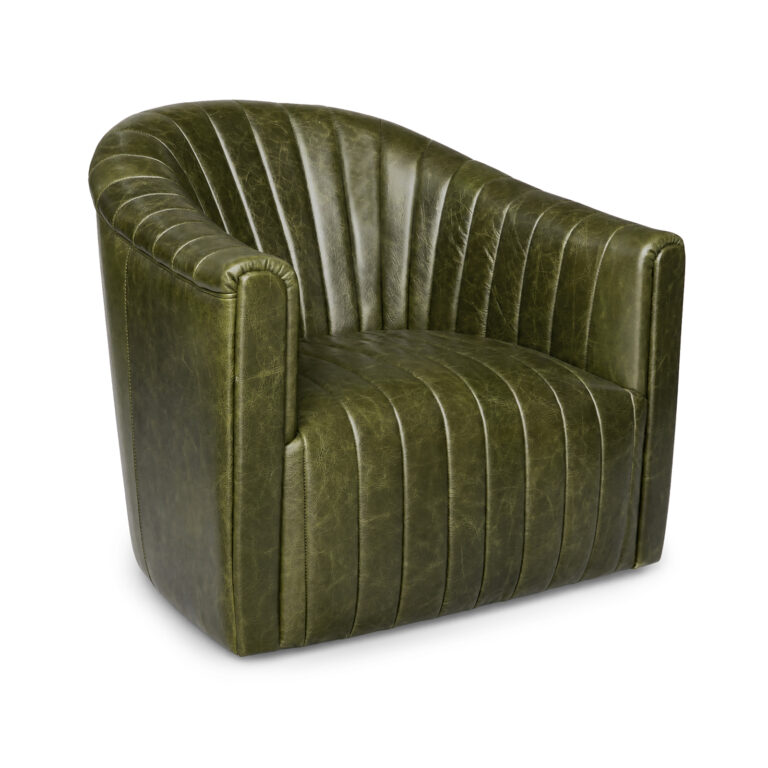 Aisha's pickGreen Living Room Chairs for Movie Nights and Slow Sundays

 Aisha's pickRecliner Chairs for Living Room Hunted Down So You Don’t Have To

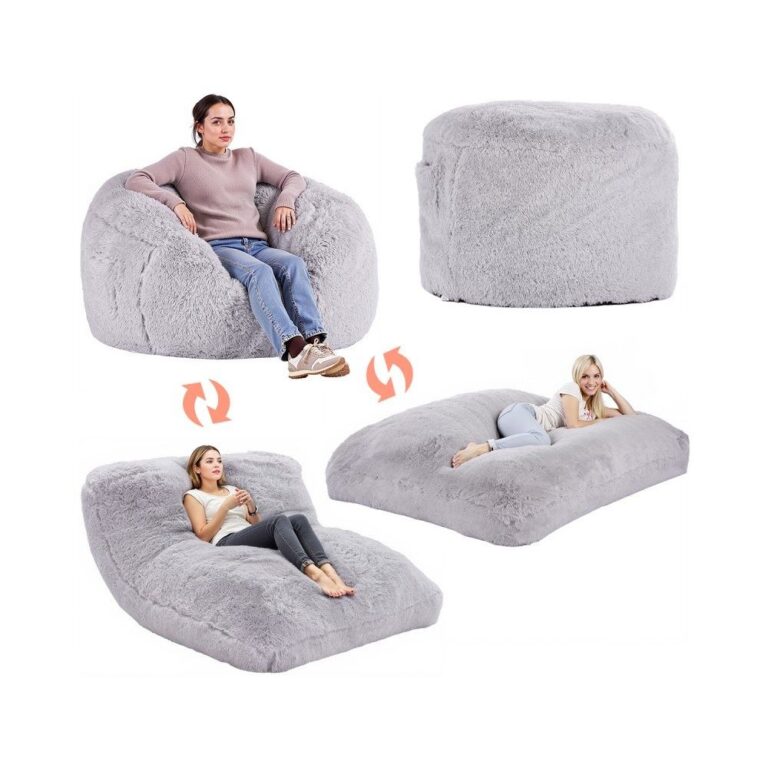 Aisha's pickGray Living Room Chairs for Movie Nights and Slow Sundays
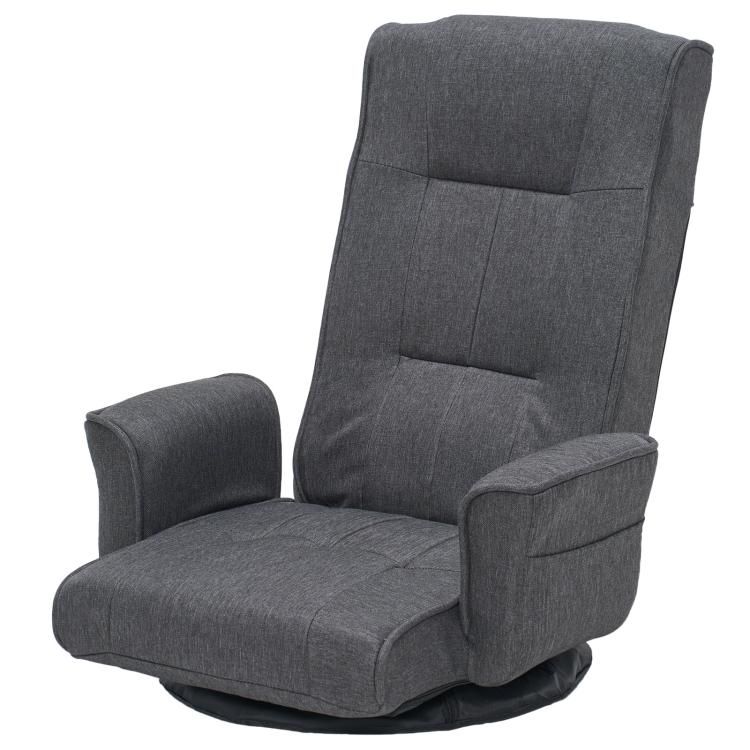
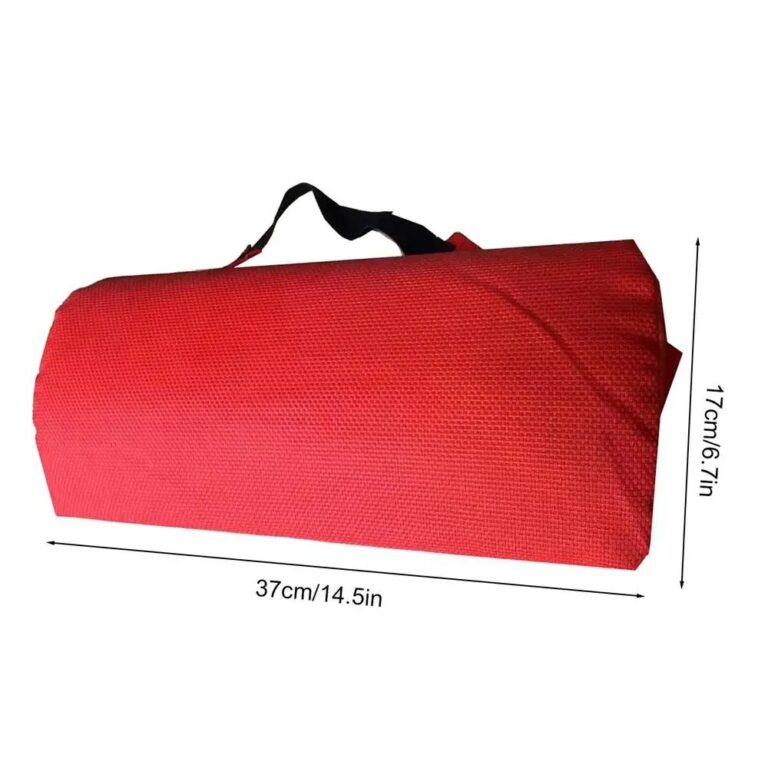 Aisha's pickRecliners for Living Room That Look Good From Every Angle
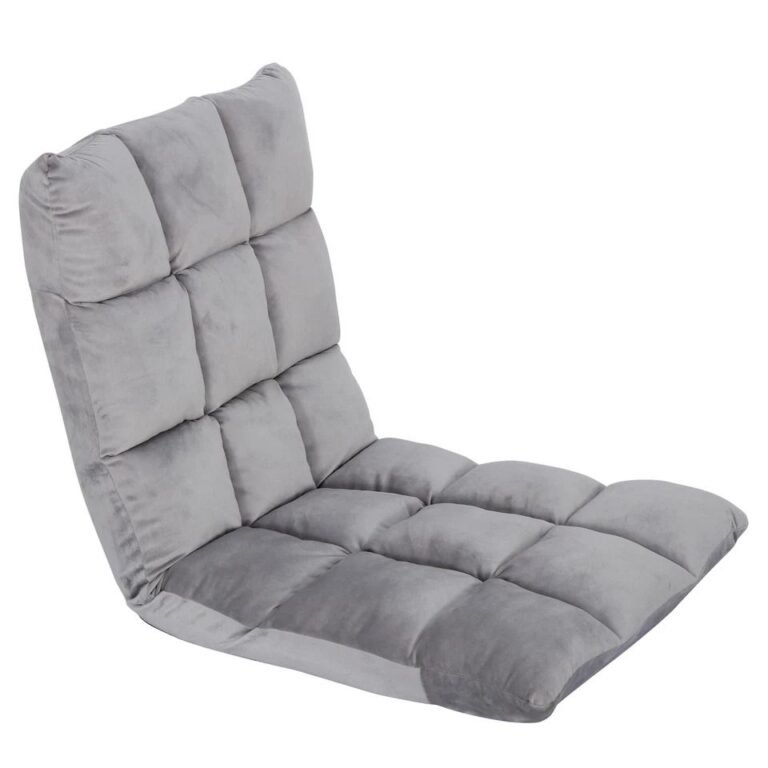
 Aisha's pickHigh Back Chairs for Living Room That Are Easy to Keep Clean

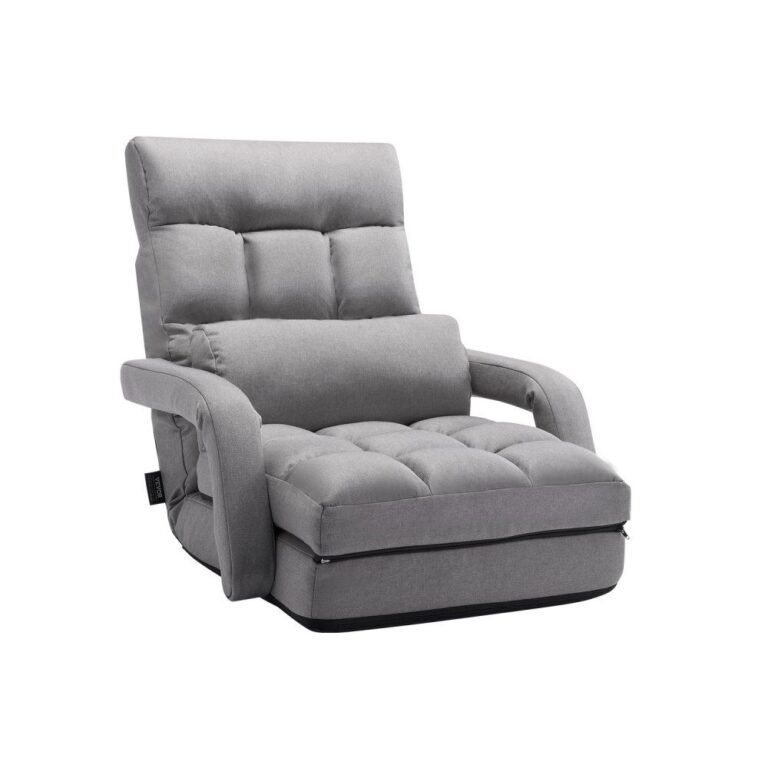 Aisha's pickReclining Living Room Chairs for Movie Nights and Slow SundaysAlso worth a lookSeatsStanding in a showroom trying to decide on seats, the first thing I'd tell you is to sit in it for longer than feels normal.See the collections →
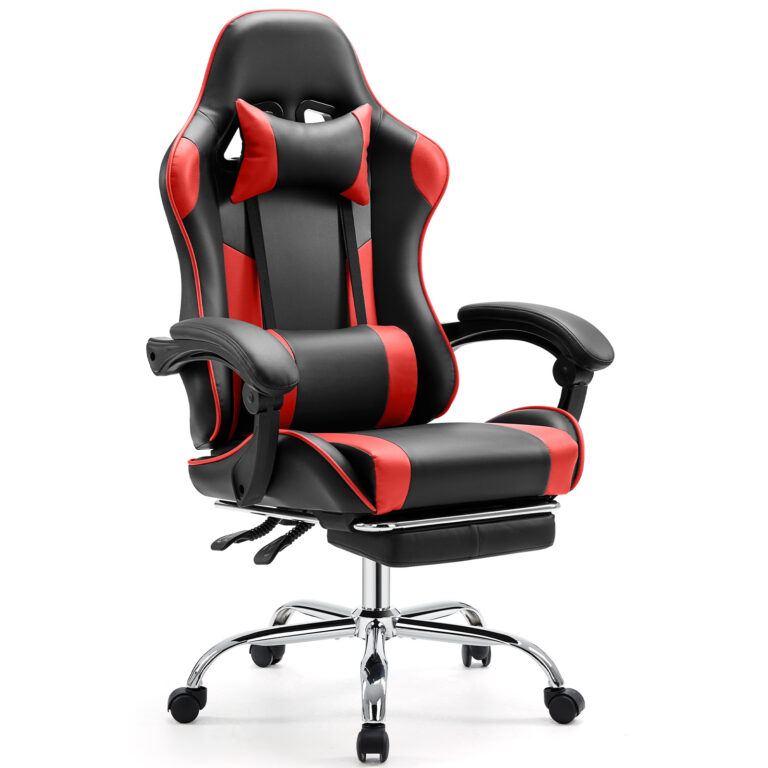
 Aisha's pickLarge Living Room Chairs We’d Happily Nap On
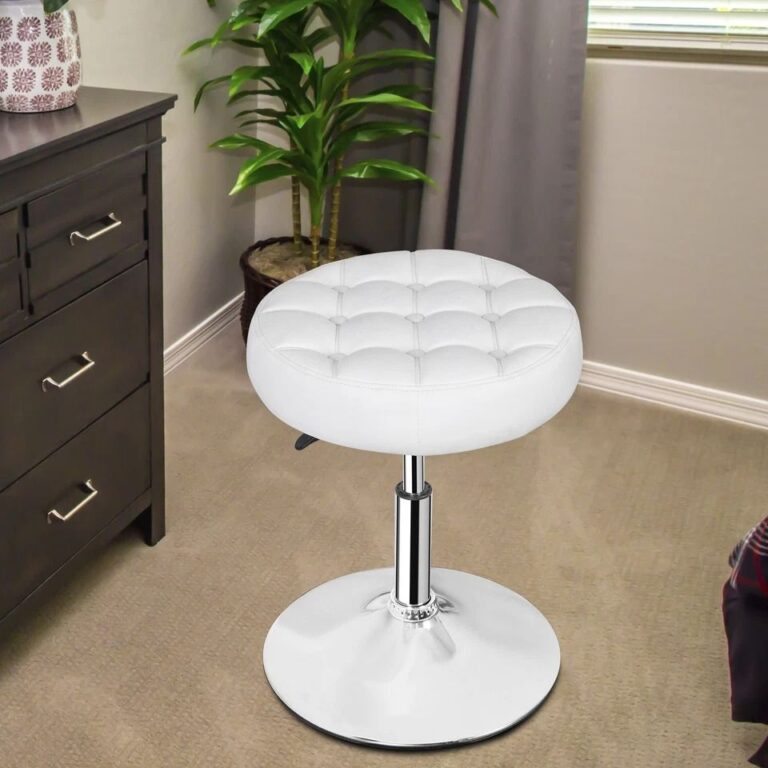
 Aisha's pickSmall Living Room Chairs That Fit Into Real Life
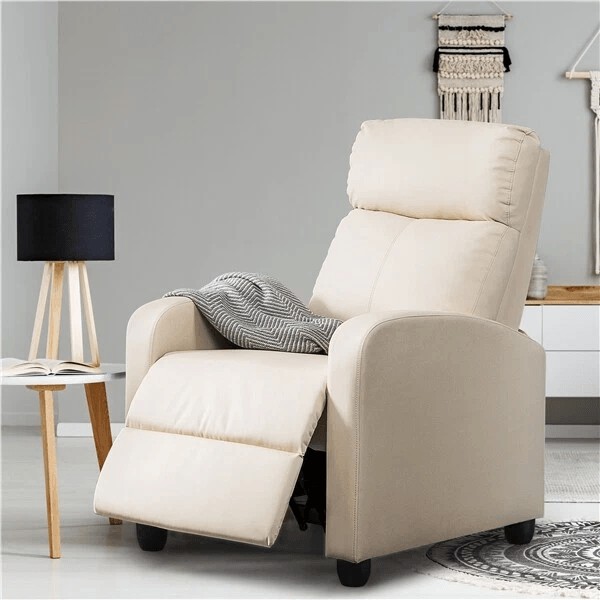
 Aisha's pickLeather Living Room Chairs for Long Sunday Afternoons

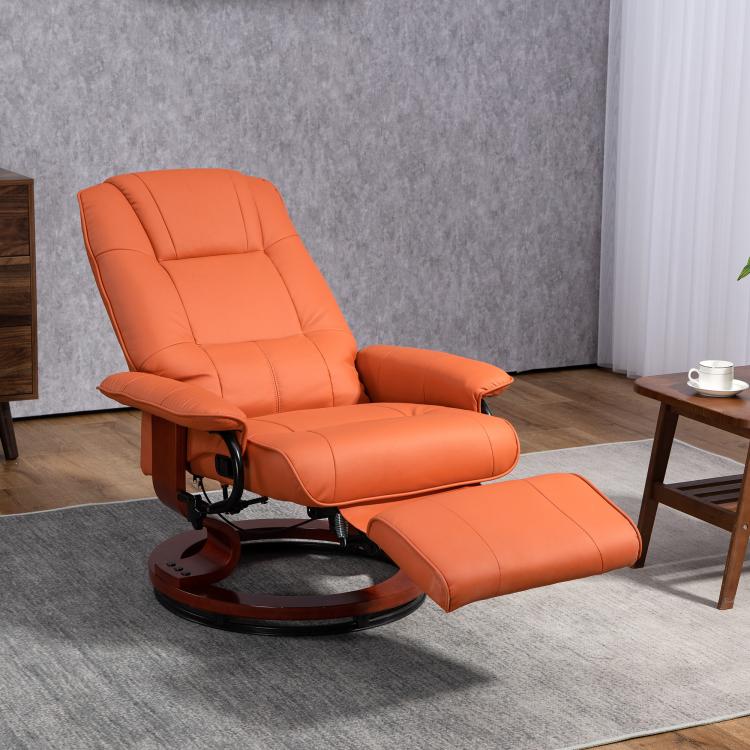 Aisha's pickSolid Wood Living Room Chairs That Look Good From Every Angle
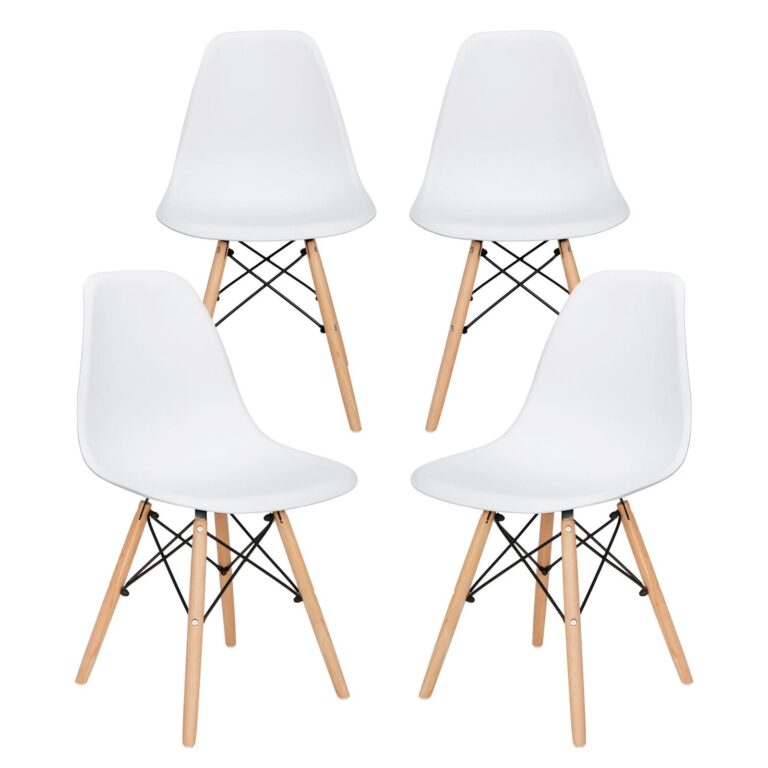
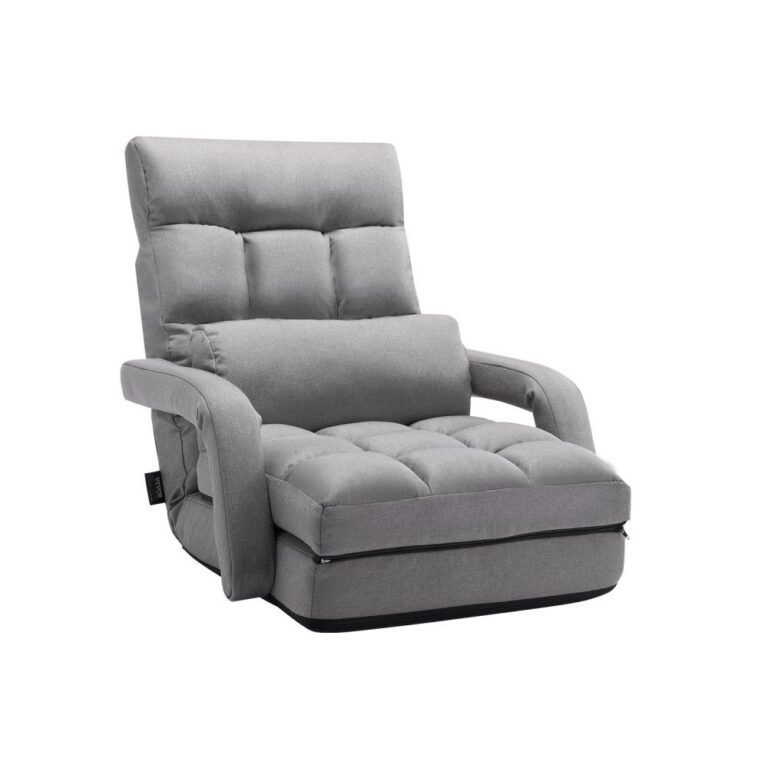 Aisha's pickLinen Living Room Chairs That Are Easy to Keep Clean

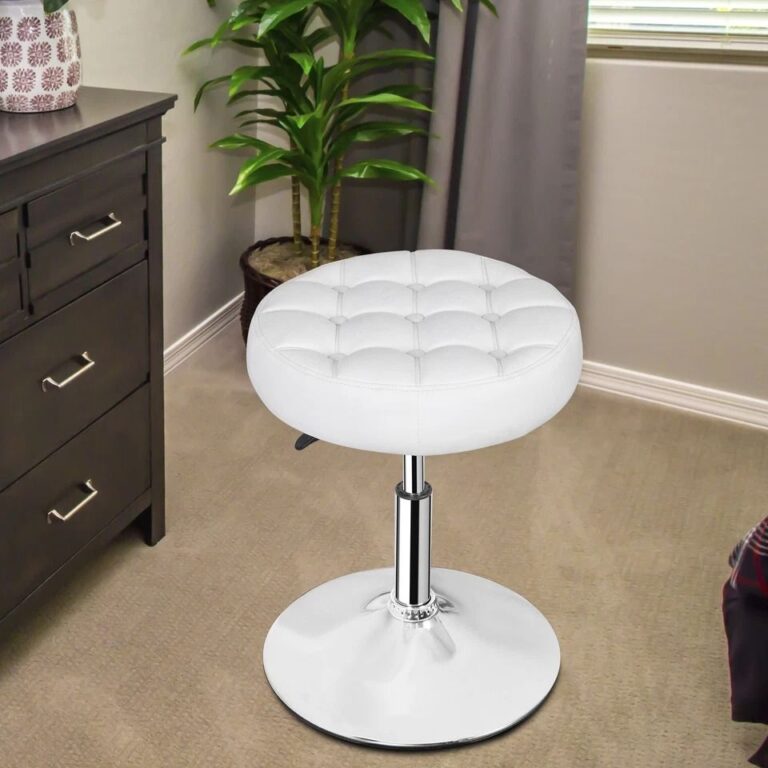 Aisha's pickNo Fuss Swivel Chairs for Living Room
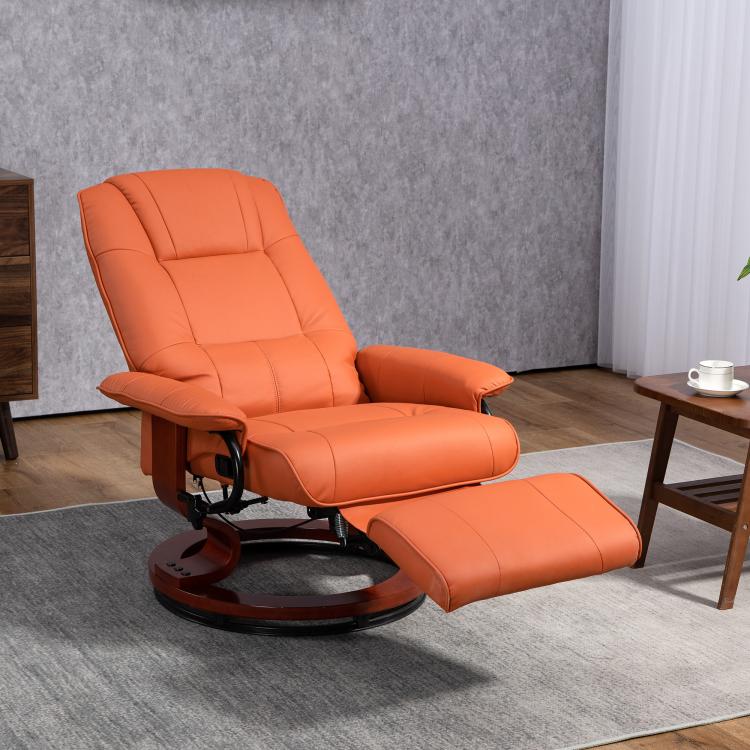
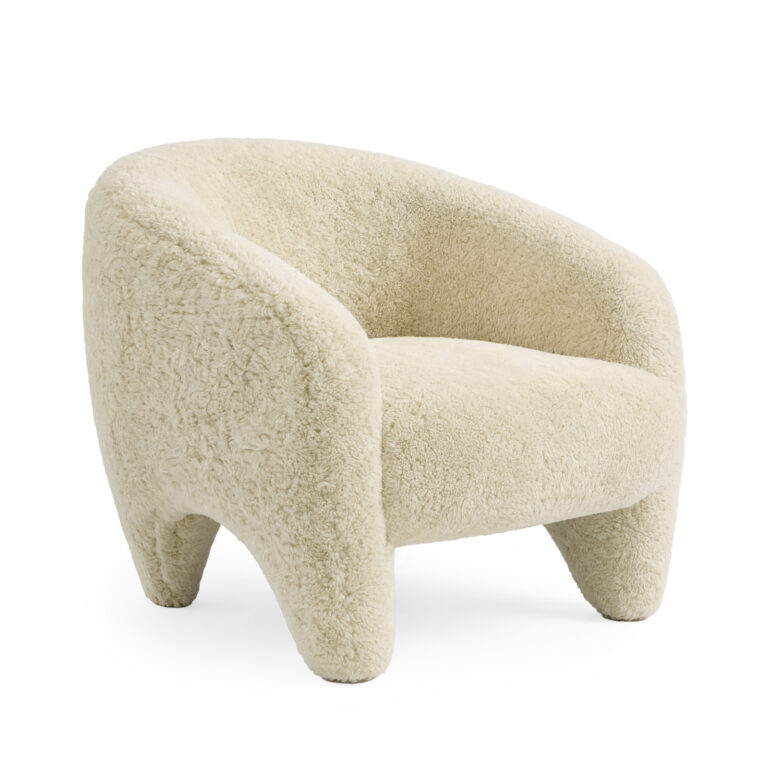 Aisha's pickLiving Room Chairs That Look Better in Real Life
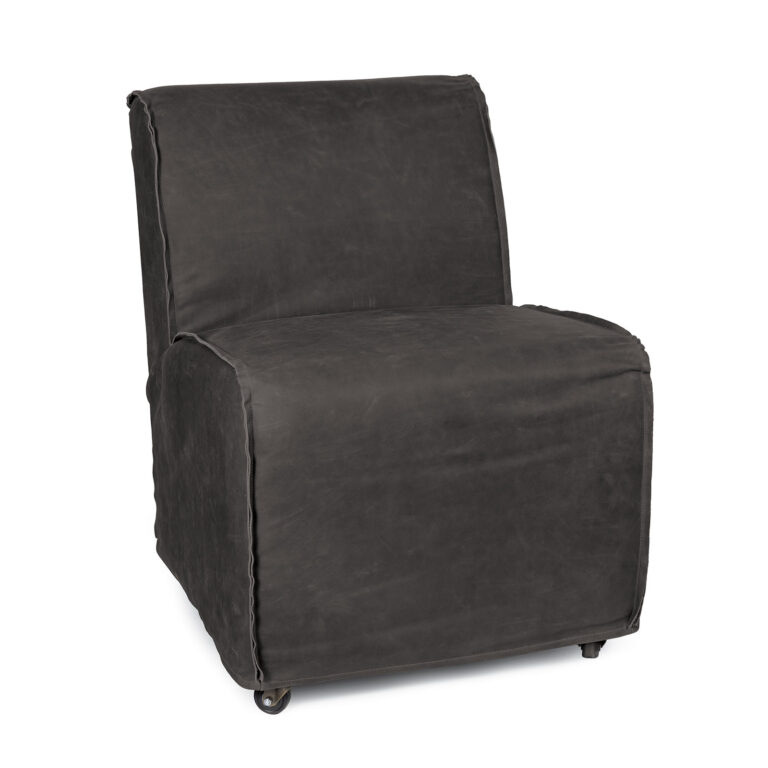
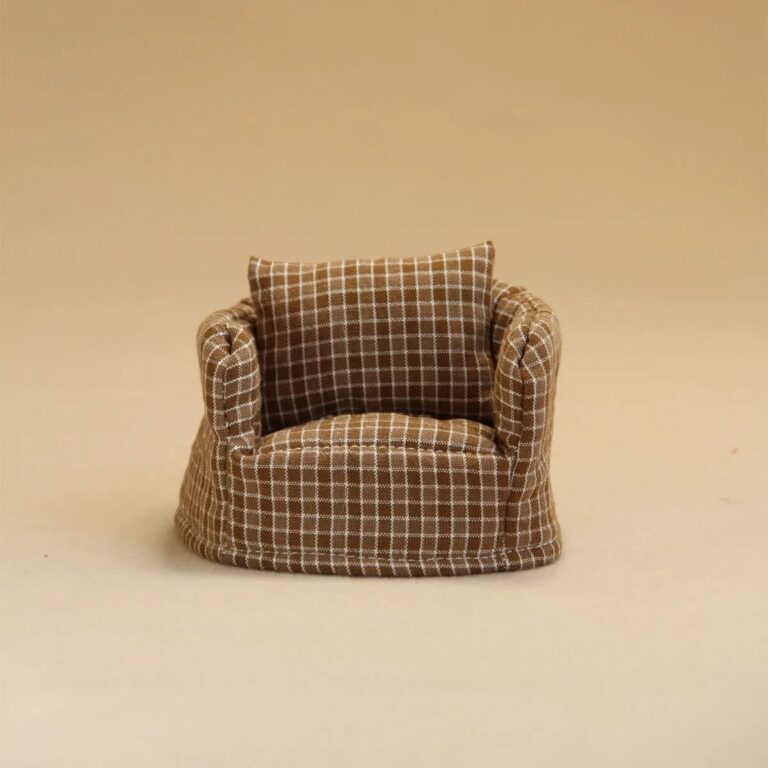 Aisha's pickUpholstered Living Room Chairs That Seat Guests Without the Squeeze

 Aisha's pickAccent Chairs for Living Room Comfy Enough for a Movie NightAlso worth a lookAccent ChairsAn accent chair is the one seat in the room that doesn't have to agree with anything else.See the collections →
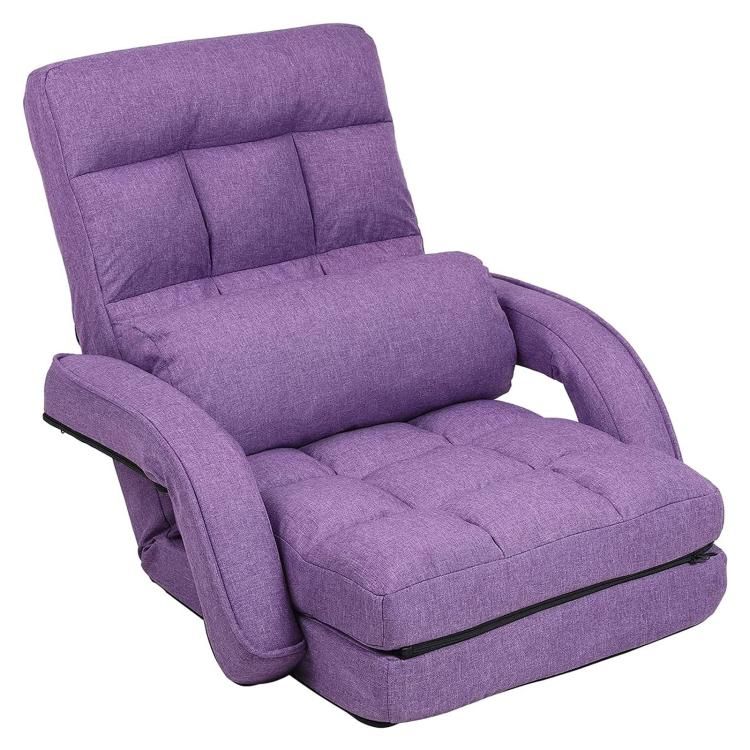 Aisha's pickLiving Room Chairs with Arms We Keep Coming Back To
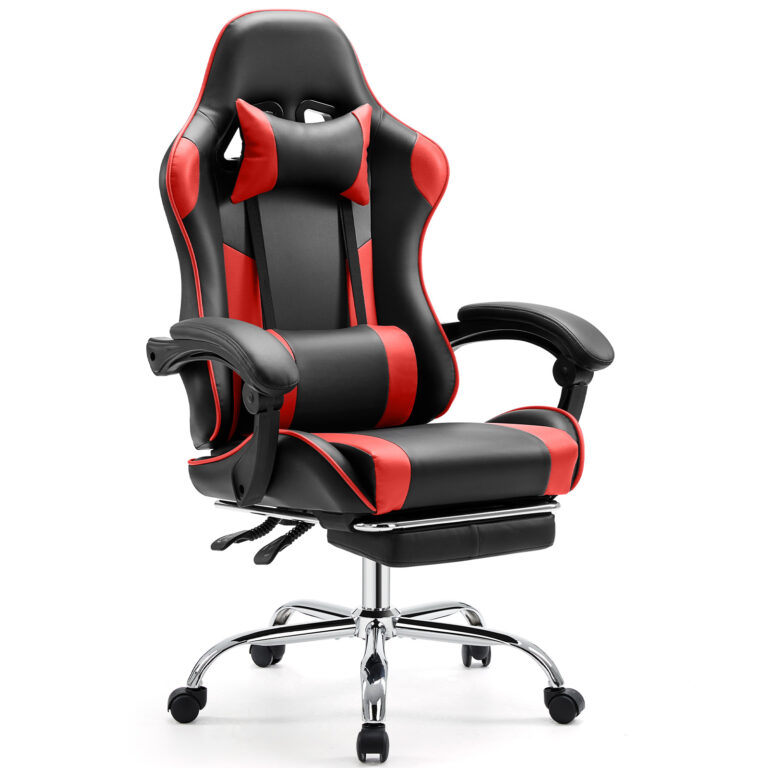
 Aisha's pickVelvet Living Room Chairs for Movie Nights and Slow Sundays
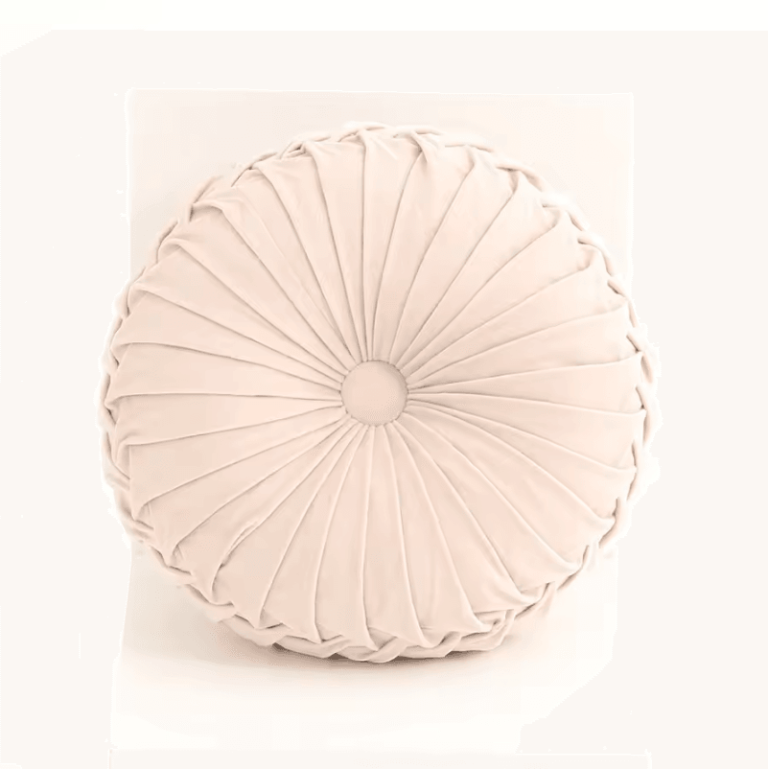
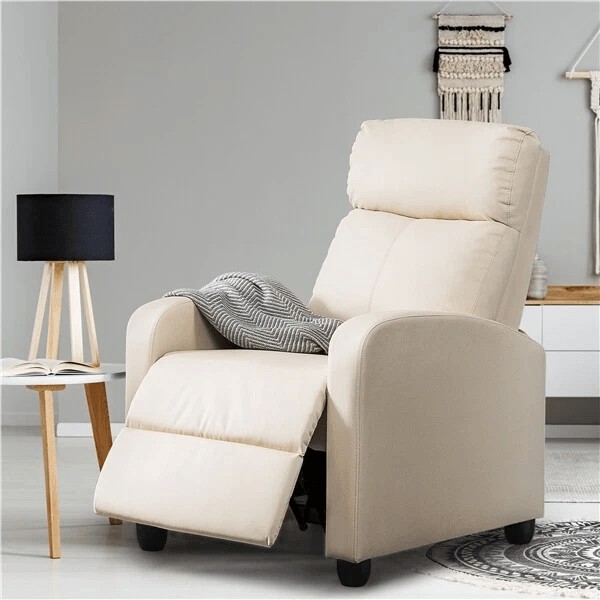 Aisha's pickArmchairs for Living Room the Cat Will Claim Within a Day
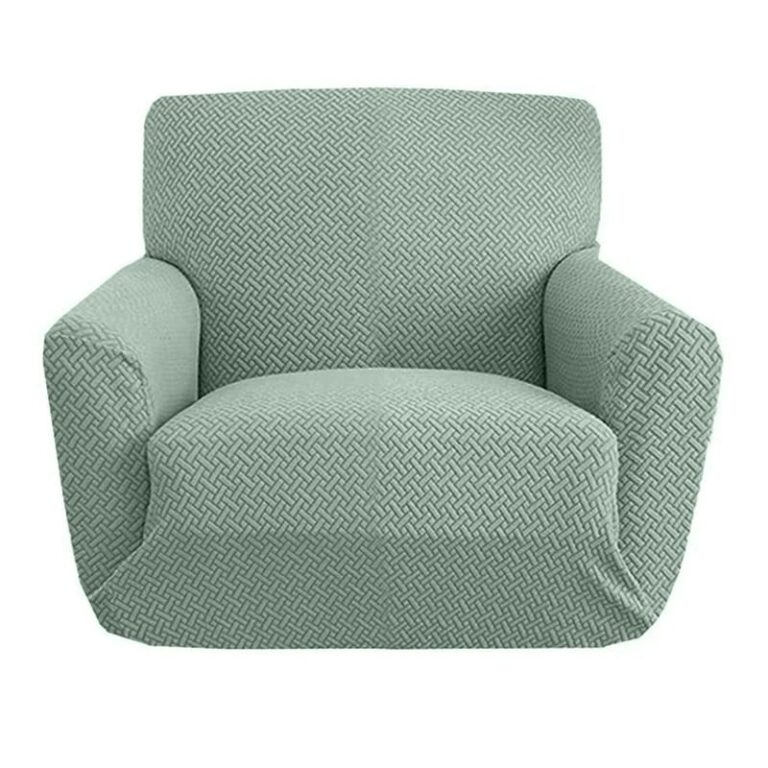
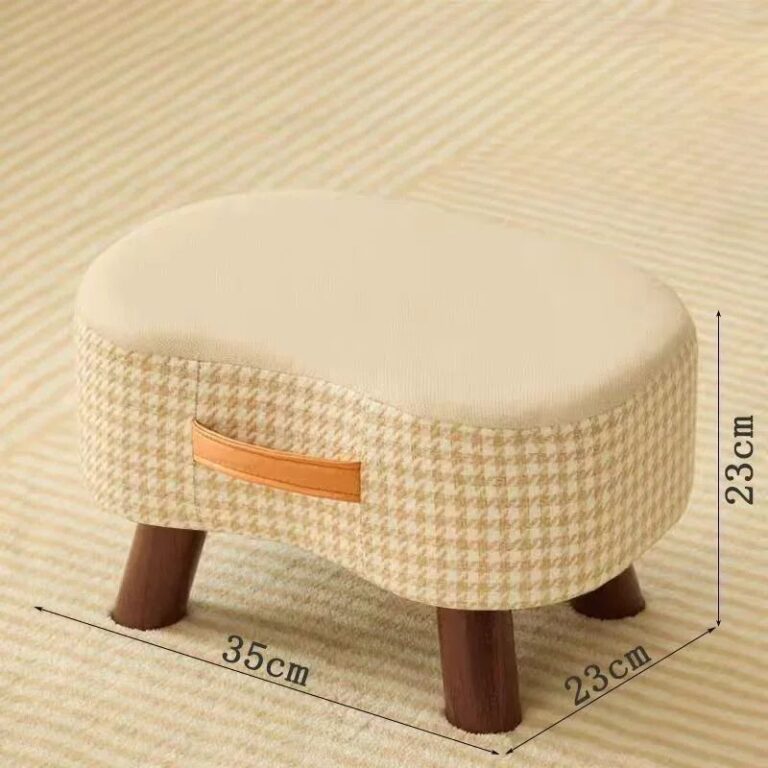 Aisha's pickLiving Room Chairs with Ottoman Without the Silly Price Tag
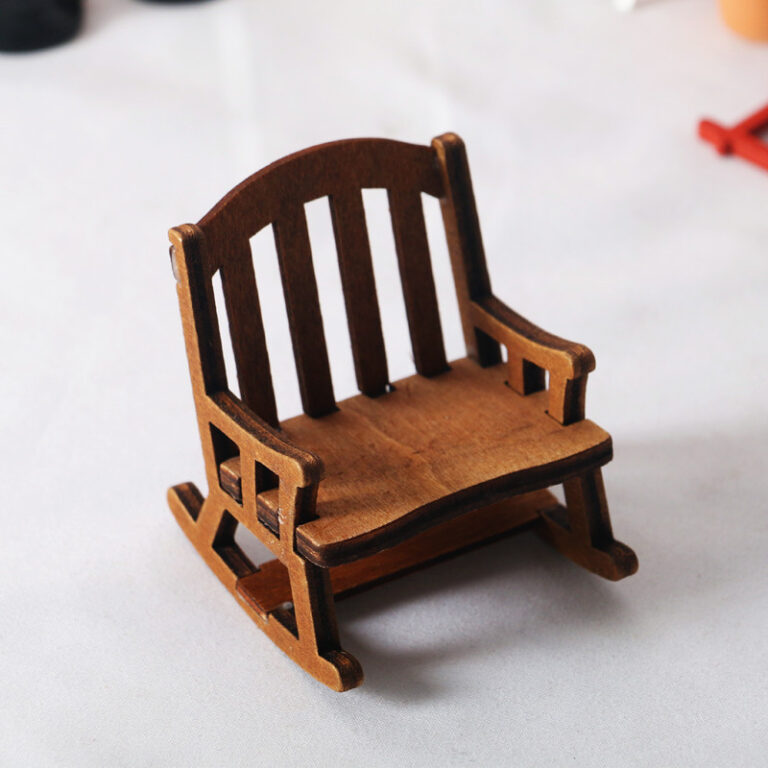 Aisha's pickWooden Living Room Chairs With Real Back Support