A good chair holds you without you noticing it's doing anything at all. You sit down, your weight settles somewhere around the hips and lower back, and that's it, no shifting every ten minutes, no numb spot creeping in halfway through dinner. A bad one announces itself within a minute, usually in your tailbone.
The difference between a chair that lasts and one that starts wobbling by its second winter comes down to things you can't always see from across a showroom floor. Flip it over before anything else. Dowel joints that are glued and pinned, not just glued, hold up to being dragged across a kitchen floor a few thousand times. A frame that's solid wood, or at least a good plywood, will take a toddler standing on it in a way particleboard never will. Leather that's actually tanned hide and not a printed vinyl will soften and age instead of cracking at the seams in a year. And the finish matters more than people expect, a thin coat that wears through to bare wood at the arms within a season tells you everything about what corners got cut elsewhere. Run your hand along a joint, press down on the seat, give the back legs a little shake. If anything creaks or gives at this stage, it's not getting more solid with age.
Where a chair belongs depends entirely on what you're asking it to do. A dining chair needs to survive getting pulled out and pushed in several times a day without the joints loosening, which rules out anything too delicate no matter how good it looks in a rental listing. An accent chair in a living room gets to be a little more precious, since nobody's climbing in and out of it with wet boots, but it still needs to earn its square footage, because one oversized chair in a small room will eat the walking path between the sofa and the door faster than you'd think. A chair that works beautifully in a spare bedroom corner might be exactly wrong crowded next to a coffee table where everyone's knees end up touching.
In an ordinary room, a chair sits well next to things that give it a little breathing space, a side table at arm height for a coffee cup, a lamp if the room goes dark early, nothing stacked right up against it. Leave at least a couple feet to walk around it, or it stops being a chair and starts being an obstacle.
When you're looking at one, check the joints and the underside first, before you ever sit down.
 Aisha's pickFabric Accent Chairs That Look Good From Every Angle

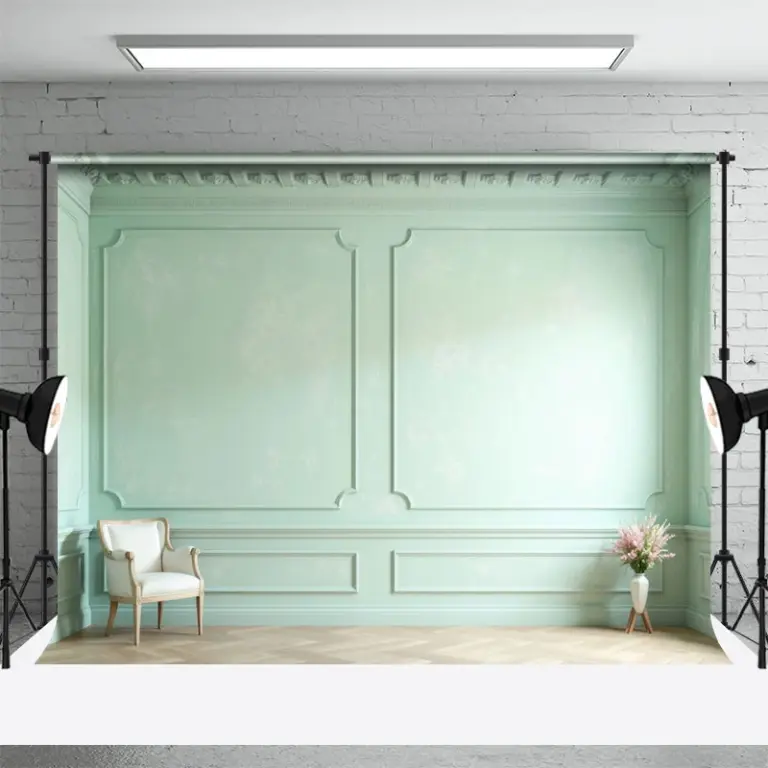 Aisha's pickRetro Accent Chairs That Don’t Sag After a Year
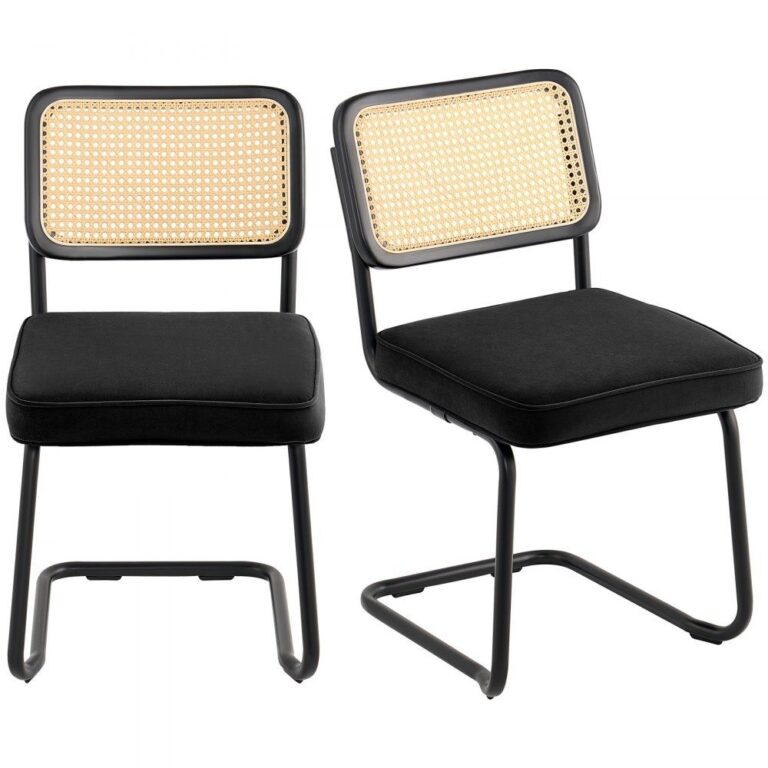
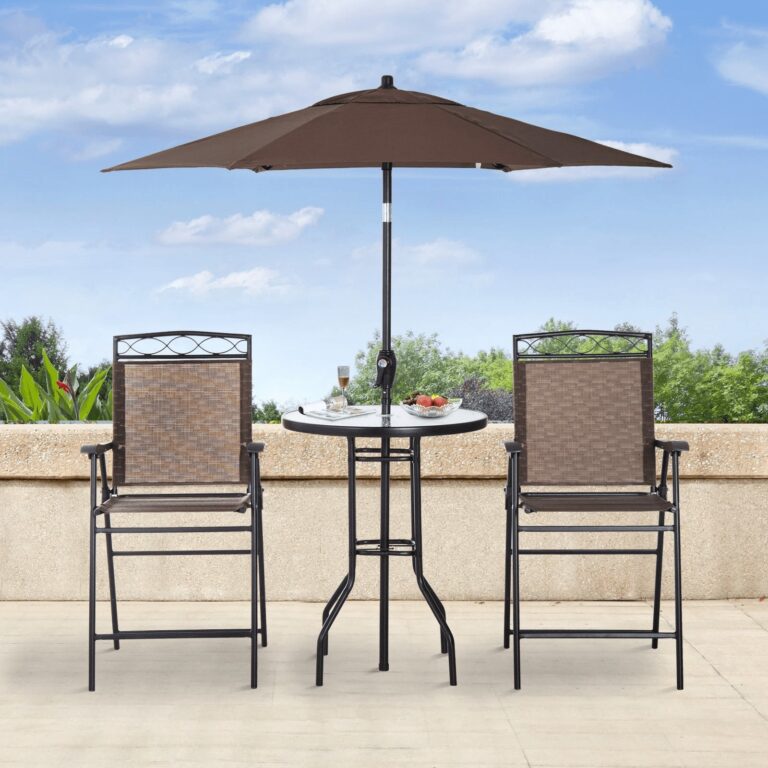 Aisha's pickSmall Dining Table and 2 Chair Sets for Long Dinners With Friends
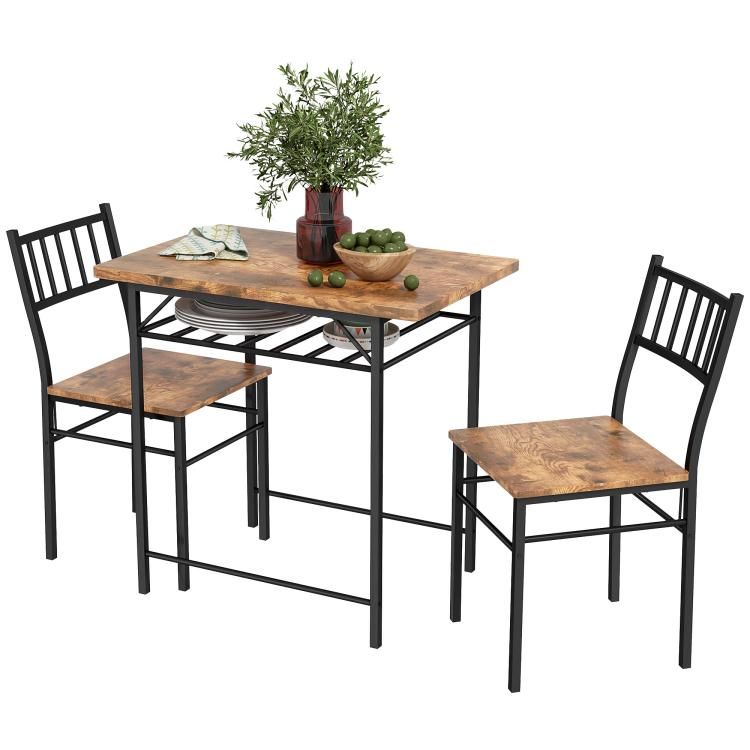
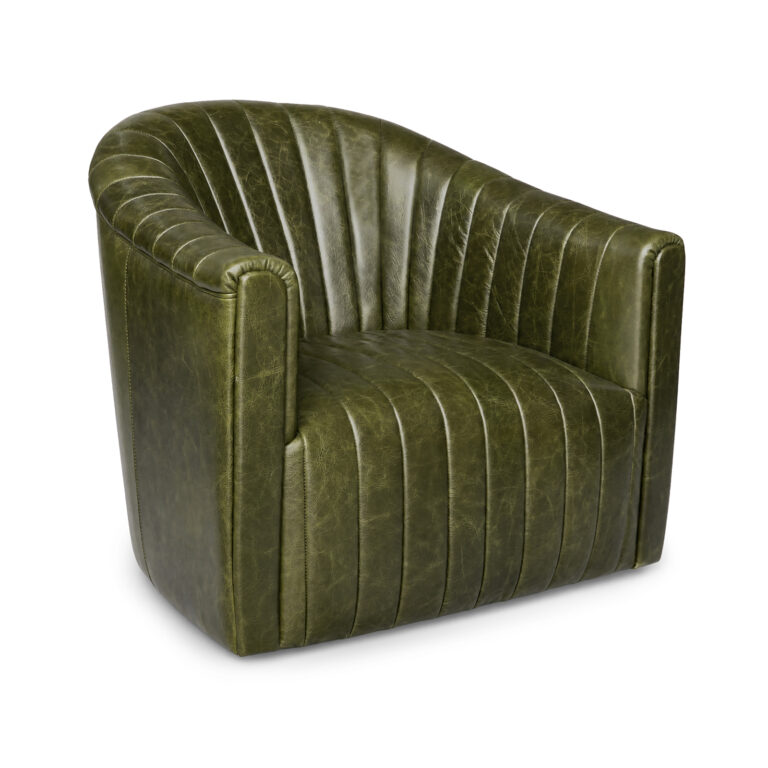 Aisha's pickThe Green Bedroom Chairs Worth Your Cash
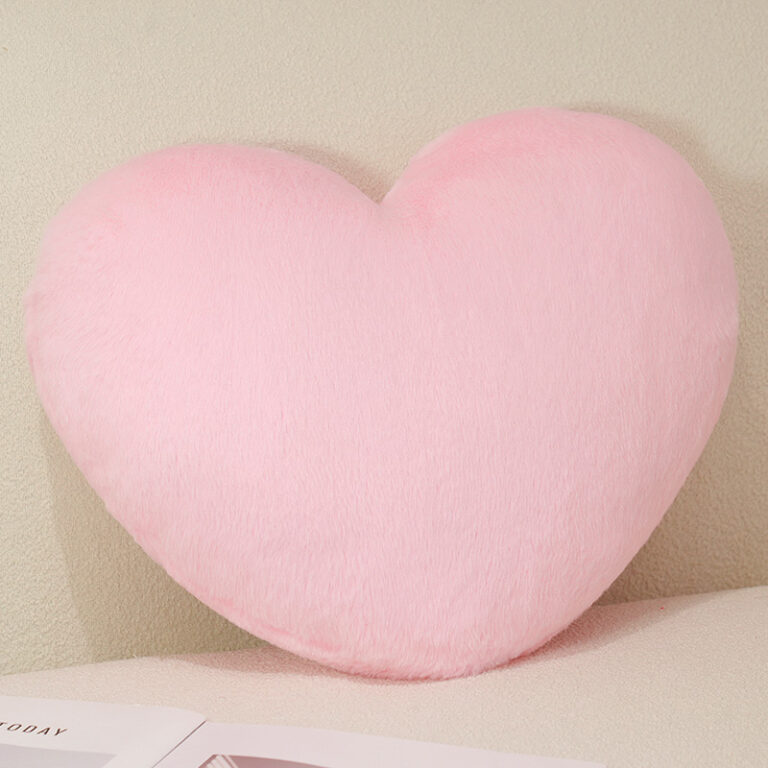
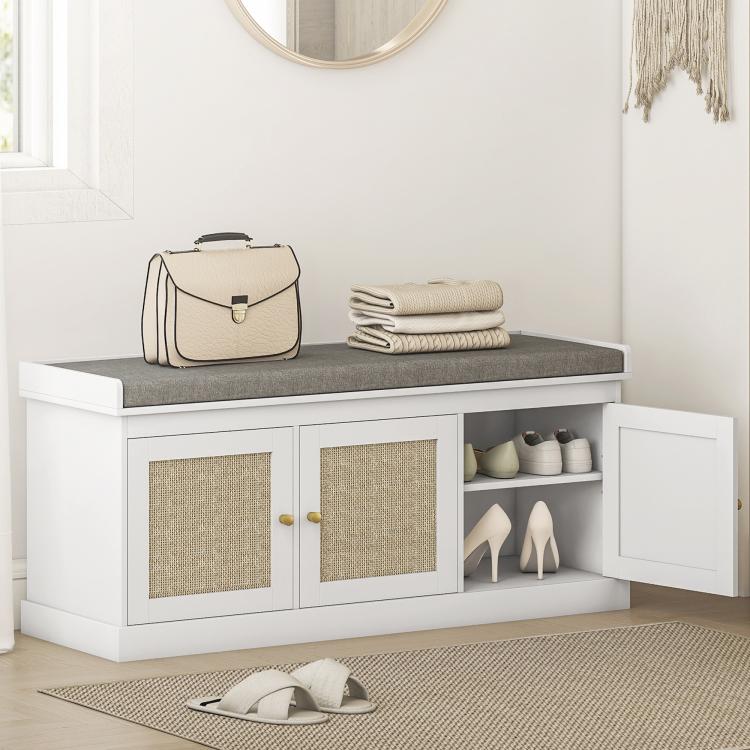 Aisha's pickBench Seats with Storage the Cat Will Claim Within a Day

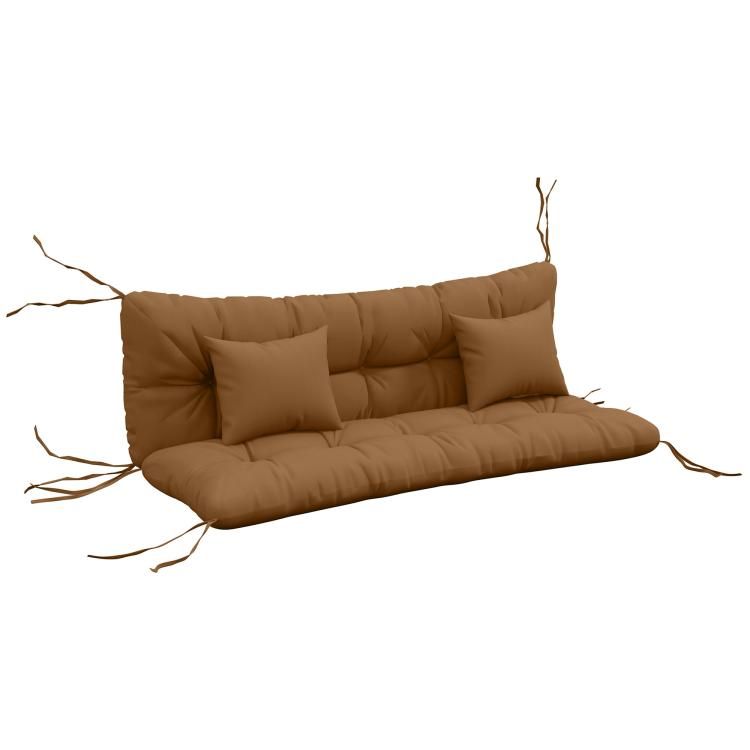
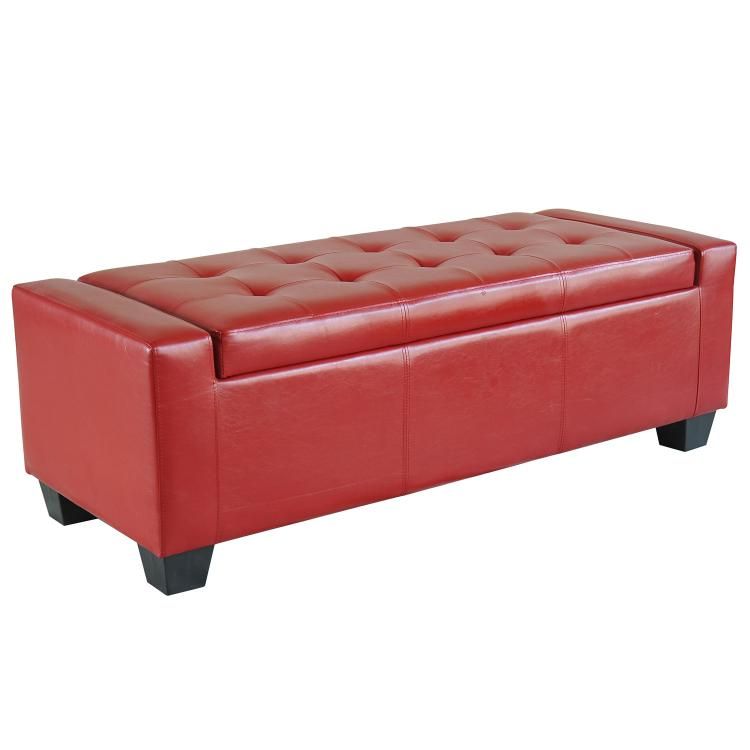 Aisha's pickTufted Bench Seats Comfy Enough for a Movie Night
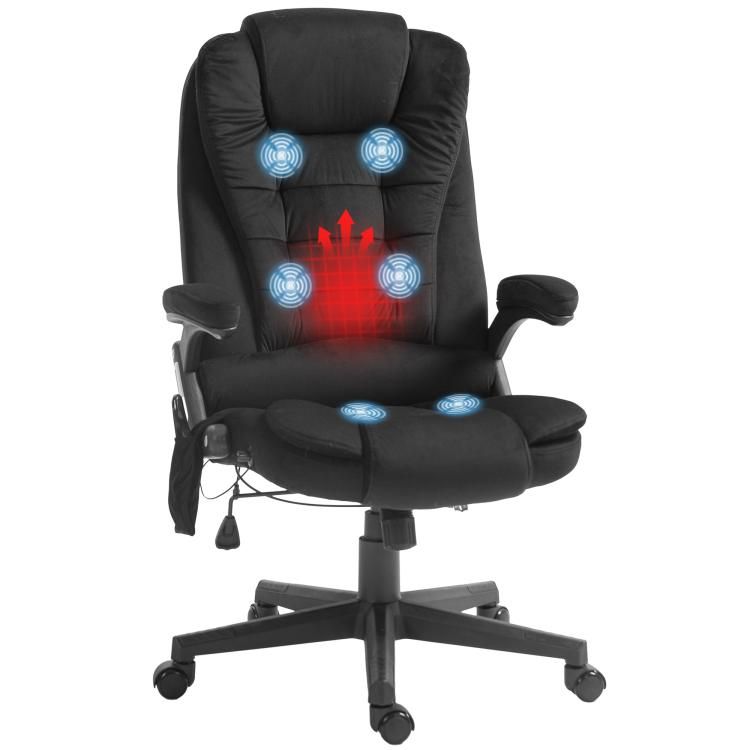 Aisha's pickWhere to Start With Black Height Adjustable Desk Chairs
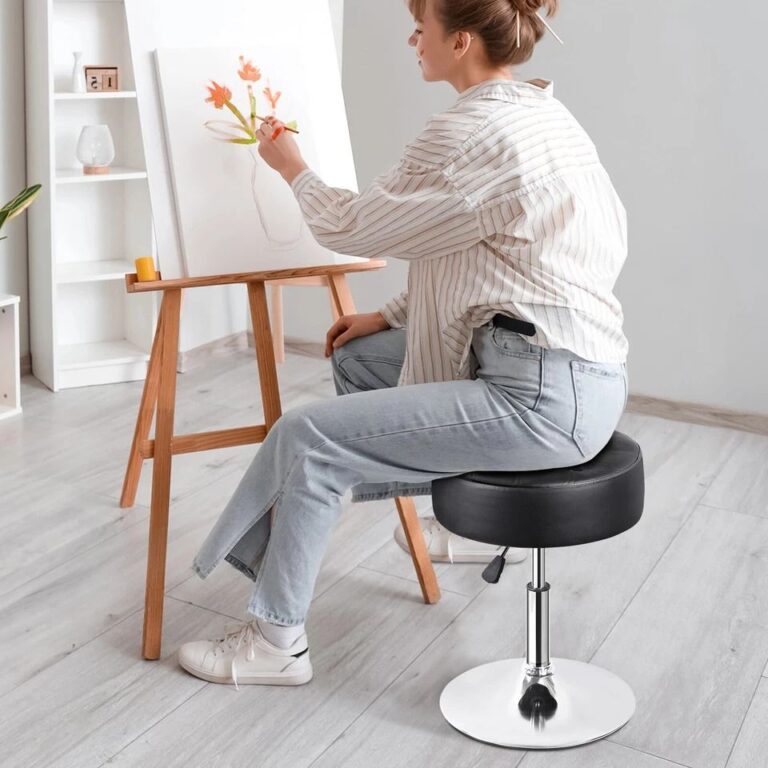
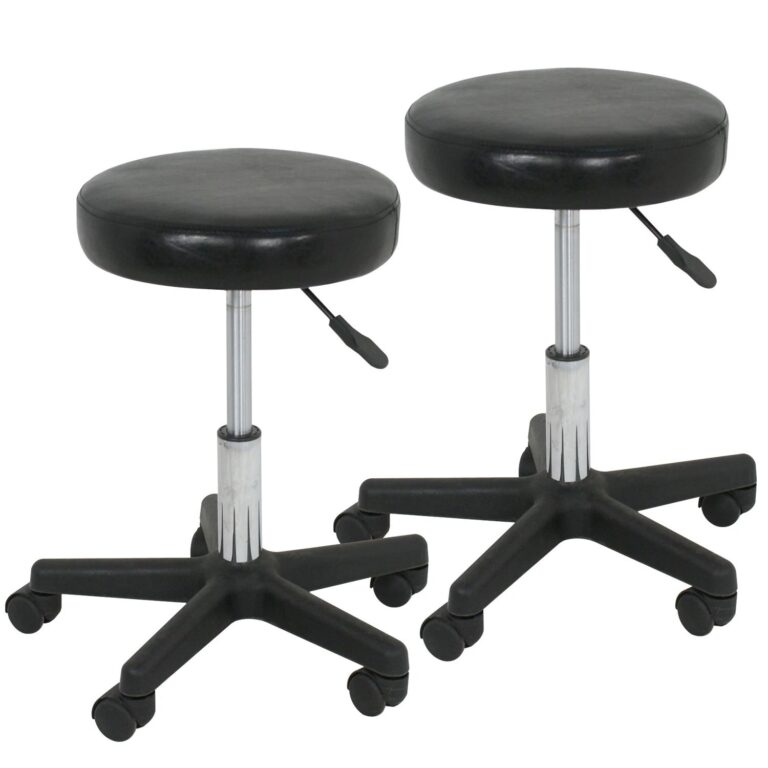 Aisha's pickShopping for Black Swivel Chairs? Start Here
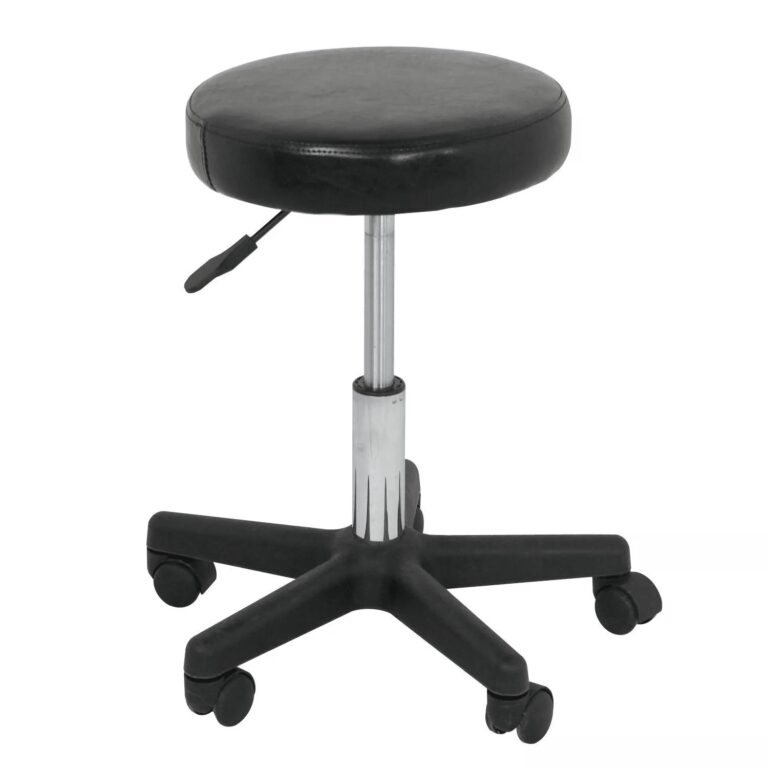
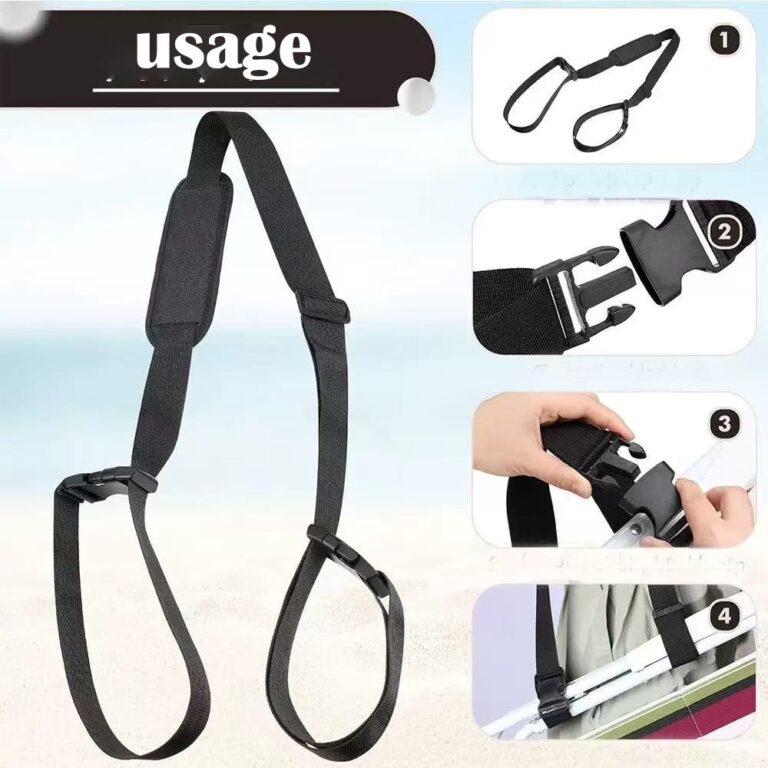 Aisha's pickCamping Chairs That Are Easy to Keep CleanAlso worth a lookErgonomic ChairsThe thing nobody mentions is that an ergonomic chair looks ridiculous for the first two weeks.See the collections →
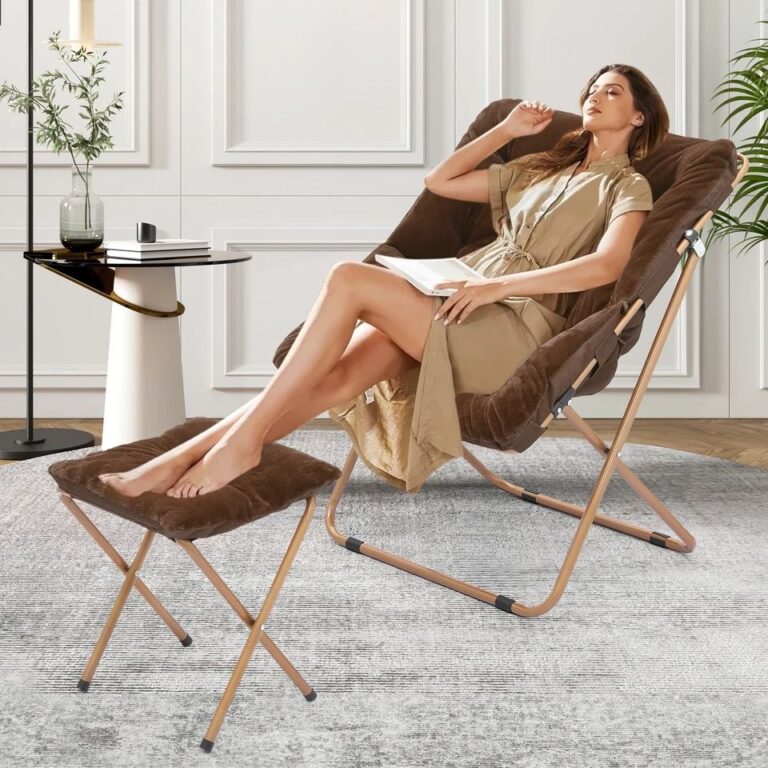
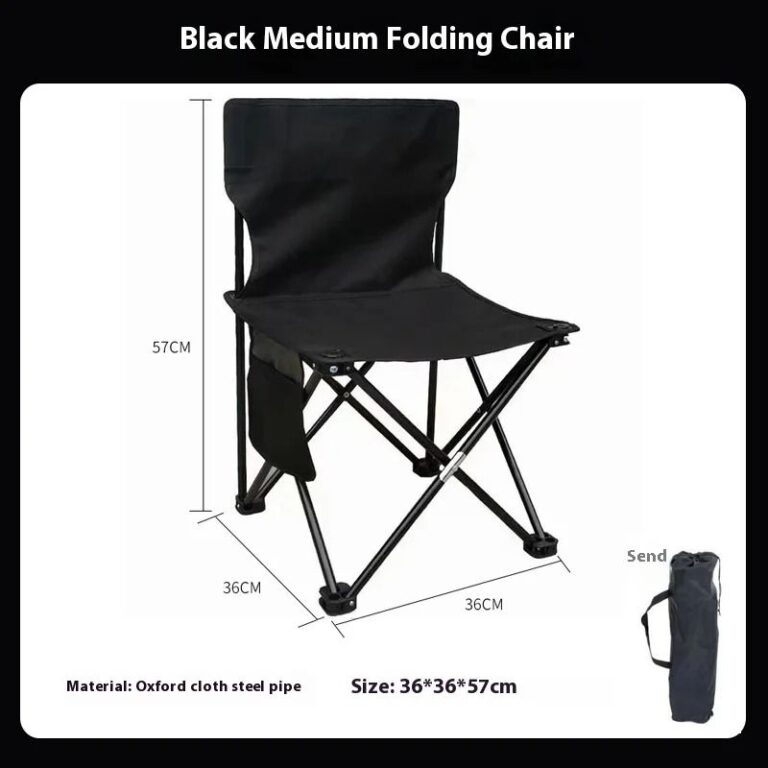 Aisha's pickFolding Camping Chairs We’d Buy Again

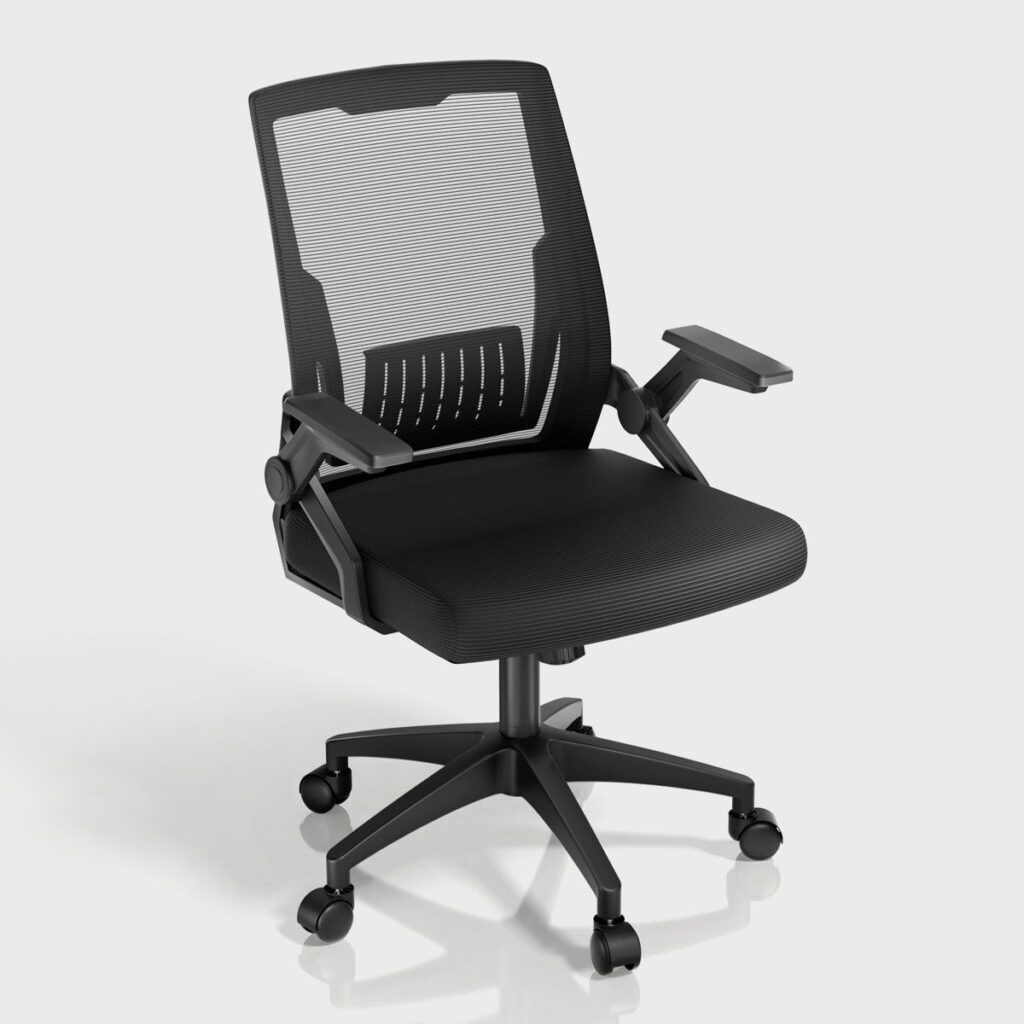 Aisha's pickLumbar Support Task Chairs We’d Happily Nap On
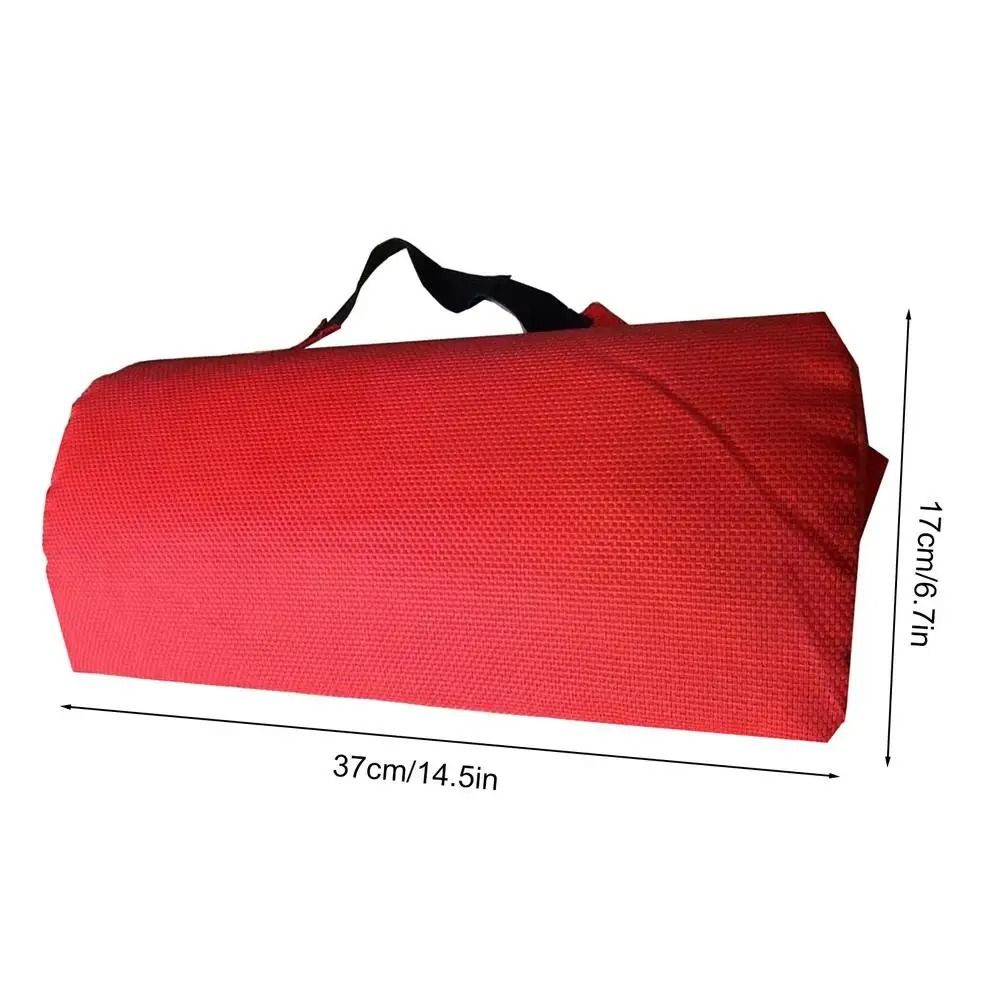
 Aisha's pickRecliner Chairs You’ll Sink Into at the End of the Day
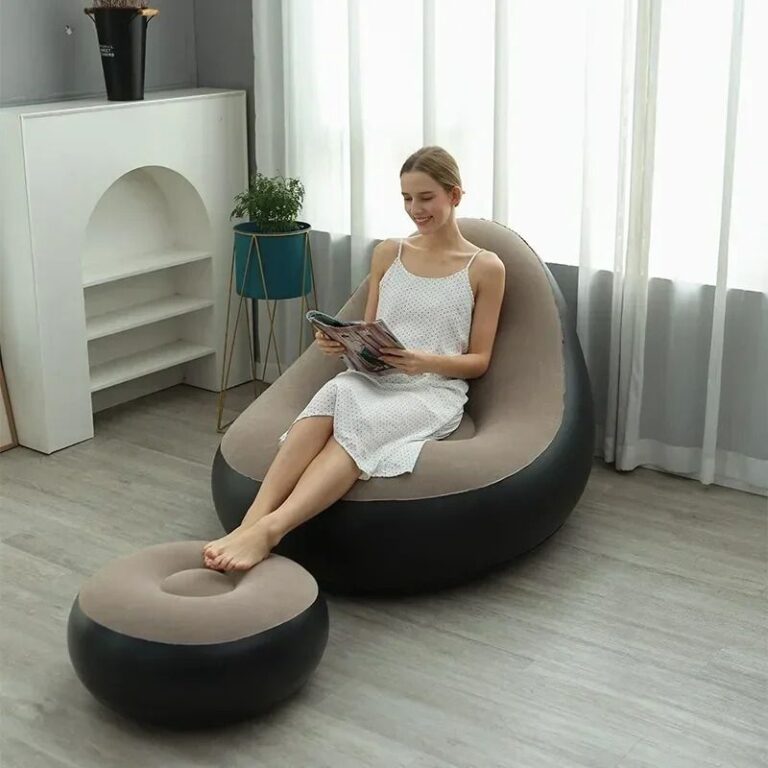
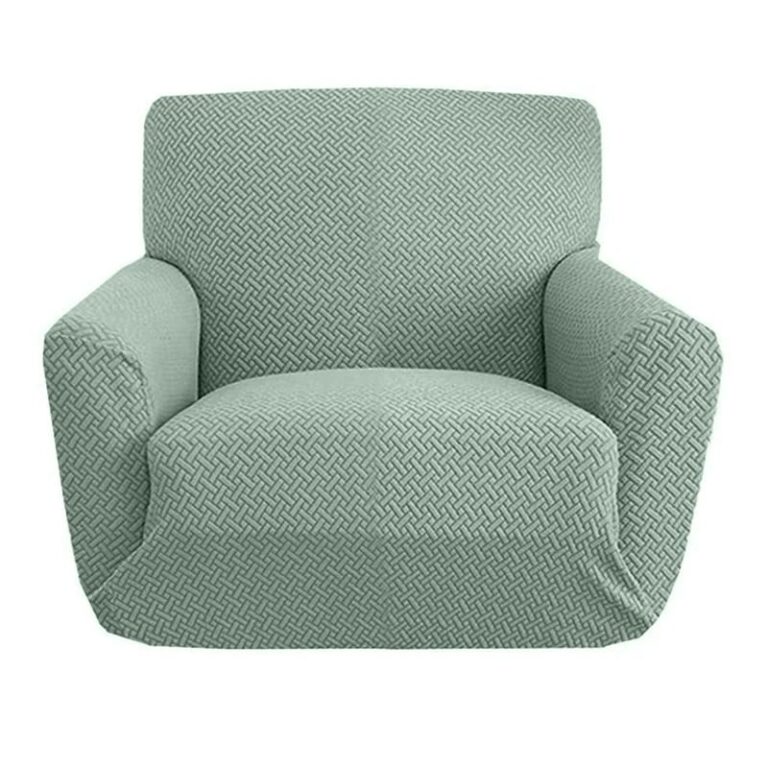 Aisha's pickArmchairs with Arms You’ll Sink Into at the End of the Day
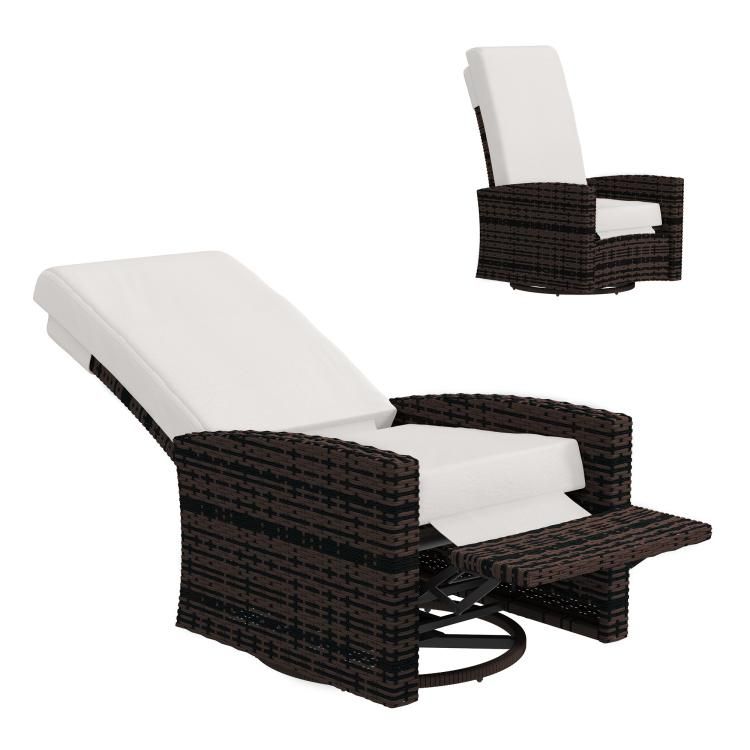 Aisha's pickRecliner Chairs with Arms That Are Easy to Keep Clean

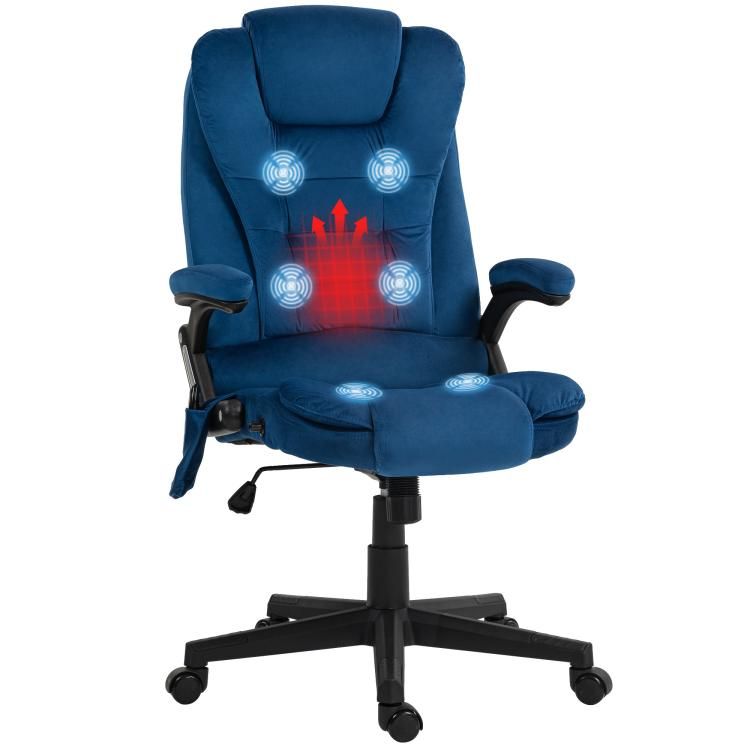 Aisha's pickBlue Desk Chairs That Make the Spare Room Feel Like an Office
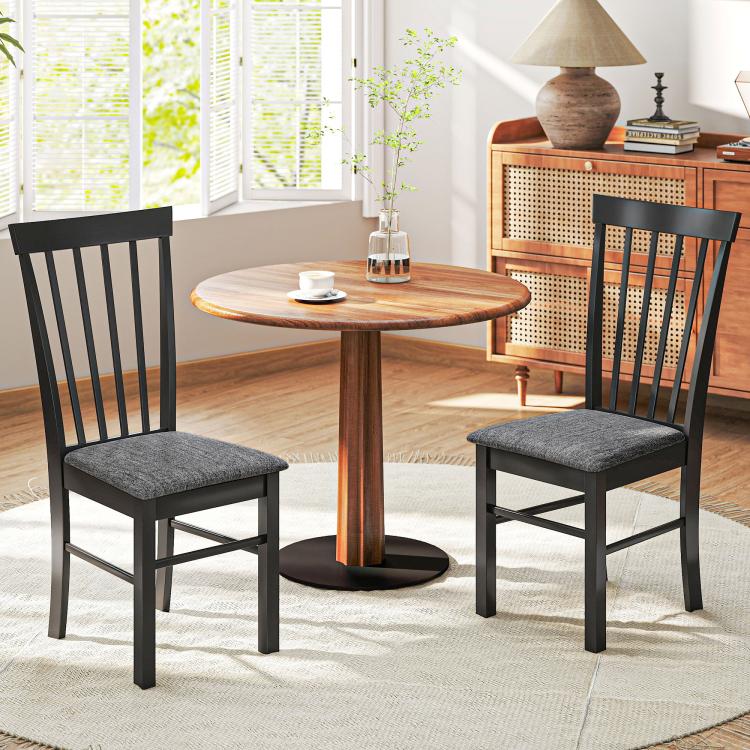 Aisha's pickArmless Dining Chairs for Long Dinners With Friends
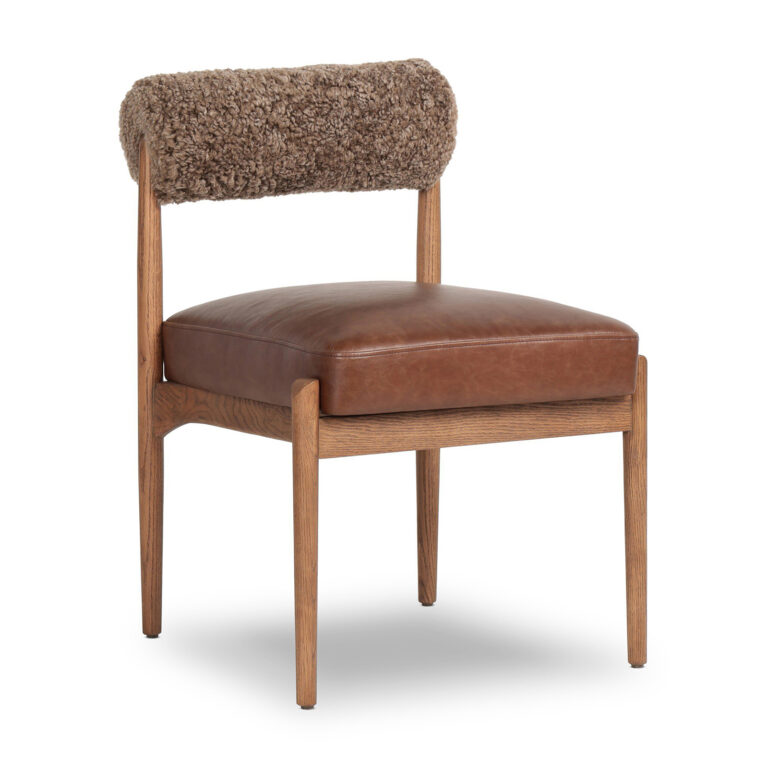
 Aisha's pickPlastic Dining Chairs That Get the Family Around the Table
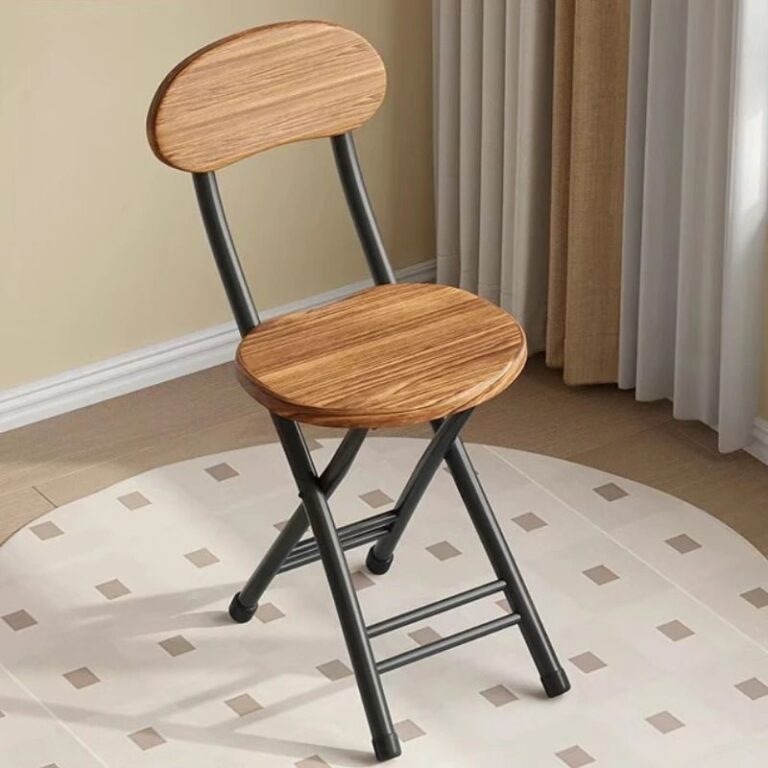
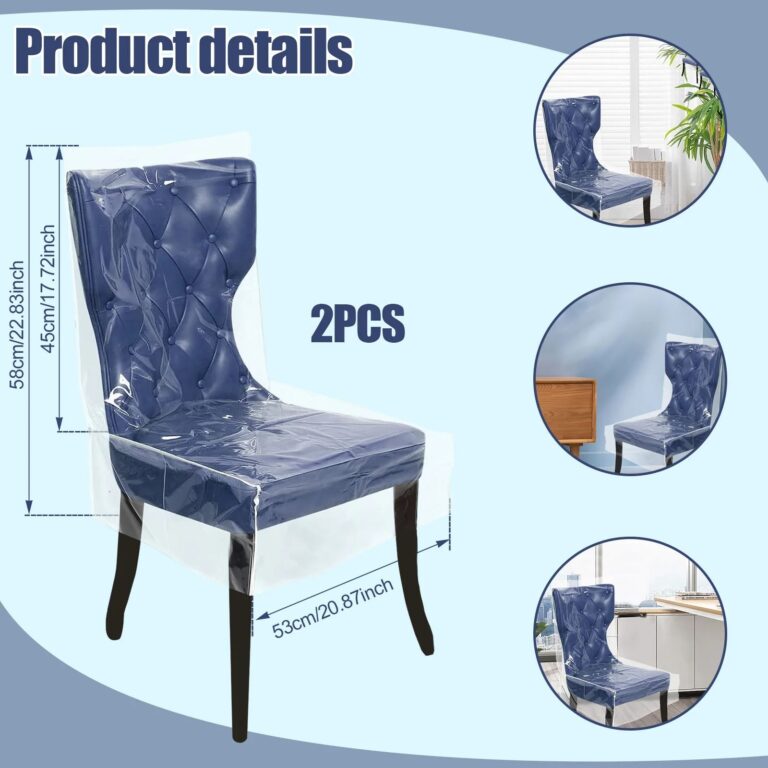 Aisha's pickDining Room Chairs With Real Back SupportAlso worth a lookSeatsStanding in a showroom trying to decide on seats, the first thing I'd tell you is to sit in it for longer than feels normal.See the collections →
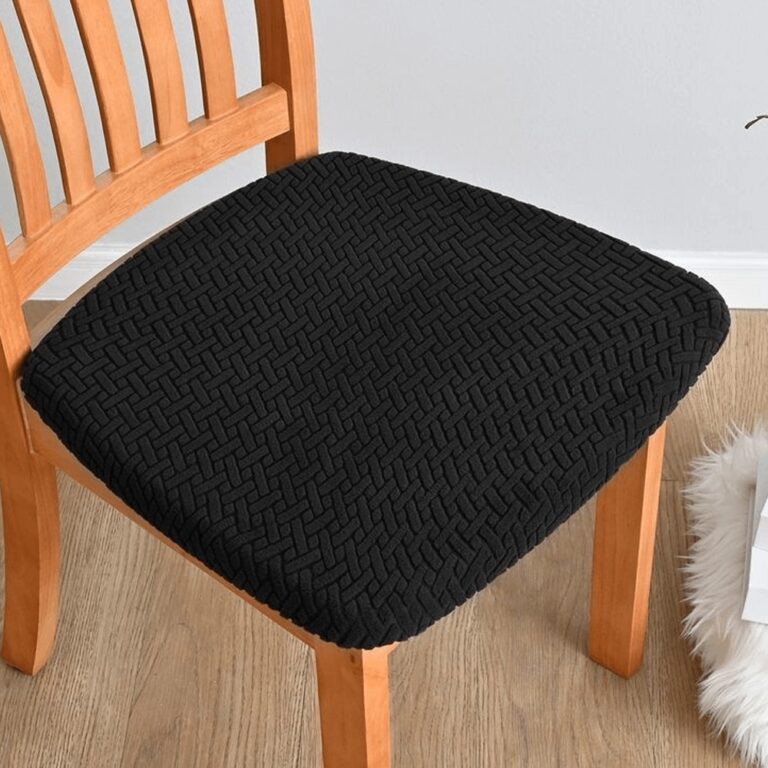
 Aisha's pickErgonomic Chairs for Long Hours From Brands You Know and a Few You Won’t

 Aisha's pickGreen Ergonomic Chairs That Make the Spare Room Feel Like an Office
 Aisha's pickAdjustable Executive Chairs That Make the Spare Room Feel Like an Office

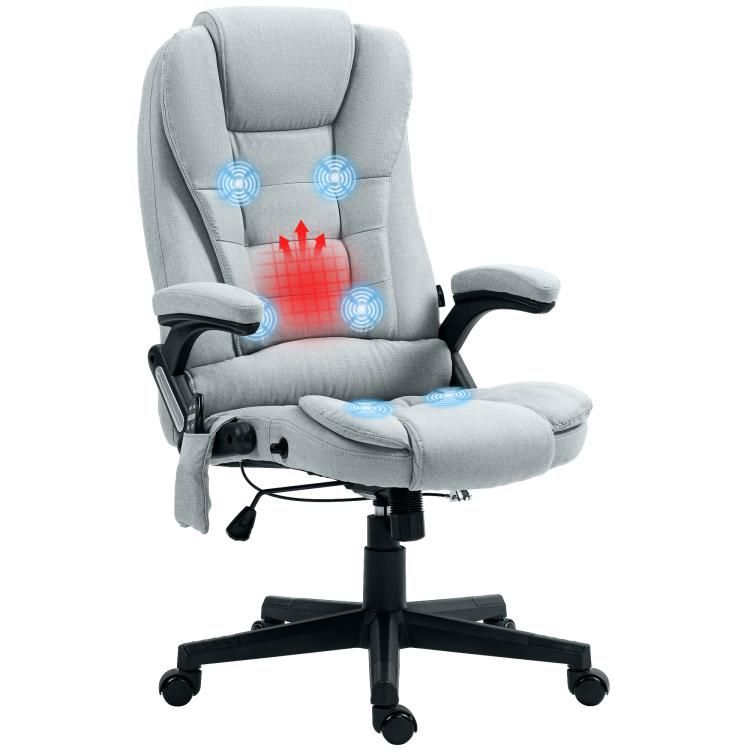 Aisha's pickLumbar Support Executive Office Chairs Picked From the Stores We Trust
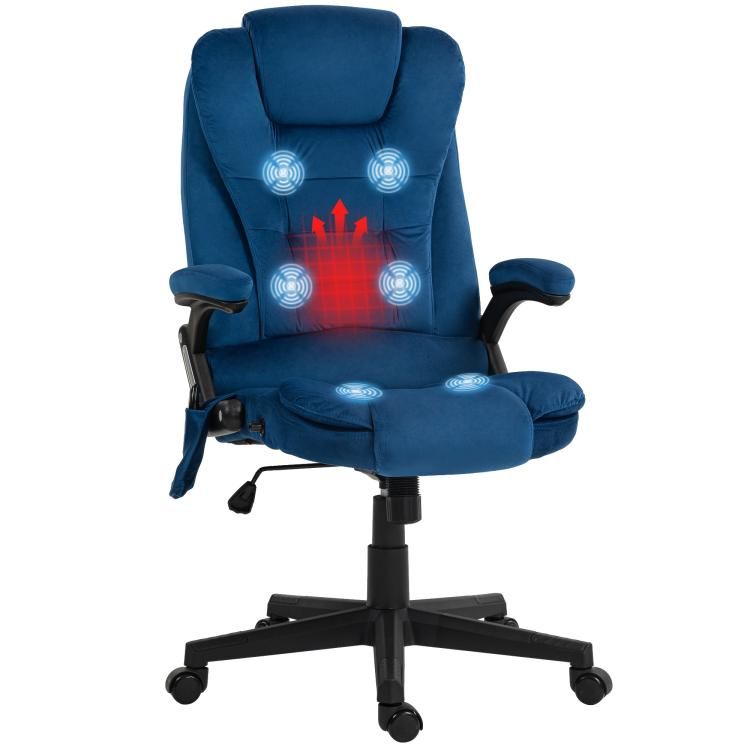
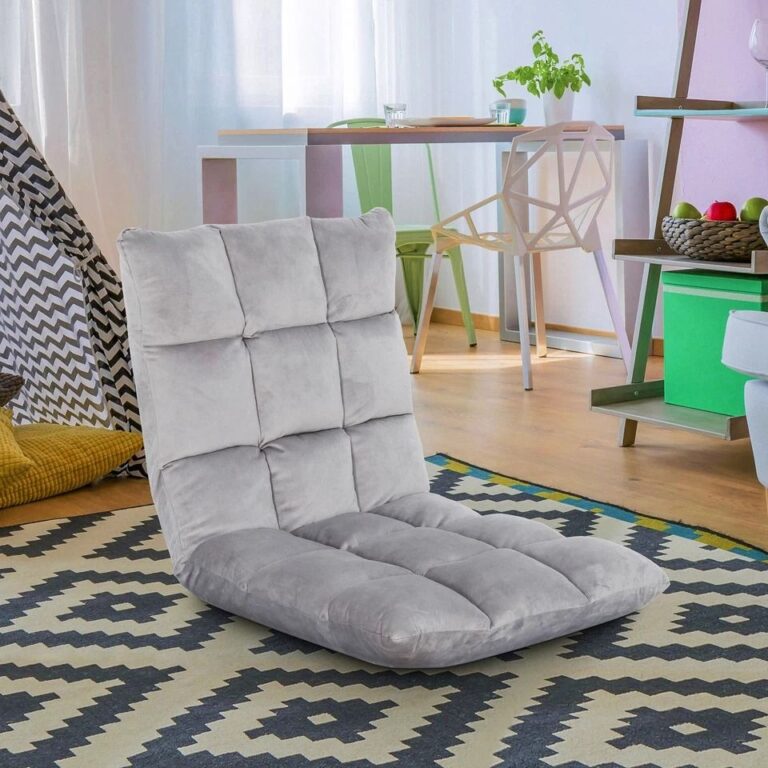 Aisha's pickVelvet Reading Chairs for Making a House Feel Like Yours
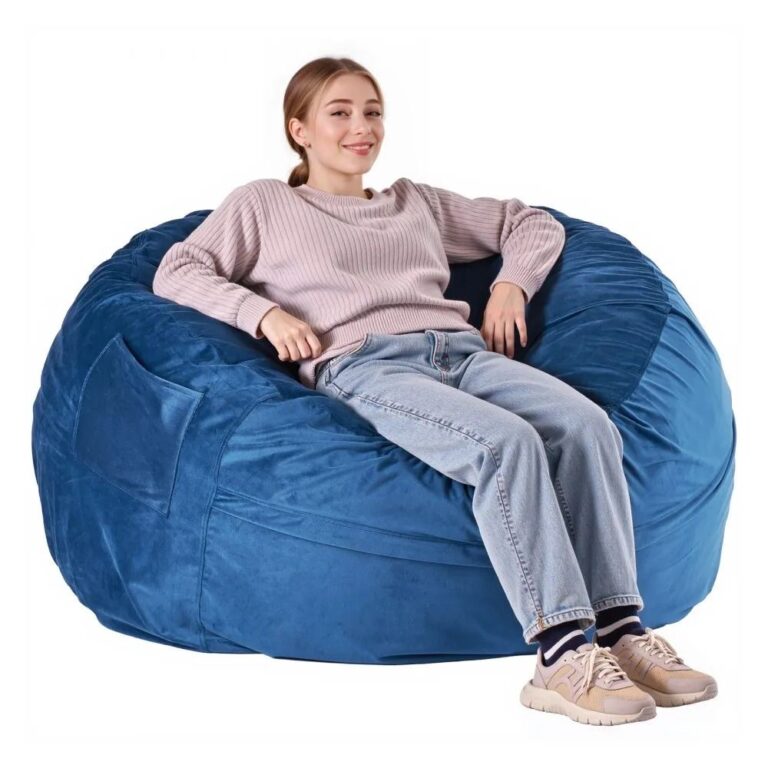
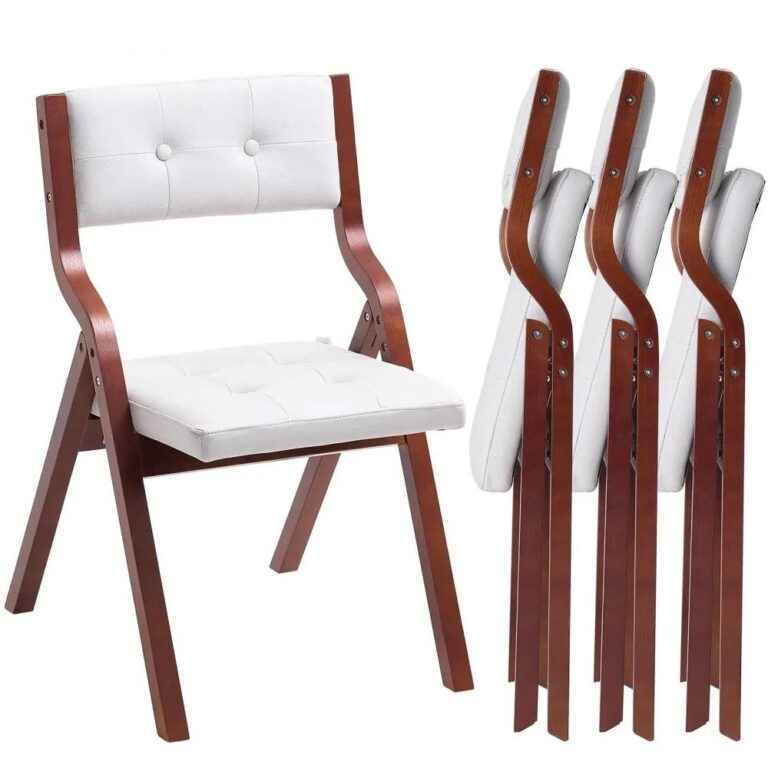 Aisha's pickSets of 4 Fabric Dining Chairs That Make a Room Feel Finished
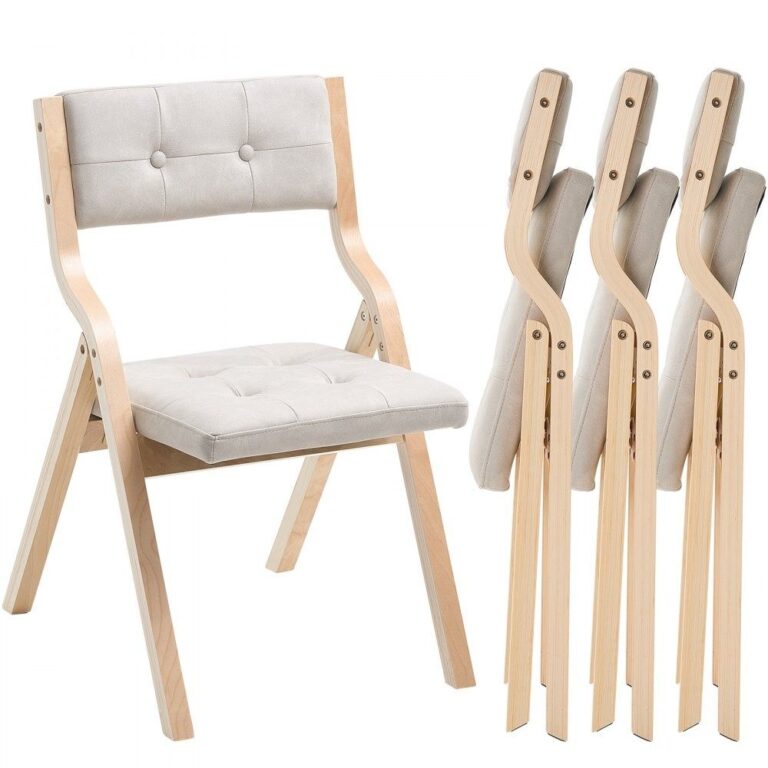
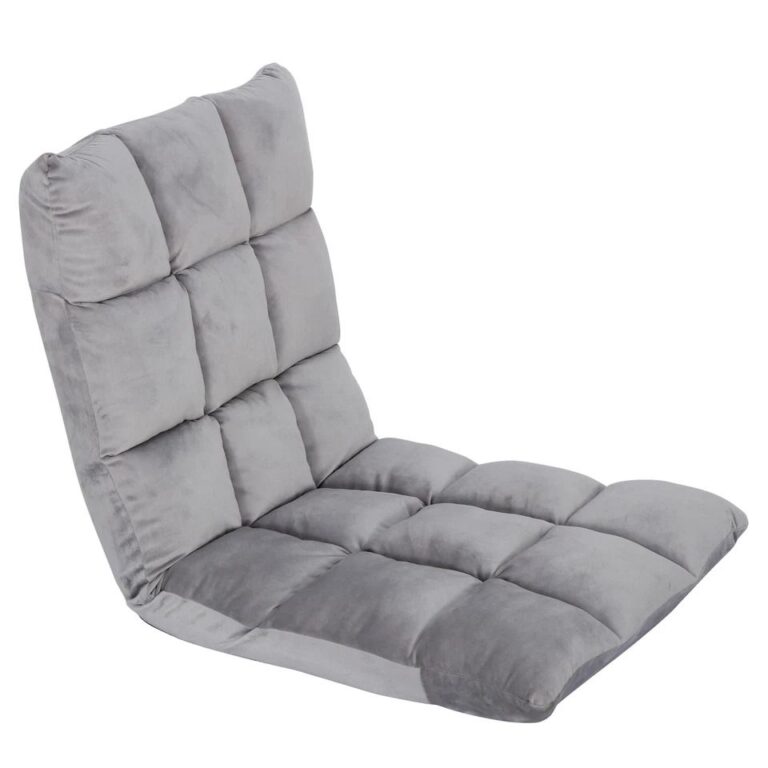 Aisha's pickHigh Back Gaming Chairs for Long Days at the Desk
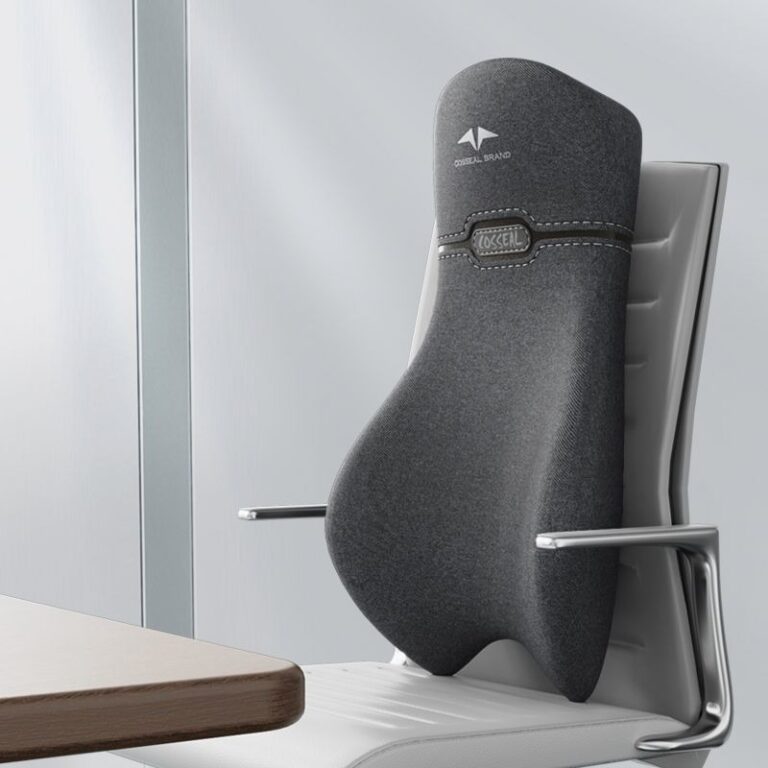
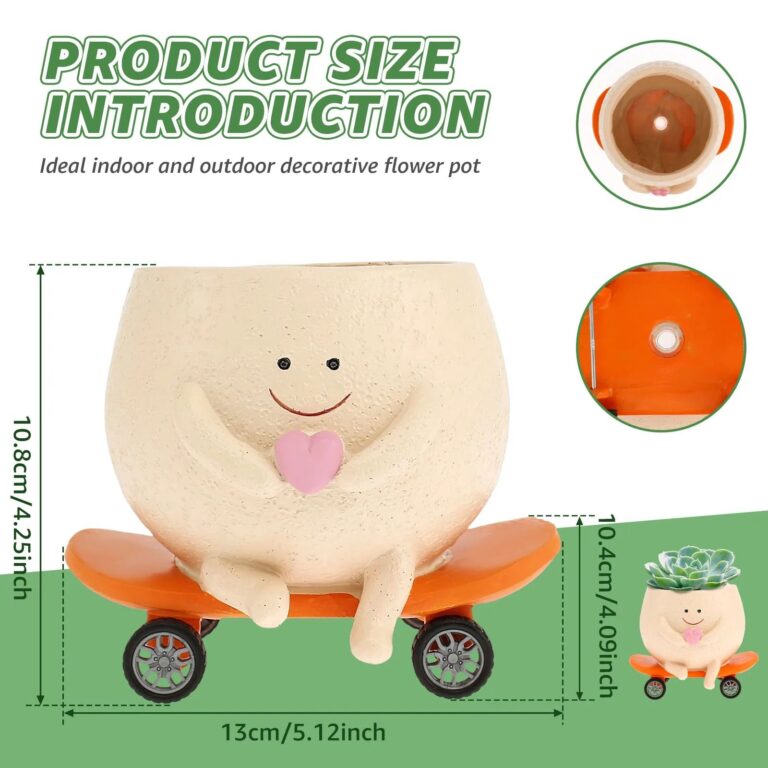 Aisha's pickCompact High Chairs That Seat Guests Without the Squeeze
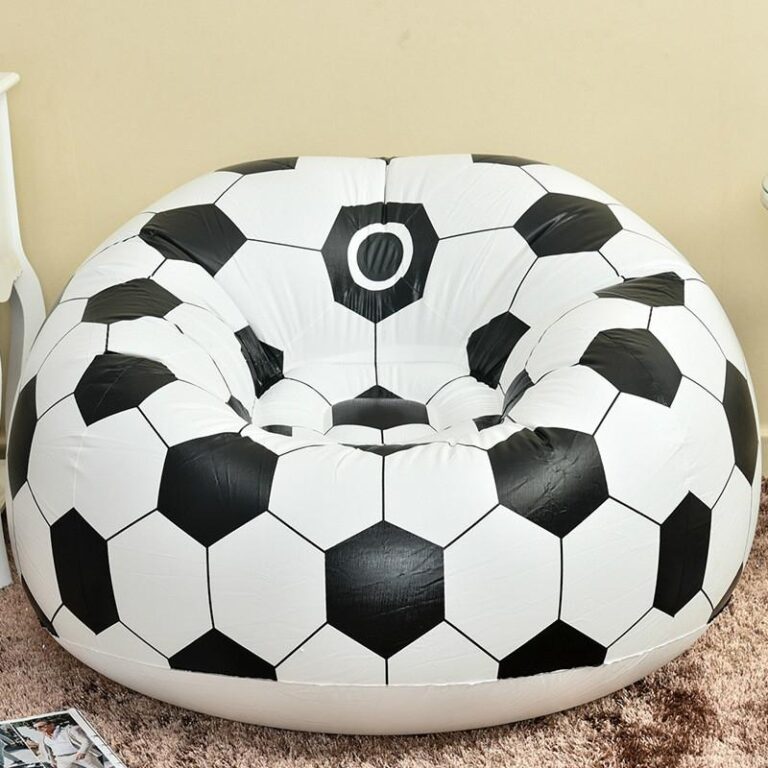
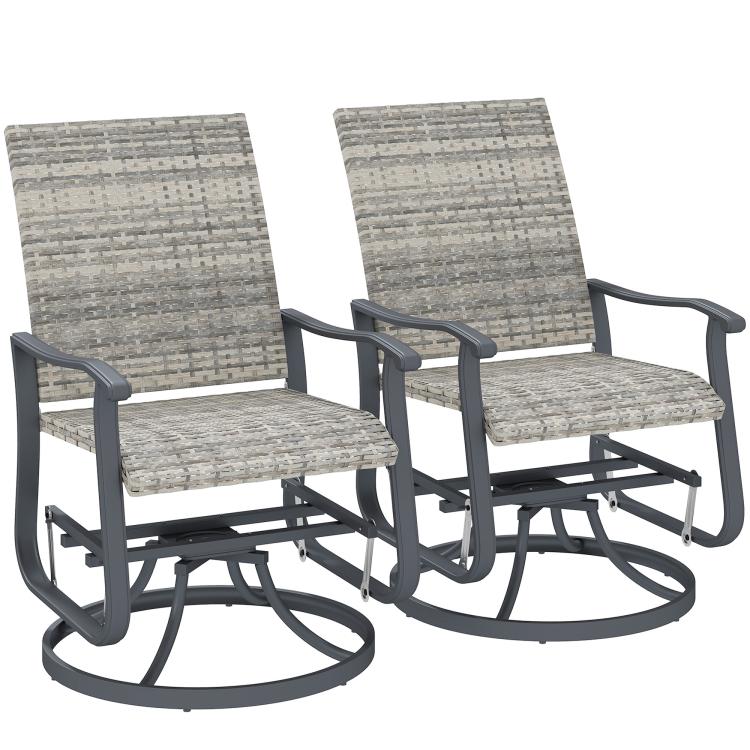 Aisha's pickSimple Swivel High Chairs Done WellAlso worth a lookAccent ChairsAn accent chair is the one seat in the room that doesn't have to agree with anything else.See the collections →
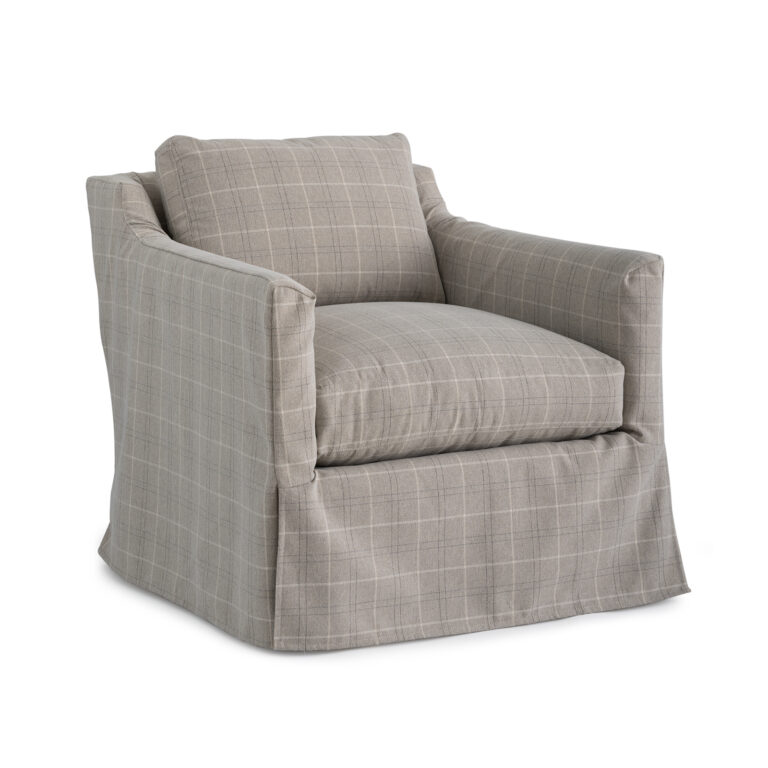
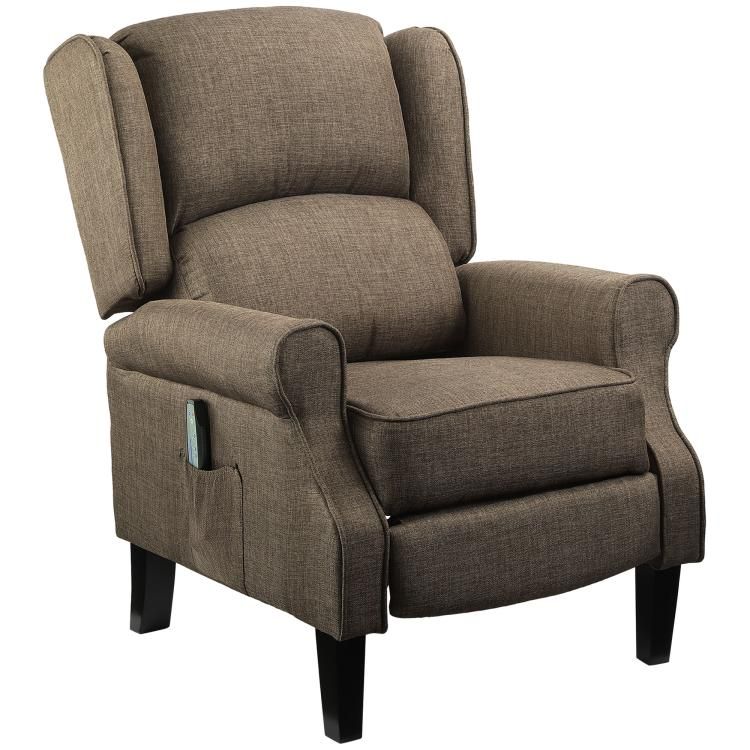 Aisha's pickWooden Home Office Chairs That Make a Room Feel Finished
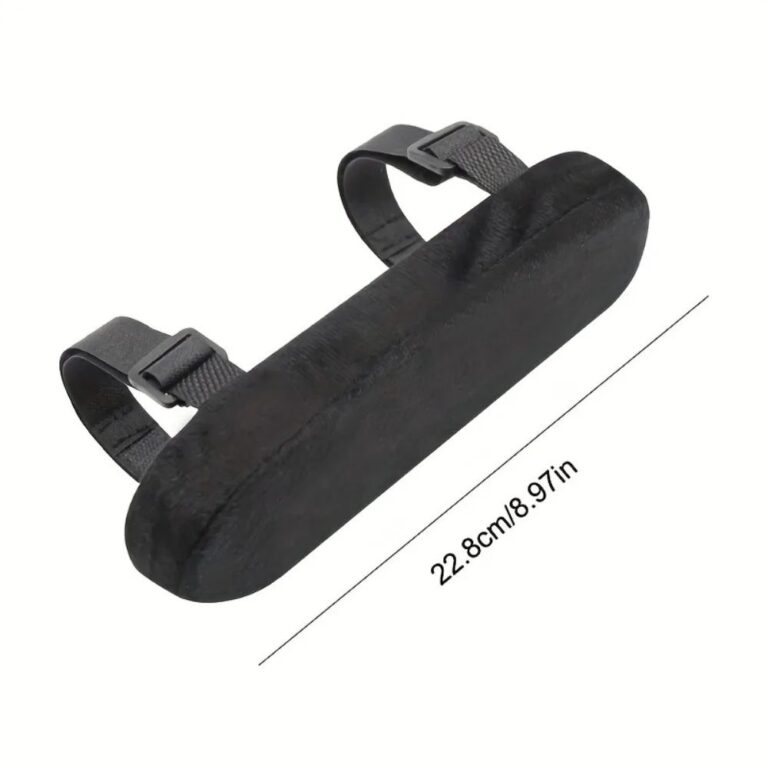
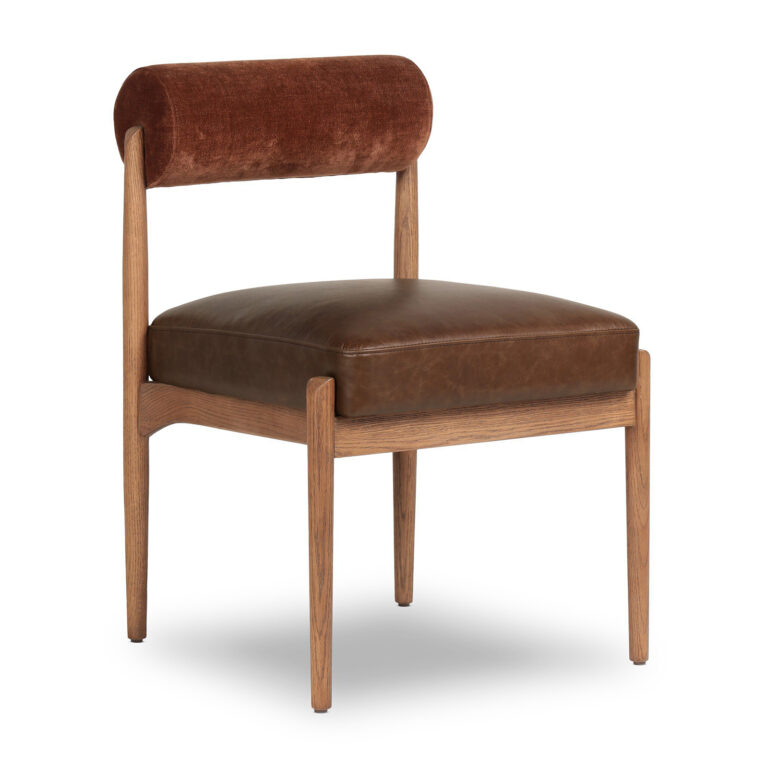 Aisha's pickLeather Dining Chairs the Cat Will Claim Within a Day

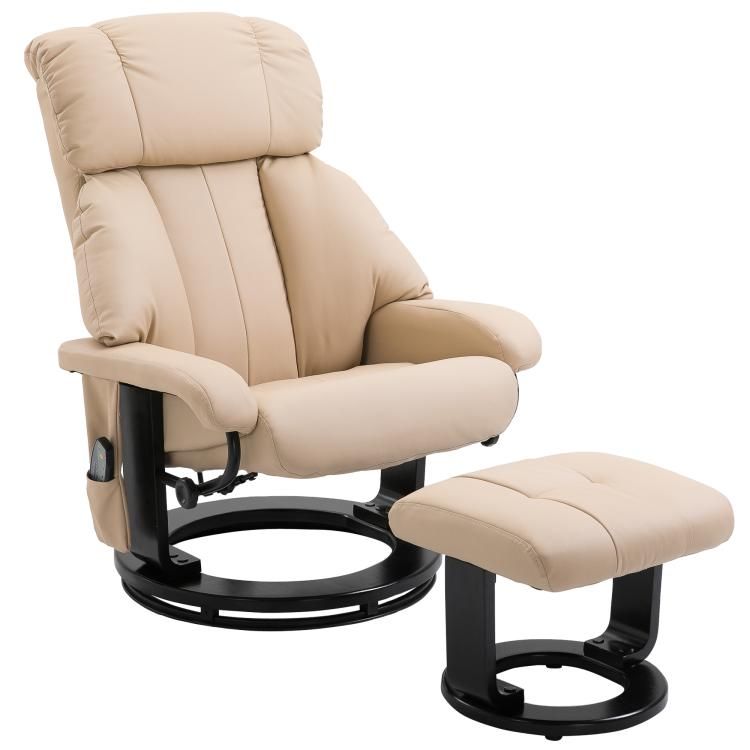
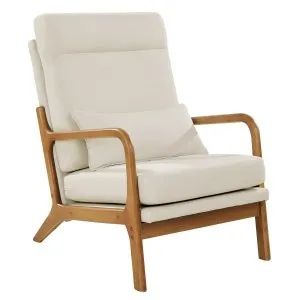 Aisha's pickBeige Living Room Chairs for Movie Nights and Slow Sundays
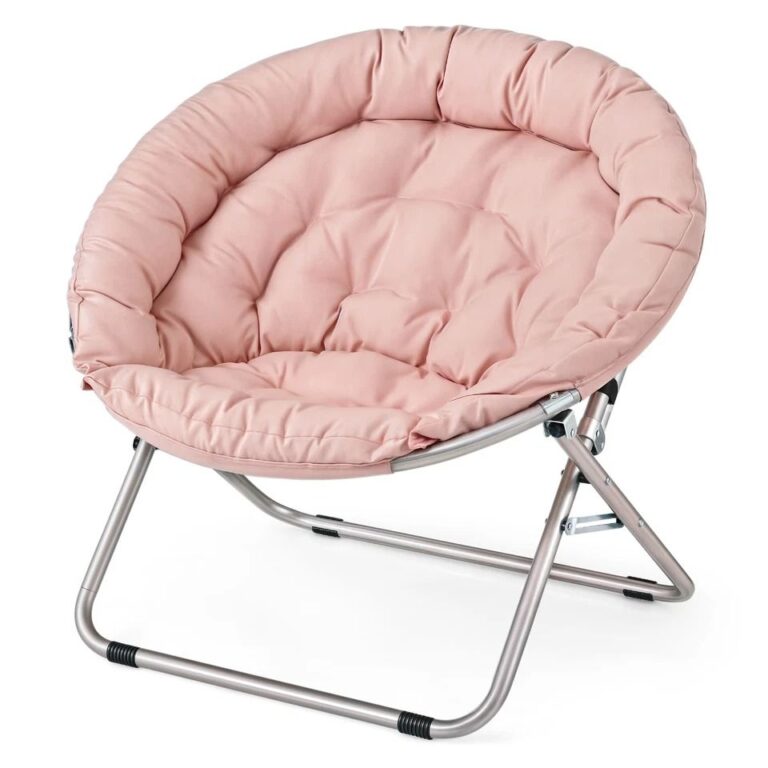 Aisha's pickPink Living Room Chairs for Movie Nights and Slow Sundays
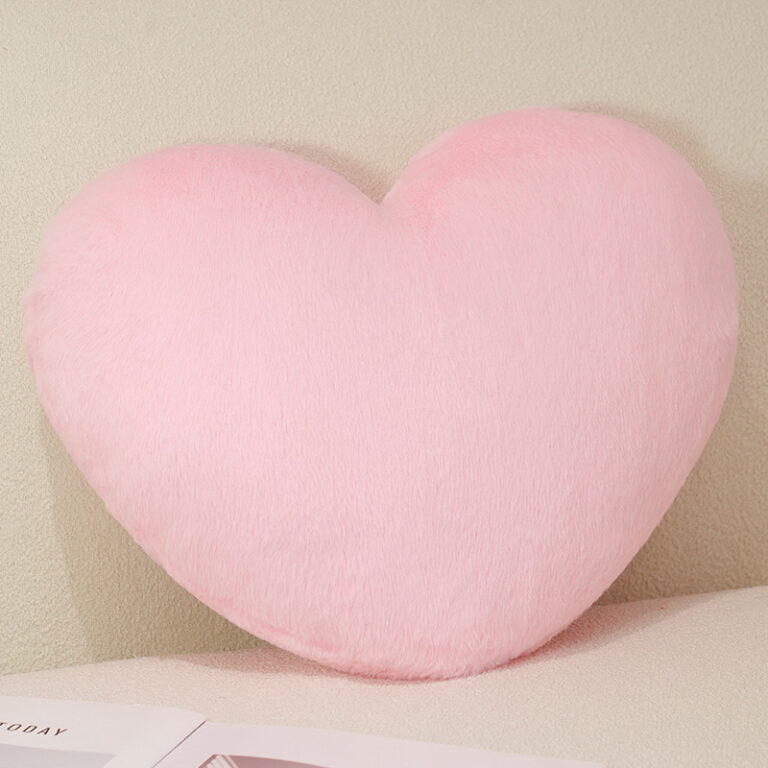
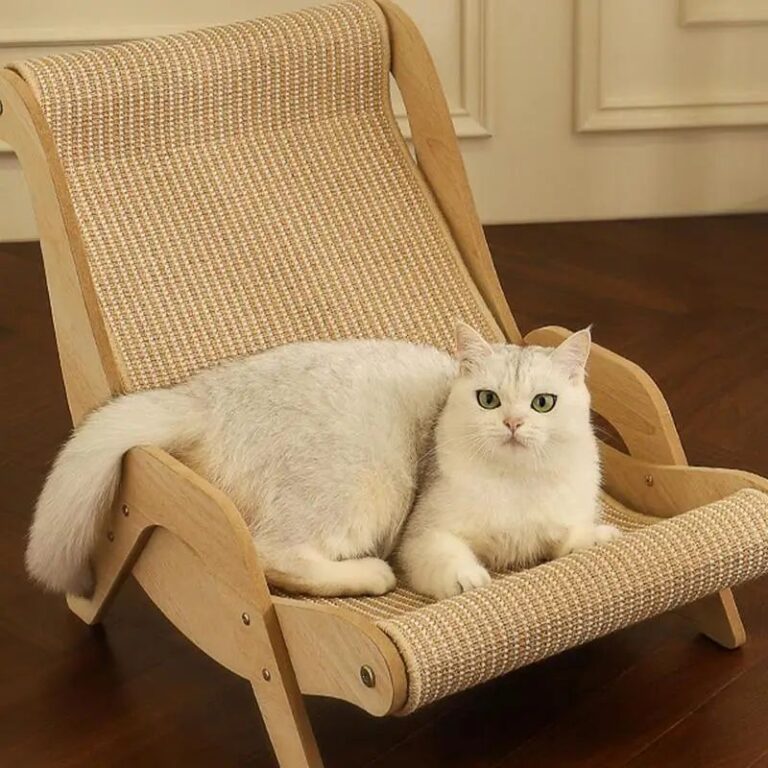 Aisha's pickCurved Lounge Chairs You’ll Sink Into at the End of the Day
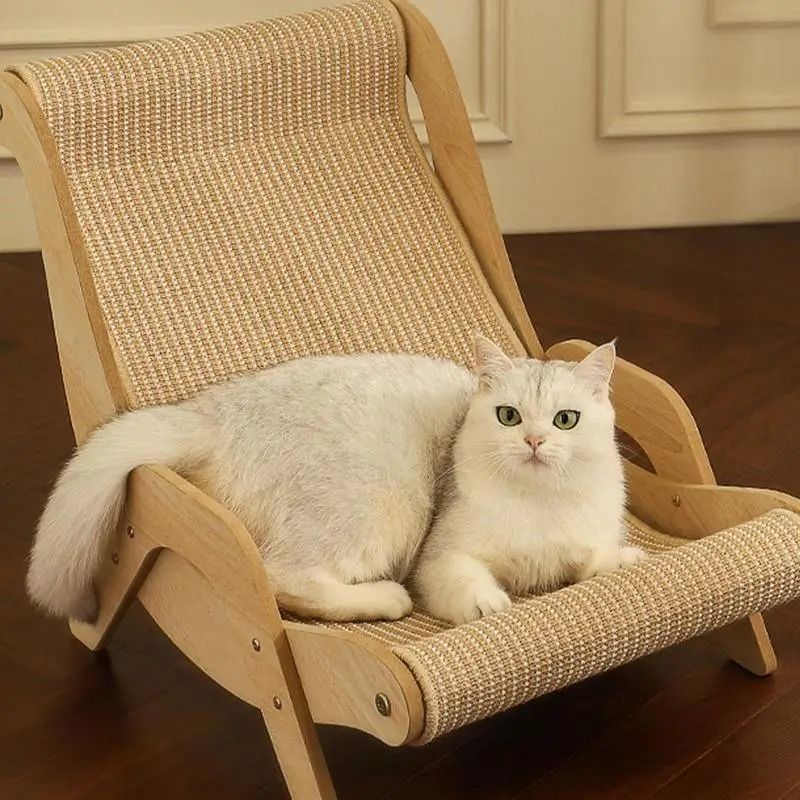
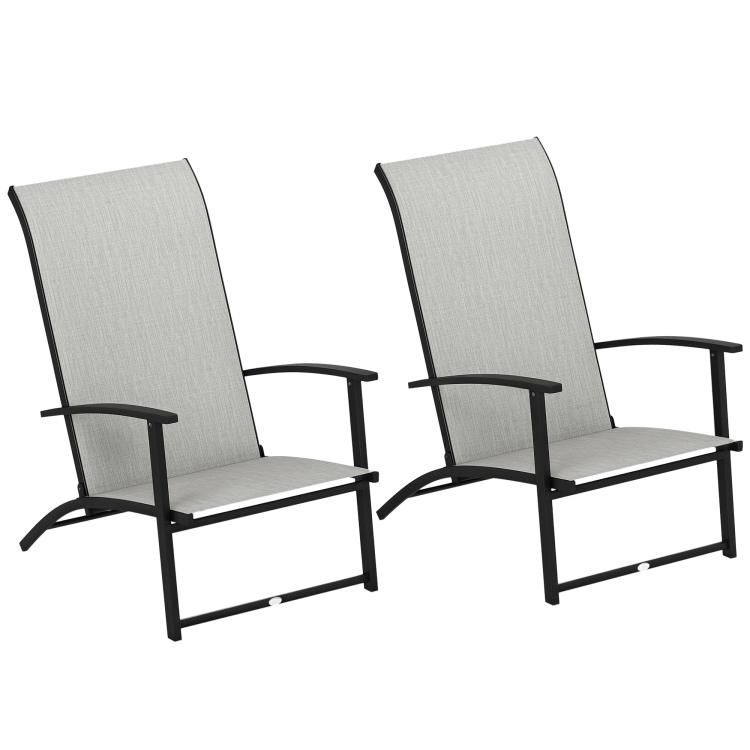 Aisha's pickSets of 2 Metal Dining Chairs That Don’t Need Babying
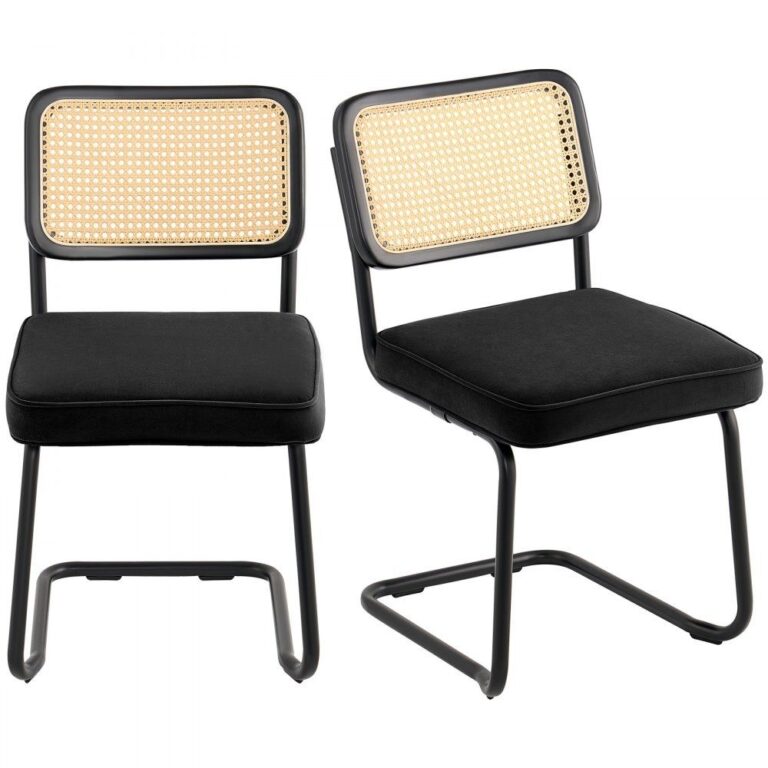
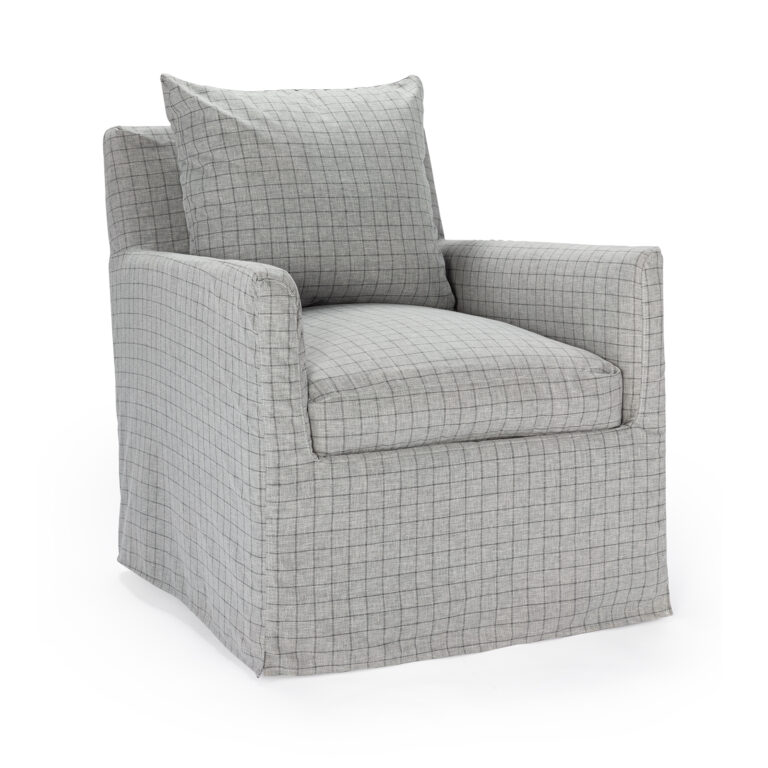 Aisha's pickModern Rocking Chairs the Cat Will Claim Within a Day
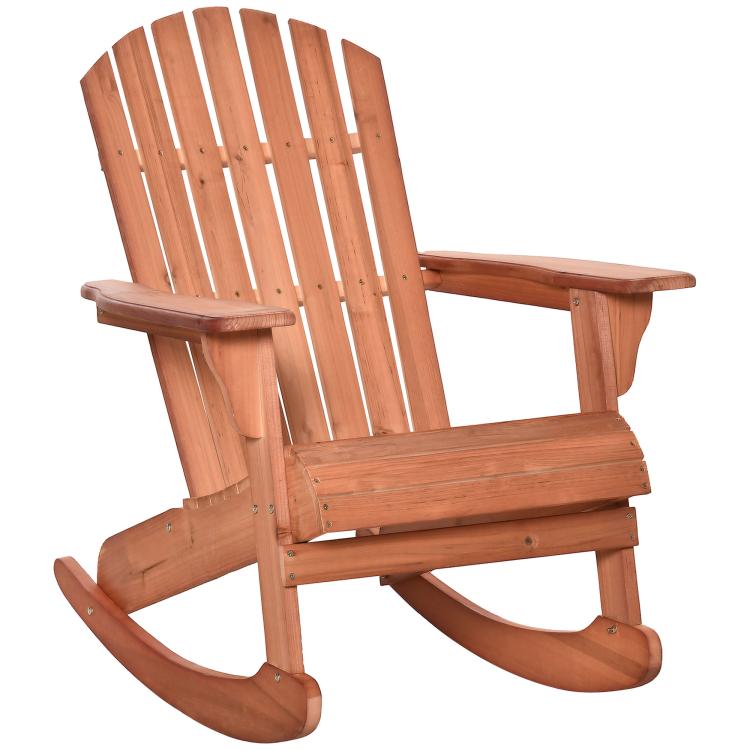
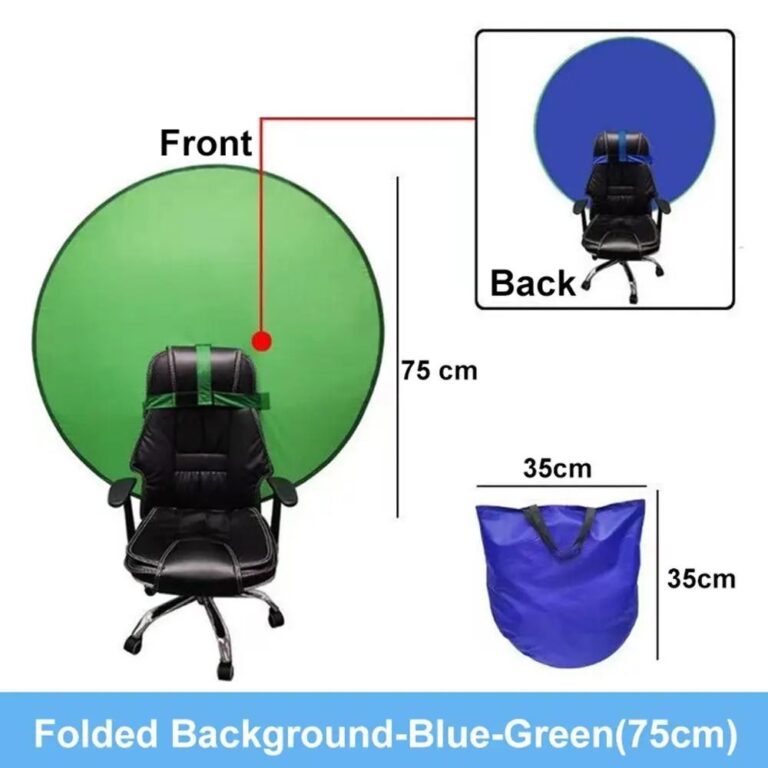 Aisha's pickLarge Office Chairs for Long Days at the Desk