I sat in a high back chair at a friend's place for an hour at a dinner party before I realized why I hadn't moved once to lean against a wall or fold myself sideways the way I do in every other chair I own. The wings came up past my shoulders, the back went higher than my head, and I just sat there like the chair was doing some of the work of holding me up. That's the moment it clicked for me, not in a showroom, just at someone's dining table with a glass of wine going warm in my hand.
Where it doesn't work is anywhere already busy or low slung. Put one next to a low sofa and a low coffee table and it towers over everything else in the room like it wandered in from a different house. Same goes for small rooms with low ceilings, it can make an eight foot ceiling feel like it's pressing down, especially if the chair has a dark frame or a tall tufted back. It also clashes with anything too delicate near it, spindly side tables, thin lamp stands, that sort of thing look apologetic next to a chair with this much presence. It wants a room with some height and some weight already in it, a tall window, a solid rug, furniture that isn't afraid of itself.
When you're looking at one in person, or the day it shows up, check the depth of the seat first, not just the height of the back. A lot of high back chairs are built for looking impressive rather than sitting in for longer than a cocktail hour, and if the seat is too deep for your legs you'll spend the whole time perched like you're at a job interview. Press on the arms if it has them, a wobble there means the frame underneath is thinner than it should be. Check how the fabric is pulled over the back, puckering or loose spots at the seams usually show up within the first few months, not years, so that's worth catching on delivery day, not after you've already rearranged the whole room around it.
Mine has been in daily use for about three years now, and the wear shows up first where your head rests against the back, a slight darkening or flattening of the fabric that no amount of fluffing fixes. Leather ones crease and soften in a way that looks better with age, almost all fabric ones just look tired, so if you're rough on furniture, lean leather or a performance weave. Vacuum the crevices where the back meets the wings every couple months, that's where crumbs and dust go to retire. The one mistake I'd avoid is buying it without sitting in it for at least ten minutes in the store, because a chair that looks commanding can still feel like a punishment after the first course.
 Aisha's pickFabric High Back Chairs Comfy Enough for a Movie Night

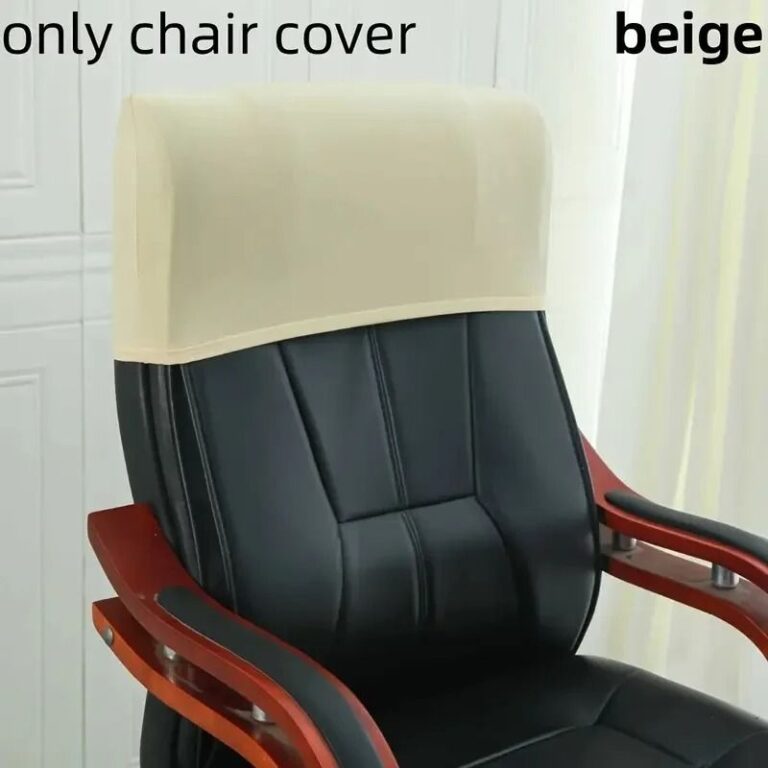 Aisha's pickHigh Back Home Office Chairs That Do the Job Right

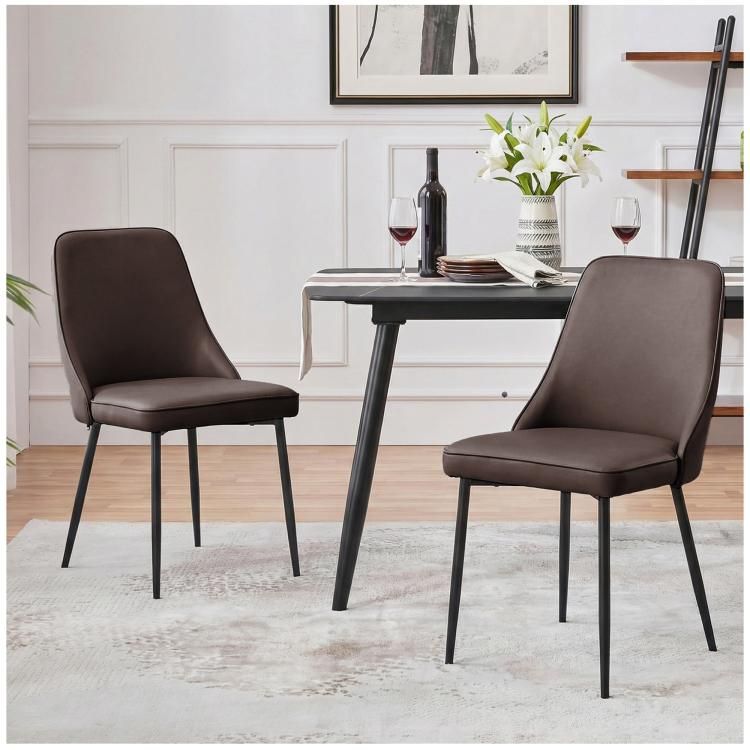 Aisha's pickFaux Leather High Back Chairs for Making a House Feel Like Yours
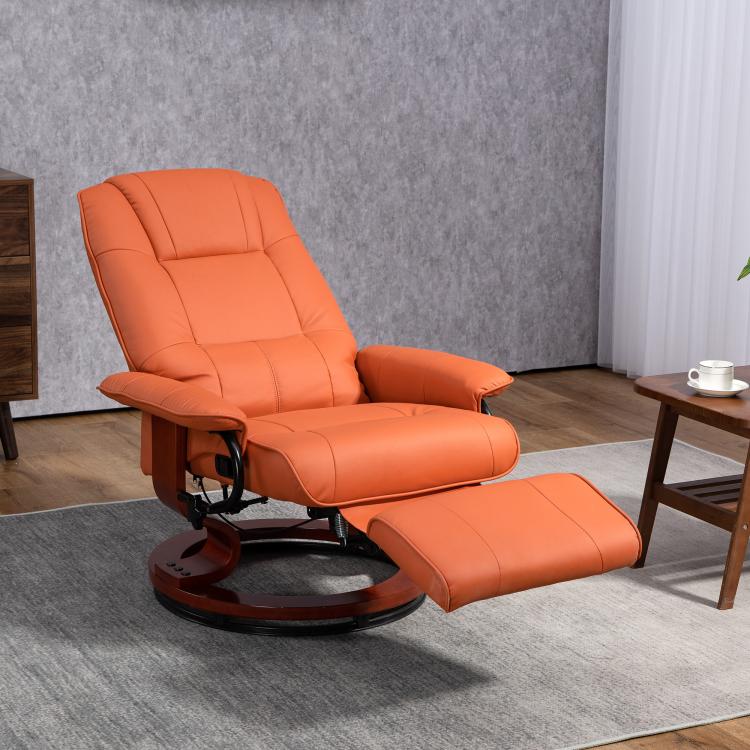
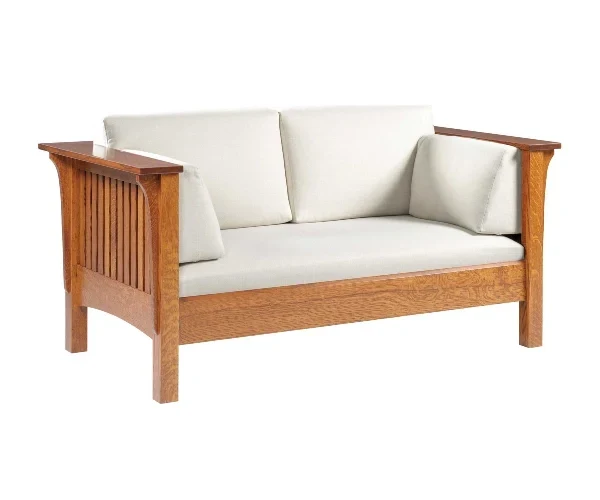
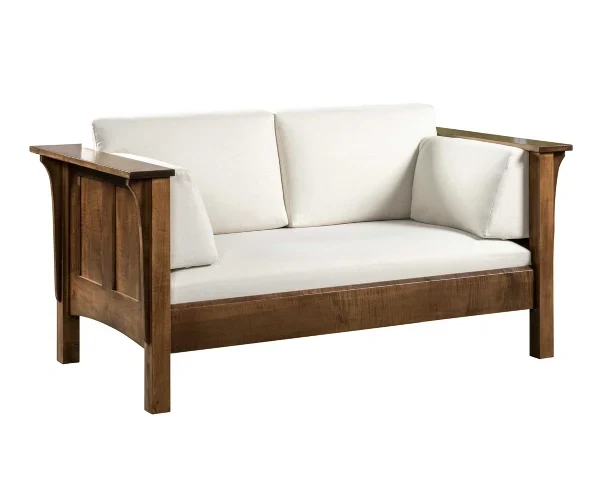 Aisha's pickHigh Back Love Seats for Long Sunday Afternoons
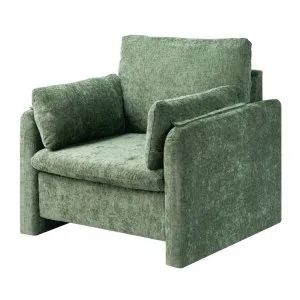
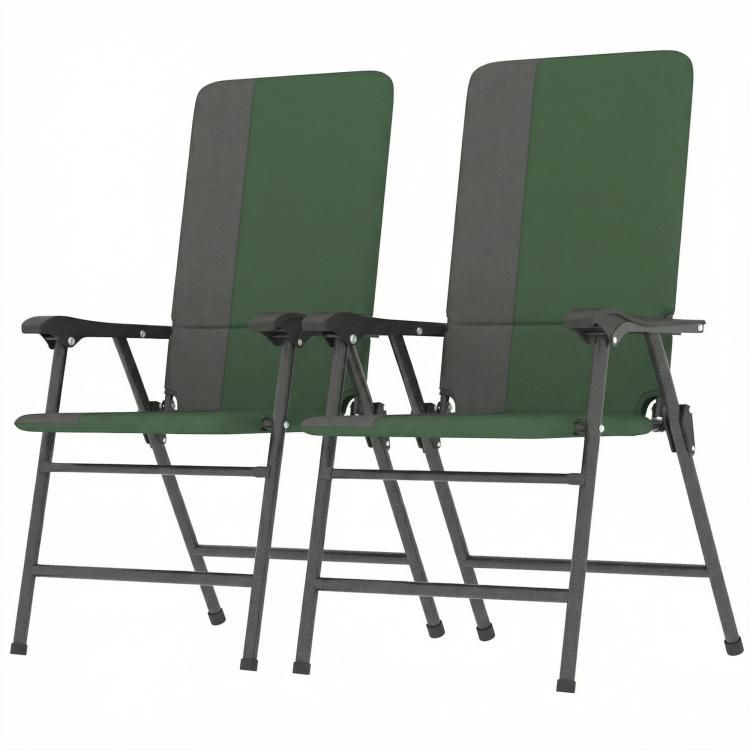 Aisha's pickGreen High Back Chairs Comfy Enough for a Movie Night
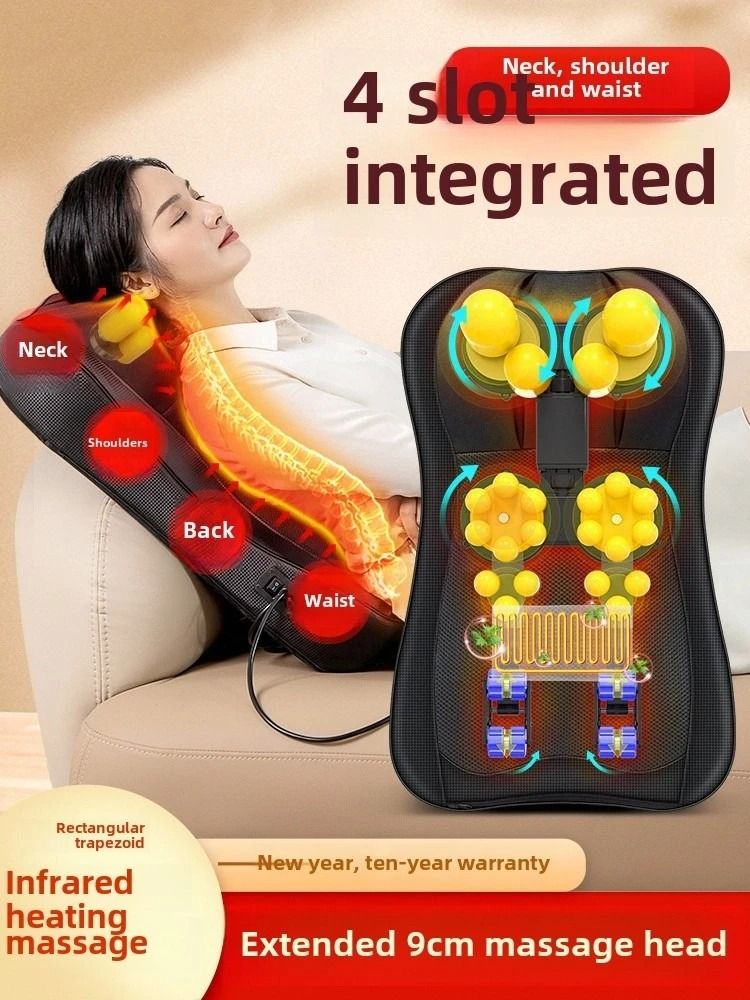 Aisha's pickHigh Back Mesh Office Chairs That Don’t Need Babying
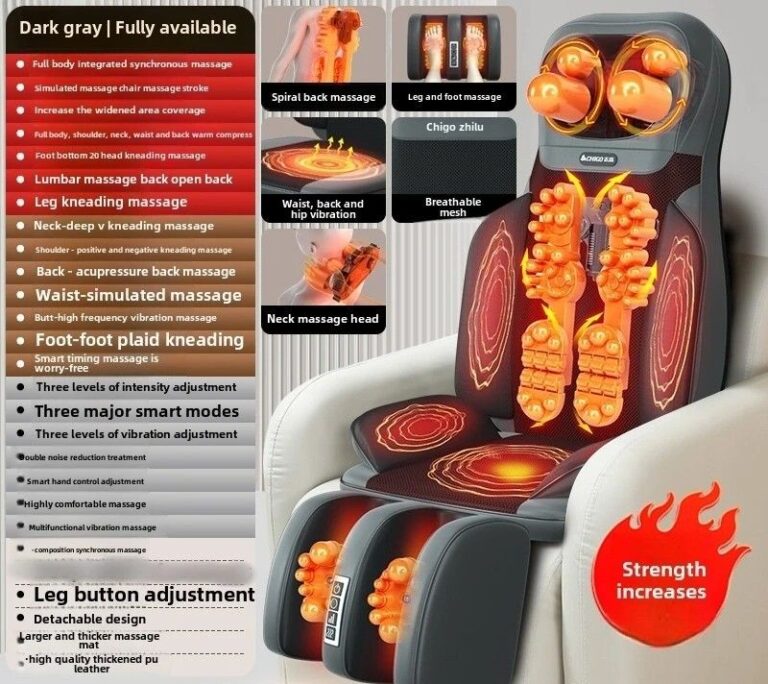
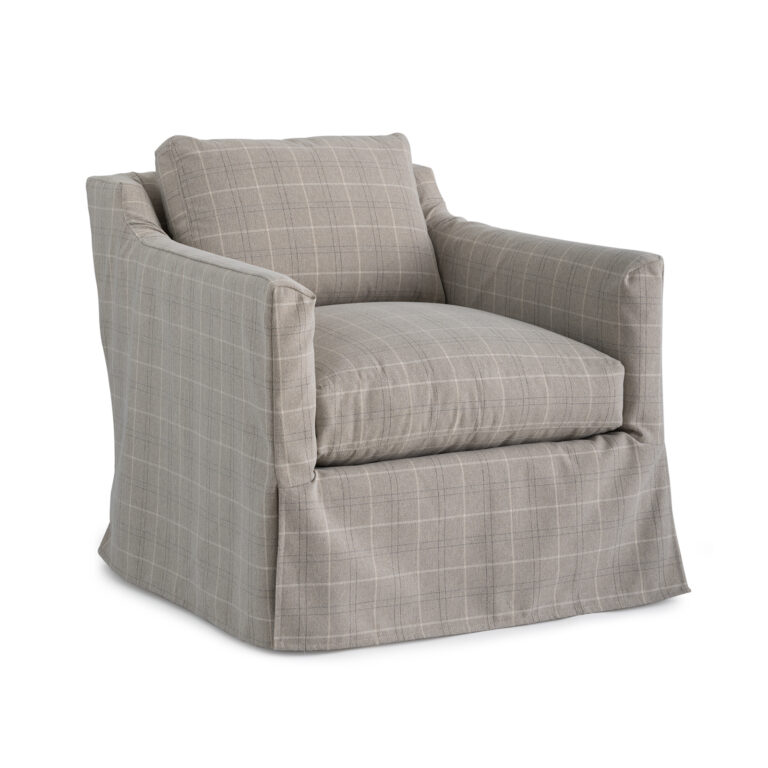 Aisha's pickNo Fuss Gray High Back Chairs
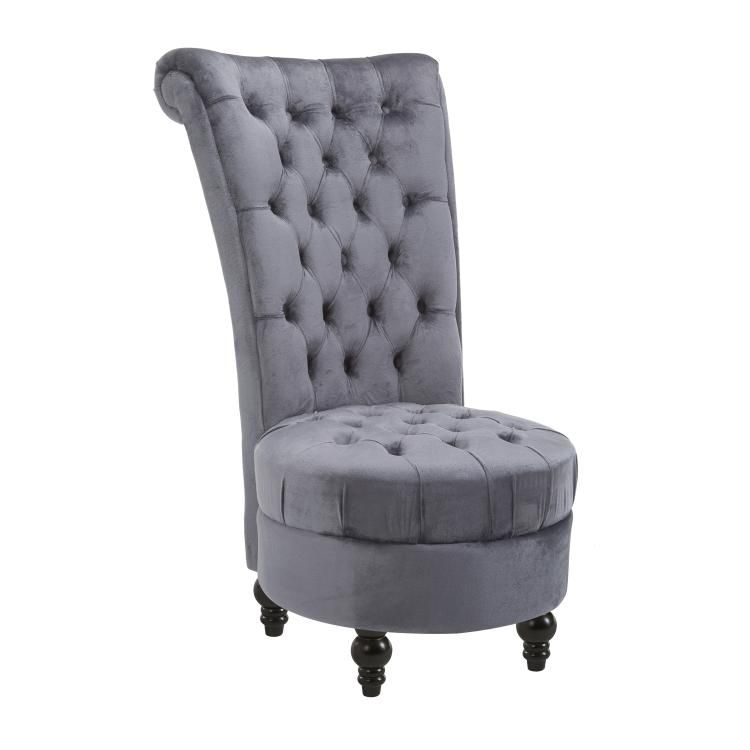
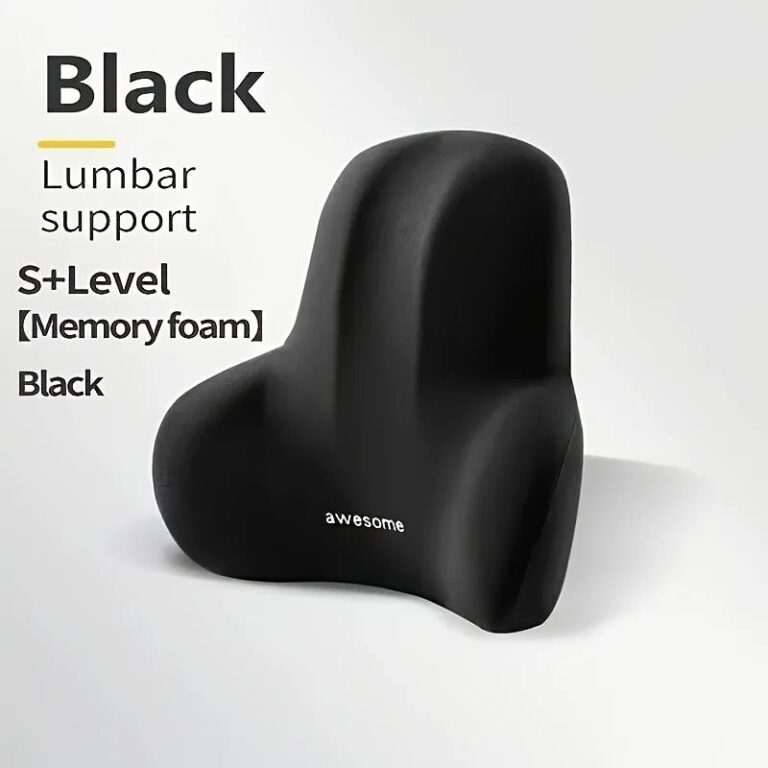 Aisha's pickHigh Back Office Chairs That Make Small Changes Feel Big
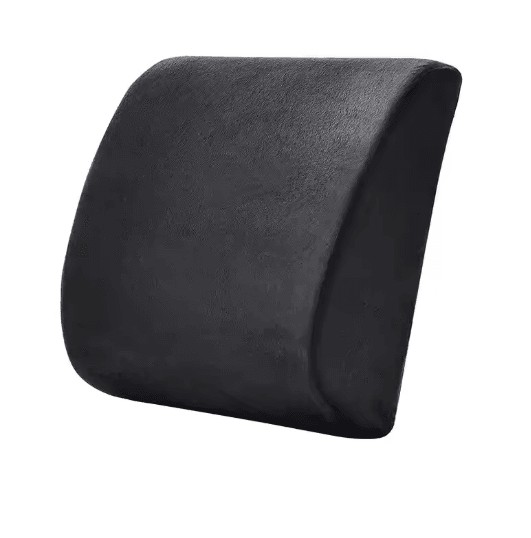
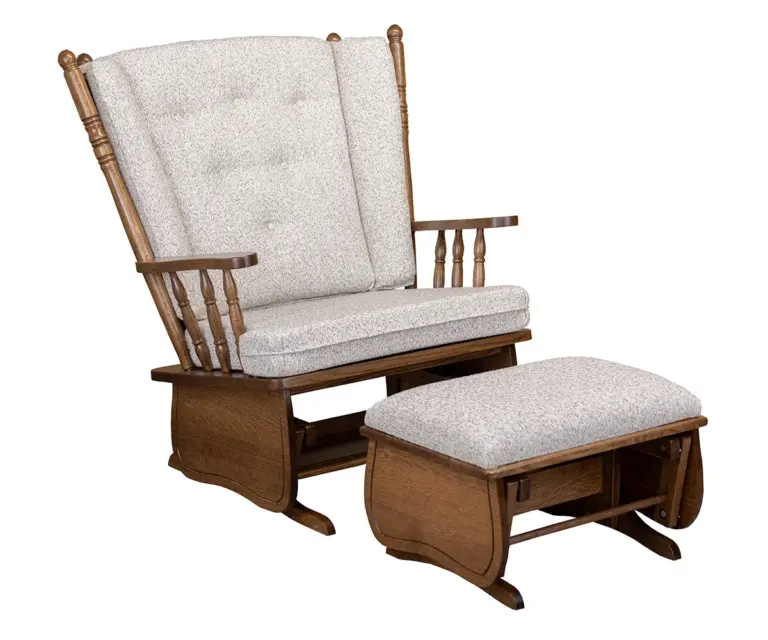 Aisha's pickHigh Back Chairs Comfy Enough for a Movie NightAlso worth a lookErgonomic ChairsThe thing nobody mentions is that an ergonomic chair looks ridiculous for the first two weeks.See the collections →

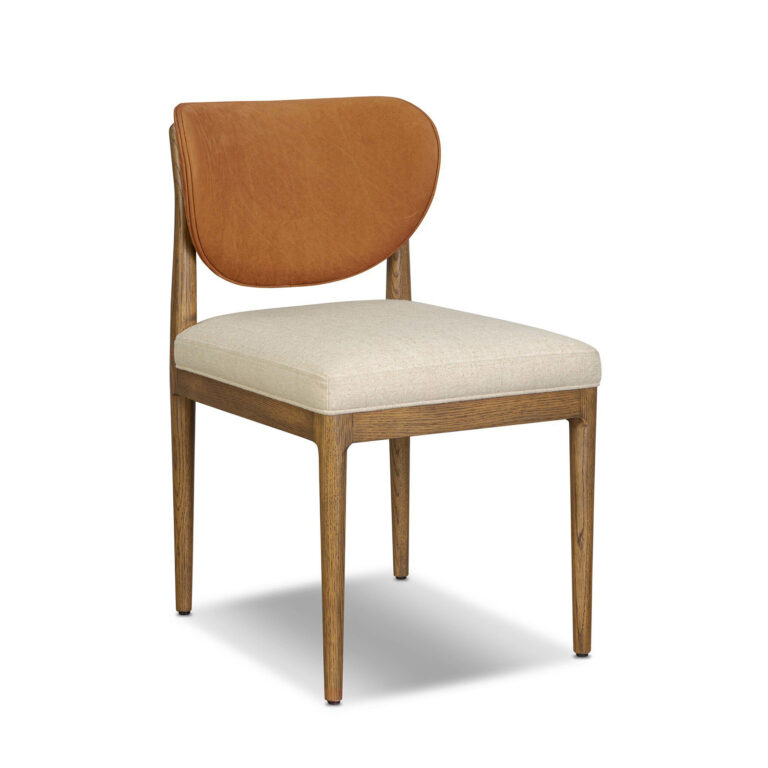 Aisha's pickHigh Back Upholstered Dining Chairs We’d Happily Nap On
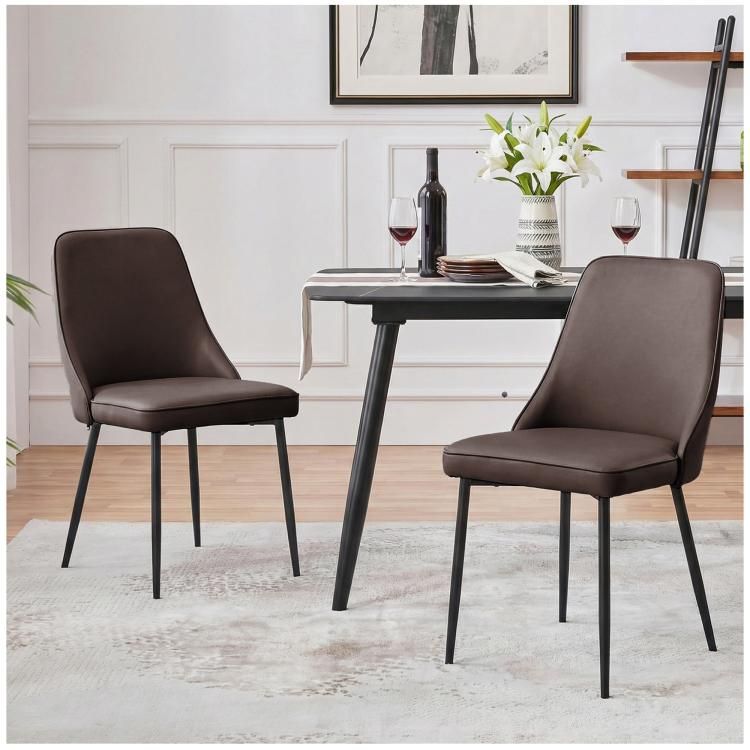
 Aisha's pickHigh Back Chairs for Living Room That Are Easy to Keep Clean

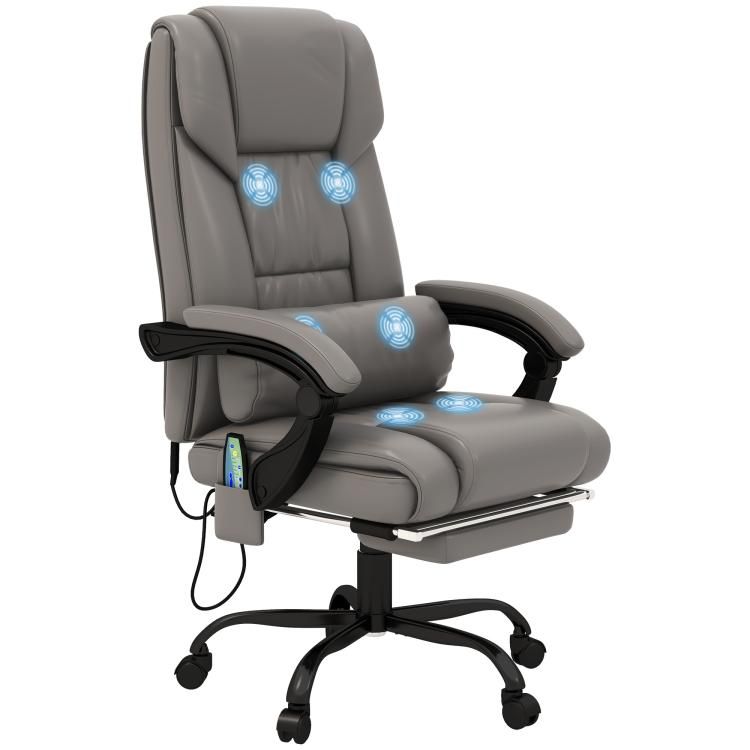 Aisha's pickSimple Leather High Back Chairs Done Well
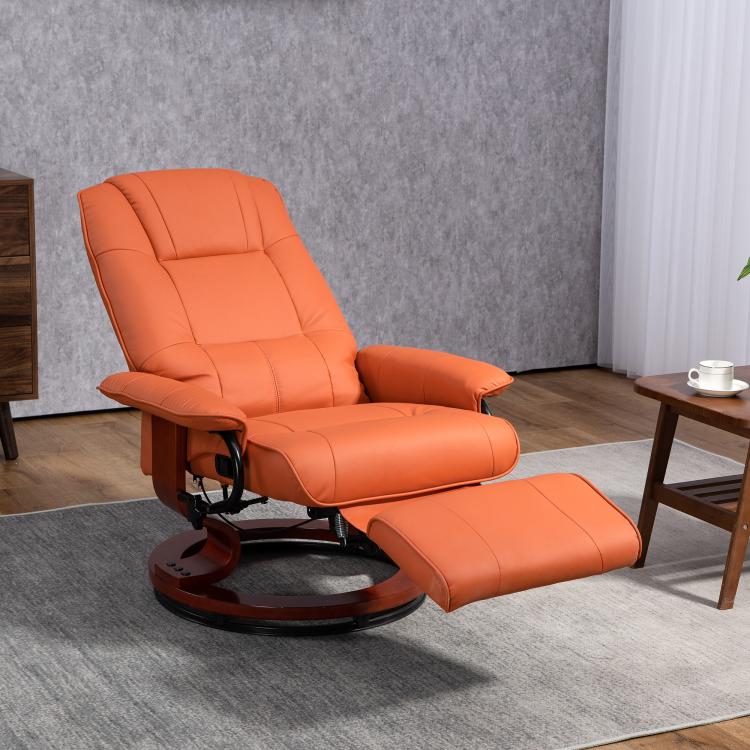
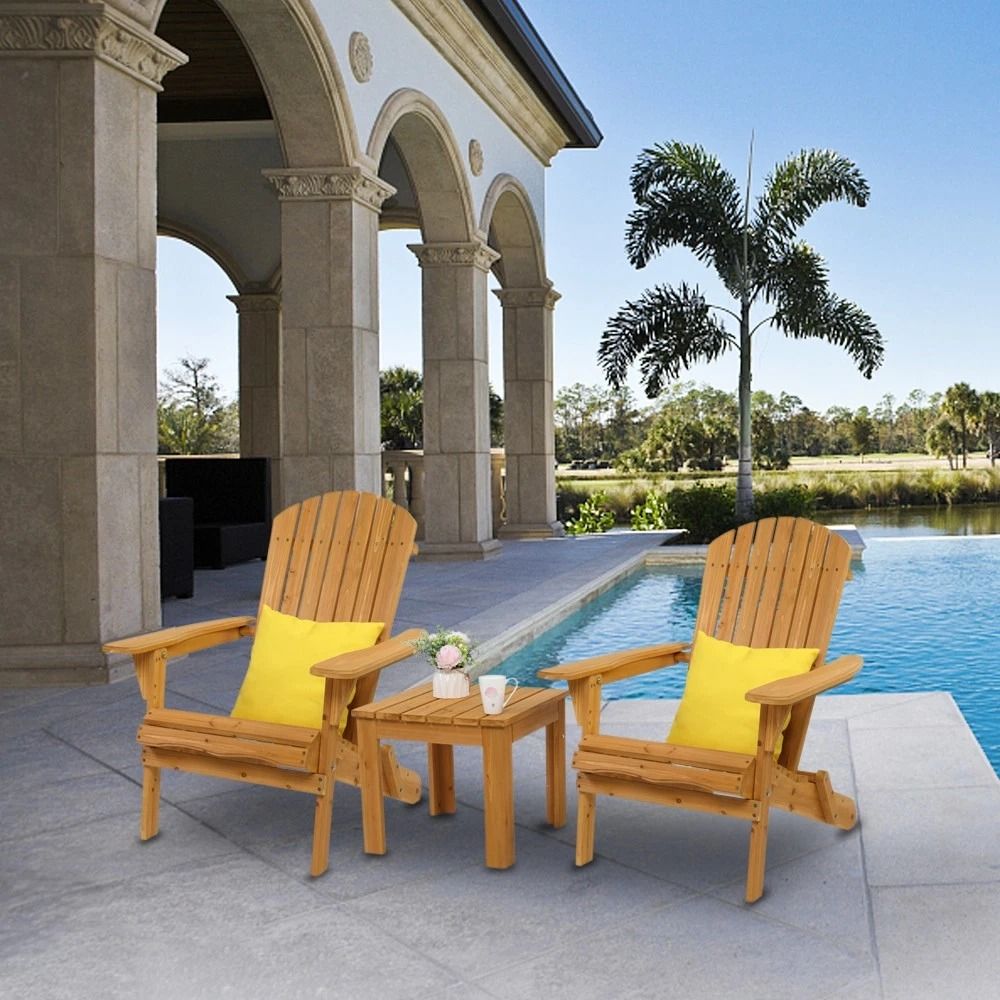 Aisha's pickHigh Back Chairs with Arms You Won’t Want to Hide Away
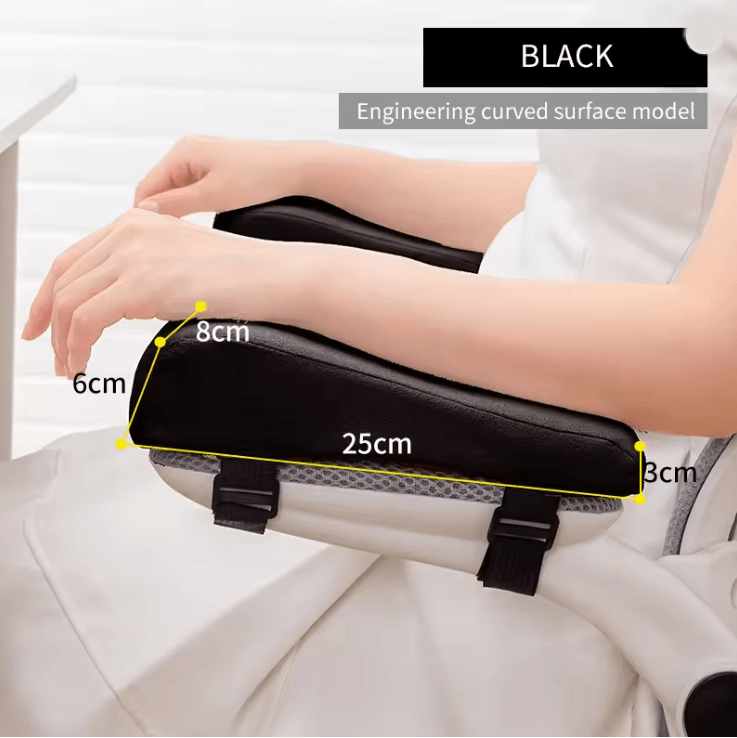
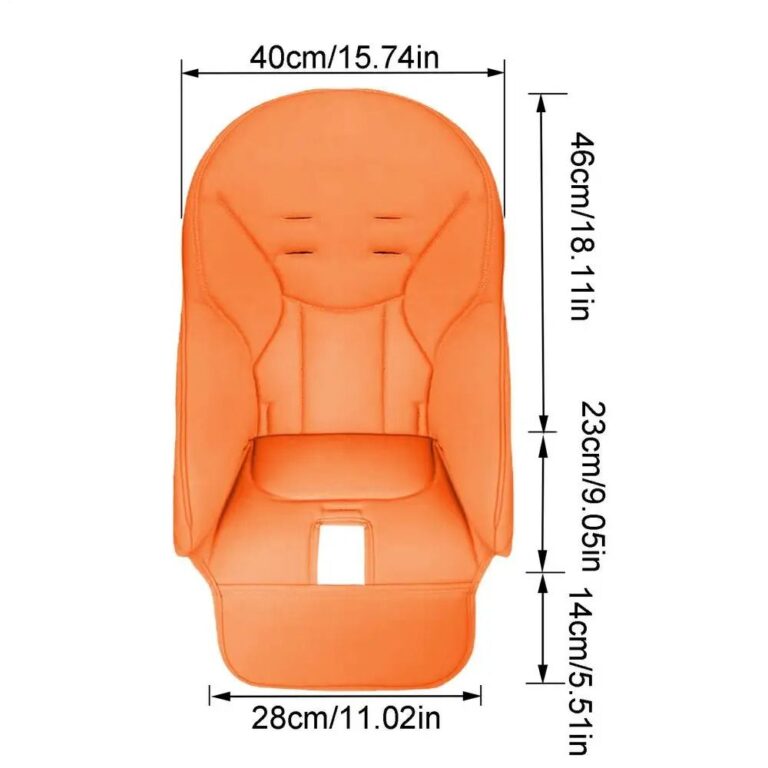 Aisha's pickModern High Back Chairs We’d Buy Again
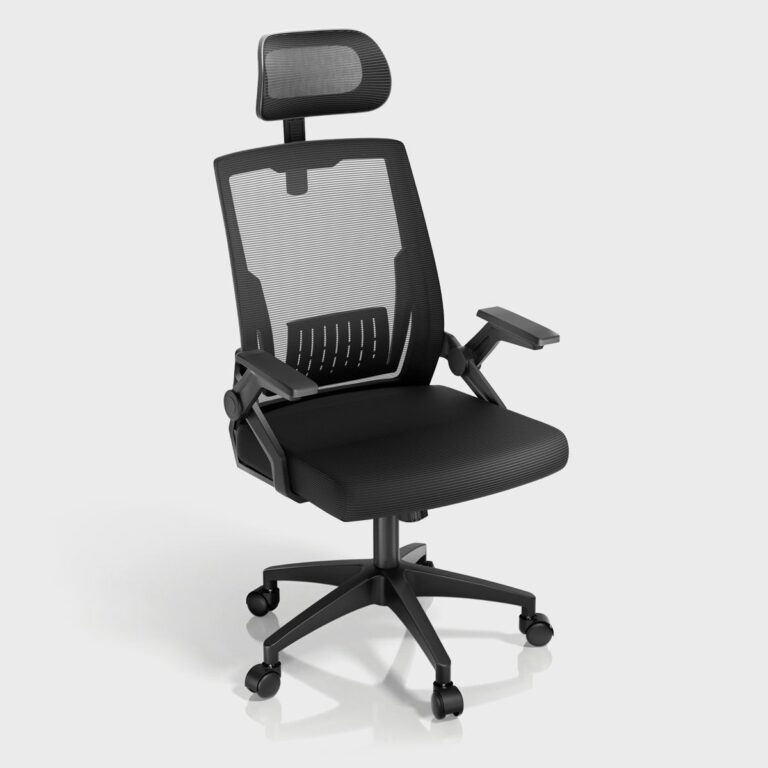
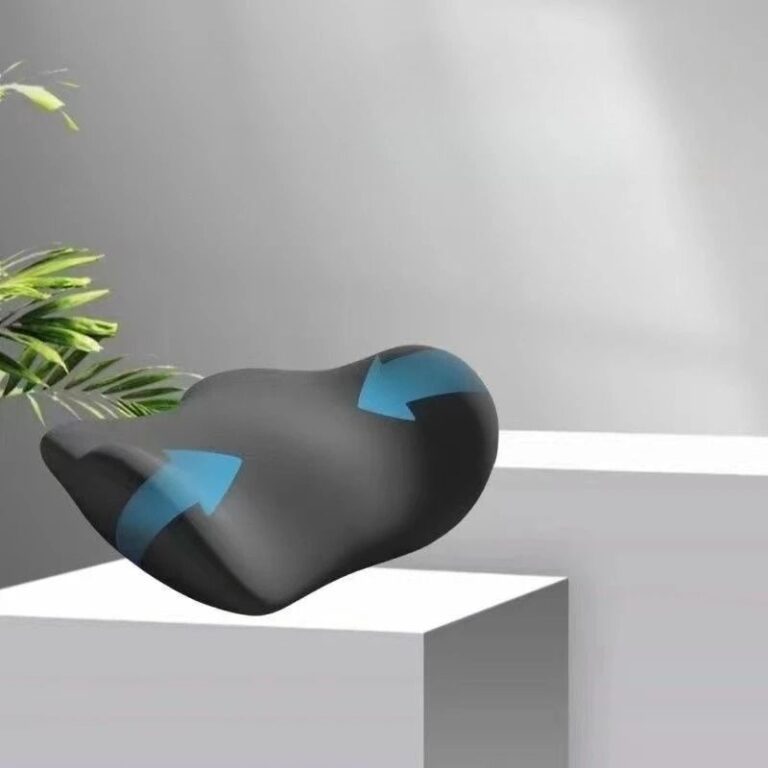 Aisha's pickHigh Back Chairs with Lumbar Support That Won’t Date in a Year

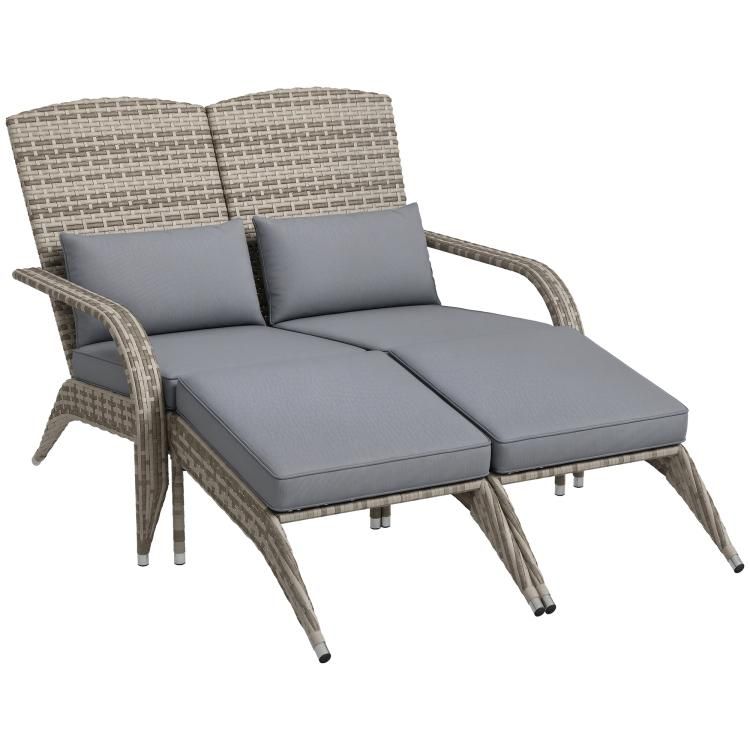 Aisha's pickRattan High Back Chairs That Fit Through a Narrow Door
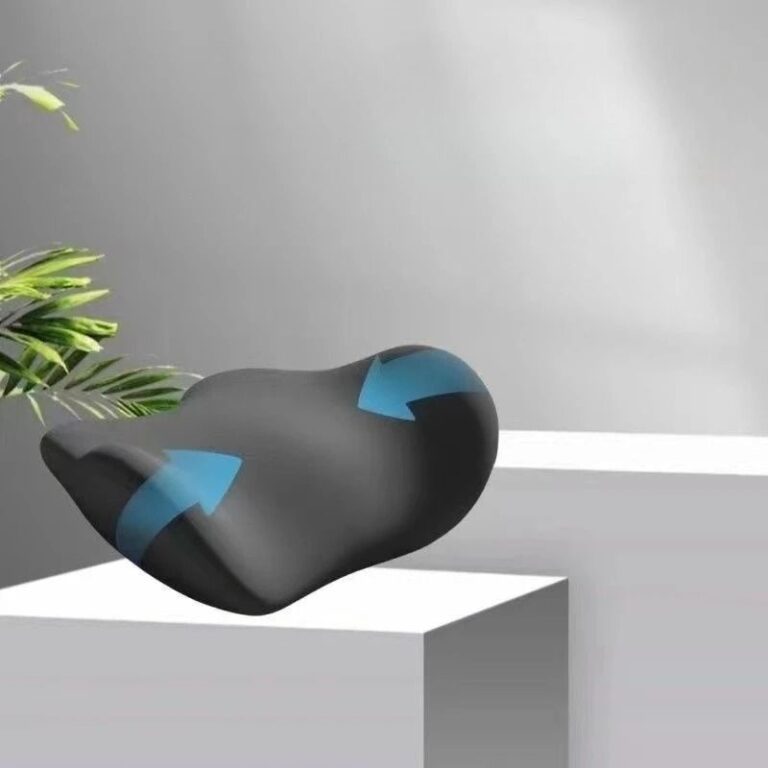 Aisha's pickHigh Back Desk Chairs That Won’t Let You Down
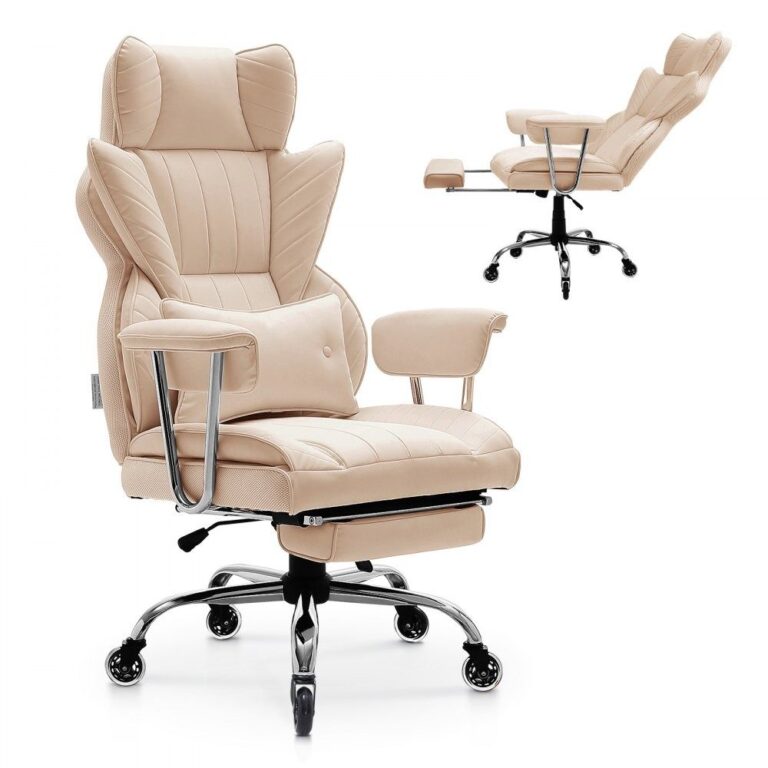
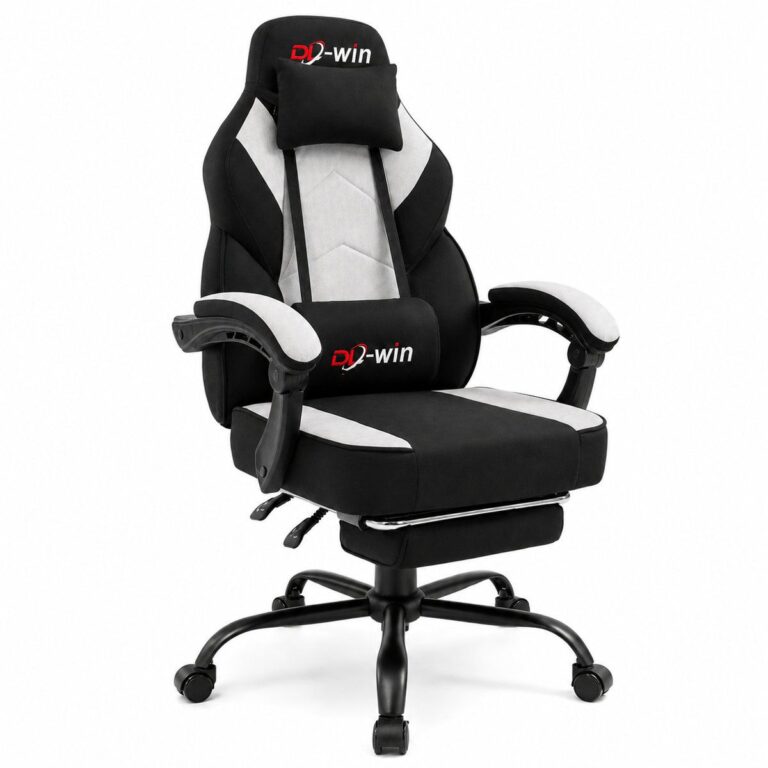 Aisha's pickWhere to Start With Reclining High Back ChairsAlso worth a lookSeatsStanding in a showroom trying to decide on seats, the first thing I'd tell you is to sit in it for longer than feels normal.See the collections →
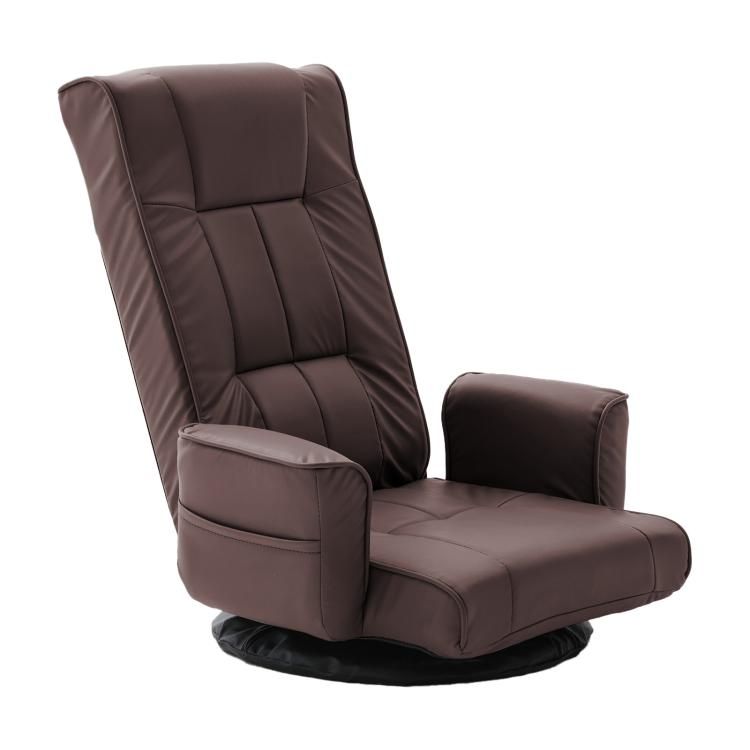
 Aisha's pickHigh Back Dining Chairs for Long Dinners With Friends
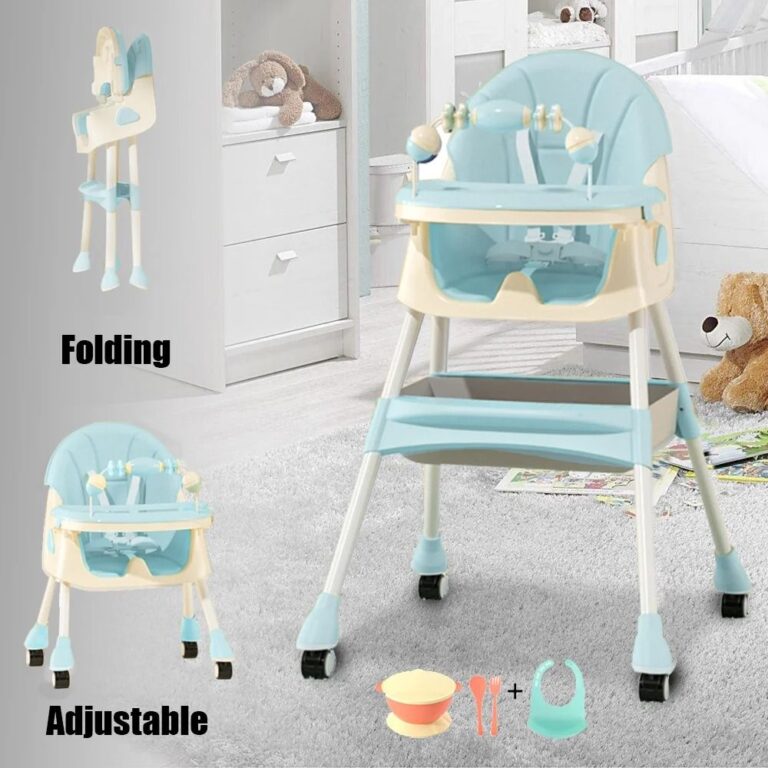
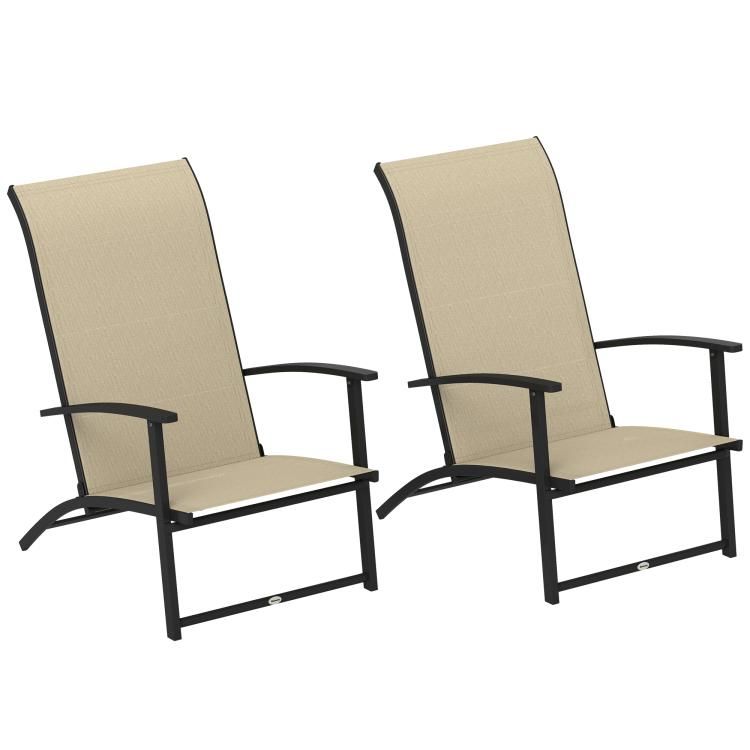 Aisha's pickSets of 2 High Back Dining Chairs Comfy Enough for a Movie Night
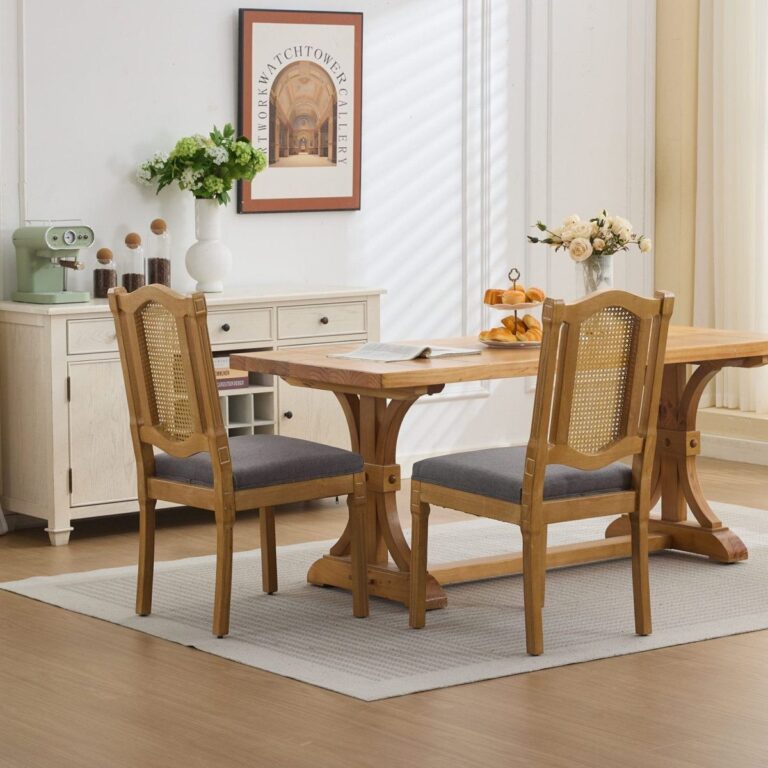
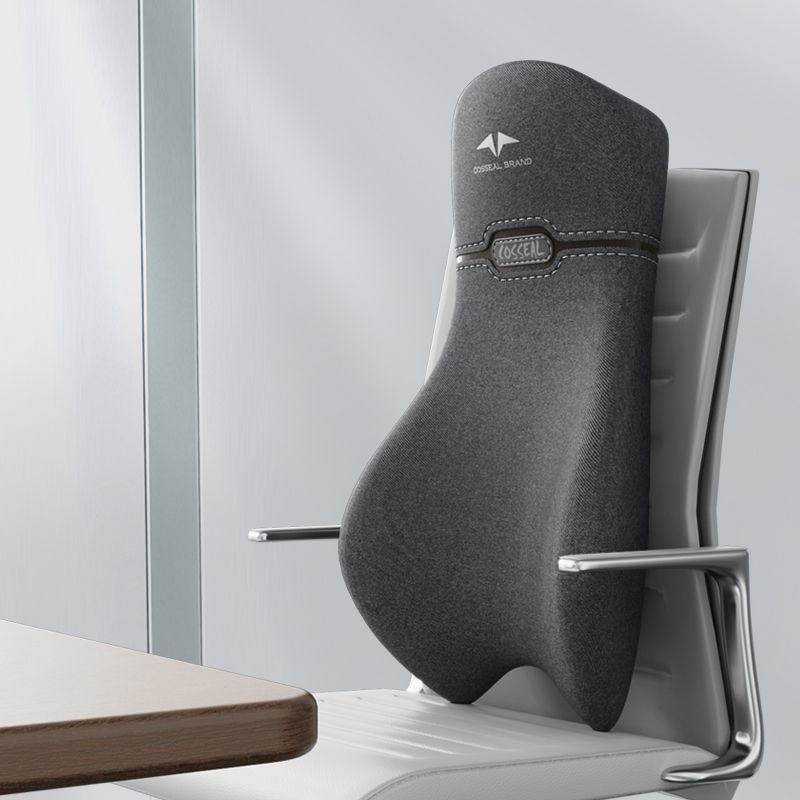 Aisha's pickHigh Back Ergonomic Chairs That Make the Spare Room Feel Like an Office
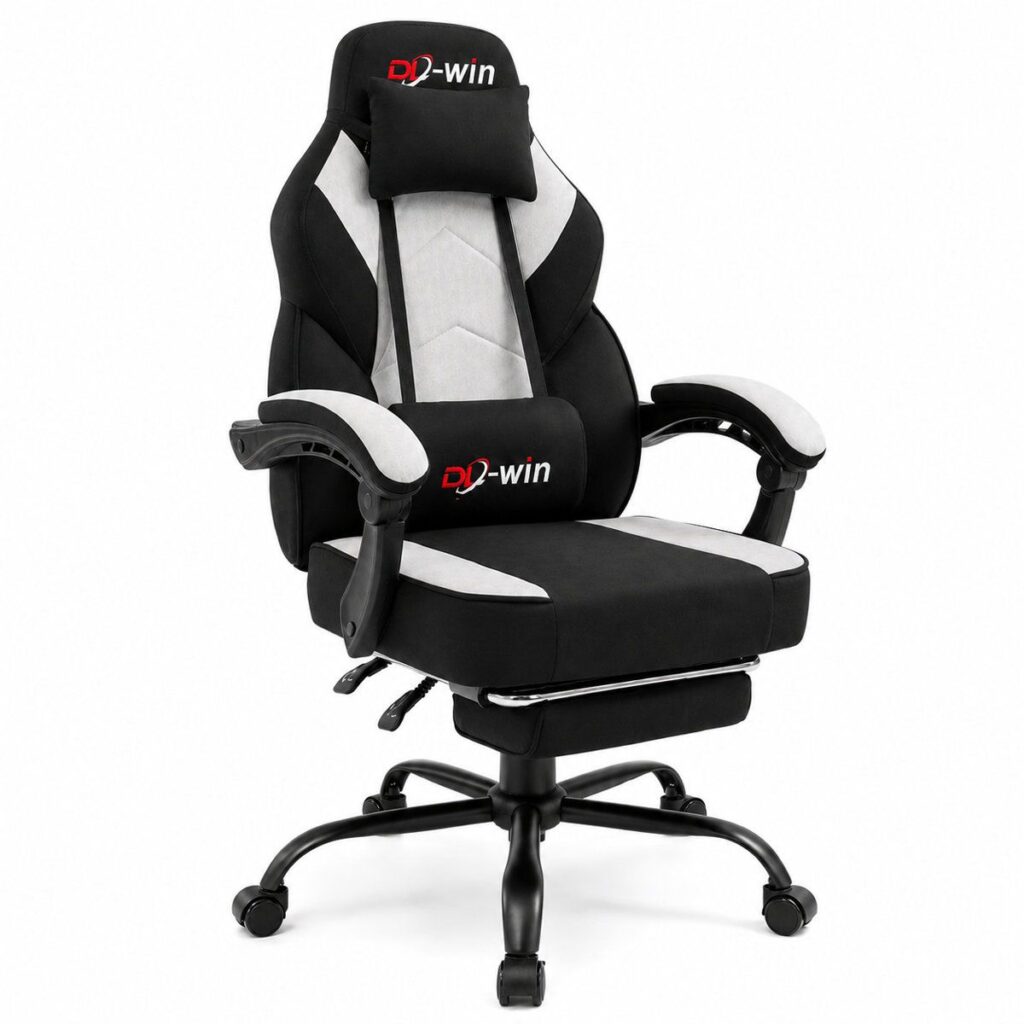
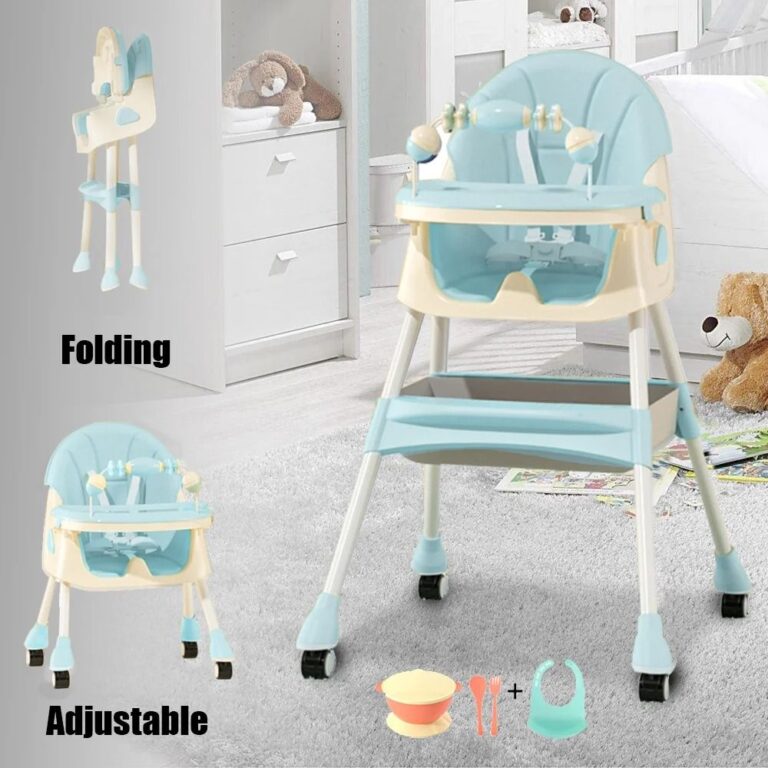 Aisha's pickSmall High Back Chairs That Don’t Sag After a Year
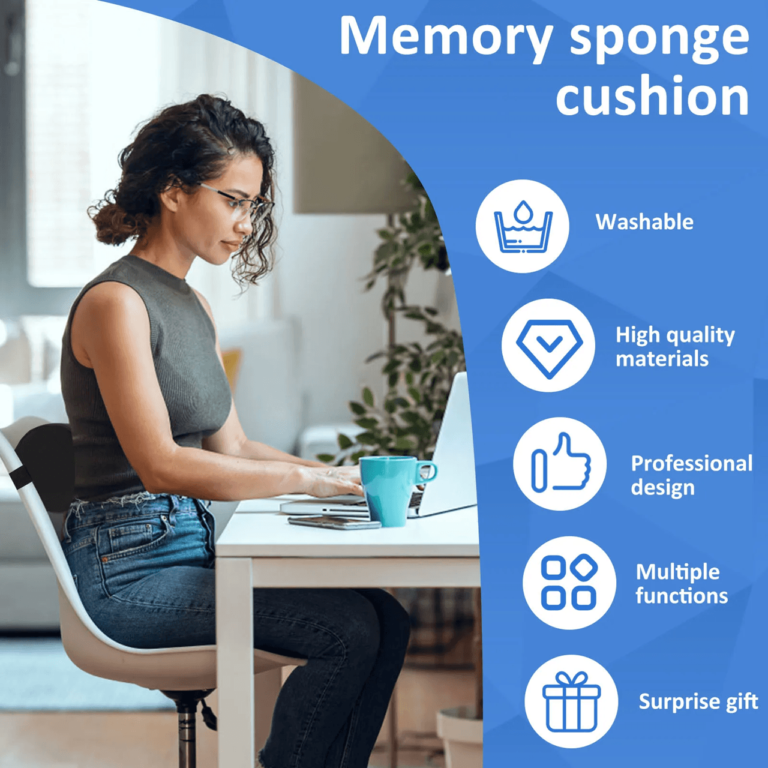
 Aisha's pickOur Shortlist of High Back Ergonomic Office Chairs

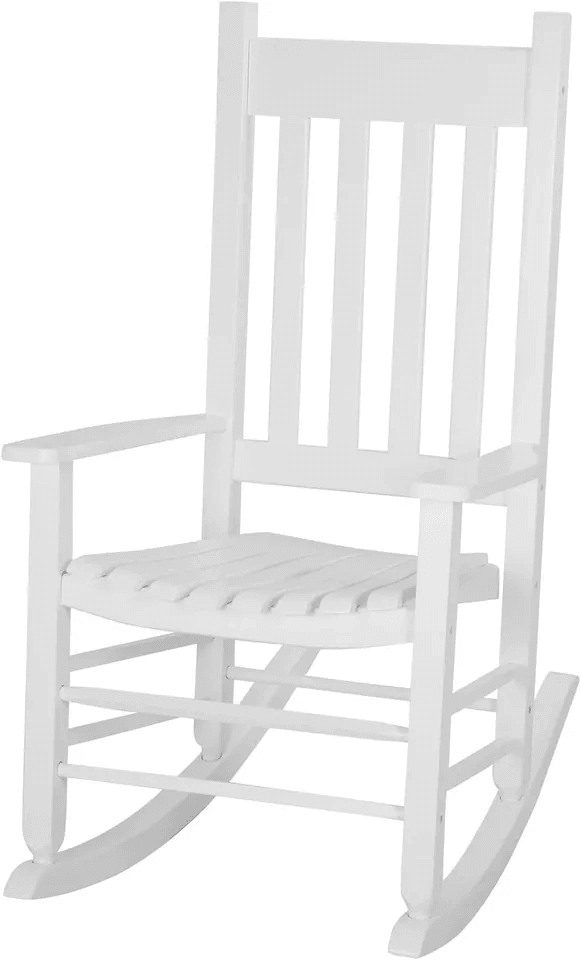 Aisha's pickSolid Wood High Back Chairs That Are Easy to Keep Clean
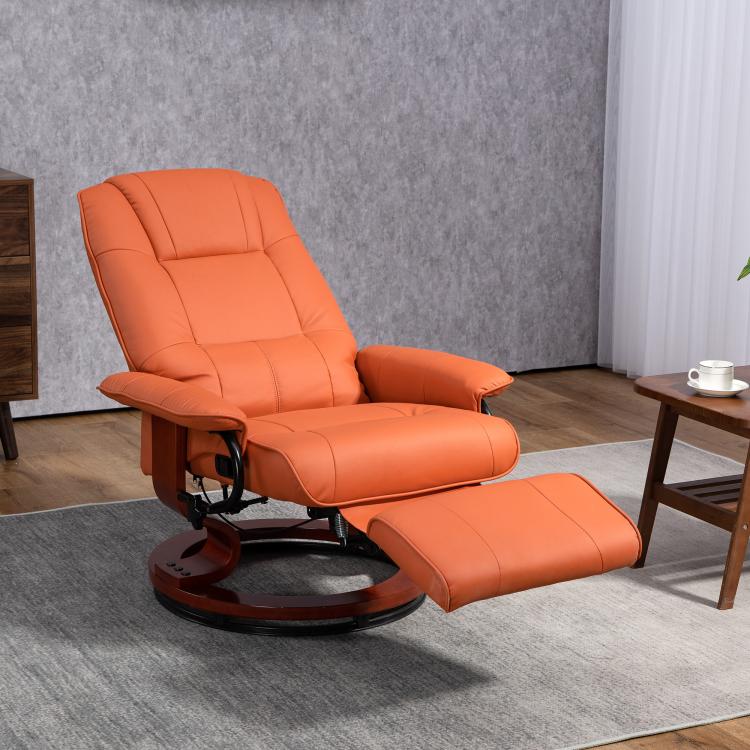
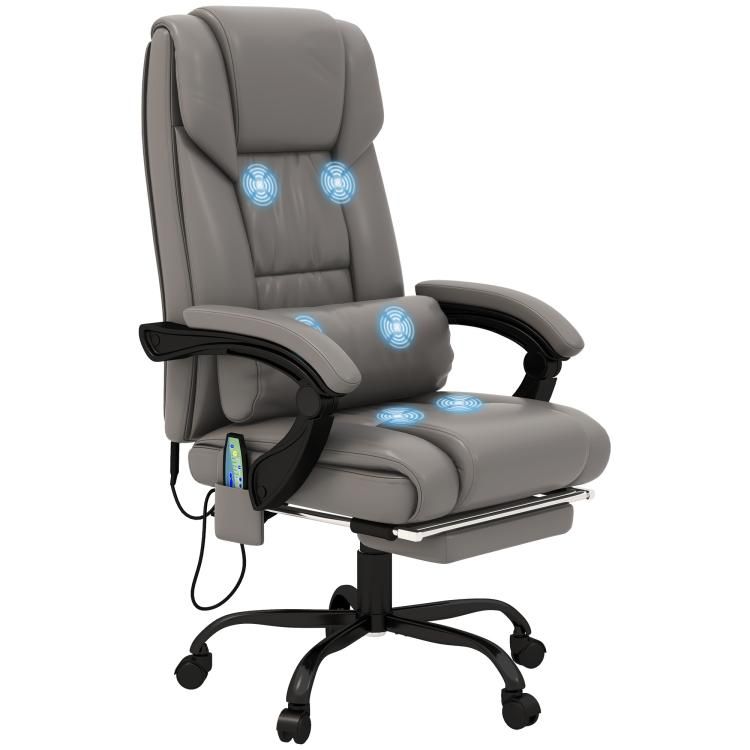 Aisha's pickHigh Back Executive Chairs That Keep the Desk Clear
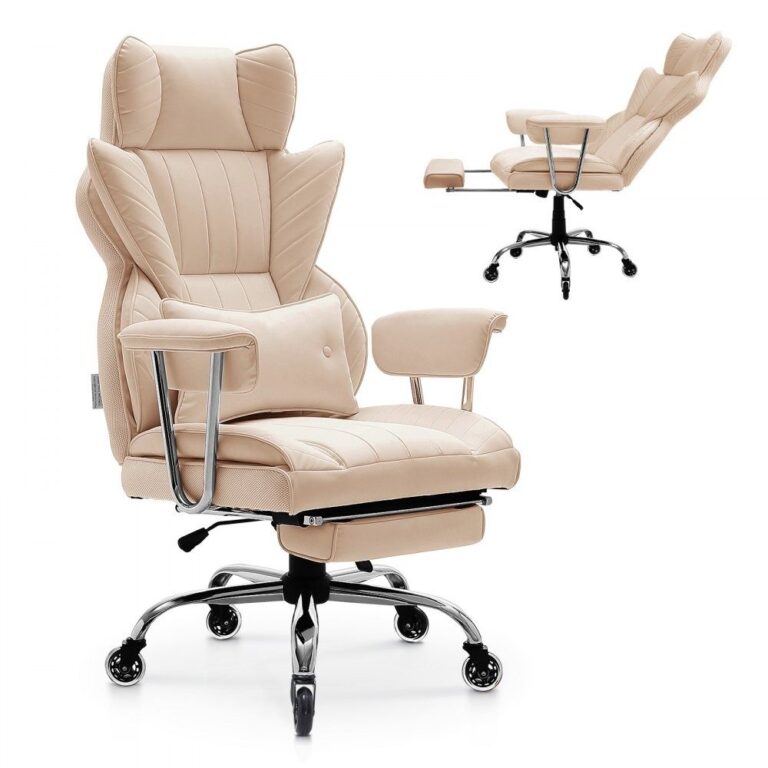
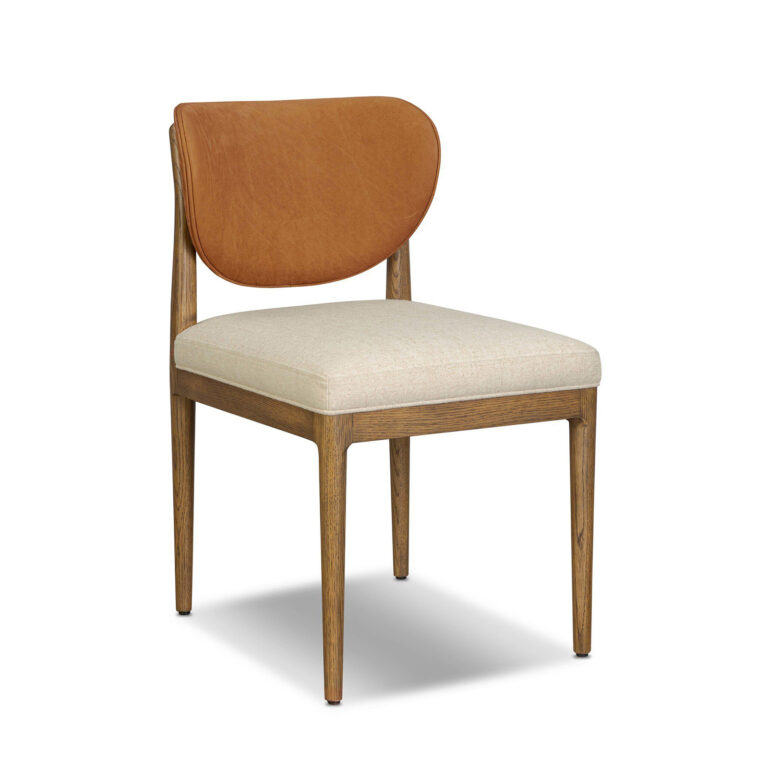 Aisha's pickUpholstered High Back Chairs That Look Better in Real Life
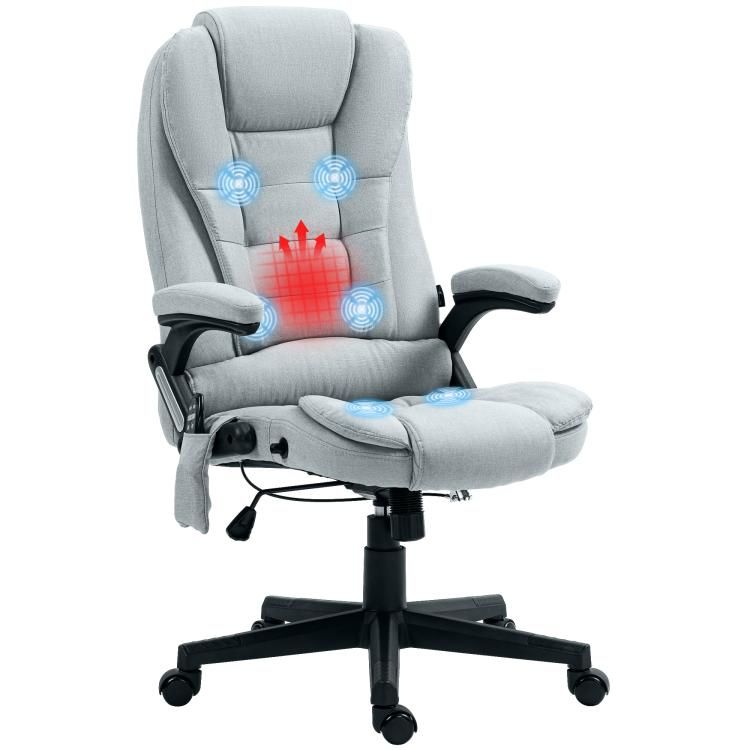
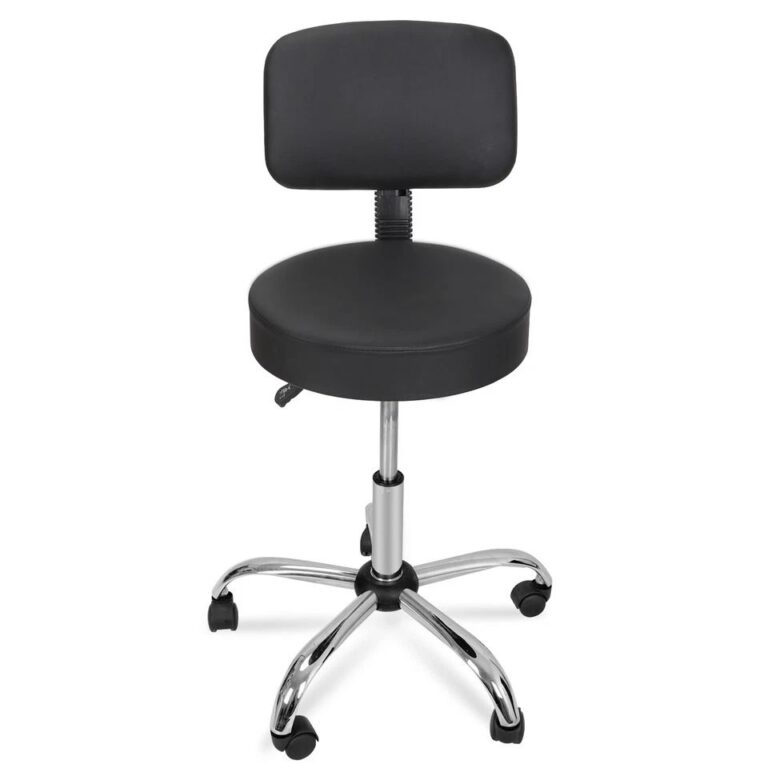 Aisha's pickBlack High Back Chairs You’ll Sink Into at the End of the DayAlso worth a lookAccent ChairsAn accent chair is the one seat in the room that doesn't have to agree with anything else.See the collections →
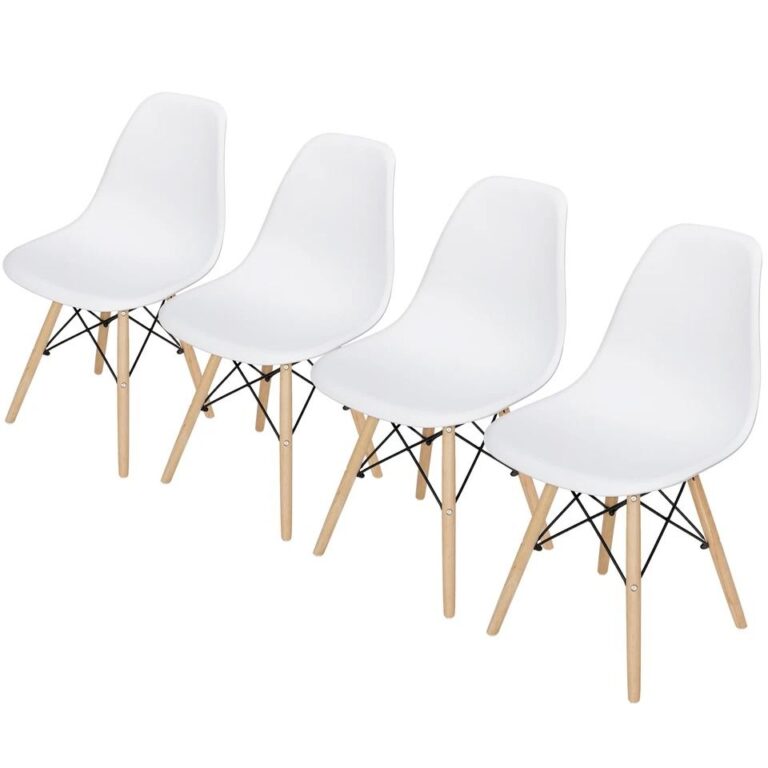
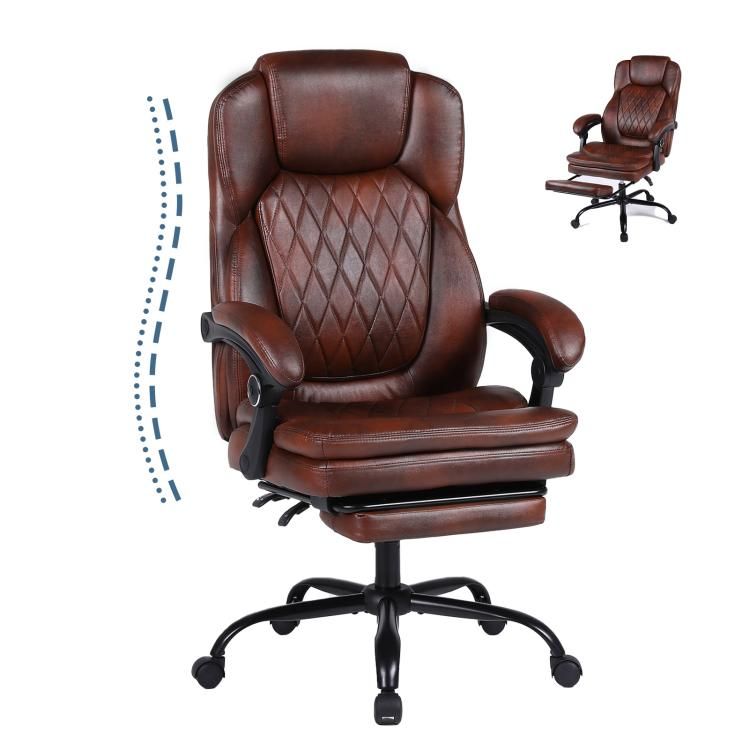 Aisha's pickHigh Back Executive Office Chairs That Look Better in Real Life

 Aisha's pickShopping for White High Back Chairs? Start Here
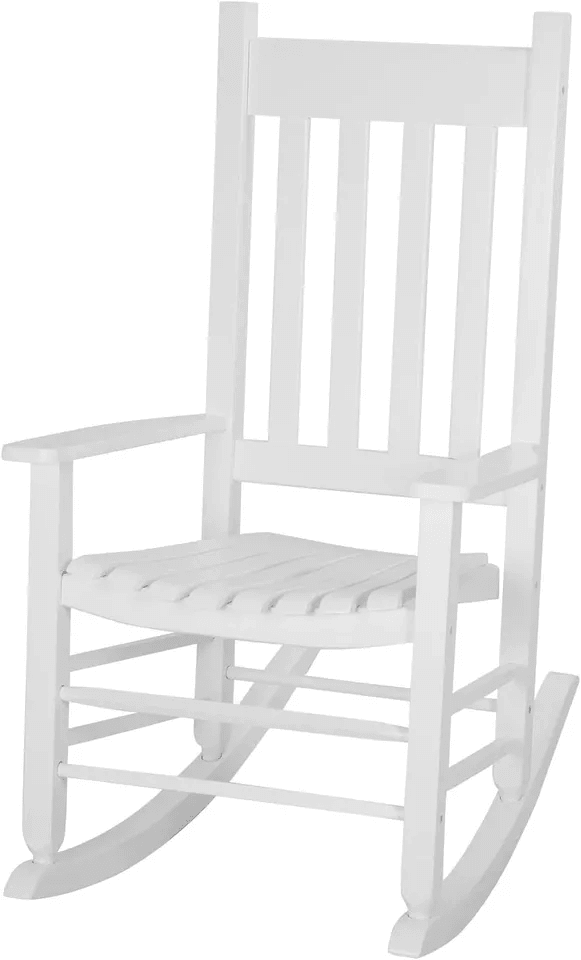
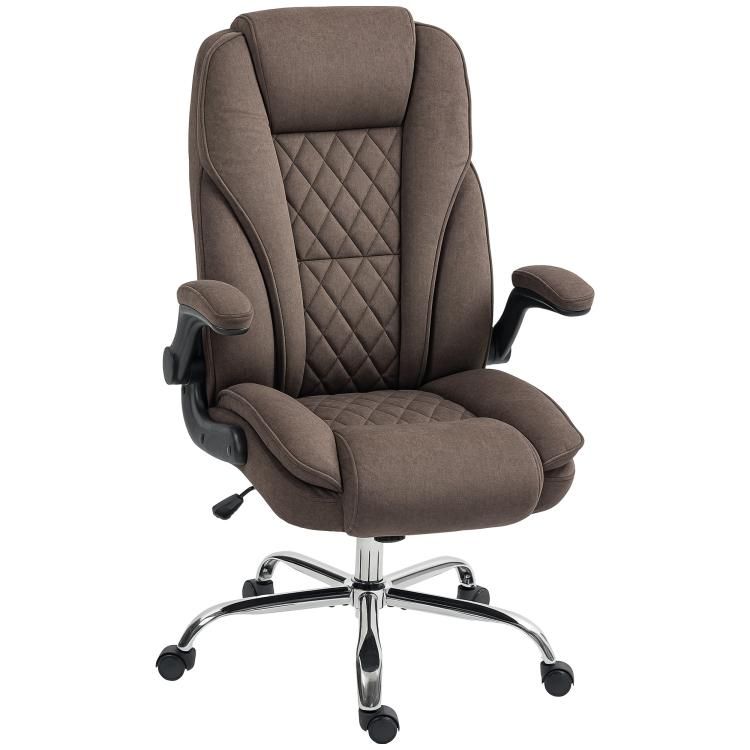 Aisha's pickBrown High Back Chairs With Some Character

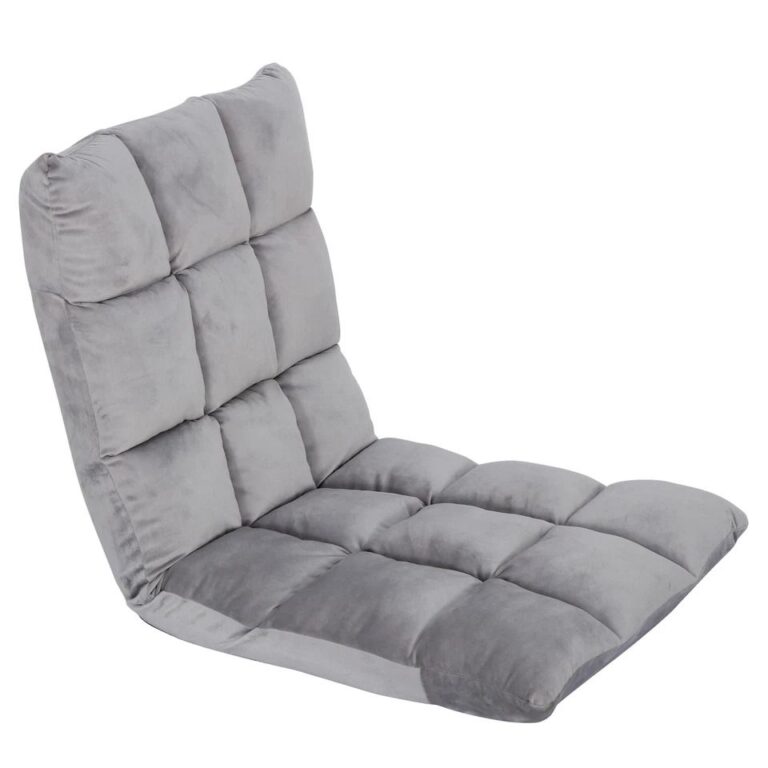 Aisha's pickHigh Back Gaming Chairs for Long Days at the Desk
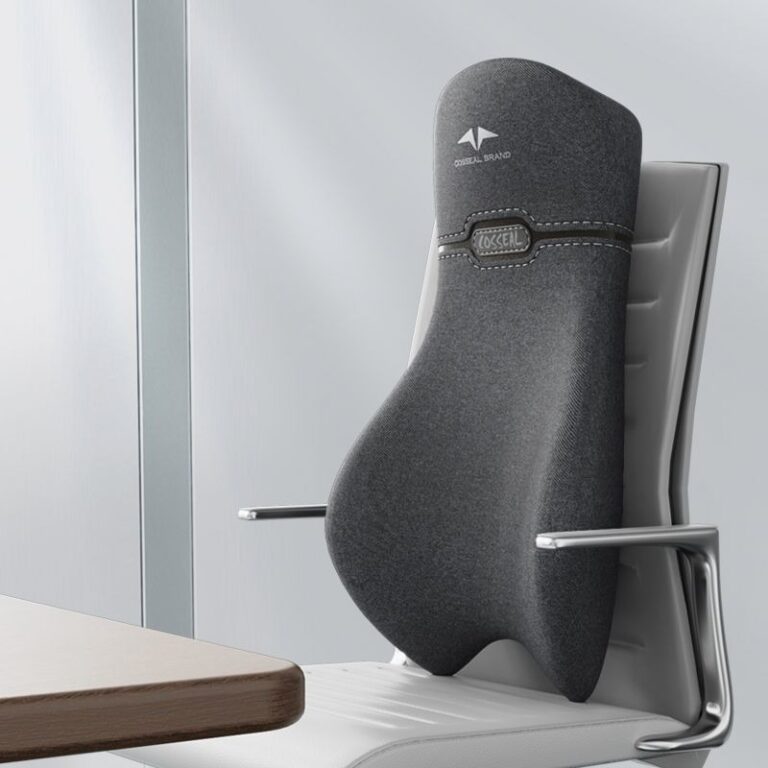
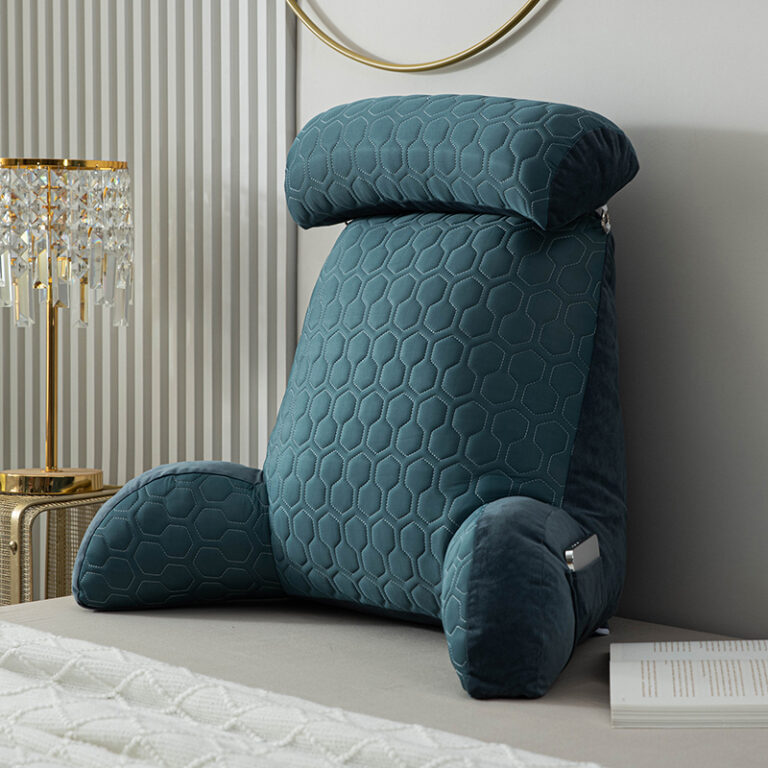 Aisha's pickCurved High Back Chairs for Long Sunday Afternoons