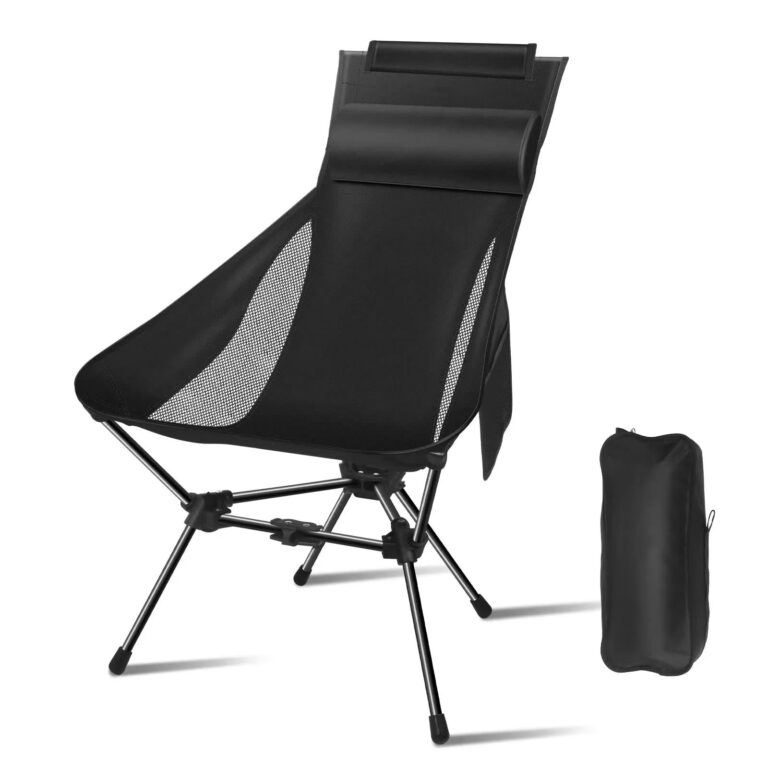
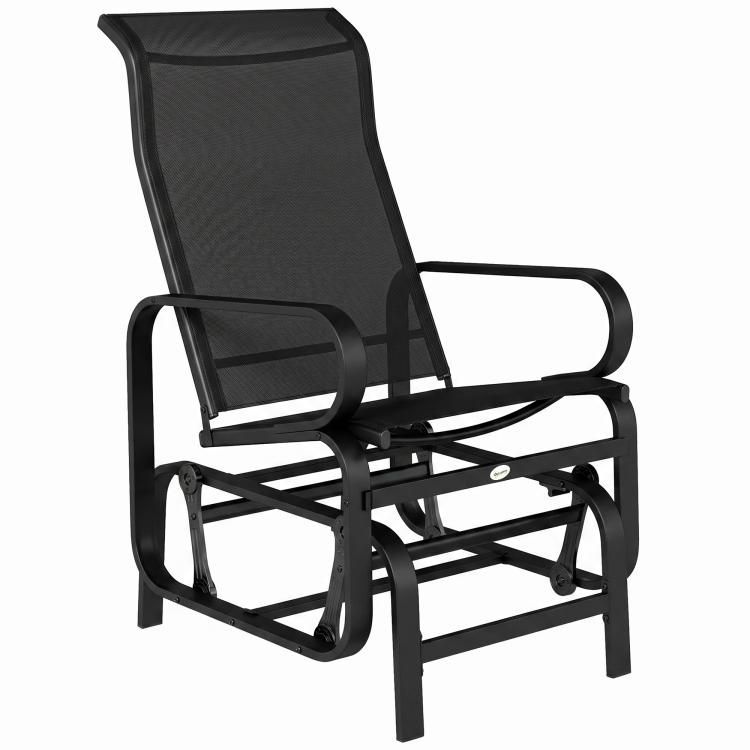
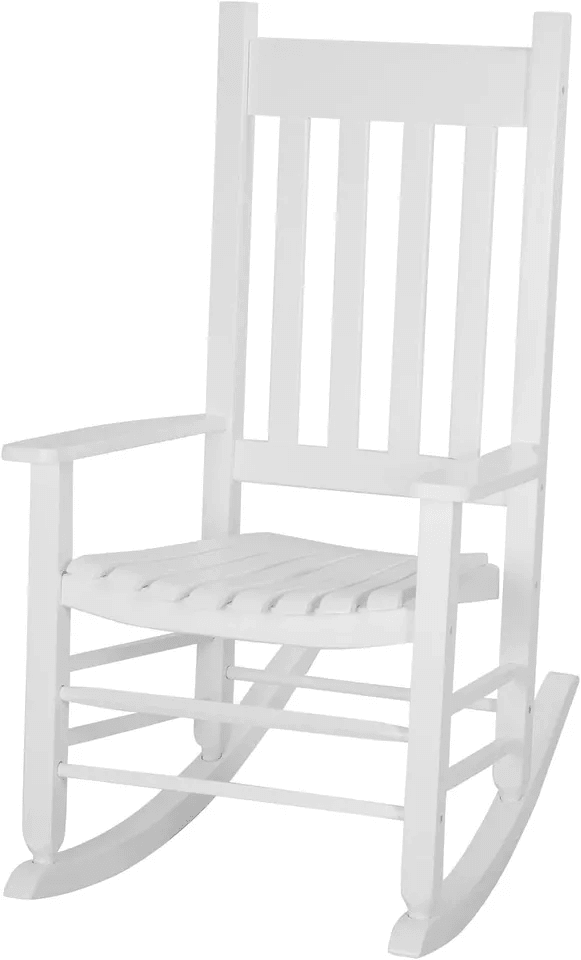
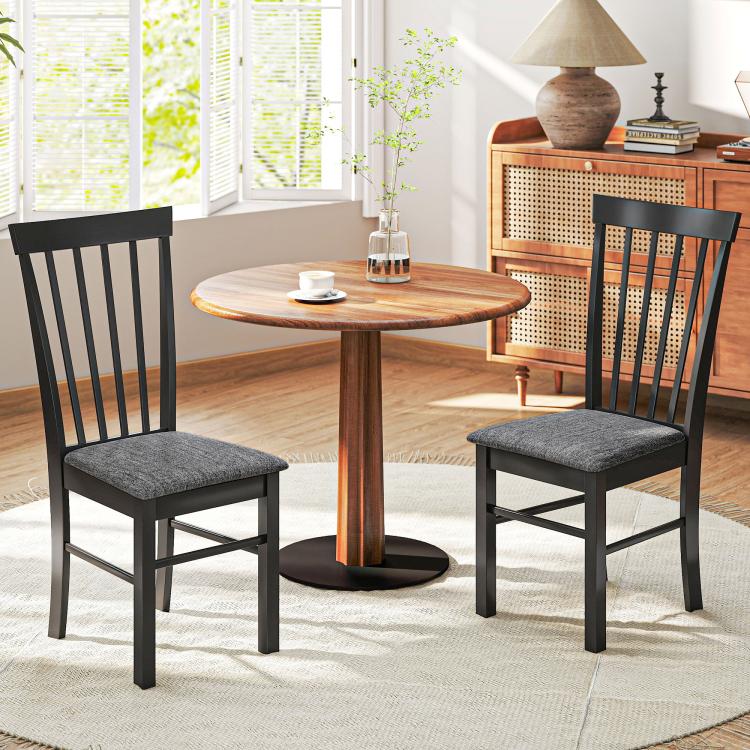
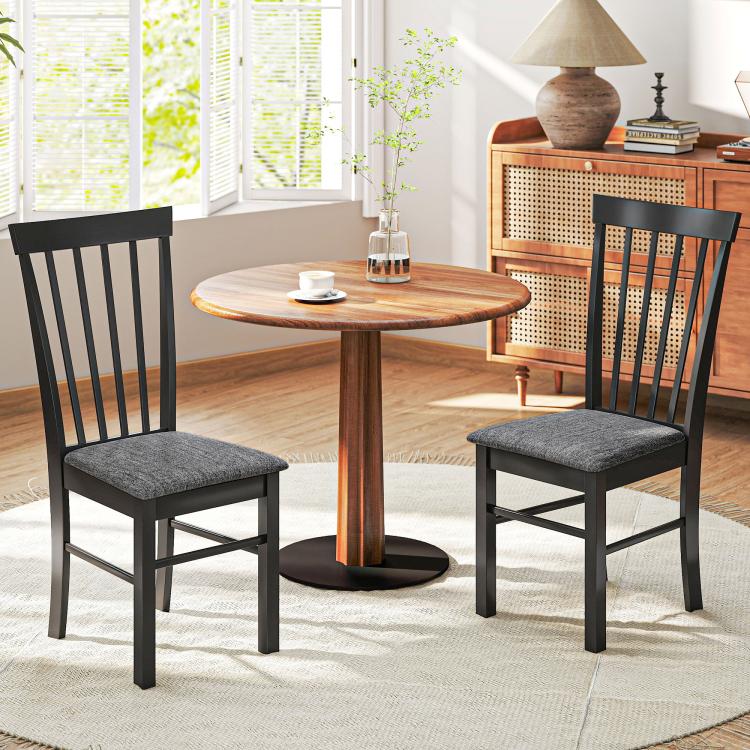
There's a specific moment at the end of a long day when I drop into the black chair at the end of my table and just sit there for a second before I even think about dinner. It doesn't show the day on it the way the pale one two seats over does, the one with the coffee ring and the crayon mark that never fully came out. Black just absorbs the mess and keeps looking like it did on day one.
The gap between a good black chair and a bad one shows up fast, usually within a year. Cheap ones are sprayed, not finished, so the color sits on top like paint on a model airplane and chips the first time it gets dragged across a tile floor. A well made one is either stained all the way through solid wood or powder coated metal that's baked on, not sprayed, so a scrape just reveals more black underneath instead of bare wood or bare metal. Joints matter more than people think they will. Pull up on the seat of a cheap chair and if the legs flex even a little, that's glue and dowels doing a job screws should be doing. A chair that's actually built right feels like it's one solid piece when you lift it, no creak, no give. That's the one that survives a toddler standing on it to reach the cereal, which mine has, twice.
Black works best in rooms that get a decent amount of light, because it reads as crisp and grounding there instead of just dark. Small apartments, kitchens with white or pale cabinets, home offices, modern dining rooms, all good homes for it. It's also forgiving in a way light wood never is, so if you've got kids or pets or just a habit of eating spaghetti standing up, it hides more than it shows. Where it falls apart is a low ceilinged room with dark walls and dark floors already, four or six black chairs in there and the whole space starts to feel like a waiting room for something unpleasant. One or two is a choice. A full set in a already dim room is a mood, and not a good one.
In an ordinary room it sits best next to things with some warmth to balance it out, a light wood table, a rug with some texture, brass or warm metal hardware nearby, pale walls. It plays well as contrast, not as the whole statement. Put it against too much other black and it just disappears into the furniture equivalent of a shadow.
Mostly what it does is make the room you already have look a little more deliberate, like you meant to do that, even on the days you absolutely did not.
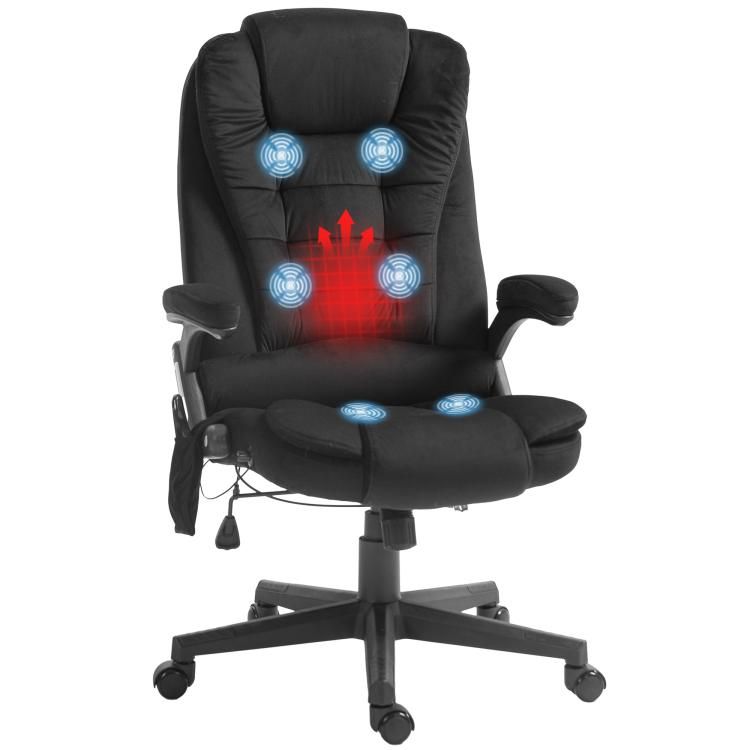 Aisha's pickWhere to Start With Black Height Adjustable Desk Chairs
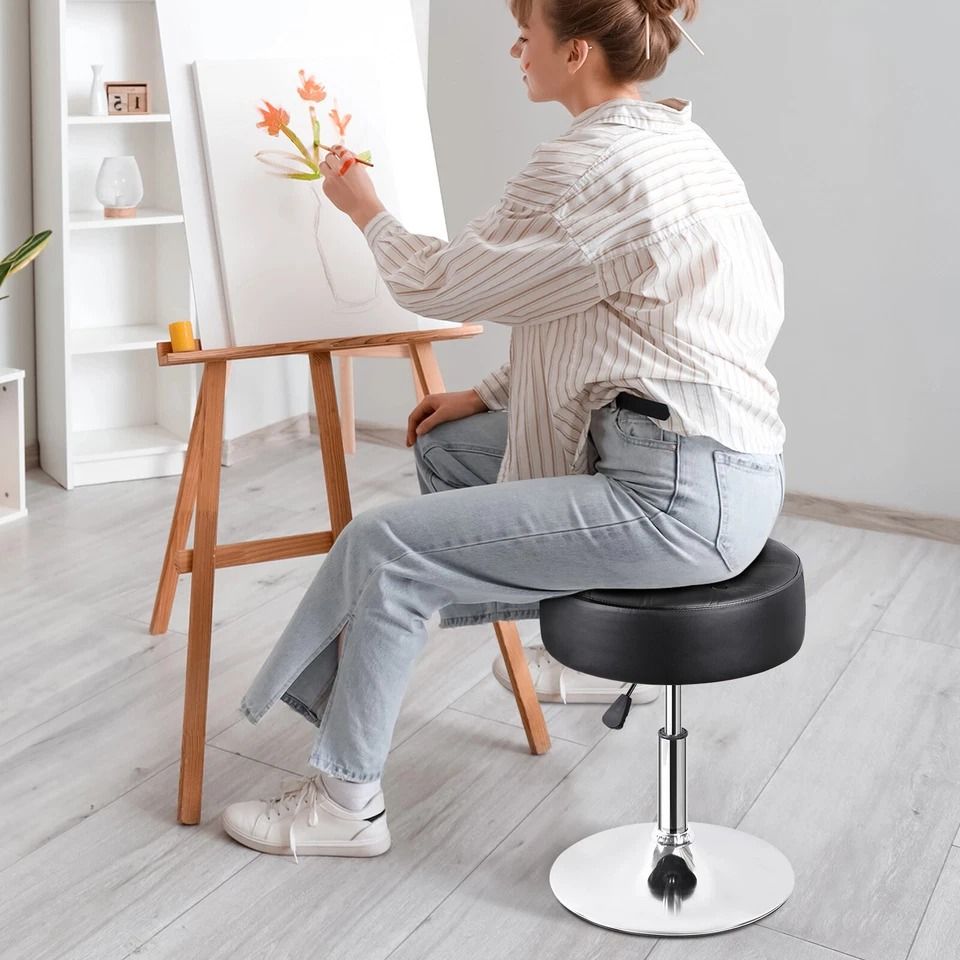
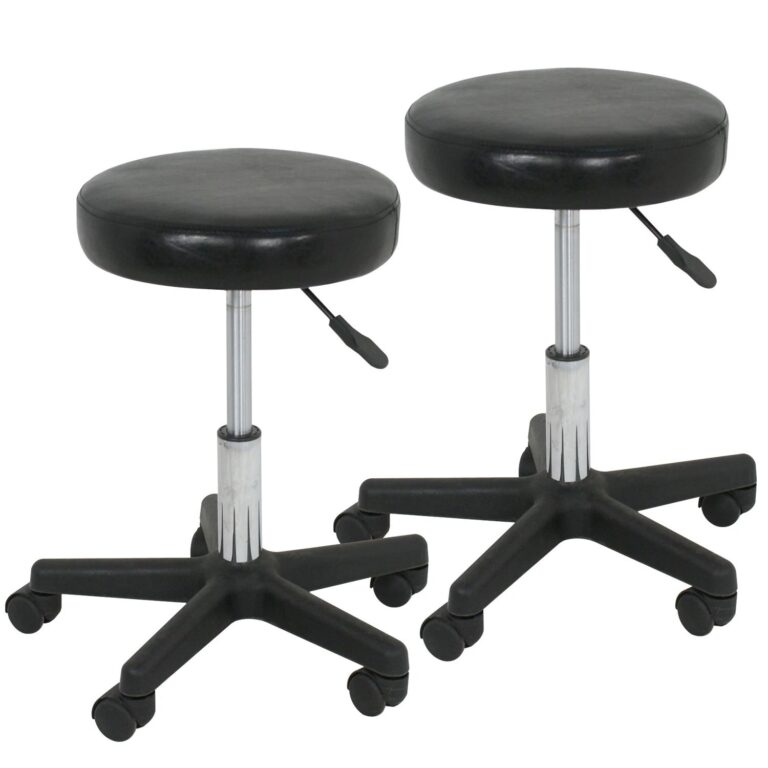 Aisha's pickShopping for Black Swivel Chairs? Start Here
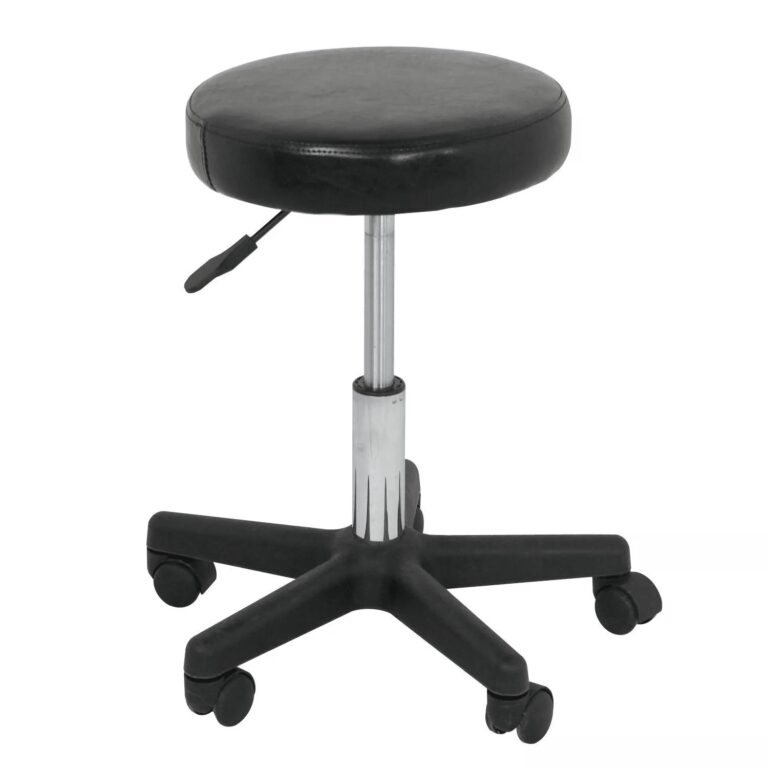
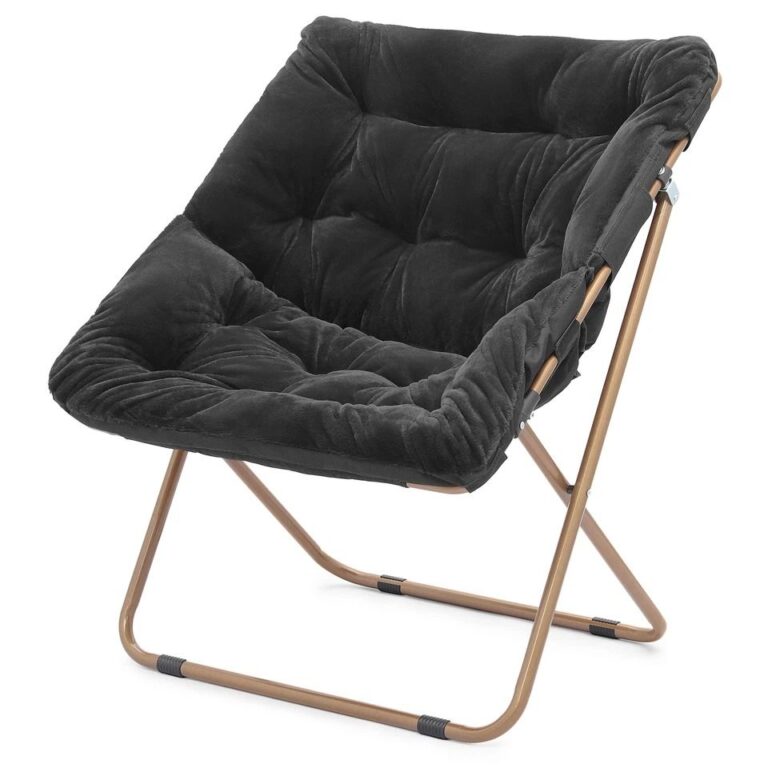 Aisha's pickBlack Accent Chairs Comfy Enough for a Movie Night
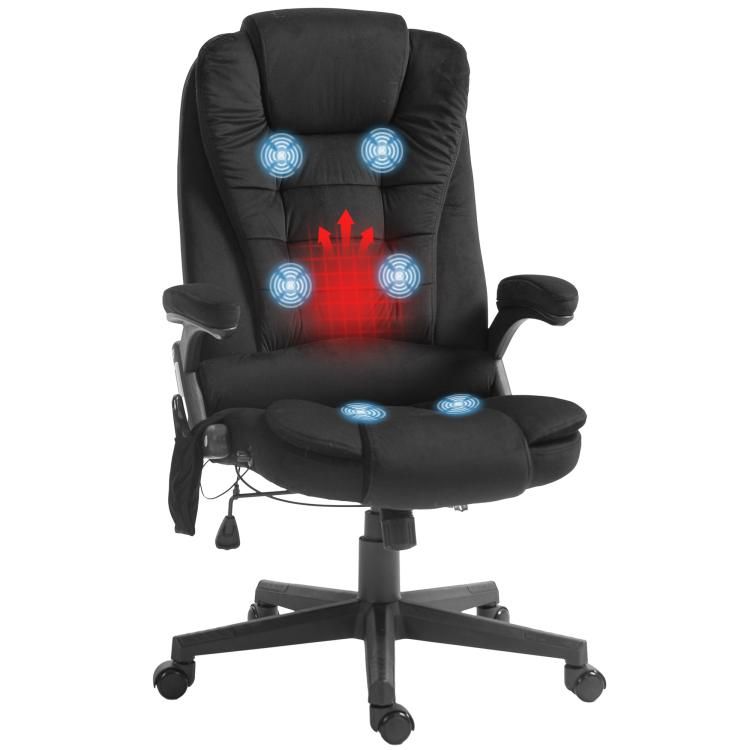 Aisha's pickBlack Height Adjustable Office Chairs at Every Price Point

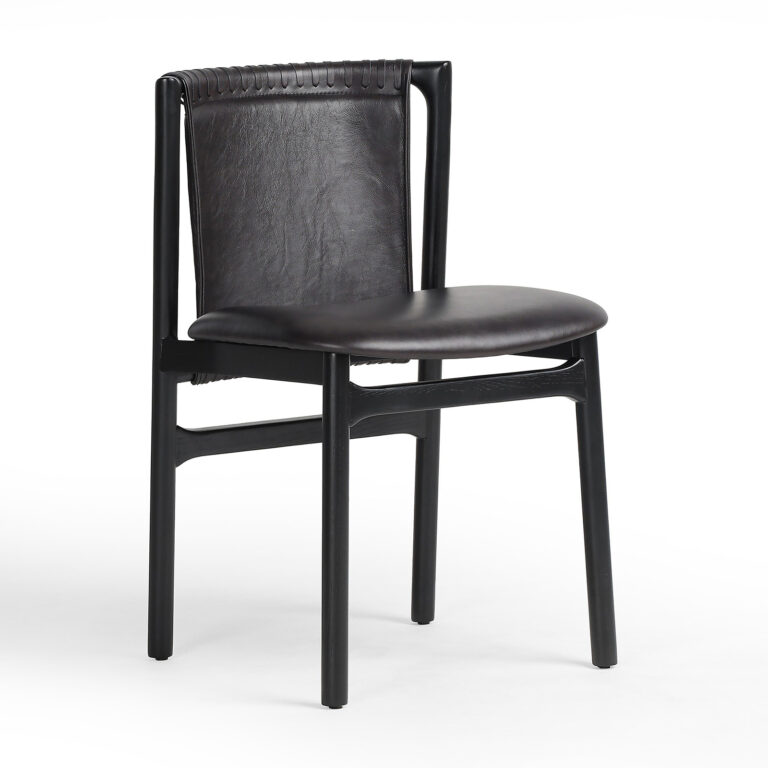 Aisha's pickBlack Upholstered Dining Chairs That Get the Family Around the Table
 Aisha's pickBlack Adjustable Desk Chairs That Make Rented Places Feel Like Home
 Aisha's pickBlack High Back Chairs You’ll Sink Into at the End of the Day
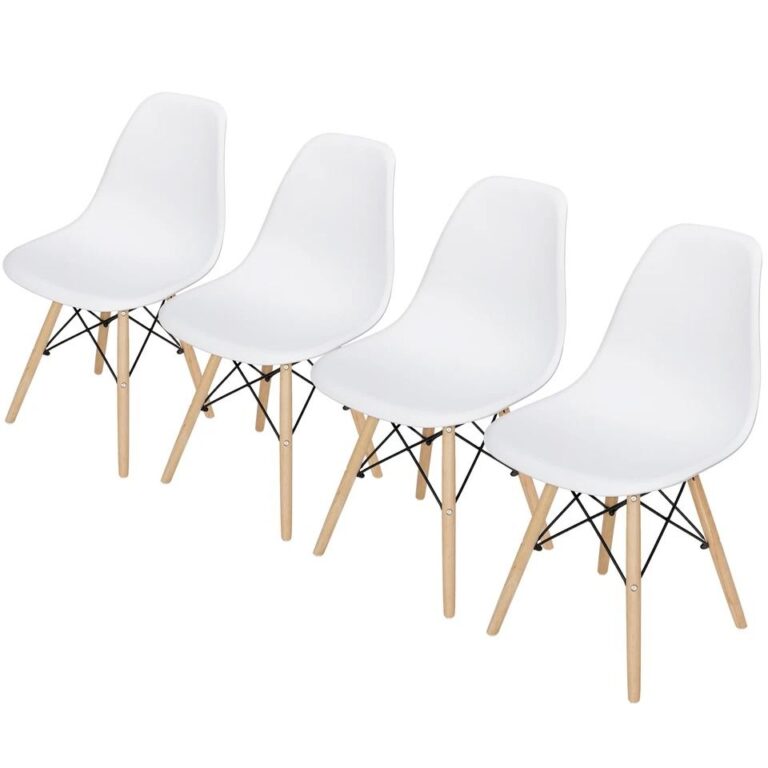
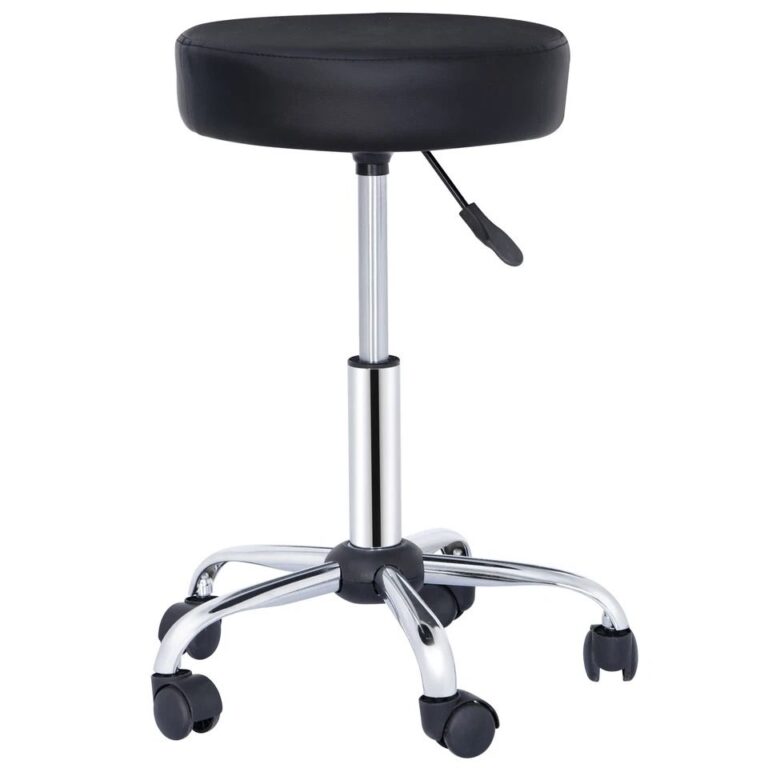 Aisha's pickBlack Adjustable Home Office Chairs Pulled From Dozens of Stores
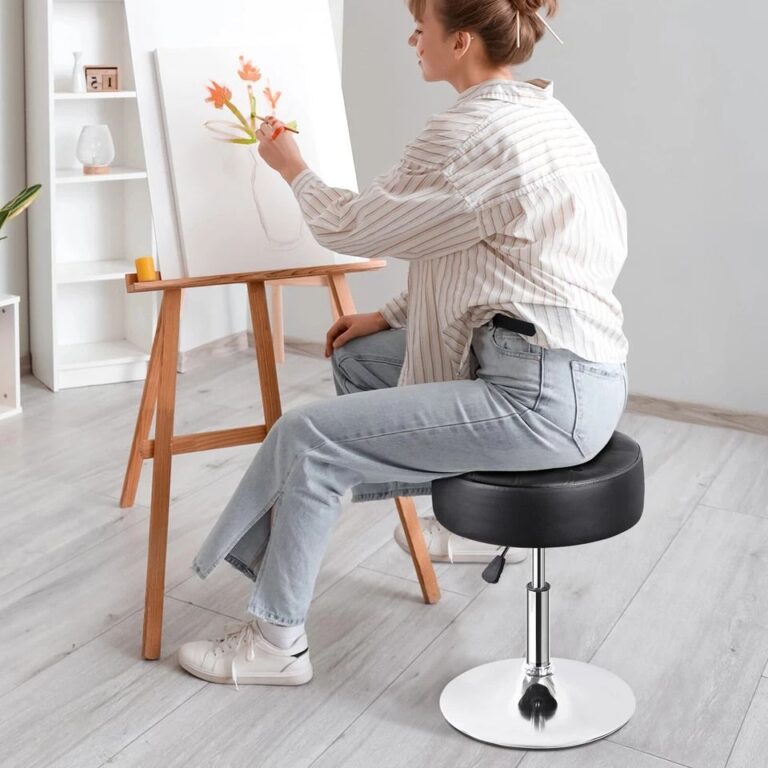
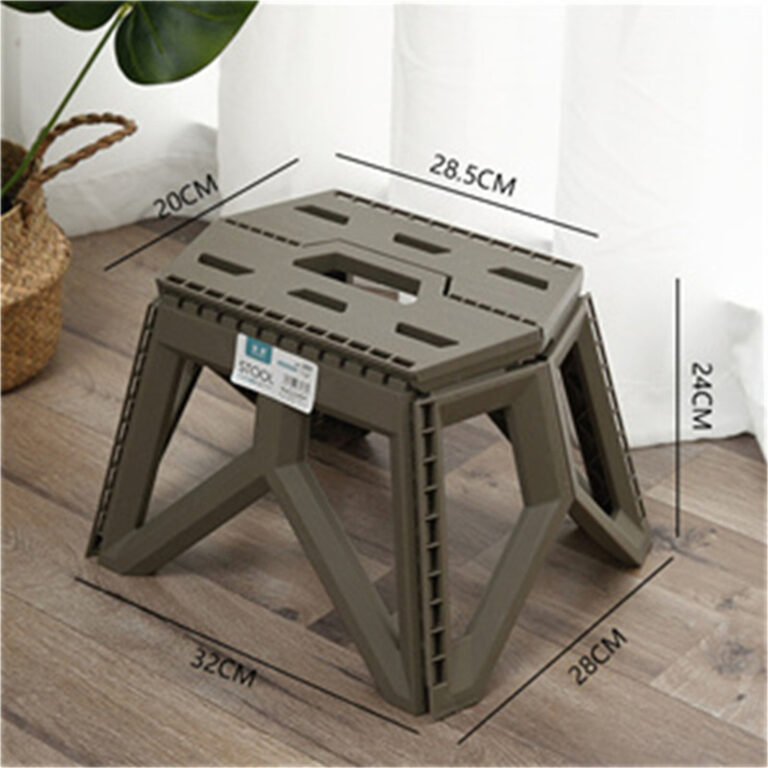 Aisha's pickBlack High Chairs the Cat Will Claim Within a DayAlso worth a lookErgonomic ChairsThe thing nobody mentions is that an ergonomic chair looks ridiculous for the first two weeks.See the collections →
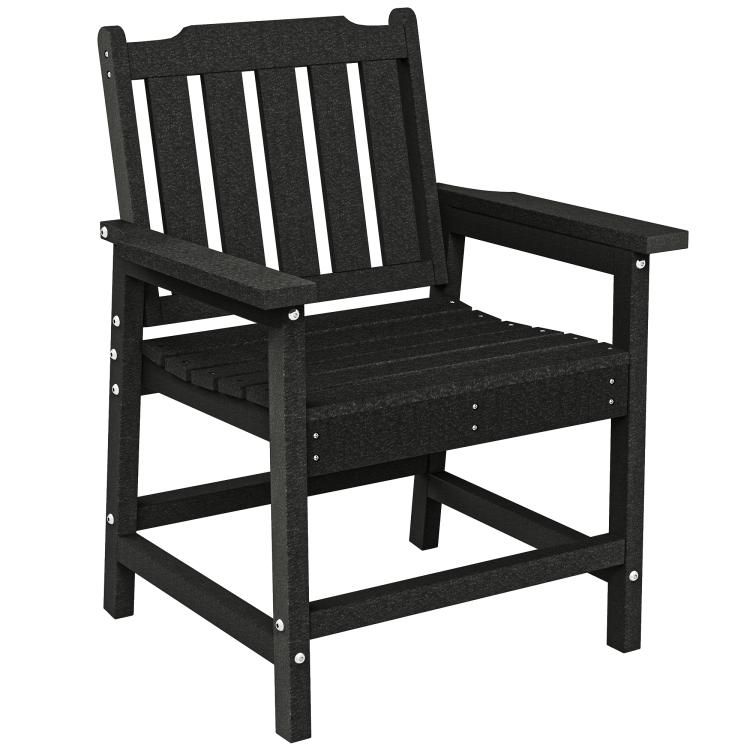
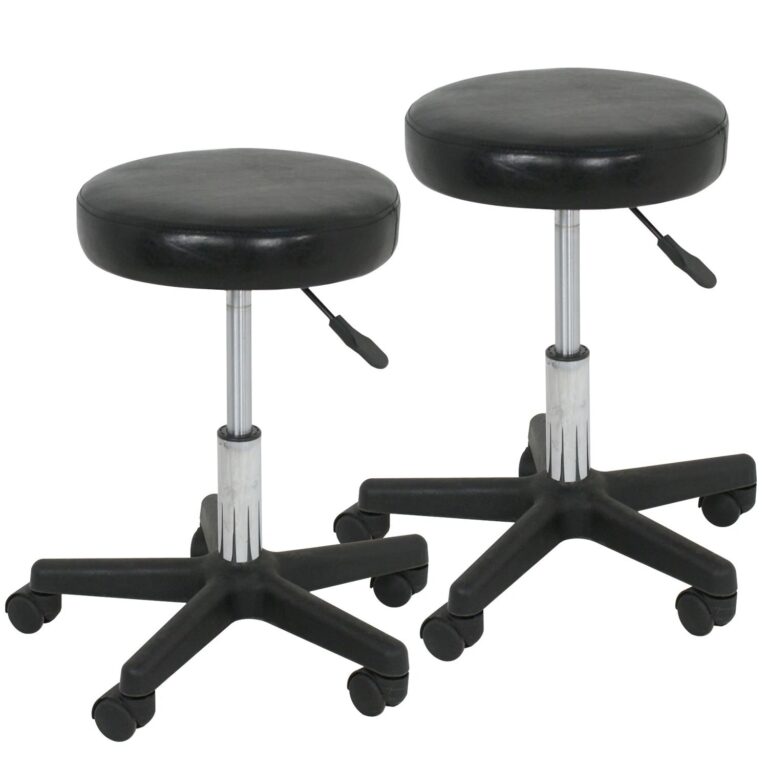 Aisha's pickBlack Adjustable Office Chairs Hunted Down So You Don’t Have To

 Aisha's pickBlack Home Office Chairs That Won’t Let You Down
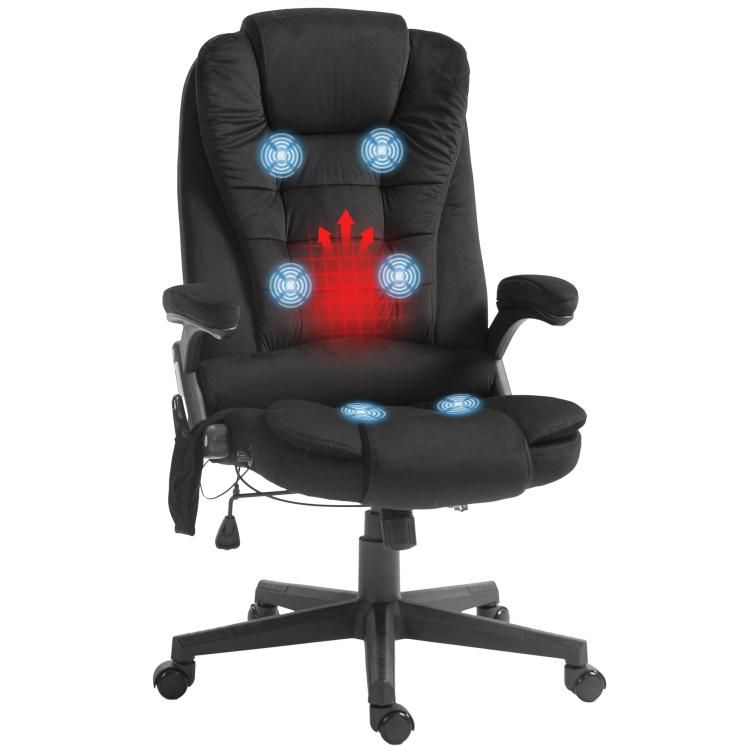
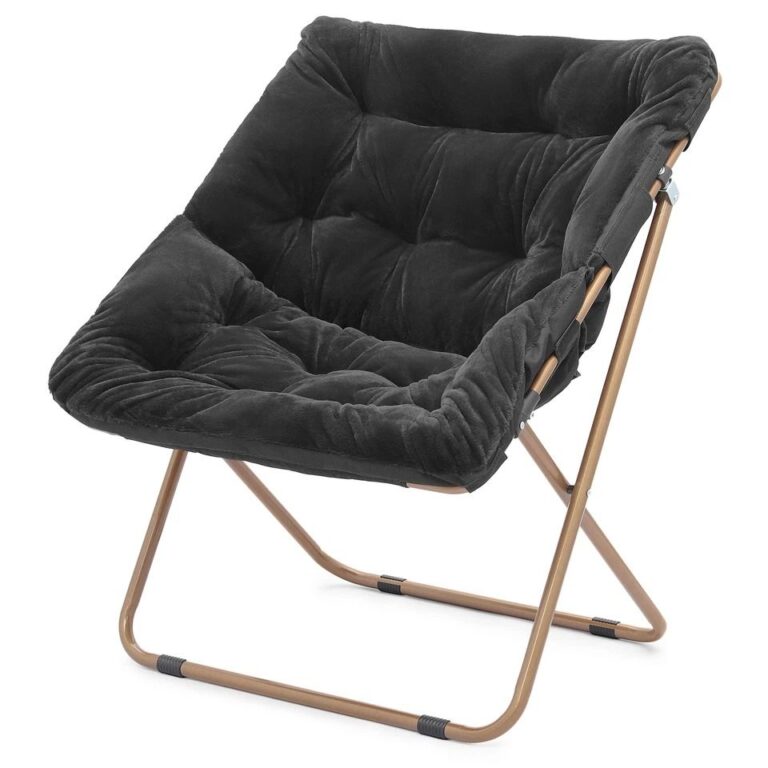 Aisha's pickBlack Bedroom Chairs You’ll Still Like in Five Years
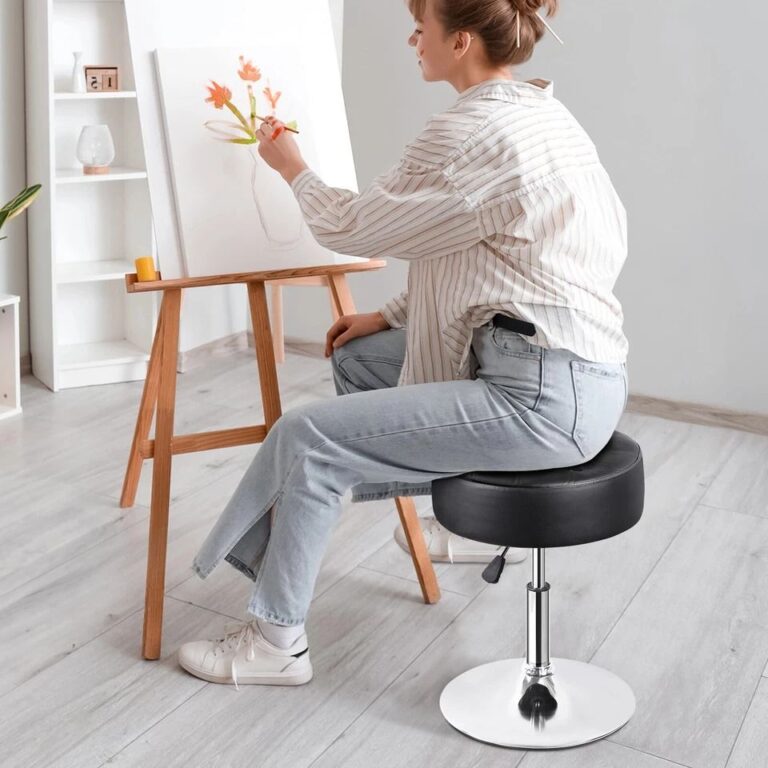
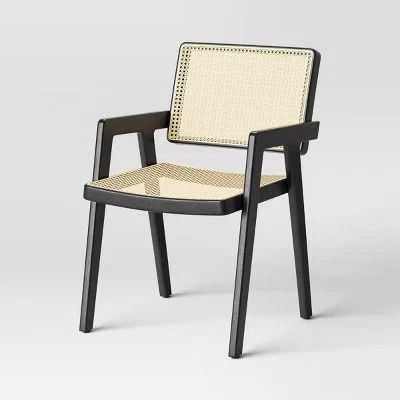 Aisha's pickBlack Kitchen Chairs That Don’t Sag After a Year
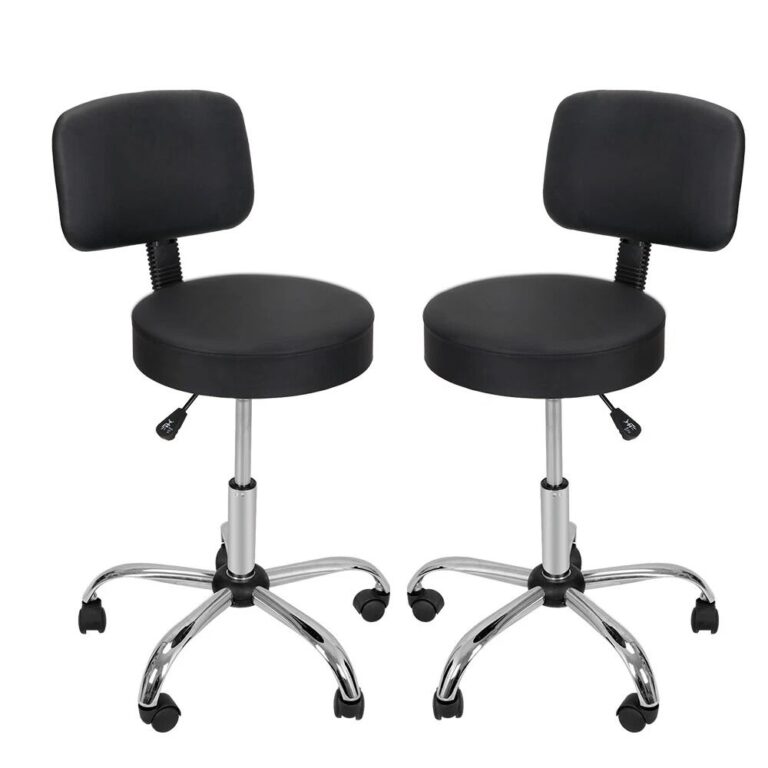
 Aisha's pickBlack Bench Seats With Real Back Support

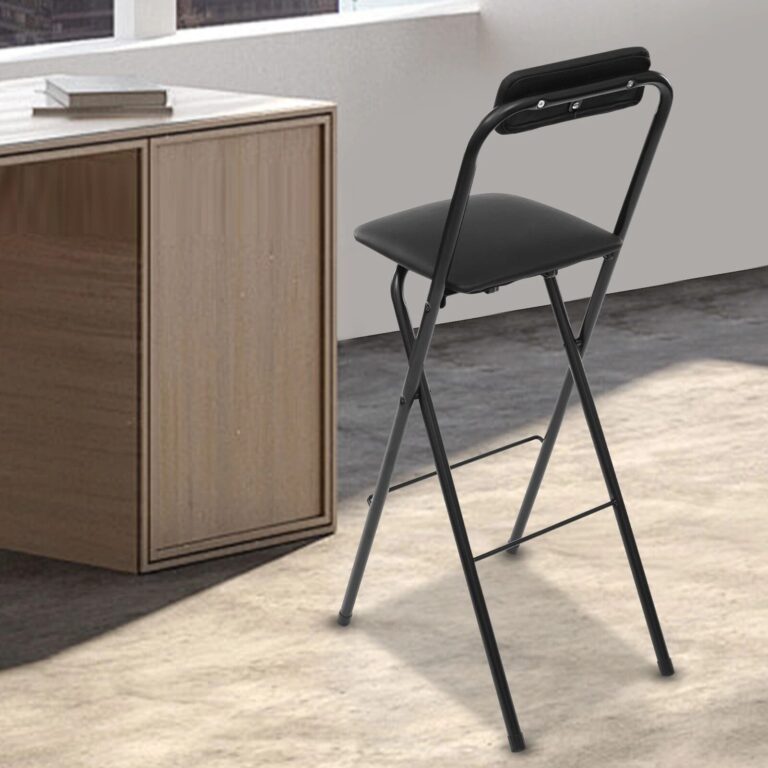 Aisha's pickBlack Kitchen Chairs We’d Happily Nap On
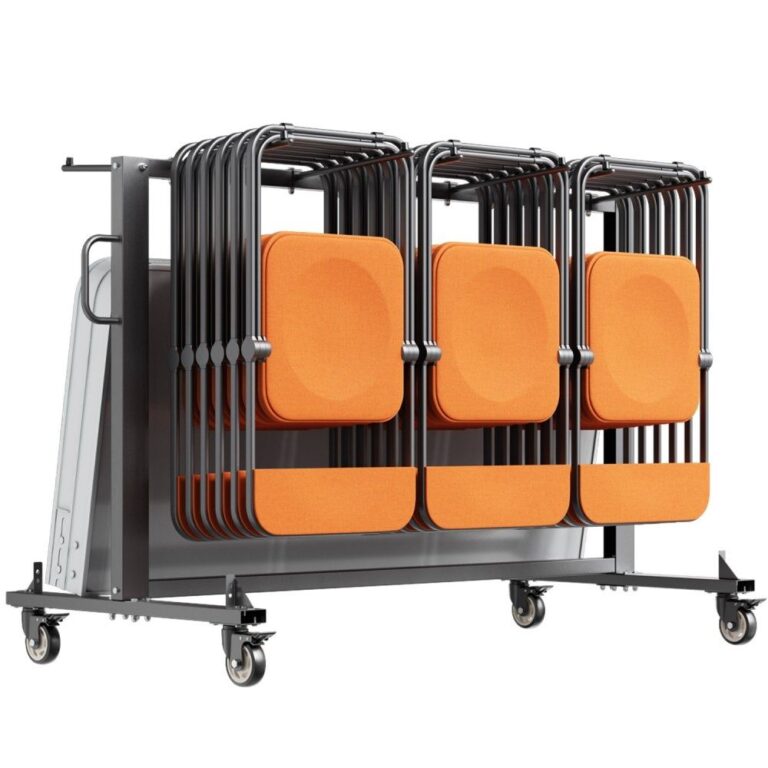 Aisha's pickBlack Conference Chairs We Keep Coming Back To
 Aisha's pickBlack Leather Office Chairs That Keep the Desk Clear

 Aisha's pickBlack Desk Chairs for a Home Office That WorksAlso worth a lookSeatsStanding in a showroom trying to decide on seats, the first thing I'd tell you is to sit in it for longer than feels normal.See the collections →

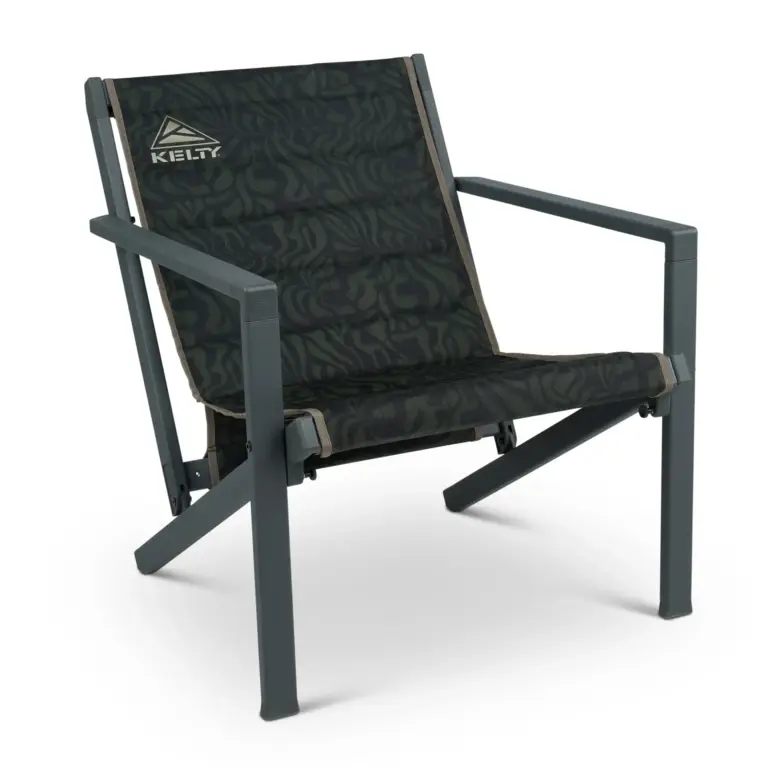 Aisha's pickBlack Living Room Chairs for Movie Nights and Slow Sundays
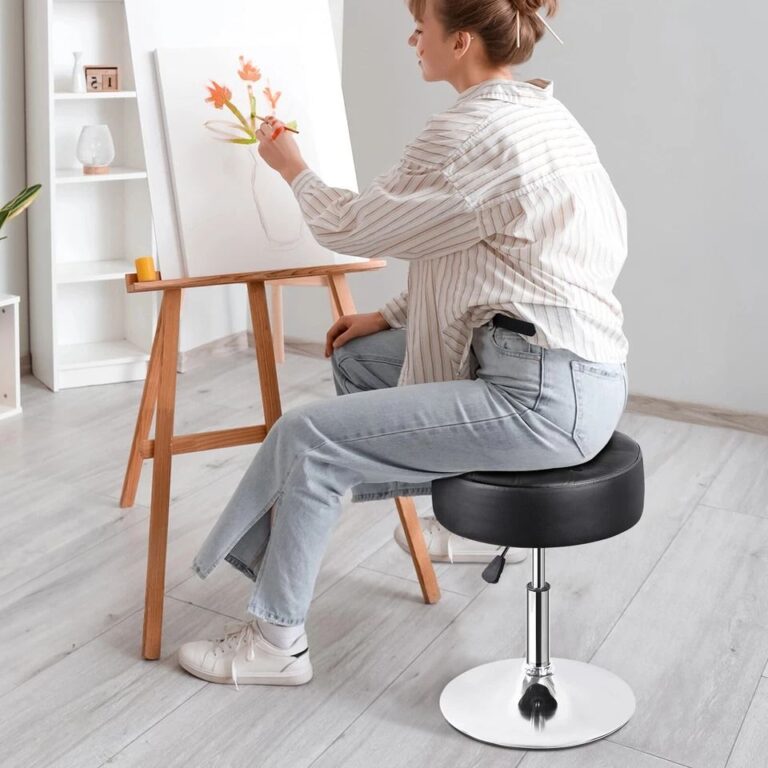
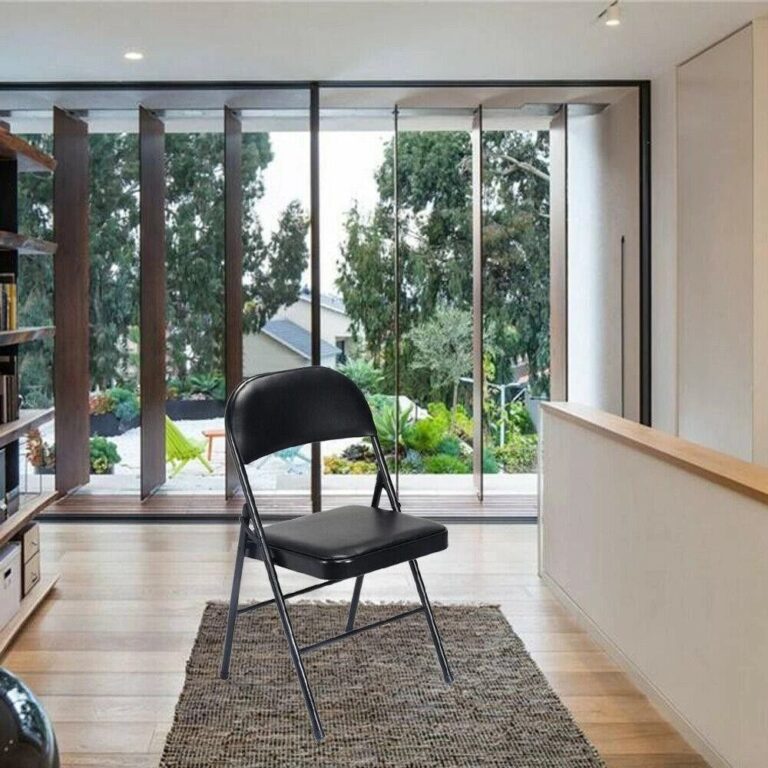 Aisha's pickBlack Dining Chairs That Get the Family Around the Table
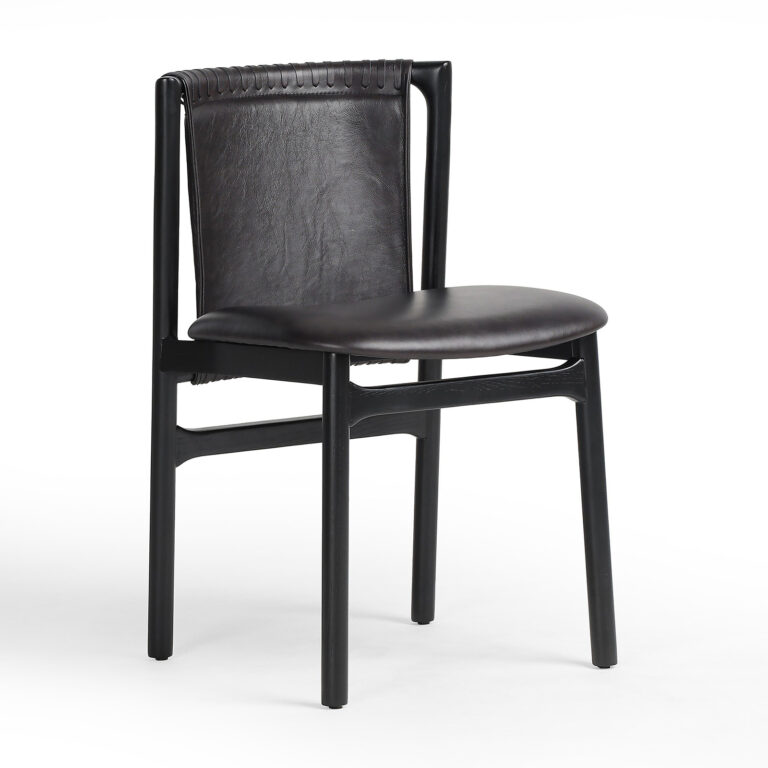
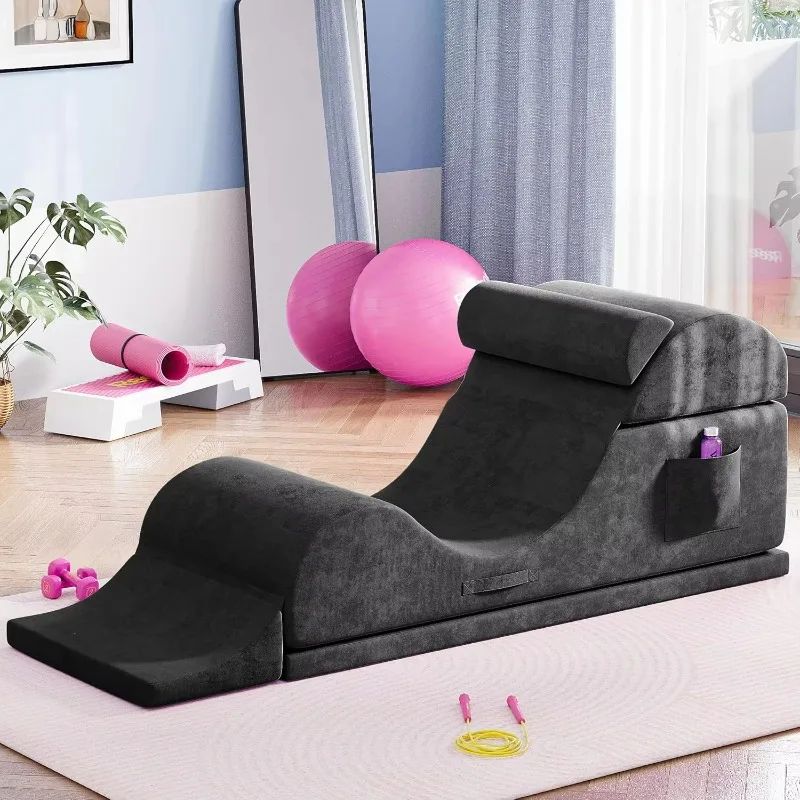 Aisha's pickBlack Lounge Chairs for Long Sunday Afternoons
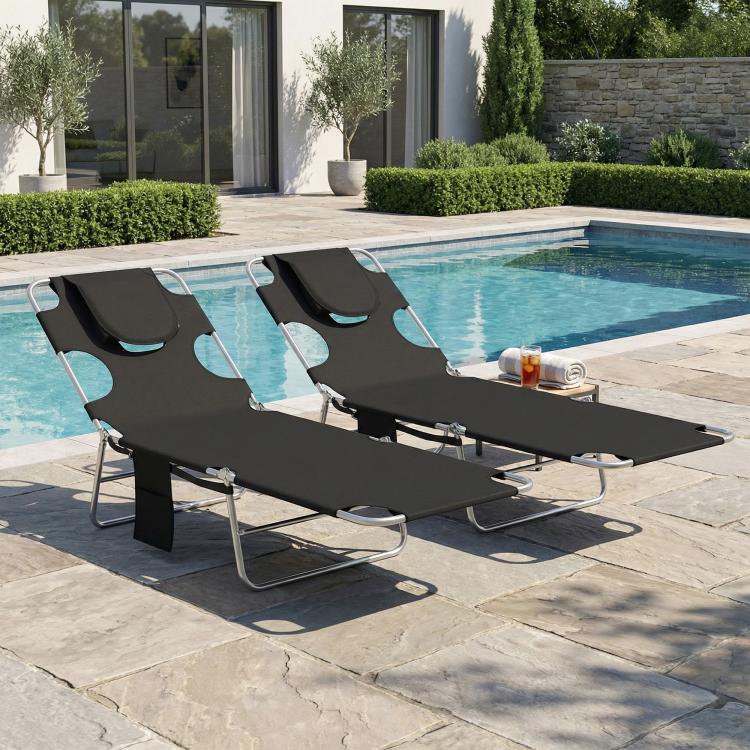
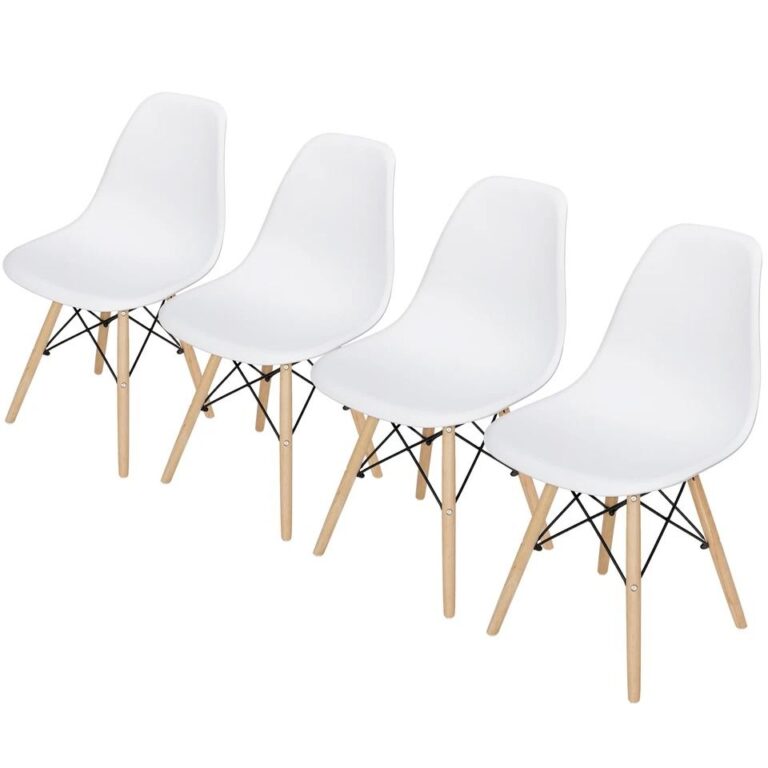 Aisha's pickBlack Dining Room Chairs That Don’t Sag After a Year
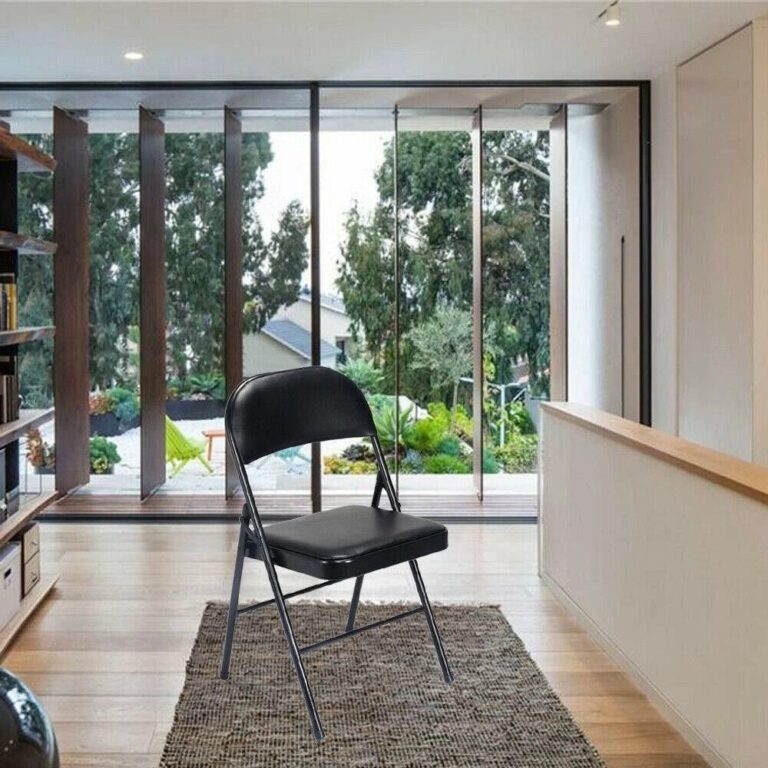
 Aisha's pickBlack Love Seats Pulled From Dozens of Stores
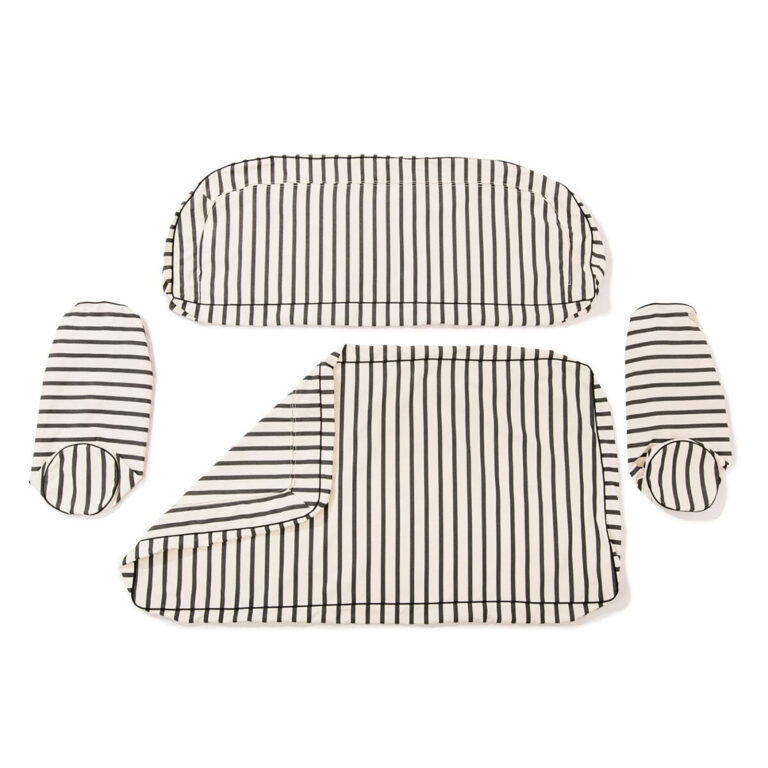
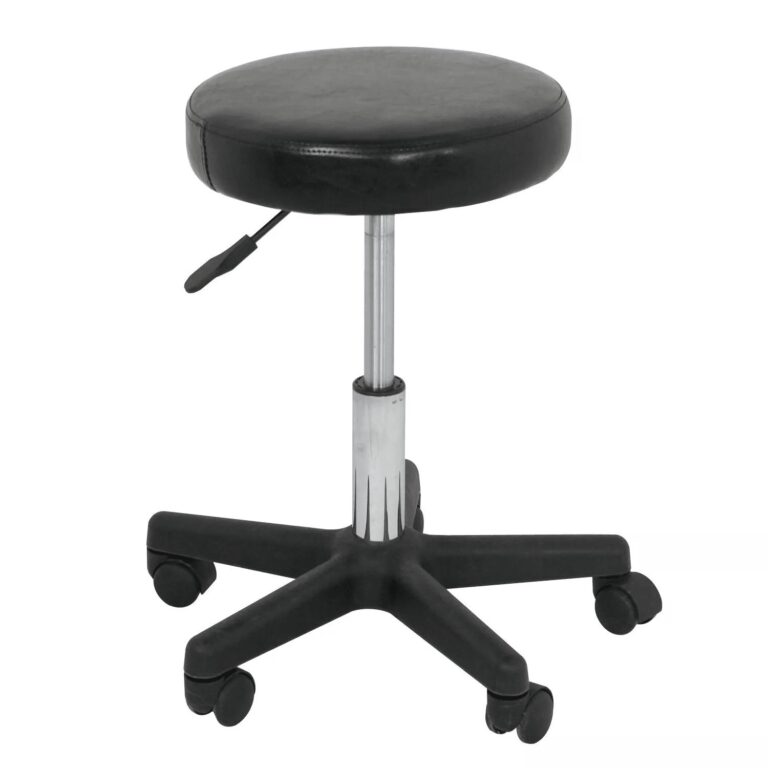 Aisha's pickBlack Ergonomic Chairs We’d Buy Again

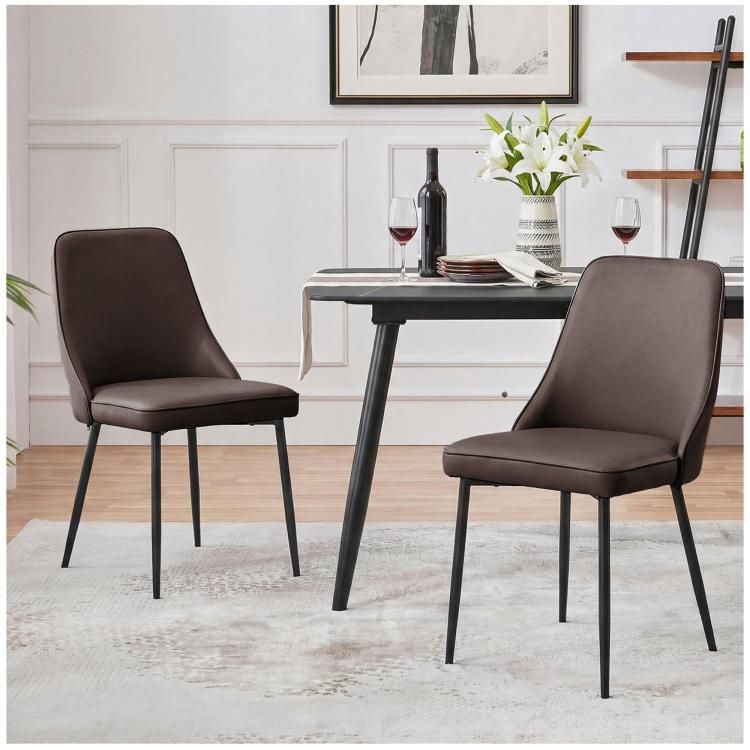 Aisha's pickBlack Metal Dining Chairs That Fit Through a Narrow Door
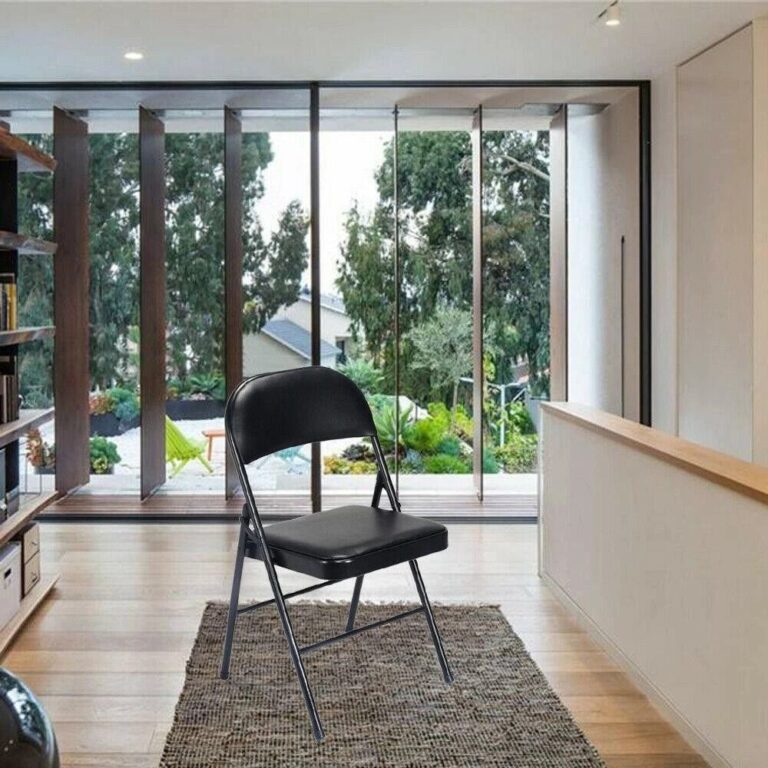
 Aisha's pickBlack Ergonomic Office Chairs That Keep the Desk Clear
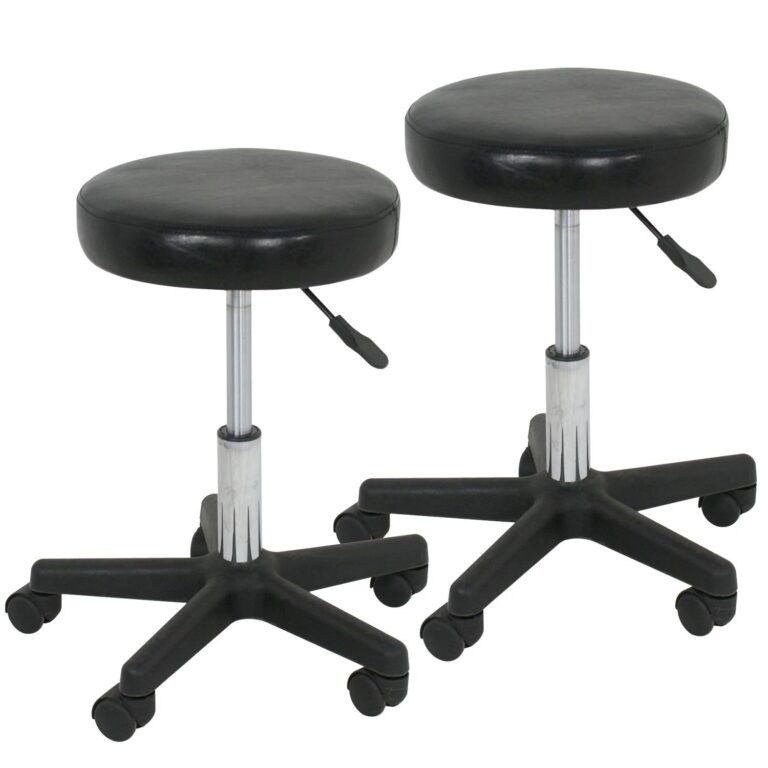
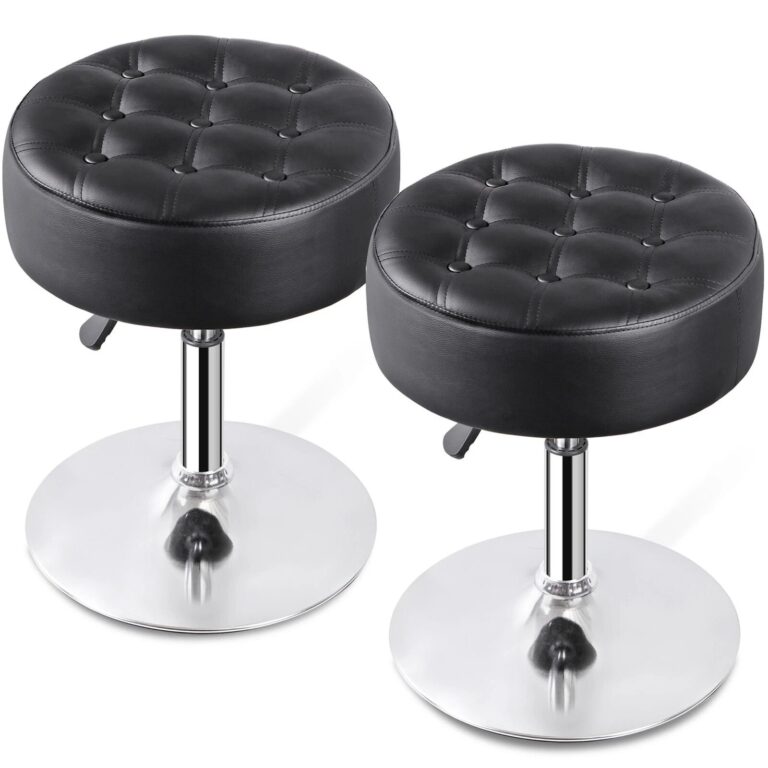 Aisha's pickBlack Office Chairs That Look Good Up CloseAlso worth a lookAccent ChairsAn accent chair is the one seat in the room that doesn't have to agree with anything else.See the collections →
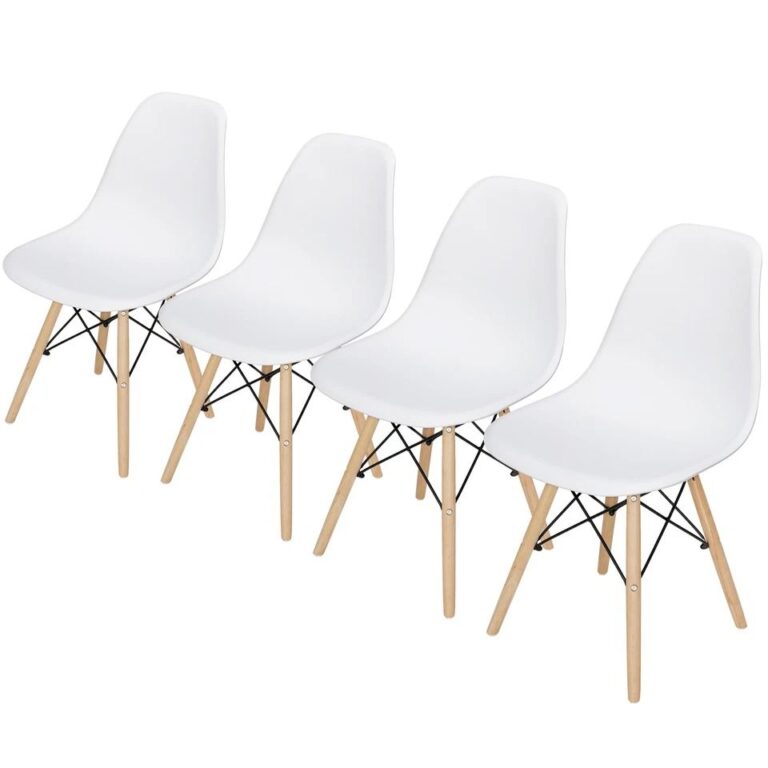
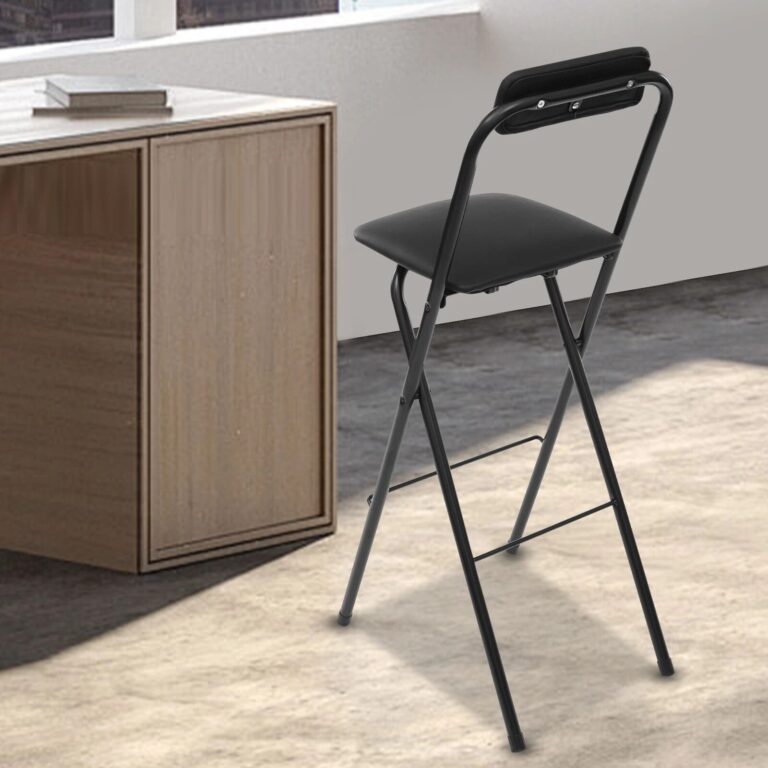 Aisha's pickNo Fuss Black Floor Chairs
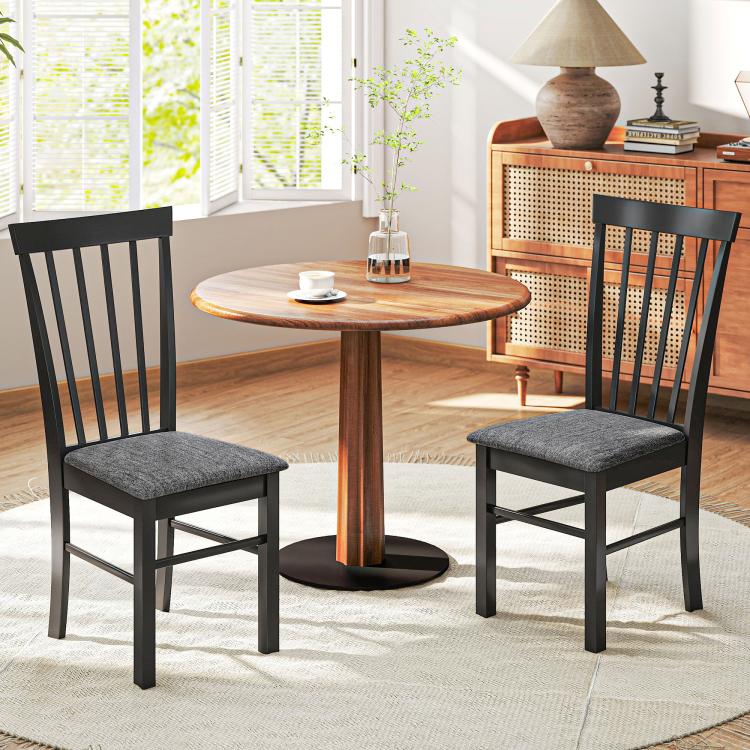
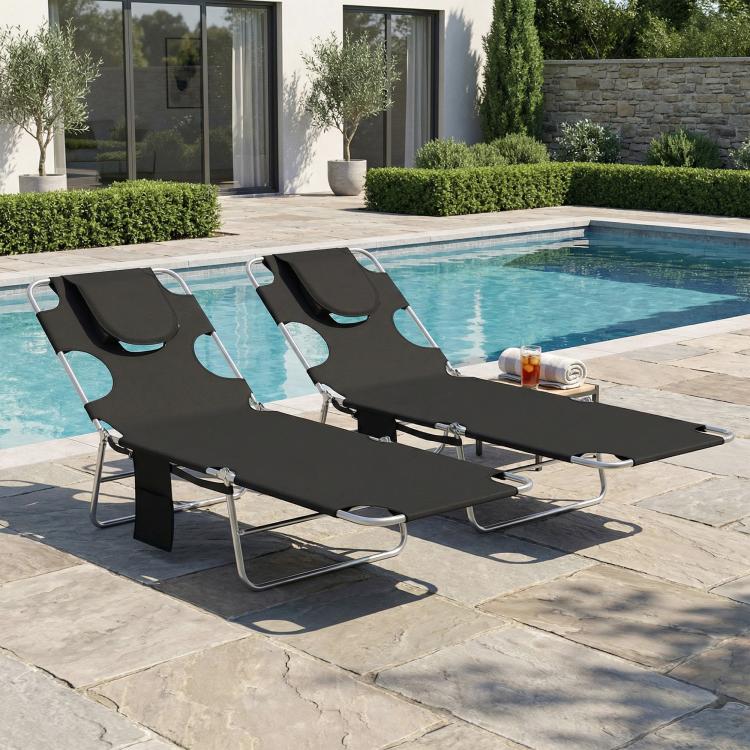 Aisha's pickBlack Reading Chairs You’ll Sink Into at the End of the Day

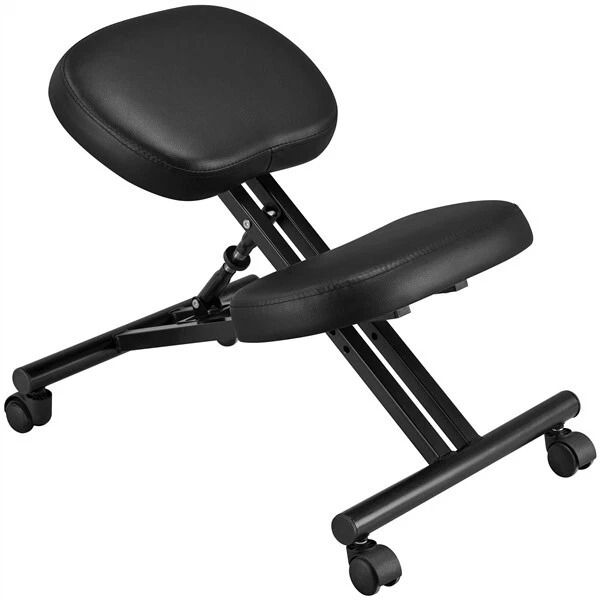 Aisha's pickBlack Gaming Chairs for Working From Home Without the Backache
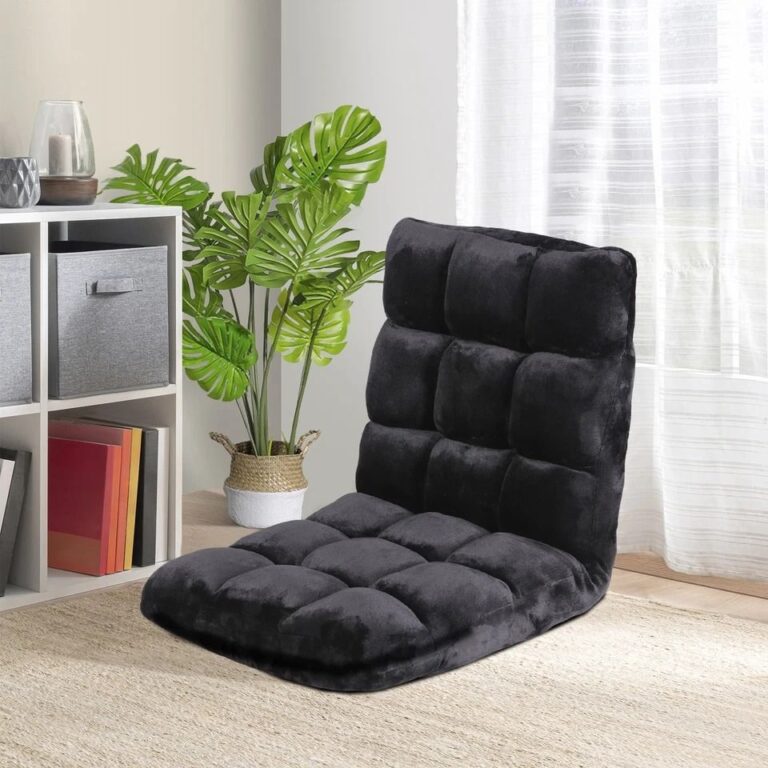
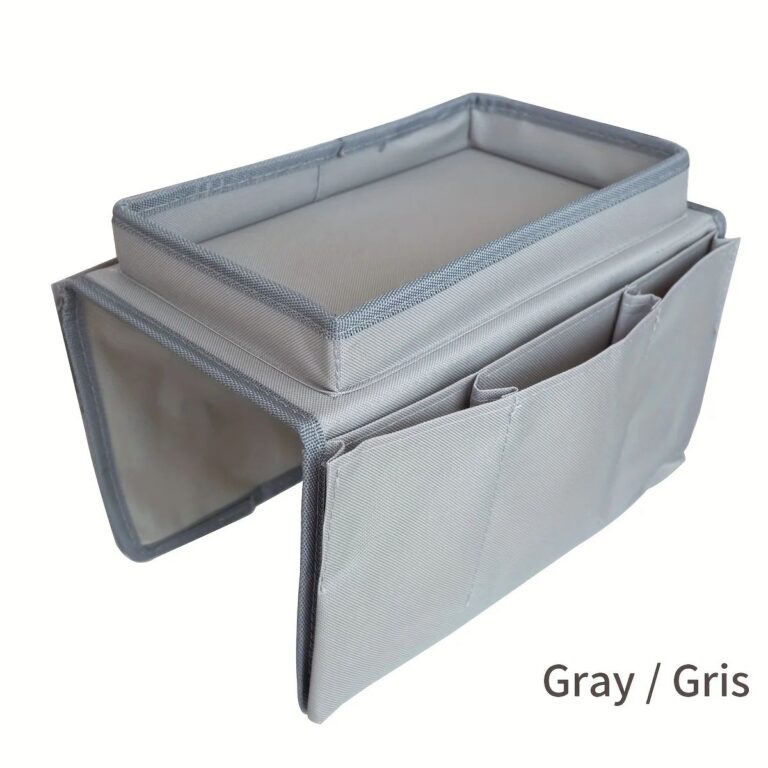 Aisha's pickBlack Recliners the Cat Will Claim Within a Day
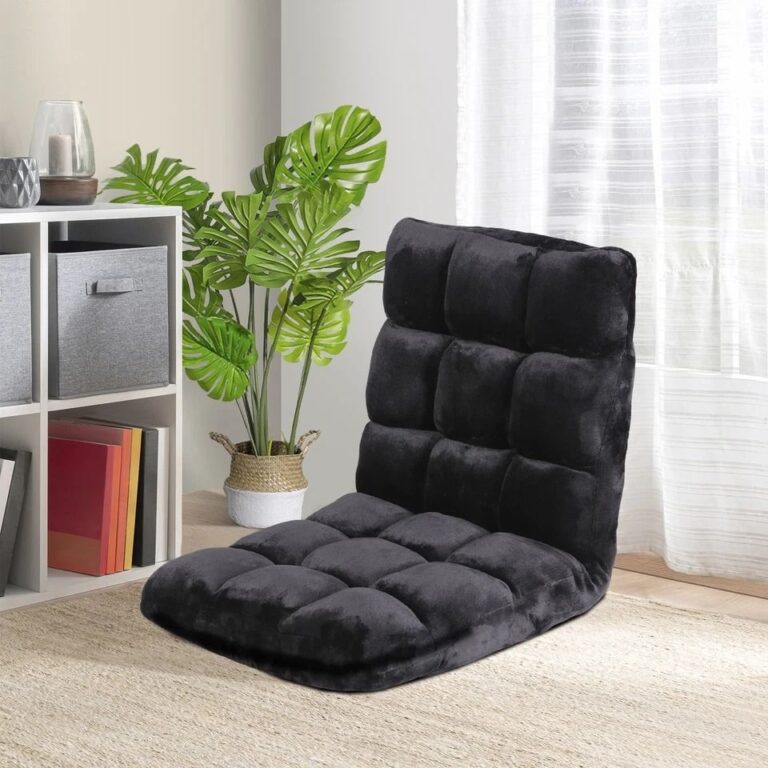
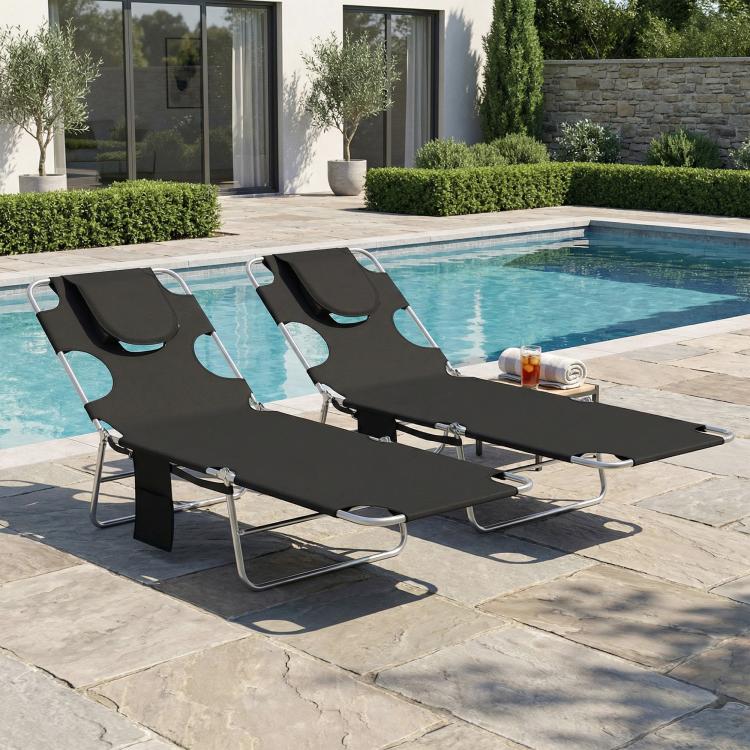 Aisha's pickBlack Head Chairs You Won’t Regret Buying