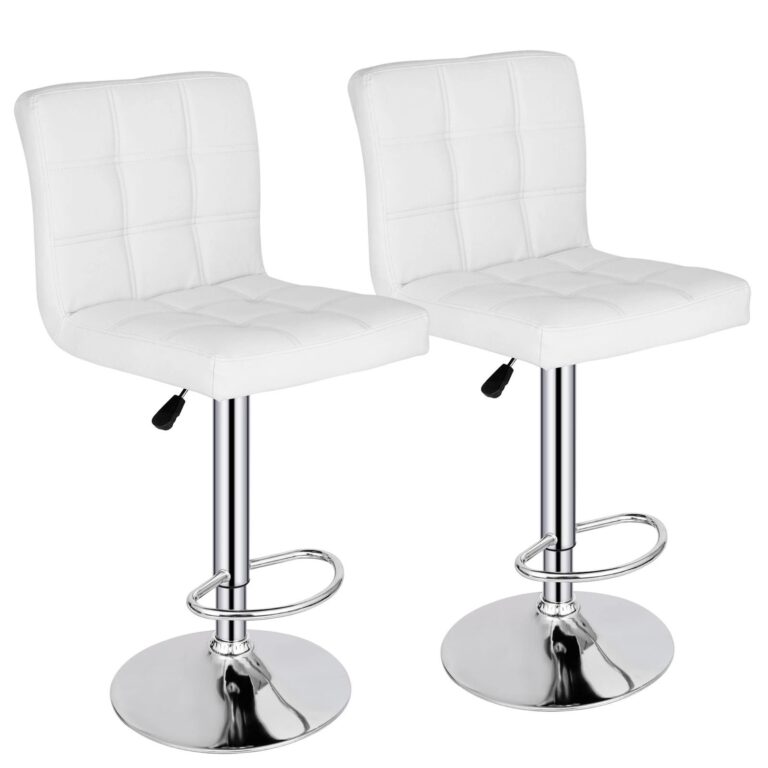
I kept metal chairs out of the house for years. Too cold, too industrial, the kind of thing that looks right in a restaurant and wrong the second you sit in it for longer than an hour. What changed my mind was a secondhand pair of cafe chairs that turned out to be the easiest seats I own, so I stopped being stubborn about the material and started paying attention to which ones actually work.
They do their best work in kitchens, sunrooms, outdoor patios and anywhere food and weather happen close together, because they shrug off spills, humidity and scraping across tile in a way that wood and upholstery never quite manage. A rented apartment with a small kitchen table benefits most, since metal chairs tuck in tight and don't eat up floor space the way a bulkier frame does, and a busy family kitchen benefits too, because nobody has to panic when a glass of juice tips over mid dinner. If you're starting with nothing, go with a simple four legged dining chair in a painted or powder coated finish rather than anything with a woven seat or a cushion attached, since the plain version pairs with almost any table and doesn't commit you to a particular style the way a bentwood or a bistro style chair does. Once you know what you like, you can branch into stools, accent chairs or something with a bit more shape to it.
Measuring matters more with metal than with other materials, because the frames are often slimmer and the proportions less forgiving if you guess wrong. Leave about twenty four inches of width per person around the table, and check the seat height against your table, most dining chairs sit sixteen to eighteen inches, and anything shorter will feel like a kid's chair once people's knees hit the underside of the table. The common mistake is buying chairs that look right in a photo but turn out too narrow or too upright for anyone to sit through a long dinner, so if you can, sit in one for a few minutes in the store or ask for the actual seat dimensions before you order four or six of them online.
Mine have been dragged across tile floors for three years, survived a move across town stacked in the back of a truck, and still don't wobble or rust at the joints. A scuff on a wooden leg bothers me. A scuff on a metal one just looks like it's been used, which is sort of the point.
 Aisha's pickSmall Metal Dining Chairs That Look Good From Every Angle
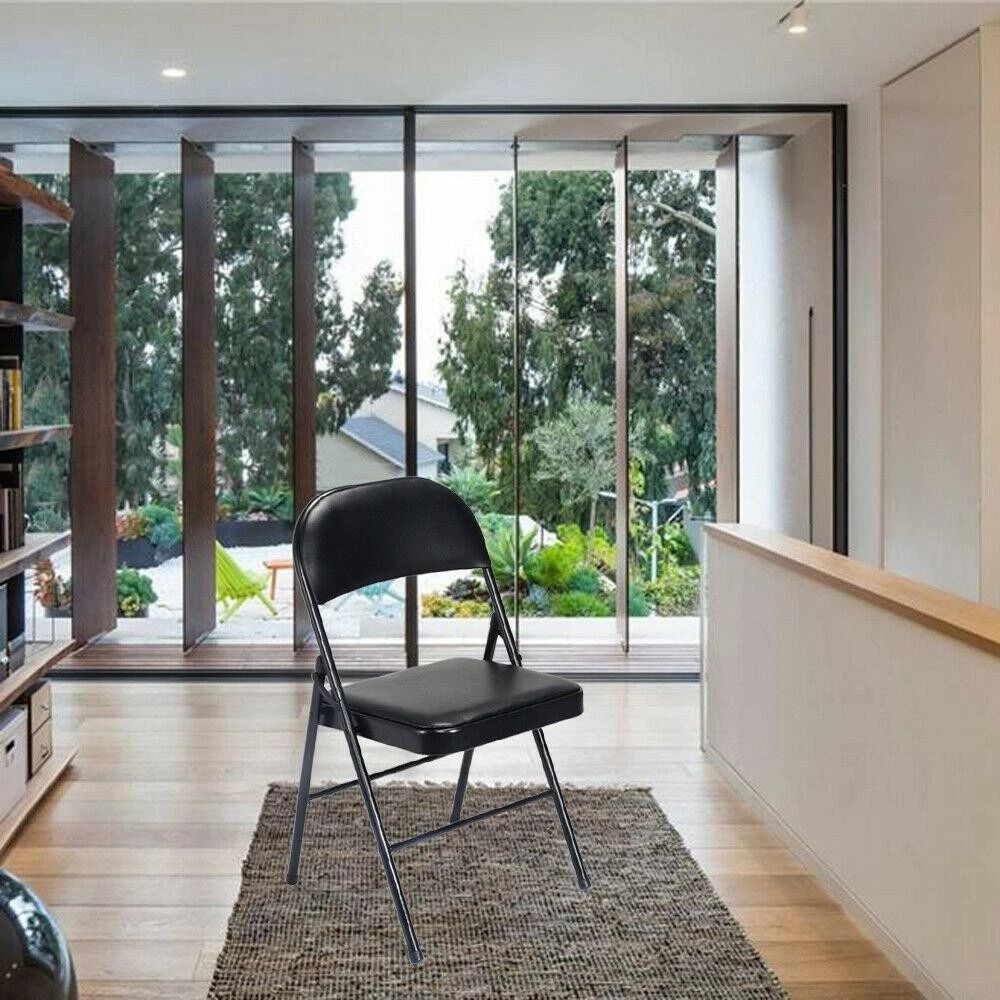
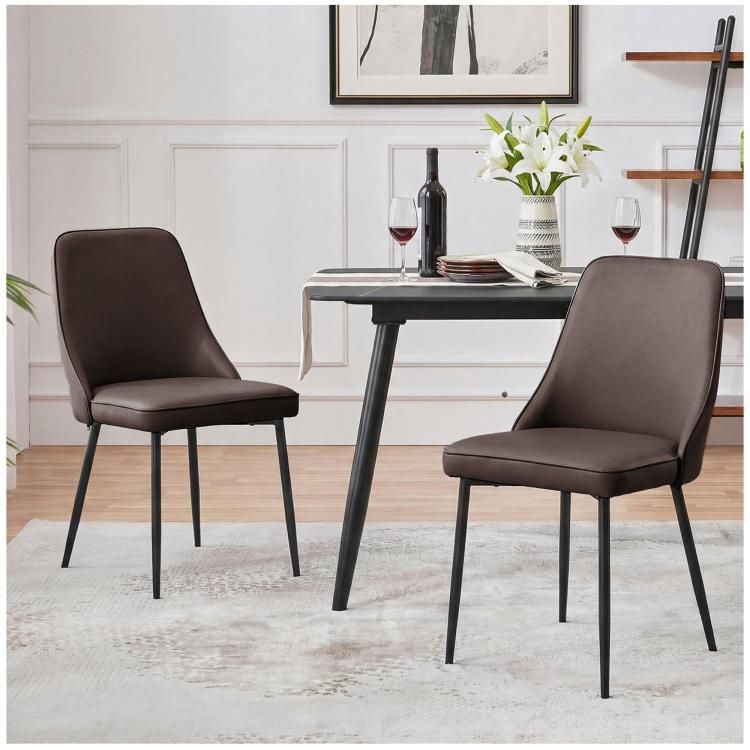 Aisha's pickBlack Metal Dining Chairs That Fit Through a Narrow Door
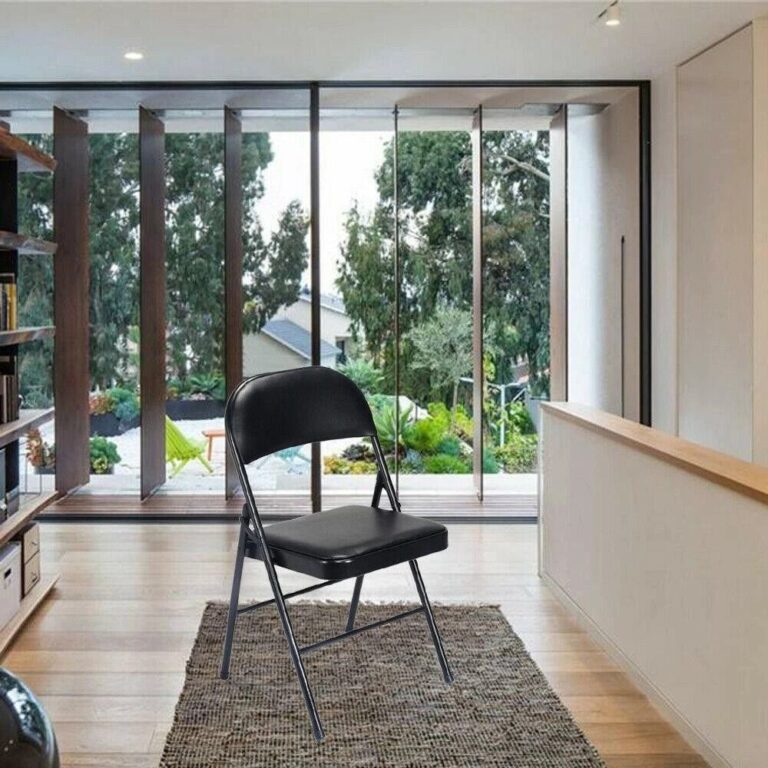
 Aisha's pickSteel Camping Chairs for Making a House Feel Like Yours

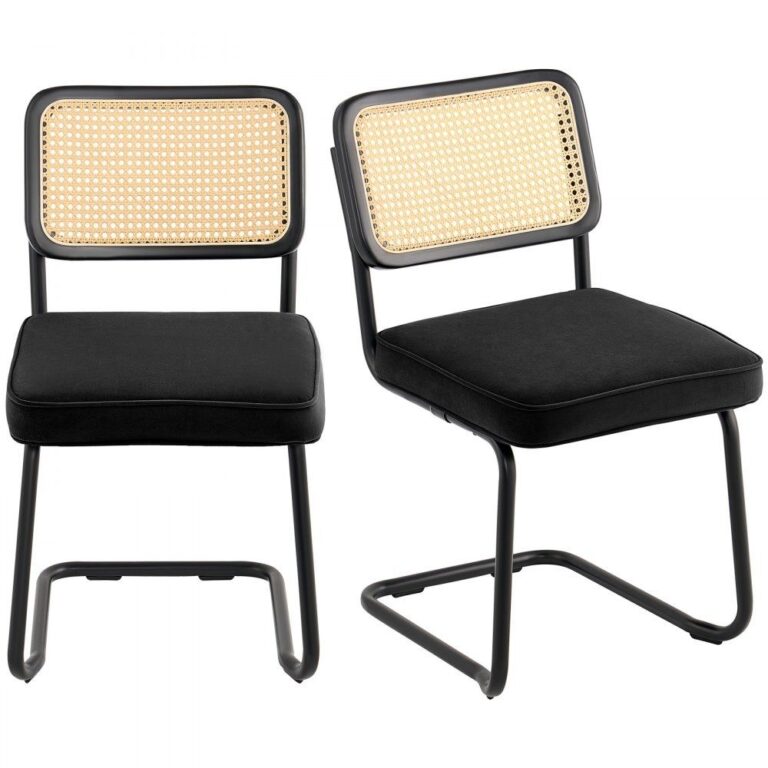
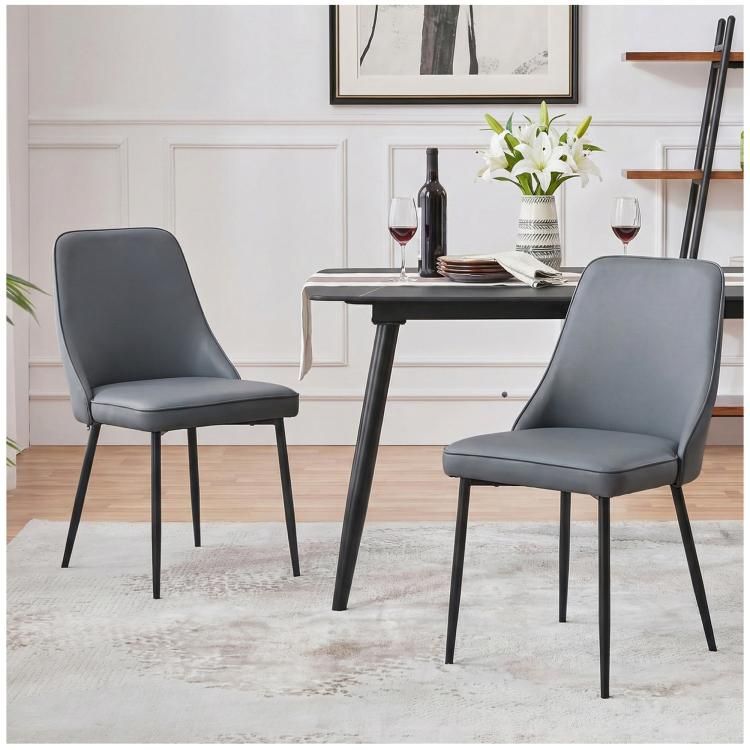 Aisha's pickContemporary Metal Dining Chairs With Some Character
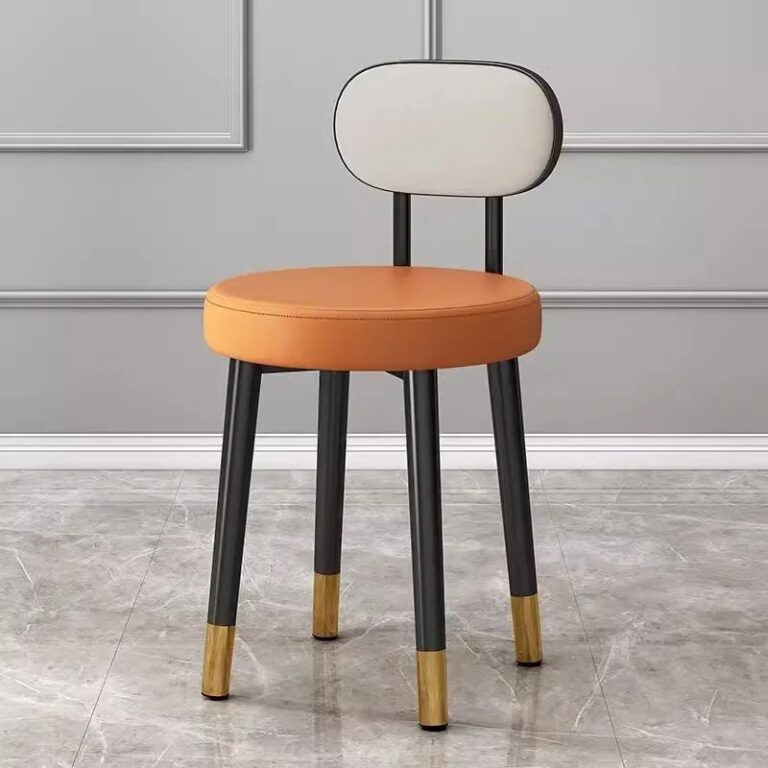
 Aisha's pickSteel Hanging Chairs Without the Silly Price Tag
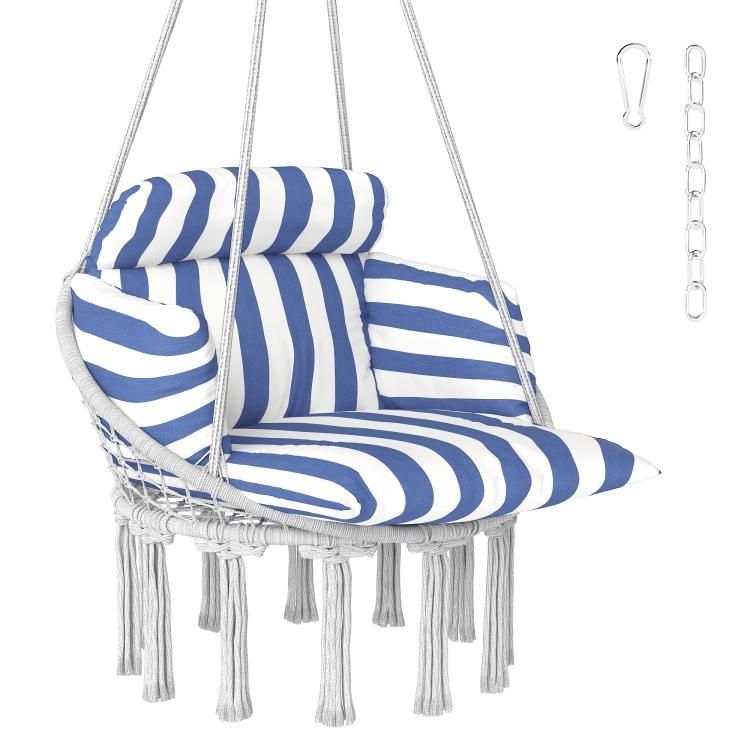
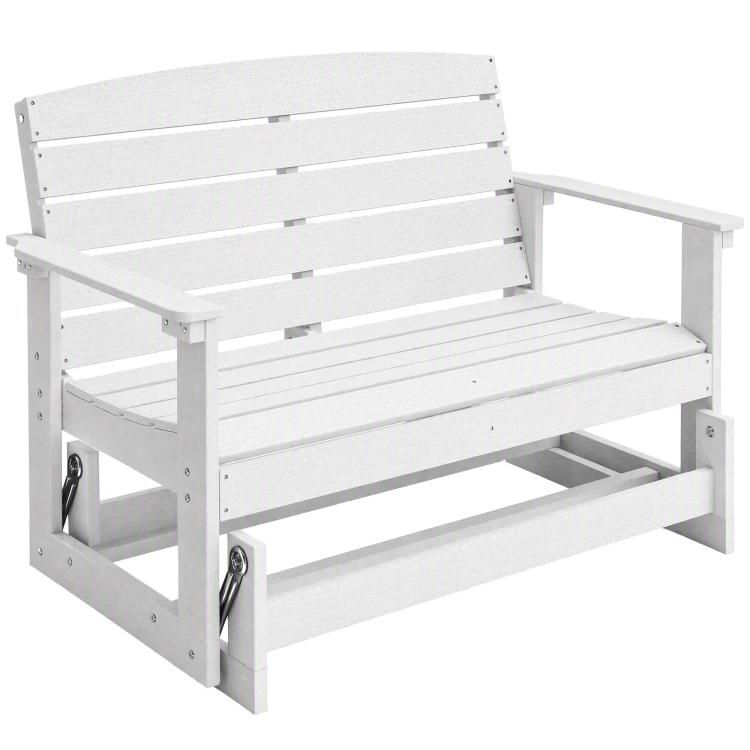 Aisha's pickGood Metal Bench Seats That Don’t Cost a Fortune
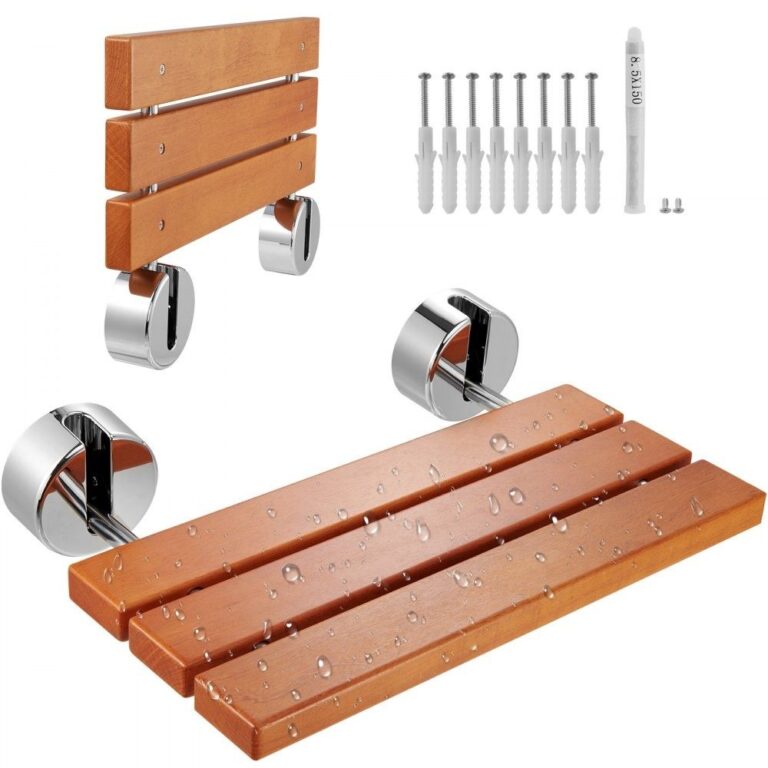
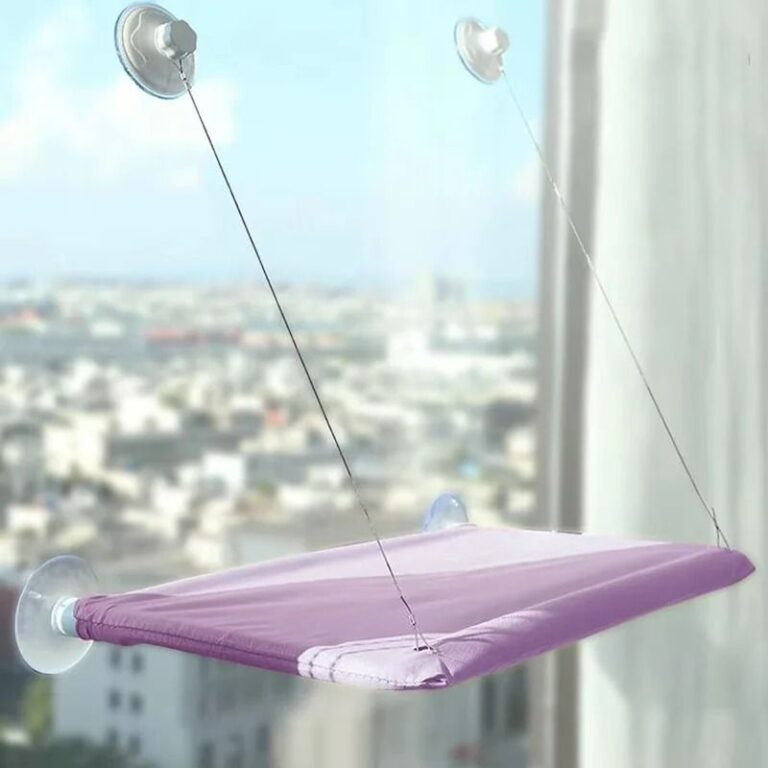 Aisha's pickSteel Sun Loungers at Every Price Point
 Aisha's pickMetal Dining Chairs That Are Easy to Keep Clean
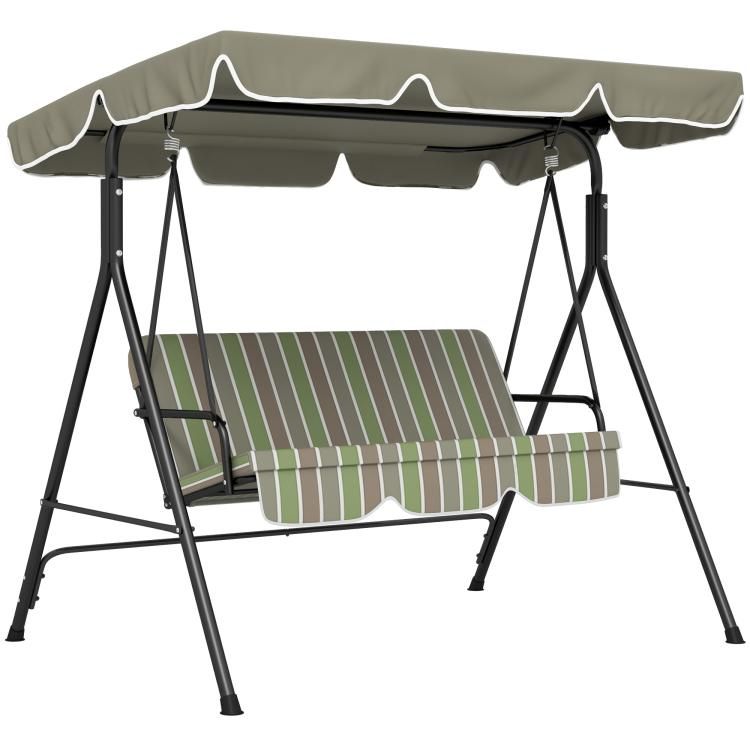 Aisha's pickSteel Swing Chairs That Seat Guests Without the SqueezeAlso worth a lookErgonomic ChairsThe thing nobody mentions is that an ergonomic chair looks ridiculous for the first two weeks.See the collections →
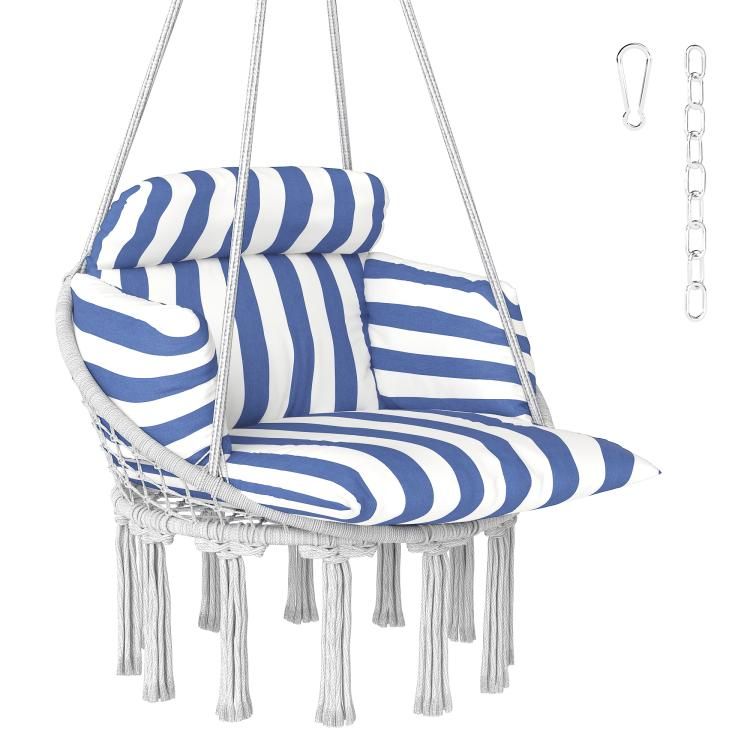
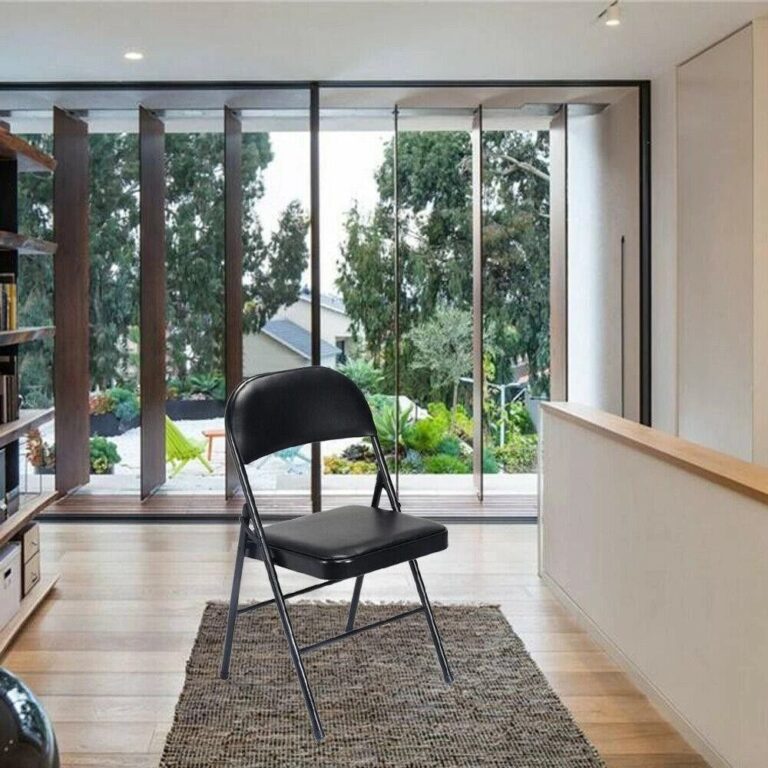 Aisha's pickMetal Dining Room Chairs That Get the Family Around the Table
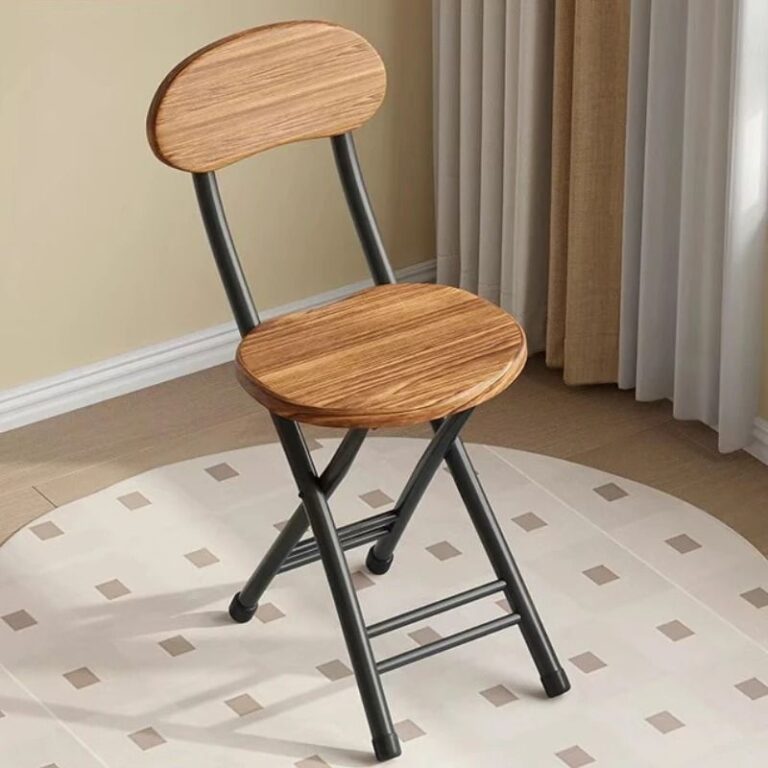
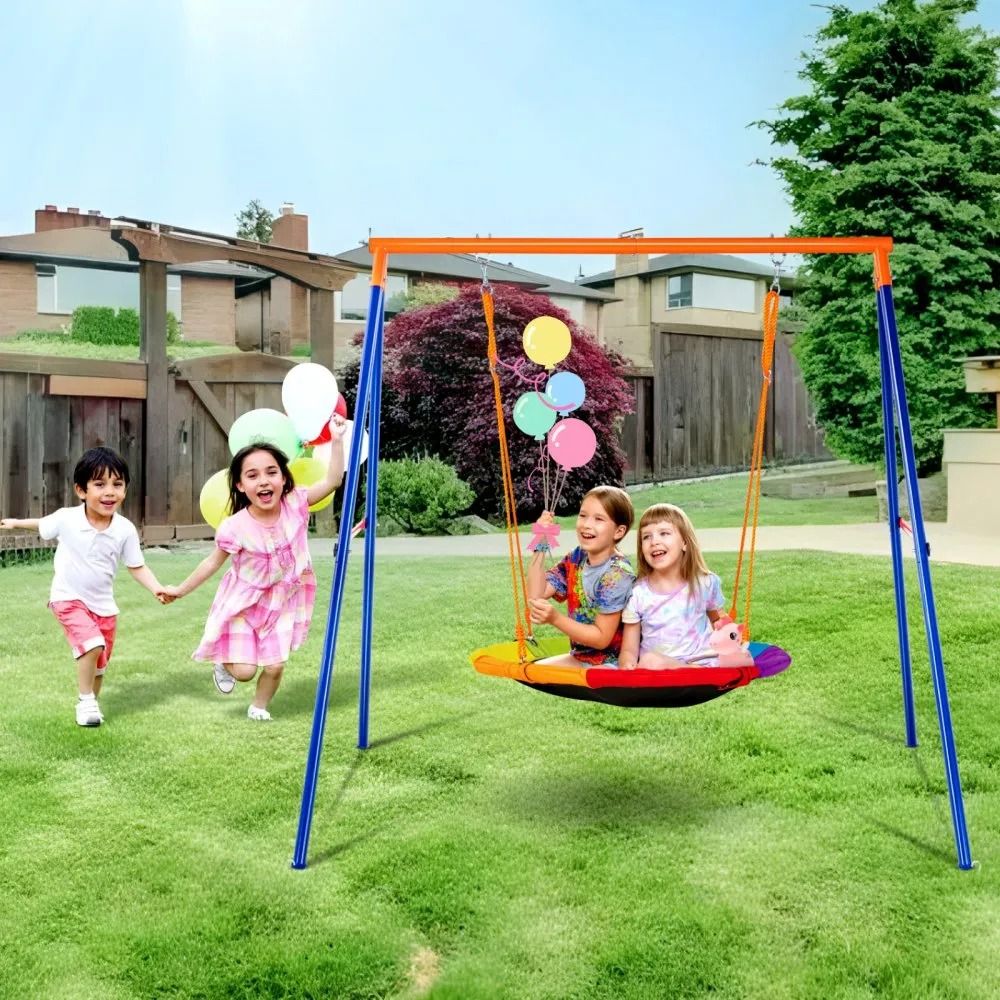 Aisha's pickOur Shortlist of Steel Swing Seats
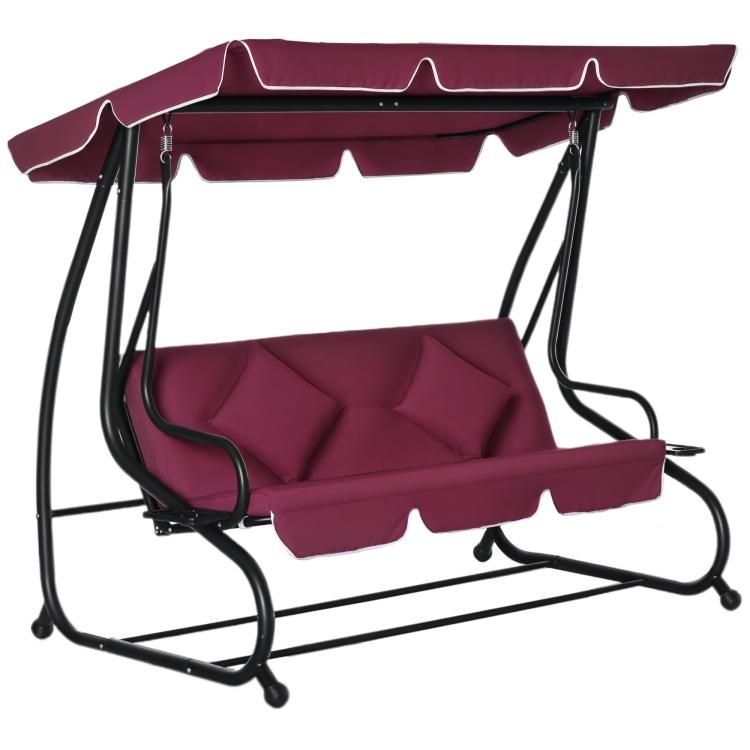
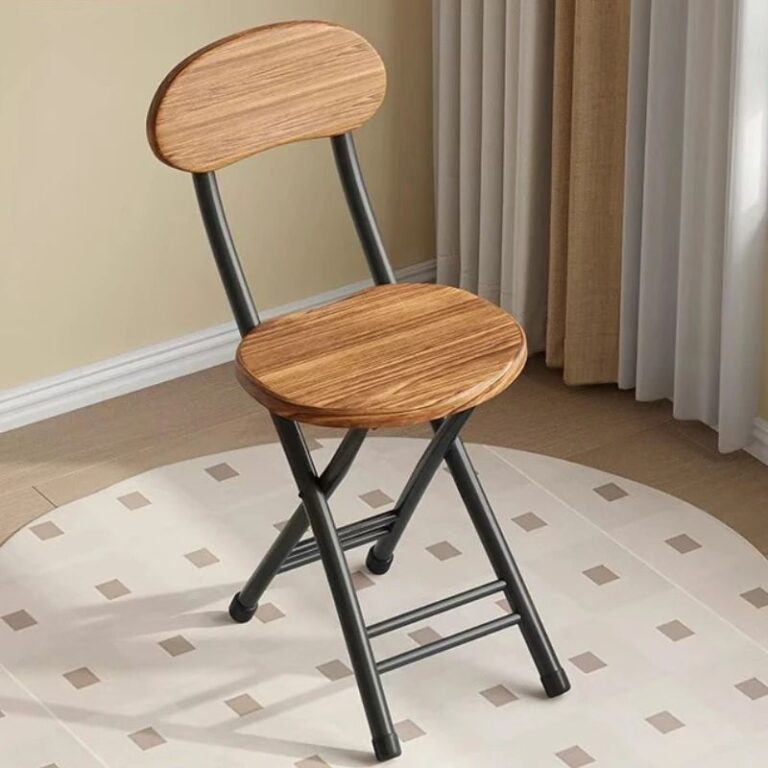
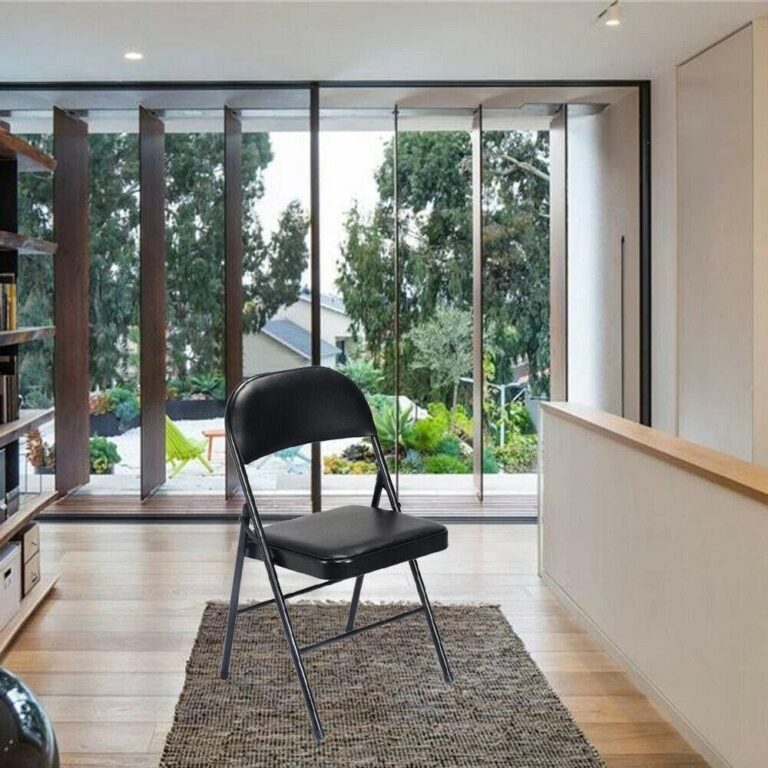
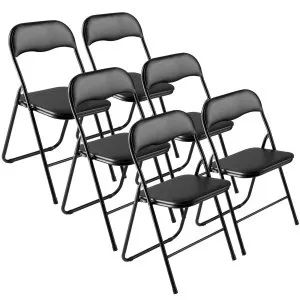 Aisha's pickMetal Folding Dining Chairs That Won’t Let You Down
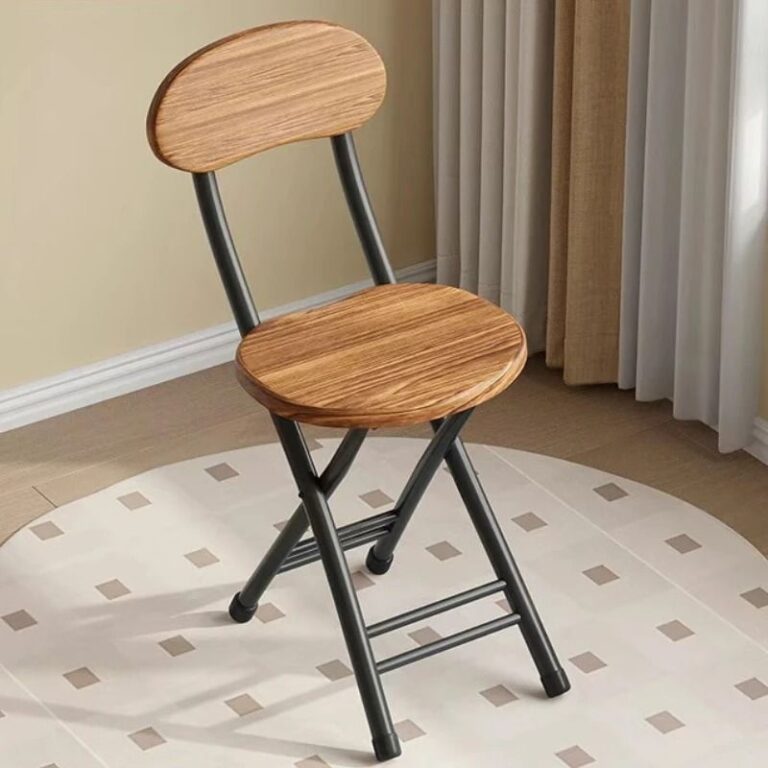
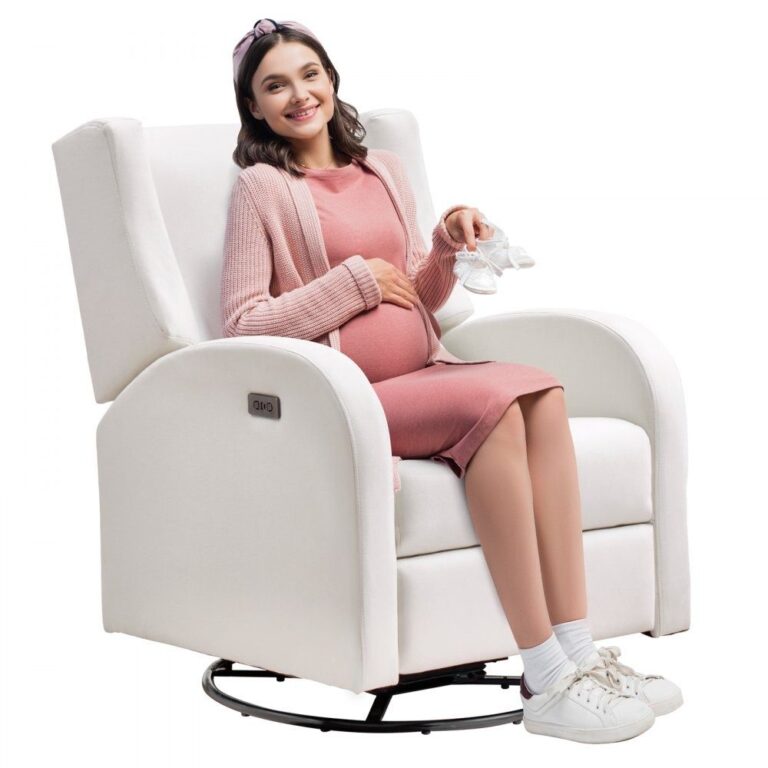 Aisha's pickMetal Head Chairs at Every Price Point
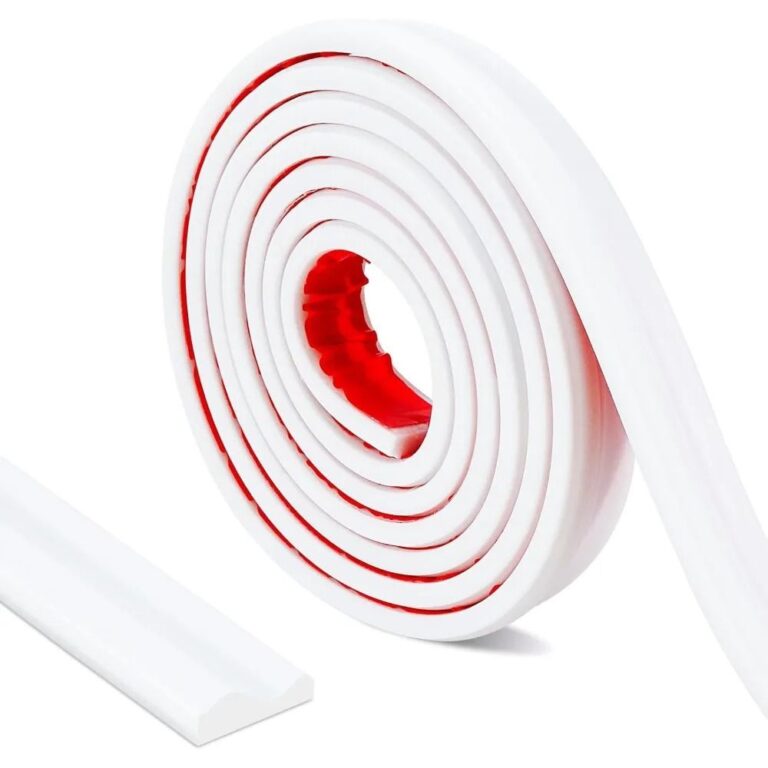 Aisha's pickMetal High Chairs That Seat Guests Without the Squeeze
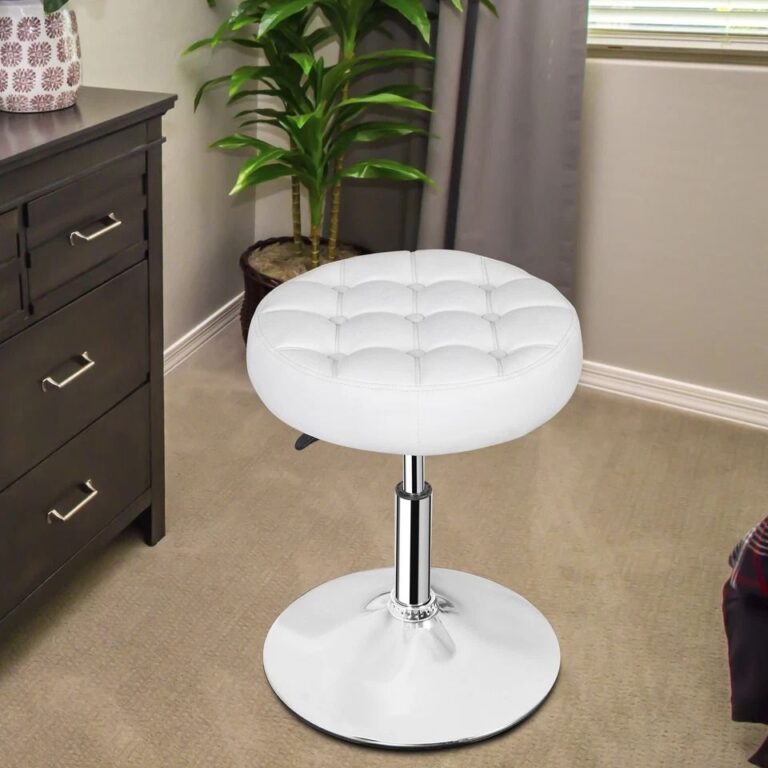
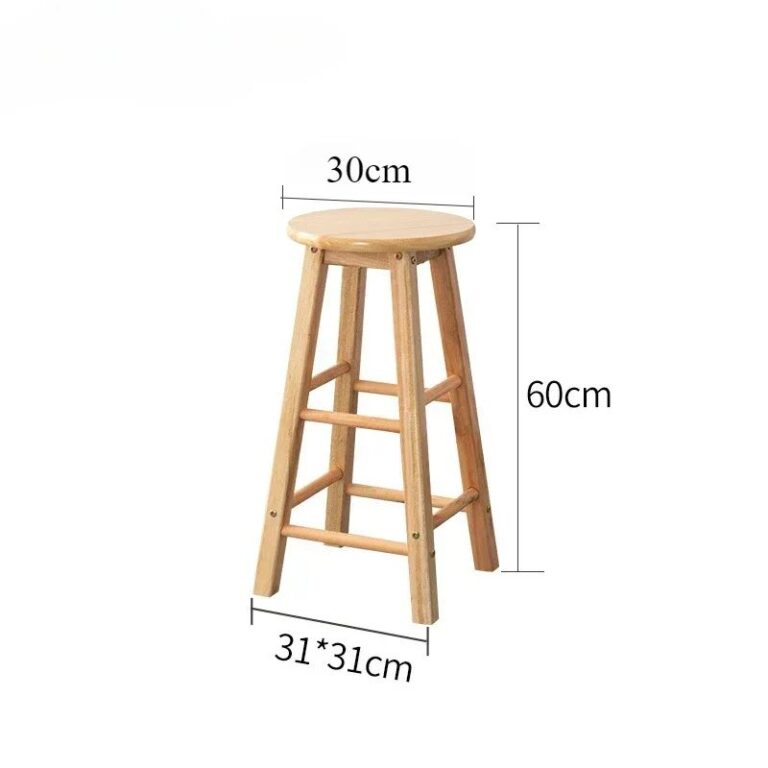 Aisha's pickMetal Kitchen Chairs With Real Back Support
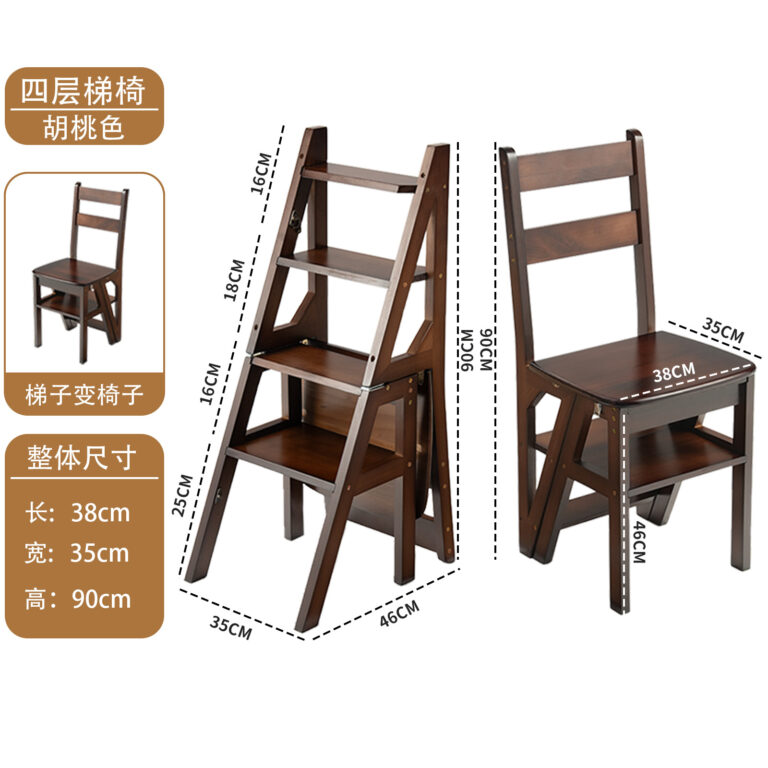
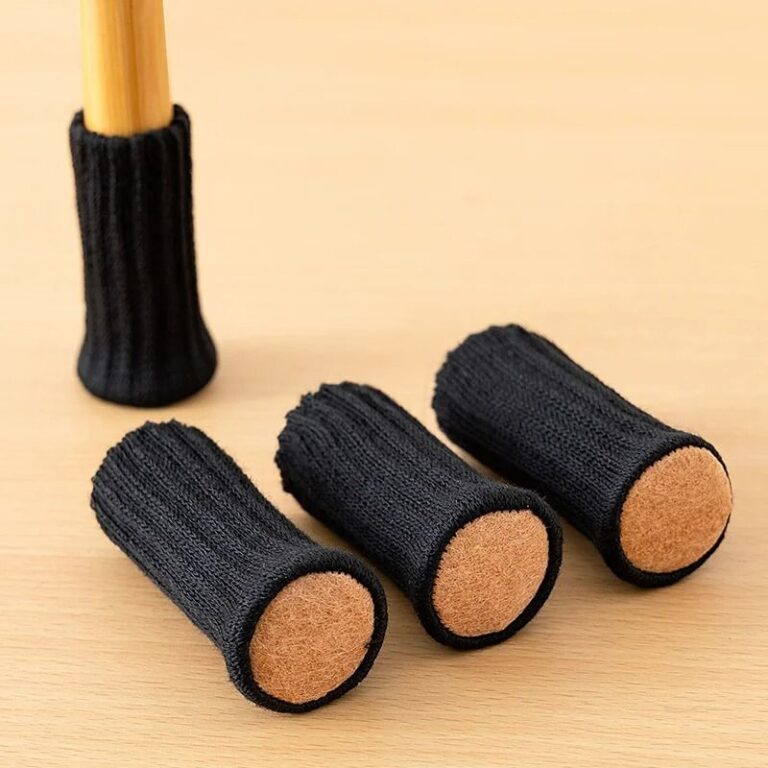 Aisha's pickMetal Kitchen Chairs From Brands You Know and a Few You Won’t
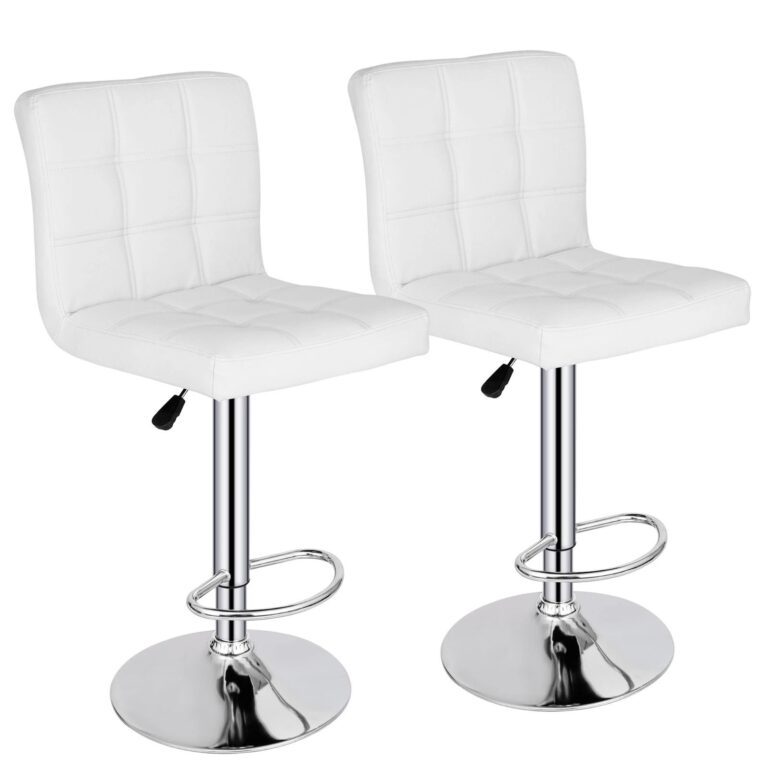
 Aisha's pickMetal Side Chairs We’d Happily Nap On
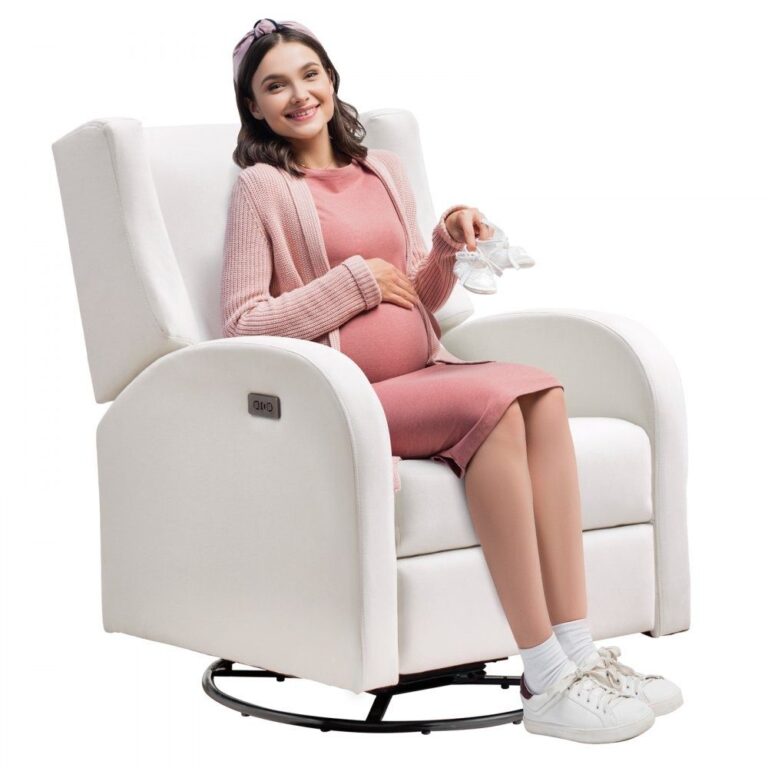
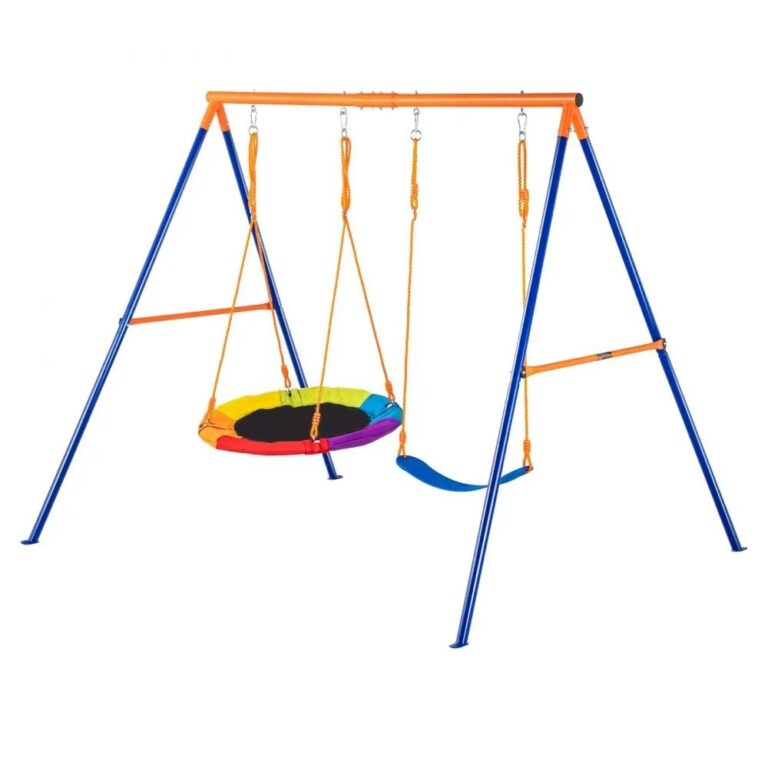 Aisha's pickMetal Swing Seats That Are Easy to Keep CleanAlso worth a lookSeatsStanding in a showroom trying to decide on seats, the first thing I'd tell you is to sit in it for longer than feels normal.See the collections →
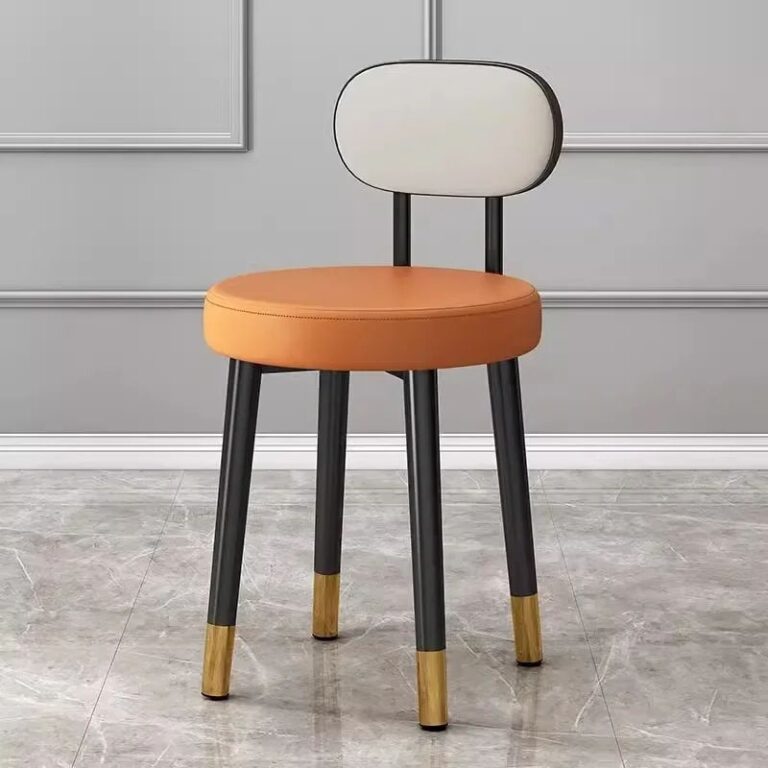 Aisha's pickModern Metal Dining Chairs for Long Sunday Afternoons