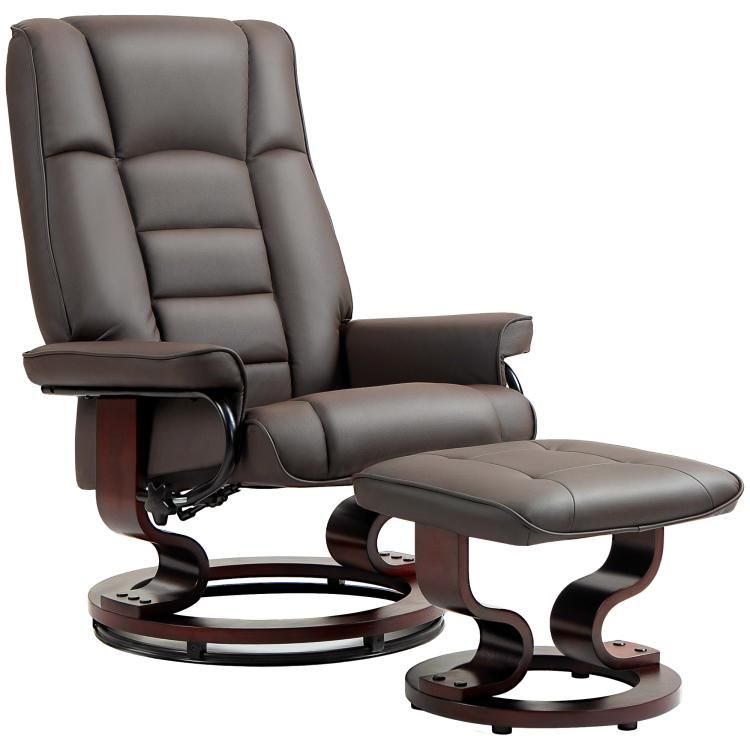
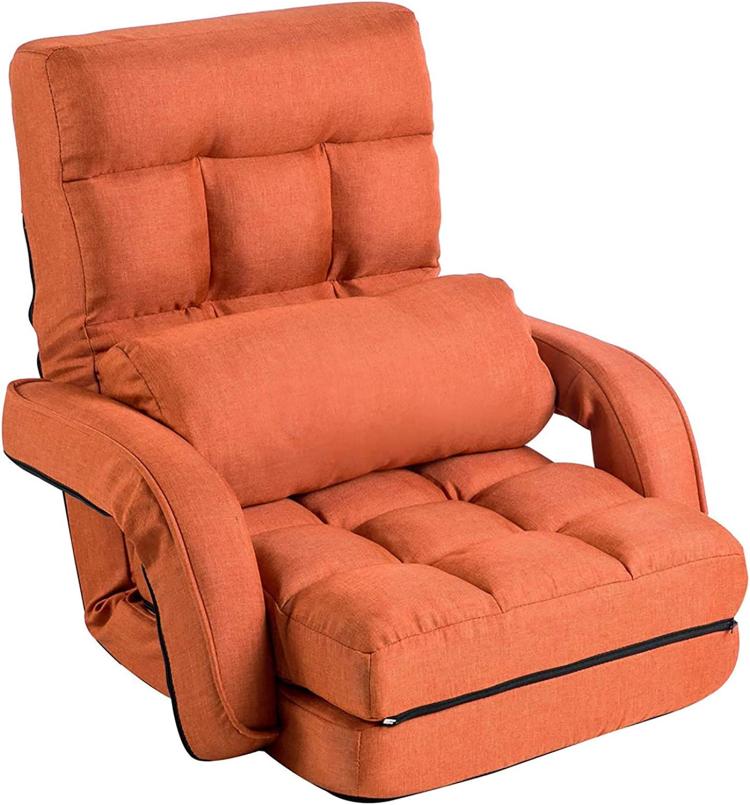
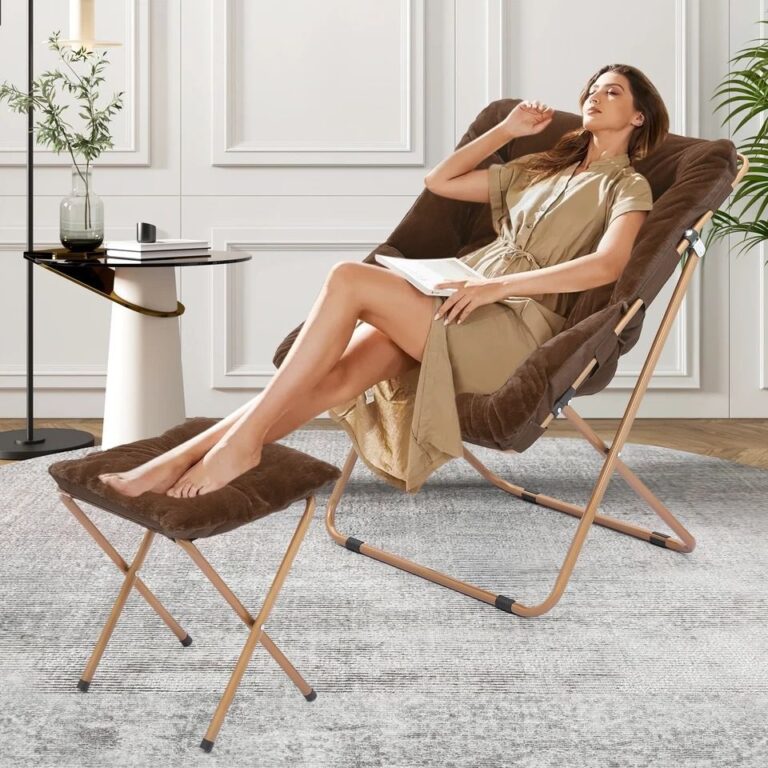
The thing that matters most before you buy a lounge chair is the depth of the seat, not the look of it. A chair can be beautiful and still be useless if the seat is too deep to sit back in or too shallow to curl up in, and you cannot tell that from a photograph. Sit in it, or at least measure one you already like sitting in, before you commit to anything.
If you own none, start with something upholstered, low backed, and a little bit generous in the arms, the kind of chair that works alone in a corner but also pulls up to a table in a pinch. A wingback or a tight club chair is a second chair, a chair for a room that already has a sofa doing the heavy lifting. Your first one should be the one piece of furniture in the room that a person actually wants to sit in all afternoon, which usually means a slight recline built into the frame rather than a chair that only looks comfortable standing up.
The difference between a chair that lasts and one that disappoints is almost always underneath the upholstery, where you can't see it until something gives. A well made frame is hardwood, joined with mortise and tenon or at least doweled and glued rather than stapled and hoped for, and the legs should feel solid when you rock the chair gently side to side, not springy or loose at the joint. Good webbing or a real spring suspension under the seat cushion keeps the shape for years instead of months, and a cushion with a down wrap over foam will soften and mold to a person without going flat the way all foam eventually does. Leather should be full grain, with some variation in it, not a uniform sheet that looks printed. Fabric should have enough weight to resist pilling where elbows and the backs of knees meet it daily. None of this is visible on a showroom floor, so ask, and if nobody can tell you what's inside the cushion, that tells you something too.
A lounge chair earns its place differently depending on the room. By a window with good afternoon light, it becomes a reading chair, and the fabric should be one that doesn't fade badly, since that spot gets more sun than anywhere else in the house. In a living room it pairs best at an angle to the sofa rather than facing it head on, which makes conversation easier and the room look less like a waiting area. In colder months a chair near a fireplace with a low back lets heat move past it into the room, while in summer the same chair wants to sit near an open window where the air actually moves.
It suits a home where someone sits and stays a while, not one built around people passing through.

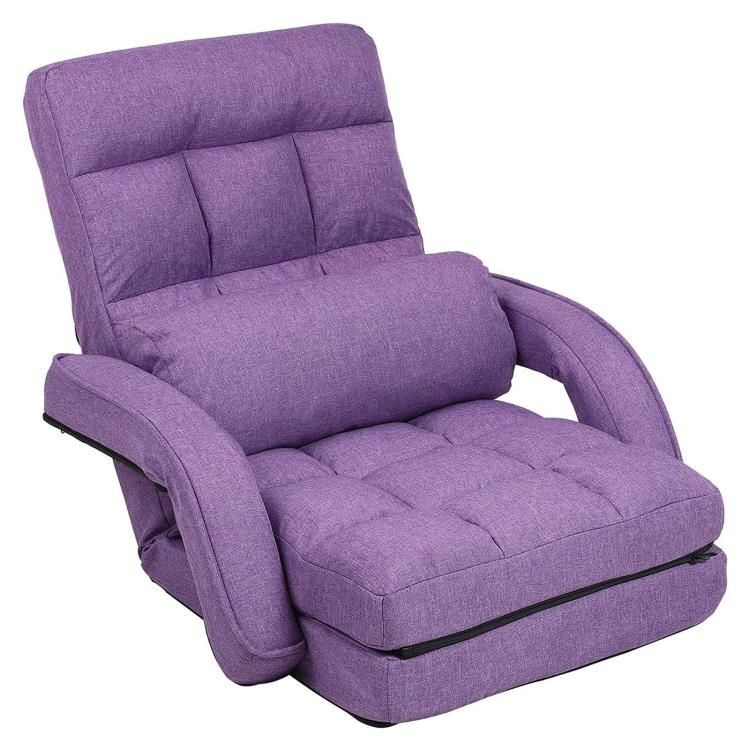 Aisha's pickLounge Chairs with Arms That Won’t Let You Down
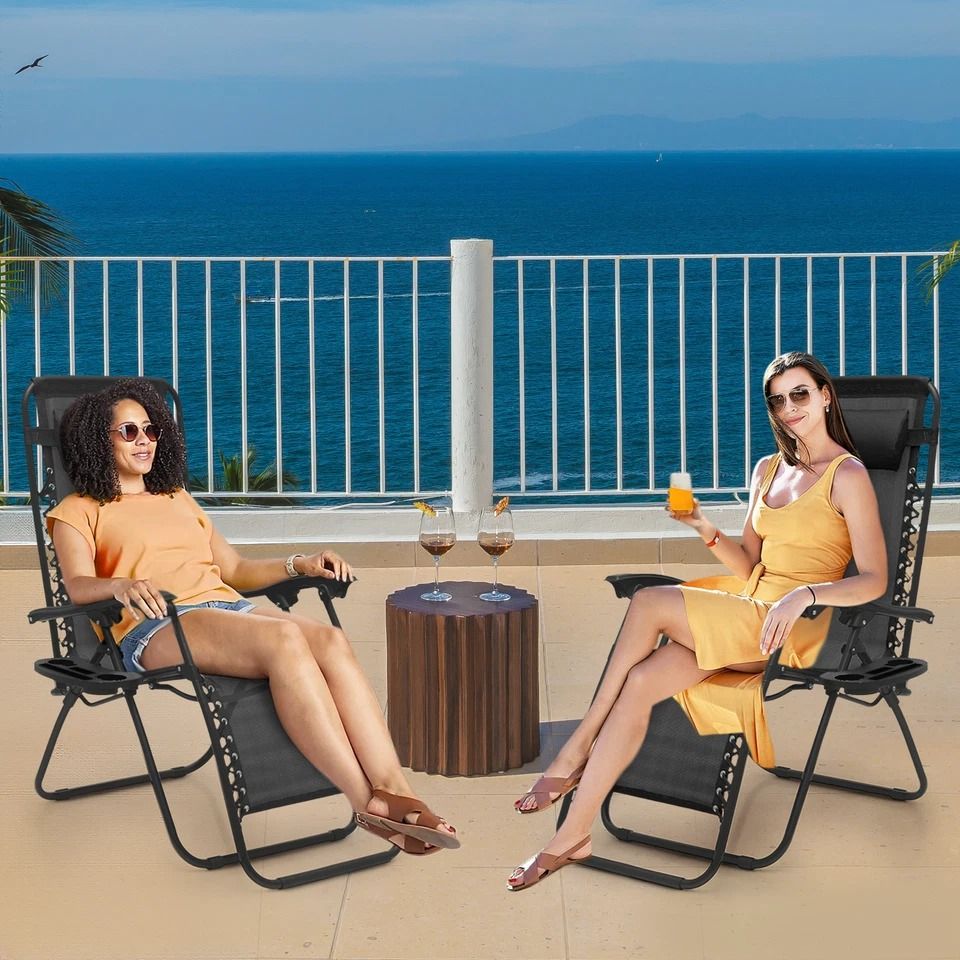
 Aisha's pickNo Fuss Luxury Lounge Chairs
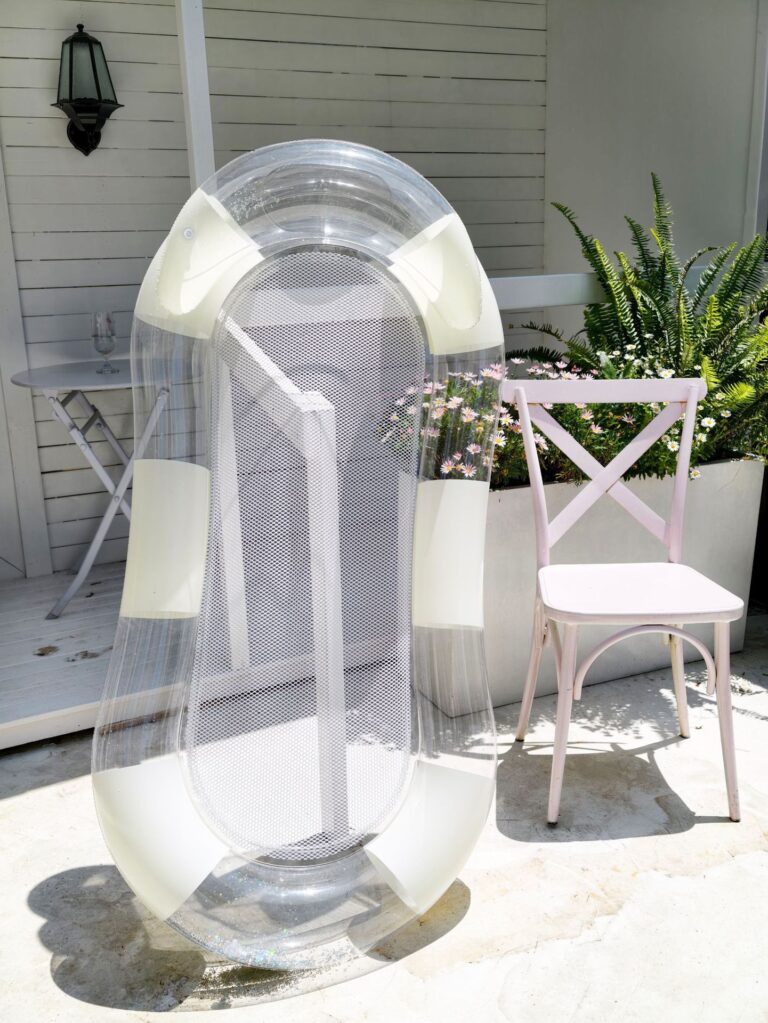
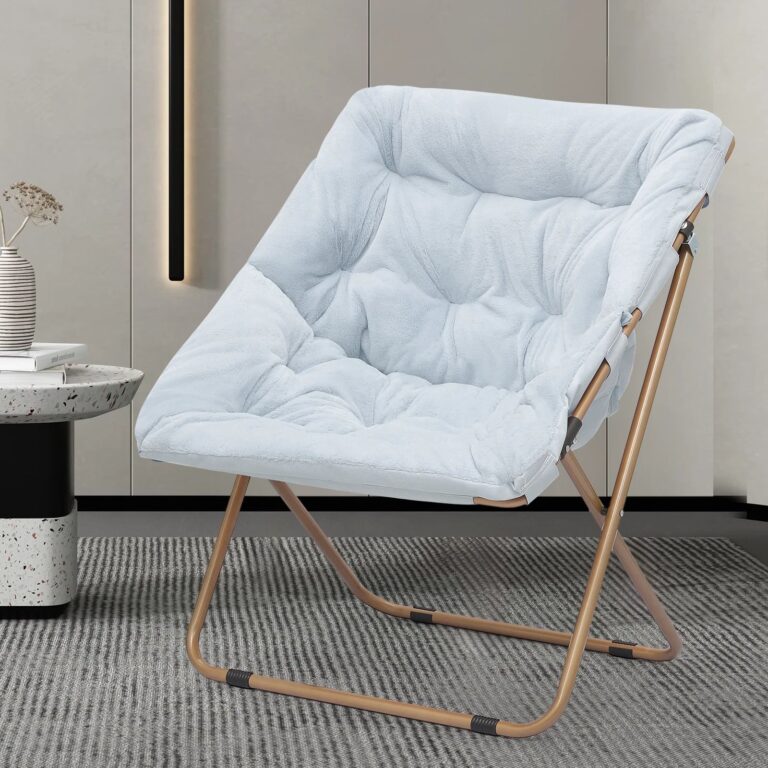 Aisha's pickModern Lounge Chairs That Are Easy to Keep Clean
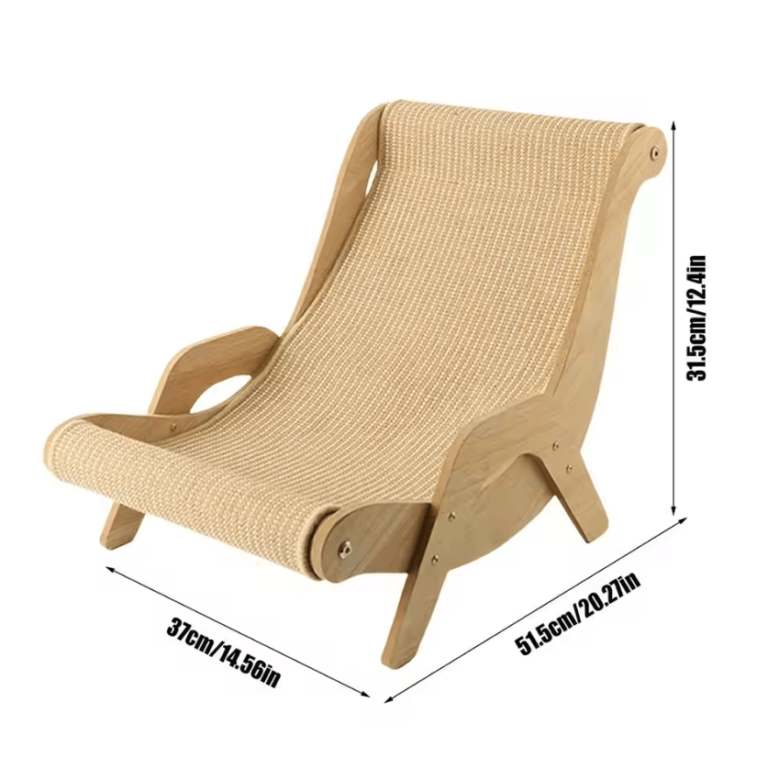
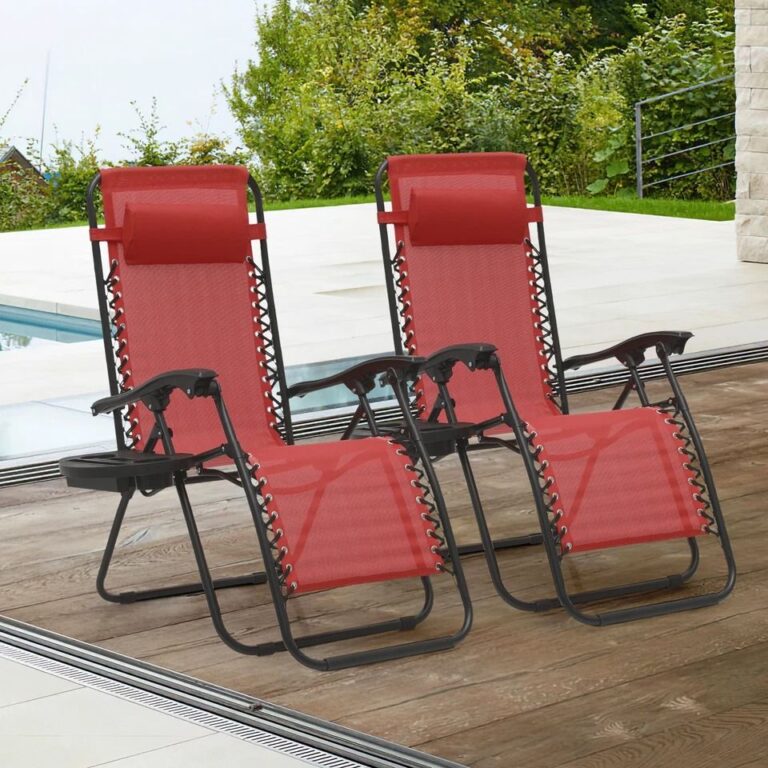 Aisha's pickReclining Lounge Chairs That Seat Guests Without the Squeeze
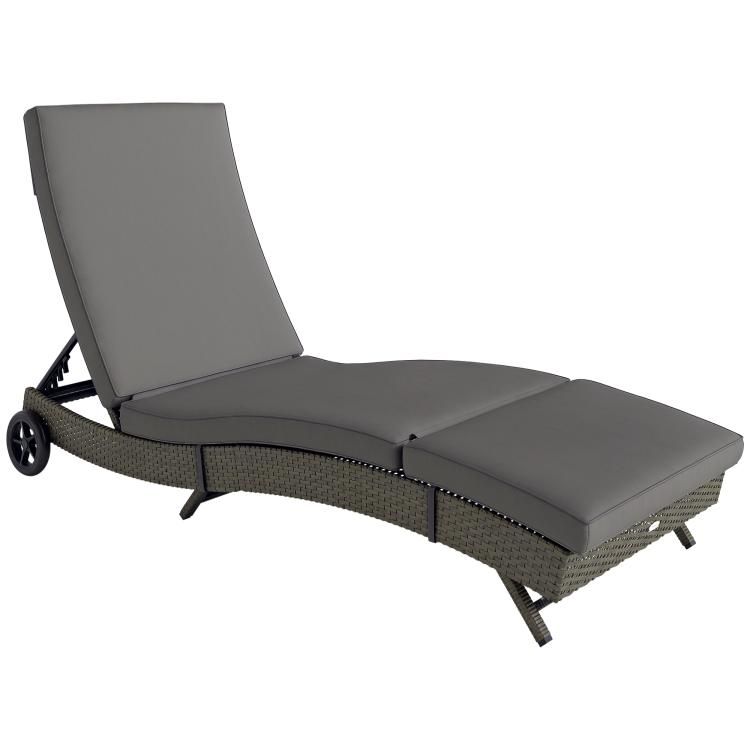
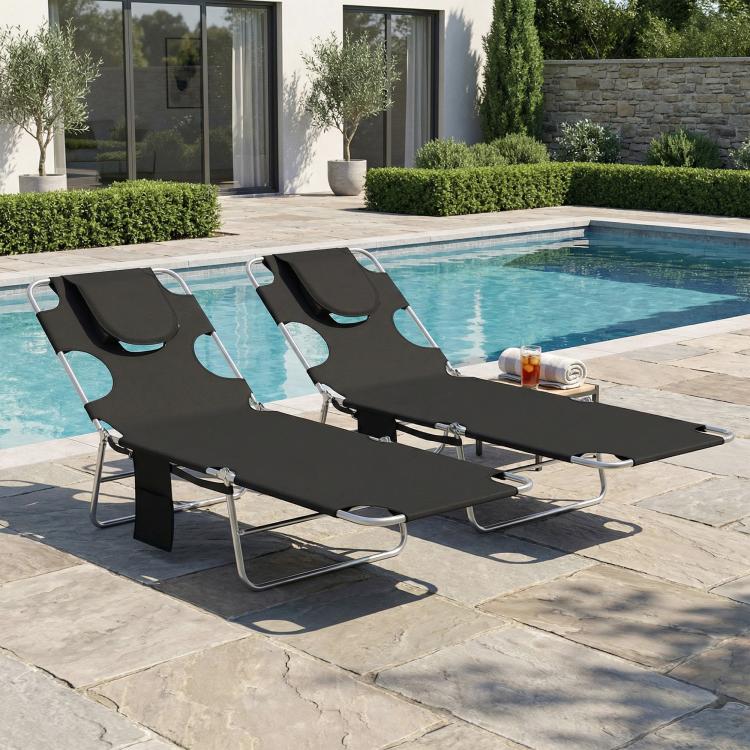 Aisha's pickSmall Lounge Chairs That Are Easy to Keep Clean
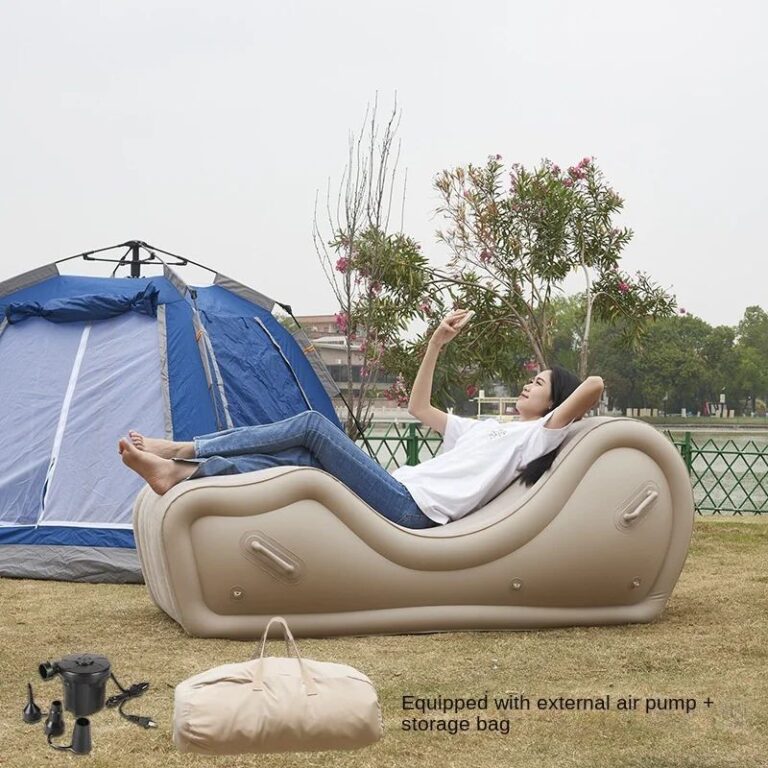
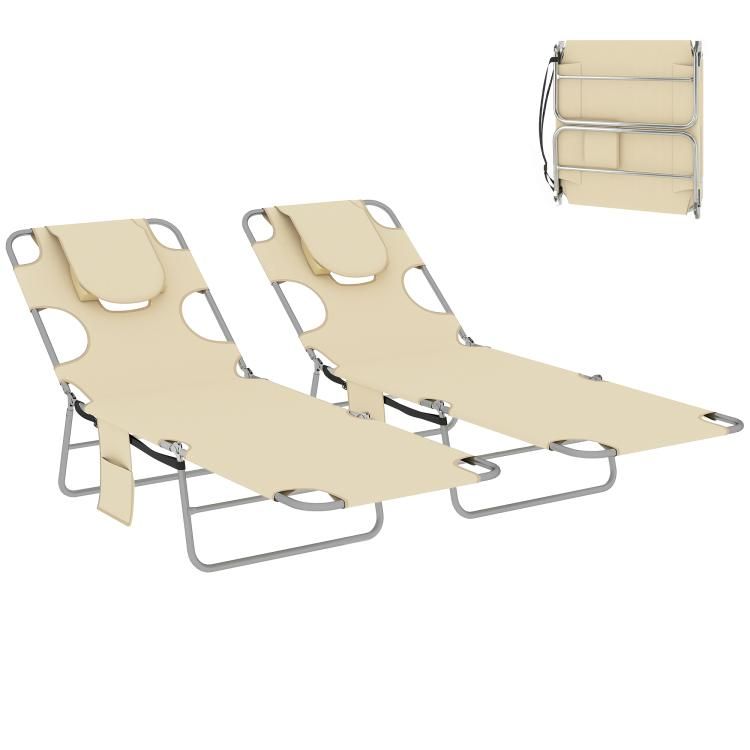 Aisha's pickBeige Lounge Chairs That Hold Up to Everyday Life
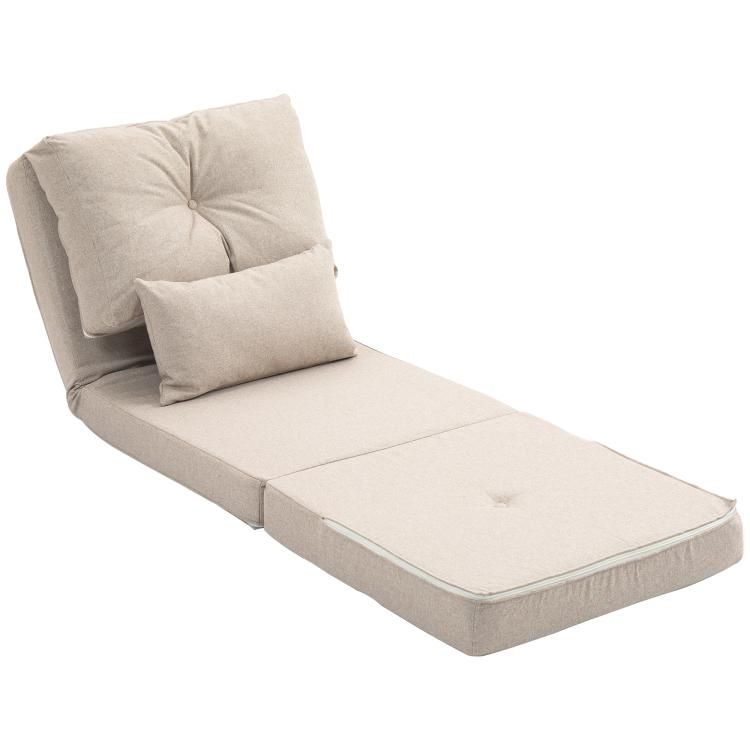
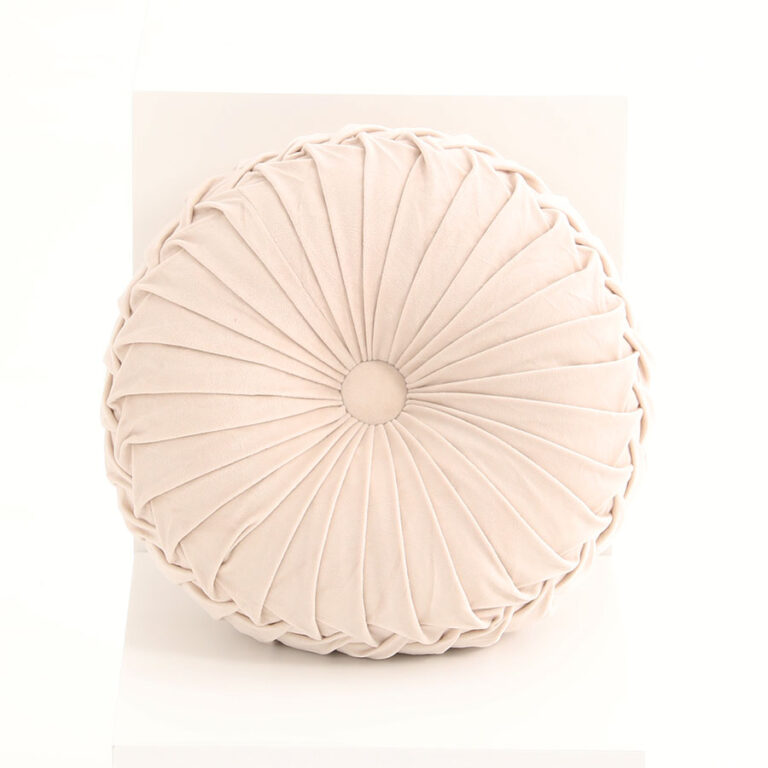 Aisha's pickVelvet Lounge Chairs You Won’t Regret Buying
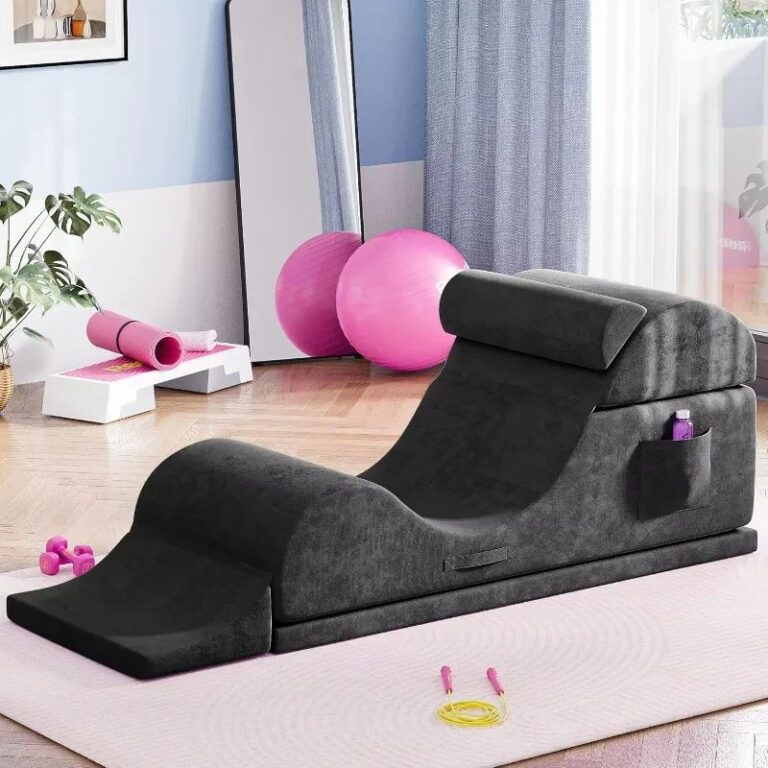 Aisha's pickBlack Lounge Chairs for Long Sunday Afternoons
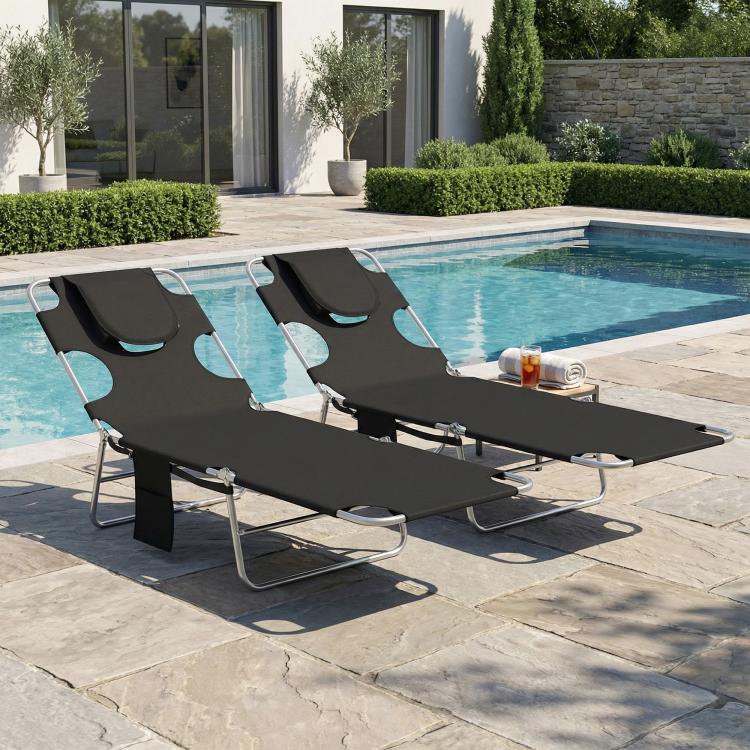
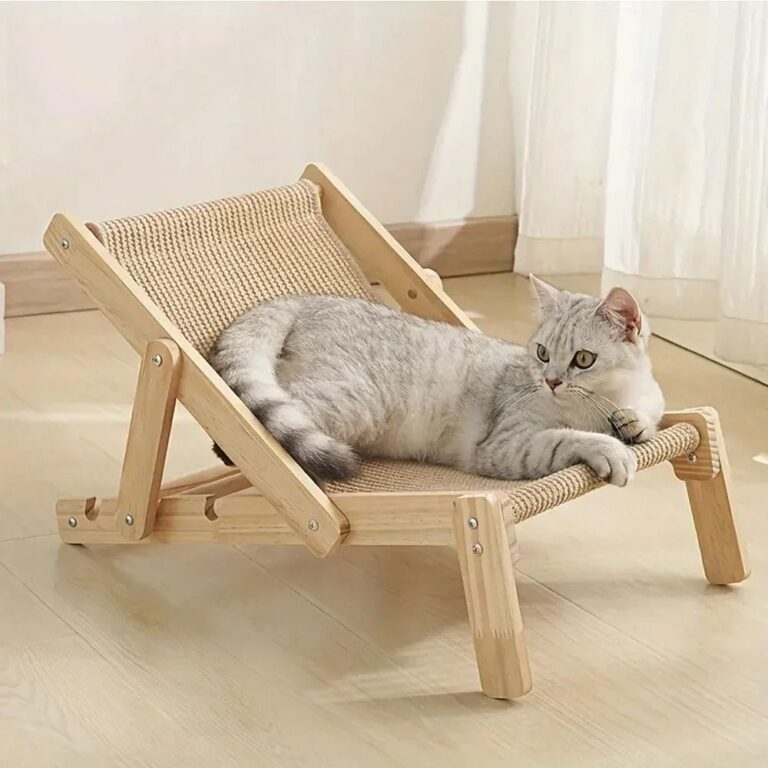 Aisha's pickWooden Lounge Chairs That Look Good From Every AngleAlso worth a lookErgonomic ChairsThe thing nobody mentions is that an ergonomic chair looks ridiculous for the first two weeks.See the collections →
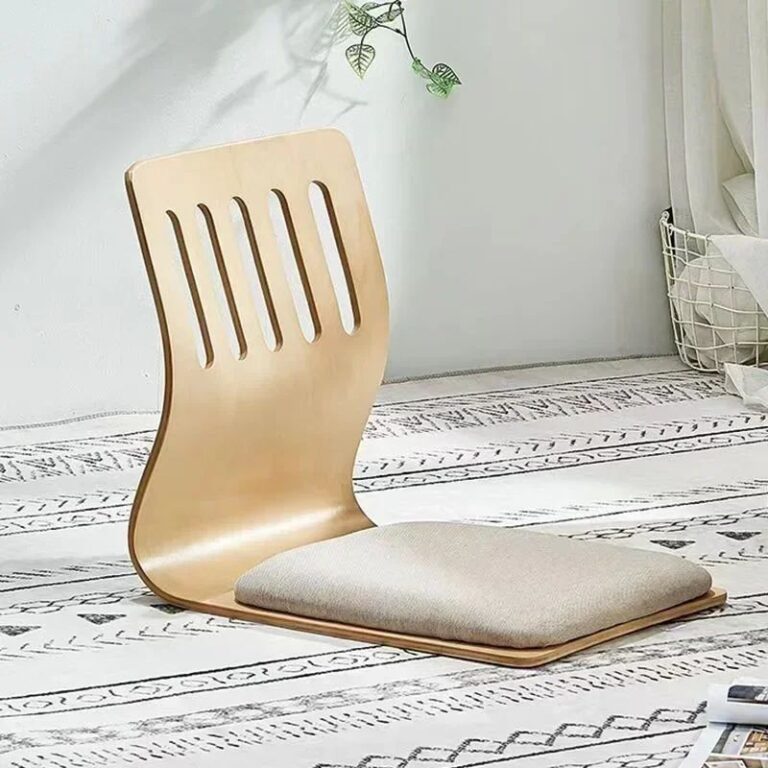
 Aisha's pickBlue Lounge Chairs That Don’t Sag After a Year
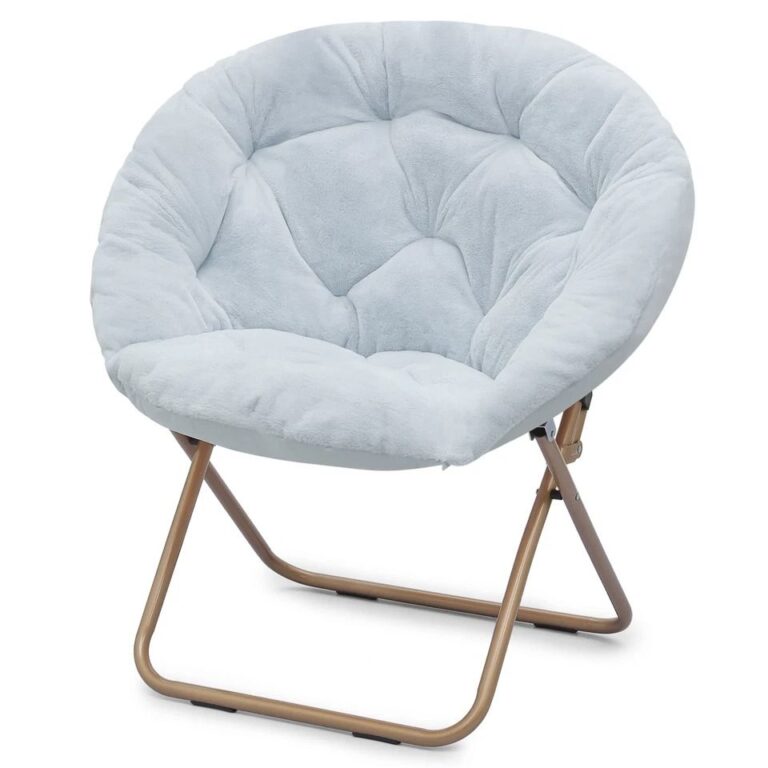
 Aisha's pickCompact Lounge Chairs That Won’t Let You Down
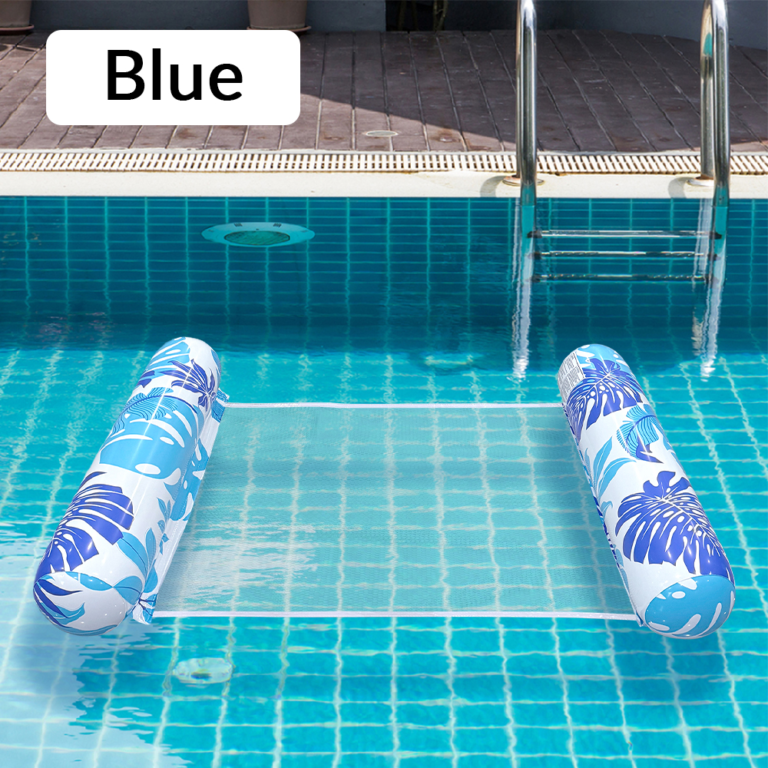
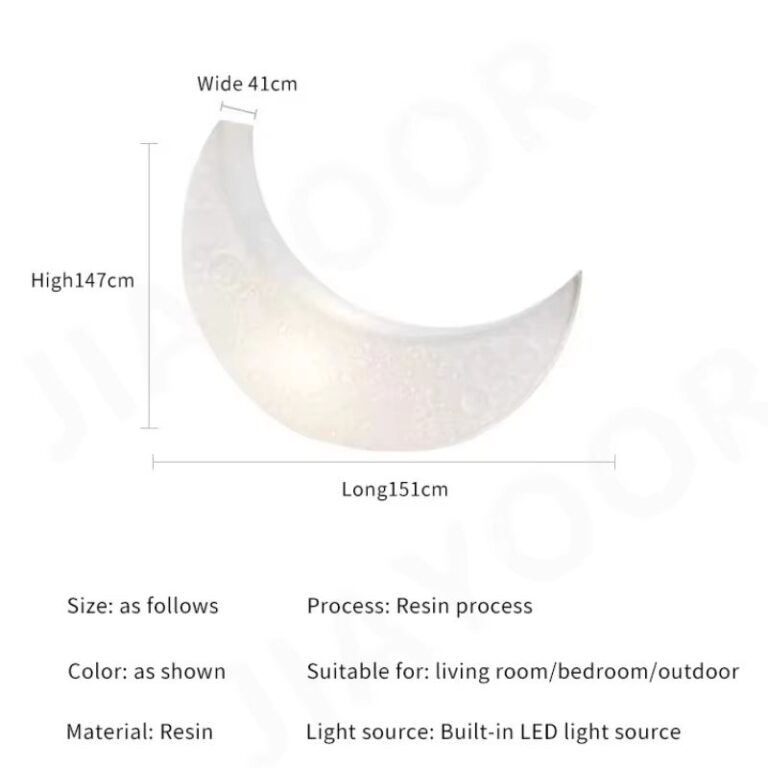 Aisha's pickContemporary Lounge Chairs We’d Happily Nap On
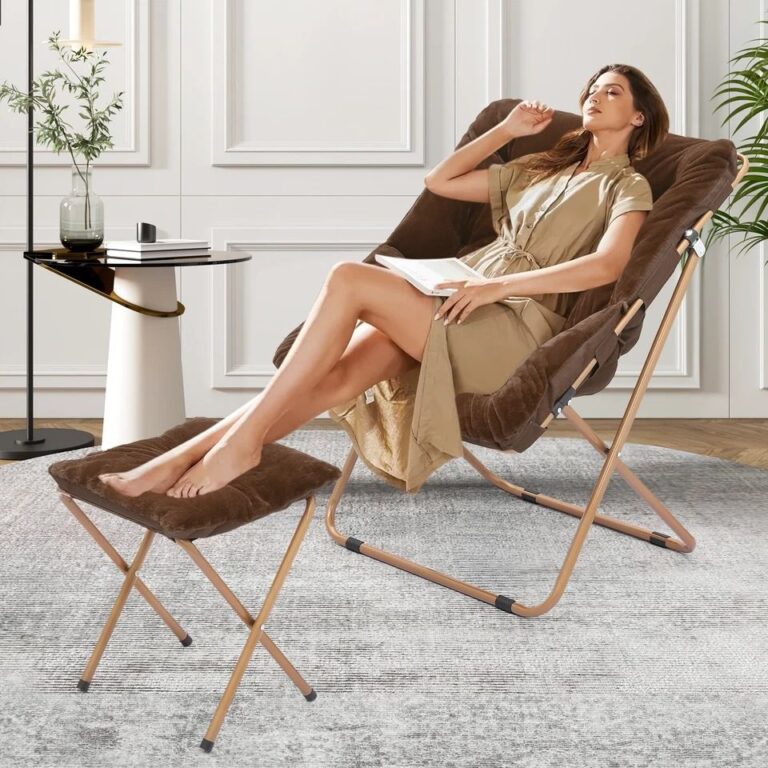
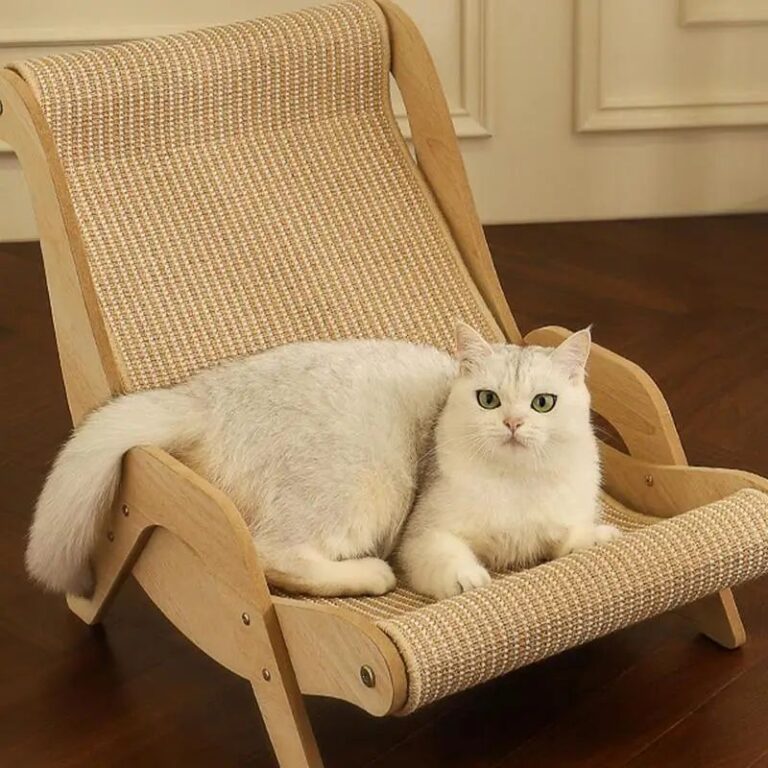 Aisha's pickCurved Lounge Chairs You’ll Sink Into at the End of the Day
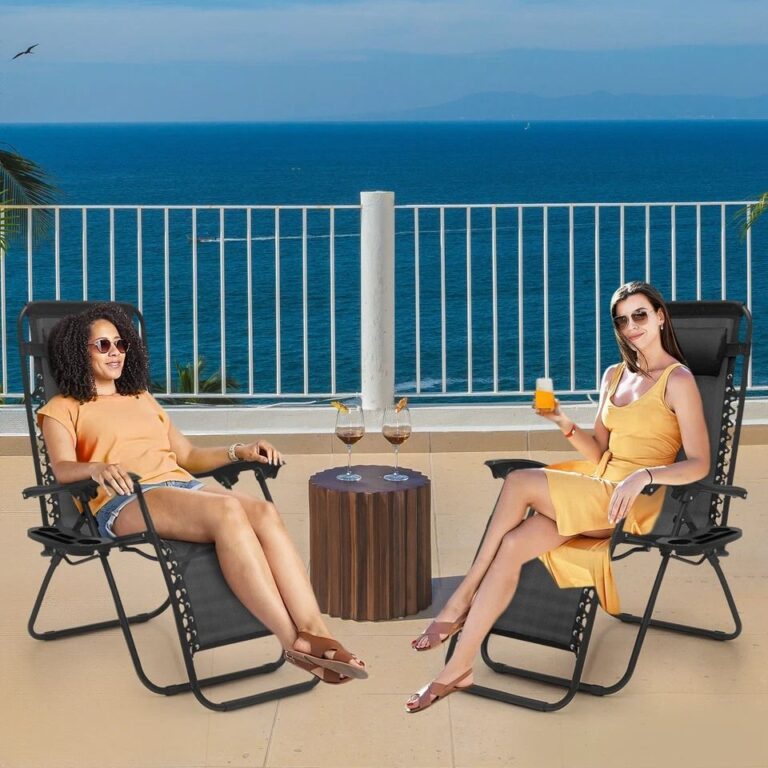 Aisha's pickFabric Lounge Chairs That Fit Through a Narrow Door
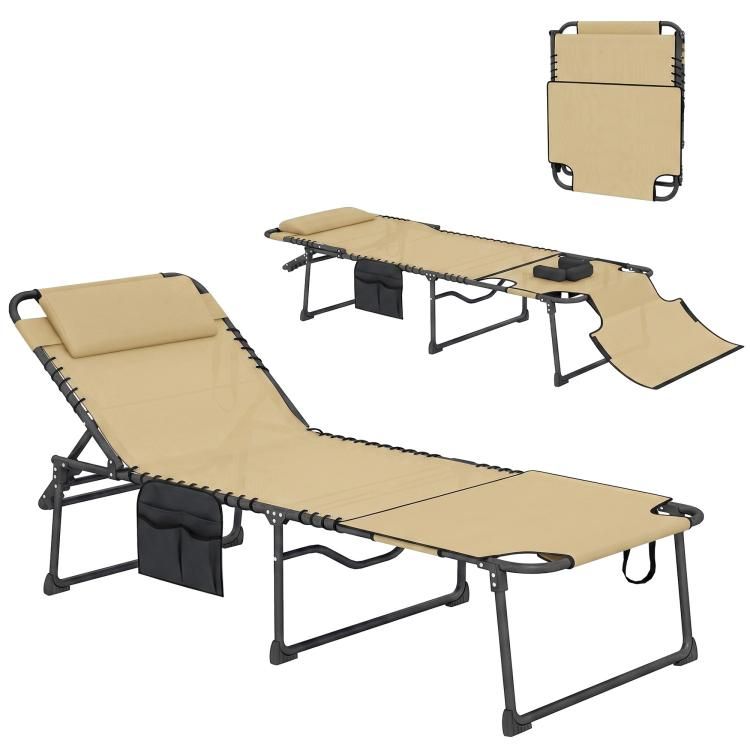
 Aisha's pickLarge Lounge Chairs You Won’t Want to Hide Away
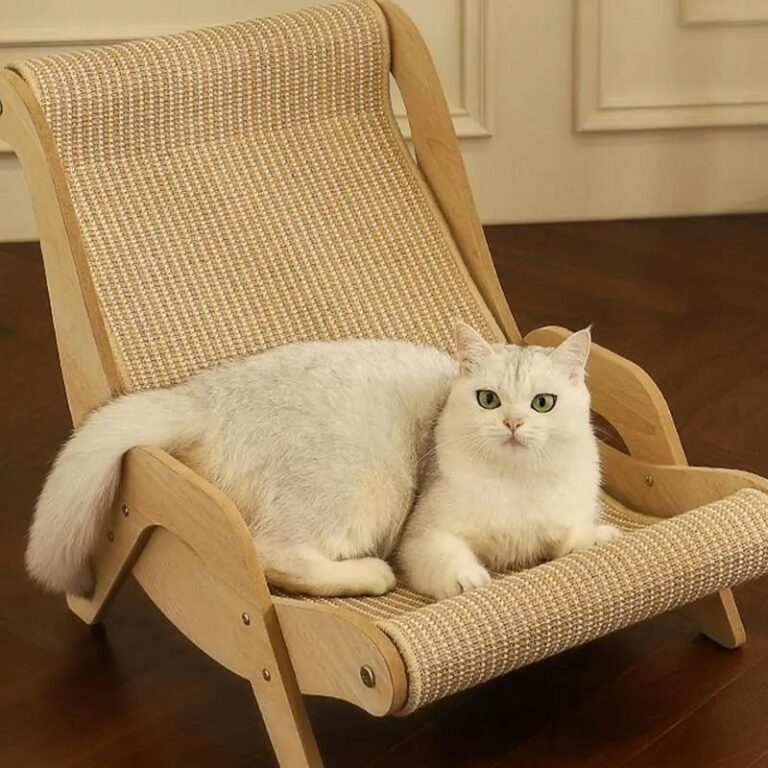
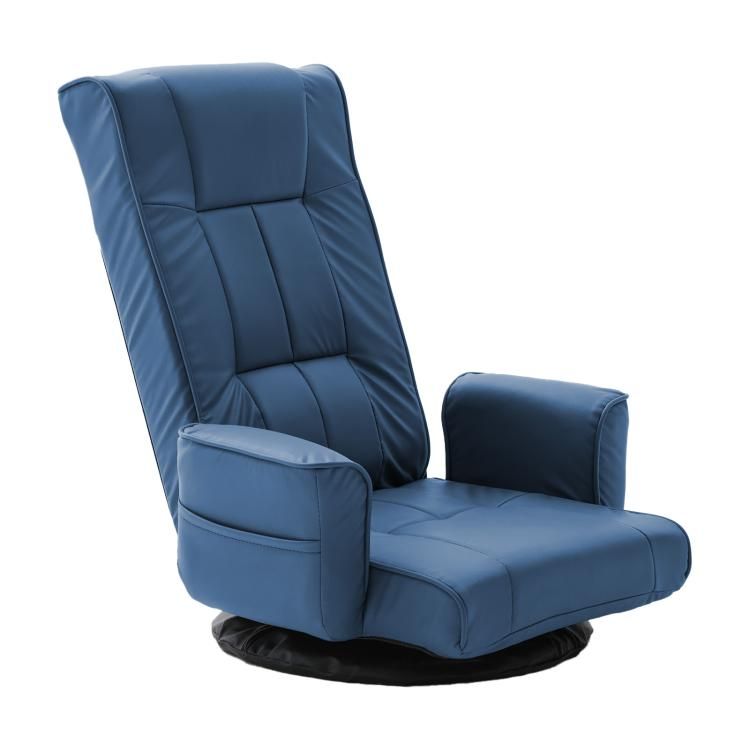 Aisha's pickLeather Lounge Chairs From Brands You Know and a Few You Won’t