My first upholstered chair was a slipcovered thing from a big box store that looked great in the catalog and sagged in the seat within a year. What it taught me is that the frame and the cushion underneath matter a lot more than the fabric on top, because fabric can be beautiful on a chair that's falling apart within twelve months.
Before you buy, measure the actual spot it's going in, not just the general area of the room, and measure the doorways and the stairwell too, because a chair that fits the living room on paper can still get stuck in a hallway turn. Leave at least three feet in front of it for legs and walking room, more if people need to get past it to a window or a doorway. Scale matters as much as footprint, a chair with a high back and wide arms can swallow a small room even if the base measurement looks reasonable, so check the overall height and depth against your ceiling and your other furniture, not just the seat width. In a shop, sit in it the way you actually sit, not perched on the edge the way you do when you're testing something. Push down on the seat cushion and see how it recovers. Press on the arms and the back to feel for the frame underneath, you want solid wood or a sturdy frame, not something that flexes or creaks. If it's delivered flat packed or arrives already assembled, run your hand along every seam and check that the fabric is pulled tight and even, with no puckering at the corners, because that's where cheap upholstery shows itself first. Ask about the fabric too, something with a tight weave holds up to daily use far better than a loose linen that looks lovely and marks if you look at it wrong.
An upholstered chair is the wrong choice if you've got a chewer in the house, a puppy or a toddler with a marker habit, because fabric and cushions take damage that wood and leather shrug off. It's also not the move if you need something that gets rearranged constantly, these chairs are heavier than they look and don't love being dragged around every few weeks. Where they do earn their spot is beside a window for reading, in a bedroom corner for pulling on shoes, or as the second seat in a living room that needs softness next to a firmer sofa. They suit a home that's lived in year round, not a seasonal porch or a sunroom that gets damp.
The one mistake to avoid is buying a chair you haven't actually sat in, because the way it looks across a showroom floor tells you nothing about how your back will feel in it after twenty minutes.

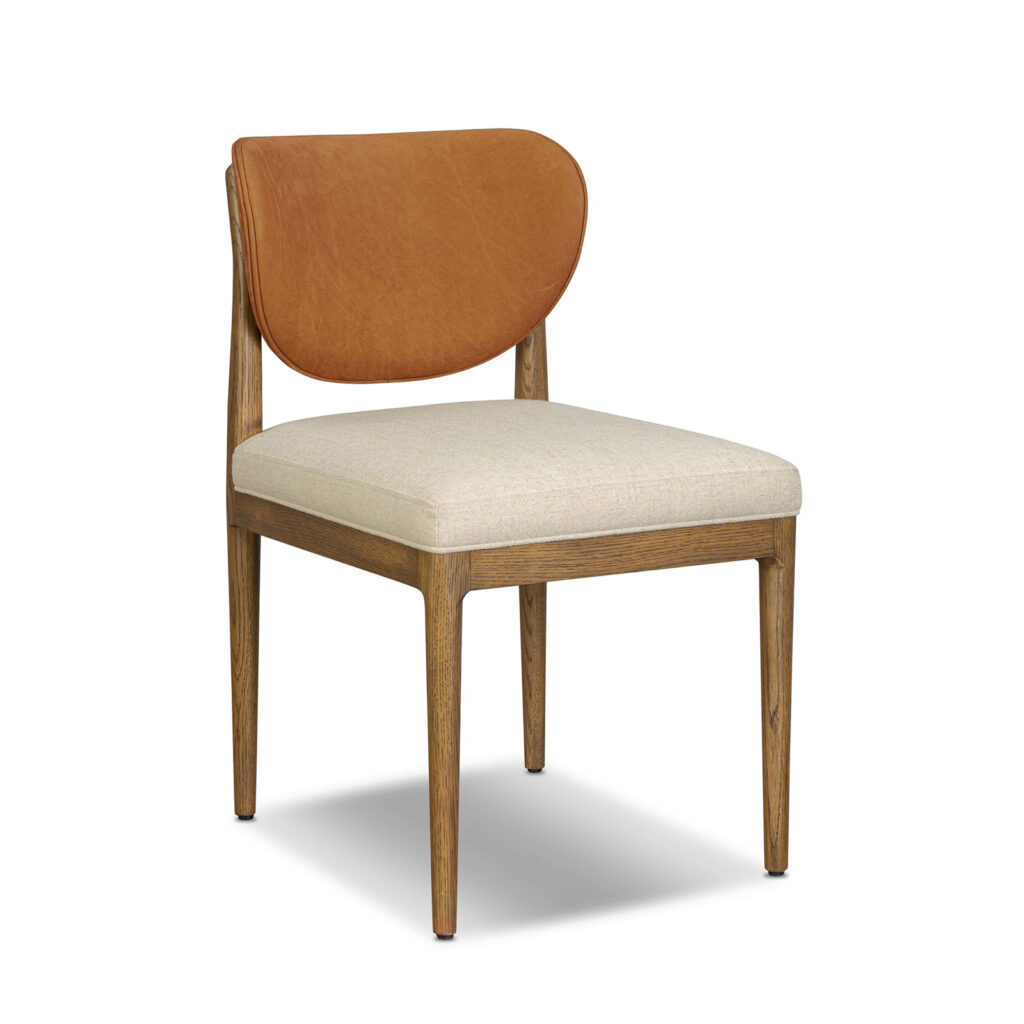 Aisha's pickHigh Back Upholstered Dining Chairs We’d Happily Nap On
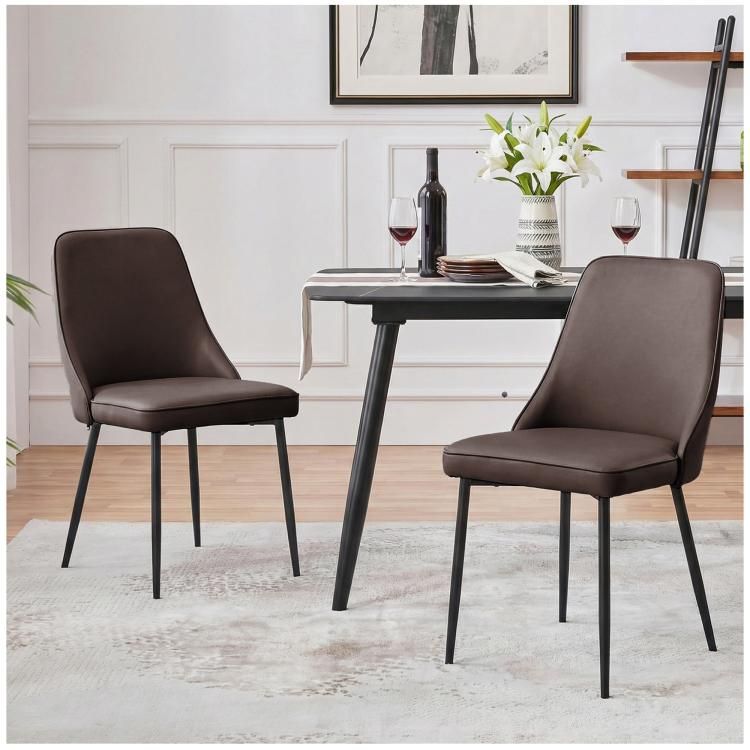
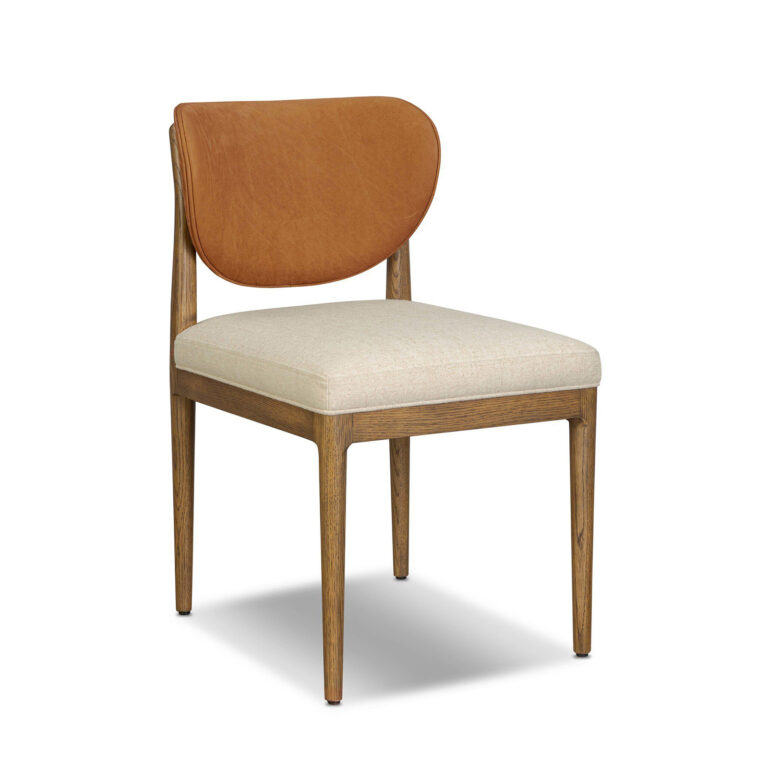 Aisha's pickUpholstered High Back Chairs That Look Better in Real Life
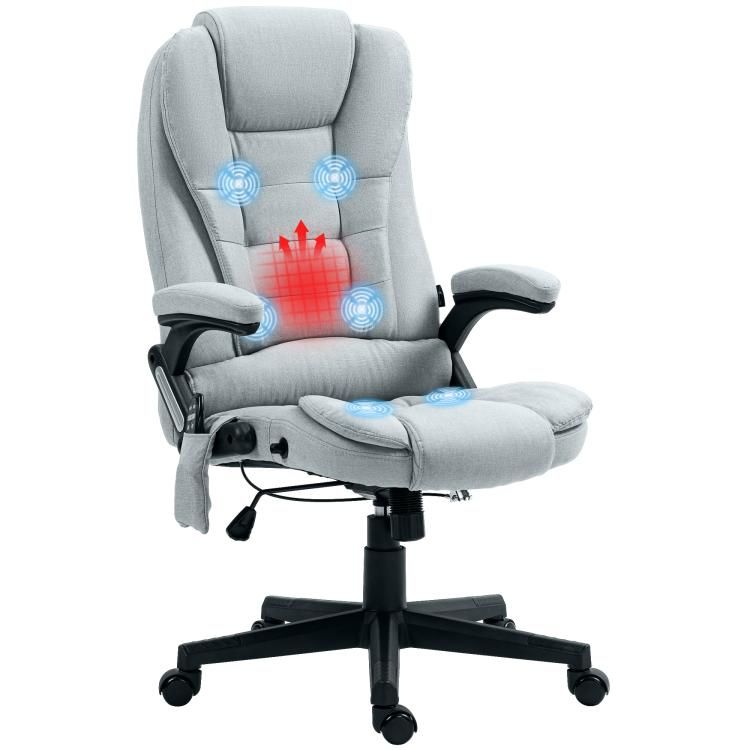
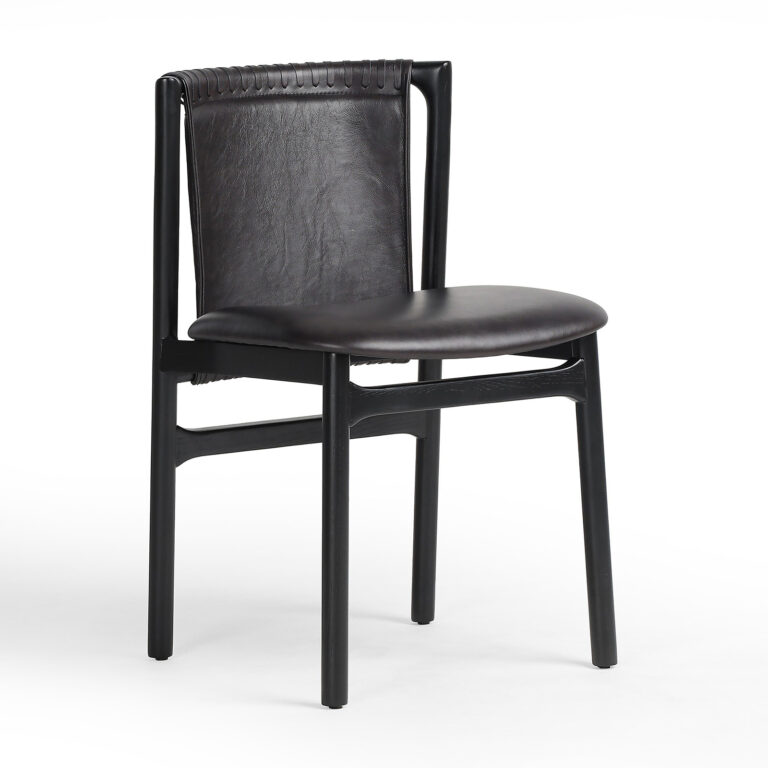 Aisha's pickLeather Upholstered Dining Chairs That Get the Family Around the Table
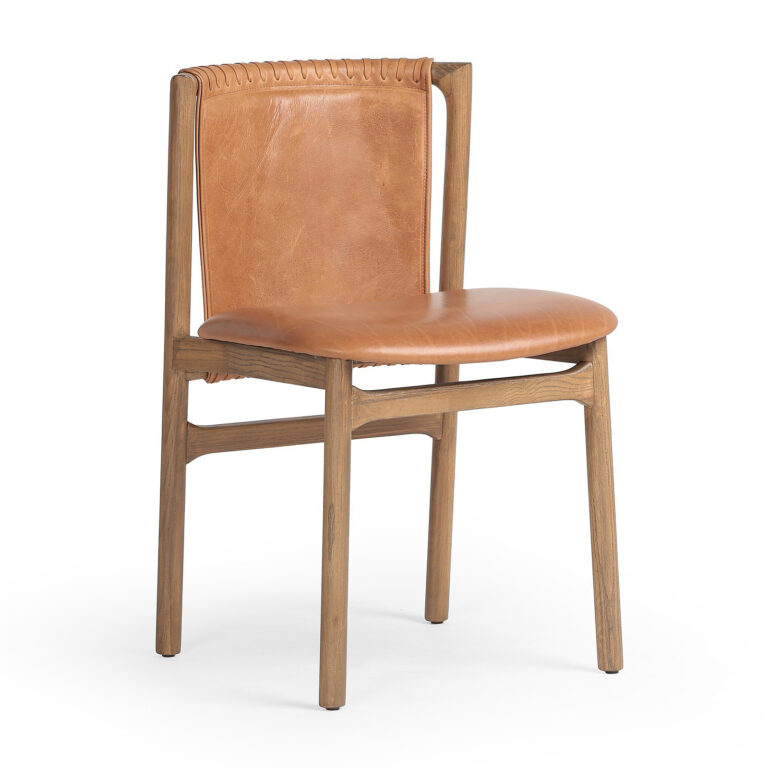
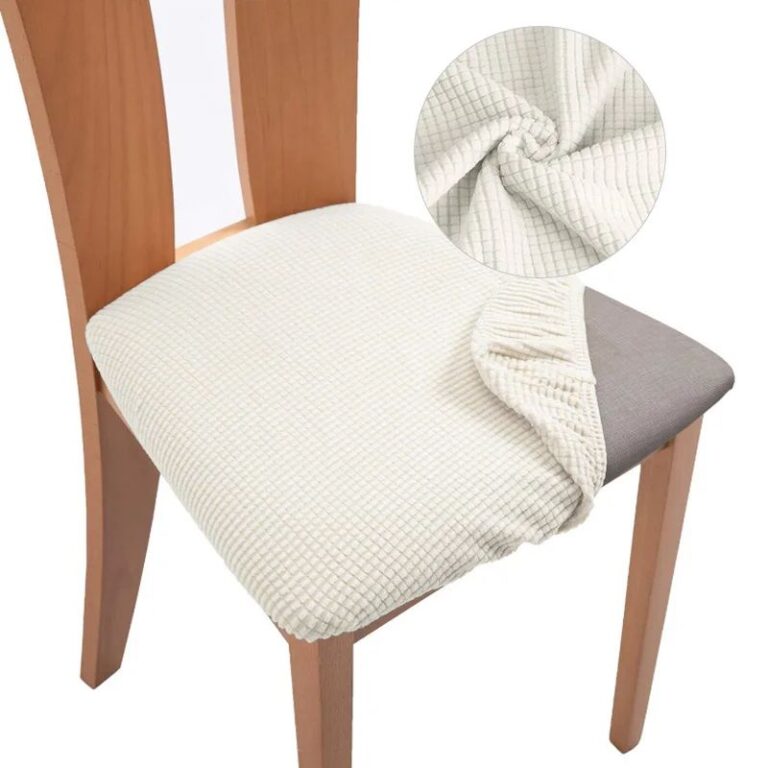 Aisha's pickUpholstered Kitchen Chairs the Cat Will Claim Within a Day
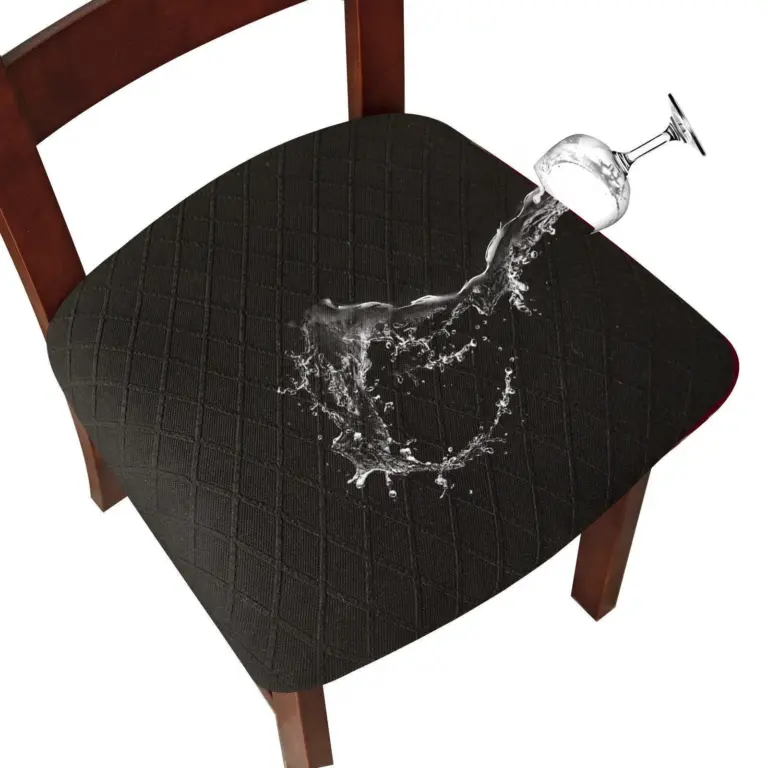
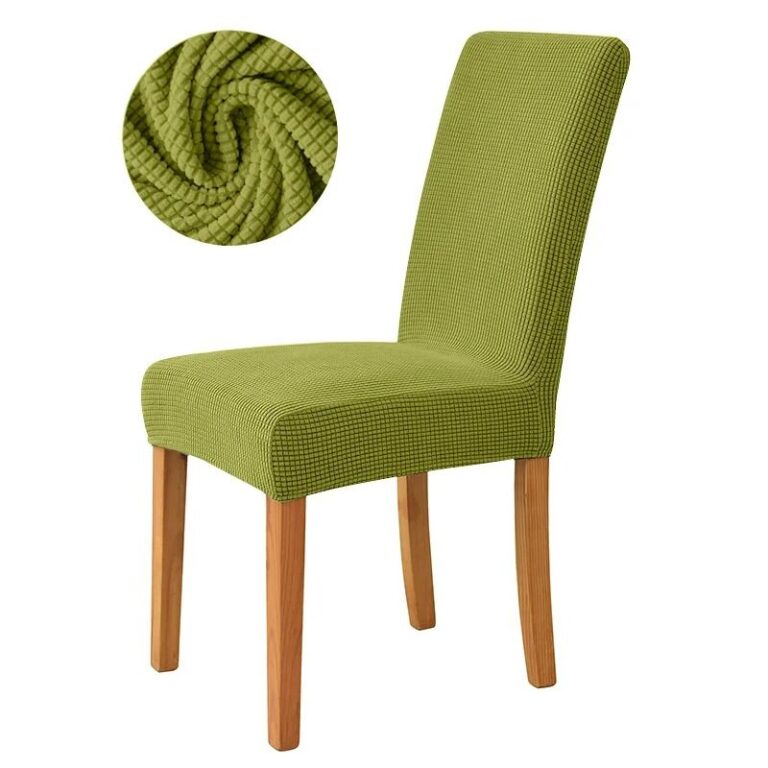 Aisha's pickModern Fabric Upholstered Dining Chairs at Every Price Point
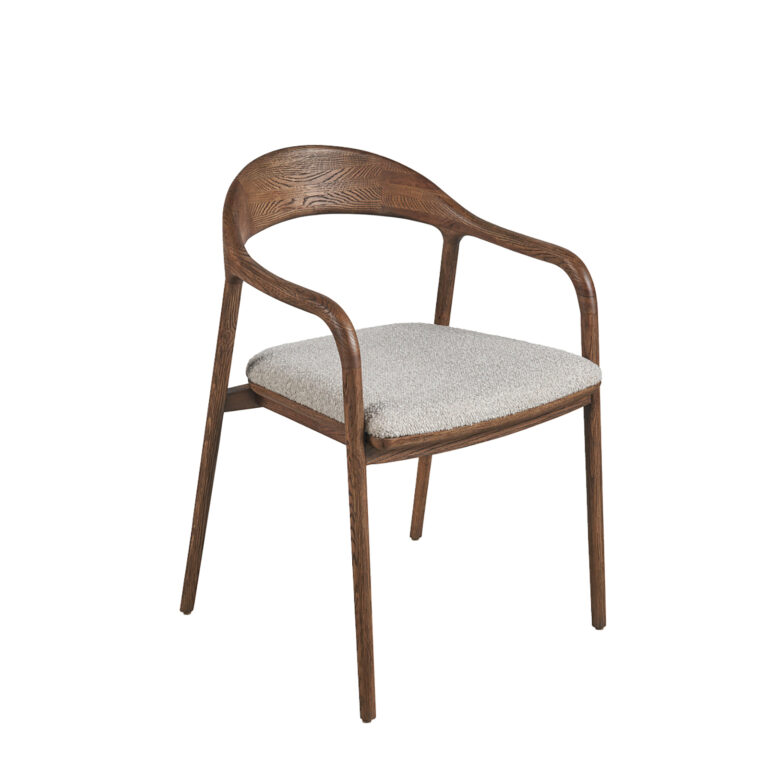
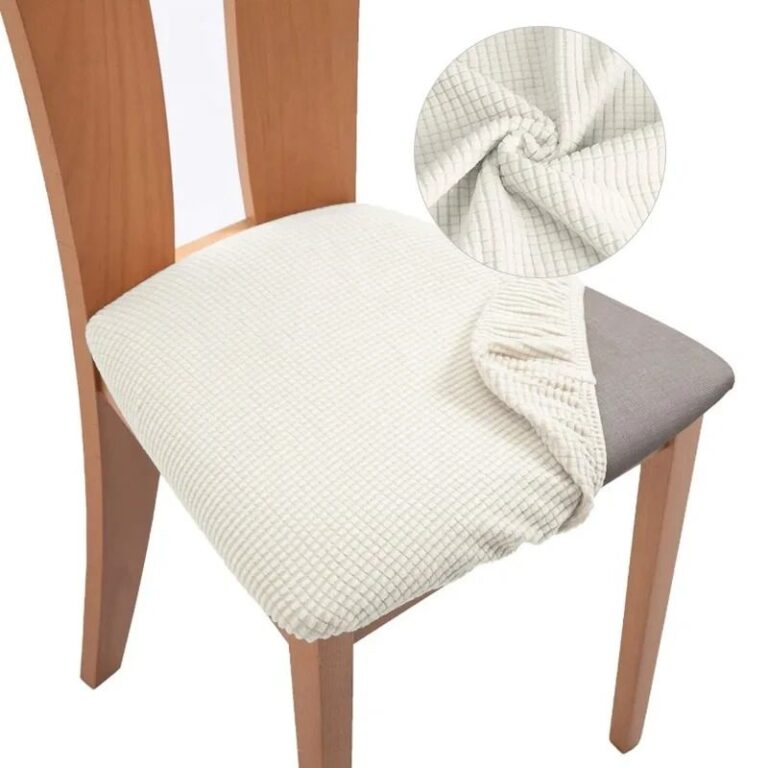 Aisha's pickUpholstered Kitchen Chairs We’d Happily Nap On
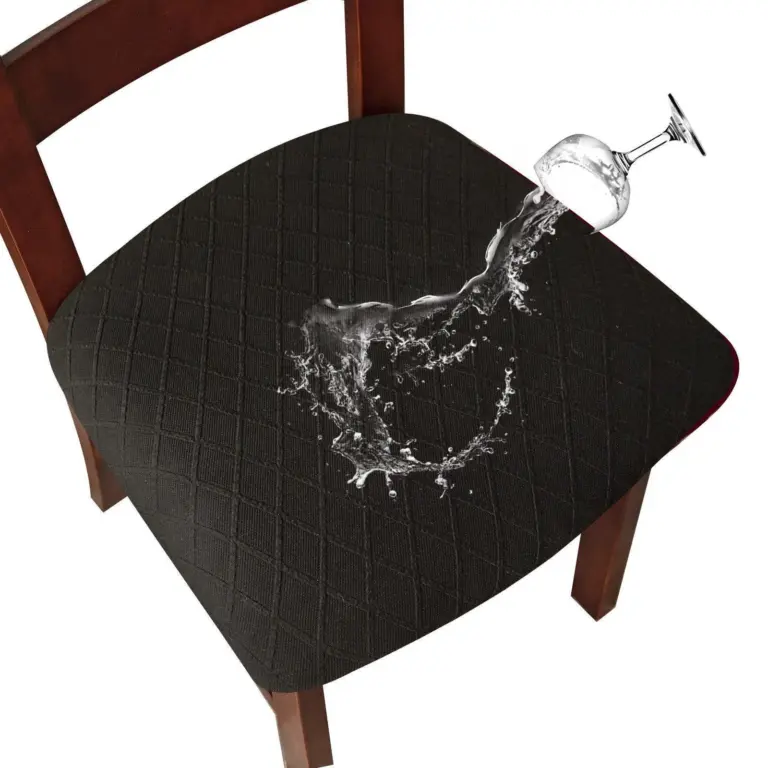
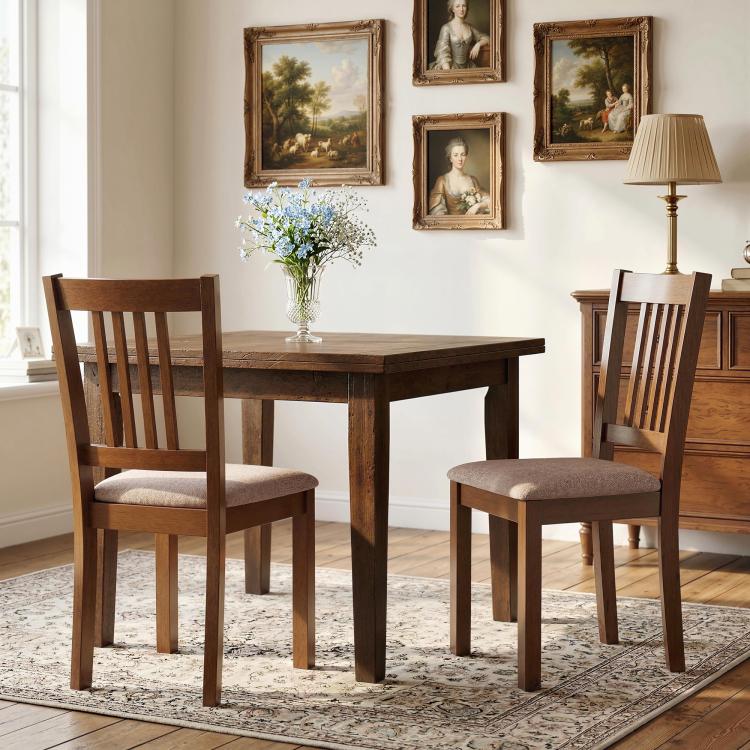 Aisha's pickModern Upholstered Dining Chairs That Get the Family Around the Table
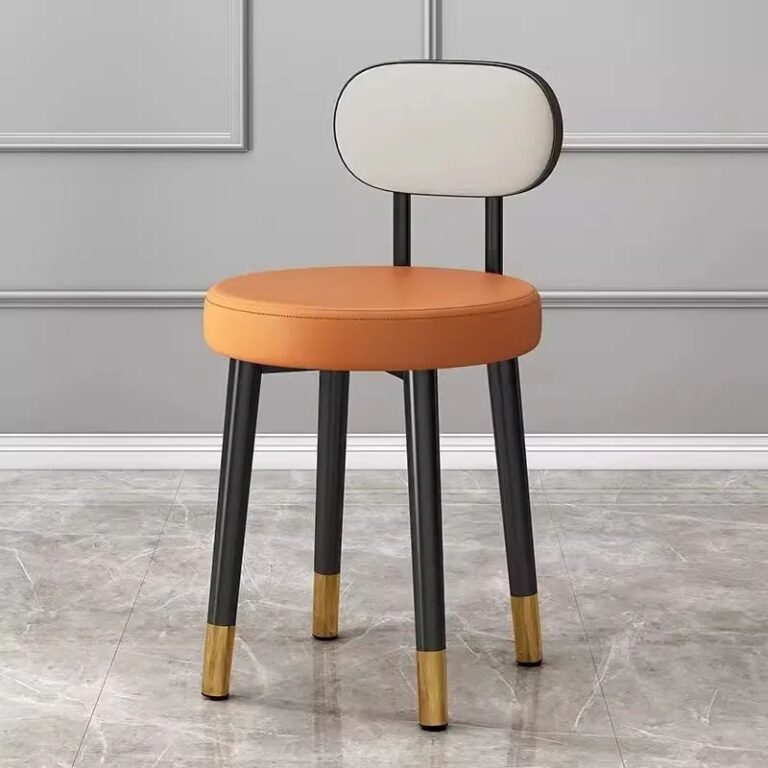
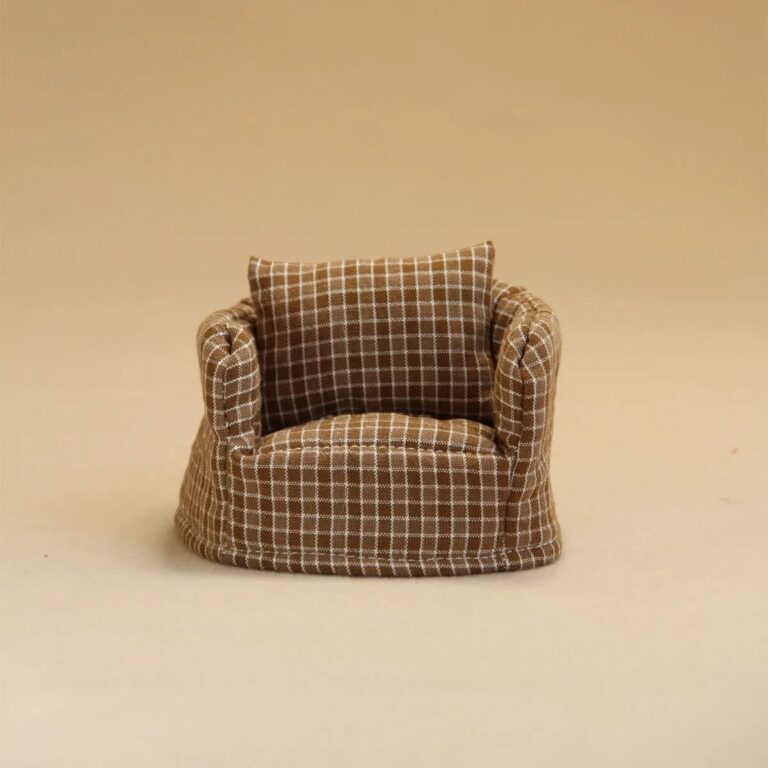 Aisha's pickUpholstered Living Room Chairs That Seat Guests Without the Squeeze

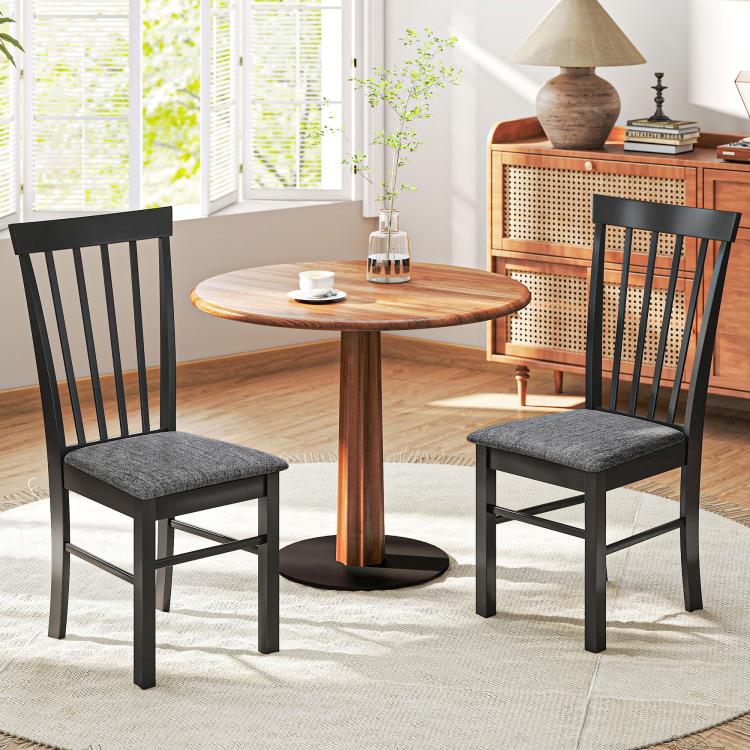 Aisha's pickOur Shortlist of Sets of 2 Upholstered Dining ChairsAlso worth a lookErgonomic ChairsThe thing nobody mentions is that an ergonomic chair looks ridiculous for the first two weeks.See the collections →
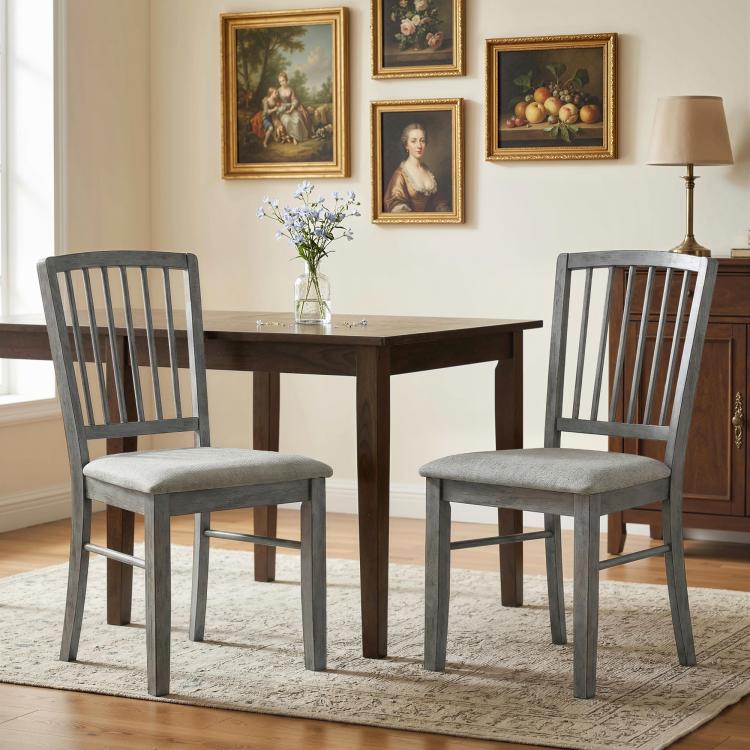
 Aisha's pickUpholstered Reading Chairs That Don’t Shout About It
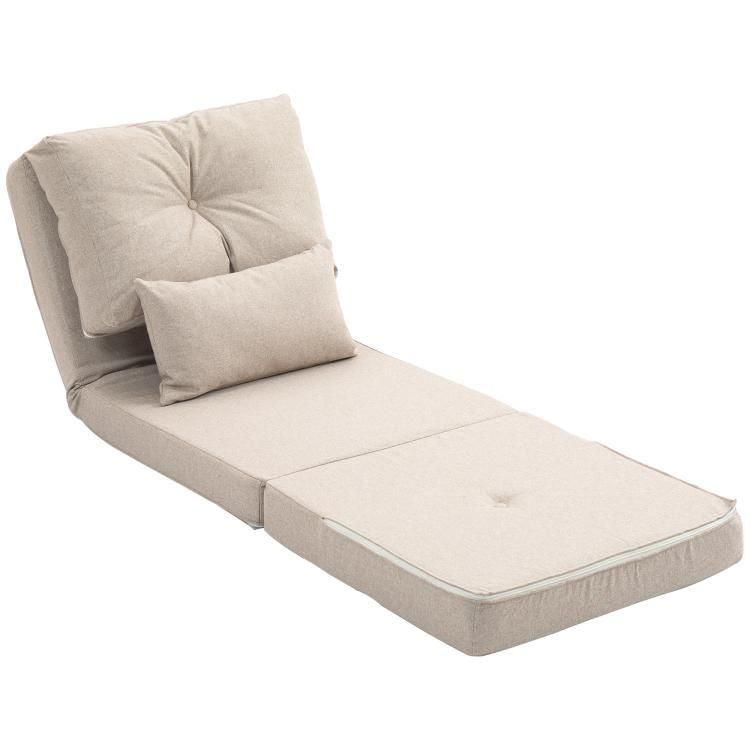
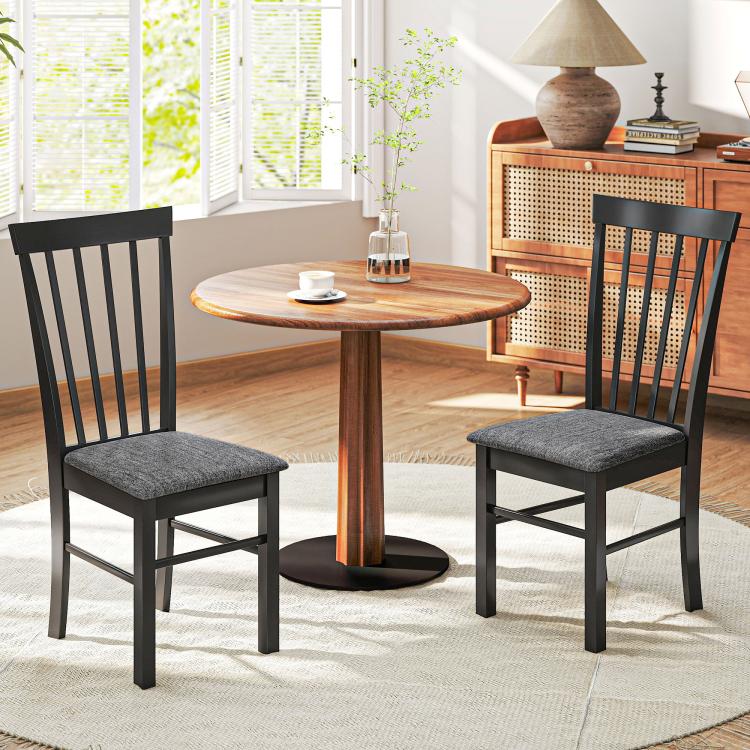 Aisha's pickSets of 2 Upholstered Fabric Dining Chairs That Are Easy to Keep Clean
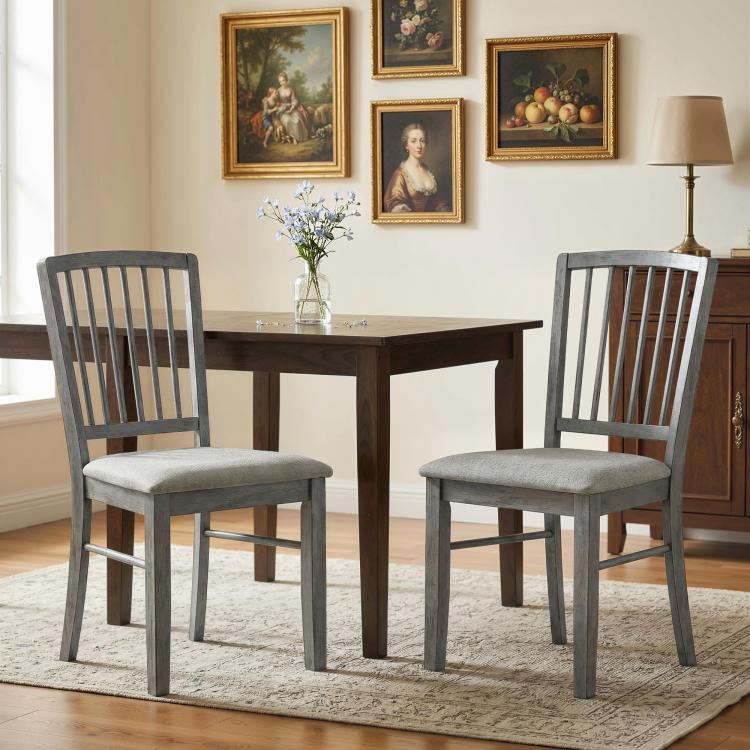
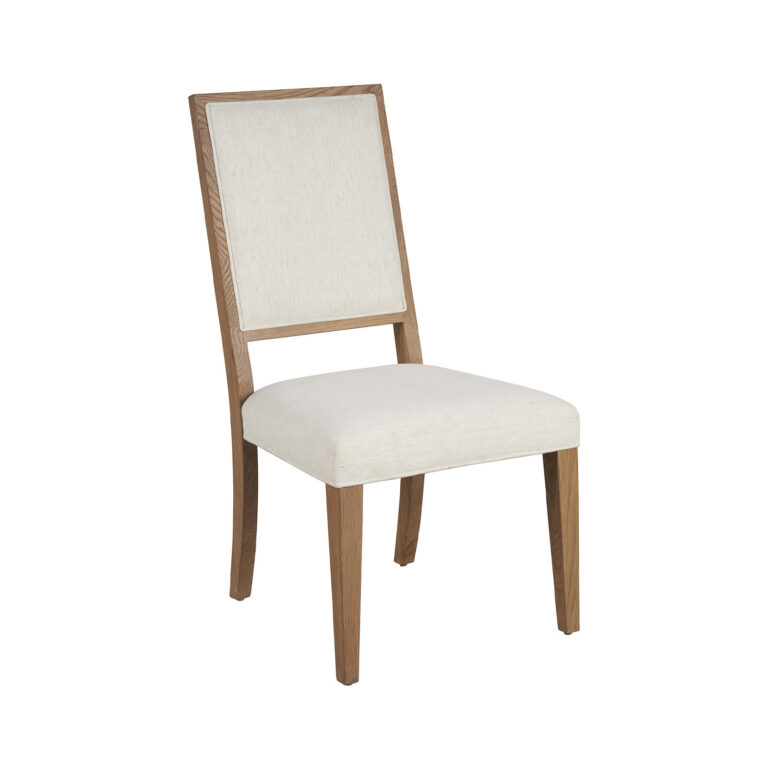 Aisha's pickUpholstered Side Chairs That Won’t Date in a Year
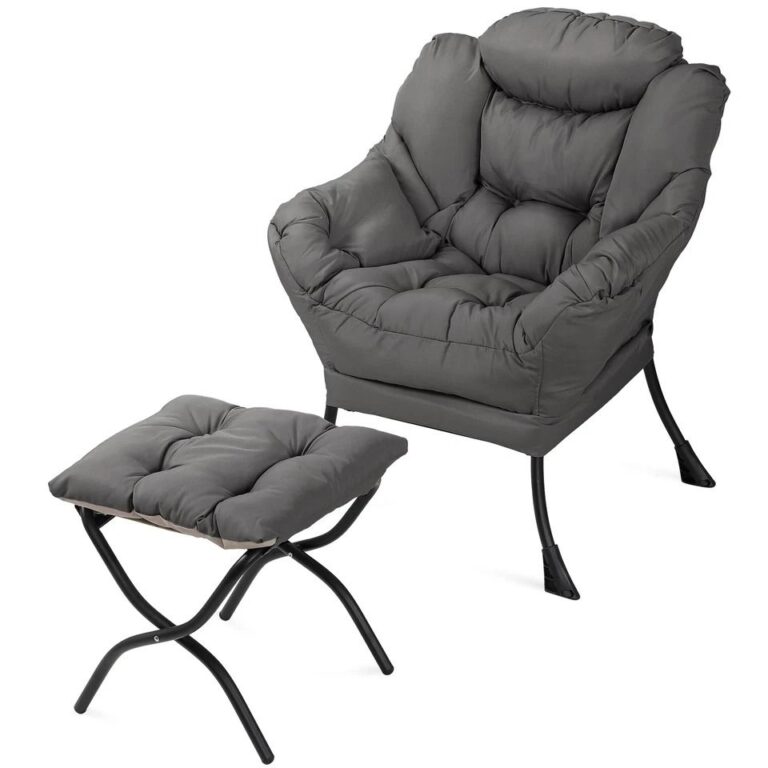
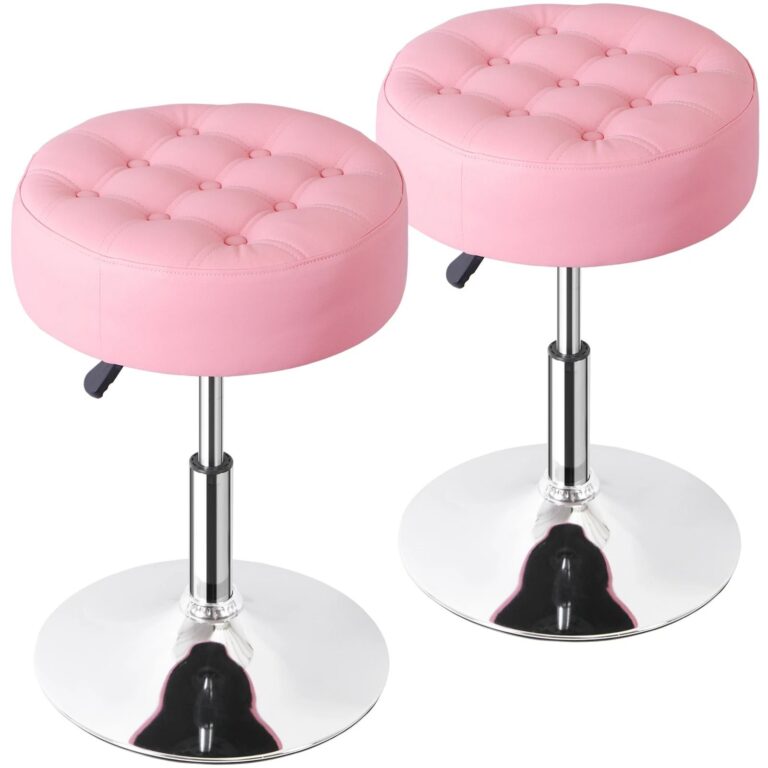 Aisha's pickUpholstered Accent Chairs That Don’t Sag After a Year
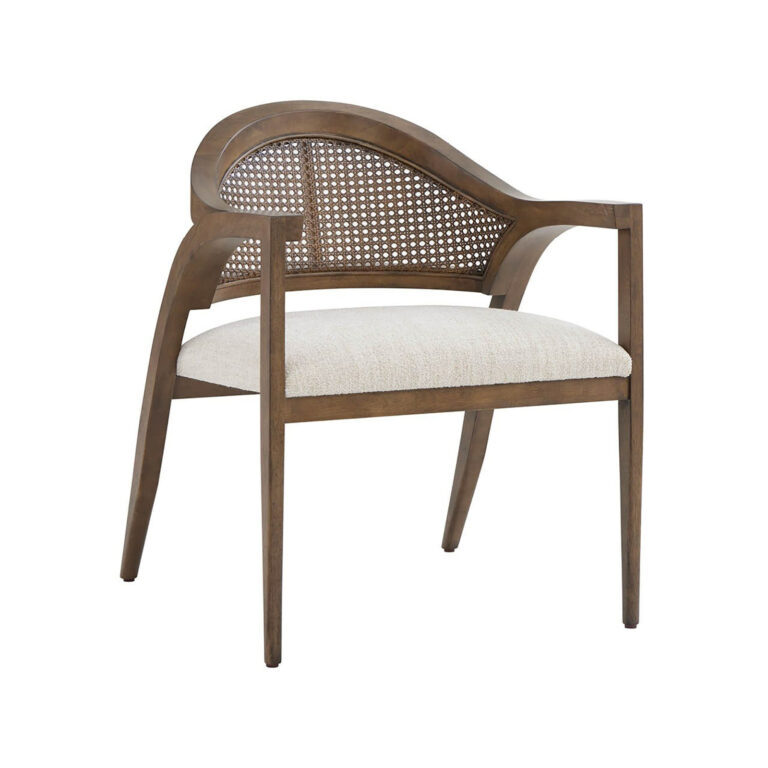
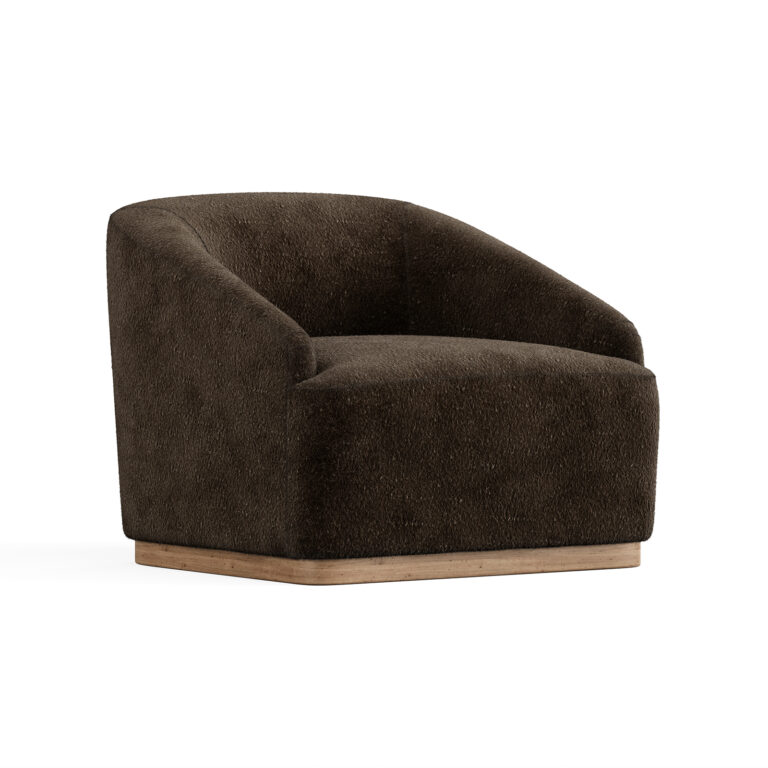 Aisha's pickUpholstered Swivel Chairs That Look Good Up Close
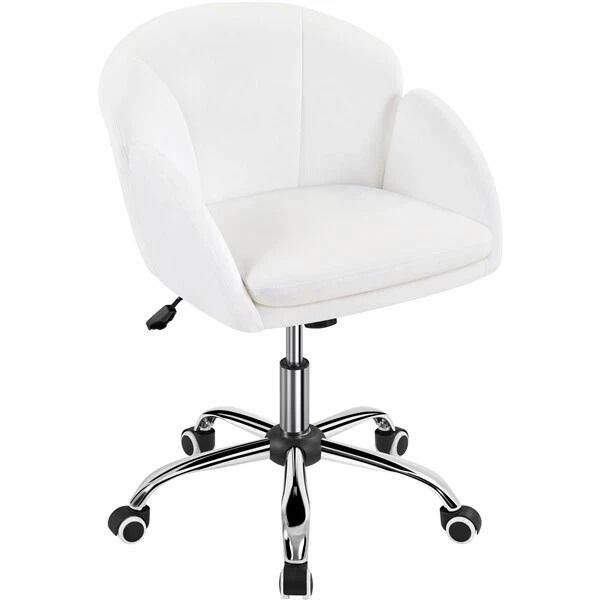
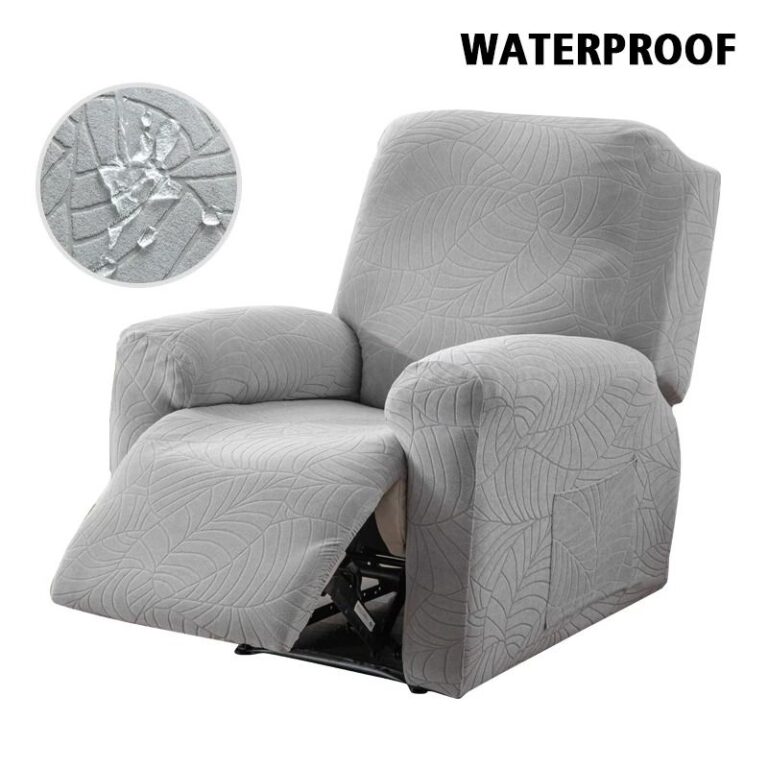 Aisha's pickNo Fuss Upholstered Armchairs
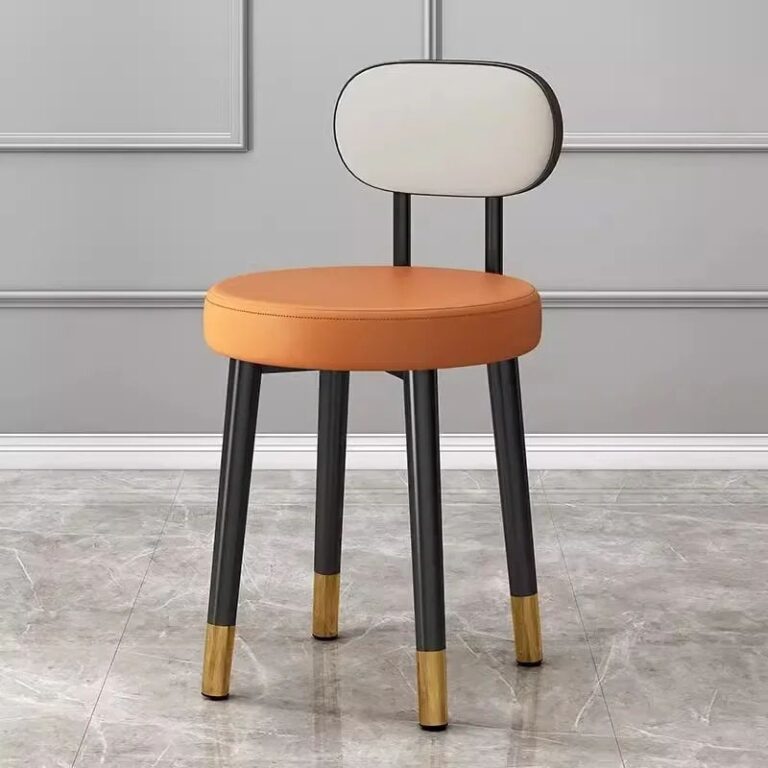 Aisha's pickUpholstered Bedroom Accent Chairs You’ll Sink Into at the End of the Day
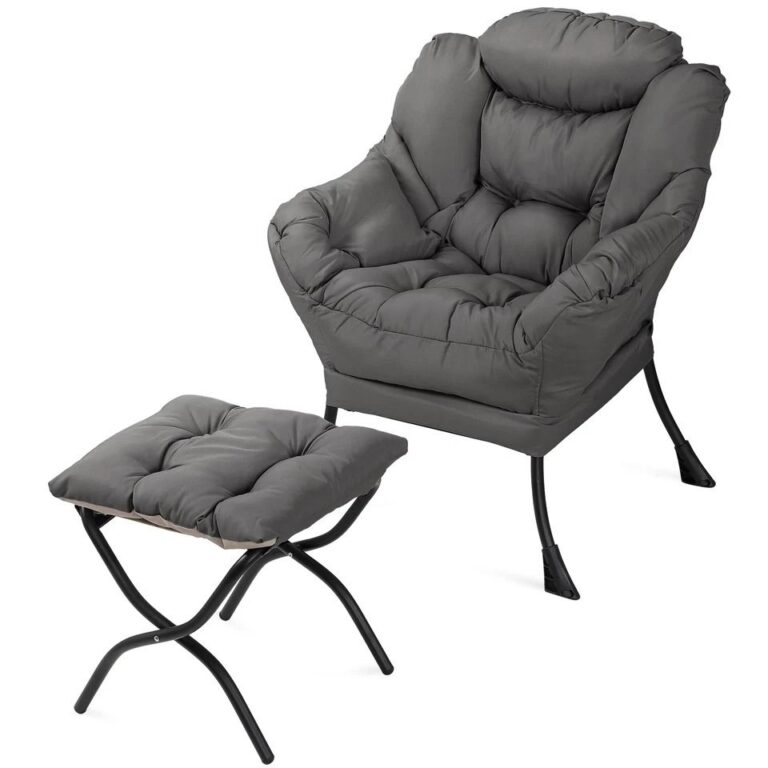
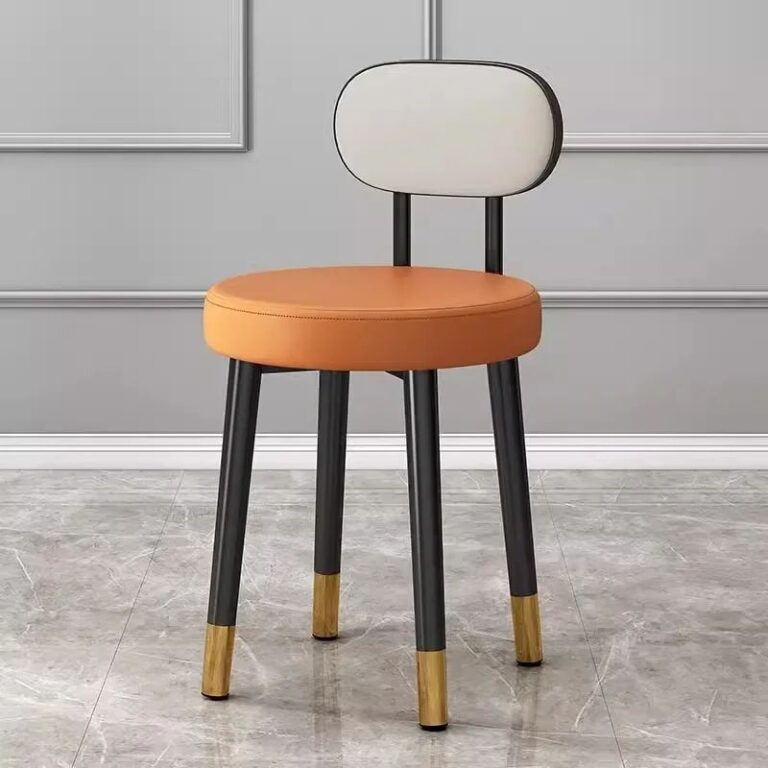 Aisha's pickUpholstered Bedroom Chairs With Some Character
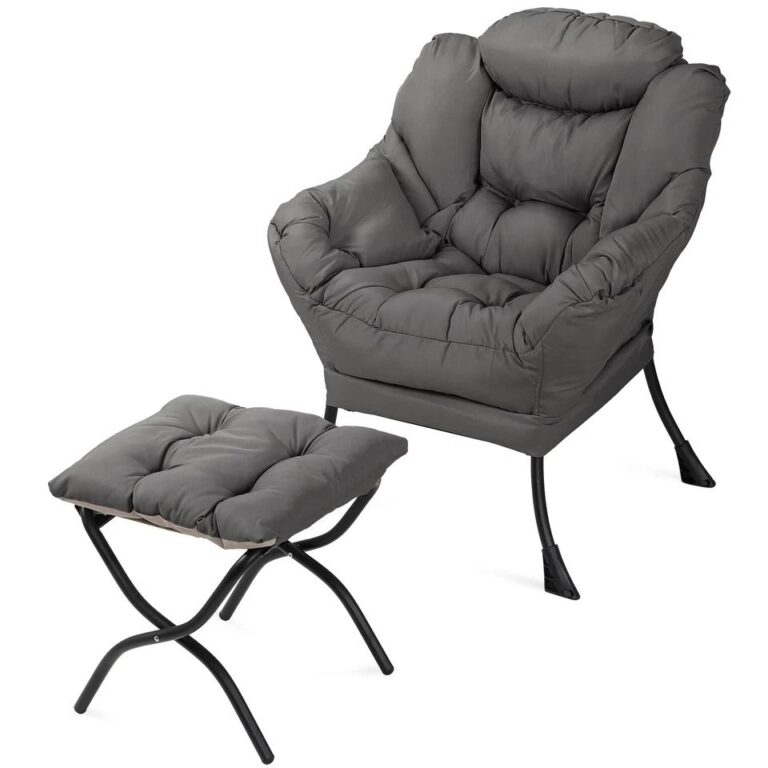
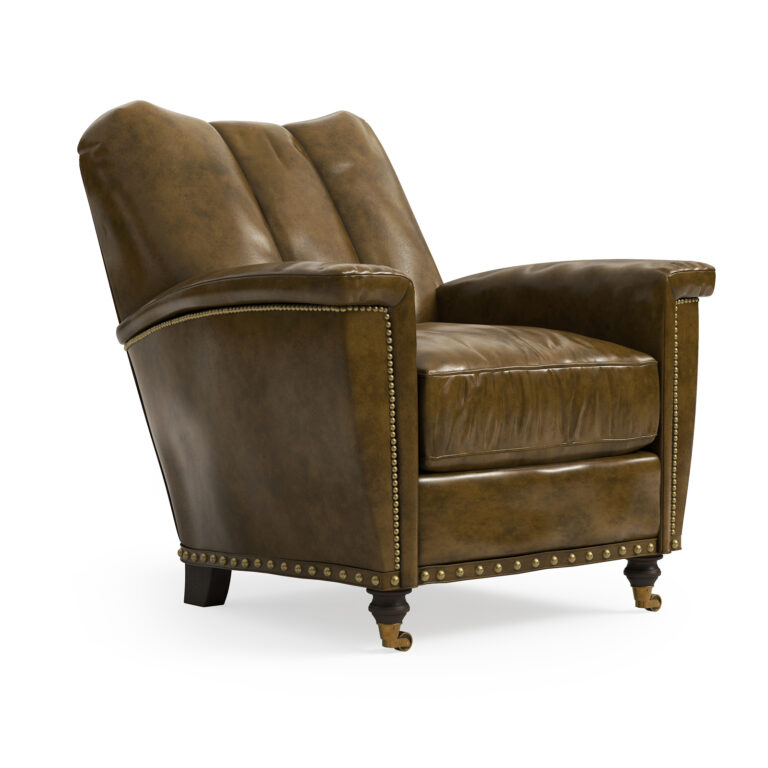 Aisha's pickUpholstered Bench Seats You’ll Keep for YearsAlso worth a lookSeatsStanding in a showroom trying to decide on seats, the first thing I'd tell you is to sit in it for longer than feels normal.See the collections →
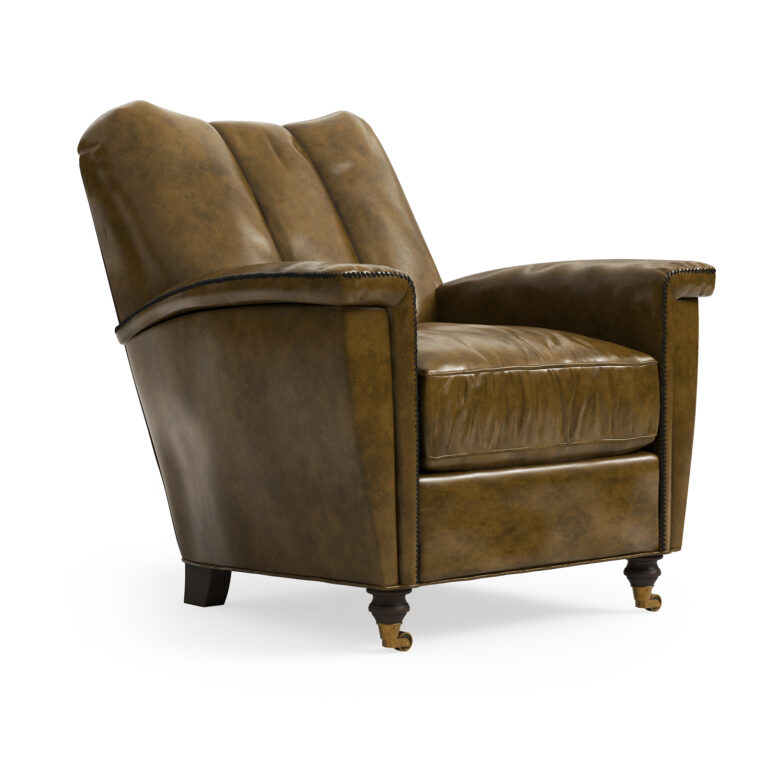
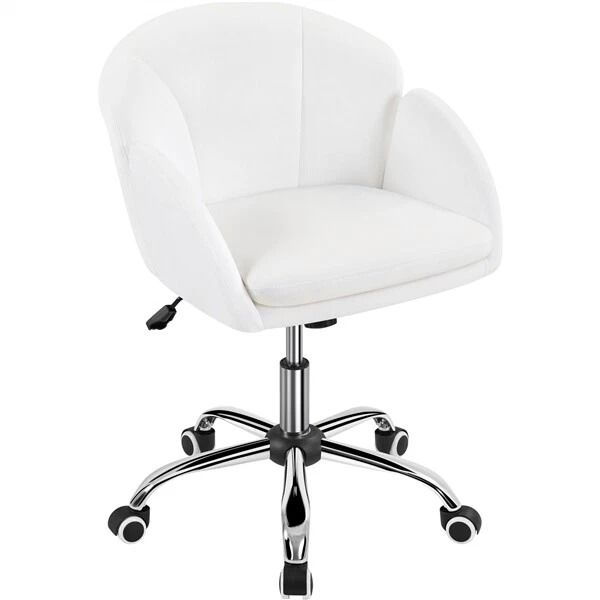 Aisha's pickUpholstered Desk Chairs for Working From Home Without the Backache
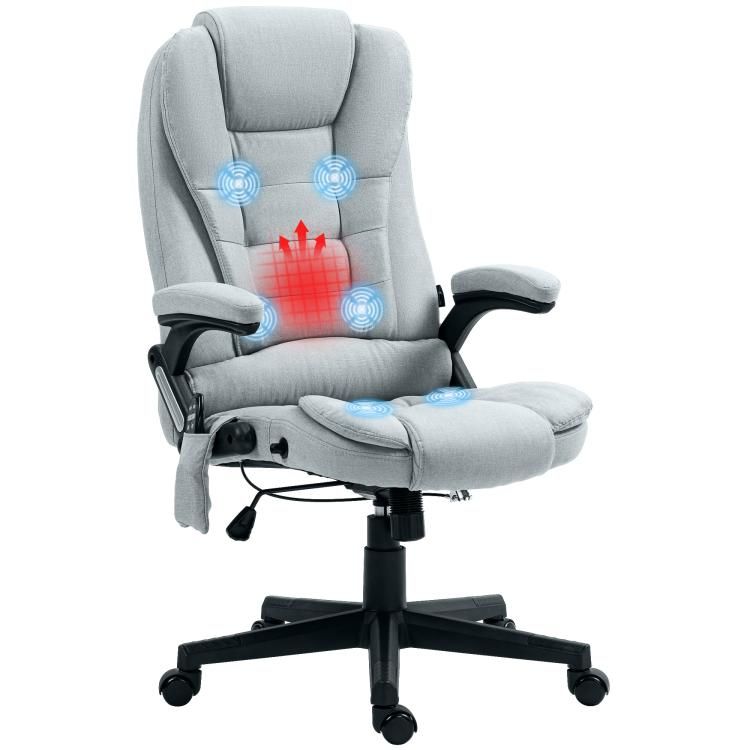
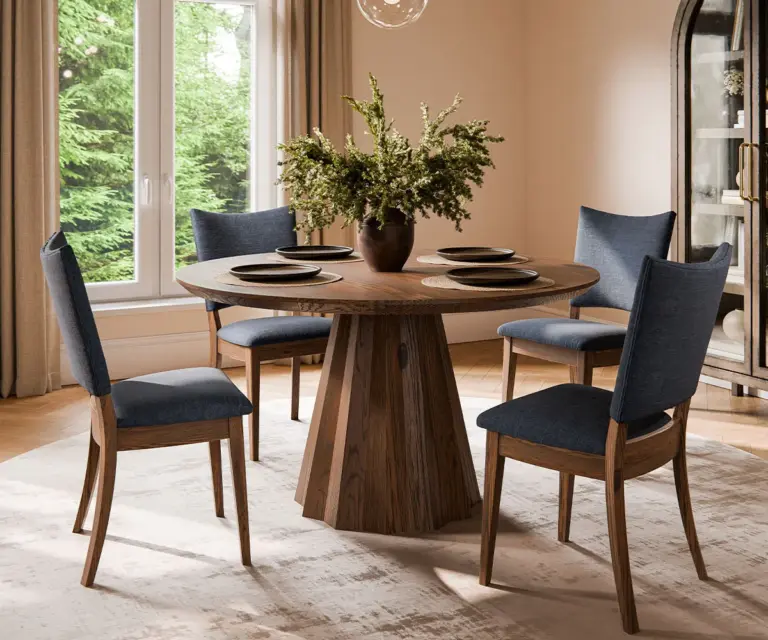 Aisha's pickUpholstered Dining Chairs That Fit Through a Narrow Door
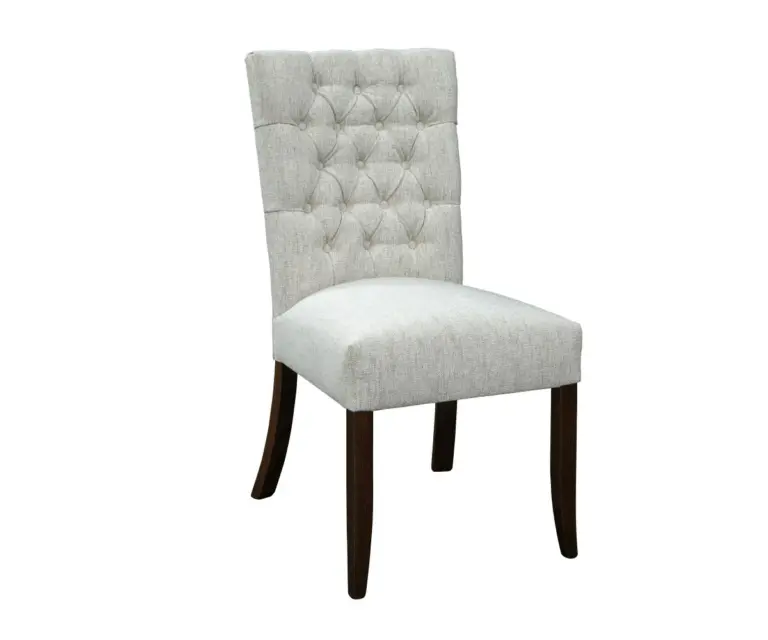
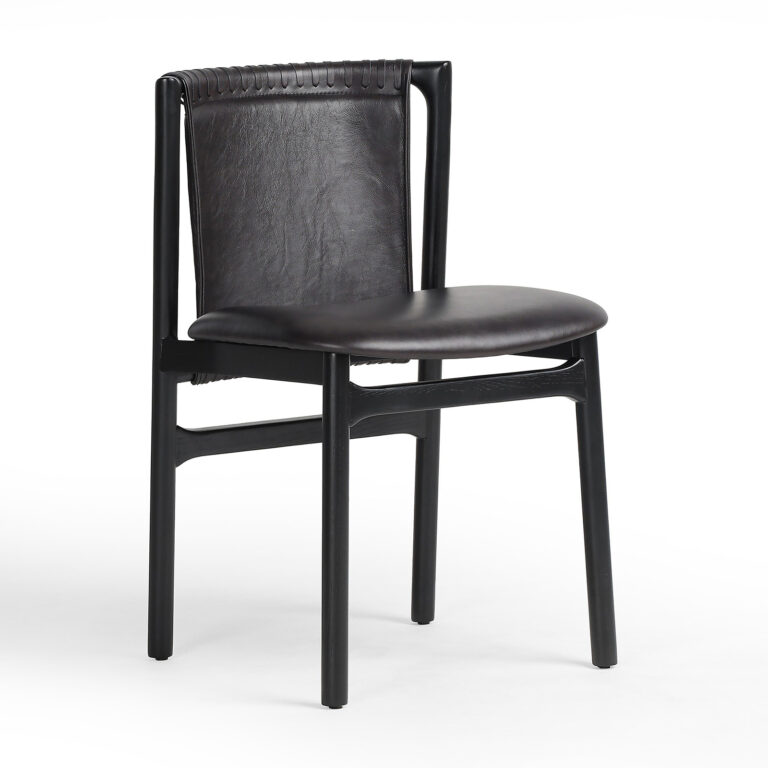 Aisha's pickBlack Upholstered Dining Chairs That Get the Family Around the Table
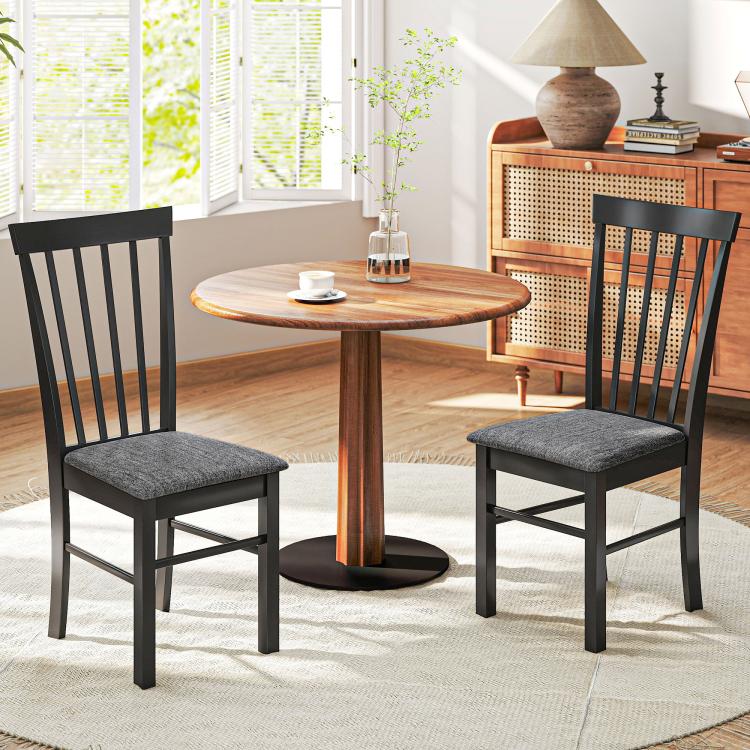
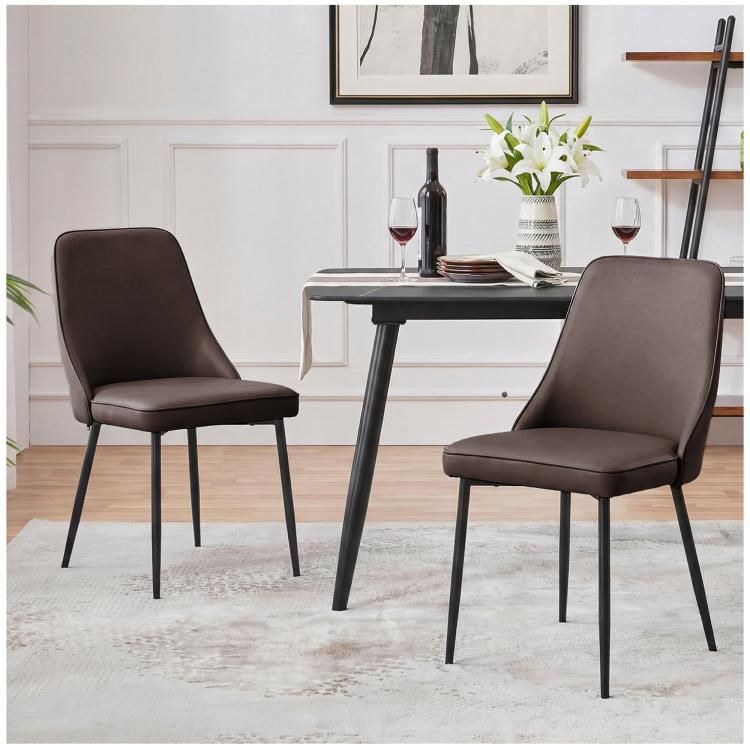 Aisha's pickUpholstered Dining Chairs with Metal Legs That Are Easy to Keep Clean
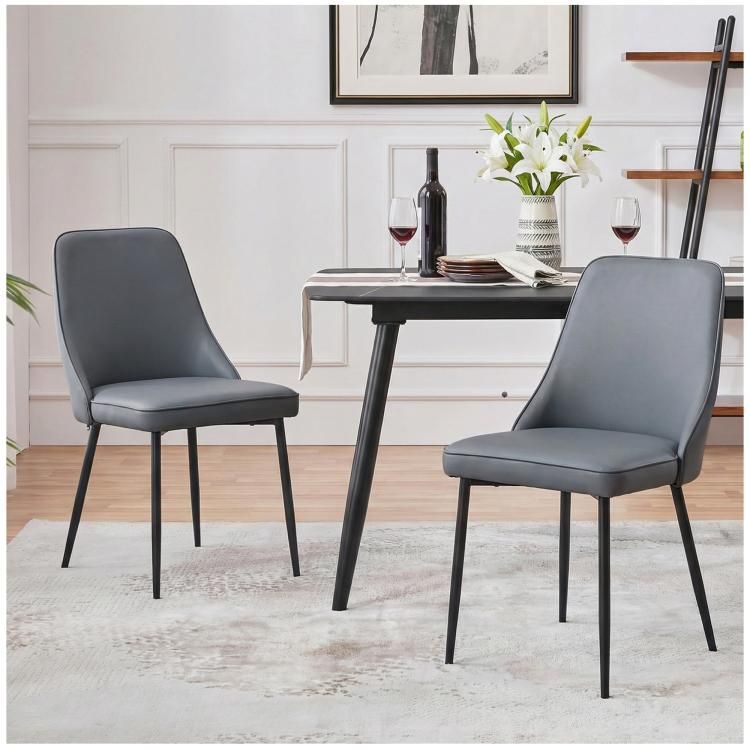
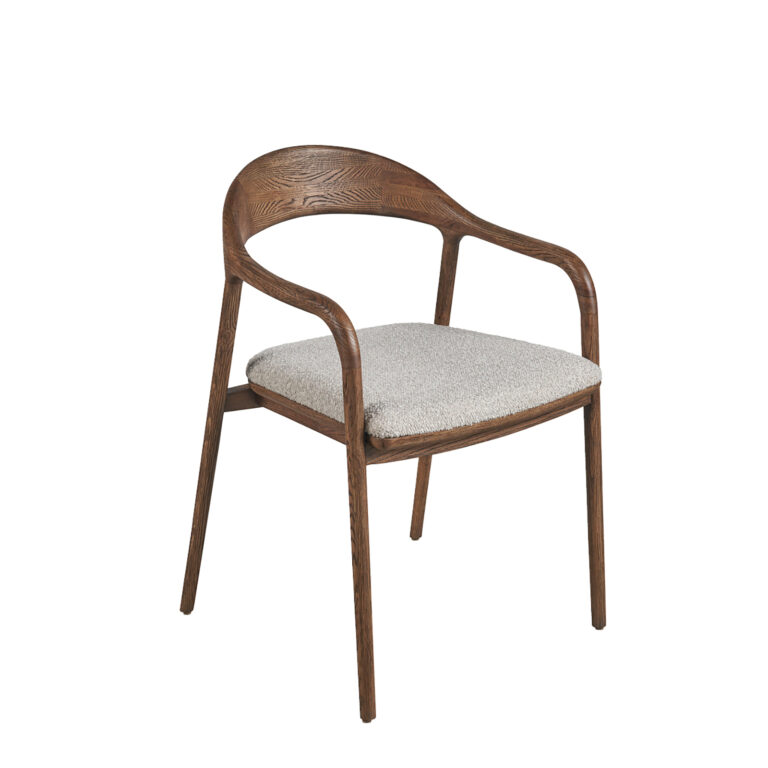 Aisha's pickCurved Back Upholstered Dining Chairs You’ll Keep for Years
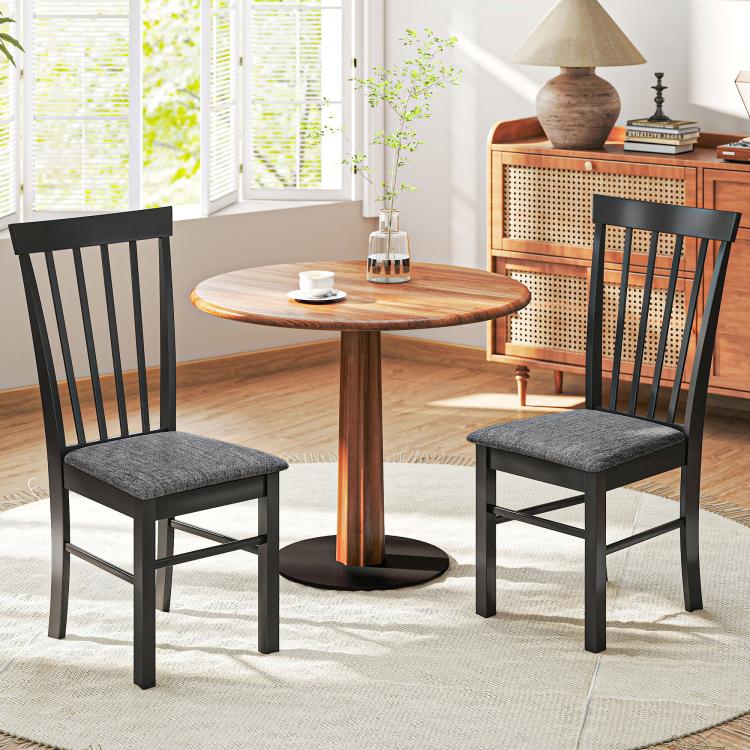
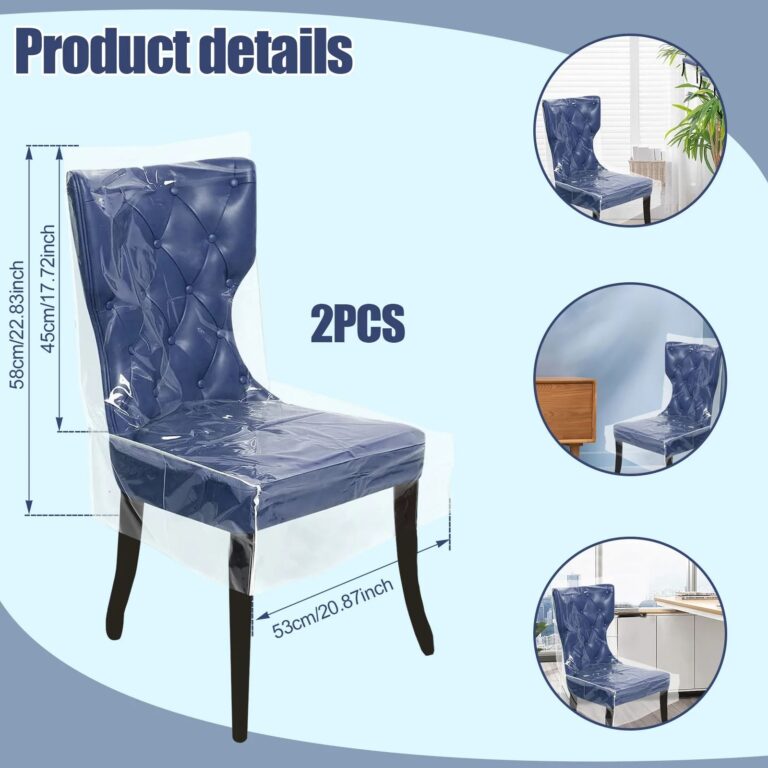 Aisha's pickUpholstered Dining Room Chairs With a Bit More About Them