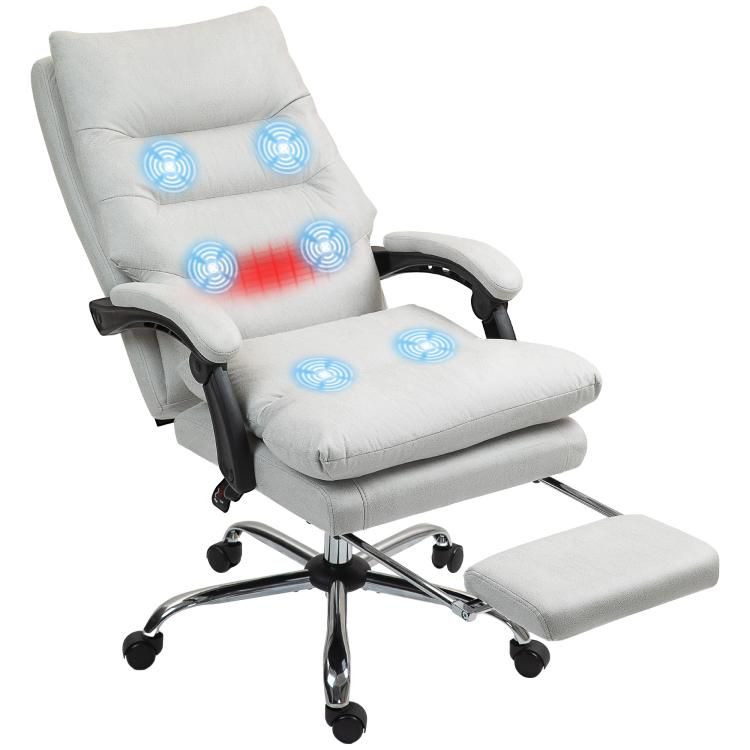
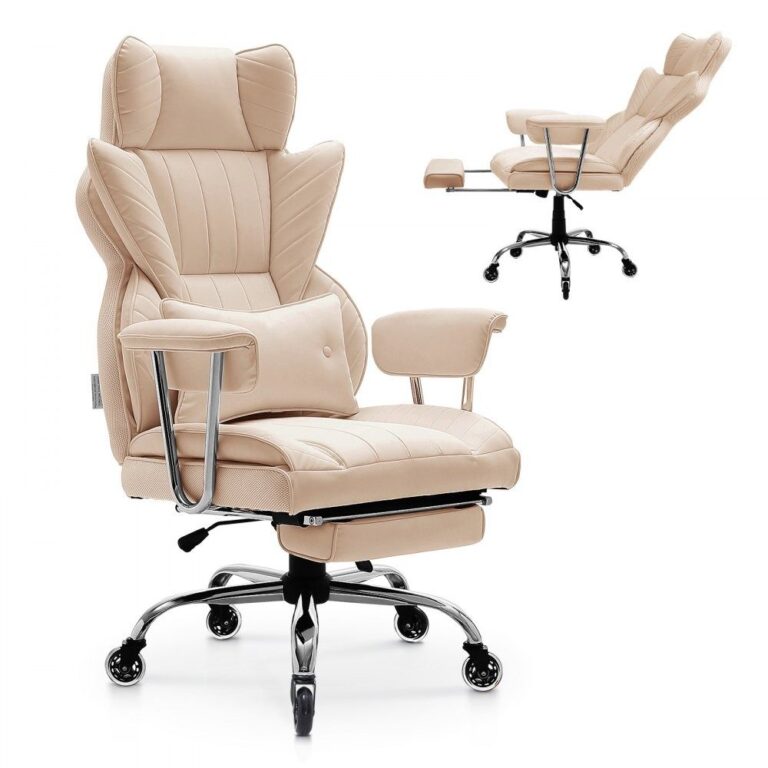
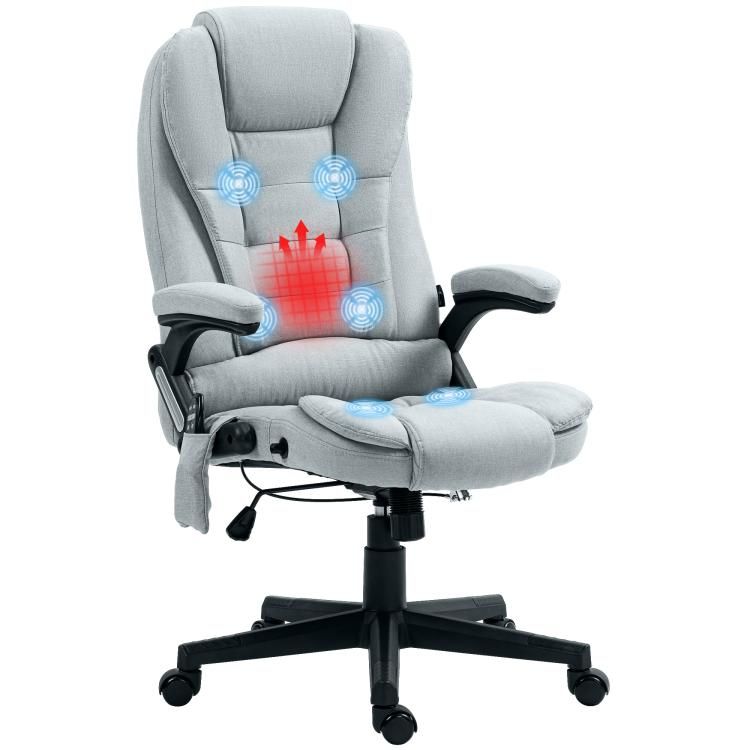
The moment it clicked for me was setting up a desk in a spare bedroom and realizing the chair I'd been using for years, a dining chair dragged in from the kitchen, was the whole reason my back felt wrecked by three in the afternoon. Swapped it for a proper executive chair and the difference showed up within a week, not just in comfort but in how much longer I'd actually sit and finish something.
These chairs earn their keep over the long haul if you buy a decent one. The better ones have a steel or aluminum frame under all that padding, so the part that actually holds your weight isn't the part that wears out first. What gives up over time is usually the foam in the seat pan and the stitching on the arms, especially if you're in it eight or nine hours a day. Leather and leather look chairs need a wipe down every few weeks and a conditioner a couple times a year or the material cracks where your body creases it most, right at the seat edge. Mesh backs age better in that sense, they don't crack, but they do stretch out and lose their snap after a few years of real use. Either way, check the gas lift and the tilt tension every so often, those are the parts that quietly fail and leave you sinking lower every month without noticing.
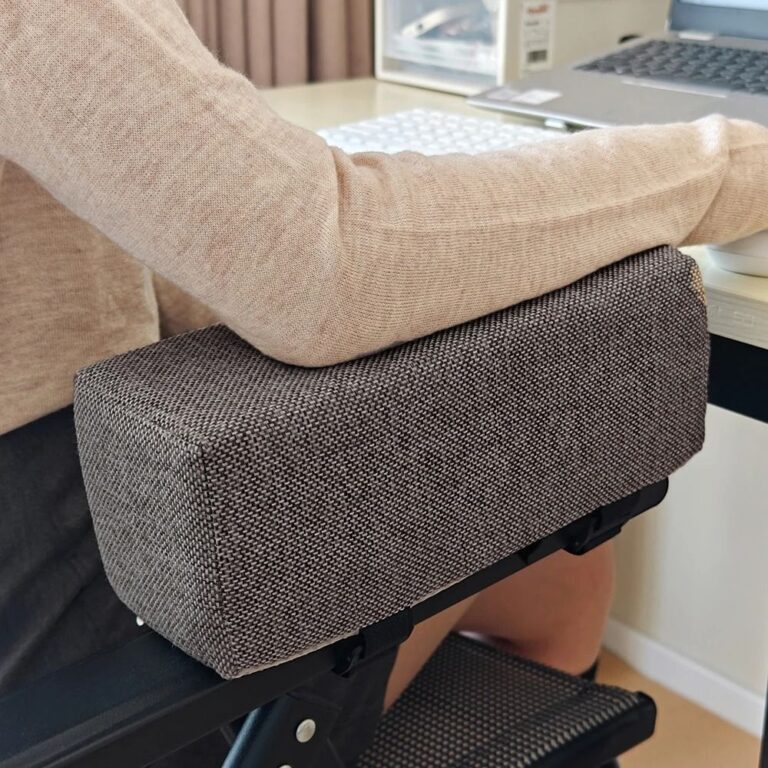
Where this chair is the wrong call is anywhere small or shared. A one bedroom apartment with a desk crammed into a corner of the living room doesn't want a big leather chair with armrests sticking out, it eats the room and looks like you brought your office home uninvited. They're also overkill for a desk you use for twenty minutes a day to pay bills, that's a task chair job, not an executive one. And if you've got kids who treat every chair as a spinning toy, the tilt mechanisms on these are not built for that kind of abuse, I've seen the tension knob stripped by a determined eight year old. Measuring up matters more than people expect. Check the seat height range against your desk, most executive chairs sit higher than standard chairs so make sure it clears your desk's underside with room to spare, and measure the width of the armrests against the space you've got, since those are usually what gets forgotten and ends up jammed against a wall or a drawer.
Before you buy, measure from the floor to the underside of your desk and make sure the chair's lowest seat height still clears it with an inch to spare.
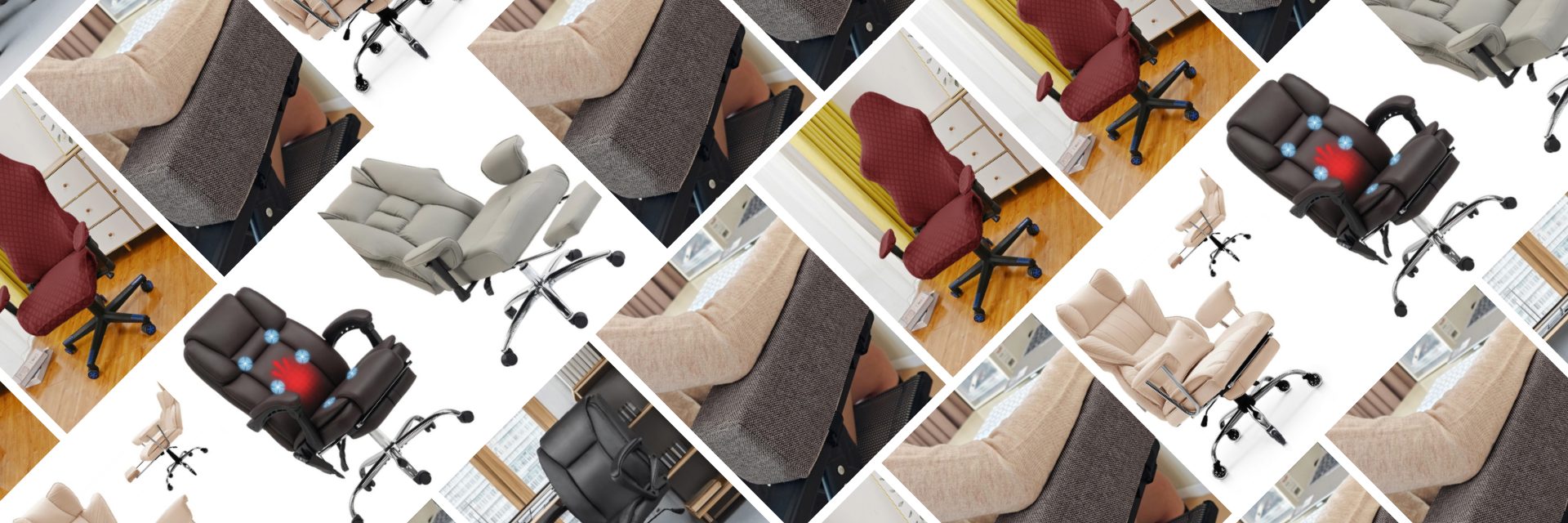
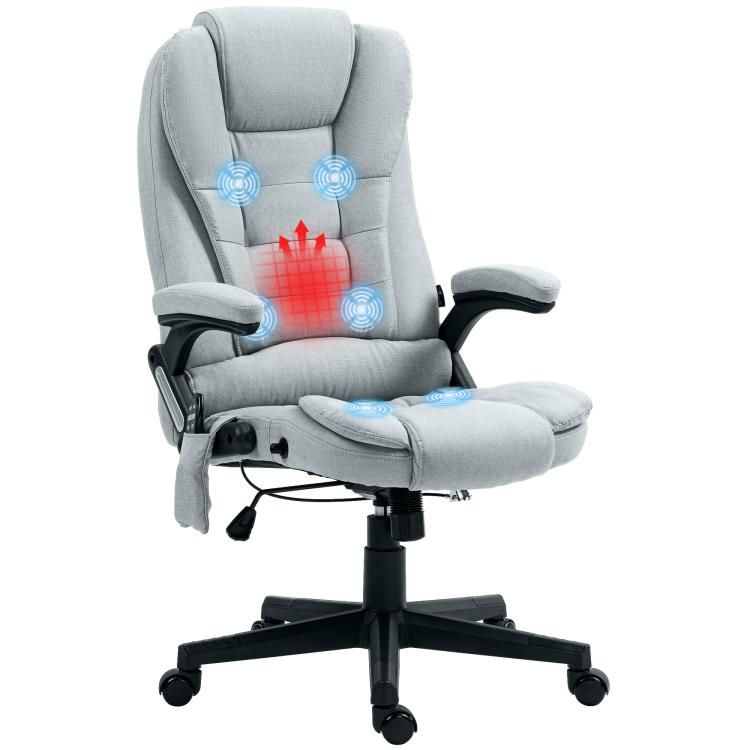 Aisha's pickBreathable Executive Office Chairs for Working From Home Without the Backache
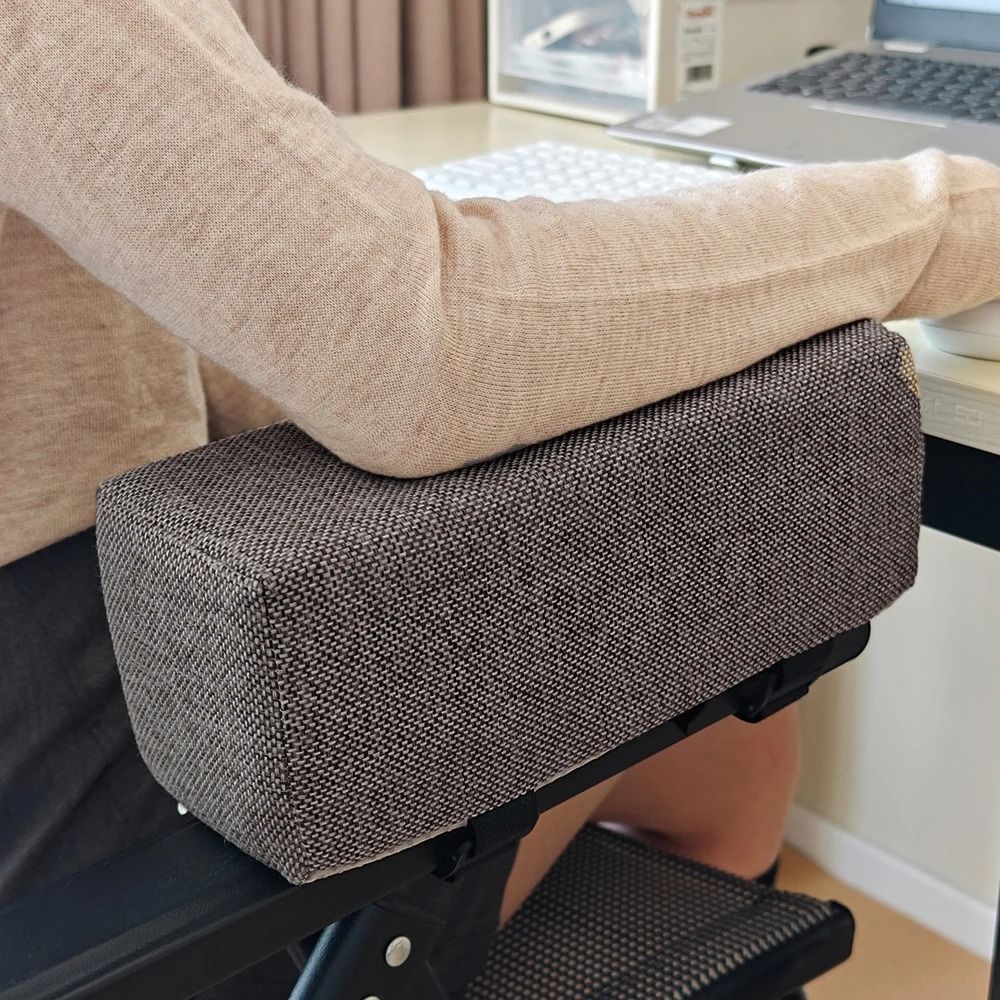
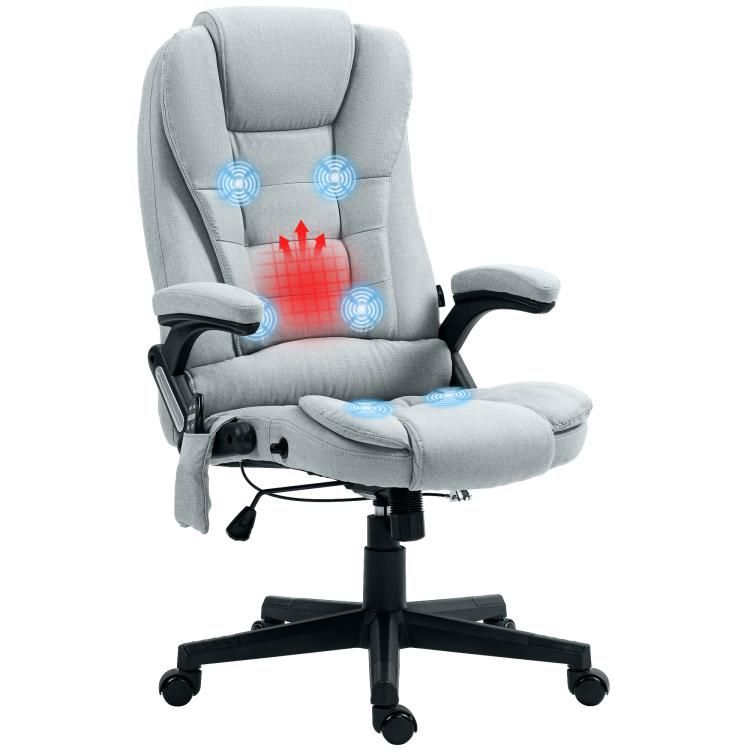 Aisha's pickLumbar Support Executive Office Chairs Picked From the Stores We Trust
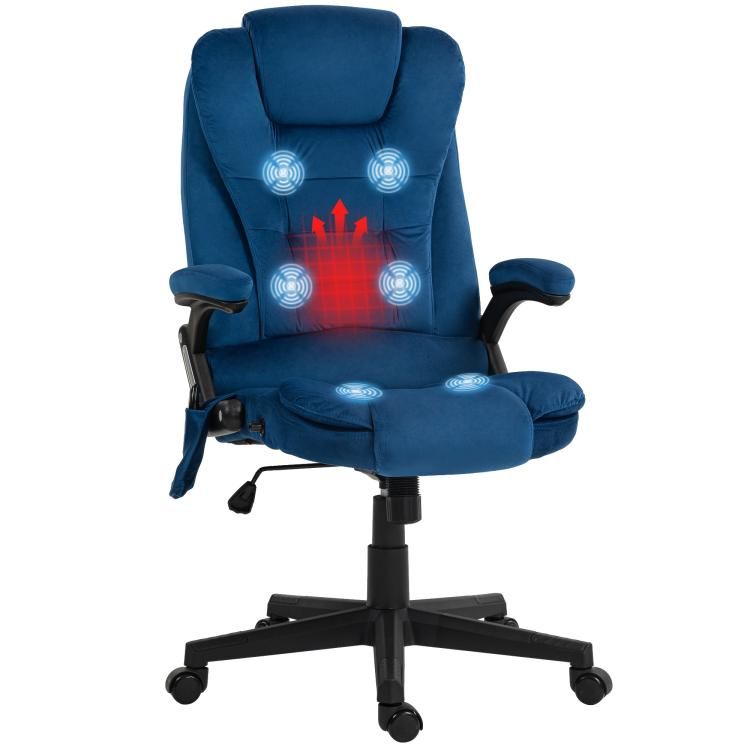
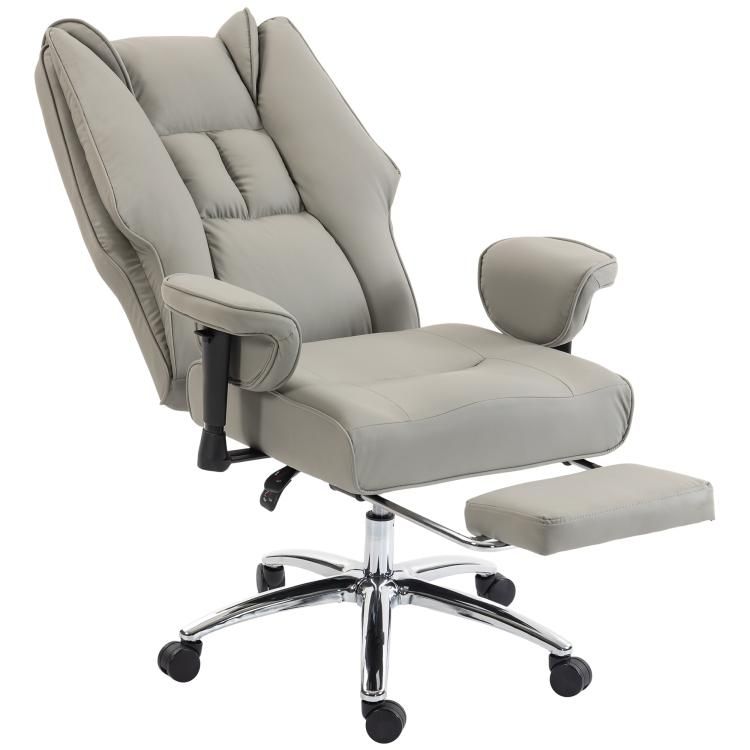 Aisha's pickErgonomic Executive Chairs for Making a House Feel Like Yours
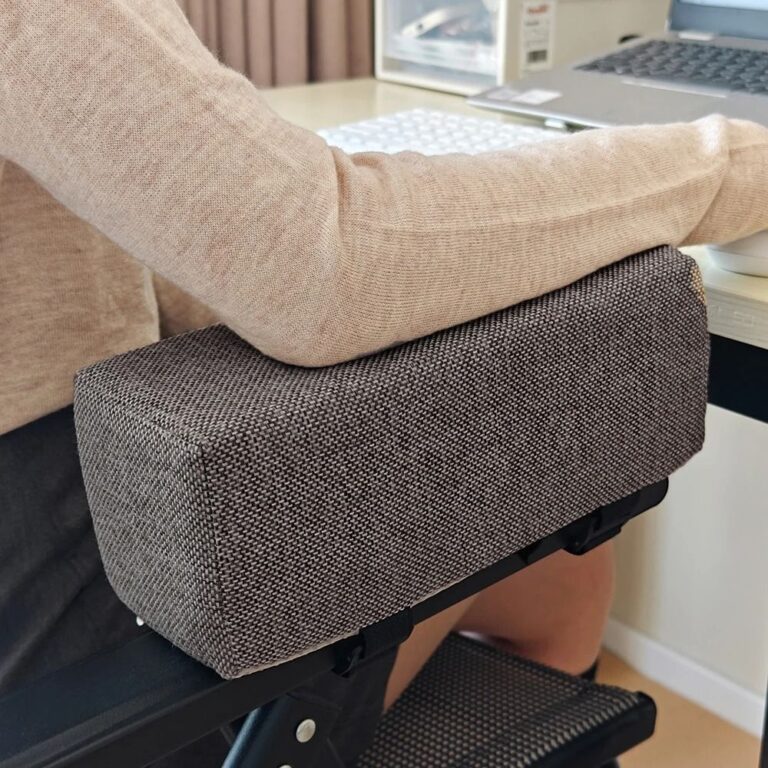
 Aisha's pickModern Executive Chairs That Make Small Changes Feel Big

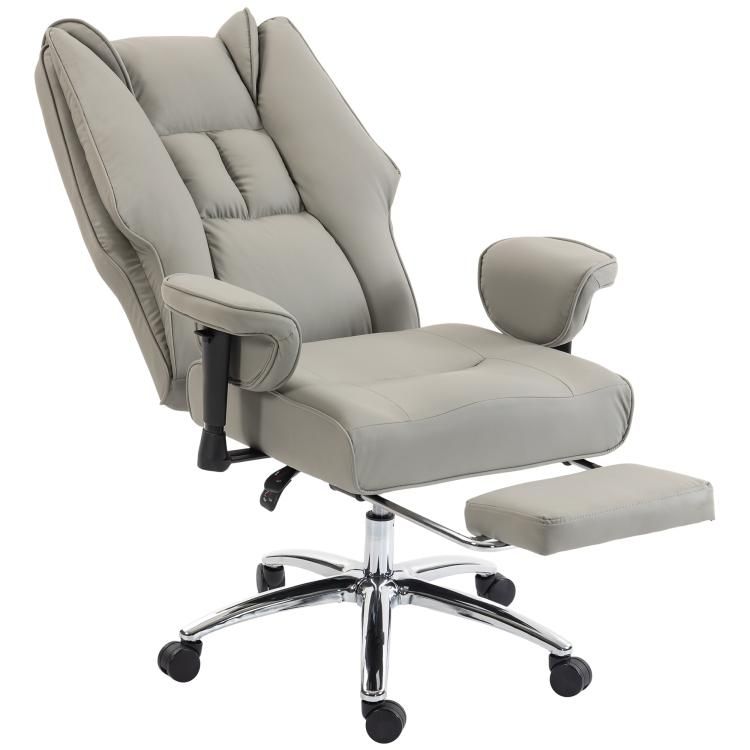 Aisha's pickErgonomic Executive Office Chairs at Every Price Point
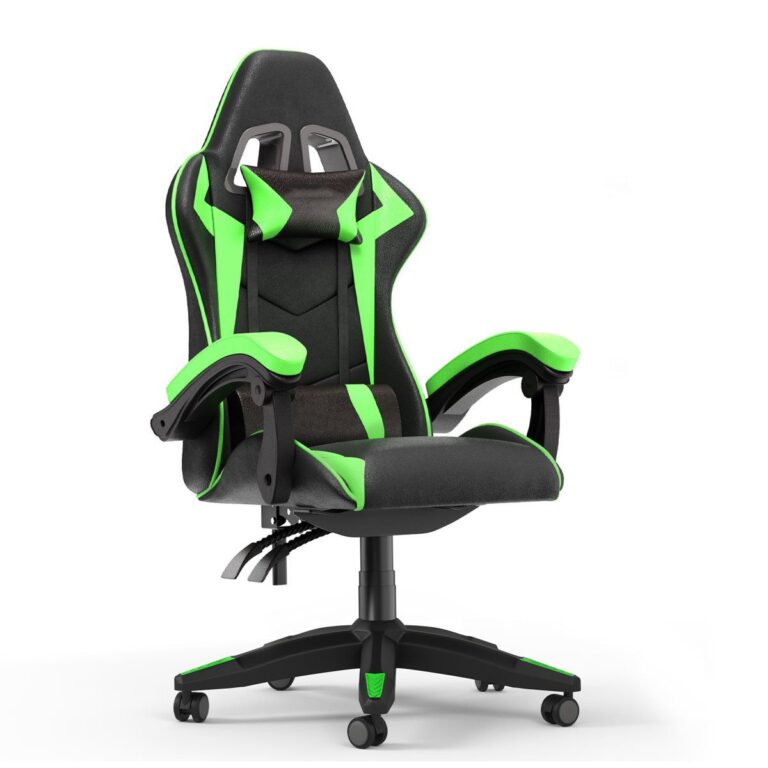
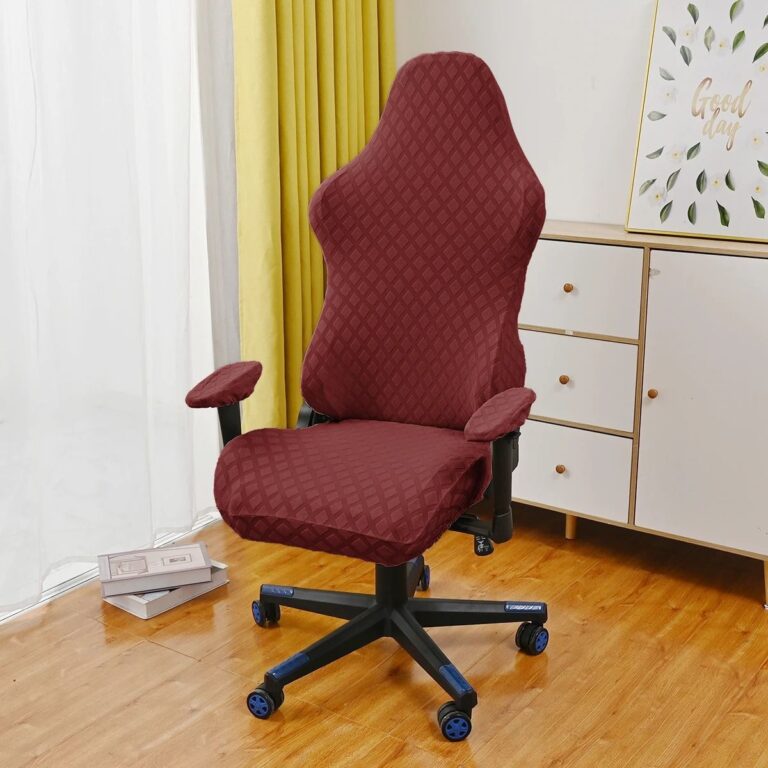 Aisha's pickPadded Executive Chairs for Working From Home Without the Backache
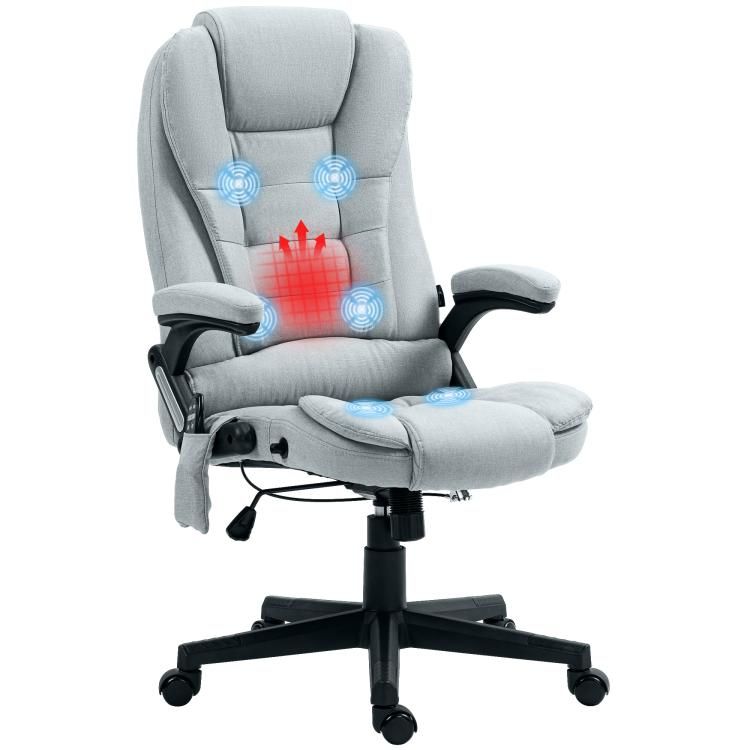
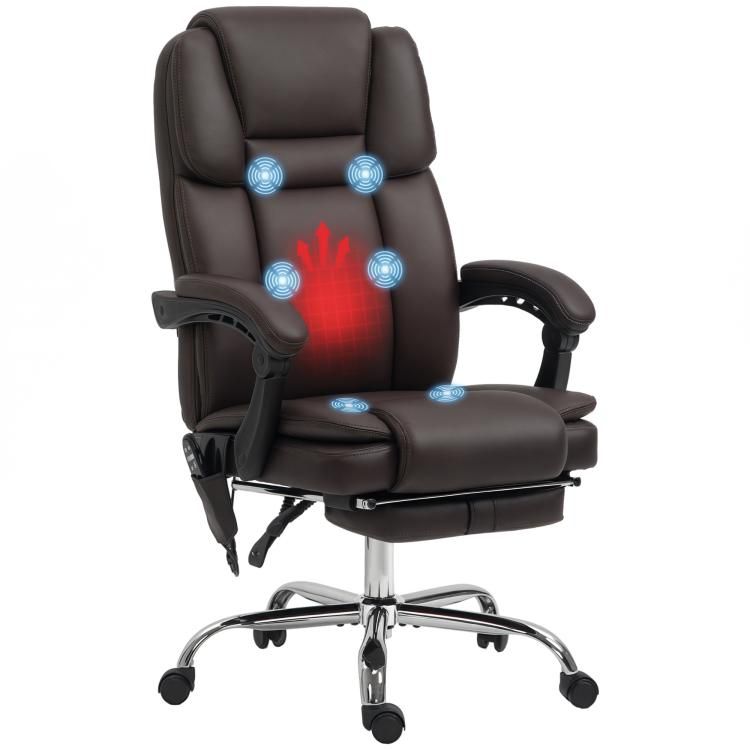 Aisha's pickNo Fuss Executive Chairs
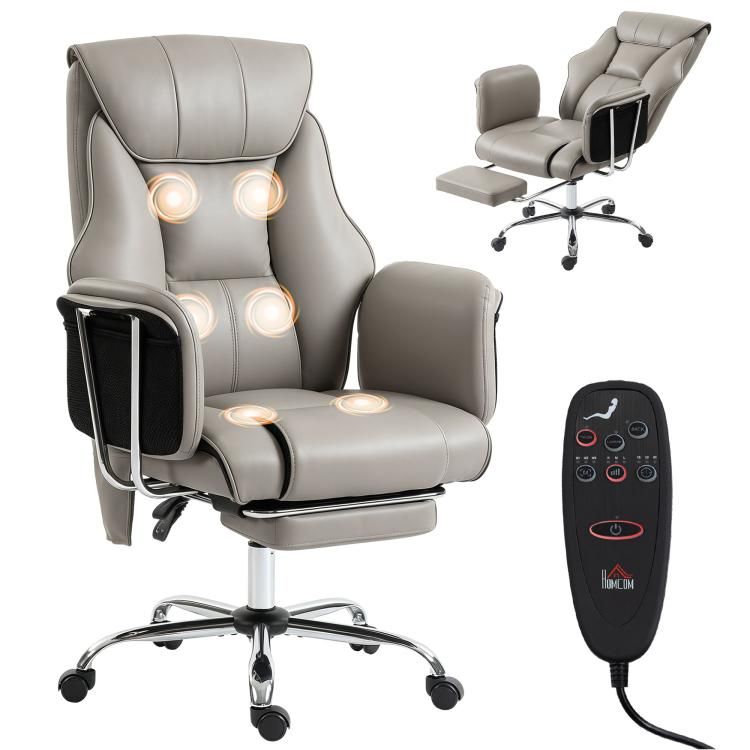
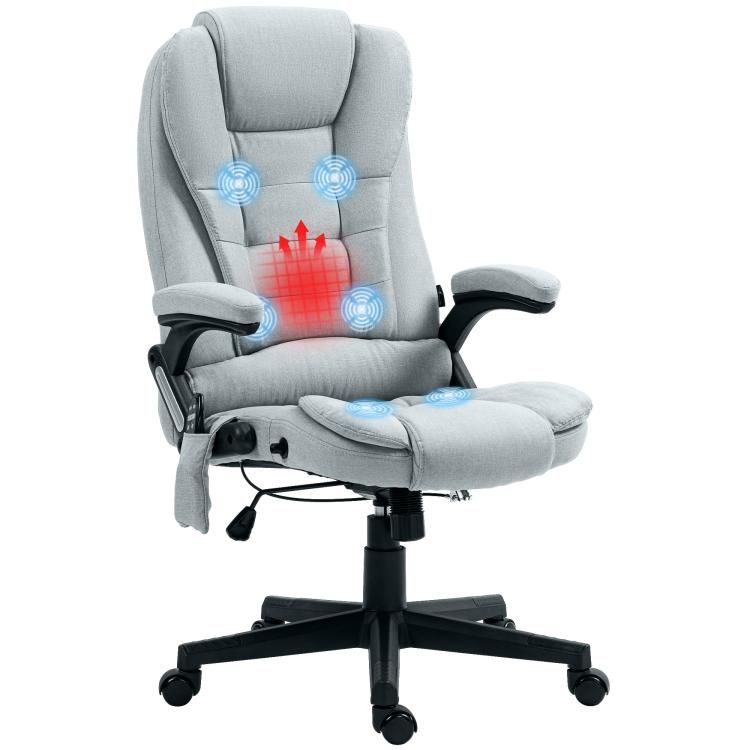 Aisha's pickReclining Executive Chairs That Keep the Desk Clear
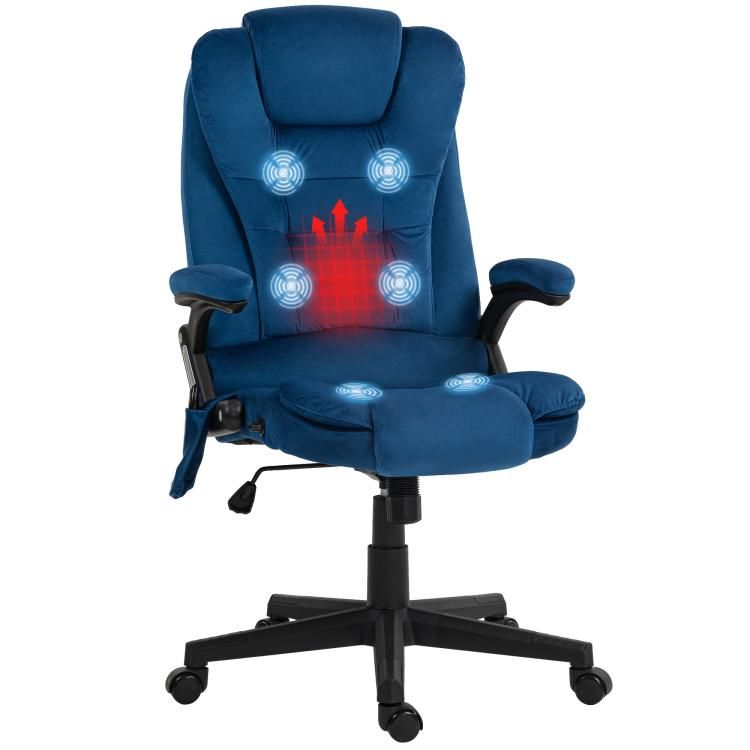
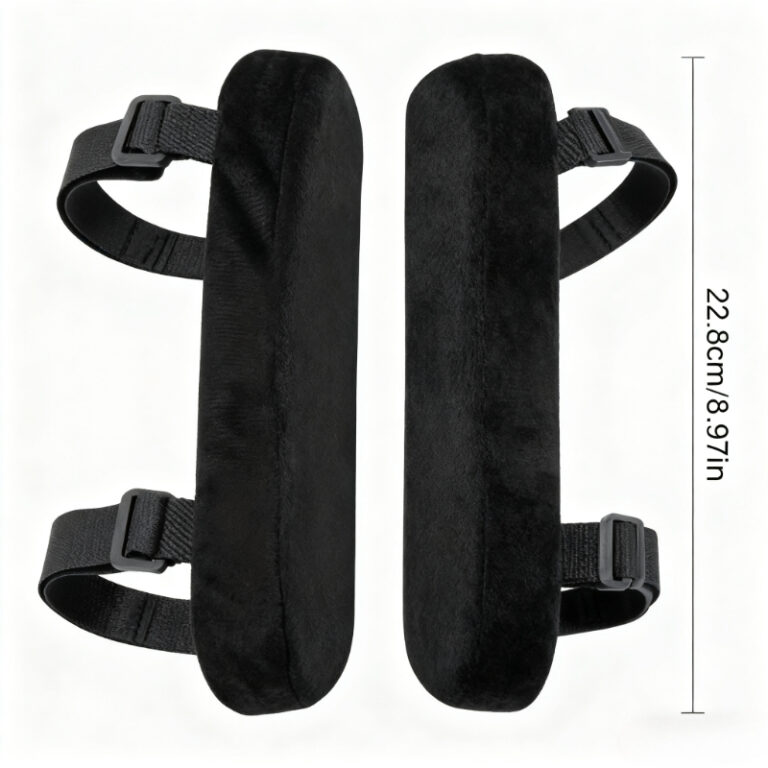 Aisha's pickExecutive Chairs with Arms That Fit Into Real LifeAlso worth a lookErgonomic ChairsThe thing nobody mentions is that an ergonomic chair looks ridiculous for the first two weeks.See the collections →
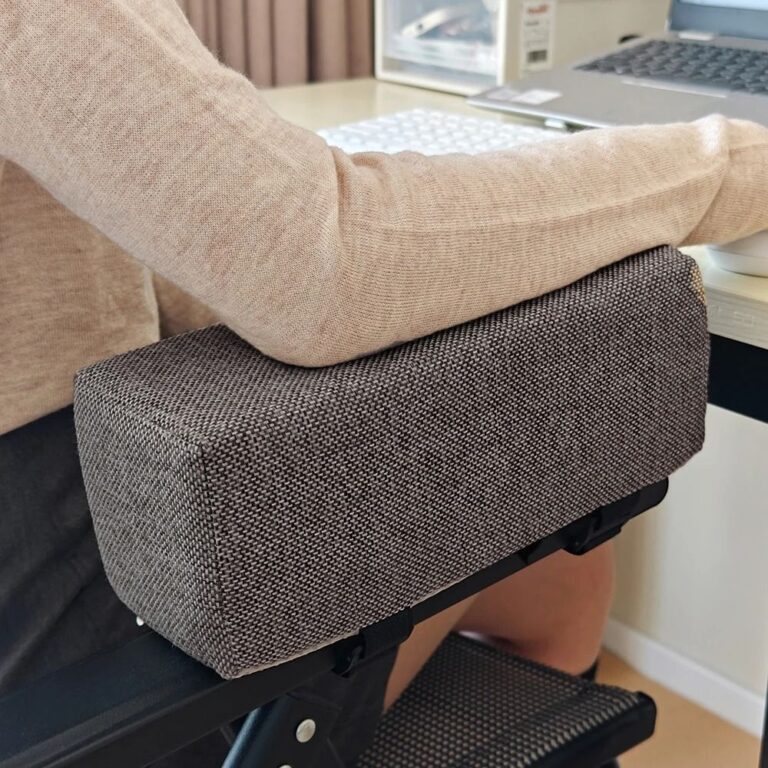
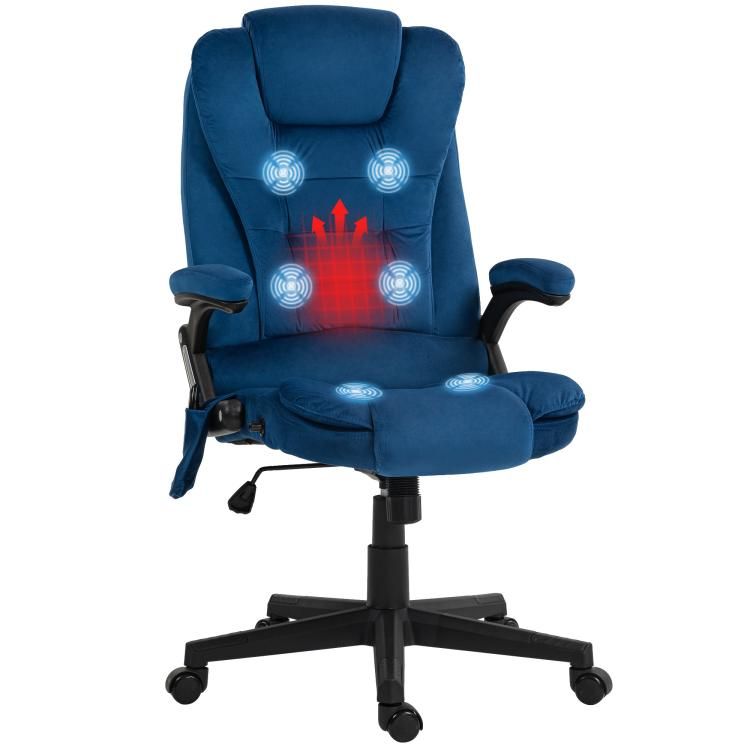 Aisha's pickReclining Executive Office Chairs at Every Price Point
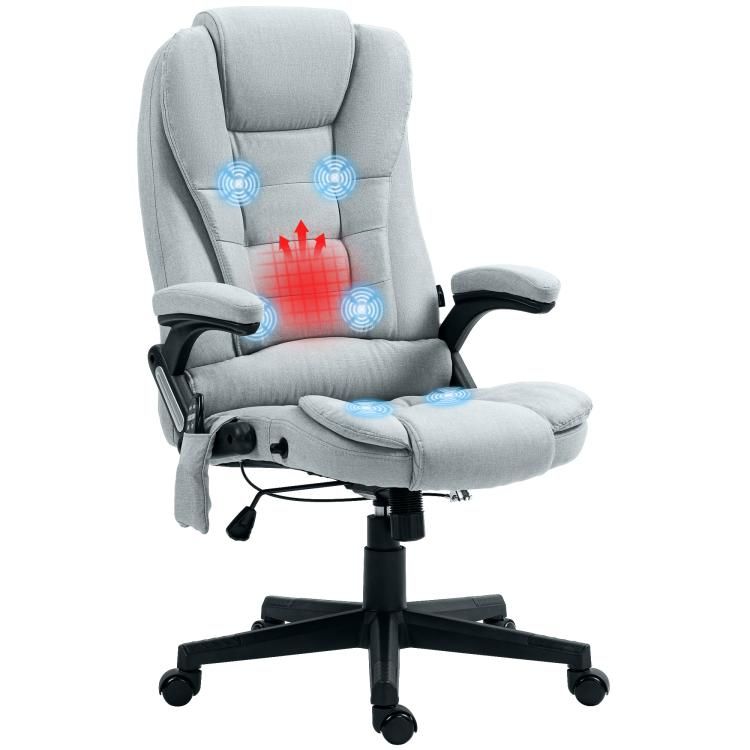
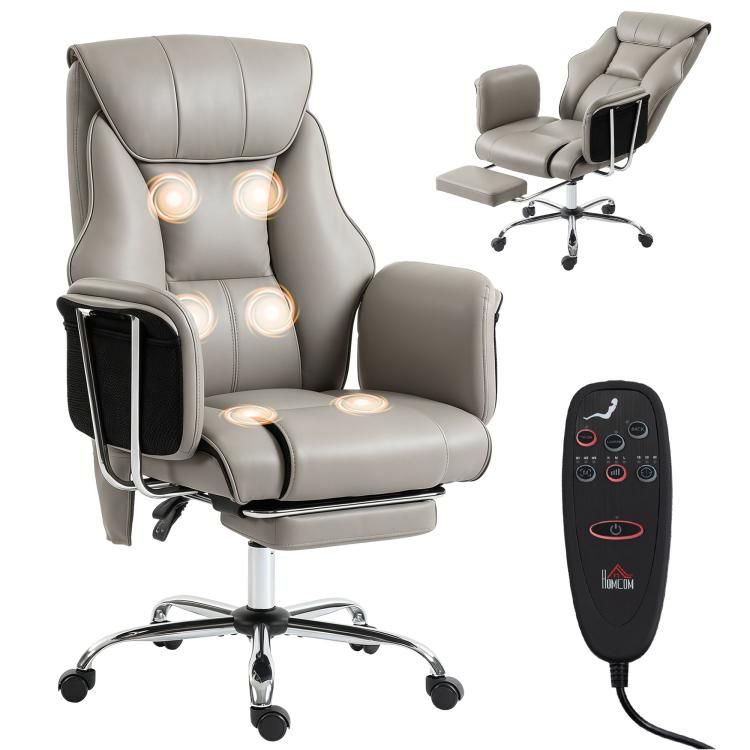 Aisha's pickExecutive Chairs with Lumbar Support Hunted Down So You Don’t Have To
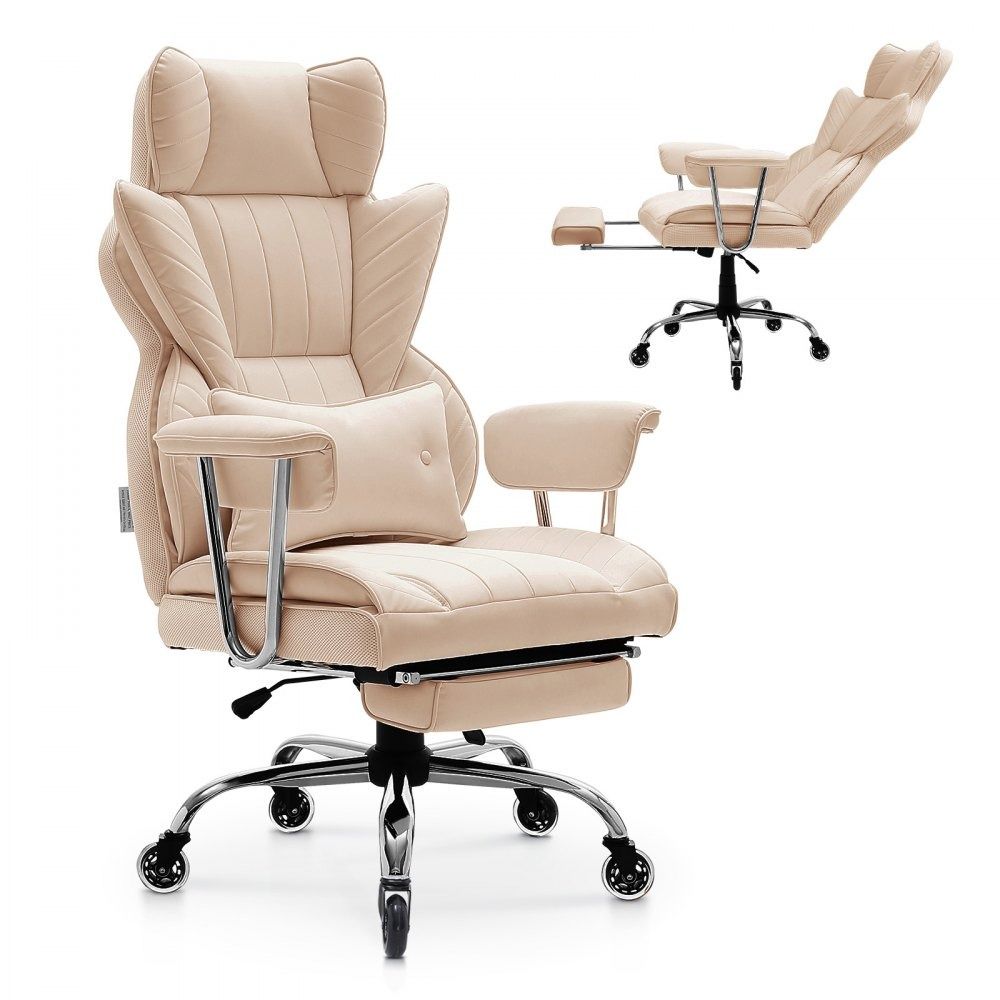
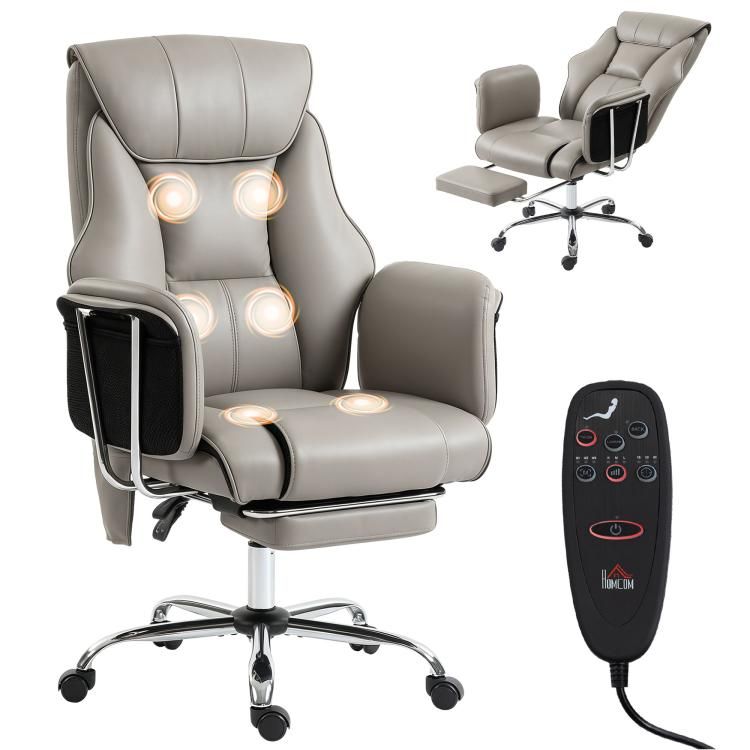 Aisha's pickExecutive Office Chairs We Keep Coming Back To
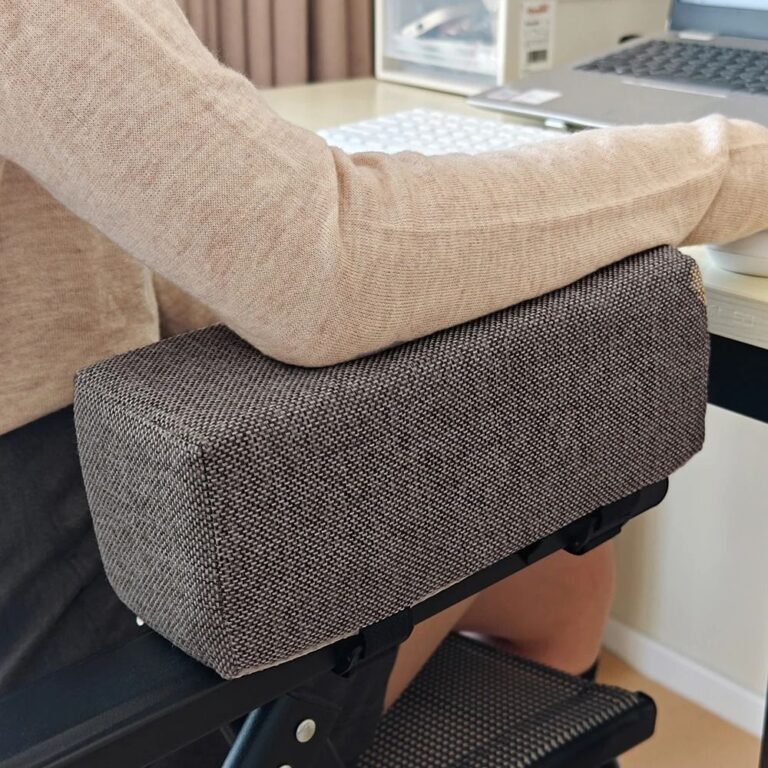
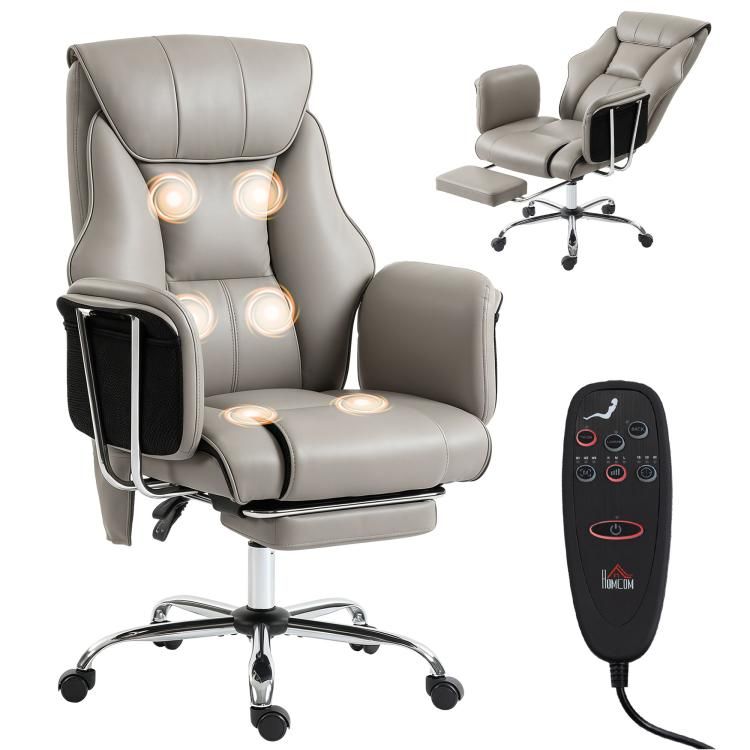 Aisha's pickExecutive Office Chairs with Lumbar Support That Make a Room Feel Finished
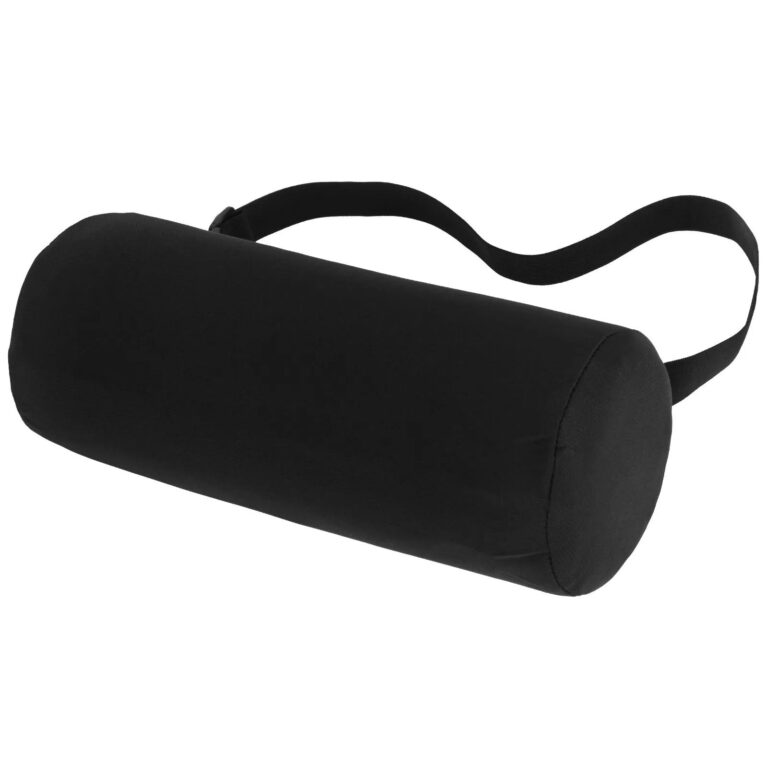
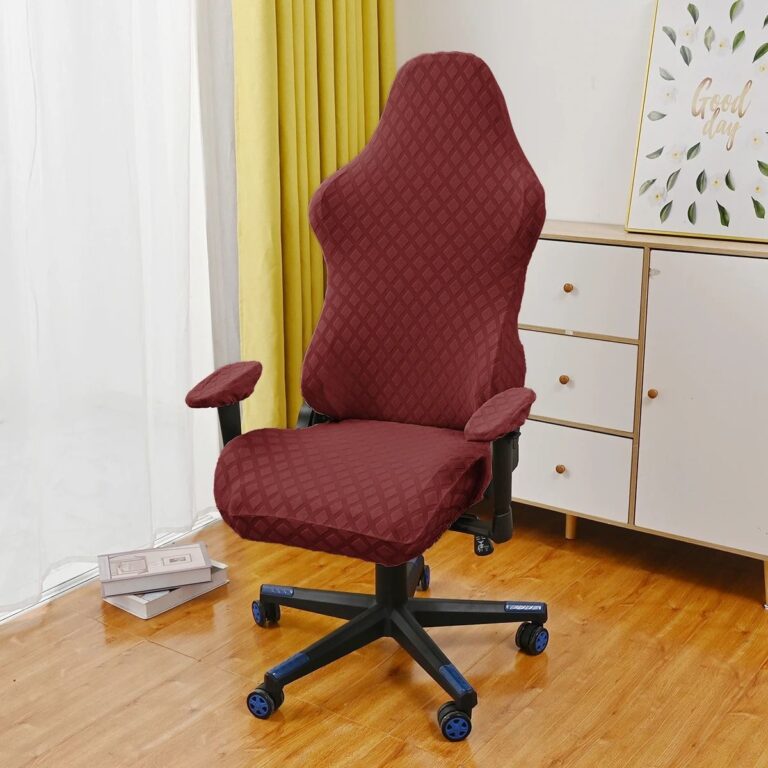 Aisha's pickFabric Executive Chairs That Keep the Desk Clear
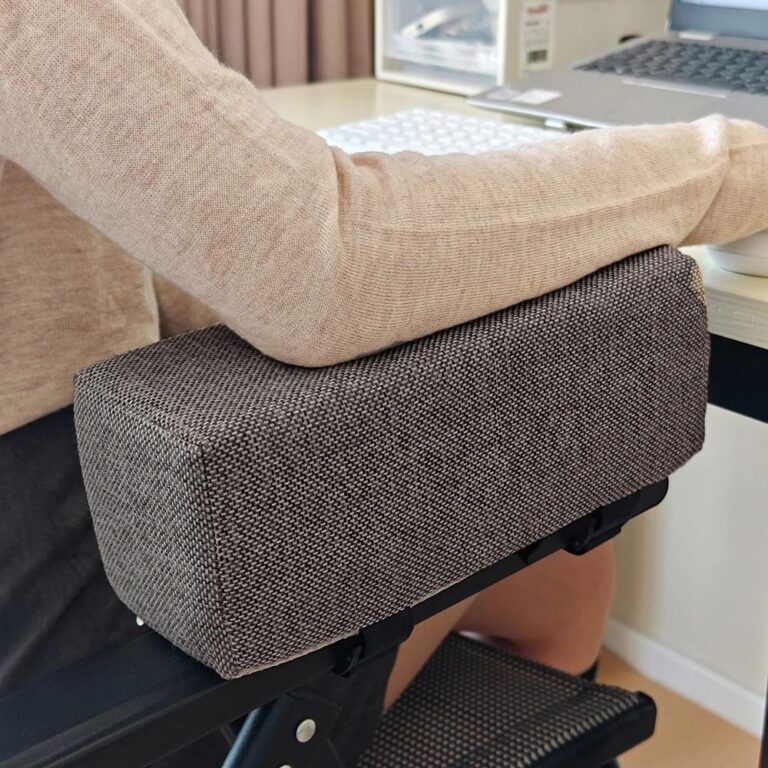
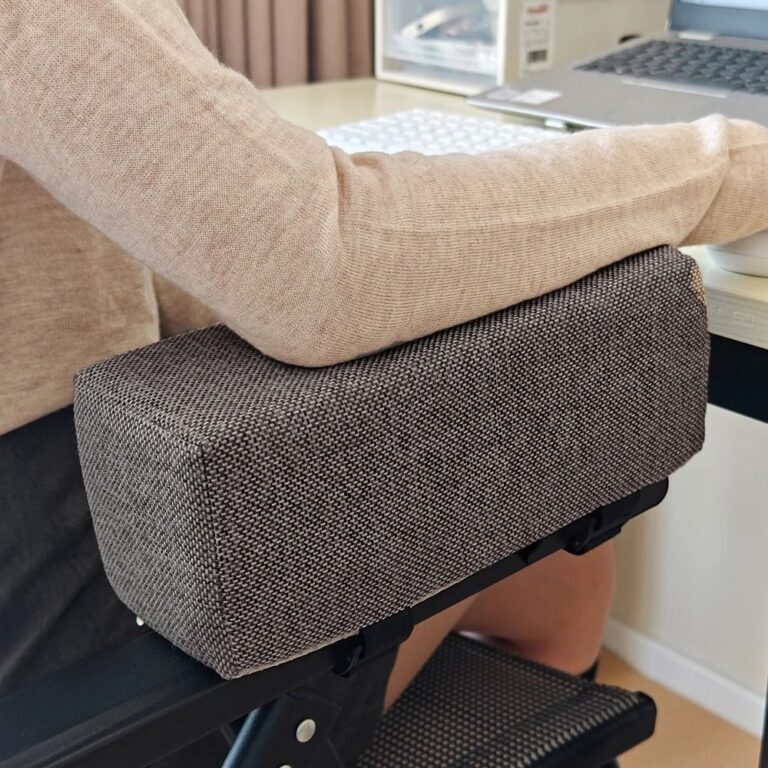 Aisha's pickFabric Executive Office Chairs for Long Days at the Desk
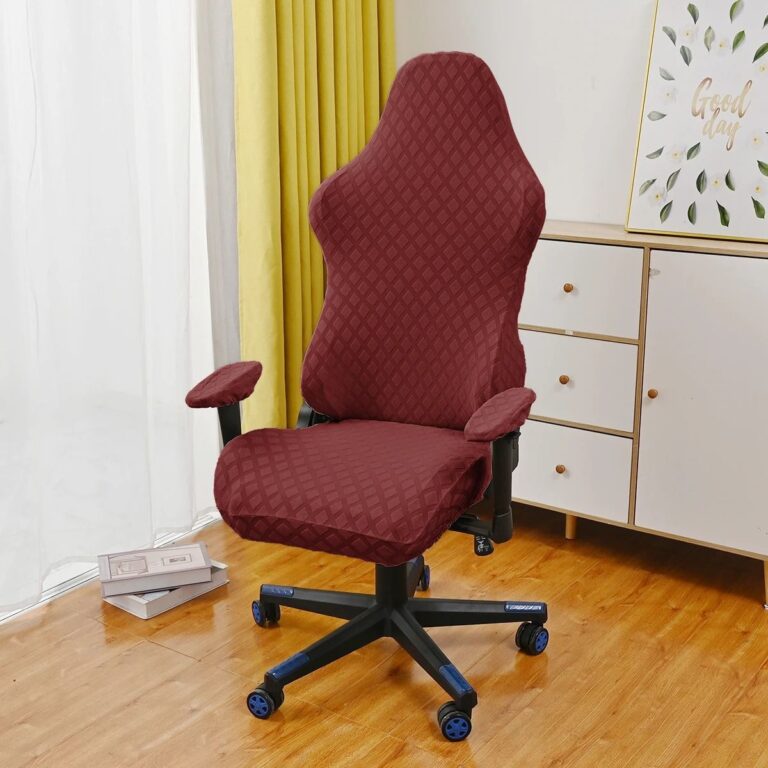
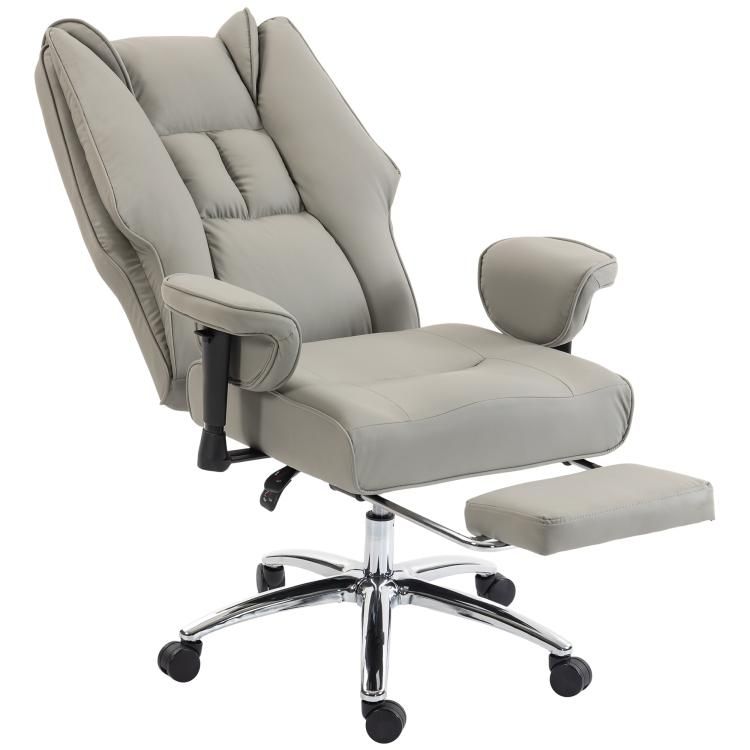 Aisha's pickHeight Adjustable Executive Chairs for a Home Office That Works
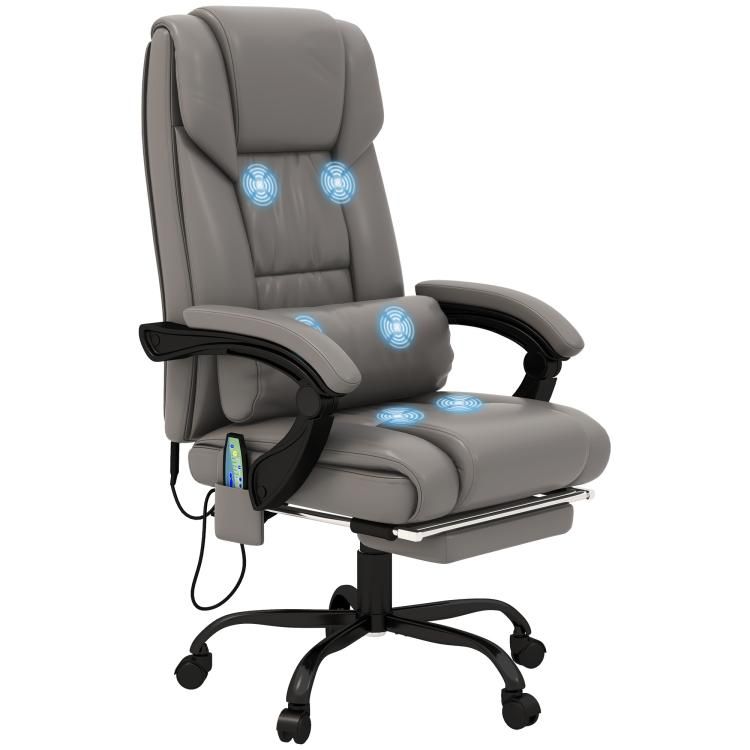 Aisha's pickHigh Back Executive Chairs That Keep the Desk Clear
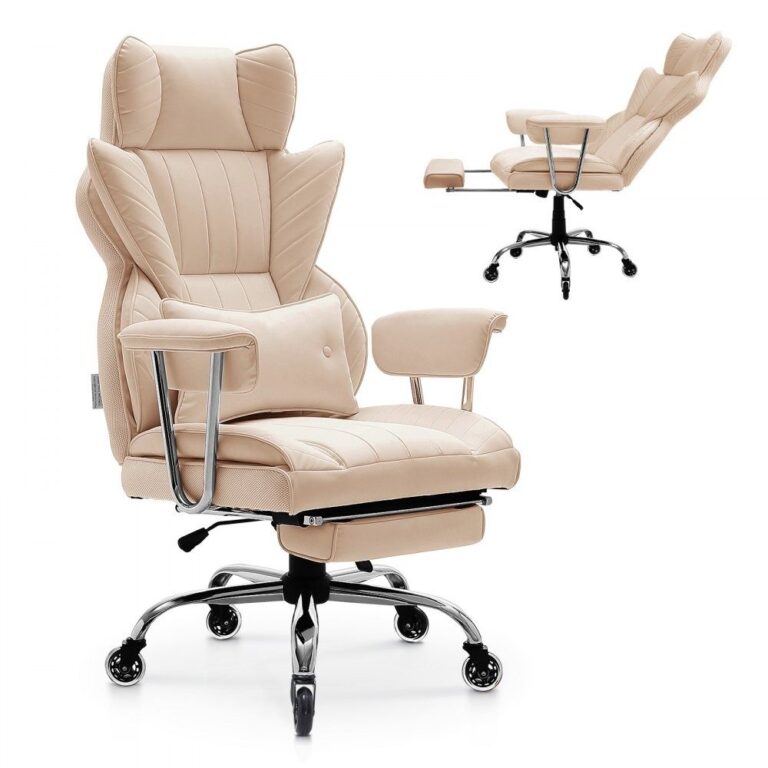
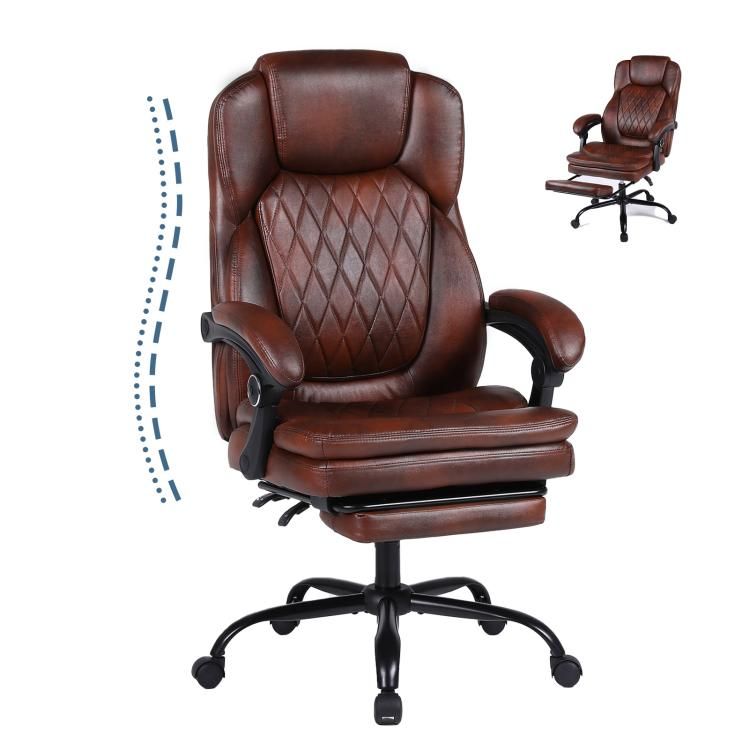 Aisha's pickHigh Back Executive Office Chairs That Look Better in Real LifeAlso worth a lookSeatsStanding in a showroom trying to decide on seats, the first thing I'd tell you is to sit in it for longer than feels normal.See the collections →

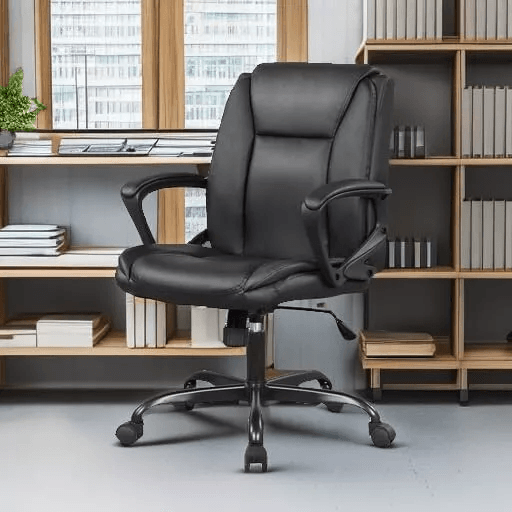 Aisha's pickAdjustable Executive Chairs That Make the Spare Room Feel Like an Office
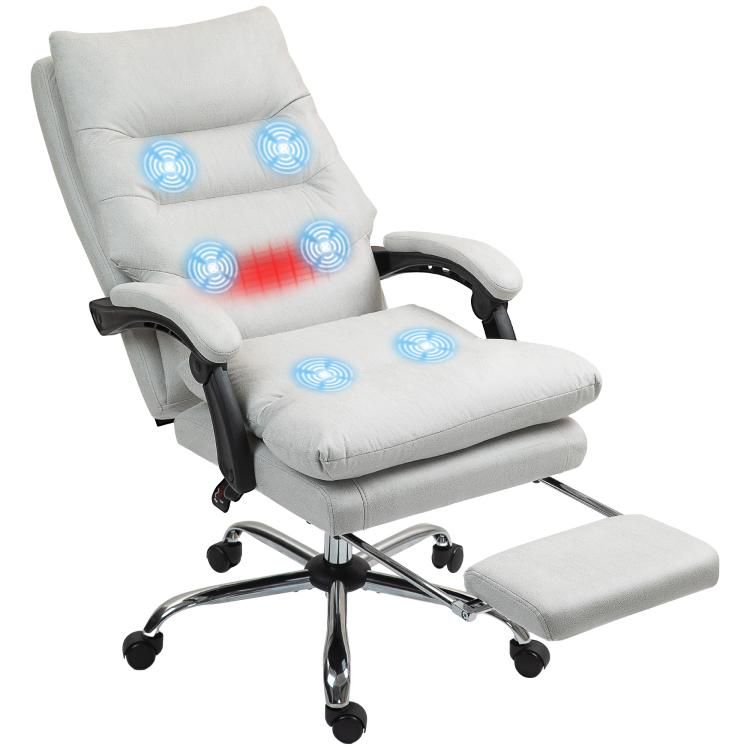
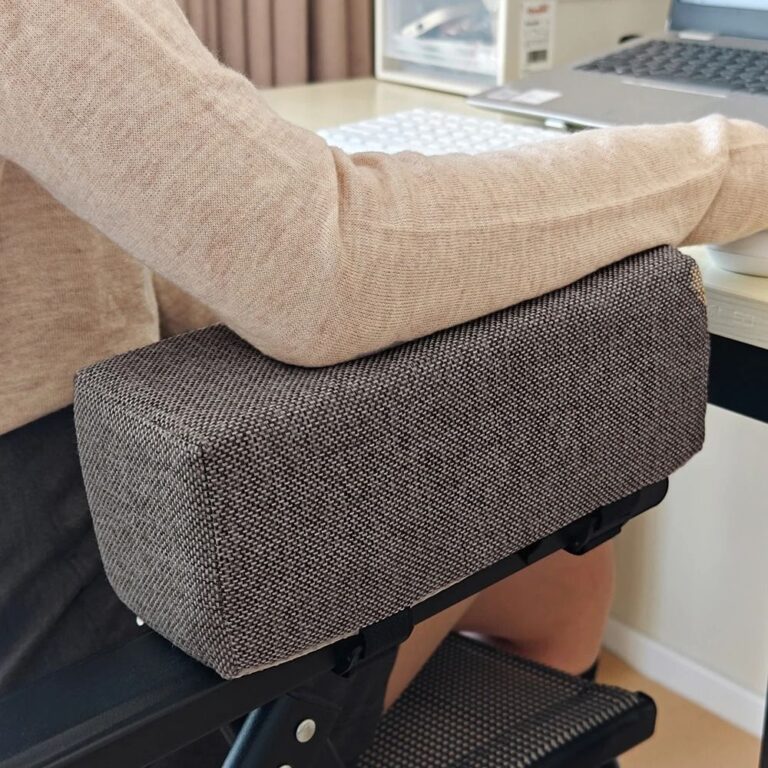 Aisha's pickLeather Executive Chairs for Long Days at the Desk
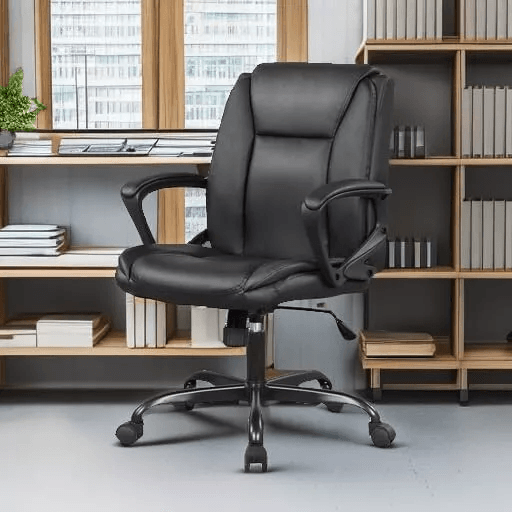
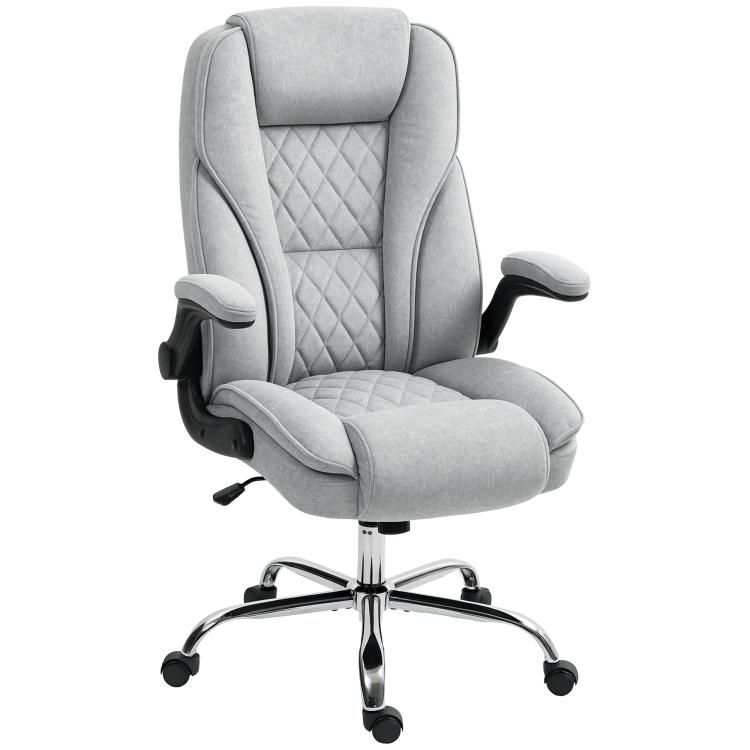 Aisha's pickAdjustable Executive Office Chairs for Making a House Feel Like Yours
 Aisha's pickLeather Executive Office Chairs From Stores Big and Small