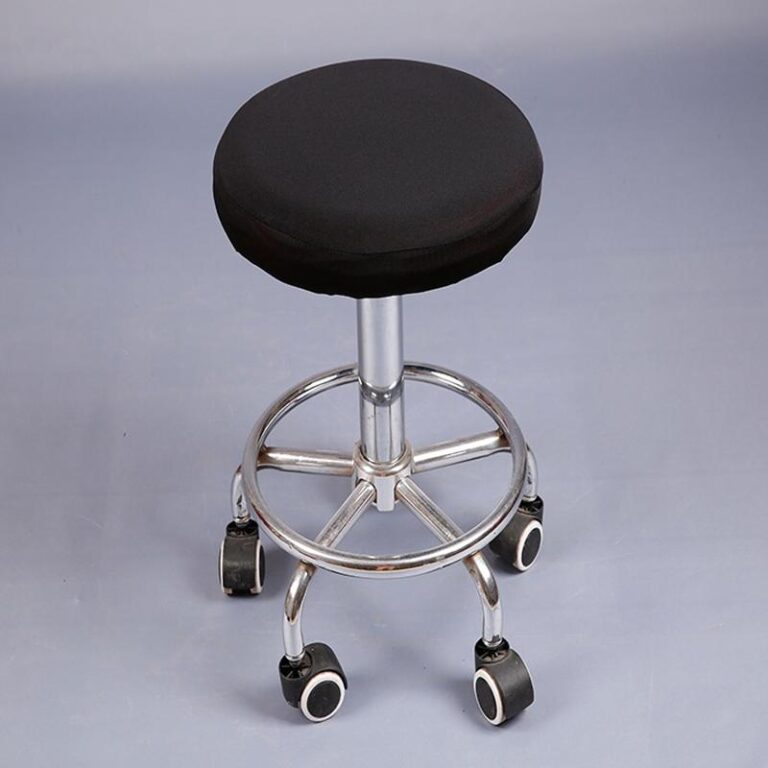
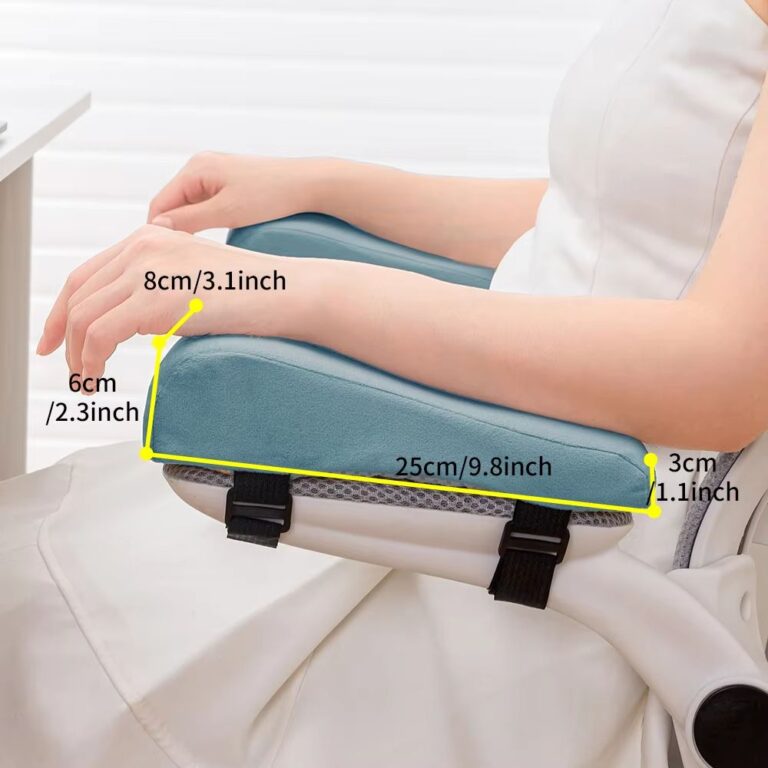
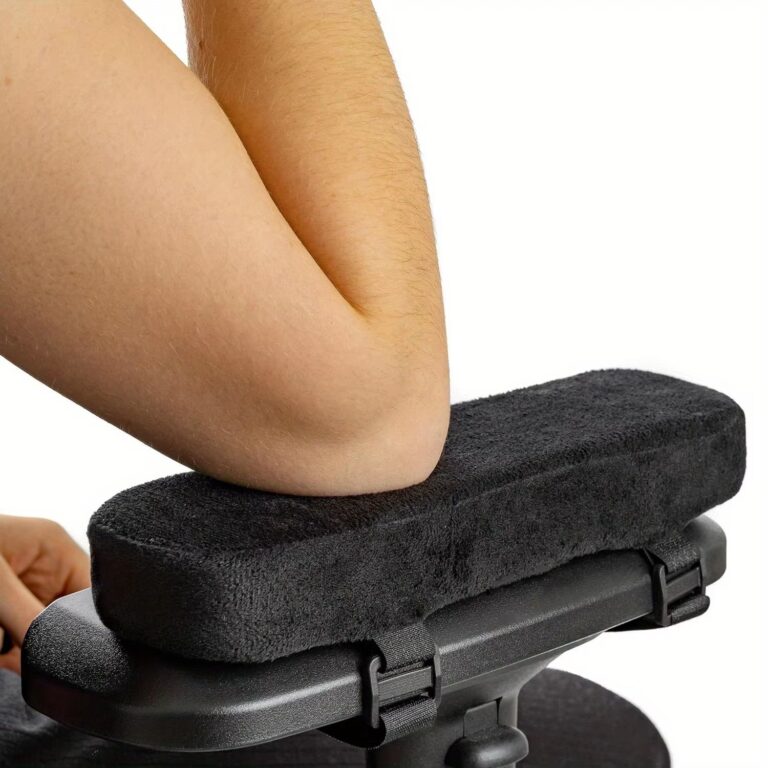
You can tell a good home office chair from a bad one before you even sit down. The bad one tilts you back like it's trying to put you to sleep, or the armrests sit so high your shoulders creep up around your ears by hour two. The good one just lets you forget it's there, which is really the whole job.
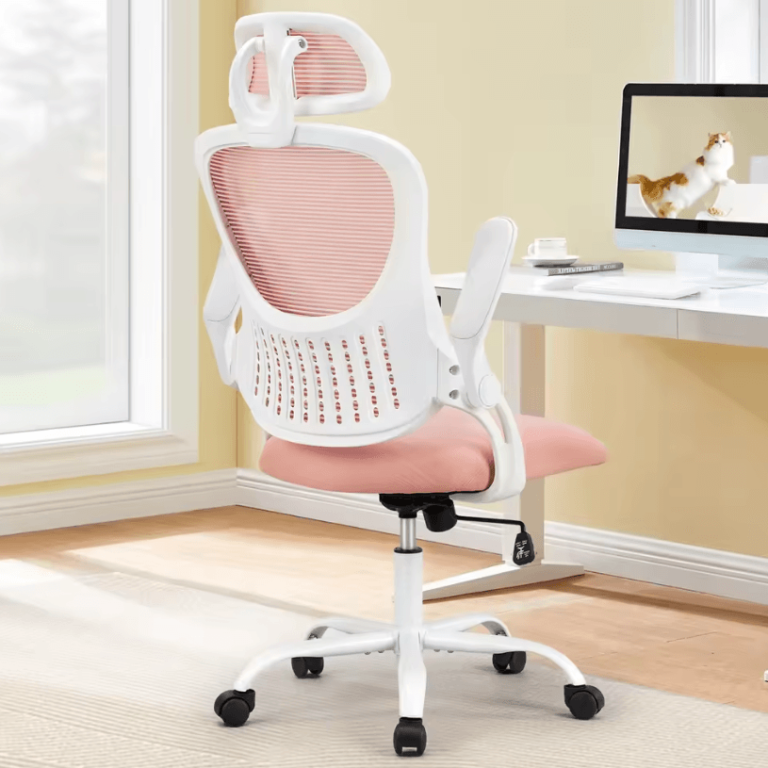
Sizing a desk chair is less about the chair and more about the desk and the person. Measure the gap between your desk's underside and the floor, then check the chair's seat height range against it, because plenty of chairs bottom out too high for a standard desk and you end up perched like you're at a diner counter. Sit in it, or stand where it would sit, and check your feet land flat on the floor with knees roughly level with your hips. If you're tall, look at seat depth specifically, not just height, since a seat that's too shallow leaves your thighs unsupported and a seat that's too deep cuts into the backs of your knees. The common mistake is buying based on how a chair looks in a photo rather than how the armrests clear your desk lip, so check that before anything else. And measure the room itself, because a chair with arms that flare out wide can make a small home office feel like you're wedged into a cockpit.
As for finish, mesh backs in charcoal or graphite hide dust and the occasional coffee drip far better than fabric, and they don't trap heat the way a fully upholstered chair does if your office doubles as a spare bedroom without great airflow. Black leatherette looks sharp on day one but shows creasing and cracking faster than people expect, especially on arms that get leaned on constantly. If you want fabric, go for a tight weave in a mid gray or navy, something that won't show every crumb from working through lunch at your desk.
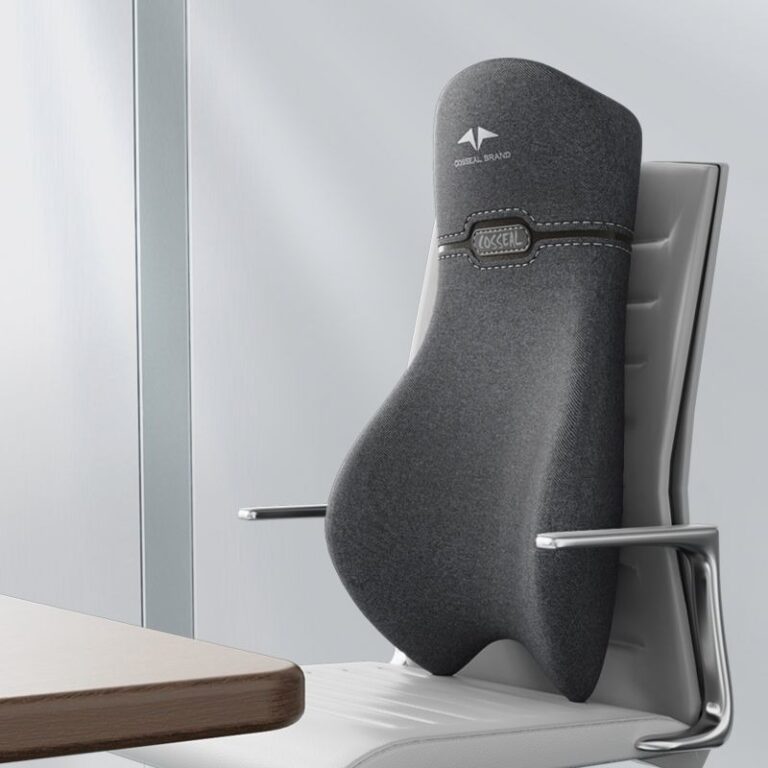
Where these chairs fall short is comfort over a full eight hour day if the chair doesn't have real lumbar support or any recline, no matter how nice the finish looks. A budget chair with no adjustment points will leave your lower back aching by month three, and that's not a style problem, it's a mechanism problem. They're also the wrong call for a shared household office where two different sized people use the same desk, unless the chair actually adjusts enough to fit both.
These earn their keep most in a dedicated home office, a converted bedroom, or a corner desk you use daily rather than occasionally, and they hold up best in homes where the chair gets used five days a week rather than sitting idle. After a year of actual daily use, the casters and the gas lift are usually the first things to tell you whether you bought well.

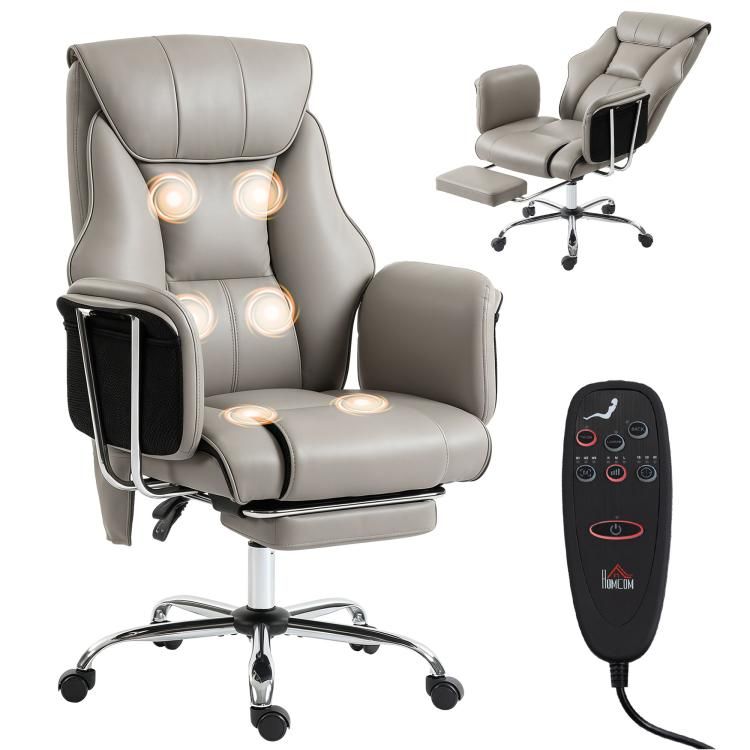 Aisha's pickHeight Adjustable Home Office Chairs That Fit Into Real Life
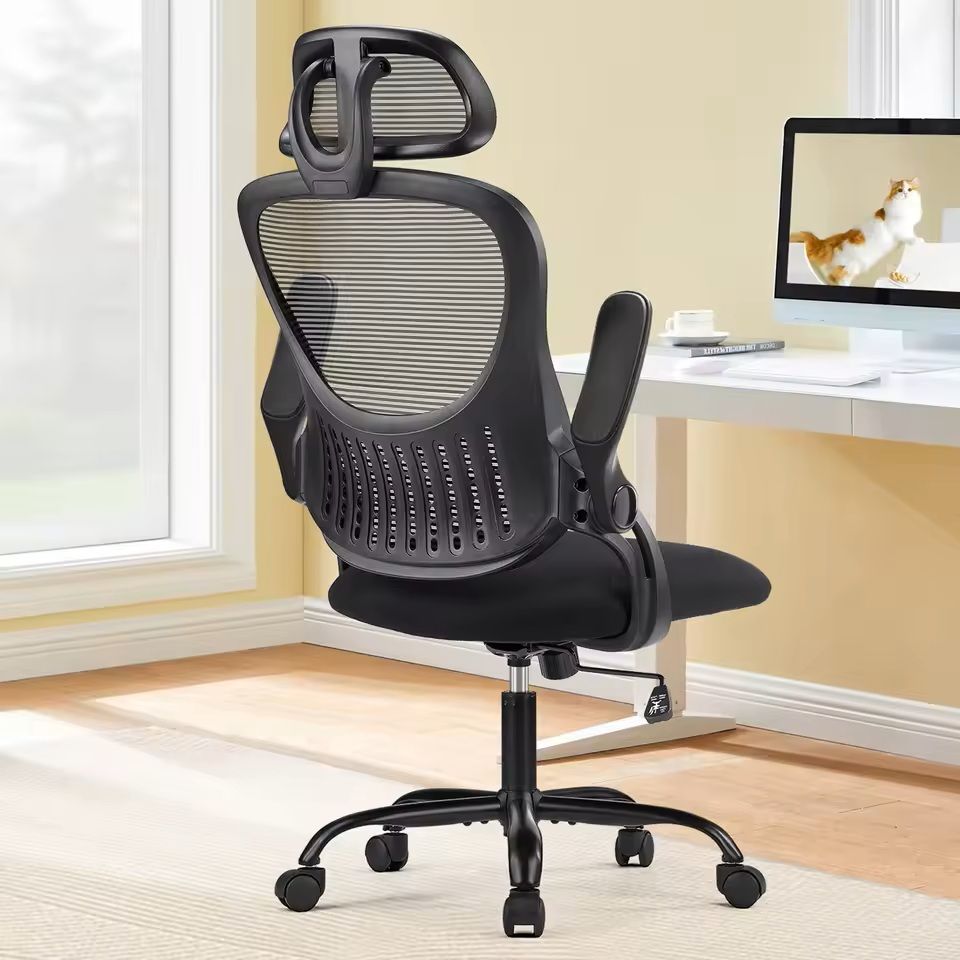
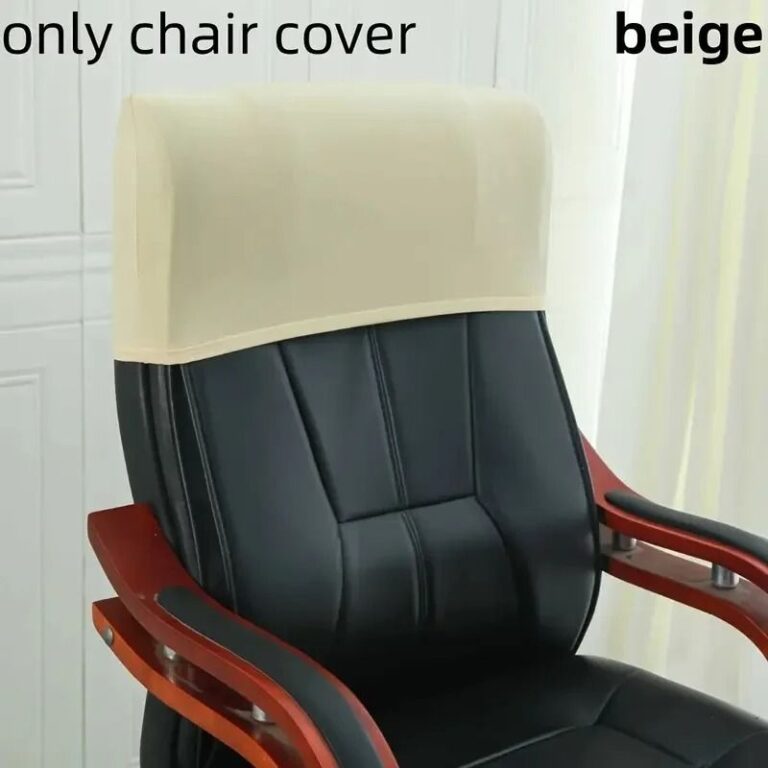 Aisha's pickHigh Back Home Office Chairs That Do the Job Right
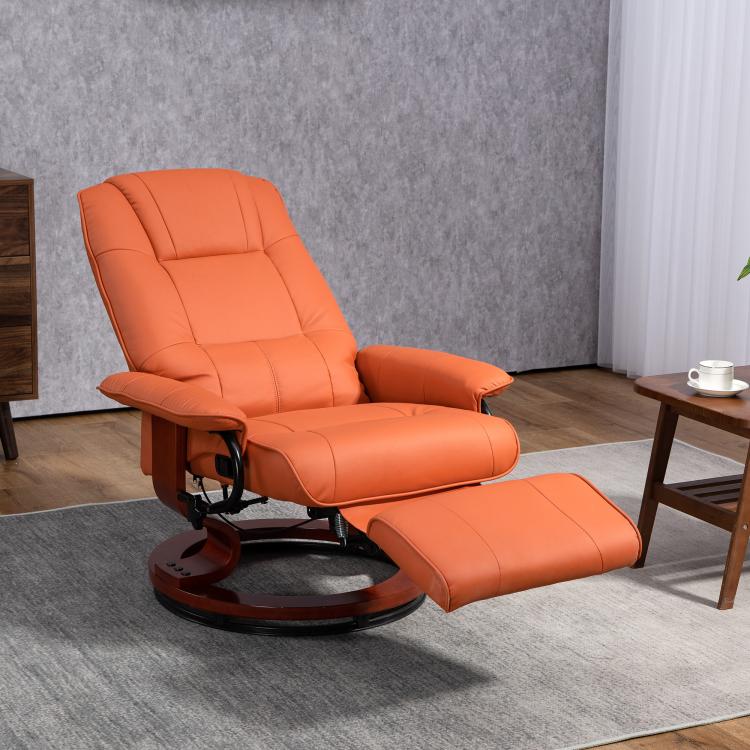
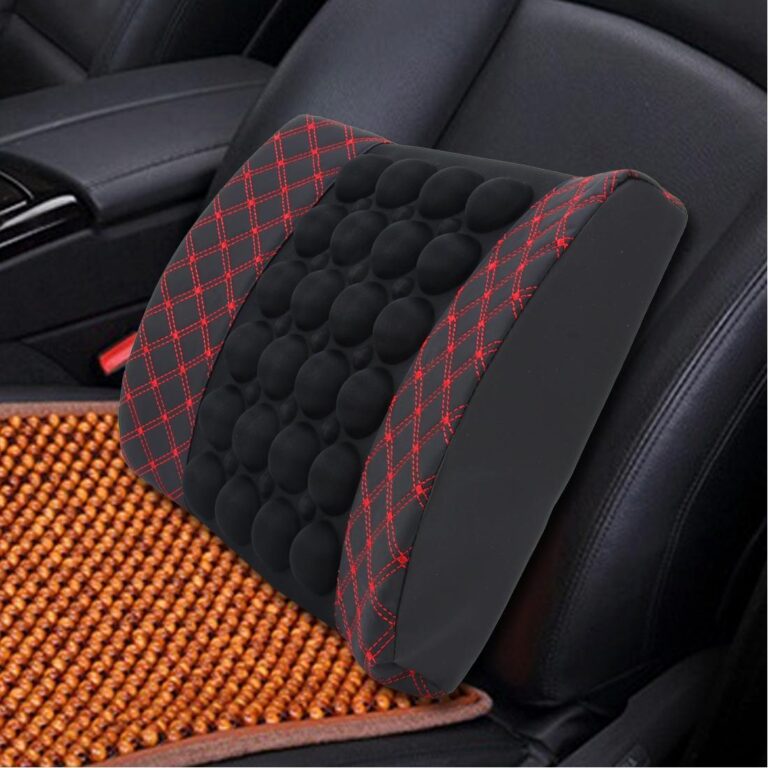 Aisha's pickHome Office Chairs That Get Better With Age
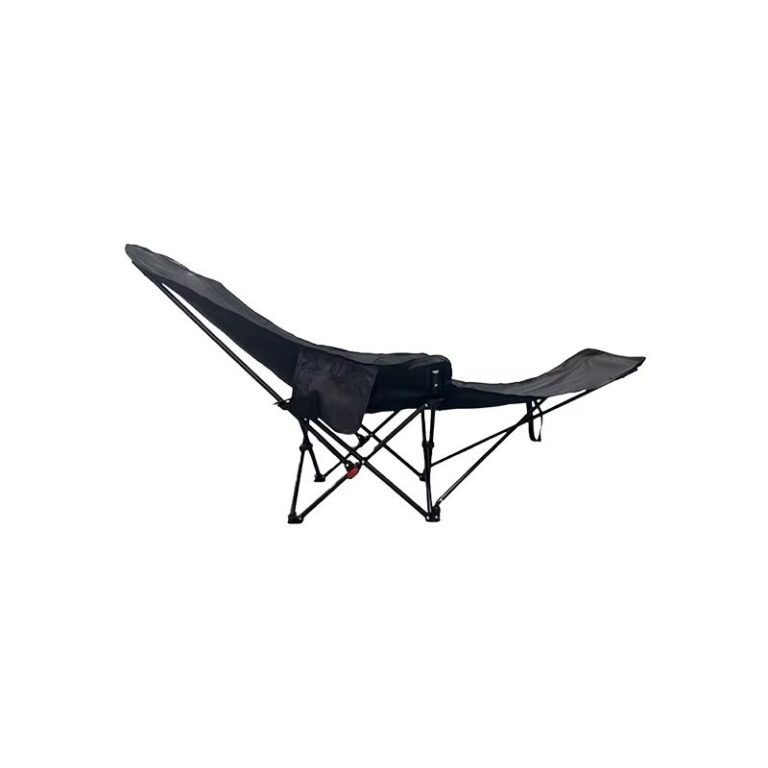
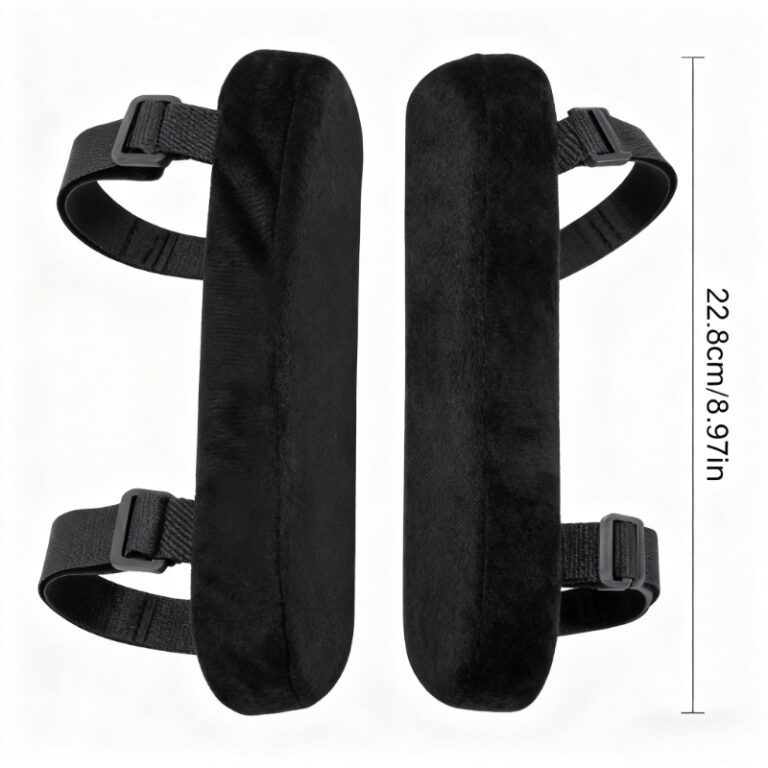 Aisha's pickHome Office Chairs with Arms We’d Buy Again
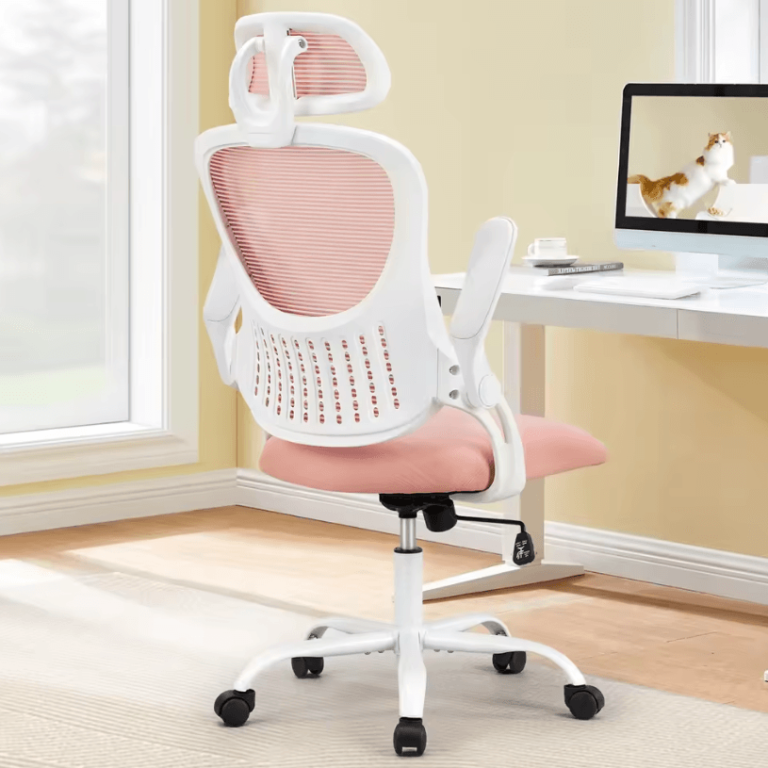
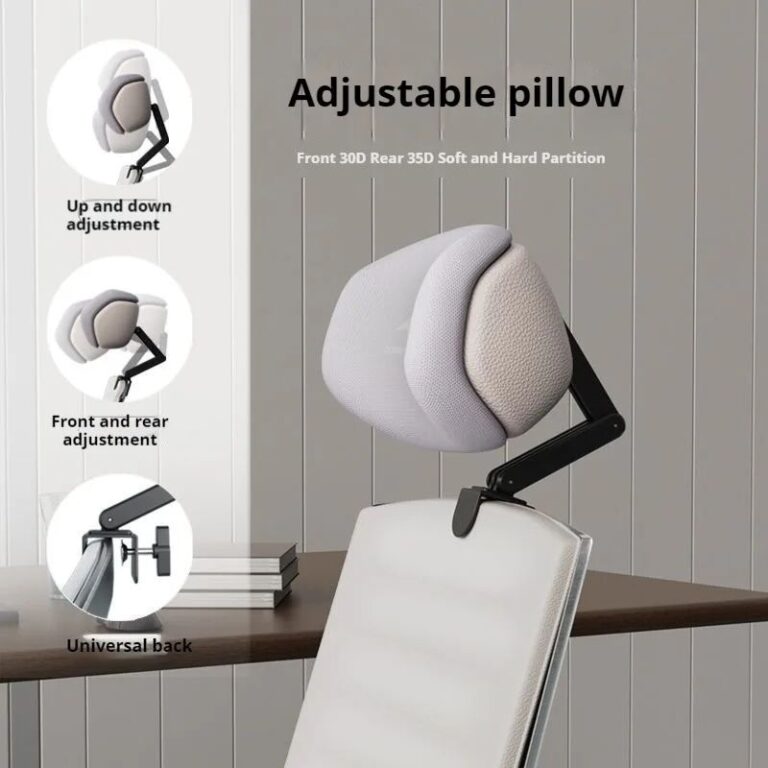 Aisha's pickHome Office Chairs with Headrest at Every Price Point
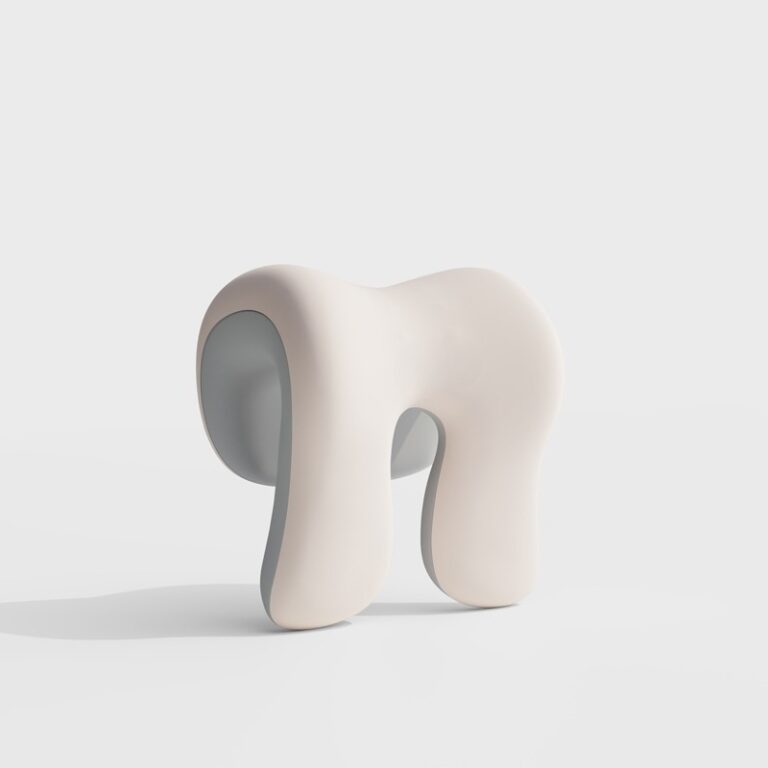
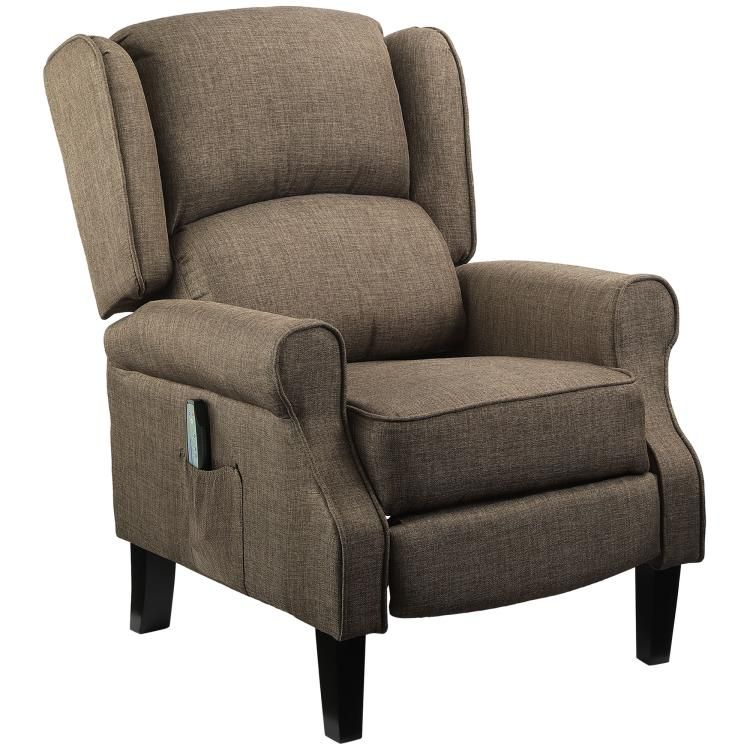 Aisha's pickHome Office Chairs with Lumbar Support That Earn Their Keep
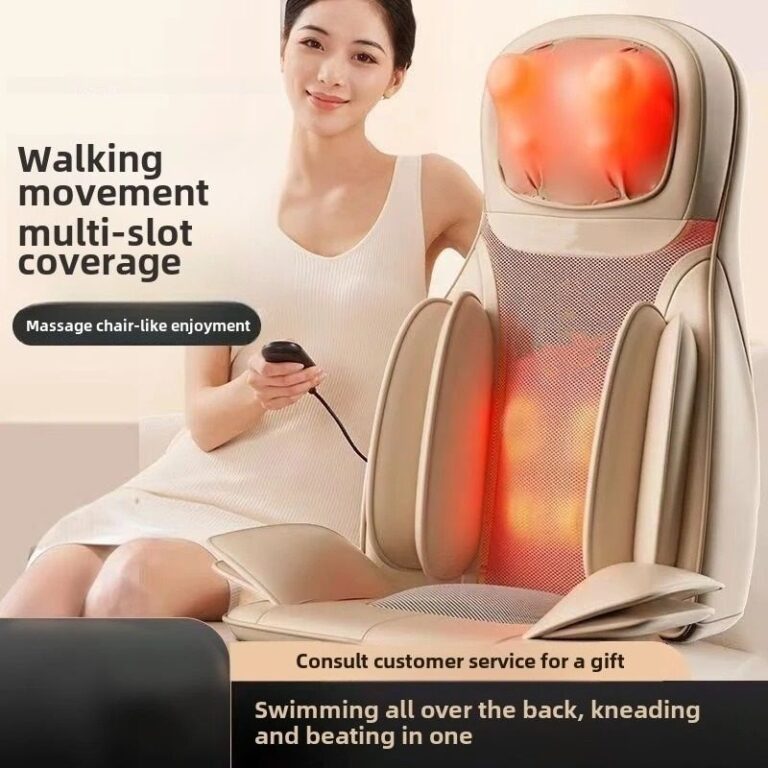
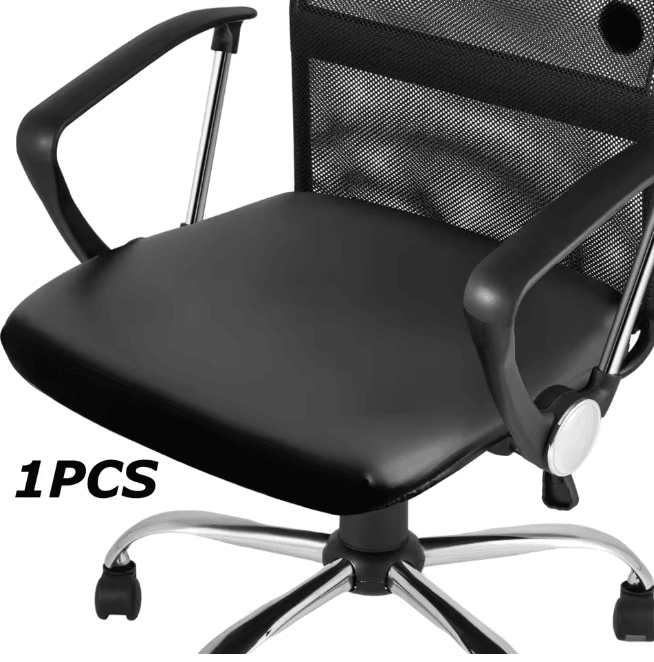 Aisha's pickLeather Home Office Chairs That Look Like They Cost More
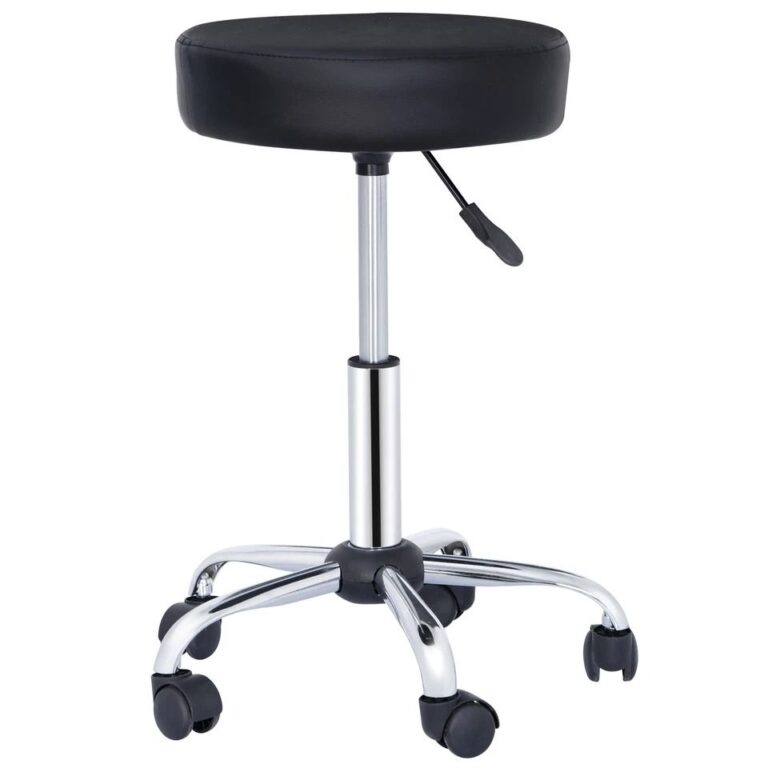
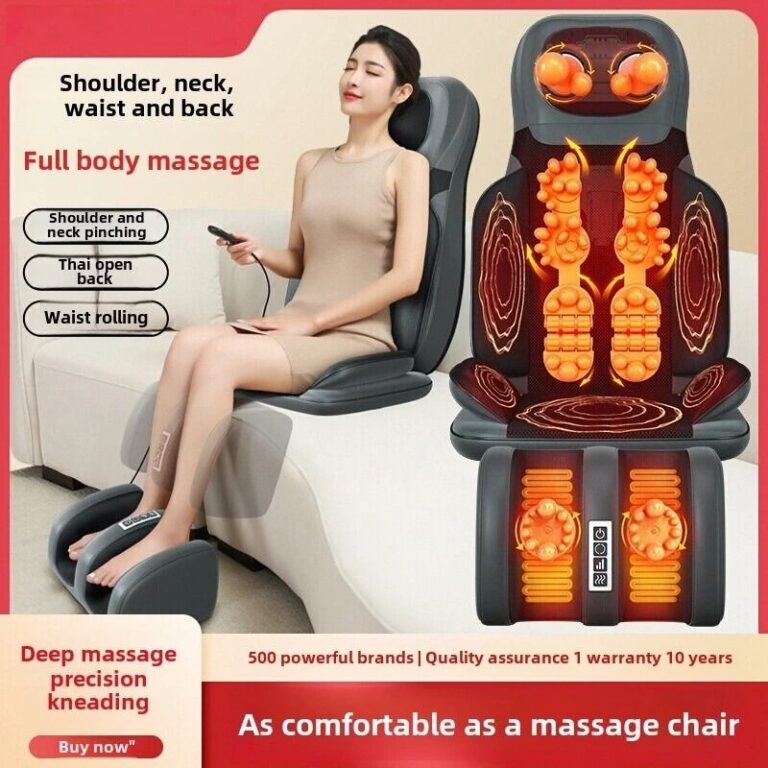 Aisha's pickDecent Lumbar Support Home Office Chairs Without the Hassle

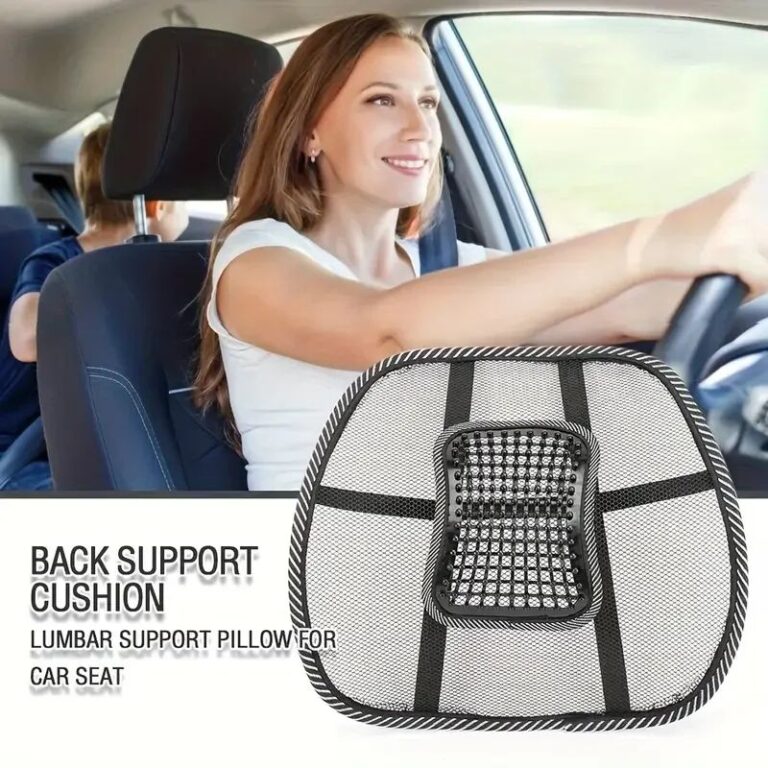 Aisha's pickMesh Home Office Chairs That Keep the Desk ClearAlso worth a lookErgonomic ChairsThe thing nobody mentions is that an ergonomic chair looks ridiculous for the first two weeks.See the collections →
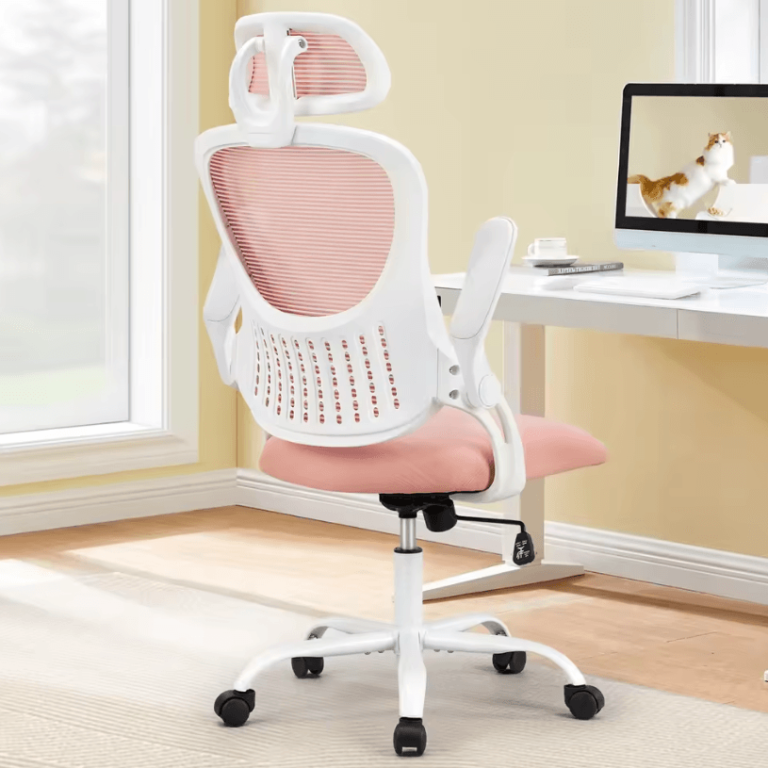
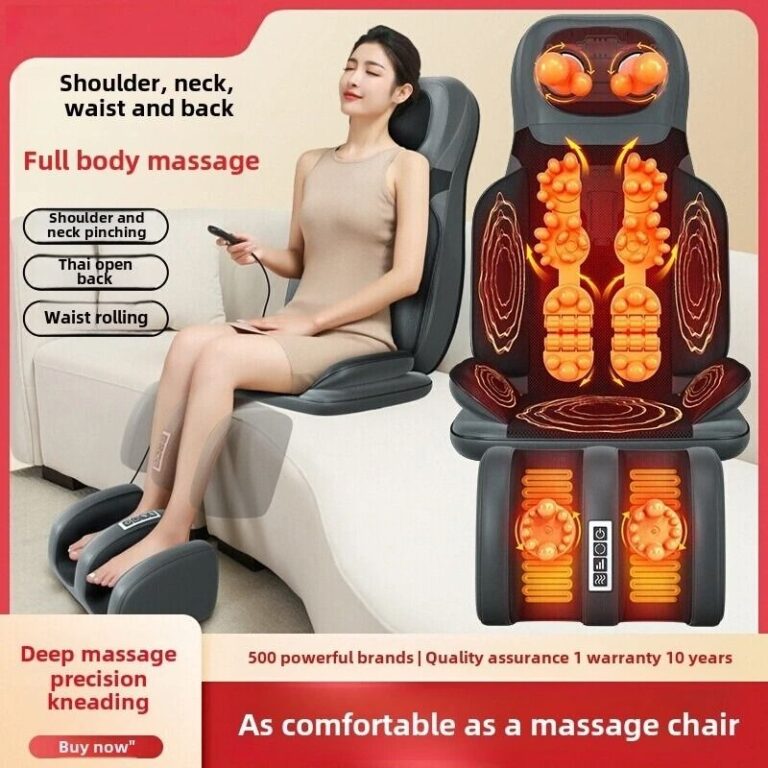 Aisha's pickAdjustable Home Office Chairs That Hold Up to Everyday Life
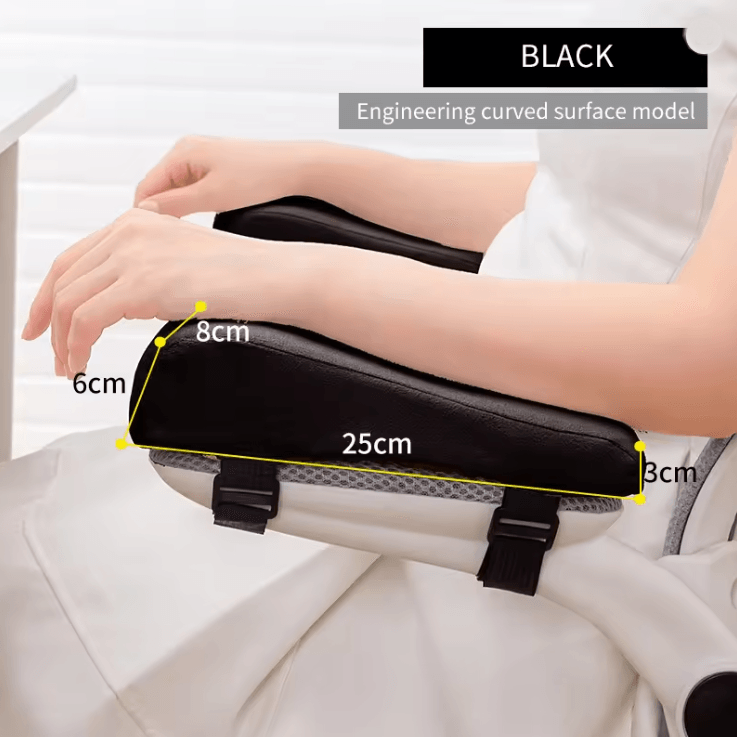
 Aisha's pickModern Home Office Chairs That Keep the Desk Clear
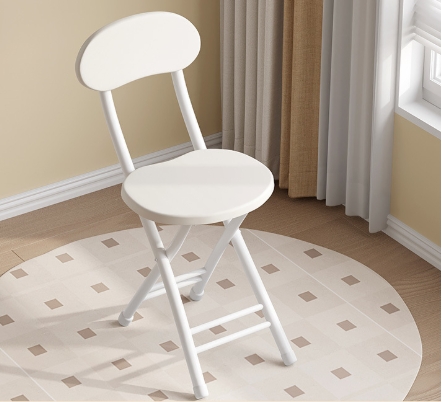
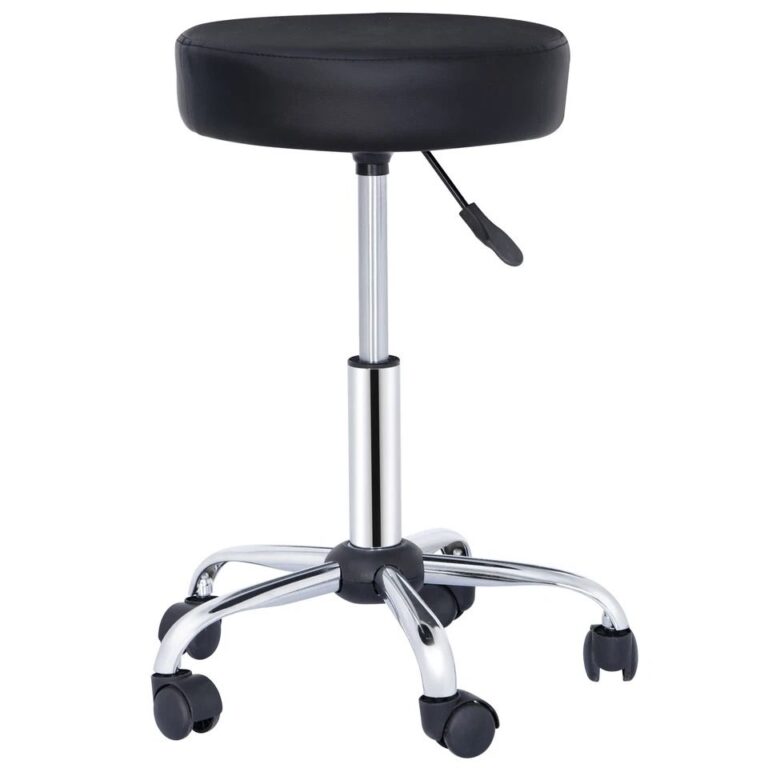 Aisha's pickBlack Adjustable Home Office Chairs Pulled From Dozens of Stores
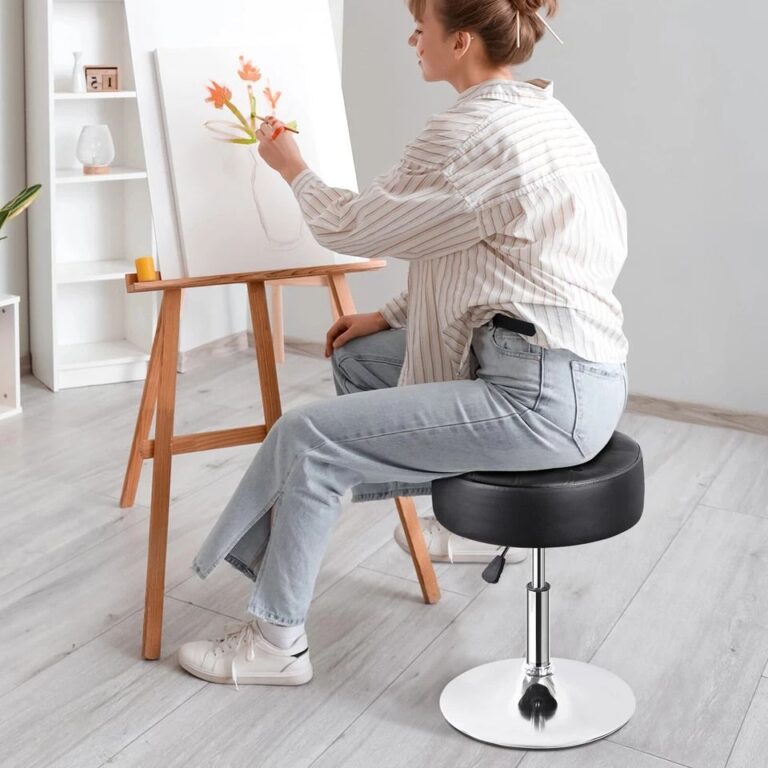
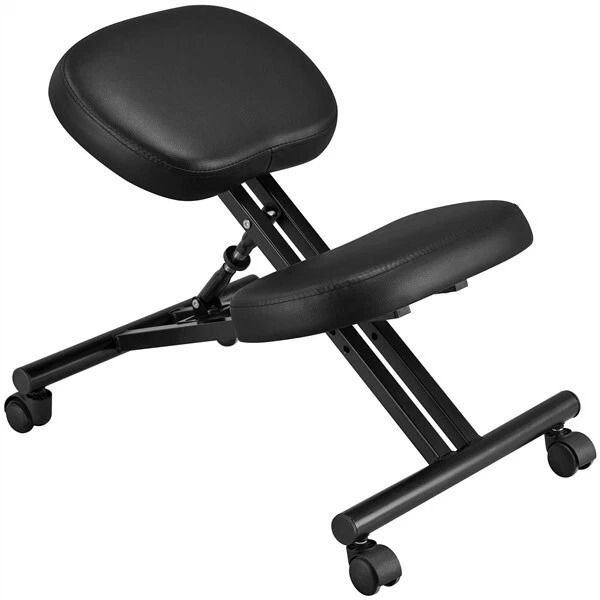 Aisha's pickSimple Padded Home Office Chairs Done Well
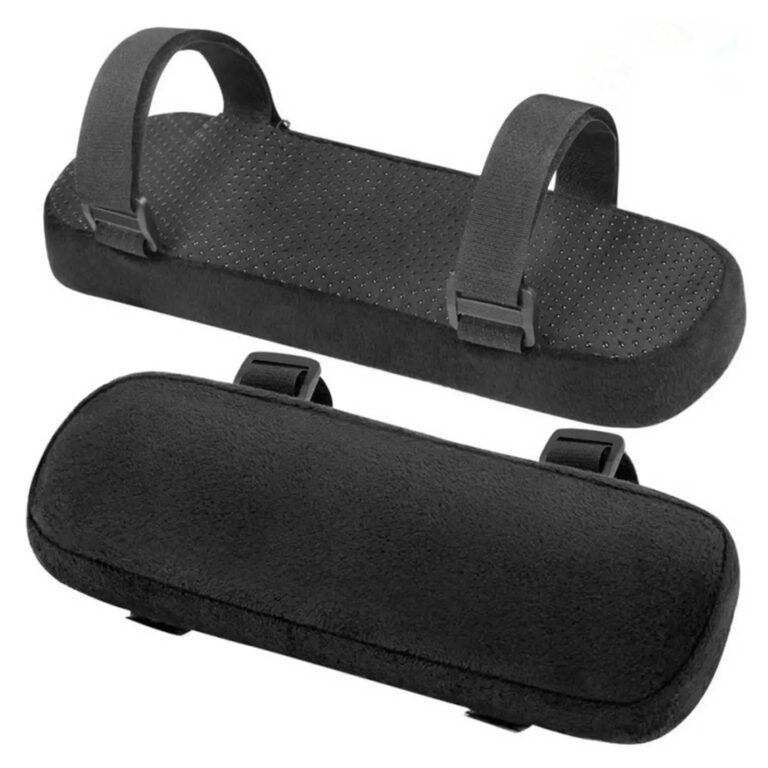
 Aisha's pickBlack Home Office Chairs That Won’t Let You Down
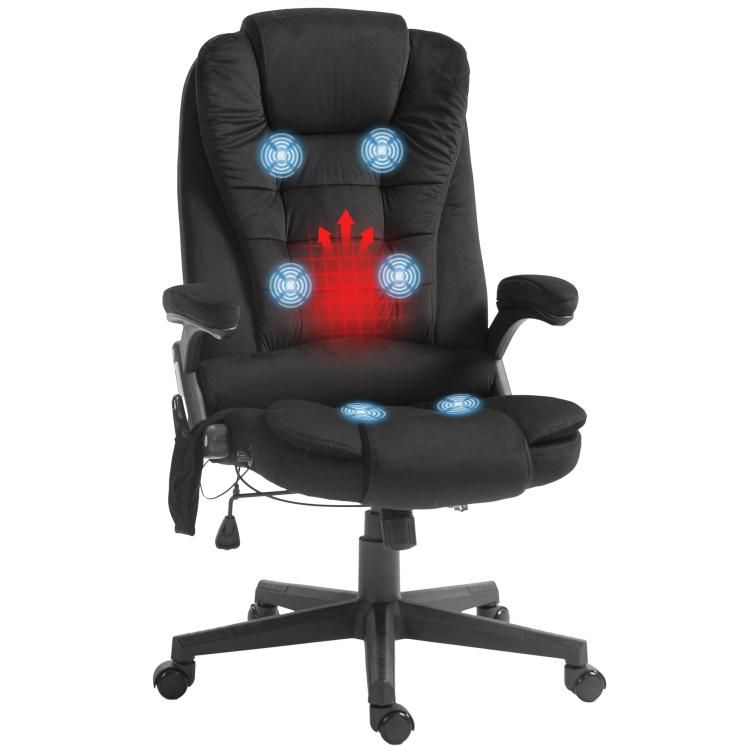
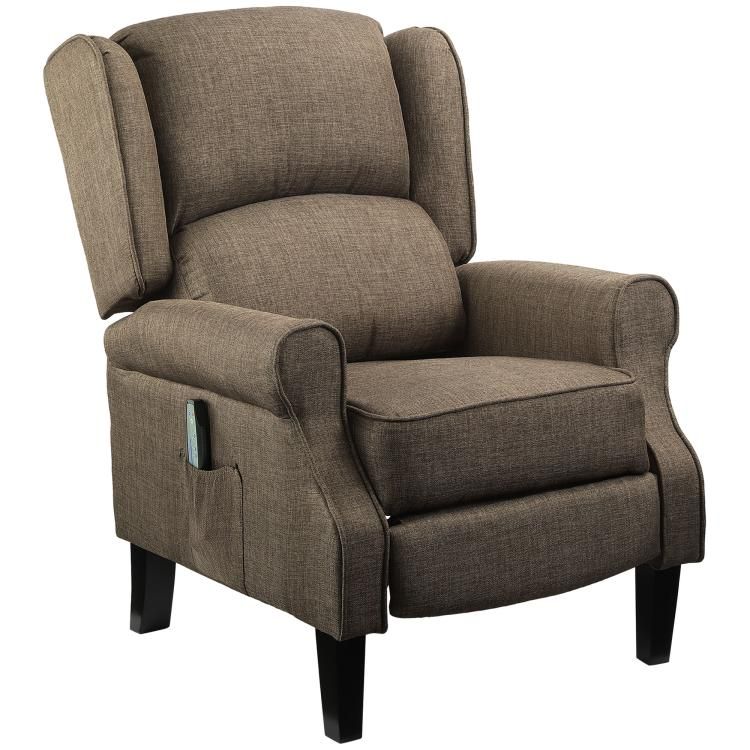 Aisha's pickWooden Home Office Chairs That Make a Room Feel Finished
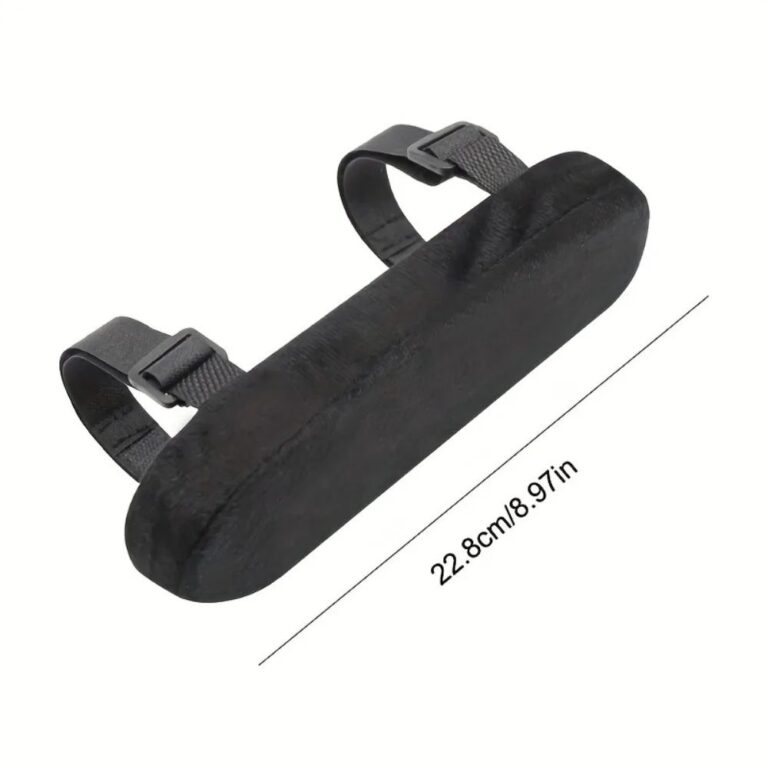
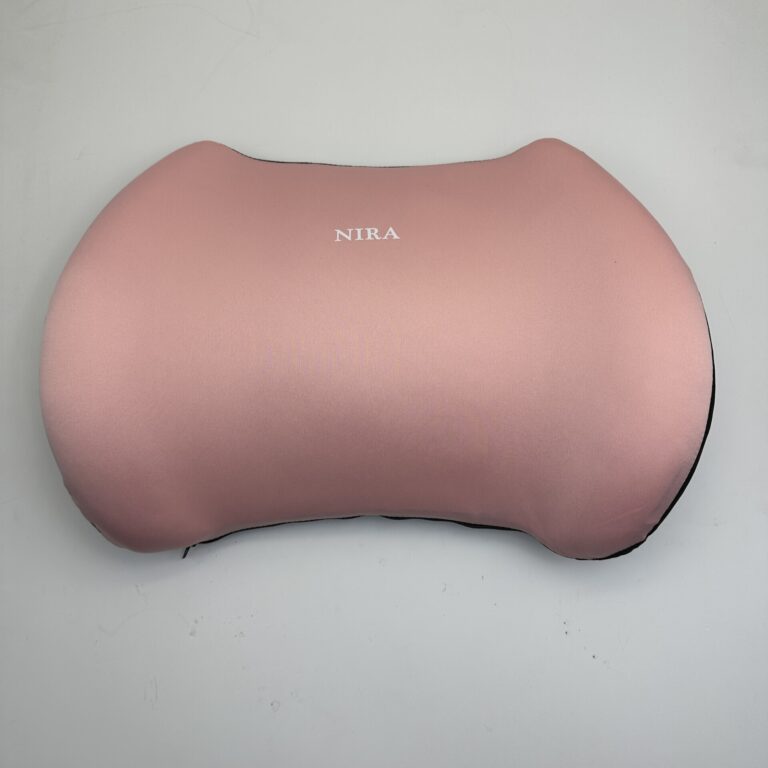 Aisha's pickBreathable Home Office Chairs That Keep the Desk ClearAlso worth a lookSeatsStanding in a showroom trying to decide on seats, the first thing I'd tell you is to sit in it for longer than feels normal.See the collections →