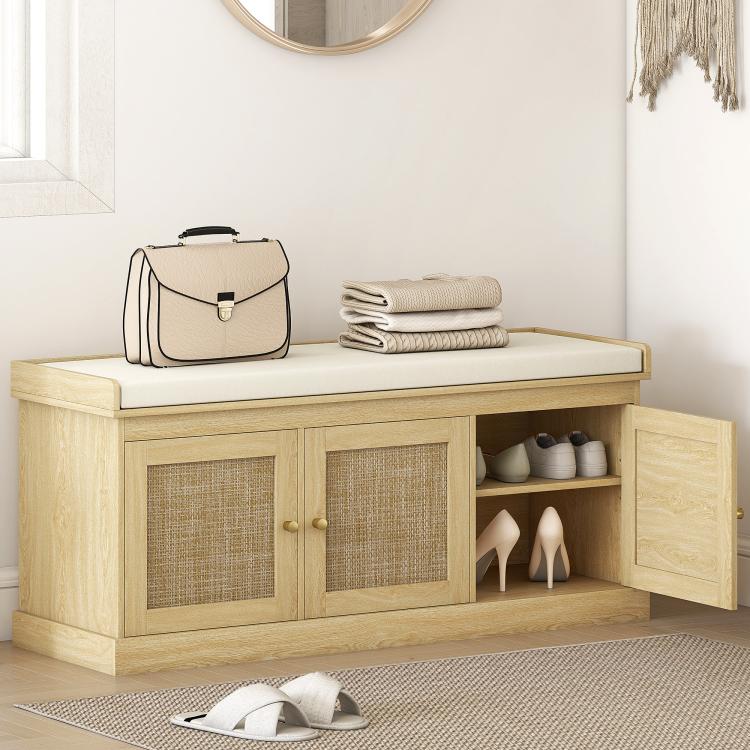
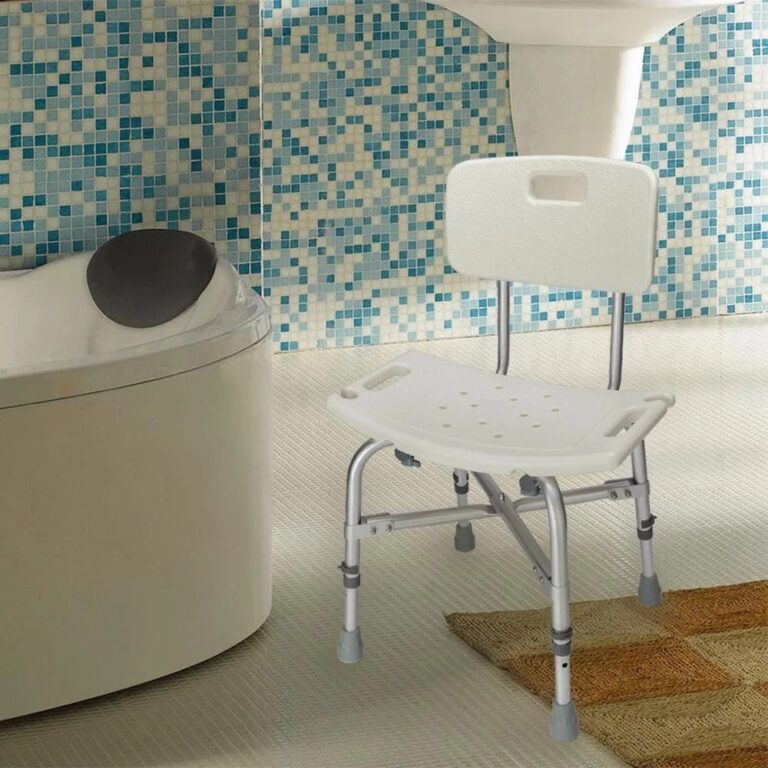
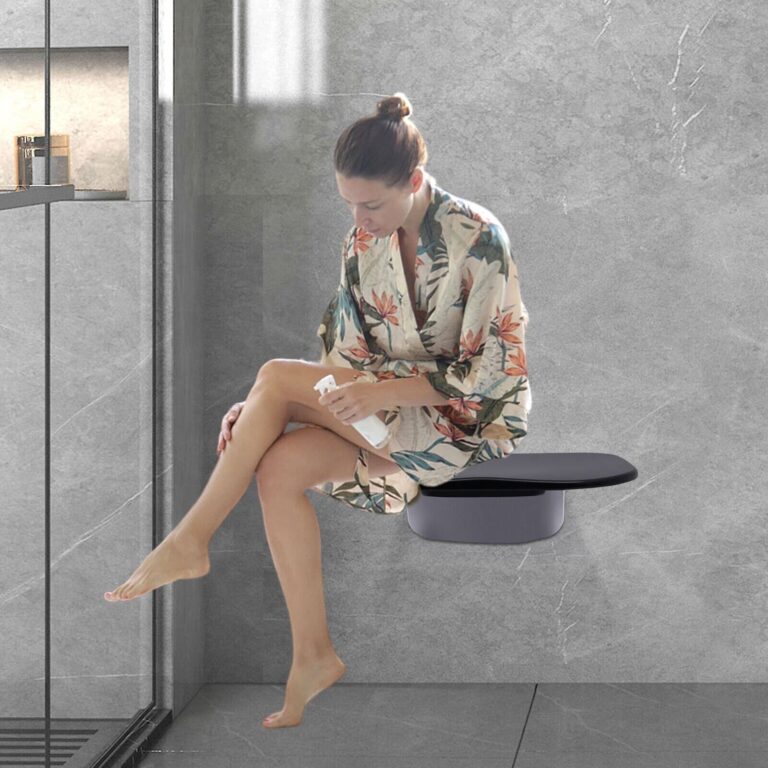
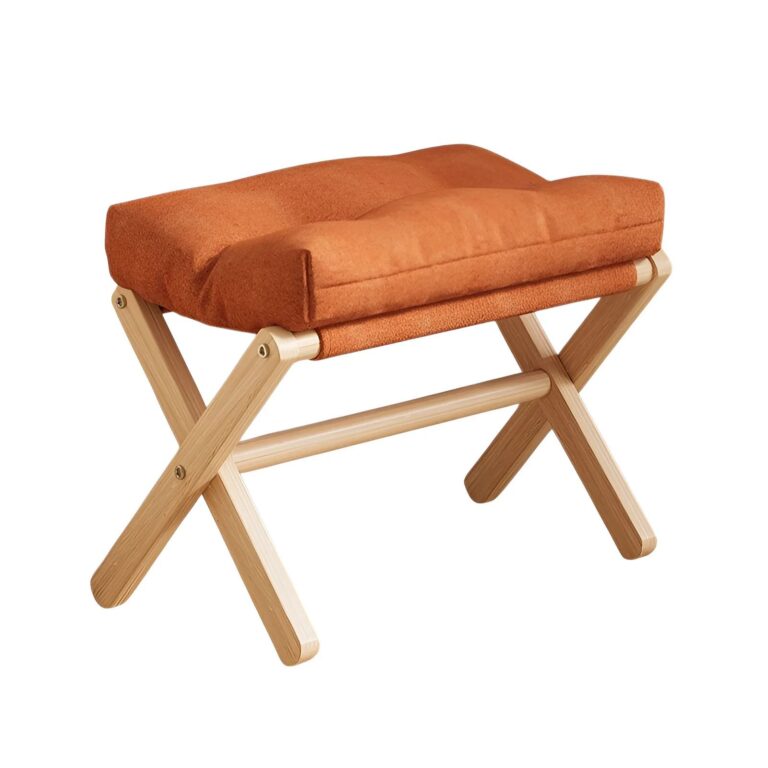
A good bench seat gives a little under you and then holds, no wobble when someone big sits down on the end of it, no creak that makes you self conscious every time you shift your weight. The best ones feel almost like a dare, pull it up to the table and you can squeeze three people where two chairs used to be, and nobody has to apologize for their elbows.
Where it goes matters more than people think before they buy one. A long bench against a wall with a narrow hallway behind it is a disaster waiting to happen, someone always gets trapped halfway through standing up, dinner stalled while they shuffle sideways like a crab. It also does not belong next to anything delicate, a spindly side table or a lamp with a cord, because benches get pushed and dragged and someone's knee always finds the thing you forgot was there. The sweet spot is a room with a bit of breathing space on at least one side, a kitchen table with room to walk around, a mudroom wide enough that two people can put shoes on at once without negotiating. Put one at a dining table that seats six and suddenly it feels like it seats eight, which is either wonderful or the reason your in laws stay longer than planned, depending on your in laws.
What separates a bench worth owning from one that ends up as a plant stand within a year comes down to the join under the seat, the part nobody looks at in a shop but should. Pick it up at one end, just slightly, and see if the whole thing flexes or stays solid, a well made bench does not flex. Solid wood legs doweled or mortised into the frame will outlast anything glued and screwed from the inside, and a seat that is one thick piece of wood rather than three boards fighting each other over the years is worth the extra weight to carry in. Run a hand along the underside for rough spots, sanded and sealed undersides tell you someone cared about the whole object, not just the parts you photograph. On delivery day, check the feet sit flat on your actual floor, not the showroom's perfectly level concrete, a rocking bench on real floorboards is a problem you will curse quietly for years.
Give it a decade of knees banging the edge, boots kicked off at it, a toddler using it as a stage, and the good ones only get better, the wood darkening in patches where hands and jackets rest, the surface losing its showroom stiffness and gaining the kind of worn in comfort you cannot buy new no matter what you spend.
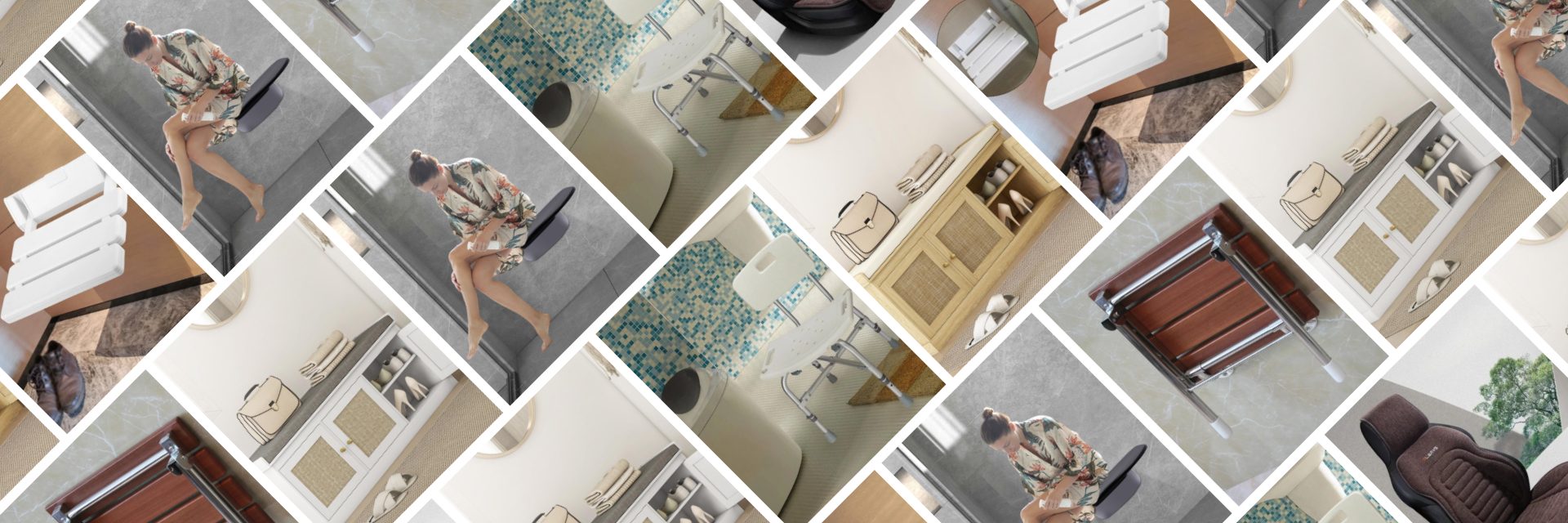
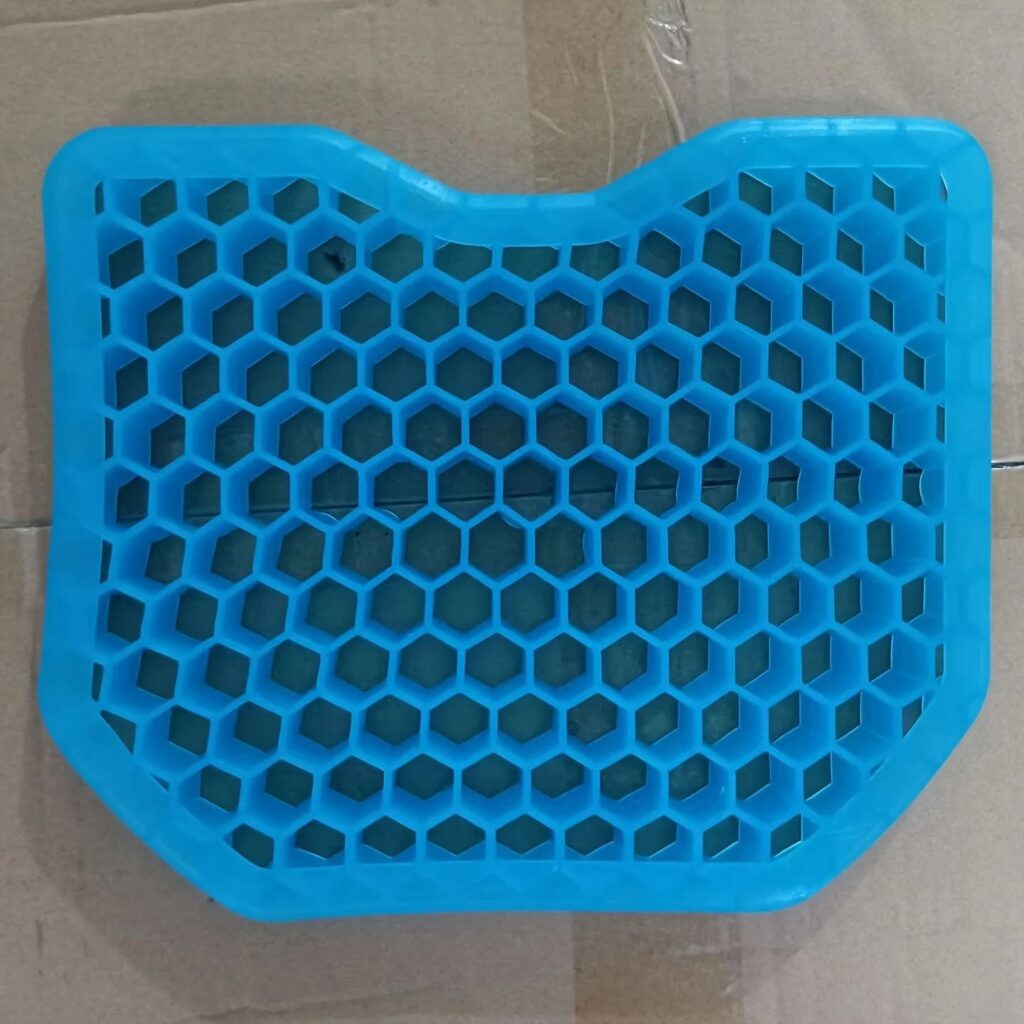 Aisha's pickSimple Bench Seats with Cushion Done Well

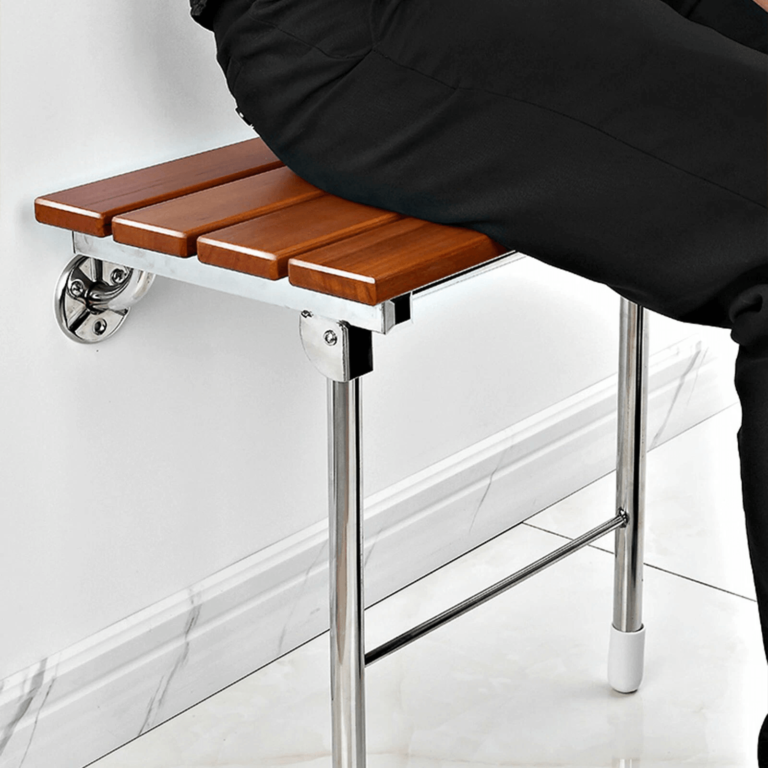 Aisha's pickSolid Wood Bench Seats That Survive Kids and Pets
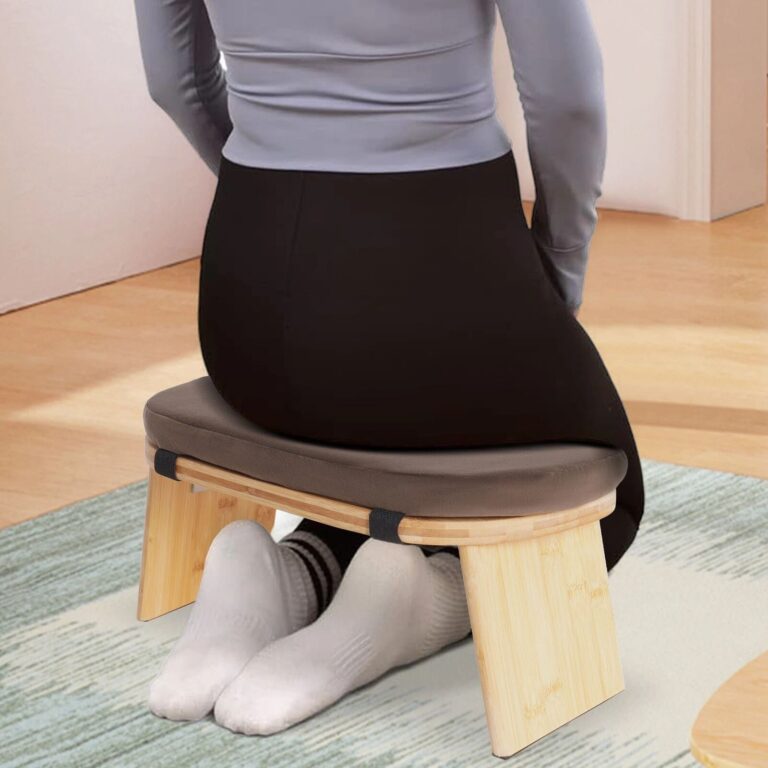
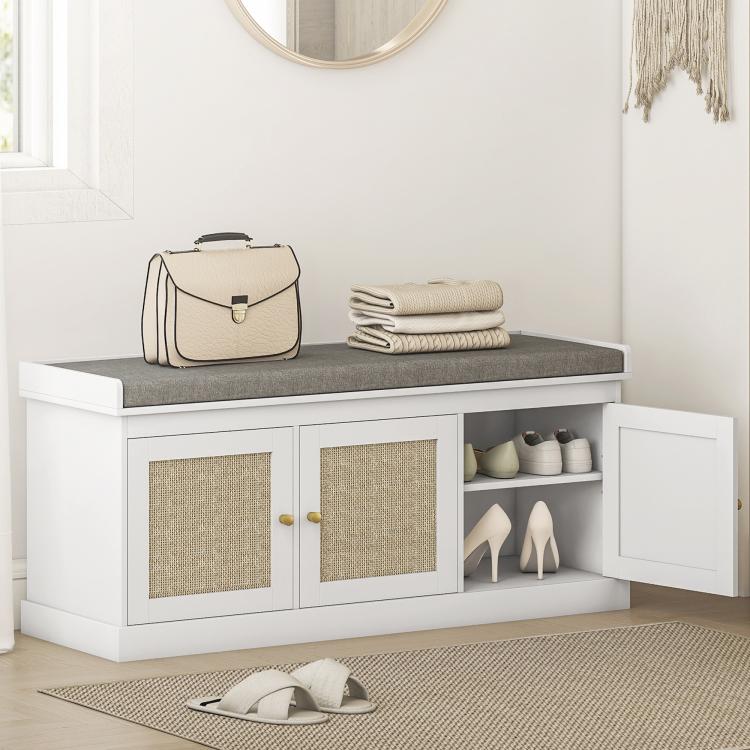 Aisha's pickBench Seats with Storage the Cat Will Claim Within a Day
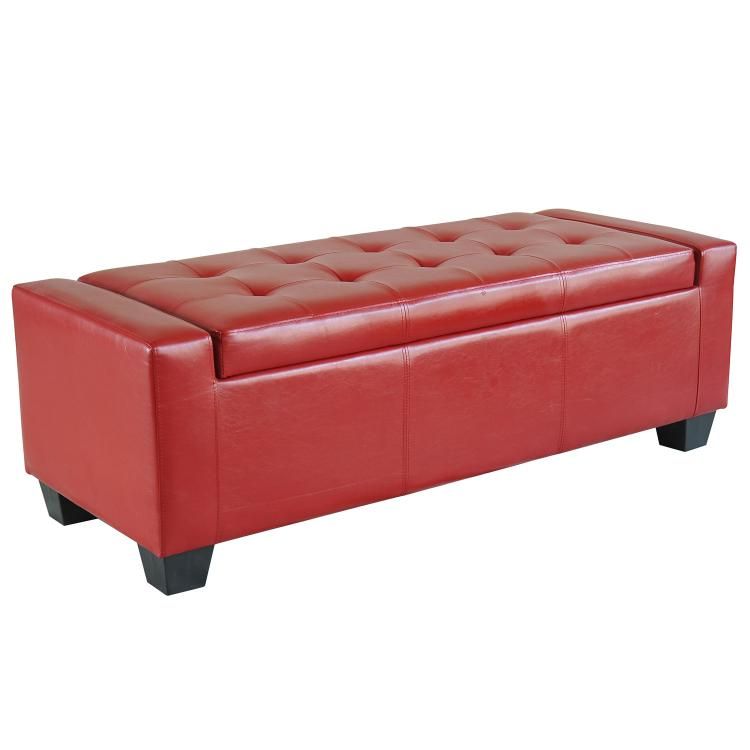 Aisha's pickTufted Bench Seats Comfy Enough for a Movie Night
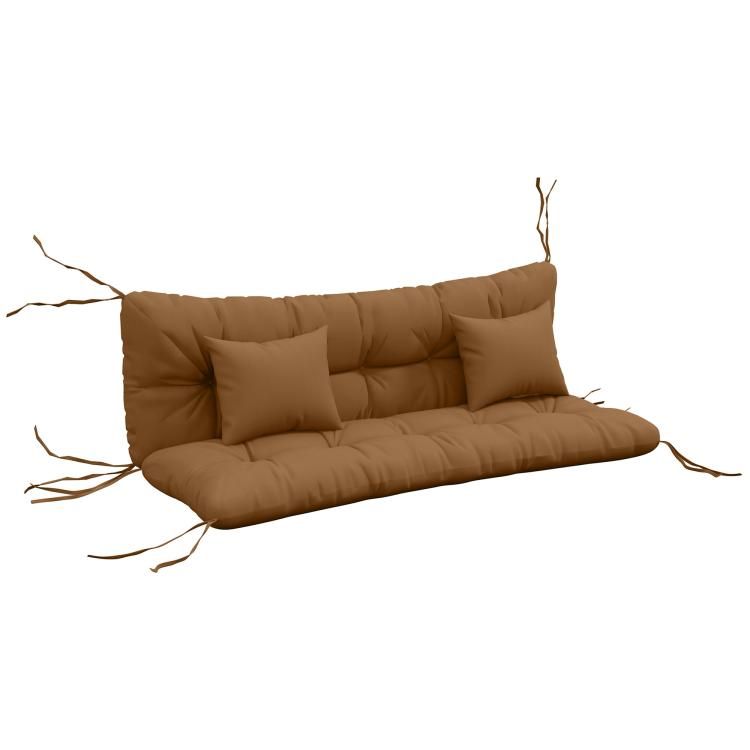
 Aisha's pickBlack Bench Seats With Real Back Support
 Aisha's pickUpholstered Bench Seats You’ll Keep for Years
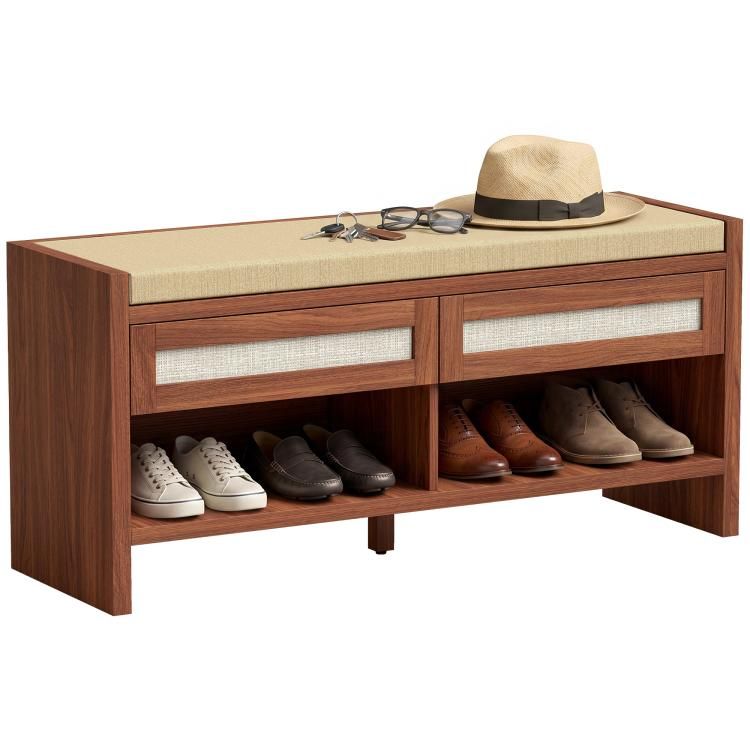 Aisha's pickThe Brown Bench Seats Worth Your Cash
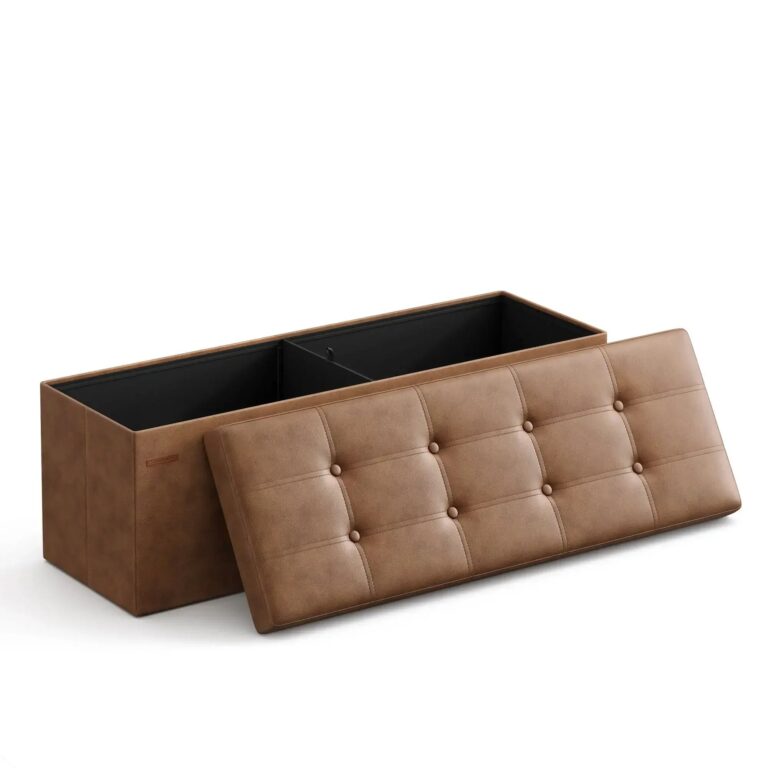
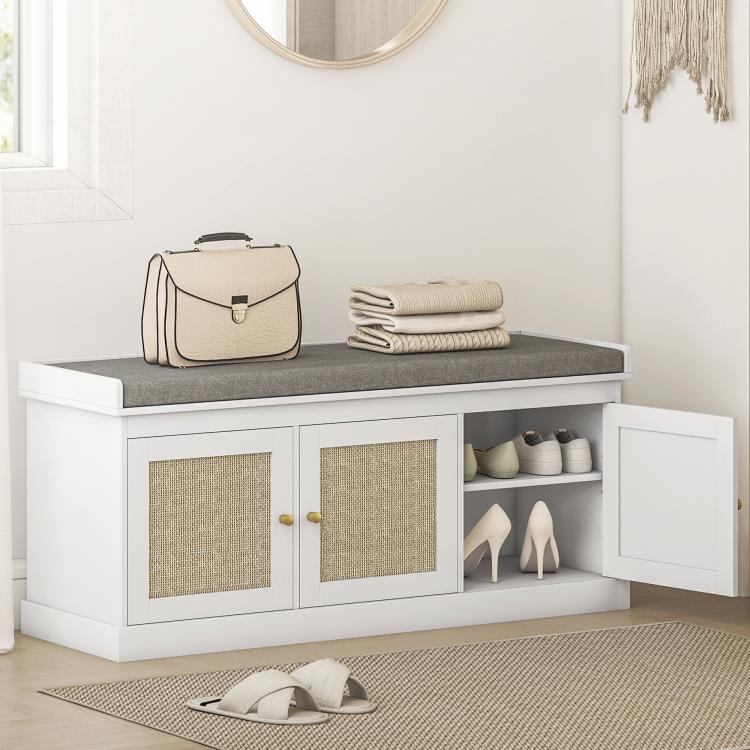 Aisha's pickWhite Bench Seats We Keep Coming Back To
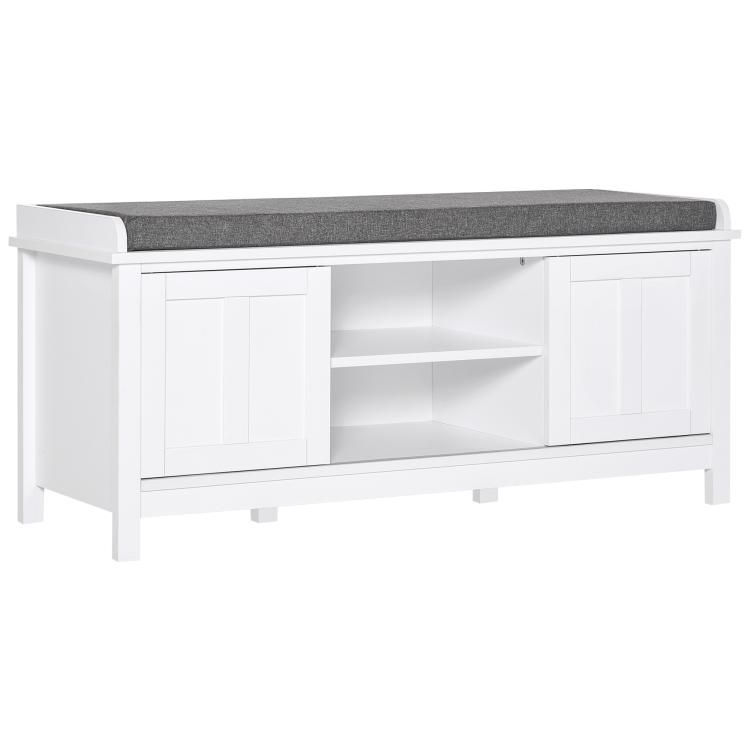
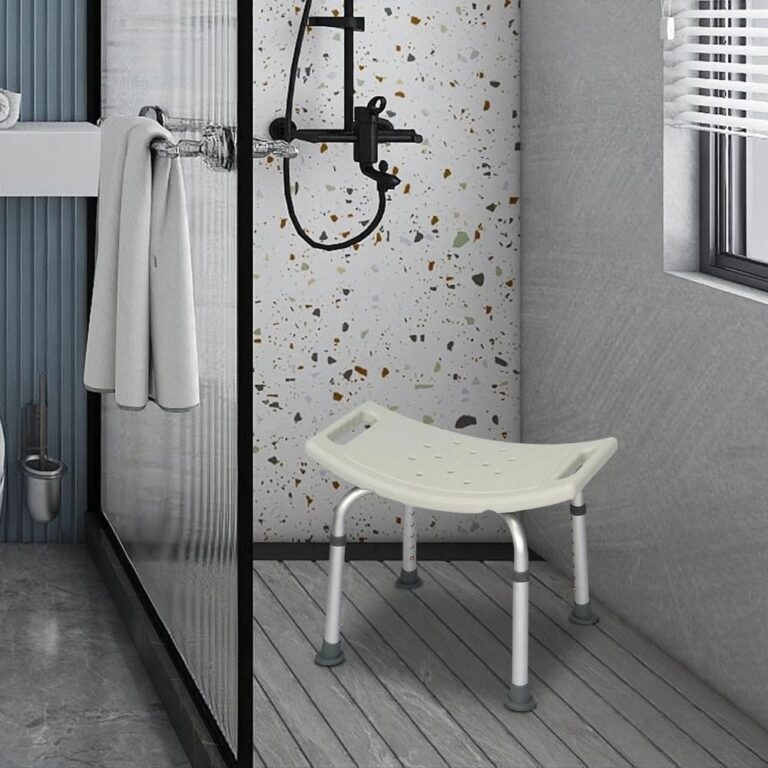 Aisha's pickCompact Bench Seats for Small Spaces That Need to Work HardAlso worth a lookErgonomic ChairsThe thing nobody mentions is that an ergonomic chair looks ridiculous for the first two weeks.See the collections →
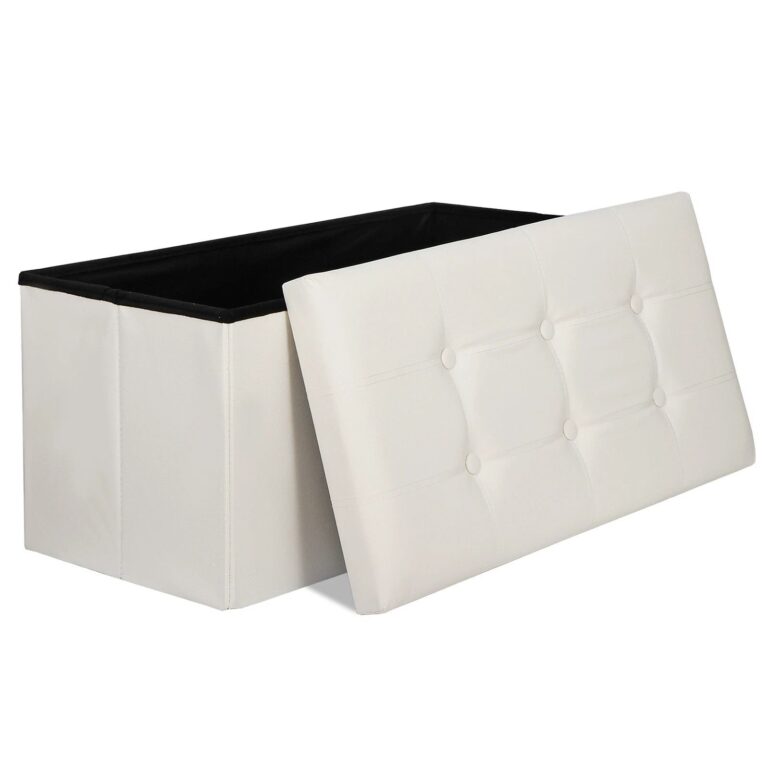
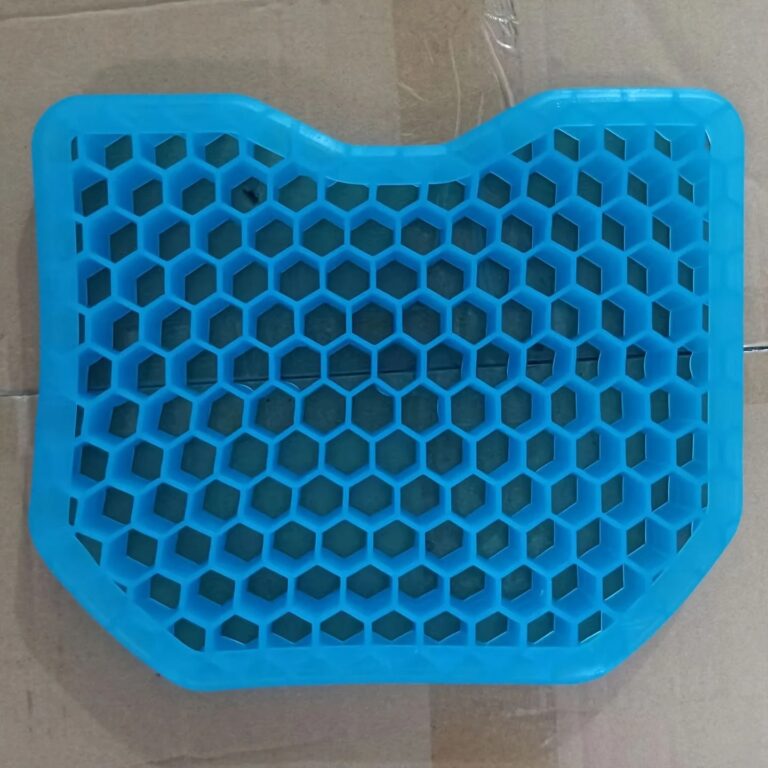 Aisha's pickWooden Bench Seats You’ll Sink Into at the End of the Day
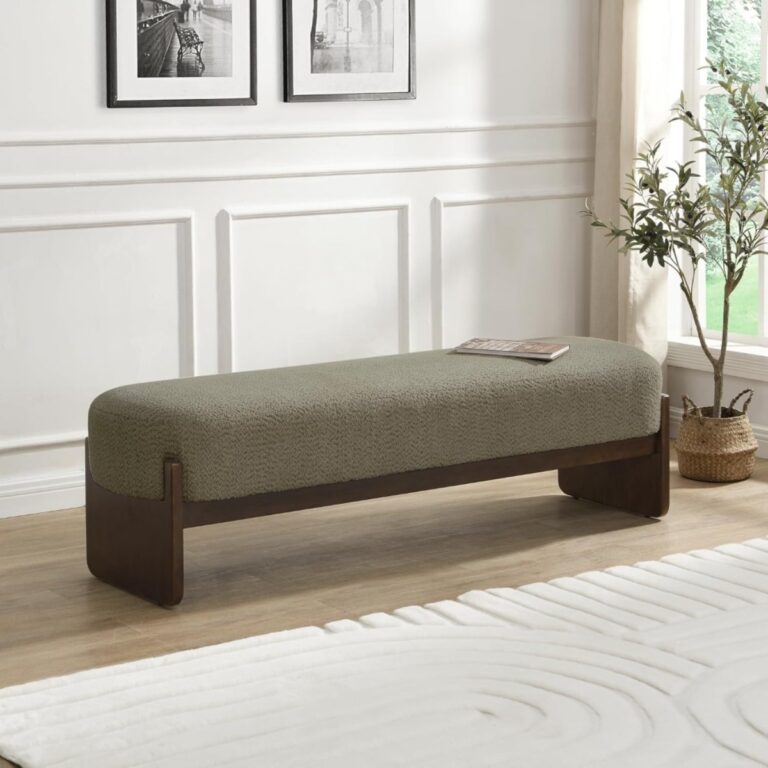
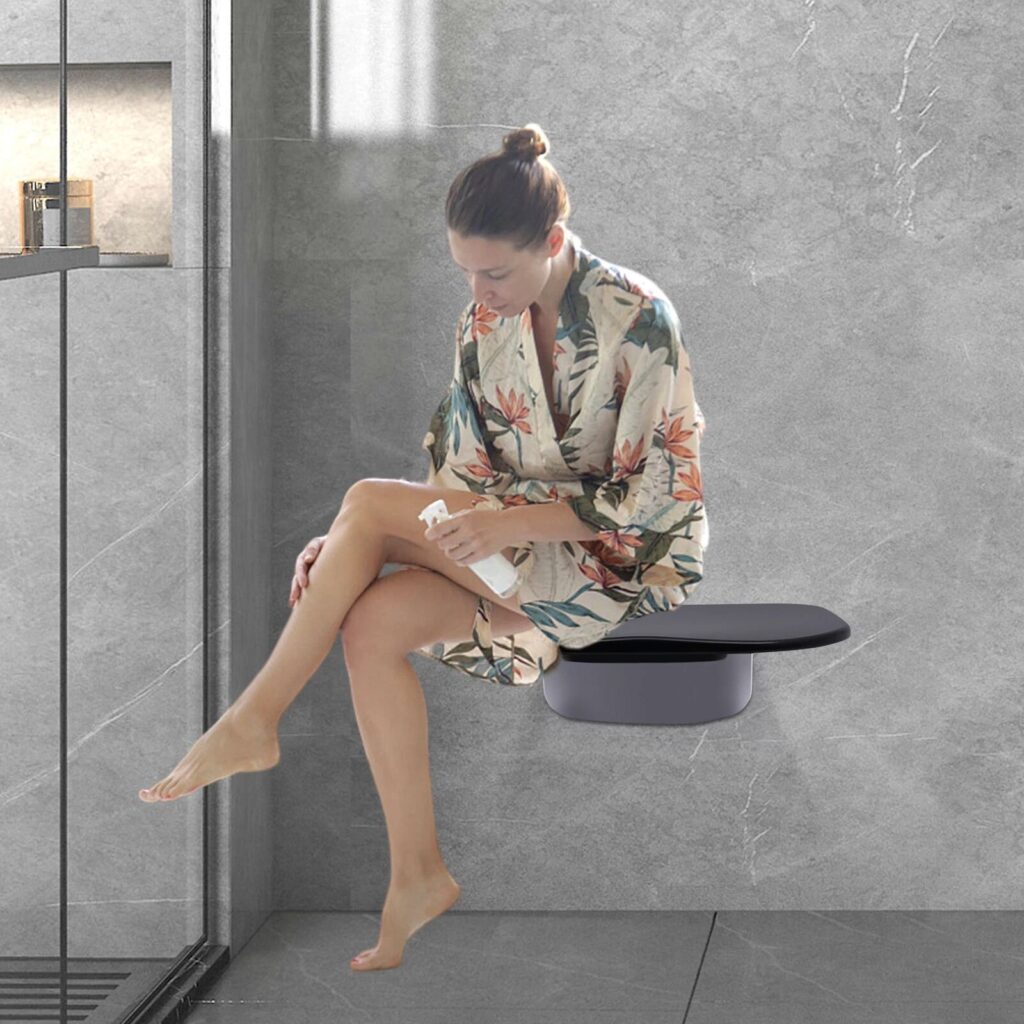 Aisha's pickContemporary Bench Seats Hunted Down So You Don’t Have To
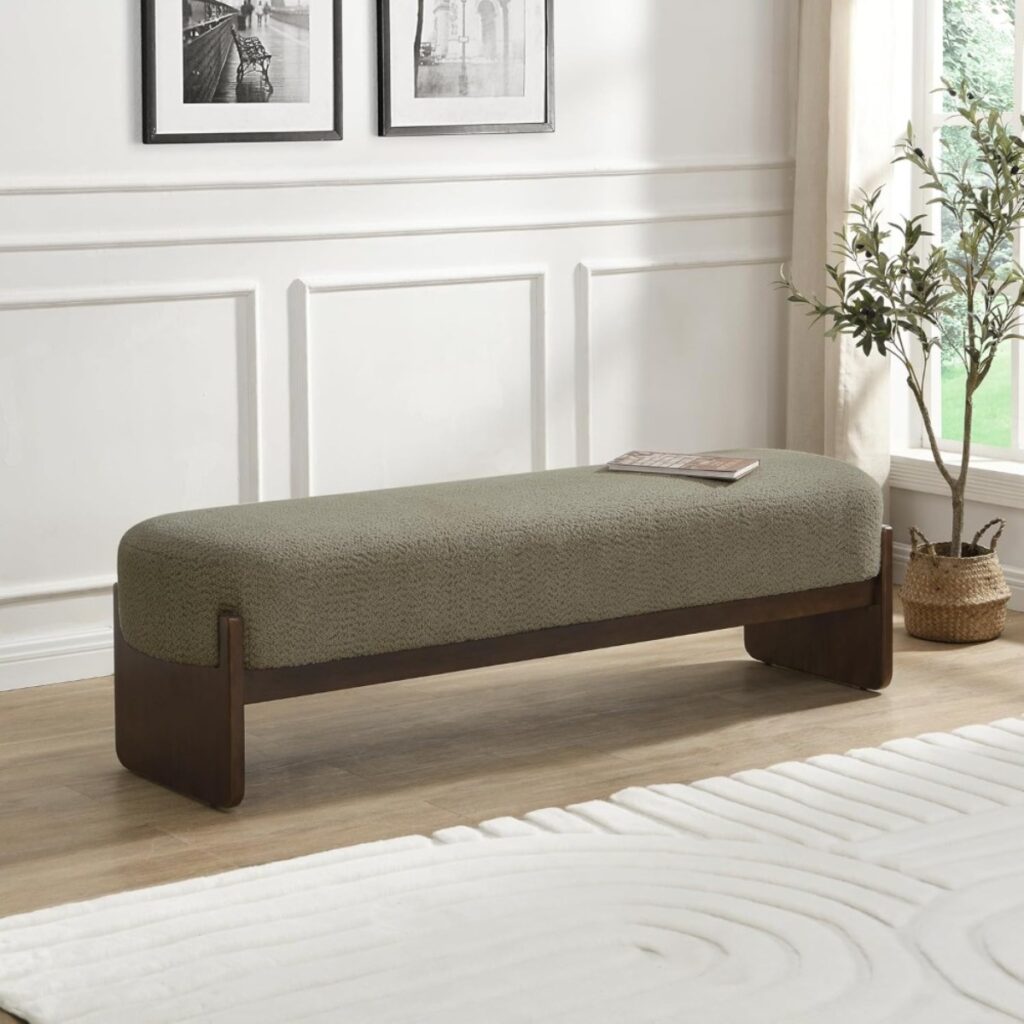
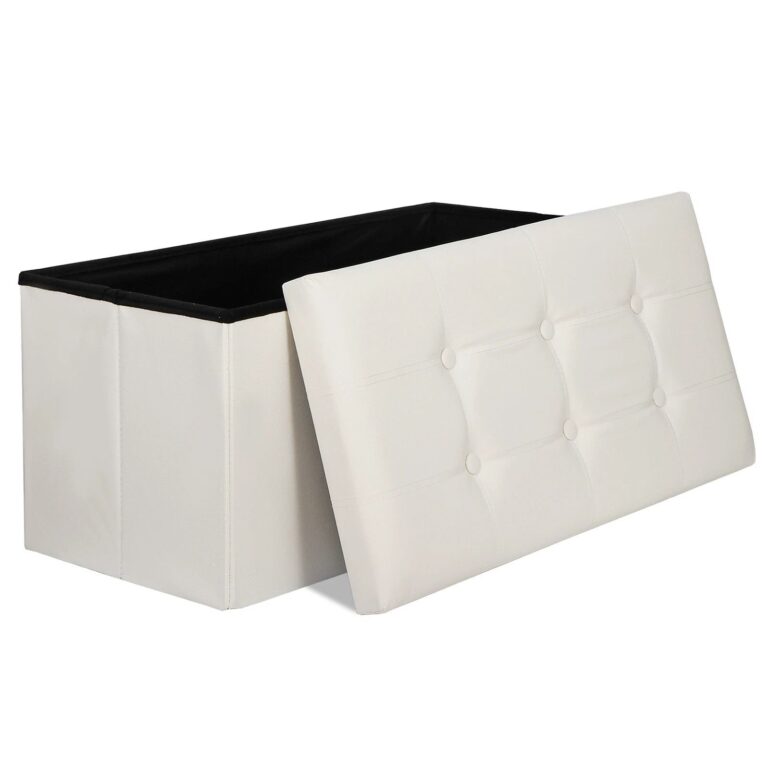 Aisha's pickFabric Bench Seats With Real Back Support
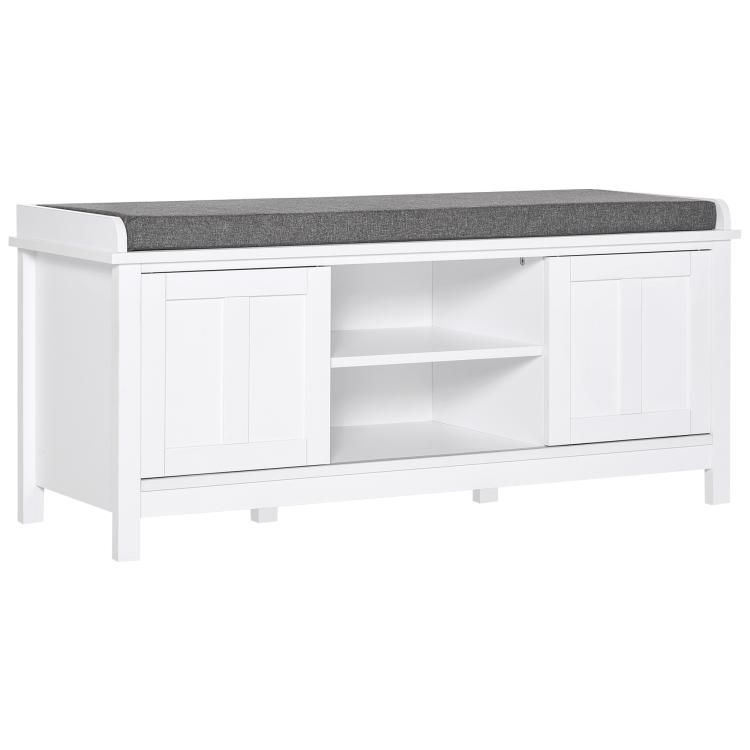
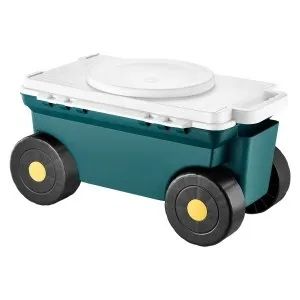 Aisha's pickGray Bench Seats That Look Good From Every Angle
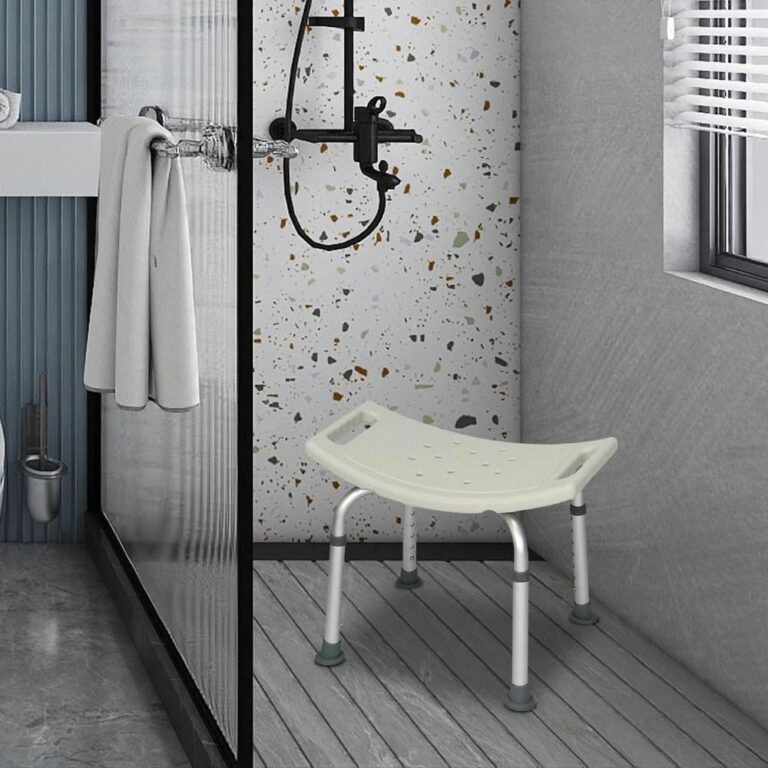
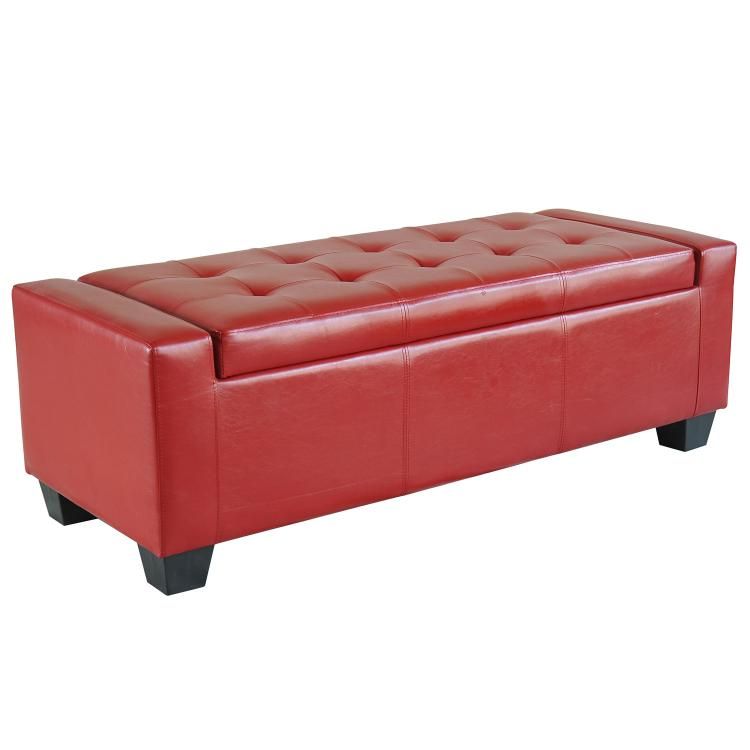 Aisha's pickLarge Bench Seats for When the Old Ones Give Up
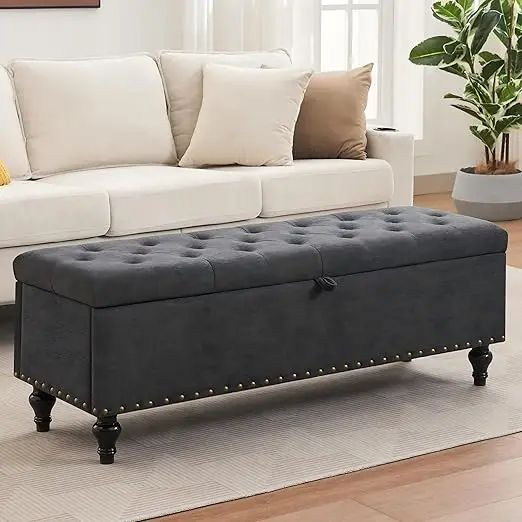
 Aisha's pickThe Leather Bench Seats Worth Your Cash

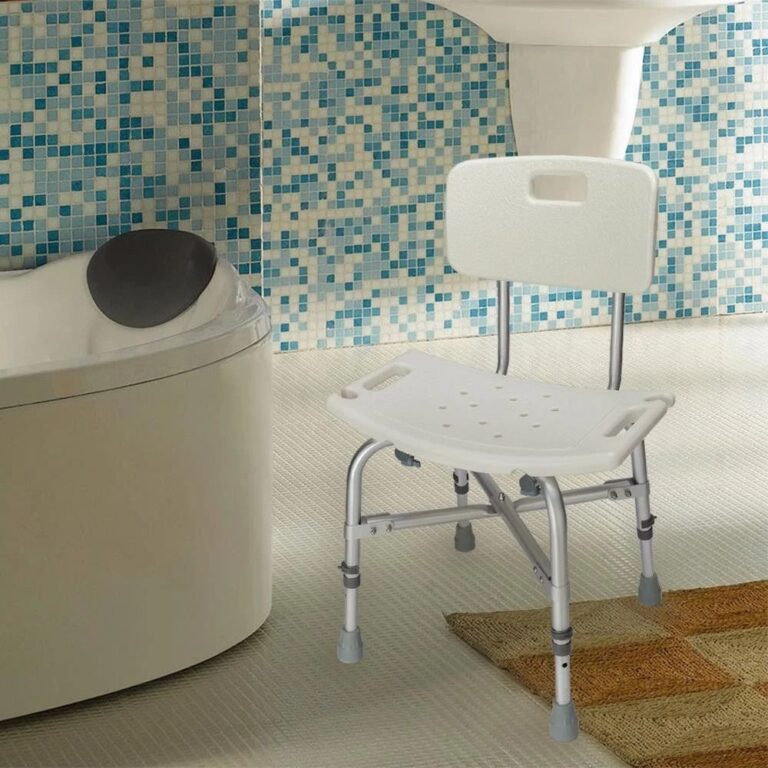 Aisha's pickLong Bench Seats With Some Character
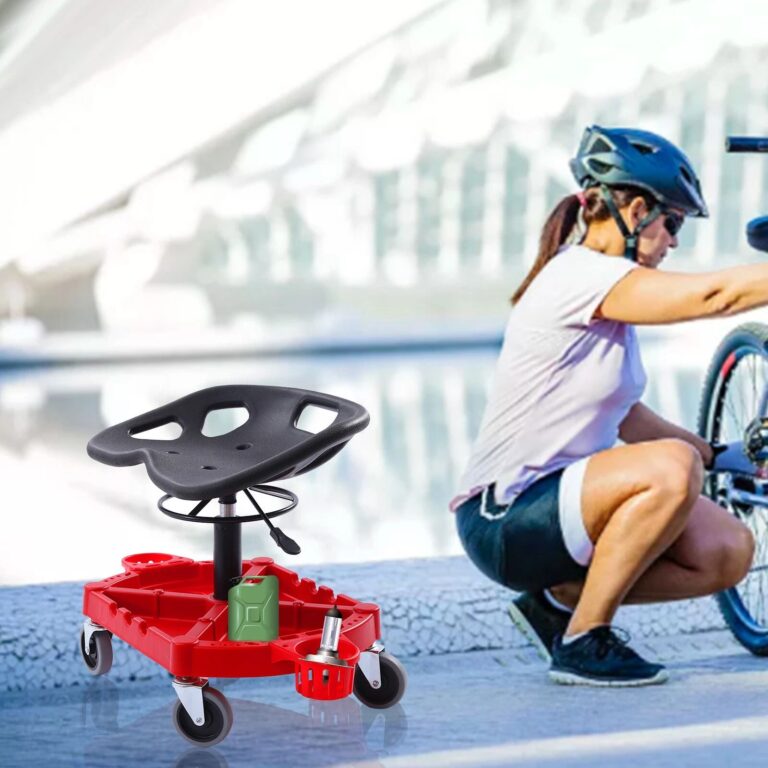
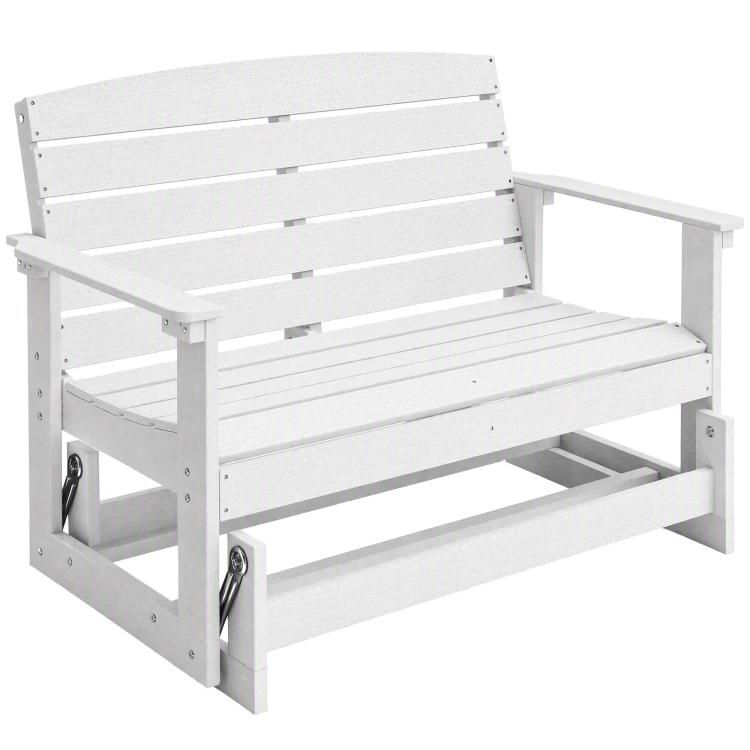 Aisha's pickGood Metal Bench Seats That Don’t Cost a Fortune
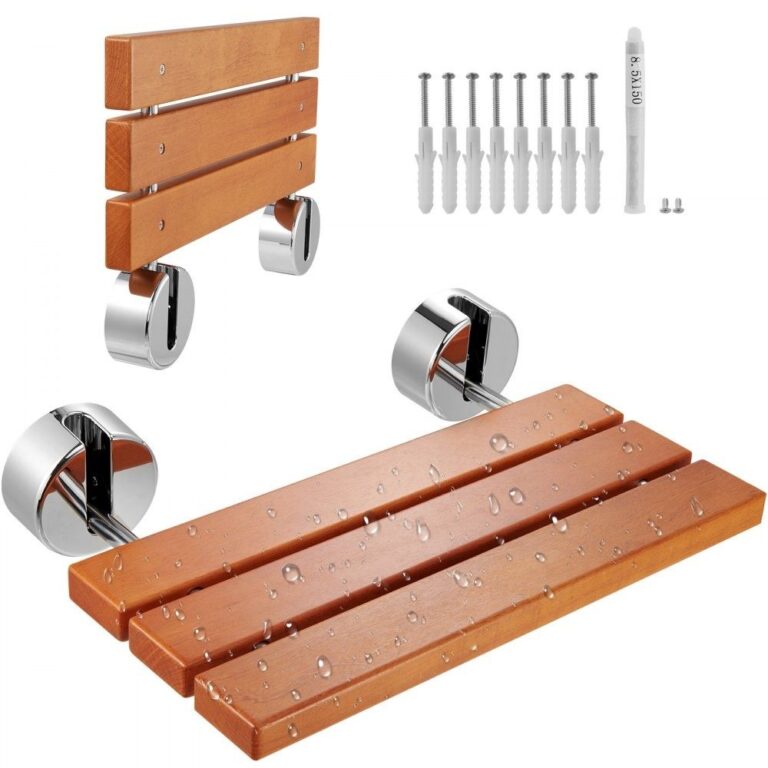
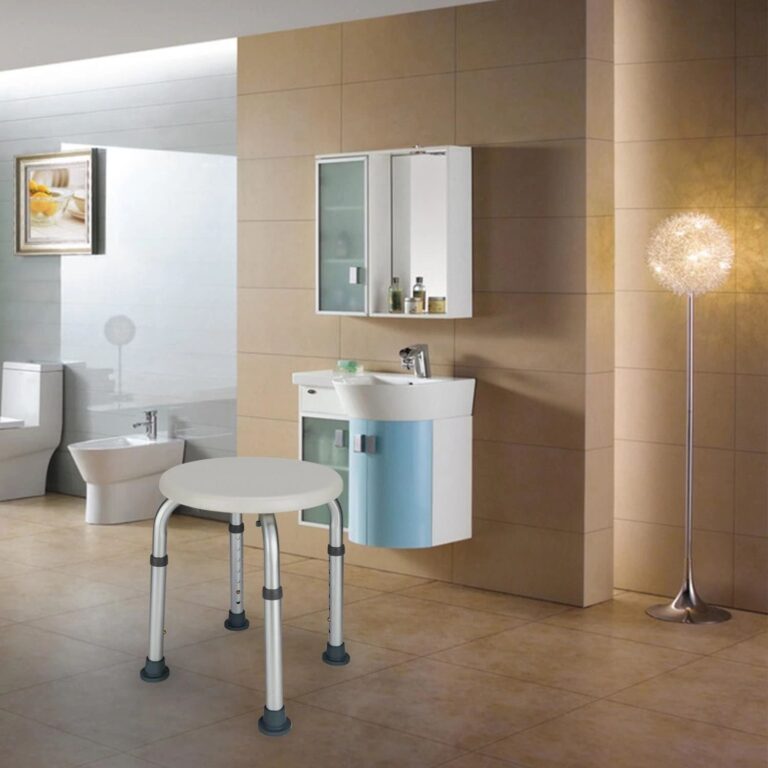 Aisha's pickModern Bench Seats That Earn Their KeepAlso worth a lookSeatsStanding in a showroom trying to decide on seats, the first thing I'd tell you is to sit in it for longer than feels normal.See the collections →
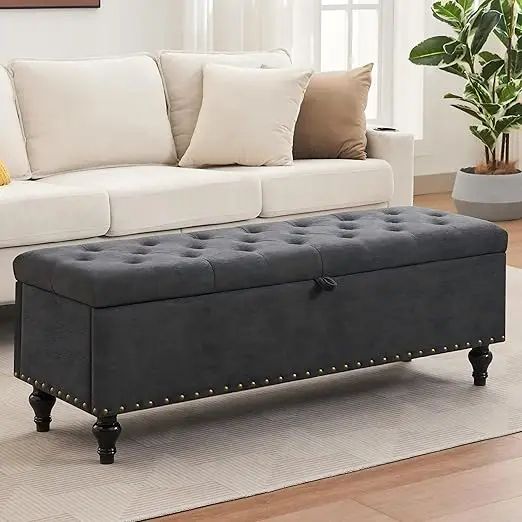
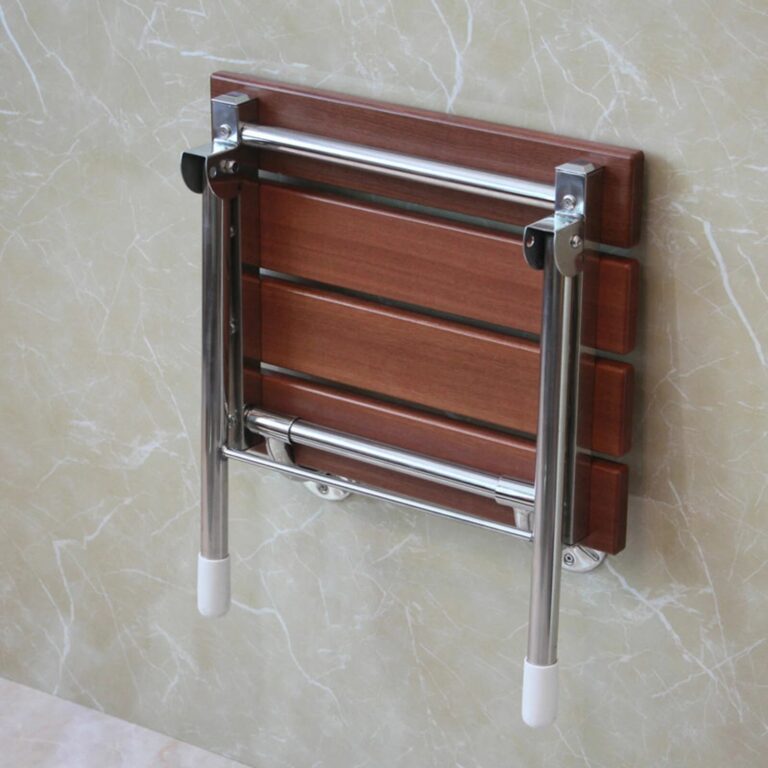 Aisha's pickBench Seats With a Bit More About Them
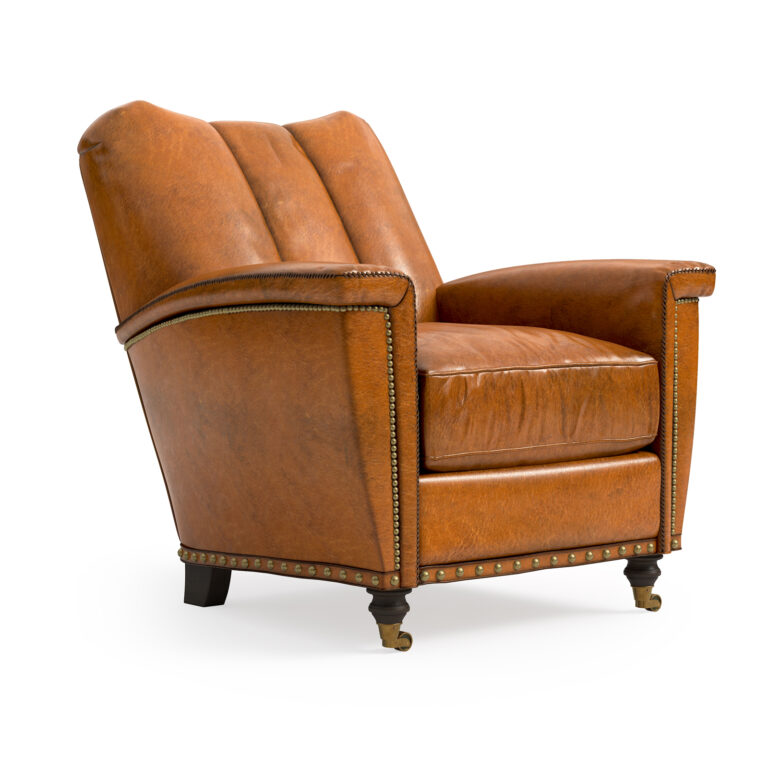
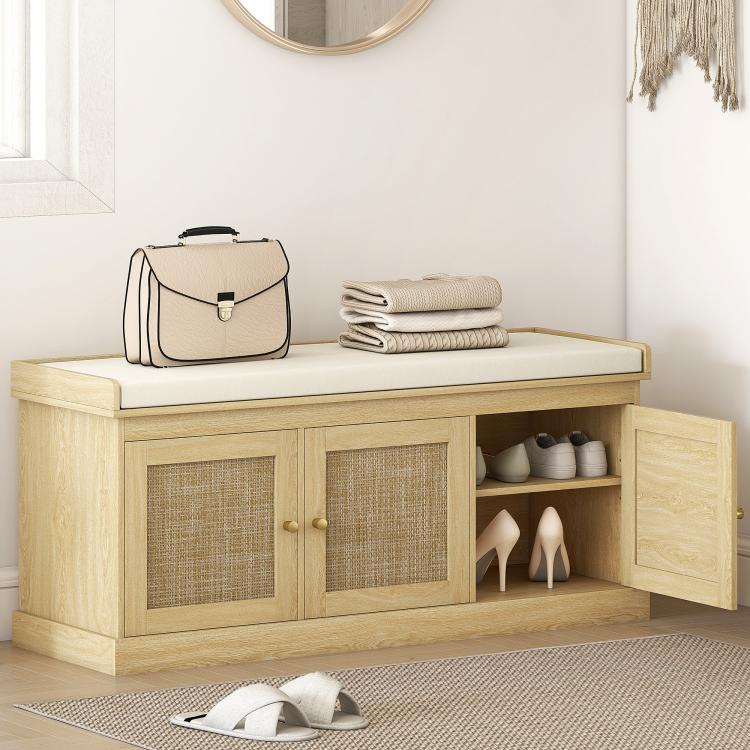 Aisha's pickSimple Oak Bench Seats Done Well
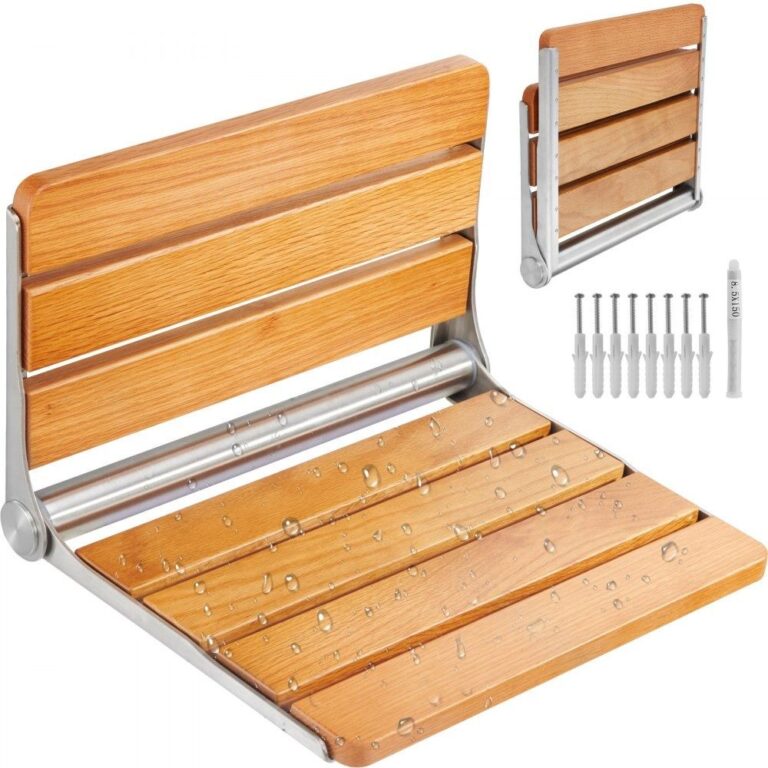
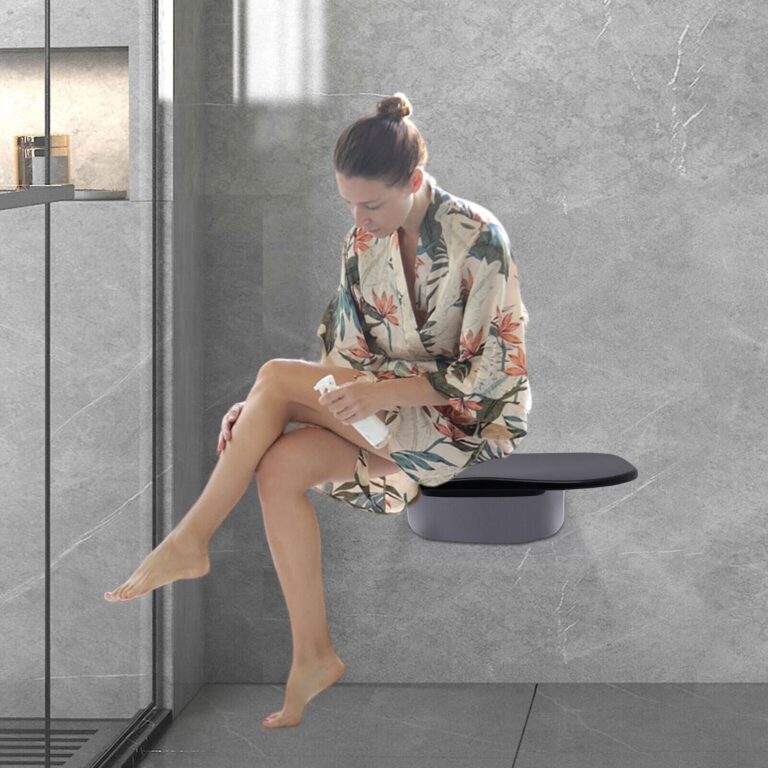 Aisha's pickBench Seats for Small Spaces That Survive Kids and Pets
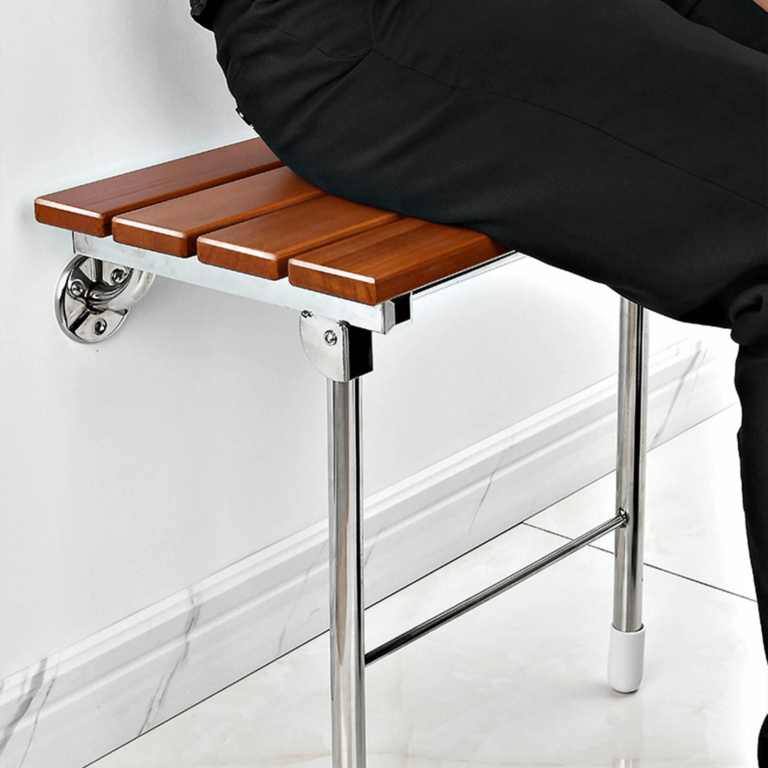
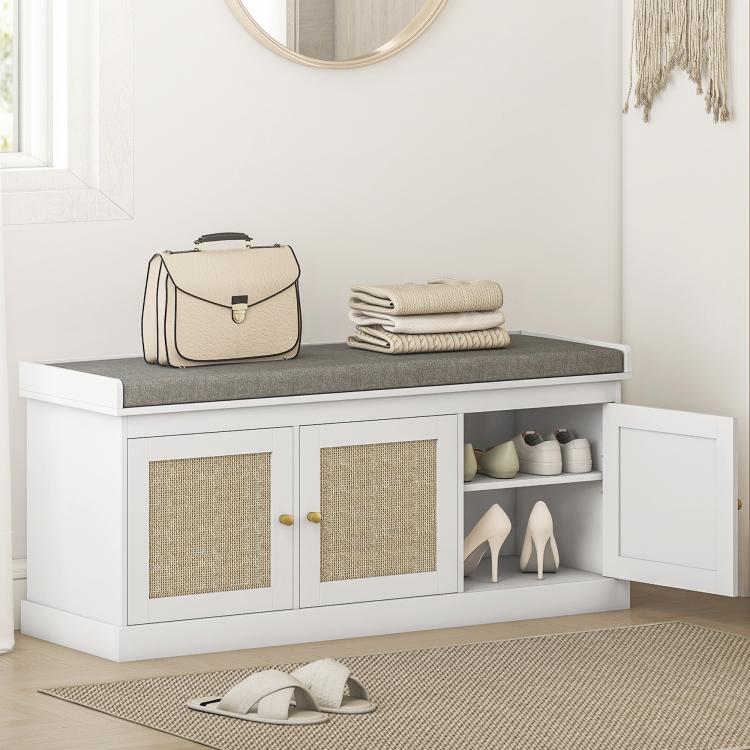 Aisha's pickRattan Bench Seats You’ll Sink Into at the End of the Day