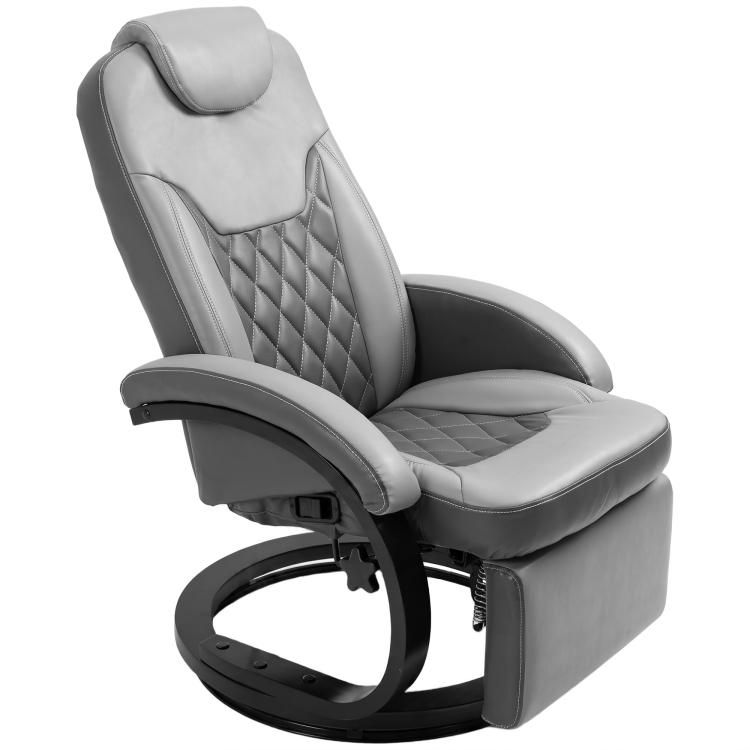
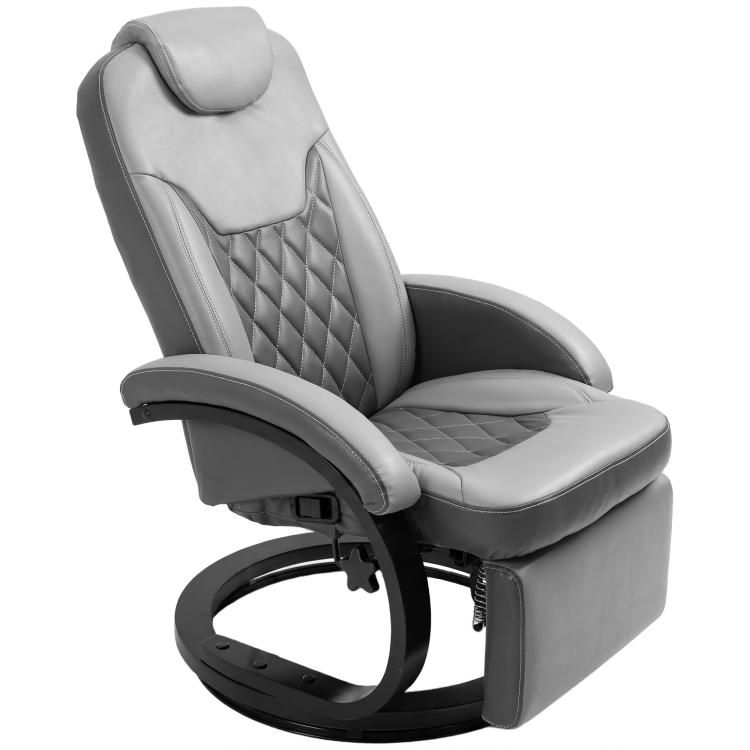
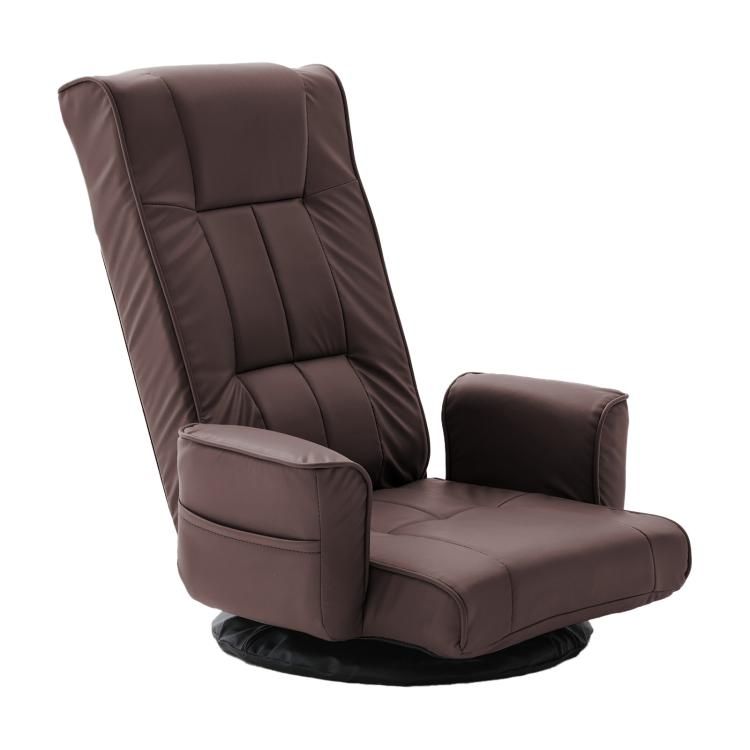
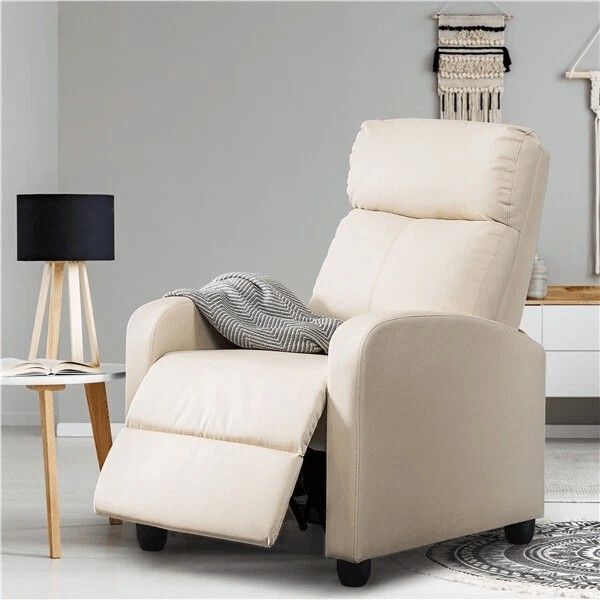
A good recliner should let your shoulders drop the second you sit down, before you've even found the lever. The best ones have a footrest that glides out smooth and quiet, not that jerky lurch that makes you feel like you're being launched out of a chair rather than settling into one, and the back should hold you at an angle where you could actually fall asleep without your neck complaining about it the next morning.
In an ordinary room, a recliner works best when it doesn't try to be the main event. Next to a regular sofa, or across from one with a small side table and a lamp within reach, it reads as a proper chair rather than a piece of medical equipment someone wheeled in. I've seen them paired with a low bookshelf and a rug underneath to ground the whole thing, which helps, because a recliner on its own in a corner can look a little stranded, like it's waiting for its own room.
On color, I'd steer away from anything too shiny or too pale. A stain shows up fast on light fabric, and leatherette in a bright white looks sharp for about a month before it yellows at the headrest where everyone's hair touches it. Deep neutrals hold up better, a charcoal, a worn looking brown, a muted green, something that doesn't flinch at a coffee ring or a dog deciding it's his spot now. Fabric with a bit of texture to it hides more than a flat weave does, and it's forgiving when the cushion compresses a little unevenly after a year of being the favorite seat in the house.
These chairs earn their spot in rooms where someone actually stays put for a while, a den, a reading corner, a spare bedroom that doubles as a place to recover from a cold. They make the most sense in colder months, when the idea of sinking down and not moving for two hours sounds like the whole point of the evening, though a good one works just as well through a slow summer afternoon with a fan running. Houses with more than one regular sitter benefit from having two, honestly, because one good recliner in a shared room tends to start arguments about whose turn it is.
What surprises people is how a recliner ages differently from other seating. The mechanism gets looser and easier with use instead of tighter, the leather or fabric softens into the shape of whoever sits there most, and after enough years it stops looking like a showroom chair and starts looking like a chair that belongs to someone specific, which is really the point.

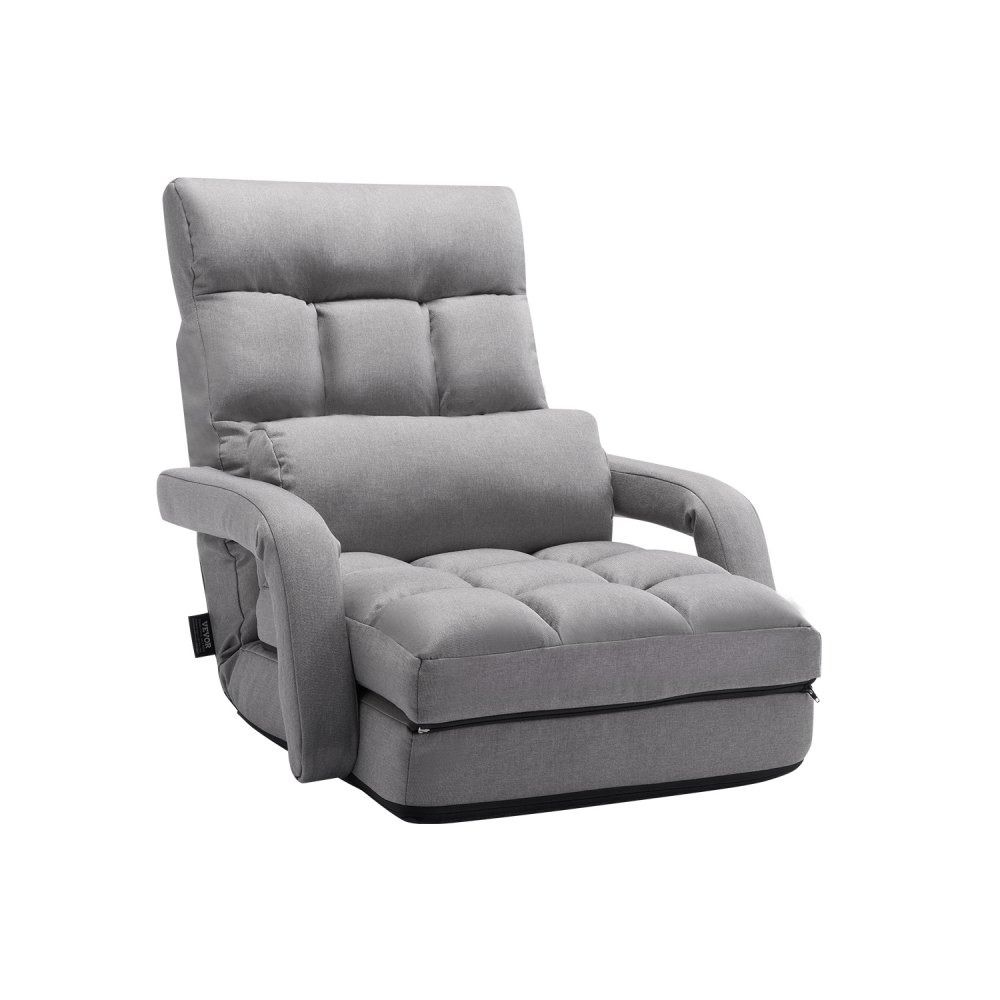 Aisha's pickReclining Living Room Chairs for Movie Nights and Slow Sundays
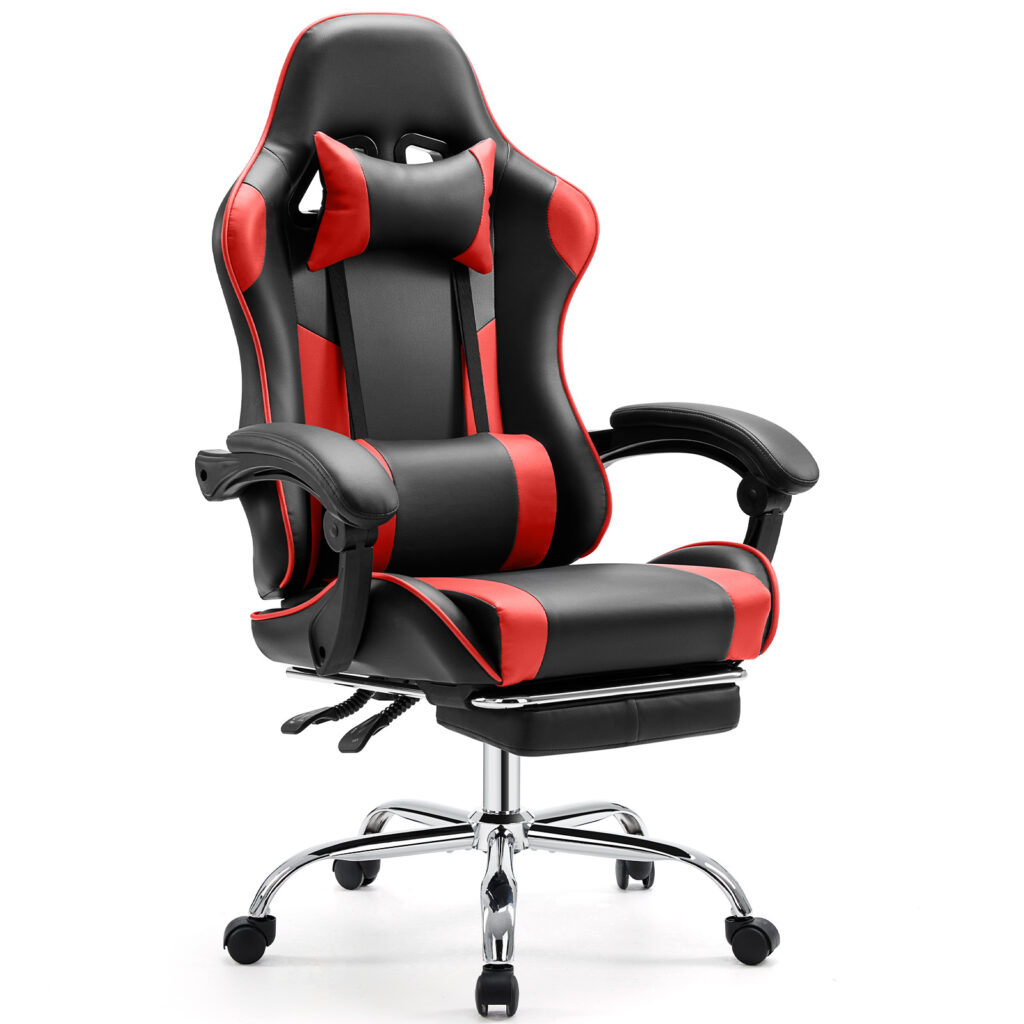
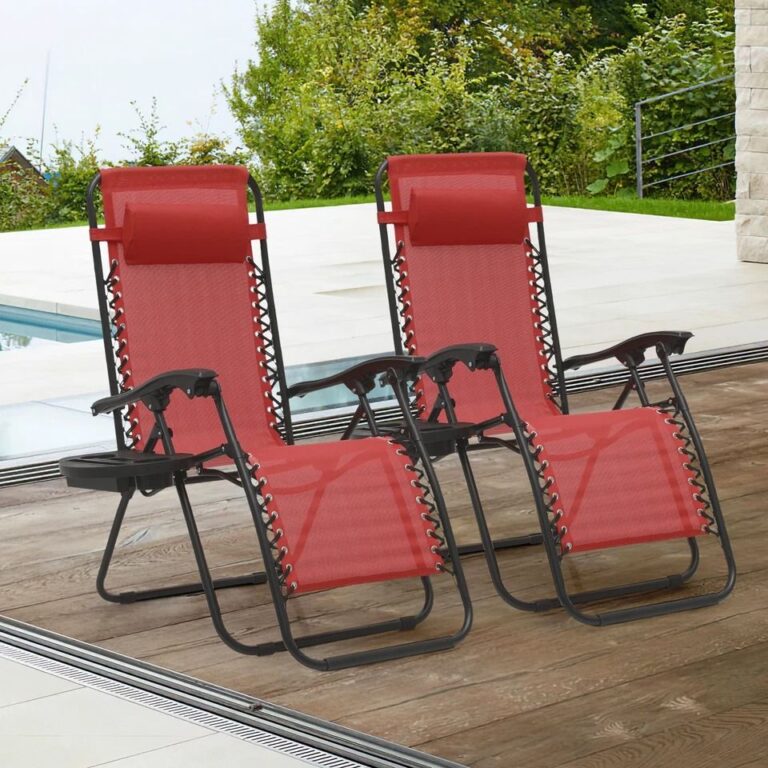 Aisha's pickReclining Lounge Chairs That Seat Guests Without the Squeeze
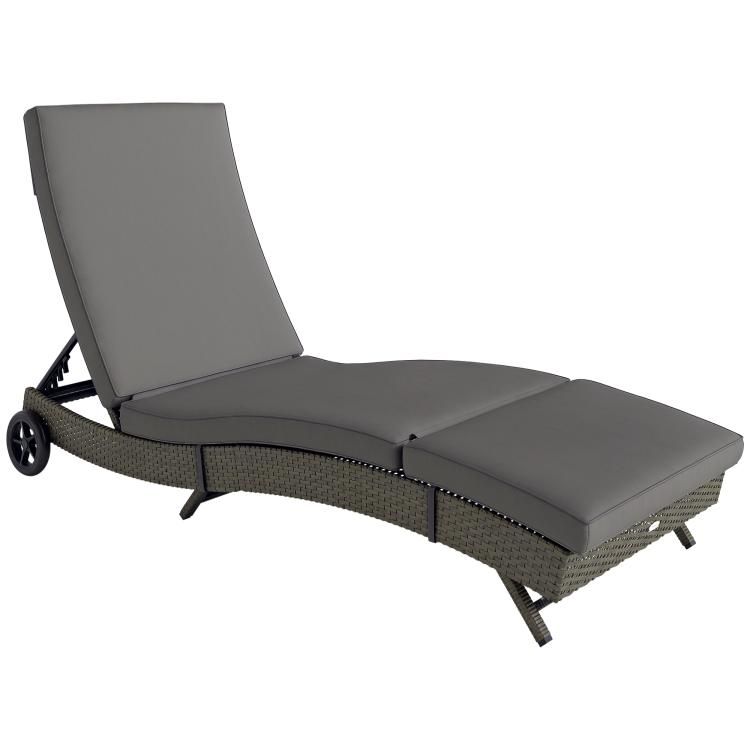
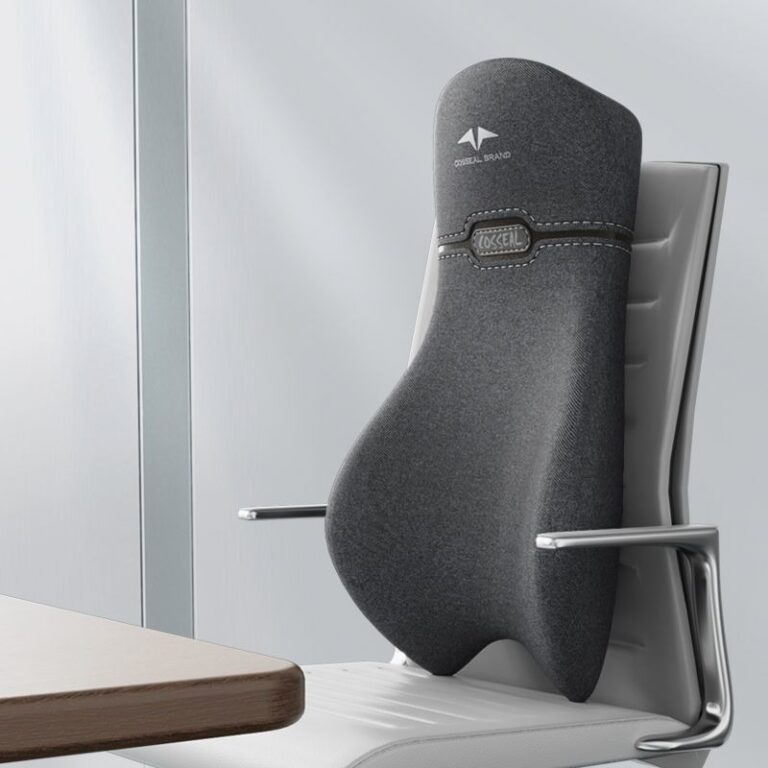 Aisha's pickReclining Office Chairs That Visitors Always Ask About
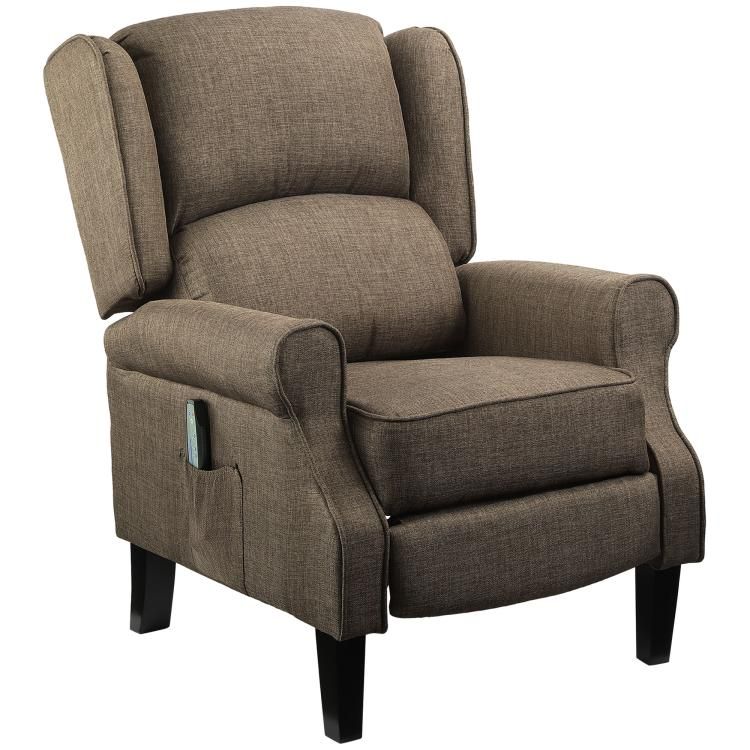
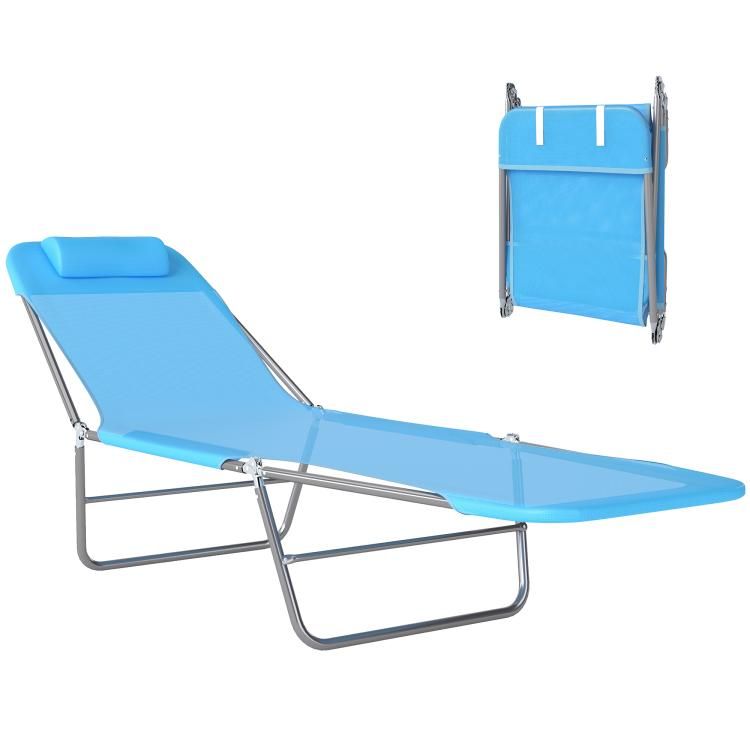 Aisha's pickReclining Reading Chairs With Real Back Support
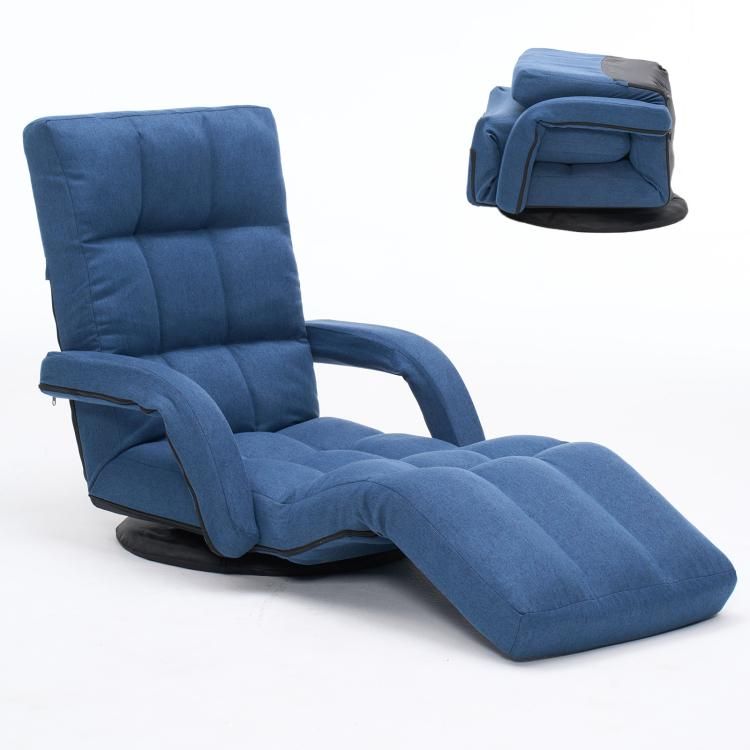
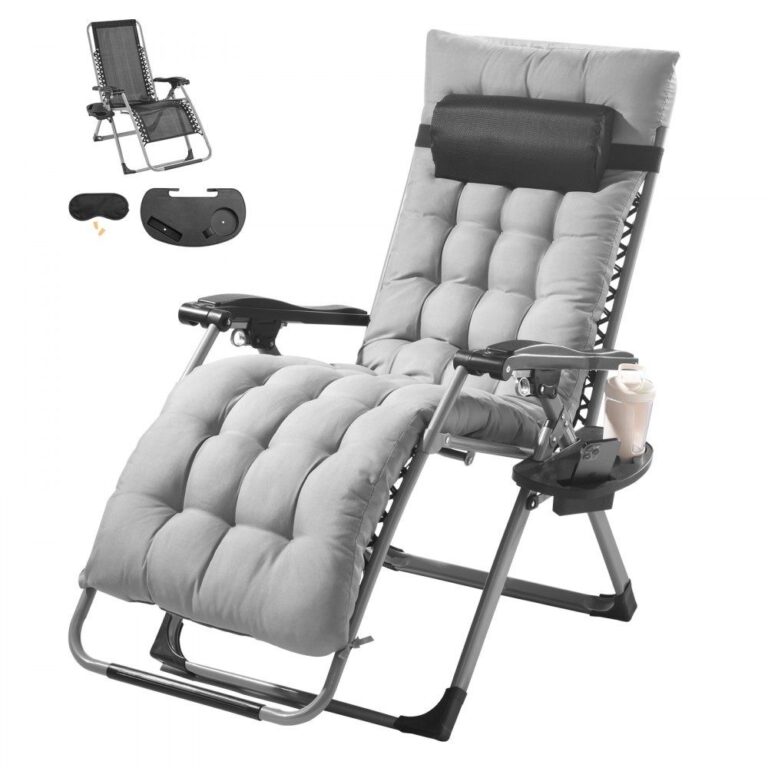 Aisha's pickReclining Recliners the Cat Will Claim Within a Day
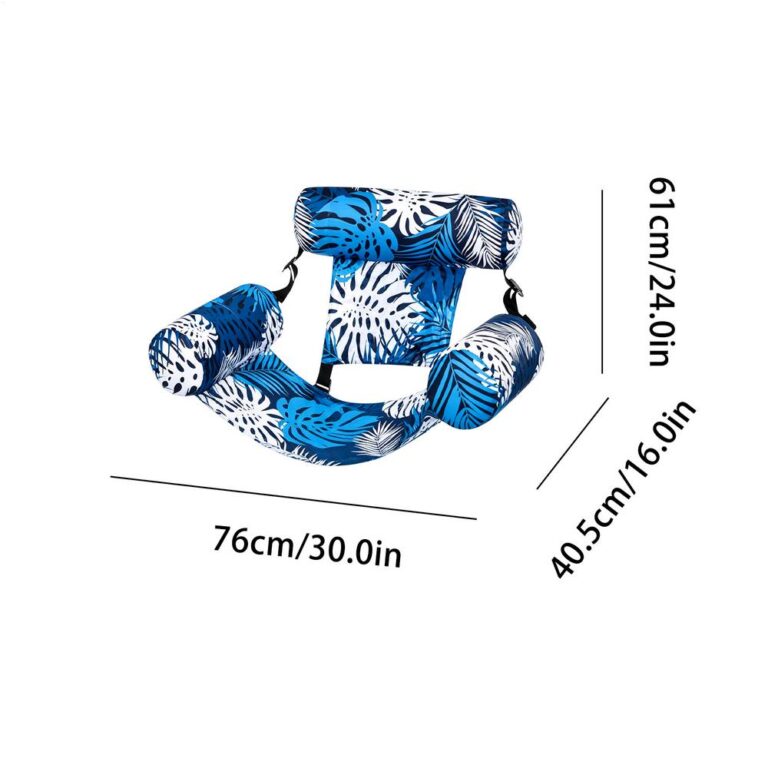
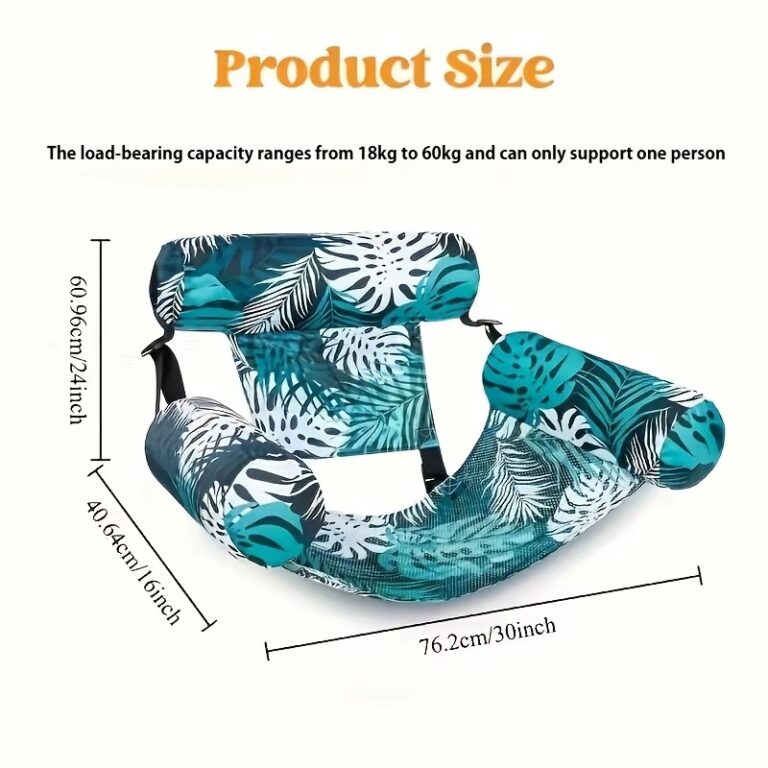 Aisha's pickWhere to Start With Foldable Reclining Sun Loungers
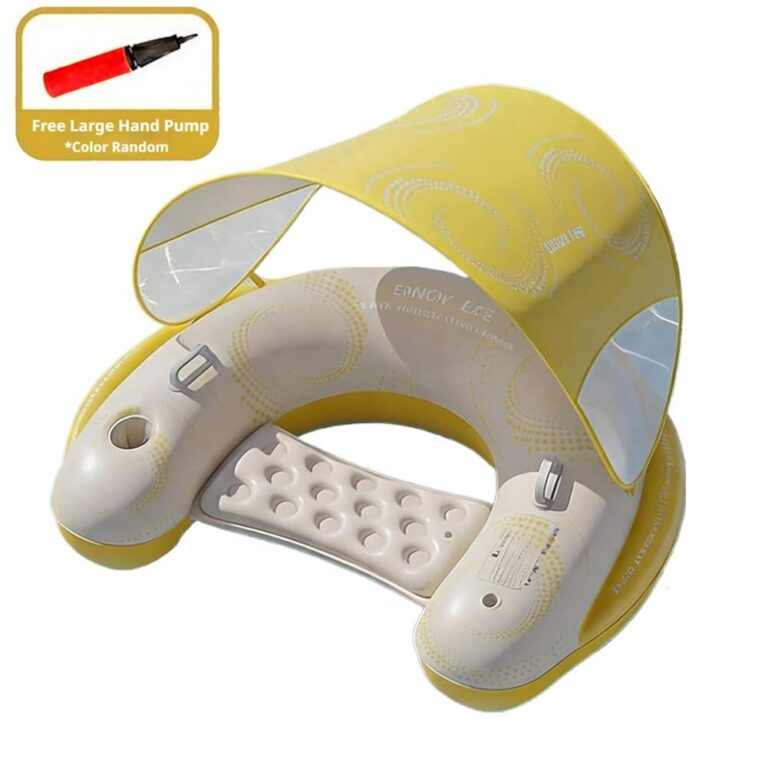
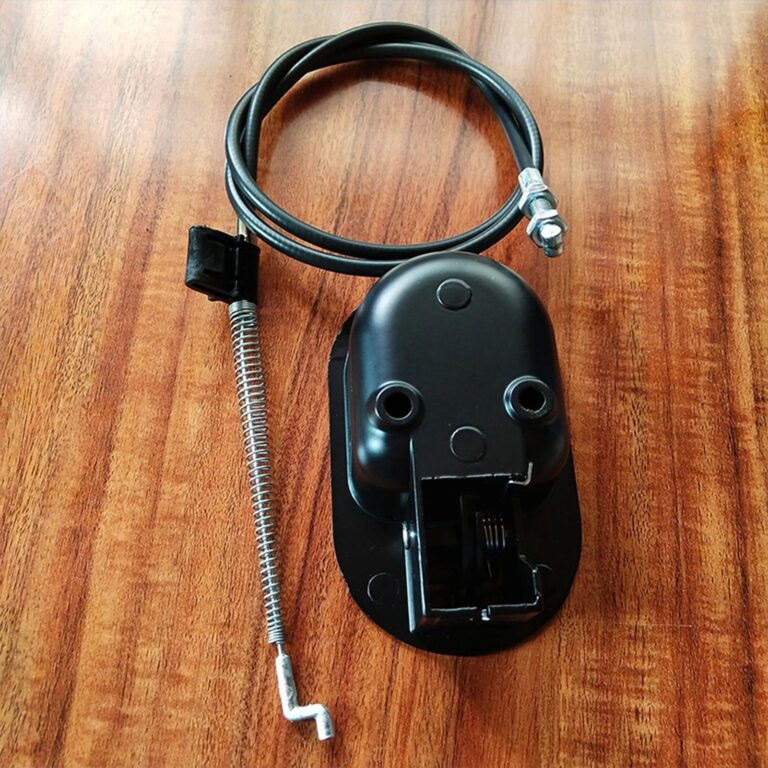 Aisha's pickReclining Recliner Chairs That Look Like They Cost More

 Aisha's pickReclining Armchairs That Don’t Need Babying
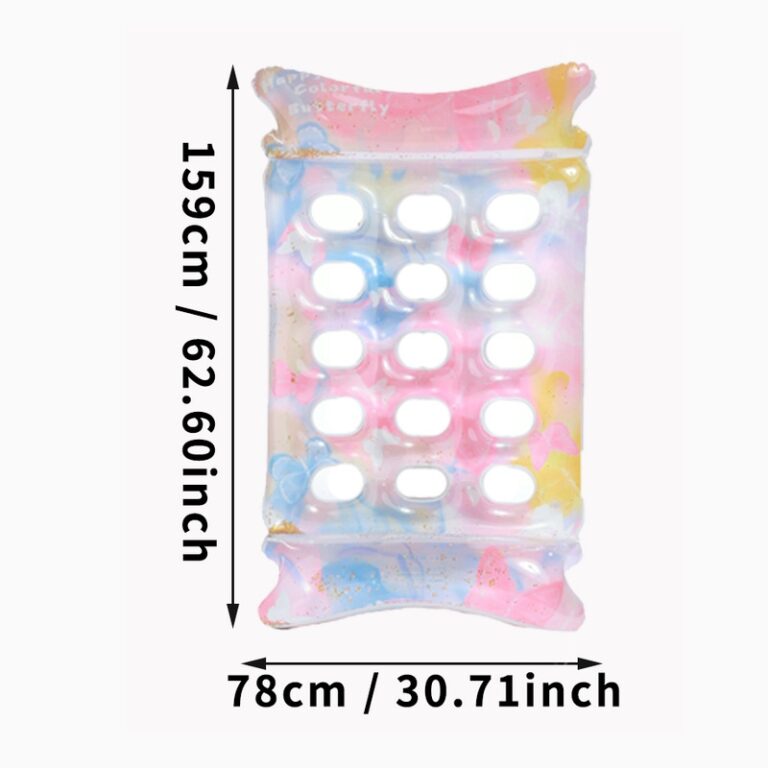 Aisha's pickReclining Sun Loungers That Fit Through a Narrow DoorAlso worth a lookErgonomic ChairsThe thing nobody mentions is that an ergonomic chair looks ridiculous for the first two weeks.See the collections →
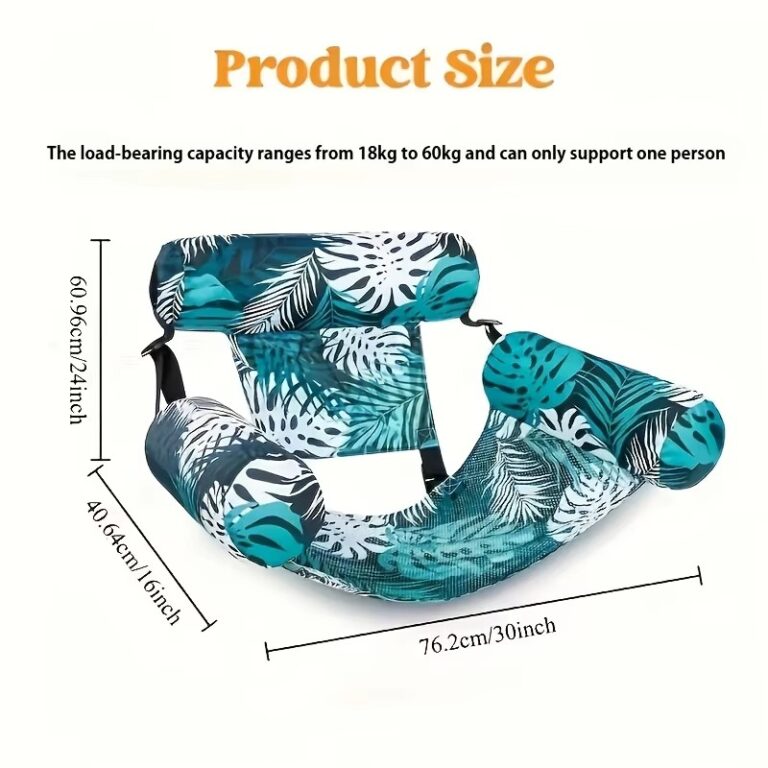
 Aisha's pickReclining Ergonomic Chairs That Earn Their Keep

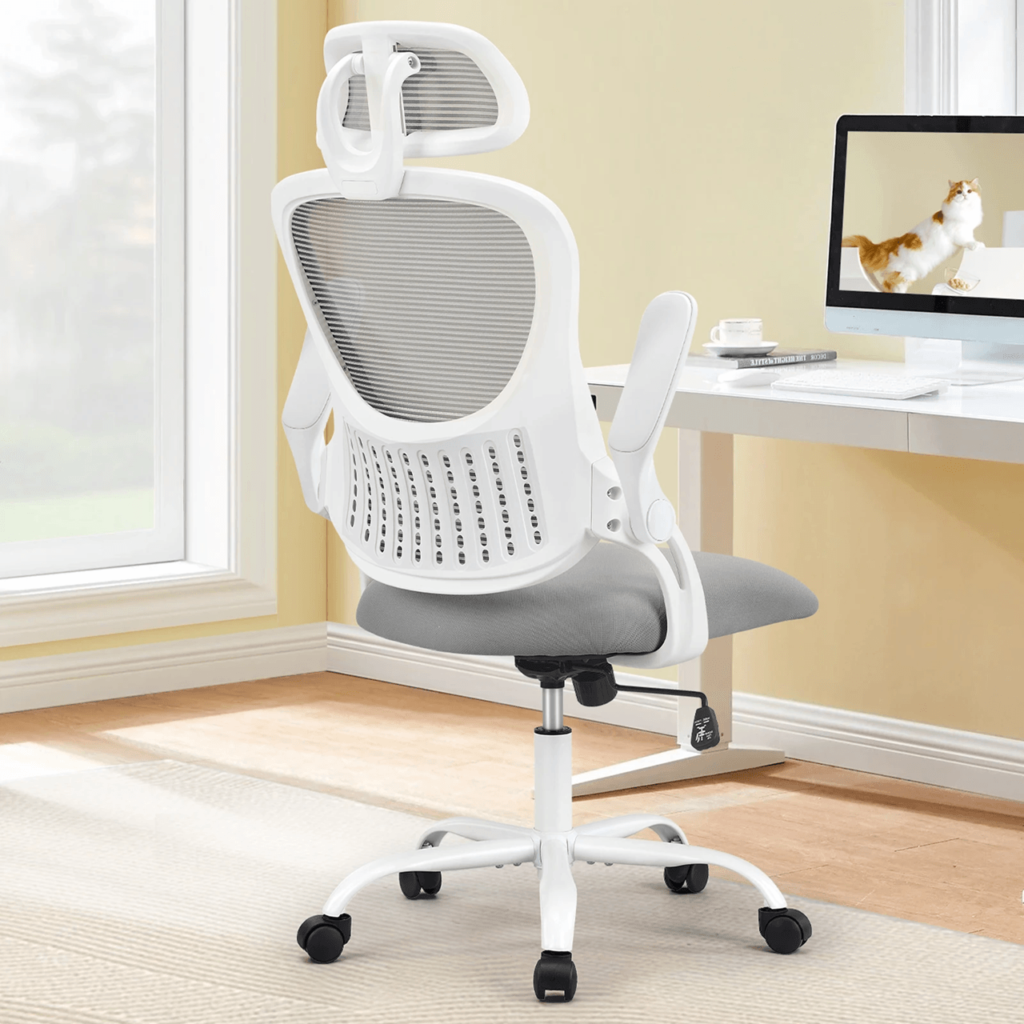 Aisha's pickReclining Swivel Chairs Picked by People Who Care Too Much
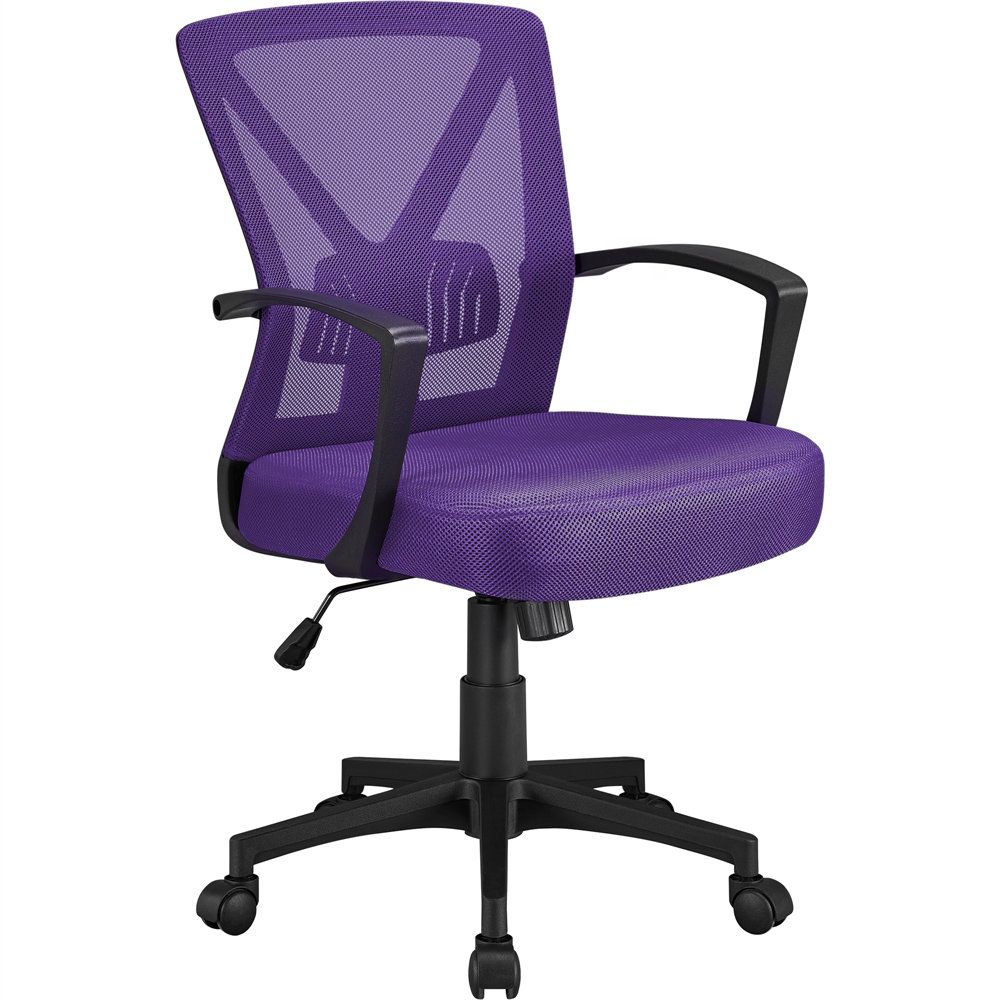
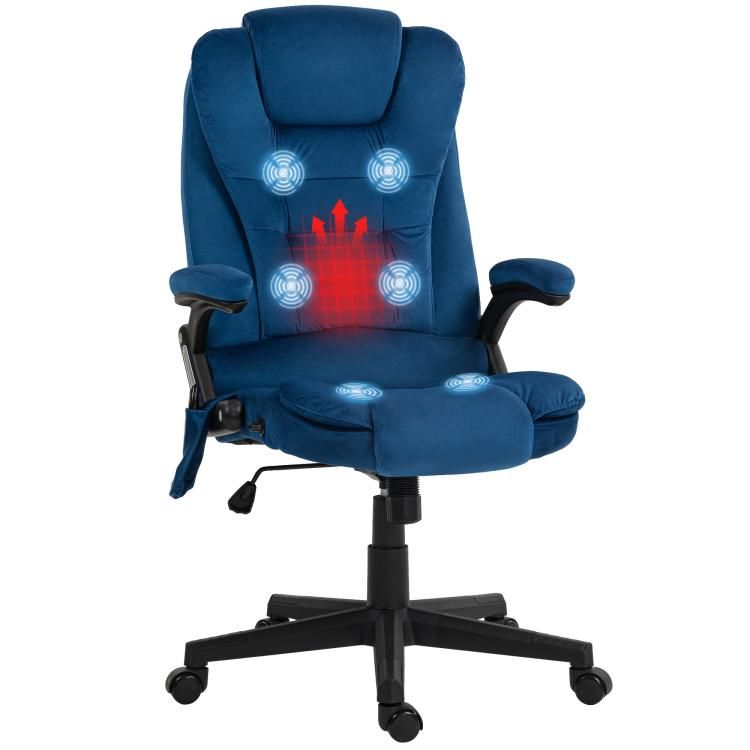
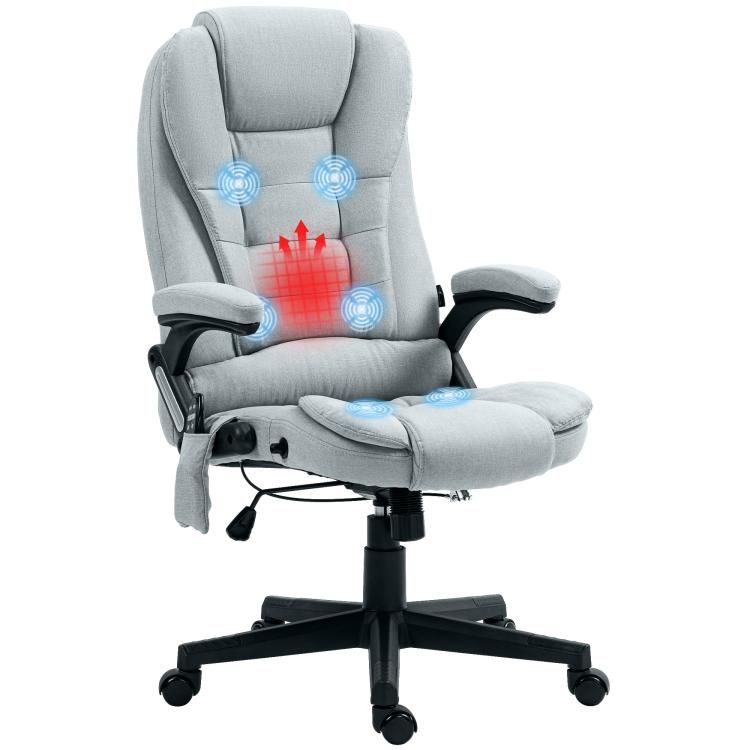 Aisha's pickReclining Executive Chairs That Keep the Desk Clear
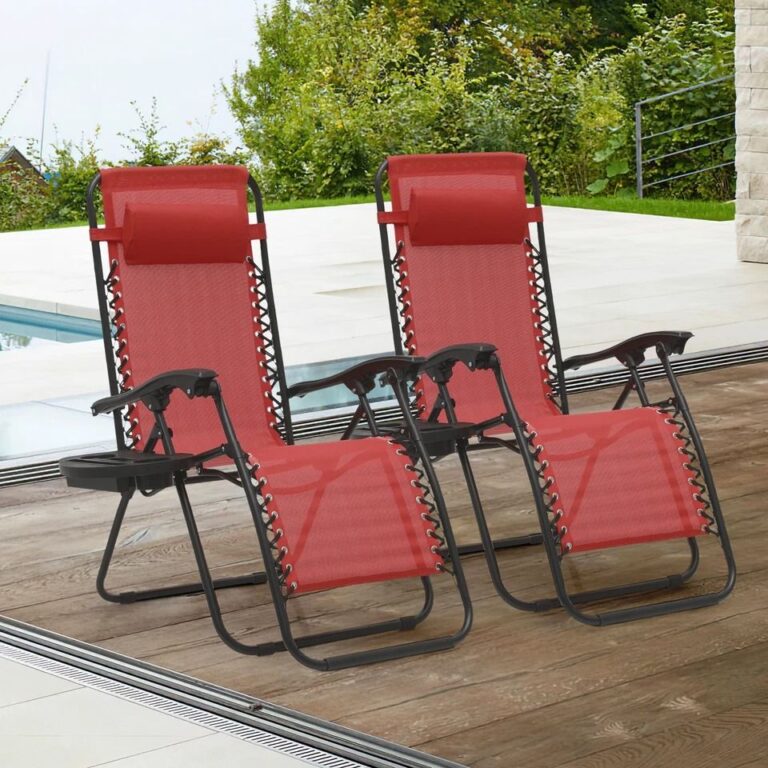
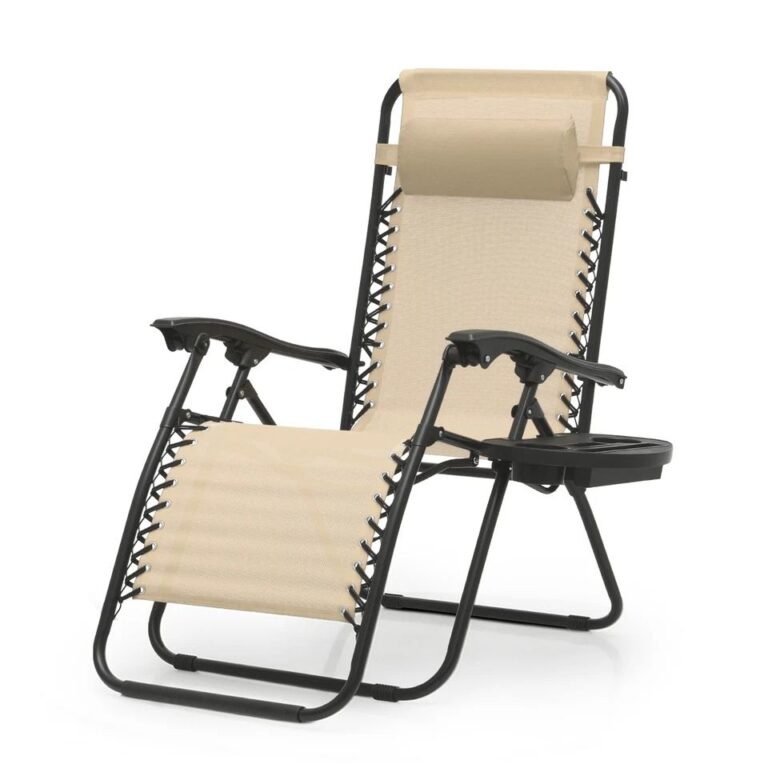 Aisha's pickReclining Zero Gravity Chairs That Don’t Look Mass Produced
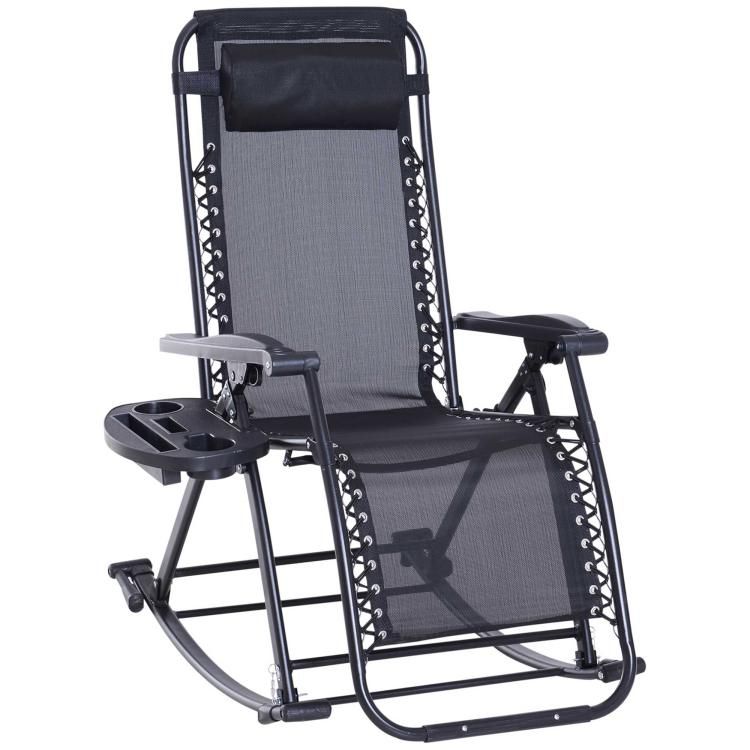
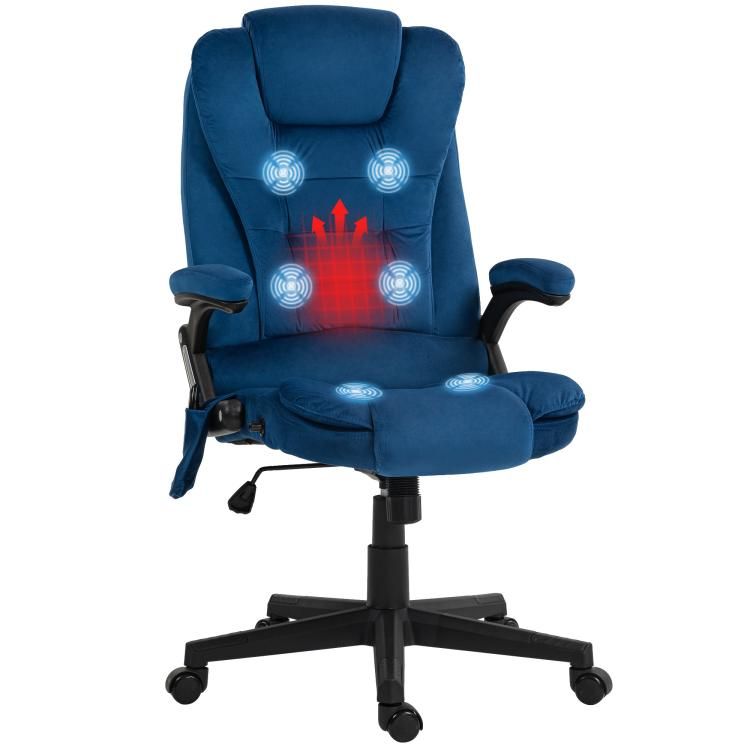 Aisha's pickReclining Executive Office Chairs at Every Price Point
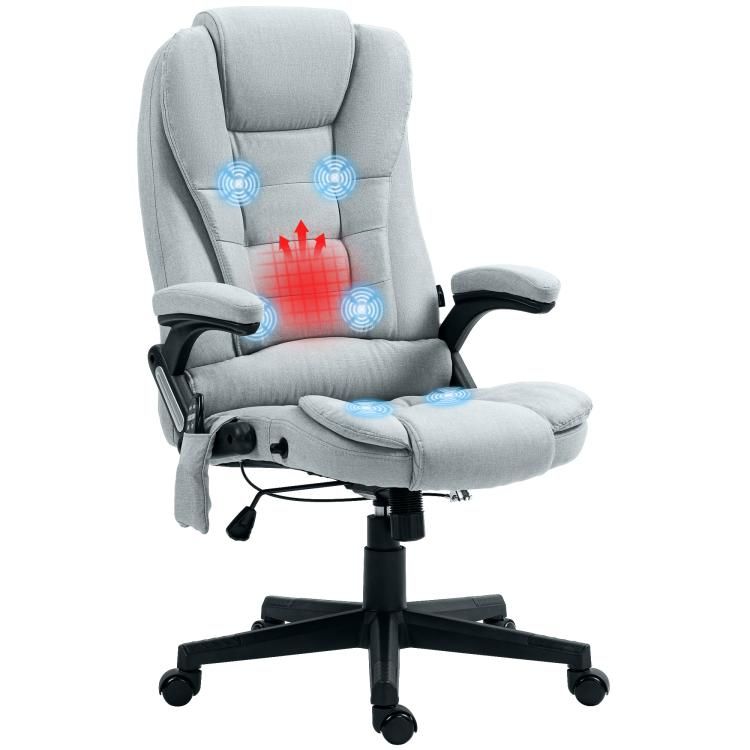
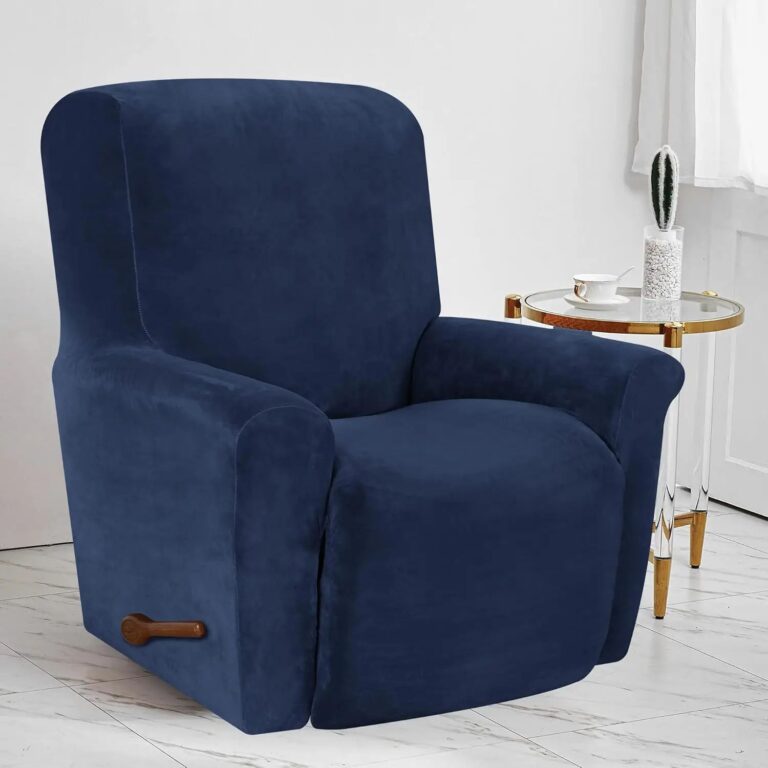 Aisha's pickReclining Fabric Recliner Chairs for Long Sunday Afternoons
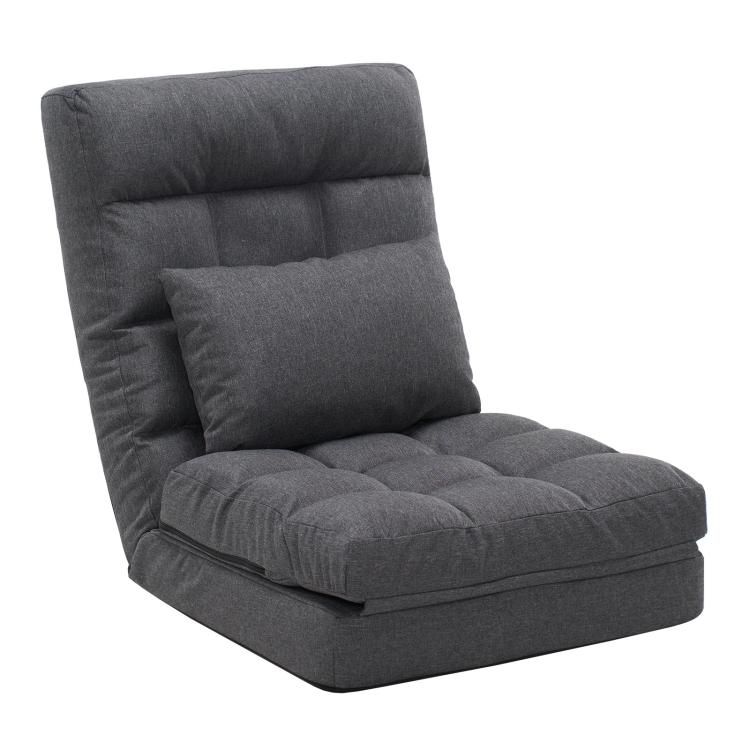 Aisha's pickReclining Gaming Chairs That Look Better in Real Life
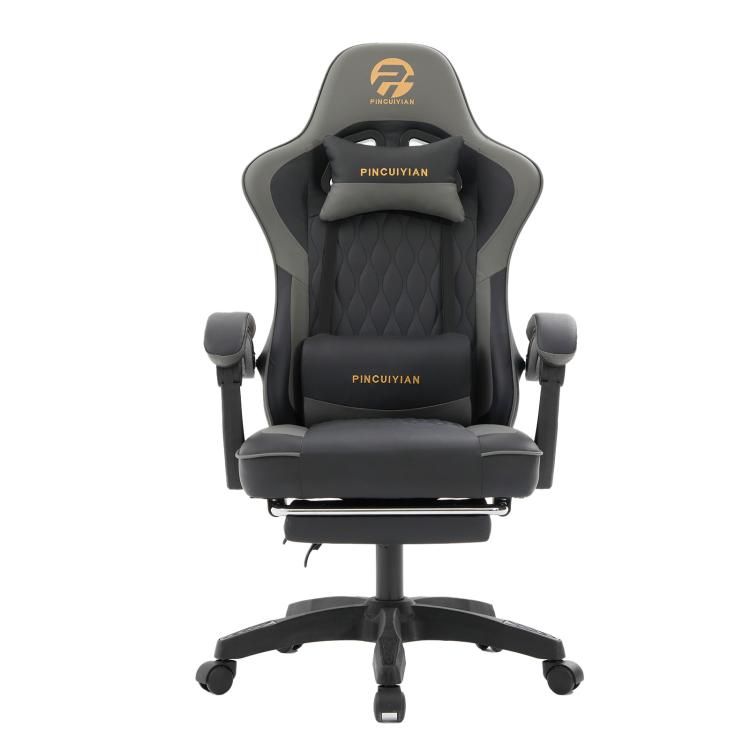
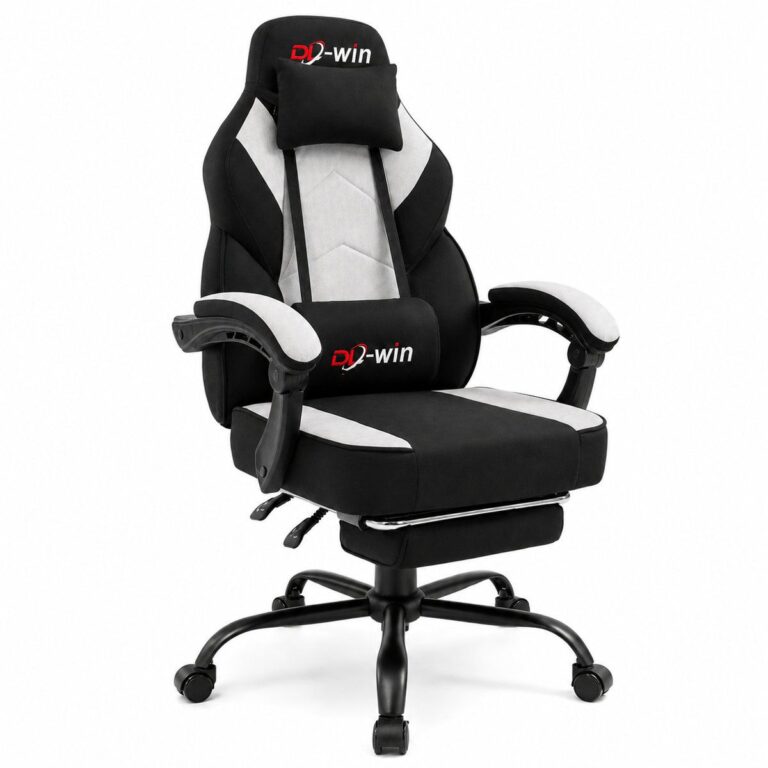 Aisha's pickWhere to Start With Reclining High Back Chairs
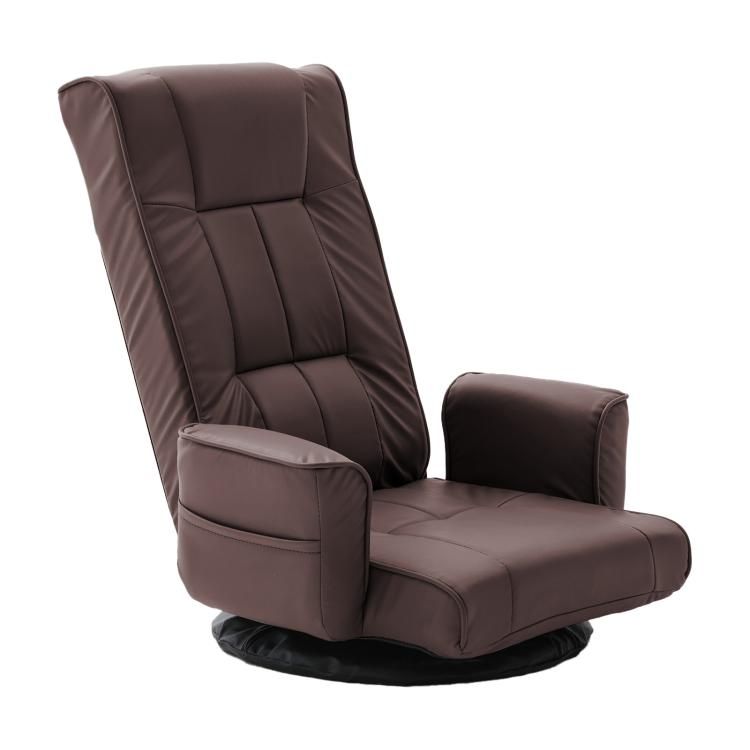
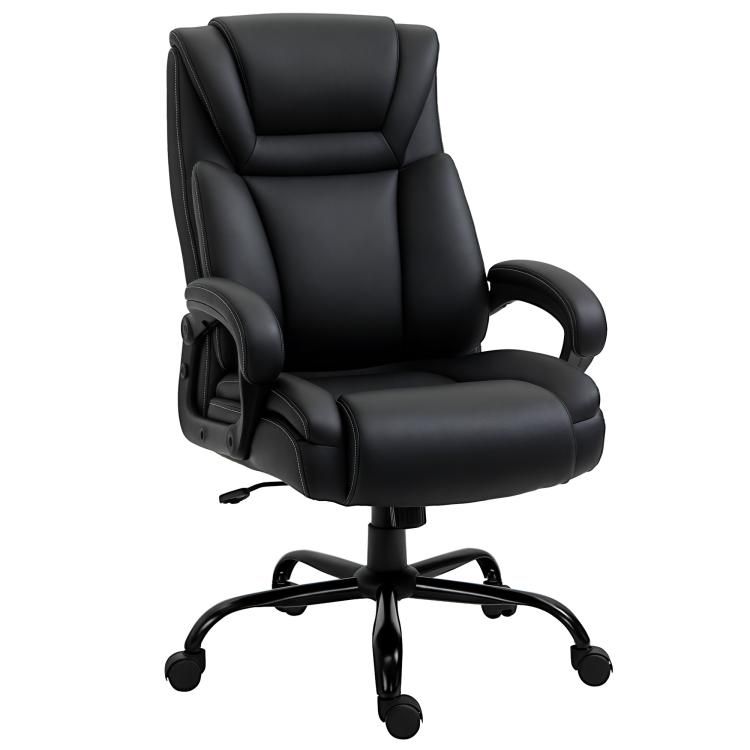 Aisha's pickReclining High Chairs That Get Better With AgeAlso worth a lookSeatsStanding in a showroom trying to decide on seats, the first thing I'd tell you is to sit in it for longer than feels normal.See the collections →
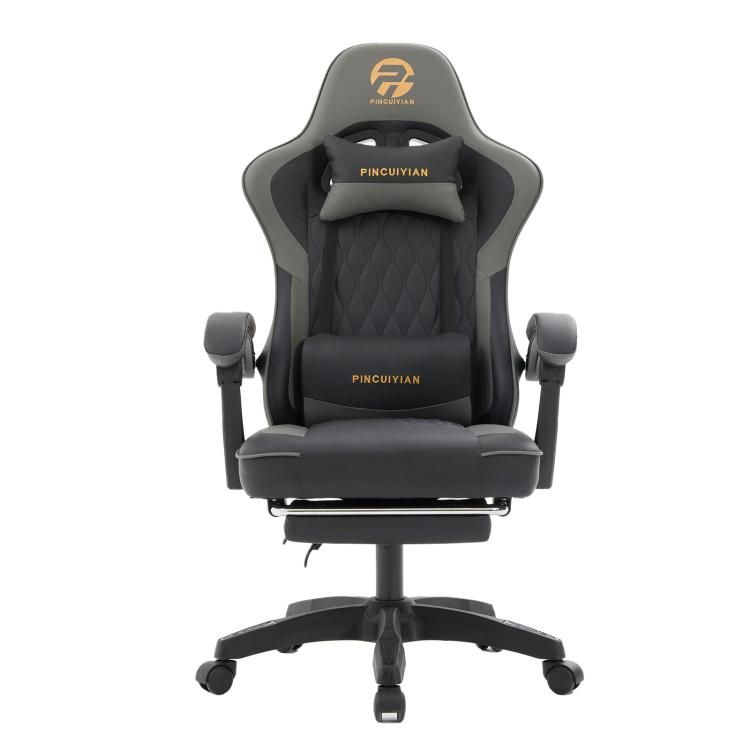
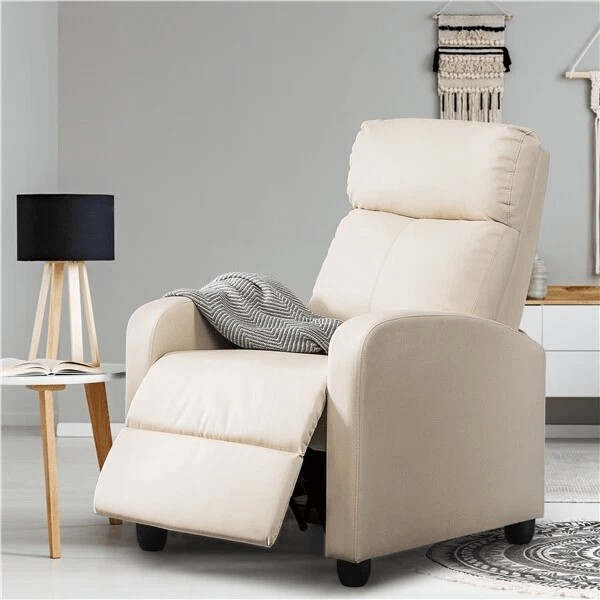 Aisha's pickReclining Leather Recliner Chairs That Don’t Sag After a Year