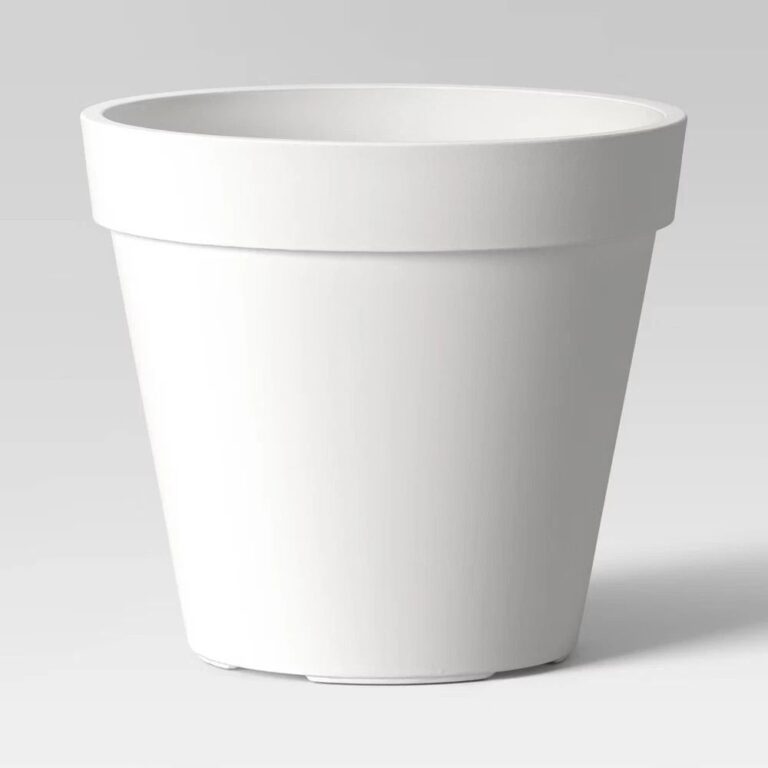
Pots have a reputation for being the thing you grab last and regret first, some flimsy plastic circle from the garden aisle that cracks after one winter, and honestly, for a lot of pots on the market, that reputation is earned. But a good one, the kind with real weight to it, changes how a whole porch or balcony feels, and I've come around on them more than I expected to.
Where pots go wrong is almost always about the wrong material for the wrong job. Thin ceramic cracks the first hard freeze it sits through outside, so if you're leaving something out in a real winter, you want concrete, stone composite, or a glazed stoneware rated for it, not a pretty thrifted thing that was clearly meant to live indoors. Unglazed terracotta is lovely and breathes well for plants that hate wet feet, but it's porous, which means it dries out fast in summer heat and needs more watering than you'd think, and it stains with mineral deposits over a season or two, which some people love and some people find looks neglected. For color, I've never gone wrong with plain terracotta, charcoal, or a soft warm white, they sit quietly next to whatever greenery you put in them instead of competing with it. Glossy jewel tones look great in a shop and then clash with literally everything you own.
Sizing is where most people, myself included at one point, get it embarrassingly wrong. The instinct is to buy small because the pot looks big enough in the store, and then the plant outgrows it in one growing season and you're repotting in a panic. A good rule is to go up about two inches in diameter from the nursery pot the plant already lives in, not more, roots need room but they don't need a swimming pool, and too much extra soil around them holds water and rots them out. For anything you want to leave outside for a few years, check the drainage hole situation before you buy, not after, and measure your doorway or stairwell if it's heavy stone or concrete, because I have watched a neighbor's beautiful fifty pound planter get stuck sideways on a landing and it was not a short conversation getting it unstuck.
The difference between a pot that lasts and one that disappoints usually comes down to the glaze and the base. A well made ceramic pot has an even, thick glaze with no pinholes, a solid foot that won't chip on concrete, and a drainage hole that's actually big enough to work, not a decorative afterthought. Cheap ones feel light and thin walled for their size, which tells you the material got cut somewhere.
Whatever you choose, lift it and check underneath before winter so trapped water doesn't freeze and split it.
 Aisha's pickMetal Outdoor Pots for Barbecues and Lazy Weekends

 Aisha's pickTraditional Outdoor Pots We’d Have Out From May to September
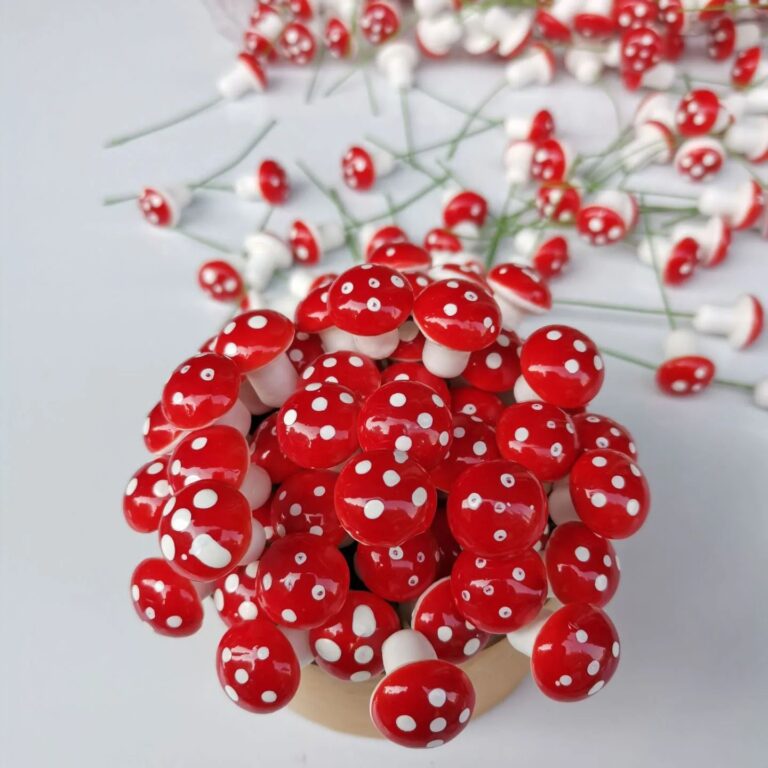 Aisha's pickLarge Plant Pots for Sunny Afternoons and Chilly Nights
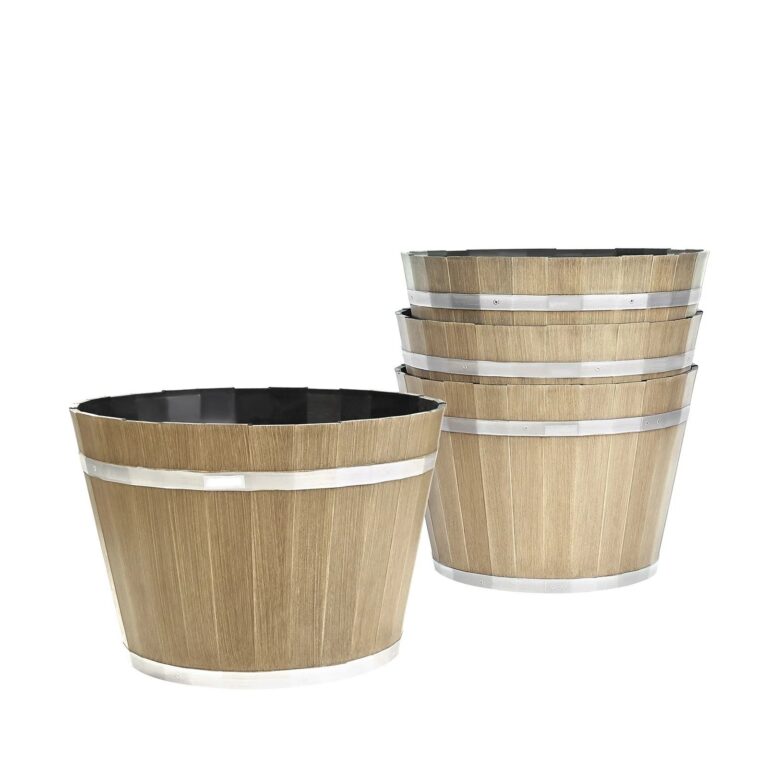
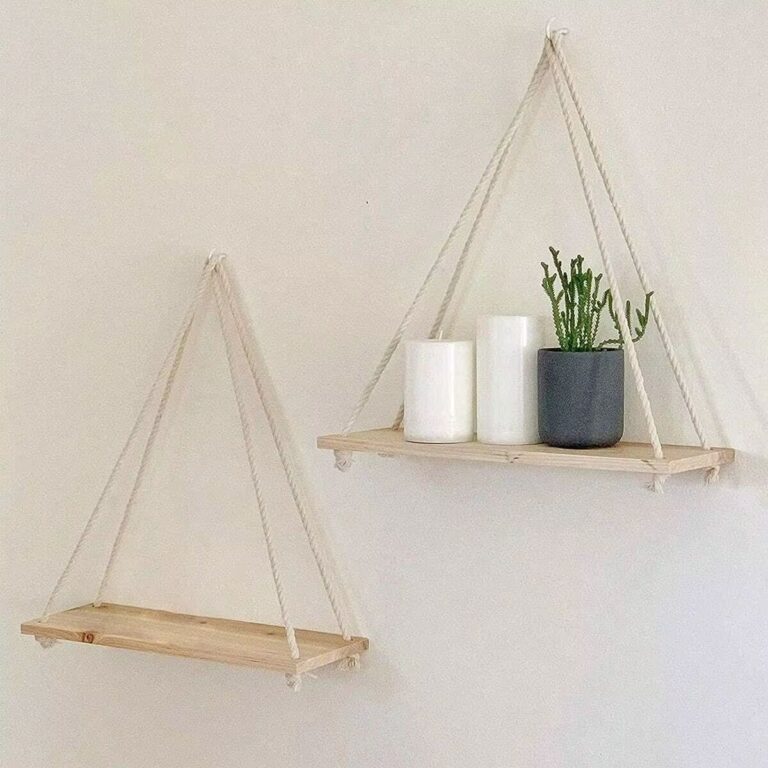 Aisha's pickWooden Plant Pots Hunted Down So You Don’t Have To
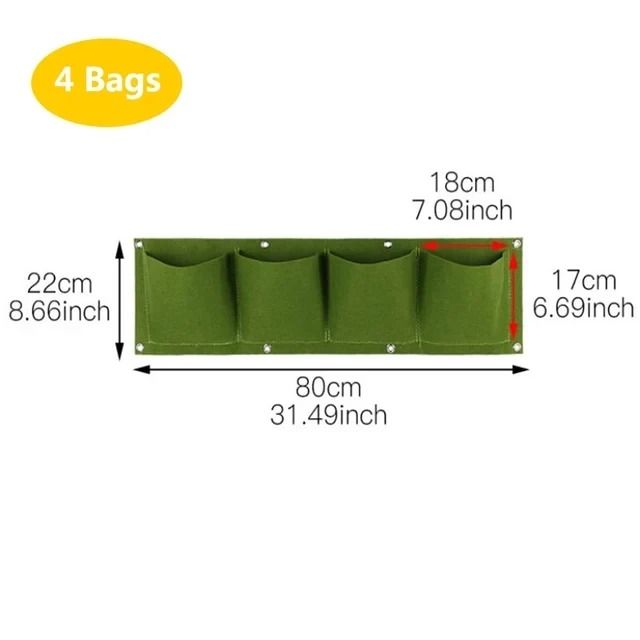
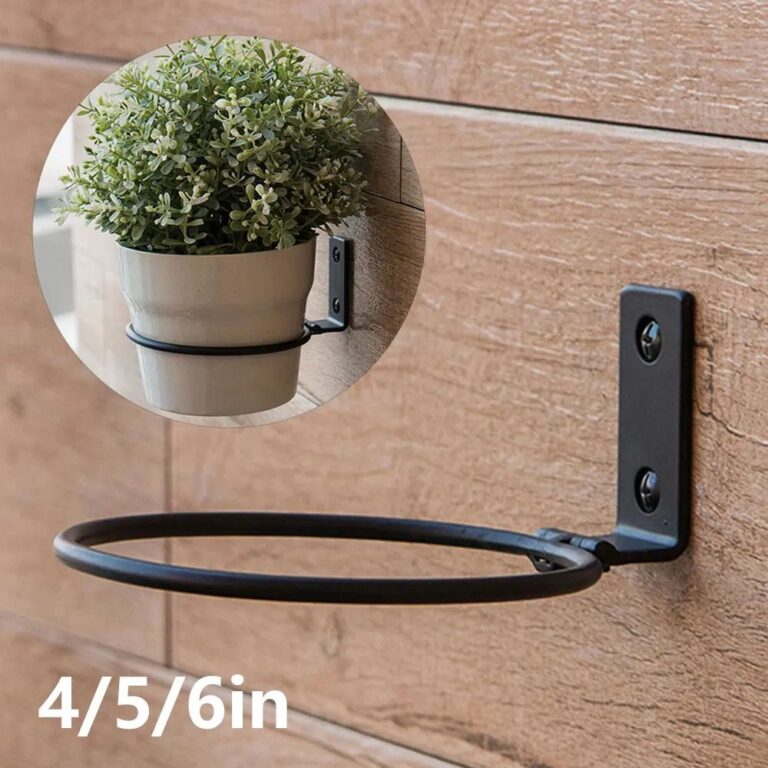 Aisha's pickOur Shortlist of Metal Outdoor Plant Pots
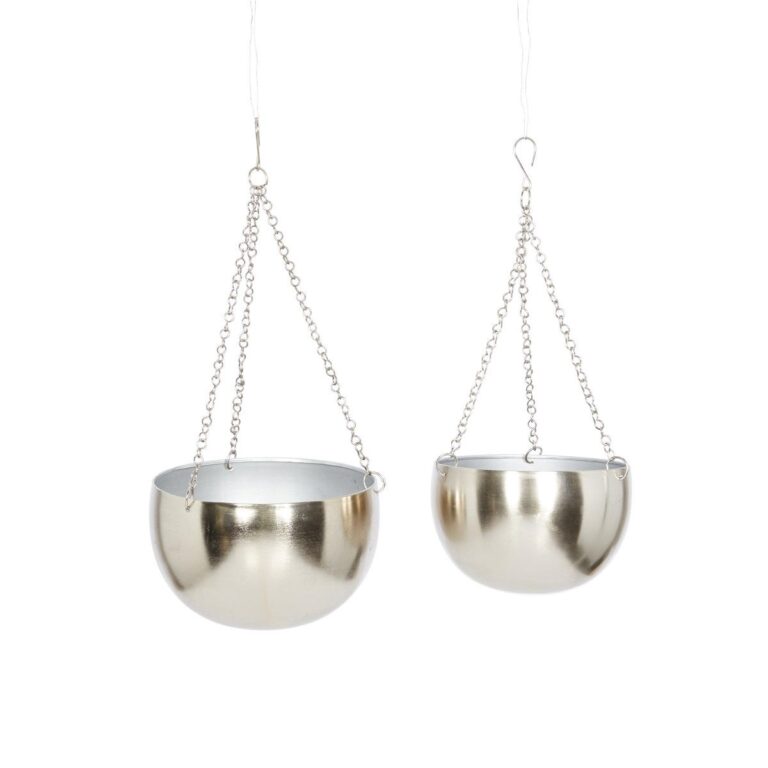
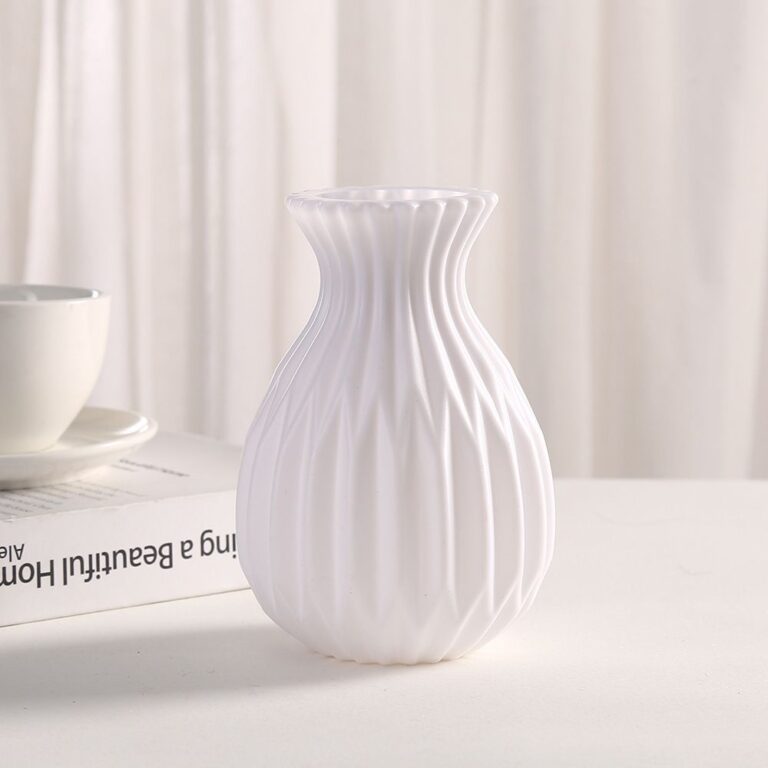 Aisha's pickOur Shortlist of White Outdoor Pots
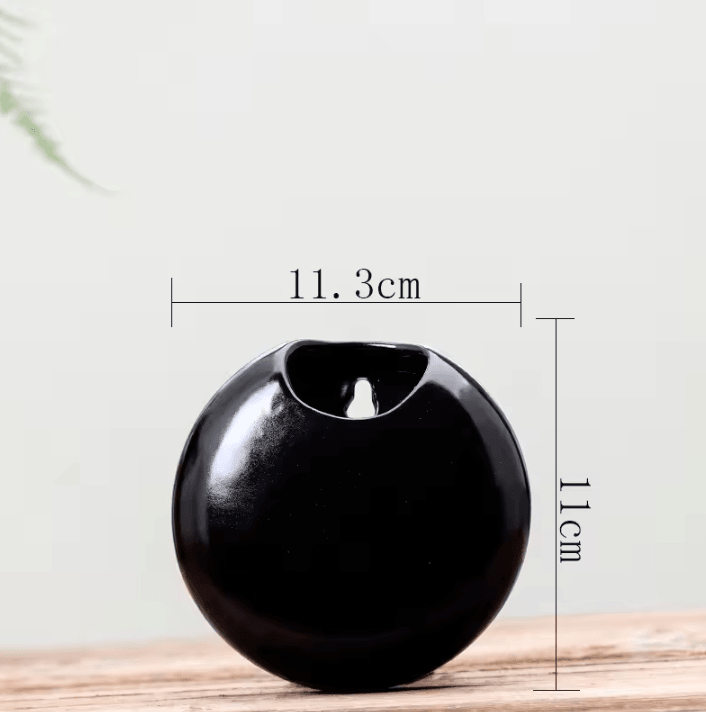
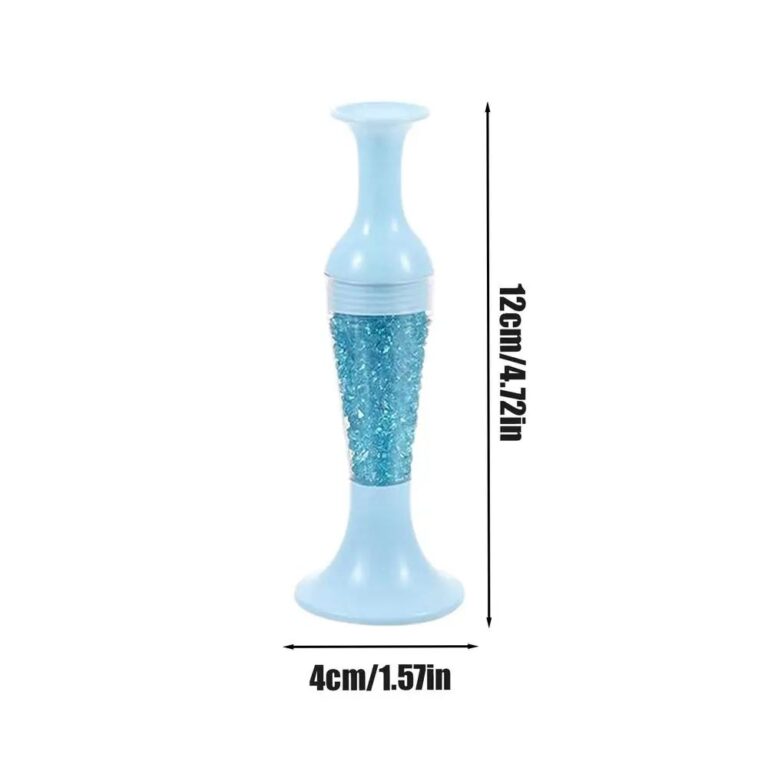 Aisha's pickPen Pots That Don’t Need Babying
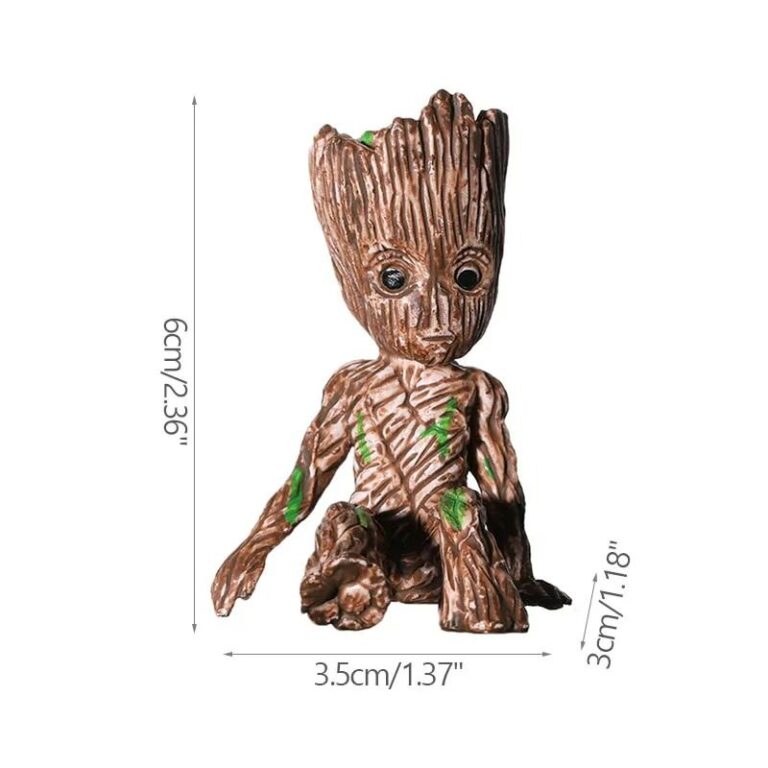
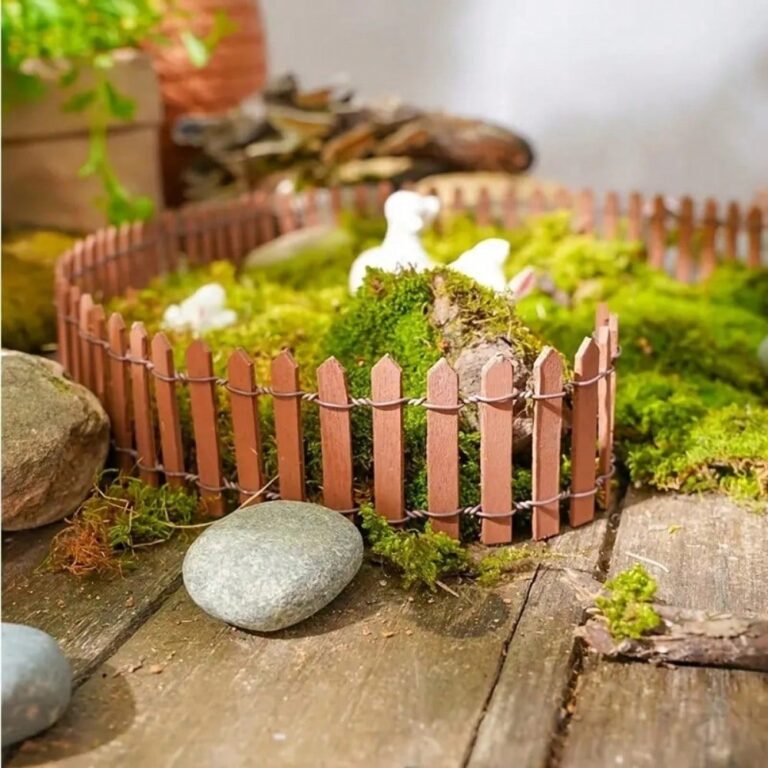 Aisha's pickWooden Plant Pots That Make Rented Places Feel Like Home
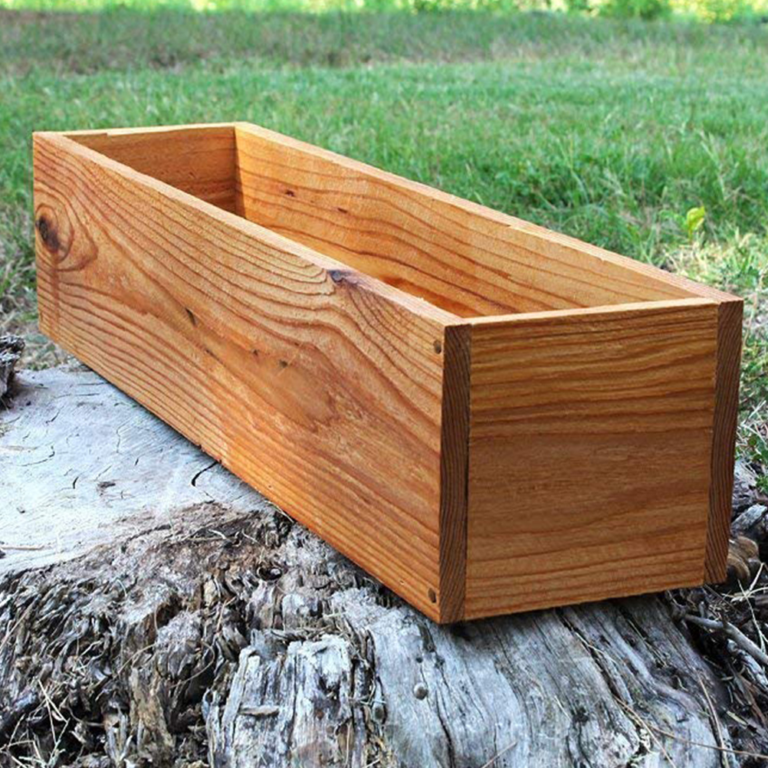
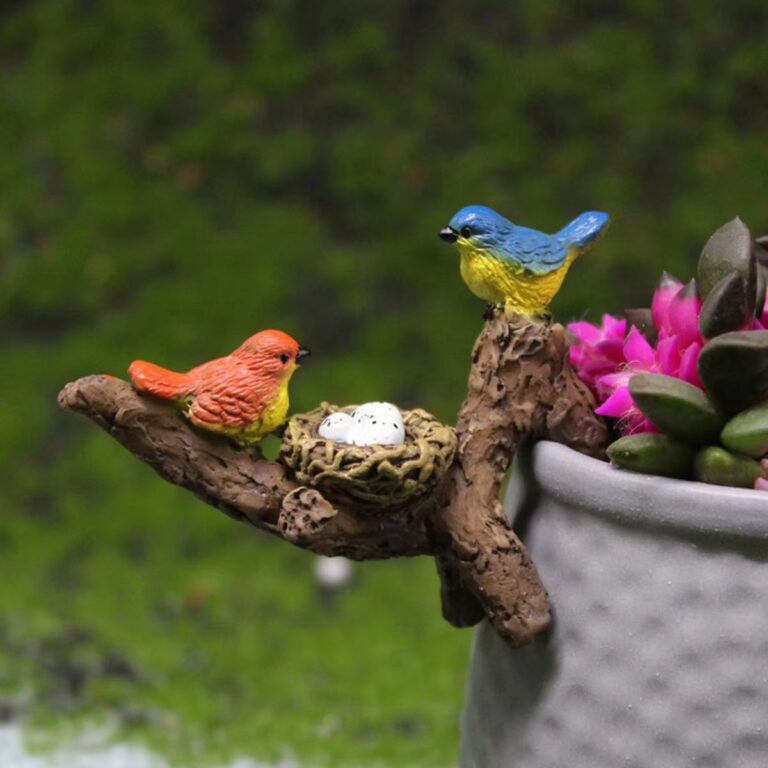 Aisha's pickNatural Outdoor Pots You Won’t Want to Hide AwayAlso worth a lookOutdoor PotsCheck the drainage hole before you check anything else about an outdoor pot.See the collections →
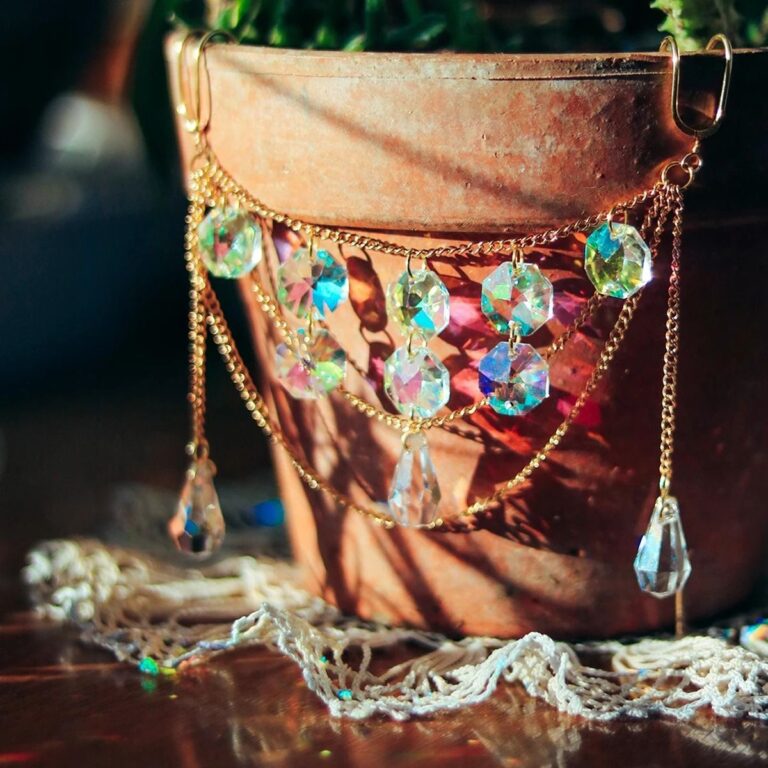
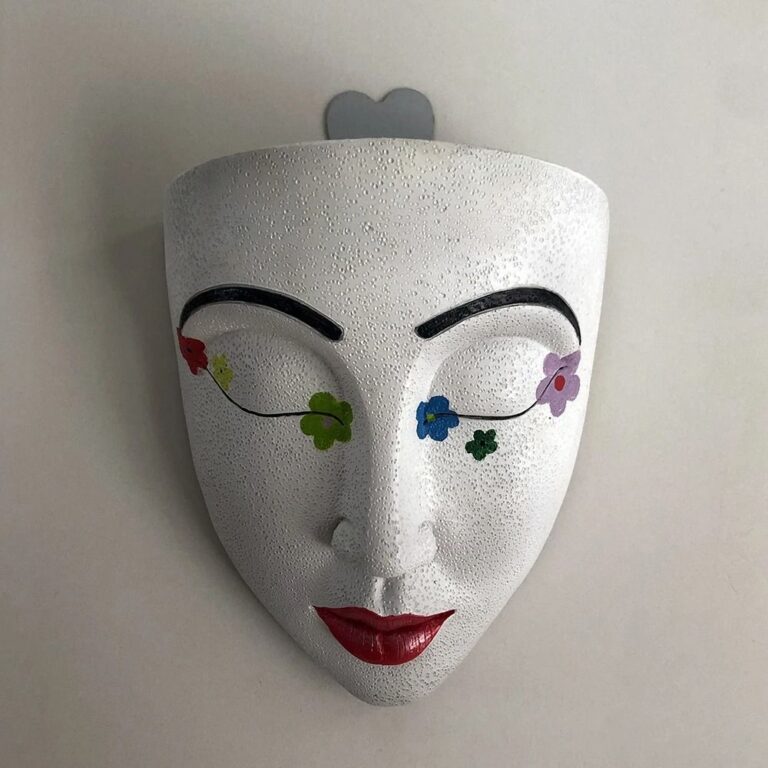 Aisha's pickWooden Outdoor Pots Picked by People Who Care Too Much
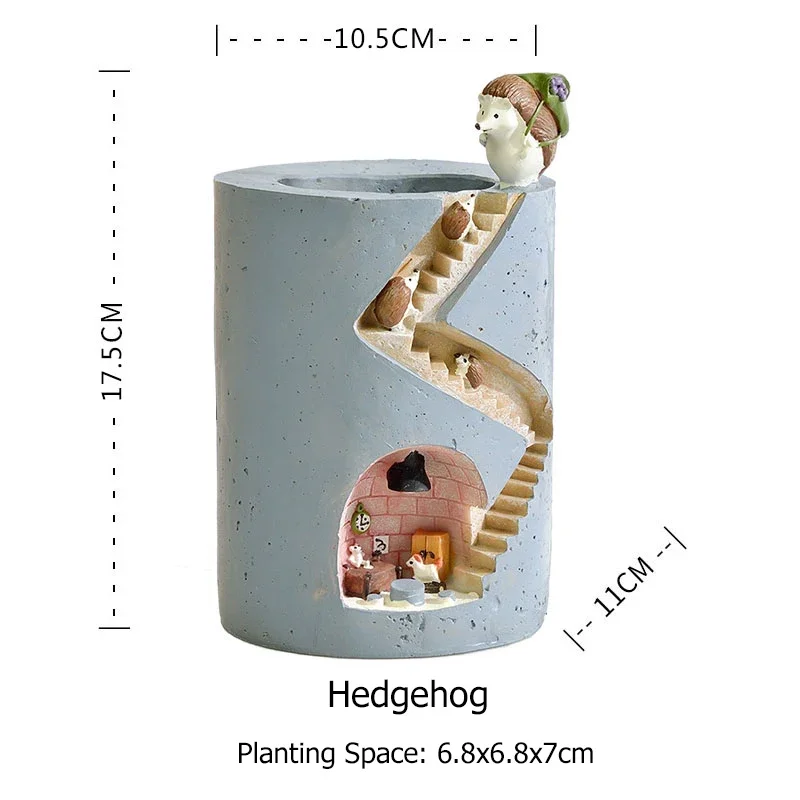 Aisha's pickPen Pots for Desk That Make the Spare Room Feel Like an Office
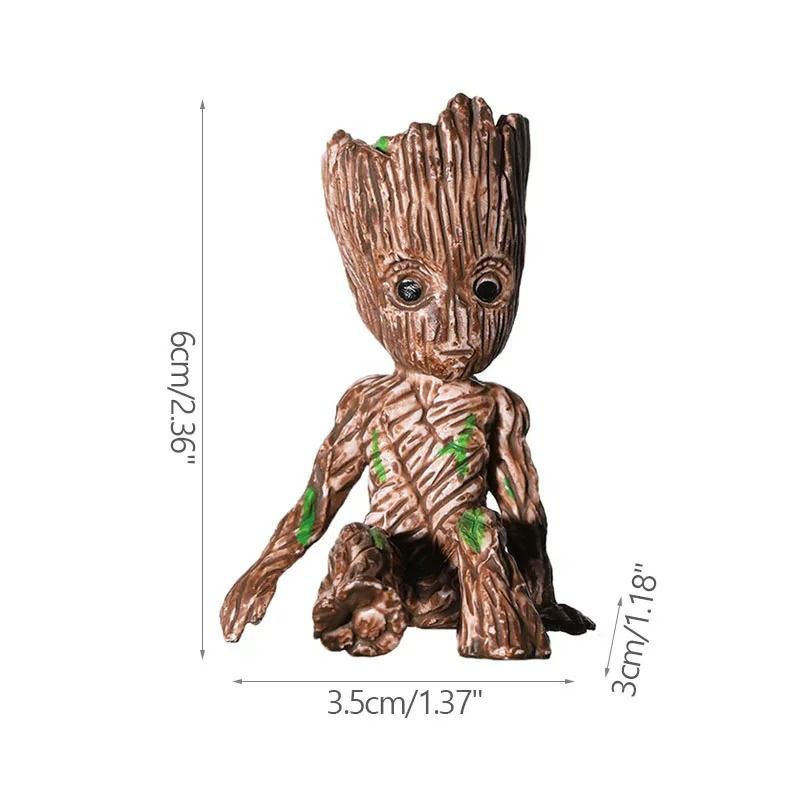
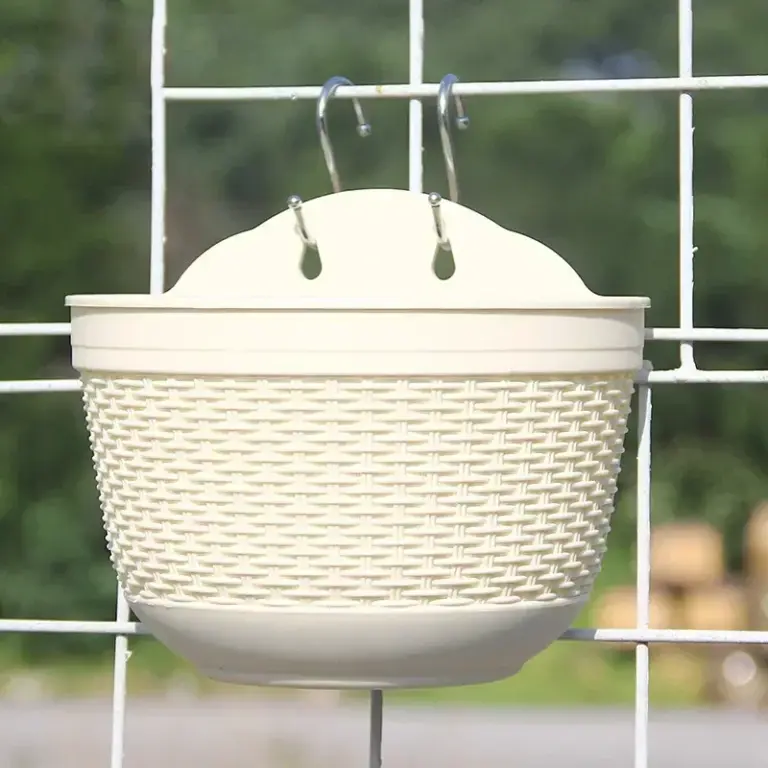 Aisha's pickNatural Outdoor Plant Pots for Sunny Afternoons and Chilly Nights
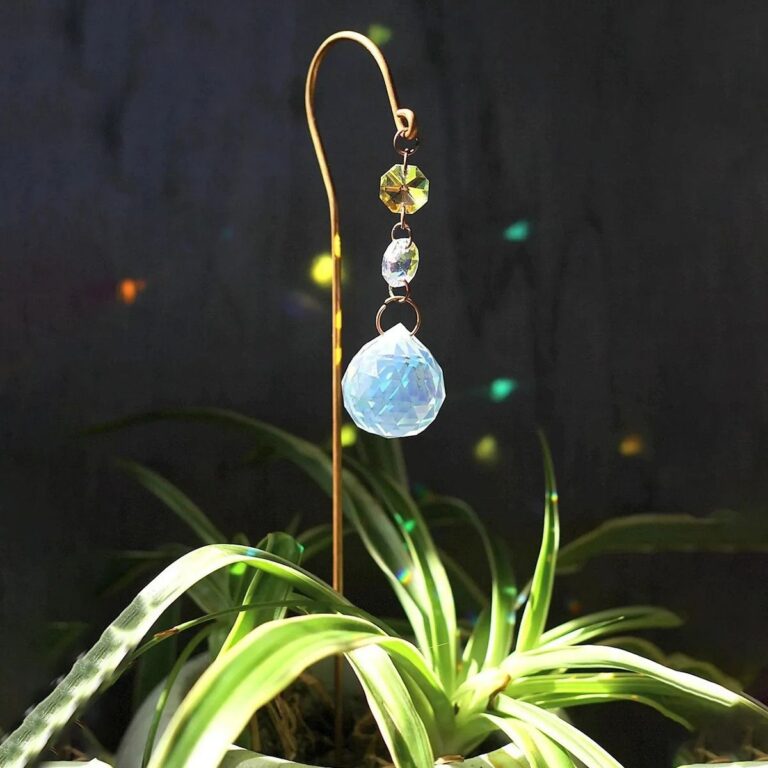
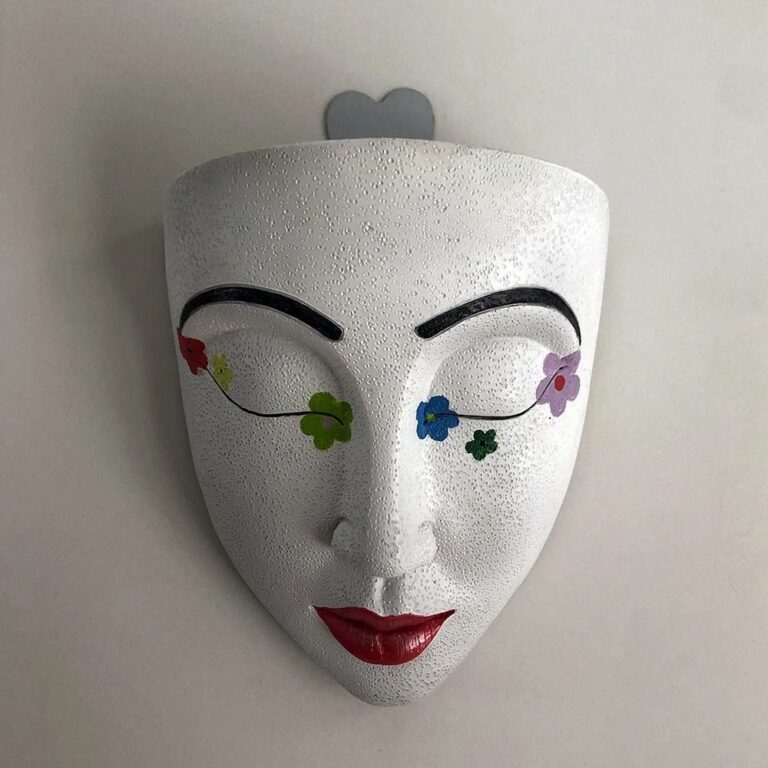 Aisha's pickWooden Outdoor Plant Pots That Don’t Look Mass Produced
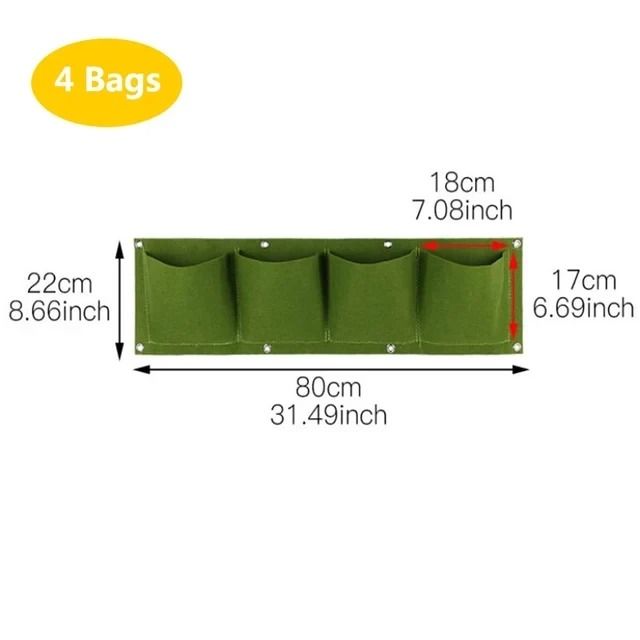
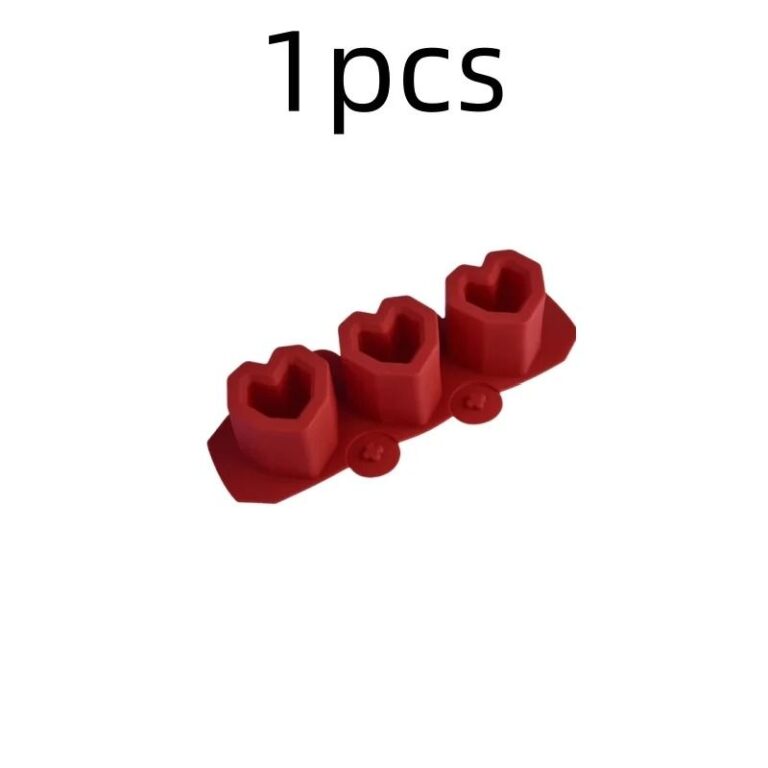 Aisha's pickPlastic Pen Pots for Making the Most of the Patio
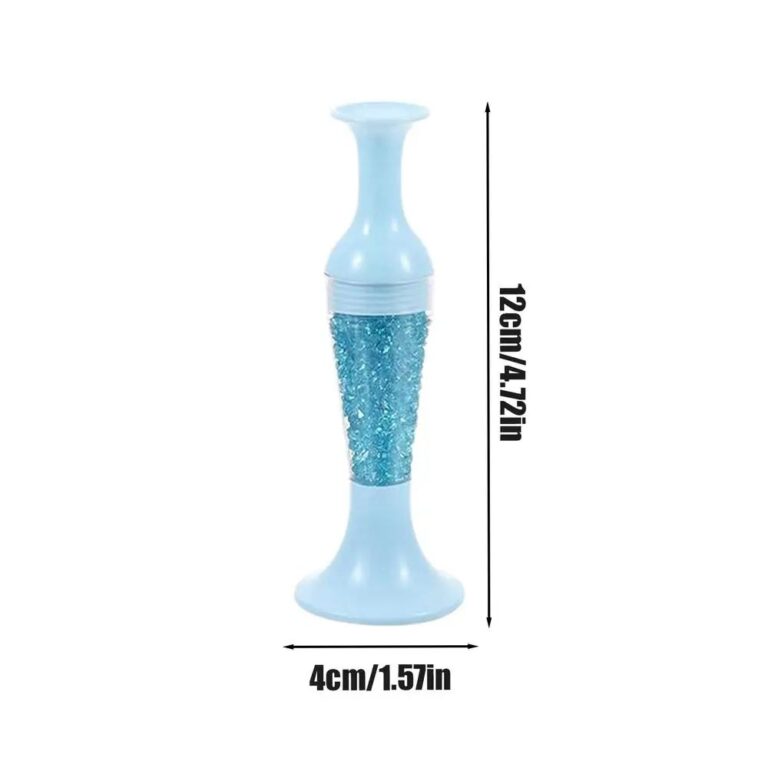
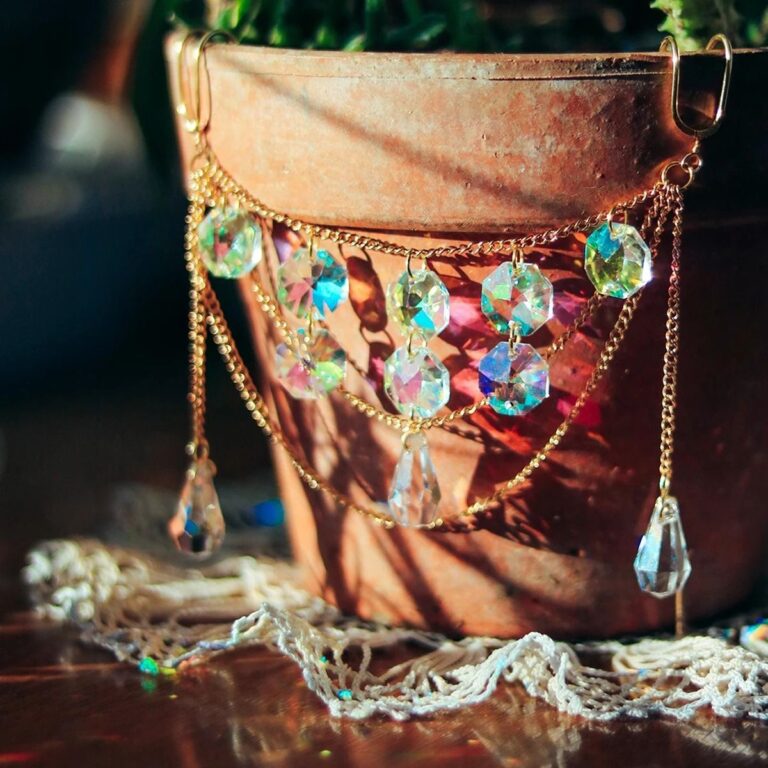 Aisha's pickOutdoor Plant Pots You’ll Still Like in Five Years
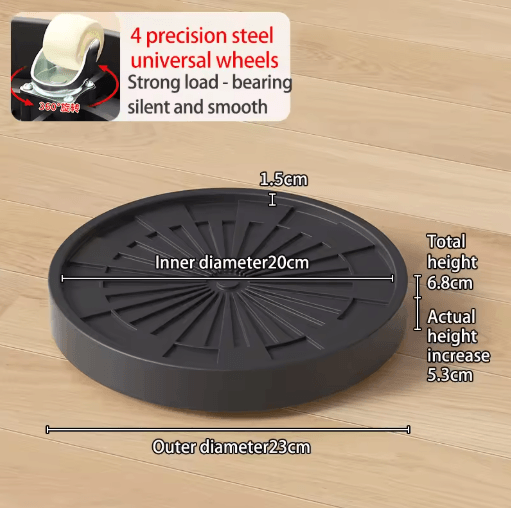
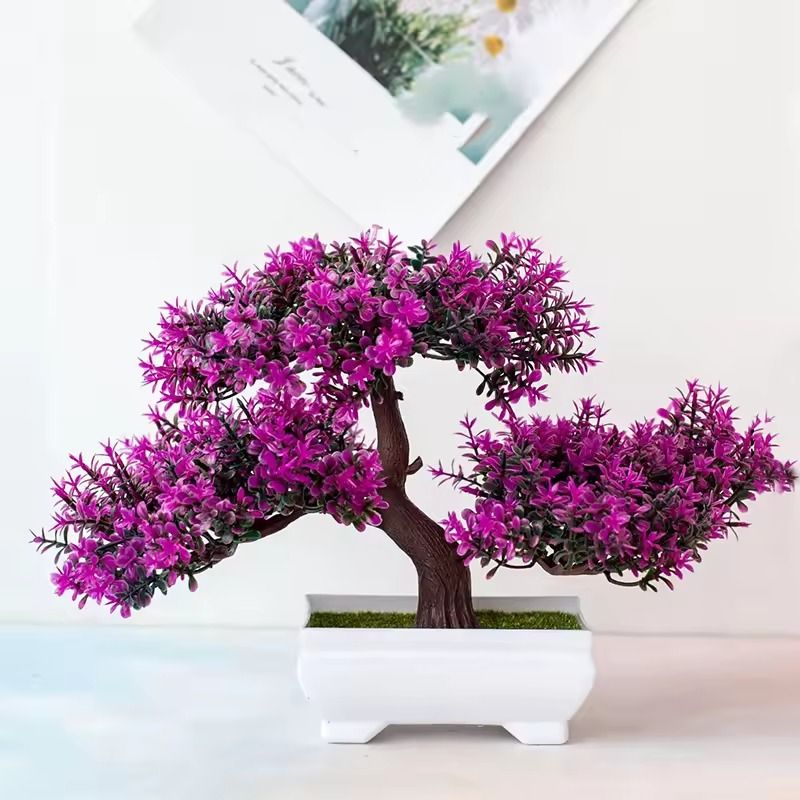 Aisha's pickArtificial Trees in Pots That Make a Shelf Look Styled
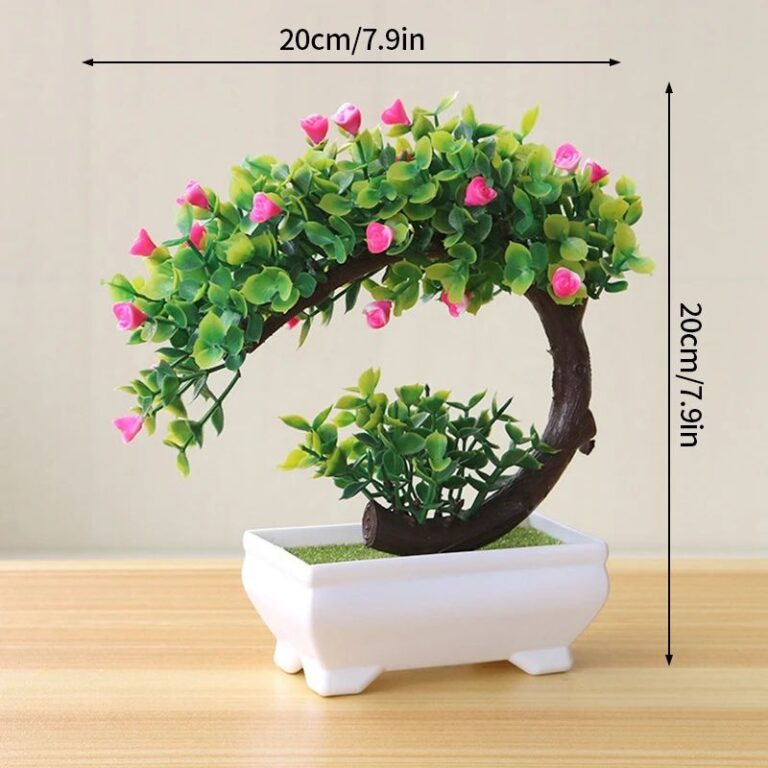
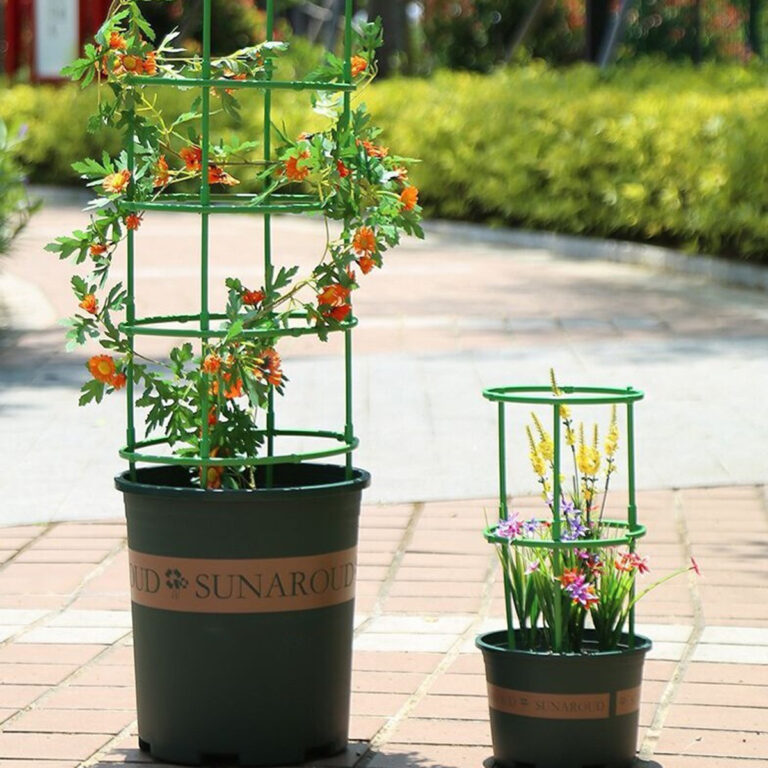 Aisha's pickSets of 3 Plant Pots That Make the Yard Feel Like Another Room
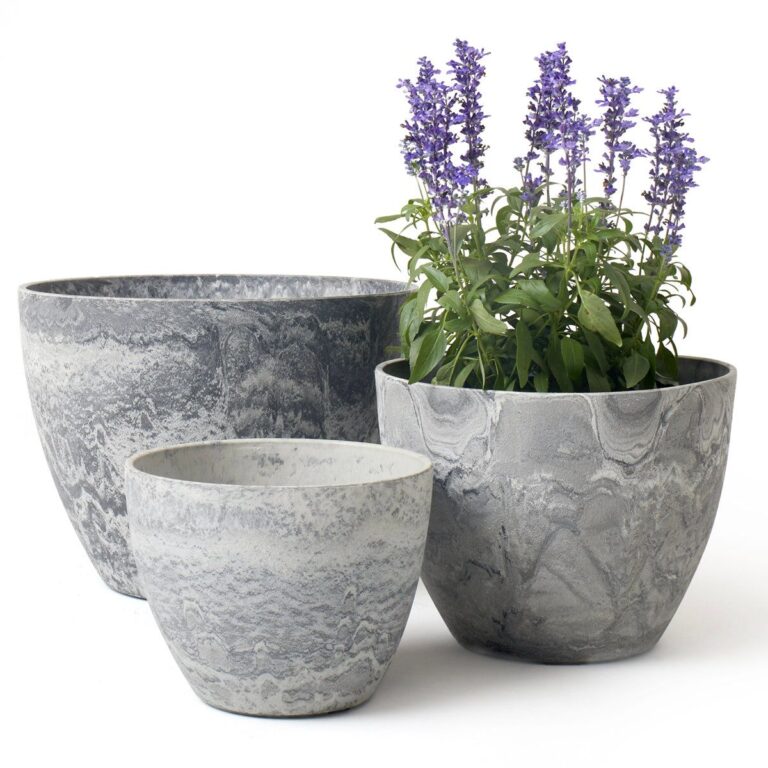
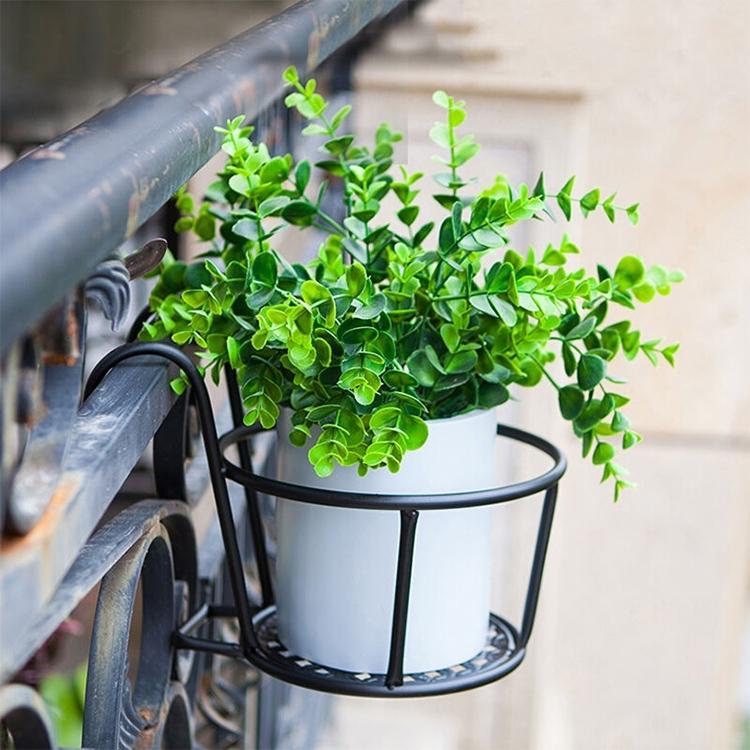 Aisha's pickBlack Outdoor Pots From Stores Big and SmallAlso worth a lookPlant PotsPlant pots have a reputation for being the easy part of keeping plants alive, and mostly that's fair,…See the collections →
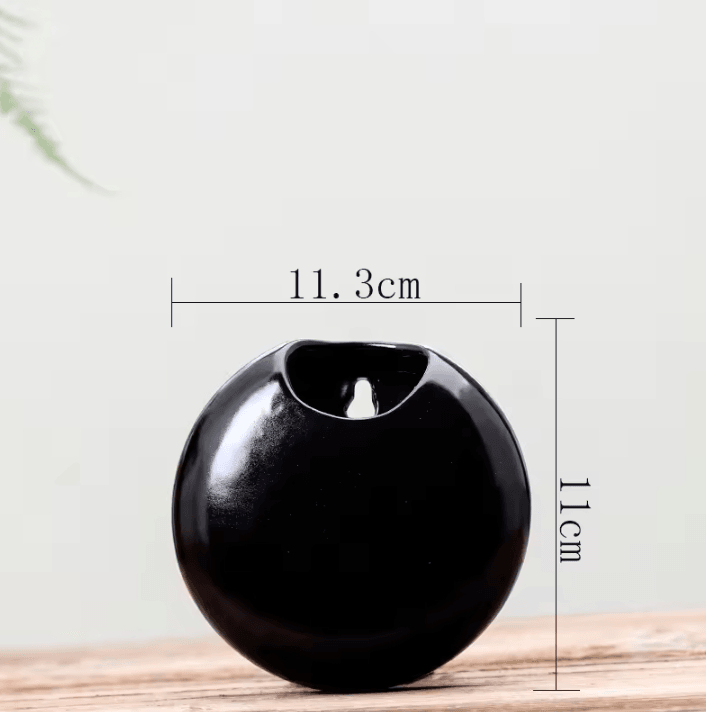
 Aisha's pickOutdoor Plant Pots with Drainage That Make a Small Yard Work Harder
 Aisha's pickDesktop Pen Pots You’ll Still Like in Five Years

 Aisha's pickSmall Ceramic Plant Pots With a Bit More About Them
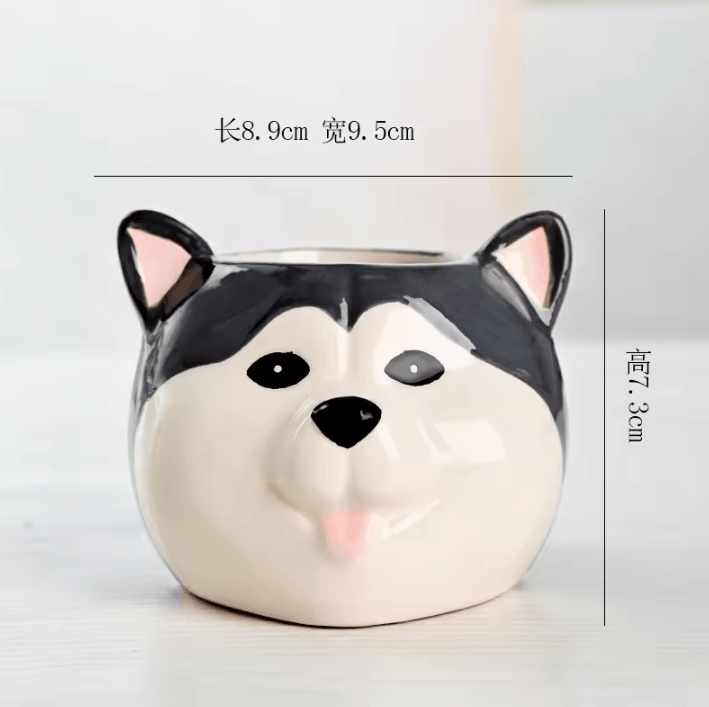
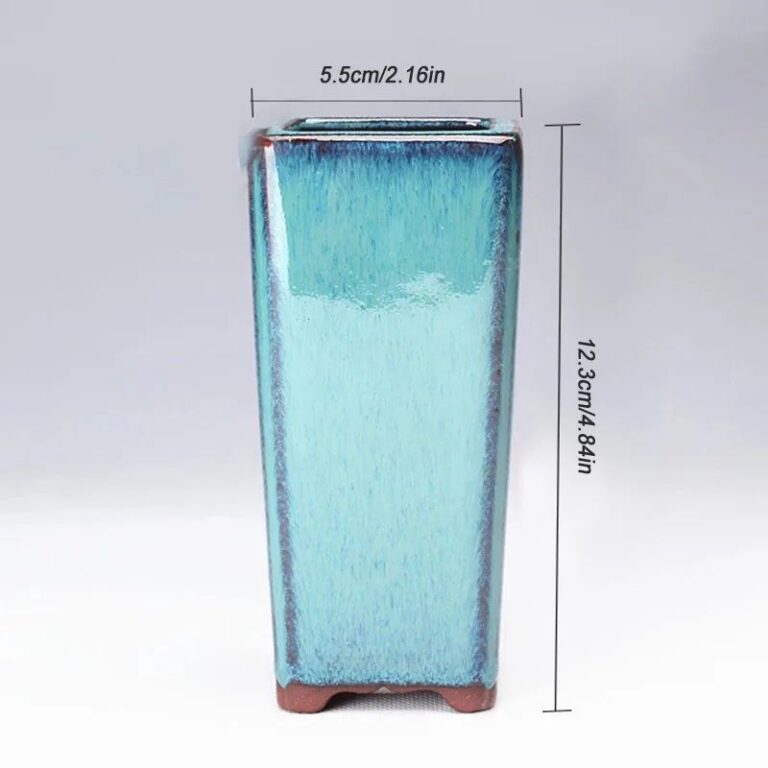 Aisha's pickCeramic Outdoor Pots We’d Have Out From May to September
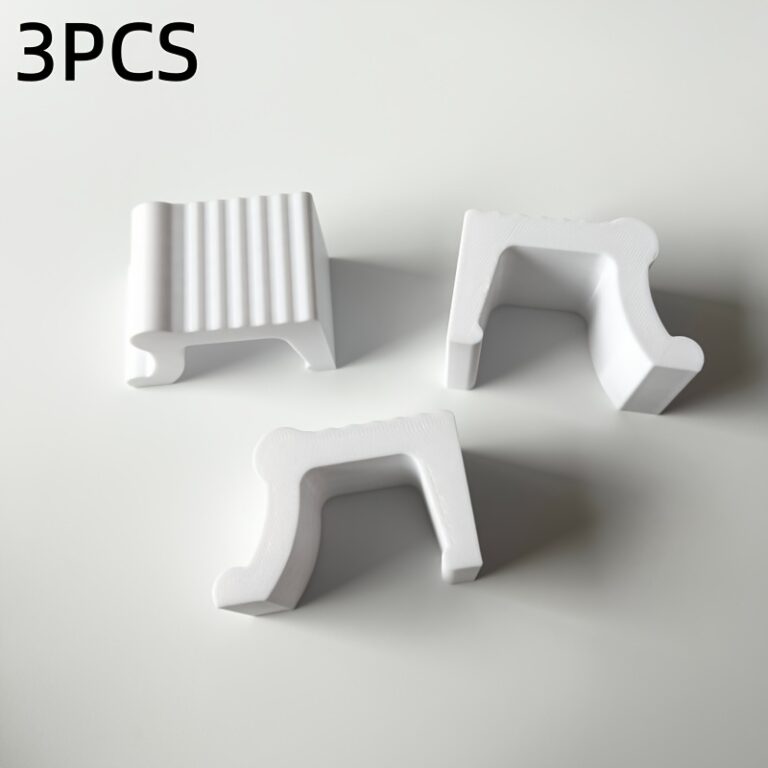
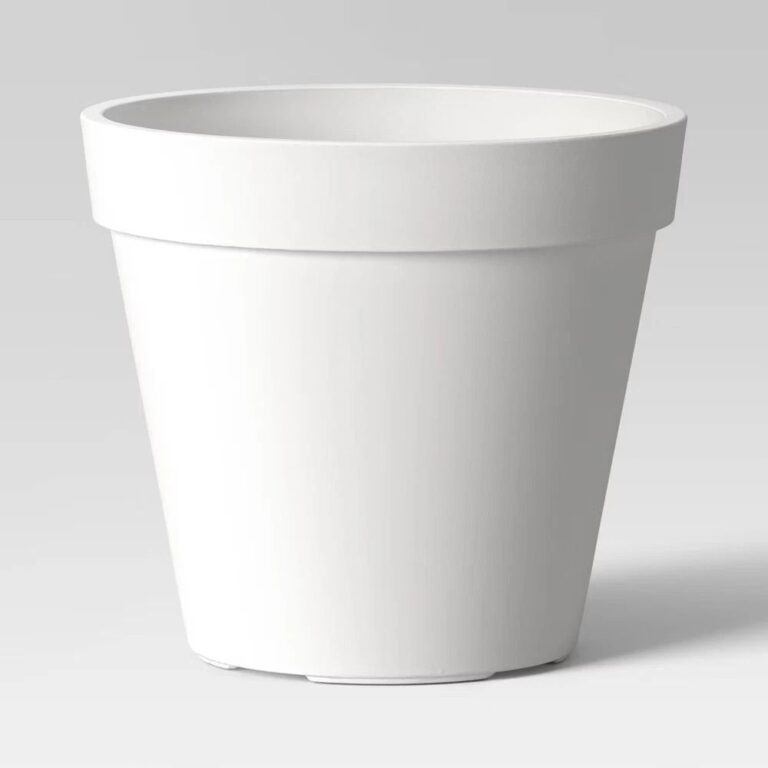 Aisha's pickPlastic Outdoor Pots for Long Summer Evenings Outside
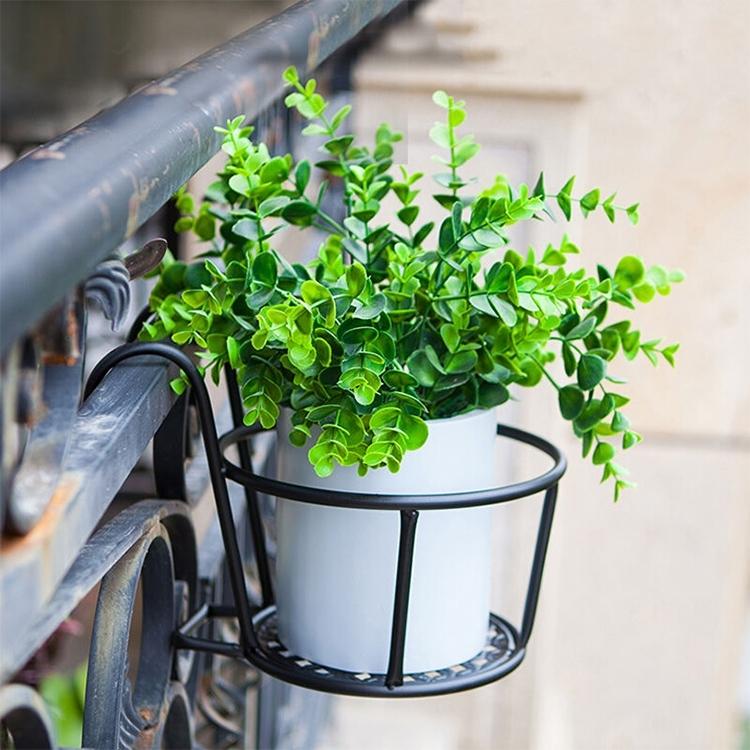
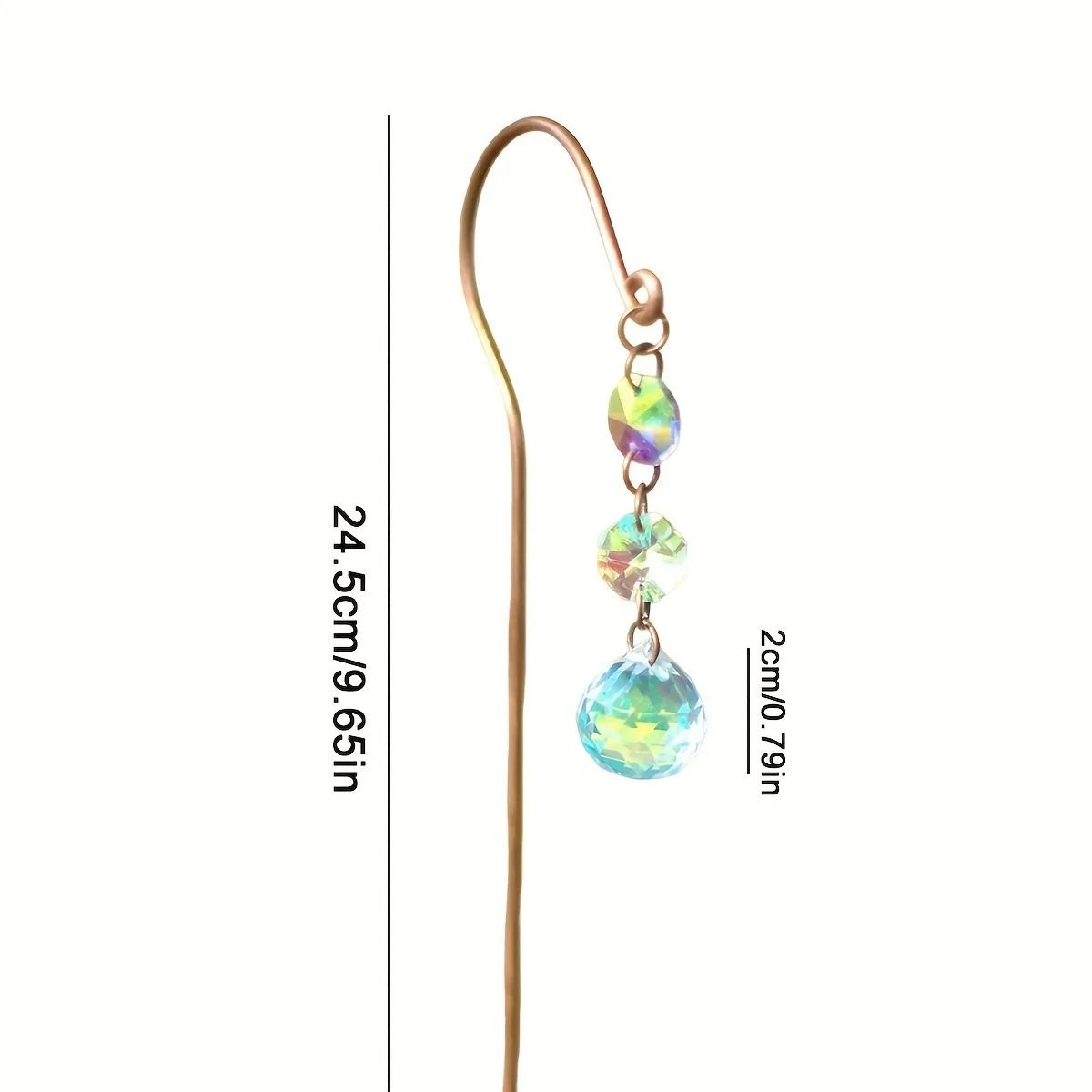 Aisha's pickGlass Plant Pots You’ll Keep for Years
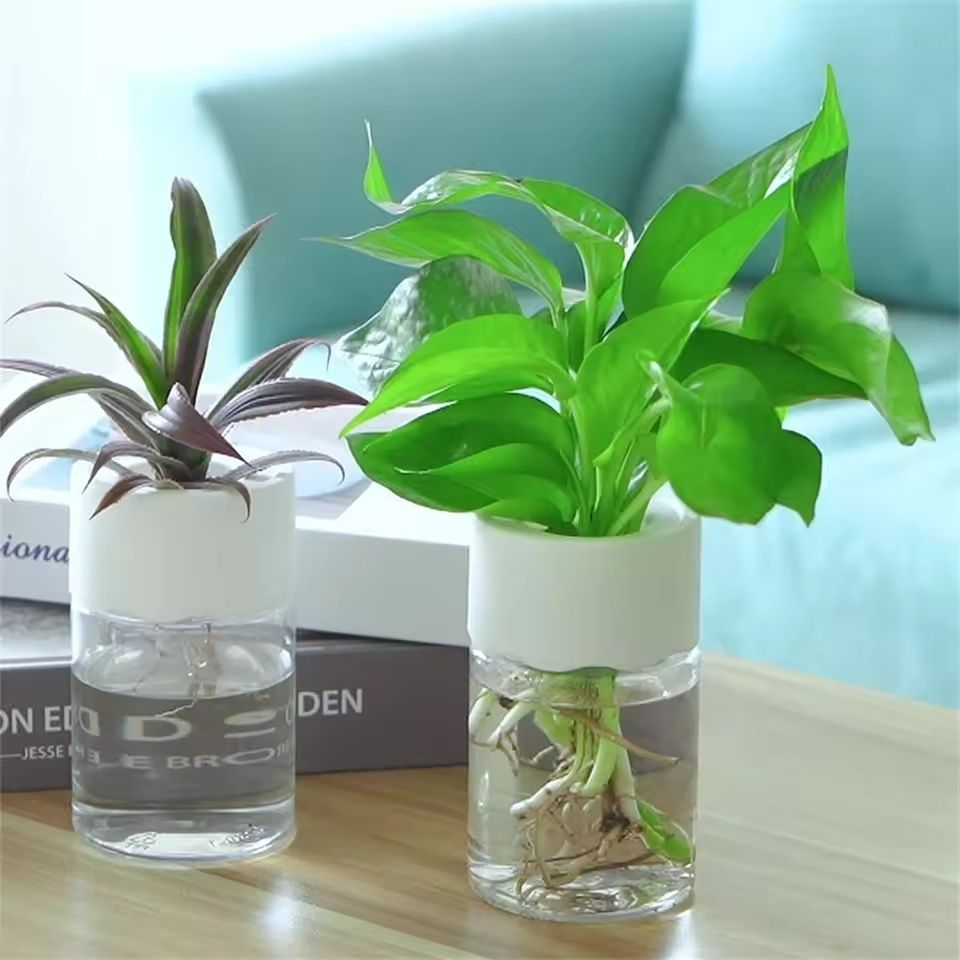
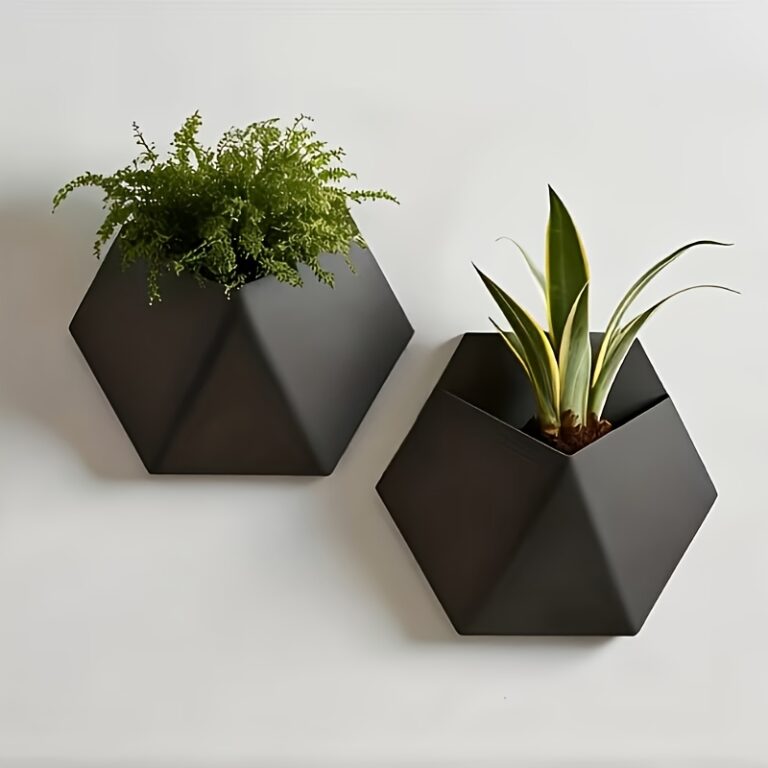 Aisha's pickSmall Green Plant Pots for Barbecues and Lazy Weekends
 Aisha's pickOutdoor Pots for Making a House Feel Like Yours
 Aisha's pickPlastic Outdoor Plant Pots That Look Good Up CloseAlso worth a lookOutdoor Planters (Planters & Pots)The thing nobody tells you about outdoor planters is that the one you love in the store window…See the collections →
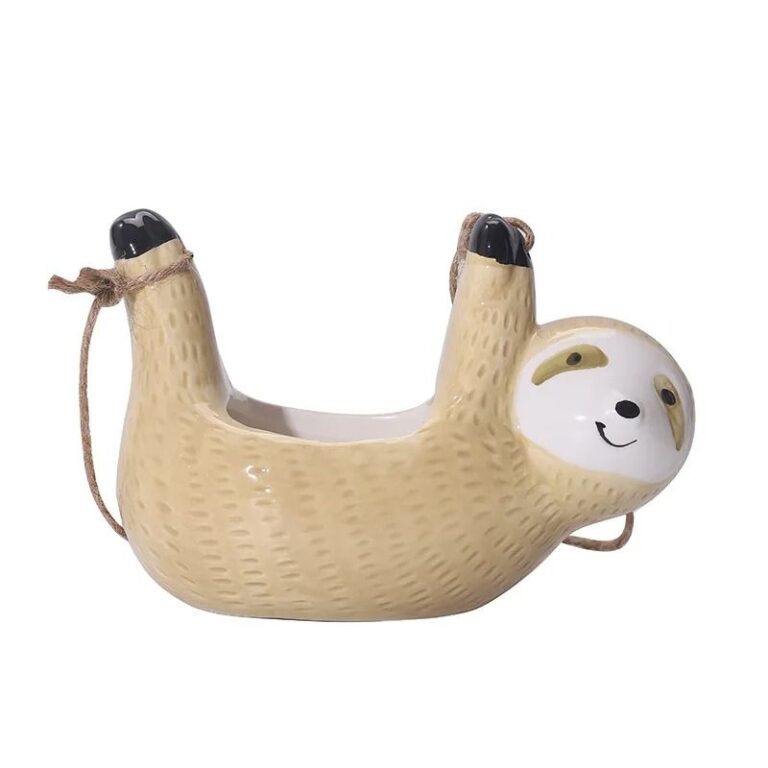
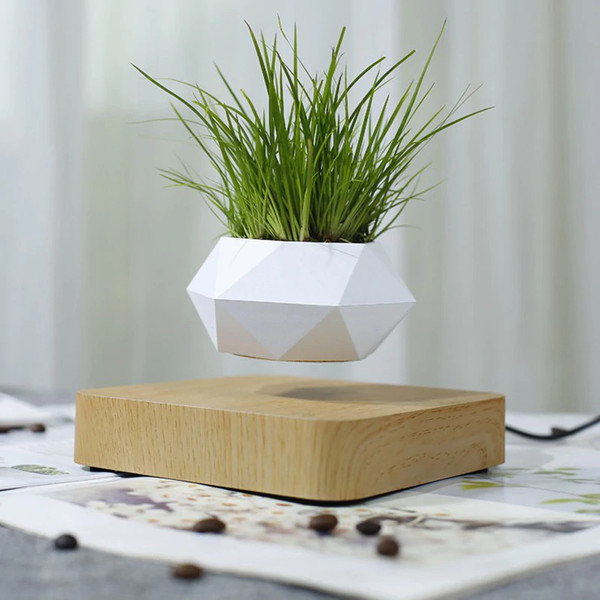 Aisha's pickGlass Plant Pots That Stand Up to the Weather
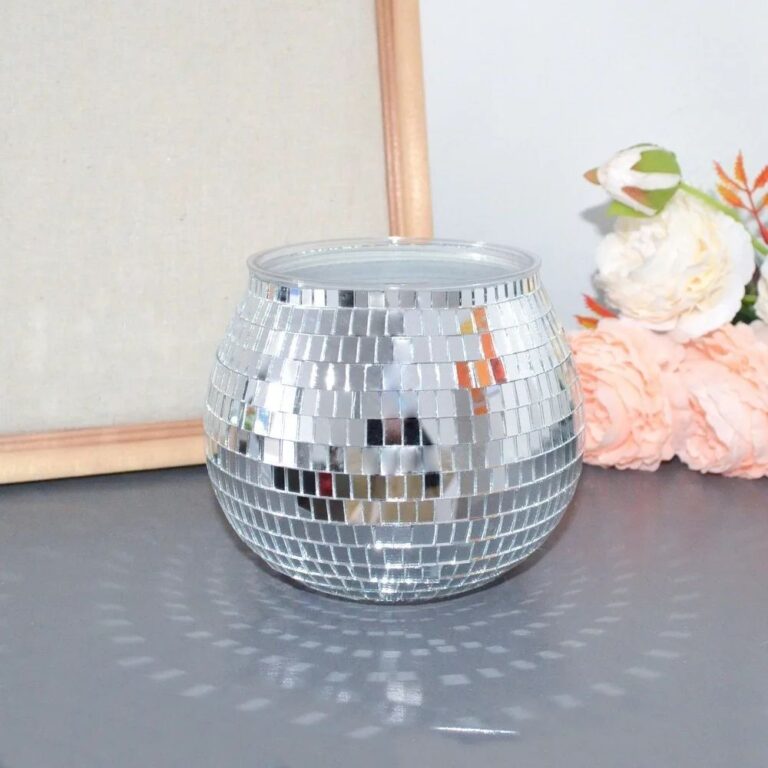
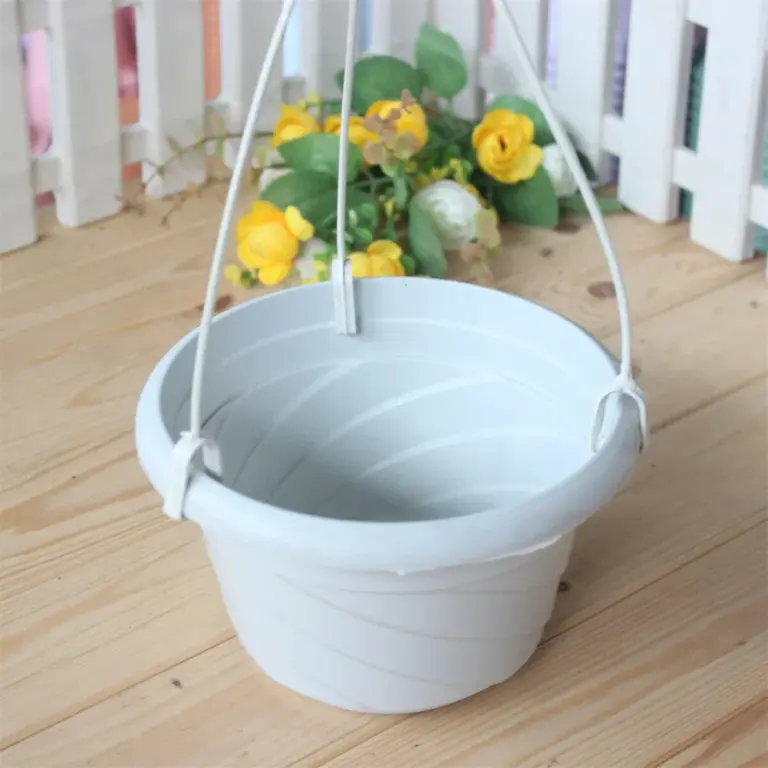 Aisha's pickSmall Indoor Plant Pots We’d Buy Again
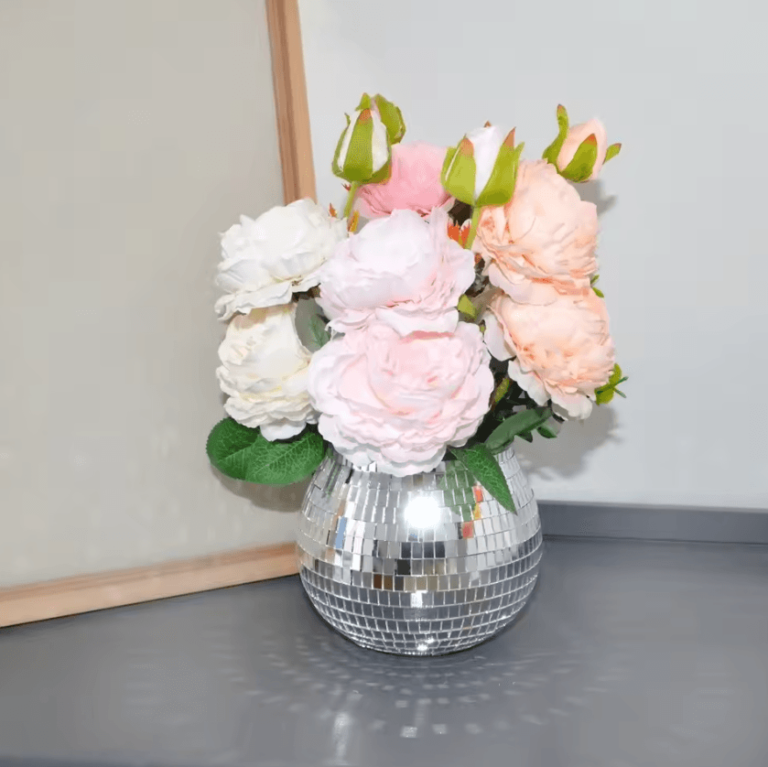
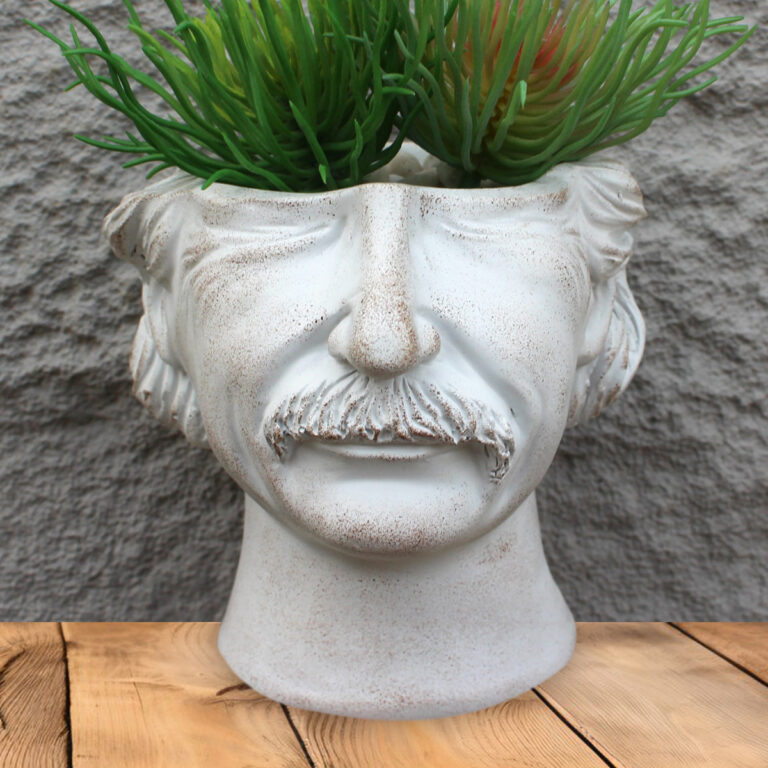 Aisha's pickOutdoor Pots with Drainage That Fit Into Real Life
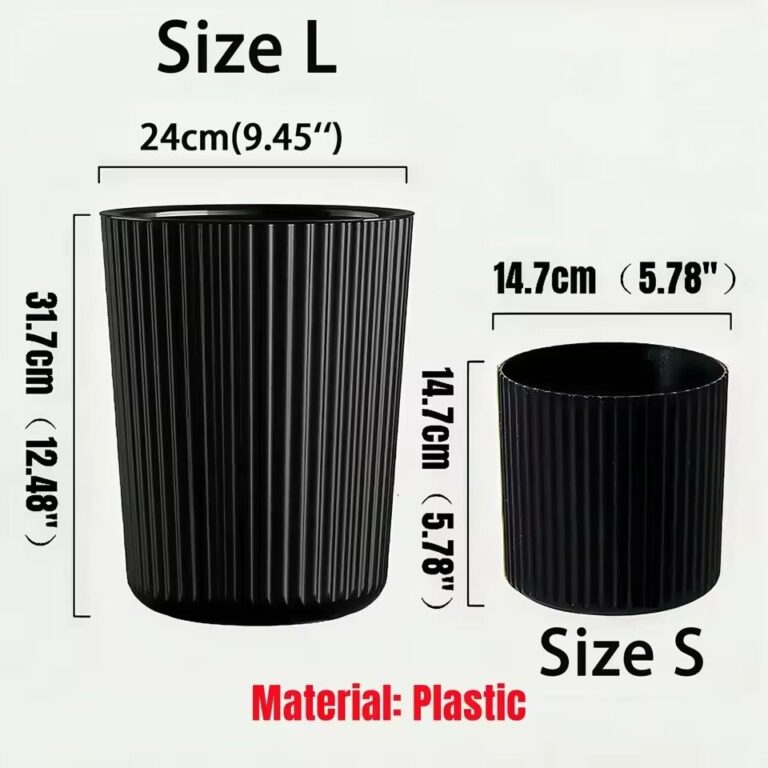
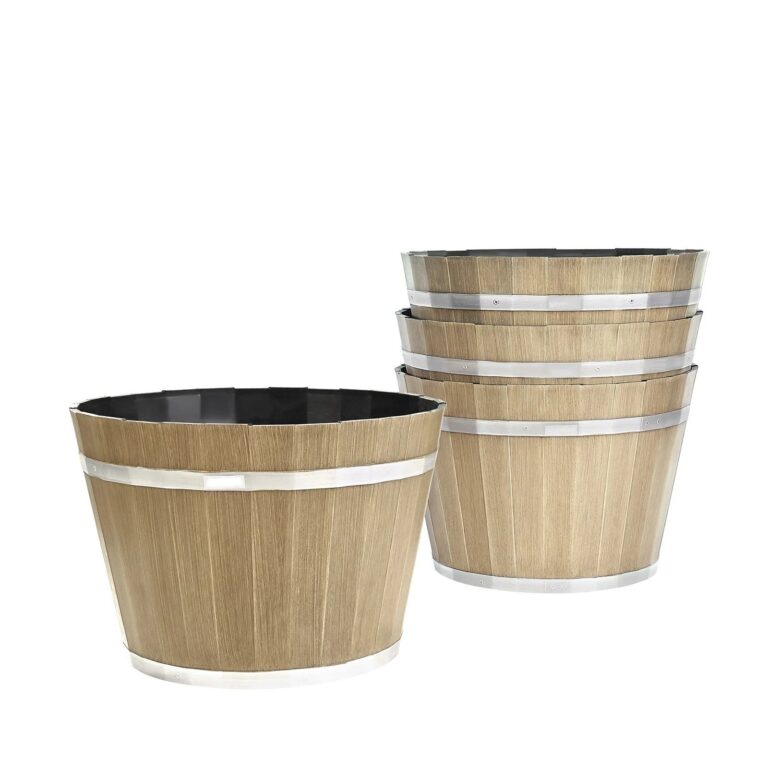 Aisha's pickRecycled Plastic Outdoor Pots for Making the Most of the Patio
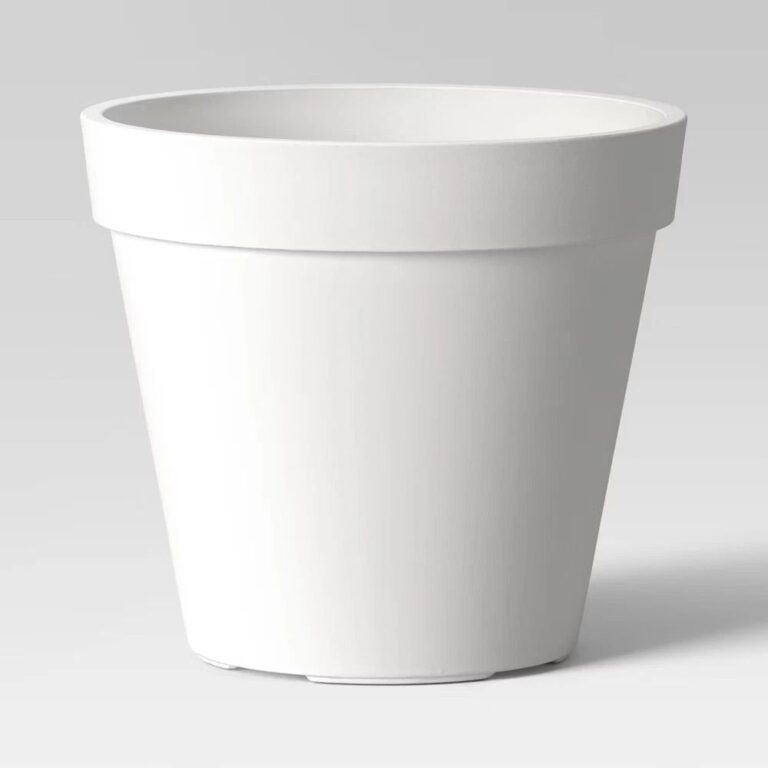
 Aisha's pickGreen Indoor Plant Pots for Making the Most of the Patio

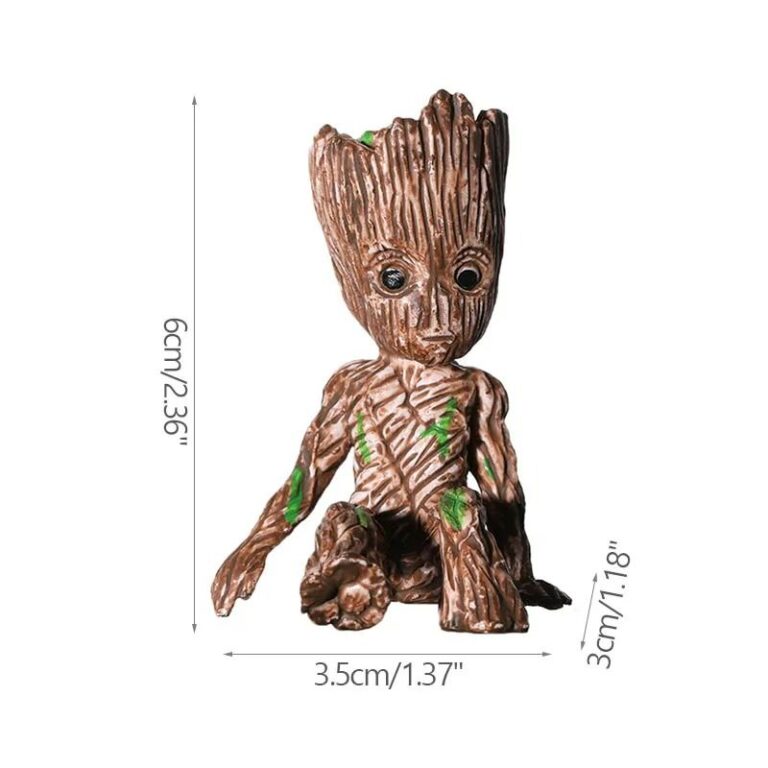 Aisha's pickSmall Pen Pots for Long Summer Evenings Outside
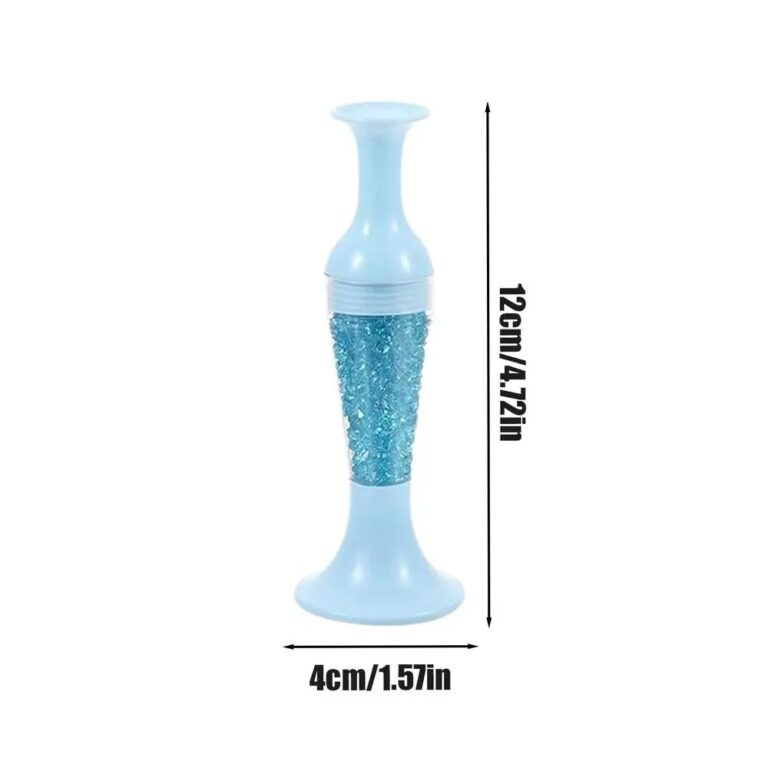
 Aisha's pickGood Green Outdoor Pots That Don’t Cost a Fortune
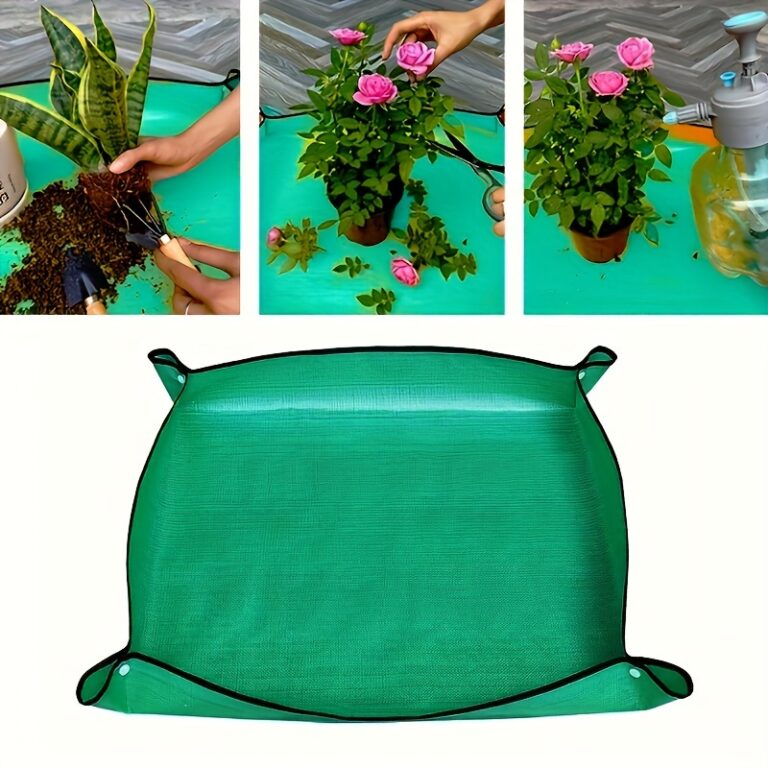
 Aisha's pickRound Outdoor Pots That Look Better in Real Life