The thing nobody tells you about outdoor planters is that the one you love in the store window is probably going to crack by its second winter, and not because it was cheap. Freeze and thaw does something to certain materials that you only find out about in February, when there's a hairline split running up the side and half your potting soil dribbled onto the porch. You learn fast which ones were built for actual weather and which ones were built for a patio display in a climate that doesn't really have winter.
On color, I'll save you some trial and error: terracotta, charcoal, and plain concrete gray are the ones that still look right after the plant inside them has died back for the season, which, let's be honest, happens to all of us at some point. Bright glazed colors are gorgeous for about one summer and then they're fighting with whatever you plant next to them, or clashing with a faded deck railing nobody got around to restaining. Go with a finish that reads more like stone or clay than like paint, because paint chips and stone just ages. That said, glazed pots have their place if you've got a covered porch where they're protected from direct freeze, a sunroom doorway, somewhere they're not sitting in standing water all winter. Unglazed terracotta is breathable and forgiving but it's also porous, so it dries out fast in full sun and isn't the best match for anything that hates to be thirsty.
Sizing is where most people go wrong twice: too small, then overcorrecting to too big. A planter needs real depth and width for roots to actually spread, not just enough room to shove the plastic nursery pot inside and call it done. For anything meant to anchor a porch or flank a front door, measure the actual door width first and keep the planter at roughly a third of that, so it doesn't swallow the entryway. For a balcony railing or a narrow side yard, prioritize width over height, since a tall skinny pot tips in wind more often than you'd guess, usually at the worst possible hour.
Construction is the real tell between a planter that lasts and one that's landfill in three years. Check the drainage hole is actually generous, not a decorative pinprick. Fiberglass and high fired ceramic hold up far better than anything described vaguely as "resin," and a planter with a slightly thicker, rolled lip has usually been made with more care than one with a sharp, thin edge. Good joints on anything built from separate panels shouldn't show gaps you can fit a fingernail into.
Get the material and the size right, and a planter stops being a pot and starts being the reason your porch looks like someone actually lives there.
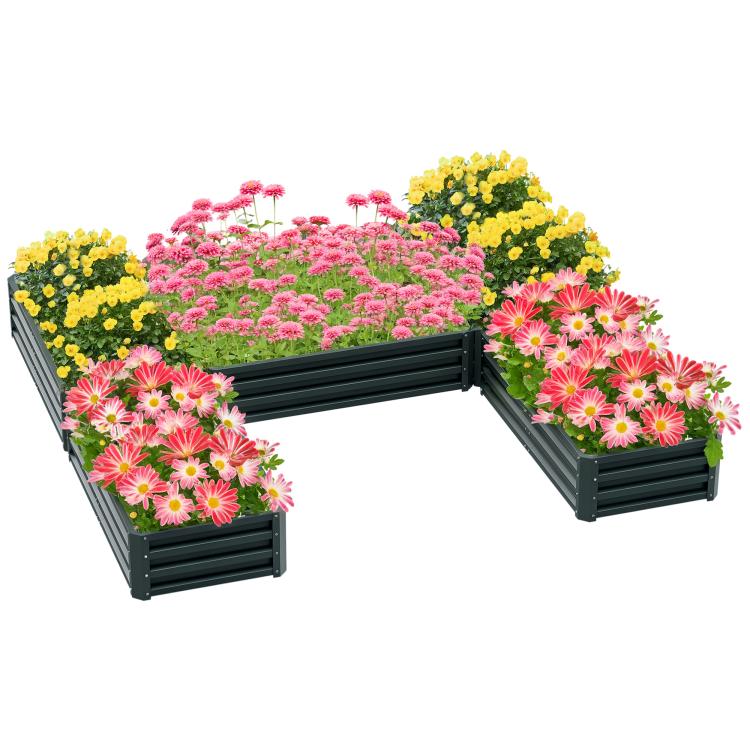 Aisha's pickNatural Outdoor Planters That Visitors Always Ask About
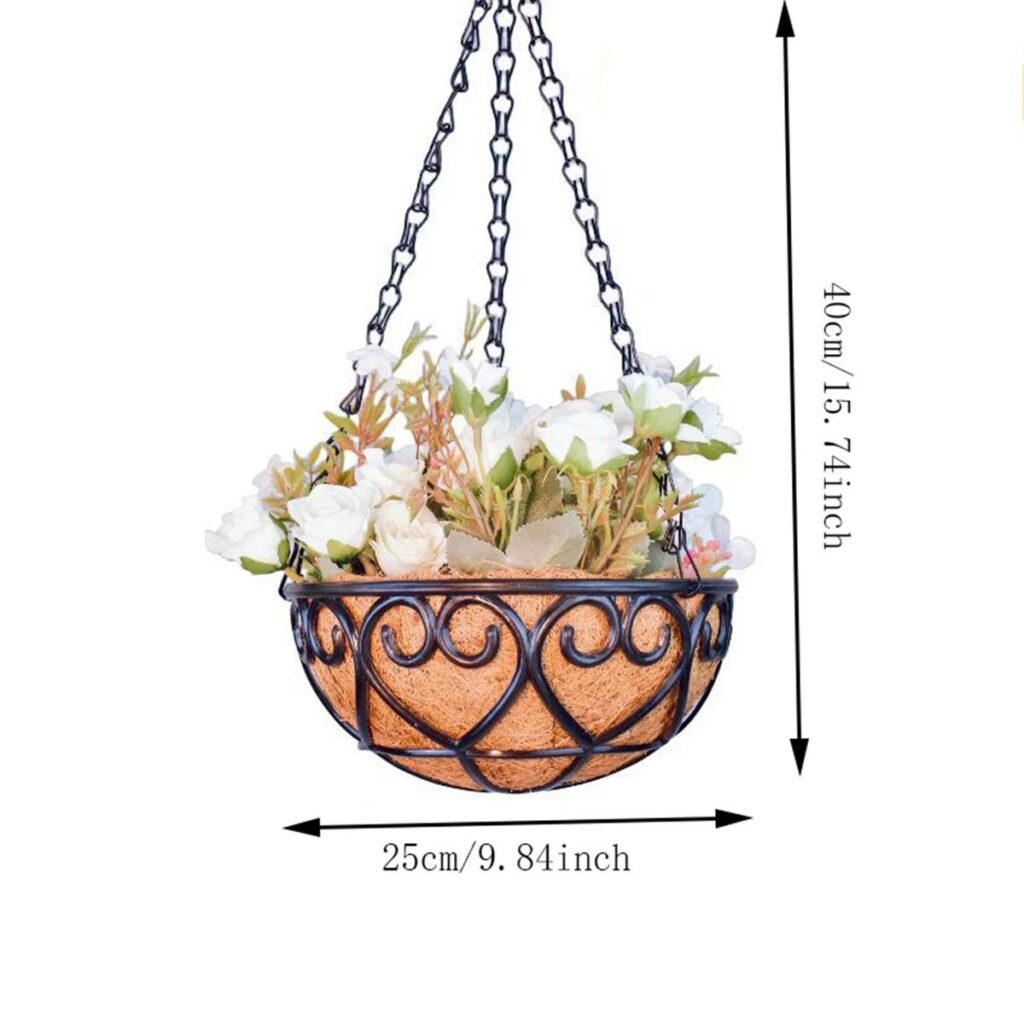
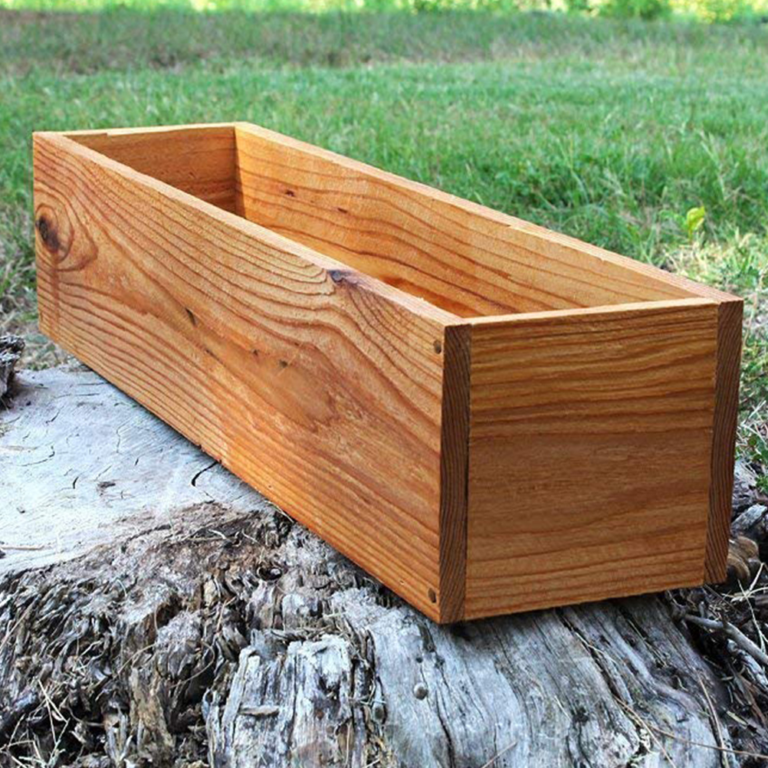 Aisha's pickWooden Outdoor Planters We’d Have Out From May to September
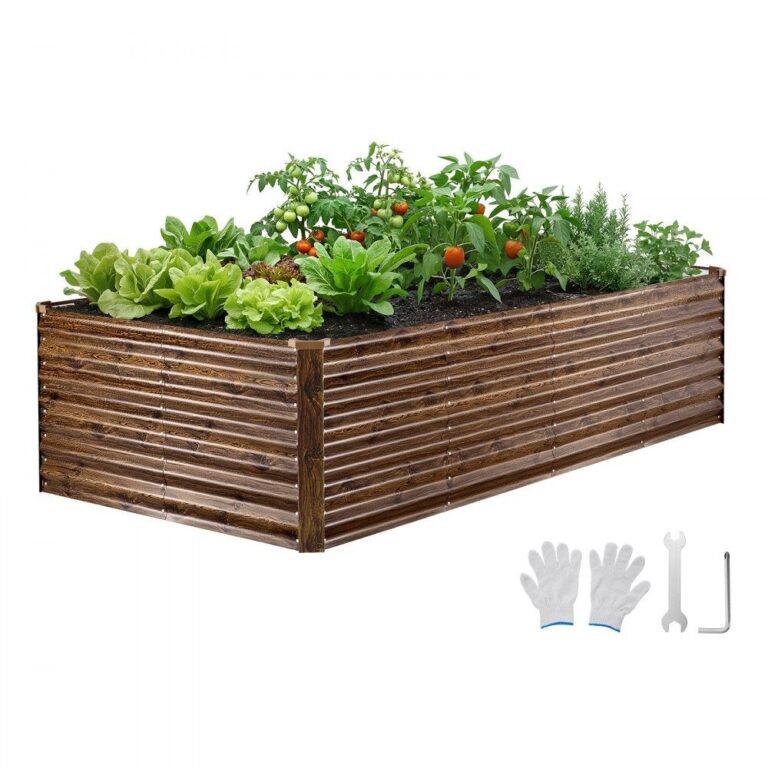
 Aisha's pickOutdoor Plant Pots You’ll Still Like in Five Years
 Aisha's pickOutdoor Plant Pots with Drainage That Make a Small Yard Work Harder
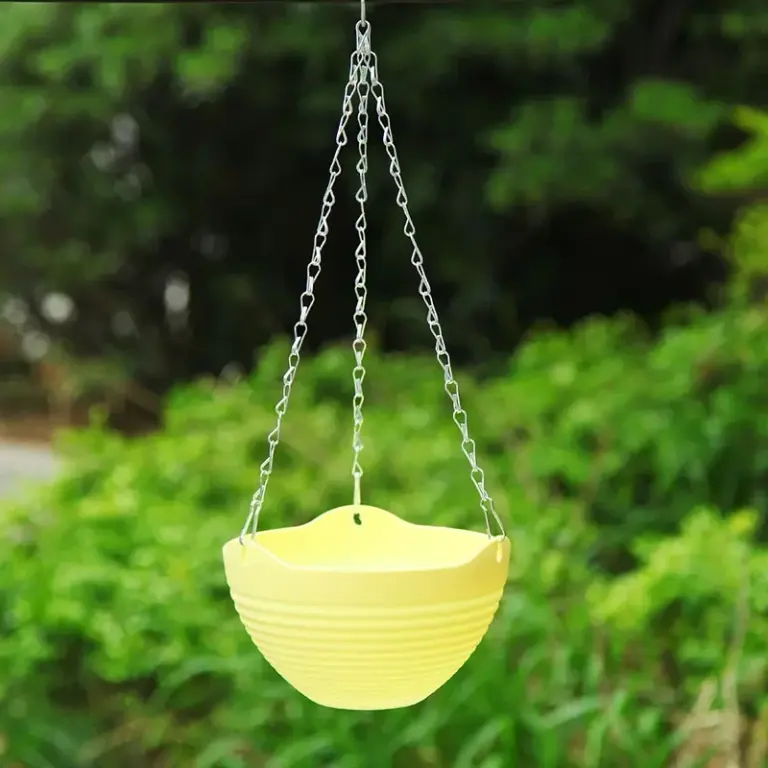 Aisha's pickOutdoor Planters for Making the Most of the Patio
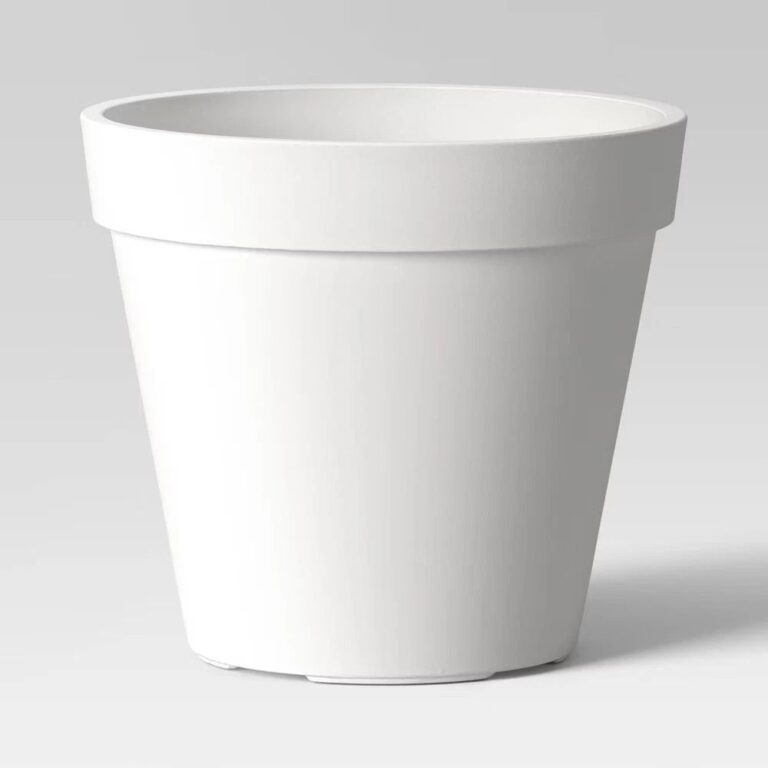
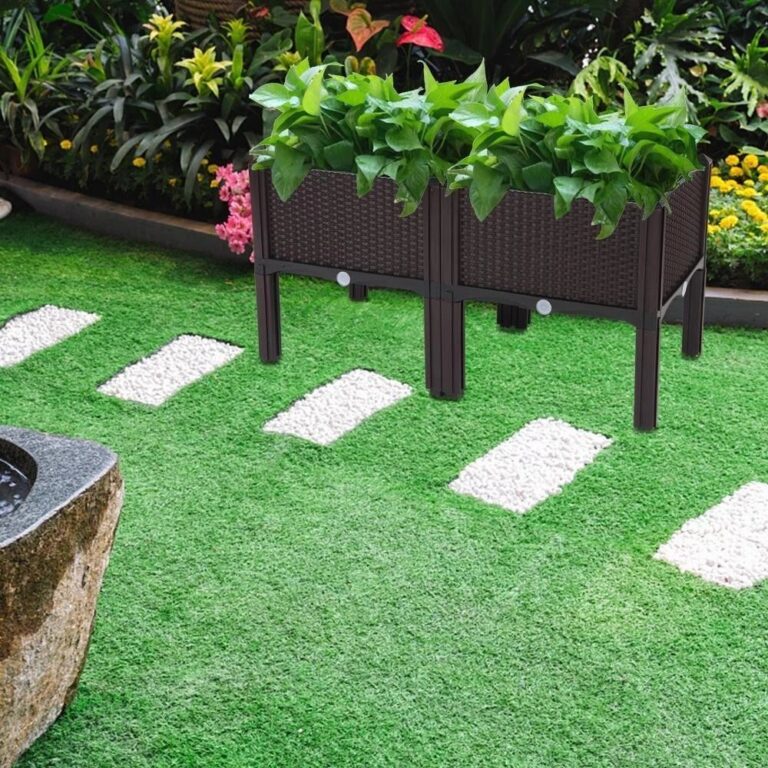 Aisha's pickOutdoor Planters with Drainage That Survive a Hard Winter
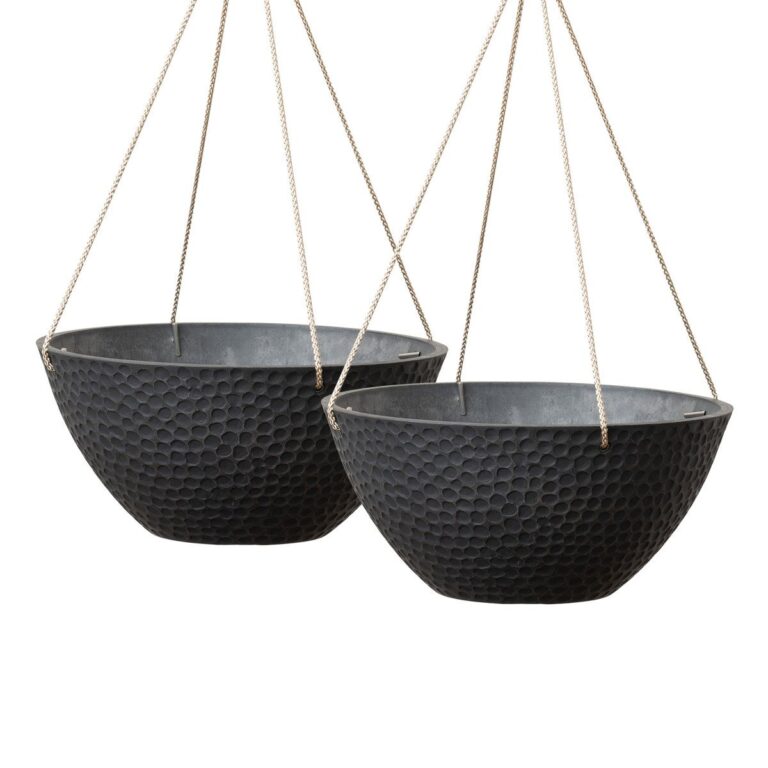
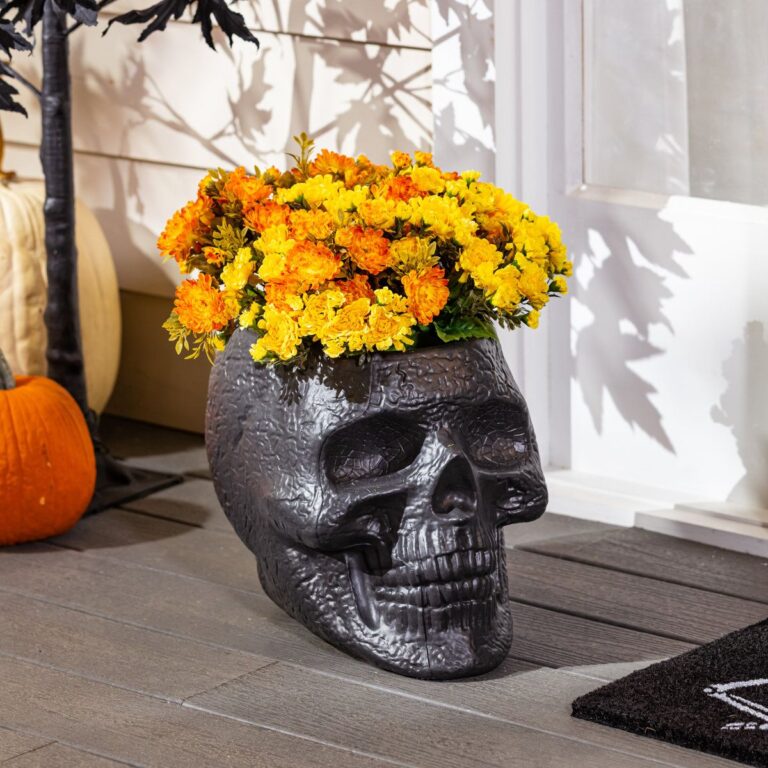 Aisha's pickBlack Outdoor Planters That Survive a Hard Winter
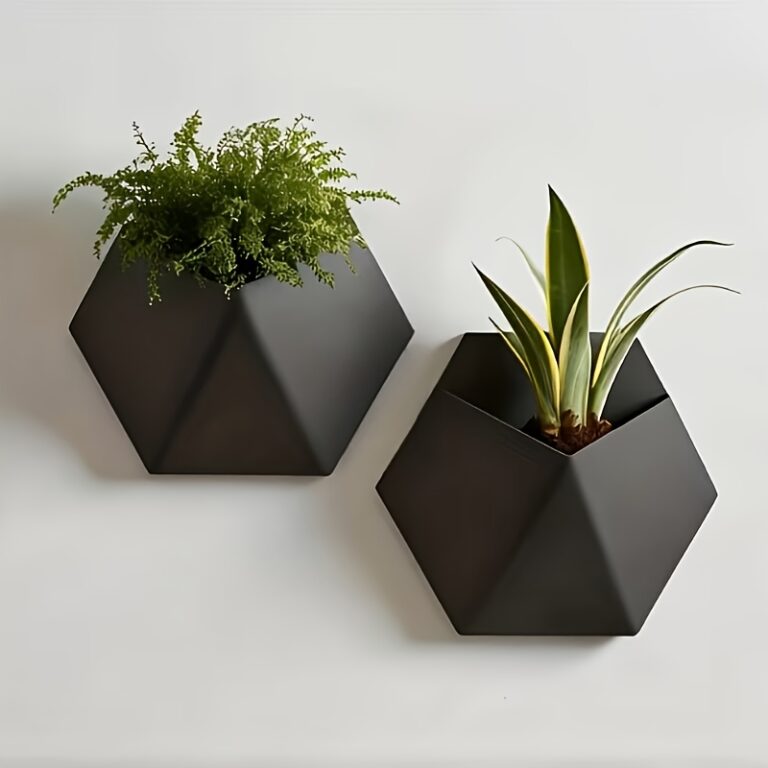
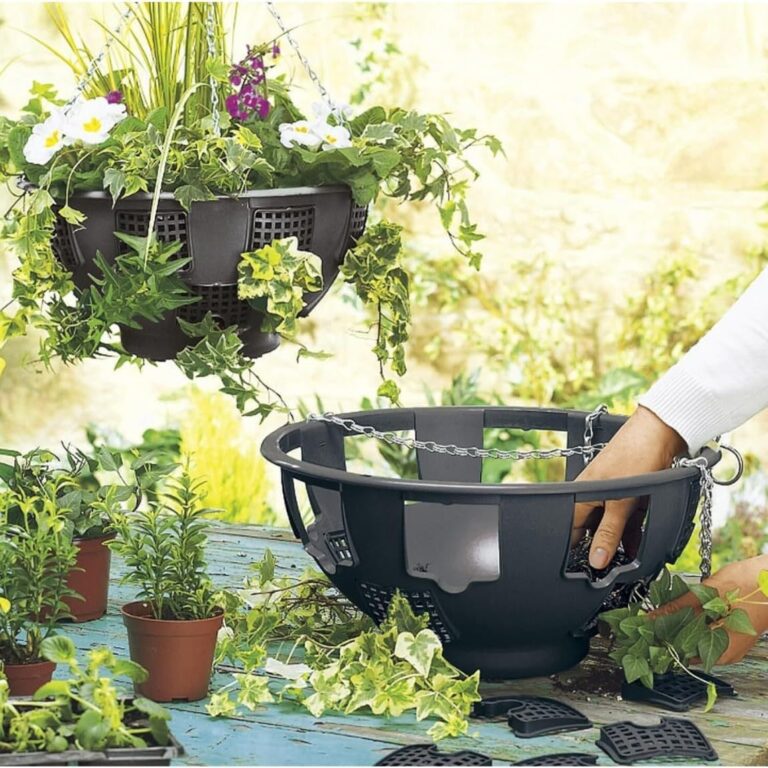 Aisha's pickOutdoor Wall Planters That Earn Their Keep
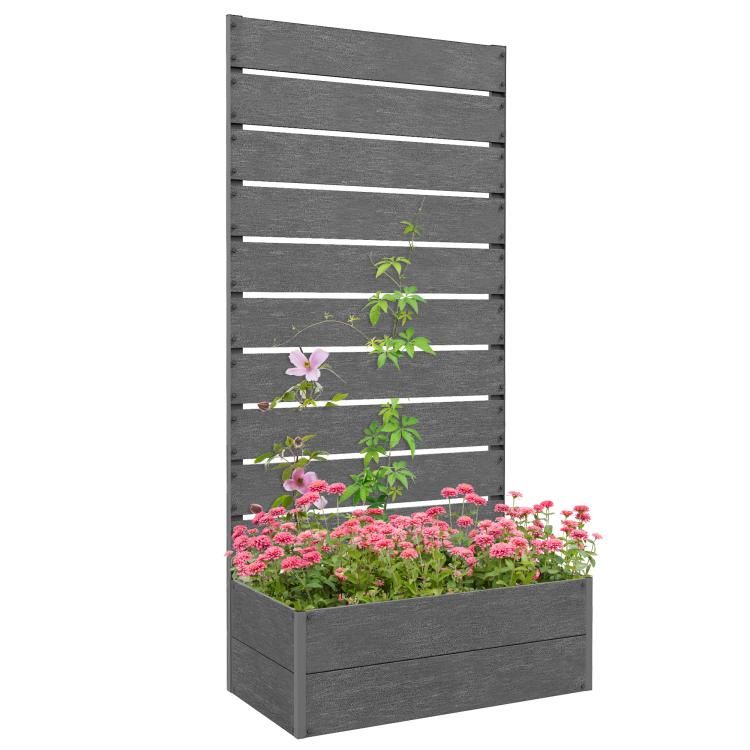
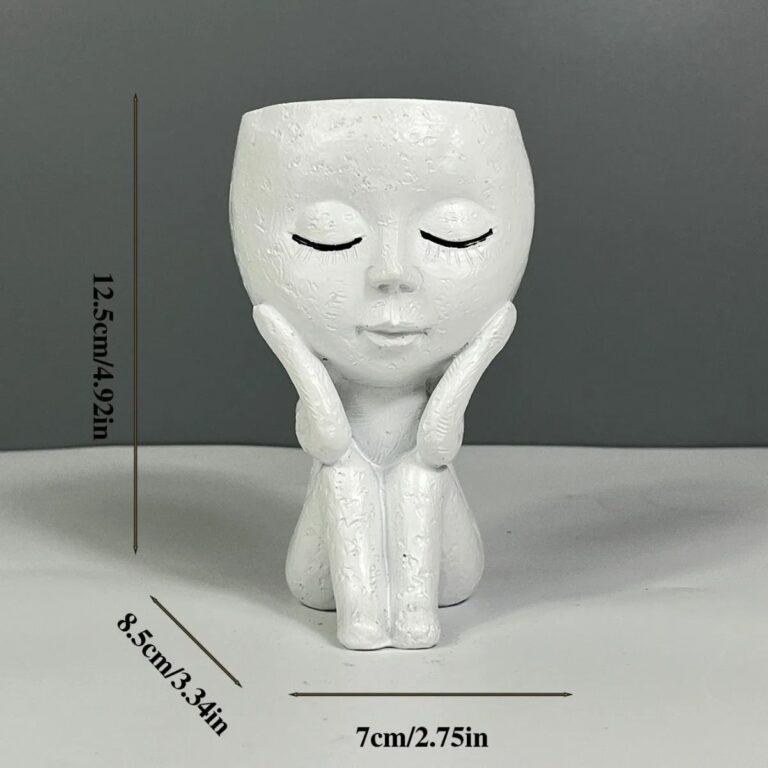 Aisha's pickGreen Outdoor Plant Pots That Make a Room Feel FinishedAlso worth a lookPlant PotsPlant pots have a reputation for being the easy part of keeping plants alive, and mostly that's fair,…See the collections →
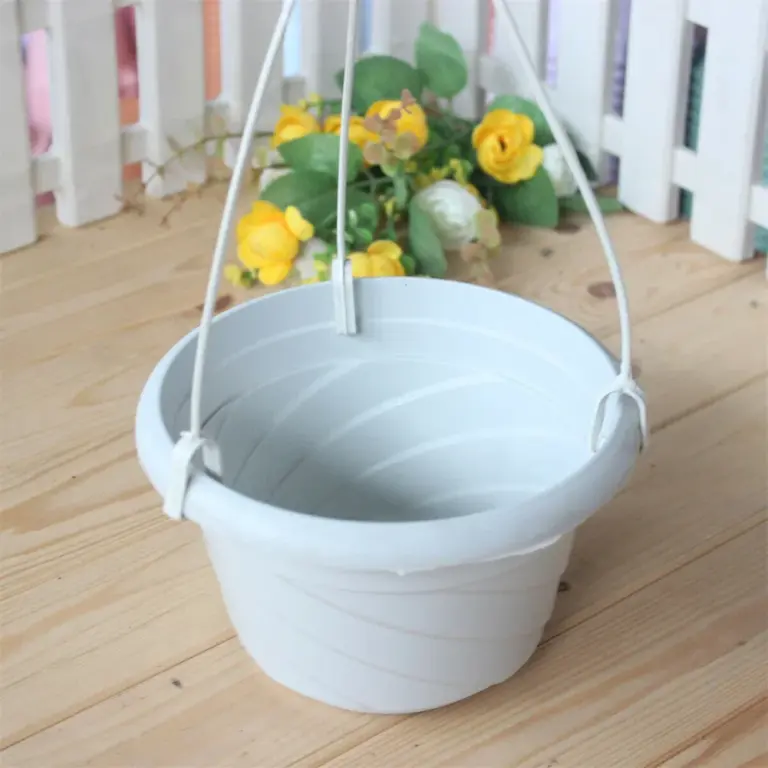
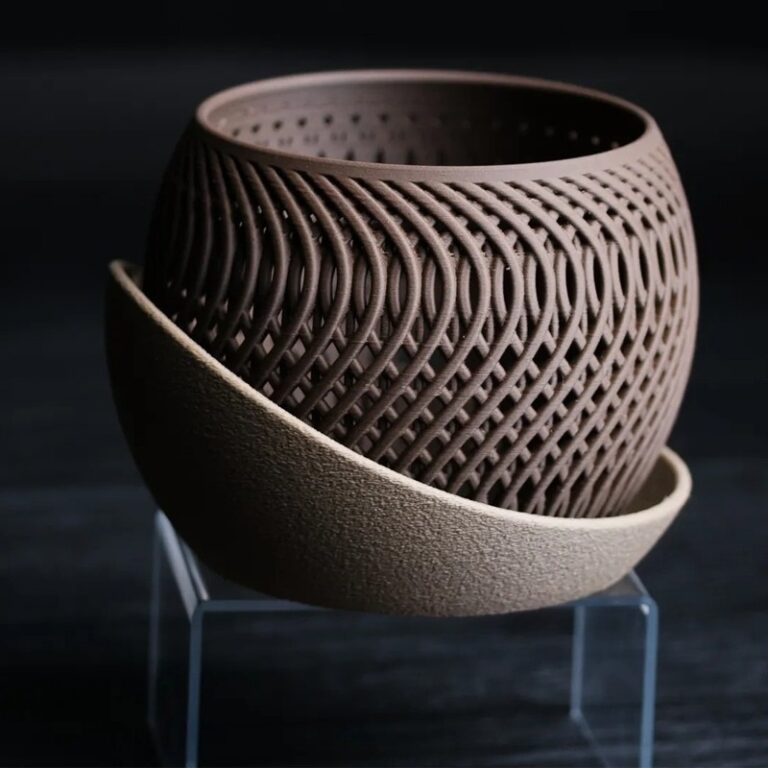 Aisha's pickPlastic Outdoor Plant Pots That Look Good Up Close
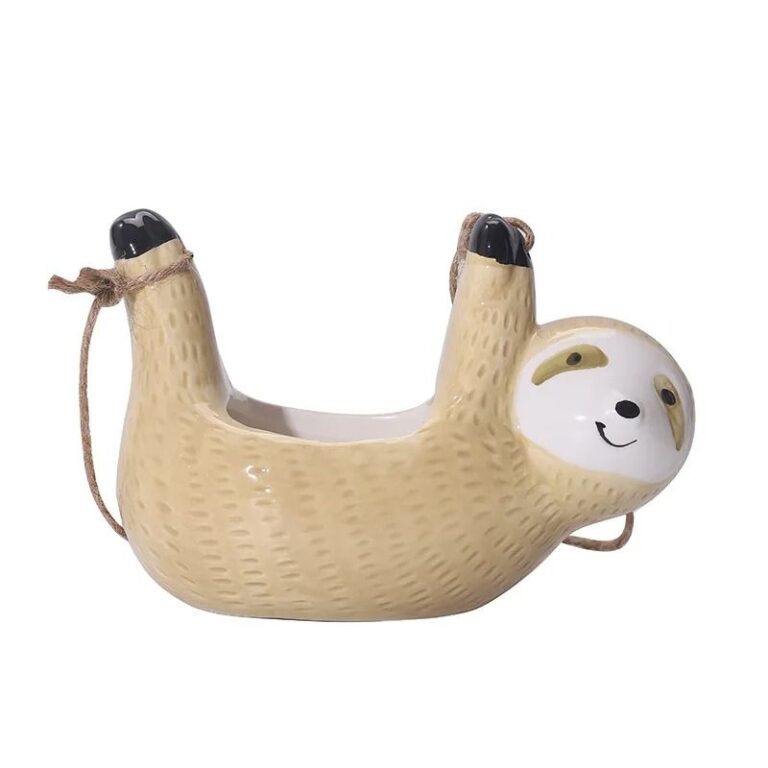
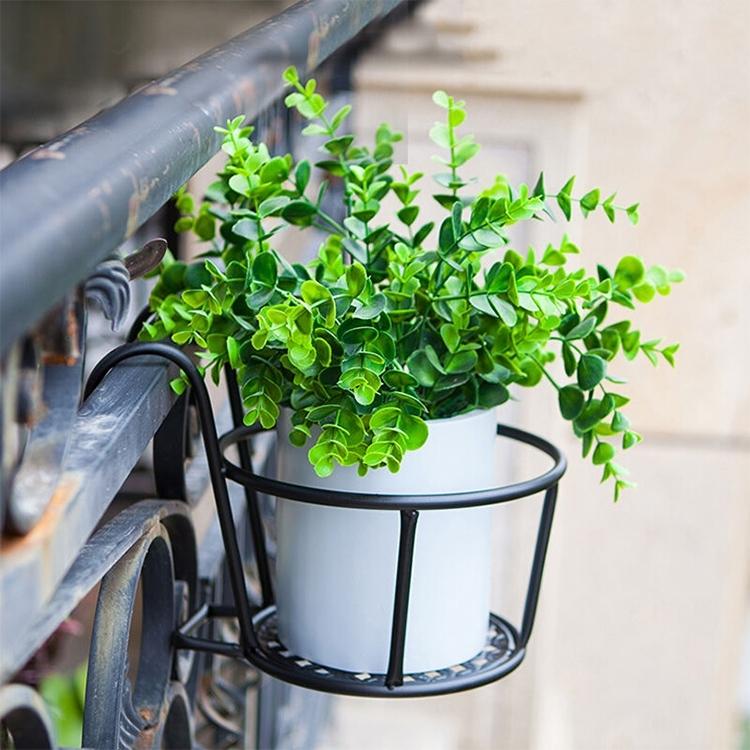 Aisha's pickHanging Outdoor Planters for Sunny Afternoons and Chilly Nights

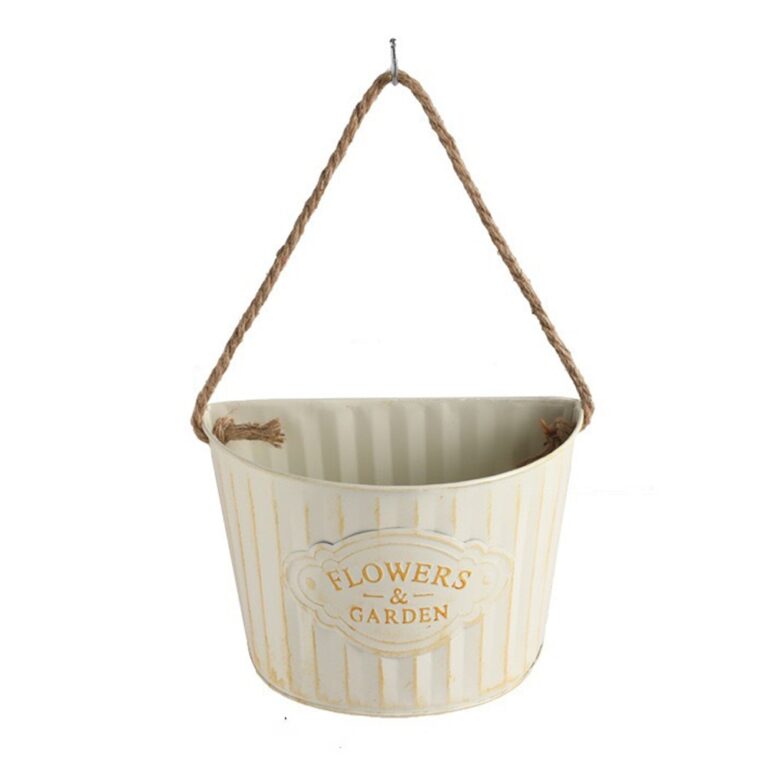 Aisha's pickPlastic Outdoor Planters for Sunny Afternoons and Chilly Nights
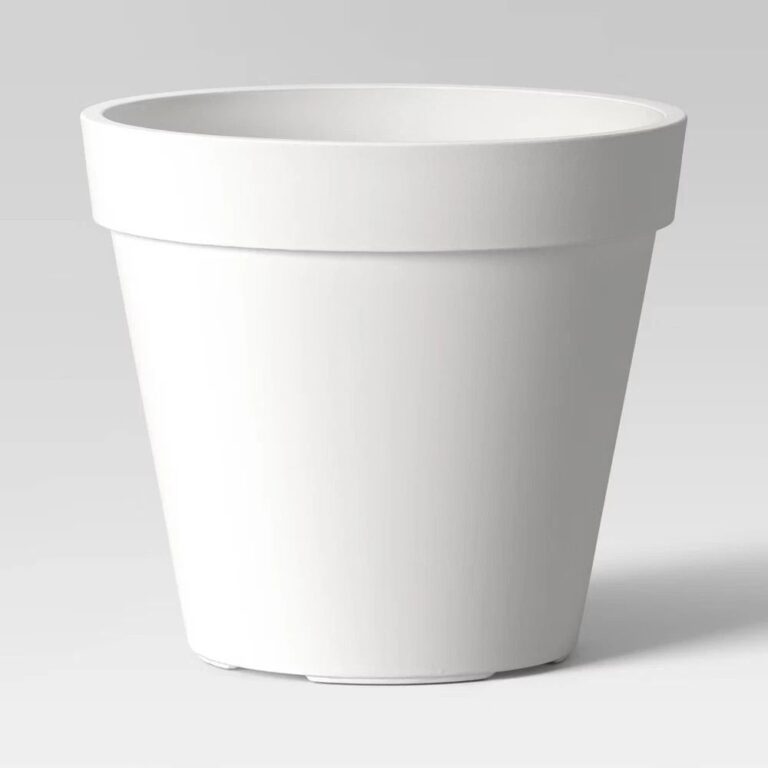
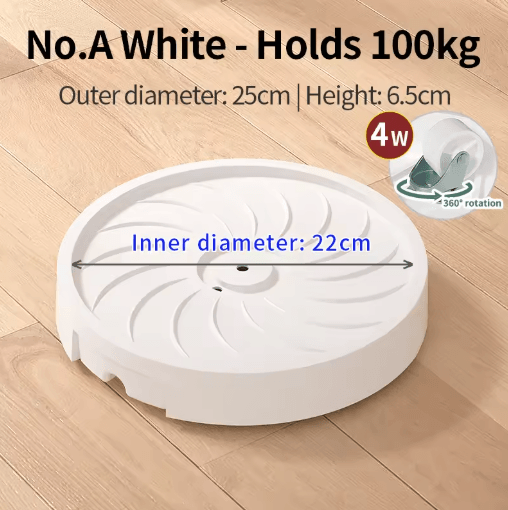 Aisha's pickLarge Outdoor Plant Pots With a Bit More About Them

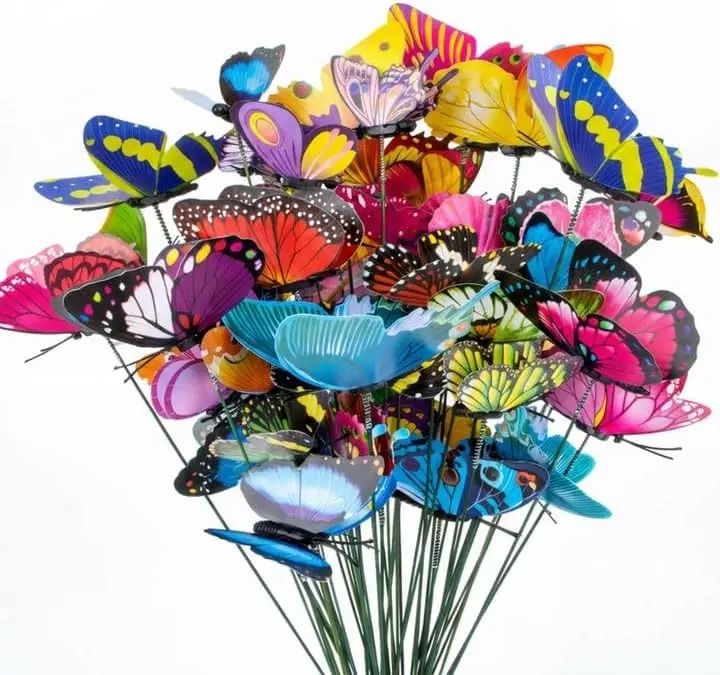 Aisha's pickRound Outdoor Plant Pots That Shrug Off the Rain
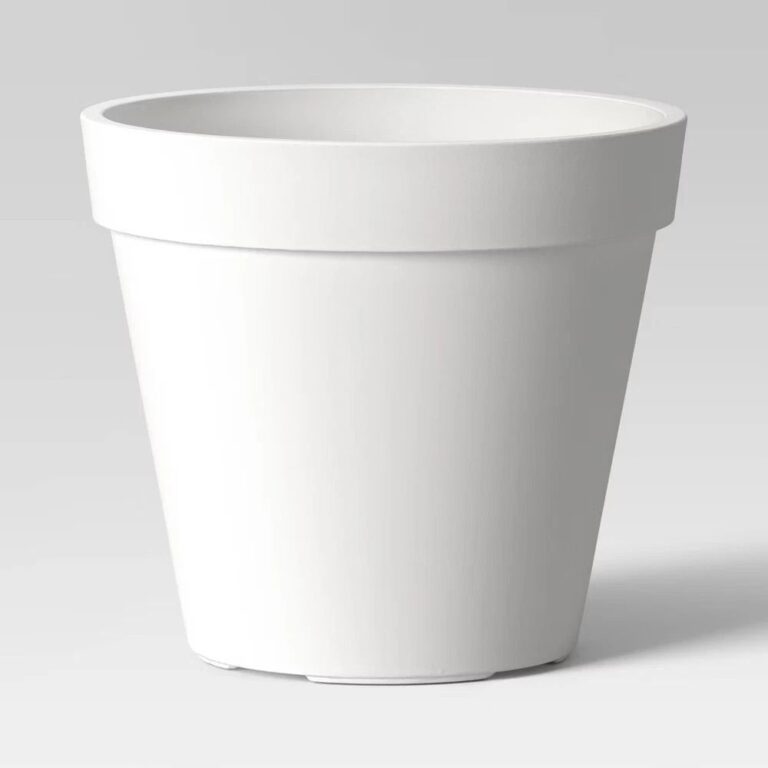
 Aisha's pickLarge Outdoor Planters for Making the Most of the Patio
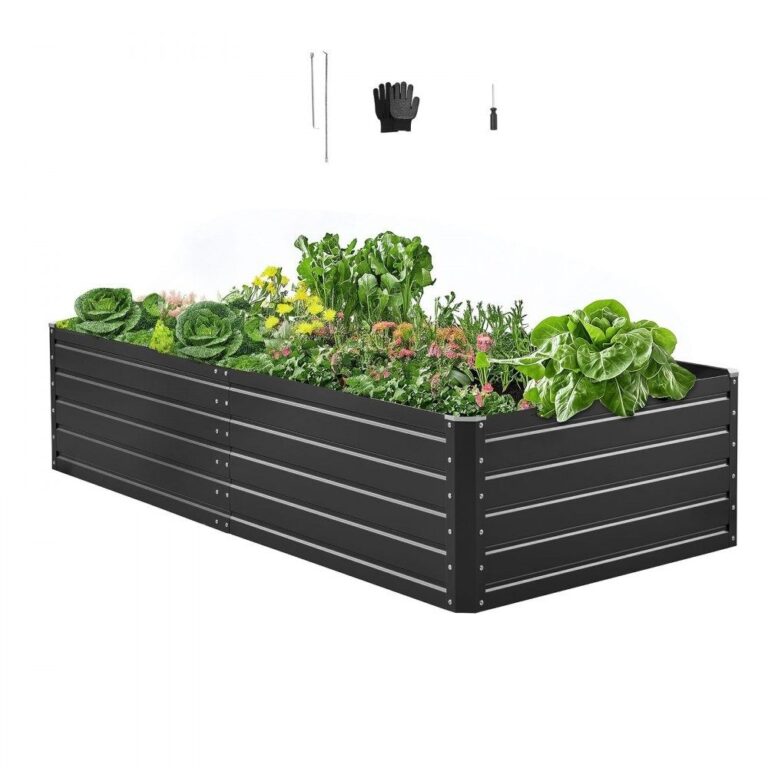
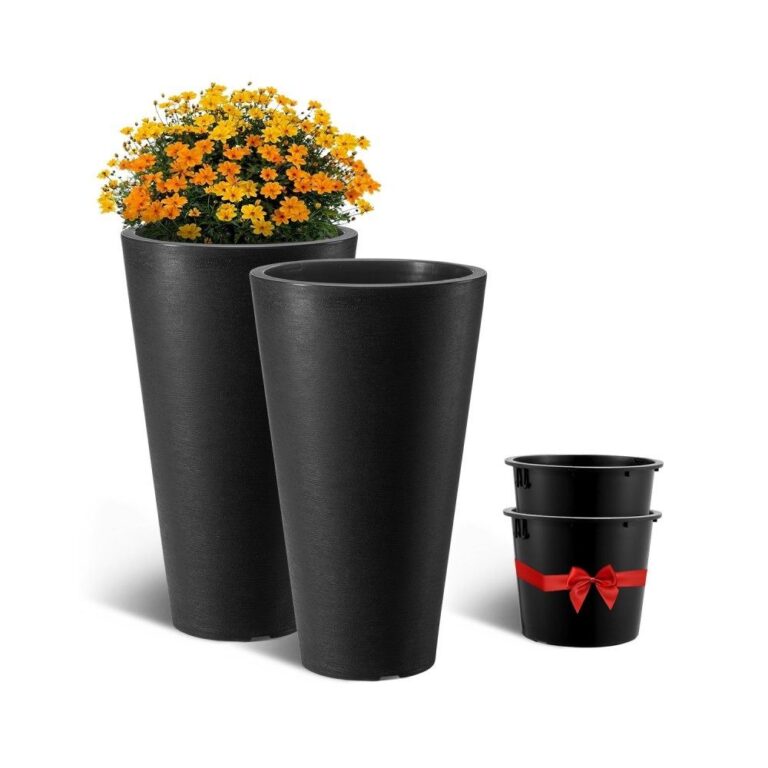 Aisha's pickRound Outdoor Planters That Look Like They Cost More
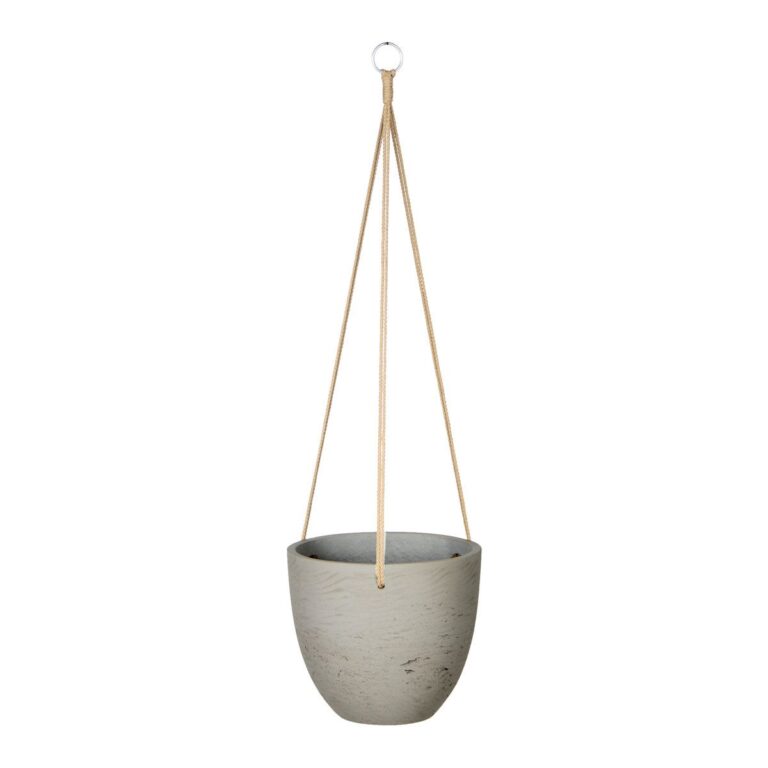
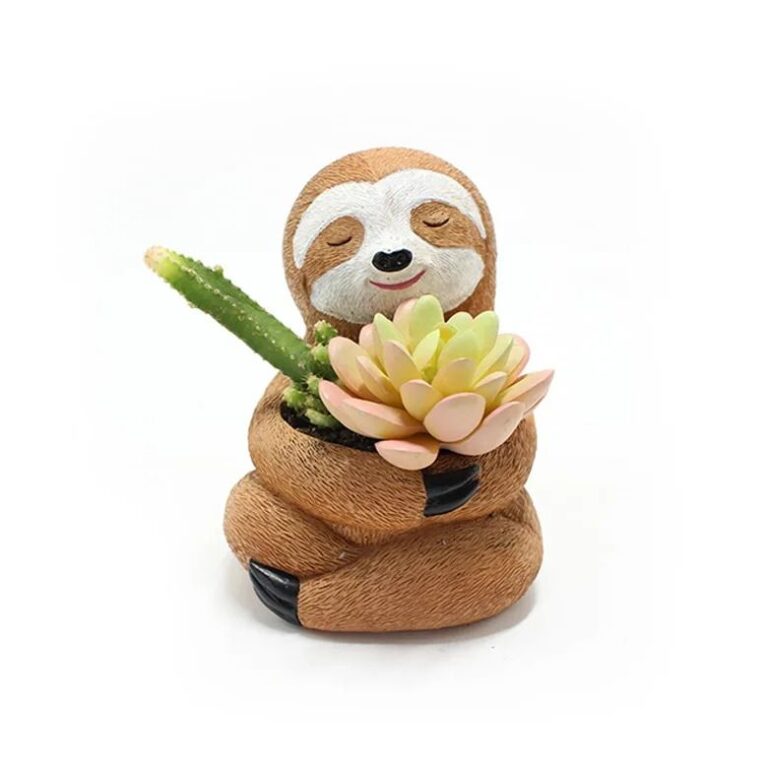 Aisha's pickLong Outdoor Plant Pots Pulled From Dozens of Stores
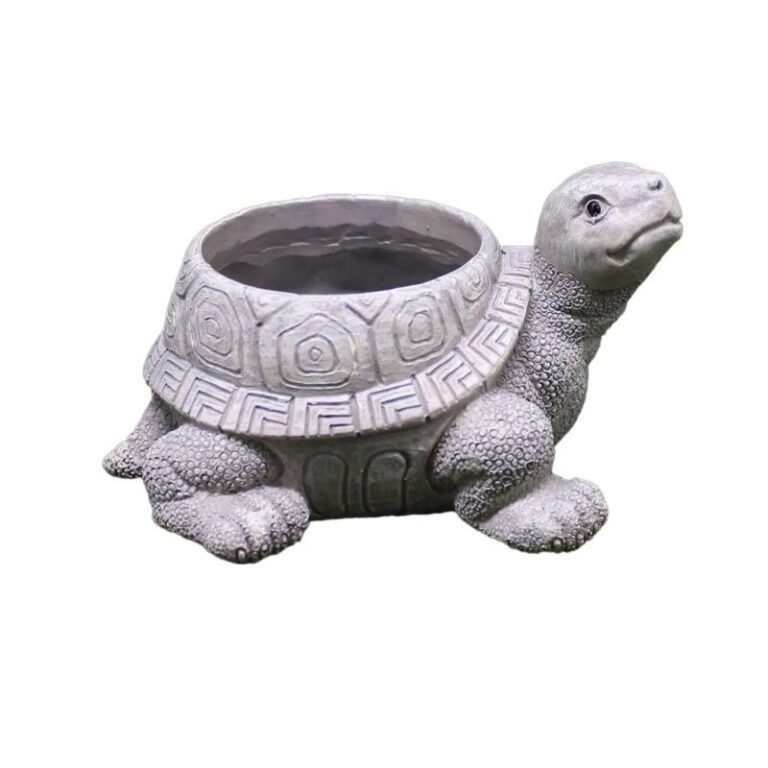
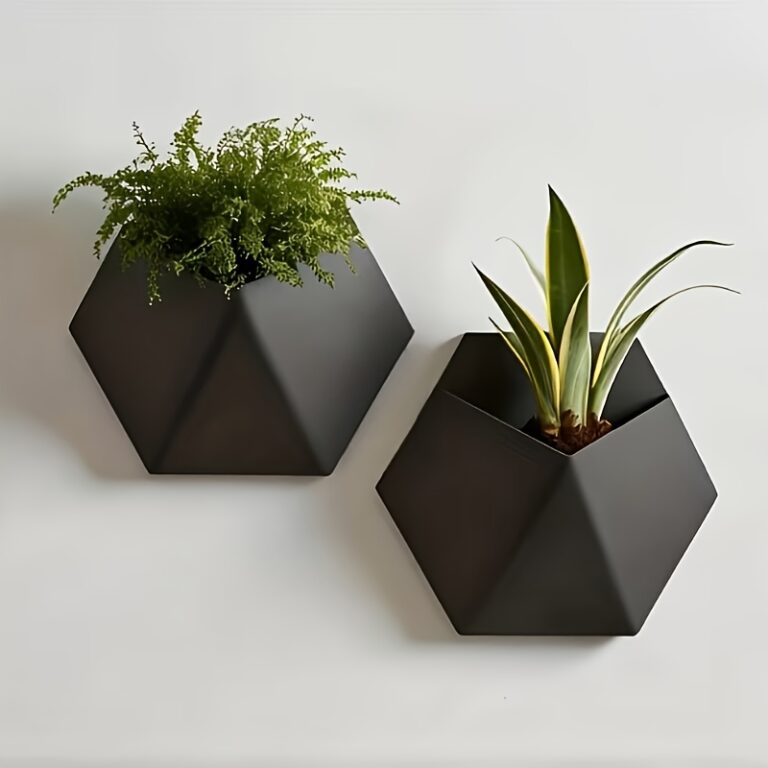 Aisha's pickSmall Outdoor Plant Pots We’d Have Out From May to SeptemberAlso worth a lookPotsPots have a reputation for being the thing you grab last and regret first, some flimsy plastic circle…See the collections →
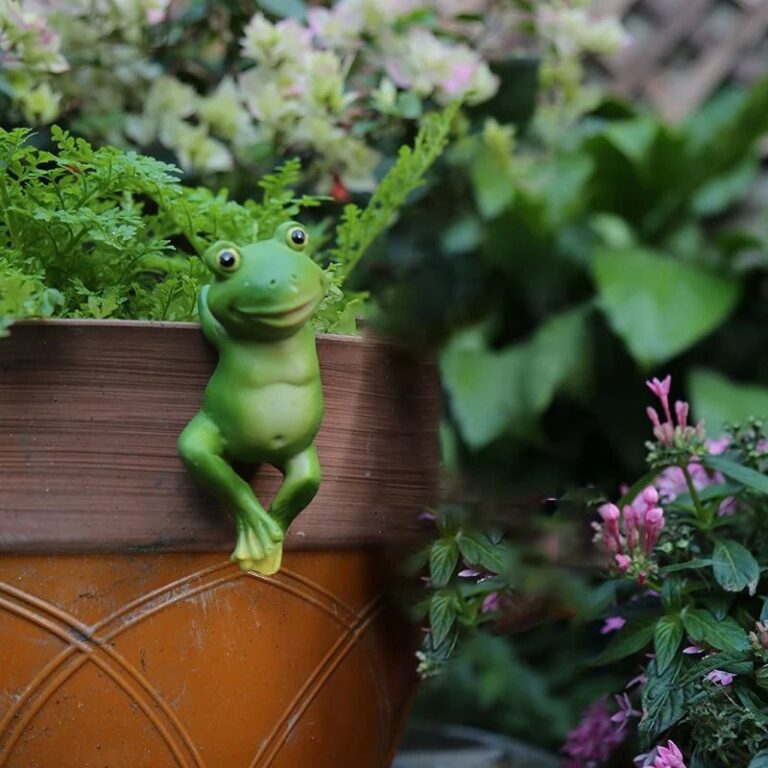
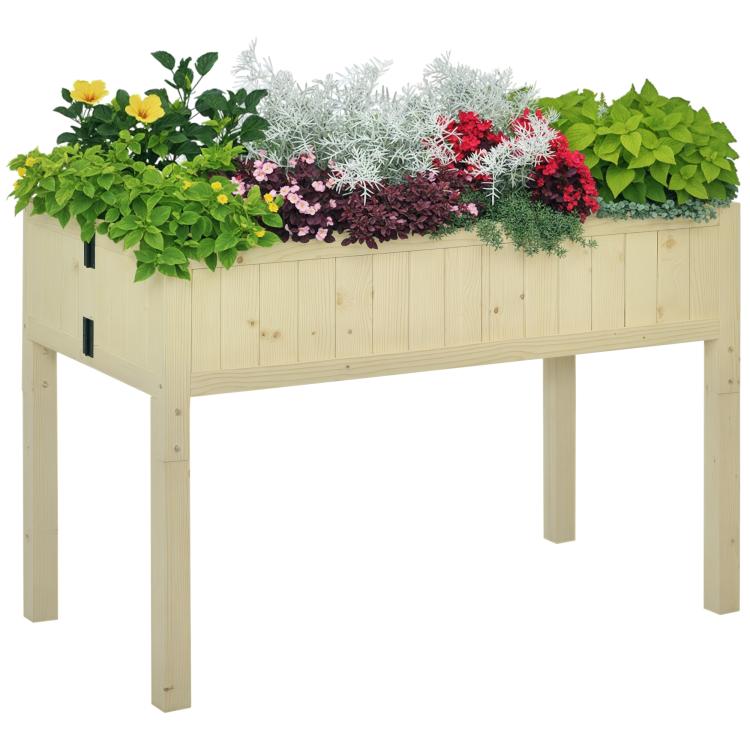 Aisha's pickLong Outdoor Planters That Look Good Up Close
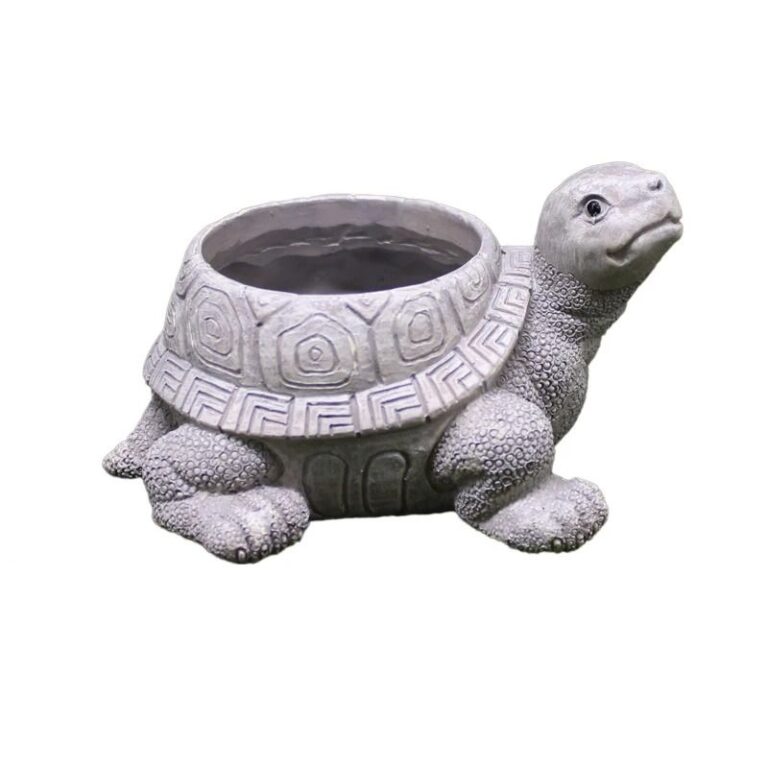
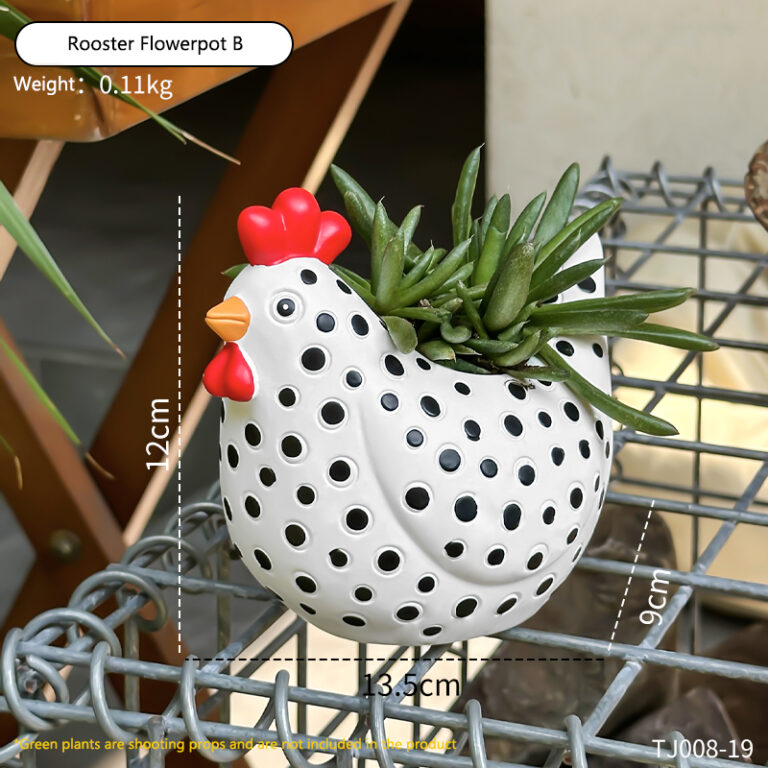 Aisha's pickSmall Outdoor Planters That Make the Yard Feel Like Another Room
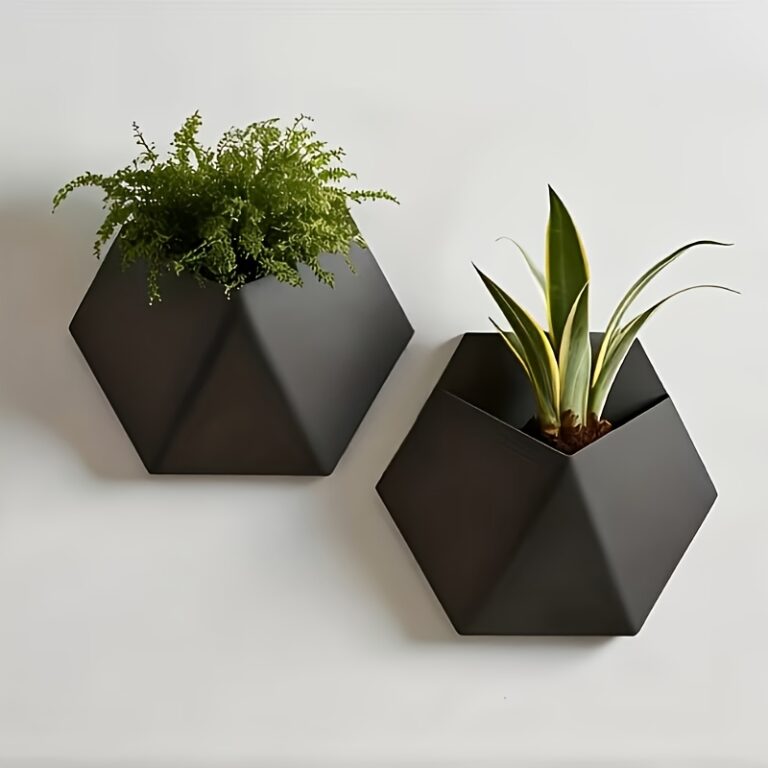
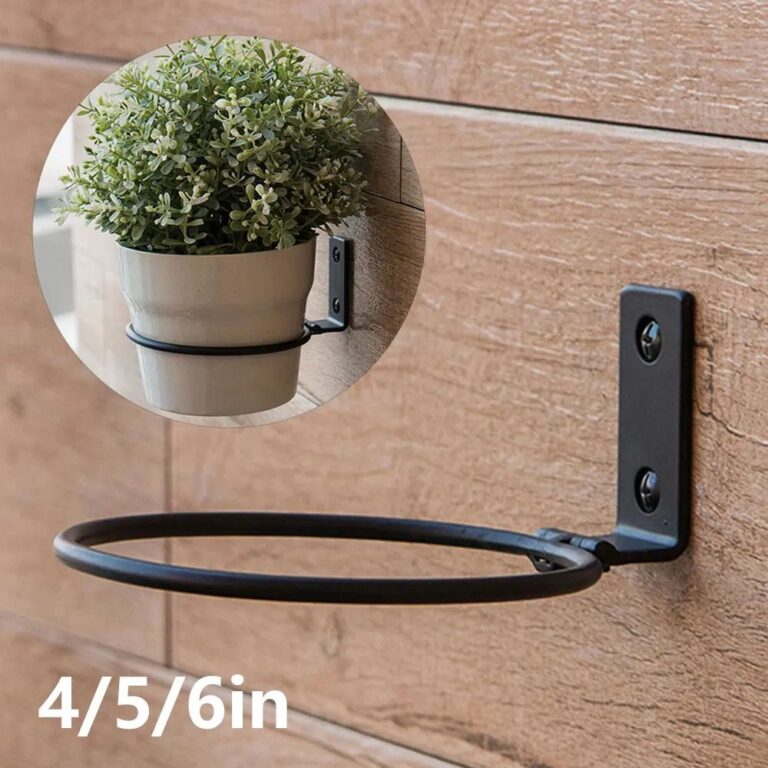 Aisha's pickOur Shortlist of Metal Outdoor Plant Pots
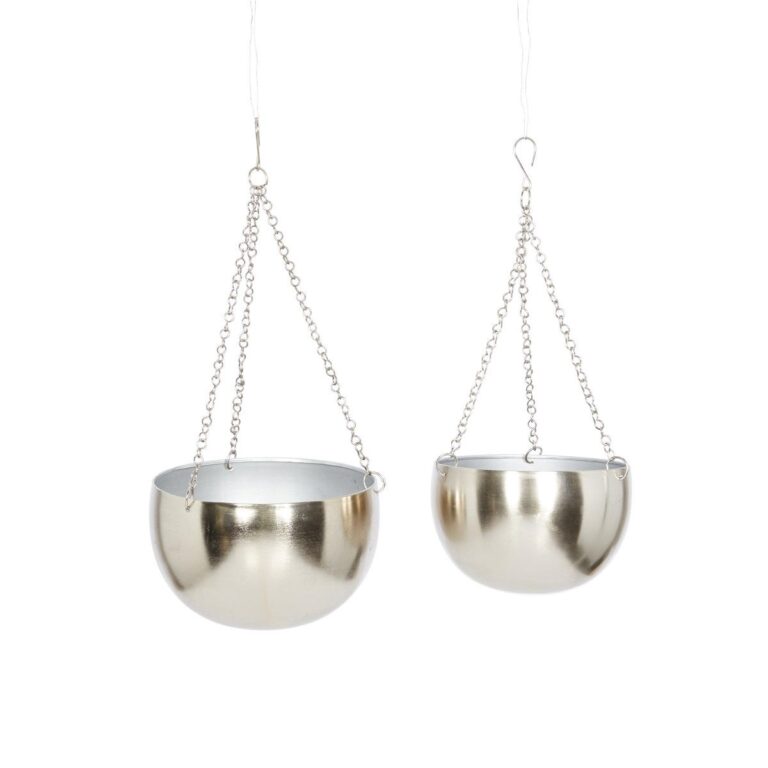
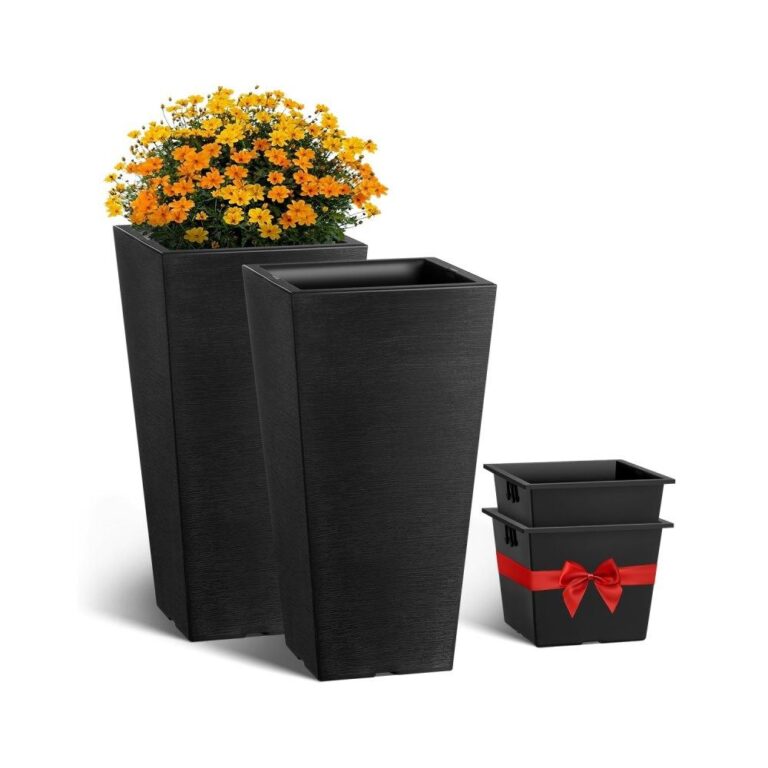 Aisha's pickSquare Outdoor Planters at Every Price Point
 Aisha's pickMetal Outdoor Planters for Making a House Feel Like Yours

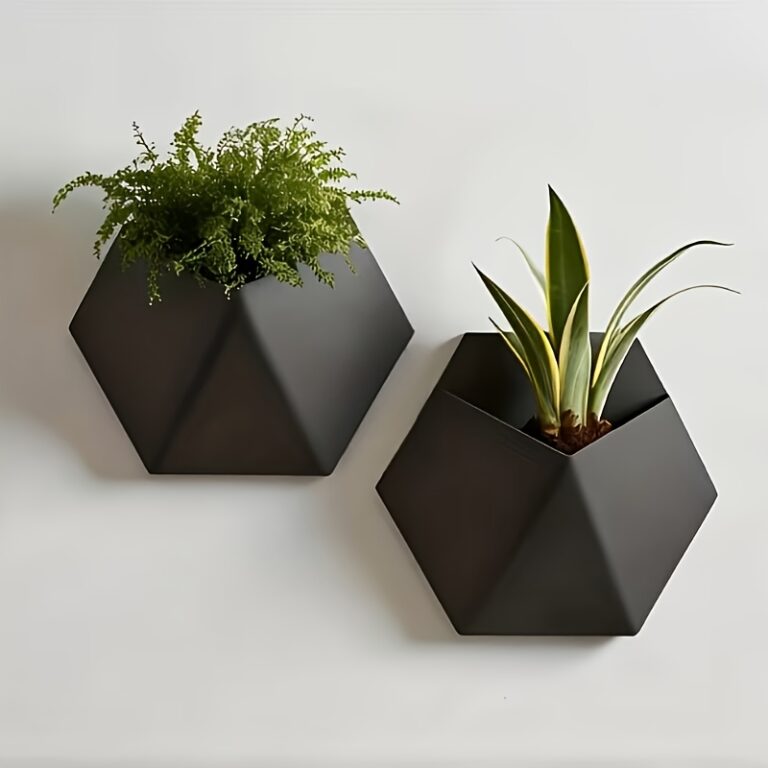 Aisha's pickTraditional Outdoor Planters for Making the Most of the Patio
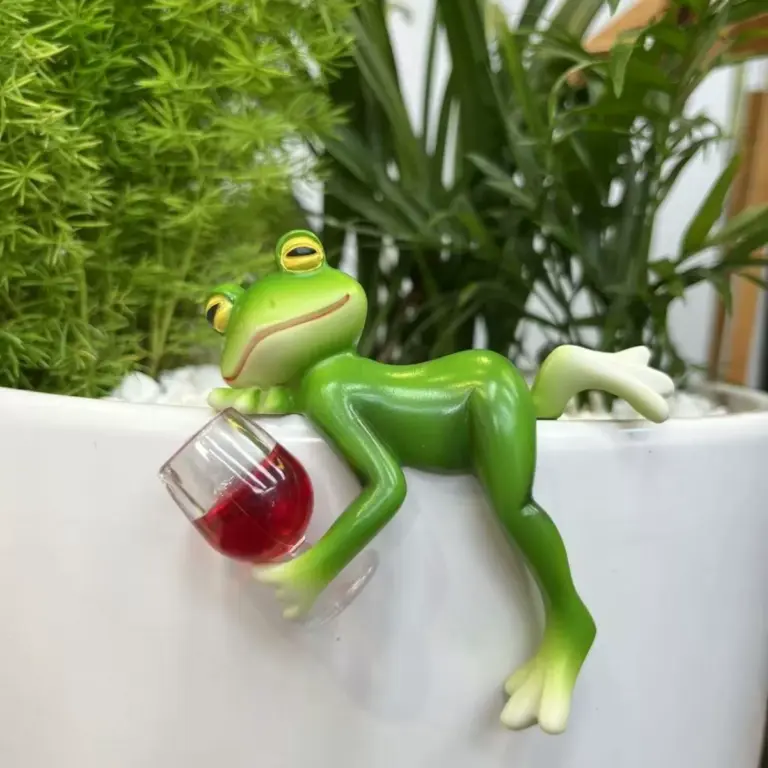
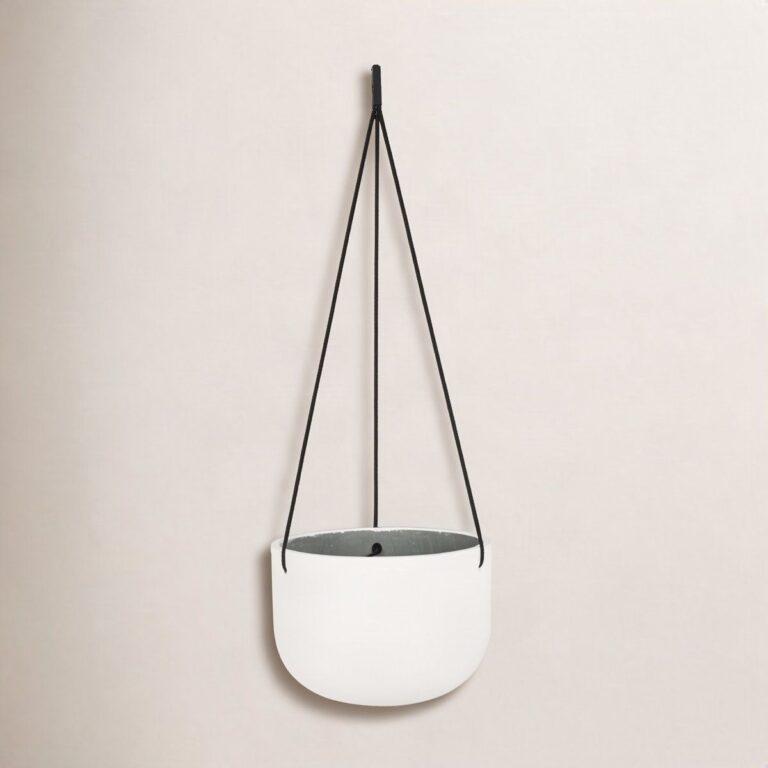 Aisha's pickModern Outdoor Planters From Brands You Know and a Few You Won’t
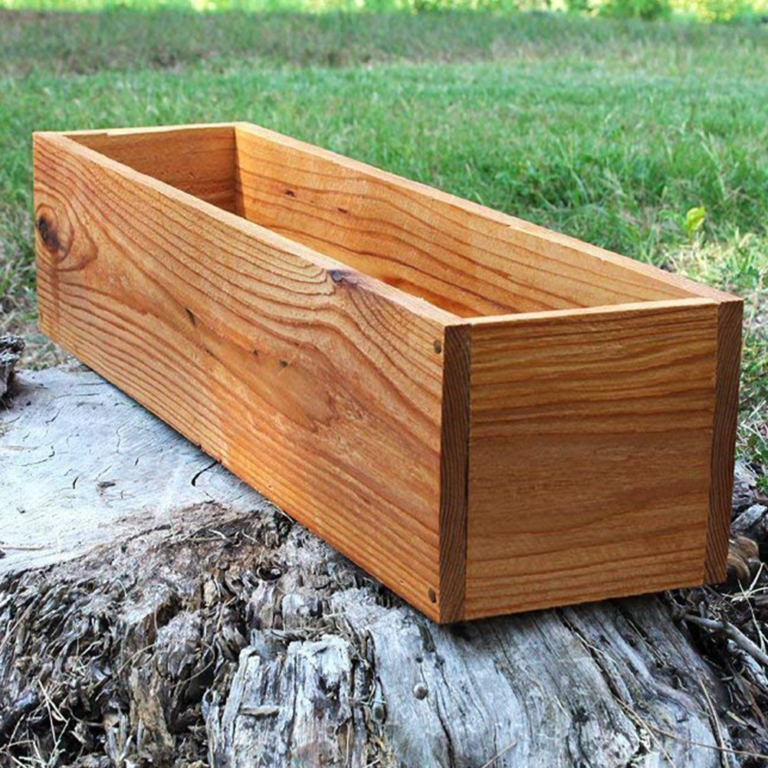
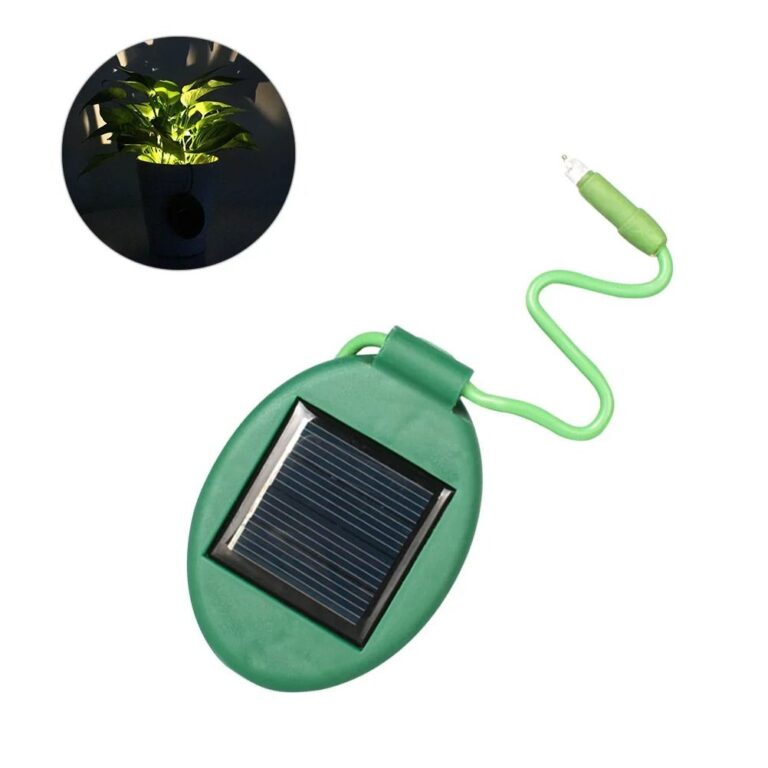 Aisha's pickWhite Outdoor Planters Picked From the Stores We Trust
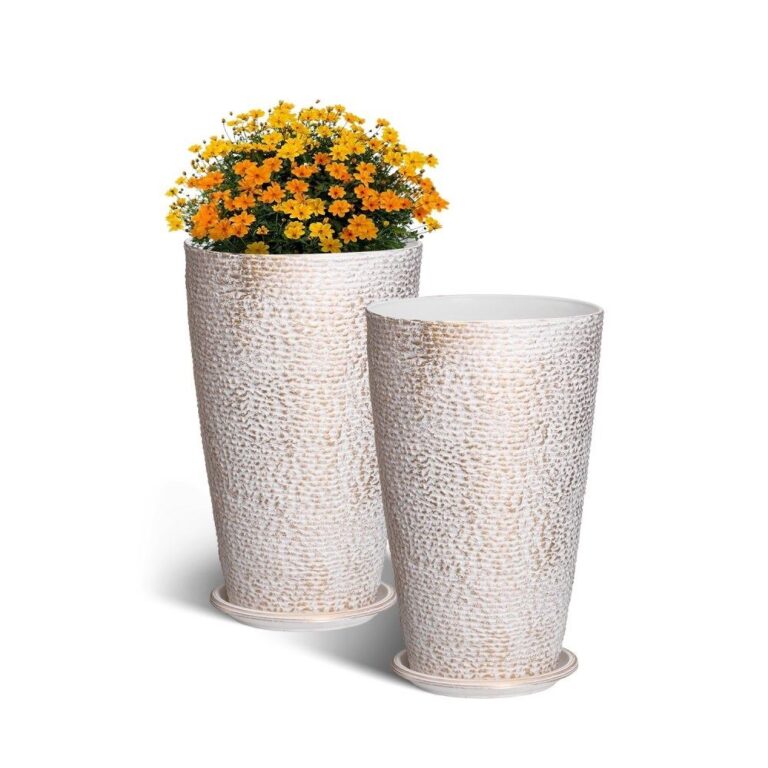
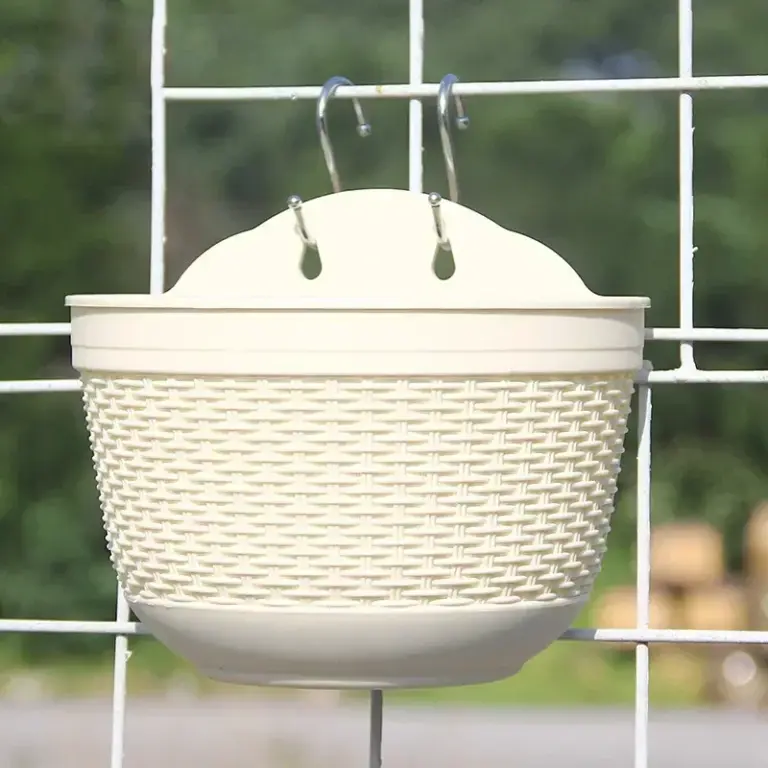 Aisha's pickNatural Outdoor Plant Pots for Sunny Afternoons and Chilly NightsAlso worth a lookOutdoor PlantersOutdoor planters make the most sense for anyone with a porch, patio, or balcony that feels a little…See the collections →