Plant pots have a reputation for being the easy part of keeping plants alive, and mostly that's fair, right up until you buy one that traps water around the roots and kills something you'd had for three years. I land on them as genuinely low stakes compared to the plant itself, but the pot decides more than people give it credit for, drainage especially.
Where they go wrong is drainage and weight. A pot with no hole, or a decorative outer pot you're meant to use as a cover and instead plant straight into, will rot roots quietly over weeks, and you won't know until the leaves start dropping for no reason you can see. Heavy stone or concrete pots are wrong for anywhere you might need to move them, a balcony, a rental where you're rearranging every few months, a plant that needs to chase light around a room. If you're not willing to drill a hole yourself, don't buy the pot without one.
On finish, terracotta is the easiest thing to live with because it's forgiving of mistakes, it breathes, and it looks right next to almost anything else you own, old or new. Plain white and warm stoneware glazes are close behind. Where I've regretted it is bright glossy color, a cobalt blue pot I loved in a store and then had to build an entire shelf around because nothing else in the room wanted to sit next to it. Matte and unglazed wins long term.
Sizing is where most people guess wrong, usually too small. A pot should give roots about two inches of space all around what they currently have, not a sudden jump to something twice the size, which holds water the roots can't use fast enough and brings back the rot problem. For a room, think about what the pot leaves space for on a windowsill or floor, a pot that's too wide for a sill will block half the light coming in, and a floor pot that's too narrow for its plant looks like it's about to tip, which, give it time, it will.
They clash most with each other when you mix too many finishes in one grouping, three different glazes and a woven basket all in one corner reads like a clearance shelf. Keep a cluster to one material family and vary the size instead. And skip anything with texture or carving in a spot where a plant's wide leaves are going to hide it entirely, that detail you paid for under the pot you'll never see again.
Check the drainage hole isn't blocked by a root mat before every watering, it's the one habit that saves you from most of this.
 Aisha's pickMedium Plant Pots That Survive Kids and Pets
 Aisha's pickPlastic Plant Pots for Barbecues and Lazy Weekends
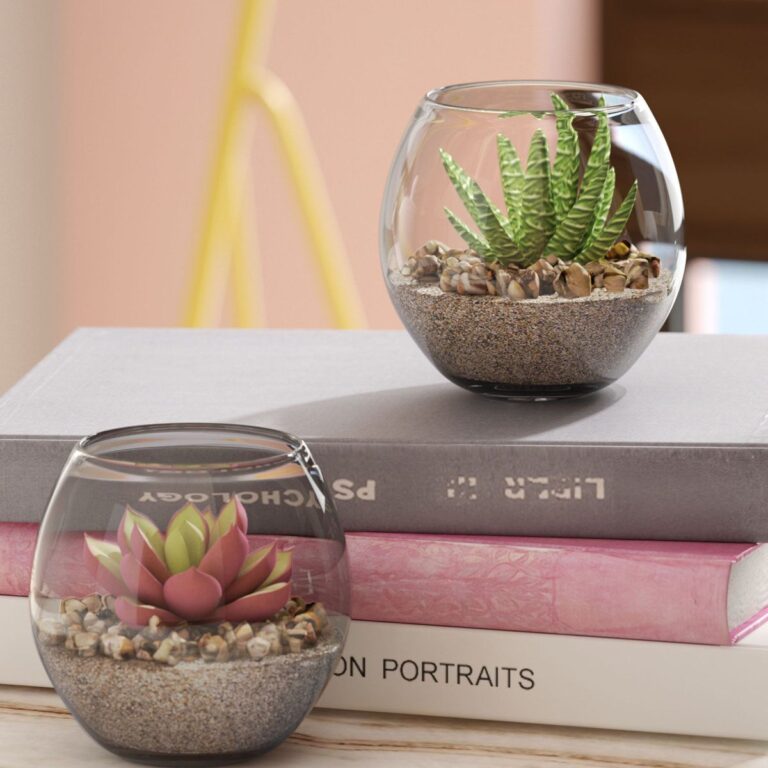 Aisha's pickArtificial Plants in Pots That Make a Room Feel Finished
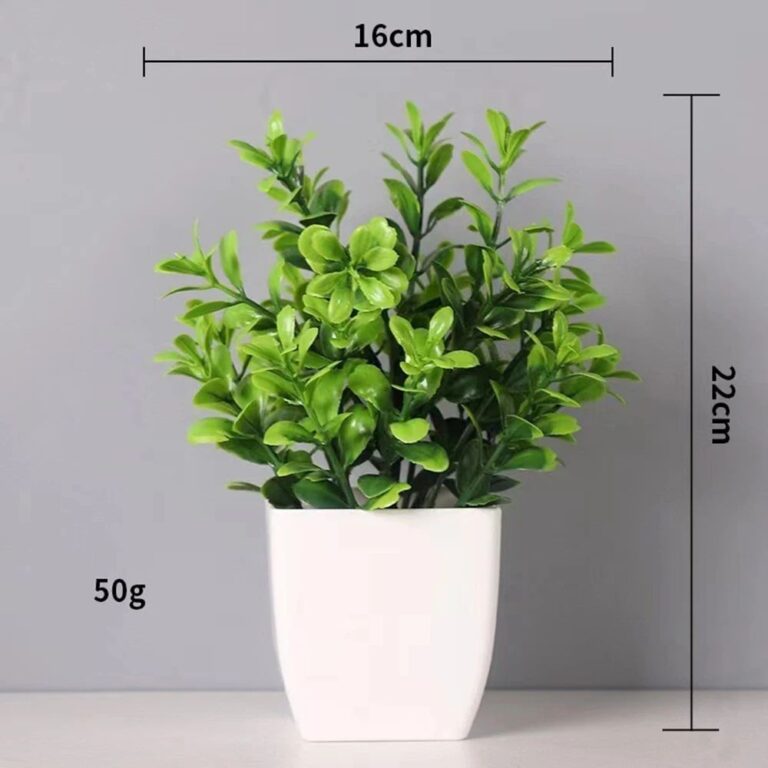
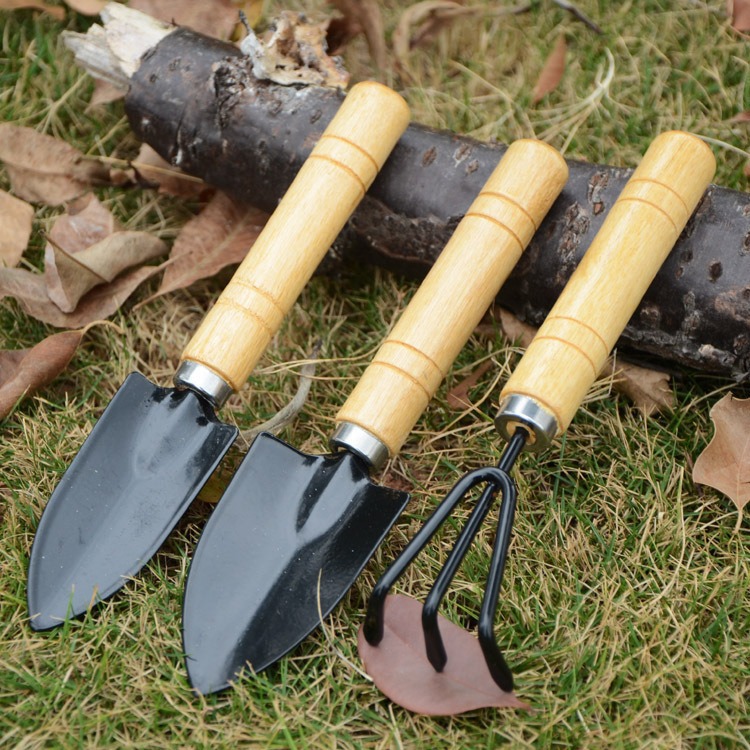 Aisha's pickThe Metal Indoor Plant Pots Worth Your Cash
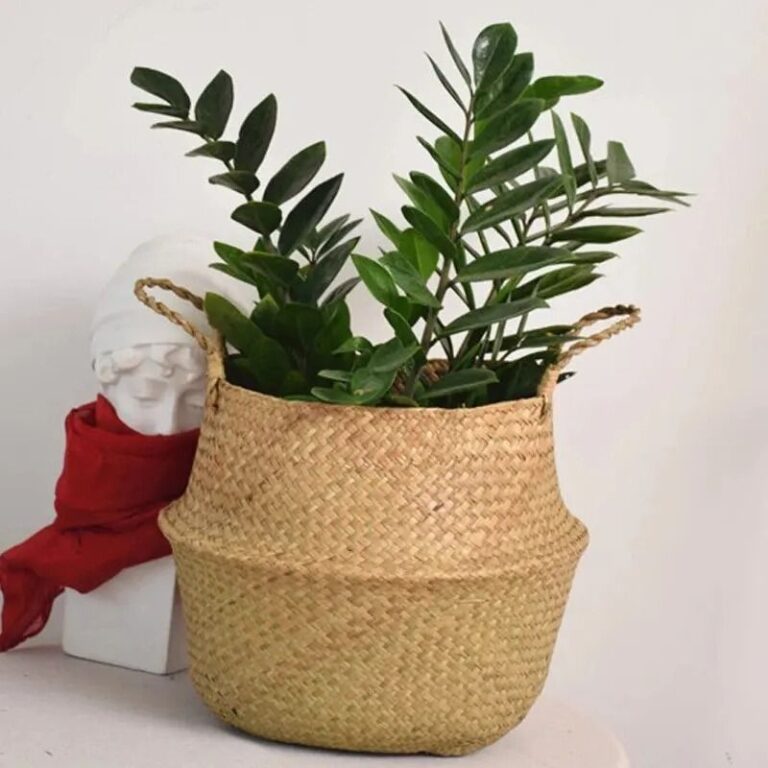
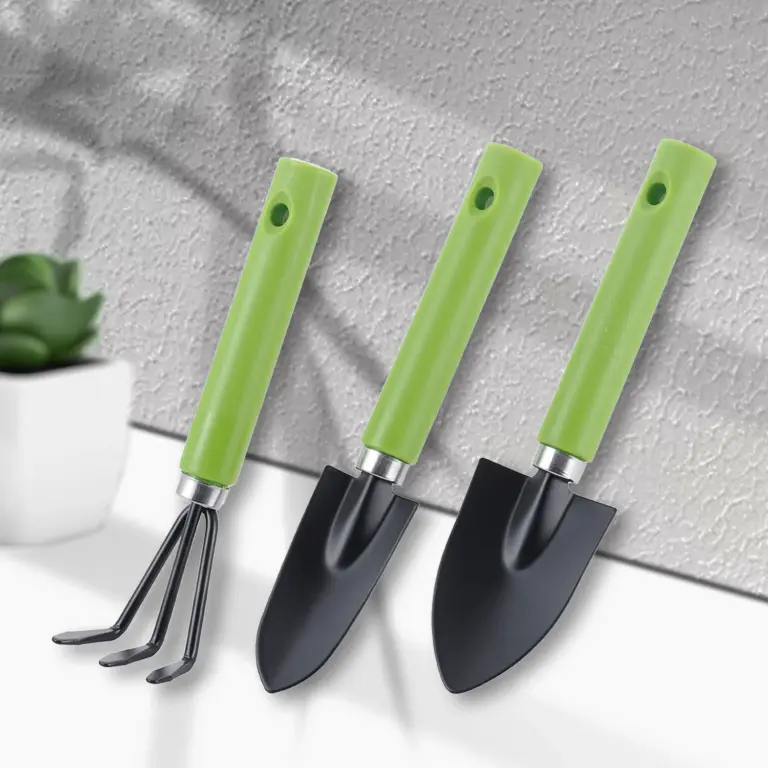 Aisha's pickPlastic Plant Pots That Won’t Let You Down
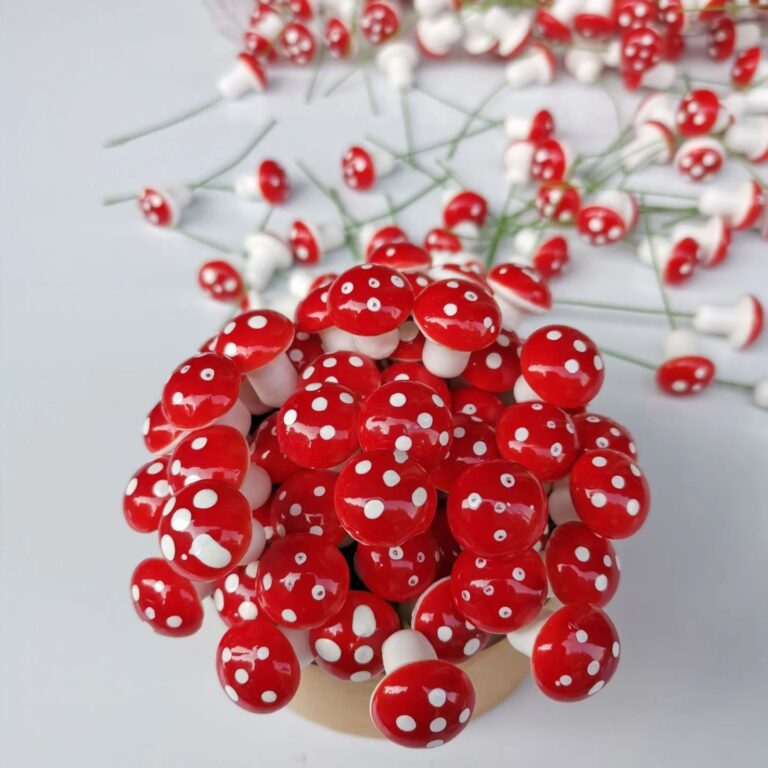
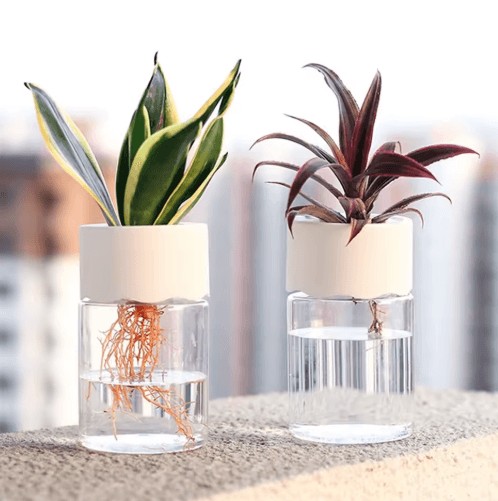 Aisha's pickBamboo Plant Pots That Shrug Off the Rain
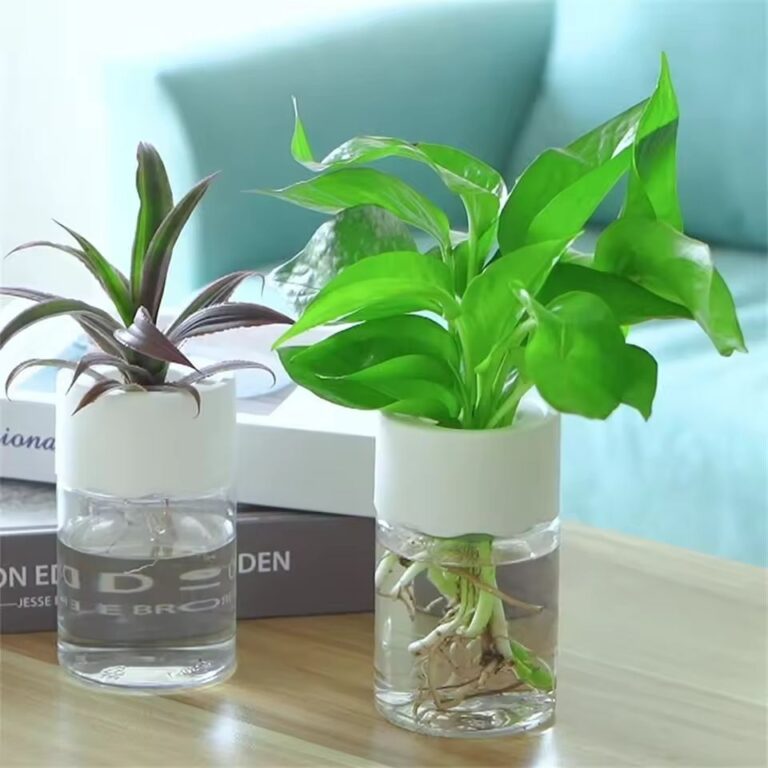
 Aisha's pickMetal Plant Pots That Make a Small Yard Work Harder

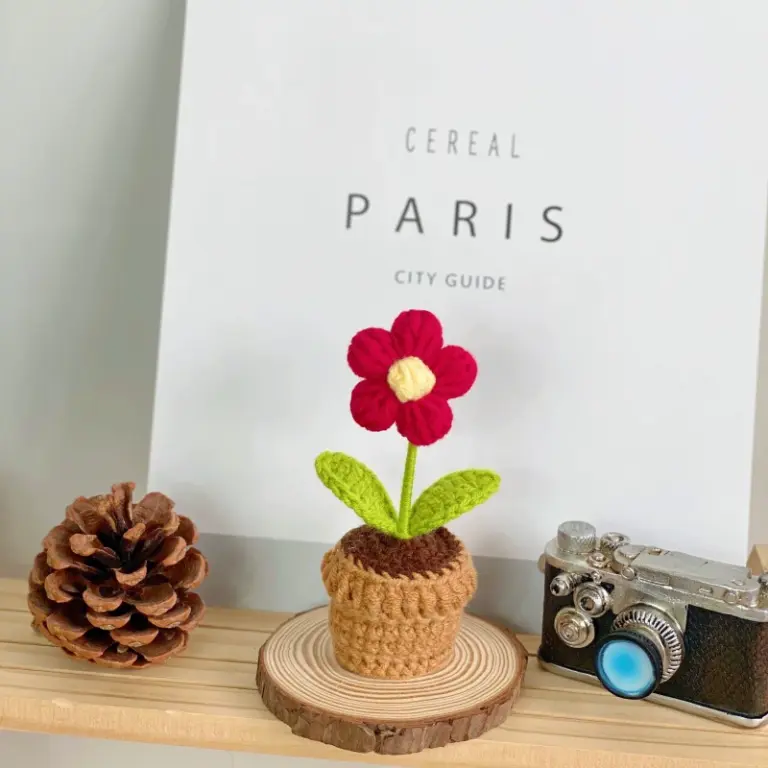 Aisha's pickNo Fuss Red Plant Pots
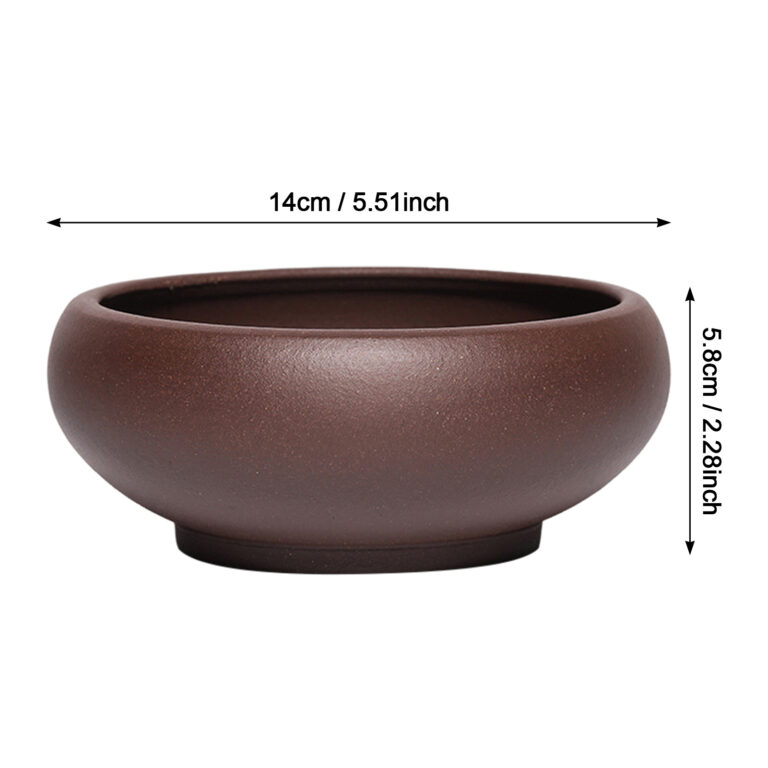
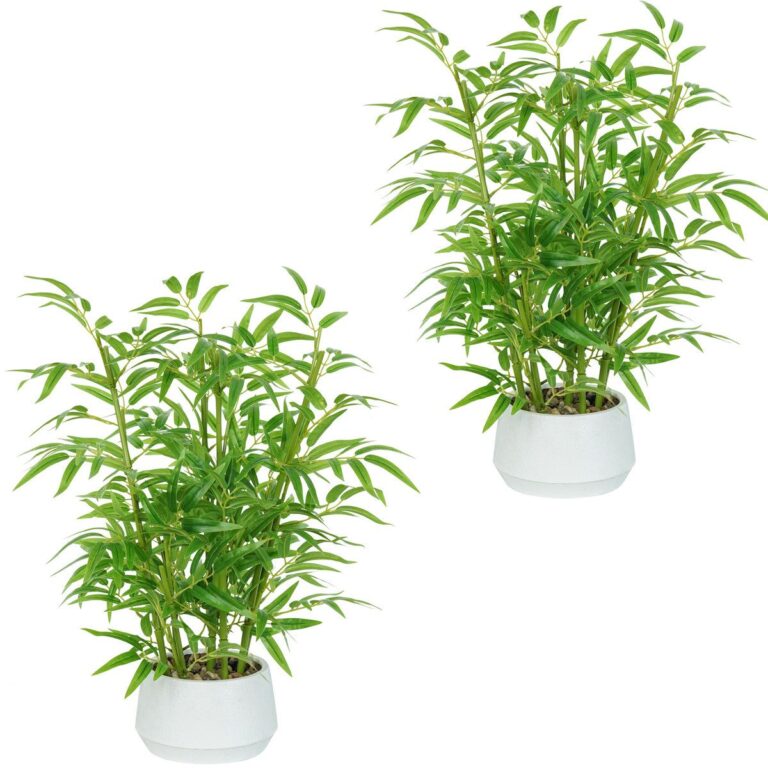 Aisha's pickBamboo Plant Pots for Barbecues and Lazy WeekendsAlso worth a lookPotsPots have a reputation for being the thing you grab last and regret first, some flimsy plastic circle…See the collections →
 Aisha's pickMetal Plant Pots That Get Better With Age
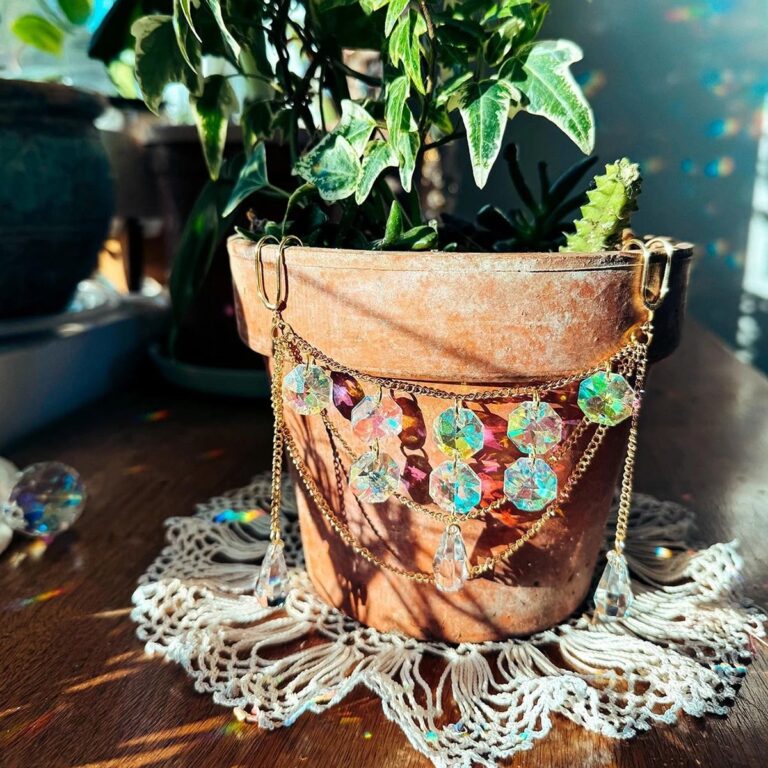
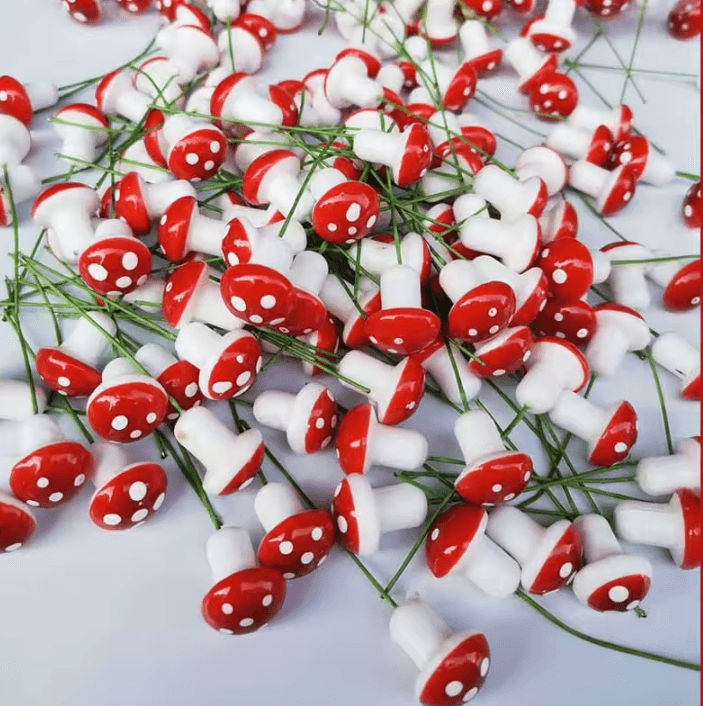 Aisha's pickRed Plant Pots That Won’t Let You Down
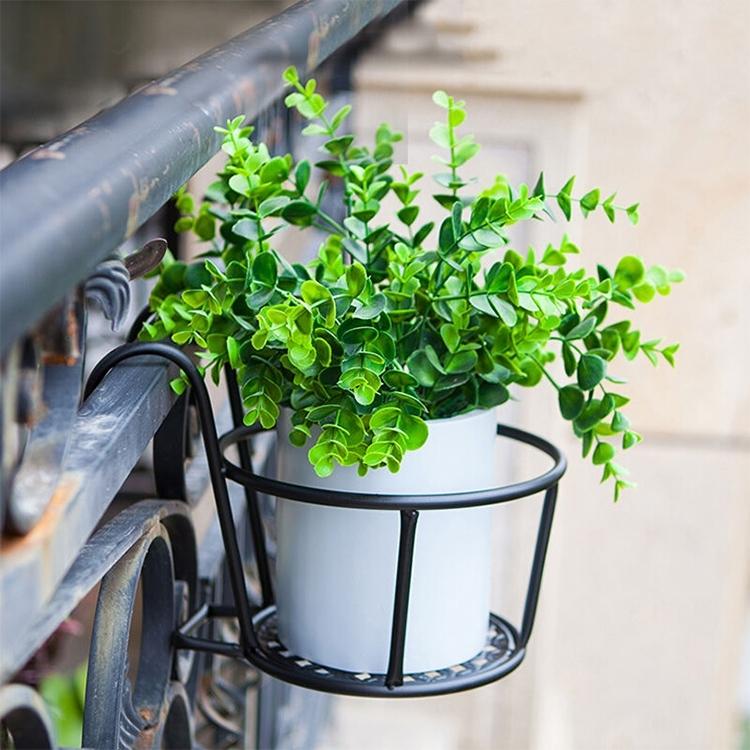
 Aisha's pickBlack Indoor Plant Pots Picked From the Stores We Trust
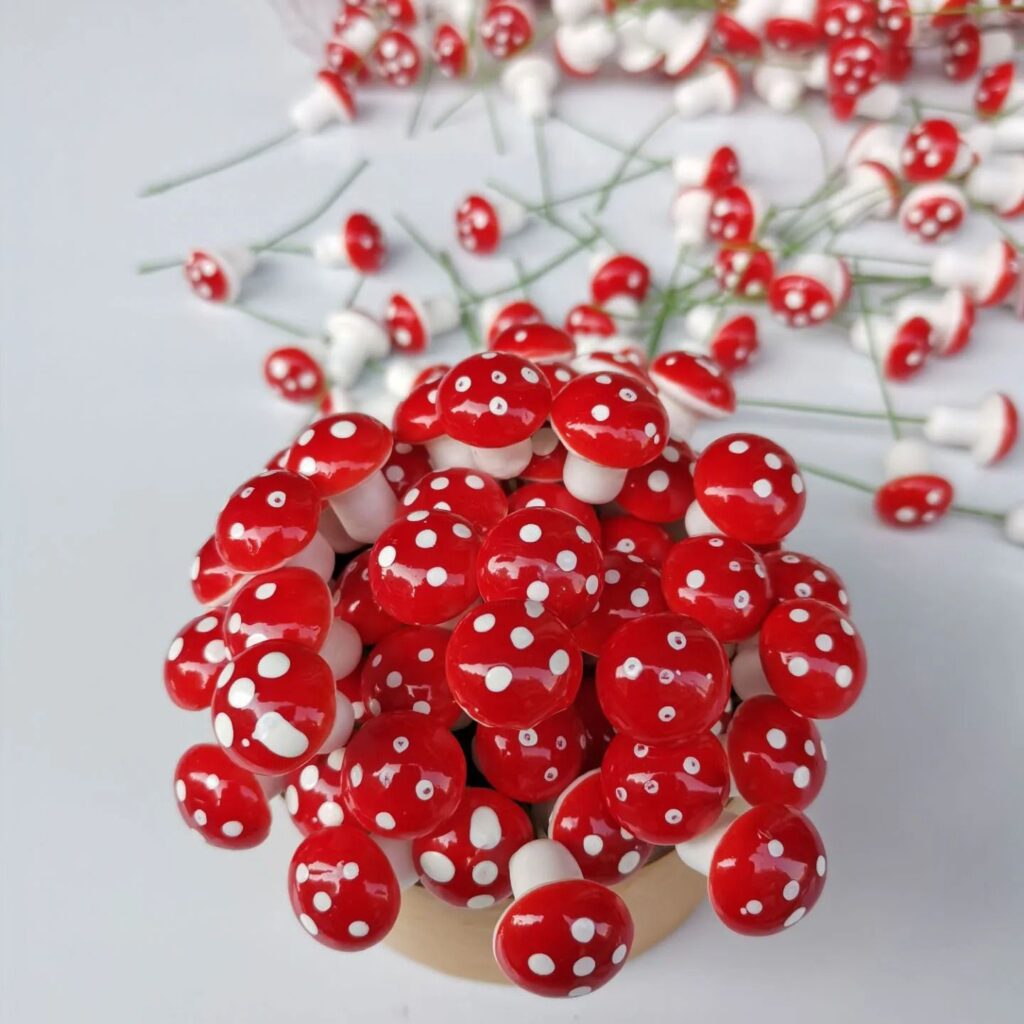
 Aisha's pickMini Plant Pots You Won’t Want to Hide Away
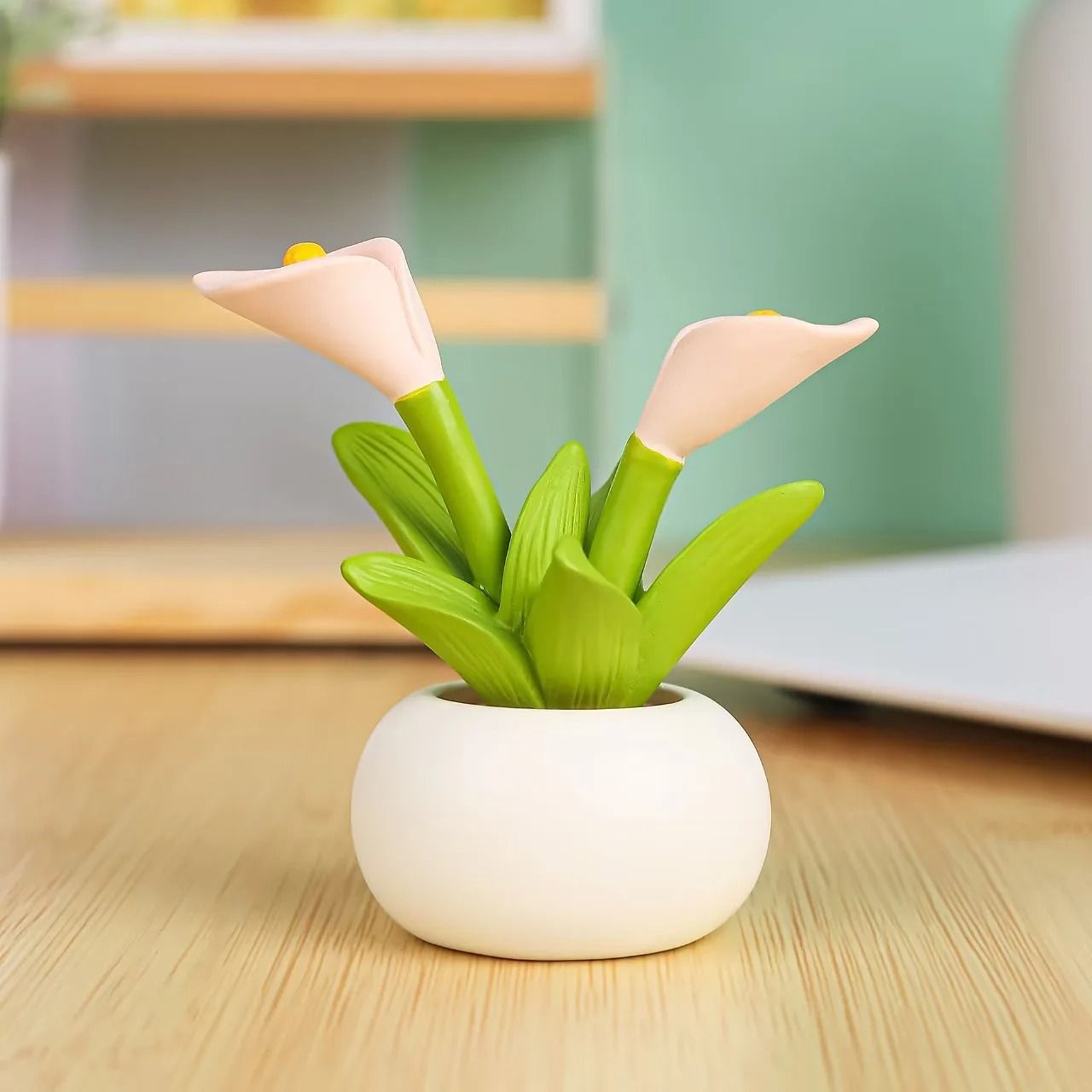
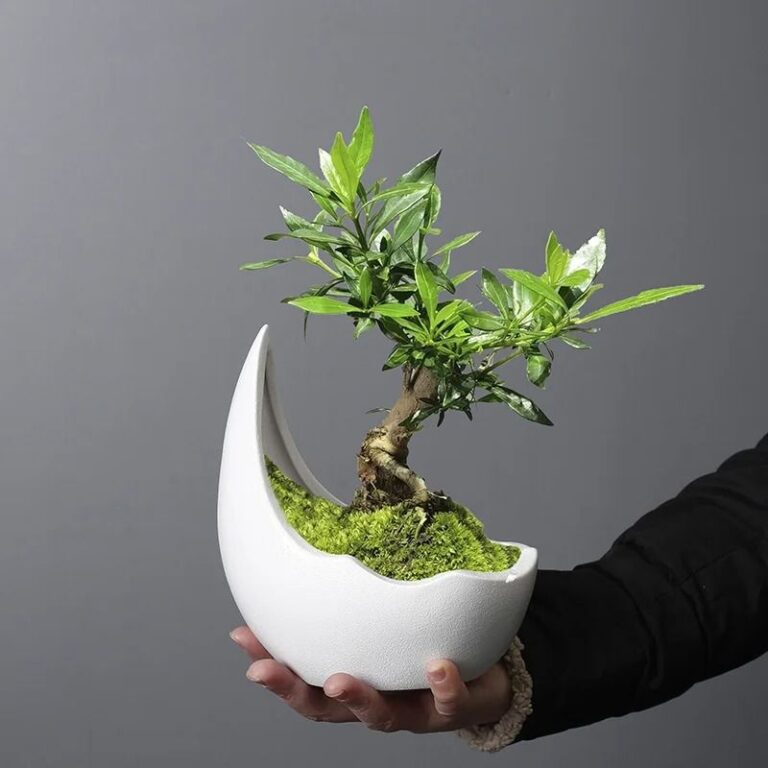 Aisha's pickRound Indoor Plant Pots That Make Rented Places Feel Like Home
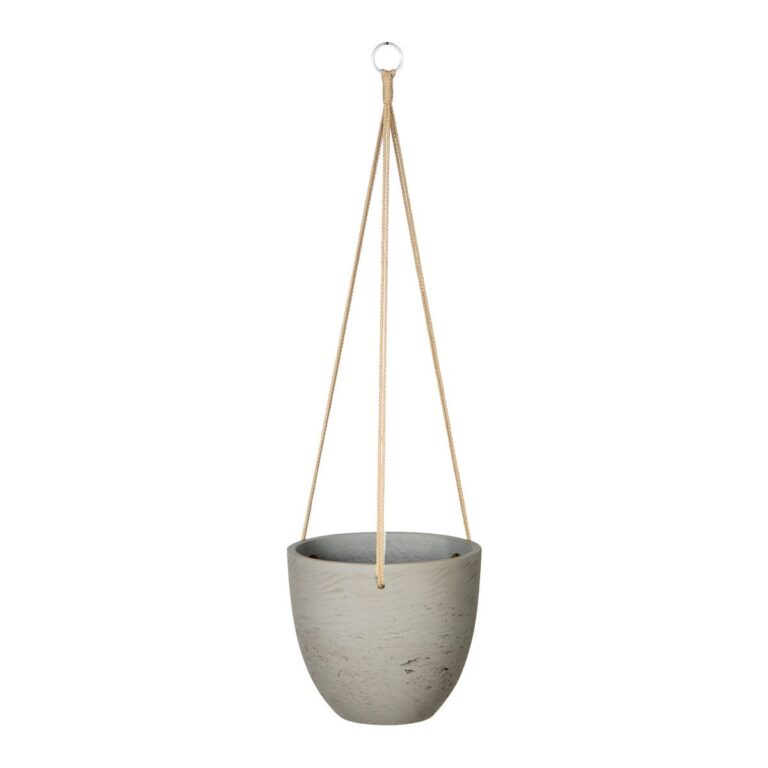
 Aisha's pickBlack Plant Pots That Make a Small Yard Work Harder
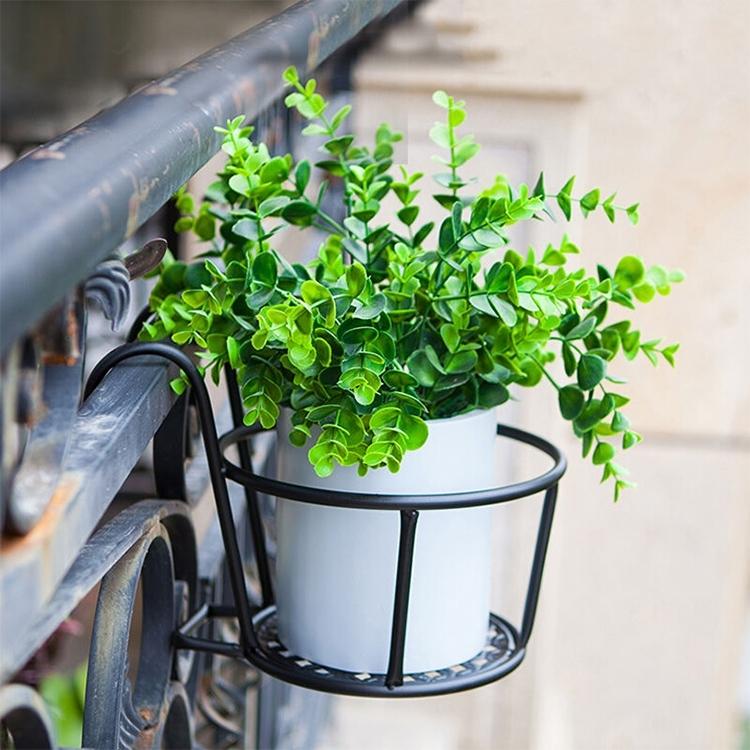
 Aisha's pickMini Plant Pots That Won’t Date in a Year
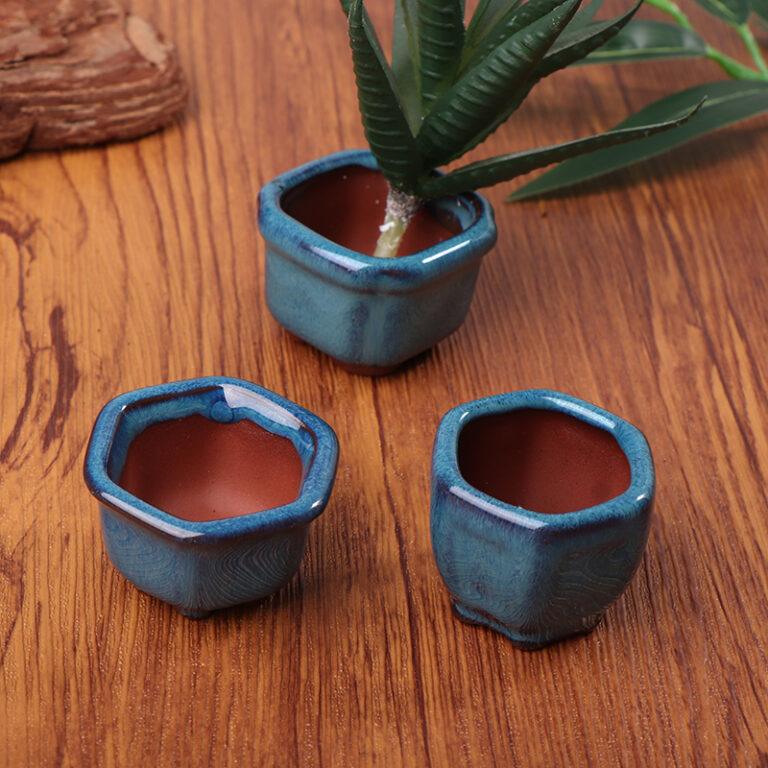
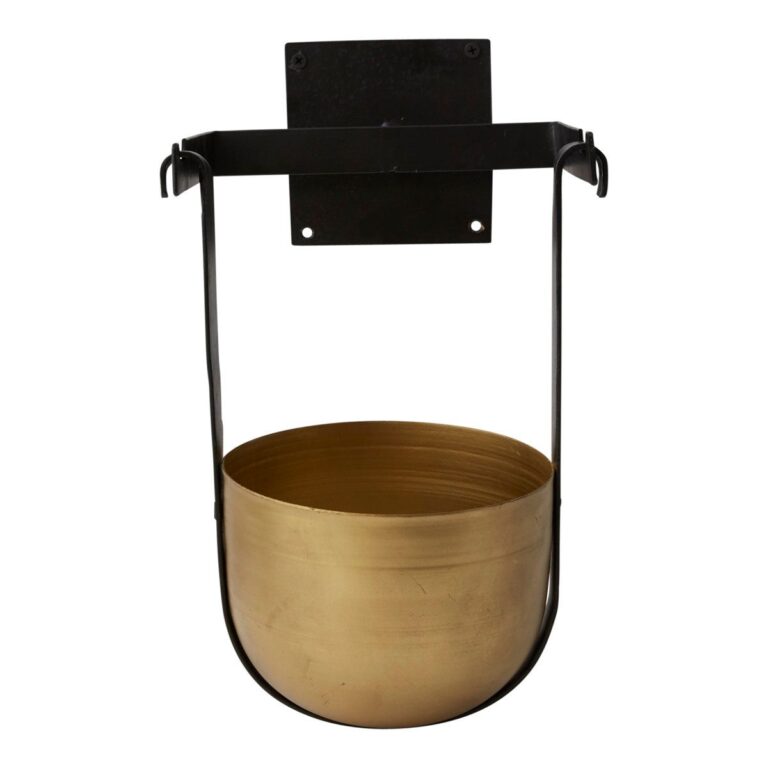 Aisha's pickRound Plant Pots That Survive a Hard Winter
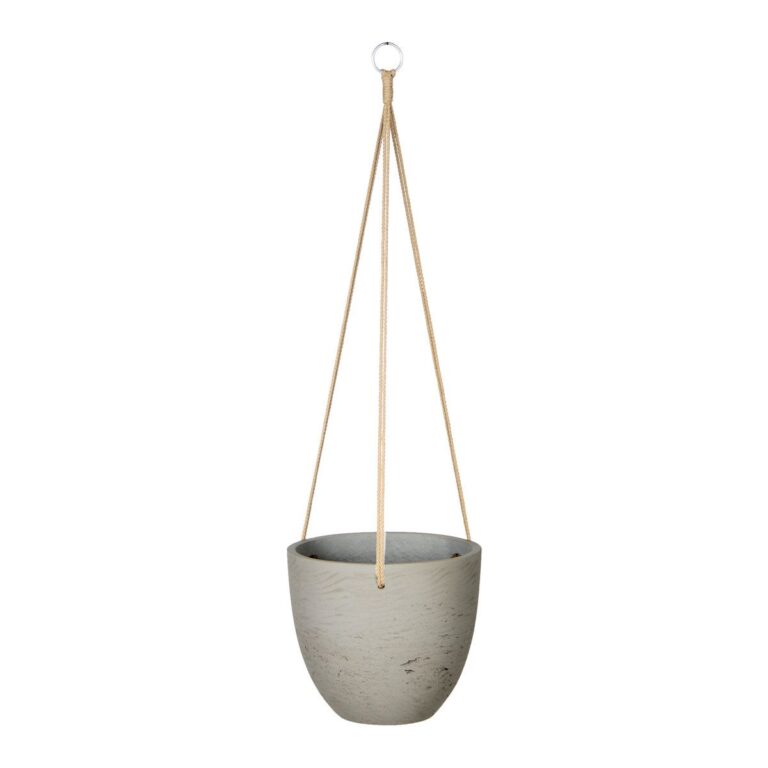
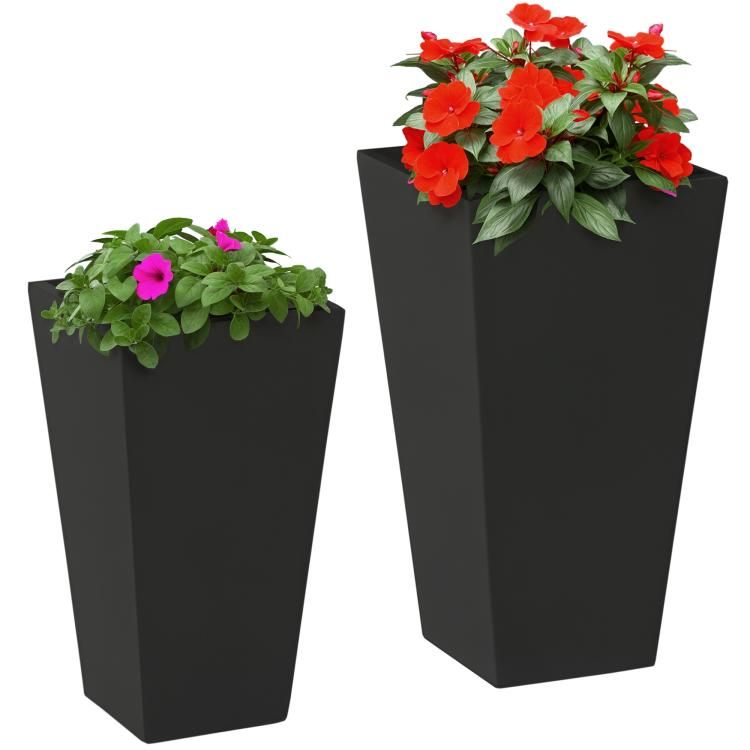 Aisha's pickDecent Black Plant Pots Without the HassleAlso worth a lookOutdoor Planters (Planters & Pots)The thing nobody tells you about outdoor planters is that the one you love in the store window…See the collections →
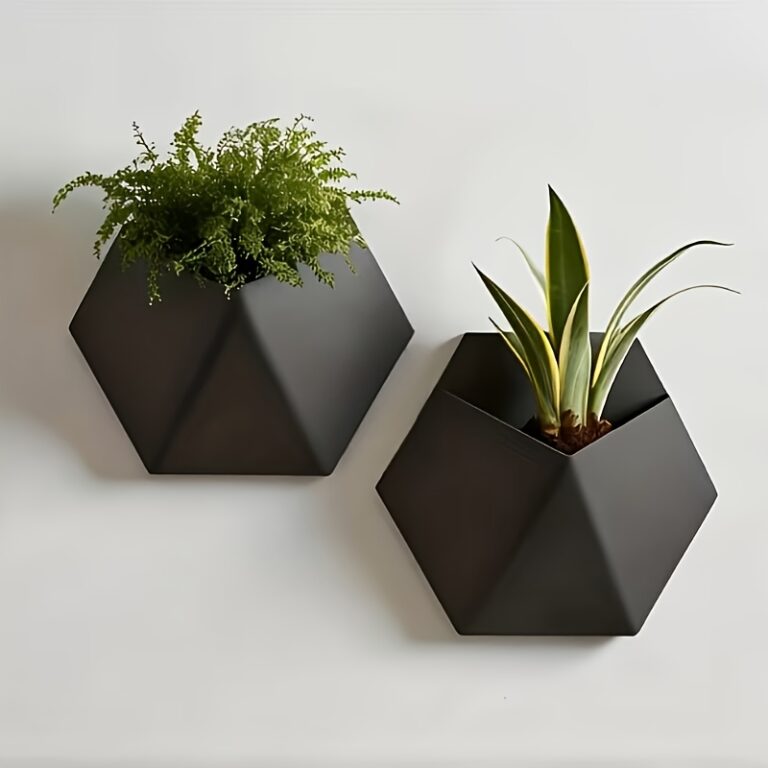
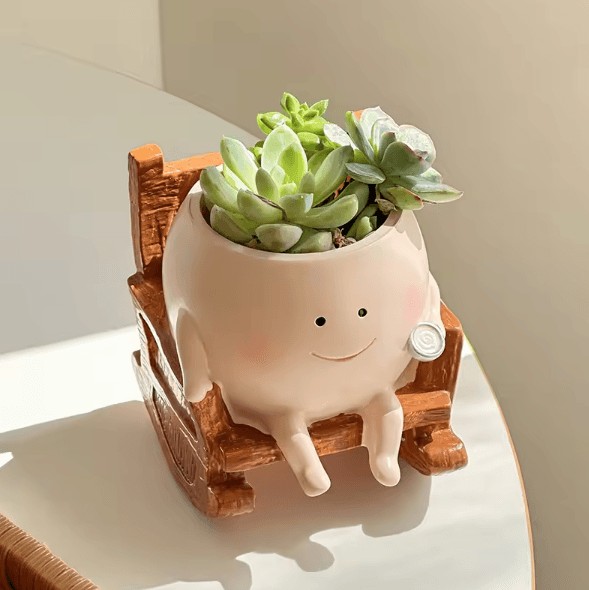 Aisha's pickModern Indoor Plant Pots That Shrug Off the Rain
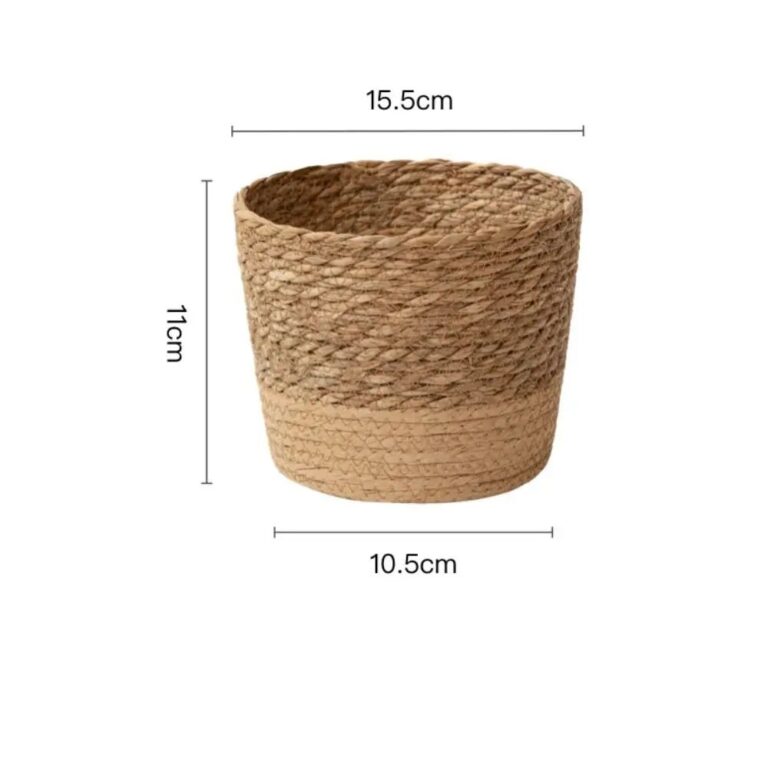
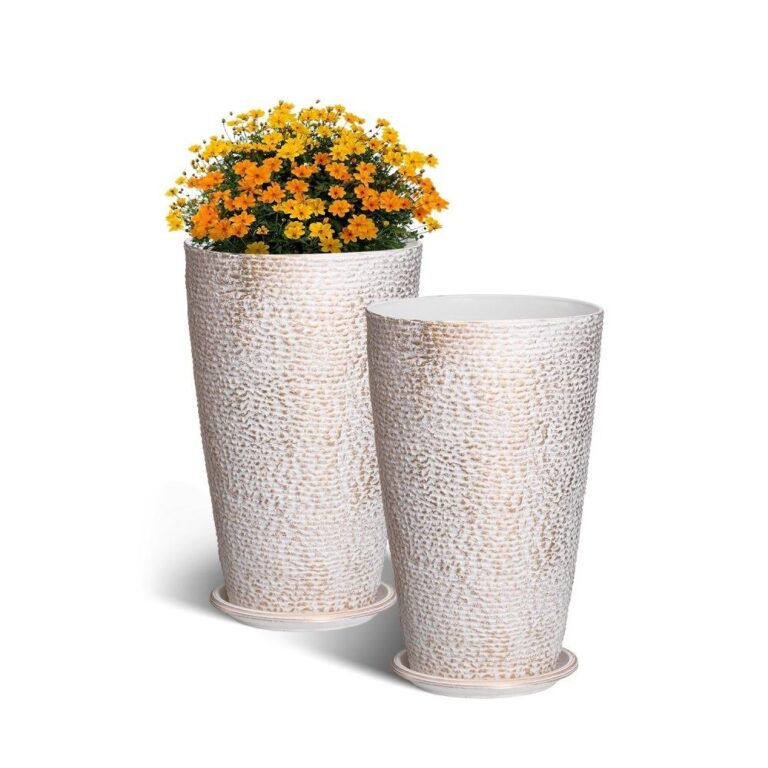 Aisha's pickRound Plant Pots at Every Price Point
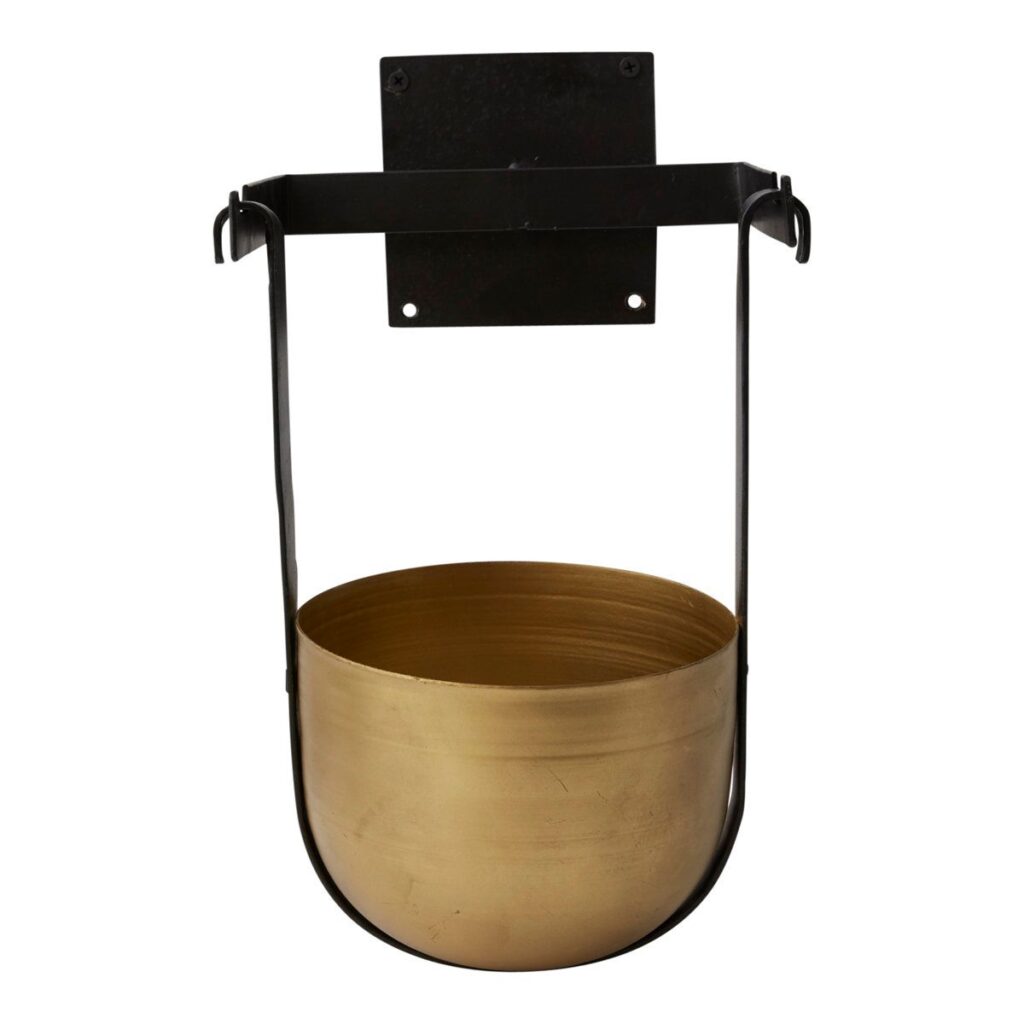 Aisha's pickBlack Round Plant Pots That Visitors Always Ask About
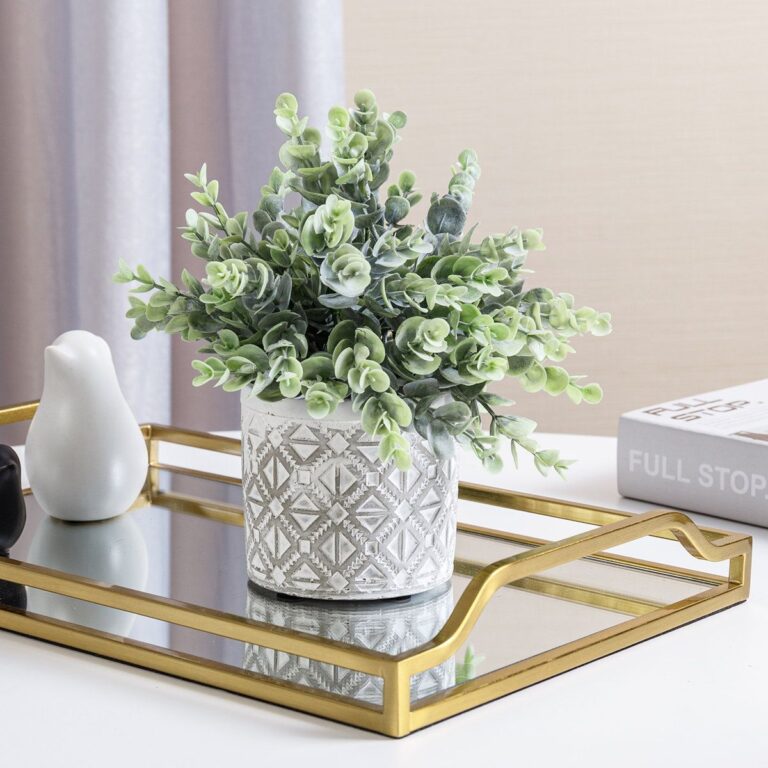 Aisha's pickModern Plant Pots That Make a Small Yard Work Harder
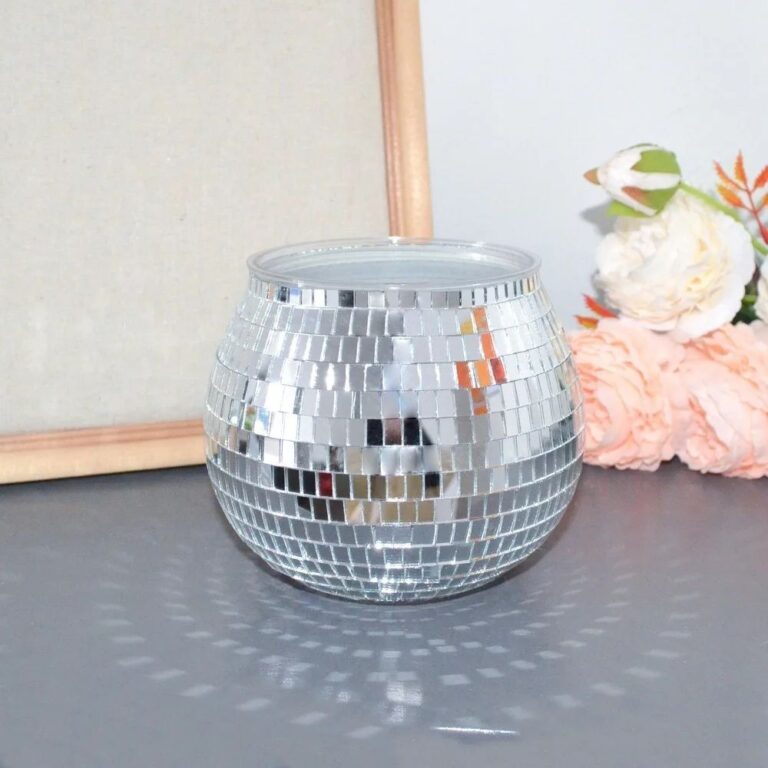
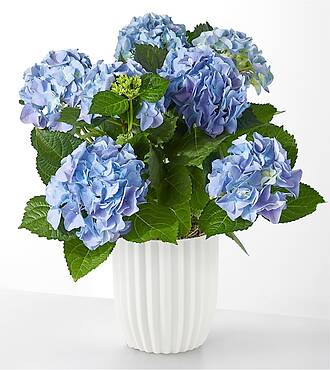 Aisha's pickBlue Plant Pots Picked by People Who Care Too Much
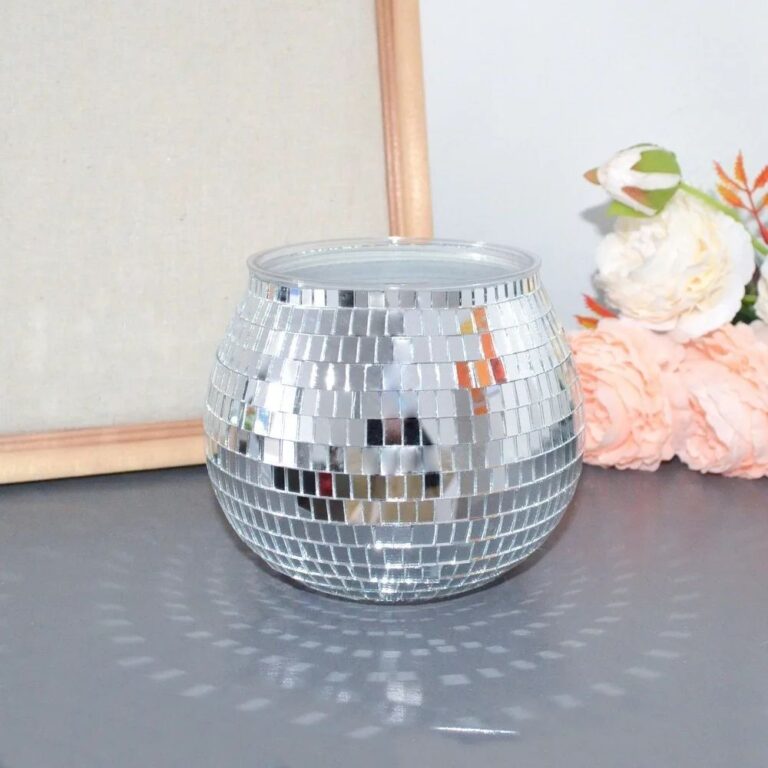 Aisha's pickModern Plant Pots We’d Have Out From May to September
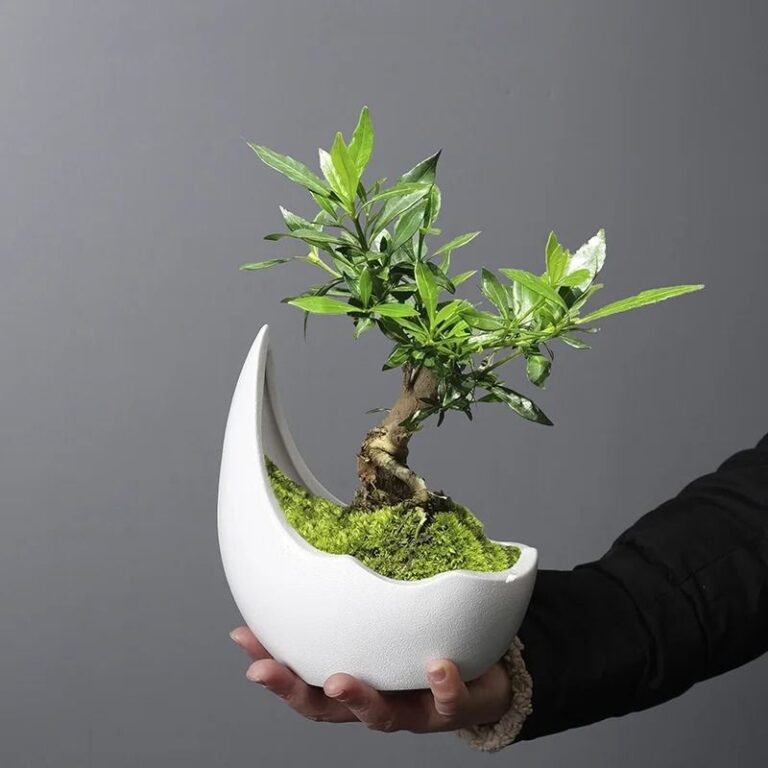
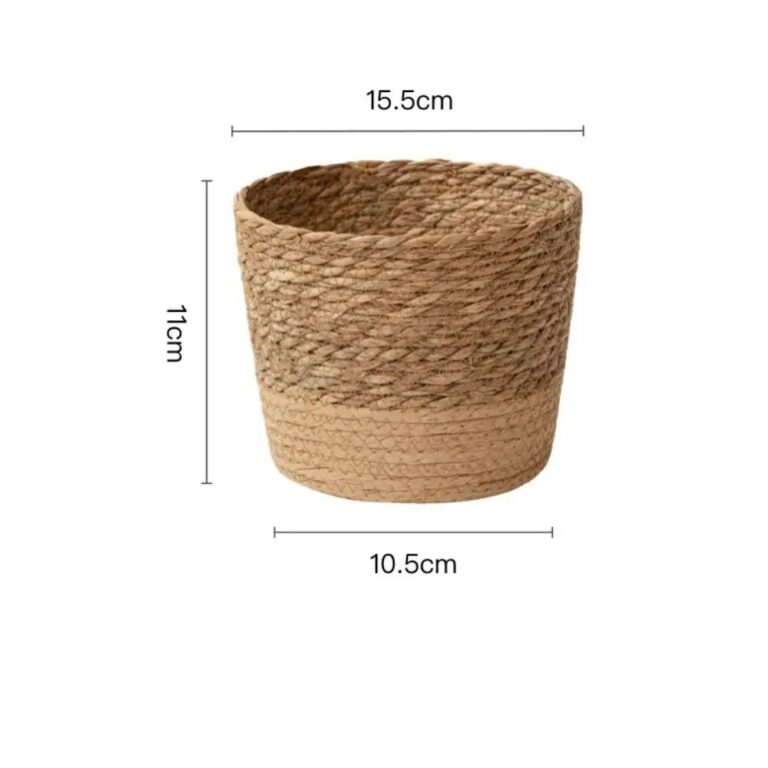 Aisha's pickBrown Plant Pots That Make Rented Places Feel Like Home
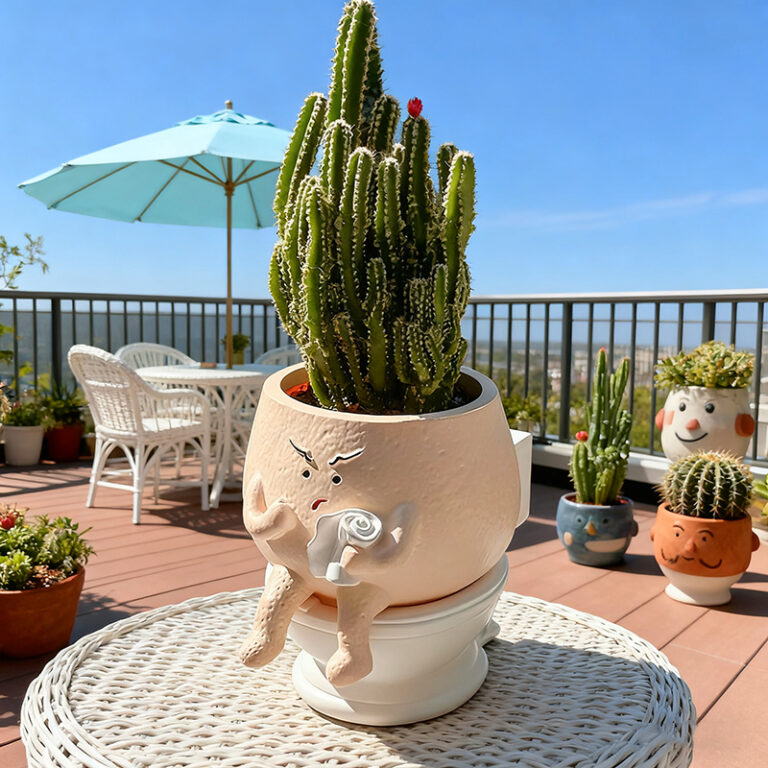 Aisha's pickPlant Pots That Stand Up to the Weather
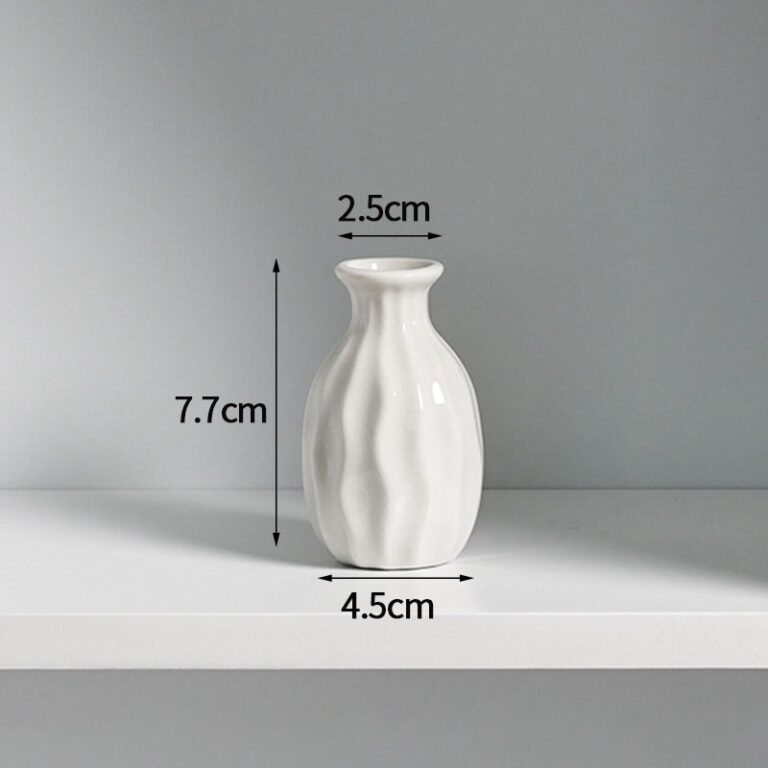
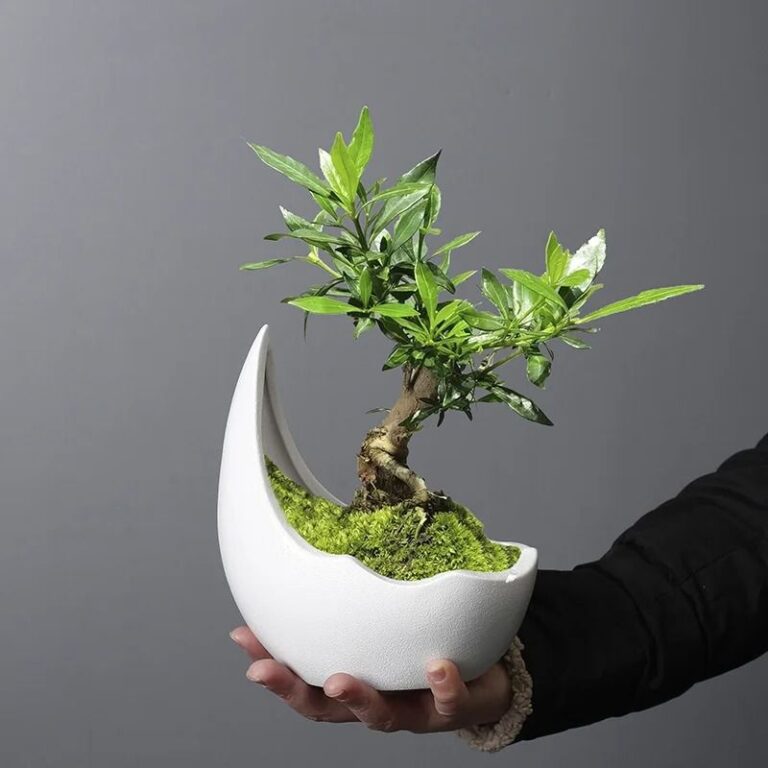 Aisha's pickCeramic Plant Pots That Stand Up to the WeatherAlso worth a lookOutdoor PlantersOutdoor planters make the most sense for anyone with a porch, patio, or balcony that feels a little…See the collections →
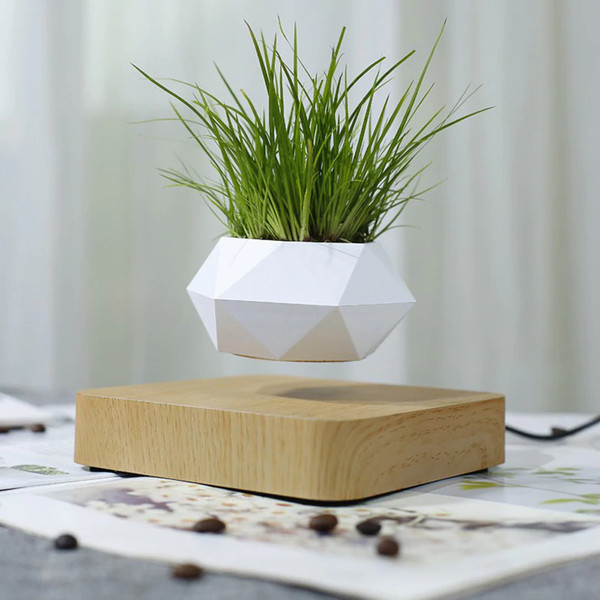
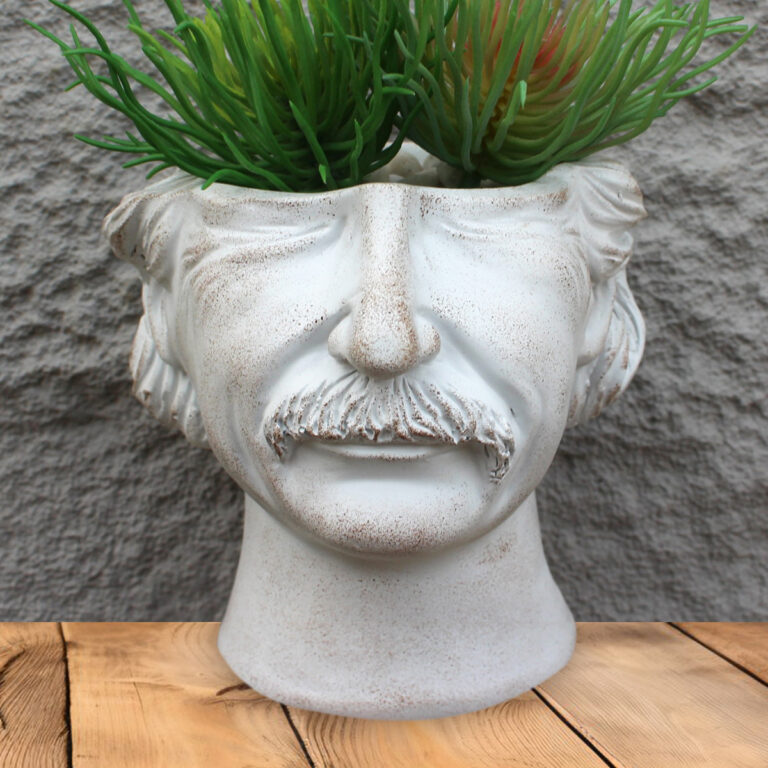 Aisha's pickPlant Pots with Drainage That Make a Room Feel Finished
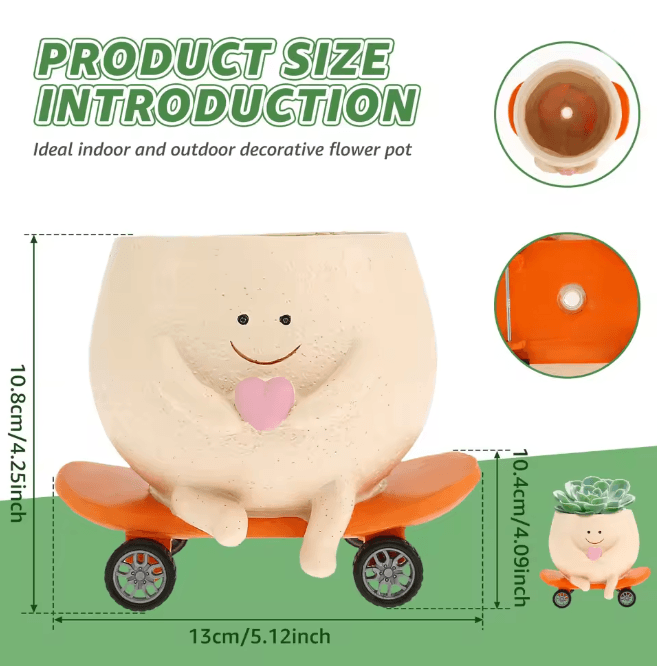
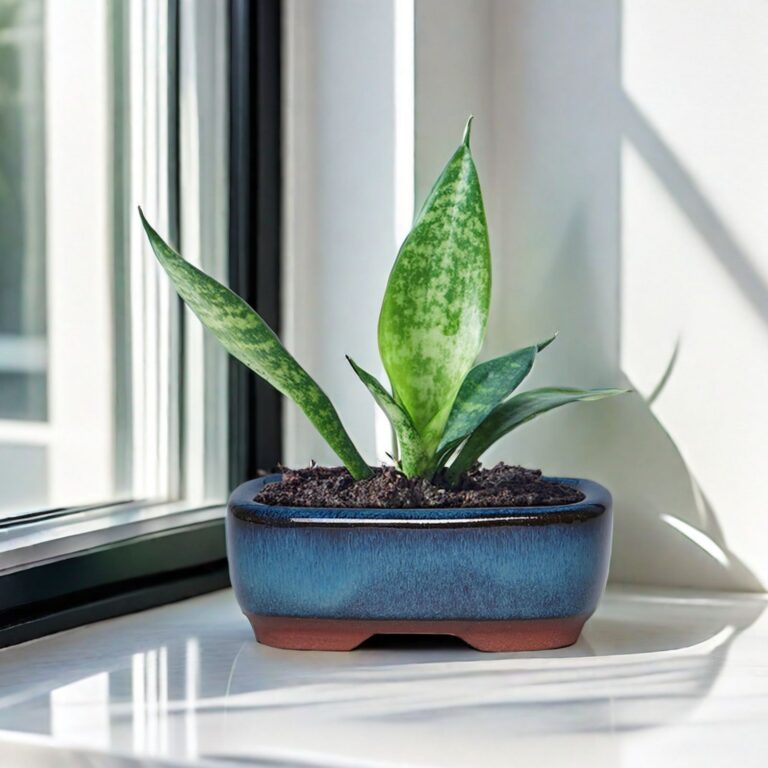 Aisha's pickCeramic Plant Pots for When the Old Ones Give Up
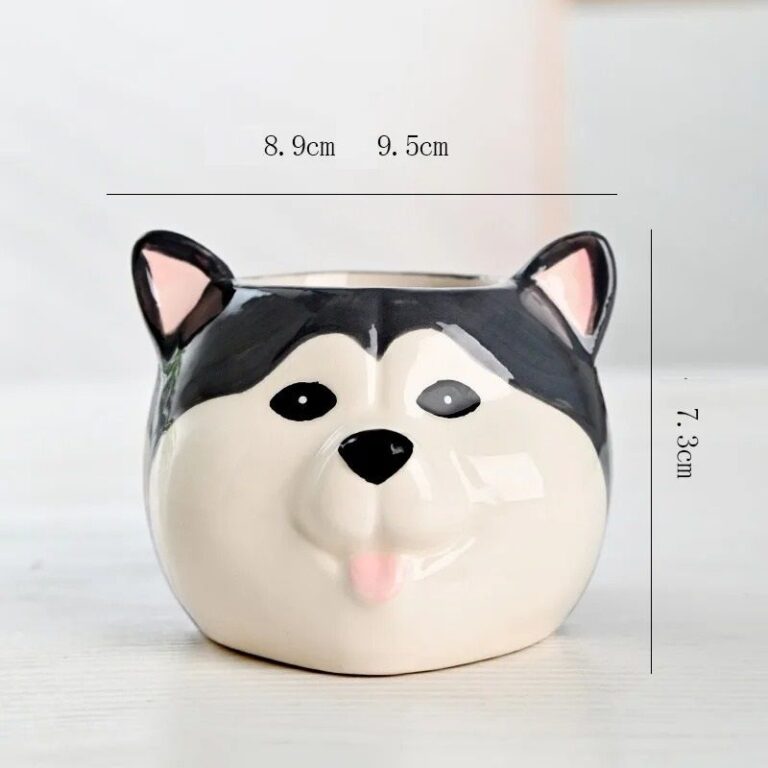
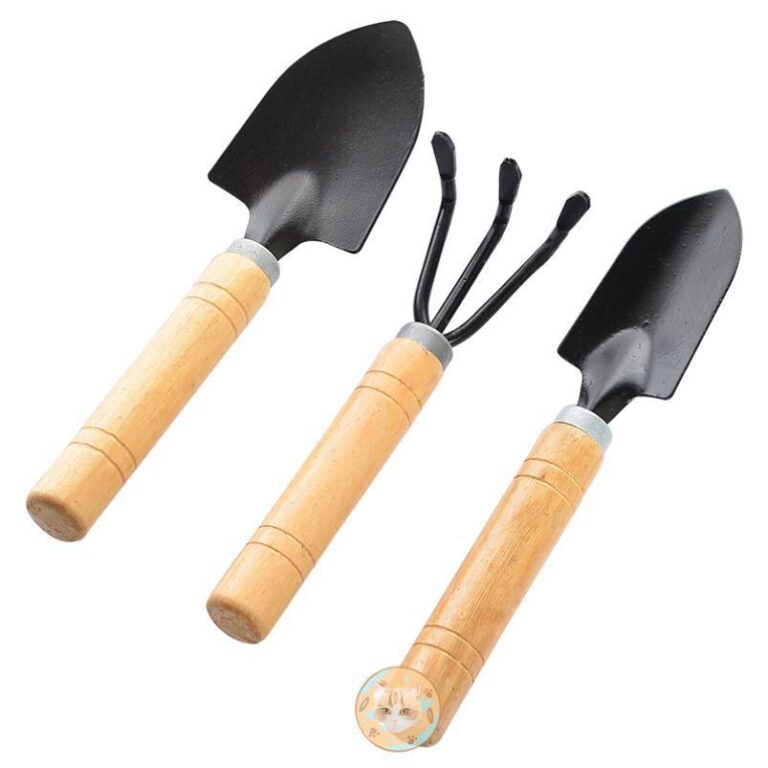 Aisha's pickPlant Pots with Handles Picked From the Stores We Trust
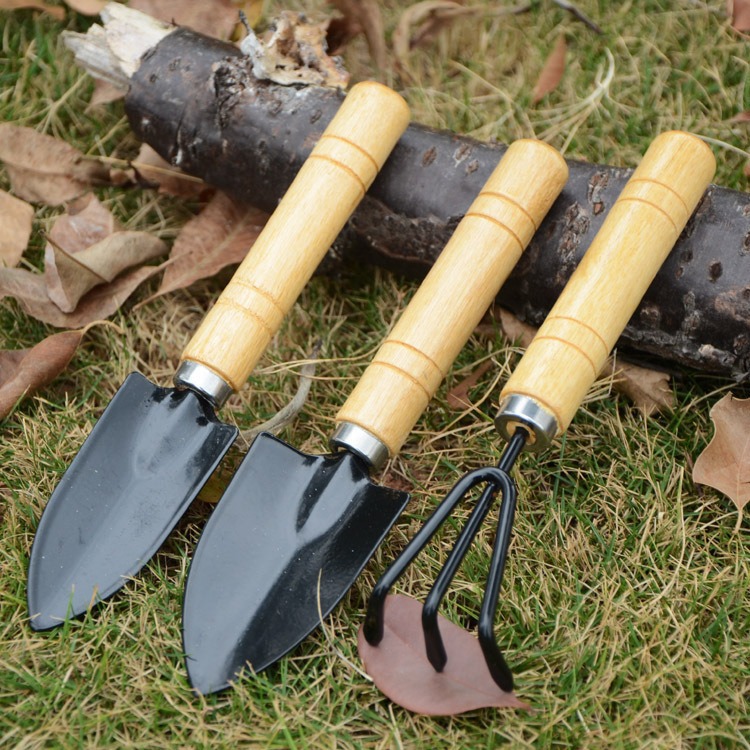
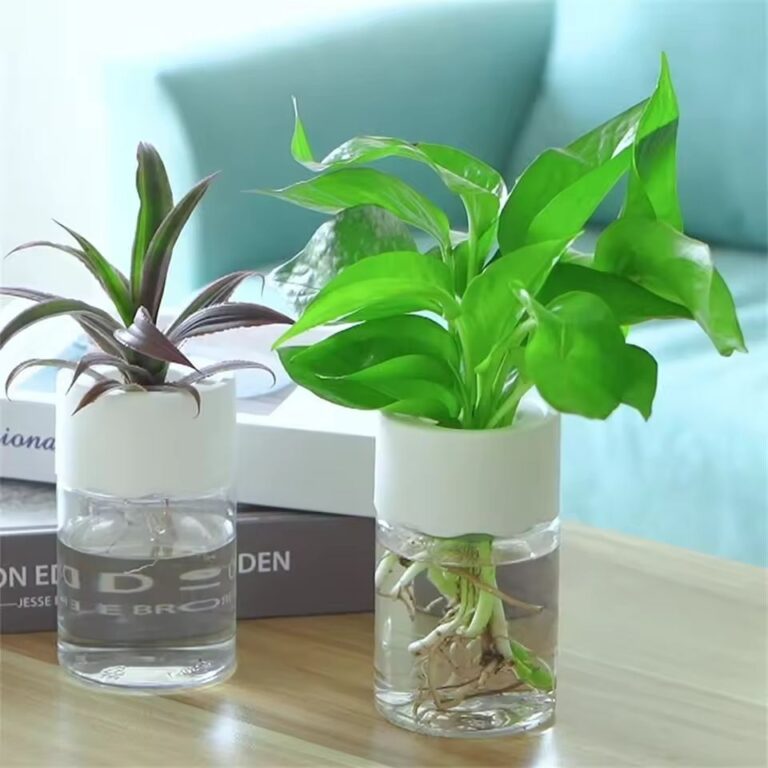 Aisha's pickClear Plant Pots for Long Summer Evenings Outside
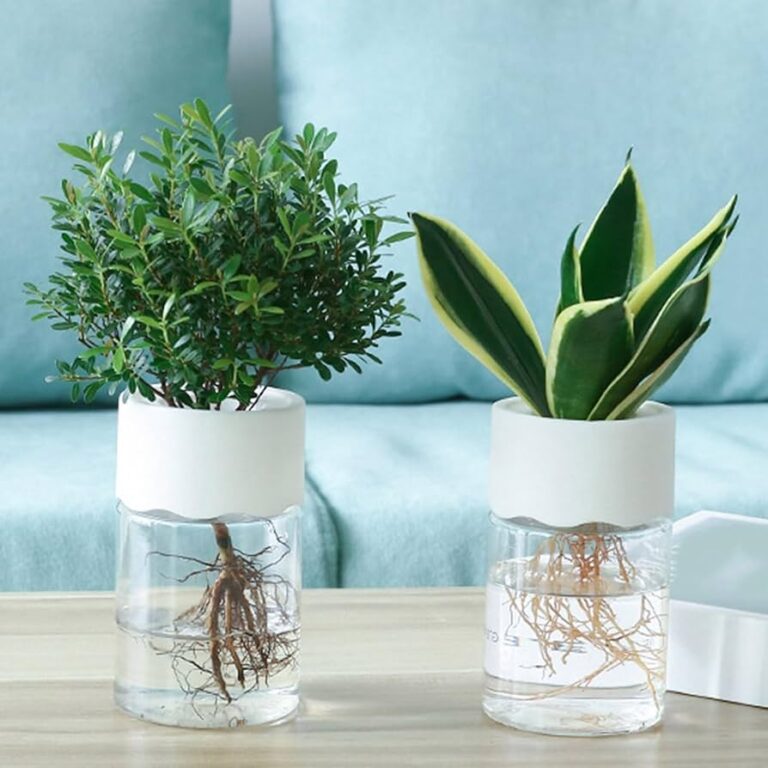
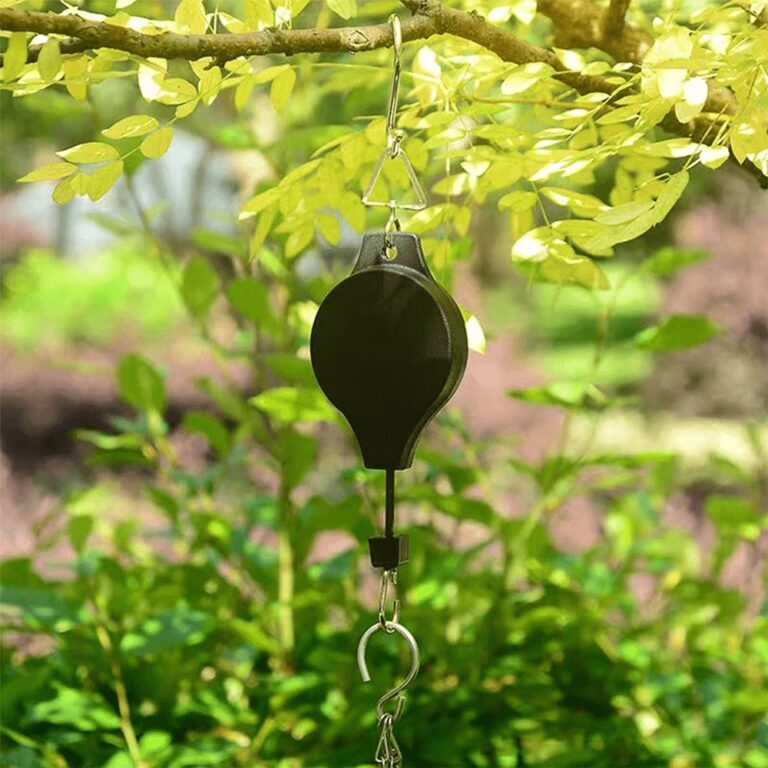 Aisha's pickPlant Pots That Survive Kids and Pets
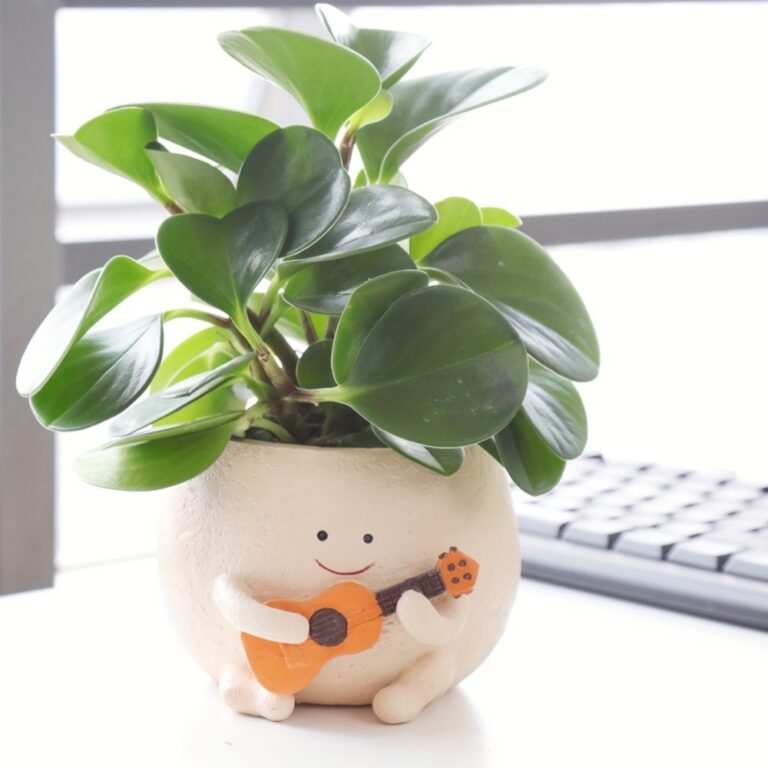
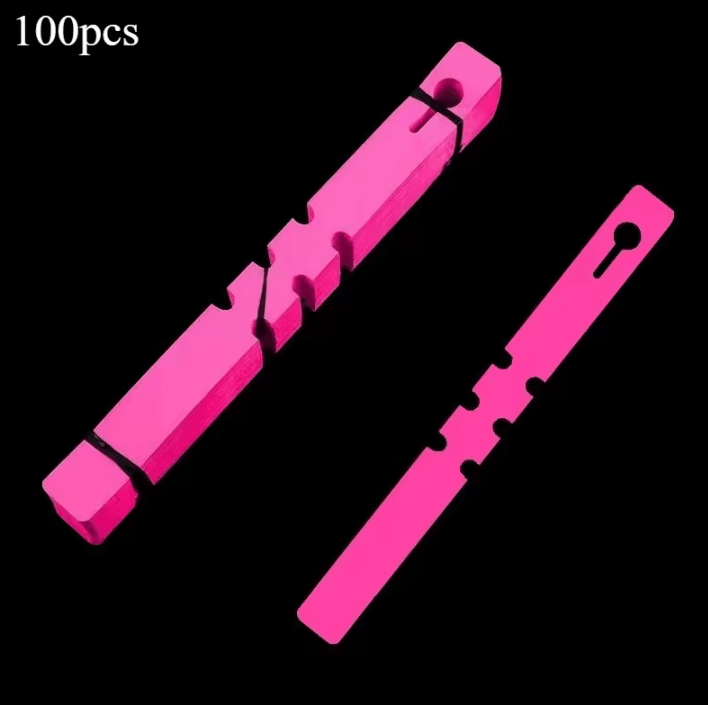 Aisha's pickClear Plant Pots That Don’t Need Babying
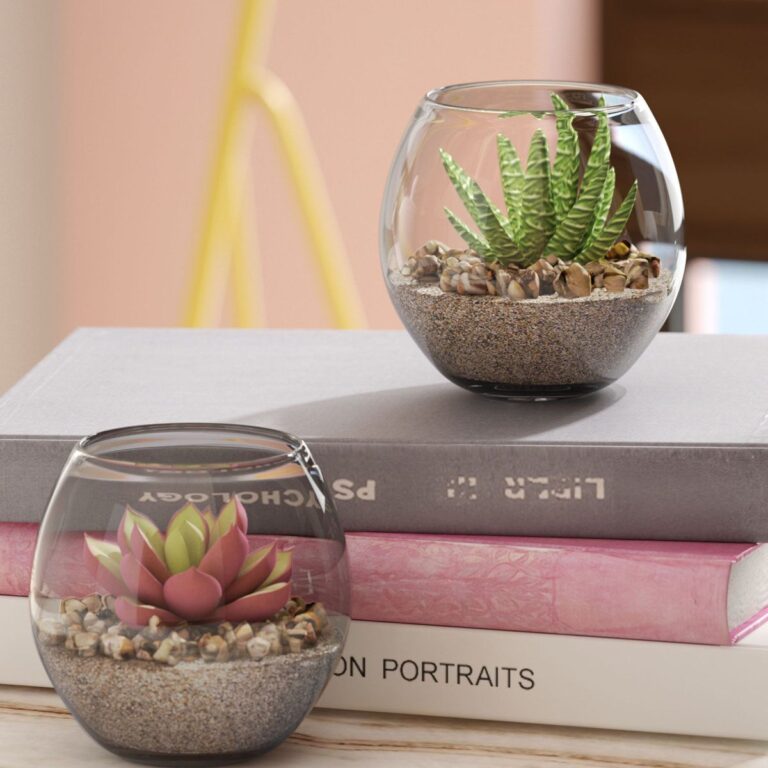
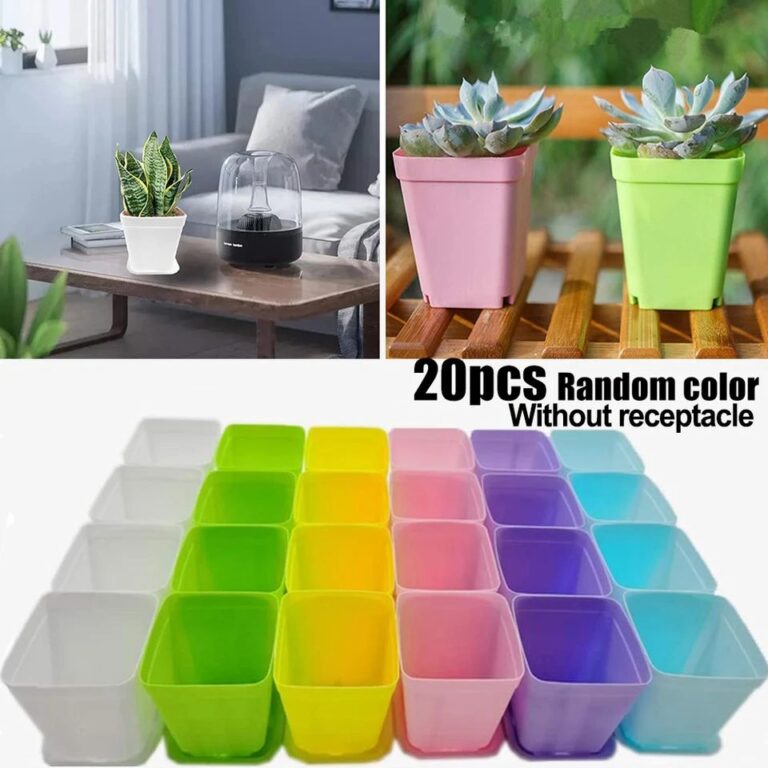 Aisha's pickPlant Pots with Drainage That Look Like They Cost More
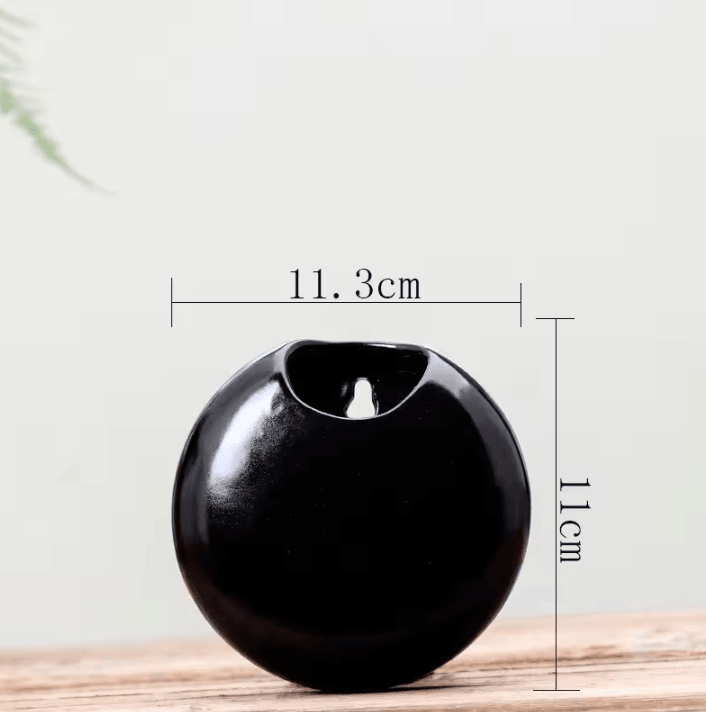
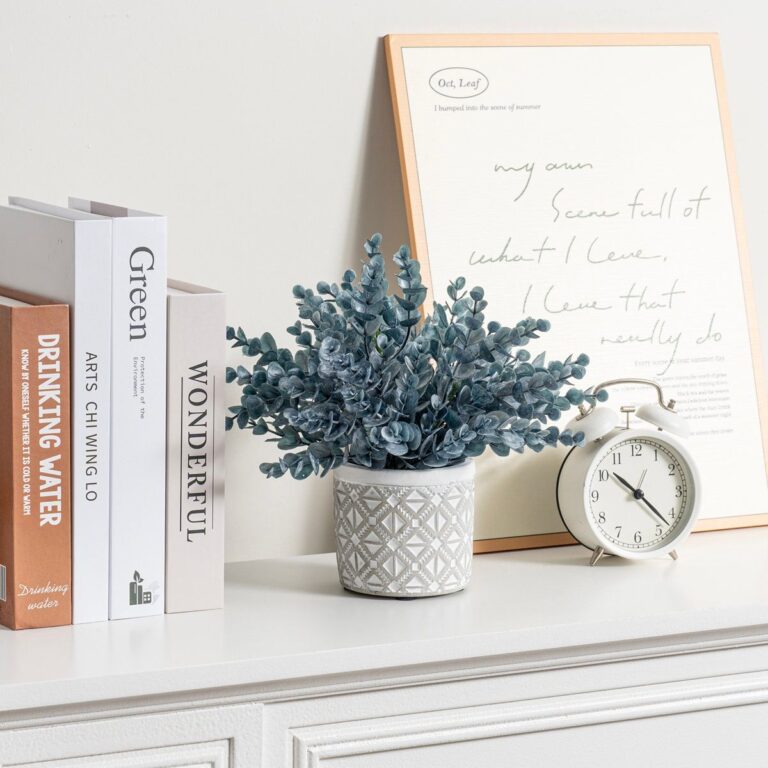 Aisha's pickFaux Plants in Pots That Make a Shelf Look Styled