Check the drainage hole before you check anything else about an outdoor pot. Plenty look great on the showroom floor and then sit full of water after the first real storm, roots rot, and the plant you paid good money for is dead by the end of the season. A pot with a decent hole, or one you can drill yourself, is worth more than any glaze or finish. That said, once you get the drainage right, a good outdoor pot is one of the cheapest ways to make a patio look like someone actually lives there.
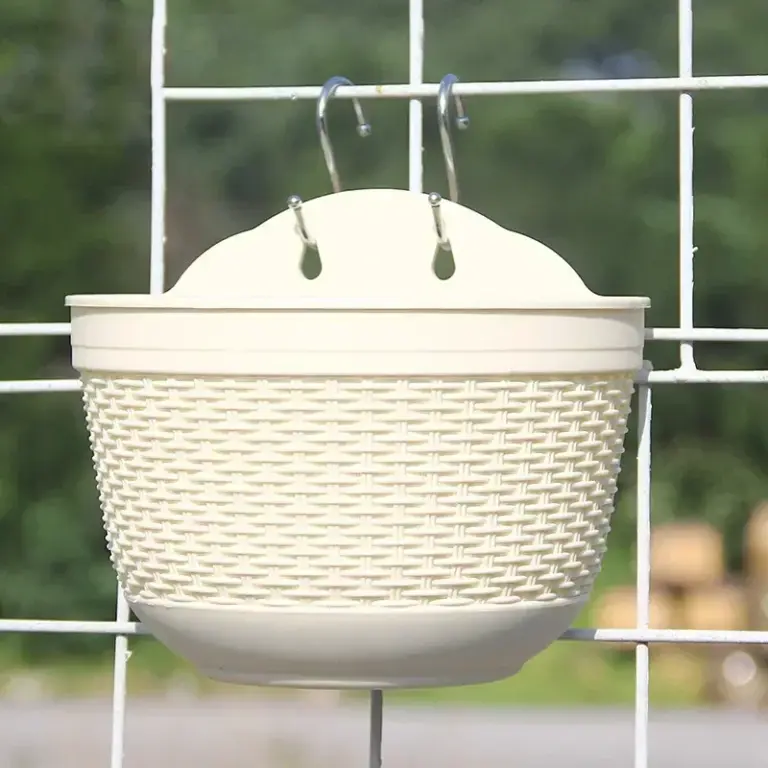
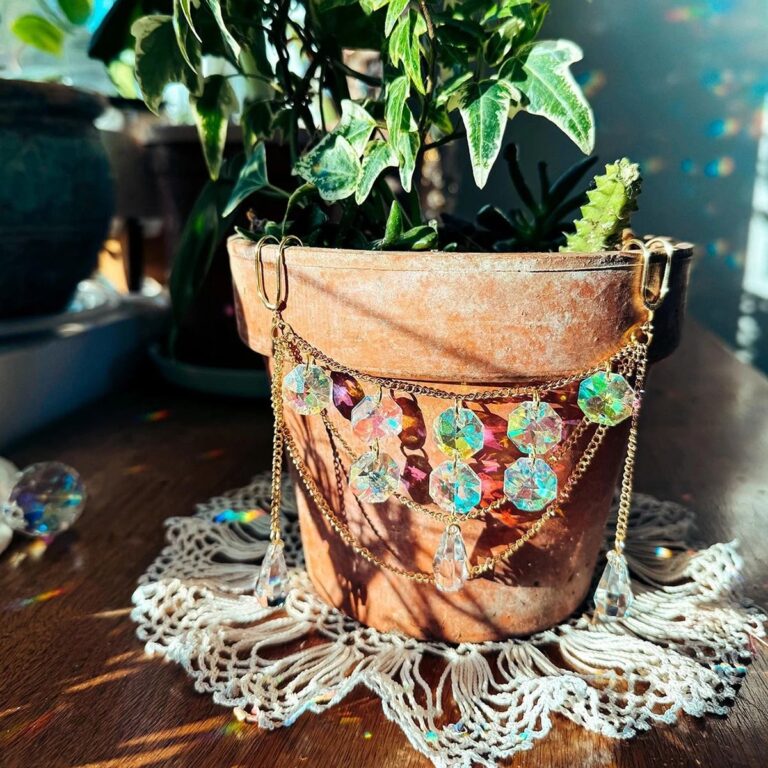
How a pot ages depends entirely on what it is made of, and this is where I'd slow down and actually think. Terracotta breathes nicely for the plant but it is porous, so it soaks up water, and anywhere that freezes hard in winter, that water expands and the pot cracks. Fine in Phoenix, a gamble in Cleveland. Glazed ceramic holds up better to cold but can craze and chip if it gets knocked around, and a chip on a glazed pot only gets worse, it never heals itself. Concrete and fiber clay composites are the ones that just shrug through the seasons, they get a little weathered looking, maybe some pale patches where the sun hits hardest, but they do not crack or sag. Plastic and resin pots are the budget option and some of them are genuinely fine, but the cheap ones go brittle and chalky within a couple of summers and the color fades fast, especially anything dark. Wipe pots down a couple times a year, bring anything delicate in before a hard freeze, and most of them will outlast the plants you put in them.
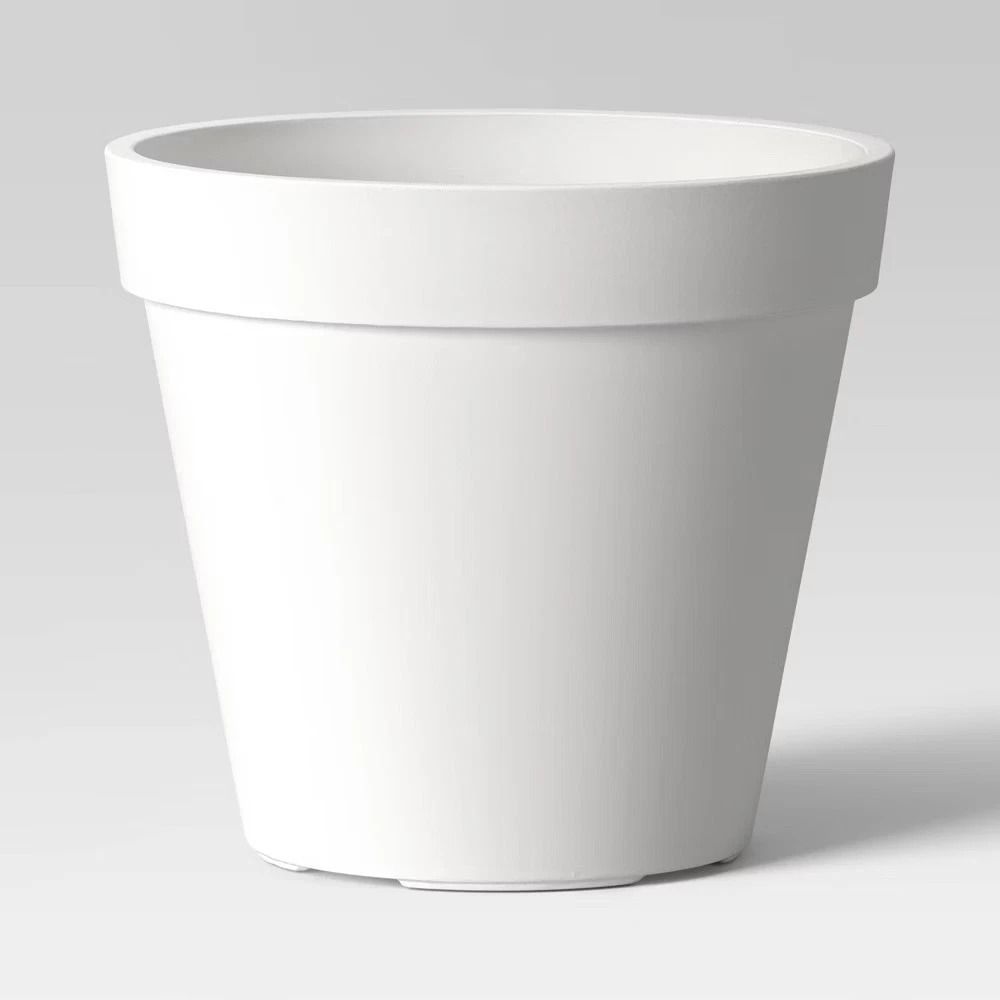
The difference between a pot that lasts and one that disappoints usually comes down to wall thickness and the base. Thin walled pots crack at the rim first, that is the weak point, so run a finger around the edge and feel for anywhere it is thinner than the rest. A heavy, even base means the pot will not tip in wind, which matters more than people expect once you put a top heavy plant in something narrow. Good drainage holes are molded in, not an afterthought stamped on later, and a pot with a slight taper rather than straight sides will let root bound plants slide out without a fight when it is time to repot.
On delivery day, tip the pot and look inside for cracks near the base, run your hand around the rim for rough spots, and set it on a hard surface to see if it rocks. Small things, but they are the ones that turn into a mess six months in.
Is this pot going to survive a winter I haven't had yet, or just the nice afternoon I bought it on?
 Aisha's pickOutdoor Plant Pots You’ll Still Like in Five Years
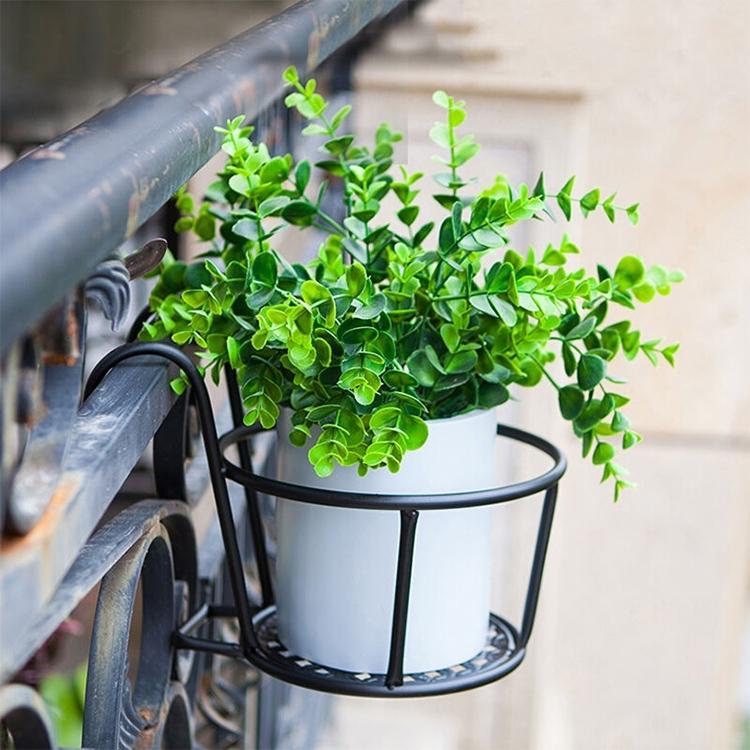 Aisha's pickBlack Outdoor Pots From Stores Big and Small
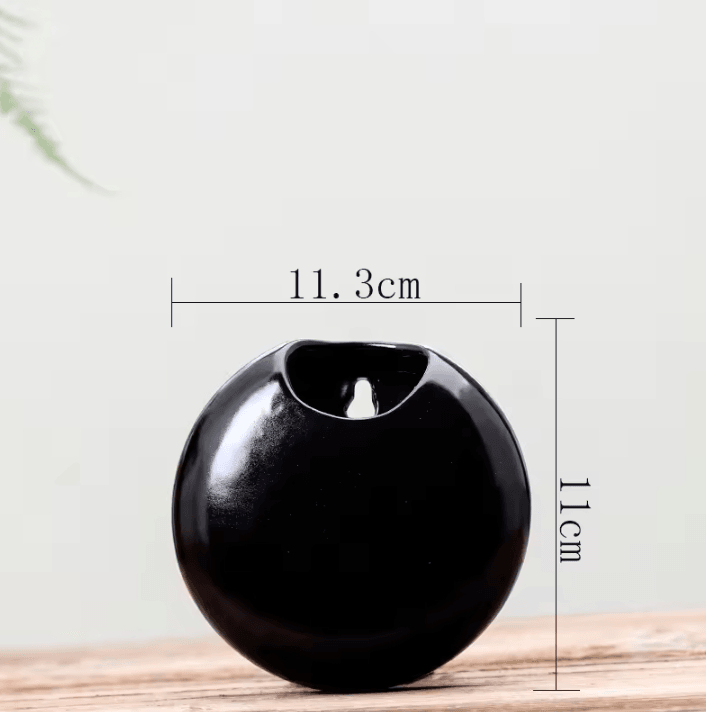
 Aisha's pickOutdoor Plant Pots with Drainage That Make a Small Yard Work Harder
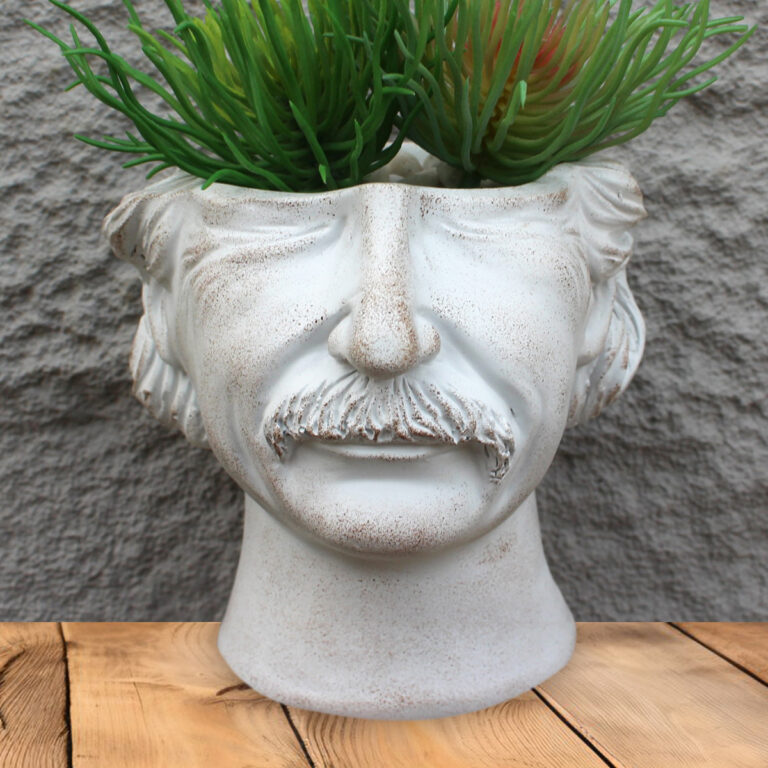
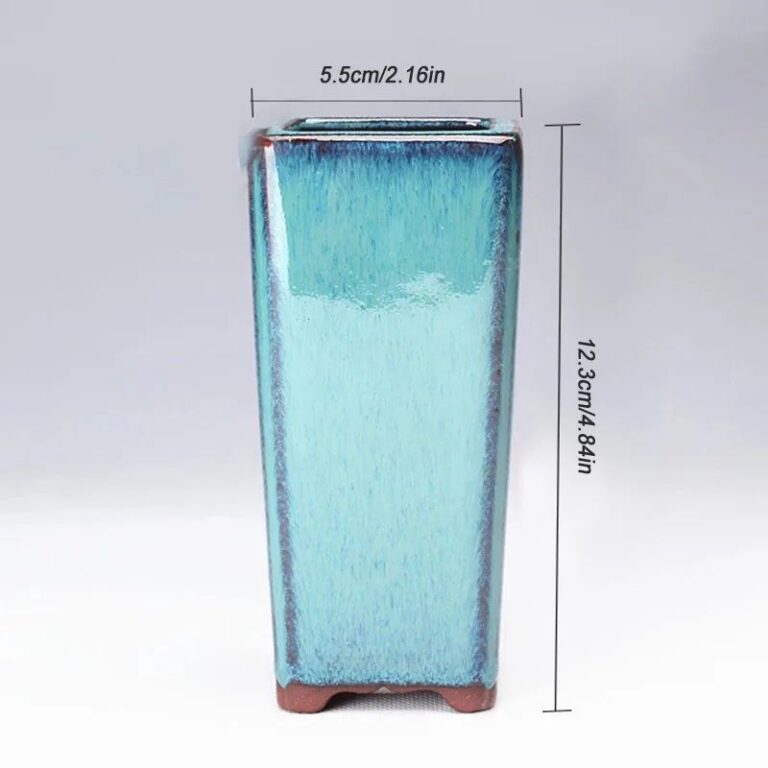 Aisha's pickCeramic Outdoor Pots We’d Have Out From May to September
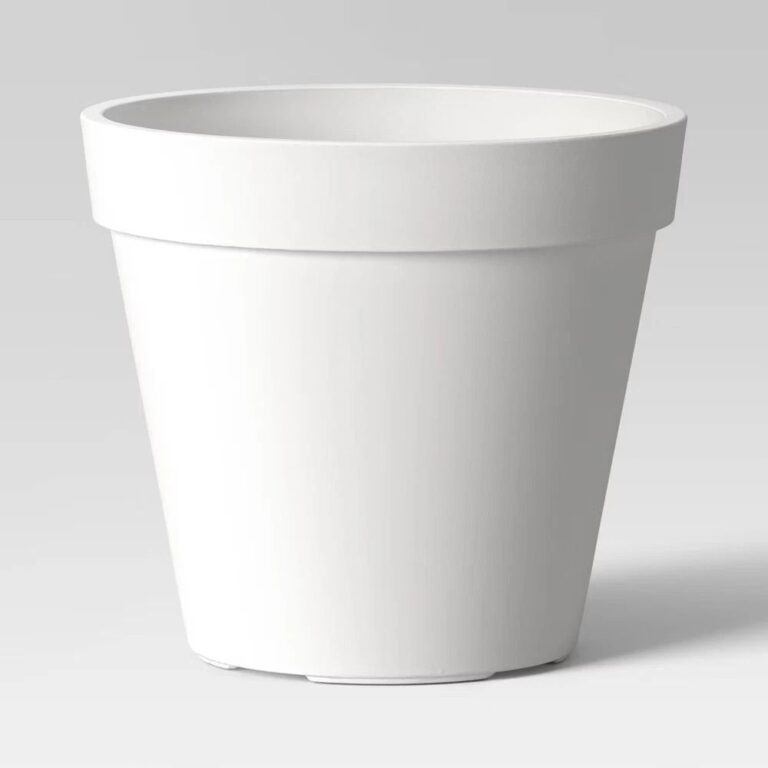 Aisha's pickPlastic Outdoor Pots for Long Summer Evenings Outside
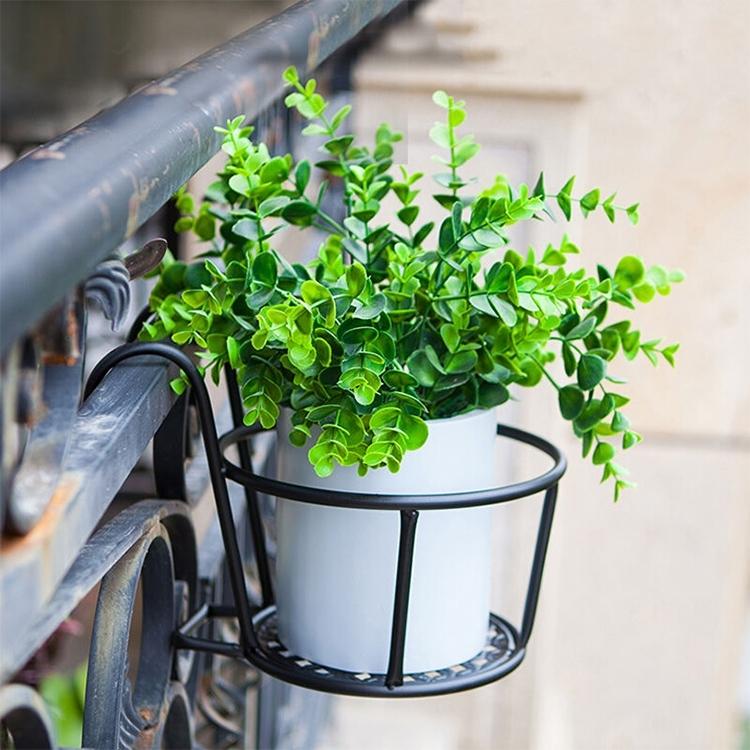
 Aisha's pickOutdoor Pots for Making a House Feel Like Yours
 Aisha's pickPlastic Outdoor Plant Pots That Look Good Up Close
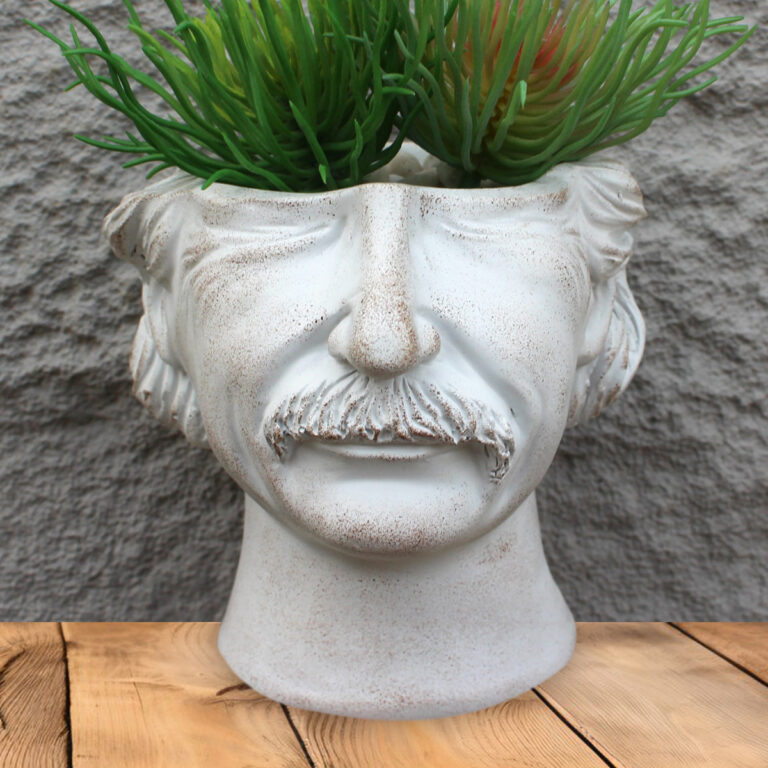 Aisha's pickOutdoor Pots with Drainage That Fit Into Real Life
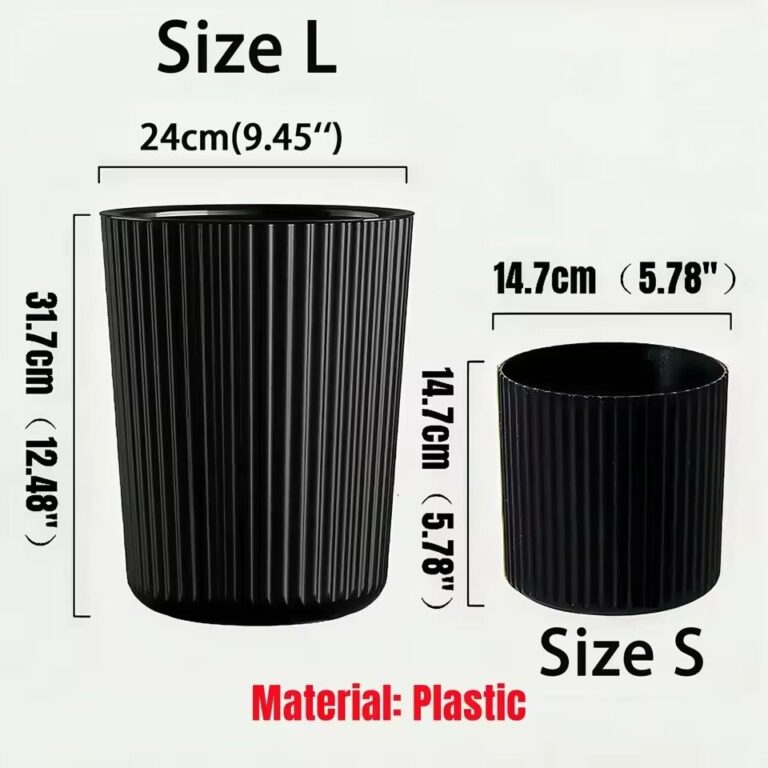
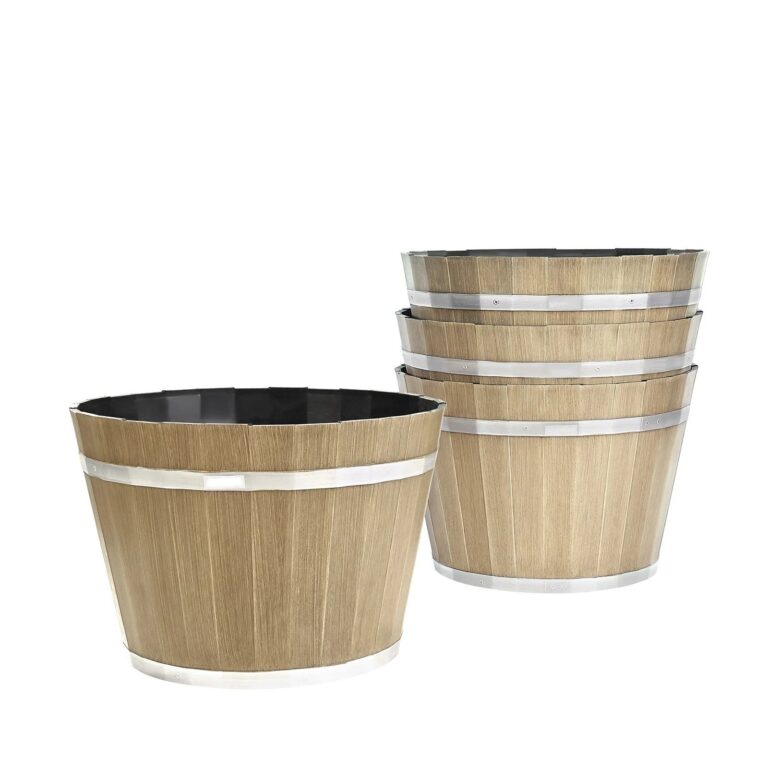 Aisha's pickRecycled Plastic Outdoor Pots for Making the Most of the PatioAlso worth a lookPotsPots have a reputation for being the thing you grab last and regret first, some flimsy plastic circle…See the collections →
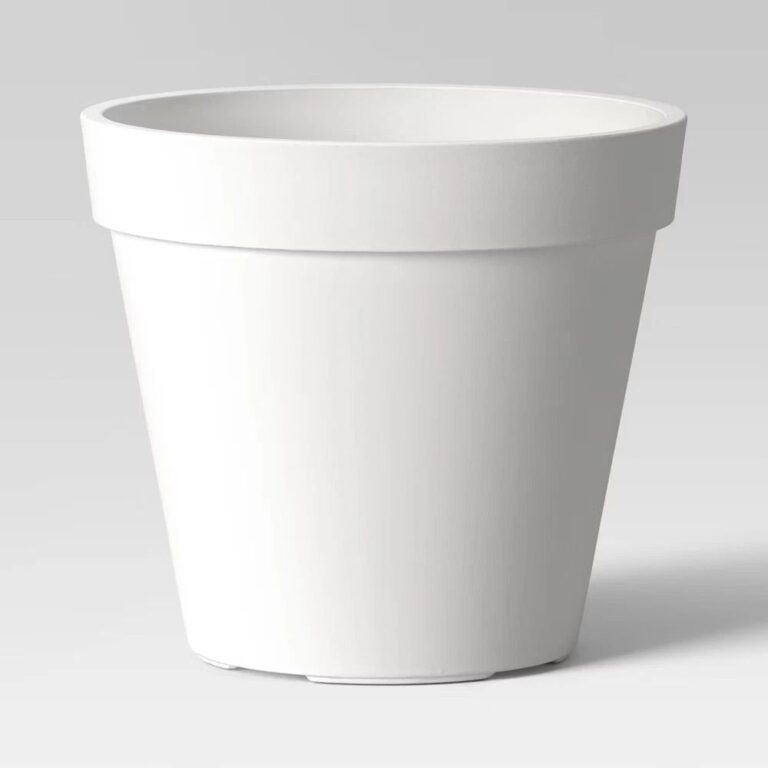
 Aisha's pickGood Green Outdoor Pots That Don’t Cost a Fortune
 Aisha's pickRound Outdoor Pots That Look Better in Real Life
 Aisha's pickGreen Outdoor Plant Pots That Make a Room Feel Finished
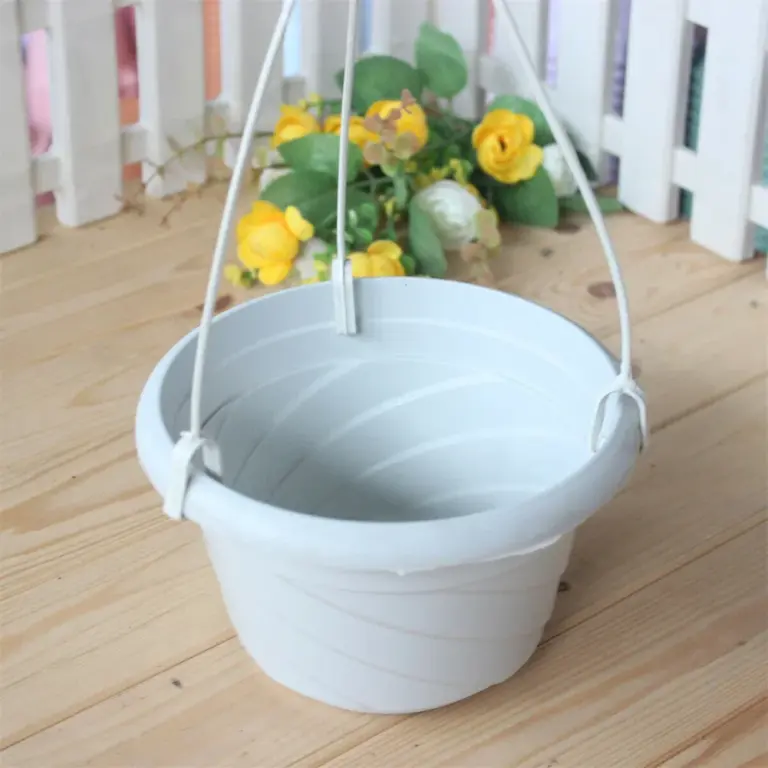
 Aisha's pickRound Outdoor Plant Pots That Shrug Off the Rain
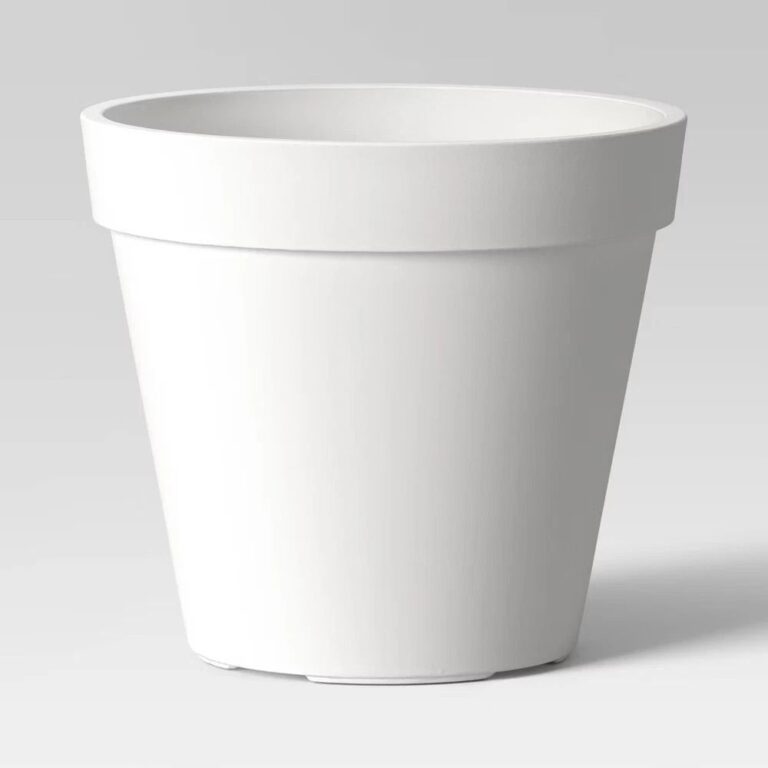
 Aisha's pickHanging Outdoor Pots From Brands You Know and a Few You Won’t

 Aisha's pickSmall Outdoor Pots for Making the Most of the Patio
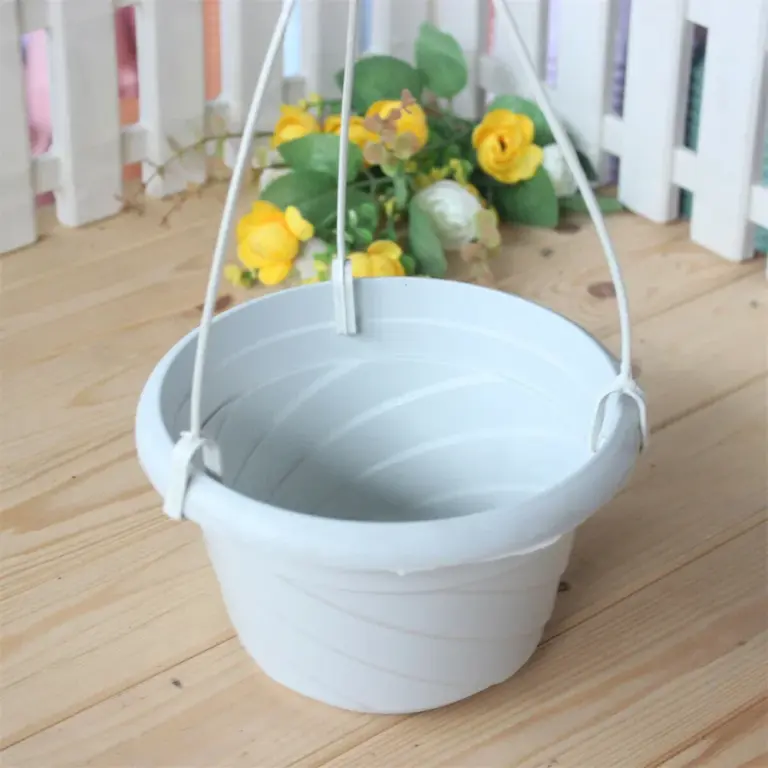
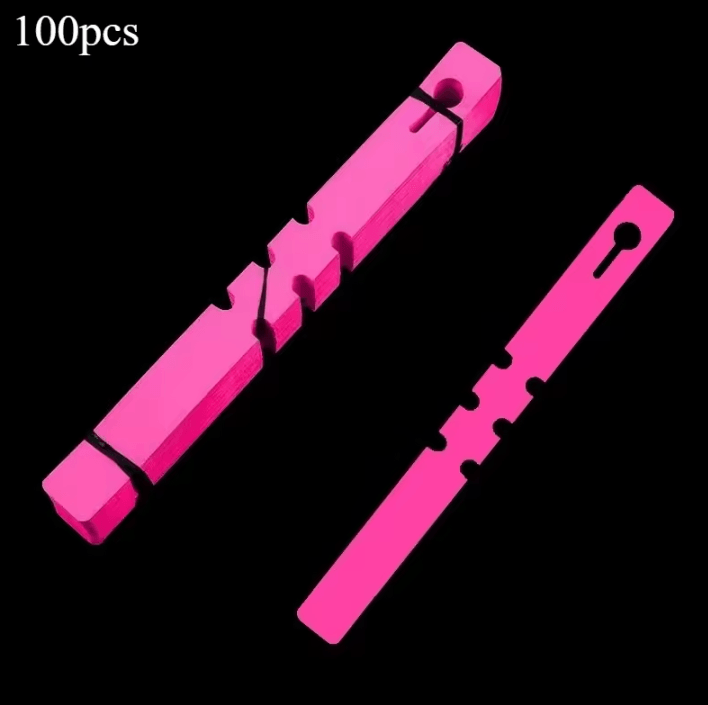 Aisha's pickLarge Outdoor Pots That Won’t Date in a Year

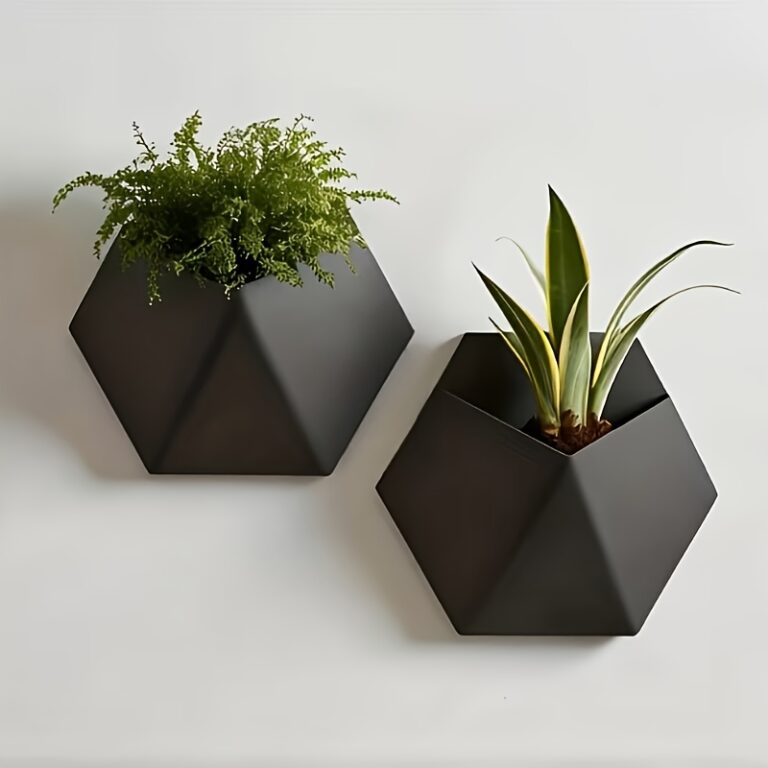 Aisha's pickSmall Outdoor Plant Pots We’d Have Out From May to September
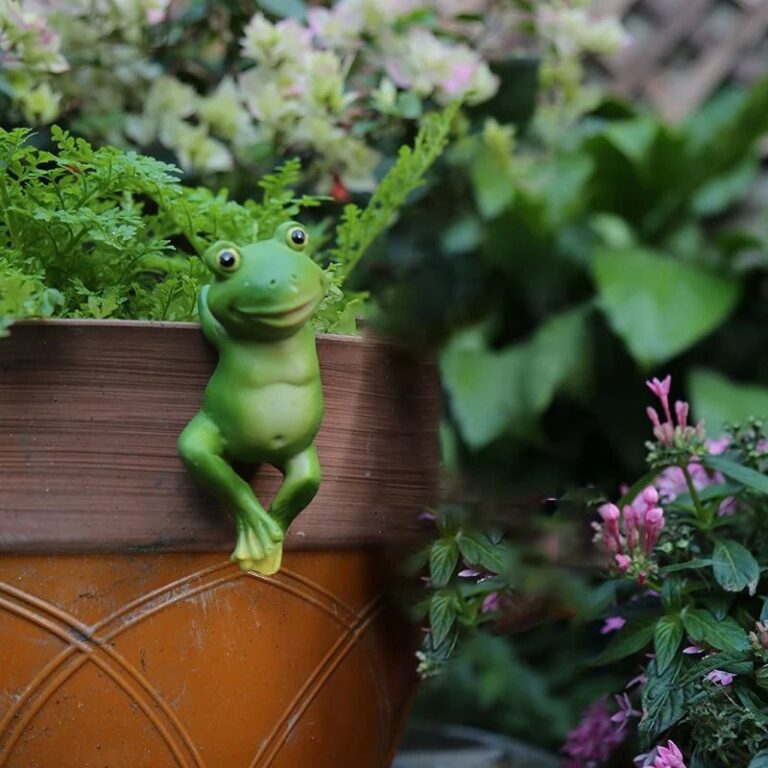
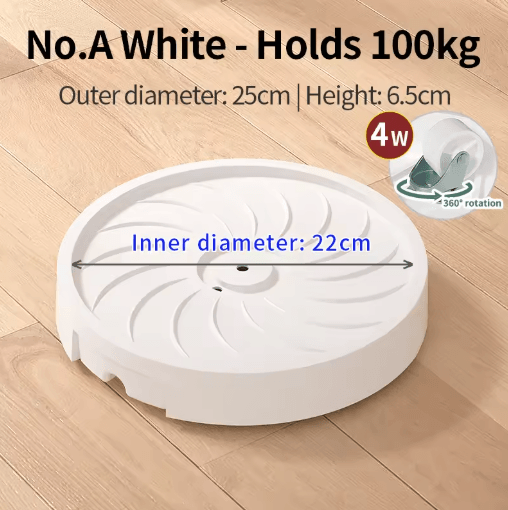 Aisha's pickLarge Outdoor Plant Pots With a Bit More About Them

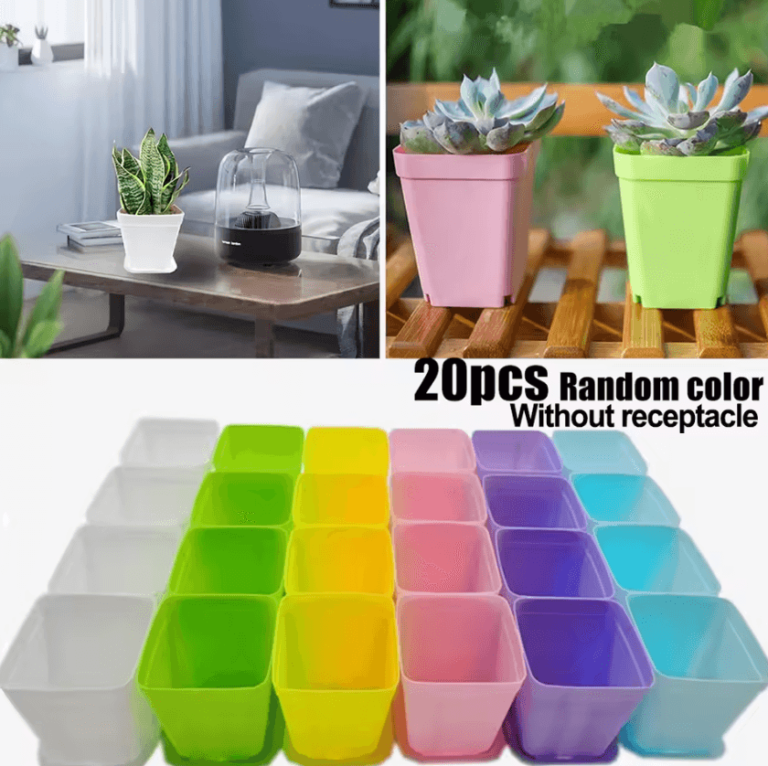 Aisha's pickSquare Outdoor Pots With a Bit More About Them
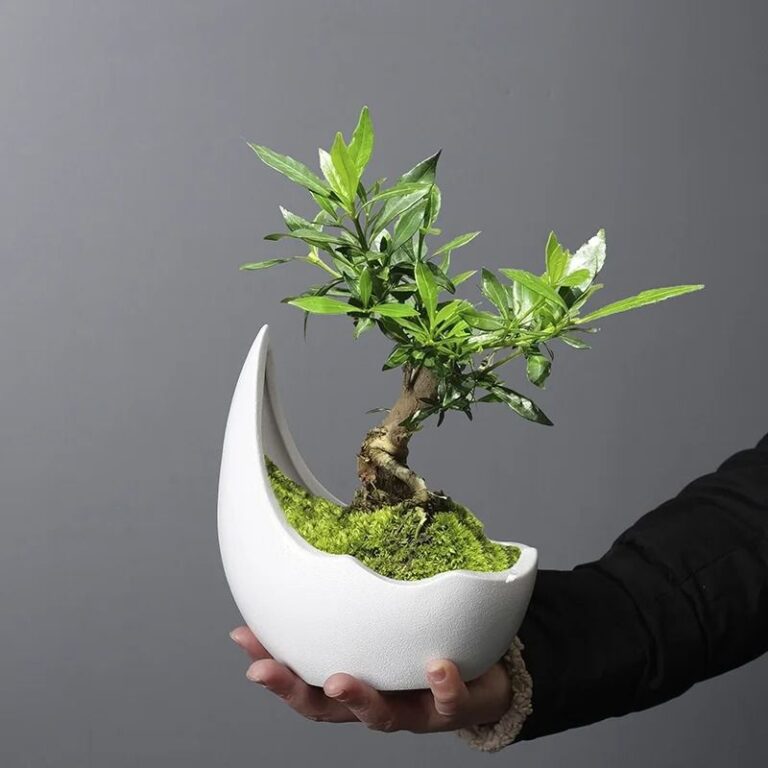
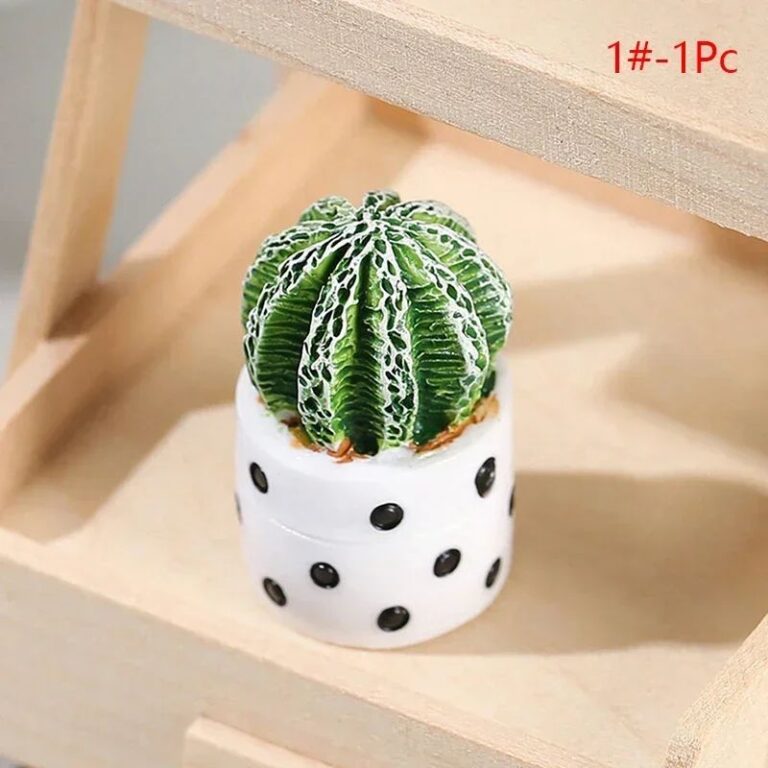 Aisha's pickOur Shortlist of Long Outdoor Pots
 Aisha's pickTall Outdoor Pots Pulled From Dozens of Stores
 Aisha's pickLong Outdoor Plant Pots Pulled From Dozens of Stores
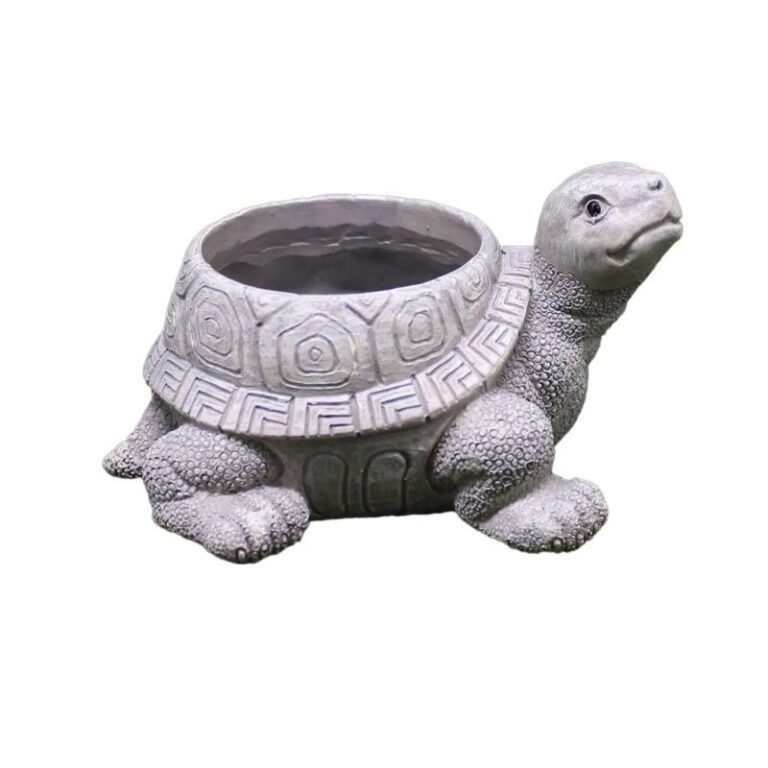
 Aisha's pickTerracotta Outdoor Pots We’d Buy Again
 Aisha's pickMetal Outdoor Pots for Barbecues and Lazy Weekends

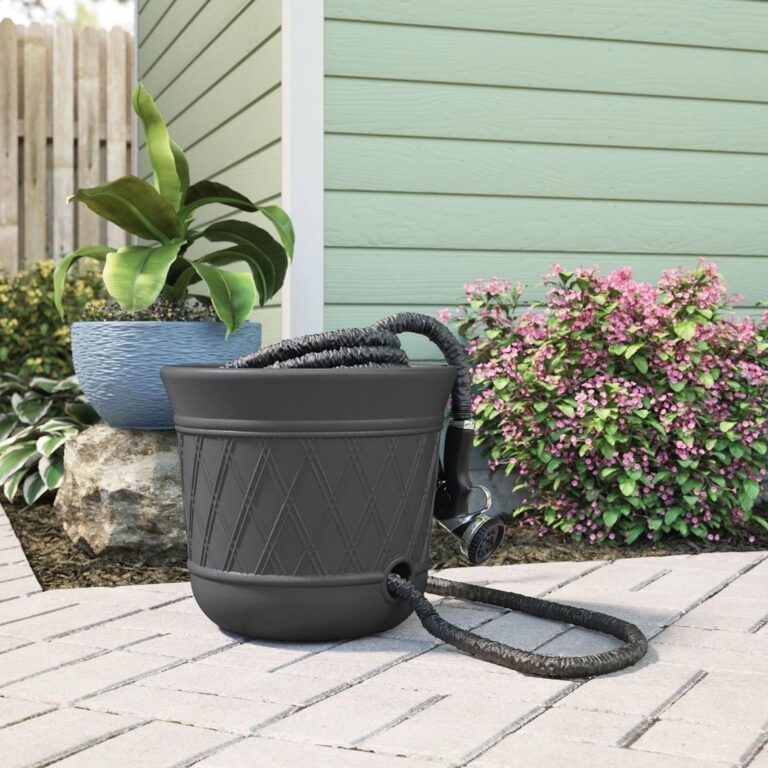 Aisha's pickTraditional Outdoor Pots We’d Have Out From May to September
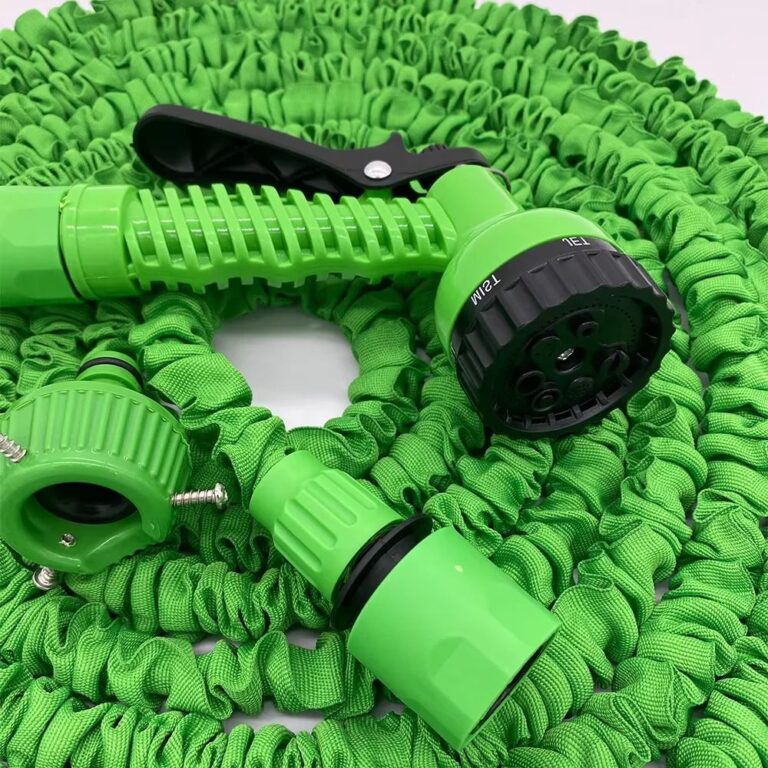
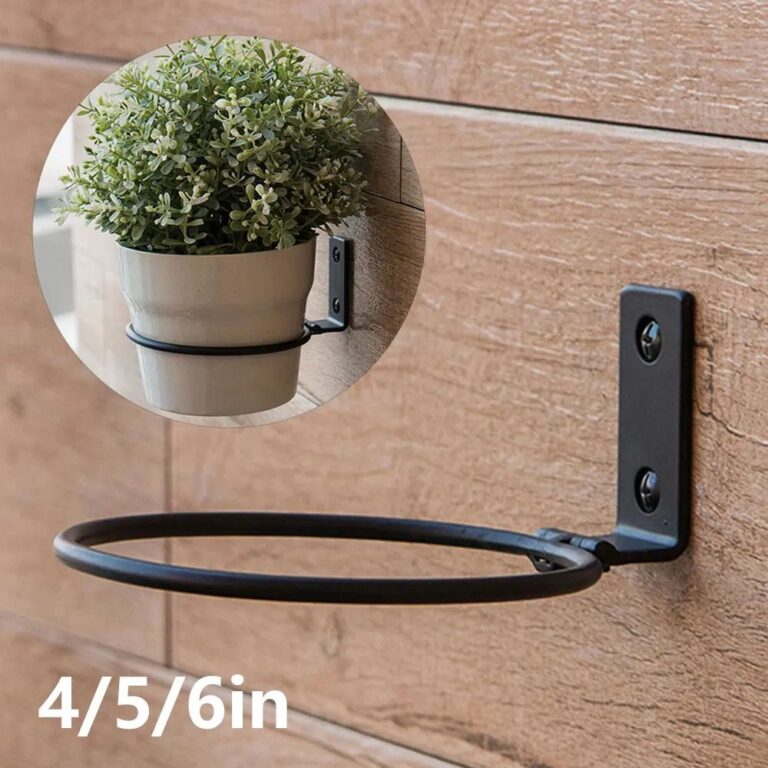 Aisha's pickOur Shortlist of Metal Outdoor Plant Pots
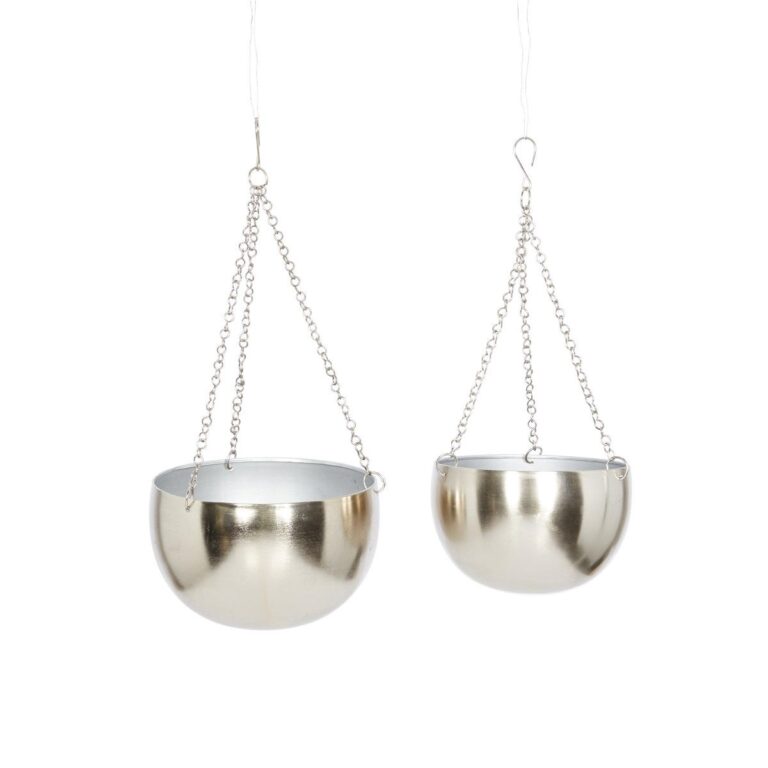
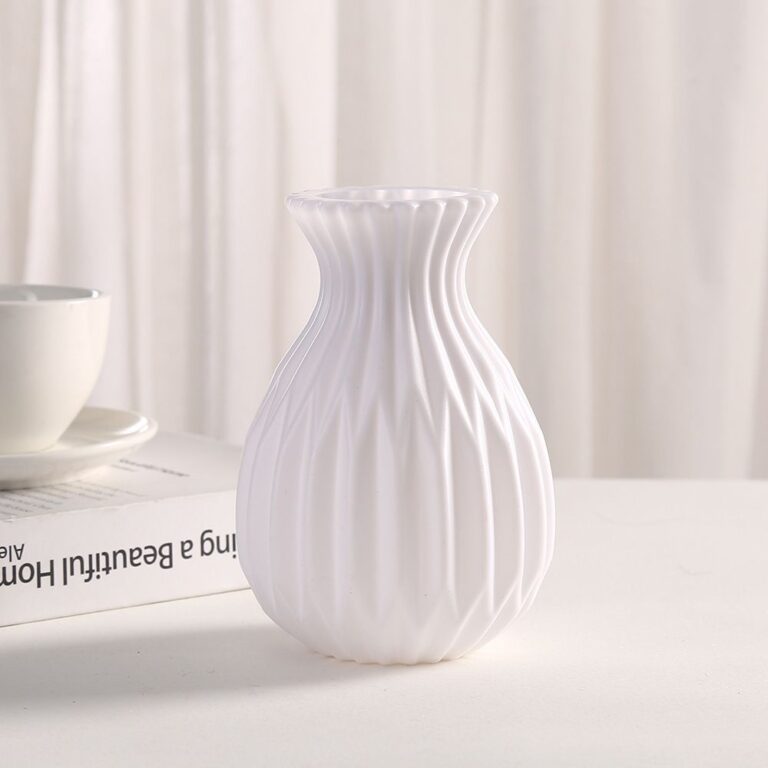 Aisha's pickOur Shortlist of White Outdoor Pots
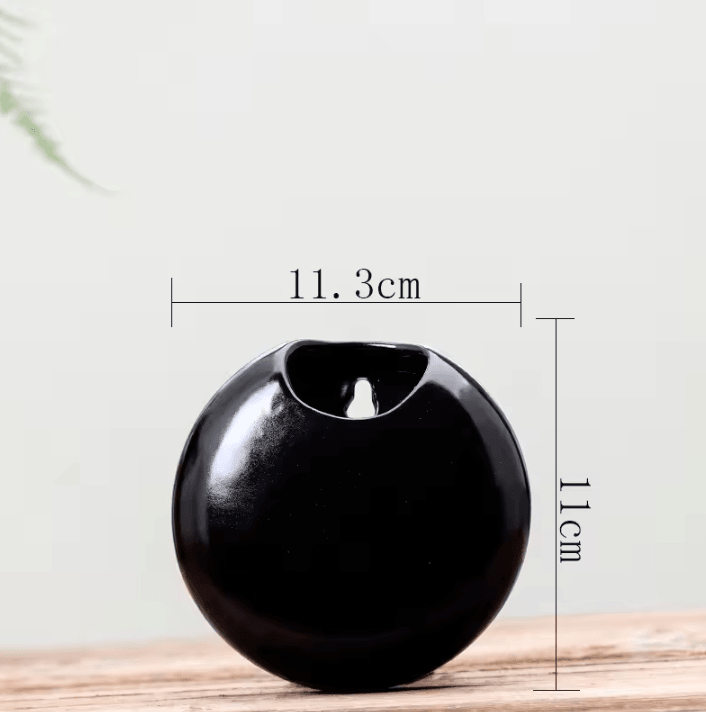
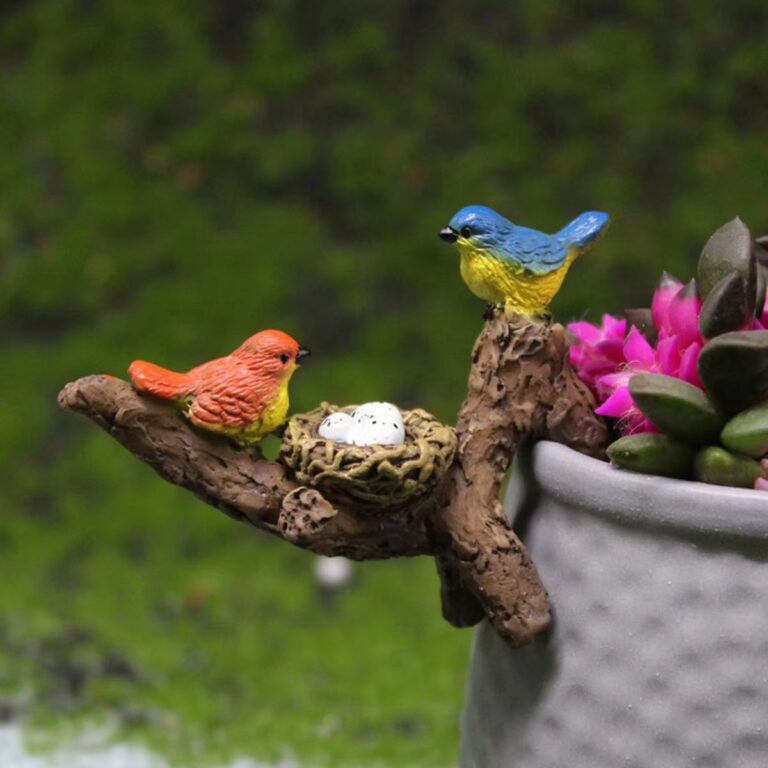 Aisha's pickNatural Outdoor Pots You Won’t Want to Hide Away
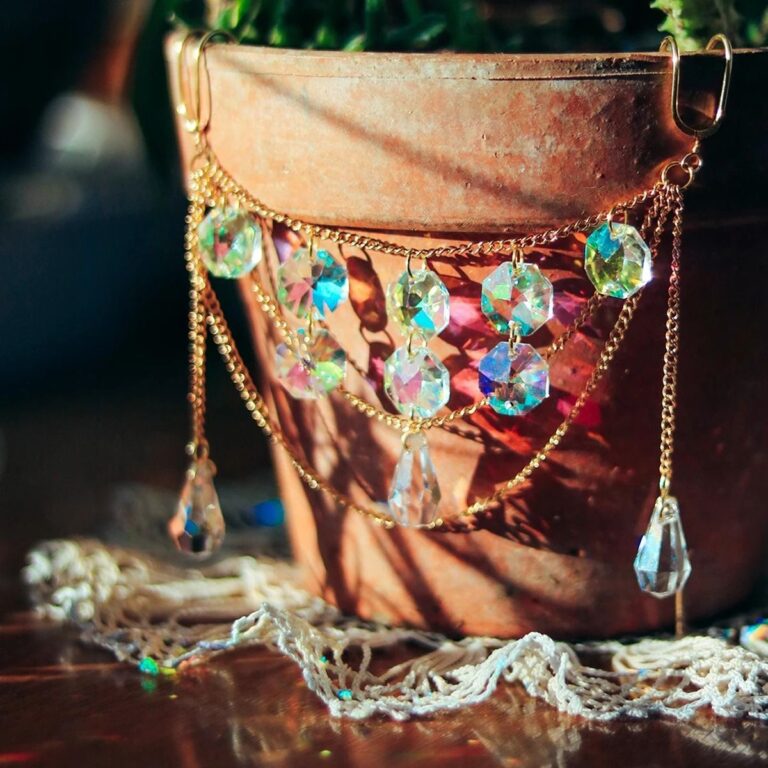
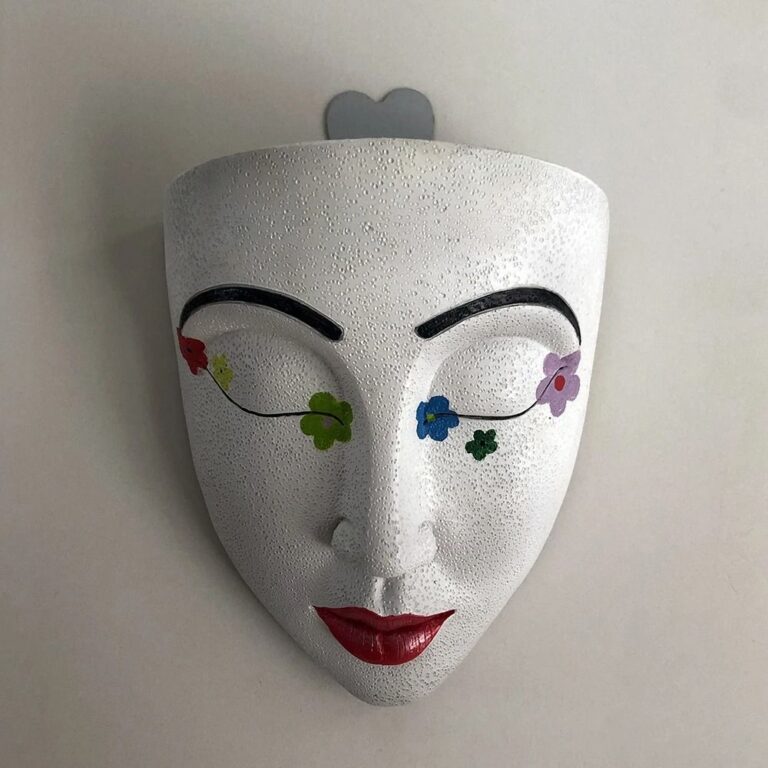 Aisha's pickWooden Outdoor Pots Picked by People Who Care Too Much