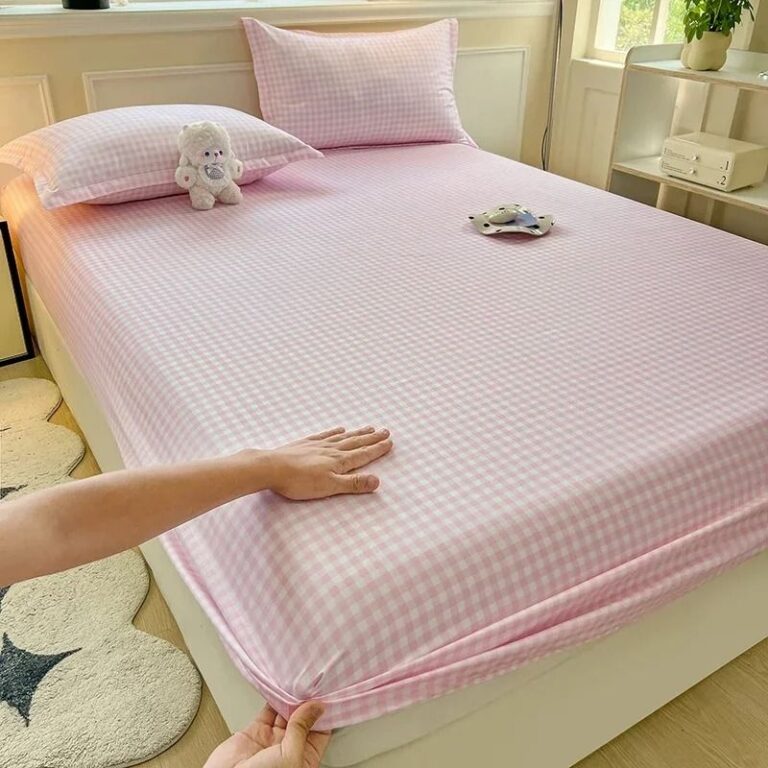
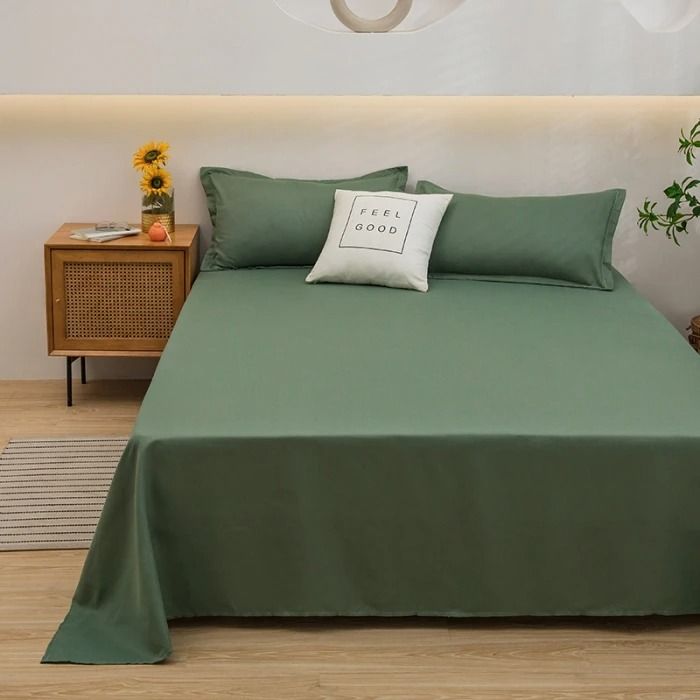
The thing that matters most before you buy a single bed is the mattress depth plus frame height, because the combination decides whether it looks like a proper bed or a cot someone forgot to upgrade. Measure the frame's base height from the floor, add your mattress thickness, and if the total comes in under knee height it will feel low no matter how nice the headboard is.
Single beds make the most sense in kids rooms that still have years of growing to do, in guest rooms where you need a second sleeping spot without eating the whole floor, in box rooms and apartment second bedrooms, and in shared rooms where two of them side by side beat one double every time. They suit a home that changes a lot, a kid who will be a teenager in this same room, a studio where the bed needs to double as a daytime seat. Where they stop making sense is anywhere two adults might actually sleep regularly, or a main bedroom in a house with the space to do better, because a single frame rated for one sleeper will tell on itself fast under real weight and real use. They are also the wrong call if you are furnishing for the long term and think you will upgrade the mattress but keep the frame. Frames sized to a single mattress rarely flex to anything bigger later, so you end up buying the whole thing twice.
What separates a good one from a disappointing one shows up after the first year, not on day one. Cheap frames use thin particleboard siderails and plastic corner brackets that start to creak within months and loosen for good after a house move, because that's when every joint gets tested at once. A well made frame uses solid wood or properly finished metal, with siderails that bolt into the headboard and footboard rather than just slotting and hoping, and slats that are screwed or bracketed in place instead of resting loose in notches, which is the single biggest reason beds start sagging in the middle. Check the finish too, a sprayed on veneer chips at the corners the first time you move the bed to vacuum under it, while a proper paint or solid wood finish takes knocks without showing white underneath. Spills matter less on a bed frame than on a sofa, but scratches and dents from years of a kid climbing in and out add up, and that's where the honest materials earn the extra cost. If you're buying for a growing kid, check the frame's listed weight rating now, because a frame built for a seven year old won't thank you in five years' time.
 Aisha's pickSingle Bed Sets That Work in Old Houses and New Ones

 Aisha's pickSingle Box Springs You’ll Keep for Years
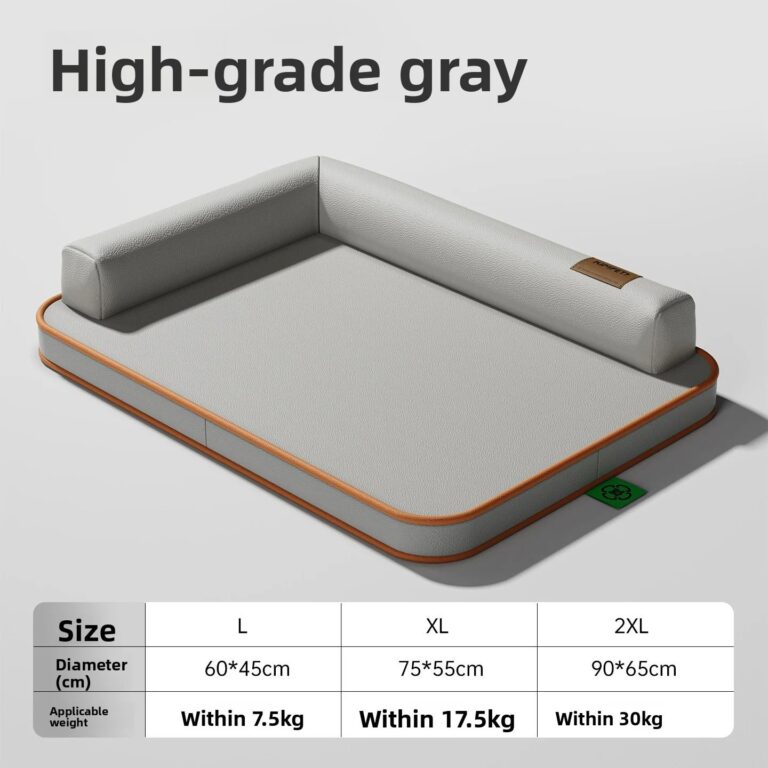 Aisha's pickSingle Fabric Beds That Don’t Need Babying
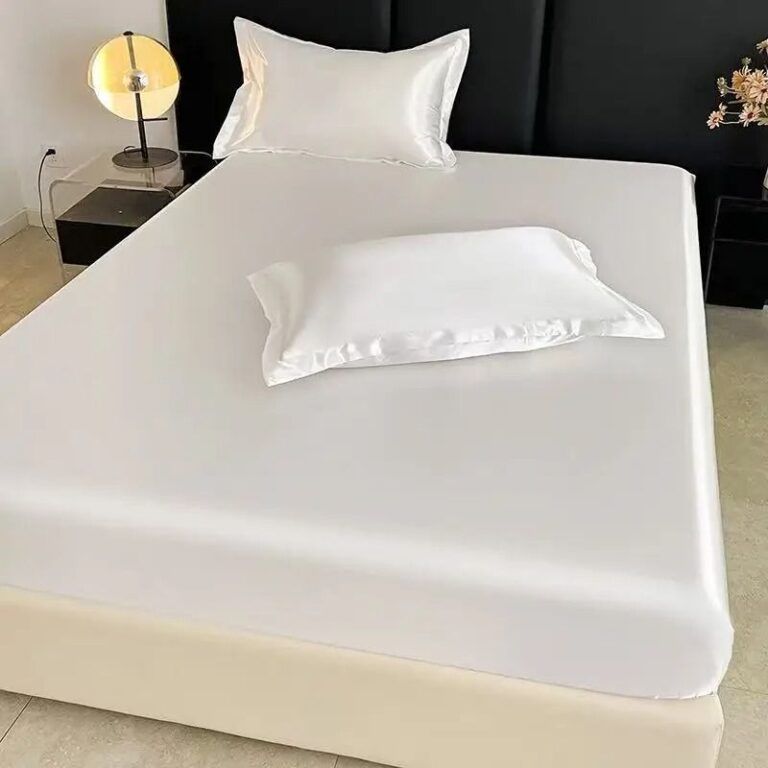
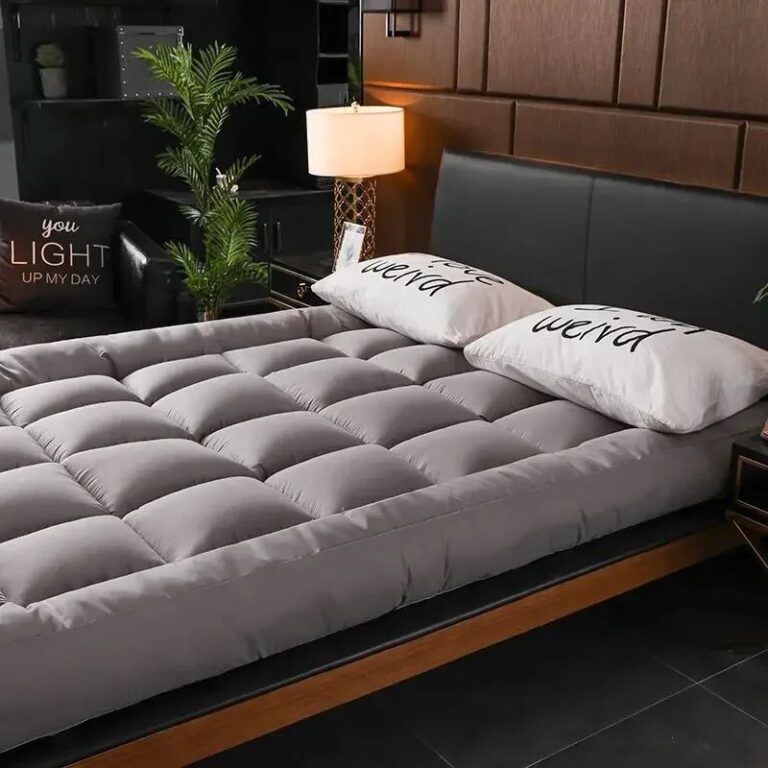 Aisha's pickSingle Floor Beds That Do the Job Right
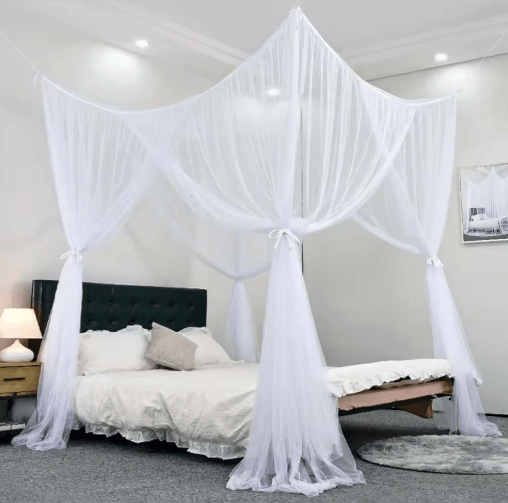
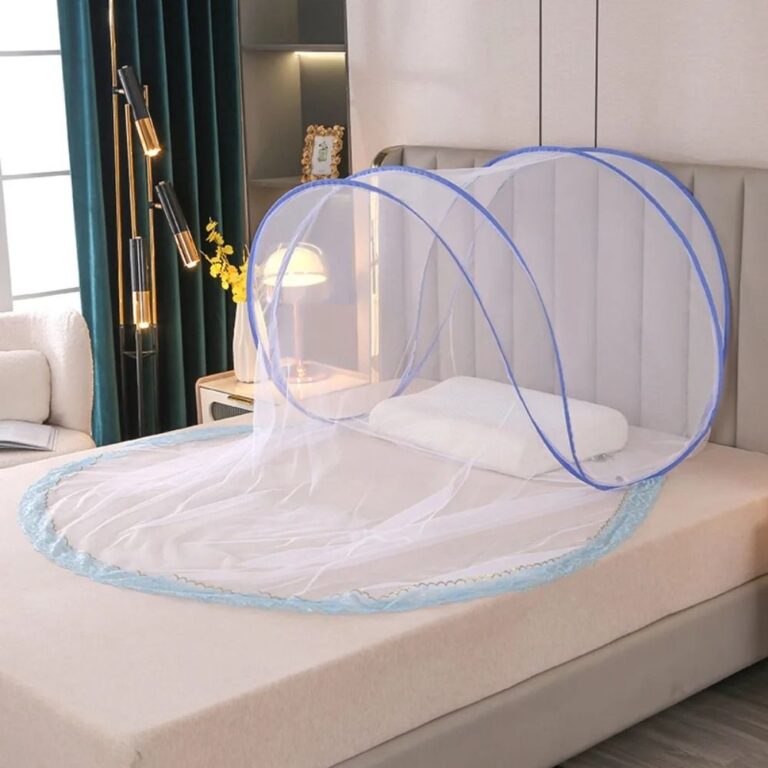 Aisha's pickSingle Folding Beds That Make a Room Feel Finished

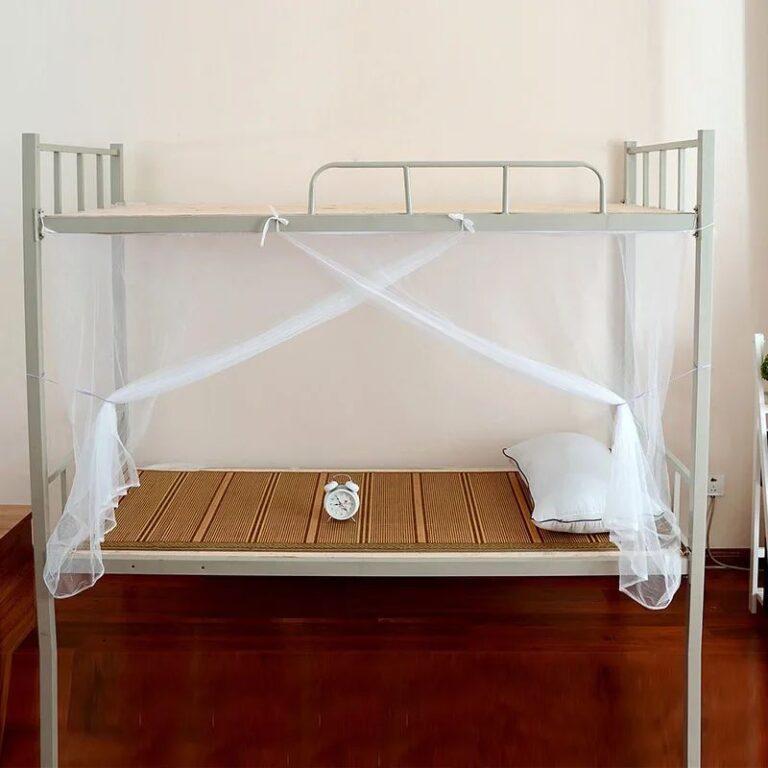 Aisha's pickSingle Guest Beds That Make Getting Up Harder

 Aisha's pickSingle Headboards That Visitors Always Ask About
 Aisha's pickGood Single Low Beds That Don’t Cost a Fortune
 Aisha's pickShopping for Single Metal Beds? Start HereAlso worth a lookModern BedsA modern bed, clean lines, low profile, no fussy carving anywhere, suits a room that already knows what it's doing.See the collections →
 Aisha's pickSingle Storage Beds We Keep Coming Back To
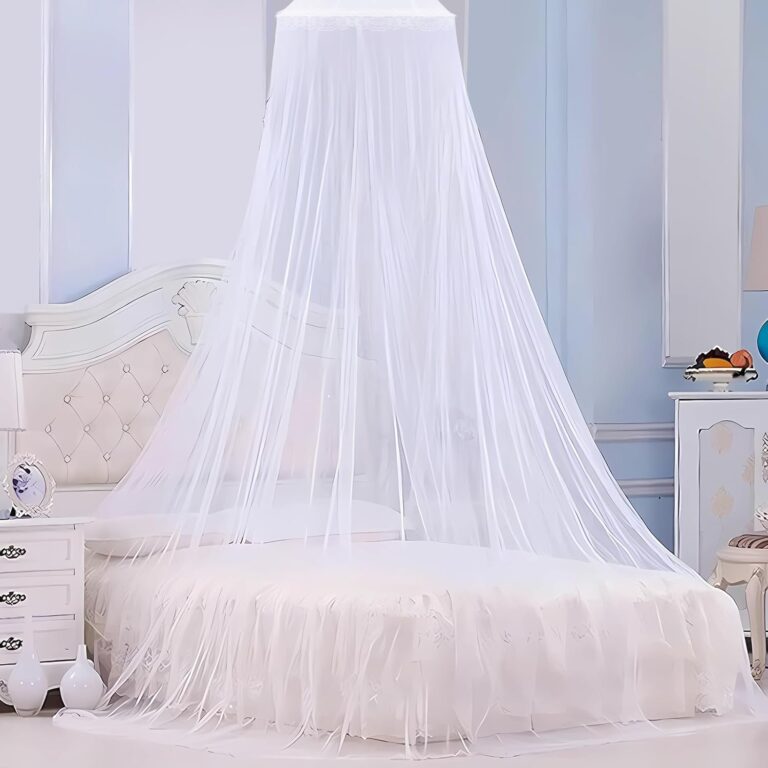
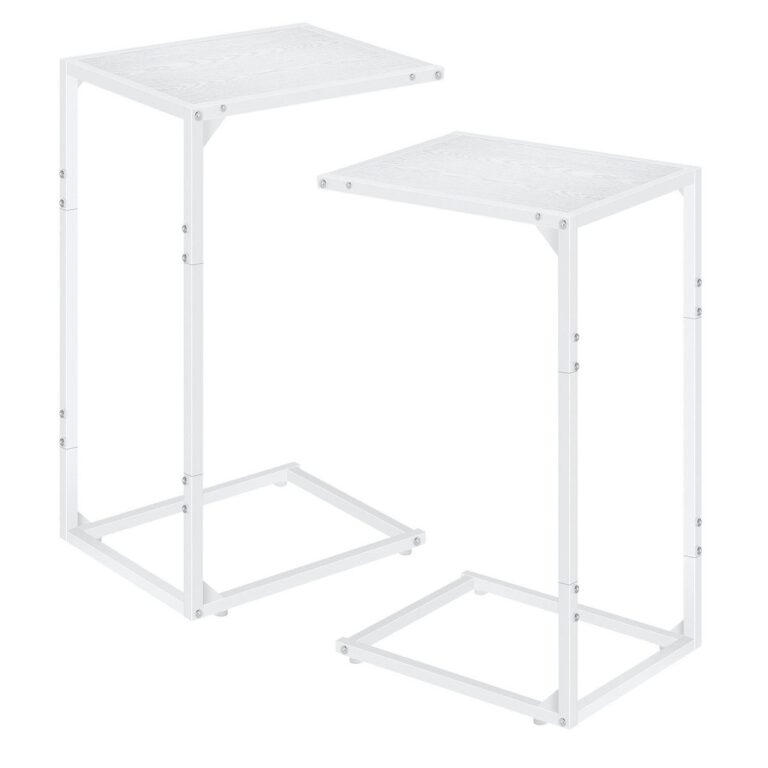 Aisha's pickSingle White Beds We’d Buy Again
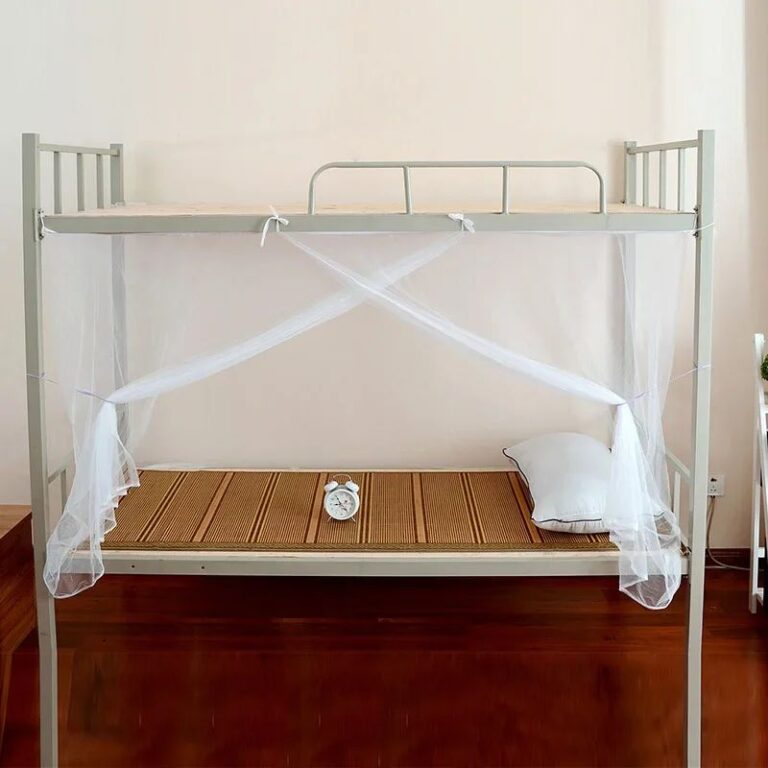
 Aisha's pickSingle Wooden Beds at Every Price Point

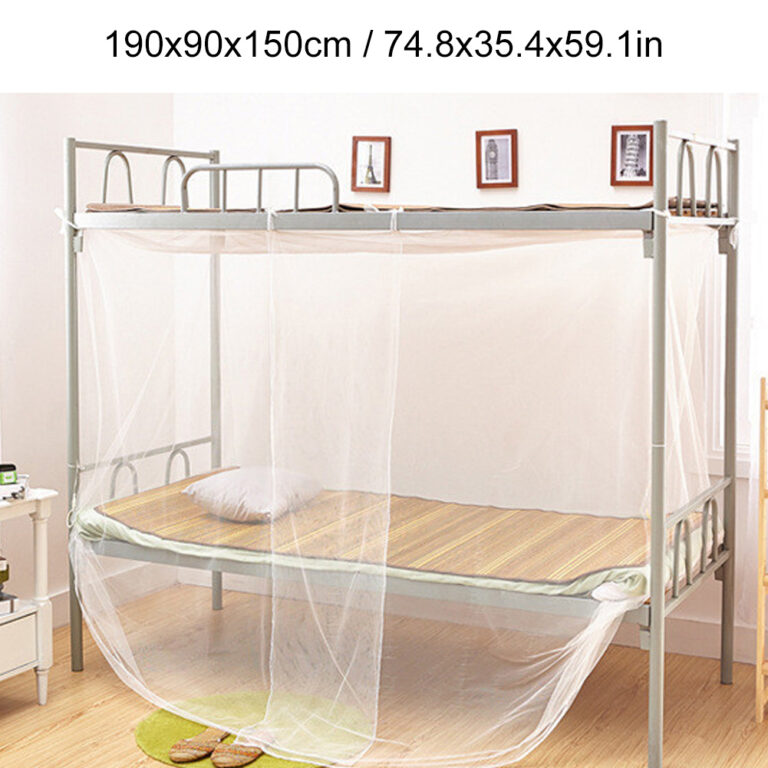 Aisha's pickSmall Single Beds That Make the Bedroom Feel Like a Hotel

 Aisha's pickThe Single Adjustable Beds Worth Your Cash