There's a particular kind of evening in late October when the heating hasn't quite kicked in yet and you climb into bed still a little cold, and that's when you find out everything about the sheets you bought. The cheap ones feel clammy and slip around under you. The good ones warm up fast and stay put. That one night tells you more than any label ever will.
The difference between a bed set that lasts and one that's pilling by February comes down to a handful of things you can actually check before you buy. Rub the fabric between your fingers, hard, for a few seconds. A long staple cotton, whether it's a crisp percale or a silkier sateen weave, should feel smooth and a little cool, not fuzzy or static. Look at the hems and seams, because a set that's going through a washing machine every week needs double stitching, not a single run of thread that's going to give out by spring. Check how the fitted sheet closes around the corners, elastic that runs the whole way round the edge holds a mattress far better than elastic stuffed into just the corners, which rides up and pops off at 2am. For the duvet cover, buttons or a zip beat ties every time, ties always come undone and you end up with a duvet that's wandered halfway out of its cover by morning, which I learned the hard way with a set that looked lovely folded in a shop and was a nightmare to actually sleep under. Where a bed set is the wrong choice is if you run hot at night or live somewhere properly humid, a heavy sateen or a flannel blend will have you kicking it off by midnight, and a cheap polyester blend anywhere will pill and go bobbly no matter how gently you wash it.
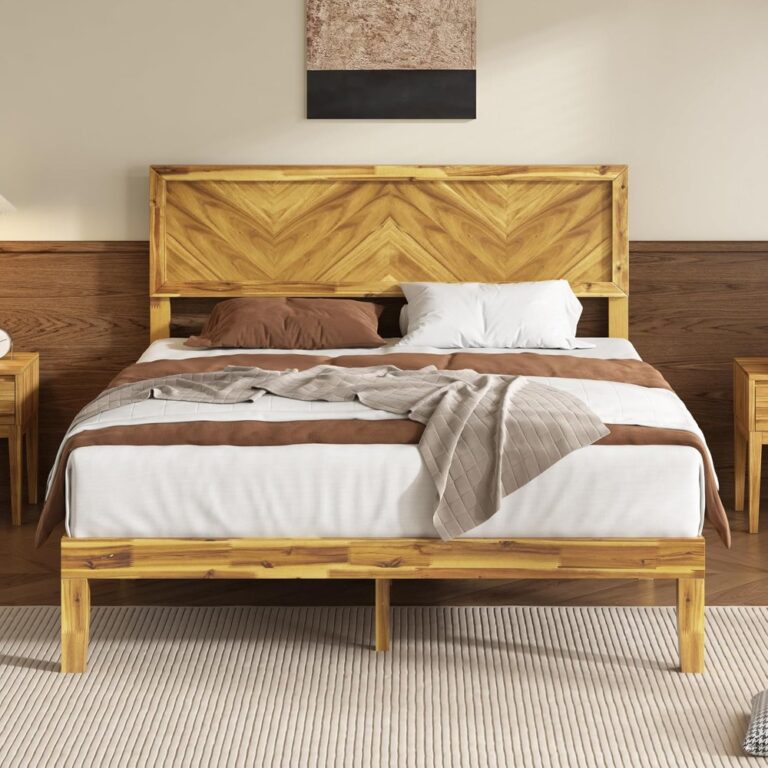
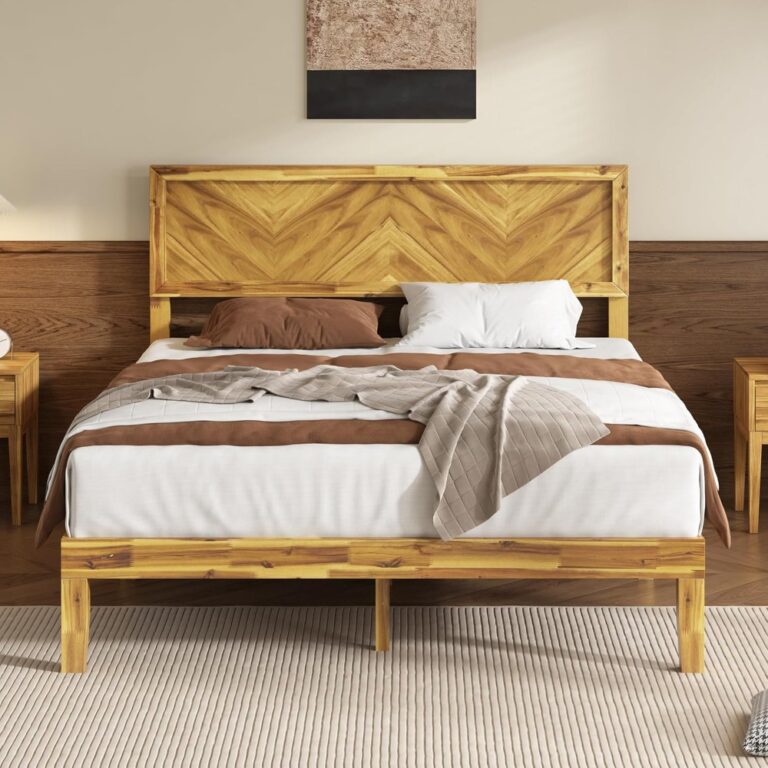
In an ordinary bedroom, a plain, well made set sits well against almost anything, a wooden headboard, a plain painted wall, a throw in a contrasting texture at the foot of the bed. It doesn't need to match the curtains, it just needs to not fight with them. Where people get the sizing wrong is the mattress depth, not the bed size. Measure how deep your mattress actually is, corner to corner, including the topper if you use one, then check the fitted sheet's pocket depth against that number before you buy, not after. A sheet rated for a standard mattress will not stretch over a thick memory foam one, it'll just slide off in the night and land on the floor looking defeated.

 Aisha's pickSingle Bed Sets That Work in Old Houses and New Ones

 Aisha's pickVintage Bed Sets for Adding Color Without Painting
 Aisha's pickWhite Bed Sets Without the Silly Price Tag
 Aisha's pickBed Sets That Soften a Room
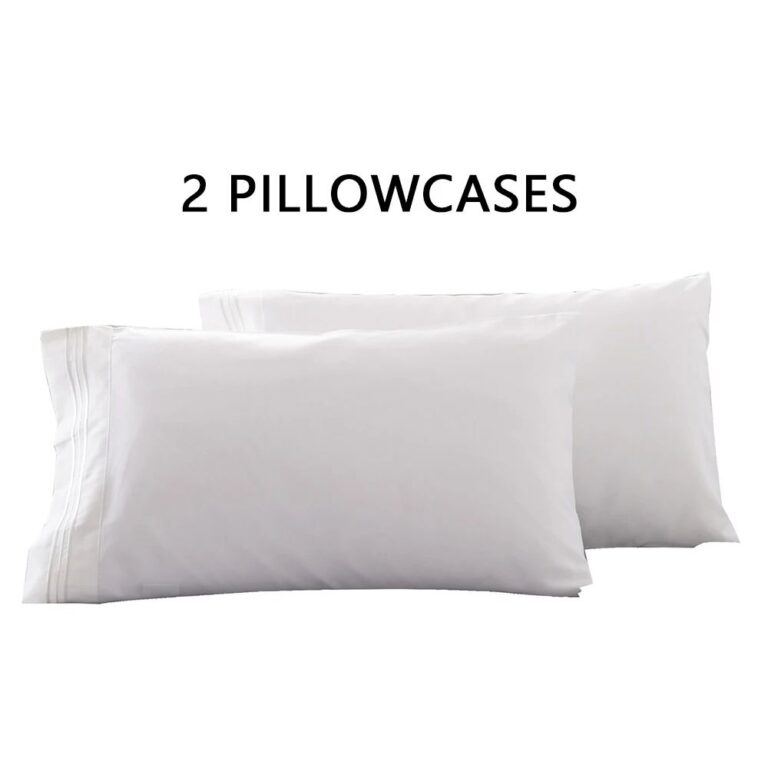
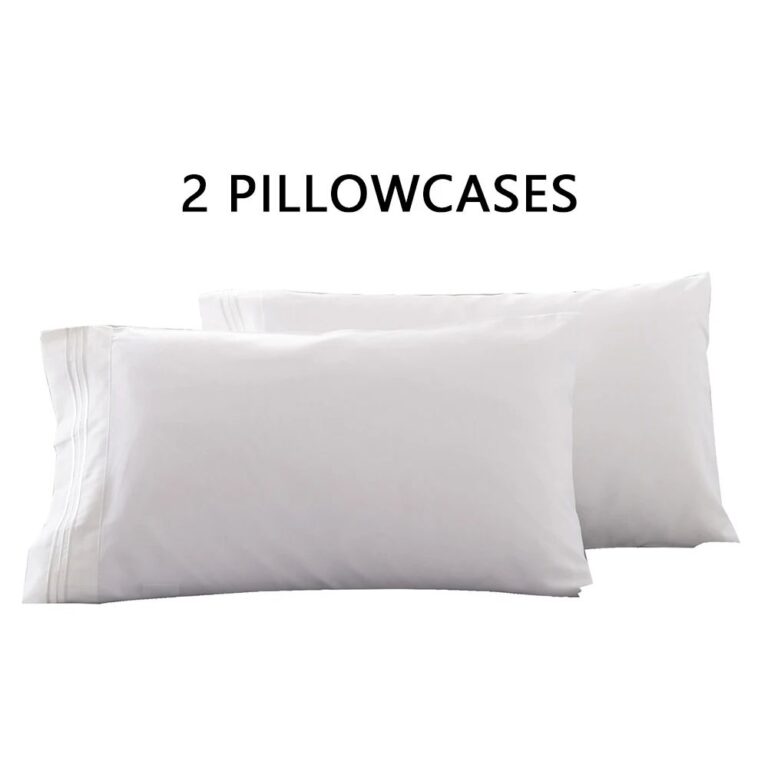 Aisha's pickBed Sets with Pillowcases That Survive the Washing Machine
 Aisha's pickBlack Bed Sets for People Who Know What They Like
 Aisha's pickThe Double Bed Sets Worth Your Cash
 Aisha's pickFull Bed Sets at Every Price Point

 Aisha's pickGreen Bed Sets You’ll Want to Curl Up WithAlso worth a lookModern BedsA modern bed, clean lines, low profile, no fussy carving anywhere, suits a room that already knows what it's doing.See the collections →

 Aisha's pickKing Bed Sets at Every Price Point
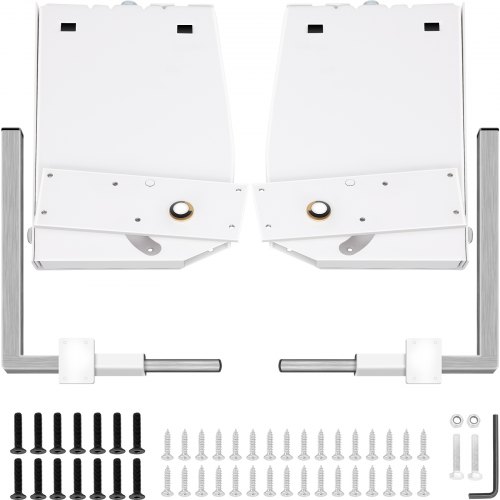 Aisha's pickKing Size Bed Sets That Soften a Room
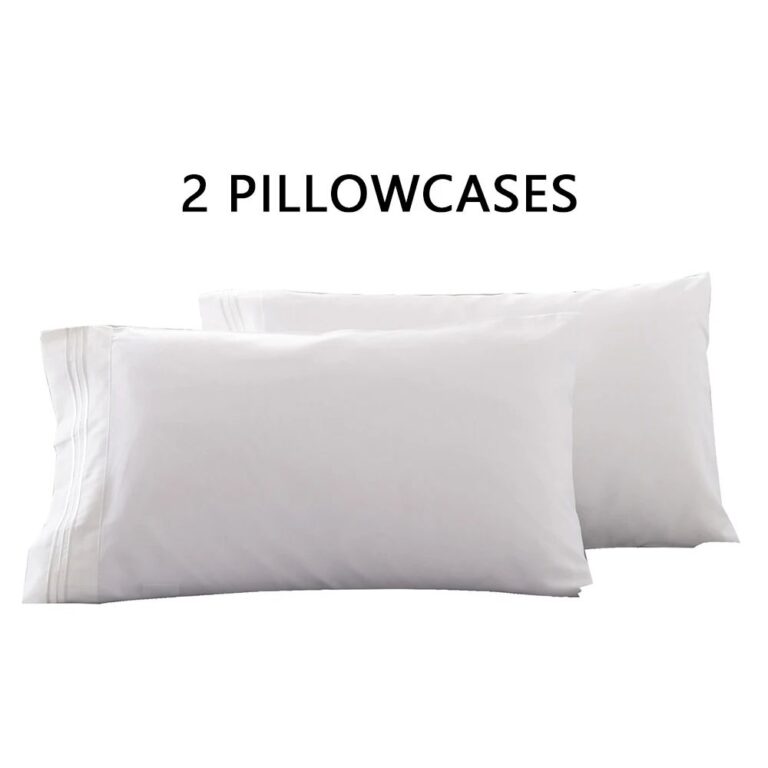
 Aisha's pickModern Bed Sets Picked From the Stores We Trust