Old houses with tall ceilings and dark halls practically beg for more light fixtures than you'd think reasonable, and I've never once regretted adding a few. Rental apartments with low ceilings and a landlord who won't let you touch the wiring need to think a little harder, not because lighting won't help, but because the wrong fixture in a seven foot room makes the whole place feel like it's wearing a hat two sizes too big.
Finish matters more than style, in my experience. Aged brass and bronze forgive almost everything, they don't show fingerprints, they don't show dust the way a bright chrome does, and they only get better looking as the years go on. Black fixtures are having a long moment and I understand why, they disappear into a dark hallway and read as iron even when they're not, but they show every smudge if you've got kids or a dog that likes to greet people at the door. Gold finishes I'm pickier about. The warm, slightly worn gold looks like it's been in the family, the bright polished gold looks like it's trying to convince you of something.
Bedrooms want lower light and warmer bulbs, obviously, but the fixture itself can take more personality there than almost anywhere else in the house, since nobody's reading a contract by it. Hallways and stairwells are where wall lights do their best work, they keep the floor clear and they make a narrow space feel considered instead of just lit. Dining rooms are the one room where I'll tell you to spend more and go a size up from what feels sensible, because a fixture that's too small over a table just looks apologetic, hanging there like it wishes it were somewhere else.
Where it goes wrong is mixing too many finishes in one line of sight. A gold chandelier over a black and chrome dining set is the kind of thing that looks fine in isolation and wrong the second you stand in the doorway. And very ornate metal work, the kind with a lot of scrollwork and detail, struggles in a small modern room with clean lines, it ends up looking like a guest who wasn't quite invited.
What I like best is what happens after a year or two of ordinary use. The brass dulls at the edges where hands reach past it, the black picks up a little warmth under certain bulbs, and the whole fixture stops looking like something you bought and starts looking like something that was simply always there.

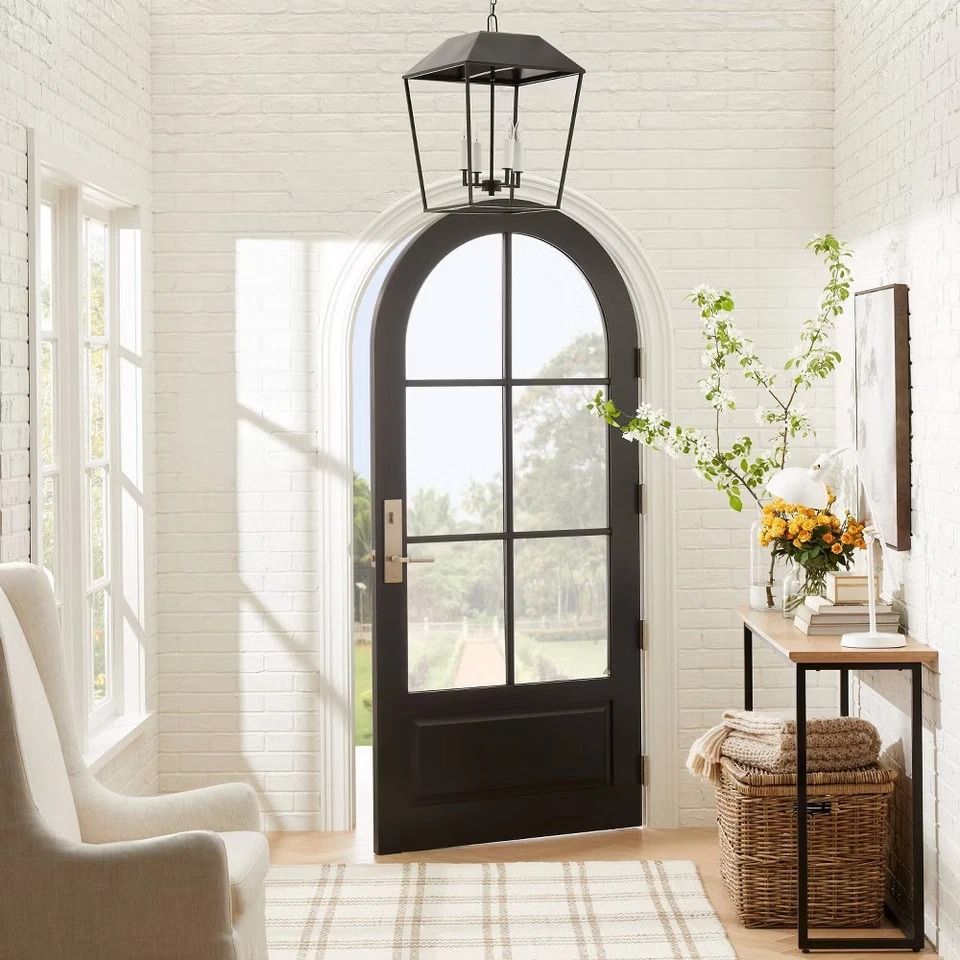 Aisha's pickAdjustable Island Pendant Lights That Won’t Date in a Year
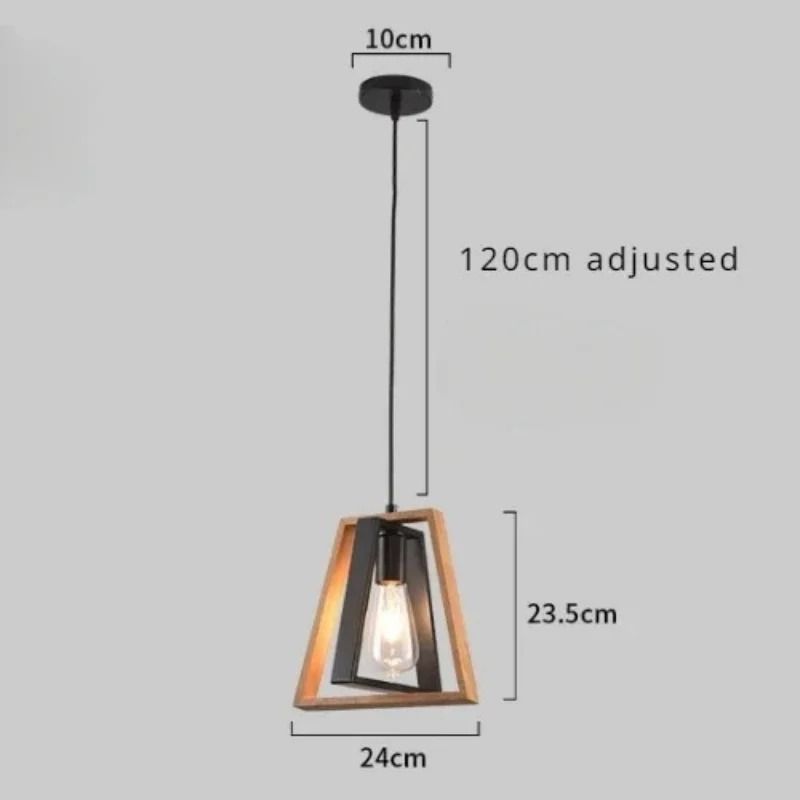
 Aisha's pickAdjustable Track Lights for Cozy Nights In

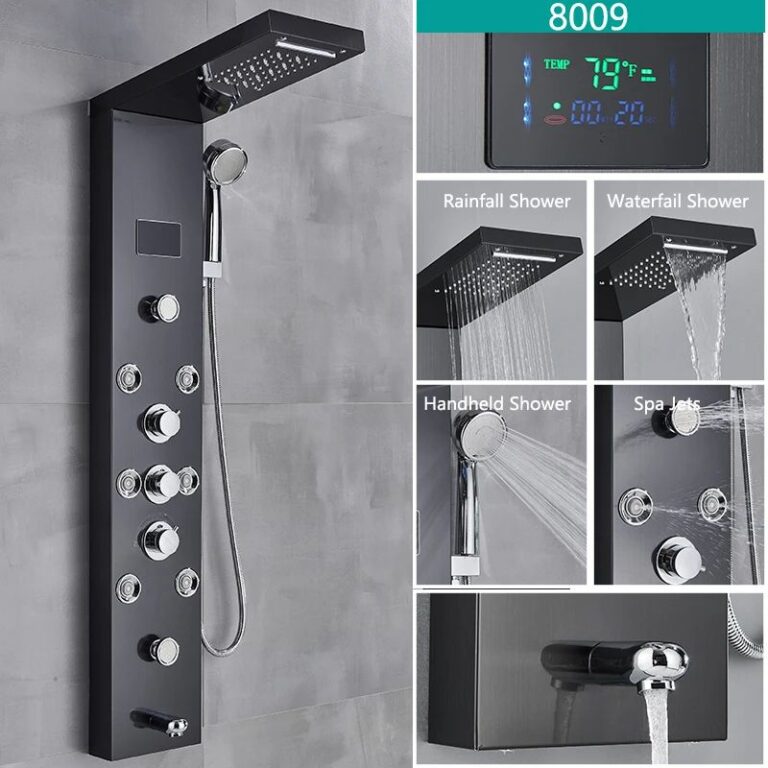 Aisha's pickCeramic Bathroom Lights That Look Good Next to Old Tiles

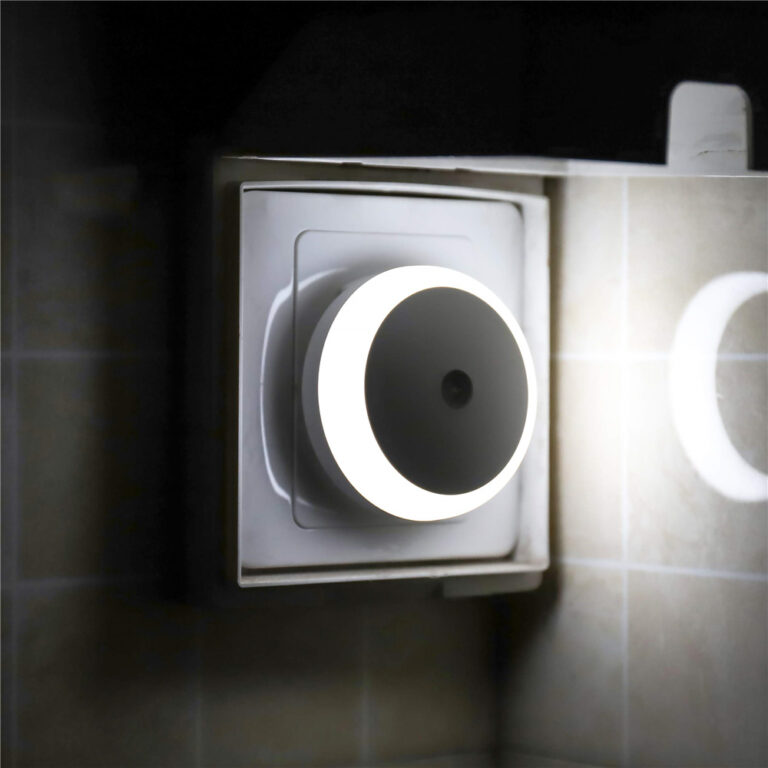 Aisha's pickSmart Bathroom Lights That Stand Up to Steam
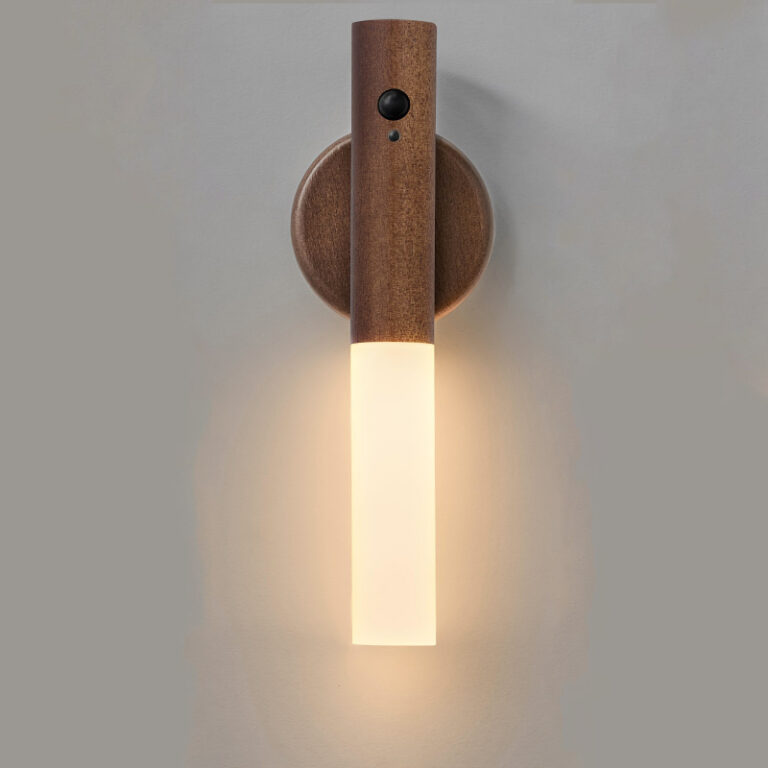
 Aisha's pickBronze Bedroom Lights for Cozy Nights In
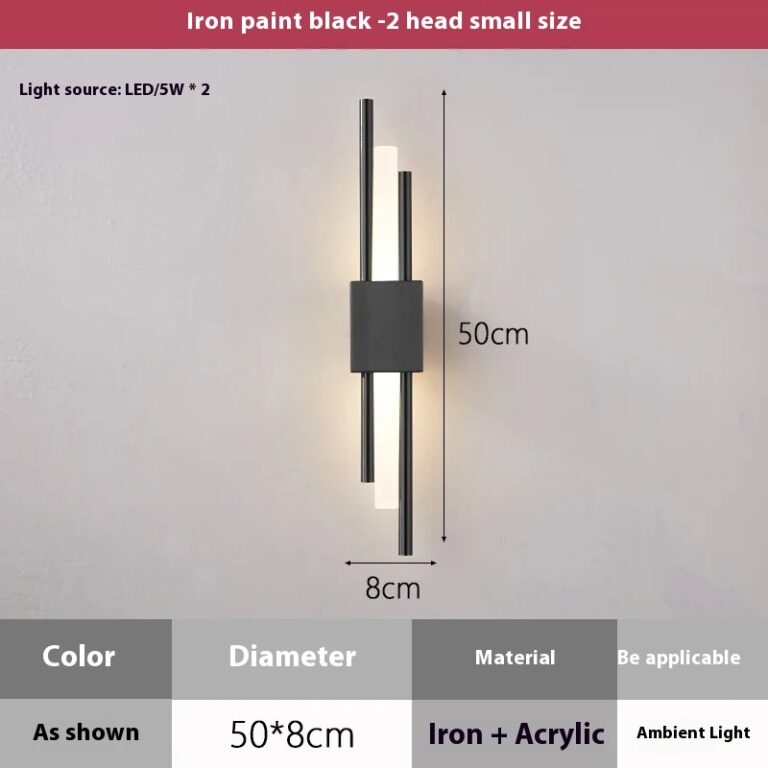
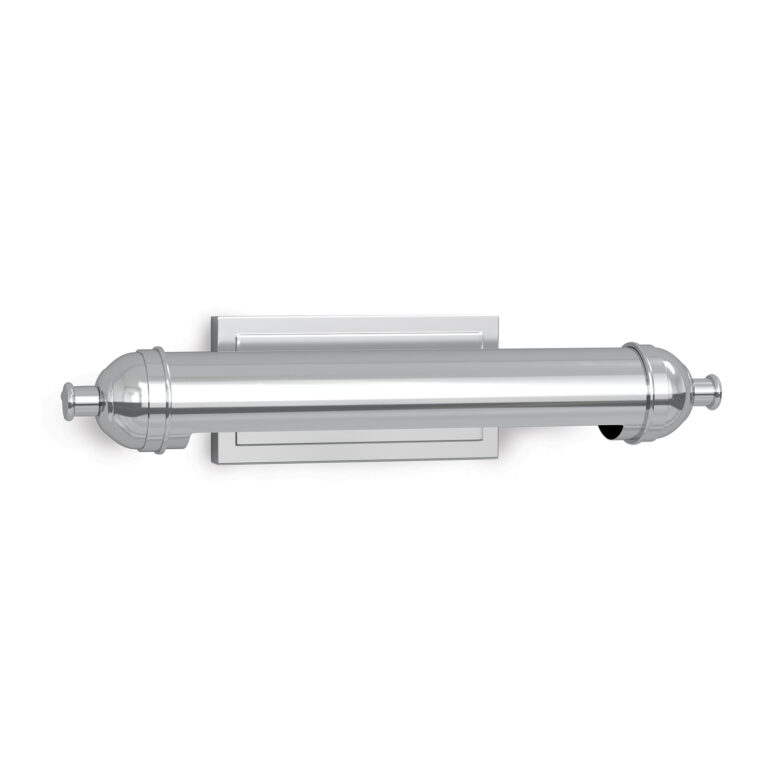
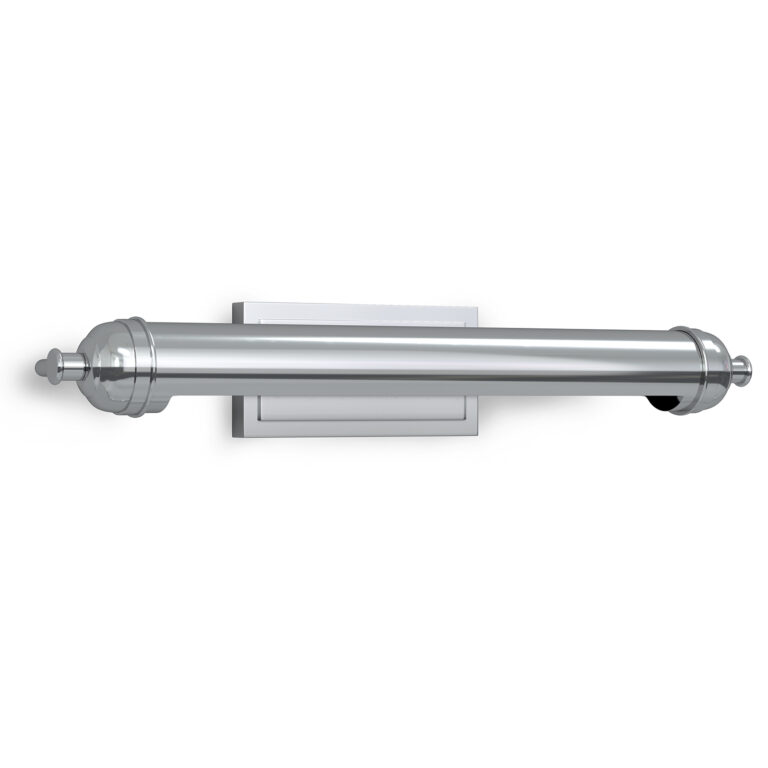 Aisha's pickNickel Bedroom Lights Bright Enough Without the Glare
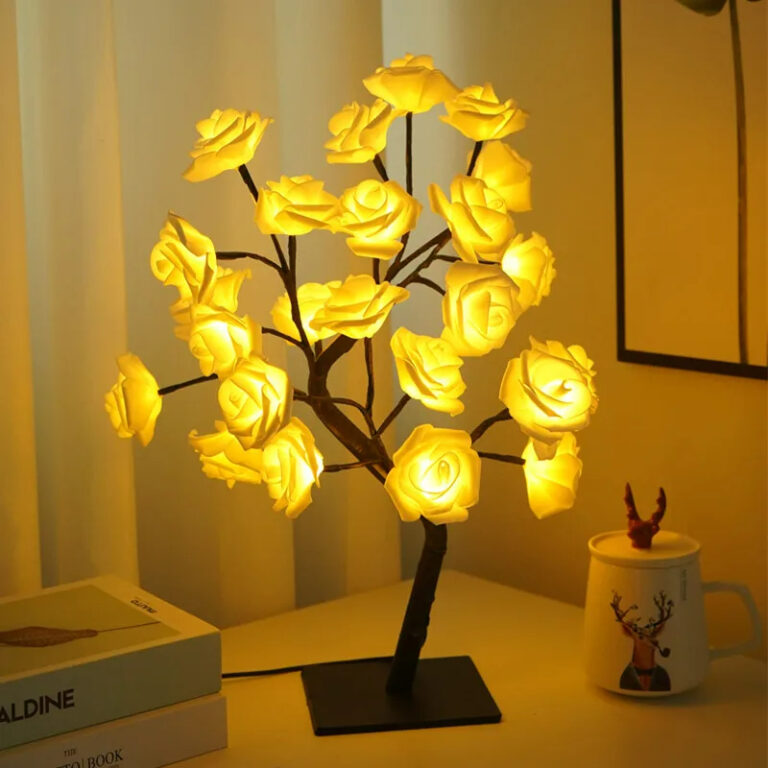 Aisha's pickBedroom Wall Lights for Dark Winter Evenings
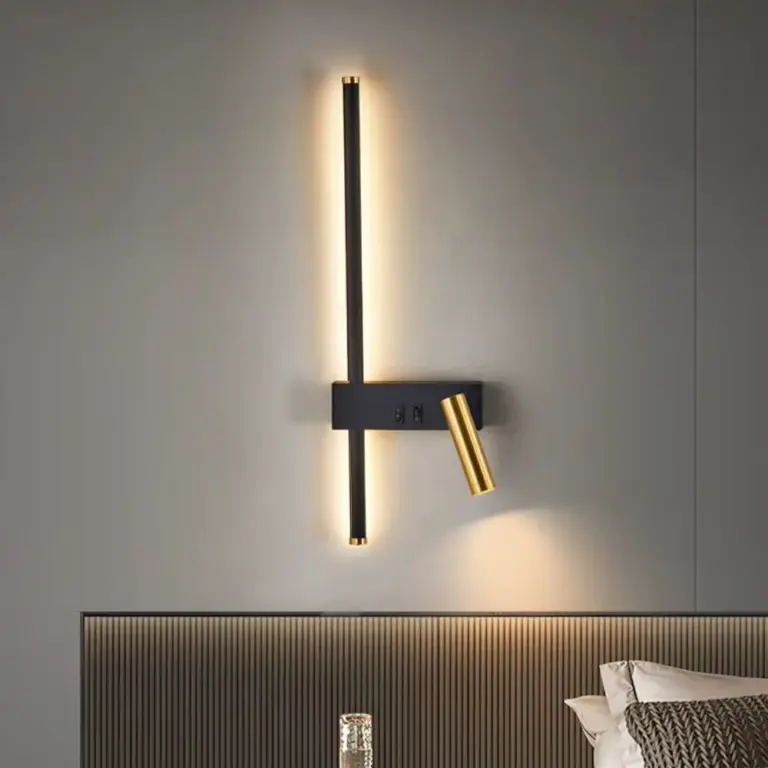
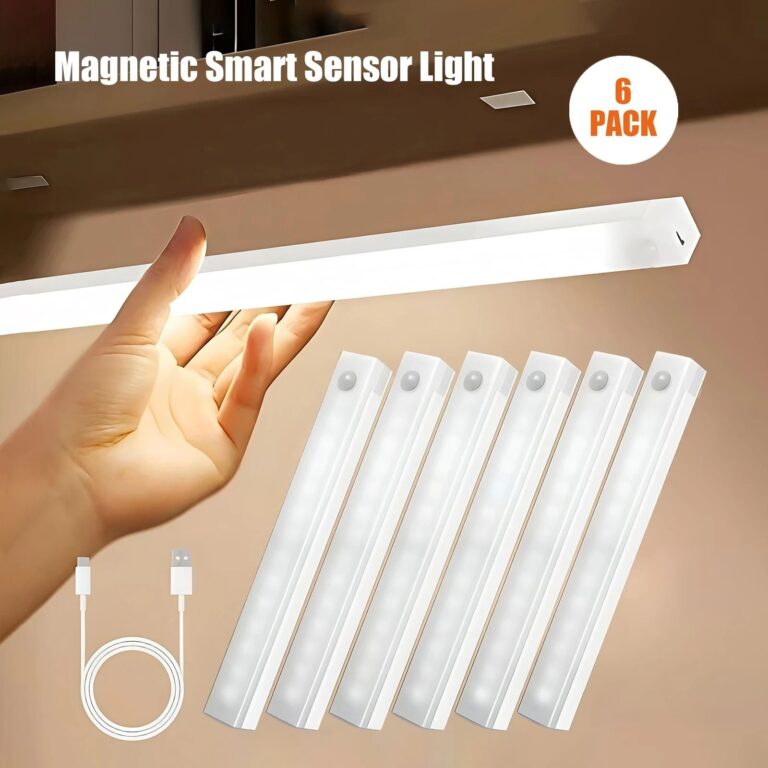 Aisha's pickModern Bedroom Wall Lights That Change the Feel of a Room
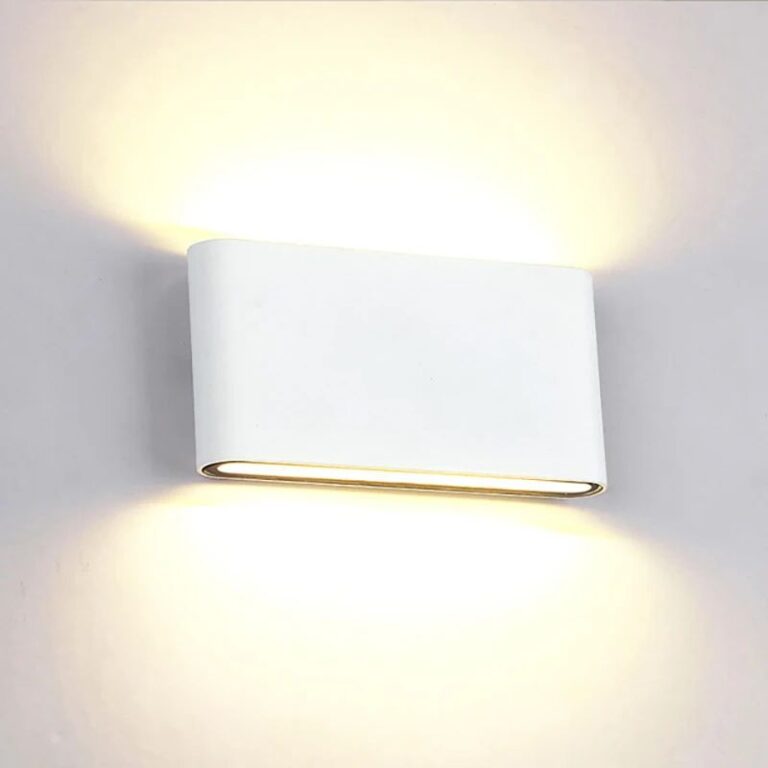
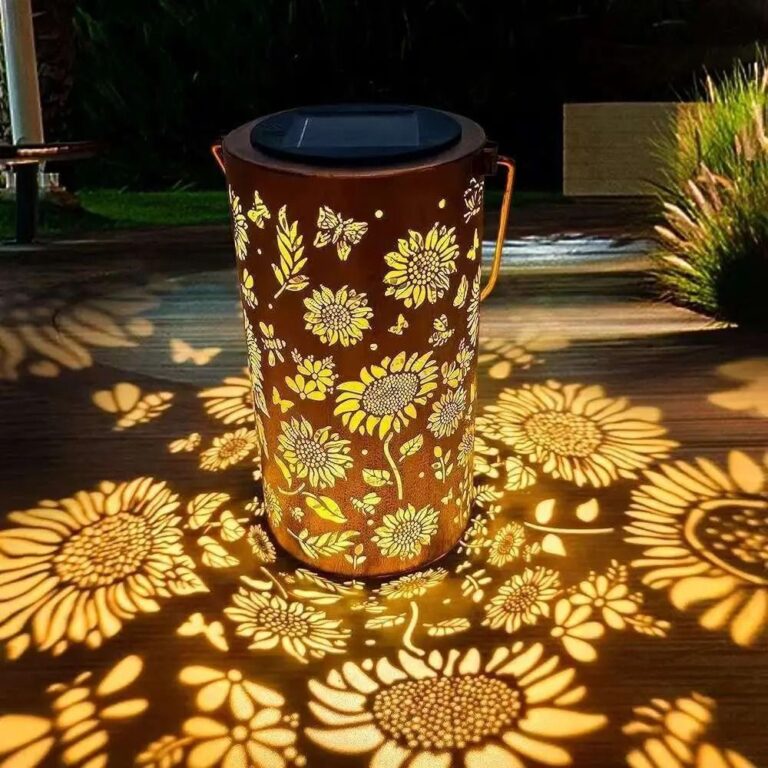 Aisha's pickBlack Deck Lights That Do the Job RightAlso worth a lookWall LightsWall lights are the fixture everyone skips and shouldn't.See the collections →

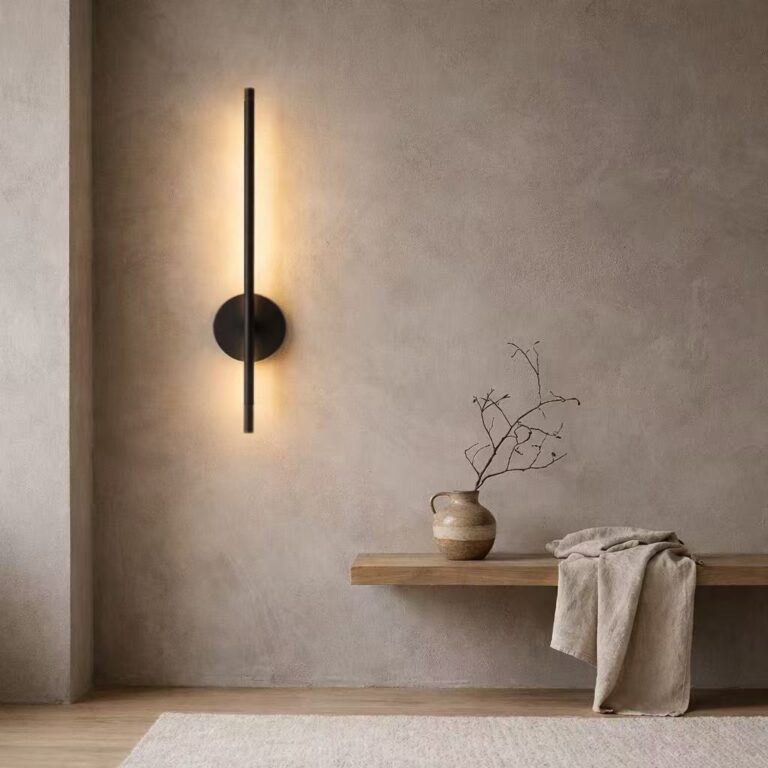 Aisha's pickBlack Living Room Lights That Won’t Date in a Year
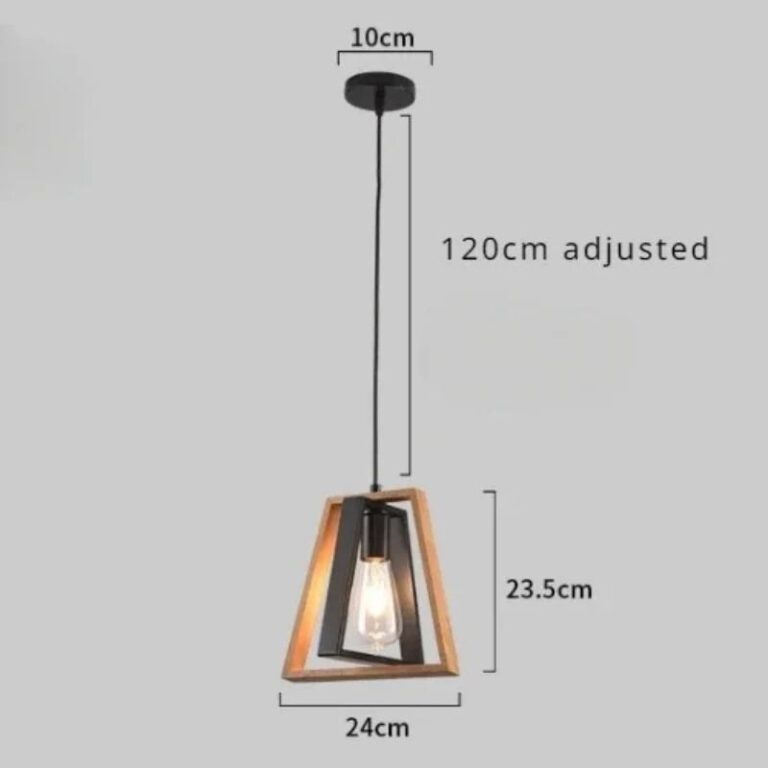
 Aisha's pickLarge Black Wall Lights That Change the Feel of a Room

 Aisha's pickCabinet Lights for Kitchen That Make Cooking a Bit Nicer
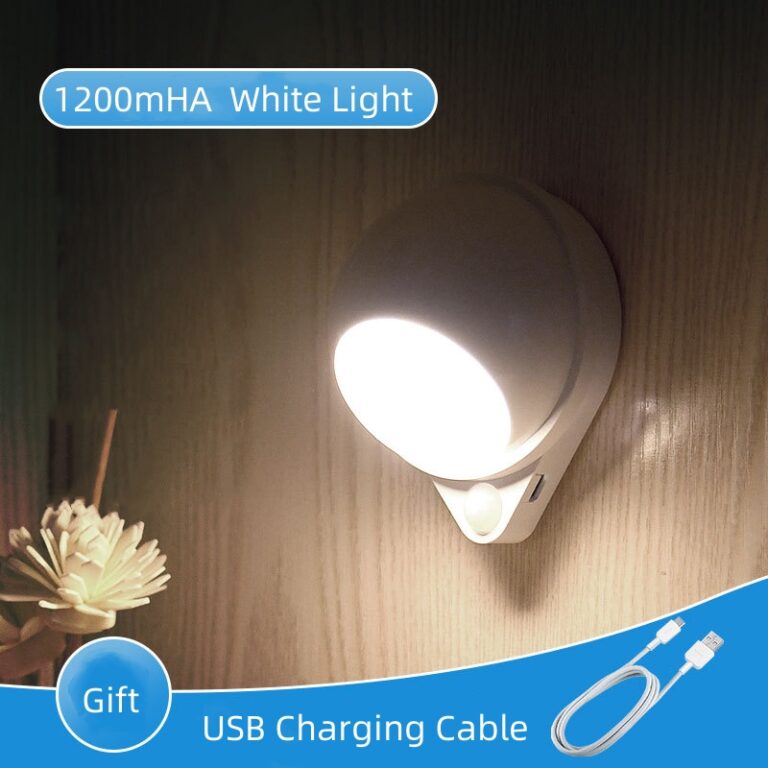
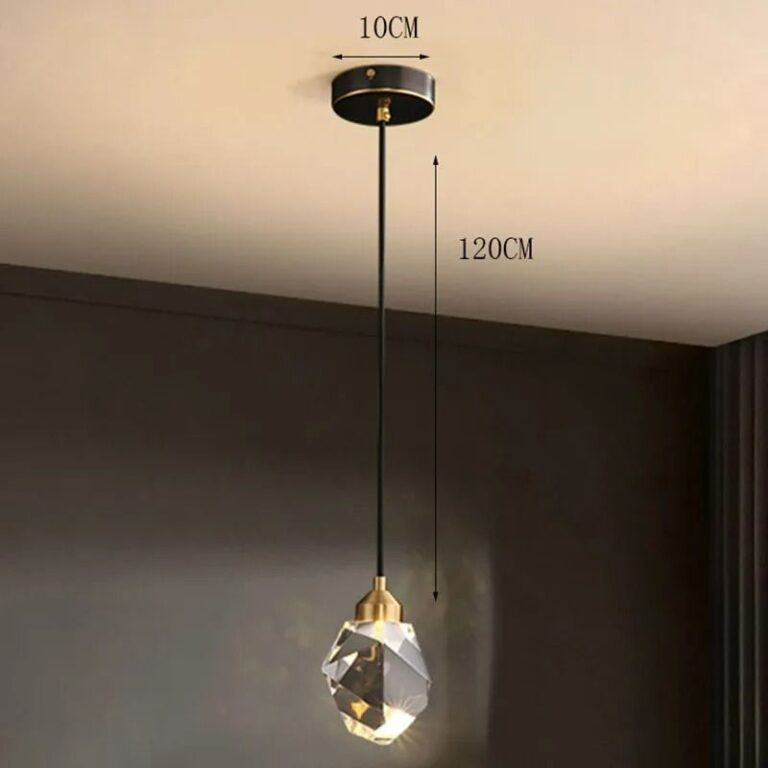 Aisha's pickCeiling Lights for Dining Table Picked From the Stores We Trust
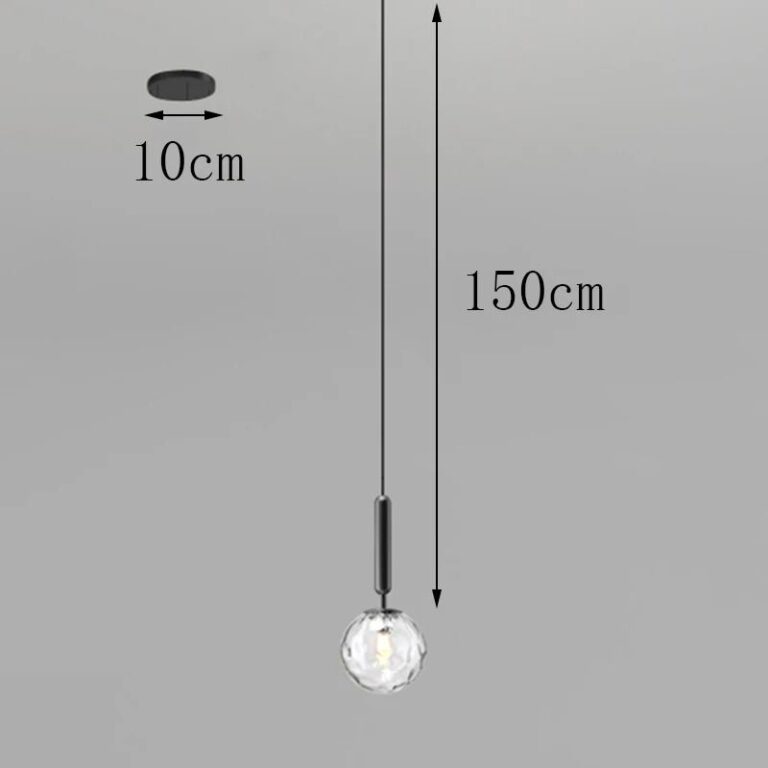
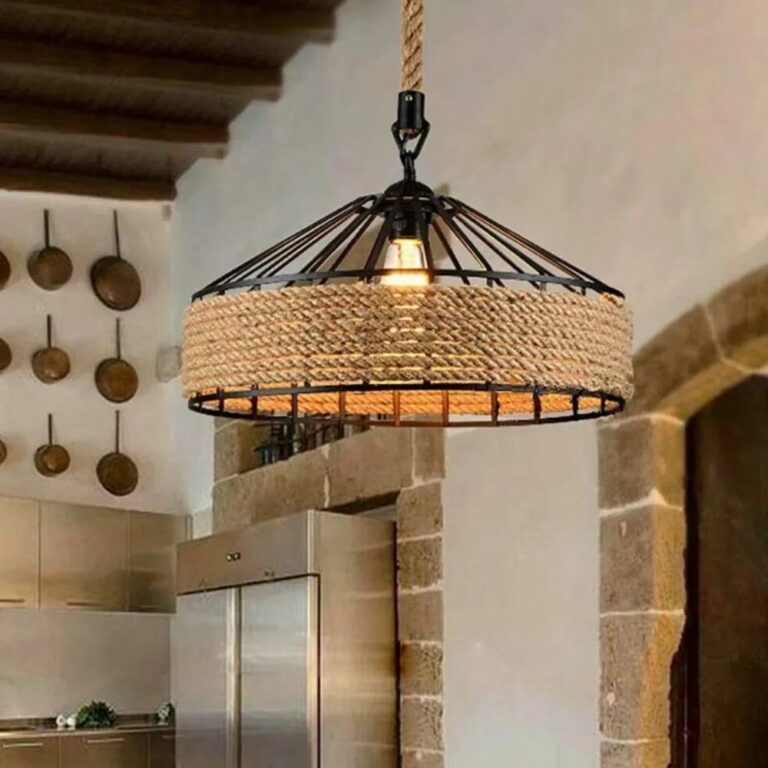 Aisha's pickIndustrial Ceiling Lights That Make a Room Feel Finished
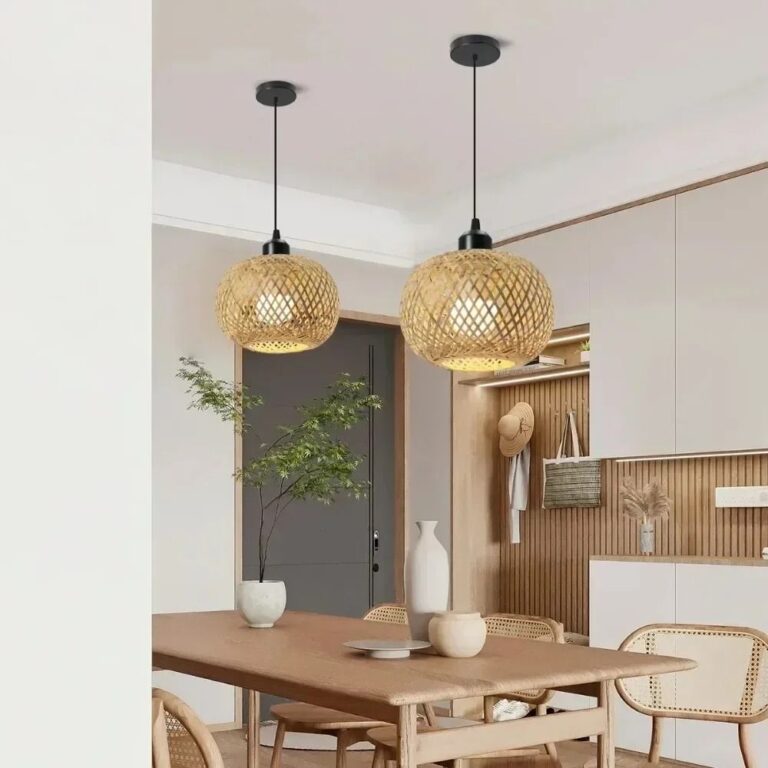
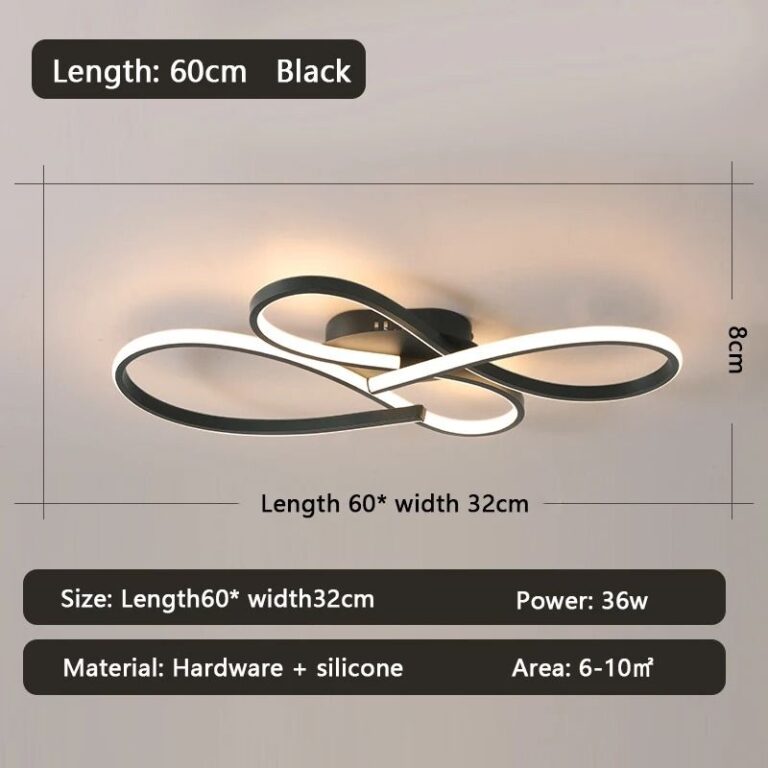 Aisha's pick12 Light Chandeliers That Get Better With Age
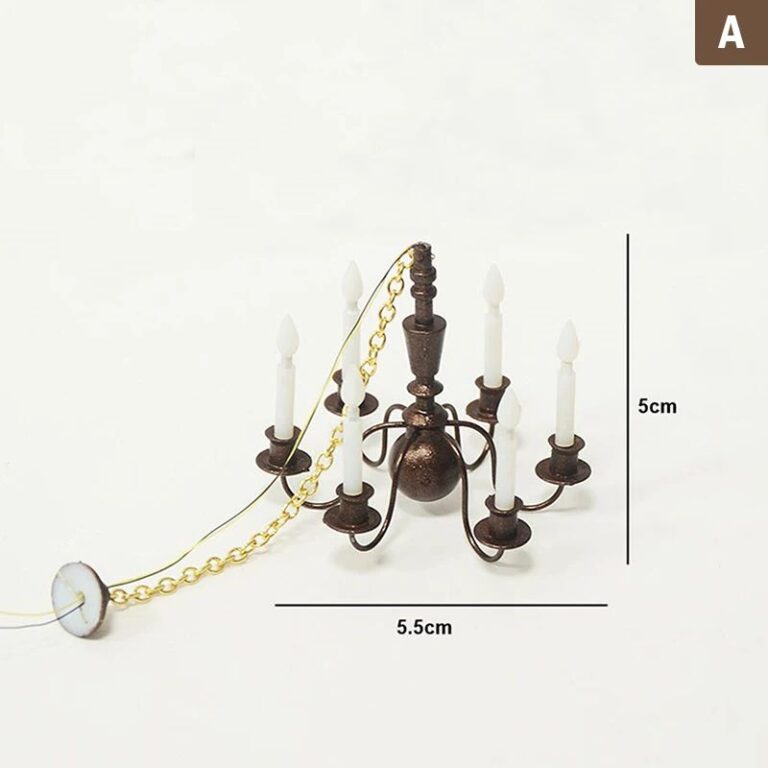
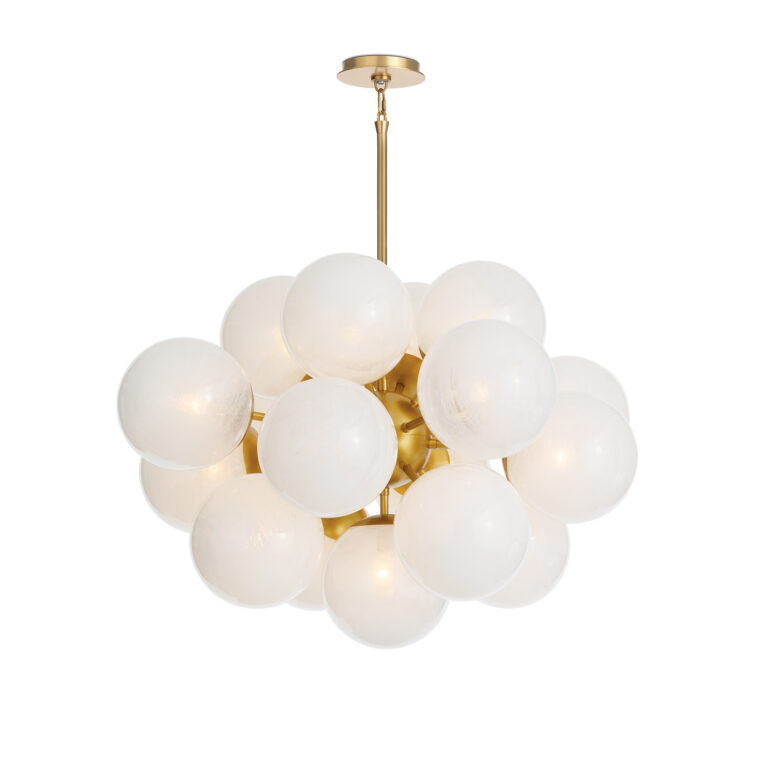 Aisha's pickCluster Chandeliers Without the Silly Price Tag
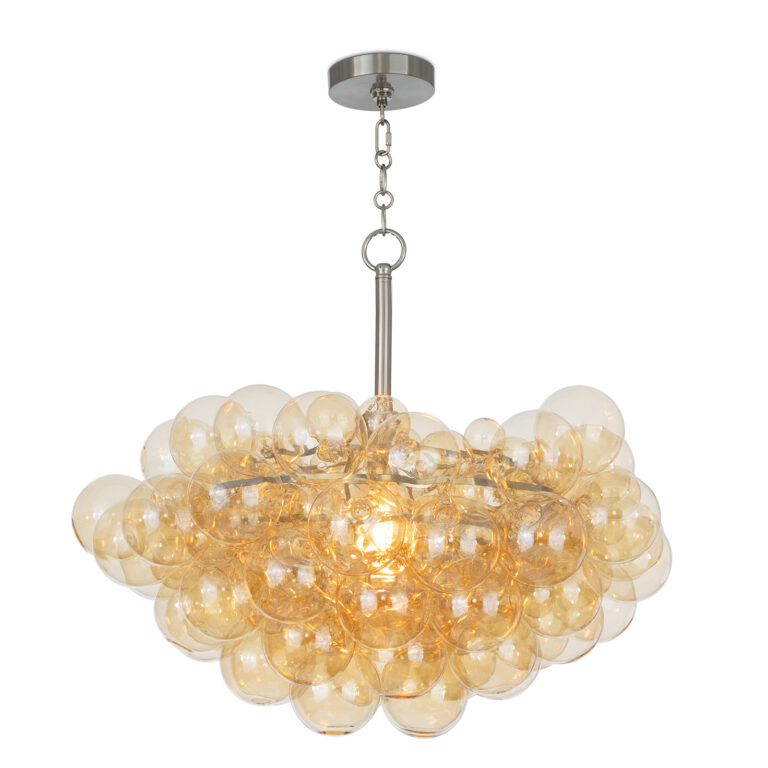
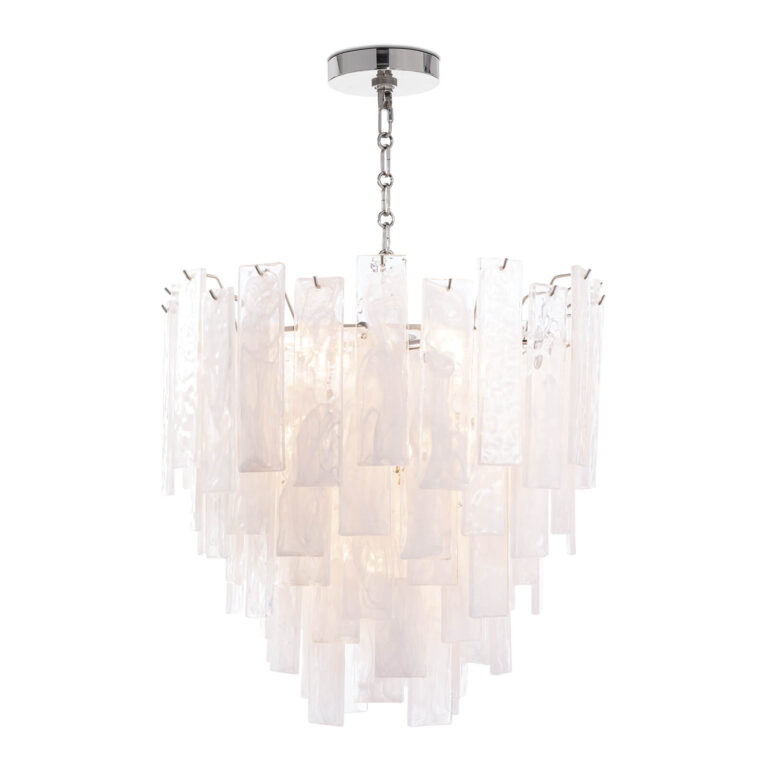 Aisha's pickSmall Glass Chandeliers You’ll Keep for Years
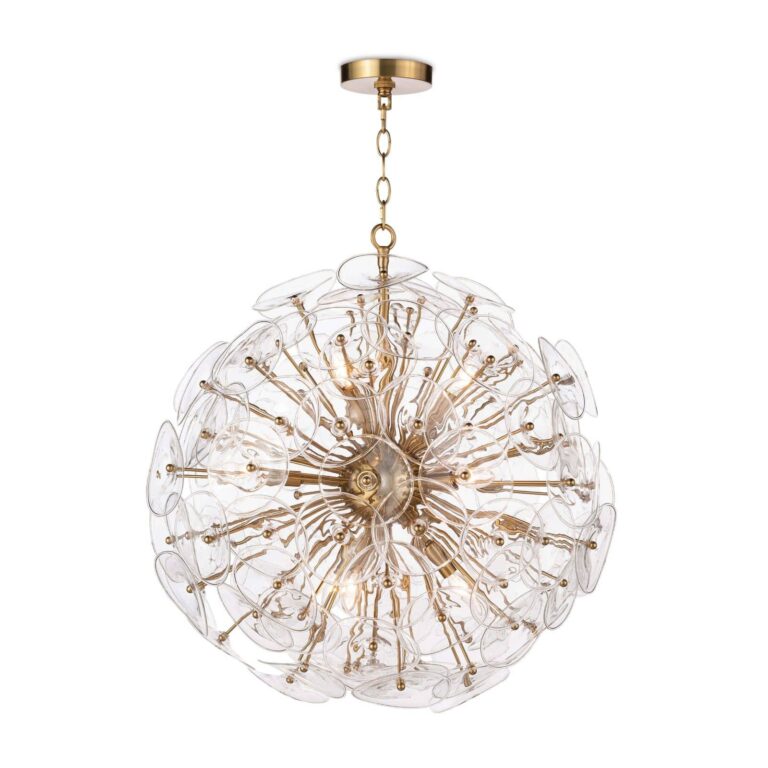
 Aisha's pickContemporary Kitchen Lights for Dark Winter EveningsAlso worth a lookBlack LightsThe thing nobody mentions about black light fixtures is how differently they read once the sun goes down…See the collections →
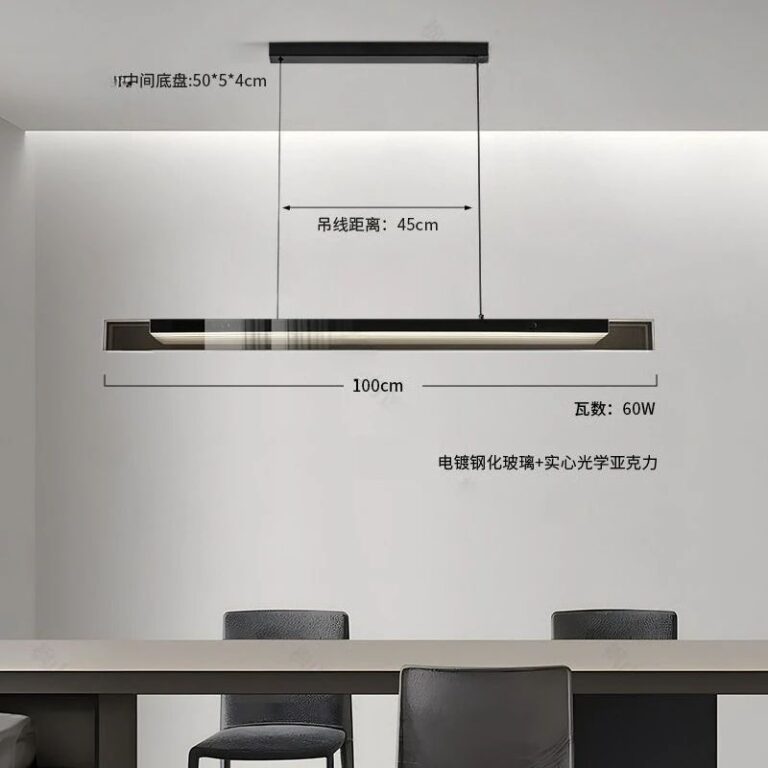
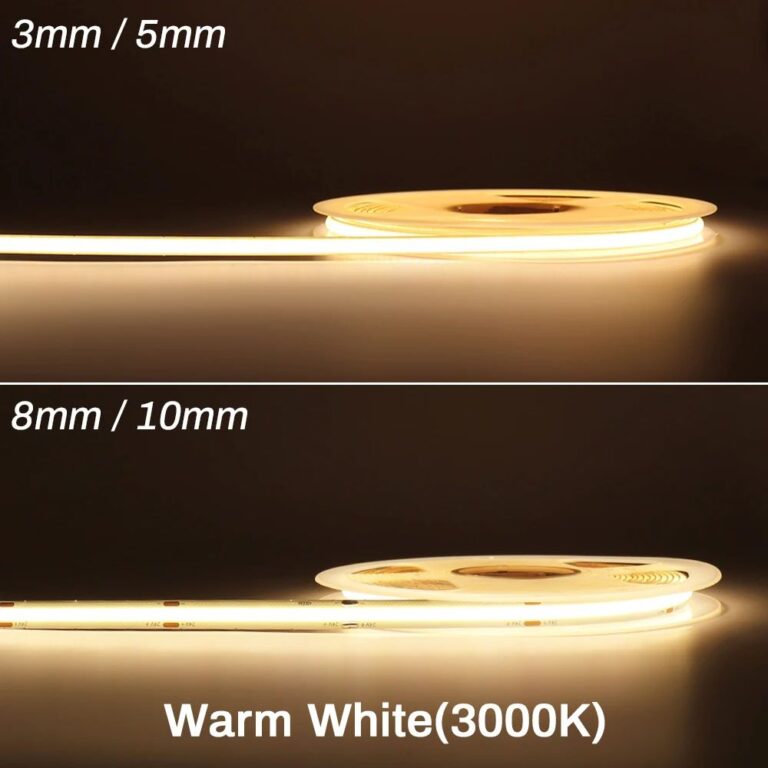 Aisha's pickDimmable Hallway Lights That Make a Good First Impression

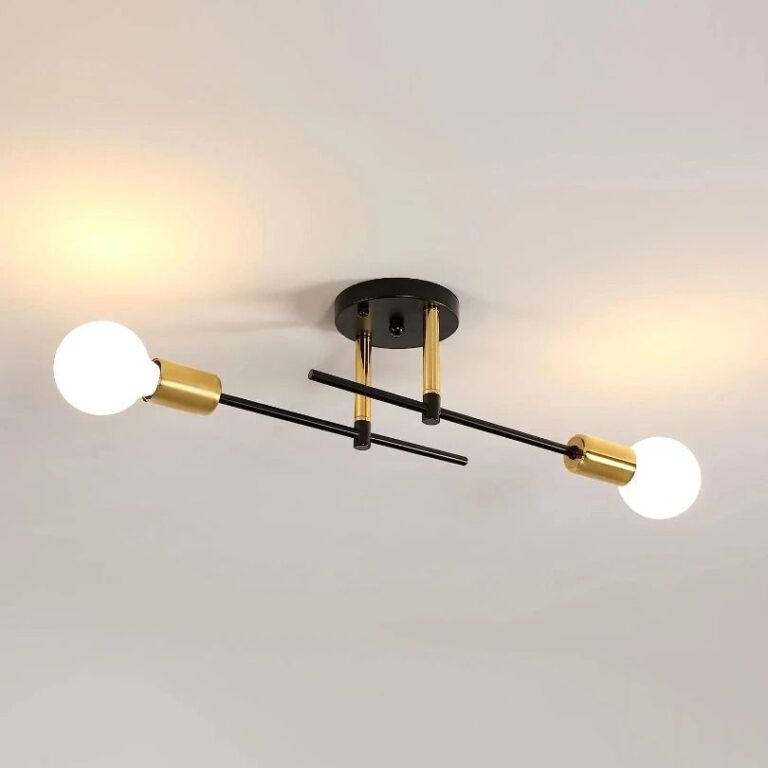 Aisha's pickDining Room Lights for Bedroom That Look Good Up Close
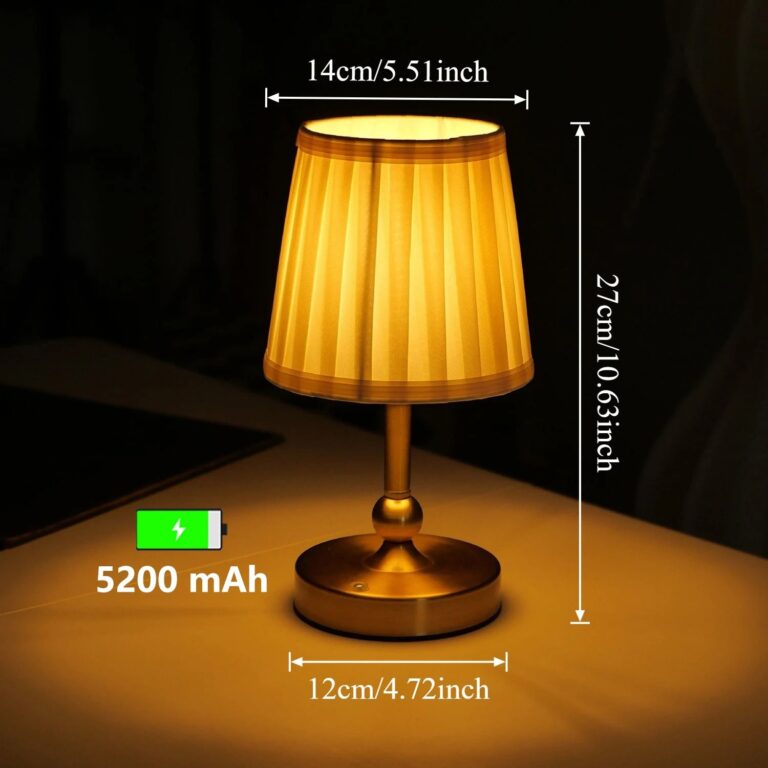
 Aisha's pickLuxury Dining Room Lights You’ll Still Like in Five Years
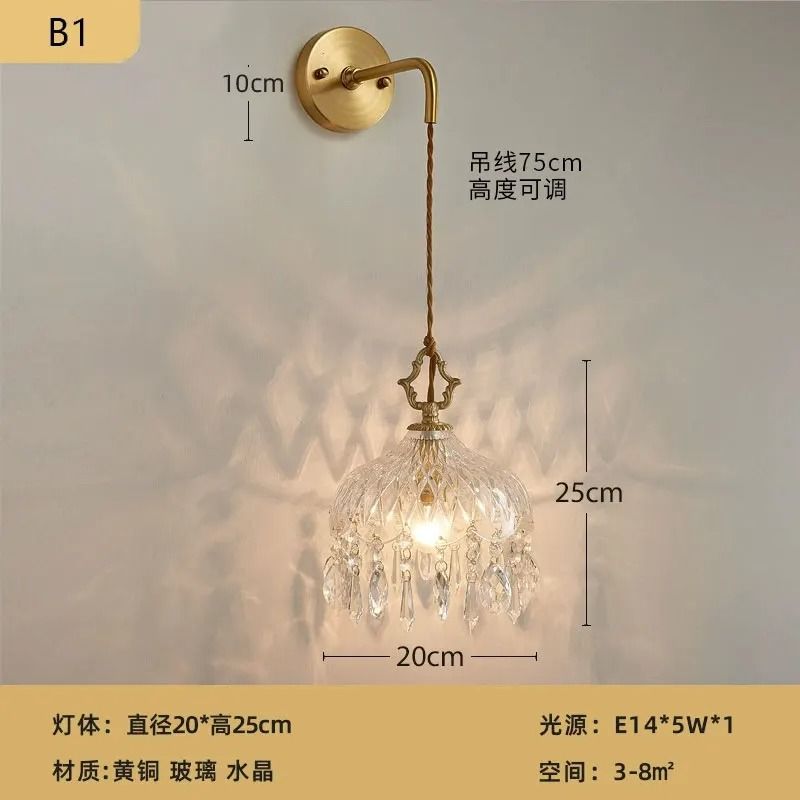
 Aisha's pickBlue String Lights for When the Old Ones Give Up
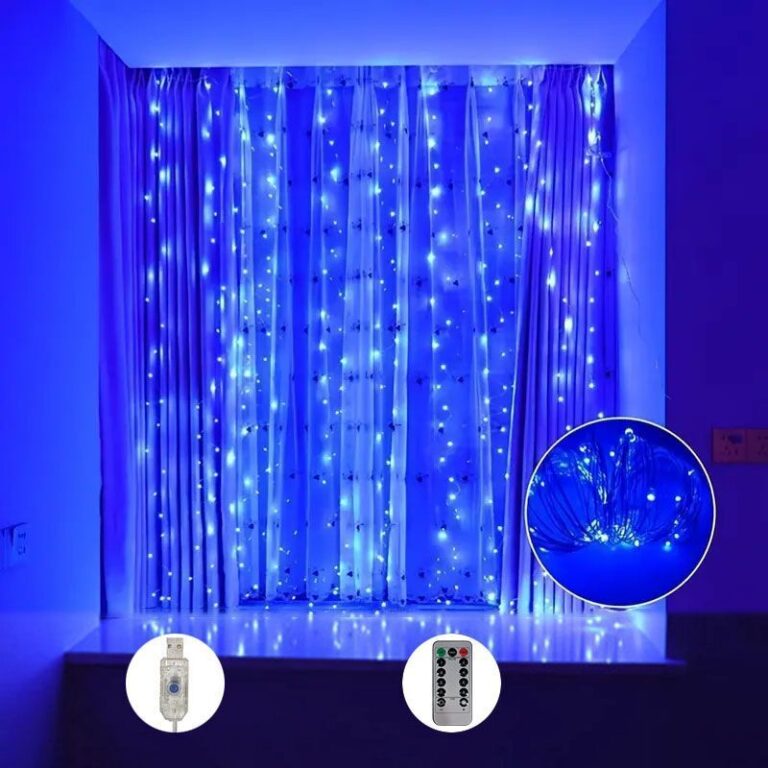
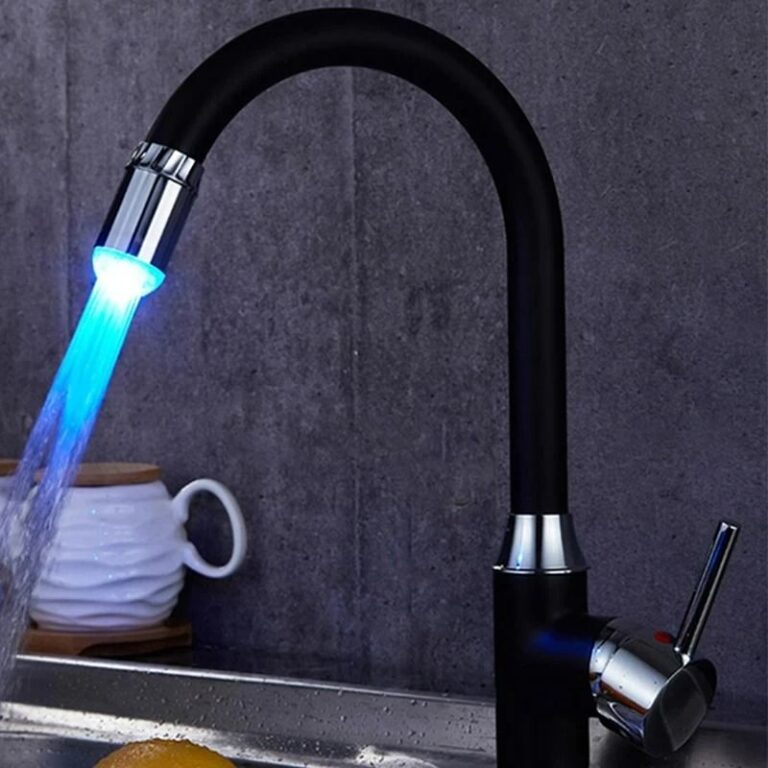 Aisha's pickClear Glass Bathroom Lights That Go With Most Rooms

 Aisha's pickGlass Picture Lights for Cozy Nights In
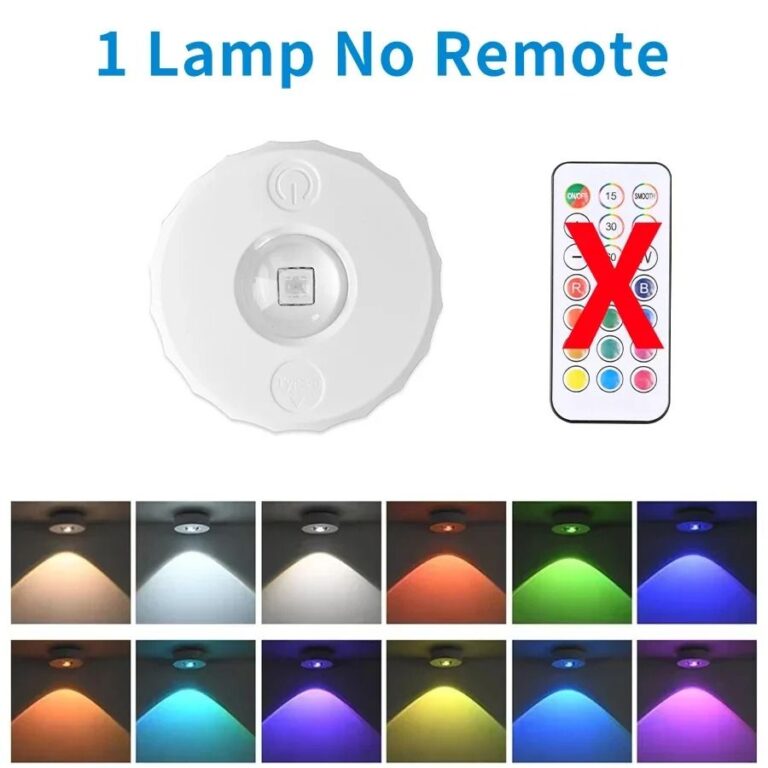
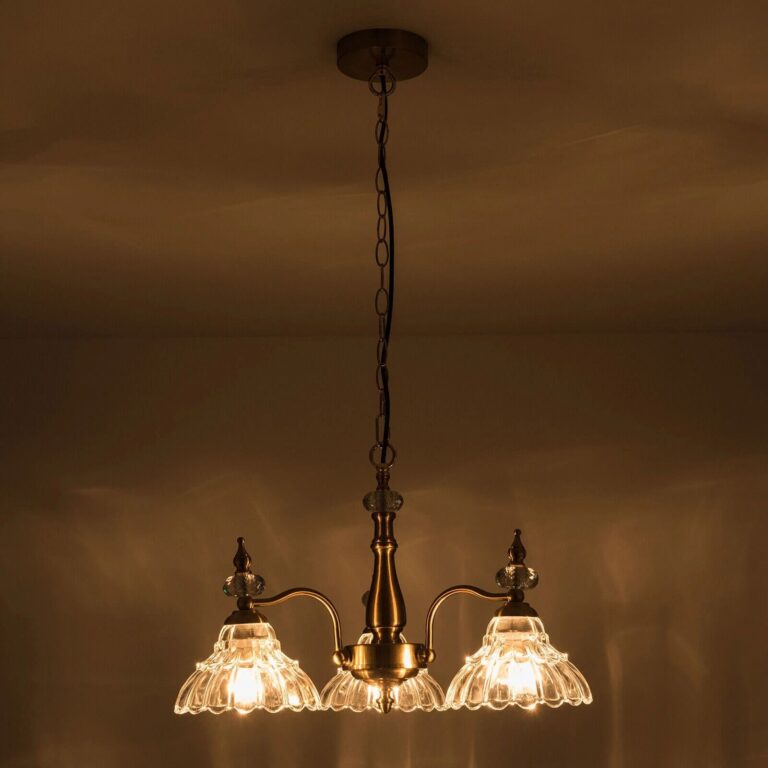 Aisha's pickGold Hanging Lights You’ll Keep for Years
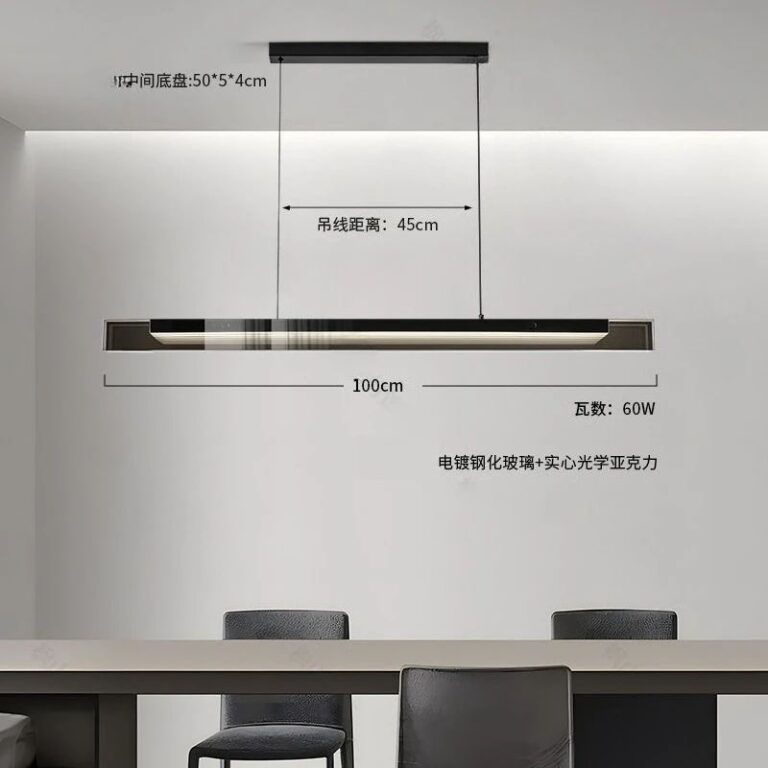
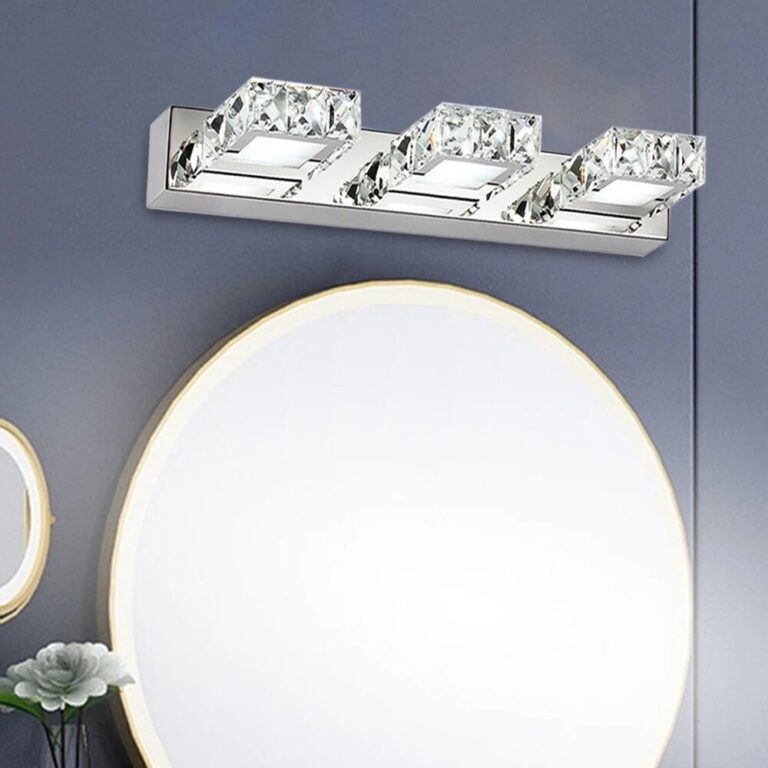 Aisha's pickCrystal Hallway Lights at Every Price Point

 Aisha's pickMinimalist Hallway Lights Without the Silly Price TagAlso worth a lookBedroom LightsThe question I get most often is whether bedroom lighting needs to match the rest of the house,…See the collections →
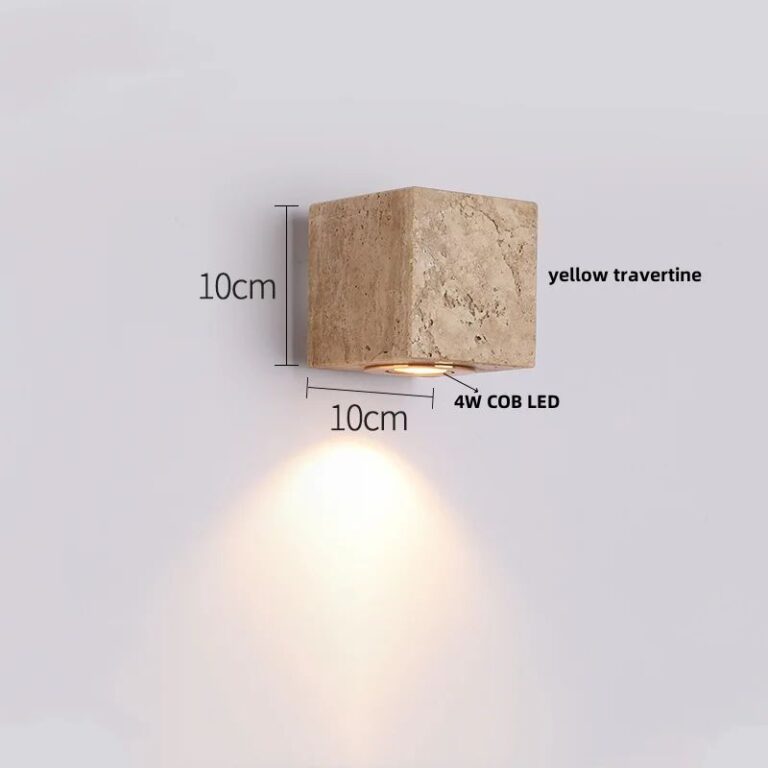
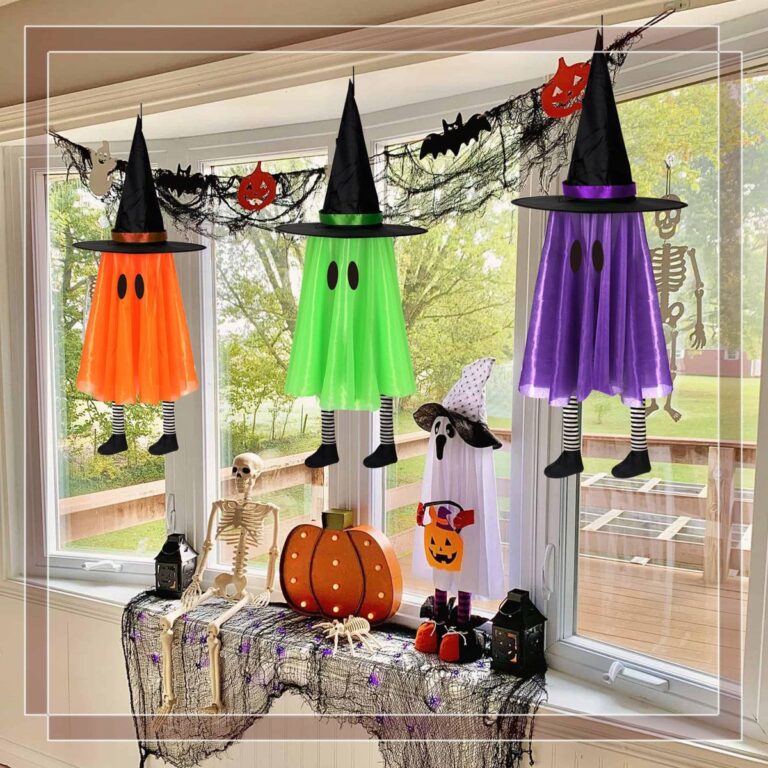 Aisha's pickHanging Lights for Dark Winter Evenings
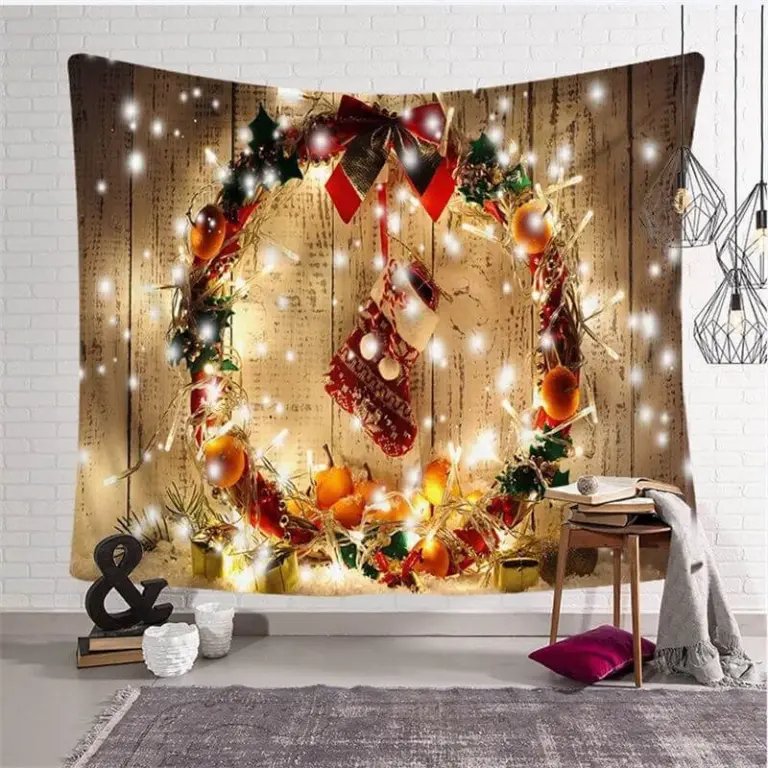
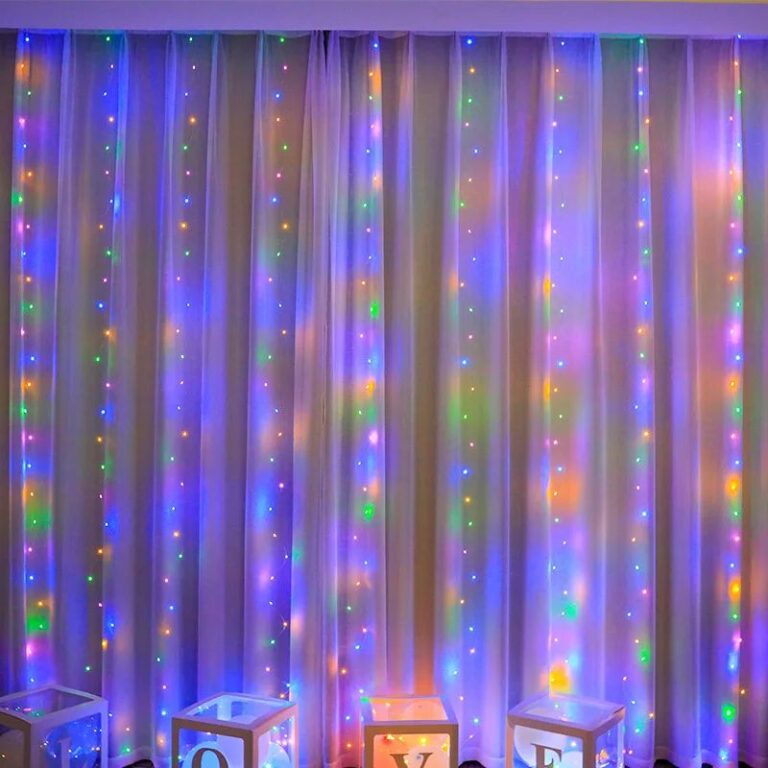 Aisha's pickPink Hanging Lights That Make Rented Places Feel Like Home

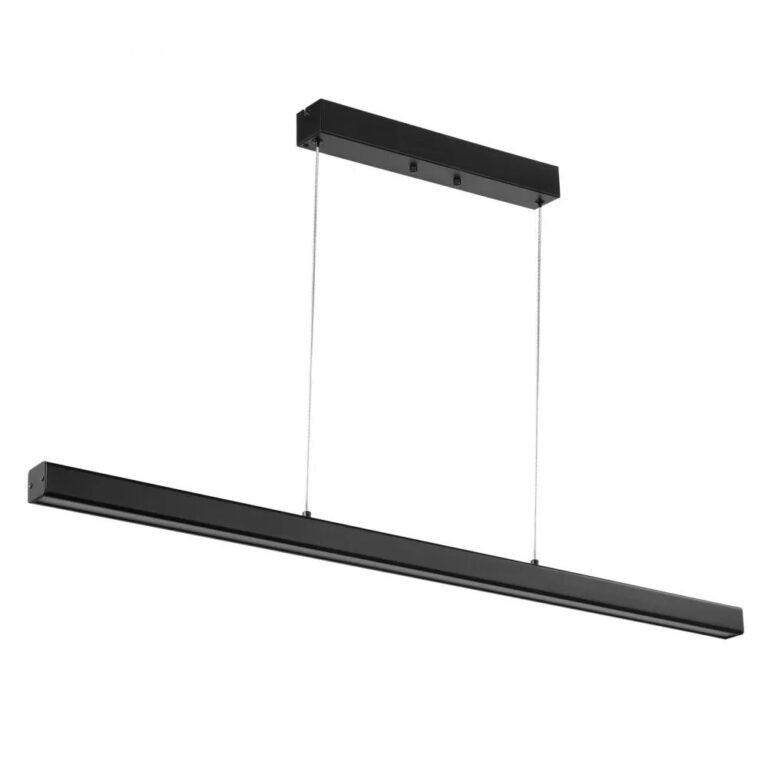 Aisha's pickKitchen Island Lights with Shade That Make Cooking a Bit Nicer
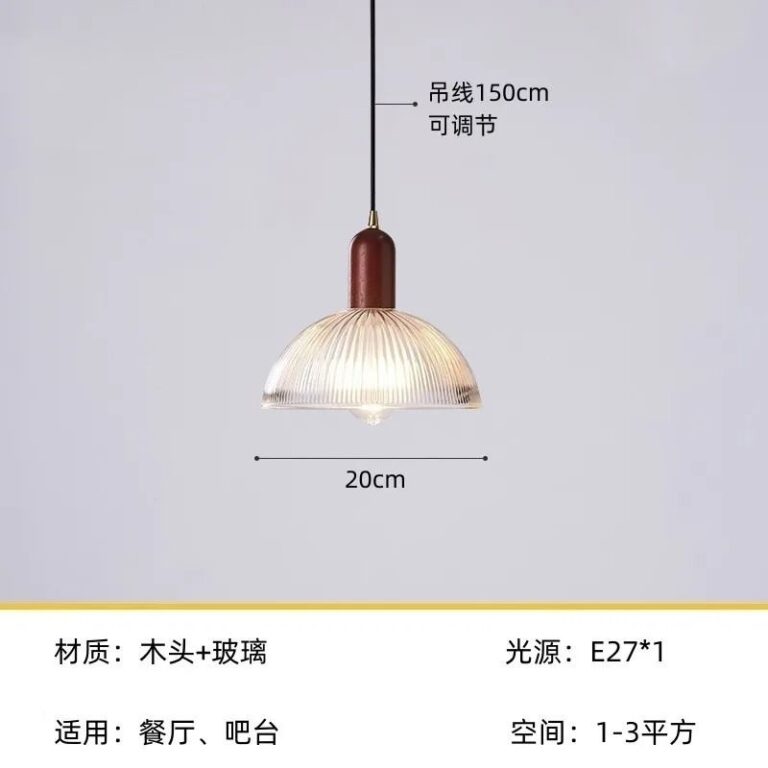
 Aisha's pickFabric Kitchen Lights That Cope With Steam and Splashes

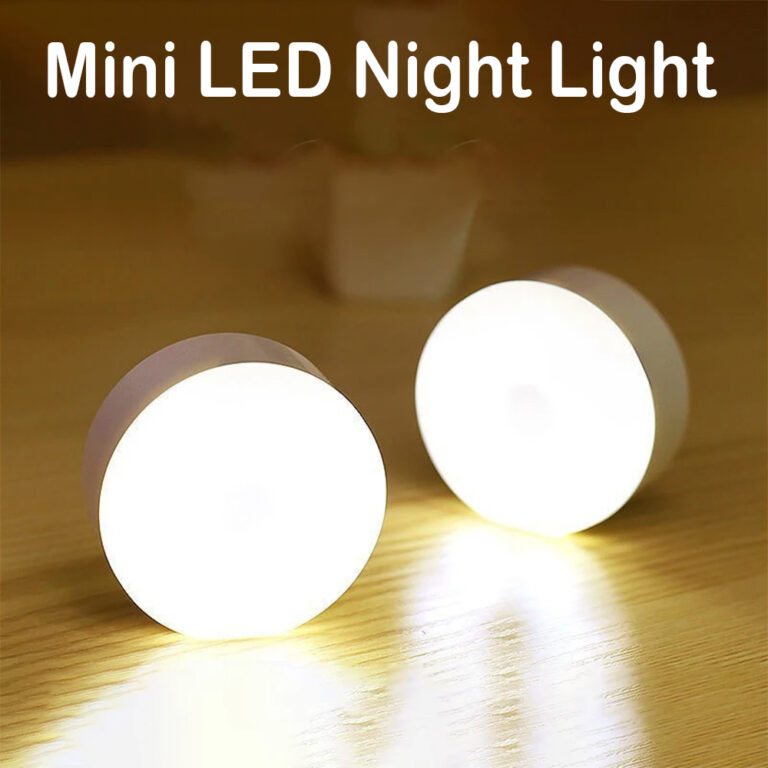 Aisha's pickMedium Kitchen Lights That Cope With Steam and Splashes

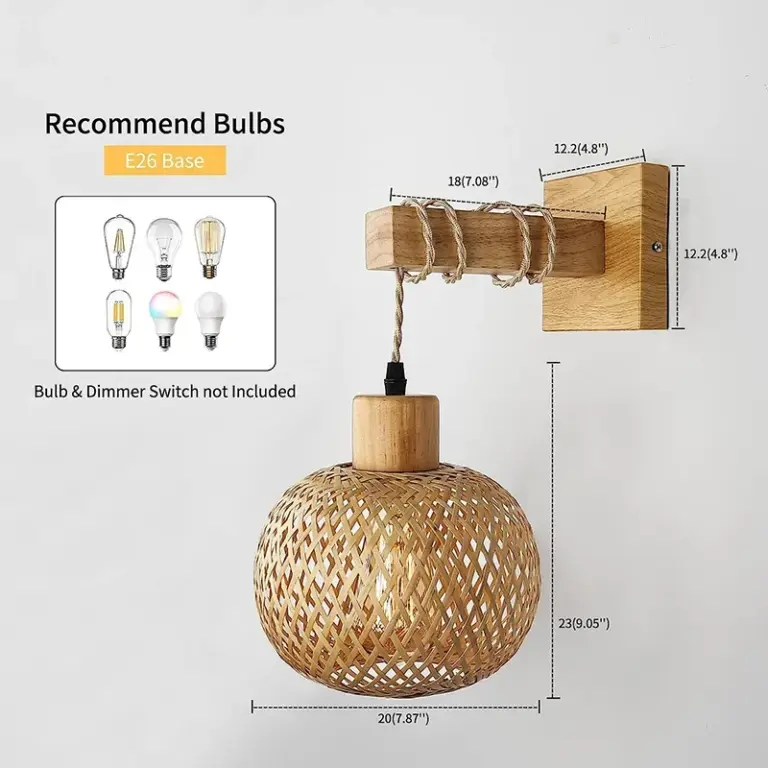 Aisha's pickCoastal Lanterns That Look Good Up Close
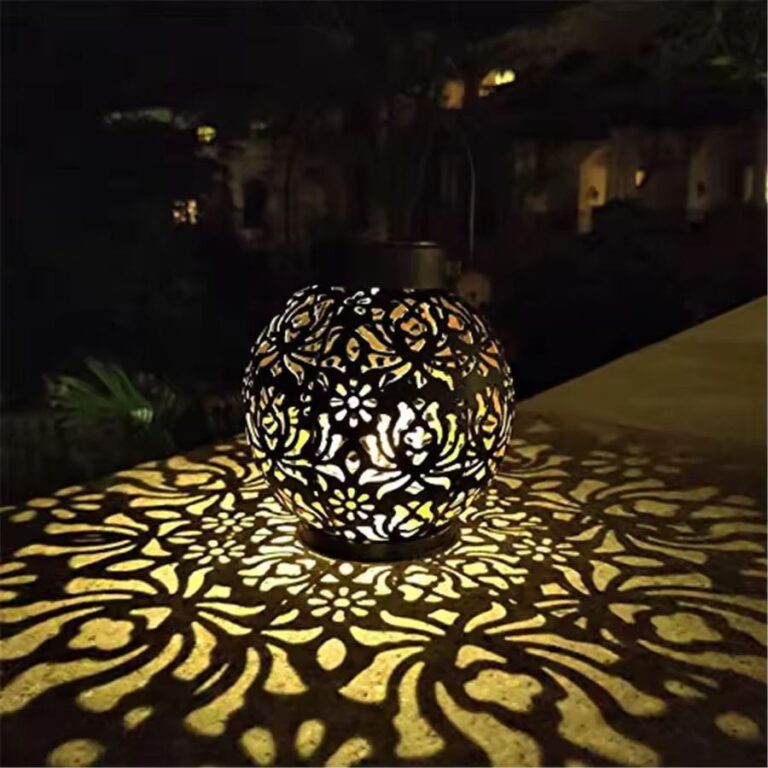
 Aisha's pickRed Lanterns That Make the Big Light Redundant

 Aisha's pickLarge Glass Wall Lights for When the Old Ones Give Up


