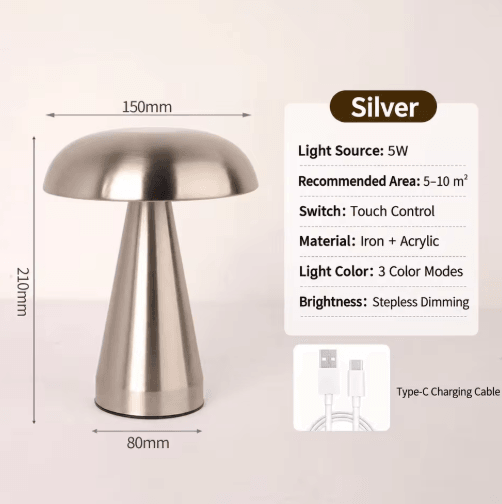
A dining room light works hardest in a low, square room with a table that gets used most nights, and it works least in a room so grand that one fixture looks lost in the middle of the ceiling. If your dining area is really a corner of the kitchen, or a table pushed against a window, think about scale before anything else. A pendant that would sing over a proper eight seater can look like it wandered in from a bigger house when it hangs over a table for four. Measure the table first, pick the light second, not the other way around.
If you have nothing at all, start with a single pendant, hung so the bottom sits roughly thirty inches above the table top, give or take depending on your ceiling height and how tall everyone in the house is. One good pendant in a warm metal or a glass that takes color well does more for a room than three small fittings trying to share the job. It sits well against a wood table with some grain still visible, against mismatched dining chairs that already have a personality of their own, and against a rug underneath with pattern in it, a faded terracotta or a deep blue, something that gives the eye somewhere to land besides the light itself. Where it struggles is a glass topped table with chrome legs and a pale floor, everything bouncing light around with nothing to settle on. Warm the room up first, then hang the light.
The difference between a pendant that feels special and one that feels thin shows up fast once you get hands on it. Lift the shade and check the weight, a cheap one feels hollow and tinny, a good one has some heft even in a slim profile. Look at where the flex meets the ceiling rose and where the shade meets the fitting, a clean soldered or properly fixed joint versus a visible seam with a blob of glue holding it together. Run a finger over any painted metal, a good finish feels smooth and even, a rushed one has texture where it shouldn't. Ask what bulb it takes and whether it's dimmable, because a dining room that can only do one brightness is a dining room that can only do one mood, and dinner needs at least two.
The best ones throw a particular kind of light onto a white tablecloth or a dark wood table, a warm pool in the middle with the edges of the room left soft, so the food looks better than it probably is and nobody notices you only cooked one course.

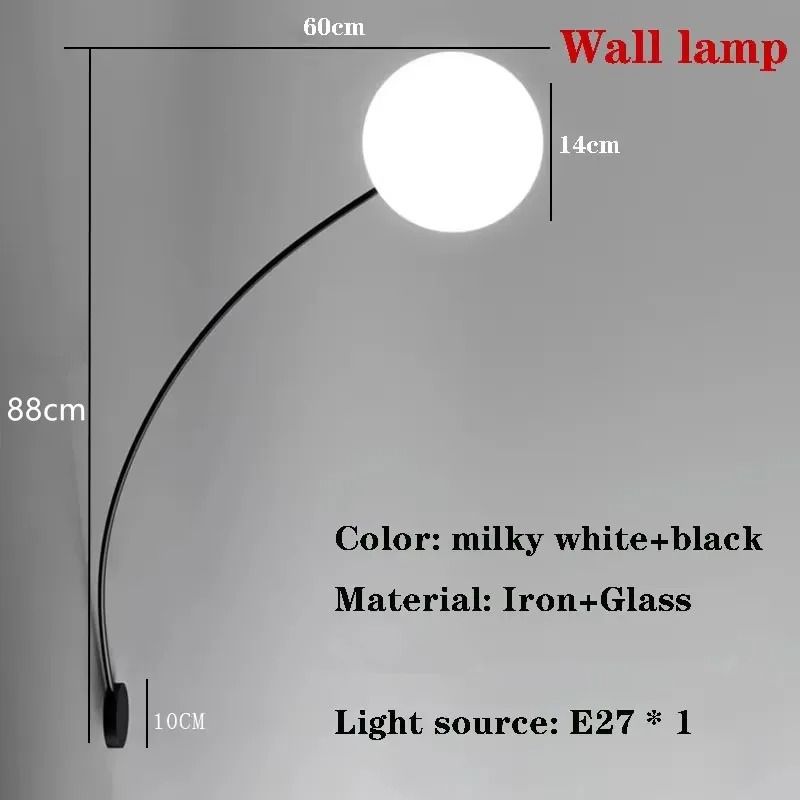 Aisha's pickDining Room Lights with Glass Shade That Don’t Need Babying
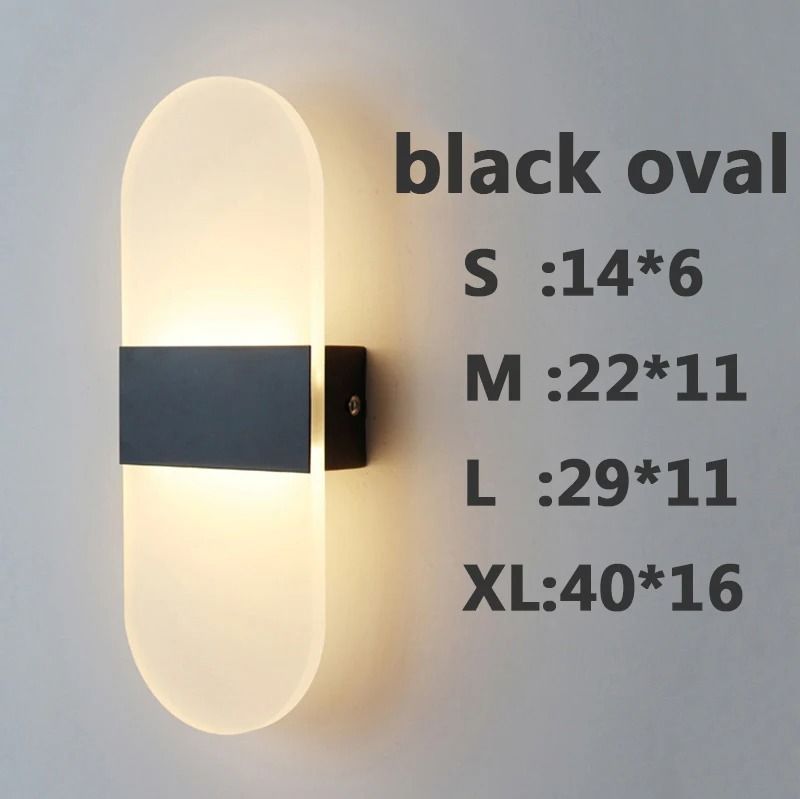
 Aisha's pickRetro Dining Room Lights for Cozy Nights In
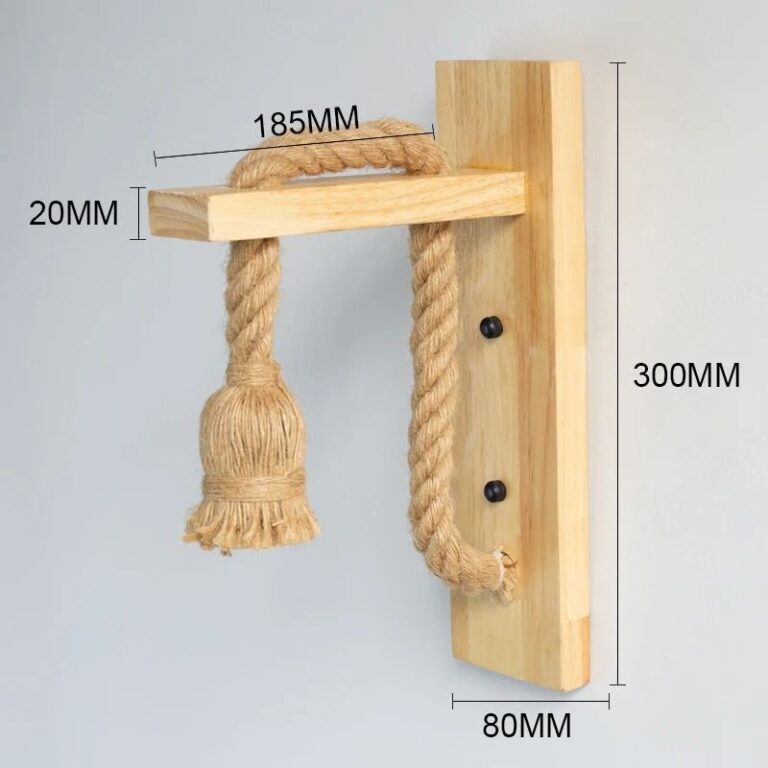
 Aisha's pickAdjustable Dining Room Lights for Long Dinners With Friends
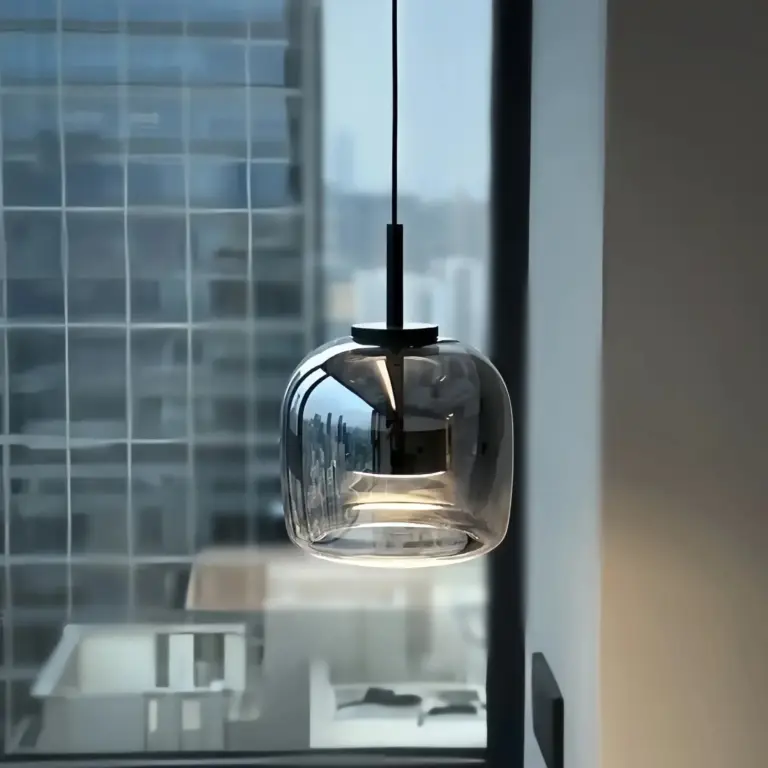
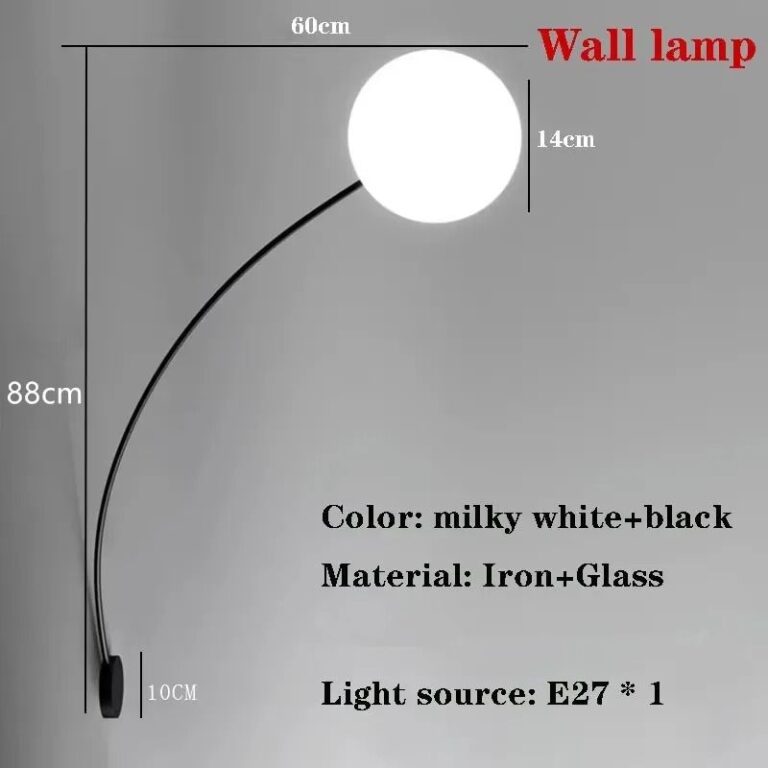 Aisha's pickDining Room Lights with Shade That Make Rented Places Feel Like Home
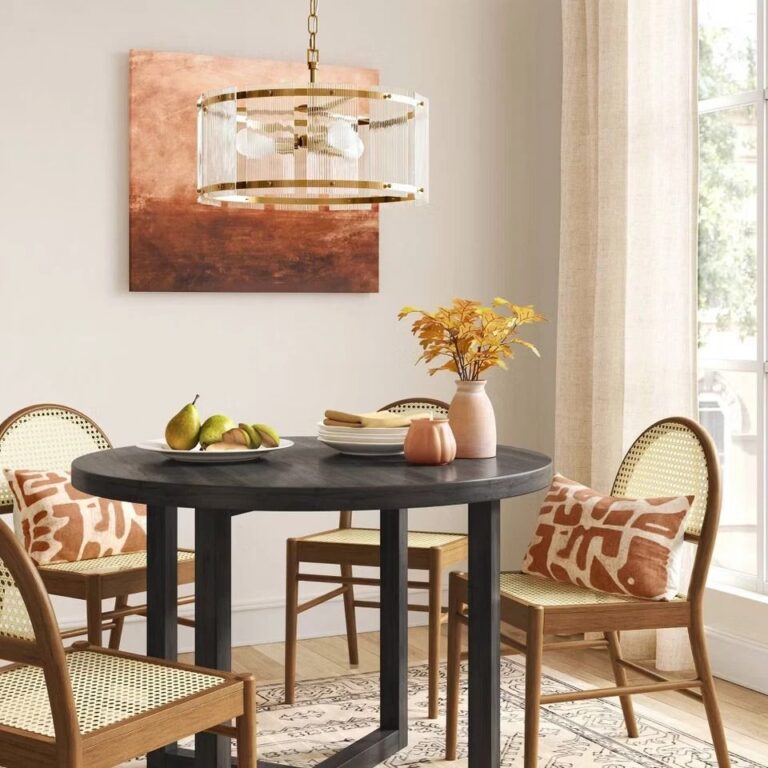
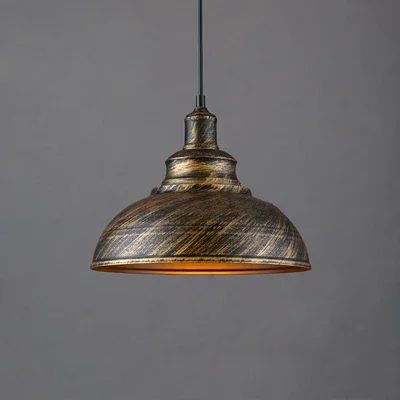 Aisha's pickSilver Dining Room Lights That Look Better in Real Life
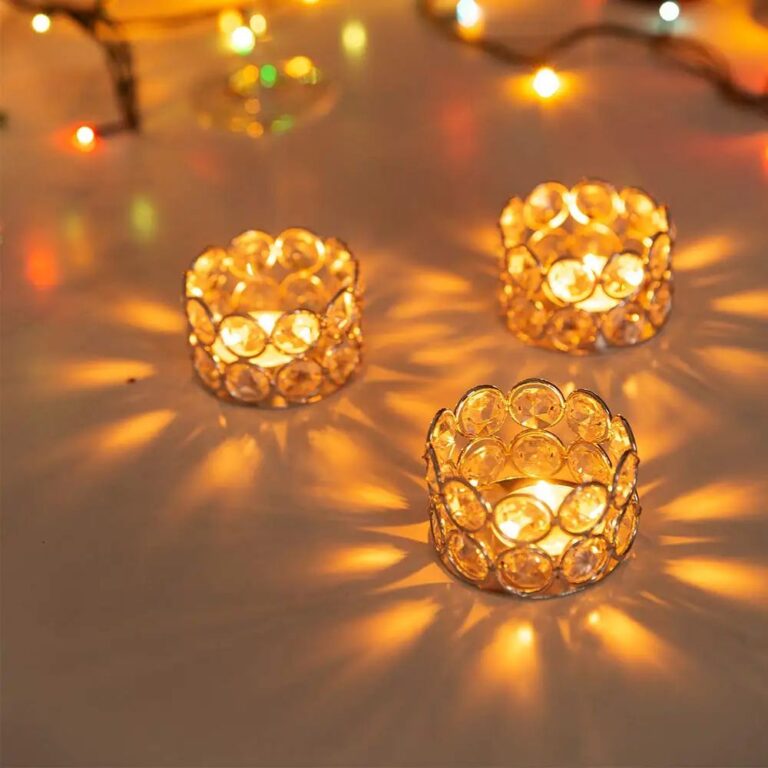
 Aisha's pickDecent Black Dining Room Lights Without the Hassle

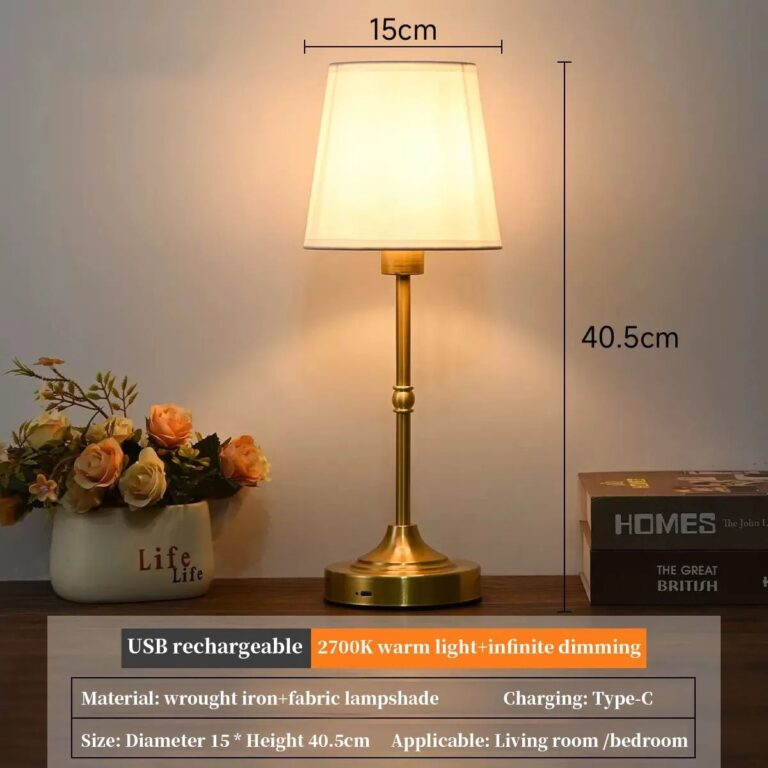 Aisha's pickFabric Dining Room Lights Worth Knowing About
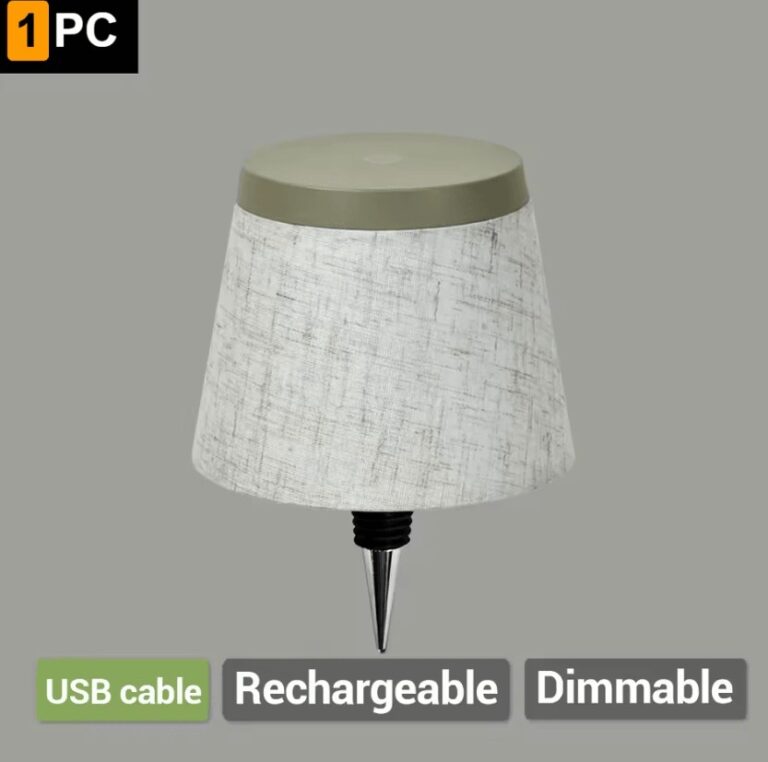
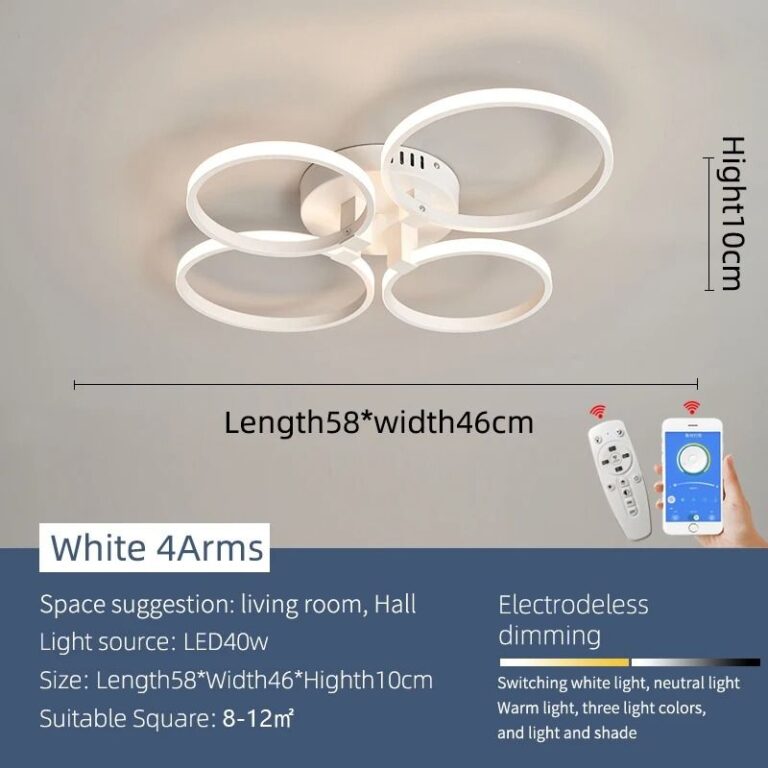 Aisha's pickSmall Dining Room Lights You Won’t Regret Buying
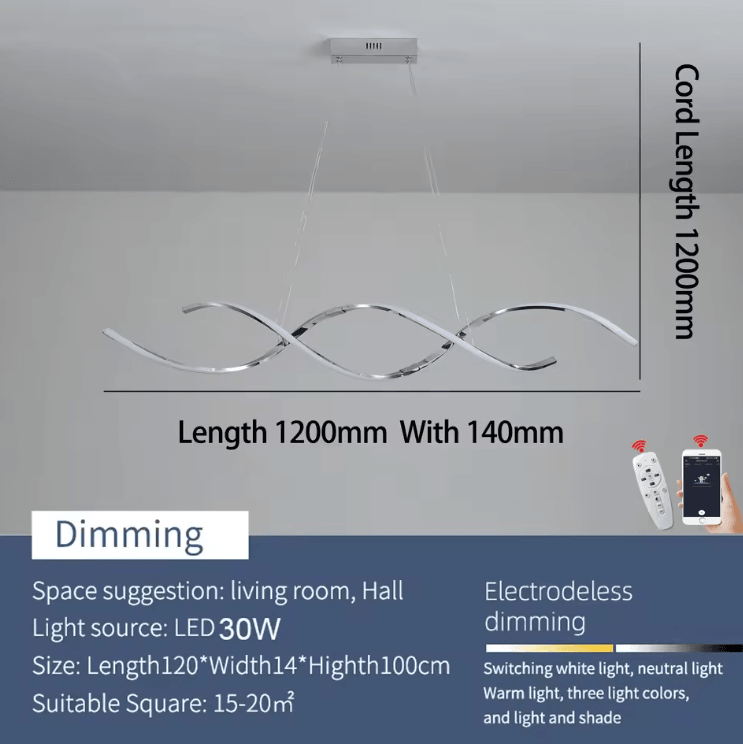
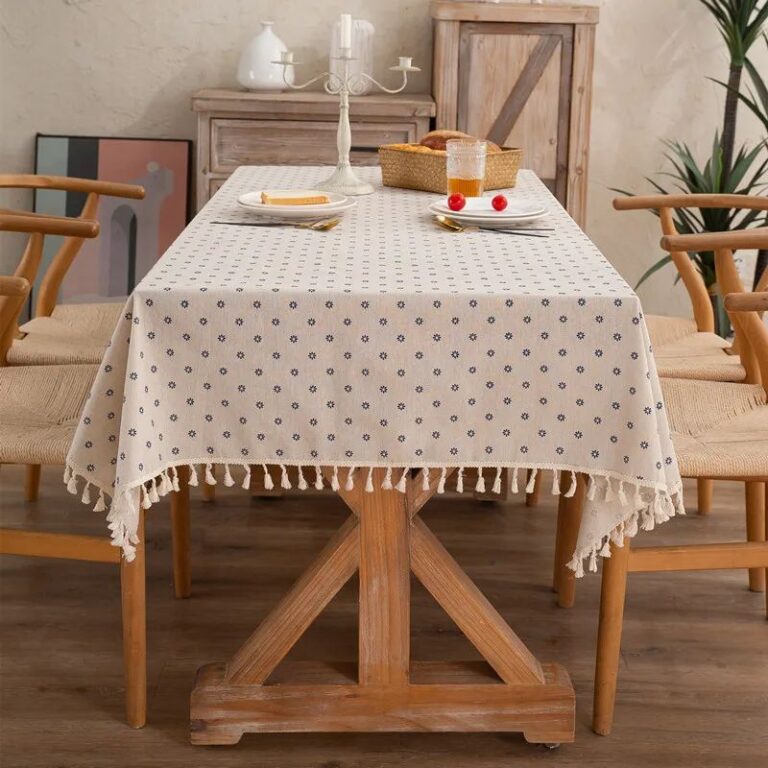 Aisha's pickBlue Dining Room Lights for Long Dinners With FriendsAlso worth a lookWall LightsWall lights are the fixture everyone skips and shouldn't.See the collections →
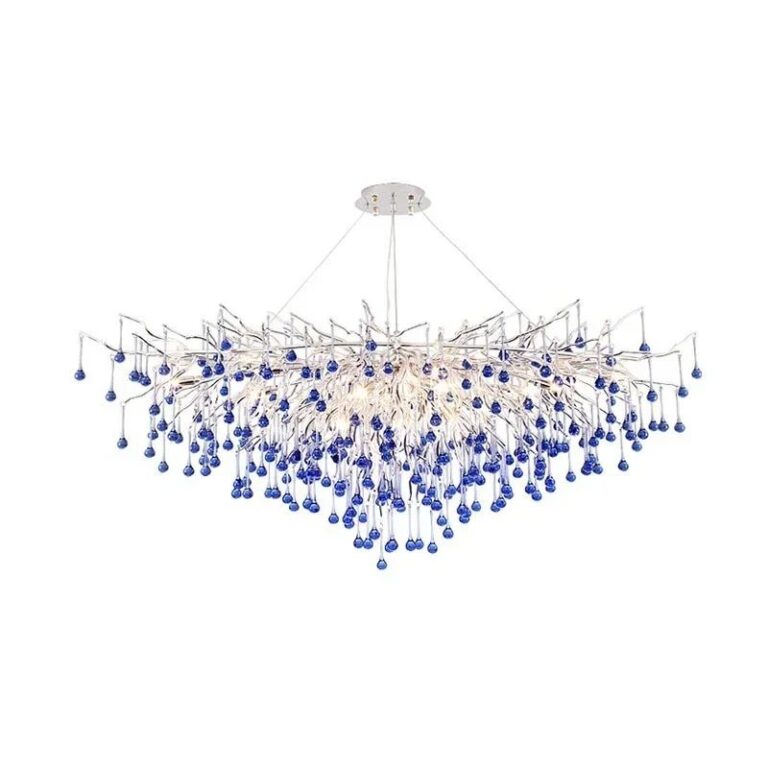
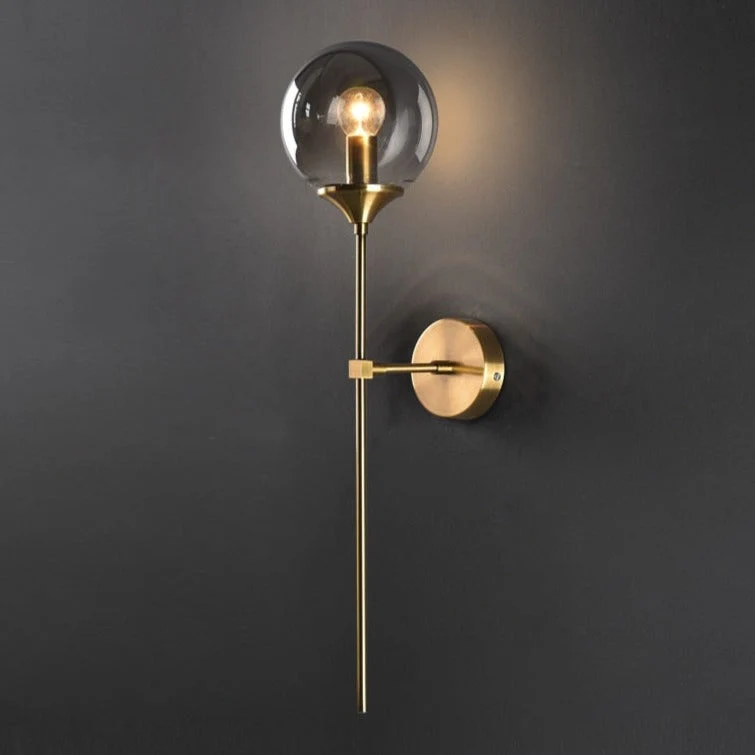 Aisha's pickGlass Dining Room Lights for Dark Winter Evenings

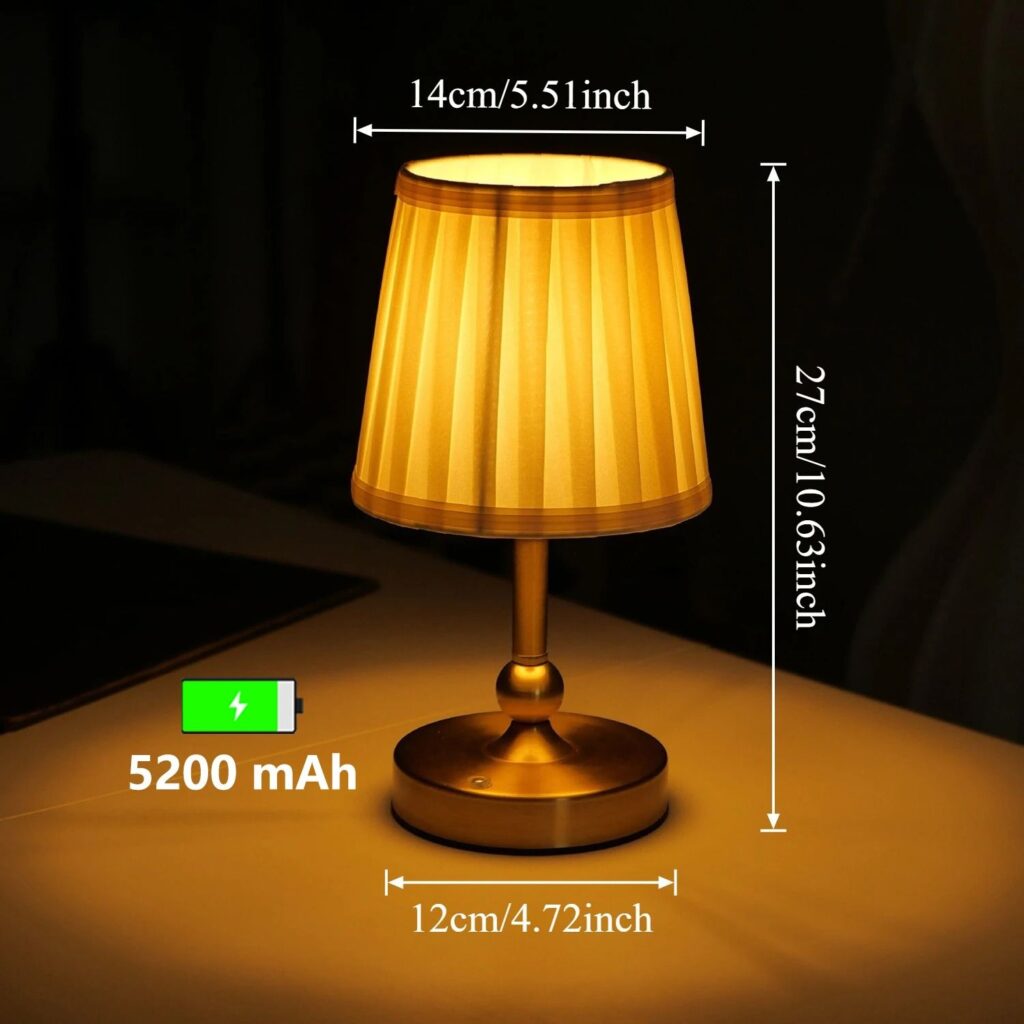 Aisha's pickTraditional Dining Room Lights That Survive Kids and Pets
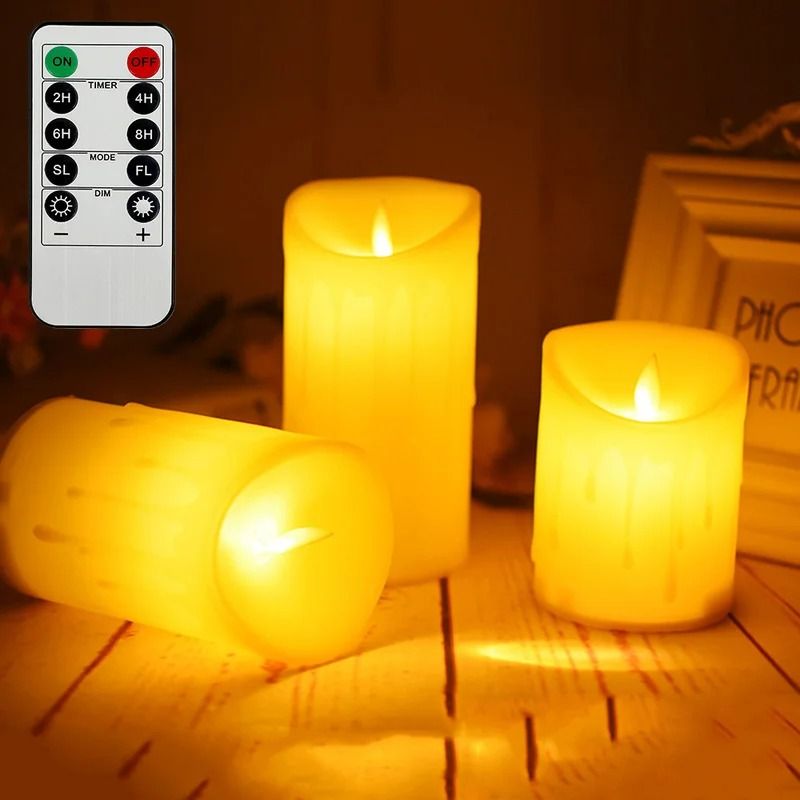
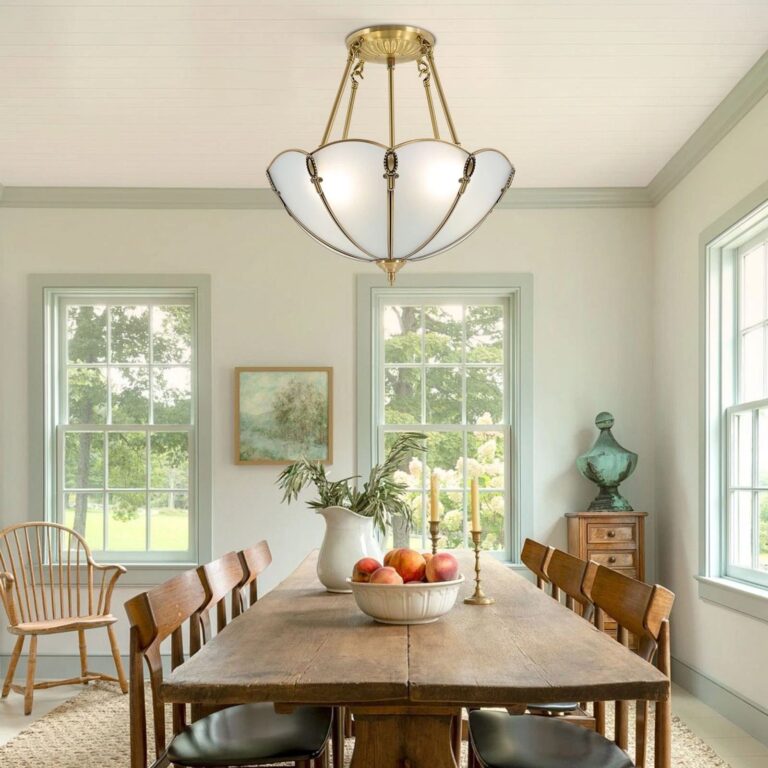 Aisha's pickBrass Dining Room Lights From Stores Big and Small
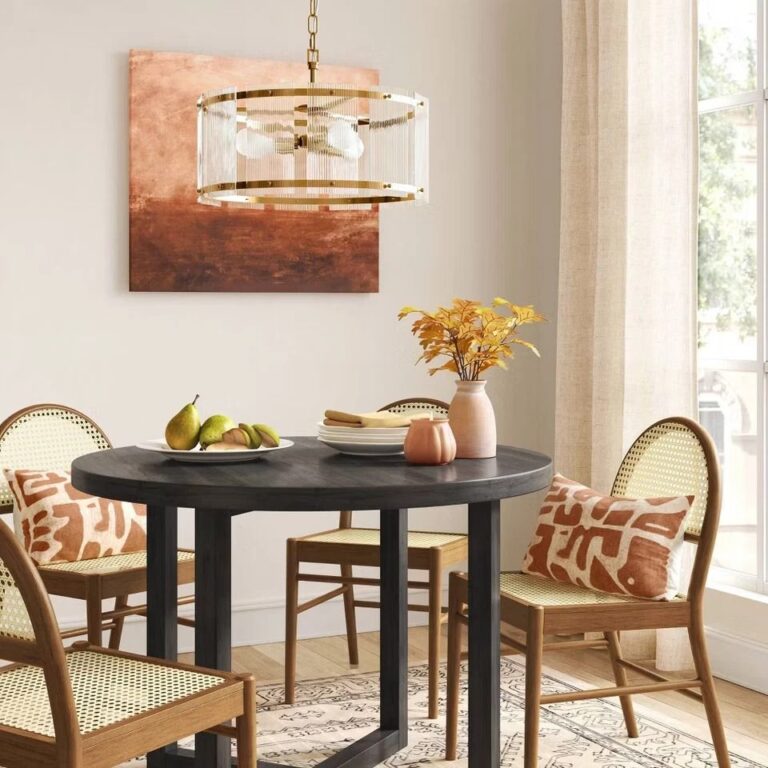
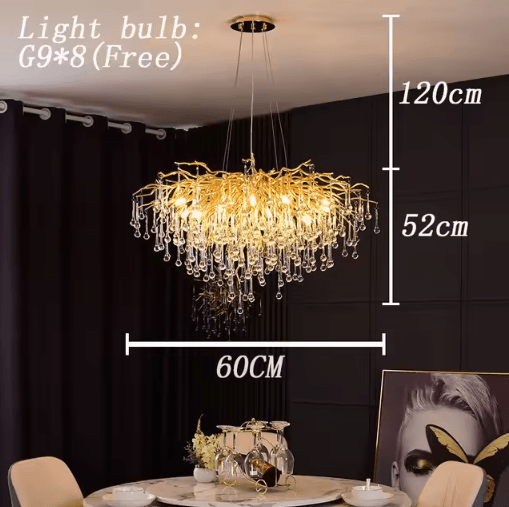 Aisha's pickGold Dining Room Lights That Don’t Look Mass Produced

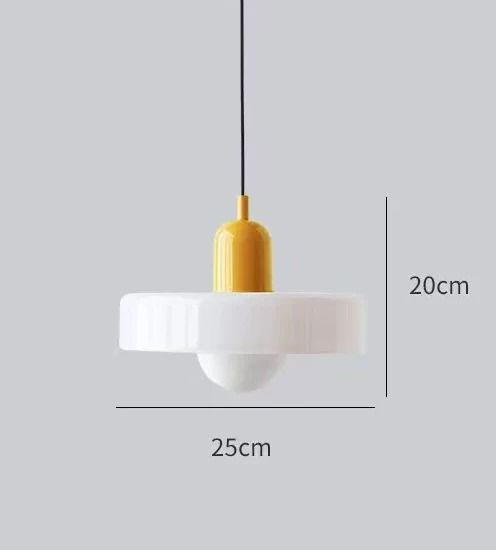 Aisha's pickVintage Dining Room Lights for People Who Know What They Like
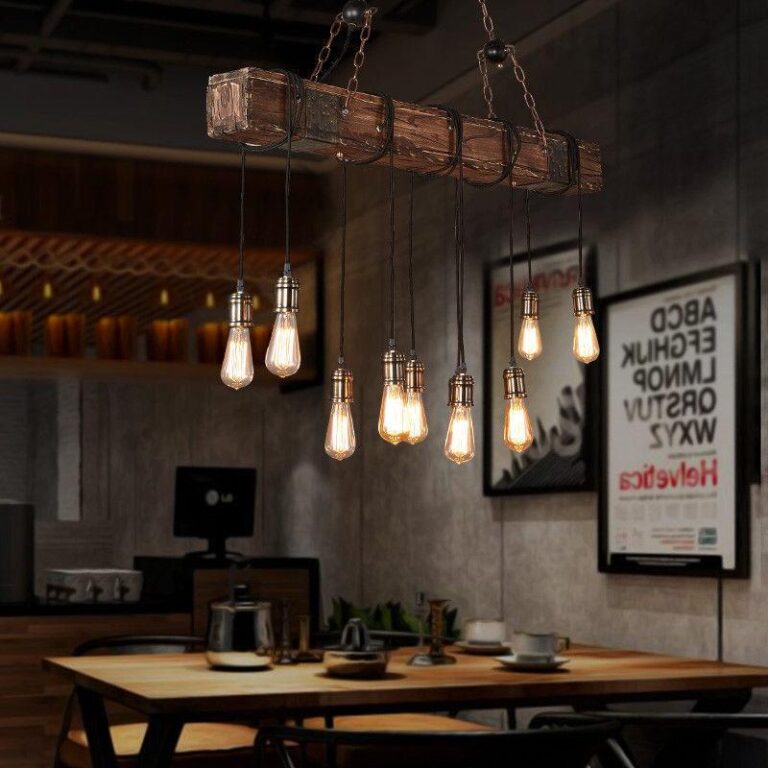
 Aisha's pickChrome Dining Room Lights That Look Good Switched Off Too

 Aisha's pickGreen Dining Room Lights for Long Dinners With Friends

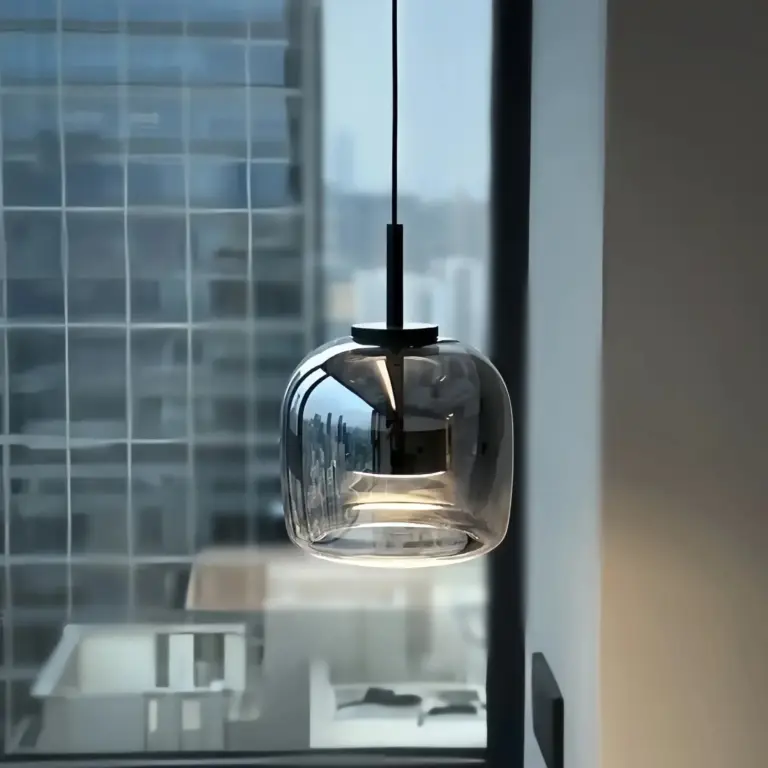 Aisha's pickWhite Dining Room Lights for Long Dinners With Friends
 Aisha's pickClear Glass Dining Room Lights for Cozy Nights InAlso worth a lookBlack LightsThe thing nobody mentions about black light fixtures is how differently they read once the sun goes down…See the collections →
 Aisha's pickIndustrial Dining Room Lights for Long Dinners With Friends

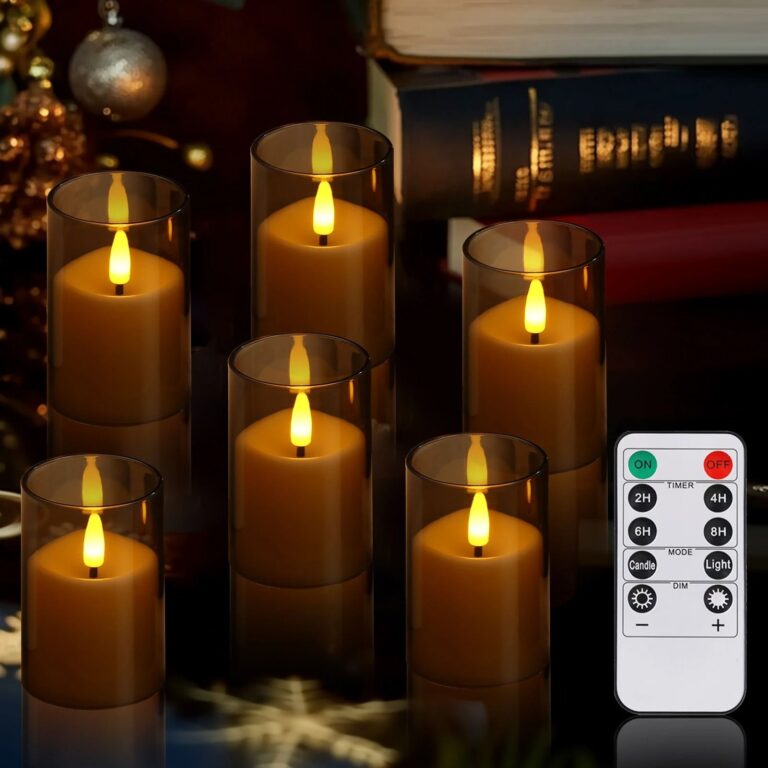 Aisha's pickWooden Dining Room Lights for Reading, Relaxing or Both
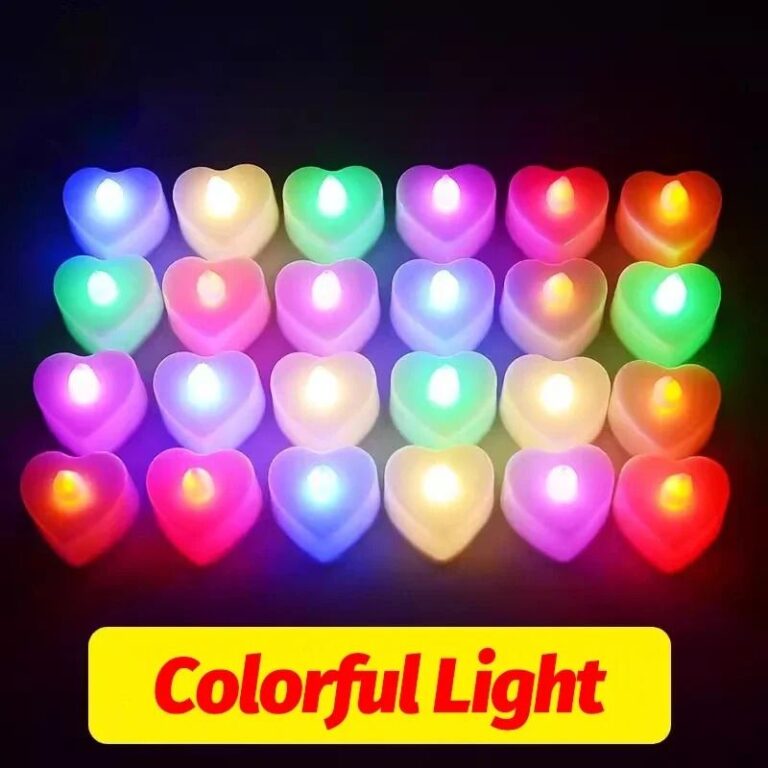
 Aisha's pickContemporary Dining Room Lights That Give Off a Warm Glow
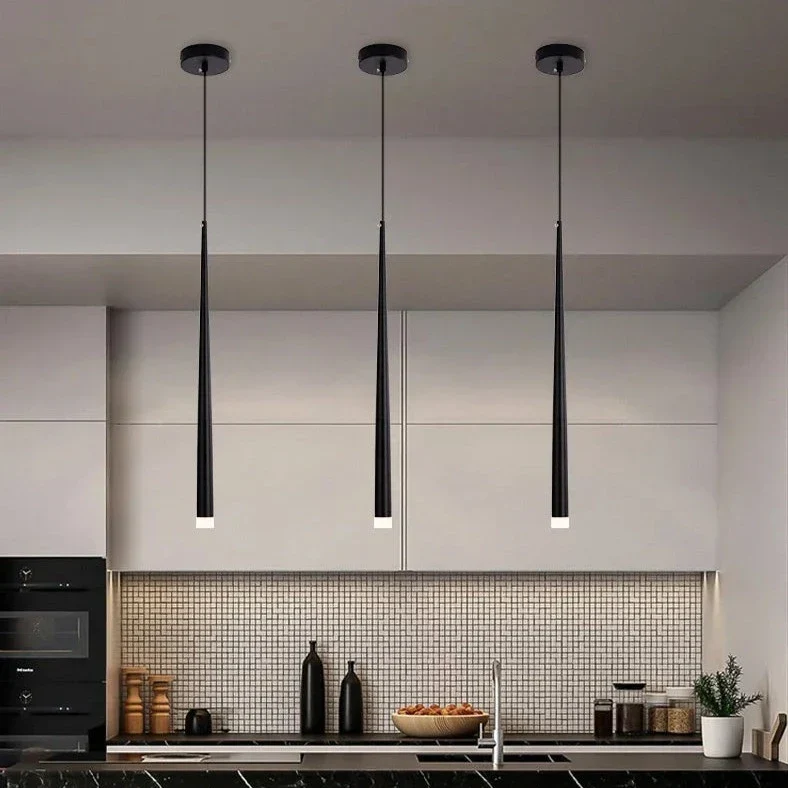
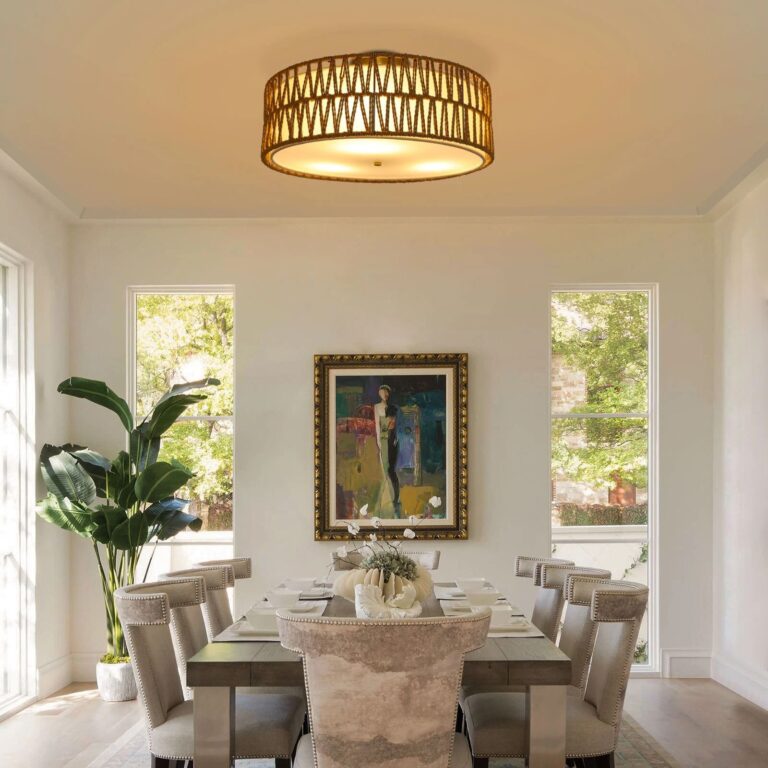 Aisha's pickLarge Dining Room Lights Worth Knowing About
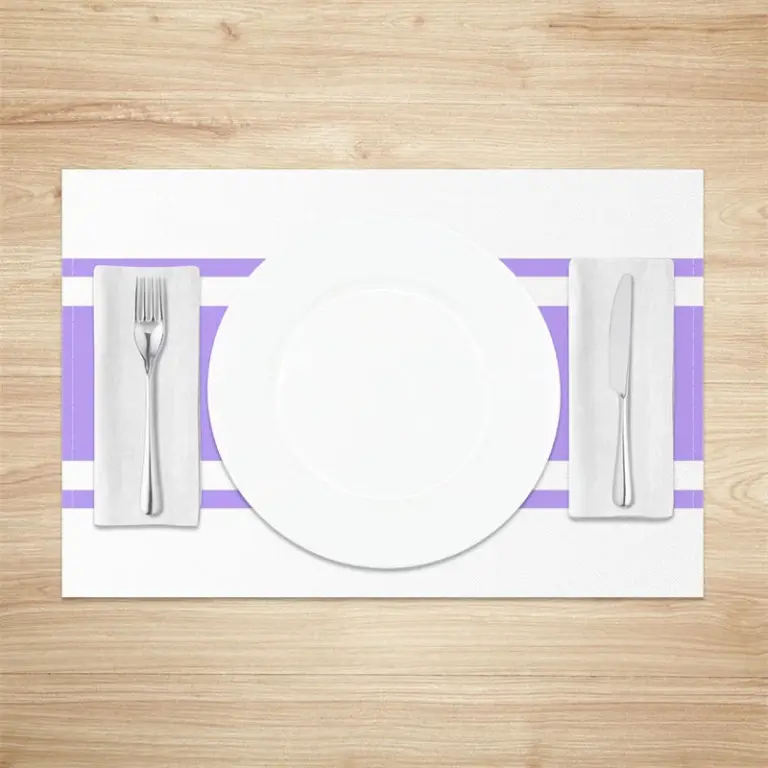
 Aisha's pickCrystal Dining Room Lights That Get Better With Age
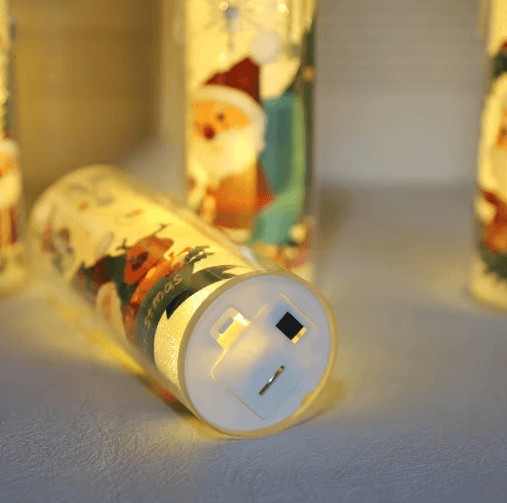
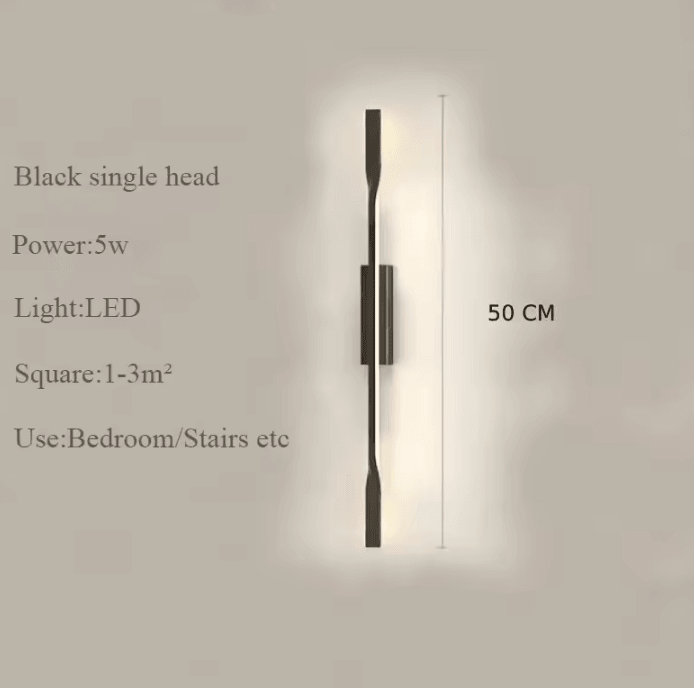 Aisha's pickLED Dining Room Lights From Stores Big and Small

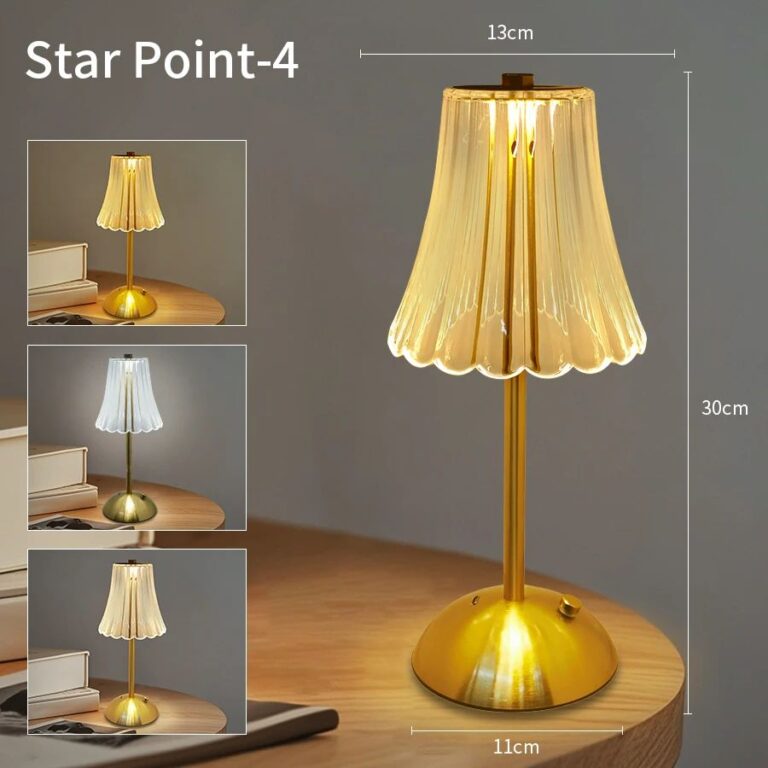 Aisha's pickDimmable Dining Room Lights for Long Dinners With Friends
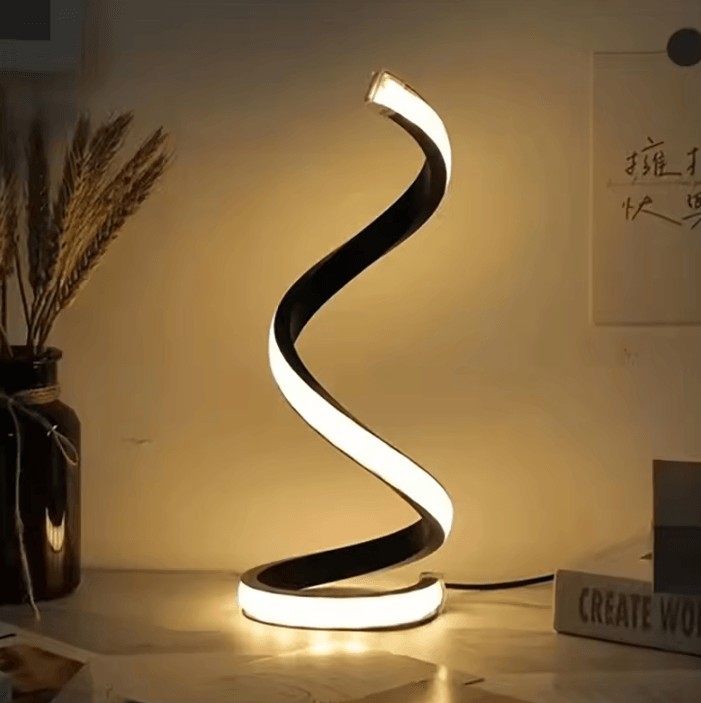
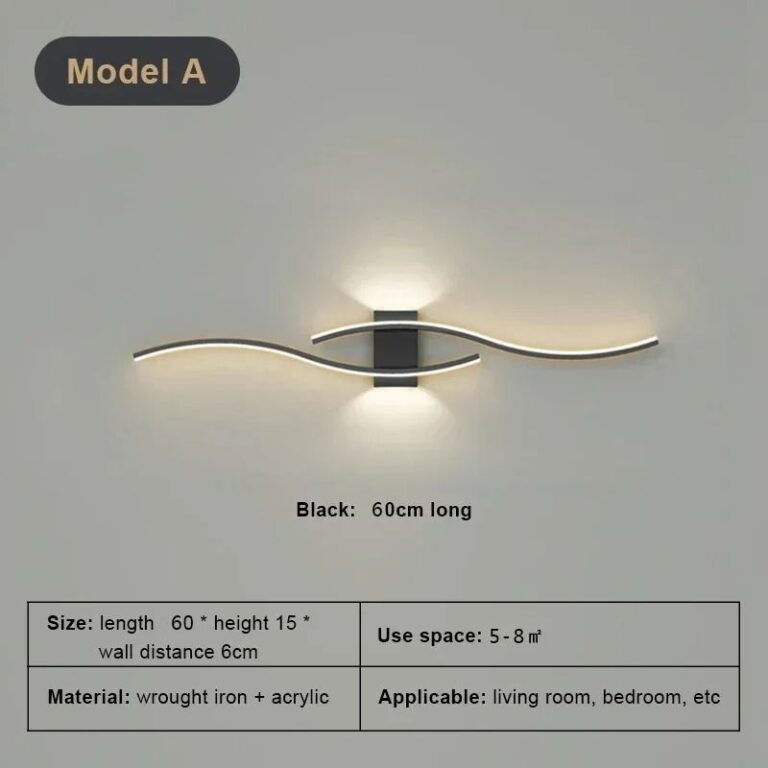 Aisha's pickLinear Dining Room Lights for Long Dinners With Friends
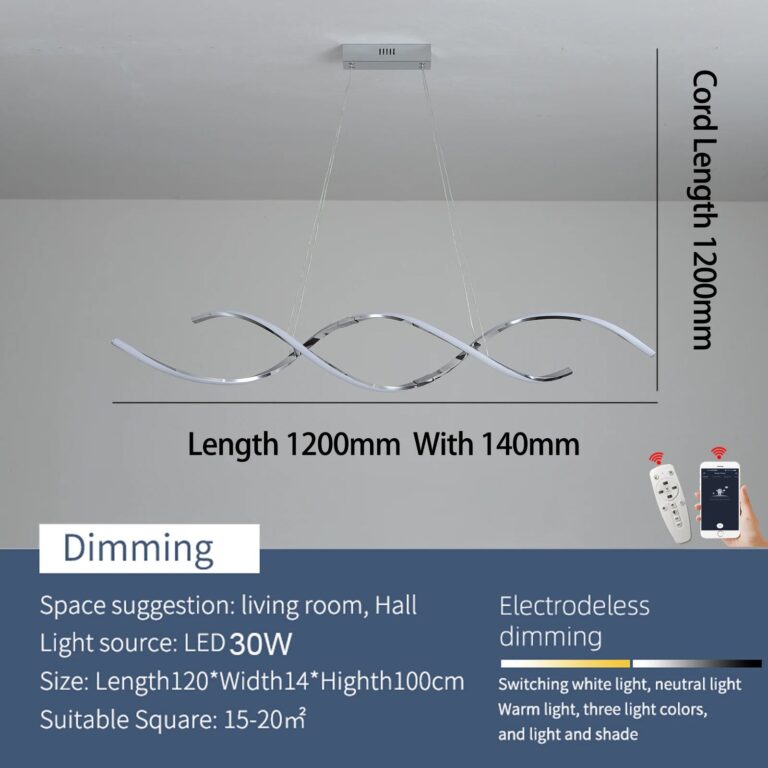
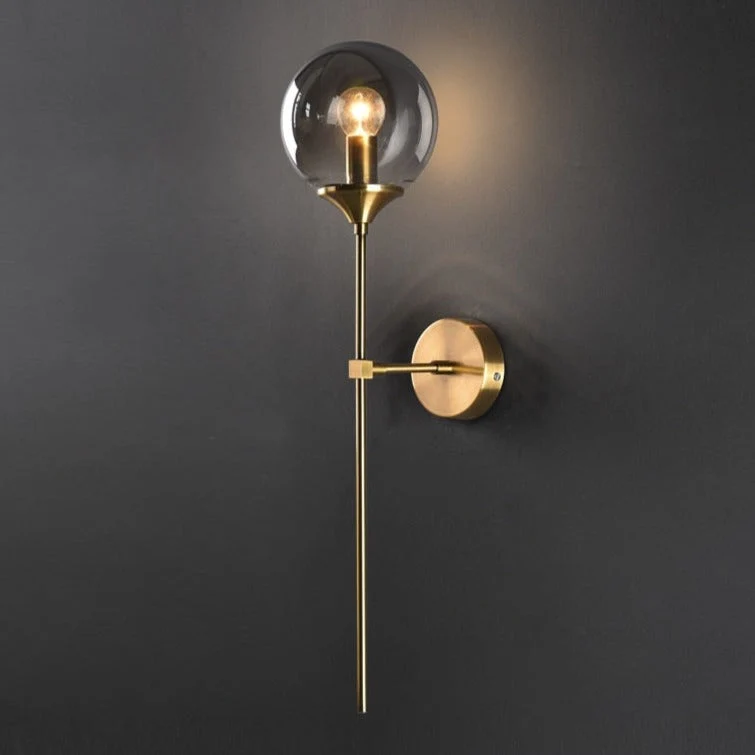 Aisha's pickDecent Dining Room Lights Without the HassleAlso worth a lookBedroom LightsThe question I get most often is whether bedroom lighting needs to match the rest of the house,…See the collections →
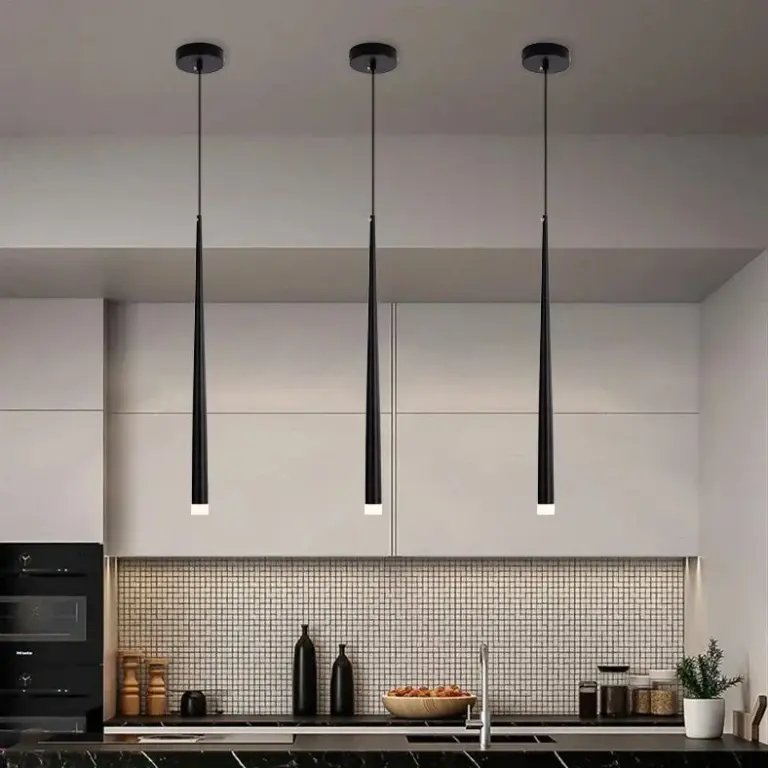
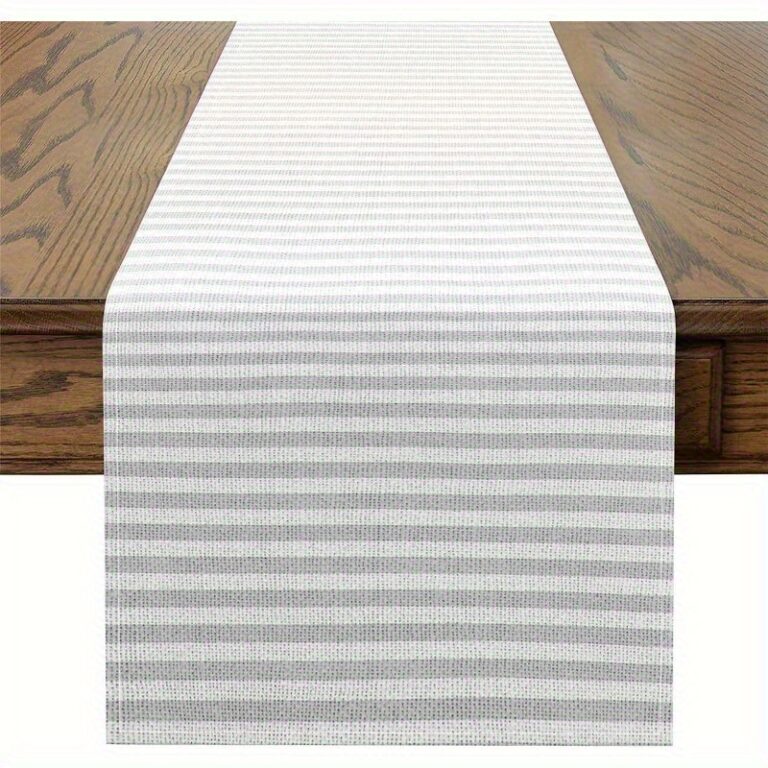 Aisha's pickLinen Dining Room Lights You’ll Still Like in Five Years
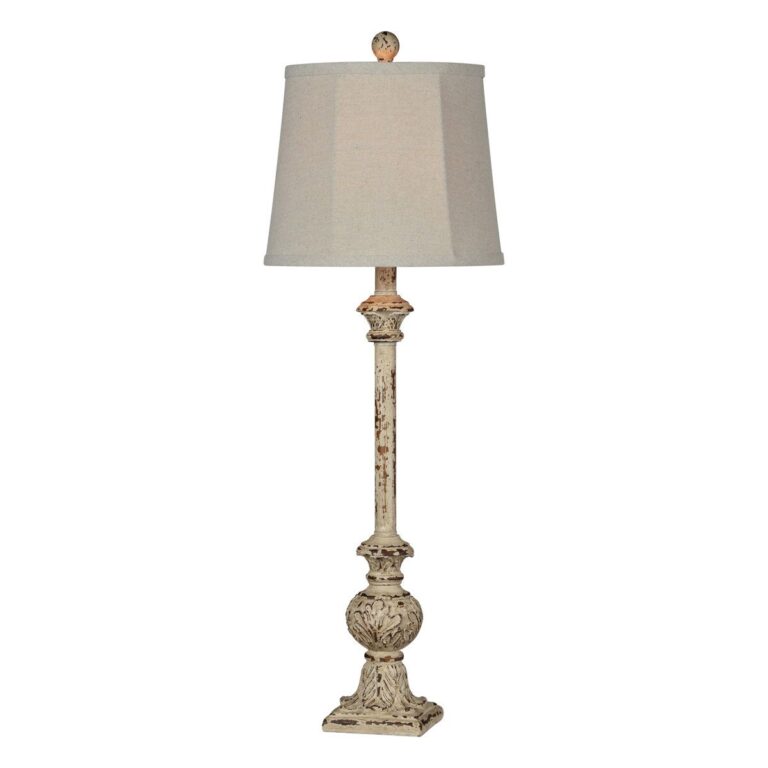
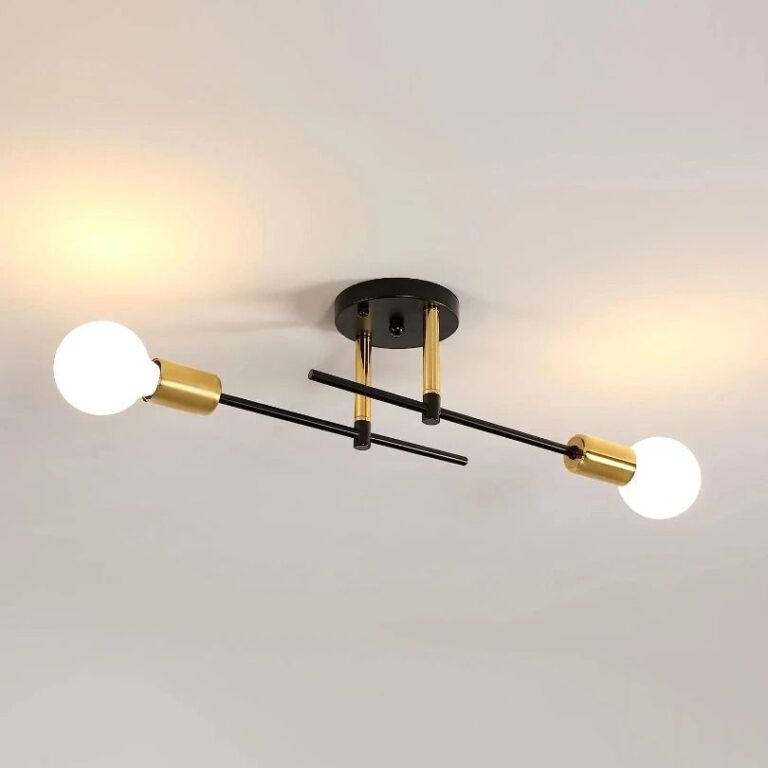 Aisha's pickDining Room Lights for Bedroom That Look Good Up Close
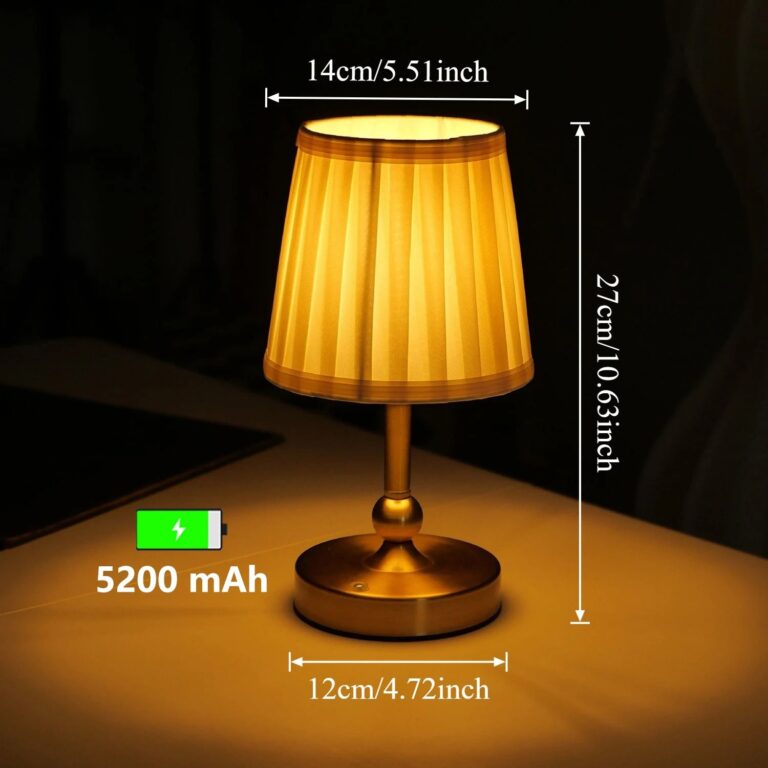
 Aisha's pickLuxury Dining Room Lights You’ll Still Like in Five Years
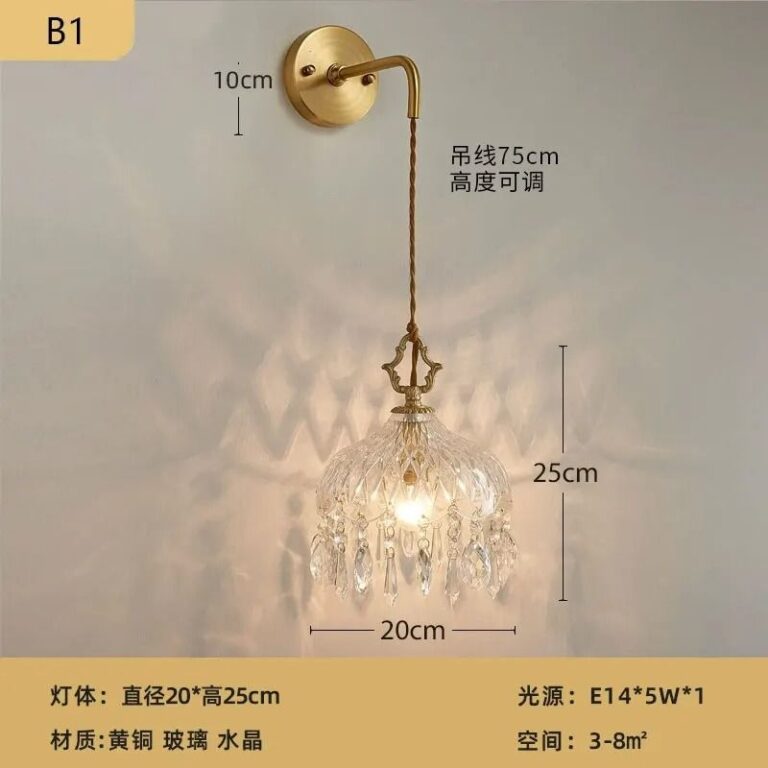
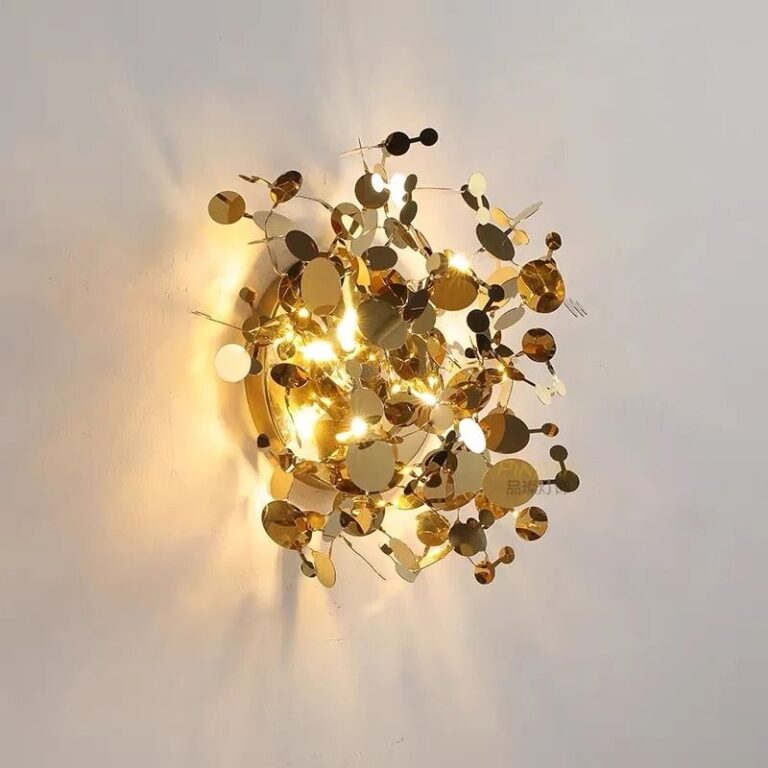 Aisha's pickDining Room Lights for Hallway Worth Knowing About
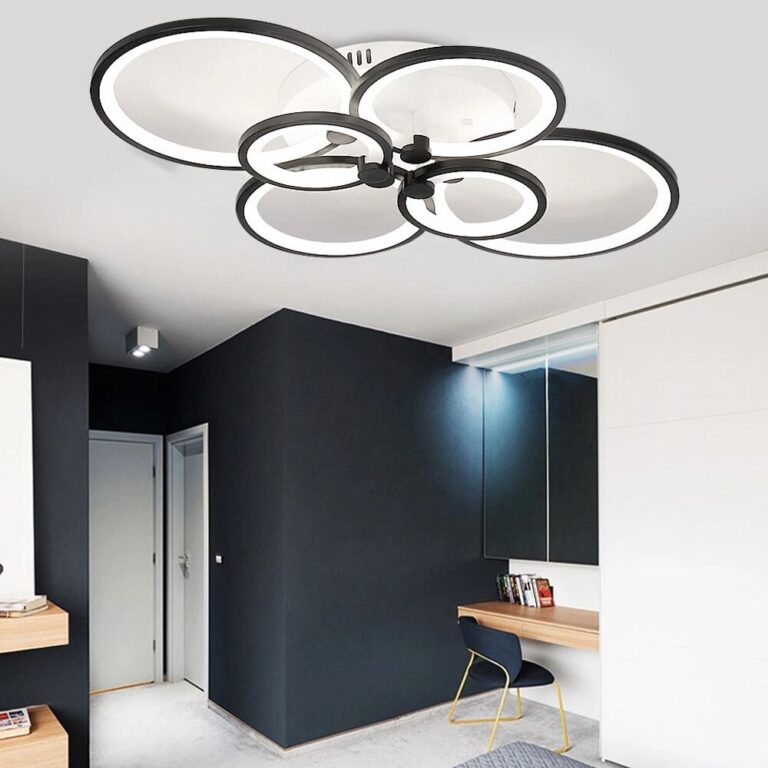
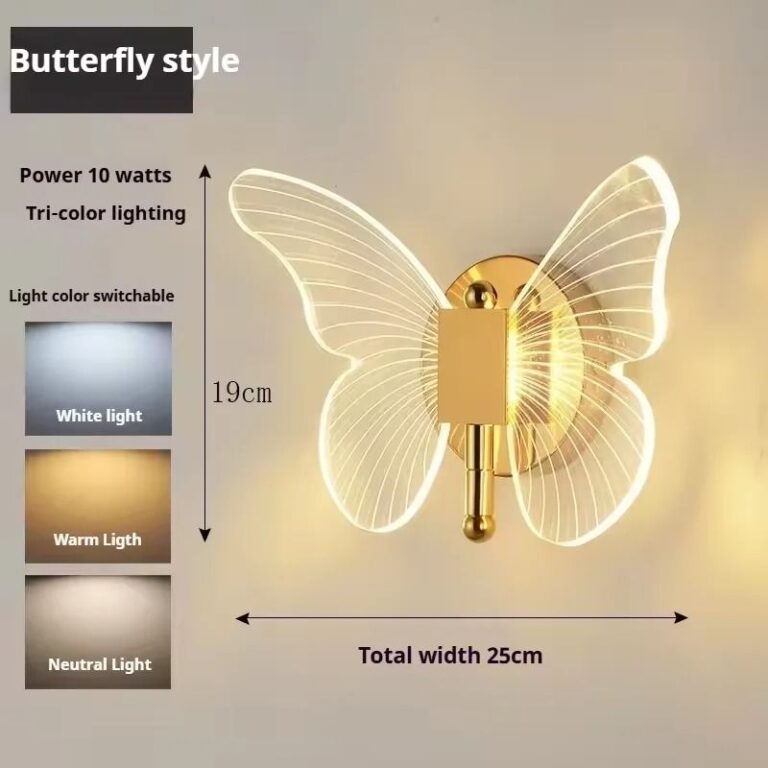 Aisha's pickMetal Dining Room Lights for Long Dinners With Friends
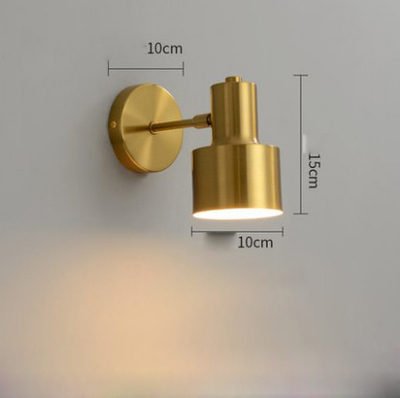
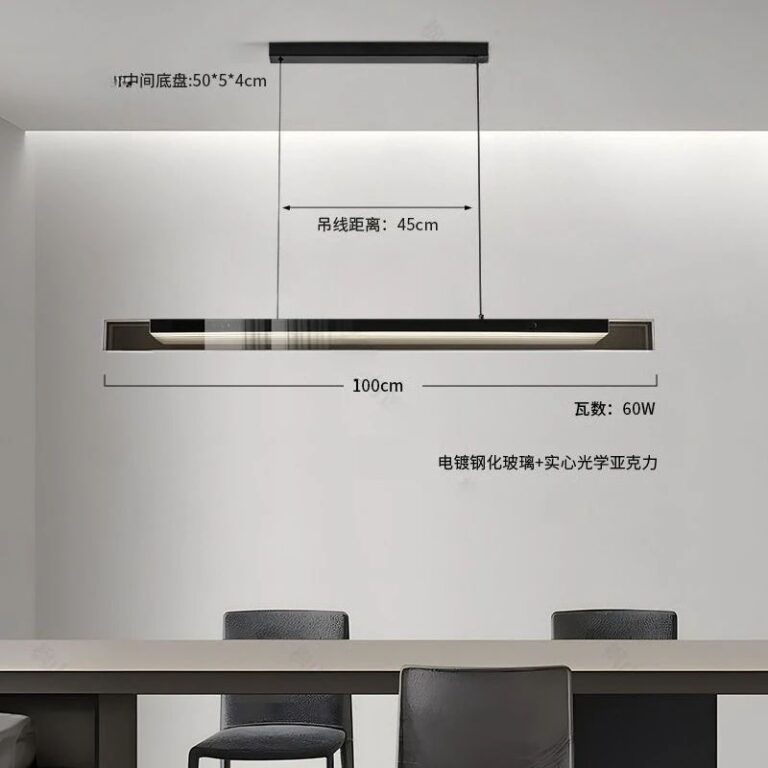 Aisha's pickDining Room Lights for Kitchen Island That Look Good Switched Off Too
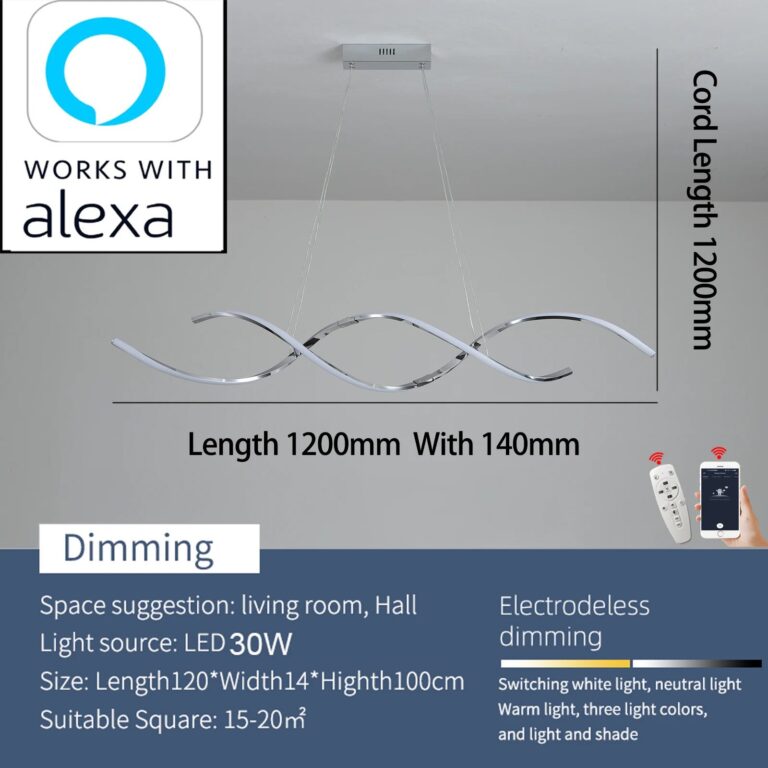
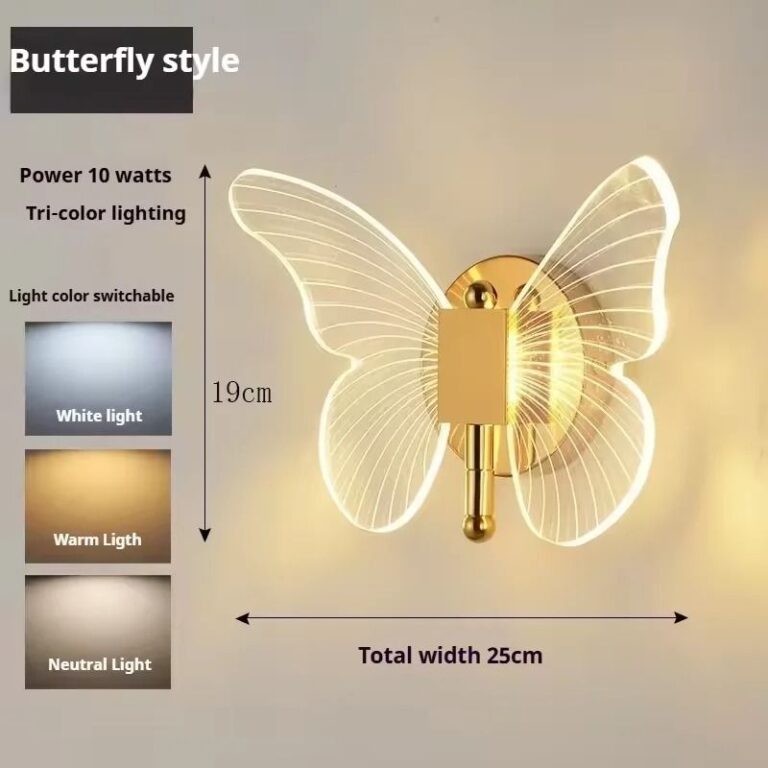 Aisha's pickMinimalist Dining Room Lights That Look Good Switched Off Too

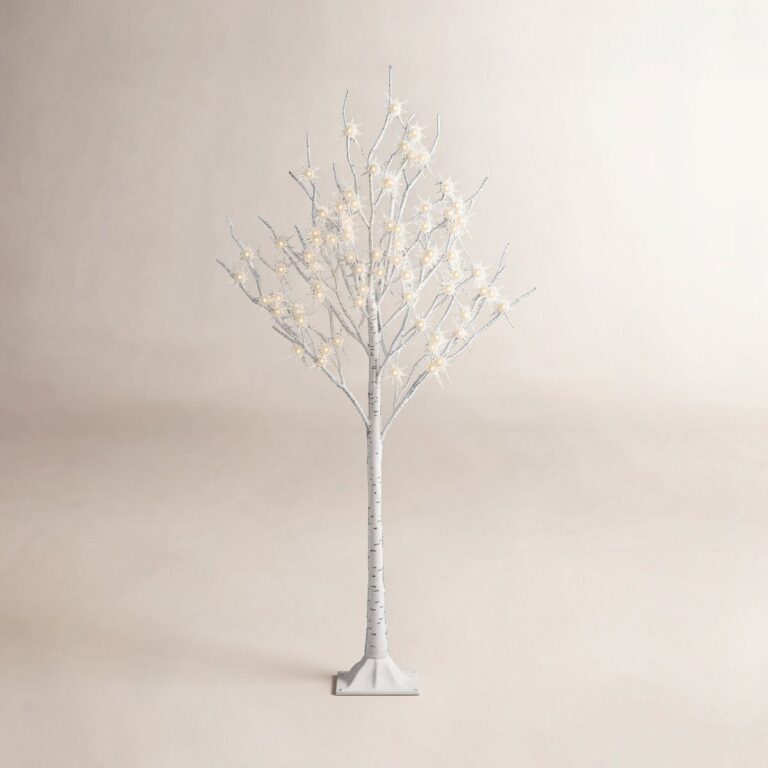 Aisha's pickDining Room Lights with Cord That Don’t Look Mass Produced