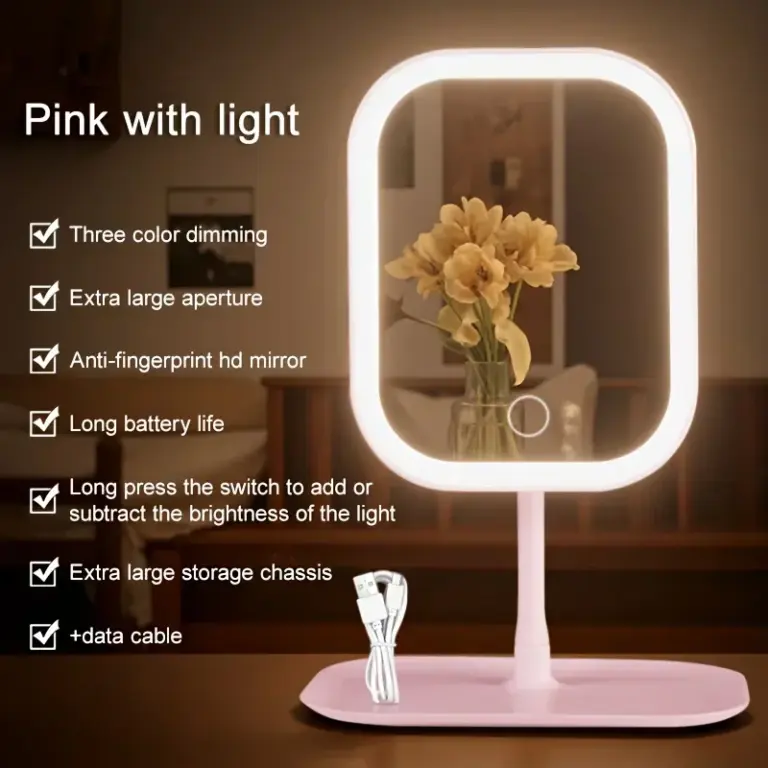
The first thing I check is the color temperature, because white lights are never just white. Hold one up and it either leans toward blue and clinical, the kind of light that makes your kitchen feel like a hospital corridor at ten at night, or it leans warm, closer to candlelight, and that's the difference between a string of lights looking cheap and looking like you meant it.
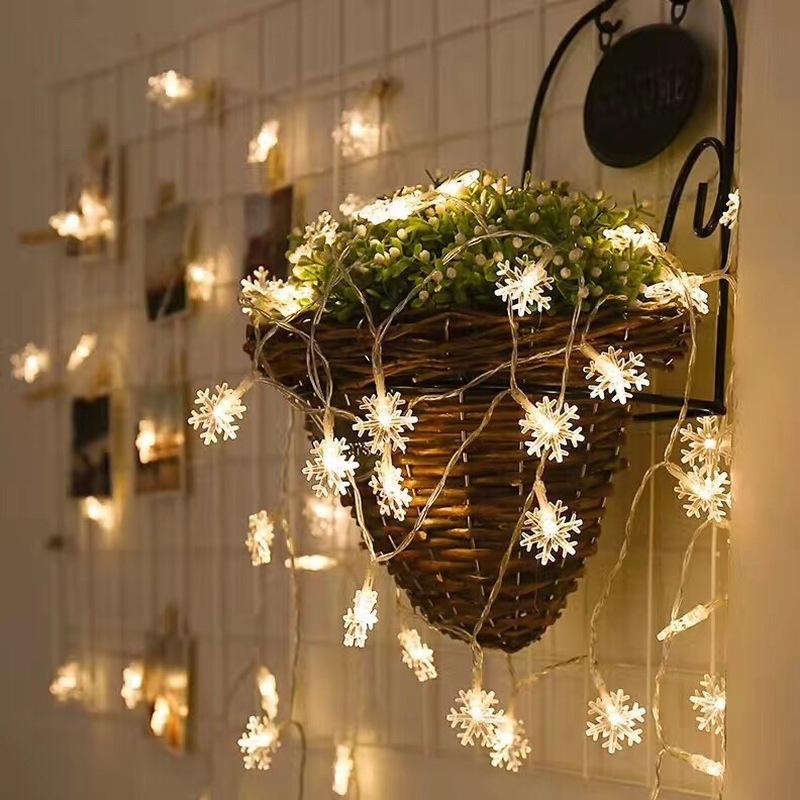
Warm white is the easiest shade to live with, almost every time. It sits closer to 2700 kelvin if the packaging bothers to tell you, and it flatters wood, brick, skin, pretty much everything in a real house that isn't a showroom. True white or daylight white has its place over a mirror or a desk where you need actual task light, but strung around a window or along a shelf it tends to go cold fast, especially once the bulb is a year old and starting to shift. If you've got nothing yet, start with a warm white string on a simple cord, copper or clear, nothing fancy, and use it somewhere small first, a mantel or a bookshelf, before you commit to wrapping an entire room in it. You'll know within a week if the tone works for your space or if it's fighting your lamps.
Measuring matters more than people expect. For a window, you want the string long enough to drape with a little slack, not pulled taut like a clothesline, so measure the width and add at least a third again for the loops. For a staircase or a mantel, count the lights per foot rather than just the total length, because a string that's technically long enough can still look thin and sparse if the bulb spacing is wide. The mistake I see most is buying one string to do a job that needs three, and ending up with something that looks like an afterthought instead of intentional. Check the plug placement too, a cord that enters in the middle instead of the end changes how it drapes completely. As for lasting, the cheap ones go dim and patchy within a winter or two, one section dies and the rest limp along, while a decent set with a proper warm white LED and a sealed casing will survive a move, a damp basement storage box, and getting tangled in a bin for eleven months without complaint.
So before I buy, I hold it up against the wall and ask myself: does this look like warm light in my house, or does it look like a shop display I'm about to bring home by mistake?
 Aisha's pickWhite LED Wall Lights That Make a Room Feel Finished
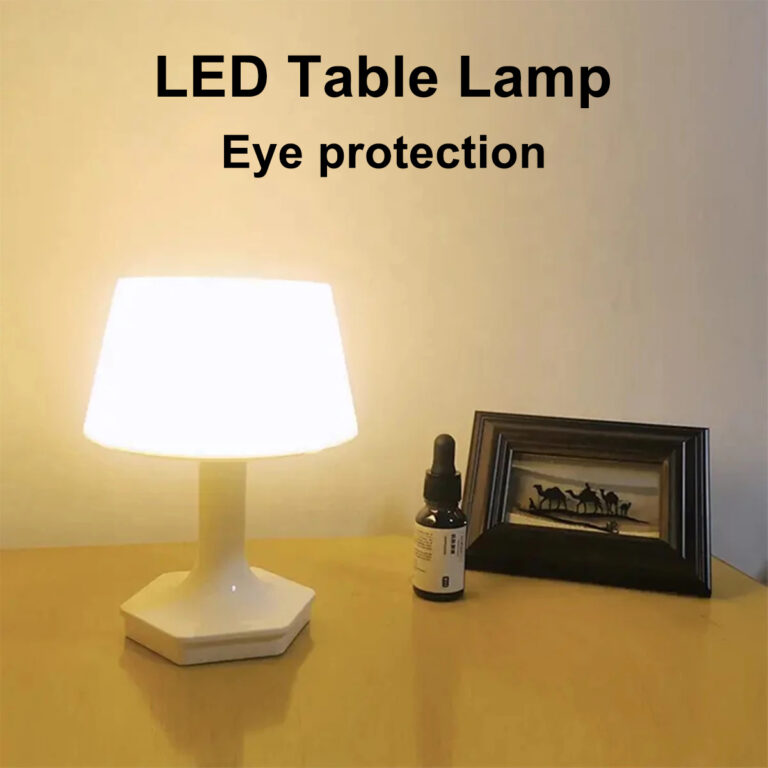 Aisha's pickWhite Wall Lights That Look Better in Real Life
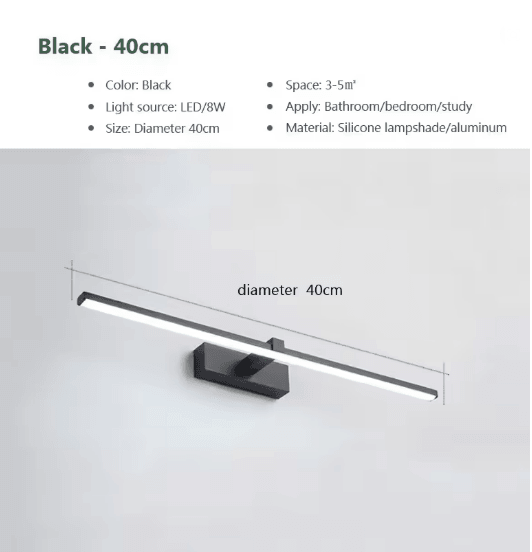
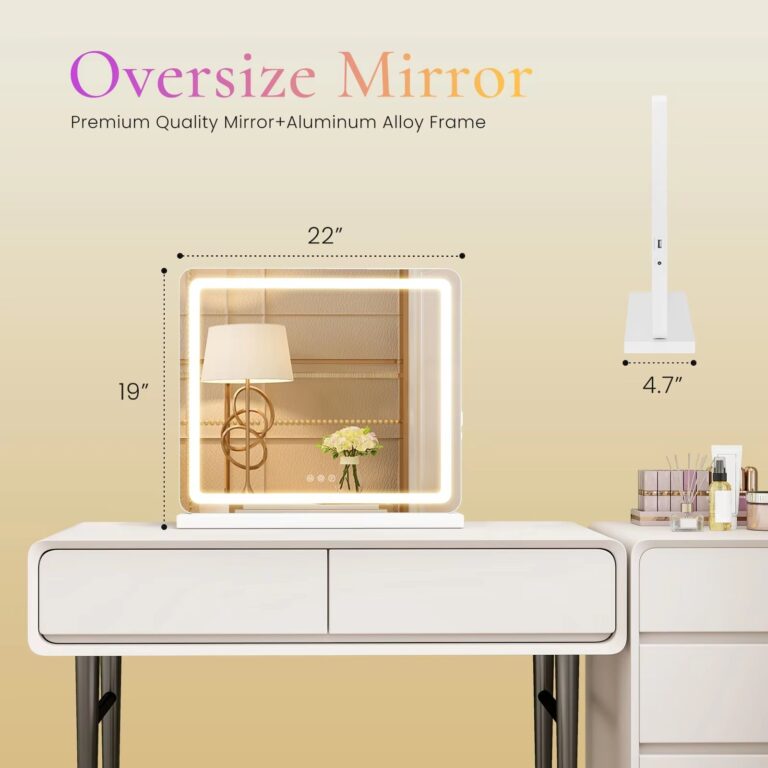 Aisha's pickWhite Bathroom Lights With a Bit More About Them
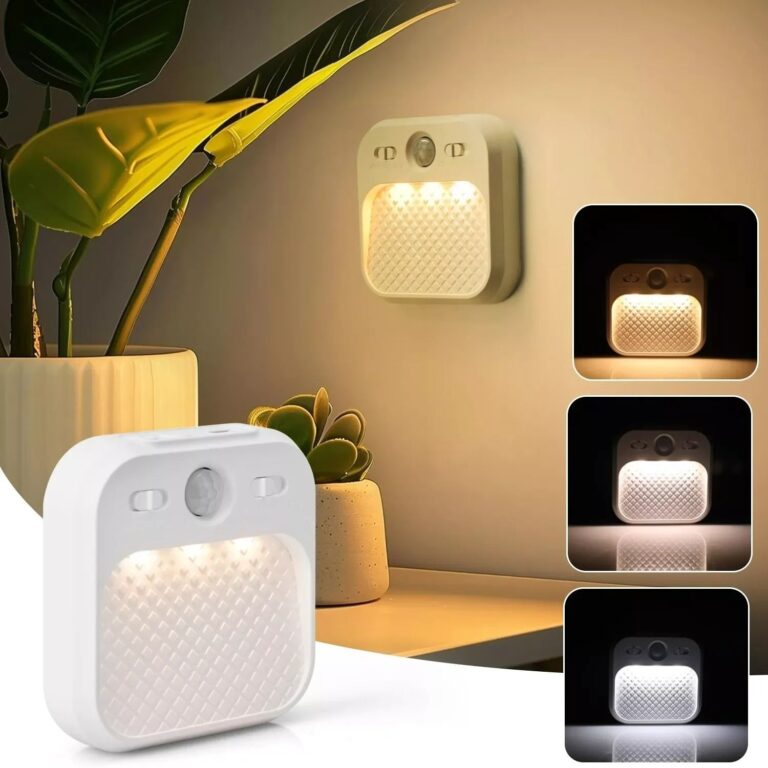
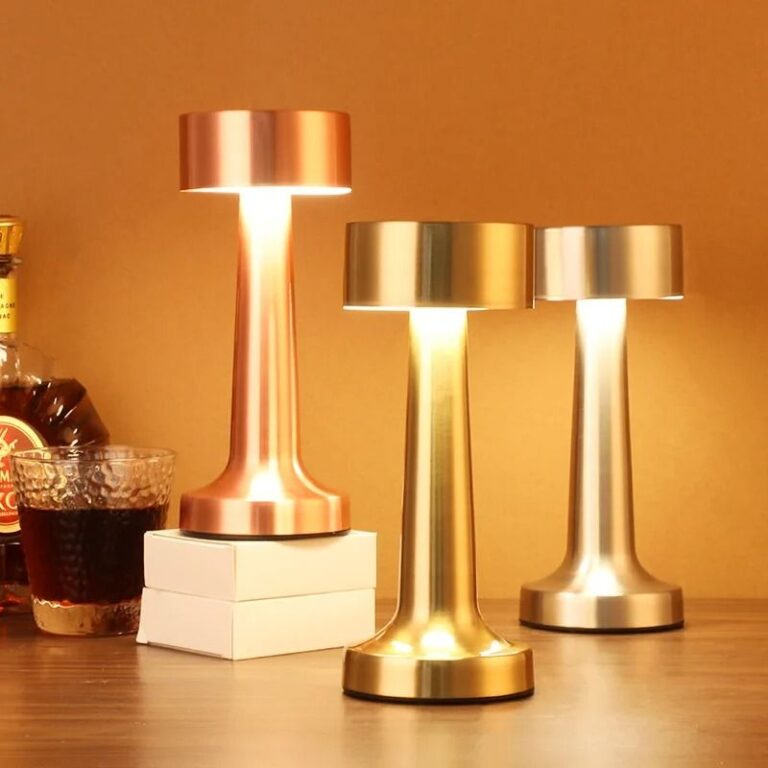 Aisha's pickWhite Living Room Lights Bright Enough Without the Glare
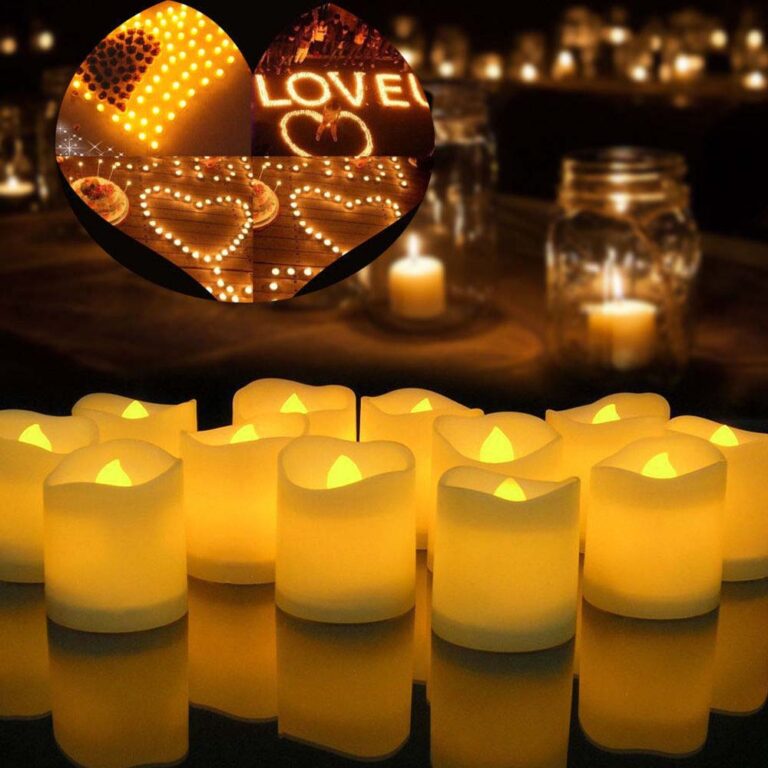
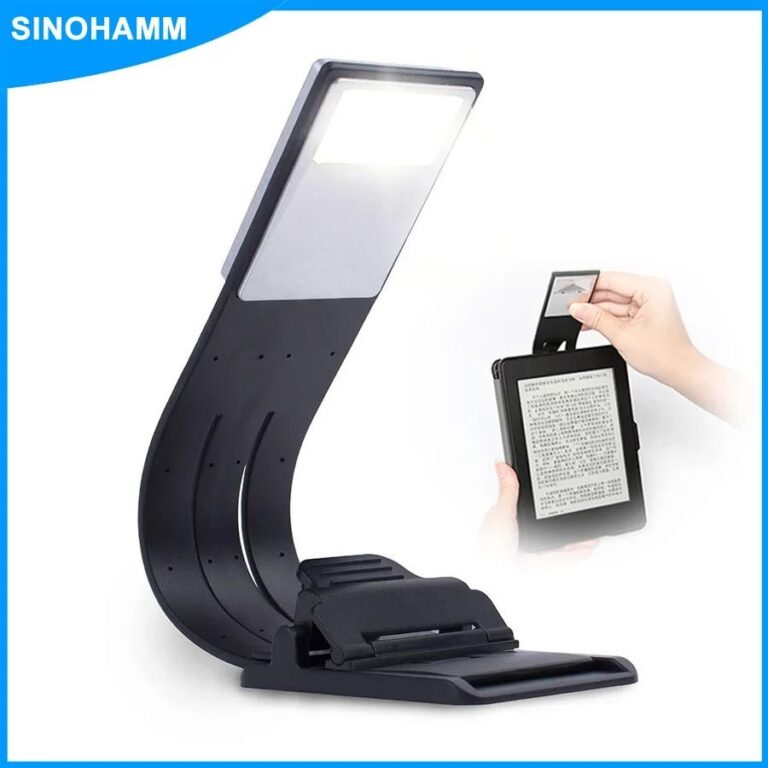 Aisha's pickWhite Wall Lights with Switch That Won’t Let You Down
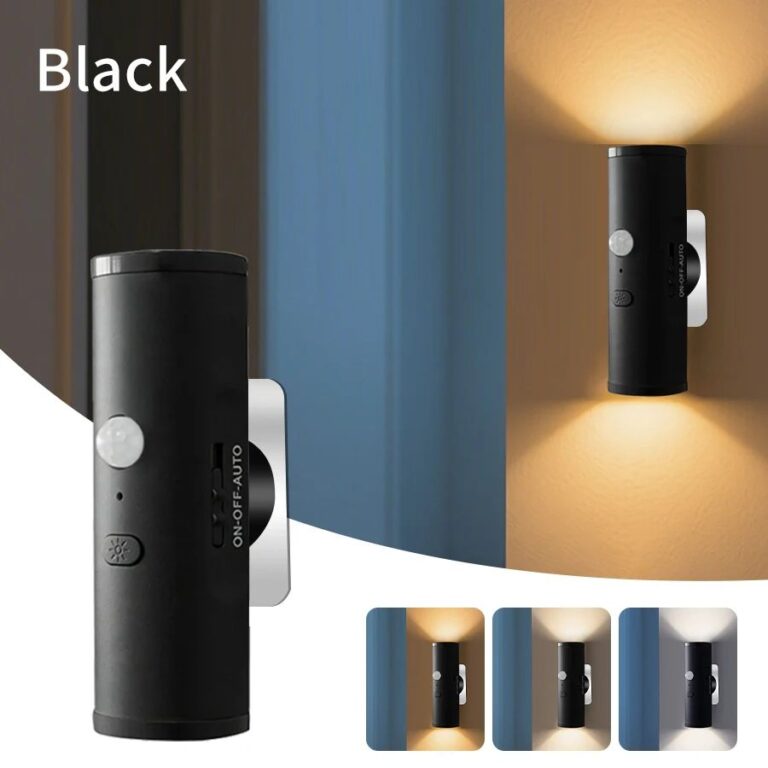
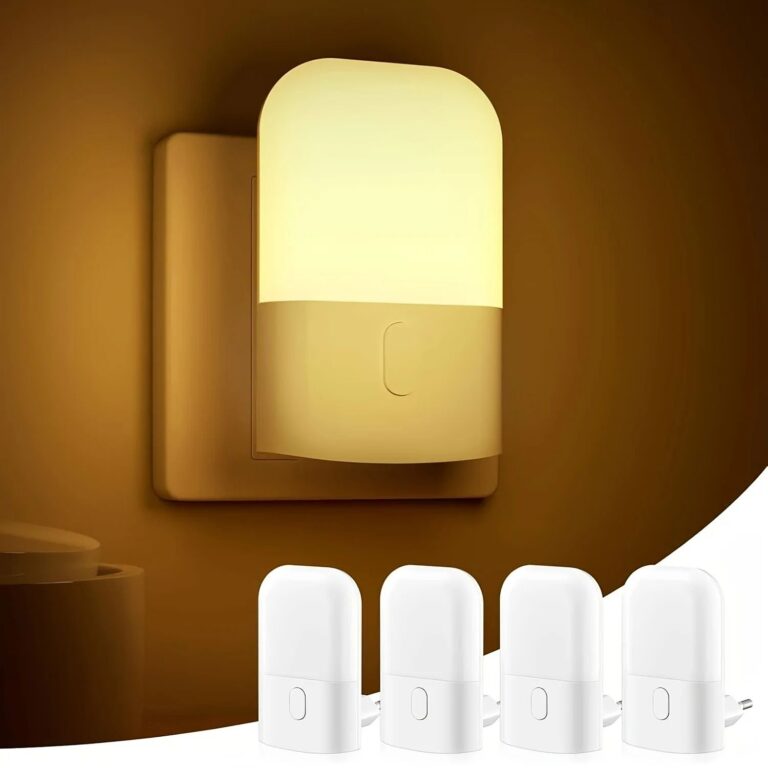 Aisha's pickWhite Bathroom Wall Lights That Make Mornings Easier
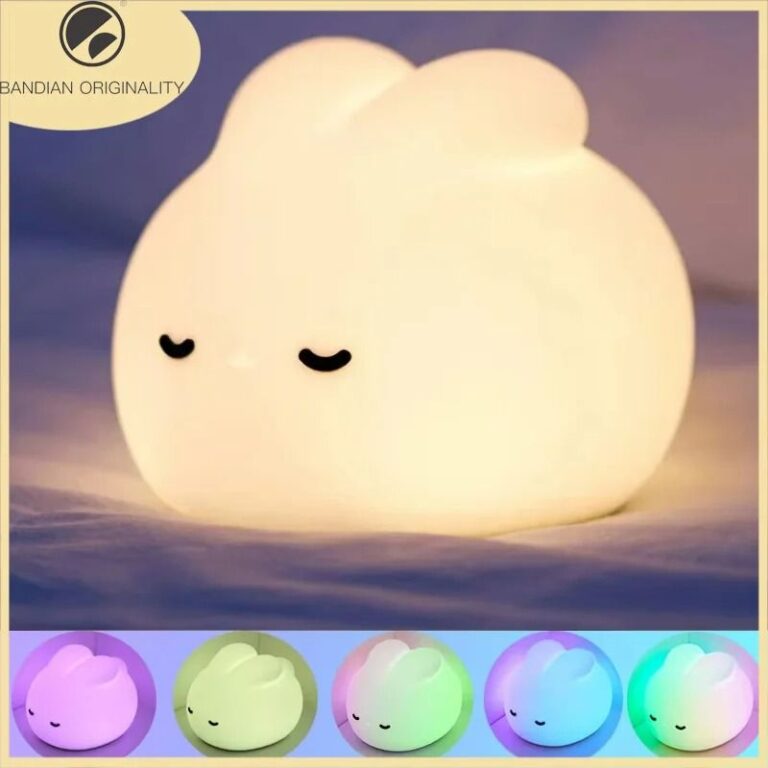
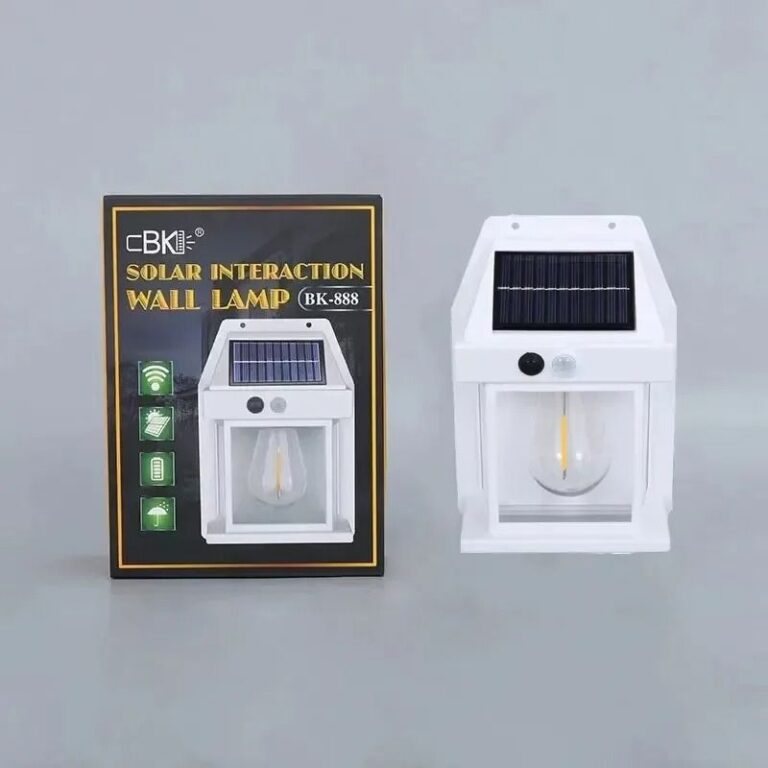 Aisha's pickWhite Motion Sensor Lights That Make Small Changes Feel Big
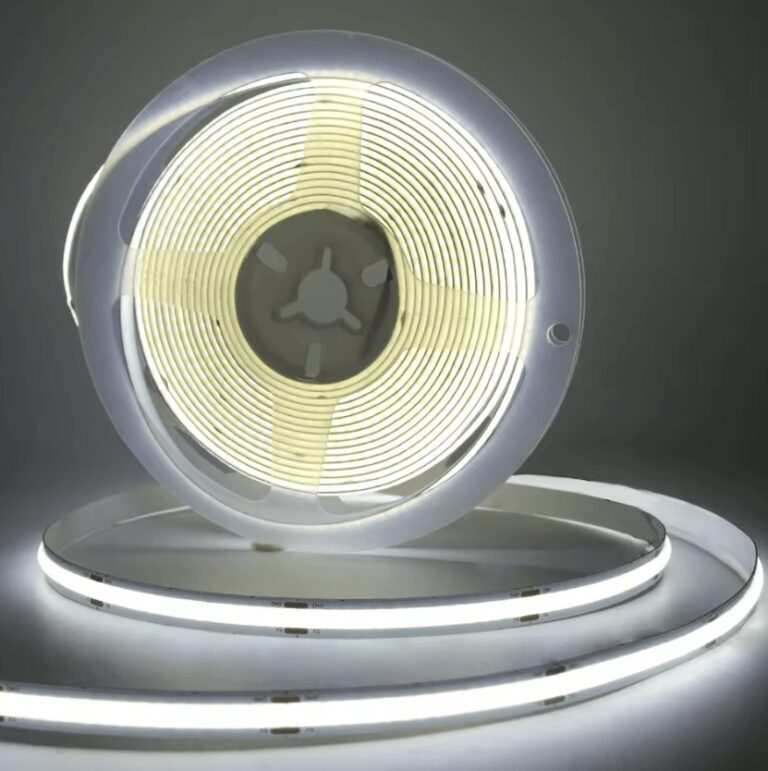
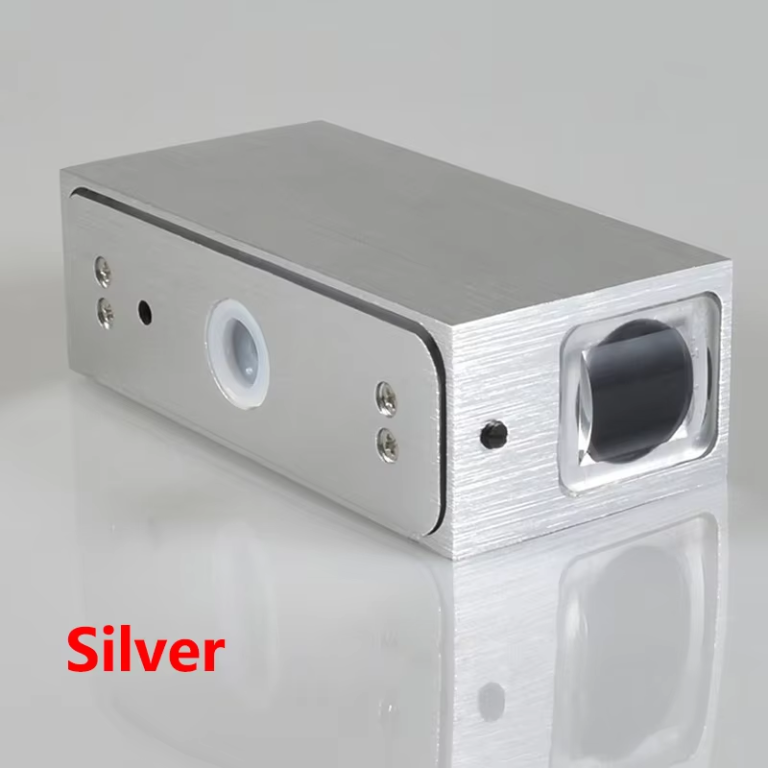 Aisha's pickShopping for White Wall Sconces? Start Here
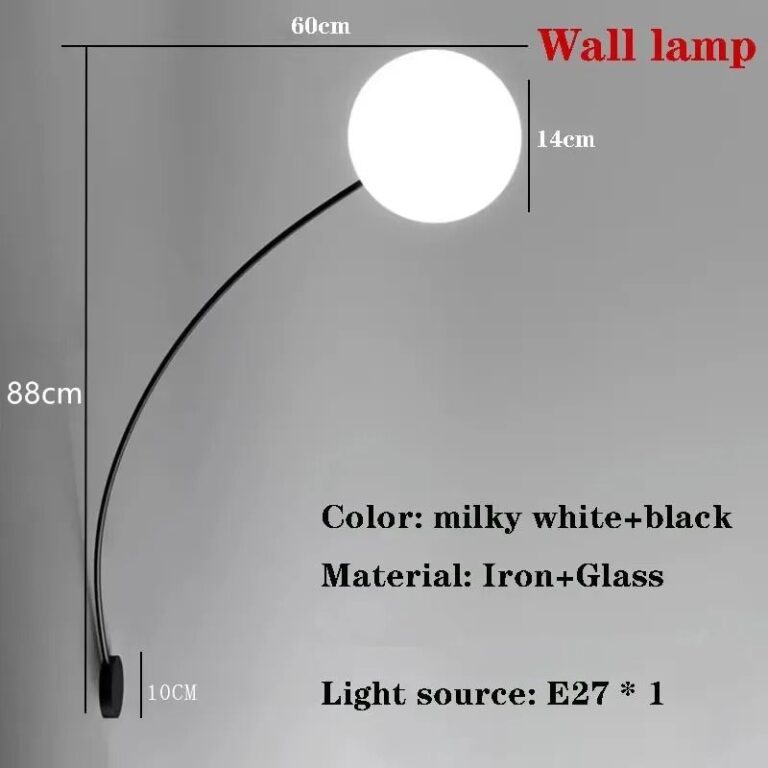
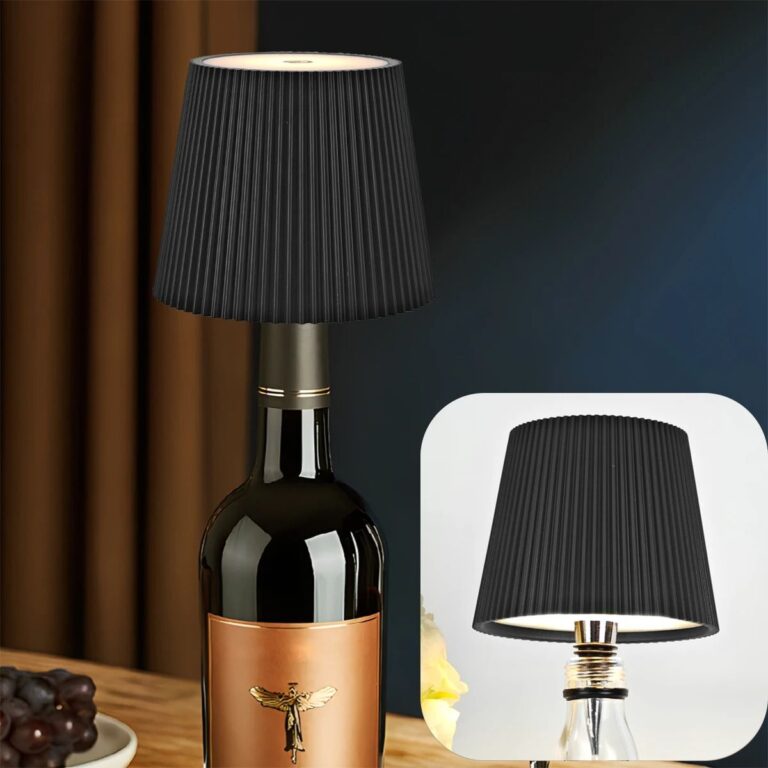 Aisha's pickWhite Battery Wall Lights for Reading, Relaxing or BothAlso worth a lookWall LightsWall lights are the fixture everyone skips and shouldn't.See the collections →
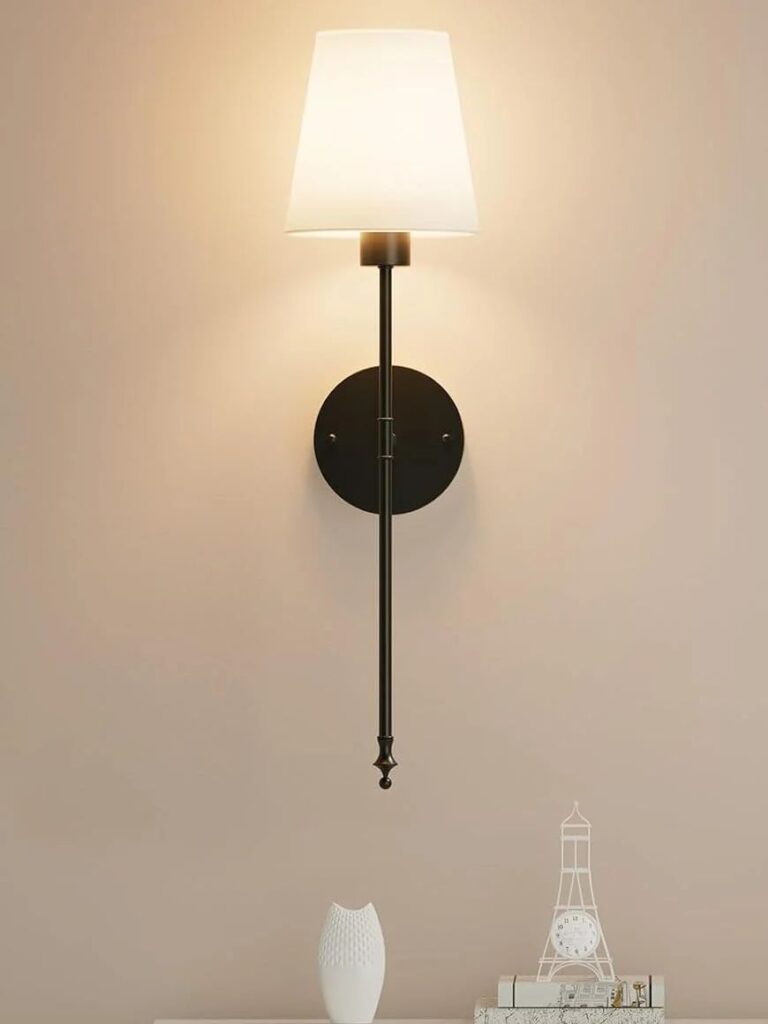
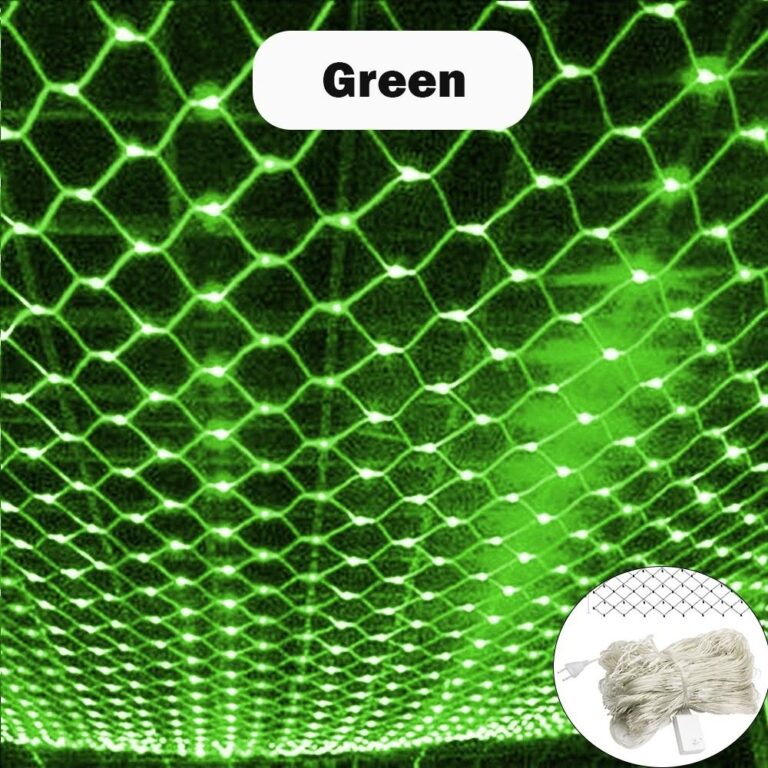 Aisha's pickWhite Net Lights You’ll Keep for Years
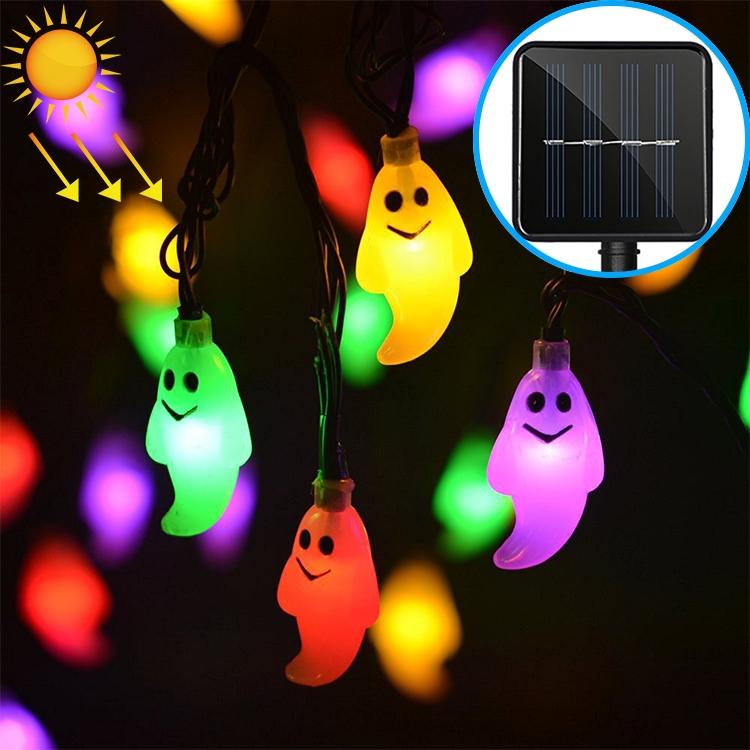
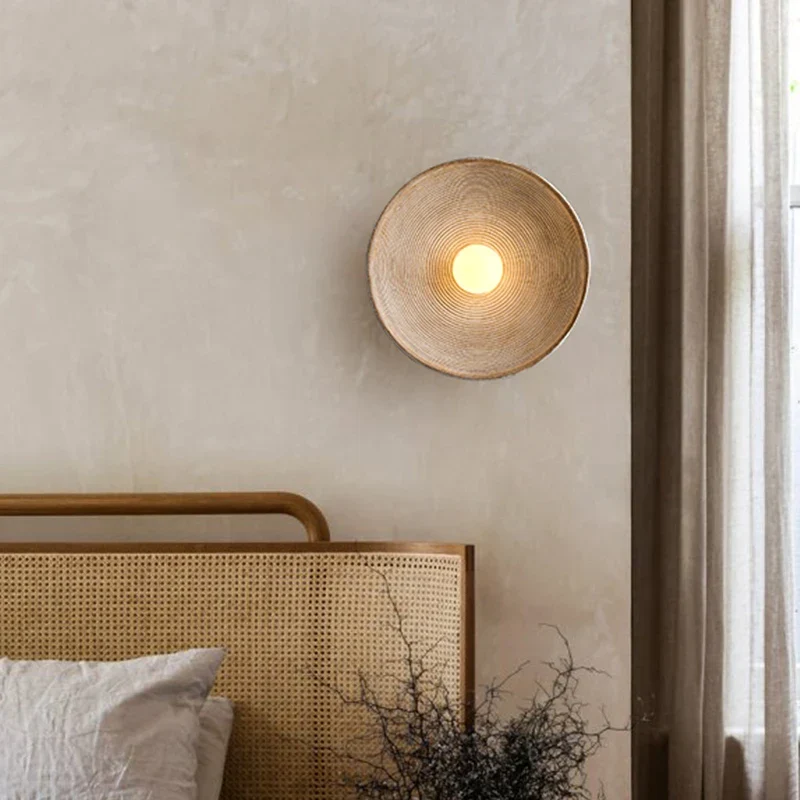 Aisha's pickShopping for White Bedroom Lights? Start Here
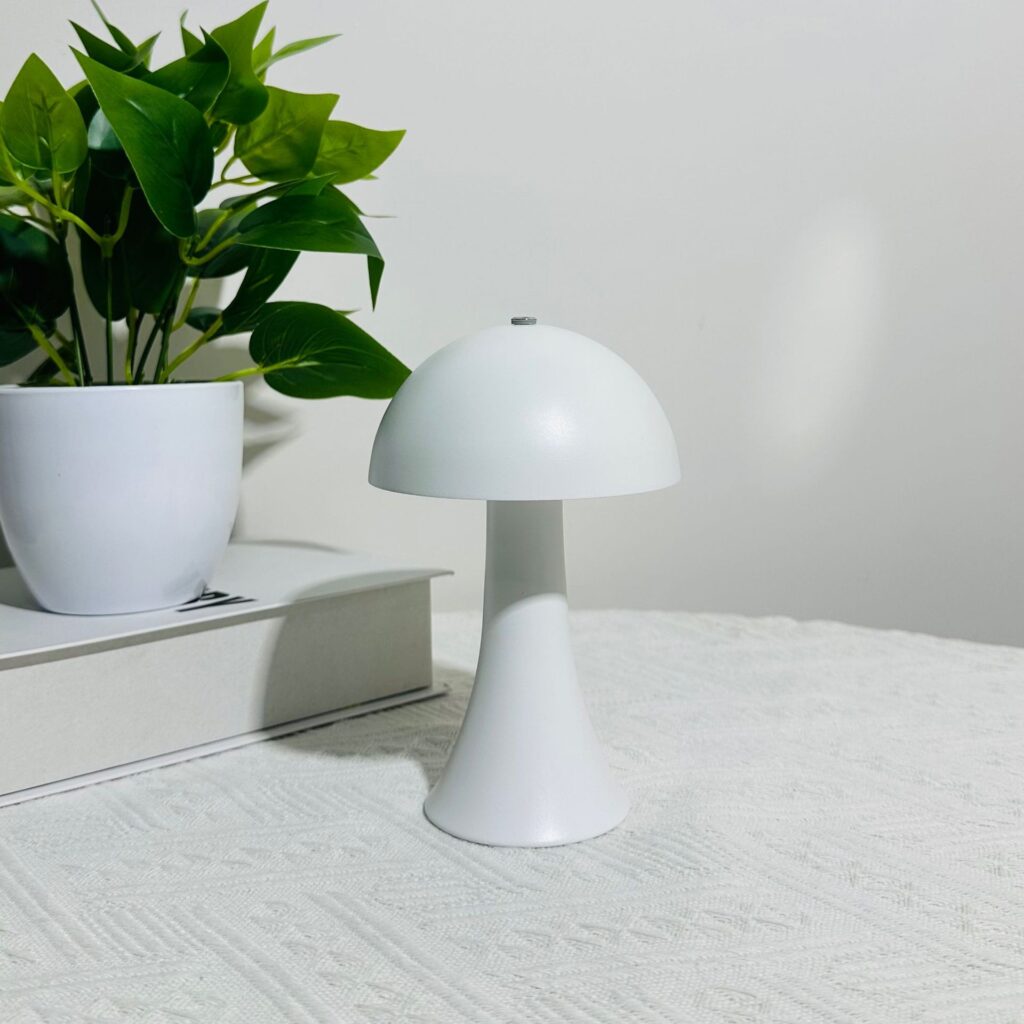
 Aisha's pickWhite Pendant Lights for Reading, Relaxing or Both
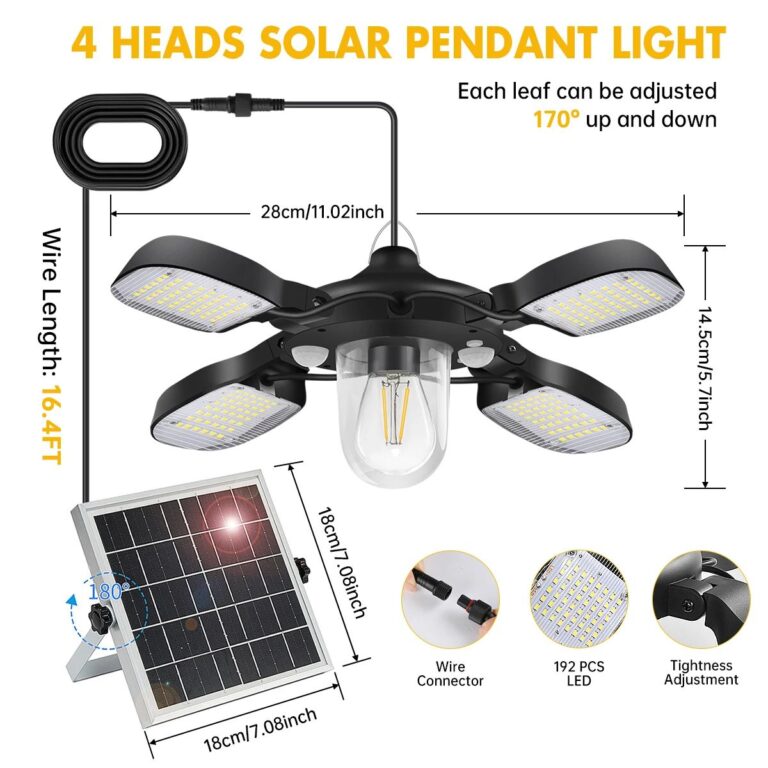
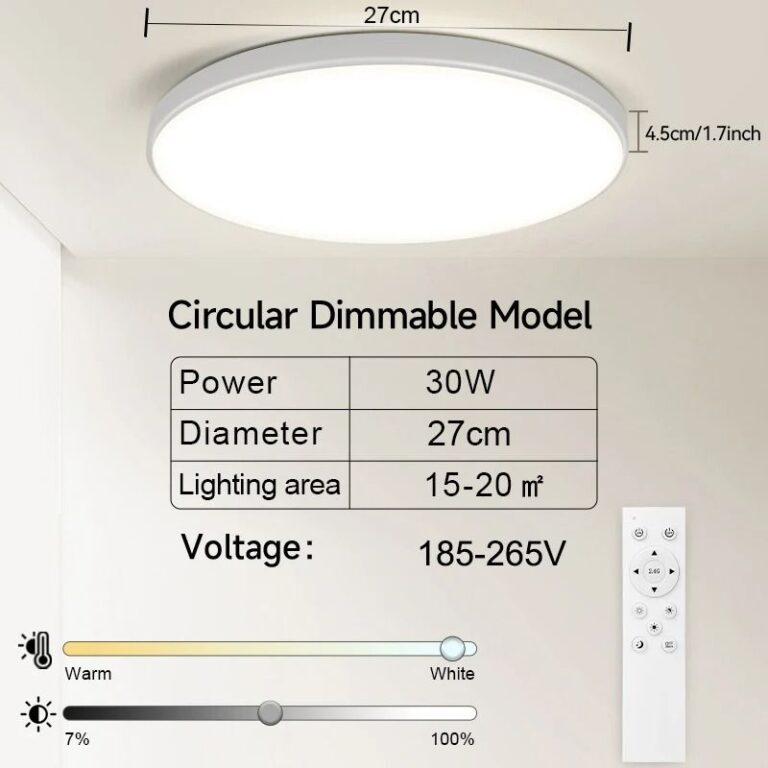
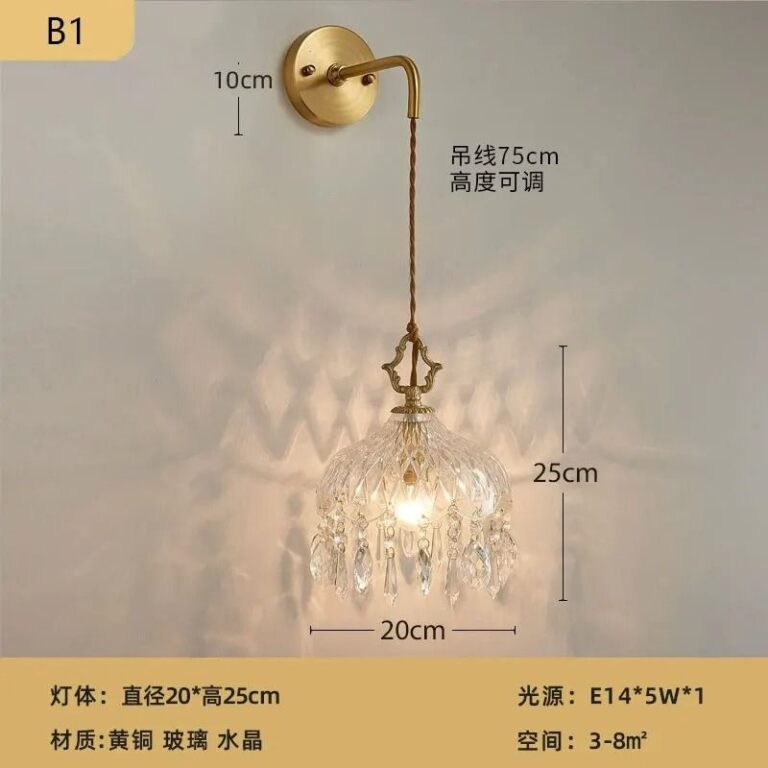 Aisha's pickWhite Ceiling Lights Pulled From Dozens of Stores
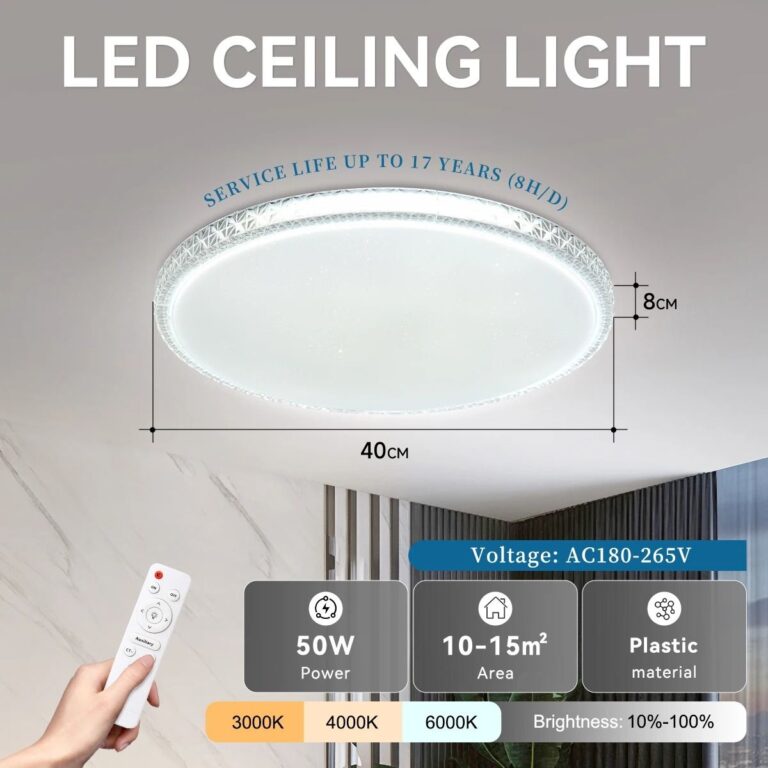
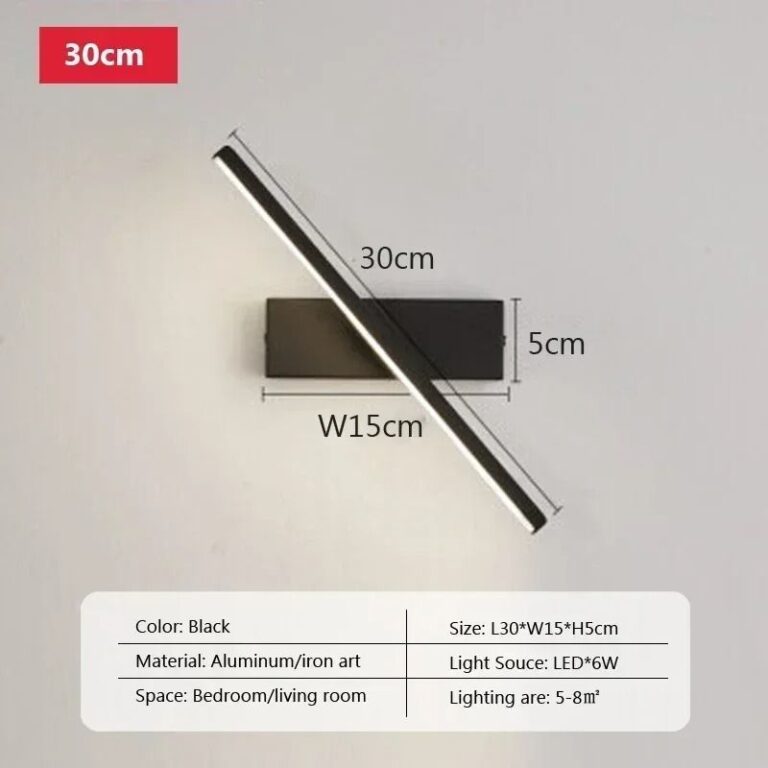 Aisha's pickWhere to Start With White Picture Lights
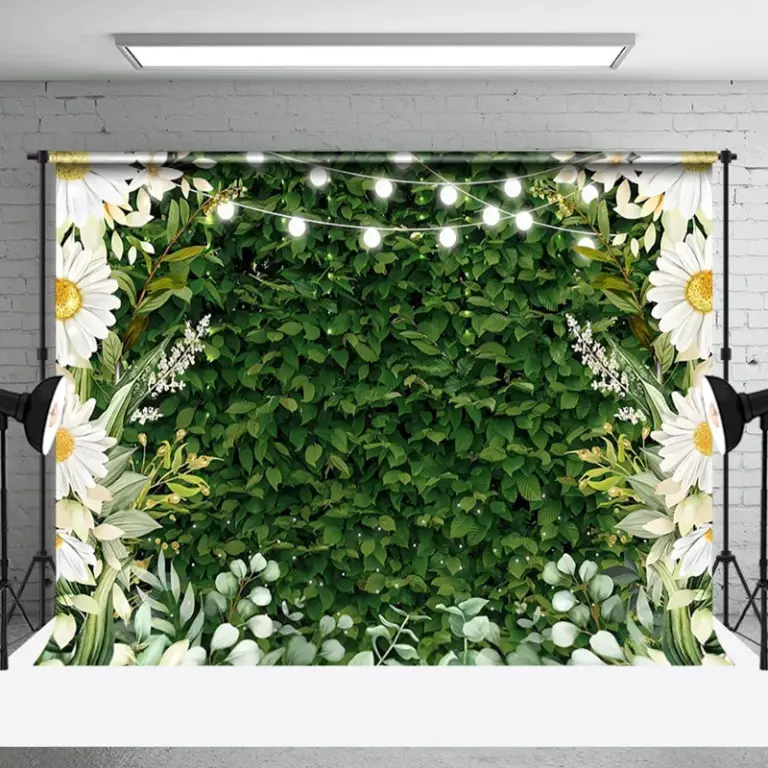
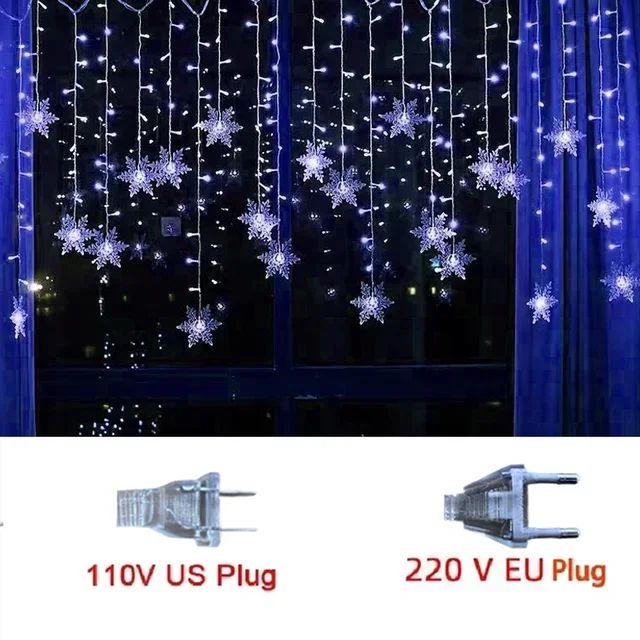 Aisha's pickWhite Curtain Lights That Get Better With Age
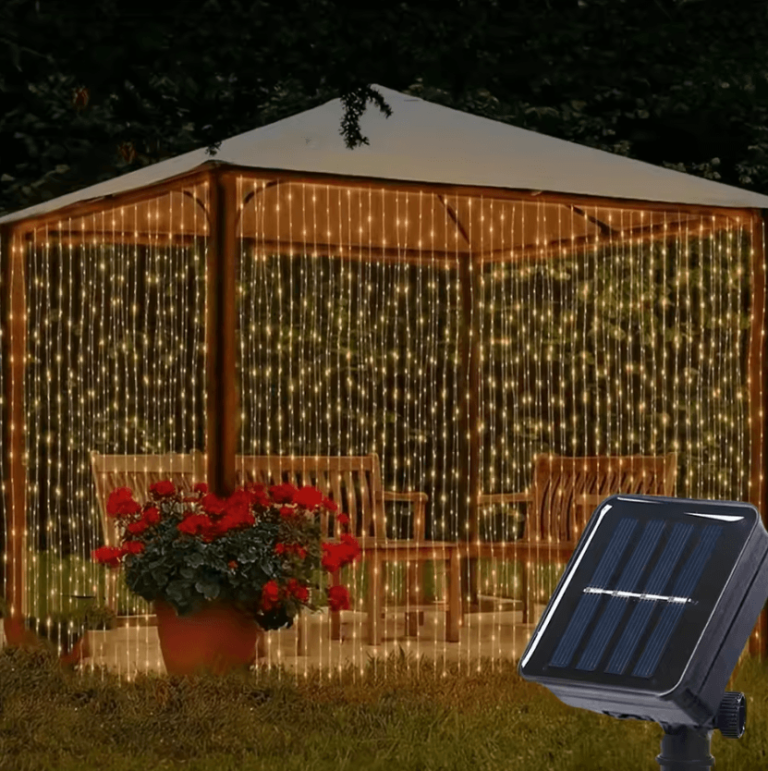
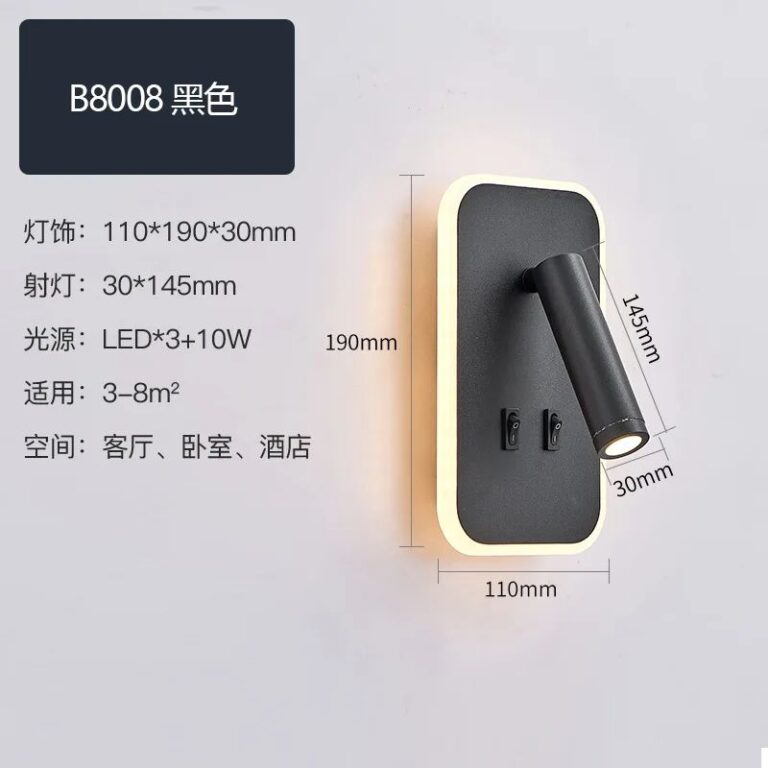 Aisha's pickWhite Plug in Wall Lights That Give Off a Warm Glow
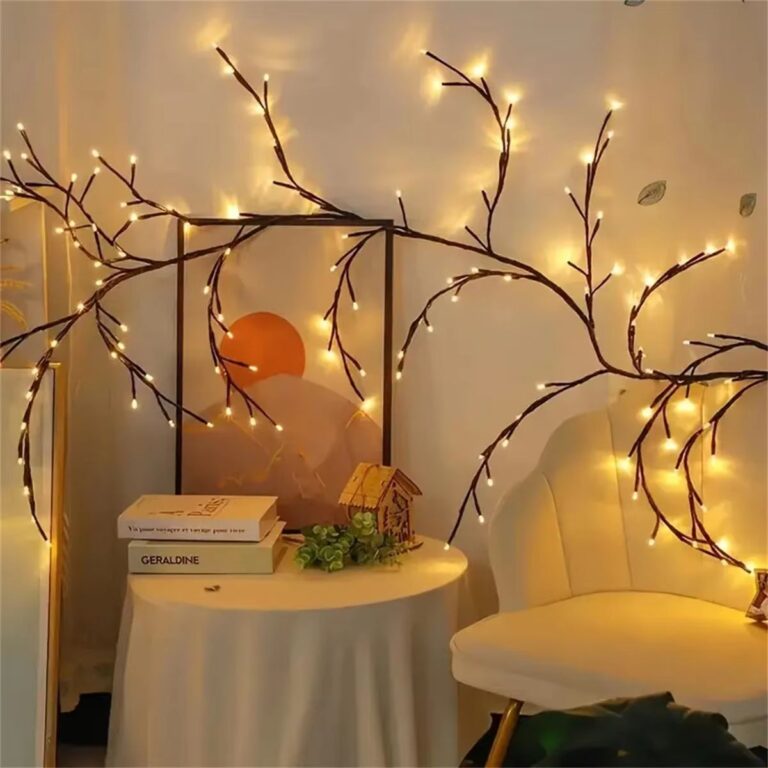
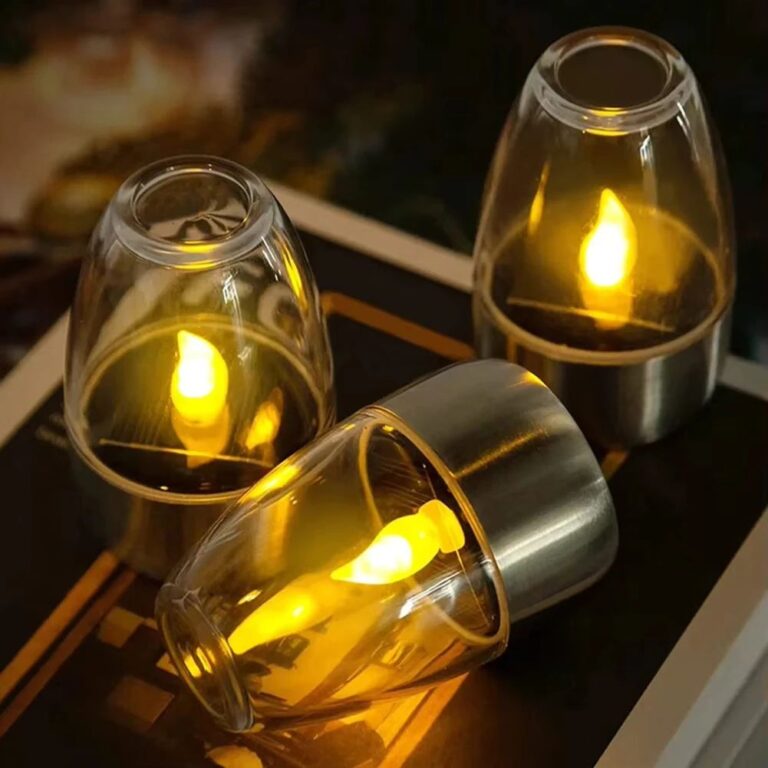 Aisha's pickWhite Deck Lights Worth Knowing About
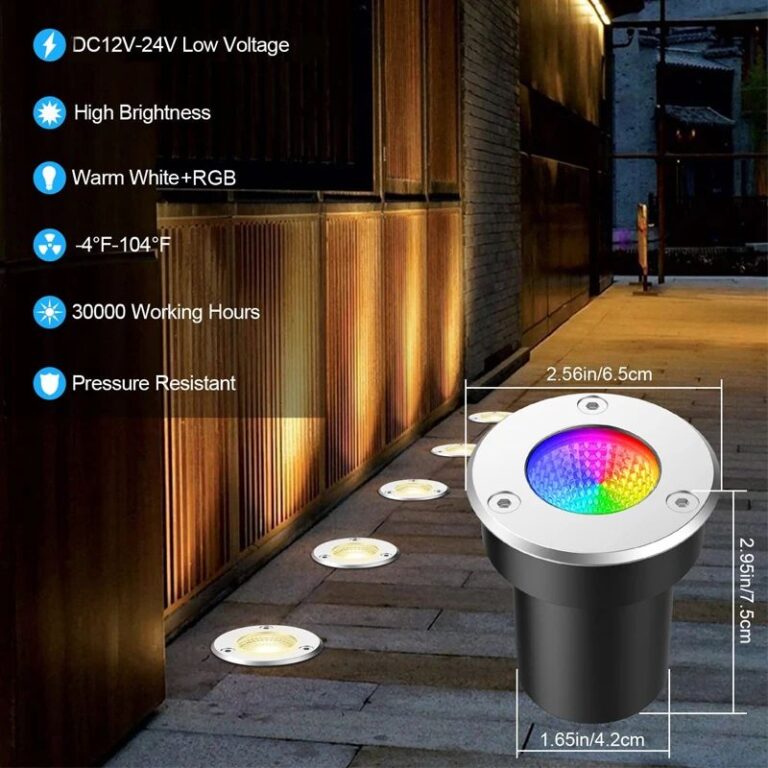
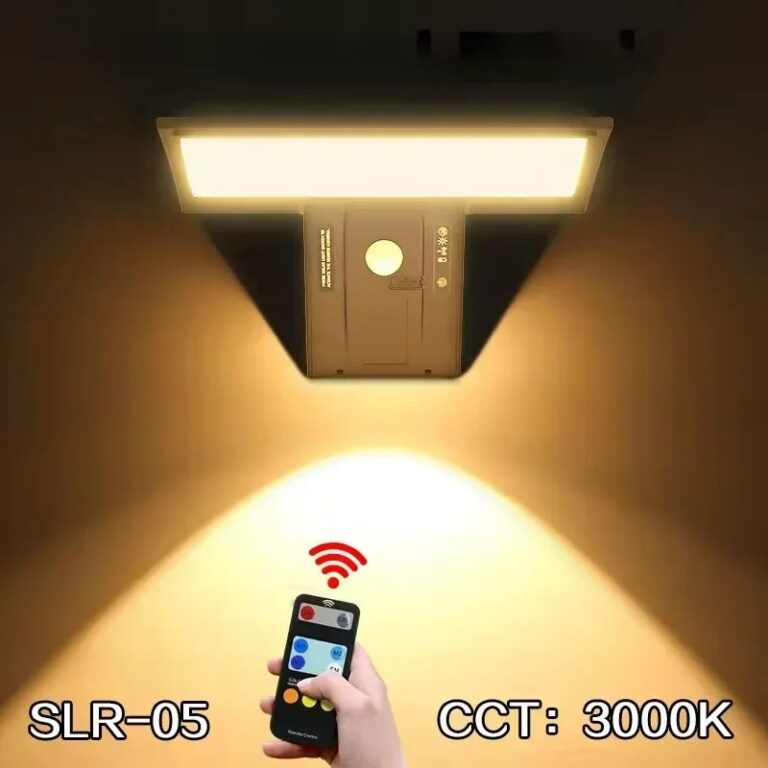 Aisha's pickWhite Post Lights That Look Good Switched Off TooAlso worth a lookBlack LightsThe thing nobody mentions about black light fixtures is how differently they read once the sun goes down…See the collections →
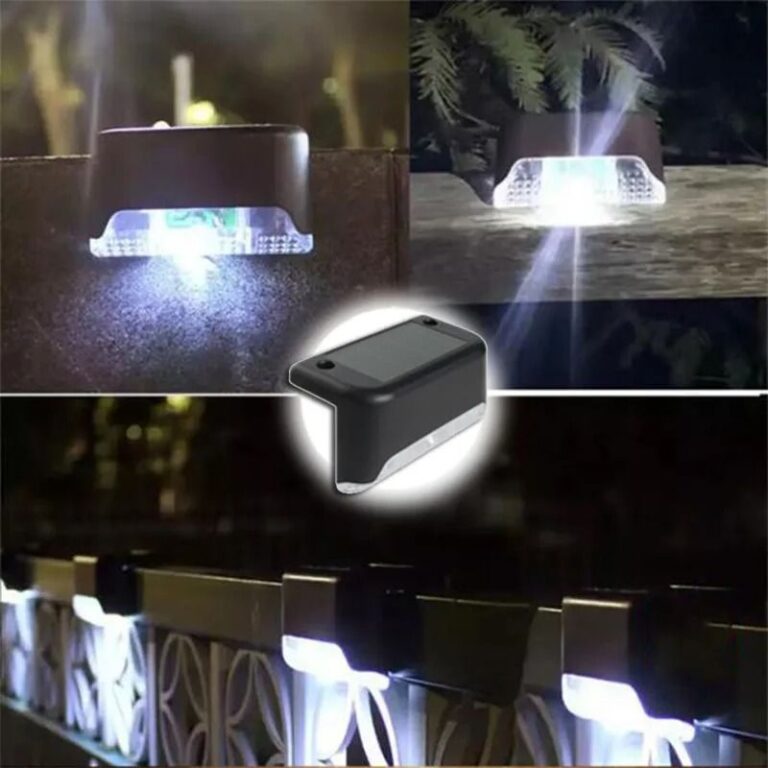
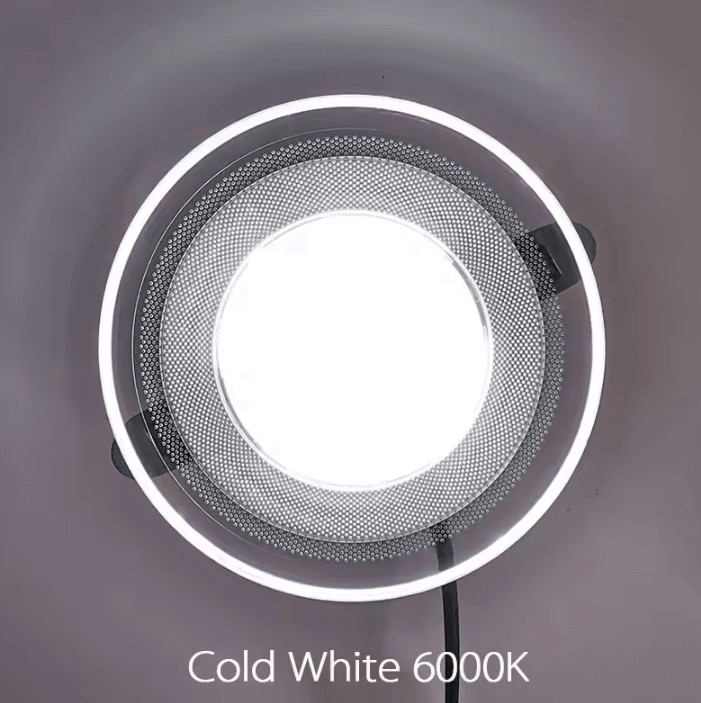 Aisha's pickWhite Downlights That Won’t Date in a Year
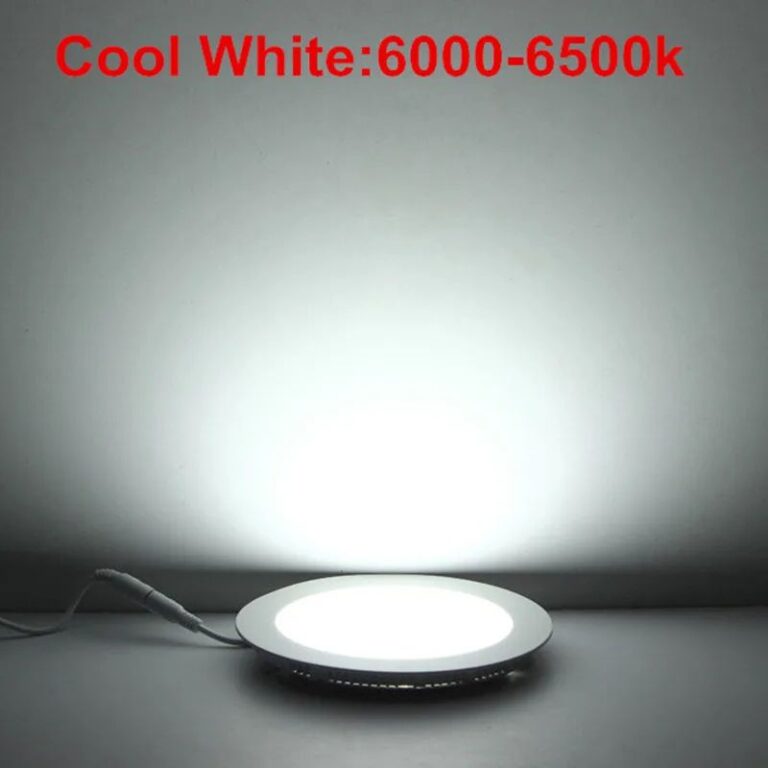
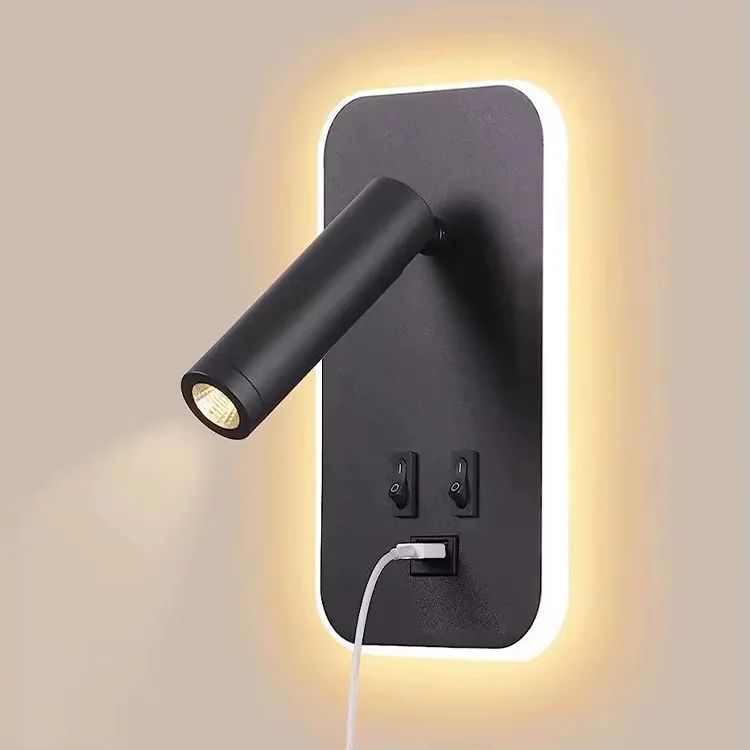 Aisha's pickWhite Reading Wall Lights That Hold Up to Everyday Life
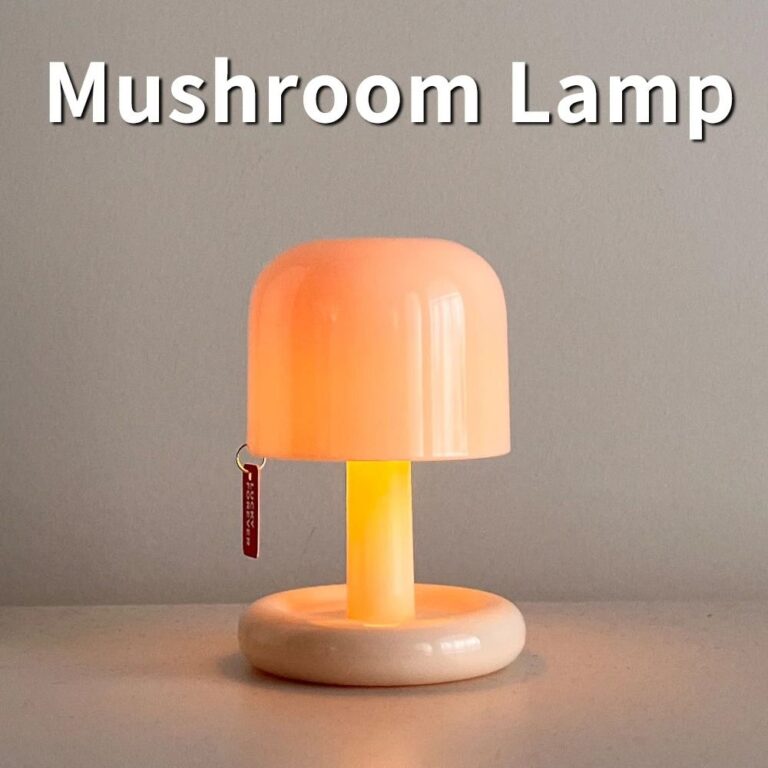
 Aisha's pickWhite Downlights With a Bit More About Them
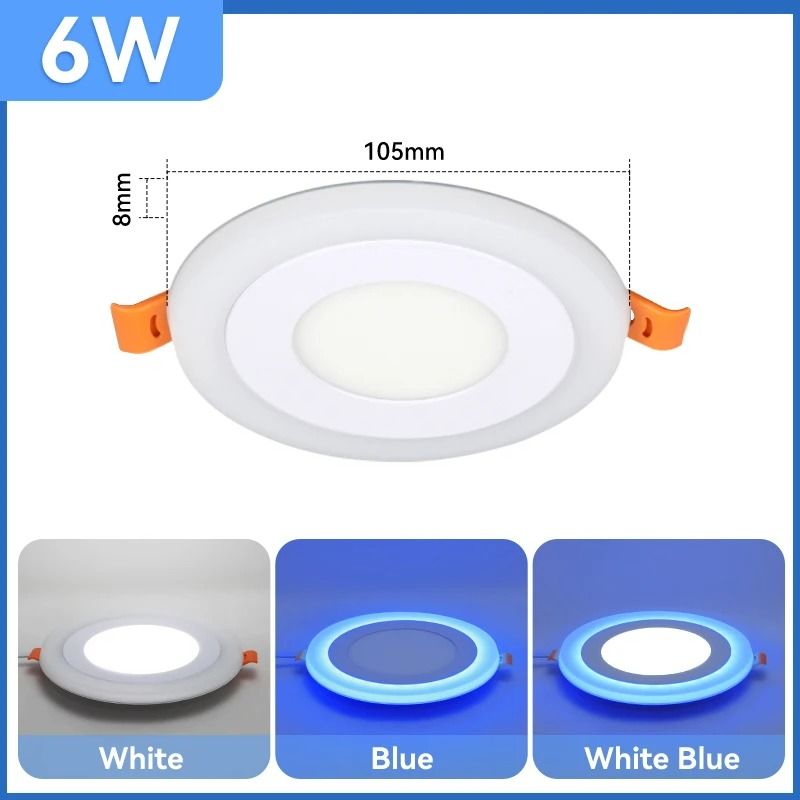
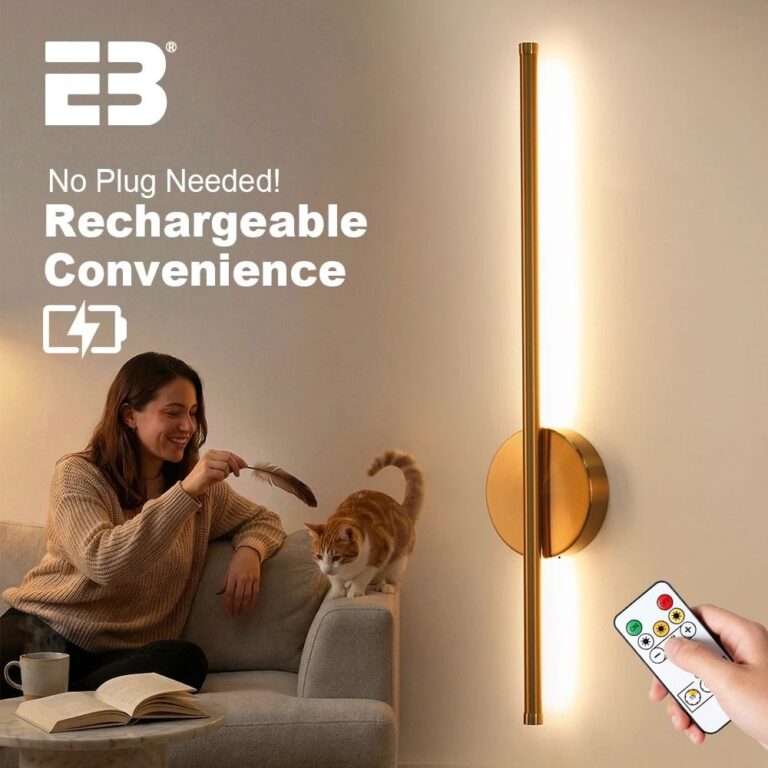 Aisha's pickWhite Sconces We Leave On All Evening
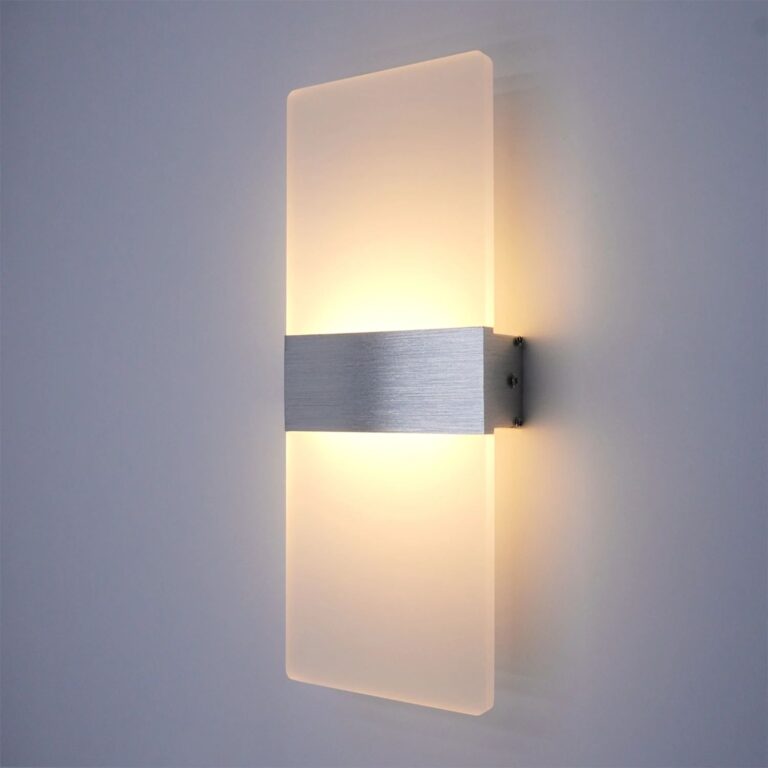
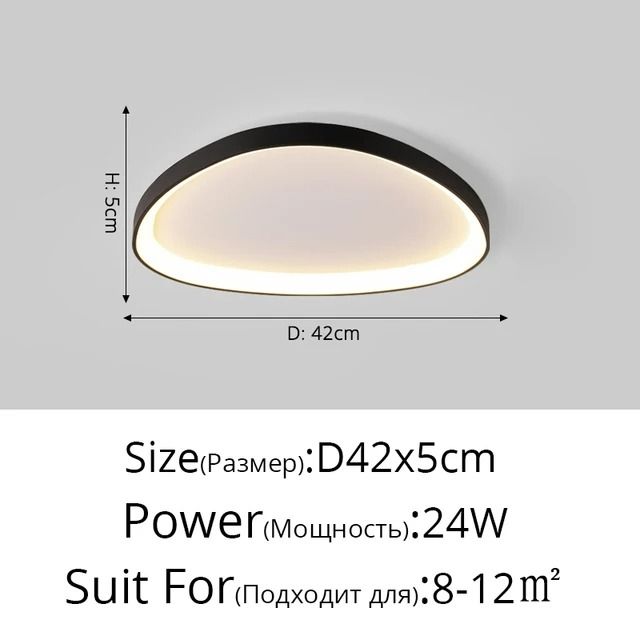 Aisha's pickWhite Flush Ceiling Lights for Cozy Nights In
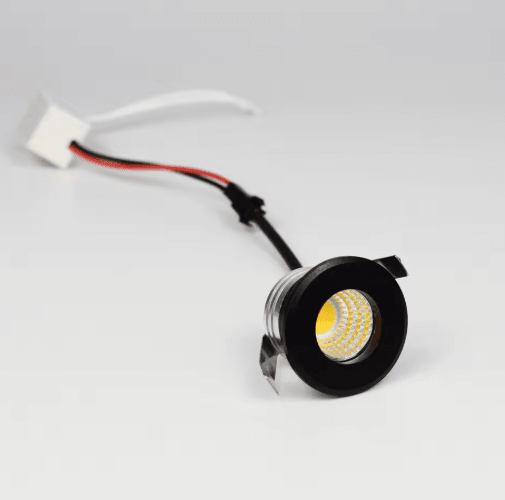
 Aisha's pickWhite Spotlights Bright Enough Without the Glare
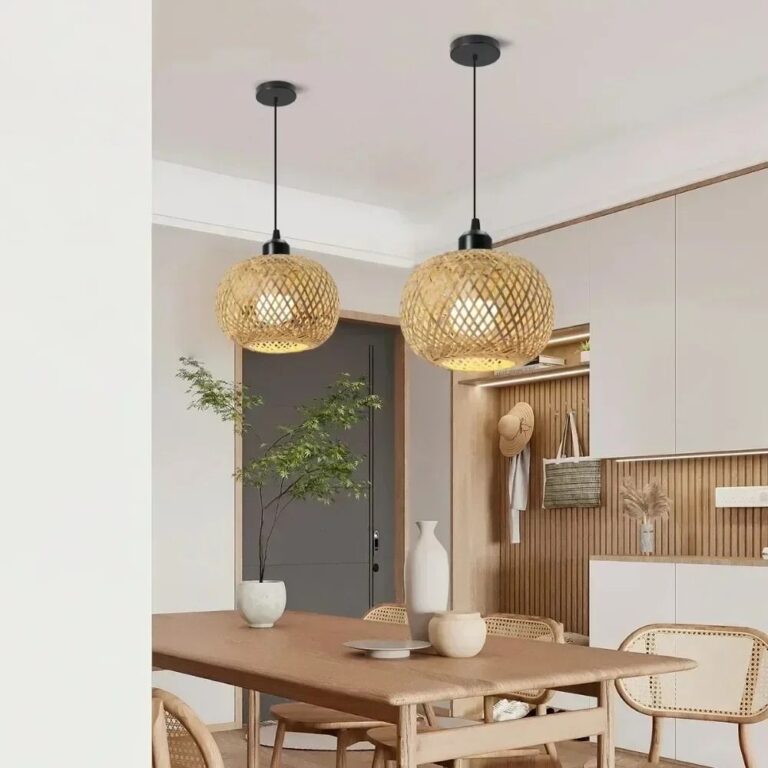 Aisha's pickWhite Globe Pendant Lights That Look Good Switched Off Too
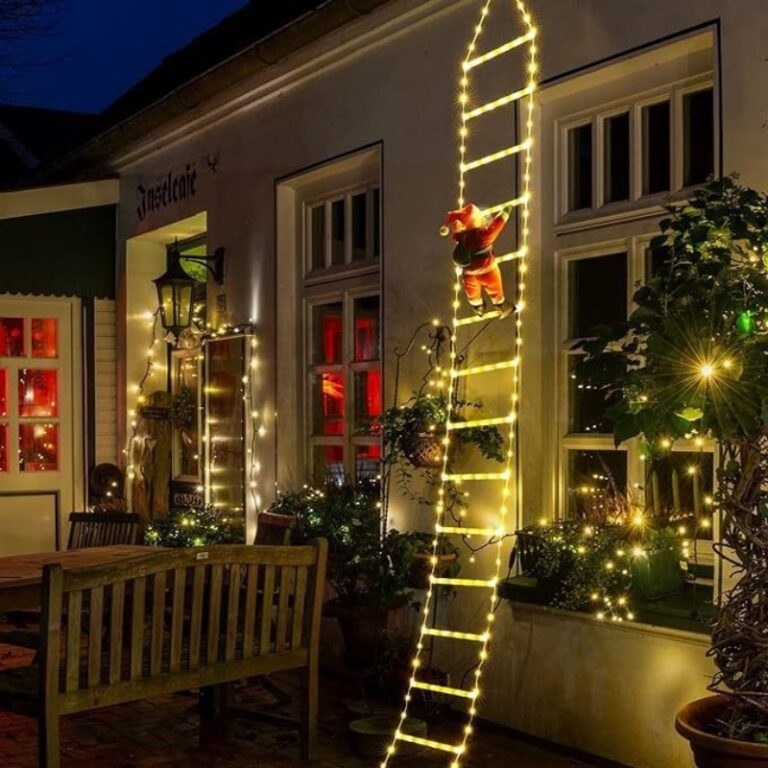 Aisha's pickWhite Stair Lights That Change the Feel of a Room
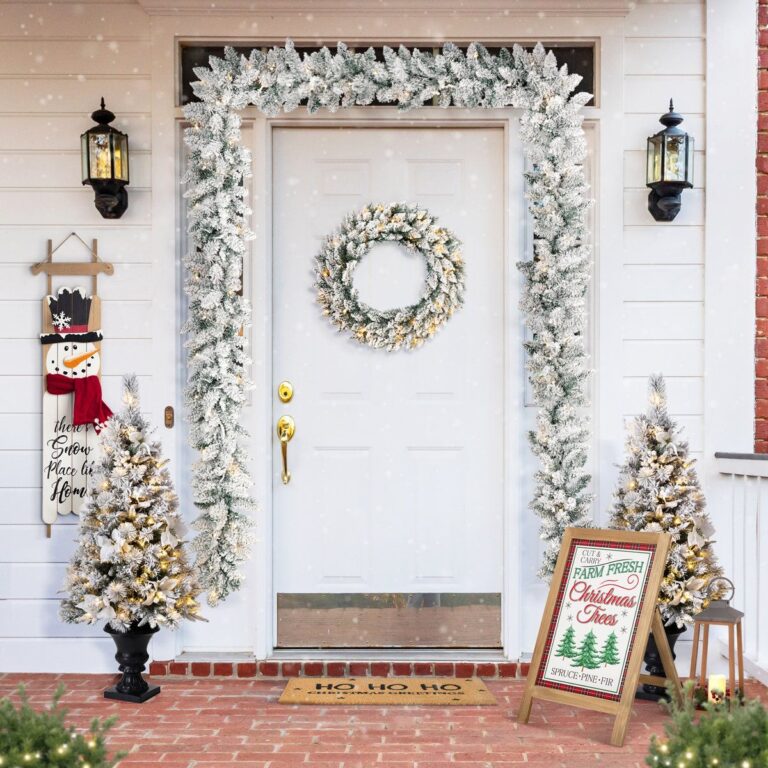
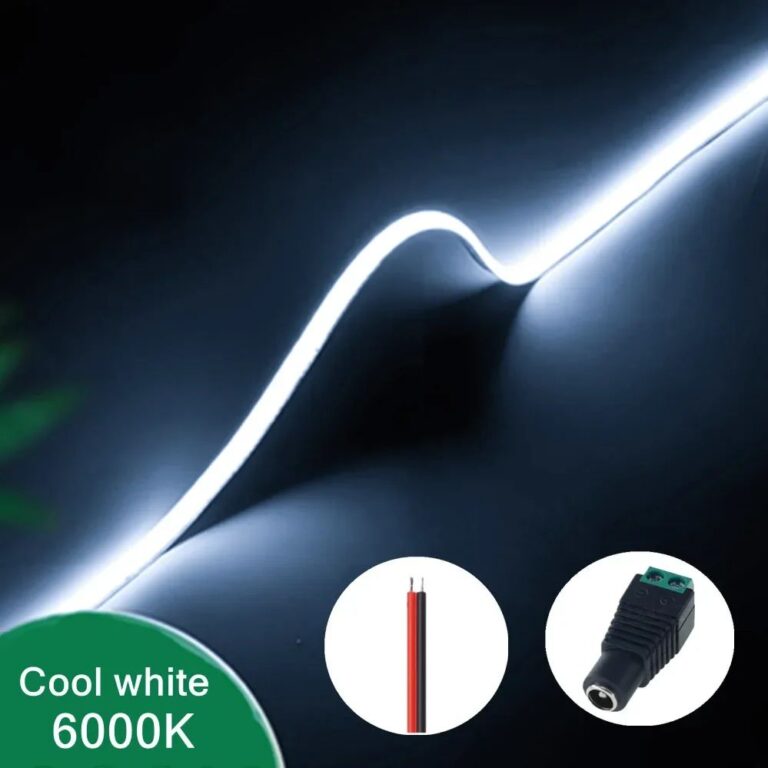 Aisha's pickWhite Kitchen Ceiling Lights That Cope With Steam and SplashesAlso worth a lookMetal LightsA good metal light fixture has a certain heft to it before you even plug it in.See the collections →
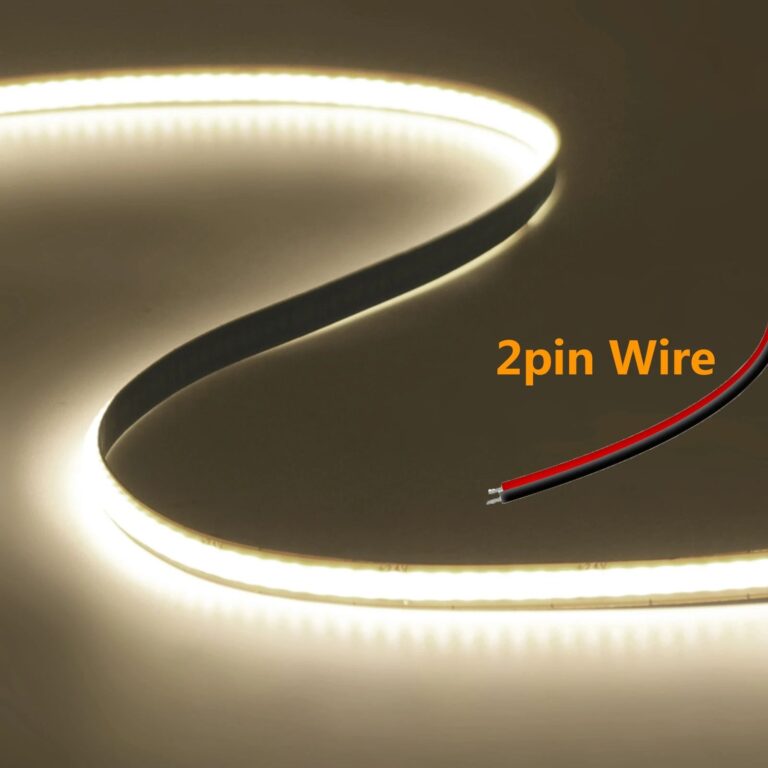
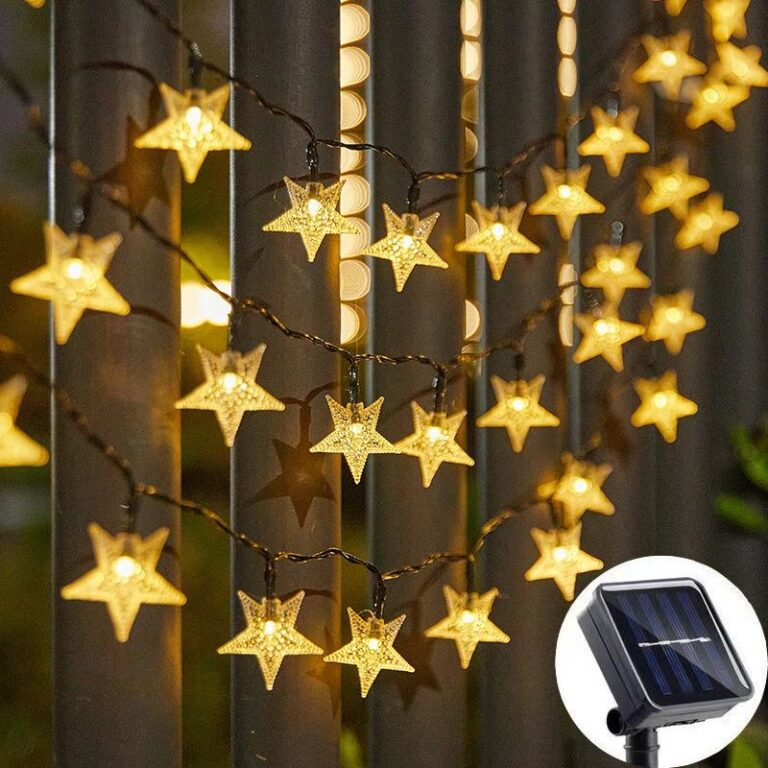 Aisha's pickWhite Star Lights for Making a House Feel Like Yours
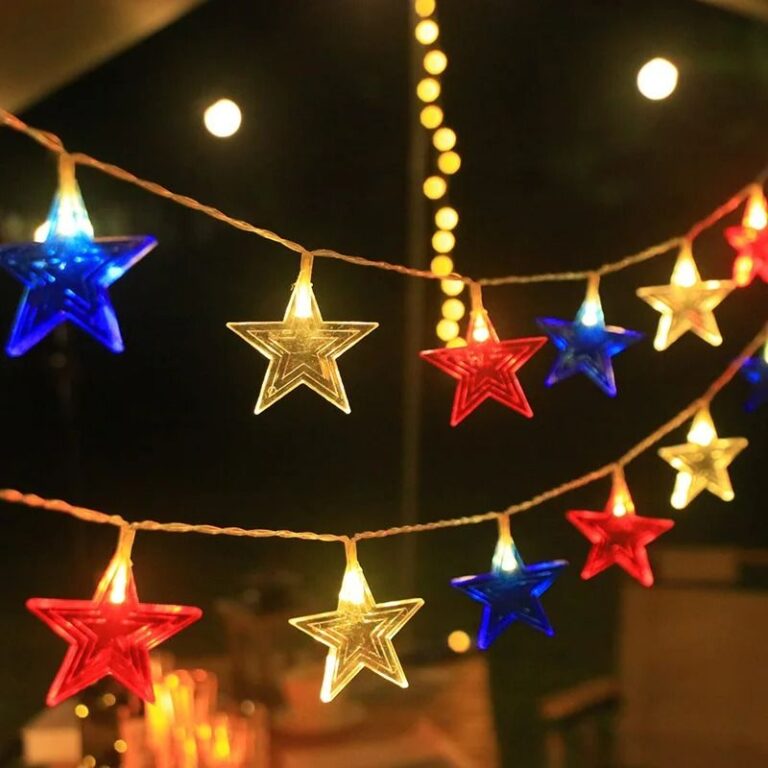
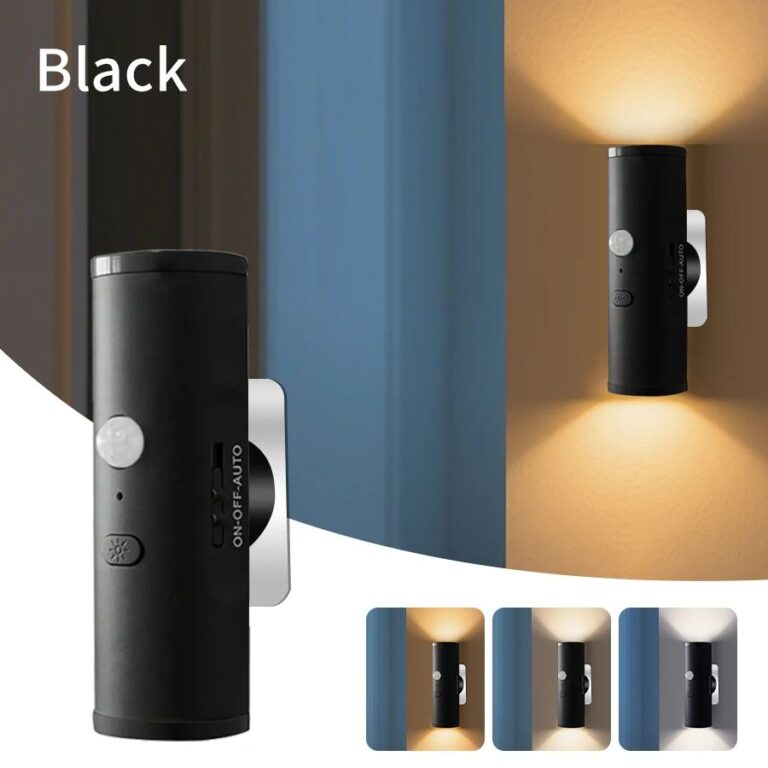 Aisha's pickWhite Kitchen Lights for Making a House Feel Like Yours
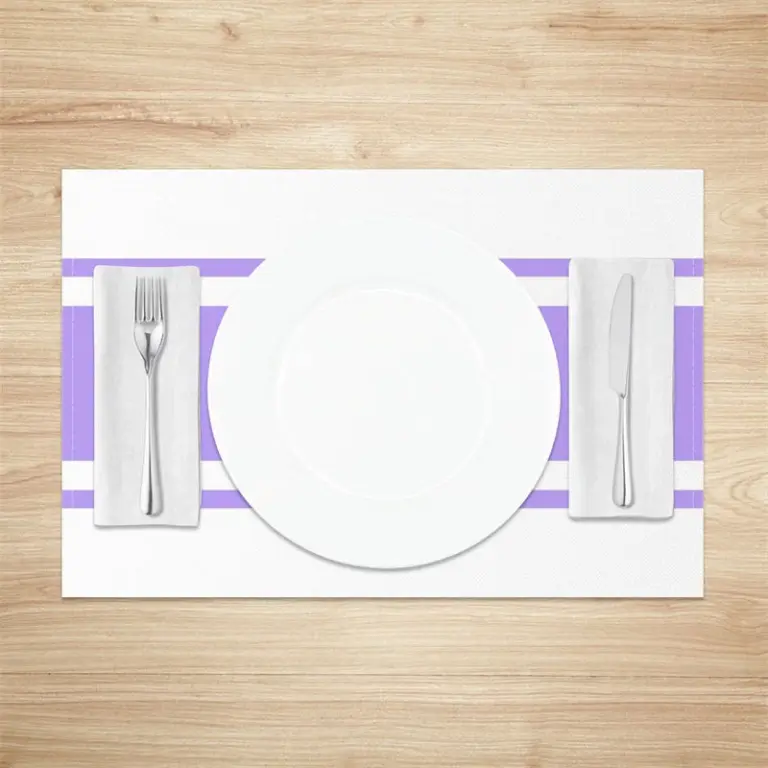
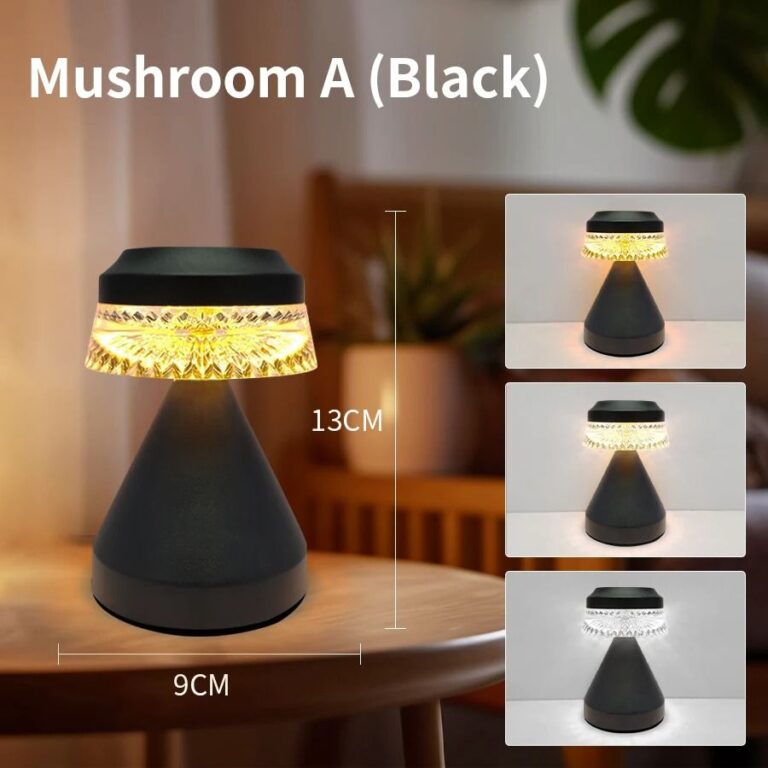 Aisha's pickWhite Step Lights That Make Small Changes Feel Big
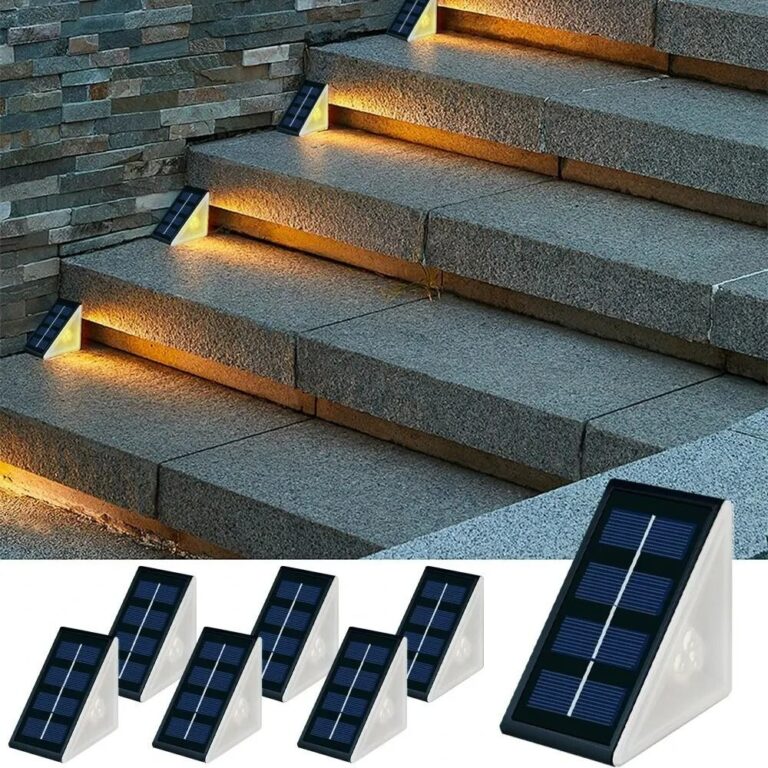
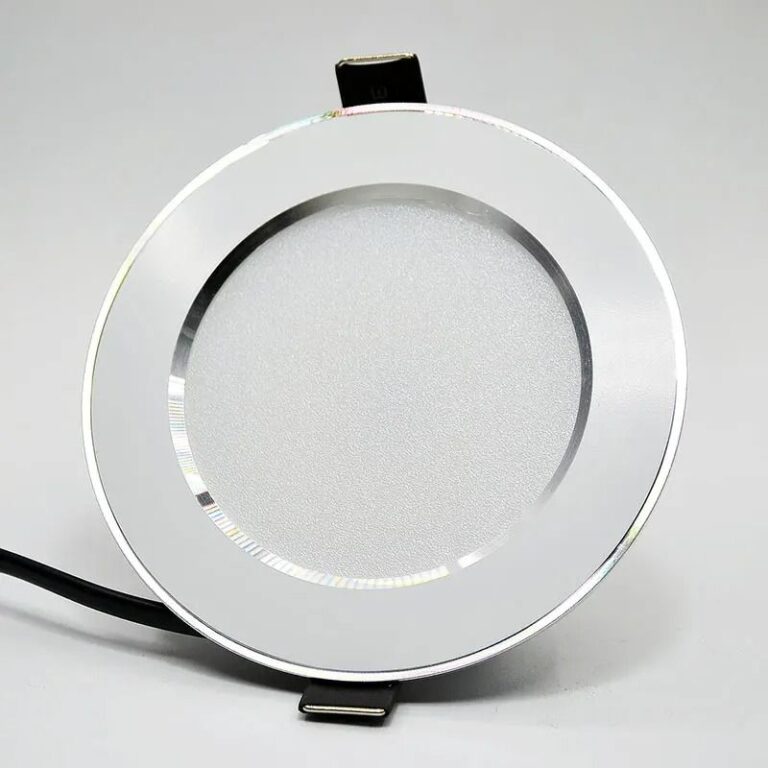 Aisha's pickWhite LED Downlights for Reading, Relaxing or Both
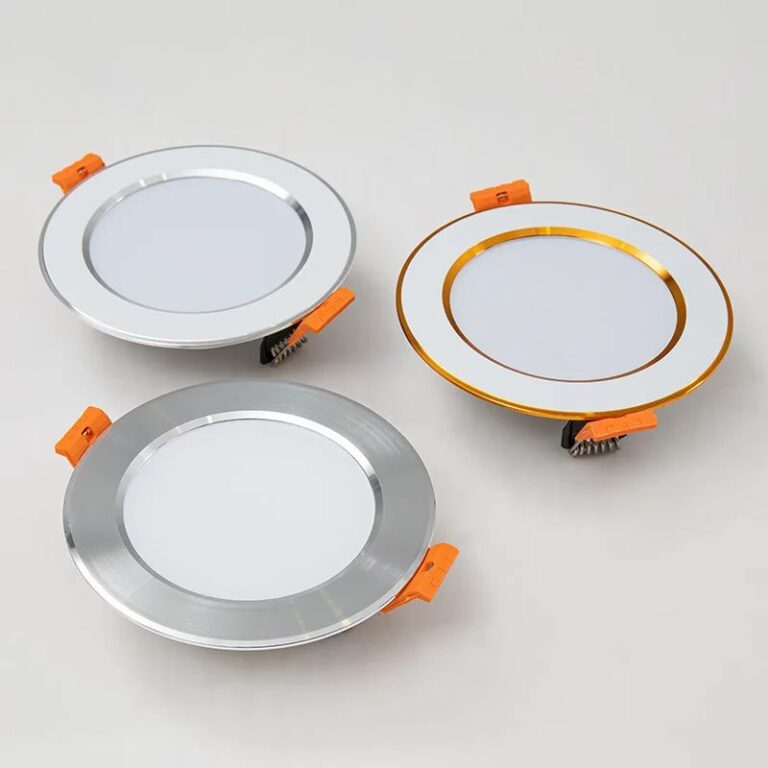
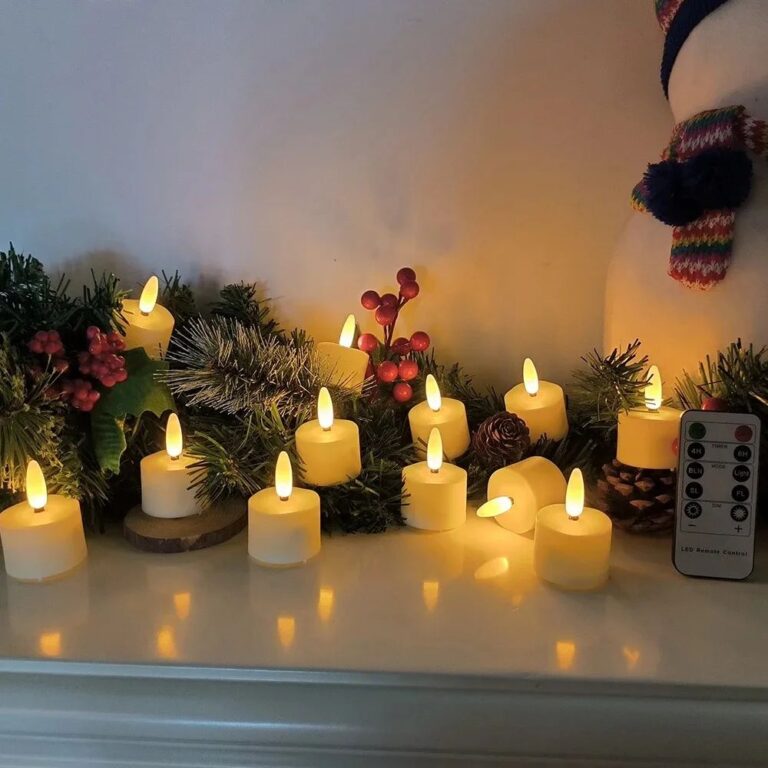 Aisha's pickWhite Tea Lights You Won’t Want to Hide Away