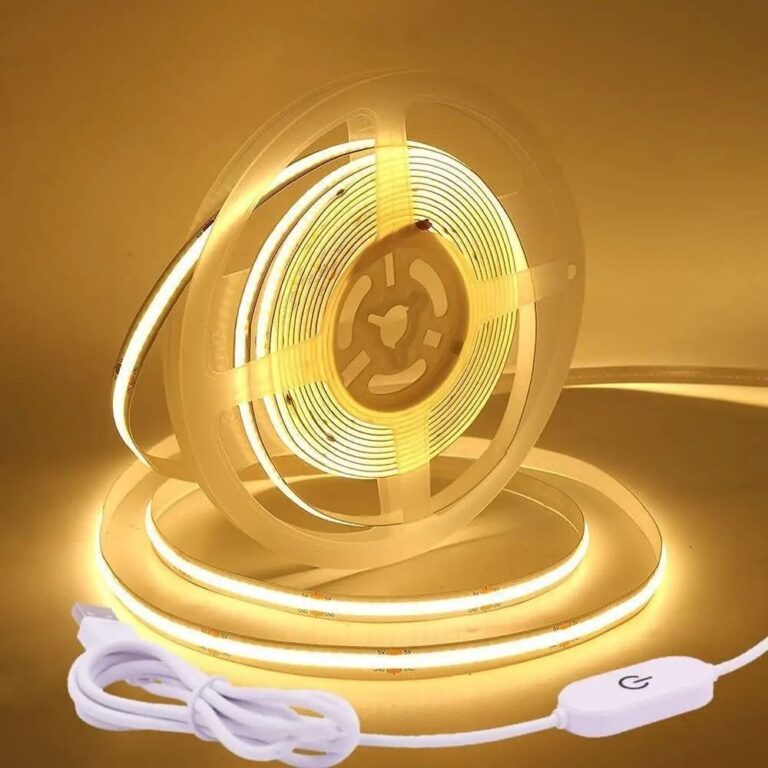
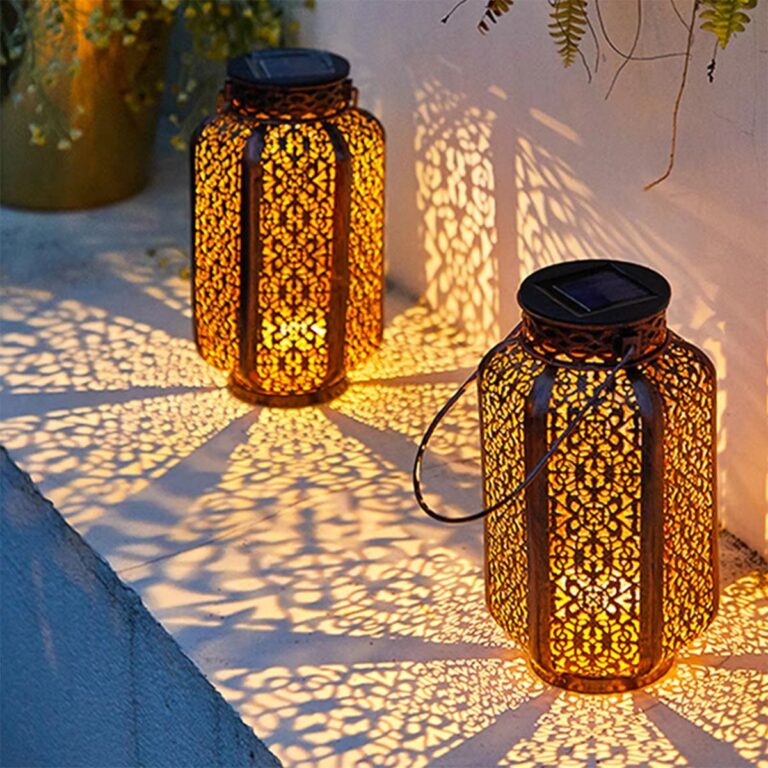
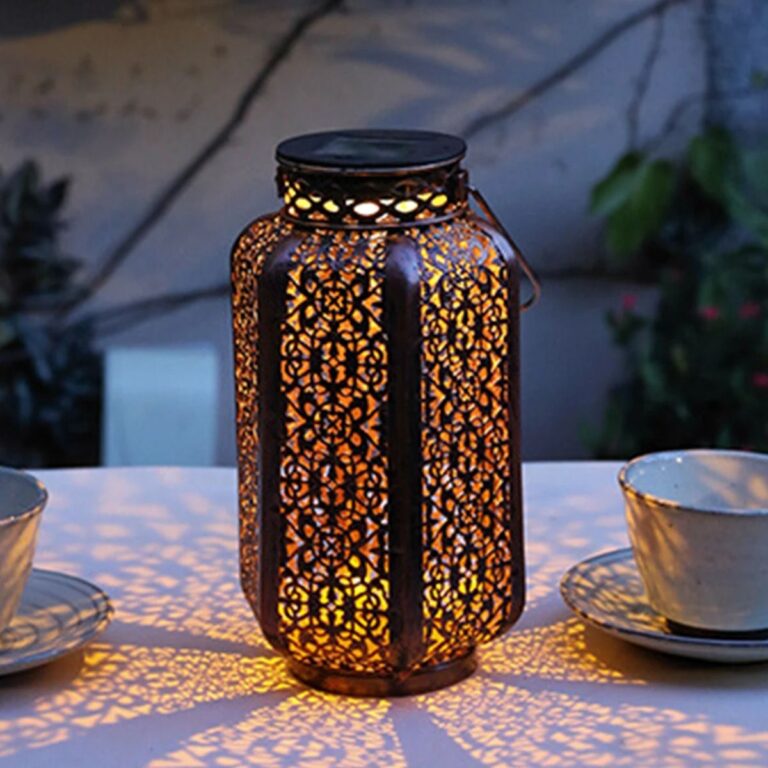
A good metal light fixture has a certain heft to it before you even plug it in. You pick up the shade and it doesn't feel like it might dent if you look at it wrong. The switch has a solid click instead of a cheap little rattle, and when the light's on, metal does something nice to it, either throwing a warm wash if it's brass or bronze, or a cooler, sharper glow if it's black or chrome. It sits there looking like it'll outlast the lease, which, with metal, it usually does.
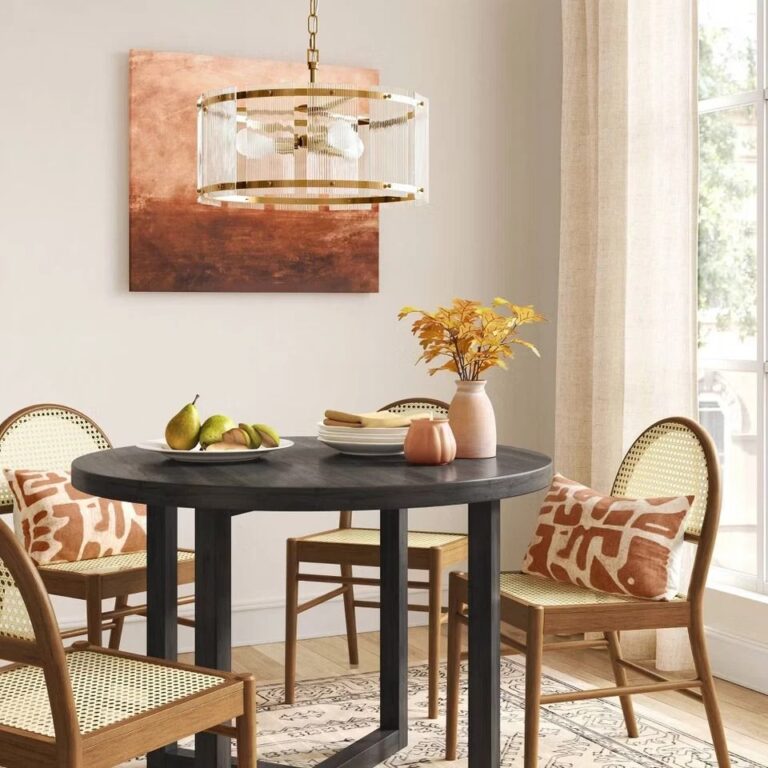
Getting the size right is where most people trip up, myself included. I once hung a pendant over a kitchen table that looked perfectly reasonable in the box and then turned into this tiny, apologetic dot of light once it was up, swinging over a six foot table like it had wandered in from a dollhouse. The rule that actually works is to measure the space it needs to fill, not just eyeball it against the ceiling height. For a table or island, you want the fixture roughly a third to half the width of what's underneath it. For floor and table lamps, check the shade height against where you'll actually be sitting, because a shade that blinds you at eye level the second you sit on the couch is a mistake you'll be annoyed about every single night. And always check the drop length against your ceiling height, not the showroom's, because nine foot ceilings and eight foot ceilings want very different hanging heights.
Metal plays well with almost everything else in a room because it doesn't compete the way patterned fabric or busy wood grain can. It sits easily against wood furniture, especially anything with some age or grain to it, and it looks good next to soft things, linen curtains, a worn rug, a nubby throw, because the contrast does the work. Where it struggles a little is next to a lot of other shiny, hard surfaces, chrome taps, glass tables, glossy cabinets, all together it starts to feel cold rather than sharp. One warm metal fixture against mostly soft, textured surroundings is the combination that keeps working.
These do well almost anywhere, honestly, but they particularly suit rooms with some age or character already, exposed brick, older moldings, a worn wood floor, because metal doesn't try to compete with character, it just sits alongside it. They're also a good choice for renters, since a well made metal fixture will survive several apartments and several more opinions about what the next place should look like. The detail that always gets me is the sound a metal lamp makes when you set a glass down near its base. A quiet, solid little clink instead of nothing at all.
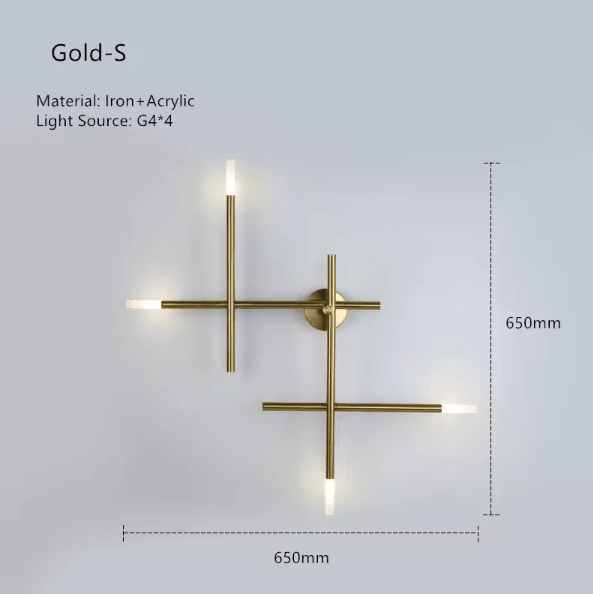 Aisha's pickGood Metal Bedroom Wall Lights That Don’t Cost a Fortune
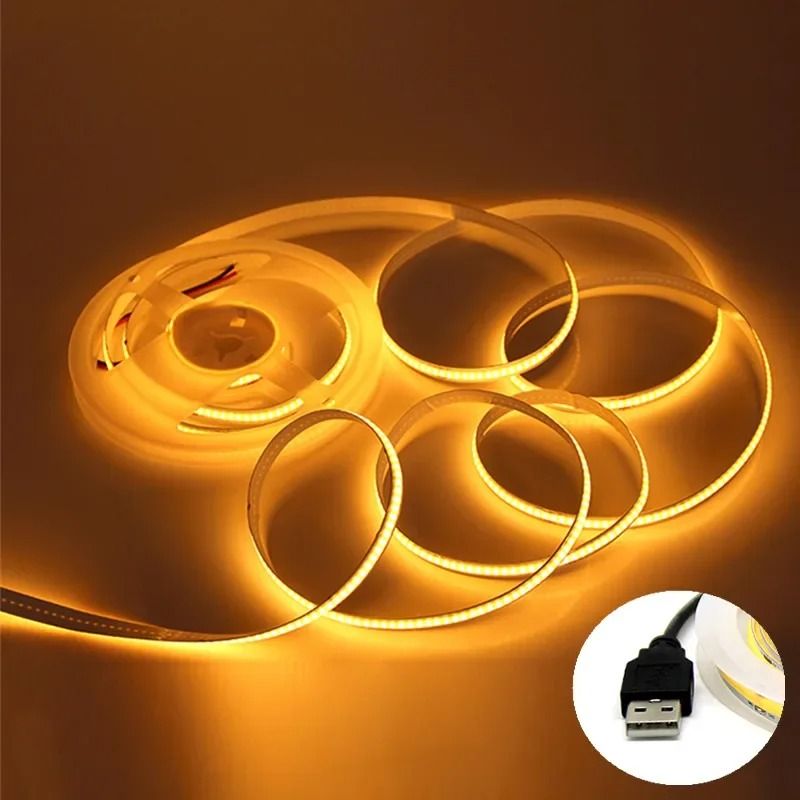
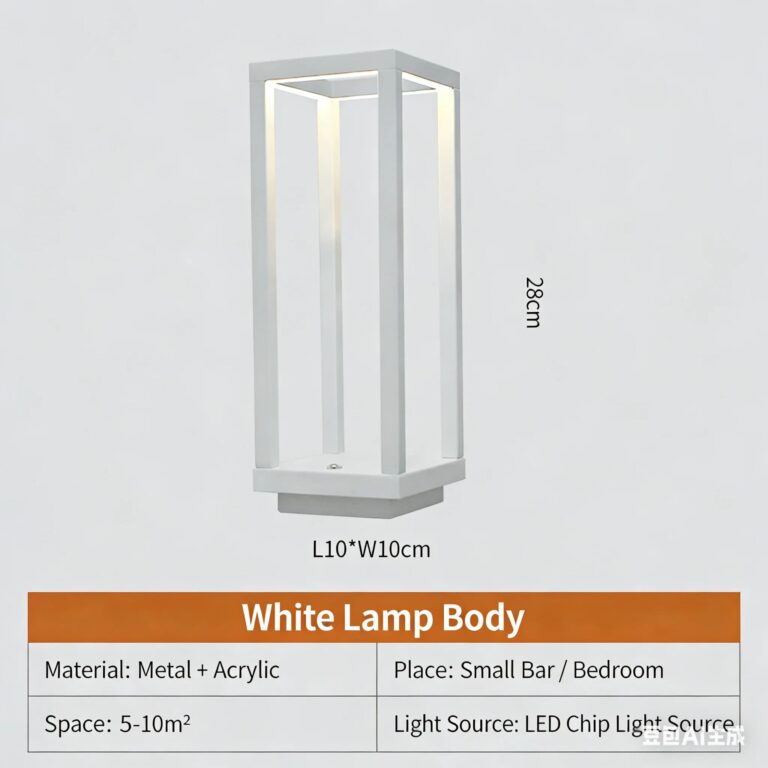 Aisha's pickMetal Lounge Lights That Change the Feel of a Room
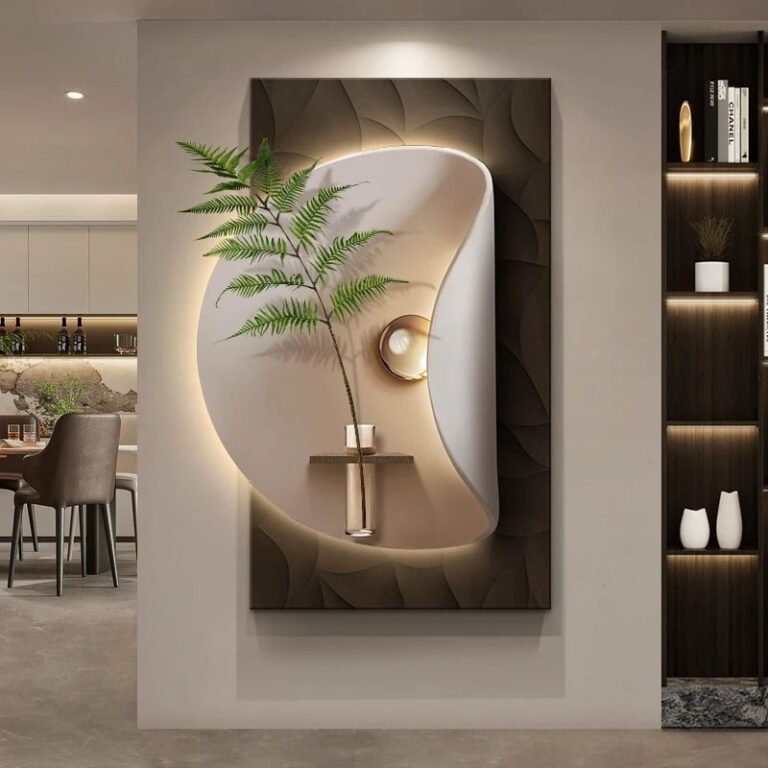
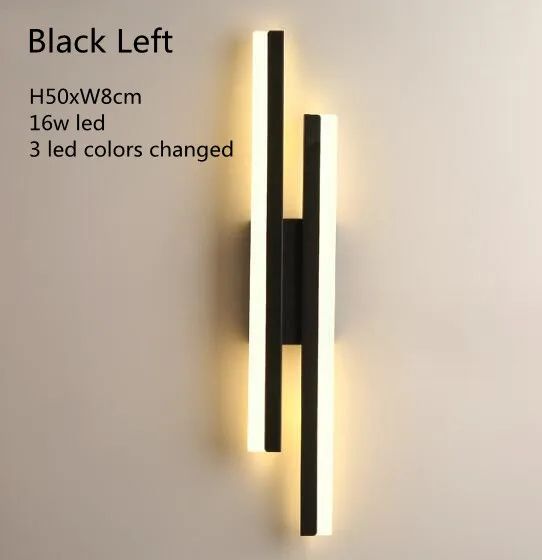 Aisha's pickMetal Bedside Wall Lights That Change the Feel of a Room
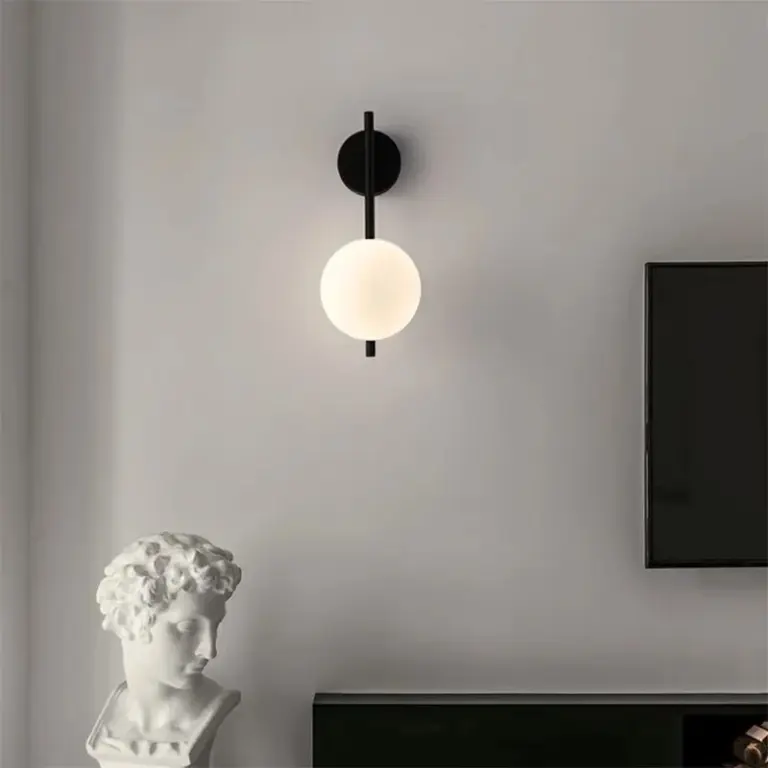
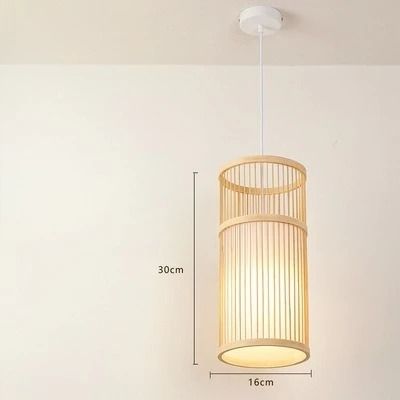 Aisha's pickMetal Pendant Lights That Don’t Need Babying

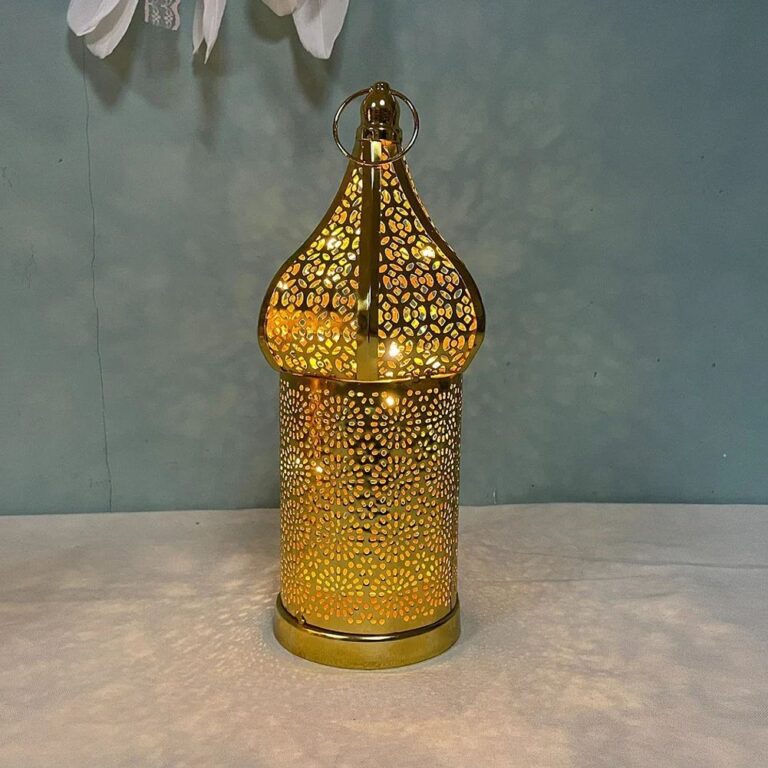 Aisha's pickMetal Candle Lanterns for Dark Winter Evenings
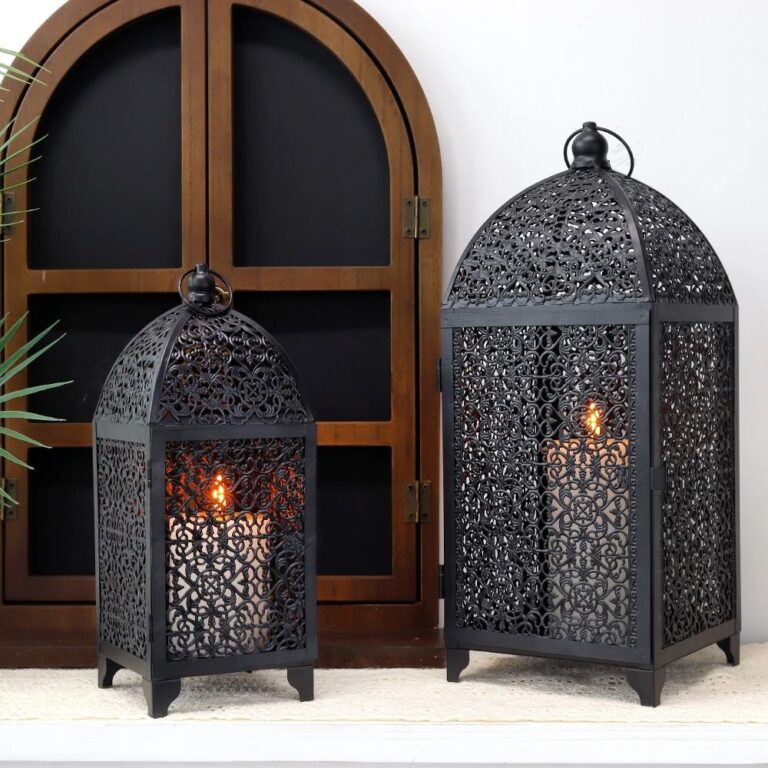
 Aisha's pickMetal Pendant Lights with Shade Bright Enough Without the Glare

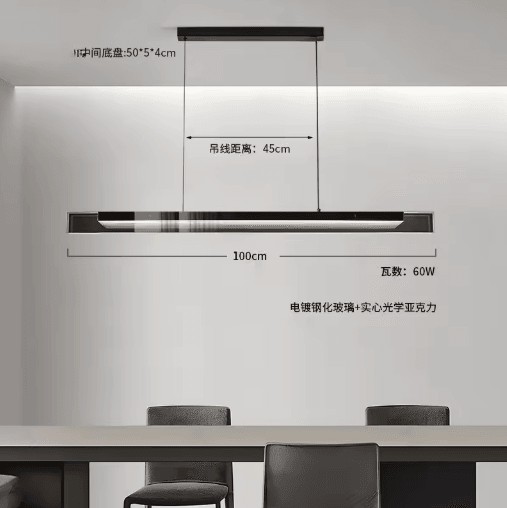 Aisha's pickMetal Ceiling Lights for Making a House Feel Like Yours
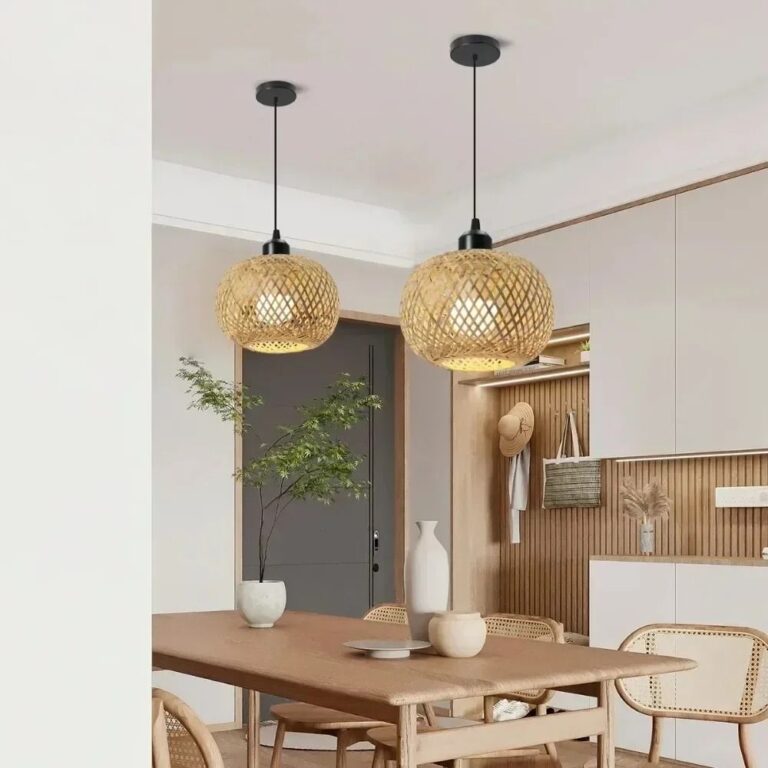
 Aisha's pickMetal Picture Lights We Leave On All Evening

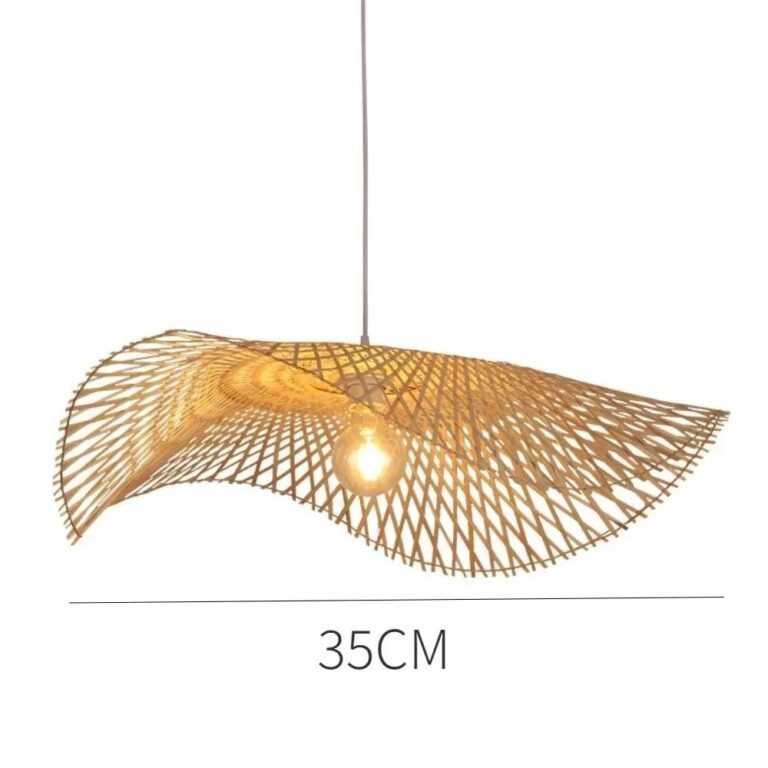 Aisha's pickMetal Ceiling Lights with Shade Worth Knowing AboutAlso worth a lookWall LightsWall lights are the fixture everyone skips and shouldn't.See the collections →
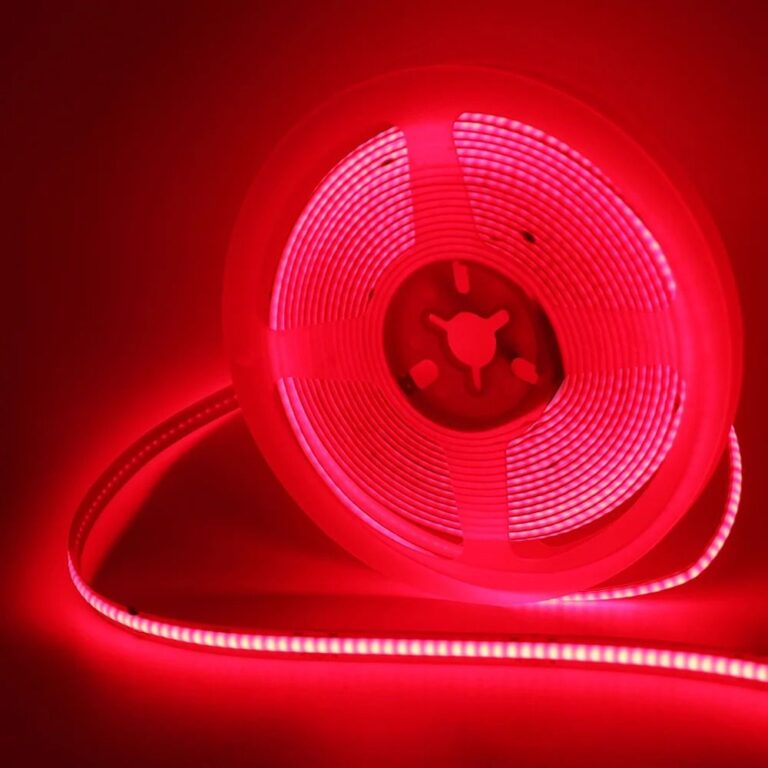 Aisha's pickShopping for Metal Plug in Wall Lights? Start Here
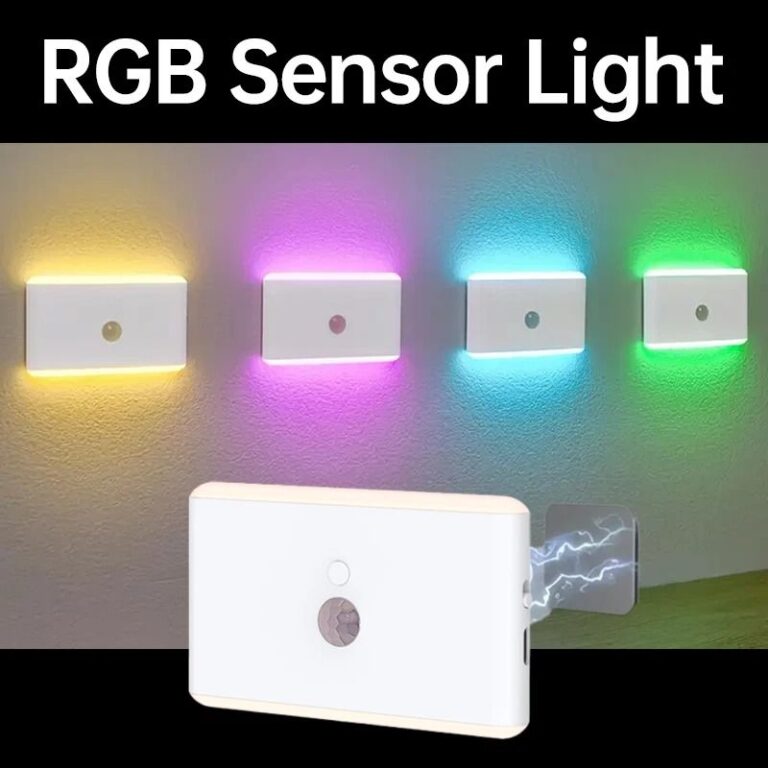
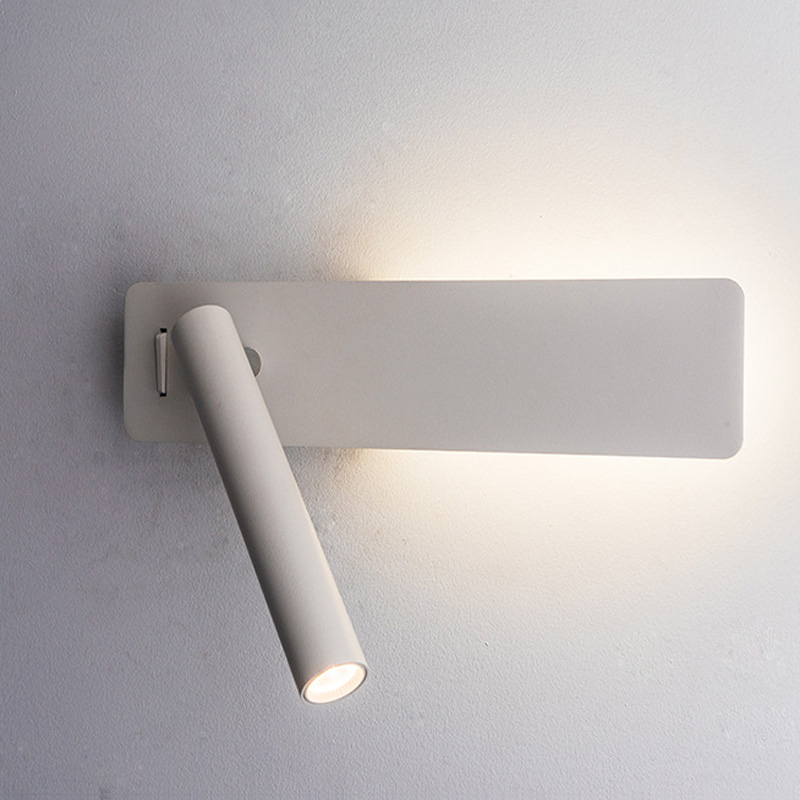 Aisha's pickAdjustable Metal Wall Lights That Change the Feel of a Room

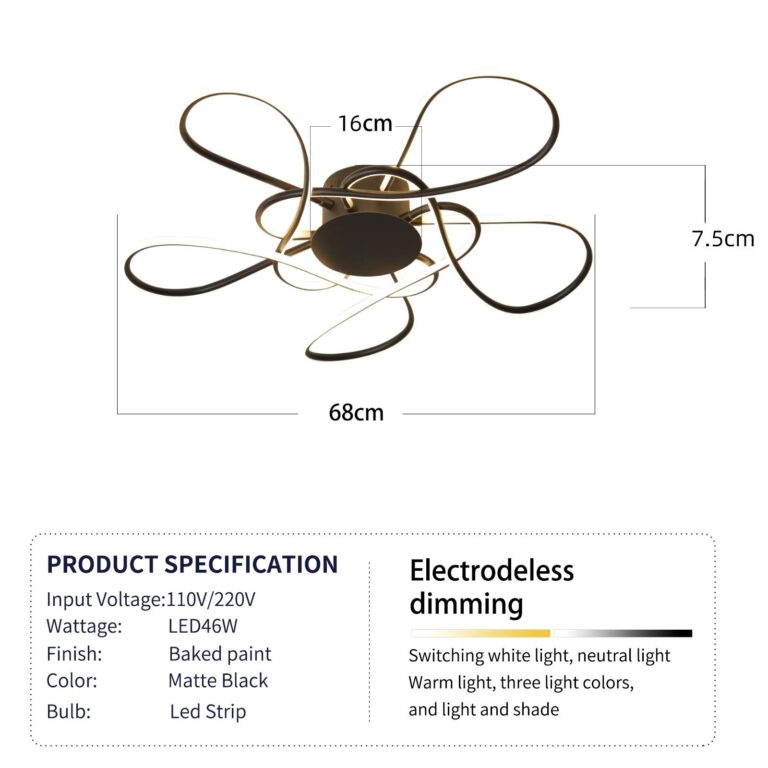 Aisha's pickMetal Chandeliers That Give Off a Warm Glow
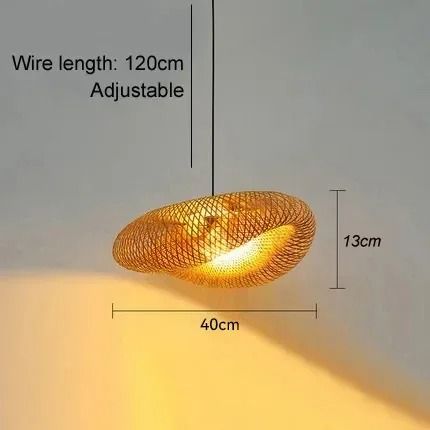
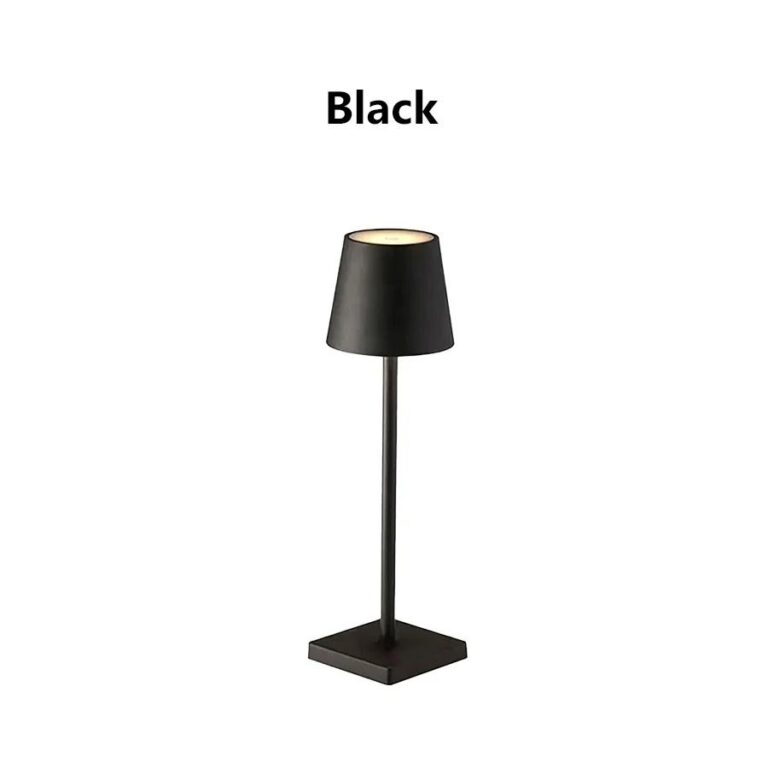 Aisha's pickMetal Reading Wall Lights Pulled From Dozens of Stores

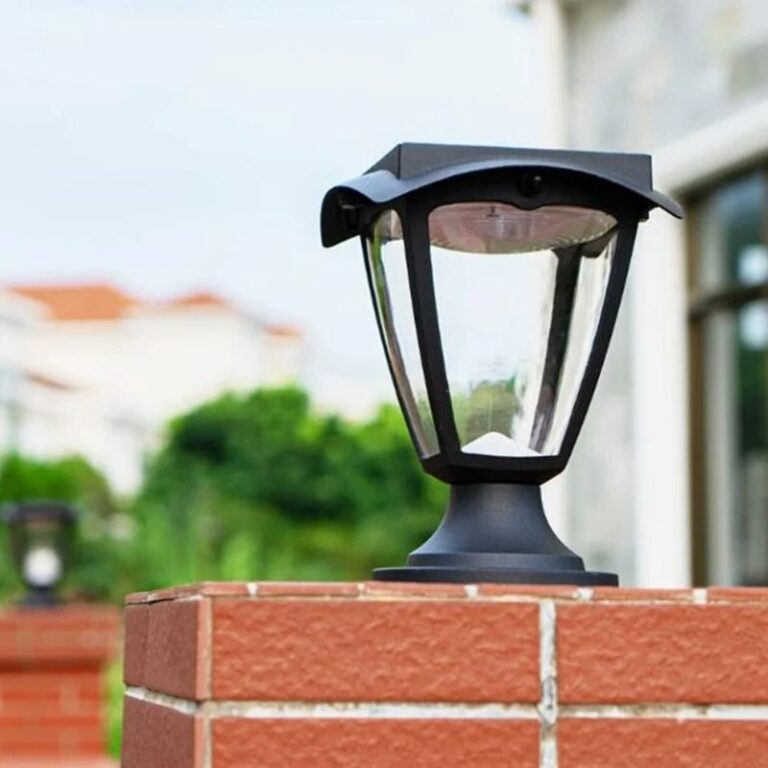
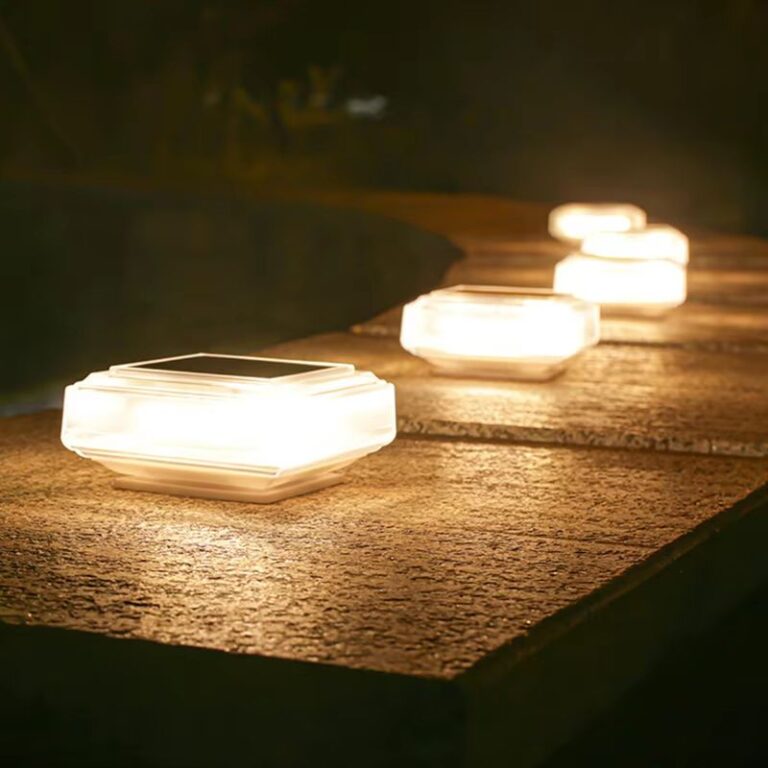 Aisha's pickAluminum Post Lights for Reading, Relaxing or Both
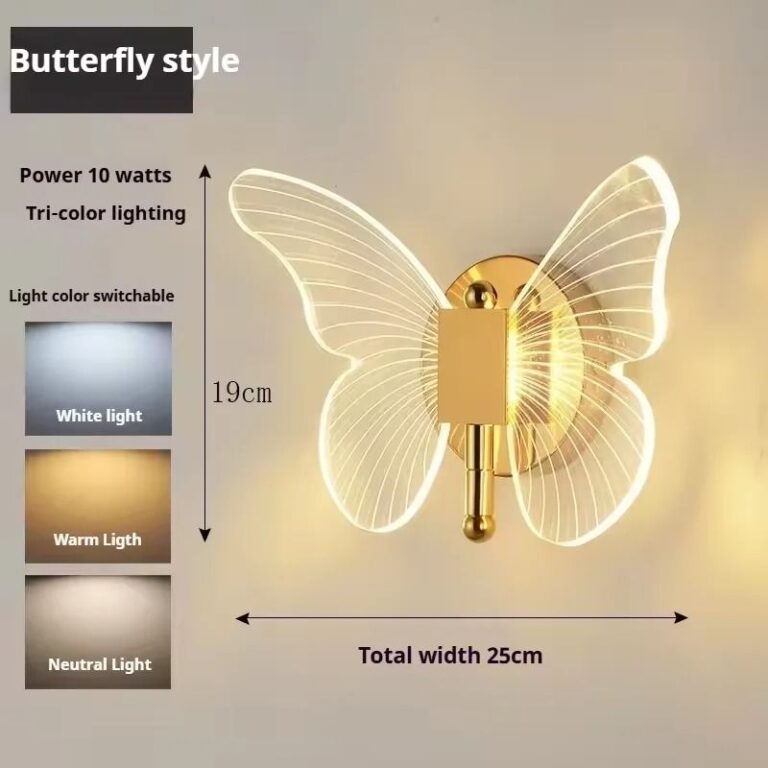 Aisha's pickMetal Dining Room Lights for Long Dinners With Friends
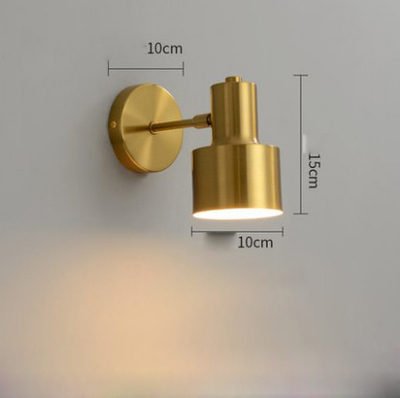
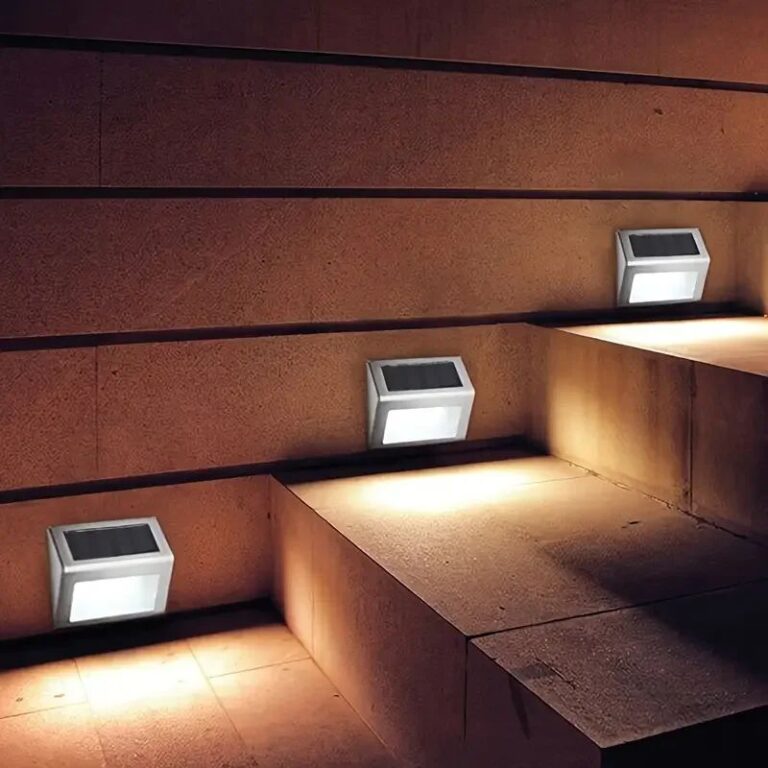
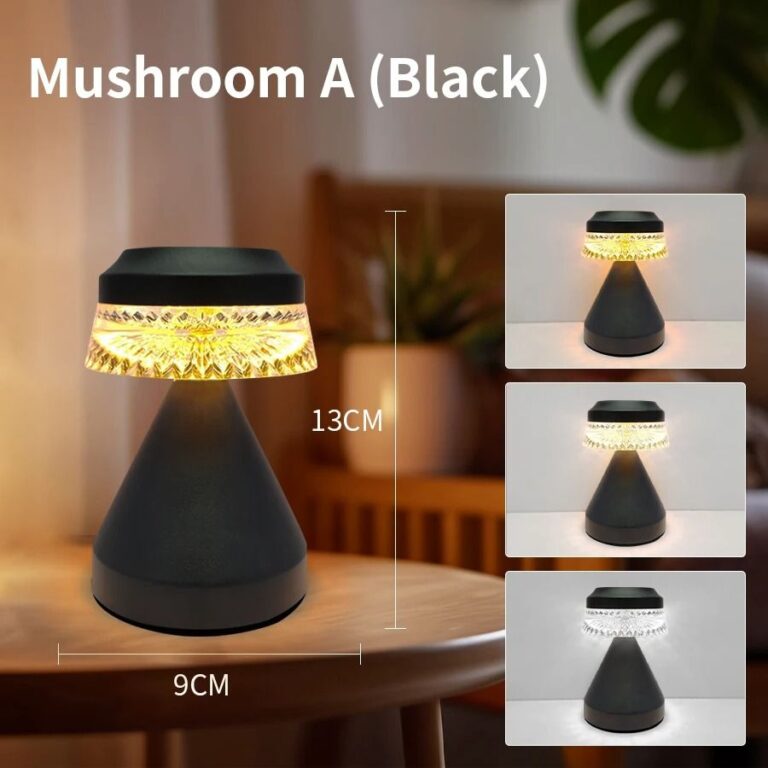 Aisha's pickMetal Step Lights That Make a Room Feel Finished
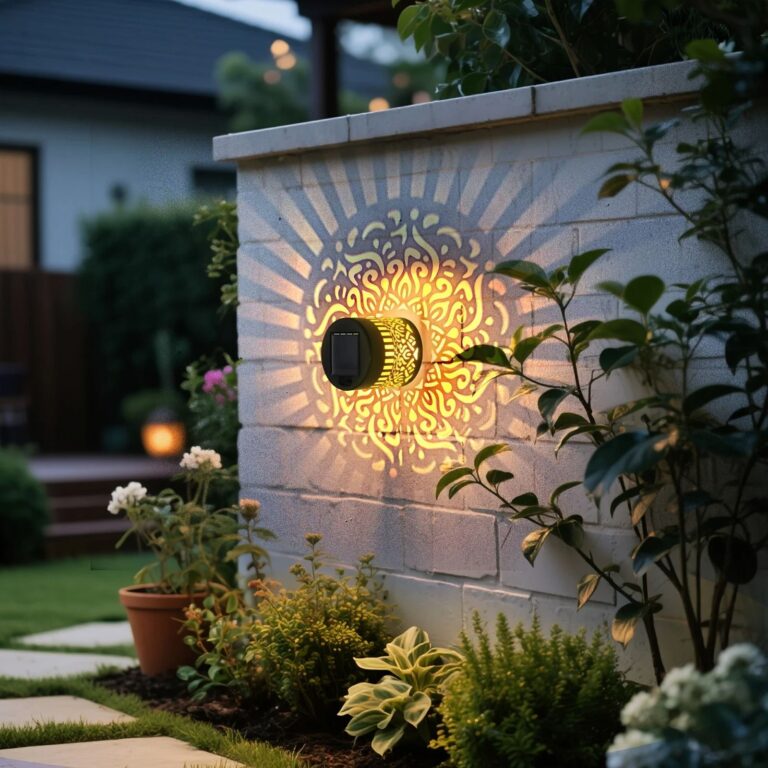
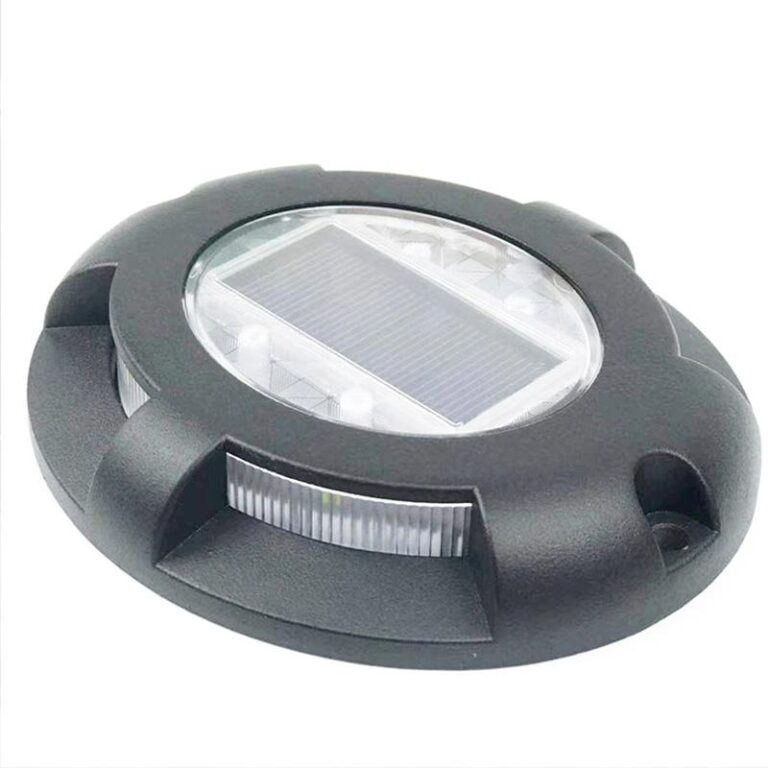 Aisha's pickGood Aluminum Step Lights That Don’t Cost a Fortune
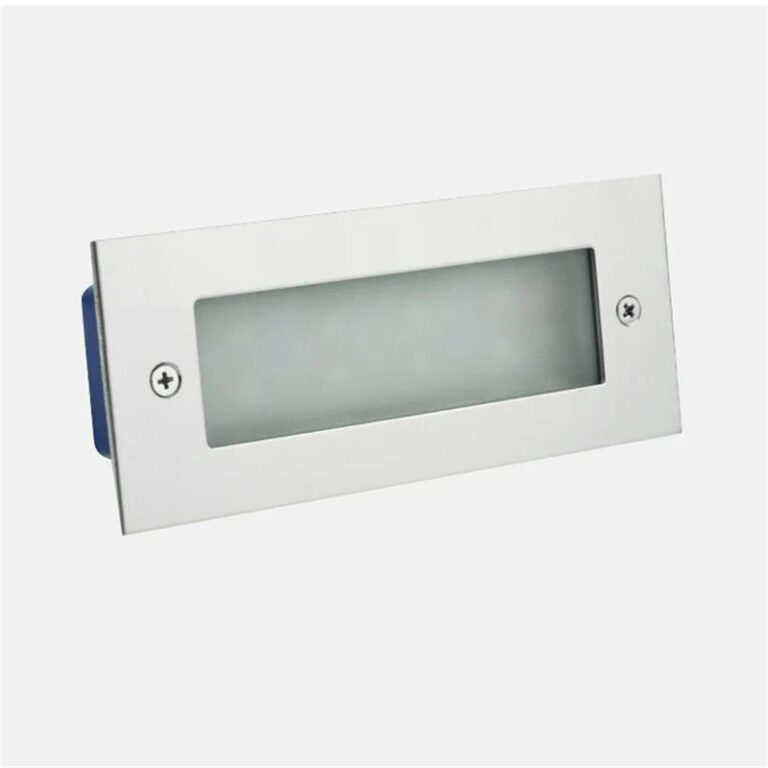
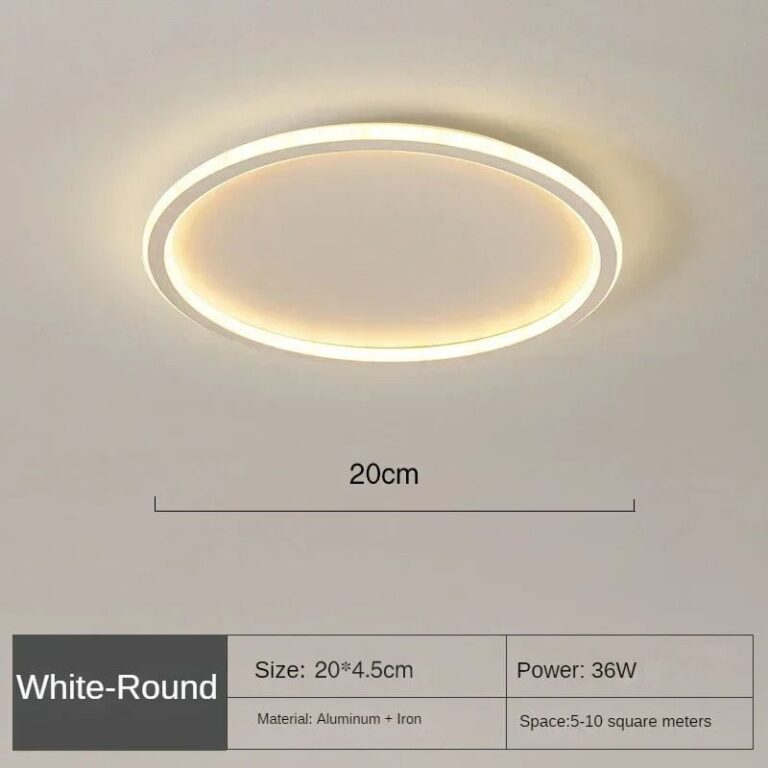 Aisha's pickMetal Flush Ceiling Lights That Don’t Shout About ItAlso worth a lookBlack LightsThe thing nobody mentions about black light fixtures is how differently they read once the sun goes down…See the collections →

 Aisha's pickMetal Wall Lights That Don’t Look Mass Produced
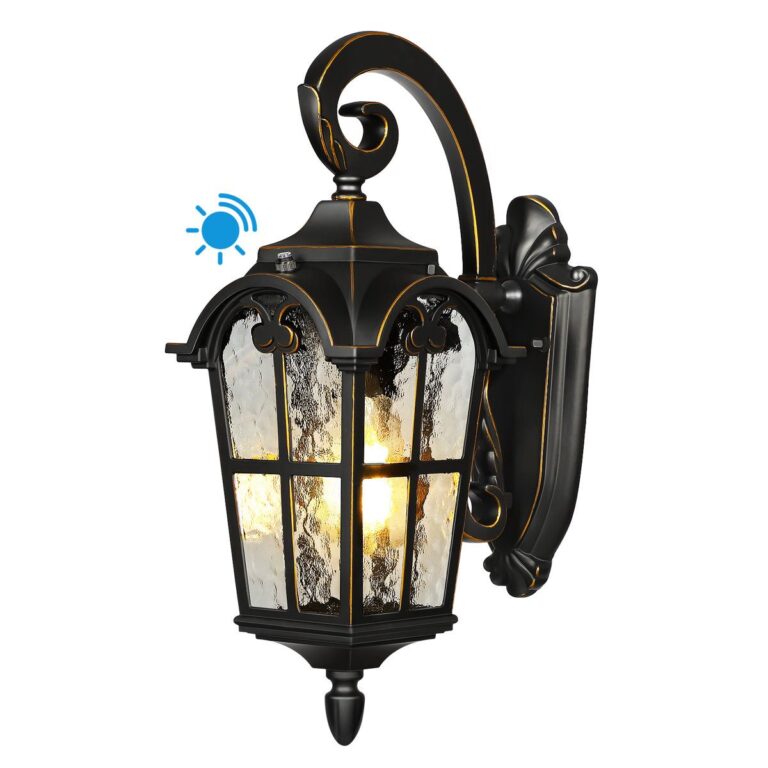 Aisha's pickBlack Metal Lanterns for Dark Winter Evenings
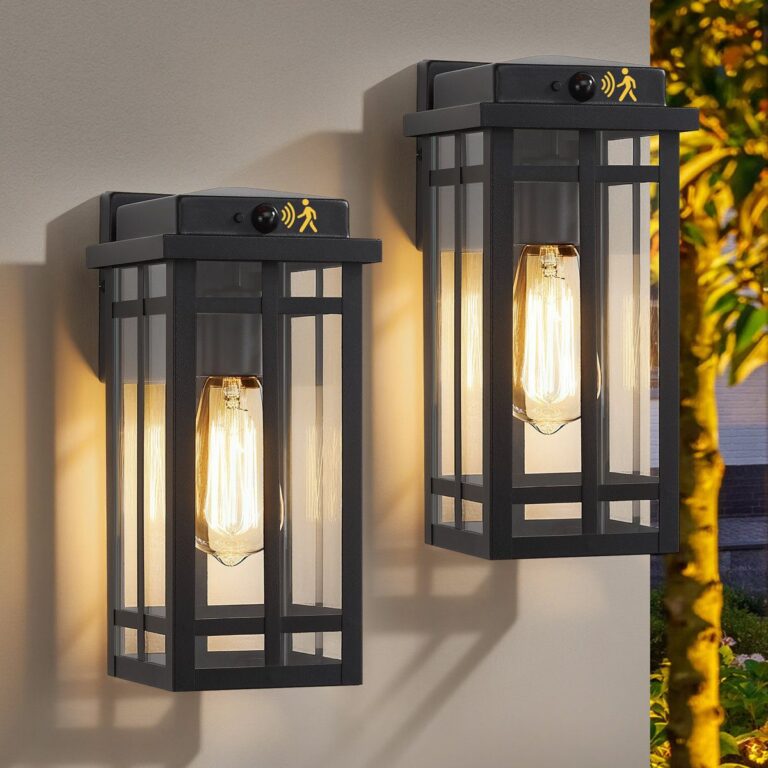
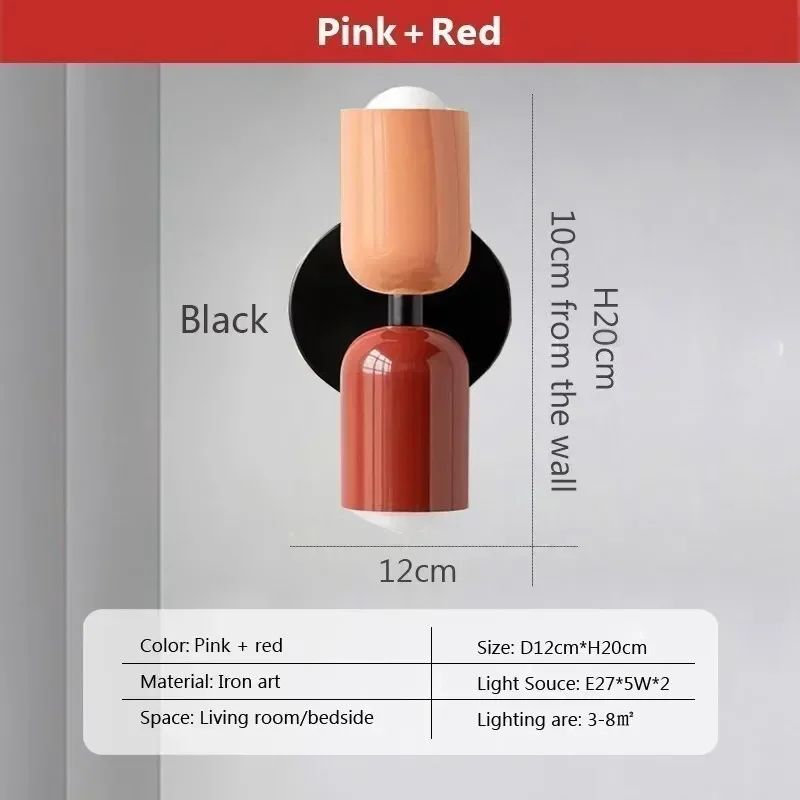 Aisha's pickMetal Hallway Lights We Leave On All Evening
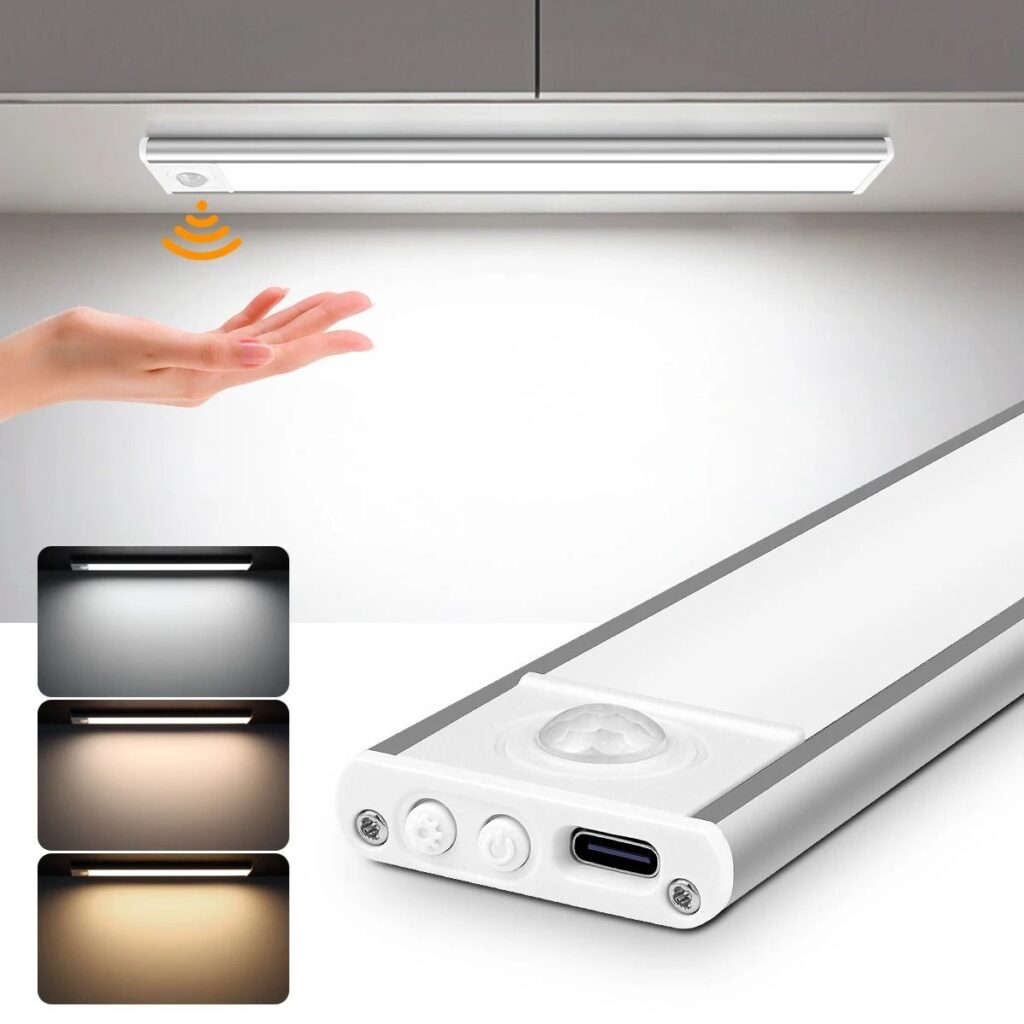
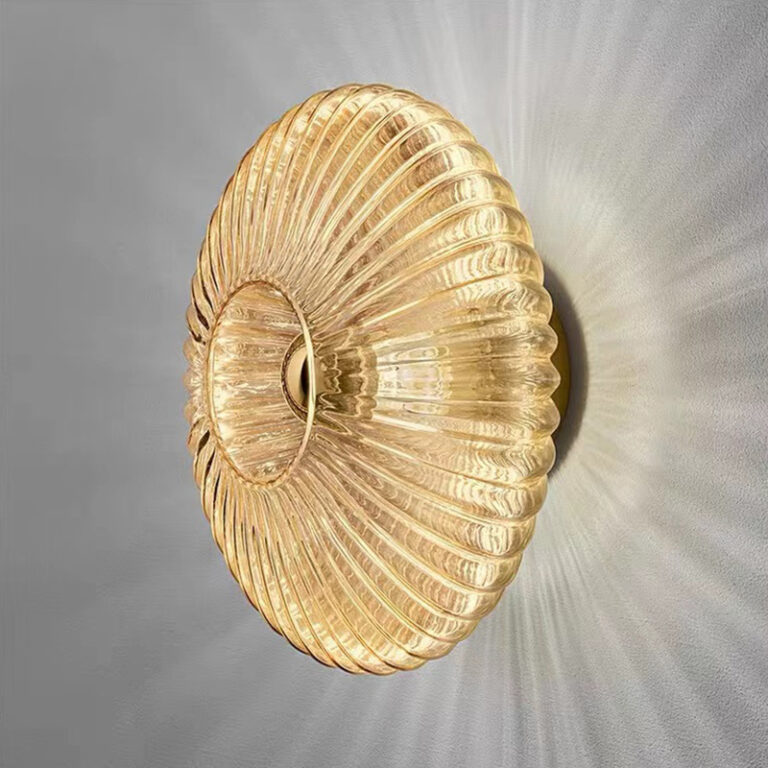 Aisha's pickGood Metal Wall Lights with Shade That Don’t Cost a Fortune

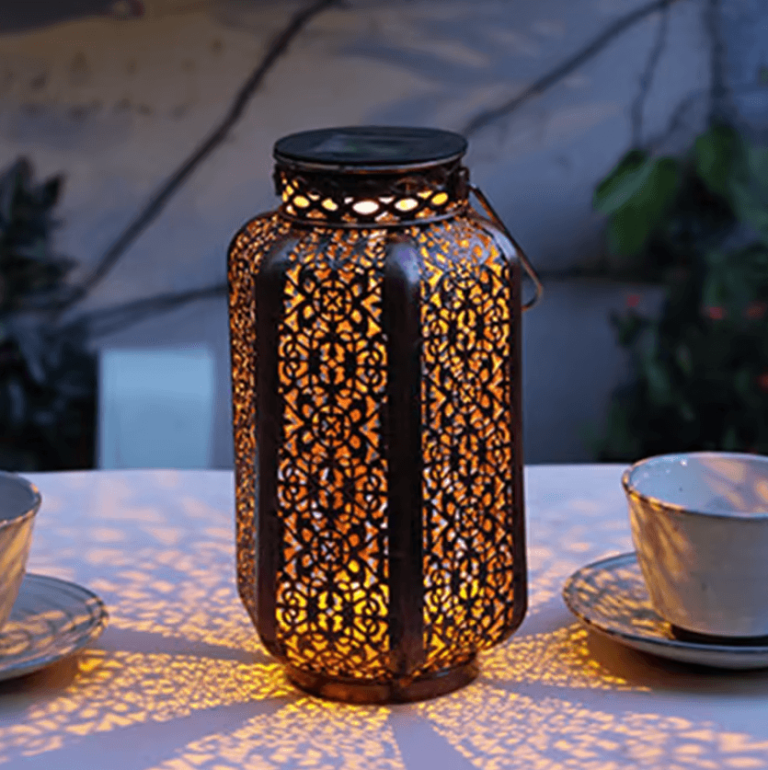 Aisha's pickHanging Metal Lanterns You’ll Keep for Years

 Aisha's pickMetal Hanging Lights That Look Good Switched Off Too
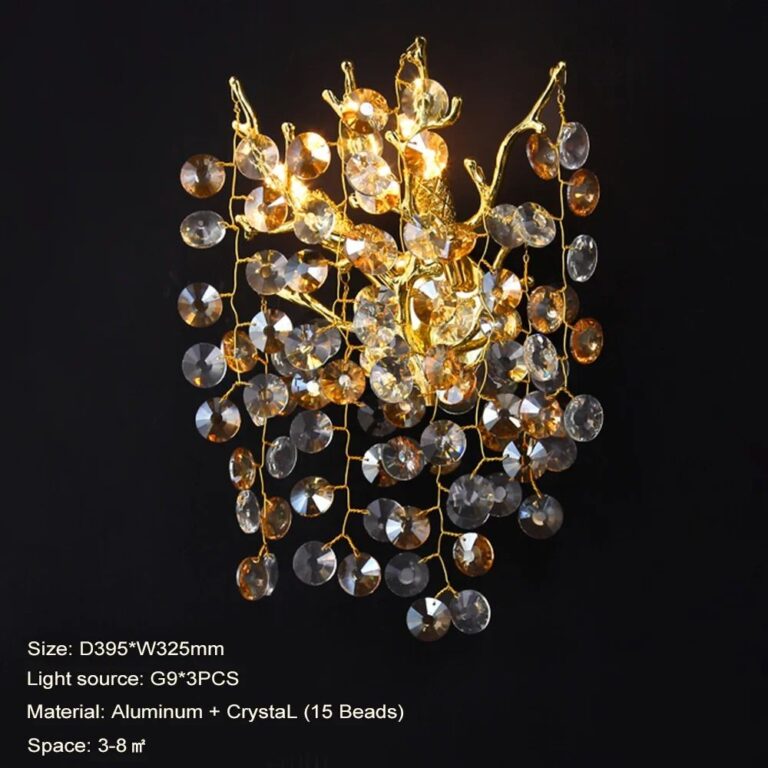
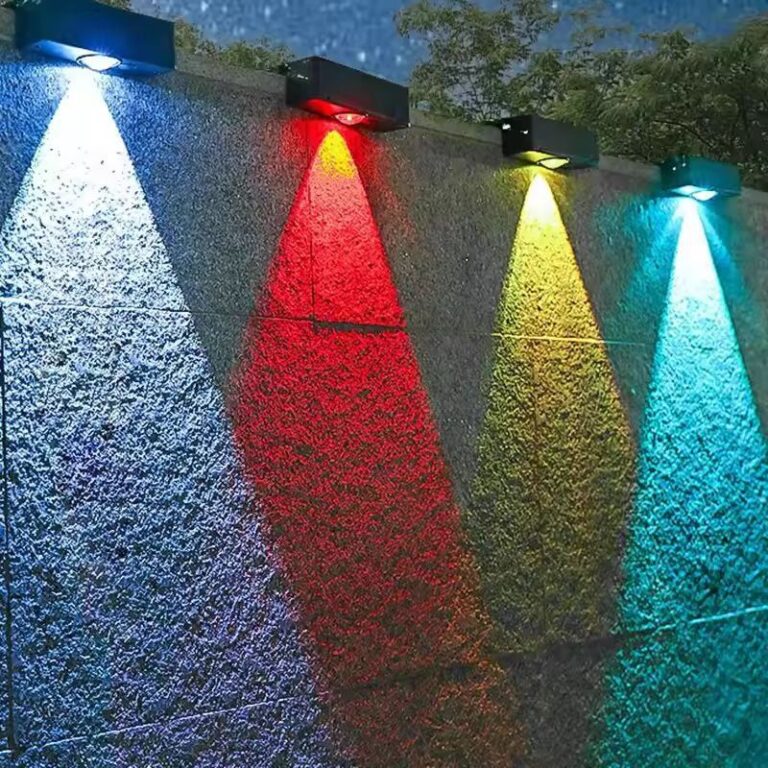 Aisha's pickMetal Wall Lights with Switch We’d Buy Again
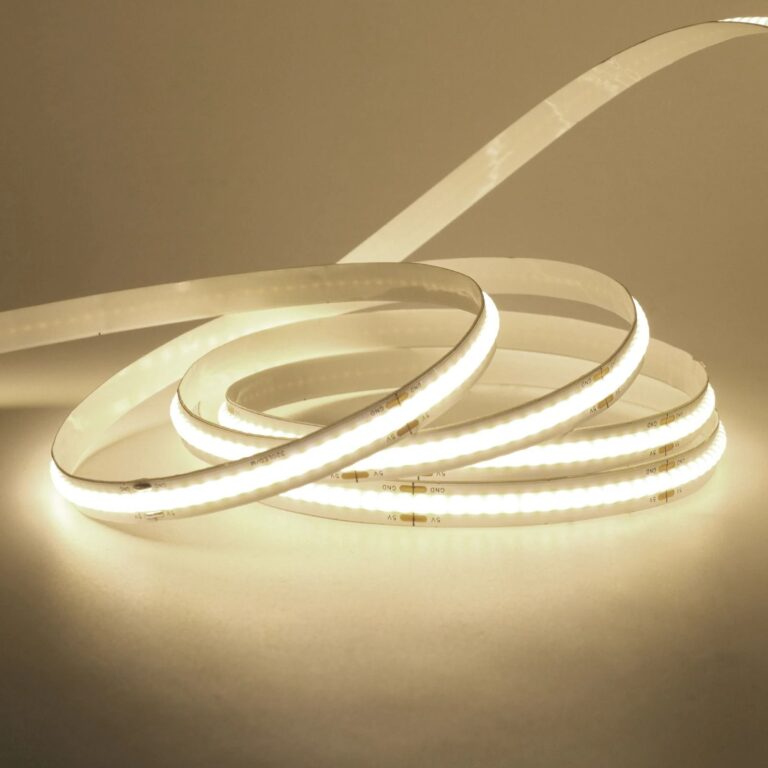
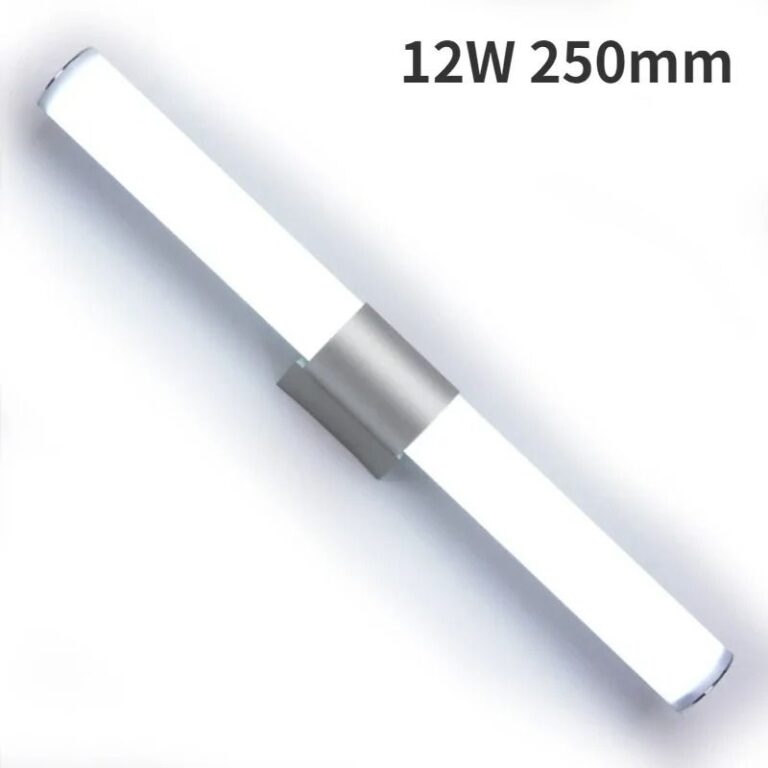 Aisha's pickGood IP44 Metal Wall Lights That Don’t Cost a Fortune
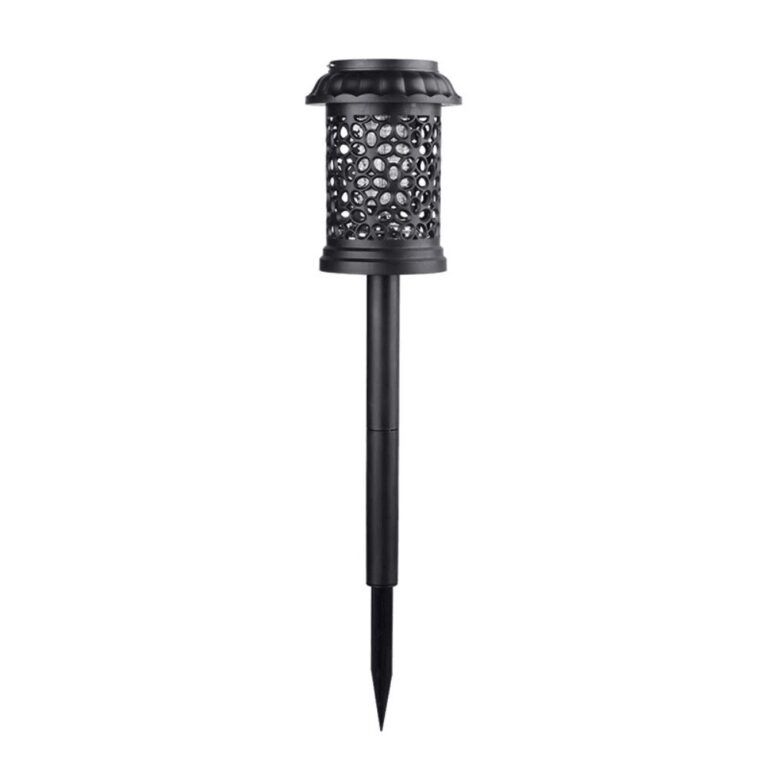
 Aisha's pickMetal Island Pendant Lights That Make Small Changes Feel BigAlso worth a lookBedroom LightsThe question I get most often is whether bedroom lighting needs to match the rest of the house,…See the collections →

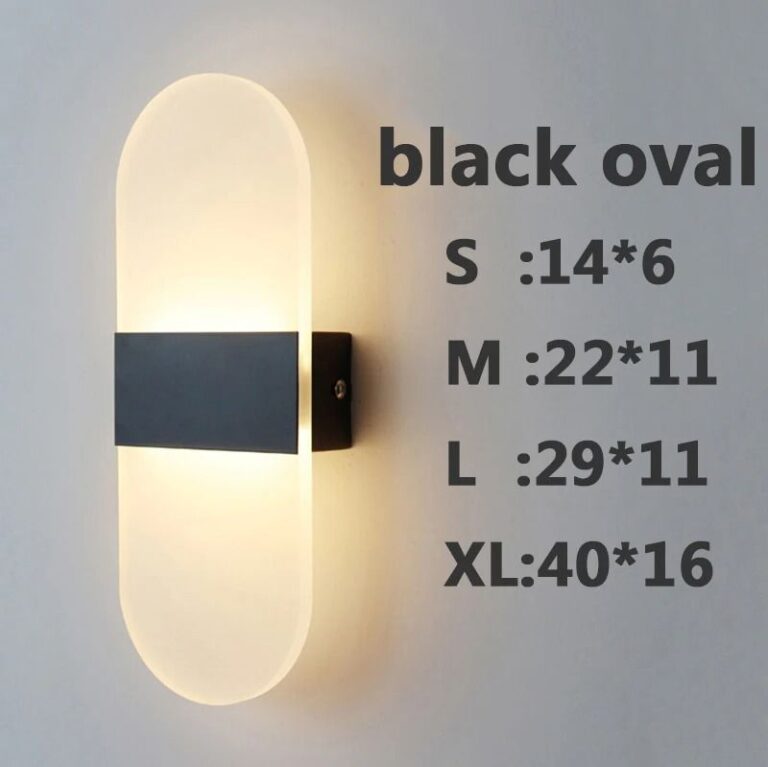 Aisha's pickSmall Metal Wall Lights With a Bit More About Them
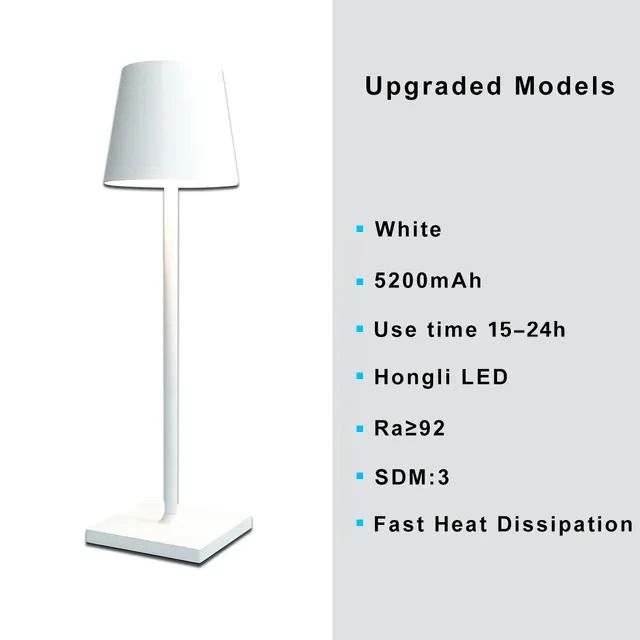
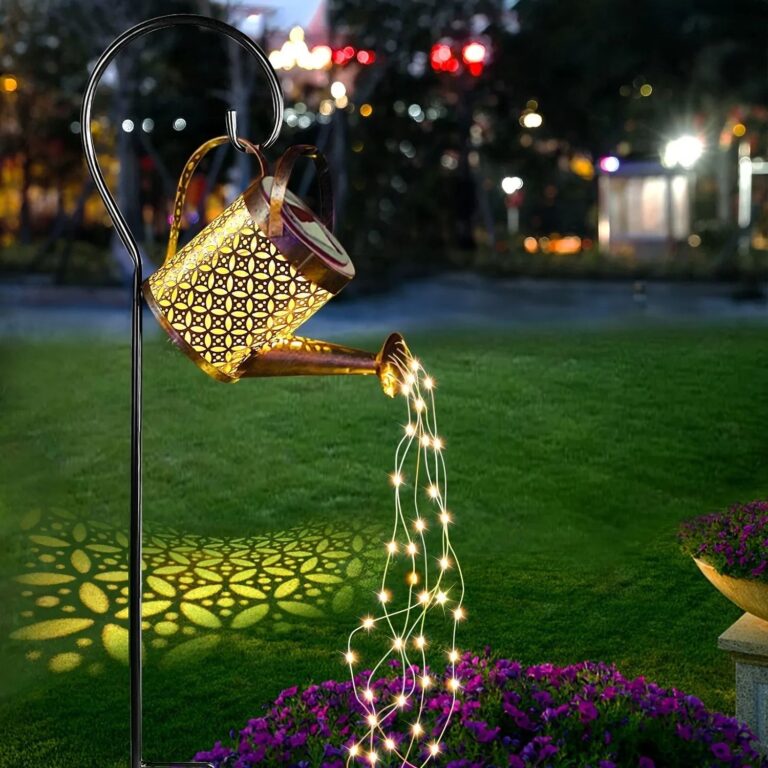 Aisha's pickIron Lanterns Bright Enough Without the Glare
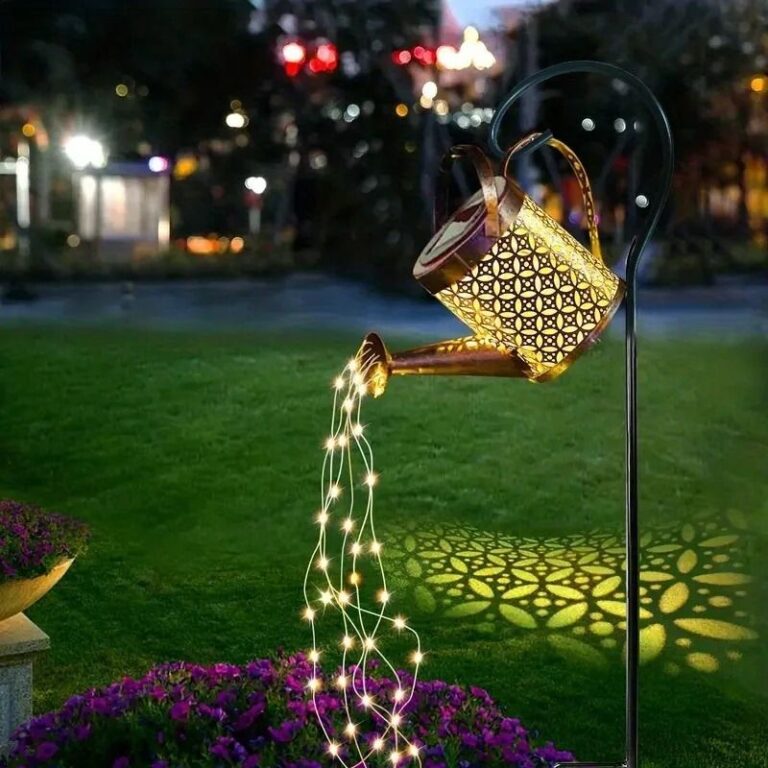
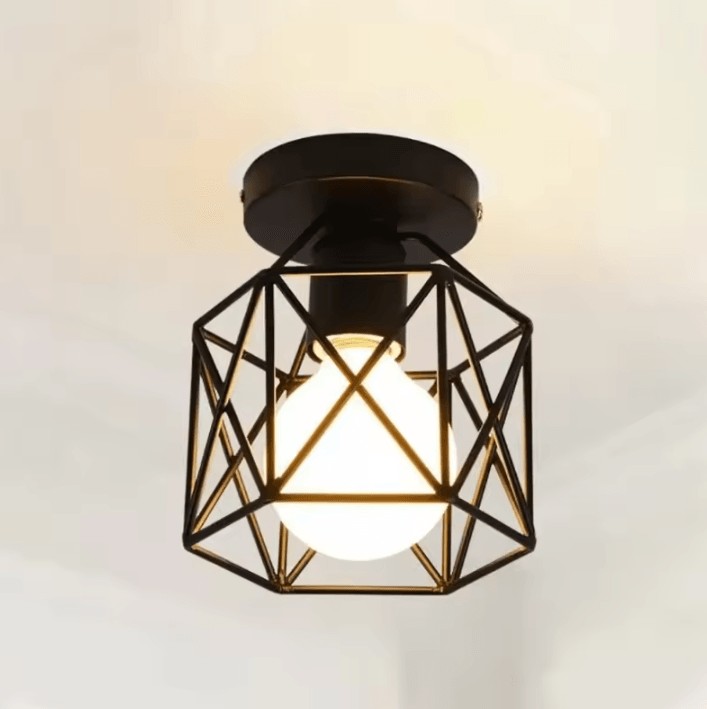 Aisha's pickMetal Kitchen Island Lights That Cope With Steam and Splashes
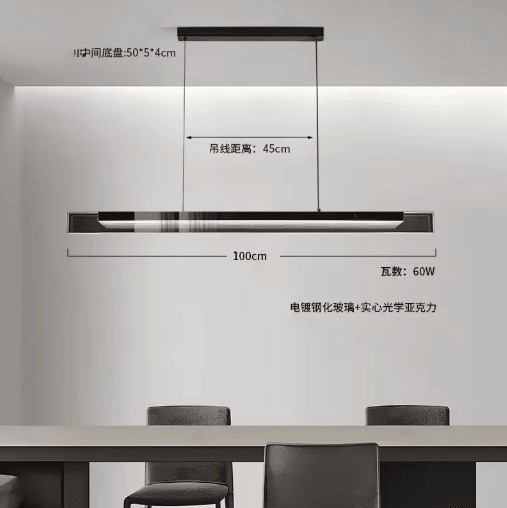
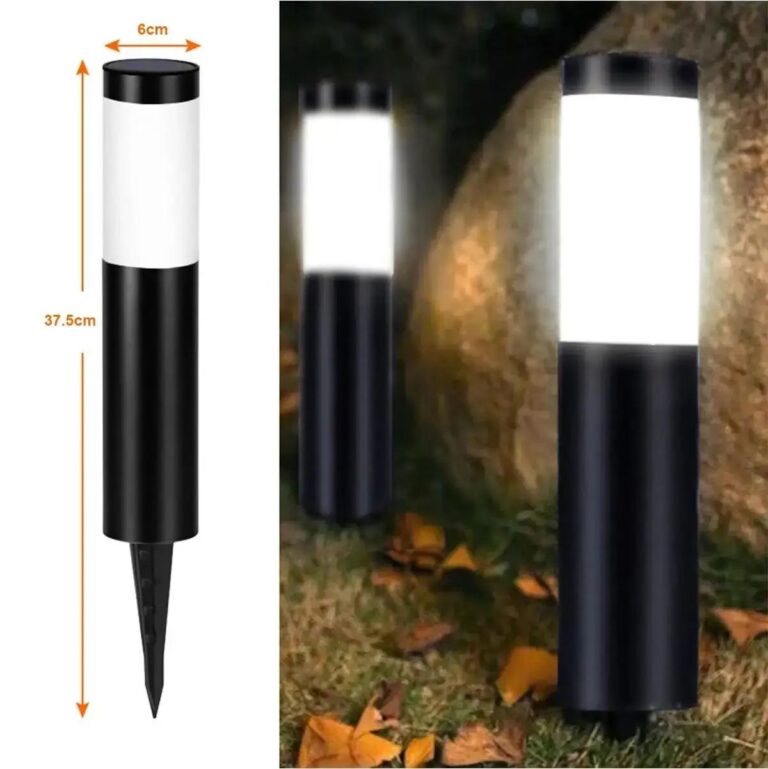 Aisha's pickStainless Steel Post Lights That Look Good Switched Off Too
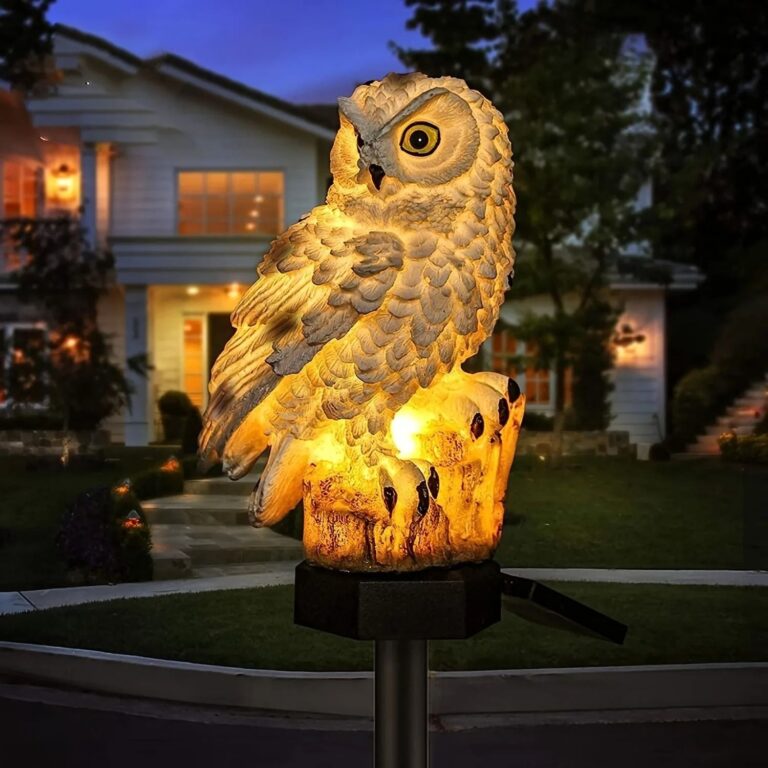
 Aisha's pickGood Large Metal Wall Lights That Don’t Cost a Fortune
 Aisha's pickMetal Kitchen Lights for Reading, Relaxing or Both
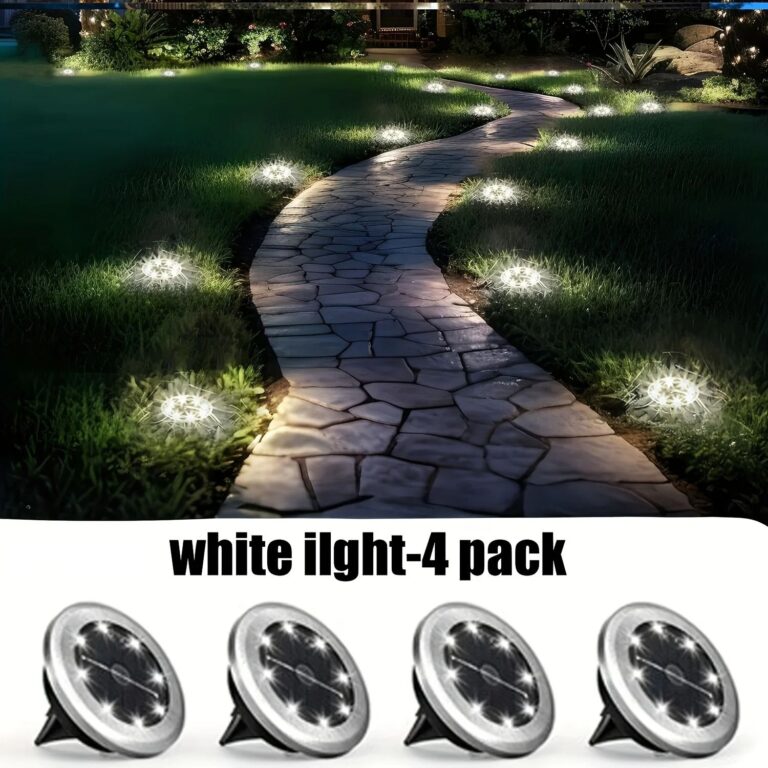 Aisha's pickStainless Steel Step Lights Picked by People Who Care Too Much
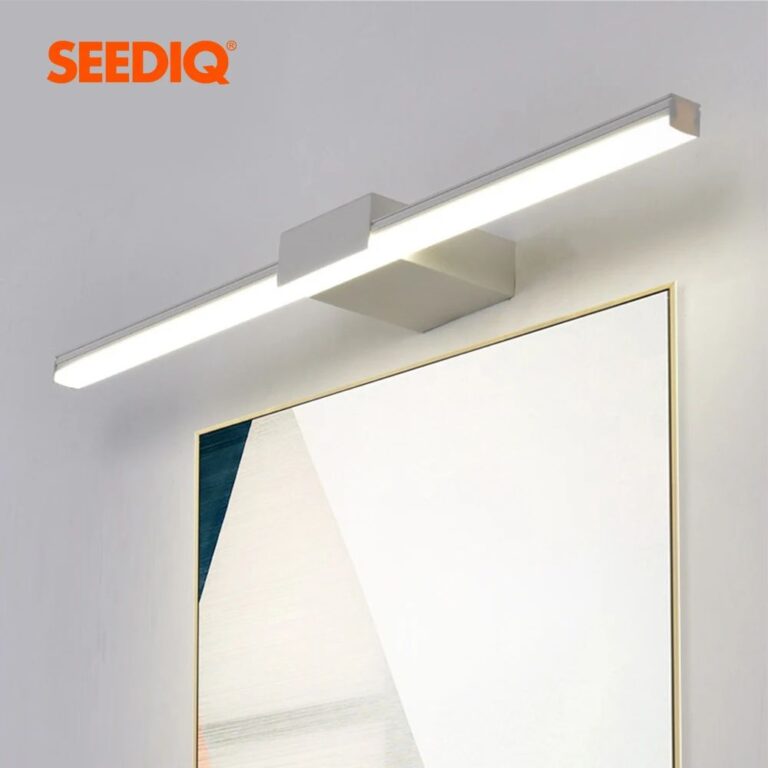 Aisha's pickMetal Bathroom Lights That Look Good Next to Old Tiles