Hallway lights have a reputation for being an afterthought, the fixture you grab last and cheapest because nobody lingers in a hallway long enough to judge it. I think that is backwards. A hallway is the first thing you and every guest sees, and overhead light in an old building is almost always harsh and yellow and unflattering, so this is the one spot where a decent fixture changes the whole entrance to your home, not just the hallway itself.
A hallway light has to get along with whatever is already doing work nearby, usually a console table, a mirror, maybe a row of coat hooks, and it should not compete with all of it for attention. If the hall is narrow, which most are, you want something that sits close to the ceiling or close to the wall rather than hanging down into the space people are walking through, because nothing says bad planning like a pendant you have to duck. Measure the width of the hallway before anything else, not just the ceiling height, and if you are under about three and a half feet wide, go flush or semi flush rather than anything that swings. The common mistake is choosing a fixture sized for how the room photographs rather than how it is actually walked through twice a day with your arms full of groceries.
For color and finish, the ones that stay easy to live with over the years lean toward warm metals, brass, bronze, aged nickel, or simple white and black, because a hallway often connects two or three different rooms with different palettes and the light fixture has to be the neutral thread between them, not another decision you regret. Glass that is frosted or ribbed rather than clear tends to hide dust and bugs better too, which matters more in a hallway than anywhere else in the house since nobody remembers to clean it.
The difference between a good one and a disappointing one shows up the first time you touch it. A well made fixture has some actual weight to the metal, the switch or pull has a clean, solid click rather than a rattly give, and the glass or shade sits flush against its fitting with no visible gap or glue line. Cheap ones hum faintly after a few months, or the finish starts flaking at the screw points within a year, which you will not notice until you are staring at it every single day on your way out the door.
If I had to put one of these somewhere first, it would be the entryway, right where you drop your keys.
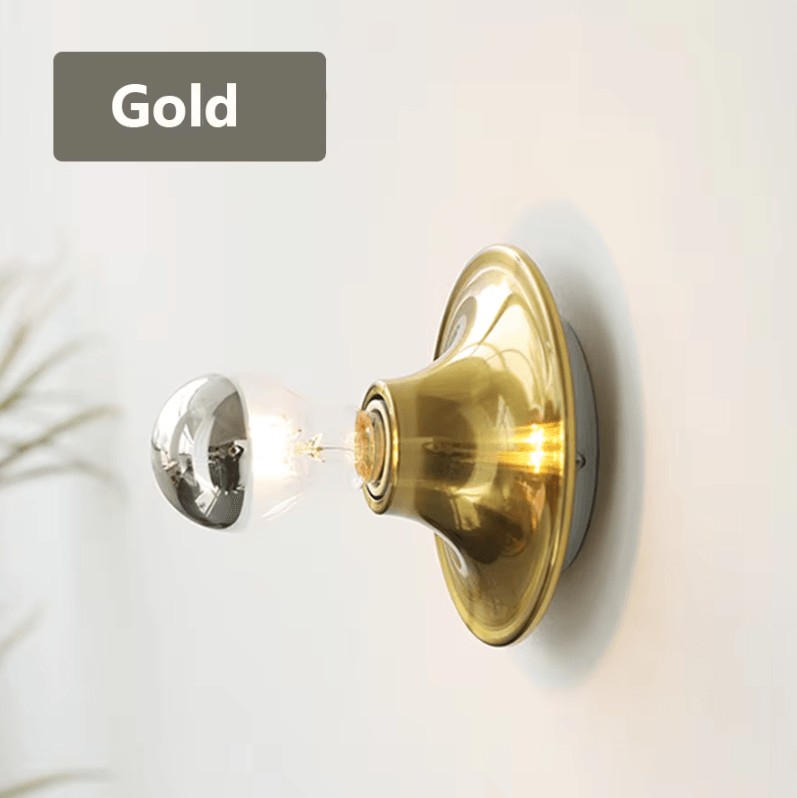 Aisha's pickSimple Chrome Hallway Lights Done Well
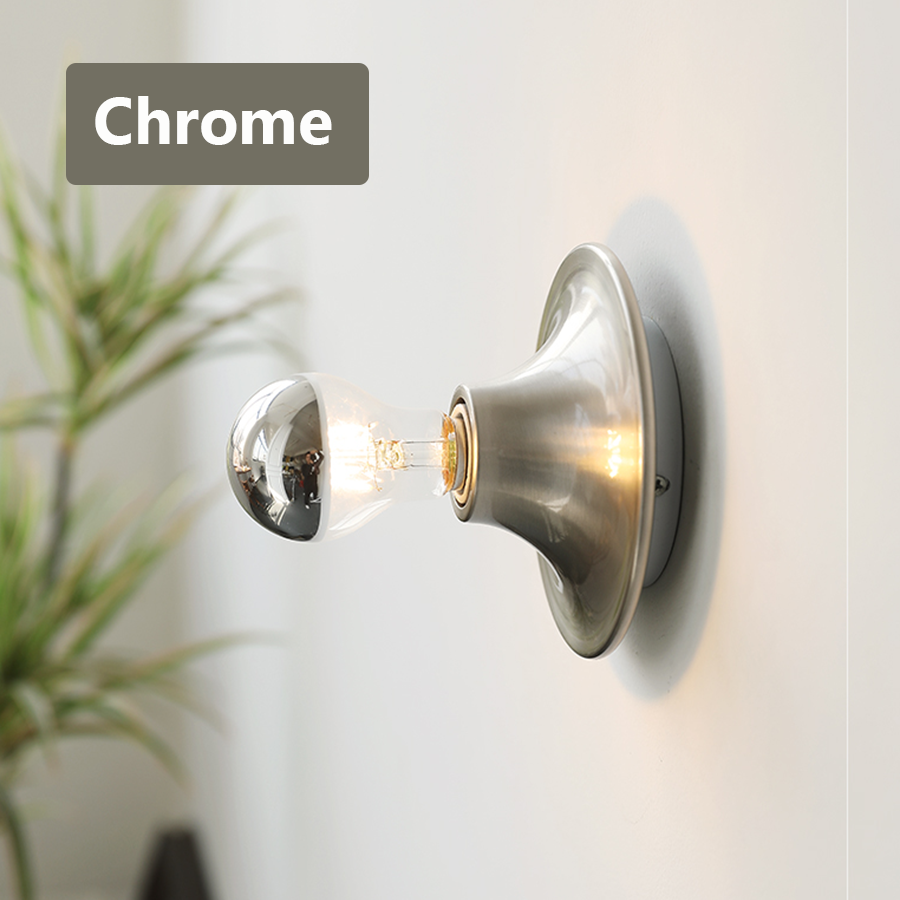
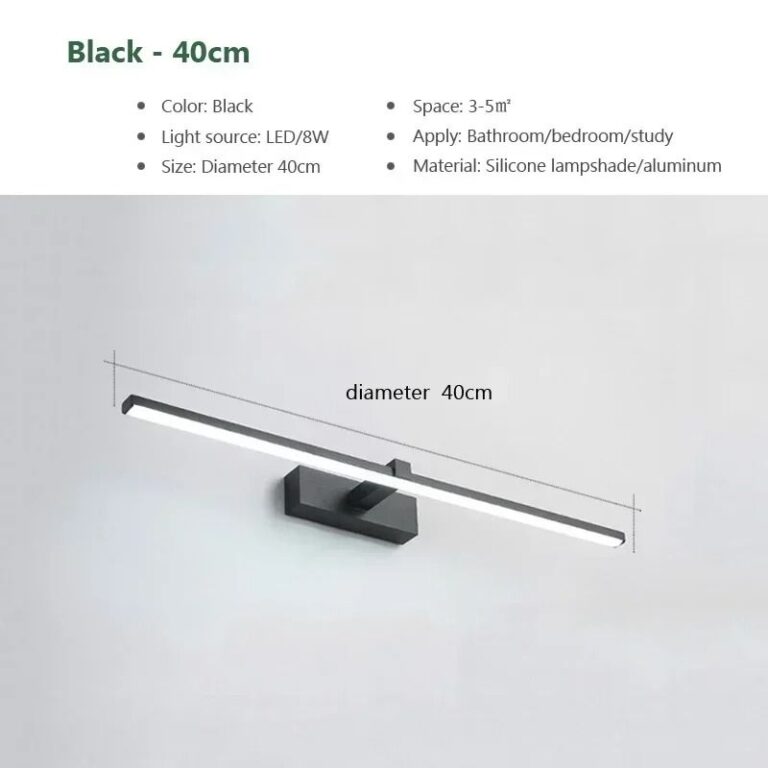 Aisha's pickHallway Lights with Shade That Make Rented Places Feel Like Home
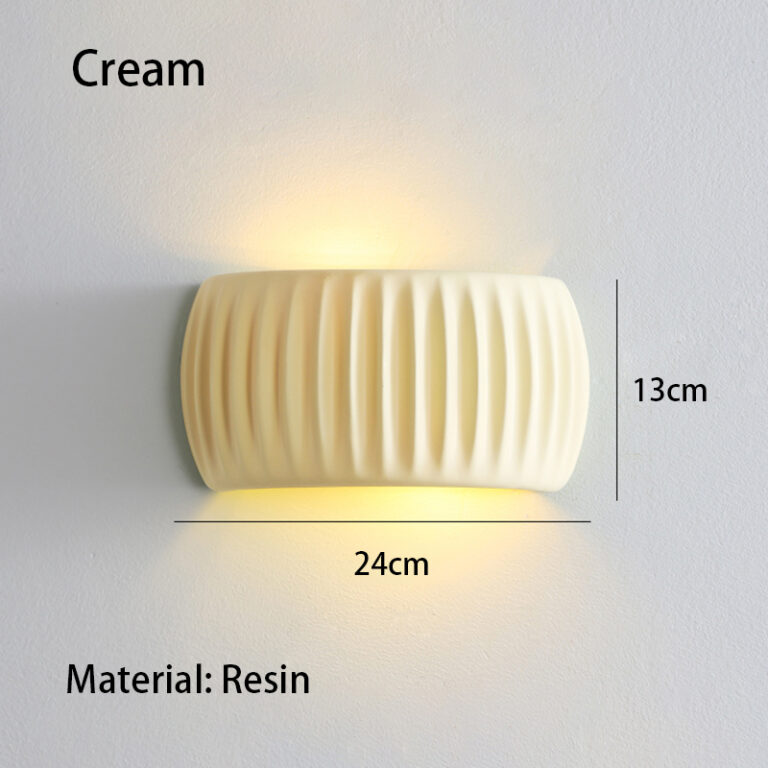
 Aisha's pickClear Glass Hallway Lights That Make a Good First Impression
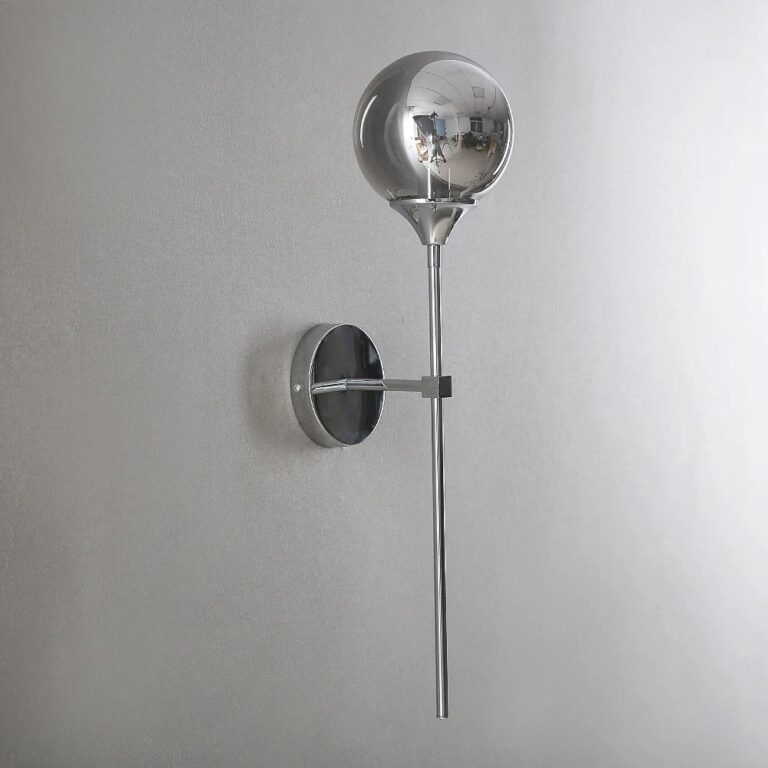
 Aisha's pickKitchen Lights for Hallway That Look Good Up Close
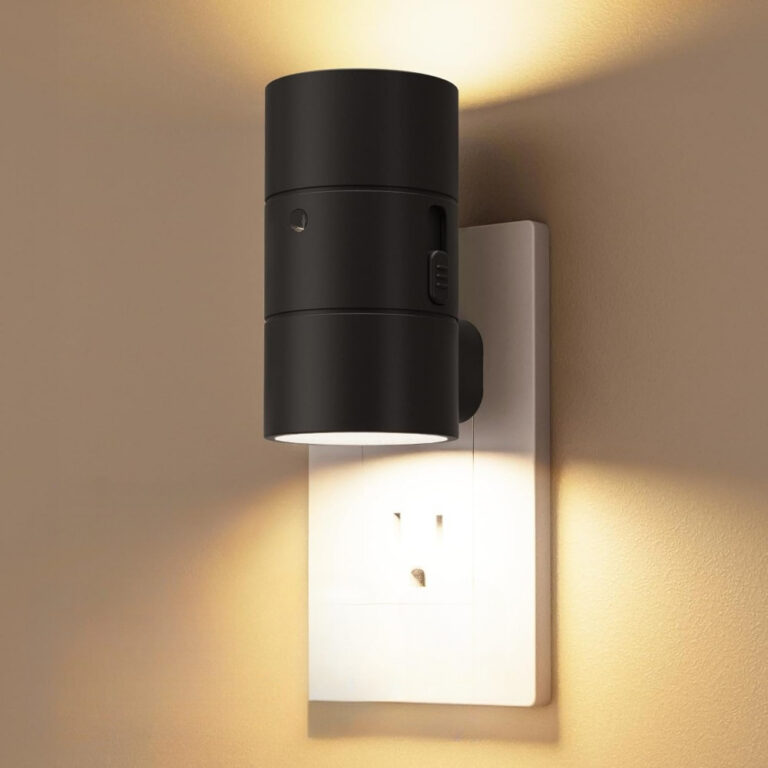
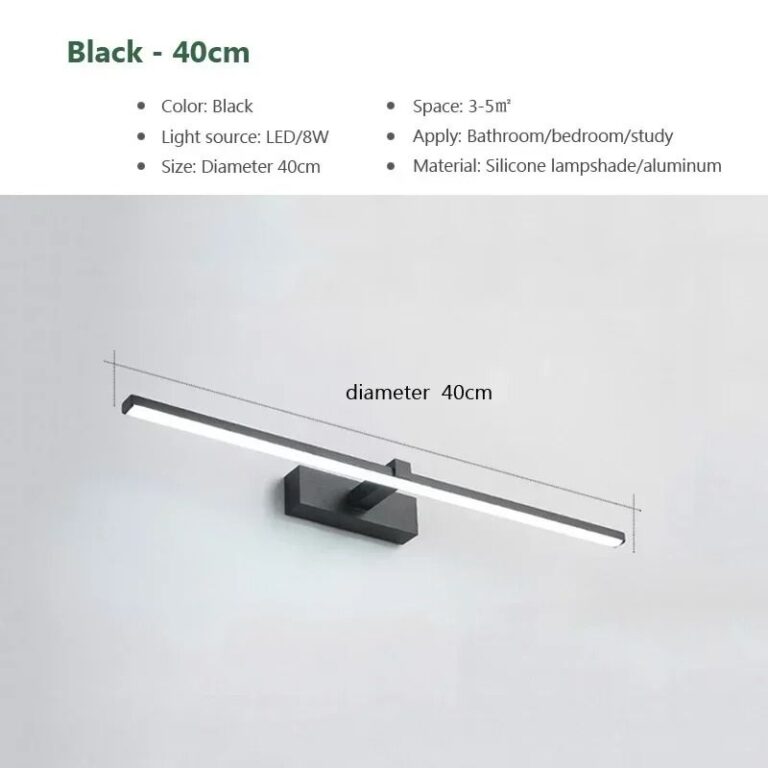 Aisha's pickContemporary Hallway Lights That Get Better With Age

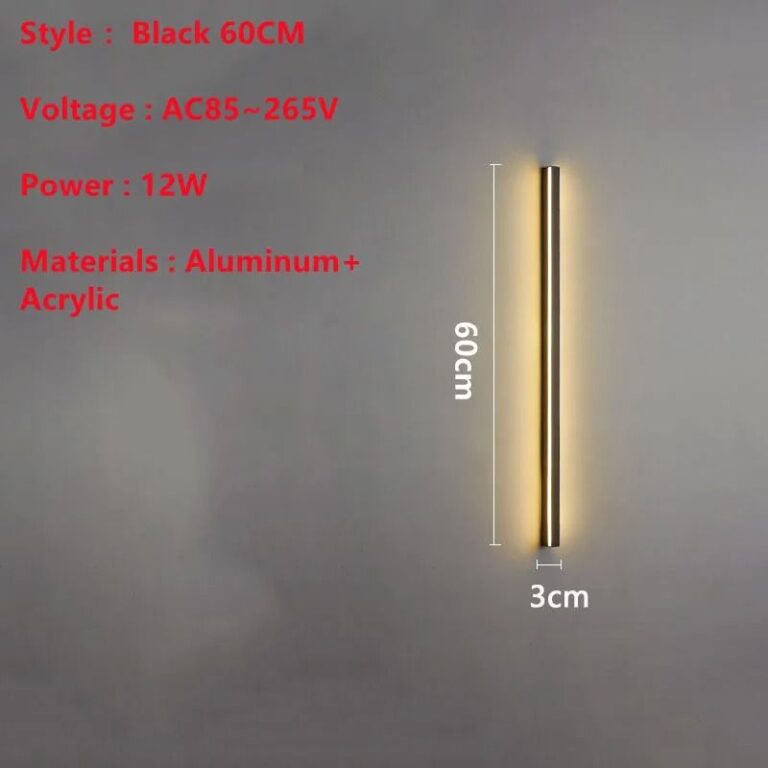 Aisha's pickLarge Hallway Lights That Make a Good First Impression
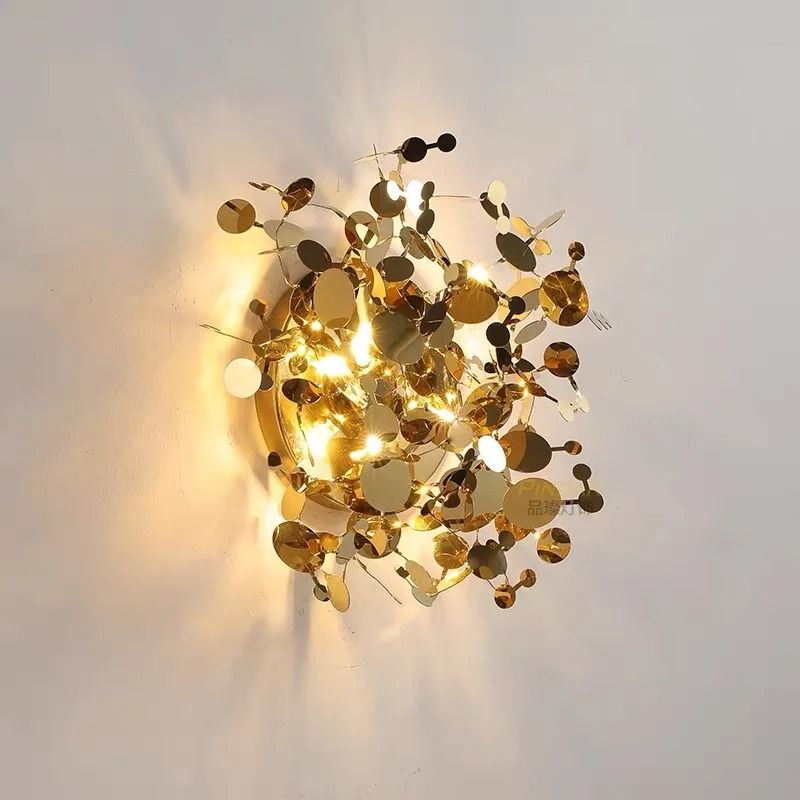
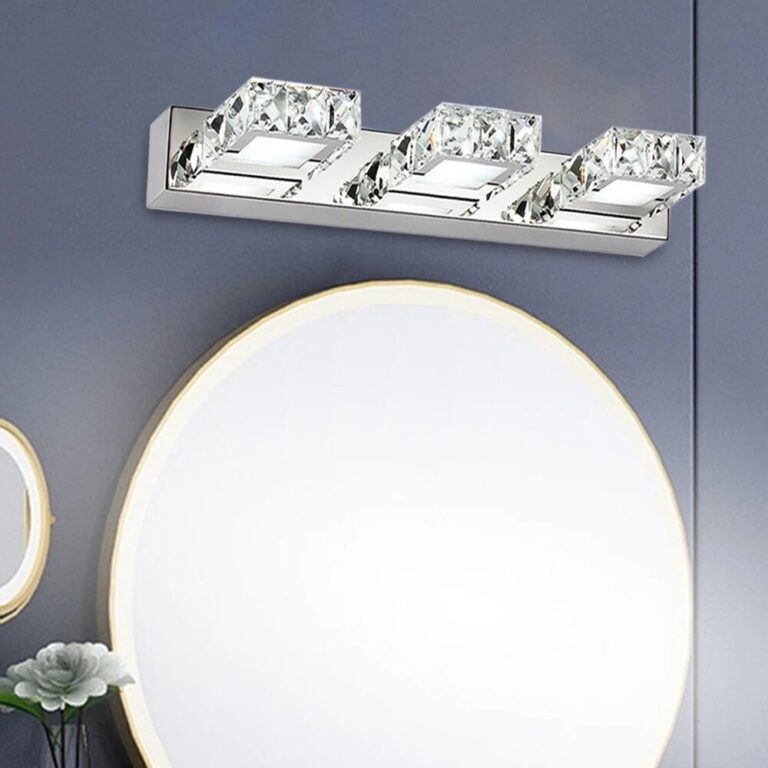 Aisha's pickCrystal Hallway Lights at Every Price Point

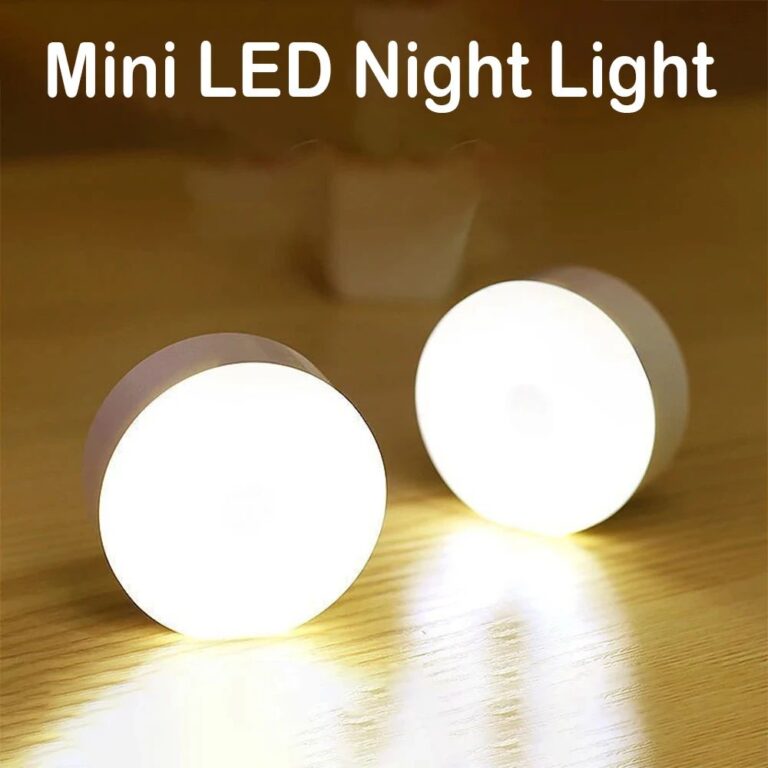 Aisha's pickLED Hallway Lights for Reading, Relaxing or Both

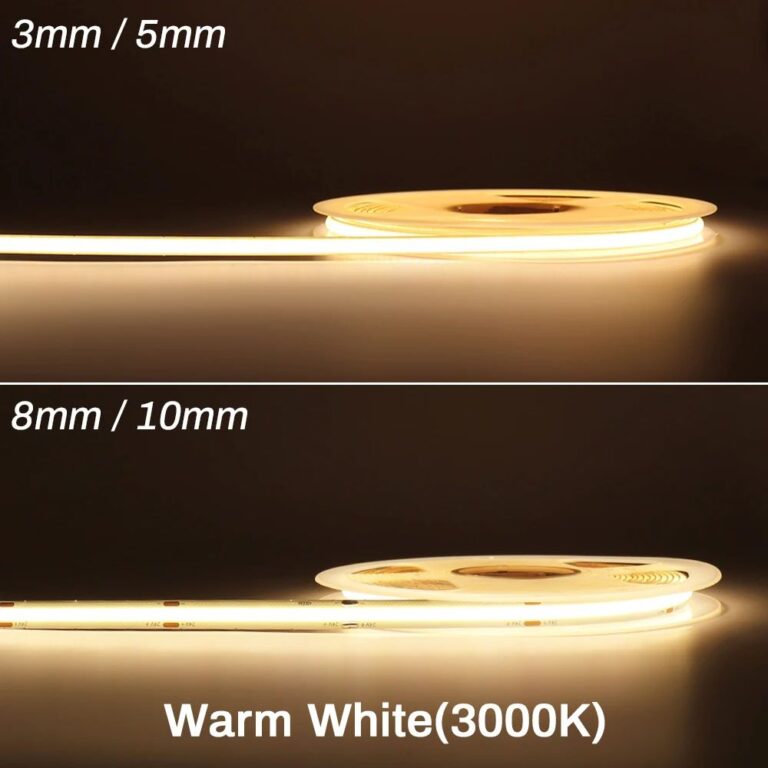 Aisha's pickDimmable Hallway Lights That Make a Good First ImpressionAlso worth a lookWall LightsWall lights are the fixture everyone skips and shouldn't.See the collections →

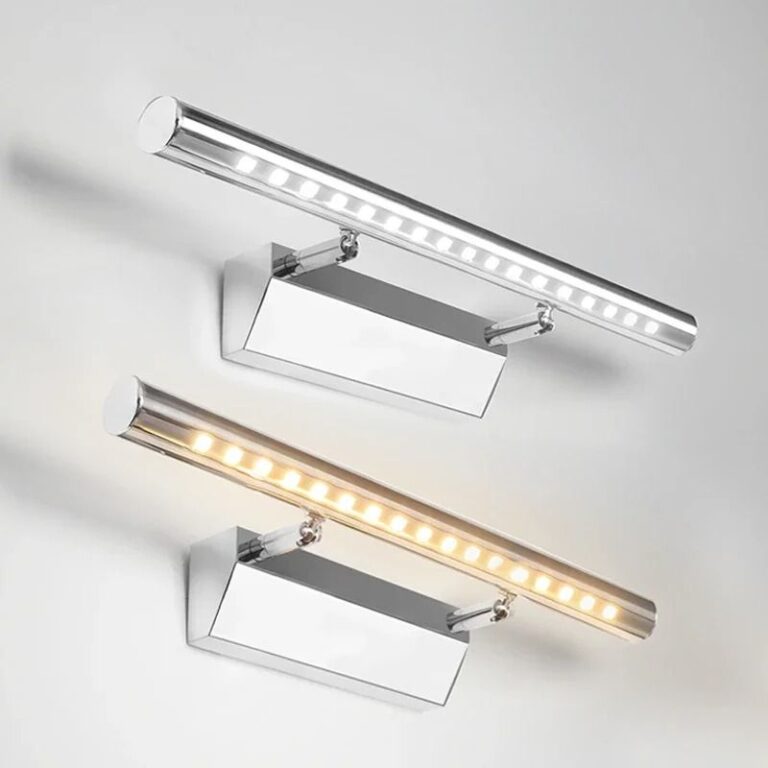 Aisha's pickLuxury Hallway Lights That Make a Good First Impression

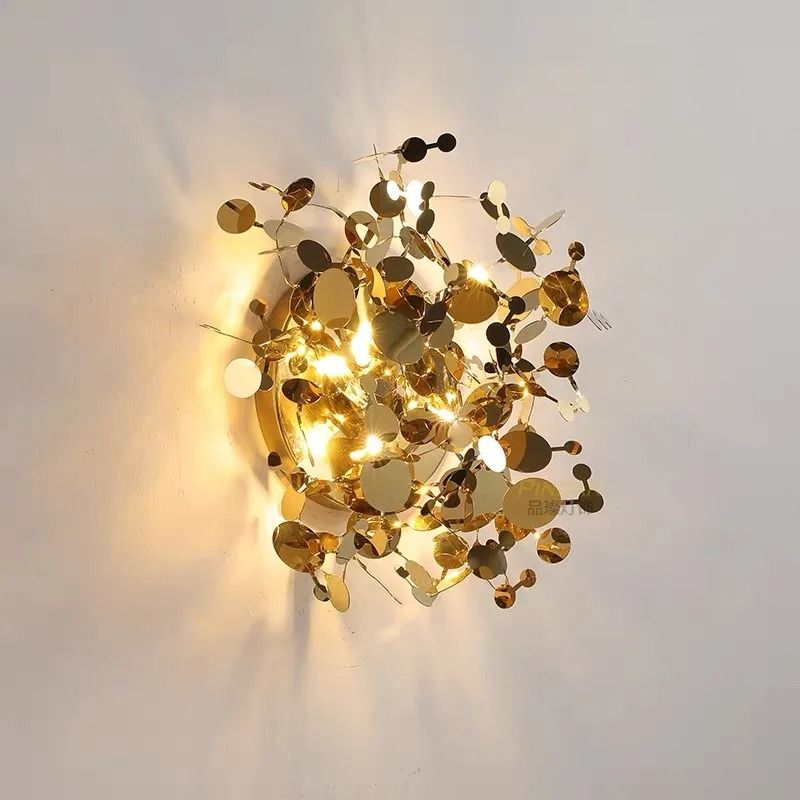 Aisha's pickDining Room Lights for Hallway Worth Knowing About

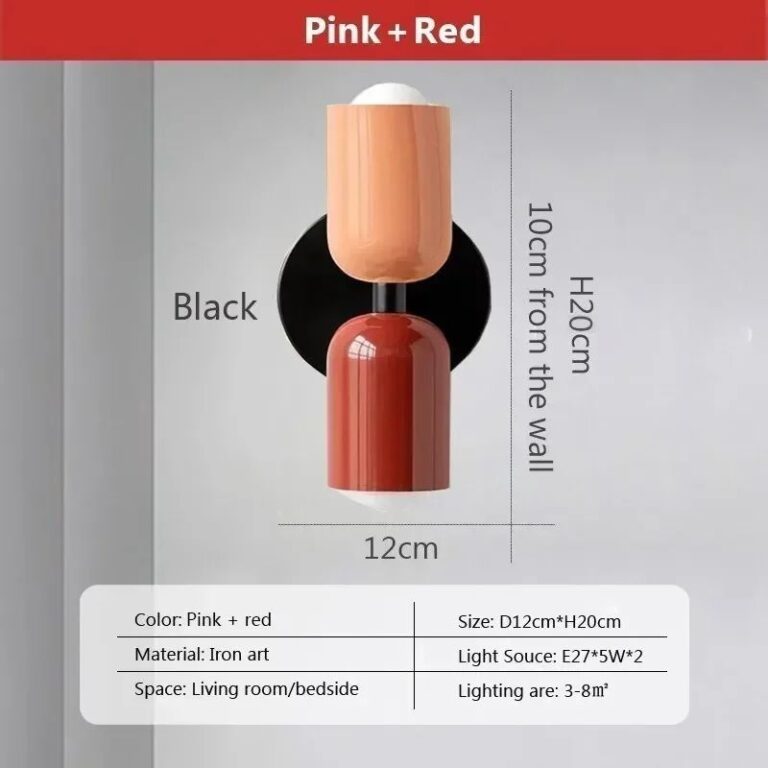 Aisha's pickMetal Hallway Lights We Leave On All Evening
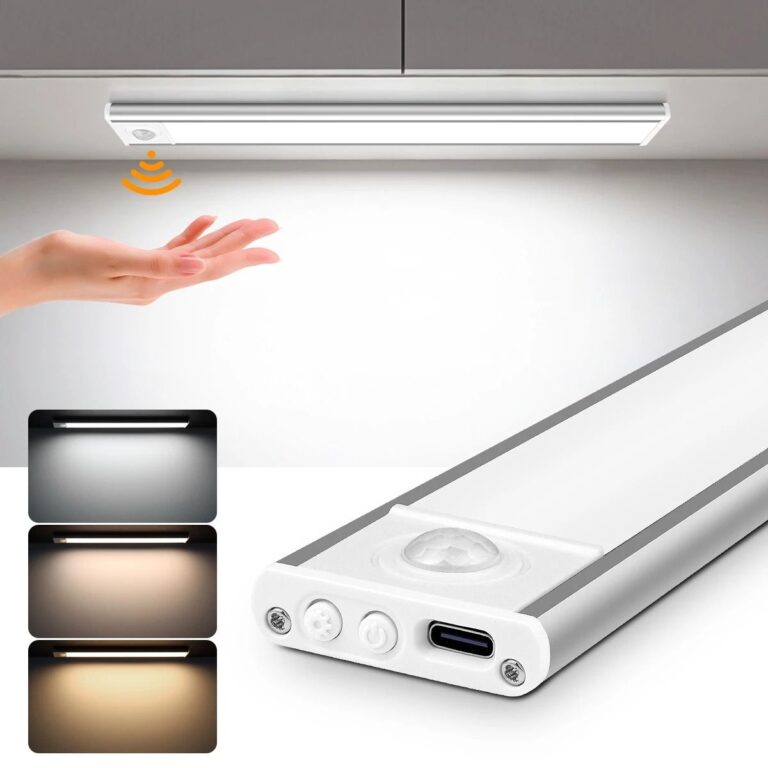
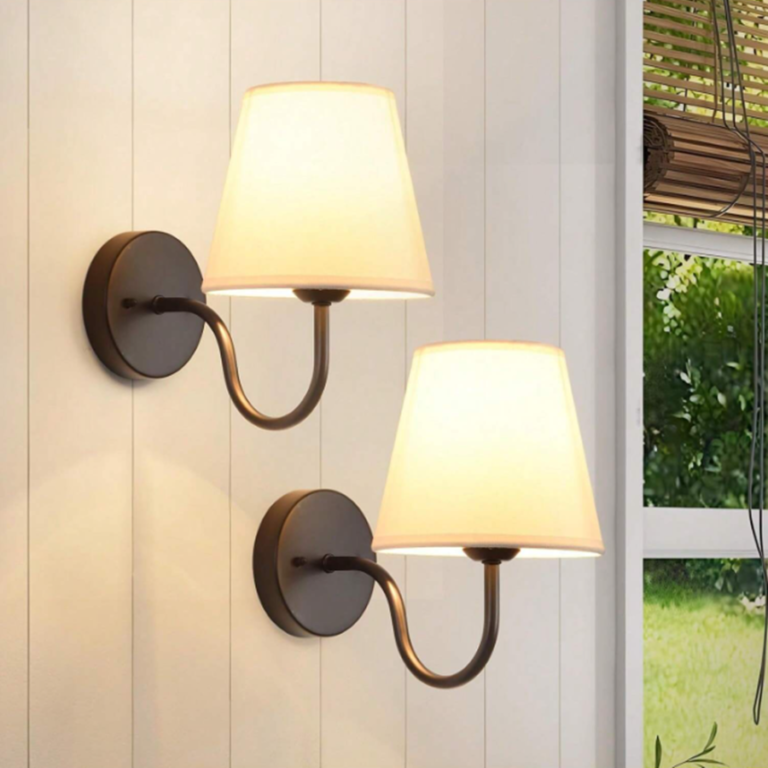 Aisha's pickFabric Hallway Lights for Cozy Nights In

 Aisha's pickMinimalist Hallway Lights Without the Silly Price Tag
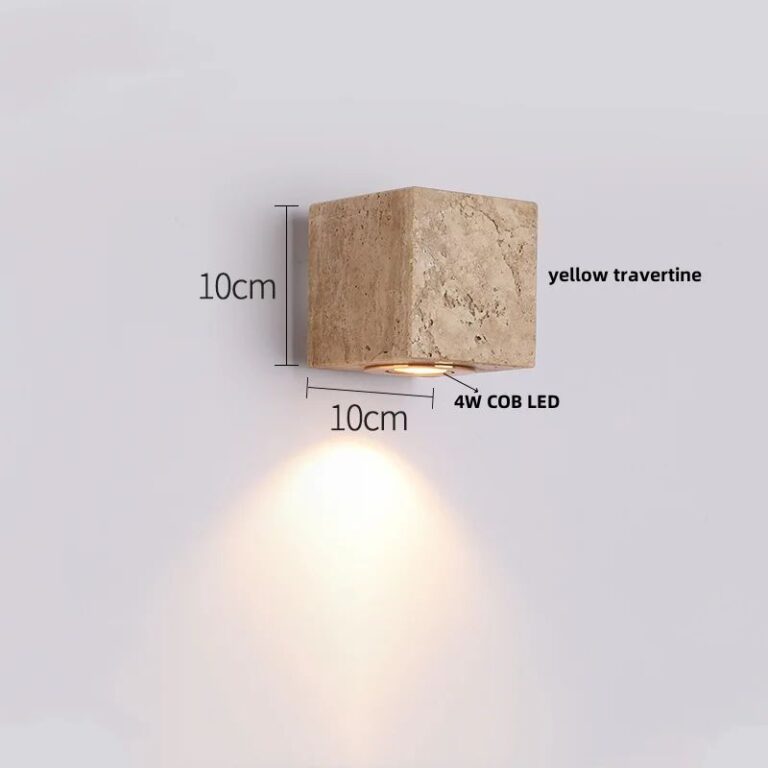
 Aisha's pickFlush Ceiling Lights for Hallway That Make a Good First Impression

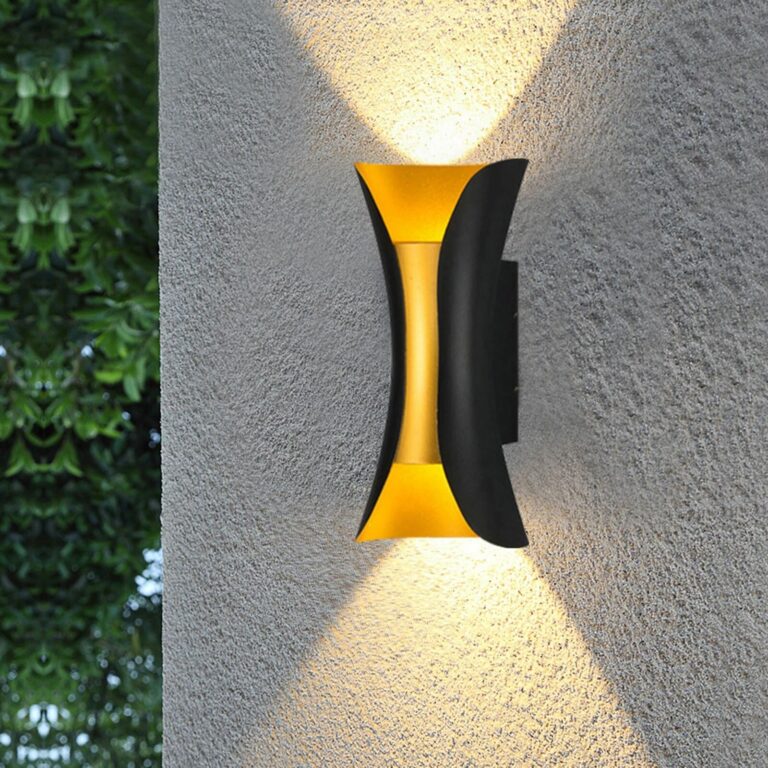 Aisha's pickModern Hallway Lights That Don’t Look Mass Produced
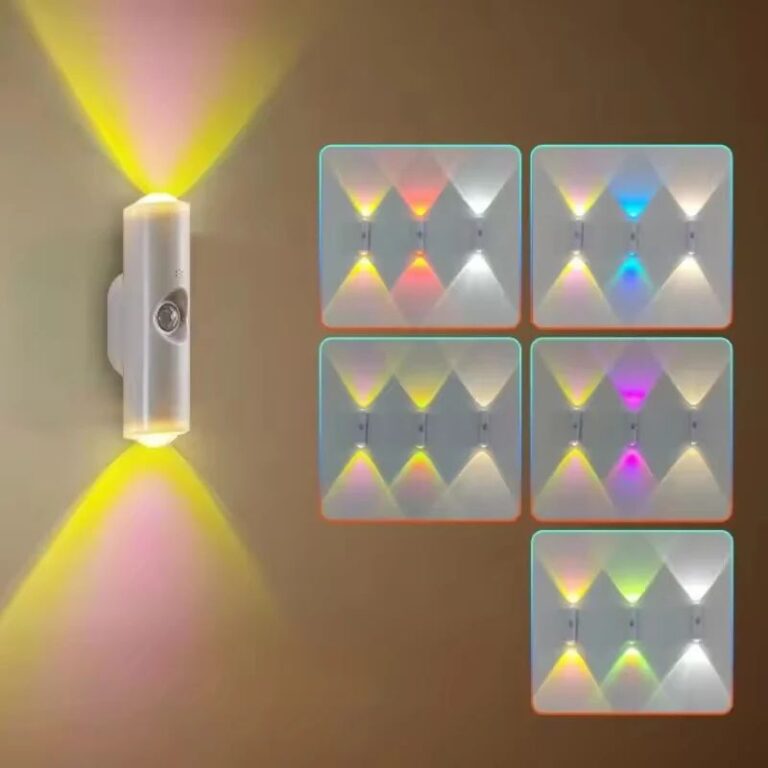
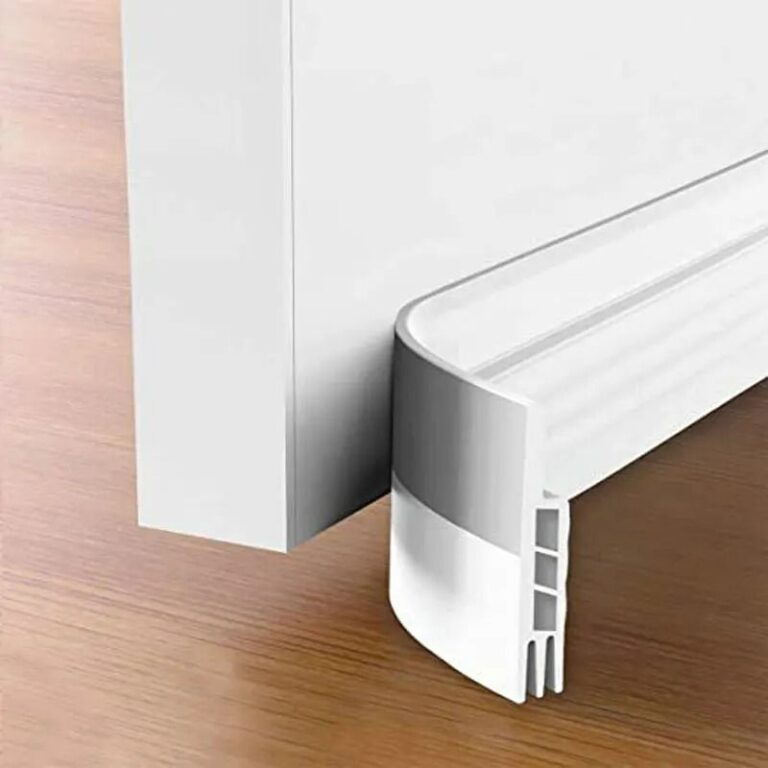 Aisha's pickGlass Hallway Lights That Make a Good First Impression

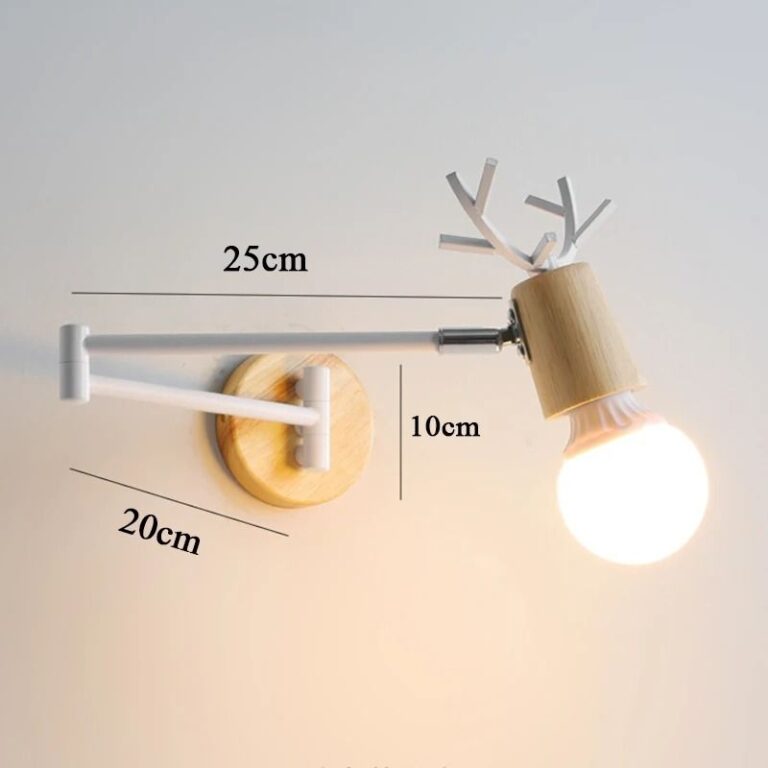 Aisha's pickNatural Hallway Lights That Survive Kids and PetsAlso worth a lookBlack LightsThe thing nobody mentions about black light fixtures is how differently they read once the sun goes down…See the collections →
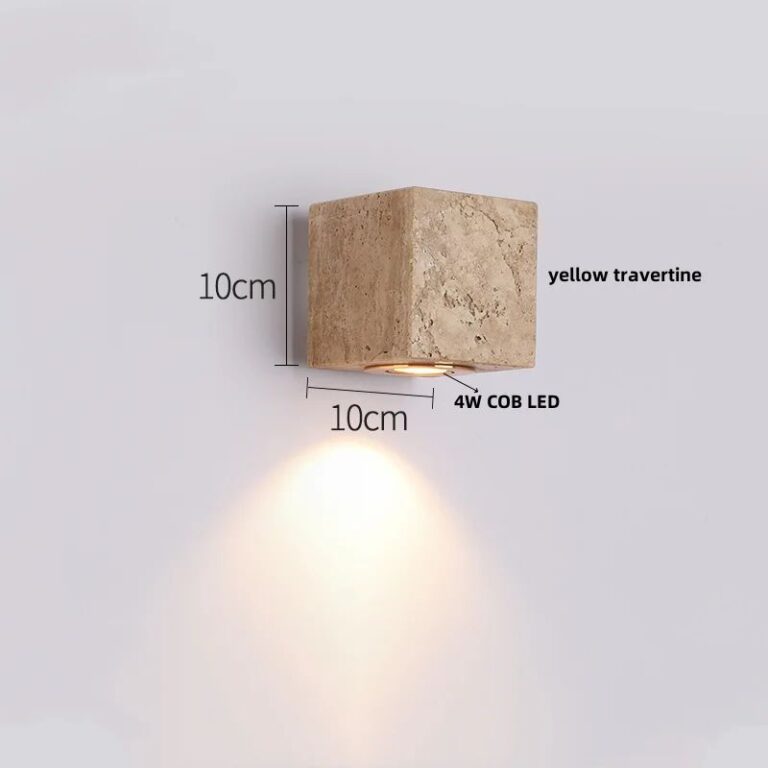
 Aisha's pickAcrylic Hallway Lights for Dark Winter Evenings
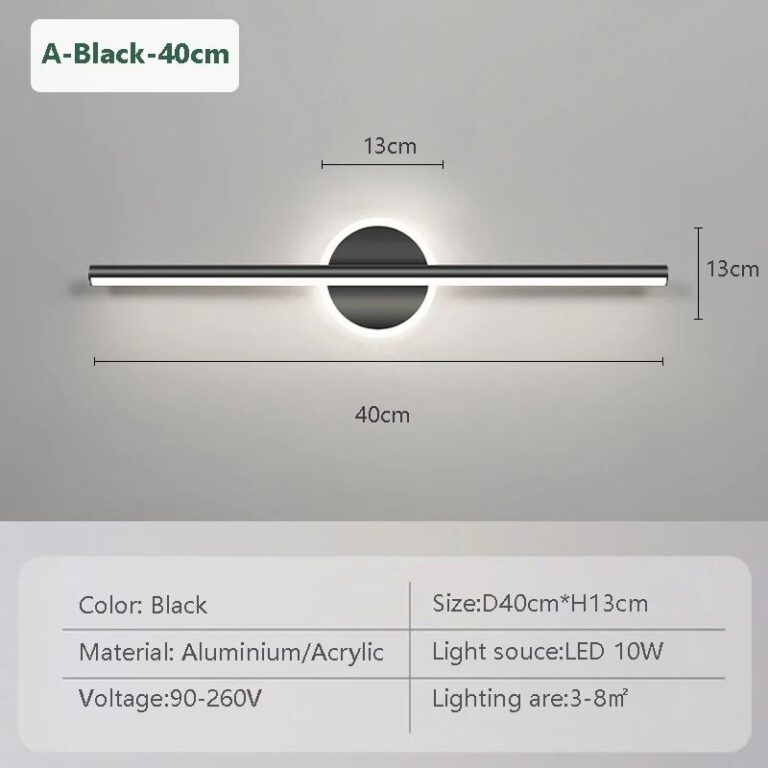
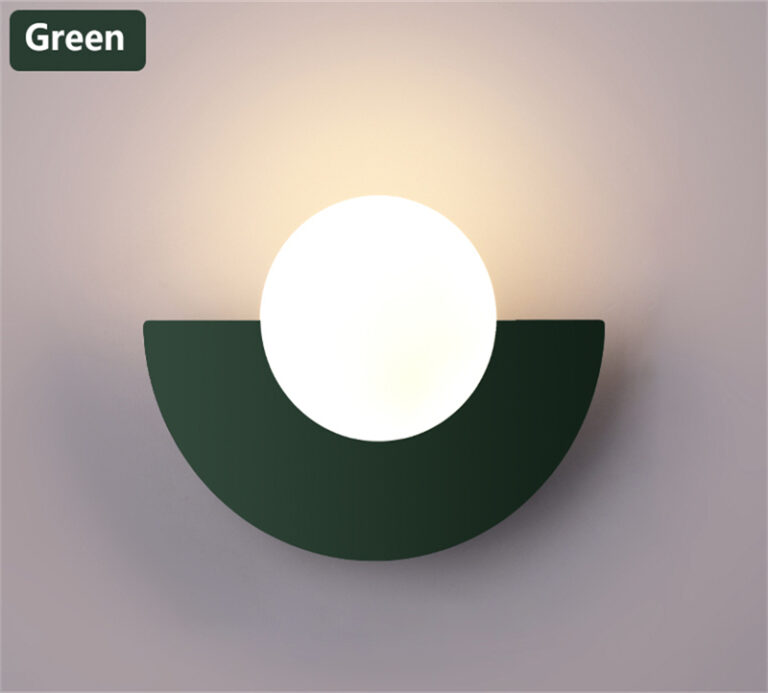 Aisha's pickGlobe Hallway Lights That Make a Good First Impression

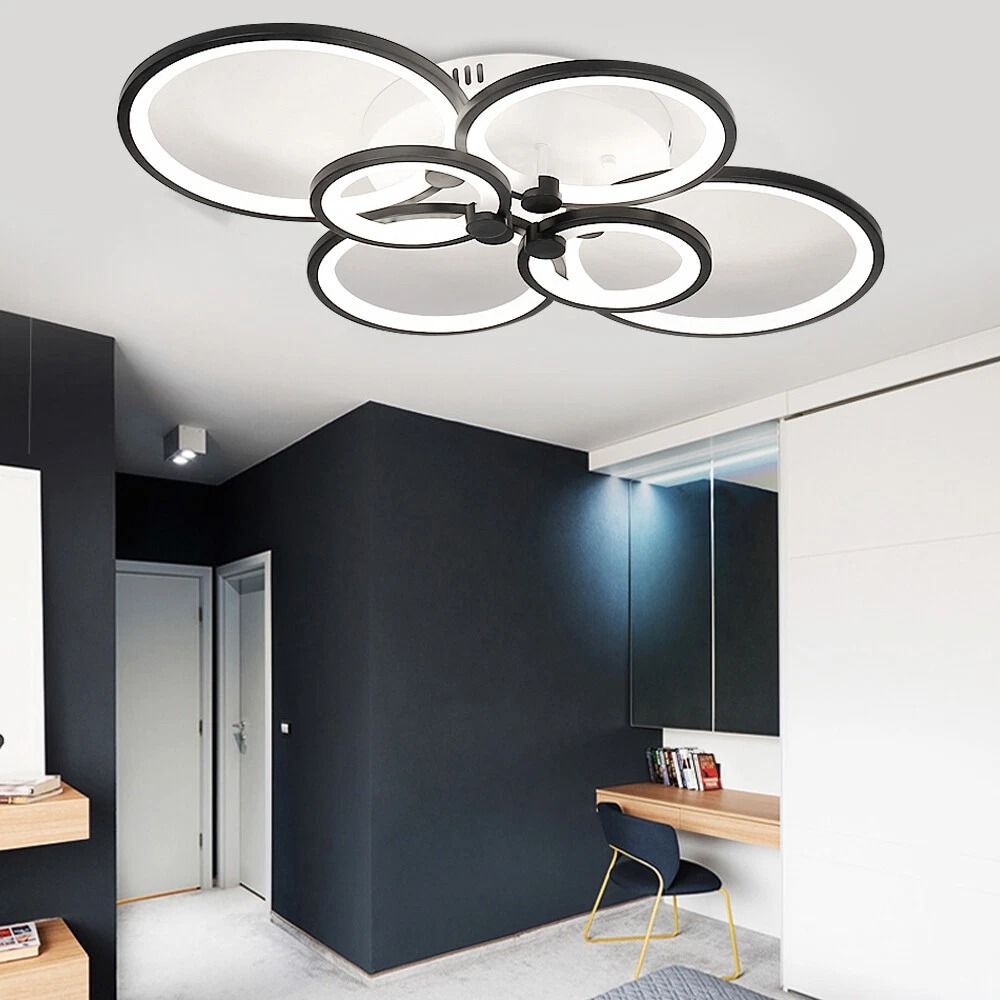 Aisha's pickPendant Lights for Hallway That Make a Good First Impression
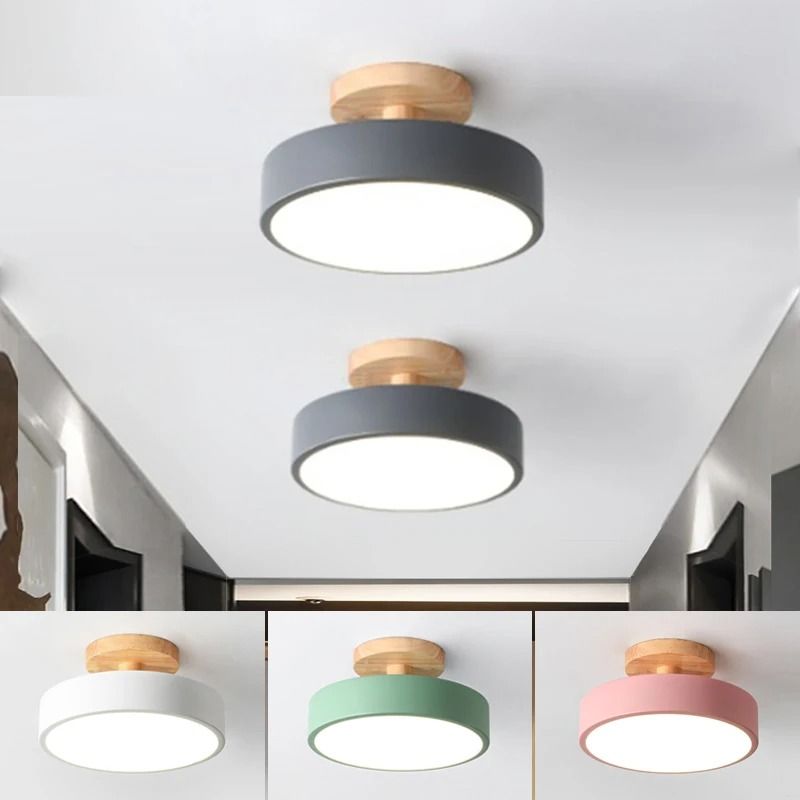
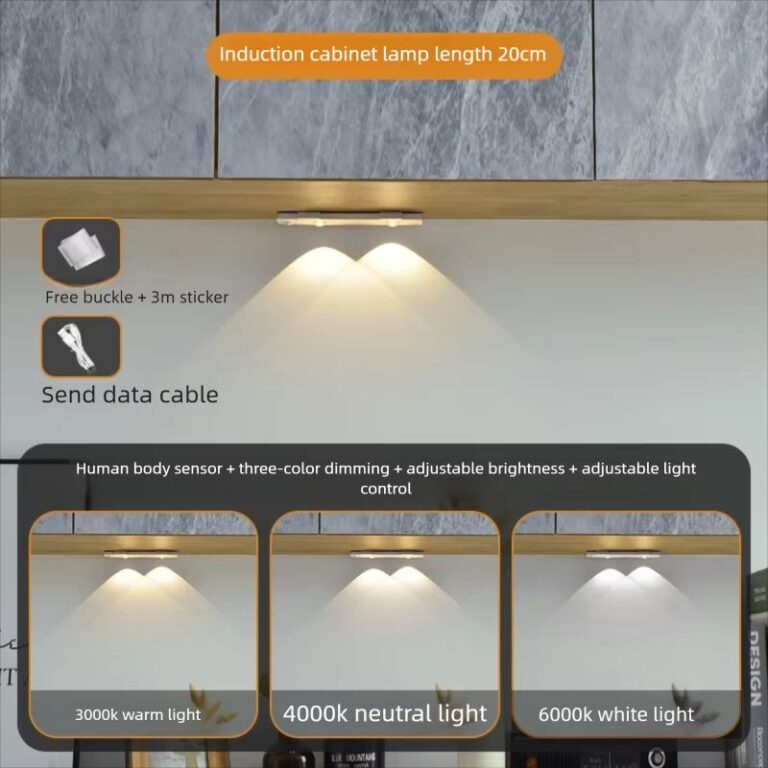 Aisha's pickAdjustable Hallway Lights for Cozy Nights In

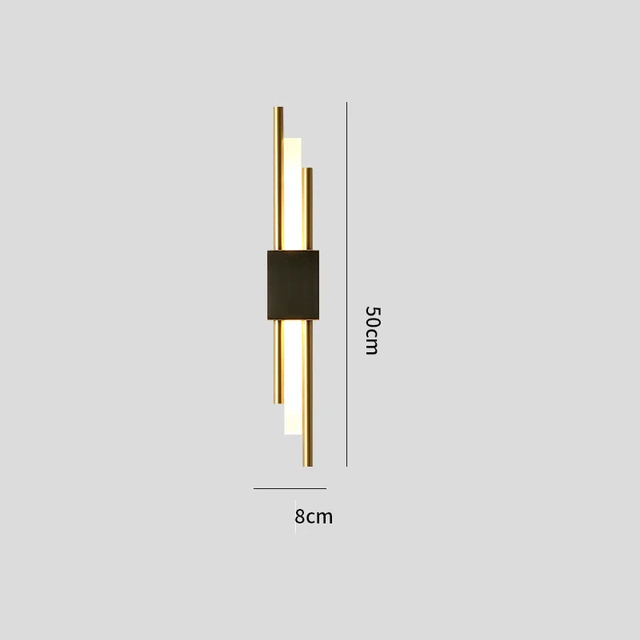 Aisha's pickGold Hallway Lights That Get Better With Age
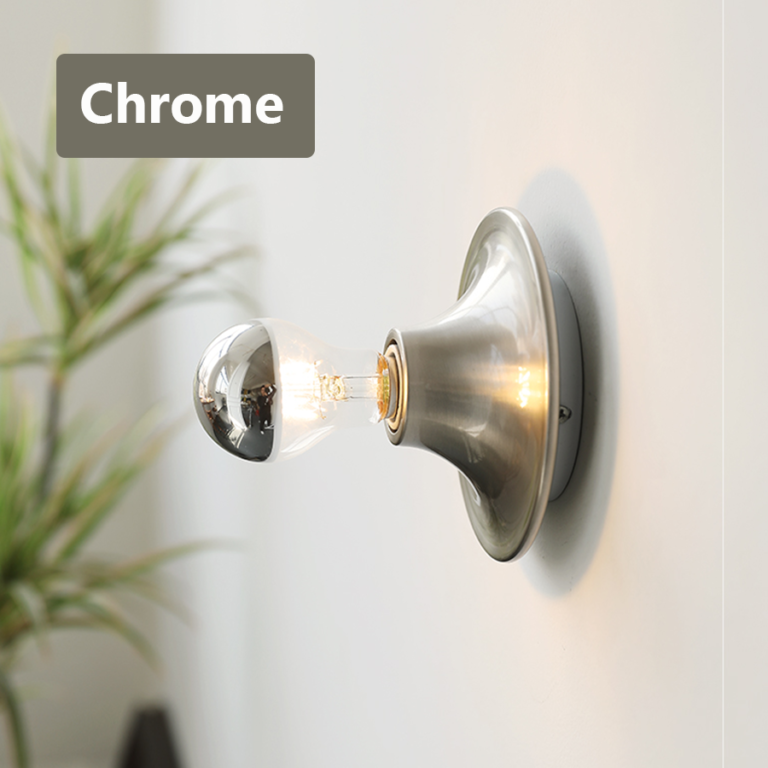
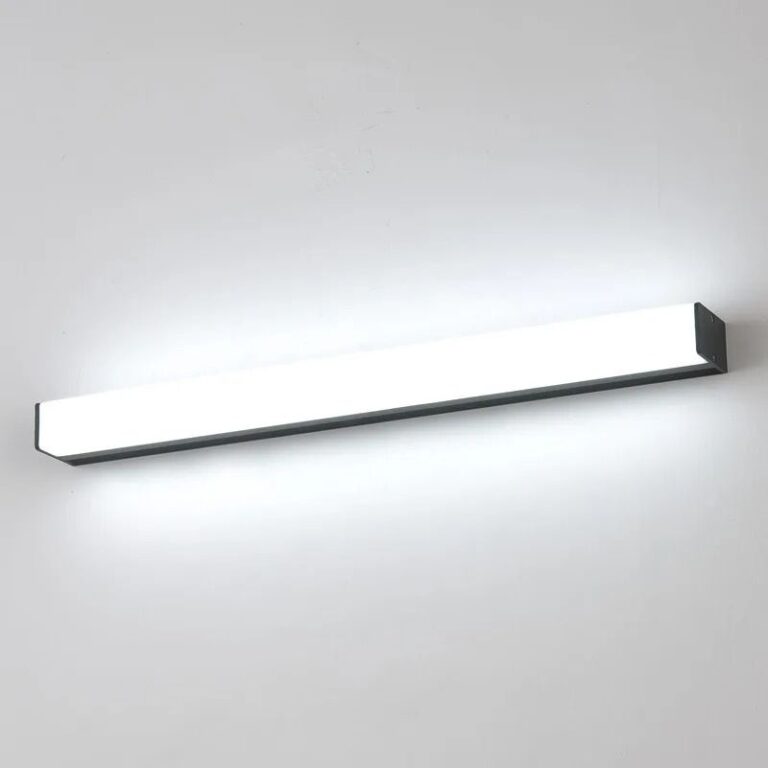 Aisha's pickSmall Hallway Lights That Make a Good First Impression
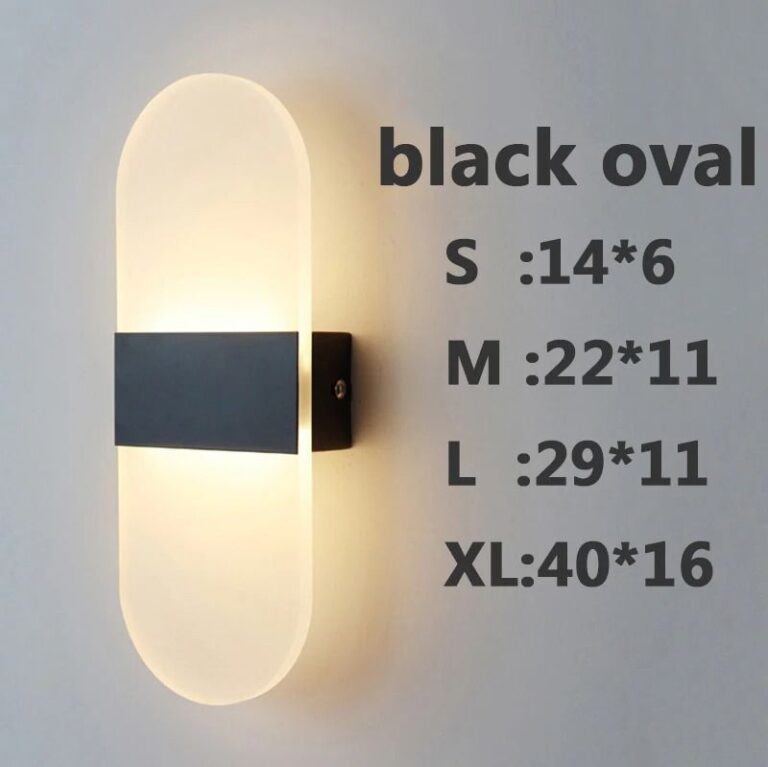
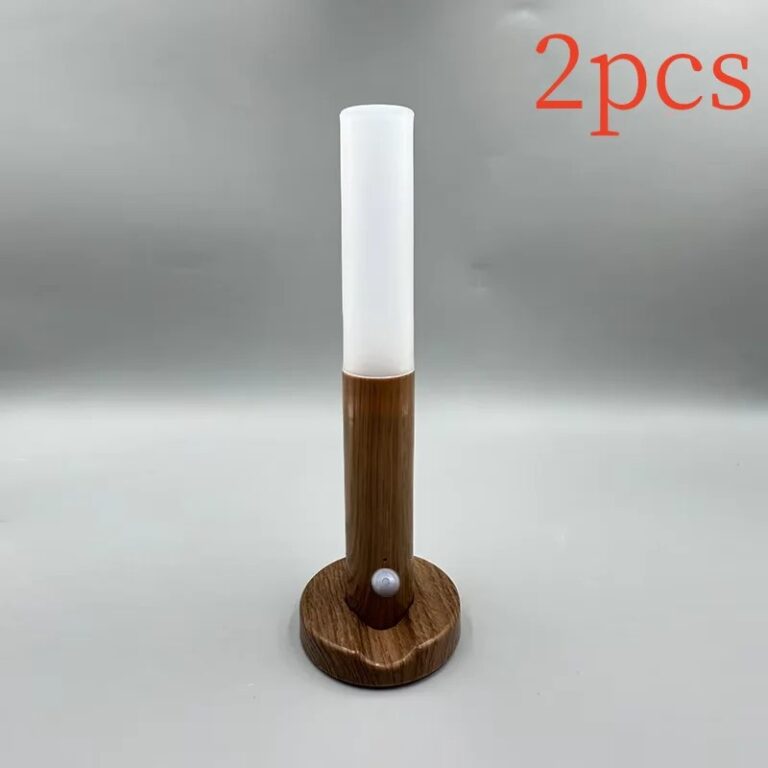 Aisha's pickBathroom Lights for Hallway That Look Better in Real Life
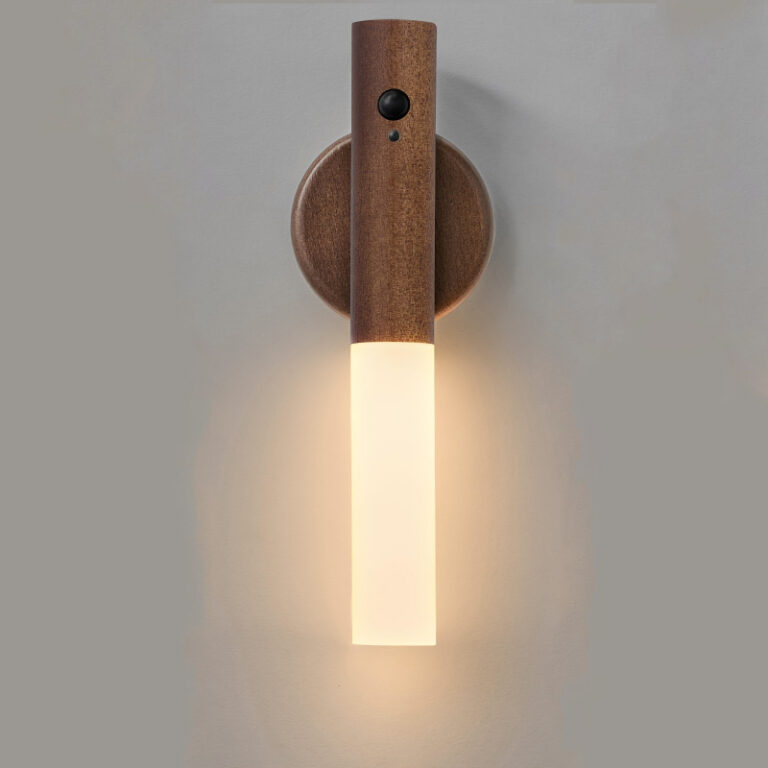
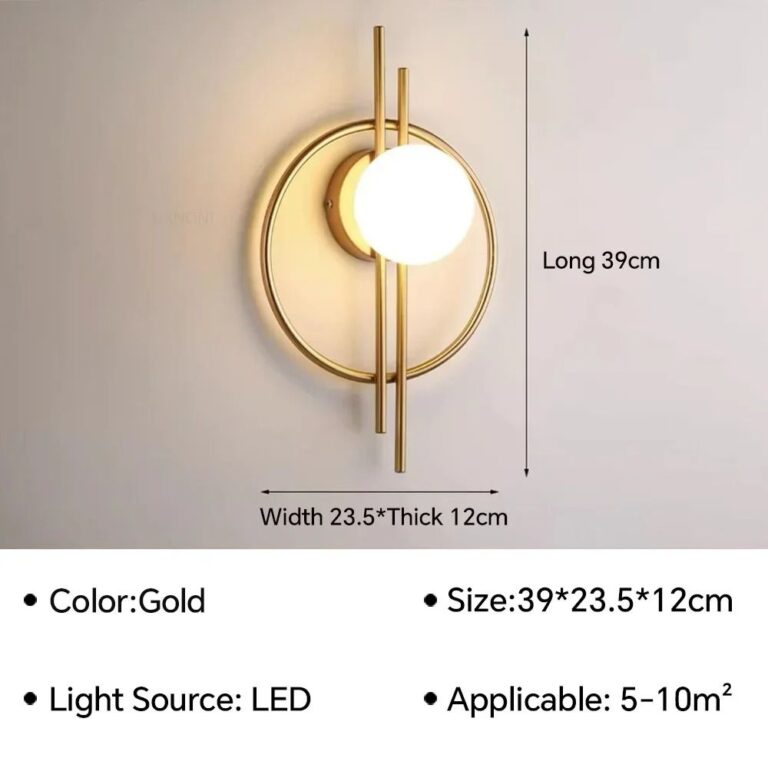 Aisha's pickHallway Lights With a Bit More About Them
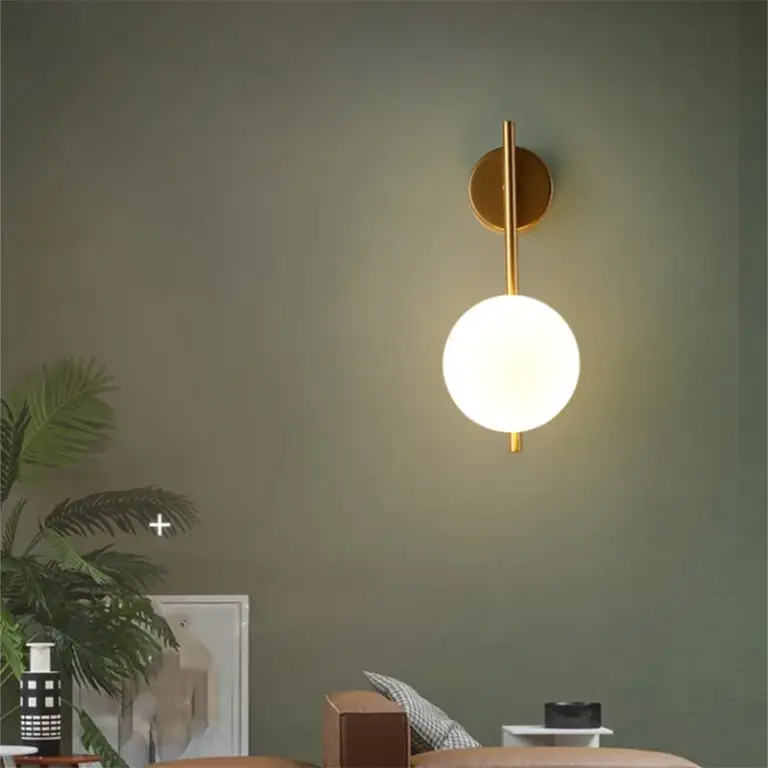
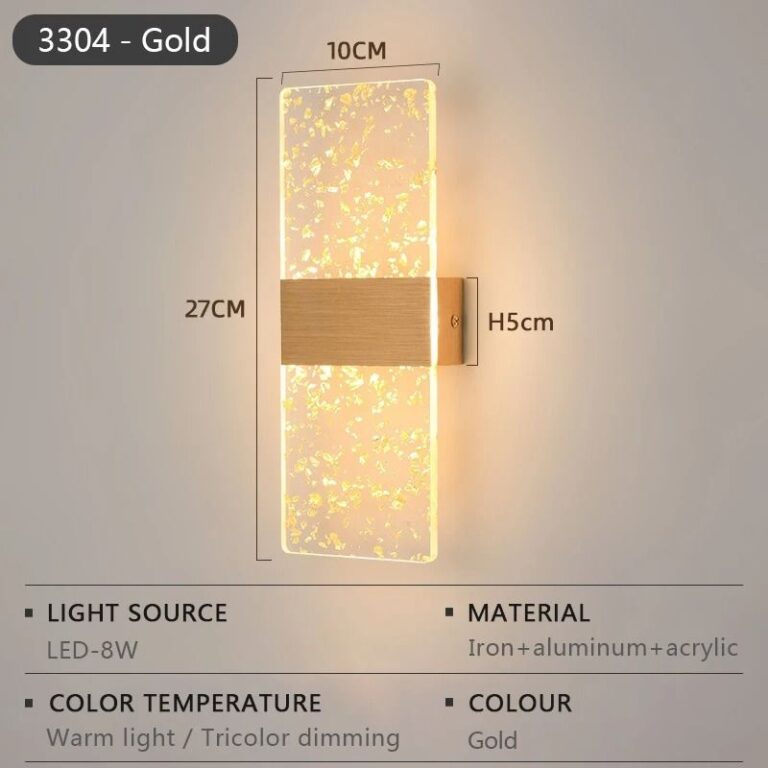 Aisha's pickTraditional Hallway Lights That Make a Good First ImpressionAlso worth a lookBedroom LightsThe question I get most often is whether bedroom lighting needs to match the rest of the house,…See the collections →
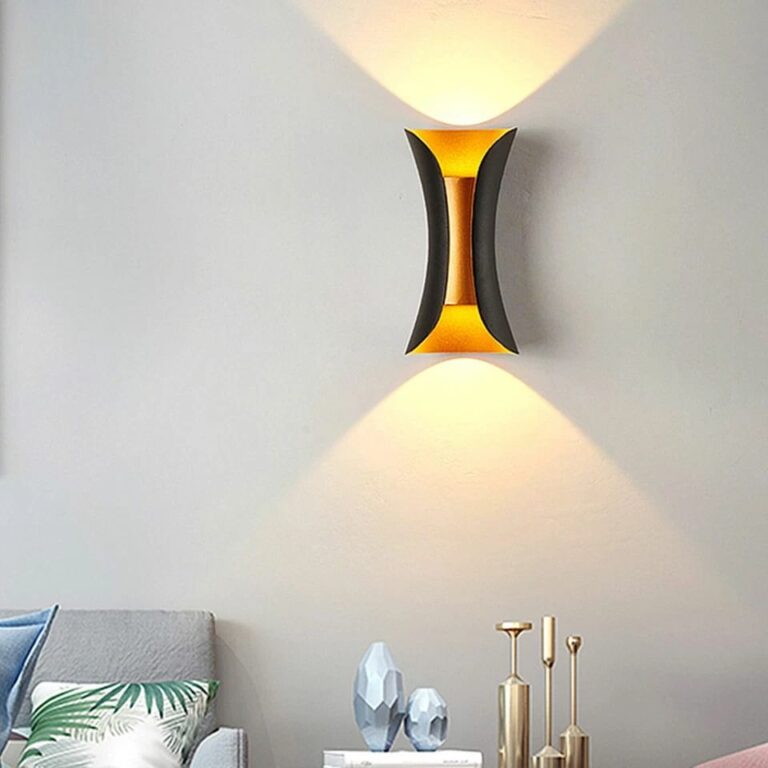
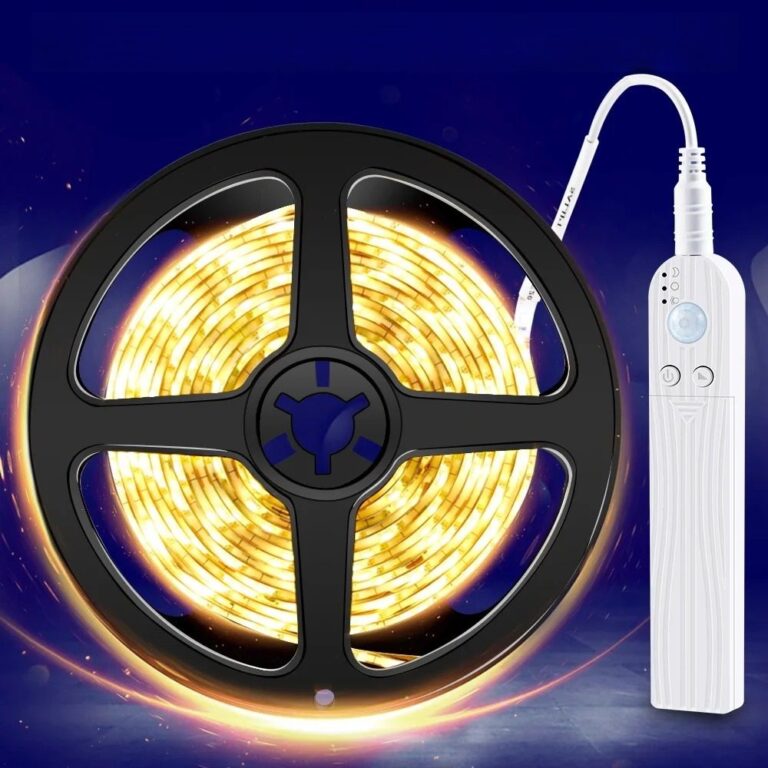 Aisha's pickBedroom Lights for Hallway Worth Knowing About

 Aisha's pickHallway Lights for Living Room You’ll Still Like in Five Years

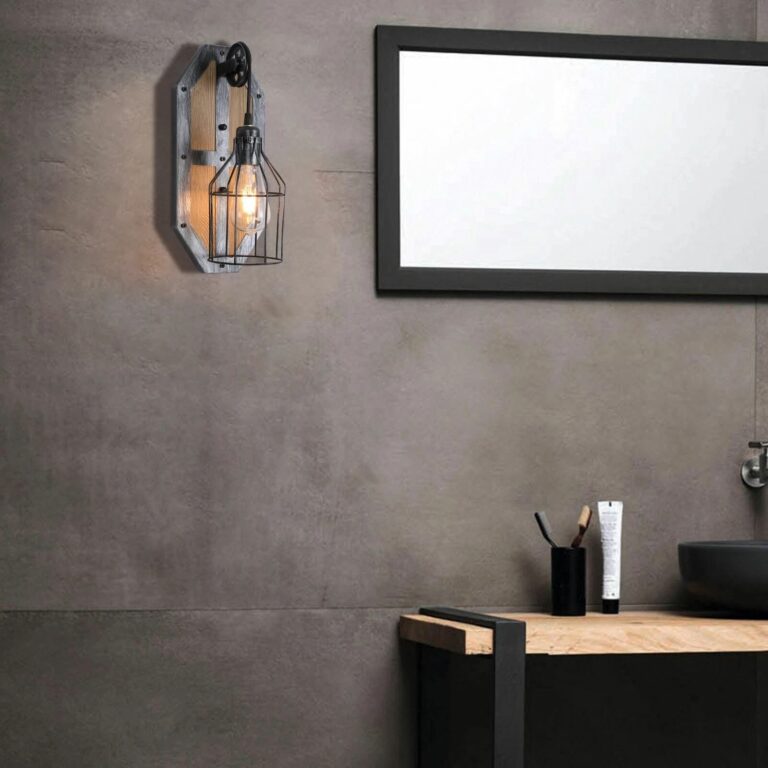 Aisha's pickVintage Hallway Lights That Make a Good First Impression
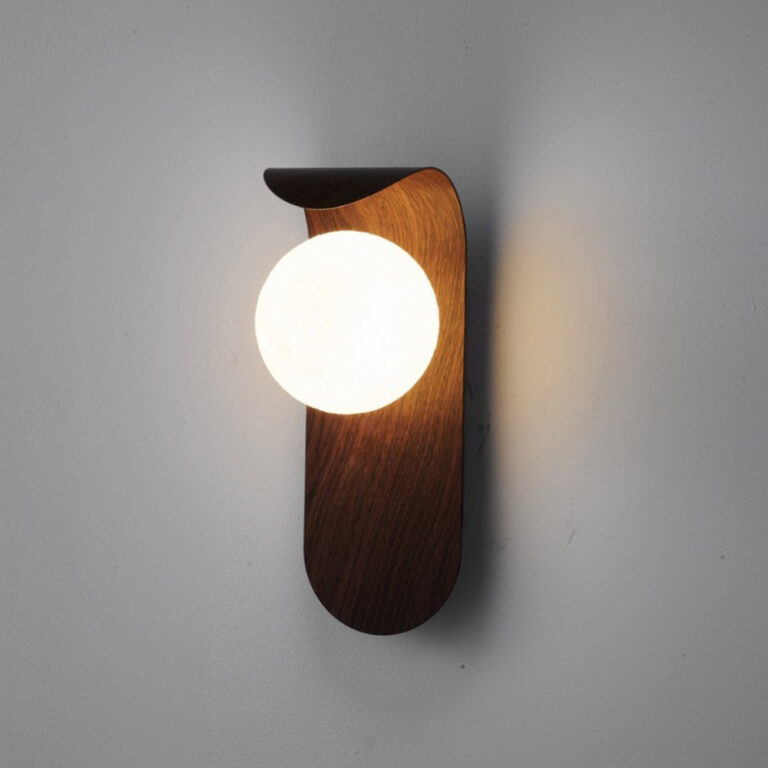
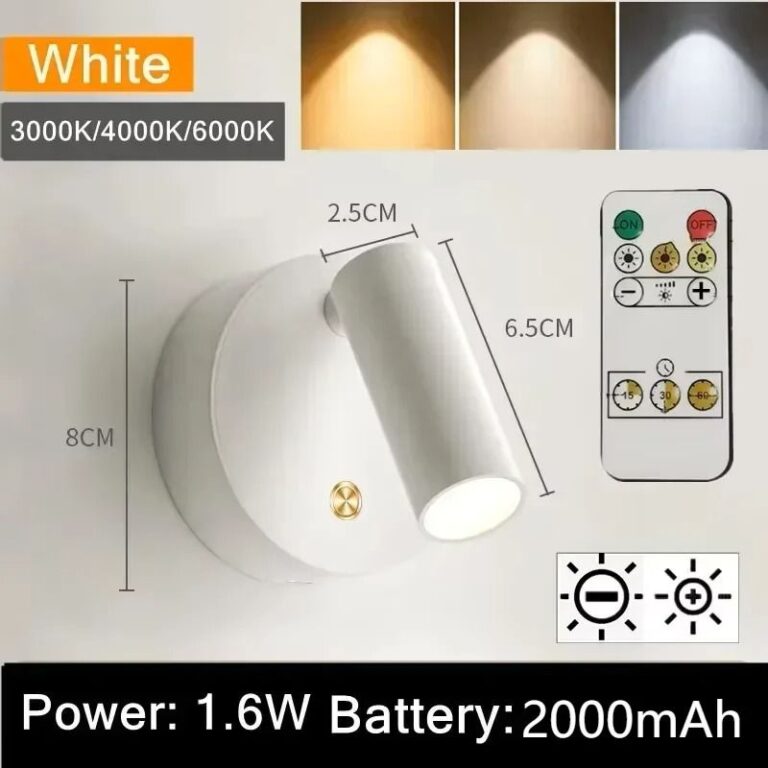 Aisha's pickBlack Hallway Lights That Make a Good First Impression

 Aisha's pickHallway Lights with Cord That Don’t Look Mass Produced
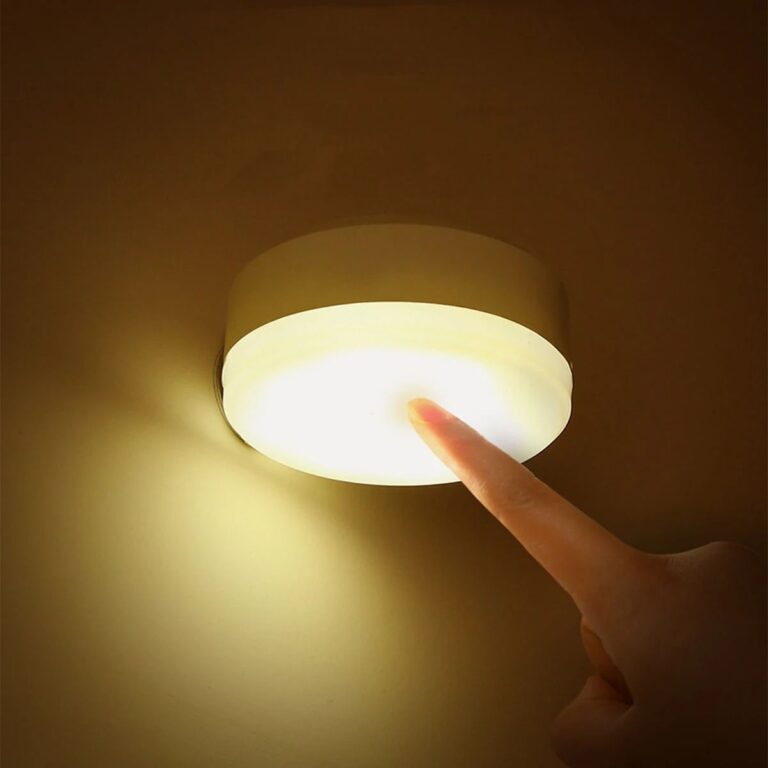
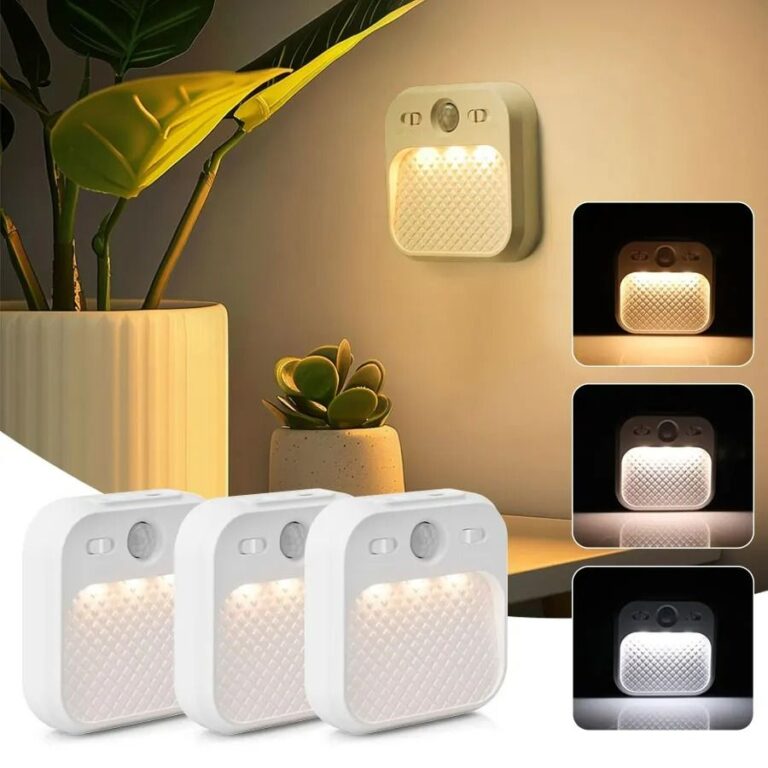 Aisha's pickWhite Hallway Lights That Make a Good First Impression
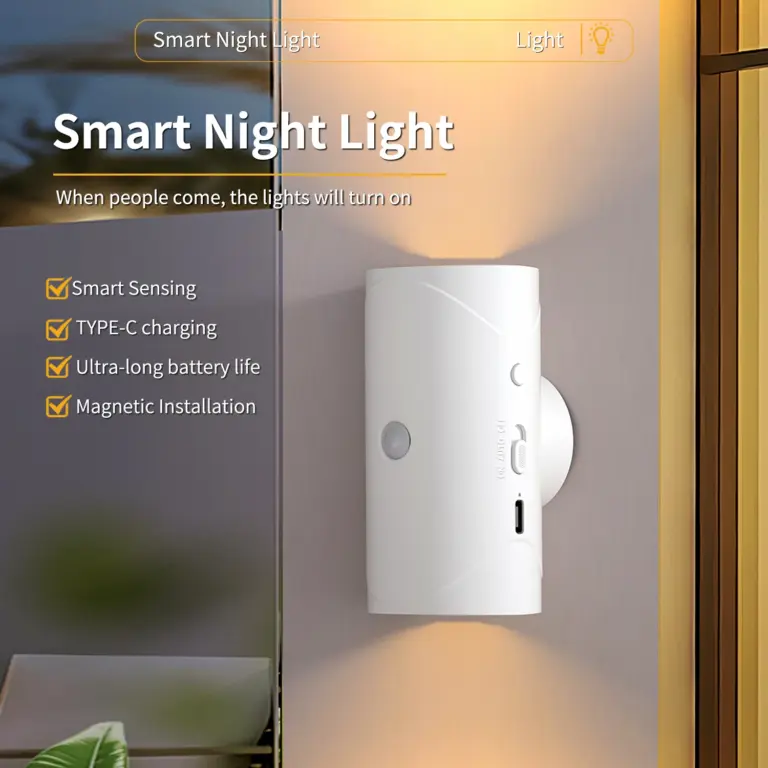
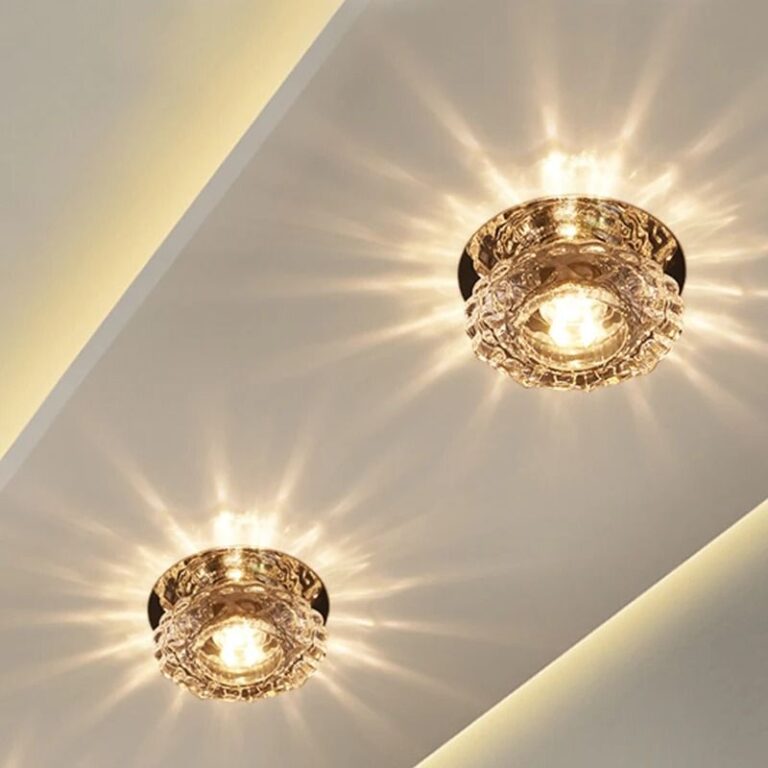 Aisha's pickCeiling Lights for Hallway That Make a Good First Impression

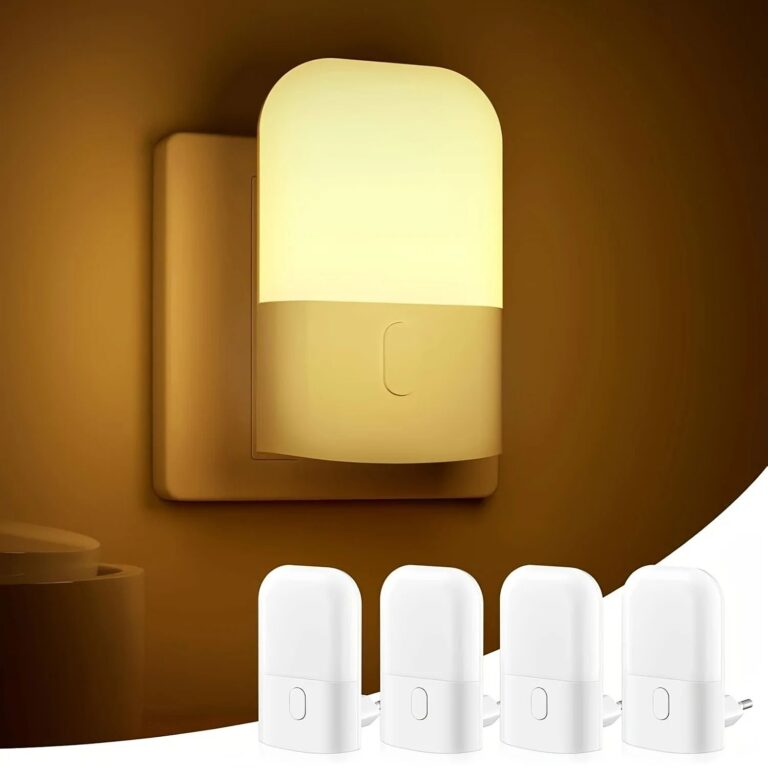 Aisha's pickOur Shortlist of Hallway Lights with Dimmer