There is a particular hour, somewhere after midnight, when you do not want the hallway blazing like an operating theater just because someone needs the bathroom. That is the hour night lights earn their keep, quietly, while everyone else in the house is asleep and would like to stay that way.
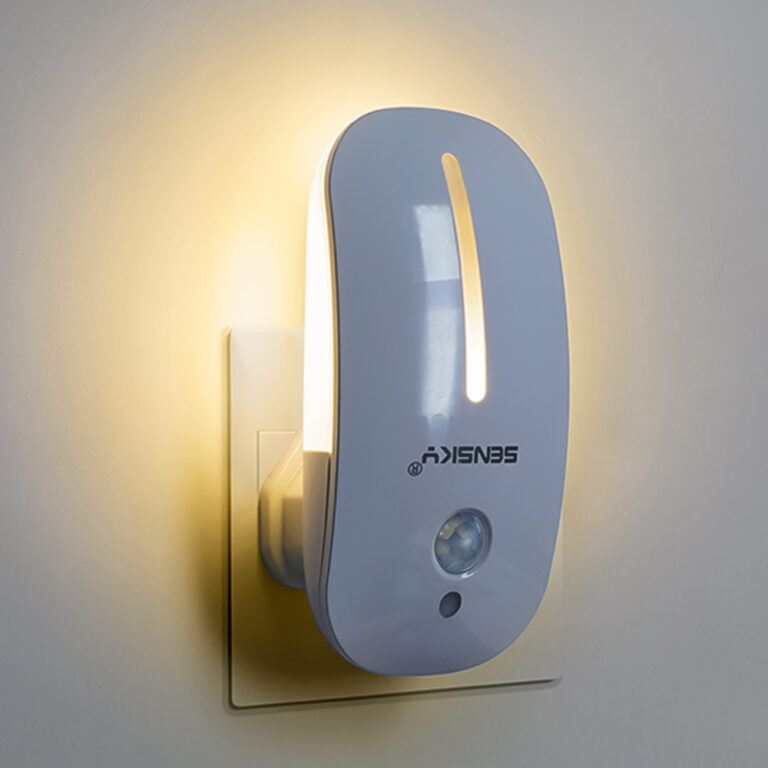
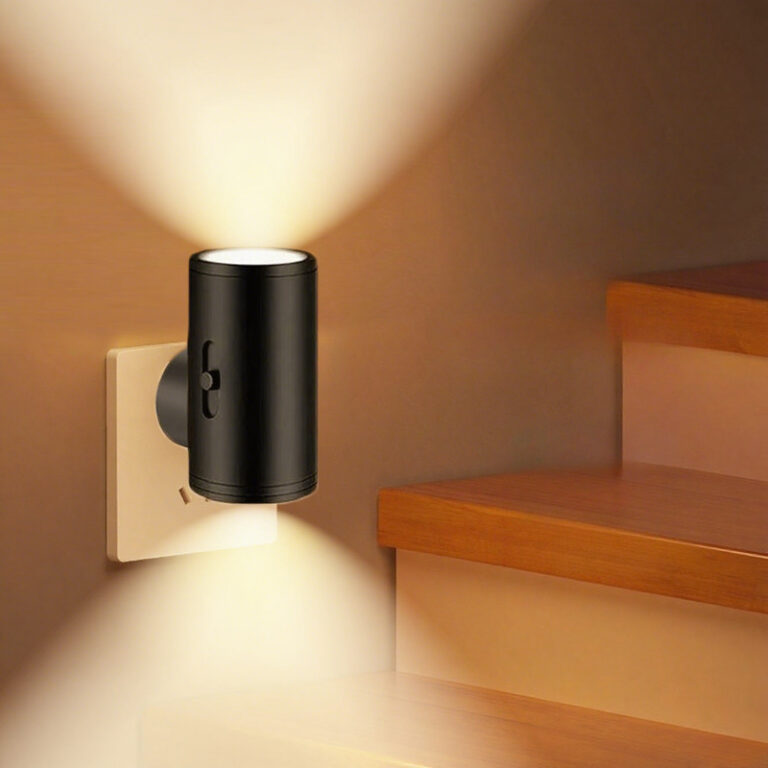
If you are starting with nothing, go for a plain plug in version with a built in sensor, the kind that only switches on once the room actually gets dark. You want one socket doing the job without you thinking about it again, not a light you have to remember to flick off every morning. Put it low, near skirting board height if you can, so it washes light along the floor rather than up into anyone's eyes.
In an ordinary room, these sit best alongside other low, warm light sources, a dim lamp in a hallway, a strip under a kitchen cabinet, that sort of thing. They make sense next to wood tones and pale walls, where a small amount of light spreads and softens rather than sitting there as one hard dot. They also pair well with anything a child or an older relative needs to find in the dark, a bathroom door, the top of a staircase, the edge of a step that has caught someone's toe before.
Where they do not belong is a bedroom you are trying to keep properly dark for sleep, or right next to a television or monitor, where even a small glow becomes a distraction once the rest of the room goes quiet. Anything with a blue tinted bulb is also worth avoiding near where people actually sleep. That cool light keeps brains more alert than a warm one, which defeats the purpose of the whole exercise.
The difference between a good one and a disappointing one usually comes down to the sensor and the housing. Cheap sensors trigger on and off at dusk for no reason, or stay lit through a sunny afternoon because the plastic over the sensor has gone slightly cloudy. A well made one has a proper light sensitive eye, not just a timer pretending to be one, and a casing that does not yellow after a year near a radiator. LED bulbs that are sealed in rather than a cheap screw fitting tend to last years rather than months, and a diffused cover beats a bare bulb every time, since a bare bulb at ankle height is somehow more glaring than one at eye level.
Small, unglamorous, and one of the few lights in the house that is genuinely working while you are asleep.

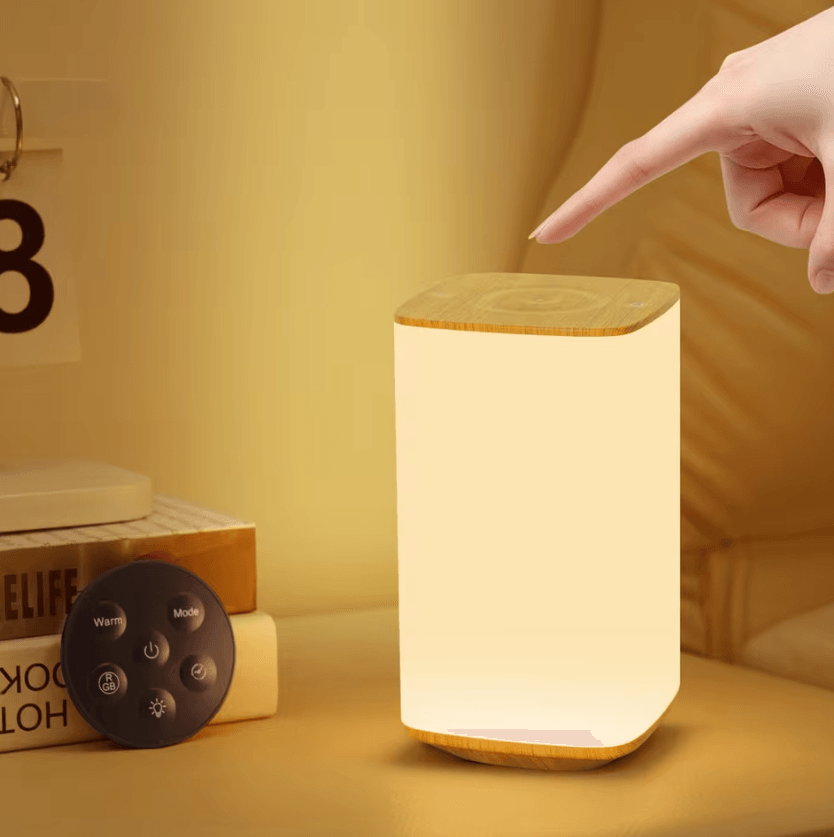 Aisha's pickNight Lights with Timer That Make Small Changes Feel Big
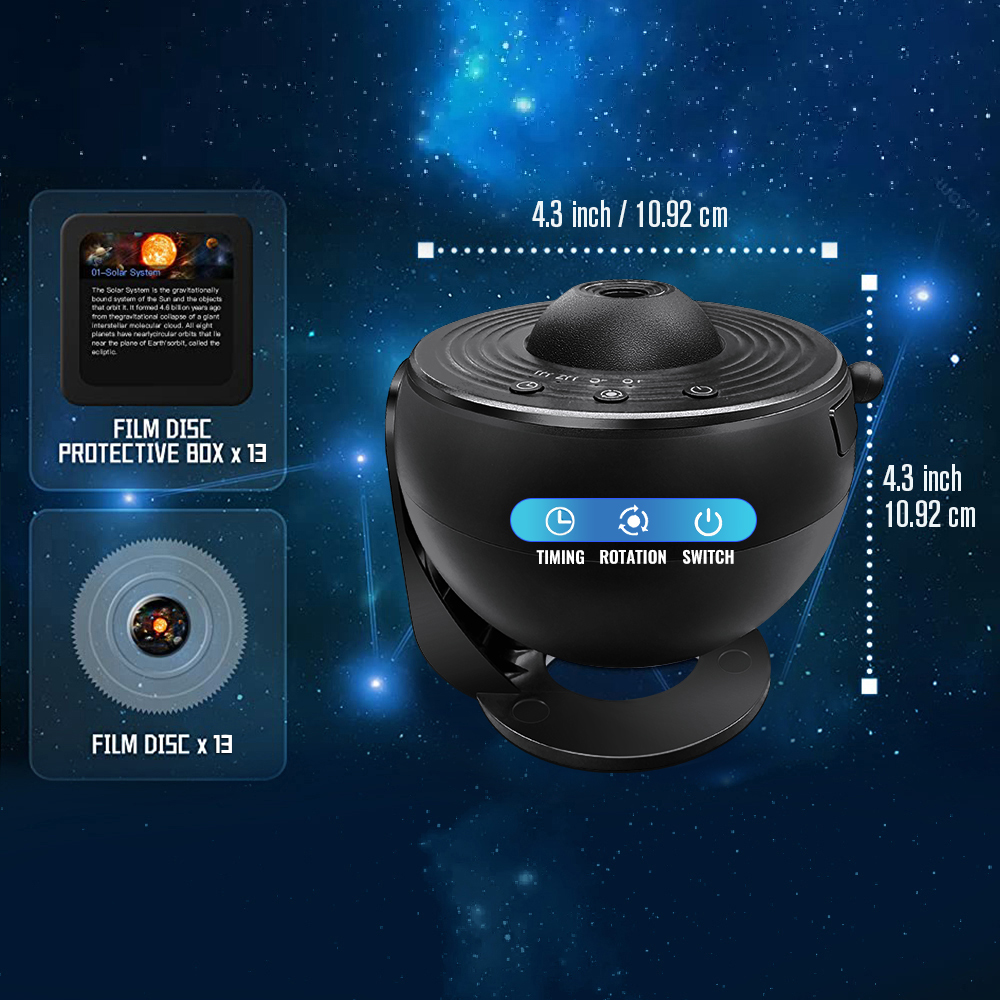
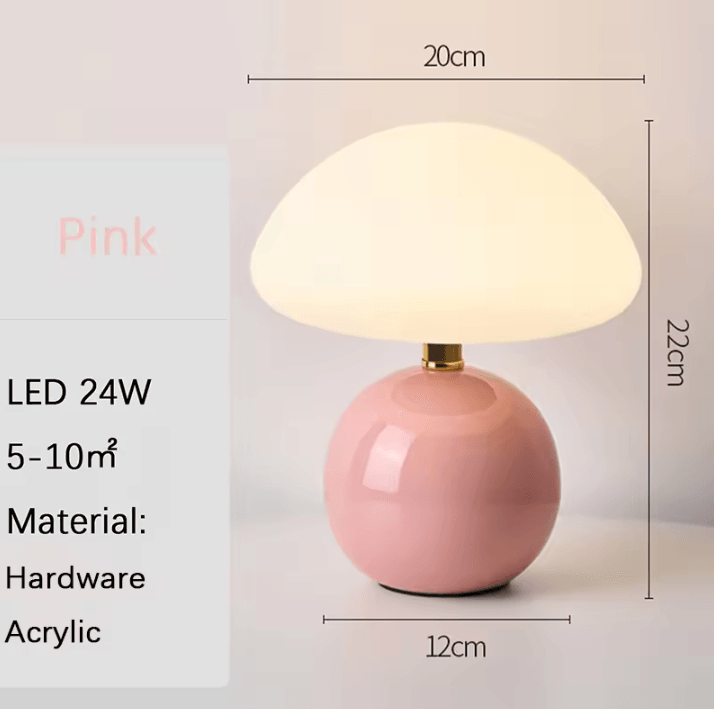
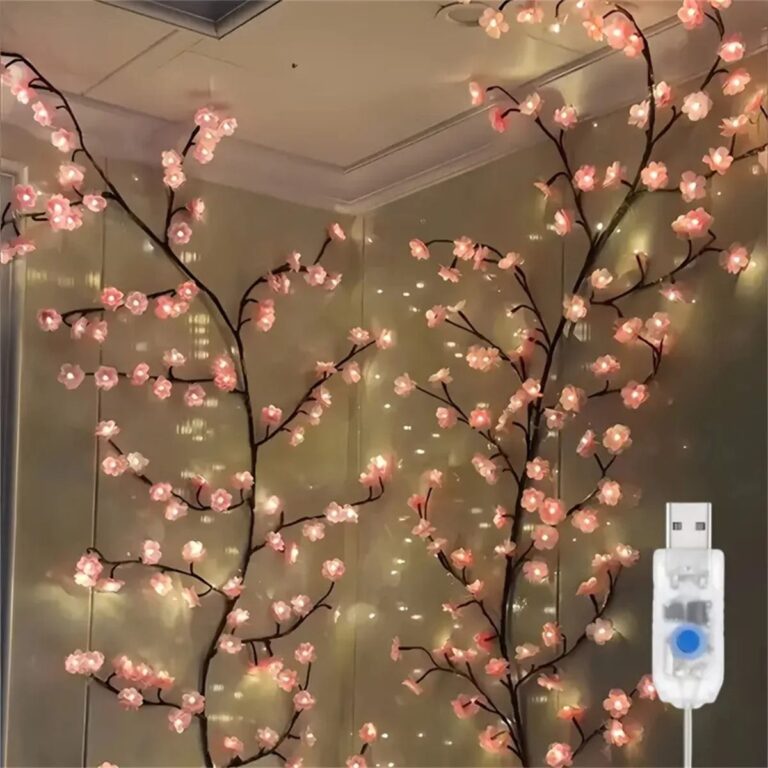 Aisha's pickPink Night Lights That Look Good Switched Off Too
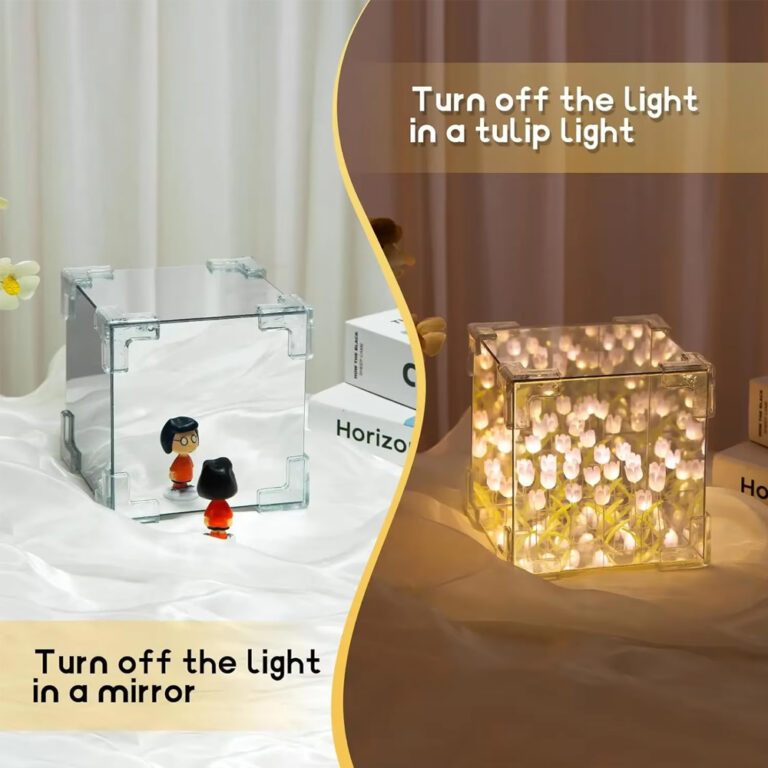
 Aisha's pickPlug in Night Lights Bright Enough Without the Glare
 Aisha's pickPurple Night Lights for Making a House Feel Like Yours

 Aisha's pickRed Night Lights That Don’t Need Babying
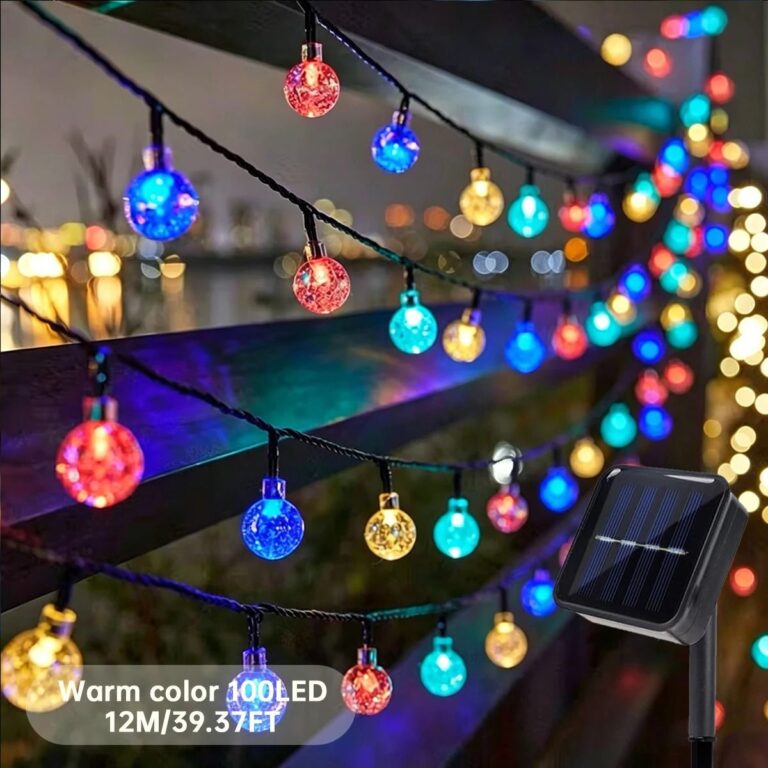 Aisha's pick100 LED Night Lights for Reading, Relaxing or Both
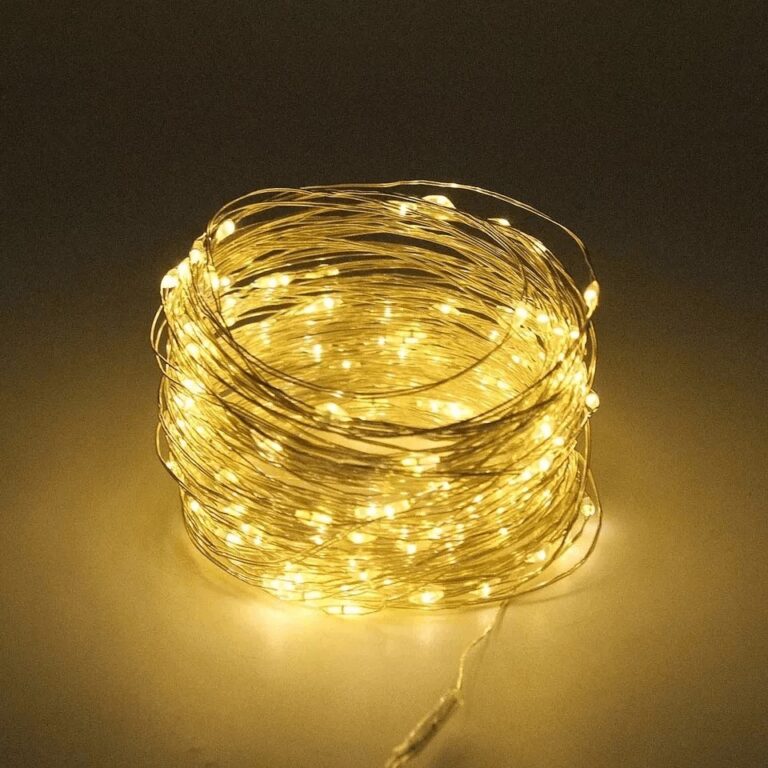
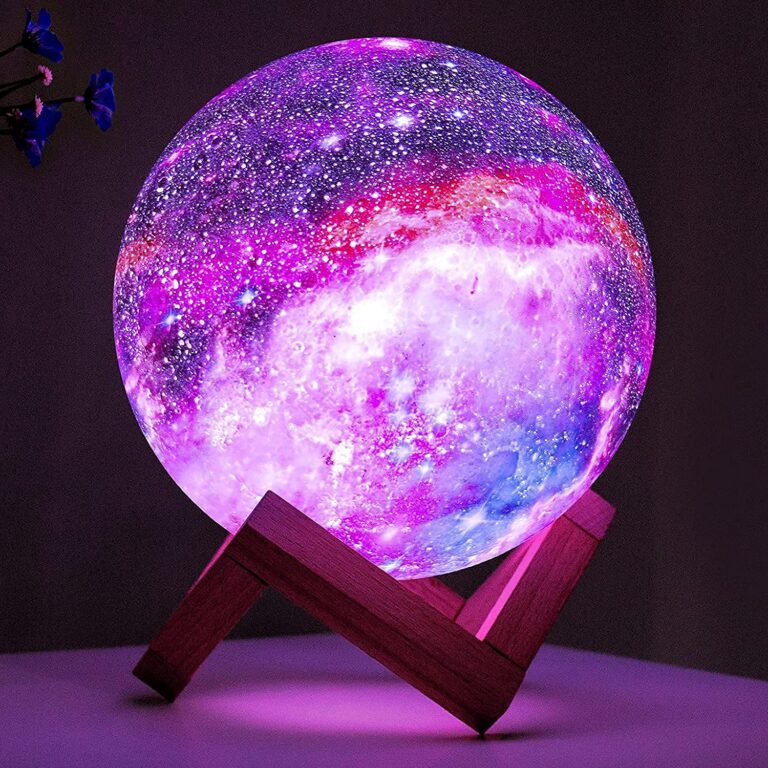 Aisha's pickRemote Control Night Lights That Look Good Switched Off Too
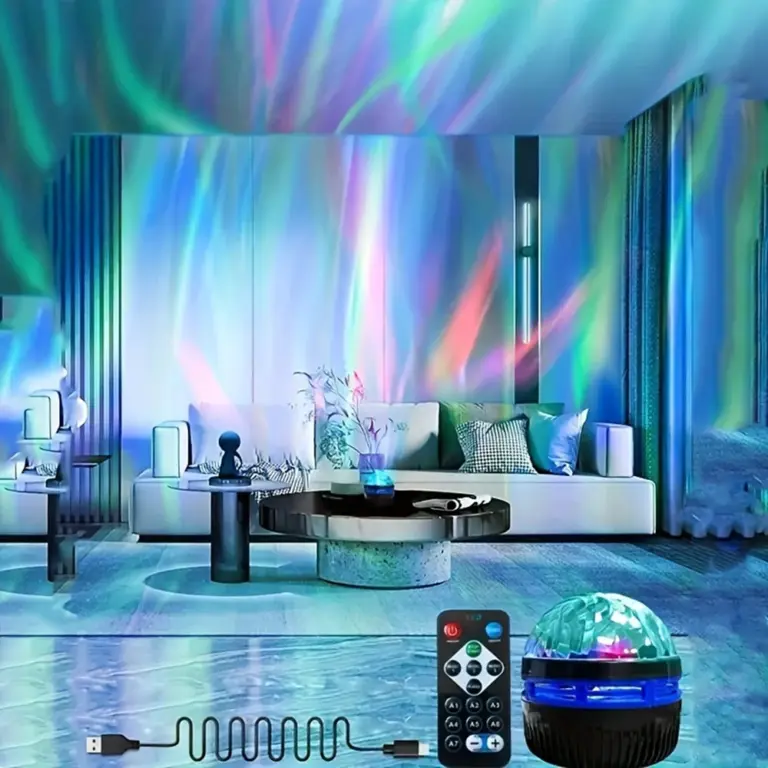
 Aisha's pickBattery Operated Night Lights From Brands You Know and a Few You Won’t
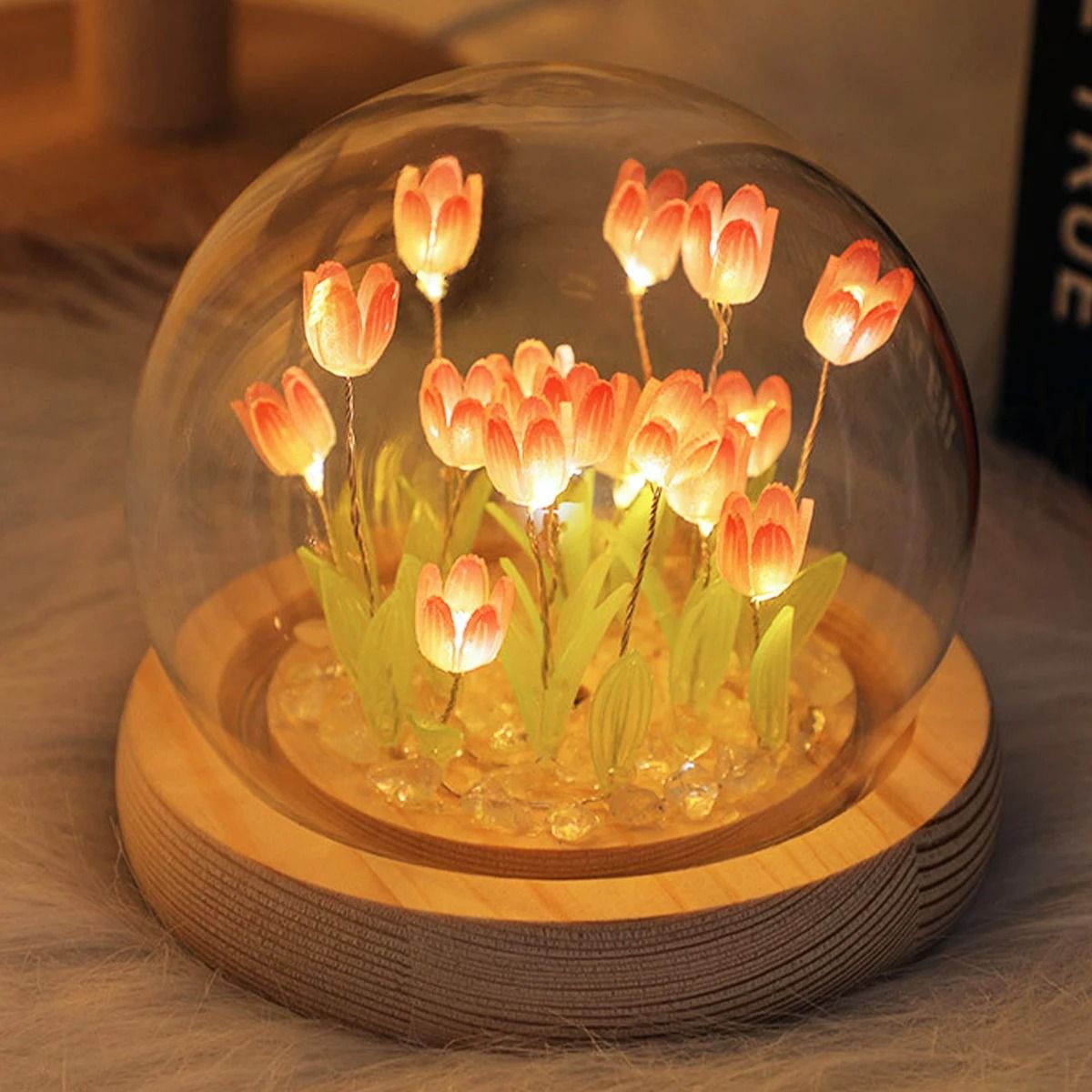
 Aisha's pickRetro Night Lights for Reading, Relaxing or BothAlso worth a lookWall LightsWall lights are the fixture everyone skips and shouldn't.See the collections →
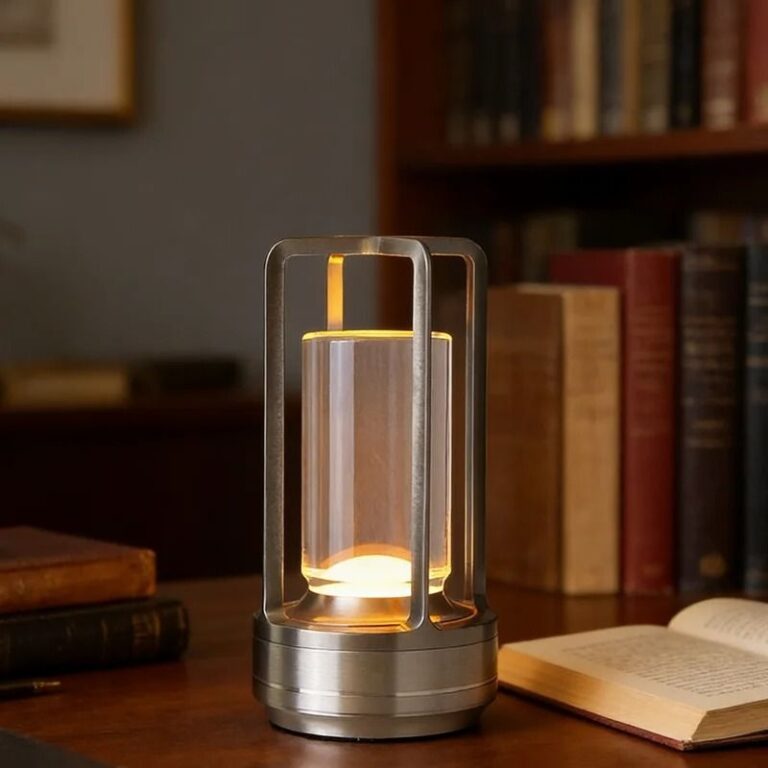
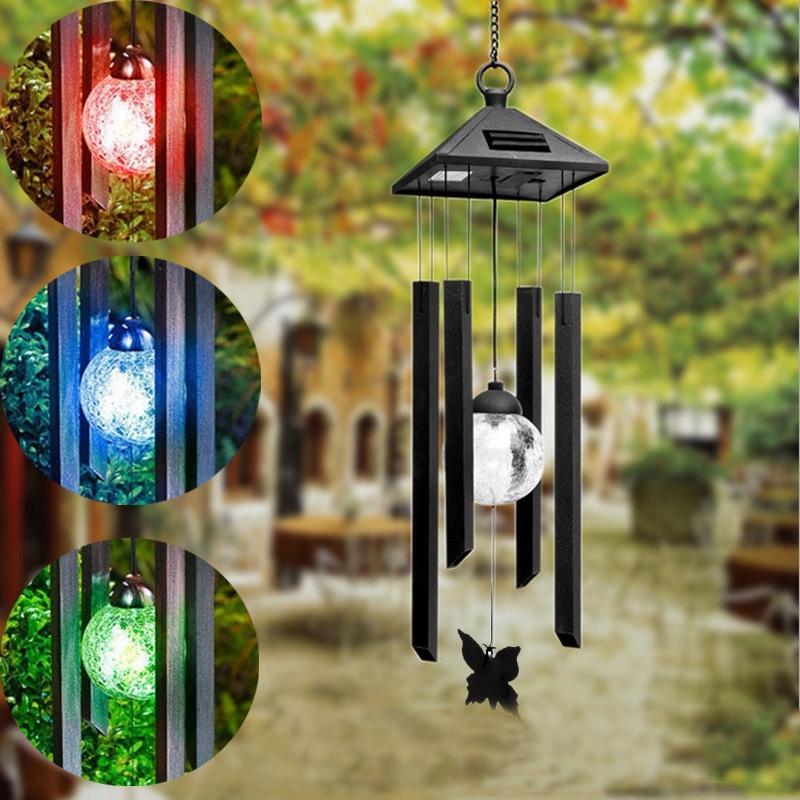 Aisha's pickBlue Night Lights We Leave On All Evening

 Aisha's pickSilver Night Lights We Leave On All Evening

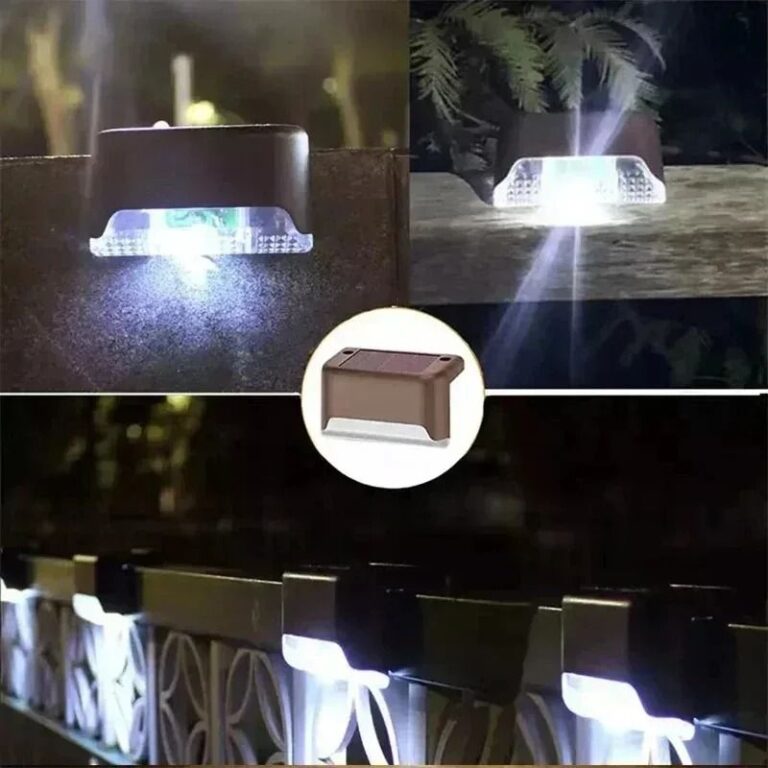 Aisha's pickCool White Night Lights We Leave On All Evening
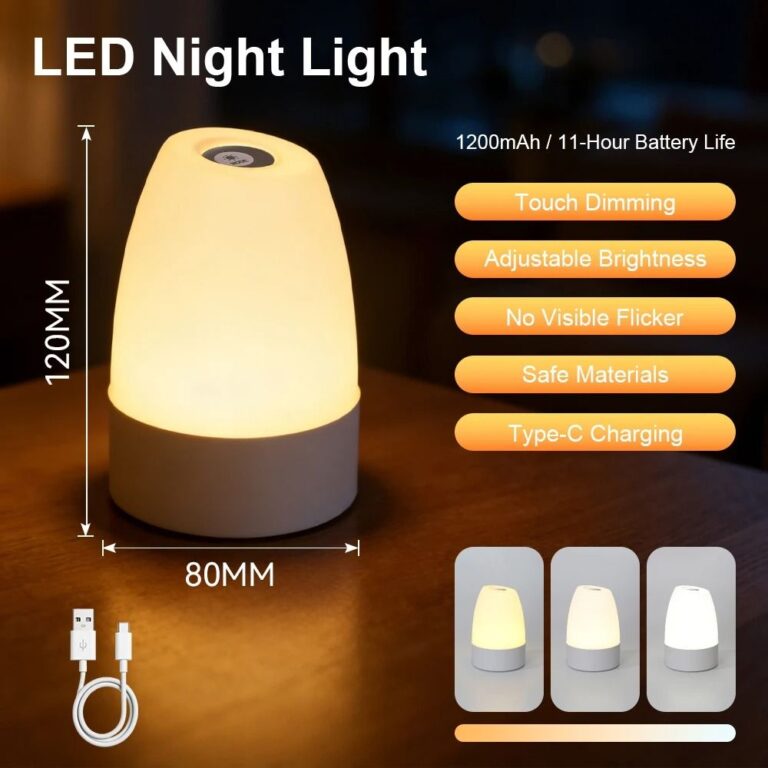
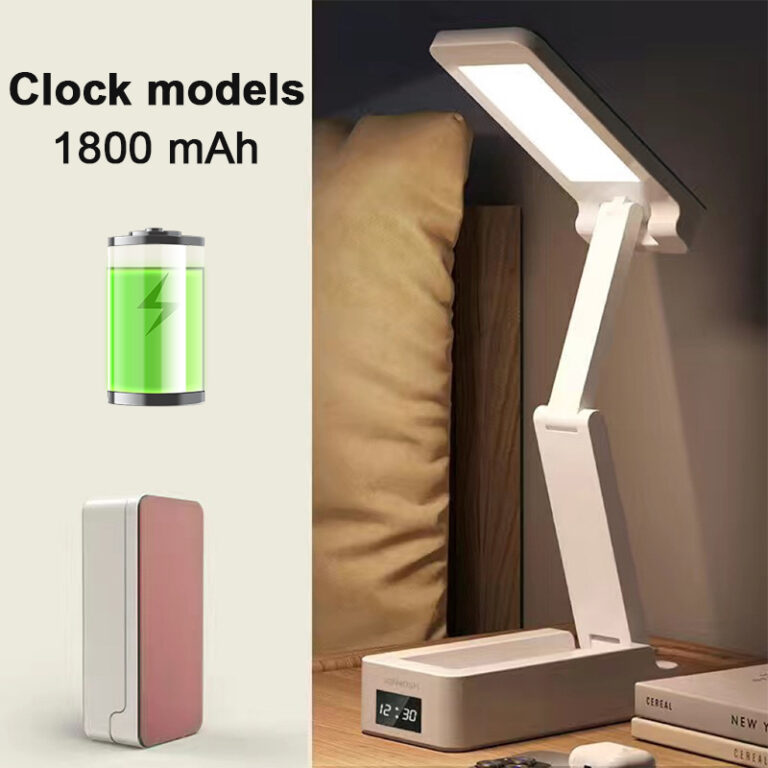 Aisha's pickSmall Night Lights That Change the Feel of a Room
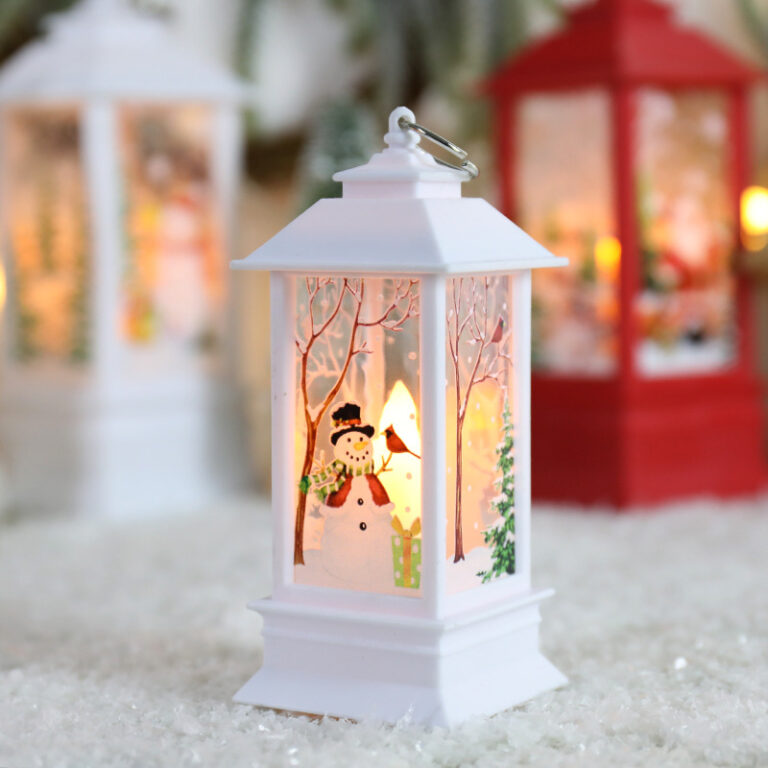
 Aisha's pickDimmable Night Lights That Make Small Changes Feel Big
 Aisha's pickSmart Night Lights That Make Small Changes Feel Big
 Aisha's pickGreen Night Lights That Look Like They Cost More
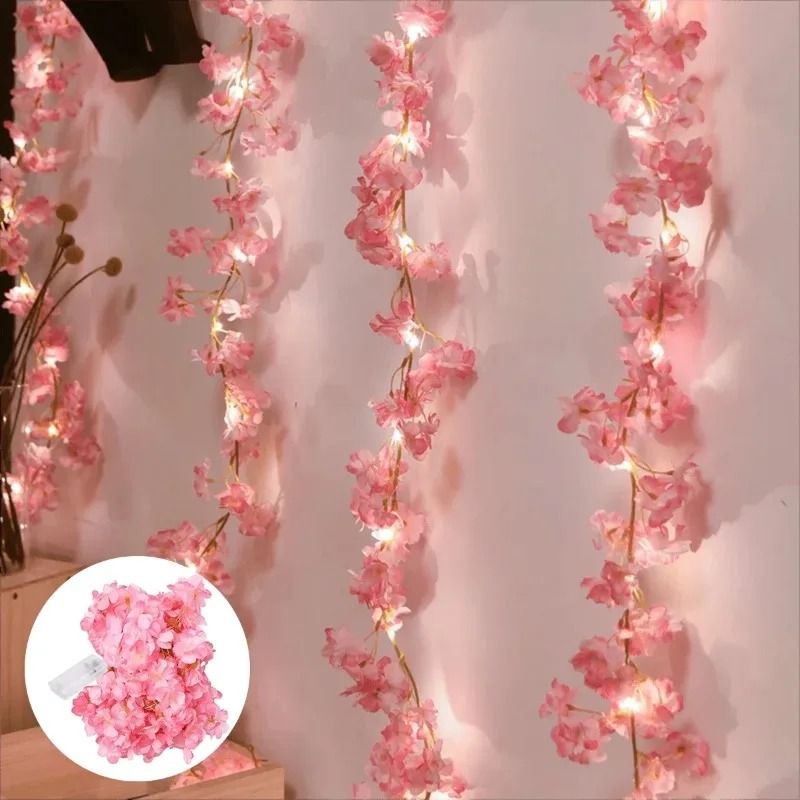
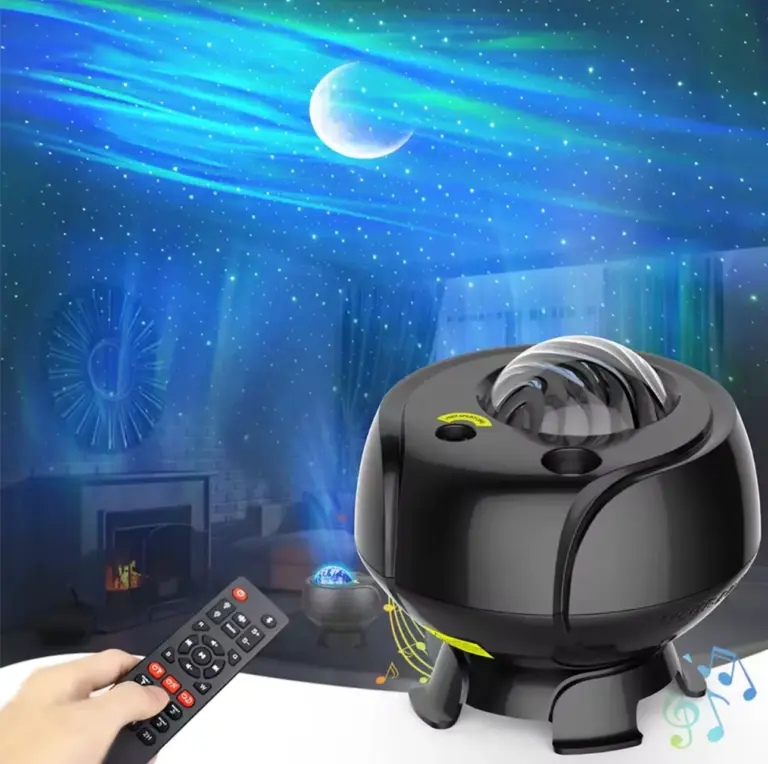 Aisha's pickTimer Night Lights You’ll Keep for Years
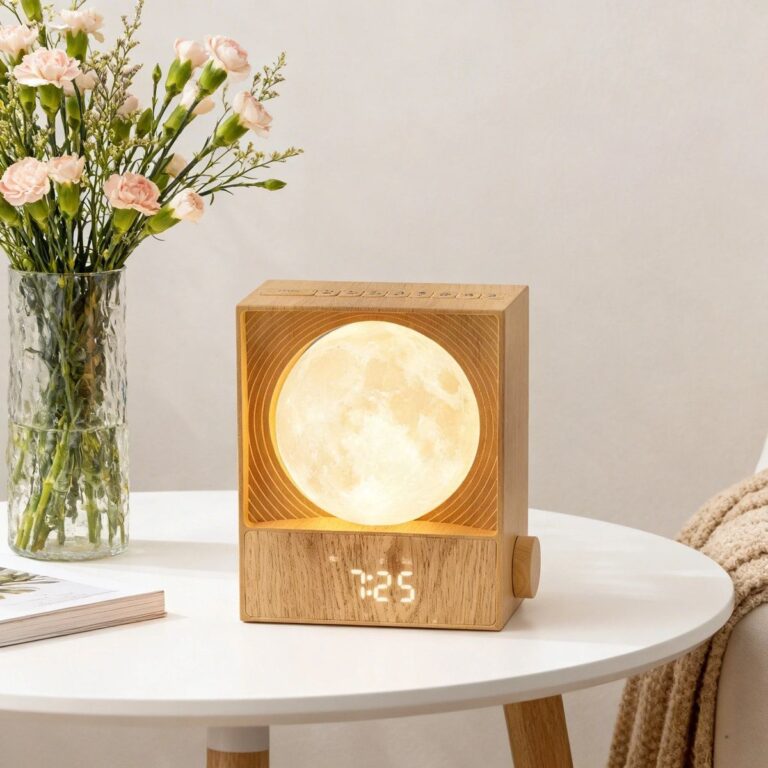
 Aisha's pickOur Shortlist of Large Night LightsAlso worth a lookBlack LightsThe thing nobody mentions about black light fixtures is how differently they read once the sun goes down…See the collections →

 Aisha's pickUSB Night Lights That Don’t Need Babying
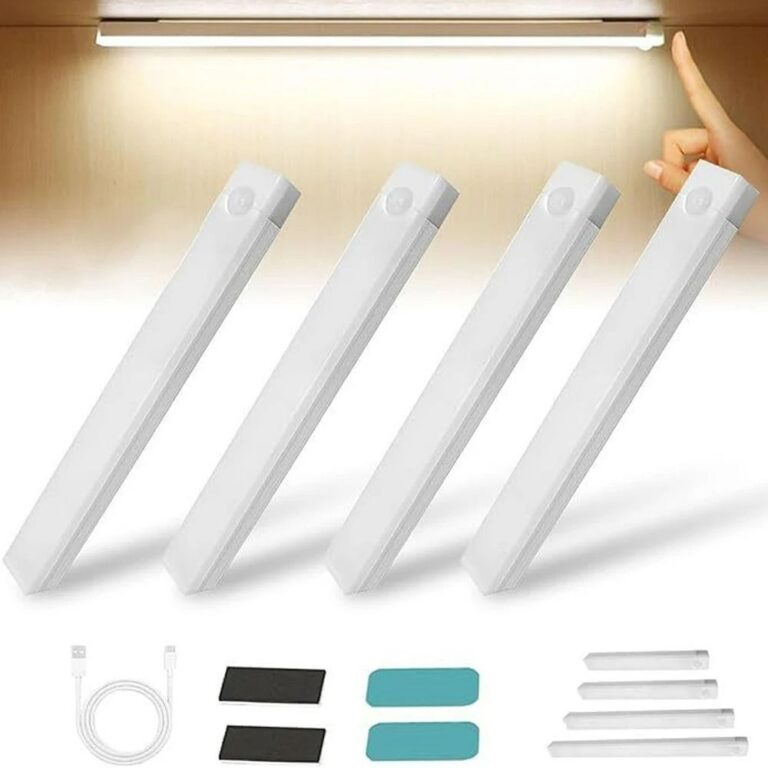
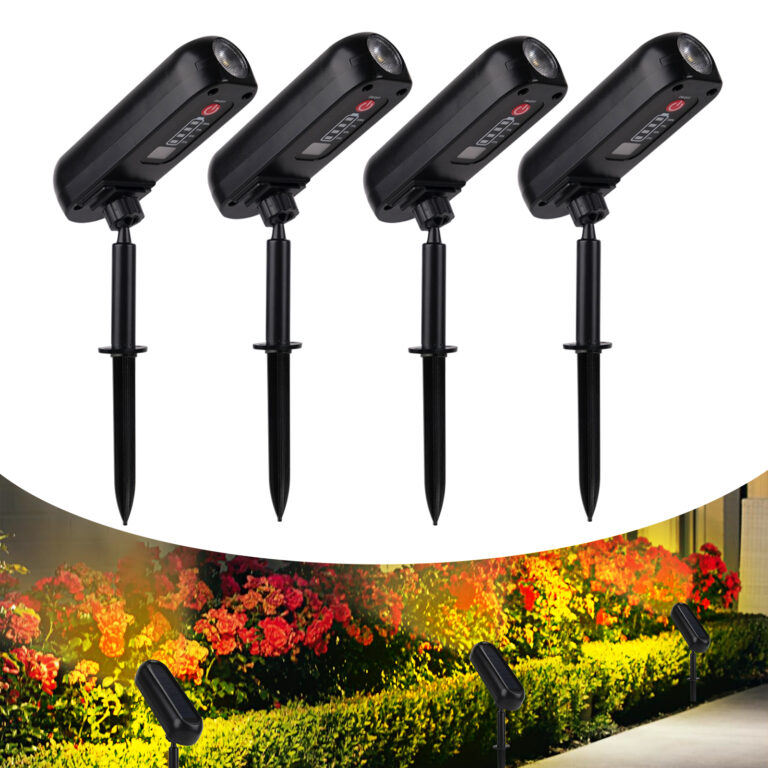 Aisha's pickLong Night Lights for Dark Winter Evenings
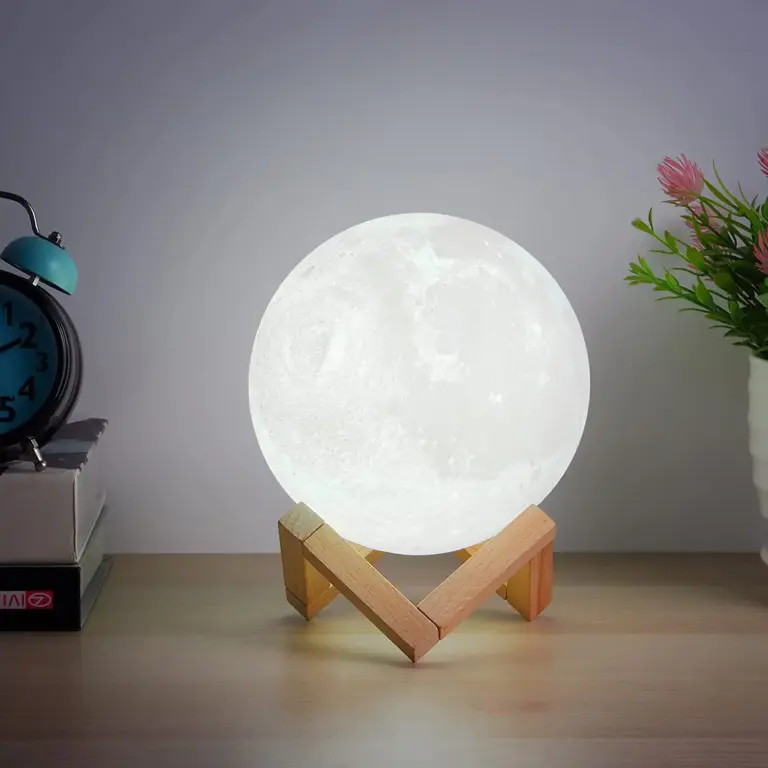
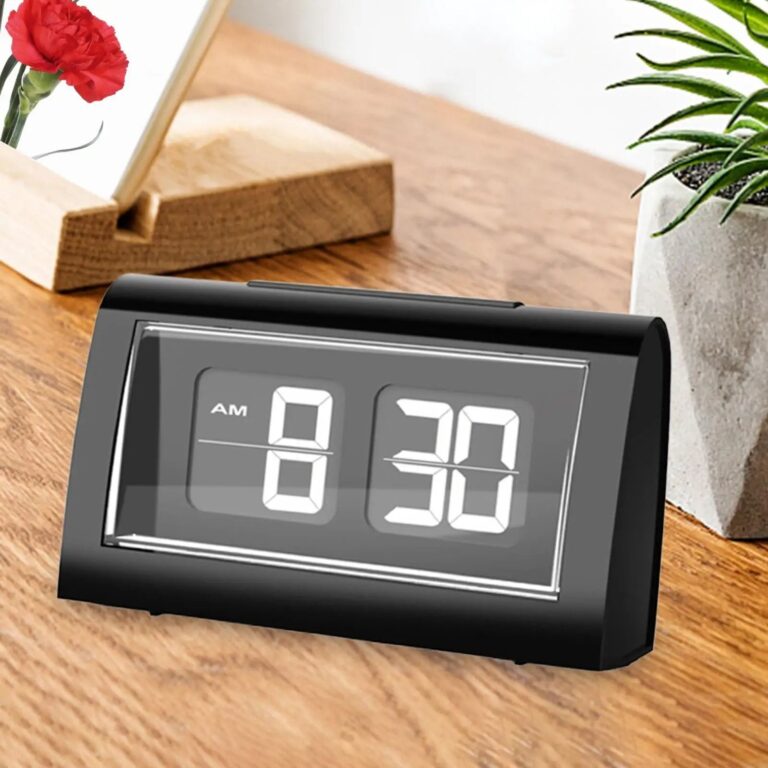 Aisha's pickVintage Night Lights That Look Good Switched Off Too
 Aisha's pickNight Lights That Survive Kids and Pets
 Aisha's pickWarm White Night Lights That Make Rented Places Feel Like Home
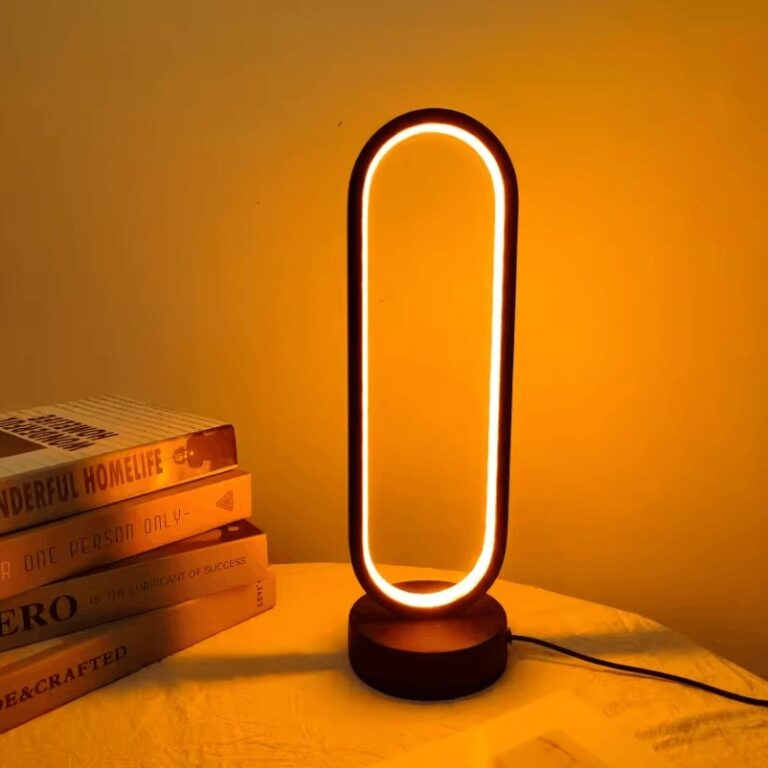
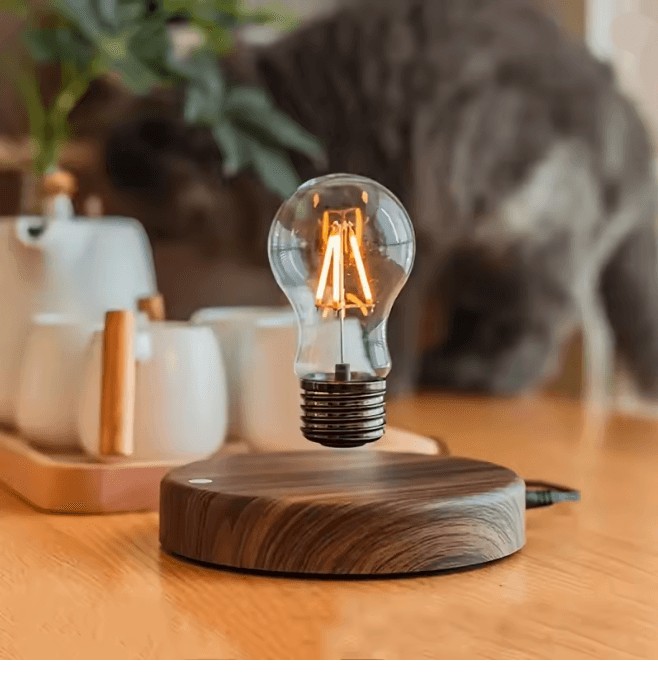 Aisha's pickThe Night Lights for Bedroom Worth Your Cash