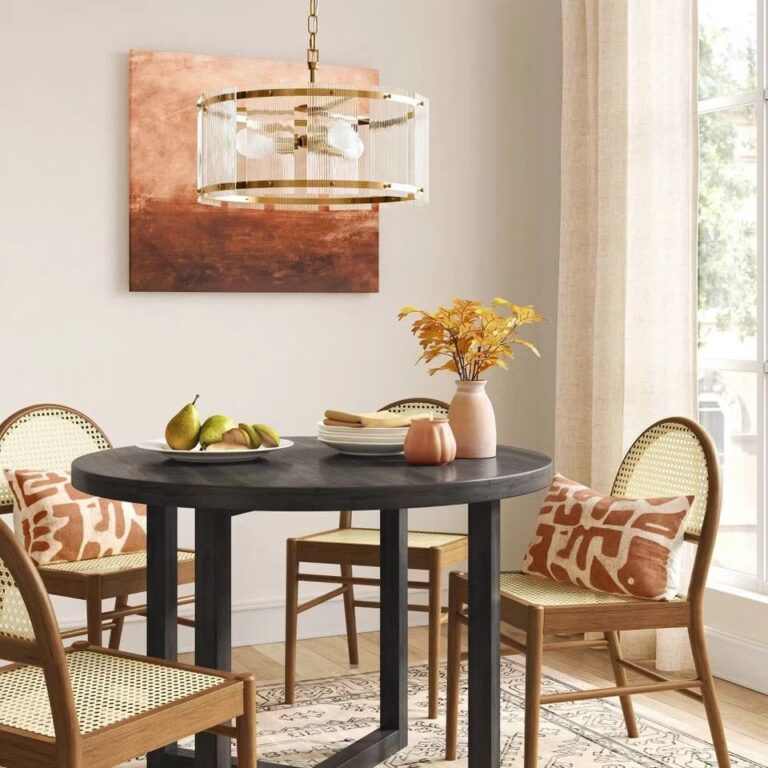
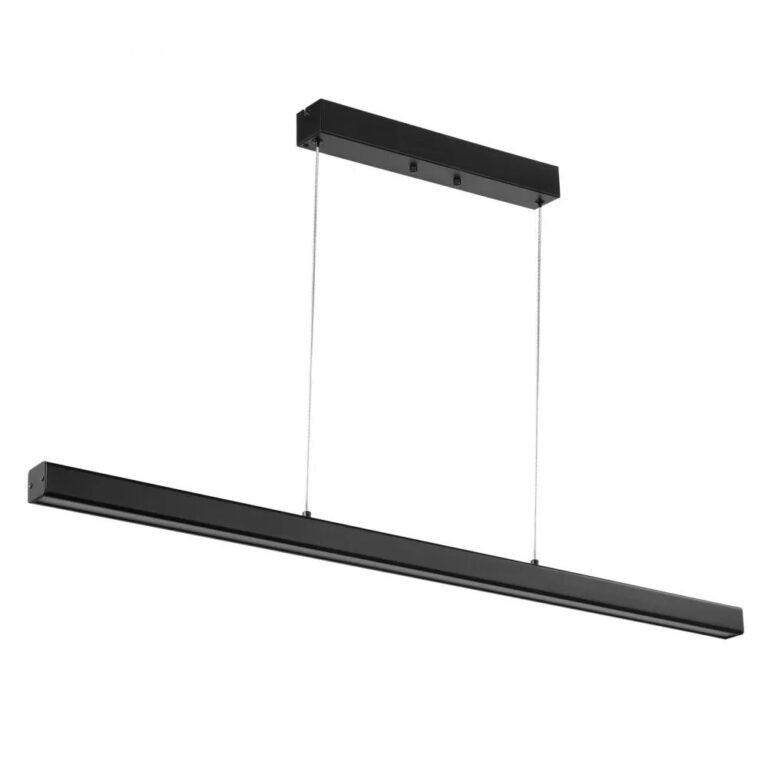
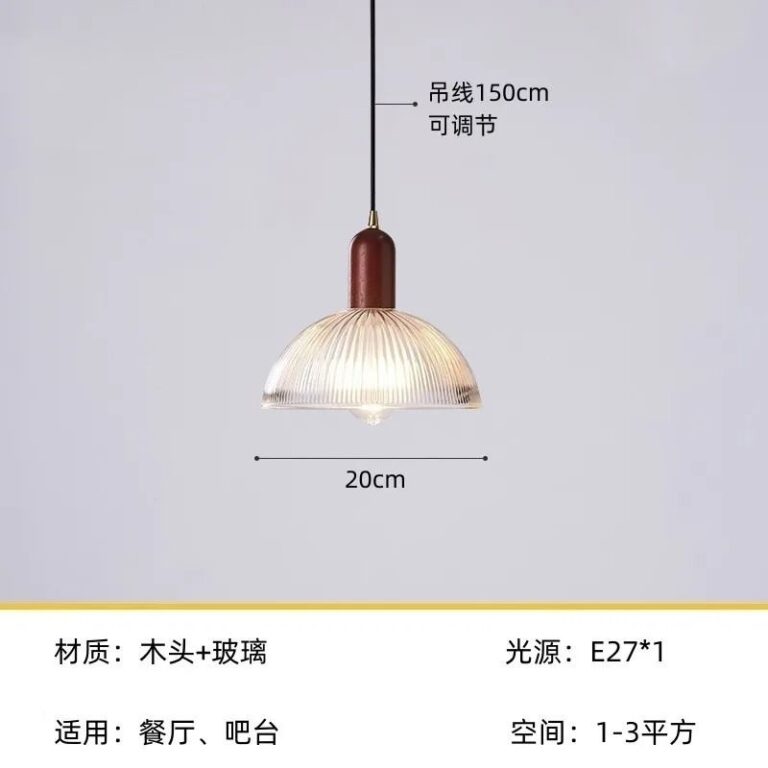
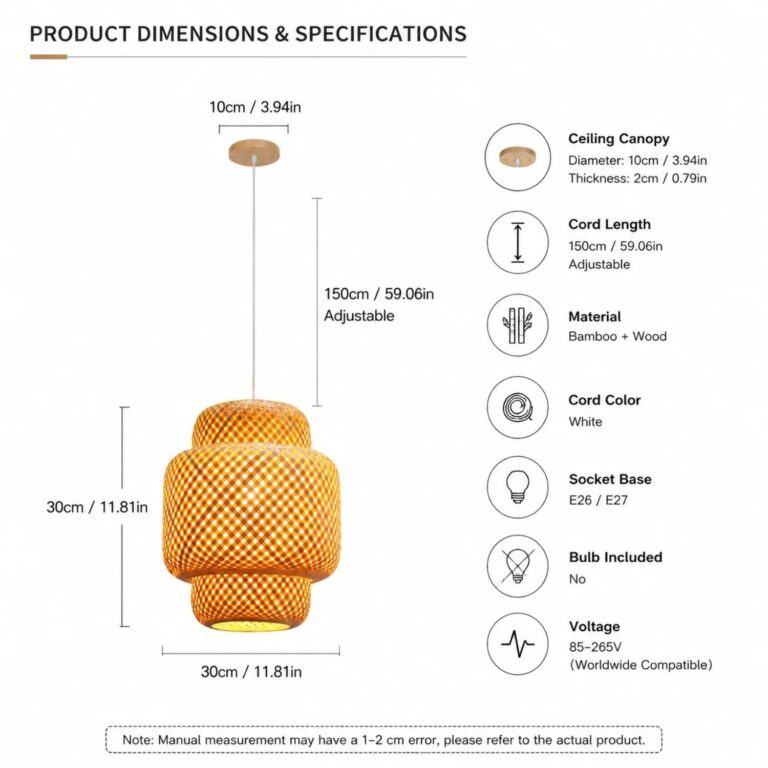
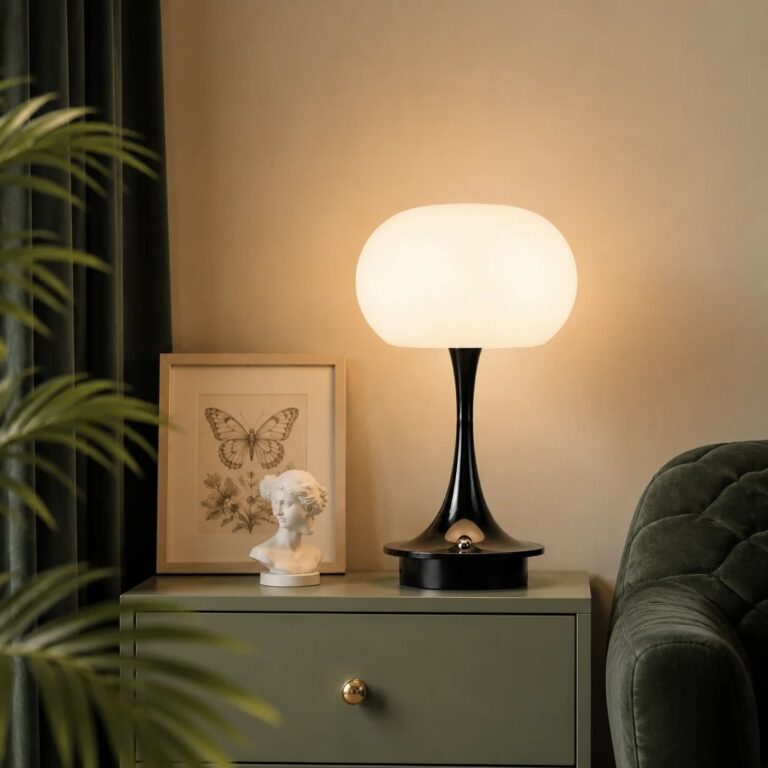
A lamp without a shade is just a bulb showing off, and nobody wants to sit under that for a whole evening. The shade is what turns raw light into something you can actually live with, softening it enough to read by or eat dinner under without feeling like you're under questioning.
In an ordinary room, a shaded lamp works best next to the things that already have some weight to them, a side table, a stack of books, the arm of a sofa where someone's hand naturally lands with a cup of coffee. It fills in the gaps that an overhead light leaves flat and shadowless. Put one in a corner that otherwise does nothing in the evening and the whole room reads differently, warmer, less like an office.
If you own none of these, start with a plain linen or cotton shade on a simple base, nothing patterned, nothing with a finish you'll tire of. A pale or off white shade throws the most usable light and goes with whatever you do next to the room around it, so you're not locked into one scheme before you've even picked a sofa color. Fussier shades, pleated silk, dark linings, colored glass, are worth having eventually, but they're a second or third lamp, not a first.
When you're looking at one in a shop or unboxing it at home, check the shade sits straight on the frame and isn't tilted, because a crooked shade is the kind of thing you won't notice for a week and then won't be able to unsee. Check the harp, the little wire frame holding it up, is the right height so the shade doesn't sit too low and scorch, or too high and expose the bulb underneath. And look at the fabric in daylight as well as lamp light. Some linens go slightly yellow under warm bulbs in a way you won't catch in a showroom.
Over time the shade is the part that shows its age first, not the base. Fabric ones pick up dust fast, especially pale linen, and need a light vacuum with a brush attachment every so often rather than a wipe, which just pushes dust around. Paper and parchment shades yellow slightly with years of use, which some people like and some don't. The base, if it's metal or ceramic, will outlast several shades, so don't be precious about swapping the shade alone when it finally looks tired. That's the whole point of buying them separately in the first place.
A good shade is doing more work in a room than almost anything else you'll buy for under it.

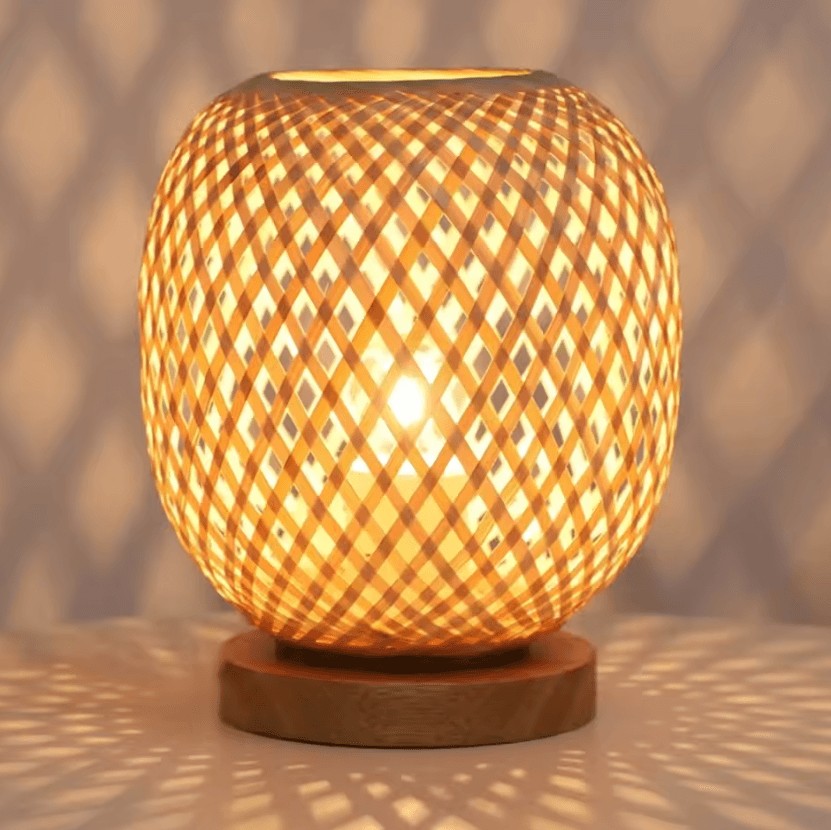 Aisha's pickLiving Room Lights with Shade Picked by People Who Care Too Much
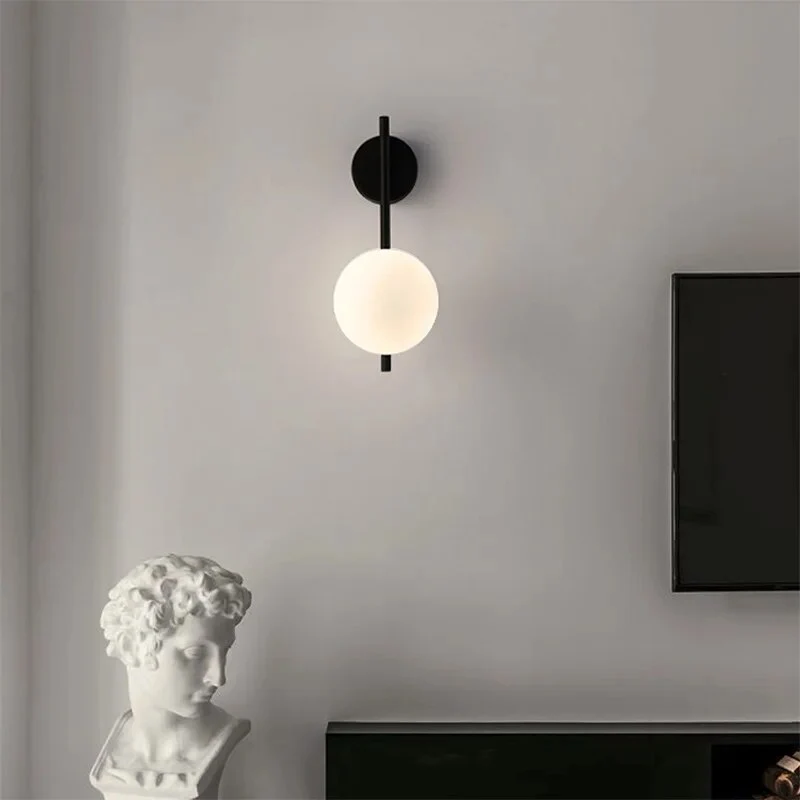
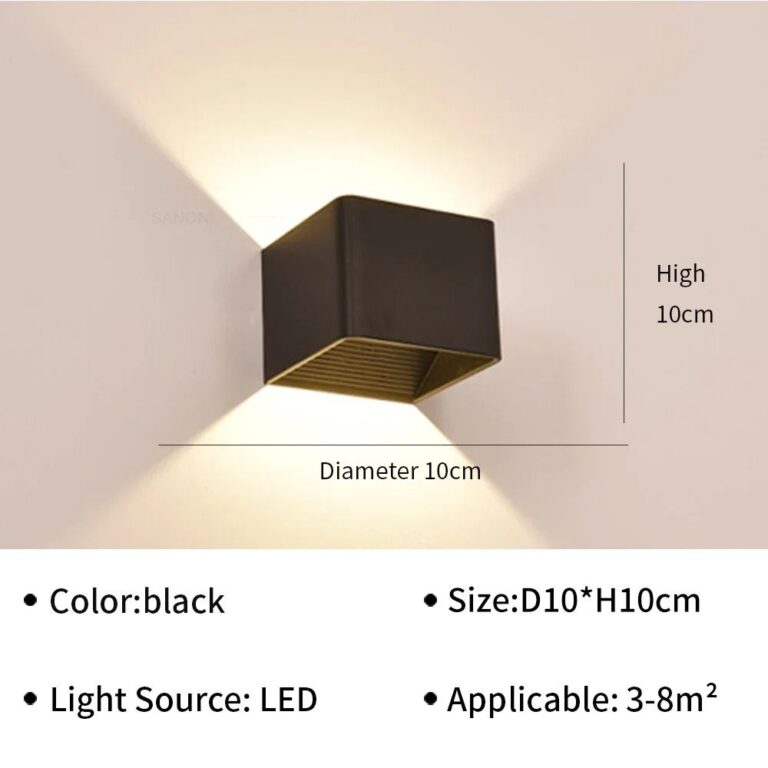 Aisha's pickBathroom Lights with Shade That Make Mornings Easier
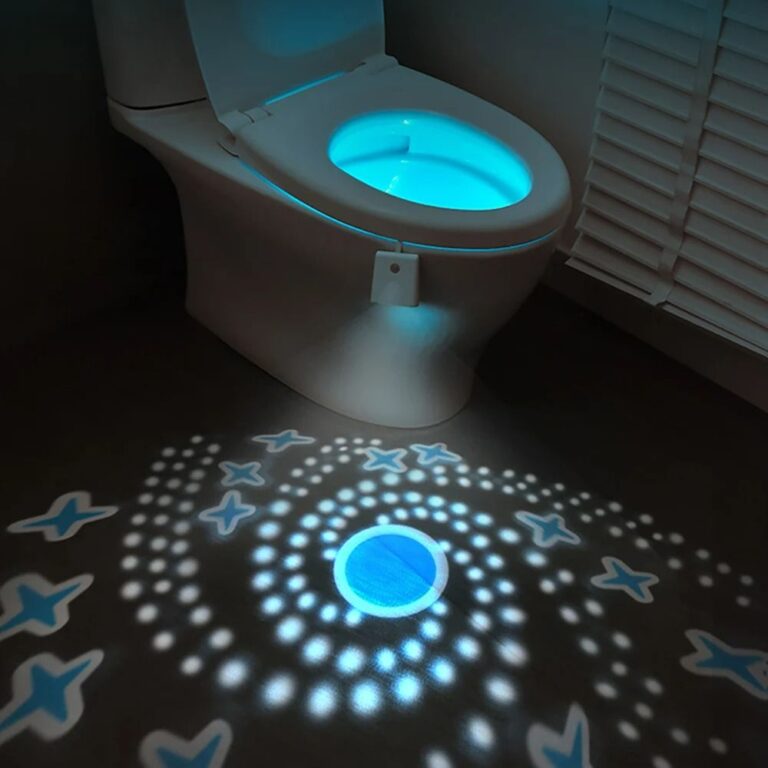
 Aisha's pickLiving Room Wall Lights with Shade That Look Good Up Close

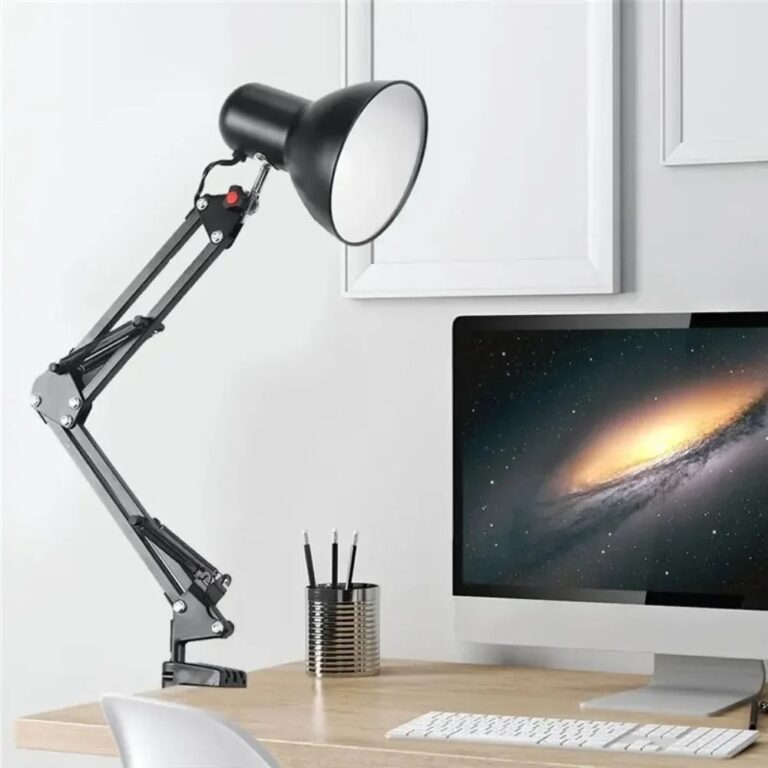 Aisha's pickBedroom Lights with Shade You Won’t Regret Buying
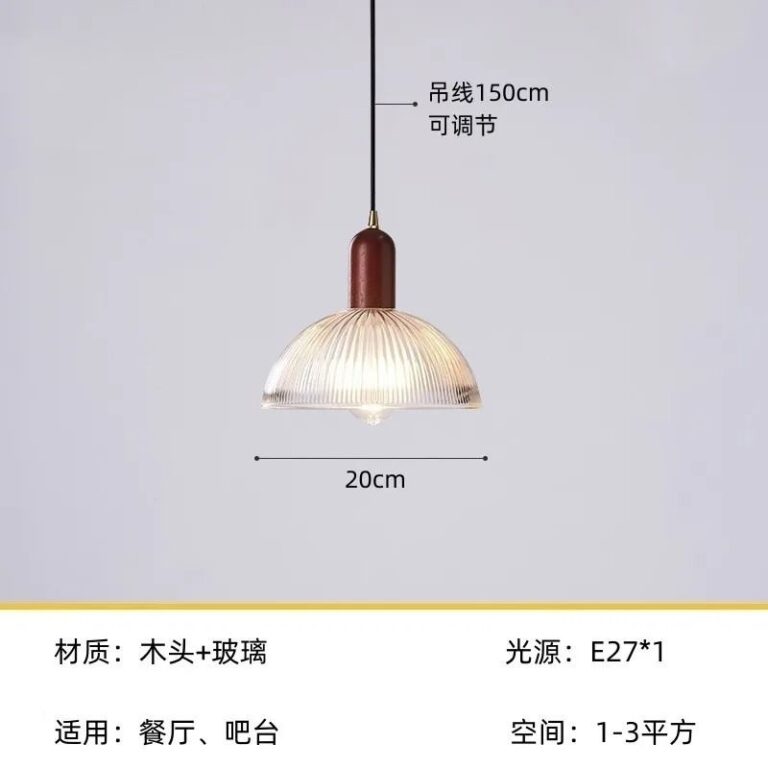
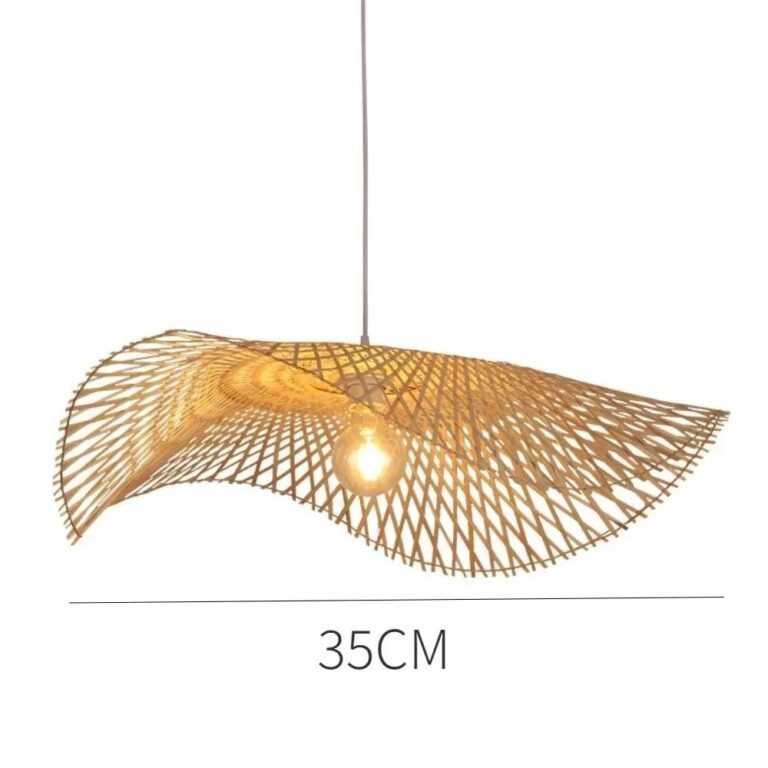 Aisha's pickMetal Ceiling Lights with Shade Worth Knowing About
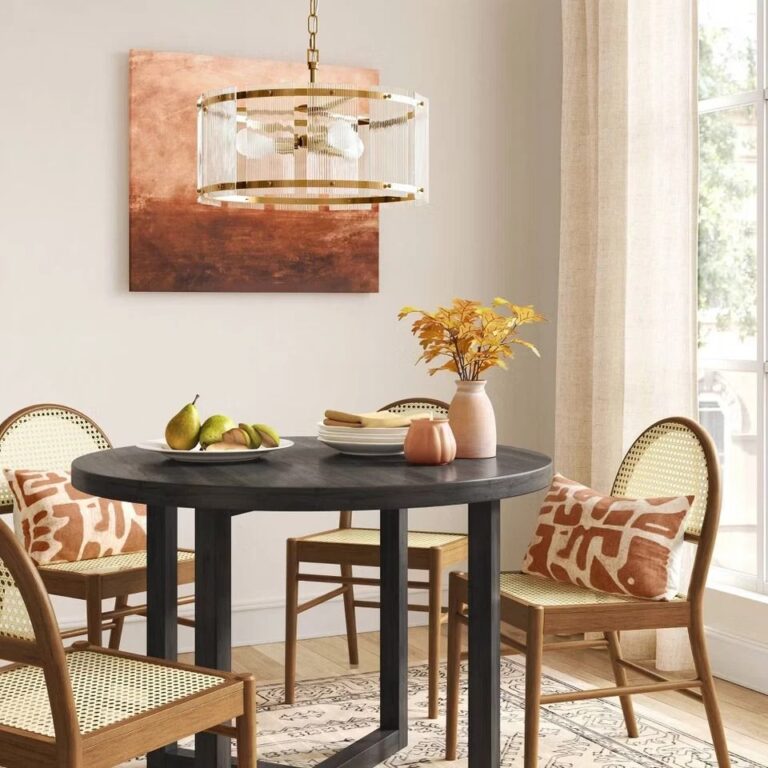
 Aisha's pickBedroom Wall Lights with Shade You Won’t Want to Hide Away
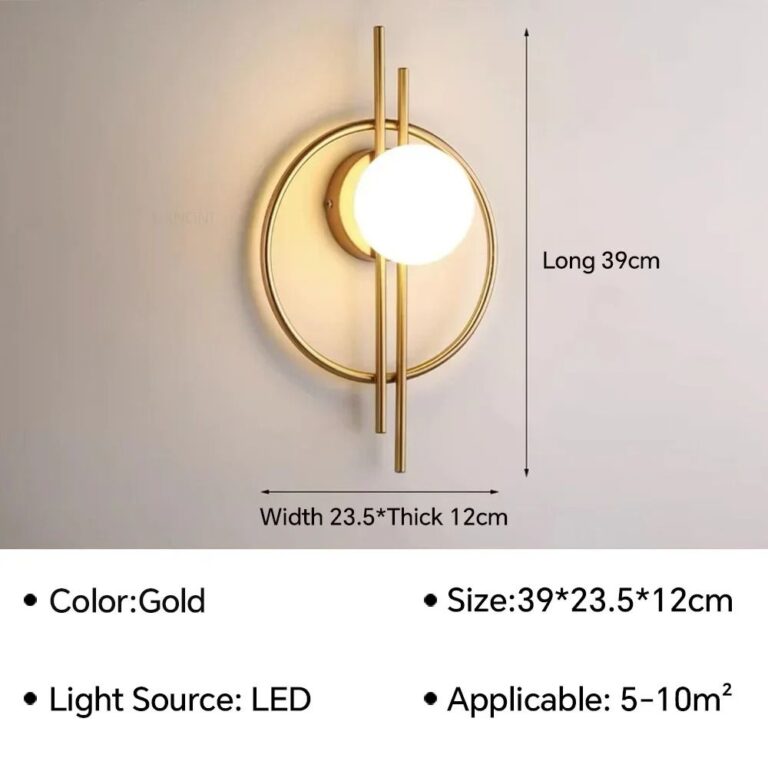
 Aisha's pickMetal Pendant Lights with Shade Bright Enough Without the Glare

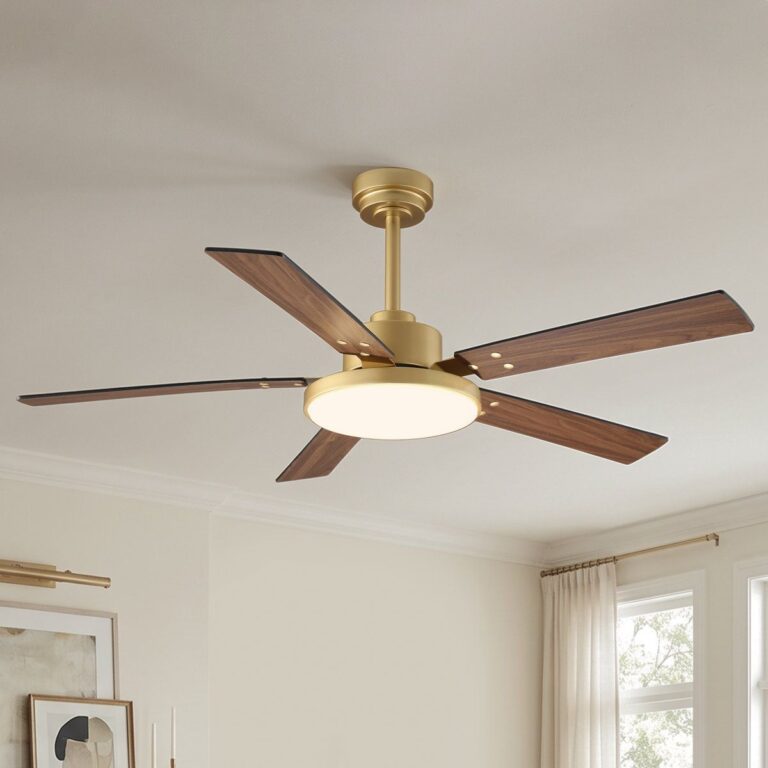 Aisha's pickBlack Ceiling Lights with Shade That Visitors Always Ask About
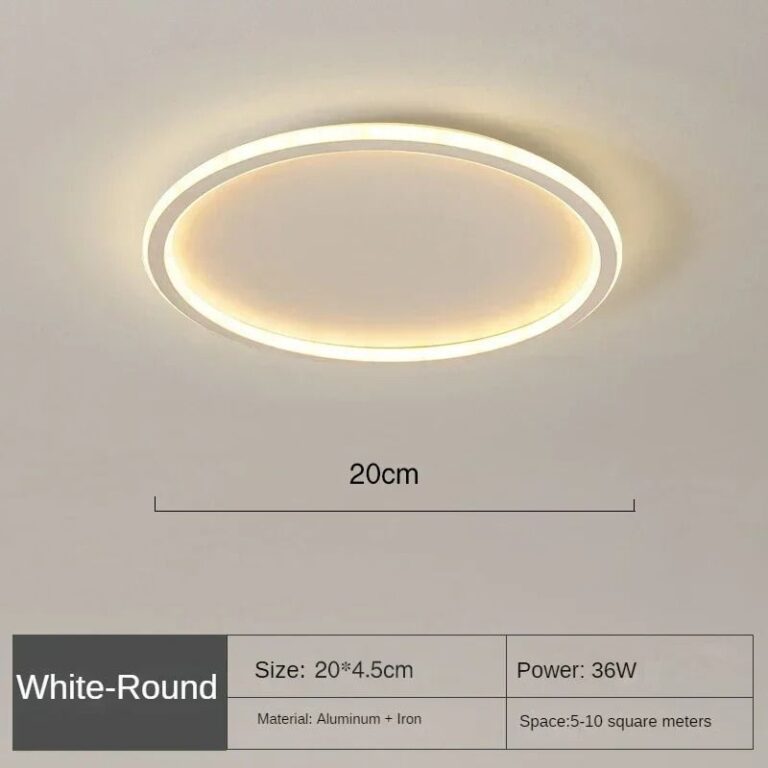
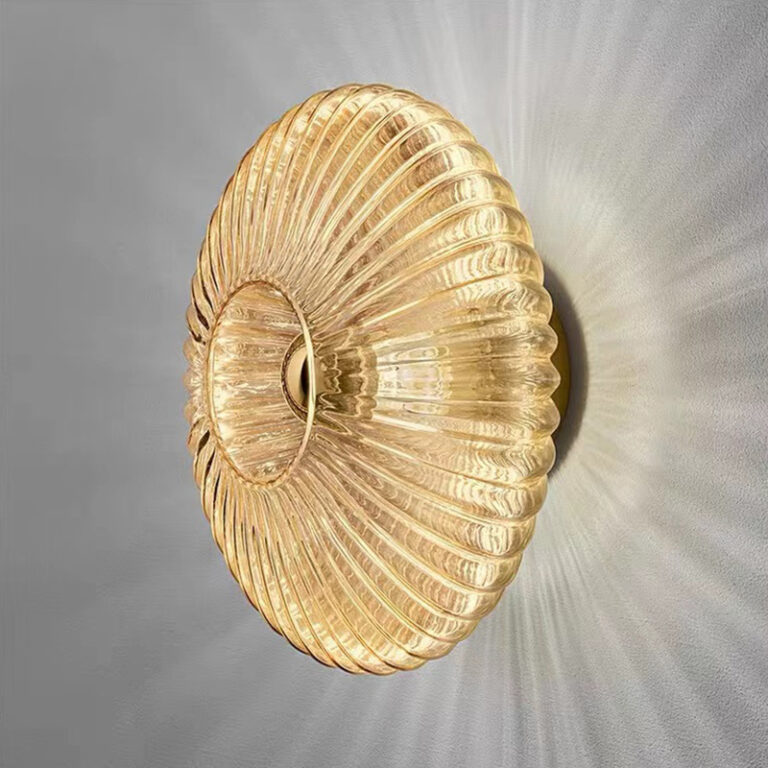 Aisha's pickGood Metal Wall Lights with Shade That Don’t Cost a FortuneAlso worth a lookWall LightsWall lights are the fixture everyone skips and shouldn't.See the collections →

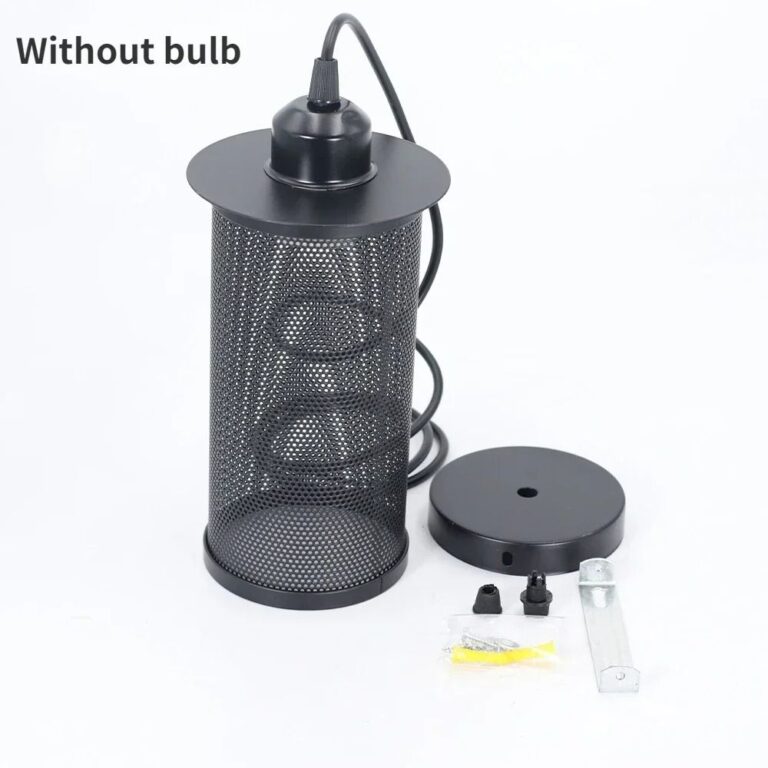 Aisha's pickBlack Pendant Lights with Shade Hunted Down So You Don’t Have To
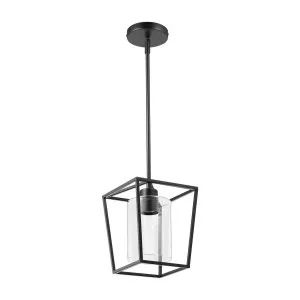
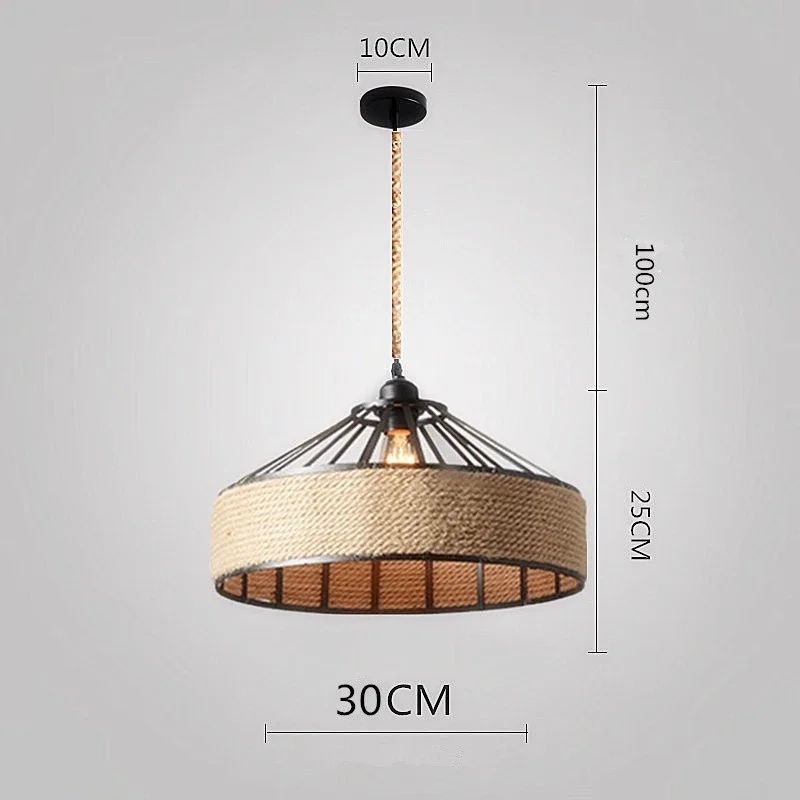 Aisha's pickPendant Lights with Shade That Change the Feel of a Room
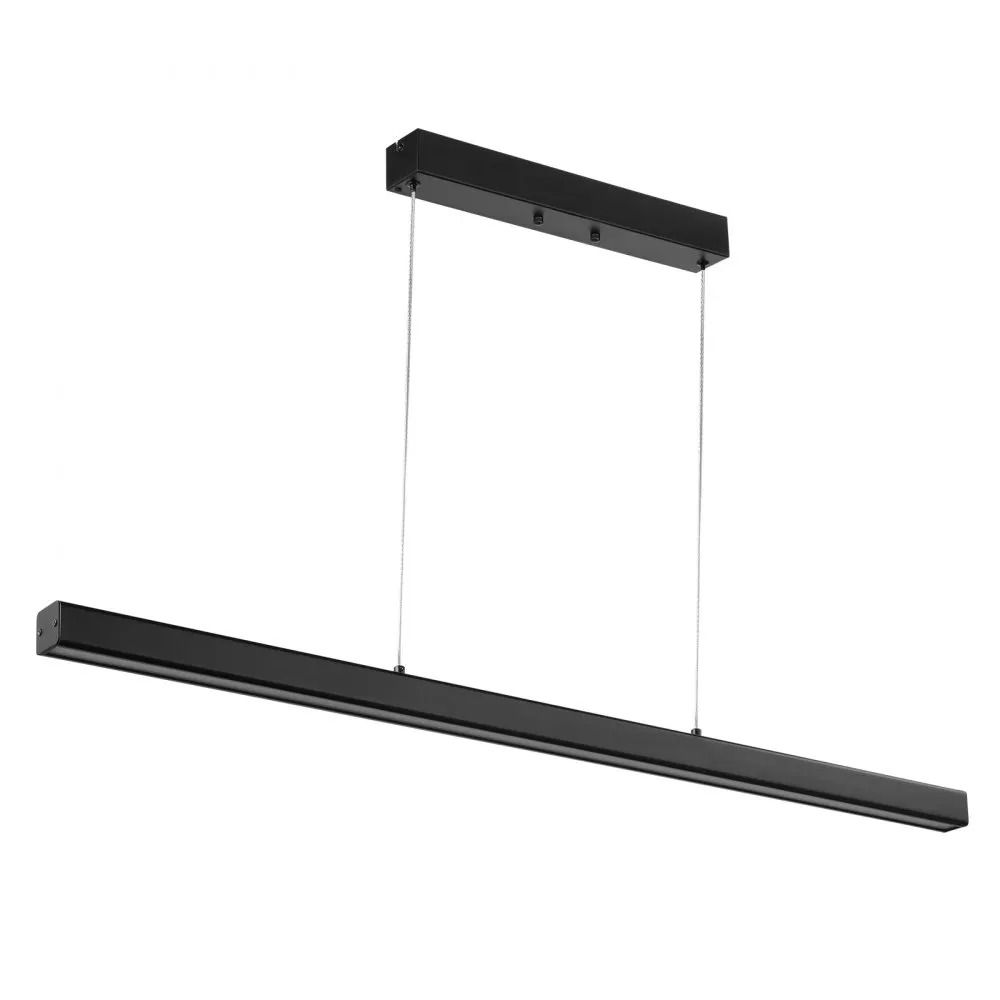
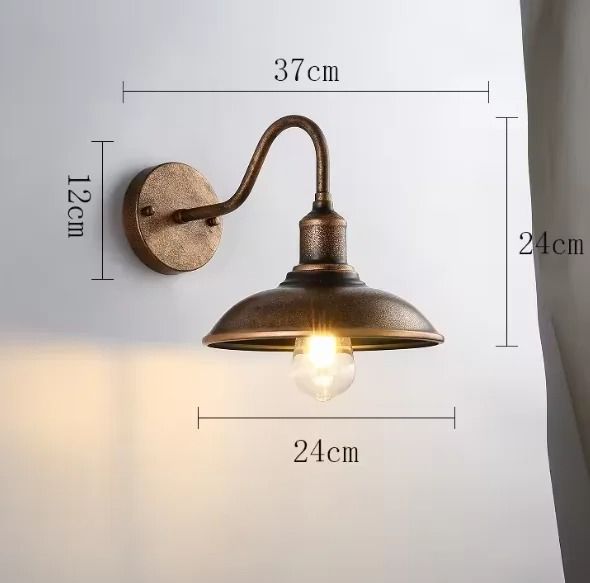 Aisha's pickOur Shortlist of Black Wall Lights with Shade
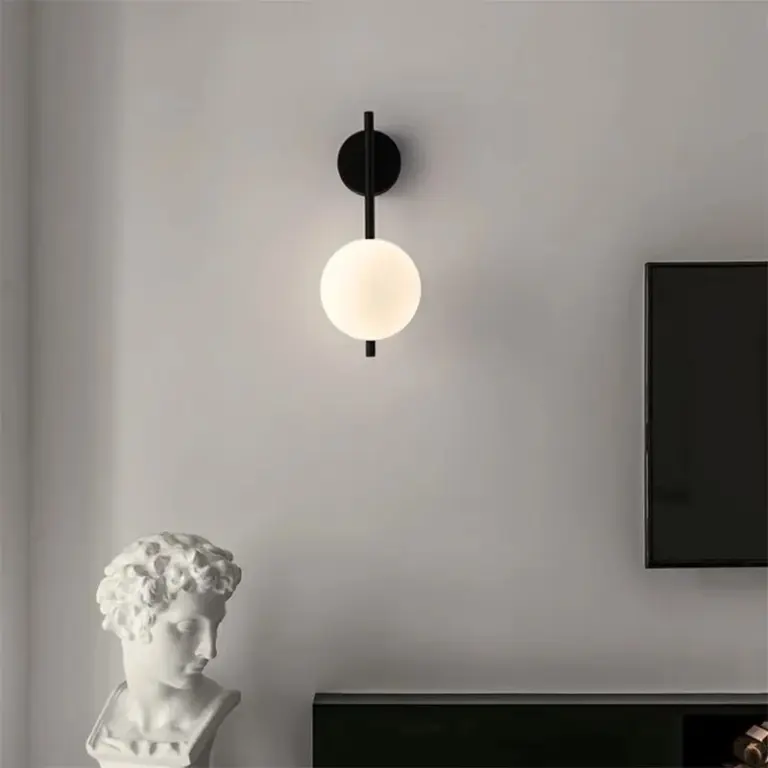
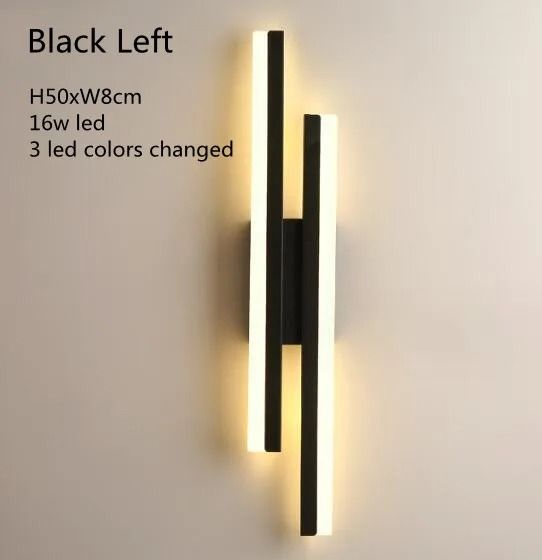 Aisha's pickReading Wall Lights with Shade You’ll Keep for Years
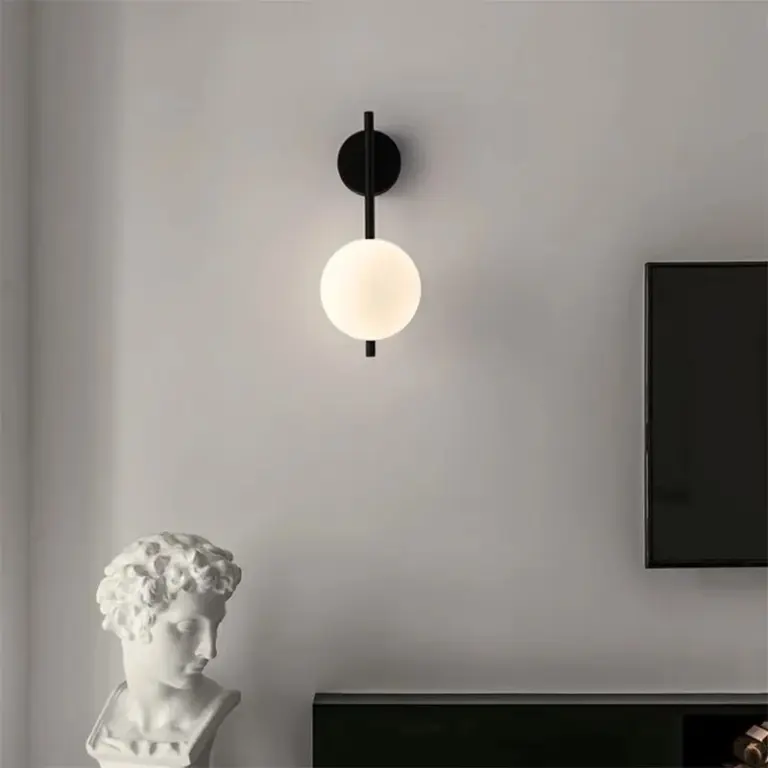
 Aisha's pickCeiling Lights with Shade You’ll Keep for Years
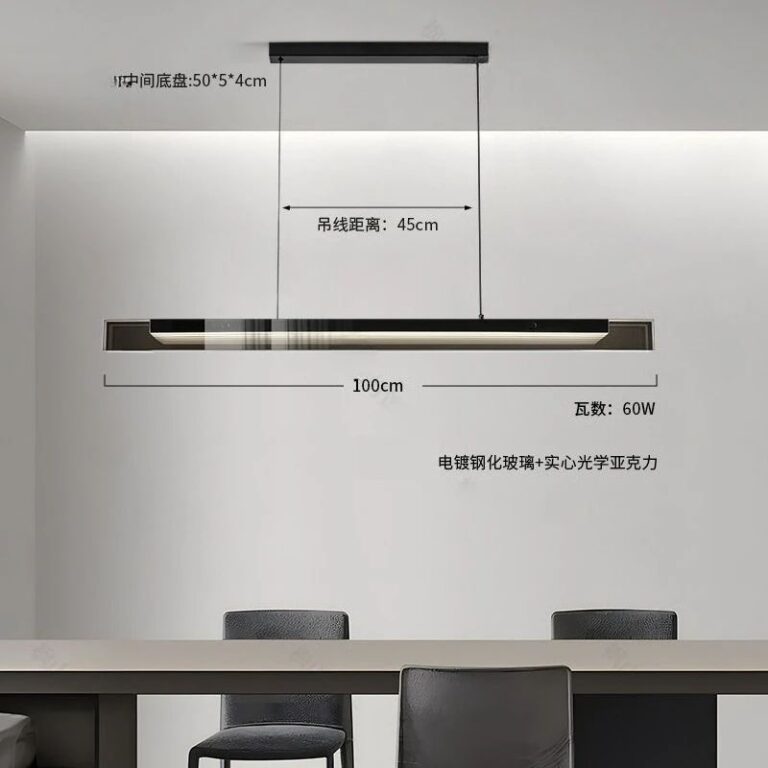
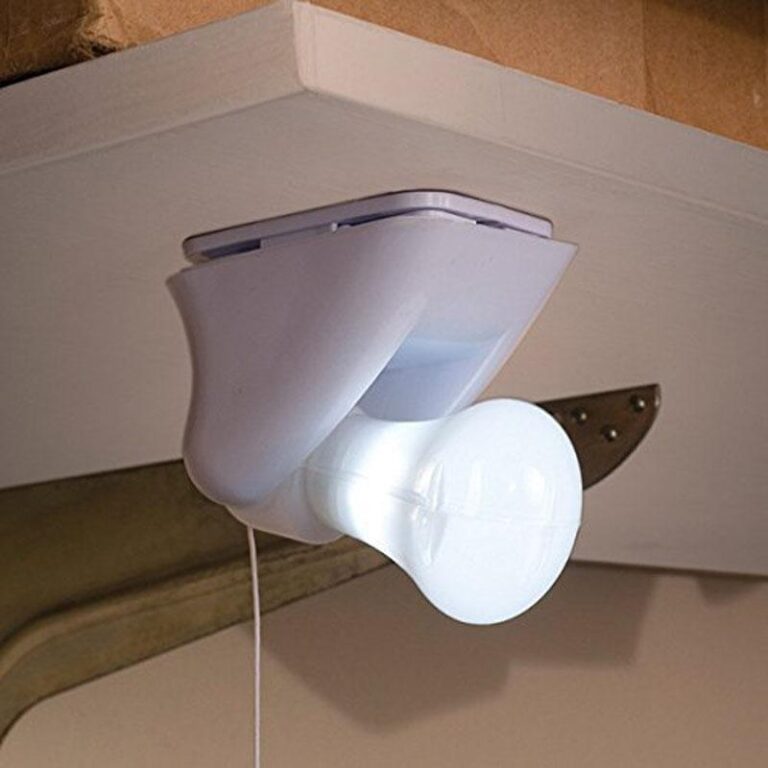 Aisha's pickWall Lights with Shade We Leave On All Evening
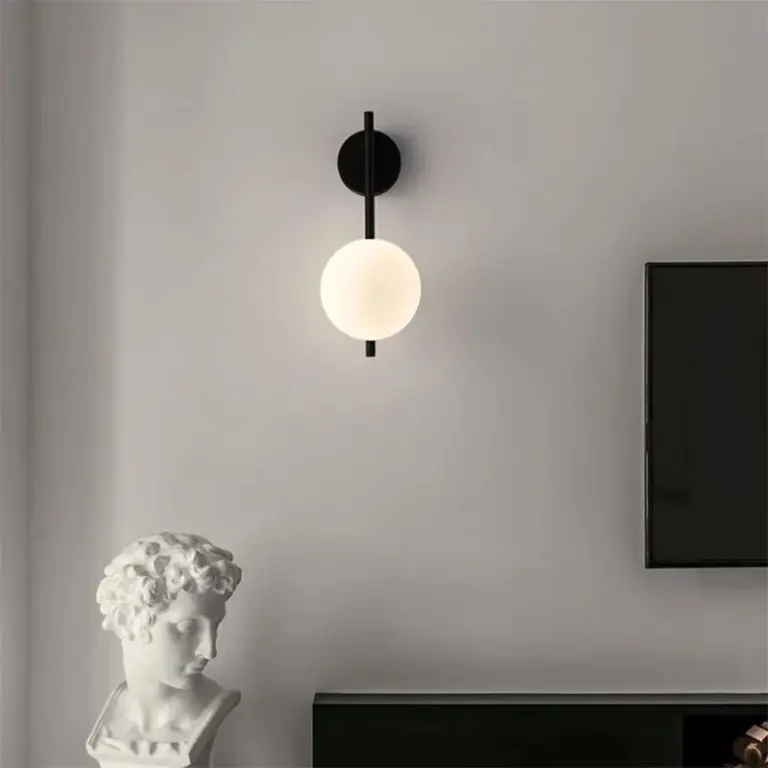
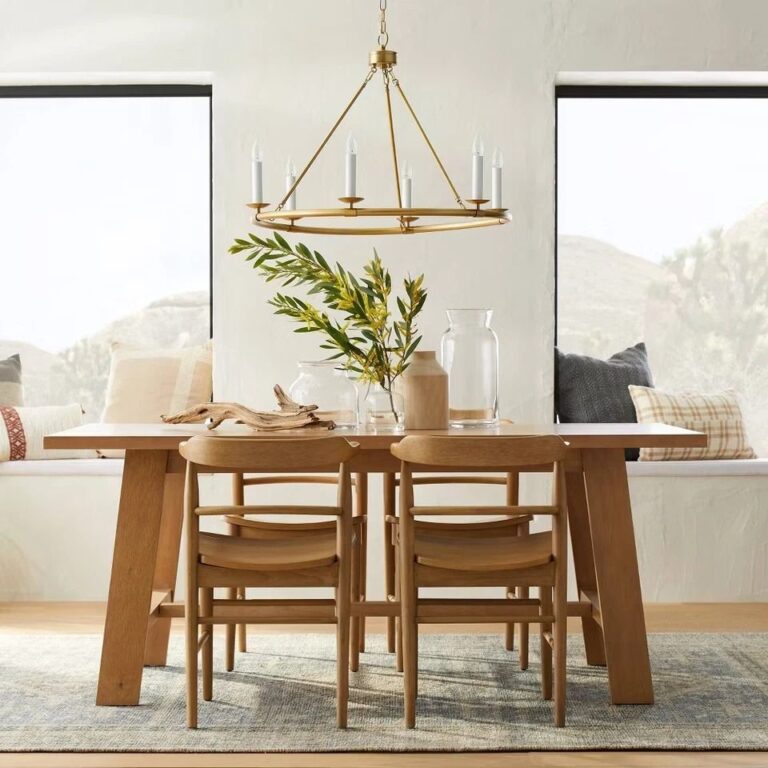 Aisha's pickNo Fuss Chandeliers with Shade
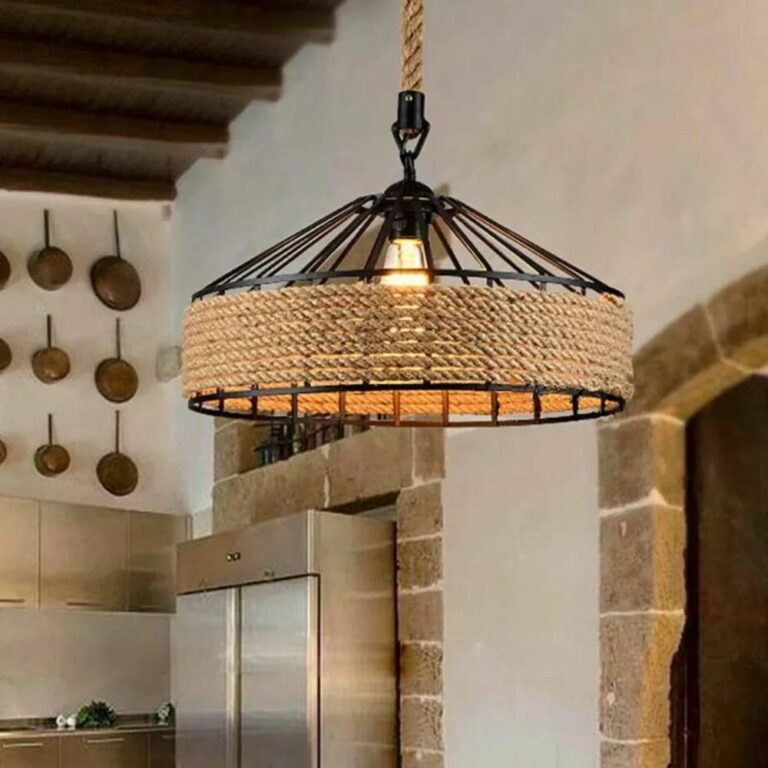
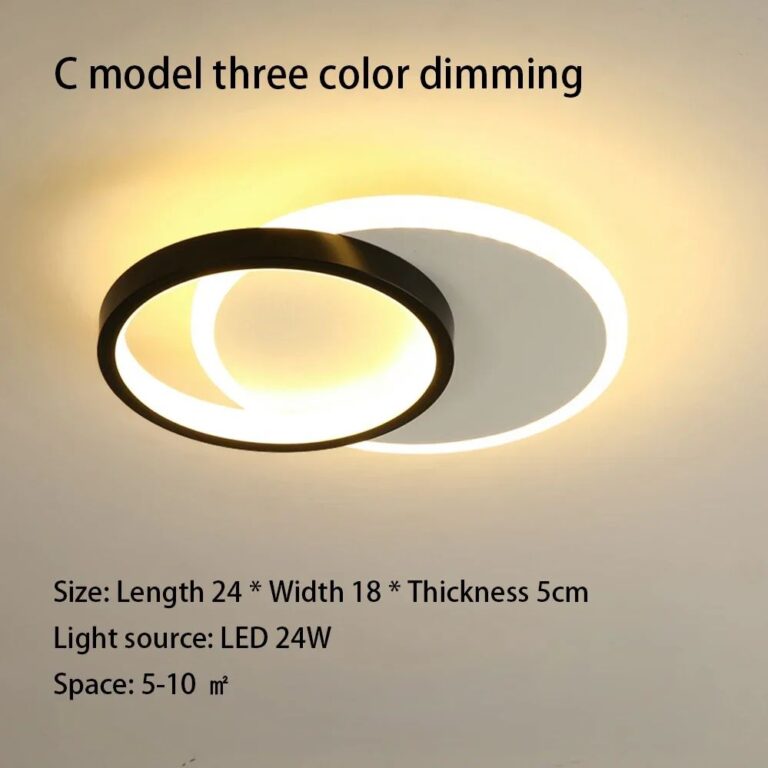 Aisha's pickWhite Ceiling Lights with Shade That Don’t Shout About It
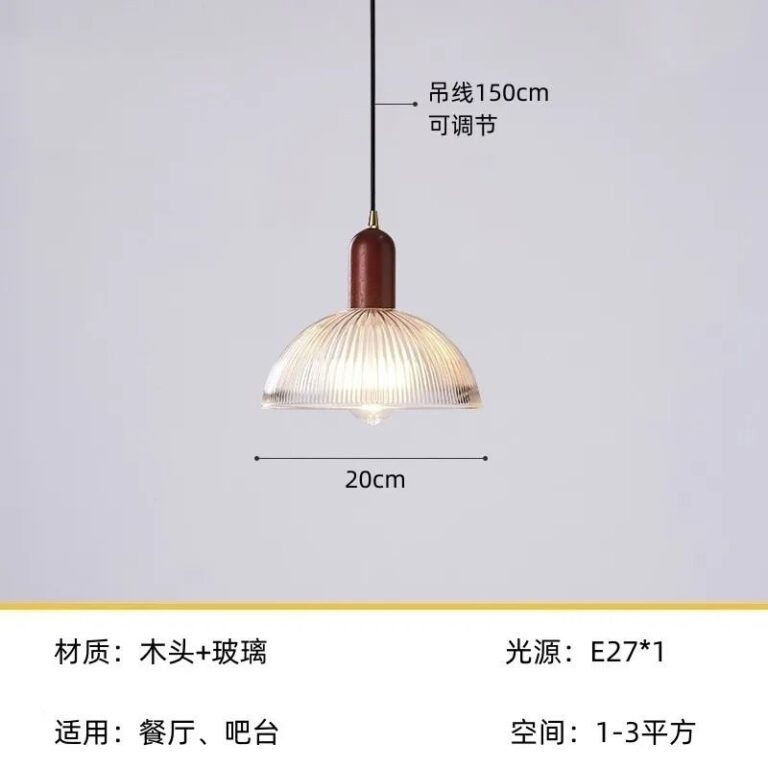
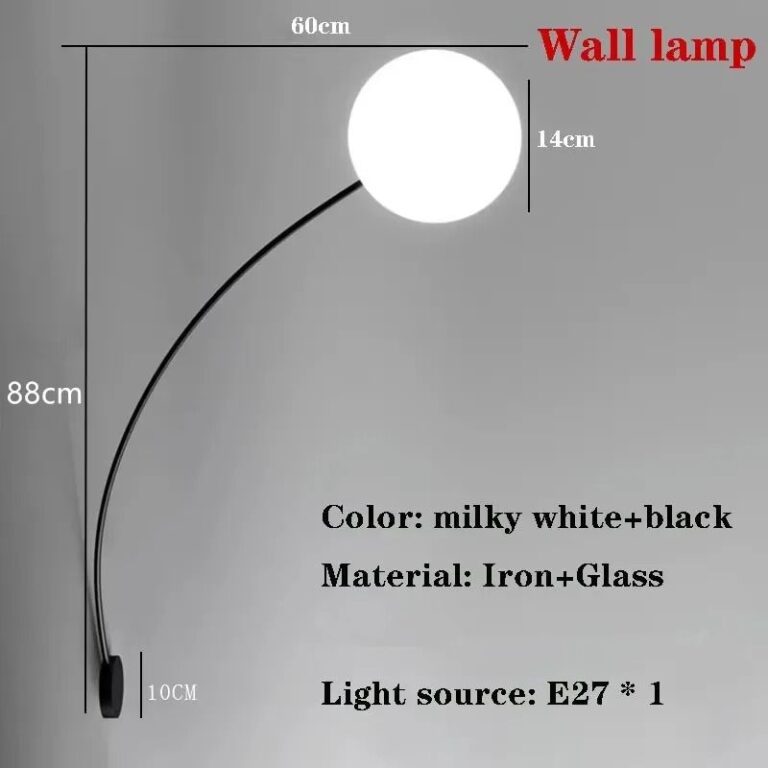 Aisha's pickDining Room Lights with Shade That Make Rented Places Feel Like HomeAlso worth a lookBlack LightsThe thing nobody mentions about black light fixtures is how differently they read once the sun goes down…See the collections →
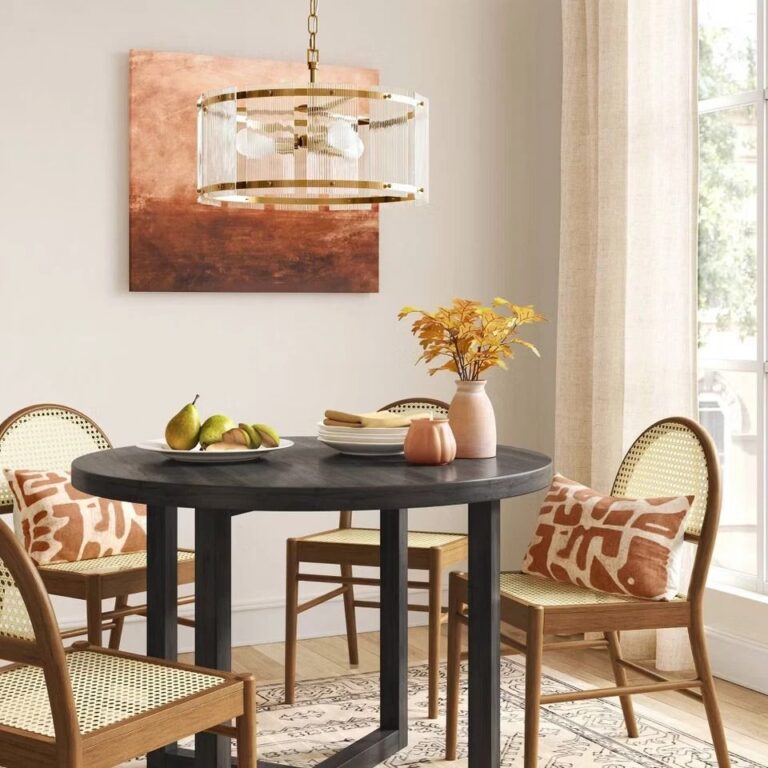
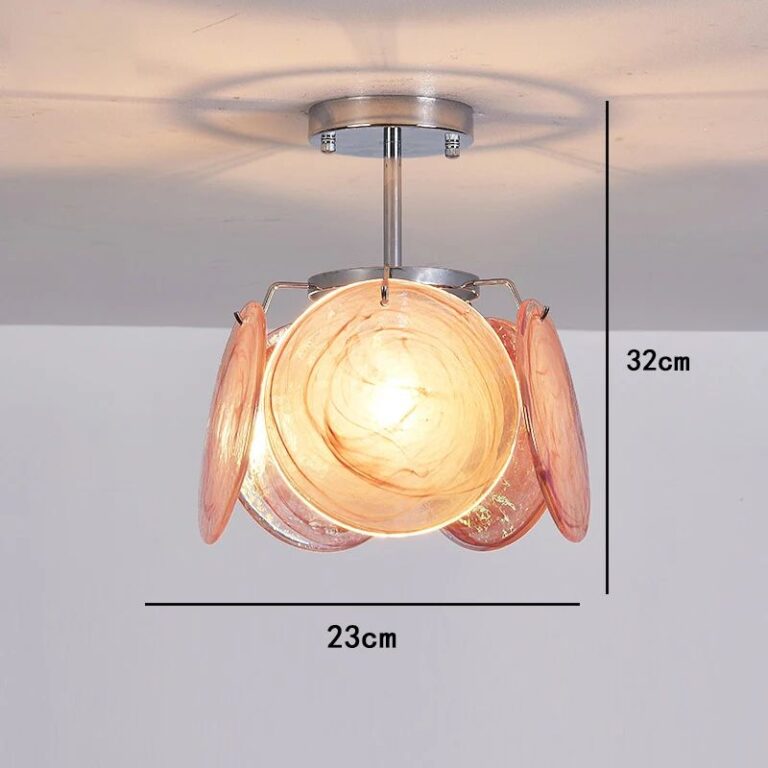 Aisha's pickWhite Pendant Lights with Shade That Survive Kids and Pets
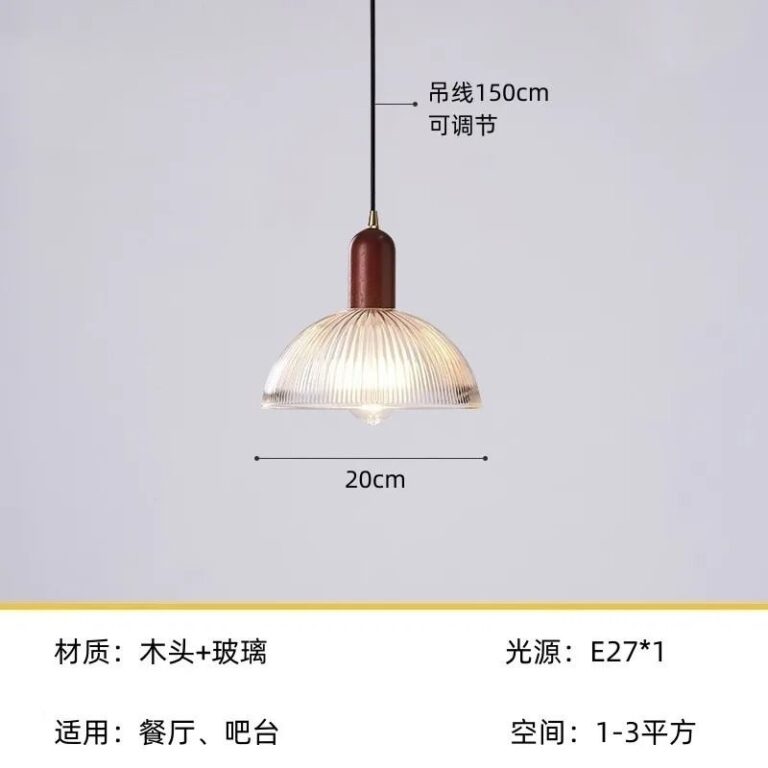
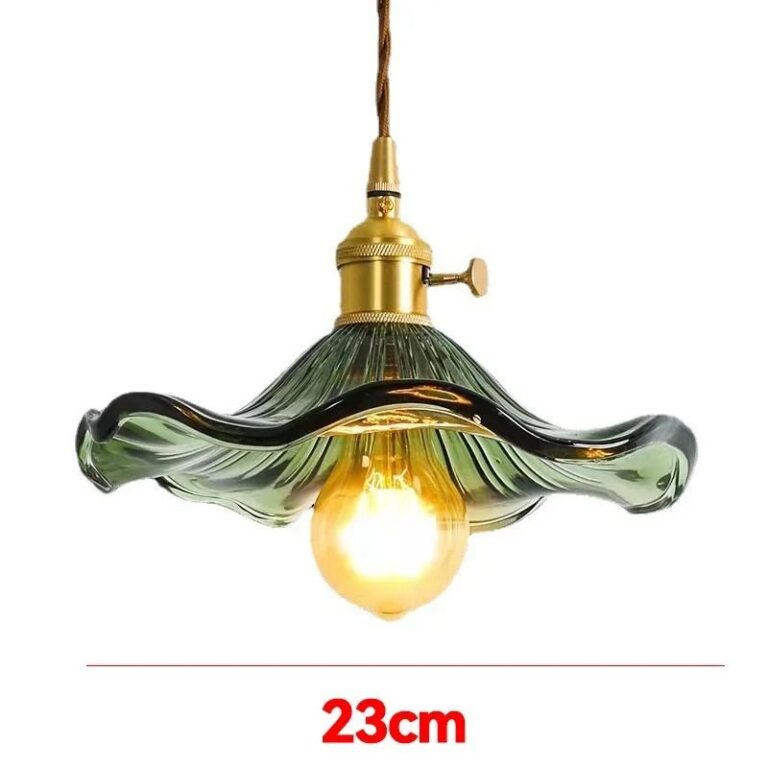 Aisha's pickGlass Pendant Lights with Shade That Make Rented Places Feel Like Home

 Aisha's pickWhite Wall Lights with Shade That Look Good Up Close
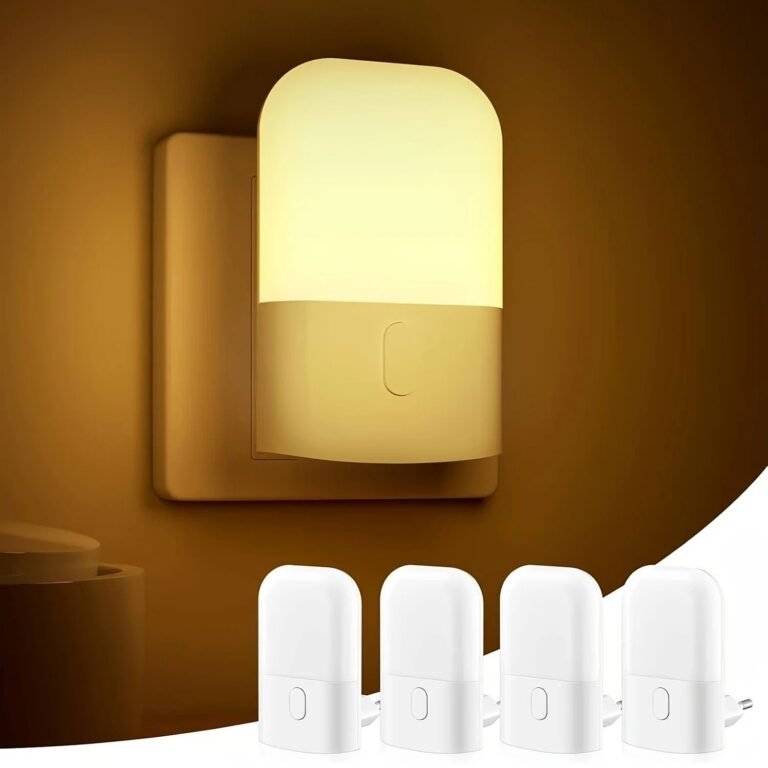
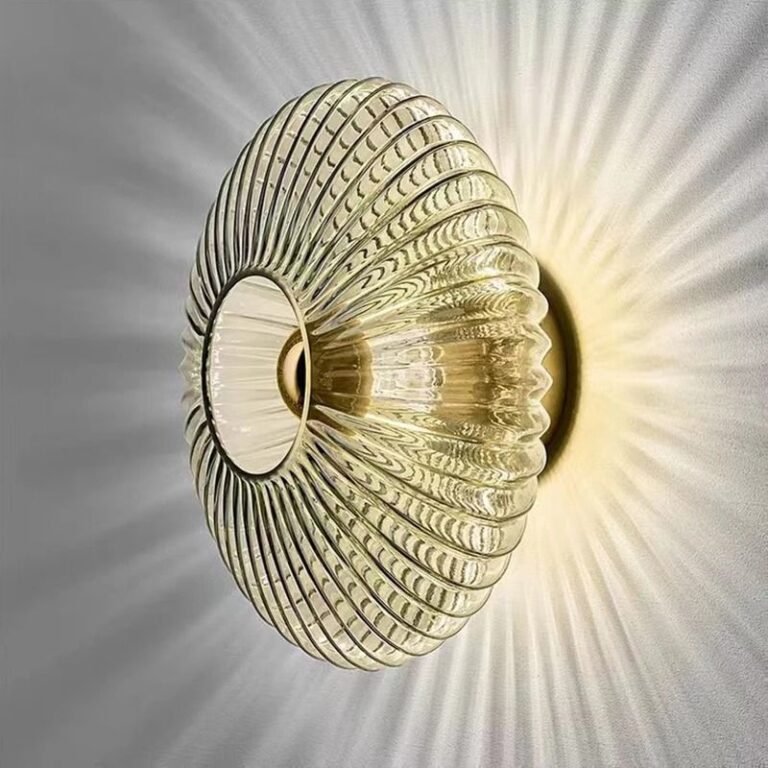 Aisha's pickGlass Wall Lights with Shade Without the Silly Price Tag
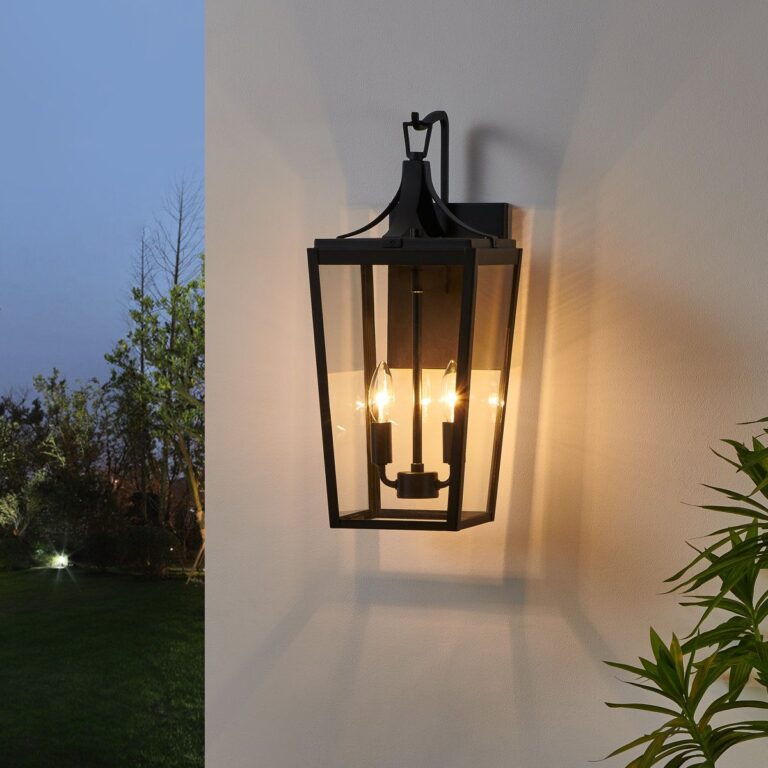
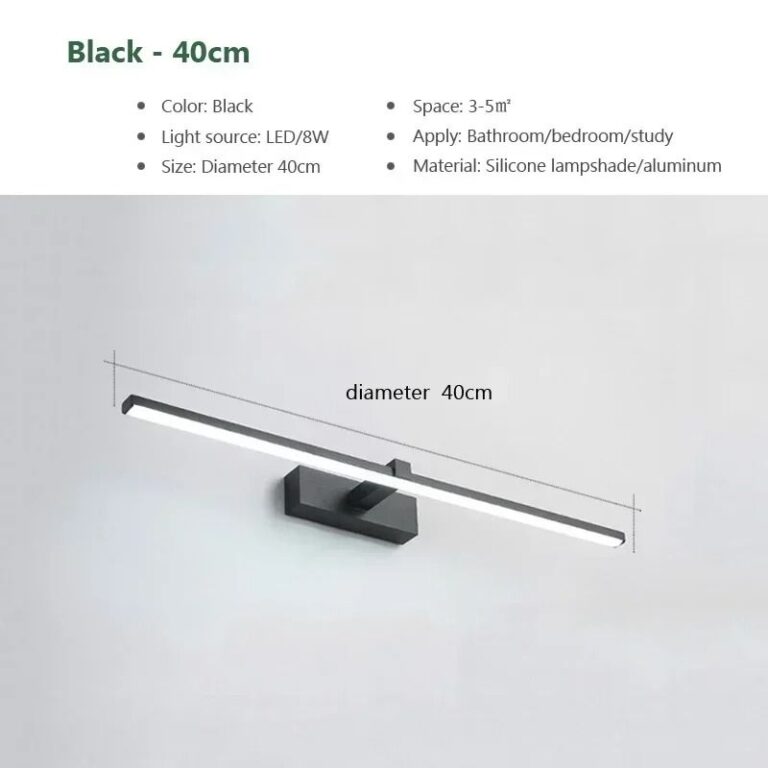 Aisha's pickHallway Lights with Shade That Make Rented Places Feel Like Home
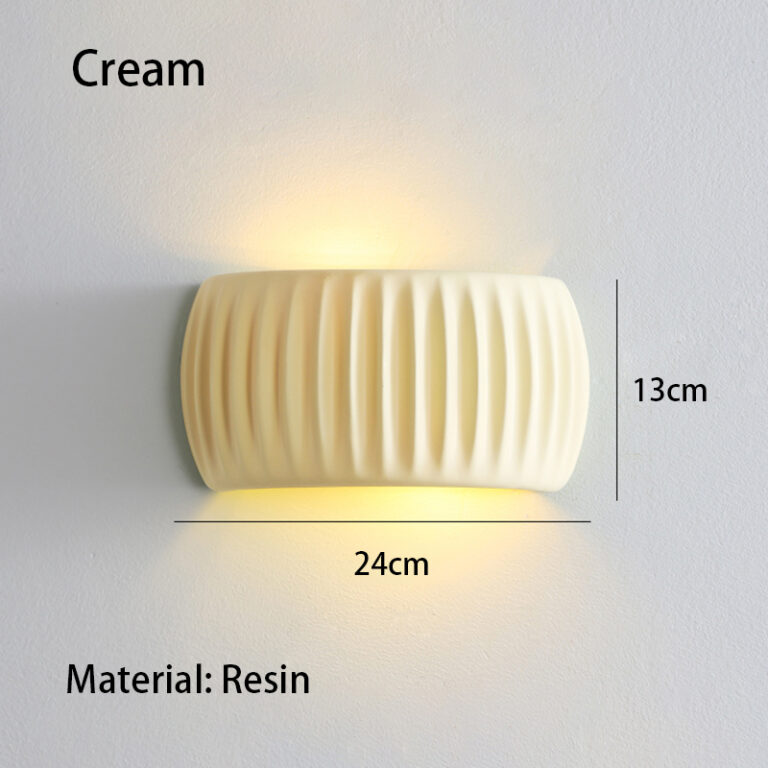
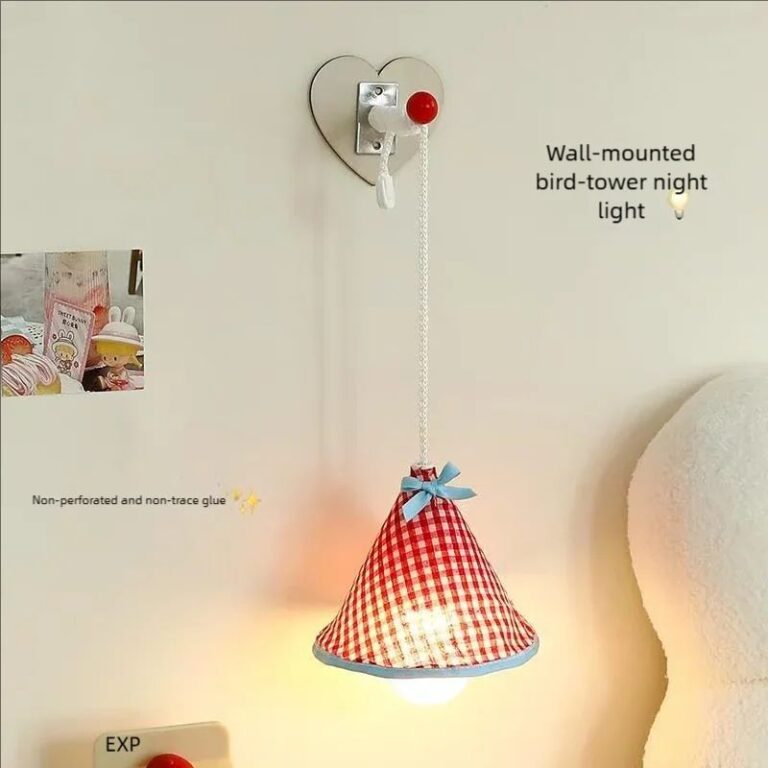 Aisha's pickHanging Lights with Shade That Hold Up to Everyday Life