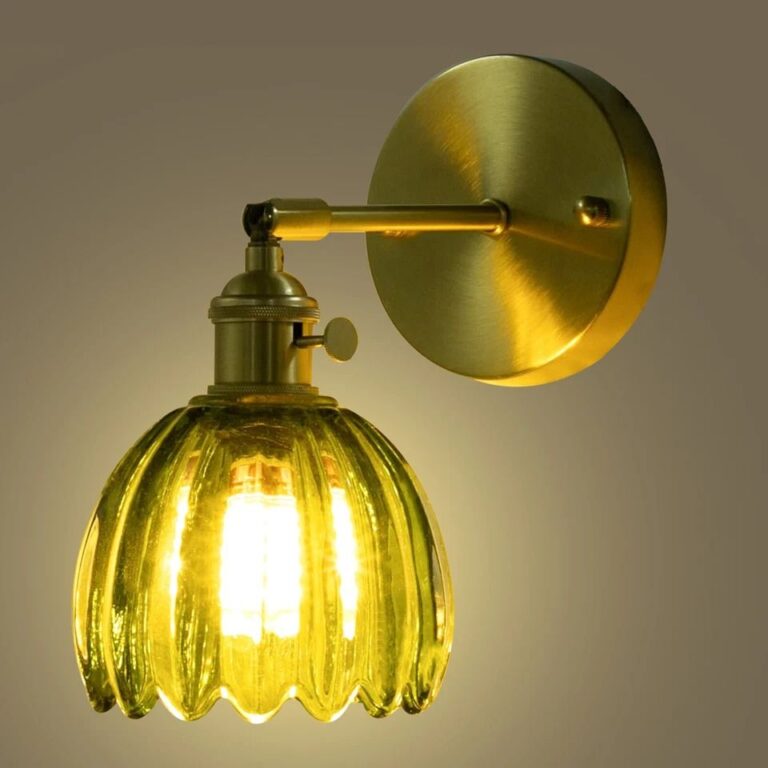
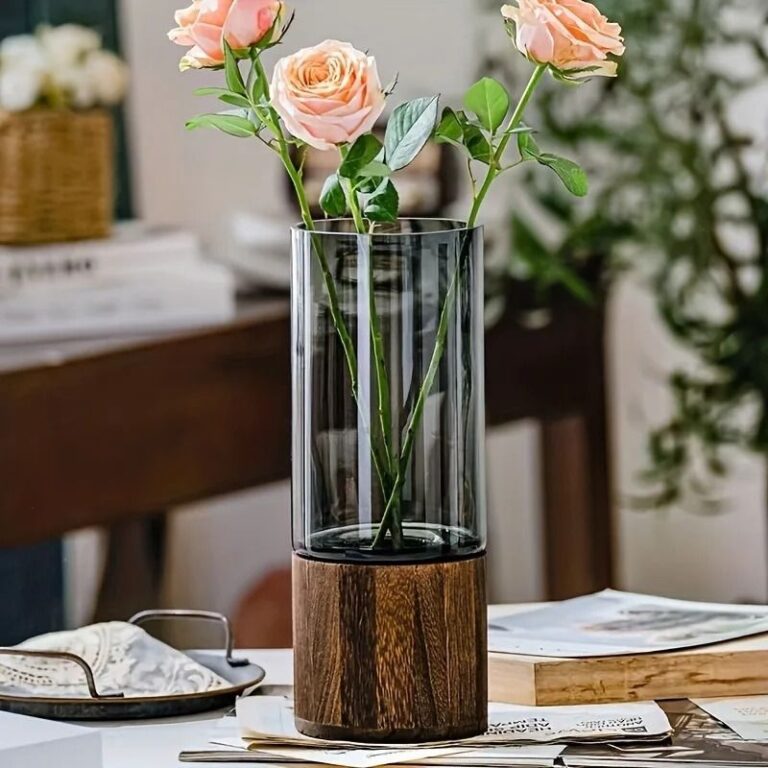
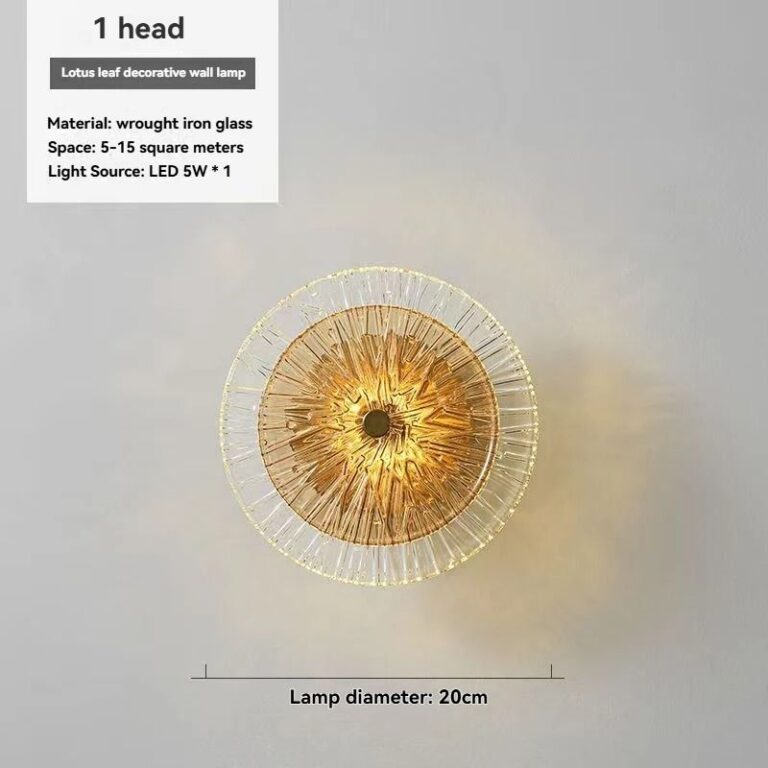
Stand in front of a glass fixture with the tape measure still in your hand and the first question isn't how it looks switched on, it's how it looks switched off, hanging there at eleven in the morning with the sun coming through it and nothing happening. Glass is not forgiving of bad light. It either catches something or it looks like an empty jar.
Where it struggles is in rooms already busy with pattern, a tiled kitchen backsplash with a lot going on, or near other reflective surfaces like a mirrored cabinet or a chrome tap, because then you get three things competing to bounce light around and none of them winning. It also fights with ornate, carved wood furniture underneath it, the glass wants clean lines near it, not curls and finials. For color and finish, the easiest ones to live with long term are clear or lightly smoked glass with a warm toned fitting, brass or bronze rather than bright chrome, because chrome reads cold the second the light outside goes gray, which in most houses is about nine months of the year. Ribbed or fluted glass is kinder in a bedroom, it softens the bulb into lines rather than one hard point, good for a room you want to feel calm at seven in the morning and again at ten at night. Fully clear glass with an exposed bulb is honest and a little unforgiving, lovely over a kitchen island, less lovely over a bed where you're staring straight up at it.
Avoid colored glass unless you've genuinely lived with that color in strong daylight for a season, because a smoky amber shade that glows nicely in winter can look muddy and dated by June.
Where glass genuinely isn't the right choice is low ceilings and anywhere with young kids reaching up, a pendant at head height in a hallway is asking for trouble, and so is a rental with popcorn ceilings where you can't properly rewire or reinforce the box above it. Measure the room's width and length, add them together in feet, and that rough number in inches is a sensible shade diameter for a central pendant, so a twelve by fourteen room wants something around twenty six inches, not the eight inch dome that looked fine in the store. For over a table, leave thirty to thirty six inches between the tabletop and the bottom of the fixture, and go narrower than the table itself so nobody's ducking around it to see the person across from them.
Dust it with a dry microfiber cloth every few weeks, glass shows dust faster than almost anything else in the room.
 Aisha's pickGlass Ceiling Lights We Leave On All Evening
 Aisha's pickGlass Flush Ceiling Lights With Some Character
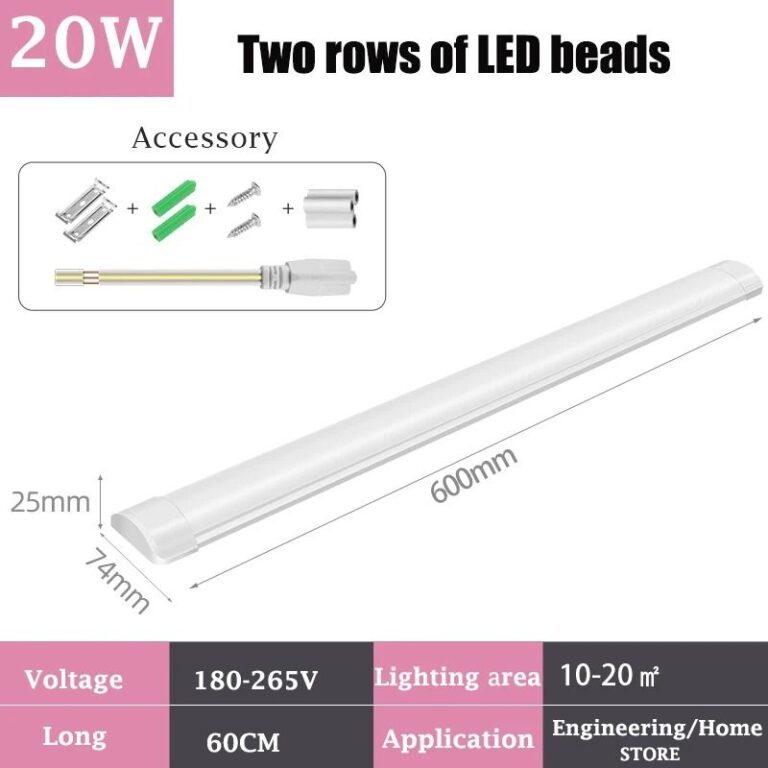 Aisha's pickGlass Kitchen Lights That Cope With Steam and Splashes
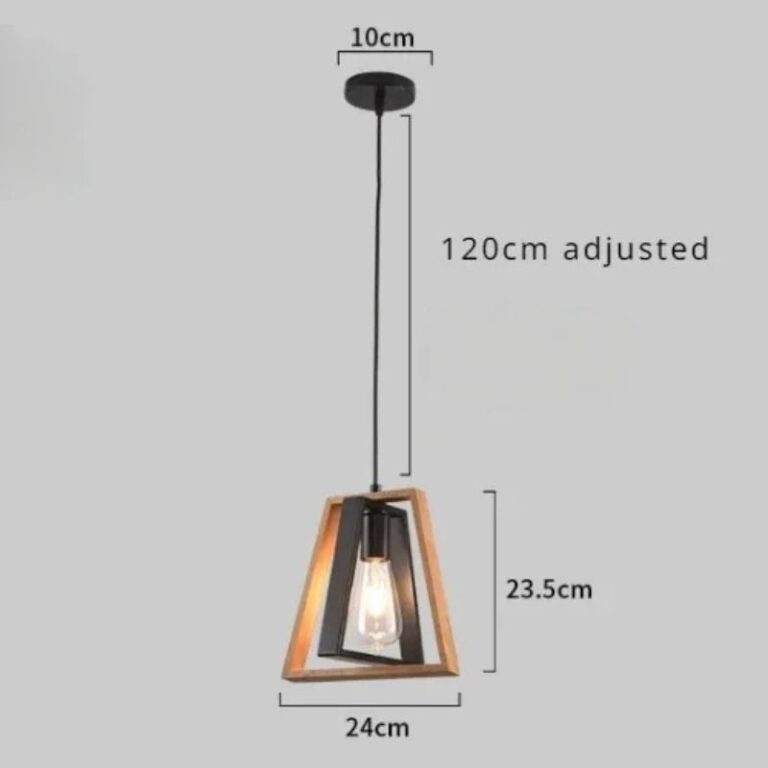
 Aisha's pickGlass Living Room Lights Without the Silly Price Tag

 Aisha's pickGlass Pendant Lights We Leave On All Evening

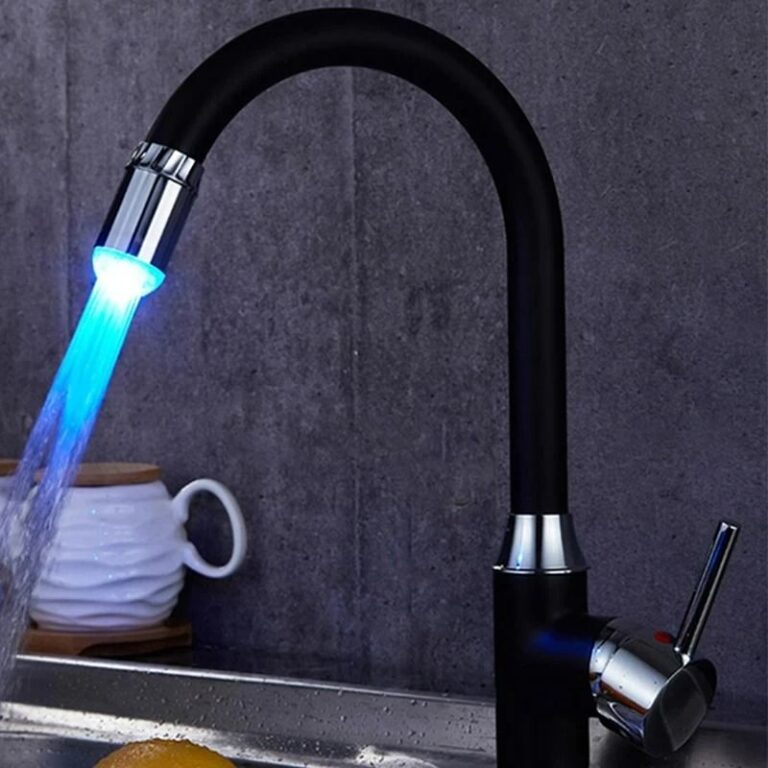 Aisha's pickClear Glass Bathroom Lights That Go With Most Rooms
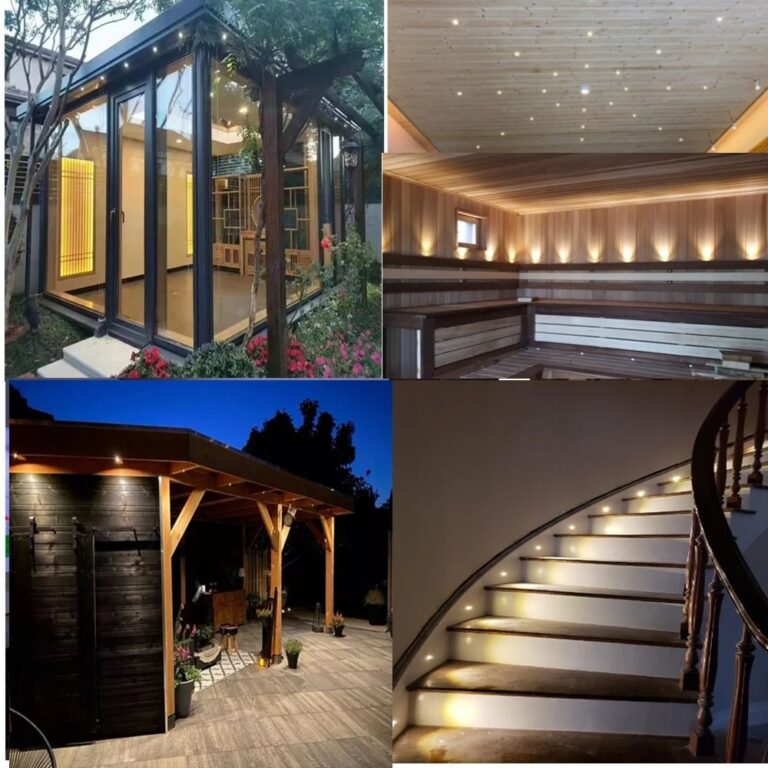
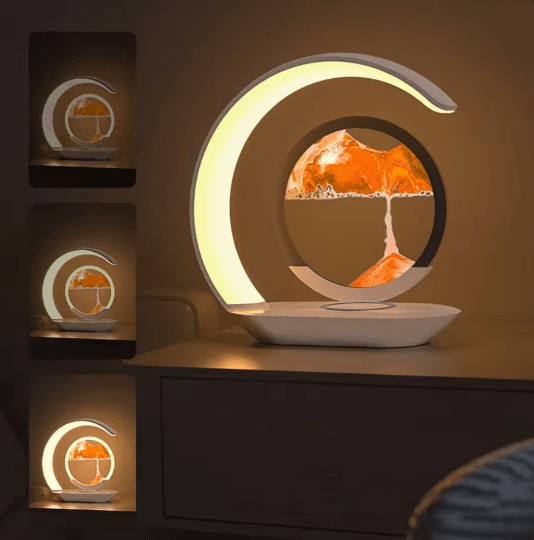 Aisha's pickGlass Picture Lights for Cozy Nights In
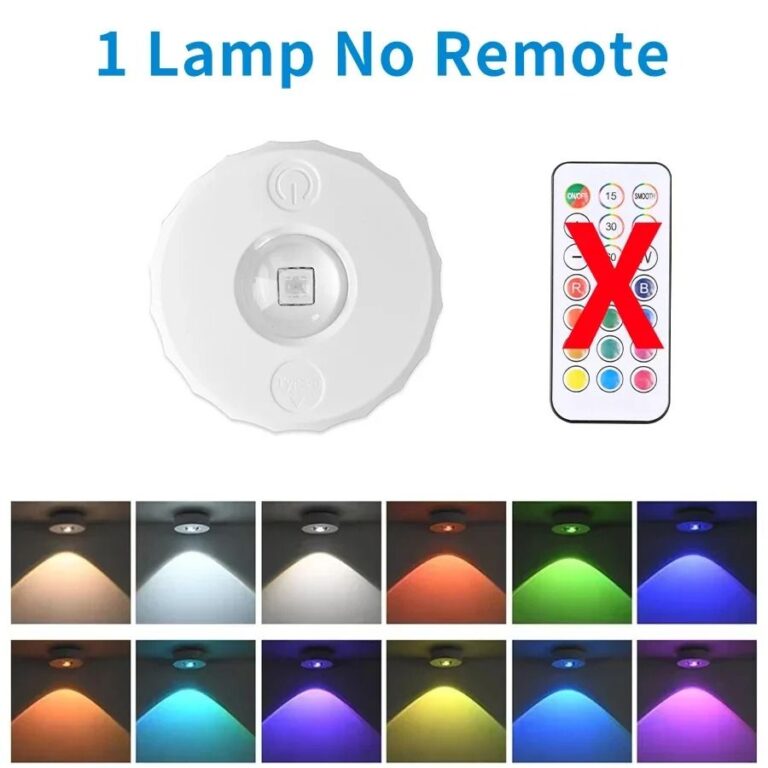
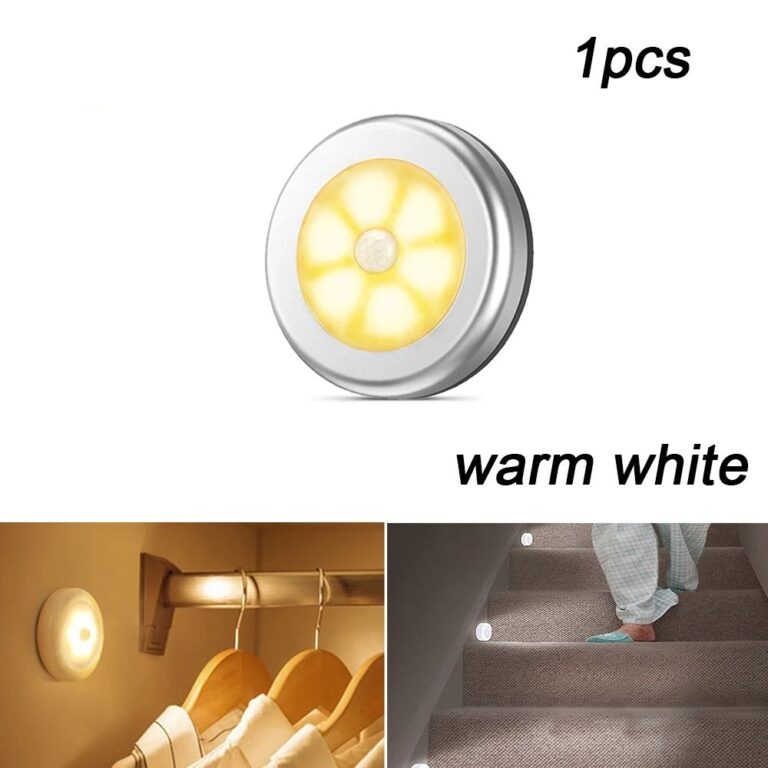 Aisha's pickClear Glass Bathroom Wall Lights That Look Good Next to Old Tiles
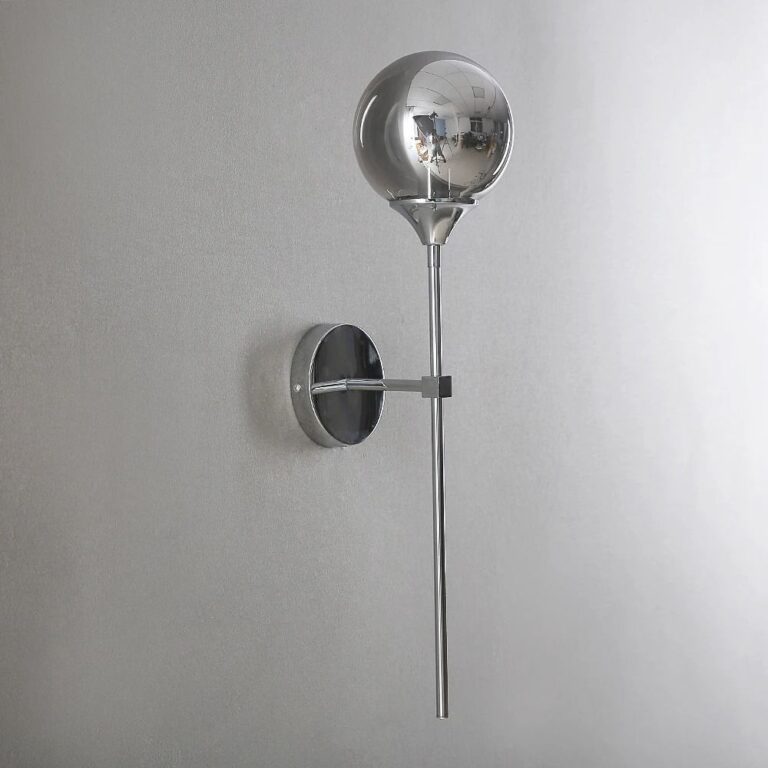
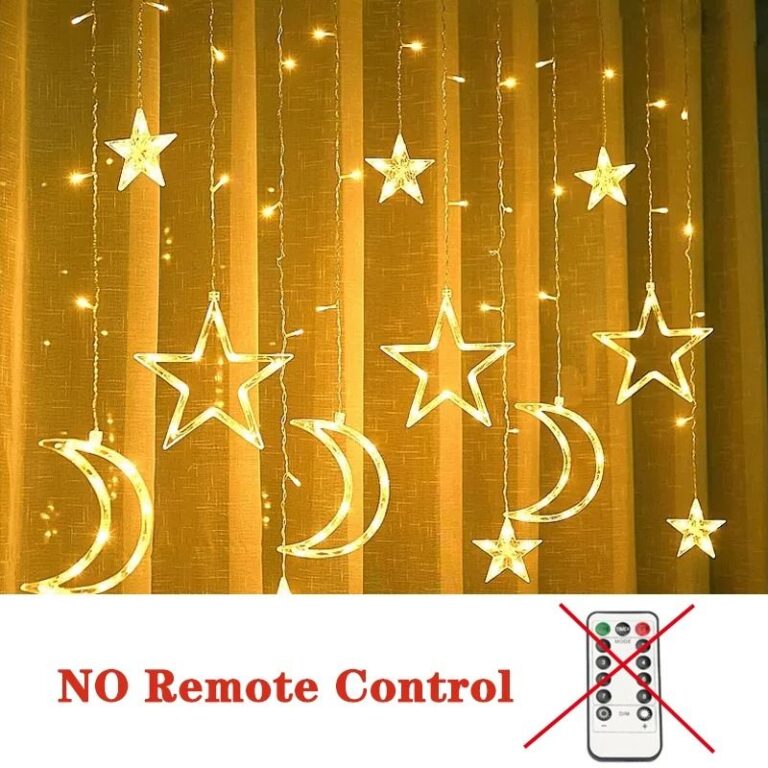 Aisha's pickGlass Plug in Wall Lights That Give Off a Warm GlowAlso worth a lookWall LightsWall lights are the fixture everyone skips and shouldn't.See the collections →

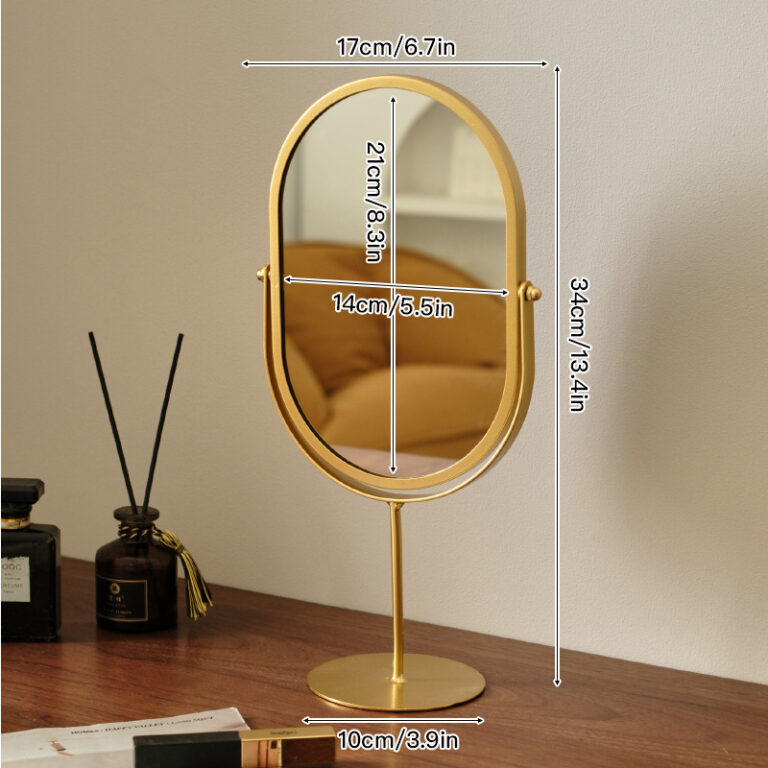 Aisha's pickClear Glass Bedroom Lights That Won’t Let You Down
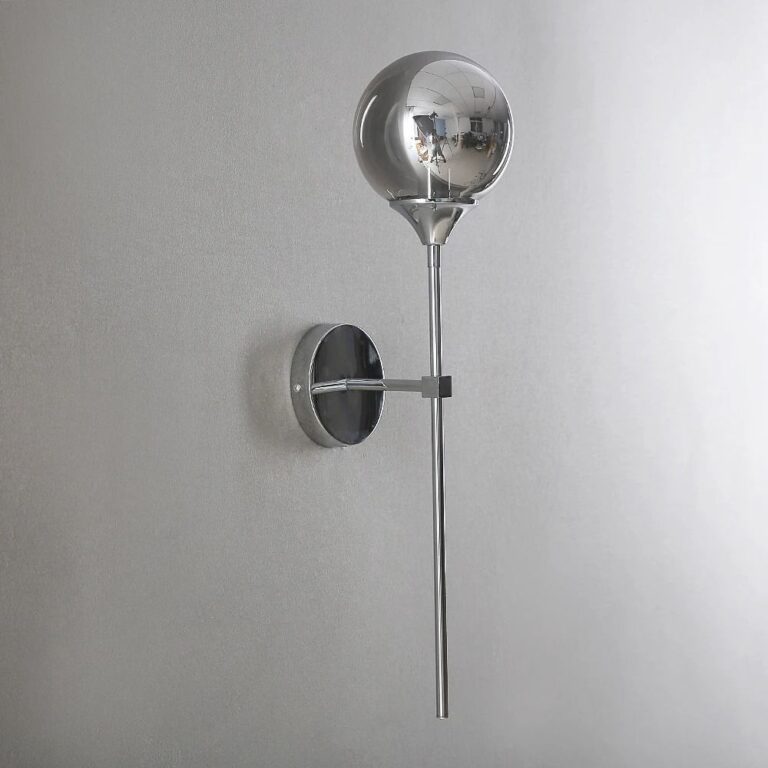
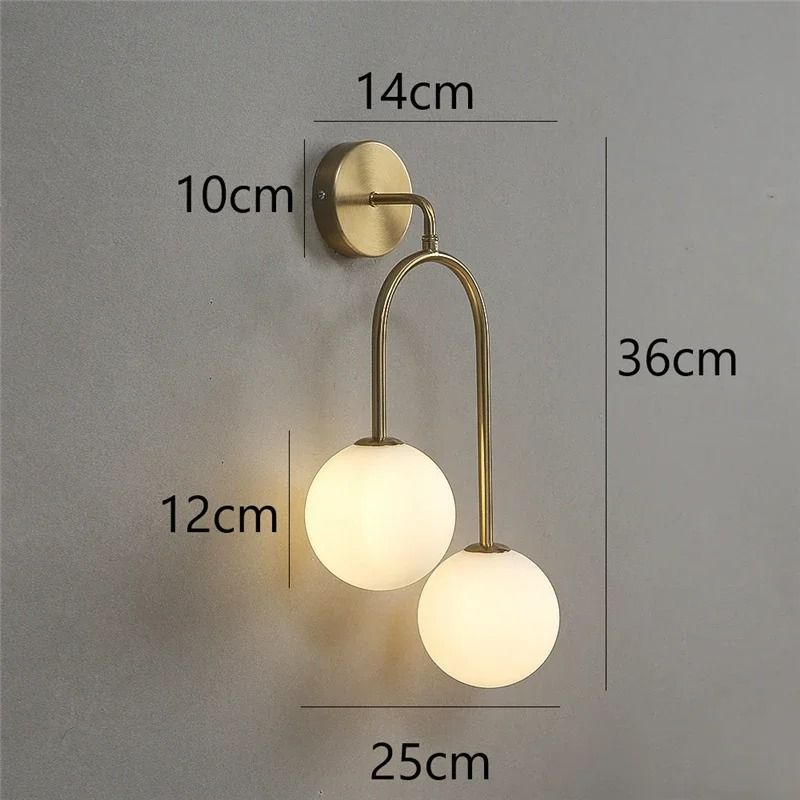 Aisha's pickGlass Sconces That Look Good Switched Off Too
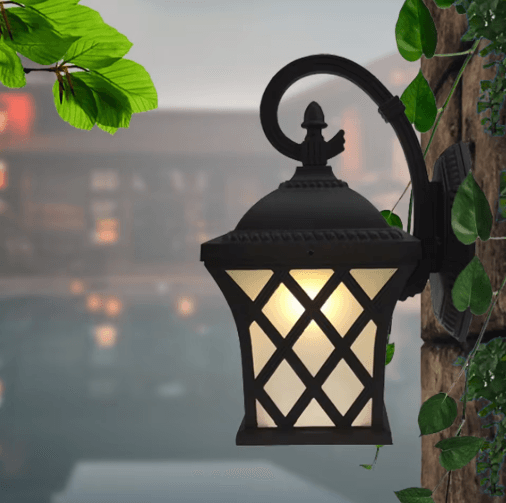
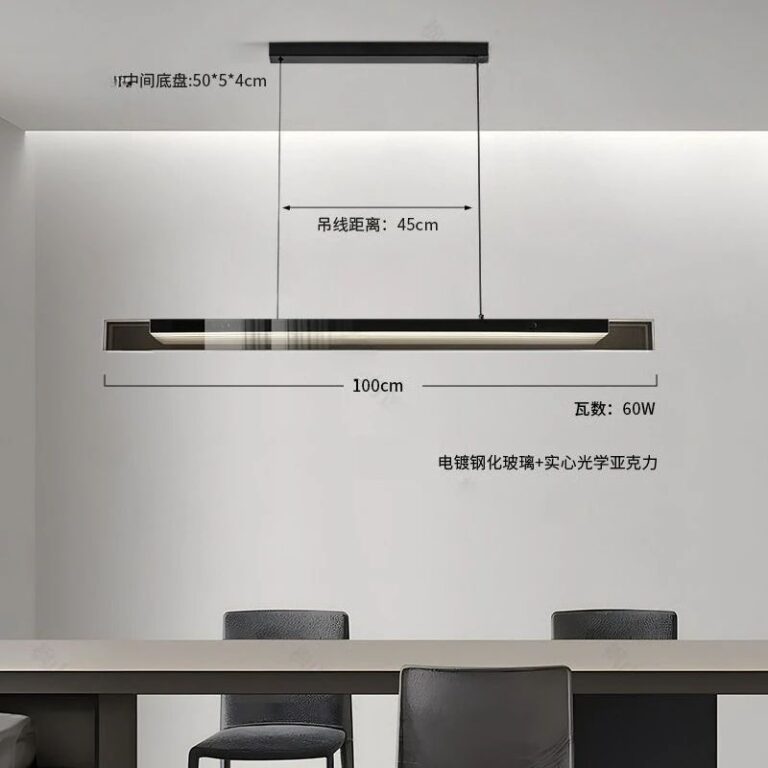 Aisha's pickClear Glass Ceiling Lights Bright Enough Without the Glare
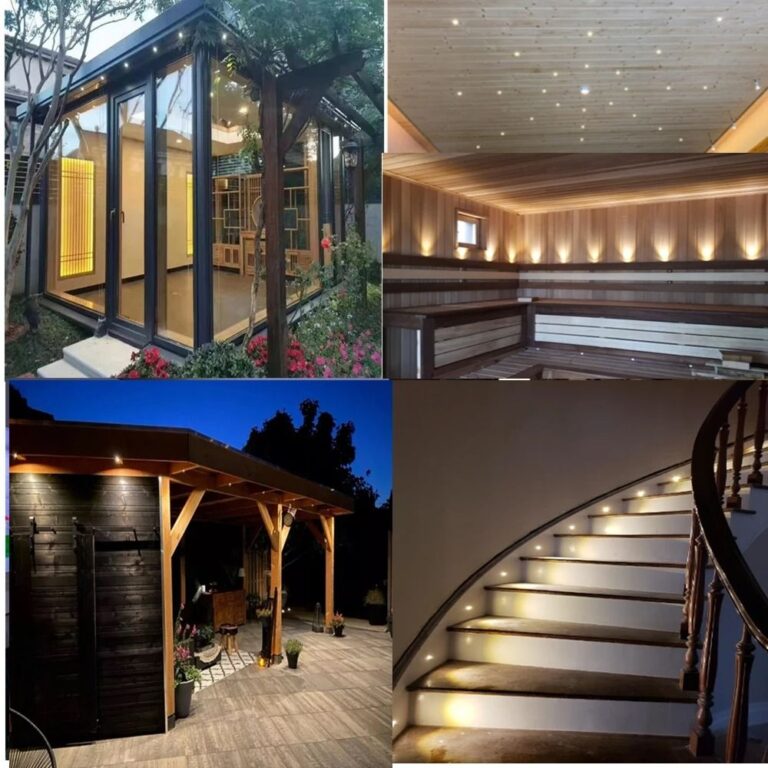
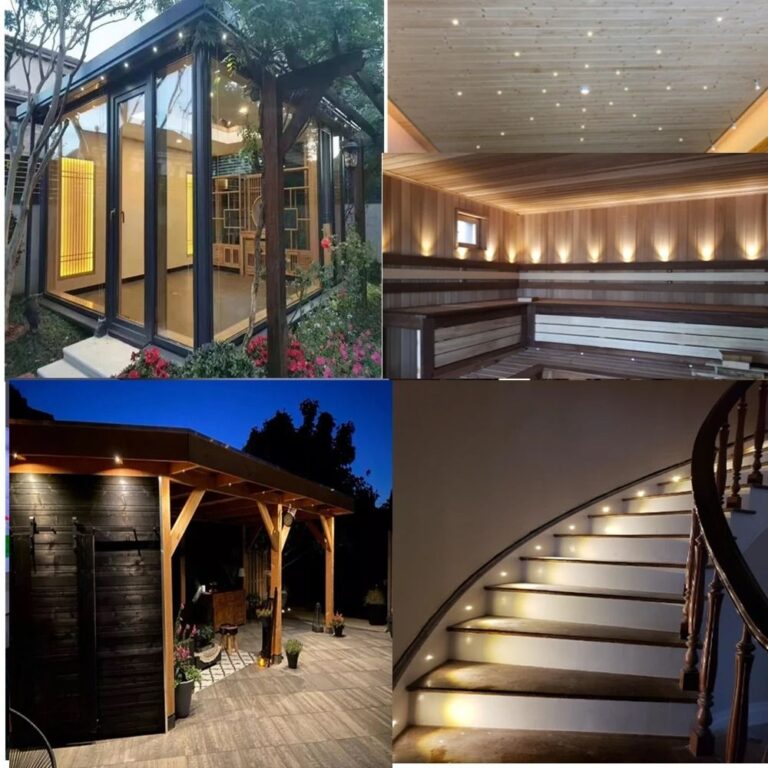
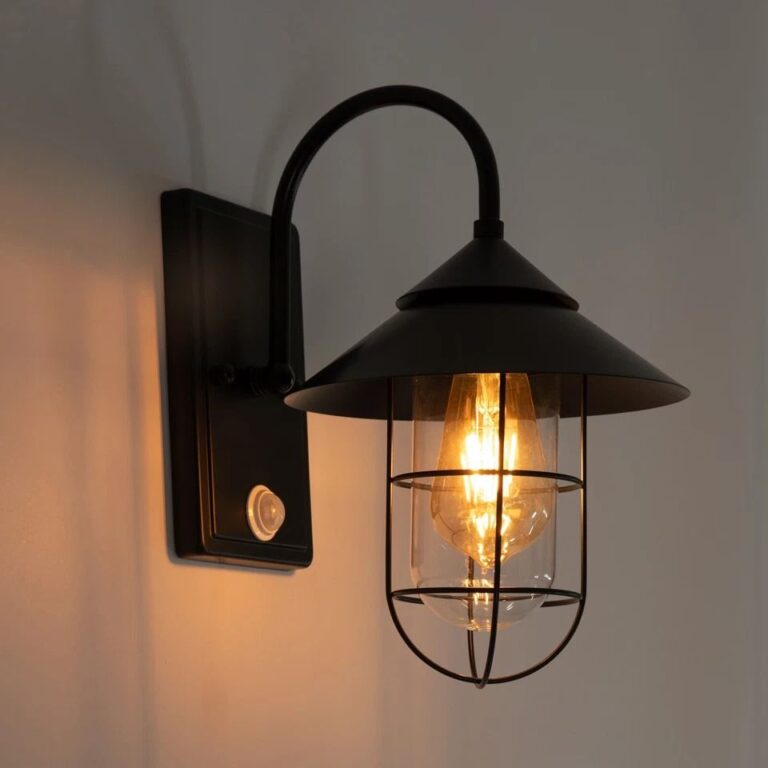 Aisha's pickGlass Step Lights That Change the Feel of a Room
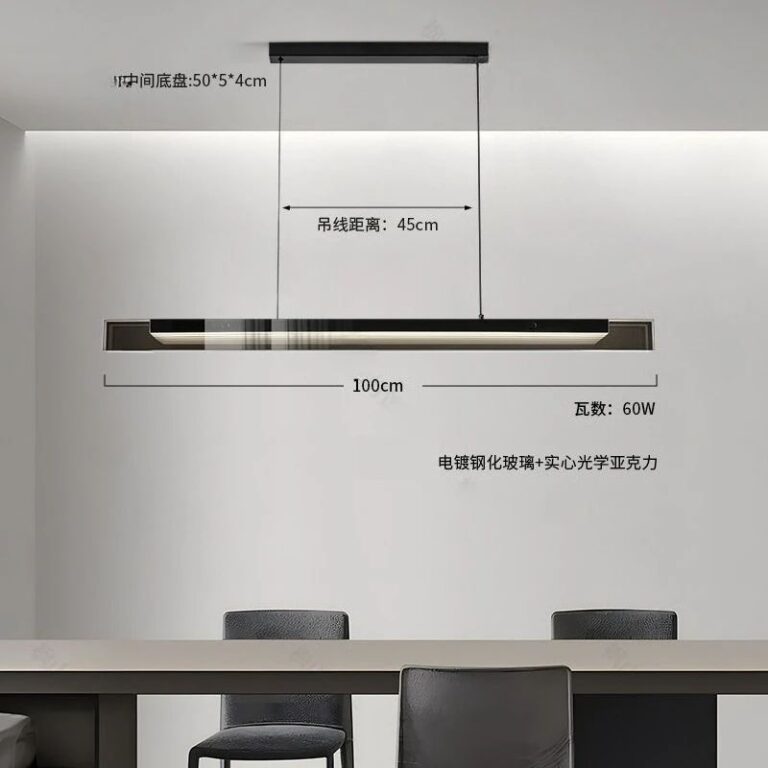
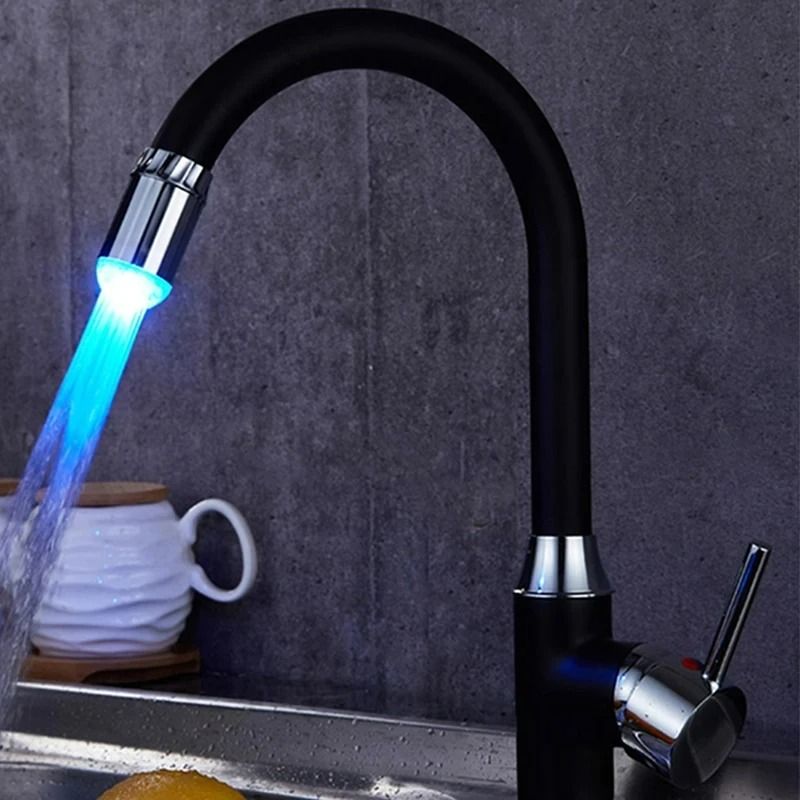 Aisha's pickClear Glass Kitchen Lights That Make Cooking a Bit Nicer
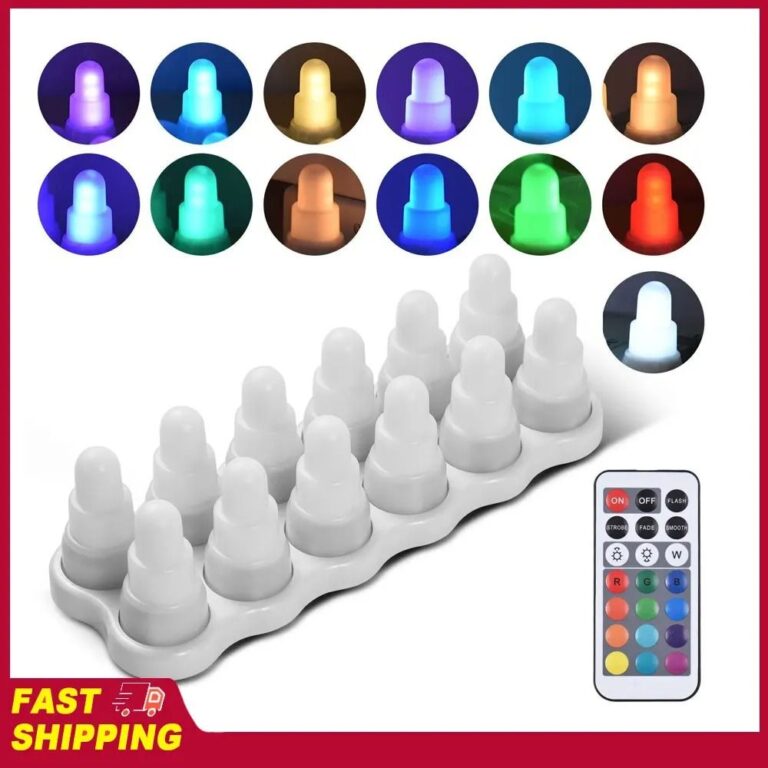 Aisha's pickGlass Tea Lights That Visitors Always Ask About
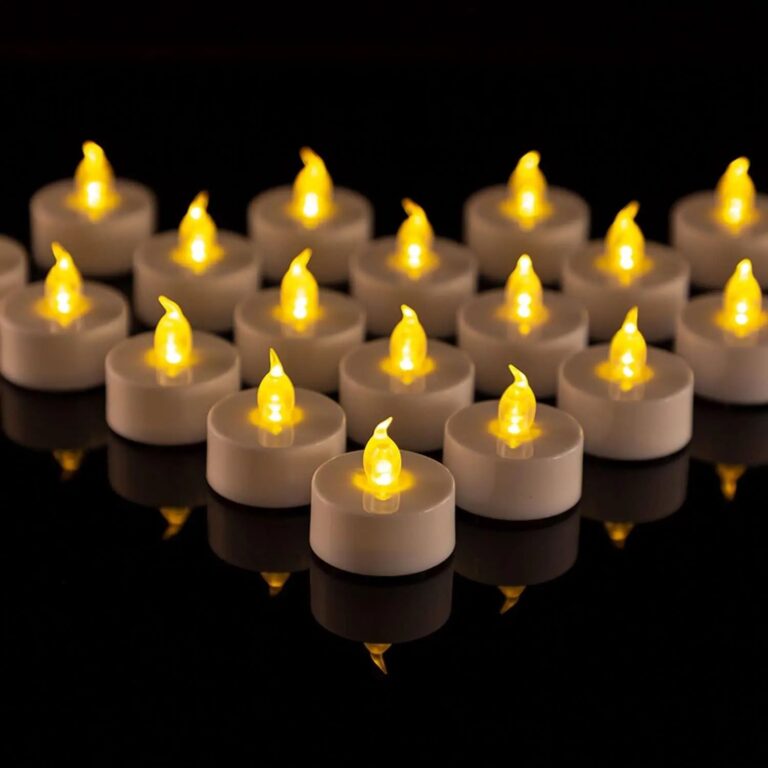
 Aisha's pickSimple Clear Glass Living Room Lights Done Well

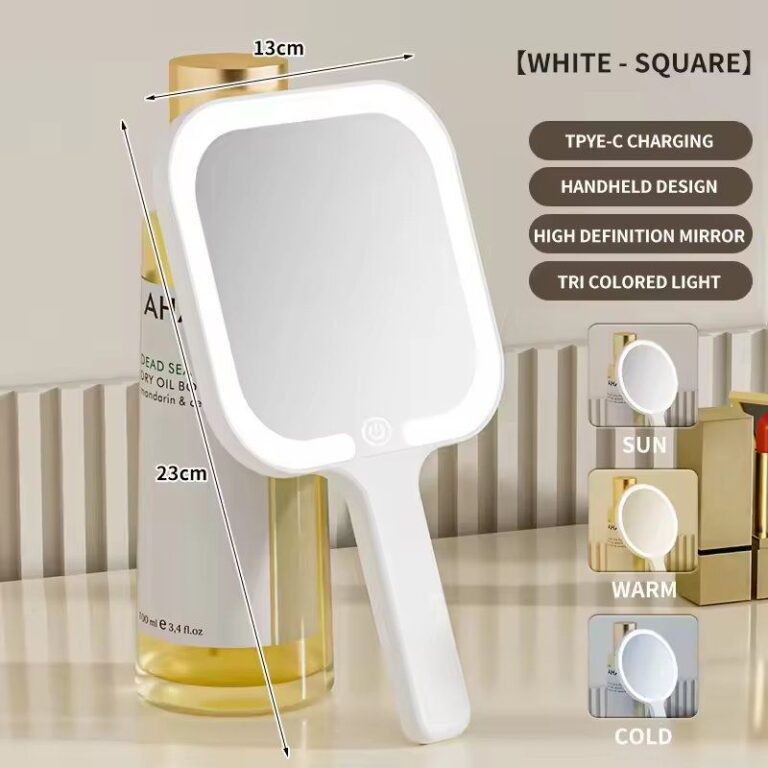 Aisha's pickGlass Vanity Lights That Don’t Look Mass Produced
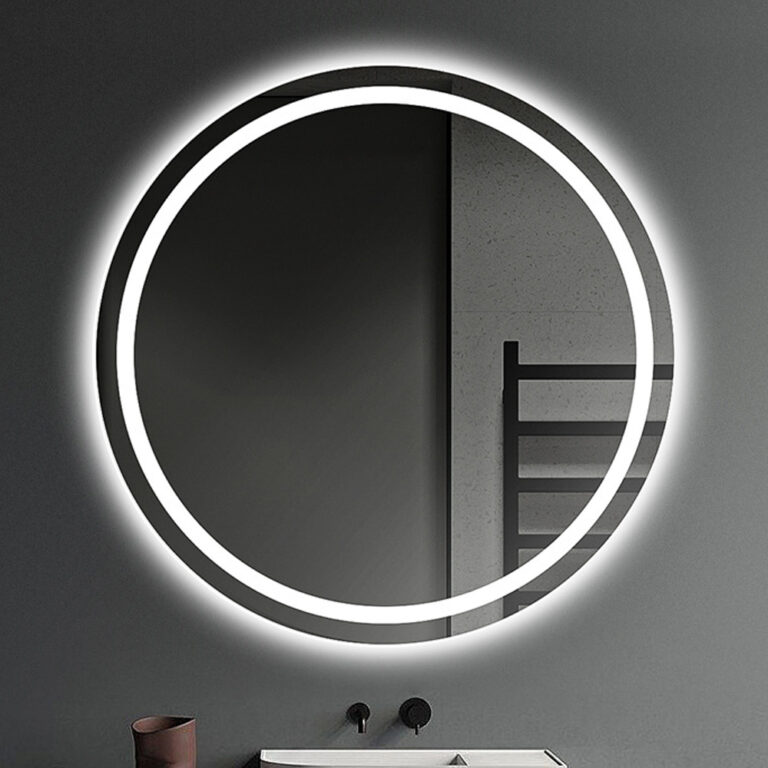
 Aisha's pickClear Glass Pendant Lights We Leave On All EveningAlso worth a lookBlack LightsThe thing nobody mentions about black light fixtures is how differently they read once the sun goes down…See the collections →
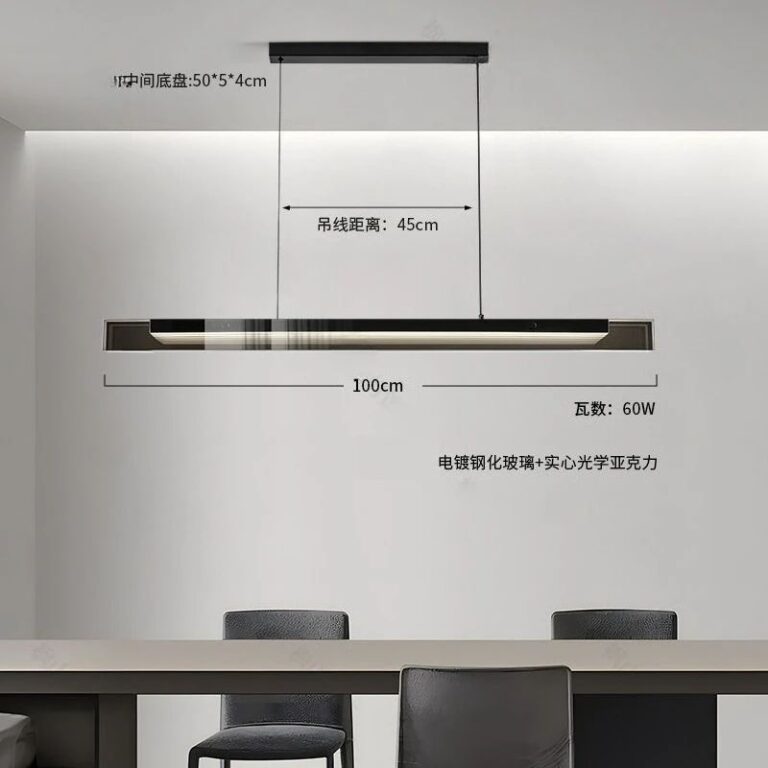
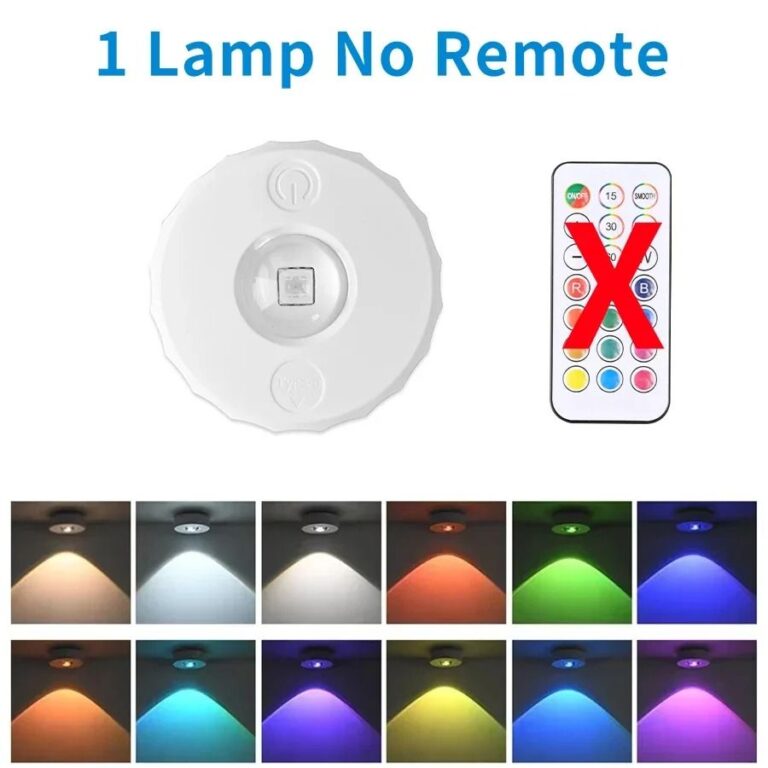 Aisha's pickSimple Glass Wall Lights Done Well

 Aisha's pickClear Glass Wall Lights That Survive Kids and Pets
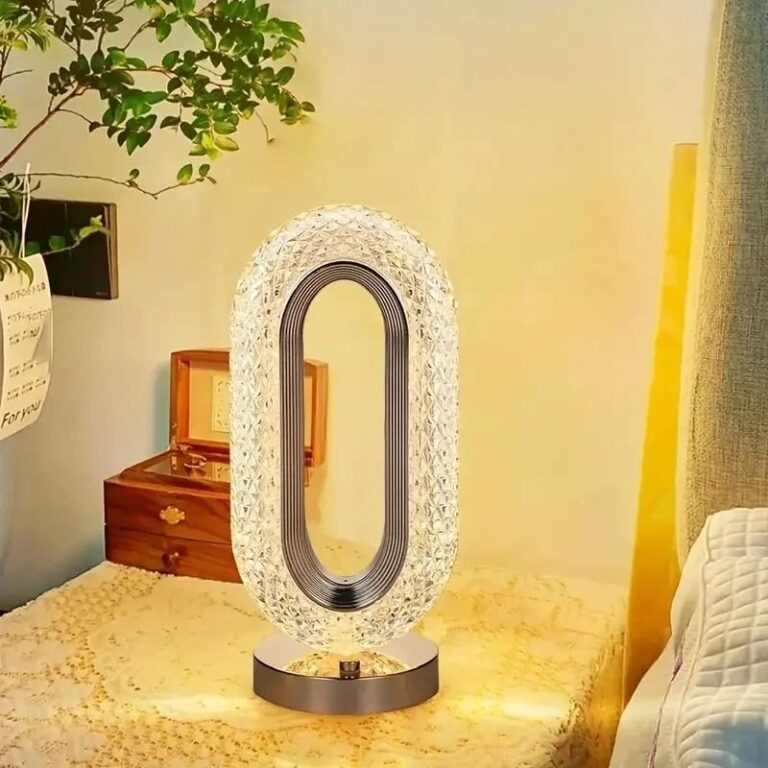
 Aisha's pickGlass Wall Lights with Switch That Don’t Shout About It
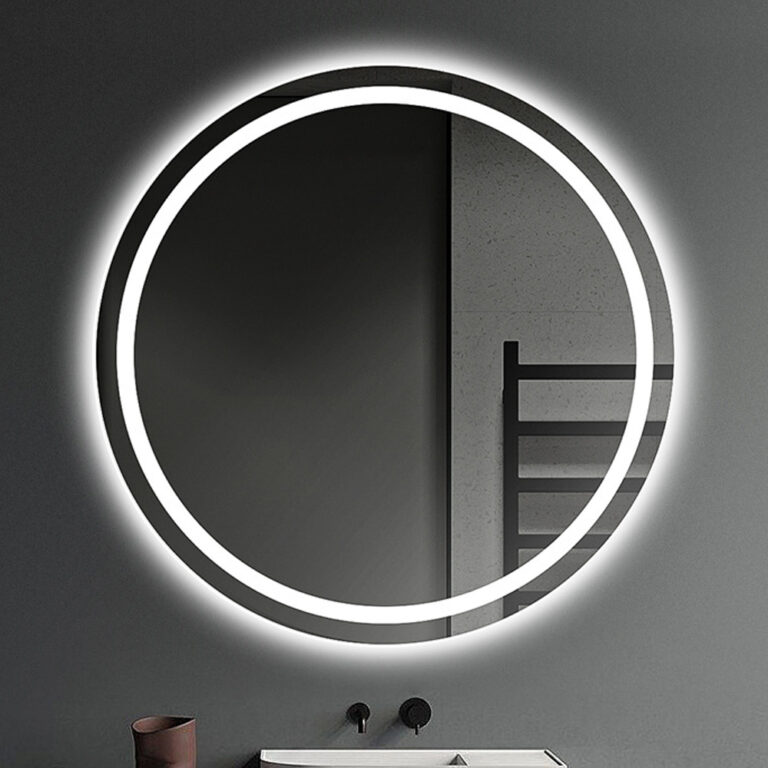 Aisha's pickGlass Bathroom Lights That Look Good Next to Old Tiles
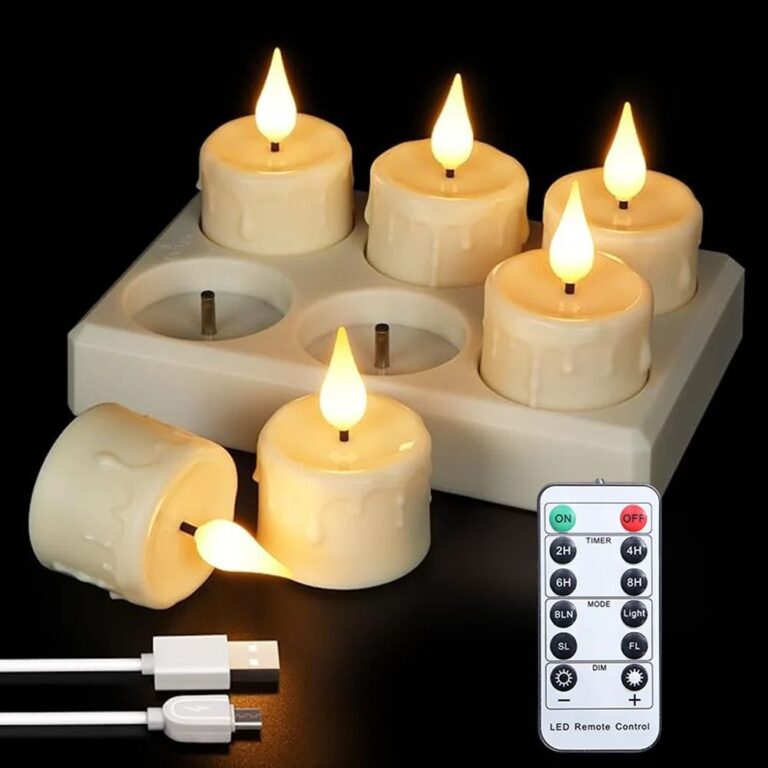
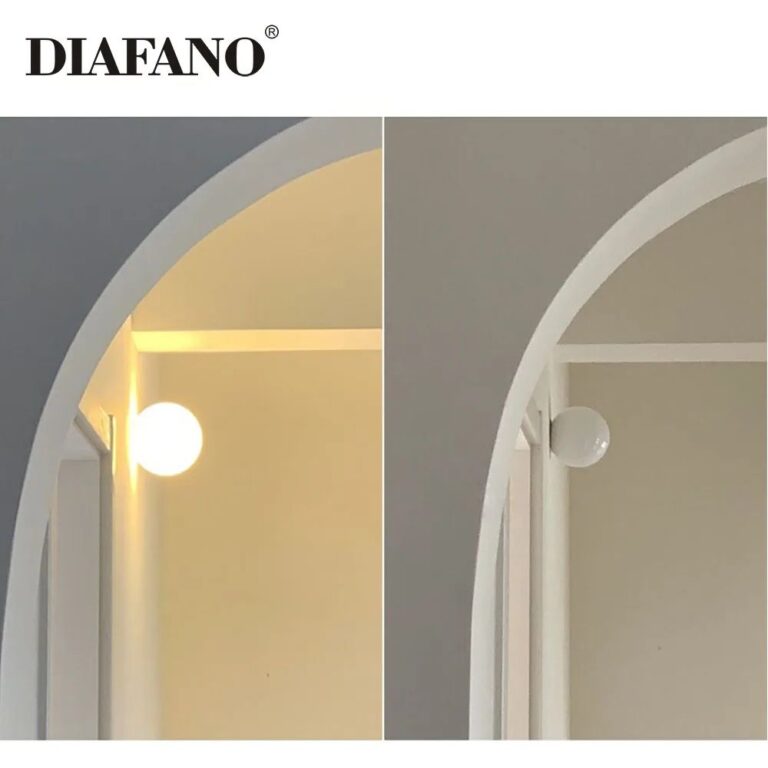 Aisha's pickGlass Wall Sconces Pulled From Dozens of Stores
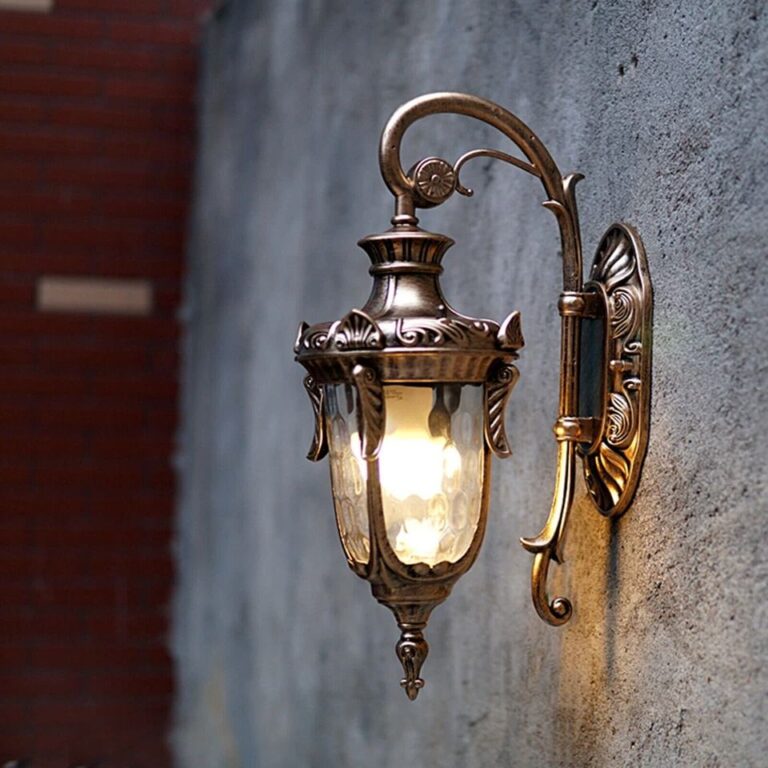
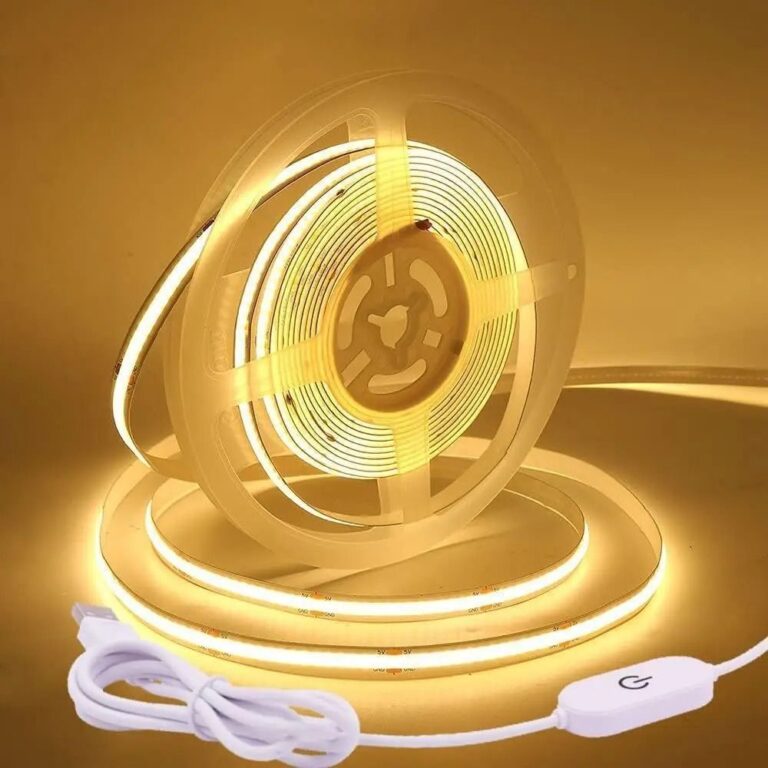 Aisha's pickGlass Bathroom Wall Lights That Stand Up to Steam