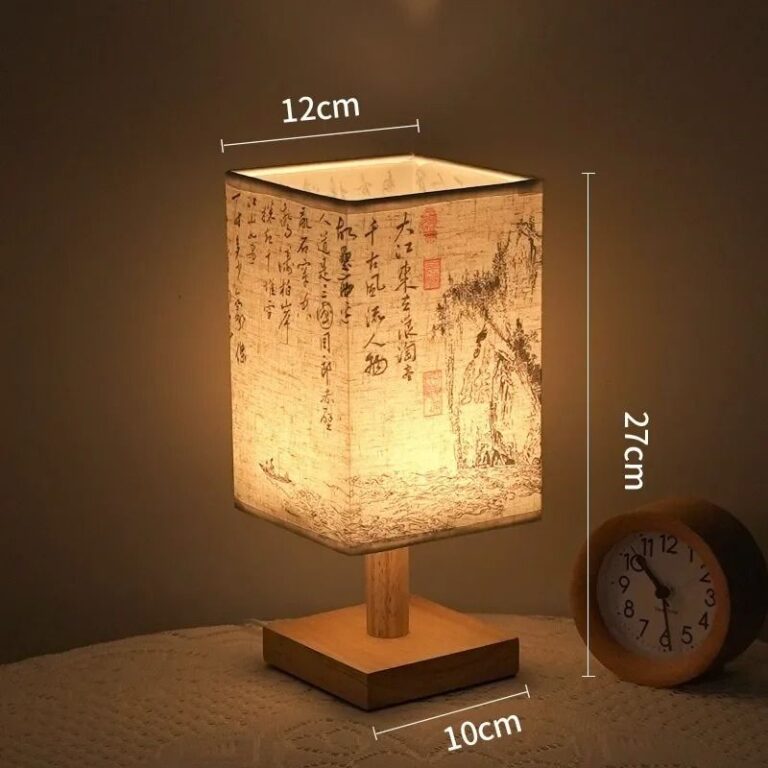
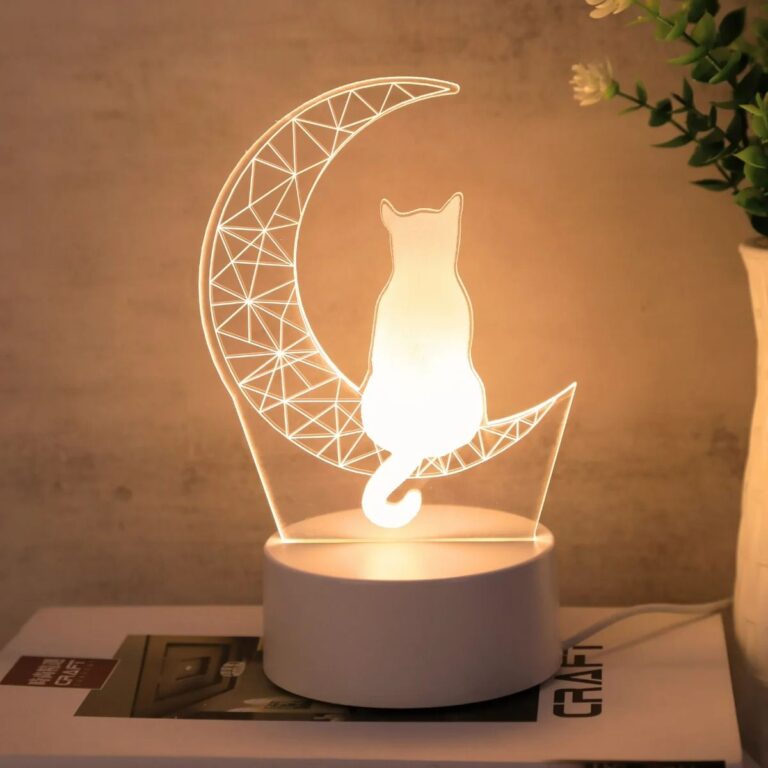
A living room light has one real job beyond the obvious: it decides whether the room feels like somewhere you want to sit at nine at night, or somewhere you flip the switch and immediately wish you hadn't. Overhead light alone, blasting down from the center of the ceiling, flattens everything and everyone under it. A good lamp, wall light, or pair of sconces gives you somewhere softer to land once the sun's down.
These sit well with the things already doing quiet work in the room, a low side table, a sofa arm, a reading chair that never gets used because the corner it's in is too dark to bother with. Wall lights especially earn their keep either side of a fireplace or flanking a piece of art, giving you light at a human height instead of light from a ceiling you can't see anyway once the lamps are on. Pair them with a dimmer if you can manage the wiring, because a wall light at full brightness all evening is almost as harsh as the overhead you were trying to escape.
Where they go wrong is scale and purpose. A single wall light is not going to light a room for reading or cleaning or hunting down a missing shoe, it's there for atmosphere, not function, and expecting it to do both jobs usually means you end up disappointed in a dim room or back to flicking on the main light anyway. If you need real task light, that's a lamp with a proper shade near where you actually sit, not a sconce across the room pretending to help.
For sizing, stand where you'd actually see the light from your usual seat and judge the fixture at that distance, not up close in a shop or on a screen where everything looks smaller than it is. A wall light mounted too high reads like an afterthought, too low and it's in the way of a headrest or a picture frame. The common mistake is buying one light when a room this size genuinely wants two, matched, placed with some symmetry, so the light actually balances the room instead of just lighting one corner of it.
On finish, brushed metals and simple opaque or linen shades are the easiest to live with over years, they don't date the way a very trendy shape does, and they don't show every fingerprint the way polished chrome does within a month. A cheap fitting in a trendy finish looks dated within a year, a plain one in a good metal just keeps looking like itself.
I'd start with the sitting room, by the chair nobody uses because it's too dark to read in.
 Aisha's pickBronze Living Room Lights for Movie Nights and Slow Sundays
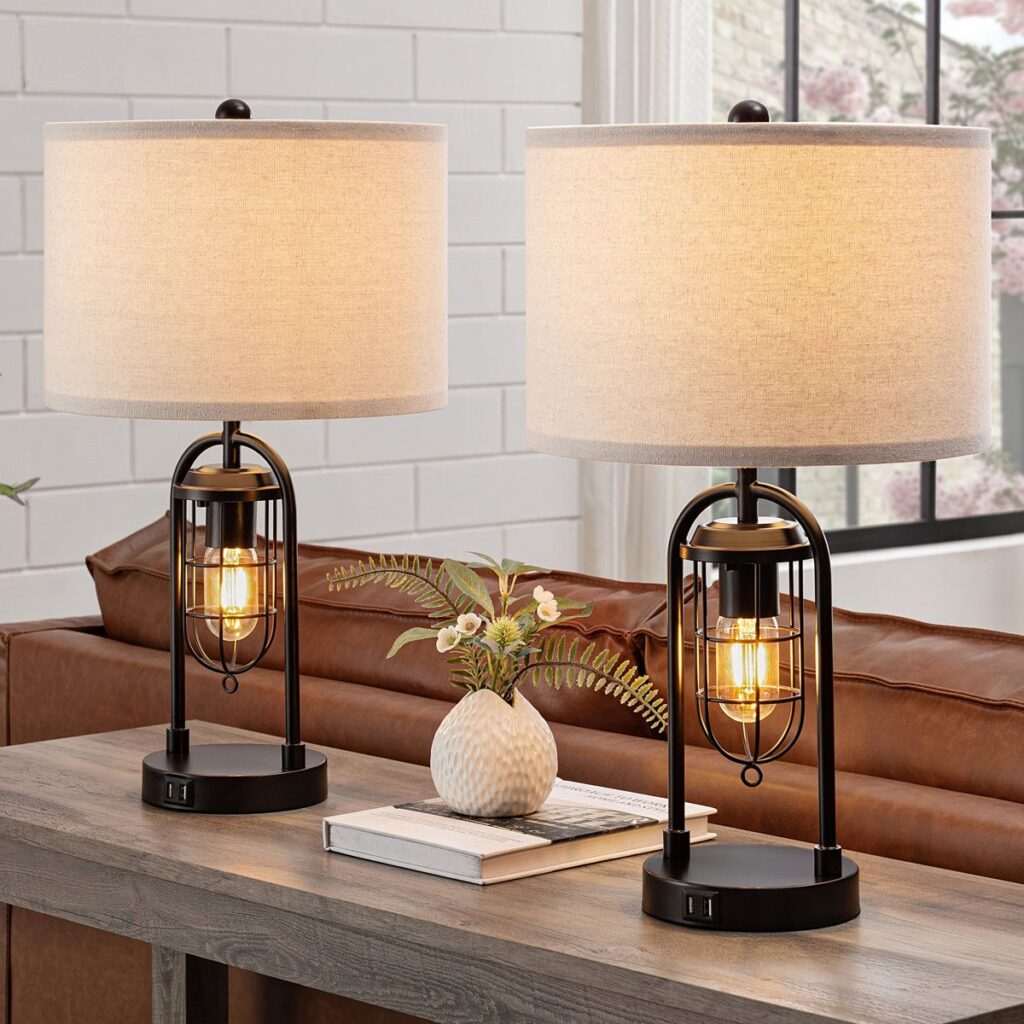
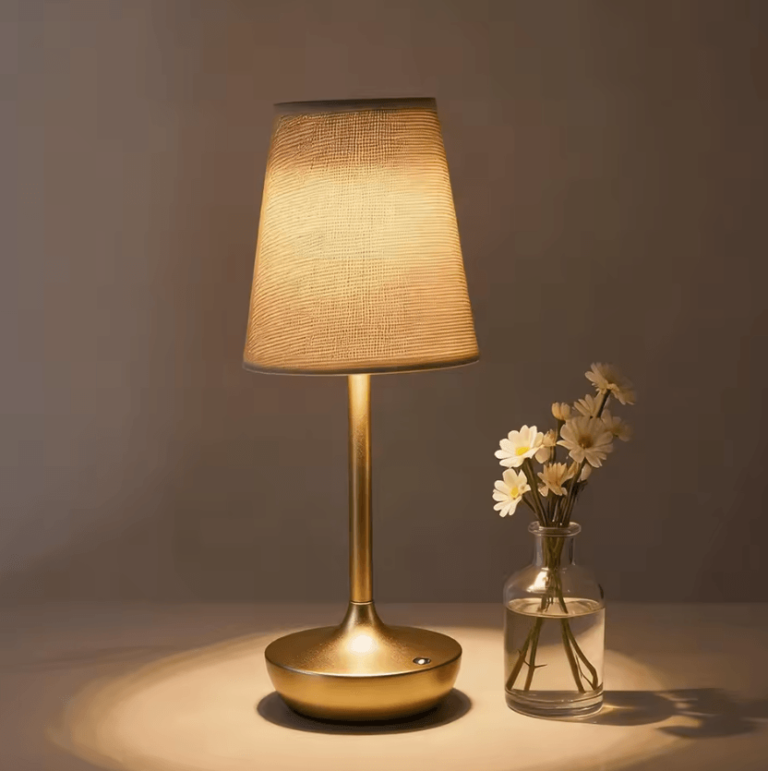 Aisha's pickLiving Room Lights with Switch Worth Knowing About
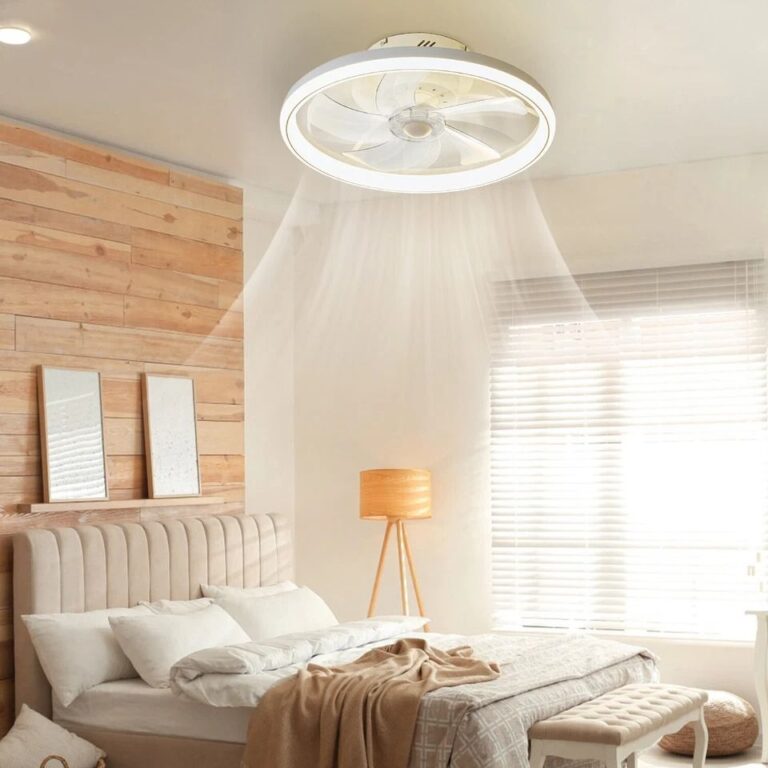
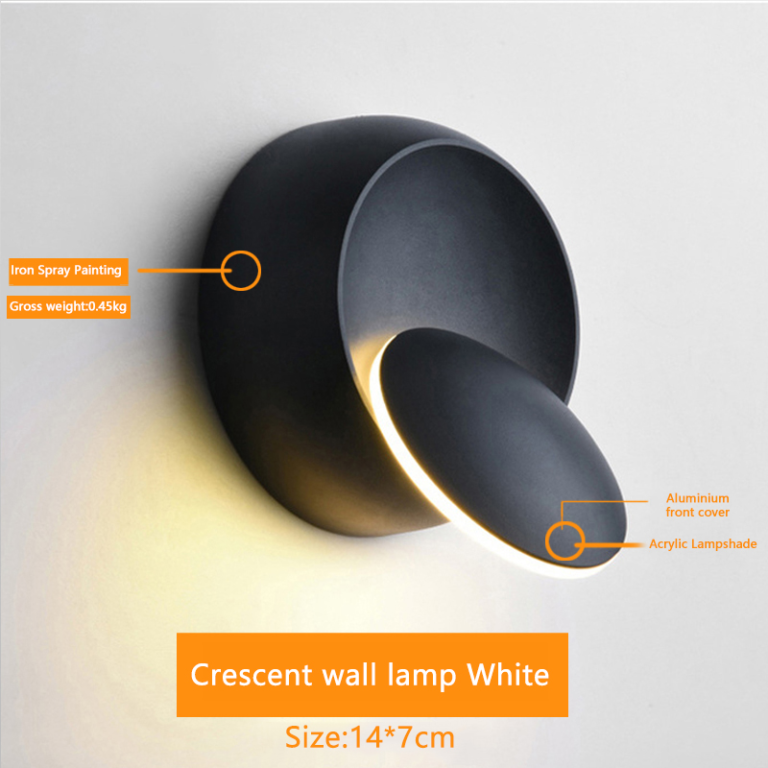 Aisha's pickWhere to Start With Adjustable Living Room Wall Lights
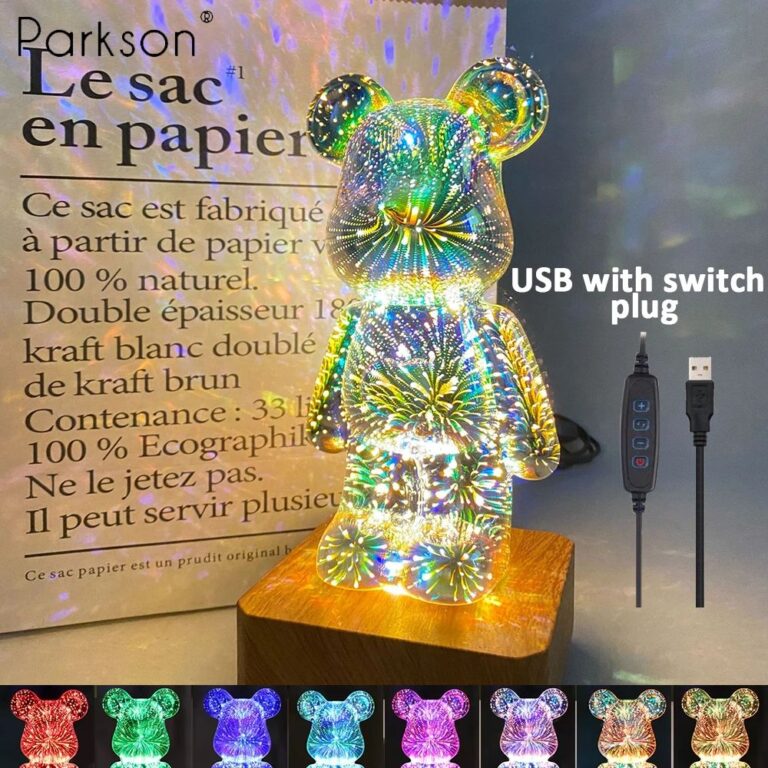
 Aisha's pickWhere to Start With Metal Living Room Wall Lights
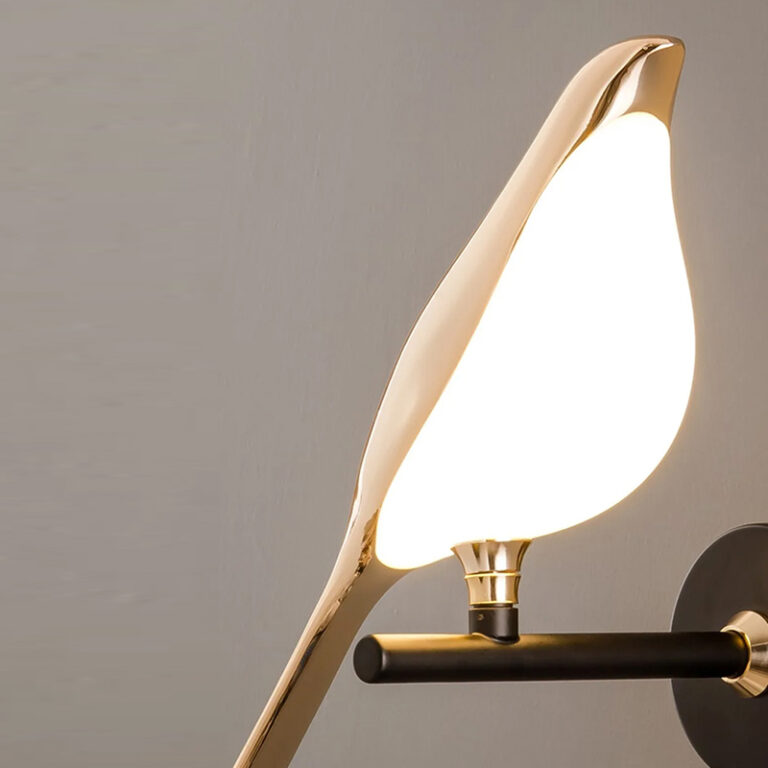
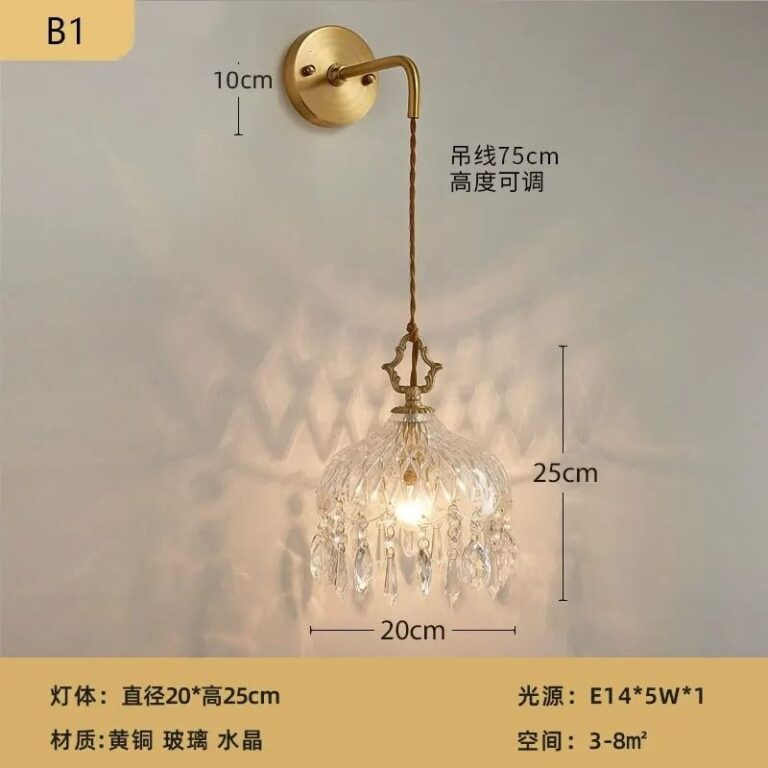 Aisha's pickCeramic Living Room Lights for Movie Nights and Slow Sundays
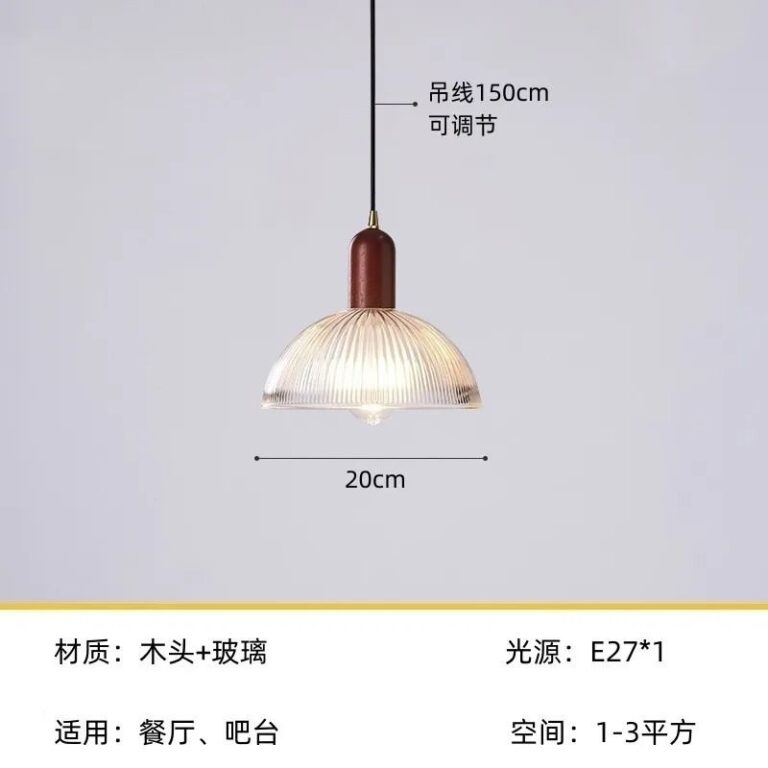
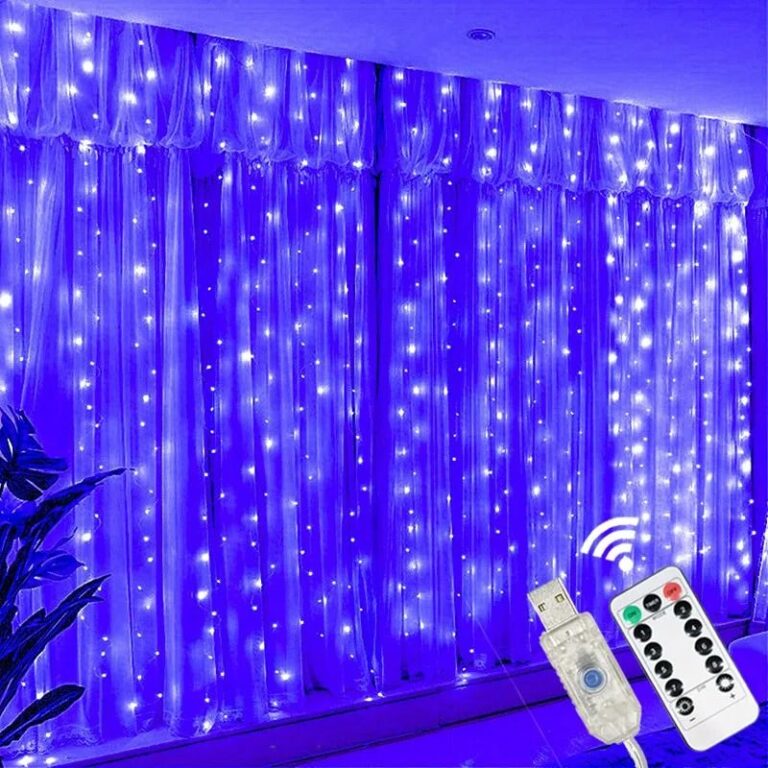 Aisha's pickLounge Lights for Living Room That Look Good Switched Off Too
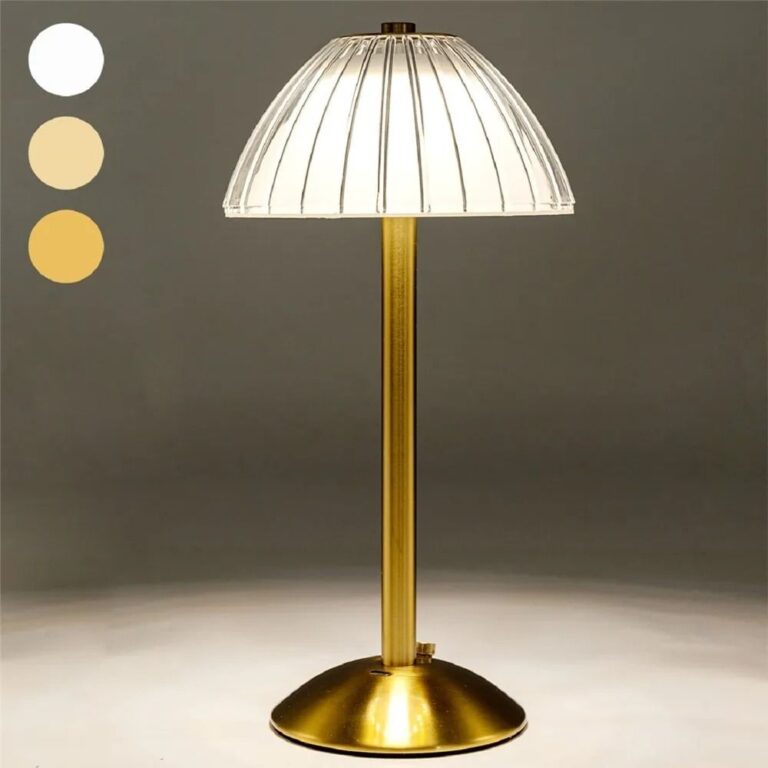
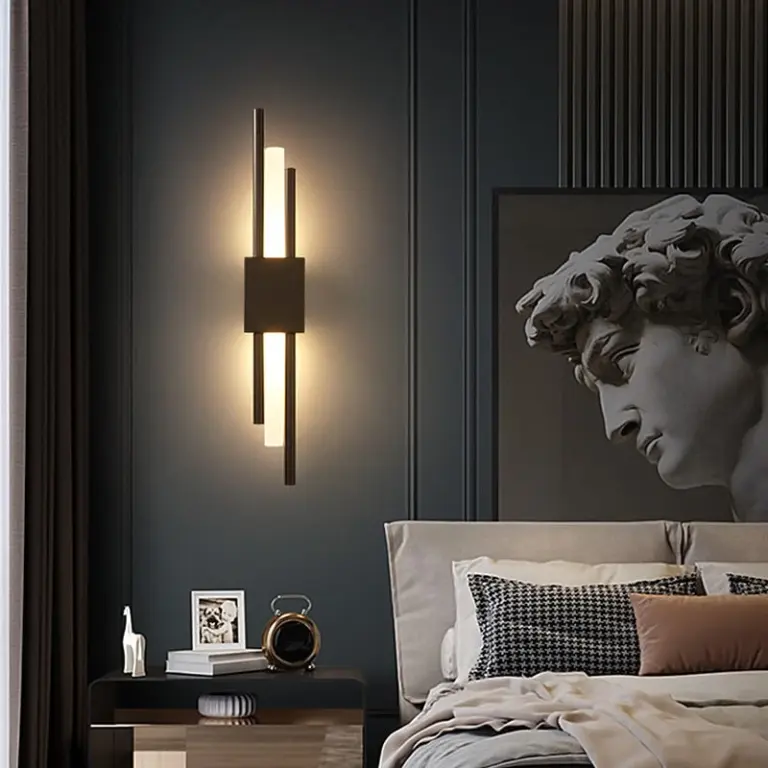 Aisha's pickBlack Living Room Wall Lights That Look Good Switched Off Too
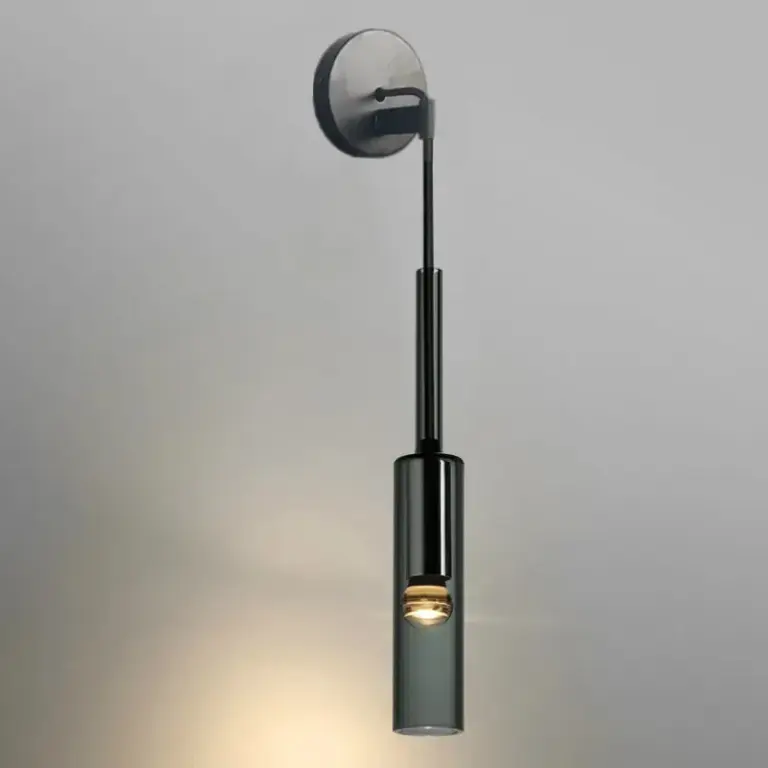
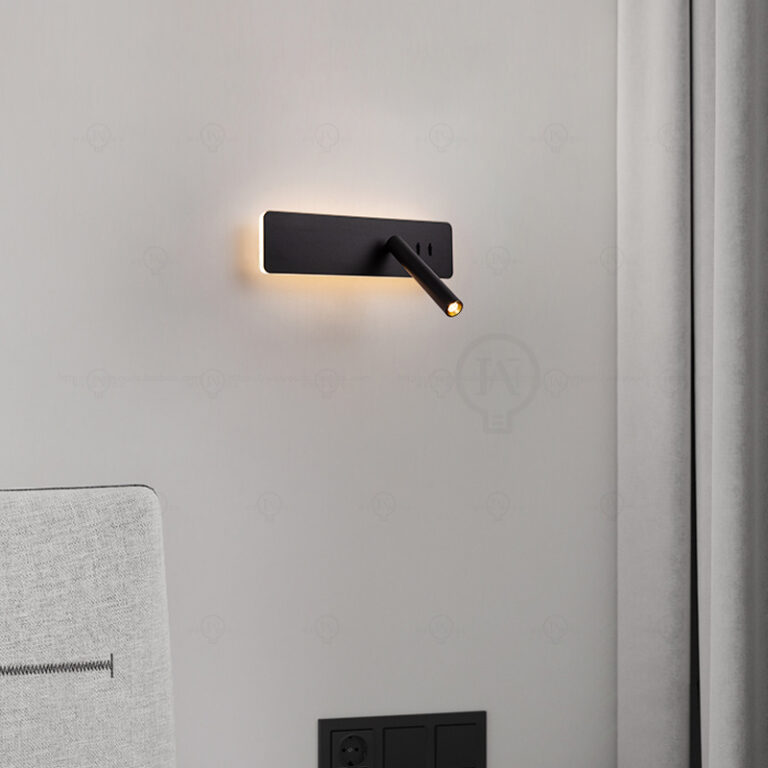 Aisha's pickMinimalist Living Room Wall Lights for Dark Winter Evenings

 Aisha's pickChrome Living Room Lights for Movie Nights and Slow SundaysAlso worth a lookLiving Room Wall LightsFor years wall lights meant one thing: a boob light in a hallway nobody updated since the Carter…See the collections →

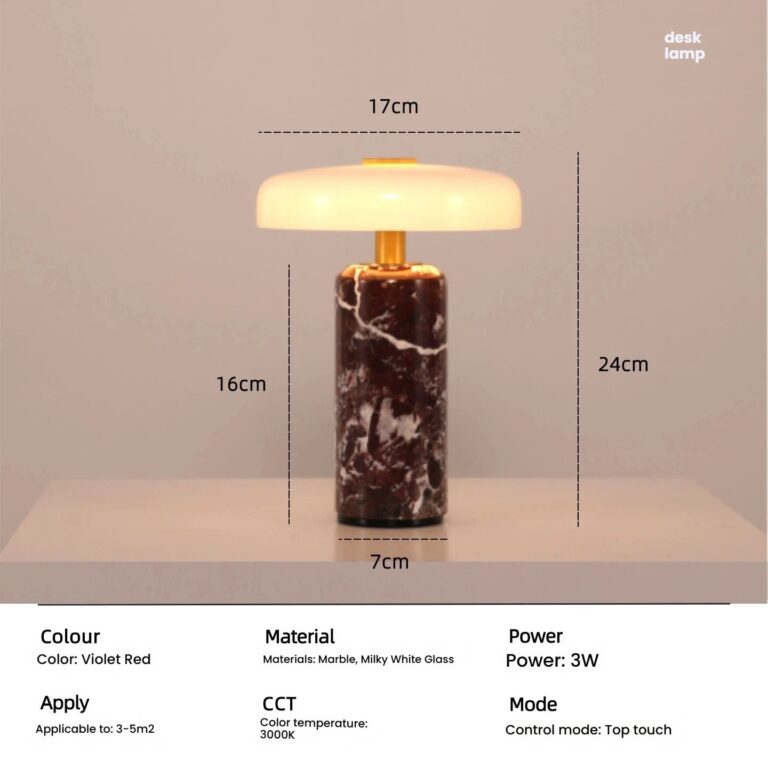 Aisha's pickLuxury Living Room Lights That Do the Job Right
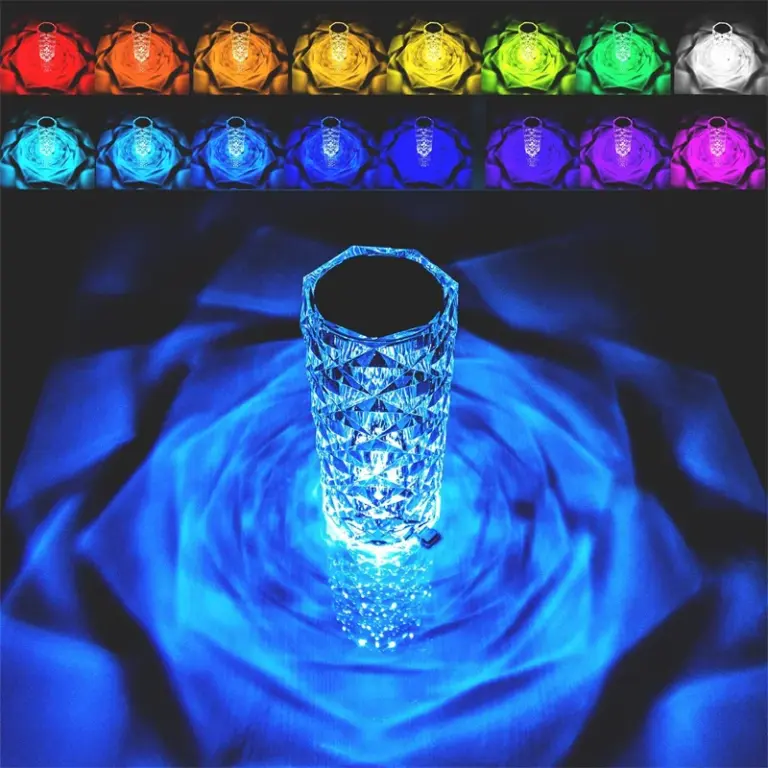
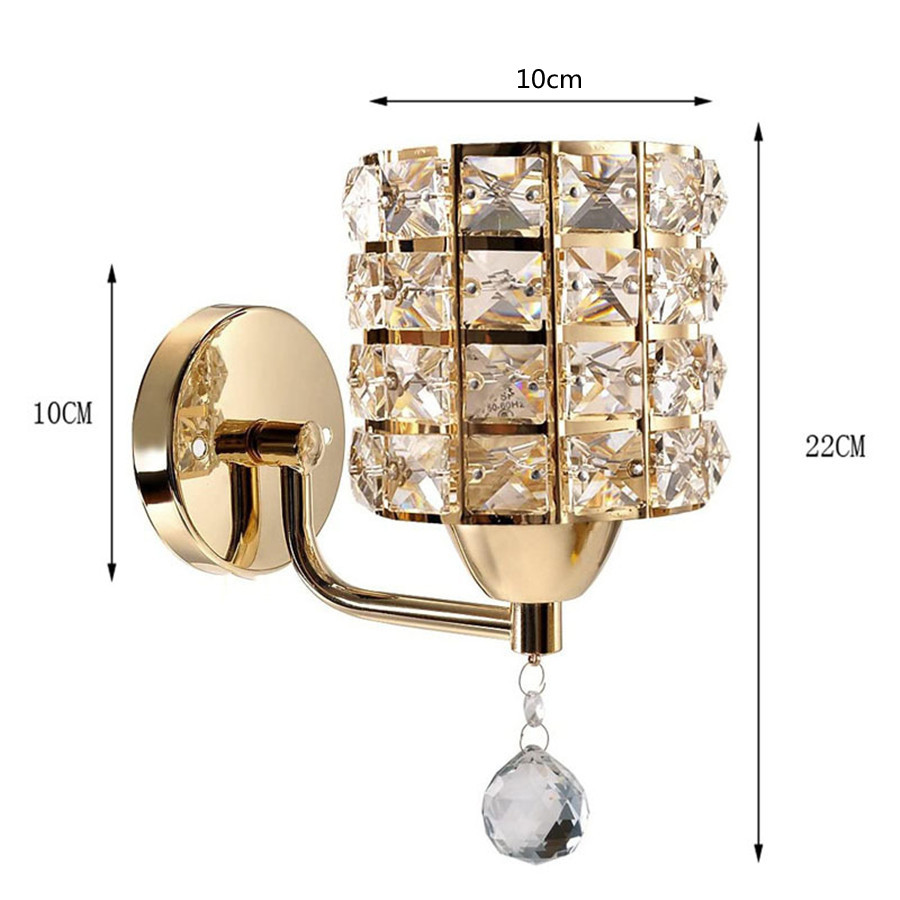 Aisha's pickChrome Living Room Wall Lights That Make Rented Places Feel Like Home
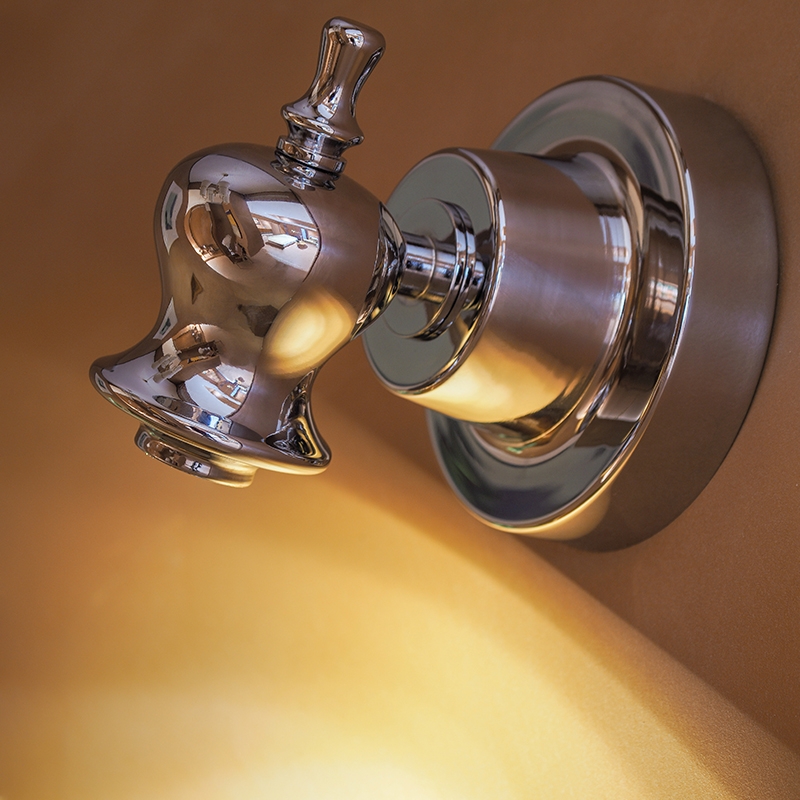
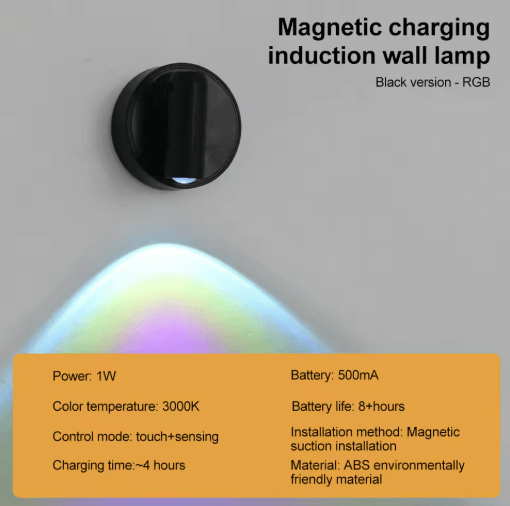 Aisha's pickModern Living Room Wall Lights for Movie Nights and Slow Sundays

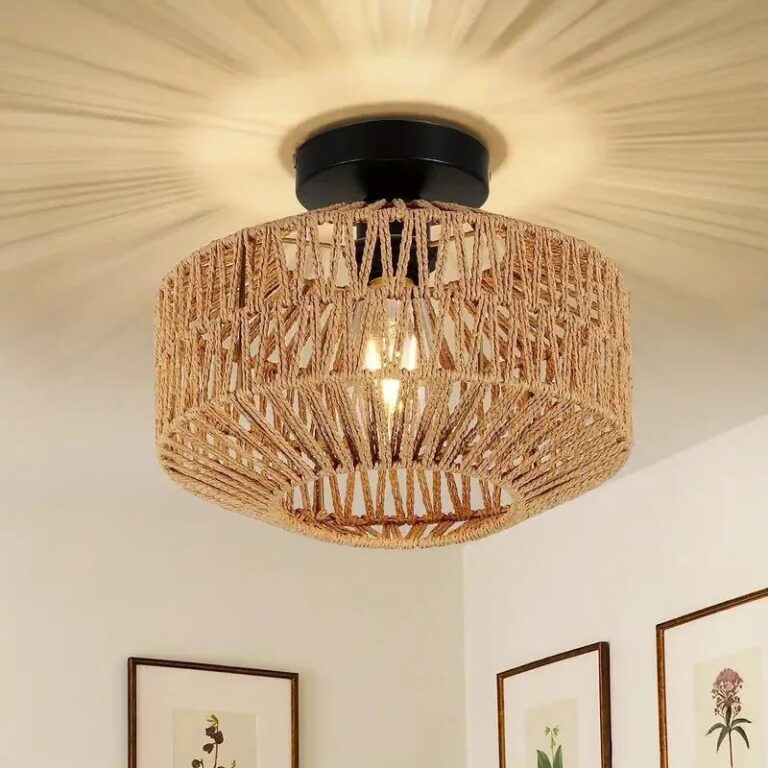 Aisha's pickCoastal Living Room Lights for Cozy Nights In
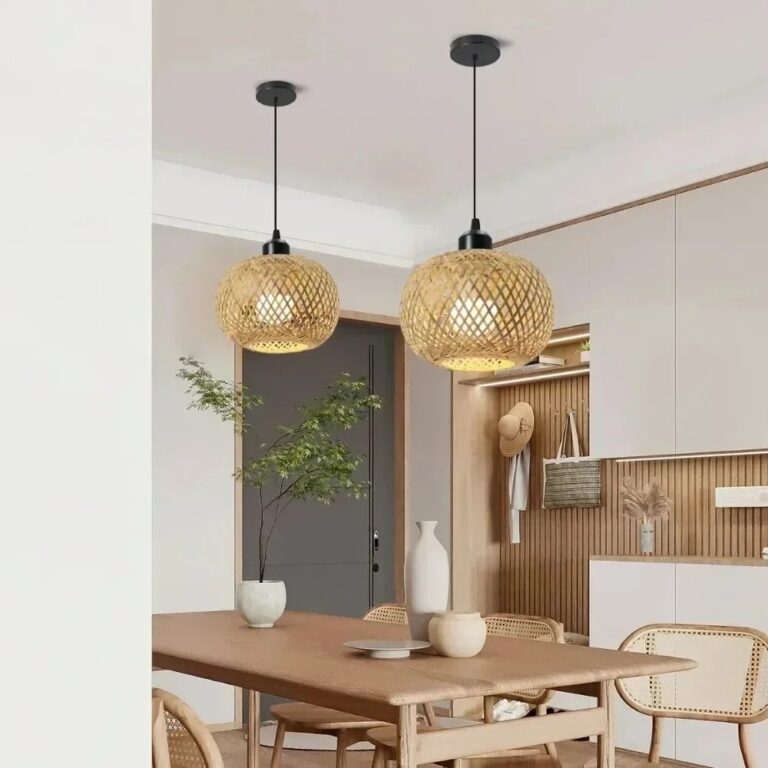
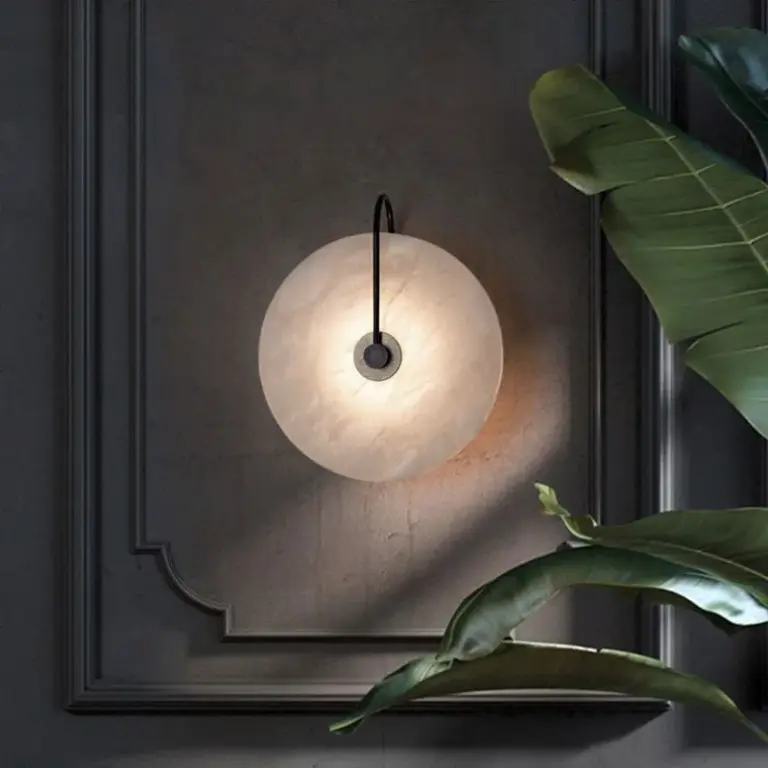 Aisha's pickShopping for Marble Living Room Lights? Start Here
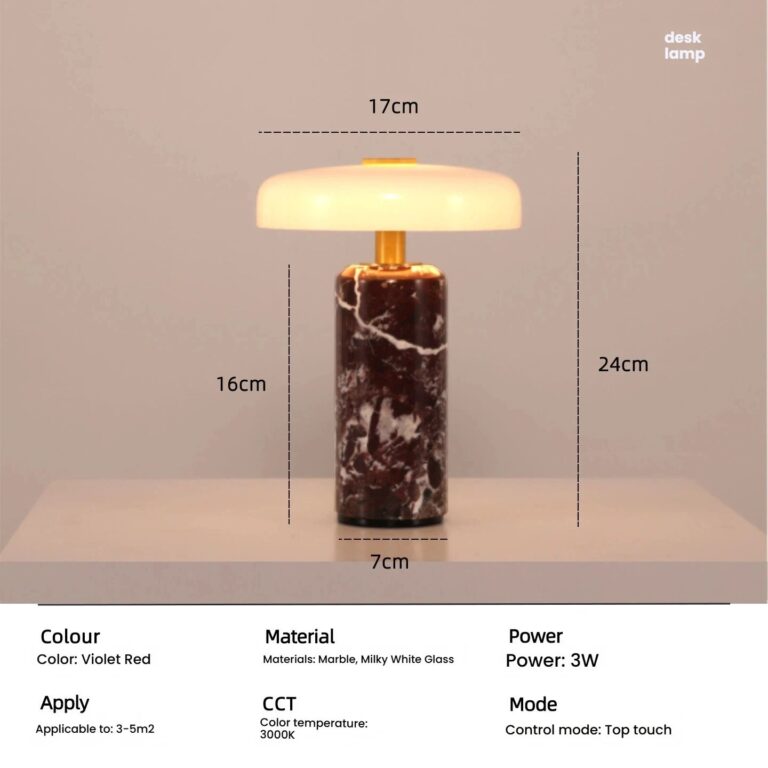
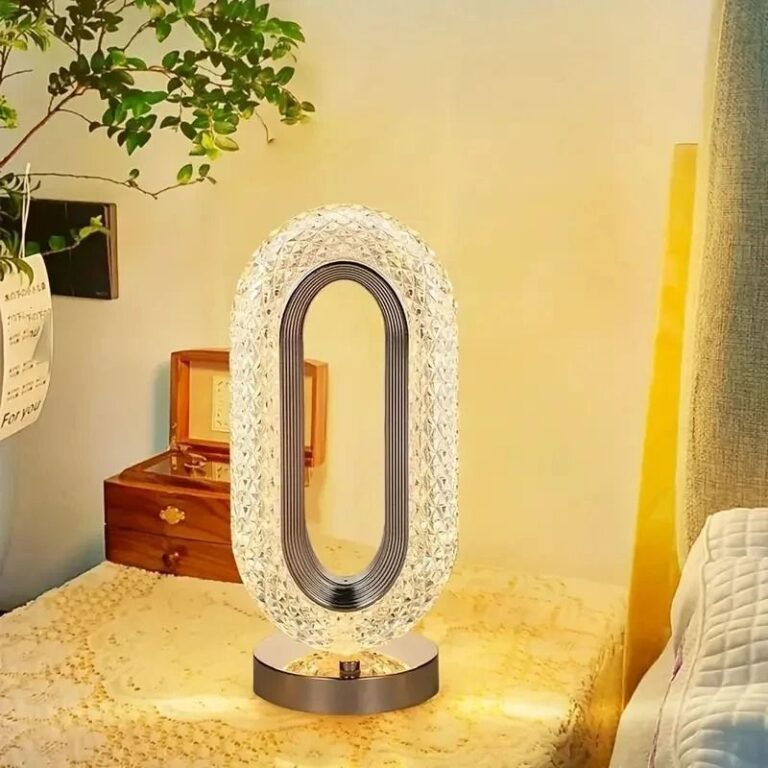 Aisha's pickClear Glass Living Room Wall Lights From Stores Big and Small

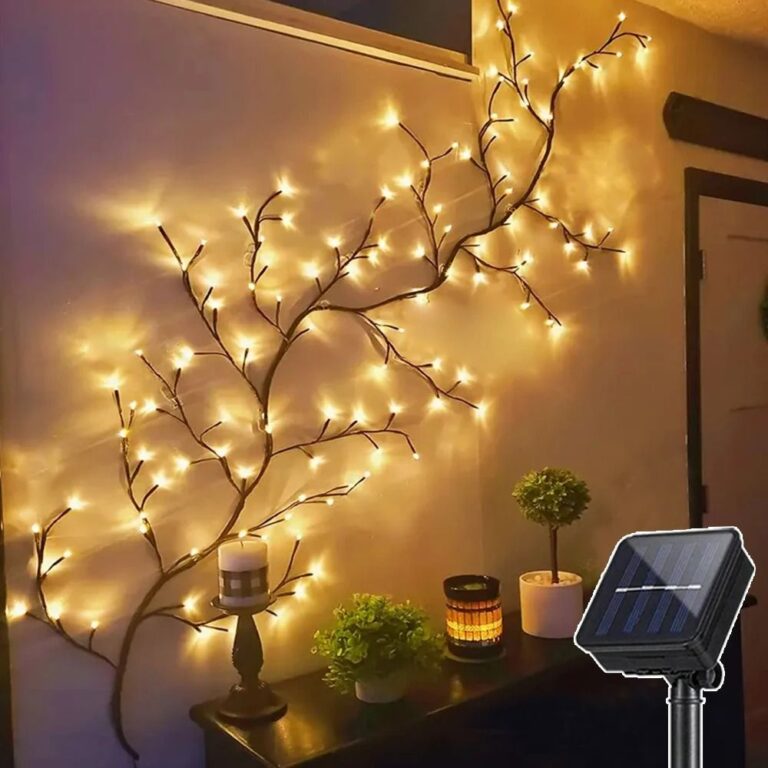 Aisha's pickNatural Living Room Wall Lights You’ll Still Like in Five Years
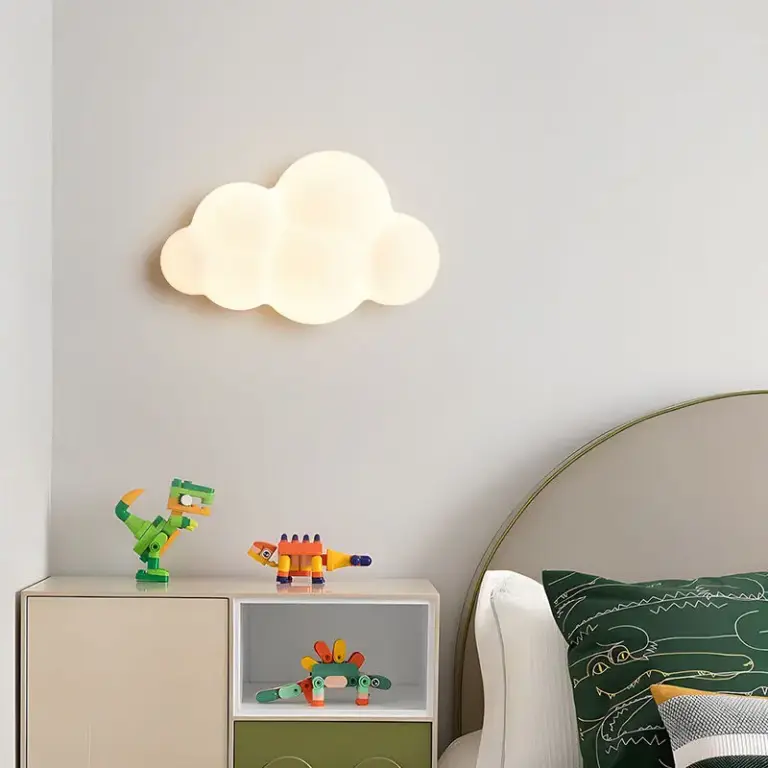
 Aisha's pickCream Living Room Lights You’ll Still Like in Five Years

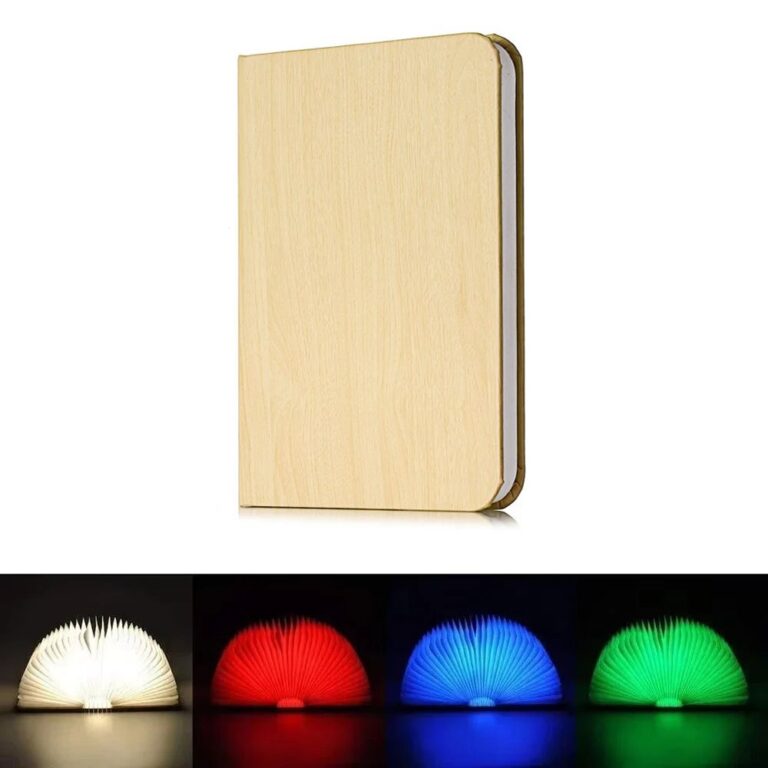 Aisha's pickNatural Living Room Lights With a Bit More About ThemAlso worth a lookWall LightsWall lights are the fixture everyone skips and shouldn't.See the collections →
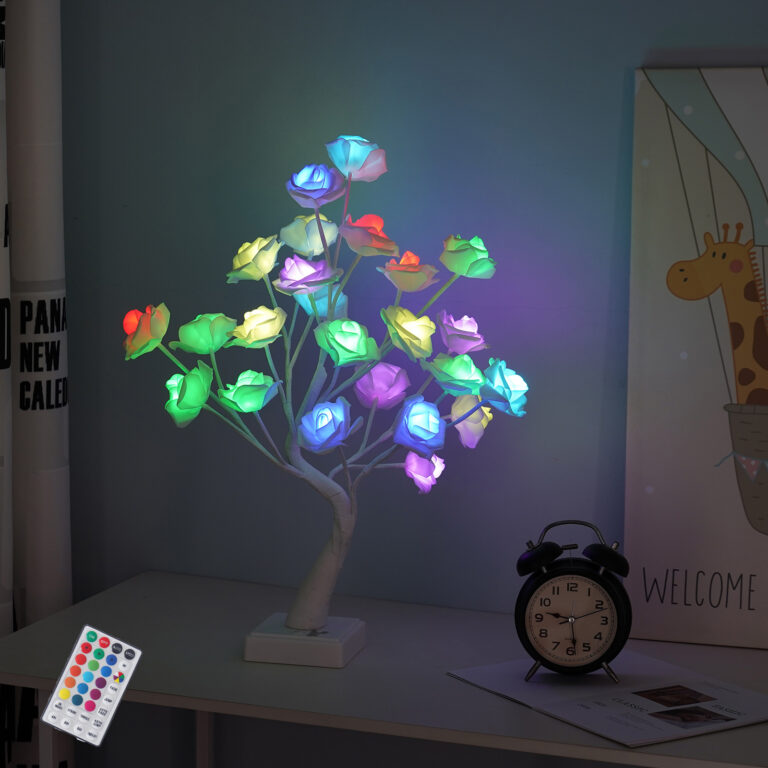
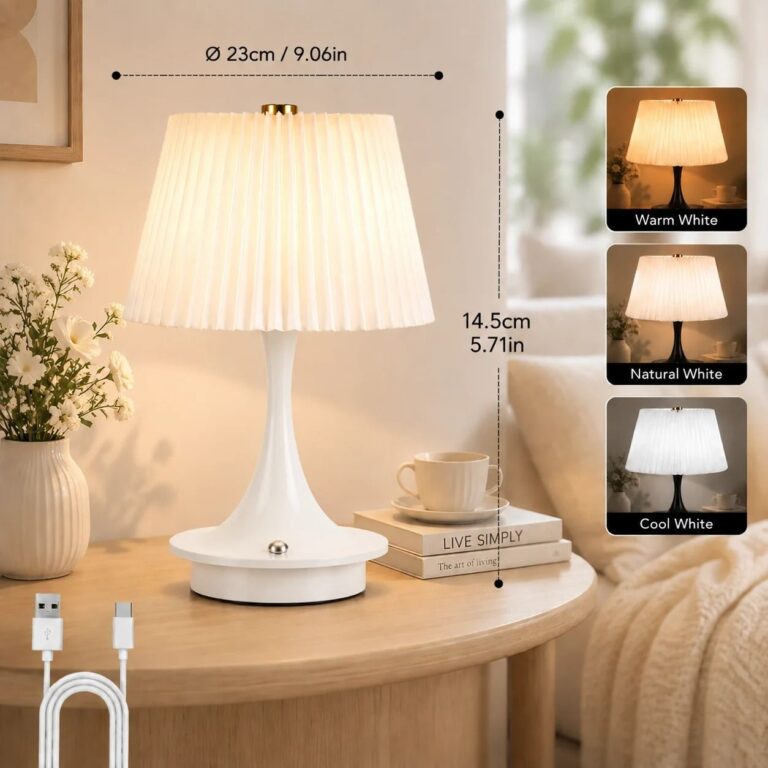 Aisha's pickNo Fuss Contemporary Living Room Wall Lights
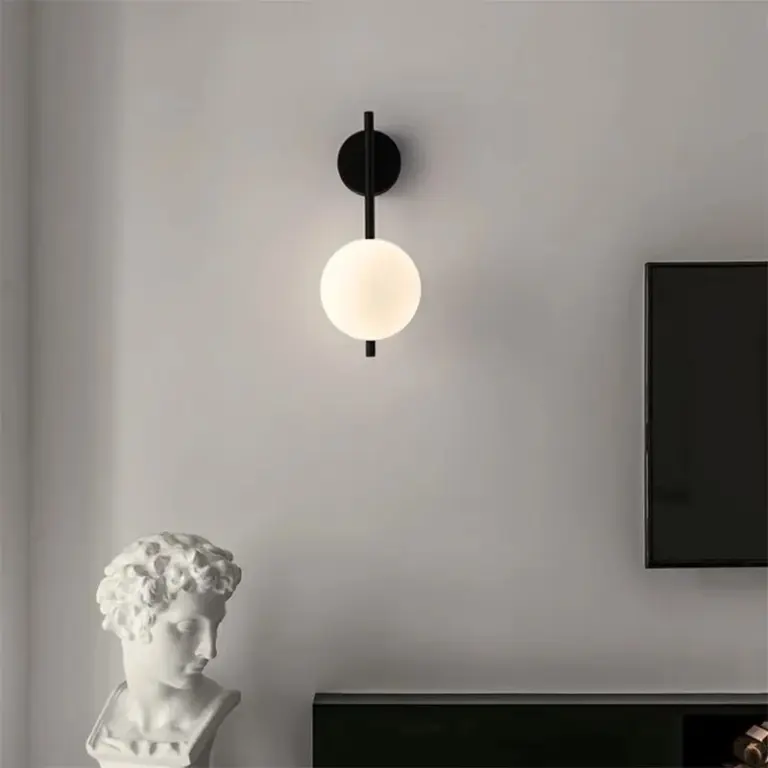
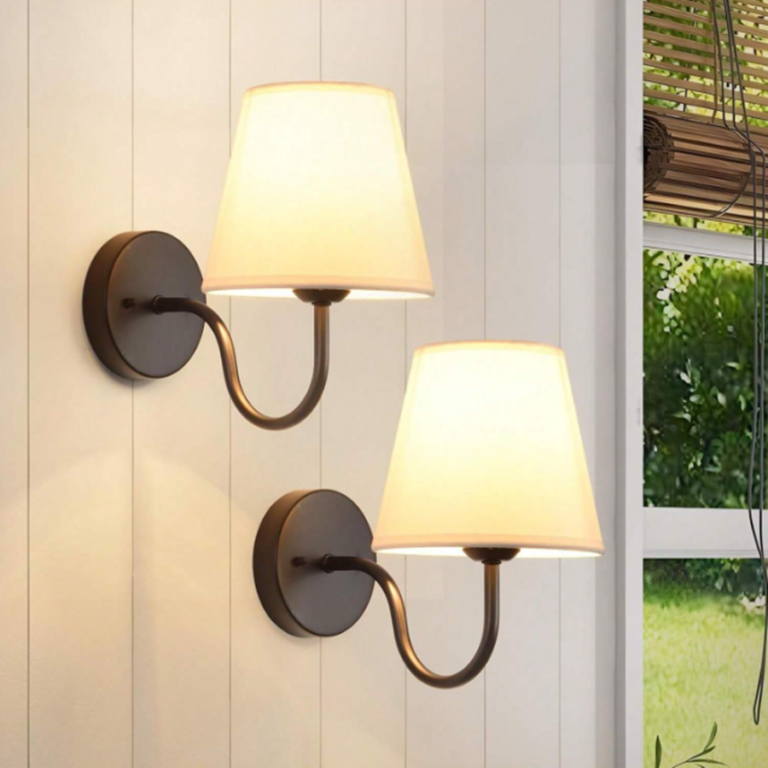 Aisha's pickPairs of Living Room Wall Lights Bright Enough Without the Glare
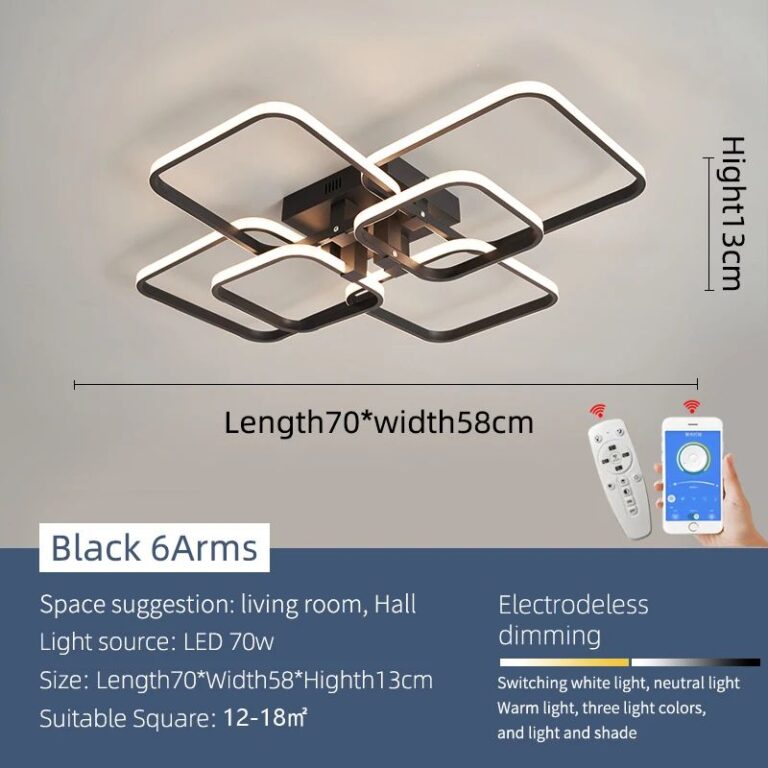
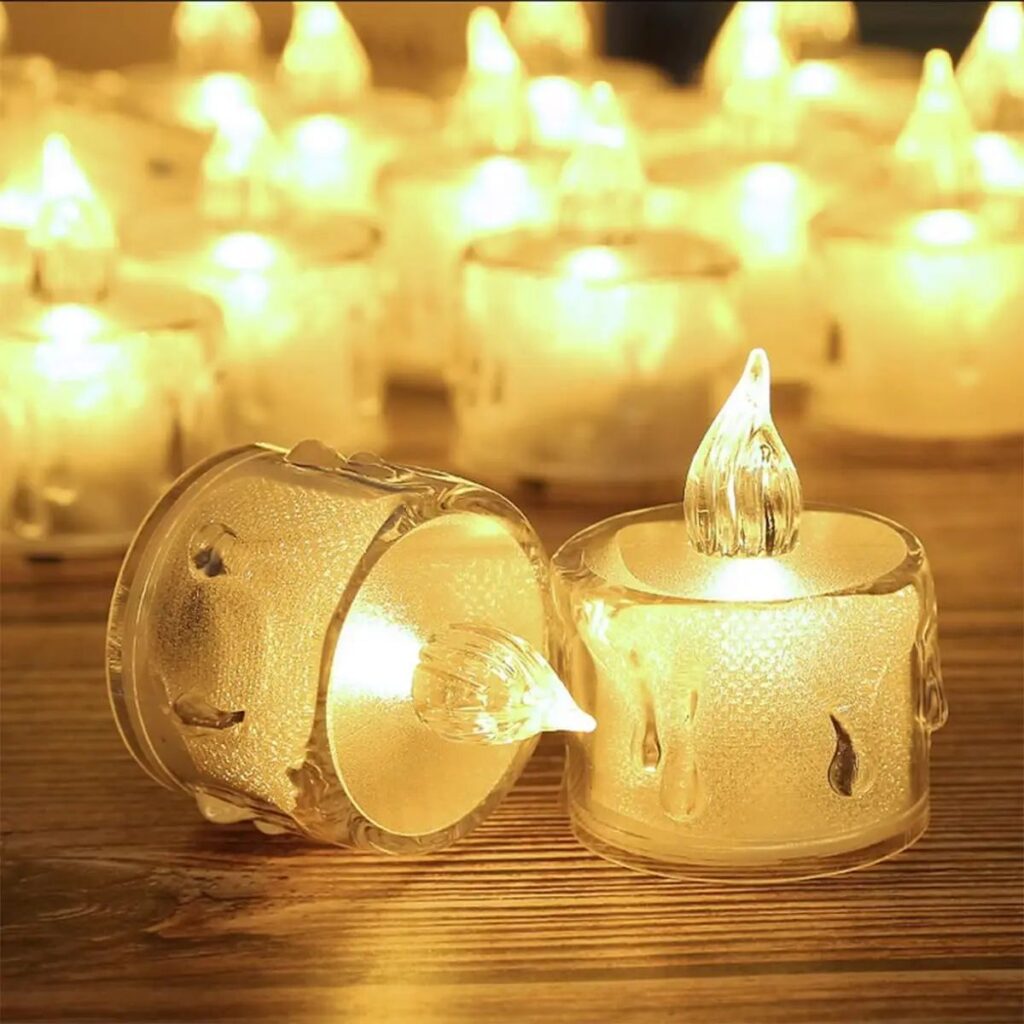 Aisha's pickCrystal Living Room Lights for Movie Nights and Slow Sundays

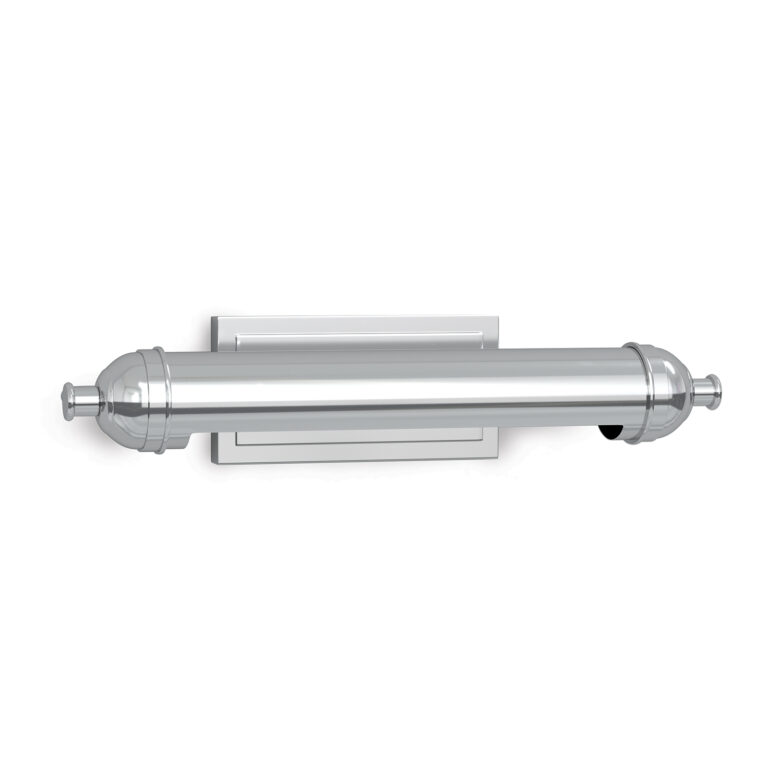 Aisha's pickNickel Living Room Lights for Movie Nights and Slow Sundays
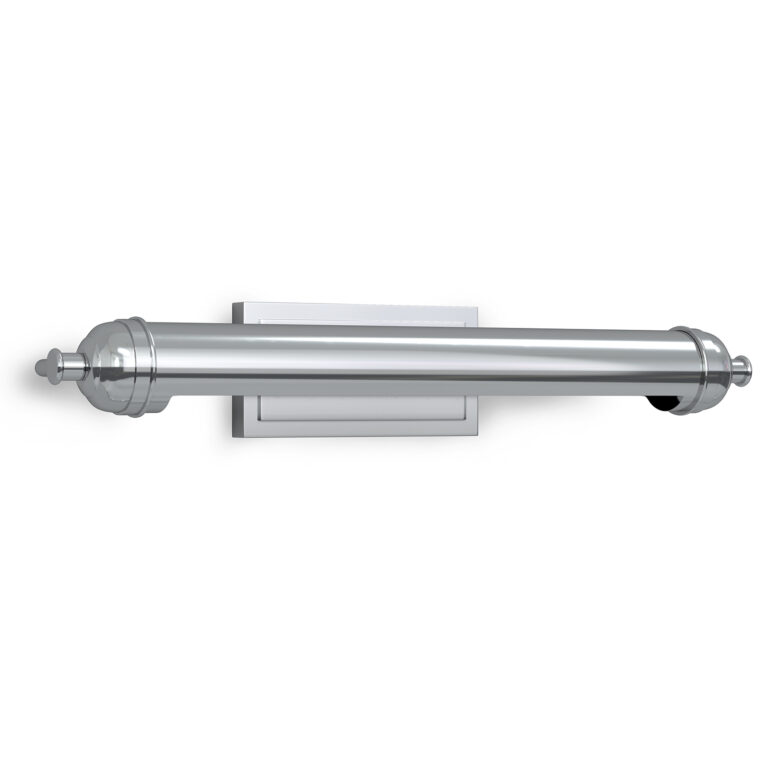
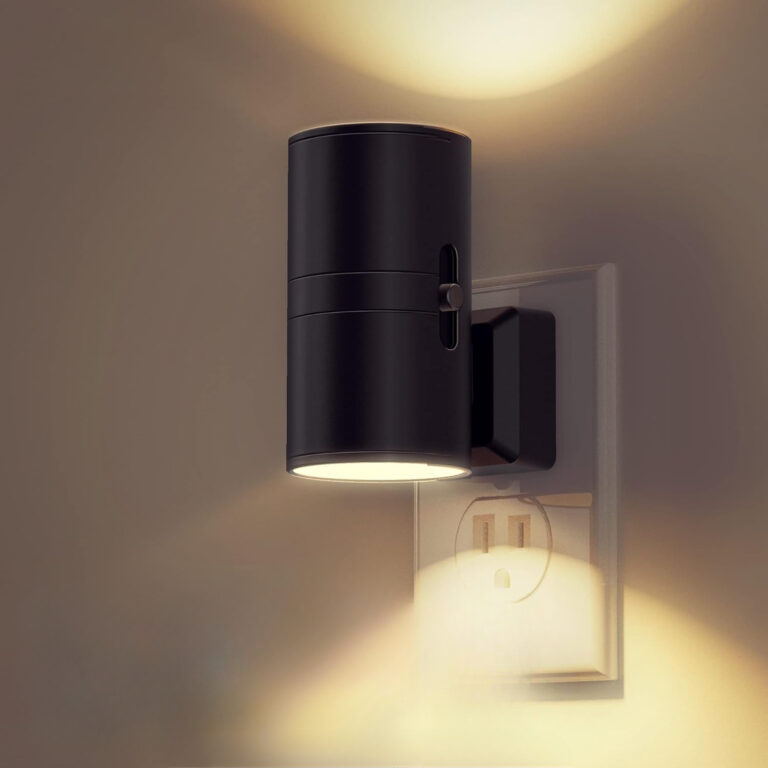 Aisha's pickDimmable Living Room Wall Lights for Movie Nights and Slow Sundays

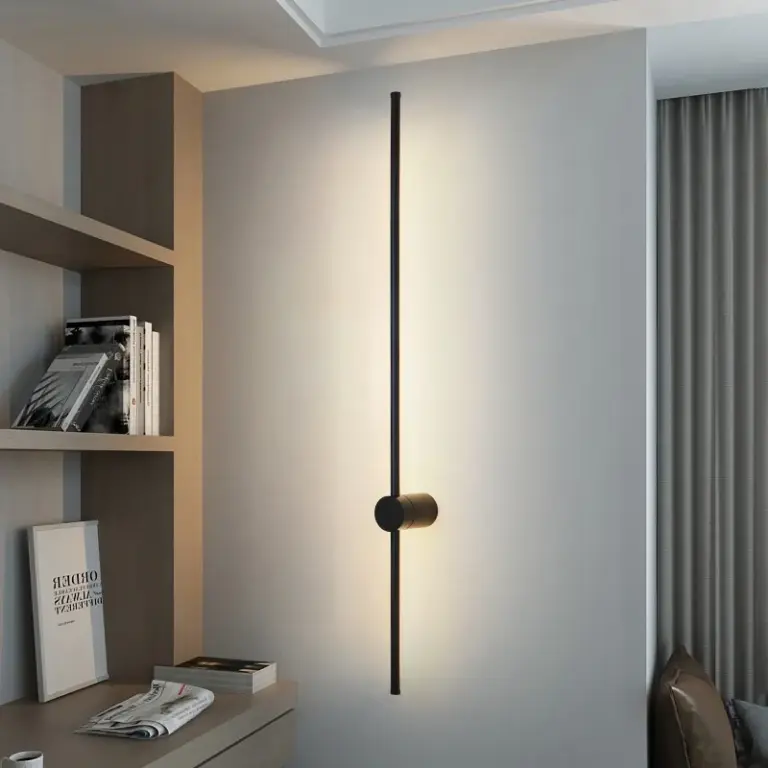 Aisha's pickTraditional Living Room Wall Lights That Don’t Look Mass Produced
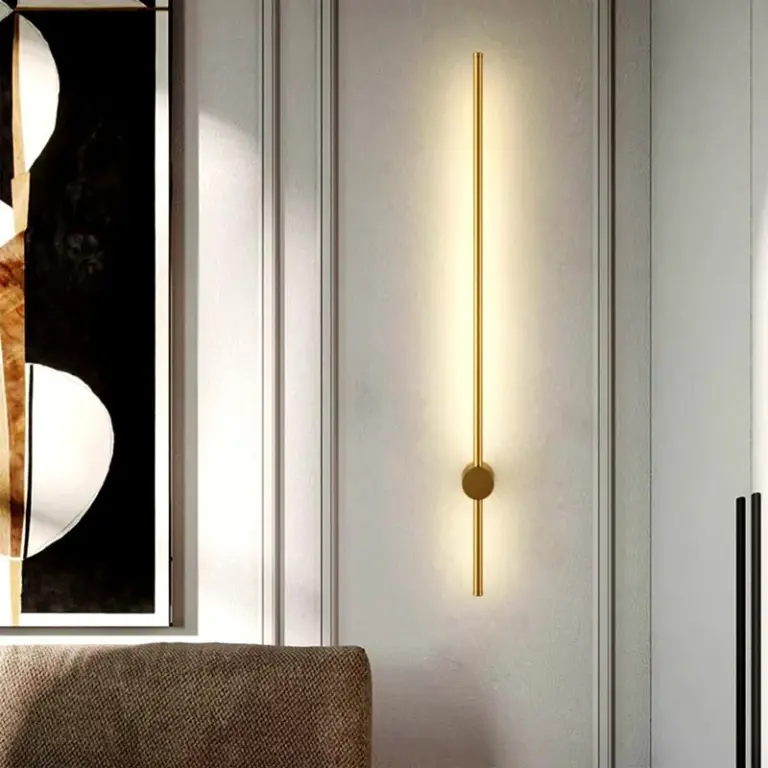
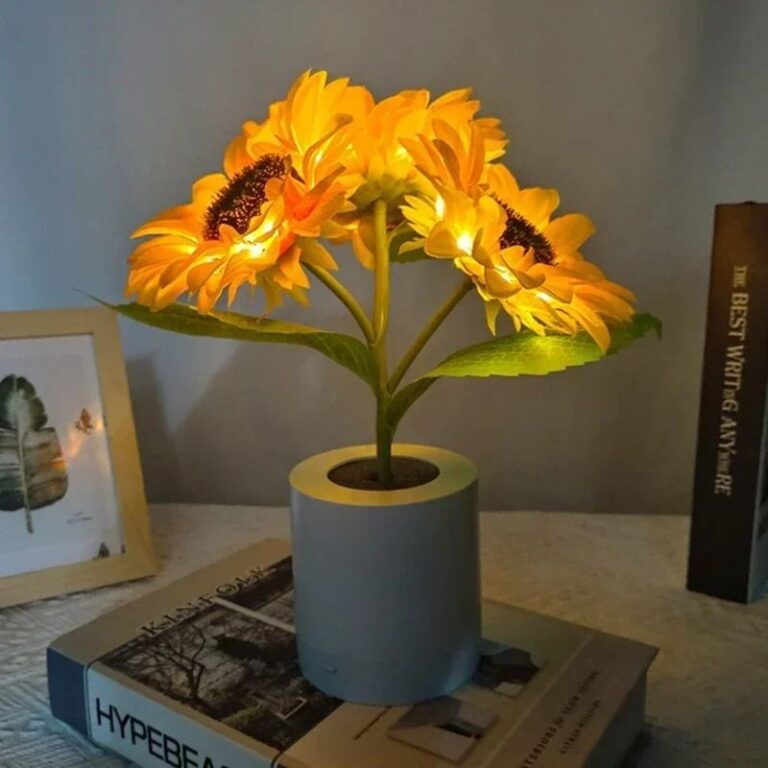 Aisha's pickFabric Living Room Lights for Movie Nights and Slow Sundays
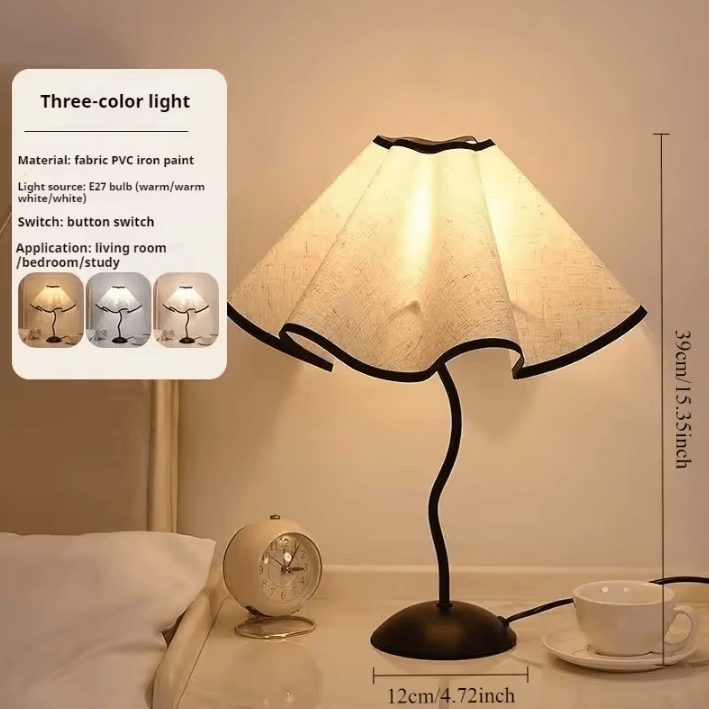
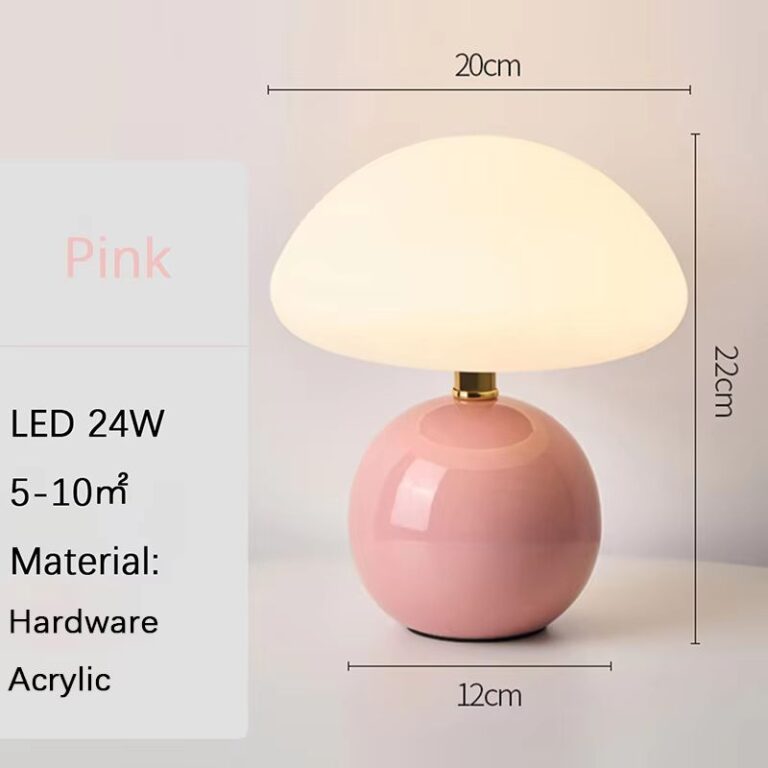
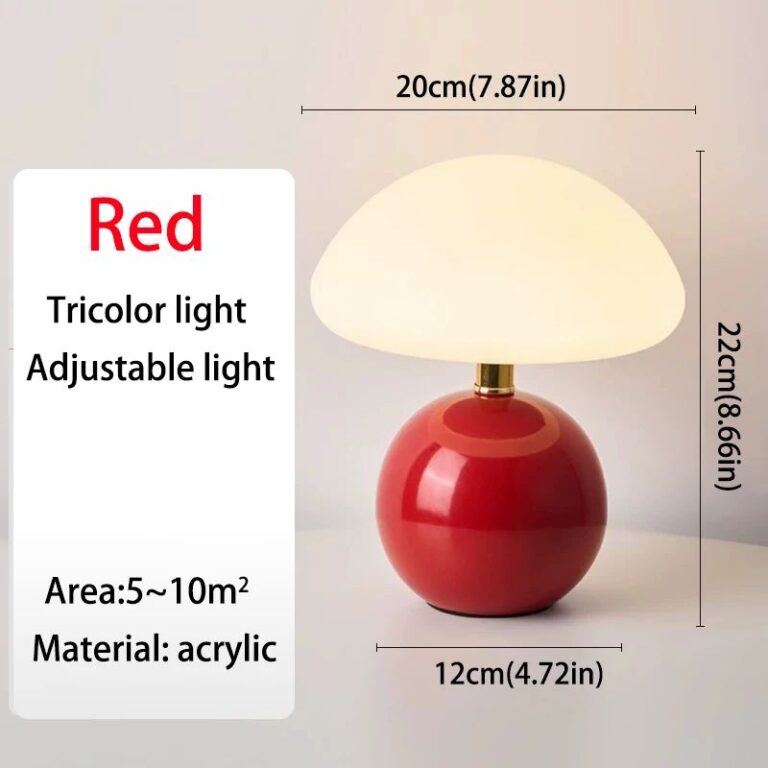 Aisha's pickPink Living Room Lights That Give Off a Warm Glow
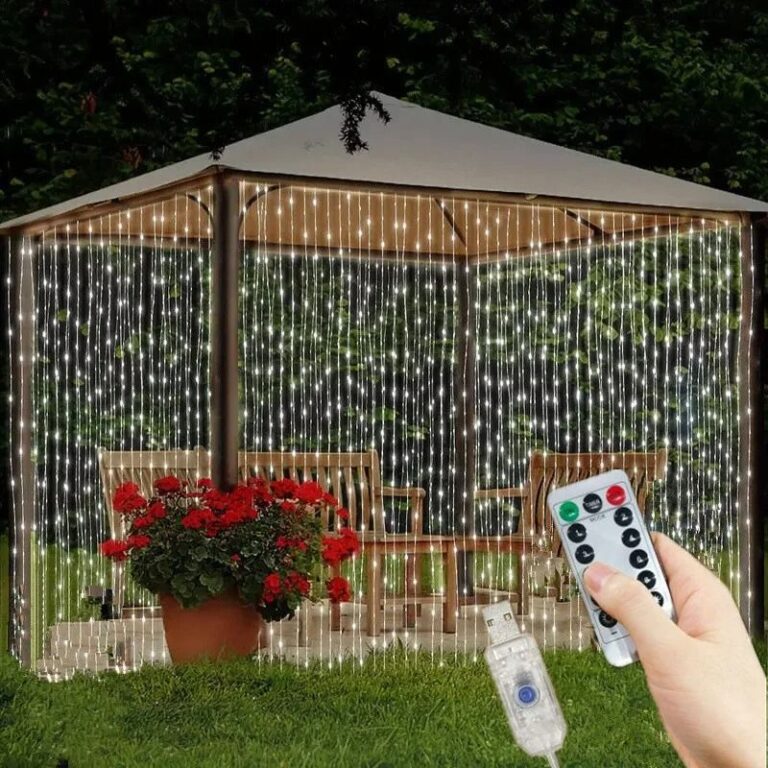 Aisha's pickFabric Living Room Wall Lights You Won’t Regret BuyingAlso worth a lookBlack LightsThe thing nobody mentions about black light fixtures is how differently they read once the sun goes down…See the collections →

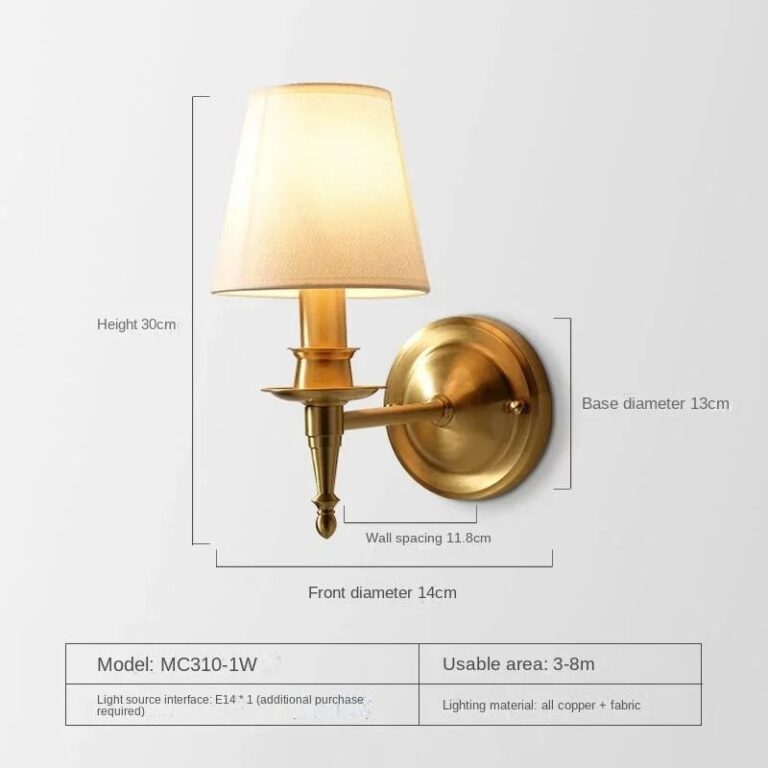 Aisha's pickVintage Living Room Wall Lights for Cozy Nights In
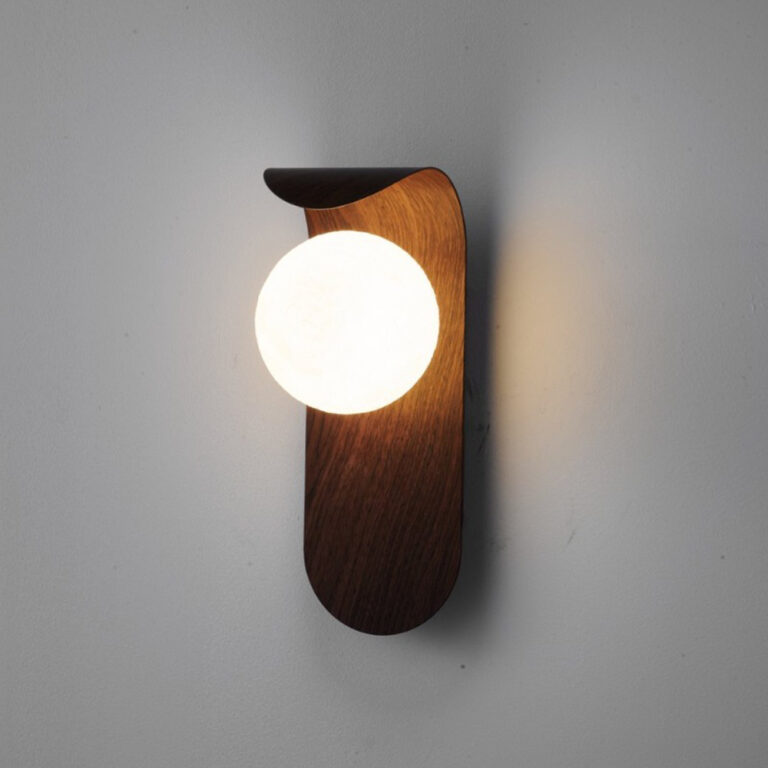
 Aisha's pickGlobe Living Room Lights for Movie Nights and Slow Sundays

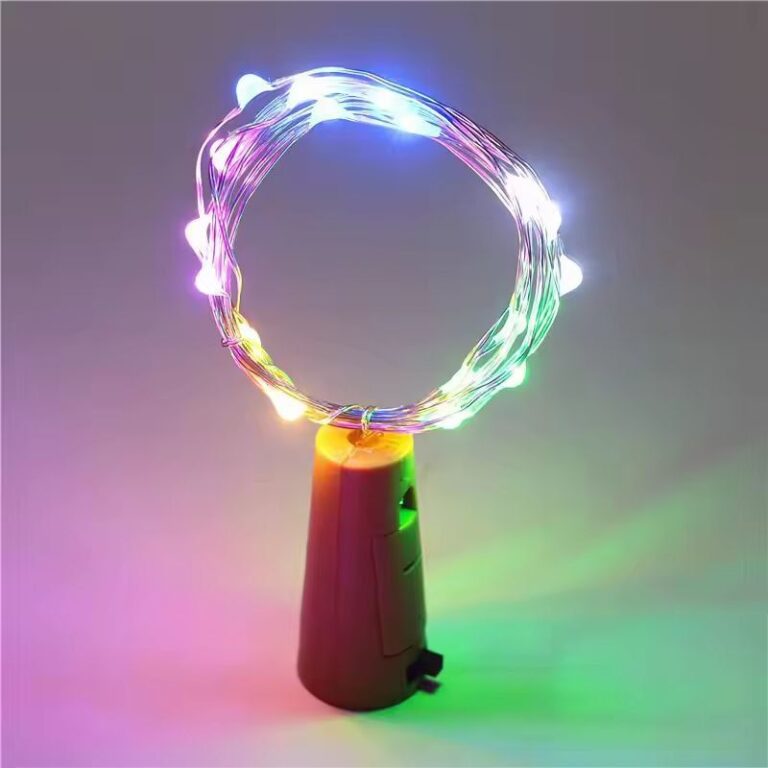 Aisha's pickPlug in Living Room Lights That Make Rented Places Feel Like Home
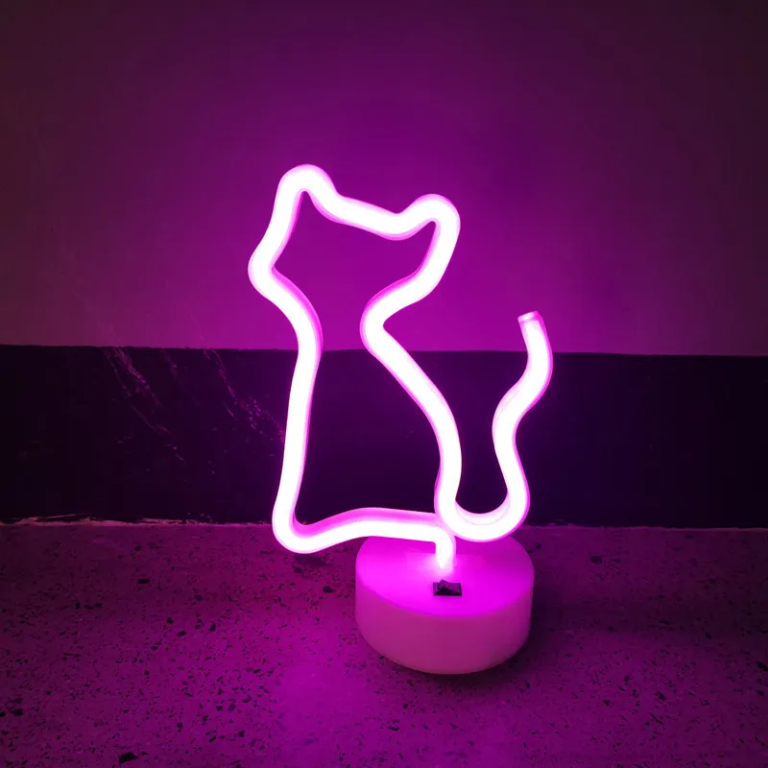
 Aisha's pickGlass Living Room Wall Lights Bright Enough Without the Glare

 Aisha's pickWhite Living Room Wall Lights for Movie Nights and Slow Sundays
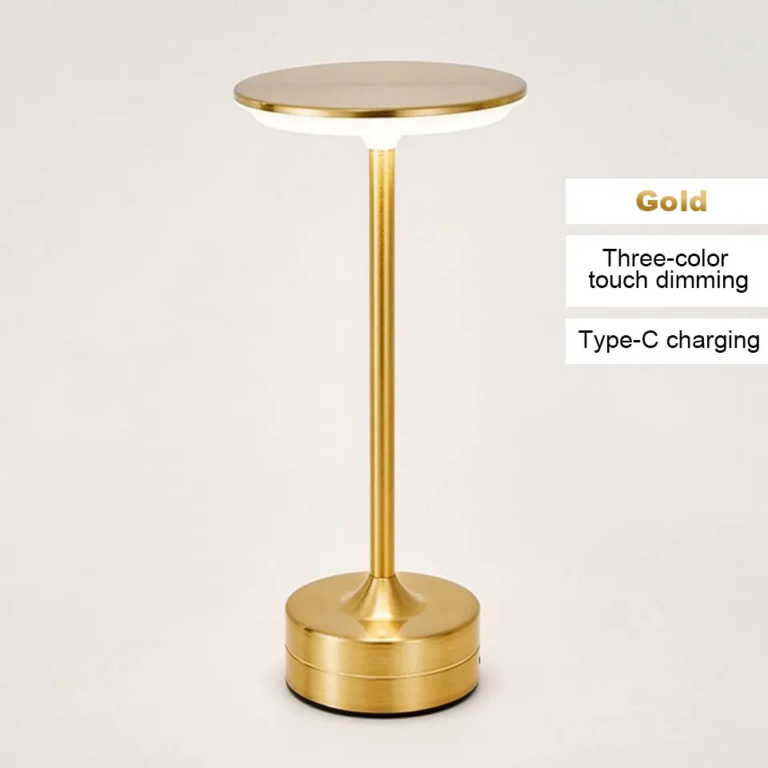
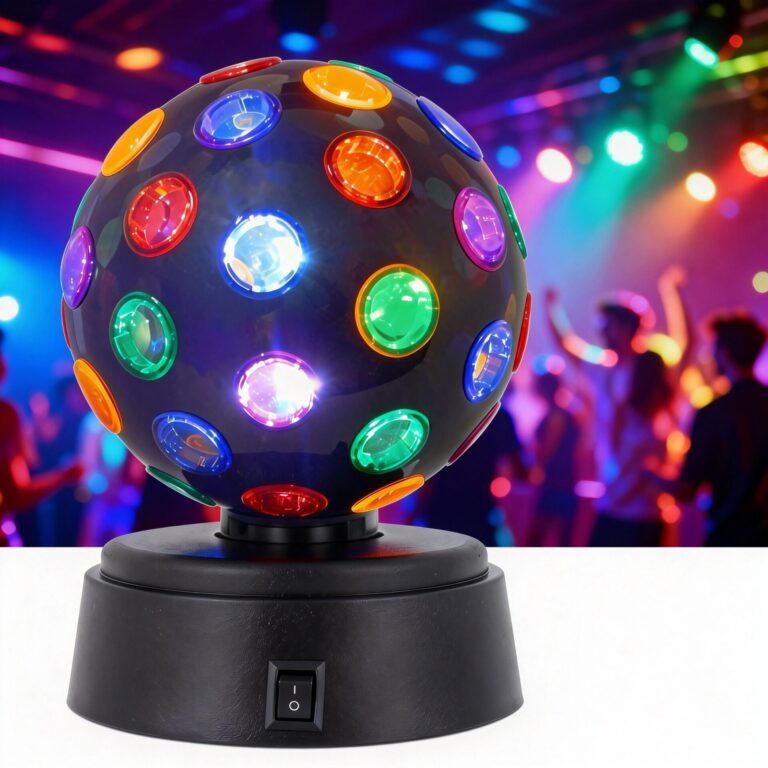 Aisha's pickGreen Living Room Lights That Give Off a Warm Glow
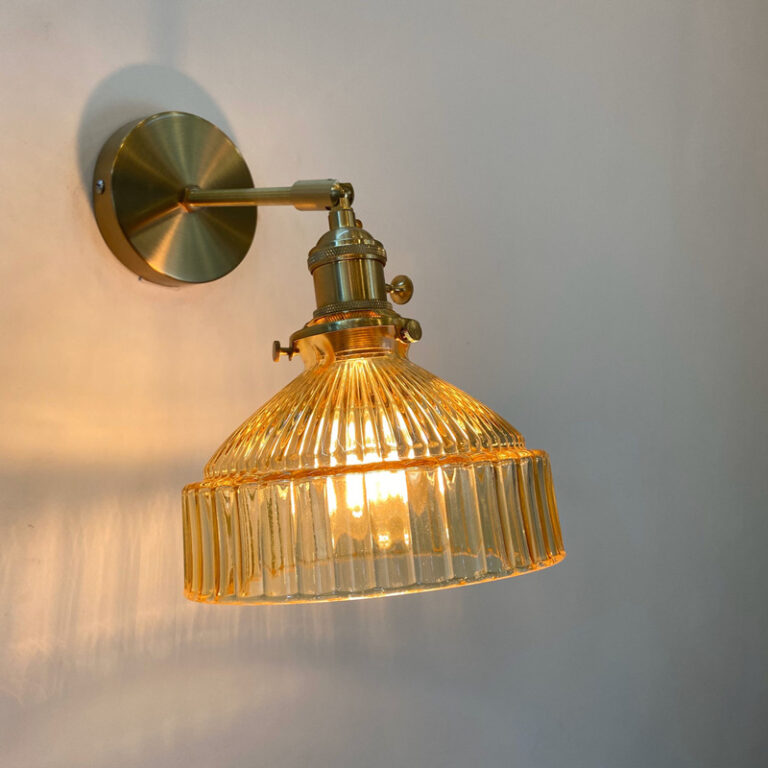
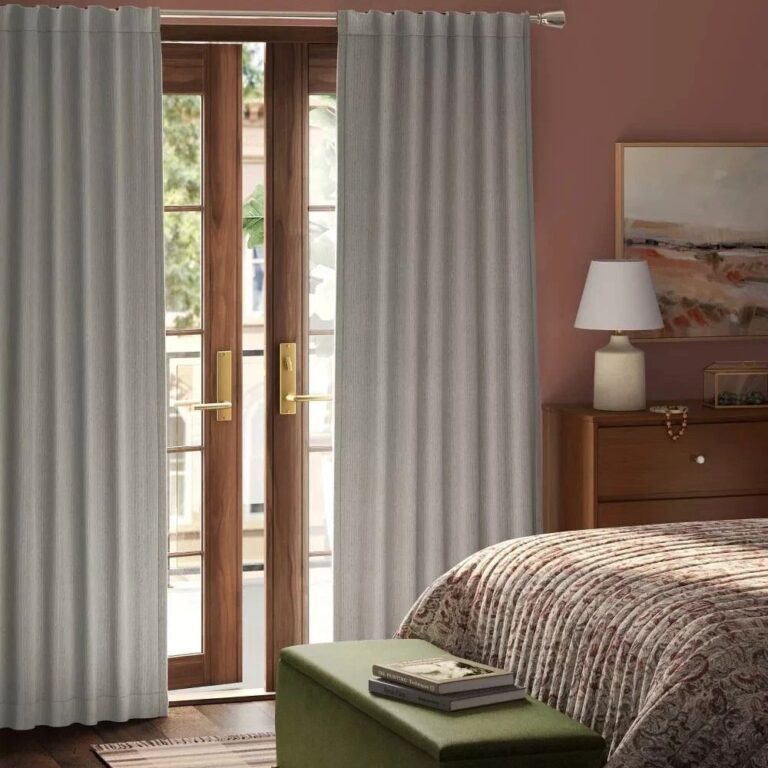 Aisha's pickRibbed Living Room Lights That Look Good Switched Off Too
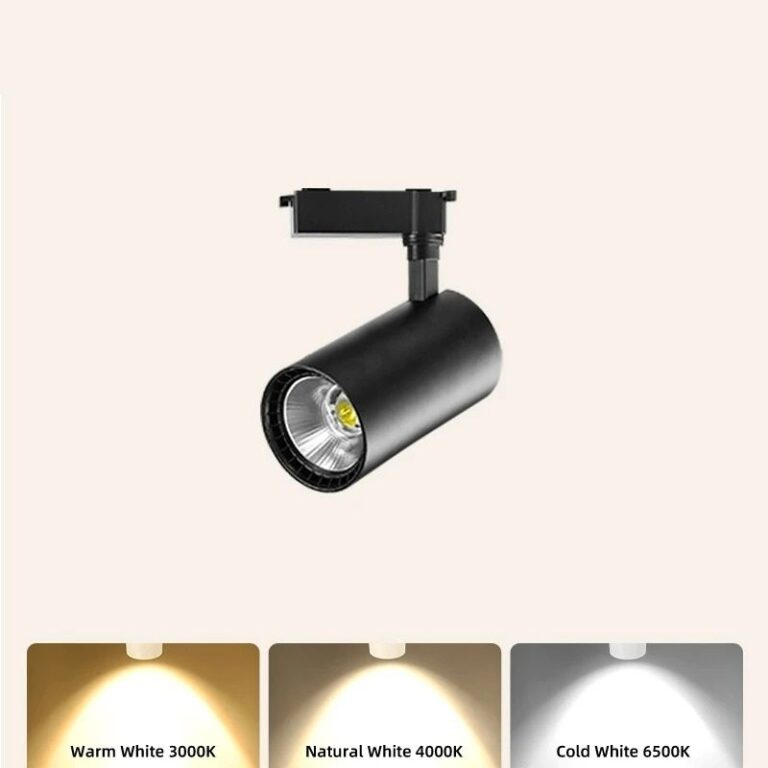
 Aisha's pickGold Living Room Wall Lights That Won’t Date in a Year