The question I get asked most is whether to go with one big light over the island or a few smaller ones spread across the ceiling, and my answer is almost always a few smaller ones. One fixture in the middle of a kitchen is doing a job built for three. Pendants in a row, or a mix of pendants and recessed cans, let you light the counter where you're actually chopping something and the sink where you're squinting at a wine glass for water spots, instead of one pool of light in the center and shadows everywhere you need to see.
What tells a good kitchen light from a cheap one comes down to the parts you only notice once they fail. A solid metal shade holds its shape and its color for years, a thin stamped one dents if you breathe near it and the finish goes patchy within a season, especially over a stove where grease and heat do their work on cheap plating. Glass should feel like actual glass, heavy in the hand, not light enough to worry about a kid's elbow. The joint where the cord meets the canopy matters more than people think, because that's where a wobbly fixture starts to tilt a few degrees every year until your perfectly hung light is squinting sideways at the fridge. Cheap sockets hum. Good ones just sit there holding a bulb quietly, which is honestly all I want from a light fixture.
Where kitchen lighting goes wrong is usually about color and heat, not placement. A warm yellow glow sitting on top of a cool white quartz counter looks like a diner that's given up. And brass pendants against a kitchen already busy with patterned tile and open shelving can tip a room from lively into cluttered fast, so pick your one loud element and let the rest hold back a little, my mother would call this restraint and act shocked that I own the word.
What it sits well with is almost anything with a bit of texture underneath it, a butcher block island, open shelving with mismatched plates, even a plain white kitchen that needs one point of interest overhead. A colored glass pendant over a neutral counter does more for a rental kitchen than a fresh coat of paint ever will, and you don't need the landlord's permission to swap a shade.
The real pleasure is in the small click of a dimmer switch, taking a kitchen from full prep brightness down to the soft glow you want once the dishes are done and everyone's just standing around with a drink.

 Aisha's pickChrome Kitchen Lights That Cope With Steam and Splashes

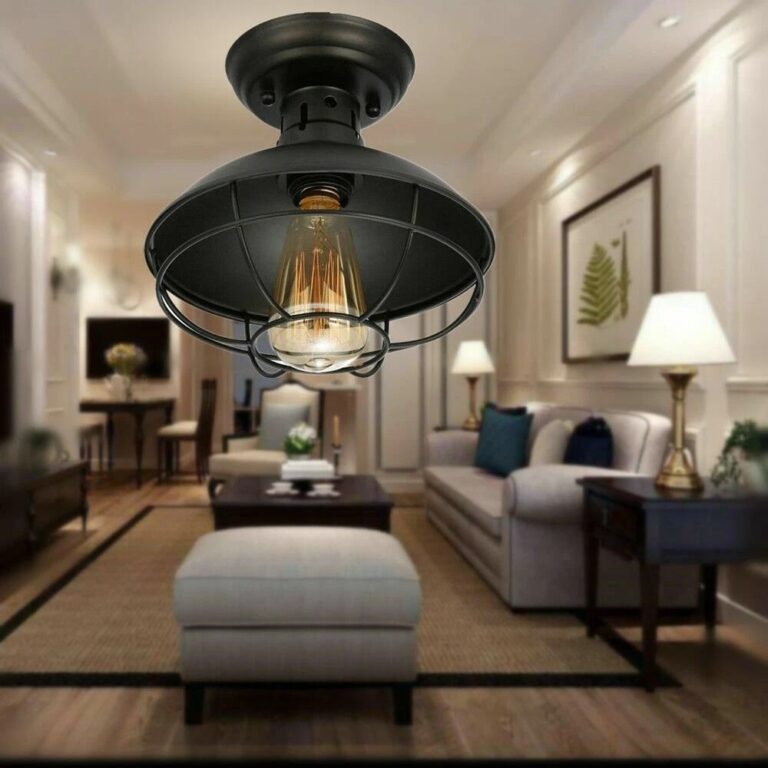 Aisha's pickLED Kitchen Ceiling Lights That Make Cooking a Bit Nicer

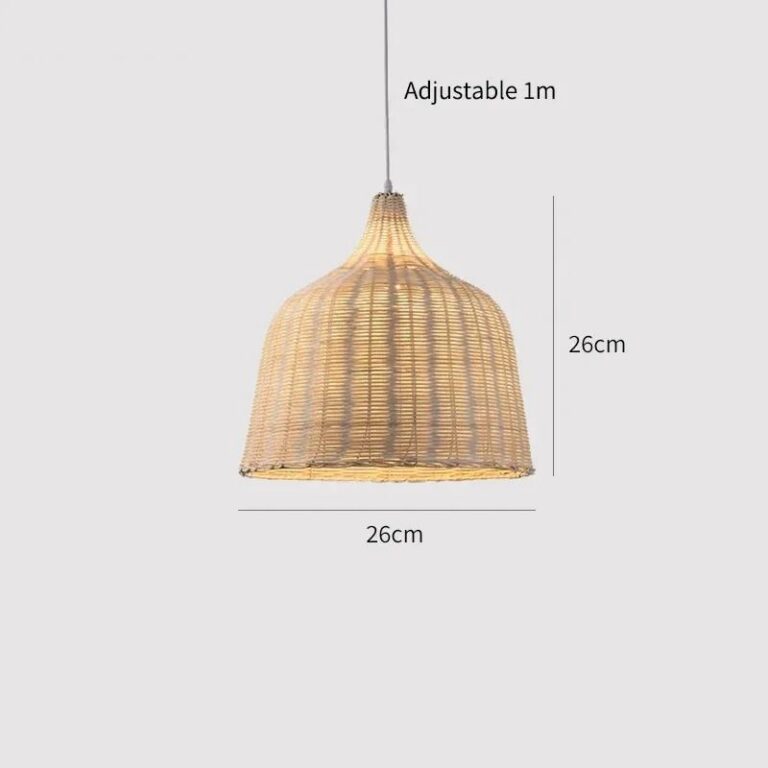 Aisha's pickCluster Kitchen Lights Bright Enough Without the Glare
 Aisha's pickLED Kitchen Lights Without the Silly Price Tag
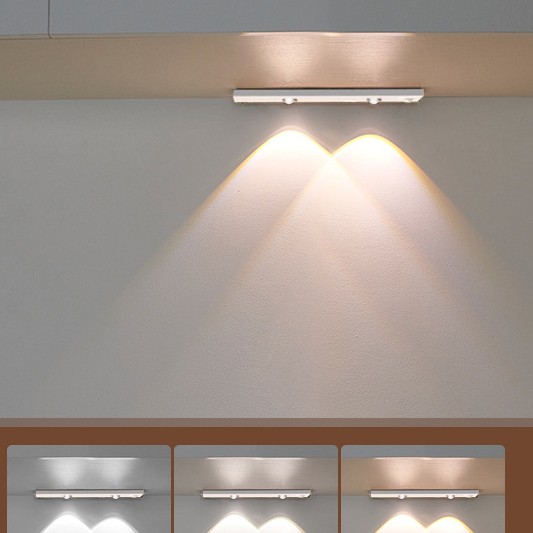
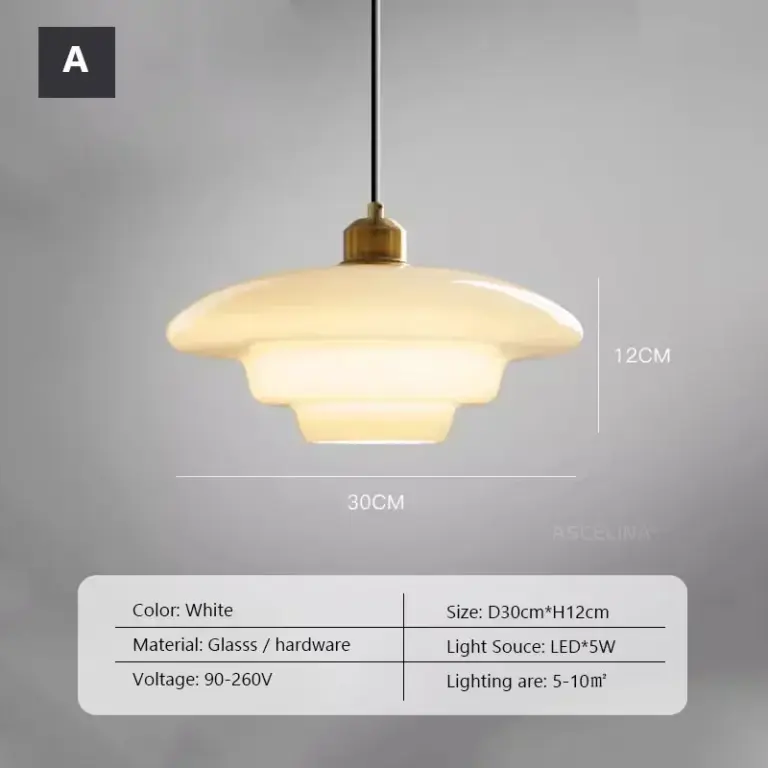 Aisha's pickCream Kitchen Lights That Cope With Steam and Splashes
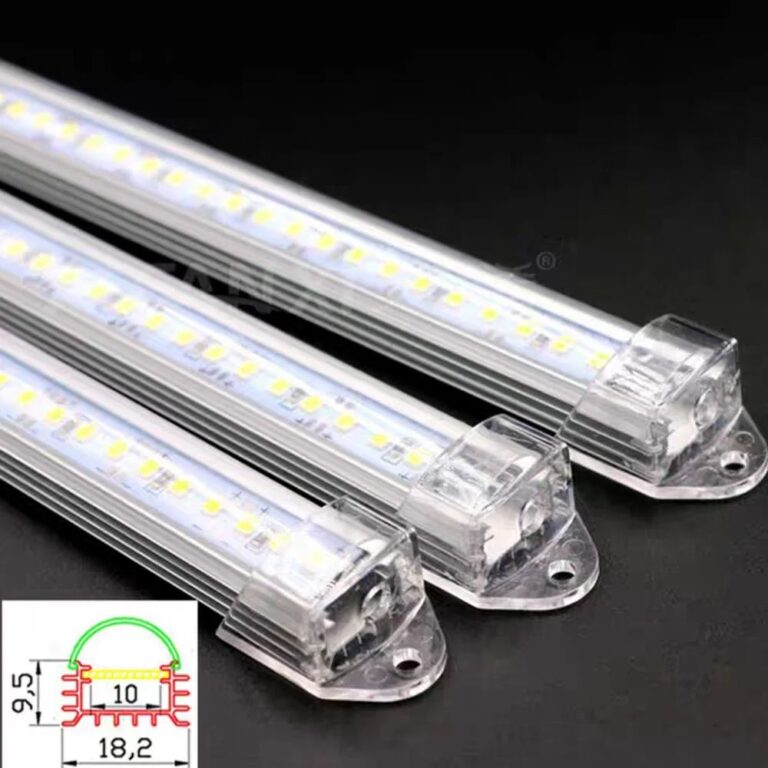 Aisha's pickLinear Kitchen Lights That Make Cooking a Bit Nicer
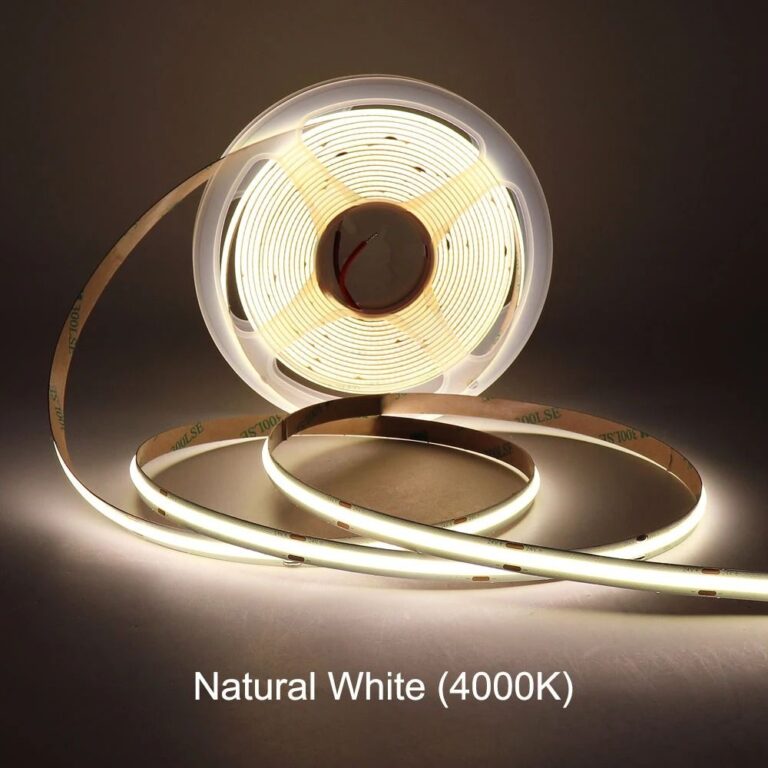
 Aisha's pickCrystal Kitchen Lights That Make Cooking a Bit Nicer
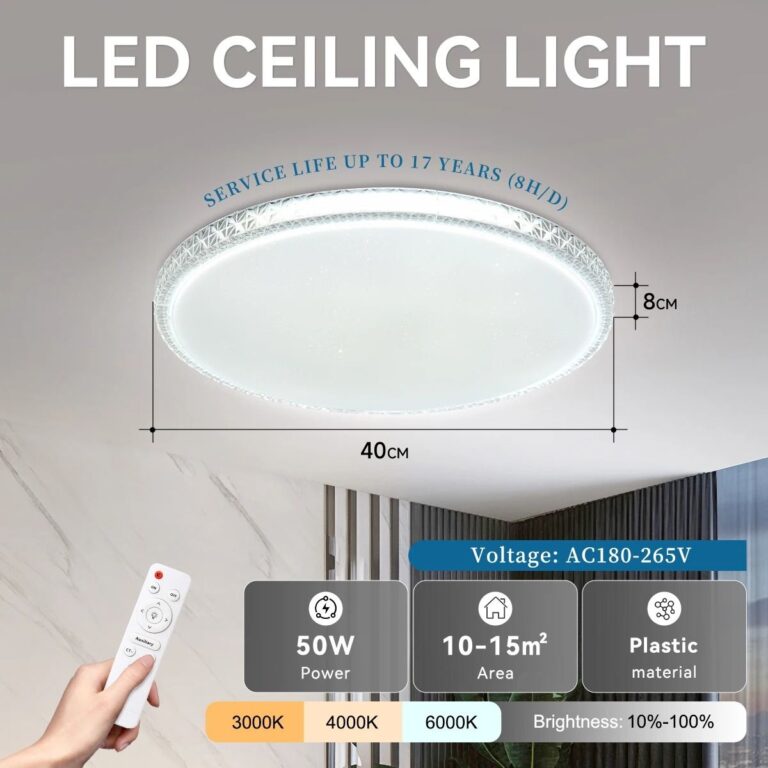
 Aisha's pickLuxury Kitchen Lights Pulled From Dozens of Stores
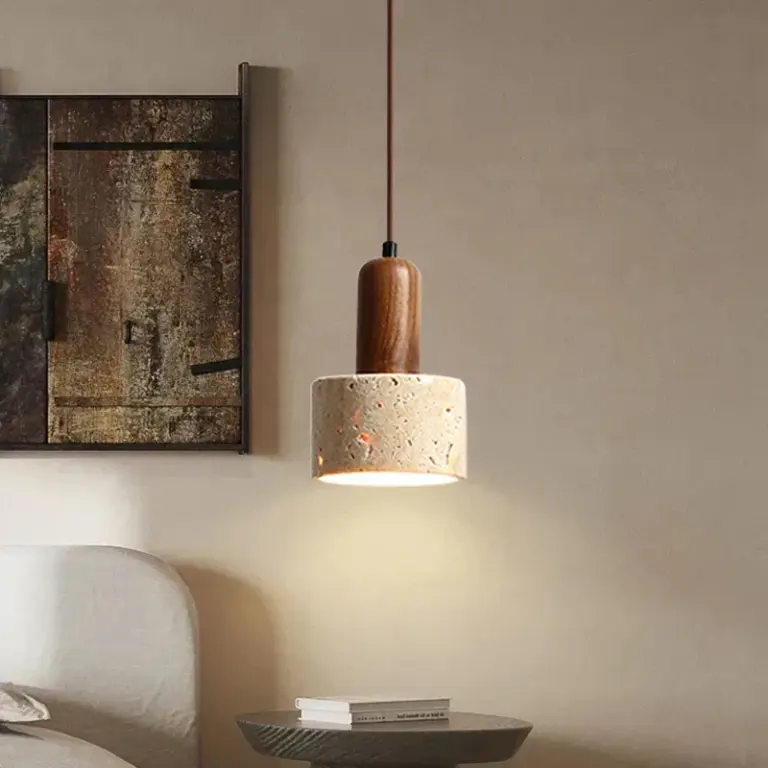
 Aisha's pickFabric Kitchen Lights That Cope With Steam and SplashesAlso worth a lookWall LightsWall lights are the fixture everyone skips and shouldn't.See the collections →

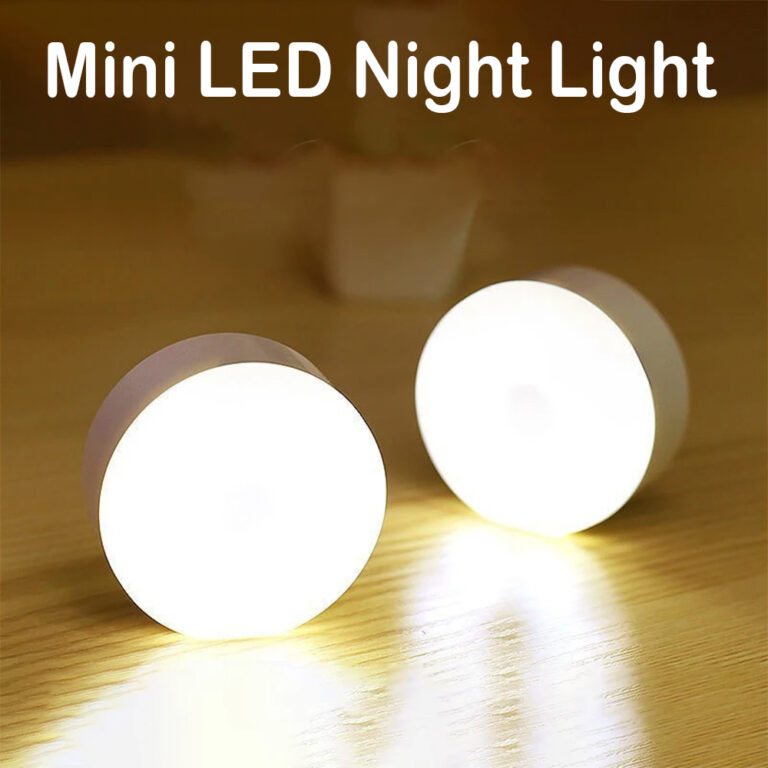 Aisha's pickMedium Kitchen Lights That Cope With Steam and Splashes

 Aisha's pickGreen Kitchen Lights That Cope With Steam and Splashes
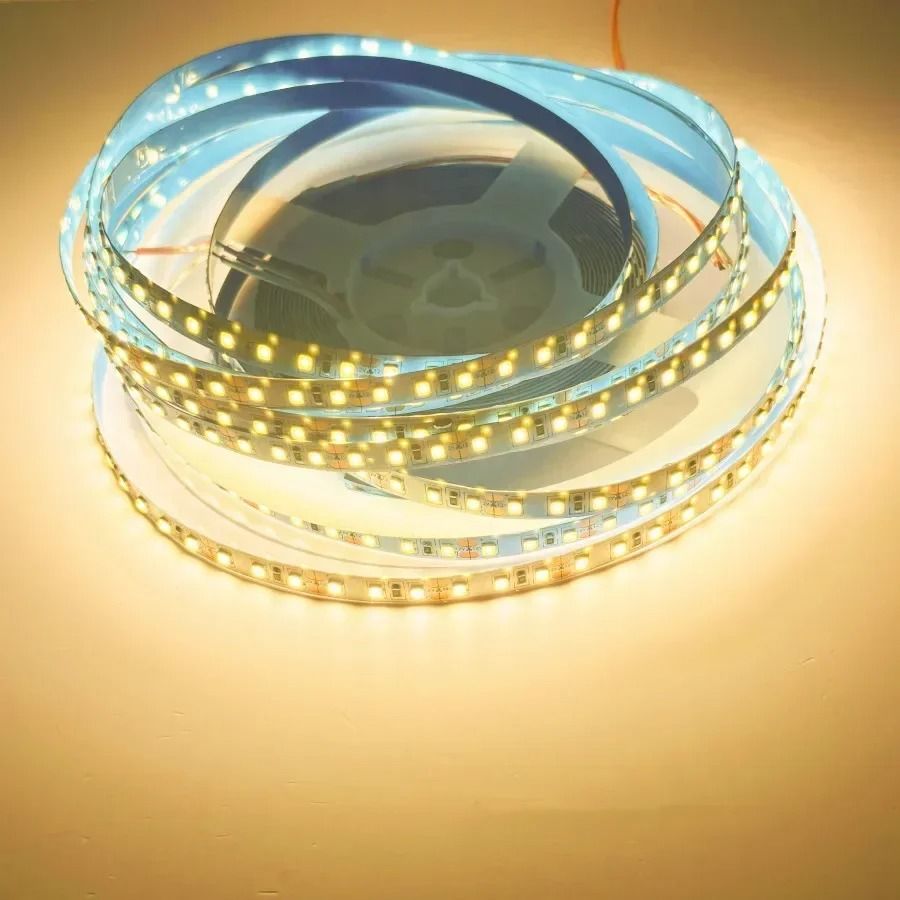
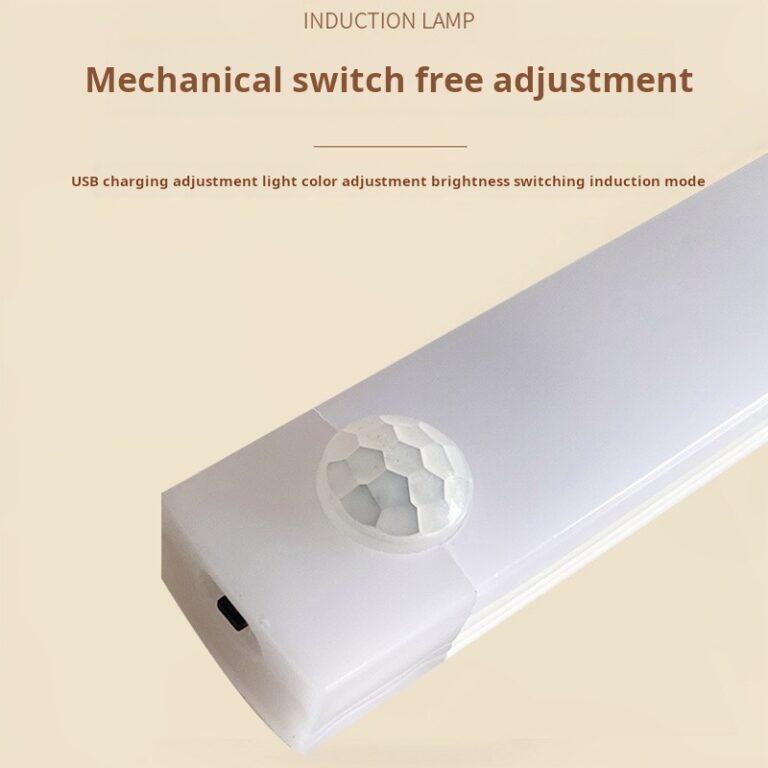 Aisha's pickNatural Kitchen Lights That Cope With Steam and Splashes
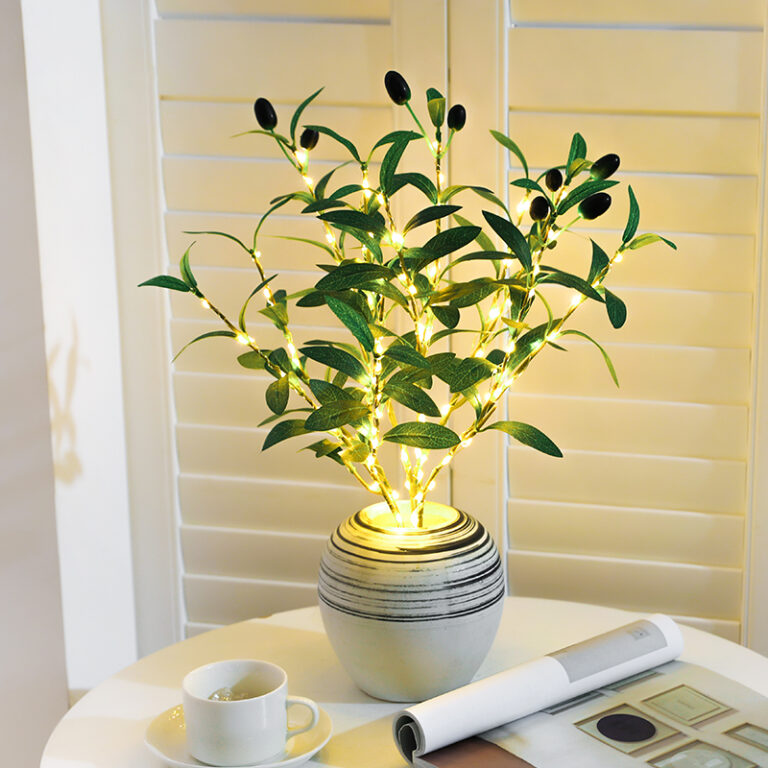
 Aisha's pickIndustrial Kitchen Lights From Brands You Know and a Few You Won’t
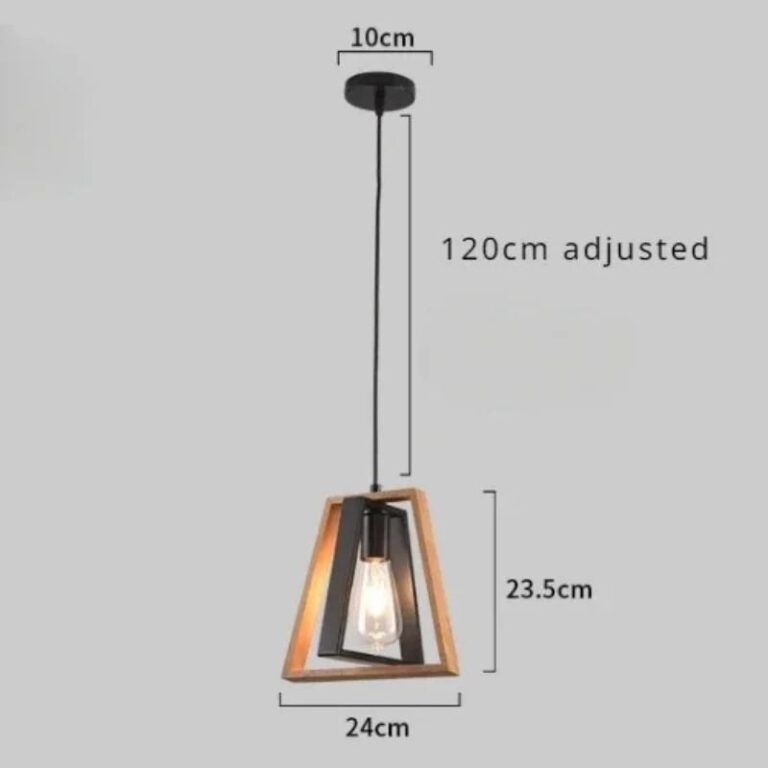
 Aisha's pickPaper Kitchen Lights That Change the Feel of a Room

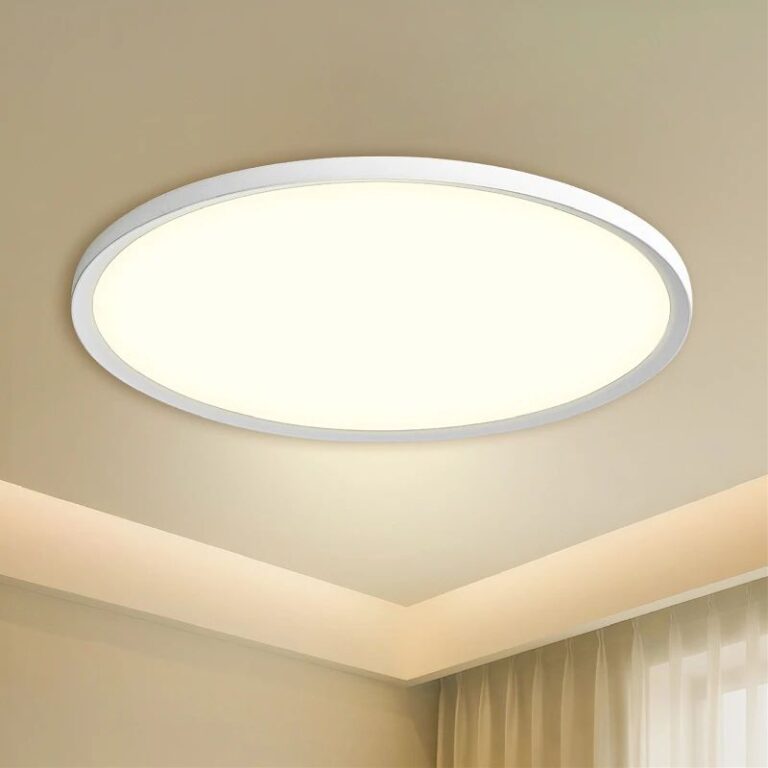 Aisha's pickKitchen Ceiling Lights That Give Off a Warm Glow

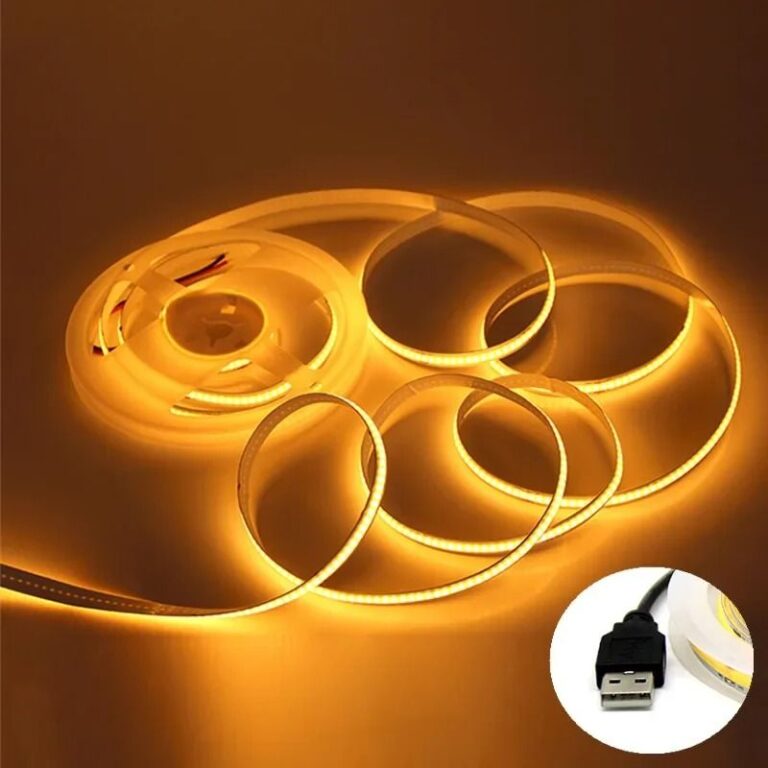 Aisha's pickPink Kitchen Lights for Cozy Nights In

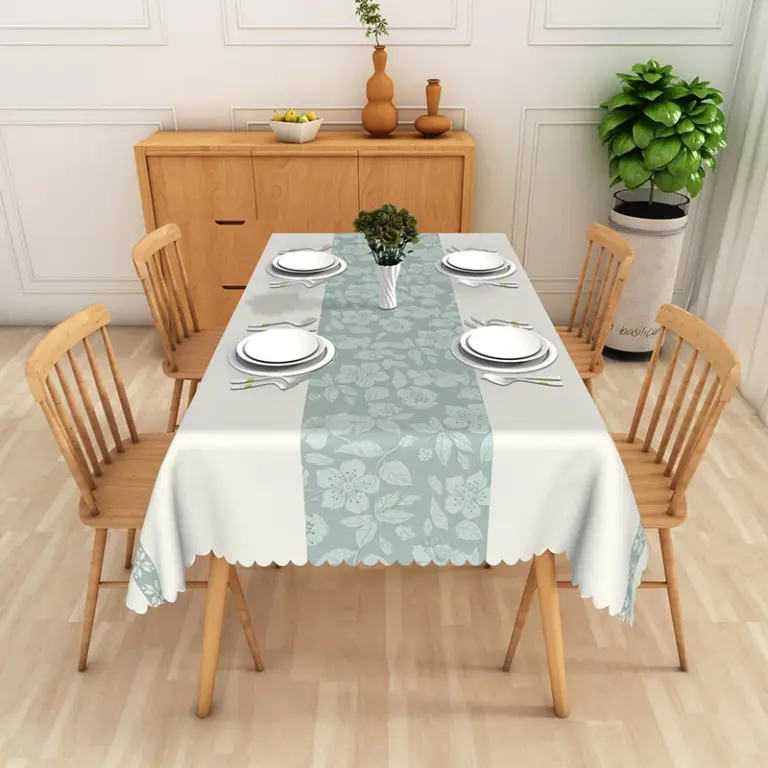 Aisha's pickKitchen Lights That Make a Room Feel Finished
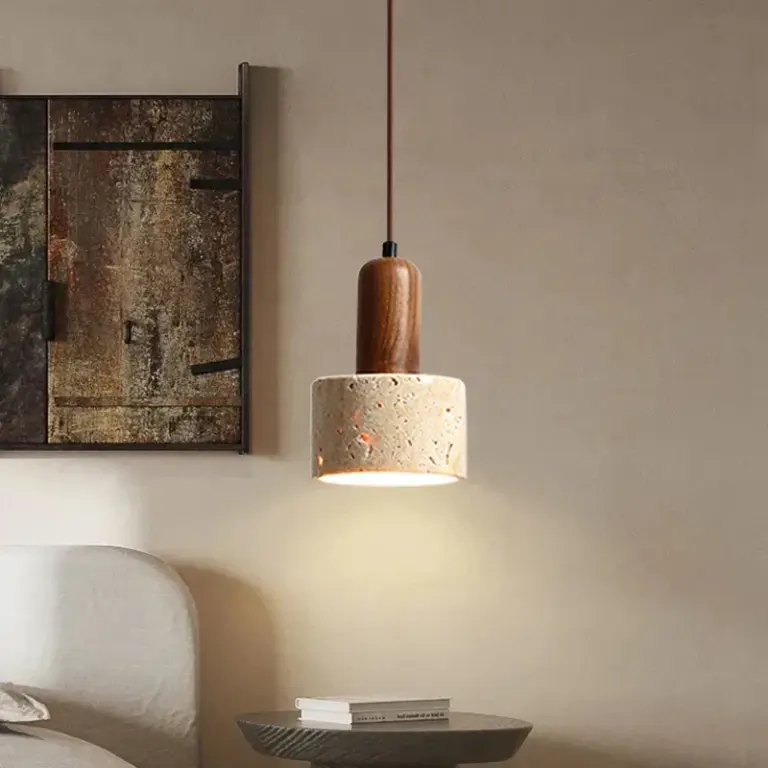
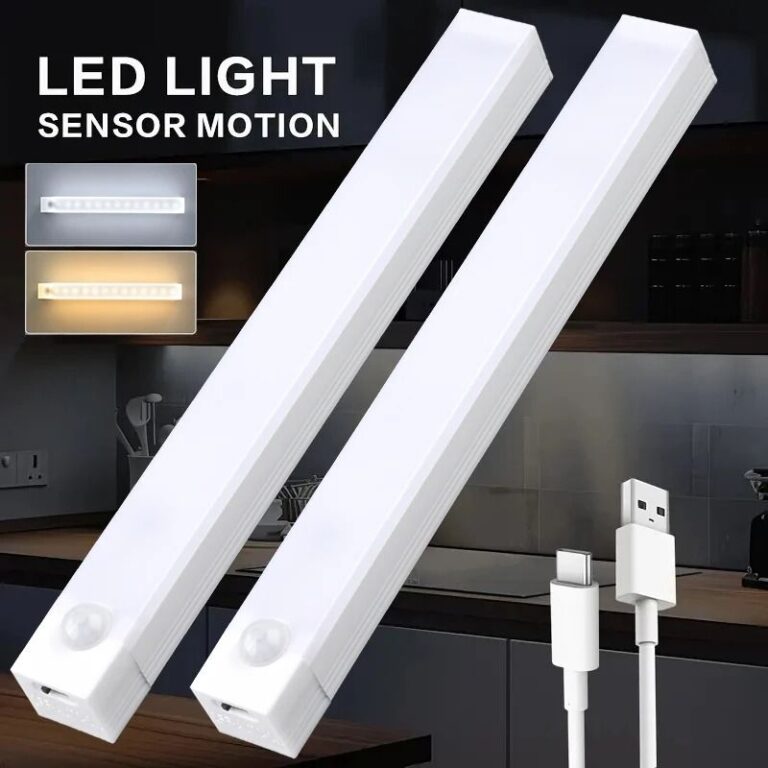 Aisha's pickRechargeable Kitchen Lights That Make Cooking a Bit NicerAlso worth a lookBlack LightsThe thing nobody mentions about black light fixtures is how differently they read once the sun goes down…See the collections →
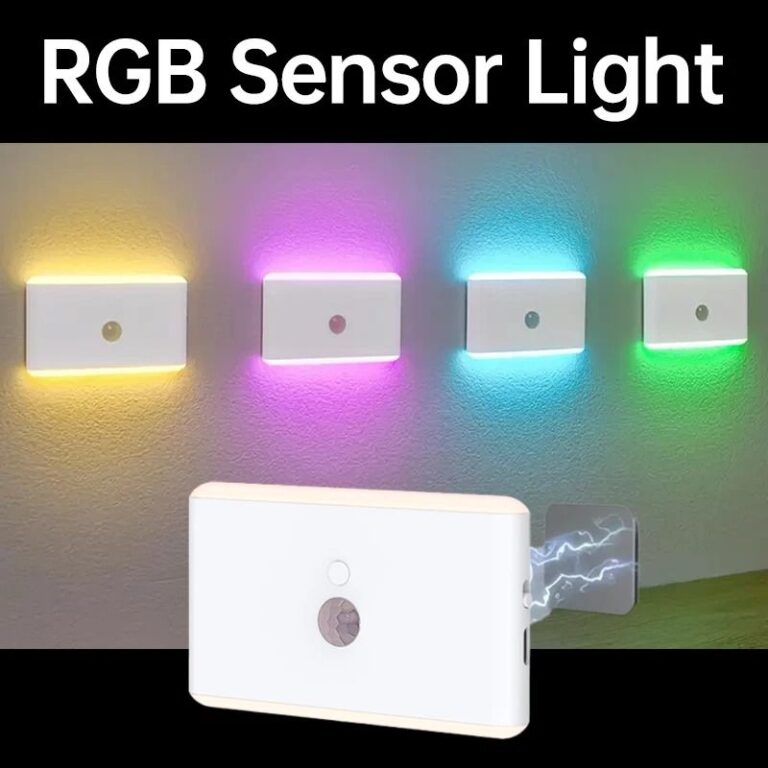
 Aisha's pickNo Fuss Kitchen Lights for Bedroom

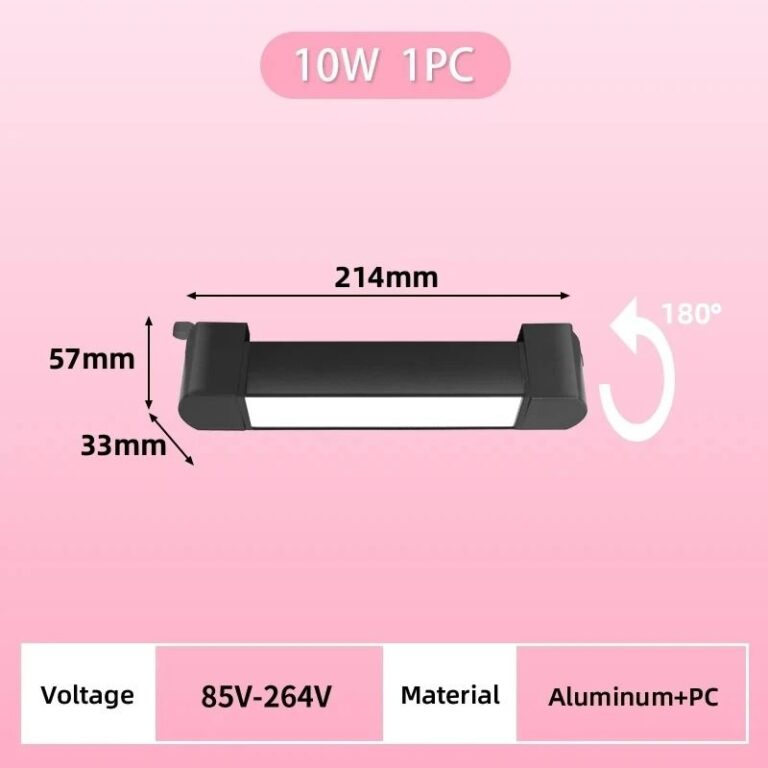 Aisha's pickRibbed Kitchen Lights That Change the Feel of a Room
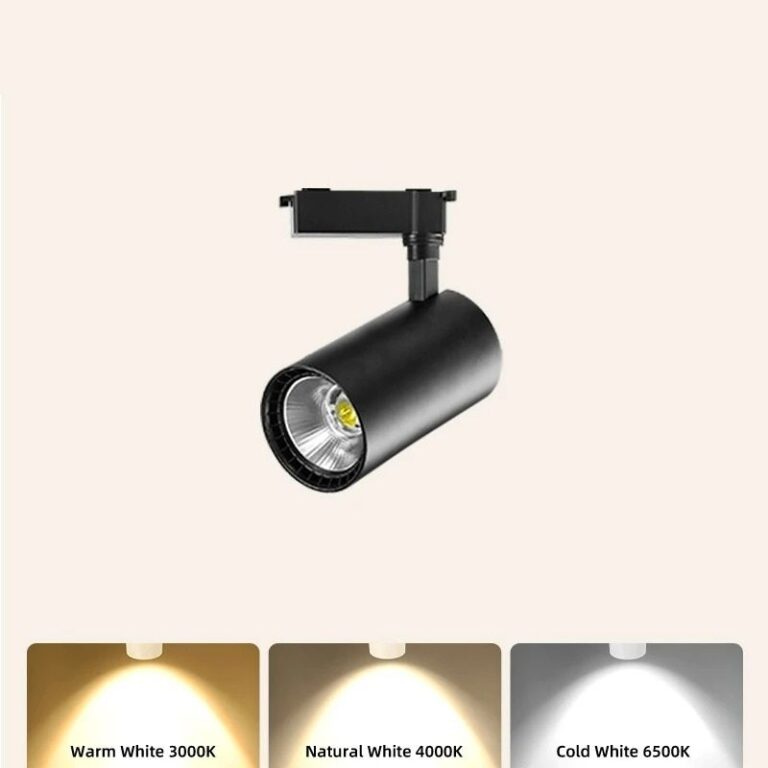
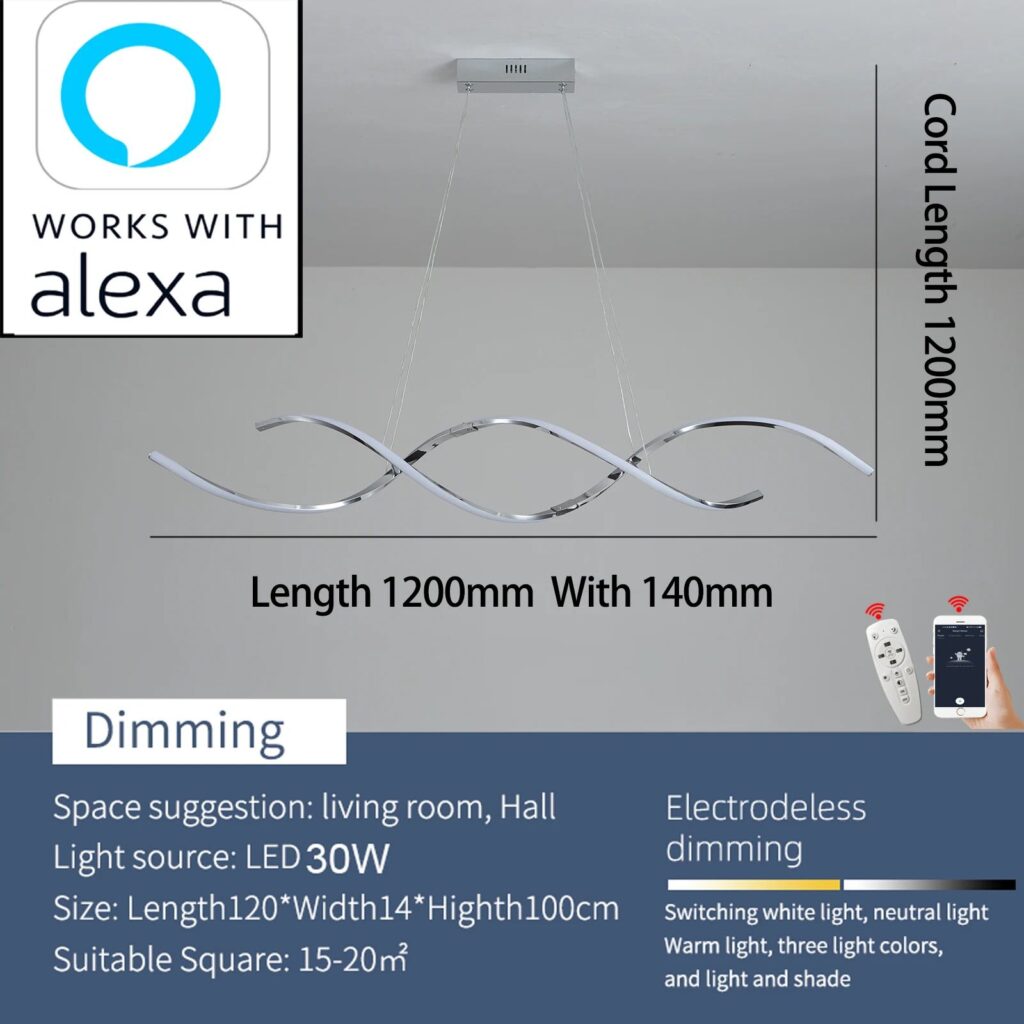 Aisha's pickKitchen Lights for Dining Table That Look Good Switched Off Too

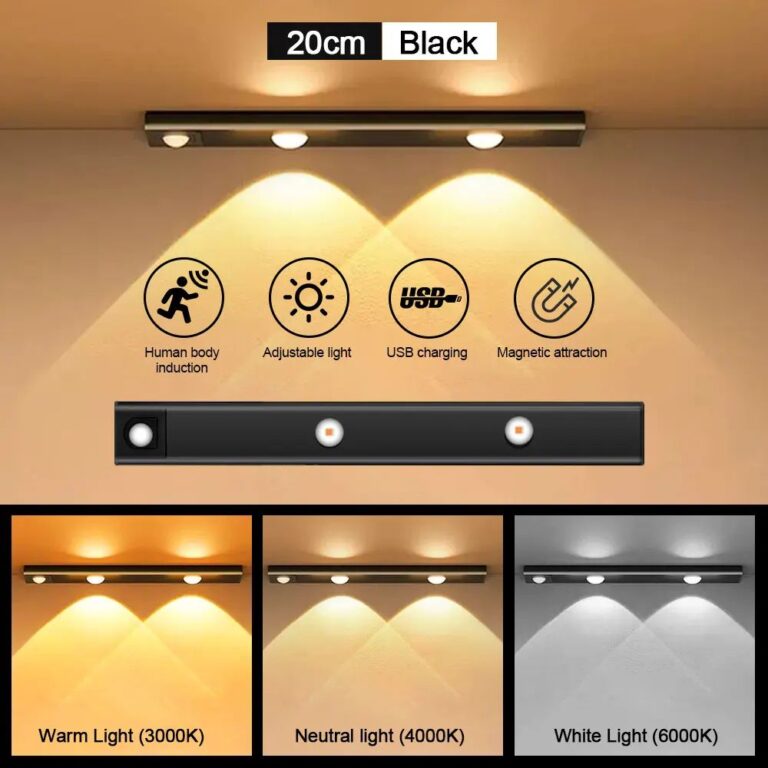 Aisha's pickSilver Kitchen Lights That Make Cooking a Bit Nicer
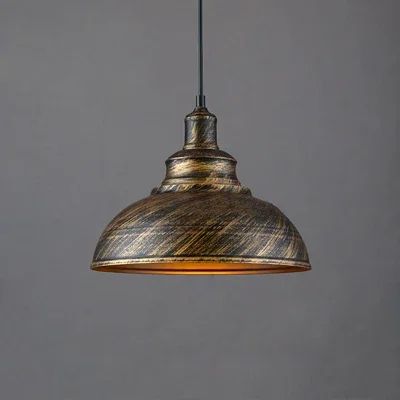
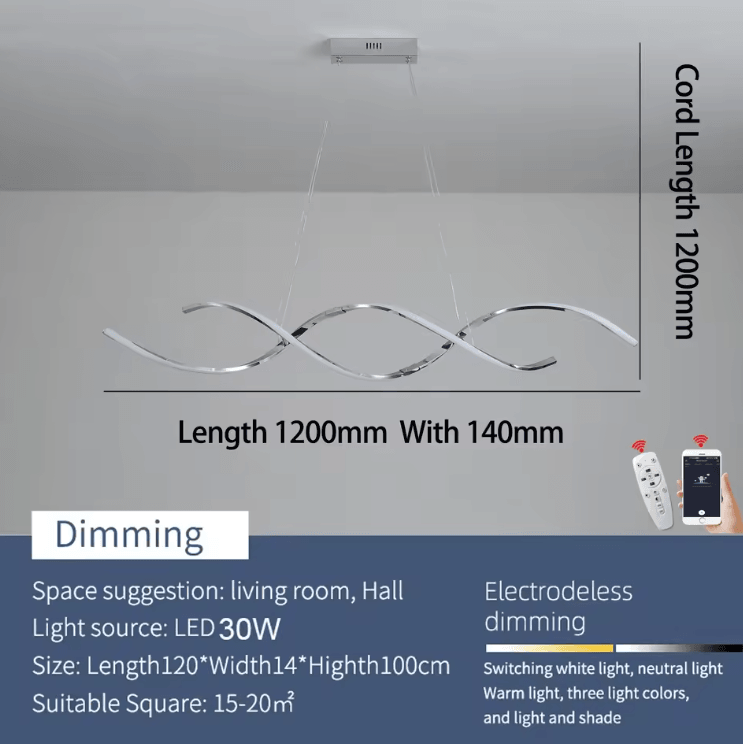 Aisha's pickKitchen Lights for Living Room We Leave On All Evening
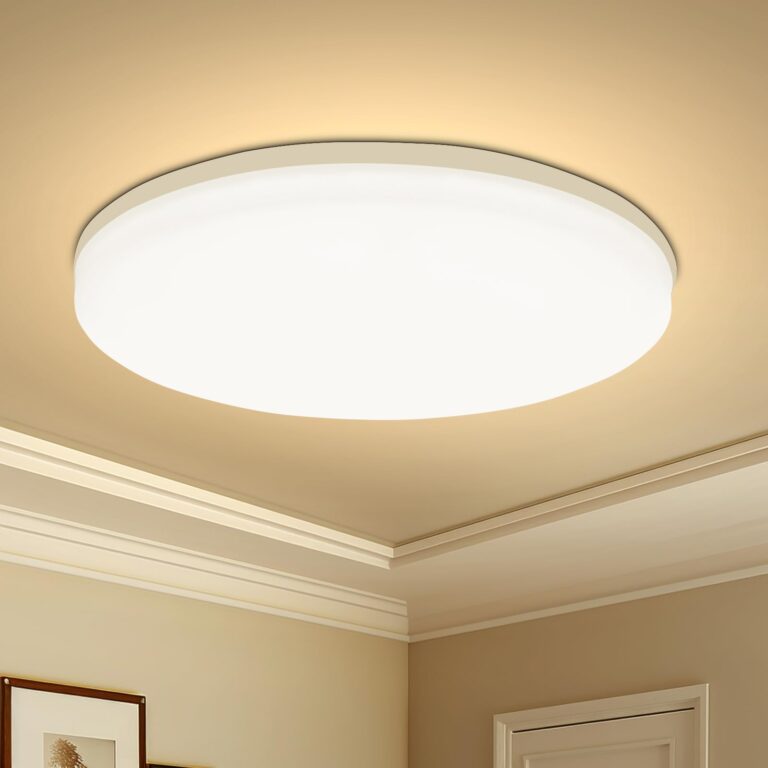
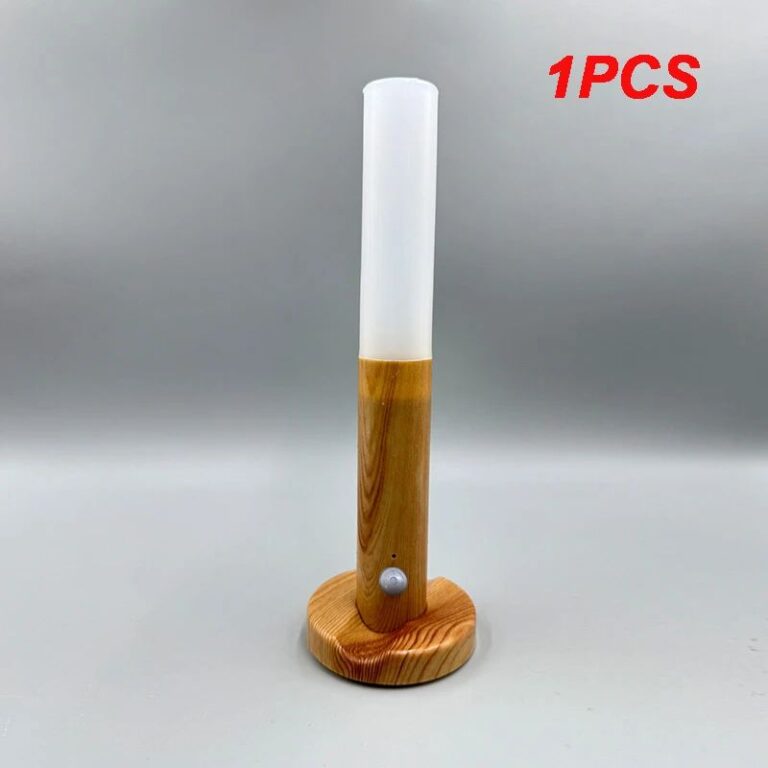 Aisha's pickSmart Kitchen Lights That Cope With Steam and Splashes
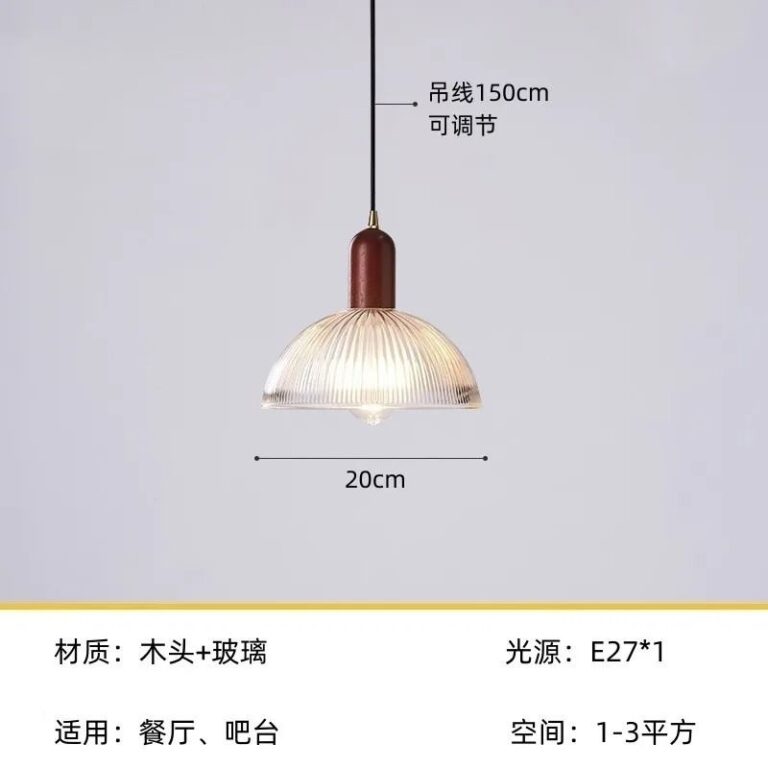
 Aisha's pickKitchen Lights with Cord That Make Rented Places Feel Like Home
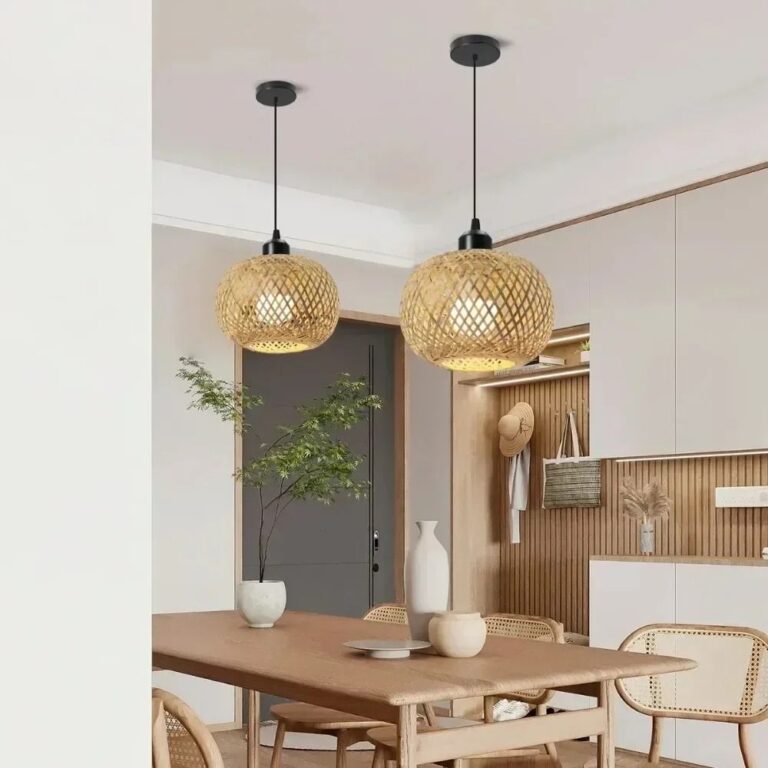
 Aisha's pickTraditional Kitchen Ceiling Lights With Some Character
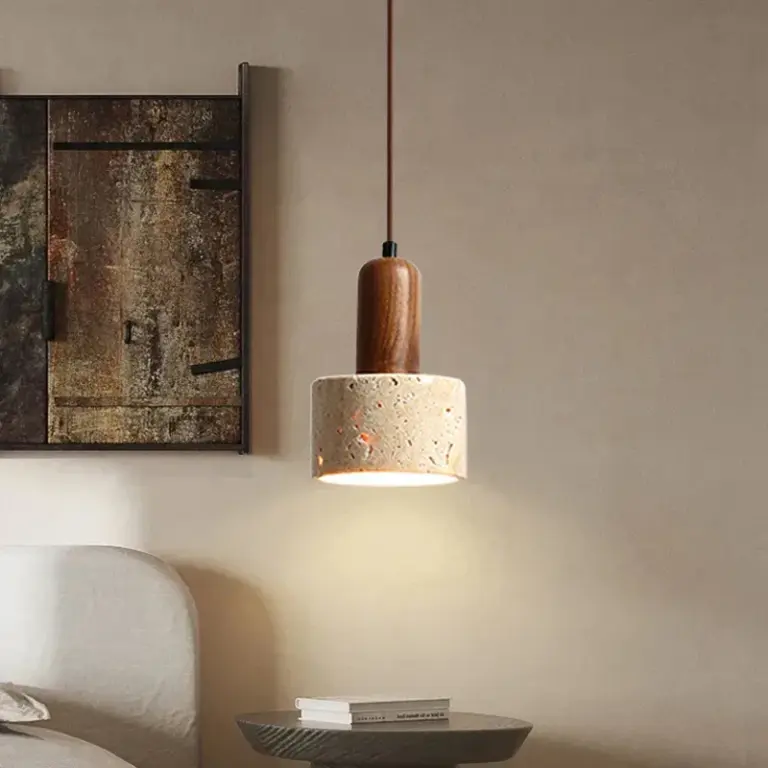
 Aisha's pickAcrylic Kitchen Lights That Make Cooking a Bit NicerAlso worth a lookBedroom LightsThe question I get most often is whether bedroom lighting needs to match the rest of the house,…See the collections →

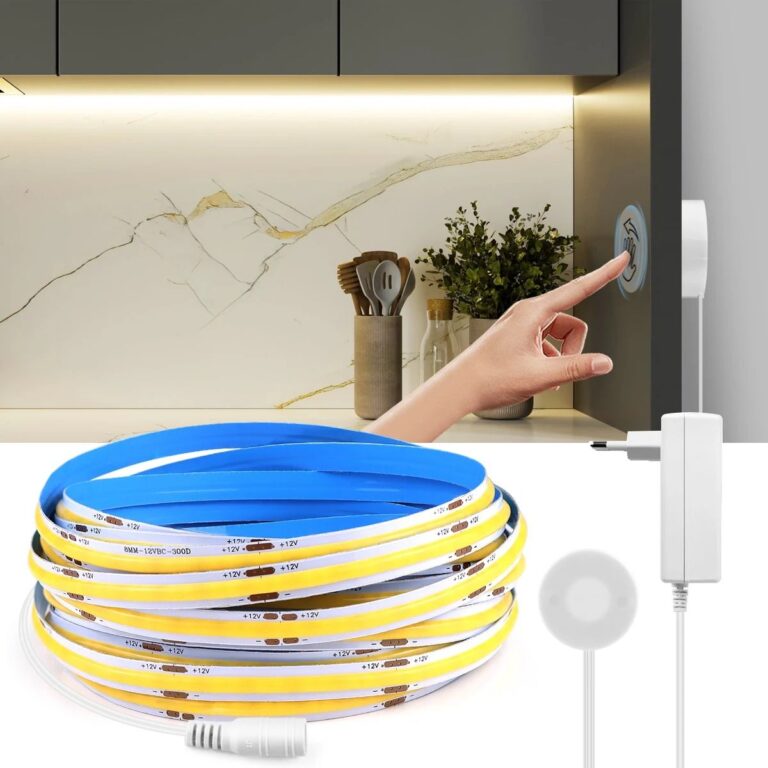 Aisha's pickDecent Kitchen Lights with Dimmer Without the Hassle
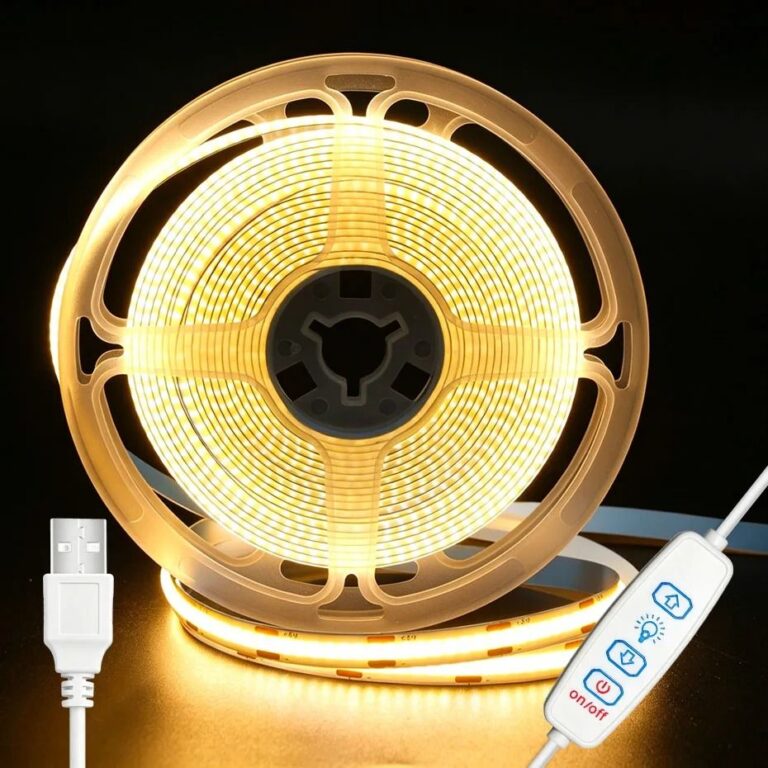
 Aisha's pickTraditional Kitchen Lights That Make Cooking a Bit Nicer
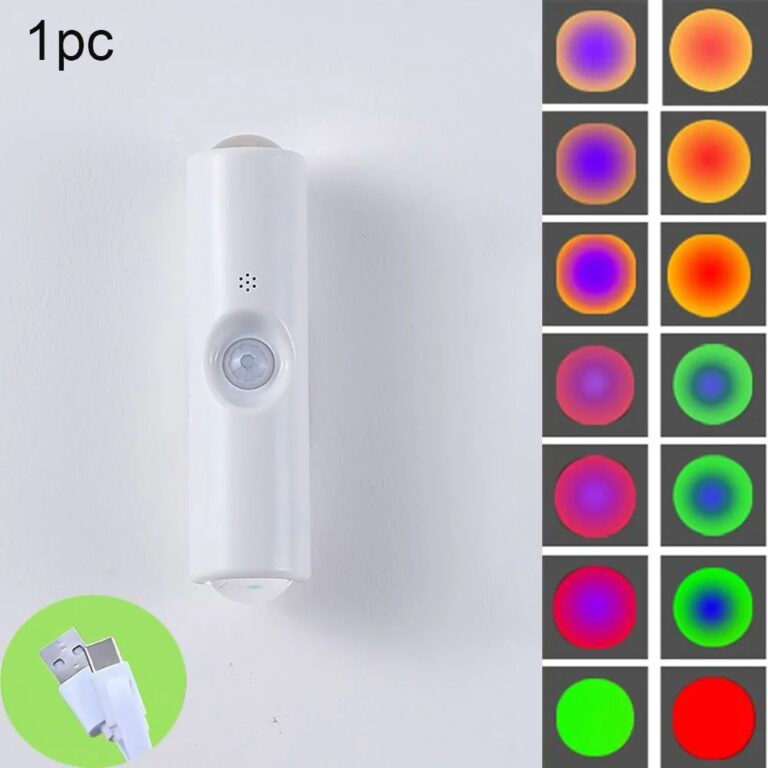
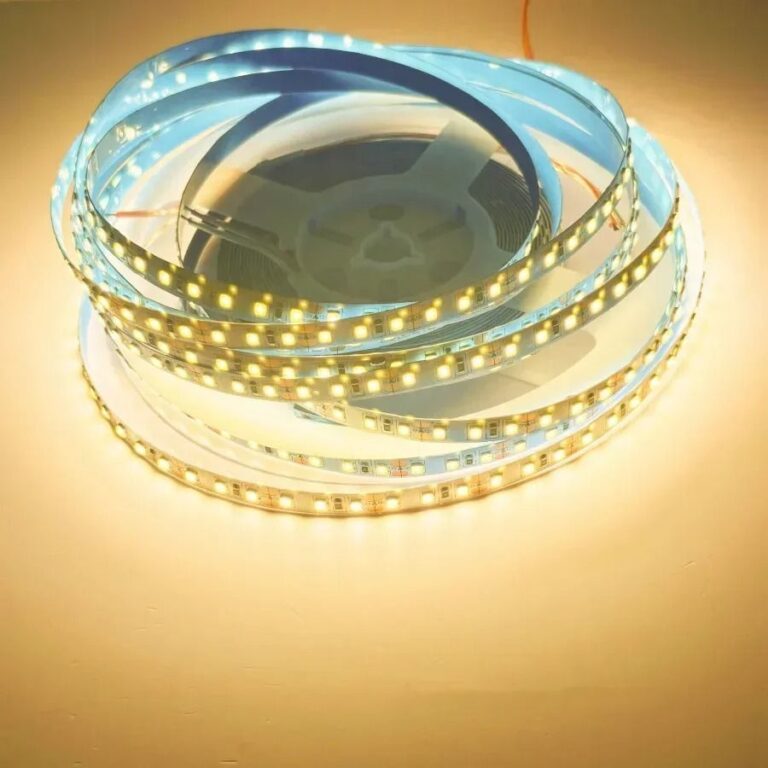 Aisha's pickBlue Kitchen Lights That Cope With Steam and Splashes

 Aisha's pickKitchen Lights with Glass Shade You’ll Keep for Years
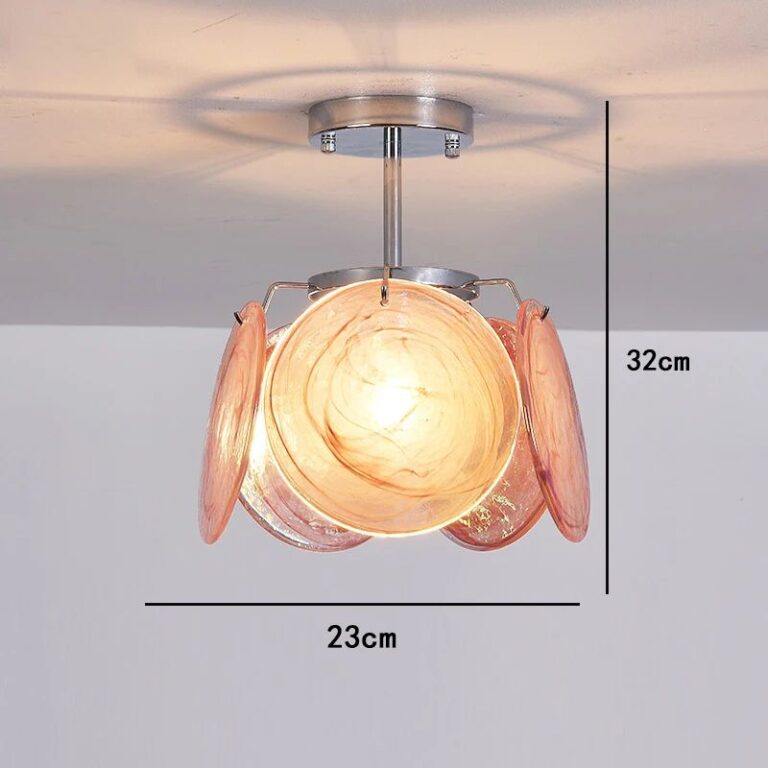
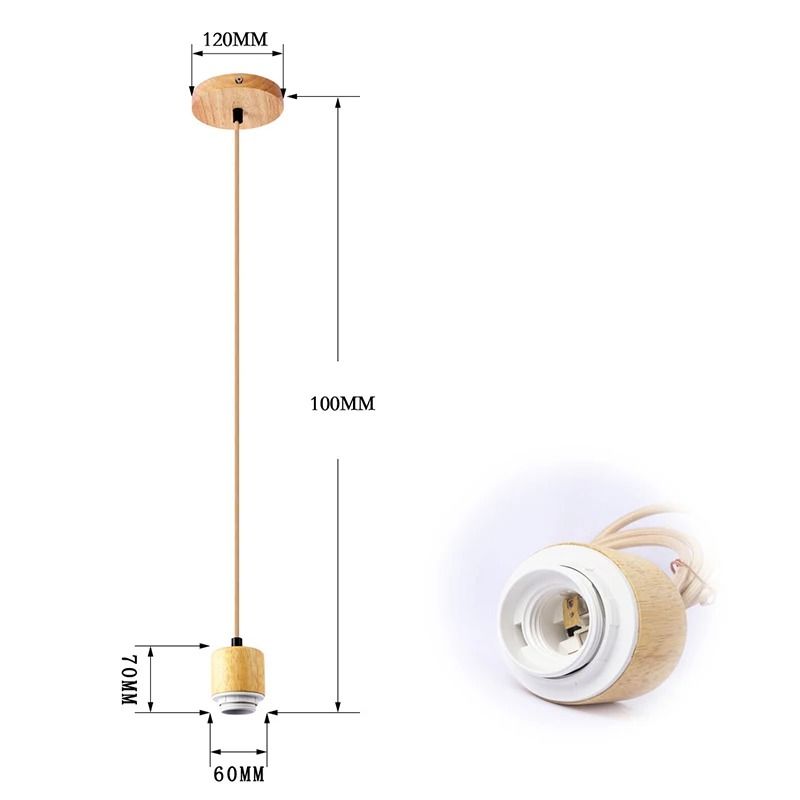
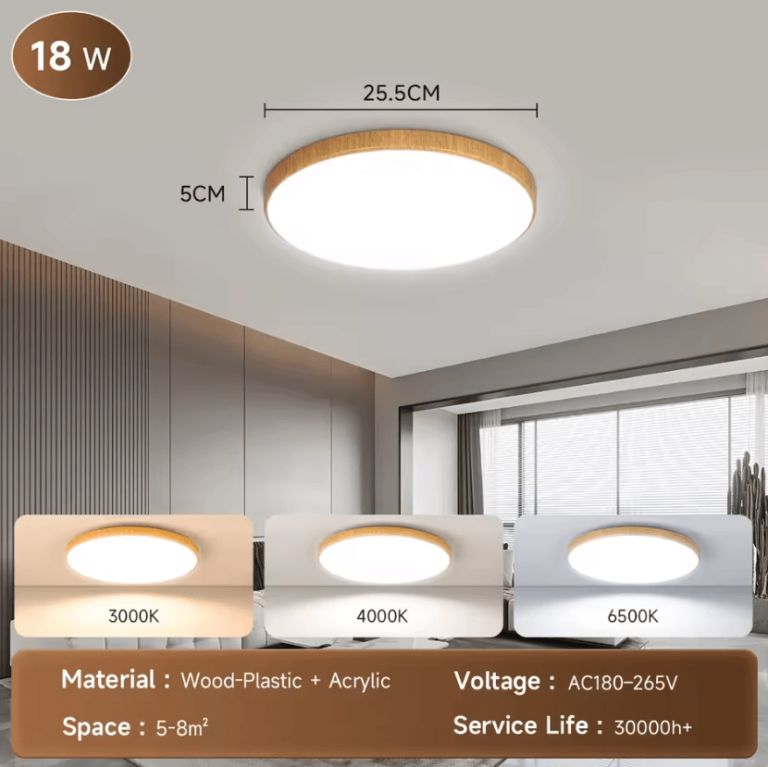 Aisha's pickWooden Kitchen Lights That Make Rented Places Feel Like Home